Astronomers open ‘new window’ on exoplanets after landmark first detection of magnetospheresAstronomen openen 'nieuwe venster' op exoplaneten na baanbrekende eerste detectie van magnetosferenLes astronomes ouvrent une 'nouvelle fenêtre' sur les exoplanètes après la première détection historique des magnétosphères
Good News Network · 8 June 2026, at 16:29
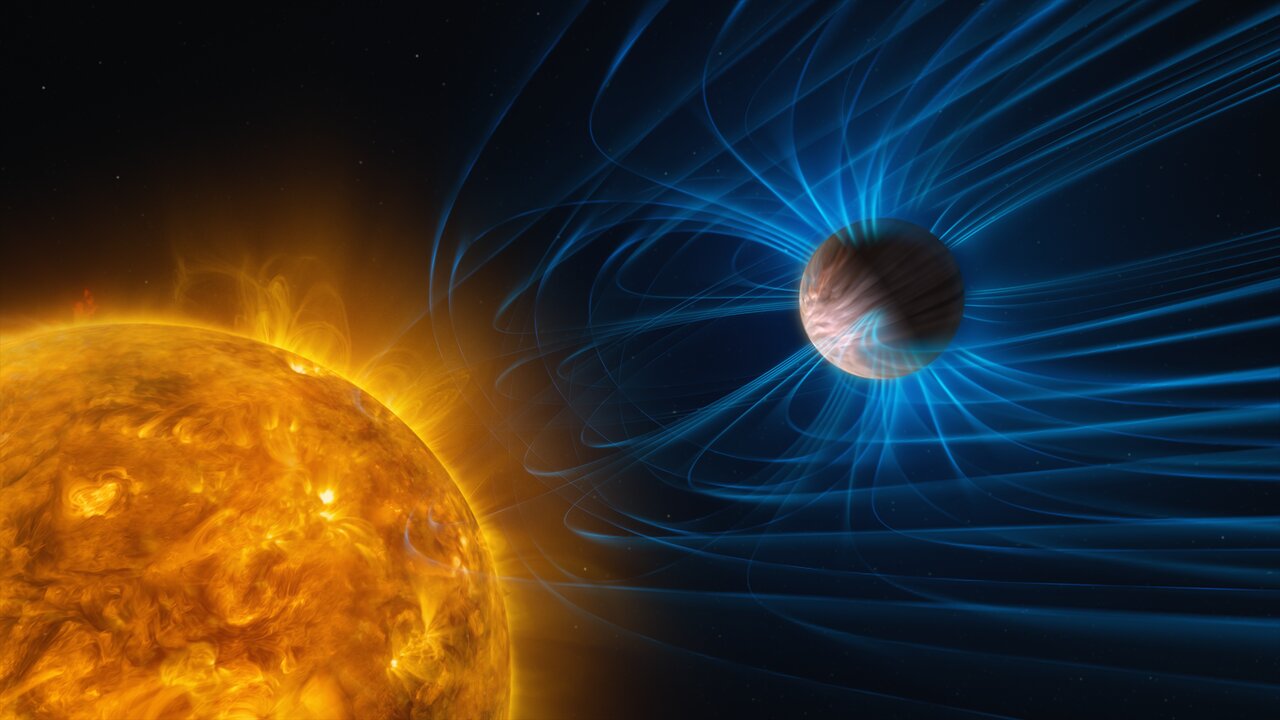
This is such an exciting breakthrough in exoplanet research! For the first time, astronomers have detected magnetic fields around exoplanets, which is crucial for understanding their habitability. They initially set out to measure wind speeds on seven hot, Jupiter-like planets, but ended up uncovering the magnetic environments that could help retain water and possibly support life. This discovery opens up a whole new avenue for studying how planets form and sustain themselves in the cosmos.Dit is zo'n opwindende doorbraak in het onderzoek naar exoplaneten! Voor het eerst hebben astronomen magnetische velden rond exoplaneten gedetecteerd, wat cruciaal is voor het begrijpen van hun bewoonbaarheid. Ze wilden aanvankelijk de windsnelheden op zeven hete, Jupiter-achtige planeten meten, maar ontdekten uiteindelijk de magnetische omgevingen die water kunnen vasthouden en mogelijk leven kunnen ondersteunen. Deze ontdekking opent een geheel nieuwe weg voor het bestuderen van hoe planeten zich vormen en in het heelal kunnen overleven.C'est une avancée tellement passionnante dans la recherche sur les exoplanètes ! Pour la première fois, des astronomes ont détecté des champs magnétiques autour des exoplanètes, ce qui est crucial pour comprendre leur habitabilité. Ils avaient initialement pour objectif de mesurer les vitesses du vent sur sept planètes chaudes de type Jupiter, mais ont finalement découvert les environnements magnétiques qui pourraient aider à retenir l'eau et éventuellement soutenir la vie. Cette découverte ouvre une toute nouvelle voie pour étudier comment les planètes se forment et se maintiennent dans le cosmos.