Life’s ‘last universal common ancestor’ may predate life itselfHet 'laatste universele gemeenschappelijke voorouder' van het leven kan het leven zelf voorafgaanLe 'dernier ancêtre commun universel' de la vie pourrait précéder la vie elle-même
Scientific American · 20 August 2026, at 21:37
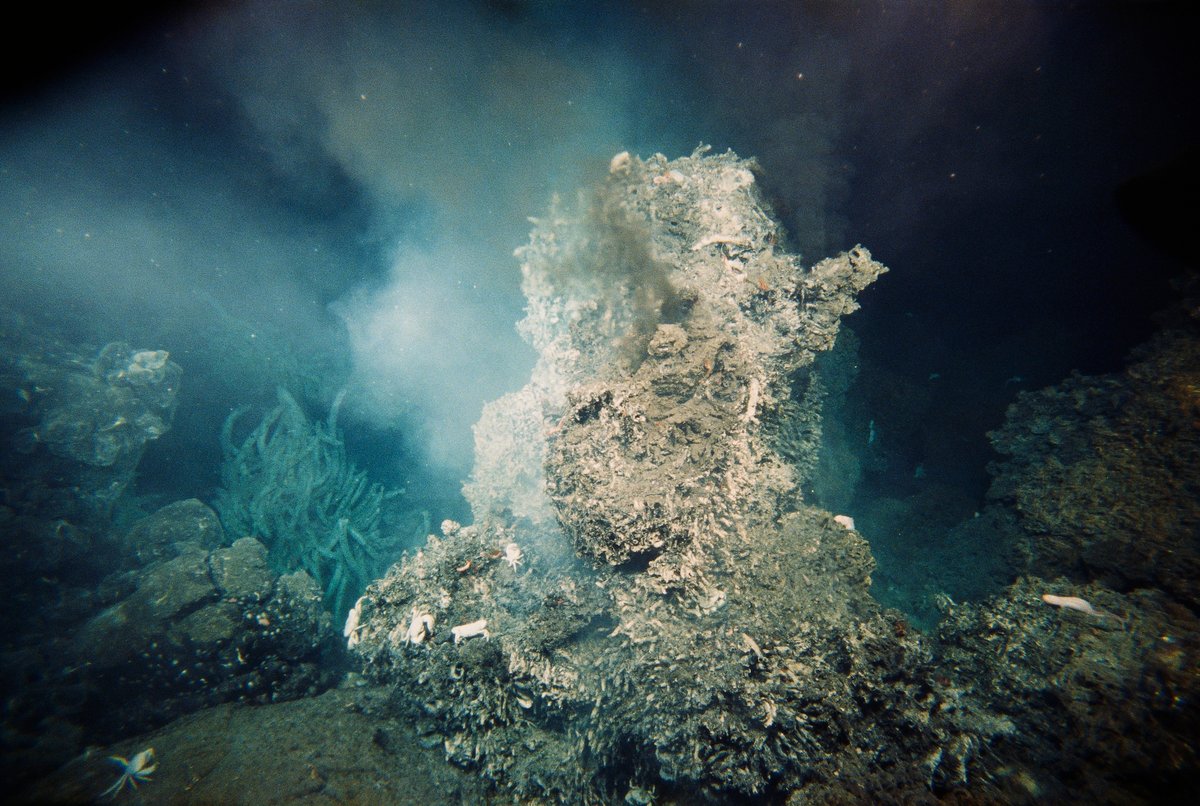
How did life begin? This question has puzzled scientists for ages, and now a team suggests we might have been asking the wrong thing all along. They propose that life could have started twice from a chemical system, not fully alive, found in hydrothermal vents. This 'last universal common ancestor' was part organic and part mineral, changing our perspective on early evolution. It's a fascinating idea that could reshape our understanding of life's origins!Hoe is het leven begonnen? Deze vraag houdt wetenschappers al eeuwen bezig, en nu suggereert een team dat we misschien de verkeerde vraag hebben gesteld. Ze stellen voor dat het leven twee keer zou kunnen zijn begonnen vanuit een chemisch systeem, niet volledig levend, dat te vinden was in hydrothermale bronnen. Deze 'laatste universele gemeenschappelijke voorouder' was deels organisch en deels mineraal, wat onze kijk op de vroege evolutie verandert. Het is een fascinerend idee dat ons begrip van de oorsprong van het leven zou kunnen herzien!Comment la vie a-t-elle commencé ? Cette question intrigue les scientifiques depuis des siècles, et maintenant une équipe suggère que nous avons peut-être posé la mauvaise question. Ils proposent que la vie aurait pu commencer deux fois à partir d'un système chimique, pas tout à fait vivant, trouvé dans des cheminées hydrothermales. Ce 'dernier ancêtre commun universel' était à la fois organique et minéral, changeant notre perspective sur l'évolution précoce. C'est une idée fascinante qui pourrait redéfinir notre compréhension des origines de la vie !