Have we finally found dark matter?Hebben we eindelijk donkere materie gevonden?Avons-nous enfin trouvé la matière noire?
Scientific American · 1 September 2026, at 20:47
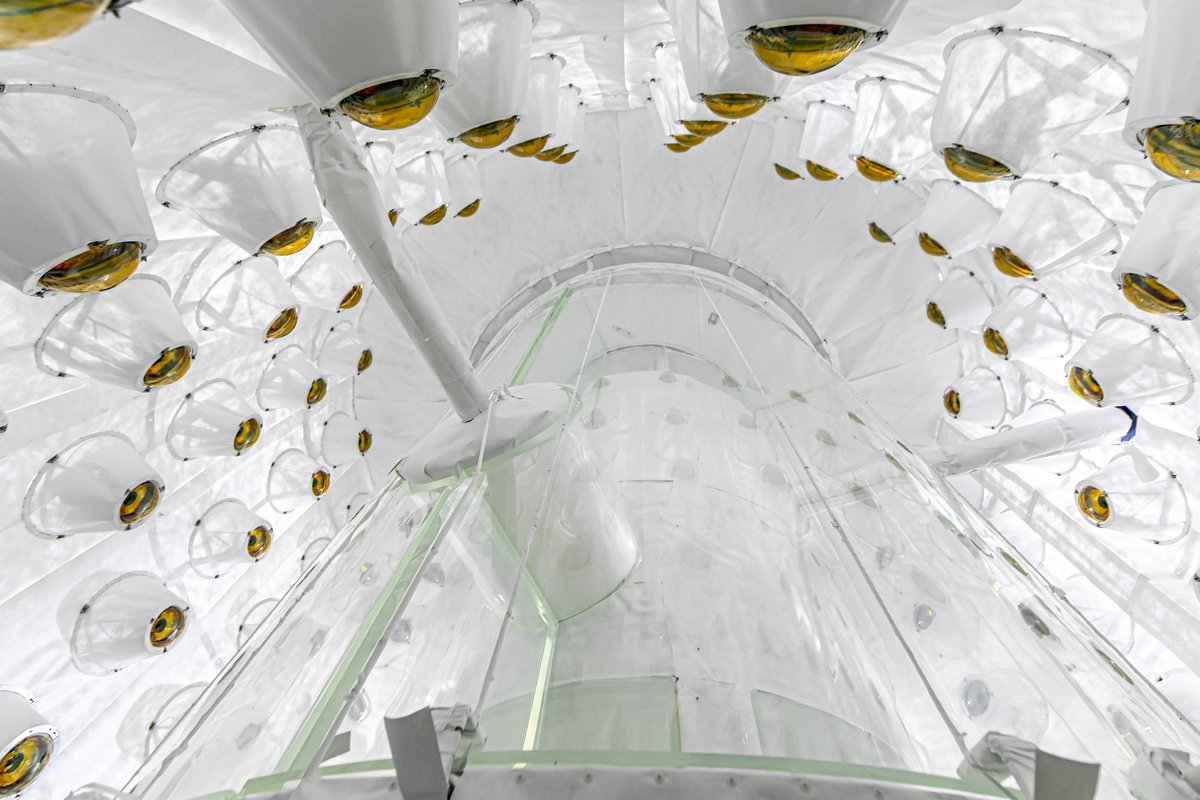
So, there's this exciting development from the LUX-ZEPLIN experiment in South Dakota where a mysterious flash of light was detected, hinting at a possible interaction with dark matter. After 40 years of searching, scientists are buzzing with excitement over this unexplained event that could change our understanding of the universe. The flash suggests a collision between an unknown particle and an atom, which is a thrilling twist in the dark matter hunt. While it's still a mystery, the statistical significance of this event is making waves in the scientific community!Dus, er is een spannende ontwikkeling van het LUX-ZEPLIN-experiment in South Dakota waar een mysterieuze flits van licht werd gedetecteerd, wat wijst op een mogelijke interactie met donkere materie. Na 40 jaar zoeken zijn wetenschappers enthousiast over dit onverklaarde evenement dat onze kijk op het universum zou kunnen veranderen. De flits suggereert een botsing tussen een onbekend deeltje en een atoom, wat een opwindende wending is in de zoektocht naar donkere materie. Hoewel het nog steeds een mysterie is, zorgt de statistische significantie van dit evenement voor opschudding in de wetenschappelijke gemeenschap!Alors, il y a ce développement passionnant de l'expérience LUX-ZEPLIN dans le Dakota du Sud où un mystérieux éclat de lumière a été détecté, suggérant une possible interaction avec la matière noire. Après 40 ans de recherche, les scientifiques sont en émoi face à cet événement inexpliqué qui pourrait changer notre compréhension de l'univers. L'éclat suggère une collision entre une particule inconnue et un atome, ce qui constitue un tournant palpitant dans la chasse à la matière noire. Bien que cela reste un mystère, la signification statistique de cet événement fait des vagues dans la communauté scientifique !