There are just five perfect shapes in math—here's whyEr zijn slechts vijf perfecte vormen in wiskunde - hier is waaromIl n'y a que cinq formes parfaites en mathématiques - voici pourquoi
Scientific American · 9 September 2026, at 02:09
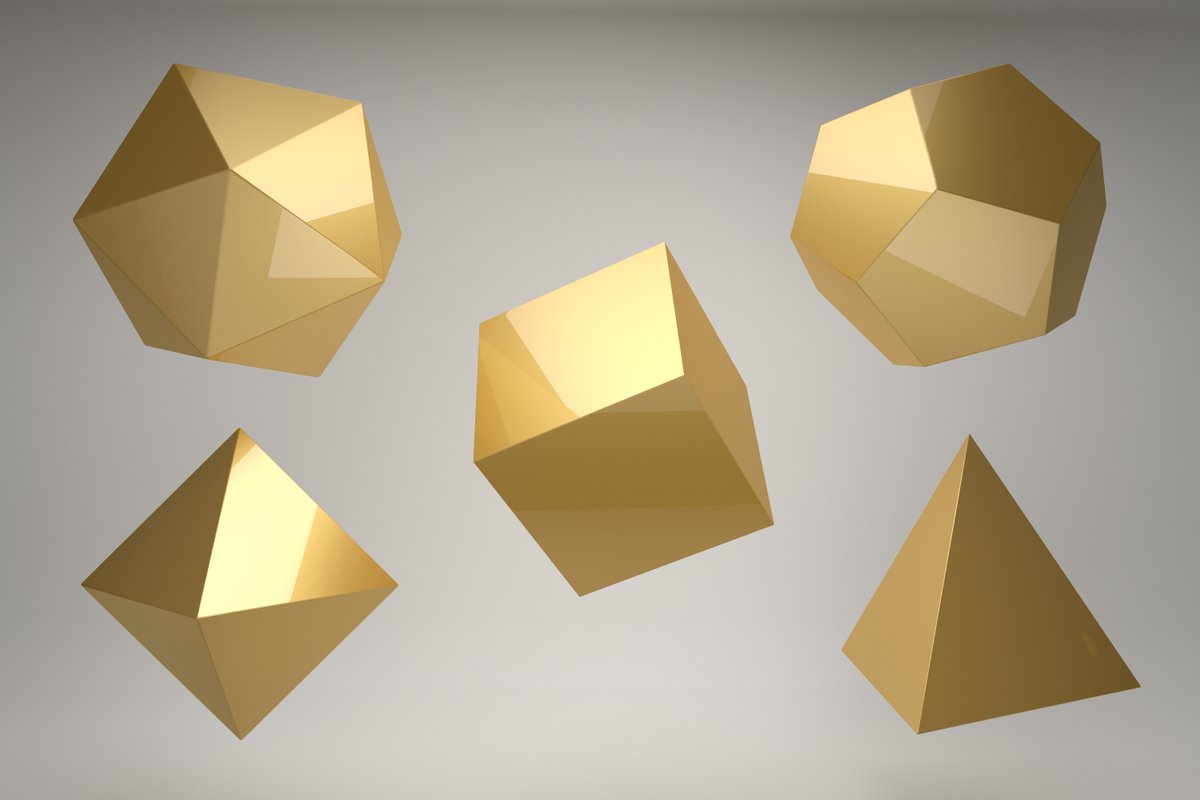
Isn't it fascinating that in a world where perfection is rare, mathematics offers us five perfect shapes? These are the Platonic solids, each boasting incredible symmetry and unique properties. From ancient Greece to modern times, scholars have marveled at these shapes, which include the tetrahedron and the cube. Thanks to Euler's formula, we can mathematically prove that only five of these solids exist, making them a delightful topic for anyone curious about the wonders of math.Het is toch fascinerend dat in een wereld waar perfectie zeldzaam is, de wiskunde ons vijf perfecte vormen biedt? Dit zijn de Platonische lichamen, die elk ongelooflijke symmetrie en unieke eigenschappen hebben. Van het oude Griekenland tot de moderne tijd hebben geleerden zich verwonderd over deze vormen, waaronder de tetraëder en de kubus. Dankzij de formule van Euler kunnen we wiskundig bewijzen dat er slechts vijf van deze lichamen bestaan, wat ze een heerlijk onderwerp maakt voor iedereen die nieuwsgierig is naar de wonderen van de wiskunde.N'est-ce pas fascinant que dans un monde où la perfection est rare, les mathématiques nous offrent cinq formes parfaites ? Ce sont les solides de Platon, chacun possédant une incroyable symétrie et des propriétés uniques. Depuis la Grèce antique jusqu'à nos jours, les érudits ont admiré ces formes, qui incluent le tétraèdre et le cube. Grâce à la formule d'Euler, nous pouvons prouver mathématiquement que seuls cinq de ces solides existent, ce qui en fait un sujet délicieux pour quiconque est curieux des merveilles des mathématiques.