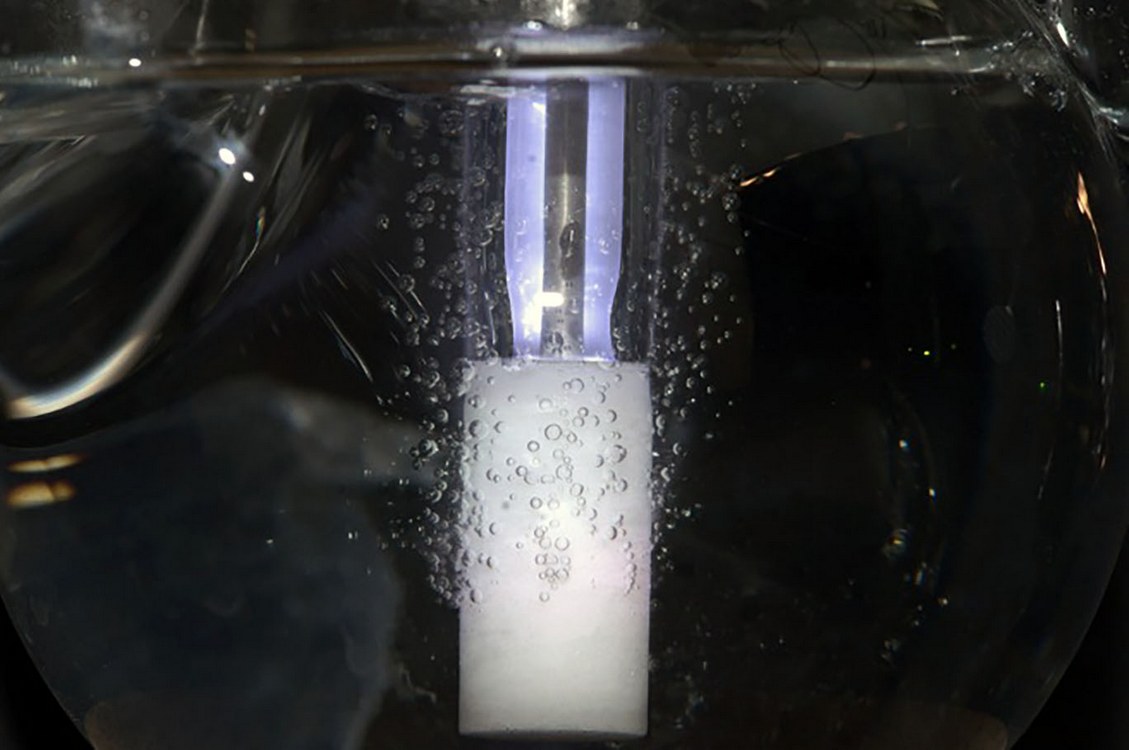
Lightning in a bottle transforms methane into high-demand methanol through breakthrough processBliksem in een fles transformeert methaan in veelgevraagd methanol via doorbraakprocesÉclair dans une bouteille transforme le méthane en méthanol très demandé grâce à un processus révolutionnaire
Good News Network · 27 April 2026, at 21:00
How exciting is this? Researchers at Northwestern University have developed a groundbreaking method to convert methane into methanol using mini lightning bolts! This innovative process not only simplifies production but also significantly reduces carbon emissions. By employing cold plasma and a unique reactor design, they can create methanol in a single step, making it a cleaner alternative for various industrial uses. It's a fantastic leap forward in sustainable chemistry that could change the way we think about fuel and chemicals.Hoe spannend is dit? Onderzoekers van de Northwestern University hebben een baanbrekende methode ontwikkeld om methaan om te zetten in methanol met behulp van mini-bliksemflitsen! Dit innovatieve proces vereenvoudigt niet alleen de productie, maar vermindert ook de koolstofemissies aanzienlijk. Door koud plasma en een uniek reactorontwerp te gebruiken, kunnen ze methanol in één stap creëren, wat het een schoner alternatief maakt voor verschillende industriële toepassingen. Het is een fantastische stap voorwaarts in duurzame chemie die onze kijk op brandstof en chemicaliën kan veranderen.À quel point c'est excitant ? Des chercheurs de l'Université Northwestern ont développé une méthode révolutionnaire pour convertir le méthane en méthanol en utilisant des mini-éclairs ! Ce processus innovant simplifie non seulement la production, mais réduit également considérablement les émissions de carbone. En utilisant du plasma froid et un design de réacteur unique, ils peuvent créer du méthanol en une seule étape, ce qui en fait une alternative plus propre pour diverses utilisations industrielles. C'est un pas en avant fantastique dans la chimie durable qui pourrait changer notre façon de penser le carburant et les produits chimiques.