Lost world under the ice of Antarctica. A giant hand-shaped structure discoveredVerloren wereld onder het ijs van Antarctica. Een gigantische handvormige structuur ontdektMonde perdu sous la glace de l'Antarctique. Une structure géante en forme de main découverte
Rzeczpospolita Poland · 27 June 2026, at 07:04
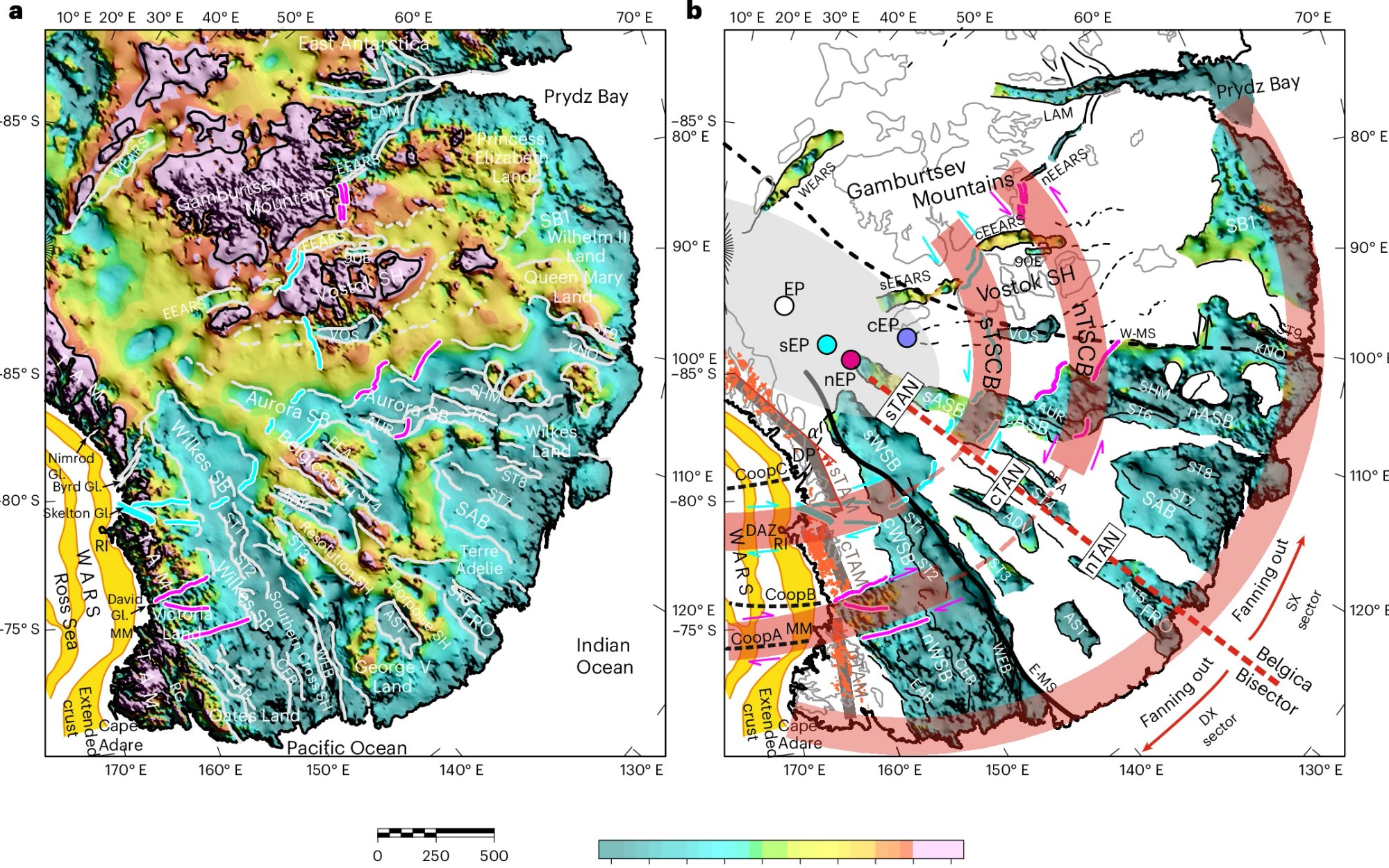
Scientists have made an incredible discovery beneath the Antarctic ice – a massive hand-shaped structure that changes our understanding of the continent's geological evolution. This formation, found under the East Antarctic ice sheet, includes vast subglacial lakes and reaches depths of over 3 kilometers. It's fascinating to think that these structures, previously considered separate, are actually part of a larger megastructure. This groundbreaking research opens up new questions about how such formations came to be and what they mean for the future of our planet.Wetenschappers hebben een ongelooflijke ontdekking gedaan onder het Antarctische ijs - een enorme handvormige structuur die ons begrip van de geologische evolutie van het continent verandert. Deze formatie, gevonden onder het oostelijke Antarctische ijskap, omvat uitgestrekte subglaciale meren en reikt tot meer dan 3 kilometer diep. Het is fascinerend om te denken dat deze structuren, die eerder als afzonderlijk werden beschouwd, eigenlijk deel uitmaken van een grotere megastructuur. Dit baanbrekende onderzoek roept nieuwe vragen op over hoe dergelijke formaties zijn ontstaan en wat ze betekenen voor de toekomst van onze planeet.Les scientifiques ont fait une découverte incroyable sous la glace de l'Antarctique - une massive structure en forme de main qui change notre compréhension de l'évolution géologique du continent. Cette formation, trouvée sous la calotte glaciaire de l'Antarctique oriental, comprend d'immenses lacs subglaciaires et atteint des profondeurs de plus de 3 kilomètres. Il est fascinant de penser que ces structures, auparavant considérées comme séparées, font en réalité partie d'une plus grande mégastructure. Cette recherche révolutionnaire soulève de nouvelles questions sur la façon dont de telles formations se sont formées et ce qu'elles signifient pour l'avenir de notre planète.