Inside the race to spot wildfires before they spiral out of controlBinnen de race om bosbranden te spotten voordat ze uit de hand lopenÀ l'intérieur de la course pour repérer les incendies de forêt avant qu'ils ne deviennent incontrôlables
Scientific American · 20 July 2026, at 18:06
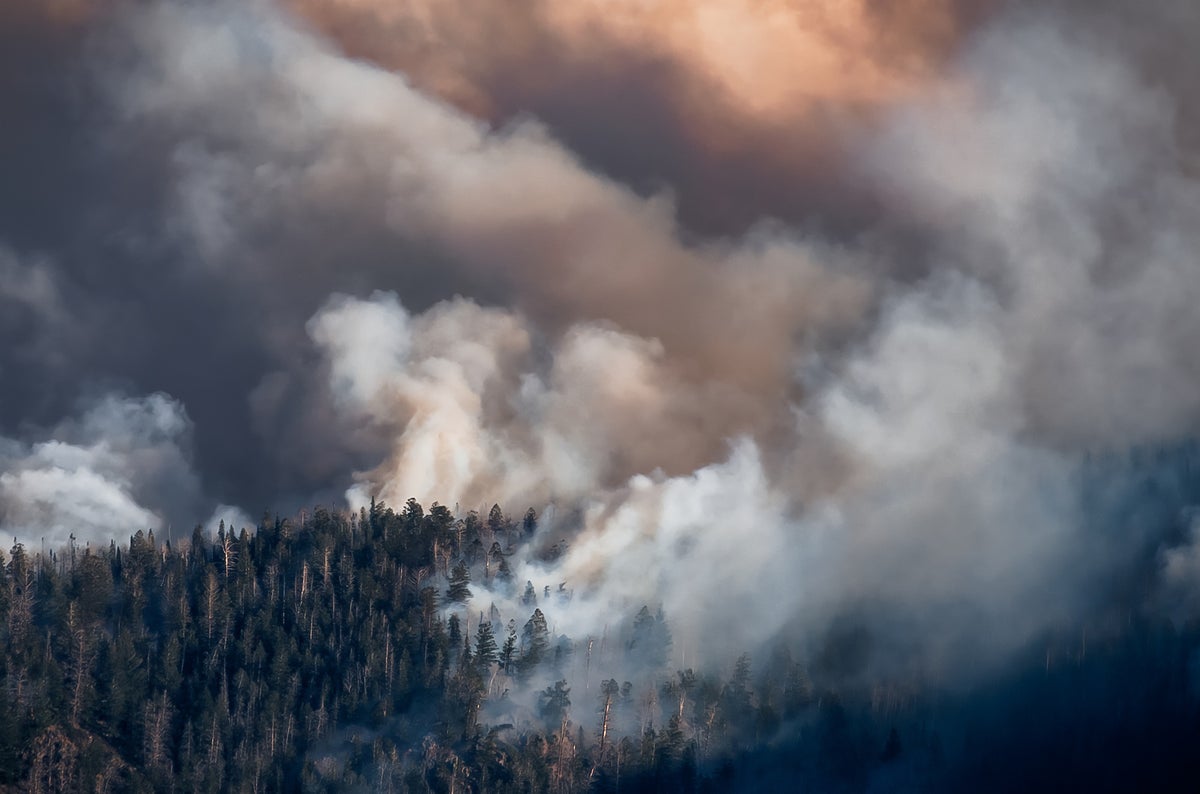
Wildfires have become a growing threat, especially after the devastating 'Big Burn' of 1910, which is still the largest forest fire in U.S. history. Climate change and urban expansion are making these fires more frequent and intense, causing significant loss of life and property. Fortunately, advancements in technology are finally improving our ability to detect these fires early. Experts like Neal Driscoll are optimistic that new tools will help us better manage and respond to wildfires before they escalate.Bosbranden zijn een groeiende bedreiging geworden, vooral na de verwoestende 'Big Burn' van 1910, die nog steeds de grootste bosbrand in de Amerikaanse geschiedenis is. Klimaatverandering en stedelijke uitbreiding maken deze branden frequenter en intenser, wat aanzienlijke verliezen van leven en eigendommen veroorzaakt. Gelukkig verbeteren technologische vooruitgangen eindelijk ons vermogen om deze branden vroegtijdig te detecteren. Experts zoals Neal Driscoll zijn optimistisch dat nieuwe hulpmiddelen ons zullen helpen om bosbranden beter te beheren en te reageren voordat ze escaleren.Les incendies de forêt sont devenus une menace croissante, surtout après la dévastatrice 'Big Burn' de 1910, qui reste le plus grand incendie de forêt de l'histoire des États-Unis. Le changement climatique et l'expansion urbaine rendent ces incendies plus fréquents et intenses, entraînant des pertes humaines et matérielles considérables. Heureusement, les avancées technologiques améliorent enfin notre capacité à détecter ces incendies tôt. Des experts comme Neal Driscoll sont optimistes quant au fait que de nouveaux outils nous aideront à mieux gérer et répondre aux incendies de forêt avant qu'ils ne s'intensifient.