How flowers shaped the world as we know itHoe bloemen de wereld hebben gevormd zoals we die kennenComment les fleurs ont façonné le monde tel que nous le connaissons
Scientific American · 31 July 2026, at 08:31
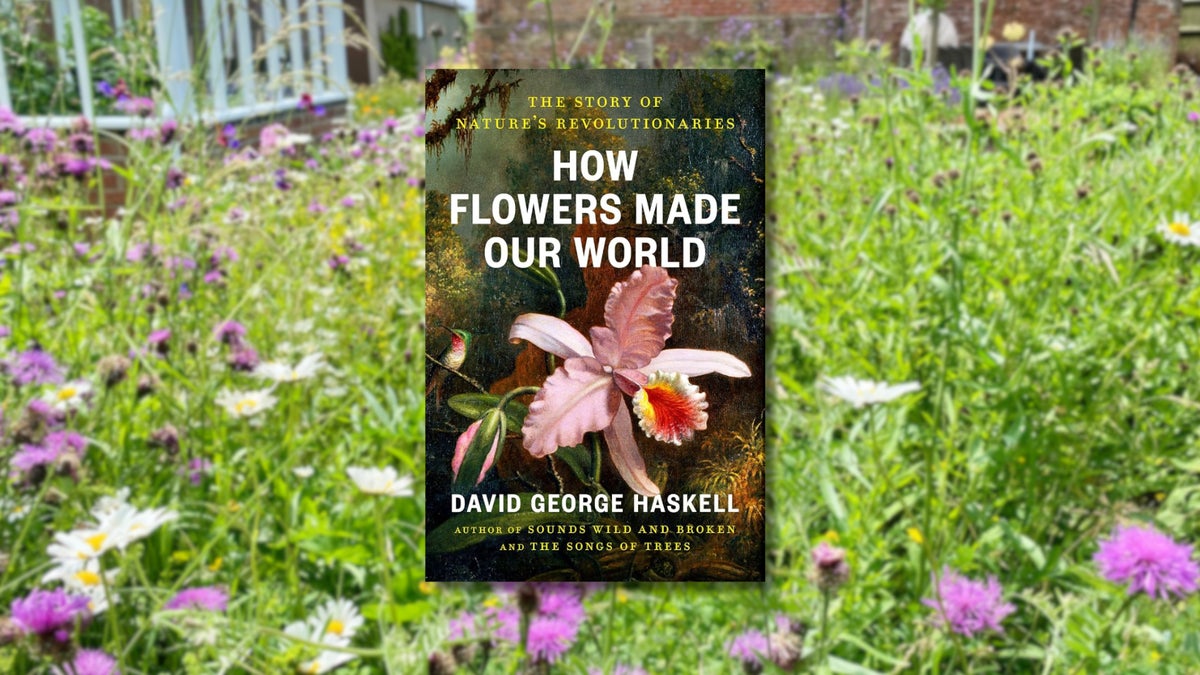
So, flowers are not just pretty things we enjoy; they have a fascinating history that has shaped ecosystems! David George Haskell's new book dives into how flowers, like magnolias, transformed the planet through their unique structures and reproductive strategies. It's amazing to think that flowers are both beautiful and complex, actively engaging with pollinators in clever ways. And here's the thing: orchids, which evolved later, took a completely different route, specializing in relationships with specific insects. This whole floral journey is a testament to nature's creativity and resilience!Dus, bloemen zijn niet alleen mooie dingen om van te genieten; ze hebben een fascinerende geschiedenis die ecosystemen heeft gevormd! Het nieuwe boek van David George Haskell duikt in hoe bloemen, zoals magnolia's, de planeet hebben getransformeerd door hun unieke structuren en voortplantingsstrategieën. Het is verbazingwekkend om te bedenken dat bloemen zowel mooi als complex zijn, en actief omgaan met bestuivers op slimme manieren. En hier is het ding: orchideeën, die later zijn geëvolueerd, hebben een totaal andere route gekozen, gespecialiseerd in relaties met specifieke insecten.Alors, les fleurs ne sont pas seulement de jolies choses à apprécier ; elles ont une histoire fascinante qui a façonné les écosystèmes ! Le nouveau livre de David George Haskell explore comment les fleurs, comme les magnolias, ont transformé la planète grâce à leurs structures uniques et leurs stratégies de reproduction. Il est incroyable de penser que les fleurs sont à la fois belles et complexes, interagissant activement avec les pollinisateurs de manière astucieuse. Et voici le truc : les orchidées, qui ont évolué plus tard, ont emprunté une voie complètement différente, se spécialisant dans des relations avec des insectes spécifiques.