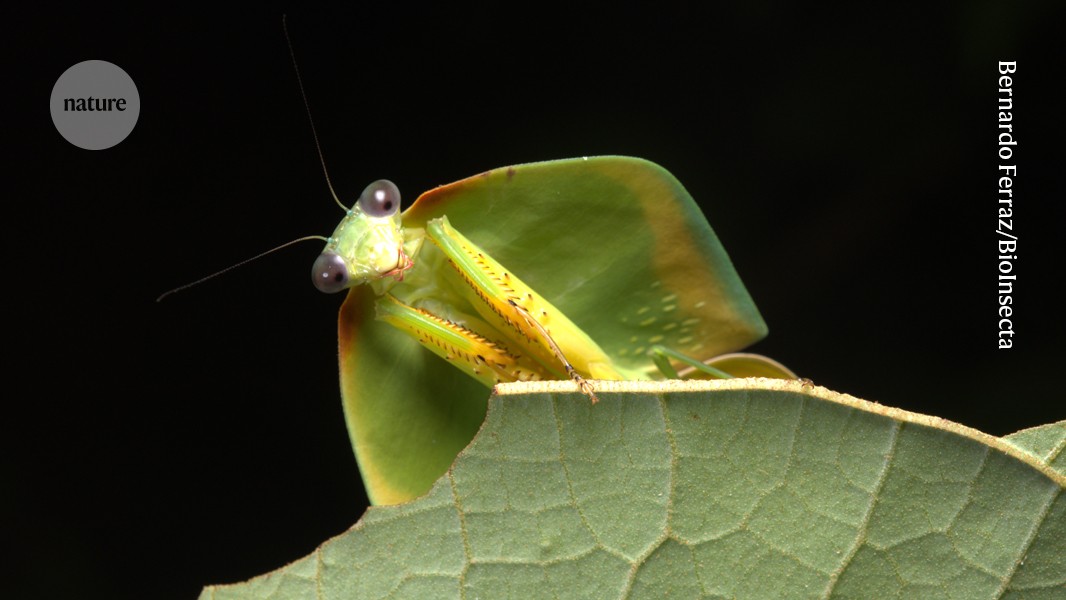
Tiny patch of Amazon likely holds 40,000 insect species — many new to scienceKlein stuk Amazone herbergt waarschijnlijk 40.000 insectensoorten - veel nieuw voor de wetenschapUn petit coin de l'Amazonie abrite probablement 40 000 espèces d'insectes - beaucoup nouvelles pour la science
Nature · 4 August 2026, at 19:26
I find it absolutely fascinating that a small area of the Amazon could be home to around 40,000 insect species, many of which are completely new to science! Hundreds of scientists are working together to catalog these tiny creatures, using innovative methods like DNA barcoding to identify them. They’ve set up an impressive array of traps that reach from the forest floor to the treetops, continuously collecting specimens for over a year. This project not only highlights the incredible biodiversity of the Amazon but also the importance of preserving such unique ecosystems.Het is echt fascinerend dat een klein gebied van de Amazone ongeveer 40.000 insectensoorten kan herbergen, waarvan veel volledig nieuw zijn voor de wetenschap! Honderden wetenschappers werken samen om deze kleine wezens te catalogiseren, met innovatieve methoden zoals DNA-barcoding om ze te identificeren. Ze hebben een indrukwekkende reeks vallen opgezet die van de bosbodem tot de boomtoppen reiken en al meer dan een jaar continu monsters verzamelen. Dit project benadrukt niet alleen de ongelooflijke biodiversiteit van de Amazone, maar ook het belang van het behoud van zulke unieke ecosystemen.Je trouve absolument fascinant qu'une petite zone de l'Amazonie puisse abriter environ 40 000 espèces d'insectes, dont beaucoup sont complètement nouvelles pour la science ! Des centaines de scientifiques collaborent pour cataloguer ces petites créatures, en utilisant des méthodes innovantes comme le code-barres ADN pour les identifier. Ils ont mis en place une impressionnante série de pièges allant du sol forestier aux cimes des arbres, collectant continuellement des spécimens depuis plus d'un an. Ce projet met en lumière non seulement l'incroyable biodiversité de l'Amazonie, mais aussi l'importance de préserver de tels écosystèmes uniques.