500 endangered snails mailed to Tahiti in ambitious conservation effort500 bedreigde slakken per post naar Tahiti in ambitieus conserveringsproject500 escargots menacés envoyés par courrier à Tahiti dans un ambitieux programme de conservation
Popular Science · 13 September 2026, at 21:38
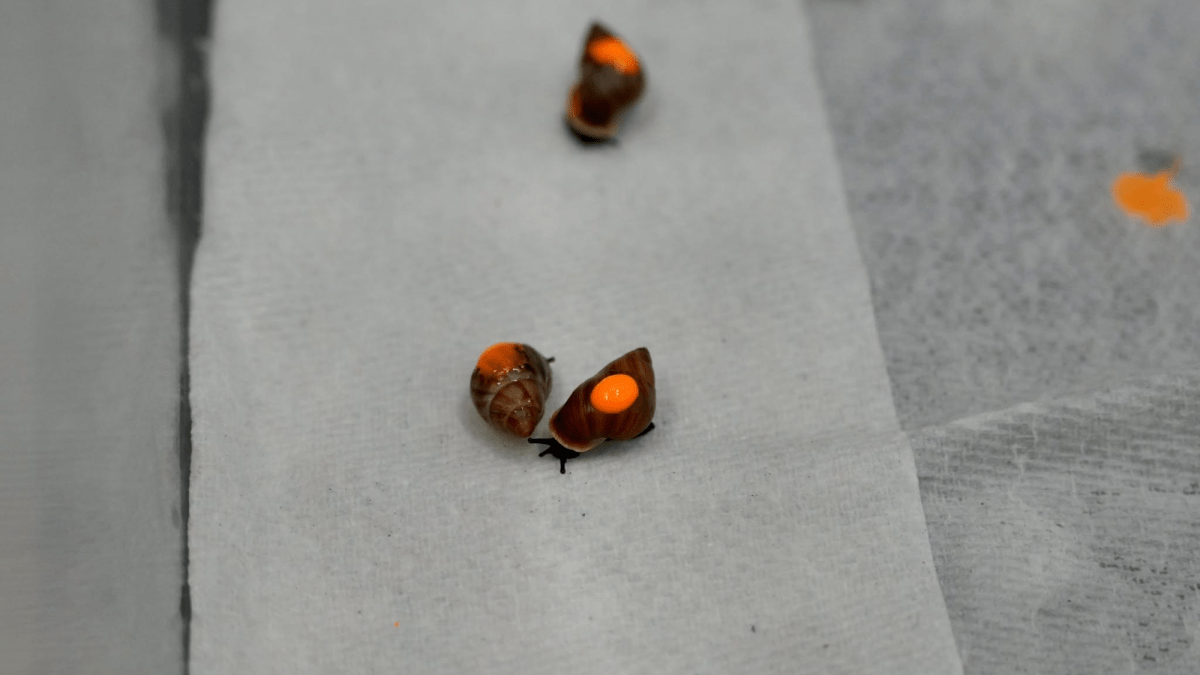
The Detroit Zoo has bred and shipped 500 Partula snails overnight to Tahiti, where they'll be released into the wild to restore native populations that nearly vanished due to an introduced predatory snail species. Each snail sports an orange UV-glowing dot that identifies them as part of the 2026 release cohort, allowing conservationists to track their progress in their natural habitat. This effort is part of a larger international recovery program that has already returned over 17,000 individual snails of 11 different Partula species to French Polynesia, with some species even producing wild-born offspring. What makes this project genuinely exciting is that it shows how zoos can work together across continents - the snails stop over at St. Louis Zoo for special dietary prep before their final journey - to bring species back from the brink of extinction.De Detroit Zoo heeft 500 Partula-slakken per nacht naar Tahiti verzonden, waar zij in het wild zullen worden uitgezet om de inheemse populaties te herstellen die bijna verdwenen waren door een ingevoerde roofdier-slakkensoort. Elke slak heeft een oranje, UV-gloeiende stip die aangeeft dat het exemplaar deel uitmaakt van de 2026-vrijlatingsgroep, wat onderzoekers in staat stelt hun voortgang in hun natuurlijke habitat te volgen. Dit initiatief maakt deel uit van een groter internationaal herstelprogram dat al meer dan 17.000 individuele slakken van 11 verschillende Partula-soorten naar Frans-Polynesië heeft teruggebracht, met enkele soorten die zelfs al in het wild geboren nakomelingen voortbrengen. Wat dit project bijzonder inspirerend maakt is dat het laat zien hoe dierentuinen samen kunnen werken over continenten heen - de slakken maken tussenstop in de St. Louis Zoo voor speciale voedingsvoorbereiding - om soorten van de rand van uitsterven terug te brengen.Le zoo de Détroit a envoyé par courrier express 500 escargots Partula à Tahiti, où ils seront relâchés dans la nature pour restaurer les populations indigènes qui avaient presque disparu en raison d'une espèce d'escargot prédateur introduite. Chaque escargot porte un point orange qui brille sous la lumière ultraviolette, identifiant les individus comme faisant partie de la cohorte de libération 2026, ce qui permet aux conservationnistes de suivre leur progression dans leur habitat naturel. Cet effort fait partie d'un programme de rétablissement international plus vaste qui a déjà ramené plus de 17 000 escargots individuels de 11 espèces Partula différentes en Polynésie française, certaines espèces produisant même des descendants nés à l'état sauvage. Ce qui rend ce projet véritablement inspirant, c'est qu'il montre comment les zoos peuvent travailler ensemble à travers les continents - les escargots font un arrêt au zoo de St. Louis pour une préparation alimentaire spéciale - afin de ramener des espèces du bord de l'extinction.