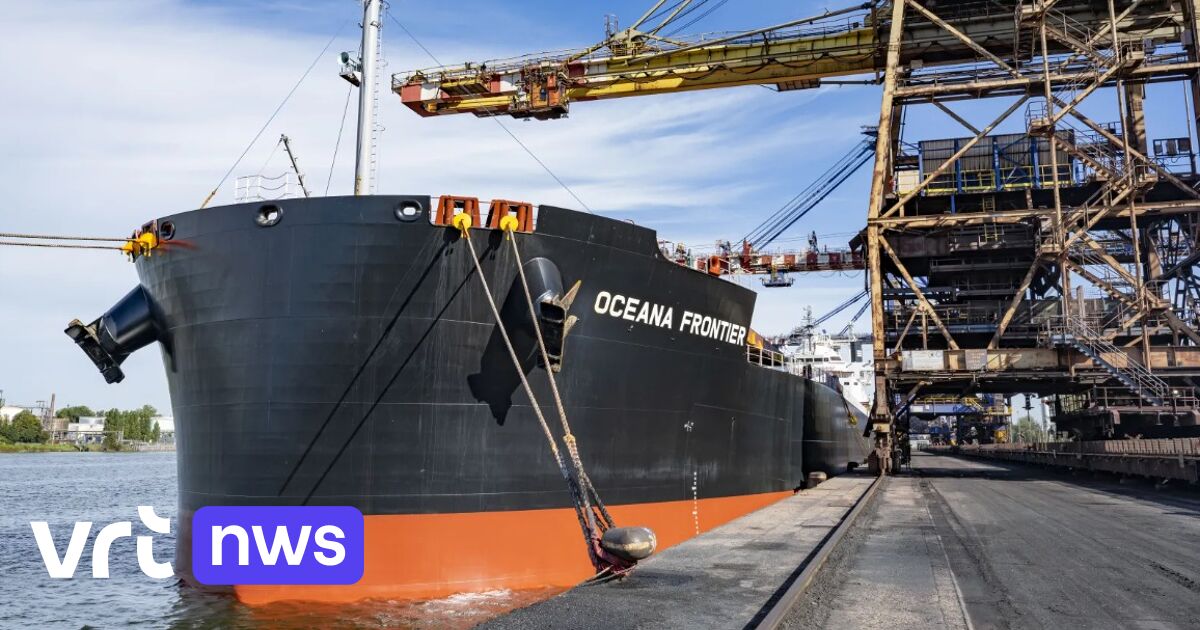
World's first LNG-powered bulk carrier arrives at ArcelorMittal in GhentWereldwijd eerste LNG-aangedreven bulkschip aangemeerd in Gent bij ArcelorMittalLe premier vraquier propulsé au GNL au monde arrive chez ArcelorMittal à Gand
VRT Nws · 16 September 2026, at 10:24
So here's the thing - the Oceana Frontier just pulled into ArcelorMittal Belgium in Ghent, and it's genuinely historic. This is the world's first LNG-powered bulk carrier, bringing iron ore all the way from Canada, which is a major milestone for both the steel company and North Sea Port. What really gets me excited is the environmental impact - using LNG as fuel cuts CO2 emissions by around 23 percent compared to traditional shipping fuel, meaning roughly 500 tons of CO2 savings per voyage on this route alone. And it's not just a one-off either - the Oceana Frontier is one of five ships in ArcelorMittal's global fleet that can run on LNG, with ports now testing procedures for safely receiving and unloading these greener vessels.Dit is echt een bijzonder moment - het schip Oceana Frontier is maandag aangemeerd bij ArcelorMittal in Gent, en het is wereldwijd het eerste LNG-aangedreven bulkschip. Het bracht ijzererts uit Canada naar de Gentse staalfabriek, wat een primeur is voor zowel het staalbedrijf als North Sea Port. Wat me echt enthousiast maakt is dat LNG als brandstof de CO2-uitstoot met ongeveer 23 procent kan verminderen vergeleken met traditionele scheepsbrandstoffen - dat scheelt zo'n 500 ton CO2 per reis. Het is niet zomaar een experiment - dit schip is een van vijf in ArcelorMittals mondiale vloot die op LNG kunnen varen, en nu doet de haven ervaring op met het veilig ontvangen en lossen van deze milieuvriendelijkere schepen.Voilà un moment vraiment historique - l'Oceana Frontier vient d'accoster chez ArcelorMittal en Gand, et c'est le premier vraquier propulsé au GNL au monde. Ce navire a apporté du minerai de fer depuis le Canada jusqu'à l'aciérie gantoise, ce qui est une première pour l'entreprise sidérurgique et le port de la Mer du Nord. Ce qui me fascine particulièrement, c'est l'impact environnemental - utiliser le GNL comme carburant réduit les émissions de CO2 d'environ 23 pour cent par rapport aux combustibles navals traditionnels, soit quelque 500 tonnes de CO2 économisées par trajet. Ce n'est pas qu'une simple expérience - ce navire fait partie de cinq bâtiments dans la flotte mondiale d'ArcelorMittal qui peuvent fonctionner au GNL, et le port teste maintenant les procédures pour recevoir et décharger en toute sécurité ces navires plus écologiques.