Orange peels saved a barren forest - and here's what happened nextSinaasappelschillen redden een kaal bos - en dit gebeurde daarnaDes écorces d'orange ont sauvé une forêt stérile - voici ce qui s'est passé
Upworthy · 17 September 2026, at 08:30
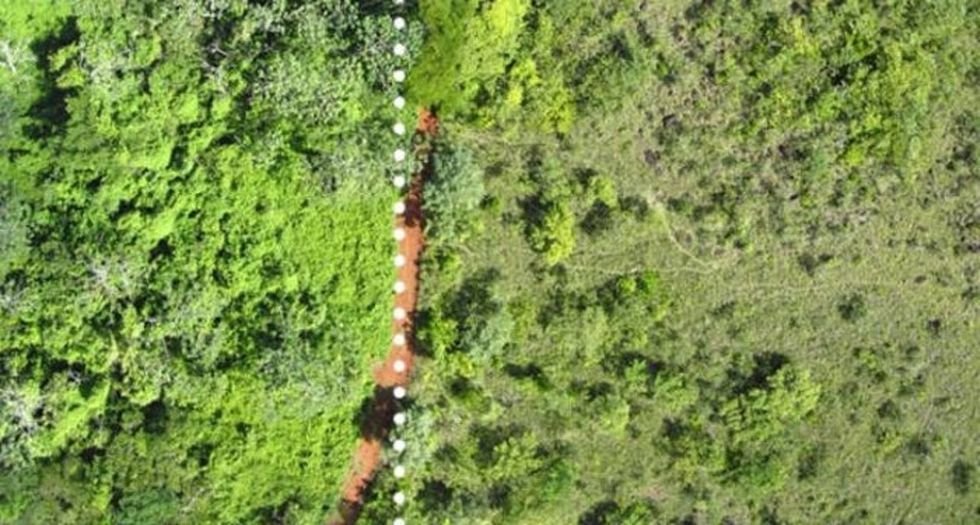
Back in 1997, Costa Rican ecologists had a wild idea - what if an orange juice company dumped its waste in a degraded patch of land inside a national park? So Del Oro offloaded over 12,000 metric tons of orange peels and pulp onto the worn-out plot, and the results were frankly mind-blowing. When researchers returned decades later, they found the site had exploded with life - a 176 percent increase in tree biomass, 24 different plant species thriving where there'd been almost nothing, plus wildlife like tayras and a massive fig tree. Now, this discovery is reshaping how scientists think about using agricultural waste to restore tropical forests and fight climate change.Terug in 1997 hadden Costa Ricaanse ecologen een wild idee - wat als een sinaasappelsapbedrijf zijn afval zou dumpen op een verwaarlosd stuk land in een nationaal park? Del Oro kieperde dus meer dan 12.000 ton sinaasappelschillen en pulp op het uitgeputte terrein, en de resultaten waren werkelijk verbluffend. Toen onderzoekers tientallen jaren later terugkeerden, ontdekten ze dat de locatie was ontploft van leven - een toename van 176 procent in houtbiomassa, 24 verschillende plantensoorten die floreerden waar bijna niets groeide, plus dieren zoals tayra's en een enorme vijgeboom. Dit onderzoek hervormt nu hoe wetenschappers denken over het gebruik van landbouwafval om tropische bossen te herstellen en klimaatverandering te bestrijden.En 1997, des écologues costariciens avaient une idée farfelue - et si une entreprise de jus d'orange déversait ses déchets sur un terrain dégradé à l'intérieur d'un parc national? Del Oro a donc déchargé plus de 12 000 tonnes d'écorces et de pulpe d'orange sur la parcelle épuisée, et les résultats ont été vraiment époustouflants. Quand les chercheurs sont revenus des décennies plus tard, ils ont découvert que le site avait explosé de vie - une augmentation de 176 pour cent de la biomasse ligneuse, 24 espèces végétales différentes prospérant là où il n'y avait presque rien, plus la faune comme les tayras et un énorme figuier. Cette découverte remodèle maintenant la façon dont les scientifiques envisagent l'utilisation des déchets agricoles pour restaurer les forêts tropicales et combattre le changement climatique.