Why international red panda day is a big deal at the national zoo this yearWaarom internationale rode pandadag dit jaar een groot feest is in de nationale dierentuinPourquoi la journée internationale du panda roux est une grande célébration au zoo national cette année
Popular Science · 19 September 2026, at 22:03
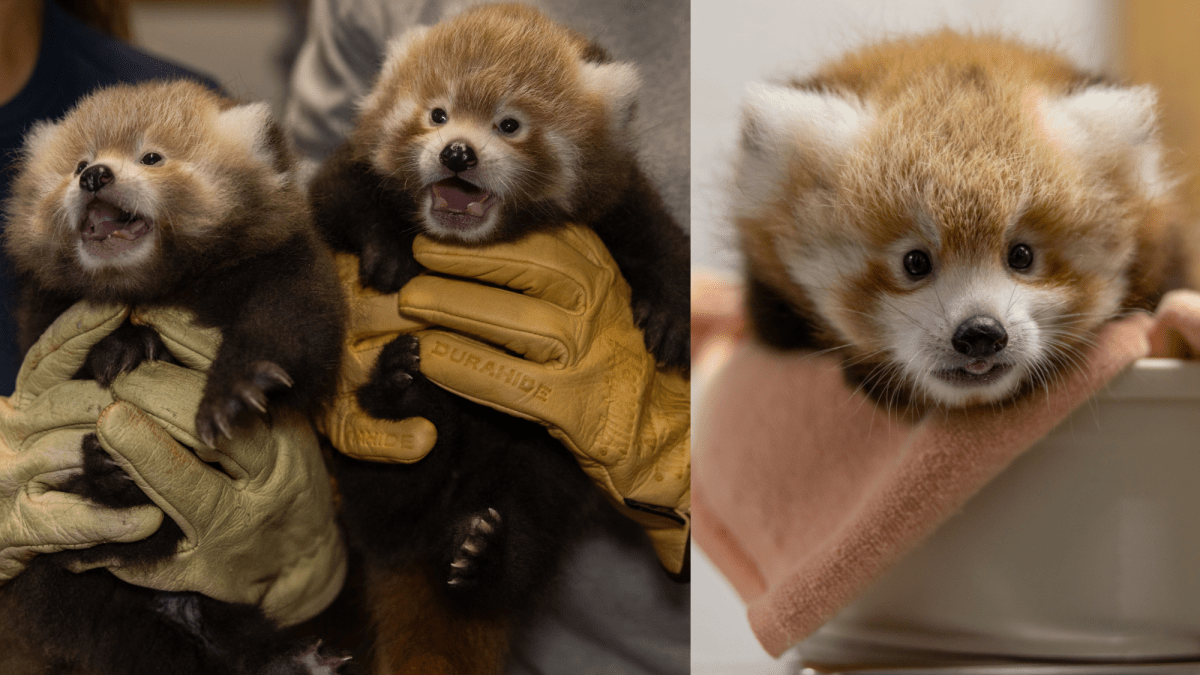
So the Smithsonian's National Zoo in Washington D.C. has some brilliant news - three adorable red panda cubs were born this summer at their Front Royal conservation campus, and the team is absolutely thrilled. Two cubs arrived on May 29 from parents Sequoia and Mow Mow, while a third cub was born on June 11 to Keahi and Rocket. These little arrivals are crucial for conserving the species, since fewer than 10,000 red pandas remain in the wild and habitat loss continues to threaten their survival. The cubs are already showing their individual personalities - one feisty singleton that's more adventurous, and the twins who are quieter and love cuddling with each other.De Smithsonian's National Zoo in Washington D.C. heeft geweldig nieuws - drie schattige rode pandajongen zijn deze zomer geboren op hun conservatieplaats in Front Royal, en het team is absoluut in hun nopjes. Twee welpen kwamen op 29 mei ter wereld van ouders Sequoia en Mow Mow, terwijl een derde welpje op 11 juni werd geboren van Keahi en Rocket. Deze kleine aankomsten zijn cruciaal voor het behoud van de soort, aangezien minder dan 10.000 rode panda's in het wild overblijven en habitatverlies blijft hun voortbestaan bedreigen. De jongen tonen al hun individuele persoonlijkheden - één stoere singleton die avontuurlijker is, en de tweeling die stiller is en ervan houdt elkaar te knuffelen.Le zoo national de la Smithsonian à Washington D.C. a une merveilleuse nouvelle - trois adorables petits pandas roux sont nés cet été dans leur campus de conservation à Front Royal, et l'équipe est absolument ravie. Deux bébés sont nés le 29 mai de parents Sequoia et Mow Mow, tandis qu'un troisième a vu le jour le 11 juin d'une mère Keahi et d'un père Rocket. Ces petites naissances sont cruciales pour la conservation de l'espèce, car moins de 10 000 pandas roux subsistent à l'état sauvage et la perte d'habitat continue de menacer leur survie. Les jeunes affichent déjà leurs personnalités individuelles - un petit intrépide et audacieux, et les jumeaux qui sont plus calmes et adorent se câliner mutuellement.