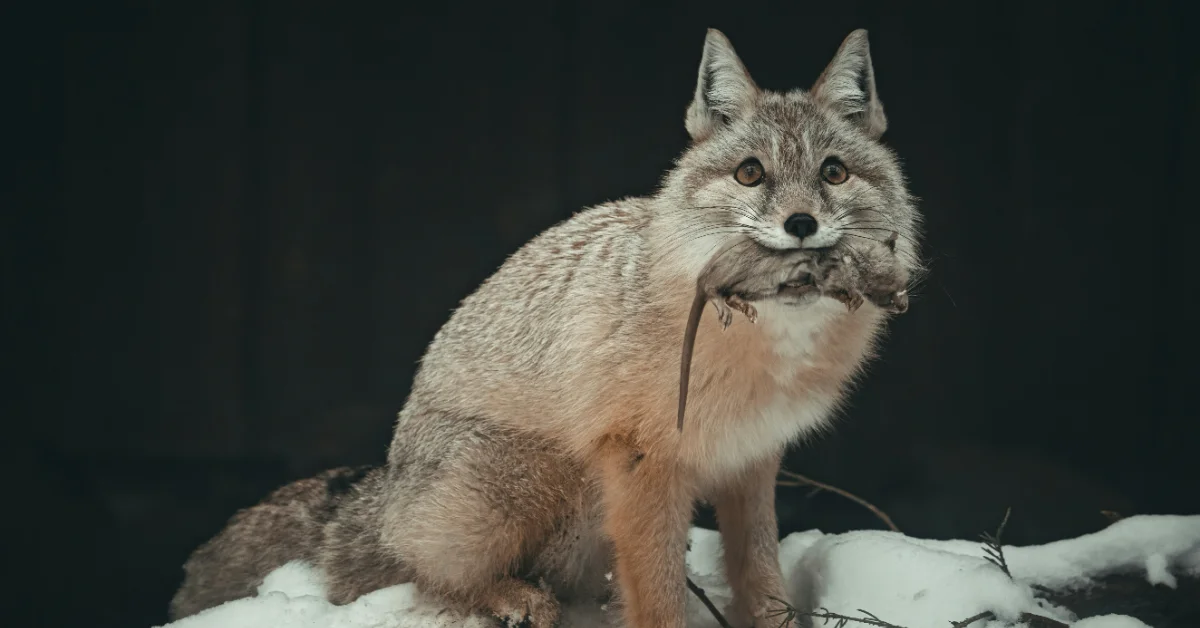
Scientists are crowd-sourcing photos of wildlife eating lunch. It helps them protect endangered speciesWetenschappers verzamelen foto’s van dieren die lunchen. Zo beschermen ze bedreigde soortenDes scientifiques collectent des photos d’animaux sauvages en train de manger. Cela aide à protéger les espèces menacées
Good Good Good · 23 September 2026, at 22:07
I find it fascinating that scientists are now crowd-sourcing photos of animals eating to understand complex food webs better. This project, called Who Eats Whom, uses the iNaturalist platform where people upload and tag wildlife photos from around the world. It’s not just about cool snapshots — this data helps track how ecosystems change, especially with climate shifts. And here’s the thing: it’s a powerful way to gather info that would take scientists ages to collect on their own. So: by watching who eats whom, we get a clearer picture of nature’s messy, beautiful connections.Ik vind het geweldig dat wetenschappers nu foto’s verzamelen van dieren die eten om voedselwebben beter te begrijpen. Dit project, Who Eats Whom, gebruikt het iNaturalist-platform waar mensen wereldwijd foto’s van wilde dieren uploaden en taggen. Het gaat niet alleen om mooie plaatjes — deze data helpt veranderingen in ecosystemen te volgen, vooral door klimaatverandering. En hier komt het: het is een krachtige manier om informatie te verzamelen die wetenschappers anders jaren zou kosten. Zo krijgen we een duidelijker beeld van de ingewikkelde en prachtige connecties in de natuur.Je trouve fascinant que des scientifiques collectent des photos d’animaux en train de manger pour mieux comprendre les réseaux alimentaires complexes. Ce projet, appelé Who Eats Whom, utilise la plateforme iNaturalist où les gens téléchargent et géolocalisent des photos d’animaux sauvages du monde entier. Ce n’est pas seulement pour les belles images — ces données aident à suivre les changements des écosystèmes, surtout avec le réchauffement climatique. Et voici le truc : c’est un moyen puissant de recueillir des informations qui prendraient des années aux scientifiques seuls. Donc, en observant qui mange qui, on comprend mieux les liens complexes et magnifiques de la nature.