Frogs wear bacterial suits of armor to fight off deadly fungusKikkers dragen bacteriële pantserpakken om dodelijke schimmel te bestrijdenLes grenouilles portent des armures bactériennes pour lutter contre un champignon mortel
Popular Science · 25 September 2026, at 09:09
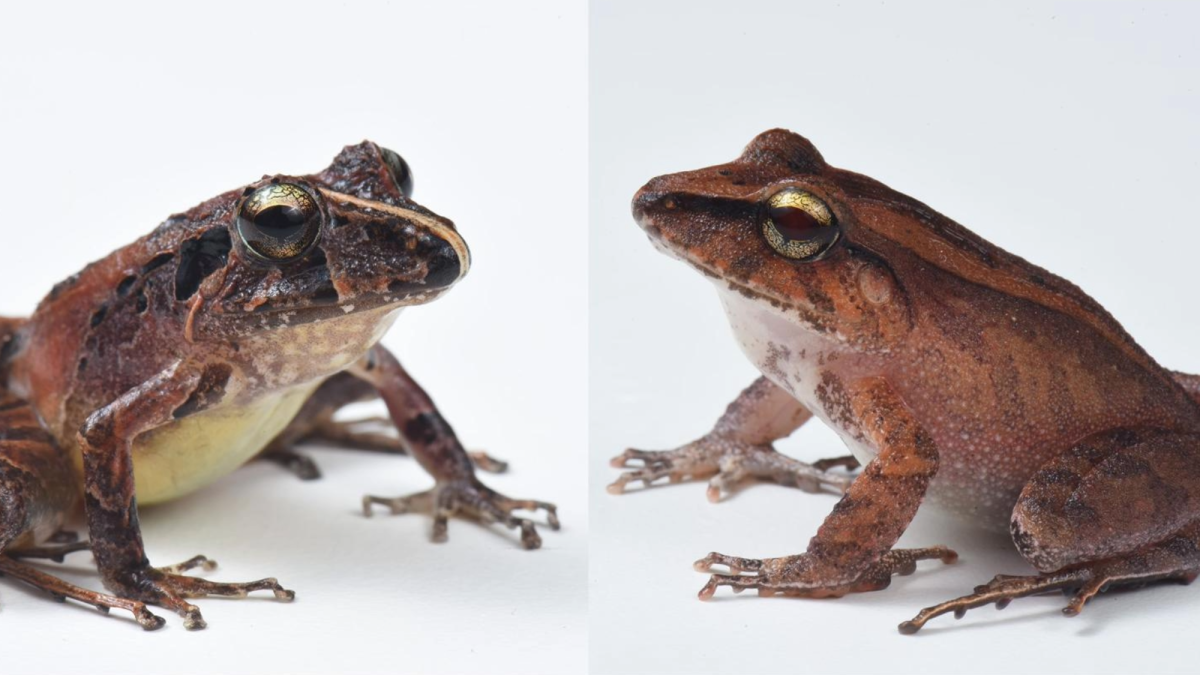
So: some tropical frogs have a clever way to protect their delicate skin from a deadly fungus using bacteria as a natural shield. A study showed that the skin microbiome of certain frog species can actually help them survive the chytrid fungus, which has wiped out many amphibians worldwide. The researchers tested two frog species in Brazil and found that one species’ bacterial community offered strong protection, while the other remained vulnerable. And here's the thing - it’s not just the number of bacteria that matters, but how well they defend against the disease.Dus: sommige tropische kikkers hebben een slimme manier om hun kwetsbare huid te beschermen tegen een dodelijke schimmel met behulp van bacteriën als natuurlijk schild. Een studie toonde aan dat het huidmicrobioom van bepaalde kikker soorten hen kan helpen te overleven tegen de chytrid-schimmel, die veel amfibieën wereldwijd heeft uitgeroeid. De onderzoekers testten twee kikker soorten in Brazilië en ontdekten dat de bacteriële gemeenschap van de ene soort sterke bescherming bood, terwijl de andere kwetsbaar bleef. En hier is het punt - het gaat niet alleen om het aantal bacteriën, maar om hoe goed ze beschermen tegen de ziekte.Alors: certaines grenouilles tropicales utilisent une astuce géniale pour protéger leur peau fragile d’un champignon mortel grâce à des bactéries comme bouclier naturel. Une étude a montré que le microbiome cutané de certaines espèces de grenouilles peut les aider à survivre au champignon chytride, responsable de nombreuses extinctions d’amphibiens dans le monde. Les chercheurs ont testé deux espèces au Brésil et ont découvert que la communauté bactérienne d’une espèce offrait une forte protection, tandis que l’autre restait vulnérable. Et voici la chose - ce n’est pas seulement la diversité bactérienne qui compte, mais leur capacité à défendre contre la maladie.