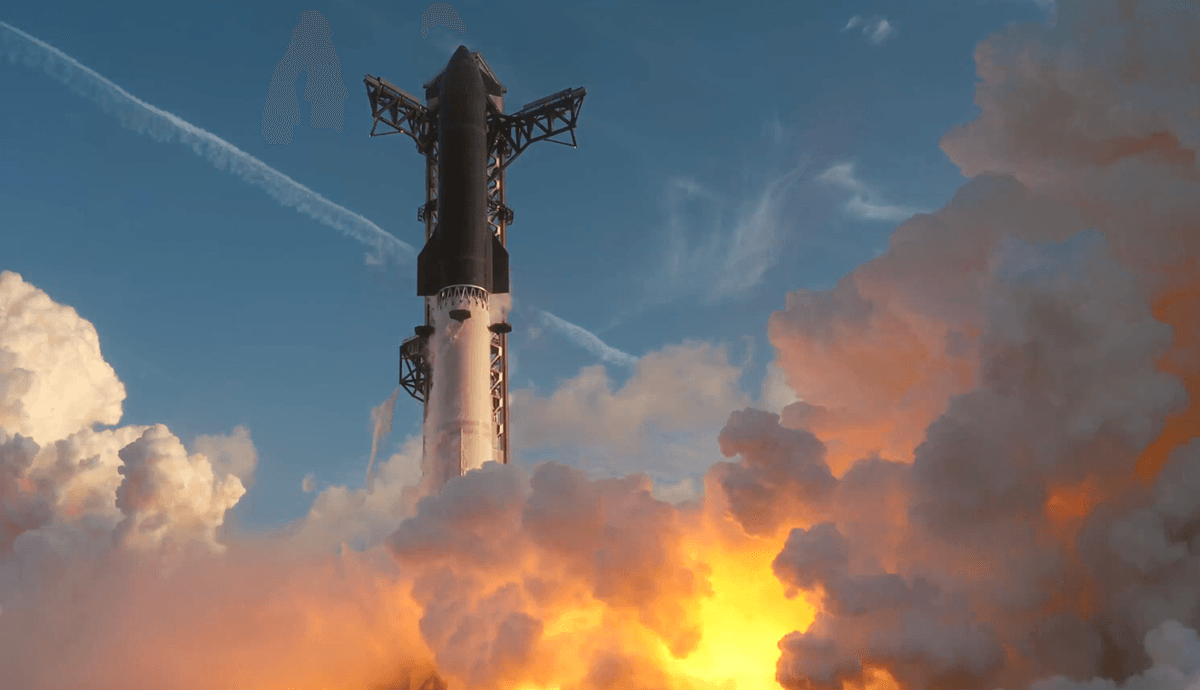
SpaceX’s starship reaches orbit in a massive test flightSpaceX’s starship bereikt een baan om de aarde in een enorme testvluchtLe starship de SpaceX atteint l'orbite lors d'un vol d'essai majeur
Scientific American · 28 September 2026, at 19:25
So, I was just reading about the latest Starship test flight, and it is honestly quite something to behold. This massive rocket finally managed to propel itself into orbit, which is a huge milestone for the team in Texas. And here's the thing - even though the mission was cut a bit short, they successfully deployed satellites and proved the vehicle can handle the journey. It really makes you wonder about the future of space travel, doesn't it? I am genuinely excited to see how they refine this technology for those ambitious trips to the moon and Mars.Ik zat net te lezen over de nieuwste testvlucht van Starship, en het is eerlijk gezegd echt indrukwekkend om te zien. Deze enorme raket is er eindelijk in geslaagd om zichzelf in een baan om de aarde te brengen, wat een enorme mijlpaal is voor het team in Texas. En hier komt het - hoewel de missie iets korter duurde dan gepland, hebben ze met succes satellieten ingezet en bewezen dat het voertuig de reis aankan. Het doet je echt afvragen wat de toekomst van ruimtevaart ons gaat brengen, nietwaar? Ik ben oprecht enthousiast om te zien hoe ze deze technologie gaan verfijnen voor die ambitieuze reizen naar de maan en Mars.Je viens de lire des choses sur le dernier vol d'essai du Starship, et c'est honnêtement assez impressionnant à voir. Cette fusée massive a enfin réussi à se propulser en orbite, ce qui constitue une étape importante pour l'équipe au Texas. Et voici le point clé - même si la mission a été un peu écourtée, ils ont réussi à déployer des satellites et à prouver que le véhicule peut gérer le voyage. Cela nous fait vraiment réfléchir à l'avenir des voyages spatiaux, n'est-ce pas ? Je suis sincèrement enthousiaste à l'idée de voir comment ils vont perfectionner cette technologie pour ces voyages ambitieux vers la Lune et Mars.