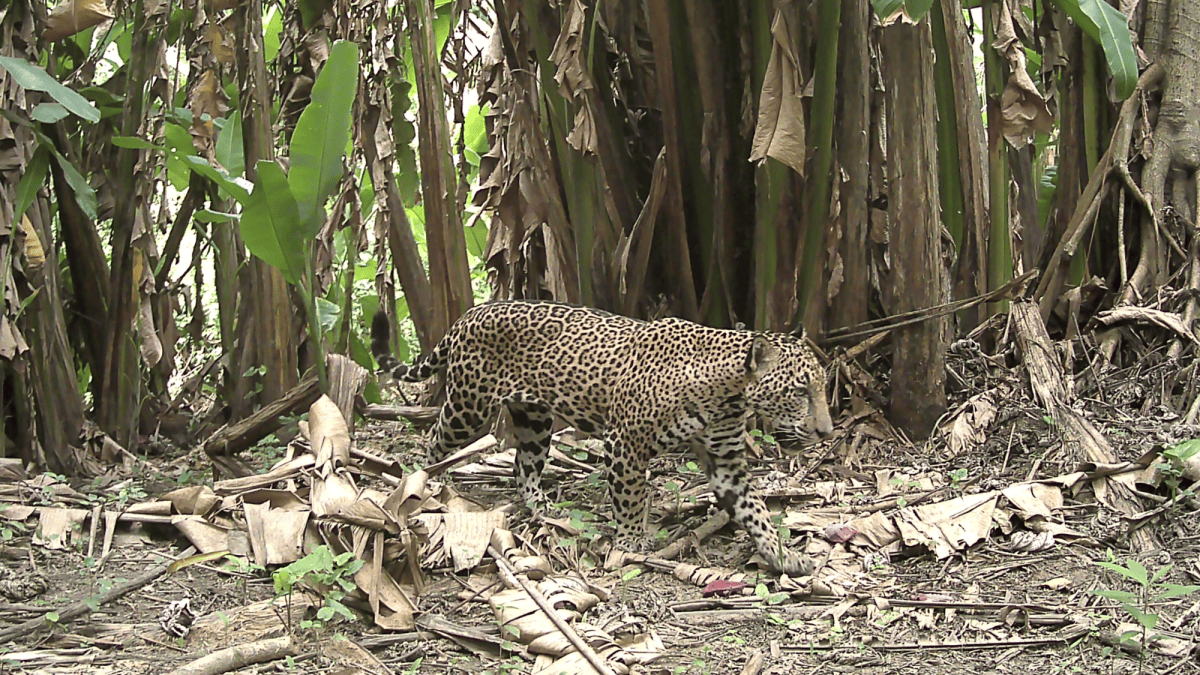
A rare jaguar sighting brings huge hope to guatemalaEen zeldzame jaguar brengt hoop in guatemalaUne rare photo de jaguar apporte un immense espoir au guatemala
Popular Science · 5 October 2026, at 04:26
I love it when nature gives us these little signs that conservation work truly makes a difference. A camera trap in Guatemala just captured an elusive male jaguar, a photo so rare that researchers say it only happens about once a decade! Now, the real magic here is that he was spotted in a crucial binational wildlife corridor connecting Guatemala and Honduras. This proves that these majestic big cats are still moving between populations despite growing human encroachment. And here's the thing - keeping these pathways open is not just vital for the jaguars, but it also protects precious water sources for hundreds of thousands of local people.Ik vind het geweldig wanneer de natuur ons laat zien dat natuurbehoud echt werkt. Een cameraval in Guatemala heeft zojuist een zeldzame mannelijke jaguar vastgelegd, een beeld dat onderzoekers slechts eens in de tien jaar te zien krijgen! Het fantastische nieuws is dat hij rondliep in een speciale wildcorridor tussen Guatemala en Honduras. Dat bewijst zwart-op-wit dat deze prachtige dieren nog steeds migreren en genetisch verbonden blijven, ondanks toenemende menselijke druk. En weet je wat zo mooi is - deze beschermde zone bewaart niet alleen de leefomgeving van het dier, maar levert ook drinkwater aan meer dan 200.000 mensen.J'adore quand la nature nous offre ces preuves tangibles que les efforts de conservation portent leurs fruits. Un piège photographique au Guatemala vient de capturer l'image d'un jaguar mâle, un cliché si exceptionnel qu'il n'arrive qu'une fois par décennie! Le point fascinant, c'est que l'animal empruntait un corridor écologique reliant le Guatemala et le Honduras. Cela prouve que ces magnifiques félins continuent de se déplacer et d'éviter l'isolement malgré la pression humaine. Et le plus beau dans tout ça - protéger ce passage vital permet aussi de préserver les réserves d'eau potable de plus de 200 000 habitants.