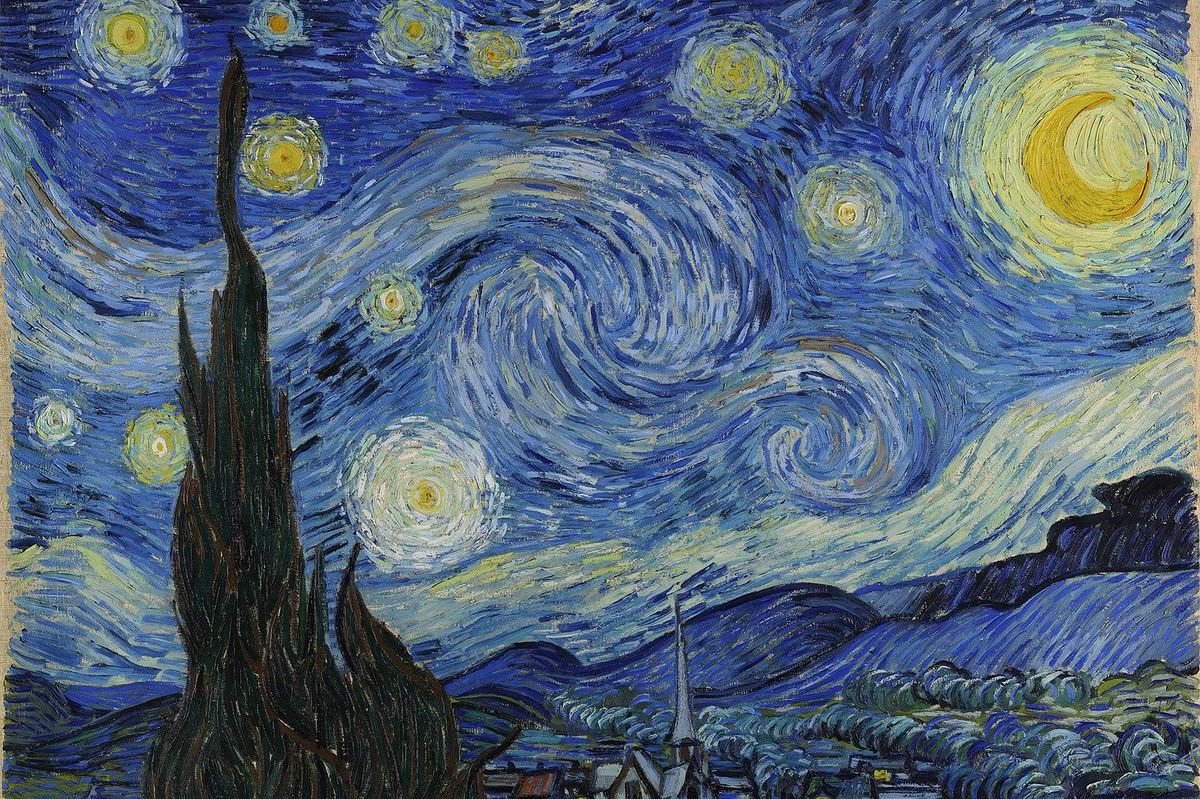
For 125 years, millions looked at this painting without truly seeing it125 jaar lang keken miljoenen mensen naar dit schilderij zonder het echt te zienPendant 125 ans, des millions de personnes ont regardé ce tableau sans vraiment le voir
Upworthy · 12 October 2026, at 04:24
Vincent van Gogh never lived to see the fame his art would earn, but fresh research has revealed another remarkable side to his work. Inspired by an image from the Hubble Space Telescope, scientists examined his paintings and found that The Starry Night captures patterns of turbulence - the swirling flow of air and water. Even artists known for movement and vivid light did not portray this natural phenomenon in quite the same way. And here's the thing: Van Gogh painted these astonishing patterns about a century before scientists could study them with modern technology.Vincent van Gogh maakte de roem van zijn kunst niet meer mee, maar nieuw onderzoek heeft een opmerkelijke extra dimensie van zijn werk blootgelegd. Geïnspireerd door een beeld van de Hubble-ruimtetelescoop onderzochten wetenschappers zijn schilderijen en ontdekten ze dat De sterrennacht patronen van turbulentie weergeeft - de wervelende beweging van lucht en water. Zelfs kunstenaars die bekendstaan om beweging en schitterend licht verbeeldden dit natuurverschijnsel niet op dezelfde manier. En dit is het bijzondere: Van Gogh schilderde deze fascinerende patronen ongeveer een eeuw voordat wetenschappers ze met moderne technologie konden bestuderen.Vincent van Gogh n’a pas vécu assez longtemps pour connaître la célébrité de son œuvre, mais de nouvelles recherches en ont révélé une autre facette remarquable. Inspirés par une image du télescope spatial Hubble, des scientifiques ont étudié ses tableaux et découvert que La Nuit étoilée représente des motifs de turbulence - les tourbillons de l’air et de l’eau. Même des artistes réputés pour le mouvement et la lumière éclatante n’ont pas dépeint ce phénomène naturel de la même manière. Et voici ce qui est étonnant : Van Gogh a peint ces motifs fascinants environ un siècle avant que les scientifiques puissent les étudier grâce aux technologies modernes.