Huge mapping study reveals how your brain tracks what your body is feelingGrote kaartstudie onthult hoe je hersenen voelen wat je lichaam ervaartUne vaste cartographie révèle comment le cerveau suit les sensations du corps
Nature · 22 October 2026, at 04:24
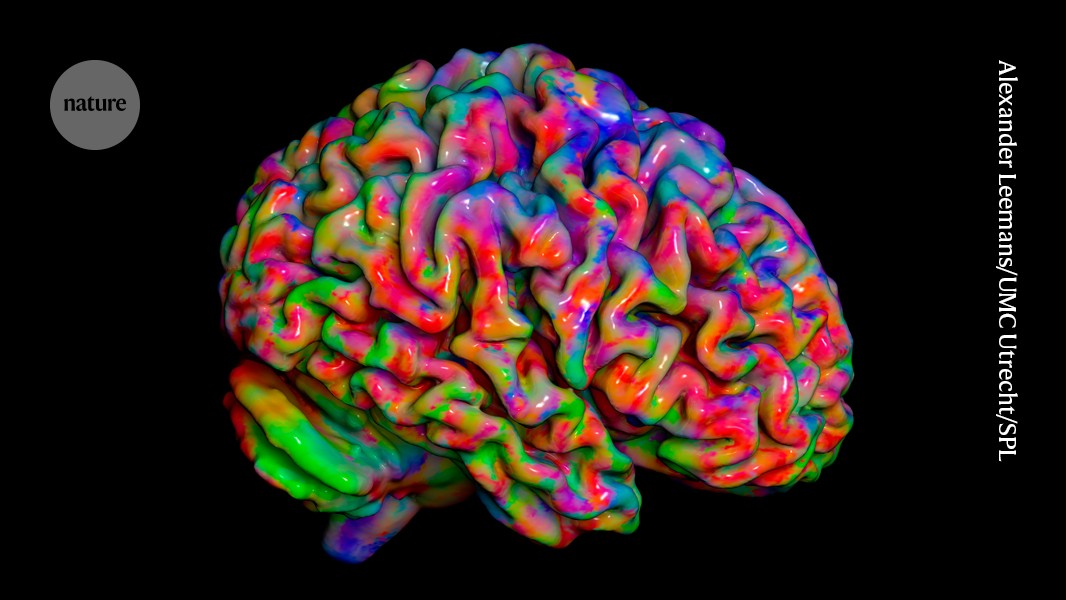
Researchers have mapped the insula, a region buried deep in the brain, in unprecedented detail. Over more than a decade, they stimulated electrodes in 87 people who already had them implanted for medical reasons, and recorded the sensations that followed. Stimulation at the back of the insula caused sensations such as pain, heat and tingling in specific body parts, while its middle region produced feelings such as nausea and pressure in the chest. The front of the insula connects with areas involved in thought and emotion, suggesting that it helps shape how the brain interprets bodily sensations, rather than simply reading signals from the body.Onderzoekers hebben de insula, een diep in de hersenen gelegen gebied, met ongekende precisie in kaart gebracht. Meer dan tien jaar lang stimuleerden ze elektroden bij 87 mensen bij wie die om medische redenen al waren geïmplanteerd, en noteerden ze welke sensaties daarop volgden. Stimulatie achteraan in de insula veroorzaakte onder meer pijn, warmte en tintelingen in specifieke lichaamsdelen, terwijl het middelste deel gevoelens zoals misselijkheid en druk op de borst opwekte. Het voorste deel staat in verbinding met gebieden die betrokken zijn bij denken en emoties, wat erop wijst dat het mee bepaalt hoe de hersenen lichaamssensaties interpreteren en niet alleen signalen uit het lichaam registreert.Des chercheurs ont cartographié avec une précision inédite l’insula, une région enfouie profondément dans le cerveau. Pendant plus de dix ans, ils ont stimulé des électrodes chez 87 personnes qui en portaient déjà pour des raisons médicales, puis ont relevé les sensations ressenties. La stimulation de la partie arrière de l’insula provoquait notamment de la douleur, de la chaleur et des picotements dans des parties précises du corps, tandis que sa partie centrale suscitait des sensations comme la nausée et une pression dans la poitrine. La partie avant est reliée à des régions impliquées dans la pensée et les émotions, ce qui suggère qu’elle contribue à façonner l’interprétation des sensations corporelles, au lieu de simplement enregistrer les signaux du corps.