Airbus ships carry aircraft parts across the Atlantic with wind powerAirbus-schepen vervoeren vliegtuigonderdelen met windkracht over de Atlantische OceaanDes navires Airbus transportent des pièces d’avion grâce au vent sur l’Atlantique
Frankfurter Allgemeine Zeitung · 8 November 2026, at 18:09
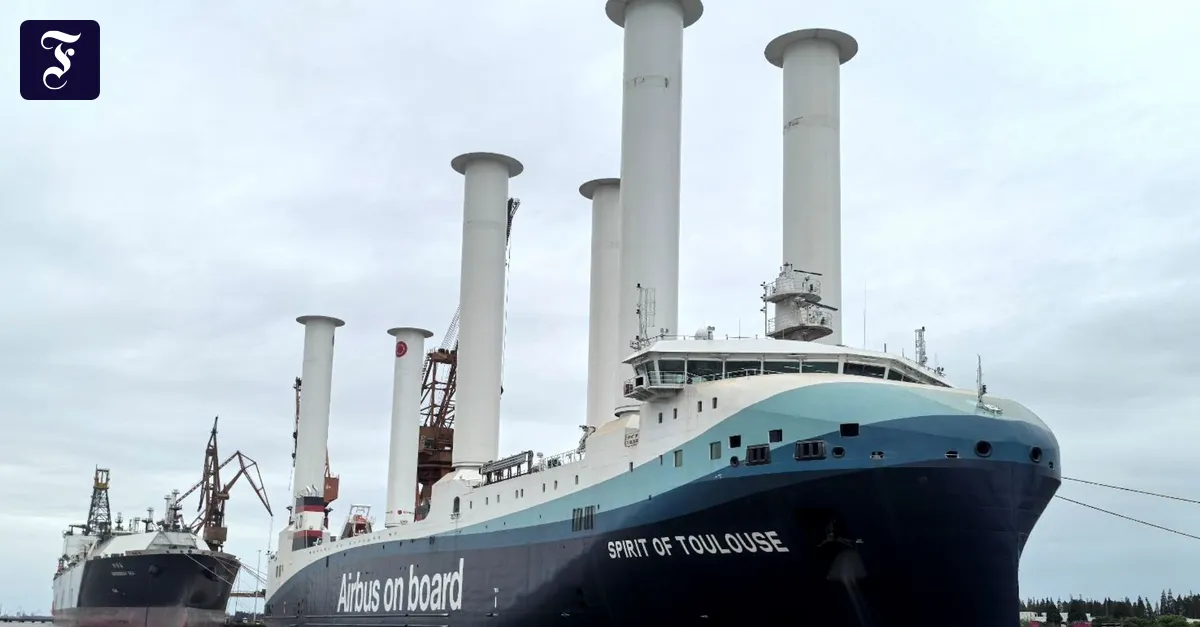
So, here’s an exciting sight: the Spirit of Toulouse is fitted with six towering rotor sails that help propel it with the wind. From 2027, three ships will carry large A320 components between Saint-Nazaire in France and Mobile, Alabama, using roll-on, roll-off loading. AI-assisted navigation and dual-fuel engines that can use methanol are designed to make the transatlantic service cleaner, too. Wind-assisted shipping is still far from standard, but this project shows how clever technology and industrial partnerships could help the sector move toward its 2050 net-zero goal.Kijk eens aan: de Spirit of Toulouse valt op met zes hoge rotorseilen die het schip met behulp van de wind voortstuwen. Vanaf 2027 vervoeren drie schepen grote onderdelen van de A320 tussen Saint-Nazaire in Frankrijk en Mobile in Alabama, met een systeem waarbij de lading via laadkleppen aan boord rolt. Navigatie met hulp van kunstmatige intelligentie en motoren die naast scheepsdiesel ook methanol kunnen gebruiken, moeten de overtocht nog schoner maken. Schepen met windondersteuning zijn nog lang geen standaard, maar dit project laat zien hoe slimme technologie en industriële samenwerking kunnen bijdragen aan klimaatneutrale scheepvaart in 2050.Voilà une belle innovation à découvrir : le Spirit of Toulouse est équipé de six grandes voiles rotatives qui l’aident à avancer grâce au vent. À partir de 2027, trois navires transporteront de grandes pièces d’A320 entre Saint-Nazaire, en France, et Mobile, en Alabama, avec un chargement par rampes. Une navigation assistée par l’intelligence artificielle et des moteurs bicarburants pouvant aussi utiliser du méthanol devraient rendre ces traversées encore plus propres. La propulsion assistée par le vent est loin d’être généralisée, mais ce projet montre comment des technologies ingénieuses et des partenariats industriels peuvent aider le secteur à atteindre la neutralité carbone d’ici 2050.