Eight teeth in a Chinese cave show Homo erectus could survive in tropical rainforest after allAcht tanden in een Chinese grot tonen aan dat Homo erectus wel degelijk kon overleven in tropisch regenwoudHuit dents découvertes dans une grotte chinoise montrent que Homo erectus pouvait bien survivre en forêt tropicale
NRC · 19 November 2026, at 13:03
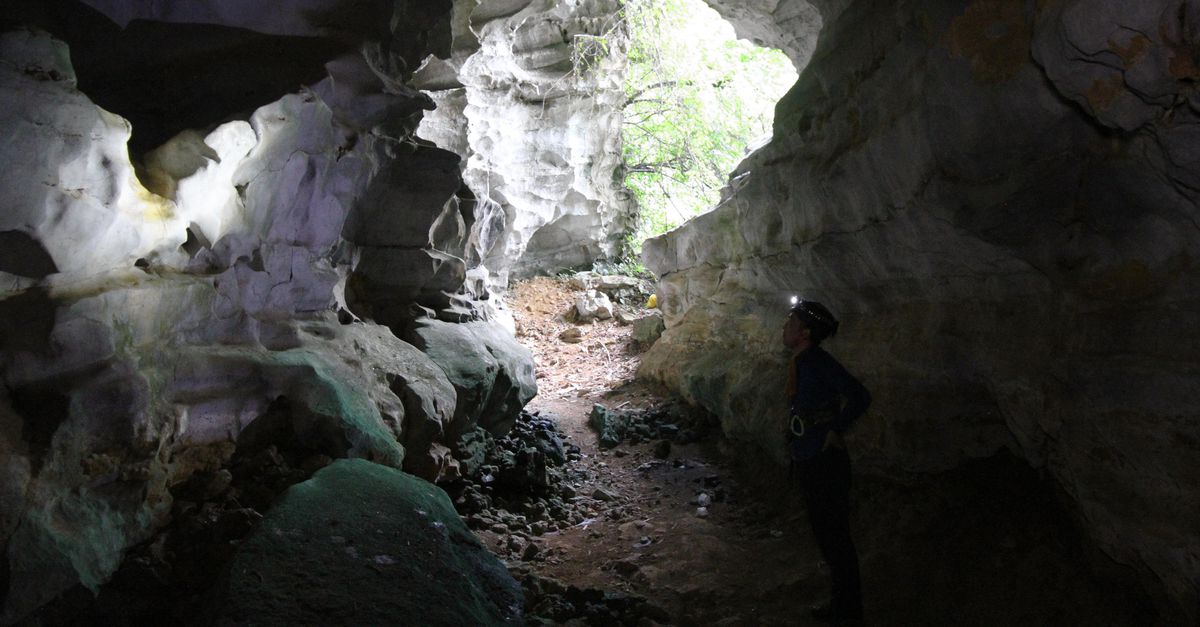
So: eight teeth found in two caves in southern China suggest that Homo erectus lived in tropical rainforest between 324,000 and 184,000 years ago. Fossils of forest elephants, orangutans and rhinos, along with evidence from the teeth, help paint a picture of this ancient habitat. The findings point to a more adaptable human relative than researchers had assumed, although the rainforest evidence relies on carbon isotopes from just three teeth and the labels used for ancient human groups remain debated. And here's the intriguing possibility: another human tooth from the same caves may belong to a Denisovan, raising the prospect that the two groups crossed paths.Acht tanden uit twee grotten in Zuid-China wijzen erop dat Homo erectus tussen 324.000 en 184.000 jaar geleden in tropisch regenwoud leefde. Fossielen van bosolifanten, orang-oetans en neushoorns, samen met aanwijzingen uit de tanden, schetsen een beeld van deze oude leefomgeving. De vondsten wijzen op een flexibeler mensensoort dan onderzoekers dachten, al is het bewijs voor het regenwoud gebaseerd op koolstofisotopen uit slechts drie tanden en is er discussie over de benaming van oude mensengroepen. En dan is er nog een intrigerende mogelijkheid: een andere tand uit dezelfde grotten is misschien van een denisovamens, wat erop kan wijzen dat de twee groepen elkaar hebben ontmoet.Huit dents découvertes dans deux grottes du sud de la Chine suggèrent que Homo erectus vivait dans la forêt tropicale entre 324 000 et 184 000 ans. Des fossiles d’éléphants des forêts, d’orangs-outans et de rhinocéros, ainsi que les indices tirés des dents, aident à reconstituer cet ancien milieu. Ces découvertes révèlent un parent humain plus adaptable que ne le pensaient les chercheurs, même si les indices de la forêt tropicale reposent sur les isotopes du carbone de seulement trois dents et que la classification des anciens groupes humains fait débat. Autre possibilité fascinante : une autre dent retrouvée dans ces grottes pourrait appartenir à un Dénisovien, ce qui laisse penser que les deux groupes se sont peut-être rencontrés.