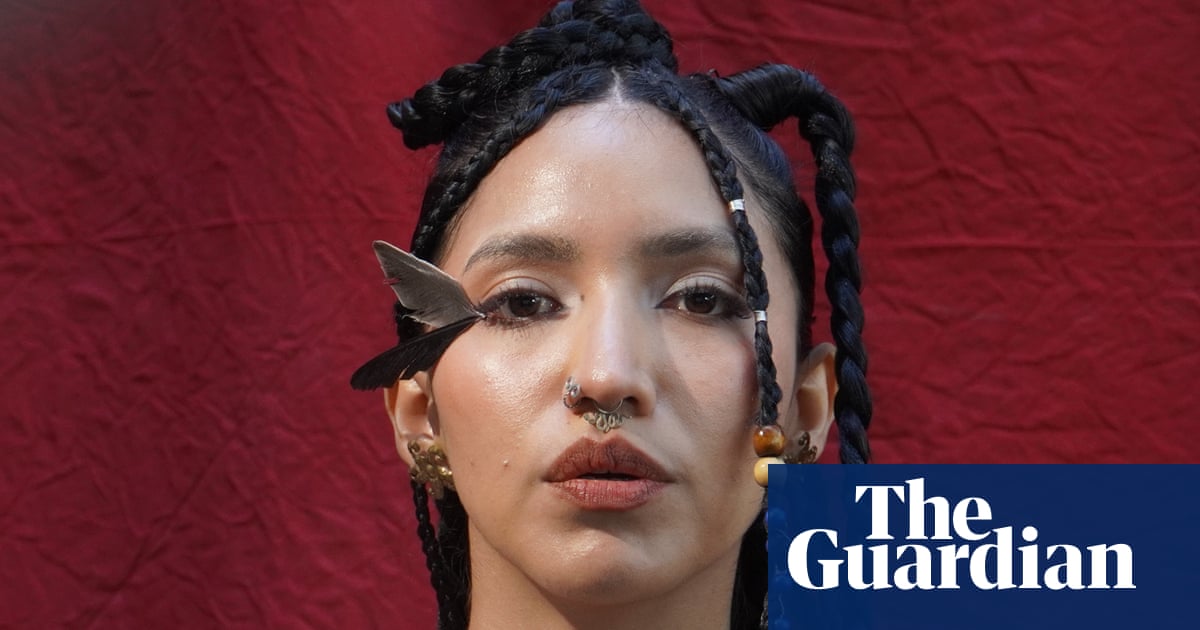
The Quechua rapper reclaiming an Inca language through musicDe Quechua-rapper die een Inca-taal met muziek terugwintLa rappeuse quechua qui fait revivre une langue des Incas
The Guardian · 19 November 2026, at 09:38
Renata Flores has become a global voice for Quechua, blending the Indigenous language of the Incas with rap, trap and Andean instruments. She first reached a wide audience as a teenager with a Quechua cover of a Michael Jackson hit, and says singing in the language gives her a strong sense of identity and freedom. Now her music also speaks out about discrimination, women’s rights and political violence, while her forthcoming album carries a message of resilience: “we are still here.” And here's the thing: Flores has helped inspire a lively new generation of Quechua-speaking artists in Ayacucho to reclaim their language with pride.Renata Flores is uitgegroeid tot een internationale stem voor het Quechua en combineert de inheemse taal van de Inca’s met rap, trap en Andesinstrumenten. Als tiener bereikte ze voor het eerst een groot publiek met een Quechua-cover van een hit van Michael Jackson; ze zegt dat zingen in de taal haar een sterk gevoel van identiteit en vrijheid geeft. Haar muziek kaart nu ook discriminatie, vrouwenrechten en politiek geweld aan, terwijl haar aankomende album een boodschap van veerkracht uitdraagt: ‘we zijn er nog steeds’. En precies dat maakt haar invloed zo bijzonder: Flores inspireerde een bruisende nieuwe generatie Quechua-sprekende artiesten in Ayacucho om hun taal met trots terug te winnen.Renata Flores est devenue une voix reconnue dans le monde entier pour le quechua, mêlant la langue autochtone des Incas au rap, à la trap et aux instruments andins. Adolescente, elle s’est fait connaître grâce à une reprise en quechua d’un succès de Michael Jackson, et elle explique que chanter dans cette langue lui apporte un profond sentiment d’identité et de liberté. Aujourd’hui, sa musique aborde aussi la discrimination, les droits des femmes et la violence politique, tandis que son prochain album porte un message de résilience : « nous sommes toujours là ». Et c’est là toute la force de son parcours : Flores a inspiré une nouvelle génération d’artistes quechuaphones à Ayacucho à revendiquer leur langue avec fierté.