‘No one believed it’: how a YouTube video accidentally proved Libya’s sand cat really does exist‘Niemand geloofde het’: hoe een YouTube-video per ongeluk bewees dat de zandkat van Libië echt bestaat‘Personne n’y croyait’: comment une vidéo YouTube a prouvé par accident que le chat des sables de Libye existe vraiment
The Guardian Europe · 24 June 2026, at 13:50
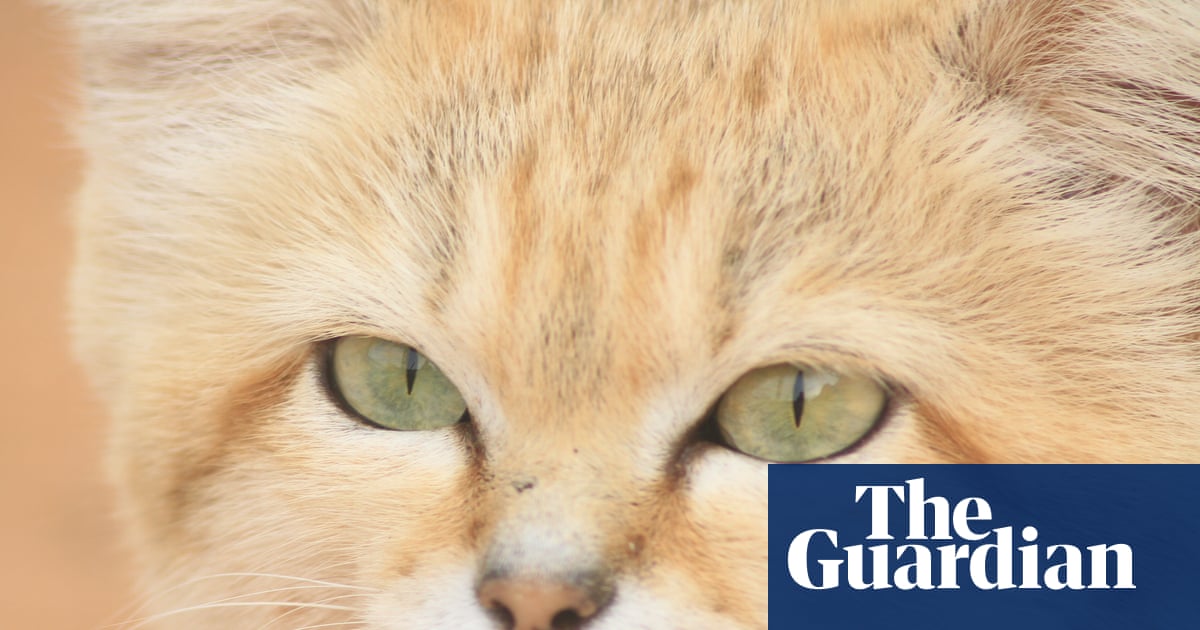
When wildlife photographer Mohammed Almuntasir uploaded a short video of a sand cat in Libya, he had no idea it would spark such interest. Initially met with skepticism, his footage became the first proof of the sand cat's existence in the country. Fast forward nearly a decade, and researchers are now collaborating to document this elusive species in its natural habitat. Almuntasir's journey, filled with challenges and discoveries, highlights the importance of citizen science in uncovering hidden wildlife.Toen de natuurfotograaf Mohammed Almuntasir een korte video van een zandkat in Libië uploadde, had hij geen idee dat het zoveel interesse zou opwekken. Aanvankelijk werd zijn footage met scepsis ontvangen, maar het werd het eerste bewijs van het bestaan van de zandkat in het land. Bijna een decennium later werken onderzoekers nu samen om deze ongrijpbare soort in zijn natuurlijke habitat te documenteren. Almuntasir's reis, vol uitdagingen en ontdekkingen, benadrukt het belang van burgerwetenschap bij het onthullen van verborgen wilde dieren.Lorsque le photographe animalier Mohammed Almuntasir a téléchargé une courte vidéo d'un chat des sables en Libye, il n'avait aucune idée que cela susciterait tant d'intérêt. D'abord accueilli avec scepticisme, son film est devenu la première preuve de l'existence du chat des sables dans le pays. Près d'une décennie plus tard, des chercheurs collaborent maintenant pour documenter cette espèce insaisissable dans son habitat naturel. Le parcours d'Almuntasir, rempli de défis et de découvertes, souligne l'importance de la science citoyenne dans la révélation de la faune cachée.