Gut microbes that trace ancient human journeysDarmmicroben die oude menselijke reizen tracerenLes microbes intestinaux qui retracent les anciens voyages humains
Nature · 8 October 2026, at 03:36
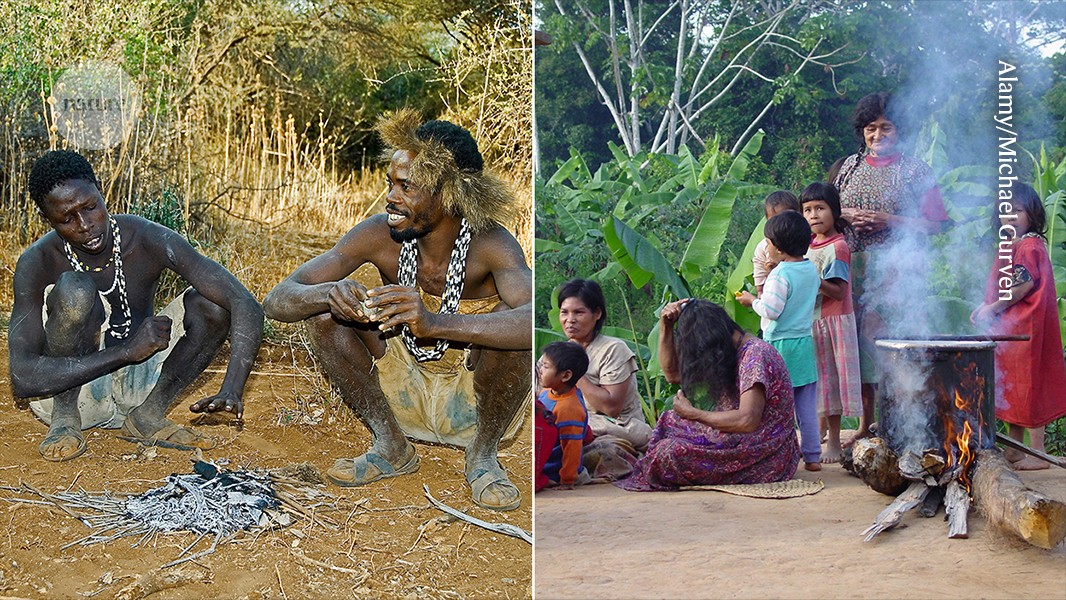
Humans never travelled alone: as our ancestors spread from Africa, they carried gut microbes along with them. Researchers compared the gut microbiomes of the Indigenous Hadza people of Tanzania and the Tsimane people of Bolivia, whose populations diverged during prehistoric migrations. They found hundreds of microbial species shared by both groups, while genetic differences between their microbial strains broadly reflect the timing of those journeys. And here's the thing: many of these shared microbes are now rare or absent in industrialized populations, revealing a remarkable microbial legacy of human migration.Mensen reisden nooit alleen: toen onze voorouders zich vanuit Afrika verspreidden, namen ze hun darmmicroben met zich mee. Onderzoekers vergeleken het darmmicrobioom van de inheemse Hadza in Tanzania met dat van de Tsimane in Bolivia, wier bevolkingsgroepen uiteengingen tijdens prehistorische migraties. Ze vonden honderden microbensoorten die beide groepen delen, terwijl genetische verschillen tussen hun microbiële stammen globaal overeenkomen met de tijdschaal van die reizen. En dit is bijzonder: veel van deze gedeelde microben zijn tegenwoordig zeldzaam of verdwenen in geïndustrialiseerde bevolkingsgroepen, en onthullen zo een opmerkelijk microbieel erfgoed van menselijke migratie.Les humains n’ont jamais voyagé seuls : en se dispersant depuis l’Afrique, nos ancêtres ont emporté leurs microbes intestinaux. Des chercheurs ont comparé le microbiote intestinal des Hadza autochtones de Tanzanie à celui des Tsimane de Bolivie, deux populations séparées par des migrations préhistoriques. Ils ont trouvé des centaines d’espèces microbiennes communes aux deux groupes, tandis que les différences génétiques entre leurs souches correspondent globalement à la chronologie de ces migrations. Et voici ce qui est remarquable : nombre de ces microbes partagés sont aujourd’hui rares ou absents dans les populations industrialisées, révélant l’héritage microbien des migrations humaines.