Inside the remarkable protein engine of a sperm cellDe bijzondere eiwitmotor van een zaadcelLa remarquable machine protéique d’un spermatozoïde
NRC · 15 November 2026, at 20:30
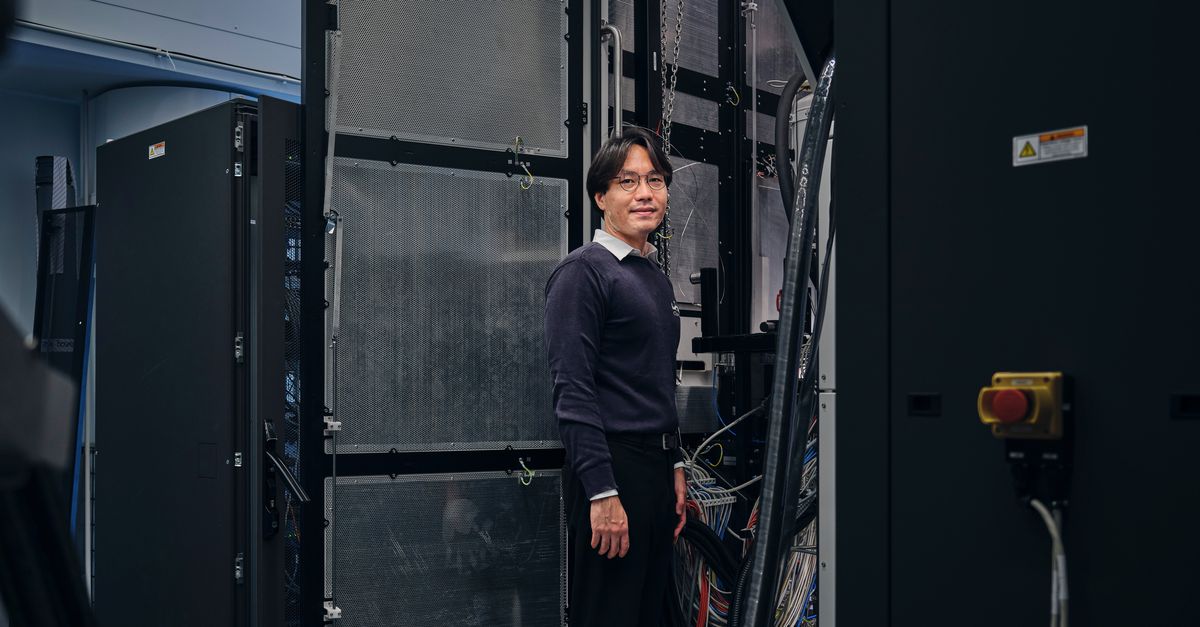
At Utrecht’s Hubrecht Institute, Miguel Leung uses cryo-electron microscopy to map the proteins in egg and sperm cells, work that recently earned him the Heineken Young Scientists Award for Biomedical Sciences. By freezing cells rapidly and combining millions of grainy images, his team builds three-dimensional models of their proteins, with AI helping locate each one. They have identified more than 150 proteins in the sperm tail and are uncovering how these components work together to create a remarkably organized swimming engine. This fundamental insight could eventually help researchers understand what goes wrong in some cases of infertility, while Leung also aims to lead his young team with care and encouragement.Aan het Hubrecht Instituut in Utrecht brengt Miguel Leung met cryo-elektronenmicroscopie de eiwitten in eicellen en zaadcellen in kaart; voor dit werk ontving hij onlangs de Heineken Young Scientists Award for Biomedical Sciences. Door cellen razendsnel te bevriezen en miljoenen korrelige beelden te combineren, maakt zijn team driedimensionale eiwitmodellen en gebruikt het AI om de locaties van eiwitten te bepalen. In de staart van zaadcellen hebben ze al meer dan 150 eiwitten gevonden en ontdekken ze hoe die samen een opmerkelijk georganiseerde zwemmotor vormen. Deze fundamentele kennis kan onderzoekers uiteindelijk helpen begrijpen wat er bij sommige gevallen van onvruchtbaarheid misgaat, terwijl Leung ook veel aandacht besteedt aan het begeleiden van zijn jonge team.À l’Institut Hubrecht d’Utrecht, Miguel Leung cartographie les protéines des ovules et des spermatozoïdes grâce à la cryomicroscopie électronique; ses recherches lui ont récemment valu le Heineken Young Scientists Award for Biomedical Sciences. En congelant rapidement les cellules et en combinant des millions d’images granuleuses, son équipe crée des modèles tridimensionnels des protéines et s’aide de l’IA pour les localiser. Dans la queue des spermatozoïdes, elle a déjà identifié plus de 150 protéines et découvre comment elles s’associent pour former un moteur de nage remarquablement organisé. Ces connaissances fondamentales pourraient aider un jour les chercheurs à comprendre certaines causes de l’infertilité, tandis que Leung veille aussi à accompagner avec attention sa jeune équipe.