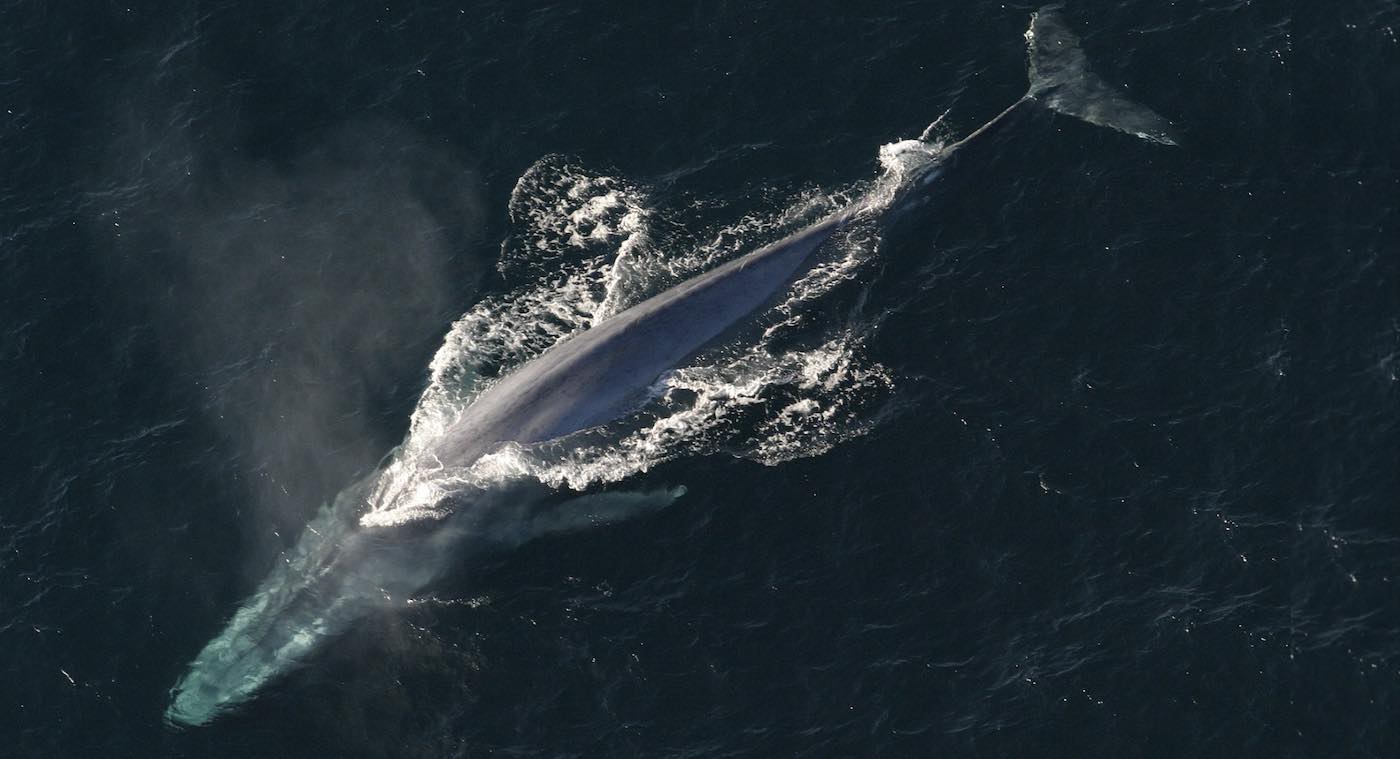
Antarctic blue whales make a remarkable comebackBlauwe vinvissen op Antarctica maken een opmerkelijke comebackLes baleines bleues de l’Antarctique font un retour remarquable
Good News Network · 19 November 2026, at 14:33
The Antarctic blue whale population has grown from 418 in 1973 to an estimated 4,018 today, a remarkable recovery since whaling ended. Researchers pieced together historical catch records, photo identifications and decades of surveys to track the whales’ return. These slow-reproducing giants are still considered critically endangered, but their recovery offers real hope. And because blue whales help shape marine ecosystems, their comeback benefits many other creatures too.De populatie blauwe vinvissen op Antarctica is gegroeid van 418 in 1973 tot naar schatting 4.018 vandaag, een opmerkelijk herstel sinds de walvisjacht stopte. Onderzoekers brachten historische vangstgegevens, foto-identificaties en tientallen jaren aan tellingen samen om de terugkeer van de walvissen te volgen. Deze langzaam voortplantende reuzen worden nog altijd als ernstig bedreigd beschouwd, maar hun herstel geeft volop hoop. Bovendien helpen blauwe vinvissen mariene ecosystemen vorm te geven, waardoor ook allerlei andere dieren baat hebben bij hun terugkeer.La population de baleines bleues de l’Antarctique est passée de 418 individus en 1973 à environ 4 018 aujourd’hui, un rétablissement remarquable depuis la fin de la chasse à la baleine. Les chercheurs ont combiné des registres historiques de captures, des identifications photographiques et des décennies de relevés pour suivre leur retour. Ces géantes à la reproduction lente restent considérées comme en danger critique d’extinction, mais leur rétablissement est une vraie source d’espoir. Et comme les baleines bleues contribuent à façonner les écosystèmes marins, leur retour profite aussi à de nombreuses autres espèces.