🌍
Global emissions fall as China rapidly electrifies
Wereldwijde uitstoot daalt dankzij snelle elektrificatie in China
Les émissions mondiales baissent grâce à l’électrification rapide de la Chine
Global emissions are falling, and China’s rapid electrification is helping drive that change. The trend offers an encouraging sign of progress on climate change. It shows how changes in the way energy is used can have a worldwide impact. And here’s the thing: China’s pace of electrification makes it an important part of that story.
De wereldwijde uitstoot daalt, en de snelle elektrificatie in China helpt die verandering vooruit. Die trend is een bemoedigend teken van vooruitgang in de strijd tegen klimaatverandering. Ze toont hoe veranderingen in het energiegebruik wereldwijd een verschil kunnen maken. En precies daarin speelt het hoge tempo van de Chinese elektrificatie een belangrijke rol.
Les émissions mondiales baissent, et l’électrification rapide de la Chine contribue à cette évolution. Cette tendance est un signe encourageant de progrès dans la lutte contre le changement climatique. Elle montre que les changements dans l’utilisation de l’énergie peuvent avoir un impact à l’échelle mondiale. Et c’est là que le rythme soutenu de l’électrification chinoise joue un rôle important.

🛡️
Kenya’s Ebola response shows the power of preparation
Kenia’s ebola-aanpak toont de kracht van voorbereiding
La réponse du Kenya à Ebola montre la force de la préparation
So, Kenya’s first Ebola case was followed by a swift, coordinated response, and the country discharged its last patient just 37 days later. No community transmission has been recorded, and Kenya could be declared Ebola-free on 23 December if no new cases emerge. The response built on training and virtual networks established before the outbreak, helping health workers investigate alerts and trace contacts. The article argues that sustained investment in these networks can strengthen local expertise and help communities across Africa prepare for future health emergencies.
Kenia reageerde snel en gecoördineerd op zijn eerste ebolageval en ontsloeg slechts 37 dagen later de laatste patiënt. Er is geen besmetting binnen de gemeenschap vastgesteld, en Kenia kan op 23 december ebolavrij worden verklaard als er geen nieuwe gevallen bijkomen. De aanpak bouwde voort op opleidingen en digitale netwerken die al vóór de uitbraak waren opgezet, zodat zorgverleners meldingen konden onderzoeken en contacten konden opsporen. Het artikel pleit voor blijvende investeringen in zulke netwerken om lokale expertise te versterken en gemeenschappen in heel Afrika beter op toekomstige gezondheidscrises voor te bereiden.
Le Kenya a réagi rapidement et de manière coordonnée à son premier cas d’Ebola, puis a pu libérer son dernier patient seulement 37 jours plus tard. Aucune transmission communautaire n’a été constatée, et le pays pourrait être déclaré exempt d’Ebola le 23 décembre si aucun nouveau cas n’apparaît. Cette réponse s’est appuyée sur des formations et des réseaux virtuels mis en place avant l’épidémie, qui ont aidé les soignants à enquêter sur les alertes et à retrouver les contacts. L’article défend un investissement durable dans ces réseaux afin de renforcer l’expertise locale et de mieux préparer les communautés africaines aux prochaines urgences sanitaires.

📜
Seven million pages of military records from the war of 1812 are now online
Zeven miljoen pagina’s militaire documenten uit de oorlog van 1812 staan nu online
Sept millions de pages d’archives militaires de la guerre de 1812 sont en ligne
After 16 years of careful work, the National Archives and its partners have digitized more than 180,000 pension applications from the War of 1812 - a remarkable 7.2 million pages. These fragile records preserve vivid details about veterans, their families, fellow soldiers and everyday life in the 19th century. And here's the thing: handwriting recognition makes the collection searchable by names and words across the pages, not just by the veterans who applied. The records are free to explore on Fold3, with copies also being added to the National Archives catalog.
Na 16 jaar zorgvuldig werk hebben de National Archives en hun partners meer dan 180.000 pensioenaanvragen uit de oorlog van 1812 gedigitaliseerd - maar liefst 7,2 miljoen pagina’s. Deze kwetsbare documenten bewaren levendige details over veteranen, hun families, medesoldaten en het dagelijks leven in de 19e eeuw. En dit is bijzonder: dankzij handschriftherkenning kun je de collectie doorzoeken op namen en woorden op de pagina’s, niet alleen op de veteranen die een aanvraag indienden. De documenten zijn gratis te bekijken op Fold3 en worden ook toegevoegd aan de catalogus van de National Archives.
Après 16 ans de travail minutieux, les Archives nationales et leurs partenaires ont numérisé plus de 180 000 demandes de pension liées à la guerre de 1812, soit 7,2 millions de pages. Ces documents fragiles conservent des détails saisissants sur les vétérans, leurs familles, leurs compagnons d’armes et la vie quotidienne au XIXe siècle. Et voici ce qui est formidable : la reconnaissance de l’écriture permet de rechercher des noms et des mots dans les pages, et pas seulement les vétérans qui ont déposé une demande. Les archives sont consultables gratuitement sur Fold3 et sont également ajoutées au catalogue des Archives nationales.
🐋
North Atlantic right whales named after Dolly Parton and Gonzo
Noord-Atlantische walvissen genoemd naar Dolly Parton en Gonzo
Des baleines noires de l’Atlantique Nord baptisées Dolly Parton et Gonzo
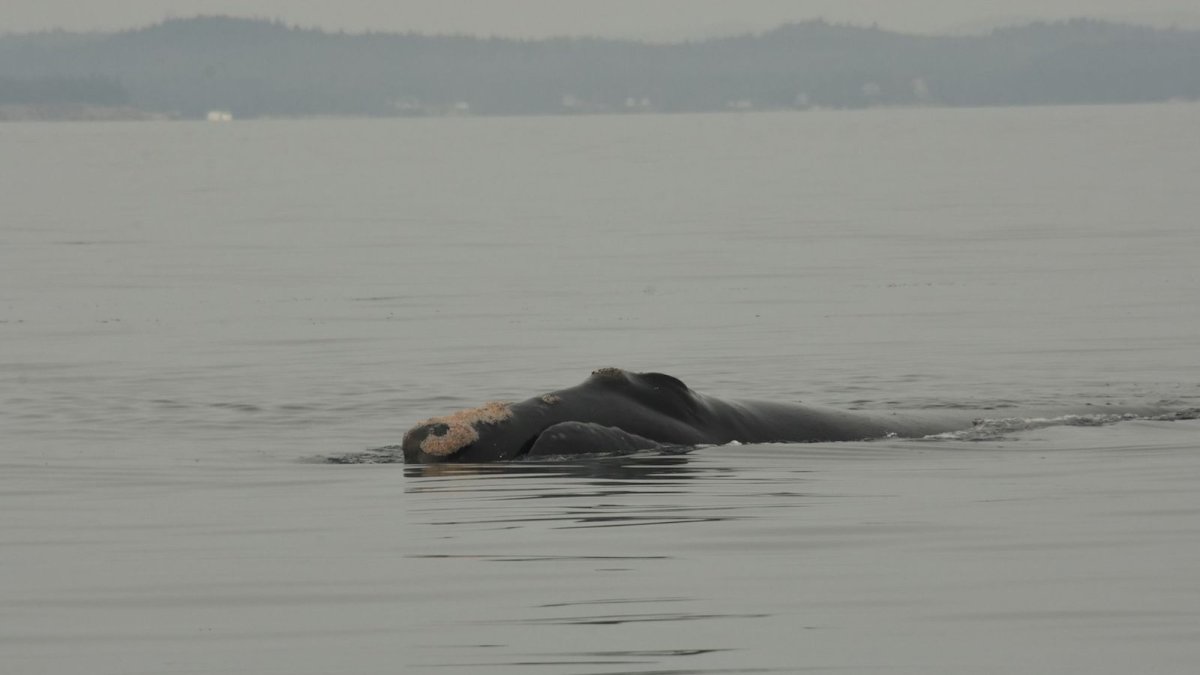
Conservation researchers have given 20 North Atlantic right whales new names, including Dolly, Gonzo and Dodo, to help track them and make their stories easier to connect with. Dolly’s distinctive head markings bring the country singer’s famous hairstyle to mind, while Gonzo is named for the beloved Muppet. The whales remain critically endangered, with an estimated population of 382 and ongoing threats from fishing gear and ship strikes. There’s encouraging news, too: 24 calves were born during the 2025–2026 season, the most since 2009.
Onderzoekers hebben 20 Noord-Atlantische walvissen een nieuwe naam gegeven, waaronder Dolly, Gonzo en Dodo, zodat ze de dieren makkelijker kunnen volgen en mensen met hun verhalen in contact kunnen komen. De opvallende koptekening van Dolly doet denken aan het beroemde kapsel van de countryzangeres, terwijl Gonzo is vernoemd naar de geliefde Muppet. De soort is nog altijd ernstig bedreigd: de populatie wordt op 382 dieren geschat en vistuig en aanvaringen met schepen blijven grote gevaren. Er is ook hoopgevend nieuws: in het seizoen 2025–2026 werden 24 kalfjes geboren, het hoogste aantal sinds 2009.
Des chercheurs ont donné de nouveaux noms à 20 baleines noires de l’Atlantique Nord, dont Dolly, Gonzo et Dodo, afin de mieux les suivre et de rapprocher le public de leur histoire. Les marques sur la tête de Dolly rappellent la célèbre coiffure de la chanteuse country, tandis que Gonzo porte le nom du Muppet bien-aimé. L’espèce reste en danger critique, avec une population estimée à 382 individus et des menaces persistantes liées aux engins de pêche et aux collisions avec les navires. Une nouvelle encourageante : 24 baleineaux sont nés durant la saison 2025–2026, le nombre le plus élevé depuis 2009.
🐝
Peruvian stingless bees become the world's first insects with legal rights
Peruaanse angelloze bijen krijgen als eerste insecten ter wereld wettelijke rechten
Au Pérou, les abeilles sans aiguillon sont les premiers insectes au monde à obtenir des droits légaux
In Peru, stingless bees have become the first insects in the world to receive legal rights. It is a remarkable step in how laws can recognise and protect the natural world. These small pollinators play an important role in plant life and biodiversity, despite often receiving less attention than larger animals. Now, their new status could help strengthen efforts to protect them and the habitats they depend on.
In Peru hebben angelloze bijen als eerste insecten ter wereld wettelijke rechten gekregen. Dat is een opmerkelijke stap in de manier waarop wetten de natuur kunnen erkennen en beschermen. Deze kleine bestuivers spelen een belangrijke rol voor planten en de biodiversiteit, al krijgen ze vaak minder aandacht dan grotere dieren. Hun nieuwe status kan nu helpen om de bescherming van de bijen en hun leefgebied te versterken.
Au Pérou, les abeilles sans aiguillon sont devenues les premiers insectes au monde à obtenir des droits légaux. C’est une avancée remarquable dans la manière dont la loi peut reconnaître et protéger le monde naturel. Ces petits pollinisateurs contribuent de façon importante à la vie végétale et à la biodiversité, même s’ils attirent souvent moins l’attention que les animaux plus grands. Leur nouveau statut pourrait désormais renforcer les efforts visant à protéger ces abeilles et les habitats dont elles dépendent.
💉
IUD insertion does not have to be so painful, two Dutch GPs show
Een spiraaltje plaatsen hoeft niet zo pijnlijk te zijn, laten twee Nederlandse huisartsen zien
La pose d’un stérilet peut être moins douloureuse, montrent deux médecins généralistes néerlandais
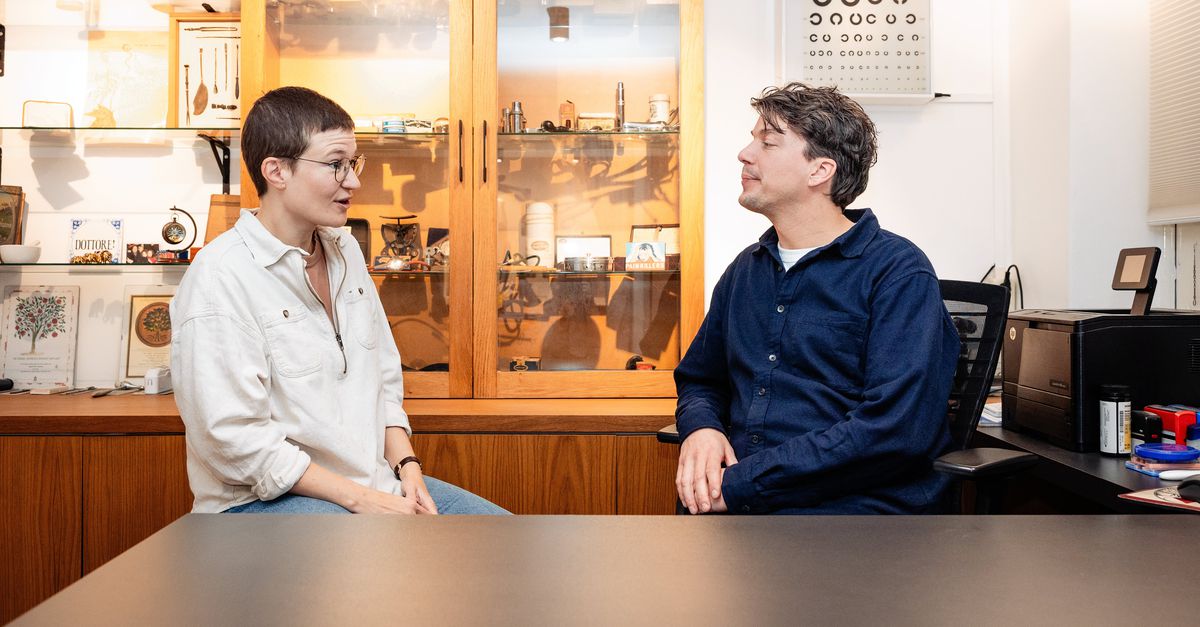
So: two Dutch GPs have adapted an anesthetic technique that can make IUD insertion much more comfortable. It uses three small injections in the cervix, followed by a one-minute wait before the device is placed. Among 57 patients, the average pain score was just 2 out of 10, and everyone said they would choose the method again. The doctors’ findings were published in September, adding fresh evidence to the discussion about pain relief during IUD insertion.
Twee Nederlandse huisartsen hebben een verdovingsmethode aangepast die het plaatsen van een spiraaltje een stuk comfortabeler kan maken. De methode bestaat uit drie kleine prikjes in de baarmoedermond, waarna de arts één minuut wacht voordat het spiraaltje wordt geplaatst. Bij 57 patiënten was de gemiddelde pijnscore slechts 2 op een schaal van 0 tot 10, en iedereen gaf aan de methode opnieuw te willen gebruiken. De bevindingen van de huisartsen verschenen in september en geven een nieuwe impuls aan de discussie over pijnbestrijding bij het plaatsen van een spiraaltje.
Deux médecins généralistes néerlandais ont adapté une méthode anesthésiante qui peut rendre la pose d’un stérilet bien plus confortable. Elle consiste en trois petites injections dans le col de l’utérus, suivies d’une minute d’attente avant la pose. Parmi les 57 patientes, la douleur a atteint en moyenne seulement 2 sur 10, et toutes ont indiqué qu’elles choisiraient à nouveau cette méthode. Publiés en septembre, les résultats des médecins relancent la réflexion sur le soulagement de la douleur lors de la pose d’un stérilet.

🌱
Aging brings a surprising upside: regret hurts less
Ouder worden heeft een verrassend voordeel: spijt doet minder pijn
Vieillir a un avantage surprenant : les regrets font moins mal
Here’s a hopeful finding about aging: although younger and older adults report a similar number of regrets, older people tend to feel less upset by their recent ones. In a study of adults aged 21 to 89, researchers found that the emotional sting of regret often softens with age. Regrets about missed opportunities can still linger, though, since we can learn from choices that went wrong but can’t revisit chances we never took. So, as we get older, regret may become less about dwelling on the past and more about finding meaning in it - a lovely nudge to make the most of opportunities today.
Er is een hoopvolle ontdekking over ouder worden: hoewel jongere en oudere volwassenen ongeveer evenveel spijt melden, voelen ouderen zich doorgaans minder van streek door recente spijt. In een onderzoek onder volwassenen van 21 tot 89 jaar ontdekten onderzoekers dat de emotionele pijn van spijt met de leeftijd vaak afneemt. Spijt over gemiste kansen kan wel blijven knagen, want van verkeerde keuzes kunnen we leren, maar ongegrepen kansen kunnen we niet opnieuw benutten. Naarmate we ouder worden, draait spijt dus misschien minder om het verleden en meer om betekenis vinden - een mooie aansporing om vandaag kansen te grijpen.
Voici une découverte encourageante sur le vieillissement : même si les adultes jeunes et âgés déclarent un nombre de regrets similaire, les personnes plus âgées sont généralement moins bouleversées par leurs regrets récents. Dans une étude menée auprès d’adultes de 21 à 89 ans, les chercheurs ont constaté que la douleur émotionnelle des regrets s’atténue souvent avec l’âge. Les occasions manquées peuvent toutefois continuer à peser, car nous pouvons tirer des leçons de nos mauvais choix, mais pas revenir sur les chances que nous n’avons pas saisies. En vieillissant, il s’agit peut-être moins de ressasser le passé que d’y trouver du sens - un joli rappel de profiter des occasions qui se présentent aujourd’hui.
🌵
Prickly pears can generate solar electricity
Schijfcactussen kunnen zonne-elektriciteit opwekken
Les figuiers de Barbarie peuvent produire de l’électricité solaire
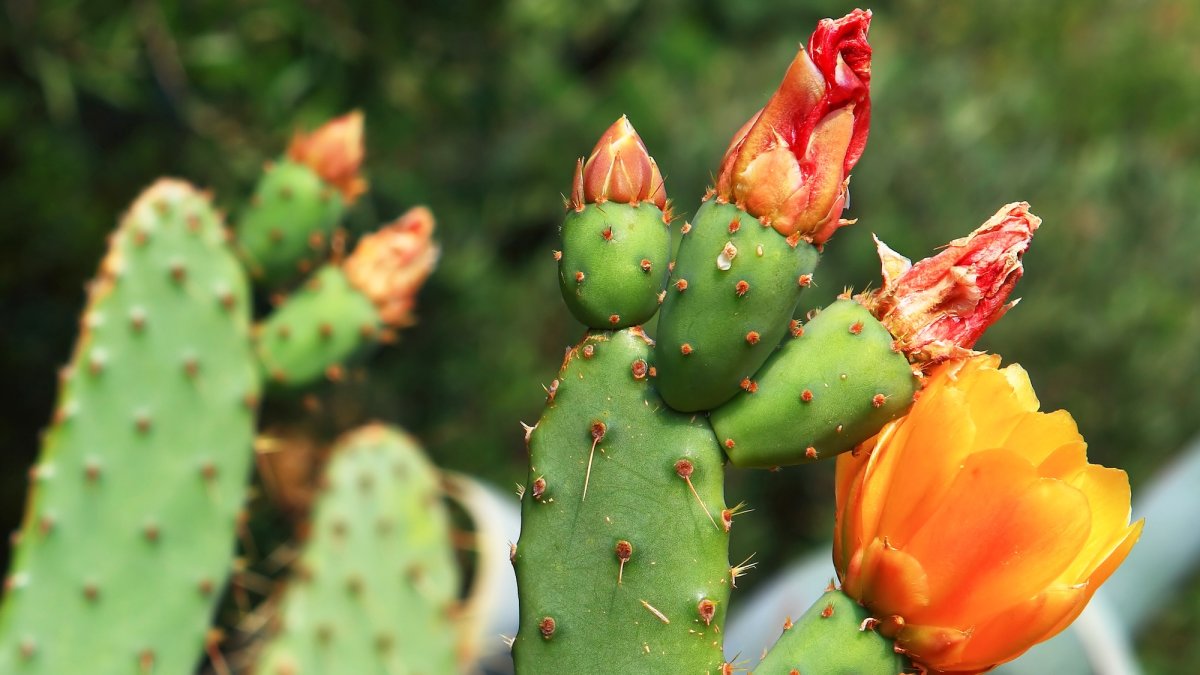
Here’s a clever twist on solar power: prickly pears use a special form of photosynthesis that creates a pH difference the researchers can harness to generate electricity. A team at UC Santa Cruz found that linking just eight plants can produce 4.5 volts, enough to power low-energy sensors that monitor crops. And here's the exciting part: prickly pears kept photosynthesizing and generating electricity even after 15 months without water. Other plants that use this process, including aloe, pineapple, and agave, could also help power resilient farm sensors.
Wat een slimme draai aan zonne-energie: schijfcactussen gebruiken een bijzondere vorm van fotosynthese die een verschil in zuurgraad creëert, en dat kunnen onderzoekers benutten om elektriciteit op te wekken. Een team van UC Santa Cruz ontdekte dat acht gekoppelde planten samen 4,5 volt kunnen produceren, genoeg om energiezuinige sensoren voor gewasbewaking aan te drijven. En dit is het verrassende: zelfs na 15 maanden zonder water bleven de cactussen fotosynthetiseren en elektriciteit opwekken. Ook andere planten met dit proces, zoals aloë, ananas en agave, kunnen helpen om zelfvoorzienende landbouwsensoren van stroom te voorzien.
Voilà une idée ingénieuse pour produire de l’énergie solaire : les figuiers de Barbarie utilisent une forme particulière de photosynthèse qui crée une différence de pH exploitable pour générer de l’électricité. Une équipe de l’UC Santa Cruz a découvert que huit plantes reliées peuvent produire 4,5 volts, assez pour alimenter de petits capteurs agricoles. Et voici ce qui est étonnant : les cactus ont continué à photosynthétiser et à produire de l’électricité après 15 mois sans eau. D’autres plantes qui utilisent ce processus, comme l’aloès, l’ananas et l’agave, pourraient aussi contribuer à alimenter des capteurs agricoles autonomes.

🧠
People entering old age now have better memory than their parents did
Mensen die nu op leeftijd komen, hebben een beter geheugen dan hun ouders
Les personnes qui vieillissent aujourd’hui ont une meilleure mémoire que leurs parents
Here’s an encouraging finding: people born later in the twentieth century entered old age with stronger memory and, on average, experienced slower decline than earlier generations. Researchers tracked memory-test results from 219,000 adults aged 50 and older across three decades, finding that each ten-year shift in birth decade was linked to a 10% higher score at age 60. They also found that each successive birth decade was associated with a 64% greater likelihood of keeping memory stable, while brain scans linked stable memory with less shrinkage in the hippocampus. So, improvements in education, health and lifestyle earlier in life may help explain why dementia risk at a given age has fallen, even as populations grow older.
Er is bemoedigend nieuws: mensen die later in de twintigste eeuw zijn geboren, begonnen hun oude dag met een beter geheugen en kregen gemiddeld minder snel geheugenproblemen dan eerdere generaties. Onderzoekers volgden dertig jaar lang de geheugentests van 219.000 volwassenen van 50 jaar en ouder, en zagen dat een geboortedecennium later samenhing met een 10% hogere score op 60-jarige leeftijd. Ook bleek bij elk opeenvolgend geboortedecennium de kans 64% groter dat het geheugen stabiel bleef; hersenscans brachten dat stabiele geheugen bovendien in verband met minder krimp van de hippocampus. Verbeteringen in onderwijs, gezondheid en leefstijl op jonge leeftijd kunnen dus helpen verklaren waarom het risico op dementie op een bepaalde leeftijd is gedaald, terwijl de bevolking vergrijst.
Voici une nouvelle encourageante : les personnes nées plus tard au XXe siècle abordent la vieillesse avec une meilleure mémoire et connaissent, en moyenne, un déclin plus lent que les générations précédentes. Les chercheurs ont suivi pendant trois décennies les résultats de tests de mémoire de 219 000 adultes âgés de 50 ans ou plus ; chaque décennie de naissance plus récente était associée à un score supérieur de 10 % à l’âge de 60 ans. Ils ont aussi constaté que, pour chaque décennie de naissance successive, la probabilité de conserver une mémoire stable augmentait de 64 % ; les examens cérébraux associaient par ailleurs cette stabilité à une moindre réduction du volume de l’hippocampe. Les progrès de l’éducation, de la santé et du mode de vie au début de la vie pourraient donc contribuer à expliquer le recul du risque de démence à âge égal, malgré le vieillissement de la population.
🐣
Endangered peacock-pheasant chicks get help from a foster mom and rubber glove
Bedreigde pauwfazantkuikens krijgen hulp van een pleegmoeder en rubberen handschoen
Des poussins d’éperonnier malais sauvés grâce à une mère d’accueil et un gant en caoutchouc
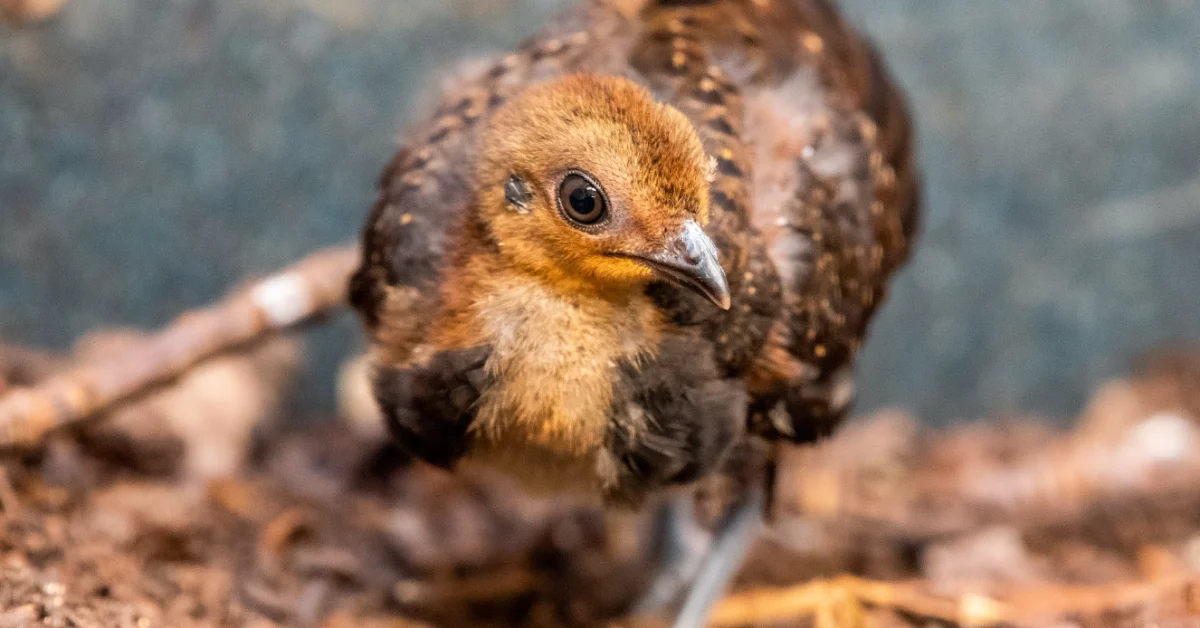
At Chester Zoo in England, keepers have welcomed two endangered Malay peacock-pheasant chicks, a significant boost for a species threatened by rainforest loss. When a first-time mother abandoned her egg, an experienced bronze-tailed peacock-pheasant stepped in as a foster parent, while a keeper used a rubber glove filled with warm water to help another chilled hatchling. Thankfully, the mother accepted the second chick the next morning and has raised it successfully ever since. With only about 15 Malay peacock-pheasants in European zoos, these chicks strengthen a conservation breeding program and bring hope for future generations.
Bij Chester Zoo in Engeland zijn twee kuikens van de bedreigde Maleise pauwfazant verwelkomd, een belangrijke versterking voor een soort die door het verlies van regenwoud wordt bedreigd. Toen een onervaren moeder haar ei verliet, nam een ervaren bronzen pauwfazant de rol van pleegmoeder op zich; voor een ander afgekoeld kuiken maakte een verzorger een warmwaterkruik van een rubberen handschoen. Gelukkig accepteerde de moeder het tweede kuiken de volgende ochtend en heeft ze het sindsdien succesvol grootgebracht. Met slechts ongeveer 15 Maleise pauwfazanten in Europese dierentuinen versterken deze kuikens een fokprogramma voor natuurbehoud en bieden ze hoop voor toekomstige generaties.
Au zoo de Chester, en Angleterre, deux jeunes éperonniers malais ont vu le jour, un renfort important pour une espèce menacée par la disparition des forêts tropicales. Après qu’une mère inexpérimentée a abandonné son œuf, une femelle éperonnier bronzé expérimentée a joué les mères de substitution; pour réchauffer un autre oisillon refroidi, une soigneuse a transformé un gant en caoutchouc en bouillotte. Heureusement, la mère a accepté le second petit dès le lendemain et l’élève avec succès depuis. Avec seulement une quinzaine d’éperonniers malais dans les zoos européens, ces naissances renforcent le programme d’élevage pour la conservation et donnent de l’espoir pour l’avenir de l’espèce.

🤝
Police learn cultural awareness: “Starting a check with ‘Is everything okay?’ works too”
Agenten leren over culturele sensitiviteit: “Een controle beginnen met ‘Alles goed?’ werkt ook”
Des policiers se forment à la sensibilisation culturelle : « Commencer un contrôle par “Tout va bien ?”, ça marche aussi »
A cultural-awareness training developed over two years by the Brussels-West police zone in Molenbeek will now be offered to police officers across Belgium. It explores the history of migration in Belgium and shares practical ways to communicate better with young people from migrant backgrounds. Youth worker Ayoub Ben Abdeslam describes how a hostile encounter during a routine check shaped his early view of the police. His message to officers is that a respectful first contact can help build trust and prevent a cycle of mutual suspicion.
Een opleiding rond culturele sensitiviteit, die de politiezone Brussel-West twee jaar lang in Molenbeek ontwikkelde, wordt nu aangeboden aan agenten in heel België. De opleiding behandelt de geschiedenis van migratie in België en geeft praktische tips om beter te communiceren met jongeren met een migratieachtergrond. Jongerenwerker Ayoub Ben Abdeslam vertelt hoe een vijandige ervaring tijdens een routinecontrole zijn eerste indruk van de politie beïnvloedde. Zijn boodschap aan agenten: een respectvol eerste contact kan vertrouwen opbouwen en wederzijds wantrouwen doorbreken.
Une formation à la sensibilisation culturelle, élaborée pendant deux ans à Molenbeek par la zone de police Bruxelles-Ouest, sera désormais proposée aux policiers de tout le pays. Elle aborde l’histoire des migrations en Belgique et fournit des conseils pratiques pour mieux communiquer avec les jeunes issus de l’immigration. L’éducateur Ayoub Ben Abdeslam raconte comment une interaction hostile lors d’un contrôle de routine a marqué sa première perception de la police. Il rappelle aux agents qu’un premier contact respectueux peut instaurer la confiance et enrayer le cercle de la méfiance mutuelle.
🐻
Over 100 cave bear skeletons uncovered in the Dolomites
Meer dan 100 grotbearskeletten ontdekt in de Dolomieten
Plus de 100 squelettes d’ours des cavernes découverts dans les Dolomites
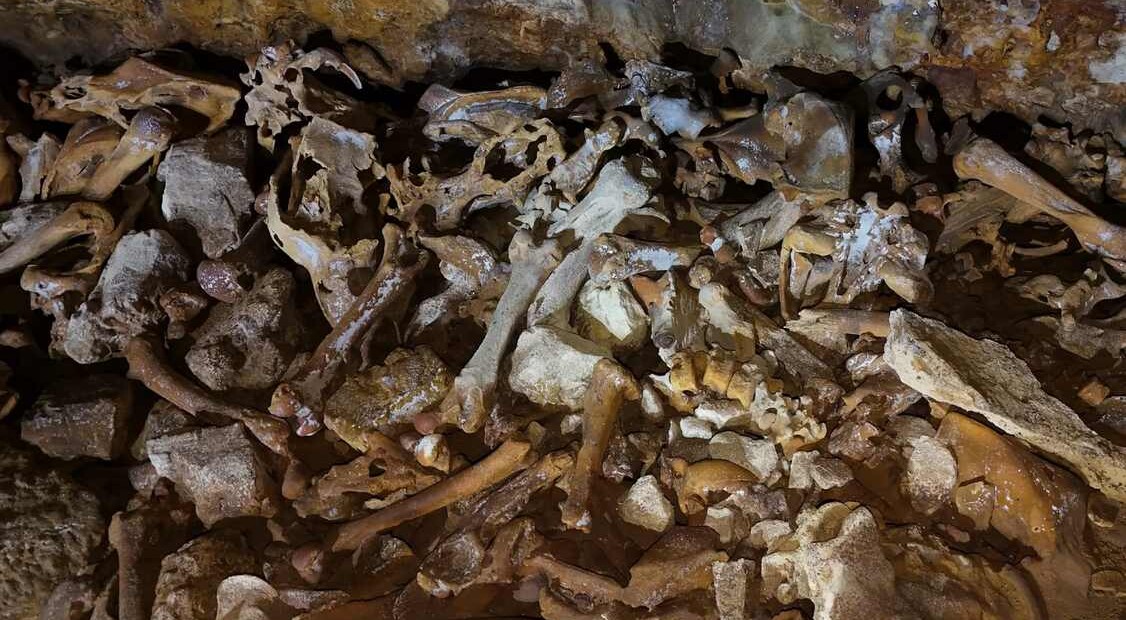
So: a mountain guide has discovered a remarkable cave high on a cliff in Italy’s Dolomites, containing thousands of bones from more than 100 extinct cave bears. Local authorities have secured the site to protect it from looting, and scientists will begin investigating it after the winter. The international team will bring together paleontologists, climate researchers, botanists, cave specialists and ancient-DNA experts. Their work could reveal more about how these giant, mostly plant-eating bears lived in the Alps and what led to their extinction.
Een berggids ontdekte hoog op een klif in de Italiaanse Dolomieten een bijzondere grot met duizenden botten van meer dan honderd uitgestorven holenberen. De lokale autoriteiten hebben de vindplaats beveiligd tegen plundering, zodat wetenschappers er na de winter onderzoek kunnen doen. Een internationaal team brengt paleontologen, klimaatonderzoekers, botanici, grotspecialisten en experts in oud DNA samen. Hun werk kan meer inzicht geven in het leven van deze reusachtige, voornamelijk planten etende beren in de Alpen en in hun uiteindelijke uitsterven.
Un guide de montagne a découvert une grotte remarquable, perchée sur une falaise des Dolomites italiennes, qui renferme des milliers d’ossements de plus de cent ours des cavernes éteints. Les autorités locales ont sécurisé le site pour le protéger du pillage, et les scientifiques commenceront leurs recherches après l’hiver. Une équipe internationale réunira des paléontologues, des climatologues, des botanistes, des spécialistes des grottes et des experts en ADN ancien. Leurs travaux pourraient éclairer la vie de ces ours géants, principalement herbivores, dans les Alpes et les causes de leur disparition.
🥔
Potatoes grown in moon dirt are as nutritious as Earth potatoes
Aardappelen uit maanbodem zijn even voedzaam als aardappelen van de aarde
Les pommes de terre cultivées dans le sol lunaire sont aussi nutritives que celles de la Terre
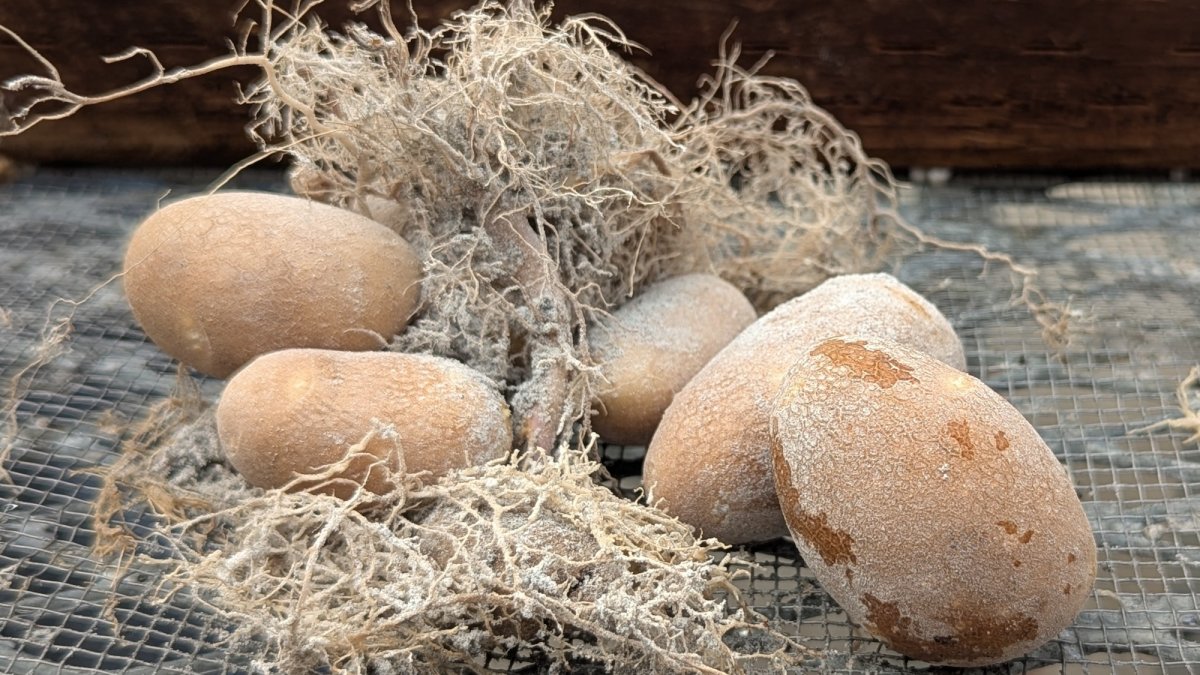
So: researchers at Oregon State University have grown edible potatoes in simulated lunar soil, with a little help from worm-made compost. A mix containing just 30 percent vermicompost produced crops comparable to those grown in Oregon soil. The lunar-grown potatoes showed no statistically significant increase in natural toxins called glycoalkaloids, which is encouraging news for future space farming. Next, the team plans to test different potato varieties to find the most nutritious and resilient options.
Onderzoekers van de Oregon State University hebben eetbare aardappelen geteeld in nagebootste maanbodem, met een beetje hulp van compost die door wormen is gemaakt. Een mengsel met slechts 30 procent wormencompost leverde aardappelen op die vergelijkbaar waren met die uit de bodem van Oregon. De aardappelen uit de maanbodem bevatten geen statistisch significante toename van natuurlijke gifstoffen, glycoalkaloïden genoemd, wat hoopgevend nieuws is voor toekomstige landbouw in de ruimte. Het team wil nu verschillende aardappelrassen testen om de voedzaamste en sterkste varianten te vinden.
Des chercheurs de l’université d’État de l’Oregon ont réussi à cultiver des pommes de terre comestibles dans un sol lunaire simulé, avec un peu d’aide du compost produit par des vers. Un mélange contenant seulement 30 % de lombricompost a donné des récoltes comparables à celles obtenues dans les sols de l’Oregon. Les pommes de terre cultivées dans ce sol lunaire n’ont pas présenté d’augmentation statistiquement significative des glycoalcaloïdes, des toxines naturelles, une nouvelle encourageante pour l’agriculture spatiale. L’équipe va maintenant tester plusieurs variétés afin de trouver les pommes de terre les plus nutritives et les plus résistantes.
🧠
Is free will an illusion? Brain research reveals a surprising twist
Is de vrije wil een illusie? Hersenonderzoek onthult een verrassende wending
Le libre arbitre est-il une illusion ? Le cerveau révèle une surprise
Choosing between two treats feels very different from taking the only one available, but new research finds a surprising similarity in how the brain prepares both decisions. When volunteers chose freely between two colored balloons or were given just one option, brain activity rose towards the same peak before they made their choice. The signal climbed faster for quick decisions and more slowly when people took their time, fitting the idea that the brain accumulates evidence as a decision forms. And here's the thing: this similarity does not by itself prove that free will is an illusion - it offers a fresh way to explore how our choices take shape.
Kiezen tussen twee lekkernijen voelt heel anders dan de enige beschikbare optie nemen, maar nieuw onderzoek vindt een verrassende overeenkomst in hoe de hersenen beide beslissingen voorbereiden. Wanneer deelnemers vrij konden kiezen tussen twee gekleurde ballonnen, of slechts één optie kregen, steeg hun hersenactiviteit naar hetzelfde piekniveau voordat ze kozen. Bij snelle beslissingen liep het signaal sneller op, en bij keuzes waar mensen langer over nadachten, langzamer - precies wat je verwacht als de hersenen gaandeweg bewijs verzamelen. En dit is het interessante: die overeenkomst bewijst op zichzelf niet dat de vrije wil een illusie is, maar biedt een nieuwe manier om te onderzoeken hoe onze keuzes ontstaan.
Choisir entre deux gourmandises semble très différent du fait de prendre la seule option disponible, mais une nouvelle étude révèle une étonnante ressemblance dans la façon dont le cerveau prépare ces deux décisions. Lorsque les participants choisissaient librement entre deux ballons colorés, ou n’avaient qu’une seule option, l’activité cérébrale montait vers le même niveau maximal avant leur choix. Le signal augmentait plus vite pour les décisions rapides et plus lentement lorsque les participants prenaient leur temps, ce qui correspond à l’idée que le cerveau accumule des éléments au fil de la décision. Et voici le point important : cette ressemblance ne prouve pas à elle seule que le libre arbitre est une illusion, mais elle ouvre une nouvelle piste pour comprendre comment nos choix se forment.
🐋
This 6-million-year-old whale may have had the most crooked face in mammal history
Deze 6 miljoen jaar oude walvis had mogelijk het scheefste gezicht uit de zoogdiergeschiedenis
Cette baleine vieille de 6 millions d’années avait peut-être le visage le plus asymétrique de l’histoire des mammifères
Here’s a fossil that really makes you look twice: a small whale from around 6 million years ago had an astonishingly crooked face. Named Scaphokogia huachafo, it had both nostrils shifted to the left and facial bones that differed dramatically in size and position. Researchers first wondered if the skull had been twisted after burial, but its undamaged bones show that this unusual shape was natural. Its anatomy may also offer clues to a distinctive way of hunting, possibly along the seafloor rather than in the deep ocean.
Dit fossiel doet je echt twee keer kijken: een kleine walvis van zo’n 6 miljoen jaar geleden had een opvallend scheef gezicht. De soort kreeg de naam Scaphokogia huachafo en had beide neusgaten helemaal aan de linkerkant, met gezichtsbeenderen die sterk verschilden in grootte en positie. Onderzoekers vroegen zich eerst af of de schedel na de begrafenis vervormd was, maar de onbeschadigde botten tonen dat deze bijzondere vorm natuurlijk was. Zijn anatomie geeft mogelijk ook aanwijzingen voor een aparte jachtmethode, wellicht langs de zeebodem in plaats van in de diepe oceaan.
Voici un fossile qui attire vraiment le regard : une petite baleine d’il y a environ 6 millions d’années avait un visage étonnamment de travers. Baptisée Scaphokogia huachafo, elle avait les deux narines déplacées vers la gauche et des os du visage très différents par leur taille et leur position. Les chercheurs ont d’abord pensé que le crâne avait été déformé après l’enfouissement, mais l’absence de dommages montre que cette forme singulière était naturelle. Son anatomie pourrait aussi révéler une stratégie de chasse particulière, peut-être près du fond marin plutôt qu’en pleine mer profonde.
🦠
A hidden bacterium beneath sea pig skin
Een verborgen bacterie onder de huid van zeekomkommers
Une bactérie cachée sous la peau des cochons de mer
So, deep-sea sea pigs are hiding a remarkable resident inside their body walls: a newly identified bacterium named Candidatus Abyssoplasma scotoplanesicola. Its genome is remarkably small, with just 649,000 DNA bases, yet more than a quarter of it is devoted to genes for surface proteins. Some of these proteins are enormous, stretching beyond 5,000 amino acids, and may help the bacteria interact with their hosts or gather in clusters. The discovery offers a fascinating new glimpse into how bacteria adapt to life closely connected with other organisms.
Diepzeekomkommers blijken een bijzondere bewoner in hun lichaamswand te verbergen: een nieuw ontdekte bacterie met de naam Candidatus Abyssoplasma scotoplanesicola. Het genoom is opvallend klein, met slechts 649.000 DNA-basen, maar meer dan een kwart ervan bestaat uit genen voor oppervlakte-eiwitten. Sommige van die eiwitten zijn enorm en tellen meer dan 5.000 aminozuren; mogelijk helpen ze de bacteriën om met hun gastheren samen te werken of groepjes te vormen. Deze ontdekking geeft een boeiende nieuwe kijk op hoe bacteriën zich aanpassen aan een leven in nauwe samenhang met andere organismen.
Les cochons de mer des grands fonds cachent un habitant remarquable dans leur paroi corporelle : une bactérie nouvellement identifiée, nommée Candidatus Abyssoplasma scotoplanesicola. Son génome est étonnamment petit, avec seulement 649 000 bases d’ADN, mais plus d’un quart de celui-ci est consacré aux gènes de protéines de surface. Certaines de ces protéines sont gigantesques et dépassent les 5 000 acides aminés ; elles pourraient aider les bactéries à interagir avec leurs hôtes ou à se regrouper. Cette découverte nous éclaire de façon fascinante sur la manière dont les bactéries s’adaptent à une vie étroitement liée à d’autres organismes.
🦴
A strange 309-million-year-old creature gets a new identity
Een vreemd wezen van 309 miljoen jaar oud krijgt een nieuwe identiteit
Une étrange créature vieille de 309 millions d’années dévoile son identité
An exceptionally preserved fossil from Illinois has revealed Jeanerpeton mazonensis, a previously unknown animal that lived 309 million years ago, long before dinosaurs. Resembling a stocky, short-bodied salamander, it retains striking details including scales, tiny belly ribs and impressions of its eyes. Researchers re-examined a specimen once classified as Amphibamus grandiceps and found enough anatomical differences to identify a distinct species, described in the Journal of Vertebrate Paleontology. Its name means “Jean’s crawler from Mazon Creek,” honoring the mothers of the two student scientists who helped uncover its identity - a lovely reminder that museum collections can still surprise us.
Een uitzonderlijk goed bewaard gebleven fossiel uit Illinois heeft Jeanerpeton mazonensis aan het licht gebracht, een onbekend dier dat 309 miljoen jaar geleden leefde, lang vóór de dinosauriërs. Het leek op een gedrongen salamander met een kort lichaam en heeft opvallende details behouden, zoals schubben, kleine buikribben en afdrukken van de ogen. Onderzoekers bestudeerden opnieuw een fossiel dat eerder was ingedeeld bij Amphibamus grandiceps en vonden genoeg anatomische verschillen om een aparte soort te herkennen, beschreven in het Journal of Vertebrate Paleontology. De naam betekent ‘Jeans kruiper uit Mazon Creek’ en eert de moeders van de twee studentonderzoekers die hielpen de identiteit te achterhalen - een mooie herinnering dat museumcollecties ons nog steeds kunnen verrassen.
Un fossile exceptionnellement bien conservé découvert dans l’Illinois a révélé Jeanerpeton mazonensis, un animal jusque-là inconnu qui vivait il y a 309 millions d’années, bien avant les dinosaures. Avec son corps court et trapu, il ressemblait à une salamandre et conserve des détails remarquables, notamment des écailles, de minuscules côtes ventrales et l’empreinte de ses yeux. Les chercheurs ont réexaminé un spécimen autrefois classé parmi les Amphibamus grandiceps et ont relevé suffisamment de différences anatomiques pour reconnaître une espèce distincte, décrite dans le Journal of Vertebrate Paleontology. Son nom signifie « le rampant de Jean de Mazon Creek » et rend hommage aux mères des deux étudiants qui ont contribué à découvrir son identité - une belle preuve que les collections des musées peuvent encore nous surprendre.
🧊
Antarctica’s ice cliffs collapse faster, but stabilize
Antarctica’s ijskliffen storten sneller in, maar stabiliseren
Les falaises de glace antarctiques s’effondrent plus vite, mais se stabilisent
So, a new study finds that Antarctic ice cliffs can retreat faster than scientists’ models predicted when they collapse. Researchers analyzed satellite observations of more than 15,000 cliffs collected over four years. The encouraging twist is that the glaciers eventually stabilized, rather than triggering the runaway retreat long feared by scientists. The findings suggest that cliff height alone cannot predict what happens next - and could help improve forecasts of future sea-level rise.
Een nieuwe studie laat zien dat Antarctische ijskliffen zich na een instorting sneller kunnen terugtrekken dan wetenschappelijke modellen voorspelden. Onderzoekers analyseerden satellietwaarnemingen van meer dan 15.000 kliffen, verzameld over een periode van vier jaar. Het hoopgevende nieuws is dat de gletsjers uiteindelijk stabiliseerden, in plaats van de gevreesde onstuitbare terugtrekking op gang te brengen. De resultaten tonen dat de hoogte van een klif alleen niet voorspelt wat er daarna gebeurt en kunnen helpen om de toekomstige zeespiegelstijging beter in te schatten.
Une nouvelle étude révèle que les falaises de glace antarctiques peuvent reculer plus vite que ne le prévoyaient les modèles scientifiques lorsqu’elles s’effondrent. Les chercheurs ont analysé des observations satellitaires de plus de 15 000 falaises recueillies pendant quatre ans. La bonne surprise, c’est que les glaciers ont fini par se stabiliser, sans provoquer le recul incontrôlable que les scientifiques redoutaient. Ces résultats montrent que la hauteur d’une falaise ne suffit pas à prédire la suite et pourraient améliorer les prévisions de l’élévation future du niveau des mers.

🧺
The waterless machines cleaning clothes with carbon dioxide
Deze waterloze machines wassen kleding met koolstofdioxide
Ces machines sans eau nettoient les vêtements au dioxyde de carbone
So, what if laundry could get clean without water or a hot dryer? These industrial machines use pressurised liquid carbon dioxide to lift away grime, then let it return to gas and leave clothes dry. They can recapture more than 90 percent of the CO2, and Tersus says its larger machines save about 300 gallons of water per load. Now, appliance makers are exploring ways to bring the technology into homes, though making it compact and affordable while preserving its environmental benefits is still a challenge.
Wat als je kleding kunt wassen zonder water en zonder hete droger? Deze industriële machines gebruiken vloeibare koolstofdioxide onder hoge druk om vuil los te maken; daarna wordt het gas en komt de was droog uit de machine. Meer dan 90 procent van de CO2 wordt opnieuw opgevangen, en volgens Tersus bespaart het grootste model zo'n 1.100 liter water per wasbeurt. Nu onderzoeken huishoudtoestellenmakers hoe ze de technologie naar woningen kunnen brengen, al blijft het een uitdaging om de machines compact en betaalbaar te maken zonder de milieuvoordelen te verliezen.
Et si le linge pouvait être propre sans eau ni sèche-linge chauffant ? Ces machines industrielles utilisent du dioxyde de carbone liquide sous pression pour décoller la saleté, puis le gaz s’évapore et le linge ressort sec. Plus de 90 % du CO2 est récupéré, et Tersus estime que ses plus grandes machines économisent environ 1 100 litres d’eau par cycle. Des fabricants d’appareils électroménagers étudient maintenant comment adapter cette technologie aux foyers, même si la rendre compacte et abordable sans perdre ses avantages écologiques reste un défi.

🐋
Antarctic blue whales make a remarkable comeback
Blauwe vinvissen op Antarctica maken een opmerkelijke comeback
Les baleines bleues de l’Antarctique font un retour remarquable
The Antarctic blue whale population has grown from 418 in 1973 to an estimated 4,018 today, a remarkable recovery since whaling ended. Researchers pieced together historical catch records, photo identifications and decades of surveys to track the whales’ return. These slow-reproducing giants are still considered critically endangered, but their recovery offers real hope. And because blue whales help shape marine ecosystems, their comeback benefits many other creatures too.
De populatie blauwe vinvissen op Antarctica is gegroeid van 418 in 1973 tot naar schatting 4.018 vandaag, een opmerkelijk herstel sinds de walvisjacht stopte. Onderzoekers brachten historische vangstgegevens, foto-identificaties en tientallen jaren aan tellingen samen om de terugkeer van de walvissen te volgen. Deze langzaam voortplantende reuzen worden nog altijd als ernstig bedreigd beschouwd, maar hun herstel geeft volop hoop. Bovendien helpen blauwe vinvissen mariene ecosystemen vorm te geven, waardoor ook allerlei andere dieren baat hebben bij hun terugkeer.
La population de baleines bleues de l’Antarctique est passée de 418 individus en 1973 à environ 4 018 aujourd’hui, un rétablissement remarquable depuis la fin de la chasse à la baleine. Les chercheurs ont combiné des registres historiques de captures, des identifications photographiques et des décennies de relevés pour suivre leur retour. Ces géantes à la reproduction lente restent considérées comme en danger critique d’extinction, mais leur rétablissement est une vraie source d’espoir. Et comme les baleines bleues contribuent à façonner les écosystèmes marins, leur retour profite aussi à de nombreuses autres espèces.

🏍️
Moto Wewa brings Kinshasa’s motorcycle taxis to life
Moto Wewa brengt de motortaxi’s van Kinshasa tot leven
Moto Wewa donne vie aux taxis-motos de Kinshasa
So: a game about Kinshasa’s famously lively traffic has become an online sensation, with more than 400,000 downloads since its release this month. In Moto Wewa, players take on the role of a motorcycle-taxi driver, weaving through the city, picking up passengers and negotiating fares along a 16-kilometre route. Congolese developer Johnny Andedi built the game from local experiences, so players can recognise their own city and its everyday rhythms. And here's the thing: it’s also a heartfelt tribute to the drivers, and a celebration of the stories African creators can tell for themselves.
Een game over het levendige verkeer van Kinshasa is uitgegroeid tot een internetsensatie, met sinds de lancering deze maand meer dan 400.000 downloads. In Moto Wewa kruipen spelers in de huid van een motortaxichauffeur: ze rijden door de stad, pikken passagiers op en onderhandelen over ritprijzen tijdens een route van zestien kilometer. De Congolese ontwikkelaar Johnny Andedi baseerde het spel op ervaringen uit het dagelijks leven, zodat inwoners hun eigen stad en haar ritme herkennen. En daar zit iets moois in: het is ook een eerbetoon aan de chauffeurs én een viering van de verhalen die Afrikaanse makers zelf kunnen vertellen.
Voilà une belle surprise : un jeu consacré à la circulation trépidante de Kinshasa est devenu une sensation en ligne, avec plus de 400 000 téléchargements depuis sa sortie ce mois-ci. Dans Moto Wewa, les joueurs incarnent un conducteur de taxi-moto, sillonnent la ville, prennent des passagers et négocient les tarifs sur un parcours de seize kilomètres. Le développeur congolais Johnny Andedi s’est inspiré du quotidien local pour que les habitants puissent reconnaître leur ville et son rythme. Et voici ce qui rend le jeu si touchant : c’est aussi un hommage aux chauffeurs et une célébration des histoires que les créateurs africains peuvent raconter eux-mêmes.
♻️
From combat gear to socks, panels and a second life
Van gevechtstenue naar sokken, panelen en een tweede leven
De l’uniforme de combat aux chaussettes, panneaux et à une seconde vie
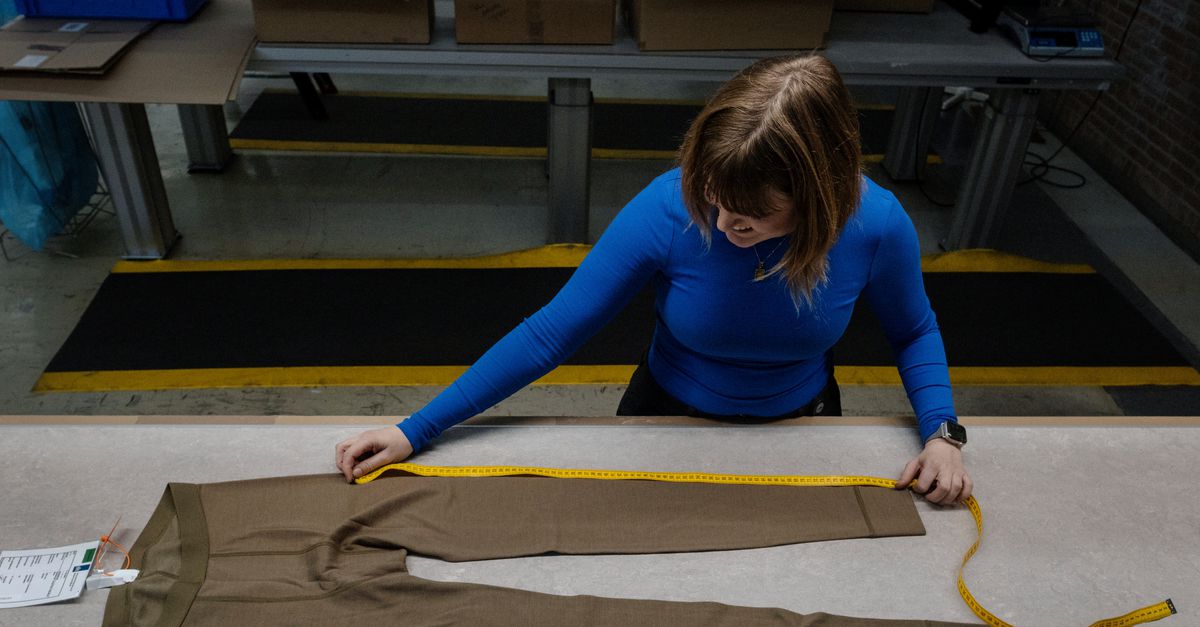
At the Dutch Defence clothing centre in Soesterberg, new recruits collect their kit while former personnel return gear they no longer need. Defence receives about 5,500 pallet crates of used uniforms each year, and newer items in good condition can be issued again. Older combat clothing now goes through a growing recycling network, where its fibres are turned into wall panels, insulation and even socks. Some running shoes are also broken down and made into new pairs for recruits - a practical second life that makes military supplies more circular.
In het kledingcentrum van Defensie in Soesterberg halen nieuwe rekruten hun uitrusting op en leveren oud-militairen spullen in die ze niet meer nodig hebben. Defensie ontvangt jaarlijks zo’n 5.500 palletkratten met gedragen uniformen, en nieuwere kleding in goede staat kan opnieuw worden uitgereikt. Oudere gevechtskleding gaat nu naar een groeiende recyclingketen, waar de vezels worden verwerkt tot wandpanelen, isolatie en zelfs sokken. Ook hardloopschoenen worden soms afgebroken en verwerkt tot nieuwe paren voor rekruten - een praktische tweede bestemming die de militaire bevoorrading circulairder maakt.
Au centre d’habillement de la Défense néerlandaise, à Soesterberg, les nouvelles recrues récupèrent leur équipement tandis que les anciens militaires rapportent celui dont ils n’ont plus besoin. La Défense reçoit chaque année quelque 5 500 caisses-palettes de vêtements militaires usagés, et les articles récents en bon état peuvent être distribués à nouveau. Les tenues de combat plus anciennes rejoignent désormais une filière de recyclage en plein essor, où leurs fibres servent à fabriquer des panneaux muraux, de l’isolation et même des chaussettes. Certaines chaussures de course sont elles aussi démontées pour produire de nouvelles paires destinées aux recrues - une seconde vie concrète qui rend l’approvisionnement militaire plus circulaire.
🦷
Eight teeth in a Chinese cave show Homo erectus could survive in tropical rainforest after all
Acht tanden in een Chinese grot tonen aan dat Homo erectus wel degelijk kon overleven in tropisch regenwoud
Huit dents découvertes dans une grotte chinoise montrent que Homo erectus pouvait bien survivre en forêt tropicale
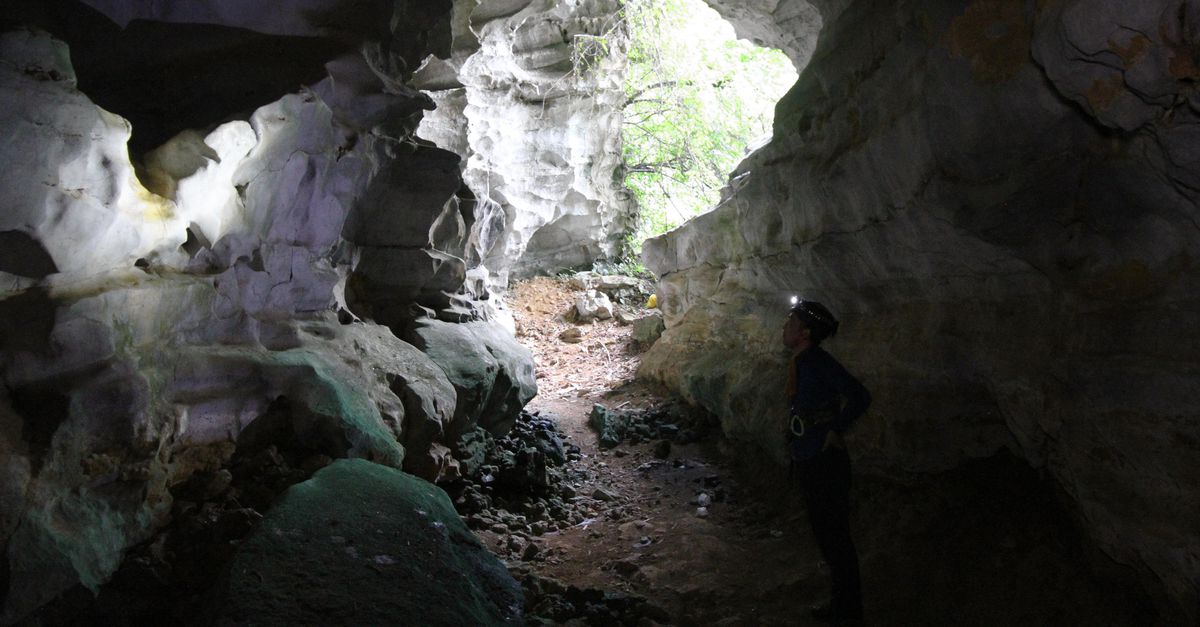
So: eight teeth found in two caves in southern China suggest that Homo erectus lived in tropical rainforest between 324,000 and 184,000 years ago. Fossils of forest elephants, orangutans and rhinos, along with evidence from the teeth, help paint a picture of this ancient habitat. The findings point to a more adaptable human relative than researchers had assumed, although the rainforest evidence relies on carbon isotopes from just three teeth and the labels used for ancient human groups remain debated. And here's the intriguing possibility: another human tooth from the same caves may belong to a Denisovan, raising the prospect that the two groups crossed paths.
Acht tanden uit twee grotten in Zuid-China wijzen erop dat Homo erectus tussen 324.000 en 184.000 jaar geleden in tropisch regenwoud leefde. Fossielen van bosolifanten, orang-oetans en neushoorns, samen met aanwijzingen uit de tanden, schetsen een beeld van deze oude leefomgeving. De vondsten wijzen op een flexibeler mensensoort dan onderzoekers dachten, al is het bewijs voor het regenwoud gebaseerd op koolstofisotopen uit slechts drie tanden en is er discussie over de benaming van oude mensengroepen. En dan is er nog een intrigerende mogelijkheid: een andere tand uit dezelfde grotten is misschien van een denisovamens, wat erop kan wijzen dat de twee groepen elkaar hebben ontmoet.
Huit dents découvertes dans deux grottes du sud de la Chine suggèrent que Homo erectus vivait dans la forêt tropicale entre 324 000 et 184 000 ans. Des fossiles d’éléphants des forêts, d’orangs-outans et de rhinocéros, ainsi que les indices tirés des dents, aident à reconstituer cet ancien milieu. Ces découvertes révèlent un parent humain plus adaptable que ne le pensaient les chercheurs, même si les indices de la forêt tropicale reposent sur les isotopes du carbone de seulement trois dents et que la classification des anciens groupes humains fait débat. Autre possibilité fascinante : une autre dent retrouvée dans ces grottes pourrait appartenir à un Dénisovien, ce qui laisse penser que les deux groupes se sont peut-être rencontrés.
🗺️
A major leap for the four-color problem
Een grote stap voor het vierkleurenprobleem
Une avancée majeure pour le problème des quatre couleurs
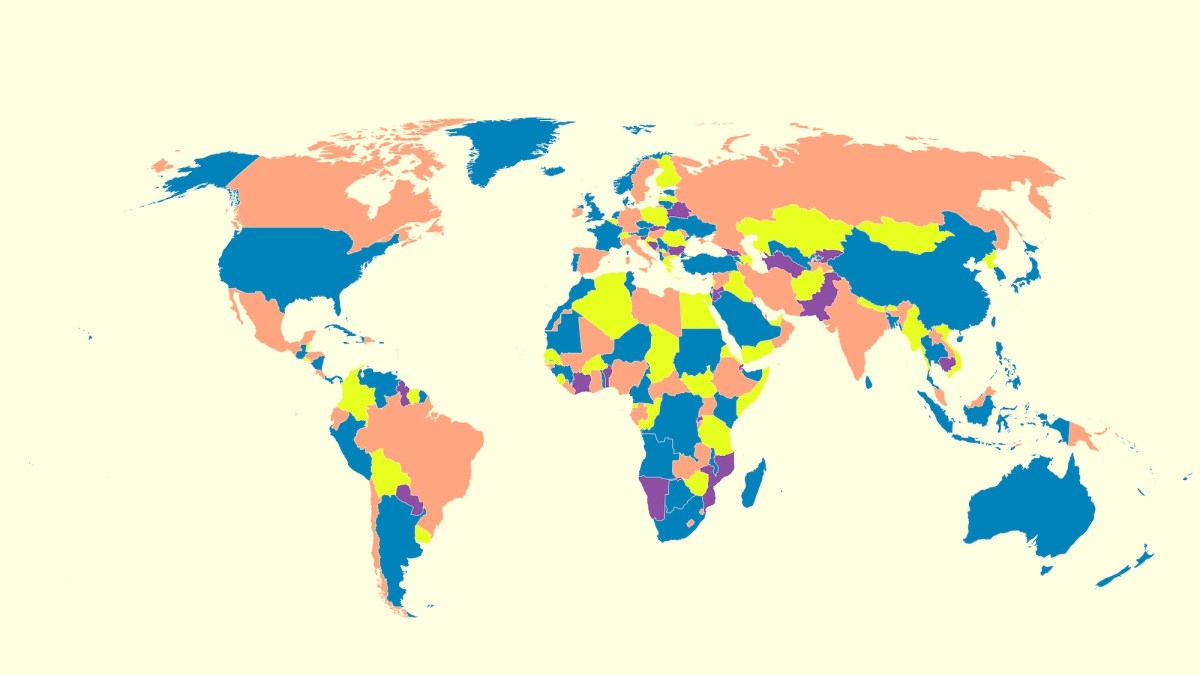
Here’s a lovely update from the world of mathematics: researchers have found a much faster way to solve the famous four-color problem. Although the theorem was proved in 1976, finding an efficient algorithm has continued to challenge mathematicians. After a decade of work, an international team discovered many more useful starting points in map-like graphs, improving the algorithm from quadratic to linear time. That means maps with ten times as many regions take only about ten times longer to process, and the approach may also work on surfaces with holes.
Mooi nieuws uit de wiskundewereld: onderzoekers hebben een veel snellere manier gevonden om het beroemde vierkleurenprobleem op te lossen. Hoewel de stelling in 1976 werd bewezen, bleef het vinden van een efficiënt algoritme wiskundigen uitdagen. Na tien jaar onderzoek ontdekte een internationaal team veel meer bruikbare startpunten in kaartachtige grafen, waardoor het algoritme van kwadratische naar lineaire tijd ging. Kaarten met tien keer zoveel gebieden verwerken duurt daardoor ongeveer tien keer langer, en de aanpak werkt mogelijk ook voor oppervlakken met gaten.
Voilà une belle nouvelle dans le monde des mathématiques : des chercheurs ont trouvé une méthode bien plus rapide pour résoudre le célèbre problème des quatre couleurs. Même si le théorème a été démontré en 1976, la mise au point d’un algorithme efficace a continué de défier les mathématiciens. Après dix ans de travail, une équipe internationale a découvert beaucoup plus de points de départ utiles dans les graphes représentant des cartes, faisant passer l’algorithme d’un temps quadratique à un temps linéaire. Les cartes comptant dix fois plus de régions prennent ainsi environ dix fois plus de temps à traiter, et cette approche pourrait aussi s’appliquer à des surfaces trouées.

🌿
Tropical land-use intensification reshapes biodiversity in expected and unexpected ways
Intensiever landgebruik in de tropen verandert de biodiversiteit op verwachte én onverwachte manieren
L’intensification de l’usage des terres tropicales remodèle la biodiversité de façons attendues et inattendues
Here’s a fascinating look at how agricultural intensification is reshaping biodiversity in Sumatra, Indonesia. Researchers assessed around 40,000 species, from soil microorganisms to vertebrates, across this exceptionally biodiverse region. They found that intensification threatens biodiversity through both species loss and changes in community composition, with effects visible at different spatial scales. This broad perspective can help guide efforts to protect tropical life as agricultural demand grows.
Deze boeiende studie laat zien hoe intensiever gebruik van landbouwgrond de biodiversiteit op Sumatra, Indonesië, verandert. Onderzoekers onderzochten ongeveer 40.000 soorten, van bodemmicro-organismen tot gewervelde dieren, in deze uitzonderlijk soortenrijke regio. Ze ontdekten dat intensivering de biodiversiteit bedreigt door zowel soortenverlies als veranderingen in de samenstelling van levensgemeenschappen, op verschillende ruimtelijke schalen. Dat brede inzicht kan helpen om het tropische leven te beschermen nu de vraag naar landbouwproducten groeit.
Cette étude fascinante montre comment l’intensification agricole transforme la biodiversité à Sumatra, en Indonésie. Les chercheurs ont évalué environ 40 000 espèces, des micro-organismes du sol aux vertébrés, dans cette région exceptionnellement riche en espèces. Ils ont constaté que l’intensification menace la biodiversité à la fois par la disparition d’espèces et par des changements dans la composition des communautés, à différentes échelles spatiales. Cette vision d’ensemble peut aider à mieux protéger la vie tropicale alors que la demande agricole augmente.

🌌
A giant star swallows its neighbour
Een reuzenster slokt haar buurster op
Une étoile géante engloutit sa voisine
A new observation captures a giant star swallowing its neighbour, offering fresh insight into what happens when stars merge. In this Nature Podcast episode, Benjamin Thompson and Nick Petrić Howe explore the finding and the science behind stellar mergers. The episode also looks at how quantum technology could help pinpoint someone’s location securely. Along the way, it shares research highlights on ocean microplastics and rattlesnake personalities.
Een nieuwe waarneming legt vast hoe een reuzenster haar buurster opslokt en biedt nieuwe inzichten in wat er gebeurt wanneer sterren samensmelten. In deze aflevering van de Nature Podcast bespreken Benjamin Thompson en Nick Petrić Howe de ontdekking en de wetenschap achter sterrenfusies. Ook komt aan bod hoe kwantumtechnologie kan helpen om iemands locatie veilig vast te stellen. Verder zijn er onderzoekshoogtepunten over microplastics in zee en persoonlijkheden bij ratelslangen.
Une nouvelle observation montre une étoile géante engloutissant sa voisine et apporte un éclairage inédit sur la fusion des étoiles. Dans cet épisode du Nature Podcast, Benjamin Thompson et Nick Petrić Howe présentent cette découverte et la science des fusions stellaires. L’épisode explore également comment les technologies quantiques pourraient aider à localiser une personne de manière sécurisée. Il propose aussi des actualités de recherche sur les microplastiques marins et la personnalité des serpents à sonnette.

🦠
Meet ‘egoviruses’: surprising giant viruses in human guts
Maak kennis met ‘egovirussen’: verrassende reuzenvirussen in onze darmen
À la découverte des « égovirus » : des virus géants surprenants dans nos intestins
So, researchers have uncovered a previously unknown group of giant viruses in gut samples from people and several animal species. Their findings suggest that one group may be present in around 1% of people worldwide, meaning as many as 180 million people could carry these egoviruses. The viruses might help explain how giant viruses that infect single-celled organisms are related to poxviruses, although that evolutionary link is still a possibility rather than a proven fact. And here's the thing: their wide distribution and potential microbial hosts open up exciting new questions about the hidden diversity of life in our guts.
Onderzoekers hebben een voorheen onbekende groep reuzenvirussen ontdekt in darmstalen van mensen en verschillende diersoorten. Hun bevindingen wijzen erop dat één groep bij ongeveer 1% van de mensen wereldwijd voorkomt, wat betekent dat mogelijk wel 180 miljoen mensen deze egovirussen dragen. De virussen kunnen helpen verklaren hoe reuzenvirussen die eencelligen infecteren verwant zijn aan pokkenvirussen, al is dat evolutionaire verband voorlopig nog een mogelijkheid en geen bewezen feit. En dit maakt het extra boeiend: hun wereldwijde verspreiding en mogelijke microbiële gastheren roepen nieuwe vragen op over de verborgen diversiteit van leven in onze darmen.
Des chercheurs ont découvert un groupe jusque-là inconnu de virus géants dans des échantillons intestinaux prélevés chez des humains et plusieurs espèces animales. Selon leurs résultats, un groupe pourrait être présent chez environ 1 % de la population mondiale, ce qui signifie que jusqu’à 180 millions de personnes pourraient porter ces égovirus. Ces virus pourraient aider à comprendre les liens entre les virus géants qui infectent des organismes unicellulaires et les poxvirus, même si cette relation évolutive reste une hypothèse et non un fait établi. Et c’est ce qui rend la découverte si passionnante : leur vaste répartition et leurs hôtes microbiens potentiels soulèvent de nouvelles questions sur la diversité cachée de la vie dans nos intestins.
🐒
The last NIH-owned chimpanzees will retire to a sanctuary next year
De laatste chimpansees van de NIH gaan volgend jaar met pensioen in een opvangcentrum
Les derniers chimpanzés détenus par les NIH partiront en sanctuaire l’an prochain
So, a remarkable chapter is coming to a close: the last chimpanzees still owned by the U.S. National Institutes of Health are set to move to a sanctuary next year. Their retirement marks a major step in the shift away from using chimpanzees in biomedical research. At the sanctuary, they will have a place to live with care for their wellbeing and social needs. I find this a hopeful milestone for these intelligent animals, and a sign of how much attitudes toward research have changed.
Een bijzonder hoofdstuk loopt ten einde: de laatste chimpansees die nog eigendom zijn van de Amerikaanse National Institutes of Health verhuizen volgend jaar naar een opvangcentrum. Hun pensioen is een belangrijke stap in de verschuiving weg van het gebruik van chimpansees in biomedisch onderzoek. In het opvangcentrum krijgen ze een plek waar aandacht is voor hun welzijn en sociale behoeften. Ik vind dit een hoopvolle mijlpaal voor deze intelligente dieren en een teken van hoe sterk de kijk op onderzoek is veranderd.
Un chapitre remarquable touche à sa fin : les derniers chimpanzés encore détenus par les National Institutes of Health américains devraient rejoindre un sanctuaire l’an prochain. Leur retraite marque une étape importante dans l’abandon progressif de l’utilisation des chimpanzés dans la recherche biomédicale. Au sanctuaire, ils vivront dans un environnement attentif à leur bien-être et à leurs besoins sociaux. Je trouve que c’est une étape pleine d’espoir pour ces animaux intelligents, et le signe d’une évolution profonde des mentalités en matière de recherche.
🎨
How M.C. Escher’s art creates bizarre mathematical worlds
Hoe de kunst van M.C. Escher bizarre wiskundige werelden schept
Comment l’art de M.C. Escher crée des mondes mathématiques étonnants
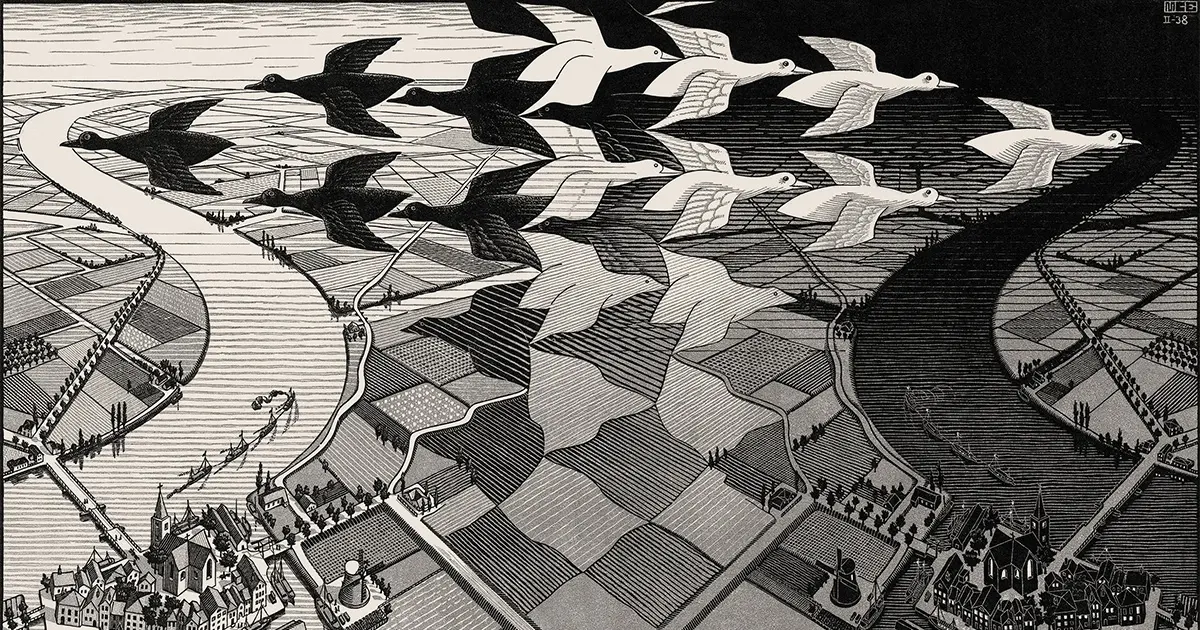
So, here’s the fascinating twist: M.C. Escher struggled with maths at school, yet his art became a lasting source of inspiration for mathematicians. His fascination with patterns at Granada’s Alhambra led him to explore how repeating shapes could fill a surface, and he developed striking tessellations featuring creatures like fish, birds and lizards. His intuitive discoveries about symmetry caught the attention of mathematicians and crystallographers, while his exchange with geometer H.S.M. Coxeter helped inspire some of his most complex work. A new exhibition at New York’s National Museum of Mathematics celebrates this creative journey through February 8, 2027.
En hier komt de fascinerende wending: M.C. Escher had moeite met wiskunde op school, maar zijn kunst werd een blijvende inspiratiebron voor wiskundigen. Zijn belangstelling voor de patronen in het Alhambra in Granada bracht hem ertoe te onderzoeken hoe herhaalde vormen een oppervlak volledig kunnen bedekken, en hij ontwikkelde opvallende vlakvullingen met vissen, vogels en hagedissen. Zijn intuïtieve ontdekkingen over symmetrie trokken de aandacht van wiskundigen en kristallografen, terwijl zijn briefwisseling met meetkundige H.S.M. Coxeter enkele van zijn ingewikkeldste werken inspireerde. Een nieuwe tentoonstelling in het National Museum of Mathematics in New York viert deze creatieve ontdekkingstocht tot en met 8 februari 2027.
Et voici le détail fascinant : M.C. Escher avait des difficultés en mathématiques à l’école, mais son art est devenu une source d’inspiration durable pour les mathématiciens. Sa fascination pour les motifs de l’Alhambra, à Grenade, l’a conduit à explorer comment des formes répétées pouvaient recouvrir une surface, et il a créé des pavages saisissants peuplés de poissons, d’oiseaux et de lézards. Ses découvertes intuitives sur la symétrie ont attiré l’attention de mathématiciens et de cristallographes, tandis que ses échanges avec le géomètre H.S.M. Coxeter ont inspiré certaines de ses œuvres les plus complexes. Une nouvelle exposition au National Museum of Mathematics de New York célèbre ce parcours créatif jusqu’au 8 février 2027.

🎤
The Quechua rapper reclaiming an Inca language through music
De Quechua-rapper die een Inca-taal met muziek terugwint
La rappeuse quechua qui fait revivre une langue des Incas
Renata Flores has become a global voice for Quechua, blending the Indigenous language of the Incas with rap, trap and Andean instruments. She first reached a wide audience as a teenager with a Quechua cover of a Michael Jackson hit, and says singing in the language gives her a strong sense of identity and freedom. Now her music also speaks out about discrimination, women’s rights and political violence, while her forthcoming album carries a message of resilience: “we are still here.” And here's the thing: Flores has helped inspire a lively new generation of Quechua-speaking artists in Ayacucho to reclaim their language with pride.
Renata Flores is uitgegroeid tot een internationale stem voor het Quechua en combineert de inheemse taal van de Inca’s met rap, trap en Andesinstrumenten. Als tiener bereikte ze voor het eerst een groot publiek met een Quechua-cover van een hit van Michael Jackson; ze zegt dat zingen in de taal haar een sterk gevoel van identiteit en vrijheid geeft. Haar muziek kaart nu ook discriminatie, vrouwenrechten en politiek geweld aan, terwijl haar aankomende album een boodschap van veerkracht uitdraagt: ‘we zijn er nog steeds’. En precies dat maakt haar invloed zo bijzonder: Flores inspireerde een bruisende nieuwe generatie Quechua-sprekende artiesten in Ayacucho om hun taal met trots terug te winnen.
Renata Flores est devenue une voix reconnue dans le monde entier pour le quechua, mêlant la langue autochtone des Incas au rap, à la trap et aux instruments andins. Adolescente, elle s’est fait connaître grâce à une reprise en quechua d’un succès de Michael Jackson, et elle explique que chanter dans cette langue lui apporte un profond sentiment d’identité et de liberté. Aujourd’hui, sa musique aborde aussi la discrimination, les droits des femmes et la violence politique, tandis que son prochain album porte un message de résilience : « nous sommes toujours là ». Et c’est là toute la force de son parcours : Flores a inspiré une nouvelle génération d’artistes quechuaphones à Ayacucho à revendiquer leur langue avec fierté.
🔬
Researchers regain key connections to the Department of Energy’s science wing
Onderzoekers herstellen belangrijke contacten met de wetenschappelijke tak van het ministerie van Energie
Des chercheurs renouent des liens essentiels avec le secteur scientifique du ministère de l’Énergie
Researchers have regained important connections with the Department of Energy’s science wing. These links can help scientists and agency officials stay in touch and share information about research. It is an encouraging step for collaboration between the research community and a major federal science institution. And here's the thing: strong communication helps scientific work move forward.
Onderzoekers hebben belangrijke contacten met de wetenschappelijke tak van het Amerikaanse ministerie van Energie hersteld. Dankzij die contacten kunnen wetenschappers en medewerkers van het ministerie met elkaar in gesprek blijven en onderzoeksinformatie delen. Dat is een bemoedigende stap voor de samenwerking tussen de onderzoeksgemeenschap en een belangrijke federale wetenschapsinstelling. En daar draait het om: goede communicatie helpt wetenschappelijk onderzoek vooruit.
Des chercheurs ont renoué des liens importants avec le secteur scientifique du ministère américain de l’Énergie. Ces échanges permettent aux scientifiques et aux responsables de l’agence de rester en contact et de partager des informations sur la recherche. C’est une avancée encourageante pour la collaboration entre la communauté scientifique et une grande institution fédérale de recherche. Et c’est bien là l’essentiel : une communication solide aide la science à progresser.

🦠
Poxviruses probably evolved in animals’ digestive systems
Pokkenvirussen zijn waarschijnlijk geëvolueerd in het spijsverteringsstelsel van dieren
Les poxvirus ont probablement évolué dans le système digestif des animaux
Here’s a fascinating glimpse into a hidden corner of the gut microbiome: researchers have found large DNA viruses thriving in the digestive systems of people and animals. These viruses are close relatives of poxviruses, while similar viruses were previously known mainly from the environment and rarely reported in gut communities. Their widespread presence brings a long-overlooked part of the microbiome into view. It also supports the idea that poxviruses may have evolved in the digestive systems of animals.
Wat een boeiende blik op een verborgen hoekje van het darmmicrobioom: onderzoekers hebben grote DNA-virussen gevonden die volop voorkomen in het spijsverteringsstelsel van mensen en dieren. Deze virussen zijn nauw verwant aan pokkenvirussen, terwijl vergelijkbare virussen tot nu toe vooral uit de omgeving bekend waren en zelden in darmgemeenschappen werden aangetroffen. Hun brede verspreiding brengt een lang over het hoofd gezien deel van het microbioom aan het licht. Ook ondersteunt dit de gedachte dat pokkenvirussen mogelijk in het spijsverteringsstelsel van dieren zijn geëvolueerd.
Voici un aperçu fascinant d’un aspect méconnu du microbiote intestinal : des chercheurs ont découvert de grands virus à ADN présents dans le système digestif des humains et des animaux. Ces virus sont proches des poxvirus, alors que des virus similaires étaient surtout connus dans l’environnement et rarement signalés dans les communautés intestinales. Leur présence répandue révèle une facette longtemps négligée du microbiote. Elle renforce aussi l’idée que les poxvirus ont peut-être évolué dans le système digestif des animaux.
🌬️
World’s tallest wind turbine set to launch in brandenburg
Hoogste windturbine ter wereld gaat in brandenburg officieel van start
La plus haute éolienne du monde va entrer en service dans le brandebourg
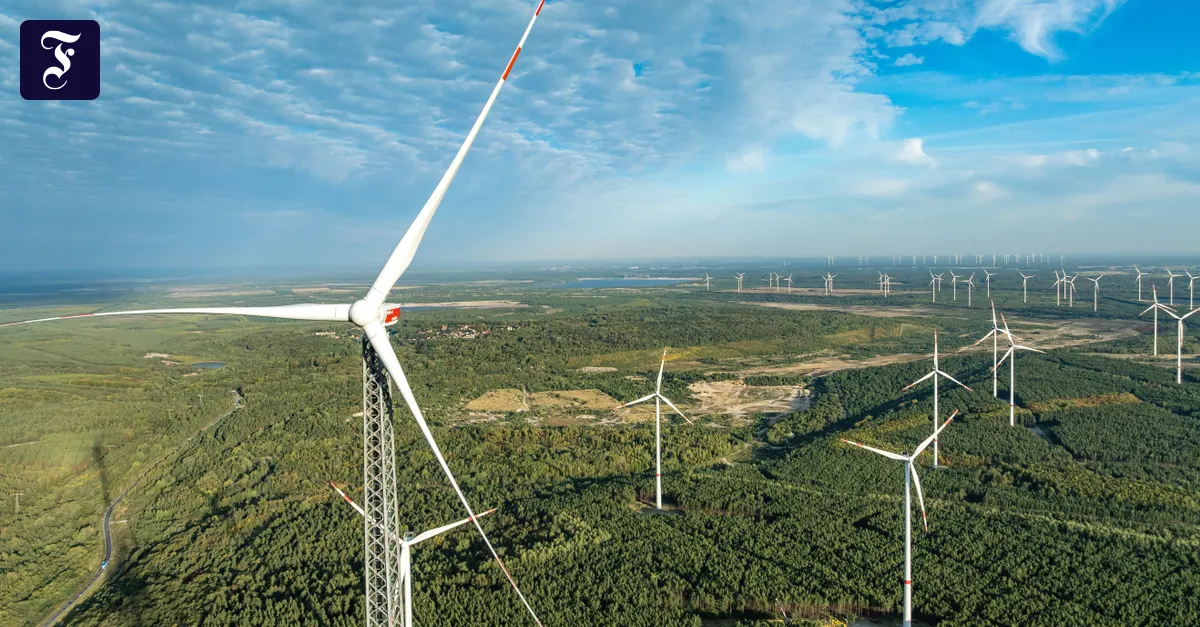
So: a 365-metre wind turbine in Schipkau, Brandenburg, is set to officially start operating, just three metres shorter than Berlin’s TV Tower. Built by Dresden-based Gicon at a cost of €25 million, the 3.8-megawatt turbine will first be tested in a small wind farm. Gicon says its tower could generate twice as much energy as a conventional turbine, thanks to stronger and steadier winds at greater heights. If the project succeeds, the company hopes to bring 100 such turbines to Germany, potentially adding a new layer of clean energy to existing wind farms without using more land.
Een windturbine van 365 meter hoog in Schipkau, Brandenburg, staat klaar om officieel in gebruik te worden genomen en is daarmee slechts drie meter lager dan de Berlijnse televisietoren. De toren, gebouwd door het Dresdense bedrijf Gicon, kostte 25 miljoen euro en heeft een vermogen van 3,8 megawatt. Volgens Gicon kan hij dankzij sterkere en constantere wind op grote hoogte twee keer zoveel energie opwekken als een conventionele turbine. Als de proef slaagt, wil het bedrijf in Duitsland honderd van zulke turbines realiseren en zo bestaande windparken uitbreiden zonder extra ruimte in te nemen.
Une éolienne de 365 mètres à Schipkau, dans le Brandebourg, s’apprête à être officiellement mise en service, à seulement trois mètres de moins que la tour de télévision de Berlin. Construite par l’entreprise Gicon, basée à Dresde, elle a coûté 25 millions d’euros et affiche une puissance de 3,8 mégawatts. Selon Gicon, les vents plus forts et plus réguliers en altitude pourraient lui permettre de produire deux fois plus d’énergie qu’une éolienne classique. Si l’essai est concluant, l’entreprise espère installer cent unités de ce type en Allemagne et ajouter une nouvelle dimension aux parcs éoliens existants sans occuper davantage de terrain.
🦏
Rare rhino birth caught on camera at Chester Zoo
Zeldzame neushoorngeboorte vastgelegd in Chester Zoo
Une naissance rare de rhinocéros filmée au zoo de Chester
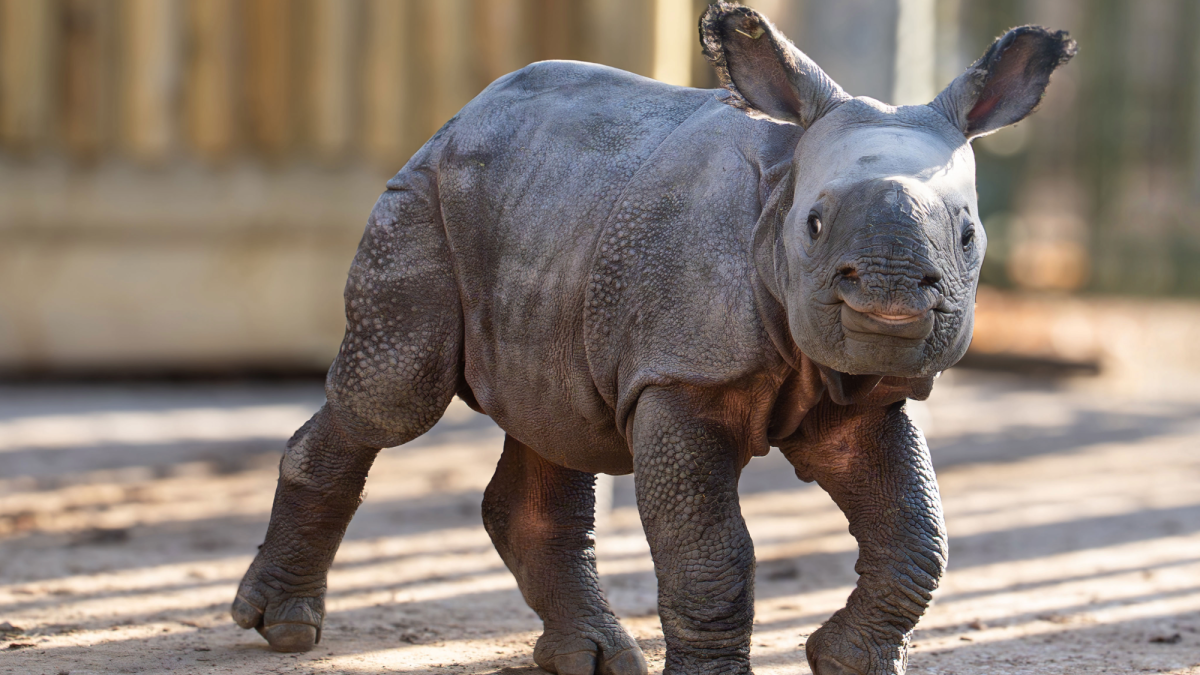
So: a rare greater one-horned rhino calf was born at Chester Zoo on October 11, and CCTV captured mother Asha giving birth and the newborn’s first wobbly steps. The calf and its mother are doing well, and the team helped plan the pregnancy by tracking Asha’s hormones through non-invasive samples. This is Asha’s fourth calf with Beni, who sadly died in September, so the newborn carries on his legacy. With around 4,000 greater one-horned rhinos left in the wild, this birth also supports a conservation programme working to keep the population healthy and genetically diverse.
Een zeldzaam kalf van de Indische neushoorn werd op 11 oktober geboren in Chester Zoo, en bewakingscamera’s legden vast hoe moeder Asha beviel en haar kleintje zijn eerste onzekere stapjes zette. Moeder en kalf stellen het goed, en het team volgde Asha’s hormonen met niet-invasieve stalen om de zwangerschap mee te begeleiden. Het is Asha’s vierde kalf met Beni, die helaas in september overleed, waardoor de nieuwkomer zijn nalatenschap voortzet. In het wild leven nog ongeveer 4.000 Indische neushoorns, dus deze geboorte helpt ook een beschermingsprogramma om de populatie gezond en genetisch divers te houden.
Un rare petit rhinocéros indien est né le 11 octobre au zoo de Chester, et des caméras de surveillance ont filmé sa mère Asha pendant la mise bas ainsi que ses premiers pas hésitants. La mère et son petit se portent bien, et l’équipe a suivi les hormones d’Asha grâce à des prélèvements non invasifs pour accompagner sa grossesse. C’est le quatrième petit d’Asha et de Beni, qui est malheureusement mort en septembre, et le nouveau-né fait ainsi vivre son héritage. Il ne reste qu’environ 4 000 rhinocéros indiens à l’état sauvage : cette naissance contribue donc aussi à un programme de conservation visant à préserver une population saine et génétiquement diversifiée.
🐆
Jaguars may be more social than scientists thought
Jaguars zijn misschien socialer dan wetenschappers dachten
Les jaguars sont peut-être plus sociables qu’on ne le pensait
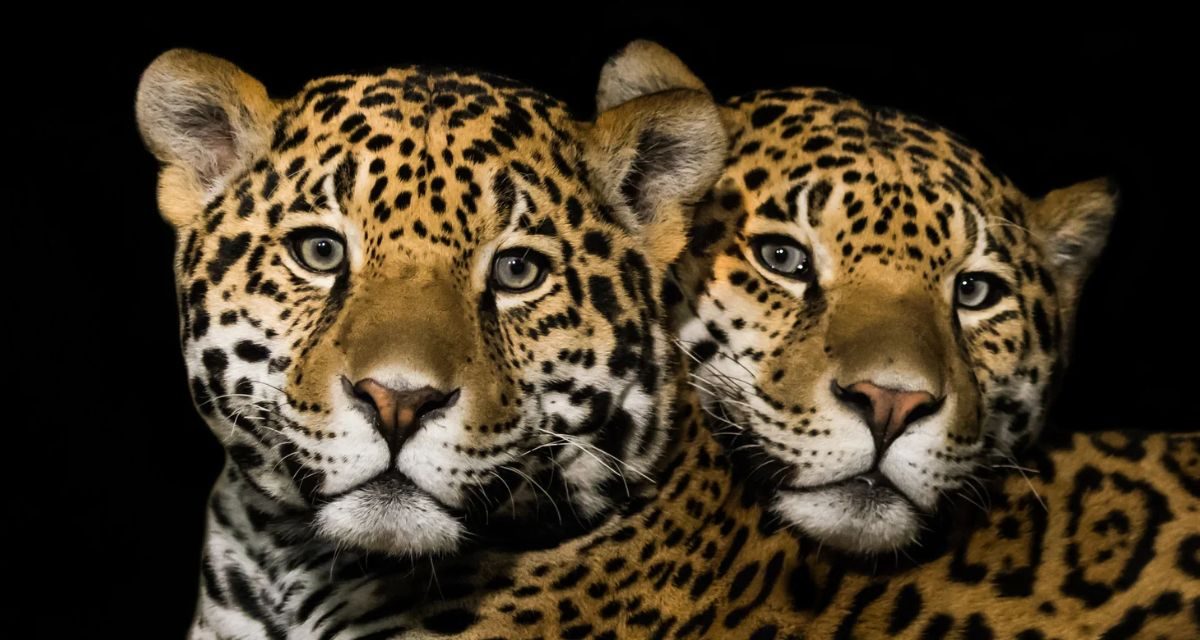
So: after observing jaguars in Brazil’s Pantanal for 13 years, researchers found that these famously independent cats sometimes form lasting partnerships. A few males patrolled, ate, and rested together, with two partnerships lasting more than seven years. The 69 jaguars studied also had many more peaceful encounters than hostile ones, especially where food was plentiful. Jaguars still spend much of their lives alone, but this long-term study shows their social lives are more nuanced than we once believed.
Na 13 jaar jaguars observeren in de Braziliaanse Pantanal ontdekten onderzoekers dat deze beroemde solisten soms langdurige partnerschappen vormen. Een paar mannetjes trokken samen rond, aten en rustten samen, en twee van die samenwerkingen hielden meer dan zeven jaar stand. De 69 onderzochte jaguars hadden bovendien veel vaker vreedzaam contact dan vijandige ontmoetingen, vooral waar er volop voedsel was. Jaguars leven nog steeds vaak alleen, maar dit langdurige onderzoek laat zien dat hun sociale leven genuanceerder is dan we dachten.
Après avoir observé des jaguars pendant 13 ans dans le Pantanal brésilien, des chercheurs ont découvert que ces félins réputés solitaires forment parfois des partenariats durables. Certains mâles patrouillaient, mangeaient et se reposaient ensemble, et deux de ces alliances ont duré plus de sept ans. Parmi les 69 jaguars étudiés, les interactions pacifiques étaient bien plus fréquentes que les rencontres hostiles, notamment là où la nourriture abondait. Les jaguars passent encore une grande partie de leur vie seuls, mais cette étude au long cours révèle une vie sociale plus nuancée qu’on ne le croyait.
🖼️
What portraits reveal about changing curves
Wat portretten onthullen over veranderende lichaamsidealen
Ce que les portraits révèlent sur l’évolution des silhouettes
So, portraits offer a fascinating window onto how beauty ideals have changed across Europe. A study of images of wealthy women suggests that fuller figures, once proudly displayed, gradually gave way to slimmer silhouettes over the centuries. These painted bodies tell us not only about appearance, but also about the fashions and social values of their time. It’s a vivid reminder that ideas of beauty are always evolving.
Portretten bieden een fascinerend inkijkje in hoe schoonheidsidealen in Europa door de eeuwen heen veranderden. Een onderzoek naar afbeeldingen van rijke vrouwen suggereert dat vollere figuren, die ooit trots werden getoond, geleidelijk plaatsmaakten voor slankere silhouetten. De geschilderde lichamen vertellen niet alleen iets over uiterlijk, maar ook over de mode en sociale waarden van hun tijd. Zo zien we hoe ideeën over schoonheid voortdurend veranderen.
Les portraits offrent un aperçu fascinant de l’évolution des idéaux de beauté en Europe. Une étude consacrée aux représentations de femmes fortunées suggère que les silhouettes généreuses, autrefois fièrement mises en valeur, ont progressivement cédé la place à des formes plus minces au fil des siècles. Ces corps peints racontent non seulement une histoire d’apparence, mais aussi celle des modes et des valeurs sociales de leur époque. Voilà un rappel vivant que les idées de beauté ne cessent d’évoluer.
💰
Immigrants have generated a fiscal surplus in the United States for 124 years
Immigranten hebben de Verenigde Staten al 124 jaar een begrotingsoverschot opgeleverd
Les immigrants génèrent un excédent budgétaire aux États-Unis depuis 124 ans
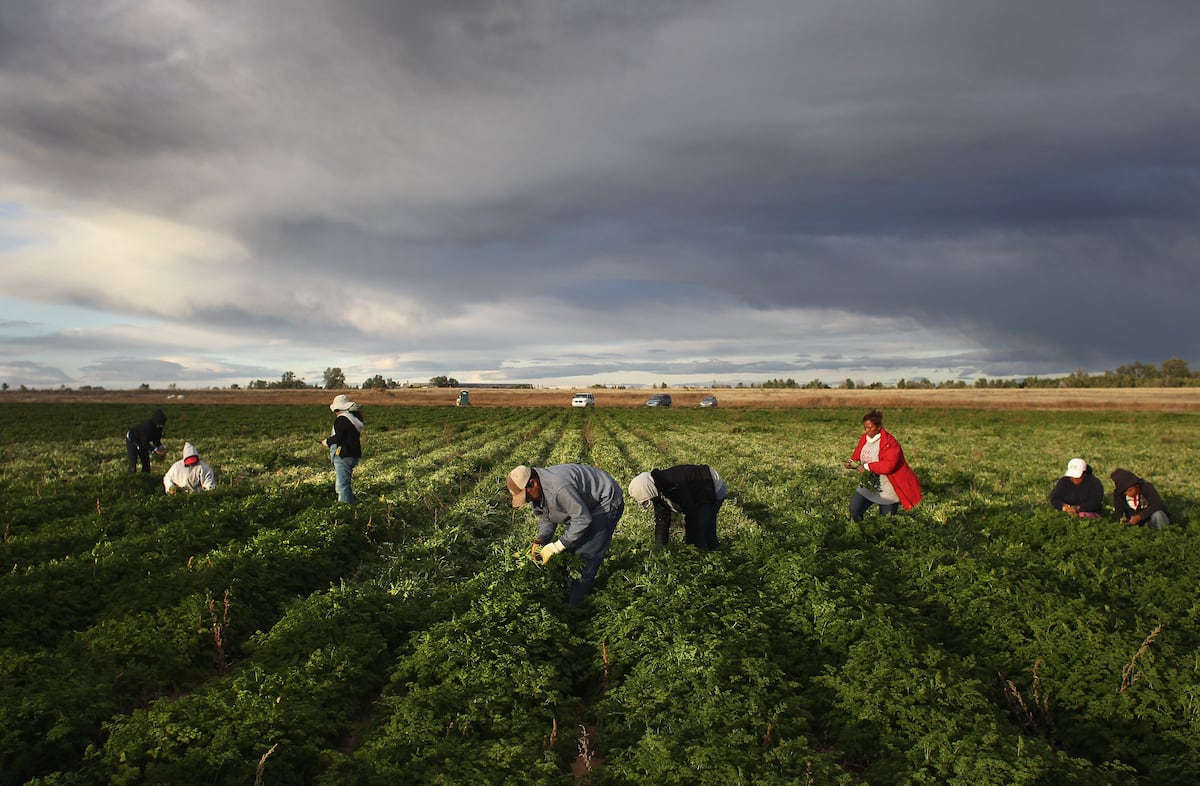
A new Cato Institute study finds that immigrants have paid more in taxes than they have received in government benefits every year since 1900. Their cumulative contribution to federal, state and local budgets reached $14.6 trillion, with a surplus of $585 billion in 2023 alone. The researchers say immigrants today are more productive and generate a larger fiscal benefit than in the past, even as public spending has grown. Their findings make a positive case for modernizing immigration laws and recognizing immigrants’ contributions to a more prosperous country.
Uit een nieuwe studie van het Cato Institute blijkt dat immigranten sinds 1900 elk jaar meer belasting hebben betaald dan ze aan overheidssteun ontvingen. Hun gezamenlijke bijdrage aan de federale, deelstaat- en lokale begrotingen bedroeg 14,6 biljoen dollar, met alleen al in 2023 een overschot van 585 miljard dollar. Volgens de onderzoekers zijn immigranten tegenwoordig productiever en leveren ze een grotere bijdrage aan de overheidsfinanciën dan vroeger, ook al zijn de overheidsuitgaven gestegen. De bevindingen pleiten voor modernisering van de immigratiewetten en erkenning van de bijdrage van immigranten aan een welvarender land.
Une nouvelle étude du Cato Institute révèle que, chaque année depuis 1900, les immigrants ont payé davantage d’impôts qu’ils n’ont reçu de prestations publiques. Leur contribution cumulée aux budgets fédéral, des États et des collectivités locales atteint 14 600 milliards de dollars, dont un excédent de 585 milliards en 2023 seulement. Les chercheurs estiment que les immigrants sont aujourd’hui plus productifs et contribuent davantage aux finances publiques qu’autrefois, malgré la hausse des dépenses publiques. Ces résultats plaident en faveur d’une modernisation des lois sur l’immigration et d’une meilleure reconnaissance de la contribution des immigrants à la prospérité du pays.

🚀
“One chance in a million means it’s possible”: Allan Petre’s journey from a Paris suburb to NASA
‘Eén kans op een miljoen betekent dat het kan’: Allans droomreis van de Parijse banlieue naar NASA
« Une chance sur un million veut dire que c’est possible » : le parcours d’Allan Petre, de la banlieue parisienne à la NASA
At 26, Franco-Senegalese aerospace engineer Allan Petre has fulfilled a childhood dream by joining NASA as a researcher, after growing up in a working-class neighbourhood near Paris. His parents encouraged him to focus on school, and a first glimpse of Jupiter through a telescope at age eight sparked his fascination with space. When a teacher warned that an aerospace career was almost impossible, a classmate’s words reminded him that even one chance in a million is still a chance, and Petre chose the science track. His journey, now told in a newly published manga, is a joyful reminder of how curiosity and persistence can open remarkable doors.
Op zijn 26e heeft de Frans-Senegalese ruimtevaartingenieur Allan Petre zijn kinderdroom waargemaakt: hij werkt als onderzoeker bij NASA, nadat hij opgroeide in een volkswijk bij Parijs. Zijn ouders moedigden hem aan om zich op school te concentreren, en een eerste blik op Jupiter door een telescoop toen hij acht was, wakkerde zijn fascinatie voor de ruimte aan. Toen een leerkracht zei dat een carrière in de ruimtevaart bijna onmogelijk was, herinnerde een klasgenoot hem eraan dat één kans op een miljoen nog altijd een kans is, en koos Petre voor de wetenschappelijke richting. Zijn verhaal, dat nu in een pas verschenen manga wordt verteld, laat zien hoe nieuwsgierigheid en volharding bijzondere deuren kunnen openen.
À 26 ans, l’ingénieur aérospatial franco-sénégalais Allan Petre a réalisé son rêve d’enfant en rejoignant la NASA comme chercheur, après avoir grandi dans un quartier populaire près de Paris. Ses parents l’encourageaient à se concentrer sur l’école, et une première observation de Jupiter au télescope, à l’âge de huit ans, a éveillé sa passion pour l’espace. Quand un professeur lui a dit qu’une carrière dans l’aérospatiale était presque impossible, un camarade lui a rappelé qu’une chance sur un million reste une chance, et Petre a choisi la filière scientifique. Son parcours, désormais raconté dans un manga récemment publié, montre avec enthousiasme comment la curiosité et la persévérance peuvent ouvrir des portes extraordinaires.
🧬
A rare disease reveals a hidden flaw in the immune system
Een zeldzame ziekte legt een verborgen fout in het immuunsysteem bloot
Une maladie rare révèle un défaut caché du système immunitaire
For decades, scientists thought they understood what drives dangerous inflammation in mevalonate kinase deficiency, or MKD. Now, researchers at the Garvan Institute have found that natural killer cells also play a key role: in people with MKD, these cells struggle to destroy infected cells and instead release excess inflammatory signals. This finding reshapes the prevailing explanation of the disease and may help account for why existing treatments do not work well for some patients. It also points to JAK inhibitors as a promising avenue for future studies and more targeted treatment.
Wetenschappers dachten decennialang te begrijpen waardoor de gevaarlijke ontstekingen bij mevalonaatkinasedeficiëntie, of MKD, ontstaan. Nu ontdekten onderzoekers van het Garvan Institute dat ook natuurlijke killercellen een belangrijke rol spelen: bij mensen met MKD kunnen deze cellen geïnfecteerde cellen moeilijk vernietigen en geven ze juist te veel ontstekingssignalen af. Deze ontdekking zet de gangbare verklaring voor de ziekte op zijn kop en kan helpen verklaren waarom bestaande behandelingen bij sommige patiënten onvoldoende werken. Ook wijzen de resultaten op JAK-remmers als een veelbelovende mogelijkheid voor toekomstig onderzoek en een gerichtere behandeling.
Pendant des décennies, les scientifiques ont pensé comprendre l’origine des dangereuses inflammations liées au déficit en mévalonate kinase, ou MKD. Des chercheurs de l’Institut Garvan ont maintenant découvert que les cellules tueuses naturelles jouent aussi un rôle important : chez les personnes atteintes de MKD, elles peinent à éliminer les cellules infectées et libèrent au contraire trop de signaux inflammatoires. Cette découverte remet en question l’explication dominante de la maladie et pourrait aider à comprendre pourquoi les traitements existants sont insuffisants pour certains patients. Elle désigne également les inhibiteurs de JAK comme une piste prometteuse pour de futures études et des traitements plus ciblés.
🐟
A rare 4K glimpse of the deep-sea fish with a see-through head
Een zeldzame 4K-blik op de diepzeevis met een doorzichtige kop
Un rare aperçu en 4K du poisson des abysses à la tête transparente
So: nearly 600 meters beneath the Pacific, researchers captured stunning 4K footage of a barreleye fish, one of the deep sea’s most extraordinary residents. This was only the 11th time MBARI scientists had encountered the elusive fish in almost 40 years of exploration. Its transparent head protects its unusual eyes, which can rotate from their usual upward gaze to keep track of prey. What a remarkable reminder of how much wonder is waiting in the ocean depths.
Bijna 600 meter onder de Stille Oceaan maakten onderzoekers prachtige 4K-beelden van een barreleyevis, een van de bijzonderste bewoners van de diepzee. In bijna 40 jaar oceaanonderzoek was dit pas de elfde keer dat wetenschappers van MBARI deze schuwe vis tegenkwamen. Zijn doorzichtige kop beschermt de bijzondere ogen, die vanuit hun gebruikelijke opwaartse stand kunnen draaien om prooien te volgen. Wat een wonderlijke herinnering aan al het leven dat nog in de oceaandiepten te ontdekken valt.
À près de 600 mètres sous le Pacifique, des chercheurs ont filmé en 4K un poisson barreleye, l’un des habitants les plus étonnants des abysses. En près de 40 ans d’exploration, c’était seulement la onzième rencontre des scientifiques du MBARI avec ce poisson insaisissable. Sa tête transparente protège ses yeux singuliers, capables de pivoter depuis leur position habituelle tournée vers le haut pour suivre une proie. Quelle belle illustration des merveilles qui nous attendent encore dans les profondeurs océaniques.

🎗️
Cervical cancer rates keep falling as Ireland targets elimination by 2040
Het aantal gevallen van baarmoederhalskanker blijft dalen terwijl Ierland mikt op uitroeiing tegen 2040
Le nombre de cancers du col de l’utérus diminue, l’Irlande vise leur élimination d’ici 2040
Ireland’s cervical cancer rate fell from 11 to 10.2 new cases per 100,000 women across the latest reported three-year periods. The HSE says the country remains on track to eliminate cervical cancer as a public health problem by 2040, meaning fewer than four new cases per 100,000 women each year. Around three-quarters of eligible women had attended screening, and almost 97% of women diagnosed between 2018 and 2022 received treatment within a year. HPV vaccination coverage is still below the WHO target, with 81.2% of girls vaccinated by age 14 in 2024. Meanwhile, screening has become available through 37 additional services, making it easier for more people to access care.
Het aantal nieuwe gevallen van baarmoederhalskanker in Ierland daalde in de meest recente gerapporteerde periodes van drie jaar van 11 naar 10,2 per 100.000 vrouwen. Volgens de HSE blijft het land op koers om baarmoederhalskanker tegen 2040 als probleem voor de volksgezondheid uit te bannen; dat betekent minder dan vier nieuwe gevallen per 100.000 vrouwen per jaar. Ongeveer drie kwart van de in aanmerking komende vrouwen liet zich screenen, en bijna 97% van de vrouwen bij wie tussen 2018 en 2022 kanker werd vastgesteld, kreeg binnen een jaar behandeling. De HPV-vaccinatiegraad ligt nog onder de WHO-doelstelling: in 2024 was 81,2% van de meisjes op 14-jarige leeftijd gevaccineerd. Tegelijk is screening nu beschikbaar via 37 extra diensten, waardoor meer mensen gemakkelijker zorg kunnen krijgen.
En Irlande, le taux de nouveaux cas de cancer du col de l’utérus est passé de 11 à 10,2 pour 100 000 femmes entre les dernières périodes de trois ans étudiées. Selon le HSE, le pays reste en bonne voie pour éliminer ce cancer en tant que problème de santé publique d’ici 2040, c’est-à-dire atteindre moins de quatre nouveaux cas pour 100 000 femmes par an. Environ trois quarts des femmes concernées ont participé au dépistage, et près de 97 % des femmes diagnostiquées entre 2018 et 2022 ont été traitées dans l’année. La couverture vaccinale contre le HPV reste inférieure à l’objectif de l’OMS : en 2024, 81,2 % des filles étaient vaccinées à l’âge de 14 ans. Par ailleurs, le dépistage est désormais proposé dans 37 services supplémentaires, ce qui facilite l’accès aux soins.
🧬
A city-sniffing trailer collects animal and fungal dna from the air
Een snuffelkar verzamelt dna van dieren en schimmels uit de lucht
Une remorque renifleuse collecte l’adn des animaux et des champignons dans l’air
So: a specially built trailer is helping researchers uncover the hidden biodiversity of Dutch cities by collecting dna traces from the air. Willem van Strien and Kris Marnette’s trials detected nearly 900 animal species and around 700 fungal species in Nijmegen, including dozens not previously recorded there. Their system draws in huge volumes of air, captures floating particles in a fine water mist and sends the collected dna to a lab for analysis. It can even reveal elusive species such as weasels and polecats, offering cities a fascinating new way to keep track of urban nature.
Een speciaal gebouwde aanhanger helpt onderzoekers de verborgen biodiversiteit van Nederlandse steden te ontdekken door dna-sporen uit de lucht te verzamelen. Bij hun proef in Nijmegen vonden Willem van Strien en Kris Marnette bijna 900 diersoorten en ongeveer 700 schimmelsoorten, waaronder tientallen die daar niet eerder waren waargenomen. Het systeem zuigt grote hoeveelheden lucht aan, vangt zwevende deeltjes met een fijne waternevel en stuurt het verzamelde dna naar een laboratorium voor analyse. Zo kunnen ook schuwe soorten zoals wezels en bunzingen worden opgespoord, een veelbelovende nieuwe manier voor steden om hun natuur te volgen.
Une remorque spécialement conçue aide les chercheurs à révéler la biodiversité cachée des villes néerlandaises en recueillant des traces d’adn dans l’air. Lors de leur essai à Nimègue, Willem van Strien et Kris Marnette ont détecté près de 900 espèces animales et environ 700 espèces de champignons, dont des dizaines jamais recensées auparavant dans la ville. Leur dispositif aspire de très grandes quantités d’air, capture les particules en suspension grâce à une fine brume d’eau et envoie l’adn recueilli à un laboratoire pour analyse. Cette méthode peut même repérer des espèces discrètes comme les belettes et les putois, offrant aux villes une nouvelle façon prometteuse de suivre la nature urbaine.
🐙
How octopuses build their remarkable brains
Hoe octopussen hun bijzondere hersenen ontwikkelen
Comment les pieuvres développent leur cerveau remarquable
Octopuses are renowned for their intelligence, and researchers at KU Leuven have now mapped how their large, complex brains develop. With around 500 million nerve cells, an octopus has about as many as a dog. The team found that glial cells appear before nerve cells and help guide their movement, connections and the formation of brain regions. This discovery, published in Current Biology, reveals one fascinating way evolution can produce large brains.
Octopussen staan bekend om hun intelligentie, en onderzoekers van KU Leuven hebben nu in kaart gebracht hoe hun grote, complexe hersenen zich ontwikkelen. Een octopus heeft ongeveer 500 miljoen zenuwcellen, zowat evenveel als een hond. De onderzoekers ontdekten dat gliacellen al aanwezig zijn vóór de zenuwcellen en helpen bepalen waar die naartoe bewegen, hoe ze verbindingen maken en hoe hersengebieden ontstaan. De ontdekking, gepubliceerd in Current Biology, laat zien hoe evolutie op een bijzondere manier grote hersenen kan voortbrengen.
Les pieuvres sont réputées pour leur intelligence, et des chercheurs de la KU Leuven ont cartographié le développement de leur cerveau complexe et volumineux. Avec environ 500 millions de cellules nerveuses, une pieuvre en possède à peu près autant qu’un chien. L’équipe a découvert que les cellules gliales apparaissent avant les cellules nerveuses et contribuent à guider leur déplacement, leurs connexions et la formation des régions cérébrales. Publiée dans Current Biology, cette découverte révèle une façon fascinante dont l’évolution peut produire de grands cerveaux.
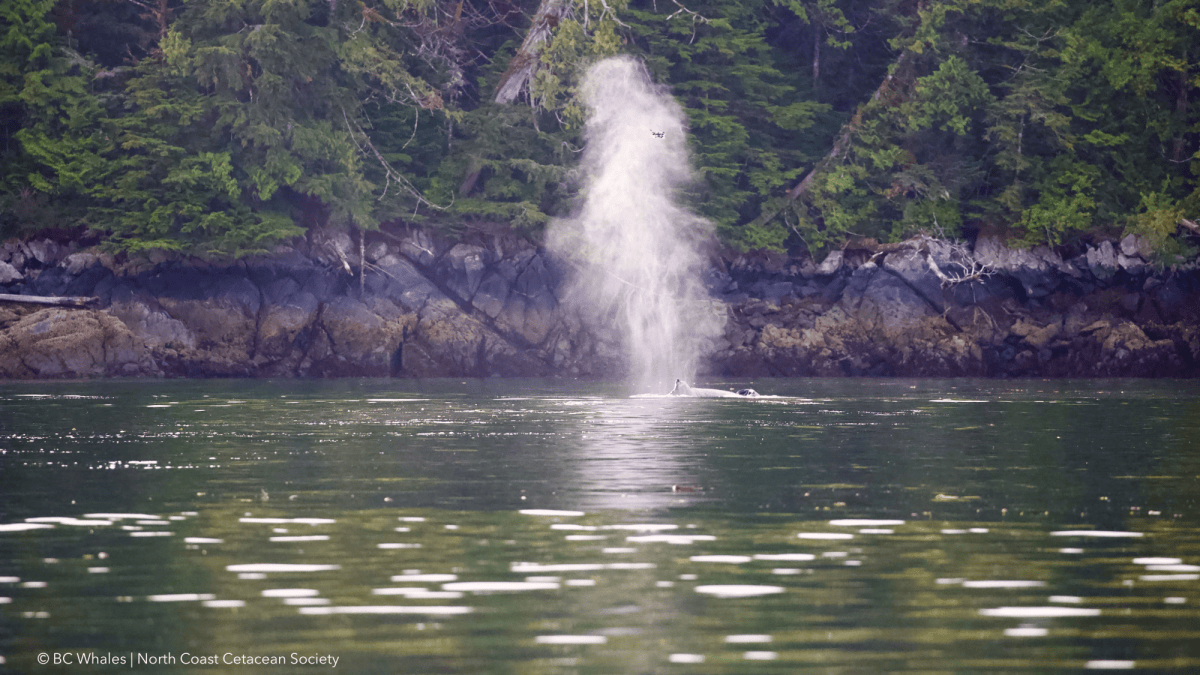
🐋
Whale snot unlocks a whole genome
Walvissnot onthult een volledig genoom
Le mucus de baleine révèle un génome entier
Scientists have used drones to collect DNA-rich blow, or “whale snot,” from humpbacks off British Columbia and sequence whole genomes. The method keeps researchers farther from the animals than traditional skin biopsies, and some samples were gathered from land without a boat. Genetic diversity estimates from the blow matched those from biopsies, while the studied population showed little sign of recent inbreeding. The new genomes will help researchers track population health, structure, and family ties among North Pacific humpbacks.
Onderzoekers hebben met drones DNA-rijk ademvocht, ook wel walvissnot genoemd, verzameld van bultruggen voor de kust van British Columbia en volledige genomen in kaart gebracht. Deze aanpak houdt onderzoekers verder van de dieren dan traditionele huidbiopten, en een deel van de monsters werd vanaf het land verzameld zonder boot. De schattingen van genetische diversiteit kwamen overeen met die uit biopten, terwijl de onderzochte populatie weinig aanwijzingen voor recente inteelt vertoonde. De nieuwe genomen helpen onderzoekers de gezondheid en structuur van de populatie en familiebanden tussen bultruggen in de noordelijke Stille Oceaan te volgen.
Des scientifiques ont utilisé des drones pour recueillir le souffle riche en ADN, ou « mucus de baleine », de baleines à bosse au large de la Colombie-Britannique et séquencer des génomes entiers. Cette méthode permet aux chercheurs de rester plus loin des animaux qu’avec les biopsies cutanées traditionnelles, et certains échantillons ont été prélevés depuis la terre ferme, sans bateau. Les estimations de la diversité génétique obtenues grâce au souffle correspondaient à celles des biopsies, tandis que la population étudiée présentait peu de signes de consanguinité récente. Ces nouveaux génomes aideront à suivre la santé et la structure de la population ainsi que les liens familiaux entre les baleines à bosse du Pacifique Nord.

🌱
Three Belgian universities make the top 50 for sustainability
Drie Belgische universiteiten in de top 50 voor duurzaamheid
Trois universités belges dans le top 50 de la durabilité
Now, here's an encouraging result: three Belgian universities feature in the global top 50 for sustainability. KU Leuven ranks 12th worldwide, its best result yet, while Ghent University takes 36th place; UCLouvain ranks 43rd in the environmental impact category. The ranking assesses 2,004 universities on environmental and social impact, as well as governance, and Belgium has ten institutions in total. Belgian universities score above the global average across all indicators, though nine of the ten fell in the health and well-being category.
En hier is een mooi resultaat: drie Belgische universiteiten staan in de wereldwijde top 50 voor duurzaamheid. KU Leuven staat op de 12e plaats, haar beste resultaat ooit, terwijl de Universiteit Gent 36e staat; UCLouvain behaalt de 43e plaats in de categorie milieu-impact. De ranglijst beoordeelt 2.004 universiteiten op hun milieu- en maatschappelijke impact en hun bestuur, en België telt in totaal tien instellingen. Belgische universiteiten scoren op alle indicatoren boven het wereldgemiddelde, al daalden er negen van de tien in de categorie gezondheid en welzijn.
Et voici un résultat réjouissant : trois universités belges figurent dans le top 50 mondial de la durabilité. La KU Leuven se classe 12e, son meilleur résultat à ce jour, tandis que l’Université de Gand occupe la 36e place ; l’UCLouvain se classe 43e dans la catégorie de l’impact environnemental. Le classement évalue 2 004 universités selon leur impact environnemental et social ainsi que leur gouvernance, et la Belgique compte dix établissements au total. Les universités belges dépassent la moyenne mondiale dans tous les indicateurs, même si neuf d’entre elles ont reculé dans la catégorie santé et bien-être.
⚛️
Quantum computers are getting too powerful to check - here's how scientists can measure trust
Kwantumcomputers worden te krachtig om te controleren - zo meten wetenschappers hun betrouwbaarheid
Les ordinateurs quantiques deviennent trop puissants pour être vérifiés - voici comment mesurer leur fiabilité
As quantum computers tackle bigger problems, checking their answers with conventional computers is becoming increasingly difficult. Now, an international research team has developed a way to use experimental measurements to model how a quantum simulator behaves and estimate how uncertainty affects its results. They tested the approach first on 10 trapped ions, then demonstrated it on a 51-ion simulator in Innsbruck. And here's the thing: instead of offering a result alone, this method also gives researchers error margins that help them judge how much to trust it.
Naarmate kwantumcomputers grotere problemen aanpakken, wordt het steeds moeilijker om hun antwoorden met gewone computers te controleren. Een internationaal onderzoeksteam ontwikkelde nu een manier om met experimentele metingen het gedrag van een kwantumsimulator in kaart te brengen en te schatten hoe onzekerheden de resultaten beïnvloeden. Ze testten de aanpak eerst met 10 opgesloten ionen en toonden haar daarna aan op een simulator met 51 ionen in Innsbruck. En dit is het mooie: de methode levert niet alleen een resultaat op, maar ook foutmarges waarmee onderzoekers de betrouwbaarheid ervan kunnen inschatten.
À mesure que les ordinateurs quantiques s’attaquent à des problèmes plus complexes, vérifier leurs réponses avec des ordinateurs classiques devient de plus en plus difficile. Une équipe internationale a mis au point une méthode qui s’appuie sur des mesures expérimentales pour modéliser le fonctionnement d’un simulateur quantique et estimer l’effet des incertitudes sur ses résultats. Elle a d’abord testé cette approche avec 10 ions piégés, puis l’a démontrée sur un simulateur de 51 ions à Innsbruck. Et voilà ce qui est prometteur : la méthode fournit non seulement un résultat, mais aussi des marges d’erreur qui aident les chercheurs à en évaluer la fiabilité.

🌾
FAO food price index edged lower in October
FAO-voedselprijsindex daalde licht in oktober
L’indice FAO des prix alimentaires a légèrement baissé en octobre
So, the FAO Food Price Index averaged 133.9 points in October, down 1.2% from September as prices for cereals, dairy and meat eased. It remained 5.9% higher than a year earlier, but 16.4% below its March 2022 peak. Wheat and maize prices fell amid subdued demand and improved supply prospects, while vegetable oils edged up and rice prices rose. Sugar stood out with a 6.6% monthly increase, reaching its highest level since December 2024 amid weather disruptions and production concerns.
De FAO-voedselprijsindex kwam in oktober uit op gemiddeld 133,9 punten, 1,2% lager dan in september doordat de prijzen van granen, zuivel en vlees daalden. De index lag nog altijd 5,9% hoger dan een jaar eerder, maar bleef 16,4% onder de piek van maart 2022. De prijzen van tarwe en maïs zakten door een gematigde vraag en betere vooruitzichten voor het aanbod, terwijl plantaardige oliën licht duurder werden en rijstprijzen stegen. Suiker sprong eruit met een maandelijkse stijging van 6,6% en bereikte het hoogste niveau sinds december 2024, onder meer door weersproblemen en zorgen over de productie.
L’indice FAO des prix alimentaires s’est établi en moyenne à 133,9 points en octobre, en baisse de 1,2% par rapport à septembre, sous l’effet du recul des prix des céréales, des produits laitiers et de la viande. Il restait toutefois 5,9% au-dessus de son niveau d’un an plus tôt, tout en demeurant 16,4% sous son pic de mars 2022. Les prix du blé et du maïs ont diminué grâce à une demande modérée et à de meilleures perspectives d’approvisionnement, tandis que les huiles végétales ont légèrement progressé et que le riz a renchéri. Le sucre s’est distingué par une hausse mensuelle de 6,6%, atteignant son niveau le plus élevé depuis décembre 2024, en raison notamment de perturbations météorologiques et de préoccupations concernant la production.

🧠
Neanderthal gene variant reshaped part of the human brain
Neanderthaler-variant veranderde een deel van het menselijk brein
Un variant génétique néandertalien a remodelé une partie du cerveau humain
So, a DNA variant inherited from Neanderthals is linked to a smaller cuneus, a visual-processing region at the back of the human brain. Researchers found it in all five sequenced Neanderthal genomes, but not in Denisovan genomes, and today it appears only in people with non-African ancestry. Each copy was associated with about 0.85 cubic centimetres less cuneus volume - a remarkably large effect compared with other known variants. And here's the intriguing twist: carriers also have a lower risk of schizophrenia, although the finding does not show that the variant itself causes this difference.
Een DNA-variant die van neanderthalers is geërfd, hangt samen met een kleinere cuneus, een hersengebied achteraan dat visuele informatie verwerkt. Onderzoekers vonden de variant in alle vijf onderzochte neanderthalergenomen, maar niet in Denisovagenomen; vandaag komt ze alleen voor bij mensen met niet-Afrikaanse voorouders. Elke kopie hing samen met ongeveer 0,85 kubieke centimeter minder volume in de cuneus - een opvallend groot effect vergeleken met andere bekende varianten. En dit is het intrigerende detail: dragers hebben ook een lager risico op schizofrenie, al bewijst de bevinding niet dat de variant dat verschil veroorzaakt.
Une variante génétique héritée des Néandertaliens est associée à un cuneus plus petit, une région située à l’arrière du cerveau qui traite les informations visuelles. Les chercheurs l’ont repérée dans les cinq génomes néandertaliens séquencés, mais pas dans ceux des Dénisoviens; aujourd’hui, elle n’est présente que chez les personnes ayant des ancêtres non africains. Chaque copie était associée à une réduction d’environ 0,85 centimètre cube du volume du cuneus - un effet remarquablement important par rapport aux autres variantes connues. Et voici un détail fascinant : les personnes porteuses présentent aussi un risque plus faible de schizophrénie, même si cette découverte ne prouve pas que la variante soit à l’origine de cette différence.

🦇
How vampire bats thrive on blood alone
Hoe vampiervleermuizen leven van alleen bloed
Comment les chauves-souris vampires vivent uniquement de sang
So, how does a bat make a living from a meal that is mostly water, low in nutrients and rich in iron? A new comparison of vampire-bat genomes and gene activity suggests their stomachs have evolved into stretchy, neutral-pH sacs that store blood rather than digest it with acid. After a feast, activity of a fluid-transporting gene in the stomach rises more than 900-fold, helping the bats shed water quickly and take flight. The findings also reveal genes they have retained or lost as they adapted to this remarkable blood-only diet.
Hoe kan een vleermuis leven van een maaltijd die vooral uit water bestaat, weinig voedingsstoffen bevat en veel ijzer bevat? Een nieuwe vergelijking van vampiervleermuisgenomen en genactiviteit laat zien dat hun maag is geëvolueerd tot een rekbare zak met een neutrale zuurgraad, die bloed opslaat in plaats van het met zuur te verteren. Na een bloedmaaltijd neemt de activiteit van een gen voor vloeistoftransport in de maag meer dan 900 keer toe, zodat de vleermuizen snel water kunnen uitscheiden en weer kunnen vliegen. De resultaten tonen ook welke genen ze hebben behouden of verloren tijdens hun aanpassing aan dit bijzondere dieet van uitsluitend bloed.
Comment une chauve-souris peut-elle vivre d’un repas composé surtout d’eau, pauvre en nutriments et riche en fer ? Une nouvelle comparaison des génomes des chauves-souris vampires et de l’activité de leurs gènes révèle que leur estomac est devenu une poche extensible au pH neutre, qui stocke le sang au lieu de le digérer avec de l’acide. Après un festin, l’activité d’un gène de transport des fluides dans l’estomac augmente de plus de 900 fois, ce qui aide les animaux à éliminer rapidement l’eau et à reprendre leur envol. Ces résultats montrent aussi quels gènes elles ont conservés ou perdus en s’adaptant à ce régime remarquable, exclusivement composé de sang.
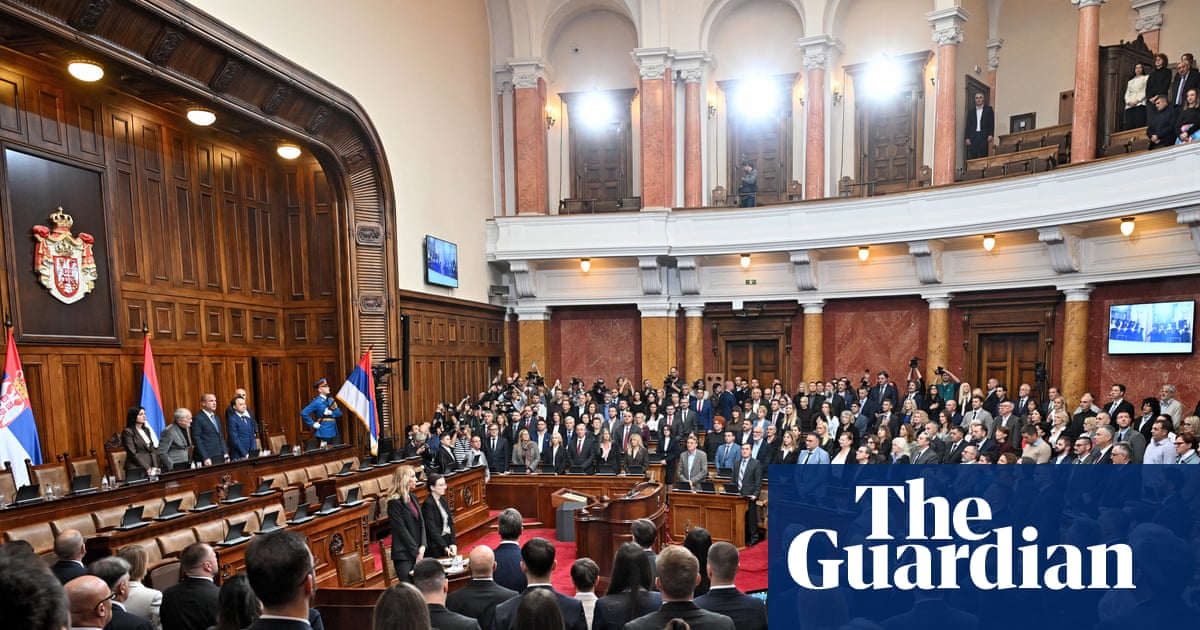
🗳️
Serbia’s student list set to take seats after election win
Servische studentenlijst klaar om zetels in te nemen na verkiezingszege
La liste étudiante serbe s’apprête à entrer au parlement après sa victoire
So: Serbia’s Student List is set to take its 140 seats in parliament after defeating Aleksandar Vučić’s ruling party in last month’s election, opening the way to form a government. Many incoming MPs are academics, lawyers and other professionals, and they have been preparing through regular meetings and mock parliamentary exercises alongside the wider student movement. The new cabinet and prime minister have not yet been announced, and the outgoing government will stay in place until parliament approves its successor. Observers expect obstruction at the opening session, while MPs face a 90-day deadline to approve a cabinet.
Zo: de Servische Studentenlijst neemt naar verwachting haar 140 zetels in het parlement in, nadat ze vorige maand de regeringspartij van Aleksandar Vučić versloeg en zo de weg vrijmaakte voor een nieuwe regering. Veel nieuwe parlementsleden zijn academici, advocaten en andere professionals; samen met de bredere studentenbeweging bereiden ze zich voor met regelmatige bijeenkomsten en oefensessies. De samenstelling van het nieuwe kabinet en de naam van de premier zijn nog niet bekend, en de aftredende regering blijft aan totdat het parlement haar opvolger goedkeurt. Waarnemers verwachten tegenwerking tijdens de openingszitting, terwijl het parlement 90 dagen de tijd heeft om een kabinet goed te keuren.
La liste étudiante serbe s’apprête à occuper ses 140 sièges au parlement après avoir battu le parti au pouvoir d’Aleksandar Vučić lors des élections du mois dernier, ouvrant la voie à la formation d’un gouvernement. Parmi les nouveaux députés figurent de nombreux universitaires, avocats et autres professionnels, qui se préparent avec le mouvement étudiant au moyen de réunions régulières et de simulations parlementaires. La composition du nouveau cabinet et le nom du futur Premier ministre n’ont pas encore été annoncés, et le gouvernement sortant restera en fonction jusqu’à l’approbation de son successeur par le parlement. Des observateurs s’attendent à des manœuvres d’obstruction lors de la séance inaugurale, tandis que les députés disposent de 90 jours pour approuver un cabinet.

🎹
A 53-fingered robot pianist plays Chopin with a human
Een robotpianist met 53 vingers speelt Chopin met een mens
Un pianiste robot à 53 doigts joue Chopin avec un musicien
In Prato, Italy, robot pianist TeoTronico joined concert pianist Roberto Prosseda for a musical meeting on 12 November. They took turns playing Chopin before performing together, and the robot also tackled works by Mozart and Rimsky-Korsakov with remarkable precision. Created in 2008, TeoTronico uses electromagnets and computer instructions to play, and can even chat thanks to Google's Gemini. And here's the thing: Prosseda says technical perfection is impressive, but music also depends on human emotion and connection.
In het Italiaanse Prato ontmoette robotpianist TeoTronico op 12 november concertpianist Roberto Prosseda voor een muzikale uitdaging. Ze speelden om beurten Chopin en voerden daarna samen muziek uit; de robot waagde zich ook met opvallende precisie aan werken van Mozart en Rimsky-Korsakov. TeoTronico werd in 2008 ontworpen en speelt piano met elektromagneten en computerinstructies, en kan dankzij Googles Gemini zelfs gesprekken voeren. En dit is nu net het interessante: volgens Prosseda is technische perfectie indrukwekkend, maar steunt muziek ook op menselijke emotie en verbondenheid.
À Prato, en Italie, le pianiste robot TeoTronico a rencontré le pianiste de concert Roberto Prosseda le 12 novembre pour un échange musical. Ils ont joué Chopin à tour de rôle avant d’interpréter un morceau ensemble, tandis que le robot s’est aussi attaqué avec une grande précision à des œuvres de Mozart et de Rimski-Korsakov. Créé en 2008, TeoTronico joue du piano grâce à des électroaimants et à des instructions informatiques, et peut même converser avec l’aide de Gemini, l’outil de Google. Et voilà ce qui est fascinant : pour Prosseda, la perfection technique impressionne, mais la musique repose aussi sur l’émotion et le lien humains.

🦅
The people who became wildlife
De mensen die in de huid van wilde dieren kropen
Les personnes qui se sont mises dans la peau des animaux sauvages
What might a river landscape feel like to a kestrel, an otter or a salmon? At Somerset’s River Tone, 18 volunteers explored that question by inhabiting animals’ sensory worlds, from focusing on a kestrel’s sharp eyesight to moving through the water like an otter. For volunteer Helen Lawy, seeing the landscape as a kestrel revealed how hard it can be to find prey, shelter and quiet places away from people and dogs. The project hopes this fresh perspective can uncover overlooked risks and inspire better ways to protect wildlife and the river ecosystem.
Hoe zou een rivierlandschap aanvoelen voor een torenvalk, een otter of een zalm? Bij de Engelse rivier de Tone in Somerset onderzochten 18 vrijwilligers die vraag door zich in de zintuiglijke wereld van dieren te verplaatsen, bijvoorbeeld door scherp te kijken als een torenvalk of door als een otter door het water te bewegen. Voor vrijwilliger Helen Lawy maakte haar blik als torenvalk duidelijk hoe moeilijk het is om prooien, beschutting en rustige plekken zonder mensen en honden te vinden. Het project hoopt met dit nieuwe perspectief risico’s zichtbaar te maken die anders over het hoofd worden gezien, en zo betere bescherming van dieren en het riviergebied mogelijk te maken.
À quoi peut ressembler un paysage au bord d’une rivière pour un faucon crécerelle, une loutre ou un saumon ? Près de la rivière Tone, dans le Somerset anglais, 18 volontaires ont exploré cette question en adoptant le point de vue sensoriel d’animaux, en aiguisant par exemple leur regard comme un faucon ou en se déplaçant dans l’eau comme une loutre. Pour Helen Lawy, bénévole, voir le paysage comme un faucon crécerelle a révélé combien il peut être difficile de trouver des proies, un abri et des endroits tranquilles à l’écart des humains et des chiens. Le projet espère que cette nouvelle perspective permettra de repérer des risques souvent ignorés et d’améliorer la protection des animaux et de l’écosystème fluvial.
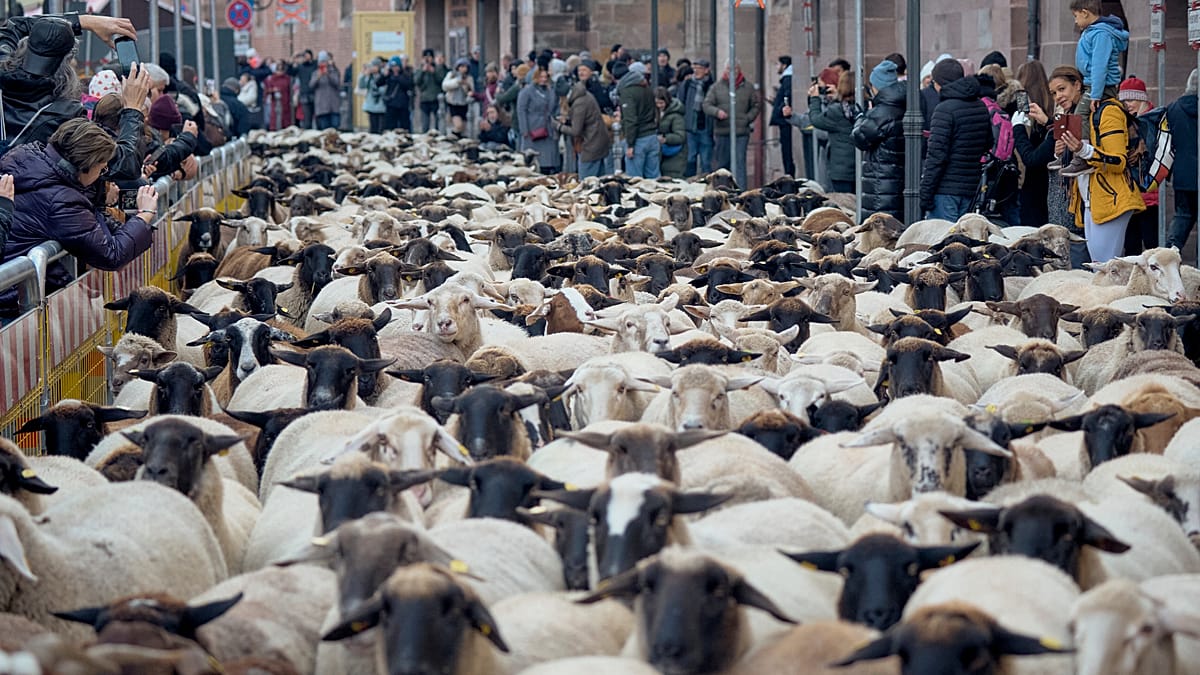
🐑
Sheep fill Nuremberg streets on their way to winter quarters
Schapen trekken door Neurenberg op weg naar hun winterverblijf
Des moutons traversent Nuremberg en route vers leurs quartiers d’hiver
So: around 600 sheep made their way through Nuremberg on Sunday, heading to their winter quarters. Curious onlookers watched as the flock crossed the historic old town, turning busy streets into a charming annual spectacle. Their 10-kilometre route is the shortest way to reach their winter home west of the city. And here's the thing: grazing also helps protect the local landscape by keeping open areas from becoming overgrown.
Zo: ongeveer 600 schapen trokken zondag door Neurenberg, op weg naar hun winterverblijf. Nieuwsgierige toeschouwers keken toe terwijl de kudde door de historische binnenstad liep en de drukke straten veranderde in een bijzonder jaarlijks schouwspel. De route van 10 kilometer is de kortste weg naar hun winterverblijf ten westen van de stad. En mooi meegenomen: door te grazen helpen de schapen het landschap open te houden en overwoekering te voorkomen.
Alors, environ 600 moutons ont traversé Nuremberg dimanche, en route vers leurs quartiers d’hiver. Des passants curieux ont suivi le troupeau dans la vieille ville historique, transformant les rues animées en un spectacle annuel plein de charme. Leur parcours de 10 kilomètres est le chemin le plus court vers leur lieu d’hivernage, à l’ouest de la ville. Et voici un autre atout : en broutant, les moutons contribuent à préserver les espaces ouverts et à éviter qu’ils ne soient envahis par la végétation.
🍺
Petrus tripel named belgium’s best beer at brussels beer challenge
Petrus tripel verkozen tot beste belgische bier op de brussels beer challenge
Petrus tripel élue meilleur bière belge au brussels beer challenge
Petrus Tripel from De Brabandere Brewery has been named the best Belgian beer at the Brussels Beer Challenge. It’s a lovely accolade for the brewery and its distinctive tripel. The award puts this Belgian beer in the spotlight among beer lovers. So: a proud moment for De Brabandere and a great reason to raise a glass.
Petrus Tripel van Brouwerij De Brabandere is verkozen tot het beste Belgische bier op de Brussels Beer Challenge. Dat is een mooie erkenning voor de brouwerij en haar karaktervolle tripel. De prijs zet dit Belgische bier extra in de kijker bij bierliefhebbers. Een trots moment voor De Brabandere en een fijne reden om het glas te heffen.
La Petrus Tripel de la brasserie De Brabandere a été élue meilleur bière belge au Brussels Beer Challenge. Cette distinction récompense la brasserie et sa tripel de caractère. Le prix met cette bière belge à l’honneur auprès des amateurs. Une belle fierté pour De Brabandere et une excellente raison de lever son verre.

⚖️
Women's criminal records wiped for abortion offences
Strafbladen van vrouwen geschrapt voor abortusfeiten
Les casiers judiciaires de femmes effacés pour des infractions liées à l'avortement
Women convicted of abortion offences relating to their own pregnancies in England and Wales will have their criminal records cleared under a historic legal change. The move follows cases such as Nicola Packer, who was acquitted after a five-year investigation and trial following a stillbirth in 2020. Her friend said the arrest and prosecution caused profound trauma, and campaigners have welcomed the change as an important step towards justice. Affected women do not need to take any action themselves.
Vrouwen die in Engeland en Wales zijn veroordeeld voor abortusfeiten in verband met hun eigen zwangerschap, krijgen dankzij een historische wetswijziging een schoon strafblad. De verandering volgt op zaken zoals die van Nicola Packer, die na een onderzoek en rechtszaak van vijf jaar werd vrijgesproken na een doodgeboorte in 2020. Haar vriendin zei dat de arrestatie en vervolging diepe trauma's veroorzaakten, en belangenorganisaties verwelkomen de verandering als een belangrijke stap richting gerechtigheid. Betrokken vrouwen hoeven zelf niets te doen.
En Angleterre et au pays de Galles, les femmes condamnées pour des infractions liées à l'avortement de leur propre grossesse verront leur casier judiciaire effacé grâce à une réforme historique. Cette mesure fait suite à des affaires comme celle de Nicola Packer, acquittée après cinq ans d'enquête et de procédure judiciaire, à la suite d'une mortinaissance en 2020. Son amie a déclaré que l'arrestation et les poursuites avaient provoqué un profond traumatisme, et les associations saluent cette réforme comme une étape importante vers la justice. Les femmes concernées n'ont aucune démarche à effectuer.
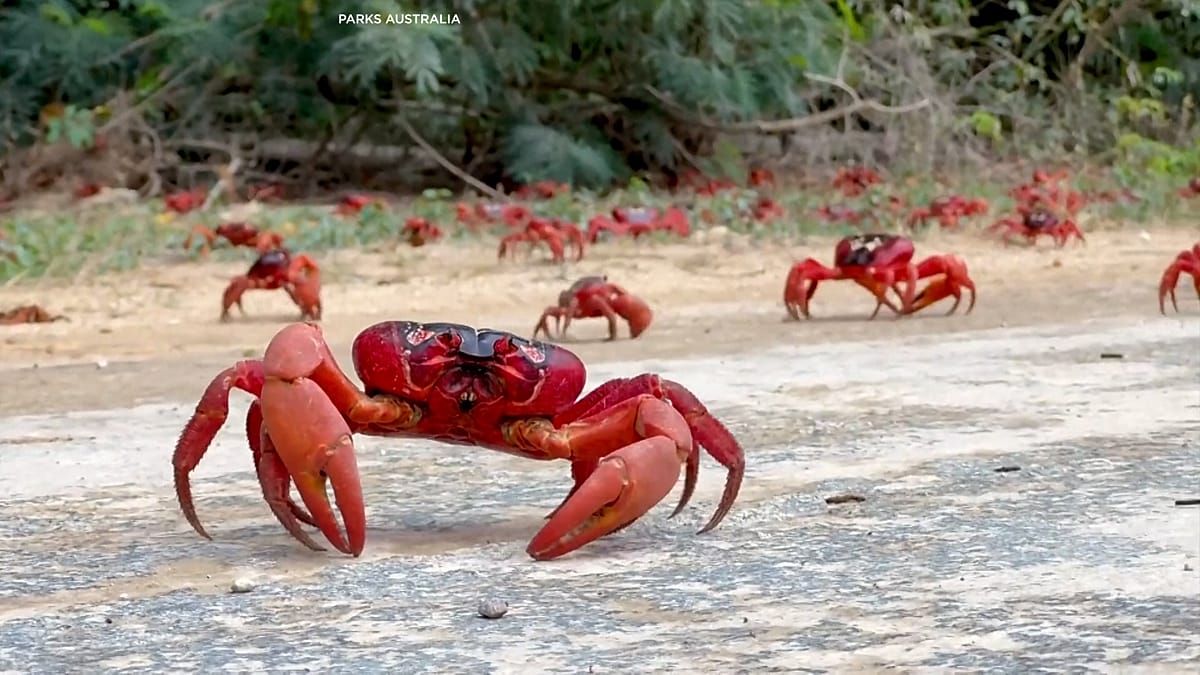
🦀
Millions of red crabs begin annual migration on Australia’s Christmas Island
Miljoenen rode krabben beginnen aan jaarlijkse trek op Christmas Island in Australië
Des millions de crabes rouges entament leur migration annuelle sur l’île Christmas, en Australie
Tens of millions of red crabs have begun their annual journey across Australia’s Christmas Island, turning roads and crossings into streams of red. After the wet-season rains, they are travelling from the forests to the coast to breed. Parks Australia prepares for the spectacle months ahead, clearing underpasses and building bridges and barriers to help keep the crabs safe from traffic. And here’s the thing: rainfall and the lunar cycle help the crabs time their journey so they can release their eggs into the ocean before dawn.
Tientallen miljoenen rode krabben zijn aan hun jaarlijkse tocht over Christmas Island in Australië begonnen en kleuren wegen en oversteekplaatsen rood. Na de regens van het natte seizoen trekken ze vanuit de bossen naar de kust om zich voort te planten. Parks Australia bereidt dit bijzondere schouwspel maanden van tevoren voor, met schoongemaakte tunnels en speciale bruggen en barrières om de krabben te beschermen tegen verkeer. En dit is fascinerend: de regenval en de maancyclus helpen de krabben hun tocht zo te plannen dat ze vóór zonsopgang hun eitjes in zee kunnen afzetten.
Des dizaines de millions de crabes rouges ont entamé leur migration annuelle sur l’île Christmas, en Australie, transformant routes et passages en véritables rivières rouges. Après les pluies de la saison humide, ils quittent les forêts pour rejoindre la côte et se reproduire. Parks Australia prépare ce spectacle des mois à l’avance, en dégageant des passages souterrains et en installant des ponts et des barrières pour protéger les crabes de la circulation. Et voici ce qui est fascinant : les précipitations et le cycle lunaire les aident à choisir le bon moment pour libérer leurs œufs dans l’océan avant l’aube.

💡
AI learning tool helps blind students excel in Malawi
AI-leertool helpt blinde leerlingen uitblinken in Malawi
Un outil d’apprentissage basé sur l’IA aide des élèves aveugles à réussir au Malawi
A new AI learning tool is helping blind and visually impaired students in Malawi improve their academic performance. The tool was developed by a 25-year-old Malawian innovator. It is now being used to support students in their learning. And here's the thing: accessible technology can help more learners thrive.
Een nieuwe AI-leertool helpt blinde en slechtziende leerlingen in Malawi hun schoolprestaties te verbeteren. De tool is ontwikkeld door een 25-jarige Malawische innovator. Hij wordt nu ingezet om leerlingen te ondersteunen bij het leren. En dat is precies het mooie: toegankelijke technologie kan meer leerlingen helpen om tot bloei te komen.
Un nouvel outil d’apprentissage basé sur l’IA aide des élèves aveugles et malvoyants au Malawi à améliorer leurs résultats scolaires. Il a été conçu par un innovateur malawien de 25 ans. L’outil est désormais utilisé pour accompagner les élèves dans leurs apprentissages. Et c’est là tout l’intérêt : une technologie accessible peut aider davantage d’élèves à s’épanouir.
🌾
Farmer finds unknown seeds in his attic - and grows an ancient ‘miracle’ grain
Boer vindt onbekende zaden op zijn zolder en kweekt een oeroud ‘wondergraan’
Un agriculteur découvre des graines inconnues dans son grenier et cultive une ancienne céréale ‘miracle’
So, imagine finding a handful of unknown seeds tucked away in your attic. One farmer decided to plant them, and they grew into an ancient grain described as a ‘miracle’ crop. It’s a lovely reminder that unexpected discoveries can bring forgotten foods back to life. Now, who knows what other treasures might be waiting in an old box?
Stel je voor dat je op zolder een handvol onbekende zaden vindt. Een boer besloot ze te planten, en ze groeiden uit tot een oeroud graan dat een ‘wondergewas’ wordt genoemd. Wat een mooie herinnering dat onverwachte ontdekkingen vergeten voedsel weer tot leven kunnen brengen. En wie weet welke andere schatten er nog in een oude doos liggen?
Imaginez découvrir une poignée de graines inconnues dans votre grenier. Un agriculteur a décidé de les planter, et elles ont donné une ancienne céréale qualifiée de culture ‘miracle’. Quelle belle preuve que des découvertes inattendues peuvent faire revivre des aliments oubliés. Et qui sait quels autres trésors attendent encore dans une vieille boîte ?
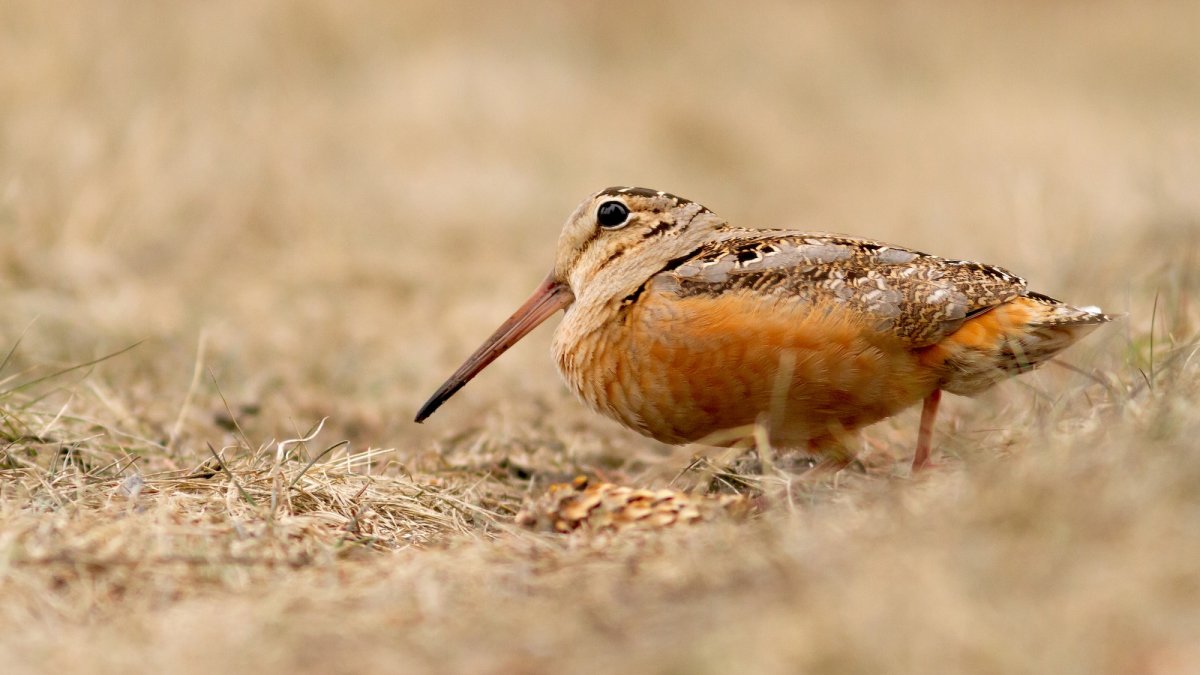
🐦
Peeping woodcocks are evolutionary oddballs
Piepende houtsnippen zijn evolutionaire buitenbeentjes
Les bécasses pépieuses sont des curiosités de l’évolution
With their long bills and cartoonish mating calls, woodcocks are distinctive birds - and their evolutionary history is just as surprising. By analyzing DNA from all eight woodcock species and 22 snipes, researchers traced how their ancestors spread from the Northern Hemisphere to islands and warmer regions around the world. The study also showed that a fossil from Haiti once thought to be a woodcock was actually a snipe. Many woodcocks now live only on particular islands, making the protection of their forest habitats especially important as climates change.
Met hun lange snavels en komische lokroep zijn houtsnippen opvallende vogels, en hun evolutionaire geschiedenis is al even verrassend. Onderzoekers analyseerden het DNA van alle acht houtsnipsoorten en 22 snipsoorten en brachten zo in kaart hoe hun voorouders zich verspreidden van het noordelijk halfrond naar eilanden en warmere gebieden over de hele wereld. Uit het onderzoek bleek ook dat een fossiel uit Haïti, dat ooit voor een houtsnip werd aangezien, eigenlijk van een snip was. Veel houtsnippen leven tegenwoordig alleen op specifieke eilanden, waardoor de bescherming van hun bosgebieden extra belangrijk is nu het klimaat verandert.
Avec leur long bec et leurs cris nuptiaux si particuliers, les bécasses sont des oiseaux remarquables, et leur histoire évolutive l’est tout autant. En analysant l’ADN des huit espèces de bécasses et de 22 espèces de bécassines, des chercheurs ont retracé la dispersion de leurs ancêtres depuis l’hémisphère Nord vers des îles et des régions plus chaudes du monde entier. L’étude a également montré qu’un fossile découvert en Haïti, autrefois identifié comme une bécasse, appartenait en réalité à une bécassine. Aujourd’hui, de nombreuses bécasses ne vivent que sur certaines îles, ce qui rend la protection de leurs habitats forestiers d’autant plus importante face aux changements climatiques.
🧠
Naming your feelings can be harder than you think. This simple tool can help
Je gevoelens benoemen is moeilijker dan je denkt. Dit eenvoudige hulpmiddel kan helpen
Nommer ses émotions est plus difficile qu’on ne le pense. Cet outil simple peut aider
Putting a name to a feeling can be surprisingly difficult: around one in 10 people struggle significantly to identify their emotions. The feelings wheel, created by psychologist Gloria Willcox in the early 1980s, helps users move from broad labels such as “sad” to more precise descriptions. This skill, known as emotional granularity, can offer clues about why we feel a certain way and what might help, and research links it with better mental health and social functioning. Experts are still exploring exactly why, but more specific emotional words can give us useful information for responding to what we need.
Een gevoel benoemen blijkt verrassend moeilijk: ongeveer één op de tien mensen heeft grote moeite om de eigen emoties te herkennen. Het gevoelenswiel, begin jaren tachtig ontwikkeld door psycholoog Gloria Willcox, helpt om van brede labels zoals ‘verdrietig’ naar preciezere omschrijvingen te gaan. Deze vaardigheid, emotionele fijnmazigheid genoemd, kan inzicht geven in waarom we ons op een bepaalde manier voelen en wat ons kan helpen; onderzoek brengt haar ook in verband met een betere mentale gezondheid en sterkere sociale vaardigheden. Deskundigen onderzoeken nog waarom dat precies zo is, maar specifiekere woorden voor emoties kunnen ons nuttige aanwijzingen geven over wat we nodig hebben.
Mettre un mot sur un sentiment peut être étonnamment difficile : environ une personne sur dix a beaucoup de mal à identifier ses émotions. La roue des émotions, créée par la psychologue Gloria Willcox au début des années 1980, aide à passer de termes généraux comme « triste » à des descriptions plus précises. Cette capacité, appelée granularité émotionnelle, peut aider à comprendre pourquoi nous ressentons quelque chose et ce qui pourrait nous être utile ; la recherche l’associe aussi à une meilleure santé mentale et à de meilleures relations sociales. Les spécialistes cherchent encore à expliquer exactement pourquoi, mais des mots plus précis pour décrire nos émotions peuvent nous aider à mieux cerner nos besoins.
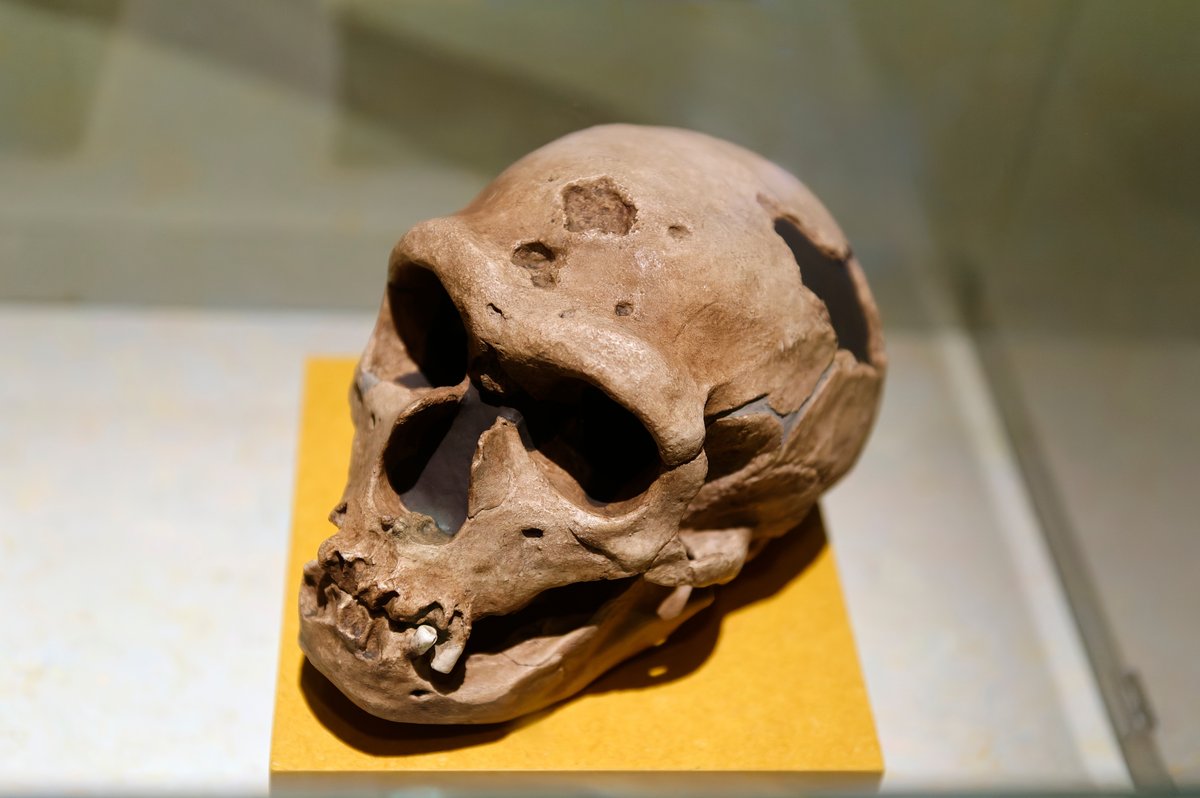
🧬
Neanderthal DNA linked to lower schizophrenia risk
Neanderthaler-dna in verband gebracht met lager risico op schizofrenie
L’adn néandertalien associé à un risque moindre de schizophrénie
So, a small piece of Neanderthal DNA carried by some people today is associated with an almost 10 percent lower risk of schizophrenia. In UK Biobank data, the variant was also linked to a slightly smaller occipital lobe, a brain region involved in visual processing. Researchers say the DNA lies near a gene involved in early brain development, though exactly how the two interact remains unclear. The variant was not associated with depression, bipolar disorder, ADHD or intelligence, and scientists are now searching the genome for more clues from our ancient relatives.
Een klein stukje neanderthaler-dna dat sommige mensen vandaag dragen, hangt samen met een bijna 10 procent lager risico op schizofrenie. In gegevens van de UK Biobank werd de variant ook in verband gebracht met een iets kleinere occipitaalkwab, een hersengebied dat betrokken is bij visuele verwerking. Volgens onderzoekers ligt het dna vlak bij een gen dat een rol speelt in de vroege hersenontwikkeling, al is nog niet duidelijk hoe die twee precies samenwerken. De variant bleek niet samen te hangen met depressie, een bipolaire stoornis, ADHD of intelligentie, en wetenschappers zoeken nu verder naar aanwijzingen van onze verre verwanten in het genoom.
Un petit fragment d’ADN néandertalien porté aujourd’hui par certaines personnes est associé à un risque de schizophrénie inférieur de près de 10 %. Dans les données de la UK Biobank, cette variante était également liée à un lobe occipital légèrement plus petit, une région du cerveau impliquée dans le traitement visuel. Selon les chercheurs, le fragment se trouve près d’un gène qui joue un rôle dans le développement précoce du cerveau, mais leurs interactions restent à éclaircir. La variante n’était associée ni à la dépression, ni au trouble bipolaire, ni au TDAH, ni à l’intelligence, et les scientifiques poursuivent leurs recherches dans le génome pour y découvrir d’autres traces de nos lointains parents.
🧮
AI will certainly make mathematicians rethink their discipline
AI zal wiskundigen zeker hun vak doen heroverwegen
L’IA poussera certainement les mathématiciens à repenser leur discipline
So, an AI solved a mathematical puzzle in just 88 hours, after researchers had wrestled with it for 90 years. At the University of Copenhagen’s Department of Mathematical Sciences, the news sparked surprise, awe, pounding hearts and optimism rather than distress. Third-year bachelor’s student Johannes Danbjørg shares his reaction to the breakthrough. And here’s the thing: AI may soon prompt mathematicians to rethink what their discipline can be.
Een AI loste een wiskundig raadsel op in slechts 88 uur, terwijl onderzoekers er al 90 jaar mee worstelden. Aan het Departement Wiskundige Wetenschappen van de Universiteit van Kopenhagen leidde het nieuws niet tot verdriet, maar tot verbazing, ontzag, bonzende harten en vertrouwen in de toekomst. De derdejaarsstudent Johannes Danbjørg vertelt hoe hij op de doorbraak reageerde. En daar zit precies de verandering: AI kan wiskundigen ertoe brengen hun vak opnieuw te bekijken.
Une IA a résolu une énigme mathématique en seulement 88 heures, alors que des chercheurs s’y attaquaient depuis 90 ans. Au département des sciences mathématiques de l’Université de Copenhague, la nouvelle a suscité surprise, émerveillement, cœur battant et confiance en l’avenir, plutôt que du désarroi. Johannes Danbjørg, étudiant en troisième année de licence, raconte sa réaction à cette avancée. Et c’est là que tout change : l’IA pourrait amener les mathématiciens à repenser leur discipline.
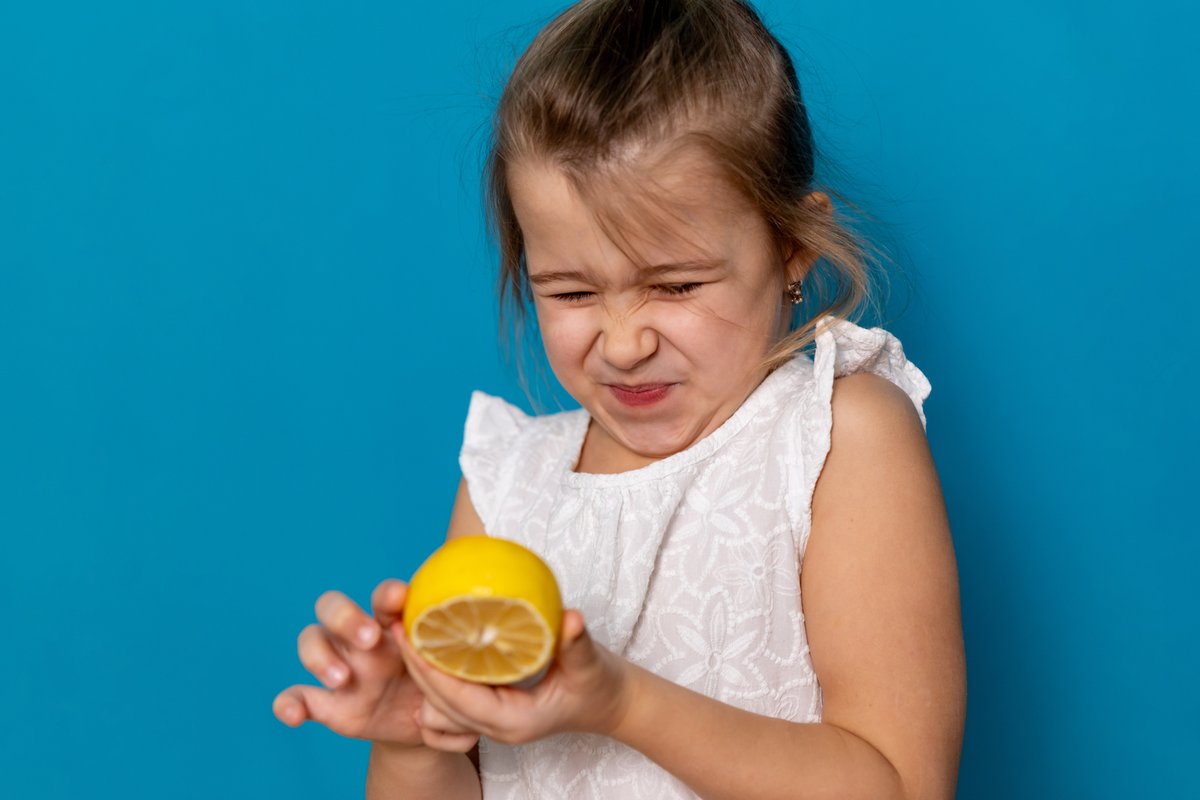
🍋
Why your brain sometimes craves sour tastes
Waarom je brein soms zin heeft in zuur
Pourquoi votre cerveau a parfois envie de saveurs acidulées
A squeeze of lemon can brighten a dish, and scientists are now uncovering how sourness shapes what we taste. In a study of mice, researchers found that sour-sensing cells in taste buds release serotonin. This chemical can dampen nearby signals for other tastes, including sweetness and bitterness, before taste information reaches the brain. So taste buds do more than detect flavors - they actively help shape the experience, and researchers hope to trace the pathways that carry those signals onward.
Een scheutje citroen kan een gerecht opfrissen, en wetenschappers ontdekken nu hoe zuur onze smaak beïnvloedt. In een onderzoek bij muizen zagen onderzoekers dat zuurwaarnemende cellen in de smaakpapillen serotonine afgeven. Die stof kan signalen voor andere smaken, zoals zoet en bitter, afzwakken voordat de smaakprikkels de hersenen bereiken. Smaakpapillen nemen smaken dus niet alleen waar, maar helpen onze smaakervaring actief vorm te geven; onderzoekers willen nu de zenuwbanen verder in kaart brengen.
Un filet de citron peut réveiller un plat, et les scientifiques découvrent maintenant comment l’acidité influence nos perceptions gustatives. Dans une étude menée chez la souris, des chercheurs ont constaté que les cellules des papilles sensibles à l’acidité libèrent de la sérotonine. Cette substance peut atténuer les signaux d’autres saveurs, notamment le sucré et l’amer, avant que les informations gustatives n’atteignent le cerveau. Les papilles ne se contentent donc pas de détecter les saveurs : elles contribuent activement à façonner notre expérience, et les chercheurs veulent maintenant suivre les voies nerveuses concernées.
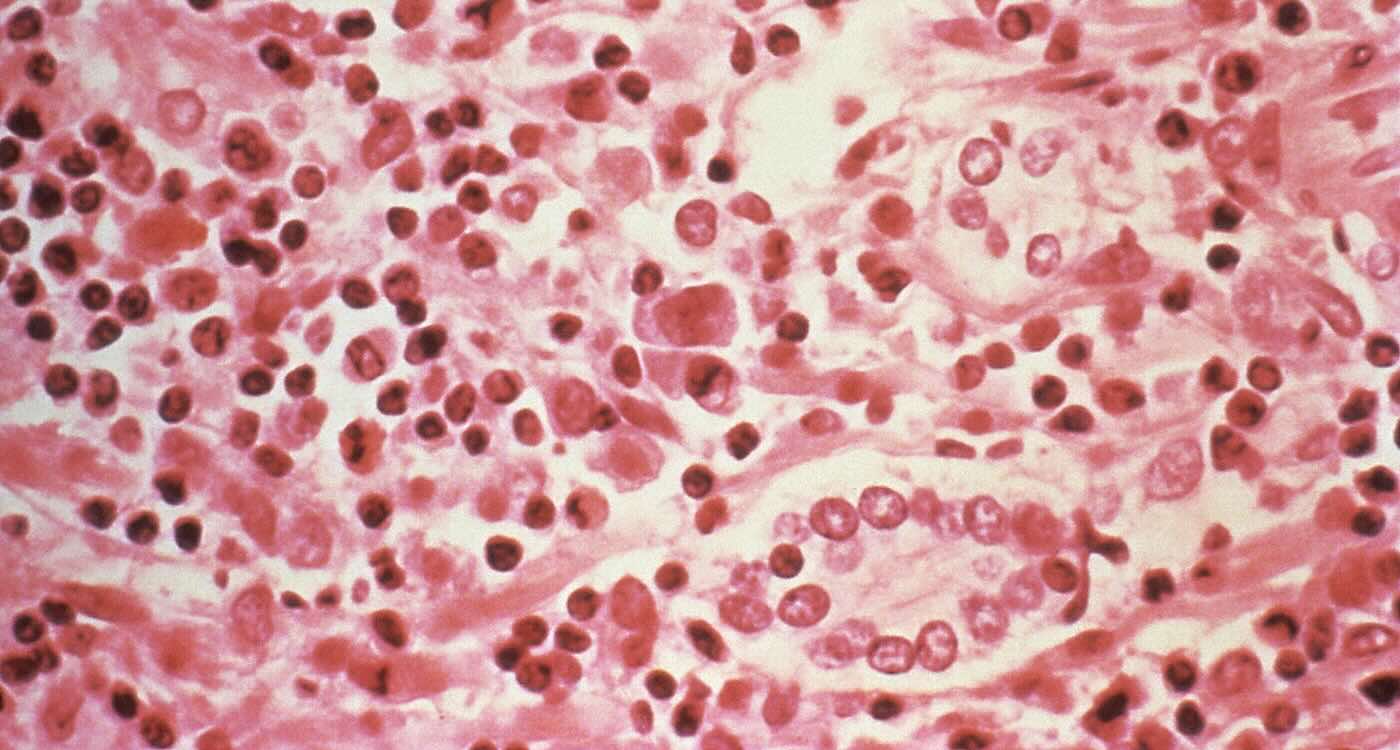
🩺
First-of-its-kind transplant treats a non-cancerous disease
Unieke transplantatie behandelt een niet-kwaadaardige aandoening
Une première greffe soigne une maladie non cancéreuse
So, doctors at Franciscan Health have reported the first bone marrow transplant using cells from a deceased organ donor to treat severe aplastic anemia. The 40-year-old patient had lived with the disease for a decade, and her condition had worsened despite multiple treatments. Six months after the transplant, the donor marrow had taken hold, her blood counts had recovered, and she no longer needed transfusions. This promising result could help widen access to potentially curative transplants for people with serious bone marrow disorders.
Artsen van Franciscan Health hebben de eerste beenmergtransplantatie gemeld waarbij cellen van een overleden orgaandonor werden gebruikt om ernstige aplastische anemie te behandelen. De 40-jarige patiënte leefde al tien jaar met de aandoening, die ondanks meerdere behandelingen was verergerd. Zes maanden na de transplantatie was het donorbeenmerg aangeslagen, waren haar bloedwaarden hersteld en had ze geen transfusies meer nodig. Dit hoopgevende resultaat kan de toegang vergroten tot transplantaties die mogelijk genezend zijn voor mensen met ernstige beenmergaandoeningen.
Les médecins de Franciscan Health ont annoncé la première greffe de moelle osseuse utilisant des cellules prélevées sur un donneur d’organes décédé pour traiter une anémie aplasique sévère. La patiente, âgée de 40 ans, vivait avec cette maladie depuis dix ans, et son état s’était aggravé malgré plusieurs traitements. Six mois après la greffe, la moelle du donneur avait pris, ses taux sanguins s’étaient rétablis et elle n’avait plus besoin de transfusions. Ce résultat prometteur pourrait faciliter l’accès à des greffes potentiellement curatives pour les personnes atteintes de graves maladies de la moelle osseuse.

🦴
Ice age fossils emerge on a Dutch beach
IJstijdfossielen duiken op aan een Nederlands strand
Des fossiles de l’âge glaciaire émergent sur une plage néerlandaise
So, the artificial beaches of Maasvlakte 2 near Rotterdam are turning out to be a remarkable treasure trove of Ice Age fossils. The sand was dredged from the North Sea, once part of Doggerland, where mammoths, woolly rhinos and other animals lived before the landscape disappeared beneath the water. Volunteers and families search the shore, while palaeontologists help identify and record finds such as ancient teeth and bones. Their discoveries enrich a growing scientific database, and new fossils keep arriving as more seabed sediment is brought ashore for coastal protection.
De kunstmatige stranden van Maasvlakte 2 bij Rotterdam blijken een bijzondere schatkamer vol ijstijdfossielen. Het zand werd uit de Noordzee gebaggerd, ooit onderdeel van Doggerland, waar mammoeten, wolharige neushoorns en andere dieren leefden voordat het landschap onder water verdween. Vrijwilligers en gezinnen speuren het strand af, terwijl paleontologen helpen vondsten zoals oude tanden en botten te identificeren en vast te leggen. Hun ontdekkingen verrijken een groeiende wetenschappelijke databank, en er komen steeds nieuwe fossielen aan land doordat sediment van de zeebodem wordt gebruikt voor kustbescherming.
Les plages artificielles de Maasvlakte 2, près de Rotterdam, se révèlent être un remarquable trésor de fossiles de l’âge glaciaire. Le sable a été dragué dans la mer du Nord, autrefois une partie de Doggerland, où vivaient des mammouths, des rhinocéros laineux et d’autres animaux avant que le territoire ne disparaisse sous les eaux. Des bénévoles et des familles fouillent le rivage, tandis que des paléontologues les aident à identifier et à documenter des découvertes comme d’anciennes dents et des os. Leurs trouvailles enrichissent une base de données scientifique en plein essor, et de nouveaux fossiles continuent d’arriver avec les sédiments marins utilisés pour protéger le littoral.

🍄
A giant fungus discovered in China can grow 20 inches tall
Een reuzenzwam in China kan wel 50 centimeter hoog worden
Un champignon géant découvert en Chine peut atteindre 50 centimètres
So, researchers in China’s Yunnan Province have discovered a remarkable new fungus, named Dianjunus rex, whose hand-like fruiting bodies can grow up to 20 inches tall and weigh nearly five pounds. It belongs to an entirely new fungal family, and DNA analysis suggests it split from other species around 65 million years ago. The team found it growing near the roots of dying trees, though it may also live inside healthy trees before feeding on dead plant matter. Researchers think its towering fruiting bodies could help spread spores through the dense forest, and the discovery hints at just how much fungal life remains unknown.
Onderzoekers in de Chinese provincie Yunnan ontdekten een bijzondere nieuwe zwam, Dianjunus rex genaamd, met handvormige vruchtlichamen die wel 50 centimeter hoog en bijna 2,3 kilo zwaar kunnen worden. De soort behoort tot een volledig nieuwe schimmelfamilie, en DNA-onderzoek wijst erop dat ze zich ongeveer 65 miljoen jaar geleden van andere soorten afsplitste. Het team vond de zwam bij de wortels van stervende bomen, maar mogelijk leeft ze ook in gezonde bomen voordat ze dood plantenmateriaal opeet. Onderzoekers denken dat de hoge vruchtlichamen kunnen helpen om sporen door het dichte bos te verspreiden, en de ontdekking laat zien hoeveel schimmelsoorten nog op ontdekking wachten.
Des chercheurs ont découvert dans la province chinoise du Yunnan un nouveau champignon remarquable, baptisé Dianjunus rex, dont les fructifications en forme de main peuvent atteindre 50 centimètres de haut et peser près de 2,3 kilos. Cette espèce appartient à une famille de champignons entièrement nouvelle, et son ADN indique qu’elle s’est séparée des autres espèces il y a environ 65 millions d’années. L’équipe l’a trouvée près des racines d’arbres mourants, mais elle pourrait aussi vivre dans des arbres sains avant de se nourrir de végétaux morts. Les chercheurs pensent que ses hautes fructifications pourraient faciliter la dispersion des spores dans la forêt dense, et cette découverte rappelle combien de champignons restent à découvrir.
✈️
China completes flight of fully electric aircraft capable of 300 km/h
China voltooit vlucht met volledig elektrisch vliegtuig dat 300 km/u haalt
La Chine réalise un vol avec un avion entièrement électrique capable d’atteindre 300 km/h
China has completed a flight with a fully electric aircraft that can reach speeds of 300 km/h. It’s an exciting milestone for electric aviation, showing how far the technology is advancing. The flight highlights the potential for cleaner ways to travel by air. Now, further development could help bring electric aircraft closer to wider use.
China heeft een vlucht voltooid met een volledig elektrisch vliegtuig dat snelheden tot 300 km/u kan halen. Dat is een mooie mijlpaal voor de elektrische luchtvaart en laat zien hoe snel de technologie vooruitgaat. De vlucht benadrukt het potentieel van schonere manieren om door de lucht te reizen. Verdere ontwikkeling kan elektrische vliegtuigen dichter bij een breder gebruik brengen.
La Chine a réalisé un vol avec un avion entièrement électrique capable d’atteindre 300 km/h. C’est une belle avancée pour l’aviation électrique et un signe des progrès rapides de cette technologie. Ce vol met en lumière le potentiel de modes de transport aérien plus propres. De nouveaux développements pourraient rapprocher les avions électriques d’une utilisation plus répandue.
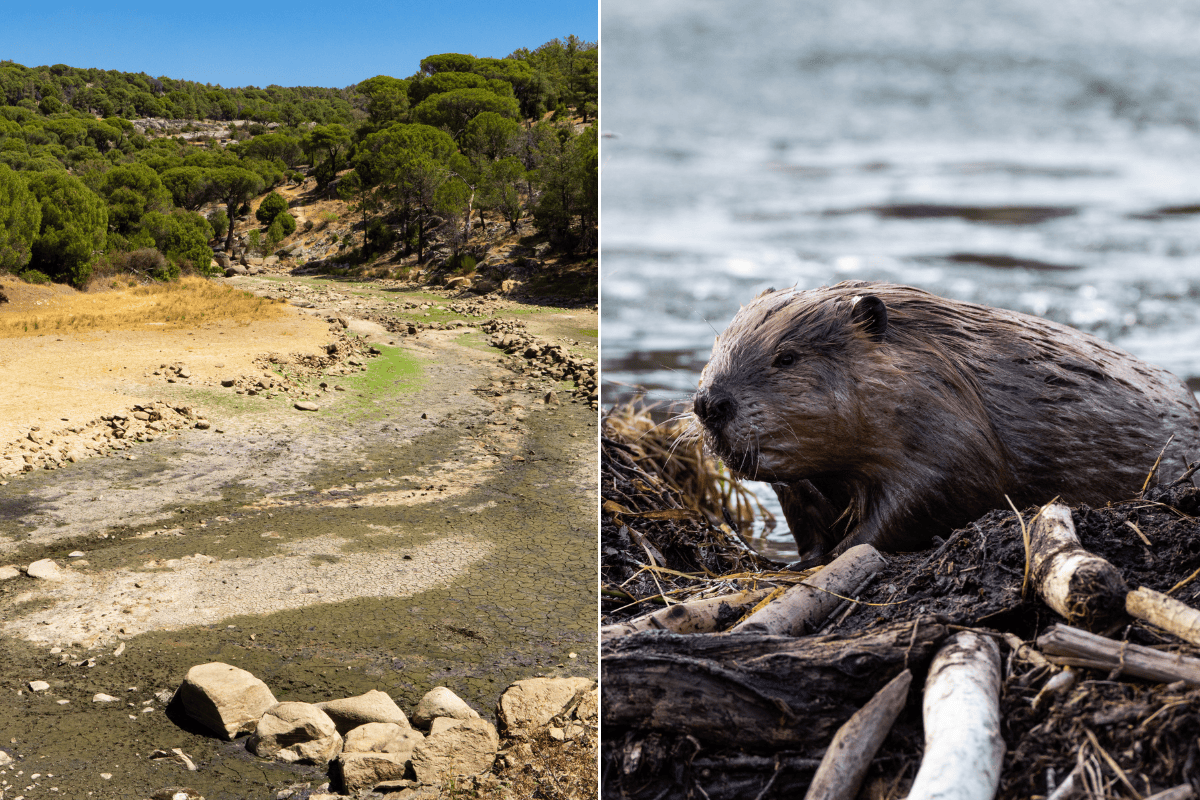
🦫
Beavers helped revive a desert river - six years later, the results are flowing
Beverburchten helpen een woestijnrivier herstellen - zes jaar later zijn de resultaten zichtbaar
Les castors ont aidé à ranimer une rivière du désert - six ans plus tard, les résultats sont là
So: in 2019, researchers brought beavers displaced from other areas to Utah’s struggling Price River, hoping their dams would create refuge for wildlife during droughts. Six years later, the river is healthier than it has been in years, fish are thriving, and locals say its revival has helped their town, Helper. The beavers are the stars, though cleanup work and better grazing rules also played an important part. I love how these natural engineers are now inspiring similar restoration projects across Utah.
In 2019 brachten onderzoekers bevers die elders waren verjaagd naar de kwetsbare Price River in Utah, in de hoop dat hun dammen tijdens droogte een toevluchtsoord voor dieren zouden vormen. Zes jaar later is de rivier gezonder dan in jaren, floreren de vissen en zeggen inwoners dat het herstel hun stad Helper heeft geholpen. De bevers zijn de sterren, al droegen ook opruimwerk en betere regels voor begrazing bij aan het resultaat. Mooi om te zien hoe deze natuurlijke ingenieurs nu vergelijkbare herstelprojecten in heel Utah inspireren.
En 2019, des chercheurs ont installé dans la Price River, en difficulté, des castors déplacés d’autres endroits, espérant que leurs barrages offriraient un refuge à la faune pendant les sécheresses. Six ans plus tard, la rivière est plus saine qu’elle ne l’a été depuis des années, les poissons prospèrent et les habitants affirment que ce renouveau a aidé leur ville, Helper. Les castors tiennent la vedette, même si le nettoyage des cours d’eau et de meilleures règles de pâturage ont aussi contribué aux résultats. J’adore voir ces ingénieurs de la nature inspirer désormais des projets de restauration similaires dans tout l’Utah.
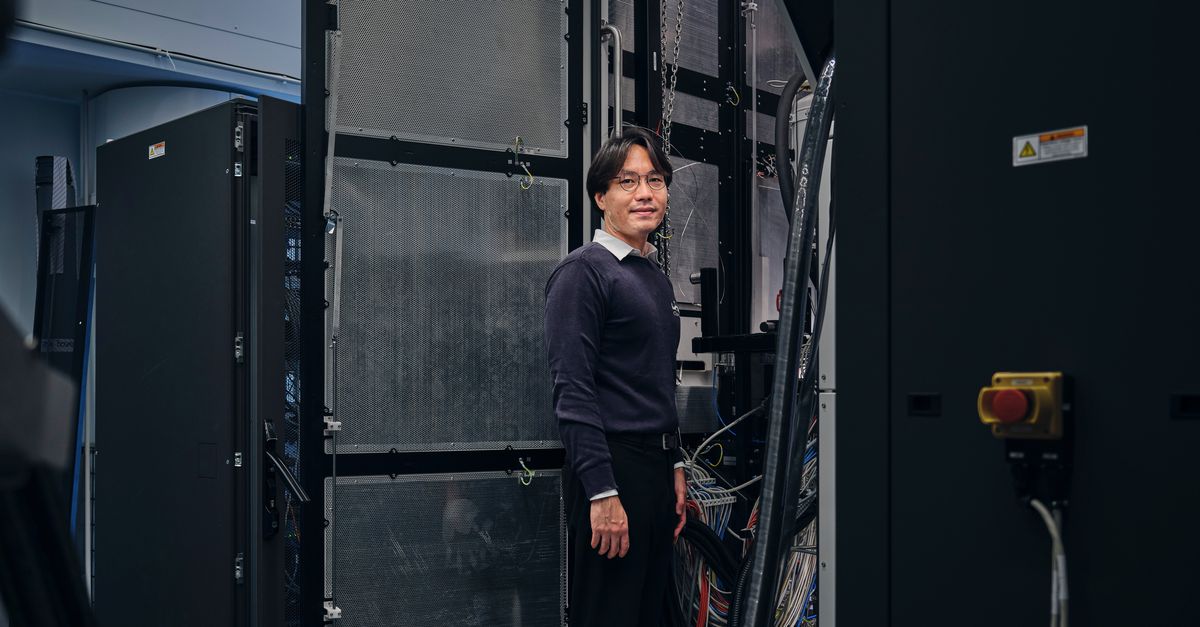
🔬
Inside the remarkable protein engine of a sperm cell
De bijzondere eiwitmotor van een zaadcel
La remarquable machine protéique d’un spermatozoïde
At Utrecht’s Hubrecht Institute, Miguel Leung uses cryo-electron microscopy to map the proteins in egg and sperm cells, work that recently earned him the Heineken Young Scientists Award for Biomedical Sciences. By freezing cells rapidly and combining millions of grainy images, his team builds three-dimensional models of their proteins, with AI helping locate each one. They have identified more than 150 proteins in the sperm tail and are uncovering how these components work together to create a remarkably organized swimming engine. This fundamental insight could eventually help researchers understand what goes wrong in some cases of infertility, while Leung also aims to lead his young team with care and encouragement.
Aan het Hubrecht Instituut in Utrecht brengt Miguel Leung met cryo-elektronenmicroscopie de eiwitten in eicellen en zaadcellen in kaart; voor dit werk ontving hij onlangs de Heineken Young Scientists Award for Biomedical Sciences. Door cellen razendsnel te bevriezen en miljoenen korrelige beelden te combineren, maakt zijn team driedimensionale eiwitmodellen en gebruikt het AI om de locaties van eiwitten te bepalen. In de staart van zaadcellen hebben ze al meer dan 150 eiwitten gevonden en ontdekken ze hoe die samen een opmerkelijk georganiseerde zwemmotor vormen. Deze fundamentele kennis kan onderzoekers uiteindelijk helpen begrijpen wat er bij sommige gevallen van onvruchtbaarheid misgaat, terwijl Leung ook veel aandacht besteedt aan het begeleiden van zijn jonge team.
À l’Institut Hubrecht d’Utrecht, Miguel Leung cartographie les protéines des ovules et des spermatozoïdes grâce à la cryomicroscopie électronique; ses recherches lui ont récemment valu le Heineken Young Scientists Award for Biomedical Sciences. En congelant rapidement les cellules et en combinant des millions d’images granuleuses, son équipe crée des modèles tridimensionnels des protéines et s’aide de l’IA pour les localiser. Dans la queue des spermatozoïdes, elle a déjà identifié plus de 150 protéines et découvre comment elles s’associent pour former un moteur de nage remarquablement organisé. Ces connaissances fondamentales pourraient aider un jour les chercheurs à comprendre certaines causes de l’infertilité, tandis que Leung veille aussi à accompagner avec attention sa jeune équipe.

🏙️
Brussels project named the world’s best high-rise
Het beste torenproject ter wereld staat in Brussel
Le meilleur projet de tour au monde est à Bruxelles
So, Brussels has a new reason to celebrate: Zin has won the 2026/27 International High-Rise Award. The prize is considered one of the most important international honours for tall-building architecture, and Zin stood out among more than 1,000 towers completed worldwide over the past two years. Delivered in 2024, the 129-metre-high project brings together offices, homes, a hotel, sports facilities and restaurants across about 115,500 square metres. And here’s the thing: it also offers public spaces, including a rooftop garden and a greenhouse.
Brussel heeft er een mooie reden om te vieren bij: Zin heeft de International High-Rise Award 2026/27 gewonnen. Deze prijs geldt als een van de belangrijkste internationale onderscheidingen voor architectuur van hoge gebouwen, en Zin wist zich te onderscheiden van meer dan 1.000 torens die de voorbije twee jaar wereldwijd zijn opgeleverd. Het project werd in 2024 voltooid en is 129 meter hoog, met ongeveer 115.500 vierkante meter aan kantoren, woningen, een hotel, sportvoorzieningen en horeca. En dat is nog niet alles: er zijn ook publiek toegankelijke plekken, waaronder een daktuin en een serre.
Bruxelles a une belle raison de se réjouir: Zin a remporté l’International High-Rise Award 2026/27. Cette distinction compte parmi les plus prestigieuses au monde pour l’architecture des immeubles de grande hauteur, et Zin s’est démarqué parmi plus de 1 000 tours livrées dans le monde ces deux dernières années. Achevé en 2024, le projet s’élève à 129 mètres et rassemble quelque 115 500 mètres carrés de bureaux, de logements, un hôtel, des équipements sportifs et des restaurants. Et ce n’est pas tout: il propose aussi des espaces accessibles au public, dont un jardin sur le toit et une serre.
🔭
Astronomers discover a dead star spinning every eight minutes
Astronomen ontdekken een dode ster die elke acht minuten ronddraait
Des astronomes découvrent une étoile morte qui tourne toutes les huit minutes
So: more than 5,000 light-years away, astronomers have found a white dwarf spinning once every eight minutes and sending out mysterious radio pulses. Its companion is a Sun-like star, making this the first known system of its kind to produce these signals. By tracking the stars through more than 100 hours of radio observations, researchers could locate the pulses close to the white dwarf. And here's the thing: the observations also revealed powerful magnetic activity, including what may be a giant loop of plasma on the companion star.
Meer dan 5.000 lichtjaar hiervandaan hebben astronomen een witte dwerg ontdekt die elke acht minuten ronddraait en mysterieuze radiopulsen uitzendt. De begeleidende ster lijkt op onze zon, waardoor dit het eerste bekende systeem van dit type is dat zulke signalen produceert. Met meer dan 100 uur aan radio-waarnemingen konden onderzoekers de pulsen lokaliseren in de buurt van de witte dwerg. En dat is nog niet alles: de waarnemingen brachten ook krachtige magnetische activiteit aan het licht, waaronder mogelijk een enorme plasmaboog op de begeleidende ster.
À plus de 5 000 années-lumière, des astronomes ont découvert une naine blanche qui tourne toutes les huit minutes et émet de mystérieuses impulsions radio. Son étoile compagne ressemble à notre Soleil, ce qui en fait le premier système connu de ce type à produire ces signaux. Grâce à plus de 100 heures d’observations radio, les chercheurs ont pu situer les impulsions près de la naine blanche. Et ce n’est pas tout : les observations ont aussi révélé une intense activité magnétique, dont une immense boucle de plasma possible sur l’étoile compagne.
🔭
Euclid spots ancient quasars from cosmic dawn
Euclid ontdekt oeroude quasars uit de kosmische dageraad
Euclid découvre des quasars anciens de l’aube cosmique
Here’s a thrilling glimpse of the Universe’s infancy: Euclid has uncovered 31 exceptionally ancient quasars, powered by enormous black holes. Two set new records, with redshifts of 7.77 and 7.69. They were already shining as brightly as a trillion Suns when the Universe was just 670 million years old. By finding fainter quasars across vast areas of sky, Euclid is giving astronomers a fuller picture of these cosmic beacons and how the first galaxies and black holes grew so quickly.
Wat een fascinerende blik op de jonge kosmos: Euclid heeft 31 uitzonderlijk oude quasars ontdekt, aangedreven door enorme zwarte gaten. Twee daarvan vestigen nieuwe records, met roodverschuivingen van 7,77 en 7,69. Ze straalden al even helder als een biljoen zonnen toen het heelal nog maar 670 miljoen jaar oud was. Doordat Euclid ook zwakkere quasars opspoort in uitgestrekte delen van de hemel, krijgen astronomen een vollediger beeld van deze kosmische bakens en van hoe de eerste sterrenstelsels en zwarte gaten zo snel groeiden.
Quelle merveilleuse fenêtre sur la jeunesse de l’Univers : Euclid a découvert 31 quasars exceptionnellement anciens, alimentés par d’immenses trous noirs. Deux d’entre eux établissent de nouveaux records, avec des décalages vers le rouge de 7,77 et 7,69. Ils brillaient déjà autant qu’un billion de soleils alors que l’Univers n’avait que 670 millions d’années. En repérant aussi des quasars plus faibles sur de vastes portions du ciel, Euclid offre aux astronomes une vision plus complète de ces phares cosmiques et de la croissance rapide des premières galaxies et des premiers trous noirs.

🎓
University forced out by Orbán eyes a bigger Budapest presence
Door Orbán verdreven universiteit wil haar aanwezigheid in Boedapest uitbreiden
Chassée par Orbán, une université envisage de renforcer sa présence à Budapest
Central European University is open to expanding its programmes in Budapest after Hungary’s new government pledged to restore academic freedom. The university moved its main activities to Vienna in 2019 following pressure from Viktor Orbán’s government, but it still has 312 staff in Budapest. Rector Carsten Q Schneider says any expansion must protect the student experience, and the university has no plans for a wholesale return from Vienna. He sees a stronger Budapest presence as a powerful symbol of resilience and academic freedom, while stressing that the decision rests with the university’s board.
De Central European University staat open voor uitbreiding van haar programma’s in Boedapest, nu de nieuwe Hongaarse regering heeft beloofd de academische vrijheid te herstellen. De universiteit verplaatste haar belangrijkste activiteiten in 2019 naar Wenen na druk van de regering van Viktor Orbán, maar heeft nog altijd 312 medewerkers in Boedapest. Rector Carsten Q Schneider zegt dat elke uitbreiding de ervaring van studenten moet beschermen en dat de universiteit niet van plan is volledig uit Wenen terug te keren. Een sterkere aanwezigheid in Boedapest zou volgens hem een krachtig symbool zijn van veerkracht en academische vrijheid, maar de beslissing ligt bij het universiteitsbestuur.
La Central European University est prête à développer ses programmes à Budapest, après que le nouveau gouvernement hongrois a promis de rétablir la liberté académique. L’université a transféré ses principales activités à Vienne en 2019, sous la pression du gouvernement de Viktor Orbán, mais elle compte toujours 312 employés à Budapest. Son recteur, Carsten Q Schneider, affirme que toute expansion doit préserver la qualité de l’expérience étudiante et que l’établissement ne prévoit pas de retour complet depuis Vienne. Selon lui, une présence renforcée à Budapest serait un puissant symbole de résilience et de liberté académique, mais la décision appartient au conseil d’administration de l’université.
🐪
Extinct ‘vampire camel’ once stalked North American plains
Uitgestorven ‘vampierkameel’ zwierf ooit over de Noord-Amerikaanse vlakten
Un « chameau vampire » disparu arpentait autrefois les plaines d’Amérique du Nord
A surprising extinct camel relative once roamed the North American plains, earning the nickname “vampire camel.” Its unusual features offer a fresh glimpse of the remarkable variety among ancient camelids. The discovery invites us to rethink the animals that shared these landscapes long before modern wildlife arrived. And here's the thing: the story of camels in North America is far wilder than many people might expect.
Een verrassende, uitgestorven verwant van de kameel zwierf ooit over de Noord-Amerikaanse vlakten en kreeg de bijnaam ‘vampierkameel’. Zijn opvallende kenmerken geven een nieuwe kijk op de opmerkelijke verscheidenheid onder de oeroude kameelachtigen. De ontdekking nodigt ons uit om anders te kijken naar de dieren die deze landschappen bewoonden, lang voordat de huidige wilde dieren er waren. En hier komt het: de geschiedenis van kamelen in Noord-Amerika is veel wilder dan veel mensen zouden verwachten.
Un étonnant parent éteint du chameau parcourait autrefois les plaines d’Amérique du Nord, ce qui lui a valu le surnom de « chameau vampire ». Ses caractéristiques inhabituelles révèlent la remarquable diversité des anciens camélidés. Cette découverte nous invite à revoir notre image des animaux qui peuplaient ces paysages bien avant la faune actuelle. Et voici ce qui est fascinant : l’histoire des chameaux en Amérique du Nord est bien plus surprenante qu’on ne pourrait le croire.

🤖
How a Mumbai museum is teaching 9,000+ children AI by breaking it first
Hoe een museum in Mumbai meer dan 9.000 kinderen AI leert door dingen eerst stuk te maken
Comment un musée de Mumbai apprend l’IA à plus de 9 000 enfants en commençant par tout casser
At Mumbai’s Museum of Solutions, children are learning about AI by experimenting, asking questions and even breaking things to see how they work. Through the AI Explorers programme, they build digital basics, train machine-learning models and take on coding challenges. Between July 2025 and June 2026, the initiative reached 9,087 children, trained 80 teachers and partnered with schools and community groups across six Maharashtra districts. And here’s the thing: it’s making sure a child’s chance to explore new technology isn’t determined by their circumstances.
In het Museum of Solutions in Mumbai leren kinderen over AI door te experimenteren, vragen te stellen en zelfs dingen stuk te maken om te ontdekken hoe ze werken. Met het programma AI Explorers bouwen ze digitale basisvaardigheden op, trainen ze machinelearningmodellen en gaan ze aan de slag met programmeeruitdagingen. Tussen juli 2025 en juni 2026 bereikte het initiatief 9.087 kinderen, leidde het 80 leerkrachten op en werkte het samen met scholen en buurtorganisaties in zes districten van Maharashtra. En daar draait het om: de kans om nieuwe technologie te ontdekken mag niet afhangen van de omstandigheden waarin een kind opgroeit.
Au Museum of Solutions de Mumbai, les enfants découvrent l’IA en expérimentant, en posant des questions et même en cassant des objets pour comprendre leur fonctionnement. Avec le programme AI Explorers, ils acquièrent des bases numériques, entraînent des modèles d’apprentissage automatique et relèvent des défis de programmation. Entre juillet 2025 et juin 2026, l’initiative a touché 9 087 enfants, formé 80 enseignants et collaboré avec des écoles et des associations dans six districts du Maharashtra. Et c’est là l’essentiel : les possibilités de découvrir les nouvelles technologies ne devraient pas dépendre du milieu dans lequel un enfant grandit.
🌿
Five beautiful eco buildings around the world
Vijf prachtige ecologische gebouwen wereldwijd
Cinq magnifiques bâtiments écologiques dans le monde
With construction responsible for more than a third of global emissions, these five buildings show how sustainable design can be both climate-conscious and beautiful. In Brazil, the Children’s Village uses local timber, earth bricks and clever natural ventilation to keep student dormitories comfortable without air conditioning. Bali’s bamboo Arc gym spans a sports court without columns, while Sweden’s Sara Kulturhus celebrates locally sourced timber in a striking, 20-storey cultural centre. And here’s the thing: each project responds thoughtfully to its place and makes the most of materials that can lower environmental impact. Together, they offer an inspiring glimpse of architecture that puts people, beauty and the planet in the same frame.
Omdat de bouwsector verantwoordelijk is voor meer dan een derde van de wereldwijde uitstoot, tonen deze vijf gebouwen hoe duurzaam ontwerp tegelijk klimaatvriendelijk en mooi kan zijn. In Brazilië gebruikt Children’s Village lokaal hout, leemstenen en slimme natuurlijke ventilatie om de slaapvertrekken van leerlingen zonder airconditioning comfortabel te houden. De bamboe sporthal Arc op Bali overspant een sportveld zonder steunpilaren, terwijl het Zweedse Sara Kulturhus lokaal hout in de kijker zet in een opvallend cultuurcentrum van twintig verdiepingen. En dit is het mooie eraan: elk project sluit zorgvuldig aan bij zijn omgeving en benut materialen die de impact op het milieu kunnen verkleinen. Samen geven ze een inspirerend beeld van architectuur die mensen, schoonheid en de planeet met elkaar verbindt.
Puisque la construction représente plus d’un tiers des émissions mondiales, ces cinq bâtiments montrent qu’un design durable peut être à la fois respectueux du climat et magnifique. Au Brésil, le Children’s Village associe bois local, briques de terre et ventilation naturelle ingénieuse pour garder les dortoirs confortables sans climatisation. À Bali, le gymnase Arc en bambou couvre un terrain de sport sans pilier, tandis qu’en Suède, Sara Kulturhus met à l’honneur le bois local dans un centre culturel remarquable de vingt étages. Et voici ce qui me plaît : chaque projet s’accorde avec son environnement et mise sur des matériaux susceptibles de réduire son impact écologique. Ensemble, ils offrent un aperçu inspirant d’une architecture qui rapproche les personnes, la beauté et la planète.

🐢
Green turtles move from endangered to least concern
Groene zeeschildpadden gaan van bedreigd naar niet bedreigd
Les tortues vertes passent de menacées à préoccupation mineure
So, there’s encouraging news for green turtles: they have been reclassified from endangered to least concern in global conservation rankings. The change reflects decades of protection efforts. In Malaysia’s Turtle Islands, nesting numbers have tripled since the 1970s. And here’s the thing: hunting, fishing nets and pollution remain threats, so continued protection matters.
Er is bemoedigend nieuws over groene zeeschildpadden: wereldwijd zijn ze opnieuw ingedeeld van bedreigd naar niet bedreigd. Die verandering is te danken aan decennia aan beschermingsinspanningen. Op de Maleisische Turtle Islands is het aantal nesten sinds de jaren 1970 verdrievoudigd. Toch blijven jacht, visnetten en vervuiling bedreigingen, dus bescherming blijft belangrijk.
Voilà une nouvelle encourageante pour les tortues vertes : elles sont passées du statut d’espèce menacée à celui de préoccupation mineure dans les classements mondiaux de conservation. Cette évolution reflète des décennies d’efforts de protection. Dans les îles malaisiennes de la Tortue, le nombre de nids a triplé depuis les années 1970. La chasse, les filets de pêche et la pollution restent toutefois des menaces, ce qui rend la poursuite des efforts de protection essentielle.
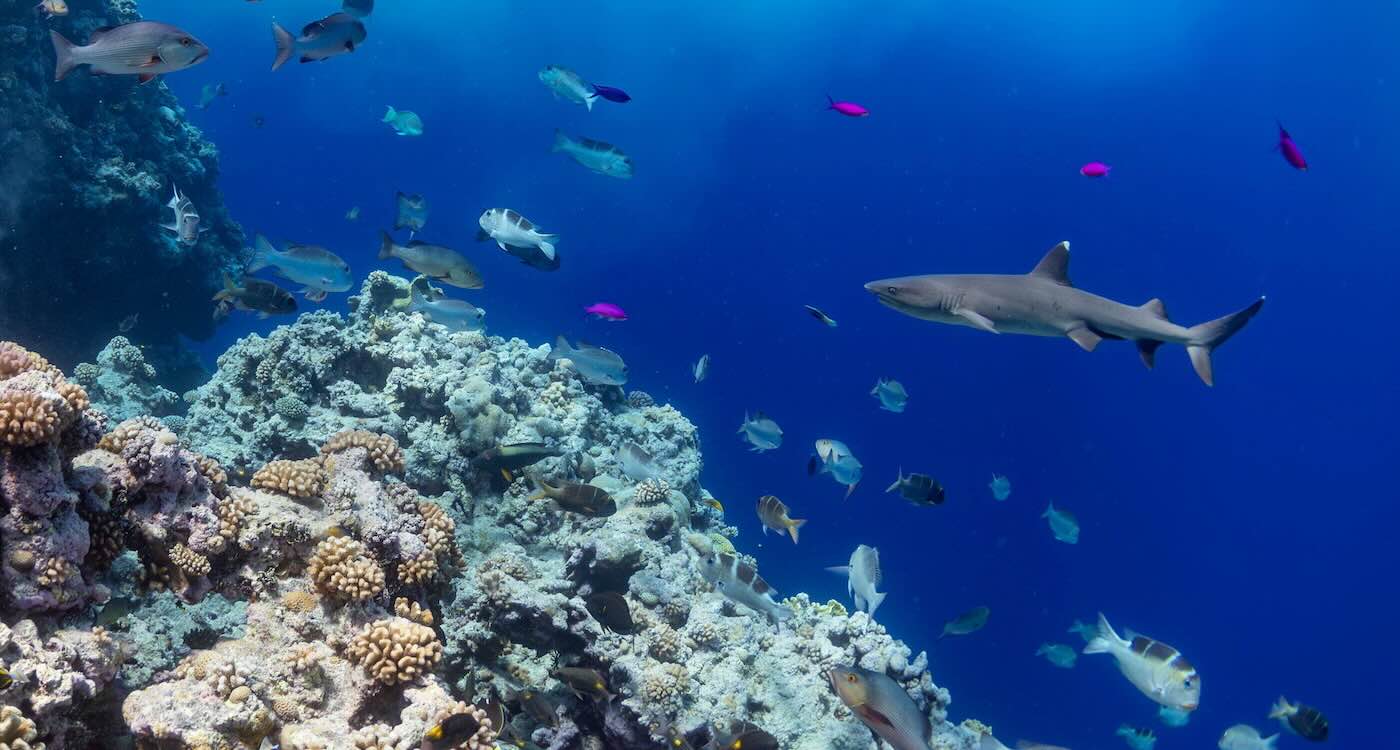
🐠
Two of the last wild ecosystems are now protected sanctuaries
Twee van de laatste wilde ecosystemen zijn nu beschermde reservaten
Deux des derniers écosystèmes sauvages sont désormais protégés
The remote Pacific atolls of Bikar and Bokak are among the most intact ecosystems left on Earth, with remarkably little human influence. A new study documented thriving seabird colonies, nesting turtles, abundant reef fish and diverse deep-sea communities, including species not previously recorded in the Marshall Islands. The country has now designated about 18,500 square miles around the atolls as its first national marine sanctuary. It’s a wonderful step that will help protect these biodiversity hotspots and preserve a valuable reference for conservation around the world.
De afgelegen Pacifische atollen Bikar en Bokak behoren tot de meest ongerepte ecosystemen op aarde en zijn nauwelijks beïnvloed door mensen. Een nieuw onderzoek bracht bloeiende kolonies zeevogels, nestelende schildpadden, veel rifvissen en uiteenlopende diepzeegemeenschappen in kaart, waaronder soorten die nog niet eerder op de Marshalleilanden waren waargenomen. Het land heeft nu ongeveer 18.500 vierkante mijl rond de atollen uitgeroepen tot zijn eerste nationale zeereservaat. Dat is een prachtige stap om deze biodiversiteitshotspots te beschermen en wereldwijd waardevolle inzichten voor natuurbehoud te bewaren.
Les atolls isolés de Bikar et Bokak, dans le Pacifique, comptent parmi les écosystèmes les mieux préservés de la planète et restent très peu touchés par l’activité humaine. Une nouvelle étude y a recensé des colonies d’oiseaux marins florissantes, des tortues venues pondre, de nombreux poissons de récif et des communautés variées en eaux profondes, dont des espèces jamais signalées auparavant aux îles Marshall. Le pays vient de classer environ 18 500 miles carrés autour des atolls comme son premier sanctuaire marin national. C’est une excellente initiative pour protéger ces hauts lieux de biodiversité et fournir de précieuses références aux efforts de conservation dans le monde entier.
🪲
Dirk Draulans’ animal tale: is the four-spotted fungus beetle an inventor or an imitator?
Beestenboel van Dirk Draulans: is de viervlekschimmelvreter een uitvinder of een imitator?
Le bestiaire de Dirk Draulans : le coléoptère mangeur de champignons à quatre points est-il inventeur ou imitateur ?
So, what makes the four-spotted fungus beetle stand out: its own ingenuity or its ability to imitate? Dirk Draulans explores this question through the small beetle and its behaviour. It is a curious look at how innovation and imitation can be difficult to tell apart in nature. And here's the thing: even a tiny creature can prompt a big question about animal behaviour.
Wat maakt de viervlekschimmelvreter bijzonder: zijn eigen vindingrijkheid of zijn vermogen om anderen na te bootsen? Dirk Draulans onderzoekt die vraag aan de hand van het kleine kevertje en zijn gedrag. Het is een boeiende blik op hoe moeilijk vernieuwing en imitatie in de natuur van elkaar te onderscheiden zijn. En net dat maakt dit kleine diertje aanleiding tot een grote vraag over dierengedrag.
Alors, qu’est-ce qui distingue le coléoptère mangeur de champignons à quatre points : son ingéniosité ou sa capacité à imiter ? Dirk Draulans explore cette question à travers ce petit insecte et son comportement. L’article montre combien il peut être difficile de distinguer l’innovation de l’imitation dans la nature. Et c’est bien ce qui rend cette minuscule créature si intéressante pour comprendre le comportement animal.
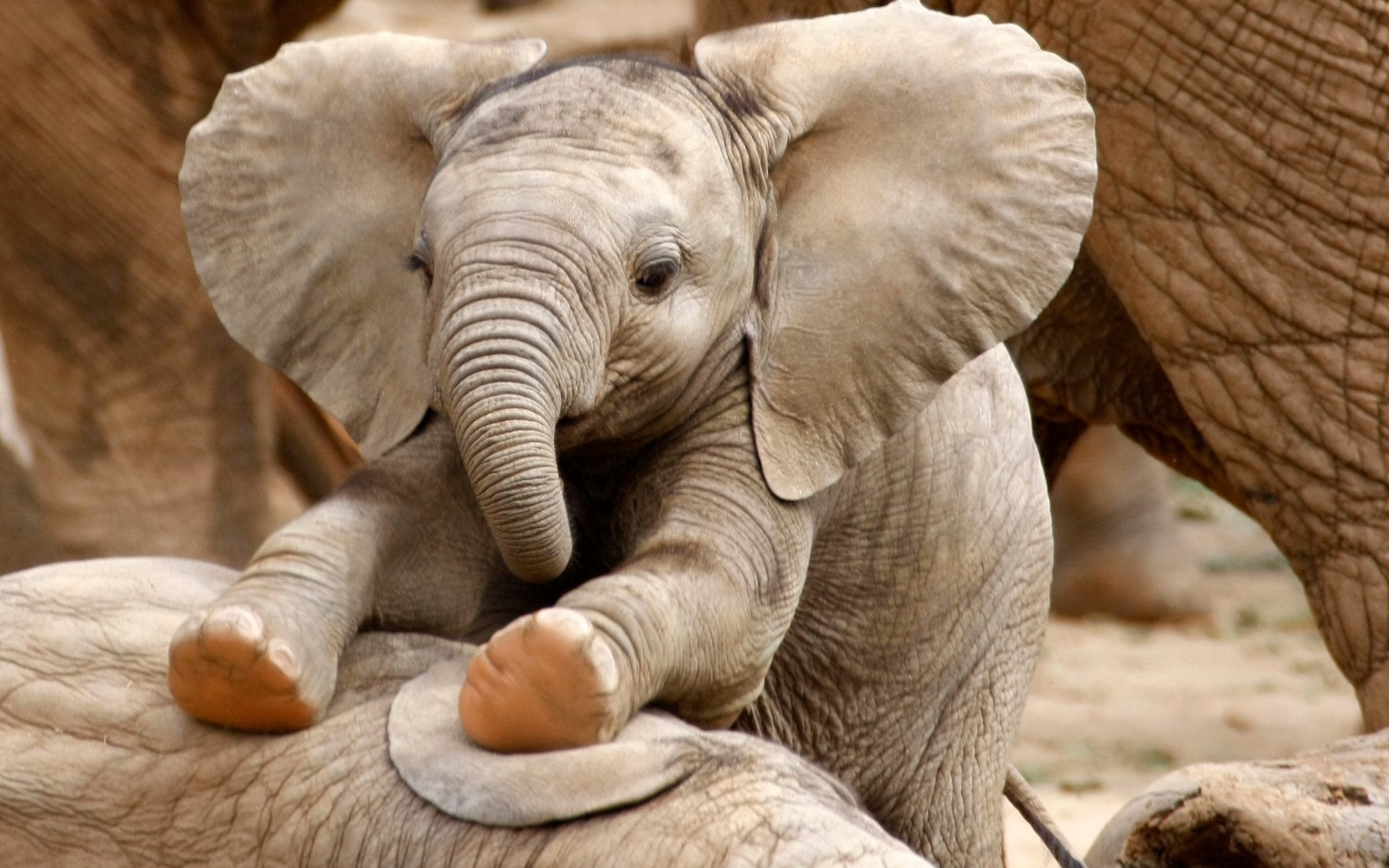
🤖
Robots like elephant trunks can bend, connect and cooperate
Robots als olifantenslurven buigen, verbinden en werken samen
Des robots comme des trompes d’éléphant se plient, s’assemblent et coopèrent
So: researchers at Colorado State University have developed flexible, tube-shaped robots that move much like an elephant’s trunk. Their tensegrity structure uses tensioned cables to hold rigid rods in place, allowing each robot to bend and change shape without traditional joints. Mechanical grippers at both ends help the robots handle objects and connect securely, so teams can carry heavier loads or cross gaps together. Tested in the lab and real-world settings, the machines could one day support manufacturing, space exploration and search-and-rescue missions.
Onderzoekers van de Colorado State University ontwikkelden flexibele, buisvormige robots die bewegen als een olifantenslurf. Hun tensegrityconstructie gebruikt gespannen kabels om stijve staven op hun plaats te houden, zodat de robots zonder traditionele scharnieren kunnen buigen en van vorm veranderen. Mechanische grijpers aan beide uiteinden laten de robots voorwerpen hanteren en stevig met elkaar verbinden, zodat ze samen zwaardere lasten kunnen dragen of gaten in de ondergrond overbruggen. De machines zijn getest in het laboratorium en in de praktijk en kunnen later worden ingezet in de productie, ruimteverkenning en zoek- en reddingsacties.
Des chercheurs de l’Université d’État du Colorado ont mis au point des robots tubulaires flexibles qui bougent comme une trompe d’éléphant. Leur structure de tenségrité s’appuie sur des câbles tendus pour maintenir des tiges rigides, ce qui permet aux robots de se plier et de changer de forme sans articulations traditionnelles. Des pinces mécaniques à chaque extrémité leur permettent de manipuler des objets et de s’assembler solidement, afin de transporter ensemble des charges plus lourdes ou de franchir des brèches. Testées en laboratoire et dans des conditions réelles, ces machines pourraient servir à la production, à l’exploration spatiale et aux opérations de recherche et de sauvetage.
🚀
Starship completes a successful return to its launch site
Starship keert succesvol terug naar de lanceerbasis
Starship réussit son retour vers la base de lancement
Now, Starship has completed a successful return flight to its launch site, marking an exciting step for reusable spaceflight. Mechanical arms caught the returning rocket out of the air in a striking display of precision and engineering. The maneuver shows how launch infrastructure can help bring a spacecraft back for another journey. And here's the thing: every successful test brings reusable space travel a little closer.
Nu is Starship succesvol teruggekeerd naar de lanceerbasis, een mooie stap voor herbruikbare ruimtevaart. Mechanische armen grepen de terugkerende raket uit de lucht, een indrukwekkend staaltje precisie en techniek. De manoeuvre laat zien hoe de lanceerinstallatie kan helpen om een ruimteschip klaar te maken voor een volgende vlucht. Zo brengt elke geslaagde test herbruikbare ruimtevaart een stukje dichterbij.
Starship a réussi son vol de retour vers sa base de lancement, une belle avancée pour les vols spatiaux réutilisables. Des bras mécaniques ont attrapé la fusée à son retour, une démonstration impressionnante de précision et d’ingénierie. Cette manœuvre montre comment les installations de lancement peuvent contribuer à préparer un véhicule pour un nouveau voyage. Chaque essai réussi rapproche ainsi un peu plus le rêve de vols spatiaux réutilisables.
⚛️
Scientists capture electrons making seemingly impossible quantum jumps
Wetenschappers leggen schijnbaar onmogelijke kwantumsprongen van elektronen vast
Des scientifiques capturent des sauts quantiques d’électrons apparemment impossibles
So, researchers have directly observed electrons in graphene making quantum jumps across energy gaps that are normally forbidden. A new technique combining laser pulses and a photoemission momentum microscope acts like a slow-motion camera, tracking how intense electric fields move electrons between energy bands. The exceptionally pure, one-atom-thick graphene samples helped the team capture this ultrafast process in real time. These detailed observations could help scientists understand how such transitions may matter for high-speed semiconductor electronics.
Onderzoekers hebben elektronen in grafeen rechtstreeks waargenomen terwijl ze kwantumsprongen maakten over energiekloofjes die normaal verboden zijn. Een nieuwe techniek combineert laserpulsen met een foto-emissie-momentummicroscoop en werkt als een slowmotioncamera die laat zien hoe sterke elektrische velden elektronen tussen energiebanden verplaatsen. Dankzij uitzonderlijk zuivere grafeenlagen van slechts één atoom dik kon het team dit razendsnelle proces in realtime vastleggen. Die gedetailleerde waarnemingen kunnen wetenschappers helpen begrijpen wat zulke overgangen betekenen voor snelle halfgeleiderelektronica.
Des chercheurs ont observé directement des électrons dans le graphène effectuant des sauts quantiques à travers des bandes d’énergie normalement interdites. Une nouvelle technique, qui associe des impulsions laser à un microscope de photoémission et de mesure de l’impulsion, fait office de caméra au ralenti et montre comment des champs électriques intenses déplacent les électrons entre les bandes d’énergie. Des échantillons de graphène exceptionnellement purs et épais d’un seul atome ont permis à l’équipe de saisir ce processus ultrarapide en temps réel. Ces observations détaillées pourraient aider les scientifiques à comprendre l’importance de telles transitions pour l’électronique à semi-conducteurs à haute vitesse.

🩺
Nigeria completes Ebola contact monitoring with no new cases
Nigeria rondt ebolacontrole van contacten af zonder nieuwe gevallen
Le Nigeria termine le suivi des contacts d’Ebola sans nouveau cas
So: Nigeria has completed 21 days of monitoring for all 62 people who had contact with its first Ebola patient in more than a decade, and none developed the disease. Thirteen people reported fever or other symptoms, but each tested negative. The patient, a Swiss woman who had travelled from Uganda, recovered and was discharged from hospital. And here's the thing: monitoring is complete, but Nigeria must still wait 42 days from the patient's recovery or departure before the outbreak can officially be declared over.
Nigeria heeft 21 dagen lang alle 62 mensen gevolgd die contact hadden met de eerste ebolapatiënt in het land in meer dan tien jaar, en niemand kreeg de ziekte. Dertien mensen meldden koorts of andere klachten, maar bij iedereen was de test negatief. De patiënte, een Zwitserse vrouw die vanuit Oeganda was gereisd, herstelde en mocht het ziekenhuis verlaten. En dit is belangrijk: de contactopvolging is afgerond, maar Nigeria moet vanaf het herstel of vertrek van de patiënte nog 42 dagen wachten voordat de uitbraak officieel voorbij kan worden verklaard.
Le Nigeria a achevé 21 jours de suivi auprès des 62 personnes ayant été en contact avec son premier cas d’Ebola depuis plus de dix ans, et aucune n’a contracté la maladie. Treize personnes ont signalé de la fièvre ou d’autres symptômes, mais leurs tests se sont tous révélés négatifs. La patiente, une Suissesse qui avait voyagé depuis l’Ouganda, s’est rétablie et a quitté l’hôpital. Et voici le point important : le suivi est terminé, mais le Nigeria doit encore attendre 42 jours après le rétablissement ou le départ de la patiente avant de pouvoir déclarer officiellement la fin de l’épidémie.
🌍
China’s CO₂ emissions begin to fall
Chinese CO₂-uitstoot begint te dalen
Les émissions de CO₂ de la Chine commencent à baisser
China’s CO₂ emissions are beginning to fall, a welcome sign in the global effort to tackle climate change. If the decline continues, it could mark an important shift in the world’s largest emitter. The trend will be worth watching as China’s economy and energy needs evolve. And here’s the thing: a sustained drop could make a real difference to the global climate outlook.
De Chinese CO₂-uitstoot begint te dalen, een hoopvol teken in de wereldwijde strijd tegen klimaatverandering. Als die daling aanhoudt, kan ze een belangrijke omslag betekenen bij de grootste uitstoter ter wereld. Het wordt interessant om te volgen hoe die trend zich ontwikkelt terwijl de Chinese economie en energiebehoefte veranderen. En precies daar zit de betekenis: een blijvende daling kan het wereldwijde klimaatperspectief echt verbeteren.
Les émissions de CO₂ de la Chine commencent à baisser, un signe encourageant dans la lutte mondiale contre le changement climatique. Si cette baisse se poursuit, elle pourrait marquer un tournant important chez le premier émetteur mondial. Il sera intéressant de suivre l’évolution de cette tendance alors que l’économie et les besoins énergétiques de la Chine changent. Et c’est là que réside l’enjeu : une baisse durable pourrait améliorer concrètement les perspectives climatiques mondiales.
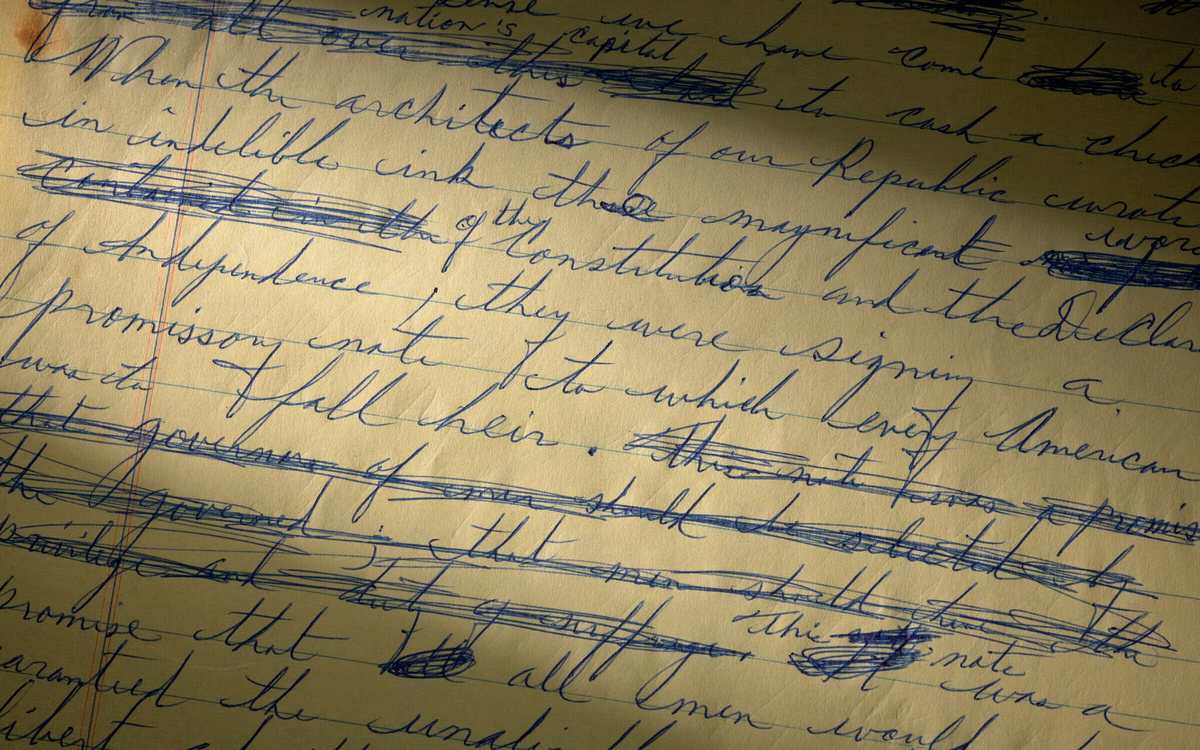
📜
Dr. king’s lost draft of ‘i have a dream’ emerges from a desk drawer
Verloren ontwerp van ‘i have a dream’ van dr. king duikt op in een bureaulade
Le brouillon perdu de « i have a dream » du dr king refait surface dans un tiroir
So: a handwritten draft of Martin Luther King Jr.’s iconic “I Have a Dream” speech has resurfaced after more than 60 years. Xernona Clayton discovered the seven yellow pages in her late husband’s desk drawer, and their many handwritten edits offer a rare glimpse of King shaping his words. The draft ends with “Free at last,” though it does not include the famous “I have a dream” passage, which King improvised at the Lincoln Memorial. Christie’s will auction the historic manuscript for charity, with public displays planned in Atlanta, Chicago, and New York.
Een handgeschreven ontwerp van de beroemde toespraak ‘I Have a Dream’ van Martin Luther King Jr. is na meer dan zestig jaar opnieuw opgedoken. Xernona Clayton vond de zeven gele pagina’s in de bureaulade van haar overleden man; de vele handgeschreven aanpassingen laten zien hoe King zijn woorden vormgaf. Het ontwerp eindigt met ‘Free at last’, maar bevat niet de beroemde passage ‘I have a dream’, die King bij het Lincoln Memorial improviseerde. Christie’s veilt het historische manuscript voor het goede doel en stelt het vooraf tentoon in Atlanta, Chicago en New York.
Un brouillon manuscrit du célèbre discours « I Have a Dream » de Martin Luther King Jr. a refait surface après plus de soixante ans. Xernona Clayton a découvert ces sept pages jaunies dans le tiroir du bureau de son défunt mari ; les nombreuses corrections manuscrites révèlent comment King a façonné ses paroles. Le brouillon se termine par « Free at last », mais ne contient pas le célèbre passage « I have a dream », que King a improvisé au Lincoln Memorial. Christie’s mettra ce document historique aux enchères au profit d’œuvres caritatives et le présentera auparavant à Atlanta, Chicago et New York.
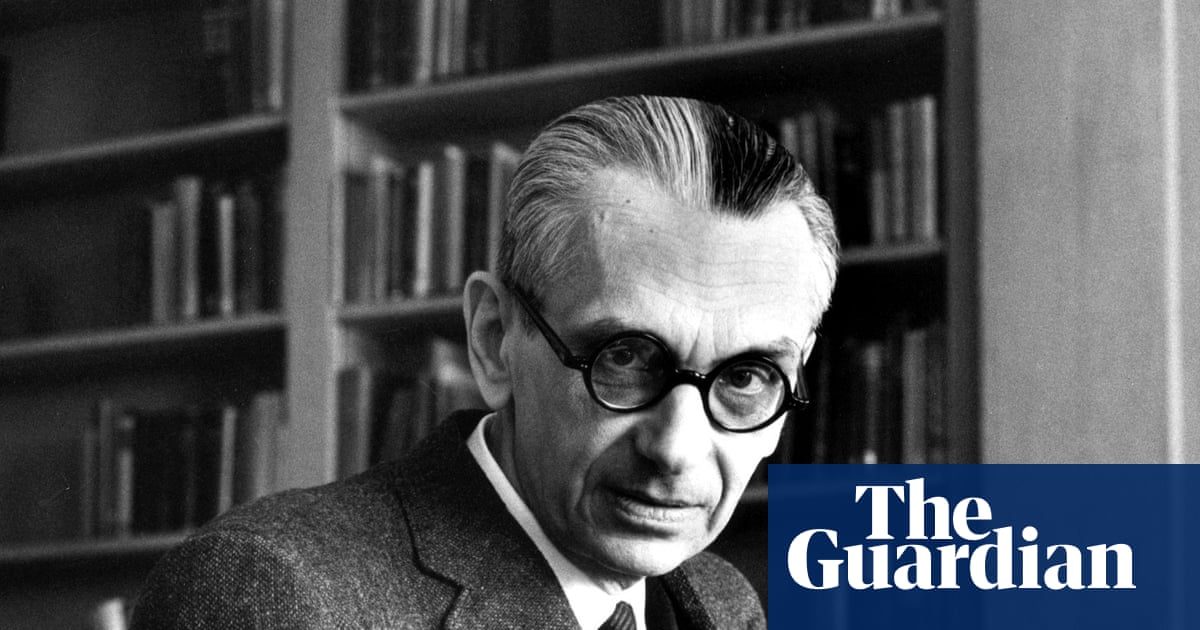
🧠
AI helps reveal Gödel’s hidden mathematical discoveries
AI helpt verborgen wiskundige ontdekkingen van Gödel bloot te leggen
L’IA révèle des découvertes mathématiques inédites de Gödel
I’m fascinated by how much can still be hiding in a great thinker’s notebooks. Finnish logician Jan von Plato used AI model Claude to help analyse 16 of Kurt Gödel’s densely written notebooks, whose German shorthand had slowed the work to about a page a week. In just days, the AI produced a wide-ranging digest that pointed to hundreds of previously unknown theorems, results anticipated decades early and 14 unexplored themes in logic. Von Plato says every page still needed checking, but the project shows how AI can connect ideas across a thousand pages and open fresh doors into Gödel’s remarkable legacy.
Het is fascinerend hoeveel er nog verborgen kan liggen in de notitieboeken van een groot denker. De Finse logicus Jan von Plato gebruikte AI-model Claude om 16 dichtbeschreven notitieboeken van Kurt Gödel te analyseren; het Duitse steno had het onderzoek afgeremd tot ongeveer één pagina per week. Binnen enkele dagen maakte de AI een uitgebreid overzicht dat wees op honderden onbekende stellingen, resultaten die Gödel tientallen jaren eerder voorzag en 14 onontgonnen thema’s in de logica. Volgens Von Plato moest elke pagina nog worden gecontroleerd, maar het project laat zien hoe AI verbanden kan leggen tussen duizend pagina’s en nieuwe inzichten kan opleveren in Gödels bijzondere nalatenschap.
Il est fascinant de découvrir tout ce qui peut encore se cacher dans les carnets d’un grand penseur. Le logicien finlandais Jan von Plato s’est servi du modèle d’IA Claude pour analyser 16 carnets très denses de Kurt Gödel, dont la sténographie allemande avait ralenti le travail à environ une page par semaine. En quelques jours, l’IA a produit une synthèse détaillée qui a révélé des centaines de théorèmes inconnus, des résultats anticipés plusieurs décennies à l’avance et 14 pistes inexplorées en logique. Selon Von Plato, chaque page devait encore être vérifiée, mais ce projet montre comment l’IA peut relier des idées réparties sur mille pages et ouvrir de nouvelles perspectives sur l’extraordinaire héritage de Gödel.
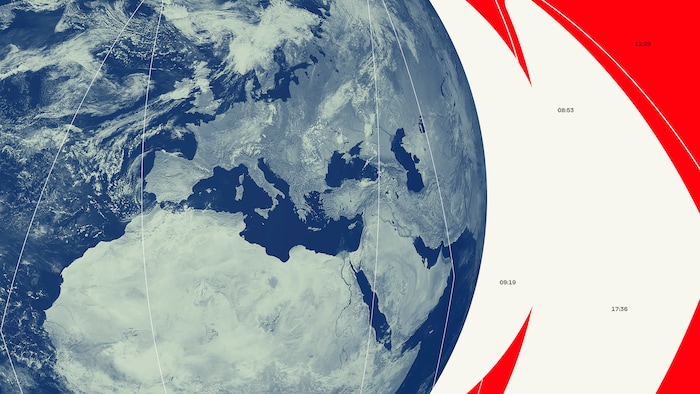
💊
Novo gets European approval to sell hemophilia drug
Novo krijgt groen licht voor verkoop hemofilie-medicijn in Europa
Novo obtient le feu vert pour vendre un médicament contre l’hémophilie en Europe
The European Commission has approved Novo Nordisk’s Frehemgo for marketing and sale in Europe. The medicine is intended for people with hemophilia A, an inherited condition that makes it harder for blood to clot and can make bleeding difficult to stop. The approval follows a recommendation from a committee of the European Medicines Agency in September. Novo is still awaiting approval to sell Frehemgo in the United States.
De Europese Commissie heeft Novo Nordisk toestemming gegeven om Frehemgo in Europa op de markt te brengen en te verkopen. Het geneesmiddel is bedoeld voor mensen met hemofilie A, een erfelijke aandoening waardoor het bloed minder goed stolt en bloedingen moeilijk te stoppen kunnen zijn. De goedkeuring volgt op een aanbeveling van een comité van het Europees Geneesmiddelenbureau in september. Novo wacht nog op toestemming om Frehemgo in de Verenigde Staten te verkopen.
La Commission européenne a autorisé Novo Nordisk à commercialiser et à vendre Frehemgo en Europe. Ce médicament est destiné aux personnes atteintes d’hémophilie A, une maladie héréditaire qui réduit la capacité du sang à coaguler et peut rendre les saignements difficiles à arrêter. Cette autorisation fait suite à une recommandation formulée en septembre par un comité de l’Agence européenne des médicaments. Novo attend encore l’autorisation de vendre Frehemgo aux États-Unis.
👨👩👧
Fathers’ parental leave boosts women’s pensions
Vaderschapsverlof verhoogt het pensioen van vrouwen
Le congé parental des pères améliore la retraite des femmes
New figures show that Denmark’s reserved parental leave for fathers, introduced in 2022, is already shifting the financial balance between women and men. By taking more leave, fathers can help reduce the pension gap women often face after having children. Julia Vollertsen and Peter Fredsbo had agreed to divide leave as equally as possible even before the policy came in. Peter noticed a change in attitudes between the leave they took for their first child in 2020 and their second.
Nieuwe cijfers tonen dat het in 2022 ingevoerde, gereserveerde ouderschapsverlof voor vaders de financiële balans tussen vrouwen en mannen al verschuift. Doordat vaders meer verlof opnemen, kunnen ze de pensioenkloof verkleinen waarmee vrouwen na de geboorte van kinderen vaak te maken krijgen. Julia Vollertsen en Peter Fredsbo hadden al vóór de invoering afgesproken hun verlof zo gelijk mogelijk te verdelen. Peter merkte een verandering in de houding tussen het verlof voor hun eerste kind in 2020 en dat voor hun tweede.
De nouvelles données montrent que le congé parental réservé aux pères, instauré au Danemark en 2022, modifie déjà l’équilibre financier entre les femmes et les hommes. En prenant davantage de congé, les pères peuvent contribuer à réduire l’écart de retraite auquel les femmes sont souvent confrontées après la naissance d’un enfant. Julia Vollertsen et Peter Fredsbo avaient convenu de partager leur congé aussi équitablement que possible avant même cette réforme. Peter a remarqué un changement d’attitude entre le congé pris pour leur premier enfant, en 2020, et celui pris pour leur deuxième.

🏛️
A satellite image uncovered a roman villa and a trojan war mystery
Een satellietbeeld onthulde een romeinse villa en een mysterie uit de trojaanse oorlog
Une image satellite a révélé une villa romaine et un mystère de la guerre de Troie
A walk across his family’s farm led Jim Irvine to pottery fragments and a remarkable discovery beneath a field in Rutland, England. Satellite imagery helped reveal a Roman villa complex, including a huge mosaic depicting scenes from the Trojan War. Research published in 2025 found that one detail in the mosaic points not to Homer’s Iliad, but to a lost tragedy associated with Aeschylus. And here’s the thing: an unusually wet winter, a change of walking route, and even a swarm of bees all helped bring this ancient surprise to light.
Tijdens een wandeling over de familieboerderij ontdekte Jim Irvine potscherven en een bijzondere vondst onder een veld in het Engelse Rutland. Met satellietbeelden kwam een Romeins villacomplex aan het licht, met een enorm mozaïek waarop scènes uit de Trojaanse oorlog te zien zijn. Onderzoek uit 2025 wees uit dat een detail in het mozaïek niet uit de Ilias van Homerus komt, maar verwijst naar een verloren tragedie die met Aeschylus wordt verbonden. En dat is het mooie: een uitzonderlijk natte winter, een andere wandelroute en zelfs een zwerm bijen hielpen deze eeuwenoude verrassing ontdekken.
Au cours d’une promenade sur les terres de sa famille, Jim Irvine a repéré des fragments de poterie et fait une découverte remarquable sous un champ du Rutland, en Angleterre. Des images satellite ont aidé à révéler un complexe de villas romaines, avec une immense mosaïque illustrant des scènes de la guerre de Troie. Selon une étude publiée en 2025, un détail de la mosaïque renvoie non pas à l’Iliade d’Homère, mais à une tragédie perdue associée à Eschyle. Et voici ce qui rend cette histoire encore plus belle : un hiver exceptionnellement humide, un détour lors d’une promenade et même un essaim d’abeilles ont contribué à révéler cette surprise antique.
💬
The conversational rhythm behind chemistry
Het gespreksritme achter chemie
Le rythme des conversations derrière l’alchimie
Researchers at Dartmouth analyzed thousands of conversations to discover what makes people feel connected. They found that conversations can be too chaotic, too stuck in agreement, or just right, a pattern they call “pink noise.” This comfortable back-and-forth between shared ideas and fresh perspectives was linked to greater enjoyment, engagement, and connection, and even helped predict interest in another date. So, chemistry may depend less on having everything in common and more on finding a good conversational rhythm.
Onderzoekers van Dartmouth analyseerden duizenden gesprekken om te ontdekken wat mensen met elkaar verbindt. Ze zagen dat gesprekken te chaotisch kunnen zijn, te lang in overeenstemming kunnen blijven, of precies goed kunnen aanvoelen: dat noemen ze ‘roze ruis’. Dit prettige heen en weer tussen gedeelde ideeën en nieuwe perspectieven hing samen met meer plezier, betrokkenheid en verbondenheid, en voorspelde zelfs of mensen opnieuw wilden daten. Chemie draait dus misschien minder om alles gemeen hebben en meer om een fijn ritme in het gesprek vinden.
Des chercheurs de Dartmouth ont analysé des milliers de conversations pour découvrir ce qui crée un lien entre les personnes. Ils ont observé qu’une conversation peut être trop chaotique, rester trop longtemps dans l’accord, ou trouver le juste équilibre, un phénomène qu’ils appellent le « bruit rose ». Cette alternance agréable entre idées communes et perspectives nouvelles était associée à davantage de plaisir, d’engagement et de connexion, et permettait même de prévoir l’envie d’un second rendez-vous. L’alchimie dépend donc peut-être moins de tout avoir en commun que de trouver le bon rythme dans la conversation.
🌱
A belief that may make facing death more comforting
Een overtuiging die de dood misschien minder beangstigend maakt
Une croyance qui pourrait rendre la mort moins angoissante
So, a 2026 study suggests that believing you’ll be remembered after death may offer more comfort than believing in an afterlife. Among Israeli adults, this sense of symbolic immortality was associated with fewer mental health difficulties and lower levels of substance use and behavioral addictions. Belief in an afterlife, by contrast, showed only modest links with some outcomes. The researchers point to meaningful connections, self-esteem, and feeling part of something bigger as ways to build a legacy that can ease worries about mortality.
Een studie uit 2026 suggereert dat de gedachte dat anderen je na je dood zullen herinneren meer troost kan bieden dan geloven in een hiernamaals. Bij Israëlische volwassenen hing dit gevoel van symbolische onsterfelijkheid samen met minder psychische problemen en een lager niveau van middelengebruik en gedragsverslavingen. Geloof in een hiernamaals bleek daarentegen slechts een bescheiden verband te hebben met sommige uitkomsten. Volgens de onderzoekers kunnen betekenisvolle relaties, zelfvertrouwen en het gevoel deel uit te maken van iets groters helpen om een blijvende nalatenschap op te bouwen en de angst voor de dood te verzachten.
Une étude publiée en 2026 suggère que croire que l’on restera dans les mémoires après sa mort pourrait apporter davantage de réconfort que croire en une vie après la mort. Chez des adultes israéliens, ce sentiment d’immortalité symbolique était associé à moins de difficultés psychologiques et à des niveaux plus faibles de consommation de substances et de comportements addictifs. En revanche, la croyance en une vie après la mort ne présentait que des liens modestes avec certains résultats. Les chercheurs estiment que des relations enrichissantes, l’estime de soi et le sentiment d’appartenir à quelque chose de plus grand peuvent aider à laisser une trace et à apaiser la peur de la mort.
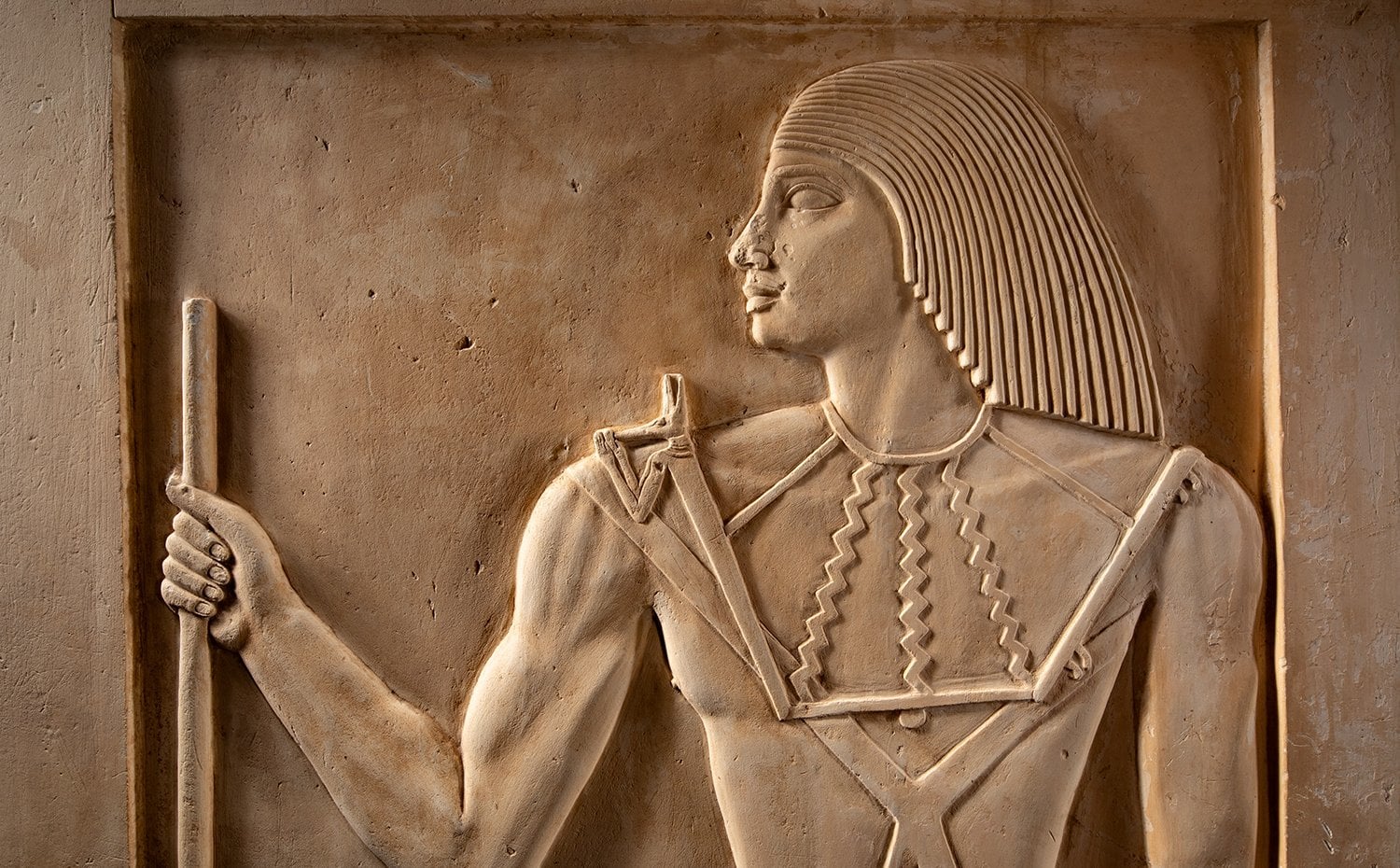
🏺
After 160 years, archaeologists return to forgotten tombs and find an Egyptian official’s remains
Na 160 jaar keren archeologen terug naar vergeten graven en vinden de resten van een Egyptische bestuurder
Après 160 ans, retour dans des tombes oubliées et découverte des restes d’un dignitaire égyptien
A Czech archaeological mission has returned to tombs at Saqqara first explored by Auguste Mariette in 1858–1860, uncovering features buried again for more than 160 years. Researchers relocated the vast tomb of Ptahshepses, a senior official who served four Fifth Dynasty kings, and found his remains inside a limestone sarcophagus. Analysis indicates he lived beyond 60, an exceptional age in ancient Egypt, while the newly identified chapel of his wife Ikhetneferet reveals more about the family. Together, the reliefs and burial finds are enriching understanding of Old Kingdom elites, family ties and mummification, with excavations set to continue.
Een Tsjechische archeologische missie keerde terug naar graven in Sakkara die Auguste Mariette tussen 1858 en 1860 voor het eerst onderzocht, en legde plekken bloot die daarna meer dan 160 jaar onder het zand lagen. De onderzoekers lokaliseerden opnieuw het grote graf van Ptahshepses, een hoge bestuurder die vier koningen van de Vijfde Dynastie diende, en vonden zijn resten in een kalkstenen sarcofaag. Uit onderzoek blijkt dat hij ouder dan 60 werd, een uitzonderlijk hoge leeftijd in het oude Egypte; de pas ontdekte kapel van zijn vrouw Ikhetneferet onthult bovendien meer over het gezin. De reliëfs en grafvondsten vergroten samen onze kennis van de elite, familiebanden en mummificatie in het Oude Rijk, terwijl het onderzoek verdergaat.
Une mission archéologique tchèque est retournée dans des tombes de Saqqara explorées pour la première fois par Auguste Mariette entre 1858 et 1860, révélant des espaces recouverts de sable depuis plus de 160 ans. Les chercheurs ont localisé à nouveau le vaste tombeau de Ptahshepsès, haut fonctionnaire au service de quatre rois de la Ve dynastie, et découvert ses restes dans un sarcophage en calcaire. L’analyse indique qu’il a vécu au-delà de 60 ans, un âge exceptionnel dans l’Égypte ancienne, tandis que la chapelle récemment identifiée de son épouse Ikhetneferet apporte de nouvelles informations sur leur famille. Les reliefs et les découvertes funéraires enrichissent ainsi les connaissances sur les élites de l’Ancien Empire, les liens familiaux et la momification, et les fouilles vont se poursuivre.

🥕
Vegetable prescriptions help people with diabetes rethink their diet
Groente op voorschrift helpt mensen met diabetes anders eten
Les légumes sur ordonnance aident les personnes diabétiques à mieux manger
So: in Cornwall, the WellFed programme gives people with type 2 diabetes or prediabetes free weekly vegetable boxes, alongside cooking and gardening sessions. More than 100 participants have taken part, and many report better blood sugar levels, weight and wellbeing. Chris Longthorp says his HbA1c fell from 50 to 42, while Johanna Evans discovered she enjoys dishes she never expected to try. Early findings are encouraging, and if the final results confirm the benefits, the programme could inspire similar projects elsewhere in the UK.
In Cornwall krijgen mensen met diabetes type 2 of prediabetes via het WellFed-programma elke week gratis groentepakketten, met daarnaast kook- en tuiniersessies. Meer dan honderd deelnemers deden al mee, en velen melden betere bloedsuikerwaarden, gewichtsverlies en meer welzijn. Chris Longthorp zag zijn HbA1c dalen van 50 naar 42, terwijl Johanna Evans ontdekte dat ze gerechten lekker vindt die ze nooit dacht te proberen. De eerste resultaten zijn hoopgevend, en als de definitieve cijfers de voordelen bevestigen, kan het programma navolging krijgen in andere delen van het Verenigd Koninkrijk.
En Cornouailles, le programme WellFed fournit chaque semaine des paniers de légumes gratuits aux personnes atteintes de diabète de type 2 ou de prédiabète, ainsi que des ateliers de cuisine et de jardinage. Plus de cent personnes y ont participé, et beaucoup constatent une amélioration de leur glycémie, de leur poids et de leur bien-être. Chris Longthorp a vu son taux d’HbA1c passer de 50 à 42, tandis que Johanna Evans a découvert qu’elle aimait des plats qu’elle ne pensait jamais goûter. Les premiers résultats sont encourageants et, si les données définitives confirment ces bénéfices, le programme pourrait inspirer des initiatives similaires ailleurs au Royaume-Uni.
🐸
A 3D-printed robotic frog swims with artificial muscles
Een 3D-geprinte robotkikker zwemt met kunstspieren
Une grenouille robot imprimée en 3D nage grâce à des muscles artificiels
Researchers in Denmark and Luxembourg have created a tiny, frog-shaped robot that swims without a motor, battery or wires. Its six artificial muscles contract when warmed by near-infrared light, pushing water backwards and propelling the robot forwards at about four centimetres per minute. And here's the thing: the team printed its soft materials together, refining how the muscles work with the silicone body. The findings could help guide future soft robots for environmental monitoring or search-and-rescue missions, though they still need a power source independent of external light.
Onderzoekers uit Denemarken en Luxemburg maakten een kleine robot in de vorm van een kikker die zwemt zonder motor, batterij of draden. De zes kunstspieren trekken samen wanneer ze worden verwarmd met nabij-infrarood licht, duwen water naar achteren en stuwen de robot met ongeveer vier centimeter per minuut vooruit. En dit is het bijzondere: het team printte de zachte materialen samen en verfijnde hoe de spieren samenwerken met het siliconen lichaam. De bevindingen kunnen helpen bij de ontwikkeling van zachte robots voor milieumonitoring of zoek- en reddingsacties, al hebben ze nog een energiebron nodig die niet afhankelijk is van extern licht.
Des chercheurs danois et luxembourgeois ont créé un petit robot en forme de grenouille qui nage sans moteur, batterie ni câbles. Ses six muscles artificiels se contractent lorsqu’ils sont chauffés par une lumière proche infrarouge, repoussent l’eau et font avancer le robot à environ quatre centimètres par minute. Et voici ce qui est remarquable : l’équipe a imprimé les matériaux souples ensemble et perfectionné leur interaction avec le corps en silicone. Ces résultats pourraient contribuer à de futurs robots souples destinés à la surveillance de l’environnement ou aux opérations de recherche et de sauvetage, même qu’il leur faut encore une alimentation indépendante d’une source lumineuse externe.

🌿
The Indian plant that changed hypertension care
De Indiase plant die de behandeling van hoge bloeddruk veranderde
La plante indienne qui a changé le traitement de l’hypertension
In 1949, Bombay cardiologist Dr Rustom Jal Vakil published clinical evidence that Rauwolfia serpentina, a plant used in Indian traditional medicine, could help lower high blood pressure. In his study of 50 patients, systolic pressure fell in 85% and diastolic pressure in 81%. His research helped bring the plant to international medical attention and encouraged further study of its active compounds. One of them, reserpine, was isolated in 1952 and became an important early medicine for hypertension.
In 1949 publiceerde de cardioloog Dr. Rustom Jal Vakil uit Bombay klinisch bewijs dat Rauwolfia serpentina, een plant uit de Indiase traditionele geneeskunde, kon helpen om hoge bloeddruk te verlagen. In zijn onderzoek bij 50 patiënten daalde de bovendruk bij 85% en de onderdruk bij 81%. Zijn werk vestigde internationaal de aandacht op de plant en stimuleerde verder onderzoek naar de werkzame stoffen. Een daarvan, reserpine, werd in 1952 geïsoleerd en werd een belangrijk vroeg geneesmiddel tegen hoge bloeddruk.
En 1949, le cardiologue de Bombay, le Dr Rustom Jal Vakil, a publié des données cliniques montrant que Rauwolfia serpentina, une plante utilisée dans la médecine traditionnelle indienne, pouvait contribuer à réduire l’hypertension. Dans son étude portant sur 50 patients, la pression systolique a diminué chez 85 % d’entre eux et la pression diastolique chez 81 %. Ses travaux ont fait connaître la plante à l’échelle internationale et encouragé l’étude de ses composés actifs. L’un d’eux, la réserpine, a été isolé en 1952 et est devenu l’un des premiers médicaments importants contre l’hypertension.

🌬️
This bengaluru founder turns office ACs into air purifiers for 15 lakh people
Deze oprichter uit bengaluru maakt van kantoorairco’s luchtreinigers voor 15 lakh mensen
À bengaluru, cet entrepreneur transforme les climatiseurs de bureau en purificateurs d’air pour 15 lakh de personnes
When Aayush’s father moved to Delhi in 2017, doctors linked his health problems to severe air pollution. The family bought an air purifier, but Aayush realised that one device could not clean the air throughout their home. He began exploring whether office air conditioners could also filter pollutants, using the fans and filters already built into the systems. With his Bengaluru startup Clairco, he is working to make cleaner air more affordable and help 15 lakh people breathe easier.
Toen Aayush’ vader in 2017 naar Delhi verhuisde, brachten artsen zijn gezondheidsproblemen in verband met de ernstige luchtvervuiling. Het gezin kocht een luchtreiniger, maar Aayush besefte dat één apparaat niet de lucht in het hele huis kon zuiveren. Hij onderzocht of airco’s op kantoor ook vervuilende stoffen konden filteren met de ventilatoren en filters die al in de systemen aanwezig zijn. Met zijn startup Clairco uit Bengaluru wil hij schone lucht betaalbaarder maken en 15 lakh mensen helpen gemakkelijker adem te halen.
Lorsque le père d’Aayush a déménagé à Delhi en 2017, les médecins ont associé ses problèmes de santé à la forte pollution de l’air. La famille a acheté un purificateur, mais Aayush a compris qu’un seul appareil ne pouvait pas assainir l’air de tout le logement. Il a cherché à savoir si les climatiseurs de bureau pouvaient aussi filtrer les polluants grâce à leurs ventilateurs et filtres intégrés. Avec sa start-up Clairco, basée à Bengaluru, il veut rendre l’air pur plus abordable et aider 15 lakh de personnes à mieux respirer.
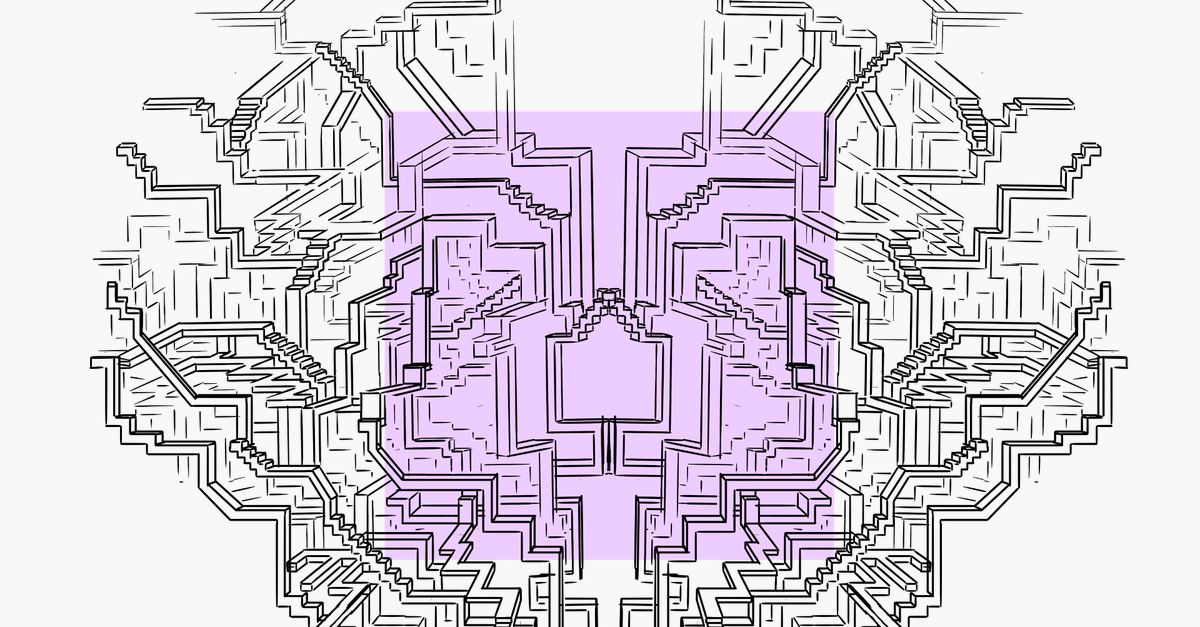
🌱
A more collaborative future for AI is possible
Een meer samenwerkende toekomst met AI is mogelijk
Un avenir de l’IA plus collaboratif est possible
Audrey Tang challenges Silicon Valley’s vision of a future where AI takes over every human task. She imagines a diverse garden of technologies that help people work together while keeping communities in control. Her ideas include open-source AI that runs on personal devices, citizen assemblies that help shape AI policy, and social media designed to build connection. So: technology can strengthen cooperation instead of driving people apart.
Audrey Tang zet vraagtekens bij het toekomstbeeld uit Silicon Valley, waarin AI elke menselijke taak overneemt. Ze ziet liever een gevarieerde tuin van technologieën die mensen helpen samenwerken en gemeenschappen zelf zeggenschap geven. Haar ideeën omvatten open AI-modellen die op persoonlijke apparaten draaien, burgerberaden die meebeslissen over AI-beleid en sociale media die verbinding stimuleren. Zo kan technologie samenwerking versterken in plaats van mensen uit elkaar te spelen.
Audrey Tang remet en question la vision de la Silicon Valley, où l’IA finirait par prendre en charge toutes les tâches humaines. Elle imagine plutôt un jardin de technologies diverses qui favorisent la coopération tout en laissant les communautés décider de leur usage. Parmi ses pistes : des modèles d’IA ouverts fonctionnant sur des appareils personnels, des assemblées citoyennes pour façonner les politiques d’IA et des réseaux sociaux conçus pour rapprocher les gens. Ainsi, la technologie peut renforcer la coopération au lieu de diviser.

🐾
Graduate student spots New Mexico’s first Canada lynx in 25 years
Student ontdekt na 25 jaar een Canadese lynx in New Mexico
Un étudiant découvre un lynx du Canada au Nouveau-Mexique après 25 ans
In June, New Mexico State University graduate student William Grooms was reviewing wildlife-camera images from Carson National Forest when he spotted a Canada lynx. The sighting, confirmed by other researchers, is the first documented in New Mexico in about 25 years. Distinctive ear tufts and a solid-black tail tip helped distinguish the elusive cat from a bobcat. The discovery adds valuable evidence to research on how forest thinning, prescribed burns, and timber harvesting affect wildlife habitat in the Southern Rocky Mountains.
In juni bekeek William Grooms, masterstudent aan de New Mexico State University, beelden van wildcamera’s in het Carson National Forest toen hij een Canadese lynx ontdekte. Andere onderzoekers bevestigden de waarneming, de eerste gedocumenteerde in New Mexico in ongeveer 25 jaar. De kenmerkende oorpluimen en zwarte staartpunt hielpen de zeldzame kat te onderscheiden van een rode lynx. De ontdekking levert waardevolle informatie op over de invloed van bosuitdunning, voorgeschreven branden en houtkap op leefgebieden van dieren in de zuidelijke Rocky Mountains.
En juin, William Grooms, étudiant diplômé à l’université d’État du Nouveau-Mexique, examinait des images prises par des caméras à détecteur de mouvement dans la forêt nationale de Carson lorsqu’il a repéré un lynx du Canada. D’autres chercheurs ont confirmé cette observation, la première signalée au Nouveau-Mexique depuis environ 25 ans. Ses plumets caractéristiques aux oreilles et le bout entièrement noir de sa queue ont permis de le distinguer d’un lynx roux. Cette découverte apporte des données précieuses pour étudier les effets de l’éclaircissement des forêts, des brûlages dirigés et de l’exploitation forestière sur les habitats des animaux dans le sud des montagnes Rocheuses.
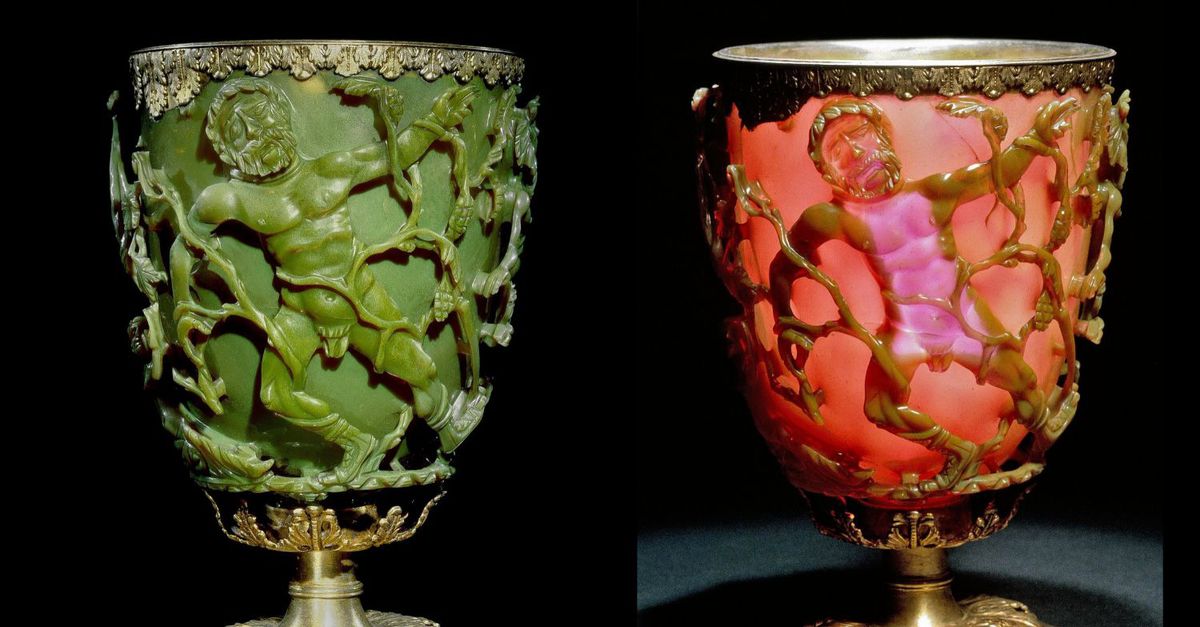
🏺
How did the Romans make green glass that turns translucent red?
Hoe maakten de Romeinen groen glas dat rood doorschijnt?
Comment les Romains ont-ils créé un verre vert qui devient rouge translucide ?
So, the fourth-century Lycurgus Cup is a remarkable Roman glass treasure, famous for its intricate decoration and its surprising colour change. It looks green when light shines onto it, but glows red when light passes through. For years, experts suspected that traces of gold and silver in the glass caused the effect, though some thought it might have happened by chance. Now, master glassmaker Lisa Hollands has recreated the recipe, and artist Elliott Walker has used it to make a modern version of the cup.
De Lycurgus-beker uit de vierde eeuw is een bijzonder Romeins glazen kunstwerk, beroemd om zijn verfijnde versiering en verrassende kleurverandering. Het glas oogt groen wanneer er licht op valt, maar kleurt rood wanneer het licht erdoorheen schijnt. Deskundigen vermoedden al langer dat sporen van goud en zilver het effect veroorzaken, al dachten sommigen dat het toevallig was ontstaan. Nu heeft meesterglasmaker Lisa Hollands het recept gereconstrueerd en maakte kunstenaar Elliott Walker daarmee een eigentijdse versie van de beker.
La coupe de Lycurgue, datant du IVe siècle, est un remarquable trésor de verrerie romaine, célèbre pour son décor raffiné et son étonnant changement de couleur. Elle paraît verte lorsque la lumière l’éclaire, mais devient rouge quand la lumière la traverse. Les spécialistes soupçonnaient depuis longtemps que des traces d’or et d’argent produisaient cet effet, même si certains pensaient qu’il était apparu par hasard. Aujourd’hui, la maîtresse verrière Lisa Hollands a recréé la recette, qu’Elliott Walker a utilisée pour réaliser une coupe contemporaine.

⚡
World enters the age of electricity, says IEA chief
De wereld betreedt het tijdperk van elektriciteit, zegt IEA-topman
Le monde entre dans l’âge de l’électricité, affirme le chef de l’AIE
So, the world is moving decisively into what IEA chief Fatih Birol calls the “age of electricity,” with more than twice as much electricity generation expected to be added in the next decade as in the last. Electric cars, AI data centres and the rapid spread of air conditioning are all driving demand, while electrification can also strengthen energy security and help cut emissions. At Cop31, governments are considering a goal of meeting 35% of global final energy needs with electricity by 2035. Birol says that even without an agreement, the shift is set to continue as clean electricity becomes increasingly important to everyday life.
De wereld betreedt vastberaden wat IEA-topman Fatih Birol het ‘tijdperk van elektriciteit’ noemt: naar verwachting komt er de komende tien jaar ruim twee keer zoveel elektriciteitsproductie bij als in het afgelopen decennium. Elektrische auto’s, AI-datacentra en de snelle verspreiding van airconditioning stuwen de vraag, terwijl elektrificatie ook de energiezekerheid kan versterken en de uitstoot kan helpen terugdringen. Tijdens COP31 bespreken regeringen een doel om tegen 2035 wereldwijd 35% van de finale energievraag met elektriciteit te dekken. Birol verwacht dat deze omslag ook zonder akkoord doorgaat, nu schone elektriciteit steeds belangrijker wordt in het dagelijks leven.
Le monde entre résolument dans ce que Fatih Birol, directeur de l’AIE, appelle « l’âge de l’électricité » : la production d’électricité devrait augmenter au cours de la prochaine décennie de plus de deux fois le volume ajouté pendant la précédente. Les voitures électriques, les centres de données dédiés à l’IA et la progression rapide de la climatisation alimentent la demande, tandis que l’électrification peut aussi renforcer la sécurité énergétique et réduire les émissions. À la COP31, les gouvernements étudient un objectif visant à couvrir 35 % des besoins mondiaux en énergie finale grâce à l’électricité d’ici 2035. Birol estime que cette transition se poursuivra même en l’absence d’accord, à mesure que l’électricité propre prend une place croissante dans la vie quotidienne.
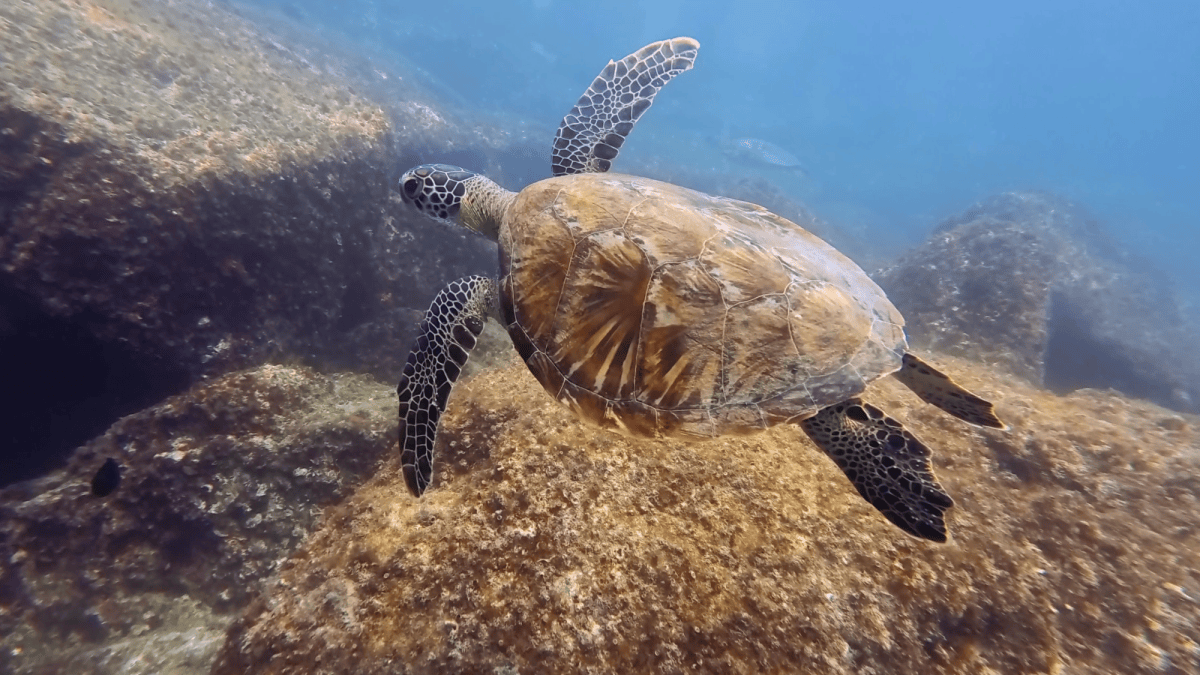
🐢
Young sea turtles find an unexpected home in the Gulf of Oman
Jonge zeeschildpadden vinden een onverwacht thuis in de Golf van Oman
De jeunes tortues marines trouvent un refuge inattendu dans le golfe d’Oman
So, a human-made lagoon on the coast of the United Arab Emirates has become a vital refuge for young green turtles. Researchers tracking nine turtles found they spent more than 80 percent of their time in the protected wetland, where algae likely provides plenty to eat. The natural mangrove channels are also essential, helping turtles move between the lagoon and the sea. These findings show how engineered wetlands can support wildlife when they remain connected to nature and are protected from human pressures.
Een kunstmatige lagune aan de kust van de Verenigde Arabische Emiraten is uitgegroeid tot een belangrijk toevluchtsoord voor jonge groene zeeschildpadden. Onderzoekers volgden negen schildpadden en ontdekten dat ze meer dan 80 procent van hun tijd in het beschermde wetland doorbrachten, waar ze waarschijnlijk genoeg voedsel vinden tussen de algen. Ook de natuurlijke mangrovegeulen zijn essentieel, want daarmee kunnen de schildpadden tussen de lagune en de zee bewegen. De bevindingen tonen hoe aangepaste wetlands dieren kunnen helpen als ze verbonden blijven met de natuur en beschermd worden tegen menselijke druk.
Un lagon artificiel sur la côte des Émirats arabes unis est devenu un refuge important pour de jeunes tortues vertes. En suivant neuf tortues, les chercheurs ont constaté qu’elles passaient plus de 80 % de leur temps dans cette zone humide protégée, où les algues leur fournissent probablement une nourriture abondante. Les chenaux naturels de mangrove sont eux aussi essentiels, car ils permettent aux tortues de circuler entre le lagon et la mer. Ces résultats montrent que les zones humides aménagées peuvent aider la faune lorsqu’elles restent reliées à la nature et protégées des pressions humaines.

🧬
A protein that drives ageing without triggering inflammation
Een eiwit dat veroudering aandrijft zonder ontsteking te veroorzaken
Une protéine qui accélère le vieillissement sans déclencher d’inflammation
Researchers have identified granzyme K, an enzyme that contributes to ageing in the body’s tissues. Mice engineered to lack the protein had better heart and liver function, as well as less kidney damage. So, reducing granzyme K could offer a way to limit age-related tissue damage while leaving the body’s immune defences intact. It’s an encouraging finding, although treatments for people will need further research.
Onderzoekers hebben granzyme K ontdekt, een enzym dat bijdraagt aan veroudering van lichaamsweefsels. Muizen die genetisch zo waren aangepast dat ze dit eiwit niet aanmaakten, hadden een betere hart- en leverfunctie en minder nierschade. Het verlagen van granzyme K zou dus weefselschade door veroudering kunnen beperken zonder de afweer van het lichaam aan te tasten. Dat is een veelbelovende ontdekking, al is verder onderzoek nodig voordat er behandelingen voor mensen kunnen komen.
Des chercheurs ont identifié la granzyme K, une enzyme qui contribue au vieillissement des tissus de l’organisme. Des souris modifiées pour ne pas produire cette protéine présentaient une meilleure fonction cardiaque et hépatique, ainsi que moins de lésions rénales. Réduire la granzyme K pourrait donc aider à limiter les dommages liés à l’âge tout en préservant les défenses immunitaires. C’est une découverte encourageante, même si des recherches supplémentaires seront nécessaires avant d’envisager des traitements pour les humains.
🐦
Crows make visual decisions twice as fast as humans
Kraaien nemen visuele beslissingen twee keer zo snel als mensen
Les corbeaux prennent des décisions visuelles deux fois plus vite que les humains
So, crows can judge which way moving dots are travelling in an average of just 235 milliseconds, while staying remarkably accurate. In experiments, their accuracy reached nearly 100 percent when the visual signal was clear. Brain recordings showed that neurons began distinguishing between the choices only 70 milliseconds after the dots appeared. And here's the fascinating part: despite having a very different brain structure from humans, crows seem to use similar decision-making processes, though the reason for their speed remains unknown.
Kraaien kunnen in gemiddeld slechts 235 milliseconden bepalen welke kant bewegende stippen opgaan, en blijven daarbij opmerkelijk nauwkeurig. In experimenten haalden ze bijna 100 procent nauwkeurigheid wanneer het visuele signaal duidelijk was. Hersenmetingen toonden dat neuronen de mogelijke keuzes al 70 milliseconden nadat de stippen verschenen van elkaar begonnen te onderscheiden. En dit is fascinerend: hoewel hun hersenen heel anders zijn opgebouwd dan die van mensen, lijken kraaien vergelijkbare besluitvormingsprocessen te gebruiken; waarom ze dat zo snel doen, is nog onbekend.
Les corbeaux peuvent déterminer en moyenne en seulement 235 millisecondes dans quelle direction se déplacent des points, tout en restant remarquablement précis. Lors des expériences, leur précision a atteint près de 100 % lorsque le signal visuel était clair. Les enregistrements cérébraux ont révélé que les neurones commençaient à distinguer les choix possibles seulement 70 millisecondes après l’apparition des points. Et voici ce qui est fascinant : malgré une structure cérébrale très différente de celle des humains, les corbeaux semblent utiliser des processus décisionnels similaires, même si la raison de leur rapidité reste inconnue.
⚡
A magnetic breakthrough could help AI chips use far less energy
Een magnetische doorbraak kan AI-chips veel minder energie laten verbruiken
Une avancée en magnétisme pourrait réduire fortement l’énergie des puces d’IA
Here’s an exciting step toward more energy-efficient computing: Brown University researchers have found a way to make ultrathin bismuth ferrite films without losing their useful electrical and magnetic properties. By growing the material on a specially chosen foundation and adding a metallic layer, they overcome the “dead layer” problem that had limited its use in computer chips. The films can remain ferroelectric and magnetic even when only a few angstroms thick. That could eventually help power computer memory and logic, including AI hardware, with much less energy.
Dit is een veelbelovende stap naar energiezuiniger rekenen: onderzoekers van Brown University hebben een manier gevonden om ultradunne films van bismutferriet te maken zonder hun nuttige elektrische en magnetische eigenschappen te verliezen. Door het materiaal op een speciaal gekozen onderlaag aan te brengen en een metalen laag toe te voegen, omzeilen ze het probleem van de ‘dode laag’ dat toepassing in computerchips in de weg stond. De films kunnen ferro-elektrisch en magnetisch blijven, zelfs wanneer ze maar enkele ångström dik zijn. Zo kunnen toekomstige computergeheugens en logische schakelingen, ook in AI-hardware, mogelijk veel minder energie verbruiken.
Voici une avancée prometteuse pour rendre le calcul plus économe en énergie : des chercheurs de l’université Brown ont trouvé comment produire des films ultraminces de ferrite de bismuth sans perdre leurs propriétés électriques et magnétiques utiles. En déposant le matériau sur un support spécialement choisi et en ajoutant une couche métallique, ils contournent le problème de la « couche morte », qui freinait son utilisation dans les puces. Les films peuvent rester ferroélectriques et magnétiques même lorsqu’ils ne font que quelques ångströms d’épaisseur. Cette découverte pourrait permettre aux futures mémoires et circuits logiques, notamment dans le matériel d’IA, de consommer beaucoup moins d’énergie.
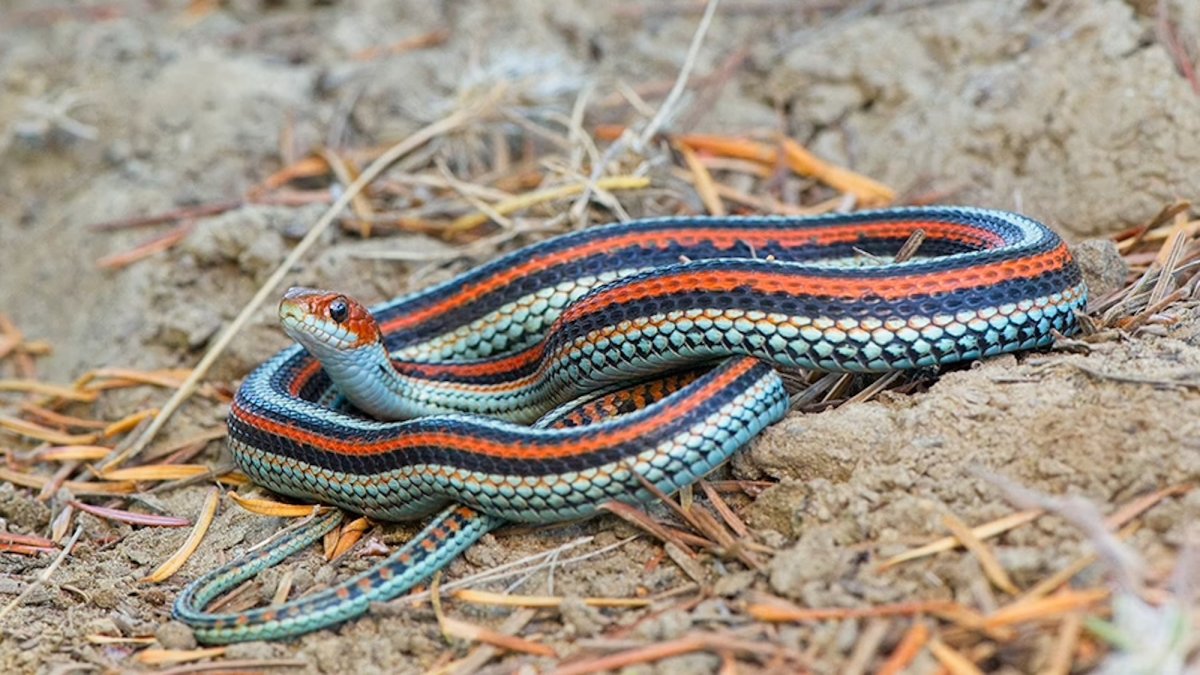
🐍
Endangered garter snakes return to the wild
Bedreigde kousenbandslangen keren terug naar het wild
Des couleuvres menacées retrouvent la vie sauvage
So: 62 young San Francisco garter snakes bred at the San Francisco Zoo have been released into the wild for the first time, at sites in San Mateo County. Found only in two California counties, the colorful snakes have faced decades of habitat pressures, disease and low genetic diversity. Conservationists raised the young snakes in a safe setting and used genetic testing to choose release sites that could strengthen wild populations. More than 130 additional snakes have been born at the zoo this year, with a release planned for 2027.
Mooi nieuws: 62 jonge San-Franciscokousenbandslangen, geboren in de San Francisco Zoo, zijn voor het eerst uitgezet in het wild, op locaties in San Mateo County. Deze kleurrijke slangen komen alleen voor in twee Californische counties en hebben jarenlang te maken gehad met onder meer habitatverlies, ziekten en een beperkte genetische diversiteit. Natuurbeschermers lieten de jongen veilig opgroeien en gebruikten genetische tests om geschikte uitzetlocaties te kiezen die wilde populaties kunnen versterken. Dit jaar zijn er nog meer dan 130 slangen in de dierentuin geboren, met een uitzetting gepland voor 2027.
Bonne nouvelle : 62 jeunes couleuvres de San Francisco nées au zoo de San Francisco ont été relâchées pour la première fois dans la nature, sur des sites du comté de San Mateo. Présents uniquement dans deux comtés de Californie, ces serpents colorés subissent depuis des décennies les effets de la dégradation de leur habitat, des maladies et d’une faible diversité génétique. Les défenseurs de la nature ont élevé les jeunes en sécurité et effectué des tests génétiques afin de choisir des lieux de relâcher capables de renforcer les populations sauvages. Plus de 130 autres couleuvres sont nées au zoo cette année, et leur relâcher est prévu pour 2027.

🔋
China switches on the world’s largest liquid-air energy storage plant
China neemt ’s werelds grootste installatie voor energieopslag met vloeibare lucht in gebruik
La Chine met en service la plus grande installation de stockage d’énergie par air liquide au monde
So: China’s Qinghai Province has switched on the world’s largest grid-connected liquid-air energy storage facility. It uses renewable electricity to cool and compress air until it becomes liquid, then releases it to drive a turbine and send power back to the grid. Rated at 600 megawatt-hours, the plant can provide up to 10 hours of continuous electricity and is paired with its own 250-megawatt solar farm. And here’s the thing: by storing renewable power for when it’s needed, this technology could help make clean energy more reliable.
In de Chinese provincie Qinghai is ’s werelds grootste op het elektriciteitsnet aangesloten installatie voor energieopslag met vloeibare lucht in gebruik genomen. De installatie gebruikt hernieuwbare stroom om lucht sterk af te koelen en samen te persen tot vloeistof, die later weer wordt omgezet in energie voor het elektriciteitsnet. Met een capaciteit van 600 megawattuur kan de centrale tot 10 uur lang stroom leveren en ze beschikt over een eigen zonnepark van 250 megawatt. Zo kan deze technologie helpen om duurzame energie op te slaan en beschikbaar te maken wanneer die nodig is.
Dans la province chinoise du Qinghai, la plus grande installation de stockage d’énergie par air liquide connectée au réseau vient d’entrer en service. Elle utilise de l’électricité renouvelable pour refroidir et comprimer l’air jusqu’à le liquéfier, puis le libère afin d’actionner une turbine et de réinjecter de l’électricité dans le réseau. D’une capacité de 600 mégawattheures, elle peut fournir de l’électricité en continu pendant 10 heures et dispose de sa propre centrale solaire de 250 mégawatts. Cette technologie pourrait ainsi rendre l’énergie renouvelable plus fiable en la stockant jusqu’au moment où l’on en a besoin.

🌿
Kelp can reproduce without sex when mates are scarce
Kelp kan zich ongeslachtelijk voortplanten wanneer partners schaars zijn
Les kelps peuvent se reproduire sans partenaire quand ils se font rares
So, kelp are more flexible about reproduction than researchers thought: in the lab, both male and female Laminaria pallida produced offspring without fertilization. During this process, gene activity in male kelp shifted to become more like that of females. When kelp had a nearby member of the opposite sex, they favoured sexual reproduction, possibly detecting partners through chemical signals. The findings shed light on how these important seaweeds adapt their reproduction - knowledge that could help efforts to protect them as the climate warms.
Kelp blijkt dus flexibeler in de voortplanting dan onderzoekers dachten: in het lab kregen zowel mannelijke als vrouwelijke Laminaria pallida nakomelingen zonder bevruchting. Tijdens dit proces veranderde de genactiviteit bij mannelijke kelp, waardoor die meer op die van vrouwtjes ging lijken. Wanneer er een exemplaar van het andere geslacht in de buurt was, gaven de kelpen de voorkeur aan seksuele voortplanting, mogelijk doordat ze partners via chemische signalen waarnemen. De bevindingen laten zien hoe deze belangrijke zeewieren hun voortplanting aanpassen en kunnen helpen bij hun bescherming in een opwarmend klimaat.
Les kelps se montrent donc plus souples dans leur reproduction que les chercheurs ne le pensaient : en laboratoire, des Laminaria pallida mâles comme femelles ont produit une descendance sans fécondation. Au cours de ce processus, l’activité génétique des kelps mâles a changé pour se rapprocher de celle des femelles. En présence d’un individu du sexe opposé, les kelps privilégiaient la reproduction sexuée, peut-être en détectant leurs partenaires grâce à des signaux chimiques. Ces résultats éclairent les stratégies reproductives de ces algues essentielles et pourraient contribuer à leur protection face au réchauffement climatique.

🐋
Baby boom for North Atlantic right whales - most calves in 17 years
Babyboom bij noordkapers - meeste kalveren in 17 jaar
Baby-boom chez les baleines noires de l’Atlantique Nord - un record de naissances depuis 17 ans
Here’s a hopeful sign for the critically endangered North Atlantic right whale: researchers have counted 24 calves this year, the highest total since 2009. The count rose after a previously unknown calf was photographed swimming with its mother off Quebec in September and confirmed by comparing its markings with earlier sightings. Only about 380 of these whales remain worldwide, including roughly 70 females able to reproduce, so every new calf matters. Warming seas can push them beyond protected areas and into greater danger from fishing gear and ship strikes, making this unusually strong season a welcome boost for conservation.
Er is hoopvol nieuws over de ernstig bedreigde noordkaper: onderzoekers telden dit jaar 24 kalveren, het hoogste aantal sinds 2009. De telling steeg nadat in september voor de kust van Québec een nog onbekend kalf met zijn moeder werd gefotografeerd en aan de hand van zijn patroon als nieuw werd bevestigd. Wereldwijd zijn er nog maar ongeveer 380 noordkapers, waaronder zo’n 70 vrouwtjes die jongen kunnen krijgen, dus elk kalf telt. Door warmere zeeën komen de walvissen vaker buiten beschermde gebieden en lopen ze meer risico om verstrikt te raken in vistuig of tegen schepen te botsen - daarom is dit sterke jaar een welkome opsteker voor het natuurbehoud.
Voici une nouvelle encourageante pour la baleine noire de l’Atlantique Nord, une espèce en danger critique d’extinction : les chercheurs ont recensé 24 baleineaux cette année, le chiffre le plus élevé depuis 2009. Le total a augmenté après la découverte, en septembre, d’un baleineau jusque-là inconnu, photographié avec sa mère au large du Québec puis identifié grâce aux motifs de son corps. Il ne resterait qu’environ 380 baleines de cette espèce dans le monde, dont quelque 70 femelles capables de se reproduire, alors chaque naissance compte. Le réchauffement des eaux les pousse parfois hors des zones protégées, où elles risquent davantage de s’emmêler dans des engins de pêche ou de heurter des navires - cette année particulièrement faste apporte donc un précieux espoir pour leur protection.
🛡️
Malicious code removed from 681 websites
Schadelijke code verwijderd van 681 websites
Un code malveillant supprimé de 681 sites web
So: Denmark’s National Special Crime Unit, working with police in other countries, has removed malicious code from 681 websites. The code, known as Gootloader, had infected hundreds of WordPress sites in Denmark and abroad. The operation aims to stop people from downloading viruses and becoming targets of digital extortion or ransomware attacks. Police say the threat from cybercrime remains very high, and the action focused on a central player.
De Deense Nationale Eenheid voor Speciale Criminaliteit heeft samen met politiediensten uit andere landen schadelijke code van 681 websites verwijderd. De code, bekend als Gootloader, had honderden WordPress-sites in Denemarken en daarbuiten besmet. De actie moet voorkomen dat mensen virussen downloaden en slachtoffer worden van digitale afpersing of ransomware. Volgens de politie blijft de dreiging van cybercriminaliteit erg groot en was de actie gericht op een centrale speler.
L’unité nationale danoise chargée de la criminalité spéciale a supprimé un code malveillant de 681 sites web, en coopération avec les forces de police d’autres pays. Baptisé Gootloader, ce code avait infecté des centaines de sites WordPress au Danemark et à l’étranger. L’opération vise à empêcher les internautes de télécharger des virus et d’être victimes d’extorsion numérique ou de rançongiciels. La police estime que la cybercriminalité représente toujours une menace très élevée et que l’intervention a ciblé un acteur central.

🧠
Watch: boy switches on device to help stop Tourette's tics
Kijk: jongen zet apparaat aan om tics bij Tourette te helpen stoppen
En vidéo : un garçon active un appareil pour aider à stopper les tics de Tourette
A wrist device developed by researchers at the University of Nottingham is offering people with Tourette syndrome a new way to manage their tics. It delivers gentle electrical pulses to a nerve in the wrist, and trials suggest this can affect brain activity involved in controlling movement. Fifteen-year-old Ollie, from Cheshire, began experiencing involuntary neck movements nearly two years ago and is among those using the device. The report captures what he describes as a life-changing moment when he switches it on.
Een polsapparaat dat onderzoekers van de University of Nottingham ontwikkelden, biedt mensen met het syndroom van Tourette een nieuwe manier om hun tics te beheersen. Het geeft lichte elektrische pulsen af aan een zenuw in de pols, en proeven wijzen erop dat dit de hersenactiviteit kan beïnvloeden die betrokken is bij bewegingscontrole. De 15-jarige Ollie uit Cheshire kreeg bijna twee jaar geleden onwillekeurige nekbewegingen en gebruikt het apparaat nu ook. In de reportage zien we het moment waarop hij het inschakelt, dat hij als levensveranderend omschrijft.
Un dispositif porté au poignet, mis au point par des chercheurs de l’Université de Nottingham, offre aux personnes atteintes du syndrome de Tourette un nouveau moyen de gérer leurs tics. Il envoie de légères impulsions électriques à un nerf du poignet, et des essais indiquent que cela peut modifier l’activité cérébrale liée au contrôle des mouvements. Ollie, 15 ans, vit dans le Cheshire et a commencé à avoir des mouvements involontaires du cou il y a près de deux ans ; il utilise désormais cet appareil. Le reportage montre le moment où il l’allume, un instant qu’il décrit comme ayant changé sa vie.

🔭
Euclid unveils a dazzling first glimpse of the universe
Euclid onthult een schitterende eerste blik op het heelal
Euclid dévoile un premier aperçu éblouissant de l’univers
So, Euclid’s first images offer a spectacular look at millions of galaxies, from the Milky Way’s wispy outer reaches to distant spiral worlds. With a field of view around a hundred times larger than the James Webb Space Telescope’s, Euclid can map vast stretches of sky in remarkable detail. Over six years, it aims to photograph more than 1.5 billion galaxies and build a three-dimensional map of the universe. And here’s the thing: that cosmic atlas could help scientists uncover the mysteries of dark matter and dark energy.
De eerste beelden van Euclid geven een spectaculair inkijkje in miljoenen sterrenstelsels, van de ijle buitengebieden van de Melkweg tot verre spiraalstelsels. Met een blikveld dat ongeveer honderd keer groter is dan dat van de ruimtetelescoop James Webb, brengt Euclid enorme stukken hemel in bijzonder detail in kaart. In zes jaar tijd wil de telescoop meer dan anderhalf miljard sterrenstelsels fotograferen en een driedimensionale kaart van het heelal maken. En precies daarin schuilt de belofte: die kosmische atlas kan wetenschappers helpen de mysteries van donkere materie en donkere energie te ontrafelen.
Les premières images d’Euclid offrent un spectacle saisissant, avec des millions de galaxies, des confins vaporeux de la Voie lactée aux spirales lointaines. Son champ de vision, environ cent fois plus vaste que celui du télescope spatial James Webb, lui permet de cartographier d’immenses portions du ciel avec une précision remarquable. En six ans, la mission prévoit de photographier plus de 1,5 milliard de galaxies et de créer une carte tridimensionnelle de l’Univers. Et c’est là que réside toute sa promesse : cet atlas cosmique pourrait aider les scientifiques à percer les mystères de la matière noire et de l’énergie noire.

💉
RSV vaccines are sharply reducing hospitalizations
RSV-vaccins verminderen ziekenhuisopnames sterk
Les vaccins contre le VRS réduisent fortement les hospitalisations
So: Denmark’s first nationwide RSV vaccination programme for pregnant people has been linked to a steep drop in hospital admissions among infants. Vaccination during pregnancy passes protective antibodies to babies, while high-risk newborns can receive a long-acting monoclonal-antibody injection. Vaccines and antibody treatments are also becoming available for older adults, who face greater risks from RSV than is often recognized. And here’s the thing: these advances could prevent serious illness and deaths, but access must expand in lower-income countries, where most child deaths from RSV occur.
In Denemarken is het aantal ziekenhuisopnames van baby’s sterk gedaald sinds de start van een landelijk RSV-vaccinatieprogramma voor zwangere mensen. Vaccinatie tijdens de zwangerschap geeft beschermende antistoffen door aan baby’s, terwijl pasgeborenen met een verhoogd risico een langwerkende injectie met monoklonale antistoffen kunnen krijgen. Ook voor oudere volwassenen, die meer risico lopen door RSV dan vaak wordt beseft, komen vaccins en antistofbehandelingen beschikbaar. En dat is belangrijk: deze vooruitgang kan ernstige ziekte en sterfte voorkomen, maar de toegang moet ook verbeteren in landen met lagere inkomens, waar de meeste kinderen aan RSV overlijden.
Au Danemark, les hospitalisations de nourrissons ont fortement diminué depuis le lancement d’un programme national de vaccination contre le VRS pour les personnes enceintes. La vaccination pendant la grossesse transmet des anticorps protecteurs aux bébés, tandis que les nouveau-nés les plus à risque peuvent recevoir une injection d’anticorps monoclonaux à longue durée d’action. Des vaccins et des traitements par anticorps sont également proposés aux personnes âgées, pour qui le VRS représente un risque souvent sous-estimé. Et voici l’enjeu: ces progrès peuvent prévenir des maladies graves et des décès, mais leur accès doit aussi s’étendre aux pays à faible revenu, où surviennent la plupart des décès d’enfants liés au VRS.
🐧
British Antarctic Survey begins a season featuring the largest-ever penguin census
British Antarctic Survey start seizoen met grootste pinguïntelling ooit
Le British Antarctic Survey lance une saison avec le plus grand recensement de manchots jamais réalisé
The British Antarctic Survey is beginning a new season with a landmark effort: the largest penguin census ever. The count will help build a clearer picture of penguin populations across Antarctica. That knowledge can support research into how these remarkable birds are faring in a changing environment. And here's the thing - every careful count adds valuable insight into the region's wildlife.
De British Antarctic Survey begint aan een nieuw seizoen met een bijzonder initiatief: de grootste pinguïntelling ooit. De telling moet een duidelijker beeld geven van de pinguïnpopulaties op Antarctica. Die kennis kan onderzoek ondersteunen naar hoe deze bijzondere vogels het doen in een veranderende omgeving. En precies daarin zit de waarde: elke zorgvuldige telling levert nieuwe inzichten op over de dierenwereld van de regio.
Le British Antarctic Survey entame une nouvelle saison avec une initiative d'envergure : le plus grand recensement de manchots jamais réalisé. Ce comptage aidera à mieux comprendre les populations de manchots en Antarctique. Ces connaissances pourront éclairer les recherches sur la manière dont ces oiseaux remarquables vivent dans un environnement en évolution. Et c'est là tout l'intérêt : chaque comptage minutieux apporte de précieuses informations sur la faune de la région.

🦁
Uganda launches taskforce to help restore lion populations
Oeganda richt taskforce op om leeuwenpopulaties te herstellen
L’Ouganda lance un groupe de travail pour restaurer les populations de lions
So: Uganda has launched a taskforce to coordinate conservation efforts for lions and other large carnivores, including leopards, cheetahs, spotted hyenas and African wild dogs. The initiative comes as the country’s lion population has fallen from an estimated 373 in 2020 to 291 in recent years. Guided by a 2024-2034 action plan, the taskforce aims to help increase viable carnivore populations by 30% and reduce poaching threats by 50%. Its work will bring government, wildlife authorities, conservation groups and local communities together to protect these iconic animals and support Uganda’s natural heritage.
Oeganda heeft een taskforce opgericht om natuurbehoud voor leeuwen en andere grote roofdieren te coördineren, waaronder luipaarden, cheeta’s, gevlekte hyena’s en Afrikaanse wilde honden. Dat initiatief komt er nu de leeuwenpopulatie in het land is gedaald van naar schatting 373 dieren in 2020 tot 291 in de afgelopen jaren. De taskforce volgt een actieplan voor 2024-2034 en wil helpen om levensvatbare roofdierpopulaties met 30% te laten groeien en stroperijbedreigingen met 50% terug te dringen. Overheid, natuurautoriteiten, natuurbeschermingsorganisaties en lokale gemeenschappen gaan samenwerken om deze iconische dieren en het natuurlijke erfgoed van Oeganda te beschermen.
L’Ouganda a créé un groupe de travail chargé de coordonner la conservation des lions et d’autres grands carnivores, notamment les léopards, les guépards, les hyènes tachetées et les lycaons. Cette initiative intervient alors que la population de lions du pays est passée d’environ 373 individus en 2020 à 291 ces dernières années. Guidé par un plan d’action pour 2024-2034, le groupe vise à contribuer à augmenter de 30 % les populations viables de carnivores et à réduire de 50 % les menaces liées au braconnage. Le gouvernement, les autorités de la faune, les organisations de conservation et les communautés locales uniront leurs efforts pour protéger ces animaux emblématiques et le patrimoine naturel de l’Ouganda.

🌿
Imagining mossy cities of the future
Stel je de mosrijke steden van de toekomst voor
Imaginer les villes moussues de demain
In 2012, artist Philip Wallisfurth began using moss to create living street art and help protect a beloved tree in Aachen. He sees moss as more than a beautiful way to brighten dull urban spaces: it can retain moisture, absorb noise, filter air and help cool the surfaces it covers. Now he imagines bringing moss to buildings such as train stations, making city spaces more welcoming while offering environmental benefits. As urban heat intensifies, this small, adaptable plant could inspire fresh ideas for greener cities.
In 2012 begon kunstenaar Philip Wallisfurth mos te gebruiken voor levende straatkunst en om een geliefde boom in Aken te helpen beschermen. Voor hem is mos meer dan een mooie manier om saaie plekken in de stad op te fleuren: het houdt vocht vast, dempt geluid, filtert lucht en kan oppervlakken verkoelen. Hij droomt ervan mos toe te passen op gebouwen zoals treinstations, zodat stedelijke plekken uitnodigender worden en tegelijk milieuwinst opleveren. Nu steden steeds meer hitte ervaren, kan dit kleine, veelzijdige plantje inspireren tot nieuwe ideeën voor groenere steden.
En 2012, l’artiste Philip Wallisfurth a commencé à créer des œuvres de rue vivantes avec de la mousse afin de contribuer à protéger un arbre apprécié à Aix-la-Chapelle. Pour lui, la mousse ne sert pas seulement à embellir les espaces urbains ternes : elle retient l’humidité, atténue le bruit, filtre l’air et peut rafraîchir les surfaces qu’elle recouvre. Il imagine désormais en installer sur des bâtiments comme les gares, pour rendre les lieux plus accueillants tout en apportant des bénéfices environnementaux. Alors que les villes subissent des chaleurs de plus en plus fortes, cette petite plante adaptable pourrait inspirer de nouvelles idées pour des villes plus vertes.

🎻
His cello-playing robots perform around the world: “People take notice when they imitate humans”
Zijn cellorobots spelen wereldwijd: “Ze trekken aandacht wanneer ze mensen imiteren”
Ses robots violoncellistes jouent dans le monde entier : « Ils attirent l’attention lorsqu’ils imitent les humains »
Composer Fredrik Gran began experimenting with robot musicians in 2009, and his cello-playing creations have since performed around the world, including at the Sphere in Las Vegas. He has adapted industrial robot arms to hold a bow and press the cello strings, creating an instrument with movements and musical possibilities of its own. While audiences are often fascinated by robots imitating human players, Gran is especially curious about sounds made by playing extremely slowly or quickly. He sees the robot as a musical tool or prosthesis, not a replacement for human musicians.
Componist Fredrik Gran begon in 2009 te experimenteren met robotmuzikanten, en zijn cellospelende creaties hebben sindsdien over de hele wereld opgetreden, onder meer in de Sphere in Las Vegas. Hij heeft industriële robotarmen aangepast zodat ze een strijkstok kunnen vasthouden en de snaren van een cello kunnen indrukken, waardoor een instrument ontstaat met eigen bewegingen en muzikale mogelijkheden. Het publiek is vaak gefascineerd door robots die menselijke musici imiteren, maar Gran is vooral benieuwd naar de klanken die ontstaan wanneer een robot extreem langzaam of juist heel snel speelt. Hij ziet de robot als een muzikaal hulpmiddel of een prothese, niet als vervanging van menselijke musici.
Le compositeur Fredrik Gran a commencé à expérimenter avec des robots musiciens en 2009, et ses créations capables de jouer du violoncelle se sont depuis produites dans le monde entier, notamment au Sphere de Las Vegas. Il a adapté des bras robotisés industriels pour qu’ils tiennent un archet et appuient sur les cordes du violoncelle, donnant naissance à un instrument doté de mouvements et de possibilités musicales qui lui sont propres. Le public est souvent fasciné par les robots qui imitent les musiciens, mais Gran s’intéresse surtout aux sons produits lorsqu’un robot joue extrêmement lentement ou très rapidement. Il considère le robot comme un outil musical ou une prothèse, et non comme un remplaçant des musiciens humains.

🏥
Kenya's last Ebola patient leaves hospital
Laatste ebolapatiënt van Kenia verlaat ziekenhuis
Le dernier patient atteint d’Ebola au Kenya quitte l’hôpital
So, Kenya has reached an encouraging milestone: its last Ebola patient has been discharged from a Nairobi hospital. The country recorded nine confirmed cases, with seven patients recovering and two dying, and all 135 known contacts were traced and monitored. The final patient's 11 contacts will remain in quarantine for 21 days, and Kenya could be declared Ebola-free on December 23 if no new symptoms emerge. Meanwhile, the outbreak in the Democratic Republic of Congo remains severe, with 11,000 reported cases and 5,387 deaths.
Kenia heeft een bemoedigende mijlpaal bereikt: de laatste ebolapatiënt is ontslagen uit een ziekenhuis in Nairobi. Het land registreerde negen bevestigde gevallen; zeven patiënten herstelden en twee overleden, terwijl alle 135 bekende contacten werden opgespoord en gevolgd. De elf contacten van de laatste patiënt blijven 21 dagen in quarantaine, en Kenia kan op 23 december ebolavrij worden verklaard als er geen nieuwe symptomen optreden. Intussen blijft de uitbraak in de Democratische Republiek Congo ernstig, met 11.000 gemelde gevallen en 5.387 sterfgevallen.
Le Kenya a franchi une étape encourageante : son dernier patient atteint d’Ebola est sorti d’un hôpital de Nairobi. Le pays a enregistré neuf cas confirmés ; sept patients se sont rétablis et deux sont décédés, tandis que les 135 contacts connus ont été localisés et suivis. Les onze contacts du dernier patient resteront en quarantaine pendant 21 jours, et le Kenya pourrait être déclaré exempt d’Ebola le 23 décembre si aucun nouveau symptôme n’apparaît. Pendant ce temps, l’épidémie en République démocratique du Congo demeure grave, avec 11 000 cas signalés et 5 387 décès.
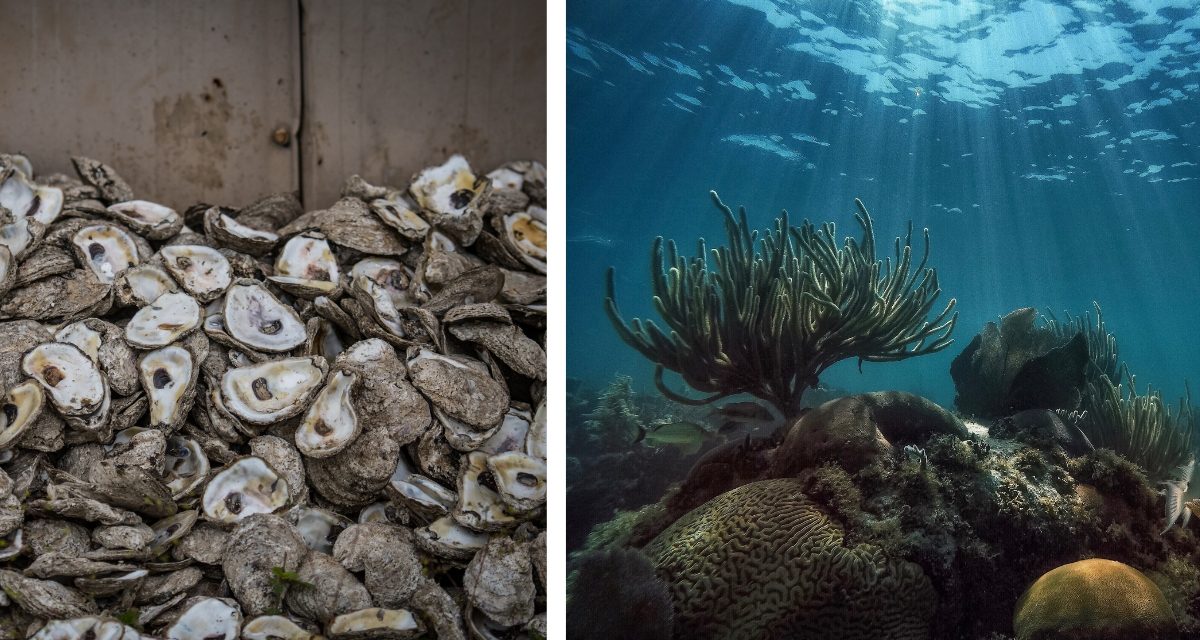
🦪
Florida's oyster shells help revive gulf reefs
Oesterschelpen helpen de riffen in de Golf van Mexico herstellen
Les coquilles d’huîtres aident les récifs du golfe du Mexique à renaître
So: from 2007 to 2024, Florida’s Coastal Conservation Association returned more than 500,000 tons of recycled oyster and clam shells to the Gulf of Mexico. Though the plan drew criticism and early progress was hard to see, the shells quietly helped bacteria form biofilms and created a sturdy surface for young oysters to grow. The thriving oysters filtered the water, while fish, turtles, and dolphins returned in numbers not seen for more than 25 years. Now, researchers around the world are learning from this encouraging restoration effort and exploring how recycled shells can help revive other marine habitats.
Tussen 2007 en 2024 bracht de Coastal Conservation Association van Florida meer dan 500.000 ton gerecyclede oester- en kokkelschelpen terug naar de Golf van Mexico. Het plan kreeg kritiek en aanvankelijk was er weinig vooruitgang te zien, maar de schelpen hielpen bacteriën biofilms vormen en boden jonge oesters een stevige ondergrond om op te groeien. De oesters filterden het water, terwijl vissen, schildpadden en dolfijnen terugkeerden in aantallen die al meer dan 25 jaar niet waren gezien. Onderzoekers wereldwijd laten zich nu inspireren door dit hoopvolle herstelproject en onderzoeken hoe gerecyclede schelpen ook andere zeegebieden kunnen helpen herstellen.
Entre 2007 et 2024, l’association Coastal Conservation Association de Floride a réintroduit plus de 500 000 tonnes de coquilles d’huîtres et de palourdes recyclées dans le golfe du Mexique. Le projet a suscité des critiques et ses premiers progrès étaient difficiles à observer, mais les coquilles ont aidé des bactéries à former des biofilms et ont offert un support solide aux jeunes huîtres. Les huîtres ont filtré l’eau, tandis que les poissons, les tortues et les dauphins sont revenus en nombre, une première depuis plus de 25 ans. Aujourd’hui, des chercheurs du monde entier s’inspirent de cette restauration prometteuse et étudient comment des coquilles recyclées pourraient aider d’autres milieux marins à se rétablir.

🏺
Children made some of the middle east’s oldest clay figures
Kinderen maakten enkele van de oudste kleifiguurtjes uit het midden-oosten
Des enfants ont créé certaines des plus anciennes figurines en argile du moyen-orient
So, thousands of years before farming and pottery took hold, Natufian communities were already shaping clay into small figures. Archaeologists have found more than 150 examples, dating back 11,500 to 15,000 years, including animals and people. Ancient fingerprints suggest that children and adults both helped make them, sharing creative skills across generations. Some figures even bear traces of paint, offering a vivid glimpse of how these early communities saw the natural world.
Duizenden jaren voordat landbouw en aardewerk hun intrede deden, maakten Natufische gemeenschappen al kleine figuren van klei. Archeologen ontdekten meer dan 150 exemplaren van 11.500 tot 15.000 jaar oud, waaronder dieren en mensen. Oude vingerafdrukken wijzen erop dat zowel kinderen als volwassenen meehielpen en hun creatieve vaardigheden van generatie op generatie deelden. Sommige beeldjes dragen zelfs nog verfsporen en geven zo een prachtig inkijkje in hoe deze vroege gemeenschappen de natuur zagen.
Des milliers d’années avant l’apparition de l’agriculture et de la poterie, les communautés natoufiennes façonnaient déjà de petites figurines en argile. Les archéologues en ont découvert plus de 150, datant de 11 500 à 15 000 ans, qui représentent notamment des animaux et des personnes. D’anciennes empreintes digitales suggèrent que les enfants comme les adultes participaient à leur fabrication et partageaient ainsi leur savoir-faire créatif entre générations. Certaines figurines conservent même des traces de peinture, offrant un aperçu vivant de la façon dont ces communautés anciennes percevaient la nature.
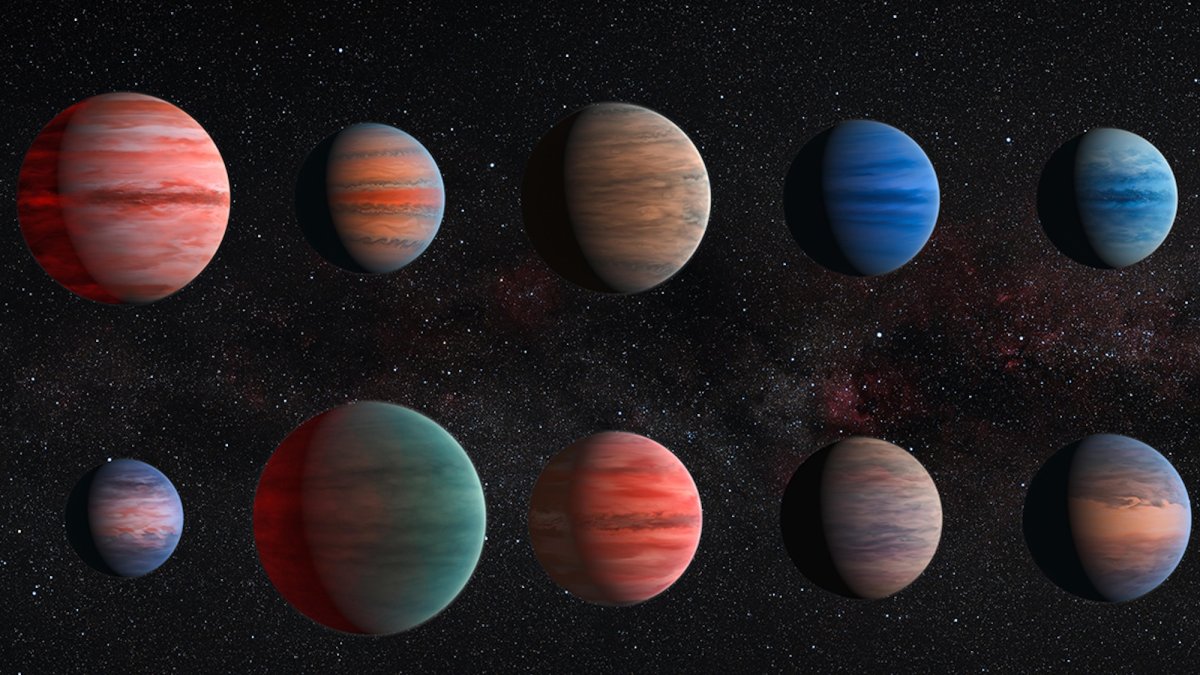
🔭
A wobbly exoplanet vanished, but astronomers aren’t worried
Een wiebelende exoplaneet verdween, maar astronomen maken zich geen zorgen
Une exoplanète vacillante a disparu, mais les astronomes restent sereins
So, a giant planet about 1,000 light-years away seemed to vanish from view, but it hasn’t gone anywhere. TESS observations show that its transits shifted by hours, grew shorter and shallower, and then disappeared as the planet’s orbit tilted. Researchers think a close gas giant companion is tugging on it, making the pair wobble and briefly hiding the planet from our perspective. Its next transit may not happen for 30 to 50 years, while astronomers may spot its companion sooner.
Een reuzenplaneet op ongeveer duizend lichtjaar afstand leek plotseling uit beeld te verdwijnen, maar ze is nergens heen gegaan. Waarnemingen van TESS laten zien dat haar overgangen uren versprongen, korter en minder diep werden, en uiteindelijk uitbleven doordat haar baan kantelde. Onderzoekers denken dat een nabije gasreus aan de planeet trekt, waardoor beide planeten gaan wiebelen en de planeet tijdelijk vanuit ons perspectief verdwijnt. De volgende overgang kan nog dertig tot vijftig jaar op zich laten wachten, al zien astronomen de begeleidende planeet mogelijk eerder.
Une planète géante située à environ mille années-lumière a semblé disparaître, mais elle n’a pas quitté son système. Les observations de TESS montrent que ses transits ont décalé de plusieurs heures, sont devenus plus courts et moins marqués, puis ont cessé lorsque son orbite s’est inclinée. Les chercheurs pensent qu’une géante gazeuse voisine exerce une attraction qui fait vaciller les deux planètes et masque temporairement la première depuis notre point de vue. Son prochain transit pourrait n’avoir lieu que dans trente à cinquante ans, tandis que les astronomes pourraient repérer son compagnon plus tôt.
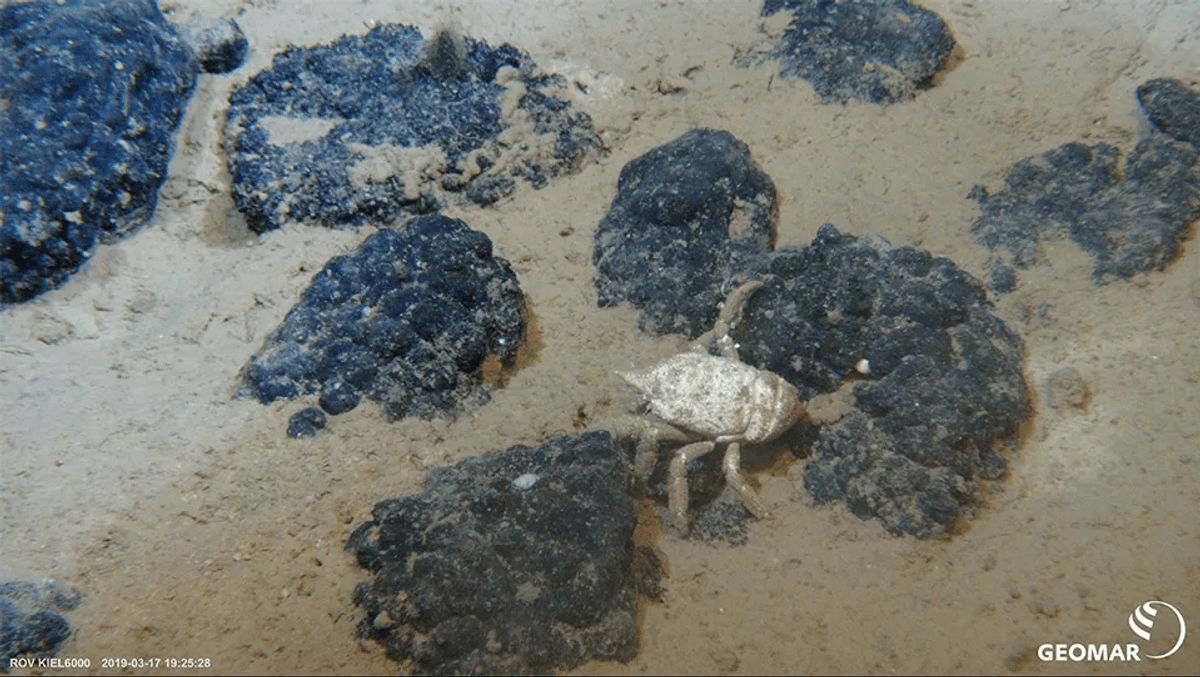
🌊
Deep-sea nodules are mineral-rich homes for ocean life
Diepzeeknollen zijn mineraalrijke leefgebieden voor oceaanleven
Les nodules des grands fonds abritent une vie marine diversifiée
Researchers studying hundreds of metal-rich nodules from the Pacific’s Clarion-Clipperton Zone found thousands of tiny animals living in their crevices. Each nodule held an average of 17 animals, including roundworms, small crustaceans and a common single-celled organism. So: these nodules are not just potential sources of valuable metals, but distinct habitats that may support species not found in the surrounding seafloor sediment. The findings offer important new evidence to consider as countries weigh plans for deep-sea mining.
Onderzoekers bestudeerden honderden metaalrijke knollen uit de Clarion-Clippertonzone in de Stille Oceaan en vonden duizenden kleine dieren in de spleten. Elke knol bood gemiddeld onderdak aan 17 dieren, waaronder rondwormen, kleine kreeftachtigen en een veelvoorkomend eencellig organisme. En hier zit het interessante: deze knollen zijn niet alleen mogelijke bronnen van waardevolle metalen, maar ook bijzondere leefgebieden voor soorten die mogelijk niet in het omringende zeebodemsediment voorkomen. De bevindingen leveren belangrijk nieuw bewijs om mee te wegen nu landen plannen voor diepzeemijnbouw overwegen.
En étudiant des centaines de nodules riches en métaux dans la zone Clarion-Clipperton, dans le Pacifique, des chercheurs ont découvert des milliers de petits animaux nichés dans leurs crevasses. Chaque nodule abritait en moyenne 17 animaux, dont des vers ronds, de petits crustacés et un organisme unicellulaire très répandu. Voilà le point essentiel : ces nodules ne sont pas seulement des sources potentielles de métaux précieux, ce sont aussi des habitats particuliers qui pourraient accueillir des espèces absentes des sédiments voisins. Ces résultats apportent de nouvelles données importantes à prendre en compte alors que des pays envisagent l’exploitation minière des grands fonds.

🌌
Fiordland earns major dark sky park status
Fiordland krijgt prestigieuze status als dark sky park
Le Fiordland devient un grand parc de ciel étoilé
So: Fiordland National Park has become the largest International Dark Sky Park in the Southern Hemisphere, spanning 12,607 square kilometres. The recognition celebrates its naturally dark skies and years of local work to monitor sky quality, improve lighting and build community awareness. Protecting the night also supports native wildlife and honours the sky’s cultural importance in Māori knowledge and traditions. And here's the thing: visitors can enjoy a more remarkable night-sky experience, while ongoing efforts will help preserve this natural wonder for the future.
Fiordland National Park is nu het grootste International Dark Sky Park op het zuidelijk halfrond, met een oppervlakte van 12.607 vierkante kilometer. De erkenning bekroont de natuurlijke duisternis en jarenlang lokaal werk rond het meten van de hemelkwaliteit, betere verlichting en bewustmaking. Het beschermen van de nacht helpt ook inheemse dieren en erkent de culturele betekenis van de sterrenhemel binnen de Māori-kennis en -tradities. Zo kunnen bezoekers genieten van een bijzondere sterrenhemel en blijft deze natuurlijke rijkdom ook voor de toekomst beschermd.
Le parc national de Fiordland est devenu le plus grand parc international de ciel étoilé de l’hémisphère Sud, avec une superficie de 12 607 kilomètres carrés. Cette reconnaissance récompense la noirceur naturelle de ses nuits et des années d’efforts locaux pour surveiller la qualité du ciel, améliorer l’éclairage et sensibiliser la population. La protection de la nuit profite aussi à la faune indigène et souligne l’importance culturelle du ciel dans les savoirs et les traditions māoris. Les visiteurs pourront ainsi profiter d’un spectacle céleste exceptionnel, tandis que les efforts se poursuivent pour préserver ce patrimoine naturel.
⚙️
Antwerp port set to become a testbed for circular iron fuel
Antwerpse haven op weg om proeftuin voor circulaire ijzerbrandstof te worden
Le port d’Anvers en passe de devenir un terrain d’essai pour le combustible circulaire à base de fer
So, Antwerp’s port could soon become a real-world testing ground for circular iron fuel. The idea is to explore how iron can be used as a fuel and then recovered for reuse, creating a potentially circular energy cycle. That makes the port an intriguing place to test an emerging approach to cleaner industrial energy. I’m curious to see what the trials could teach us about bringing this technology closer to wider use.
De Antwerpse haven kan binnenkort uitgroeien tot een proeftuin voor circulaire ijzerbrandstof. Het idee is om te onderzoeken hoe ijzer als brandstof kan worden gebruikt en daarna opnieuw wordt teruggewonnen, zodat een mogelijk circulaire energiekringloop ontstaat. Dat maakt de haven een boeiende plek om een nieuwe aanpak voor schonere industriële energie te testen. Ik ben benieuwd wat de proeven kunnen leren over een bredere toepassing van deze technologie.
Le port d’Anvers pourrait bientôt devenir un terrain d’essai grandeur nature pour le combustible circulaire à base de fer. L’idée est d’étudier comment le fer peut servir de combustible puis être récupéré pour être réutilisé, afin de créer un cycle énergétique potentiellement circulaire. Le port offre ainsi un cadre intéressant pour tester une nouvelle approche de l’énergie industrielle plus propre. J’ai hâte de voir ce que ces essais pourront nous apprendre sur le déploiement de cette technologie.

🌊
Toxic forever chemicals fall in england's rivers
Minder giftige forever chemicals in engelse rivieren
Les produits chimiques éternels toxiques reculent dans les rivières anglaises
So: levels of two highly toxic forever chemicals, PFOS and PFOA, in England's rivers have fallen by 30% and 29% over the past decade, while levels in freshwater fish have dropped by 49%. Stricter limits on their use are credited with the decline, and I find it encouraging to see this progress. Thousands of other PFAS remain in use, so the Environment Agency is testing more of them and says they should be monitored and regulated more broadly. And here's the thing: lower concentrations do not mean the chemicals have disappeared, as they break down very slowly and much work remains.
Goed nieuws: de hoeveelheid van twee bijzonder giftige forever chemicals, PFOS en PFOA, in Engelse rivieren is in tien jaar met respectievelijk 30% en 29% gedaald; in zoetwatervissen was de daling 49%. Strengere beperkingen op het gebruik ervan worden gezien als de oorzaak, en ik vind het bemoedigend om die vooruitgang te zien. Er zijn nog duizenden andere PFAS in gebruik, dus de Environment Agency test op meer van deze stoffen en pleit voor bredere monitoring en regelgeving. En hier zit de nuance: lagere concentraties betekenen niet dat de stoffen verdwenen zijn, want ze breken heel langzaam af en er is nog veel werk aan de winkel.
Bonne nouvelle : les concentrations de deux substances éternelles particulièrement toxiques, le PFOS et le PFOA, ont baissé respectivement de 30 % et de 29 % dans les rivières anglaises en dix ans ; le recul atteint 49 % chez les poissons d’eau douce. Cette évolution est attribuée à des restrictions plus strictes sur leur utilisation, et je trouve encourageant de voir ces progrès. Des milliers d’autres PFAS sont encore utilisés : l’Agence pour l’environnement en surveille davantage et estime qu’ils devraient tous faire l’objet d’un suivi et d’une réglementation plus larges. Mais voici la nuance : des concentrations plus faibles ne signifient pas que ces substances ont disparu, car elles se dégradent très lentement et il reste beaucoup à faire.
🌌
A vast new simulation illuminates the universe’s early darkness
Een enorme nieuwe simulatie werpt licht op de vroege duisternis van het heelal
Une immense simulation éclaire les débuts obscurs de l’univers
So, researchers have created Lumina, a remarkable simulation that follows two billion years of cosmic history across a region about 1.6 billion light-years wide. It shows how the first stars and galaxies helped ionize hydrogen, while actively feeding supermassive black holes supplied the energy to ionize helium. By capturing both transformations together, Lumina offers a more complete picture of how the early universe became transparent to light. And here's the thing: scientists are sharing it with researchers worldwide, so its predictions can be tested against telescope observations.
Onderzoekers hebben Lumina ontwikkeld, een indrukwekkende simulatie die twee miljard jaar kosmische geschiedenis volgt in een gebied van ongeveer 1,6 miljard lichtjaar breed. Ze laat zien hoe de eerste sterren en sterrenstelsels waterstof ioniseerden, terwijl actief groeiende superzware zwarte gaten de energie leverden om helium te ioniseren. Doordat Lumina beide veranderingen tegelijk in beeld brengt, krijgen we een vollediger beeld van hoe het vroege heelal transparant werd voor licht. En dit is mooi: onderzoekers stellen de simulatie wereldwijd beschikbaar, zodat haar voorspellingen met telescoopwaarnemingen kunnen worden vergeleken.
Des chercheurs ont créé Lumina, une simulation remarquable qui retrace deux milliards d’années d’histoire cosmique sur une région d’environ 1,6 milliard d’années-lumière de large. Elle montre comment les premières étoiles et galaxies ont contribué à ioniser l’hydrogène, tandis que des trous noirs supermassifs en pleine croissance fournissaient l’énergie nécessaire pour ioniser l’hélium. En reproduisant ces deux transformations à la fois, Lumina offre une vision plus complète de la façon dont l’univers primordial est devenu transparent à la lumière. Et voici la bonne nouvelle : la simulation est mise à la disposition des chercheurs du monde entier, qui pourront confronter ses prédictions aux observations des télescopes.

🗣️
Quebec woman with ALS hears her voice again through AI
Vrouw uit Quebec met ALS hoort haar stem opnieuw dankzij AI
Une Québécoise atteinte de la SLA retrouve sa voix grâce à l’IA
Anne-Marie Poirier, who has lost her ability to speak because of ALS, can now join family conversations using an AI app that recreates a voice resembling her own. With Vocality, she enters a few keywords and the app turns them into complete spoken sentences. The Montreal-developed tool can also listen to conversations and suggest replies, making communication easier for people who find typing difficult. Poirier says hearing her voice again brings her energy and helps her family feel closer.
Anne-Marie Poirier kan door ALS niet meer spreken, maar neemt nu opnieuw deel aan familiegesprekken met een AI-app die een stem nabootst die op de hare lijkt. Met Vocality voert ze enkele trefwoorden in, waarna de app daar volledige gesproken zinnen van maakt. De in Montreal ontwikkelde app kan ook gesprekken beluisteren en antwoorden voorstellen, zodat communiceren makkelijker wordt voor mensen die moeite hebben met typen. Poirier zegt dat ze er energie van krijgt om haar stem opnieuw te horen en dat haar familie zich daardoor weer dichter bij haar voelt.
Anne-Marie Poirier ne peut plus parler à cause de la SLA, mais elle participe de nouveau aux conversations familiales grâce à une application d’IA qui recrée une voix ressemblant à la sienne. Avec Vocality, elle saisit quelques mots-clés et l’application les transforme en phrases complètes prononcées à voix haute. Développé à Montréal, l’outil peut aussi écouter les conversations et proposer des réponses, ce qui facilite les échanges pour les personnes qui ont du mal à taper. Poirier dit que retrouver sa voix lui donne de l’énergie et rapproche sa famille.

🧬
A new benchmark for de-aging comes from slowly turning back cells’ clocks
Een nieuwe maatstaf voor verjonging dankzij het langzaam terugdraaien van celklokken
Un nouveau repère pour le rajeunissement grâce au retour lent des horloges cellulaires
Researchers at the University of Bonn gradually reprogrammed blood cells from donors of different ages toward a younger state, without turning them into fully pluripotent stem cells. In less than two months, age-related signals in their DNA shifted, with one biomarker appearing up to 60 years younger, even when cell multiplication was greatly reduced. The team also guided cells toward a neuron-producing type, though differences in how blood cells and neurons age make that result harder to interpret, and the underlying mechanism remains unknown. Most importantly, the gradual process gives scientists a model for tracking de-aging step by step and comparing future research into age-related treatments.
Onderzoekers van de Universiteit van Bonn programmeerden bloedcellen van donoren van verschillende leeftijden geleidelijk om naar een jongere toestand, zonder er volledig pluripotente stamcellen van te maken. In minder dan twee maanden veranderden leeftijdsgerelateerde signalen in hun DNA; één biomarker leek wel 60 jaar jonger, zelfs toen de celdeling sterk werd beperkt. Het team stuurde de cellen ook richting een celtype dat neuronen produceert, al maken verschillen in de veroudering van bloedcellen en neuronen dit resultaat lastiger te beoordelen en is het onderliggende mechanisme nog onbekend. Vooral belangrijk is dat dit geleidelijke proces wetenschappers een model biedt om verjonging stap voor stap te volgen en toekomstig onderzoek naar behandelingen voor ouderdomsgerelateerde aandoeningen te vergelijken.
Des chercheurs de l’université de Bonn ont progressivement reprogrammé des cellules sanguines de donneurs d’âges différents pour les rajeunir, sans les transformer en cellules souches totalement pluripotentes. En moins de deux mois, des signaux liés à l’âge dans leur ADN ont changé; un biomarqueur semblait avoir rajeuni de 60 ans, même lorsque la multiplication cellulaire était fortement réduite. L’équipe a également orienté les cellules vers un type qui produit des neurones, mais les différences de vieillissement entre cellules sanguines et neurones compliquent l’interprétation, et le mécanisme reste inconnu. Surtout, cette approche progressive fournit aux scientifiques un modèle pour suivre le rajeunissement étape par étape et comparer les futurs travaux sur les traitements des maladies liées à l’âge.

🪜
Everyday fitness: how stair climbing benefits your health
Fitness in het dagelijks leven: zo beïnvloedt traplopen je gezondheid
La forme au quotidien : l’effet des escaliers sur la santé
I love how a simple everyday choice can give our fitness a boost. Studies show that climbing stairs puts the whole body to work and can benefit cardiovascular health. Yet many of us still choose the lift, even when the stairs are right there. So: taking the stairs is an easy way to add more movement to your day, without a trip to the gym.
Mooi hoe een eenvoudige dagelijkse keuze onze conditie een zetje kan geven. Onderzoek laat zien dat traplopen het hele lichaam aan het werk zet en goed kan zijn voor de hart- en vaatgezondheid. Toch kiezen velen van ons nog voor de lift, zelfs als de trap vlakbij is. Zo: met de trap nemen voeg je gemakkelijk wat extra beweging toe aan je dag, zonder naar de sportschool te gaan.
J’aime l’idée qu’un geste tout simple du quotidien puisse améliorer notre forme. Des études montrent que monter les escaliers sollicite tout le corps et peut être bénéfique pour la santé cardiovasculaire. Pourtant, beaucoup d’entre nous choisissent encore l’ascenseur, même lorsque l’escalier est juste à côté. Alors : prendre les escaliers est un moyen facile d’ajouter du mouvement à sa journée, sans aller à la salle de sport.
🐦
AI creates a super vaccine against bird flu
AI creëert supervaccin tegen vogelgriep
L’IA crée un supervaccin contre la grippe aviaire
Artificial intelligence has helped create a promising new vaccine against bird flu. The approach points to how AI could support the development of vaccines for challenging viruses. If further research confirms its potential, it could offer a valuable new tool for protecting birds. It’s an exciting example of technology helping science respond to a major health challenge.
Kunstmatige intelligentie heeft geholpen bij de ontwikkeling van een veelbelovend nieuw vaccin tegen vogelgriep. Deze aanpak laat zien hoe AI kan bijdragen aan de ontwikkeling van vaccins tegen lastige virussen. Als verder onderzoek het potentieel ervan bevestigt, kan het een waardevol nieuw middel zijn om vogels te beschermen. Het is een inspirerend voorbeeld van technologie die de wetenschap helpt een grote gezondheidsuitdaging aan te pakken.
L’intelligence artificielle a contribué à créer un nouveau vaccin prometteur contre la grippe aviaire. Cette approche montre comment l’IA pourrait aider à développer des vaccins contre des virus difficiles à combattre. Si des recherches supplémentaires confirment son potentiel, ce vaccin pourrait devenir un outil précieux pour protéger les oiseaux. Voilà un exemple enthousiasmant de la manière dont la technologie peut aider la science à relever un grand défi sanitaire.

♻️
A scientist helps a Goa town turn kitchen scraps into compost in two days
Een wetenschapper helpt een Goaanse stad keukenafval in twee dagen om te zetten in compost
Un scientifique aide une ville de Goa à transformer les déchets de cuisine en compost en deux jours
Here’s a clever way to give kitchen scraps a second life: Nisargruna, developed by BARC scientist Dr Sharad Kale, turns one tonne of food waste into around 150 kg of nutrient-rich manure in just 24 to 48 hours. The process separates biodegradable scraps from dry waste, then uses microorganisms and air to break them down right where they are collected. In Bicholim, Goa, this local approach can mean less waste sent to landfills, fewer garbage trips and cleaner materials for recycling. Now, plans to bring the technology to more Goan municipalities and villages could help even more communities return food scraps to the soil.
Wat een slimme manier om keukenafval een tweede leven te geven: Nisargruna, ontwikkeld door BARC-wetenschapper dr. Sharad Kale, zet één ton voedselafval in slechts 24 tot 48 uur om in ongeveer 150 kilo voedingsrijke mest. Eerst wordt het biologisch afbreekbare afval gescheiden van droog afval; daarna breken micro-organismen en lucht het ter plekke af. In Bicholim, Goa, kan deze lokale aanpak zorgen voor minder afval op stortplaatsen, minder vuilnisritten en schonere materialen om te recyclen. Nu bestaan er plannen om de technologie naar meer gemeenten en dorpen in Goa te brengen, zodat nog meer gemeenschappen etensresten kunnen teruggeven aan de bodem.
Quelle belle façon d’offrir une seconde vie aux déchets de cuisine : Nisargruna, une technologie créée par le scientifique du BARC Dr Sharad Kale, transforme une tonne de déchets alimentaires en environ 150 kilos de compost riche en nutriments en seulement 24 à 48 heures. Les déchets biodégradables sont séparés des matières sèches, puis des micro-organismes et de l’air les décomposent sur place. À Bicholim, dans l’État de Goa, cette approche locale peut réduire les déchets envoyés en décharge, les trajets des camions et améliorer le tri des matières recyclables. Des projets visant à déployer cette technologie dans d’autres municipalités et villages de Goa pourraient permettre à davantage de communautés de rendre les restes alimentaires à la terre.
🐭
A simple clue to how hair knows where to grow
Een eenvoudige aanwijzing voor waar haar groeit
Une piste simple pour comprendre où poussent les poils
So, how does a developing mammal’s skin decide where hair follicles should appear? Researchers at the University of Geneva built a model showing that cells moving in response to chemical signals can spontaneously create the patterns seen in mice and spiny mice. The findings challenge the idea that each new follicle needs to be carefully directed by its neighbours, and suggest that simple local interactions may do the job. Published in PNAS, this work could also shed light on how feathers and scales form their distinctive patterns.
Hoe bepaalt de huid van een zich ontwikkelend zoogdier waar haarzakjes verschijnen? Onderzoekers van de Universiteit van Genève bouwden een model dat laat zien hoe cellen die reageren op chemische signalen spontaan patronen kunnen vormen zoals die bij muizen en stekelmuizen voorkomen. De bevindingen zetten het idee ter discussie dat elk nieuw haarzakje nauwkeurig door naburige haarzakjes wordt gestuurd, en suggereren dat eenvoudige lokale interacties volstaan. Het onderzoek, gepubliceerd in PNAS, kan ook helpen verklaren hoe veren en schubben hun kenmerkende patronen krijgen.
Comment la peau d’un mammifère en développement détermine-t-elle l’emplacement des follicules pileux ? Des chercheurs de l’Université de Genève ont créé un modèle montrant que des cellules réagissant à des signaux chimiques peuvent former spontanément les motifs observés chez les souris et les souris épineuses. Ces résultats remettent en question l’idée selon laquelle chaque nouveau follicule doit être guidé avec précision par ses voisins, et suggèrent que de simples interactions locales peuvent suffire. Publiée dans PNAS, cette étude pourrait aussi éclairer la formation des motifs distinctifs des plumes et des écailles.

💬
Listeners love familiar stories more than new ones
Luisteraars houden meer van vertrouwde verhalen dan van nieuwe
Les auditeurs préfèrent les histoires familières aux nouvelles
Here’s a lovely surprise from Harvard researchers: listeners enjoyed familiar stories more than exciting new ones. In experiments, people could follow a story better when they already knew the context, while unfamiliar details sometimes left them confused. The researchers call this the “novelty penalty” - storytellers may expect fresh tales to impress, but shared experiences help people connect. So, I’d keep stories simple and relatable, and trust that common ground makes a conversation more engaging.
Harvard-onderzoekers ontdekten iets verrassends: luisteraars genoten meer van vertrouwde verhalen dan van spannende nieuwe verhalen. In experimenten konden mensen een verhaal beter volgen wanneer ze de context al kenden, terwijl onbekende details hen soms in verwarring brachten. De onderzoekers noemen dit de ‘nieuwigheidsstraf’: vertellers verwachten misschien dat nieuwe verhalen indruk maken, maar gedeelde ervaringen helpen mensen juist contact te maken. Dus houd verhalen gerust eenvoudig en herkenbaar, want een gemeenschappelijke basis maakt een gesprek boeiender.
Voici une belle surprise révélée par des chercheurs de Harvard : les auditeurs ont davantage apprécié les histoires familières que les récits nouveaux et captivants. Lors des expériences, ils suivaient mieux une histoire lorsqu’ils en connaissaient déjà le contexte, tandis que des détails inconnus pouvaient les dérouter. Les chercheurs appellent cela la « pénalité de la nouveauté » : les conteurs pensent parfois que des récits inédits impressionneront, mais les expériences partagées rapprochent les gens. Alors, mieux vaut raconter des histoires simples et accessibles, car les points communs rendent les échanges plus agréables.
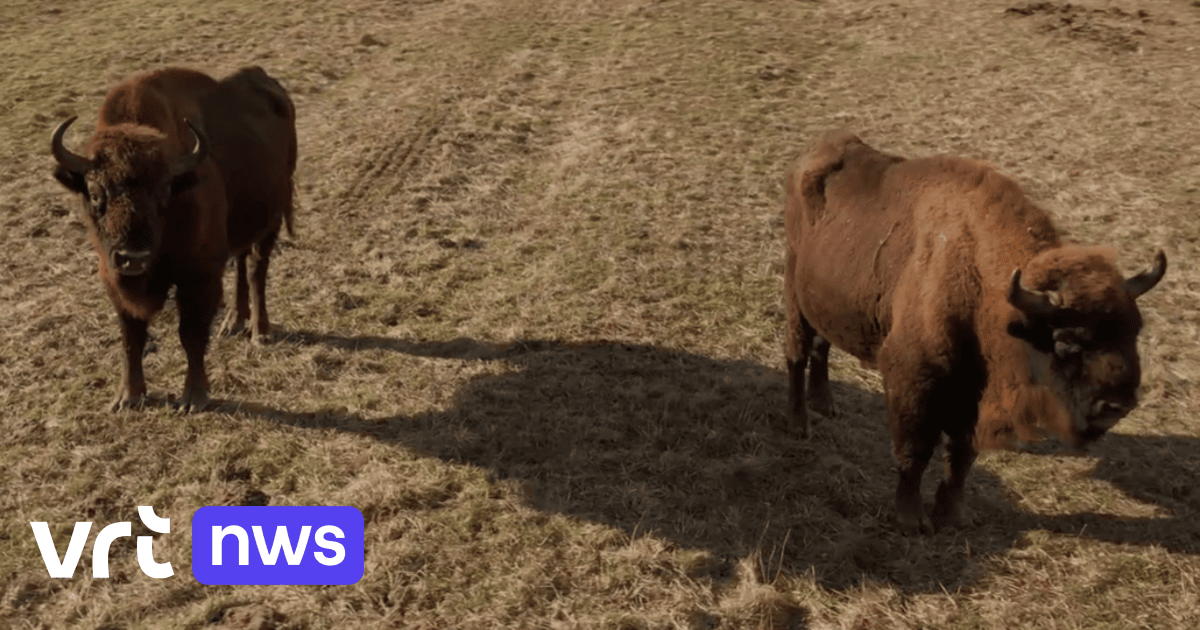
🦬
European bison and Exmoor ponies set to arrive in Pijnven in 2028
Europese bizons en Exmoorpony’s komen in 2028 naar het Pijnven
Des bisons d’Europe et des poneys Exmoor arriveront au Pijnven en 2028
A 500-hectare area of Pijnven forest in Hechtel-Eksel is being prepared for European bison and a group of wild horses, likely Exmoor ponies. Fencing is planned for spring 2027, with the animals expected to arrive in spring 2028. The project will give natural processes a bigger role, while the large grazers help maintain open spaces and create a richer variety of habitats. Their impact will be closely monitored, and guided visits may be possible in the future; an information meeting is planned for 9 December.
In het Pijnven in Hechtel-Eksel wordt een gebied van 500 hectare klaargemaakt voor Europese bizons en een groep wilde paarden, waarschijnlijk Exmoorpony’s. De omheining komt er naar verwachting in het voorjaar van 2027, en de dieren volgen vermoedelijk in het voorjaar van 2028. Natuurlijke processen krijgen er meer ruimte, terwijl de grote grazers open plekken helpen behouden en voor meer variatie in leefgebieden zorgen. Hun impact wordt nauw opgevolgd en in de toekomst zijn begeleide bezoeken mogelijk; op 9 december staat een infovergadering gepland.
Dans la forêt du Pijnven, à Hechtel-Eksel, une zone de 500 hectares se prépare à accueillir des bisons d’Europe et un groupe de chevaux sauvages, probablement des poneys Exmoor. La clôture devrait être installée au printemps 2027, puis les animaux arriveraient au printemps 2028. Le projet donnera davantage de place aux processus naturels, tandis que les grands herbivores contribueront à préserver des espaces ouverts et à diversifier les habitats. Leur impact sera suivi de près et des visites guidées pourraient être proposées à l’avenir ; une réunion d’information est prévue le 9 décembre.
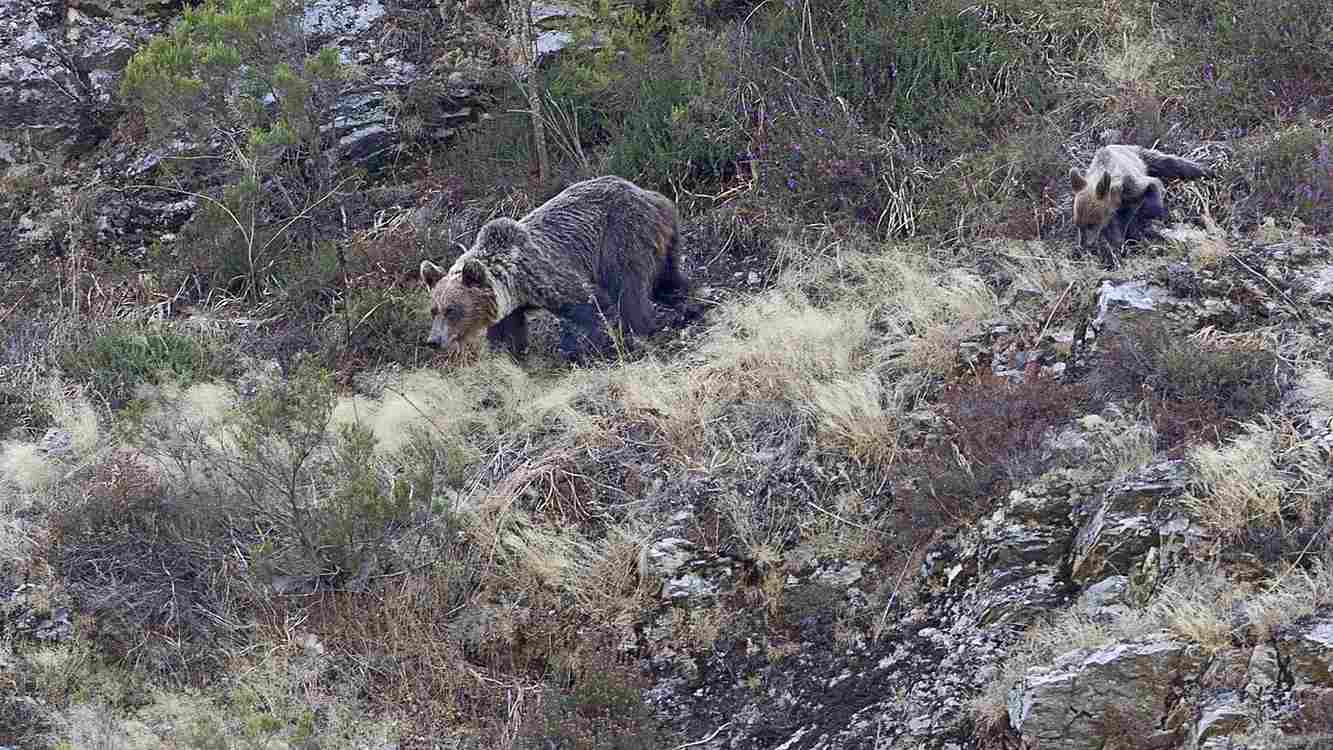
🐻
Brown bears double their population and breeding range
Bruine beren verdubbelen hun aantal en broedgebied
Les ours bruns doublent leur population et leur aire de reproduction
Here’s a remarkable conservation comeback: Spain’s Cantabrian brown bear population has doubled over the past 20 years, rising from about 140 to 370. The bears now roam roughly 6,500 square miles, and their breeding range has expanded enough for two populations once separated for decades to overlap. A 2023 study links this recovery to sustained legal protections, new protected areas, and declining rural populations. And here's the thing: the bears also support healthy ecosystems by dispersing seeds and scavenging carrion, while experts say management plans should be updated as they continue to spread.
Wat een indrukwekkend natuurherstel: de Cantabrische bruine berenpopulatie in Spanje is in twintig jaar verdubbeld, van ongeveer 140 naar 370 dieren. De beren leven inmiddels op zo’n 16.800 vierkante kilometer, en hun broedgebied is zo sterk uitgebreid dat twee populaties die jarenlang gescheiden waren nu op elkaar aansluiten. Een studie uit 2023 schrijft het herstel toe aan aanhoudende bescherming, nieuwe beschermde gebieden en de afname van de plattelandsbevolking. En mooi meegenomen: beren helpen ecosystemen gezond te houden door zaden te verspreiden en aas op te ruimen, terwijl experts adviseren de beheerplannen bij te werken nu hun verspreidingsgebied groeit.
Quel remarquable retour pour la nature : en vingt ans, la population d’ours bruns cantabriques en Espagne a doublé, passant d’environ 140 à 370 individus. Les ours parcourent désormais près de 16 800 kilomètres carrés, et leur aire de reproduction s’est tellement étendue que deux populations longtemps séparées se rejoignent maintenant. Une étude publiée en 2023 attribue ce rétablissement à des mesures de protection durables, à la création de nouvelles zones protégées et au dépeuplement des campagnes. Et voici un autre avantage : les ours contribuent à la santé des écosystèmes en dispersant des graines et en consommant des charognes, tandis que les spécialistes recommandent d’actualiser les plans de gestion à mesure que leur territoire s’étend.

🕸️
Extraordinary materials shaped by the principles of complex networks
Buitengewone materialen gevormd door de principes van complexe netwerken
Des matériaux extraordinaires façonnés par les principes des réseaux complexes
Here’s a fascinating bridge between network science and materials engineering: researchers are using principles from complex networks to shape materials with unusual mechanical abilities. Work reported by Both and colleagues shows how varied connections and component sizes can be built into material designs. That approach can help spread deformation under force, tune stiffness and control vibrational waves. So, ideas first used to understand systems such as biology and the internet are opening fresh possibilities for engineered materials.
Wat een boeiende brug tussen netwerk wetenschap en materiaaltechniek: onderzoekers gebruiken principes uit complexe netwerken om materialen met bijzondere mechanische eigenschappen te ontwerpen. Het werk van Both en collega’s laat zien hoe uiteenlopende verbindingen en componentgroottes in materiaalontwerpen kunnen worden verwerkt. Die aanpak kan vervorming door kracht verspreiden, de stijfheid afstemmen en trillingsgolven beheersen. Zo bieden ideeën die eerst werden gebruikt om systemen zoals de biologie en het internet te begrijpen nieuwe mogelijkheden voor technische materialen.
Quel lien passionnant entre la science des réseaux et l’ingénierie des matériaux : des chercheurs s’appuient sur les principes des réseaux complexes pour concevoir des matériaux aux propriétés mécaniques remarquables. Les travaux de Both et de ses collègues montrent comment intégrer à ces matériaux des connexions variées et des composants de tailles différentes. Cette approche peut répartir la déformation sous l’effet d’une force, ajuster la rigidité et contrôler les ondes vibratoires. Ainsi, des idées d’abord utilisées pour comprendre des systèmes comme la biologie et Internet ouvrent de nouvelles perspectives pour les matériaux conçus par l’ingénierie.

🪐
Salty grains in Saturn’s outer ring reveal a slow freeze
Zoute korrels in Saturnus’ buitenste ring wijzen op een langzaam bevriezingsproces
Des grains salés dans l’anneau externe de Saturne révèlent un lent refroidissement
Saturn’s outermost ring is fed largely by icy plumes erupting from its moon Enceladus. A new analysis finds that the ring’s varied icy and rocky grains may have formed as those plumes slowly froze. These tiny particles offer a fresh way to investigate the moon’s hidden subsurface ocean. And here's the thing: studying their composition could help scientists assess whether that ocean might be habitable.
De buitenste ring van Saturnus wordt grotendeels gevoed door ijzige pluimen die uit zijn maan Enceladus spuiten. Een nieuwe analyse wijst erop dat de uiteenlopende ijs- en gesteentekorrels in de ring zijn ontstaan toen die pluimen langzaam bevroor. Deze piepkleine deeltjes bieden een nieuwe manier om de verborgen oceaan onder het oppervlak van de maan te onderzoeken. En dat is bijzonder interessant: hun samenstelling kan wetenschappers helpen inschatten of die oceaan leefbaar zou kunnen zijn.
L’anneau le plus externe de Saturne est alimenté en grande partie par les panaches glacés qui jaillissent de sa lune Encelade. Une nouvelle analyse indique que les grains de glace et de roche, de compositions variées, se sont peut-être formés lorsque ces panaches ont lentement gelé. Ces minuscules particules offrent une nouvelle piste pour étudier l’océan caché sous la surface de la lune. Et voici ce qui rend cette découverte passionnante : leur composition pourrait aider les scientifiques à déterminer si cet océan pourrait être habitable.
✍️
Where your attention goes
Waar je aandacht naartoe gaat
Où va votre attention
I’ve been thinking about how a steady diet of negative news can affect our mood and make the world seem worse than it is. Mindfulness offers a simple way to notice how a headline makes us feel, while a cognitive behavioural lens can help us question thoughts that paint everything in the darkest colours. Positron.today is not a replacement for serious news, but a counterweight that gives good things a fair place in the picture. Try checking in with yourself after reading the news, then read a positive story and notice what changes.
Ik denk na over hoe een voortdurende stroom negatief nieuws onze stemming kan beïnvloeden en de wereld erger kan doen lijken dan ze is. Mindfulness helpt ons op te merken hoe een krantenkop ons laat voelen, terwijl een cognitieve gedragstherapeutische blik ons kan helpen gedachten te bevragen die alles in de somberste kleuren schilderen. Positron.today vervangt het serieuze nieuws niet, maar biedt tegenwicht door goede gebeurtenissen een eerlijke plek in het totaalbeeld te geven. Probeer na het nieuws even bij jezelf in te checken, lees daarna een positief verhaal en merk op wat er verandert.
Je réfléchis à la façon dont un flux constant de mauvaises nouvelles peut influencer notre humeur et nous faire croire que le monde va plus mal qu’en réalité. La pleine conscience nous aide à remarquer l’effet d’un titre sur nous, tandis qu’une approche cognitivo-comportementale peut nous apprendre à remettre en question les pensées qui voient tout en noir. Positron.today ne remplace pas les informations sérieuses, mais leur apporte un contrepoids en donnant aussi toute leur place aux bonnes nouvelles. Après avoir lu les informations, prenez un instant pour faire le point, puis lisez une histoire positive et observez ce qui change.

🩺
What we’re reading: an 80-cent plastic bag is saving mothers’ lives
Wat we lezen: een plastic zak van 80 cent redt moederslevens
Nos lectures du moment : un sac plastique à 80 centimes sauve des vies de mères
So: a simple plastic pouch helps maternity teams measure blood loss and quickly spot dangerous postpartum hemorrhage. When paired with the right treatments, this low-cost tool has cut deaths from the condition by about two-thirds. And here's another clever way to protect lives: googly-eyed buoys and bird-shaped kites can keep seabirds away from fishing nets. Studies found these devices substantially reduced the odds of birds getting caught.
Een eenvoudig plastic opvangzakje helpt zorgteams in kraamafdelingen bloedverlies te meten en gevaarlijke bloedingen na de bevalling snel op te merken. In combinatie met de juiste behandelingen heeft dit goedkope hulpmiddel het aantal sterfgevallen door zulke bloedingen met ongeveer twee derde verminderd. En er is nog een slimme manier om levens te beschermen: boeien met wiebeloogjes en vliegers in de vorm van roofvogels houden zeevogels weg bij visnetten. Onderzoek liet zien dat deze hulpmiddelen de kans dat vogels in netten verstrikt raken flink verkleinden.
Un simple sac en plastique aide les équipes des maternités à mesurer les pertes de sang et à repérer rapidement les hémorragies dangereuses après l’accouchement. Associé aux traitements nécessaires, cet outil peu coûteux a réduit d’environ deux tiers les décès liés à ces hémorragies. Et voici une autre idée ingénieuse pour protéger des vies : des bouées aux yeux mobiles et des cerfs-volants en forme de rapaces éloignent les oiseaux marins des filets de pêche. Des études ont montré que ces dispositifs réduisaient nettement le risque que les oiseaux se prennent dans les filets.
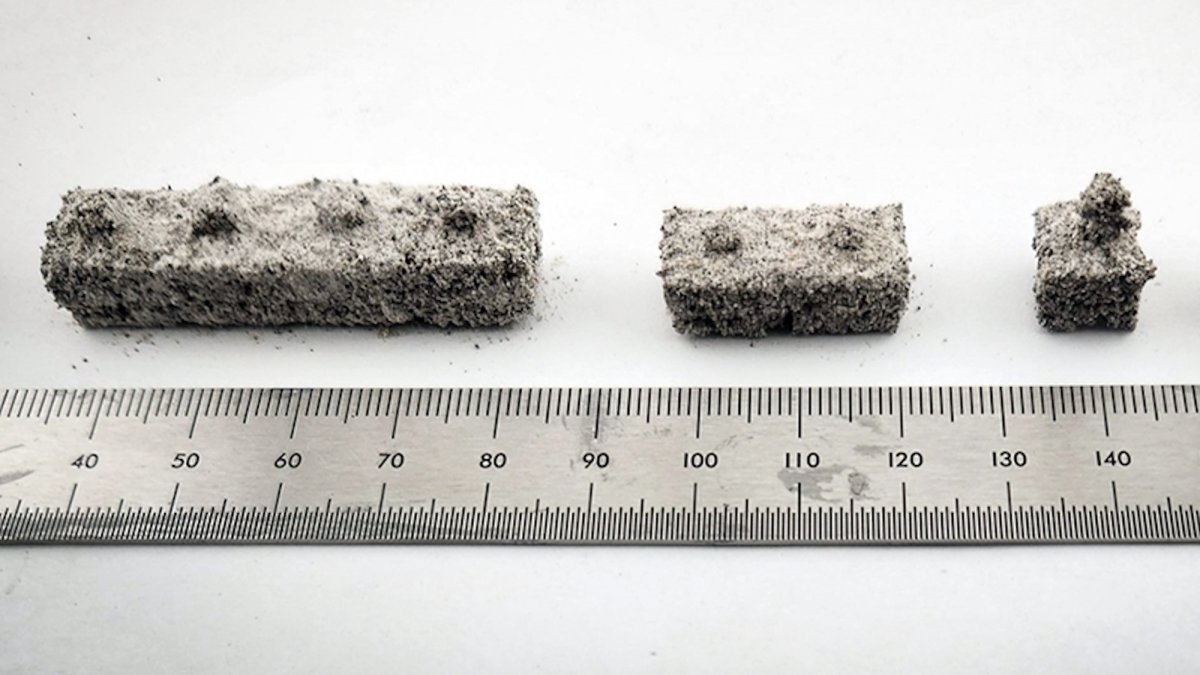
🌙
College student creates lego-like bricks from moon dust
Student maakt legoachtige bouwstenen van maanstof
Un étudiant crée des briques façon lego avec de la poussière lunaire
So, a University of Arkansas student has found a clever way to turn moon-dust simulant into tiny, connectable building blocks. Cole McCallum and engineer Wan Shou used laser 3D printing to fuse the powder to itself, without adding a binder that would need to be shipped from Earth. Their small cross- and H-shaped prototypes could point toward a practical way to build larger lunar structures from local materials. The bricks are still porous and relatively weak, so more testing is needed, but this is an exciting first step toward construction on the Moon.
Een student van de University of Arkansas heeft een slimme manier gevonden om maanstofsimulant om te zetten in kleine bouwstenen die in elkaar passen. Cole McCallum en ingenieur Wan Shou gebruikten laser-3D-printen om het poeder aan zichzelf te laten hechten, zonder bindmiddel dat vanaf de aarde moet worden aangevoerd. Hun kleine prototypes in kruis- en H-vorm kunnen de weg wijzen naar grotere maanstructuren van materialen die ter plaatse beschikbaar zijn. De steentjes zijn nog poreus en relatief zwak, dus verder onderzoek is nodig, maar dit is een veelbelovende eerste stap richting bouwen op de maan.
Un étudiant de l’université de l’Arkansas a trouvé une méthode ingénieuse pour transformer un simulant de poussière lunaire en petites briques emboîtables. Cole McCallum et l’ingénieur Wan Shou ont utilisé l’impression 3D par laser pour souder la poudre à elle-même, sans ajouter de liant qu’il faudrait acheminer depuis la Terre. Leurs petits prototypes en forme de croix et de H pourraient ouvrir la voie à la construction de structures lunaires plus grandes avec des matériaux disponibles sur place. Les briques restent poreuses et relativement fragiles, et des tests supplémentaires sont nécessaires, mais cette avancée constitue un premier pas prometteur vers la construction sur la Lune.

💊
Escitalopram leads analysis on preventing depression relapse
Escitalopram scoort het best in analyse naar het voorkomen van terugval bij depressie
L’escitalopram arrive en tête d’une analyse sur la prévention des rechutes dépressives
So, a large analysis of nearly 10,000 people found that escitalopram performed best among the antidepressants studied at helping prevent depression from returning. Agomelatine and duloxetine also ranked well, while the differences between medicines were modest. Experts say the findings are useful for conversations between patients and doctors, but they are not a reason for someone doing well on their current treatment to switch. The right option depends on individual needs and preferences, and support can also include talking therapies.
Een grote analyse van bijna 10.000 mensen wees uit dat escitalopram van de onderzochte antidepressiva het best scoorde bij het helpen voorkomen van een terugkeer van depressie. Ook agomelatine en duloxetine presteerden goed, al waren de verschillen tussen de medicijnen klein. Volgens experts kunnen de bevindingen gesprekken tussen patiënten en artsen ondersteunen, maar zijn ze geen reden om een behandeling die goed werkt zomaar te veranderen. De beste keuze hangt af van iemands persoonlijke situatie en voorkeuren, en ondersteuning kan ook bestaan uit gesprekstherapie.
Une vaste analyse portant sur près de 10 000 personnes a conclu que, parmi les antidépresseurs étudiés, l’escitalopram était le plus efficace pour aider à prévenir le retour de la dépression. L’agomélatine et la duloxétine ont également obtenu de bons résultats, même si les différences entre les médicaments étaient modestes. Selon les spécialistes, ces résultats peuvent éclairer les échanges entre les patients et leur médecin, mais ne justifient pas de changer un traitement qui fonctionne bien. Le choix dépend des besoins et des préférences de chacun, et l’accompagnement peut aussi inclure des thérapies par la parole.
🦷
A giant rodent from 34 million years ago
Een reusachtig knaagdier van 34 miljoen jaar geleden
Un rongeur géant vieux de 34 millions d’années
Researchers have identified a previously unknown giant rodent from fossilized teeth found in a mine in southern Thailand. Named Yakamys sirindhornae, it lived around 34 million years ago and may have weighed about 30 kilograms - roughly twice as much as other known rodents from its time. The team used seven tooth-based methods to estimate its size, though the researchers stress that the figure is uncertain because only two teeth have been found. And here's the thing: this discovery suggests Southeast Asia played a bigger role in the early evolution of giant rodents than scientists once thought.
Onderzoekers hebben aan de hand van versteende tanden uit een mijn in Zuid-Thailand een onbekend reuzenknaagdier geïdentificeerd. Yakamys sirindhornae leefde ongeveer 34 miljoen jaar geleden en woog mogelijk zo’n 30 kilogram - ongeveer twee keer zoveel als andere bekende knaagdieren uit die tijd. Het team gebruikte zeven methoden op basis van tandmetingen om de omvang te schatten, maar benadrukt dat de uitkomst onzeker is omdat er slechts twee tanden zijn gevonden. En dit is bijzonder: de ontdekking wijst erop dat Zuidoost-Azië een grotere rol speelde in de vroege evolutie van reuzenknaagdieren dan wetenschappers eerder dachten.
Des chercheurs ont identifié un rongeur géant inconnu grâce à des dents fossilisées découvertes dans une mine du sud de la Thaïlande. Baptisé Yakamys sirindhornae, il vivait il y a environ 34 millions d’années et aurait pesé près de 30 kilogrammes - environ deux fois plus que les autres rongeurs connus de son époque. L’équipe a utilisé sept méthodes fondées sur les mesures des dents pour estimer sa taille, mais souligne que le résultat reste incertain, car seules deux dents ont été découvertes. Et voici ce qui est remarquable : cette découverte suggère que l’Asie du Sud-Est a joué un rôle plus important qu’on ne le pensait dans l’évolution précoce des rongeurs géants.
🐜
Ant nests grow “younger” as they age
Mierennesten worden ‘jeugdiger’ naarmate ze ouder worden
Les fourmilières rajeunissent en vieillissant
Here’s a fascinating twist on aging: western harvester ant nests grow faster and produce more new queens as they get older. Researchers tracked 3,285 nests in Colorado over 34 years, studying each colony as a superorganism rather than focusing on individual ants. The queen can live for more than 40 years, while worker ants are replaced each year, and the nest’s queen production keeps rising even as its growth gradually slows. It’s a striking example of how a living community can follow a very different life course from the creatures we usually think of as aging.
Wat een bijzondere draai aan veroudering: nesten van de westerse oogstmier groeien sneller en produceren meer nieuwe koninginnen naarmate ze ouder worden. Onderzoekers volgden 3.285 nesten in Colorado gedurende 34 jaar en bestudeerden elke kolonie als één superorganisme, in plaats van naar afzonderlijke mieren te kijken. De koningin kan meer dan veertig jaar leven, terwijl werkmieren elk jaar worden vervangen; het aantal nieuwe koninginnen blijft toenemen, al vlakt de nestgroei geleidelijk af. Zo laat een levende gemeenschap zien dat ouder worden heel anders kan verlopen dan we doorgaans verwachten.
Voilà une étonnante façon de vieillir : les nids de fourmis moissonneuses de l’Ouest grandissent plus vite et produisent davantage de nouvelles reines en prenant de l’âge. Pendant 34 ans, des chercheurs ont suivi 3 285 nids au Colorado, en considérant chaque colonie comme un superorganisme plutôt qu’en étudiant les fourmis individuellement. La reine peut vivre plus de quarante ans, tandis que les ouvrières sont renouvelées chaque année ; la production de nouvelles reines continue d’augmenter, même si la croissance du nid ralentit peu à peu. Ces colonies nous montrent avec éclat qu’une communauté vivante peut suivre un parcours bien différent de celui auquel on associe habituellement le vieillissement.
🌸
World’s driest desert bursts into record-breaking bloom
De droogste woestijn ter wereld barst los in een recordbloei
Le désert le plus sec du monde explose en une floraison record
Just weeks after being the driest place on Earth, Chile’s Atacama Desert is alive with flowers, as around 200 species bloom in a spectacular display. Record rainfall woke seeds and tubers that had lain dormant beneath the sand for decades, including in places where flowers had not been seen for years. This superbloom is the widest-reaching and most vivid in about 30 years, and it also offers a brief boost for pollinators and other wildlife. Now, scientists are collecting seeds for research and conservation, while local leaders work to protect more of this remarkable landscape.
Slechts enkele weken nadat de Atacamawoestijn de droogste plek op aarde was, staat de Chileense woestijn vol bloemen: zo’n 200 soorten bloeien er uitbundig. Recordhoeveelheden regen hebben zaden en knollen gewekt die soms tientallen jaren onder het zand lagen te wachten, ook op plekken waar al jaren geen bloemen waren gezien. Deze superbloei is in ongeveer 30 jaar niet zo uitgestrekt en kleurrijk geweest, en geeft bestuivers en andere dieren bovendien tijdelijk nieuwe kansen. Wetenschappers verzamelen nu zaden voor onderzoek en natuurbehoud, terwijl lokale bestuurders meer van dit bijzondere landschap willen beschermen.
Quelques semaines après avoir été l’endroit le plus sec de la planète, le désert d’Atacama, au Chili, s’est couvert de fleurs, avec près de 200 espèces en pleine floraison. Des précipitations record ont réveillé des graines et des tubercules restés enfouis sous le sable pendant des décennies, y compris dans des lieux où les fleurs n’étaient plus apparues depuis des années. Cette floraison spectaculaire est la plus vaste et la plus éclatante depuis environ 30 ans, et elle offre aussi un bref coup de pouce aux pollinisateurs et à d’autres animaux. Les scientifiques récoltent maintenant des graines pour la recherche et la conservation, tandis que les autorités locales souhaitent protéger davantage ce paysage exceptionnel.
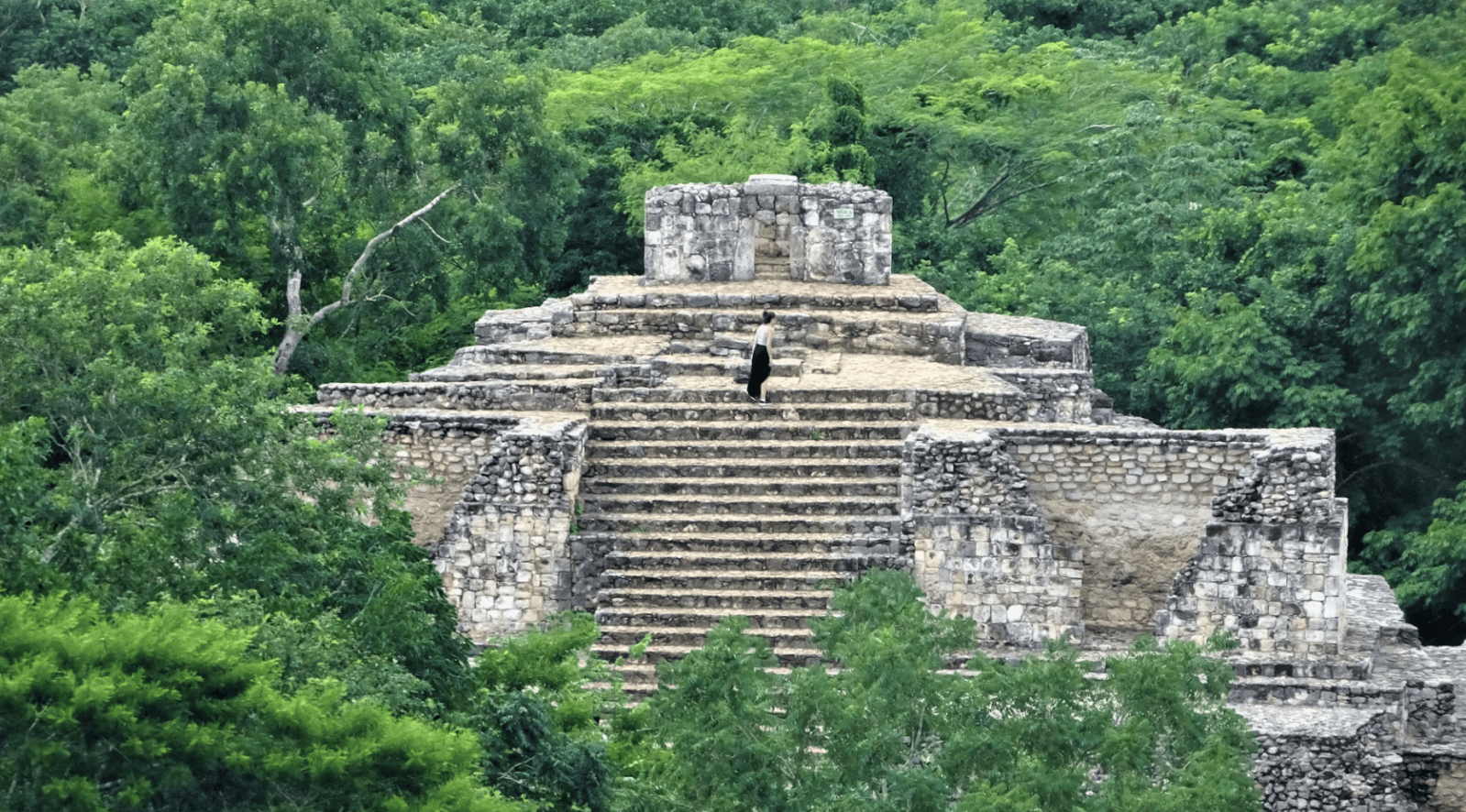
🔎
An archaeology student found a lost maya city on page 16 of google
Een archeologiestudent ontdekte een verloren maya-stad op pagina 16 van google
Un étudiant en archéologie a découvert une cité maya perdue à la page 16 de google
So, a curious archaeology student searching online stumbled across a laser survey that revealed Valeriana, a vast Maya city hidden beneath the forests of southeastern Mexico. LiDAR maps showed more than 6,500 structures, including pyramids, causeways, and ball courts, in a city that may once have been home to 30,000 to 50,000 people. The discovery challenges the idea that tropical forests were wild and sparsely settled, instead pointing to sophisticated urban communities. And here's the thing: the survey was already online, and researchers hope future mapping will reveal even more of the past.
Een nieuwsgierige archeologiestudent stuitte tijdens het online zoeken op een laserscan die Valeriana onthulde, een uitgestrekte Maya-stad verscholen onder de bossen van Zuidoost-Mexico. LiDAR-kaarten brachten meer dan 6.500 bouwwerken aan het licht, waaronder piramides, verhoogde wegen en balvelden; op het hoogtepunt woonden er mogelijk 30.000 tot 50.000 mensen. De ontdekking zet het idee op zijn kop dat tropische bossen wild en dunbevolkt waren, en wijst juist op ontwikkelde stedelijke gemeenschappen. En het mooie is: de gegevens stonden al online, en onderzoekers hopen dat verdere scans nog meer van het verleden zichtbaar maken.
Un étudiant en archéologie, curieux et plongé dans une recherche en ligne, est tombé sur un relevé laser qui a révélé Valeriana, une vaste cité maya cachée sous les forêts du sud-est du Mexique. Les cartes LiDAR ont mis au jour plus de 6 500 structures, dont des pyramides, des chaussées et des terrains de jeu de balle; la ville aurait compté entre 30 000 et 50 000 habitants à son apogée. Cette découverte remet en question l’idée que les forêts tropicales étaient sauvages et peu peuplées, et révèle plutôt des communautés urbaines sophistiquées. Et voilà ce qui est formidable: les données étaient déjà disponibles en ligne, et de nouvelles cartographies pourraient encore dévoiler d’autres traces du passé.
🐦
Green heron spotted in Bruges for the first time in Belgium
Groene reiger voor het eerst in België gespot, in Brugge
Un héron vert observé pour la première fois en Belgique, à Bruges
A green heron, a bird normally found only in the Americas, has been spotted in Bruges. It is the first time the species has been seen in Belgium. That makes this a particularly rare and exciting moment for local wildlife watchers. And here's the thing: a bird from across the Atlantic has turned up right here in our own backyard.
In Brugge is een groene reiger gespot, een vogel die normaal alleen in Amerika voorkomt. Het is de eerste keer dat deze soort in België is waargenomen. Dat maakt dit een bijzonder en spannend moment voor iedereen die de natuur in de gaten houdt. En het mooie is: een vogel van over de Atlantische Oceaan is zomaar in onze achtertuin opgedoken.
Un héron vert, un oiseau qui vit normalement uniquement sur le continent américain, a été observé à Bruges. C’est la première fois que cette espèce est repérée en Belgique. Cette observation constitue un moment particulièrement rare et réjouissant pour les amoureux de la nature. Et voilà ce qui est surprenant : un oiseau venu d’outre-Atlantique est apparu tout près de chez nous.

🦕
A practically perfect plesiosaur
Een bijna perfecte plesiosaurus
Un plésiosaure presque parfait
This week’s Nature archive selection brings together a remarkably well-preserved ancient marine reptile and a Latin poem about an optical phenomenon. The plesiosaur stands out for its exceptional state of preservation. Alongside this prehistoric find, the poem offers a glimpse of how people once described an effect of light. Together, these pieces make for a lively encounter with discoveries and ideas from the past.
In de selectie uit het Nature-archief van deze week komen een uitzonderlijk goed bewaard gebleven oud zeereptiel en een Latijns gedicht over een optisch verschijnsel samen. De plesiosaurus valt op door zijn uitzonderlijke staat van bewaring. Naast deze prehistorische vondst biedt het gedicht een inkijkje in hoe mensen ooit een lichteffect beschreven. Samen zorgen deze stukken voor een boeiende kennismaking met ontdekkingen en ideeën uit het verleden.
La sélection de cette semaine dans les archives de Nature réunit un reptile marin ancien remarquablement bien conservé et un poème latin consacré à un phénomène optique. Le plésiosaure se distingue par son état de conservation exceptionnel. À côté de cette découverte préhistorique, le poème donne un aperçu de la manière dont on décrivait autrefois un effet lumineux. Ensemble, ces textes offrent une rencontre passionnante avec les découvertes et les idées du passé.
🏡
Forget the €1 deals: Calabria is renovating homes and offering them free for ten years
Vergeet de acties van 1 euro: Calabrië renoveert woningen en geeft ze tien jaar gratis weg
Oubliez les maisons à 1 euro : la Calabre rénove des logements et les offre gratuitement pendant dix ans
So, Calabria is trying something different from the familiar €1 home offers. The Italian region is renovating houses and making them available free of charge for ten years. It’s a fresh way to give empty homes a new lease on life and attract people to the area. And here’s the thing: a renovated home with a decade of free use makes for a pretty compelling invitation.
Calabrië probeert het dus eens op een andere manier dan met de bekende woningen van 1 euro. De Italiaanse regio renoveert huizen en stelt die tien jaar gratis ter beschikking. Zo krijgen leegstaande woningen een nieuw leven en wordt het aantrekkelijker om je in de streek te vestigen. En zeg nu zelf: een opgeknapt huis waar je tien jaar gratis kunt wonen, is een uitnodiging die aanspreekt.
La Calabre tente donc une autre approche que les célèbres maisons à 1 euro. Cette région italienne rénove des logements et les met gratuitement à disposition pendant dix ans. L’initiative offre ainsi une nouvelle vie aux maisons inoccupées et donne envie de s’installer dans la région. Et franchement, un logement rénové dont on peut profiter gratuitement pendant une décennie, voilà une invitation séduisante.
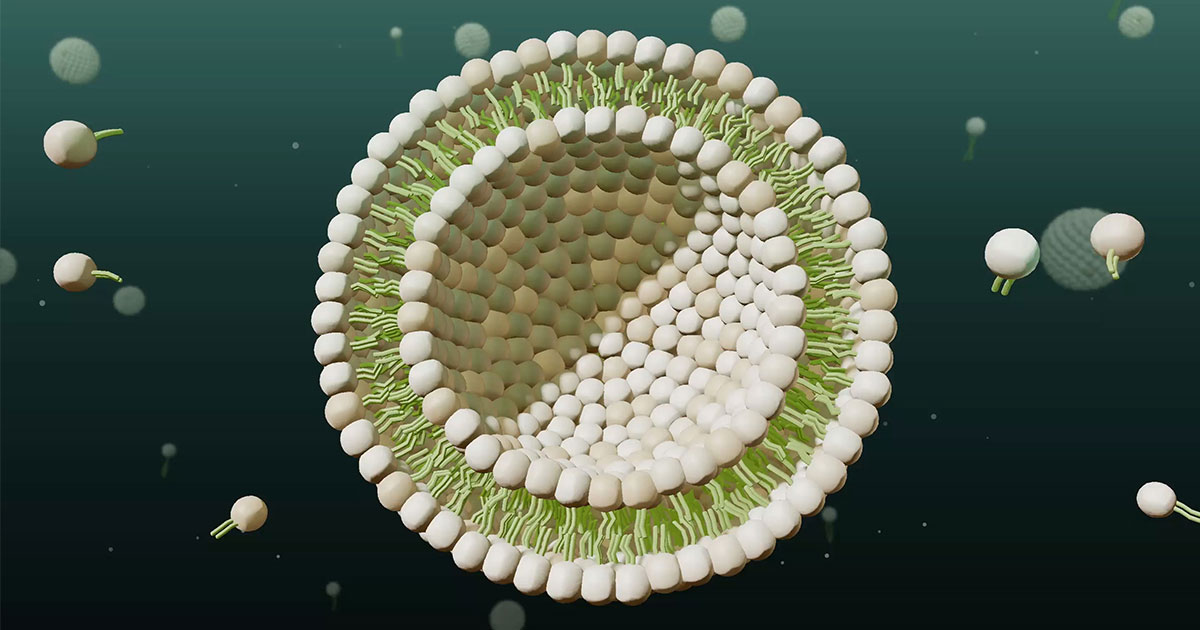
🫧
The case for a bubble at life’s start
Het pleidooi voor een bubbel aan het begin van het leven
L’argument en faveur d’une bulle aux débuts de la vie
Every cell is a bubble of chemistry enclosed by a membrane, and researchers think that kind of boundary may have helped life get started. In the lipid-first hypothesis, membrane-forming molecules gathered into bubbles that concentrated the ingredients needed for chemical reactions. Some bubbles could have passed on their molecular recipes as they grew and split, while changes in their chemistry could help faster-growing bubbles thrive. So: these tiny containers may have done more than hold the first ingredients of life - they may have helped chemical systems begin to evolve.
Elke cel is een bubbel vol chemische stoffen, omsloten door een membraan, en onderzoekers denken dat zo’n begrenzing het ontstaan van leven mogelijk heeft geholpen. Volgens de lipid-first-hypothese verzamelden membraanvormende moleculen zich tot bubbels, waarin de ingrediënten voor chemische reacties dichter bij elkaar kwamen. Sommige bubbels konden hun moleculaire samenstelling doorgeven wanneer ze groeiden en zich splitsten, terwijl veranderingen in hun chemie snellere groei konden bevorderen. Zo konden deze piepkleine omhulsels meer doen dan de eerste ingrediënten van het leven bijeenhouden - ze hebben chemische systemen misschien ook op weg geholpen naar evolutie.
Chaque cellule est une bulle de chimie enfermée dans une membrane, et des chercheurs pensent qu’une telle frontière a pu contribuer à l’apparition de la vie. Selon l’hypothèse dite « lipid first », des molécules capables de former des membranes se seraient rassemblées en bulles, concentrant les ingrédients nécessaires aux réactions chimiques. Certaines bulles auraient transmis leur composition moléculaire en grandissant et en se divisant, tandis que des changements chimiques auraient favorisé celles qui grandissaient plus vite. Ainsi, ces minuscules enveloppes auraient pu faire davantage que rassembler les premiers ingrédients de la vie - elles auraient peut-être aidé des systèmes chimiques à commencer à évoluer.
🏺
Archaeologists uncover a nearly 2,000-year-old cabinet in Pompeii
Archeologen leggen bijna 2.000 jaar oude kast bloot in Pompeï
Des archéologues mettent au jour un meuble vieux de près de 2 000 ans à Pompéi
So, archaeologists in Pompeii have uncovered a cabinet that had remained closed for nearly 2,000 years. Inside, they found jewellery, a small perfume bottle and 38 coins. The objects offer a tangible glimpse into life in the ancient city. And here's the thing: after centuries hidden away, this little collection is now helping bring Pompeii's past to light.
Archeologen hebben in Pompeï een kast blootgelegd die bijna 2.000 jaar gesloten bleef. Binnenin vonden ze juwelen, een klein parfumflesje en 38 munten. De voorwerpen bieden een tastbare blik op het leven in de oude stad. En bijzonder: na eeuwen verborgen te zijn geweest, helpt deze vondst het verleden van Pompeï weer tot leven te brengen.
Des archéologues ont mis au jour à Pompéi un meuble resté fermé pendant près de 2 000 ans. À l’intérieur, ils ont trouvé des bijoux, un petit flacon de parfum et 38 pièces de monnaie. Ces objets offrent un aperçu concret de la vie dans l’ancienne cité. Et voilà ce qui est fascinant : après des siècles passés à l’abri des regards, cette découverte fait revivre le passé de Pompéi.
☢️
Fund for nuclear waste storage set to ramp up next year: “You don’t invest €16 billion without preparation”
Fonds voor berging van kernafval komt volgend jaar pas echt op gang: “16 miljard investeer je niet zonder voorbereiding”
Le fonds pour le stockage des déchets nucléaires passera à la vitesse supérieure l’an prochain : « On n’investit pas 16 milliards sans préparation »
The fund for the storage of nuclear waste is expected to get fully underway next year. The headline points to an investment of €16 billion, underlining the scale of the task. Such a major commitment calls for careful preparation before the money is invested. That groundwork will help shape the long-term approach to managing nuclear waste.
Het fonds voor de berging van kernafval komt volgend jaar pas echt op gang. De investering van 16 miljard euro onderstreept hoe omvangrijk de opdracht is. Zo’n grote som investeer je niet zonder grondige voorbereiding. Die voorbereiding helpt de langetermijnaanpak voor kernafval vorm te geven.
Le fonds consacré au stockage des déchets nucléaires devrait véritablement démarrer l’an prochain. L’investissement de 16 milliards d’euros souligne l’ampleur de la mission. Un engagement aussi important exige une préparation minutieuse avant d’investir. Ce travail préparatoire contribuera à définir une approche à long terme pour gérer les déchets nucléaires.
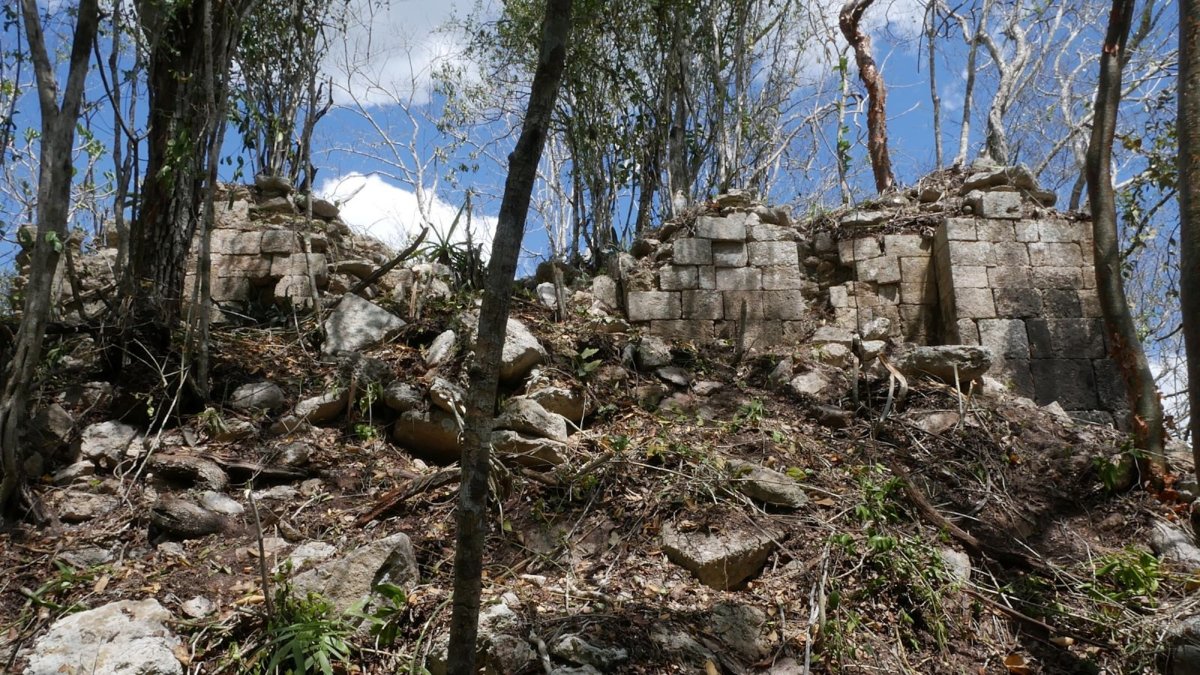
🦇
A jungle city reveals a ruler named ‘Bat’
Een junglestad onthult een heerser met de naam ‘Vleermuis’
Une cité dans la jungle révèle un dirigeant nommé « Chauve-souris »
What a discovery: archaeologists have uncovered a remote Maya city in the forests of southeastern Mexico, with structures dating back at least 1,100 years. The settlement may have been called Sakil, a name associated with whiteness, and its remains include palaces, plazas, water systems and a pyramid nearly 43 feet tall. Hieroglyphs tell of a violent conflict with the neighboring city of Ocomtún, while other inscriptions name a powerful ruler, Suutz’, meaning “bat” in Yucatec Maya. Researchers are still working out when the conflict took place and hope further study will reveal more about the city and its people.
Wat een ontdekking: archeologen hebben een afgelegen Mayastad gevonden in de bossen van Zuidoost-Mexico, met bouwwerken die minstens 1.100 jaar oud zijn. De nederzetting heette mogelijk Sakil, een naam die verband houdt met de kleur wit, en de overblijfselen omvatten paleizen, pleinen, watersystemen en een piramide van bijna 13 meter hoog. Hiërogliefen vertellen over een gewelddadig conflict met de naburige stad Ocomtún, terwijl andere inscripties een machtige heerser noemen: Suutz’, in het Yucateeks Maya ‘vleermuis’. Archeologen weten nog niet wanneer het conflict plaatsvond en hopen met verder onderzoek meer te ontdekken over de stad en haar inwoners.
Quelle découverte : des archéologues ont mis au jour une cité maya isolée dans les forêts du sud-est du Mexique, avec des constructions datant d’au moins 1 100 ans. La cité s’appelait peut-être Sakil, un nom associé à la blancheur, et ses vestiges comprennent des palais, des places, des systèmes de gestion de l’eau et une pyramide de près de 13 mètres de haut. Des hiéroglyphes évoquent un conflit violent avec la cité voisine d’Ocomtún, tandis que d’autres inscriptions mentionnent un puissant dirigeant, Suutz’, dont le nom signifie « chauve-souris » en maya yucatèque. Les archéologues ne savent pas encore quand le conflit a eu lieu et espèrent que de nouvelles recherches en apprendront davantage sur la cité et ses habitants.
🏳️🌈
British court overturns ban on same-sex relations in Trinidad and Tobago
Britse rechtbank vernietigt verbod op homoseksuele relaties in Trinidad en Tobago
Une cour britannique annule l’interdiction des relations homosexuelles à Trinité-et-Tobago
A British court has overturned a law banning sex between people of the same sex in Trinidad and Tobago. The case was brought by Jason Jones, who argued that the ban violated his human rights. The Privy Council in London ruled in his favour. So, this decision marks an important step for LGBTQ+ rights in the Caribbean nation.
Een Britse rechtbank heeft een wet vernietigd die seks tussen mensen van hetzelfde geslacht verbood in Trinidad en Tobago. Jason Jones had de zaak aangespannen omdat hij vond dat het verbod zijn mensenrechten schond. De Britse Privy Council in Londen gaf hem gelijk. Zo vormt de uitspraak een belangrijke stap voor de rechten van lhbtiq+-personen in het Caribische land.
Une cour britannique a annulé une loi qui interdisait les relations sexuelles entre personnes de même sexe à Trinité-et-Tobago. Jason Jones avait engagé cette procédure, estimant que l’interdiction portait atteinte à ses droits humains. Le Privy Council de Londres lui a donné raison. Cette décision marque ainsi une avancée importante pour les droits des personnes LGBTQ+ dans ce pays des Caraïbes.

🔐
A new AI tool from Google DeepMind proves key Signal safeguards
Een nieuwe AI-tool van Google DeepMind bewijst belangrijke beveiligingen van Signal
Un nouvel outil d’IA de Google DeepMind prouve des protections clés de Signal
Google DeepMind researchers used their AlphaProof Code framework to formally verify several important cryptographic guarantees in the Signal protocol, completing the proof of concept in just four weeks. The work offers independent reassurance about technology used by Signal, Google Messages, and WhatsApp, while showing how AI agents can speed up mathematical checks of software. The analysis found no new vulnerabilities in the parts examined, and correctly flagged known flaws in older Signal versions, but it did not verify the entire app. DeepMind has shared its specification and proof, while making AI-assisted verification practical and affordable at a much larger scale remains the next challenge.
Onderzoekers van Google DeepMind gebruikten hun AlphaProof Code-raamwerk om verschillende belangrijke cryptografische garanties van het Signal-protocol formeel te verifiëren, en rondden deze proef in slechts vier weken af. Het werk biedt onafhankelijke geruststelling over technologie die wordt gebruikt door Signal, Google Berichten en WhatsApp, en laat zien hoe AI-agenten wiskundige softwarecontroles kunnen versnellen. De analyse vond geen nieuwe kwetsbaarheden in de onderzochte onderdelen en herkende bekende fouten in oudere versies van Signal, maar verifieerde niet de volledige app. DeepMind heeft de specificatie en het bewijs gedeeld; de volgende uitdaging is om AI-ondersteunde verificatie op veel grotere schaal praktisch en betaalbaar te maken.
Les chercheurs de Google DeepMind ont utilisé leur cadre AlphaProof Code pour vérifier formellement plusieurs garanties cryptographiques importantes du protocole Signal, en menant cette preuve de concept à bien en seulement quatre semaines. Ce travail renforce la confiance dans une technologie utilisée par Signal, Google Messages et WhatsApp, tout en montrant comment des agents d’IA peuvent accélérer les vérifications mathématiques de logiciels. L’analyse n’a révélé aucune nouvelle vulnérabilité dans les parties étudiées et a bien repéré des failles connues dans d’anciennes versions de Signal, mais elle n’a pas vérifié l’application entière. DeepMind a publié sa spécification et sa preuve, tandis que le prochain défi consiste à rendre la vérification assistée par l’IA pratique et abordable à bien plus grande échelle.

📵
A phone-free holiday brought them closer: “I’ve fallen a little more in love”
Een mobieltjesvrije vakantie bracht hen dichter bij elkaar: ‘Ik ben een beetje meer verliefd geworden’
Des vacances sans téléphone les ont rapprochés : « Je suis un peu plus amoureux »
A new study suggests that just a few days without phones or internet can make life feel calmer. It can also help people feel more present and spend more time with those they love. So, a break from screens may bring couples closer, too. Tourism researcher Scott Cohen says phones can disrupt our natural rhythms and human relationships.
Een nieuwe studie suggereert dat een paar dagen zonder telefoon of internet het dagelijks leven rustiger kunnen laten aanvoelen. Mensen kunnen zich daardoor ook meer aanwezig voelen en meer tijd doorbrengen met hun dierbaren. Zo kan een schermpauze partners ook dichter bij elkaar brengen. Toerismeonderzoeker Scott Cohen zegt dat telefoons onze natuurlijke ritmes en menselijke relaties kunnen verstoren.
Une nouvelle étude suggère que quelques jours sans téléphone ni internet peuvent rendre le quotidien plus calme. On peut aussi se sentir davantage dans le moment présent et passer plus de temps avec ses proches. Ainsi, une pause des écrans peut également rapprocher les couples. Le chercheur en tourisme Scott Cohen estime que les téléphones peuvent perturber nos rythmes naturels et nos relations humaines.

🧠
Trinity study finds no link between fluoridated water and cognitive decline
Trinity-onderzoek vindt geen verband tussen gefluorideerd water en cognitieve achteruitgang
Une étude de Trinity ne trouve aucun lien entre l’eau fluorée et le déclin cognitif
Good news from Trinity College Dublin: a study found no link between drinking fluoridated water and cognitive decline in older Irish adults. Researchers used participants’ residential histories and water records to estimate their fluoride exposure throughout life, then compared results from two standard cognitive tests. Scores were similar across exposure groups, and the study also found no evidence of an effect from exposure in early childhood. The findings add reassuring long-term Irish evidence while supporting continued monitoring of fluoridation’s effects.
Goed nieuws van Trinity College Dublin: onderzoek vond geen verband tussen het drinken van gefluorideerd water en cognitieve achteruitgang bij oudere Ieren. Onderzoekers gebruikten de woonhistorie van deelnemers en gegevens over de waterkwaliteit om hun blootstelling aan fluoride gedurende hun leven in te schatten, en vergeleken daarna de resultaten van twee gebruikelijke cognitieve tests. De scores waren vergelijkbaar in alle blootstellingsgroepen, en ook voor blootstelling in de vroege kindertijd vonden de onderzoekers geen aanwijzingen voor een effect. De resultaten bieden geruststellend langetermijnbewijs uit Ierland en onderstrepen tegelijk het belang van voortdurende opvolging van de effecten van fluoridering.
Bonne nouvelle de Trinity College Dublin : une étude n’a trouvé aucun lien entre la consommation d’eau fluorée et le déclin cognitif chez les personnes âgées en Irlande. Les chercheurs ont croisé l’historique des lieux de résidence des participants avec les données sur l’eau afin d’estimer leur exposition au fluor tout au long de leur vie, puis ont comparé les résultats de deux tests cognitifs courants. Les scores étaient similaires dans tous les groupes d’exposition, et l’étude n’a pas non plus relevé d’effet lié à une exposition pendant la petite enfance. Ces résultats apportent des données irlandaises rassurantes à long terme, tout en soulignant l’importance de continuer à surveiller les effets de la fluoration.

🦊
A farm found that coyotes could help solve its gopher problem
Een boerderij ontdekte dat coyotes konden helpen tegen de gophers
Une ferme découvre que les coyotes peuvent l’aider contre les gaufres
John and Molly Chester once spent about $100,000 a year trapping gophers that were damaging their farm’s trees. Then they discovered that barn owls and coyotes were already keeping tens of thousands of the pests in check. Their experience shows how welcoming wildlife back can help farms thrive, even when nature brings a few surprises, like coyotes eating chickens. Now, their new free YouTube docuseries follows the joy and challenges of farming in harmony with the wild.
John en Molly Chester gaven ooit zo’n 100.000 dollar per jaar uit aan het vangen van gophers die de bomen op hun boerderij beschadigden. Daarna ontdekten ze dat kerkuilen en coyotes al tienduizenden van die dieren in toom hielden. Hun ervaring laat zien hoe het verwelkomen van wilde dieren een boerderij kan helpen floreren, zelfs als de natuur voor verrassingen zorgt, zoals coyotes die kippen opeten. In hun nieuwe, gratis YouTube-docuserie volgen we de mooie en uitdagende kanten van boeren in harmonie met de natuur.
John et Molly Chester dépensaient autrefois environ 100 000 dollars par an pour piéger les gaufres qui abîmaient les arbres de leur ferme. Ils ont ensuite découvert que les chouettes effraies et les coyotes limitaient déjà la présence de dizaines de milliers de ces animaux. Leur expérience montre qu’accueillir la faune peut aider une ferme à prospérer, même quand la nature réserve quelques surprises, comme des coyotes qui s’en prennent aux poules. Leur nouvelle série documentaire gratuite sur YouTube raconte les joies et les défis d’une agriculture en harmonie avec la nature.
🎬
‘We are human too’: Roma filmmakers push back against stereotypes
‘Wij zijn ook mensen’: Roma-filmmakers keren zich tegen stereotypen
« Nous sommes humains aussi » : des cinéastes roms combattent les stéréotypes
At Seville’s European film festival, seven films by Roma creators are bringing Romany perspectives to the centre of the screen in a landmark showcase called Raising Romani Gaze. Actor and filmmaker Alina Șerban says her award-winning film I Matter aims to build understanding by showing Roma people in all their humanity, rather than through familiar stereotypes. Curated by Hungarian filmmaker Katalin Bársony, the programme spans stories of identity, deportation, queer experience and the pressure to conceal Roma heritage. And here's the thing: these filmmakers are claiming narrative sovereignty and opening up space for a community long underrepresented in European cinema.
Op het Europese filmfestival van Sevilla brengen zeven films van Roma-makers Romaperspectieven naar het middelpunt in de bijzondere selectie Raising Romani Gaze. Acteur en filmmaker Alina Șerban vertelt dat haar bekroonde film I Matter meer begrip wil kweken door Roma als volwaardige mensen te tonen, voorbij de bekende stereotypen. De selectie, samengesteld door de Hongaarse filmmaker Katalin Bársony, omvat verhalen over identiteit, deportatie, queer ervaringen en de druk om je Roma-achtergrond te verbergen. En daar zit de kern: deze filmmakers nemen zelf de regie over hun verhalen en maken ruimte voor een gemeenschap die in de Europese cinema lang onderbelicht bleef.
Au festival européen du film de Séville, sept œuvres de créateurs roms placent les perspectives roms au cœur d’une programmation inédite intitulée Raising Romani Gaze. L’actrice et cinéaste Alina Șerban explique que son film primé I Matter veut favoriser la compréhension en montrant les Roms dans toute leur humanité, loin des stéréotypes habituels. Programmée par la cinéaste hongroise Katalin Bársony, la sélection explore l’identité, la déportation, les expériences queer et la pression de cacher ses origines roms. Et c’est là l’essentiel : ces cinéastes reprennent la maîtrise de leurs récits et ouvrent la voie à une communauté longtemps sous-représentée dans le cinéma européen.

🐅
33 villagers train to keep people and tigers safe in the Sundarbans
33 dorpsbewoners leren mensen en tijgers veilig te houden in de Sundarbans
33 villageois se forment pour protéger les habitants et les tigres des Sundarbans
After a tiger strayed into a village in Kultali in 2023, local volunteers helped guide it safely back to the mangroves. Now, the Wildlife Trust of India has trained 33 more residents, including 10 women, to respond when people and tigers cross paths. These Primary Response Team volunteers learn to alert forest officials, share information, keep crowds at a safe distance and explain precautions, rather than attempt risky rescues themselves. By combining local knowledge with a better understanding of tiger behaviour, they’re helping make coexistence safer for both people and wildlife.
Toen een tijger in 2023 een dorp in Kultali binnenliep, hielpen lokale vrijwilligers het dier veilig terug naar de mangroven. Inmiddels heeft de Wildlife Trust of India nog eens 33 inwoners opgeleid, onder wie 10 vrouwen, om te reageren wanneer mensen en tijgers elkaar tegenkomen. Deze vrijwilligers van de lokale responsteams leren boswachters te waarschuwen, informatie te delen, omstanders op veilige afstand te houden en voorzorgsmaatregelen uit te leggen, zonder zelf gevaarlijke reddingsacties uit te voeren. Met hun lokale kennis en een beter begrip van tijgergedrag helpen ze het samenleven van mensen en wilde dieren veiliger te maken.
En 2023, lorsqu’un tigre s’est aventuré dans un village de Kultali, des bénévoles locaux l’ont aidé à regagner les mangroves sans danger. Depuis, le Wildlife Trust of India a formé 33 autres habitants, dont 10 femmes, pour intervenir lorsque des personnes et des tigres se croisent. Ces bénévoles des équipes locales apprennent à prévenir les agents forestiers, à transmettre des informations, à tenir les curieux à distance et à expliquer les consignes de sécurité, sans tenter eux-mêmes de sauvetages risqués. Grâce à leur connaissance du terrain et à une meilleure compréhension du comportement des tigres, ils contribuent à une coexistence plus sûre entre les habitants et la faune sauvage.
🐒
New bonobo study challenges stereotype: females are the main hunters among these great apes
Nieuw bonobo-onderzoek zet stereotype op losse schroeven: vrouwtjes zijn de belangrijkste jagers
Une nouvelle étude sur les bonobos bouscule les idées reçues : les femelles sont les principales chasseuses
A new study of bonobos challenges the familiar idea that males are the main hunters among great apes. Its findings point instead to females playing the leading role in hunting. That offers a fresh perspective on bonobo society and the roles different sexes can take. It’s a welcome reminder that animal behaviour can be more varied than stereotypes suggest.
Een nieuw onderzoek naar bonobo’s daagt het bekende idee uit dat mannetjes bij mensapen de belangrijkste jagers zijn. De bevindingen wijzen er juist op dat vrouwtjes de hoofdrol spelen bij de jacht. Dat biedt een frisse kijk op de bonobomaatschappij en op de rollen die verschillende seksen kunnen vervullen. Het is een mooie herinnering dat dierengedrag veelzijdiger kan zijn dan stereotypen doen vermoeden.
Une nouvelle étude sur les bonobos remet en question l’idée répandue selon laquelle les mâles seraient les principaux chasseurs parmi les grands singes. Ses conclusions indiquent plutôt que les femelles jouent le premier rôle dans la chasse. Elles offrent un regard renouvelé sur la société des bonobos et sur les rôles que peuvent occuper les différents sexes. C’est un beau rappel que le comportement animal peut être plus varié que ne le suggèrent les idées reçues.

🤖
Algae-powered robotic arms move with light
Robotarmen op algen bewegen met licht
Des bras robotiques aux algues bougent grâce à la lumière
So, researchers at Delft University of Technology have made tiny, flexible robotic arms that move thanks to living algae. When light reaches the algae, photosynthesis changes the local pH, causing one hydrogel layer to swell and bend the arm. The team also built grippers that can pick up and release very light objects, all without complex mechanical parts or an external power source beyond light. And here's the thing: the movement takes hours to become significant, but this clever proof of concept could inspire soft robots that work gently and with little impact on their surroundings.
Onderzoekers van de TU Delft hebben piepkleine, flexibele robotarmen gemaakt die bewegen dankzij levende algen. Wanneer licht de algen bereikt, verandert fotosynthese de plaatselijke zuurgraad, waardoor een laag hydrogel opzwelt en de arm buigt. Het team maakte ook grijpers die heel lichte voorwerpen kunnen oppakken en loslaten, zonder ingewikkelde mechanische onderdelen of een externe energiebron behalve licht. En dit is het mooie: de beweging komt pas na enkele uren goed op gang, maar dit slimme proefmodel kan inspiratie bieden voor zachte robots die voorzichtig werken en weinig invloed hebben op hun omgeving.
Des chercheurs de l’Université de technologie de Delft ont créé de minuscules bras robotiques souples qui bougent grâce à des algues vivantes. Lorsque la lumière atteint les algues, la photosynthèse modifie le pH local, ce qui fait gonfler une couche d’hydrogel et plier le bras. L’équipe a aussi conçu des pinces capables de saisir puis de relâcher des objets très légers, sans mécanismes complexes ni autre source d’énergie que la lumière. Et voici le point intéressant : le mouvement met plusieurs heures à devenir marqué, mais cette preuve de concept ingénieuse pourrait inspirer des robots souples qui agissent avec délicatesse et ont peu d’impact sur leur environnement.
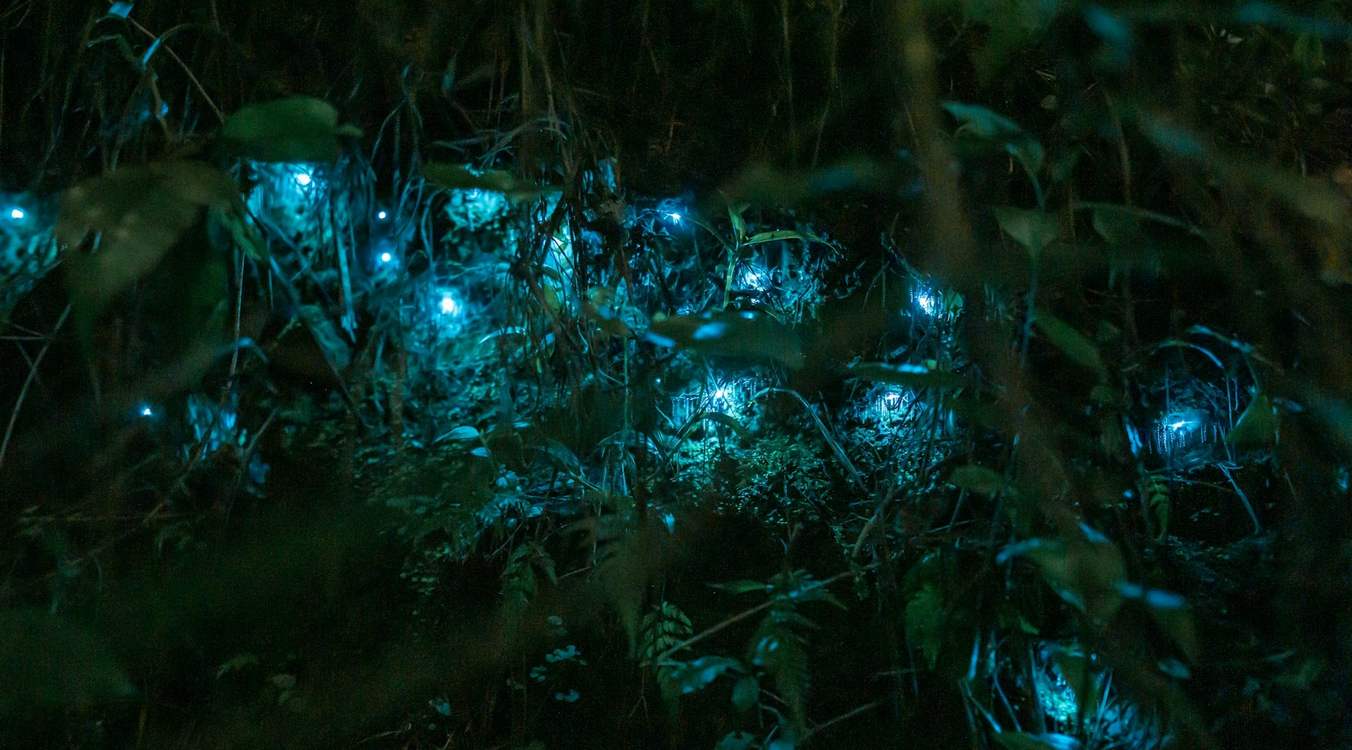
✨
Glowworms shine again in North Yorkshire
Glimwormen stralen weer in North Yorkshire
Les vers luisants brillent à nouveau dans le Yorkshire du Nord
What a lovely sight to look forward to: glowworms may soon light up a North Yorkshire reserve where they have been absent for a century. Wildlife enthusiast Peter Cooper has raised their larvae in his garden shed, volunteering his time to help bring these rare insects back. This year, he plans to release 1,900 larvae at Nosterfield Nature Reserve, with local volunteers helping their population recover. And here's the exciting part: success will only be confirmed when the wild-born glowworms mature and shine in 2030.
Wat een prachtig vooruitzicht: glimwormen kunnen binnenkort opnieuw een natuurgebied in North Yorkshire verlichten, nadat ze er een eeuw verdwenen waren. Natuurliefhebber Peter Cooper heeft de larven in zijn tuinschuurtje grootgebracht en zet zich vrijwillig in om deze zeldzame insecten terug te brengen. Dit jaar wil hij 1.900 larven uitzetten in natuurgebied Nosterfield, waar vrijwilligers meehelpen aan het herstel van de populatie. En dit is het spannende deel: pas wanneer de in het wild geboren glimwormen volwassen zijn en in 2030 licht geven, is het succes echt bevestigd.
Quelle belle perspective : les vers luisants pourraient bientôt illuminer une réserve du Yorkshire du Nord, où ils avaient disparu depuis un siècle. Passionné de nature, Peter Cooper a élevé leurs larves dans son abri de jardin et consacre bénévolement son temps au retour de ces insectes rares. Cette année, il prévoit de relâcher 1 900 larves dans la réserve naturelle de Nosterfield, avec l’aide de bénévoles qui contribuent au rétablissement de la population. Et voici le moment palpitant : le succès ne sera confirmé que lorsque les vers luisants nés dans la nature arriveront à maturité et brilleront en 2030.
🤖
Caltech robot makes history by building in space
Caltech-robot zet historische stap met bouwen in de ruimte
Un robot de Caltech franchit une étape historique en construisant dans l’espace
Now, here's an exciting milestone: a Caltech-built robot has autonomously assembled part of a structure in orbit, without astronauts. During the ASTRA demonstration, its robotic arm joined tubes and connectors into the first section of a planned 1.4-meter reflector antenna, although technical and scheduling challenges prevented completion. Even this partial success shows that robots may one day build structures too large to fit inside a rocket fairing. That could open fresh possibilities for giant space telescopes, powerful communications antennas, and space-based solar energy.
Wat een mooie mijlpaal: een door Caltech ontwikkelde robot heeft zelfstandig een deel van een constructie in een baan om de aarde gemonteerd, zonder astronauten. Tijdens de ASTRA-demonstratie verbond zijn robotarm buizen en koppelstukken tot het eerste deel van een geplande reflectorantenne van 1,4 meter, al verhinderden technische en planningsproblemen de volledige voltooiing. Zelfs dit gedeeltelijke succes laat zien dat robots ooit constructies kunnen bouwen die te groot zijn om in de laadruimte van een raket te passen. Dat kan nieuwe mogelijkheden bieden voor enorme ruimtetelescopen, krachtige communicatieantennes en zonne-energiesystemen in de ruimte.
Quelle belle avancée : un robot conçu par Caltech a assemblé de façon autonome une partie d’une structure en orbite, sans astronautes. Dans le cadre de la démonstration ASTRA, son bras robotisé a relié des tubes et des connecteurs pour construire le premier élément d’une antenne-réflecteur de 1,4 mètre, même si des difficultés techniques et de calendrier ont empêché l’achèvement du projet. Cette réussite partielle montre déjà que des robots pourraient un jour construire des structures trop grandes pour tenir dans la coiffe d’une fusée. Cela ouvre des perspectives enthousiasmantes pour les télescopes géants, les antennes de communication puissantes et l’énergie solaire spatiale.

🐅
Wildlife researchers spot tigers sharing cub care
Onderzoekers zien tijgers samen voor welpen zorgen
Des chercheurs observent des tigresses s’occuper ensemble de leurs petits
So, here's a delightful surprise from Nepal: researchers filmed tiger Goma caring for her own cubs alongside three cubs belonging to another tigress, Jugini. Tigers are usually thought to live and raise their young alone, so this rare glimpse of shared parenting has wildlife experts rethinking what they know. The team suspects the tigresses may be cooperating to protect their cubs from males, though the reason remains a mystery. And here's the thing - moments like this show how much there is still to learn about even the most iconic animals.
Wel, dit is een heerlijke verrassing uit Nepal: onderzoekers filmden tijgerin Goma terwijl ze samen met haar eigen welpen ook voor drie welpen van een andere tijgerin, Jugini, zorgde. Tijgers worden meestal beschouwd als dieren die alleen leven en hun jongen alleen grootbrengen, dus dit zeldzame beeld van gedeelde ouderzorg zet onderzoekers aan het denken. Het team vermoedt dat de tijgerinnen samenwerken om hun welpen tegen mannetjes te beschermen, al blijft de reden voorlopig een mysterie. En weet je: zulke momenten laten zien hoeveel er nog te leren valt over zelfs de meest iconische dieren.
Quelle belle surprise venue du Népal : des chercheurs ont filmé la tigresse Goma s’occupant de ses petits ainsi que de trois petits appartenant à une autre tigresse, Jugini. On pense généralement que les tigres vivent seuls et élèvent leurs petits sans aide, alors ces images rares de parentalité partagée font réfléchir les spécialistes. L’équipe suppose que les deux tigresses coopèrent pour protéger leurs petits des mâles, même si la raison reste mystérieuse. Et voilà ce qui est fascinant : ces instants nous rappellent qu’il reste encore tant à découvrir sur les animaux les plus emblématiques.
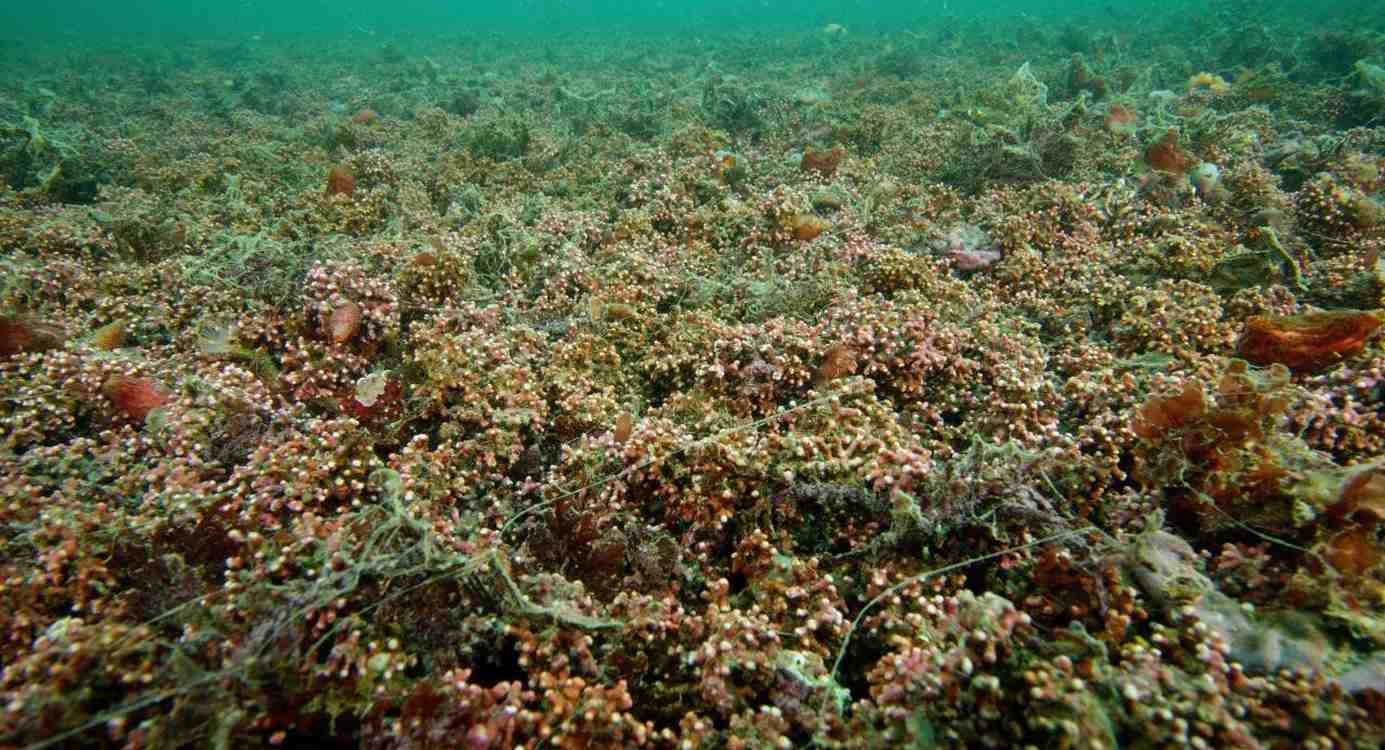
🐟
Fish stocks thrive thanks to protected pink seaweed
Visbestanden floreren dankzij beschermd roze zeewier
Les populations de poissons prospèrent grâce à une algue rose protégée
So: a decade-long ban on industrial scallop dredging around Scotland’s Summer Isles has given ancient maerl beds a chance to thrive. These pink, chalky seaweeds create rich underwater habitat where scallops and other fish can breed, and where dolphins, porpoises, and whales can find a healthy ecosystem. Local campaigners and sustainable creel fishermen helped secure protection for the seabed, which had been damaged by decades of dredging. Now, recovering scallop numbers and thriving stocks of herring, cod, and haddock show how protecting one marine habitat can benefit the whole food web.
Een verbod op industriële sint-jakobsschelpvisserij rond de Schotse Summer Isles geeft eeuwenoude maërlvelden al tien jaar de kans om te herstellen. Dit roze, kalkachtige zeewier vormt een rijke onderwaterhabitat waar sint-jakobsschelpen en andere vissen kunnen paaien, en waar dolfijnen, bruinvissen en walvissen baat bij hebben. Lokale actievoerders en duurzame vissers met korven hielpen de zeebodem te beschermen, nadat die tientallen jaren door sleepnetten was beschadigd. Het herstel van de sint-jakobsschelpen en de bloeiende bestanden van haring, kabeljauw en schelvis laten zien hoe bescherming van één leefgebied het hele voedselweb ten goede komt.
Depuis dix ans, l’interdiction du dragage industriel des coquilles Saint-Jacques autour des Summer Isles, en Écosse, permet à d’anciens bancs de maërl de se régénérer. Cette algue rose et calcaire forme un habitat sous-marin foisonnant où les coquilles Saint-Jacques et d’autres poissons peuvent se reproduire, au bénéfice également des dauphins, des marsouins et des baleines. Des militants locaux et des pêcheurs aux casiers, une méthode plus durable, ont contribué à protéger les fonds marins, abîmés par des décennies de dragage. Le retour des coquilles Saint-Jacques et l’essor du hareng, de la morue et de l’églefin montrent qu’en protégeant un habitat marin, c’est tout le réseau alimentaire qui en profite.
🤝
A teen builds an app to help families understand autistic children
Een tiener bouwt een app die gezinnen helpt autistische kinderen te begrijpen
Un adolescent crée une appli pour aider les familles à comprendre les enfants autistes
When Shashank Madala saw adults misread his autistic cousin’s cues, he taught himself machine learning and created Kora, a free app for caregivers. Instead of giving one definite answer, it offers several possible interpretations and flags when it is unsure, keeping the child’s trusted adults in the conversation. The app now serves more than 700 users in 12 countries and is reaching families through autism therapy centers. And here’s the thing: Madala’s thoughtful project has also won the Congressional App Challenge for his district and earned recognition from Congress.
Toen Shashank Madala zag hoe volwassenen de signalen van zijn autistische neefje verkeerd begrepen, leerde hij zichzelf machine learning en maakte hij Kora, een gratis app voor verzorgers. De app geeft niet één stellig antwoord, maar toont verschillende mogelijke interpretaties en laat weten wanneer hij twijfelt, zodat vertrouwde volwassenen betrokken blijven. Inmiddels gebruiken meer dan 700 mensen in 12 landen de app, die gezinnen bereikt via therapiecentra voor autisme. En dit is bijzonder: Madala’s zorgvuldige project won ook de Congressional App Challenge in zijn district en kreeg erkenning van het Amerikaanse Congres.
Quand Shashank Madala a vu des adultes mal interpréter les signaux de son cousin autiste, il a appris seul l’apprentissage automatique et créé Kora, une application gratuite destinée aux proches aidants. Plutôt que de donner une réponse catégorique, elle propose plusieurs interprétations possibles et signale ses incertitudes, afin que les adultes qui connaissent l’enfant gardent leur place dans la conversation. L’application compte désormais plus de 700 utilisateurs dans 12 pays et atteint des familles par l’intermédiaire de centres de thérapie de l’autisme. Et voici ce qui est remarquable : le projet réfléchi de Madala a aussi remporté le Congressional App Challenge de sa circonscription et lui a valu une reconnaissance du Congrès américain.
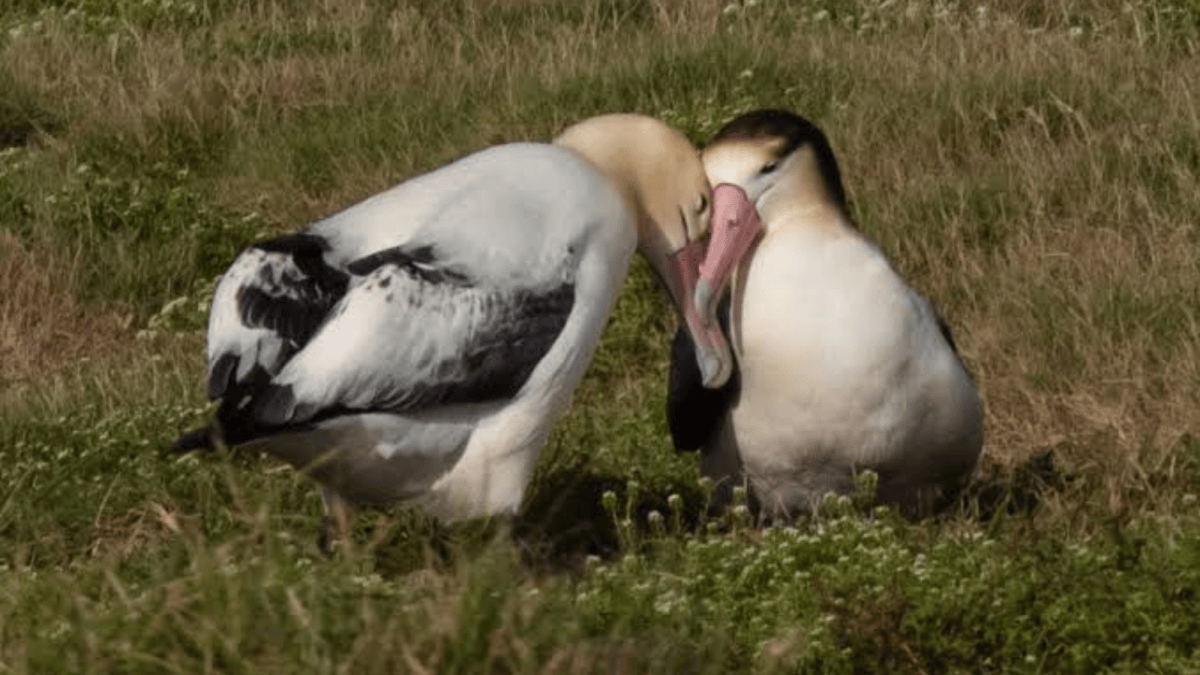
🐦
George and Geraldine reunite for their 10th nesting season
George en Geraldine zijn voor het tiende broedseizoen weer samen
George et Geraldine se retrouvent pour leur 10e saison de nidification
So, George and Geraldine have found each other again at Midway Atoll for their 10th consecutive nesting season. The short-tailed albatrosses first appeared together there in 2016, and they welcomed their first chick in the 2018-2019 breeding season. They are currently the only breeding pair of their species on the atoll, where wildlife biologists use decoys and recorded calls to attract more birds. And here's the hopeful part: after feather hunting brought the species close to extinction, its population is slowly growing and is now estimated at around 10,000.
Kijk, George en Geraldine hebben elkaar op Midway Atoll weer gevonden voor hun tiende broedseizoen op rij. De kortstaartalbatrossen werden daar in 2016 voor het eerst samen gezien en kregen hun eerste kuiken in het broedseizoen van 2018-2019. Op dit moment zijn ze het enige broedpaar van hun soort op het atol, waar biologen lokvogels en opgenomen roepen inzetten om meer vogels aan te trekken. En er is hoopvol nieuws: nadat de soort door de jacht op veren bijna uitstierf, groeit de populatie langzaam weer en wordt die nu op ongeveer 10.000 vogels geschat.
Eh bien, George et Geraldine se sont retrouvés sur l’atoll de Midway pour leur 10e saison de nidification consécutive. Ces albatros à queue courte y ont été aperçus ensemble pour la première fois en 2016, puis ont eu leur premier poussin pendant la saison de reproduction 2018-2019. Ils forment actuellement le seul couple reproducteur de leur espèce sur l’atoll, où des biologistes utilisent des leurres et des enregistrements de leurs cris pour attirer d’autres oiseaux. Et voici une nouvelle encourageante : après avoir frôlé l’extinction à cause de la chasse aux plumes, l’espèce voit sa population augmenter lentement, avec environ 10 000 individus aujourd’hui.
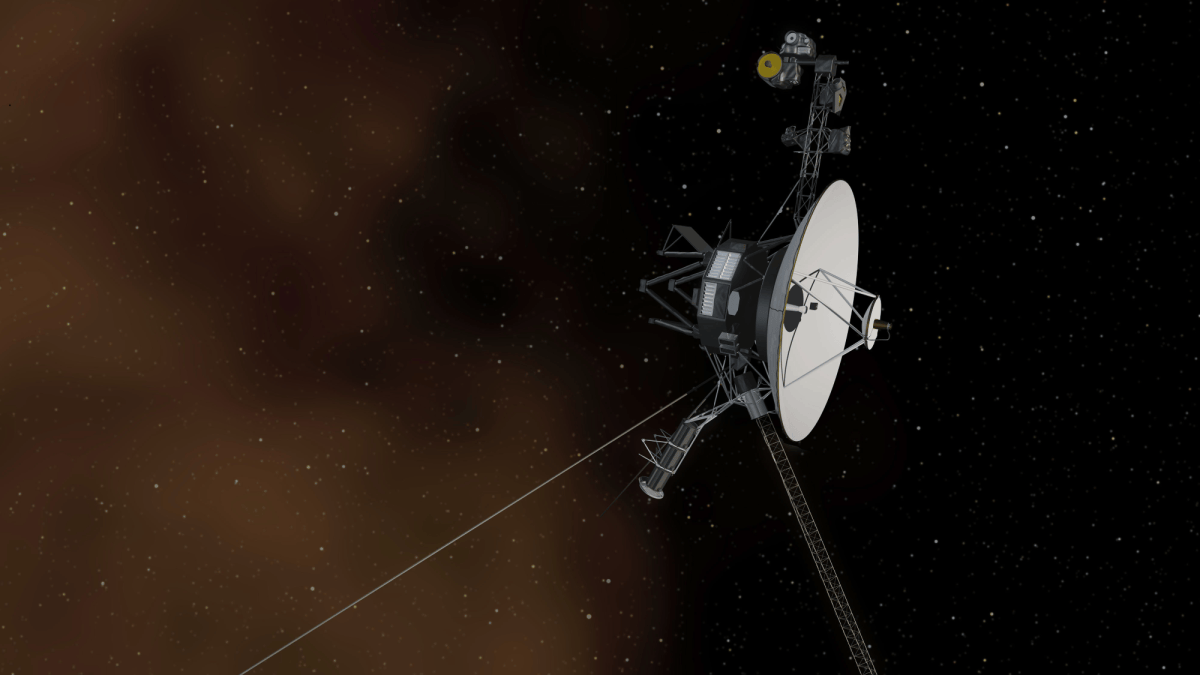
🛰️
Voyager 1 is almost one light-day away from earth
Voyager 1 is bijna een lichtdag van de aarde verwijderd
Voyager 1 est presque à un jour-lumière de la terre
So: Voyager 1 is nearing a remarkable milestone, reaching a distance light travels in one day - about 16.09 billion miles from Earth. A signal will take 24 hours to reach the probe, and another 24 hours for its reply to return, making every exchange a remarkable exercise in patience. Since entering interstellar space in 2012, Voyager 1 has been sending back valuable readings about plasma, magnetic fields, and how far the Sun’s influence extends. Nearly 50 years after launch, the probe is still working, while its team carefully conserves power to keep its science going.
En dit is bijzonder: Voyager 1 nadert een indrukwekkende mijlpaal en zal zich op een afstand bevinden die licht in één dag aflegt - ongeveer 16,09 miljard mijl van de aarde. Een signaal doet er 24 uur over om de sonde te bereiken, en het antwoord nog eens 24 uur om terug te komen, dus elk contact vraagt flink wat geduld. Sinds Voyager 1 in 2012 de interstellaire ruimte bereikte, verzamelt de sonde waardevolle metingen over plasma, magnetische velden en het bereik van de invloed van de zon. Bijna 50 jaar na de lancering werkt de sonde nog altijd, terwijl het team zorgvuldig energie bespaart om de wetenschap voort te zetten.
Et voici une étape fascinante : Voyager 1 approche d’une distance que la lumière parcourt en un jour, soit environ 16,09 milliards de miles de la Terre. Un signal mettra 24 heures à atteindre la sonde, puis il faudra encore 24 heures pour recevoir sa réponse - chaque échange demande donc une belle patience. Depuis son arrivée dans l’espace interstellaire en 2012, Voyager 1 transmet des données précieuses sur le plasma, les champs magnétiques et l’étendue de l’influence du Soleil. Près de 50 ans après son lancement, la sonde fonctionne toujours, et son équipe économise soigneusement son énergie pour prolonger ses observations.
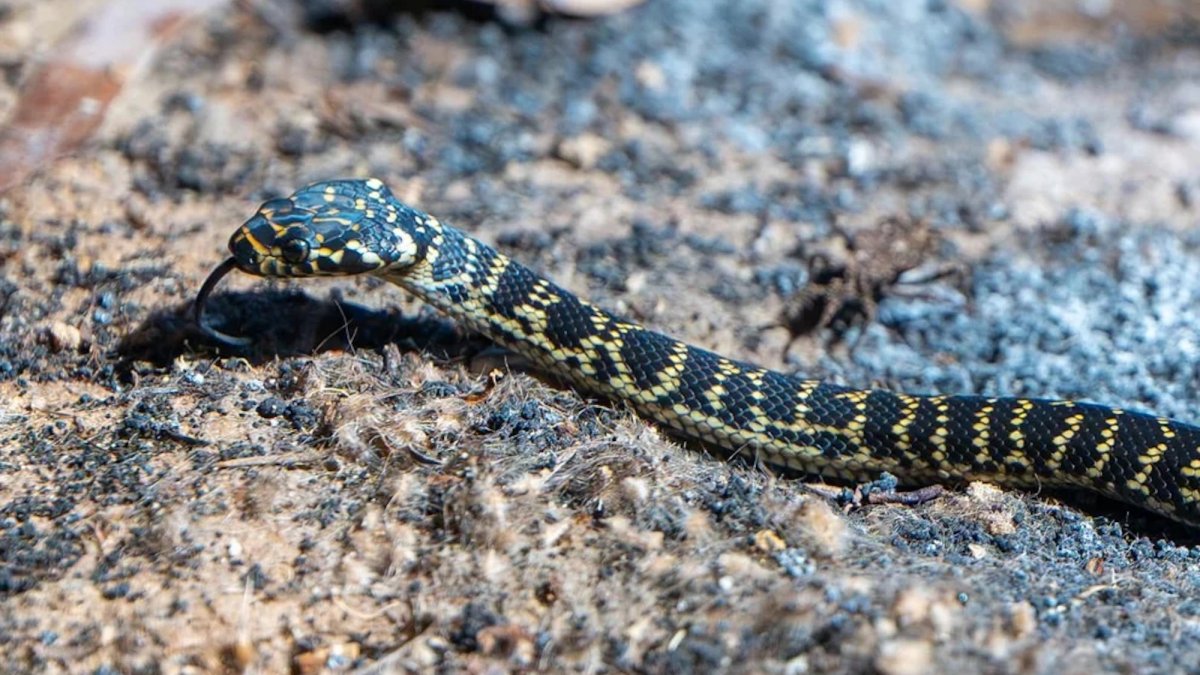
🐍
Fake rocks give rare australian snakes a safer start
Kunstrotsen geven zeldzame australische slangen een veiligere start
De fausses roches offrent un départ plus sûr aux serpents australiens rares
Here’s a clever conservation idea: custom-made artificial rocks are helping young broad-headed snakes settle into the Australian bush. In an early trial, four of the six released juveniles survived their first, riskiest months outdoors. The rocks offer daytime shelter, warmth and protection, while also helping the snakes attract prey. It’s an encouraging start for a threatened species, and researchers hope to grow the program with their conservation and Indigenous partners.
Wat een slim idee voor natuurbehoud: speciaal gemaakte kunstrotsen helpen jonge breedkopslangen zich thuis te voelen in de Australische natuur. In een eerste proef overleefden vier van de zes uitgezette jonge slangen hun eerste, gevaarlijkste maanden buiten. De rotsen bieden overdag beschutting, warmte en bescherming, en helpen de slangen bovendien prooien aan te trekken. Dat is een bemoedigende start voor een bedreigde soort, en onderzoekers willen het programma samen met hun natuurbeschermings- en inheemse partners uitbreiden.
Quelle belle idée pour protéger la nature : des roches artificielles conçues sur mesure aident de jeunes serpents à tête large à s’installer dans la nature australienne. Lors d’un premier essai, quatre des six jeunes serpents relâchés ont survécu à leurs premiers mois en liberté, les plus dangereux. Ces roches leur offrent un abri diurne, de la chaleur et une protection, tout en les aidant à attirer leurs proies. C’est un début prometteur pour cette espèce menacée, et les chercheurs espèrent développer le programme avec leurs partenaires autochtones et de conservation.
🔬
AI beats scientists at finding errors in clinical research papers
AI vindt meer fouten in klinische onderzoekspapers dan wetenschappers
L’IA repère mieux les erreurs dans les articles de recherche clinique que les scientifiques
So, here's an intriguing result: AI outperformed scientists at finding errors in clinical research papers. That could give researchers a useful extra way to check studies before their findings shape medical decisions. The technology may help flag problems, while people still bring the expertise needed to judge what they mean. And here's the thing - better checks can help make clinical research more trustworthy.
En hier is een opvallende bevinding: AI vond meer fouten in klinische onderzoekspapers dan wetenschappers. Dat kan onderzoekers een nuttige extra manier bieden om studies te controleren voordat de resultaten medische beslissingen beïnvloeden. De technologie kan problemen signaleren, terwijl mensen de expertise meebrengen om te beoordelen wat die betekenen. Betere controles kunnen klinisch onderzoek zo betrouwbaarder maken.
Voici un résultat étonnant : l’IA a mieux repéré les erreurs dans des articles de recherche clinique que les scientifiques. Elle pourrait offrir aux chercheurs un moyen supplémentaire de vérifier les études avant que leurs résultats n’influencent les décisions médicales. La technologie peut signaler des problèmes, tandis que les spécialistes apportent le recul nécessaire pour les interpréter. De meilleurs contrôles pourraient ainsi renforcer la fiabilité de la recherche clinique.
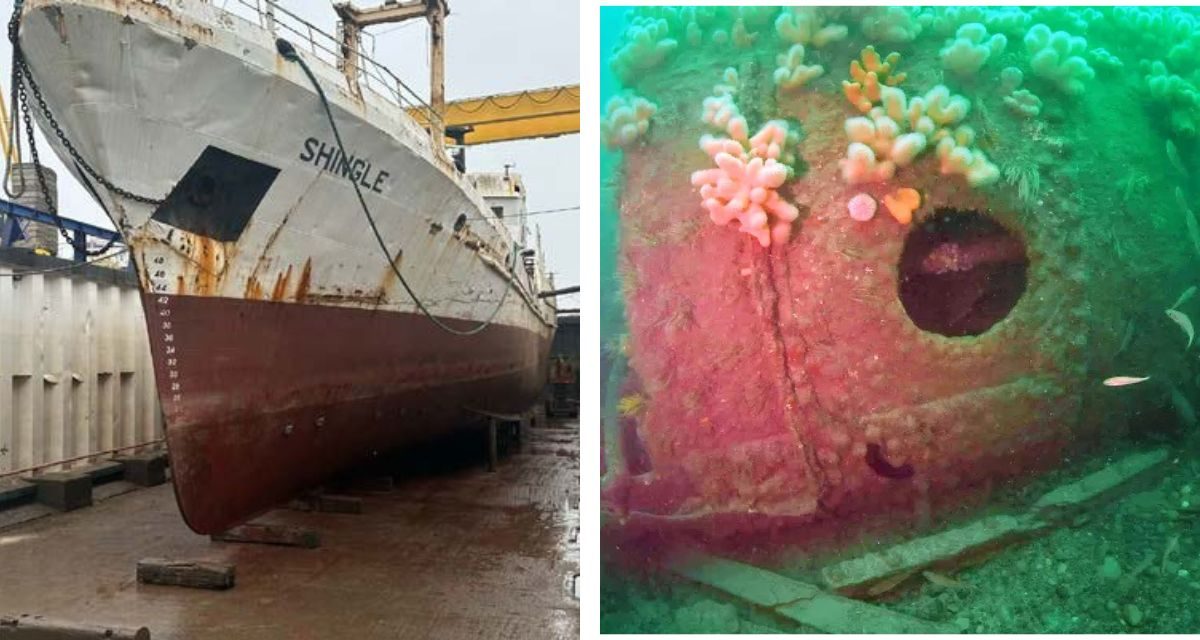
🐠
A seized smuggling ship becomes a thriving reef
Een in beslag genomen smokkelboot wordt een bruisend rif
Un navire de contrebande saisi devient un récif florissant
In 2014, Irish customs seized a ship carrying 32 million illegal cigarettes, but legal proceedings and costly disposal left it tied up in Dublin Port for years. In 2024, the vessel found a new purpose when it was carefully prepared and sunk off Ireland’s west coast to create an artificial reef. Marine life quickly colonised the wreck, with footage showing barnacles, sponges, sea squirts and fish making it their home. So, a ship once linked to crime is now helping a new underwater ecosystem flourish - a lovely example of giving old things a second life.
In 2014 namen Ierse douanebeambten een schip met 32 miljoen illegale sigaretten in beslag, maar door juridische procedures en hoge afvoerkosten bleef het jarenlang in de haven van Dublin liggen. In 2024 kreeg het schip een nieuwe bestemming: na een zorgvuldige voorbereiding werd het voor de westkust van Ierland afgezonken om een kunstmatig rif te vormen. Het zeeleven vestigde zich er al snel, en op beelden zijn zeepokken, sponzen, zakpijpen en vissen te zien. Zo helpt een schip dat ooit met criminaliteit werd geassocieerd nu een nieuw onderwaterecosysteem tot bloei te komen - een prachtig voorbeeld van een tweede leven.
En 2014, les douanes irlandaises ont saisi un navire transportant 32 millions de cigarettes illégales, mais les procédures judiciaires et le coût de son élimination l’ont laissé à quai dans le port de Dublin pendant des années. En 2024, il a trouvé une nouvelle vocation : soigneusement préparé, il a été coulé au large de la côte ouest de l’Irlande pour créer un récif artificiel. La vie marine a rapidement colonisé l’épave, où des images montrent des balanes, des éponges, des ascidies et des poissons. Ainsi, un navire autrefois lié au crime contribue aujourd’hui à l’épanouissement d’un nouvel écosystème sous-marin - une belle façon de lui offrir une seconde vie.

💡
One word can make feedback more useful
Eén woord kan feedback nuttiger maken
Un mot peut rendre les conseils plus utiles
So, researchers found that asking colleagues for “advice” instead of “feedback” can lead to more specific, practical suggestions. Their analysis of more than 27,000 workplace comments showed that advice-givers were more likely to focus on what someone could do differently next time. That future-focused approach may also make criticism easier to hear, especially when questions are specific and asked with genuine care. The study did not establish whether the suggestions improved performance, but it shows how a small change in wording can shape a conversation.
Onderzoekers ontdekten dat collega’s om ‘advies’ vragen in plaats van om ‘feedback’ kan leiden tot concretere, praktischere suggesties. Uit hun analyse van meer dan 27.000 reacties op de werkvloer bleek dat mensen bij advies vaker vertellen wat iemand de volgende keer anders kan doen. Die blik op de toekomst kan kritiek ook makkelijker maken om te aanvaarden, zeker wanneer je gerichte vragen stelt en oprecht betrokken bent. Het onderzoek toont niet aan of de suggesties prestaties verbeteren, maar wel hoe een kleine verandering in je vraag een gesprek kan sturen.
Des chercheurs ont découvert que demander des « conseils » plutôt que des « retours » peut susciter des suggestions plus précises et plus concrètes entre collègues. Leur analyse de plus de 27 000 commentaires en milieu professionnel montre que les personnes sollicitées pour donner des conseils indiquaient plus souvent ce que l’on pouvait faire différemment la prochaine fois. Cette approche tournée vers l’avenir pourrait aussi rendre les critiques plus faciles à entendre, surtout si les questions sont ciblées et posées avec bienveillance. L’étude ne démontre pas que ces suggestions améliorent les performances, mais elle révèle qu’un simple changement de formulation peut orienter une conversation.
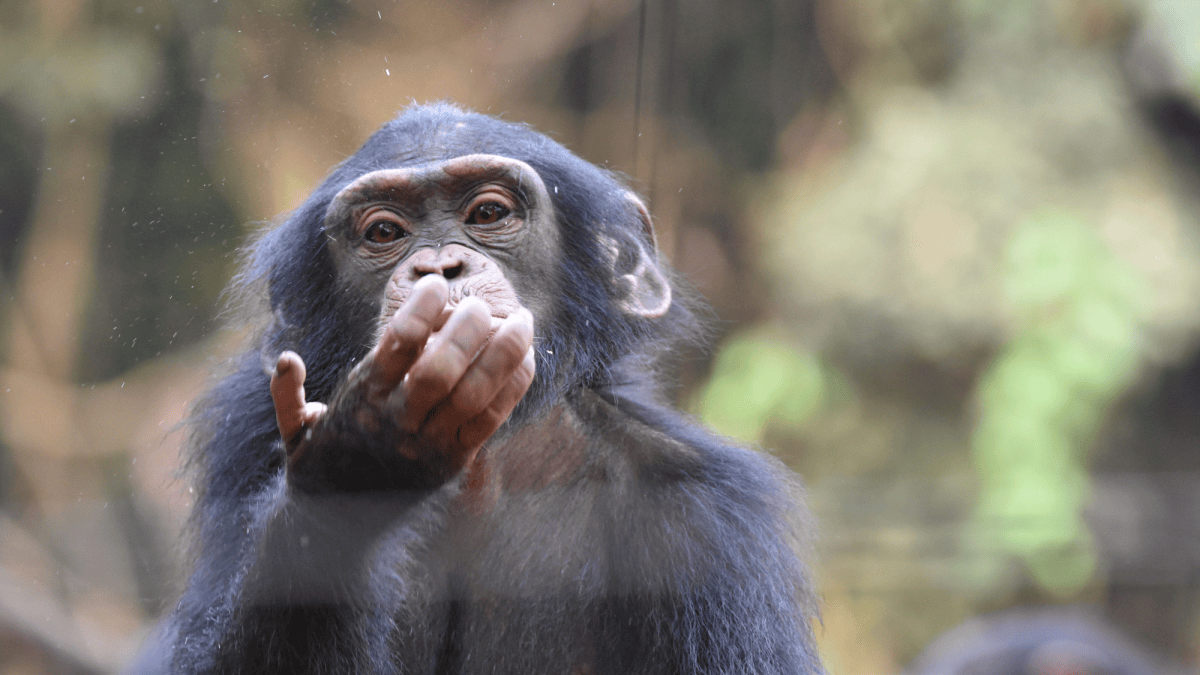
🐵
Baby chimps learn raspberry calls by watching adults
Jonge chimpansees leren pruttelgeluiden door volwassenen na te doen
Les bébés chimpanzés apprennent les appels en faisant des framboises en observant les adultes
So, it seems chimpanzees learn not just how to make raspberry calls, but also when to use them. Researchers compared 91 chimps and found that wild chimpanzees in Ivory Coast mostly used the sound while grooming, while young chimps at a sanctuary used it in more situations. When an adult joined the sanctuary group, the youngsters gradually began using the call more consistently, too. That’s a delightful clue that shared vocal habits may connect chimpanzee communication with our own.
Chimpansees leren dus niet alleen hoe ze pruttelgeluiden maken, maar ook wanneer ze die gebruiken. Onderzoekers bestudeerden 91 chimpansees en ontdekten dat wilde dieren in Ivoorkust het geluid vooral maakten tijdens het vlooien, terwijl jonge chimpansees in een opvangcentrum het in meer situaties gebruikten. Nadat een volwassen chimpansee zich bij de groep voegde, gingen de jongen het geluid geleidelijk consequenter gebruiken. Dat is een mooie aanwijzing dat gedeelde geluidgewoonten de communicatie van chimpansees dichter bij die van ons brengen.
Les chimpanzés apprennent donc non seulement à produire des appels en faisant des framboises, mais aussi à savoir quand les utiliser. Les chercheurs ont étudié 91 chimpanzés et découvert que les animaux sauvages de Côte d’Ivoire émettaient surtout ce son pendant le toilettage, tandis que les jeunes d’un sanctuaire l’utilisaient dans davantage de situations. Après l’arrivée d’un adulte dans le groupe du sanctuaire, les jeunes ont progressivement utilisé l’appel de façon plus régulière. Voilà un indice réjouissant que des habitudes vocales partagées rapprochent la communication des chimpanzés de la nôtre.

🚀
A year on ‘Mars’: NASA crew completes mock mission
Een jaar op ‘Mars’: NASA-ploeg voltooit simulatiemissie
Un an sur ‘Mars’ : l’équipage de la NASA achève une mission simulée
So, what does a year on Mars teach you? Four engineers have emerged from a NASA habitat in Houston after more than a year in a simulated mission, growing crops, conducting experiments and practising geology on a model Martian landscape. The crew also faced realistic communication delays and a planned two-week blackout, while Matthew Montgomery led crop-growing and rock-analysis activities as the mission’s science officer. NASA will use lessons from the simulation to understand how isolation affects astronauts and to prepare for future missions to Mars and the Moon.
Wat leer je eigenlijk van een jaar op Mars? Vier ingenieurs kwamen uit een NASA-verblijf in Houston nadat ze ruim een jaar aan een gesimuleerde missie hadden deelgenomen, waarin ze gewassen kweekten, experimenten uitvoerden en geologie oefenden op een nagebootst Marslandschap. De bemanning kreeg ook te maken met realistische communicatievertragingen en een geplande radiostilte van twee weken, terwijl Matthew Montgomery als wetenschappelijk officier de teelt en analyse van gesteenten leidde. NASA gebruikt de lessen uit de simulatie om te onderzoeken hoe afzondering astronauten beïnvloedt en om toekomstige missies naar Mars en de maan voor te bereiden.
Alors, que peut-on apprendre après un an sur Mars ? Quatre ingénieurs ont quitté un habitat de la NASA à Houston après avoir passé plus d’un an dans une mission simulée, à cultiver des plantes, mener des expériences et étudier la géologie sur un paysage martien reconstitué. L’équipage a aussi affronté des délais de communication réalistes et une coupure planifiée de deux semaines, tandis que Matthew Montgomery, responsable scientifique, dirigeait la culture des plantes et l’analyse des roches. La NASA tirera parti de cette expérience pour comprendre les effets de l’isolement sur les astronautes et préparer de futures missions vers Mars et la Lune.

🗳️
Power over people's view of reality is not unlimited
De macht over hoe mensen de werkelijkheid zien is niet onbeperkt
Le pouvoir sur la perception du réel n’est pas illimité
Åsa Wikforss explores how democratic values can grow even as authoritarian politics gain ground around the world. She explains that would-be autocrats often keep elections while weakening the media, public institutions and their opponents, making it harder for voters to recognise the shift. But recent election defeats for authoritarian leaders and movements in Hungary, Serbia and Brazil show that this model is not unstoppable. When independent voices reach people and voters unite, democratic rights can still make a real difference.
Åsa Wikforss onderzoekt hoe democratische waarden kunnen groeien terwijl autoritaire politiek wereldwijd terrein wint. Ze legt uit dat aspirant-autocraten vaak verkiezingen behouden, maar tegelijk de media, overheidsinstellingen en hun tegenstanders verzwakken, waardoor de verschuiving moeilijker te herkennen is. Recente verkiezingsnederlagen van autoritaire leiders en bewegingen in Hongarije, Servië en Brazilië tonen echter dat dit model niet onstuitbaar is. Wanneer onafhankelijke stemmen mensen bereiken en kiezers zich verenigen, kunnen democratische rechten nog altijd echt het verschil maken.
Åsa Wikforss examine comment les valeurs démocratiques peuvent progresser alors que les politiques autoritaires gagnent du terrain dans le monde. Elle explique que les aspirants autocrates maintiennent souvent les élections tout en affaiblissant les médias, les institutions publiques et leurs adversaires, ce qui rend cette évolution plus difficile à repérer. Pourtant, les récentes défaites électorales de dirigeants et de mouvements autoritaires en Hongrie, en Serbie et au Brésil montrent que ce modèle n’est pas inéluctable. Lorsque les voix indépendantes peuvent se faire entendre et que les électeurs s’unissent, les droits démocratiques peuvent encore faire une vraie différence.
✈️
First fully UK-built Islander arrives in the Falklands
Eerste volledig in het VK gebouwde Islander aangekomen op de Falklands
Le premier Islander entièrement construit au Royaume-Uni arrive aux Malouines
FIGAS has welcomed its new Islander, VP-FTS, in Stanley after an almost three-week delivery flight from Punta Arenas, Chile. It is the first Islander built entirely in the UK, assembled from component level at Britten-Norman’s Bembridge facility on the Isle of Wight. The journey began on October 20 and took the aircraft via Iceland, Greenland, the United States and the length of South America. The aircraft will support FIGAS’s vital passenger, freight, mail and medical services connecting Falkland Islands communities, building on more than four decades of Islander operations.
FIGAS heeft zijn nieuwe Islander, VP-FTS, verwelkomd in Stanley na een afleveringsvlucht van bijna drie weken vanuit Punta Arenas in Chili. Het is de eerste Islander die volledig in het VK is gebouwd, vanaf losse onderdelen bij de fabriek van Britten-Norman in Bembridge op het eiland Wight. De reis begon op 20 oktober en voerde het vliegtuig via IJsland, Groenland en de Verenigde Staten over de volledige lengte van Zuid-Amerika. Het toestel gaat FIGAS ondersteunen bij zijn essentiële passagiers-, vracht-, post- en medische vluchten die de gemeenschappen op de Falklands met elkaar verbinden; de dienst vliegt al ruim vier decennia met Islanders.
FIGAS a accueilli à Stanley son nouvel Islander, immatriculé VP-FTS, après un vol de livraison de près de trois semaines depuis Punta Arenas, au Chili. C’est le premier Islander entièrement construit au Royaume-Uni, assemblé à partir de composants dans les installations de Britten-Norman à Bembridge, sur l’île de Wight. Parti le 20 octobre, l’appareil a rejoint les îles en passant par l’Islande, le Groenland, les États-Unis et toute la longueur de l’Amérique du Sud. Il contribuera aux services essentiels de FIGAS, notamment le transport de passagers, de fret et de courrier ainsi que les vols médicaux, qui relient les communautés des Malouines depuis plus de quatre décennies.

🍎
A new apple bred for hotter, drier climates
Een nieuwe appel voor warmere, drogere klimaten
Une nouvelle pomme adaptée aux climats plus chauds et plus secs
So, a new red apple called Tutti is being planted in Hawke’s Bay, with its owners tipping it to thrive in hotter, drier conditions. Developed through a long-running New Zealand-Spain research partnership, it combines Kiwi genetics with selection in Spain’s Catalan region. Hawke’s Bay grower X-Fruit has secured a licence for about 100 hectares over five years, and the first harvest is expected to reach the market in around two years. Tutti is also licensed for orchards in South America, Europe and the UK, and China, as the global premium apple market is forecast to grow.
Zo wordt in Hawke's Bay een nieuwe rode appel, Tutti, aangeplant, die volgens de eigenaar goed gedijt in warmere en drogere omstandigheden. De appel is ontwikkeld binnen een langdurige samenwerking tussen Nieuw-Zeeland en Spanje, met Kiwi-genetica die in de Catalaanse regio werd geselecteerd. Teler X-Fruit uit Hawke's Bay heeft een licentie voor ongeveer 100 hectare aanplant verspreid over vijf jaar, en de eerste oogst wordt over ongeveer twee jaar op de markt verwacht. Tutti is ook gelicentieerd voor boomgaarden in Zuid-Amerika, Europa en het Verenigd Koninkrijk, en China, terwijl de wereldwijde markt voor premiumappels naar verwachting groeit.
Une nouvelle pomme rouge appelée Tutti est en cours de plantation à Hawke’s Bay, et ses propriétaires pensent qu’elle prospérera dans des conditions plus chaudes et plus sèches. Issue d’un partenariat de recherche de longue date entre la Nouvelle-Zélande et l’Espagne, elle associe des génétiques néo-zélandaises à une sélection réalisée en Catalogne. Le producteur X-Fruit, à Hawke’s Bay, a obtenu une licence pour planter environ 100 hectares sur cinq ans, et la première récolte devrait arriver sur le marché dans deux ans environ. Tutti est également autorisée dans des vergers d’Amérique du Sud, d’Europe et du Royaume-Uni, ainsi que de Chine, alors que le marché mondial des pommes haut de gamme devrait croître.
🏛️
From tv technician to head of state: Germany gets its first woman president
Van tv-technicus tot staatshoofd: Duitsland krijgt zijn eerste vrouwelijke president
De technicienne de télévision à cheffe d’État : l’Allemagne aura sa première présidente
Germany is set to make history with its first woman president. Her journey from working as a television technician to becoming head of state marks a striking change in direction. It is a milestone for women’s representation at the highest level of public life. And here's the thing: her path to the presidency is as remarkable as the historic moment itself.
Duitsland schrijft geschiedenis met zijn eerste vrouwelijke president. Haar parcours van tv-technicus tot staatshoofd is een opvallende wending. Het is een mijlpaal voor de vertegenwoordiging van vrouwen op het hoogste niveau van het openbare leven. En daar zit precies het bijzondere aan: ook haar weg naar het presidentschap spreekt tot de verbeelding.
L’Allemagne s’apprête à entrer dans l’histoire avec sa première présidente. Son parcours, de technicienne de télévision à cheffe d’État, marque un changement de cap remarquable. C’est une étape importante pour la représentation des femmes au plus haut niveau de la vie publique. Et voici ce qui rend ce moment si singulier : son chemin vers la présidence est aussi marquant que cette première historique.

💧
How two Chennai engineers helped buildings save 5 billion litres of water
Hoe twee ingenieurs uit Chennai gebouwen hielpen 5 miljard liter water te besparen
Comment deux ingénieurs de Chennai ont aidé des bâtiments à économiser 5 milliards de litres d’eau
So, two engineers from Chennai have turned a simple question about a dripping tap into a clever way to help buildings save water. Their IIT Madras-incubated startup, EarthFokus, uses monitoring tools to spot unusual water use and hidden leaks, while other solutions help reduce everyday consumption and water lost through evaporation. The company says its systems have helped more than 130 commercial buildings save over five billion litres of water. And here's the thing: by giving building managers a clearer, more timely picture of water use, EarthFokus can help them tackle waste before it adds up.
Twee ingenieurs uit Chennai hebben een eenvoudige vraag over een kraan omgezet in een slimme manier om gebouwen water te laten besparen. Hun startup EarthFokus, ontstaan aan het IIT Madras, gebruikt meet- en controlesystemen om afwijkend verbruik en verborgen lekken op te sporen, terwijl andere oplossingen het dagelijkse verbruik en waterverlies door verdamping verminderen. Volgens het bedrijf hebben die systemen meer dan 130 commerciële gebouwen geholpen om ruim vijf miljard liter water te besparen. En precies daar zit de kracht: gebouwbeheerders krijgen sneller een helder beeld van het waterverbruik en kunnen verspilling aanpakken voordat die zich opstapelt.
Deux ingénieurs de Chennai ont transformé une simple question sur un robinet en une solution ingénieuse pour aider les bâtiments à économiser l’eau. Leur startup EarthFokus, incubée à l’IIT Madras, utilise des systèmes de suivi pour repérer les consommations inhabituelles et les fuites cachées, tandis que d’autres solutions réduisent l’usage quotidien et les pertes par évaporation. Selon l’entreprise, ses outils ont aidé plus de 130 bâtiments commerciaux à économiser plus de cinq milliards de litres d’eau. Et voici ce qui compte : en donnant aux gestionnaires une vision plus claire et plus rapide de leur consommation, EarthFokus les aide à agir avant que le gaspillage ne s’accumule.
🦴
An ancient ocean reveals a surprising twist in evolution
Een oeroude oceaan onthult een verrassende wending in de evolutie
Un océan ancien révèle un tournant surprenant de l’évolution
Fossils from Colombia’s Paja Formation reveal an ancient ocean where lineages nearing extinction lived alongside newer groups beginning to thrive. Researchers from McGill University and the Centro de Investigaciones Paleontológicas call this kind of evolutionary turning point a “Biotic Inflection.” Warm waters, rising sea levels, nutrient-rich coasts and new ocean connections may have helped support this remarkable diversity of marine life. The idea suggests that some major evolutionary changes may unfold without mass extinction, though more fossil evidence is needed to see how widespread this pattern was.
Fossielen uit de Paja-formatie in Colombia onthullen een oeroude oceaan waar diergroepen die bijna uitstierven samenleefden met nieuwere groepen die juist tot bloei kwamen. Onderzoekers van McGill University en het Centro de Investigaciones Paleontológicas noemen zo’n keerpunt in de evolutie een ‘biotische inflectie’. Warm water, een hogere zeespiegel, voedselrijke kustgebieden en nieuwe oceaanverbindingen hebben mogelijk bijgedragen aan deze opmerkelijke diversiteit aan zeeleven. Het idee wijst erop dat grote evolutionaire veranderingen soms kunnen plaatsvinden zonder massa-extinctie, al is meer fossiel bewijs nodig om te bepalen hoe vaak dit gebeurde.
Les fossiles de la formation de Paja, en Colombie, révèlent un océan ancien où des lignées proches de l’extinction coexistaient avec de nouveaux groupes en plein essor. Des chercheurs de l’Université McGill et du Centro de Investigaciones Paleontológicas appellent ce type de tournant évolutif une « inflexion biotique ». Des eaux chaudes, la montée du niveau marin, des côtes riches en nutriments et de nouvelles connexions océaniques ont peut-être favorisé cette remarquable diversité de la vie marine. Cette idée suggère que certaines grandes transformations évolutives peuvent se produire sans extinction massive, mais il faudra davantage de fossiles pour savoir si ce phénomène était répandu.
🌊
The ocean’s sticky snow can carry six times more carbon
Kleverige oceaansneeuw kan zes keer meer koolstof vervoeren
La neige collante des océans peut transporter six fois plus de carbone
Here’s a fascinating climate helper drifting through the deep: marine snow, made of tiny bits of waste, dead organisms and other debris. Researchers found that its stickiness matters - the stickiest particles can carry more than six times as much carbon into the deep ocean as less gooey ones. With a new imaging technique, the team could watch bacteria move through the particles and see how their structure shapes the journey. That carbon transfer helps keep some carbon away from the atmosphere for centuries or longer.
Wat een fascinerende bondgenoot voor het klimaat drijft er in de diepe oceaan: zeesneeuw, opgebouwd uit piepkleine deeltjes afval, dode organismen en ander materiaal. Onderzoekers ontdekten dat de kleverigheid ertoe doet: de kleverigste deeltjes kunnen meer dan zes keer zoveel koolstof naar de diepe oceaan vervoeren als minder kleverige deeltjes. Met een nieuwe beeldvormingstechniek konden ze bacteriën door de deeltjes zien bewegen en ontdekken hoe de structuur hun tocht beïnvloedt. Zo helpt dit transport koolstof eeuwenlang of zelfs langer uit de atmosfeer te houden.
Voilà un allié fascinant du climat qui dérive dans les profondeurs : la neige marine, composée de minuscules fragments de déchets, d’organismes morts et d’autres débris. Les chercheurs ont découvert que sa viscosité compte : les particules les plus collantes peuvent transporter vers les profondeurs plus de six fois plus de carbone que les moins visqueuses. Grâce à une nouvelle technique d’imagerie, l’équipe a pu observer les bactéries circuler dans ces particules et voir comment leur structure influence leur trajet. Ce transport contribue à tenir une partie du carbone éloignée de l’atmosphère pendant des siècles, voire davantage.

🪔
Homes and temples glow across India for Diwali
Huizen en tempels stralen in heel India tijdens Divali
Maisons et temples illuminés dans toute l’Inde pour Diwali
Millions of people across India are celebrating Diwali, the festival of lights, with glowing oil lamps and colourful displays in homes, temples and streets. The celebrations welcome the triumph of light over darkness and bring families together for prayers, sweets and festive gatherings. This year’s festivities come as air pollution is a serious concern, especially in Delhi, where levels have reached a decade high for Diwali. Certified green firecrackers are permitted for a limited time, offering a way to celebrate with fewer emissions, though questions remain about their impact.
Miljoenen mensen in heel India vieren Divali, het lichtfeest, met brandende olielampjes en kleurrijke versieringen in huizen, tempels en straten. De festiviteiten staan voor de overwinning van het licht op de duisternis en brengen families samen voor gebeden, zoetigheden en feestelijke bijeenkomsten. Dit jaar is luchtvervuiling een ernstig aandachtspunt, vooral in Delhi, waar de vervuiling tijdens Divali het hoogste niveau in tien jaar heeft bereikt. Gecertificeerd groen vuurwerk is tijdelijk toegestaan als alternatief met minder uitstoot, al bestaat er nog twijfel over het effect ervan.
Des millions de personnes célèbrent Diwali dans toute l’Inde, avec des lampes à huile et des décorations colorées qui illuminent maisons, temples et rues. Cette fête célèbre le triomphe de la lumière sur les ténèbres et réunit les familles autour de prières, de douceurs et de moments festifs. Cette année, la pollution atmosphérique suscite de vives inquiétudes, notamment à Delhi, où elle atteint son niveau le plus élevé depuis dix ans pour Diwali. Des pétards verts certifiés sont autorisés pour une durée limitée afin de réduire les émissions, même si leur efficacité reste discutée.

🎨
Brussels celebrated in paris as in the 1900 world's fair
Brussel gevierd in parijs zoals tijdens de wereldtentoonstelling van 1900
Bruxelles célébrée à paris comme lors de l’exposition universelle de 1900
A visit to the Petit Palais offers a fresh look at Brussels around 1900, when the city was one of Europe’s leading artistic centres. The exhibition brings together a lively mix of genres, styles and disciplines. I love how it captures the remarkable creative energy that filled Brussels during the final decade of the 19th century. And here's the thing: this was all happening before Brussels became the capital of Europe.
In het Petit Palais krijgen bezoekers een frisse blik op Brussel rond 1900, toen de stad een van Europa’s belangrijkste kunstcentra was. De tentoonstelling brengt een levendige mix van genres, stijlen en disciplines samen. Ze toont de opmerkelijke creatieve bruis die Brussel in het laatste decennium van de 19e eeuw kenmerkte. En dat allemaal nog voordat Brussel de hoofdstad van Europa werd.
Au Petit Palais, les visiteurs découvrent un nouveau regard sur Bruxelles vers 1900, alors que la ville comptait parmi les grands centres artistiques européens. L’exposition réunit un foisonnant mélange de genres, de styles et de disciplines. Elle met en lumière l’incroyable effervescence créative qui animait Bruxelles durant les dix dernières années du XIXe siècle. Et tout cela se passait bien avant que Bruxelles ne devienne la capitale de l’Europe.
🐕
Dogs sniff out invasive plants to protect biodiversity
Honden speuren invasieve planten op en helpen de biodiversiteit
Des chiens repèrent les plantes invasives et protègent la biodiversité
So, trained volunteer teams of dogs and handlers in Germany are helping ecologists sniff out destructive invasive plants. In a field test, 11 of the 12 teams passed, detecting target species with an average accuracy of 75%. The dogs learned to find Himalayan balsam, common ragweed and knotweed, including Japanese knotweed. Researchers say the approach could make early detection more effective - and turn everyday walks into a cheerful contribution to protecting biodiversity.
Getrainde teams van vrijwilligers en hun honden helpen ecologen in Duitsland om schadelijke, invasieve planten op te sporen. Tijdens een veldtest slaagden 11 van de 12 teams, met een gemiddelde trefkans van 75 procent. De honden leerden onder meer reuzenbalsemien, alsemambrosia en duizendknoopsoorten, waaronder Japanse duizendknoop, te vinden. Volgens de onderzoekers kan deze aanpak helpen om planten eerder te ontdekken en van gewone wandelingen een mooie bijdrage aan de biodiversiteit te maken.
En Allemagne, des équipes bénévoles composées de chiens et de leurs maîtres aident les écologues à repérer des plantes invasives nuisibles. Lors d’un test sur le terrain, 11 des 12 équipes ont réussi, avec un taux moyen de détection de 75 %. Les chiens ont appris à trouver la balsamine de l’Himalaya, l’ambroisie à feuilles d’armoise et des renouées, dont la renouée du Japon. Les chercheurs estiment que cette méthode pourrait faciliter le repérage précoce et transformer les promenades quotidiennes en un geste concret pour la biodiversité.
🌱
From nuisance to product: this farmer deliberately grows weeds across 30,000 square metres
Van plaag naar product: deze boer kweekt bewust onkruid op 30.000 vierkante meter
De nuisance à produit : cet agriculteur cultive volontairement des mauvaises herbes sur 30 000 mètres carrés
What many people see as a nuisance is becoming a deliberate crop on one Belgian farm. The farmer grows weeds across 30,000 square metres, turning an unwanted plant into a product with value. It’s a fresh example of looking at familiar plants in a different way. And here’s the thing: what once seemed like a problem can become an opportunity.
Wat veel mensen als een plaag zien, wordt op één boerderij bewust geteeld. De boer kweekt onkruid op 30.000 vierkante meter en maakt van een ongewenste plant een product met waarde. Het is een verrassend voorbeeld van hoe je met een andere blik naar vertrouwde planten kunt kijken. Zo kan iets wat eerst een probleem leek, uitgroeien tot een kans.
Ce que beaucoup considèrent comme une nuisance est cultivé volontairement dans une ferme. L’agriculteur fait pousser des mauvaises herbes sur 30 000 mètres carrés et transforme une plante indésirable en produit de valeur. C’est un bel exemple de la façon dont un nouveau regard peut changer notre perception des plantes familières. Ainsi, ce qui ressemblait à un problème peut devenir une occasion à saisir.

🤹♂️
A 55-year-old math problem was solved by humans
Mensen lossen een wiskundig probleem van 55 jaar oud op
Des humains résolvent un problème de maths vieux de 55 ans
So, a question inspired by juggling has finally been answered after 55 years: can a set of numbers always be rearranged so that every partial sum is different? The challenge becomes especially intriguing in finite arithmetic, where numbers wrap around like the hours on a clock. A group of young mathematicians resolved the conjecture across four papers, with the final proof published by Lisa Sauermann and Huy Tuan Pham in February 2026. And here's the thing: randomness, collaboration and a fresh generation of researchers helped reveal the pattern.
Een vraag die mogelijk door jongleren werd ingegeven, heeft na 55 jaar eindelijk een antwoord: kun je een verzameling getallen altijd zo rangschikken dat elke deelsom anders is? De uitdaging wordt extra interessant in eindige rekenkunde, waar getallen rondgaan zoals de uren op een klok. Een groep jonge wiskundigen bewees het vermoeden in vier artikelen; het laatste bewijs verscheen in februari 2026 van Lisa Sauermann en Huy Tuan Pham. En het mooie is: toeval, samenwerking en een nieuwe generatie onderzoekers hielpen het patroon bloot te leggen.
Une question peut-être inspirée par le jonglage a enfin trouvé sa réponse après 55 ans : peut-on toujours réordonner un ensemble de nombres de façon à ce que chaque somme partielle soit différente ? Le défi devient particulièrement intéressant dans l’arithmétique finie, où les nombres tournent en boucle comme les heures d’une horloge. Un groupe de jeunes mathématiciens a démontré la conjecture en quatre articles, dont le dernier, signé par Lisa Sauermann et Huy Tuan Pham, a été publié en février 2026. Et voici ce qui est réjouissant : le hasard, la collaboration et une nouvelle génération de chercheurs ont permis de faire apparaître le motif.

🚢
Airbus ships carry aircraft parts across the Atlantic with wind power
Airbus-schepen vervoeren vliegtuigonderdelen met windkracht over de Atlantische Oceaan
Des navires Airbus transportent des pièces d’avion grâce au vent sur l’Atlantique
So, here’s an exciting sight: the Spirit of Toulouse is fitted with six towering rotor sails that help propel it with the wind. From 2027, three ships will carry large A320 components between Saint-Nazaire in France and Mobile, Alabama, using roll-on, roll-off loading. AI-assisted navigation and dual-fuel engines that can use methanol are designed to make the transatlantic service cleaner, too. Wind-assisted shipping is still far from standard, but this project shows how clever technology and industrial partnerships could help the sector move toward its 2050 net-zero goal.
Kijk eens aan: de Spirit of Toulouse valt op met zes hoge rotorseilen die het schip met behulp van de wind voortstuwen. Vanaf 2027 vervoeren drie schepen grote onderdelen van de A320 tussen Saint-Nazaire in Frankrijk en Mobile in Alabama, met een systeem waarbij de lading via laadkleppen aan boord rolt. Navigatie met hulp van kunstmatige intelligentie en motoren die naast scheepsdiesel ook methanol kunnen gebruiken, moeten de overtocht nog schoner maken. Schepen met windondersteuning zijn nog lang geen standaard, maar dit project laat zien hoe slimme technologie en industriële samenwerking kunnen bijdragen aan klimaatneutrale scheepvaart in 2050.
Voilà une belle innovation à découvrir : le Spirit of Toulouse est équipé de six grandes voiles rotatives qui l’aident à avancer grâce au vent. À partir de 2027, trois navires transporteront de grandes pièces d’A320 entre Saint-Nazaire, en France, et Mobile, en Alabama, avec un chargement par rampes. Une navigation assistée par l’intelligence artificielle et des moteurs bicarburants pouvant aussi utiliser du méthanol devraient rendre ces traversées encore plus propres. La propulsion assistée par le vent est loin d’être généralisée, mais ce projet montre comment des technologies ingénieuses et des partenariats industriels peuvent aider le secteur à atteindre la neutralité carbone d’ici 2050.

🗣️
How Germanic languages spread from Sweden across Europe
Hoe Germaanse talen zich vanuit Zweden over Europa verspreidden
Comment les langues germaniques se sont répandues depuis la Suède
So, a sweeping new study suggests that people who arrived in southern Sweden from the Baltic region around 4,000 years ago brought an early form of Germanic with them. By combining linguistic and archaeological evidence with DNA from thousands of ancient people, researchers traced how the language spread through Scandinavia and into central and western Europe. The findings also reveal a later return migration from northern Germany to Denmark and southern Sweden around 1,500 years ago, around the time Old Norse emerged. And here's the fascinating twist: these newcomers may have contributed substantially to Viking-era ancestry and help explain cultural and linguistic links between Scandinavia and Anglo-Saxon Britain.
Een grootschalige nieuwe studie suggereert dat mensen die zo’n 4.000 jaar geleden vanuit het Oostzeegebied naar Zuid-Zweden trokken, een vroege vorm van het Germaans met zich meebrachten. Door taalkundig en archeologisch bewijs te combineren met DNA van duizenden mensen uit het verleden, volgden onderzoekers hoe de taal zich door Scandinavië en naar Midden- en West-Europa verspreidde. De resultaten laten ook zien dat er ongeveer 1.500 jaar geleden een terugmigratie plaatsvond van Noord-Duitsland naar Denemarken en Zuid-Zweden, rond de tijd dat het Oudnoors ontstond. En dat is een bijzonder boeiende wending: deze nieuwkomers droegen mogelijk flink bij aan de genetische afkomst van mensen uit de Vikingtijd en helpen de culturele en taalkundige banden tussen Scandinavië en Angelsaksisch Brittannië te verklaren.
Une vaste nouvelle étude suggère que des personnes venues de la région baltique et arrivées dans le sud de la Suède il y a environ 4 000 ans y ont apporté une forme ancienne du germanique. En associant des données linguistiques et archéologiques à l’ADN de milliers de personnes du passé, les chercheurs ont retracé la diffusion de cette langue à travers la Scandinavie, puis vers l’Europe centrale et occidentale. Les résultats révèlent aussi une migration de retour, il y a environ 1 500 ans, depuis le nord de l’Allemagne vers le Danemark et le sud de la Suède, à l’époque où le vieux norrois a émergé. Et voici un aspect fascinant : ces nouveaux arrivants ont peut-être largement contribué à l’ascendance génétique des populations de l’époque viking et pourraient expliquer les liens culturels et linguistiques entre la Scandinavie et la Bretagne anglo-saxonne.
🌰
Acorns, not deer, can forecast Lyme-spreading ticks
Eikels, niet herten, voorspellen Lymeverspreidende teken
Les glands, et non les cerfs, peuvent annoncer une hausse des tiques porteuses de Lyme
So, here's a surprising clue to future Lyme disease risk: the number of acorns on the forest floor. A 35-year study in New York found that abundant red oak acorns help white-footed mice survive and thrive, giving tick larvae more chances to become nymphs that can bite people. Researchers say acorn production can help predict especially risky years almost two years ahead, though deer remain essential to tick populations. Warmer weather complicates the picture, and its overall effect on Lyme risk is still uncertain.
Een verrassende aanwijzing voor het toekomstige risico op de ziekte van Lyme ligt gewoon op de bosbodem: het aantal eikels. Uit een onderzoek van 35 jaar in New York blijkt dat veel rode-eikels muizen helpen de winter te overleven en zich voort te planten, waardoor meer tekenlarven kunnen uitgroeien tot nimfen die mensen bijten. Volgens de onderzoekers kunnen eikeloogsten bijna twee jaar vooruit wijzen op jaren met een bijzonder hoog risico, al blijven herten essentieel voor tekenpopulaties. Warmer weer maakt het beeld ingewikkelder en het totale effect daarvan op het risico op Lyme is nog onzeker.
Voici un indice étonnant du risque futur de maladie de Lyme : le nombre de glands au sol dans les forêts. Une étude menée pendant 35 ans dans l’État de New York montre que les années riches en glands de chêne rouge aident les souris à pattes blanches à survivre et à se multiplier, offrant aux larves de tiques davantage de chances de devenir des nymphes capables de piquer les humains. Selon les chercheurs, la production de glands peut permettre de prévoir près de deux ans à l’avance les années particulièrement risquées, même si les cerfs restent indispensables aux populations de tiques. Le réchauffement complique toutefois les prévisions, et son effet global sur le risque de Lyme demeure incertain.

🌿
The surprising reality of garden waste at IIT Bombay
De verrassende realiteit van tuinafval bij IIT Bombay
La surprenante réalité des déchets verts à l’IIT Bombay
So, what if fallen leaves could help cook meals for 1,200 students? At IIT Bombay, startup Infixen turns nearly two tonnes of garden waste into fuel pellets every day. These pellets power the kitchen at Hostel 16 and help cut its LPG use by 60%. And here's the thing: waste that once cost nearly ₹50 lakh a year to transport is now being put to work as a valuable energy source.
Stel je voor dat gevallen bladeren helpen koken voor 1.200 studenten. Bij IIT Bombay zet startup Infixen dagelijks bijna twee ton tuinafval om in brandstofpellets. Die pellets leveren energie aan de keuken van Hostel 16 en helpen het LPG-verbruik met 60 procent te verlagen. En juist dat is zo mooi: afval dat jaarlijks bijna ₹50 lakh kostte om af te voeren, wordt nu benut als waardevolle energiebron.
Et si les feuilles mortes pouvaient contribuer à préparer les repas de 1 200 étudiants ? À l’IIT Bombay, la start-up Infixen transforme chaque jour près de deux tonnes de déchets verts en granulés combustibles. Ceux-ci alimentent la cuisine du foyer 16 et permettent de réduire de 60 % sa consommation de GPL. Ce qui coûtait auparavant près de 50 lakh de roupies par an à transporter devient ainsi une précieuse source d’énergie.

♻️
Can we harness the wasted heat from AI data centres?
Kunnen we de restwarmte van AI-datacenters benutten?
Peut-on récupérer la chaleur perdue des centres de données d’IA ?
So: AI data centres use huge amounts of electricity, and their rapid growth is putting pressure on energy systems around the world. At the University of Southern Denmark, engineers are capturing all the heat from the Bitten supercomputer with liquid cooling instead of letting it escape into the air. The recovered hot water is fed into Sonderborg’s district heating network, helping warm homes and potentially supporting industrial processes too. It’s a practical way to turn a growing energy challenge into a useful local resource.
AI-datacenters verbruiken enorme hoeveelheden elektriciteit, en hun snelle groei zet energiesystemen wereldwijd onder druk. Ingenieurs aan de Universiteit van Zuid-Denemarken vangen alle warmte van de Bitten-supercomputer op met vloeistofkoeling, in plaats van die in de lucht te laten verdwijnen. Het teruggewonnen warme water gaat naar het stadsverwarmingsnet van Sonderborg, waar het woningen verwarmt en ook industriële processen kan ondersteunen. Zo wordt een groeiende energie-uitdaging omgezet in een nuttige lokale hulpbron.
Les centres de données dédiés à l’IA consomment énormément d’électricité, et leur expansion rapide met les systèmes énergétiques du monde entier sous pression. À l’Université du Danemark du Sud, des ingénieurs récupèrent toute la chaleur du superordinateur Bitten grâce à un système de refroidissement liquide, plutôt que de la laisser s’échapper dans l’air. L’eau chaude récupérée alimente le réseau de chauffage urbain de Sonderborg, où elle contribue à chauffer les logements et pourrait aussi servir à des activités industrielles. C’est une manière concrète de transformer un défi énergétique croissant en ressource locale utile.
🐈
Cities and municipalities have caught 20 percent more stray cats on average since 2018
Steden en gemeenten vangen sinds 2018 gemiddeld 20 procent meer zwerfkatten
Les villes et communes ont capturé en moyenne 20 % de chats errants en plus depuis 2018
Cities and municipalities have caught, on average, 20 percent more stray cats since 2018. The increase highlights the ongoing importance of animal welfare and managing stray cats in local communities. The figures show a rise in captures, though they do not explain why more cats are being caught. Local authorities continue to play a valuable role in responding to the needs of stray animals.
Steden en gemeenten hebben sinds 2018 gemiddeld 20 procent meer zwerfkatten gevangen. De toename benadrukt hoe belangrijk dierenwelzijn en de aanpak van zwerfkatten in lokale gemeenschappen blijven. De cijfers tonen een stijging van het aantal gevangen katten, maar verklaren niet waarom er meer katten worden gevangen. Lokale besturen blijven een waardevolle rol spelen in de zorg voor deze dieren.
Depuis 2018, les villes et communes ont capturé en moyenne 20 % de chats errants en plus. Cette hausse souligne l’importance persistante du bien-être animal et de la gestion des chats errants dans les communautés locales. Les chiffres montrent une augmentation des captures, sans toutefois expliquer pourquoi davantage de chats sont attrapés. Les autorités locales continuent de jouer un rôle précieux dans la prise en charge de ces animaux.
📝
A review of 138 studies found two simple ways to make goal tracking work better
Een overzicht van 138 studies vond twee eenvoudige manieren om doelen beter bij te houden
Une analyse de 138 études révèle deux façons simples de mieux suivre ses objectifs
Following through on a goal can be tricky, but a review of 138 studies involving nearly 20,000 people found two simple practices that may help. Keeping a written record of your progress and sharing updates with someone else were both linked to greater success. That could be as easy as ticking off workouts on a calendar or sending a weekly note to a friend. The findings don’t prove that both practices work best for everyone, but they offer a practical, low-fuss place to start.
Een doel volhouden kan best lastig zijn, maar een overzicht van 138 studies met bijna 20.000 deelnemers vond twee eenvoudige manieren die kunnen helpen. Je vooruitgang opschrijven en updates delen met iemand anders hingen allebei samen met meer succes. Dat kan zo simpel zijn als je trainingen afvinken op een kalender of wekelijks een berichtje sturen naar een vriend. De bevindingen bewijzen niet dat beide aanpakken voor iedereen het beste werken, maar bieden wel een praktische en laagdrempelige start.
Tenir ses objectifs peut être difficile, mais une analyse de 138 études portant sur près de 20 000 personnes a mis en évidence deux pratiques simples qui peuvent aider. Noter ses progrès et les partager avec quelqu’un étaient toutes deux associées à une plus grande réussite. Il peut suffire de cocher ses séances d’entraînement sur un calendrier ou d’envoyer chaque semaine un petit message à un ami. Ces résultats ne prouvent pas que les deux pratiques conviennent le mieux à tout le monde, mais elles offrent un point de départ pratique et facile à adopter.

🧬
What the denisovan looked like
Hoe de denisovamens eruitzag
À quoi ressemblait l’homme de Denisova
So: researchers have identified skull fragments found in northern China in the 1970s as belonging to the mysterious Denisovans. A distinctive collagen protein helped distinguish the fossils from those of other ancient human groups. By comparing the fragments with other fossils and building a 3D model, the team suggests Denisovans had a sloping forehead, prominent brow ridges, deep-set rectangular eye sockets and a somewhat flat face. The find also hints that Denisovans lived across a wider area of eastern Asia than previously known, and that more fossils may still be waiting to be identified.
Onderzoekers hebben schedelfragmenten die in de jaren zeventig in Noord-China zijn gevonden, geïdentificeerd als resten van de mysterieuze denisovamensen. Een kenmerkende variant van een collageeneiwit hielp de fossielen te onderscheiden van die van andere oude mensensoorten. Door de fragmenten met andere fossielen te vergelijken en een 3D-model te maken, vermoedt het team dat denisovamensen een schuin voorhoofd, opvallende wenkbrauwbogen, diepgelegen rechthoekige oogkassen en een wat plat gezicht hadden. De vondst wijst er ook op dat denisovamensen in een groter deel van Oost-Azië leefden dan gedacht, en dat er mogelijk nog meer fossielen op identificatie wachten.
Des chercheurs ont identifié comme denisoviens des fragments de crâne découverts dans le nord de la Chine dans les années 1970. Une variante distinctive d’une protéine de collagène a permis de différencier ces fossiles de ceux d’autres groupes humains anciens. En comparant les fragments à d’autres fossiles et en créant un modèle en 3D, l’équipe estime que les Denisoviens avaient le front fuyant, des arcades sourcilières marquées, des orbites rectangulaires et profondes, ainsi qu’un visage plutôt aplati. Cette découverte suggère aussi que les Denisoviens vivaient dans une zone plus vaste de l’Asie orientale qu’on ne le pensait, et que d’autres fossiles restent peut-être à identifier.
🌳
How salon hair is helping forests thrive
Hoe kappershaar bossen helpt groeien
Comment les cheveux des salons aident les forêts à grandir
So, those piles of hair swept up in salons across France, Belgium, and Luxembourg are getting a remarkable second life. French company Capillum turns the clippings into biodegradable mats that help keep hungry deer away from young trees. As the hair slowly breaks down, it also returns nitrogen and other nutrients to the soil. It’s a clever way to reduce waste while giving forests a helping hand.
Kijk eens aan: het haar dat dagelijks in kapsalons in Frankrijk, België en Luxemburg wordt opgeveegd, krijgt een bijzonder tweede leven. Het Franse bedrijf Capillum verwerkt de lokken tot biologisch afbreekbare matten die jonge bomen beschermen tegen hongerige herten. Terwijl het haar langzaam afbreekt, geeft het stikstof en andere voedingsstoffen terug aan de bodem. Zo wordt afval op een slimme manier verminderd en krijgen bossen een steuntje in de rug.
Voilà une belle seconde vie pour les cheveux balayés chaque jour dans les salons de France, de Belgique et du Luxembourg. L’entreprise française Capillum transforme ces mèches en tapis biodégradables qui protègent les jeunes arbres des cerfs affamés. En se décomposant lentement, les cheveux restituent aussi de l’azote et d’autres nutriments au sol. Une idée astucieuse qui réduit les déchets tout en donnant un coup de pouce aux forêts.
🪨
Rare Mars rock found in Sahara is over 4 billion years old
Zeldzaam Marsgesteente uit Sahara blijkt meer dan 4 miljard jaar oud
Une rare roche martienne découverte au Sahara a plus de 4 milliards d’années
Teghaza 001, a meteorite discovered in Mali’s Sahara in 2022, is at least 4.1 billion years old, making it one of the oldest pieces of Mars found on Earth. Zircon crystals inside the rock let researchers date it to the planet’s first 400 million years. Its minerals also show that water had affected the Martian crust at that time. So, this rare find offers a remarkable window into the early history of Mars.
Teghaza 001, een meteoriet die in 2022 in de Sahara van Mali werd ontdekt, is minstens 4,1 miljard jaar oud. Daarmee is het een van de oudste stukken Mars die ooit op aarde zijn teruggevonden. Zirkoonkristallen in het gesteente hielpen onderzoekers het te dateren tot de eerste 400 miljoen jaar van Mars. Bovendien wijzen de mineralen erop dat water toen al invloed had op de korst van de planeet.
Teghaza 001, une météorite découverte en 2022 dans le Sahara malien, a au moins 4,1 milliards d’années. C’est l’un des plus anciens fragments de Mars jamais retrouvés sur Terre. Les cristaux de zircon qu’elle contient ont permis aux chercheurs de la dater des 400 premiers millions d’années de la planète. Sa composition indique aussi que l’eau influençait déjà la croûte martienne à cette époque.

🌼
Grasse’s perfume flowers: the scent of dreams
Parfum bloemen uit Grasse: de geur van dromen
Les fleurs à parfum de Grasse : le parfum des rêves
Before the September sun rises, seasonal workers hand-pick jasmine in Grasse, when its delicate scent is at its best. Carole Biancalana, a fourth-generation grower, supplies roses, tuberoses and jasmine exclusively to Dior, with every harvest carefully timed and quickly processed. After decades of decline, Dior’s investment has helped revive local cultivation, and the region is now home to dozens of growers, including 15 partner farms for the perfume house. This patient craft keeps French know-how alive and brings a rare, natural character to luxury fragrances.
Nog voor de septemberzon opkomt, plukken seizoensarbeiders met de hand jasmijn in Grasse, precies wanneer de bloem het best geurt. Carole Biancalana, een kweker van de vierde generatie, levert rozen, tuberozen en jasmijn exclusief aan Dior, waarbij elke oogst zorgvuldig wordt getimed en snel verwerkt. Na decennia van achteruitgang heeft Dior mee de lokale teelt nieuw leven ingeblazen, en telt de streek nu weer tientallen kwekers, onder wie vijftien partnerbedrijven van het parfumhuis. Dit geduldige vakmanschap houdt de Franse kennis levend en geeft luxeparfums een zeldzaam, natuurlijk karakter.
Avant le lever du soleil de septembre, des saisonniers cueillent le jasmin à la main à Grasse, au moment où son parfum est le plus intense. Carole Biancalana, productrice de quatrième génération, fournit exclusivement à Dior des roses, des tubéreuses et du jasmin, avec des récoltes minutées et rapidement transformées. Après des décennies de déclin, les investissements de Dior ont contribué à relancer les cultures locales, et la région compte aujourd’hui de nouveau des dizaines de producteurs, dont quinze exploitations partenaires de la maison de parfums. Ce savoir-faire patient préserve l’héritage français et donne aux parfums de luxe un caractère naturel rare.

🏡
Albania’s restored stone houses welcome visitors
Albanese stenen torenhuizen openen hun deuren voor bezoekers
En Albanie, des maisons de pierre restaurées accueillent les visiteurs
I love how Albania’s restored kullas bring the country’s history to life, offering stays in traditional stone tower houses once built for protection and shelter. The new nine-day Tower Trail crosses remote villages, forests, high plains and river valleys in the north-east. Along the way, travellers can meet local families, enjoy home-grown food and discover traditions that are fading as rural communities grow smaller. It’s a welcoming adventure that also gives families a chance to earn income and keep their heritage alive.
Wat mooi om te zien hoe de gerestaureerde Albanese kullas de geschiedenis tot leven brengen, met overnachtingen in traditionele stenen torenhuizen die ooit bescherming en onderdak boden. De nieuwe Tower Trail duurt negen dagen en voert door afgelegen dorpen, bossen, hoogvlaktes en rivierdalen in het noordoosten. Onderweg ontmoeten reizigers lokale families, proeven ze zelfgekweekt eten en ontdekken ze tradities die dreigen te verdwijnen nu plattelandsgemeenschappen kleiner worden. Het is een gastvrij avontuur dat families ook de kans biedt inkomsten te verdienen en hun erfgoed levend te houden.
J’aime voir comment les kullas restaurées d’Albanie font revivre l’histoire du pays, en proposant des séjours dans des maisons-tours traditionnelles en pierre, autrefois conçues pour protéger et abriter leurs habitants. Le nouveau Tower Trail, qui se parcourt en neuf jours, traverse des villages isolés, des forêts, des hauts plateaux et des vallées fluviales du nord-est. En chemin, les voyageurs rencontrent des familles locales, savourent des produits du jardin et découvrent des traditions menacées par le dépeuplement des campagnes. Cette aventure chaleureuse permet aussi aux familles de gagner un revenu et de préserver leur patrimoine.

🔬
Nothing can be fully transparent, physicists discover
Niets kan volledig transparant zijn, ontdekken natuurkundigen
Rien ne peut être parfaitement transparent, découvrent des physiciens
Here’s a fascinating twist: physicists have found that no material can be completely transparent. A subtle quantum process can turn light waves into sound waves, gradually draining energy from the light as it travels through matter. Even an ideal superfluid could let light cross the diameter of Earth before it noticeably dims, so the effect can be extraordinarily small. The finding suggests that perfect transparency may be out of reach, but materials can still come remarkably close.
Wat een fascinerende ontdekking: natuurkundigen hebben vastgesteld dat geen enkel materiaal volledig transparant kan zijn. Door een subtiel kwantumproces kunnen lichtgolven veranderen in geluidsgolven, waardoor licht onderweg langzaam energie verliest. Zelfs in een ideale supervloeistof zou licht de diameter van de aarde kunnen afleggen voordat het merkbaar verzwakt, dus het effect kan bijzonder klein zijn. Volmaakte transparantie blijft misschien buiten bereik, maar materialen kunnen er wel verbluffend dicht bij komen.
Quelle découverte fascinante : des physiciens ont établi qu’aucun matériau ne peut être totalement transparent. Un processus quantique subtil peut transformer les ondes lumineuses en ondes sonores et faire perdre peu à peu de l’énergie à la lumière lorsqu’elle traverse la matière. Même dans un superfluide idéal, la lumière pourrait parcourir le diamètre de la Terre avant de faiblir de façon perceptible, tant l’effet peut être minime. La transparence parfaite restera peut-être hors de portée, mais certains matériaux peuvent s’en approcher de manière remarquable.

🪨
Earth’s missing billion-year rock layer finally gets an explanation
De ontbrekende gesteentelaag van een miljard jaar krijgt eindelijk een verklaring
La couche rocheuse manquante d’un milliard d’années a enfin une explication
Imagine opening Earth’s history book and finding up to a billion years missing - that’s the puzzle geologists call the Great Unconformity. So, new research suggests that slow-moving heat deep inside Earth lifted ancient continents above sea level, exposing their rocks to erosion. The researchers’ computer models show that this happened to parts of what are now North America, northern Europe and northern China. And here’s the thing: enormous ice sheets may then have scoured away the exposed layers, before the land sank and newer sediments settled on top.
Stel je voor dat je in het geschiedenisboek van de aarde tot een miljard jaar mist - dat is de puzzel die geologen de Grote Discordantie noemen. Nieuw onderzoek suggereert dat warmte diep in de aarde oude continenten omhoogduwde, waardoor hun gesteente bloot kwam te liggen en kon eroderen. Computermodellen van de onderzoekers laten zien dat dit gebeurde met gebieden die nu deel uitmaken van Noord-Amerika, Noord-Europa en Noord-China. En dit is het interessante: enorme ijskappen hebben de blootliggende lagen mogelijk weggeschuurd, waarna het land daalde en er nieuw sediment bovenop werd afgezet.
Imaginez ouvrir le livre de l’histoire de la Terre et découvrir qu’il manque jusqu’à un milliard d’années - c’est l’énigme que les géologues appellent la Grande Discordance. Une nouvelle étude suggère que la chaleur circulant lentement au cœur de la Terre a soulevé d’anciens continents au-dessus du niveau de la mer, exposant leurs roches à l’érosion. Les modèles informatiques des chercheurs indiquent que cela s’est produit dans des régions qui font aujourd’hui partie de l’Amérique du Nord, de l’Europe du Nord et de la Chine du Nord. Et voici ce qui est fascinant : d’immenses nappes glaciaires auraient ensuite raviné les couches exposées, avant que les terres ne s’affaissent et que de nouveaux sédiments ne s’y déposent.
🌳
Europe’s ancient forests were far more open than we imagined
De oerbossen van Europa waren veel opener dan we dachten
Les forêts anciennes d’Europe étaient bien plus ouvertes qu’on ne le pensait
Imagine Europe’s ancient wilderness as a patchwork of woodlands, grassy clearings and wildflower meadows, rather than one vast, dark forest. A major study from Aarhus University suggests these varied landscapes shaped much of the continent for more than 20 million years. Researchers pieced together clues from fossils, pollen, charcoal, animal remains and ancient environmental DNA to understand how these ecosystems changed. And here’s the thing: the findings suggest that restoring nature with a mix of habitats, not just dense forests, may better reflect Europe’s ecological history and support its biodiversity.
Stel je de oeroude natuur van Europa voor als een afwisseling van bossen, grasrijke open plekken en bloemenweiden, in plaats van één uitgestrekt, donker woud. Een grote studie van de Universiteit van Aarhus wijst erop dat zulke gevarieerde landschappen het continent meer dan 20 miljoen jaar lang vormden. De onderzoekers combineerden aanwijzingen uit fossielen, pollen, houtskool, dierlijke resten en oud omgevings-DNA om te achterhalen hoe deze ecosystemen veranderden. En hier zit het interessante punt: natuurherstel met een mix van leefgebieden, en niet alleen dichte bossen, sluit mogelijk beter aan bij Europa’s ecologische geschiedenis en biodiversiteit.
Imaginez les paysages sauvages de l’ancienne Europe comme une mosaïque de bois, de clairières herbeuses et de prairies fleuries, plutôt que comme une forêt sombre et immense. Une vaste étude de l’université d’Aarhus indique que ces paysages variés ont façonné une grande partie du continent pendant plus de 20 millions d’années. Les chercheurs ont réuni des indices provenant de fossiles, de pollens, de charbon, de restes animaux et d’ADN ancien prélevé dans l’environnement pour reconstituer l’évolution de ces écosystèmes. Et voici ce qui est passionnant : restaurer une diversité de milieux, au lieu de miser uniquement sur des forêts denses, pourrait mieux refléter l’histoire écologique de l’Europe et favoriser sa biodiversité.
📈
Strong hiring reinforces a sturdy job market
Sterke aanwervingen versterken een robuuste arbeidsmarkt
Des embauches solides renforcent un marché du travail robuste
So, strong hiring is adding fresh evidence that the job market remains sturdy. The trend points to continued demand for workers and a resilient economy. That is encouraging news for people looking for work and for businesses seeking to grow. And here's the thing: steady hiring can help keep confidence in the economy on solid ground.
Sterke aanwervingen leveren opnieuw bewijs dat de arbeidsmarkt stevig blijft. De trend wijst op aanhoudende vraag naar werknemers en een veerkrachtige economie. Dat is bemoedigend nieuws voor mensen die werk zoeken en voor bedrijven die willen groeien. Zo kan een stabiele instroom van banen het vertrouwen in de economie versterken.
Les embauches soutenues montrent une nouvelle fois que le marché du travail reste solide. Cette tendance témoigne d’une demande persistante de main-d’œuvre et d’une économie résiliente. Voilà une nouvelle encourageante pour les personnes en recherche d’emploi comme pour les entreprises qui souhaitent se développer. Des recrutements réguliers peuvent aussi contribuer à maintenir la confiance dans l’économie.
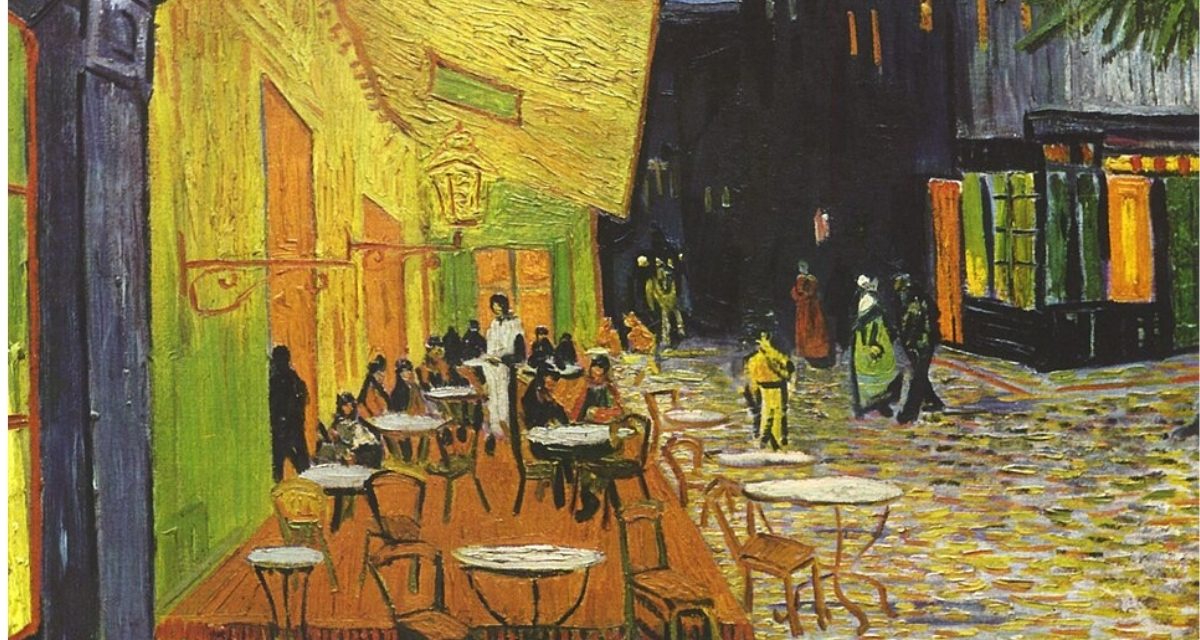
🎨
It took 100 years to spot a hidden last supper in van Gogh’s café painting
Het duurde 100 jaar voordat iemand het verborgen laatste avondmaal in Van Goghs cafétafereel opmerkte
Il a fallu 100 ans pour repérer la Cène cachée dans le tableau de café de Van Gogh
So, here’s a fascinating art-history mystery: a researcher believes van Gogh’s “Café Terrace at Night” may quietly echo The Last Supper. The terrace seems to hold twelve diners, a central server, a shadowy figure leaving, and even a cross-shaped detail in the window. Jared Baxter shared this interpretation in 2015, connecting it to van Gogh’s religious background and his interest in finding the sacred in ordinary life. There’s no proof that van Gogh intended the reference, but it’s a lovely new way to look at a painting people have admired for generations.
Zo, dit is een fascinerend kunsthistorisch mysterie: een onderzoeker denkt dat Van Goghs “Caféterras bij nacht” misschien een subtiele verwijzing naar Het Laatste Avondmaal bevat. Op het terras lijken twaalf gasten te zitten, met een centrale ober, een schaduwfiguur die wegloopt en zelfs een kruisvormig detail in het raam. Jared Baxter presenteerde deze interpretatie in 2015 en bracht haar in verband met Van Goghs religieuze achtergrond en zijn zoektocht naar het heilige in het gewone leven. Bewijs dat Van Gogh dit echt zo bedoelde is er niet, maar het biedt een prachtige nieuwe kijk op een schilderij dat al generaties lang bewonderd wordt.
Voici une fascinante énigme de l’histoire de l’art : un chercheur pense que la “Terrasse du café le soir” de Van Gogh pourrait faire discrètement écho à la Cène. La terrasse semble réunir douze convives, un serveur au centre, une silhouette qui s’éloigne dans l’ombre et même un détail en forme de croix dans la fenêtre. Jared Baxter a présenté cette interprétation en 2015, en la reliant au passé religieux de Van Gogh et à sa recherche du sacré dans la vie quotidienne. Rien ne prouve que Van Gogh ait voulu faire cette allusion, mais cette idée offre une merveilleuse nouvelle façon de regarder un tableau admiré depuis des générations.
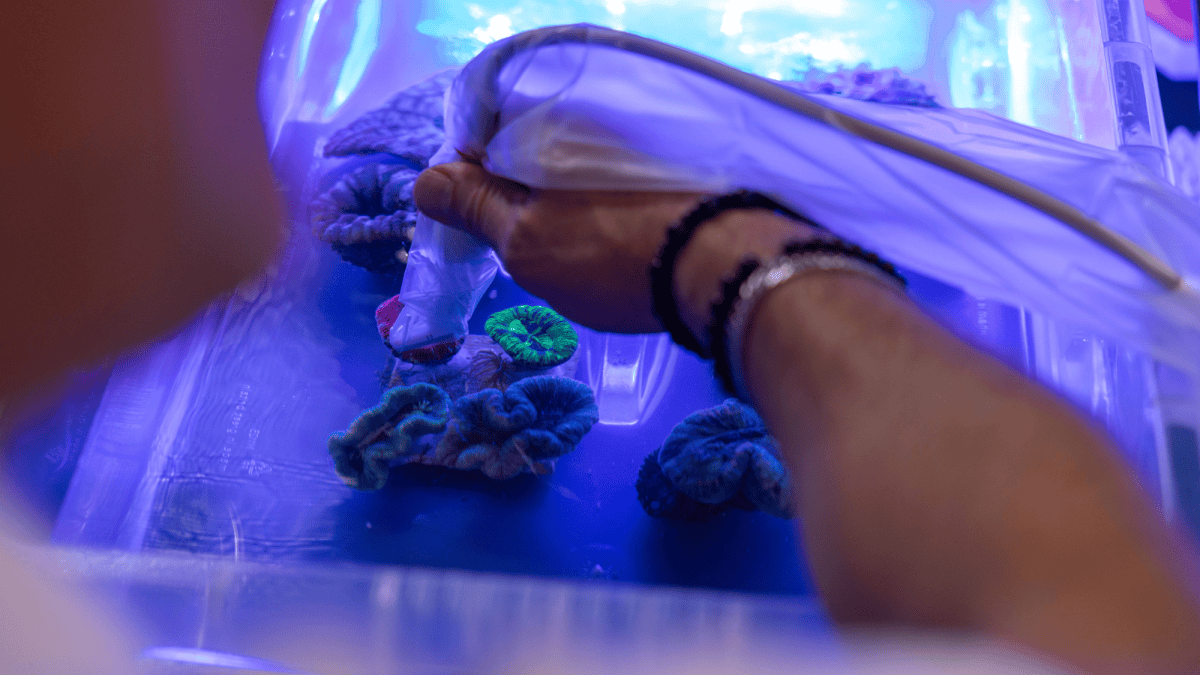
🪸
Scientists detect ‘pregnant’ coral with ultrasound
Wetenschappers ontdekken ‘drachtig’ koraal met echografie
Des scientifiques détectent des coraux « enceintes » grâce aux ultrasons
Here’s a hopeful new tool for coral conservation: Canon’s medical ultrasound system can spot developing eggs inside living coral underwater. Tested on six species, the scans revealed reproductive structures without harming the corals, and researchers confirmed the findings by examining one specimen’s interior. Knowing when coral is likely to spawn could help conservationists plan breeding and restoration work more precisely while avoiding damaging inspections. With reefs under severe pressure from warming seas, this gives scientists a valuable new way to support their recovery.
Er is een veelbelovend nieuw hulpmiddel voor koraalbescherming: Canon kan met een medisch echografiesysteem eitjes in levend koraal onder water opsporen. De scans werden getest op zes soorten en brachten voortplantingsstructuren in beeld zonder het koraal te beschadigen; onderzoekers bevestigden de resultaten door één exemplaar vanbinnen te onderzoeken. Weten wanneer koraal waarschijnlijk eitjes loslaat, kan natuurbeschermers helpen om kweek- en herstelwerk nauwkeuriger te plannen zonder het koraal te beschadigen. Nu riffen zwaar onder druk staan door opwarmende zeeën, biedt dit wetenschappers een waardevolle nieuwe manier om hun herstel te ondersteunen.
Voici un nouvel outil prometteur pour protéger les coraux : l’échographe médical de Canon peut repérer des œufs en développement à l’intérieur de coraux vivants sous l’eau. Testé sur six espèces, l’appareil a révélé leurs structures reproductives sans leur faire de mal, et les chercheurs ont confirmé les résultats en examinant l’intérieur d’un spécimen. Savoir quand les coraux sont susceptibles de pondre pourrait aider les équipes de conservation à mieux planifier l’élevage et la restauration, sans endommager ces animaux. Alors que le réchauffement des océans menace gravement les récifs, cette méthode offre aux scientifiques un précieux moyen supplémentaire de favoriser leur rétablissement.
🐦
AI can track a single bird over time based solely on its song
AI kan één vogel door de tijd heen volgen, alleen op basis van zijn zang
L’IA peut suivre un oiseau au fil du temps grâce à son seul chant
So: researchers are using AI to recognize an individual bird from its song and follow it over time. That could help scientists learn how birds move and behave without needing to attach tracking devices. Each bird’s distinctive vocal patterns become a natural clue to its identity. It’s a promising way to make wildlife monitoring more detailed and less intrusive.
Onderzoekers gebruiken AI om een individuele vogel aan zijn zang te herkennen en hem door de tijd heen te volgen. Zo kunnen wetenschappers meer te weten komen over de bewegingen en het gedrag van vogels, zonder volgapparatuur aan ze te bevestigen. De kenmerkende zangpatronen van elke vogel vormen daarbij een natuurlijke aanwijzing voor zijn identiteit. Dat biedt een veelbelovende manier om dieren nauwkeuriger en met minder verstoring te bestuderen.
Des chercheurs utilisent l’IA pour reconnaître un oiseau à son chant et le suivre au fil du temps. Cette méthode pourrait aider les scientifiques à mieux comprendre les déplacements et le comportement des oiseaux sans leur fixer de dispositifs de suivi. Les motifs vocaux propres à chaque oiseau servent d’indice naturel pour l’identifier. C’est une approche prometteuse pour étudier la faune avec davantage de précision et moins de perturbations.
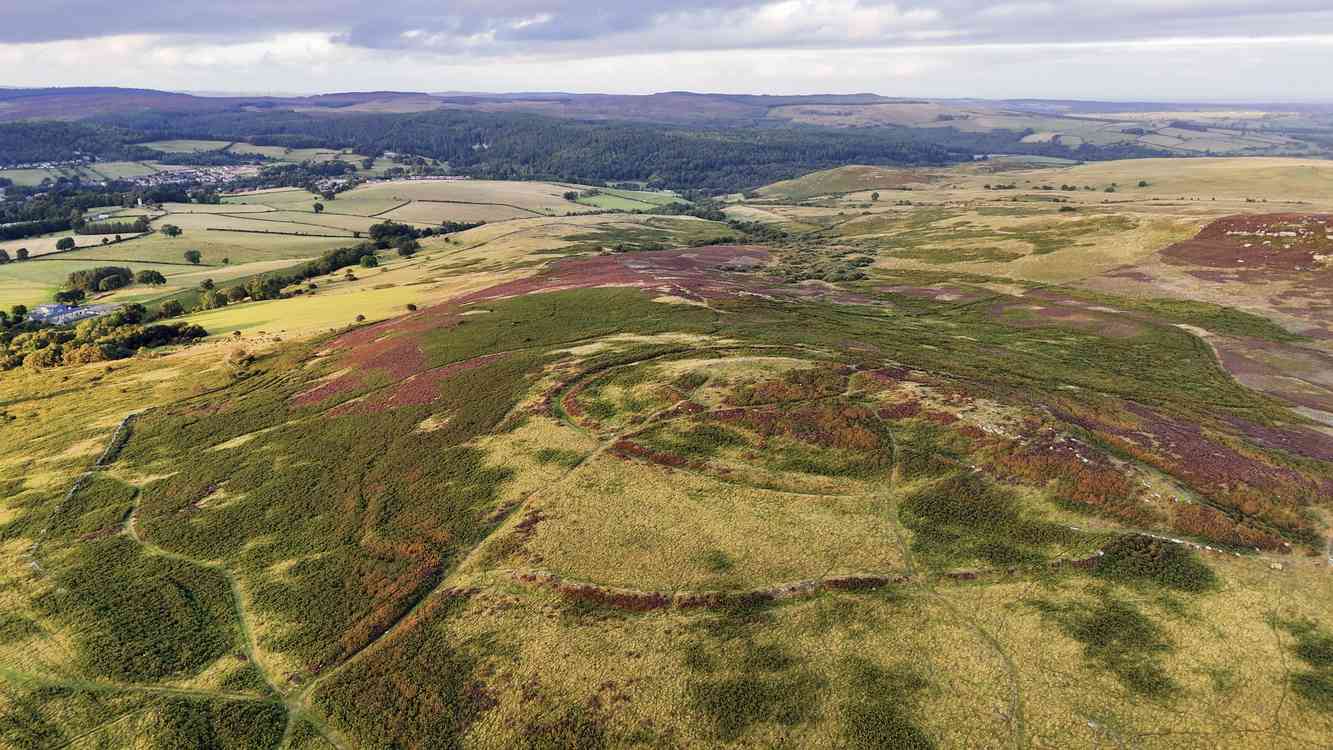
🌿
A global effort secures the Rothbury estate for wildlife
Een wereldwijde actie stelt het landgoed Rothbury veilig voor wilde dieren
Une mobilisation mondiale protège le domaine de Rothbury pour la faune
So: more than 25,000 supporters from 50 countries helped raise £30 million to secure the 9,400-acre Rothbury Estate for conservation. The Wildlife Trusts will make it part of a 40-mile nature corridor linking the coast with inland reserves across Northern England. Curlews, lapwings, red squirrels, merlins and endangered eels are among the wildlife that will benefit. And here's the thing: the vision brings nature-friendly farming and local communities together so people and wildlife can thrive side by side.
Meer dan 25.000 mensen uit 50 landen hielpen 30 miljoen pond bijeen te brengen om het 3.800 hectare grote landgoed Rothbury voor natuurbehoud veilig te stellen. De Wildlife Trusts willen het onderdeel maken van een natuurcorridor van 64 kilometer die de kust verbindt met natuurgebieden in het noorden van Engeland. Wulpen, kieviten, rode eekhoorns, smellekens en bedreigde palingen behoren tot de dieren die daarvan zullen profiteren. En dat is precies het mooie: natuurinclusieve landbouw en lokale gemeenschappen gaan er samen voor zorgen dat mens en natuur naast elkaar kunnen floreren.
Plus de 25 000 personnes, venues de 50 pays, ont contribué à réunir 30 millions de livres sterling pour préserver le domaine de Rothbury et ses 3 800 hectares. Le Wildlife Trusts souhaite l’intégrer à un corridor naturel de 64 kilomètres reliant la côte à des réserves de l’intérieur du nord de l’Angleterre. Courlis, vanneaux, écureuils roux, faucons émerillons et anguilles menacées figurent parmi les espèces qui en bénéficieront. Et voici ce qui est formidable : l’agriculture favorable à la nature et les communautés locales œuvreront ensemble pour que les humains et la faune puissent s’épanouir côte à côte.
🧠
Novel gene therapy lets a drug quiet brain cells and reduce seizures
Nieuwe gentherapie laat een geneesmiddel hersencellen tot rust brengen en aanvallen verminderen
Une nouvelle thérapie génique permet à un médicament d’apaiser les cellules cérébrales et de réduire les crises
Researchers have developed a gene therapy that gives targeted brain cells a switch that responds to a drug. Once the drug activates that switch, the cells become less active, helping to reduce seizures. The approach could offer a more precise way to calm overactive brain circuits than treatments that affect the brain more broadly. It’s an encouraging step toward new options for people living with epilepsy.
Onderzoekers ontwikkelden een gentherapie die specifieke hersencellen uitrust met een schakelaar die op een geneesmiddel reageert. Zodra het geneesmiddel die schakelaar activeert, worden de cellen minder actief en kunnen aanvallen afnemen. Deze aanpak kan een gerichtere manier bieden om overactieve hersencircuits tot rust te brengen dan behandelingen die de hersenen breder beïnvloeden. Dat is een veelbelovende stap richting nieuwe mogelijkheden voor mensen met epilepsie.
Des chercheurs ont mis au point une thérapie génique qui équipe certaines cellules cérébrales d’un interrupteur sensible à un médicament. Lorsque celui-ci active l’interrupteur, les cellules deviennent moins actives, ce qui contribue à réduire les crises. Cette approche pourrait apaiser plus précisément les circuits cérébraux hyperactifs que les traitements qui agissent plus largement sur le cerveau. C’est une avancée prometteuse vers de nouvelles options pour les personnes atteintes d’épilepsie.
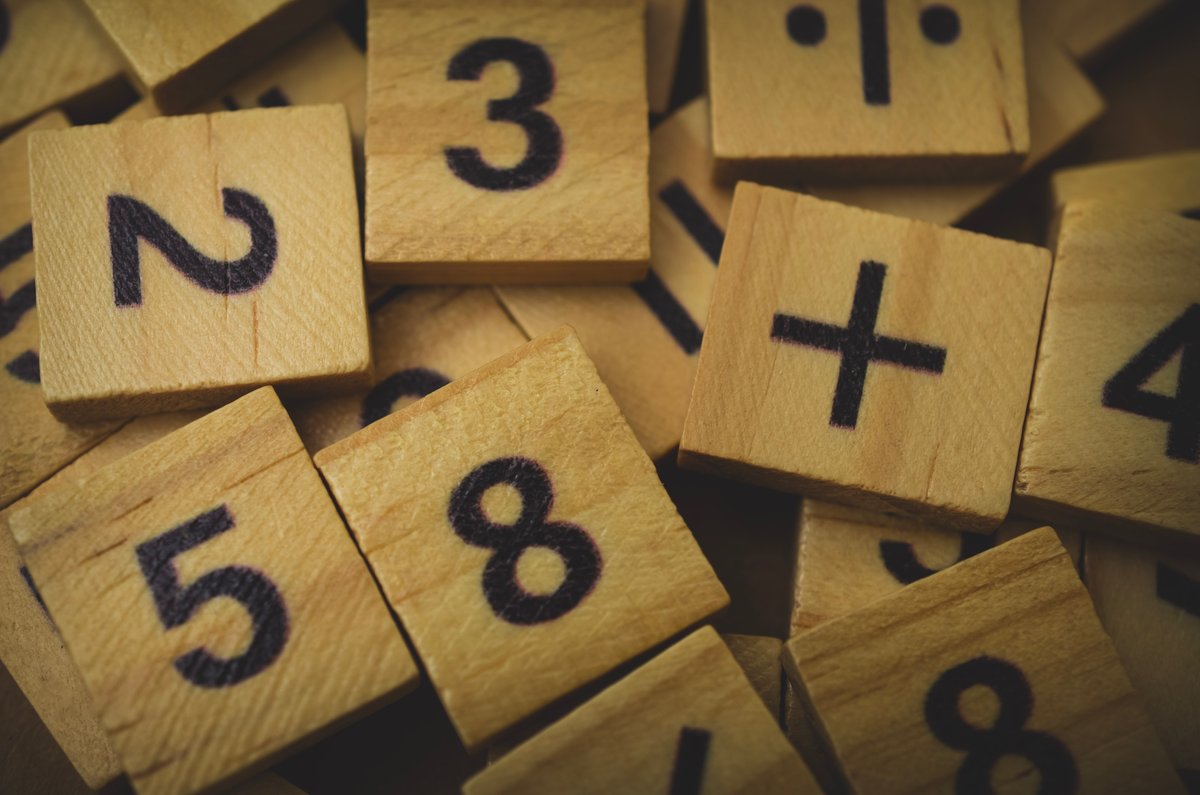
🧮
Math puzzle: secret formula
Wiskundepuzzel: geheime formule
Énigme mathématique : formule secrète
Here’s a clever puzzle: how can you uncover a secret polynomial with just two queries? First, ask for its value at x = 1 to find the sum of its nonnegative whole-number coefficients. Then choose a power of 10 larger than that sum, and the result neatly reveals the coefficients in order, including zeros for missing terms. And here’s a bonus twist: querying at x = π can, in principle, reveal the entire polynomial in one go.
Hier is een slimme puzzel: hoe ontdek je een geheime veelterm met slechts twee vragen? Vraag eerst naar de waarde bij x = 1 om de som van de niet-negatieve gehele coëfficiënten te vinden. Kies daarna een macht van 10 die groter is dan die som, en de uitkomst onthult netjes alle coëfficiënten op volgorde, inclusief nullen voor ontbrekende termen. En er is nog een verrassende bonus: met een vraag bij x = π kun je in principe de volledige veelterm in één keer achterhalen.
Voici une énigme astucieuse : comment découvrir un polynôme secret en seulement deux questions ? Demandez d’abord sa valeur pour x = 1 afin de connaître la somme de ses coefficients entiers non négatifs. Choisissez ensuite une puissance de 10 supérieure à cette somme, et le résultat révèle clairement les coefficients dans l’ordre, avec des zéros pour les termes absents. Et voici une surprise en bonus : en interrogeant le polynôme pour x = π, on peut en principe le retrouver entièrement en une seule fois.
🤖
How A.I. challenged a key tenet of computer science
Hoe AI een belangrijke pijler van de informatica uitdaagde
Comment l’IA a remis en question un principe clé de l’informatique
So, a new A.I.-related result is putting a spotlight on the Exponential Time Hypothesis, a major assumption about how difficult certain computing problems are to solve. If the challenge holds up, it could change how researchers think about the limits of algorithms and the foundations built on that assumption. That does not mean every hard problem suddenly has an easy solution, but it does make a long-standing idea worth examining closely. And here's the exciting part: A.I. is helping researchers ask fresh questions about what computers can do.
Een nieuw resultaat rond AI vestigt de aandacht op de Exponential Time Hypothesis, een belangrijke aanname over hoe moeilijk bepaalde computerproblemen op te lossen zijn. Als de uitdaging standhoudt, kan dat veranderen hoe onderzoekers denken over de grenzen van algoritmen en over theorieën die op die aanname steunen. Dat betekent niet dat elk moeilijk probleem plots eenvoudig op te lossen is, maar wel dat een lang gekoesterd idee opnieuw grondig bekeken moet worden. En dat is precies het boeiende: AI helpt onderzoekers nieuwe vragen te stellen over wat computers kunnen.
Un nouveau résultat lié à l’IA remet en lumière l’hypothèse du temps exponentiel, une idée importante sur la difficulté de résoudre certains problèmes informatiques. Si cette remise en question résiste à l’examen, elle pourrait changer la façon dont les chercheurs conçoivent les limites des algorithmes et les théories fondées sur cette hypothèse. Cela ne signifie pas que tous les problèmes difficiles deviennent soudain faciles à résoudre, mais qu’une idée de longue date mérite d’être réexaminée de près. Et c’est là que réside l’aspect passionnant : l’IA aide les chercheurs à explorer de nouvelles questions sur les capacités des ordinateurs.
🛒
Inflation? The shopping basket is actually getting cheaper
Inflatie? De winkelkar wordt juist goedkoper
Inflation ? Le panier de courses devient moins cher
Inflation often makes shoppers brace for higher bills, but this headline points to a more encouraging trend: the shopping basket is getting cheaper. That offers some welcome relief in an area people notice every week. It is a reminder that price movements can feel different from one everyday purchase to another. So, even amid the talk of inflation, there is a positive sign at the checkout.
Bij inflatie verwachten shoppers vaak dat hun rekening verder oploopt, maar deze kop wijst op een hoopvollere trend: de winkelkar wordt goedkoper. Dat is welkom nieuws voor iets wat mensen elke week voelen in hun portemonnee. Het laat zien dat prijsbewegingen bij dagelijkse aankopen anders kunnen aanvoelen dan het algemene inflatieverhaal. En zo is er, ondanks alle aandacht voor inflatie, ook een positief signaal aan de kassa.
L’inflation pousse souvent les consommateurs à s’attendre à des factures plus élevées, mais ce titre annonce une tendance plus réjouissante : le panier de courses devient moins cher. Voilà un soulagement bienvenu pour une dépense que l’on ressent chaque semaine. Cela rappelle que l’évolution des prix peut se traduire différemment d’un achat quotidien à l’autre. Ainsi, malgré les inquiétudes liées à l’inflation, un signe positif se dessine à la caisse.
🚑
Belgian ambulances may soon take patients to Dutch hospitals
Belgische ziekenwagens kunnen patiënten binnenkort naar Nederlandse ziekenhuizen brengen
Les ambulances belges pourront bientôt conduire des patients vers des hôpitaux néerlandais
Belgian ambulances may soon be able to take patients to hospitals in the Netherlands. This would make cross-border hospital transport possible for patients who need care. The change could give emergency services more options when deciding where to bring someone. It’s a practical step towards smoother healthcare across the Belgian-Dutch border.
Belgische ziekenwagens zullen patiënten binnenkort mogelijk naar ziekenhuizen in Nederland kunnen brengen. Zo wordt ziekenhuisvervoer over de grens mogelijk voor mensen die zorg nodig hebben. De verandering kan hulpdiensten meer opties geven bij de keuze van een ziekenhuis. Het is een praktische stap naar vlottere zorg aan de Belgisch-Nederlandse grens.
Les ambulances belges pourront bientôt transporter des patients vers des hôpitaux aux Pays-Bas. Cela rendrait possibles les transferts hospitaliers de l’autre côté de la frontière pour les personnes qui ont besoin de soins. Ce changement pourrait offrir davantage d’options aux services d’urgence pour choisir où conduire un patient. C’est une avancée concrète vers une meilleure coordination des soins entre la Belgique et les Pays-Bas.

💧
A cholera bacterium inspires a remarkable underwater glue
Een cholerabacterie inspireert opmerkelijke lijm voor onder water
Une bactérie du choléra inspire une colle remarquable sous l’eau
Here’s a surprising twist: a protein made by the cholera-causing bacterium Vibrio cholerae has inspired a powerful new kind of glue. The bacterium uses the protein to stick to surfaces as part of a biofilm. That ability could help solve a stubborn challenge, because conventional polymer adhesives often struggle to bond underwater. The researchers’ inspiration could lead to useful ways to close wounds or repair submarines.
Wat een verrassende wending: een eiwit van de cholerabacterie Vibrio cholerae inspireerde een krachtige nieuwe soort lijm. De bacterie gebruikt het eiwit om zich als onderdeel van een biofilm aan oppervlakken te hechten. Dat kan helpen bij een hardnekkig probleem, want gewone lijmen op basis van polymeren hechten vaak slecht onder water. Deze inspiratie kan leiden tot nieuwe manieren om wonden te sluiten of onderzeeërs te repareren.
Voilà une surprise : une protéine produite par la bactérie responsable du choléra, Vibrio cholerae, a inspiré une nouvelle colle très efficace. La bactérie utilise cette protéine pour s’attacher aux surfaces au sein d’un biofilm. Cette découverte pourrait aider à résoudre un problème tenace, car les adhésifs classiques à base de polymères collent souvent mal sous l’eau. Cette inspiration pourrait ouvrir la voie à de nouvelles solutions pour refermer des plaies ou réparer des sous-marins.

🤝
A man spent 12 days returning cash a worker needed for his daughter
Een man zocht 12 dagen naar de eigenaar van geld voor diens dochter
Un homme a passé 12 jours à retrouver le propriétaire d’un argent destiné à sa fille
So: when Pedro Moro found about $219 in a public plaza in southern Brazil, he set out to find its owner. The cash turned out to be the monthly salary of construction worker Matheus Reginaldo Celestino, who had withdrawn it to provide for his daughter. Moro shared appeals online, checked with local businesses for security footage and kept searching until Celestino saw a post and got in touch. After a quick check confirmed the money was his, Moro returned it, and Celestino was grateful to have it back.
Toen Pedro Moro ongeveer 219 dollar vond op een plein in het zuiden van Brazilië, ging hij meteen op zoek naar de eigenaar. Het geld bleek het volledige maandsalaris van bouwvakker Matheus Reginaldo Celestino, die het had opgenomen om voor zijn dochter te zorgen. Moro plaatste oproepen op sociale media, vroeg lokale bedrijven om camerabeelden en bleef zoeken tot Celestino een bericht zag en contact opnam. Na een korte controle gaf Moro het geld terug, tot grote opluchting van Celestino.
Lorsque Pedro Moro a trouvé environ 219 dollars sur une place du sud du Brésil, il s’est lancé à la recherche de leur propriétaire. Cette somme correspondait au salaire mensuel de Matheus Reginaldo Celestino, un ouvrier du bâtiment qui l’avait retirée pour subvenir aux besoins de sa fille. Moro a publié des appels sur les réseaux sociaux, demandé aux commerces du quartier de vérifier leurs caméras et poursuivi ses recherches jusqu’à ce que Celestino découvre une publication et le contacte. Après une rapide vérification, Moro lui a rendu l’argent, au grand soulagement de Celestino.

🤝
Sweden's sex-purchase law heads to the US
De Zweedse wet tegen sekskoop gaat naar de VS
La loi suédoise contre l’achat de services sexuels arrive aux États-Unis
Maine is the first US state to adopt a law inspired by Sweden’s approach, which makes buying sex illegal but not selling it. A Swedish delegation has visited Maine to share experience with local police and prosecutors, and American officers are expected in Malmö this spring to learn from their Swedish colleagues. Malmö police officer Elisabeth Cewers stresses that people in prostitution should be approached with respect and seen as potential victims of crime, helping police uncover traffickers and pimps. The exchange could help Maine put its law into practice and give Sweden valuable lessons in return.
Maine is de eerste Amerikaanse staat die een wet invoerde naar Zweeds voorbeeld: seks kopen is strafbaar, seks verkopen niet. Een Zweedse delegatie bezocht Maine om ervaringen te delen met lokale politie en aanklagers, en dit voorjaar komen Amerikaanse agenten naar Malmö om van hun Zweedse collega’s te leren. De politie van Malmö benadrukt dat mensen in de prostitutie respectvol benaderd moeten worden en als mogelijke slachtoffers van misdrijven moeten worden gezien, zodat politie mensenhandelaren en pooiers kan opsporen. De uitwisseling kan Maine helpen de wet in de praktijk toe te passen en Zweden tegelijk waardevolle inzichten opleveren.
Le Maine est le premier État américain à avoir adopté une loi inspirée du modèle suédois, qui interdit l’achat de services sexuels, mais pas leur vente. Une délégation suédoise s’est rendue dans le Maine pour partager son expérience avec la police et les procureurs locaux, et des policiers américains viendront à Malmö au printemps pour apprendre auprès de leurs collègues suédois. La police de Malmö insiste sur l’importance d’aborder avec respect les personnes en situation de prostitution et de les considérer comme de potentielles victimes, afin d’aider à repérer les trafiquants et les proxénètes. Cet échange pourrait aider le Maine à appliquer sa loi et offrir aussi de précieux enseignements à la Suède.
🕷️
Peruvian customs intercept illegal shipment of 3,000 tarantulas, including undescribed species
Peruviaanse douane onderschept illegale smokkel van 3.000 vogelspinnen, waaronder onbeschreven soorten
La douane péruvienne intercepte 3 000 mygales, dont des espèces encore inconnues de la science
Peruvian customs have intercepted an illegal shipment of 3,000 tarantulas. Remarkably, some of the spiders may belong to species that have not yet been scientifically described. The case brings the hidden trade in wildlife into focus and shows just how much biodiversity is still waiting to be understood. And here's the thing: protecting these animals also helps safeguard the natural world they are part of.
De Peruviaanse douane heeft een illegale lading van 3.000 vogelspinnen onderschept. Opvallend genoeg behoren sommige spinnen mogelijk tot soorten die nog niet wetenschappelijk zijn beschreven. De zaak vestigt de aandacht op de verborgen handel in wilde dieren en laat zien hoeveel biodiversiteit nog ontdekt moet worden. En precies daarom is de bescherming van deze dieren ook belangrijk voor de natuur waar ze deel van uitmaken.
La douane péruvienne a intercepté une cargaison illégale de 3 000 mygales. Fait remarquable, certaines pourraient appartenir à des espèces qui n’ont pas encore été décrites par la science. Cette affaire met en lumière le commerce clandestin d’animaux sauvages et rappelle qu’une grande part de la biodiversité reste à découvrir. Protéger ces araignées, c’est aussi préserver les milieux naturels auxquels elles appartiennent.

🧬
How AI is opening new frontiers in science
Hoe AI nieuwe mogelijkheden opent voor de wetenschap
Comment l’IA ouvre de nouvelles perspectives scientifiques
So, how far has AI really made it into the lab? The NZZ spoke with five researchers exploring how it can transform fields from biology to history. At EPFL, Bruno Correia’s Bindcraft designs proteins that bind to other proteins, helping researchers identify promising candidates for medicines in days or weeks instead of years. The designs still need to be tested in the lab, but they could also help make gene therapies safer and let scientists test ideas much faster.
Hoe ver is AI nu echt doorgedrongen tot het laboratorium? NZZ sprak met vijf onderzoekers die verkennen hoe de technologie vakgebieden van biologie tot geschiedenis kan veranderen. Aan de EPFL ontwerpt Bindcraft van Bruno Correia eiwitten die zich aan andere eiwitten binden, zodat onderzoekers veelbelovende kandidaten voor medicijnen in dagen of weken kunnen vinden in plaats van jaren. De ontwerpen moeten nog steeds in het laboratorium worden getest, maar kunnen ook gentherapieën veiliger maken en wetenschappers helpen ideeën veel sneller te toetsen.
Alors, jusqu’où l’IA est-elle vraiment entrée dans les laboratoires ? La NZZ a rencontré cinq chercheurs qui explorent comment elle pourrait transformer des domaines allant de la biologie à l’histoire. À l’EPFL, Bindcraft, l’outil de Bruno Correia, conçoit des protéines capables de se lier à d’autres protéines, ce qui permet de repérer des candidats prometteurs pour des médicaments en quelques jours ou semaines plutôt qu’en plusieurs années. Ces conceptions doivent encore être vérifiées en laboratoire, mais elles pourraient aussi rendre les thérapies géniques plus sûres et accélérer considérablement la mise à l’épreuve des idées scientifiques.

🐦
Sukhna wetland earns global recognition for supporting threatened wildlife
Sukhna-wetland krijgt wereldwijde erkenning voor steun aan bedreigde dieren
La zone humide de Sukhna reconnue pour son rôle auprès de la faune menacée
Chandigarh’s Sukhna Wetland has been named India’s 103rd Ramsar Site, bringing international recognition to this urban wildlife haven. Along the Central Asian Flyway, the wetland gives migratory birds vital places to feed, breed, roost and spend the winter. Its connected waters, bankside vegetation and nearby woodland also support threatened species, including the vulnerable Common Pochard and endangered Pallas’s Fish Eagle and Black Pond Turtle. Now, this designation highlights how protecting a local wetland can help sustain wildlife and migration routes that span far beyond national borders.
Het Sukhna-wetland in Chandigarh is erkend als India's 103e Ramsar-gebied, waarmee deze stedelijke natuurplek internationale aandacht krijgt. Langs de Centraal-Aziatische trekroute biedt het wetland trekvogels belangrijke plekken om te eten, te broeden, te rusten en te overwinteren. Het water, de oeverbegroeiing en het omliggende bos bieden ook leefgebied aan bedreigde soorten, waaronder de kwetsbare Tafeleend en de bedreigde Pallas' zeearend en zwarte vijverschildpad. Deze erkenning laat zien hoe de bescherming van een lokaal wetland dieren en trekroutes kan ondersteunen die tot ver buiten de landsgrenzen reiken.
La zone humide de Sukhna, à Chandigarh, devient le 103e site Ramsar de l’Inde et bénéficie ainsi d’une reconnaissance internationale. Située sur la voie de migration d’Asie centrale, elle offre aux oiseaux migrateurs des lieux essentiels pour se nourrir, se reproduire, se reposer et passer l’hiver. Ses eaux, sa végétation riveraine et les bois voisins abritent aussi des espèces menacées, dont le Fuligule milouin, classé vulnérable, ainsi que l’Aigle de Pallas et la tortue noire des étangs, tous deux en danger. Cette distinction rappelle qu’en protégeant une zone humide locale, on contribue à préserver la faune et des routes migratoires qui dépassent largement les frontières nationales.

🏘️
The spark: when communities own the land, housing stays affordable
De vonk: wanneer gemeenschappen de grond bezitten, blijft wonen betaalbaar
L’étincelle : quand les communautés possèdent le terrain, le logement reste abordable
In Louisville’s historic Smoketown neighborhood, residents organized to keep longtime neighbors from being priced out as investors bought up land. They created a community land trust, which keeps land in community hands and makes homes affordable over the long term. With $2.1 million in city funding, the trust was established and has now completed its first seven homes, with more sites selected. It’s a hopeful example of residents shaping their neighborhood’s future while protecting its roots.
In de historische wijk Smoketown in Louisville kwamen bewoners in actie om te voorkomen dat investeerders hun buurtgenoten uit de wijk zouden verdringen. Ze richtten een community land trust op, die de grond in handen van de gemeenschap houdt en woningen op lange termijn betaalbaar maakt. Met 2,1 miljoen dollar aan gemeentelijke steun werd de trust opgezet; inmiddels zijn de eerste zeven woningen klaar en zijn er meer locaties gekozen. Zo geven bewoners hun buurt een hoopvolle toekomst, met behoud van haar wortels.
Dans le quartier historique de Smoketown, à Louisville, les habitants se sont mobilisés pour éviter que leurs voisins de longue date ne soient chassés par la hausse des prix et les investisseurs. Ils ont créé un organisme foncier communautaire qui garde les terrains entre les mains de la communauté et garantit des logements abordables sur le long terme. Grâce à 2,1 millions de dollars de la ville, l’organisme a vu le jour et a achevé ses sept premières maisons, tandis que d’autres terrains ont déjà été choisis. Une belle façon pour les habitants de façonner l’avenir de leur quartier tout en préservant ses racines.
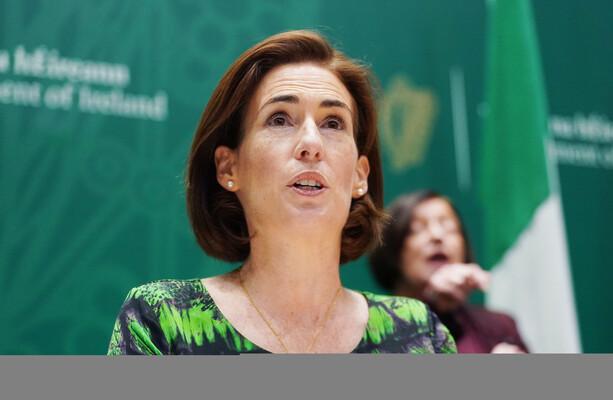
🌸
Free period products scheme to reach more school pupils
Gratis menstruatieproducten voor meer scholieren
Des protections périodiques gratuites pour davantage d’élèves
So: Ireland is expanding its free period products scheme from the 2027/28 school year to upper primary, post-primary and special schools in the free education scheme. Schools will receive annual grants, with funding based on the number of students likely to have started their periods. The expansion follows consultations where students and educators highlighted the cost of products and the impact of period poverty. And here's the thing: products should be easy to access discreetly, without students having to ask or feel stigma.
Dus: Ierland breidt de regeling voor gratis menstruatieproducten vanaf schooljaar 2027/28 uit naar de bovenbouw van de basisschool, middelbare scholen en speciale scholen binnen het gratis onderwijs. Scholen krijgen jaarlijks subsidie, waarbij de bedragen worden afgestemd op het aantal leerlingen dat waarschijnlijk al menstrueert. De uitbreiding volgt op gesprekken waarin leerlingen en onderwijspersoneel de kosten van producten en de gevolgen van menstruatiearmoede benadrukten. En dit is belangrijk: leerlingen moeten de producten makkelijk en discreet kunnen pakken, zonder erom te hoeven vragen of zich te schamen.
L’Irlande étendra son programme de protections périodiques gratuites à partir de l’année scolaire 2027/2028 aux dernières années du primaire, aux établissements secondaires et aux écoles spécialisées relevant de l’enseignement gratuit. Les écoles recevront une subvention annuelle, calculée selon le nombre d’élèves susceptibles d’avoir commencé à avoir leurs règles. Cette extension fait suite à des consultations où élèves et personnels éducatifs ont souligné le coût des protections et les effets de la précarité menstruelle. Et voici l’essentiel : les élèves doivent pouvoir y accéder facilement et discrètement, sans avoir à les demander ni à subir de stigmatisation.
🔬
These newly elected lawmakers know something Trump doesn’t: science
Deze pas verkozen politici weten iets wat Trump niet weet: wetenschap
Ces élus récemment choisis savent quelque chose que Trump ignore : la science
So: some newly elected lawmakers bring scientific knowledge to Congress. Their expertise offers a valuable perspective as public decisions touch on research, health and the environment. It’s encouraging to see scientific experience represented in government. And here’s the thing: evidence-based thinking can help shape a brighter future for everyone.
Een aantal pas verkozen politici brengt dus wetenschappelijke kennis mee naar het Congres. Hun expertise biedt een waardevol perspectief nu overheidsbesluiten raken aan onderzoek, gezondheid en het milieu. Het is bemoedigend om te zien dat wetenschappelijke ervaring in de politiek vertegenwoordigd is. En daar komt het op neer: beslissingen op basis van bewijs kunnen helpen bouwen aan een betere toekomst voor iedereen.
Certains élus récemment choisis apportent donc leurs connaissances scientifiques au Congrès. Leur expertise offre un éclairage précieux alors que les décisions publiques concernent la recherche, la santé et l’environnement. Il est encourageant de voir l’expérience scientifique représentée au sein du gouvernement. Et voilà l’essentiel : des décisions fondées sur les faits peuvent contribuer à bâtir un avenir meilleur pour tous.
🗳️
Young voters rise up amid political frustration and struggle
Jonge kiezers komen in actie uit politieke onvrede en zorgen
Les jeunes électeurs se mobilisent face aux difficultés et au désenchantement politique
Fed up with political frustration and the struggles shaping their lives, young voters are making their voices heard. Their energy is emerging as an important force in the midterm elections. The headline points to a generation turning dissatisfaction into action at the ballot box. It is a hopeful reminder that young people can help shape the country’s political future.
Jonge kiezers, die de politieke onvrede en de moeilijkheden in hun leven beu zijn, laten duidelijk van zich horen. Hun energie ontpopt zich als een belangrijke kracht bij de tussentijdse verkiezingen. De kop laat zien hoe een generatie haar ongenoegen omzet in actie bij de stembus. Dat is een hoopvolle herinnering dat jongeren mee de politieke toekomst van het land kunnen bepalen.
Las de la frustration politique et des difficultés qui pèsent sur leur quotidien, les jeunes électeurs font entendre leur voix. Leur énergie s’impose comme une force importante lors des élections de mi-mandat. Le titre montre une génération qui transforme son mécontentement en action dans les urnes. C’est un rappel encourageant que les jeunes peuvent contribuer à façonner l’avenir politique du pays.
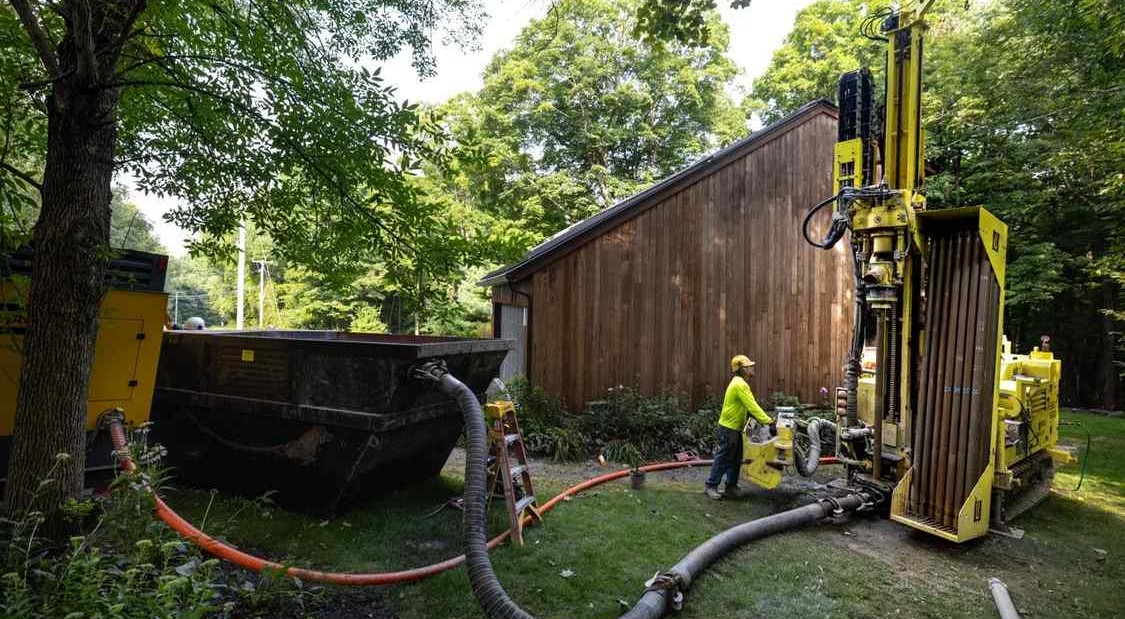
♨️
Geothermal utilities bring affordable housing 40% energy savings
Geothermie helpt betaalbare woningen 40% energie besparen
La géothermie réduit de 40 % les dépenses énergétiques de logements abordables
So: Vermont Gas is teaming up with Dandelion Energy on a first-of-its-kind project to bring geothermal heating and cooling to 44 affordable homes in Hinesburg. Drilling is expected to begin in early 2027, and residents could move in by the end of that year. There’s already a compelling example in New York, where geothermal heat pumps cut energy costs by 40.7% at a 72-unit apartment complex, saving residents around $24,000 a year. And here's the thing: individual ground loops will give each home its own system, helping make efficient, lower-cost comfort more accessible.
Mooi nieuws: Vermont Gas werkt samen met Dandelion Energy aan een primeur, met geothermische verwarming en koeling voor 44 betaalbare woningen in Hinesburg. Het boren begint naar verwachting begin 2027, en bewoners zouden tegen het einde van dat jaar kunnen intrekken. In New York is het voordeel al duidelijk: geothermische warmtepompen verlaagden de energiekosten in een appartementencomplex met 72 woningen met 40,7%, goed voor ongeveer 24.000 dollar besparing per jaar. En dit is bijzonder: elke woning krijgt een eigen ondergronds leidingcircuit, zodat comfortabele en zuinige energie toegankelijker wordt.
Bonne nouvelle : Vermont Gas s’associe à Dandelion Energy pour une première, en équipant 44 logements abordables de Hinesburg de chauffage et de climatisation géothermiques. Les forages devraient commencer début 2027, et les habitants pourraient emménager avant la fin de l’année. À New York, un immeuble de 72 logements a déjà réduit ses dépenses énergétiques de 40,7 % grâce aux pompes à chaleur géothermiques, soit environ 24 000 dollars d’économies par an. Et voici ce qui rend le projet remarquable : chaque logement aura son propre circuit souterrain, pour rendre le confort écoénergétique plus accessible.

🐬
Can AI speak dolphin?
Kan AI met dolfijnen praten?
L’IA peut-elle parler aux dauphins ?
So, here's an exciting new way AI could help us understand dolphins: after decades of research, Denise Herzing’s team is using it to find patterns in recordings of their clicks and whistles. Working with scientists at Georgia Tech and Google DeepMind, the researchers are giving dolphin communication structure, though they haven’t translated it yet. They’ve even tested an underwater computer that plays dolphin sounds, but figuring out whether an animal understands a sound or is simply mimicking it remains a challenge. A real conversation is still a long way off, and exploring what dolphin signals mean in their culture could deepen our understanding of both these animals and our relationship with the ocean.
En dit is een boeiende nieuwe manier waarop AI ons kan helpen dolfijnen beter te begrijpen: na tientallen jaren onderzoek gebruikt het team van Denise Herzing AI om patronen te vinden in opnames van hun klikgeluiden en fluittonen. Samen met wetenschappers van Georgia Tech en Google DeepMind geven de onderzoekers structuur aan de communicatie van dolfijnen, al hebben ze die nog niet vertaald. Ze testten zelfs een computer voor onder water die dolfijngeluiden afspeelt, maar het blijft lastig om te bepalen of een dier een geluid begrijpt of het alleen nabootst. Een echt gesprek is nog toekomstmuziek, en onderzoeken wat signalen betekenen binnen de dolfijnencultuur kan ons meer leren over deze dieren én over onze band met de oceaan.
Voici une nouvelle piste passionnante : après des décennies de recherche, l’équipe de Denise Herzing utilise l’IA pour repérer des motifs dans les enregistrements des clics et des sifflements des dauphins. Avec des scientifiques de Georgia Tech et de Google DeepMind, les chercheurs structurent leur communication, sans encore parvenir à la traduire. Ils ont même testé un ordinateur sous-marin qui diffuse des sons de dauphins, mais il reste difficile de savoir si l’animal comprend un signal ou s’il l’imite simplement. Une véritable conversation n’est pas pour demain, et découvrir le sens de ces signaux dans la culture des dauphins pourrait nous éclairer sur ces animaux et sur notre lien avec l’océan.

🌿
Cleaner roads, cleaner air: three Indian cities rethink road dust
Schonere wegen, schondere lucht: drie Indiase steden pakken straatstof anders aan
Des routes plus propres, un air plus pur : trois villes indiennes repensent la poussière des routes
With Delhi's air quality turning very poor, three Indian cities are showing why road cleaning needs to do more than make streets look spotless. Lucknow is using 97 electric mechanised sweepers and has paved nearly 560 km of roads to help keep dust from being stirred up again. Parwanoo has repaired dusty road surfaces and improved drainage, alongside other measures, as its annual average PM10 fell by about 41% between 2017-18 and 2023-24. Chandigarh is testing treated-water washing with mechanical cleaning, and here's the thing: tackling dust at its source could help make cleaner streets mean cleaner air.
Nu de luchtkwaliteit in Delhi zeer slecht is, laten drie Indiase steden zien waarom straatreiniging meer moet doen dan wegen er netjes uit laten zien. Lucknow zet 97 elektrische veegmachines in en heeft bijna 560 kilometer aan wegen bestraat om te voorkomen dat stof opnieuw opwaait. Parwanoo heeft stoffige wegdekken hersteld en de afwatering verbeterd, naast andere maatregelen; het jaarlijkse gemiddelde PM10-gehalte daalde er tussen 2017-18 en 2023-24 met ongeveer 41 procent. Chandigarh test een combinatie van wassen met behandeld water en mechanische reiniging, en precies daar zit het interessante: stof bij de bron aanpakken kan schonere straten ook echt schonere lucht laten betekenen.
Alors que la qualité de l’air à Delhi est très mauvaise, trois villes indiennes montrent pourquoi nettoyer les routes doit aller au-delà de leur donner une apparence impeccable. Lucknow utilise 97 balayeuses électriques mécanisées et a revêtu près de 560 kilomètres de routes afin de limiter la remise en suspension des poussières. Parwanoo a réparé les chaussées poussiéreuses et amélioré le drainage, entre autres mesures; sa concentration annuelle moyenne de PM10 a diminué d’environ 41 % entre 2017-2018 et 2023-2024. Chandigarh teste le lavage à l’eau traitée associé au nettoyage mécanique, et voici l’idée essentielle : agir à la source des poussières peut faire des rues plus propres un véritable pas vers un air plus pur.

💧
Hyderabad can learn from Chennai’s rainwater harvesting story
Wat Hyderabad kan leren van Chennai’s verhaal over regenwateropvang
Ce qu’Hyderabad peut apprendre de l’expérience de Chennai en récupération de l’eau de pluie
Here’s an encouraging lesson for Hyderabad as water shortages and heavy reliance on tankers put pressure on residents: a city can save more of the rain that already falls. In Chennai, Professor Sekhar Raghavan spent decades encouraging households to collect rooftop rainwater and help replenish groundwater. The campaign helped inspire a state law, and the government later reported that 99.5% of Chennai residents had installed harvesting systems. A survey also showed that installation alone wasn’t enough, making community guidance and proper upkeep vital to the approach.
Voor Hyderabad, waar waterschaarste en de groeiende afhankelijkheid van tankwagens de inwoners onder druk zetten, biedt Chennai een hoopvolle les: een stad kan meer regenwater opvangen. Professor Sekhar Raghavan moedigde er jarenlang huishoudens aan om regenwater van daken op te vangen en het grondwater aan te vullen. Zijn campagne hielp de weg vrijmaken voor een wet, waarna de overheid meldde dat 99,5% van de inwoners van Chennai systemen voor regenwateropvang had geplaatst. Een onderzoek liet ook zien dat plaatsen alleen niet volstaat: goede begeleiding en onderhoud blijven belangrijk.
Pour Hyderabad, où le manque d’eau et le recours croissant aux camions-citernes pèsent sur les habitants, Chennai offre une leçon encourageante : une ville peut récupérer davantage de l’eau de pluie qui tombe déjà. Pendant des décennies, le professeur Sekhar Raghavan y a incité les ménages à recueillir l’eau des toits pour recharger les nappes souterraines. Sa campagne a contribué à ouvrir la voie à une loi, et les autorités ont ensuite indiqué que 99,5 % des habitants de Chennai avaient installé des systèmes de récupération. Une enquête a aussi montré que l’installation ne suffisait pas à elle seule : l’accompagnement des habitants et un bon entretien restent essentiels.

🧭
A homegrown surgical GPS brings precision beyond metro hospitals
Een eigen chirurgische gps brengt precisie naar ziekenhuizen buiten de grote steden
Un GPS chirurgical conçu en Inde apporte la précision au-delà des grandes villes
What if a surgeon could use GPS-like guidance while operating on the brain or spine? Bengaluru founders Arpit and Shweta Paliwal created easyNav™, a homegrown system that maps a patient’s anatomy from CT scans and tracks surgical instruments in real time. Designed to work with the equipment Indian hospitals already have, it aims to make advanced surgical technology more accessible beyond major cities. HRS Navigation says its systems are now used in more than 200 hospitals and have supported over 20,000 surgeries.
Wat als een chirurg tijdens een operatie aan de hersenen of de wervelkolom gps-achtige begeleiding kon gebruiken? De Bengaluru-founders Arpit en Shweta Paliwal ontwikkelden easyNav™, een systeem van eigen bodem dat de anatomie van een patiënt op basis van CT-scans in kaart brengt en chirurgische instrumenten in realtime volgt. Het systeem is ontworpen om te werken met de apparatuur die Indiase ziekenhuizen al hebben, zodat geavanceerde chirurgische technologie ook buiten de grote steden toegankelijker wordt. Volgens HRS Navigation wordt het systeem inmiddels in meer dan 200 ziekenhuizen gebruikt en heeft het meer dan 20.000 operaties ondersteund.
Et si un chirurgien pouvait bénéficier d’un guidage comparable au GPS lors d’une opération du cerveau ou de la colonne vertébrale ? Les fondateurs Arpit et Shweta Paliwal, installés à Bengaluru, ont créé easyNav™, un système conçu en Inde qui cartographie l’anatomie du patient à partir de scanners et suit les instruments chirurgicaux en temps réel. Pensé pour fonctionner avec les équipements déjà présents dans les hôpitaux indiens, il vise à rendre les technologies chirurgicales avancées plus accessibles au-delà des grandes villes. Selon HRS Navigation, ses systèmes sont désormais installés dans plus de 200 hôpitaux et ont accompagné plus de 20 000 opérations.
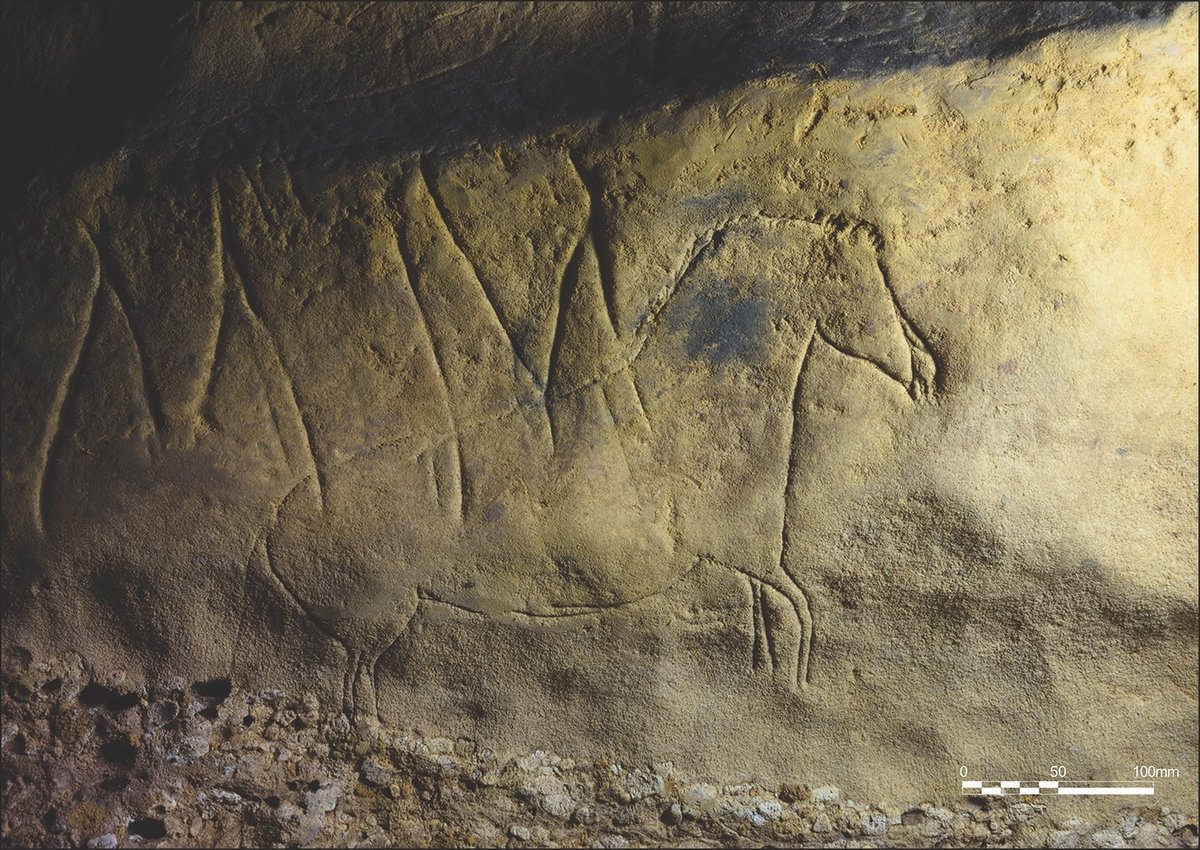
🪨
Hundreds of ice age engravings emerge in a Spanish cave
Honderden ijstijdgravures ontdekt in een Spaanse grot
Des centaines de gravures de l’âge de glace découvertes dans une grotte espagnole
So: a popular tourist cave in northeastern Spain has been hiding 280 Paleolithic engravings in plain sight. The remarkable collection includes 55 animal figures, among them horses, deer and a rare bear, making it one of the largest finds of its kind on the Iberian Peninsula. Researchers say the faint carvings may have blended in with modern graffiti, and the art was first discovered in 2019. Access is now limited to protect the engravings, while researchers hope to study them further and explore sediment-filled galleries for more.
En kijk: in een populaire toeristische grot in het noordoosten van Spanje bleken maar liefst 280 paleolithische gravures verborgen te zitten. De bijzondere verzameling omvat 55 dierenfiguren, waaronder paarden, herten en een zeldzame beer, en is een van de grootste vondsten in haar soort op het Iberisch Schiereiland. De onderzoekers denken dat de vage gravures moeilijk te onderscheiden waren van moderne graffiti; ze werden pas in 2019 ontdekt. Bezoekers mogen de grot nu minder makkelijk in, zodat de kunst beschermd blijft, en onderzoekers hopen de tekeningen verder te bestuderen en nog meer te vinden in met sediment gevulde gangen.
Et voici une belle surprise : une grotte très fréquentée du nord-est de l’Espagne abritait 280 gravures paléolithiques passées inaperçues. Cette remarquable collection comprend 55 représentations animales, dont des chevaux, des cerfs et un ours rare, ce qui en fait l’une des plus importantes découvertes de ce type dans la péninsule Ibérique. Selon les chercheurs, les gravures peu visibles ont pu se confondre avec les graffitis modernes, et elles n’ont été découvertes qu’en 2019. L’accès à la grotte est désormais limité pour protéger ces œuvres, tandis que les chercheurs espèrent les étudier davantage et explorer les galeries remplies de sédiments à la recherche d’autres gravures.

🗳️
US voters back dozens of measures against data centres
Kiezers in de VS steunen tientallen maatregelen tegen datacenters
Aux États-Unis, les électeurs approuvent des dizaines de mesures contre les centres de données
Across the US, voters in at least 38 jurisdictions approved bans or restrictions on data centres in Tuesday’s midterms, with nearly every measure passing. The results show how communities from across the political spectrum are pushing back against energy- and water-hungry projects that can raise household bills while bringing few local jobs. In Ohio, Illinois and Wisconsin, voters backed local limits, while Texas elected governor Gina Hinojosa, who supports a pause on new data centre projects and stronger environmental protections. And here’s the thing: polls show broad opposition to new data centres, giving communities a powerful voice in shaping how AI infrastructure develops.
In minstens 38 rechtsgebieden in de VS keurden kiezers tijdens de tussentijdse verkiezingen van dinsdag verboden of beperkingen op datacenters goed, en bijna alle maatregelen haalden het. De uitslagen tonen hoe gemeenschappen van verschillende politieke pluimage zich verzetten tegen projecten die veel energie en water verbruiken, de energierekening kunnen verhogen en weinig lokale banen opleveren. In Ohio, Illinois en Wisconsin stemden inwoners voor lokale beperkingen, terwijl Texas Gina Hinojosa tot gouverneur koos; zij pleit voor een pauze op nieuwe datacenterprojecten en sterkere milieubescherming. En dit is belangrijk: peilingen tonen dat er brede weerstand is tegen nieuwe datacenters, waardoor gemeenschappen veel invloed kunnen uitoefenen op de ontwikkeling van AI-infrastructuur.
Dans au moins 38 juridictions des États-Unis, les électeurs ont approuvé mardi des interdictions ou des restrictions visant les centres de données, et presque toutes les mesures ont été adoptées. Ces résultats montrent que des communautés de tous bords politiques s’opposent à des projets gourmands en énergie et en eau, susceptibles d’alourdir les factures des ménages tout en créant peu d’emplois locaux. Dans l’Ohio, l’Illinois et le Wisconsin, les habitants ont soutenu des restrictions locales, tandis que le Texas a élu gouverneure Gina Hinojosa, favorable à une pause dans les nouveaux projets et à des protections environnementales renforcées. Et voici l’essentiel : les sondages révèlent une opposition générale aux nouveaux centres de données, donnant aux communautés un vrai poids pour façonner le développement des infrastructures d’IA.
🌿
High in the Bronze Age? Archaeologists find earliest evidence of cannabis use
Stoned in de bronstijd? Archeologen vinden het vroegste bewijs voor cannabisgebruik
Stone à l’âge du bronze ? Des archéologues découvrent la plus ancienne preuve d’usage du cannabis
Could people have been getting stoned in the Bronze Age? Archaeologists have uncovered what may be the earliest evidence yet of cannabis use, pushing the story of the plant’s relationship with humans deep into prehistory. The discovery offers a fascinating glimpse into how ancient communities may have used cannabis, though the exact purpose remains an open question. And here's the thing: a plant we often associate with modern life has a much older human history than many might expect.
Zouden mensen in de bronstijd al stoned zijn geweest? Archeologen hebben mogelijk het vroegste bewijs tot nu toe gevonden voor cannabisgebruik, waardoor de band tussen mens en plant veel verder teruggaat in de prehistorie. De vondst biedt een boeiende blik op hoe oude gemeenschappen cannabis kunnen hebben gebruikt, al blijft het precieze doel een open vraag. En juist dat maakt het zo intrigerend: een plant die vaak met het moderne leven wordt geassocieerd, heeft een veel oudere menselijke geschiedenis dan velen vermoeden.
Les habitants de l’âge du bronze se défonçaient-ils déjà ? Des archéologues ont découvert ce qui pourrait être la plus ancienne preuve connue d’usage du cannabis, repoussant loin dans la préhistoire les débuts de la relation entre cette plante et les humains. Cette découverte offre un aperçu fascinant de la manière dont les communautés anciennes ont pu utiliser le cannabis, même si son usage précis reste une question ouverte. Et c’est bien ce qui intrigue : cette plante que l’on associe souvent à la vie moderne accompagne les humains depuis bien plus longtemps qu’on ne le pense.
🧪
China space experiment reaches record-low temperature
Chinees ruimte-experiment bereikt recordlage temperatuur
Une expérience spatiale chinoise atteint une température record
A Chinese experiment in space has chilled atoms to an astonishingly low temperature, setting a new record. Researchers used the weightless conditions of orbit to explore how ultra-cold atoms behave. This achievement opens fresh opportunities to investigate quantum physics and make highly precise measurements. And here's the thing: space is becoming an exciting laboratory for discoveries that are difficult to make on Earth.
Een Chinees experiment in de ruimte heeft atomen afgekoeld tot een verbazingwekkend lage temperatuur en daarmee een nieuw record gevestigd. Onderzoekers benutten de gewichtloosheid in een baan om de aarde om te bestuderen hoe ultrakoude atomen zich gedragen. Deze prestatie biedt nieuwe mogelijkheden om de kwantumfysica te onderzoeken en uiterst nauwkeurige metingen te doen. En dit is het mooie: de ruimte wordt een spannend laboratorium voor ontdekkingen die op aarde moeilijk te realiseren zijn.
Une expérience chinoise dans l’espace a refroidi des atomes jusqu’à une température incroyablement basse, établissant un nouveau record. Les chercheurs ont mis à profit l’apesanteur en orbite pour étudier le comportement des atomes ultrafroids. Cette réussite ouvre de nouvelles possibilités pour explorer la physique quantique et effectuer des mesures d’une grande précision. Et voilà ce qui est passionnant : l’espace devient un laboratoire idéal pour des découvertes difficiles à réaliser sur Terre.
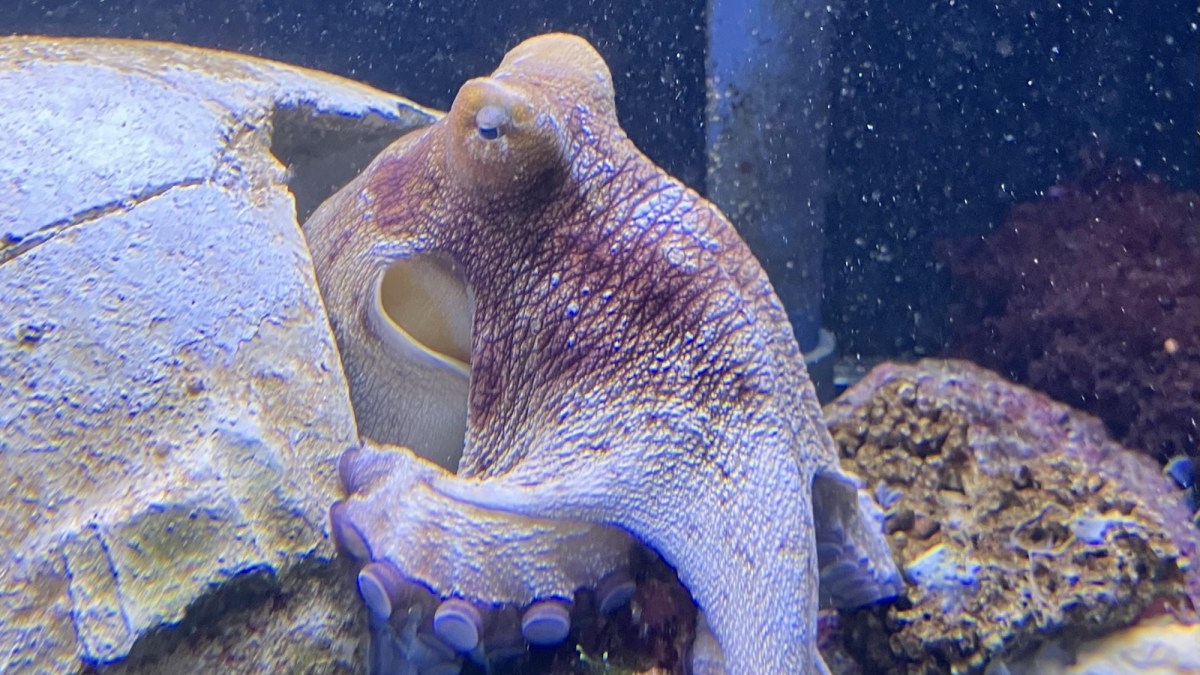
🐙
How do octopuses squeeze through tiny holes?
Hoe wurmen octopussen zich door piepkleine openingen?
Comment les pieuvres se faufilent-elles dans de minuscules trous ?
So, how does an octopus pull off that astonishing squeeze? Researchers watched Mayan and common octopuses test openings with their arms, then use their suckers and the aquarium walls to help manoeuvre through. Common octopuses also managed narrower holes by pulling their arms through first and then compressing the rest of their bodies, while Mayan octopuses chose to avoid the tightest openings. The findings suggest there’s no single octopus strategy, and that cartilage around the brain may help set the limits.
Hoe krijgt een octopus het voor elkaar om zich zo ongelooflijk door een nauwe opening te wurmen? Onderzoekers zagen hoe Maya- en gewone octopussen openingen met hun armen verkenden en hun zuignappen en de wanden van het aquarium gebruikten om zich erdoorheen te manoeuvreren. Gewone octopussen kwamen ook door smallere gaten door eerst hun armen naar binnen te trekken en daarna hun lichaam samen te drukken, terwijl Maya-octopussen de krapste openingen liever links lieten liggen. De resultaten laten zien dat octopussen niet allemaal dezelfde aanpak kiezen en dat het kraakbeen rond hun hersenen mogelijk grenzen stelt.
Alors, comment une pieuvre réussit-elle à se faufiler dans un passage si étroit ? Des chercheurs ont observé des pieuvres mayas et communes explorer les ouvertures avec leurs bras, puis s’aider de leurs ventouses et des parois de l’aquarium pour passer. Les pieuvres communes ont aussi franchi des trous plus étroits en faisant d’abord passer leurs bras, puis en comprimant le reste de leur corps, tandis que les pieuvres mayas ont préféré éviter les ouvertures les plus petites. Ces observations montrent que les pieuvres n’adoptent pas toutes la même stratégie et que le cartilage autour de leur cerveau pourrait fixer certaines limites.
🦴
Dirk from Vosselaar finds an extremely rare fossil: “I found the dino crab about 10 years ago”
Dirk uit Vosselaar vindt extreem zeldzaam fossiel: “Ik vond de dino-krab zo’n 10 jaar geleden”
Dirk, de Vosselaar, découvre un fossile extrêmement rare : « J’ai trouvé le crabe dinosaure il y a une dizaine d’années »
Dirk from Vosselaar has found an extremely rare fossil, which he calls the “dino crab.” He says he discovered it about ten years ago. The remarkable find connects a local discovery with a fascinating glimpse into the distant past. It is a striking reminder that extraordinary fossils can turn up close to home.
Dirk uit Vosselaar heeft een extreem zeldzaam fossiel gevonden, dat hij de “dino-krab” noemt. Hij vertelt dat hij het zo’n tien jaar geleden ontdekte. De bijzondere vondst verbindt een lokale ontdekking met een fascinerende blik op een ver verleden. Het is een mooie herinnering dat uitzonderlijke fossielen ook dicht bij huis opduiken.
Dirk, de Vosselaar, a découvert un fossile extrêmement rare qu’il surnomme le « crabe dinosaure ». Il raconte l’avoir trouvé il y a une dizaine d’années. Cette découverte remarquable associe une trouvaille locale à un fascinant aperçu du passé lointain. Elle rappelle joliment que des fossiles extraordinaires peuvent se trouver tout près de chez nous.
🚄
SNCF's new TGV finally enters service
De nieuwe TGV van de SNCF rijdt eindelijk
Le nouveau TGV de la SNCF entre enfin en service
So, the SNCF's new TGV is finally entering service on Friday. It promises a more comfortable journey, with a design that is also more environmentally friendly. Its modular layout adds another interesting feature, offering flexibility in how the train is configured. It’s exciting to see this new generation of high-speed train move from promise to passenger service.
De nieuwe TGV van de SNCF gaat vrijdag eindelijk rijden. De trein belooft meer comfort en is ook ontworpen met het milieu in gedachten. Dankzij de modulaire opzet kan de inrichting bovendien flexibel worden aangepast. Mooi om te zien hoe deze nieuwe generatie hogesnelheidstreinen nu reizigers gaat vervoeren.
Le nouveau TGV de la SNCF entre enfin en service vendredi. Il promet davantage de confort et une conception plus respectueuse de l’environnement. Son aménagement modulable apporte aussi une belle souplesse dans la configuration du train. C’est enthousiasmant de voir cette nouvelle génération de trains à grande vitesse accueillir enfin ses premiers voyageurs.

💧
Why do hot and cold water sound different?
Waarom klinkt koud en warm water anders?
Pourquoi l’eau chaude et l’eau froide ne font-elles pas le même bruit ?
Here’s a fun little science mystery: cold water sounds crisp and bright when poured, while hot water makes a softer, lower sound. Researchers found that hot water forms larger air bubbles, which produce lower-frequency sounds. The difference may come from water molecules moving more freely when they’re warmer. The study is still awaiting formal peer review, but it offers a fascinating explanation to try out in your own kitchen.
Een leuk klein wetenschappelijk raadsel: koud water klinkt helder en sprankelend wanneer je het inschenkt, terwijl warm water een zachter, lager geluid maakt. Onderzoekers ontdekten dat warm water grotere luchtbelletjes vormt, die lagere tonen produceren. Dat verschil komt mogelijk doordat watermoleculen zich bij hogere temperaturen vrijer bewegen. Het onderzoek is nog niet officieel door vakgenoten beoordeeld, maar biedt alvast een boeiende verklaring om zelf in de keuken uit te proberen.
Voici un petit mystère scientifique amusant : l’eau froide produit un son clair et vif quand on la verse, tandis que l’eau chaude fait un bruit plus sourd et plus grave. Des chercheurs ont observé que l’eau chaude forme de plus grosses bulles d’air, qui produisent des sons de fréquence plus basse. Cette différence pourrait s’expliquer par le mouvement plus libre des molécules d’eau à température élevée. L’étude n’a pas encore été évaluée officiellement par des spécialistes, mais elle propose une explication fascinante à tester dans sa cuisine.
🌱
Fifty percent more workers chose a gradual return after illness over the past five years
Vijftig procent meer werknemers kozen de afgelopen vijf jaar voor een geleidelijke terugkeer na ziekte
Cinquante pour cent de travailleurs en plus ont choisi une reprise progressive après une maladie au cours des cinq dernières années
Over the past five years, 50% more workers chose to return gradually after an illness. The trend highlights the growing role of a phased return to work during recovery. It offers a way to reconnect with work at a measured pace. And here's the thing: a gradual return puts recovery and working life in the same conversation.
De afgelopen vijf jaar kozen vijftig procent meer werknemers voor een geleidelijke terugkeer na ziekte. Die evolutie benadrukt de groeiende rol van een gefaseerde werkhervatting tijdens het herstel. Zo kunnen werknemers op een rustig tempo weer aansluiting vinden bij hun werk. En daar zit precies de kracht: herstel en werk krijgen samen aandacht.
Au cours des cinq dernières années, 50 % de travailleurs en plus ont choisi une reprise progressive après une maladie. Cette évolution souligne l’importance croissante d’un retour au travail par étapes pendant la convalescence. Cette approche permet de reprendre le travail à un rythme mesuré. Et c’est là tout l’intérêt : le rétablissement et la vie professionnelle avancent de concert.

🔬
A political wonder in the hands of an explosive group
Een politiek wonder in handen van een explosief gezelschap
Un miracle politique entre les mains d’un groupe explosif
So, in Jordan, researchers from eight countries with difficult relations share SESAME, a powerful synchrotron that helps them study everything from ancient papyrus to medicines. The machine grew from a discarded accelerator in Berlin into a remarkable regional research facility, powered in part by its own solar park. Its political significance is striking, but the article suggests that the real magic lies in researchers simply working together on concrete scientific questions. Shared curiosity, it seems, can create cooperation without anyone needing to begin with grand promises of peace.
In Jordanië delen onderzoekers uit acht landen met moeizame onderlinge relaties SESAME, een krachtige synchrotron waarmee ze onder meer oude papyrus en medicijnen kunnen bestuderen. De machine groeide uit een afgedankte versneller in Berlijn tot een bijzonder onderzoekscentrum voor de regio, dat deels op een eigen zonnepark draait. De politieke betekenis ervan is opvallend, maar de kern zit volgens het artikel in onderzoekers die gewoon samen concrete wetenschappelijke vragen aanpakken. Gedeelde nieuwsgierigheid kan dus samenwerking op gang brengen, zonder dat iemand eerst grote beloften over vrede hoeft te doen.
En Jordanie, des chercheurs de huit pays aux relations difficiles se partagent SESAME, un puissant synchrotron qui leur permet d’étudier aussi bien des papyrus anciens que des médicaments. Parti d’un accélérateur mis au rebut à Berlin, l’appareil est devenu un centre de recherche remarquable pour la région, alimenté en partie par son propre parc solaire. Sa portée politique est saisissante, mais l’article montre que sa vraie force réside dans le travail quotidien de chercheurs réunis autour de questions scientifiques concrètes. La curiosité partagée peut ainsi faire naître la coopération, sans qu’il faille commencer par de grandes promesses de paix.
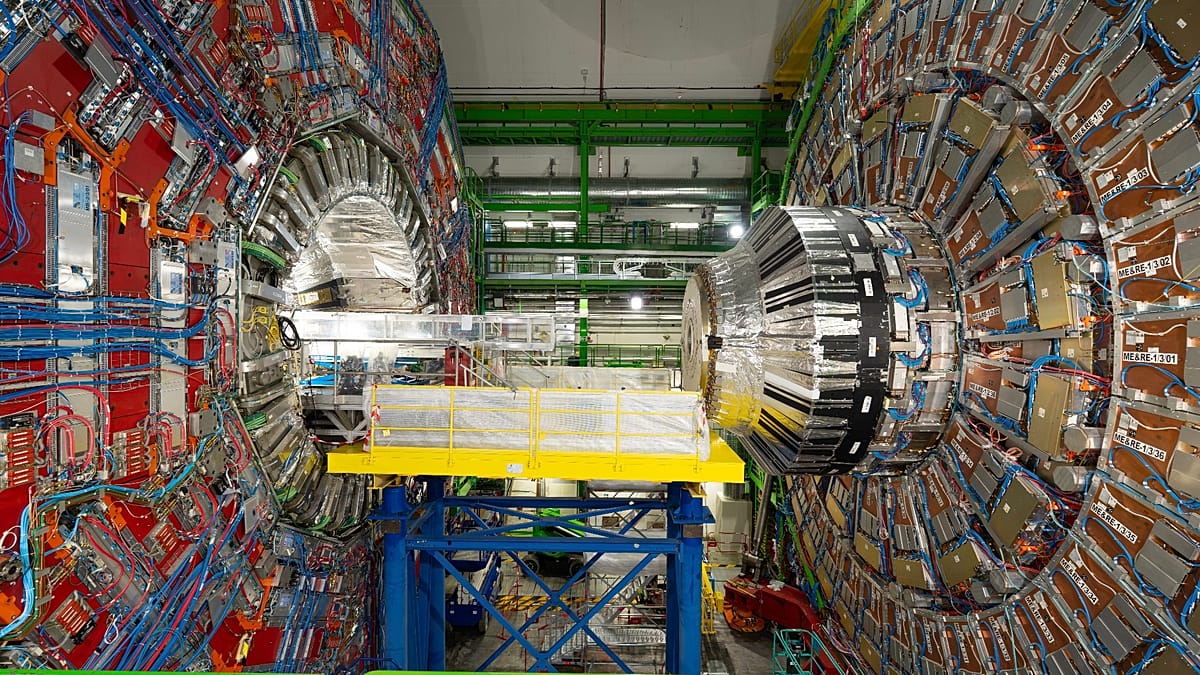
🔬
‘Zeptoverse’: CERN finds evidence of an extraordinarily rare particle decay
‘Zeptowereld’: CERN vindt bewijs voor een uitzonderlijk zeldzaam deeltjesverval
« Zeptovers » : le CERN observe les indices d’une désintégration de particule extraordinairement rare
So, CERN scientists have found evidence of a particle decay predicted to happen just once in every 10 billion cases. Using the Large Hadron Collider, they studied short-lived beauty particles created when protons collide. This rare process offers a glimpse into the “zeptoverse”, a tiny, largely unexplored frontier where researchers hope to find new fundamental particles. And here's the exciting part: exploring it could help answer big questions about dark matter and dark energy, which together make up around 95% of the universe.
CERN-wetenschappers hebben bewijs gevonden voor een deeltjesverval dat naar verwachting slechts één keer op de 10 miljard gevallen voorkomt. Met de Large Hadron Collider bestudeerden ze kortlevende beautydeeltjes die ontstaan wanneer protonen botsen. Dit zeldzame proces biedt een blik op de ‘zeptowereld’, een piepkleine en grotendeels onverkende grens waar onderzoekers hopen nieuwe fundamentele deeltjes te vinden. En dat is bijzonder spannend: onderzoek hiernaar kan helpen grote vragen over donkere materie en donkere energie te beantwoorden, die samen ongeveer 95 procent van het heelal uitmaken.
Les scientifiques du CERN ont trouvé des indices d’une désintégration de particule qui ne se produirait, selon les prévisions, qu’une fois sur 10 milliards. Grâce au Grand collisionneur de hadrons, ils ont étudié des particules beauté éphémères créées lors de collisions entre protons. Ce processus rare offre un aperçu du « zeptovers », une frontière minuscule et largement inexplorée où les chercheurs espèrent découvrir de nouvelles particules fondamentales. Et c’est là que cela devient passionnant : explorer ce domaine pourrait aider à répondre aux grandes questions sur la matière noire et l’énergie noire, qui représentent ensemble environ 95 % de l’Univers.
🍽️
Danish restaurant named world's third-best
Deens restaurant uitgeroepen tot op twee na beste ter wereld
Un restaurant danois élu troisième meilleur au monde
Copenhagen's Alchemist has claimed third place in the 2026 World's 50 Best Restaurants ranking, moving up from fifth last year. Spain's Asador Etxebarri took the top spot, while Thailand's Gaggan came second. Copenhagen's Kadeau ranked eighth and won the Highest Climber award after rising from 41st, while Jordnær in Gentofte placed 40th. That means three Danish restaurants made the world's top 40 - a wonderful showing for Denmark's dining scene.
Alchemist uit Kopenhagen behaalde de derde plaats in de ranglijst van World's 50 Best Restaurants voor 2026, tegenover de vijfde plaats vorig jaar. Het Spaanse Asador Etxebarri eindigde bovenaan en het Thaise Gaggan werd tweede. Kadeau uit Kopenhagen werd achtste en won de prijs voor de grootste stijger, na vorig jaar op plaats 41 te zijn geëindigd; Jordnær uit Gentofte behaalde de veertigste plaats. Zo staan drie Deense restaurants in de wereldwijde top 40 - een prachtig resultaat voor de Deense eetcultuur.
Alchemist, à Copenhague, a décroché la troisième place du classement 2026 des World's 50 Best Restaurants, après avoir été cinquième l'an dernier. L'espagnol Asador Etxebarri arrive en tête, devant le thaïlandais Gaggan, deuxième. Kadeau, également à Copenhague, se classe huitième et remporte le prix de la plus forte progression, après avoir occupé la 41e place l'année dernière; Jordnær, à Gentofte, se hisse à la 40e place. Trois restaurants danois figurent ainsi parmi les 40 meilleurs au monde - une belle réussite pour la gastronomie danoise.

🌱
Trees have a hidden underground network called the ‘wood wide web’
Bomen hebben een verborgen ondergronds netwerk: het ‘bosbrede web’
Les arbres ont un réseau souterrain caché appelé le « wood wide web »
Under the forest floor, fungi partner with tree roots: their fine threads help trees access water and nutrients, while trees share carbon-rich sugars in return. Some fungal networks may connect several plants, inspiring the nickname “wood wide web.” But evidence that older trees deliberately feed or warn their offspring through these links remains unproven, and scientists caution against treating forests as family networks. A global study mapping more than 1.1 million forest plots reveals how tree-fungus partnerships vary around the world, offering clues to how forests may respond to changing climates.
Onder de bosbodem werken schimmels samen met boomwortels: hun fijne draden helpen bomen water en voedingsstoffen op te nemen, terwijl bomen in ruil suikerrijke stoffen afstaan. Sommige schimmelnetwerken verbinden mogelijk verschillende planten, wat ze de bijnaam ‘bosbrede web’ heeft opgeleverd. Er is echter geen overtuigend bewijs dat oudere bomen via deze verbindingen hun nakomelingen bewust voeden of waarschuwen, en wetenschappers raden aan bossen niet als familiegroepen voor te stellen. Een wereldwijde studie van meer dan 1,1 miljoen bosgebieden laat zien hoe samenwerkingen tussen bomen en schimmels per regio verschillen en biedt inzicht in hoe bossen op klimaatverandering kunnen reageren.
Sous le sol forestier, les champignons s’associent aux racines des arbres : leurs fins filaments aident les arbres à accéder à l’eau et aux nutriments, tandis que les arbres leur fournissent en retour des sucres riches en carbone. Certains réseaux fongiques pourraient relier plusieurs plantes, ce qui leur a valu le surnom de « wood wide web ». Toutefois, rien ne prouve que les arbres plus âgés nourrissent ou avertissent délibérément leurs descendants par ces connexions, et les scientifiques invitent à ne pas considérer les forêts comme des familles. Une étude mondiale portant sur plus de 1,1 million de parcelles forestières révèle les variations de ces partenariats entre arbres et champignons et aide à comprendre comment les forêts pourraient réagir aux changements climatiques.
🔬
AI research deepens the mystery of cellular vaults
AI-onderzoek verdiept het mysterie van cellulaire vaults
L’IA approfondit le mystère des vaults cellulaires
An AI company's research is adding fresh intrigue to vaults, among the most unusual particles found inside cells. These cellular structures have long puzzled scientists, and the latest work deepens the mystery of what they do. That makes vaults a fascinating frontier at the intersection of artificial intelligence and cell biology. I’m excited to see what future research uncovers about these enigmatic particles.
Onderzoek van een AI-bedrijf maakt vaults, een van de opmerkelijkste deeltjes in cellen, nog intrigerender. Deze cellulaire structuren houden wetenschappers al lange tijd bezig, en het nieuwe werk verdiept het mysterie rond hun functie. Daardoor vormen vaults een boeiend onderzoeksgebied op het snijvlak van kunstmatige intelligentie en celbiologie. Ik ben benieuwd welke geheimen toekomstig onderzoek over deze raadselachtige deeltjes zal onthullen.
Les recherches d’une entreprise spécialisée en IA rendent les vaults, parmi les particules les plus singulières des cellules, encore plus intrigants. Ces structures cellulaires intriguent les scientifiques depuis longtemps, et ces nouveaux travaux approfondissent le mystère de leur fonction. Les vaults constituent ainsi un domaine de recherche passionnant, au croisement de l’intelligence artificielle et de la biologie cellulaire. J’ai hâte de découvrir ce que les prochaines études révéleront sur ces particules énigmatiques.

🕊️
Italy's homicide rate falls to the eu's third-lowest
Italië heeft op twee na het laagste moordcijfer van de eu
L’Italie affiche le troisième taux d’homicides le plus bas de l’ue
What a striking turnaround: in 2023, Italy recorded the EU’s lowest homicide rate and its third-lowest rate after adjusting for age. The unadjusted rate was 0.57 per 100,000 people, compared with a European average of 0.91, while the age-adjusted figure was 0.4. Since the peak of mafia-related violence in 1991, homicides have fallen by around 80 percent, following a wide-ranging government response and a decline in criminal groups’ use of extreme violence. Femicide has also dropped to among the lowest rates in the EU, adding to this encouraging picture of improved safety.
Wat een opmerkelijke ommekeer: in 2023 had Italië het laagste moordcijfer van de EU en, na correctie voor leeftijd, het op twee na laagste. Het ongecorrigeerde cijfer bedroeg 0,57 per 100.000 inwoners, tegenover een Europees gemiddelde van 0,91; het leeftijdsgecorrigeerde cijfer was 0,4. Sinds de piek van maffiagerelateerd geweld in 1991 is het aantal moorden met ongeveer 80 procent gedaald, dankzij een brede aanpak door de overheid en minder extreem geweld door criminele groepen. Ook femicide is teruggelopen tot een van de laagste niveaus in de EU, een bemoedigend teken van de bredere vooruitgang op het gebied van veiligheid.
Quel retournement remarquable : en 2023, l’Italie a enregistré le taux d’homicides le plus bas de l’UE et le troisième plus faible après ajustement selon l’âge. Le taux brut était de 0,57 pour 100 000 habitants, contre une moyenne européenne de 0,91, tandis que le taux ajusté s’établissait à 0,4. Depuis le pic des violences liées à la mafia en 1991, les homicides ont diminué d’environ 80 %, grâce à une réponse gouvernementale de grande ampleur et au recours moins fréquent des groupes criminels à la violence extrême. Les féminicides ont eux aussi reculé, figurant désormais parmi les taux les plus bas de l’UE - un signe encourageant des progrès plus généraux en matière de sécurité.
🔬
Carbon radicals from irreversible light-driven charge transfer
Koolstofradicalen door onomkeerbare, lichtgestuurde ladingsoverdracht
Des radicaux carbonés issus d’un transfert de charge irréversible induit par la lumière
Here’s an exciting new way to make carbon-centred radicals: researchers have created copper complexes that use visible light to trigger the process. The light-driven charge transfer irreversibly breaks a carbon–sulfur bond in the ligand, releasing radicals through a low-barrier pathway. The approach works with a broad range of alkyl groups, including fluoroalkyl groups and even methyl, largely independently of the starting sulfones’ reduction potentials. The team used the chemistry to functionalize arenes and alkynes, and to combine perfluorocyclobutyl and iodine groups on alkenes.
Dit is een veelbelovende nieuwe manier om koolstofradicalen te maken: onderzoekers ontwikkelden kopercomplexen die het proces met zichtbaar licht op gang brengen. De lichtgestuurde ladingsoverdracht verbreekt onomkeerbaar een koolstof-zwavelbinding in het ligand en maakt zo radicalen vrij via een route met een lage energiebarrière. De methode werkt met uiteenlopende alkylgroepen, waaronder fluoroalkylgroepen en zelfs methylgroepen, grotendeels onafhankelijk van de reductiepotentialen van de oorspronkelijke sulfones. Het team gebruikte de chemie om arenes en alkynen te functionaliseren en om perfluorcyclobutyl- en joodgroepen op alkenen te combineren.
Voici une nouvelle approche prometteuse pour produire des radicaux carbonés : des chercheurs ont mis au point des complexes de cuivre qui déclenchent le processus sous lumière visible. Le transfert de charge induit par la lumière rompt irréversiblement une liaison carbone-soufre du ligand et libère des radicaux par une voie dont la barrière énergétique est faible. La méthode fonctionne avec un large éventail de groupes alkyle, notamment des groupes fluoroalkyle et même méthyle, et dépend peu des potentiels de réduction des sulfones de départ. L’équipe a utilisé cette chimie pour fonctionnaliser des arènes et des alcynes, ainsi que pour associer des groupes perfluorocyclobutyle et iode sur des alcènes.
🧬
Ancient DNA backs a tribe’s legendary origin story
Oud DNA bevestigt de legendarische oorsprong van een stam
L’ADN ancien confirme l’origine légendaire d’une tribu
A barbarian tribe’s legendary account of its origins appears to have a basis in history, according to new ancient DNA evidence. By studying genetic clues from the past, researchers found support for the story’s central claim about the group’s beginnings. The findings offer a fresh view of how this people may have moved and formed over time. And here’s the thing: genetics can illuminate an old tradition, even if it cannot prove every detail of a myth.
Een legendarisch verhaal over de oorsprong van een barbaarse stam blijkt mogelijk een historische kern te hebben, volgens nieuw bewijs uit oud DNA. Door genetische aanwijzingen uit het verleden te bestuderen, vonden onderzoekers steun voor de centrale bewering over het ontstaan van de groep. De bevindingen geven een nieuw beeld van hoe dit volk zich mogelijk verplaatste en door de tijd heen vorm kreeg. En daar zit het interessante in: genetica kan een oude overlevering verhelderen, ook al bewijst ze niet elk detail van een mythe.
Selon de nouvelles données issues de l’ADN ancien, le récit légendaire des origines d’une tribu dite barbare pourrait reposer sur des faits historiques. En étudiant des indices génétiques du passé, les chercheurs ont trouvé des éléments qui étayent l’idée centrale de ce récit sur la naissance du groupe. Ces découvertes offrent un nouvel éclairage sur les déplacements et la formation de ce peuple au fil du temps. Et c’est là tout l’intérêt : la génétique peut éclairer une ancienne tradition, sans pour autant prouver chaque détail d’un mythe.
🔭
Astronomers sharpen JWST’s view of distant worlds
Astronomen maken het zicht van JWST op verre werelden scherper
Des astronomes affinent la vision de JWST sur des mondes lointains
Astronomers have found a way to make the James Webb Space Telescope’s view of distant worlds sharper, helping reveal details that were harder to see before. The improvement helps researchers distinguish faint planetary signals from the glare of their host stars. That could offer a clearer look at exoplanets and their atmospheres, and help scientists compare these worlds with planets in our own solar system. It’s an exciting step toward making even more of JWST’s remarkable observations.
Astronomen hebben een manier gevonden om het zicht van de James Webb-ruimtetelescoop op verre werelden scherper te maken, zodat details beter zichtbaar worden. De verbetering helpt onderzoekers zwakke signalen van planeten te onderscheiden van het felle licht van hun sterren. Zo krijgen wetenschappers mogelijk een duidelijker beeld van exoplaneten en hun atmosferen, en kunnen ze deze werelden vergelijken met planeten in ons eigen zonnestelsel. Het is een mooie stap om nog meer te halen uit de bijzondere waarnemingen van JWST.
Des astronomes ont trouvé un moyen d’affiner la vision du télescope spatial James Webb sur des mondes lointains, révélant ainsi des détails auparavant difficiles à distinguer. Cette amélioration aide les chercheurs à séparer les faibles signaux des planètes de l’éclat de leurs étoiles. Elle pourrait offrir une vision plus précise des exoplanètes et de leurs atmosphères, et permettre aux scientifiques de comparer ces mondes aux planètes de notre système solaire. C’est une avancée enthousiasmante pour tirer encore davantage parti des remarquables observations de JWST.

⏱️
An X-ray stopwatch measures just-attosecond durations
Een röntgenstopwatch meet tijdsduren van slechts attoseconden
Un chronomètre à rayons X mesure des durées de quelques attosecondes
So: researchers have accurately measured hard X-ray pulses lasting just 170 attoseconds. That’s an exceptionally brief flash of light, captured with an optical system designed for precision timing. And here’s the exciting part: the system can also act as a stopwatch for tracking the rapid motion of electrons inside atoms and molecules. This could open new ways to explore some of nature’s fastest processes.
Onderzoekers hebben harde röntgenpulsen gemeten die slechts 170 attoseconden duren. Dat is een uitzonderlijk korte lichtflits, nauwkeurig vastgelegd met een optisch systeem dat is ontworpen voor precisiemetingen. En hier komt het spannende deel: het systeem kan ook dienen als stopwatch om de razendsnelle beweging van elektronen in atomen en moleculen te volgen. Zo ontstaan nieuwe mogelijkheden om enkele van de snelste processen in de natuur te onderzoeken.
Des chercheurs ont mesuré avec précision des impulsions de rayons X durs qui ne durent que 170 attosecondes. C’est un éclair lumineux exceptionnellement bref, capturé grâce à un système optique conçu pour mesurer les durées avec précision. Et voici ce qui est passionnant : ce système peut aussi servir de chronomètre pour suivre le mouvement fulgurant des électrons dans les atomes et les molécules. Il pourrait ainsi ouvrir de nouvelles pistes pour explorer certains des processus les plus rapides de la nature.

🧬
AI agents run this automated biology lab that sequences DNA and more
AI-agenten besturen dit geautomatiseerde biologielab dat DNA leest en meer
Des agents d’IA pilotent ce laboratoire de biologie automatisé qui séquence l’ADN
So, imagine a biology lab where AI agents and robots can plan and carry out experiments with only a simple prompt from a person. At Shanghai Jiao Tong University, the AutoDNA system coordinates more than 20 types of instrument and can perform thousands of steps, including synthesizing and sequencing DNA. The team tested it on tasks such as spotting a cancer-linked mutation and encoding a message in DNA. I find it exciting that people mainly need to step in to replenish reagents and maintain the equipment, bringing self-driving science a step closer.
Stel je eens een biologielab voor waar AI-agenten en robots experimenten kunnen plannen en uitvoeren met slechts een eenvoudige opdracht van een mens. Aan de Shanghai Jiao Tong-universiteit coördineert het systeem AutoDNA meer dan twintig soorten instrumenten en kan het duizenden handelingen uitvoeren, waaronder DNA synthetiseren en sequencen. Het team testte het systeem onder meer met het opsporen van een kankerverwante mutatie en het coderen van een boodschap in DNA. Ik vind het bijzonder hoopgevend dat mensen vooral nog reagentia hoeven aan te vullen en apparatuur te onderhouden, waardoor wetenschap met zelfsturende labs weer een stap dichterbij komt.
Imaginez un laboratoire de biologie où des agents d’IA et des robots planifient et réalisent des expériences à partir d’une simple consigne humaine. À l’université Jiao Tong de Shanghai, le système AutoDNA coordonne plus de vingt types d’instruments et peut effectuer des milliers d’opérations, notamment synthétiser et séquencer de l’ADN. L’équipe l’a testé pour repérer une mutation liée au cancer et encoder un message dans l’ADN. Je trouve formidable que l’intervention humaine se limite surtout à réapprovisionner les réactifs et à entretenir les appareils, rapprochant ainsi la science des laboratoires véritablement autonomes.

🌿
How fallen leaves are fueling meals at IIT Bombay
Hoe gevallen bladeren maaltijden aandrijven bij IIT Bombay
Comment les feuilles mortes alimentent les cuisines d’IIT Bombay
At IIT Bombay, fallen leaves and other garden waste are getting a clever second life as cooking fuel. With support from institute-funded startup Infixen, nearly two tonnes of waste are turned into fuel pellets every day for the kitchen at Hostel 16. The pellets have cut LPG use by 60% while helping prepare meals for more than 1,200 students. And here's the thing: waste that once cost nearly ₹50 lakh a year to haul away is now powering a more sustainable campus kitchen.
Bij IIT Bombay krijgen gevallen bladeren en ander tuinafval op een slimme manier een tweede leven als kookbrandstof. Met steun van de door het instituut gefinancierde start-up Infixen wordt dagelijks bijna twee ton afval omgezet in brandstofpellets voor de keuken van Hostel 16. Dankzij de pellets is het LPG-verbruik met 60% gedaald, terwijl er maaltijden worden bereid voor meer dan 1.200 studenten. En het mooie is: afval dat vroeger bijna ₹50 lakh per jaar kostte om af te voeren, helpt nu de campuskeuken duurzamer te maken.
À l’IIT Bombay, les feuilles mortes et les autres déchets de jardin connaissent une seconde vie ingénieuse comme combustible de cuisson. Avec le soutien d’Infixen, une start-up financée par l’institut, près de deux tonnes de déchets sont transformées chaque jour en granulés pour la cuisine de l’Hostel 16. Ces granulés ont permis de réduire de 60 % la consommation de GPL tout en préparant les repas de plus de 1 200 étudiants. Et voici le plus beau : les déchets dont l’évacuation coûtait autrefois près de ₹50 lakh par an alimentent désormais une cuisine de campus plus durable.

🩺
World's first kidney transplants using a new anti-rejection drug performed in bologna
Wereldwijd eerste niertransplantaties met nieuw middel tegen afstoting uitgevoerd in bologna
Premières greffes de rein au monde avec un nouveau médicament anti-rejet réalisées à bologne
So: two patients in Bologna who had waited 13 years for a compatible kidney have received transplants using the experimental drug Cizutamig. The bispecific antibody was given through a compassionate-use program to help prevent organ rejection. Months later, both recipients have excellent kidney function, offering fresh hope to highly sensitized patients who are often unable to find a match. And here's the thing: the approach may also hold promise for some people awaiting heart transplants.
Twee patiënten in Bologna die 13 jaar op een geschikte nier hadden gewacht, hebben een transplantatie gekregen met het experimentele geneesmiddel Cizutamig. Het bispecifieke antilichaam werd via een programma voor gebruik uit medeleven toegediend om afstoting van het orgaan te helpen voorkomen. Maanden later werken beide nieren uitstekend, wat nieuwe hoop biedt aan sterk geïmmuniseerde patiënten die vaak moeilijk een geschikte donor vinden. En daar zit het mooie aan: deze aanpak kan mogelijk ook hoop bieden aan sommige mensen die op een harttransplantatie wachten.
Deux patients de Bologne, qui attendaient depuis 13 ans un rein compatible, ont reçu une greffe grâce au médicament expérimental Cizutamig. Cet anticorps bispécifique leur a été administré dans le cadre d’un programme d’usage compassionnel afin d’aider à prévenir le rejet de l’organe. Plusieurs mois après l’opération, leurs reins fonctionnent très bien, ce qui ravive l’espoir des patients fortement immunisés qui peinent souvent à trouver un donneur compatible. Et voici ce qui est prometteur : cette approche pourrait aussi bénéficier à certaines personnes en attente d’une greffe du cœur.
🧲
SLAC scientists confirm a third type of magnetism
Wetenschappers van SLAC bevestigen een derde type magnetisme
Des scientifiques du SLAC confirment un troisième type de magnétisme
For nearly 90 years, magnetism was grouped into two main types: ferromagnetism and antiferromagnetism. Now, a team led by SLAC scientists has presented strong experimental evidence for altermagnetism, a distinct third type. Studying manganese telluride, they identified chirality - a twist in its magnetic structure that acts as a key signature. And here's the exciting part: this discovery could help inspire new memory systems, quantum devices, and more energy-efficient data centers.
Bijna 90 jaar lang werd magnetisme ingedeeld in twee hoofdtypen: ferromagnetisme en antiferromagnetisme. Nu heeft een team onder leiding van wetenschappers van SLAC sterk experimenteel bewijs gevonden voor altermagnetisme, een afzonderlijk derde type. In mangaantelluride ontdekten ze chiraliteit - een draaiing in de magnetische structuur die een belangrijke aanwijzing vormt. En dat is bijzonder spannend: deze ontdekking kan bijdragen aan nieuwe geheugensystemen, kwantumapparaten en energiezuinigere datacenters.
Pendant près de 90 ans, le magnétisme a été réparti en deux grandes catégories : le ferromagnétisme et l’antiferromagnétisme. Aujourd’hui, une équipe dirigée par des scientifiques du SLAC a apporté des preuves expérimentales solides de l’altermagnétisme, un troisième type distinct. En étudiant le tellurure de manganèse, ils ont identifié une chiralité - une torsion de sa structure magnétique qui en constitue un indice essentiel. Et c’est là que cela devient passionnant : cette découverte pourrait inspirer de nouveaux systèmes de mémoire, des dispositifs quantiques et des centres de données plus économes en énergie.
🔬
MIT team creates new crystal structures with flexible connectors
MIT-team maakt nieuwe kristalstructuren met flexibele verbindingen
Une équipe du MIT crée de nouvelles structures cristallines grâce à des connecteurs flexibles
So, MIT researchers have challenged a 20-year-old belief about how to assemble nanoparticles. Instead of using rigid molecular connectors, they found that highly flexible connectors can guide particles into crystal structures never seen before. This fresh approach could help scientists design materials with precisely tailored properties for electronics, medicine, energy, agriculture, and manufacturing. It’s a surprising new tool for materials science, with findings set to appear in Nature Materials.
MIT-onderzoekers hebben een overtuiging over de ordening van nanodeeltjes, die al twintig jaar standhield, op losse schroeven gezet. In plaats van stijve moleculaire verbindingen ontdekten ze dat zeer flexibele verbindingen de deeltjes naar nooit eerder waargenomen kristalstructuren kunnen leiden. Die nieuwe aanpak kan wetenschappers helpen materialen met nauwkeurig afgestemde eigenschappen te ontwerpen voor elektronica, geneeskunde, energie, landbouw en productie. Het is een verrassend nieuw hulpmiddel voor de materiaalkunde; de resultaten verschijnen in Nature Materials.
Des chercheurs du MIT ont remis en question une idée reçue depuis vingt ans sur l’assemblage des nanoparticules. Au lieu d’utiliser des connecteurs moléculaires rigides, ils ont découvert que des connecteurs très flexibles peuvent guider les particules vers des structures cristallines inédites. Cette approche pourrait aider les scientifiques à concevoir des matériaux aux propriétés précisément adaptées à l’électronique, à la médecine, à l’énergie, à l’agriculture et à la fabrication. Voilà un nouvel outil étonnant pour la science des matériaux, dont les résultats paraîtront dans Nature Materials.
💉
Affordable hiv prevention shot approved for wider access
Betaalbare hiv-preventieprik goedgekeurd voor bredere toegang
Une injection préventive contre le vih à prix abordable approuvée
So: the US Food and Drug Administration has approved a low-cost generic version of lenacapavir, a twice-yearly shot to prevent HIV. The medicine, made by India's Dr Reddy's Laboratories, is set to cost $40 per person per year in 120 countries under an agreement with global health partners. Lenacapavir was shown to be more than 99.9 per cent effective in large clinical trials, and its long-acting format could offer a practical alternative to daily prevention pills. This approval brings a major scientific breakthrough closer to people in low-income countries.
De Amerikaanse Food and Drug Administration heeft een goedkope generieke versie van lenacapavir goedgekeurd, een prik die hiv twee keer per jaar helpt voorkomen. Het middel wordt gemaakt door het Indiase Dr Reddy's Laboratories en zal volgens een overeenkomst met internationale gezondheidspartners 40 dollar per persoon per jaar kosten in 120 landen. In grote klinische studies bleek lenacapavir voor meer dan 99,9 procent effectief, en de langwerkende werking kan een praktisch alternatief bieden voor dagelijkse preventiepillen. Dankzij deze goedkeuring komt een belangrijke wetenschappelijke doorbraak dichter bij mensen in lage-inkomenslanden.
L'Agence américaine des produits alimentaires et médicamenteux a approuvé une version générique à bas prix du lénacapavir, une injection préventive contre le VIH administrée deux fois par an. Fabriqué par le laboratoire indien Dr Reddy's, le médicament coûtera 40 dollars par personne et par an dans 120 pays, conformément à un accord avec des partenaires de santé internationaux. De grands essais cliniques ont montré une efficacité supérieure à 99,9 %, et son action prolongée pourrait offrir une solution pratique par rapport aux comprimés préventifs quotidiens. Cette autorisation rapproche une avancée scientifique majeure des populations des pays à faible revenu.
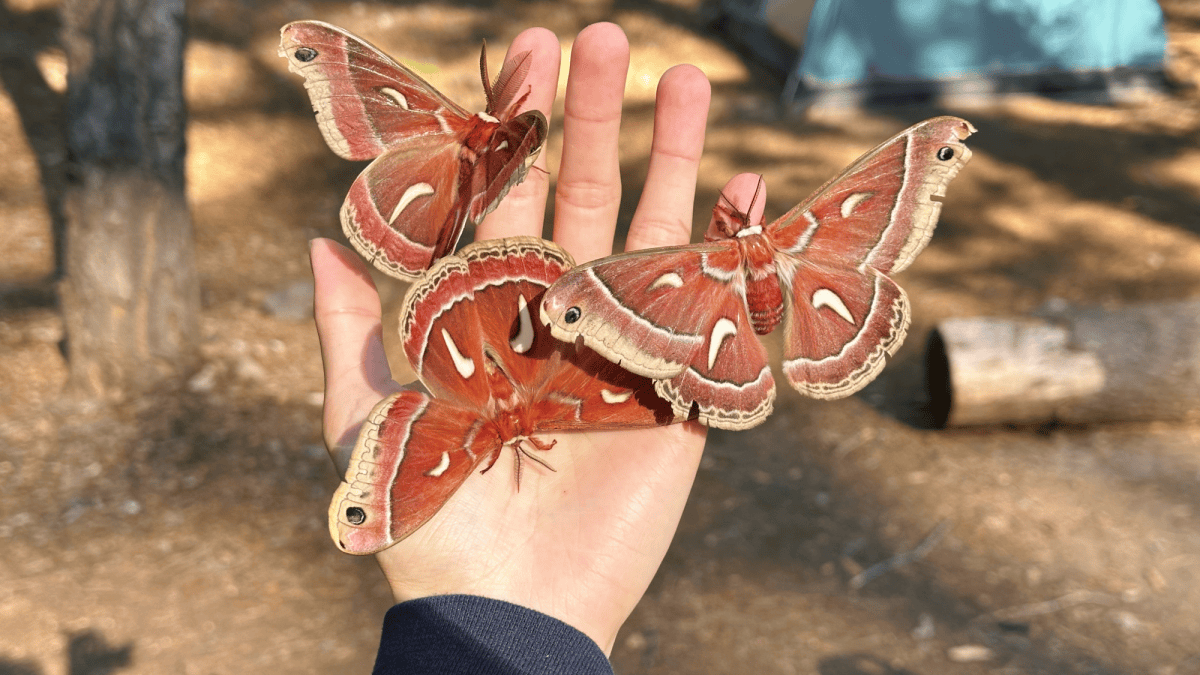
🐛
California has far more insects than we thought
Californië telt veel meer insecten dan gedacht
La Californie abrite bien plus d’insectes qu’on ne le pensait
So, California is home to more than 60,000 insect species, and scientists have described only about two-thirds of them. To get a fuller picture, the California Insect Barcode Initiative brought together researchers and volunteers to DNA-barcode over a million specimens from across the state. The Mojave Basin and Range emerged as the region with the greatest insect diversity, while each ecoregion showed its own distinctive mix of species. And here's the thing: these findings reveal just how rich and delicate California’s insect life is, making a strong case for protecting its wild places.
Californië is dus de thuisbasis van meer dan 60.000 insectensoorten, waarvan wetenschappers er slechts ongeveer twee derde hebben beschreven. Voor een vollediger beeld brachten onderzoekers en vrijwilligers binnen het California Insect Barcode Initiative samen meer dan een miljoen exemplaren met DNA-barcodes in kaart. De Mojave Basin and Range bleek de grootste insectendiversiteit te herbergen, terwijl elke ecoregio een eigen, kenmerkende mix van soorten heeft. En daar zit precies het punt: de resultaten tonen hoe rijk én kwetsbaar het insectenleven in Californië is, en onderstrepen het belang van de bescherming van wilde gebieden.
La Californie abrite donc plus de 60 000 espèces d’insectes, dont les scientifiques n’en ont décrit qu’environ les deux tiers. Pour dresser un tableau plus complet, des chercheurs et des bénévoles ont uni leurs efforts dans le California Insect Barcode Initiative afin d’identifier par code-barres ADN plus d’un million de spécimens. Le Mojave Basin and Range s’est révélé être la région la plus riche en espèces, tandis que chaque écorégion possède son propre assemblage d’insectes. Et c’est là tout l’enjeu : ces résultats révèlent la richesse et la fragilité de la vie des insectes en Californie, et plaident pour la protection de ses espaces sauvages.

🔐
Archaeologists crack a shipwreck’s 400-year-old combination lock
Archeologen kraken 400 jaar oud combinatieslot van scheepswrak
Des archéologues déchiffrent le code d’un cadenas vieux de 400 ans
Researchers at Cardiff University and Amgueddfa Cymru have unlocked a 16th-century brass combination lock recovered from the Ann Francis shipwreck - without touching its delicate mechanism. Micro-CT scans revealed the inner workings and showed that the four-letter code is ANCE. The ship sank off southern Wales in 1583, and its wreck has yielded more than 800 gold and silver coins alongside other artifacts. Now, with this centuries-old puzzle solved, researchers are wondering what the code meant to its original owner.
Onderzoekers van Cardiff University en Amgueddfa Cymru hebben een koperen combinatieslot uit de 16e eeuw geopend dat bij het scheepswrak van de Ann Francis werd gevonden - zonder het kwetsbare mechanisme aan te raken. Micro-CT-scans brachten de binnenkant in beeld en onthulden dat de vierlettercode ANCE is. Het schip verging in 1583 voor de kust van Zuid-Wales, en bij het wrak zijn meer dan 800 gouden en zilveren munten en andere voorwerpen gevonden. Nu dit eeuwenoude raadsel is opgelost, vragen onderzoekers zich af wat de code voor de oorspronkelijke eigenaar betekende.
Des chercheurs de l’université de Cardiff et d’Amgueddfa Cymru ont ouvert un cadenas à combinaison en laiton du XVIe siècle retrouvé dans l’épave de l’Ann Francis - sans toucher à son mécanisme fragile. Des scanners micro-CT ont révélé son fonctionnement interne et montré que le code à quatre lettres est ANCE. Le navire a sombré au large du sud du pays de Galles en 1583, et l’épave a livré plus de 800 pièces d’or et d’argent ainsi que d’autres objets. Maintenant que cette énigme vieille de plusieurs siècles est résolue, les chercheurs se demandent ce que le code signifiait pour son propriétaire d’origine.
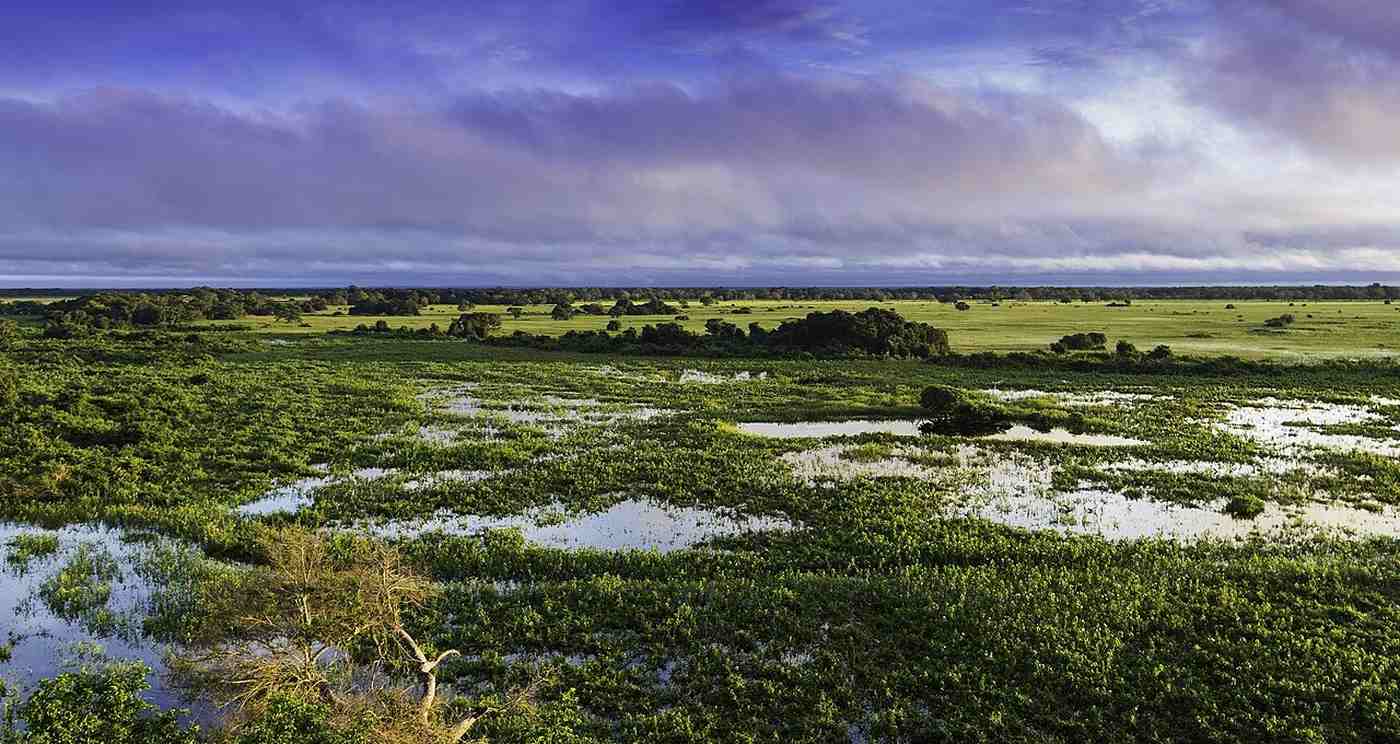
🐆
Brazil expands protection for the pantanal
Brazilië breidt de bescherming van de pantanal uit
Le Brésil étend la protection du pantanal
So: Brazil has expanded Pantanal Matogrossense National Park by 185 square miles, growing its protected area by more than a quarter. The park shelters the Pantanal, the world’s largest flooded grasslands and home to an extraordinary range of wildlife, including the largest concentration of jaguars on Earth. The expansion helps protect important breeding grounds and wildlife corridors that allow animals to move through the landscape and maintain genetic diversity. With fires and droughts posing ongoing threats, this is an encouraging step towards keeping the Pantanal and its rivers healthy.
Mooi nieuws: Brazilië heeft het Nationaal Park Pantanal Matogrossense met 185 vierkante mijl uitgebreid, waardoor het beschermde gebied met meer dan een kwart is gegroeid. Het park beschermt de Pantanal, het grootste overstroomde grasland ter wereld, waar een uitzonderlijke verscheidenheid aan dieren leeft, waaronder de grootste concentratie jaguars op aarde. De uitbreiding helpt belangrijke broedgebieden en natuurlijke corridors te beschermen, zodat dieren zich door het landschap kunnen verplaatsen en de genetische diversiteit behouden blijft. Nu branden en droogte een voortdurende bedreiging vormen, is dit een hoopvolle stap om de Pantanal en de rivieren die het gebied voeden gezond te houden.
Bonne nouvelle : le Brésil a agrandi le parc national de Pantanal Matogrossense de 185 miles carrés, soit une hausse de plus d’un quart de sa superficie protégée. Le parc préserve le Pantanal, la plus vaste zone de prairies inondables au monde, qui abrite une faune exceptionnelle, dont la plus grande concentration de jaguars de la planète. Cette extension contribue à protéger des sites de reproduction essentiels et des corridors naturels qui permettent aux animaux de se déplacer et préservent la diversité génétique. Alors que les incendies et les sécheresses continuent de menacer la région, cette mesure encourageante aidera à protéger le Pantanal et les rivières qui l’alimentent.

🪥
Toothbrush zaps bacteria with electricity from moving bristles
Tandenborstel bestrijdt bacteriën met stroom uit bewegende borstelharen
Une brosse à dents neutralise les bactéries grâce à ses poils électrisés
Researchers at Peking University have developed a battery-free toothbrush that generates electricity as its bristles move. Made from a specially treated polymer, the bristles produce a charge when they bend during brushing. That charge creates highly reactive oxygen compounds in saliva, which can damage bacterial cell membranes. Early tests found no damage to tooth surfaces or toxicity to human cells, though the brush’s effectiveness and long-term safety still need study.
Onderzoekers van de Universiteit van Peking hebben een tandenborstel zonder batterij ontwikkeld die stroom opwekt wanneer de borstelharen bewegen. De haren zijn gemaakt van een speciaal behandeld polymeer dat een elektrische lading produceert als ze tijdens het poetsen buigen. Die lading vormt in het speeksel zeer reactieve zuurstofverbindingen die bacteriële celmembranen kunnen beschadigen. Eerste tests toonden geen schade aan het tandoppervlak of giftigheid voor menselijke cellen, maar de werking en veiligheid op lange termijn moeten nog worden onderzocht.
Des chercheurs de l’université de Pékin ont mis au point une brosse à dents sans pile qui produit de l’électricité lorsque ses poils bougent. Fabriqués à partir d’un polymère spécialement traité, les poils génèrent une charge électrique quand ils se plient pendant le brossage. Cette charge crée dans la salive des composés oxygénés très réactifs, capables d’endommager les membranes des bactéries. Les premiers tests n’ont révélé ni dommages à la surface des dents ni toxicité pour les cellules humaines, mais l’efficacité et la sécurité à long terme restent à étudier.
🩺
An 80-cent plastic pouch is helping save women’s lives in childbirth
Een plastic opvangdoek van 80 cent helpt levens redden bij bevallingen
Un sac en plastique à 80 cents aide à sauver des vies lors des accouchements
An 80-cent plastic pouch is helping care teams in Nigeria spot dangerous bleeding after childbirth. Used to collect and measure blood loss, this simple tool can make a serious complication easier to recognize. That early warning gives clinicians a chance to respond sooner and help protect mothers’ lives. And here’s the thing: an affordable, practical idea can make a remarkable difference.
Een plastic opvangdoek van 80 cent helpt zorgteams in Nigeria gevaarlijk bloedverlies na een bevalling op te merken. Het eenvoudige hulpmiddel vangt bloed op en maakt het mogelijk om het bloedverlies te meten. Zo kunnen zorgverleners een ernstige complicatie sneller herkennen en eerder ingrijpen om moeders te beschermen. En juist daarin schuilt de kracht: een betaalbaar, praktisch idee kan een groot verschil maken.
Un sac en plastique à 80 cents aide les équipes médicales au Nigeria à repérer les hémorragies dangereuses après un accouchement. Cet outil simple recueille le sang et permet d’en mesurer la perte. Ce signal précoce donne aux soignants la possibilité d’agir plus vite et de mieux protéger la vie des mères. Et voilà ce qui est remarquable : une idée pratique et abordable peut faire une vraie différence.
🍫
Who needs a golden ticket? British-grown chocolate points to a resilient future
Wie heeft een gouden ticket nodig? Britse chocolade helpt cacao klaarstomen voor de toekomst
Qui a besoin d’un ticket en or ? Le chocolat britannique prépare un avenir plus résilient
So, here’s a sweet first: University of Reading master’s student Maha Khan has made six chocolate bars using cocoa grown in the UK, alongside British milk and sugar. The cocoa comes from the university’s collection of more than 300 varieties, where scientists study how different plants cope with heat, pests and disease. Their research helps growers develop hardier, more productive cocoa plants, offering a hopeful response to the challenges facing cocoa farmers. Khan hopes her chocolate will also raise the profile of the research centre and help attract support for its important work.
En hier komt een smakelijke primeur: Maha Khan, masterstudente aan de University of Reading, maakte zes chocoladerepen met in het VK geteelde cacao, Britse melk en suiker. De cacao komt uit de collectie van de universiteit, met meer dan 300 variëteiten, waar wetenschappers onderzoeken hoe planten omgaan met hitte, plagen en ziekten. Hun onderzoek helpt telers sterkere en productievere cacaoplanten te ontwikkelen, een hoopvol antwoord op de uitdagingen voor cacaoboeren. Khan hoopt dat haar chocolade het onderzoekscentrum meer bekendheid geeft en steun helpt aantrekken voor dat waardevolle werk.
Voici une délicieuse première : Maha Khan, étudiante en master à l’université de Reading, a créé six tablettes avec du cacao cultivé au Royaume-Uni, ainsi que du lait et du sucre britanniques. Le cacao provient de la collection de l’université, qui rassemble plus de 300 variétés étudiées par des scientifiques pour évaluer leur résistance à la chaleur, aux ravageurs et aux maladies. Ces recherches aident les producteurs à développer des cacaoyers plus robustes et plus productifs, une réponse prometteuse aux défis auxquels font face les cultivateurs. Khan espère aussi que son chocolat fera mieux connaître le centre de recherche et l’aidera à obtenir de nouveaux soutiens pour son précieux travail.

♻️
Bhopal’s ‘kachra café’ turns household waste into meals
In Bhopal ruil je huishoudelijk afval in voor een maaltijd
À Bhopal, un café échange les déchets ménagers contre des repas
In Bhopal, Anjita Sabhlok’s Kachra Café lets residents exchange household waste, such as plastic bottles and old newspapers, for food and everyday essentials. Launched with her NGO Mannat and the Bhopal Municipal Corporation, the initiative gives waste a clear value and makes responsible sorting practical. In just eight months, the café sent more than 45 tonnes of waste for recycling. Now, this simple exchange is helping residents turn an everyday pile of rubbish into a meal while inspiring other cities to rethink waste.
In Bhopal kunnen inwoners bij het Kachra Café van Anjita Sabhlok huishoudelijk afval, zoals plastic flessen en oude kranten, inruilen voor eten en dagelijkse benodigdheden. Het initiatief is opgezet met haar ngo Mannat en de gemeentelijke overheid van Bhopal, en geeft afval een duidelijke waarde. In slechts acht maanden heeft het café meer dan 45 ton afval naar recycling geleid. Zo wordt een alledaagse stapel afval een maaltijd, en kunnen ook andere steden geïnspireerd raken om anders naar afval te kijken.
À Bhopal, le Kachra Café d’Anjita Sabhlok permet aux habitants d’échanger leurs déchets ménagers, comme des bouteilles en plastique et de vieux journaux, contre de la nourriture et des produits de première nécessité. Lancée avec son ONG Mannat et la municipalité de Bhopal, l’initiative donne une valeur concrète aux déchets et encourage leur tri. En seulement huit mois, le café a envoyé plus de 45 tonnes de déchets au recyclage. Cette idée simple transforme ainsi les déchets du quotidien en repas et donne envie à d’autres villes de repenser leur gestion.
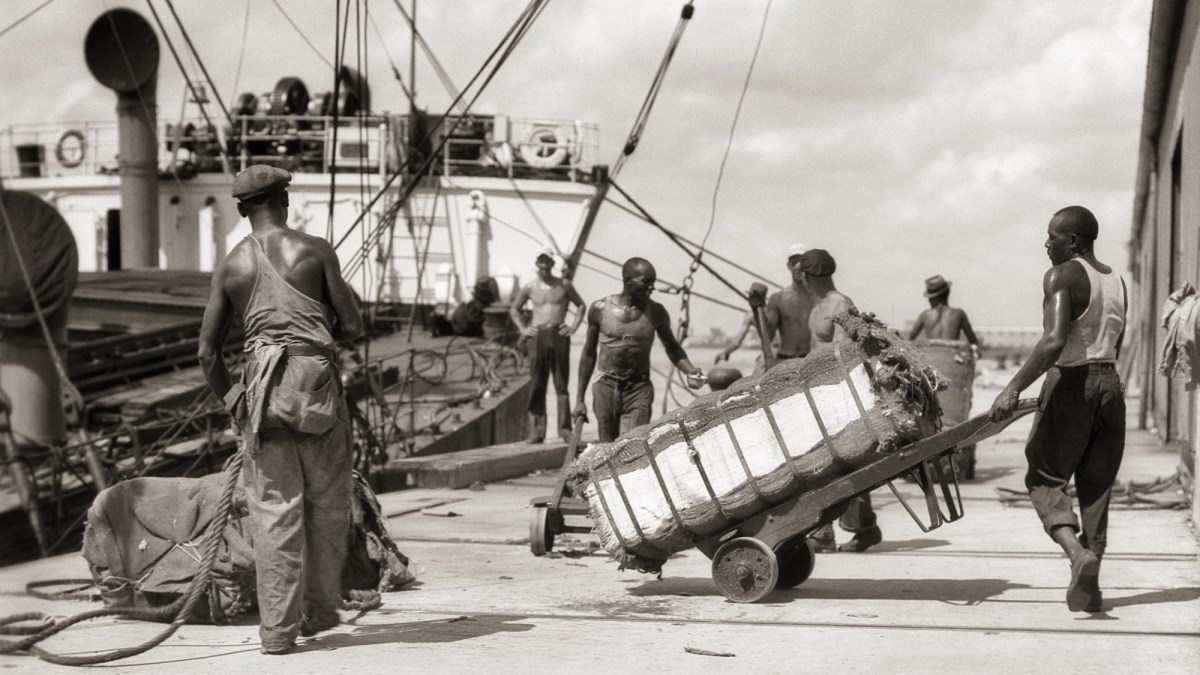
🎙️
Oldest recordings of Louisiana Creole rediscovered in Indiana
Oudste opnames van het Louisiana-creools herontdekt in Indiana
Les plus anciens enregistrements du créole louisianais retrouvés dans l’Indiana
So: more than 90 years after linguist Lorenzo Dow Turner recorded Louisiana Creole speakers, his remarkable audio has resurfaced in an Indiana archive. Made in 1935 on aluminum discs, these are now the oldest known recordings of authentic Louisiana Creole. The interviews capture people sharing memories and stories in a language shaped by French and West African influences, and now spoken natively by only a few thousand people. Researchers and Creole descendants are drawing on this rediscovery to help preserve and revive a precious part of Louisiana’s history.
Meer dan 90 jaar nadat taalkundige Lorenzo Dow Turner sprekers van het Louisiana-creools opnam, zijn zijn bijzondere geluidsopnamen teruggevonden in een archief in Indiana. De opnamen werden in 1935 op aluminium schijven vastgelegd en zijn nu de oudste bekende opnamen van authentiek Louisiana-creools. In de interviews delen mensen herinneringen en verhalen in een taal die gevormd werd door Franse en West-Afrikaanse invloeden en die nu nog maar door enkele duizenden mensen als moedertaal wordt gesproken. Onderzoekers en nazaten van Creoolse gemeenschappen gebruiken deze vondst om een waardevol deel van de geschiedenis van Louisiana te bewaren en nieuw leven in te blazen.
Plus de 90 ans après que le linguiste Lorenzo Dow Turner a enregistré des locuteurs du créole louisianais, ses remarquables archives sonores ont refait surface dans un fonds de l’Indiana. Réalisés en 1935 sur des disques d’aluminium, ces enregistrements sont aujourd’hui les plus anciens témoignages audio connus du créole louisianais authentique. Les entretiens captent des personnes racontant leurs souvenirs et leur quotidien dans une langue façonnée par le français et des influences ouest-africaines, que seules quelques milliers de personnes parlent encore comme langue maternelle. Des chercheurs et des descendants des communautés créoles s’appuient sur cette découverte pour préserver et faire revivre une part précieuse de l’histoire de la Louisiane.

🦫
Loch Ness is getting a new monster: beavers return after 500 years
Loch Ness krijgt een nieuw monster: bevers keren terug na 500 jaar
Le Loch Ness accueille un nouveau monstre : les castors reviennent après 500 ans
So, Loch Ness is about to welcome a very real new “monster”: beavers, last seen in the area around 500 years ago. NatureScot has approved the release of up to 15 beaver families across the River Ness catchment over the next three years. These remarkable ecosystem engineers can create wetlands that support wildlife and help moderate water flows, while more than 73% of consultation respondents supported the plan. The first relocations could begin in the coming weeks, giving Scotland’s beavers another chance to thrive in their ancestral waterways.
Loch Ness krijgt binnenkort een heel echt nieuw ‘monster’: bevers, die ongeveer 500 jaar geleden voor het laatst in de streek werden gezien. Natuurbeheerorganisatie NatureScot heeft toestemming gegeven om de komende drie jaar maximaal 15 beverfamilies uit te zetten in het stroomgebied van de rivier de Ness. Deze bijzondere landschapsbouwers creëren wetlands waar andere dieren en planten floreren, en helpen de waterstroming te reguleren; ruim 73% van de deelnemers aan de raadpleging steunde het plan. De eerste verplaatsingen kunnen al in de komende weken beginnen, zodat de bevers opnieuw hun voorouderlijke Schotse wateren kunnen verkennen.
Le Loch Ness va bientôt accueillir un nouveau « monstre » bien réel : des castors, aperçus pour la dernière fois dans la région il y a environ 500 ans. NatureScot a autorisé la réintroduction de jusqu’à 15 familles de castors dans le bassin de la rivière Ness au cours des trois prochaines années. Ces remarquables architectes des écosystèmes créent des zones humides où la faune et la flore prospèrent, tout en contribuant à réguler les cours d’eau ; plus de 73 % des personnes ayant répondu à la consultation ont soutenu le projet. Les premiers déplacements pourraient commencer dans les prochaines semaines, offrant aux castors une nouvelle occasion de s’épanouir dans les eaux écossaises de leurs ancêtres.

🧮
The most impractical calculator in the world has only two buttons
De onpraktischste rekenmachine ter wereld heeft maar twee knoppen
La calculatrice la moins pratique du monde n’a que deux boutons
Could a scientific calculator work with just two buttons? Physicist Andrzej Odrzywołek shows that a single number, 1, and one operation, eml(x,y) = exp(x) − ln(y), can be used to build familiar functions such as square roots, tangents and exponentiation. A proof-checking program has verified the mathematical reasoning, turning this curious idea into a rigorously checked result. And here's the thing: although calculators make calculations far easier, the old-fashioned work of consulting logarithm tables once helped astronomers spot the pattern behind Benford’s law.
Zou een wetenschappelijke rekenmachine met slechts twee knoppen kunnen werken? Natuurkundige Andrzej Odrzywołek laat zien dat je met één getal, 1, en één bewerking, eml(x,y) = exp(x) − ln(y), bekende functies zoals vierkantswortels, tangens en machtsverheffen kunt opbouwen. Een programma voor formele bewijscontrole heeft de wiskundige redenering nagekeken en bevestigd. En juist dat is zo boeiend: rekenmachines maken berekeningen een stuk eenvoudiger, maar het ouderwetse bladeren in logaritmetabellen hielp ooit astronomen het patroon achter de wet van Benford te ontdekken.
Une calculatrice scientifique pourrait-elle fonctionner avec seulement deux boutons ? Le physicien Andrzej Odrzywołek montre qu’un seul nombre, 1, et une seule opération, eml(x,y) = exp(x) − ln(y), permettent de construire des fonctions courantes comme les racines carrées, les tangentes et les puissances. Un programme de vérification formelle a contrôlé le raisonnement mathématique et confirmé sa validité. Et c’est là que l’histoire devient passionnante : les calculatrices facilitent les calculs, mais autrefois, consulter des tables de logarithmes a aidé des astronomes à repérer le motif à l’origine de la loi de Benford.
🐸
A hidden fungus may explain Brazil’s vanishing frogs
Een verborgen schimmel verklaart mogelijk de verdwijnende kikkers van brazilië
Un champignon caché pourrait expliquer la disparition des grenouilles du brésil
For nearly 50 years, scientists have wondered what drove dramatic frog declines in Brazil’s Atlantic Forest. Now, researchers have found compelling evidence that the chytrid fungus arrived around the time the populations collapsed. They tested more than 370 museum specimens from 17 species, finding no infections in samples collected before 1979 and fungus in more than half of those from the 1980s. And here’s the intriguing twist: some species hardest hit showed no detectable infection, so the mystery still has important questions to answer.
Al bijna 50 jaar vragen wetenschappers zich af waardoor kikkers in het Atlantisch Woud van Brazilië zo sterk in aantal afnamen. Nu hebben onderzoekers overtuigend bewijs gevonden dat de chytrideschimmel opdook rond de tijd dat de populaties instortten. Ze onderzochten meer dan 370 museumexemplaren van 17 soorten: in dieren die vóór 1979 waren verzameld vonden ze geen infecties, terwijl meer dan de helft van de exemplaren uit de jaren 80 de schimmel droeg. En hier zit de intrigerende wending: bij sommige soorten die het zwaarst werden getroffen, werd geen infectie aangetoond, dus er blijven belangrijke vragen over.
Depuis près de 50 ans, les scientifiques cherchent à comprendre le déclin spectaculaire des grenouilles dans la forêt atlantique du Brésil. Les chercheurs ont maintenant découvert des indices convaincants montrant que le champignon chytride est apparu au moment où les populations se sont effondrées. Ils ont analysé plus de 370 spécimens de musée appartenant à 17 espèces: aucun animal collecté avant 1979 n’était infecté, tandis que plus de la moitié des spécimens des années 1980 portaient le champignon. Et voici le détail intrigant: certaines des espèces les plus touchées ne présentaient aucune infection détectable, ce qui laisse encore des questions importantes à résoudre.
🔭
Hera spots both asteroids as it closes in
Hera ziet beide asteroïden nu duidelijker
Hera distingue les deux astéroïdes en s’approchant
Here’s an exciting first: ESA’s Hera spacecraft has captured Didymos and its smaller companion Dimorphos as two separate objects. After carefully slowing down, Hera is now closing in on the pair, which are about 197 million kilometres from Earth. The visit will help scientists investigate the aftermath of NASA’s 2022 DART impact, which shifted Dimorphos’s orbit more than expected. As Hera gets closer, it is due to send back its first detailed images of Dimorphos on November 25.
Een spannend moment: het Hera-ruimtevaartuig van ESA heeft Didymos en zijn kleinere metgezel Dimorphos voor het eerst als twee afzonderlijke objecten vastgelegd. Na een reeks manoeuvres om af te remmen, nadert Hera het duo, dat zich op ongeveer 197 miljoen kilometer van de aarde bevindt. De missie helpt wetenschappers de gevolgen te onderzoeken van de DART-inslag van NASA in 2022, die de baan van Dimorphos sterker veranderde dan verwacht. Naar verwachting maakt Hera op 25 november de eerste gedetailleerde beelden van Dimorphos.
C’est une première enthousiasmante : la sonde Hera de l’ESA a photographié Didymos et son compagnon plus petit, Dimorphos, comme deux objets distincts. Après plusieurs manœuvres pour ralentir, Hera se rapproche désormais du duo, situé à environ 197 millions de kilomètres de la Terre. La mission aidera les scientifiques à étudier les conséquences de l’impact de DART, la sonde de la NASA, en 2022, qui a modifié l’orbite de Dimorphos plus que prévu. En s’approchant, Hera devrait transmettre ses premières images détaillées de Dimorphos le 25 novembre.
🧬
All five genetic letters found in ancient asteroid Ryugu
Alle vijf genetische letters gevonden op de oude asteroïde ryugu
Les cinq lettres génétiques découvertes sur l’ancien astéroïde ryugu
So, scientists have detected all five nucleobases that make up the genetic letters of DNA and RNA in pristine samples from asteroid Ryugu. Japan’s Hayabusa2 mission brought the samples back to Earth in 2020, where researchers carefully analysed them to avoid contamination. The discovery adds to evidence from other asteroids that these ingredients for life may have formed throughout the early Solar System. And here's the exciting possibility: asteroids may have delivered some of this ancient chemistry to early Earth.
Wetenschappers hebben alle vijf de nucleobasen gevonden die de genetische letters van dna en rna vormen, in zuivere monsters van de asteroïde Ryugu. De Japanse Hayabusa2-missie bracht de monsters in 2020 naar de aarde, waarna onderzoekers ze zorgvuldig analyseerden om besmetting te voorkomen. Deze ontdekking versterkt het bewijs uit andere asteroïden dat ingrediënten voor leven in het vroege zonnestelsel wijdverspreid kunnen zijn geweest. En dit is de spannende mogelijkheid: asteroïden hebben een deel van die oeroude chemie misschien naar de jonge aarde gebracht.
Des scientifiques ont détecté les cinq nucléobases qui forment les lettres génétiques de l’adn et de l’arn dans des échantillons vierges de l’astéroïde Ryugu. La mission japonaise Hayabusa2 a rapporté ces échantillons sur Terre en 2020, puis les chercheurs les ont analysés avec soin pour éviter toute contamination. Cette découverte renforce les indices provenant d’autres astéroïdes selon lesquels les ingrédients de la vie étaient peut-être répandus dans le jeune Système solaire. Et voici la possibilité enthousiasmante : des astéroïdes auraient pu apporter une partie de cette chimie ancienne sur la jeune Terre.
🐟
The Amazon’s fish-shaped climate warning
De vis die waarschuwt voor klimaatverandering in het Amazonegebied
Le poisson qui alerte sur les bouleversements climatiques en Amazonie
I love how a childhood curiosity about fish grew into Adalberto Luis Val’s pioneering work on Amazonian climate science. His research shows that tambaqui rise to the water’s surface when heat and changing conditions reduce oxygen levels, making them a living early-warning signal. Val says the fish’s sensitivity can help scientists understand the pressures facing the Amazon, from climate change to pollution and deforestation. His work has now earned international recognition, including the prestigious Le Cren Medal.
Het is prachtig hoe een kinderlijke nieuwsgierigheid naar vissen uitgroeide tot het baanbrekende onderzoek van Adalberto Luis Val naar het klimaat in het Amazonegebied. Zijn onderzoek laat zien dat tambaqui naar het wateroppervlak komen wanneer hitte en veranderende omstandigheden het zuurstofgehalte verlagen, waardoor ze als een levend waarschuwingssysteem fungeren. Volgens Val kan de gevoeligheid van deze vissen wetenschappers helpen de druk op het Amazonegebied te begrijpen, van klimaatverandering tot vervuiling en ontbossing. Zijn werk krijgt inmiddels internationale erkenning, waaronder de prestigieuze Le Cren-medaille.
J’aime beaucoup voir comment une curiosité d’enfance pour les poissons a conduit Adalberto Luis Val à mener des recherches pionnières sur le climat amazonien. Ses travaux montrent que les tambaquis remontent à la surface lorsque la chaleur et les changements de leur milieu font baisser le taux d’oxygène, devenant ainsi de véritables sentinelles. Selon Val, la sensibilité de ces poissons peut aider les scientifiques à comprendre les pressions qui pèsent sur l’Amazonie, du changement climatique à la pollution et à la déforestation. Ses recherches sont désormais reconnues à l’échelle internationale, notamment par la prestigieuse médaille Le Cren.

🌌
A student makes light pollution visible with a phone photo
Een scholier maakt lichtvervuiling zichtbaar met een foto van haar telefoon
Une lycéenne rend la pollution lumineuse visible grâce à une photo prise au téléphone
When Gurugram student Suhani Gupta noticed how few stars she could see at home, she began investigating light pollution. She taught herself image processing and built SkyQi, a free website that estimates night-sky quality from smartphone photos and invites people around the world to contribute observations. Using NASA satellite data, she also found that measured night-time radiance rose in 47 of 50 Indian cities between 2015 and 2025, with the median increase reaching 70%. Her work helps make a gradual, often overlooked environmental change easier for people to notice and understand.
Toen de scholier Suhani Gupta uit Gurugram merkte hoe weinig sterren ze thuis kon zien, begon ze lichtvervuiling te onderzoeken. Ze leerde zichzelf beeldverwerking aan en bouwde SkyQi, een gratis website die de kwaliteit van de nachtelijke hemel inschat aan de hand van smartphonefoto's en mensen wereldwijd uitnodigt waarnemingen te delen. Met satellietgegevens van NASA stelde ze ook vast dat de gemeten nachtelijke straling tussen 2015 en 2025 in 47 van de 50 Indiase steden toenam, met een stijging van 70 procent voor de mediaanstad. Haar werk maakt een geleidelijke, vaak onopgemerkte verandering in het milieu makkelijker zichtbaar en begrijpelijk.
Quand Suhani Gupta, lycéenne à Gurugram, a remarqué qu'elle voyait très peu d'étoiles chez elle, elle a commencé à étudier la pollution lumineuse. Elle a appris le traitement d'images en autodidacte et créé SkyQi, un site gratuit qui estime la qualité du ciel nocturne à partir de photos prises au téléphone et invite des personnes du monde entier à partager leurs observations. En analysant aussi des données satellitaires de la NASA, elle a constaté que la radiance nocturne mesurée avait augmenté dans 47 des 50 villes indiennes entre 2015 et 2025, avec une hausse médiane de 70 %. Son travail aide à rendre plus visible et compréhensible une évolution environnementale progressive, mais souvent négligée.

🤝
The counter-extremism expert building our capacity for compassion
De expert in terrorismebestrijding die ons mededogen helpt versterken
L’experte de la lutte contre l’extrémisme qui cultive notre compassion
Farah Pandith brings young people together with former extremists who share honest stories of what drew them in and how they found a way out. After decades studying extremism and visiting more than 100 countries, she has learned that prevention starts with listening closely and understanding people’s search for belonging, recognition and certainty. She believes local communities must help shape solutions, because trust cannot be built from a distance. Now, she is putting those lessons to work to make compassion a practical force for connection.
Farah Pandith brengt jongeren samen met voormalige extremisten, die openhartig vertellen wat hen aantrok en hoe ze een uitweg vonden. Na tientallen jaren onderzoek naar extremisme en bezoeken aan meer dan honderd landen weet ze dat preventie begint met aandachtig luisteren en begrijpen waarom mensen zoeken naar verbondenheid, erkenning en houvast. Volgens haar moeten lokale gemeenschappen meebepalen welke oplossingen werken, want vertrouwen bouw je niet vanop afstand op. Nu zet ze die lessen in om van mededogen een praktische kracht voor verbinding te maken.
Farah Pandith réunit des jeunes et d’anciens extrémistes qui racontent avec franchise ce qui les a attirés et comment ils ont trouvé une issue. Après des décennies d’étude de l’extrémisme et des voyages dans plus de cent pays, elle sait que la prévention commence par une écoute attentive et par la compréhension du besoin d’appartenance, de reconnaissance et de repères. À ses yeux, les communautés locales doivent participer aux solutions, car la confiance ne se construit pas à distance. Aujourd’hui, elle met ces leçons au service d’une compassion concrète qui rapproche les gens.

🔬
Scientists detect signals at the smallest scale ever explored
Wetenschappers meten signalen op de kleinste schaal ooit onderzocht
Des scientifiques détectent des signaux à la plus petite échelle jamais explorée
Scientists have detected a beauty quark interacting with other tiny particles at an astonishingly small scale: a billion-trillionth of a metre. Studying this particle’s brief dance may help researchers test whether dark matter influences how particles behave, although dark matter itself has not been detected. The team says more data could open the door to exploring this “zeptoverse” and perhaps discovering new particles. The breakthrough comes as researchers also voice concern about UK funding cuts that could limit opportunities and future work at CERN.
Wetenschappers hebben waargenomen hoe een beautyquark met andere piepkleine deeltjes wisselwerkt op een verbazingwekkend kleine schaal: een miljardste van een biljoenste meter. Door de korte dans van dit deeltje te bestuderen, kunnen onderzoekers nagaan of donkere materie het gedrag van deeltjes beïnvloedt, al is donkere materie zelf nog niet ontdekt. Volgens het team kan meer data de deur openen naar onderzoek van deze ‘zeptowereld’ en mogelijk nieuwe deeltjes. De doorbraak komt terwijl onderzoekers zich ook zorgen maken over Britse bezuinigingen die kansen en toekomstig onderzoek bij CERN kunnen beperken.
Des scientifiques ont observé un quark beauté interagir avec d’autres particules minuscules à une échelle stupéfiante : un milliardième de milliardième de mètre. L’étude de la brève danse de cette particule pourrait aider les chercheurs à déterminer si la matière noire influence le comportement des particules, même si la matière noire n’a pas encore été détectée. L’équipe estime que davantage de données pourrait ouvrir la voie à l’exploration de ce « zeptovers » et à la découverte éventuelle de nouvelles particules. Cette avancée intervient alors que des chercheurs s’inquiètent aussi des réductions de financement au Royaume-Uni, qui pourraient limiter les possibilités et les futurs travaux au CERN.
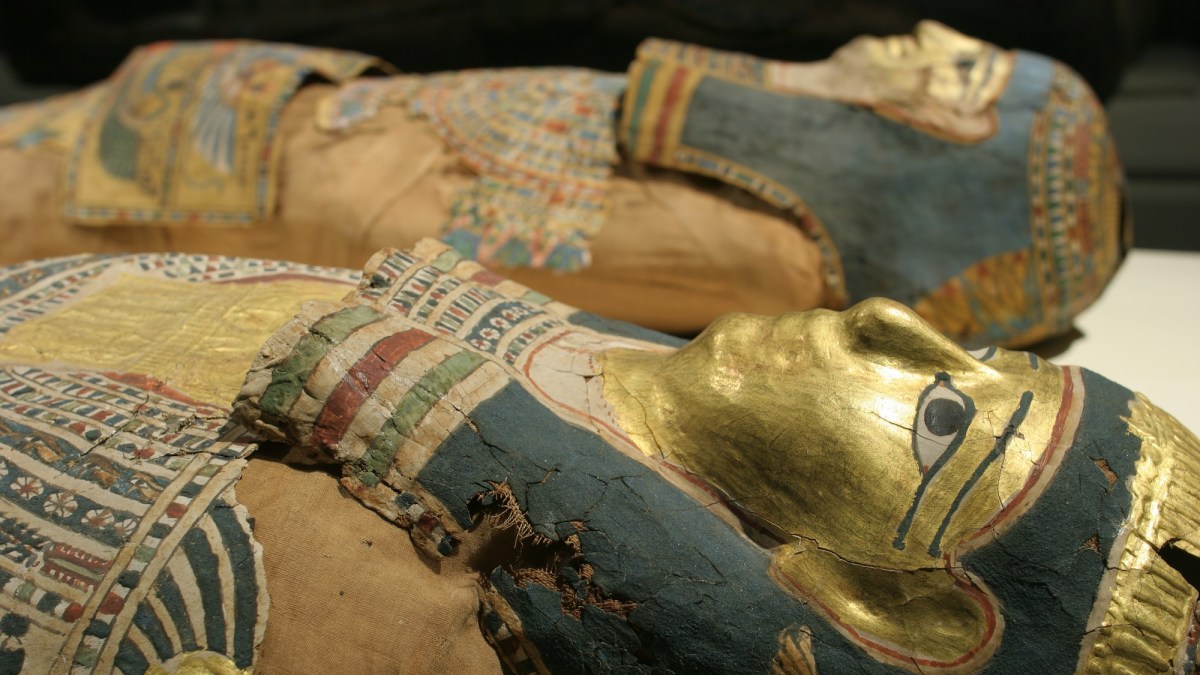
🔬
Aloe found in an ancient mummy's skull
Aloë gevonden in de schedel van een oude mummie
De l’aloès découvert dans le crâne d’une momie antique
Researchers at Marburg University have detected molecular traces of aloe-associated plant material in a 2,700-year-old Egyptian mummy skull. The discovery offers the first direct evidence that aloe was used in mummy-related preparations. It also sheds new light on Mumia, a medieval remedy made from powdered mummies that may have originated from a mistranslation confusing mummy remains with a dark medicinal pitch. Aloe appeared in only two of the 24 objects studied, so researchers are keen to examine more historical materials and learn how its use changed over time.
Onderzoekers van de universiteit van Marburg hebben moleculaire sporen van aan aloë verwant plantenmateriaal gevonden in de schedel van een 2.700 jaar oude Egyptische mummie. De ontdekking levert het eerste directe bewijs dat aloë werd gebruikt bij bereidingen rond mummies. Ook werpt ze nieuw licht op Mumia, een middeleeuws middel van vermalen mummies dat mogelijk ontstond door een vertaalfout waarbij mummieresten werden verward met een donkere medicinale pek. Aloë werd aangetroffen in slechts twee van de 24 onderzochte voorwerpen, dus willen onderzoekers meer historische materialen bestuderen en nagaan hoe het gebruik door de tijd heen veranderde.
Des chercheurs de l’université de Marbourg ont détecté des traces moléculaires de plantes apparentées à l’aloès dans le crâne d’une momie égyptienne vieille de 2 700 ans. Cette découverte constitue la première preuve directe de l’utilisation de l’aloès dans des préparations liées aux momies. Elle éclaire aussi l’histoire de la Mumia, un remède médiéval à base de momies réduites en poudre, qui pourrait être né d’une erreur de traduction confondant des restes de momies avec un goudron médicinal foncé. L’aloès n’a été détecté que dans deux des 24 objets étudiés, et les chercheurs souhaitent donc analyser d’autres pièces historiques pour comprendre l’évolution de son usage.
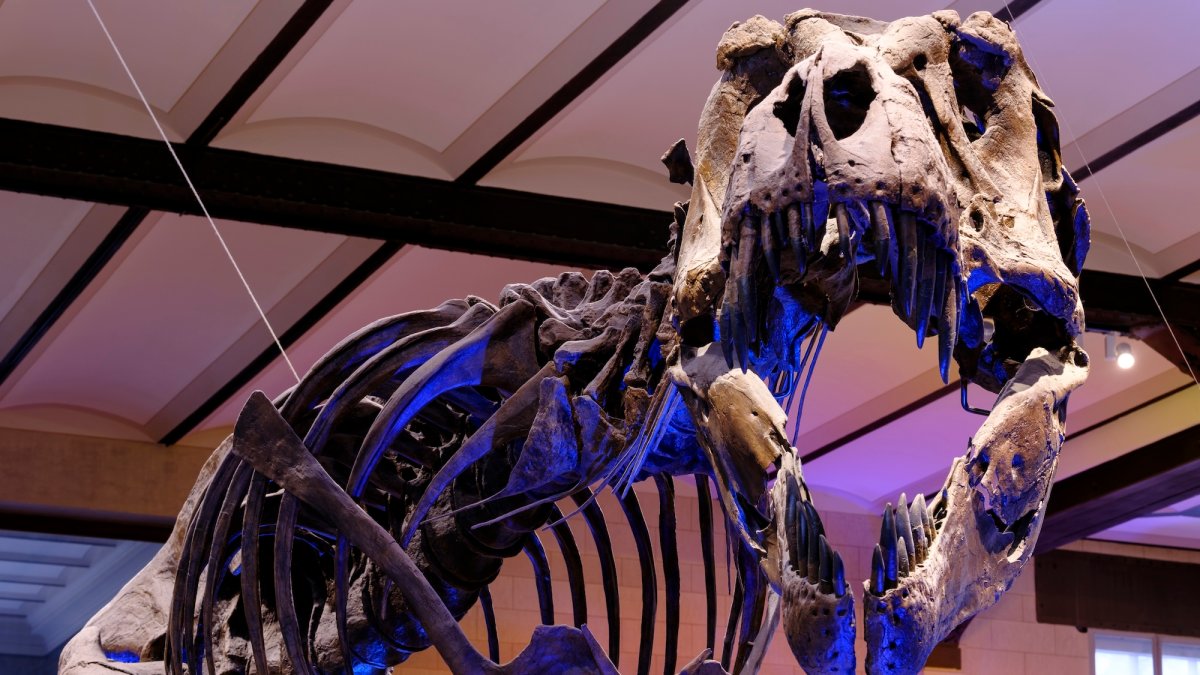
🦖
Dinosaur blood found in fossils for the first time
Voor het eerst bloed van dinosaurussen in fossielen gevonden
Du sang de dinosaure découvert dans des fossiles pour la première fois
Well, this is a remarkable first: researchers have identified heme, an oxygen-carrying blood compound, in a 115-million-year-old dinosaur fossil. The material was found in the limb bones of a young theropod discovered in what is now northeastern Brazil. A manganese oxide appears to have helped preserve the blood’s molecular structures, along with other biomolecules. So, this discovery could deepen our understanding of dinosaur biology and even guide the search for traces of life beyond Earth.
Wat een bijzondere primeur: onderzoekers hebben heem, een zuurstofdragende bloedstof, aangetoond in een fossiel van 115 miljoen jaar oud. Het materiaal werd gevonden in de botten van een jonge theropode die is ontdekt in het huidige noordoosten van Brazilië. Een mangaanoxide lijkt de moleculaire structuren van het bloed en andere biomoleculen te hebben helpen bewaren. Deze ontdekking kan ons dus meer leren over de biologie van dinosaurussen en zelfs richting geven aan de zoektocht naar sporen van leven buiten de aarde.
Quelle découverte remarquable : des chercheurs ont identifié de l’hème, un composé sanguin qui transporte l’oxygène, dans un fossile de dinosaure vieux de 115 millions d’années. Cette matière a été trouvée dans les os d’un jeune théropode découvert dans l’actuel nord-est du Brésil. Un oxyde de manganèse semble avoir contribué à préserver les structures moléculaires du sang ainsi que d’autres biomolécules. Cette découverte pourrait donc approfondir notre compréhension de la biologie des dinosaures et même éclairer la recherche de traces de vie au-delà de la Terre.
🛡️
The volunteer who helped protect millions of websites
De vrijwilliger die miljoenen websites hielp beschermen
Le bénévole qui a contribué à protéger des millions de sites
So, here’s the thing: Czech engineer Ondrej Surý helped protect millions of websites by quickly packaging fixes for serious PHP vulnerabilities, including for older software versions. His volunteer work saved developers precious time and showed just how much the internet relies on people who maintain open-source tools. Surý says software needs ongoing care if we want it to stay secure. And with AI helping uncover vulnerabilities faster, his story is a timely reminder to support the people keeping the digital world running.
En kijk, de Tsjechische ingenieur Ondrej Surý hielp miljoenen websites beschermen door snel oplossingen voor ernstige PHP-kwetsbaarheden beschikbaar te maken, ook voor oudere softwareversies. Dankzij zijn vrijwilligerswerk bespaarden ontwikkelaars kostbare tijd en werd duidelijk hoe sterk het internet steunt op mensen die opensourcesoftware onderhouden. Volgens Surý moet software voortdurend worden onderhouden om veilig te blijven. Nu AI kwetsbaarheden sneller opspoort, is zijn verhaal een mooie herinnering om de mensen achter onze digitale wereld te steunen.
Voilà: l’ingénieur tchèque Ondrej Surý a contribué à protéger des millions de sites en préparant rapidement des correctifs contre de graves failles de PHP, y compris pour les anciennes versions du logiciel. Son travail bénévole a fait gagner un temps précieux aux développeurs et a montré combien Internet dépend des personnes qui entretiennent les outils open source. Selon Surý, un logiciel doit être maintenu en permanence pour rester sûr. Alors que l’IA accélère la découverte de failles, son histoire nous rappelle combien il est important de soutenir celles et ceux qui font fonctionner le monde numérique.

🗣️
The student movement addressing campus polarization head on
De studentenbeweging die polarisatie op de campus rechtstreeks aanpakt
Le mouvement étudiant qui s’attaque de front à la polarisation sur les campus
After political tensions and Charlie Kirk’s assassination sharpened campus divisions, students at the University of Michigan showed how respectful conversation can make room for very different views. Their meeting was hosted by BridgeUSA, a student movement that helps peers explain their beliefs, listen closely and disagree without needing to reach consensus. Founded at UC Berkeley in 2017, BridgeUSA has grown to 146 chapters, and its national summit trains students to lead and moderate these conversations. From Columbia to campuses nationwide, the group is creating spaces for thoughtful dialogue during moments of conflict - a hopeful reminder that listening can be a courageous act.
Toen politieke spanningen en de moord op Charlie Kirk de verdeeldheid op universiteitscampussen vergrootten, lieten studenten aan de University of Michigan zien hoe een respectvol gesprek ruimte kan bieden aan heel verschillende opvattingen. Hun bijeenkomst werd georganiseerd door BridgeUSA, een studentenbeweging die jongeren helpt hun overtuigingen uit te leggen, aandachtig te luisteren en van mening te verschillen zonder het eens te hoeven worden. BridgeUSA werd in 2017 opgericht aan UC Berkeley en is inmiddels uitgegroeid tot 146 afdelingen; tijdens de nationale top leren studenten gesprekken te begeleiden en te modereren. Van Columbia tot campussen in het hele land creëert de beweging ruimte voor een open dialoog op momenten van conflict - een hoopvolle herinnering dat luisteren moed vergt.
Alors que les tensions politiques et l’assassinat de Charlie Kirk accentuaient les divisions sur les campus, des étudiants de l’université du Michigan ont montré qu’un dialogue respectueux pouvait accueillir des opinions très différentes. Leur rencontre était organisée par BridgeUSA, un mouvement étudiant qui aide les jeunes à expliquer leurs convictions, à écouter attentivement et à exprimer leurs désaccords sans devoir parvenir à un consensus. Fondé en 2017 à l’université de Californie à Berkeley, BridgeUSA compte désormais 146 sections et forme des étudiants à animer et modérer ces échanges lors de son sommet national. De Columbia aux campus de tout le pays, le mouvement crée des espaces de dialogue constructif dans les moments de tension - un rappel encourageant que l’écoute demande du courage.
🐝
‘Cellophane’ bees build nests from biodegradable plastic
‘Cellofaanbijen’ bouwen nesten van biologisch afbreekbaar plastic
Les abeilles « cellophane » construisent leurs nids avec du plastique biodégradable
So, some solitary bees have a remarkable way of preparing a home for their young: they line their nests with a clear, cellophane-like material. The lining is a naturally produced, biodegradable plastic, rather than the persistent kind that usually comes to mind. It helps form a protective space for developing bee offspring. I find it fascinating that nature has its own clever version of a useful material.
Sommige solitaire bijen bereiden hun nest op een bijzondere manier voor: ze bekleden het met een doorzichtig, cellofaanachtig materiaal. Die bekleding is een natuurlijk geproduceerd, biologisch afbreekbaar plastic, en niet het hardnekkige soort waar we meestal aan denken. Zo ontstaat een beschermde plek voor de jonge bijen die zich in het nest ontwikkelen. Ik vind het geweldig dat de natuur haar eigen slimme versie van zo’n handig materiaal heeft.
Certaines abeilles solitaires préparent leur nid d’une façon remarquable : elles en tapissent les parois d’une matière transparente semblable à du cellophane. Ce revêtement est un plastique biodégradable produit naturellement, et non le type persistant auquel on pense généralement. Il forme un espace protecteur pour les jeunes abeilles en développement. Je trouve fascinant que la nature ait sa propre version ingénieuse d’un matériau si utile.

🥕
UK and EU agree draft deal to ease food export rules
VK en EU bereiken ontwerpakkoord over soepelere voedselexport
Le Royaume-Uni et l’UE s’accordent sur un projet pour faciliter les exportations alimentaires
The UK and EU have agreed a draft deal to remove many post-Brexit checks and fees on food and agricultural trade, ahead of a summit later this month. It could let some UK products, including fresh sausages, shellfish and seed potatoes, resume exports to the EU, while easing paperwork for trade with Northern Ireland. The government estimates the agreement could bring the UK economy £5.1bn in annual benefits, and businesses say common rules are worth the price. The deal would require the UK to keep its food, plant and animal standards aligned with EU rules, and the draft still needs consideration by EU nations.
Het VK en de EU hebben een ontwerpakkoord bereikt om veel controles en kosten op de handel in voedsel en landbouwproducten na de brexit weg te nemen, in aanloop naar een top later deze maand. Daardoor zouden sommige Britse producten, waaronder verse worsten, schelpdieren en pootaardappelen, weer naar de EU kunnen worden uitgevoerd en wordt de papierwinkel rond handel met Noord-Ierland kleiner. De Britse regering schat dat het akkoord de economie jaarlijks 5,1 miljard pond kan opleveren, en bedrijven vinden gemeenschappelijke regels de moeite waard. Het VK zou zijn normen voor voedsel, planten en dieren moeten blijven afstemmen op die van de EU, en de lidstaten moeten het ontwerp nog bespreken.
Le Royaume-Uni et l’Union européenne se sont accordés sur un projet visant à supprimer de nombreux contrôles et frais imposés depuis le Brexit au commerce des produits alimentaires et agricoles, avant un sommet prévu plus tard ce mois-ci. Certains produits britanniques, notamment les saucisses fraîches, les coquillages et les plants de pommes de terre, pourraient ainsi être de nouveau exportés vers l’UE, tandis que les démarches liées aux échanges avec l’Irlande du Nord seraient allégées. Le gouvernement britannique estime que l’accord pourrait générer 5,1 milliards de livres de retombées annuelles pour l’économie, et les entreprises jugent que des règles communes en valent la peine. Le Royaume-Uni devrait continuer à aligner ses normes alimentaires, végétales et animales sur celles de l’UE, et les États membres doivent encore examiner le projet.

🩺
Chinese clinical medicine PhD students can graduate without a thesis
Chinese promovendi klinische geneeskunde kunnen afstuderen zonder proefschrift
En Chine, les doctorants en médecine clinique peuvent obtenir leur diplôme sans thèse
So: China is opening the door for students in professional clinical medicine master’s and PhD programmes to graduate with a practical achievement instead of a thesis. These projects could tackle real-world medical challenges, such as analysing a rare clinical case, and follow a similar pathway already available to engineering students. One early graduate developed AI software to help doctors diagnose a rare spinal condition and choose treatments. The next big task is creating clear, profession-specific standards to make sure these achievements are assessed fairly and rigorously.
China biedt studenten in professionele master- en doctoraatsopleidingen klinische geneeskunde voortaan de mogelijkheid om af te studeren met een praktische prestatie in plaats van een proefschrift. Die projecten kunnen concrete medische problemen aanpakken, bijvoorbeeld door een zeldzame ziektecasus te analyseren, en sluiten aan bij een vergelijkbare regeling voor ingenieursstudenten. Een van de eerste afgestudeerden ontwikkelde AI-software die artsen helpt een zeldzame aandoening aan de wervelkolom te herkennen en behandelingen te kiezen. De volgende grote uitdaging is het opstellen van duidelijke, beroepsspecifieke normen om zulke prestaties eerlijk en zorgvuldig te beoordelen.
La Chine permet désormais aux étudiants des cursus professionnels de master et de doctorat en médecine clinique d’obtenir leur diplôme grâce à une réalisation pratique plutôt qu’à une thèse. Ces projets peuvent répondre à des problèmes médicaux concrets, par exemple en analysant un cas clinique rare, dans le cadre d’une voie déjà ouverte aux étudiants en ingénierie. L’un des premiers diplômés a créé un logiciel fondé sur l’IA qui aide les médecins à reconnaître une maladie rare de la colonne vertébrale et à choisir des traitements. Le prochain grand défi consiste à établir des critères clairs et propres à chaque profession afin d’évaluer ces réalisations avec équité et rigueur.
💉
U.S. approval could speed global access to an affordable HIV prevention shot
Amerikaanse goedkeuring kan wereldwijde toegang tot betaalbare hiv-preventieprik versnellen
L’autorisation américaine pourrait accélérer l’accès mondial à une injection préventive abordable contre le VIH
A U.S. regulatory green light for an affordable generic HIV prevention shot could help bring this long-acting option to more people around the world. The promise is especially exciting for communities where daily prevention pills can be difficult to access or take consistently. Wider availability will depend on production, regulatory steps and delivery in different countries. And here's the thing: lower-cost options could make a powerful new tool against HIV reach much further.
Amerikaanse goedkeuring voor een betaalbare generieke prik ter voorkoming van hiv kan helpen om deze langwerkende optie wereldwijd voor meer mensen beschikbaar te maken. Dat is vooral veelbelovend voor gemeenschappen waar preventiepillen voor dagelijks gebruik moeilijk verkrijgbaar zijn of lastig consequent in te nemen. Een bredere beschikbaarheid hangt af van de productie, verdere goedkeuringen en de levering in verschillende landen. En dat is belangrijk: goedkopere opties kunnen ervoor zorgen dat een krachtig nieuw middel tegen hiv veel meer mensen bereikt.
L’autorisation américaine d’une injection générique et abordable de prévention du VIH pourrait rendre cette option à longue durée d’action accessible à davantage de personnes dans le monde. Cette perspective est particulièrement prometteuse pour les communautés où les comprimés préventifs quotidiens sont difficiles à obtenir ou à prendre régulièrement. Une plus large disponibilité dépendra de la production, des démarches réglementaires et de la distribution dans les différents pays. Et c’est là tout l’enjeu : des options moins coûteuses pourraient permettre à ce nouvel outil contre le VIH d’atteindre beaucoup plus de monde.

🥘
A young cook brings traditional recipes back to life
Een jonge kok brengt traditionele recepten weer tot leven
Une jeune cuisinière fait revivre les recettes traditionnelles
At 20, Visista has documented more than 250 traditional recipes, inspired by a childhood spent learning in the kitchen beside her grandmother. Growing up on a farm in Karnataka, she explored food through hands-on learning and now shares her discoveries through TRUE FOOD, using heritage ingredients and cooking methods. Her recipes bring forgotten dishes within reach of home cooks, showing that wholesome food can be delicious too. And here's the thing: for Visista, every dish is a chance to discover the stories and ideas behind the ingredients.
Op haar twintigste heeft Visista al meer dan 250 traditionele recepten vastgelegd, geïnspireerd door haar jeugd waarin ze naast haar grootmoeder leerde koken. Op een boerderij in Karnataka ontdekte ze eten vooral door zelf aan de slag te gaan, en nu deelt ze haar vondsten via TRUE FOOD, met traditionele ingrediënten en kookmethodes. Met haar recepten brengt ze vergeten gerechten binnen handbereik van thuiskoks en laat ze zien dat voedzaam eten ook heerlijk kan zijn. En dat is precies het mooie: voor Visista is elk gerecht een kans om de verhalen en ideeën achter de ingrediënten te ontdekken.
À 20 ans, Visista a déjà consigné plus de 250 recettes traditionnelles, inspirée par son enfance passée à apprendre en cuisine auprès de sa grand-mère. Dans une ferme du Karnataka, elle a découvert la cuisine en expérimentant par elle-même et partage aujourd’hui ses trouvailles dans TRUE FOOD, avec des ingrédients et des méthodes traditionnels. Ses recettes rendent des plats oubliés accessibles à tous et montrent qu’une cuisine saine peut aussi être savoureuse. Et voilà ce qui est formidable : pour Visista, chaque plat est une occasion de découvrir les histoires et les idées qui se cachent derrière les ingrédients.
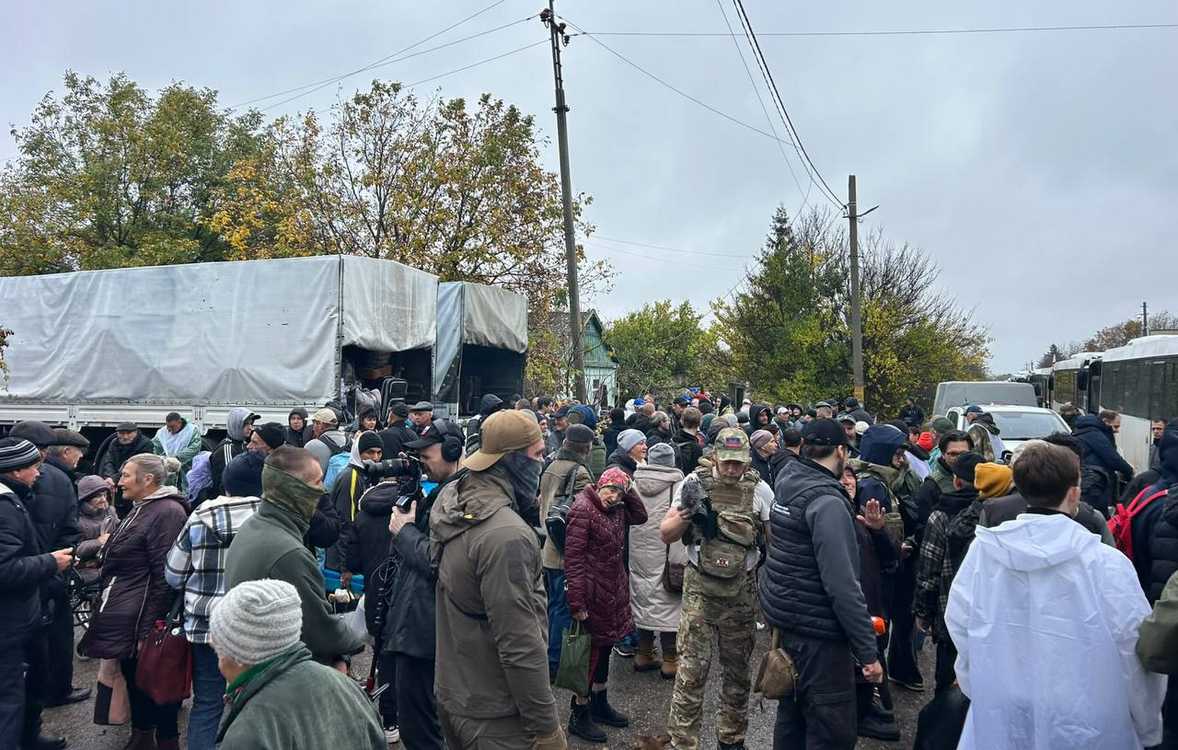
🕊️
A humanitarian truce helps more than 750 Ukrainians reach safety
Een humanitair bestand brengt meer dan 750 Oekraïners in veiligheid
Une trêve humanitaire met plus de 750 Ukrainiens à l’abri
So, a coordinated humanitarian truce has helped more than 750 people leave Oleshky, where residents faced severe food shortages as winter approached. Russian and Ukrainian officials worked together to arrange a safe corridor, and evacuees travelled with their pets through Crimea and Belarus to reach Kyiv. Aid groups and local residents welcomed them at the border with practical support and warm refreshments. Officials hope this cooperation can open the way for further evacuations and aid for people still in the city.
Een gecoördineerd humanitair bestand heeft meer dan 750 mensen geholpen Oleshky te verlaten, waar inwoners met ernstige voedseltekorten kampten terwijl de winter naderde. Russische en Oekraïense functionarissen werkten samen aan een veilige route, en de geëvacueerden reisden met hun huisdieren via de Krim en Belarus naar Kyiv. Hulporganisaties en omwonenden verwelkomden hen aan de grens met praktische steun en warme versnaperingen. De functionarissen hopen dat deze samenwerking ruimte biedt voor verdere evacuaties en hulp aan de mensen die nog in de stad zijn.
Une trêve humanitaire coordonnée a permis à plus de 750 personnes de quitter Oleshky, où les habitants faisaient face à de graves pénuries alimentaires à l’approche de l’hiver. Des responsables russes et ukrainiens ont collaboré pour organiser un passage sûr, et les personnes évacuées, accompagnées de leurs animaux, ont traversé la Crimée puis le Bélarus pour rejoindre Kyiv. Des organisations humanitaires et des habitants les ont accueillies à la frontière avec une aide concrète et des boissons chaudes. Les responsables espèrent que cette coopération permettra d’organiser d’autres évacuations et d’apporter de l’aide aux personnes toujours présentes dans la ville.
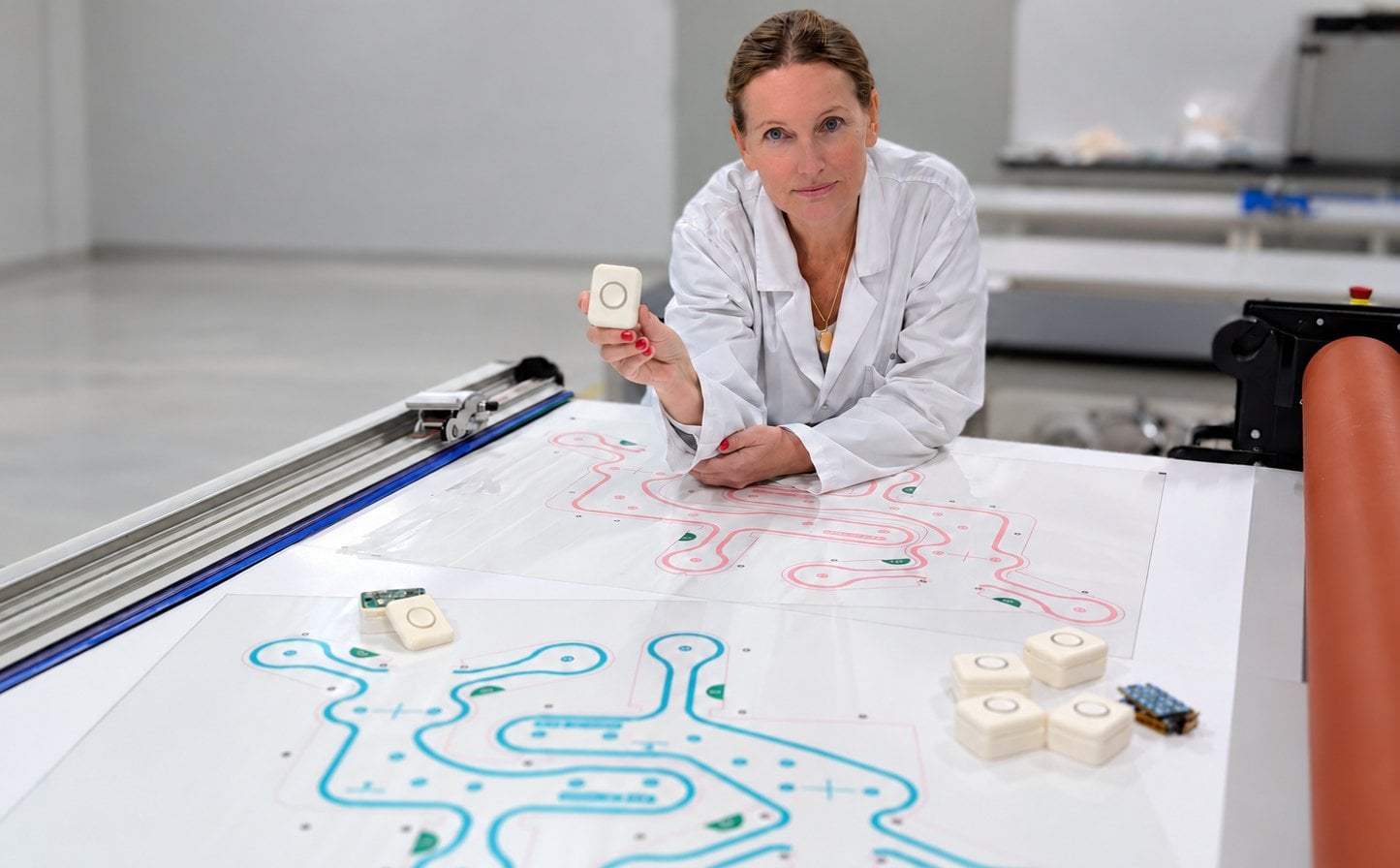
🫀
A smart patch brings hospital-grade ECG testing home
Een slimme pleister brengt ziekenhuis-ecg naar huis
Un patch intelligent apporte l’ECG hospitalier à domicile
So, Polish startup Smartmedics is bringing clinical-grade heart monitoring into patients’ homes with a compact recorder, an electrode patch and a smartphone app. Its system supports consistent electrode placement, making recordings comparable over time and easy to share with doctors, including in real time. The first version reached the European market, and a commercial evaluation with an international partner generated more than 22 million złoty in sales between 2020 and 2022. Now, Smartmedics is seeking EU certification for its second version, with the technology also offering promising data for more personalised, AI-supported care.
Poolse start-up Smartmedics brengt klinische hartmonitoring naar patiënten thuis met een compacte recorder, een elektrodenpleister en een smartphone-app. Het systeem zorgt voor een consistente plaatsing van de elektroden, waardoor metingen door de tijd heen vergelijkbaar zijn en ook in real time met artsen kunnen worden gedeeld. De eerste versie bereikte de Europese markt en een commerciële evaluatie met een internationale partner leverde tussen 2020 en 2022 meer dan 22 miljoen złoty aan verkoop op. Nu werkt Smartmedics aan Europese certificering voor de tweede versie, die ook waardevolle gegevens kan opleveren voor meer gepersonaliseerde zorg met AI.
La start-up polonaise Smartmedics permet désormais aux patients de surveiller leur cœur à domicile grâce à un petit enregistreur, un patch à électrodes et une application pour smartphone. Le système assure un placement régulier des électrodes, ce qui rend les relevés comparables dans le temps et permet de les transmettre aux médecins, y compris en temps réel. La première version a été commercialisée en Europe et une évaluation avec un partenaire international a généré plus de 22 millions de zlotys de ventes entre 2020 et 2022. Smartmedics vise maintenant la certification européenne de sa deuxième version, qui pourrait aussi fournir des données utiles à des soins plus personnalisés grâce à l’IA.

🐂
A love across species: the bull and donkey who became a couple
Liefde over soortgrenzen heen: de stier en ezel die een stel werden
Un amour sans frontières : le taureau et l’âne devenus un couple
So, love can take some unexpected forms: bull Achille and male donkey Patroclo chose each other. The pair began a lasting relationship, even though they belong to different species. And here's the thing - there were plenty of other animals around to choose from. Their story is a sweet reminder that affection can cross boundaries.
Liefde kan onverwachte vormen aannemen: stier Achille en ezelhengst Patroclo kozen voor elkaar. Het tweetal begon een langdurige relatie, hoewel ze tot verschillende diersoorten behoren. En dat terwijl er genoeg andere dieren waren om uit te kiezen. Hun verhaal laat op een hartverwarmende manier zien dat genegenheid grenzen kan overstijgen.
L’amour peut prendre des formes inattendues : le taureau Achille et l’âne Patroclo se sont choisis. Les deux animaux ont noué une relation durable, bien qu’ils appartiennent à des espèces différentes. Et pourtant, ils avaient de nombreux autres compagnons parmi lesquels choisir. Leur histoire rappelle avec tendresse que l’affection peut dépasser les frontières.
🧬
30,000-year-old DNA reveals how ice age Europeans were more connected
DNA van 30.000 jaar oud onthult hoe verbonden Europeanen in de ijstijd waren
Un ADN vieux de 30 000 ans révèle les liens entre les Européens de l’âge de glace
I find it fascinating that Ice Age Europeans were connected across far greater distances than scientists once thought. DNA from a woman who lived in southwestern France around 30,000 years ago shows ancestry linked to both western and central or eastern European populations. Researchers estimate that this mixing happened between 32,500 and 31,500 years ago, while other evidence points to genetic continuity in southwestern Europe over thousands of years. And here’s the thing: DNA recovered from cave sediments can reveal ancient people even when no bones or teeth have survived.
Het is fascinerend dat Europeanen in de ijstijd over veel grotere afstanden met elkaar verbonden waren dan wetenschappers vroeger dachten. DNA van een vrouw die ongeveer 30.000 jaar geleden in Zuidwest-Frankrijk leefde, wijst op voorouders uit zowel West- als Midden- of Oost-Europa. Onderzoekers schatten dat deze vermenging tussen 32.500 en 31.500 jaar geleden plaatsvond, terwijl ander bewijs duidt op duizenden jaren genetische continuïteit in Zuidwest-Europa. En dit is bijzonder: DNA uit grotsedimenten kan informatie geven over mensen van wie geen botten of tanden zijn teruggevonden.
Je trouve fascinant que les Européens de l’âge de glace aient été liés sur de bien plus grandes distances qu’on ne le pensait. L’ADN d’une femme ayant vécu dans le sud-ouest de la France il y a environ 30 000 ans révèle des origines associées aux populations d’Europe occidentale, mais aussi centrale ou orientale. Les chercheurs estiment que ces échanges ont eu lieu entre 32 500 et 31 500 ans avant notre ère, tandis que d’autres indices suggèrent une continuité génétique pendant des millénaires dans le sud-ouest de l’Europe. Et voici ce qui est remarquable : l’ADN préservé dans les sédiments des grottes peut révéler la présence d’anciens habitants même quand aucun os ni aucune dent n’a été retrouvé.
🚀
Perseverance breaks historic record after traveling 28 miles
Perseverance verbreekt historisch record na 45 kilometer te hebben afgelegd
Perseverance bat un record historique après 45 kilomètres parcourus
So: NASA’s Perseverance rover has traveled 45.22 kilometers across Mars, setting a new distance record for any vehicle on another world. Guinness World Records marked the achievement with a commemorative plaque presented to the rover’s engineering twin on Earth. Before setting off again, Perseverance spent weeks investigating scientifically valuable ancient rocks, then rolled past the record when its work was done. New driving improvements and a system that helps it locate itself without GPS are making its journeys across challenging Martian terrain even more capable.
En kijk: NASA’s Marsrover Perseverance heeft 45,22 kilometer afgelegd en daarmee een nieuw afstandsrecord gevestigd voor voertuigen op een andere wereld. Guinness World Records bekroonde de prestatie met een gedenkplaat voor de technische tweeling van de rover op aarde. Voordat Perseverance weer verder reed, onderzocht hij wekenlang wetenschappelijk waardevolle oude rotsen en verbrak hij het record zodra dat werk erop zat. Verbeteringen aan het rijsysteem en technologie waarmee de rover zijn positie zonder gps kan bepalen, helpen hem steeds beter over het uitdagende Marslandschap te navigeren.
Et voilà : le rover Perseverance de la NASA a parcouru 45,22 kilomètres sur Mars, établissant un nouveau record de distance pour un véhicule sur un autre monde. Guinness World Records a salué cet exploit en remettant une plaque commémorative à son jumeau technique sur Terre. Avant de reprendre sa route, Perseverance a passé plusieurs semaines à étudier des roches anciennes particulièrement intéressantes, puis a dépassé le record une fois son travail terminé. Des améliorations de conduite et un système qui l’aide à se localiser sans GPS lui permettent de mieux parcourir les terrains martiens difficiles.
🐦
Migratory birds also seem to suffer from jet lag after a long journey
Trekvogels lijken na een lange tocht ook last te hebben van een jetlag
Les oiseaux migrateurs semblent aussi souffrir du décalage horaire après un long voyage
A long migration can leave birds dealing with more than tired wings: they also seem to experience jet lag. Their internal rhythms may need time to catch up after a demanding journey. It’s a fascinating reminder that migration affects birds in ways that go beyond the miles they cover. And here's the thing: even these seasoned travellers may need a little time to adjust after arrival.
Een lange trektocht vraagt vogels meer dan alleen sterke vleugels: ze lijken ook last te krijgen van een jetlag. Hun biologische ritme heeft mogelijk tijd nodig om zich na zo’n zware reis aan te passen. Dat toont mooi hoe trek niet alleen invloed heeft op de afstand die vogels afleggen. En inderdaad: zelfs zulke ervaren reizigers moeten na aankomst soms even wennen.
Une longue migration ne fatigue pas seulement les ailes des oiseaux : elle semble aussi provoquer un décalage horaire. Leur rythme biologique pourrait avoir besoin de temps pour s’adapter après un voyage éprouvant. C’est un rappel fascinant que la migration a des effets qui vont bien au-delà des kilomètres parcourus. Et oui, même ces grands voyageurs ont parfois besoin d’un moment pour se remettre de leur arrivée.

🐦
Corvo switches off lights to protect seabird fledglings
Corvo dooft de lichten om jonge zeevogels te beschermen
Corvo éteint ses lumières pour protéger les jeunes oiseaux marins
So: every October, Corvo in the Azores switches off its public lights for five nights to help young Cory’s shearwaters find their way safely out to sea. These fledglings leave their nests after dark, but artificial lights can disorient them and leave them stranded on the ground. Since 2019, local authorities, bird experts and volunteers have worked together on the blackout and rescue effort. More than 30,000 Cory’s shearwaters have been rescued across the Azores since 2015, including about 6,000 on Corvo alone.
Elk jaar dooft Corvo op de Azoren in oktober vijf nachten lang de openbare verlichting, zodat jonge vale pijlstormvogels veilig de zee kunnen bereiken. De vogels verlaten hun nest in het donker, maar kunstlicht kan hen in verwarring brengen en op de grond doen belanden. Sinds 2019 werken lokale overheden, vogelkenners en vrijwilligers samen aan de verduistering en de reddingsactie. Sinds 2015 zijn op de Azoren al meer dan 30.000 vale pijlstormvogels gered, waarvan ongeveer 6.000 op Corvo.
Chaque année en octobre, Corvo, dans les Açores, éteint l’éclairage public pendant cinq nuits afin d’aider les jeunes puffins de Cory à rejoindre la mer sans danger. Ces oiseaux quittent leur nid après la tombée de la nuit, mais la lumière artificielle peut les désorienter et les faire échouer au sol. Depuis 2019, les autorités locales, des spécialistes des oiseaux et des bénévoles unissent leurs efforts pour mener cette extinction et secourir les oiseaux. Depuis 2015, plus de 30 000 puffins de Cory ont été sauvés dans les Açores, dont environ 6 000 sur l’île de Corvo.

🗳️
Bulgaria elects its first female president
Bulgarije kiest zijn eerste vrouwelijke president
La Bulgarie élit sa première présidente
Iliana Iotova has won Bulgaria’s presidential runoff, becoming the country’s first elected female president. Her victory marks a historic moment for women in Bulgarian politics. It also strengthens Prime Minister Rumen Radev’s political direction. That includes calls for dialogue with Moscow and opposition to military aid for Ukraine.
Iliana Iotova heeft de Bulgaarse presidentsverkiezingen in de tweede ronde gewonnen en is daarmee de eerste vrouw die in het land tot president is verkozen. Haar overwinning is een historisch moment voor vrouwen in de Bulgaarse politiek. Ook versterkt die de politieke koers van premier Rumen Radev. Die koers omvat oproepen tot dialoog met Moskou en verzet tegen militaire steun aan Oekraïne.
Iliana Iotova a remporté le second tour de l’élection présidentielle bulgare et devient la première femme élue à la présidence du pays. Sa victoire marque un moment historique pour les femmes en politique bulgare. Elle renforce aussi l’orientation politique du Premier ministre Rumen Radev. Celle-ci comprend des appels au dialogue avec Moscou et une opposition à l’aide militaire à l’Ukraine.
🎬
How French cinema reinvented itself with actors and directors of Maghrebi origin
Hoe de Franse cinema zichzelf vernieuwde met acteurs en regisseurs van Maghrebijnse afkomst
Comment le cinéma français s’est réinventé avec les acteurs et réalisateurs d’origine maghrébine
So, French cinema has been reshaped by actors and directors of Maghrebi origin. Their presence and creative work have helped bring new perspectives and experiences to the screen. The article looks at how this contribution has become part of the story of French film. It’s a welcome reminder of how cinema grows richer when more voices can help tell its stories.
De Franse cinema is mee gevormd door acteurs en regisseurs van Maghrebijnse afkomst. Hun aanwezigheid en creatieve werk hebben nieuwe perspectieven en ervaringen naar het witte doek gebracht. Het artikel belicht hoe hun bijdrage deel is gaan uitmaken van de geschiedenis van de Franse film. Een mooie herinnering dat cinema rijker wordt wanneer meer stemmen hun verhalen kunnen vertellen.
Le cinéma français a été profondément renouvelé par des acteurs et des réalisateurs d’origine maghrébine. Leur présence et leur travail créatif ont apporté de nouvelles perspectives et expériences à l’écran. L’article revient sur la place que cette contribution a prise dans l’histoire du cinéma français. C’est un beau rappel qu’un cinéma ouvert à davantage de voix peut raconter des histoires plus riches.

🐅
Beyond Ranthambore: eight tiger cubs bring new hope for Rajasthan
Voorbij Ranthambore: acht tijgerwelpen geven Rajasthan nieuwe hoop
Au-delà de Ranthambore : huit petits tigres ravivent l’espoir au Rajasthan
Now, here’s the encouraging news: after nearly three decades without documented successful breeding, Kailadevi Wildlife Sanctuary has recorded eight tiger cubs and three adult tigers over the past five years. A WWF-India and Rajasthan Forest Department study used 186 camera-trap stations to document 27 mammal species, highlighting the rich wildlife that can sustain tigers. As a northern extension of Ranthambore, Kailadevi could help create a second breeding population, but its future depends on connected forests, abundant prey and continued monitoring. And here's the thing: conservation efforts supporting residents in 46 nearby villages show how local livelihoods and wildlife protection can go hand in hand.
En hier is het goede nieuws: na bijna drie decennia zonder gedocumenteerde succesvolle voortplanting zijn er in het Kailadevi-wildreservaat de afgelopen vijf jaar acht tijgerwelpen en drie volwassen tijgers geregistreerd. In een onderzoek van WWF-India en de bosdienst van Rajasthan werden met 186 cameravallen 27 zoogdiersoorten vastgelegd, wat laat zien hoe rijk het gebied aan wilde dieren is. Als noordelijke uitloper van Ranthambore kan Kailadevi bijdragen aan een tweede voortplantingsgebied, maar daarvoor zijn verbonden bossen, voldoende prooidieren en blijvende monitoring nodig. En het mooie is: natuurbehoud dat inwoners van 46 omliggende dorpen ondersteunt, laat zien hoe lokale bestaansmiddelen en bescherming van wilde dieren elkaar kunnen versterken.
Et voici une nouvelle réjouissante : après près de trois décennies sans reproduction réussie documentée, la réserve naturelle de Kailadevi a recensé huit petits tigres et trois tigres adultes au cours des cinq dernières années. Une étude de WWF-India et du service forestier du Rajasthan a utilisé 186 stations de pièges photographiques pour répertorier 27 espèces de mammifères, révélant la richesse de la faune locale. Prolongement nord de Ranthambore, Kailadevi pourrait accueillir une deuxième population reproductrice, à condition de préserver des forêts reliées entre elles, des proies en nombre suffisant et un suivi continu. Et voici l’essentiel : les initiatives de conservation qui soutiennent les habitants de 46 villages voisins montrent que les moyens de subsistance locaux et la protection de la faune peuvent avancer de concert.

🌊
Route du rhum: Fabrice Amedeo to deploy buoys tracking currents and microplastic drift
Route du rhum: Fabrice Amedeo zet boeien in om stromingen en microplasticdrift te volgen
Route du rhum : Fabrice Amedeo déploiera des balises pour suivre les courants et la dérive des microplastiques
So: Fabrice Amedeo is setting sail in the Route du Rhum with a mission beyond reaching the finish line. The former Le Figaro journalist plans to release seven Melodi buoys, each weighing 1.2 kilograms, to track Atlantic currents and the movement of floating plastics. The data will help researchers study an area where plastics accumulate in the ocean. Amedeo says he has wanted the miles he sails since 2019 to serve a broader purpose, becoming a kind of sentinel for the ocean.
Fabrice Amedeo vertrekt voor de Route du Rhum met een missie die verder gaat dan de finish halen. De voormalige journalist van Le Figaro wil zeven Melodi-boeien uitzetten, die elk 1,2 kilogram wegen, om de Atlantische stromingen en de verplaatsing van drijvend plastic te volgen. De gegevens helpen onderzoekers een gebied te bestuderen waar plastic zich in de oceaan ophoopt. Amedeo wil naar eigen zeggen sinds 2019 dat de afgelegde zeemijlen ook een ander doel dienen en hem tot een soort oceaanwachter maken.
Fabrice Amedeo prend le départ de la Route du Rhum avec une mission qui va au-delà de rallier l’arrivée. L’ancien journaliste du Figaro prévoit de larguer sept balises Melodi, pesant chacune 1,2 kilogramme, afin de suivre les courants de l’Atlantique et le déplacement des plastiques flottants. Les données permettront aux chercheurs d’étudier une zone où les plastiques s’accumulent dans l’océan. Depuis 2019, explique Amedeo, il souhaite que les milles parcourus servent aussi une cause plus vaste et faire de lui une sorte de sentinelle de l’océan.
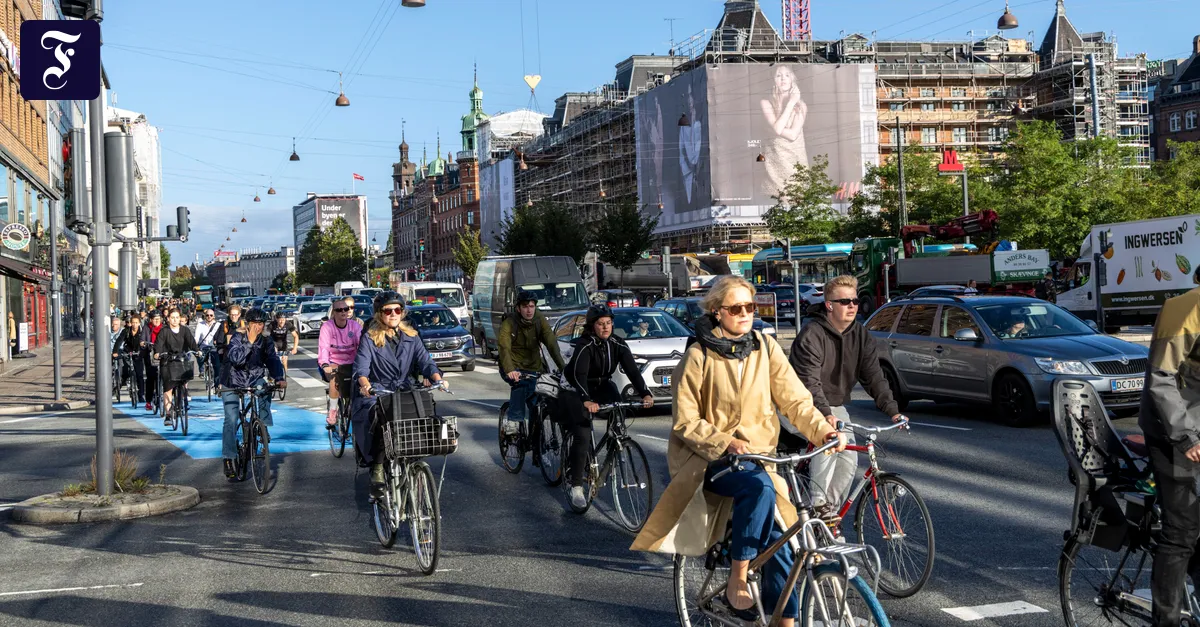
📊
What Germany can learn from Denmark’s pension system
Wat Duitsland kan leren van het Deense pensioenstelsel
Ce que l’Allemagne peut apprendre du système de retraite danois
Denmark’s pension system offers a striking contrast with Germany’s: the OECD puts its net replacement rate at 77%, compared with about 53% in Germany. Many Danes build retirement income through collectively agreed workplace pensions, funded jointly by employers and employees, alongside the state pension. Denmark also raises the retirement age more quickly, with a move to 70 already set for 2040, while the current age is 67. And here's the thing: broad, long-term agreements across political parties help tie those changes to demographic forecasts and give the system greater stability.
Het Deense pensioenstelsel steekt opvallend af tegen dat van Duitsland: volgens de OESO bedraagt de nettovervangingsratio er 77 procent, tegenover ongeveer 53 procent in Duitsland. Veel Denen bouwen naast het staatspensioen ook pensioen op via collectieve regelingen op het werk, waaraan werkgevers en werknemers samen bijdragen. Denemarken verhoogt de pensioenleeftijd bovendien sneller: een verhoging naar 70 jaar in 2040 is al afgesproken, terwijl die nu op 67 jaar ligt. En dit is belangrijk: brede, langetermijnafspraken tussen politieke partijen koppelen die veranderingen aan demografische prognoses en geven het stelsel meer stabiliteit.
Le système de retraite danois contraste fortement avec celui de l’Allemagne : selon l’OCDE, son taux de remplacement net atteint 77 %, contre environ 53 % en Allemagne. En plus de la pension publique, de nombreux Danois se constituent une retraite grâce à des régimes professionnels négociés collectivement et financés conjointement par les employeurs et les salariés. Le Danemark relève aussi plus rapidement l’âge de la retraite : son passage à 70 ans en 2040 est déjà prévu, alors que l’âge actuel est de 67 ans. Et voici l’essentiel : des accords politiques larges et durables relient ces changements aux prévisions démographiques et renforcent la stabilité du système.

🦖
Birds may not have been the only dinosaurs to take to the skies
Vogels waren mogelijk niet de enige dinosauriërs die het luchtruim veroverden
Les oiseaux n’auraient pas été les seuls dinosaures à conquérir les airs
A remarkably well-preserved fossil from northeastern China is shedding new light on how flight-related abilities evolved in dinosaurs. Just 57 centimetres long, Norellraptor barsboldi lived more than 100 million years ago and belonged to a group of small feathered dinosaurs called microraptorines. By studying its anatomy and examining its bones under a microscope, researchers found that microraptorines and early birds developed flight-related traits in different sequences. This suggests that aerial abilities may have evolved independently in several dinosaur lineages - a fascinating example of evolutionary convergence and a reminder that fossils can still reshape our understanding of life’s history.
Een uitzonderlijk goed bewaard fossiel uit het noordoosten van China werpt nieuw licht op de ontwikkeling van vliegvermogen bij dinosauriërs. Norellraptor barsboldi was slechts 57 centimeter lang, leefde meer dan 100 miljoen jaar geleden en behoorde tot een groep kleine, gevederde dinosauriërs die microraptorinen worden genoemd. Door de anatomie te bestuderen en de botten microscopisch te onderzoeken, ontdekten onderzoekers dat microraptorinen en de vroege vogels vliegkenmerken in een andere volgorde ontwikkelden. Dat wijst erop dat luchtverplaatsing bij verschillende dinosauriërlijnen onafhankelijk kan zijn ontstaan - een boeiend voorbeeld van evolutionaire convergentie en een herinnering dat fossielen ons beeld van de geschiedenis van het leven blijven veranderen.
Un fossile exceptionnellement bien conservé découvert dans le nord-est de la Chine apporte de nouveaux éclairages sur l’évolution des capacités liées au vol chez les dinosaures. Long de seulement 57 centimètres, Norellraptor barsboldi vivait il y a plus de 100 millions d’années et appartenait à un groupe de petits dinosaures à plumes appelés microraptorinés. En étudiant son anatomie et en examinant ses os au microscope, les chercheurs ont constaté que les microraptorinés et les premiers oiseaux avaient développé les caractères liés au vol dans un ordre différent. Cela suggère que des capacités aériennes ont pu apparaître indépendamment dans plusieurs lignées de dinosaures - un bel exemple de convergence évolutive et un rappel que les fossiles peuvent encore transformer notre compréhension de l’histoire du vivant.
🍵
Tea may support heart health - but temperature matters
Thee kan je hart ondersteunen - maar de temperatuur telt
Le thé pourrait protéger le cœur - mais la température compte
So, a large study following nearly 486,000 adults in China found that regular tea drinking was associated with an 11% lower risk of several vascular diseases. The lowest estimated risk appeared among people drinking around six to eight cups a day, though the study cannot show that tea itself caused the difference. Black tea and moderately strong tea showed more consistent links with lower risk than other tea habits. And here's the surprising catch: drinking tea piping hot was associated with higher risk, so letting it cool a little may be a sensible choice.
Een grote studie bij bijna 486.000 volwassenen in China vond dat regelmatig thee drinken samenhing met 11% minder risico op verschillende vaatziekten. Het laagste geschatte risico werd gezien bij mensen die ongeveer zes tot acht koppen per dag dronken, al kan de studie niet aantonen dat thee zelf dit verschil veroorzaakte. Zwarte thee en thee van gemiddelde sterkte vertoonden een consistenter verband met een lager risico dan andere theegewoonten. En hier komt de verrassende kanttekening: thee die gloeiend heet werd gedronken hing samen met een hoger risico, dus even laten afkoelen lijkt verstandig.
Une vaste étude menée auprès de près de 486 000 adultes en Chine a associé la consommation régulière de thé à un risque inférieur de 11 % de plusieurs maladies vasculaires. Le risque estimé le plus faible concernait les personnes qui buvaient environ six à huit tasses par jour, mais l’étude ne permet pas d’affirmer que le thé en est la cause. Le thé noir et le thé de force moyenne présentaient des liens plus constants avec un risque réduit que d’autres habitudes de consommation. Et voici la surprise : boire du thé brûlant était associé à un risque accru, alors mieux vaut peut-être le laisser refroidir un peu.
📚
Students gave advice for 8 minutes and their grades improved
Leerlingen gaven 8 minuten advies en haalden betere cijfers
Des élèves ont donné des conseils pendant 8 minutes et leurs notes ont progressé
So, in a study of nearly 2,000 high school students, an eight-minute activity of sharing academic advice led to a small but measurable boost in grades. Students answered younger pupils’ questions about motivation, distractions and study habits, then wrote them an encouraging note. Their math grades and grades in a subject they wanted to improve rose by about one percentage point compared with those of students who did not take part. Putting their own advice into words may have helped them remember useful strategies and feel more confident about using them.
In een onderzoek met bijna 2.000 middelbare scholieren leidde een activiteit van acht minuten waarin ze studieadvies deelden tot een kleine, meetbare verbetering van hun cijfers. De leerlingen beantwoordden vragen van jongere scholieren over motivatie, afleiding en studeergewoonten en schreven daarna een bemoedigend briefje. Hun cijfers voor wiskunde en voor een vak waarin ze beter wilden worden, stegen met ongeveer één procentpunt ten opzichte van leerlingen die niet meededen. Door hun eigen advies onder woorden te brengen, herinnerden ze zich mogelijk nuttige strategieën en kregen ze meer vertrouwen om die toe te passen.
Dans une étude menée auprès de près de 2 000 lycéens, une activité de huit minutes consistant à partager des conseils scolaires a entraîné une légère amélioration mesurable des notes. Les élèves ont répondu aux questions de plus jeunes sur la motivation, les distractions et les habitudes de travail, puis leur ont écrit un mot d’encouragement. Leurs notes en mathématiques et dans une matière où ils souhaitaient progresser ont augmenté d’environ un point de pourcentage par rapport à celles des élèves qui n’avaient pas participé. Formuler leurs propres conseils les a peut-être aidés à se rappeler des stratégies utiles et à avoir davantage confiance pour les appliquer.
🌿
Biodiversity COP in Yerevan: “The Armenian presidency did exemplary work”
Biodiversiteits-COP in Jerevan: “Het Armeense voorzitterschap heeft voorbeeldig werk geleverd”
COP biodiversité à Erevan : « La présidence arménienne a fait un travail exemplaire »
The article highlights praise for Armenia’s work as host of the biodiversity COP in Yerevan. Its presidency is described as exemplary, offering a positive assessment of its role in bringing countries together around biodiversity. Such international gatherings help keep nature protection high on the global agenda. Now, the challenge is to turn that shared attention into lasting action.
Het artikel belicht de waardering voor Armenië als gastland van de biodiversiteits-COP in Jerevan. Het Armeense voorzitterschap wordt voorbeeldig genoemd, een positieve beoordeling van de rol die het speelde om landen rond biodiversiteit samen te brengen. Zulke internationale bijeenkomsten helpen natuurbehoud hoog op de wereldwijde agenda te houden. De volgende uitdaging is om die gedeelde aandacht om te zetten in blijvende actie.
L’article met en avant les éloges adressés à l’Arménie, qui a accueilli la COP biodiversité à Erevan. La présidence arménienne est qualifiée d’exemplaire, un jugement positif sur son rôle pour réunir les pays autour de la biodiversité. De telles rencontres internationales contribuent à maintenir la protection de la nature au premier plan des priorités mondiales. Reste maintenant à transformer cette attention commune en actions durables.
🌳
Trees use opposing wood “muscles” to straighten themselves
Bomen gebruiken tegengestelde houtspieren om zichzelf recht te trekken
Les arbres utilisent des « muscles » de bois opposés pour se redresser
Trees can sense their own posture, but scientists had not fully understood how that awareness changes their growth. To isolate this internal sense, researchers grew young poplars on a rotating platform in evenly distributed light, removing reliable cues from gravity and sunlight. They found that as stems straightened, tension wood stopped forming on one side and appeared on the opposite side, creating opposing pulling forces like paired muscles. So: trees use this flexible wood system to correct their shape, revealing a surprisingly coordinated way plants control their posture.
Bomen kunnen hun eigen houding waarnemen, maar hoe dat inzicht hun groei beïnvloedt, was nog niet helemaal duidelijk. Om dit interne zintuig apart te onderzoeken, lieten onderzoekers jonge populieren groeien op een draaiend platform in licht dat van alle kanten gelijk was, zodat zwaartekracht en zonlicht geen vaste richting aangaven. Ze ontdekten dat tijdens het rechttrekken van de stammen de vorming van trekhout aan de ene kant stopte en aan de andere kant begon, waardoor tegengestelde trekkrachten ontstonden, een beetje zoals bij spieren. Dus: met dit flexibele houtsysteem corrigeren bomen hun vorm en laten ze zien hoe verrassend gecoördineerd planten hun houding regelen.
Les arbres peuvent percevoir leur propre posture, mais les scientifiques ne comprenaient pas encore tout à fait comment cette perception influençait leur croissance. Pour isoler ce sens interne, les chercheurs ont fait pousser de jeunes peupliers sur une plateforme rotative, dans une lumière uniforme venant de toutes les directions, éliminant ainsi les repères fiables de la gravité et du soleil. Ils ont constaté que, lorsque les troncs se redressaient, le bois de tension cessait de se former d’un côté et apparaissait du côté opposé, créant des forces de traction opposées, comme des muscles antagonistes. Alors : grâce à ce système de bois flexible, les arbres corrigent leur forme et révèlent une manière étonnamment coordonnée de contrôler leur posture.

🍃
How fallen leaves help feed 1,200 students at IIT Bombay
Hoe gevallen bladeren 1.200 studenten aan IIT Bombay helpen voeden
Comment les feuilles mortes aident à nourrir 1 200 étudiants à l’IIT Bombay
So, here’s a clever idea from IIT Bombay: turn the campus’s garden waste into cooking fuel. Every day, a startup called Infixen transforms around two tonnes of fallen leaves into pellets that help cook meals for students and staff. At Hostel 16, this has cut LPG use by 60%, reducing the number of cylinders needed from 10 to just 4. It’s a great example of how a campus can turn waste into a practical source of cleaner energy.
Kijk eens naar dit slimme idee van IIT Bombay: tuinafval van de campus wordt omgezet in brandstof om mee te koken. Elke dag verwerkt de startup Infixen ongeveer twee ton gevallen bladeren tot pellets waarmee maaltijden voor studenten en medewerkers worden bereid. In de mess van Hostel 16 is het LPG-verbruik daardoor met 60% gedaald: er zijn nog maar 4 cilinders nodig in plaats van 10. Zo verandert afval op de campus in een praktische bron van schonere energie.
Voici une idée ingénieuse de l’IIT Bombay : transformer les déchets végétaux du campus en combustible de cuisson. Chaque jour, la start-up Infixen convertit environ deux tonnes de feuilles mortes en granulés qui servent à préparer les repas des étudiants et du personnel. À la cantine de l’Hostel 16, cette solution a réduit la consommation de GPL de 60 %, avec seulement 4 bouteilles nécessaires au lieu de 10. Une belle façon de faire des déchets une source pratique d’énergie plus propre.