🔬
Brussels researchers challenge a Nature study
Brusselse onderzoekers ontkrachten een Nature-studie
Des chercheurs bruxellois réfutent une étude de Nature
Knack reports how researchers in Brussels challenged the conclusions of a study published in Nature. The article highlights their work in examining the study and showing why its findings did not hold up. It’s a reminder that scientific claims can be tested and refined through careful scrutiny. And that kind of open debate helps research move forward.
Knack vertelt hoe Brusselse onderzoekers de conclusies van een studie in Nature in twijfel trokken. Het artikel belicht hoe ze de studie onderzochten en aantoonden waarom de bevindingen geen stand hielden. Het laat zien dat wetenschappelijke beweringen zorgvuldig getoetst en bijgesteld kunnen worden. Zo helpt open debat de wetenschap vooruit.
Knack raconte comment des chercheurs bruxellois ont remis en question les conclusions d’une étude publiée dans Nature. L’article met en lumière leur examen de l’étude et la manière dont ils ont montré que ses résultats ne résistaient pas à l’analyse. Cette histoire rappelle que les affirmations scientifiques peuvent être vérifiées et affinées avec rigueur. Et ce débat ouvert fait avancer la recherche.
🏺
A 4,000-year-old wall reshapes North Africa’s history
Een 4.000 jaar oude muur herschrijft de geschiedenis van Noord-Afrika
Un mur vieux de 4 000 ans bouscule l’histoire de l’Afrique du Nord
So, new excavations at Oued Beht in north-west Morocco have uncovered North Africa’s earliest known large-scale construction likely built for defence beyond the Nile Valley. Dating back roughly 4,000 to 3,500 years, the ditch, rampart and wall suggest local communities were protecting strategic places and managing competition over land and resources. The discovery adds to evidence that Oued Beht was already a major farming and craft hub thousands of years earlier. And here’s the fascinating twist: the defensive structure was rebuilt in medieval times, when people also lived and buried their dead nearby.
Bij nieuwe opgravingen in Oued Beht, in het noordwesten van Marokko, is de oudste bekende grootschalige verdedigingsconstructie van Noord-Afrika buiten de Nijlvallei ontdekt. De gracht, aarden wal en muur zijn ongeveer 4.000 tot 3.500 jaar oud en wijzen erop dat gemeenschappen strategische plekken beschermden en wedijverden om land en grondstoffen. De vondst versterkt het bewijs dat Oued Beht duizenden jaren eerder al een belangrijk landbouw- en ambachtscentrum was. En opmerkelijk genoeg werd de verdedigingsstructuur in de middeleeuwen opnieuw opgebouwd, toen mensen ook in de buurt woonden en hun doden begroeven.
De nouvelles fouilles à Oued Beht, dans le nord-ouest du Maroc, ont révélé la plus ancienne grande construction probablement défensive connue en Afrique du Nord au-delà de la vallée du Nil. Datant d’environ 4 000 à 3 500 ans, le fossé, le rempart et le mur indiquent que les communautés locales protégeaient des lieux stratégiques et rivalisaient pour les terres et les ressources. Cette découverte s’ajoute aux indices montrant qu’Oued Beht était déjà, des millénaires plus tôt, un important centre agricole et artisanal. Et voici un détail fascinant : la structure défensive fut reconstruite au Moyen Âge, période où des habitants vivaient et enterraient leurs morts à proximité.
🧊
Metals that stay tough in the deep freeze
Metalen die taai blijven in extreme kou
Des métaux qui restent résistants dans le froid extrême
So, researchers have found two experimental niobium-titanium alloys that resist becoming brittle even at a frigid 20 kelvin. Instead of relying only on the usual movement of defects in their crystal structure, the alloys form nanoscale twins and new crystal regions that help absorb stress. These microscopic changes create extra ways for the metals to deform, making it harder for cracks to spread. I find it exciting that this discovery could guide the design of tougher materials for energy, transport, and aerospace systems.
Onderzoekers ontdekten dat twee experimentele legeringen van niobium en titanium zelfs bij een ijskoude 20 kelvin bestand blijven tegen verbrossing. In plaats van alleen te vertrouwen op de gebruikelijke verplaatsing van defecten in hun kristalstructuur, vormen de legeringen nanoschaal-tweelingen en nieuwe kristalgebieden die spanning helpen opvangen. Die microscopische veranderingen geven het metaal extra manieren om te vervormen, waardoor scheuren zich minder makkelijk verspreiden. Ik vind het bijzonder hoopgevend dat deze ontdekking kan helpen bij het ontwikkelen van sterkere materialen voor energie, transport en ruimtevaart.
Des chercheurs ont découvert que deux alliages expérimentaux de niobium et de titane résistent à la fragilisation, même à la température glaciale de 20 kelvins. Au lieu de s’appuyer uniquement sur le mouvement habituel des défauts de leur structure cristalline, ces alliages forment des macles à l’échelle nanométrique et de nouvelles régions cristallines qui contribuent à absorber les contraintes. Ces changements microscopiques offrent au métal d’autres façons de se déformer et rendent ainsi la propagation des fissures plus difficile. Je trouve prometteur que cette découverte puisse guider la conception de matériaux plus résistants pour l’énergie, les transports et l’aérospatiale.
🔬
Oxygen collisions reveal clues to the universe’s earliest matter
Zuurstofbotsingen onthullen aanwijzingen over de vroegste materie van het universum
Des collisions d’oxygène révèlent des indices sur la matière primitive de l’univers
Here’s a fascinating result: scientists have found strong evidence that collisions between oxygen nuclei can create quark-gluon plasma, the exotic matter that filled the universe just after the Big Bang. In the STAR experiment at RHIC, the oxygen nuclei collided at lower energies than in earlier studies of this small collision system. The key clue is jet quenching, where energetic particle sprays lose energy as they pass through the dense matter. By finding this signature under more modest conditions, researchers can better pin down when this glimpse of the infant universe takes shape.
Wat een fascinerend resultaat: wetenschappers hebben sterk bewijs gevonden dat botsingen tussen zuurstofkernen quark-gluonplasma kunnen vormen, de bijzondere materie die kort na de oerknal het universum vulde. In het STAR-experiment bij RHIC botsten de zuurstofkernen met lagere energie dan in eerdere onderzoeken naar dit kleine botsingssysteem. Een belangrijke aanwijzing is jetquenching: energierijke deeltjesstromen verliezen energie wanneer ze door de dichte materie bewegen. Doordat onderzoekers dit kenmerk onder mildere omstandigheden zien, kunnen ze beter bepalen wanneer deze blik op het jonge universum ontstaat.
Quel résultat fascinant : les scientifiques ont trouvé des preuves solides que des collisions entre noyaux d’oxygène peuvent créer un plasma de quarks et de gluons, cette matière étonnante qui remplissait l’univers juste après le Big Bang. Dans l’expérience STAR au RHIC, les noyaux d’oxygène sont entrés en collision à des énergies plus faibles que lors des précédentes études de ce petit système de collision. Un indice essentiel est la suppression des jets : des gerbes de particules très énergétiques perdent de l’énergie en traversant cette matière dense. En observant cette signature dans des conditions moins extrêmes, les chercheurs peuvent mieux cerner quand apparaît ce aperçu de l’univers naissant.

🌌
White dwarfs aren’t just white: some shine pink and green
Witte dwergen zijn niet alleen wit: sommige stralen roze en groen
Les naines blanches ne sont pas toujours blanches : certaines brillent en rose et en vert
White dwarfs, the dense remnants of stars like our sun, can shine in a surprising range of colors, including pink, purple, yellow, and green. Researchers say the colors arise when elements in their atmospheres interact with dense helium, while material from shattered asteroids can add distinctive chemical ingredients. In a study of 152 nearby white dwarfs, five showed unusual colors, including one green star enriched with rocky material from its planetary system. The discovery also hints that astronomers may have overlooked colorful stars because bright, blue-white dwarfs are easier to spot.
Witte dwergen, de compacte restanten van sterren zoals onze zon, kunnen verrassend veel kleuren hebben, waaronder roze, paars, geel en groen. Volgens onderzoekers ontstaan die kleuren doordat elementen in hun atmosfeer reageren met dicht helium, terwijl materiaal van uiteengevallen asteroïden bijzondere chemische stoffen kan toevoegen. Van de 152 nabije witte dwergen die voor een studie werden onderzocht, hadden er vijf een opvallende kleur, waaronder een groene ster die materiaal uit haar planetenstelsel heeft verzameld. De ontdekking wijst er ook op dat astronomen kleurrijke sterren mogelijk over het hoofd zagen, omdat helder blauw-wit stralende witte dwergen makkelijker te vinden zijn.
Les naines blanches, vestiges compacts d’étoiles comme notre Soleil, peuvent arborer des couleurs étonnamment variées, notamment le rose, le violet, le jaune et le vert. Selon les chercheurs, ces teintes apparaissent lorsque des éléments de leur atmosphère interagissent avec de l’hélium très dense, tandis que les débris d’astéroïdes peuvent y apporter des éléments chimiques particuliers. Parmi les 152 naines blanches proches examinées dans une étude, cinq présentaient une couleur inhabituelle, dont une étoile verte enrichie par des matériaux de son système planétaire. Cette découverte suggère aussi que les astronomes ont peut-être sous-estimé ces étoiles colorées, car les naines blanches brillantes et bleu-blanc sont plus faciles à observer.
🏅
Africa hosts an Olympic competition for the first time
Afrika organiseert voor het eerst een olympische competitie
Pour la première fois, l’Afrique accueille une compétition olympique
So: Africa is welcoming an Olympic competition for the first time in history - a landmark moment for sport on the continent. It puts the host and its athletes on a global stage, while bringing the Olympic spirit closer to local audiences. And here's the thing: this milestone also opens a new chapter in the Games’ relationship with Africa. A moment worth celebrating, and a chance to see the continent shine.
Dus: Afrika verwelkomt voor het eerst in de geschiedenis een olympische competitie - een mijlpaal voor de sport op het continent. Het zet de gastheer en zijn atleten op een wereldwijd podium en brengt tegelijk de olympische sfeer dichter bij het lokale publiek. En precies daarin zit iets bijzonders: deze mijlpaal luidt een nieuw hoofdstuk in voor de band tussen de Spelen en Afrika. Een moment om te vieren, en een kans voor het continent om te schitteren.
Pour la première fois de l’histoire, l’Afrique accueille une compétition olympique - un moment marquant pour le sport sur le continent. L’événement place le pays hôte et ses athlètes sous les projecteurs du monde entier, tout en rapprochant l’esprit olympique du public local. Et voici ce qui rend cette étape si particulière : elle ouvre un nouveau chapitre dans les relations entre les Jeux et l’Afrique. Un moment à célébrer, et une belle occasion pour le continent de rayonner.
🍂
From green to golden: when to enjoy autumn’s finest forest colours
Van groen naar goudgeel: wanneer je de mooiste herfstkleuren in het bos ziet
Du vert au jaune doré : quand admirer les plus belles couleurs d’automne en forêt
Our forests are shifting from leafy green to glowing gold as autumn arrives. A science expert shares when to head out to enjoy the most beautiful colours. The ideal moment to visit can vary as the season unfolds. So, keep an eye on the changing leaves and plan a lovely woodland walk.
Nu de herfst aanbreekt, veranderen onze bossen van groen naar stralend goudgeel. Een wetenschapsexpert vertelt wanneer je eropuit trekt om van de mooiste kleuren te genieten. Het ideale moment kan verschillen naarmate het seizoen vordert. Hou de verkleurende bladeren dus in de gaten en plan een fijne boswandeling.
Avec l’arrivée de l’automne, nos forêts passent du vert feuillu à de beaux tons dorés. Un expert scientifique explique quand partir admirer les plus belles couleurs. Le moment idéal peut varier au fil de la saison. Gardez donc un œil sur les feuilles qui changent et prévoyez une belle promenade en forêt.

🥃
A new kind of whisky, made in France in concrete eggs
Een nieuwe whiskysoort, gemaakt in Frankrijk in betonnen eieren
Un nouveau whisky, élaboré en France dans des œufs en béton
In Bordeaux, Maison Lineti is making French single malt whisky with methods borrowed from winemaking. Cofounders Magali Picard and Alex Cosculluela focus on building flavour during fermentation rather than relying mainly on years of barrel ageing. Their process includes cold-soaked organic barley, a seven-day fermentation, lees ageing and malolactic fermentation in giant egg-shaped concrete vats. The result is a floral, fresh and textured spirit that could reach the bottle years sooner than whisky made by traditional methods.
In de Bordeauxstreek maakt Maison Lineti Franse single maltwhisky met technieken uit de wijnwereld. Medeoprichters Magali Picard en Alex Cosculluela richten zich op smaakontwikkeling tijdens de gisting, in plaats van vooral te vertrouwen op jarenlange rijping op vat. Hun aanpak omvat biologisch gerst die koud wordt geweekt, een gisting van zeven dagen, rijping op gistbezinksel en malolactische gisting in grote eivormige betonnen kuipen. Het resultaat is een bloemige, frisse en volle whisky die mogelijk jaren sneller op fles komt dan whisky volgens traditionele methoden.
Dans la région de Bordeaux, Maison Lineti élabore un single malt français à l’aide de techniques empruntées à la vinification. Les cofondateurs Magali Picard et Alex Cosculluela cherchent à développer les arômes pendant la fermentation, plutôt que de compter surtout sur des années de vieillissement en fût. Leur méthode associe de l’orge biologique trempée à froid, une fermentation de sept jours, un élevage sur lies et une fermentation malolactique dans d’immenses cuves en béton en forme d’œuf. Le résultat est un whisky floral, frais et texturé, qui pourrait être mis en bouteille plusieurs années plus tôt que ceux produits selon les méthodes traditionnelles.
🏺
A nearly 2,000-year-old cabinet in Pompeii reveals a child’s necklace and perfume bottle
Bijna tweeduizend jaar oude kast in Pompeï onthult kinderketting en parfumflesje
À Pompéi, une armoire vieille de près de 2 000 ans révèle un collier d’enfant et un flacon de parfum
A cabinet discovered in Pompeii has revealed a child’s necklace, a perfume bottle and dozens of other possessions. Nearly 2,000 years old, these objects offer a remarkable glimpse into the lives of the people who once lived in the ancient city. The small personal belongings make the past feel wonderfully close. And here’s the thing: even an everyday cabinet can hold stories that have waited centuries to be found.
Een kast die in Pompeï werd ontdekt, heeft een kinderketting, een parfumflesje en tientallen andere bezittingen aan het licht gebracht. De voorwerpen zijn bijna tweeduizend jaar oud en bieden een bijzondere blik op het leven van de mensen die ooit in de oude stad woonden. Door die persoonlijke spullen voelt het verleden verrassend dichtbij. En kijk: zelfs een gewone kast kan verhalen bevatten die eeuwenlang op ontdekking hebben gewacht.
Une armoire découverte à Pompéi a révélé un collier d’enfant, un flacon de parfum et des dizaines d’autres objets personnels. Vieux de près de 2 000 ans, ces objets offrent un aperçu remarquable de la vie des habitants de l’ancienne cité. Ces effets personnels rendent le passé étonnamment proche. Et voici ce qui est fascinant : même une armoire ordinaire peut garder des histoires pendant des siècles, jusqu’à leur découverte.
🤝
After an unprecedented Canada-EU rapprochement, the first concrete results
Na een ongekende toenadering tussen Canada en de EU: de eerste concrete resultaten
Après un rapprochement inédit entre le Canada et l’UE, les premiers résultats concrets
Canada’s unprecedented rapprochement with the European Union is beginning to produce tangible results. The article explores how this closer relationship is moving beyond diplomatic signals and into practical cooperation. These early outcomes give the partnership fresh momentum. It’s an encouraging sign that closer Canada-EU ties are starting to make a difference.
De ongekende toenadering tussen Canada en de Europese Unie begint tastbare resultaten op te leveren. Het artikel laat zien hoe de nauwere relatie verder gaat dan diplomatieke signalen en uitmondt in praktische samenwerking. Die eerste resultaten geven het partnerschap een nieuwe impuls. Het is bemoedigend dat de sterkere banden tussen Canada en de EU nu al verschil beginnen te maken.
Le rapprochement inédit entre le Canada et l’Union européenne commence à produire des résultats tangibles. L’article montre comment cette relation plus étroite dépasse les gestes diplomatiques pour se traduire par une coopération concrète. Ces premiers résultats donnent un nouvel élan au partenariat. C’est un signe encourageant que les liens renforcés entre le Canada et l’UE commencent à porter leurs fruits.
🏠
Very few homeowners struggle to pay their mortgage instalments
Extreem weinig huiseigenaren hebben moeite hun hypotheektermijn te betalen
Très peu de propriétaires ont du mal à payer leurs échéances de prêt immobilier
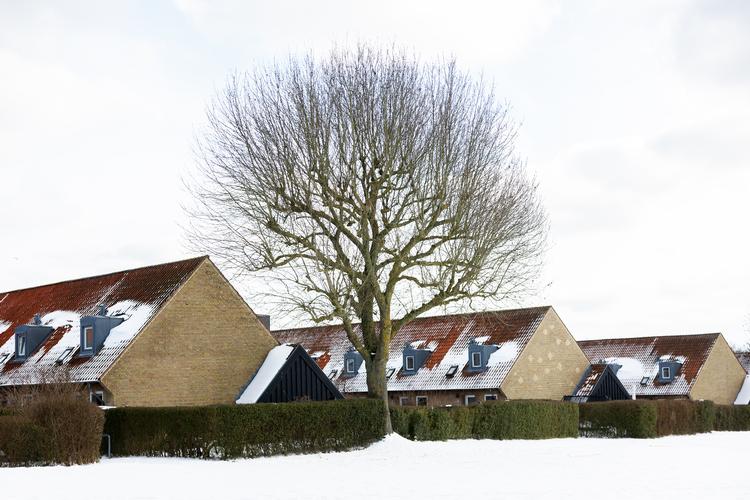
So: Danish homeowners are keeping up with their mortgage payments at a record rate. In the second quarter of 2026, just 0.1% of scheduled payments remained unpaid more than three and a half months after their due date - the lowest level ever recorded. That works out to 10 øre unpaid for every 100 kroner owed. Finans Danmark says homeowners’ generally strong finances and careful lending assessments help keep arrears so low.
Dus: Deense huiseigenaren betalen hun hypotheeklasten beter dan ooit. In het tweede kwartaal van 2026 was slechts 0,1 procent van de afgesproken betalingen meer dan drieënhalve maand na de vervaldatum nog niet voldaan - het laagste percentage ooit. Dat komt neer op 10 øre onbetaald voor elke 100 kronen aan verschuldigde hypotheeklasten. Volgens Finans Danmark helpen de over het algemeen sterke financiële situatie van huiseigenaren en zorgvuldige kredietbeoordelingen om betalingsachterstanden zo laag te houden.
Alors : les propriétaires danois règlent leurs échéances de prêt immobilier à un niveau record. Au deuxième trimestre 2026, seuls 0,1 % des paiements prévus n’avaient toujours pas été effectués plus de trois mois et demi après leur date d’échéance - un niveau jamais atteint auparavant. Cela représente 10 øre impayés pour chaque tranche de 100 couronnes due. Selon Finans Danmark, la solidité financière générale des propriétaires et l’évaluation attentive des demandes de crédit contribuent à maintenir les retards de paiement à un niveau aussi bas.

🌸
Five new flowering plants identified across india
Vijf nieuwe bloeiende planten ontdekt in india
Cinq nouvelles plantes à fleurs identifiées en inde
So, India’s plant diversity has offered researchers a lovely surprise: five flowering plant species were formally described in 2026. They were found in habitats ranging from Maharashtra’s forests and Arunachal Pradesh’s Siang Valley to Telangana, the Western Ghats and Assam’s Manas National Park. One species honours social reformer Savitribai Phule, while others stand out for features such as white or pink flowers and distinctive woolly hairs. And here’s the thing: researchers confirm a species is new only after studying how it differs from related plants and publishing their findings.
Kijk, de plantendiversiteit van India heeft onderzoekers een mooie verrassing bezorgd: in 2026 werden vijf bloeiende plantensoorten officieel beschreven. Ze werden gevonden in uiteenlopende leefgebieden, van de bossen van Maharashtra en de Siangvallei in Arunachal Pradesh tot Telangana, de West-Ghats en het Manas Nationaal Park in Assam. Eén soort is vernoemd naar sociaal hervormster Savitribai Phule; andere vallen op door hun witte of roze bloemen en bijzondere wollige haartjes. En dit is het interessante: onderzoekers bevestigen pas dat een soort nieuw is nadat ze die met verwante planten hebben vergeleken en hun bevindingen hebben gepubliceerd.
Bonne nouvelle : la diversité végétale de l’Inde a réservé une belle surprise aux chercheurs, avec cinq espèces de plantes à fleurs officiellement décrites en 2026. Elles ont été découvertes dans des milieux variés, des forêts du Maharashtra et de la vallée de la Siang, en Arunachal Pradesh, au Telangana, dans les Ghâts occidentaux et au parc national de Manas, en Assam. L’une rend hommage à la réformatrice sociale Savitribai Phule, tandis que d’autres se distinguent par leurs fleurs blanches ou roses et leurs poils laineux particuliers. Et voici ce qui est fascinant : les chercheurs ne confirment une nouvelle espèce qu’après l’avoir comparée à des plantes apparentées et publié leurs observations.

🥪
Truth, elections and the curious case of the club sandwich
Waarheid, verkiezingen en het merkwaardige verhaal van de clubsandwich
Vérité, élections et curieuse histoire du club sandwich
A playful Wikipedia prank turned a made-up cook, Danny Mears, into the supposed inventor of the club sandwich for more than three years. The story shows how a small falsehood can gather credibility as it gets repeated, even as vigilant editors work to correct it. So, with misinformation spreading online and shaping conversations about elections, the article asks who is still guarding the bridge to truth. And here's the hopeful part: our shared instinct to check facts and set the record straight can still push back.
Een grap op Wikipedia maakte van de verzonnen kok Danny Mears ruim drie jaar lang de vermeende uitvinder van de clubsandwich. Het verhaal toont hoe een kleine onwaarheid geloofwaardiger kan lijken naarmate ze vaker wordt herhaald, terwijl oplettende redacteurs haar proberen recht te zetten. Nu misinformatie zich online verspreidt en gesprekken over verkiezingen beïnvloedt, vraagt het artikel wie de brug naar de waarheid nog bewaakt. En hier zit de hoop: ons gedeelde verlangen om feiten te controleren en dingen recht te zetten kan nog altijd tegenwicht bieden.
Une plaisanterie sur Wikipédia a fait de Danny Mears, un cuisinier inventé, le prétendu créateur du club sandwich pendant plus de trois ans. Cette histoire montre comment une petite fausse information peut gagner en crédibilité à force d’être répétée, tandis que des éditeurs vigilants tentent de la corriger. Alors que la désinformation circule en ligne et influence les échanges sur les élections, l’article se demande qui veille encore sur le chemin de la vérité. Et c’est là que réside l’espoir : notre désir collectif de vérifier les faits et de rétablir la vérité peut encore faire barrage.

🔥
Crematoria turn leftover heat into warmth for homes and pools
Crematoria gebruiken restwarmte voor woningen en zwembaden
Les crématoriums récupèrent leur chaleur pour chauffer logements et piscines
So, a crematorium in Redditch has been warming the town’s swimming pool with recovered heat since 2013, while also saving the council thousands of pounds a year in fuel costs. Heat exchangers capture warmth that would otherwise escape into the atmosphere and send it through water systems to nearby buildings. Similar projects are planned for a school in Aberdeen and a district heating network serving thousands of homes in Finland. The amount of heat is modest, but these clever projects offer a practical way to reduce emissions and make funeral practices greener.
Zo verwarmt een crematorium in Redditch sinds 2013 het plaatselijke zwembad met teruggewonnen warmte, wat de gemeente jaarlijks duizenden ponden aan brandstofkosten bespaart. Warmtewisselaars vangen warmte op die anders in de atmosfeer zou verdwijnen en voeren die via watersystemen naar gebouwen in de buurt. Vergelijkbare projecten zijn gepland voor een school in Aberdeen en voor een warmtenet dat duizenden woningen in Finland bedient. De hoeveelheid warmte is bescheiden, maar deze slimme projecten helpen uitstoot te verminderen en uitvaartpraktijken duurzamer te maken.
Ainsi, un crématorium de Redditch chauffe la piscine municipale grâce à la chaleur récupérée depuis 2013, ce qui permet aussi à la commune d’économiser des milliers de livres par an en combustible. Des échangeurs thermiques captent la chaleur qui serait autrement rejetée dans l’atmosphère et l’acheminent vers des bâtiments voisins grâce à des circuits d’eau. Des projets similaires sont prévus pour une école à Aberdeen et pour un réseau de chaleur desservant des milliers de foyers en Finlande. La quantité d’énergie récupérée reste modeste, mais ces initiatives ingénieuses contribuent à réduire les émissions et à rendre les pratiques funéraires plus écologiques.
🫀
Nearly two million people have registered their organ donation wishes
Bijna twee miljoen mensen hebben hun keuze voor orgaandonatie vastgelegd
Près de deux millions de personnes ont fait connaître leur choix concernant le don d’organes
Nearly two million people in Denmark have actively recorded whether they wish to donate one or more organs - a sharp increase over the past two years. New rules automatically register adults as potential donors, but people still need to confirm their choice to become active donors. Among those who have made a decision, 66 percent have given full consent, while 16 percent have given partial consent and 14 percent have said no. And here's the thing: organ donations are also rising, with 455 patients receiving a new organ last year, compared with 338 in 2022.
Bijna twee miljoen mensen in Denemarken hebben actief vastgelegd of ze één of meer organen willen doneren - een flinke stijging in de afgelopen twee jaar. Door nieuwe regels staan volwassenen automatisch geregistreerd als mogelijke donor, maar ze moeten hun keuze nog wel bevestigen om actief donor te zijn. Van degenen die een keuze hebben gemaakt, gaf 66 procent volledige toestemming, 16 procent gedeeltelijke toestemming en 14 procent geen toestemming. En dat is mooi om te zien: ook het aantal orgaandonaties neemt toe, met vorig jaar 455 patiënten die een nieuw orgaan kregen, tegenover 338 in 2022.
Près de deux millions de personnes au Danemark ont indiqué activement si elles souhaitaient donner un ou plusieurs organes - une forte hausse au cours des deux dernières années. De nouvelles règles inscrivent automatiquement les adultes comme donneurs potentiels, mais ils doivent tout de même confirmer leur choix pour devenir donneurs actifs. Parmi les personnes qui se sont prononcées, 66 % ont donné leur accord complet, 16 % un accord partiel et 14 % ont refusé le don. Et voici une bonne nouvelle : les dons d’organes sont eux aussi en hausse, avec 455 patients ayant reçu un nouvel organe l’an dernier, contre 338 en 2022.

🌱
Four Indian ventures turn sugarcane waste into useful products
Vier Indiase ondernemingen maken nuttige producten van suikerrietafval
Quatre entreprises indiennes valorisent les déchets de canne à sucre
So, sugarcane waste can become much more than paper: its fibrous residue, bagasse, is finding fresh uses across India. Chuk, Ecoware and Dinearth turn it into plates, bowls and takeaway packaging that offer an alternative to plastic and Styrofoam. These products give an agricultural byproduct a second life and can break down under suitable conditions. A fourth venture is exploring how sugarcane residue can help produce protein through fermentation, opening up another exciting possibility.
Suikerrietafval kan dus veel meer worden dan papier: de vezelige reststof, bagasse, krijgt in India allerlei nieuwe toepassingen. Chuk, Ecoware en Dinearth maken er borden, kommen en afhaalverpakkingen van als alternatief voor plastic en piepschuim. Zo krijgt een landbouwrestproduct een tweede leven en kunnen de producten onder geschikte omstandigheden afbreken. Een vierde onderneming onderzoekt hoe suikerrietresten via fermentatie kunnen bijdragen aan de productie van eiwitten, een veelbelovende nieuwe mogelijkheid.
Les résidus de canne à sucre peuvent donc servir à bien plus qu’à fabriquer du papier : cette fibre, appelée bagasse, trouve de nouveaux usages en Inde. Chuk, Ecoware et Dinearth la transforment en assiettes, bols et emballages à emporter, comme alternative au plastique et au polystyrène. Ces produits donnent une seconde vie à un résidu agricole et peuvent se décomposer dans des conditions adaptées. Une quatrième entreprise étudie comment la fermentation de ces résidus pourrait contribuer à produire des protéines, une piste prometteuse.

🎨
Delhi mela puts neurodivergent artists in the lead
Delhi’s mela zet neurodivergente kunstenaars in de hoofdrol
À Delhi, une foire met les artistes neurodivergents à l’honneur
In South Delhi, three young neurodivergent artists will lead abstract art workshops for more than 50 visitors at the first Diwali Art Mela. Organised by Arts and Dreams with partner organisations, the event will also feature paintings, creative products, games, workshops and chocolates made by neurodivergent children. Founded in 2024, Arts and Dreams now supports 55 artists, and has shared Rs 4 lakh in royalties with 20 of them through sales of products featuring their work. By taking on the role of teachers, the young artists can share their creativity and leadership while helping visitors see their talent first.
In Zuid-Delhi geven drie jonge neurodivergente kunstenaars tijdens de eerste Diwali-kunstmarkt abstracte kunstworkshops aan meer dan 50 bezoekers. Het evenement wordt georganiseerd door Arts and Dreams en partnerorganisaties, en biedt ook schilderijen, creatieve producten, spelletjes, workshops en chocolade gemaakt door neurodivergente kinderen. Arts and Dreams werd opgericht in 2024 en ondersteunt inmiddels 55 kunstenaars; 20 van hen ontvingen samen 4 lakh roepies aan royalty’s uit de verkoop van producten met hun werk. Als docent kunnen de jonge kunstenaars hun creativiteit en leiderschap delen en bezoekers helpen om vooral hun talent te zien.
Dans le sud de Delhi, trois jeunes artistes neurodivergents animeront des ateliers d’art abstrait pour plus de 50 visiteurs lors du premier marché artistique de Diwali. Organisé par Arts and Dreams avec des organisations partenaires, l’événement présentera aussi des peintures, des produits créatifs, des jeux, des ateliers et des chocolats fabriqués par des enfants neurodivergents. Fondée en 2024, Arts and Dreams accompagne désormais 55 artistes, et 20 d’entre eux ont reçu au total 4 lakhs de roupies de redevances grâce à la vente de produits mettant en valeur leurs œuvres. En devenant enseignants, ces jeunes artistes pourront partager leur créativité et leur leadership, tout en invitant les visiteurs à reconnaître avant tout leur talent.
🧠
A decades-old shortest-path limit finally gives way
Een grens bij kortste routes uit 1996 sneuvelt
Une limite vieille de trente ans sur les plus courts chemins tombe
So, finding the shortest routes between every pair of points in a huge network is a major computing challenge, with applications from transport and communications to biology. A celebrated 1996 algorithm could estimate many distances within twice the true value, but its guarantee did not always hold for nearby points. Now, computer scientist Dr. Manoj Gupta has developed an advance that breaks through this long-standing limitation. The result could help make efficient distance estimates more dependable across a wider range of networks.
Het berekenen van de kortste routes tussen alle punten in een enorm netwerk is een stevige uitdaging voor computers, met toepassingen in vervoer, communicatie en biologie. Een bekende methode uit 1996 kon veel afstanden schatten tot hoogstens twee keer de werkelijke afstand, maar bood die garantie niet altijd voor punten die dicht bij elkaar liggen. Nu heeft computerwetenschapper dr. Manoj Gupta een doorbraak bereikt die deze langdurige beperking aanpakt. Daardoor kunnen efficiënte afstandsschattingen betrouwbaarder worden voor een grotere verscheidenheid aan netwerken.
Calculer les plus courts trajets entre toutes les paires de points d’un immense réseau représente un vrai défi informatique, avec des applications dans les transports, les communications et la biologie. Une méthode célèbre datant de 1996 pouvait estimer de nombreuses distances avec une marge maximale d’un facteur deux, mais cette garantie ne tenait pas toujours pour les points proches. Aujourd’hui, l’informaticien Dr Manoj Gupta a réalisé une avancée qui dépasse cette limite de longue date. Ces travaux pourraient rendre les estimations efficaces plus fiables dans un éventail plus large de réseaux.
🐊
The asteroid killed the dinosaurs - why crocodiles survived
De asteroïde roeide de dinosauriërs uit - waarom overleefden krokodillen?
L’astéroïde a tué les dinosaures - pourquoi les crocodiles ont-ils survécu ?
So, why did crocodiles survive the asteroid impact that wiped out the dinosaurs 66 million years ago? A UCL-led team analyzed more than 7,000 fossils and evidence from over 400 living and extinct species to trace how crocodile relatives responded to changing climates. Their models suggest that warm regions near the equator remained suitable after the impact, offering survivors a refuge while dinosaur habitats shrank. And here's the thing: crocodile relatives had followed warm climates for millions of years, a lasting preference that may have helped them endure and recover.
Waarom overleefden krokodillen de asteroïde-inslag die 66 miljoen jaar geleden de dinosauriërs wegvaagde? Een onderzoeksteam onder leiding van UCL analyseerde meer dan 7.000 fossielen en gegevens over ruim 400 levende en uitgestorven soorten om te achterhalen hoe krokodilachtigen reageerden op klimaatverandering. Volgens hun modellen bleven warme gebieden rond de evenaar na de inslag geschikt, waardoor overlevende dieren een toevluchtsoord hadden terwijl leefgebieden van dinosauriërs sterk krompen. En dit is bijzonder: krokodilachtigen volgden al miljoenen jaren warme klimaten, een blijvende voorkeur die hen mogelijk hielp overleven en zich te herstellen.
Alors, pourquoi les crocodiles ont-ils survécu à l’impact de l’astéroïde qui a fait disparaître les dinosaures il y a 66 millions d’années ? Une équipe dirigée par l’UCL a étudié plus de 7 000 fossiles et des données concernant plus de 400 espèces vivantes et éteintes pour comprendre comment les proches parents des crocodiles ont réagi aux changements climatiques. Selon leurs modèles, les régions chaudes proches de l’équateur sont restées accueillantes après l’impact, offrant un refuge aux survivants tandis que les habitats des dinosaures se réduisaient. Et voici le point fascinant : les crocodiliens suivaient les climats chauds depuis des millions d’années, une préférence durable qui les a peut-être aidés à survivre et à se rétablir.
🦅
Seven young condors return to the wild in northern California
Zeven jonge condors keren terug naar de natuur in noordelijk Californië
Sept jeunes condors retrouvent la nature dans le nord de la Californie
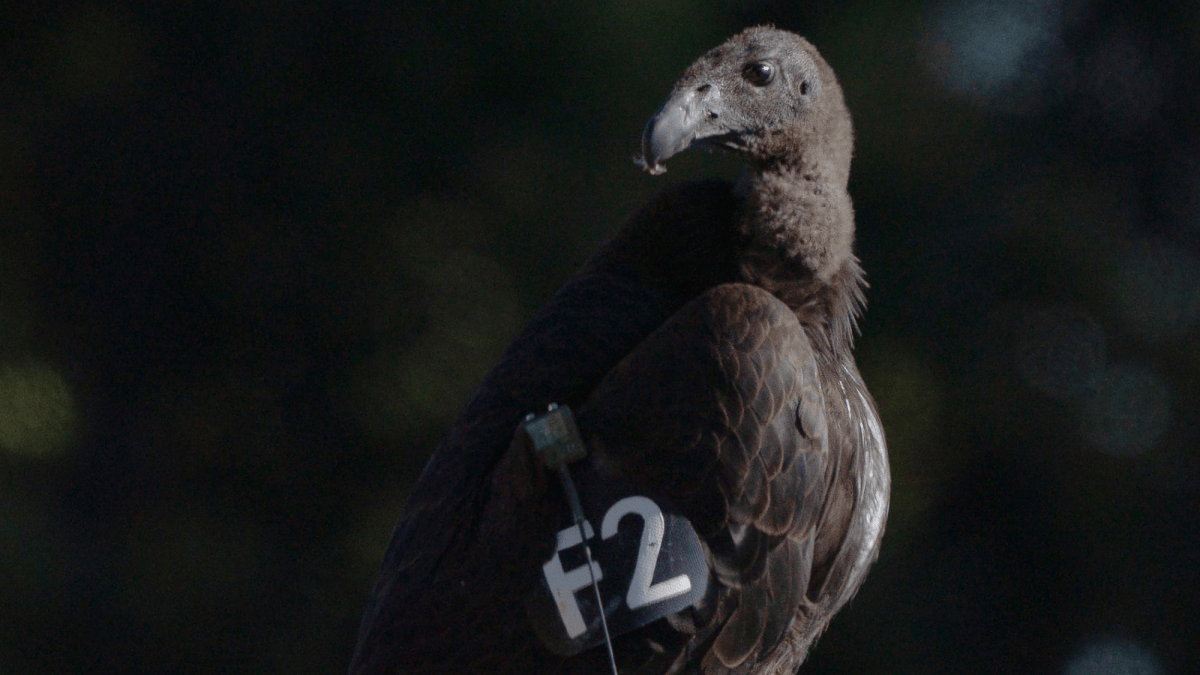
So, seven young California condors have been released into the wild in Yurok Country, northern California. One is especially noteworthy: it is the 200th condor hatched at San Diego Zoo Safari Park to be released into the wild. They’ll join 26 other condors at a release site first established in 2022. And here’s the encouraging part - a species that once had fewer than two dozen birds left in the wild is gaining ground through this recovery effort.
Zeven jonge Californische condors zijn vrijgelaten in Yurok Country, in Noord-Californië. Eén vogel is extra bijzonder: het is de 200e condor die in het San Diego Zoo Safari Park uit het ei kwam en vervolgens in het wild werd uitgezet. De dieren voegen zich bij 26 andere condors op een uitzetlocatie die in 2022 werd geopend. En dat is hoopgevend - een soort waarvan ooit minder dan twee dozijn vogels in het wild leefden, krijgt dankzij dit herstelprogramma weer meer kansen.
Sept jeunes condors de Californie ont été relâchés dans la nature, dans le territoire yurok, au nord de la Californie. L’un d’eux est particulièrement remarquable : c’est le 200e condor né au San Diego Zoo Safari Park à être relâché dans la nature. Les oiseaux rejoindront 26 autres condors sur un site de réintroduction ouvert en 2022. Et c’est une nouvelle encourageante - une espèce qui comptait autrefois moins de deux douzaines d’individus à l’état sauvage reprend du terrain grâce à ces efforts de rétablissement.
🛡️
Monaco leaves the FATF gray list after a long anti-money-laundering drive
Monaco geschrapt van de FATF-grijze lijst na lange strijd tegen witwassen
Monaco quitte la liste grise du GAFI après un long combat contre le blanchiment
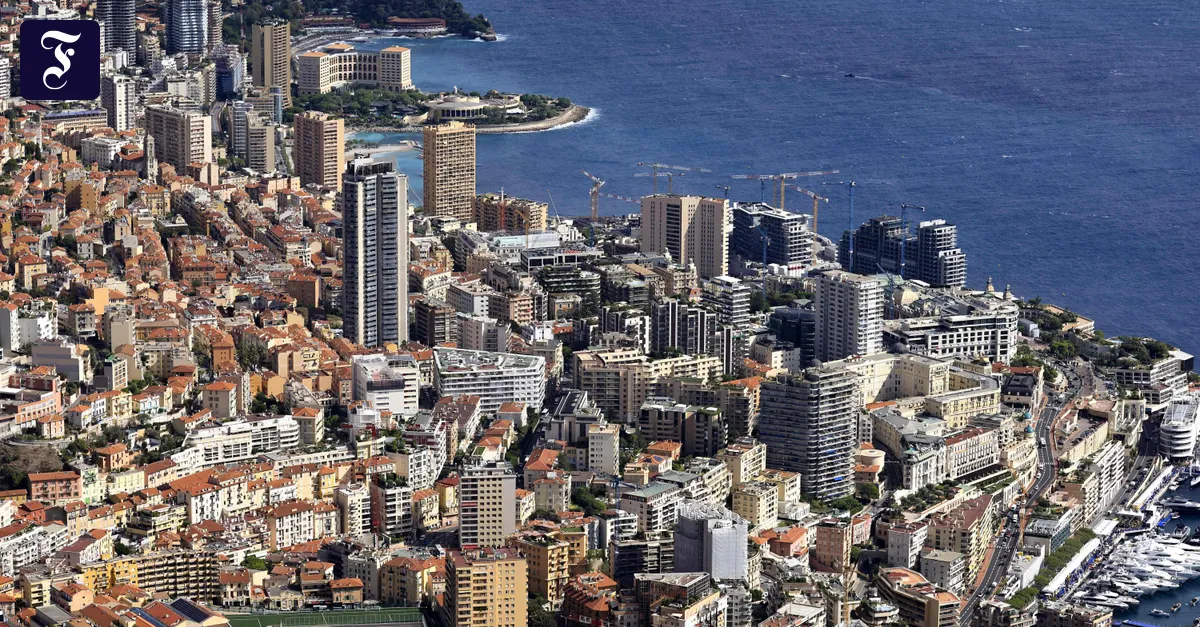
So: Monaco has been removed from the FATF’s gray list after making significant progress against money laundering and terrorist financing. The listing in June 2024 had unsettled investors and challenged the principality’s image as a destination for international wealth. Reforms include new laws, more prosecutors and the creation of an independent financial watchdog, which has also brought the yacht sector under anti-money-laundering rules. Now Monaco is setting its sights on leaving the European Commission’s own list, too - a clear next step in its long-running effort to strengthen financial oversight.
Monaco is geschrapt van de grijze lijst van de FATF nadat het aanzienlijke vooruitgang heeft geboekt in de strijd tegen witwassen en terrorismefinanciering. De plaatsing op de lijst in juni 2024 had investeerders ongerust gemaakt en het imago van het vorstendom als bestemming voor internationaal vermogen aangetast. De hervormingen omvatten nieuwe wetten, meer aanklagers en een onafhankelijke financiële toezichthouder, die ook de jachtsector onder de antiwitwasregels heeft gebracht. Nu wil Monaco ook zo snel mogelijk van de lijst van de Europese Commissie af - een duidelijke volgende stap in de versterking van het financiële toezicht.
Monaco a été retiré de la liste grise du GAFI après avoir réalisé d’importants progrès dans la lutte contre le blanchiment d’argent et le financement du terrorisme. Son inscription sur cette liste en juin 2024 avait inquiété les investisseurs et terni l’image de la principauté comme destination pour les grandes fortunes internationales. Les réformes comprennent de nouvelles lois, davantage de procureurs et la création d’un organisme indépendant de surveillance financière, qui a également soumis le secteur du yachting aux règles antiblanchiment. Monaco vise désormais à quitter aussi la liste de la Commission européenne - une nouvelle étape dans son effort de longue haleine pour renforcer le contrôle financier.
🦇
Rare microbat recorded 400 miles beyond its last known location
Zeldzame microvleermuis waargenomen op 640 kilometer van de laatst bekende plek
Une rare microchauve-souris repérée à 640 kilomètres de son dernier lieu connu
So, here's a lovely conservation win: scientist Oli Aylen recorded the distinctive call of the elusive Arnhem Sheath-tailed Bat at a sanctuary in northern Australia, around 400 miles from its last known location. First discovered in 1979, this tiny microbat has been documented only a handful of times and is notoriously hard to track. The finding expands what researchers know about its range and will guide targeted surveys by Australian Wildlife Conservancy. And here's the hopeful part: learning where these bats live and roost could help protect both the species and the habitat it depends on.
Zo is er mooi nieuws voor de natuurbescherming: wetenschapper Oli Aylen nam de kenmerkende roep op van de zeldzame Arnhem-schedevleermuis in een natuurreservaat in Noord-Australië, zo’n 640 kilometer van de laatst bekende vindplaats. Deze kleine microvleermuis werd in 1979 ontdekt, maar is sindsdien slechts een handvol keren waargenomen en is bijzonder moeilijk op te sporen. De vondst vergroot de kennis over het leefgebied van de soort en helpt Australian Wildlife Conservancy bij het plannen van gerichte onderzoeken. En hoopgevend is dat meer inzicht in waar de vleermuizen leven en rusten kan helpen om zowel de soort als haar leefgebied te beschermen.
Voilà une belle avancée pour la conservation : le scientifique Oli Aylen a enregistré le cri caractéristique de la rare chauve-souris à queue gainée d’Arnhem dans une réserve du nord de l’Australie, à environ 640 kilomètres de son dernier lieu connu. Découverte en 1979, cette minuscule microchauve-souris n’a été observée qu’une poignée de fois et reste particulièrement difficile à repérer. Cette découverte élargit les connaissances sur son aire de répartition et orientera les prochains inventaires ciblés de l’Australian Wildlife Conservancy. Et voici la bonne nouvelle : découvrir où ces chauves-souris vivent et se reposent pourrait aider à protéger l’espèce et son habitat.

🔭
A new map of empty space challenges a tranquil picture of the galaxy
Een nieuwe kaart van de lege ruimte zet het rustige beeld van de Melkweg op losse schroeven
Une nouvelle carte du vide remet en question l’image paisible de la galaxie
So: the space between stars is far from truly empty, yet astronomers have often treated its thin hydrogen fog as a quiet backdrop. New 3D maps spanning thousands of light-years reveal a more dynamic picture, with much of this interstellar gas appearing unstable. That finding challenges long-standing models that describe the gas as settling into a few calm, balanced states. And here's the exciting part: understanding this restless material could help explain how quickly stars form.
De ruimte tussen de sterren is dus helemaal niet leeg, al zagen astronomen de ijle waterstofmist lange tijd als een rustig decor. Nieuwe 3D-kaarten, die duizenden lichtjaren bestrijken, tonen een veel dynamischer beeld: een groot deel van dit interstellaire gas lijkt instabiel. Dat resultaat zet de bekende modellen op losse schroeven, waarin het gas zich in enkele rustige, evenwichtige toestanden zou bevinden. En het mooie is: meer inzicht in dit onrustige materiaal kan helpen verklaren hoe snel sterren ontstaan.
La région entre les étoiles est donc loin d’être vide, même si les astronomes ont longtemps considéré son fin brouillard d’hydrogène comme un décor paisible. De nouvelles cartes en 3D, qui couvrent des milliers d’années-lumière, révèlent une réalité bien plus dynamique : une grande partie de ce gaz interstellaire semble instable. Cette découverte remet en question les modèles établis, selon lesquels le gaz s’installerait dans quelques états calmes et équilibrés. Et voici ce qui est passionnant : mieux comprendre cette matière agitée pourrait expliquer à quelle vitesse les étoiles se forment.
💌
Old love letters cast new light on a maritime mystery from Louis XVI's era
Oude liefdesbrieven werpen nieuw licht op een maritiem mysterie uit de tijd van Lodewijk XVI
De vieilles lettres d’amour éclairent un mystère maritime lié à Louis XVI
Old love letters to a French aristocrat are casting fresh light on a maritime mystery linked to the reign of Louis XVI. The correspondence offers a new angle on the people and events behind the long-standing puzzle. It connects an intimate story of affection with a wider chapter of French maritime history. And here's the thing: these personal letters may help bring a centuries-old mystery into sharper focus.
Oude liefdesbrieven aan een Franse aristocrate werpen nieuw licht op een maritiem mysterie uit de tijd van Lodewijk XVI. De briefwisseling biedt een nieuwe kijk op de mensen en gebeurtenissen achter het hardnekkige raadsel. Zo raakt een intiem liefdesverhaal verweven met een groter hoofdstuk uit de Franse maritieme geschiedenis. En net dat maakt deze persoonlijke brieven zo boeiend: ze kunnen een eeuwenoud mysterie scherper in beeld brengen.
De vieilles lettres d’amour adressées à une aristocrate française éclairent d’un jour nouveau un mystère maritime lié au règne de Louis XVI. Cette correspondance apporte un nouvel éclairage sur les personnes et les événements qui entourent cette énigme persistante. Une histoire intime se mêle ainsi à un chapitre plus vaste de l’histoire maritime française. Et c’est ce qui rend ces lettres si fascinantes : elles pourraient aider à mieux comprendre un mystère vieux de plusieurs siècles.

🌌
How do you photograph a black hole?
Hoe fotografeer je een zwart gat?
Comment photographier un trou noir ?
How do you photograph something that even light cannot escape? In this episode of Quanta Magazine’s The Joy of Why, astrophysicist Shep Doeleman explains how the Event Horizon Telescope linked radio telescopes around the world to capture the shadows of the supermassive black holes in M87 and at the heart of our galaxy. This remarkable achievement required extraordinary scientific collaboration, and its images are helping researchers test theories and better understand these cosmic objects. Doeleman also looks ahead to the possibility of making black-hole movies in the early 2030s.
Hoe fotografeer je iets waar zelfs licht niet aan kan ontsnappen? In deze aflevering van Quanta Magazine’s The Joy of Why legt astrofysicus Shep Doeleman uit hoe de Event Horizon Telescope radiotelescopen over de hele wereld met elkaar verbond om de schaduwen vast te leggen van de superzware zwarte gaten in M87 en in het hart van ons sterrenstelsel. Voor deze bijzondere prestatie was een ongekende wetenschappelijke samenwerking nodig, en de beelden helpen onderzoekers theorieën te toetsen en deze kosmische objecten beter te begrijpen. Doeleman kijkt ook vooruit naar de mogelijkheid om begin jaren 2030 bewegende beelden van zwarte gaten te maken.
Comment photographier un objet dont même la lumière ne peut s’échapper ? Dans cet épisode de The Joy of Why, le podcast de Quanta Magazine, l’astrophysicien Shep Doeleman explique comment l’Event Horizon Telescope a relié des radiotélescopes du monde entier pour saisir les ombres des trous noirs supermassifs de M87 et du cœur de notre galaxie. Cette prouesse a exigé une collaboration scientifique exceptionnelle, et les images obtenues aident les chercheurs à tester leurs théories et à mieux comprendre ces objets cosmiques. Doeleman évoque aussi la possibilité de réaliser des vidéos de trous noirs au début des années 2030.
🌌
A gamma-ray burst reveals its hidden brilliance
Een gammaflits onthult haar verborgen schittering
Un sursaut gamma révèle son éclat caché
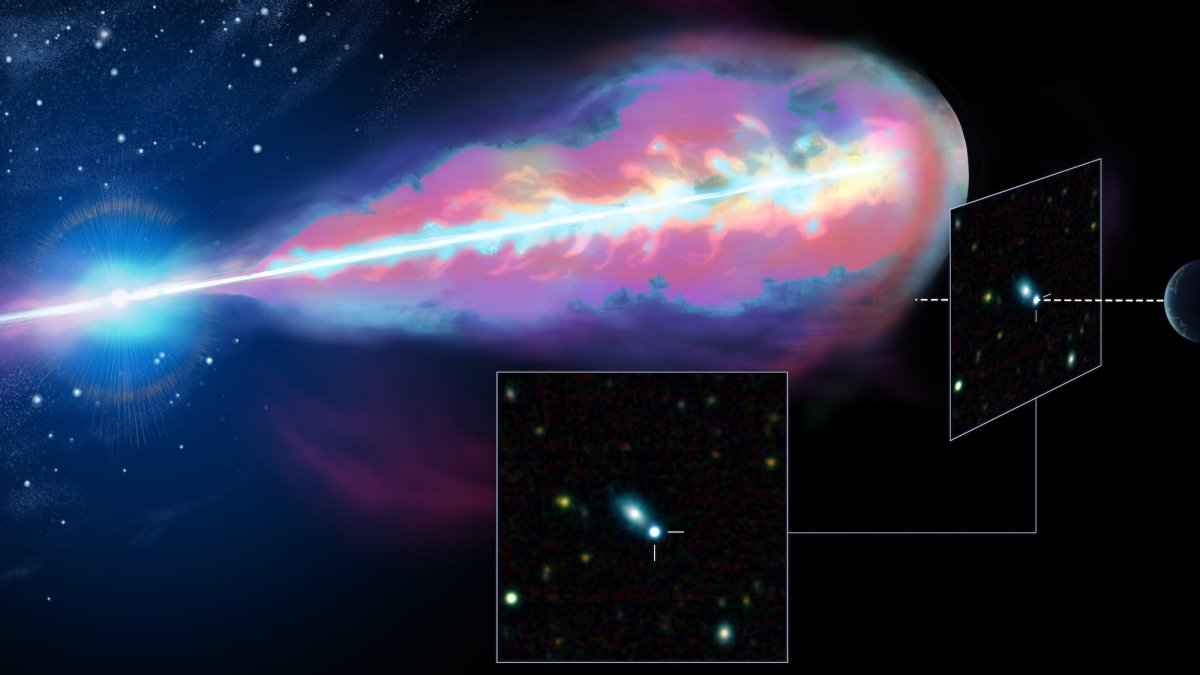
So: GRB 260310A first looked surprisingly faint, but its afterglow soon brightened enough to outshine its host galaxy. Astronomers now think this extraordinary burst came from a jet with a narrow, energetic core wrapped in wider, slower outflows. Because the jet pointed away from Earth, researchers could watch its outer wings first and then glimpse its brilliant core as the jet slowed. That unusual perspective offers a rare way to understand gamma-ray bursts, and new observatories could help researchers find more.
GRB 260310A leek aanvankelijk verrassend zwak, maar de nagloed werd al snel zo helder dat hij zijn sterrenstelsel even overtrof. Astronomen denken nu dat de bijzondere uitbarsting ontstond uit een jet met een smalle, energieke kern, omgeven door bredere, tragere gasstromen. Omdat de jet van de aarde af wees, konden onderzoekers eerst de buitenste delen waarnemen en later, toen de jet vertraagde, een glimp opvangen van de heldere kern. Dat ongebruikelijke perspectief biedt een zeldzame kans om gammaflitsen beter te begrijpen, en nieuwe observatoria kunnen helpen om er meer te vinden.
GRB 260310A semblait d’abord étonnamment faible, mais sa rémanence est rapidement devenue si brillante qu’elle a momentanément surpassé sa galaxie hôte. Les astronomes pensent maintenant que cette explosion exceptionnelle provenait d’un jet doté d’un cœur étroit et énergique, entouré de flux plus larges et plus lents. Comme le jet était orienté à l’opposé de la Terre, les chercheurs ont d’abord observé ses ailes externes, puis aperçu son cœur éclatant à mesure qu’il ralentissait. Cette perspective inhabituelle offre une occasion rare de mieux comprendre les sursauts gamma, et de nouveaux observatoires pourraient aider à en repérer d’autres.

🪨
Oldest known Mars rock unlocks the planet’s watery past
Oudste bekende Marssteen onthult het waterrijke verleden van de planeet
La plus ancienne roche martienne éclaire le passé aquatique de la planète rouge
So, a meteorite found in the Sahara is giving scientists an extraordinary window into ancient Mars. Named Teghaza 001, it is at least 4.1 billion years old, making it the oldest known Martian rock and a piece of the planet’s early crust. Tiny zircon crystals helped researchers date it, while altered minerals show that liquid water once moved through Mars’s ancient crust and mantle. The rock also offers clues that Mars was already losing much of its atmosphere as it cooled - a remarkable record of the planet’s changing past.
Een meteoriet die in de Sahara werd gevonden, biedt wetenschappers een bijzonder inkijkje in het oude Mars. De steen, Teghaza 001 genoemd, is minstens 4,1 miljard jaar oud en daarmee de oudste bekende Marssteen, afkomstig uit de vroege korst van de planeet. Kleine zirkoonkristallen hielpen onderzoekers de ouderdom vast te stellen, terwijl veranderde mineralen aantonen dat er ooit vloeibaar water door de oude korst en mantel stroomde. De steen bevat ook aanwijzingen dat Mars al veel van zijn atmosfeer verloor terwijl de planeet afkoelde - een fascinerend verslag van haar veranderende verleden.
Une météorite découverte dans le Sahara offre aux scientifiques une fenêtre exceptionnelle sur le Mars ancien. Baptisée Teghaza 001, elle a au moins 4,1 milliards d’années : c’est la plus vieille roche martienne connue, provenant de la croûte primitive de la planète. De minuscules cristaux de zircon ont permis aux chercheurs de la dater, tandis que des minéraux altérés révèlent que de l’eau liquide a autrefois circulé dans l’ancienne croûte et le manteau de Mars. La roche indique aussi que Mars perdait déjà une grande partie de son atmosphère en se refroidissant - un témoignage remarquable de l’évolution de la planète.
🔭
A high school intern spotted a planet with two suns
Een scholier ontdekte een planeet met twee zonnen
Un lycéen a repéré une planète à deux soleils
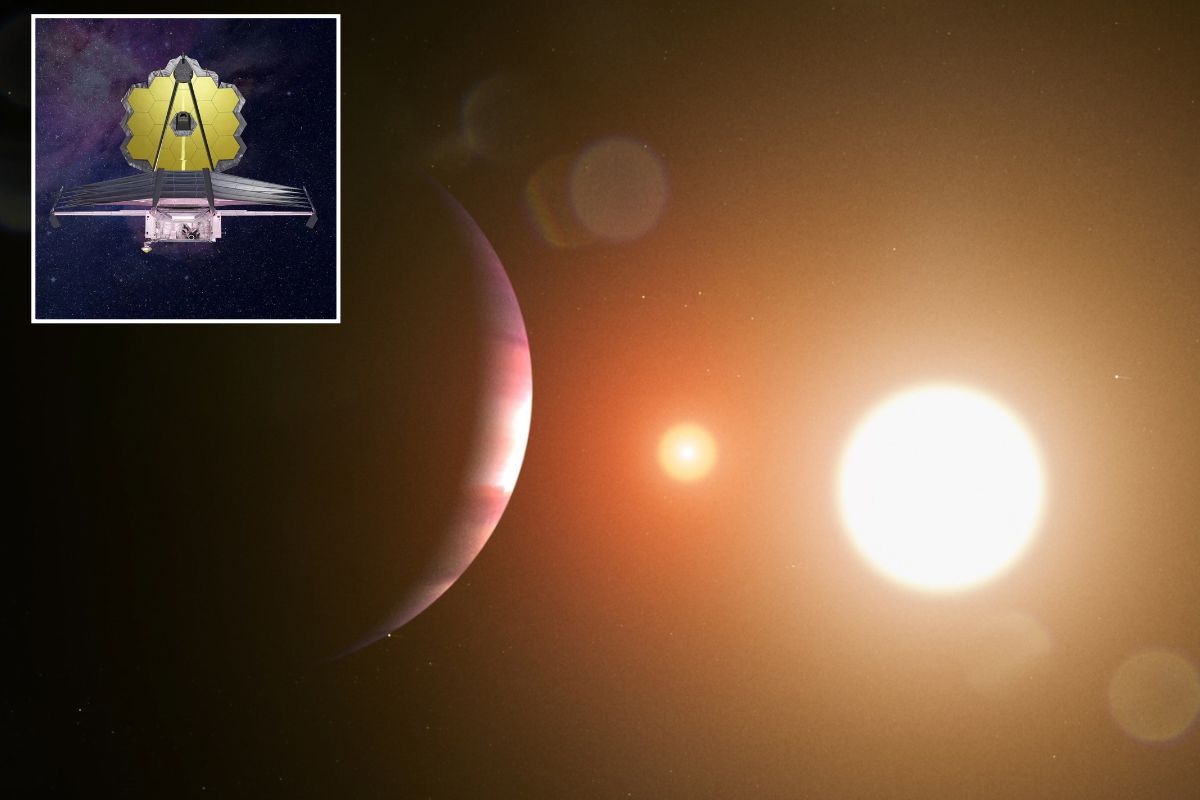
On his third day as a NASA intern in 2019, 17-year-old Wolf Cukier noticed a strange pattern in telescope data and realized it pointed to a planet orbiting two stars. The planet, TOI 1338 b, is a giant, low-density world about 1,300 light-years away, and people sometimes call it “Wolftopia” after its young discoverer. Seven years later, scientists are still fascinated by this rare kind of planet, and the James Webb Space Telescope observed it in September 2026 to study its atmosphere. I love how one curious look at the data helped open up new questions about how planets form and where more two-sun worlds might be hiding.
Op zijn derde dag als NASA-stagiair ontdekte de 17-jarige Wolf Cukier in 2019 een vreemd patroon in telescoopgegevens dat bleek te wijzen op een planeet die om twee sterren draait. De planeet, TOI 1338 b, is een grote, lichte wereld op ongeveer 1.300 lichtjaar afstand en wordt soms naar zijn jonge ontdekker “Wolftopia” genoemd. Zeven jaar later zijn wetenschappers nog altijd gefascineerd door dit zeldzame soort planeet, en de James Webb-ruimtetelescoop bekeek haar in september 2026 om de atmosfeer te onderzoeken. Mooi hoe één nieuwsgierige blik op de gegevens nieuwe vragen opriep over planeetvorming en over waar nog meer werelden met twee zonnen te vinden zijn.
Lors de son troisième jour de stage à la NASA, en 2019, Wolf Cukier, alors âgé de 17 ans, a repéré un étrange motif dans des données télescopiques qui révélait une planète orbitant autour de deux étoiles. Cette planète, TOI 1338 b, est un monde géant et peu dense situé à environ 1 300 années-lumière, que certains surnomment « Wolftopia » en hommage à son jeune découvreur. Sept ans plus tard, les scientifiques restent fascinés par ce type rare de planète, et le télescope spatial James Webb l’a observée en septembre 2026 afin d’étudier son atmosphère. J’aime voir comment un regard curieux sur les données a suscité de nouvelles questions sur la formation des planètes et sur la possibilité de découvrir d’autres mondes à deux soleils.
🌊
Nature-inspired filter keeps microplastics out of the Atlantic
Natuurgeïnspireerd filter houdt microplastics uit de Atlantische Oceaan
Un filtre inspiré de la nature empêche les microplastiques d’atteindre l’Atlantique
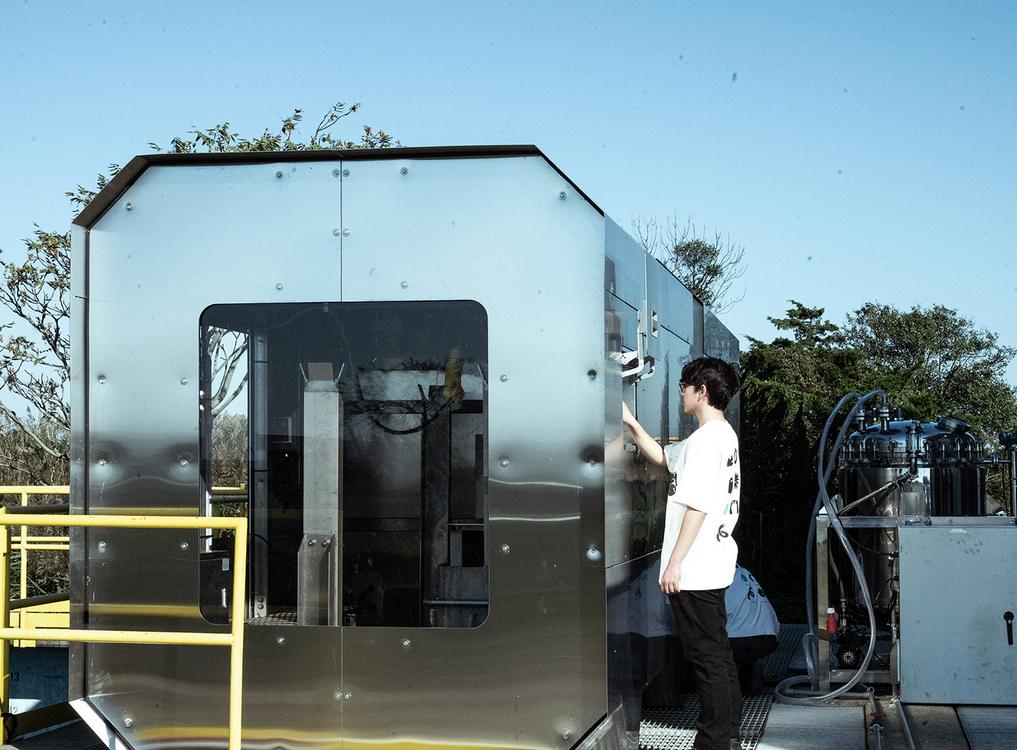
So: Princeton alumni have developed a large-scale wastewater filter inspired by water-repellent plants, which attract and capture microplastic particles. The device is now being tested in Atlantic City through a two-year pilot with the Atlantic County Utilities Authority. Lab tests found that a prototype removed 98% of microplastics, and the trial will see how well that performance carries over at commercial scale. The captured particles can then be collected and sent for recycling, offering an encouraging new way to protect the ocean.
Princeton-alumni ontwikkelden een grootschalig filter voor afvalwater, geïnspireerd op waterafstotende planten die microplasticdeeltjes aantrekken en vasthouden. Het apparaat wordt nu getest in Atlantic City, als onderdeel van een tweejarig proefproject met de Atlantic County Utilities Authority. Laboratoriumtests lieten zien dat een prototype 98% van de microplastics verwijderde; tijdens de proef wordt nagegaan of dat resultaat ook op commerciële schaal haalbaar is. De opgevangen deeltjes kunnen daarna worden verzameld en gerecycled, een hoopvolle nieuwe manier om de oceaan te beschermen.
Des diplômés de Princeton ont conçu un filtre à grande échelle pour les eaux usées, inspiré de plantes qui repoussent l’eau tout en attirant les particules de microplastique. L’appareil est actuellement testé à Atlantic City dans le cadre d’un projet pilote de deux ans mené avec l’Atlantic County Utilities Authority. En laboratoire, un prototype a éliminé 98 % des microplastiques, et l’essai permettra de vérifier si ce résultat peut être reproduit à l’échelle commerciale. Les particules capturées pourront ensuite être récupérées et envoyées au recyclage, une nouvelle piste prometteuse pour protéger l’océan.
👕
A touchscreen shirt brings smartphone features to your sleeve
Een touchscreen-shirt brengt smartphonefuncties naar je mouw
Un t-shirt tactile intègre des fonctions de smartphone
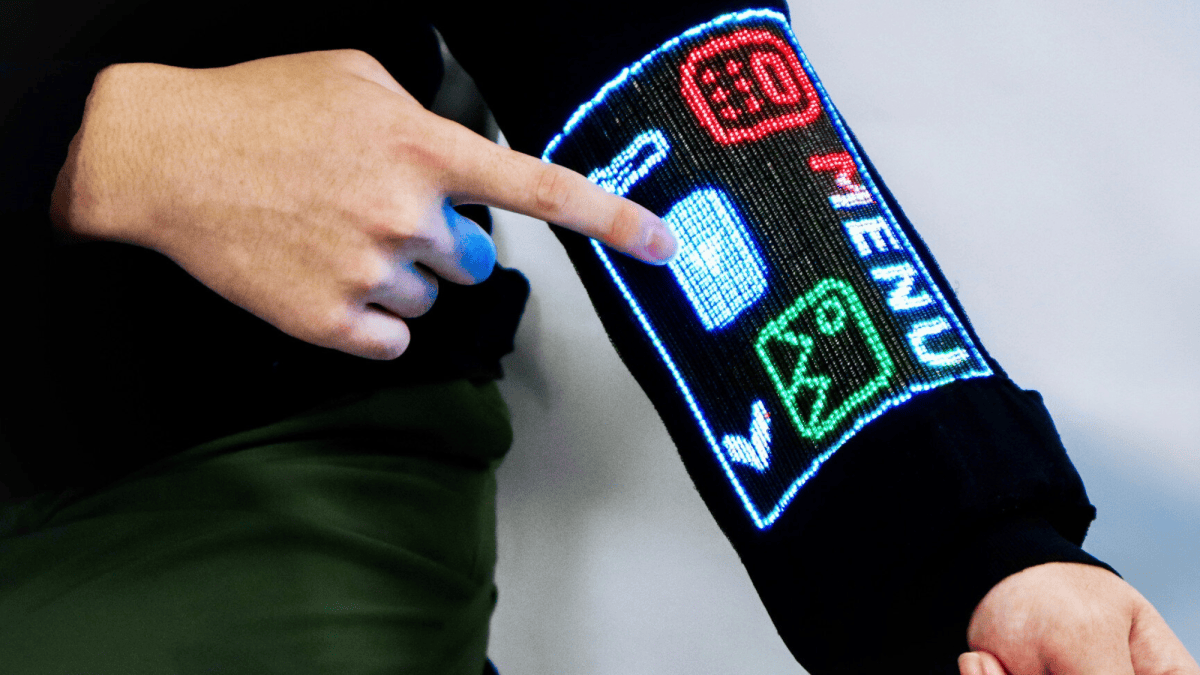
So: researchers at the National University of Singapore have woven a flexible touchscreen into a shirt sleeve, turning the wearer’s forearm into a small display. The 96-by-54-pixel screen can show photos, play videos at 30 frames per second, run a calculator and compass, display body temperature, and receive images over Bluetooth. Wearers can also tap to check notifications or use voice commands, bringing familiar smartphone functions right onto their clothing. It is not ready for everyday use yet, but this clever fiber-based design offers an exciting glimpse of how smart clothes could make phone use more hands-free.
Zo: onderzoekers van de National University of Singapore hebben een flexibel aanraakscherm in een mouw geweven, waardoor de onderarm van de drager een klein beeldscherm wordt. Het scherm van 96 bij 54 pixels kan foto’s tonen, video’s afspelen met 30 beelden per seconde, een rekenmachine en kompas gebruiken, de lichaamstemperatuur weergeven en via bluetooth afbeeldingen ontvangen. Dragers kunnen ook meldingen bekijken door het scherm aan te raken en spraakopdrachten geven, zodat bekende smartphonefuncties gewoon op hun kleding beschikbaar zijn. Het ontwerp is nog niet klaar voor dagelijks gebruik, maar deze slimme vezeltechnologie laat mooi zien hoe kleding telefoongebruik handsfree kan maken.
Alors: des chercheurs de l’Université nationale de Singapour ont intégré un écran tactile souple dans une manche, transformant l’avant-bras en petit écran. Avec ses 96 sur 54 pixels, il peut afficher des photos, lire des vidéos à 30 images par seconde, faire fonctionner une calculatrice et une boussole, indiquer la température corporelle et recevoir des images par Bluetooth. On peut aussi toucher l’écran pour consulter ses notifications ou donner des commandes vocales, avec plusieurs fonctions familières du smartphone directement sur ses vêtements. Cette création n’est pas encore prête pour un usage quotidien, mais elle offre un aperçu prometteur de vêtements intelligents qui rendent l’utilisation du téléphone plus libre des mains.
🌍
Scientists uncover a hidden oxygen reservoir deep inside Earth
Wetenschappers ontdekken een verborgen zuurstofreservoir diep in de aarde
Des scientifiques découvrent une réserve d’oxygène cachée au cœur de la Terre
So, researchers have found that molten rock deep inside Earth can store far more oxygen than scientists previously thought. High-pressure experiments and computer simulations showed that magma can hold this extra oxygen independently of its usual chemical makeup. At pressures of up to 7 gigapascals, it made up more than 5% of the sample’s weight. This surprising reservoir could connect Earth’s deep interior and volcanic activity to the rise of an oxygen-rich atmosphere billions of years ago.
Onderzoekers ontdekten dat gesmolten gesteente diep in de aarde veel meer zuurstof kan opslaan dan wetenschappers tot nu toe dachten. Experimenten onder hoge druk en computersimulaties tonen dat magma deze extra zuurstof kan vasthouden, los van zijn gebruikelijke chemische samenstelling. Bij een druk tot 7 gigapascal vormde die zuurstof meer dan 5% van het gewicht van het monster. Dit verrassende reservoir kan een verband leggen tussen het diepe binnenste van de aarde, vulkanische activiteit en het ontstaan van een zuurstofrijke atmosfeer miljarden jaren geleden.
Des chercheurs ont découvert que les roches en fusion situées profondément dans la Terre peuvent stocker bien plus d’oxygène qu’on ne le pensait. Des expériences à haute pression et des simulations informatiques montrent que le magma peut retenir cet oxygène supplémentaire indépendamment de sa composition chimique habituelle. À une pression pouvant atteindre 7 gigapascals, cet oxygène représentait plus de 5 % du poids de l’échantillon. Cette réserve étonnante pourrait relier les profondeurs de la Terre et l’activité volcanique à l’apparition d’une atmosphère riche en oxygène, il y a des milliards d’années.
⚛️
Scientists have pushed past a textbook rule of physics
Wetenschappers doorbreken een bekende natuurkundige grens
Des scientifiques dépassent une limite bien connue de la physique
Here’s a fascinating twist on a physics textbook rule: researchers have generated X-rays beyond the energy cutoff predicted by conventional laser theory. Working with helium atoms and powerful ultraviolet laser pulses, the TU Wien and University of California San Diego team coordinated the return of both electrons to the atom. Because the electrons’ motions are quantum-correlated, they could release energy together, enabling a single X-ray photon with higher energy than the usual one-electron process allows. The result, published in Nature Photonics, opens a fresh window on how light and matter behave at extreme energies.
Een fascinerende wending in een bekende natuurkundige regel: onderzoekers hebben röntgenstraling opgewekt met meer energie dan de gangbare lasertheorie voorspelt. Met helium en krachtige ultraviolette laserpulsen liet het team van TU Wien en de University of California San Diego beide elektronen tegelijk naar het atoom terugkeren. Doordat de bewegingen van de elektronen quantummechanisch met elkaar verbonden zijn, konden ze hun energie samen afgeven en zo één röntgenfoton met extra hoge energie voortbrengen. De resultaten, gepubliceerd in Nature Photonics, bieden een nieuw inzicht in het gedrag van licht en materie bij extreme energieën.
Voilà un rebondissement fascinant autour d’une règle bien connue de la physique : des chercheurs ont produit des rayons X dont l’énergie dépasse la limite prévue par la théorie classique des lasers. En utilisant des atomes d’hélium et de puissantes impulsions laser ultraviolettes, l’équipe de TU Wien et de l’Université de Californie à San Diego a synchronisé le retour des deux électrons vers l’atome. Comme leurs mouvements sont liés par des corrélations quantiques, les électrons ont pu libérer leur énergie ensemble et produire un photon X plus énergétique que ne le permet le processus habituel à un seul électron. Publiés dans Nature Photonics, ces résultats ouvrent une nouvelle perspective sur le comportement de la lumière et de la matière à des énergies extrêmes.

🕊️
Liberia to lead UN security council in December for first time in 65 years
Liberia leidt in december voor het eerst in 65 jaar de VN-Veiligheidsraad
Le Liberia présidera le conseil de sécurité de l’ONU en décembre, pour la première fois en 65 ans
So: Liberia will hold the rotating presidency of the UN Security Council in December, its first turn in the role in 65 years. President Joseph Boakai is set to chair a high-level debate on maritime security on December 3. Liberia plans to draw on its journey from civil conflict to reconciliation and recovery as it contributes to international peace and security. And here's the thing: the government sees this presidency as a shared national achievement built through decades of diplomacy and resilience.
Zo neemt Liberia in december het roulerende voorzitterschap van de VN-Veiligheidsraad op zich, voor het eerst in 65 jaar. President Joseph Boakai zal op 3 december naar verwachting een debat op hoog niveau over maritieme veiligheid voorzitten. Liberia wil zijn ervaring met de overgang van burgeroorlog naar verzoening en herstel inzetten voor internationale vrede en veiligheid. En daar zit de kern: de regering beschouwt dit voorzitterschap als een gezamenlijke nationale prestatie, opgebouwd door decennia van diplomatie en veerkracht.
En décembre, le Liberia assurera la présidence tournante du Conseil de sécurité de l’ONU, une première depuis 65 ans. Le président Joseph Boakai devrait présider le 3 décembre un débat de haut niveau sur la sécurité maritime. Le pays compte s’appuyer sur son parcours, de la guerre civile à la réconciliation et au relèvement, pour contribuer à la paix et à la sécurité internationales. Et c’est là l’essentiel : le gouvernement présente cette présidence comme une réussite nationale collective, fruit de décennies de diplomatie et de résilience.
🌱
Nature restoration is gaining momentum worldwide, with China leading the way
Natuurherstel komt wereldwijd op stoom, met China op kop
La restauration de la nature progresse dans le monde, avec la Chine en tête
Nature restoration is gathering pace around the world, and China stands out as the clear frontrunner. That progress offers a hopeful sign for efforts to help ecosystems recover. But reaching the global goal will take a substantial investment. So, the momentum is encouraging, while the need for funding remains pressing.
Natuurherstel komt wereldwijd steeds meer op gang, en China steekt er duidelijk bovenuit. Die vooruitgang is een hoopvol teken voor de inspanningen om ecosystemen te herstellen. Maar om het wereldwijde doel te halen, is een flinke investering nodig. De vaart zit er dus in, al blijft extra geld dringend nodig.
La restauration de la nature prend de l’ampleur dans le monde, et la Chine se distingue nettement en tête. Ces progrès donnent de l’espoir aux efforts visant à rétablir les écosystèmes. Mais atteindre l’objectif mondial nécessitera des investissements considérables. La dynamique est donc encourageante, même si les financements restent essentiels.

🦁
Smartphones and traditional tracking give desert lions a future
Smartphones en traditionele speurkunst geven woestijnleeuwen een toekomst
Les smartphones et le pistage traditionnel offrent un avenir aux lions du désert
Across north-west Namibia, community rangers combine traditional tracking knowledge with smartphones, camera traps and GPS collars to monitor desert lions. Their real-time reports help farmers prepare for nearby lions, while rapid-response teams work to prevent livestock losses and keep people safe. The programme now operates across 11 conservancies, with rangers covering a vast region of around 40,000 square kilometres. Their work builds on a conservation recovery that helped the lion population grow from about 20 adults in 1997 to around 180 by 2015.
In het noordwesten van Namibië combineren gemeenschapsrangers traditionele speurkennis met smartphones, cameravallen en gps-halsbanden om woestijnleeuwen te volgen. Hun actuele meldingen helpen boeren zich voor te bereiden op leeuwen in de buurt, terwijl snelle interventieteams vee beschermen en de veiligheid van mensen vergroten. Het programma is inmiddels actief in 11 natuurreservaten, waar rangers een uitgestrekt gebied van ongeveer 40.000 vierkante kilometer doorkruisen. Hun werk bouwt voort op natuurbehoud waardoor de leeuwenpopulatie groeide van ongeveer 20 volwassen dieren in 1997 tot zo’n 180 in 2015.
Dans le nord-ouest de la Namibie, des gardes communautaires associent leurs connaissances traditionnelles du pistage aux smartphones, aux pièges photographiques et aux colliers GPS pour suivre les lions du désert. Leurs alertes en temps réel aident les éleveurs à se préparer à la présence de lions, tandis que des équipes d’intervention rapide protègent le bétail et renforcent la sécurité des habitants. Le programme est désormais actif dans 11 conservancies, où les gardes parcourent une vaste région d’environ 40 000 kilomètres carrés. Leur travail s’inscrit dans la continuité d’efforts de conservation qui ont fait passer la population de lions d’environ 20 adultes en 1997 à près de 180 en 2015.

💊
Pharmacists can review medication in nursing homes
Apothekers mogen medicatie in woonzorgcentra herzien
Les pharmaciens peuvent réviser les médicaments en maison de repos
Pharmacists in Belgian nursing homes will be able to review residents’ medication plans, helping spot risky interactions, incorrect doses and prescriptions that may no longer be needed. The review will be coordinated with the treating or coordinating doctor and a nurse, while the doctor keeps final say on any changes after speaking with the resident or their representative. It will be free for residents and offered every two years, or sooner when prescribed, with priority for people with treatment-related concerns, psychotropic medicines, serious kidney problems or a recent hospital stay. The initiative aims to help older residents take only the medicines they truly need, and around 8,500 people are expected to benefit each year.
Apothekers in Belgische woonzorgcentra mogen voortaan de medicatieschema’s van bewoners nakijken om gevaarlijke wisselwerkingen, verkeerde doseringen en onnodige voorschriften op te sporen. Dat gebeurt in overleg met de behandelende of coördinerende arts en een verpleegkundige; de arts beslist uiteindelijk over aanpassingen, na overleg met de bewoner of diens vertegenwoordiger. De controle is gratis en vindt om de twee jaar plaats, of vaker als de arts dat voorschrijft, met voorrang voor bewoners met klachten over hun behandeling, psychofarmaca, ernstige nierproblemen of een recent ziekenhuisverblijf. Zo moeten ouderen alleen de geneesmiddelen nemen die ze echt nodig hebben, en jaarlijks kunnen naar verwachting ongeveer 8.500 bewoners van de opvolging gebruikmaken.
Dans les maisons de repos belges, les pharmaciens pourront désormais examiner les traitements des résidents afin de repérer les interactions à risque, les dosages incorrects et les prescriptions devenues inutiles. Cet examen sera mené en concertation avec le médecin traitant ou coordinateur et une infirmière; le médecin restera responsable de toute modification, après échange avec le résident ou son représentant. Gratuit pour les résidents, le suivi pourra avoir lieu tous les deux ans, ou plus souvent sur prescription, avec une priorité pour les personnes qui rencontrent des difficultés liées à leur traitement, prennent des psychotropes, souffrent de graves problèmes rénaux ou ont récemment été hospitalisées. Cette mesure vise à aider les personnes âgées à ne prendre que les médicaments dont elles ont réellement besoin, et quelque 8.500 résidents devraient en bénéficier chaque année.

🌍
The exchange program that stays in the U.S.
Het uitwisselingsprogramma dat in de VS blijft
Le programme d’échange qui reste aux États-Unis
Here’s a lovely idea: the American Exchange Project helps recent high school graduates explore communities elsewhere in the U.S. that feel worlds apart from home. Students spend a week living in an unfamiliar place, then host their exchange partners in their own town. I love that the goal isn’t to win political arguments, but to share honest conversations, discover common ground and build empathy. From a small town in Washington to the Bronx, these exchanges show how much we can learn by getting to know lives different from our own.
Wat een mooi idee: het American Exchange Project laat jongeren die net hun middelbare school hebben afgerond kennismaken met gemeenschappen in de VS die heel anders zijn dan thuis. Ze wonen een week op een onbekende plek en ontvangen daarna hun uitwisselingspartners in hun eigen woonplaats. Het doel is niet om politieke discussies te winnen, maar om openhartig met elkaar te praten, overeenkomsten te ontdekken en empathie op te bouwen - dat vind ik prachtig. Van een klein stadje in Washington tot de Bronx: deze uitwisselingen laten zien hoeveel we leren door mensen met een heel andere leefwereld te leren kennen.
Quelle belle idée : l’American Exchange Project permet à des jeunes fraîchement diplômés du lycée de découvrir des communautés américaines très différentes de la leur. Ils passent une semaine dans un lieu qu’ils ne connaissent pas, puis accueillent leurs correspondants dans leur propre ville. J’aime que le but ne soit pas de remporter des débats politiques, mais d’échanger franchement, de trouver des points communs et de développer son empathie. D’une petite ville de l’État de Washington au Bronx, ces séjours montrent tout ce qu’on peut apprendre en découvrant des modes de vie différents du sien.
🥾
After 28 years walking the globe, Karl Bushby is almost home
Na 28 jaar wandelen rond de wereld is Karl Bushby bijna thuis
Après 28 ans à parcourir le monde à pied, Karl Bushby est presque chez lui
For 28 years, Karl Bushby has been walking across the globe on an extraordinary journey that is now nearing its end. Step by step, he has turned a remarkable ambition into a decades-long adventure. The prospect of finally reaching home makes this milestone especially moving. His story is a vivid reminder of what patience, courage and determination can achieve.
Al 28 jaar trekt Karl Bushby te voet de wereld rond, en zijn buitengewone reis loopt nu bijna ten einde. Stap voor stap maakte hij van een opmerkelijke ambitie een avontuur dat decennia duurt. Het vooruitzicht om eindelijk thuis te komen, maakt deze mijlpaal bijzonder ontroerend. Zijn verhaal laat zien wat geduld, moed en vastberadenheid kunnen bereiken.
Depuis 28 ans, Karl Bushby parcourt le monde à pied, et son extraordinaire voyage touche maintenant presque à sa fin. Pas après pas, il a transformé une ambition remarquable en une aventure de plusieurs décennies. La perspective de rentrer enfin chez lui rend cette étape particulièrement émouvante. Son histoire montre tout ce que la patience, le courage et la détermination peuvent accomplir.

🏅
Senegal welcomes the Olympic flame as Africa hosts its first youth games
Senegal ontvangt de olympische vlam bij eerste jeugdspelen in Afrika
Le Sénégal accueille la flamme olympique pour les premiers Jeux africains de la jeunesse
So, Dakar is preparing to welcome the Youth Olympic Games - the first Olympic event ever held on African soil. For Senegal, the flame and the competition are a source of pride, and a welcome boost amid economic and political difficulties. Around 2,700 young athletes will compete in 25 sports, with Senegalese fencers among those hoping to make their mark. Organisers hope the event will spark a ripple effect and help bring more major international sporting competitions to Africa.
Dakar maakt zich op voor de Jeugd Olympische Spelen, het eerste olympische evenement ooit op Afrikaanse bodem. Voor Senegal zijn de vlam en de wedstrijden een bron van trots en een welkome opsteker tijdens economische en politieke moeilijkheden. Zo’n 2.700 jonge sporters komen uit in 25 sporten, onder wie Senegalese schermers die hopen indruk te maken. De organisatoren hopen dat het evenement een sneeuwbaleffect veroorzaakt en meer grote internationale sportwedstrijden naar Afrika brengt.
Dakar se prépare à accueillir les Jeux olympiques de la jeunesse, le premier événement olympique organisé sur le sol africain. Pour le Sénégal, la flamme et les compétitions sont une grande source de fierté et un réconfort bienvenu face aux difficultés économiques et politiques. Quelque 2 700 jeunes athlètes participeront à 25 disciplines, dont des escrimeurs sénégalais qui espèrent se distinguer. Les organisateurs souhaitent que l’événement fasse boule de neige et attire davantage de grandes compétitions sportives internationales en Afrique.

🚤
Electric ferries are taking off across the US
Elektrische veerboten maken een vliegende start in de VS
Les ferries électriques prennent leur envol aux États-Unis
Electric hydrofoil ferries are moving from novelty toward practical public transport, lifting above the water to glide more smoothly. Vessev says its design cuts drag by about 66%, helping reduce battery size, weight and costs while making more routes feasible. Vessev operates passenger services in New Zealand, while electric hydrofoil ferries are already carrying commuters in Stockholm and Norway has ordered 20. As battery technology advances, these vessels could help cut waterfront pollution and offer a more efficient way to travel.
Elektrische draagvleugelboten groeien uit van curiositeit tot praktisch openbaar vervoer: ze komen boven het water uit en glijden soepeler vooruit. Vessev zegt dat het ontwerp de weerstand met ongeveer 66% vermindert, waardoor kleinere en lichtere batterijen volstaan en meer routes haalbaar worden. Vessev verzorgt passagiersdiensten in Nieuw-Zeeland, terwijl in Stockholm al elektrische draagvleugelboten pendelaars vervoeren en Noorwegen er twintig heeft besteld. Dankzij betere batterijtechnologie kunnen deze boten de vervuiling aan het water terugdringen en reizigers efficiënter vervoeren.
Les ferries électriques à hydrofoils passent du statut de curiosité à celui de moyen de transport collectif pratique : ils s’élèvent au-dessus de l’eau et glissent plus facilement. Vessev affirme que son modèle réduit la traînée d’environ 66 %, ce qui permet d’utiliser des batteries plus petites et plus légères, et de rendre davantage de trajets possibles. Vessev assure des services de passagers en Nouvelle-Zélande, tandis que des hydrofoils électriques transportent déjà des navetteurs à Stockholm et que la Norvège en a commandé vingt. Avec les progrès des batteries, ces bateaux pourraient réduire la pollution des zones portuaires et offrir des déplacements plus efficaces.

🧮
Mathematicians uncover infinitely many Ramanujan equations
Wiskundigen ontdekken oneindig veel vergelijkingen van Ramanujan
Des mathématiciens découvrent une infinité d’équations de Ramanujan
So, more than a century after Ramanujan sent his remarkable formulas to mathematicians, new work has revealed that his famous Rogers-Ramanujan identities are part of a much bigger picture. Yifeng Huang and collaborators showed that the identities correspond to a trefoil knot, one of the simplest mathematical knots. Their geometric approach also points to infinitely many previously unknown identities linked to related knots. It’s a delightful surprise: a historic puzzle in number theory turns out to have unexpected connections to knot theory.
Ruim een eeuw nadat Ramanujan zijn opmerkelijke formules naar wiskundigen stuurde, blijkt dat zijn beroemde Rogers-Ramanujan-identiteiten deel uitmaken van een veel groter geheel. Yifeng Huang en zijn medewerkers lieten zien dat de identiteiten overeenkomen met een klaverbladknoop, een van de eenvoudigste wiskundige knopen. Hun meetkundige aanpak wijst ook op oneindig veel nog onbekende identiteiten die samenhangen met verwante knopen. Wat een mooie verrassing: een historisch vraagstuk uit de getaltheorie blijkt onverwachte verbanden te hebben met de knooptheorie.
Plus d’un siècle après que Ramanujan a envoyé ses formules remarquables à des mathématiciens, on découvre que ses célèbres identités de Rogers-Ramanujan s’inscrivent dans un cadre bien plus vaste. Yifeng Huang et ses collaborateurs ont montré que ces identités correspondent à un nœud de trèfle, l’un des nœuds mathématiques les plus simples. Leur approche géométrique révèle aussi une infinité d’identités encore inconnues, liées à des nœuds apparentés. Quelle belle surprise : un problème historique de théorie des nombres se révèle lié de façon inattendue à la théorie des nœuds.
🪐
Jupiter’s invisible shield is more complex than Earth’s
Jupiters onzichtbare schild is complexer dan dat van de aarde
Le bouclier invisible de Jupiter est plus complexe que celui de la Terre
So, Juno has revealed that Jupiter slows the solar wind with a more intricate magnetic shield than Earth’s. Researchers found that multiple frequencies in Jupiter’s plasma waves help heat and slow more incoming particles. They also spotted smaller shock regions, called shocklets, that can weaken the solar wind before it reaches the planet’s main bow shock. These findings offer a fresh way to explore how shock waves work, including those produced by exploding stars.
Juno heeft ontdekt dat Jupiter de zonnewind afremt met een ingewikkelder magnetisch schild dan dat van de aarde. Onderzoekers zagen dat verschillende frequenties in Jupiters plasmagolven helpen om meer binnenkomende deeltjes te verhitten en af te remmen. Ook ontdekten ze kleinere schokgebieden, zogeheten shocklets, die de zonnewind kunnen afzwakken voordat die Jupiters belangrijkste boegschok bereikt. Deze resultaten bieden nieuwe inzichten in de werking van schokgolven, ook die ontstaan bij exploderende sterren.
Juno a révélé que Jupiter ralentit le vent solaire grâce à un bouclier magnétique plus complexe que celui de la Terre. Les chercheurs ont découvert que les différentes fréquences des ondes de plasma de Jupiter contribuent à chauffer et à ralentir davantage de particules entrantes. Ils ont également repéré de petites zones de choc, appelées « shocklets », qui peuvent affaiblir le vent solaire avant qu’il n’atteigne le principal choc d’étrave de la planète. Ces résultats ouvrent de nouvelles pistes pour comprendre le fonctionnement des ondes de choc, notamment celles produites par l’explosion d’étoiles.
🐘
A 700,000-year-old elephant tooth reveals a lost world
Een 700.000 jaar oude olifantentand onthult een verdwenen wereld
Une dent d’éléphant vieille de 700 000 ans révèle un monde disparu
So, a 700,000-year-old elephant tooth from northern Israel has given researchers a fascinating glimpse of the landscape early humans once shared with giant elephants. By combining scans, tooth-wear analysis, chemical clues and pollen evidence, the team reconstructed woodlands, grasslands, wetlands and rivers with a reliable supply of water. This rich habitat lay in the Levantine Corridor, a key route linking Africa and Eurasia. And here's the thing: its dependable resources may have helped ancient people survive and move through the region.
Een 700.000 jaar oude olifantentand uit Noord-Israël biedt onderzoekers een fascinerende blik op het landschap dat vroege mensen ooit deelden met reusachtige olifanten. Met scans, onderzoek naar tandslijtage, chemische sporen en pollen reconstrueerde het team een gebied met bossen, graslanden, moerassen en rivieren, waar volop water was. Dit rijke leefgebied lag in de Levantijnse Corridor, een belangrijke route tussen Afrika en Eurazië. En dat is bijzonder: de betrouwbare bronnen kunnen oude mensen hebben geholpen om te overleven en door de regio te trekken.
Une dent d’éléphant vieille de 700 000 ans, découverte dans le nord d’Israël, offre aux chercheurs un aperçu fascinant du paysage que les premiers humains partageaient avec d’immenses éléphants. En combinant des scanners, l’étude de l’usure dentaire, des indices chimiques et l’analyse du pollen, l’équipe a reconstitué un environnement de forêts, de prairies, de marécages et de rivières, riche en eau. Ce milieu foisonnant se trouvait dans le corridor levantin, une voie majeure entre l’Afrique et l’Eurasie. Et voici ce qui est passionnant : ses ressources fiables ont peut-être aidé les humains anciens à survivre et à traverser la région.

🚆
Freight trains return to the Limerick-Foynes line after 25 years
Goederentreinen keren na 25 jaar terug op de lijn Limerick-Foynes
Les trains de fret reprennent la ligne Limerick-Foynes après 25 ans
So: trains are running on the 42-kilometre Limerick-Foynes line for the first time since it closed in 2001. Irish Rail successfully tested a passenger train last weekend, checking the track’s signals and level crossings despite difficult weather. The €151.5 million upgrade restored the Foynes station building and train shed, installed signalling and reinstated 13 level crossings. More test trains are expected in the coming weeks as Ireland prepares to offer businesses a more sustainable rail freight connection to Foynes Port.
Goed nieuws: er rijden weer treinen op de 42 kilometer lange lijn tussen Limerick en Foynes, voor het eerst sinds de sluiting in 2001. Irish Rail testte afgelopen weekend met succes een passagierstrein en controleerde de seinen en overwegen, ondanks het slechte weer. De opknapbeurt van 151,5 miljoen euro omvatte de restauratie van het stationsgebouw en de locomotiefloods in Foynes, nieuwe seininfrastructuur en het opnieuw in gebruik nemen van 13 overwegen. De komende weken volgen meer testtreinen, terwijl Ierland bedrijven een duurzamer goederenvervoer per spoor naar de haven van Foynes wil bieden.
Bonne nouvelle : des trains circulent à nouveau sur les 42 kilomètres de la ligne entre Limerick et Foynes, pour la première fois depuis sa fermeture en 2001. Irish Rail a testé avec succès un train de voyageurs le week-end dernier, en vérifiant la signalisation et les passages à niveau malgré des conditions météorologiques difficiles. La rénovation, d’un coût de 151,5 millions d’euros, a permis de remettre en état le bâtiment de la gare et la remise ferroviaire de Foynes, d’installer des équipements de signalisation et de rétablir 13 passages à niveau. D’autres trains d’essai sont prévus dans les prochaines semaines, alors que l’Irlande prépare une option de fret ferroviaire plus durable pour les entreprises qui utilisent le port de Foynes.

🧵
Africa's cotton processing push gets shared infrastructure
Afrika's katoenverwerking krijgt steun van gedeelde infrastructuur
L’Afrique mise sur des infrastructures partagées pour transformer le coton
Here’s an encouraging shift: shared power, water treatment and logistics are helping reduce the upfront costs of setting up textile factories in African industrial parks. These common services could make it easier for businesses to expand into spinning, dyeing and finishing, while connecting more stages of cotton production. In Ethiopia’s Hawassa park, a wastewater plant treats water for reuse, and factories pay a portion of the operating costs. So, shared infrastructure can help attract investment and support more resource-efficient textile manufacturing.
Er is een bemoedigende ontwikkeling: gedeelde stroomvoorziening, waterzuivering en logistiek helpen de opstartkosten van textielfabrieken in Afrikaanse industrieparken te verlagen. Dankzij deze gezamenlijke voorzieningen kunnen bedrijven makkelijker uitbreiden naar spinnen, verven en afwerken, en meer stappen van de katoenproductie met elkaar verbinden. In het Ethiopische industriepark Hawassa zuivert een installatie afvalwater voor hergebruik, waarbij fabrieken een deel van de bedrijfskosten betalen. Zo kan gedeelde infrastructuur investeringen aantrekken en een zuiniger gebruik van grondstoffen in de textielproductie ondersteunen.
Voici une évolution encourageante : des services partagés d’électricité, de traitement de l’eau et de logistique contribuent à réduire les coûts initiaux d’installation des usines textiles dans les parcs industriels africains. Ces équipements communs pourraient faciliter le développement du filage, de la teinture et de la finition, tout en reliant davantage d’étapes de la production du coton. Dans le parc éthiopien de Hawassa, une station traite les eaux usées pour les réutiliser, et les usines prennent en charge une partie des coûts de fonctionnement. Ainsi, les infrastructures partagées peuvent attirer des investissements et favoriser une industrie textile plus économe en ressources.
🕊️
Gulf states pursue peace deal to prevent renewed US-Iran war
Golfstaten werken aan vredesakkoord om nieuwe oorlog tussen VS en Iran te voorkomen
Les États du Golfe préparent un accord de paix pour éviter une reprise de la guerre entre les États-Unis et l’Iran
So, Gulf states are working on a multi-part plan to prevent a renewed US-Iran war, with Iran offering to reopen the Strait of Hormuz within four days of sanctions being lifted. The discussions also focus on reducing Houthi forces in Yemen and addressing Saudi demands, with Iran showing signs of a willingness to help mediate. The US is looking for Iran to make a further concession, potentially allowing UN weapons inspectors back into the country and access to bombed nuclear sites. Alongside these steps, regional leaders are promoting a broader security pact that could bring Iran and the Gulf states closer and support lasting peace.
Golfstaten werken aan een akkoord in meerdere delen om een nieuwe oorlog tussen de VS en Iran te voorkomen; Iran heeft aangeboden de Straat van Hormuz binnen vier dagen na het opheffen van sancties te heropenen. Ook staan een vermindering van de Houthi-troepen in Jemen en het bespreken van Saoedische eisen centraal, terwijl Iran bereidheid toont een bemiddelende rol te spelen. De VS wil dat Iran een extra stap zet, mogelijk door VN-wapeninspecteurs opnieuw toe te laten en toegang te geven tot gebombardeerde nucleaire locaties. Tegelijk pleiten regionale leiders voor een breder veiligheidspact dat Iran en de Golfstaten dichter bij elkaar kan brengen en duurzame vrede kan ondersteunen.
Les États du Golfe élaborent un accord en plusieurs volets pour éviter une reprise de la guerre entre les États-Unis et l’Iran; l’Iran propose de rouvrir le détroit d’Ormuz dans les quatre jours suivant la levée des sanctions. Les discussions portent aussi sur la réduction des forces houthies au Yémen et sur les demandes saoudiennes, tandis que l’Iran semble disposé à jouer un rôle de médiateur. Les États-Unis attendent une concession supplémentaire de l’Iran, qui pourrait autoriser le retour des inspecteurs en armement de l’ONU et leur accès aux sites nucléaires bombardés. Parallèlement, des dirigeants régionaux défendent un pacte de sécurité plus large, susceptible de rapprocher l’Iran et les États du Golfe et de favoriser une paix durable.
🦉
Barn owls’ ancestors made a transatlantic flight
Voorouders van kerkuilen maakten een trans-Atlantische oversteek
Les ancêtres des effraies ont traversé l’Atlantique
So, a DNA study offers a fascinating clue to how barn owls reached the Americas. It suggests that all barn owls in the Americas trace their genetic origins to the Caribbean. Their ancestors made the remarkable journey across the Atlantic from Eurasia. It’s a striking reminder of how far wildlife can travel over evolutionary time.
Een DNA-onderzoek geeft een fascinerende aanwijzing over hoe kerkuilen in Amerika terechtkwamen. Het suggereert dat alle kerkuilen in Amerika genetisch hun oorsprong hebben in het Caribisch gebied. Hun voorouders maakten vanuit Eurazië de opmerkelijke oversteek van de Atlantische Oceaan. Het is een bijzondere herinnering aan hoe ver dieren zich in de loop van de evolutie kunnen verspreiden.
Une étude ADN apporte un indice fascinant sur la façon dont les effraies sont arrivées dans les Amériques. Elle suggère que toutes les effraies des Amériques ont des origines génétiques dans les Caraïbes. Leurs ancêtres ont entrepris depuis l’Eurasie cette remarquable traversée de l’Atlantique. Voilà un bel exemple des distances que les animaux peuvent parcourir au fil de l’évolution.

💧
A sal leaf inspires children’s water-saving experiment in Odisha
Een salblad inspireert kinderen in Odisha tot een experiment om water vast te houden
Une feuille de sal inspire des enfants d’Odisha à retenir l’eau
In Haladipani, Odisha, children turned a simple forest observation into a hands-on water conservation experiment. Guided by a local elder, they lined shallow pits with sal leaves and compacted clay to help slow water from seeping into the soil. After rain, the pits held relatively clearer water, and wildlife including deer, rabbits and squirrels came to drink. And here’s the thing: clear-looking water isn’t necessarily safe to drink, but the children are learning how nature can inspire practical ideas.
In Haladipani, in de Indiase deelstaat Odisha, maakten kinderen van een eenvoudige waarneming in het bos een praktisch experiment om water vast te houden. Met hulp van een lokale oudere bekleedden ze ondiepe kuilen met salbladeren en aangestampte klei, zodat het water minder snel in de bodem zou wegzakken. Na regen bleef het water in de kuilen relatief helder, en dieren zoals herten, konijnen en eekhoorns kwamen er drinken. En dit is belangrijk: helder water is niet vanzelfsprekend veilig om te drinken, maar de kinderen ontdekken hoe de natuur praktische ideeën kan aanreiken.
À Haladipani, dans l’État indien d’Odisha, des enfants ont transformé une simple observation en forêt en une expérience concrète de conservation de l’eau. Avec l’aide d’un ancien du village, ils ont tapissé de petites fosses de feuilles de sal et d’argile tassée pour ralentir l’infiltration de l’eau dans le sol. Après la pluie, les fosses ont retenu une eau relativement plus claire, et des animaux comme des cerfs, des lapins et des écureuils sont venus s’y abreuver. Mais attention : une eau limpide n’est pas forcément potable, et les enfants découvrent comment la nature peut inspirer des idées pratiques.
🌬️
Spain's next-generation wind turbines leave more room for the landscape
In Spanje maken windturbines van de nieuwste generatie het landschap vrijer
En Espagne, les éoliennes de dernière génération libèrent le paysage
So, Spain is turning to next-generation wind turbines to make better use of its wind resources while easing the visual impact on the landscape. More powerful modern turbines can produce more electricity, potentially allowing wind farms to rely on fewer machines. That means renewable energy and open scenery may be able to coexist more comfortably. It is an encouraging example of how technology can help make the energy transition fit more naturally into its surroundings.
Spanje zet windturbines van de nieuwste generatie in om de wind beter te benutten en tegelijk de visuele impact op het landschap te beperken. Moderne, krachtigere turbines kunnen meer elektriciteit produceren, waardoor windparken mogelijk met minder turbines toe kunnen. Zo kunnen hernieuwbare energie en weidse landschappen beter samengaan. Het is een hoopgevend voorbeeld van hoe technologie de energietransitie beter in de omgeving kan laten passen.
L’Espagne mise sur des éoliennes de dernière génération pour mieux exploiter le vent tout en réduisant leur impact visuel sur le paysage. Plus puissantes, les nouvelles machines peuvent produire davantage d’électricité et permettre aux parcs éoliens de fonctionner avec moins d’éoliennes. Énergie renouvelable et paysages ouverts pourraient ainsi mieux cohabiter. C’est un exemple encourageant de la manière dont la technologie peut intégrer plus harmonieusement la transition énergétique dans son environnement.
♻️
Copenhagen gets an ingenious plant to help sort waste
Kopenhagen krijgt een slim sorteerstation voor afval
Copenhague se dote d’une usine ingénieuse pour trier les déchets
Copenhagen is putting Denmark’s first sorting plant for residual waste into operation, adding a clever new tool to the city’s recycling efforts. The facility is expected to recover tonnes of plastic, metal, paper, cardboard and cartons from mixed waste for recycling. And here’s the thing: residents still need to sort their rubbish at home, so those kitchen bins are not going away just yet. Still, this ingenious plant offers real hope for a simpler waste system in the future.
Kopenhagen neemt het eerste Deense sorteerstation voor restafval in gebruik, een slimme nieuwe stap voor de recyclage in de stad. De installatie zal naar verwachting tonnen plastic, metaal, papier, karton en drankkartons uit het gemengde afval halen voor hergebruik. En hier komt het op neer: inwoners moeten hun afval thuis nog altijd sorteren, dus die afvalbakken in de keuken verdwijnen voorlopig niet. Toch biedt deze ingenieuze installatie hoop op een eenvoudiger afvalsysteem in de toekomst.
Copenhague met en service la première installation danoise de tri des déchets résiduels, un nouvel outil ingénieux pour le recyclage dans la ville. Elle devrait récupérer des tonnes de plastique, de métal, de papier, de carton et de briques alimentaires dans les déchets mélangés afin de les recycler. Et voici le point important : les habitants doivent toujours trier leurs déchets chez eux, leurs poubelles de cuisine ne vont donc pas disparaître tout de suite. Cette installation ingénieuse donne malgré tout de l’espoir pour un système de gestion des déchets plus simple à l’avenir.

🍫
The world's best chocolatier has been crowned
De beste chocolatier ter wereld is bekend
Le meilleur chocolatier du monde est connu
So, the new World Chocolate Master is Italian chocolatier Tommaso Grollaro. He won the title yesterday evening in Antwerp after two days of competition. China's Lyu Haoran took second place, followed by Japan's Keita Koshimizu. A sweet achievement for Grollaro on the world stage.
Zo, de nieuwe World Chocolate Master is de Italiaanse chocolatier Tommaso Grollaro. Hij won de titel gisteravond in Antwerpen, na twee dagen competitie. De Chinese Lyu Haoran behaalde de tweede plaats, gevolgd door de Japanner Keita Koshimizu. Een heerlijke prestatie voor Grollaro op het wereldtoneel.
Voilà, le nouveau World Chocolate Master est le chocolatier italien Tommaso Grollaro. Il a remporté le titre hier soir à Anvers, après deux jours de compétition. Le Chinois Lyu Haoran a pris la deuxième place, devant le Japonais Keita Koshimizu. Une belle consécration pour Grollaro sur la scène mondiale.

🐟
After 60 years away, the world’s most expensive fish returns to the Belgian North Sea
Na 60 jaar afwezigheid keert de duurste vis ter wereld terug naar de Belgische Noordzee
Après 60 ans d’absence, le poisson le plus cher du monde revient en mer du Nord belge
So: after more than six decades away, Atlantic bluefin tuna have been spotted again in Belgian waters. A wind-farm technician saw three or four of the powerful fish, each around 1.5 to 2 metres long, hunting near Thorntonbank. The Flemish Marine Institute considers the sighting credible, and marine biologist Jan Seys calls the tuna’s return a conservation success story. Their comeback reflects recovering stocks in their Mediterranean breeding grounds after years of protective measures, a hopeful sign for the North Sea.
En kijk: na meer dan zes decennia zijn er opnieuw Atlantische blauwvintonijnen gespot in Belgische wateren. Een technicus van een windmolenpark zag bij Thorntonbank drie of vier van deze krachtige vissen, elk ongeveer 1,5 tot 2 meter lang, op jacht. Het Vlaams Instituut voor de Zee beschouwt de waarneming als geloofwaardig, en marien bioloog Jan Seys noemt de terugkeer van de tonijn een succesverhaal voor natuurbehoud. De comeback is te danken aan het gedeeltelijke herstel van de bestanden in hun mediterrane paaigebieden na jaren van beschermingsmaatregelen, een hoopvol teken voor de Noordzee.
Et voilà : après plus de six décennies d’absence, des thons rouges de l’Atlantique ont de nouveau été observés dans les eaux belges. Un technicien d’un parc éolien en a aperçu trois ou quatre près du Thorntonbank, en pleine chasse, mesurant chacun entre 1,5 et 2 mètres. L’Institut flamand de la mer juge l’observation crédible, et le biologiste marin Jan Seys qualifie le retour du thon de belle réussite en matière de conservation. Cette réapparition reflète le rétablissement partiel des stocks dans leurs zones de reproduction méditerranéennes après des années de mesures de protection, un signe encourageant pour la mer du Nord.

🎨
Nigerian artist turns children with albinism into heroes
Nigeriaanse kunstenaar maakt kinderen met albinisme tot helden
Un artiste nigérian fait des enfants atteints d’albinisme des héros
Growing up with albinism, Nigerian artist Dapo Richard Oni never saw a comic-book character who looked like him. Now, he is drawing on those childhood experiences to tell a story of resilience. His work presents children with albinism as heroes, offering young readers characters they can recognise and admire. And here's the thing: Oni hopes the story will inspire a new generation.
De Nigeriaanse kunstenaar Dapo Richard Oni groeide op met albinisme en zag nooit een stripfiguur die op hem leek. Nu haalt hij inspiratie uit die jeugdervaringen om een verhaal over veerkracht te vertellen. In zijn werk zijn kinderen met albinisme helden, zodat jonge lezers personages krijgen in wie ze zichzelf kunnen herkennen en die ze kunnen bewonderen. Oni hoopt dat het verhaal een nieuwe generatie zal inspireren.
En grandissant avec l’albinisme, l’artiste nigérian Dapo Richard Oni n’a jamais vu de personnage de bande dessinée qui lui ressemblait. Aujourd’hui, il puise dans ses souvenirs d’enfance pour raconter une histoire de résilience. Son œuvre présente les enfants atteints d’albinisme comme des héros, offrant aux jeunes lecteurs des personnages auxquels ils peuvent s’identifier et qu’ils peuvent admirer. Oni espère que cette histoire inspirera une nouvelle génération.
✨
Scientists discover a secret glow in toxic fire salamanders
Wetenschappers ontdekken een geheime gloed bij giftige vuursalamanders
Des scientifiques découvrent une lueur secrète chez les salamandres tachetées toxiques
Here’s a delightful surprise: fire salamanders, already famous for their bold yellow-and-black markings, also glow under ultraviolet light. The green and cyan fluorescence comes mainly from skin glands and their secretions, which can keep glowing for more than 24 hours outside the animal. Unlike fireflies, salamanders do not make their own light - they absorb UV light and then emit visible colours. Scientists are now exploring whether this glow helps salamanders communicate or makes their warning colours more noticeable, though its purpose remains a mystery.
Wat een verrassende ontdekking: vuursalamanders, bekend om hun opvallende gele en zwarte patronen, lichten ook op onder ultraviolet licht. De groene en cyaanblauwe fluorescentie komt vooral uit huidklieren en hun afscheidingen, die buiten het lichaam nog meer dan 24 uur kunnen blijven oplichten. Anders dan vuurvliegjes maken salamanders geen eigen licht: ze nemen uv-licht op en stralen daarna zichtbare kleuren uit. Wetenschappers onderzoeken nu of die gloed salamanders helpt met elkaar te communiceren of hun waarschuwingskleuren extra laat opvallen, maar de functie blijft voorlopig onbekend.
Quelle belle surprise : les salamandres tachetées, déjà célèbres pour leurs motifs jaunes et noirs, brillent aussi sous la lumière ultraviolette. Leur fluorescence verte et cyan provient surtout des glandes de la peau et de leurs sécrétions, qui peuvent rester lumineuses plus de 24 heures après avoir quitté le corps. Contrairement aux lucioles, les salamandres ne produisent pas leur propre lumière : elles absorbent les ultraviolets puis émettent des couleurs visibles. Les scientifiques cherchent maintenant à savoir si cette lueur aide les salamandres à communiquer ou rend leurs couleurs d’avertissement plus visibles, mais son rôle reste mystérieux.
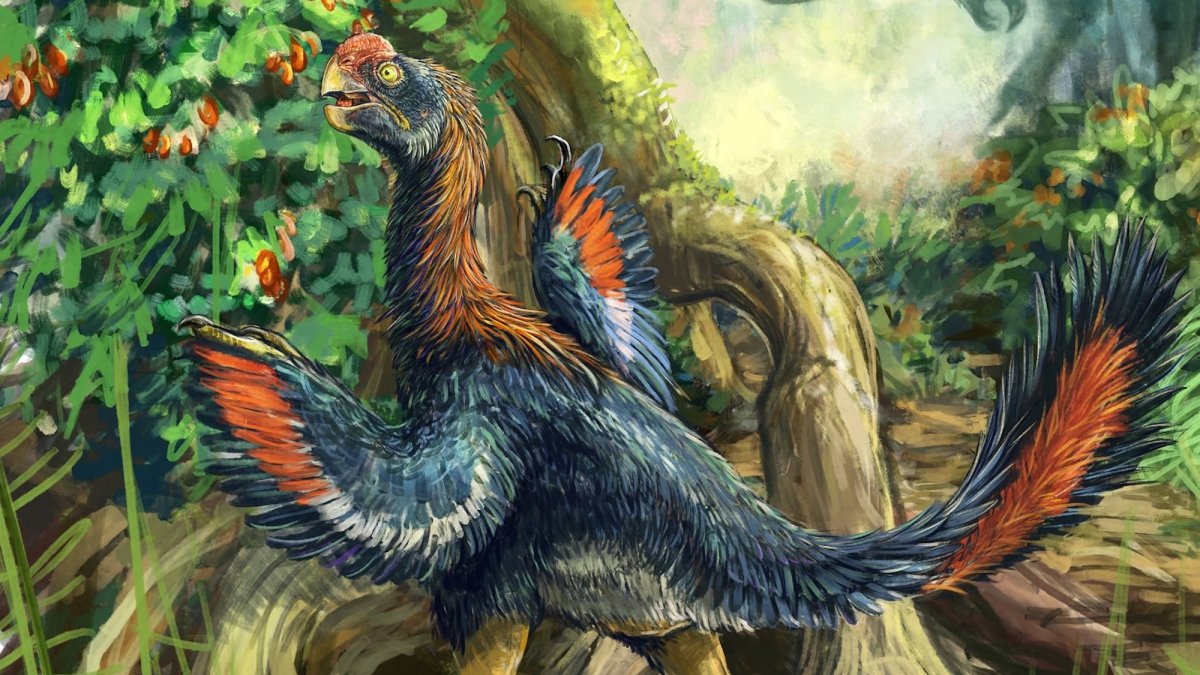
🍑
‘Hell chicken’ dinosaur likely dined on fruit, not meat
De ‘helkip’ at waarschijnlijk fruit, geen vlees
Le « poulet de l’enfer » mangeait probablement des fruits
So, the aptly nicknamed “hell chicken” may have preferred fruit to meat. Using CT scans to reconstruct its skull and jaw, researchers found that its jaw moved back and forth, making it well suited to mash soft foods rather than bite down forcefully. They think this turkey-sized dinosaur likely ate drupes, fruits with a hard pit and soft flesh, like peaches or cherries. And here's the intriguing part: its fruit-filled diet may offer clues to how flowering plants and fruit-eating dinosaurs evolved alongside each other, though a direct link remains unproven.
De toepasselijk genoemde ‘helkip’ had waarschijnlijk liever fruit dan vlees op het menu. Met CT-scans reconstrueerden onderzoekers zijn schedel en kaak, en ontdekten ze dat de kaak heen en weer bewoog - ideaal om zacht voedsel fijn te maken, maar minder geschikt voor een krachtige beet. Volgens hen at deze dinosaurus ter grootte van een kalkoen waarschijnlijk steenvruchten, met een harde pit en zacht vruchtvlees, zoals perziken of kersen. En hier wordt het extra interessant: zijn fruitrijke dieet kan aanwijzingen geven over de gelijktijdige ontwikkeling van bloeiende planten en fruitetende dinosauriërs, al is een direct verband nog niet bewezen.
Le « poulet de l’enfer », malgré son nom, préférait probablement les fruits à la viande. Grâce à des scanners CT, les chercheurs ont reconstitué son crâne et sa mâchoire, dont le mouvement d’avant en arrière était adapté pour écraser des aliments tendres plutôt que pour mordre avec force. Selon eux, ce dinosaure de la taille d’une dinde mangeait probablement des drupes, des fruits à chair tendre et à noyau dur, comme les pêches ou les cerises. Et c’est là que l’histoire devient fascinante : son régime fruité pourrait éclairer l’évolution parallèle des plantes à fleurs et des dinosaures frugivores, même si aucun lien direct n’est encore établi.
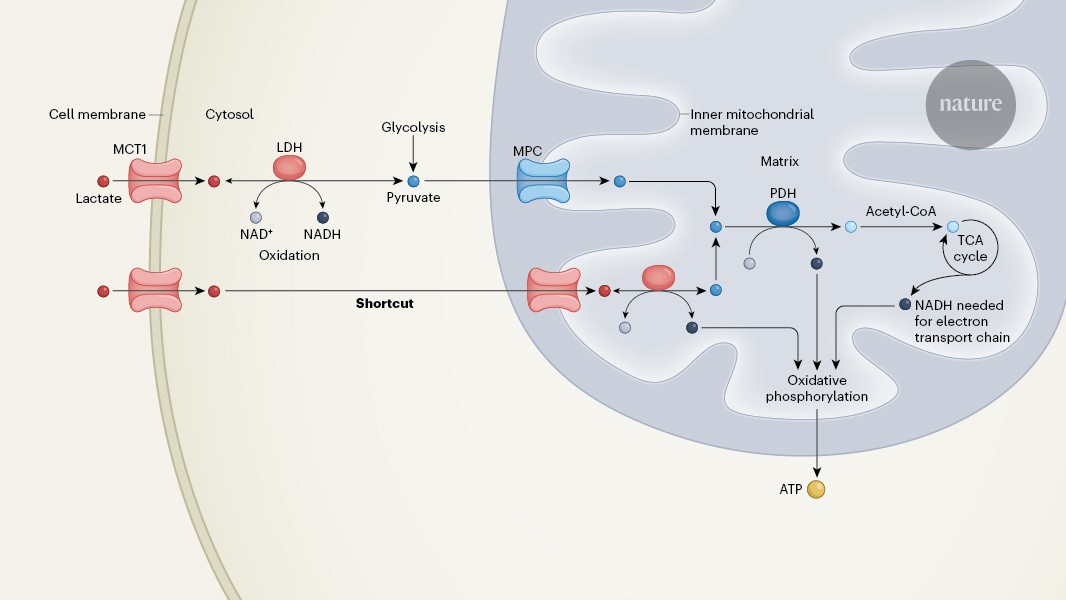
❤️
Lactate takes a shortcut into heart mitochondria
Lactaat neemt een kortere route naar de mitochondriën van het hart
Le lactate emprunte un raccourci vers les mitochondries du cœur
Lactate is a plentiful fuel in the blood, but scientists have long debated how its energy-rich carbon reaches the heart’s mitochondria. New research backs a surprising route: a specific transporter can carry lactate directly into these energy-producing structures. The process proves essential for heart function under stress. And here's the thing - this finding could reshape how we understand the heart’s use of fuel.
Lactaat is een overvloedige brandstof in het bloed, maar wetenschappers discussiëren al lang over hoe de energierijke koolstof ervan de mitochondriën van het hart bereikt. Nieuw onderzoek ondersteunt een verrassende route: een specifieke transporter kan lactaat rechtstreeks naar deze energieproducerende structuren brengen. Dat proces blijkt essentieel voor de hartfunctie onder stress. En dat is bijzonder - deze ontdekking kan ons inzicht veranderen in hoe het hart brandstoffen gebruikt.
Le lactate est un carburant abondant dans le sang, mais les scientifiques débattent depuis longtemps de la manière dont son carbone riche en énergie atteint les mitochondries du cœur. De nouveaux travaux étayent une voie surprenante : un transporteur spécifique peut acheminer directement le lactate vers ces structures productrices d’énergie. Ce processus s’avère essentiel au fonctionnement du cœur en situation de stress. Et voilà ce qui est passionnant : cette découverte pourrait transformer notre compréhension de la façon dont le cœur utilise ses carburants.
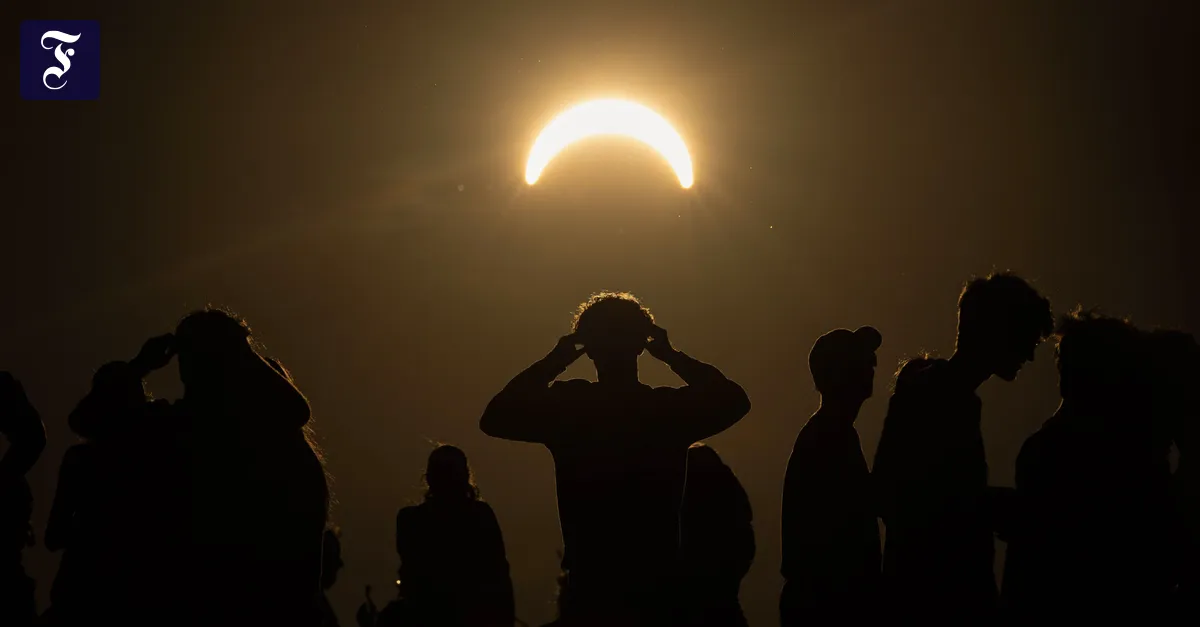
🧠
Information theory: another bombshell in mathematics
Informatietheorie: opnieuw een bom in de wiskunde
Théorie de l’information : un nouveau coup de tonnerre en mathématiques
So, here’s a remarkable new claim from OpenAI: an AI model has produced a 64-page proof that the Exponential Time Hypothesis, a long-standing assumption in theoretical computer science, is false. The proof was also checked by a computer program, though mathematicians still need to examine and understand it. Adding to the excitement, Anthropic says its Claude model reached essentially the same result by a different route just six hours later. This does not solve P versus NP, but it challenges a widely used assumption with important implications for complexity theory.
Wel, OpenAI komt met een opmerkelijke nieuwe claim: een AI-model heeft een bewijs van 64 pagina’s opgesteld dat de Exponential Time Hypothesis, een gevestigde aanname in de theoretische informatica, onjuist is. Een computerprogramma heeft het bewijs ook gecontroleerd, al moeten wiskundigen het nog grondig bestuderen en begrijpen. Dat maakt het extra spannend: Anthropic zegt dat zijn Claude-model amper zes uur later, via een andere aanpak, vrijwel tot hetzelfde resultaat kwam. Het vraagstuk P versus NP is hiermee niet opgelost, maar een veelgebruikte aanname staat wel op losse schroeven, met belangrijke gevolgen voor de complexiteitstheorie.
OpenAI avance une affirmation remarquable : un modèle d’IA aurait produit une démonstration de 64 pages montrant que l’hypothèse du temps exponentiel, une idée établie en informatique théorique, est fausse. Un programme informatique a également vérifié la démonstration, mais les mathématiciens doivent encore l’étudier et la comprendre en détail. Et voici ce qui rend l’annonce encore plus étonnante : Anthropic affirme que son modèle Claude est arrivé à un résultat pratiquement identique, par une autre méthode, seulement six heures plus tard. La question P contre NP n’est pas résolue pour autant, mais cette avancée remet en cause une hypothèse largement utilisée et pourrait avoir d’importantes conséquences pour la théorie de la complexité.
🕷️
How spiders spin silk dope into nature’s toughest material
Hoe spinnen zijdepap omzetten in het sterkste materiaal uit de natuur
Comment les araignées transforment leur pâte de soie en matériau exceptionnel
A spider can turn a liquid blend of proteins, water and salt into a remarkably strong, flexible silk fiber in milliseconds. Now, researchers led by chemist Gregory Holland have traced how the silk proteins reorganize into tiny, semiliquid droplets called condensates before solidifying into a fiber. This molecular-level view helps explain how the spider’s silk factory makes a material tougher than Kevlar and stronger than steel. And here’s the exciting part: understanding condensates could help scientists create advanced materials inspired by nature.
Een spin kan een vloeibaar mengsel van eiwitten, water en zout in milliseconden omzetten in een opvallend sterke, flexibele zijdevezel. Onderzoekers onder leiding van chemicus Gregory Holland hebben nu in kaart gebracht hoe de zijde-eiwitten zich herschikken tot kleine, halfvloeibare druppeltjes, condensaten genoemd, voordat ze verharden tot een vezel. Dit moleculaire inzicht helpt verklaren hoe de zijdewerkplaats van de spin materiaal maakt dat taaier is dan kevlar en sterker dan staal. En hier wordt het extra boeiend: kennis over condensaten kan wetenschappers helpen geavanceerde materialen naar voorbeeld van de natuur te maken.
Une araignée peut transformer en quelques millisecondes un mélange liquide de protéines, d’eau et de sel en une fibre de soie remarquablement solide et souple. Des chercheurs dirigés par le chimiste Gregory Holland ont retracé comment les protéines de soie se réorganisent en minuscules gouttelettes semi-liquides, appelées condensats, avant de se solidifier en fibre. Cette vision moléculaire aide à comprendre comment l’atelier de soie de l’araignée produit un matériau plus résistant que le Kevlar et plus solide que l’acier. Et voici ce qui est passionnant : comprendre les condensats pourrait aider les scientifiques à créer des matériaux de pointe inspirés de la nature.
🦈
Sharks could help scientists forecast hurricanes
Haaien kunnen wetenschappers helpen orkanen voorspellen
Les requins pourraient aider à prévoir les ouragans
So, scientists at the University of Delaware are tagging ocean-going sharks to gather data that could improve hurricane forecasts. As the sharks swim near the surface, their tags transmit water temperature, depth and conductivity measurements to satellites. These readings reveal warm water beneath the ocean surface, which can fuel a hurricane’s growth and is often missed by satellite scans and research vessels. The team is testing the technology now, with the aim of improving warnings and learning more about how sharks respond to severe storms.
Wetenschappers van de University of Delaware voorzien haaien die in open zee leven van tags om gegevens te verzamelen die orkaanvoorspellingen kunnen verbeteren. Wanneer de haaien dicht bij het oppervlak zwemmen, sturen hun tags metingen van watertemperatuur, diepte en elektrische geleidbaarheid naar satellieten. Die metingen brengen warm water onder het oceaanoppervlak in beeld, dat een orkaan kan versterken en vaak wordt gemist door satellietscans en onderzoeksschepen. Het team test de technologie momenteel, met als doel waarschuwingen te verbeteren en meer te leren over hoe haaien op zware stormen reageren.
Des scientifiques de l’Université du Delaware équipent des requins pélagiques de balises afin de recueillir des données susceptibles d’améliorer les prévisions des ouragans. Lorsque les requins nagent près de la surface, leurs balises transmettent aux satellites des mesures de température, de profondeur et de conductivité électrique de l’eau. Ces données révèlent la chaleur présente sous la surface de l’océan, qui peut renforcer un ouragan et échappe souvent aux satellites et aux navires de recherche. L’équipe teste actuellement cette technologie pour améliorer les alertes et mieux comprendre comment les requins réagissent aux violentes tempêtes.
🧠
Making mind pictures takes mental effort
Mentale beelden maken kost moeite
Créer des images mentales demande un effort
Nature’s archive offers a curious look at how our minds work. One featured piece explores the effort involved in creating vivid pictures in the mind, which can be enjoyable but tiring. The selection also revisits how lists of chemicals in food can prompt worry. Together, these historical picks show how imagination and information can shape our feelings.
In het archief van Nature ontdekken we op een boeiende manier hoe onze geest werkt. Een besproken artikel onderzoekt hoeveel inspanning het kost om levendige beelden in je hoofd op te roepen, iets wat plezierig maar vermoeiend kan zijn. De selectie gaat ook terug naar de ongerustheid die lijsten met chemicaliën in voedsel kunnen oproepen. Samen tonen deze historische stukken hoe verbeelding en informatie onze gevoelens beïnvloeden.
Les archives de Nature nous offrent un aperçu captivant du fonctionnement de notre esprit. Un article présenté explore l’effort nécessaire pour créer des images vives dans sa tête, une activité agréable mais parfois fatigante. La sélection revient aussi sur l’inquiétude que peuvent susciter les listes de substances chimiques présentes dans les aliments. Ensemble, ces textes historiques montrent comment l’imagination et l’information influencent nos émotions.
🦎
A 99-million-year-old lizard tail preserved in amber
Een hagedissenstaart van 99 miljoen jaar oud bewaard in barnsteen
Une queue de lézard vieille de 99 millions d’années conservée dans l’ambre
A lizard’s tail, preserved in amber for 99 million years, offers a remarkable glimpse into the distant past. The fossil’s extraordinary preservation makes this small fragment a valuable record of ancient life. So, even a single tail can help bring the world of long ago into clearer view. It’s a fascinating reminder of how amber can preserve traces of life across immense stretches of time.
Een hagedissenstaart die 99 miljoen jaar in barnsteen bewaard bleef, biedt een bijzondere blik op een ver verleden. Door de uitzonderlijke bewaring is dit kleine fossiel een waardevolle getuige van het oude leven. Zo kan zelfs één staart helpen om de wereld van lang geleden beter voor ogen te krijgen. Het is een fascinerend voorbeeld van hoe barnsteen sporen van leven miljoenen jaren kan bewaren.
Une queue de lézard conservée dans l’ambre depuis 99 millions d’années offre un aperçu remarquable d’un passé lointain. Grâce à son état de conservation exceptionnel, ce petit fossile constitue un précieux témoignage de la vie ancienne. Ainsi, une simple queue peut nous aider à mieux imaginer le monde d’autrefois. C’est un exemple fascinant de la capacité de l’ambre à préserver des traces de vie pendant des millions d’années.
🐦
Googly-eyed buoys and kites help protect seabirds from fishing nets
Boeien met grote ogen en vliegers beschermen zeevogels tegen visnetten
Des bouées aux grands yeux et des cerfs-volants protègent les oiseaux marins des filets
A study off Cornwall found that bird-of-prey kites lowered the odds of catching guillemots and razorbills in fishing nets by 71%, while spinning, googly-eyed buoys lowered them by 59%. Over 17 months, 10 fishers set more than 1,000 camera-monitored nets, revealing how these simple deterrents could help protect seabirds from drowning. The devices had some limitations, including sensitivity to wind and the possibility that the buoys could attract seals. Researchers say targeted use during winter, when bycatch peaks, could offer a practical way to help birds while further improvements are explored.
Een onderzoek voor de kust van Cornwall wees uit dat vliegers in de vorm van roofvogels de kans op vangst van zeekoeten en alken in visnetten met 71% verlaagden, terwijl draaiende boeien met grote ogen die kans met 59% verminderden. Gedurende 17 maanden plaatsten 10 vissers meer dan 1.000 netten met camera's, waarmee duidelijk werd hoe deze eenvoudige afschrikmiddelen zeevogels kunnen helpen beschermen tegen verdrinking. De middelen hebben ook beperkingen: de vliegers zijn gevoelig voor de wind en de boeien kunnen mogelijk zeehonden aantrekken. Gericht gebruik in de winter, wanneer de bijvangst piekt, kan volgens de onderzoekers een praktische manier zijn om vogels te beschermen terwijl de middelen verder worden verbeterd.
Une étude menée au large des Cornouailles a révélé que des cerfs-volants en forme de rapaces réduisaient de 71 % le risque de capturer des guillemots et des pingouins torda dans les filets de pêche, tandis que des bouées rotatives aux grands yeux le réduisaient de 59 %. Pendant 17 mois, 10 pêcheurs ont déployé plus de 1 000 filets équipés de caméras, montrant comment ces dispositifs simples peuvent contribuer à protéger les oiseaux marins de la noyade. Ces solutions ont aussi leurs limites : les cerfs-volants sont sensibles au vent et les bouées pourraient attirer les phoques. Les chercheurs estiment qu'une utilisation ciblée en hiver, lorsque les prises accidentelles sont les plus nombreuses, pourrait offrir un moyen pratique de protéger les oiseaux tout en perfectionnant ces dispositifs.
🔬
Limburg to host Europe’s first CERN innovation hub in Hasselt
Limburg krijgt als eerste regio in Europa een CERN-innovatiehub in Hasselt
Le Limbourg accueillera à Hasselt le premier pôle d’innovation du CERN en Europe
Limburg will become the first region in Europe to host a CERN innovation hub, based in Hasselt. The initiative is an important recognition of the region’s ambitions and its focus on innovation. It will bring CERN’s expertise closer to local researchers, companies and innovators. So, this could give fresh momentum to collaboration and help turn scientific ideas into practical opportunities.
Limburg wordt de eerste regio in Europa met een CERN-innovatiehub, die in Hasselt komt. Het initiatief is een belangrijke erkenning van de ambities van de regio en haar focus op innovatie. De hub brengt de expertise van CERN dichter bij lokale onderzoekers, bedrijven en vernieuwers. Zo kan ze de samenwerking een nieuwe impuls geven en wetenschappelijke ideeën helpen omzetten in praktische kansen.
Le Limbourg deviendra la première région d’Europe à accueillir un pôle d’innovation du CERN, qui sera installé à Hasselt. Cette initiative constitue une importante reconnaissance des ambitions de la région et de son engagement en faveur de l’innovation. Le pôle rapprochera l’expertise du CERN des chercheurs, des entreprises et des innovateurs locaux. Il pourrait ainsi donner un nouvel élan à la collaboration et aider à transformer des idées scientifiques en débouchés concrets.
🌿
How hedges and ponds brought a bocage back to life
Hoe hagen en poelen een bocage nieuw leven gaven
Comment les haies et les mares ont redonné vie au bocage
So, this article tells how a bocage was brought back to life by planting hedges and digging ponds. These familiar features help restore the character of the countryside and create valuable places for nature. It’s an encouraging example of how practical, local efforts can reshape a landscape. And here’s the thing: sometimes caring for nature starts with giving it a little more room to flourish.
Het artikel vertelt hoe een bocage nieuw leven kreeg door hagen aan te planten en poelen te graven. Die vertrouwde landschapselementen helpen het landelijke karakter te herstellen en bieden waardevolle plekken voor de natuur. Het is een bemoedigend voorbeeld van hoe lokale, concrete inspanningen het landschap kunnen veranderen. En zo zie je maar: soms begint zorg voor de natuur met haar wat meer ruimte te geven.
L’article raconte comment un bocage a retrouvé vie grâce à la plantation de haies et au creusement de mares. Ces éléments familiers contribuent à restaurer le caractère du paysage rural et offrent des espaces précieux pour la nature. C’est un exemple encourageant de la manière dont des actions concrètes et locales peuvent transformer un paysage. Et voilà l’essentiel : prendre soin de la nature commence parfois par lui faire un peu plus de place.

🥬
Two Belgian restaurants make the world’s top 10 for plant-based dining
Twee Belgische restaurants in de wereldwijde top 10 voor plantaardig eten
Deux restaurants belges dans le top 10 mondial de la cuisine végétale
So: two Belgian restaurants have earned places among the world’s ten best plant-based dining spots in the 2026 We’re Smart Awards. Ghent’s Vrijmoed, led by chef Michaël Vrijmoed, came in fifth, while Brussels restaurant Humus x Hortense, run by Nicolas Decloedt and Caroline Baerten, ranked ninth. The awards were presented in Bruges on Monday, putting Belgian talent firmly in the spotlight. Lima’s Central took the top prize, followed by Piazza Duomo in Alba and Flore in Amsterdam.
Mooi nieuws: twee Belgische restaurants staan in de wereldwijde top tien van beste plantaardige restaurants bij de We’re Smart Awards 2026. Het Gentse Vrijmoed van chef Michaël Vrijmoed behaalde de vijfde plaats, terwijl het Brusselse Humus x Hortense van Nicolas Decloedt en Caroline Baerten negende werd. De prijzen werden maandag in Brugge uitgereikt, waardoor Belgisch culinair talent volop in de kijker staat. Het Peruaanse Central in Lima won, gevolgd door Piazza Duomo in Alba en Flore in Amsterdam.
Voilà une belle nouvelle : deux restaurants belges figurent parmi les dix meilleures tables végétales du monde aux We’re Smart Awards 2026. Vrijmoed, à Gand, dirigé par le chef Michaël Vrijmoed, décroche la cinquième place, tandis que Humus x Hortense, à Bruxelles, porté par Nicolas Decloedt et Caroline Baerten, se classe neuvième. Les prix ont été remis lundi à Bruges, mettant le talent culinaire belge à l’honneur. Central, à Lima, remporte la première place, devant Piazza Duomo, à Alba, et Flore, à Amsterdam.

🌱
A young food forest is steadily taking root
Een jong voedselbos groeit gestaag
Une jeune forêt comestible prend racine
Near Arnhem, the Young Food Forest Farmers are turning former grassland into a food forest designed to produce fruit, nuts and vegetables for years to come. Around 20,000 trees have already been planted, with 5,000 more set to go in this winter, though it will take time before much of the harvest arrives. This summer brought some tense moments, and the project is a reminder that food forests need care and attention rather than simply being left to grow. Across the Netherlands, food forests are gaining ground, with new networks and knowledge-sharing helping the movement develop.
Bij Arnhem veranderen de Jonge Voedselbosboeren voormalig grasland in een voedselbos dat jarenlang fruit, noten en groenten moet opleveren. Er zijn al zo’n 20.000 bomen geplant en deze winter komen er nog 5.000 bij, al duurt het nog even voordat er volop geoogst kan worden. Deze zomer was het soms spannend, en het project laat zien dat voedselbossen zorg en aandacht nodig hebben om goed te groeien. In heel Nederland winnen voedselbossen terrein, terwijl netwerken en kennisdeling de beweging verder helpen.
Près d’Arnhem, les Jeunes cultivateurs de forêts comestibles transforment une ancienne prairie en un espace qui doit produire des fruits, des noix et des légumes pendant de nombreuses années. Quelque 20 000 arbres ont déjà été plantés, et 5 000 autres le seront cet hiver, même s’il faudra patienter avant de récolter en abondance. L’été a parfois été source d’inquiétude, et le projet rappelle qu’une forêt comestible a besoin d’entretien et d’attention pour bien se développer. Partout aux Pays-Bas, ces forêts gagnent du terrain, soutenues par des réseaux et un partage croissant des connaissances.

🛰️
NASA’s oldest Mars spacecraft have lasted for decades
NASA’s oudste Marsverkenners draaien al tientallen jaren mee
Les plus anciennes sondes martiennes de la NASA fonctionnent depuis des décennies
So: Mars Odyssey and the Mars Reconnaissance Orbiter have far outlived their planned missions, delivering decades of observations from 140 million miles away. Their findings have transformed our understanding of water on Mars, revealed a changing surface, and helped NASA rovers stay in touch with Earth. Keeping the orbiters operating takes ingenious engineering, from updating MRO’s star map to making Odyssey’s dwindling, hard-to-measure fuel last. Their remarkable longevity is a testament to resilience, careful problem-solving, and the lessons NASA learned from earlier Mars mission failures.
Mars Odyssey en de Mars Reconnaissance Orbiter hebben hun geplande missieduur ruimschoots overtroffen en leveren al tientallen jaren waarnemingen vanaf zo’n 225 miljoen kilometer afstand. Hun bevindingen hebben ons beeld van water op Mars veranderd, veranderingen aan het oppervlak zichtbaar gemaakt en NASA’s rovers geholpen contact te houden met de aarde. Om de sondes operationeel te houden, is ingenieus vakmanschap nodig: zo kreeg MRO een bijgewerkte sterrenkaart en proberen ingenieurs Odyssey’s moeilijk meetbare brandstofvoorraad te sparen. Hun indrukwekkende levensduur getuigt van veerkracht, vindingrijke oplossingen en lessen die NASA uit eerdere mislukkingen bij Marsmissies heeft getrokken.
Mars Odyssey et le Mars Reconnaissance Orbiter ont largement dépassé la durée prévue de leurs missions et transmettent des observations depuis des décennies, à quelque 225 millions de kilomètres de la Terre. Leurs découvertes ont transformé notre compréhension de l’eau sur Mars, révélé l’évolution de sa surface et permis aux rovers de la NASA de communiquer avec la Terre. Leur fonctionnement durable repose sur une ingénierie astucieuse: les équipes ont notamment actualisé la carte des étoiles de MRO et trouvent des moyens d’économiser le carburant difficile à mesurer d’Odyssey. Leur remarquable longévité témoigne de leur robustesse, de solutions ingénieuses et des leçons tirées par la NASA de précédents échecs de missions martiennes.
🌿
A new Bolivian reserve protects a vital Amazon wildlife corridor
Een nieuw Boliviaans reservaat beschermt een belangrijke wildcorridor in het Amazonegebied
Une nouvelle réserve bolivienne protège un corridor vital pour la faune amazonienne
So, a new 715,000-acre wildlife reserve in Bolivia is helping protect the Iténez River, a vital link between wild landscapes in Bolivia and Brazil. Its forests, wetlands and grasslands provide a home for jaguars, river dolphins, giant otters and hundreds of fish species. The reserve was created with support from Rainforest Trust and local NGO Faunagua, whose management plan was developed alongside nearby communities. And here's the wider milestone: Rainforest Trust has now helped conserve 70 million acres of rainforest, an area about the size of Nevada.
Een nieuw natuurreservaat van 715.000 hectare in Bolivia helpt de Iténez-rivier te beschermen, een belangrijke verbinding tussen natuurgebieden in Bolivia en Brazilië. De bossen, moerassen en graslanden bieden onderdak aan jaguars, rivierdolfijnen, reuzenotters en honderden vissoorten. Het reservaat kwam tot stand met steun van Rainforest Trust en de lokale ngo Faunagua, die samen met omliggende gemeenschappen een beheerplan opstelde. En dit is de bredere mijlpaal: Rainforest Trust heeft inmiddels geholpen om 70 miljoen hectare regenwoud te beschermen, ongeveer zo groot als Nevada.
Une nouvelle réserve naturelle de 715 000 acres en Bolivie contribue à protéger le fleuve Iténez, un lien essentiel entre les espaces sauvages de Bolivie et du Brésil. Ses forêts, ses zones humides et ses prairies abritent des jaguars, des dauphins de rivière, des loutres géantes et des centaines d’espèces de poissons. La réserve a vu le jour avec le soutien de Rainforest Trust et de l’ONG locale Faunagua, qui a élaboré un plan de gestion avec les communautés voisines. Et voici le résultat à plus grande échelle : Rainforest Trust a désormais contribué à protéger 70 millions d’acres de forêt tropicale, soit une superficie comparable à celle du Nevada.
🦧
Orangutan mothers arrange playdates for their young
Orang-oetanmoeders regelen speelafspraken voor hun jongen
Les mères orangs-outans organisent des rendez-vous de jeu pour leurs petits
Over 15 years, researchers tracked 31 young Bornean orangutans and found that their mothers deliberately arranged chances for them to play with peers. The mothers began heading toward other families a day ahead and travelled up to 40 percent farther than usual, even though the youngsters played for only about 20 minutes. These meet-ups happened on just 6 percent of days, and a maternal relative was nearby on almost every occasion. The findings reveal a hidden cost of solitary living: orangutan mothers also make an effort to give their young valuable social contact.
Vijftien jaar lang volgden onderzoekers 31 jonge Borneose orang-oetans en ontdekten ze dat hun moeders bewust momenten regelden waarop ze met leeftijdsgenoten konden spelen. De moeders trokken al een dag vooraf richting andere gezinnen en legden tot 40 procent meer afstand af dan gewoonlijk, terwijl de jongen slechts zo’n 20 minuten speelden. Zulke ontmoetingen vonden plaats op slechts 6 procent van de dagen, en bijna altijd was er een familielid van de moeder in de buurt. Het onderzoek toont een verborgen prijs van een solitair leven: orang-oetanmoeders doen ook moeite om hun jongen waardevol sociaal contact te bieden.
Pendant 15 ans, des chercheurs ont suivi 31 jeunes orangs-outans de Bornéo et découvert que leurs mères organisaient délibérément des occasions de jouer avec des congénères. La veille, les mères se dirigeaient déjà vers d’autres familles et parcouraient jusqu’à 40 % de distance supplémentaire, même si les petits ne jouaient qu’une vingtaine de minutes. Ces rencontres avaient lieu pendant seulement 6 % des journées, et une parente maternelle se trouvait à proximité presque à chaque fois. L’étude révèle un coût caché de la vie solitaire : les mères orangs-outans s’efforcent aussi d’offrir à leurs petits de précieux contacts sociaux.
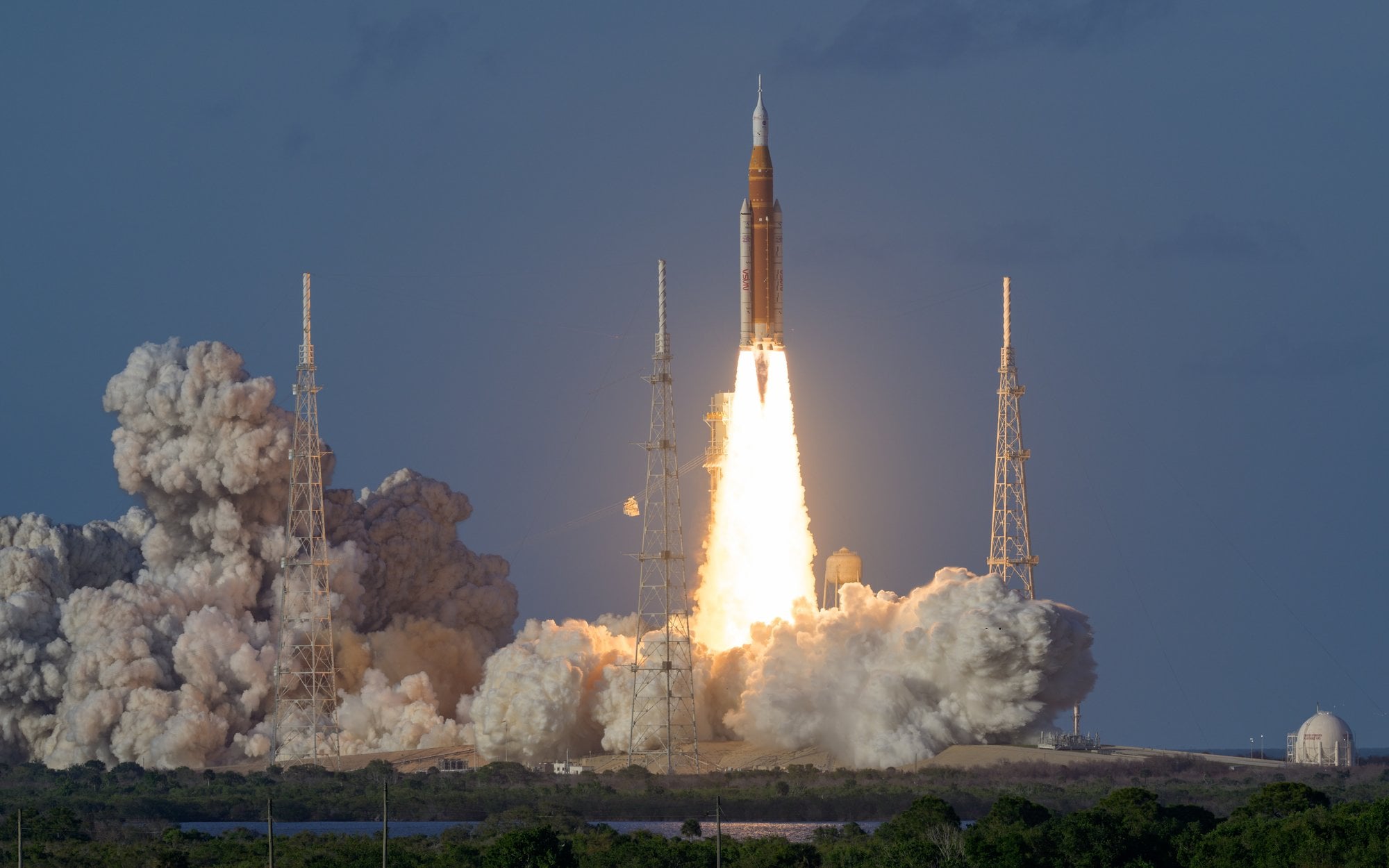
🌙
Polish detectors measure radiation near the moon - surprising results
Poolse detectoren meten straling bij de maan - verrassende resultaten
Des détecteurs polonais mesurent le rayonnement près de la lune - des résultats surprenants
I find this a fascinating step towards safer crewed trips beyond Earth's protective magnetic field. In the MARE experiment, more than 10,000 detectors inside the Orion capsule measured radiation across two human-body models. The dose near the Moon was higher than in Earth orbit, but lower than researchers expected, possibly because low-energy protons trapped in Earth's Van Allen belts are absent there. Polish-made crystal detectors helped capture the results, which can guide protection for future astronauts.
Ik vind dit een boeiende stap naar veiligere bemande reizen buiten het beschermende magnetische veld van de aarde. In het MARE-experiment maten meer dan 10.000 detectoren in de Orion-capsule de straling op verschillende plekken in twee modellen van het menselijk lichaam. De dosis bij de maan was hoger dan in een baan om de aarde, maar lager dan onderzoekers hadden verwacht, mogelijk doordat laagenergetische protonen uit de Van Allen-gordels daar ontbreken. Poolse kristaldetectoren hielpen de metingen uitvoeren, en de resultaten kunnen toekomstige astronauten beter beschermen.
Je trouve que cette étude constitue une étape passionnante vers des voyages habités plus sûrs au-delà du champ magnétique protecteur de la Terre. Dans l’expérience MARE, plus de 10 000 détecteurs placés dans la capsule Orion ont mesuré le rayonnement à différents endroits de deux modèles du corps humain. La dose près de la Lune était supérieure à celle observée en orbite terrestre, mais inférieure aux prévisions, peut-être parce que les protons de faible énergie piégés dans les ceintures de Van Allen sont absents à proximité de la Lune. Des détecteurs cristallins polonais ont contribué aux mesures, dont les résultats pourraient aider à mieux protéger les astronautes lors de futures missions.

💻
Punjab student turns internship frustrations into a tracking portal
Student uit Punjab zet frustraties over stages om in een volgportaal
Un étudiant du Pendjab transforme ses difficultés de stage en portail de suivi
After encountering internships that required a bachelor’s degree or charged fees, 21-year-old Punjab student Nikhil Kumar wanted to make practical training easier to manage. With support from his faculty mentor and Vibha’s Programme Management Unit, he developed Place Intern from an existing college project. The portal brings student progress reports, faculty visits and internship records together in one place. It is designed to help colleges track students during semester-long industry placements.
Nadat hij stages tegenkwam waarvoor een bachelordiploma vereist was of waarvoor kandidaten moesten betalen, wilde de 21-jarige student Nikhil Kumar uit Punjab praktijkstages beter beheersbaar maken. Met steun van zijn docent-mentor en Vibha’s Programme Management Unit bouwde hij Place Intern verder op vanuit een bestaand collegeproject. Het portaal brengt voortgangsrapporten, bezoeken van docenten en stagegegevens samen op één plek. Zo kunnen colleges studenten tijdens stages van een volledig semester beter opvolgen.
Après avoir découvert des stages qui exigeaient un diplôme de licence ou des frais de participation, Nikhil Kumar, étudiant de 21 ans au Pendjab, a voulu faciliter le suivi des formations pratiques. Avec l’aide de son enseignant référent et de l’unité de gestion de programme de Vibha, il a développé Place Intern à partir d’un projet déjà lancé dans son établissement. Le portail rassemble les rapports de progression, les visites des enseignants et les dossiers de stage en un seul endroit. Il est conçu pour aider les établissements à suivre les étudiants pendant leurs stages en entreprise d’un semestre.

🌸
A nagaland village turned its hills into flower fields
Een dorp in nagaland toverde zijn heuvels om tot bloemenvelden
Un village du nagaland a transformé ses collines en champs fleuris
In October, Peletkie in Nagaland’s Peren district turns its hillsides into a sea of pink, white and yellow cosmos, drawing thousands of visitors. The village has around 300 residents across 64 households and lies a short drive from Peren town. Organisers say eight years of planting, alongside regular cleanliness competitions between village colonies, helped create this shared floral landscape. The festival also celebrates local culture and livelihoods, introducing visitors to organic produce, traditions and Lekie Cai salt-making.
In oktober veranderen de heuvels van Peletkie, in het district Peren in Nagaland, in een zee van roze, witte en gele cosmea, die duizenden bezoekers aantrekt. Het dorp telt ongeveer 300 inwoners, verdeeld over 64 huishoudens, en ligt op korte rijafstand van Peren. Volgens de organisatoren zorgden acht jaar planten en regelmatige schoonmaakwedstrijden tussen de dorpswijken samen voor dit bloemenlandschap dat iedereen deelt. Het festival zet ook de lokale cultuur en bestaansmiddelen in de kijker en laat bezoekers kennismaken met biologische producten, tradities en de zoutproductie van Lekie Cai.
En octobre, les collines de Peletkie, dans le district de Peren au Nagaland, se couvrent de cosmos roses, blancs et jaunes, attirant des milliers de visiteurs. Le village compte environ 300 habitants répartis dans 64 foyers et se trouve à quelques minutes en voiture de la ville de Peren. Selon les organisateurs, huit années de plantations, associées à des concours réguliers de propreté entre les quartiers, ont créé ce paysage fleuri partagé par toute la communauté. Le festival célèbre aussi la culture et les activités locales, en faisant découvrir aux visiteurs les produits biologiques, les traditions et la fabrication du sel Lekie Cai.
🔭
Smithsonian scientists recreate the universe’s first 2 billion years
Smithsonian-wetenschappers simuleren de eerste 2 miljard jaar van het heelal
Des scientifiques du Smithsonian simulent les 2 premiers milliards d’années de l’Univers
So: researchers at the Center for Astrophysics | Harvard & Smithsonian have created Lumina, a vast simulation of the universe’s first 2 billion years. It models how ordinary matter, dark matter and radiation interacted, helping scientists explore how early galaxies formed and changed their surroundings. Spanning a region more than 100 times larger than those in comparable earlier simulations, Lumina also tracks helium reionization as it unfolds. Powered by more than 15,000 GPUs on the Frontier supercomputer, it gives astronomers a powerful way to compare predictions with observations from telescopes such as JWST.
Onderzoekers van het Center for Astrophysics | Harvard & Smithsonian hebben Lumina gemaakt, een omvangrijke simulatie van de eerste 2 miljard jaar van het heelal. Het model laat zien hoe gewone materie, donkere materie en straling elkaar beïnvloedden, zodat wetenschappers kunnen onderzoeken hoe de eerste sterrenstelsels ontstonden en hun omgeving veranderden. Lumina bestrijkt een gebied dat ruim 100 keer groter is dan dat van vergelijkbare eerdere simulaties en volgt ook hoe helium opnieuw geïoniseerd wordt. Met meer dan 15.000 GPU’s op de Frontier-supercomputer biedt de simulatie sterrenkundigen een krachtig middel om voorspellingen te vergelijken met waarnemingen van telescopen zoals JWST.
Des chercheurs du Center for Astrophysics | Harvard & Smithsonian ont créé Lumina, une vaste simulation des 2 premiers milliards d’années de l’Univers. Elle modélise les interactions entre matière ordinaire, matière noire et rayonnement, afin d’aider les scientifiques à étudier la formation des premières galaxies et leur influence sur leur environnement. Couvrant une région plus de 100 fois plus vaste que celles des simulations comparables précédentes, Lumina suit aussi la réionisation de l’hélium au fil du temps. Grâce à plus de 15 000 processeurs graphiques sur le superordinateur Frontier, les astronomes peuvent comparer ses prédictions aux observations de télescopes comme JWST.

🔬
OpenAI shares three science breakthroughs and a new academic collaboration model
OpenAI deelt drie wetenschappelijke doorbraken en een nieuw samenwerkingsmodel met academici
OpenAI annonce trois avancées scientifiques et une nouvelle collaboration avec les universitaires
So: OpenAI has shared three major AI-generated results in mathematics, computer science, and physics. In mathematics, its model claims to prove the local smoothing conjecture and related longstanding conjectures, with the output released for researchers to examine. In computer science, a proposed proof says the widely accepted Exponential Time Hypothesis is false, and an independent group of experts will scrutinize the work. The physics result concerns rigorous proofs for interacting quantum field theories, including quantum chromodynamics, though its full details have not yet been released. And here's the thing: OpenAI is inviting public input on how to verify AI discoveries and set fair norms for access, credit, and collaboration.
Zo: OpenAI heeft drie belangrijke, door AI gegenereerde resultaten gedeeld in de wiskunde, informatica en natuurkunde. In de wiskunde stelt het model een bewijs te hebben gevonden voor het vermoeden van lokale afvlakking en verwante, al lang bestaande vermoedens; de resultaten zijn vrijgegeven zodat onderzoekers ze kunnen bestuderen. In de informatica beweert een voorgesteld bewijs dat de algemeen aanvaarde Exponential Time Hypothesis onjuist is, en een onafhankelijke groep experts zal het werk onderzoeken. Het natuurkundige resultaat gaat over strenge bewijzen voor interagerende kwantumveldentheorieën, waaronder kwantumchromodynamica, al zijn de volledige details nog niet gepubliceerd. En dit is interessant: OpenAI vraagt het publiek mee te denken over hoe AI-ontdekkingen gecontroleerd kunnen worden en hoe eerlijke afspraken over toegang, erkenning en samenwerking eruitzien.
Alors : OpenAI a présenté trois résultats majeurs générés par l’IA en mathématiques, en informatique et en physique. En mathématiques, son modèle affirme avoir démontré la conjecture de régularisation locale ainsi que des conjectures connexes de longue date, et les résultats sont publiés pour être examinés par les chercheurs. En informatique, une preuve proposée soutient que l’hypothèse du temps exponentiel, largement admise, est fausse, et un groupe indépendant d’experts va étudier les travaux. Le résultat en physique porte sur des preuves rigoureuses concernant des théories quantiques des champs en interaction, dont la chromodynamique quantique, mais les détails complets ne sont pas encore publiés. Et voici le point intéressant : OpenAI invite le public à réfléchir aux moyens de vérifier les découvertes de l’IA et d’établir des règles équitables pour l’accès, la reconnaissance et la collaboration.
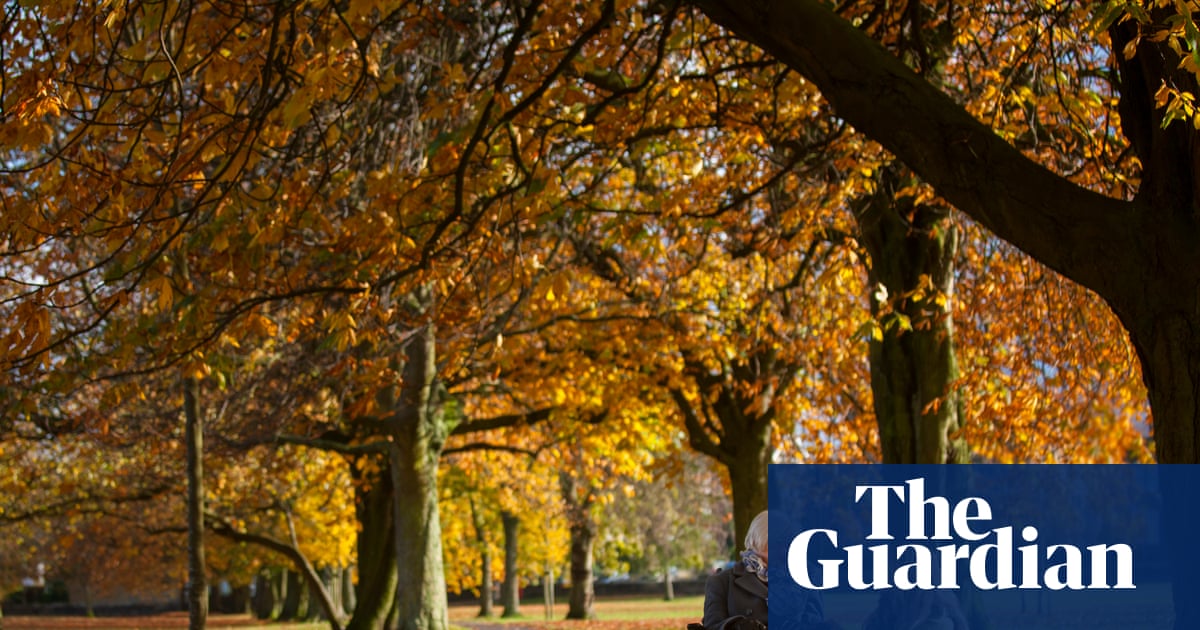
🤝
Carers can earn more without losing their allowance
Mantelzorgers mogen meer verdienen zonder hun uitkering te verliezen
Les aidants pourront gagner davantage sans perdre leur allocation
Here’s a welcome change for unpaid carers: the government plans to abolish the harsh earnings rule for Carer’s Allowance in the budget. Under a new digital taper, the allowance will fall by £1 for each additional £1 earned above the weekly limit, instead of being stopped altogether. The old rule left carers facing debts of thousands of pounds for going just pennies over the limit, with some unaware they had breached it for years. The reform follows a Guardian investigation that helped expose the scale of the hardship and prompted an independent review.
Er komt een welkome verandering voor onbetaalde mantelzorgers: de regering wil de strenge inkomensregel voor de Carer’s Allowance in de begroting afschaffen. Met een nieuwe digitale afbouw wordt de uitkering met £1 verlaagd voor elke extra £1 boven de wekelijkse inkomensgrens, in plaats van volledig stopgezet. Door de oude regel kregen mantelzorgers soms duizenden ponden schuld omdat ze slechts enkele centen boven de grens uitkwamen, zonder dat ze soms jarenlang wisten dat ze die hadden overschreden. De hervorming volgt op onderzoek van The Guardian, dat de omvang van het leed aan het licht bracht en leidde tot een onafhankelijk onderzoek.
Une évolution bienvenue se profile pour les aidants non rémunérés : le gouvernement prévoit d’abolir, dans son budget, la règle stricte de revenu liée à l’allocation pour aidants. Avec un nouveau système numérique de réduction progressive, l’allocation diminuera d’une livre pour chaque livre gagnée au-dessus du plafond hebdomadaire, au lieu d’être supprimée entièrement. L’ancienne règle a laissé des aidants avec des milliers de livres de dettes pour avoir dépassé le plafond de quelques centimes, parfois sans le savoir pendant des années. Cette réforme fait suite à une enquête du Guardian, qui a révélé l’ampleur des difficultés et déclenché un examen indépendant.
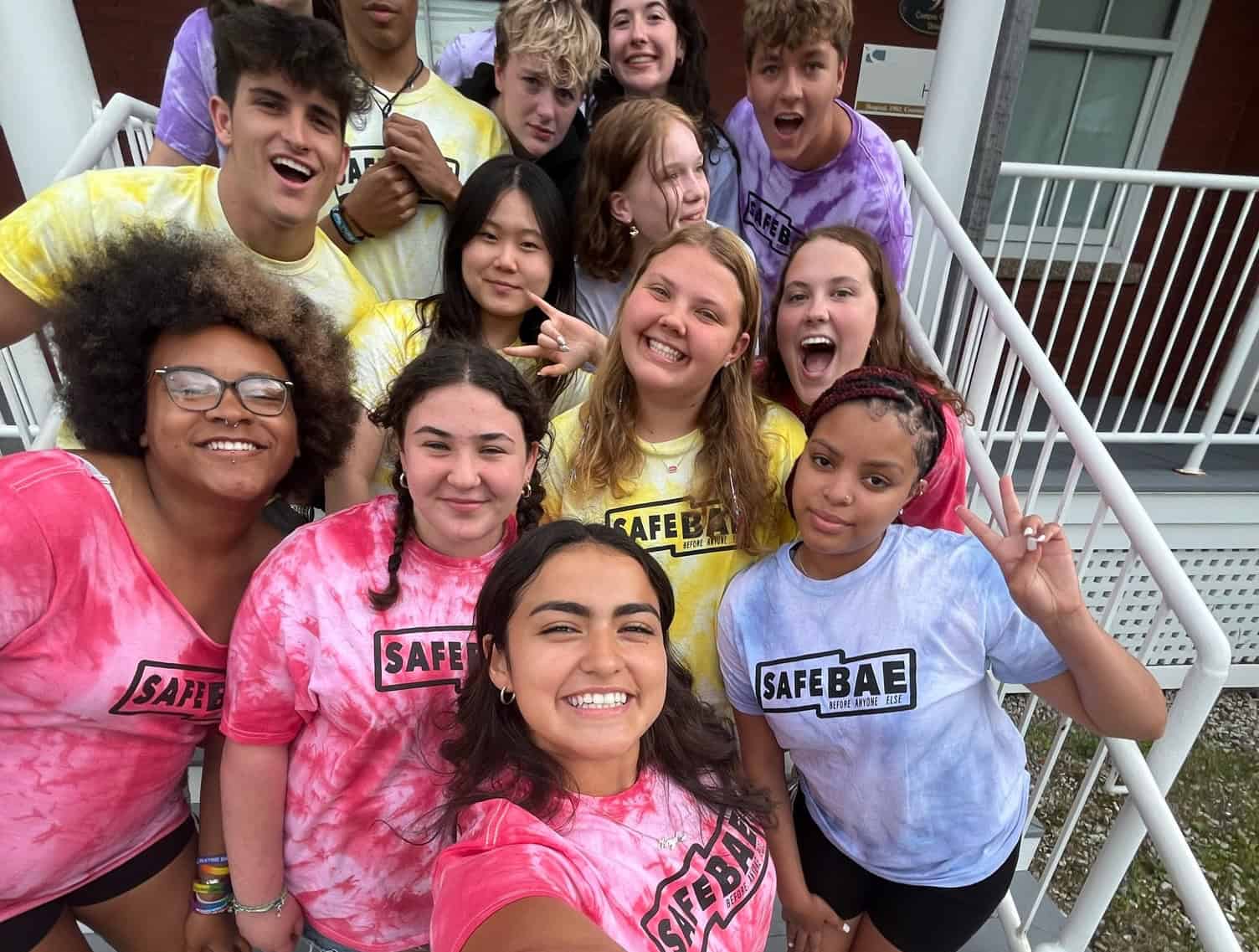
🧭
Free tool helps young men take responsibility for sexual harm
Gratis hulpmiddel helpt jonge mannen verantwoordelijkheid te nemen voor seksueel grensoverschrijdend gedrag
Un outil gratuit aide les jeunes hommes à assumer leur responsabilité après des violences sexuelles
So: SafeBae created Vibe Check to give young men a thoughtful alternative to harmful advice on online forums and in the manosphere. The free tool uses guided scenarios and reflection exercises to help users understand consent, consider the impact of their behaviour and learn how to apologise. Since its launch, more than 94,000 people have used it, with feedback praising the skills it offers for taking responsibility and making amends. Now, SafeBae hopes to adapt the approach for young people facing sextortion, too.
SafeBae ontwikkelde Vibe Check als een doordacht alternatief voor schadelijk advies op online fora en in de manosfeer. De gratis tool gebruikt herkenbare scenario’s en oefeningen om jongeren te helpen toestemming te begrijpen, stil te staan bij de gevolgen van hun gedrag en te leren hoe ze hun excuses kunnen aanbieden. Sinds de lancering hebben meer dan 94.000 mensen de tool gebruikt; de reacties benadrukken hoe die jongeren helpt verantwoordelijkheid te nemen en het goed te maken. SafeBae wil de aanpak nu ook aanpassen voor jongeren die met sextortion te maken krijgen.
SafeBae a créé Vibe Check pour offrir aux jeunes hommes une alternative réfléchie aux conseils néfastes des forums en ligne et de la manosphère. Cet outil gratuit propose des mises en situation et des exercices de réflexion pour les aider à comprendre le consentement, à mesurer les conséquences de leurs actes et à apprendre à présenter des excuses. Depuis son lancement, plus de 94 000 personnes l’ont utilisé, et les retours saluent les compétences qu’il apporte pour assumer ses responsabilités et réparer les torts causés. SafeBae espère désormais adapter cette approche aux jeunes confrontés à la sextorsion.
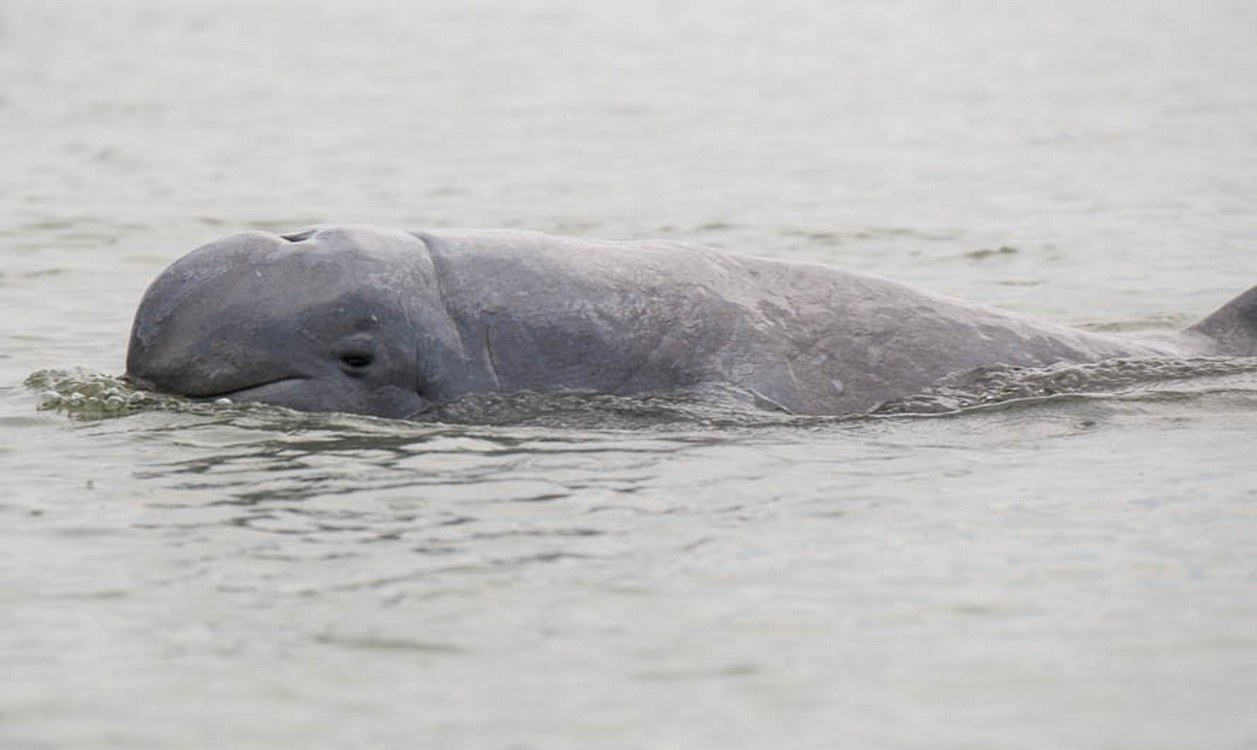
🐬
Six new calves offer hope for Cambodia’s sacred river dolphins
Zes nieuwe kalfjes bieden hoop voor de heilige rivierdolfijnen van Cambodja
Six nouveaux petits ravivent l’espoir pour les dauphins sacrés du Cambodge
So, there’s encouraging news from Cambodia: six Irrawaddy dolphin calves were born during the latest calving season. Their arrival brings the population along a stretch of the Mekong to 118, offering a hopeful sign that these endangered dolphins can recover. Local communities revere the animals, and conservation efforts are helping people find ways to earn a living beyond fishing. Gillnets and changes to the river remain concerns, but local support for protecting the dolphins is a powerful reason for optimism.
Goed nieuws uit Cambodja: tijdens het meest recente geboorteseizoen kwamen zes Irrawaddydolfijntjes ter wereld. Daardoor telt de populatie langs een deel van de Mekong nu 118 dieren, een hoopvol teken dat deze bedreigde dolfijnen zich kunnen herstellen. Lokale gemeenschappen beschouwen de dieren als heilig, en natuurbeschermingsprojecten helpen mensen om ook buiten de visserij in hun levensonderhoud te voorzien. Kieuwnetten en veranderingen aan de rivier blijven een risico, maar de lokale steun voor de bescherming van de dolfijnen stemt optimistisch.
Bonne nouvelle au Cambodge : six bébés dauphins de l’Irrawaddy sont nés pendant la dernière saison de reproduction. La population atteint ainsi 118 individus le long d’un tronçon du Mékong, un signe encourageant que ces dauphins menacés peuvent se rétablir. Les communautés locales vénèrent ces animaux, et les projets de conservation les aident à trouver des moyens de subsistance au-delà de la pêche. Les filets maillants et les transformations du fleuve restent préoccupants, mais le soutien local à la protection des dauphins donne de bonnes raisons d’espérer.
🩺
New immunotherapy brings unprecedented survival gain in small-cell lung cancer
Nieuwe immunotherapie zorgt voor ongeziene overlevingswinst bij kleincellige longkanker
Une nouvelle immunothérapie offre un gain de survie inédit contre le cancer du poumon à petites cellules
Good news from cancer research: Le Monde reports an unprecedented survival gain with a new immunotherapy for small-cell lung cancer. The headline does not give details about the treatment or the size of the benefit. Still, the reported progress offers fresh hope in the fight against this serious disease. And here's the thing: more time can make a real difference for patients and their loved ones.
Goed nieuws uit het kankeronderzoek: Le Monde meldt een ongeziene overlevingswinst dankzij een nieuwe immunotherapie voor kleincellige longkanker. De kop geeft geen details over de behandeling of de omvang van de winst. Toch biedt deze vooruitgang nieuwe hoop in de strijd tegen deze ernstige ziekte. En dat is belangrijk: extra tijd kan een groot verschil maken voor patiënten en hun naasten.
Bonne nouvelle du côté de la recherche contre le cancer : Le Monde rapporte un gain de survie inédit grâce à une nouvelle immunothérapie contre le cancer du poumon à petites cellules. Le titre ne précise ni les détails du traitement ni l’ampleur du bénéfice. Cette avancée apporte néanmoins un nouvel espoir face à cette maladie grave. Et c’est essentiel : vivre plus longtemps peut faire une vraie différence pour les patients et leurs proches.
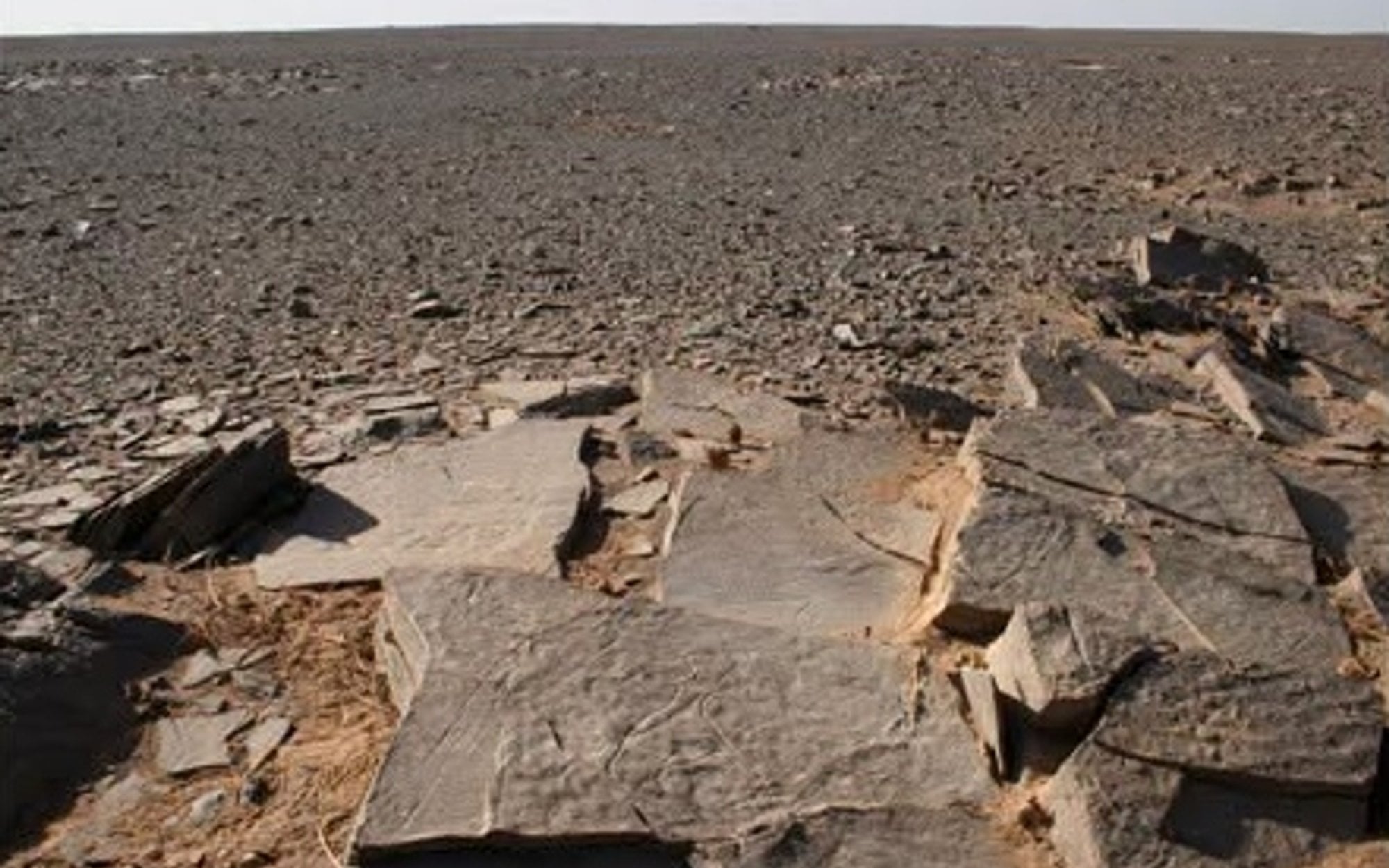
🏺
Mysterious tomb with two antennae finally dated
Mysterieus graf met twee antennes eindelijk gedateerd
Un mystérieux tombeau à deux antennes enfin daté
Now, researchers have finally dated a remarkable tomb in Western Sahara to around 4,400 years ago. The 54.5-metre stone structure has an oval mound with two long limestone arms, and its undisturbed burial held the remains of one person alongside four ostrich-egg-shell beads. Earlier dating attempts failed because the bones had no collagen, but researchers later used their mineral content to reach matching age estimates. And here's the thing: this reliable date gives archaeologists a valuable new clue about the prehistoric communities who built antennae tumuli across the Sahara.
Onderzoekers hebben nu eindelijk een opmerkelijk graf in de Westelijke Sahara gedateerd op ongeveer 4.400 jaar geleden. De stenen constructie is 54,5 meter lang en bestaat uit een ovale grafheuvel met twee lange kalkstenen armen; in het ongestoorde graf lagen de resten van één persoon en vier kraaltjes van struisvogeleierschaal. Eerdere dateringspogingen mislukten omdat er geen collageen in de botten zat, maar later konden onderzoekers de minerale delen gebruiken en kwamen ze uit op overeenstemmende leeftijden. En dat is bijzonder: deze betrouwbare datering geeft archeologen een waardevolle nieuwe aanwijzing over de prehistorische gemeenschappen die grafheuvels met antennes bouwden in de Sahara.
Les chercheurs ont enfin daté un remarquable tombeau du Sahara occidental, vieux d’environ 4 400 ans. La structure en pierre mesure 54,5 mètres et comprend un tertre ovale flanqué de deux longues rangées de blocs calcaires; la sépulture intacte contenait les restes d’une personne et quatre perles en coquille d’œuf d’autruche. Les premières tentatives de datation avaient échoué faute de collagène dans les os, mais les chercheurs ont ensuite analysé leur composant minéral et obtenu des estimations concordantes. Et voici ce qui rend cette découverte précieuse: cette datation fiable éclaire les communautés préhistoriques qui ont construit des tumulus à antennes dans le Sahara.
🧲
Tiny magnetic vortices could help computers work more like your brain
Kleine magnetische wervels kunnen computers meer als je brein laten werken
De minuscules vortex magnétiques pourraient rapprocher les ordinateurs du cerveau
I find it exciting that tiny magnetic structures called skyrmions could one day help computers process information more like the human brain, while using far less electricity. In a study published in Nature Nanotechnology, researchers explored how these magnetic vortices behave and how they can be controlled. For the first time, they filmed a skyrmion lattice melting in real time while changing the shape and size of individual skyrmions. This closer look could help scientists build smaller, more energy-efficient computing systems and advance quantum technologies.
Ik vind het fascinerend dat kleine magnetische structuren, skyrmionen genoemd, computers ooit informatie kunnen laten verwerken zoals het menselijk brein, maar met veel minder elektriciteit. In een studie in Nature Nanotechnology onderzochten wetenschappers hoe deze magnetische wervels zich gedragen en hoe ze te sturen zijn. Voor het eerst filmden ze hoe een skyrmionrooster in realtime smolt, terwijl ze de vorm en grootte van afzonderlijke skyrmionen veranderden. Dat scherpere inzicht kan helpen bij de ontwikkeling van kleinere, energiezuinigere computers en nieuwe kwantumtechnologieën.
Je trouve fascinant que de minuscules structures magnétiques appelées skyrmions puissent un jour aider les ordinateurs à traiter l’information davantage comme le cerveau humain, tout en consommant beaucoup moins d’électricité. Dans une étude publiée dans Nature Nanotechnology, des chercheurs ont étudié le comportement de ces vortex magnétiques et les moyens de les contrôler. Pour la première fois, ils ont filmé en temps réel la fusion d’un réseau de skyrmions tout en modifiant la forme et la taille de skyrmions individuels. Cette observation détaillée pourrait aider à concevoir des systèmes informatiques plus petits et plus économes en énergie, ainsi qu’à faire progresser les technologies quantiques.
🌡️
A 3D thermal cloak hides objects from infrared cameras
Een 3D-thermische mantel verbergt voorwerpen voor infraroodcamera’s
Une cape thermique 3D dissimule des objets aux caméras infrarouges
Researchers have built and tested the first three-dimensional thermal cloak, which guides heat around an object so it appears absent to an infrared camera. Unlike earlier designs, it can conceal complex shapes from heat arriving in many directions while keeping the hidden space at a stable temperature. The team made the cloak from a 3D-printed aluminum lattice combined with a heat-resistant rubber-like material. Tests successfully hid intricate shapes, pointing to exciting possibilities for protecting electronics and managing heat in microchips.
Onderzoekers hebben de eerste driedimensionale thermische mantel gebouwd en getest, die warmte om een voorwerp heen leidt zodat het voor een infraroodcamera lijkt te verdwijnen. Anders dan eerdere ontwerpen kan deze mantel complexe vormen verbergen, ongeacht uit welke richting de warmte komt, terwijl de temperatuur in de verborgen ruimte stabiel blijft. Het team maakte de mantel met een 3D-geprinte aluminiumstructuur en een rubberachtig materiaal dat warmte slecht geleidt. De tests verborgen met succes ingewikkelde vormen, wat mooie mogelijkheden biedt om elektronica te beschermen en warmte in microchips te beheersen.
Des chercheurs ont fabriqué et testé la première cape thermique tridimensionnelle, qui détourne la chaleur autour d’un objet pour le faire disparaître aux yeux d’une caméra infrarouge. Contrairement aux conceptions précédentes, elle peut dissimuler des formes complexes quelle que soit la direction d’où vient la chaleur, tout en maintenant une température stable dans l’espace caché. L’équipe a fabriqué la cape à partir d’un treillis d’aluminium imprimé en 3D et d’un matériau caoutchouteux qui conduit peu la chaleur. Les essais ont permis de cacher des formes détaillées, ouvrant des perspectives prometteuses pour protéger l’électronique et gérer la chaleur des micropuces.
🌞
A 2,700-year-old eclipse reveals new clues about Earth
Een zonsverduistering van 2.700 jaar oud onthult nieuwe aanwijzingen over de aarde
Une éclipse vieille de 2 700 ans révèle de nouveaux indices sur la Terre
So: researchers have taken another look at a total solar eclipse recorded in China in 709 BCE and uncovered fresh clues about Earth's ancient rotation. By correcting the location of the ancient city of Qufu, they could reconstruct where the eclipse appeared and refine estimates of how quickly Earth was spinning. A later historical account may also describe the Sun's corona, whose shape hints that solar activity was picking up again after a quiet stretch. The findings offer a fascinating new way to connect ancient observations with modern astronomy.
Onderzoekers hebben een totale zonsverduistering uit 709 v.Chr., die in China werd opgetekend, opnieuw onderzocht en nieuwe aanwijzingen gevonden over de draaiing van de aarde in het verre verleden. Dankzij een correctie van de locatie van de oude stad Qufu konden ze reconstrueren waar de verduistering zichtbaar was en nauwkeuriger inschatten hoe snel de aarde draaide. Een latere historische beschrijving verwijst mogelijk ook naar de zonnecorona; de vorm ervan wijst erop dat de zonneactiviteit na een lange rustige periode weer toenam. Zo verbinden deze bevindingen oude waarnemingen op een boeiende manier met de moderne astronomie.
Des chercheurs ont réexaminé une éclipse totale observée en Chine en 709 av. J.-C. et découvert de nouveaux indices sur la rotation ancienne de la Terre. En corrigeant l’emplacement de l’ancienne ville de Qufu, ils ont pu reconstituer la visibilité de l’éclipse et affiner leurs estimations de la vitesse de rotation terrestre. Un récit historique plus tardif pourrait aussi décrire la couronne solaire, dont la forme suggère que l’activité du Soleil reprenait après une longue période de calme. Ces résultats relient de façon fascinante les observations anciennes à l’astronomie moderne.
🫀
Exercise may reshape the nerves that guide the heart
Beweging hervormt mogelijk de zenuwen die het hart aansturen
L’exercice pourrait remodeler les nerfs qui pilotent le cœur
So, exercise may do more than strengthen the heart - it could also reshape the nerves that help control it. In a study led by the University of Bristol, rats that completed 10 weeks of moderate aerobic exercise showed striking differences between the nerve clusters on the body's two sides. The right cluster had roughly four times as many neurons as the left, while left-side nerve cells grew nearly twice as large and right-side cells became slightly smaller. It's an exciting new clue about how activity affects the heart's nervous system, though researchers still need to find out whether the same changes happen in people.
Beweging versterkt mogelijk niet alleen het hart, maar hervormt ook de zenuwen die het aansturen. In een onderzoek onder leiding van de Universiteit van Bristol vertoonden ratten na 10 weken matige aerobe training opvallende verschillen tussen de zenuwknooppunten aan weerszijden van het lichaam. Het rechter knooppunt bevatte ongeveer vier keer zoveel zenuwcellen als het linker, terwijl de cellen links bijna twee keer zo groot werden en die rechts iets kleiner. Dat is een boeiende nieuwe aanwijzing over de invloed van beweging op het zenuwstelsel van het hart, al moet nog blijken of mensen dezelfde veranderingen vertonen.
L’exercice pourrait non seulement renforcer le cœur, mais aussi remodeler les nerfs qui le commandent. Dans une étude menée par l’Université de Bristol, des rats ayant suivi 10 semaines d’entraînement aérobie modéré ont présenté des différences marquées entre les amas de nerfs des deux côtés du corps. L’amas droit comptait environ quatre fois plus de neurones que le gauche, tandis que les cellules nerveuses de gauche ont presque doublé de taille et celles de droite ont légèrement diminué. Voilà un nouvel indice passionnant sur l’influence de l’activité physique sur le système nerveux du cœur, même si les chercheurs doivent encore vérifier si les mêmes changements se produisent chez l’humain.
🏺
Spearfisherman accidentally discovers a 2,000-year-old Roman shipwreck
Speervisser ontdekt per toeval een 2.000 jaar oud Romeins scheepswrak
Un chasseur sous-marin découvre par hasard une épave romaine vieille de 2 000 ans
Now, here's a remarkable surprise: while scanning the seabed off Sicily for fish, spearfisher Giacomo De Mola spotted a huge shape and found a Roman shipwreck. The vessel sank between the second and first centuries BC, with at least 500 wine jars still piled in its cargo hold. De Mola promptly reported the find, and archaeologists say the amphorae could reveal more about ancient Mediterranean trade routes. And here's the exciting possibility: the tightly packed jars may have protected the ship’s wooden hull, preserving a rare glimpse of life and commerce before the Roman Empire.
Kijk, wat een bijzondere verrassing: speervisser Giacomo De Mola zocht met sonar naar vissen voor de kust van Sicilië, maar ontdekte een enorm object en dook op een Romeins scheepswrak. Het schip zonk ergens tussen de tweede en de eerste eeuw voor Christus, met minstens 500 wijnamforen nog opgestapeld in het ruim. De Mola meldde de vondst meteen, en archeologen denken dat de amforen meer kunnen vertellen over oude handelsroutes op de Middellandse Zee. En dit maakt de ontdekking extra spannend: de dicht opeengepakte kruiken hebben mogelijk de houten romp beschermd en zo een zeldzaam kijkje bewaard in het leven en de handel vóór het Romeinse Keizerrijk.
Et quelle surprise extraordinaire : alors qu’il scrutait les fonds marins au large de la Sicile à la recherche de poissons, le chasseur sous-marin Giacomo De Mola a repéré une grande forme et découvert une épave romaine. Le navire a coulé entre le IIe et le Ier siècle avant notre ère, avec au moins 500 amphores à vin encore empilées dans sa cargaison. De Mola a aussitôt signalé sa découverte, et les archéologues estiment que les amphores pourraient éclairer les anciennes routes commerciales de la Méditerranée. Et voici ce qui rend cette trouvaille encore plus fascinante : les jarres serrées les unes contre les autres ont peut-être protégé la coque en bois, préservant un aperçu rare du commerce et de la vie avant l’Empire romain.
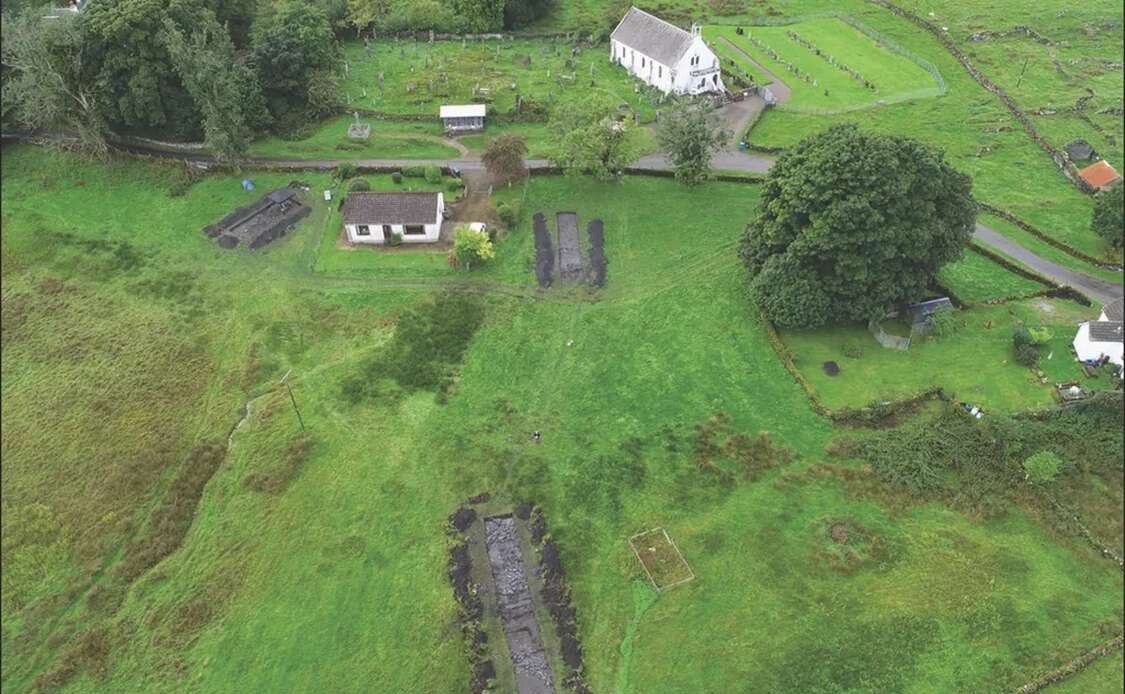
🏺
A tiny island reveals a remarkable monastic past
Een klein eiland onthult een rijk kloosterverleden
Une petite île révèle un remarquable passé monastique
So, a community-backed excavation on Scotland’s tiny Lismore Island has revealed that its early monastery was far more significant than the limited historical records suggested. Researchers uncovered early buildings, extensive burial grounds, carved stone crosses, handmade pottery and evidence of skilled craftwork. More than 1,000 metalworking fragments, along with crucibles and casting moulds, point to precious-metal production within the religious settlement. These discoveries suggest that Lismore was a thriving center of worship, learning and craftsmanship, potentially rivaling the famous monastery on Iona.
Zo heeft een door de gemeenschap gesteunde opgraving op het kleine Schotse eiland Lismore onthuld dat het vroegmiddeleeuwse klooster veel belangrijker was dan de schaarse historische bronnen deden vermoeden. Onderzoekers vonden vroege gebouwen, uitgestrekte begraafplaatsen, gebeeldhouwde stenen kruisen, handgemaakt aardewerk en sporen van gespecialiseerd ambachtswerk. Meer dan duizend fragmenten van metaalbewerking, samen met smeltkroesjes en gietvormen, wijzen op de vervaardiging van edelmetalen binnen de religieuze nederzetting. De ontdekkingen suggereren dat Lismore een bruisend centrum van geloof, kennis en vakmanschap was, dat mogelijk kon wedijveren met het beroemde klooster op Iona.
Ainsi, des fouilles soutenues par la communauté sur la petite île écossaise de Lismore ont révélé que son ancien monastère était bien plus important que ne le laissaient penser les rares sources historiques. Les chercheurs ont mis au jour des bâtiments anciens, de vastes espaces funéraires, des fragments de croix de pierre sculptées, des poteries façonnées à la main et des traces d’un artisanat spécialisé. Plus de mille fragments liés au travail des métaux, ainsi que des creusets et des moules, témoignent d’une production de métaux précieux au sein de la communauté religieuse. Ces découvertes laissent penser que Lismore était un centre florissant de culte, de savoir et d’artisanat, qui rivalisait peut-être avec le célèbre monastère d’Iona.
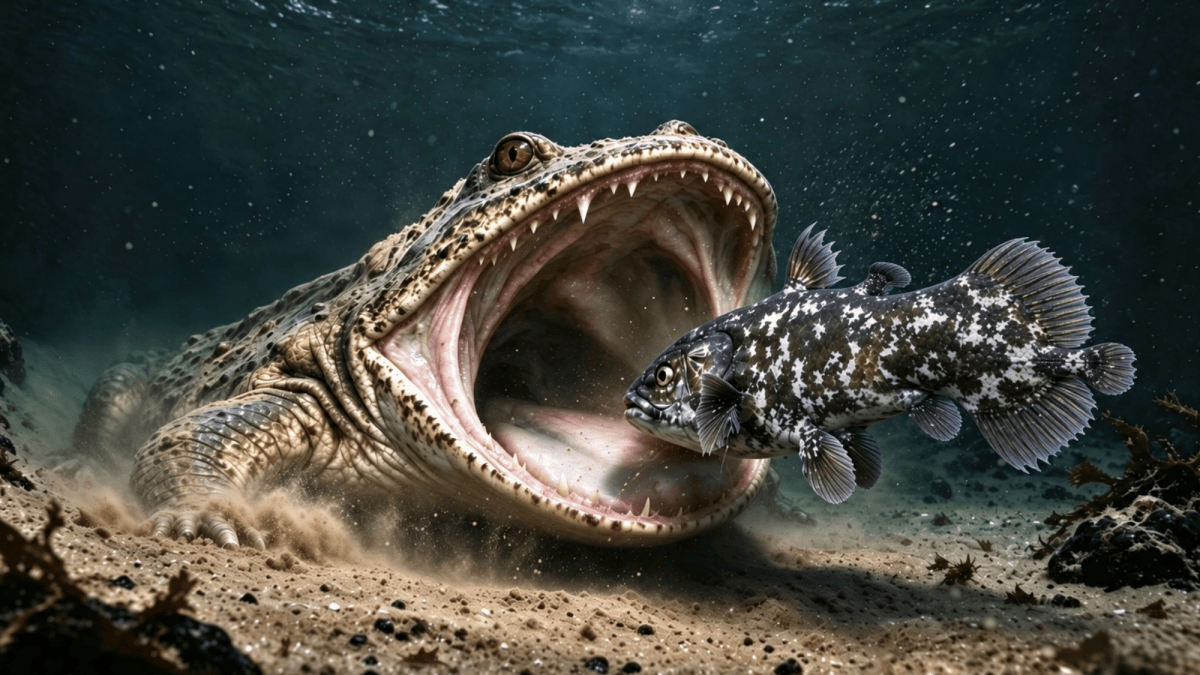
🌊
Earth’s first fully marine amphibian prowled the seafloor
De eerste volledig in zee levende amfibie scharrelde over de zeebodem
Le premier amphibien entièrement marin arpentait les fonds marins
Nearly 237 million years ago, a chunky amphibian prowled the ocean that covered what is now southern China. Fossils of Gerrothorax maritimus make it the first fully marine amphibian known from the fossil record. Its flattened, three-foot-long body was covered in bony armor that may have protected it from predators. Researchers think it waited on the seafloor and sucked in passing prey, much like some carpet sharks do today.
Bijna 237 miljoen jaar geleden scharrelde een stevig gebouwde amfibie door de zee die nu Zuid-China bedekt. Fossielen van Gerrothorax maritimus maken dit het eerste volledig in zee levende amfibie dat bekend is uit het fossielenbestand. Zijn afgeplatte lichaam van ongeveer een meter lang was bedekt met benige platen die hem mogelijk beschermden tegen roofdieren. Onderzoekers denken dat het dier op de zeebodem wachtte en passerende prooien naar binnen zoog, net als sommige tapijthaaien vandaag.
Il y a près de 237 millions d’années, un amphibien trapu rôdait dans la mer qui recouvrait ce qui est aujourd’hui le sud de la Chine. Les fossiles de Gerrothorax maritimus en font le premier amphibien entièrement marin connu dans les archives fossiles. Son corps aplati, long d’environ un mètre, était recouvert d’une armure osseuse qui le protégeait peut-être des prédateurs. Les chercheurs pensent qu’il attendait sur le fond marin pour aspirer les proies de passage, comme le font aujourd’hui certains requins tapis.

🌌
The physicist who still cycles to work
De natuurkundige die nog steeds naar het werk fietst
Le physicien qui va toujours au travail à vélo
So, Kolkata-born physicist Ashoke Sen has made history as the first Indian to receive the Oskar Klein Medal, honouring his influential work in theoretical physics. His pioneering research in string theory and black hole physics has helped deepen our understanding of the universe. Sen also received the $3 million Fundamental Physics Prize in 2012, yet he still cycles to work. And here's the thing: his story shows how curiosity, dedication and a love of ideas can matter more than outward displays of success.
De in Kolkata geboren natuurkundige Ashoke Sen schreef geschiedenis als eerste Indiër die de Oskar Klein-medaille ontving, een erkenning voor zijn invloedrijke werk in de theoretische natuurkunde. Zijn baanbrekende onderzoek naar snaartheorie en zwarte gaten heeft ons begrip van het heelal verdiept. In 2012 ontving Sen ook de Fundamental Physics Prize ter waarde van 3 miljoen dollar, maar hij fietst nog steeds naar zijn werk. Zijn verhaal laat zien dat nieuwsgierigheid, toewijding en liefde voor ideeën belangrijker kunnen zijn dan uiterlijke tekenen van succes.
Le physicien Ashoke Sen, né à Kolkata, est devenu le premier Indien à recevoir la médaille Oskar Klein, qui récompense ses travaux influents en physique théorique. Ses recherches pionnières sur la théorie des cordes et les trous noirs ont contribué à approfondir notre compréhension de l’univers. Sen a également reçu le prix de physique fondamentale de 3 millions de dollars en 2012, et pourtant, il se rend toujours au travail à vélo. Son parcours montre que la curiosité, la persévérance et le goût des idées peuvent compter davantage que les signes extérieurs de réussite.
🔬
Scientists solve the color-changing mystery of the Lycurgus cup
Britse wetenschappers ontrafelen het mysterie van de verkleurende Lycurgus-beker
Des scientifiques élucident le mystère de la coupe de Lycurgue qui change de couleur
So, British scientists have shed new light on the remarkable colors of the late antique Lycurgus cup. This Roman glass vessel can look green in reflected light and red when light shines through it. The effect comes from tiny gold and silver particles embedded in the glass, which interact with light in unusual ways. It’s a striking example of how ancient craftsmanship combined art and materials science.
Britse wetenschappers hebben nieuw licht geworpen op de bijzondere kleuren van de laatantieke Lycurgus-beker. Dit Romeinse glazen voorwerp kan groen lijken wanneer het licht erop weerkaatst, en rood wanneer het licht erdoorheen schijnt. Het effect ontstaat door piepkleine goud- en zilverdeeltjes in het glas, die op een bijzondere manier met licht reageren. Zo toont de beker hoe kunst en materiaalkennis al in de oudheid samenkwamen.
Des scientifiques britanniques ont apporté un nouvel éclairage sur les couleurs étonnantes de la coupe de Lycurgue, datant de l’Antiquité tardive. Ce récipient romain en verre peut paraître vert lorsque la lumière se réfléchit sur sa surface, et rouge lorsqu’elle le traverse. Cet effet est dû à de minuscules particules d’or et d’argent intégrées au verre, qui interagissent de façon particulière avec la lumière. La coupe illustre avec éclat la rencontre entre art et science des matériaux dans l’Antiquité.

🧵
A hairstylist unraveled an ancient Roman hair mystery
Een kapster ontrafelde een eeuwenoud Romeins haarmysterie
Une coiffeuse a résolu un mystère capillaire romain
For centuries, scholars thought Roman women’s elaborate braided hairstyles must have been wigs. Baltimore hairstylist Janet Stephens questioned that idea after studying Roman busts and spent years testing how the styles could have been made. A clue in the Latin word acus led her to try sewing braids into place with a needle and thread. Her practical discovery reshaped ideas about Roman hairdressing and shows how fresh perspectives can reveal what experts have missed.
Eeuwenlang dachten onderzoekers dat de ingewikkelde gevlochten kapsels van Romeinse vrouwen pruiken moesten zijn. De kapster Janet Stephens uit Baltimore twijfelde daaraan nadat ze Romeinse bustes had bestudeerd en onderzocht jarenlang hoe de kapsels gemaakt konden zijn. Een aanwijzing in het Latijnse woord acus bracht haar op het idee om vlechten met naald en draad vast te naaien. Haar praktische ontdekking veranderde het beeld van Romeinse haarstyling en laat zien hoe een frisse blik nieuwe inzichten kan opleveren.
Pendant des siècles, les spécialistes ont pensé que les coiffures romaines tressées et très élaborées étaient forcément des perruques. Janet Stephens, coiffeuse à Baltimore, a remis cette idée en question après avoir observé des bustes romains et a passé des années à tester différentes techniques. Un indice dans le mot latin acus lui a donné l’idée de fixer les tresses avec une aiguille et du fil. Sa découverte concrète a renouvelé les connaissances sur la coiffure romaine et montre qu’un regard neuf peut révéler ce qui avait échappé aux spécialistes.

📚
Explore censored writing in a minecraft library
Ontdek gecensureerde teksten in een minecraftbibliotheek
Découvrez des textes censurés dans une bibliothèque minecraft
So: Minecraft is home to a remarkable library where readers can explore writing that authoritarian governments have tried to silence. Reporters Without Borders and design collective BlockWorks created the grand virtual space, filling its country-themed wings with books, essays, and articles. The collection includes works from writers in countries such as Iran, Russia, and Egypt, and recently added a section about press freedom in the United States. You can visit the library online in Minecraft or download it to explore offline.
In Minecraft vind je een bijzondere bibliotheek waar lezers teksten kunnen ontdekken die autoritaire regeringen probeerden het zwijgen op te leggen. Reporters Without Borders en ontwerpcollectief BlockWorks bouwden deze indrukwekkende digitale plek, met boeken, essays en artikelen in vleugels rond verschillende landen. De collectie bevat werk van schrijvers uit onder meer Iran, Rusland en Egypte, en kreeg onlangs ook een afdeling over persvrijheid in de Verenigde Staten. Je kunt de bibliotheek online bezoeken in Minecraft of downloaden om haar offline te verkennen.
Minecraft abrite une bibliothèque étonnante où l’on peut découvrir des textes que des gouvernements autoritaires ont tenté de faire taire. Reporters sans frontières et le collectif de création BlockWorks ont conçu ce vaste espace virtuel, dont les ailes consacrées à différents pays rassemblent livres, essais et articles. La collection comprend des œuvres d’auteurs de pays comme l’Iran, la Russie et l’Égypte, et accueille depuis peu une section sur la liberté de la presse aux États-Unis. On peut visiter la bibliothèque en ligne dans Minecraft ou la télécharger pour l’explorer hors ligne.
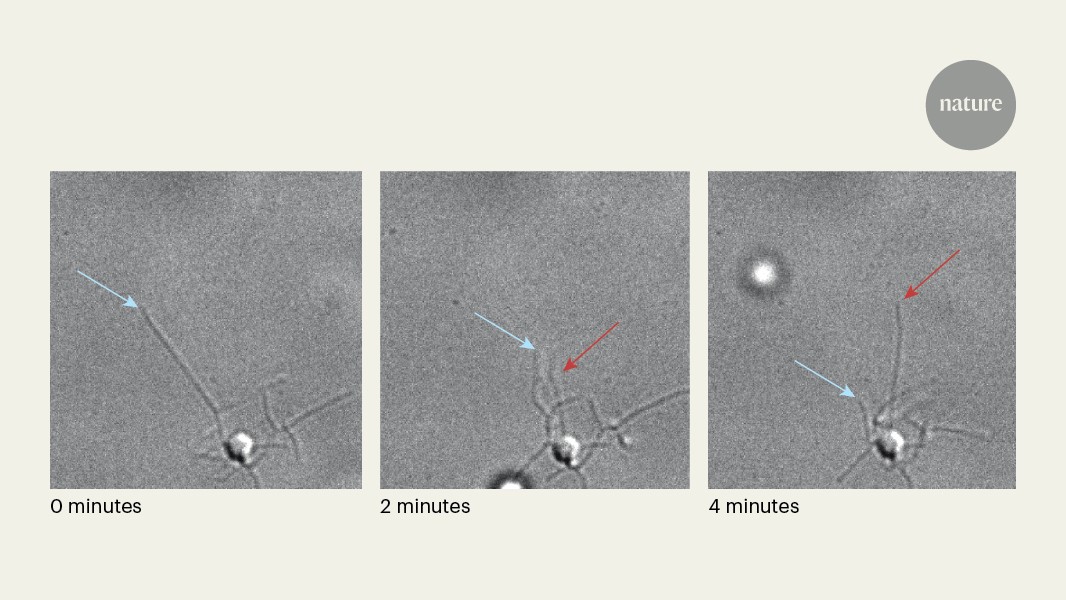
🔬
A glimpse of archaea on the move
Een glimp van bewegende archaea
Un aperçu des archées en mouvement
So, how did cells first gain the ability to crawl? Live imaging of archaea related to early eukaryotes is helping researchers explore this intriguing question. Radler and colleagues’ study offers fresh insight into how crawling movement may have evolved. It fills an important gap in our understanding of cellular evolution.
Hoe kregen cellen eigenlijk voor het eerst het vermogen om te kruipen? Met livebeelden van archaea die verwant zijn aan vroege eukaryoten onderzoeken wetenschappers deze boeiende vraag. De studie van Radler en collega's biedt nieuwe inzichten in hoe kruipende beweging kan zijn geëvolueerd. Zo wordt een belangrijke leemte in ons begrip van de evolutie van cellen opgevuld.
Comment les cellules ont-elles acquis la capacité de ramper ? L’imagerie en direct d’archées apparentées aux premiers eucaryotes aide les chercheurs à explorer cette question fascinante. L’étude de Radler et de ses collègues apporte un nouvel éclairage sur l’évolution possible de cette locomotion. Elle comble une lacune importante dans notre compréhension de l’évolution cellulaire.
🪱
Earthworms could help farmers cope with both drought and heavy rain
Regenwormen helpen boeren bij zowel droogte als hevige regen
Les vers de terre pourraient aider les agriculteurs face à la sécheresse comme aux fortes pluies
So: earthworms may be small, but they can make a big difference to how farmland handles extreme weather. Their tunnels help water soak into the soil when rain is heavy, while healthy soil can hold onto moisture when conditions turn dry. That could give farmers a natural way to make their fields more resilient as weather becomes less predictable. And here's the thing: looking after life beneath the soil may help protect the harvest above it.
Regenwormen zijn klein, maar kunnen een groot verschil maken voor de manier waarop landbouwgrond met extreem weer omgaat. Hun gangen helpen regenwater in de bodem te zakken, terwijl een gezonde bodem vocht kan vasthouden wanneer het droog wordt. Zo krijgen boeren mogelijk een natuurlijke manier om hun akkers weerbaarder te maken nu het weer minder voorspelbaar wordt. En daar zit de kracht: wie het leven onder de grond beschermt, helpt ook de oogst erboven.
Les vers de terre sont petits, mais ils peuvent changer considérablement la façon dont les terres agricoles résistent aux phénomènes météorologiques extrêmes. Leurs galeries facilitent l’infiltration de l’eau lorsqu’il pleut beaucoup, tandis qu’un sol sain peut retenir l’humidité en période de sécheresse. Les agriculteurs pourraient ainsi disposer d’un moyen naturel de rendre leurs champs plus résistants face à une météo moins prévisible. Et c’est là tout l’intérêt : protéger la vie sous terre peut aussi contribuer à préserver les récoltes en surface.
⚛️
A hidden obstacle to more powerful quantum computers overcome
Een verborgen obstakel voor krachtigere quantumcomputers overwonnen
Un obstacle caché aux ordinateurs quantiques plus puissants surmonté
So, silicon spin qubits are promising for quantum computers because they can be made using techniques already used for computer chips. Researchers at RIKEN and their collaborators found that an effect called the AC Stark shift was causing errors when several qubits were controlled at once. Their pair-based calibration method helped keep accuracy above 99.99% with up to three qubits operating simultaneously, and around 99.9% with all five. That is an encouraging step toward scaling up silicon quantum processors while keeping their operations remarkably precise.
Silicium-spinqubits zijn veelbelovend voor quantumcomputers, omdat ze gemaakt kunnen worden met technieken die al voor computerchips worden gebruikt. Onderzoekers van RIKEN en hun partners ontdekten dat een effect met de naam AC-Starkverschuiving fouten veroorzaakte wanneer meerdere qubits tegelijk werden aangestuurd. Hun kalibratiemethode op basis van qubitparen hield de nauwkeurigheid boven 99,99% met maximaal drie qubits tegelijk, en rond 99,9% wanneer alle vijf actief waren. Dat is een mooie stap richting grotere quantumprocessors op basis van silicium, met opvallend nauwkeurige bewerkingen.
Les qubits de spin en silicium sont prometteurs pour les ordinateurs quantiques, car ils peuvent être fabriqués avec des techniques déjà employées pour les puces informatiques. Des chercheurs du RIKEN et leurs collaborateurs ont découvert qu’un effet appelé décalage Stark dynamique provoquait des erreurs lorsque plusieurs qubits étaient contrôlés simultanément. Leur méthode d’étalonnage par paires a permis de maintenir une précision supérieure à 99,99 % avec jusqu’à trois qubits actifs à la fois, et d’environ 99,9 % lorsque les cinq fonctionnaient ensemble. Voilà une avancée encourageante vers des processeurs quantiques en silicium plus grands, capables d’opérations remarquablement précises.

🔬
Can nature be strange if something is both a particle and a wave?
Is de natuur vreemd als iets tegelijk een deeltje en een golf kan zijn?
La nature est-elle étrange si quelque chose peut être à la fois une particule et une onde ?
In her new book, physicist and cosmologist Chanda Prescod-Weinstein explores the universe through the lively, associative workings of her own mind. She connects ideas in physics with cultural history, music and personal experience, from Maxwell’s discoveries to the meaning of 1865 for Black Americans. These unexpected links, she says, can make science more welcoming to readers who have not always felt at home with physics. And here's the thing: sometimes the universe is strange, but we may simply need a better metaphor to describe it.
In haar nieuwe boek verkent natuurkundige en kosmoloog Chanda Prescod-Weinstein het universum via de levendige associaties die in haar hoofd opkomen. Ze verbindt natuurkundige ideeën met cultuurgeschiedenis, muziek en persoonlijke ervaringen, van Maxwells ontdekkingen tot de betekenis van 1865 voor zwarte Amerikanen. Die onverwachte verbanden kunnen natuurkunde toegankelijker maken voor lezers die zich er niet altijd thuis bij hebben gevoeld. En zo is het: soms is het universum vreemd, maar misschien hebben we gewoon een betere metafoor nodig om het te beschrijven.
Dans son nouveau livre, la physicienne et cosmologue Chanda Prescod-Weinstein explore l’univers en suivant le fil vivant et associatif de ses pensées. Elle relie les idées scientifiques à l’histoire culturelle, à la musique et à son expérience personnelle, des découvertes de Maxwell à la signification de l’année 1865 pour les Afro-Américains. Selon elle, ces rapprochements inattendus peuvent rendre la physique plus accueillante pour les lecteurs qui ne s’y sont pas toujours sentis à leur place. Et voilà l’idée : l’univers est parfois étrange, mais il nous faut peut-être simplement une meilleure métaphore pour le décrire.
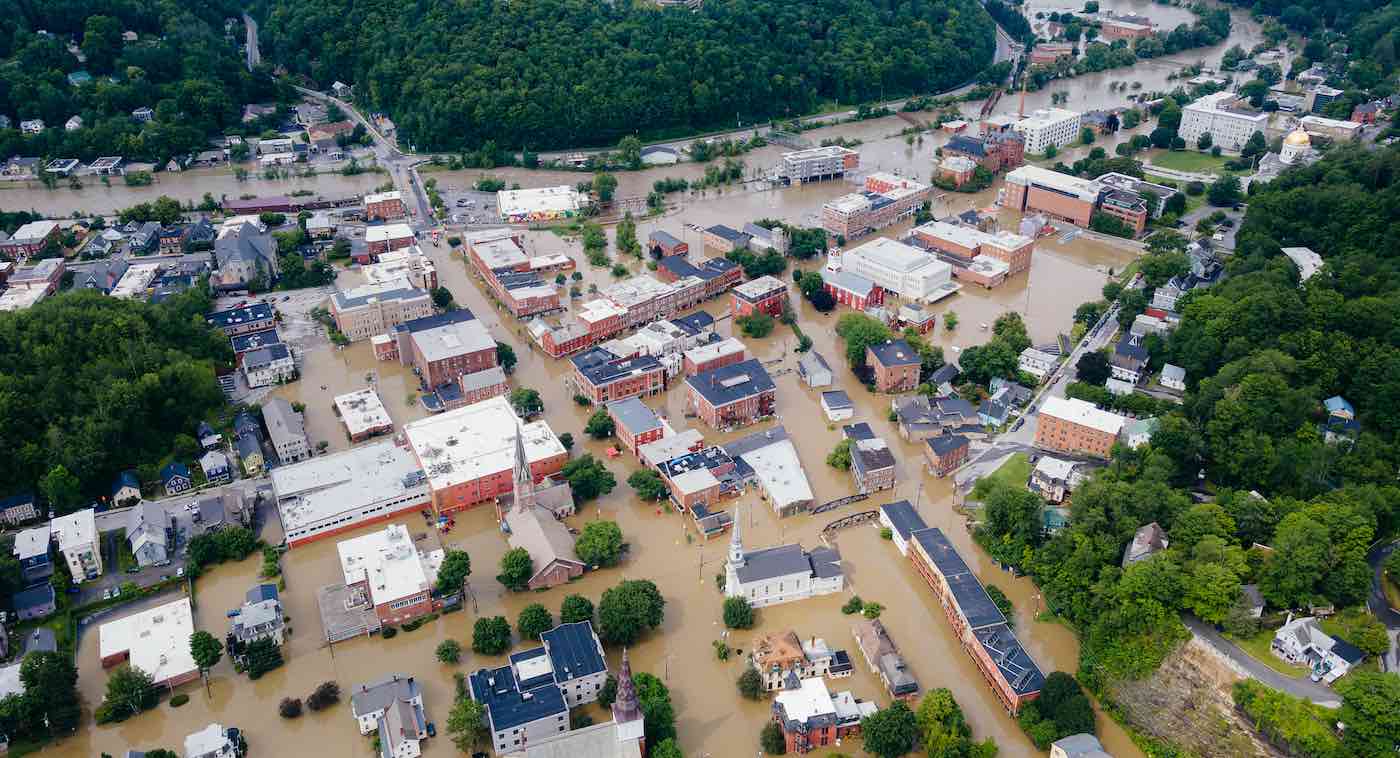
🌊
Flood worries? Tape can keep 99% of water out
Bang voor overstromingen? Tape houdt 99% van het water tegen
Inquiet face aux inondations ? Le ruban bloque 99 % de l’eau
So, here’s a surprisingly simple way to help protect a home from flooding: tape. University of Hull tests found that flexible synthetic rubber tape cut water leakage by 99%, while duct tape reduced it by 97-98% compared with an unprotected door. The tapes also outperformed sandbags, and they’re cheaper, lighter and easier to store. Applying tape to the outside of a door worked best, and researchers say having supplies ready can make a real difference when floodwater threatens.
Een verrassend eenvoudige manier om een woning tegen overstromingen te helpen beschermen? Tape. Tests van de Universiteit van Hull toonden aan dat flexibele tape van synthetisch rubber waterlekkage met 99% verminderde, terwijl ducttape de lekkage met 97-98% terugbracht in vergelijking met een onbeschermde deur. De tapes presteerden ook beter dan zandzakken en zijn goedkoper, lichter en makkelijker op te bergen. Tape aan de buitenkant van de deur aanbrengen werkte het best, en onderzoekers zeggen dat een voorraad klaar hebben liggen echt verschil kan maken wanneer het water stijgt.
Voici une façon étonnamment simple d’aider à protéger une maison contre les inondations : le ruban adhésif. Des essais menés par l’Université de Hull ont montré que le ruban souple en caoutchouc synthétique réduisait les infiltrations d’eau de 99 %, tandis que le ruban adhésif toilé les réduisait de 97 à 98 % par rapport à une porte sans protection. Ces rubans ont aussi fait mieux que les sacs de sable, tout en étant moins chers, plus légers et plus faciles à ranger. Les poser à l’extérieur de la porte donne les meilleurs résultats, et les chercheurs soulignent qu’avoir le matériel prêt peut vraiment aider lorsque les eaux montent.

♻️
Bhopal’s café turns waste into food
In Bhopal ruil je afval in voor eten
À Bhopal, les déchets s’échangent contre des repas
In Bhopal, the Kachra Café lets people exchange plastic and other waste for food and essentials. So, materials that might otherwise be litter can find their way into recycling instead. The café makes waste sorting feel accessible and shows how small everyday choices can support a cleaner community. It’s a clever reminder that what we call rubbish can still have value when handled responsibly.
In Bhopal kunnen mensen bij het Kachra Café plastic en ander afval inruilen voor eten en basisbenodigdheden. Zo belanden materialen die anders op straat zouden kunnen liggen eerder in de recycling. Het café maakt afval scheiden laagdrempelig en laat zien hoe kleine dagelijkse keuzes bijdragen aan een schonere buurt. Een mooi idee dat laat zien dat afval nog waarde kan hebben als we er verantwoord mee omgaan.
À Bhopal, le Kachra Café permet d’échanger du plastique et d’autres déchets contre de la nourriture et des produits essentiels. Ainsi, des matériaux qui risqueraient autrement de finir dans la rue peuvent être dirigés vers le recyclage. Le café rend le tri des déchets plus accessible et montre comment de petits gestes quotidiens peuvent aider à rendre la communauté plus propre. Une belle initiative qui rappelle que ce que nous appelons des déchets peut encore avoir de la valeur quand on le traite de manière responsable.
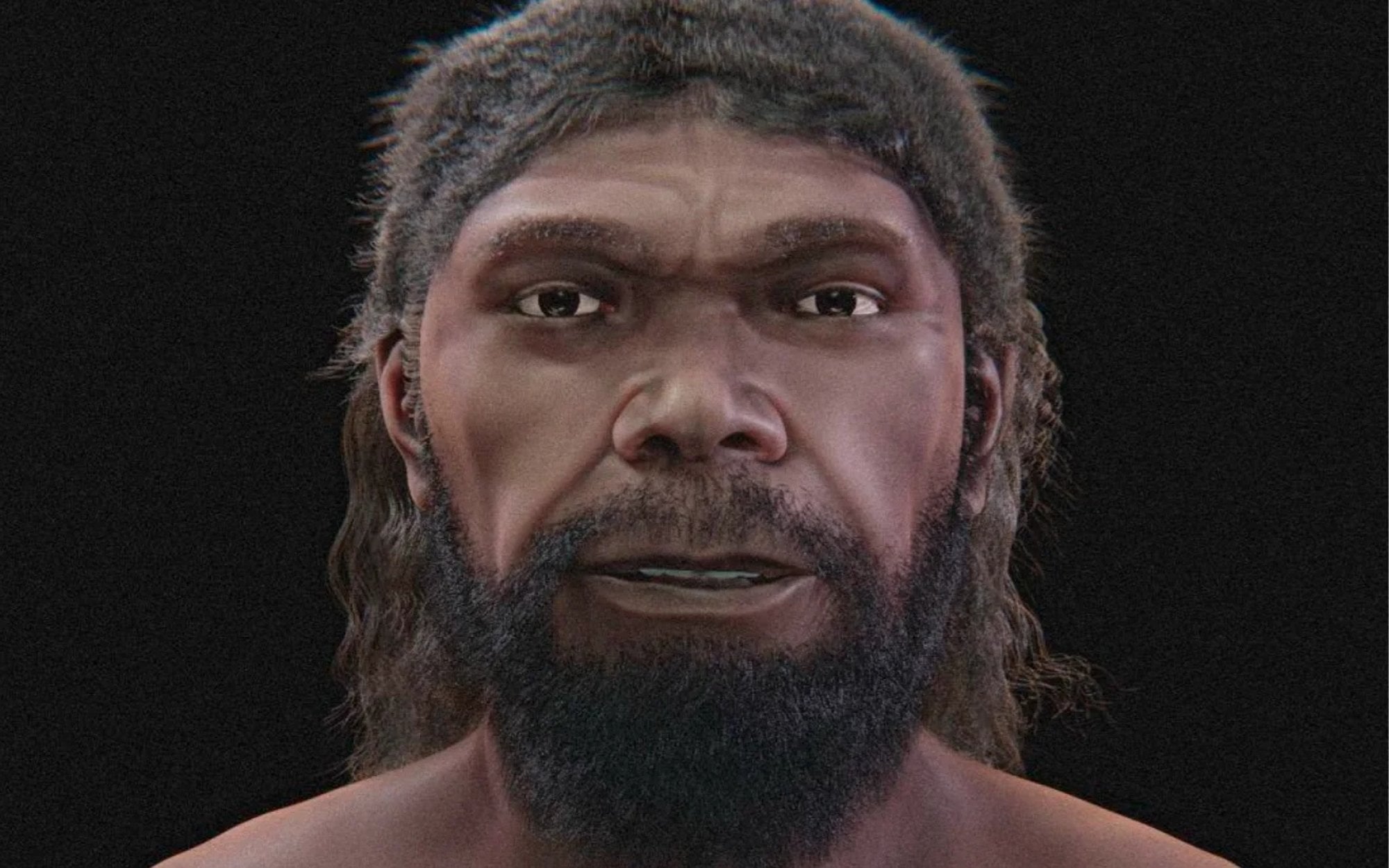
🧬
Scientists recreate the face of the oldest Homo sapiens - and it looks familiar
Wetenschappers reconstrueren het gezicht van de oudste Homo sapiens - en het ziet er vertrouwd uit
Des scientifiques reconstituent le visage du plus ancien Homo sapiens - et il nous semble familier
A team led by Brazilian 3D designer Cícero Moraes has digitally reconstructed the face of an early Homo sapiens who lived around 315,000 years ago in what is now Morocco. The fossils from Jebel Irhoud are the oldest known remains of our species, pushing its estimated origins back by about 100,000 years. Since the skull and jaw were assembled from remains belonging to different individuals, the result is a composite reconstruction, not an exact portrait. It suggests that although this early human had a long skull and a prominent jaw, his face would still look surprisingly familiar today.
Een team onder leiding van de Braziliaanse 3D-ontwerper Cícero Moraes heeft het gezicht digitaal gereconstrueerd van een vroege Homo sapiens die ongeveer 315.000 jaar geleden in het huidige Marokko leefde. De fossielen uit Jebel Irhoud zijn de oudste bekende resten van onze soort en schuiven het geschatte begin van onze geschiedenis ongeveer 100.000 jaar terug. Omdat de schedel en kaak zijn samengesteld uit resten van verschillende individuen, is de reconstructie geen exact portret. Ze laat zien dat deze vroege mens ondanks zijn langwerpige schedel en vooruitstekende kaak er verrassend vertrouwd uit zou zien.
Une équipe dirigée par le concepteur 3D brésilien Cícero Moraes a reconstitué numériquement le visage d’un Homo sapiens ancien qui vivait il y a environ 315 000 ans dans l’actuel Maroc. Les fossiles de Jebel Irhoud sont les plus anciens restes connus de notre espèce et repoussent ses origines estimées d’environ 100 000 ans. Comme le crâne et la mâchoire ont été assemblés à partir de restes de plusieurs individus, il ne s’agit pas d’un portrait exact. La reconstitution suggère que, malgré un crâne allongé et une mâchoire proéminente, cet humain ancien aurait un visage étonnamment familier aujourd’hui.

🍁
Why Kashmir’s chinar trees turn fiery red each autumn
Waarom de chinarbomen in Kasjmir elke herfst vuurrood kleuren
Pourquoi les chinars du Cachemire prennent des teintes rouge feu chaque automne
Each autumn, Kashmir’s chinar trees turn from green to glowing shades of yellow, orange and red as winter approaches. As the trees prepare to shed their leaves, green chlorophyll breaks down, revealing yellow and orange pigments that were already there. Red shades can come from anthocyanins, though scientists have not established exactly which pigments create every crimson hue in Kashmir’s chinars. This seasonal display is part of the trees’ winter preparations, and a Tree Aadhaar initiative is helping authorities identify and protect individual chinars.
Elke herfst kleuren de chinarbomen in Kasjmir groen, geel, oranje en rood wanneer de winter nadert. Terwijl de bomen zich voorbereiden om hun bladeren te verliezen, wordt het groene chlorofyl afgebroken en komen gele en oranje pigmenten tevoorschijn die al in de bladeren aanwezig waren. Rode tinten kunnen ontstaan door anthocyanen, al hebben wetenschappers nog niet vastgesteld welke pigmenten precies elke karmozijnrode kleur van de chinars in Kasjmir veroorzaken. Dit kleurrijke seizoen hoort bij de voorbereiding van de bomen op de winter, en met het Tree Aadhaar-initiatief kunnen de autoriteiten individuele chinars identificeren en beschermen.
Chaque automne, les chinars du Cachemire passent du vert à des nuances lumineuses de jaune, d’orange et de rouge à l’approche de l’hiver. En se préparant à perdre leurs feuilles, les arbres décomposent leur chlorophylle verte, révélant des pigments jaunes et orange déjà présents. Les teintes rouges peuvent provenir des anthocyanes, mais les scientifiques n’ont pas encore établi quels pigments donnent exactement aux chinars du Cachemire toutes leurs nuances cramoisies. Ce spectacle saisonnier fait partie de la préparation des arbres à l’hiver, et l’initiative Tree Aadhaar aide les autorités à identifier et à protéger chaque chinar.
🔭
Three giant black holes found in a galaxy from the dawn of time
Drie reusachtige zwarte gaten ontdekt in een sterrenstelsel uit de oertijd
Trois trous noirs géants découverts dans une galaxie des premiers temps
So: astronomers have found three actively feeding supermassive black holes in galaxy J0148-4214, more than 12.5 billion light-years away. We see the galaxy as it was just 1.2 billion years after the Big Bang, and two of its black holes sit close together near the centre while the third lies farther out. Their masses range from about 600,000 to 80 million times that of the Sun, and the smallest is feeding at an exceptionally high rate. This rare discovery offers fresh clues about how black holes grew and came together in the early universe, with possible mergers ahead for future gravitational-wave observatories to detect.
Astronomen hebben drie actief voedende superzware zwarte gaten ontdekt in sterrenstelsel J0148-4214, op ruim 12,5 miljard lichtjaar afstand. We zien het sterrenstelsel zoals het eruitzag, slechts 1,2 miljard jaar na de oerknal; twee zwarte gaten liggen dicht bij elkaar in het centrum en het derde bevindt zich verder weg. Hun massa varieert van ongeveer 600.000 tot 80 miljoen keer die van de zon, en het kleinste voedt zich uitzonderlijk snel. Deze zeldzame ontdekking biedt nieuwe inzichten in hoe zwarte gaten in het jonge heelal groeiden en naar elkaar toe kwamen, en in mogelijke samensmeltingen die toekomstige zwaartekrachtgolfdetectoren kunnen waarnemen.
Des astronomes ont découvert trois trous noirs supermassifs en pleine croissance dans la galaxie J0148-4214, située à plus de 12,5 milliards d’années-lumière. Nous observons cette galaxie telle qu’elle était seulement 1,2 milliard d’années après le Big Bang : deux trous noirs sont rapprochés près du centre, tandis que le troisième se trouve plus loin. Leur masse varie d’environ 600 000 à 80 millions de fois celle du Soleil, et le plus petit se nourrit à un rythme exceptionnellement élevé. Cette découverte rare éclaire la croissance et le rapprochement des trous noirs dans l’Univers jeune, ainsi que les fusions que de futurs observatoires d’ondes gravitationnelles pourraient détecter.
🦖
New evidence suggests spinosaurus spent most of its life underwater
Nieuw bewijs suggereert dat spinosaurus het grootste deel van zijn leven onder water doorbracht
De nouvelles preuves suggèrent que le spinosaurus passait la majeure partie de sa vie sous l’eau
So, how much time did Spinosaurus really spend in the water? A new Yale study combined fossil measurements, CT scans and machine learning to investigate how ancient animals adapted to aquatic life. Its findings suggest that Spinosaurus spent most of its life underwater, adding fresh evidence to a long-running scientific debate. The approach also helps researchers make more rigorous estimates of how extinct animals lived when fossil clues point in different directions.
Hoeveel tijd bracht Spinosaurus nu echt in het water door? Een nieuwe studie van Yale combineerde fossiele metingen, CT-scans en machine learning om te onderzoeken hoe prehistorische dieren zich aan een leven in het water aanpasten. De resultaten suggereren dat Spinosaurus het grootste deel van zijn leven onder water doorbracht, een nieuwe bijdrage aan een langdurig wetenschappelijk debat. Deze aanpak helpt onderzoekers ook om beter onderbouwde inschattingen te maken wanneer fossiele aanwijzingen elkaar tegenspreken.
Alors, combien de temps le spinosaurus passait-il vraiment dans l’eau ? Une nouvelle étude de Yale a combiné des mesures de fossiles, des scanners CT et l’apprentissage automatique pour examiner comment les animaux anciens se sont adaptés à la vie aquatique. Ses résultats suggèrent que le spinosaurus passait la majeure partie de sa vie sous l’eau, apportant de nouveaux éléments à un débat scientifique de longue date. Cette méthode aide aussi les chercheurs à mieux reconstituer le mode de vie des animaux disparus lorsque les indices fossiles se contredisent.
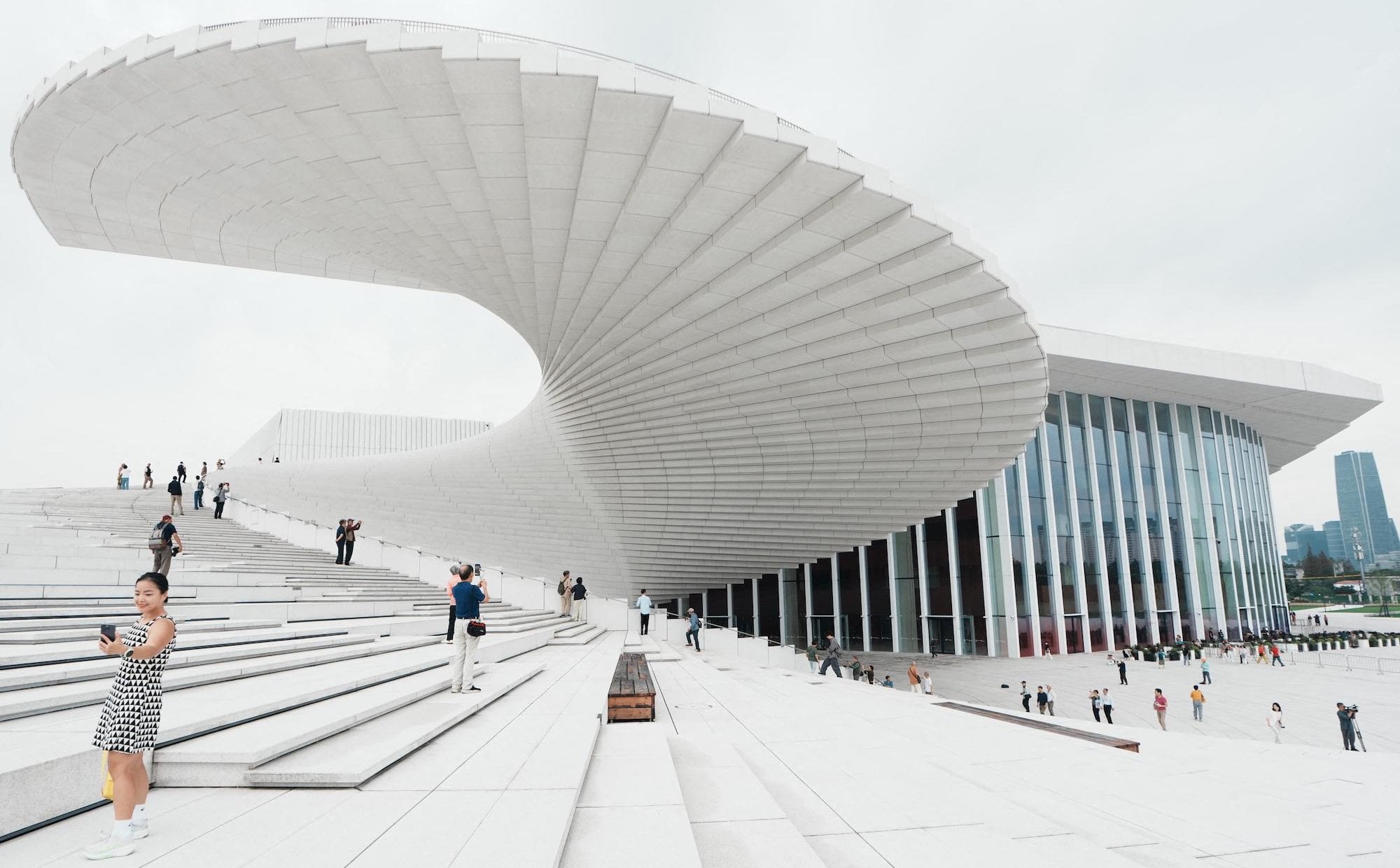
🏛️
Shanghai’s spectacular new opera house is ready
Het opvallende nieuwe operagebouw van Shanghai is klaar
Le spectaculaire nouvel opéra de Shanghai est prêt
So: Shanghai has unveiled its striking Grand Opera House after a decade of construction, adding a bold cultural landmark to the Huangpu riverfront. Designed by Snøhetta with local and specialist partners, the 146,000-square-metre building brings together three auditoriums with seating for 4,200, alongside rehearsal, exhibition, learning and dining spaces. Its defining flourish is a sweeping spiral staircase that climbs from ground level to a multifunctional rooftop with viewing platforms. And here’s the thing: conceived as an open public place, the opera welcomes passers-by as well as ticket holders, while its three distinct halls are tailored to different kinds of performance.
Kijk eens: na tien jaar bouwen heeft Shanghai zijn opvallende Grote Opera geopend, een nieuw cultureel herkenningspunt aan de Huangpu. Het gebouw van 146.000 vierkante meter is ontworpen door Snøhetta, samen met lokale en gespecialiseerde partners, en omvat drie zalen met samen plaats voor 4.200 bezoekers. Daarnaast zijn er repetitie-, tentoonstellings- en leerplekken, restaurants en een indrukwekkende buitentrap die in een spiraal naar het dak loopt. En het mooie is: de opera is opgevat als een openbaar gebouw waar ook voorbijgangers welkom zijn, terwijl de drie zalen elk ruimte bieden aan verschillende soorten voorstellingen.
Voilà une nouvelle adresse culturelle spectaculaire : après dix ans de travaux, Shanghai a inauguré son Grand Opéra, au bord du Huangpu. Conçu par Snøhetta avec des partenaires locaux et spécialisés, ce bâtiment de 146 000 mètres carrés réunit trois salles pouvant accueillir au total 4 200 spectateurs. Il abrite aussi des espaces de répétition, d’exposition et d’apprentissage, ainsi que des restaurants, et se distingue par un grand escalier extérieur en spirale qui mène jusqu’au toit. Et voici ce qui le rend particulièrement accueillant : pensé comme un lieu public ouvert, l’opéra reçoit aussi bien les passants que les spectateurs, tandis que ses trois salles s’adaptent à différents types de représentations.
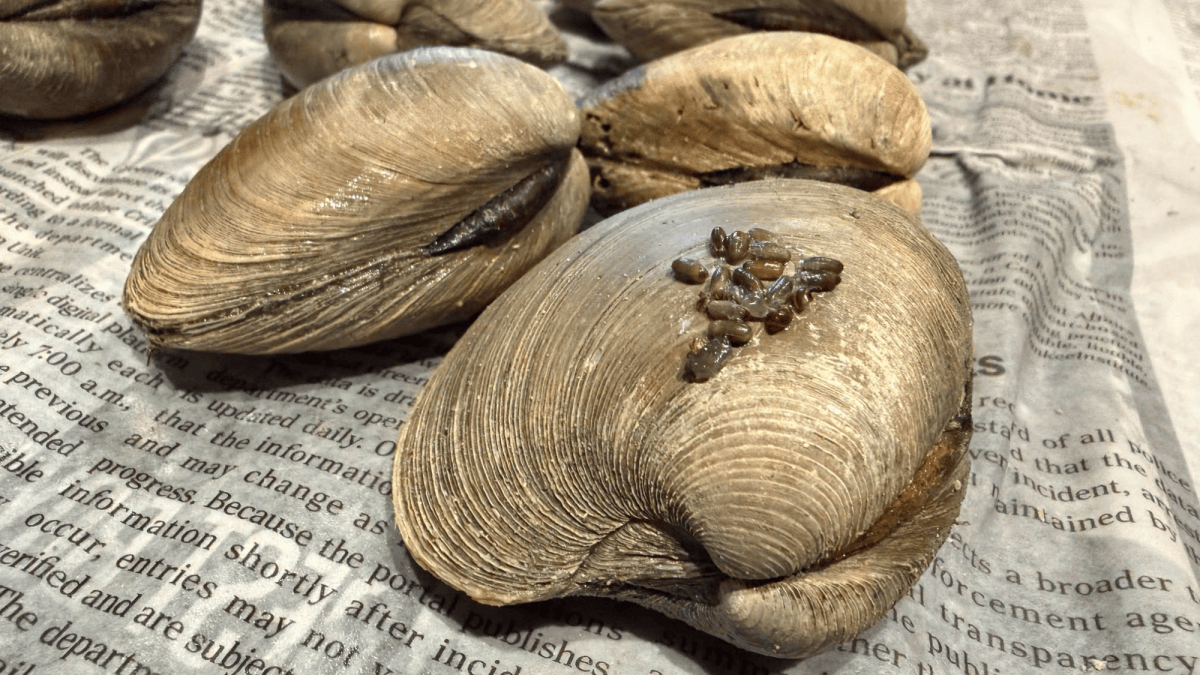
🌱
Volunteers glue eelgrass seeds to clams in connecticut
Vrijwilligers lijmen zeegraszaadjes op schelpen in connecticut
Des bénévoles collent des graines de zostère sur des palourdes au connecticut
Along Long Island Sound, volunteers are giving eelgrass a clever helping hand by attaching its seeds to clam shells. Eelgrass meadows shelter young marine life, reduce erosion and help filter coastal waters, but populations in the region have fallen by more than 90 percent since the 1930s. The clams bury themselves in sediment, carrying seeds with them, and early drone surveys found meadow coverage had grown by 178 percent after the 2025 effort, though researchers say it will take three years to confirm lasting success. Volunteers are now testing wet rice paper reinforced with coral-restoration glue, as the team aims to release 10,000 clams carrying 300,000 seeds this season.
Langs Long Island Sound helpen vrijwilligers zeegras op een slimme manier terug te brengen door zaadjes op kokkelschelpen te bevestigen. Zeegrasvelden bieden jonge zeedieren beschutting, remmen kusterosie en helpen het water te zuiveren, maar sinds de jaren 1930 is het zeegras in de regio met meer dan 90 procent afgenomen. De kokkels graven zich in de zeebodem in en nemen de zaadjes mee; vroege dronebeelden lieten na de actie van 2025 een groei van 178 procent in het begroeide oppervlak zien, al willen onderzoekers drie jaar afwachten voordat ze het succes definitief bevestigen. Vrijwilligers testen nu nat rijstpapier, vastgezet met lijm uit het koraalherstel, terwijl het team dit seizoen 10.000 kokkels met in totaal 300.000 zaadjes wil uitzetten.
Le long du détroit de Long Island, des bénévoles donnent un coup de pouce ingénieux à la zostère en fixant ses graines sur des coquilles de palourdes. Les prairies de zostère abritent les jeunes espèces marines, limitent l’érosion côtière et contribuent à filtrer l’eau, mais leur superficie dans la région a diminué de plus de 90 % depuis les années 1930. En s’enfouissant dans les sédiments, les palourdes emportent les graines avec elles; les premières images prises par drone ont révélé une hausse de 178 % de la couverture des prairies après l’essai de 2025, même si les chercheurs attendront trois ans avant de confirmer que les résultats durent. Les bénévoles testent maintenant du papier de riz humidifié, fixé avec une colle utilisée pour restaurer les récifs coralliens, et l’équipe prévoit de relâcher cette saison 10 000 palourdes portant 300 000 graines.
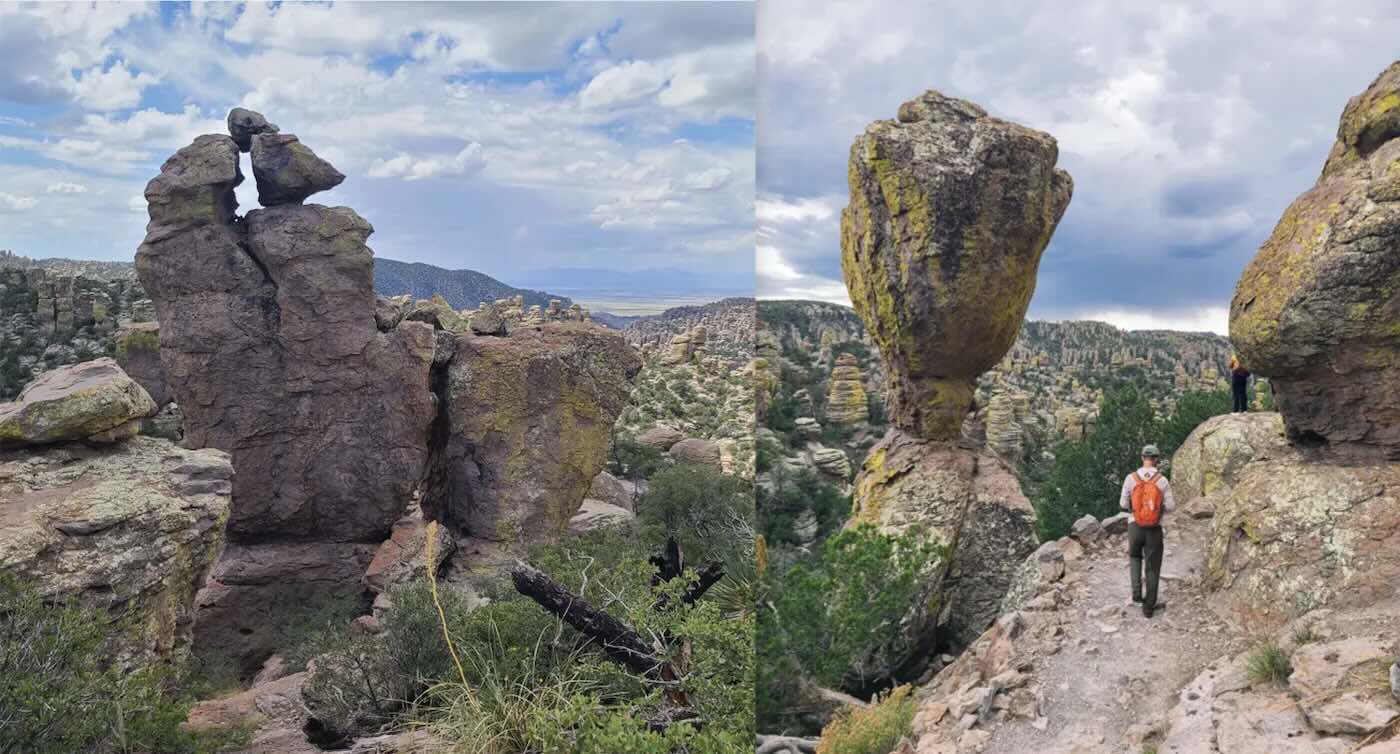
🪨
Arizona’s Chiricahua becomes a national park, protecting its rocks and Apache heritage
Chiricahua in Arizona wordt nationaal park en beschermt rotsen en Apache-erfgoed
Chiricahua, en Arizona, devient un parc national et protège ses rochers et son héritage apache
So: Arizona’s Chiricahua, famed as the “Land of Standing-Up Rocks,” has become America’s 64th national park. Its striking rhyolite spires and balancing rocks were shaped by a volcanic eruption around 27 million years ago. The new status protects the area’s biodiversity and honors its deep history as the homeland of the Chiricahua Apache. Visitors can explore more than 12,000 acres through hiking, camping, scenic drives, wildlife watching and stargazing.
En jawel: Chiricahua in Arizona, bekend als het ‘Land van de rechtopstaande rotsen’, is het 64e nationale park van de Verenigde Staten geworden. De opvallende rhyoliettorens en balancerende rotsen ontstonden door een vulkaanuitbarsting zo’n 27 miljoen jaar geleden. De nieuwe status beschermt de biodiversiteit en erkent de lange geschiedenis van het gebied als thuisland van de Chiricahua Apache. Bezoekers kunnen ruim 12.000 hectare verkennen met wandelingen, kampeerplekken, schilderachtige routes, wildlife spotten en sterren kijken.
Et voilà : Chiricahua, en Arizona, célèbre pour son « pays des rochers dressés », devient le 64e parc national des États-Unis. Ses impressionnantes aiguilles de rhyolite et ses rochers en équilibre ont été façonnés par une éruption volcanique il y a environ 27 millions d’années. Ce nouveau statut protège la biodiversité du site et rend hommage à son histoire, notamment comme territoire ancestral des Chiricahuas Apaches. Les visiteurs pourront découvrir plus de 12 000 hectares en randonnée, en camping, sur des routes panoramiques, en observant la faune ou les étoiles.
🦖
A Jurassic bird with teeth, claws, and a surprising twist
Een jura-vogel met tanden, klauwen en een verrassende wending
Un oiseau du Jurassique aux dents, aux griffes et au secret surprenant
So, this remarkably preserved, 150-million-year-old fossil from China reveals a bird with serrated dinosaur-like teeth and a curved, sickle-shaped claw. The newly identified Yuezhuornis yangyuanensis belonged to an early branch of birds, yet researchers say it may be the earliest known example of a bird lineage that lost the ability to fly. Its mix of bird and predatory dinosaur features shows that early bird evolution took more varied paths than scientists once thought. And here's the thing: some ancient birds may have adapted to life on the ground rather than becoming better flyers.
Deze uitzonderlijk goed bewaarde fossiel uit China is 150 miljoen jaar oud en onthult een vogel met gekartelde, dinosaurusachtige tanden en een kromme, sikkelvormige klauw. De pas ontdekte Yuezhuornis yangyuanensis hoorde bij een vroege vogeltak, maar is volgens onderzoekers mogelijk het oudste bekende voorbeeld van een vogellijn die het vermogen om te vliegen verloor. De combinatie van vogelkenmerken en eigenschappen van een roofdinosaurus laat zien dat de vroege evolutie van vogels veel uiteenlopender verliep dan wetenschappers vroeger dachten. En dit is bijzonder: sommige oeroude vogels pasten zich mogelijk aan het leven op de grond aan in plaats van steeds beter te leren vliegen.
Ce fossile chinois exceptionnellement bien conservé, vieux de 150 millions d’années, révèle un oiseau aux dents dentelées semblables à celles des dinosaures et doté d’une griffe courbe en forme de faucille. La nouvelle espèce, Yuezhuornis yangyuanensis, appartenait à une branche ancienne des oiseaux, mais serait, selon les chercheurs, le plus ancien exemple connu d’une lignée d’oiseaux ayant perdu la capacité de voler. Son mélange de caractères aviaires et de traits de dinosaures prédateurs montre que l’évolution des premiers oiseaux a suivi des voies plus variées qu’on ne le pensait. Et voici l’aspect surprenant: certains oiseaux anciens se seraient adaptés à la vie au sol plutôt que de devenir de meilleurs flyers.
🐍
These tiny snakes roll four times faster than they slither
Deze piepkleine slangen rollen vier keer sneller dan ze kruipen
Ces minuscules serpents roulent quatre fois plus vite qu’ils ne rampent
So, these tiny Southeast Asian snakes have a surprising escape trick: they roll along at speeds about four times faster than their usual slithering. Researchers found they alternate between rolling onto each side and sweeping a curved part of the body down beside the head to push themselves forward. Even at high speed, they can follow a narrow track while keeping their heads relatively steady and pointed ahead. It’s a remarkable example of precise body control creating an unexpected way to move.
Deze piepkleine slangen uit Zuidoost-Azië hebben een verrassende ontsnappingstruc: ze rollen ongeveer vier keer sneller dan ze normaal kruipen. Onderzoekers ontdekten dat ze afwisselend op hun zij rollen en een gebogen deel van hun lichaam naast hun kop naar beneden zwaaien om zich vooruit te duwen. Zelfs op hoge snelheid volgen ze een smal parcours, terwijl hun kop relatief stil blijft en naar voren gericht is. Wat een bijzonder voorbeeld van hoe preciese lichaamsbeheersing een onverwachte manier van voortbewegen mogelijk maakt.
Ces minuscules serpents d’Asie du Sud-Est ont une étonnante façon d’échapper au danger : ils roulent environ quatre fois plus vite qu’ils ne rampent habituellement. Les chercheurs ont découvert qu’ils alternent entre le roulement sur chaque côté et un mouvement vers le bas d’une partie courbée du corps, près de la tête, pour avancer. Même à grande vitesse, ils suivent une piste étroite tout en gardant la tête relativement stable et tournée vers l’avant. Voilà un bel exemple de la façon dont un contrôle précis du corps peut produire un mode de déplacement inattendu.
☀️
A hidden magnetic web above the Sun
Een verborgen magnetisch web boven de zon
Une toile magnétique cachée au-dessus du Soleil
So, even the Sun’s quiet regions are threaded with a surprisingly intricate magnetic web. High above Earth, the balloon-borne Sunrise-III observatory captured slender magnetic structures in the Sun’s atmosphere, along with magnetic fields in jets called spicules. Computer simulations suggest that movements on the solar surface twist magnetic field lines into these fine threads. These observations offer fresh clues to how magnetic energy travels upward and helps heat the solar atmosphere.
Zelfs de rustige gebieden van de zon blijken doorkruist door een verrassend ingewikkeld magnetisch web. Het ballonobservatorium Sunrise-III maakte hoog boven de aarde beelden van fijne magnetische structuren in de zonneatmosfeer en mat ook magneetvelden in straalstromen die spiculen heten. Computersimulaties wijzen erop dat bewegingen aan het zonneoppervlak de magnetische veldlijnen verdraaien tot deze dunne draden. De waarnemingen geven nieuwe aanwijzingen over hoe magnetische energie omhoog reist en de zonneatmosfeer helpt verwarmen.
Même les régions calmes du Soleil sont parcourues par un réseau magnétique étonnamment complexe. Depuis la haute atmosphère terrestre, l’observatoire Sunrise-III, porté par un ballon, a observé de fines structures magnétiques dans l’atmosphère solaire et mesuré les champs magnétiques de jets appelés spicules. Des simulations informatiques suggèrent que les mouvements à la surface du Soleil tordent les lignes de champ magnétique pour former ces filaments. Ces observations apportent de nouveaux indices sur la façon dont l’énergie magnétique monte et contribue à chauffer l’atmosphère solaire.
☄️
NASA’s Bennu samples reveal a 4.5-billion-year-old solar system secret
NASA’s Bennu-stalen onthullen een geheim van het 4,5 miljard jaar oude zonnestelsel
Les échantillons de Bennu révèlent un secret du système solaire vieux de 4,5 milliards d’années
So, NASA’s Bennu samples are offering a remarkable glimpse into the Solar System’s earliest days. Researchers at ETH Zurich found that Bennu shares a distinctive chemical fingerprint with asteroid Ryugu and rare CI meteorites, linking them to the same ancient reservoir of cosmic dust. Their findings suggest these materials gathered near the water-ice line, where ingredients from different parts of the young Solar System could mix and stick together. And here's the thing: the results challenge earlier ideas about Bennu’s birthplace and point to Jupiter’s important role in shaping the material that formed these ancient objects.
De monsters van Bennu die NASA verzamelde, geven een bijzondere blik op de vroegste dagen van ons zonnestelsel. Onderzoekers van ETH Zürich ontdekten dat Bennu een kenmerkende chemische vingerafdruk deelt met planetoïde Ryugu en zeldzame CI-meteorieten, wat wijst op een gedeelde voorraad oeroud kosmisch stof. Volgens de resultaten verzamelden deze materialen zich waarschijnlijk bij de ijsgrens, waar bestanddelen uit verschillende delen van het jonge zonnestelsel konden mengen en samenklonteren. En precies dat maakt de ontdekking zo boeiend: ze zet eerdere ideeën over Bennu’s oorsprong op losse schroeven en wijst op een belangrijke rol voor Jupiter bij de vorming van deze oeroude objecten.
Les échantillons de Bennu recueillis par la NASA offrent un aperçu fascinant des premiers temps du système solaire. Des chercheurs de l’ETH Zurich ont découvert que Bennu partage une empreinte chimique distinctive avec l’astéroïde Ryugu et de rares météorites CI, ce qui les relie à un même réservoir de poussière cosmique ancienne. Selon leurs résultats, ces matériaux se seraient rassemblés près de la ligne des glaces, où des éléments venus de différentes régions du jeune système solaire pouvaient se mélanger et s’agglomérer. Et voici ce qui rend cette découverte si passionnante : elle remet en question les idées précédentes sur l’origine de Bennu et souligne le rôle important de Jupiter dans la formation de ces objets anciens.
🧠
A hidden bias in human language challenges 70 years of science
Een verborgen vooroordeel in menselijke taal zet 70 jaar wetenschap op losse schroeven
Un biais caché dans le langage humain remet en question 70 ans de recherche scientifique
Here’s a fascinating rethink of how words get their meaning: researchers at the University of Vermont have found that language may be shaped by power, danger, and order, not just emotion. Their analysis of billions of word uses suggests that people’s language has a strong preference for safety over danger. The team’s new framework explains more than 90% of measured variation in word meaning, compared with about 72% for the traditional model. And here's the thing: this insight could help us understand human communication and build AI that interprets language more effectively.
Dit is een fascinerende nieuwe kijk op hoe woorden hun betekenis krijgen: onderzoekers van de University of Vermont ontdekten dat taal mogelijk wordt gevormd door macht, gevaar en orde, en niet alleen door emoties. Uit hun analyse van miljarden woordgebruiken blijkt dat mensen in hun taal sterk de voorkeur geven aan veiligheid boven gevaar. Het nieuwe model van het team verklaart meer dan 90% van de gemeten variatie in woordbetekenis, tegenover ongeveer 72% voor het traditionele model. En dat is interessant: dit inzicht kan ons helpen menselijke communicatie beter te begrijpen en AI taal effectiever te laten interpreteren.
Voici une nouvelle perspective passionnante sur la signification des mots : des chercheurs de l’Université du Vermont ont découvert que le langage pourrait être façonné par le pouvoir, le danger et l’ordre, et pas seulement par les émotions. Leur analyse de milliards d’occurrences de mots révèle que notre langage privilégie nettement la sécurité plutôt que le danger. Le nouveau modèle de l’équipe explique plus de 90 % des variations mesurées du sens des mots, contre environ 72 % pour le modèle traditionnel. Et voici ce qui est remarquable : cette découverte pourrait nous aider à mieux comprendre la communication humaine et à créer des systèmes d’IA qui interprètent le langage plus efficacement.

🧬
Life may have begun in tiny pores on the seafloor
Het leven is misschien begonnen in minuscule poriën op de zeebodem
La vie aurait commencé dans de minuscules pores au fond des océans
For a long time, the familiar idea was that life emerged from a primordial soup, but growing evidence points to tiny rock pores on the ancient seafloor. Around four billion years ago, these structures may have sparked the first metabolism, powered by energy and chemistry from the planet itself. This perspective connects the story of life closely to Earth’s changing oceans, rocks and atmosphere. And here's the fascinating part: understanding that connection may also help scientists look for signs of life beyond Earth.
Lange leefde het idee dat het leven ontstond in een oersoep, maar steeds meer aanwijzingen wijzen naar minuscule poriën in gesteente op de oeroude zeebodem. Daar kan zo’n vier miljard jaar geleden het eerste metabolisme op gang zijn gekomen, gevoed door energie en chemische processen van de planeet zelf. Vanuit dat perspectief is de geschiedenis van het leven nauw verweven met de veranderende oceanen, rotsen en atmosfeer van de aarde. En dat is bijzonder boeiend: dit inzicht kan wetenschappers ook helpen zoeken naar tekenen van leven buiten onze planeet.
On a longtemps pensé que la vie était née dans une soupe primitive, mais des indices de plus en plus nombreux désignent de minuscules pores rocheux au fond des océans anciens. Il y a environ quatre milliards d’années, ces structures auraient pu déclencher le premier métabolisme, grâce à l’énergie et aux réactions chimiques de la planète. Cette approche relie étroitement l’histoire du vivant à l’évolution des océans, des roches et de l’atmosphère terrestres. Et voici ce qui est passionnant : cette découverte pourrait aussi aider les scientifiques à rechercher des traces de vie ailleurs dans l’univers.
🧬
Paul Stoffels, godfather of Belgian pharma: “We can now cure people who had only two months to live”
Paul Stoffels, peetvader van de Belgische farma: “We kunnen nu mensen genezen die nog twee maanden te leven hadden”
Paul Stoffels, parrain de la pharma belge : « Nous pouvons désormais guérir des personnes à qui il ne restait que deux mois à vivre »
Paul Stoffels, a leading figure in Belgian pharmaceuticals, points to how far medical innovation has come. Treatments can now help cure people who once had only two months to live. That is a striking example of how research can change what is possible for patients. And here's the thing: progress in pharma can bring real hope to people facing serious illness.
Paul Stoffels, een toonaangevende figuur in de Belgische farmasector, wijst op de grote vooruitgang in de geneeskunde. Behandelingen kunnen nu mensen helpen genezen die vroeger nog maar twee maanden te leven hadden. Dat toont op indrukwekkende wijze hoe onderzoek de mogelijkheden voor patiënten kan veranderen. En dat is belangrijk: vooruitgang in de farma kan mensen met een ernstige ziekte nieuwe hoop geven.
Paul Stoffels, figure majeure de l’industrie pharmaceutique belge, souligne les progrès considérables de la médecine. Des traitements permettent désormais de guérir des personnes qui n’avaient autrefois plus que deux mois à vivre. C’est un exemple saisissant de la façon dont la recherche peut élargir les possibilités offertes aux patients. Et voici l’essentiel : les progrès pharmaceutiques peuvent redonner espoir aux personnes confrontées à une maladie grave.

🦷
Dental care reimbursements have surged by more than 50% in five years
Terugbetalingen voor tandzorg zijn in vijf jaar met meer dan 50% gestegen
Les remboursements des soins dentaires ont bondi de plus de 50 % en cinq ans
Here’s a striking trend: Belgium’s dental-care reimbursements rose from just over €1 billion in 2021 to €1.6 billion in 2025, a jump of more than 50%. Over the same period, the total number of dental procedures increased by 16%. According to L’Echo, about half of the spending rise comes from indexation of agreed tariffs, while more dentists are also charging supplements above official rates. The growing number of people eligible for increased reimbursement has contributed too.
Dit is een opvallende evolutie: de terugbetalingen voor tandzorg in België stegen van iets meer dan 1 miljard euro in 2021 naar 1,6 miljard euro in 2025, een toename van meer dan 50%. In dezelfde periode nam het totale aantal tandheelkundige prestaties met 16% toe. Volgens L’Echo is ongeveer de helft van de stijging te verklaren door de indexering van de afgesproken tarieven, terwijl ook meer tandartsen supplementen boven op het officiële tarief aanrekenen. Daarnaast speelt mee dat steeds meer mensen recht hebben op de verhoogde tegemoetkoming.
Voici une évolution marquante : en Belgique, les remboursements des soins dentaires sont passés d’un peu plus d’un milliard d’euros en 2021 à 1,6 milliard en 2025, soit une hausse de plus de 50 %. Dans le même temps, le nombre total de prestations dentaires a augmenté de 16 %. Selon L’Echo, l’indexation des tarifs conventionnés explique environ la moitié de cette hausse, tandis que davantage de dentistes facturent des suppléments au-delà du tarif officiel. La progression du nombre de personnes bénéficiant de l’intervention majorée y contribue également.
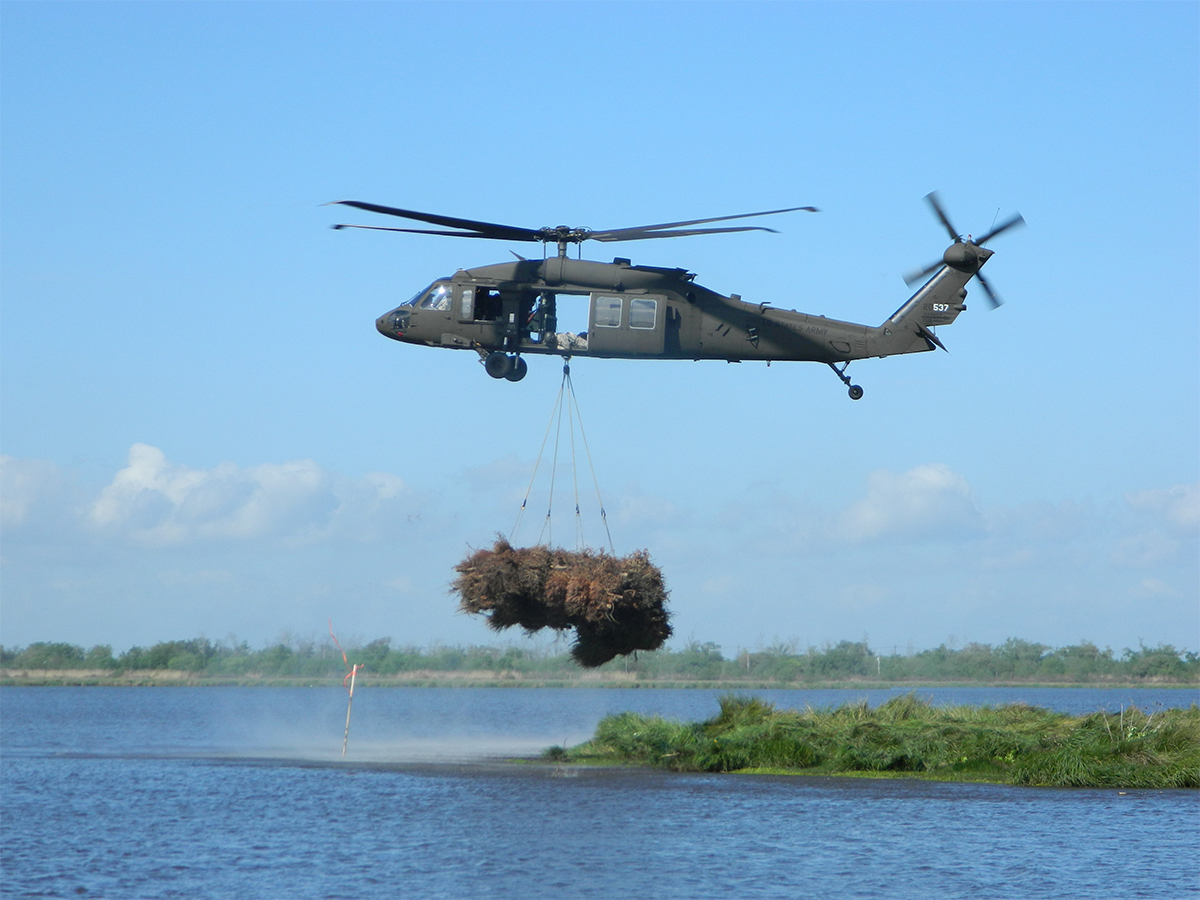
🌿
New orleans gives old christmas trees a new life in the wetlands by helicopter
New orleans geeft oude kerstbomen per helikopter een nieuw leven in de wetlands
New orleans offre une nouvelle vie aux vieux sapins de noël dans les marais
Each year, New Orleans gives thousands of bare, discarded Christmas trees a surprising second life by flying them into Bayou Sauvage wetlands by helicopter. So: bundled branches slow waves and trap sediment, helping rebuild marshland, stabilize shorelines, and create habitat for local wildlife. The nearly 30-year partnership has helped restore marshland equal to about 330 football fields, while giving Louisiana National Guard crews valuable helicopter training. And here's the thing: residents only need to remove decorations and leave their trees out for collection before this festive recycling effort gets underway.
Elk jaar krijgen duizenden kale, afgedankte kerstbomen in New Orleans een verrassend tweede leven wanneer helikopters ze naar de wetlands van Bayou Sauvage brengen. De gebundelde takken remmen golven af en houden slib vast, waardoor moerasland wordt hersteld, oevers stabieler worden en dieren nieuwe leefgebieden krijgen. In bijna dertig jaar hielp het samenwerkingsproject een moerasgebied ter grootte van ongeveer 330 voetbalvelden herstellen, terwijl de bemanning van de Louisiana National Guard waardevolle vliegtraining krijgt. En het mooie is: inwoners hoeven alleen de versiering te verwijderen en hun boom klaar te zetten voor ophaling.
Chaque année, La Nouvelle-Orléans offre une seconde vie étonnante à des milliers de sapins dépouillés de leurs décorations, en les faisant transporter par hélicoptère jusqu’aux marais de Bayou Sauvage. Leurs branches regroupées ralentissent les vagues et retiennent les sédiments, ce qui contribue à restaurer les marais, à stabiliser les rives et à créer des habitats pour la faune locale. En près de trente ans, ce partenariat a aidé à restaurer une zone humide d’une superficie équivalente à environ 330 terrains de football, tout en offrant un entraînement précieux aux équipages de la Garde nationale de Louisiane. Et le plus chouette, c’est que les habitants ont simplement à retirer les décorations et à déposer leur sapin pour la collecte.
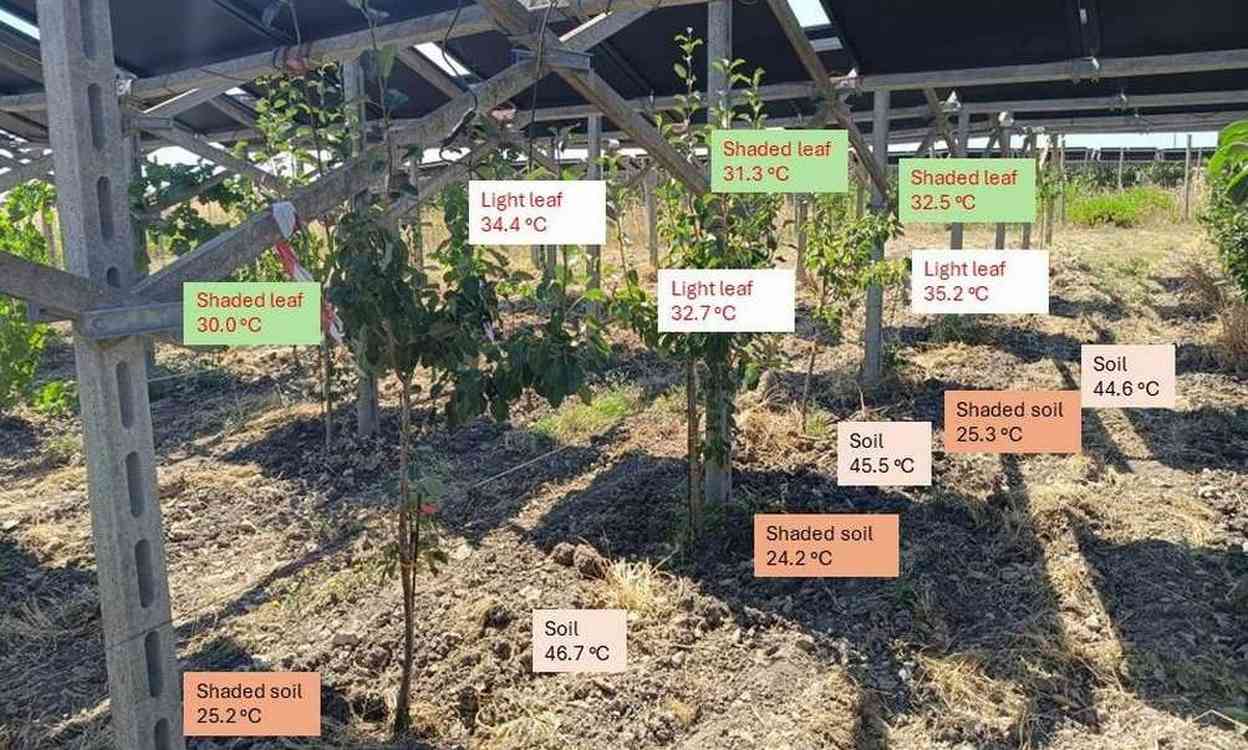
🍇
Vines thrive under solar panels, producing bigger, healthier grapes
Wijnstokken onder zonnepanelen leveren grotere, gezondere druiven op
Sous les panneaux solaires, les vignes donnent des raisins plus gros et plus sains
So, in sunny Puglia, researchers found that growing grapevines under solar panels can bring a lovely double benefit: clean energy and a stronger harvest. The shaded vines produced shoots more than twice as long, and grape bunches that weighed nearly three times as much as those grown in full sun. Their berries also had less sugar and more organic acids, while needing less irrigation. And here's the thing: this promising approach may work especially well in hot, dry regions, though the right amount of shade depends on the local climate and grape variety.
In het zonnige Puglia ontdekten onderzoekers dat wijnstokken onder zonnepanelen twee mooie voordelen kunnen opleveren: schone energie en een rijkere oogst. De beschaduwde wijnstokken kregen scheuten die meer dan twee keer zo lang waren, en druiventrossen die bijna drie keer zo zwaar wogen als die in de volle zon. De bessen bevatten ook minder suiker en meer organische zuren, terwijl ze minder irrigatiewater nodig hadden. En dat is bijzonder: deze veelbelovende aanpak lijkt vooral geschikt voor warme, droge gebieden, maar de ideale hoeveelheid schaduw hangt af van het plaatselijke klimaat en het druivenras.
Dans la région ensoleillée des Pouilles, des chercheurs ont découvert que cultiver des vignes sous des panneaux solaires pouvait offrir un double avantage : produire de l’énergie propre et obtenir une meilleure récolte. Les vignes à l’ombre ont produit des pousses plus de deux fois plus longues et des grappes presque trois fois plus lourdes que celles cultivées en plein soleil. Leurs baies contenaient aussi moins de sucre et davantage d’acides organiques, tout en nécessitant moins d’irrigation. Et voici le point essentiel : cette approche prometteuse pourrait être particulièrement utile dans les régions chaudes et sèches, mais l’ombre idéale dépend du climat local et du cépage.
🧠
A personalized PTSD treatment reports 68% remission
Een gepersonaliseerde PTSD-behandeling meldt 68% remissie
Un traitement personnalisé du PTSD affiche 68 % de rémission
So, here’s an encouraging development for people living with PTSD: the FDA has cleared a personalized treatment that uses brain activity measurements to guide magnetic stimulation. An EEG records each patient’s brain signals, helping an AI-assisted system tailor the stimulation plan. In early clinical trial findings reported by Wave Neuroscience, symptoms fell by 52% and 68% of patients achieved remission. The full results are still being prepared for release, so these promising findings need more context and should not be treated as a direct comparison with results from other studies.
Er is bemoedigend nieuws voor mensen met PTSS: de FDA heeft een gepersonaliseerde behandeling goedgekeurd die metingen van hersenactiviteit gebruikt om magnetische stimulatie te sturen. Een EEG registreert de hersensignalen van elke patiënt, waarna een AI-ondersteund systeem het stimulatieplan op maat helpt maken. Volgens vroege resultaten van een klinische studie van Wave Neuroscience namen de symptomen met 52% af en bereikte 68% van de patiënten remissie. De volledige resultaten worden nog voorbereid voor publicatie, dus deze veelbelovende bevindingen vragen om meer context en zijn niet rechtstreeks te vergelijken met uitkomsten van andere studies.
Voici une évolution encourageante pour les personnes atteintes de TSPT : la FDA a autorisé un traitement personnalisé qui s’appuie sur des mesures de l’activité cérébrale pour guider une stimulation magnétique. Un EEG enregistre les signaux cérébraux de chaque patient, puis un système assisté par l’IA aide à adapter le protocole de stimulation. Selon les premiers résultats d’un essai clinique communiqués par Wave Neuroscience, les symptômes ont diminué de 52 % et 68 % des patients ont atteint la rémission. Les résultats complets sont encore en préparation avant leur publication ; ces données prometteuses doivent donc être interprétées avec prudence et ne se comparent pas directement aux résultats d’autres études.
🧠
Scientists uncover a hidden messaging network in the brain
Wetenschappers ontdekken een verborgen boodschappernetwerk in de hersenen
Des scientifiques découvrent un réseau de communication caché dans le cerveau
So, a tiny group of brainstem cells called the locus coeruleus may be doing far more than broadcasting one general signal. In mice, researchers found that its nerve cells send norepinephrine along distinct pathways to different parts of the nervous system. Cells projecting toward the cortex were active during learning, while those sending signals downward appeared to influence whether mice responded to opportunities around them. This new map could help researchers develop more targeted approaches to conditions such as depression, anxiety, ADHD, and Alzheimer’s disease.
Een klein groepje hersenstamcellen, de locus coeruleus, blijkt mogelijk veel meer te doen dan één algemeen signaal uitzenden. Onderzoekers ontdekten bij muizen dat de zenuwcellen noradrenaline via verschillende routes naar specifieke delen van het zenuwstelsel sturen. Cellen die verbinding maken met de hersenschors waren actief tijdens het leren, terwijl cellen die signalen naar beneden sturen mogelijk beïnvloeden of muizen reageren op kansen in hun omgeving. Deze nieuwe kaart kan onderzoekers helpen om gerichtere behandelingen te ontwikkelen voor aandoeningen zoals depressie, angst, ADHD en Alzheimer.
Un petit groupe de cellules du tronc cérébral, appelé locus coeruleus, ferait bien plus que diffuser un signal général. Chez la souris, les chercheurs ont découvert que ses neurones acheminent la noradrénaline vers différentes parties du système nerveux par des voies distinctes. Les cellules reliées au cortex étaient actives pendant l’apprentissage, tandis que celles qui envoient des signaux vers le bas pourraient influencer la réaction des souris aux occasions dans leur environnement. Cette nouvelle cartographie pourrait aider les chercheurs à concevoir des approches plus ciblées contre la dépression, l’anxiété, le TDAH et la maladie d’Alzheimer.

💉
How nurses are learning to give the new HIV prevention injection
Hoe verpleegkundigen leren de nieuwe hiv-preventieprik toe te dienen
Comment les infirmières apprennent à administrer la nouvelle injection préventive contre le VIH
South Africa is introducing lenacapavir, an HIV-prevention injection given every six months, and nurses are learning the practical skills needed to deliver it safely. At clinics in Tshwane, training covers preparation and administration, eligibility, side effects, HIV testing and counselling. Nurses are also fitting the injection into sexual and reproductive health visits, so patients can access services such as family planning and STI care in one place. With tens of thousands of people already starting lenacapavir nationally, this hands-on learning is helping clinics make the new option work for patients.
Zuid-Afrika voert lenacapavir in, een hiv-preventieprik die om de zes maanden wordt toegediend, en verpleegkundigen leren hoe ze die veilig kunnen geven. In klinieken in Tshwane omvat de opleiding de voorbereiding en toediening, wie in aanmerking komt, mogelijke bijwerkingen, hiv-tests en begeleiding. Verpleegkundigen passen de prik ook in binnen afspraken over seksuele en reproductieve gezondheid, zodat patiënten op één plek terechtkunnen voor bijvoorbeeld gezinsplanning en soa-zorg. Nu landelijk al tienduizenden mensen met lenacapavir zijn gestart, helpt deze praktijkgerichte opleiding klinieken om de nieuwe optie goed op patiënten af te stemmen.
L’Afrique du Sud introduit le lénacapavir, une injection de prévention du VIH administrée tous les six mois, et les infirmières apprennent les gestes nécessaires pour la proposer en toute sécurité. Dans des cliniques de Tshwane, la formation porte sur la préparation et l’administration, les critères d’admissibilité, les effets secondaires, le dépistage du VIH et l’accompagnement. Les infirmières intègrent aussi l’injection aux consultations de santé sexuelle et reproductive, afin que les patients puissent accéder au même endroit à des services comme la contraception et les soins liés aux IST. Alors que des dizaines de milliers de personnes ont déjà commencé le lénacapavir dans le pays, cette formation pratique aide les cliniques à adapter cette nouvelle option aux besoins des patients.

🏜️
A sport without losers: mokhacha is all about playing
Een sport zonder verliezers: bij mokhacha draait alles om het spelen
Un sport sans perdants : le mokhacha, c’est avant tout le plaisir de jouer
In Morocco’s Sahara, nomadic communities have passed down mokhacha, a stick-and-ball game, from one generation to the next. Players carve their own sticks from tamarisk wood and use a small ball made from camel, sheep or goat wool, while the teams and playing time are agreed on together. There are hardly any formal rules or scores, and, as photographer Raj Alaya puts it, no winners or losers - just the excitement of playing. As nomadic life changes and young people move to cities, festivals and documentation are helping keep this joyful tradition alive.
In de Marokkaanse Sahara geven nomadische gemeenschappen mokhacha, een balspel met stokken, al generaties lang aan elkaar door. De spelers snijden hun eigen stokken uit tamariskhout en gebruiken een kleine bal van kameel-, schapen- of geitenwol, terwijl ze samen bepalen hoe lang en met hoeveel mensen ze spelen. Er zijn nauwelijks vaste regels of scores en, zoals fotograaf Raj Alaya vertelt, geen winnaars of verliezers - het draait om het plezier en de spanning van het spel. Nu het nomadische leven verandert en jongeren naar de stad trekken, helpen festivals en documentatie deze bijzondere traditie levend te houden.
Dans le Sahara marocain, les communautés nomades transmettent le mokhacha, un jeu de balle avec des bâtons, de génération en génération. Les joueurs taillent eux-mêmes leurs bâtons dans du bois de tamaris et utilisent une petite balle en laine de dromadaire, de mouton ou de chèvre, tandis qu’ils décident ensemble du nombre de participants et de la durée du jeu. Il y a peu de règles ou de scores, et, comme le raconte le photographe Raj Alaya, ni gagnants ni perdants - seul compte le plaisir de jouer. Alors que le mode de vie nomade évolue et que les jeunes partent en ville, festivals et archives contribuent à faire vivre cette belle tradition.
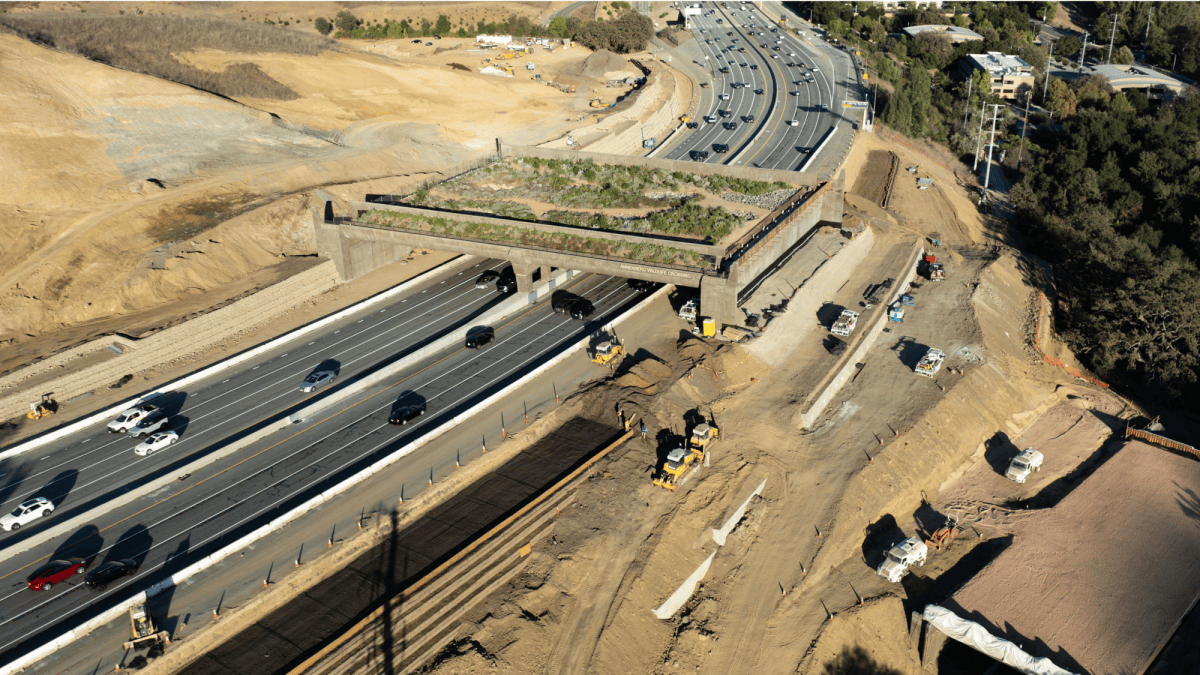
🌿
California’s huge wildlife crossing nears completion
Enorme wildoversteek in Californië bijna klaar
L’immense passage pour la faune de Californie bientôt achevé
So: California is close to finishing the world’s largest wildlife crossing, a vegetated bridge over the 101 Freeway in Agoura Hills. About 210 feet long and up to 174 feet wide, it will reconnect habitats in the Santa Monica Mountains and help wildlife, especially mountain lions, move safely between them. That could reduce dangerous road encounters and help prevent isolated animal populations from losing genetic diversity. The crossing is scheduled to be completed on December 2, although flooding from wet winter weather could slow the final work.
Californië staat op het punt ’s werelds grootste wildoversteek af te ronden: een met planten begroeide brug over de 101 Freeway in Agoura Hills. De brug is ongeveer 64 meter lang en maximaal 53 meter breed en verbindt leefgebieden in de Santa Monica Mountains opnieuw, zodat dieren, vooral poema’s, zich veilig tussen die gebieden kunnen verplaatsen. Dat kan gevaarlijke ontmoetingen met verkeer beperken en voorkomen dat geïsoleerde dierenpopulaties genetische diversiteit verliezen. De oversteek moet op 2 december klaar zijn, al kan wateroverlast door nat winterweer de laatste werkzaamheden vertragen.
La Californie est sur le point d’achever le plus grand passage pour la faune au monde, un pont végétalisé au-dessus de l’autoroute 101, à Agoura Hills. Long d’environ 64 mètres et large de 52 mètres au maximum, il reliera à nouveau des habitats des monts Santa Monica et permettra aux animaux, notamment aux pumas, de circuler en sécurité entre eux. Cela pourrait réduire les collisions avec les véhicules et éviter que des populations animales isolées ne perdent leur diversité génétique. Le passage devrait être achevé le 2 décembre, même si des inondations causées par un hiver pluvieux pourraient retarder les dernières étapes des travaux.
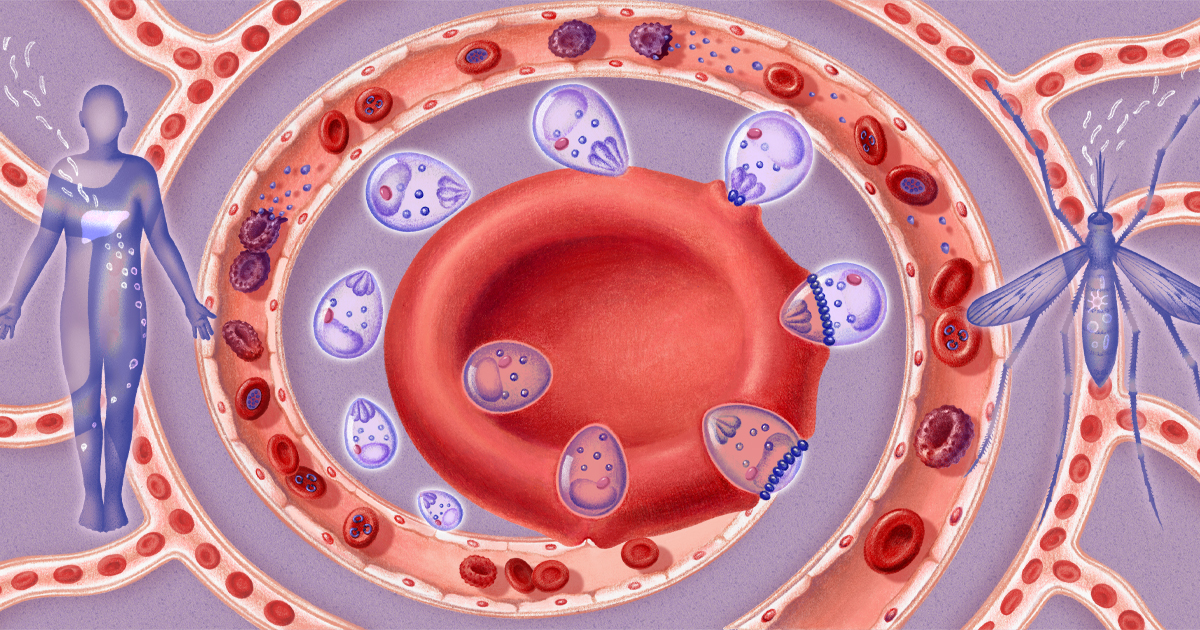
🔬
Malaria parasite caught in the act of breaking and entering
Malariaparasiet betrapt tijdens het binnendringen
Le parasite du paludisme surpris en plein cambriolage
Researchers have captured Plasmodium, the parasite that causes malaria, as it slips into a red blood cell. Using detailed imaging, they revealed the temporary molecular junction the parasite builds to open a tiny passage through the cell membrane. And here's the thing: the parasite reshapes the membrane so the opening disappears behind it without a trace. This discovery could help guide future malaria treatments and research into other parasitic diseases.
Onderzoekers hebben Plasmodium, de parasiet die malaria veroorzaakt, vastgelegd terwijl die een rode bloedcel binnendringt. Met gedetailleerde beeldvorming brachten ze de tijdelijke moleculaire verbinding in beeld waarmee de parasiet een kleine doorgang door het celmembraan maakt. En dit is het bijzondere: de parasiet vervormt het membraan zodat de opening achter hem spoorloos verdwijnt. Deze ontdekking kan richting geven aan toekomstige malariabehandelingen en onderzoek naar andere parasitaire ziekten.
Des chercheurs ont observé Plasmodium, le parasite responsable du paludisme, au moment où il pénètre dans un globule rouge. Grâce à une imagerie détaillée, ils ont révélé la jonction moléculaire temporaire que le parasite met en place pour ouvrir un minuscule passage dans la membrane cellulaire. Et voici ce qui est fascinant : le parasite remodèle la membrane, si bien que l’ouverture disparaît sans laisser de trace derrière lui. Cette découverte pourrait orienter les futurs traitements contre le paludisme et les recherches sur d’autres maladies parasitaires.

☢️
Finland nears opening of world’s first permanent nuclear waste repository
Finland komt dichter bij opening van ’s werelds eerste permanente opslagplaats voor kernafval
La Finlande se rapproche de l’ouverture du premier dépôt permanent de déchets nucléaires au monde
Finland has granted an operating licence for Onkalo, set to become the world’s first permanent underground repository for spent nuclear fuel. The licence is an important milestone, though the facility cannot open until final tests and safety inspections are completed and approved. Designed to hold 6,500 tonnes of uranium, the repository will seal fuel in copper canisters deep in bedrock, surrounded by bentonite clay. And here’s the thing: after decades of work, Finland is expected to be the first country to begin storing this waste permanently underground.
Finland heeft een exploitatievergunning verleend voor Onkalo, dat de eerste permanente ondergrondse opslagplaats ter wereld voor verbruikte splijtstof moet worden. Dat is een belangrijke mijlpaal, al kan de opslagplaats pas opengaan nadat de laatste tests en veiligheidsinspecties zijn afgerond en goedgekeurd. De opslagplaats is ontworpen voor 6.500 ton uranium; de splijtstof wordt in koperen capsules diep in het gesteente geplaatst, omgeven door bentonietklei. En dit is bijzonder: na tientallen jaren werk zal Finland naar verwachting het eerste land zijn dat dit afval permanent ondergronds opslaat.
La Finlande a accordé une licence d’exploitation à Onkalo, qui devrait devenir le premier dépôt souterrain permanent au monde pour le combustible nucléaire usé. C’est une étape importante, même si le site ne pourra ouvrir qu’après la réalisation et l’approbation des derniers essais et contrôles de sécurité. Conçu pour accueillir 6 500 tonnes d’uranium, le dépôt enfermera le combustible dans des capsules de cuivre, profondément enfouies dans la roche et entourées d’argile bentonitique. Et voici ce qui rend cette avancée remarquable : après des décennies de travail, la Finlande devrait être le premier pays à stocker durablement ces déchets sous terre.
🧠
Flickering signals in monkey brains hint at how we become conscious of what we see
Flikkerende signalen in apenhersenen werpen licht op hoe we ons bewust worden van wat we zien
Des signaux vacillants dans le cerveau des singes éclairent la façon dont nous prenons conscience de ce que nous voyons
So, flickering patterns of activity in monkey brains may offer a new clue to how visual information enters conscious awareness. The signals connect brain activity with the moment an image becomes something the animal is aware of, rather than simply visual input. That does not solve the mystery of consciousness, but it gives researchers a promising way to study how perception and awareness relate. And here's the thing: understanding these processes in monkeys could also help us learn how our own brains make sense of what we see.
Flikkerende activiteitspatronen in apenhersenen bieden mogelijk een nieuwe aanwijzing over hoe visuele informatie bewust wordt ervaren. De signalen leggen een verband tussen hersenactiviteit en het moment waarop een beeld iets wordt waarvan het dier zich bewust is, in plaats van alleen visuele input. Daarmee is het mysterie van het bewustzijn niet opgelost, maar krijgen onderzoekers wel een veelbelovende manier om de relatie tussen waarneming en bewustzijn te bestuderen. En dat is interessant: door deze processen bij apen te begrijpen, kunnen we ook leren hoe onze eigen hersenen verwerken wat we zien.
Des motifs d’activité cérébrale vacillants chez les singes pourraient fournir un nouvel indice sur la façon dont les informations visuelles accèdent à la conscience. Ces signaux relient l’activité du cerveau au moment où une image devient quelque chose dont l’animal a conscience, et non plus une simple entrée visuelle. Le mystère de la conscience n’est pas résolu pour autant, mais cette piste prometteuse permet aux chercheurs d’étudier le lien entre perception et conscience. Et voici ce qui est passionnant : comprendre ces processus chez les singes pourrait aussi nous aider à découvrir comment notre propre cerveau interprète ce que nous voyons.
💉
A personalized cancer vaccine shows benefits in patients for the first time
Gepersonaliseerd kankervaccin toont voor het eerst voordeel bij patiënten
Un vaccin anticancer personnalisé montre pour la première fois un bénéfice chez des patients
So, here's an encouraging milestone: a personalized cancer vaccine has shown a benefit in patients for the first time. The result puts a tailored approach to cancer treatment in the spotlight. It offers a hopeful sign that this kind of vaccine may bring practical benefits to patients. And here's the thing: the headline does not specify the size or duration of the benefit.
Een bemoedigende mijlpaal: een gepersonaliseerd kankervaccin heeft voor het eerst voordeel laten zien bij patiënten. Het resultaat zet een behandeling op maat in de kijker. Het is een hoopvol teken dat dit soort vaccins patiënten daadwerkelijk voordeel kan bieden. Hoe groot of hoe langdurig het effect is, vermeldt de kop niet.
Voici une avancée encourageante : un vaccin anticancer personnalisé a montré pour la première fois un bénéfice chez des patients. Ce résultat met en lumière une approche du traitement adaptée à chaque personne. C’est un signe prometteur que ce type de vaccin pourrait apporter un bénéfice concret aux patients. Le titre ne précise toutefois ni l’ampleur ni la durée de cet effet.

👁️
After witnessing delayed care, surat doctor brings 30,000 free eye surgeries to villages
Na vertraagde zorg brengt arts in surat 30.000 gratis oogoperaties naar dorpen
Après avoir vu les retards de soins, un médecin de surat offre 30 000 opérations des yeux dans les villages
After seeing patients arrive too late for treatment, retina specialist Dr Bhavin Patel set out to bring eye care closer to rural communities in Gujarat. Since opening his Surat hospital in 2008, his trust has organised nearly 40 village camps each month and provided more than 30,000 free surgeries. Teams screen residents for cataracts, provide glasses on site and arrange transport to Surat for those who need surgery. Patients receive care and meals during their stay, with follow-up visits continuing in their villages.
Nadat hij zag dat patiënten vaak te laat voor behandeling kwamen, wilde netvliesspecialist dr. Bhavin Patel de oogzorg dichter bij plattelandsgemeenschappen in Gujarat brengen. Sinds hij in 2008 zijn ziekenhuis in Surat opende, organiseert zijn stichting bijna 40 dorpskampen per maand en heeft ze meer dan 30.000 gratis operaties uitgevoerd. Teams onderzoeken inwoners op staar, verstrekken ter plekke brillen en regelen vervoer naar Surat voor mensen die een operatie nodig hebben. Patiënten krijgen tijdens hun verblijf zorg en maaltijden, en de controles gaan door in hun dorpen.
Après avoir constaté que de nombreux patients arrivaient trop tard pour être soignés, le spécialiste de la rétine, le Dr Bhavin Patel, a voulu rapprocher les soins oculaires des communautés rurales du Gujarat. Depuis l’ouverture de son hôpital à Surat en 2008, sa fondation organise près de 40 camps dans les villages chaque mois et a réalisé plus de 30 000 opérations gratuites. Les équipes dépistent la cataracte, distribuent des lunettes sur place et organisent le transport vers Surat pour les personnes qui ont besoin d’une opération. Les patients reçoivent des soins et des repas pendant leur séjour, puis bénéficient d’un suivi dans leurs villages.
🃏
Retired man becomes a millionaire thanks to forgotten Pokémon cards in his attic
Gepensioneerde man wordt miljonair dankzij vergeten Pokémonkaarten op zolder
Un retraité devient millionnaire grâce à des cartes Pokémon oubliées dans son grenier
A retired man has discovered that the forgotten Pokémon cards in his attic are worth a fortune. What may have seemed like an old collection turned out to be a treasure worth millions. The find is a striking reminder that childhood collectibles can become highly valuable over time. And here's the thing: this attic held a real-life Pokémon jackpot.
Een gepensioneerde man ontdekte dat de vergeten Pokémonkaarten op zijn zolder een fortuin waard zijn. Wat misschien gewoon een oude verzameling leek, bleek een schat van miljoenen. De vondst laat zien dat verzamelkaarten uit je jeugd na verloop van tijd bijzonder waardevol kunnen worden. En dit keer lag de Pokémonjackpot gewoon op zolder.
Un retraité a découvert que les cartes Pokémon oubliées dans son grenier valaient une véritable fortune. Ce qui semblait être une vieille collection s’est révélé être un trésor de plusieurs millions. Cette découverte montre que les objets de collection de notre enfance peuvent prendre énormément de valeur avec le temps. Et cette fois, le jackpot Pokémon se cachait tout simplement sous les combles.
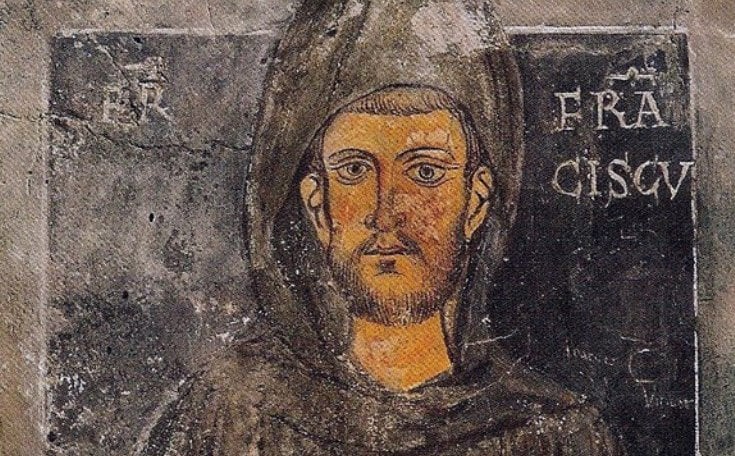
🕊️
The little poor man of assisi - a guide for humanity
De arme man uit assisi - een gids voor de mensheid
Le pauvre d’assise - un guide pour l’humanité
So, Francis of Assisi began life as a well-dressed merchant’s son who loved parties and even went to war, but imprisonment left him questioning everything. He turned away from wealth and status, caring for people with leprosy and choosing a life of radical simplicity. As a wandering preacher, he championed human equality and friendship with the natural world, animals included. And here’s the thing: a rediscovered medieval manuscript offers fresh details about how closely he sought to live in harmony with nature.
Franciscus van Assisi groeide op als de modieus geklede zoon van een koopman, hield van feesten en trok zelfs ten strijde, maar zijn gevangenschap zette hem aan het denken. Hij keerde zich af van rijkdom en aanzien, ontfermde zich over mensen met lepra en koos voor een leven in radicale eenvoud. Als rondtrekkende prediker verkondigde hij de gelijkheid van alle mensen en vriendschap met de natuur, dieren inbegrepen. En dit is bijzonder: een herontdekt middeleeuws manuscript vertelt nieuwe details over hoe nauw hij in harmonie met de natuur wilde leven.
François d’Assise était le fils élégant d’un marchand, aimait faire la fête et partit même à la guerre, mais sa captivité l’amena à tout remettre en question. Il renonça à la richesse et au statut social, prit soin des personnes atteintes de la lèpre et choisit une vie de simplicité radicale. Prédicateur itinérant, il défendait l’égalité entre tous les êtres humains et une relation amicale avec la nature, animaux compris. Et voici ce qui est remarquable : un manuscrit médiéval redécouvert apporte de nouveaux détails sur son désir de vivre en harmonie avec la nature.
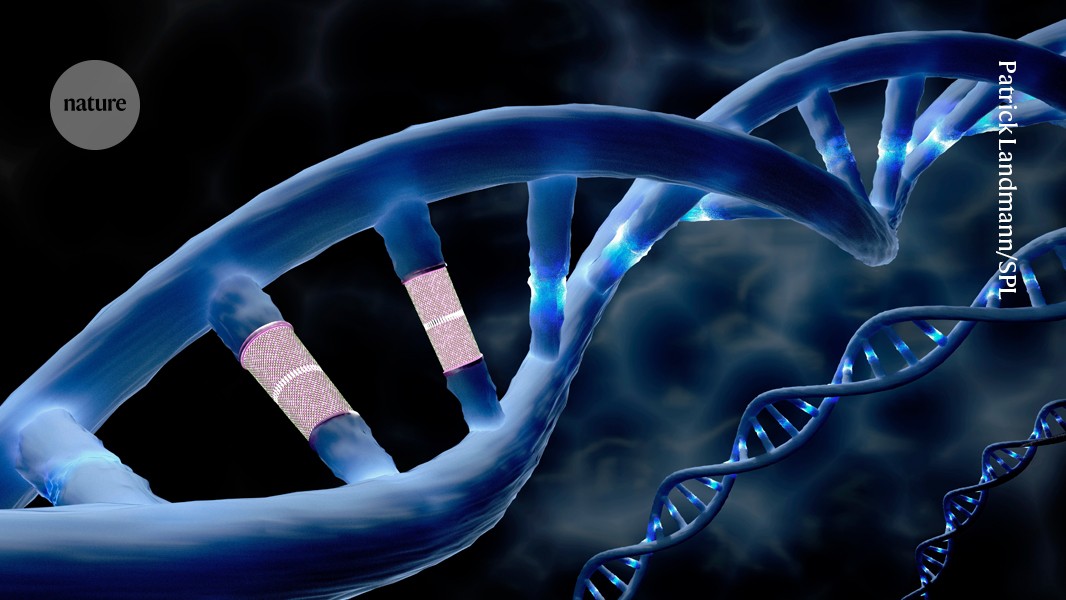
🧬
A first for prime editing: DNA rewritten inside the human body
Een prime-editingprimeur: DNA rechtstreeks aangepast in het menselijk lichaam
Une première pour le prime editing : l’ADN modifié directement dans le corps humain
A person with Wilson disease has become the first known patient to receive prime editing directly inside the body. The technique is designed to rewrite DNA with precision, and in this trial it aims to correct a mutation in liver cells that stops them from clearing excess copper. So, instead of editing a patient’s cells in a lab and returning them, this approach could eventually make gene therapy quicker and less costly. Prime Medicine expects to share the first trial results next year, while researchers will be watching closely for both benefits and risks.
Een persoon met de ziekte van Wilson is de eerste bekende patiënt die prime editing rechtstreeks in het lichaam krijgt. De techniek is bedoeld om DNA nauwkeurig te herschrijven en probeert in deze studie een mutatie in levercellen te herstellen, waardoor die cellen overtollig koper niet goed kunnen afvoeren. Zo zouden cellen niet eerst buiten het lichaam aangepast en teruggeplaatst hoeven te worden, wat gentherapie uiteindelijk sneller en goedkoper kan maken. Prime Medicine verwacht de eerste resultaten van de studie volgend jaar bekend te maken, en onderzoekers zullen zowel de mogelijke voordelen als de risico’s nauwlettend volgen.
Une personne atteinte de la maladie de Wilson est devenue la première patiente connue à recevoir un traitement par prime editing directement dans son corps. Cette technique permet de réécrire l’ADN avec précision et vise, dans cet essai, à corriger une mutation des cellules du foie qui les empêche d’éliminer l’excès de cuivre. Ainsi, les cellules n’auraient plus besoin d’être modifiées en laboratoire puis réinjectées, ce qui pourrait rendre la thérapie génique plus rapide et moins coûteuse. Prime Medicine prévoit de communiquer les premiers résultats de l’essai l’an prochain, tandis que les chercheurs suivront de près les bénéfices comme les risques.

🕰️
Time just changed forever
De tijd is voorgoed veranderd
Le temps vient de changer pour toujours
So, for more than 50 years, a group of timekeepers has quietly added extra seconds to clocks around the world. Now they’ve voted to stop, marking a fascinating shift in how we keep time. And here’s the twist: the Moon is getting a clock of its own. Al Jazeera’s Basel Ghazoghli explains what this change means.
Al meer dan 50 jaar voegde een groep tijdwaarnemers stilletjes extra seconden toe aan klokken over de hele wereld. Nu hebben ze gestemd om daarmee te stoppen, een bijzondere verandering in de manier waarop we de tijd bijhouden. En hier komt het verrassende nieuws: de maan krijgt een eigen klok. Basel Ghazoghli van Al Jazeera legt uit wat deze verandering betekent.
Depuis plus de 50 ans, un groupe de gardiens du temps ajoutait discrètement des secondes aux horloges du monde entier. Ils ont maintenant voté pour mettre fin à cette pratique, marquant un changement fascinant dans notre façon de mesurer le temps. Et voici la surprise : la Lune va avoir sa propre horloge. Basel Ghazoghli, d’Al Jazeera, explique ce que signifie ce changement.
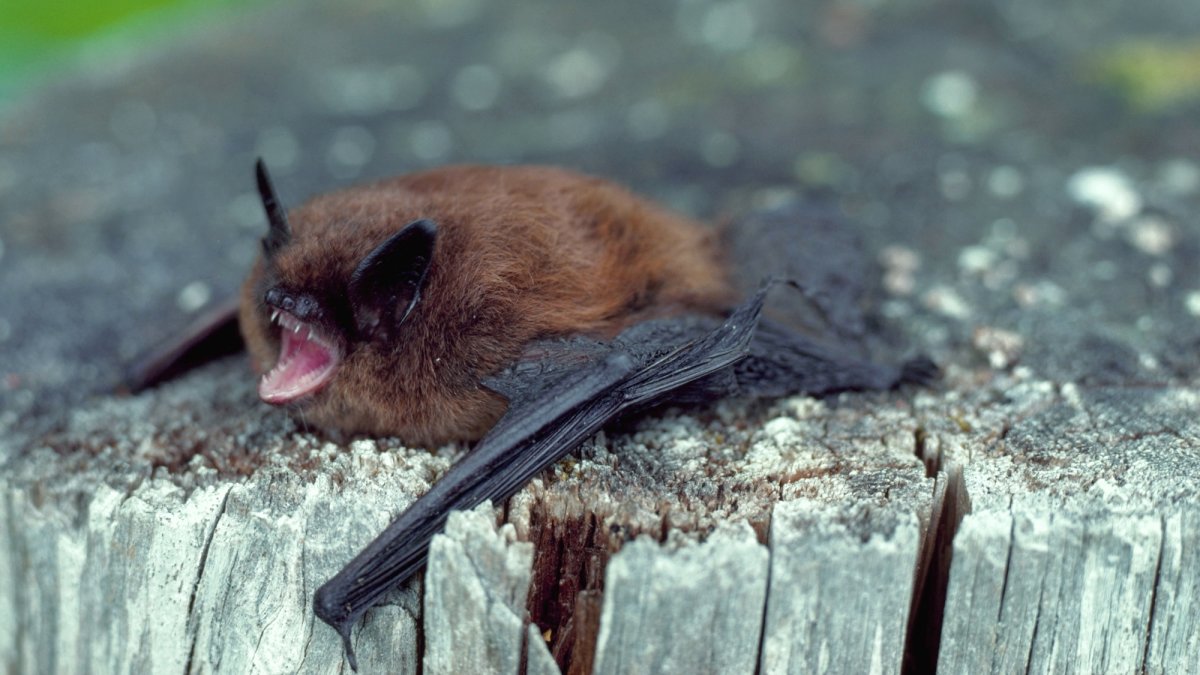
🦇
Bat mothers’ hearts race when they hear their pups
Het hart van vleermuismoeders gaat sneller kloppen wanneer ze hun jongen horen
Le cœur des mères chauves-souris s’accélère quand elles entendent leurs petits
So, how does a mother bat pick out her own pup in a bustling colony? In a small study, researchers found that mothers’ heart rates rose when they heard their own offspring’s calls, but not calls from other pups. The strongest response came from recordings of their now-independent young, though the reason remains unclear. Heart rate can’t reveal whether a bat feels affection or alarm, but it offers a fascinating way to study how mothers respond to the sounds around them.
Hoe herkent een vleermuismoeder haar eigen jong in een drukke kolonie? In een kleine studie ontdekten onderzoekers dat de hartslag van moeders steeg wanneer ze de roep van hun eigen jongen hoorden, maar niet bij die van andere jongen. De sterkste reactie volgde op opnames van hun inmiddels zelfstandige jongen, al is nog niet duidelijk waarom. De hartslag vertelt niet of een vleermuis genegenheid of ongerustheid voelt, maar biedt wel een boeiende manier om te onderzoeken hoe moeders reageren op geluiden om hen heen.
Alors, comment une mère chauve-souris reconnaît-elle son petit dans une colonie animée ? Dans une petite étude, les chercheurs ont constaté que le rythme cardiaque des mères s’accélérait lorsqu’elles entendaient les cris de leur propre progéniture, mais pas ceux des autres petits. La réaction la plus forte était déclenchée par les enregistrements de leurs jeunes désormais autonomes, sans que l’on sache encore pourquoi. Le rythme cardiaque ne permet pas de savoir si une chauve-souris ressent de l’affection ou de l’inquiétude, mais il offre une piste fascinante pour étudier la façon dont les mères réagissent aux sons qui les entourent.
🔬
A $10 chip could bring lab-grade health tracking to your wrist
Een chip van 10 dollar kan laboratoriumnauwkeurige gezondheidsmetingen naar je pols brengen
Une puce à 10 dollars pourrait apporter des mesures médicales de précision à votre poignet
I love this idea: Cambridge researchers have developed a tiny, low-cost optical spectrometer that could bring lab-level precision to wearable health monitors. The roughly $10 device analyzes light quickly and accurately, and could one day help people track blood glucose without needles. Tests also showed promise for identifying materials including plastics, medicines, coffee, flour, and tea. And here's the thing - the same compact technology could improve food testing, industrial quality control, and environmental monitoring.
Wat een boeiend idee: onderzoekers uit Cambridge ontwikkelden een kleine, betaalbare optische spectrometer die laboratoriumnauwkeurige metingen naar draagbare gezondheidsapparaten kan brengen. Het apparaat kost ongeveer 10 dollar en analyseert licht snel en nauwkeurig, zodat mensen in de toekomst mogelijk hun bloedsuiker kunnen volgen zonder naalden. Tests lieten ook zien dat het verschillende materialen kan herkennen, waaronder plastic, medicijnen, koffie, meel en thee. En daar zit nog meer in - dezelfde compacte technologie kan voedseltesten, kwaliteitscontrole in de industrie en milieumetingen verbeteren.
Quelle idée enthousiasmante : des chercheurs de Cambridge ont mis au point un spectromètre optique compact et abordable qui pourrait apporter aux appareils de santé connectés une précision digne d’un laboratoire. Cet appareil, qui coûte environ 10 dollars, analyse la lumière rapidement et avec précision, et pourrait un jour permettre de suivre la glycémie sans piqûre. Des essais ont aussi montré qu’il pouvait identifier différents matériaux, notamment des plastiques, des médicaments, du café, de la farine et du thé. Et ce n’est pas tout : cette même technologie compacte pourrait améliorer les tests alimentaires, le contrôle qualité industriel et la surveillance de l’environnement.
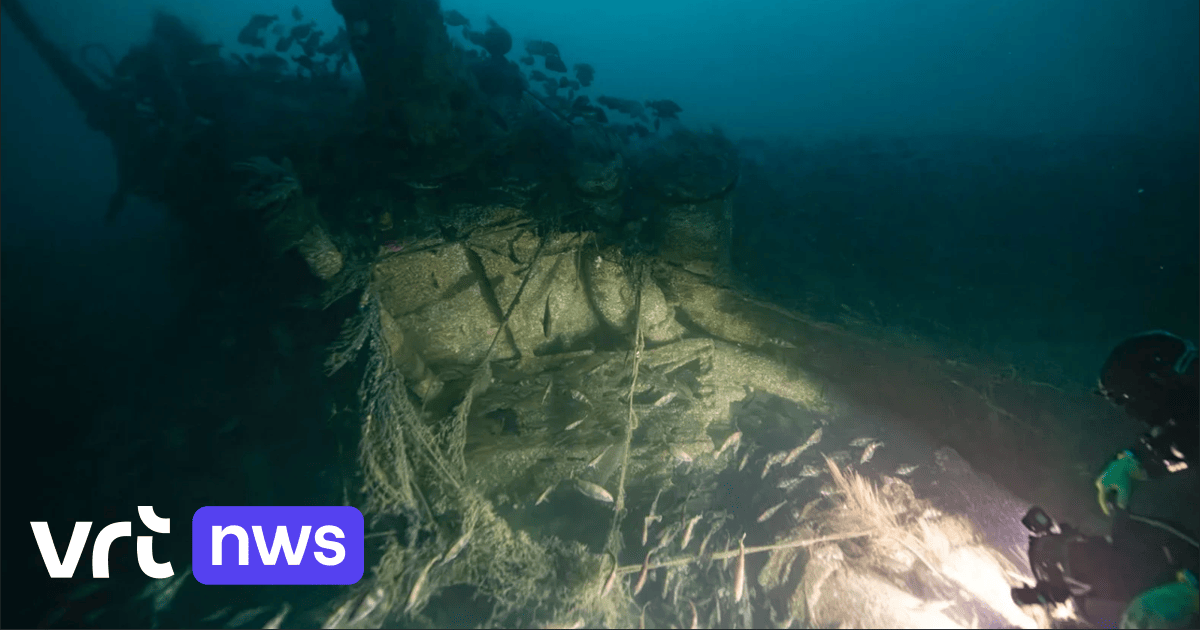
🤿
German WWII submarine lost to a typo found after 82 years
Duitse WO II-onderzeeër na 82 jaar teruggevonden door typefout
Un sous-marin allemand de la Seconde Guerre mondiale retrouvé après 82 ans à cause d’une erreur de transcription
The German submarine U-672 was badly damaged by a British warship in July 1944, and its captain ordered the crew to abandon ship. All 52 crew members survived and were rescued the next day, but the submarine’s exact resting place remained a mystery for 82 years. In August, divers from Portland discovered an unidentified wreck about 32 kilometres off Devon, at a depth of roughly 70 metres. They soon identified it as U-672, whose location had been lost because of a typo in the records.
De Duitse onderzeeër U-672 raakte in juli 1944 zwaar beschadigd door een Brits oorlogsschip, waarna de kapitein de bemanning beval het schip te verlaten. Alle 52 bemanningsleden overleefden en werden de volgende dag gered, maar de exacte plek waar de onderzeeër lag bleef 82 jaar een raadsel. In augustus ontdekten duikers uit Portland een onbekend wrak, zo’n 32 kilometer voor de kust van Devon en op ongeveer 70 meter diepte. Al snel stelden ze vast dat het om de U-672 ging, waarvan de locatie door een typefout in de gegevens verloren was gegaan.
Le sous-marin allemand U-672 a été gravement endommagé par un navire de guerre britannique en juillet 1944, et son capitaine a ordonné à l’équipage d’abandonner le bâtiment. Les 52 membres d’équipage ont survécu et ont été secourus le lendemain, mais l’emplacement exact du sous-marin est resté mystérieux pendant 82 ans. En août, des plongeurs de Portland ont découvert une épave inconnue à environ 32 kilomètres des côtes du Devon, par près de 70 mètres de fond. Ils ont rapidement établi qu’il s’agissait du U-672, dont la position avait été perdue à cause d’une erreur de transcription dans les archives.
⚙️
Current-driven molecular machine boosts conductance through rotation
Stroomgedreven moleculaire machine verhoogt geleiding door rotatie
Une machine moléculaire entraînée par le courant améliore la conductance en tournant
So: researchers have built a tiny molecular machine whose rotor is driven by electric current. By applying a voltage to a helicene molecule suspended between two electrodes, they triggered cyclic motion with a strong preference for one direction, which reverses when the voltage polarity changes. Above a threshold voltage, the rotating molecule conducts significantly more current, and stretching or compressing it can tune when this boost begins. And here's the thing: the motion lets the molecule adopt highly conducting shapes that it cannot reach while still.
Onderzoekers hebben een piepkleine moleculaire machine gebouwd waarvan de rotor wordt aangedreven door elektrische stroom. Met een spanning over een heliceenmolecuul tussen twee elektroden brachten ze een cyclische beweging op gang, vrijwel altijd in één richting; omkering van de polariteit keert die richting om. Boven een bepaalde spanningsdrempel geleidt het draaiende molecuul aanzienlijk meer stroom, en door het uit te rekken of samen te drukken kan worden bijgesteld wanneer die toename begint. En dit is het bijzondere: door de beweging kan het molecuul zeer goed geleidende vormen aannemen die het in rust niet kan bereiken.
Des chercheurs ont créé une minuscule machine moléculaire dont le rotor est entraîné par un courant électrique. En appliquant une tension à une molécule d’hélicène suspendue entre deux électrodes, ils ont déclenché un mouvement cyclique presque toujours dans le même sens, qui s’inverse lorsque la polarité de la tension change. Au-delà d’un certain seuil de tension, la molécule en rotation conduit nettement mieux le courant, et son étirement ou sa compression permet de régler le début de cette hausse. Et voici le point remarquable : la rotation permet à la molécule d’adopter des configurations très conductrices qu’elle ne peut pas atteindre au repos.

🌌
What the sky reveals about ‘the starry night’
Wat de hemel onthult over ‘de sterrennacht’
Ce que le ciel révèle sur « la nuit étoilée »
Could Vincent van Gogh’s Starry Night have captured a real sky rather than pure imagination? Astronomer Elijah Jeong-hyun Kim and colleagues argue yes: dating the scene to dawn on July 22, 1889, they find that the Moon, Venus and the Hyades align closely with the painting. Earlier studies searched for different constellations partly because they relied on a June date, which the positions of the crescent Moon and Venus do not support. And here’s the lovely twist: the researchers say this close match shifts the burden of proof toward a faithful astronomical depiction.
Zou Vincent van Goghs Sterrennacht een echte hemel kunnen tonen in plaats van pure verbeelding? Astronoom Elijah Jeong-hyun Kim en zijn collega’s denken van wel: als het tafereel bij zonsopkomst op 22 juli 1889 is geschilderd, komen de maan, Venus en de Hyaden opvallend goed overeen met het schilderij. Eerdere studies zochten naar andere sterrenbeelden, deels omdat ze uitgingen van een datum in juni, die niet strookt met de stand van de maansikkel en Venus. En precies daarin zit de mooie ontdekking: volgens de onderzoekers maakt deze sterke overeenkomst een getrouwe astronomische weergave nu een stuk aannemelijker.
Et si La Nuit étoilée de Vincent van Gogh représentait un véritable ciel plutôt que son imagination seule ? L’astronome Elijah Jeong-hyun Kim et ses collègues répondent par l’affirmative : en situant la scène à l’aube du 22 juillet 1889, ils constatent que la Lune, Vénus et les Hyades correspondent de près au tableau. Les études précédentes avaient recherché d’autres constellations, notamment parce qu’elles retenaient une date en juin, incompatible avec la position du croissant de Lune et de Vénus. Et voici le bel éclairage nouveau : selon les chercheurs, cette forte concordance rend désormais bien plus plausible une représentation astronomique fidèle.
🧠
Scientists uncover a surprising secret behind the brain’s wrinkles
Wetenschappers ontdekken een verrassend geheim achter de hersenplooien
Des scientifiques découvrent un secret étonnant derrière les plis du cerveau
So: common marmosets have brains that stay remarkably smooth, and scientists have now found some of the cellular reasons why. Using miniature brain organoids, researchers compared human and marmoset neural progenitor cells, which produce neurons as the brain develops. In marmosets, some of these cells divide more slowly, have simpler structures, or develop at different times, together resulting in fewer neurons and less folding. Published in Science Advances, the findings offer fresh clues about primate brain evolution and may eventually help researchers understand disorders of human brain development.
Doodshoofdaapjes hebben opvallend gladde hersenen, en wetenschappers hebben nu enkele cellulaire oorzaken daarvan ontdekt. Met miniatuur-hersenorganoïden vergeleken onderzoekers menselijke en marmoset-neurale voorlopercellen, die tijdens de hersenontwikkeling neuronen aanmaken. Bij marmosets delen sommige van deze cellen zich langzamer, hebben ze een eenvoudigere structuur of ontwikkelen ze zich op andere momenten, waardoor er uiteindelijk minder neuronen en minder hersenplooien ontstaan. De bevindingen, gepubliceerd in Science Advances, werpen nieuw licht op de evolutie van primatenhersenen en kunnen onderzoekers op termijn helpen om ontwikkelingsstoornissen van het menselijk brein beter te begrijpen.
Les ouistitis communs ont un cerveau remarquablement lisse, et les scientifiques ont découvert plusieurs raisons cellulaires qui pourraient l’expliquer. À l’aide de mini-organoïdes cérébraux, les chercheurs ont comparé des cellules progénitrices humaines et de ouistitis, qui produisent des neurones au cours du développement du cerveau. Chez les ouistitis, certaines de ces cellules se divisent plus lentement, ont une structure plus simple ou se développent à des moments différents, ce qui entraîne au final moins de neurones et moins de plis cérébraux. Publiés dans Science Advances, ces résultats éclairent l’évolution du cerveau des primates et pourraient, à terme, aider à mieux comprendre les troubles du développement cérébral chez l’humain.
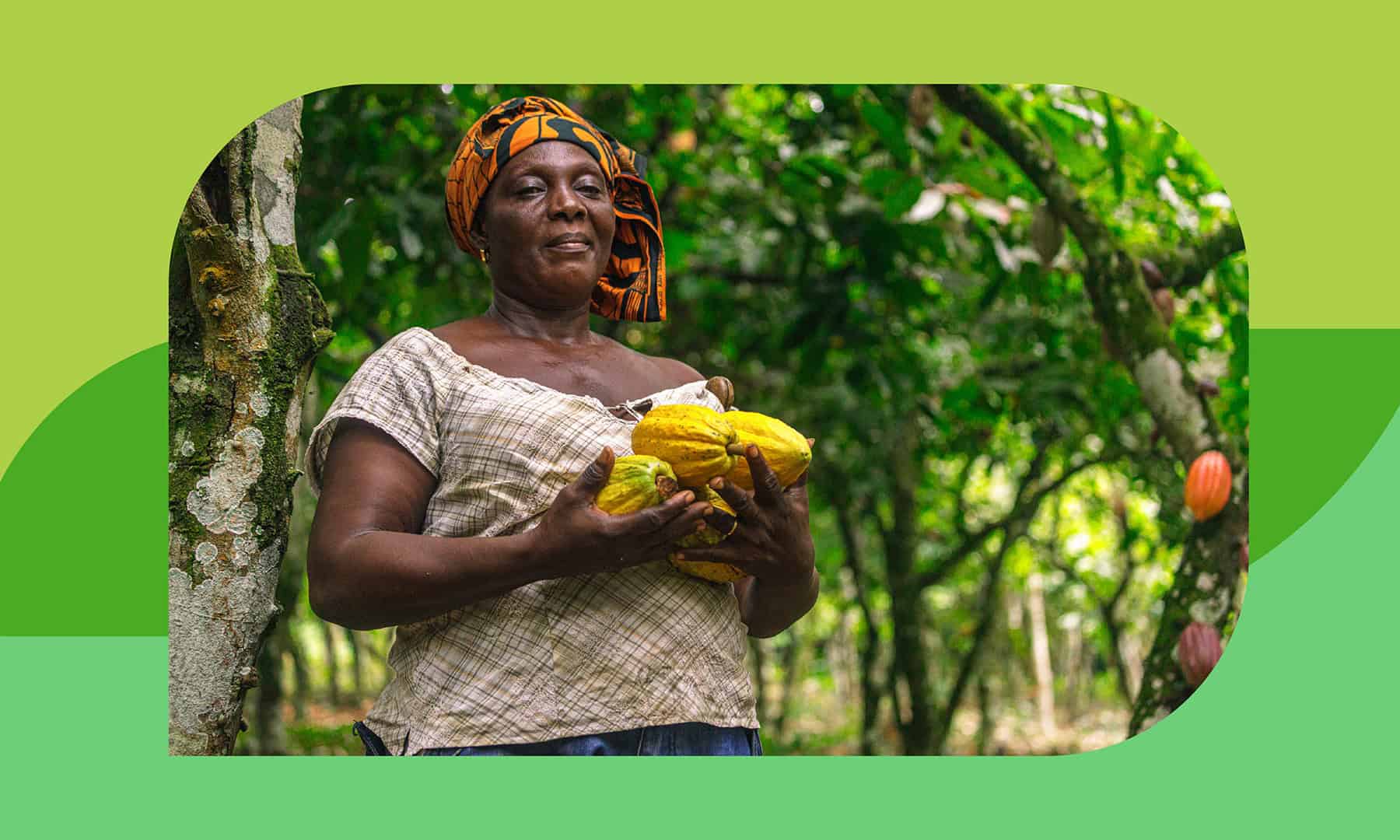
🌳
The farmer growing a future under Ghana’s trees
De boerin die onder Ghanese bomen aan de toekomst bouwt
La fermière qui cultive l’avenir sous les arbres du Ghana
So: cocoa farmer Susana Afrifa Ankrah knows how much Ghana’s Atewa forest means to her family and community, from fresh air and rainfall to medicinal plants. Through a pioneering programme, she and other farmers are learning to grow cocoa while protecting trees and soil. Composting, organic fertilisers and shade-loving hybrid seeds can help boost harvests without clearing more forest. It’s a hopeful approach that supports local livelihoods while helping nature and communities become more resilient to climate change.
Cacaoboerin Susana Afrifa Ankrah weet hoeveel het Atewa-woud in Ghana betekent voor haar familie en gemeenschap: het brengt frisse lucht, regen en geneeskrachtige planten. Via een vernieuwend programma leren zij en andere boeren cacao te verbouwen en tegelijk bomen en de bodem te beschermen. Compost, biologische meststoffen en hybride zaden die goed gedijen in de schaduw kunnen de oogst verbeteren zonder extra bos te kappen. Zo ontstaat een hoopvolle aanpak die lokale bestaansmiddelen ondersteunt en natuur en gemeenschappen weerbaarder maakt tegen klimaatverandering.
La cacaocultrice Susana Afrifa Ankrah sait combien la forêt d’Atewa, au Ghana, compte pour sa famille et sa communauté : elle apporte de l’air frais, de la pluie et des plantes médicinales. Grâce à un programme novateur, elle et d’autres agriculteurs apprennent à cultiver le cacao tout en protégeant les arbres et les sols. Le compost, les engrais biologiques et des plants hybrides adaptés à l’ombre peuvent améliorer les récoltes sans défricher davantage la forêt. Cette approche prometteuse soutient les moyens de subsistance locaux et renforce la résilience de la nature et des communautés face au changement climatique.
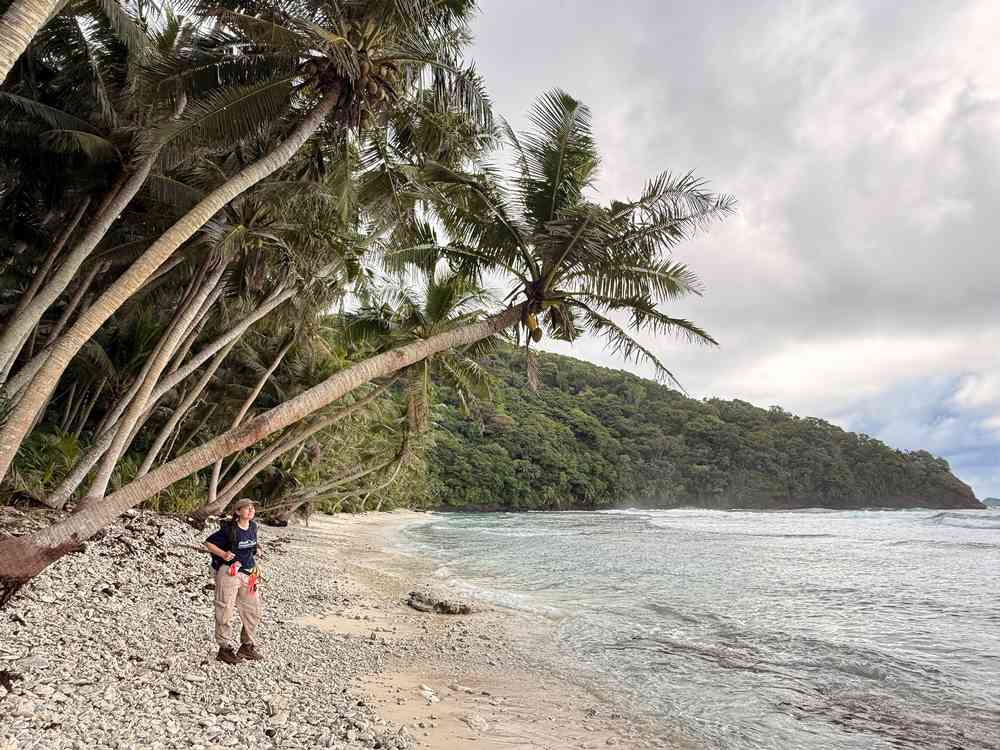
🌿
Samoan island sees native wildlife flourish after invasive species removal
Samoaans eiland ziet inheemse dierenwereld opbloeien na verwijdering van invasieve soorten
Une île samoane voit sa faune indigène s’épanouir après l’élimination d’espèces invasives
So: just one year after rats and feral pigs were removed from Samoa’s Nu’utele Island, native forests and wildlife are already showing remarkable signs of recovery. Native seedlings are carpeting areas of forest, and local people can once again grow giant taro where crops previously struggled. Researchers have also found active nests of the shy ground dove and Samoan starling, along with breeding activity among other native birds. This recovery is laying the groundwork for a future new population of the threatened Mao bird.
En kijk: amper een jaar nadat ratten en verwilderde varkens van het Samoaanse eiland Nu’utele zijn verwijderd, vertonen de inheemse bossen en dierenwereld al opmerkelijke tekenen van herstel. In delen van het bos groeien volop jonge inheemse planten, en bewoners kunnen weer reuzentaro verbouwen op plekken waar gewassen eerder moeilijk groeiden. Onderzoekers vonden ook actieve nesten van de schuwe grondduif en de Samoaanse spreeuw, naast broedactiviteit bij andere inheemse vogels. Dit herstel legt de basis voor een toekomstige nieuwe populatie van de bedreigde mao.
Et voici une belle nouvelle : à peine un an après l’élimination des rats et des cochons sauvages de l’île samoane de Nu’utele, les forêts et la faune indigènes montrent déjà des signes remarquables de rétablissement. De jeunes plants indigènes couvrent certaines parties de la forêt, et les habitants peuvent à nouveau cultiver du taro géant là où les récoltes peinaient auparavant. Les chercheurs ont également découvert des nids actifs de la gallicolombe timide et de l’étourneau samoan, ainsi que des signes de reproduction chez d’autres oiseaux indigènes. Cette renaissance prépare le terrain pour l’installation future d’une nouvelle population de mao, un oiseau menacé.

🧬
New AI model lets you chat with DNA
Nieuw AI-model laat je met DNA praten
Un nouveau modèle d’IA permet de dialoguer avec l’ADN
So: Hugging Face has released Carbon-X, an open-source AI model that lets people ask conversational questions about DNA and gene activity. Trained on genomic sequences and natural-language examples, the 14-billion-parameter model can run locally on a laptop, keeping queries off company servers. Researchers could use it to explore whether mutations may be linked to disease and inform drug or gene-therapy research, while others can ask questions about small regions of a genome. And here's the thing: Carbon-X has not yet been validated in lab experiments, so its predictions still need careful testing.
Hugging Face heeft Carbon-X uitgebracht, een open AI-model waarmee je in gewone taal vragen kunt stellen over DNA en genactiviteit. Het model is getraind met genetische sequenties en voorbeelden in natuurlijke taal, en kan dankzij zijn 14 miljard parameters lokaal op een laptop draaien. Onderzoekers kunnen ermee verkennen of mutaties mogelijk verband houden met ziekten en onderzoek naar medicijnen of gentherapie ondersteunen; ook anderen kunnen vragen stellen over kleine stukjes van een genoom. En dit is belangrijk: Carbon-X is nog niet gevalideerd met laboratoriumexperimenten, dus de voorspellingen moeten nog zorgvuldig worden getest.
Hugging Face vient de lancer Carbon-X, un modèle d’IA open source qui permet de poser des questions en langage courant sur l’ADN et l’activité des gènes. Entraîné sur des séquences génomiques et des exemples en langage naturel, ce modèle de 14 milliards de paramètres peut fonctionner localement sur un ordinateur portable. Les chercheurs pourraient s’en servir pour étudier le lien entre certaines mutations et des maladies, et contribuer à la recherche sur les médicaments ou la thérapie génique; chacun peut aussi interroger de petites régions d’un génome. Et voici le point important: Carbon-X n’a pas encore été validé par des expériences en laboratoire, ses prédictions doivent donc encore être testées avec soin.
⚖️
International criminal court honored by European Parliament
Internationaal Strafhof bekroond door Europees Parlement
La Cour pénale internationale récompensée par le Parlement européen
So: the European Parliament has awarded its Sakharov Prize to the International Criminal Court, recognizing its work in defending international justice. The Social Democrats nominated the court as a show of support amid US sanctions targeting its judges and prosecutors. The other finalists were Tanzanian opposition figure Tundu Lissu and Iranian sisters Taraneh and Romina Rahimi. ICC President Tomoko Akane welcomed the honor, noting that it comes at a challenging time for the court and its representatives.
Zo: het Europees Parlement heeft de Sacharovprijs toegekend aan het Internationaal Strafhof, als erkenning voor zijn inzet voor internationale rechtvaardigheid. De sociaaldemocraten nomineerden het hof als steunbetuiging, terwijl de VS sancties oplegt aan zijn rechters en aanklagers. De andere finalisten waren de Tanzaniaanse oppositiefiguur Tundu Lissu en de Iraanse zussen Taraneh en Romina Rahimi. ICC-voorzitter Tomoko Akane verwelkomde de onderscheiding en wees erop dat het hof en zijn vertegenwoordigers voor grote uitdagingen staan.
Alors : le Parlement européen a décerné son prix Sakharov à la Cour pénale internationale, saluant son engagement en faveur de la justice internationale. Les sociaux-démocrates avaient proposé sa candidature pour lui témoigner leur soutien face aux sanctions américaines visant ses juges et ses procureurs. Les autres finalistes étaient l’opposant tanzanien Tundu Lissu et les sœurs iraniennes Taraneh et Romina Rahimi. La présidente de la CPI, Tomoko Akane, a salué cette distinction, qui intervient à un moment difficile pour la Cour et ses représentants.
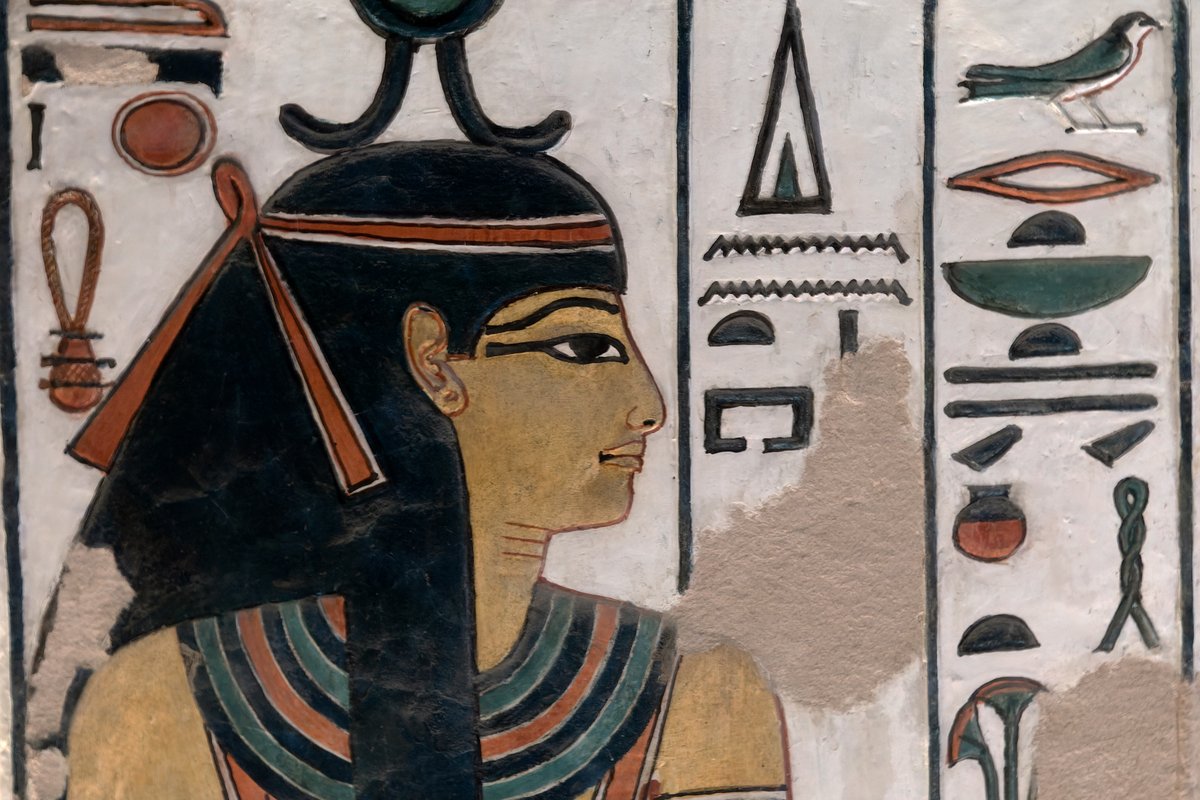
🏺
Ancient Egypt’s first female king revealed by long-lost royal seals
De eerste vrouwelijke koning van het oude Egypte onthuld door lang verloren zegels
La première reine de l’Égypte ancienne révélée par des sceaux longtemps perdus
Here’s a fascinating new clue about Meretneith, a powerful woman buried in Egypt around 5,000 years ago. Researchers digitally enhanced an old photograph of clay seals that had been lost, making their faint hieroglyphs easier to read. One seal appears to show Meretneith’s royal symbol alongside the goddess Neith, pointing to authority as a ruler in her own right. The finding strengthens the case that she was ancient Egypt’s first female king and offers a fresh glimpse of women’s leadership in its earliest royal era.
Wat een boeiende nieuwe aanwijzing over Meretneith, een machtige vrouw die zo’n 5.000 jaar geleden in Egypte werd begraven. Onderzoekers verbeterden digitaal een oude foto van verloren gegane kleizegels, waardoor de vage hiërogliefen beter leesbaar werden. Op een zegel lijkt het koninklijke symbool van Meretneith naast de godin Neith te staan, wat erop wijst dat ze zelf als vorstin regeerde. Deze ontdekking versterkt het idee dat zij de eerste vrouwelijke koning van het oude Egypte was en werpt een nieuw licht op de vroege rol van vrouwen in het koningschap.
Une nouvelle piste passionnante éclaire le parcours de Meretneith, une femme puissante enterrée en Égypte il y a environ 5 000 ans. Les chercheurs ont amélioré numériquement une ancienne photo de sceaux d’argile aujourd’hui perdus, rendant leurs hiéroglyphes plus lisibles. Sur l’un des sceaux, le symbole royal de Meretneith semble apparaître aux côtés de la déesse Neith, ce qui suggère qu’elle régnait en son propre nom. Cette découverte renforce l’hypothèse qu’elle fut la première reine de l’Égypte ancienne et révèle la place possible des femmes au tout début du pouvoir royal.

🛂
Italy and Spain agree to restore Schengen rules
Italië en Spanje herstellen de Schengenregels
L’Italie et l’Espagne rétablissent les règles de Schengen
So: Italy and Spain have agreed not to extend their temporary border checks, allowing Schengen rules to be fully restored when the measures expire on Friday. The decision was reached in a call between the two countries’ interior ministers, after their prime ministers discussed the issue at last week’s EU summit. Italy introduced checks on arrivals from Spain in August, citing security concerns following the migration crisis in Ceuta, and Spain responded with random checks on travellers from Italy. Both countries extended the measures several times, despite criticism of Italy’s decision.
Italië en Spanje hebben afgesproken hun tijdelijke grenscontroles niet te verlengen, waardoor de Schengenregels vrijdag weer volledig van kracht worden. De ministers van Binnenlandse Zaken bereikten dat akkoord tijdens een telefoongesprek, nadat hun premiers de kwestie vorige week bespraken op de EU-top. Italië voerde in augustus controles in op reizigers uit Spanje, met verwijzing naar veiligheidszorgen na de migratiecrisis in Ceuta, waarop Spanje steekproefsgewijze controles van reizigers uit Italië instelde. Beide landen verlengden de maatregelen meermaals, ondanks kritiek op het Italiaanse besluit.
L’Italie et l’Espagne ont convenu de ne pas prolonger leurs contrôles temporaires aux frontières, ce qui permettra de rétablir pleinement les règles de Schengen vendredi, à l’expiration des mesures. L’accord a été conclu lors d’un appel entre les ministres de l’Intérieur des deux pays, après que leurs chefs de gouvernement ont évoqué le sujet au sommet européen de la semaine dernière. En août, l’Italie avait instauré des contrôles sur les voyageurs en provenance d’Espagne, invoquant des préoccupations de sécurité après la crise migratoire de Ceuta, et l’Espagne avait répondu par des contrôles aléatoires sur les voyageurs venant d’Italie. Les deux pays avaient prolongé ces mesures à plusieurs reprises, malgré les critiques visant la décision initiale de Rome.
✈️
Easier compensation and fewer airline fees under new passenger rules
Makkelijker compensatie en minder luchtvaartkosten met nieuwe passagiersregels
Indemnisation simplifiée et moins de frais avec les nouvelles règles pour les passagers
So, after nearly 13 years of negotiations, the EU has adopted updated rules to strengthen air passenger rights. Compensation remains €250 to €600 for arriving at least three hours late, but passengers will have nine months to claim, and airlines must respond within 30 days. The rules also bring practical wins, including a free personal item, clearer ticket pricing, fewer fees and more options to arrange replacement transport after a cancellation. And here's the thing: compensation rates will not increase, and free hotel accommodation during long disruptions will be capped at three nights.
Na bijna 13 jaar onderhandelen heeft de EU nieuwe regels aangenomen om de rechten van vliegtuigpassagiers te versterken. De vergoeding blijft 250 tot 600 euro bij een aankomstvertraging van minstens drie uur, maar passagiers krijgen negen maanden om die aan te vragen en luchtvaartmaatschappijen moeten binnen 30 dagen reageren. De regels brengen ook praktische voordelen, zoals een gratis persoonlijk voorwerp, duidelijkere ticketprijzen, minder toeslagen en meer mogelijkheden om na een annulering zelf vervangend vervoer te regelen. En dit is belangrijk: de vergoedingen worden niet verhoogd en gratis hotelverblijf bij langdurige verstoringen wordt beperkt tot drie nachten.
Après près de 13 ans de négociations, l’Union européenne a adopté de nouvelles règles pour renforcer les droits des passagers aériens. L’indemnisation reste comprise entre 250 et 600 euros pour une arrivée retardée d’au moins trois heures, mais les passagers auront neuf mois pour la réclamer et les compagnies devront répondre sous 30 jours. Ces règles apportent aussi des avantages pratiques, comme un objet personnel gratuit, des tarifs plus clairs, moins de frais et davantage de possibilités pour organiser un transport de remplacement après une annulation. Et voici le point à garder en tête : les montants d’indemnisation n’augmenteront pas et l’hébergement gratuit à l’hôtel lors de longues perturbations sera limité à trois nuits.

💪
Getting fit before surgery can make a real difference
Fit worden vóór een operatie maakt echt verschil
Se remettre en forme avant une opération peut vraiment aider
Preparing for surgery through “prehabilitation” may help patients recover more safely: a Radboudumc study found complications after gynaecological cancer operations fell from 37% to 27%. The programme combined supervised strength and fitness training three times a week with guidance from a dietitian. The goal was to build health, not lose weight, which matters because some patients are already undernourished. And here's the thing: patients said it felt good to be actively doing something instead of just worrying while waiting for surgery.
Met ‘prehabilitatie’ kunnen patiënten zich voorbereiden op een operatie en mogelijk veiliger herstellen: in een Radboudumc-onderzoek daalde het aantal complicaties na gynaecologische kankeroperaties van 37 naar 27 procent. Het programma combineerde drie keer per week begeleide kracht- en conditietraining met advies van een diëtist. Het doel was fitter worden, niet afvallen - belangrijk, want sommige patiënten zijn al ondervoed. En dat is mooi: patiënten zeiden dat ze echt iets aan het dóén waren, in plaats van alleen maar te piekeren terwijl ze op hun operatie wachtten.
La « préhabilitation » permet aux patients de se préparer à une opération et pourrait favoriser un rétablissement plus sûr : une étude du Radboudumc a observé une baisse des complications après une chirurgie gynécologique du cancer, de 37 à 27 %. Le programme associait trois séances hebdomadaires d’exercices de force et d’endurance encadrés à des conseils nutritionnels. L’objectif était d’améliorer la santé, pas de perdre du poids - un point important puisque certaines patientes souffrent déjà de dénutrition. Et c’est encourageant : les patientes ont dit qu’elles avaient le sentiment d’agir concrètement, plutôt que de simplement s’inquiéter en attendant leur opération.
🖼️
A pavilion built for one monumental painting
Een paviljoen voor één monumentaal schilderij
Un pavillon conçu pour un tableau monumental
Now, here's a remarkable way to give a work of art room to breathe: a new concrete pavilion in Künzelsau, Germany, is devoted entirely to Anselm Kiefer's painting "Schwarze Flocken." Measuring 11 metres high and 7.1 metres wide, the mixed-media work is the largest Kiefer painting in the Carmen Würth Forum collection. David Chipperfield Architects designed the building in close collaboration with Kiefer, who helped shape its proportions, windows and interior. And here's the thing: the artwork's monumental scale inspired a striking brutalist home made just for it.
Een bijzondere manier om een kunstwerk alle ruimte te geven: een nieuw betonnen paviljoen in het Duitse Künzelsau is volledig gewijd aan Anselm Kiefers schilderij "Schwarze Flocken". Het werk is 11 meter hoog en 7,1 meter breed en is het grootste schilderij van Kiefer in de collectie van het Carmen Würth Forum. David Chipperfield Architects ontwierp het gebouw in nauwe samenwerking met Kiefer, die meebepaalde hoe de verhoudingen, ramen en inrichting eruitzien. En precies daarin zit de charme: de monumentale afmetingen van het schilderij inspireerden een brutalistisch onderkomen dat speciaal voor dit ene werk is gemaakt.
Quelle belle façon de donner toute sa place à une œuvre d'art : un nouveau pavillon en béton, à Künzelsau en Allemagne, est entièrement consacré au tableau "Schwarze Flocken" d'Anselm Kiefer. Haut de 11 mètres et large de 7,1 mètres, ce tableau en techniques mixtes est le plus grand de Kiefer dans la collection du Carmen Würth Forum. David Chipperfield Architects a conçu le bâtiment en étroite collaboration avec l'artiste, qui a contribué à définir ses proportions, ses fenêtres et son aménagement intérieur. Et voici ce qui rend le projet si singulier : l'œuvre monumentale a inspiré un écrin brutaliste pensé spécialement pour elle.
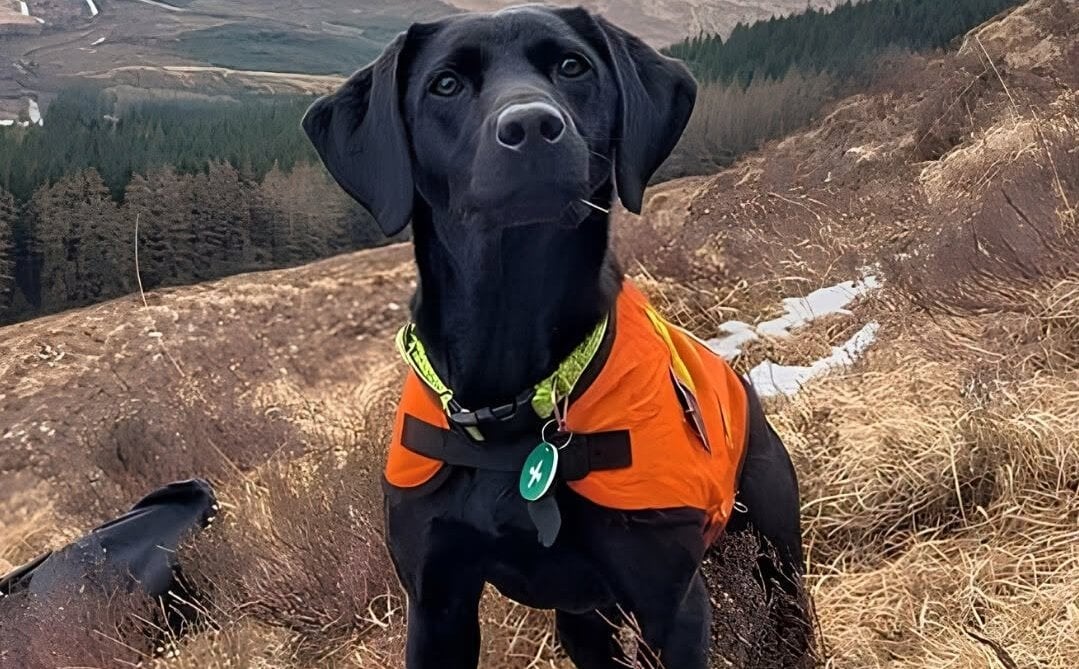
🐕
Scottish labrador named animal of the year for detecting ‘sea vomit’
Schotse labrador uitgeroepen tot dier van het jaar voor opsporen van ‘zeesnot’
Une labrador écossaise élue animal de l’année pour détecter le « vomi de mer »
Sgiath, a Labrador from the Scottish Highlands, has been named Animal of the Year by the International Fund for Animal Welfare. Originally trained as a mountain rescue dog, she now works with marine ecologist Dr Texa Sim to sniff out the invasive sea squirt Didemnum vexillum, also known as “sea vomit.” Her remarkable nose can detect it even when it is mixed in with other marine organisms, offering a fast, promising way to help monitor its spread. The award was presented at the Animal Action Awards in London on October 15, celebrating Sgiath’s new contribution to marine conservation.
Sgiath, een labrador uit de Schotse Highlands, is door het International Fund for Animal Welfare uitgeroepen tot Dier van het Jaar. Ze werd oorspronkelijk opgeleid als reddingshond in de bergen, maar helpt nu samen met marien ecoloog dr. Texa Sim bij het opsporen van de invasieve zakpijp Didemnum vexillum, ook bekend als ‘zeesnot’. Dankzij haar uitstekende neus vindt ze de soort zelfs tussen andere zeeorganismen, wat een snelle en veelbelovende manier biedt om de verspreiding ervan in kaart te brengen. De prijs werd op 15 oktober uitgereikt tijdens de Animal Action Awards in Londen, als erkenning voor Sgiaths bijzondere bijdrage aan de bescherming van het zeemilieu.
Sgiath, une labrador des Highlands écossais, a été nommée Animal de l’année par le Fonds international pour la protection des animaux. D’abord formée au sauvetage en montagne, elle aide désormais l’écologue marine Dr Texa Sim à repérer l’ascidie invasive Didemnum vexillum, surnommée « vomi de mer ». Son flair exceptionnel lui permet de la détecter même parmi d’autres organismes marins, offrant une méthode rapide et prometteuse pour suivre sa propagation. Le prix lui a été remis le 15 octobre lors des Animal Action Awards à Londres, en hommage à sa contribution originale à la protection du milieu marin.

🎼
A Swedish musical unknown shines on the month's best classical album
Een Zweedse muzikale onbekende schittert op het beste klassieke album van de maand
Un musicien suédois méconnu brille sur le meilleur album classique du mois
So, Gävle Symphony Orchestra is bringing the music of little-known Swedish composer Melcher Melchers to new listeners. Its sparkling world premiere recording features both of his piano concertos. Chief conductor Christian Reif draws out the music's shadowy shades as well as its radiance. DN critic Johanna Paulsson names it the month's best classical album.
Het Gävle Symfonieorkest brengt de muziek van de weinig bekende Zweedse componist Melcher Melchers onder de aandacht. Op deze sprankelende wereldpremière-opname staan zijn beide pianoconcerten. Chef-dirigent Christian Reif laat zowel de donkere schakeringen als de glans van de muziek horen. DN-recensent Johanna Paulsson noemt het album de beste klassieke plaat van de maand.
L'Orchestre symphonique de Gävle fait découvrir la musique du compositeur suédois méconnu Melcher Melchers. Cet enregistrement mondial en première réunit ses deux concertos pour piano. Le chef principal Christian Reif en fait ressortir les nuances sombres autant que l'éclat. Johanna Paulsson, critique au DN, le désigne comme le meilleur album classique du mois.

🧠
A 31-year-old mathematical challenge is finally solved
Een wiskundig vraagstuk van 31 jaar eindelijk opgelost
Un défi mathématique vieux de 31 ans enfin résolu
So, after three decades, researchers have proved the Kannan-Lovász-Simonovits conjecture, a landmark problem in high-dimensional geometry and probability. The result shows that, for a broad family of probability distributions, simple flat cuts are almost as effective as cuts of any shape, with a bound that does not grow with dimension. That insight could strengthen the foundations of random-walk sampling and inform statistics, optimization, algorithms, and computer science. And here's the thing: human researchers guided AI systems through the search, while independent experts validated the breakthrough and its proof was formally checked.
En kijk, na drie decennia hebben onderzoekers het vermoeden van Kannan-Lovász-Simonovits bewezen, een belangrijk vraagstuk in de hoogdimensionale meetkunde en kansrekening. Het resultaat toont aan dat eenvoudige vlakke doorsneden voor een brede familie kansverdelingen bijna even doeltreffend zijn als doorsneden van eender welke vorm, met een grens die niet toeneemt met het aantal dimensies. Dat inzicht kan de theoretische basis van steekproeven met willekeurige wandelingen versterken en bijdragen aan statistiek, optimalisatie, algoritmen en informatica. En bijzonder hieraan is dat onderzoekers AI-systemen tijdens hun zoektocht aanstuurden, waarna onafhankelijke experts de doorbraak bevestigden en het bewijs formeel werd gecontroleerd.
Après trois décennies, des chercheurs ont démontré la conjecture de Kannan-Lovász-Simonovits, un problème majeur en géométrie de grande dimension et en théorie des probabilités. Le résultat montre que, pour une vaste famille de distributions de probabilité, de simples coupes planes sont presque aussi efficaces que des coupes de n’importe quelle forme, selon une borne qui ne dépend pas de la dimension. Cette avancée pourrait consolider les fondements de l’échantillonnage par marches aléatoires et contribuer aux statistiques, à l’optimisation, aux algorithmes et à l’informatique. Et ce qui rend cette histoire particulièrement intéressante, c’est que les chercheurs ont guidé des systèmes d’IA dans leur exploration, avant que des spécialistes indépendants ne confirment la percée et que la preuve soit vérifiée formellement.
♻️
Scientists find a simple, low-energy way to recycle acrylic glass
Wetenschappers vinden eenvoudige, energiezuinige manier om acrylglas te recyclen
Des scientifiques trouvent une méthode simple et économe en énergie pour recycler le verre acrylique
So, researchers at ETH Zurich have found a practical way to break acrylic glass, also known as Plexiglas, almost entirely back into its original building blocks. Using one inexpensive chemical and no solvents, the process recovers up to 98% of the material as pure building blocks, at just over 200°C. Even dyed or impure acrylic can become material good enough for products of the same quality as new plastic. And here's the exciting part: the method can work with existing equipment, making it easier for companies to turn more plastic waste into valuable new goods.
Onderzoekers van ETH Zürich hebben een praktische manier gevonden om acrylglas, ook bekend als Plexiglas, bijna volledig af te breken tot de oorspronkelijke bouwstenen. Met één goedkope chemische stof en zonder oplosmiddelen wint het proces tot 98% van het materiaal terug als zuivere bouwstenen, bij iets meer dan 200°C. Zelfs gekleurd of verontreinigd acrylglas kan worden omgezet in materiaal van dezelfde kwaliteit als nieuw plastic. En dat is mooi nieuws: de methode werkt met bestaande apparatuur, zodat bedrijven makkelijker plastic afval kunnen omzetten in waardevolle nieuwe producten.
Des chercheurs de l’ETH Zurich ont mis au point une méthode pratique pour décomposer presque entièrement le verre acrylique, aussi appelé Plexiglas, en ses éléments constitutifs d’origine. Avec un seul produit chimique peu coûteux et sans solvant, le procédé permet de récupérer jusqu’à 98 % du matériau sous forme de composants purs, à une température d’un peu plus de 200°C. Même le verre acrylique coloré ou impur peut ainsi donner un matériau d’une qualité comparable à celle du plastique neuf. Et la bonne nouvelle, c’est que cette méthode fonctionne avec des équipements existants, ce qui pourrait aider les entreprises à transformer davantage de déchets plastiques en nouveaux produits utiles.
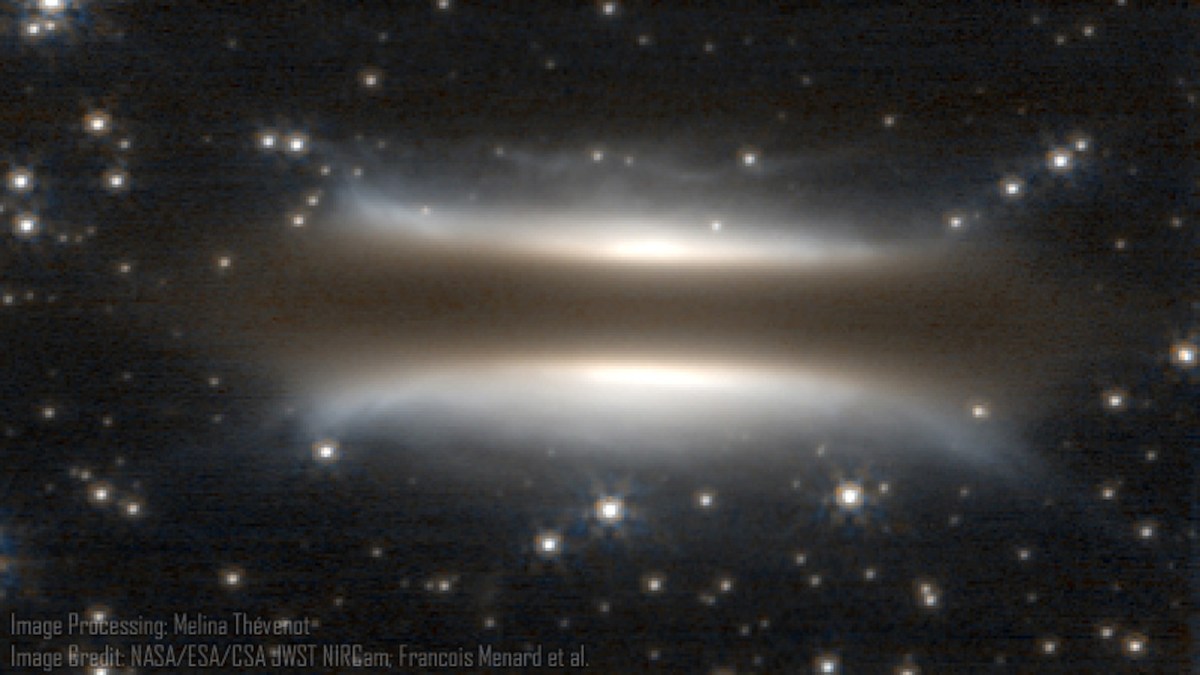
🔭
A distant space ‘hamburger’ hides a baby gas giant
Een verre kosmische ‘hamburger’ verbergt een jonge gasreus
Un « hamburger » cosmique lointain cache une jeune géante gazeuse
So, Gomez’s Hamburger is much more than a cosmic fast-food lookalike - it’s a vast disk of gas and dust around a young star, about 453 light-years away. Its nearly edge-on view gives astronomers an unusually clear look at the disk’s layers, including lighter gases above and heavier sulfur-bearing molecules below. Researchers also spotted uneven dust and gas that may point to a cosmic disturbance and winds from the star. At nearly 93 billion miles wide, this enormous disk could eventually give rise to several planets, including gas giants.
Gomez’ Hamburger is veel meer dan een kosmische dubbelganger van een broodje - het is een enorme schijf van gas en stof rond een jonge ster, op zo’n 453 lichtjaar afstand. Doordat de schijf bijna op zijn kant staat, kunnen astronomen uitzonderlijk goed de verschillende lagen bekijken, met lichte gassen boven zwaardere zwavelhoudende moleculen. De onderzoekers zagen ook ongelijk verdeelde stof- en gaswolken, mogelijk veroorzaakt door een kosmische verstoring en winden van de ster. De schijf is bijna 150 miljard kilometer breed en kan uiteindelijk meerdere planeten voortbrengen, waaronder gasreuzen.
Gomez’s Hamburger est bien plus qu’un sosie cosmique d’un hamburger : c’est un vaste disque de gaz et de poussière autour d’une jeune étoile, à environ 453 années-lumière. Comme le disque est presque vu par la tranche, les astronomes peuvent en observer les différentes couches avec une clarté exceptionnelle, des gaz légers aux molécules plus lourdes contenant du soufre. Ils ont aussi repéré une répartition inégale du gaz et de la poussière, peut-être due à une perturbation cosmique et aux vents de l’étoile. Large de près de 150 milliards de kilomètres, ce disque pourrait donner naissance à plusieurs planètes, dont des géantes gazeuses.
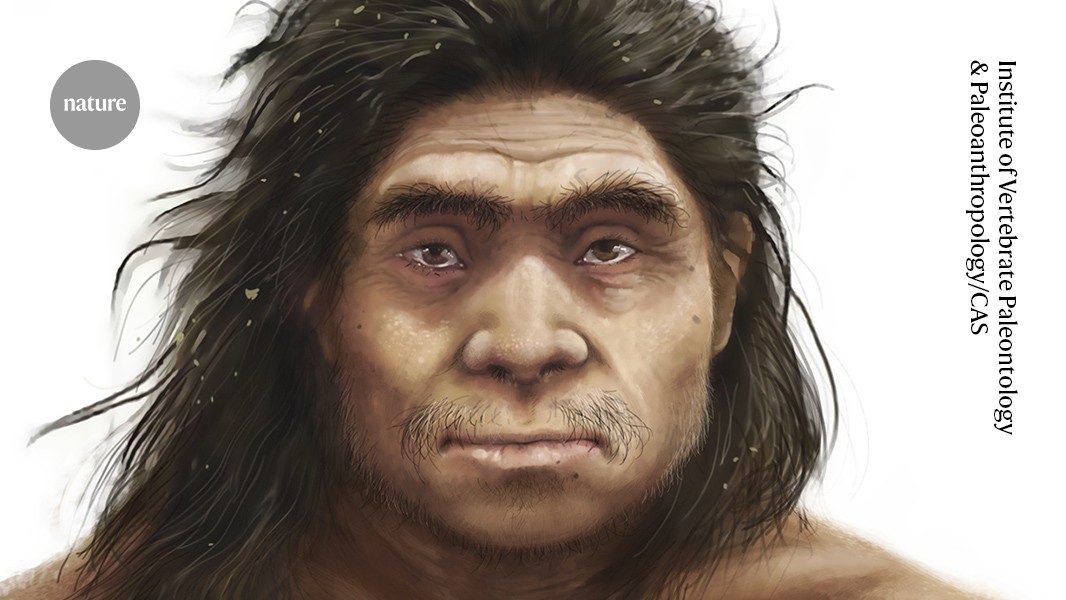
🦴
This is what the mysterious Denisovans looked like
Zo zagen de mysterieuze Denisovamensen eruit
À quoi ressemblaient les mystérieux Dénisoviens
So, researchers have identified 20 fossil fragments from Xujiayao in northern China as Denisovan remains, using ancient proteins. The fossils are at least 130,000 years old and reveal a distinctive face with a low, sloping forehead, a heavy brow ridge, rectangular eye sockets and flat cheeks. The findings offer a clearer picture of Denisovans, who were first identified through DNA from a finger bone found in Siberia. Researchers say the discovery also adds to evidence that Denisovans were widespread and diverse across Asia.
Onderzoekers hebben 20 fossiele fragmenten uit Xujiayao in Noord-China met behulp van oude eiwitten geïdentificeerd als resten van Denisovamensen. De fossielen zijn minstens 130.000 jaar oud en geven een beeld van een opvallend gezicht met een laag, schuin voorhoofd, een zware wenkbrauwboog, rechthoekige oogkassen en platte wangen. De vondst maakt het uiterlijk duidelijker van Denisovamensen, die voor het eerst werden herkend aan de hand van DNA uit een vingerbotje uit Siberië. Volgens onderzoekers versterkt de ontdekking ook het bewijs dat Denisovamensen wijdverspreid en divers waren in Azië.
Des chercheurs ont identifié, grâce à des protéines anciennes, 20 fragments fossiles de Xujiayao, dans le nord de la Chine, comme des restes de Dénisoviens. Vieux d’au moins 130 000 ans, ces fossiles révèlent un visage caractéristique, avec un front bas et incliné, une arcade sourcilière massive, des orbites rectangulaires et des joues plates. Cette découverte précise l’apparence des Dénisoviens, identifiés pour la première fois grâce à l’ADN d’un os de doigt trouvé en Sibérie. Les chercheurs estiment qu’elle renforce aussi les preuves de leur présence étendue et de leur diversité en Asie.
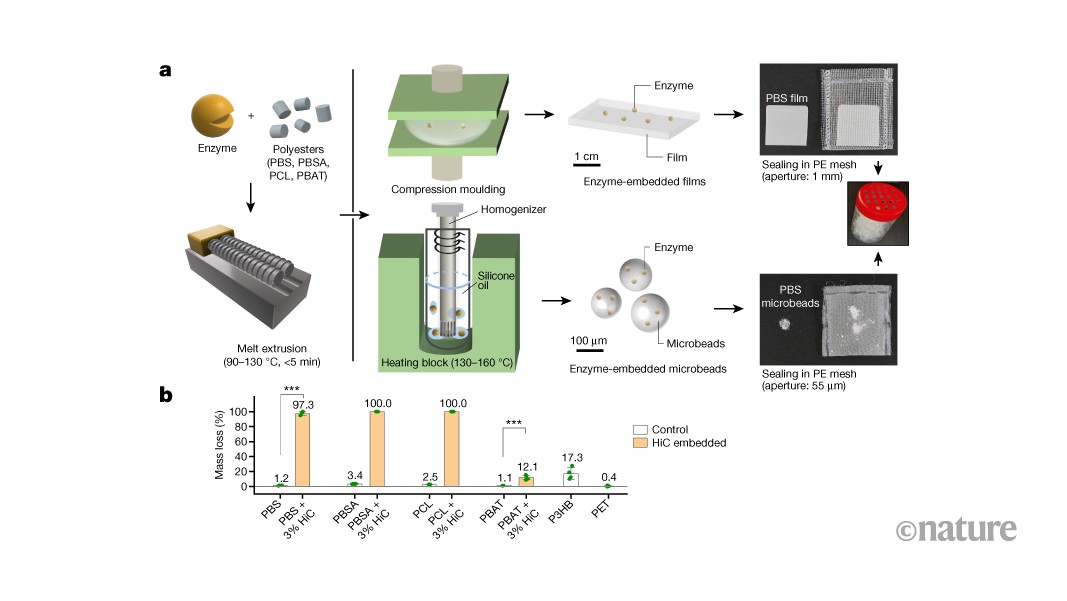
🌊
Plastics embedded with enzymes degrade readily in the sea
Kunststoffen met ingebouwde enzymen breken gemakkelijk af in zee
Des plastiques intégrant des enzymes se dégradent facilement en mer
So, researchers have embedded enzymes that break down ester bonds into compostable polyester plastics. The material biodegraded rapidly and completely in marine environments, even where microbes are scarce. Tests covered a range of locations, from coastal waters to the deep sea. This approach could help tackle plastic pollution by enabling these plastics to break down in the ocean.
Onderzoekers hebben enzymen die esterbindingen afbreken ingebouwd in composteerbare polyesterkunststoffen. Het materiaal biodegradeerde snel en volledig in mariene omgevingen, zelfs op plekken waar weinig micro-organismen aanwezig zijn. De tests omvatten uiteenlopende locaties, van kustwateren tot de diepzee. Deze aanpak kan helpen plasticvervuiling aan te pakken doordat zulke kunststoffen ook in zee kunnen afbreken.
Des chercheurs ont intégré des enzymes capables de rompre les liaisons ester dans des plastiques polyester compostables. Le matériau s’est biodégradé rapidement et complètement dans des milieux marins, même là où les microbes sont rares. Les essais ont porté sur divers sites, des eaux côtières aux grands fonds marins. Cette approche pourrait contribuer à lutter contre la pollution plastique en permettant à ces plastiques de se dégrader en mer.
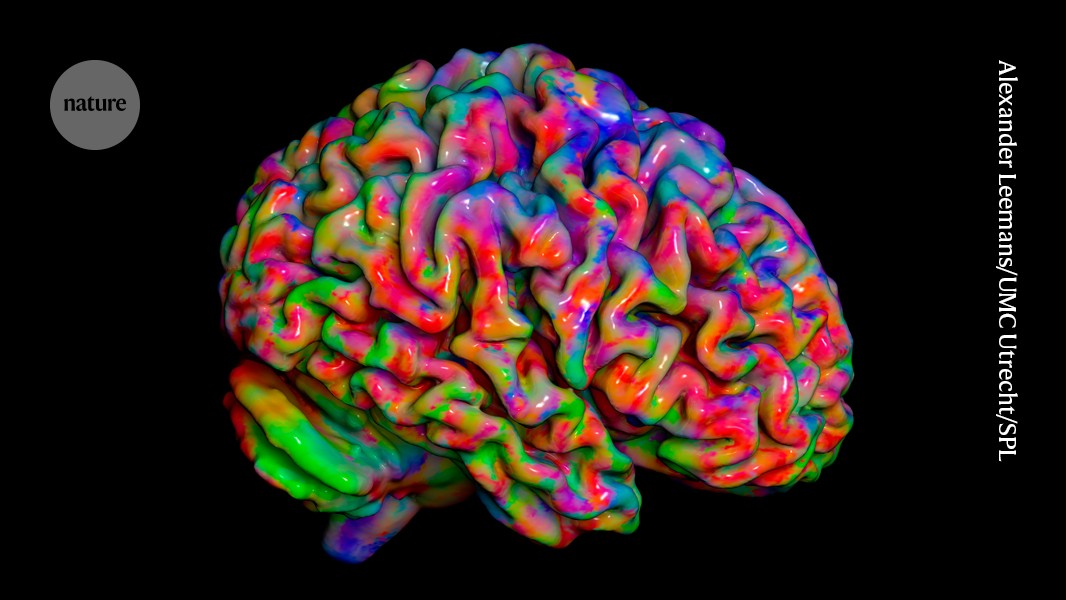
🧠
Huge mapping study reveals how your brain tracks what your body is feeling
Grote kaartstudie onthult hoe je hersenen voelen wat je lichaam ervaart
Une vaste cartographie révèle comment le cerveau suit les sensations du corps
Researchers have mapped the insula, a region buried deep in the brain, in unprecedented detail. Over more than a decade, they stimulated electrodes in 87 people who already had them implanted for medical reasons, and recorded the sensations that followed. Stimulation at the back of the insula caused sensations such as pain, heat and tingling in specific body parts, while its middle region produced feelings such as nausea and pressure in the chest. The front of the insula connects with areas involved in thought and emotion, suggesting that it helps shape how the brain interprets bodily sensations, rather than simply reading signals from the body.
Onderzoekers hebben de insula, een diep in de hersenen gelegen gebied, met ongekende precisie in kaart gebracht. Meer dan tien jaar lang stimuleerden ze elektroden bij 87 mensen bij wie die om medische redenen al waren geïmplanteerd, en noteerden ze welke sensaties daarop volgden. Stimulatie achteraan in de insula veroorzaakte onder meer pijn, warmte en tintelingen in specifieke lichaamsdelen, terwijl het middelste deel gevoelens zoals misselijkheid en druk op de borst opwekte. Het voorste deel staat in verbinding met gebieden die betrokken zijn bij denken en emoties, wat erop wijst dat het mee bepaalt hoe de hersenen lichaamssensaties interpreteren en niet alleen signalen uit het lichaam registreert.
Des chercheurs ont cartographié avec une précision inédite l’insula, une région enfouie profondément dans le cerveau. Pendant plus de dix ans, ils ont stimulé des électrodes chez 87 personnes qui en portaient déjà pour des raisons médicales, puis ont relevé les sensations ressenties. La stimulation de la partie arrière de l’insula provoquait notamment de la douleur, de la chaleur et des picotements dans des parties précises du corps, tandis que sa partie centrale suscitait des sensations comme la nausée et une pression dans la poitrine. La partie avant est reliée à des régions impliquées dans la pensée et les émotions, ce qui suggère qu’elle contribue à façonner l’interprétation des sensations corporelles, au lieu de simplement enregistrer les signaux du corps.

⚛️
Physicists trap a single antimatter particle for a month
Natuurkundigen houden één antimateriedeeltje een maand gevangen
Des physiciens piègent une particule d’antimatière pendant un mois
So: physicists have managed to trap a single positron, the antimatter counterpart of an electron, for a month so they can study its quantum states. They slow the particles in cold tungsten, then confine one in an ultra-cold vacuum using electric and magnetic fields instead of walls. The team hopes to measure the positron’s magnetic moment and compare it with an electron’s, testing a key prediction of the Standard Model. Any difference could offer a clue to why the universe contains far more matter than antimatter.
Natuurkundigen zijn erin geslaagd één positron, de antimaterieversie van een elektron, een maand op te sluiten om de kwantumtoestanden ervan te bestuderen. Ze remmen de deeltjes af in koud wolfraam en houden er vervolgens één gevangen in een ultrakoud vacuüm met elektrische en magnetische velden, zonder wanden. Het team wil het magnetisch moment van het positron nauwkeurig meten en vergelijken met dat van een elektron, om een belangrijke voorspelling van het standaardmodel te toetsen. Een verschil kan helpen verklaren waarom het heelal veel meer materie dan antimaterie bevat.
Des physiciens sont parvenus à piéger un positron, l’antiparticule de l’électron, pendant un mois afin d’étudier ses états quantiques. Ils ralentissent les particules dans du tungstène froid, puis en confinent une dans un vide ultrafroid grâce à des champs électriques et magnétiques, sans parois. L’équipe veut mesurer avec précision le moment magnétique du positron et le comparer à celui de l’électron, afin de tester une prédiction importante du modèle standard. Une différence pourrait aider à expliquer pourquoi l’Univers contient bien plus de matière que d’antimatière.
🎃
The heaviest pumpkin ever weighs 1,432 kilograms
Zwaarste pompoen ooit weegt 1.432 kilogram
La citrouille la plus lourde jamais pesée atteint 1 432 kilogrammes
A pumpkin grown in the United States has reached an astonishing 1,432 kilograms, making it the heaviest ever recorded. It has also been hailed as the largest fruit in agricultural history. The remarkable weight turns a familiar autumn vegetable into a record-breaking crop. And here's the thing: this giant pumpkin shows just how extraordinary a harvest can be.
Een in de Verenigde Staten geteelde pompoen weegt maar liefst 1.432 kilogram en is daarmee de zwaarste ooit. De vrucht geldt ook als de grootste in de landbouwgeschiedenis. Het indrukwekkende gewicht maakt van een vertrouwde herfstgroente een recordgewas. En dat is precies wat dit verhaal zo bijzonder maakt: deze reuzenpompoen laat zien hoe uitzonderlijk een oogst kan zijn.
Une citrouille cultivée aux États-Unis atteint le poids stupéfiant de 1 432 kilogrammes et devient la plus lourde jamais enregistrée. Elle est également présentée comme le plus grand fruit de l’histoire agricole. Ce poids remarquable transforme un légume familier de l’automne en une récolte record. Et voici ce qui rend cette histoire si fascinante : cette citrouille géante montre à quel point une récolte peut être exceptionnelle.
🦴
Belgian couple stumbles upon remains of a 174-million-year-old marine reptile
Belgisch koppel stuit op resten van 174 miljoen jaar oud zeereptiel
Un couple belge découvre des restes d’un reptile marin vieux de 174 millions d’années
During a beach walk, a Belgian couple made an extraordinary chance discovery: remains of a marine reptile dating back 174 million years. An ordinary stroll had brought a remarkable trace of the distant past to light. The find offers a fascinating glimpse into life in ancient seas. It’s a lovely reminder that nature can still surprise us in the most unexpected places.
Tijdens een strandwandeling stuitte een Belgisch koppel bij toeval op resten van een zeereptiel dat 174 miljoen jaar oud is. Zo bracht een gewone wandeling een bijzonder spoor uit een ver verleden aan het licht. De vondst geeft een fascinerende blik op het leven in oeroude zeeën. Wat een mooie herinnering dat de natuur ons op de meest onverwachte plekken kan verrassen.
Au cours d’une promenade sur la plage, un couple belge est tombé par hasard sur des restes d’un reptile marin vieux de 174 millions d’années. Cette balade ordinaire a ainsi révélé une trace remarquable d’un passé très lointain. La découverte offre un aperçu fascinant de la vie dans les mers préhistoriques. Quelle belle façon de rappeler que la nature peut encore nous surprendre là où on ne l’attend pas.
🕊️
‘Don’t sweat the small stuff’: hospice workers’ lessons on life and death
‘Maak je niet druk om kleinigheden’: lessen over leven en dood van hospicezorgverleners
« Ne vous tracassez pas pour des broutilles » : les leçons de vie et de mort des professionnels des soins palliatifs
Hospice workers say end-of-life care is not about giving up, but about comfort, dignity and helping people spend their final days as they wish. They encourage open conversations about death so loved ones can understand and honour someone’s choices. Their work is also a reminder not to postpone meaningful dreams, and to focus on what we can control. Even in grief, they say, death can hold moments of beauty, love and connection.
Zorgverleners in hospices zeggen dat zorg aan het levenseinde niet betekent dat je opgeeft, maar draait om comfort, waardigheid en mensen hun laatste dagen laten invullen zoals zij dat willen. Ze moedigen open gesprekken over de dood aan, zodat dierbaren iemands wensen kunnen begrijpen en respecteren. Hun werk herinnert ons er ook aan betekenisvolle dromen niet uit te stellen en ons te richten op wat we wél kunnen beïnvloeden. Zelfs in verdriet kunnen er rond de dood momenten van schoonheid, liefde en verbondenheid zijn.
Les professionnels des soins palliatifs expliquent que l’accompagnement en fin de vie ne signifie pas renoncer, mais privilégier le confort, la dignité et les souhaits de chacun. Ils encouragent les conversations ouvertes sur la mort afin que les proches puissent comprendre et respecter les choix de la personne. Leur travail nous rappelle aussi de ne pas remettre à plus tard nos rêves importants et de nous concentrer sur ce que nous pouvons maîtriser. Même dans le chagrin, la fin de vie peut offrir des moments de beauté, d’amour et de lien.
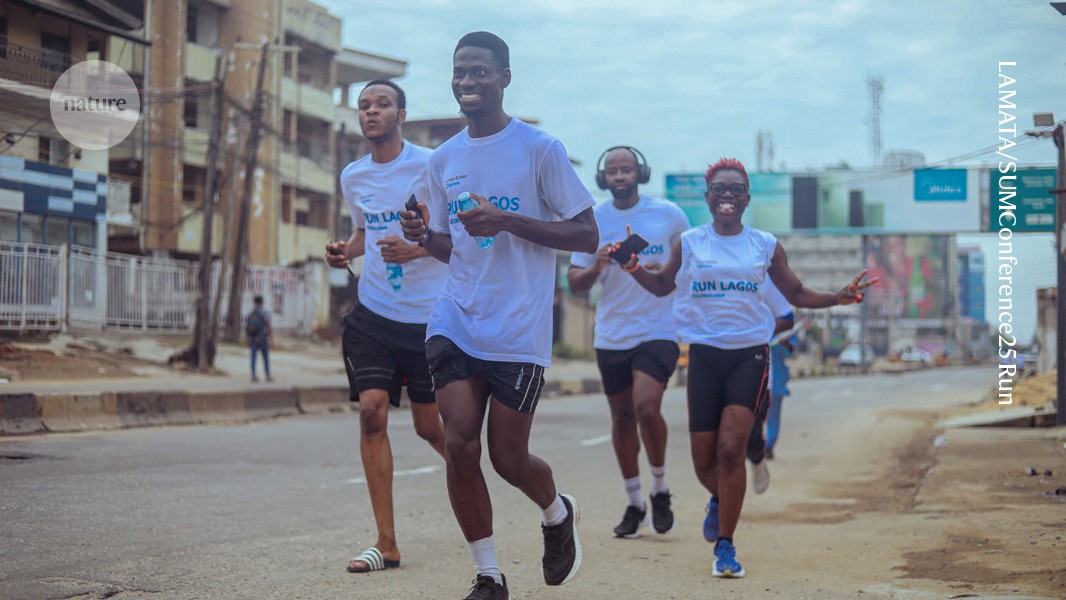
🏙️
To heal sick cities, scientists and residents must work together
Om zieke steden beter te maken, moeten wetenschappers en bewoners samenwerken
Pour soigner les villes malades, scientifiques et habitants doivent agir ensemble
After spotting someone exercising amid traffic fumes in Dakar, physician and researcher Tolullah Oni began thinking of cities as patients whose health needs a diagnosis. Through UrbanBetter, she helps local residents and researchers gather evidence on issues such as air quality and use it to advocate for change. In Nairobi, residents’ pollution data and community ideas helped inform the city’s air-quality action plan. Oni’s approach puts people who live in a city at the heart of finding practical ways to make it healthier.
Toen arts en onderzoeker Tolullah Oni in Dakar iemand zag sporten tussen de uitlaatgassen, ging ze steden bekijken als patiënten die een diagnose nodig hebben. Met UrbanBetter helpt ze bewoners en lokale onderzoekers gegevens te verzamelen over bijvoorbeeld luchtkwaliteit en die te gebruiken om verandering te bepleiten. In Nairobi hielpen meetgegevens over luchtvervuiling en ideeën uit de gemeenschap mee aan het actieplan voor schonere lucht in de stad. Oni zet mensen die in een stad wonen centraal bij het vinden van praktische manieren om die gezonder te maken.
Après avoir vu quelqu’un faire de l’exercice au milieu des gaz d’échappement à Dakar, la médecin et chercheuse Tolullah Oni a commencé à considérer les villes comme des patientes à diagnostiquer. Avec UrbanBetter, elle aide les habitants et les chercheurs locaux à recueillir des données, notamment sur la qualité de l’air, et à s’en servir pour réclamer des changements. À Nairobi, les données sur la pollution et les idées de la communauté ont contribué au plan d’action de la ville pour améliorer la qualité de l’air. L’approche d’Oni place les habitants au cœur de la recherche de solutions concrètes pour rendre leur ville plus saine.
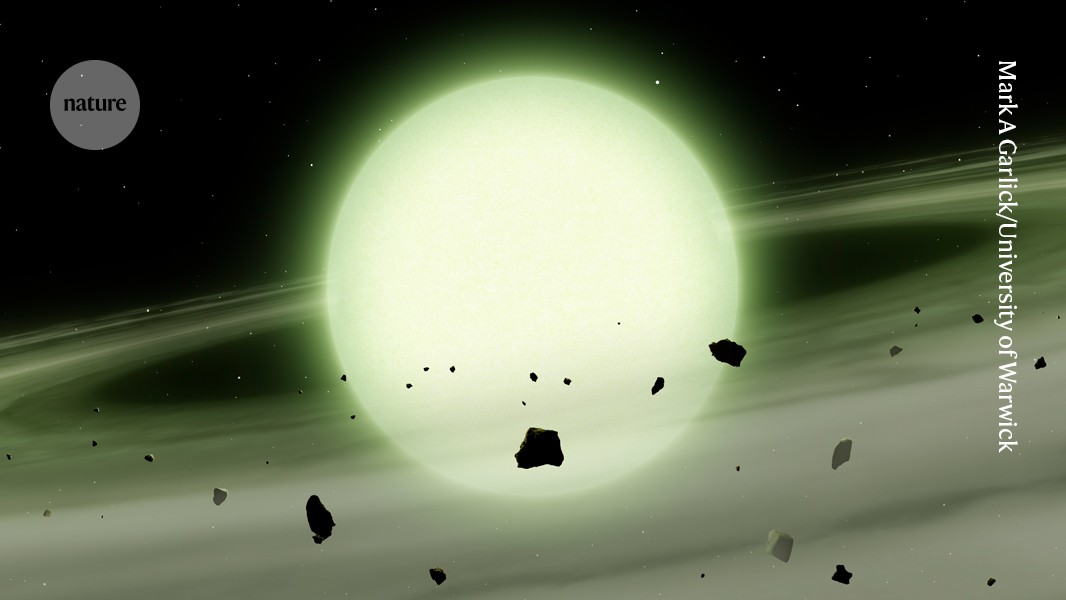
🌈
Surprise! White dwarf stars come in a rainbow of colours
Verrassing! Witte dwergsterren komen in een regenboog aan kleuren
Surprise ! Les naines blanches se parent d’un arc-en-ciel de couleurs
Most white dwarfs shine white, but new analysis of nearby stars reveals that some glow pink, yellow and other colours. And here's the surprising part: a few even appear green, a colour not previously seen in any star. These findings show that white dwarfs can be far more colourful than their name suggests. What a delightful reminder that the cosmos still has surprises in store.
De meeste witte dwergen stralen wit, maar een nieuwe analyse van nabije sterren laat zien dat sommige roze, geel en andere kleuren hebben. En dit is het verrassende: enkele lijken zelfs groen, een kleur die nog nooit bij een ster is waargenomen. Deze bevindingen tonen aan dat witte dwergen veel kleurrijker kunnen zijn dan hun naam doet vermoeden. Wat een heerlijke herinnering dat de kosmos ons nog steeds kan verrassen.
La plupart des naines blanches brillent d’un éclat blanc, mais une nouvelle analyse d’étoiles proches révèle que certaines sont roses, jaunes ou d’autres couleurs. Et voici la surprise : quelques-unes semblent même vertes, une couleur encore jamais observée chez une étoile. Ces résultats montrent que les naines blanches peuvent être bien plus colorées que leur nom ne le laisse penser. Quelle belle façon de se rappeler que le cosmos a encore des surprises à nous offrir.

🔐
AI solves the mystery of Napoleon’s coded letter
AI lost het raadsel van Napoleons gecodeerde brief op
L’IA résout l’énigme d’une lettre codée de Napoléon
So: an AI model developed by OpenAI cracked a secret letter from 1809 in just six hours. The message, addressed to one of Napoleon’s generals, revealed the positions of French troops and their allies, and had been encrypted to keep it safe if intercepted. AI engineer Carter Church says the technology’s strength lies in its persistence, opening up new possibilities for historians exploring thousands of still-undeciphered letters. Now, France’s Inria is bringing historians, cryptographers and AI specialists together to build tools that could help these long-silent documents shed light on the past.
Een AI-model van OpenAI kraakte in slechts zes uur een geheim gecodeerde brief uit 1809. De boodschap was gericht aan een van Napoleons generaals en onthulde de posities van Franse troepen en hun bondgenoten; de versleuteling moest voorkomen dat de vijand er iets mee kon doen. Volgens AI-ingenieur Carter Church zit de kracht van de technologie vooral in haar volharding, wat historici nieuwe mogelijkheden biedt om duizenden nog onopgeloste brieven te onderzoeken. Ook in Frankrijk werken historici, cryptografen en AI-specialisten van Inria samen aan hulpmiddelen om zulke lang zwijgende documenten te laten spreken en het verleden verder te belichten.
Un modèle d’IA développé par OpenAI a déchiffré en seulement six heures une lettre secrète datant de 1809. Adressé à l’un des généraux de Napoléon, le message révélait les positions des troupes françaises et de leurs alliés, et avait été codé pour rester inutilisable en cas d’interception. Selon l’ingénieur en IA Carter Church, la persévérance de cette technologie ouvre de nouvelles pistes aux historiens qui étudient des milliers de lettres encore indéchiffrées. En France, l’Inria réunit déjà historiens, cryptographes et spécialistes de l’IA pour créer des outils capables de faire parler ces documents longtemps silencieux et d’éclairer le passé.
🐜
This ‘glue gun ant’ fires sticky webs at its enemies
Deze ‘lijmpistoolmier’ schiet kleverige webben op haar vijanden
Cette « fourmi pistolet à colle » tire des toiles collantes sur ses ennemis
Meet an ant with an extraordinary way to deal with its enemies: it fires sticky webs at them. This unusual defense makes the tiny insect a fascinating example of nature’s ingenuity. It also offers a fresh glimpse of the surprising strategies animals use to protect themselves. I love how even a small ant can bring such a dramatic twist to the natural world.
Maak kennis met een mier die haar vijanden op een bijzondere manier te lijf gaat: ze schiet kleverige webben op hen af. Die opmerkelijke verdediging maakt dit kleine insect tot een fascinerend voorbeeld van vindingrijkheid in de natuur. Ze laat ook zien welke verrassende strategieën dieren gebruiken om zichzelf te beschermen. Het is geweldig hoe zelfs een mier zo’n spectaculair verhaal uit de natuur kan opleveren.
Découvrez une fourmi qui s’en prend à ses ennemis d’une façon étonnante : elle leur tire des toiles collantes. Cette défense surprenante fait de ce minuscule insecte un exemple fascinant de l’ingéniosité de la nature. Elle révèle aussi les stratégies inattendues que les animaux emploient pour se protéger. J’adore voir comment une simple fourmi peut offrir une histoire aussi spectaculaire sur le monde naturel.
🐋
Rare beluga whale spotted off Donegal
Zeldzame beloega gespot voor de kust van Donegal
Un rare béluga aperçu au large du Donegal
A beluga whale has been spotted in Donegal Bay, marking only the second sighting of the Arctic species in Ireland to be validated by the Irish Whale and Dolphin Group. A member of the public captured drone footage of the whale on Saturday. The group says the adult appears to be swimming strongly and breathing normally, and that shallow, brackish water is common for belugas. The sighting may point to more frequent visits from Arctic whales, and the group is asking the public to share photos or videos of any further sightings.
In Donegal Bay is een beloega gespot, pas de tweede waarneming van deze Arctische soort in Ierland die door de Irish Whale and Dolphin Group is bevestigd. Een lid van het publiek maakte zaterdag dronebeelden van de walvis. Volgens de groep zwemt het volwassen dier krachtig en ademt het normaal; ondiep, brak water komt vaker voor bij beloega’s. De waarneming kan erop wijzen dat Arctische walvissen Ierland vaker bezoeken, en de groep vraagt het publiek om foto’s of video’s van eventuele nieuwe waarnemingen te delen.
Un béluga a été aperçu dans la baie de Donegal : il s’agit de la deuxième observation de cette espèce arctique en Irlande confirmée par l’Irish Whale and Dolphin Group. Une personne a filmé la baleine avec un drone samedi. Selon le groupe, l’adulte nage avec vigueur et respire normalement ; les eaux peu profondes et saumâtres sont courantes chez les bélugas. Cette observation pourrait indiquer que les baleines arctiques visitent l’Irlande plus souvent, et le groupe invite le public à transmettre des photos ou des vidéos de toute nouvelle apparition.
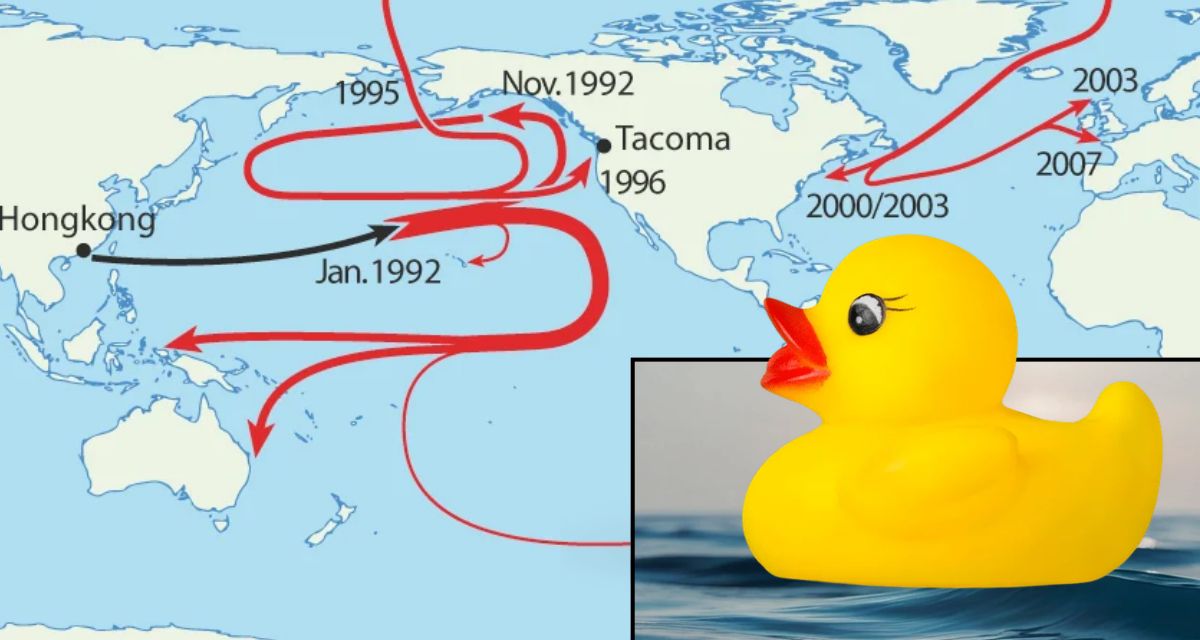
🦆
How 28,000 rubber ducks mapped the ocean's currents
Hoe 28.000 badeendjes de oceaanstromingen in kaart brachten
Comment 28 000 canards en plastique ont révélé les courants océaniques
In 1992, a storm sent 28,800 bath toys tumbling from a cargo ship into the North Pacific, setting off an extraordinary journey. Oceanographers used reports of the toys washing ashore to track currents across the Pacific, into the Arctic, and eventually toward the North Atlantic. Their travels helped researchers test ocean-current models and showed just how far floating objects can go. And here's the thing: the toys also offered a real-world lesson in how plastic pollution spreads and lingers at sea. What began as an accident became a remarkable source of knowledge about our oceans.
In 1992 liet een storm 28.800 badspeeltjes van een vrachtschip in de noordelijke Stille Oceaan vallen, waarna ze aan een buitengewone reis begonnen. Oceanografen gebruikten meldingen van aangespoelde speeltjes om stromingen te volgen door de Stille Oceaan, het Noordpoolgebied en uiteindelijk richting de noordelijke Atlantische Oceaan. Hun tocht hielp onderzoekers oceaanmodellen te toetsen en liet zien hoe ver drijvende voorwerpen kunnen reizen. En dit is bijzonder: de speeltjes maakten ook duidelijk hoe plasticvervuiling zich verspreidt en in zee blijft rondzwerven. Wat begon als een ongeluk, leverde zo waardevolle kennis over onze oceanen op.
En 1992, une tempête a précipité 28 800 jouets de bain d'un cargo dans le Pacifique Nord, les lançant dans un voyage extraordinaire. Les océanographes se sont appuyés sur les signalements de jouets échoués pour suivre les courants à travers le Pacifique, jusqu'en Arctique, puis vers l'Atlantique Nord. Leur périple a permis aux chercheurs de tester leurs modèles des courants océaniques et de découvrir jusqu'où peuvent dériver des objets flottants. Et voici ce qui est étonnant : ces jouets ont aussi montré concrètement comment la pollution plastique se disperse et persiste en mer. Un accident est ainsi devenu une source remarquable de connaissances sur nos océans.
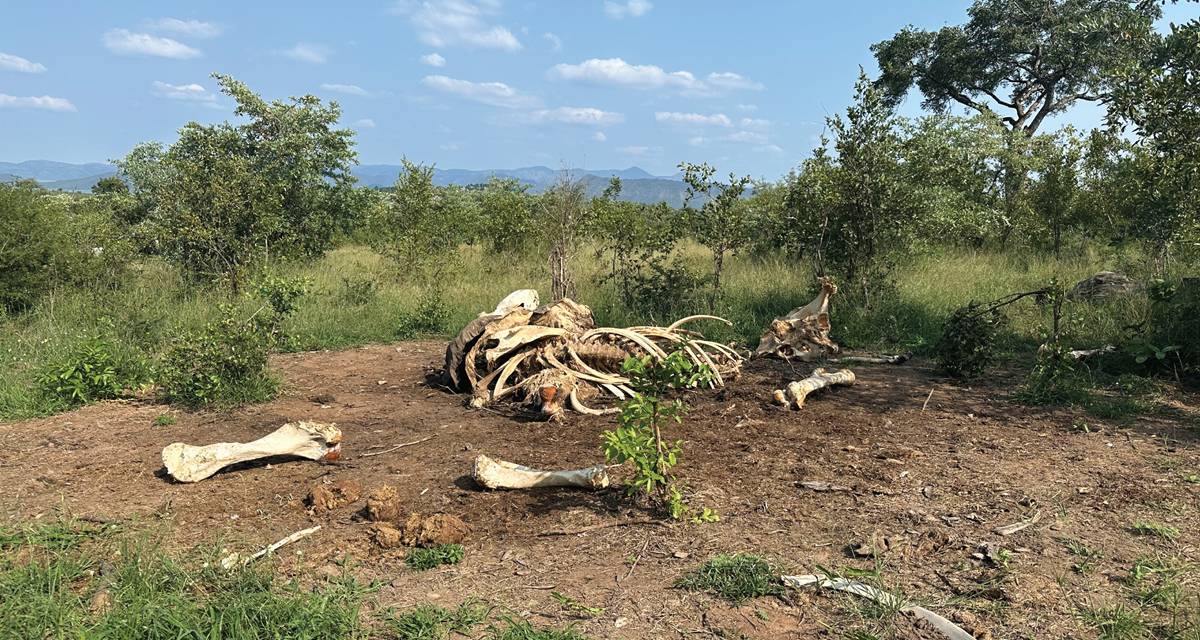
🐘
An elephant’s death nourishes the landscape for eight years
De dood van een olifant voedt het landschap acht jaar lang
La mort d’un éléphant nourrit le paysage pendant huit ans
So, researchers set out to learn what happens to the landscape after an elephant dies, and their findings revealed an impressive afterlife. At carcass sites in South Africa’s Kruger National Park, soil held far higher levels of important nutrients, while the initial surge gradually gave way to rich grass growth. Grazing animals visited these areas up to three times more often, and the effects could last as long as eight years. It’s a striking reminder that elephants continue to support their ecosystems even after they’re gone.
Onderzoekers wilden weten wat er met het landschap gebeurt nadat een olifant sterft, en ontdekten dat zijn invloed nog lang voelbaar blijft. Op plekken waar olifantenkadavers lagen, bevatte de bodem veel meer voedingsstoffen, waarna er geleidelijk rijk gras begon te groeien. Grazers bezochten deze plekken tot wel drie keer zo vaak, en de effecten konden acht jaar aanhouden. Zo blijven olifanten hun ecosysteem ondersteunen, zelfs nadat ze zijn gestorven.
Des chercheurs ont voulu découvrir ce qui arrive au paysage après la mort d’un éléphant, et leurs résultats révèlent un étonnant héritage. Autour des carcasses, dans le parc national Kruger en Afrique du Sud, le sol contenait beaucoup plus de nutriments, favorisant ensuite la pousse d’herbes riches. Les herbivores fréquentaient ces lieux jusqu’à trois fois plus souvent, et les effets pouvaient durer jusqu’à huit ans. C’est une belle illustration de la façon dont les éléphants continuent de soutenir leur écosystème même après leur mort.

🏺
Roman sarcophagus at Westminster Abbey held a medieval monk
Romeinse sarcofaag in Westminster Abbey bevatte een middeleeuwse monnik
Un sarcophage romain de l’abbaye de Westminster abritait un moine médiéval
A Roman sarcophagus at Westminster Abbey, made in the 4th century, appears to have been reused about 700 years later for a medieval monk. New stonework analysis and skeletal dating narrow the likely occupants to abbots Aelfwig, who died around 1020, or Wulnoth, who died in 1049. The man’s remains suggest he was 35 to 49 years old and about 5-foot-9, revising an earlier estimate. Researchers believe the reuse was intended as an honor, with a re-carved lid bearing a Latin cross.
Een Romeinse sarcofaag in Westminster Abbey, gemaakt in de 4e eeuw, werd zo’n 700 jaar later waarschijnlijk hergebruikt voor een middeleeuwse monnik. Nieuw onderzoek van het steenwerk en datering van de botten wijzen op twee mogelijke bewoners: abt Aelfwig, die rond 1020 stierf, of Wulnoth, die in 1049 overleed. Uit de resten blijkt dat de man vermoedelijk 35 tot 49 jaar oud was en ongeveer 1,75 meter lang, wat een eerdere schatting bijstelt. Onderzoekers denken dat het hergebruik bedoeld was als eerbetoon, met een opnieuw bewerkt deksel waarop een Latijns kruis staat.
Un sarcophage romain de l’abbaye de Westminster, fabriqué au IVe siècle, aurait été réutilisé environ 700 ans plus tard pour un moine médiéval. L’analyse de la pierre et la datation des ossements désignent deux occupants possibles : l’abbé Aelfwig, mort vers 1020, ou Wulnoth, décédé en 1049. Les restes indiquent que l’homme avait probablement entre 35 et 49 ans et mesurait environ 1,75 mètre, ce qui corrige une estimation antérieure. Les chercheurs pensent que cette réutilisation était un hommage, et que le couvercle avait été retaillé pour y graver une croix latine.
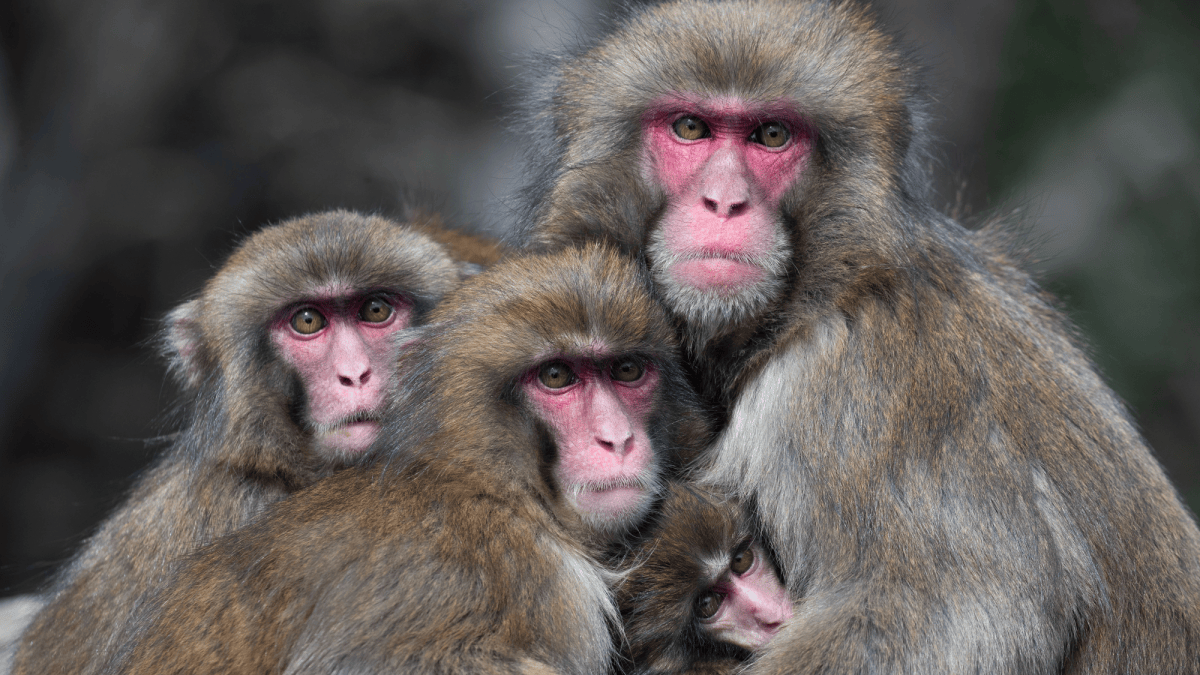
🐒
Macaques grow wary of germs after viral outbreaks
Makaken worden voorzichtiger met ziektekiemen na virusuitbraken
Les macaques se méfient davantage des microbes après une épidémie virale
So: Japanese macaques that lived through a deadly 2020 outbreak became more cautious about food that looked contaminated, even though the virus did not spread through food or feces. In tests with 55 monkeys, those from outbreak-exposed groups ate food shown beside sealed macaque feces in just 47 percent of trials, compared with 79 percent for monkeys that had not experienced the outbreak. The change was similar in monkeys that got sick and those that stayed healthy, suggesting that witnessing an outbreak may be enough to shape avoidance behavior. The findings offer a fascinating glimpse of the behavioral immune system - and hint that disgust may have deep evolutionary roots.
Japanse makaken die de dodelijke uitbraak van 2020 meemaakten, werden voorzichtiger met voedsel dat er besmet uitzag, hoewel het virus niet via voedsel of uitwerpselen werd verspreid. In tests met 55 apen aten de dieren uit groepen die de uitbraak hadden meegemaakt slechts in 47 procent van de gevallen voedsel dat naast afgesloten makakenuitwerpselen lag; bij apen zonder die ervaring was dat 79 procent. De verandering was vergelijkbaar bij apen die ziek waren geworden en bij dieren die gezond waren gebleven, wat erop wijst dat alleen al het meemaken van een uitbraak vermijdingsgedrag kan beïnvloeden. De resultaten geven een boeiende inkijk in het gedragsmatige immuunsysteem en suggereren dat afkeer van besmetting diep evolutionaire wortels heeft.
Les macaques japonais qui ont vécu l’épidémie mortelle de 2020 se sont montrés plus prudents face à des aliments qui semblaient contaminés, même si le virus ne se transmettait ni par la nourriture ni par les excréments. Lors de tests menés sur 55 singes, ceux des groupes exposés à l’épidémie ont mangé la nourriture placée à côté d’excréments de macaque scellés dans seulement 47 % des essais, contre 79 % pour les singes qui n’avaient pas connu l’épidémie. Le changement était similaire chez les animaux tombés malades et chez ceux qui étaient restés en bonne santé, ce qui suggère que le simple fait d’être témoin d’une épidémie peut modifier les comportements d’évitement. Ces résultats offrent un aperçu fascinant du système immunitaire comportemental et laissent penser que le dégoût pourrait avoir de profondes racines évolutives.
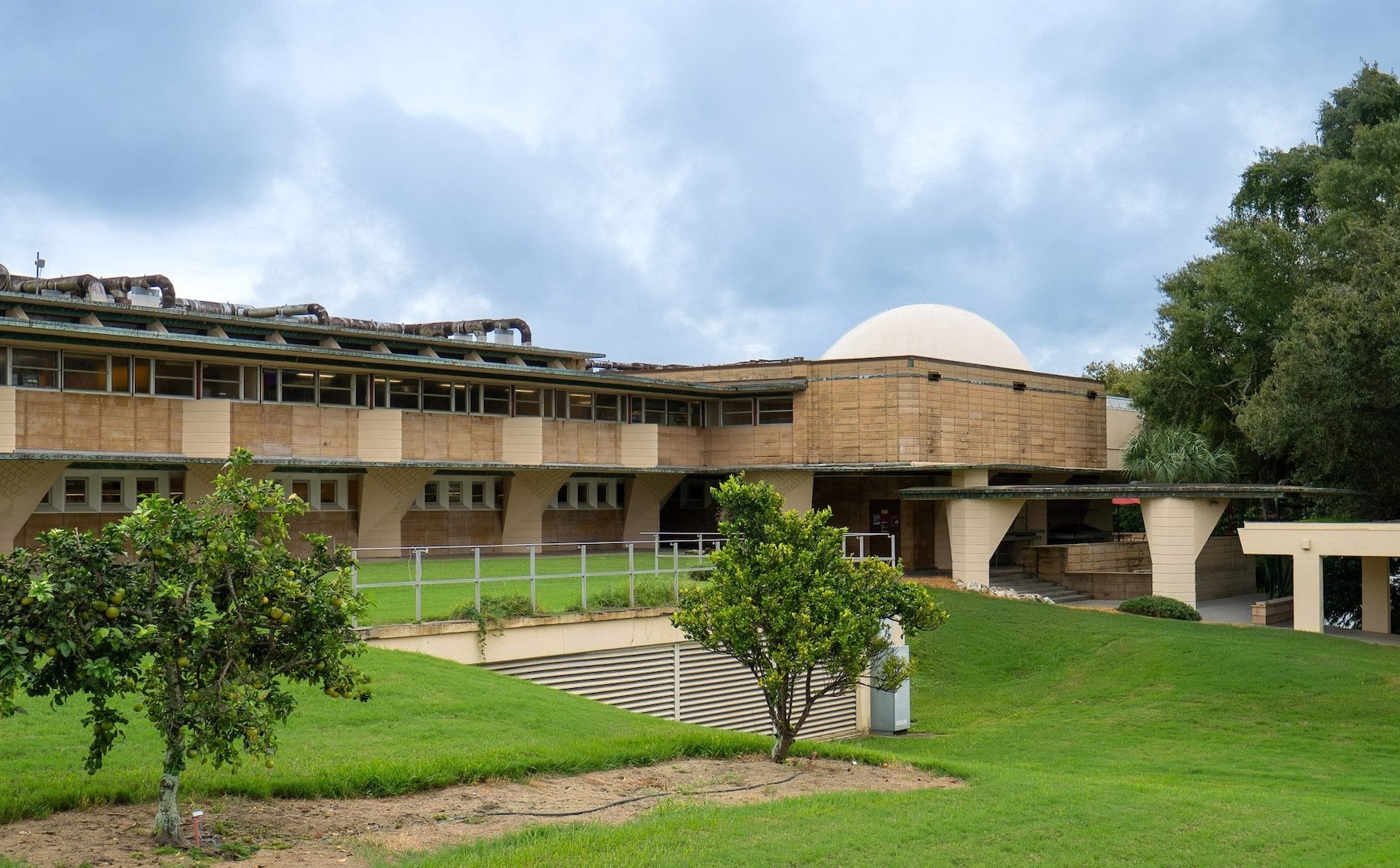
🪐
Frank Lloyd Wright’s only planetarium shines again
Het enige planetarium van Frank Lloyd Wright schittert weer
Le seul planétarium de Frank Lloyd Wright retrouve son éclat
A unique planetarium designed by Frank Lloyd Wright at Florida Southern College has been brought back to life after a five-year restoration. Closed since 2004, the landmark is expected to welcome visitors again soon. The work renewed the exterior and roof, restored Wright’s original seating and Cherokee Red floor, and upgraded the projection equipment. It is part of a wider programme to preserve the architect’s remarkable campus, whose buildings were all designed by Wright.
Een uniek planetarium van Frank Lloyd Wright op de campus van Florida Southern College is na een restauratie van vijf jaar weer tot leven gebracht. Het monument was sinds 2004 gesloten en zal naar verwachting binnenkort opnieuw bezoekers ontvangen. De werkzaamheden herstelden de buitenkant en het dak, brachten Wrights oorspronkelijke zitplaatsen en de vloer in Cherokee Red terug en vernieuwden de projectieapparatuur. De restauratie maakt deel uit van een groter programma om de bijzondere campus te bewaren, waarvan alle gebouwen door Wright zijn ontworpen.
Un planétarium unique conçu par Frank Lloyd Wright, sur le campus du Florida Southern College, a retrouvé vie après cinq ans de restauration. Fermé depuis 2004, ce bâtiment emblématique devrait bientôt accueillir de nouveau des visiteurs. Les travaux ont rénové la façade et le toit, restauré les sièges d’origine de Wright et le sol rouge Cherokee, tout en modernisant les équipements de projection. Cette restauration s’inscrit dans un programme plus vaste de préservation du remarquable campus, dont tous les bâtiments ont été conçus par Wright.
🐸
Five new frog species discovered in Peru’s biodiverse forests
Vijf nieuwe kikkersoorten ontdekt in de biodiverse bossen van Peru
Cinq nouvelles espèces de grenouilles découvertes dans les forêts péruviennes
What a remarkable discovery: researchers have formally described five new frog species from Peru’s tropical Andes and Amazonian forests. The team identified them using a combination of physical traits, genetic data and, for two species, their calls. One of the frogs, Pristimantis aisatipoki, was named using a word from the Asháninka language and has a special connection to the Rainforest Partnership’s conservation work in Satipo. And here’s the thing: learning which species live in these forests helps make the case for protecting them.
Wat een bijzondere ontdekking: onderzoekers hebben vijf nieuwe kikkersoorten officieel beschreven uit de tropische Andes en de Amazonebossen van Peru. Het team herkende ze aan de hand van een combinatie van uiterlijke kenmerken, genetische gegevens en, bij twee soorten, hun roep. Een van de kikkers, Pristimantis aisatipoki, kreeg een naam uit de Asháninka-taal en heeft een bijzondere band met het natuurbeschermingswerk van Rainforest Partnership in Satipo. En dit is belangrijk: weten welke soorten in deze bossen leven, helpt om ze beter te beschermen.
Quelle découverte remarquable : des chercheurs ont officiellement décrit cinq nouvelles espèces de grenouilles vivant dans les Andes tropicales et les forêts amazoniennes du Pérou. L’équipe les a identifiées grâce à leurs caractéristiques physiques, à des données génétiques et, pour deux espèces, à leurs chants. L’une d’elles, Pristimantis aisatipoki, porte un nom issu de la langue asháninka et entretient un lien particulier avec les activités de conservation de Rainforest Partnership à Satipo. Et voilà pourquoi cette découverte compte : savoir quelles espèces vivent dans ces forêts aide à mieux les protéger.
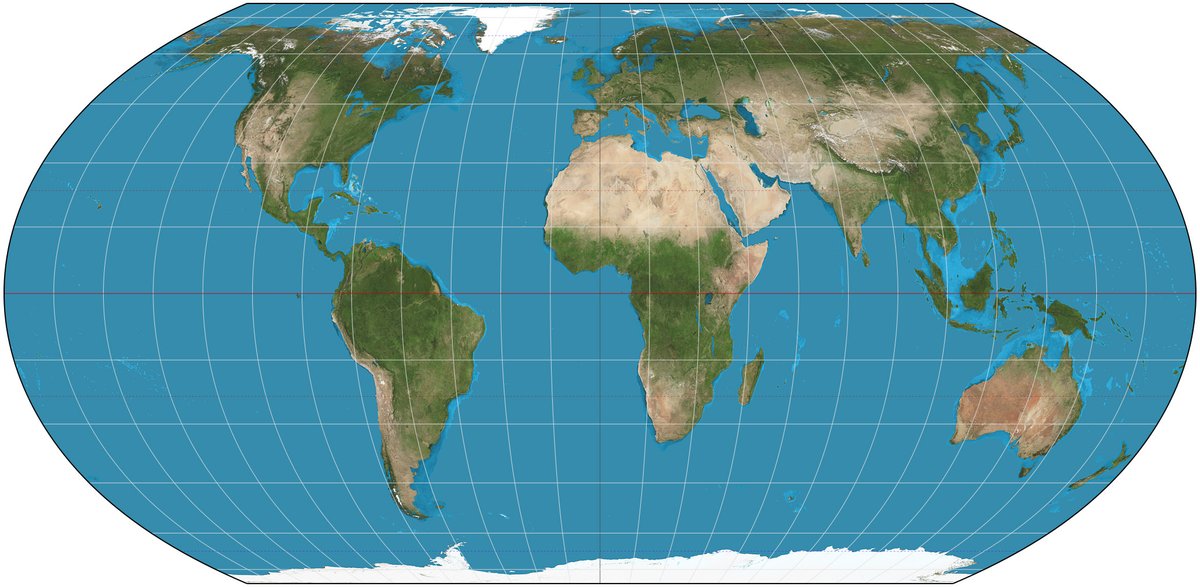
🌍
Why no world map can be perfect
Waarom geen enkele wereldkaart perfect kan zijn
Pourquoi aucune carte du monde ne peut être parfaite
So, here’s a fascinating mathematical puzzle: because Earth is a sphere, no flat map can show both the true shapes and the true areas of every place. The Mercator projection is handy for navigation, but it makes regions near the poles look far larger than they are - Greenland, for example, appears comparable in size to Africa. Equal-area maps correct those size distortions, though they warp the shapes of continents and countries instead. A new United Nations resolution encourages wider use of the Equal Earth projection, reminding us that every world map is a thoughtful compromise.
Zo, hier is een fascinerende wiskundige puzzel: omdat de aarde een bol is, kan geen enkele platte kaart tegelijk de juiste vormen én de juiste oppervlakten van alle gebieden tonen. De Mercatorprojectie is handig voor de scheepvaart, maar laat gebieden nabij de polen veel groter lijken dan ze zijn - Groenland lijkt bijvoorbeeld ongeveer even groot als Afrika. Oppervlaktegetrouwe kaarten corrigeren die verschillen in grootte, maar vervormen dan weer de vormen van continenten en landen. Een nieuwe resolutie van de Verenigde Naties moedigt het gebruik van de Equal Earth-projectie aan en herinnert ons eraan dat elke wereldkaart een doordacht compromis is.
Voici un casse-tête mathématique fascinant : puisque la Terre est une sphère, aucune carte plane ne peut représenter à la fois les formes et les superficies exactes de tous les territoires. La projection de Mercator est pratique pour la navigation, mais elle fait paraître les régions proches des pôles bien plus grandes qu’elles ne le sont - le Groenland semble, par exemple, presque aussi grand que l’Afrique. Les cartes qui respectent les superficies corrigent ces écarts de taille, mais déforment en revanche la forme des continents et des pays. Une nouvelle résolution des Nations unies encourage l’adoption de la projection Equal Earth et nous rappelle que toute carte du monde est un compromis réfléchi.

🧱
Ghent’s £17m design museum turns old sinks and rubble into a green marvel
Het Gentse designmuseum van £17 miljoen maakt van oude wastafels en puin een groen wonder
Le musée du design de Gand, à 17 millions de livres, transforme vieux lavabos et gravats en merveille écologique
Wow, Ghent’s new €20m design museum is built from the city’s discarded concrete, windows, windscreens, sinks and even toilets, giving reuse a striking civic home. Its specially developed bricks contain 63% construction waste sourced within 8km, use around two-thirds less embodied carbon than fired clay bricks, and keep absorbing CO2 as their lime cures. Inside, local clay and experimental biomaterials show how circular design can shape everyday spaces, while a public brickmaking festival invited residents to get hands-on. And here’s the thing: a 40-person citizens’ panel helped shape a welcoming museum designed to serve the community, not just display objects.
Wat een bijzonder gebouw: het nieuwe designmuseum van €20 miljoen in Gent is gemaakt van afgedankt beton, ramen, autoruiten, wastafels en zelfs toiletten uit de stad. De speciaal ontwikkelde bakstenen bestaan voor 63% uit bouwafval uit een straal van 8 kilometer, hebben ongeveer twee derde minder ingebedde CO2-uitstoot dan gebakken kleibakstenen en blijven CO2 opnemen terwijl de kalk uithardt. Binnen tonen lokale klei en experimentele biomaterialen hoe circulair ontwerp ook alledaagse ruimtes vorm kan geven, en tijdens een openbaar baksteenfestival konden inwoners zelf aan de slag. En daar zit de kracht: een burgerpanel van 40 mensen hielp mee aan een gastvrij museum dat de gemeenschap wil dienen, en niet alleen voorwerpen tentoonstelt.
Quel beau projet : le nouveau musée du design de Gand, d’un coût de 20 millions d’euros, est construit avec du béton, des fenêtres, des pare-brise, des lavabos et même des toilettes mis au rebut dans la ville. Ses briques spécialement conçues contiennent 63 % de déchets de construction récupérés dans un rayon de 8 kilomètres, affichent environ deux tiers de carbone incorporé en moins que les briques d’argile cuites et continuent d’absorber du CO2 pendant le durcissement de la chaux. À l’intérieur, l’argile locale et des biomatériaux expérimentaux montrent comment le design circulaire peut transformer les espaces du quotidien, tandis qu’un festival public de fabrication de briques a permis aux habitants de participer. Et voici ce qui rend le projet si inspirant : un panel citoyen de 40 personnes a contribué à façonner un musée accueillant, conçu pour servir la communauté et pas seulement exposer des objets.
🔭
Gemini captures the supernova of 1181 in remarkable detail
Gemini brengt de supernova uit 1181 haarscherp in beeld
Gemini photographie la supernova de 1181 avec un niveau de détail remarquable
So, a spectacular supernova that appeared in the sky in 1181 is now being seen in remarkable detail. The Gemini telescope has photographed this cosmic remnant, giving astronomers a striking new view of an event recorded centuries ago. It’s a wonderful connection between historical observations and modern astronomy. And here’s the thing: the more clearly we can see these remains, the more we can explore the story of this ancient stellar explosion.
Een spectaculaire supernova die in 1181 aan de hemel verscheen, is nu met opmerkelijk veel detail te zien. De Gemini-telescoop heeft dit kosmische overblijfsel gefotografeerd en geeft sterrenkundigen zo een indrukwekkend nieuw beeld van een gebeurtenis die eeuwen geleden werd opgetekend. Dat is een prachtige verbinding tussen historische waarnemingen en moderne sterrenkunde. En hoe scherper we deze resten kunnen bekijken, hoe meer we kunnen ontdekken over deze oude stellaire explosie.
Une spectaculaire supernova apparue dans le ciel en 1181 est aujourd’hui visible avec un niveau de détail remarquable. Le télescope Gemini a photographié ce vestige cosmique, offrant aux astronomes une nouvelle image saisissante d’un événement consigné il y a des siècles. Quel beau lien entre les observations historiques et l’astronomie moderne ! Et plus ces débris sont observés avec précision, mieux nous pouvons explorer l’histoire de cette ancienne explosion stellaire.
🎬
Arthouse cinema wins over young audiences with help from the Cineville pass
Arthousecinema verovert jong publiek dankzij de Cineville-pas
Le cinéma d’art et d’essai séduit les jeunes grâce au pass Cineville
So: arthouse cinemas are finding a growing audience among young people, with the Cineville pass helping draw them in. The pass makes it easier to explore independent films and discover cinemas beyond the mainstream. That can turn a visit into an inviting habit rather than a one-off outing. And here's the thing: a new generation is helping give arthouse cinema fresh momentum.
Arthousecinema’s vinden steeds meer jonge bezoekers, en de Cineville-pas helpt hen over de drempel. Met de pas wordt het makkelijker om onafhankelijke films en verschillende zalen te ontdekken. Zo kan een cinemabezoek uitgroeien tot een fijne gewoonte in plaats van een eenmalig uitstapje. En dat is mooi nieuws: een nieuwe generatie geeft arthousecinema extra vaart.
Les cinémas d’art et d’essai attirent de plus en plus de jeunes, et le pass Cineville contribue à les convaincre. Il facilite la découverte de films indépendants et de différentes salles. Une sortie au cinéma peut ainsi devenir une habitude agréable plutôt qu’une expérience ponctuelle. Et voilà ce qui est réjouissant : une nouvelle génération donne un nouvel élan au cinéma d’art et d’essai.
🇨🇦
How Alberta’s independence referendum became a boost for Canadian unity
Hoe het onafhankelijkheidsreferendum in Alberta de Canadese eenheid versterkte
Comment le référendum sur l’indépendance de l’Alberta a renforcé l’unité canadienne
A push for an independence referendum in Alberta brought the province’s future within Canada into the spotlight. Yet the debate did not only highlight divisions: it also gave supporters of Canadian unity a chance to make their case. The story shows how a contentious proposal can open the door to renewed conversations about shared interests and belonging. And here's the thing: a debate over separation can sometimes bring a country closer together.
De roep om een referendum over onafhankelijkheid zette de toekomst van Alberta binnen Canada volop in de schijnwerpers. Het debat legde niet alleen verdeeldheid bloot, maar bood voorstanders van de Canadese eenheid ook de kans om hun argumenten naar voren te brengen. Zo laat deze kwestie zien hoe een omstreden voorstel nieuwe gesprekken over gedeelde belangen en verbondenheid kan aanwakkeren. En precies daarin zit de verrassing: een debat over afscheiding kan een land soms dichter bij elkaar brengen.
La demande d’un référendum sur l’indépendance a placé l’avenir de l’Alberta au sein du Canada au cœur du débat. La discussion n’a pas seulement mis en évidence les divisions : elle a aussi permis aux défenseurs de l’unité canadienne de faire entendre leurs arguments. Cette affaire montre comment une proposition controversée peut relancer les échanges sur les intérêts communs et le sentiment d’appartenance. Et voilà le paradoxe : un débat sur la séparation peut parfois rapprocher un pays.
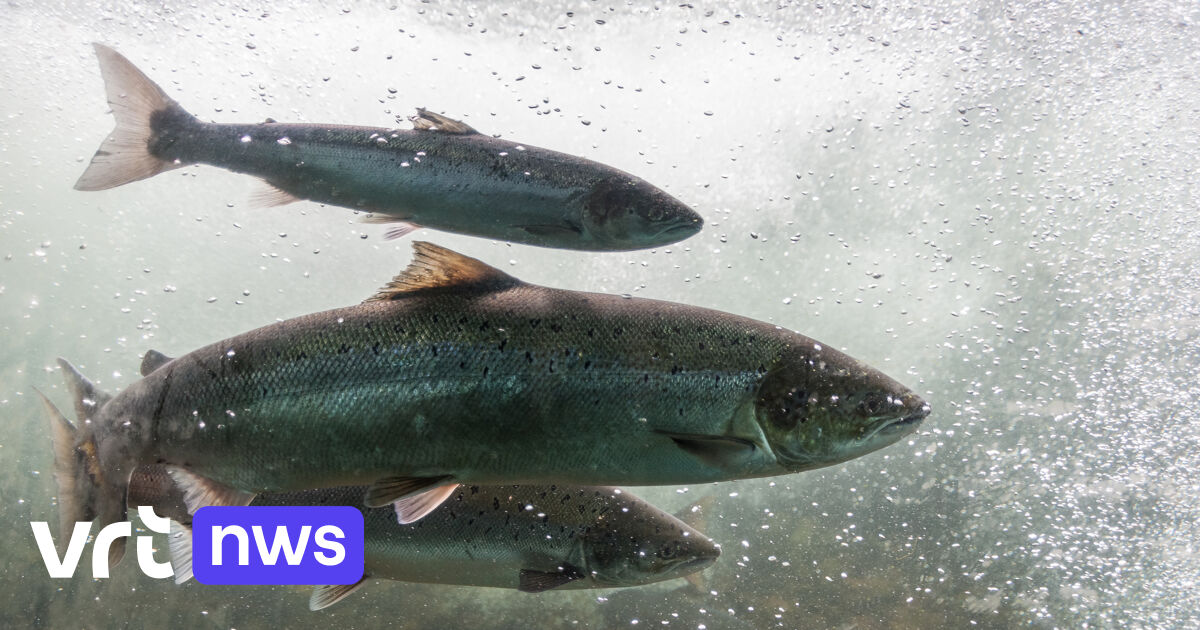
🐟
Norwegian salmon farms turn to chicken by-products for feed
Noorse zalmkwekers voeren hun vissen voortaan kippenresten
En Norvège, les éleveurs de saumons utilisent des sous-produits de poulet
So, Norwegian salmon producers are turning to chicken by-products as a more sustainable alternative to increasingly costly fishmeal. The leftovers, such as feathers, carcasses and fat, are not used for human food, and can provide nutrients for farmed salmon. Professor emeritus Patrick Sorgeloos says this is a promising example of circular economy, as long as the ingredients are carefully checked for contaminants and disease. And here's the thing: the goal is to make food production more sustainable, not to raise chickens specifically to feed salmon.
Noorse zalmkwekers kiezen voortaan voor kippenresten als duurzamer alternatief voor het steeds duurdere vismeel. Resten zoals veren, karkassen en vet zijn niet bestemd voor menselijke consumptie, maar kunnen wel voedingsstoffen leveren voor kweekzalm. Emeritus professor Patrick Sorgeloos noemt het een mooi voorbeeld van circulaire economie, op voorwaarde dat de ingrediënten grondig worden gecontroleerd op besmetting en ziektekiemen. En zo kunnen afvalstromen helpen om onze voedselproductie duurzamer te maken, zonder dat kippen speciaal voor zalmvoer worden gekweekt.
En Norvège, des producteurs de saumon adoptent des sous-produits de poulet pour remplacer une farine de poisson toujours plus coûteuse. Les plumes, carcasses et résidus de graisse, qui ne sont pas destinés à la consommation humaine, peuvent apporter des nutriments aux poissons d’élevage. Le professeur émérite Patrick Sorgeloos y voit un bel exemple d’économie circulaire, à condition que les ingrédients soient soigneusement contrôlés pour éviter toute contamination ou présence de germes. L’objectif est de rendre la production alimentaire plus durable, et non d’élever des poulets spécialement pour nourrir les saumons.
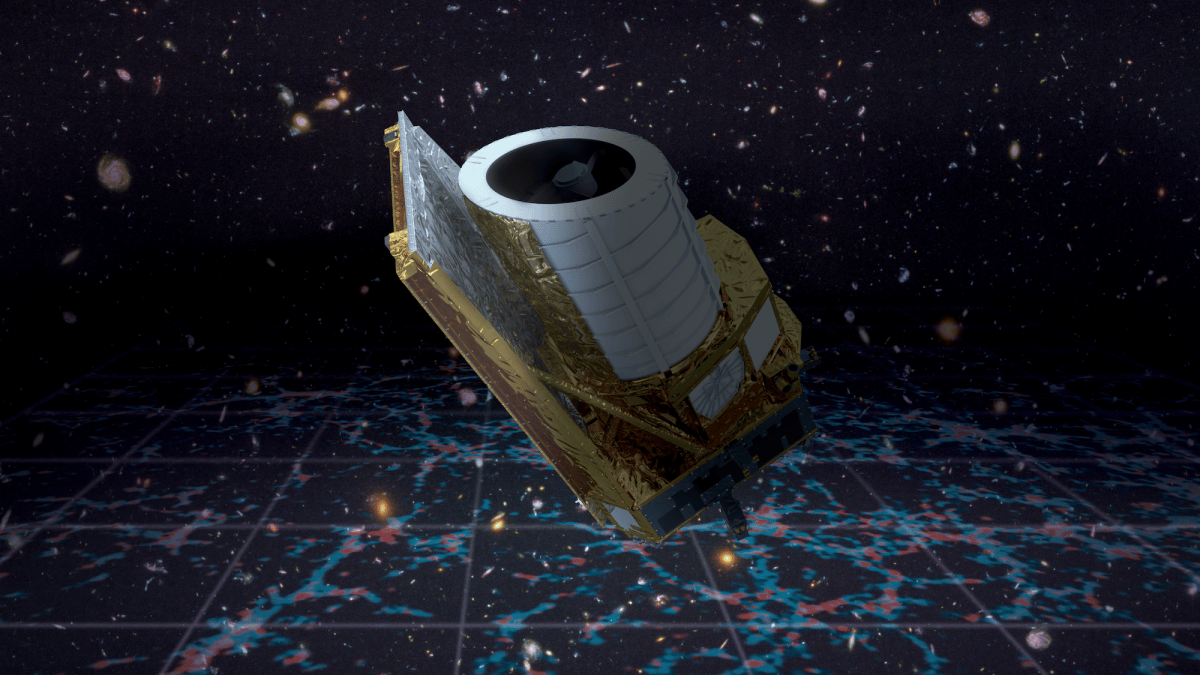
🔭
A new comet accidentally spotted by a space telescope
Een nieuwe komeet per toeval ontdekt door een ruimtetelescoop
Une nouvelle comète découverte par hasard par un télescope spatial
Euclid, the ESA space telescope designed to study dark matter and dark energy, has made a delightful discovery along the way: a previously unknown comet more than 807 million miles from Earth. An object-detection program spotted the comet streaking across several images, and astronomers recognized its fuzzy cloud of dust and gas. Now known as C/2026 S1 (Euclid), the comet follows a multi-thousand-year orbit that takes it above the planets' orbital plane. And here's the thing: Euclid's survey is designed to avoid comet-rich regions, making this cosmic find a happy surprise.
Euclid, de ruimtetelescoop van ESA die donkere materie en donkere energie onderzoekt, heeft onderweg een prachtige ontdekking gedaan: een nog onbekende komeet op meer dan 1,3 miljard kilometer van de aarde. Een programma voor het opsporen van bewegende objecten merkte de komeet op in verschillende beelden, waarna astronomen de wazige wolk van stof en gas herkenden. De komeet heet nu C/2026 S1 (Euclid) en volgt een baan van duizenden jaren die boven het baanvlak van de planeten uitkomt. En dat maakt de vondst extra bijzonder: Euclids onderzoek vermijdt juist gebieden aan de hemel waar veel kometen te vinden zijn.
Euclid, le télescope spatial de l'ESA conçu pour étudier la matière noire et l'énergie noire, a fait une belle découverte au passage : une comète inconnue située à plus de 1,3 milliard de kilomètres de la Terre. Un programme de détection des objets en mouvement l'a repérée dans plusieurs images, et les astronomes ont reconnu son nuage flou de poussière et de gaz. Désormais appelée C/2026 S1 (Euclid), la comète suit une orbite de plusieurs milliers d'années qui passe au-dessus du plan orbital des planètes. Et voilà ce qui rend cette découverte si réjouissante : le relevé d'Euclid évite justement les régions du ciel riches en comètes.
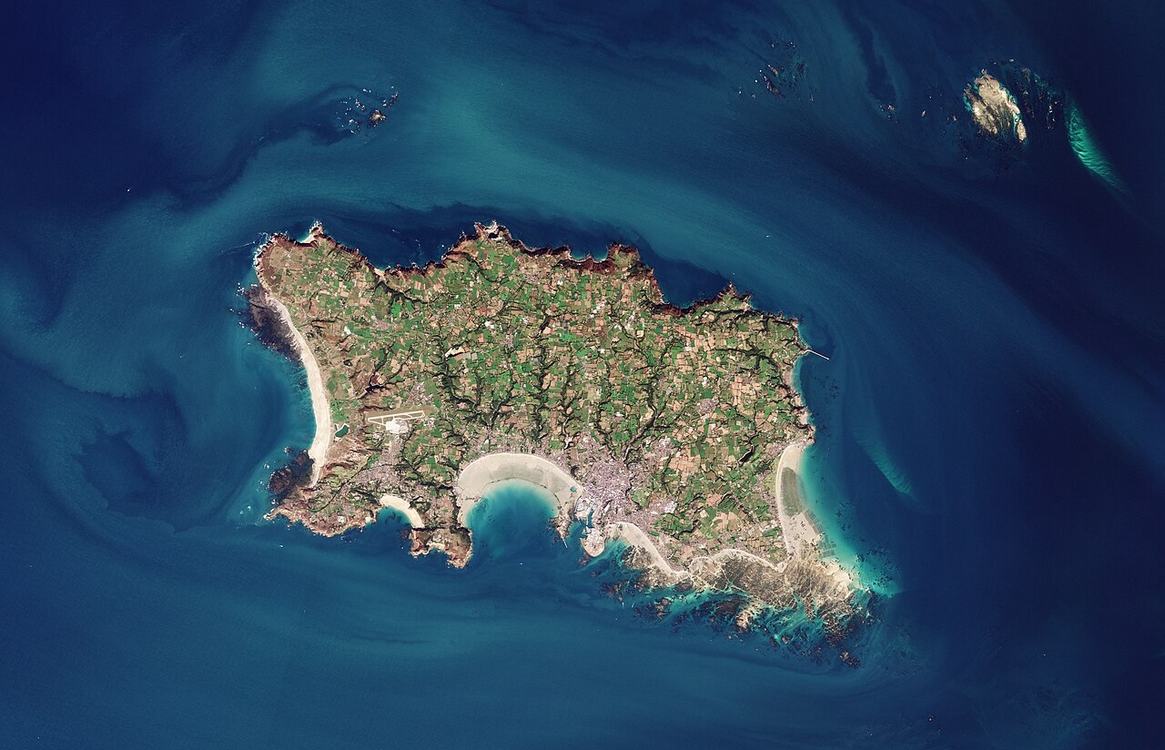
🌊
Jersey expands marine protections to cover 21.7% of its waters
Jersey beschermt nu 21,7% van zijn wateren
Jersey protège désormais 21,7 % de ses eaux
Jersey is expanding marine protections so that 21.7% of its waters will be safeguarded from trawling and other damaging fishing practices. The new rules came into force on September 1 and cover some of the island’s most valuable and vulnerable marine habitats. The government is working with local fishers to identify less sensitive areas for fishing, while managing protected waters through a plan developed with French authorities. It’s a hopeful approach that can help marine life thrive while supporting a resilient, sustainable fishing industry.
Jersey breidt de bescherming van zijn zeegebied uit: voortaan is 21,7% van de wateren beschermd tegen bodemtrawlvisserij en andere schadelijke vismethoden. De nieuwe regels gingen op 1 september in en beschermen enkele van de waardevolste en kwetsbaarste leefgebieden rond het eiland. De overheid werkt samen met lokale vissers om minder kwetsbare visgebieden aan te wijzen en beheert de beschermde zones via een plan dat samen met Franse autoriteiten is opgesteld. Zo krijgen het zeeleven én een veerkrachtige, duurzame visserijsector de kans om te floreren.
Jersey étend la protection de ses eaux : 21,7 % de son territoire marin seront désormais préservés du chalutage et d’autres pratiques de pêche dommageables. Entrées en vigueur le 1er septembre, les nouvelles règles concernent certains des habitats marins les plus précieux et vulnérables de l’île. Le gouvernement travaille avec les pêcheurs locaux pour désigner des zones de pêche moins sensibles, tandis que les espaces protégés sont gérés selon un plan élaboré avec les autorités françaises. Cette approche encourage l’épanouissement de la vie marine tout en favorisant une filière de pêche résiliente et durable.

💊
Medicine shortages are nearing pre-Covid levels
Medicijntekorten naderen het niveau van vóór covid
Les pénuries de médicaments se rapprochent du niveau pré-Covid
So, there’s encouraging news from Belgium: reports of temporarily unavailable medicines fell by 21% in 2025, to 2,449. That brings the country close to the pre-Covid figure of 2,205 in 2019, after shortages peaked at 3,895 reports in 2023. In most cases, patients and healthcare professionals could rely on alternatives, while 150 packages faced critical unavailability. Authorities have also introduced measures such as extra imports and better demand planning to help keep shortages in check.
Mooi nieuws uit België: het aantal meldingen van tijdelijk onbeschikbare geneesmiddelen daalde in 2025 met 21% tot 2.449. Daarmee komt het land dicht bij de 2.205 meldingen van vóór covid, in 2019, na een piek van 3.895 in 2023. In de meeste gevallen waren er alternatieven voor patiënten en zorgverleners, al was er voor 150 verpakkingen sprake van een kritieke onbeschikbaarheid. De overheid neemt ook maatregelen, zoals extra invoer en een betere inschatting van de vraag, om tekorten te helpen beperken.
Voilà une nouvelle encourageante pour la Belgique : les notifications de médicaments temporairement indisponibles ont baissé de 21 % en 2025, pour atteindre 2 449. Le pays se rapproche ainsi du chiffre de 2 205 enregistré en 2019, avant la pandémie, après un pic de 3 895 notifications en 2023. Dans la plupart des cas, des solutions de remplacement ont permis d’aider les patients et les professionnels de santé, même si 150 emballages ont connu une indisponibilité critique. Les autorités ont aussi pris des mesures, comme des importations supplémentaires et une meilleure anticipation de la demande, afin de limiter les pénuries.
🦑
Scientists discover a bizarre Jurassic squid unlike anything ever seen
Wetenschappers ontdekken een bizarre Jurassic-inktvis zoals nooit eerder gezien
Des scientifiques découvrent un étrange calmar du Jurassique sans précédent
So, two exceptionally rare fossils from Wyoming have revealed Wyoteuthis linsterorum, a squid relative that lived around 160 million years ago. Its barrel-shaped internal skeleton is about 10 centimetres long and an extraordinary 6 centimetres wide, making it the chunkiest known belemnite. CT scans also uncovered a surprising link to an ancient belemnite family thought to have vanished millions of years earlier. Researchers suggest its impressive size may have helped it hunt smaller belemnites, and estimate the animal could have reached about 60 centimetres from arms to body.
Twee uitzonderlijk zeldzame fossielen uit Wyoming hebben Wyoteuthis linsterorum aan het licht gebracht, een verwant van de inktvis die zo’n 160 miljoen jaar geleden leefde. Het tonvormige inwendige skelet is ongeveer 10 centimeter lang en maar liefst 6 centimeter breed, waardoor dit de stevigste bekende belemniet is. CT-scans onthulden bovendien een verrassende band met een oude belemnietenfamilie waarvan men dacht dat die miljoenen jaren eerder was uitgestorven. Onderzoekers vermoeden dat het forse formaat hielp bij de jacht op kleinere belemnieten, en schatten dat het dier inclusief armen zo’n 60 centimeter lang kon worden.
Deux fossiles exceptionnellement rares découverts dans le Wyoming ont révélé Wyoteuthis linsterorum, un proche parent du calmar qui vivait il y a environ 160 millions d’années. Son squelette interne en forme de tonneau mesure près de 10 centimètres de long et pas moins de 6 centimètres de large, ce qui en fait le bélemnite le plus trapu jamais identifié. Des scanners CT ont aussi révélé un lien inattendu avec une ancienne famille de bélemnites que l’on croyait disparue des millions d’années plus tôt. Les chercheurs pensent que sa grande taille a pu l’aider à chasser de plus petits bélemnites et estiment que l’animal pouvait mesurer environ 60 centimètres, bras compris.
🔭
Astronomers uncover new secrets of the universe’s first five minutes
Astronomen onthullen nieuwe geheimen van de eerste vijf minuten van het heelal
Les astronomes révèlent de nouveaux secrets des cinq premières minutes de l’univers
So, astronomers have measured the helium made during the Universe’s first five minutes with record precision, reducing uncertainty to just 0.5%. The international team spent 130 hours observing 15 exceptionally pristine, distant galaxies with the Large Binocular Telescope. By studying many helium and hydrogen signals together, they corrected subtle sources of error and made the result three times more precise than earlier estimates. And here’s the exciting part: this measurement gives scientists a powerful new way to test the Standard Model and investigate the Universe’s earliest conditions.
Astronomen hebben de hoeveelheid helium die in de eerste vijf minuten van het heelal ontstond met ongekende precisie gemeten: de onzekerheid bedraagt nog maar 0,5%. Het internationale team observeerde met de Large Binocular Telescope 15 uitzonderlijk ongerepte, verre sterrenstelsels, gedurende in totaal 130 uur. Door veel signalen van helium en waterstof tegelijk te bestuderen, konden ze subtiele meetfouten corrigeren en de meting drie keer preciezer maken dan eerdere schattingen. En dat is bijzonder spannend: deze meting biedt wetenschappers een krachtig nieuw middel om het standaardmodel te toetsen en de vroegste omstandigheden van het heelal te onderzoeken.
Les astronomes ont mesuré avec une précision inédite la quantité d’hélium formée durant les cinq premières minutes de l’Univers, ramenant l’incertitude à seulement 0,5 %. Pendant 130 heures, l’équipe internationale a observé 15 galaxies lointaines exceptionnellement peu transformées, à l’aide du Large Binocular Telescope. En étudiant simultanément de nombreux signaux de l’hélium et de l’hydrogène, elle a corrigé de discrètes sources d’erreur et obtenu une mesure trois fois plus précise que les estimations précédentes. Et voici ce qui est passionnant : ce résultat offre aux scientifiques un nouvel outil puissant pour tester le modèle standard et explorer les conditions des tout débuts de l’Univers.
🪨
NASA solves a strange mystery inside Bennu’s boulders
NASA ontrafelt een vreemd mysterie in de rotsblokken van Bennu
La NASA résout un étrange mystère au cœur des blocs rocheux de Bennu
When NASA’s OSIRIS-REx reached Bennu, it found a rugged world covered in boulders, even though earlier observations suggested the asteroid’s surface should heat and cool quickly. Researchers studying returned samples found that Bennu’s rocks are highly porous and riddled with cracks, features that help explain how the asteroid can lose heat so rapidly. Laboratory measurements initially showed higher thermal inertia than the spacecraft had observed, pointing to the importance of the boulders’ size and internal structure. So, by examining the rocks at different scales, scientists are getting closer to understanding Bennu’s surprising surface.
Toen NASA’s OSIRIS-REx bij Bennu aankwam, trof de sonde een ruig oppervlak vol rotsblokken aan, hoewel eerdere waarnemingen suggereerden dat het oppervlak snel zou opwarmen en afkoelen. Onderzoekers ontdekten in de teruggebrachte monsters dat de rotsen zeer poreus zijn en vol scheurtjes zitten, wat helpt verklaren waarom de asteroïde zo snel warmte verliest. Laboratoriummetingen lieten aanvankelijk een hogere thermische inertie zien dan de sonde had gemeten, wat wijst op het belang van de grootte en interne structuur van de rotsblokken. Door de stenen op verschillende schaalniveaus te onderzoeken, komen wetenschappers dichter bij een verklaring voor het verrassende oppervlak van Bennu.
Lorsque la sonde OSIRIS-REx de la NASA est arrivée sur Bennu, elle a découvert un paysage accidenté couvert de blocs rocheux, alors que les observations précédentes laissaient penser que la surface se réchaufferait et se refroidirait rapidement. En étudiant les échantillons rapportés sur Terre, les chercheurs ont constaté que les roches de Bennu sont très poreuses et parcourues de fissures, ce qui aide à expliquer la rapidité avec laquelle l’astéroïde perd sa chaleur. Les mesures en laboratoire ont d’abord révélé une inertie thermique supérieure à celle enregistrée par la sonde, soulignant le rôle de la taille et de la structure interne des blocs. En examinant ces roches à différentes échelles, les scientifiques comprennent mieux la surface étonnante de Bennu.

🚀
Japan launches rocket to probe the origins of life on Earth
Japan lanceert raket om de oorsprong van het leven op aarde te onderzoeken
Le Japon lance une fusée pour étudier les origines de la vie sur Terre
So, Japan’s H3 rocket has lifted off from Tanegashima carrying the Martian Moons eXploration probe, or MMX. Its destination is Phobos, one of Mars’s moons, where the mission aims to collect samples and bring them back to Earth for the first time. Scientists hope those precious materials will reveal more about how the solar system formed. And here's the fascinating part: they could also offer clues to the origins of life on Earth.
De Japanse H3-raket is opgestegen vanaf Tanegashima met de sonde Martian Moons eXploration, kortweg MMX, aan boord. De bestemming is Phobos, een van de manen van Mars, waar de missie materiaal wil verzamelen en voor het eerst naar de aarde wil terugbrengen. Wetenschappers hopen dat de kostbare monsters meer duidelijkheid geven over het ontstaan van ons zonnestelsel. En misschien leveren ze ook aanwijzingen op over de oorsprong van het leven op aarde.
La fusée japonaise H3 a décollé de Tanegashima avec à son bord la sonde Martian Moons eXploration, ou MMX. Elle se dirige vers Phobos, l’une des lunes de Mars, afin d’y prélever des échantillons et de les rapporter sur Terre pour la première fois. Les scientifiques espèrent que ces précieux matériaux éclaireront la formation du système solaire. Et voici ce qui rend la mission si passionnante : ils pourraient aussi apporter des indices sur les origines de la vie sur Terre.
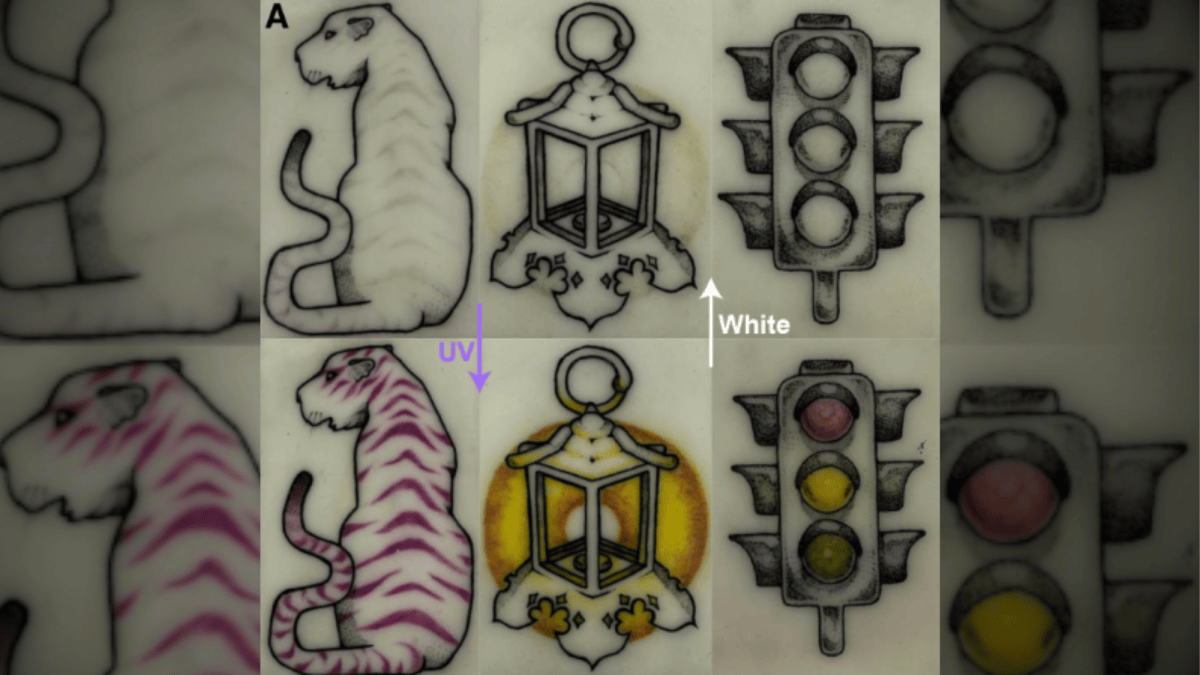
🖋️
A tattoo that disappears on cue
Een tatoeage die op commando verdwijnt
Un tatouage qui disparaît à la demande
So, researchers at the University of Colorado Boulder have developed tattoo ink that changes visibility when exposed to ultraviolet or visible light. Inspired by transition lenses, tiny spheres in the dye become transparent under UV light and return to their original colour when they absorb visible light. Co-creator Carson Bruns has tattooed himself with the ink, which kept working for more than two years. The team hopes it could one day help with temporary medical markings, though more safety testing is needed first.
Onderzoekers van de University of Colorado Boulder hebben tatoeage-inkt ontwikkeld die van zichtbaarheid verandert onder invloed van ultraviolet of zichtbaar licht. De kleurstof werkt volgens een principe dat ook bij meekleurende brillenglazen wordt gebruikt: kleine bolletjes worden transparant door uv-licht en krijgen hun oorspronkelijke kleur terug na blootstelling aan zichtbaar licht. Medeontwikkelaar Carson Bruns heeft de inkt op zichzelf getest, en die bleef meer dan twee jaar werken. Het team hoopt de inkt ooit te gebruiken voor tijdelijke medische markeringen, maar daarvoor zijn eerst nog extra veiligheidstests nodig.
Des chercheurs de l’Université du Colorado à Boulder ont mis au point une encre de tatouage dont la visibilité change sous l’effet des rayons ultraviolets ou de la lumière visible. Inspirée du fonctionnement des verres photochromiques, elle contient de minuscules billes qui deviennent transparentes sous les UV et retrouvent leur couleur d’origine après exposition à la lumière visible. Carson Bruns, l’un des créateurs, s’est lui-même fait tatouer avec cette encre, qui est restée efficace pendant plus de deux ans. L’équipe espère qu’elle pourra un jour servir à réaliser des marquages médicaux temporaires, mais des tests de sécurité supplémentaires sont nécessaires.
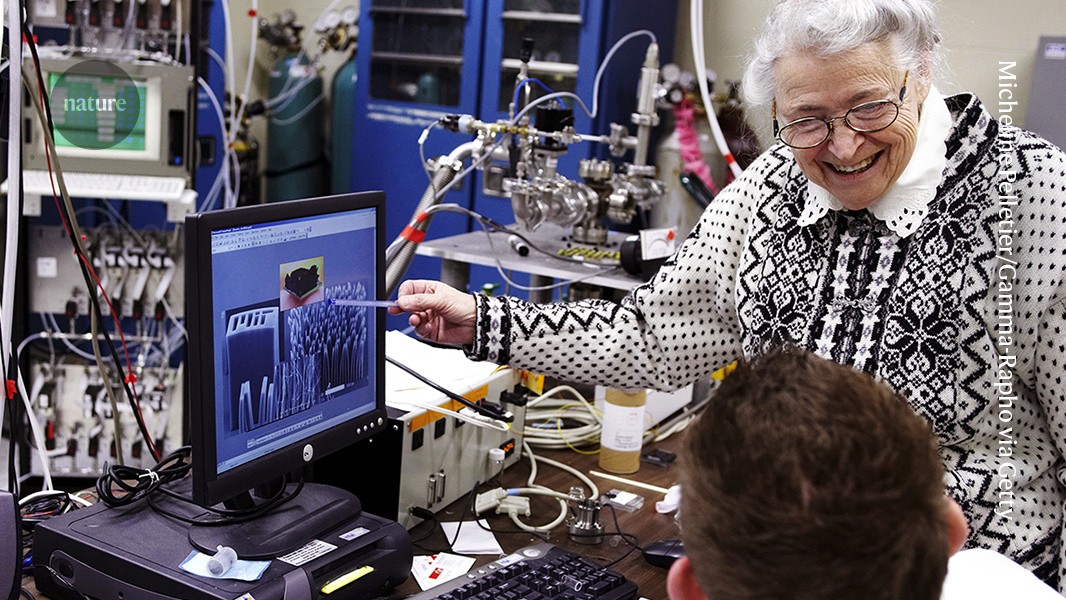
🔬
Experienced scientists publish fewer disruptive papers, but their ideas last
Ervaren wetenschappers publiceren minder vaak baanbrekend werk, maar hun ideeën blijven
Les scientifiques expérimentés publient moins de travaux disruptifs, mais leurs idées perdurent
Here’s a fascinating twist: a global study of more than 11 million papers found that experienced scientists publish highly disruptive work less often than early-career researchers. But when veteran researchers do make a breakthrough, it is more likely to keep shaping the field rather than be displaced by later studies. The team tracked citation patterns and found that the odds of producing persistently disruptive work rose from about 1% early in a career to 2.2% after 40 years. And here’s the thing: the authors caution that this does not mean seniority or ageing itself causes lasting innovation.
Wat een interessante wending: een wereldwijd onderzoek naar meer dan 11 miljoen artikelen laat zien dat ervaren wetenschappers minder vaak baanbrekend werk publiceren dan onderzoekers aan het begin van hun loopbaan. Maar wanneer ervaren onderzoekers wel een doorbraak realiseren, blijft die vaker invloedrijk in het vakgebied en wordt die minder snel verdrongen door later onderzoek. Het team onderzocht citatiepatronen en stelde vast dat de kans op werk met een blijvende ontwrichtende invloed stijgt van ongeveer 1% aan het begin van een loopbaan tot 2,2% na 40 jaar. En dit is belangrijk: volgens de auteurs betekent dat niet dat ervaring of ouder worden op zichzelf tot blijvende vernieuwing leidt.
Voici un résultat fascinant : une étude mondiale portant sur plus de 11 millions d’articles révèle que les scientifiques expérimentés publient moins souvent des travaux très disruptifs que les chercheurs en début de carrière. Mais lorsque les chercheurs chevronnés réalisent une percée, celle-ci a davantage de chances de continuer à façonner leur domaine plutôt que d’être supplantée par des travaux ultérieurs. En examinant les citations, l’équipe a constaté que la probabilité de produire des travaux durablement disruptifs passe d’environ 1 % au début d’une carrière à 2,2 % après 40 ans. Et voici le point essentiel : les auteurs précisent que cela ne signifie pas que l’ancienneté ou le vieillissement entraînent à eux seuls des innovations durables.
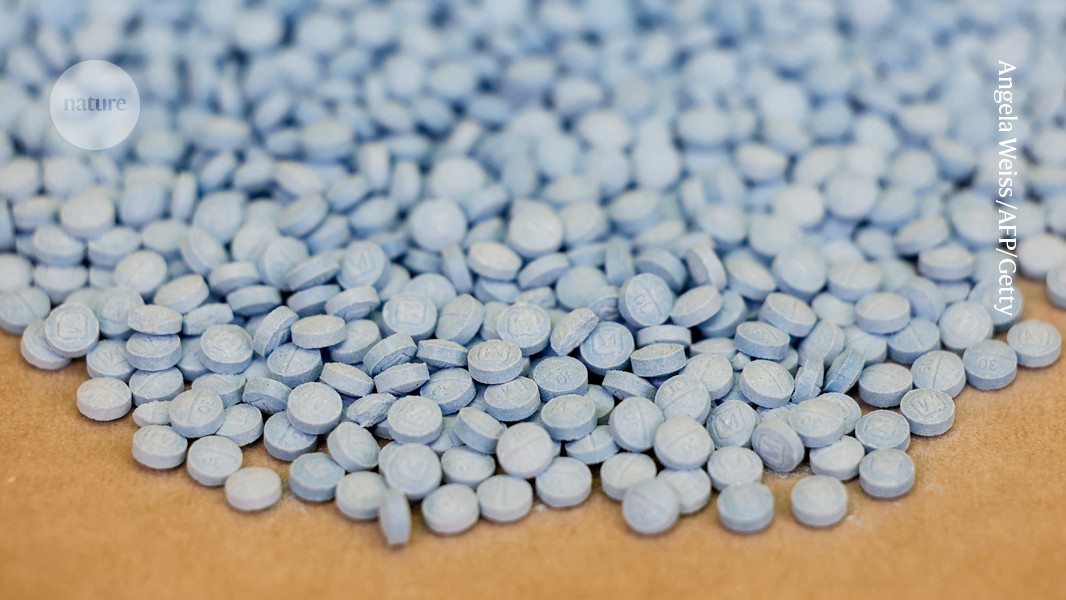
🧪
Fast technique reveals toxic chemicals in fentanyl
Snelle techniek onthult giftige stoffen in fentanyl
Une méthode rapide révèle les substances toxiques du fentanyl
A US rapid-analysis programme is tracking changes in the substances mixed into illicitly manufactured fentanyl. Its findings point to an increasingly varied mix of potentially dangerous adulterants. Tested samples contained substances such as industrial chemicals and anaesthetics, some of which can be lethal. So: this speedy chemical fingerprinting offers a way to spot shifts in the illicit drug supply as they emerge.
Een Amerikaans programma voor snelle analyses volgt veranderingen in de stoffen die aan illegaal geproduceerde fentanyl worden toegevoegd. De resultaten wijzen op een steeds gevarieerdere mix van mogelijk gevaarlijke versnijdingsmiddelen. In onderzochte monsters zaten onder meer industriële chemicaliën en verdovingsmiddelen, waarvan sommige dodelijk kunnen zijn. Zo helpt deze snelle chemische analyse veranderingen in het illegale drugaanbod tijdig op te sporen.
Un programme américain d’analyse rapide suit l’évolution des substances ajoutées au fentanyl produit illégalement. Ses résultats révèlent un éventail de plus en plus varié d’adultérants potentiellement dangereux. Les échantillons analysés contenaient notamment des produits chimiques industriels et des anesthésiques, dont certains peuvent être mortels. Ainsi, cette empreinte chimique rapide permet de repérer les changements dans l’offre de drogues illicites au fur et à mesure qu’ils apparaissent.
📺
Young people know more English than we think, thanks to YouTube
Onze jongeren kennen veel meer Engels dan gedacht, dankzij YouTube
Les jeunes maîtrisent bien mieux l’anglais qu’on ne le pense, grâce à YouTube
So, it seems young people know far more English than many people give them credit for. YouTube is a big part of the story, bringing English-language videos into everyday life. Through watching and listening, young viewers get plenty of informal exposure to the language. And here's the thing: learning can happen well beyond the classroom.
Het lijkt erop dat jongeren veel meer Engels kennen dan vaak wordt gedacht. YouTube speelt daarin een grote rol, met Engelstalige video’s die deel uitmaken van hun dagelijkse leven. Door te kijken en te luisteren komen jonge kijkers op een informele manier vaak met de taal in aanraking. En zo blijkt: leren gebeurt ook buiten de klas.
Les jeunes semblent maîtriser bien plus l’anglais qu’on ne le pense souvent. YouTube joue un rôle important, en faisant entrer les vidéos anglophones dans leur quotidien. En regardant et en écoutant, ils sont régulièrement exposés à la langue de manière informelle. Et voilà le point intéressant : l’apprentissage ne se limite pas à la salle de classe.

🌿
The new certification scheme helping solar farms become havens for wildlife
Het nieuwe keurmerk dat zonneparken helpt toevluchtsoorden voor dieren te worden
Le nouveau label qui transforme les parcs solaires en refuges pour la faune
As the UK prepares to nearly double its solar capacity by 2030, a new Wild Power certification scheme is encouraging developers to make space for nature too. Its scorecard assesses habitats, species, ecological connections and site management, and farms that reach the required standard can earn independent certification. So far, two UK solar farms have received the award, including the Dunmow site in Essex. There, wildlife-friendly measures are projected to increase habitat biodiversity by 65% and hedgerow biodiversity by 19%.
Nu het Verenigd Koninkrijk zijn zonne-energiecapaciteit tegen 2030 bijna wil verdubbelen, moedigt een nieuw keurmerk van Wild Power ontwikkelaars aan om ook ruimte te maken voor de natuur. De scorekaart beoordeelt leefgebieden, soorten, ecologische verbindingen en het beheer van locaties; zonneparken die aan de norm voldoen, kunnen een onafhankelijke certificering krijgen. Tot nu toe hebben twee Britse zonneparken het keurmerk ontvangen, waaronder Dunmow in Essex. De natuurvriendelijke maatregelen daar zullen naar verwachting de biodiversiteit van leefgebieden met 65% en die van heggen met 19% verhogen.
Alors que le Royaume-Uni prévoit de presque doubler sa capacité solaire d’ici 2030, un nouveau label de Wild Power incite les promoteurs à faire aussi une place à la nature. Son barème évalue les habitats, les espèces, les connexions écologiques et la gestion des sites; les parcs qui atteignent le niveau requis peuvent obtenir une certification indépendante. À ce jour, deux parcs solaires britanniques ont reçu cette distinction, dont celui de Dunmow, dans l’Essex. Les mesures favorables à la faune mises en place sur ce site devraient accroître de 65 % la biodiversité des habitats et de 19 % celle des haies.
🪐
Perseverance rover sets a distance record on another world
Perseverance verbreekt afstandsrecord op een andere wereld
Le rover Perseverance bat un record de distance sur un autre monde
So, Perseverance has set a new record for the greatest distance travelled across the surface of another world. The achievement adds another milestone to the rover’s exploration of Mars. It’s a lovely reminder of how steadily robotic missions are expanding what we can explore beyond Earth. The headline doesn’t specify the distance, but the record itself is a remarkable step for planetary exploration.
Zo heeft Perseverance een nieuw record gevestigd voor de grootste afstand die op het oppervlak van een andere wereld is afgelegd. Die prestatie voegt een nieuwe mijlpaal toe aan de verkenning van Mars door de rover. Het is mooi om te zien hoe robotmissies onze mogelijkheden om buiten de aarde op ontdekking te gaan steeds verder vergroten. De kop vermeldt de afstand niet, maar het record zelf is een bijzondere stap voor de planetaire verkenning.
Voilà : Perseverance a établi un nouveau record de distance parcourue à la surface d’un autre monde. Cette performance ajoute une nouvelle étape à l’exploration de Mars par le rover. C’est un beau rappel de la manière dont les missions robotisées élargissent peu à peu notre exploration au-delà de la Terre. Le titre ne précise pas la distance, mais ce record constitue une avancée remarquable pour l’exploration planétaire.

🦏
Dudhwa’s rhinos move toward a freer future
De neushoorns van Dudhwa krijgen meer vrijheid
Les rhinocéros de Dudhwa gagnent en liberté
So, Dudhwa’s rhino story has come a long way since five animals arrived in 1984, and the reserve now counts 53. In March 2026, four rhinos moved from a fenced rehabilitation area into grassland, bringing the number of mature rhinos living freely in the reserve to eight. The next goal is to explore whether 10 can thrive as part of a resilient population, with healthy habitats, genetic diversity and room to move all playing a vital role. And here’s the bigger lesson: lasting recovery means creating a landscape where rhinos can live and breed with less need for constant human intervention.
De neushoornbescherming in Dudhwa heeft een lange weg afgelegd sinds de komst van vijf dieren in 1984; inmiddels telt het reservaat er 53. In maart 2026 verhuisden vier neushoorns uit een omheind herstelgebied naar grasland, waardoor het aantal volwassen dieren dat vrij rondloopt in het reservaat op acht kwam. De volgende stap is onderzoeken of tien dieren kunnen floreren binnen een veerkrachtige populatie, met gezonde leefgebieden, genetische diversiteit en voldoende bewegingsruimte. En dat is de grotere les: duurzaam herstel vraagt om een landschap waar neushoorns kunnen leven en zich voortplanten met steeds minder voortdurende menselijke hulp.
La protection des rhinocéros à Dudhwa a bien évolué depuis l’arrivée de cinq animaux en 1984 : la réserve en compte aujourd’hui 53. En mars 2026, quatre rhinocéros ont quitté un espace de réhabilitation clôturé pour rejoindre les prairies, portant à huit le nombre d’adultes vivant en liberté dans la réserve. La prochaine étape consiste à étudier si dix animaux peuvent prospérer au sein d’une population résiliente, grâce à des habitats sains, à la diversité génétique et à l’espace nécessaire pour se déplacer. Et voici la leçon essentielle : un rétablissement durable exige un paysage où les rhinocéros peuvent vivre et se reproduire avec moins d’interventions humaines constantes.
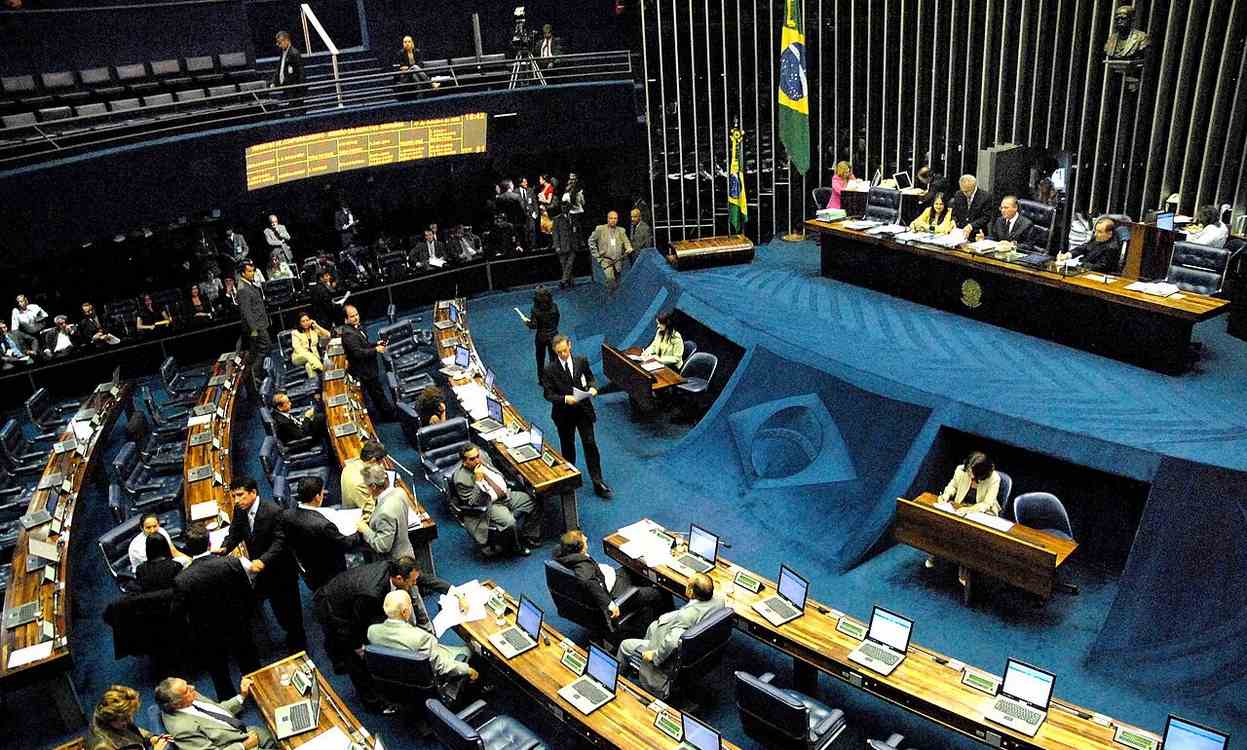
🕒
Brazil ends long tradition of six-day workweeks
Brazilië beëindigt lange traditie van zesdaagse werkweken
Le Brésil met fin à la longue tradition de la semaine de six jours
So, Brazil’s Senate has voted 75 to 1 for a constitutional amendment that will reduce the standard workweek from 44 hours to 40. Workers will gain an additional paid day off, with the days off to be worked out between unions and employers. The change will begin in 60 days with a 42-hour week, then fall to 40 hours a year later, giving employers time to adjust. And here’s the thing: as Senate President Davi Alcolumbre noted, that extra day of rest can mean more time for family.
De Braziliaanse Senaat heeft met 75 stemmen voor en één tegen ingestemd met een grondwetswijziging die de standaardwerkweek verkort van 44 naar 40 uur. Werknemers krijgen er een betaalde vrije dag bij; vakbonden en werkgevers bepalen samen op welke dagen die vallen. De verandering gaat over 60 dagen in met een werkweek van 42 uur, en een jaar later wordt dat 40 uur, zodat werkgevers hun roosters kunnen aanpassen. En dat is belangrijk: zoals Senaatsvoorzitter Davi Alcolumbre opmerkte, betekent die extra rustdag meer tijd voor het gezin.
Le Sénat brésilien a approuvé par 75 voix contre une un amendement constitutionnel qui réduira la durée normale de travail de 44 à 40 heures par semaine. Les salariés bénéficieront d’un jour de congé payé supplémentaire, dont les dates seront négociées entre syndicats et employeurs. La mesure entrera en vigueur dans 60 jours, avec une semaine de 42 heures, puis passera à 40 heures un an plus tard, laissant aux employeurs le temps de s’organiser. Et c’est là que réside tout l’intérêt : comme l’a souligné le président du Sénat, Davi Alcolumbre, ce jour de repos en plus offre davantage de temps en famille.
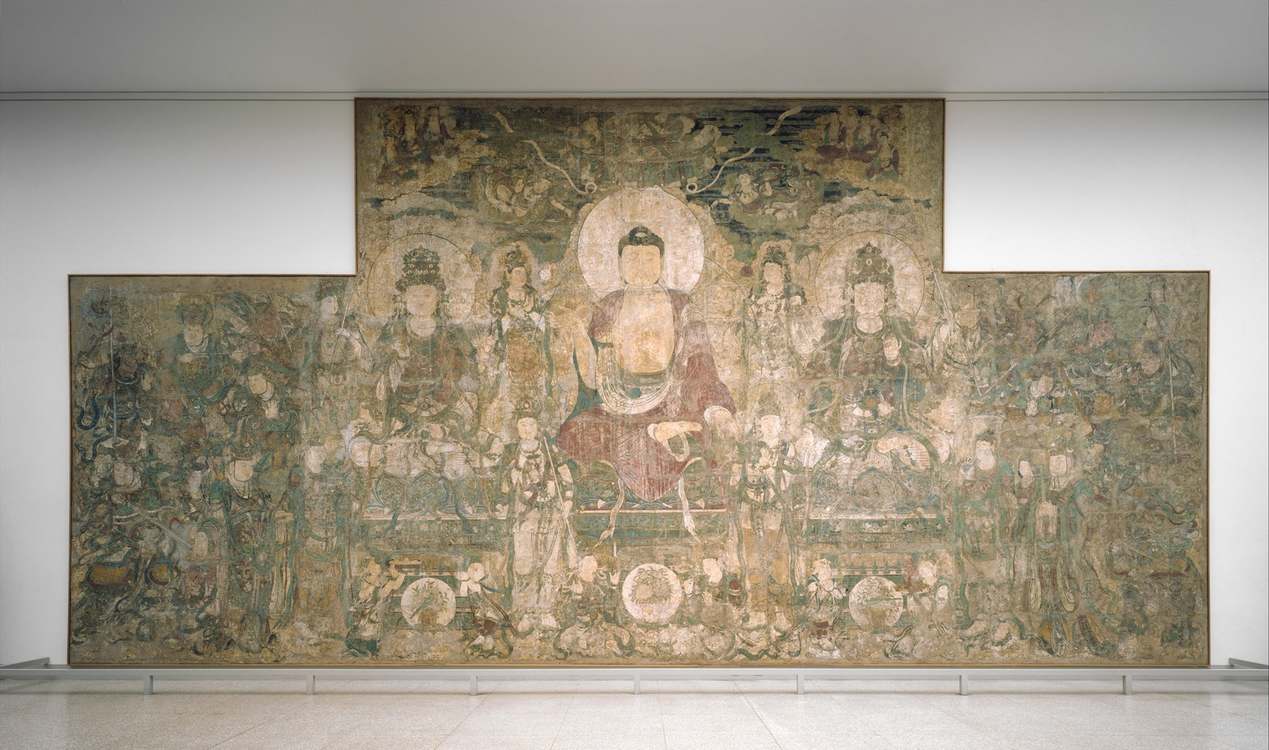
🎨
China and the Met uncover new secrets in a 700-year-old mural
China en het Met ontdekken nieuwe geheimen in een 700 jaar oude muurschildering
La Chine et le Met révèlent de nouveaux secrets d’une fresque vieille de 700 ans
So: a remarkable collaboration between China’s National Academy of Arts and New York’s Metropolitan Museum of Art is shedding new light on a 700-year-old Chinese mural. Over three years, a team of artists and conservationists created a life-sized replica, carefully recording every crack, faded detail and past restoration. Their close study also revealed that the mural’s sections had been arranged incorrectly, leaving the Buddha’s head two centimeters out of alignment. Now, the partnership is helping bring researchers together and deepen the appreciation and preservation of Chinese cultural heritage.
Een bijzondere samenwerking tussen de Chinese Nationale Academie voor de Kunsten en het Metropolitan Museum of Art in New York werpt nieuw licht op een 700 jaar oude Chinese muurschildering. Drie jaar lang werkten kunstenaars en restaurateurs aan een replica op ware grootte, waarbij ze elke barst, vervaagde lijn en eerdere restauratie nauwkeurig vastlegden. Hun gedetailleerde onderzoek bracht ook aan het licht dat de delen van de muurschildering verkeerd waren geplaatst, waardoor het hoofd van Boeddha twee centimeter scheef stond. De samenwerking brengt onderzoekers samen en draagt bij aan meer waardering voor en behoud van Chinees cultureel erfgoed.
Une remarquable collaboration entre l’Académie nationale des arts de Chine et le Metropolitan Museum of Art de New York révèle de nouveaux détails sur une fresque chinoise vieille de 700 ans. Pendant trois ans, une équipe d’artistes et de restaurateurs a réalisé une réplique grandeur nature, en reproduisant soigneusement chaque fissure, chaque détail effacé et chaque trace d’une restauration passée. Leur étude approfondie a également montré que les sections de la fresque avaient été mal assemblées, décalant la tête du Bouddha de deux centimètres. Ce partenariat rapproche les chercheurs et contribue à mieux faire connaître et préserver le patrimoine culturel chinois.
🔢
AI proves the quasi-Riemann hypothesis. What happens now?
AI bewijst de quasi-Riemann-hypothese. En nu?
Une IA prouve la quasi-hypothèse de Riemann. Et maintenant ?
Among hundreds of results announced by OpenAI, one particularly caught mathematicians’ attention: an AI-assisted proof of the quasi-Riemann hypothesis, a weaker version of one of mathematics’ most famous open problems. The result does not settle the full Riemann hypothesis, but researchers say it could unlock many of its far-reaching consequences for understanding prime numbers. And here’s the thing: the proof appears to connect familiar mathematical ideas in a surprising new way, rather than introduce entirely new concepts. Number theorists are now working to understand how the proof fits together and what this remarkable achievement could lead to next.
Van de honderden resultaten die OpenAI aankondigde, trok er één bijzondere aandacht van wiskundigen: een AI-ondersteund bewijs van de quasi-Riemann-hypothese, een zwakkere versie van een van de beroemdste open problemen in de wiskunde. Het resultaat lost de volledige Riemann-hypothese niet op, maar onderzoekers zeggen dat het veel van de verstrekkende gevolgen ervan kan ontsluiten voor ons begrip van priemgetallen. En dit is het bijzondere: het bewijs lijkt vertrouwde wiskundige ideeën op een verrassende nieuwe manier met elkaar te verbinden, in plaats van volledig nieuwe concepten te introduceren. Getaltheoretici proberen nu te doorgronden hoe het bewijs in elkaar zit en waartoe deze opmerkelijke prestatie kan leiden.
Parmi les centaines de résultats annoncés par OpenAI, l’un a particulièrement retenu l’attention des mathématiciens : une démonstration assistée par l’IA de la quasi-hypothèse de Riemann, une version affaiblie de l’un des problèmes ouverts les plus célèbres des mathématiques. Ce résultat ne résout pas l’hypothèse de Riemann dans son intégralité, mais les chercheurs estiment qu’il pourrait éclairer nombre de ses conséquences majeures pour la compréhension des nombres premiers. Et voici ce qui est remarquable : la démonstration semble relier des idées mathématiques bien connues d’une manière surprenante, plutôt que d’introduire des concepts entièrement nouveaux. Les spécialistes de la théorie des nombres cherchent maintenant à comprendre comment elle fonctionne et quelles nouvelles pistes cette avancée exceptionnelle pourrait ouvrir.
🧠
Light gives scientists a new way to study the brain
Licht geeft wetenschappers een nieuwe manier om de hersenen te bestuderen
La lumière offre aux scientifiques un nouvel outil pour étudier le cerveau
I love how a tiny light-sensing protein from a single-celled alga led to a powerful way to study the brain. Nobel laureates Peter Hegemann, Georg Nagel and Karl Deisseroth showed how channelrhodopsin can make nerve cells respond to light. With optogenetics, researchers can switch selected brain cells on or off and observe what changes. This precise technique is helping scientists investigate how brain cells contribute to memory, sleep, sensation and movement.
Wat bijzonder dat een klein lichtgevoelig eiwit uit een eencellige alg heeft geleid tot een krachtig hulpmiddel om de hersenen te bestuderen. Nobelprijswinnaars Peter Hegemann, Georg Nagel en Karl Deisseroth lieten zien hoe channelrhodopsine zenuwcellen op licht kan laten reageren. Met optogenetica kunnen onderzoekers specifieke hersencellen aan- of uitschakelen en bekijken wat er verandert. Dankzij deze nauwkeurige techniek kunnen wetenschappers onderzoeken hoe hersencellen bijdragen aan geheugen, slaap, waarneming en beweging.
Quelle belle découverte qu’une petite protéine sensible à la lumière, issue d’une algue unicellulaire, ait permis de créer un puissant outil pour étudier le cerveau. Les lauréats du prix Nobel Peter Hegemann, Georg Nagel et Karl Deisseroth ont montré comment la channelrhodopsine peut rendre les neurones sensibles à la lumière. Grâce à l’optogénétique, les chercheurs peuvent activer ou désactiver des groupes précis de cellules cérébrales et observer les effets. Cette technique précise aide les scientifiques à étudier le rôle des neurones dans la mémoire, le sommeil, les sensations et les mouvements.
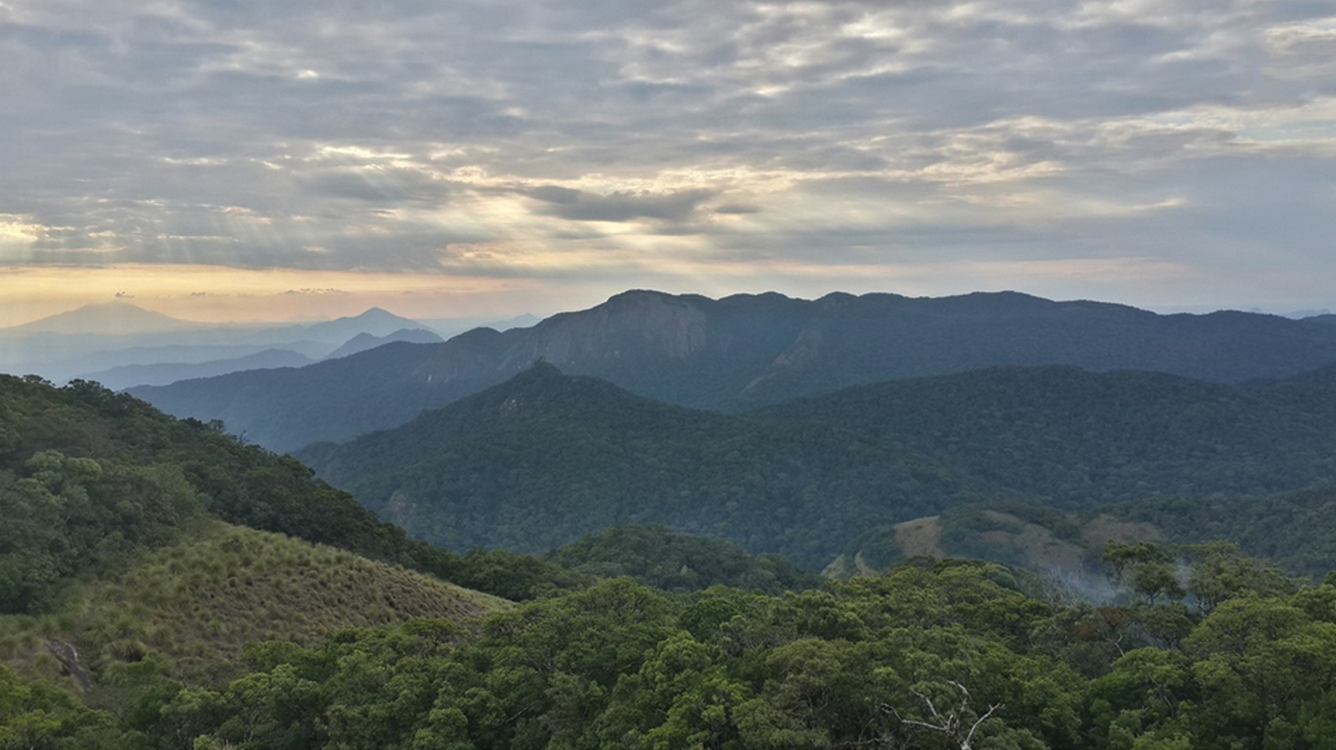
🦋
Mozambique protects Mount Mabu’s butterfly forest
Mozambique beschermt het vlinderwoud van Mount Mabu
Le Mozambique protège la forêt aux papillons du mont Mabu
So: Mozambique has designated 23,000 acres of Mount Mabu as a community conservation area, protecting one of southern Africa’s wettest forests. Known as the “butterfly forest,” the area is home to more than 200 butterfly species, along with many rare species found nowhere else. The decree aims to safeguard nature while supporting the sustainable use of local resources by nearby communities. And here’s the lovely part: local people regard the mountains as sacred, giving this protection effort a strong foundation.
Mooi nieuws: Mozambique heeft 23.000 acres van Mount Mabu aangewezen als beschermd natuurgebied voor de lokale gemeenschap. Het gebied staat bekend als het ‘vlinderwoud’ en biedt onderdak aan meer dan 200 vlindersoorten, naast zeldzame soorten die bijna nergens anders voorkomen. Het besluit moet de natuur beschermen en tegelijk duurzaam gebruik van lokale hulpbronnen door de gemeenschap ondersteunen. En dat geeft extra hoop: de lokale bevolking beschouwt de bergen als heilig.
Bonne nouvelle : le Mozambique a désigné 23 000 acres du mont Mabu comme aire de conservation communautaire. Surnommée la « forêt aux papillons », cette région abrite plus de 200 espèces de papillons, ainsi que des espèces rares qu’on ne trouve presque nulle part ailleurs. Le décret vise à protéger la nature tout en permettant aux communautés locales d’utiliser les ressources de façon durable. Et voici un bel atout : les habitants considèrent ces montagnes comme sacrées.
🌱
Steam offers organic strawberry farmers a chemical-free boost
Stoom geeft biologische aardbeientelers een boost zonder chemicaliën
La vapeur donne un nouvel élan aux producteurs de fraises bio
So: a little steam could help California’s organic strawberry farmers grow healthier plants and harvest more fruit. In a trial with four growers, University of California Santa Cruz researchers used machines to steam the soil before planting, and farmer Rod Koda reported bigger, healthier plants and more strawberries. The treatment can kill harmful bacteria, fungi, and weeds, offering an alternative to chemical fumigants that organic growers cannot use. And here’s the thing: this is an old greenhouse technique, now being refined to help make organic strawberry farming more reliable.
Een beetje stoom kan biologische aardbeientelers in Californië helpen om gezondere planten en meer fruit te telen. In een proef met vier telers behandelden onderzoekers van de University of California Santa Cruz de grond met stoom voordat ze gingen planten; boer Rod Koda zag grotere, gezondere planten en meer aardbeien. De behandeling kan schadelijke bacteriën, schimmels en onkruid bestrijden en biedt zo een alternatief voor chemische bodemontsmettingsmiddelen die biologische telers niet mogen gebruiken. En het mooie is: de techniek wordt al langer in kassen toegepast, maar krijgt nu een nieuwe, efficiëntere rol in de biologische aardbeienteelt.
Un peu de vapeur pourrait aider les producteurs de fraises bio de Californie à obtenir des plants plus sains et de meilleures récoltes. Lors d’un essai mené auprès de quatre producteurs, des chercheurs de l’Université de Californie à Santa Cruz ont traité les sols à la vapeur avant les plantations; l’agriculteur Rod Koda a observé des plants plus grands et plus vigoureux, ainsi qu’une récolte plus abondante. Cette méthode peut éliminer des bactéries, des champignons et des mauvaises herbes nuisibles, et remplacer les fumigants chimiques interdits en agriculture biologique. Et le plus intéressant, c’est qu’une technique déjà utilisée depuis longtemps dans les serres est aujourd’hui adaptée pour rendre la culture bio des fraises plus fiable.
🏺
Egyptian man finds statues of Pharaoh Ramesses II in his front garden
Egyptenaar vindt beelden van farao Ramses II in voortuin
Un Égyptien découvre des statues du pharaon Ramsès II dans son jardin
What a remarkable surprise: an Egyptian man has found statues of Pharaoh Ramesses II in his front garden. The discovery brings one of ancient Egypt’s best-known rulers unexpectedly close to home. It offers a fascinating glimpse of the country’s rich history and cultural heritage. And here’s the thing - a garden can hold an extraordinary connection to the past.
Wat een bijzondere verrassing: een Egyptenaar heeft beelden van farao Ramses II in zijn voortuin gevonden. Zo komt een van de bekendste heersers uit het oude Egypte onverwacht heel dichtbij. De ontdekking geeft een fascinerende blik op de rijke geschiedenis en het culturele erfgoed van het land. En dat maakt duidelijk hoe verrassend dichtbij het verleden soms kan zijn.
Quelle belle surprise : un Égyptien a découvert des statues du pharaon Ramsès II dans son jardin. L’un des souverains les plus célèbres de l’Égypte ancienne se retrouve ainsi tout près de chez lui. Cette découverte offre un aperçu fascinant de la riche histoire et du patrimoine culturel du pays. Et voilà qui rappelle que le passé peut surgir là où on l’attend le moins.
🐝
Honeybee stingers, microplastics and postmenopausal ovaries
Honingbijensteken, microplastics en eierstokken na de menopauze
Dard des abeilles, microplastiques et ovaires après la ménopause
So, this Science Quickly roundup explores honeybee stingers, microplastic health risks and new research on postmenopausal ovaries. A study of ovarian tissue from 28 women found that these organs continue to change long after egg production ends, with older samples showing more proteins linked to inflammation and immune activity. Researchers also found that microplastics can generate reactive molecules when exposed to water, and that this chemistry increases as plastic fragments get smaller. The health effects still need to be understood, but these findings open up fascinating new questions.
Deze aflevering van Science Quickly gaat over de werking van honingbijensteken, mogelijke gezondheidsrisico’s van microplastics en nieuw onderzoek naar eierstokken na de menopauze. In eierstokweefsel van 28 vrouwen ontdekten onderzoekers dat deze organen blijven veranderen nadat de eicelproductie is gestopt; oudere stalen bevatten meer eiwitten die verband houden met ontstekingen en de afweer. Ook bleek dat microplastics in contact met water reactieve moleculen kunnen vormen, en dat dit proces sterker wordt naarmate de plasticdeeltjes kleiner zijn. De gevolgen voor de gezondheid moeten nog verder worden onderzocht, maar de bevindingen roepen boeiende nieuwe vragen op.
Cet épisode de Science Quickly s’intéresse au fonctionnement du dard des abeilles, aux risques potentiels des microplastiques pour la santé et à de nouvelles recherches sur les ovaires après la ménopause. L’analyse de tissus ovariens provenant de 28 femmes montre que ces organes continuent d’évoluer après l’arrêt de la production d’ovules; les échantillons plus âgés contenaient davantage de protéines liées à l’inflammation et à l’activité immunitaire. Les chercheurs ont aussi découvert que les microplastiques exposés à l’eau peuvent produire des molécules réactives, et que cette réaction s’intensifie à mesure que les fragments de plastique rétrécissent. Il reste à préciser les effets sur la santé, mais ces résultats soulèvent de nouvelles questions passionnantes.
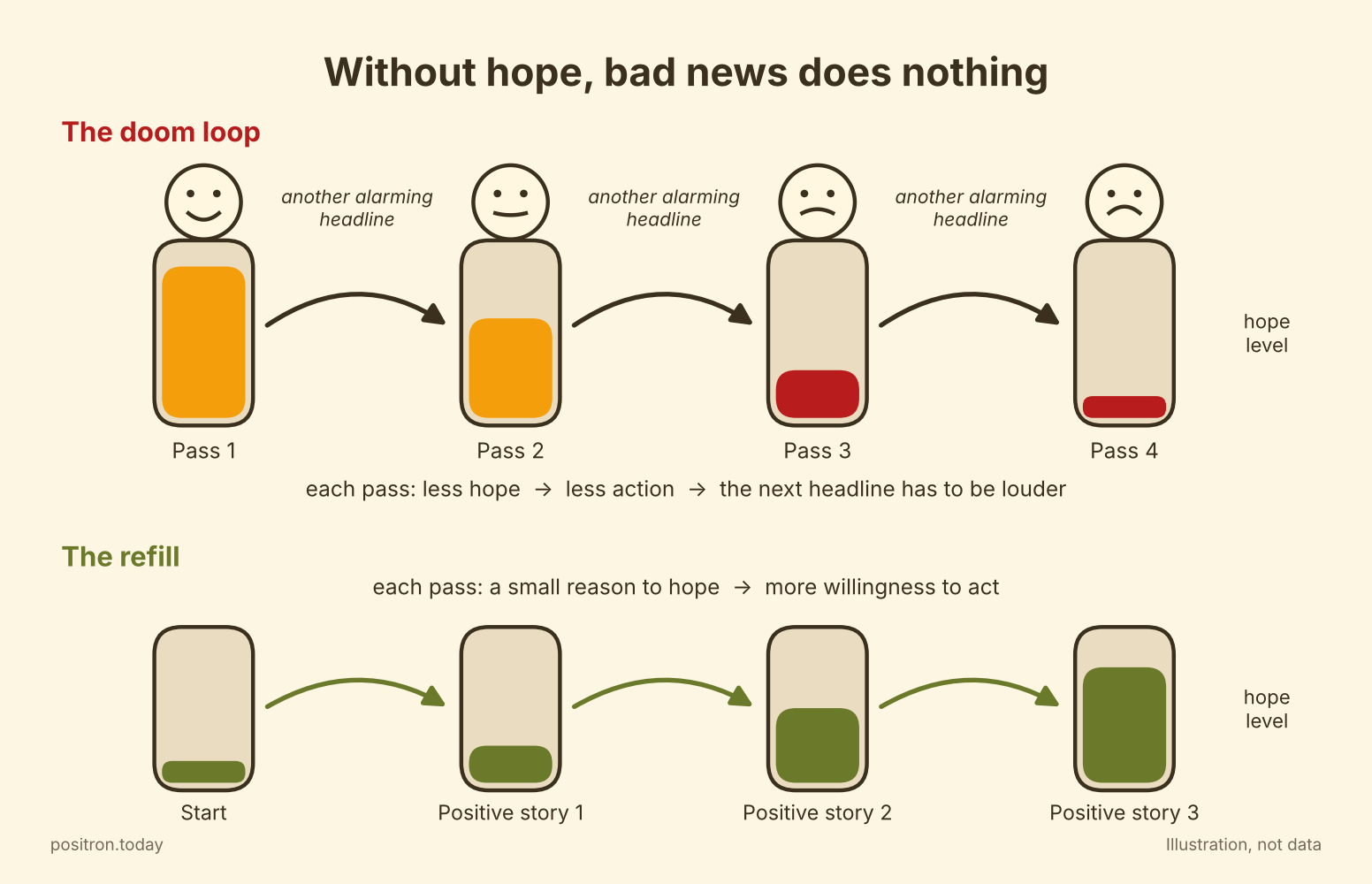
✍️
Without hope, bad news does nothing
Zonder hoop brengt slecht nieuws niets teweeg
Sans espoir, les mauvaises nouvelles ne servent à rien
Jay Van Bavel’s study of 11 climate messages tested on 59,440 people in 63 countries found that the most frightening message was shared most, but was least effective at prompting action. A calm message stating that human activity is warming Earth and that 99% of climate scientists agree performed better on every outcome except sharing. Van Bavel also found that each extra negative word in 22,743 Upworthy headline tests brought 2.3% more clicks, helping explain why feeds amplify alarm while hope and action can fade. Rik argues that Positron’s positive stories do not replace serious news, but offer a steady reason to believe progress is possible and keep people able to act.
Uit onderzoek van Jay Van Bavel met 11 klimaatboodschappen bij 59,440 mensen in 63 landen bleek dat de engste boodschap het vaakst werd gedeeld, maar het minst aanzette tot actie. Een rustige boodschap, die stelde dat menselijke activiteit de aarde opwarmt en dat 99% van de klimaatwetenschappers het daarmee eens is, scoorde op alle punten beter behalve op delen. Van Bavel ontdekte ook dat elk extra negatief woord in 22,743 headline-tests van Upworthy 2.3% meer klikken opleverde, wat verklaart waarom feeds alarm versterken terwijl hoop en actie kunnen afnemen. Rik stelt dat de positieve verhalen van Positron het serieuze nieuws niet vervangen, maar een gestage reden geven om in vooruitgang te geloven en in actie te blijven komen.
L’étude de Jay Van Bavel, qui a testé 11 messages sur le climat auprès de 59,440 personnes dans 63 pays, a révélé que le message le plus alarmant était le plus partagé, mais le moins efficace pour inciter à agir. Un message posé, indiquant que l’activité humaine réchauffe la Terre et que 99% des climatologues sont d’accord, a obtenu de meilleurs résultats sur tous les critères sauf le partage. Van Bavel a également constaté que chaque mot négatif supplémentaire dans 22,743 tests de titres d’Upworthy générait 2.3% de clics en plus, ce qui aide à comprendre pourquoi les fils d’actualité amplifient l’alarme tandis que l’espoir et l’action s’affaiblissent. Rik estime que les récits positifs de Positron ne remplacent pas les nouvelles sérieuses, mais donnent une raison constante de croire au progrès et de continuer à agir.

🚆
SNCB: eight in ten commuters arrive on time
NMBS: acht op de tien pendelaars komen op tijd aan
SNCB : huit navetteurs sur dix arrivent à l’heure
Good news for Belgian commuters: train punctuality is improving overall. Now, ULB doctoral student Gaspard Merten has created a tool that lets passengers check average delays for their own train. It complements SNCB and Infrabel’s existing figures by focusing on the traveller’s perspective, rather than the train or route. And here’s the thing: cancelled trains remain numerous, so having more personal, useful information can make a real difference.
Goed nieuws voor Belgische pendelaars: de stiptheid van de treinen verbetert over het algemeen. ULB-doctoraatsstudent Gaspard Merten ontwikkelde een tool waarmee reizigers de gemiddelde vertraging van hun eigen trein kunnen bekijken. Die vult de bestaande cijfers van NMBS en Infrabel aan door te vertrekken vanuit het perspectief van de reiziger, en niet van de trein of de lijn. En toch blijven er veel treinen afgeschaft, waardoor persoonlijkere en nuttigere informatie echt een verschil kan maken.
Bonne nouvelle pour les navetteurs belges : la ponctualité des trains s’améliore dans l’ensemble. Le doctorant de l’ULB Gaspard Merten a créé un outil qui permet aux voyageurs de consulter les retards moyens de leur propre train. Il complète les chiffres de la SNCB et d’Infrabel en partant du point de vue du passager, plutôt que de celui du train ou de la ligne. Et voici le point important : les suppressions de trains restent nombreuses, ce qui rend ces informations plus personnelles et utiles d’autant plus précieuses.
🍎
Austria brings forgotten apple varieties back to life
Oostenrijk blaast vergeten appelrassen nieuw leven in
L’Autriche redonne vie à des variétés de pommes oubliées
So, Austria is giving two rare heritage apples a fresh chance on supermarket shelves: the Ilzer Rose apple and Falchs Gulderling. Spar and fruit distributor Frutura have planted 2,150 trees in Styria, and the first harvest is being tested for flavour, growth, disease resistance and shelf life. The project aims to preserve biodiversity while bringing back the distinctive colours and tastes of apples that have nearly disappeared from everyday shops. And here's the thing: heritage varieties can also contain more beneficial polyphenols, with research suggesting some may be enjoyed by people with apple allergies.
Oostenrijk geeft twee zeldzame oude appelrassen een nieuwe kans in de supermarkt: de Ilzer Rosenapfel en Falchs Gulderling. Retailgroep Spar en fruitdistributeur Frutura hebben in Stiermarken 2.150 bomen geplant en testen de eerste oogst op smaak, groei, ziektegevoeligheid en houdbaarheid. Het project wil de biodiversiteit beschermen en tegelijk de bijzondere kleuren en smaken terugbrengen van appels die bijna uit de winkels verdwenen zijn. En daar zit nog iets moois aan: oude rassen kunnen meer gezonde polyfenolen bevatten, en onderzoek wijst erop dat sommige mensen met een appelallergie ze mogelijk wel kunnen eten.
L’Autriche offre une nouvelle chance à deux anciennes variétés rares dans les supermarchés : l’Ilzer Rosenapfel et la Falchs Gulderling. L’enseigne Spar et le distributeur de fruits Frutura ont planté 2 150 arbres en Styrie, et la première récolte est évaluée selon son goût, sa croissance, sa résistance aux maladies et sa conservation. Le projet veut préserver la biodiversité tout en faisant redécouvrir les couleurs et les saveurs particulières de pommes presque disparues des magasins. Et voici un autre atout : les variétés anciennes peuvent contenir davantage de polyphénols bénéfiques, et des recherches suggèrent que certaines pourraient être consommées par des personnes allergiques aux pommes.

🤝
A wall meant to divide is bringing Texans together
Een muur die moest verdelen, brengt Texanen samen
Un mur censé diviser rassemble les Texans
So: plans for a border patrol road near Big Bend’s stunning Santa Elena Canyon have sparked an unexpected show of unity. Residents have organized protests, kept watch over construction and rescued vulnerable plants, while local business owners have turned down lucrative offers from wall contractors. Democrats, Republicans and independent voices - including border sheriffs and political candidates - are joining calls to oppose the project and have a say in its planning. It’s a powerful reminder that protecting a beloved landscape can bring people across political divides together.
De plannen voor een grensweg bij de indrukwekkende Santa Elena Canyon in Big Bend zorgen voor een onverwachte golf van eensgezindheid. Inwoners organiseren protesten, houden de werkzaamheden in de gaten en redden kwetsbare planten, terwijl lokale ondernemers lucratieve aanbiedingen van aannemers afslaan. Democraten, Republikeinen en onafhankelijke stemmen - onder wie grenssheriffs en politieke kandidaten - verzetten zich tegen het project en eisen inspraak. Zo laat de bescherming van een geliefd landschap mensen met uiteenlopende politieke overtuigingen samenkomen.
Le projet de route de patrouille frontalière près du spectaculaire canyon de Santa Elena, dans le parc de Big Bend, suscite un élan d’unité inattendu. Les habitants organisent des manifestations, surveillent les travaux et sauvent des plantes vulnérables, tandis que des commerçants locaux refusent les offres généreuses des entreprises de construction du mur. Démocrates, républicains et voix indépendantes - parmi lesquelles des shérifs frontaliers et des candidats politiques - s’opposent au projet et réclament d’être entendus. La défense d’un paysage cher à tous rapproche ainsi des personnes que la politique sépare souvent.

💊
Africa's pooled procurement mechanism aims to lower medical product costs
Afrikaans gezamenlijk inkoopmechanisme wil kosten van medische producten verlagen
Le mécanisme africain d’achats groupés veut réduire le coût des produits médicaux
So: Africa's pooled procurement mechanism has moved from pilot to continental programme, with eight African Union members signed up and 15 more expressing interest. Led by Africa CDC, it will combine countries’ purchasing needs to secure affordable, quality-assured health products and strengthen supply security. The programme has already registered 89 manufacturers from 15 African countries, and its next step is to establish agreements for product specifications, volumes and competitive prices. And here's the thing: by creating a more predictable market, the initiative aims to support African manufacturers and help advance the goal of producing 60% of the continent’s health products locally by 2040.
En zo: het Afrikaanse gezamenlijke inkoopmechanisme is uitgegroeid van een proefproject tot een continentaal programma, met acht AU-lidstaten die deelnemen en nog eens vijftien die interesse tonen. Onder leiding van Africa CDC bundelt het de inkoopbehoeften van landen om betaalbare, kwaliteitsgecontroleerde gezondheidsproducten te krijgen en de leveringszekerheid te versterken. Het programma heeft al 89 fabrikanten uit 15 Afrikaanse landen geregistreerd; de volgende stap is afspraken vastleggen over productspecificaties, volumes en concurrerende prijzen. En dat is precies de kans: een voorspelbaardere markt kan Afrikaanse producenten ondersteunen en helpen bij het doel om tegen 2040 60% van de gezondheidsproducten van het continent lokaal te produceren.
Voilà : le mécanisme africain d’achats groupés est passé de la phase pilote à un programme continental, avec huit États membres de l’Union africaine déjà engagés et quinze autres intéressés. Piloté par Africa CDC, il regroupe les besoins d’achat des pays afin d’obtenir des produits de santé abordables et de qualité garantie, tout en renforçant la sécurité des approvisionnements. Le programme a déjà enregistré 89 fabricants de 15 pays africains et prévoit maintenant de conclure des accords précisant les produits, les volumes et les prix compétitifs. Et voici l’enjeu : un marché plus prévisible peut soutenir les fabricants africains et contribuer à l’objectif de produire localement 60 % des produits de santé du continent d’ici 2040.

👂
Learn a new language by focusing on sounds, not words
Leer een nieuwe taal door je op klanken te richten, niet op woorden
Apprendre une nouvelle langue en se concentrant sur les sons, pas les mots
Want to speak a new language more naturally? A study of 67 Japanese participants found that people with a strong ear for languages tend to notice unfamiliar speech as sounds, rather than immediately interpreting it as words. This may help them get around sound patterns shaped by their native language, and learn from less exposure. The researchers say language teaching could do more to build listening skills tailored to each learner, instead of relying mainly on more practice.
Wil je een nieuwe taal natuurlijker spreken? Uit een onderzoek onder 67 Japanse deelnemers blijkt dat mensen met een goed taalgevoel onbekende spraak eerder als klanken waarnemen dan meteen als woorden interpreteren. Daardoor kunnen ze makkelijker loskomen van klankpatronen uit hun moedertaal en leren ze soms al van minder blootstelling aan de taal. Volgens de onderzoekers kan taalonderwijs meer inzetten op luistervaardigheid die is afgestemd op elke leerling, in plaats van vooral op extra oefening.
Envie de parler une nouvelle langue plus naturellement ? Une étude menée auprès de 67 participants japonais montre que les personnes douées pour les langues perçoivent souvent les paroles inconnues comme des sons avant de les interpréter comme des mots. Cela pourrait les aider à se détacher des habitudes sonores de leur langue maternelle et à progresser avec moins d’exposition. Les chercheurs estiment que l’enseignement des langues pourrait mieux développer l’écoute en fonction des capacités de chaque élève, plutôt que de miser surtout sur la répétition.

🌱
India's sugarcane can do far more than make sugar
Suikerriet in India kan veel meer dan suiker maken
La canne à sucre en Inde peut faire bien plus que du sucre
So, India’s 454.61 million tonnes of sugarcane in 2024-25 offer much more than sweetness. The crop gives us sugar, jaggery and refreshing juice, while its leaves can feed cattle. Even the fibrous bagasse left after crushing the stalks can be turned into compostable tableware, paper and electricity. It’s a great example of how making use of every part of a familiar plant can benefit industries and the environment.
Zo levert de 454,61 miljoen ton suikerriet die India in 2024-25 produceerde veel meer op dan alleen zoetigheid. Van het gewas worden suiker, jaggery en verfrissend sap gemaakt, terwijl de bladeren als veevoer kunnen dienen. Zelfs de vezelige bagasse die na het persen overblijft, kan worden verwerkt tot composteerbaar servies, papier en elektriciteit. Het is een mooi voorbeeld van hoe het benutten van elk deel van een vertrouwde plant zowel bedrijven als het milieu ten goede kan komen.
Alors, les 454,61 millions de tonnes de canne à sucre produites en Inde en 2024-2025 apportent bien plus que de la douceur. Cette plante permet de fabriquer du sucre, du jaggery et un jus rafraîchissant, tandis que ses feuilles peuvent servir de fourrage pour le bétail. Même la bagasse fibreuse qui reste après le broyage peut être transformée en vaisselle compostable, en papier et en électricité. Voilà un bel exemple de la façon dont valoriser chaque partie d’une plante familière peut profiter aux industries comme à l’environnement.
🍺
Ignace (81) captures café moments on napkins and beer mats
Ignace (81) vereeuwigt cafémomenten op servetten en bierviltjes
Ignace, 81 ans, immortalise les moments de café sur des serviettes et des sous-bocks
I love this wonderfully simple idea: 81-year-old Ignace captures moments from café life on napkins and beer mats. He says that by the time his pint is finished, the words are already on the page. So an ordinary drink becomes a little creative ritual, preserving passing moments before they disappear. It is a charming reminder that inspiration can arrive right at the table, with a pen close at hand.
Wat een heerlijk eenvoudig idee: de 81-jarige Ignace legt cafémomenten vast op servetten en bierviltjes. Tegen de tijd dat zijn pint op is, staat het al op papier. Zo wordt een gewoon drankje een klein creatief ritueel en blijven vluchtige momenten bewaard. Het is een mooie herinnering dat inspiratie zomaar aan tafel kan opduiken, met een pen binnen handbereik.
Quelle belle idée, toute simple : Ignace, 81 ans, immortalise des moments de la vie au café sur des serviettes et des sous-bocks. Le temps de finir sa bière, ses mots sont déjà couchés sur le papier. Un verre ordinaire devient ainsi un petit rituel créatif qui préserve des instants fugaces. C’est un joli rappel que l’inspiration peut surgir directement à table, avec un stylo à portée de main.

🐆
A tiny pond captures the first leopard cat footage in Goa
Een kleine vijver legt de eerste beelden van een luipaardkat in Goa vast
Un petit bassin révèle les premières images d’un chat-léopard à Goa
So, researchers Akshita Pungaliya and Atul Borker built a small pond in a forest near Goa’s Bhagwan Mahavir Wildlife Sanctuary to give animals water during the dry months. A camera trap beside it recorded birds, squirrels, mongooses, gaur and leopards visiting for a drink. Then, in March 2024, it filmed a mainland leopard cat - the first photographic record of the species in Goa. Their discovery, published in 2025, shows how a simple conservation idea can bring both wildlife and new knowledge into view.
Onderzoekers Akshita Pungaliya en Atul Borker legden een kleine vijver aan in een bos bij het Bhagwan Mahavir-wildreservaat in Goa, zodat dieren tijdens de droge maanden water konden vinden. Een cameraval bij de vijver filmde vogels, eekhoorns, mangoesten, gaur en luipaarden die kwamen drinken. In maart 2024 legde de camera ook een Aziatische luipaardkat vast - de eerste fotografische waarneming van deze soort in Goa. Hun ontdekking, gepubliceerd in 2025, toont hoe een eenvoudig natuurbehoudsproject zowel dieren als nieuwe kennis kan opleveren.
Les chercheurs Akshita Pungaliya et Atul Borker ont aménagé un petit bassin dans une forêt proche du sanctuaire de Bhagwan Mahavir, à Goa, afin d’offrir de l’eau aux animaux pendant la saison sèche. Un piège photographique installé à proximité a filmé des oiseaux, des écureuils, des mangoustes, des gaurs et des léopards venus s’abreuver. En mars 2024, il a aussi capturé un chat-léopard du continent - la première preuve photographique de cette espèce à Goa. Publiée en 2025, leur découverte montre qu’une initiative de conservation toute simple peut aider la faune et faire avancer les connaissances.
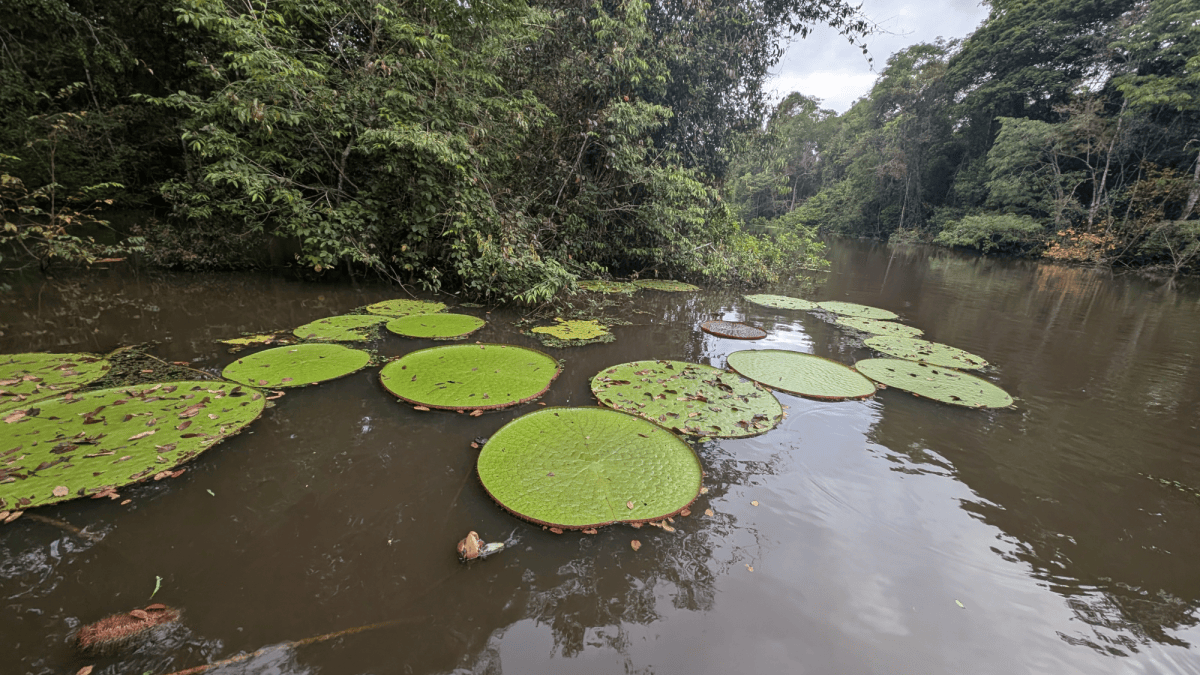
🪷
A new water lily spotted from space
Een nieuwe waterlelie ontdekt vanuit de ruimte
Un nouveau nénuphar repéré depuis l’espace
When Colorado plant grower Jeremiah Harris shared photos of giant water lilies in Colombia, botanist Carlos Magdalena realized they might belong to an unknown species. Satellite images helped researchers locate the plants, but their expedition initially found no flowers needed to identify them. Indigenous guides, including Tucano boat captain Gustavo Melo, led the team to a blooming specimen just hours before their flight home, enabling the scientific description of Victoria colombiana. With only an estimated 30 to 50 plants in the wild, researchers are now working to understand and protect this remarkable lily.
Toen plantenliefhebber Jeremiah Harris uit Colorado foto’s deelde van reusachtige waterlelies in Colombia, vermoedde botanicus Carlos Magdalena dat het om een onbekende soort ging. Satellietbeelden hielpen de onderzoekers de planten op te sporen, maar tijdens hun expeditie vonden ze aanvankelijk geen bloemen die nodig waren om de soort te identificeren. Inheemse gidsen, onder wie de Tucano-bootkapitein Gustavo Melo, leidden het team naar een bloeiend exemplaar, slechts enkele uren voor hun terugvlucht, waardoor Victoria colombiana wetenschappelijk kon worden beschreven. Omdat er naar schatting maar 30 tot 50 planten in het wild groeien, werken onderzoekers nu aan een beter begrip van deze bijzondere waterlelie en aan haar bescherming.
Lorsque Jeremiah Harris, un cultivateur de plantes du Colorado, a partagé des photos de gigantesques nénuphars en Colombie, le botaniste Carlos Magdalena a soupçonné qu’il s’agissait d’une espèce inconnue. Les images satellites ont aidé les chercheurs à localiser les plantes, mais leur expédition n’a d’abord trouvé aucune fleur, indispensable pour identifier l’espèce. Des guides autochtones, dont Gustavo Melo, capitaine de bateau tucano, ont conduit l’équipe jusqu’à un spécimen en fleurs quelques heures avant leur vol de retour, permettant ainsi la description scientifique de Victoria colombiana. Comme il n’en resterait que 30 à 50 à l’état sauvage, les chercheurs s’emploient désormais à mieux connaître et protéger ce nénuphar remarquable.
🪟
“A school of humility”: stained glass draws a new generation of artisans
‘Een leerschool in nederigheid’: glas-in-lood trekt een nieuwe generatie ambachtslieden aan
« Une école de l’humilité » : l’art du vitrail attire une nouvelle génération d’artisans
Stained glass is attracting a new generation of artisans, according to Le Monde. The craft is described as “a school of humility,” hinting at the patience and care its practice calls for. I find it lovely to see this traditional art capturing the interest of younger makers. Their enthusiasm could help keep the skills of stained-glass making alive.
Glas-in-lood trekt een nieuwe generatie ambachtslieden aan, meldt Le Monde. Het ambacht wordt omschreven als ‘een leerschool in nederigheid’, wat wijst op het geduld en de zorg die ervoor nodig zijn. Mooi om te zien hoe deze traditionele kunst jongere makers aanspreekt. Hun enthousiasme kan helpen om de vaardigheden van het glas-in-lood maken levend te houden.
L’art du vitrail attire une nouvelle génération d’artisans, rapporte Le Monde. Ce métier est décrit comme « une école de l’humilité », ce qui évoque la patience et le soin qu’il demande. Je trouve réjouissant de voir cet art traditionnel séduire de jeunes créateurs. Leur enthousiasme pourrait contribuer à faire vivre les savoir-faire du vitrail.
🧲
Altermagnetism wins physicists a major prize
Altermagnetisme levert natuurkundigen een belangrijke prijs op
L’altermagnétisme vaut un grand prix à ses découvreurs
So: three physicists behind the discovery of altermagnetism have won the 2026 Europhysics Prize. Their work established a third form of collinear magnetism, joining ferromagnetism and antiferromagnetism after more than a century with just those two categories. Altermagnets have no net magnetization like antiferromagnets, yet their electrons can show properties associated with ferromagnets. And here's the exciting part: this combination could help enable faster spintronic devices and open new avenues in quantum materials and fundamental physics.
Drie natuurkundigen die aan de basis stonden van de ontdekking van altermagnetisme hebben de Europhysicsprijs 2026 gewonnen. Hun werk toonde een derde vorm van collineair magnetisme aan, naast ferromagnetisme en antiferromagnetisme - een belangrijke doorbraak na meer dan een eeuw met slechts twee bekende categorieën. Altermagneten hebben, net als antiferromagneten, geen netto magnetisatie, maar hun elektronen kunnen eigenschappen vertonen die met ferromagneten worden geassocieerd. En hier wordt het spannend: die combinatie kan snellere spintronische apparaten mogelijk maken en nieuwe deuren openen voor kwantummaterialen en fundamentele natuurkunde.
Trois physiciens à l’origine de la découverte de l’altermagnétisme ont remporté le prix Europhysics 2026. Leurs travaux ont établi une troisième forme de magnétisme colinéaire, aux côtés du ferromagnétisme et de l’antiferromagnétisme, après plus d’un siècle où seules ces deux catégories étaient reconnues. Comme les antiferromagnétiques, les altermagnétiques n’ont pas d’aimantation nette, mais leurs électrons peuvent présenter des propriétés associées aux ferromagnétiques. Et c’est là que les perspectives deviennent passionnantes : cette combinaison pourrait favoriser des dispositifs spintroniques plus rapides et ouvrir de nouvelles pistes pour les matériaux quantiques et la physique fondamentale.
⚛️
Physicists uncover a fractional fermi sea
Natuurkundigen ontdekken een fractionele fermizee
Des physiciens découvrent une mer de Fermi fractionnaire
Now, here's a fascinating twist: physicists have identified a way to drive ultracold cesium atoms into an unusual state called a fractional Fermi sea. By repeatedly switching their interactions from strong repulsion to strong attraction, the atoms can become highly excited without losing their underlying order. The theoretical work, published in Physical Review Letters, suggests this state follows a modified rule for filling quantum energy levels and carries telltale patterns such as Friedel oscillations. That gives researchers a new, carefully controlled route to explore quantum matter far from equilibrium.
En hier komt een fascinerende wending: natuurkundigen hebben een manier gevonden om ultrakoude cesiumatomen naar een bijzondere toestand te brengen, de fractionele fermizee. Door hun onderlinge wisselwerking herhaaldelijk te veranderen van sterke afstoting naar sterke aantrekking, kunnen de atomen zeer energiek worden zonder hun onderliggende ordening te verliezen. Het theoretische onderzoek, gepubliceerd in Physical Review Letters, wijst erop dat deze toestand een aangepaste regel volgt voor de bezetting van kwantumenergieniveaus en herkenbare patronen vertoont, zoals Friedeloscillaties. Zo krijgen onderzoekers een nieuwe, nauwkeurig te sturen manier om kwantummaterie ver van evenwicht te bestuderen.
Et voici un résultat fascinant : des physiciens ont trouvé comment entraîner des atomes de césium ultrafroids dans un état inhabituel appelé mer de Fermi fractionnaire. En faisant passer à plusieurs reprises leurs interactions d’une forte répulsion à une forte attraction, les atomes peuvent atteindre un niveau d’énergie élevé tout en conservant leur ordre sous-jacent. Cette étude théorique, publiée dans Physical Review Letters, indique que cet état suit une règle modifiée de remplissage des niveaux d’énergie quantiques et présente des motifs caractéristiques, comme les oscillations de Friedel. Les chercheurs disposent ainsi d’une nouvelle méthode, finement contrôlée, pour explorer la matière quantique loin de l’équilibre.
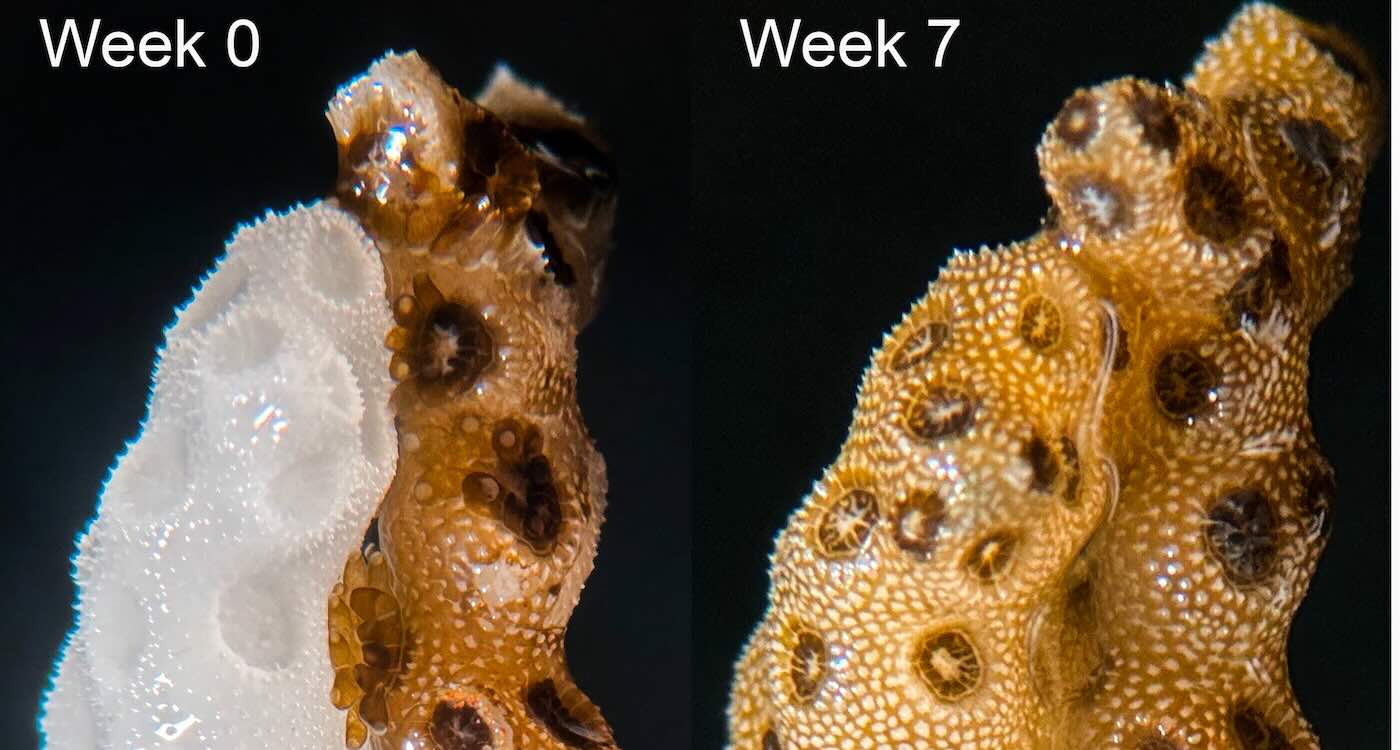
🪸
Coral bleaching reversed in seven weeks with Stanford method
Koraalbleking hersteld in zeven weken met Stanford-methode
Le blanchissement des coraux inversé en sept semaines grâce à une méthode de Stanford
So, here's a hopeful discovery: Stanford researchers helped severely bleached corals recover fully in just seven weeks, the fastest recovery documented so far. Brief contact with healthy, genetically identical coral fragments let beneficial algae and nutrients move into the struggling corals and kick-start their recovery. Even five days of contact could provide enough algae for the bleached fragments to continue healing on their own. The lab results offer a promising new possibility for restoring reefs, though more research is needed to see how the method could work in the wild.
Dit is hoopgevend nieuws: onderzoekers van Stanford hielpen ernstig verbleekte koralen in slechts zeven weken volledig herstellen, de snelste gedocumenteerde genezing tot nu toe. Door kort contact met gezonde, genetisch identieke koraalfragmenten konden nuttige algen en voedingsstoffen naar de verzwakte koralen stromen en hun herstel op gang brengen. Zelfs vijf dagen contact kon genoeg algen overdragen om de verbleekte fragmenten daarna zelfstandig verder te laten herstellen. De laboratoriumresultaten bieden een veelbelovende nieuwe mogelijkheid om riffen te herstellen, al is meer onderzoek nodig om te zien hoe de methode in het wild kan werken.
Voici une découverte pleine d’espoir : des chercheurs de Stanford ont aidé des coraux gravement blanchis à retrouver complètement la santé en seulement sept semaines, un rétablissement aussi rapide n’ayant encore jamais été documenté. Un bref contact avec des fragments de corail sains et génétiquement identiques a permis à des algues bénéfiques et à des nutriments de rejoindre les coraux affaiblis et de relancer leur guérison. Même cinq jours de contact pouvaient apporter suffisamment d’algues pour que les fragments blanchis poursuivent seuls leur rétablissement. Ces résultats en laboratoire ouvrent une piste prometteuse pour restaurer les récifs, mais des recherches supplémentaires devront déterminer comment la méthode pourrait fonctionner dans la nature.

🍾
How English bubbles took on Champagne
Hoe Engelse bubbels de strijd met champagne aangingen
Comment les bulles anglaises ont défié le champagne
So, a surprising bottle of English sparkling wine inspired Cherie Spriggs and Brad Greatrix to leave Canada and join Nyetimber, where they now lead winemaking. Once met with raised eyebrows, English fizz has become a sought-after luxury, with Nyetimber among its top names. Warmer conditions are helping vineyards expand in southern England, even as heat and drought put pressure on Champagne growers and their harvests. This season’s early grape picking and demanding hand harvest show both the promise and the challenges behind the UK’s growing wine industry.
Een verrassende fles Engelse mousserende wijn bracht Cherie Spriggs en Brad Greatrix ertoe Canada te verlaten en bij Nyetimber aan de slag te gaan; inmiddels leiden ze er de wijnproductie. Waar mensen vroeger verbaasd opkeken, is Engelse mousserende wijn uitgegroeid tot een gewilde luxe, met Nyetimber als een van de bekendste namen. Door het warmere klimaat kunnen wijngaarden in Zuid-Engeland uitbreiden, terwijl hitte en droogte champagneproducenten op het Europese vasteland onder druk zetten. De vroege oogst en het intensieve handwerk tonen zowel het potentieel als de uitdagingen van de groeiende Britse wijnsector.
Une bouteille surprenante de vin mousseux anglais a incité Cherie Spriggs et Brad Greatrix à quitter le Canada pour rejoindre Nyetimber, où ils dirigent aujourd’hui la production viticole. Autrefois accueillies avec étonnement, les bulles anglaises sont devenues un produit de luxe recherché, Nyetimber figurant parmi les grands noms du secteur. Le réchauffement favorise l’essor des vignobles dans le sud de l’Angleterre, tandis que la chaleur et la sécheresse mettent les producteurs de champagne à rude épreuve. Les vendanges précoces de cette saison et la récolte exigeante à la main illustrent à la fois les promesses et les défis de l’industrie viticole britannique en plein essor.
🐦
Dirk Draulans’ Beestenboel: the black-winged kite bred here for the first time
Dirk Draulans’ Beestenboel: de grijze wouw broedde dit jaar voor het eerst in ons land
Beestenboel de Dirk Draulans : l’élanion blanc a niché pour la première fois dans notre pays
This year, the black-winged kite bred in Belgium for the first time. Dirk Draulans draws attention to this remarkable milestone in the world of birds. The first recorded breeding here makes the species an exciting one to watch. It is a lovely reminder of the surprises nature can still bring close to home.
Dit jaar broedde de grijze wouw voor het eerst in België. Dirk Draulans vestigt de aandacht op deze bijzondere mijlpaal in de vogelwereld. De eerste vastgestelde broedpoging maakt deze soort extra boeiend om te volgen. Het is een mooie herinnering aan de verrassingen die de natuur dicht bij huis nog in petto heeft.
Cette année, l’élanion blanc a niché pour la première fois en Belgique. Dirk Draulans met en lumière cette étape remarquable dans le monde des oiseaux. Cette première nidification observée chez nous rend l’espèce particulièrement intéressante à suivre. C’est un joli rappel des surprises que la nature peut encore nous réserver tout près de chez nous.
🦭
Orphaned walrus calf rescued from polar bears in Alaska
Verweesd walruskalf gered van ijsberen in Alaska
Un jeune morse orphelin sauvé des ours polaires en Alaska
So, an orphaned Pacific walrus calf was found on a remote Alaskan island, with gulls scavenging nearby and two polar bears on the prowl. USGS biologist Tony Fischbach and local student Violet Anniskett got permission to rescue him and sheltered him in an abandoned building while storms delayed their departure. He eventually reached the Alaska SeaLife Center, dehydrated but otherwise in good condition, and received treatment for minor wounds. Walrus calves need close, constant care, so specialists are now looking after him around the clock, and he will become an ambassador for his species.
Een verweesd kalf van een Pacifische walrus werd gevonden op een afgelegen eiland in Alaska, terwijl meeuwen aasden en er twee ijsberen rondzwierven. USGS-bioloog Tony Fischbach en studente en plaatselijke bewoonster Violet Anniskett kregen toestemming om hem te redden en brachten hem onder in een verlaten gebouw toen stormweer hun vertrek vertraagde. Uiteindelijk kwam hij aan bij het Alaska SeaLife Center, uitgedroogd maar verder in goede conditie, en werd hij behandeld voor lichte verwondingen. Walruskalfjes hebben intensieve, voortdurende zorg nodig, dus specialisten verzorgen hem nu dag en nacht; later wordt hij een ambassadeur voor zijn soort.
Un jeune morse du Pacifique orphelin a été découvert sur une île isolée d’Alaska, tandis que des mouettes rôdaient et que deux ours polaires étaient tout près. Le biologiste de l’USGS Tony Fischbach et l’étudiante locale Violet Anniskett ont obtenu l’autorisation de le secourir et l’ont abrité dans un bâtiment abandonné, le temps que la tempête passe. Il a finalement rejoint l’Alaska SeaLife Center, déshydraté mais en bonne condition générale, où il a été soigné pour de légères blessures. Les petits morses ont besoin de soins constants et rapprochés : des spécialistes s’occupent donc de lui jour et nuit, et il deviendra un ambassadeur de son espèce.
🐶
Massive shelter dog loses weight and finds a loving home
Enorme asielhond valt af en vindt een liefdevol thuis
Une chienne de refuge perd du poids et trouve un foyer aimant
So, Peggy Sue arrived at an RSPCA centre weighing 70 pounds and struggling to walk, breathe comfortably, and stay cool. With patient foster care, gradually increased exercise, and a strict diet, she lost around 20 pounds and grew stronger day by day. Now she has found a loving home with Emmie and Andy, where she enjoys walks, car rides, and splashing in streams. And here's the thing - she has also gained a new best buddy, proving that a little care can open the door to a wonderful new chapter.
Peggy Sue kwam aan bij een RSPCA-centrum met een gewicht van 32,5 kilo en had moeite met lopen, comfortabel ademen en koel blijven. Met geduldige opvang, geleidelijk meer beweging en een strikt dieet viel ze ongeveer negen kilo af en werd ze elke dag sterker. Inmiddels heeft ze een liefdevol thuis gevonden bij Emmie en Andy, waar ze geniet van wandelingen, autoritjes en spelen in beekjes. En mooi nieuws: ze heeft er ook een nieuwe beste vriend bij, een bewijs dat goede zorg de deur kan openen naar een prachtig nieuw hoofdstuk.
Peggy Sue est arrivée dans un centre de la RSPCA avec un poids de 32,5 kilos et avait du mal à marcher, à respirer confortablement et à supporter la chaleur. Grâce à une famille d’accueil attentionnée, à une activité physique progressivement accrue et à un régime strict, elle a perdu environ neuf kilos et repris des forces jour après jour. Elle a maintenant trouvé un foyer aimant chez Emmie et Andy, où elle adore les promenades, les trajets en voiture et les jeux dans les ruisseaux. Et la bonne nouvelle, c’est qu’elle a aussi gagné un nouveau meilleur ami - preuve que des soins bienveillants peuvent ouvrir la voie à un merveilleux nouveau départ.
🔭
NASA’s Roman space telescope exceeds expectations by nearly 30%
NASA’s ruimtetelescoop Roman presteert bijna 30% beter dan verwacht
Le télescope spatial Roman de la NASA dépasse les attentes de près de 30 %
So, NASA’s Roman Space Telescope is already delivering image quality nearly 30% better than scientists predicted. After testing its detectors, filters, calibration system and other components, engineers fine-tuned the telescope’s optics to bring them into near-perfect alignment. That sharper vision will support Roman’s sweeping surveys and help scientists investigate dark matter, dark energy and other cosmic mysteries. It’s exciting to see such a powerful observatory begin its mission with performance already exceeding expectations.
NASA’s ruimtetelescoop Roman levert nu al beelden die bijna 30% scherper zijn dan wetenschappers hadden voorspeld. Na tests van de detectoren, filters, het kalibratiesysteem en andere onderdelen hebben ingenieurs de optiek nauwkeurig afgesteld. Dankzij dat scherpere zicht kan Roman grote delen van de hemel onderzoeken en wetenschappers helpen donkere materie, donkere energie en andere kosmische mysteries te bestuderen. Wat een mooie start voor een krachtige telescoop die nu al beter presteert dan verwacht.
Le télescope spatial Roman de la NASA produit déjà des images dont la qualité dépasse de près de 30 % les prévisions des scientifiques. Après avoir testé ses détecteurs, ses filtres, son système d’étalonnage et d’autres composants, les ingénieurs ont réglé ses optiques avec une grande précision. Cette vision plus nette permettra à Roman de cartographier de vastes régions du ciel et d’aider les scientifiques à étudier la matière noire, l’énergie noire et d’autres mystères cosmiques. Voilà un début prometteur pour un puissant observatoire qui dépasse déjà les attentes.
🌱
Plants bend their roots away from decaying plants
Planten buigen hun wortels weg van rottende planten
Les plantes éloignent leurs racines des végétaux en décomposition
So, plants may look rooted in place, but their roots can steer away from decaying plant matter in a newly identified movement researchers call saprotropism. After noticing roots bending away from a contaminated lab plate, Yuzhou Zhang’s team tested the response with rotting apple and found it in Arabidopsis, tomatoes and wheat, but not around decaying animal tissue. The researchers link the behavior to acidic chemical gradients from decomposing plants: abscisic acid builds up on the side facing the decay, prompting growth in the opposite direction. This could help plants avoid pathogens and offers an intriguing new window into how they sense their surroundings, though the signaling details still need further study.
Planten lijken misschien stevig op hun plek te staan, maar hun wortels kunnen wegsturen van rottend plantenmateriaal, in een pas ontdekte beweging die onderzoekers saprotropisme noemen. Nadat Yuzhou Zhang wortels zag afbuigen van een besmette laboratoriumschaal, testte zijn team de reactie met rottende appel en vond die bij zandraket, tomaten en tarwe, maar niet bij rottend dierlijk weefsel. De onderzoekers denken dat zure chemische gradiënten van ontbindende planten de reactie veroorzaken: aan de kant van het rottende materiaal hoopt abscisinezuur zich op, waardoor de wortels de andere kant op groeien. Zo kunnen planten mogelijk ziekteverwekkers vermijden, en krijgen we een boeiend nieuw kijkje in hoe ze hun omgeving waarnemen, al moet het precieze signaalmechanisme nog verder worden onderzocht.
Les plantes semblent immobiles, mais leurs racines peuvent s’écarter des matières végétales en décomposition grâce à un mouvement récemment découvert, baptisé saprotropisme. Après avoir remarqué des racines qui se détournaient d’une boîte de laboratoire contaminée, l’équipe de Yuzhou Zhang a testé cette réaction avec des pommes pourries et l’a observée chez l’arabette, la tomate et le blé, mais pas au contact de tissus animaux en décomposition. Les chercheurs relient ce comportement aux gradients chimiques acides produits par les végétaux qui se décomposent : l’acide abscissique s’accumule du côté des déchets et pousse les racines à croître dans la direction opposée. Cette réaction pourrait aider les plantes à éviter les agents pathogènes et nous renseigne de façon fascinante sur leur perception de l’environnement, même si les mécanismes de signalisation restent à éclaircir.
🦠
How scientists domesticated a killer bacterium
Hoe wetenschappers een dodelijke bacterie temden
Comment des scientifiques ont apprivoisé une bactérie tueuse
So, researchers have found a way to bring a notoriously deadly bacterium under control. By learning how it works and steering its behavior, they are exploring how its fearsome abilities might be put to more useful purposes. The research shows how a deeper understanding of microbes can turn a biological threat into a promising tool. Careful study will help determine where this approach could make a positive difference.
Onderzoekers hebben een manier gevonden om een berucht dodelijke bacterie onder controle te krijgen. Door te ontdekken hoe de bacterie werkt en haar gedrag te sturen, onderzoeken ze hoe haar gevreesde eigenschappen nuttig kunnen worden ingezet. Het onderzoek laat zien hoe meer kennis over microben een biologische dreiging kan veranderen in een veelbelovend hulpmiddel. Zorgvuldig vervolgonderzoek moet uitwijzen waar deze aanpak een positief verschil kan maken.
Des chercheurs ont trouvé un moyen de maîtriser une bactérie tristement connue pour sa dangerosité. En étudiant son fonctionnement et en orientant son comportement, ils explorent comment mettre ses redoutables capacités au service d’usages utiles. Ces travaux montrent qu’une meilleure compréhension des microbes peut transformer une menace biologique en outil prometteur. Des recherches approfondies permettront de déterminer où cette approche pourrait avoir un effet bénéfique.

🏡
New study finds remote work brought teams closer
Nieuwe studie toont dat thuiswerken teams dichter bij elkaar bracht
Une nouvelle étude montre que le télétravail a rapproché les équipes
Here’s a surprising finding: remote work brought colleagues closer, rather than pulling them apart. A researcher followed a professional-services team through 2024, conducting 275 interviews and around 330 hours of observation. Video calls and team chats gave coworkers a glimpse of one another’s family lives and everyday interruptions, helping them open up and build psychological safety. That trust can make it easier to ask for help, admit mistakes and share ideas - good news for people and workplaces alike.
En hier komt een verrassende ontdekking: thuiswerken bracht collega’s dichter bij elkaar in plaats van hen uit elkaar te drijven. Een onderzoeker volgde tot en met 2024 een team uit de professionele dienstverlening, met 275 interviews en ongeveer 330 uur observaties. Via videogesprekken en teamchats kregen collega’s meer mee van elkaars gezinsleven en dagelijkse onderbrekingen, waardoor ze zich makkelijker openstelden en meer psychologische veiligheid ervaarden. Dat vertrouwen maakt het eenvoudiger om hulp te vragen, fouten toe te geven en ideeën te delen - goed nieuws voor mensen én werkplekken.
Et voici une découverte surprenante : le télétravail a rapproché les collègues au lieu de les éloigner. Une chercheuse a suivi une équipe de services professionnels jusqu’en 2024, menant 275 entretiens et environ 330 heures d’observation. Les visioconférences et les discussions d’équipe ont permis aux collègues d’entrevoir la vie de famille et les petits imprévus du quotidien, les aidant à se confier et à renforcer leur sécurité psychologique. Cette confiance facilite les demandes d’aide, l’aveu des erreurs et le partage d’idées - une bonne nouvelle pour les personnes comme pour les lieux de travail.

🌳
Brazil’s Amazon deforestation reaches a record low
Ontbossing in het Braziliaanse Amazonegebied bereikt een historisch dieptepunt
La déforestation de l’Amazonie brésilienne atteint un niveau historiquement bas
Deforestation in Brazil’s Amazon fell to 3,335 square kilometres in the year through July, its lowest level since records began in 1988. That is a remarkable 42 percent drop from the previous year, with stronger monitoring and tougher penalties for illegal logging credited for the progress. So, the figures give President Luiz Inácio Lula da Silva a boost ahead of the October 25 election run-off, as he continues to pursue his pledge to end illegal deforestation by 2030. Deforestation in the nearby Cerrado savanna also declined by about 24 percent, reaching its lowest level since records began in 2001.
De ontbossing in het Braziliaanse Amazonegebied daalde in de twaalf maanden tot en met juli tot 3.335 vierkante kilometer, het laagste niveau sinds de metingen in 1988 begonnen. Dat is een opvallende daling van 42 procent ten opzichte van het voorgaande jaar; betere controle en strengere straffen voor illegale houtkap worden genoemd als belangrijke oorzaken. Zo geven de cijfers president Luiz Inácio Lula da Silva een opsteker in aanloop naar de tweede verkiezingsronde op 25 oktober, terwijl hij blijft streven naar een einde aan illegale ontbossing tegen 2030. Ook in de nabijgelegen savanne van de Cerrado nam de ontbossing met ongeveer 24 procent af, tot het laagste niveau sinds de metingen daar in 2001 begonnen.
La déforestation de l’Amazonie brésilienne est tombée à 3 335 kilomètres carrés au cours des douze mois achevés en juillet, son niveau le plus bas depuis le début des relevés en 1988. Cette baisse remarquable de 42 % par rapport à l’année précédente est attribuée à une surveillance renforcée et à des sanctions plus sévères contre l’exploitation forestière illégale. Ces chiffres donnent ainsi un coup de pouce au président Luiz Inácio Lula da Silva avant le second tour de l’élection, le 25 octobre, alors qu’il poursuit son engagement à mettre fin à la déforestation illégale d’ici 2030. La déforestation a également reculé d’environ 24 % dans le Cerrado voisin, atteignant son plus bas niveau depuis le début des relevés en 2001.

🛡️
Banks must reimburse victims of online scams
Banken moeten slachtoffers van onlinefraude terugbetalen
Les banques devront rembourser les victimes d’arnaques en ligne
So, a new European court ruling brings an important change for people targeted by online scams. Banks must now immediately reimburse victims of unauthorised online payments, even when they have been grossly negligent. The ruling clarifies how existing Belgian and European rules apply to scams such as phishing, where fraudsters pose as trusted organisations to steal account details. It marks a major shift from current practices and gives victims clearer protection.
Een nieuwe uitspraak van het Europese Hof brengt een belangrijke verandering voor slachtoffers van onlinefraude. Banken moeten slachtoffers van niet-toegestane onlinebetalingen voortaan onmiddellijk terugbetalen, ook als ze grof nalatig zijn geweest. De uitspraak verduidelijkt hoe bestaande Belgische en Europese regels gelden voor bijvoorbeeld phishing, waarbij oplichters zich voordoen als betrouwbare organisaties om rekeninggegevens te stelen. Dat betekent een grote omslag ten opzichte van de huidige praktijk en biedt slachtoffers meer duidelijkheid.
Une nouvelle décision de la justice européenne apporte un changement important pour les victimes d’arnaques en ligne. Les banques devront désormais rembourser immédiatement les victimes de paiements en ligne non autorisés, même si elles ont été gravement négligentes. L’arrêt précise comment les règles belges et européennes existantes s’appliquent à des escroqueries comme le phishing, où des fraudeurs se font passer pour des organismes de confiance afin de dérober des données bancaires. Il marque un tournant par rapport aux pratiques actuelles et apporte davantage de clarté aux victimes.
🦌
Colorado wildlife overpass cuts I-25 collisions by 91%
Wildlifeviaduct in Colorado vermindert aanrijdingen op I-25 met 91%
Un écopont du Colorado réduit de 91 % les collisions sur l’I-25
So: ten months after North America’s largest wildlife overpass opened over I-25 in Colorado, wildlife-vehicle collisions have fallen by 91%. The 200-foot-wide crossing, five underpasses and extensive fencing help bears, elk, moose, pronghorn, frogs and rabbits cross safely. Accidents along the corridor once averaged one a day, and traffic delays have now dropped by 9%. And here’s the thing: the success is inspiring plans to explore six more wildlife crossings across Colorado.
Tien maanden na de opening van het grootste wildviaduct van Noord-Amerika boven de I-25 in Colorado zijn aanrijdingen met dieren met 91% gedaald. De 61 meter brede oversteek, vijf tunnels en lange afrasteringen helpen beren, elanden, pronghorns, kikkers en konijnen veilig de weg over te steken. Op dit traject gebeurden vroeger gemiddeld dagelijks ongelukken, terwijl verkeersvertragingen nu met 9% zijn afgenomen. En mooi nieuws: het succes leidt tot plannen om in Colorado zes extra plekken voor wildoversteekplaatsen te onderzoeken.
Dix mois après l’ouverture du plus grand écopont d’Amérique du Nord au-dessus de l’I-25, dans le Colorado, les collisions entre véhicules et animaux ont diminué de 91 %. Ce passage de 61 mètres de large, ses cinq tunnels et ses longues clôtures permettent aux ours, aux élans, aux antilopes pronghorn, aux grenouilles et aux lapins de traverser en sécurité. Sur ce tronçon, on comptait auparavant en moyenne un accident par jour, et les retards de circulation ont désormais baissé de 9 %. Et voici la bonne nouvelle : ce succès inspire des projets visant à étudier six autres sites de passages pour la faune dans le Colorado.
⚡
Companies team up as bigger power connections remain out of reach
Bedrijven trekken samen op nu zwaardere stroomaansluitingen vaak buiten bereik blijven
Des entreprises s’allient face aux difficultés d’obtenir un raccordement électrique plus puissant
So, as grid capacity runs short, companies are finding creative ways to share the electricity connections they already have. Transdev, which needs to charge its growing fleet of electric buses, now uses spare capacity at a flower auction, a strawberry farm and other businesses when their electricity demand is lower. This teamwork is helping more companies get access to power, and the growth of the connection waiting list slowed in the first half of 2026. The trade-off is a more complex bus operation, with scattered charging sites sometimes leading to extra journeys without passengers.
Nu er te weinig capaciteit op het stroomnet is, bedenken bedrijven creatieve manieren om hun bestaande aansluitingen te delen. Transdev, dat zijn groeiende vloot elektrische bussen moet opladen, gebruikt nu ongebruikte capaciteit bij onder meer een bloemenveiling en een aardbeienteler, op momenten dat zij minder stroom nodig hebben. Dankzij zulke samenwerkingen kunnen meer bedrijven toch stroom gebruiken, en groeide de wachtlijst voor aansluitingen in de eerste helft van 2026 minder snel. Daar staat tegenover dat de busplanning ingewikkelder wordt en verspreide laadplekken soms extra ritten zonder passagiers betekenen.
Face au manque de capacité du réseau électrique, des entreprises trouvent des moyens ingénieux de partager les raccordements dont elles disposent déjà. Transdev, qui doit recharger une flotte croissante de bus électriques, utilise désormais la capacité disponible d’une criée aux fleurs, d’un producteur de fraises et d’autres entreprises lorsque leurs besoins en électricité sont plus faibles. Cette coopération permet à davantage d’entreprises d’accéder à l’électricité, tandis que la file d’attente pour les raccordements a moins augmenté au premier semestre 2026. En contrepartie, l’organisation des bus devient plus complexe et les bornes dispersées entraînent parfois des trajets supplémentaires sans passagers.
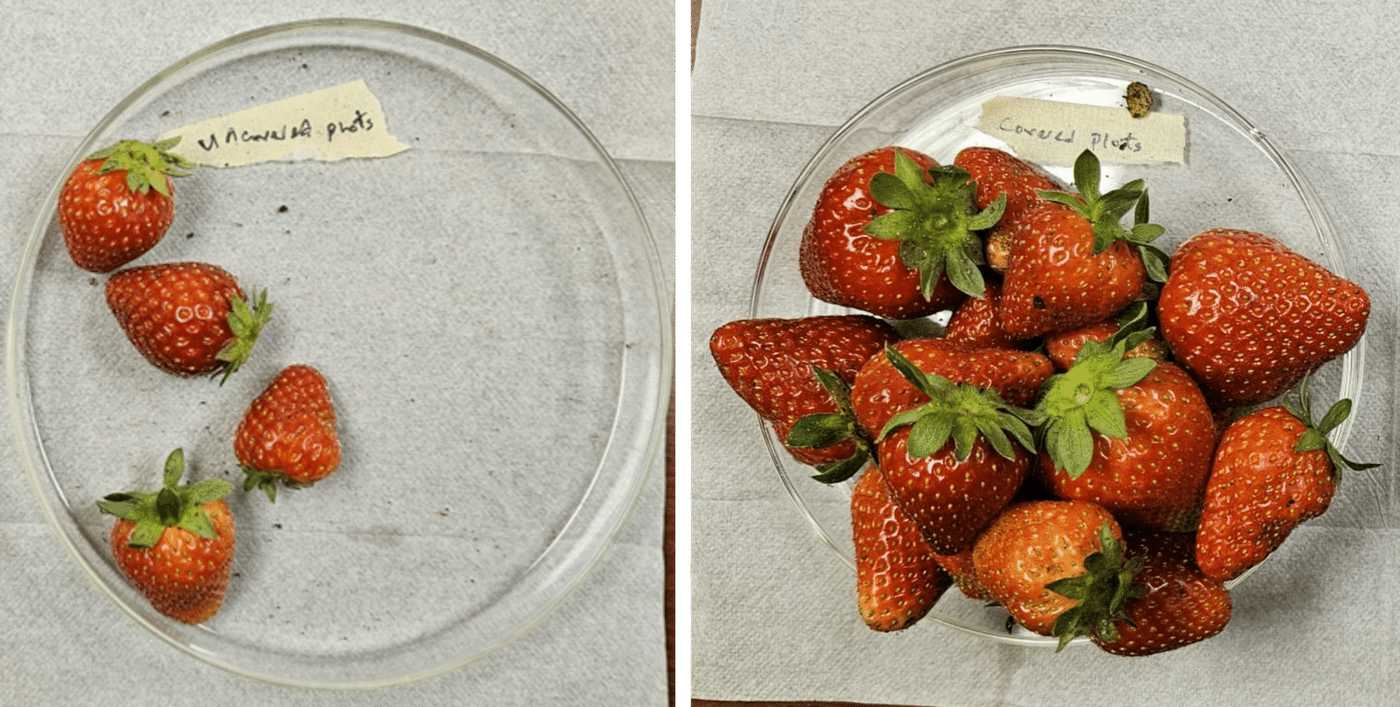
🍓
A plant armor fabric more than triples strawberry yields
Een beschermende stof verdrievoudigt de aardbeienopbrengst
Un tissu protecteur triple presque les récoltes de fraises
So, a cleverly layered fabric called Plant Armor more than tripled strawberry yields in field trials. Draped over the plants, it keeps insects out while still letting sunlight, rain, and air through. The cover also provides gentle warmth that can help plants reach the fruiting stage sooner, without harming their health. And here's the thing: it could help growers use fewer pesticides and less water.
Een slim gelaagde stof met de naam Plant Armor verdrievoudigde de aardbeienopbrengst in veldproeven. De stof wordt over de planten gelegd en houdt insecten tegen, terwijl zonlicht, regen en lucht erdoorheen kunnen. De bescherming zorgt ook voor een aangename warmte, waardoor planten mogelijk eerder vruchten dragen zonder dat hun gezondheid eronder lijdt. Zo kunnen telers wellicht minder pesticiden en water gebruiken.
Un tissu astucieusement conçu, appelé Plant Armor, a plus que triplé les récoltes de fraises lors d’essais en plein champ. Posé sur les plants, il bloque les insectes tout en laissant passer la lumière du soleil, la pluie et l’air. Cette protection procure aussi une chaleur modérée qui peut aider les plants à fructifier plus tôt, sans nuire à leur santé. Les producteurs pourraient ainsi utiliser moins de pesticides et d’eau.
🦞
Crawzilla was huge - then scientists found an even bigger crayfish
Crawzilla was gigantisch - toen vonden wetenschappers een nog grotere rivierkreeft
Crawzilla était énorme - puis les scientifiques ont découvert une écrevisse encore plus grande
A giant crayfish nicknamed Crawzilla kicked off a friendly rivalry that grew into a nationwide hunt through museum collections. Researchers measured 20 exceptional specimens from 18 species, and Crawzilla made the top 20 - though it wasn't the biggest. That title went to a Tennessee bottlebrush crayfish collected in 2011, measuring 86.6 millimeters (about 3.4 inches) without its tail, claws, or antennae. Their findings offer some of the first estimates of how large North American crayfish can grow, suggesting a surprisingly consistent upper size limit across species.
Een reusachtige rivierkreeft met de bijnaam Crawzilla leidde tot een vriendschappelijke rivaliteit en een landelijke zoektocht in museumcollecties. Onderzoekers maten 20 uitzonderlijke exemplaren van 18 soorten, en Crawzilla haalde de top 20 - al was hij niet de grootste. Die titel ging naar een Tennessee-flesborstelrivierkreeft die in 2011 werd verzameld en zonder staart, scharen of antennes 86,6 millimeter lang was. De bevindingen leveren enkele van de eerste schattingen op van hoe groot Noord-Amerikaanse rivierkreeften kunnen worden, en wijzen op een verrassend vergelijkbare maximale grootte bij verschillende soorten.
Une écrevisse géante surnommée Crawzilla a déclenché une rivalité amicale, qui s’est transformée en une recherche nationale dans les collections de musées. Les chercheurs ont mesuré 20 spécimens exceptionnels appartenant à 18 espèces, et Crawzilla figure dans le top 20 - sans toutefois être le plus grand. Ce record revient à une écrevisse à rostre en brosse du Tennessee, recueillie en 2011, qui mesurait 86,6 millimètres sans sa queue, ses pinces ni ses antennes. Leurs résultats fournissent quelques-unes des premières estimations de la taille maximale des écrevisses d’Amérique du Nord et suggèrent une limite supérieure étonnamment similaire d’une espèce à l’autre.

🦌
Four Assam villages are creating a forest reserve to protect 150 deer
Vier dorpen in Assam maken een bosreservaat om 150 herten te beschermen
Quatre villages d’Assam créent une réserve forestière pour protéger 150 cerfs
Four villages in Assam are working to turn 1,044 bighas of shared grazing land into the Maghuwa Hola Village Forest Reserve, offering around 150 deer a safer habitat. The land also supports cattle, buffaloes and local families, so the plan aims to balance conservation with livelihoods rather than exclude people. Villagers have begun community work, planting native saplings and discussing protections against hunting, burning and encroachment, with district officials and the Forest Department supporting the effort. The reserve still needs legal review and state approval, while responsible ecotourism may eventually bring new opportunities to residents.
Vier dorpen in Assam werken aan de omzetting van 1.044 bigha gemeenschappelijke weidegrond in het dorpsbosreservaat Maghuwa Hola, zodat ongeveer 150 herten een veiliger leefgebied krijgen. Het gebied biedt ook ruimte aan runderen en buffels en is belangrijk voor lokale gezinnen, dus het plan wil natuurbehoud combineren met de middelen van bestaan van de gemeenschap. De dorpelingen zijn al aan de slag gegaan: ze planten inheemse jonge bomen en bespreken maatregelen tegen jacht, brandstichting en landinname, met steun van het districtsbestuur en de bosdienst. Het reservaat moet nog juridisch worden beoordeeld en door de deelstaat worden goedgekeurd, terwijl verantwoord ecotoerisme later mogelijk nieuwe kansen voor inwoners kan bieden.
Quatre villages d’Assam travaillent à transformer 1 044 bighas de pâturages communs en réserve forestière villageoise de Maghuwa Hola, afin d’offrir un habitat plus sûr à quelque 150 cerfs. Ces terres servent aussi aux bovins et aux buffles et sont essentielles aux familles locales : le projet entend donc concilier la protection de la nature et les moyens de subsistance, sans exclure les habitants. Les villageois ont déjà commencé à agir en plantant des jeunes arbres indigènes et en discutant de mesures contre la chasse, les incendies et l’empiètement, avec le soutien des autorités du district et du service forestier. La réserve doit encore faire l’objet d’un examen juridique et recevoir l’approbation de l’État, tandis qu’un écotourisme responsable pourrait plus tard ouvrir de nouvelles perspectives aux habitants.

🏡
How one man turned barren land into a loving home for 123 children
Hoe één man dorre grond omtoverde tot een warm thuis voor 123 kinderen
Comment un homme a transformé une terre aride en un foyer chaleureux pour 123 enfants
For more than 35 years, Shankarbaba Papalkar has given abandoned and orphaned children, many with disabilities, the care of a family. In 1990, he began an ashram on 25 acres of barren land in Wazzar, Amravati, with four girls; it has since become a home for 123 children. Today, 98 girls and 25 boys live there, and Papalkar made sure his name appears as their father on their Aadhaar cards. He stopped welcoming new children when he knew he could no longer responsibly care for more, showing how deeply he values each child’s wellbeing.
Al meer dan 35 jaar geeft Shankarbaba Papalkar verlaten en wees geworden kinderen, van wie velen een beperking hebben, de zorg en warmte van een gezin. In 1990 begon hij op 25 hectare dorre grond in Wazzar, Amravati, een ashram voor vier meisjes; inmiddels is die plek een thuis voor 123 kinderen. Vandaag wonen er 98 meisjes en 25 jongens, en Papalkar liet zijn eigen naam als vader op hun Aadhaar-kaarten zetten. Hij nam geen nieuwe kinderen meer op toen hij wist dat hij niet langer verantwoord voor meer kinderen kon zorgen, wat laat zien hoeveel hun welzijn voor hem betekent.
Depuis plus de 35 ans, Shankarbaba Papalkar offre les soins et la chaleur d’une famille à des enfants abandonnés ou orphelins, dont beaucoup sont en situation de handicap. En 1990, il a lancé un ashram sur 25 hectares de terres arides à Wazzar, dans le district d’Amravati, pour quatre filles; le lieu est devenu le foyer de 123 enfants. Aujourd’hui, 98 filles et 25 garçons y vivent, et Papalkar a fait inscrire son propre nom dans la case du père sur leurs cartes Aadhaar. Il a cessé d’accueillir de nouveaux enfants lorsqu’il a compris qu’il ne pouvait plus en prendre davantage en charge de façon responsable, preuve de l’importance qu’il accorde à leur bien-être.
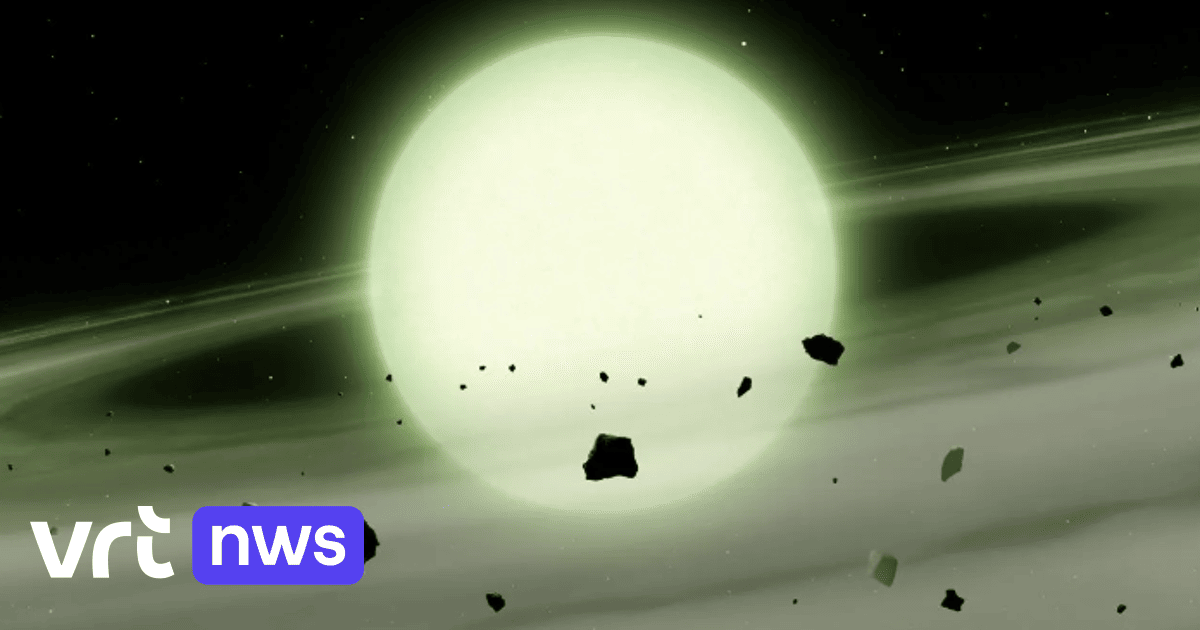
🔭
Astronomers discover first green star, ‘like something from a science-fiction film’
Astronomen ontdekken eerste groene ster: ‘Voelt als iets uit sciencefictionfilm’
Des astronomes découvrent la première étoile verte, « comme dans un film de science-fiction »
So, white dwarf stars can come in far more colours than their name suggests: astronomers have found examples that appear pink, purple, yellow and even green. The green glow of WD J1330+6435, about 280 light-years away, is thought to come from sodium in its atmosphere absorbing orange light, after the star swallowed planetary debris. Researchers also found that carbon and other elements can give white dwarfs unexpected colours, including a vivid salmon-pink. In a survey of 151 nearby white dwarfs, five had unusual colours, showing that these stellar surprises are rare but real.
Witte dwergsterren blijken veel meer kleuren te kunnen hebben dan hun naam doet vermoeden: astronomen vonden exemplaren die roze, paars, geel en zelfs groen lijken. De groene gloed van WD J1330+6435, op zo’n 280 lichtjaar afstand, komt vermoedelijk doordat natrium in haar atmosfeer oranje licht absorbeert, nadat de ster planetair puin heeft opgeslokt. Ook koolstof en andere elementen kunnen witte dwergen onverwachte kleuren geven, waaronder een opvallende zalmroze tint. In een onderzoek van 151 witte dwergen in de buurt hadden er vijf een ongewone kleur: zeldzame, maar fascinerende uitzonderingen.
Les naines blanches peuvent afficher bien plus de couleurs que leur nom ne le laisse penser : des astronomes en ont repéré qui semblent roses, violettes, jaunes et même vertes. La lueur verte de WD J1330+6435, située à environ 280 années-lumière, serait due au sodium de son atmosphère, qui absorbe la lumière orange après que l’étoile a englouti des débris planétaires. Le carbone et d’autres éléments peuvent aussi donner aux naines blanches des teintes inattendues, notamment un rose saumon éclatant. Parmi 151 naines blanches proches étudiées, cinq présentaient une couleur inhabituelle : des exceptions rares, mais fascinantes.
🦬
Free-roaming bison herd tops 1,000 on vast prairie reserve
Kudde vrij rondtrekkende bizons groeit op uitgestrekt natuurgebied tot boven de 1.000
Un troupeau de bisons en liberté dépasse les 1 000 individus dans une vaste réserve
Here’s a wonderful milestone on the Great Plains: American Prairie’s bison herd has grown to 1,016, passing the 1,000 mark for the first time. The conservation nonprofit is piecing together a vast prairie reserve in Montana, with the long-term goal of protecting 3.2 million acres. A federal judge has also temporarily blocked an order requiring the group to remove its bison from public grazing lands, giving its conservation work room to continue. Organizers see a herd of 5,000 as achievable, with even more space potentially supporting tens of thousands of roaming bison.
Een mooie mijlpaal op de Great Plains: de bizonkudde van natuurorganisatie American Prairie is gegroeid tot 1.016 dieren en telt voor het eerst meer dan duizend bizons. De organisatie brengt in Montana een uitgestrekt prairienatuurgebied bijeen, met als uiteindelijk doel 3,2 miljoen acres te beschermen. Een federale rechter heeft bovendien tijdelijk een bevel tegengehouden dat de organisatie verplichtte haar bizons van openbare graasgronden te verwijderen, zodat het natuurbeschermingswerk kan doorgaan. Volgens de initiatiefnemers is een kudde van 5.000 dieren haalbaar, en op nog meer ruimte zouden mogelijk tienduizenden bizons kunnen rondtrekken.
Une belle étape vient d’être franchie dans les Grandes Plaines : le troupeau de bisons de l’association American Prairie compte désormais 1 016 animaux, dépassant pour la première fois le cap des mille. L’association rassemble au Montana une vaste réserve de prairie, avec pour objectif à long terme de protéger 3,2 millions d’acres. Un juge fédéral a également suspendu temporairement une décision qui aurait obligé l’association à retirer ses bisons de pâturages publics, permettant ainsi à ses efforts de conservation de se poursuivre. Les responsables estiment qu’un troupeau de 5 000 animaux est tout à fait possible, et qu’un territoire encore plus vaste pourrait accueillir des dizaines de milliers de bisons en liberté.
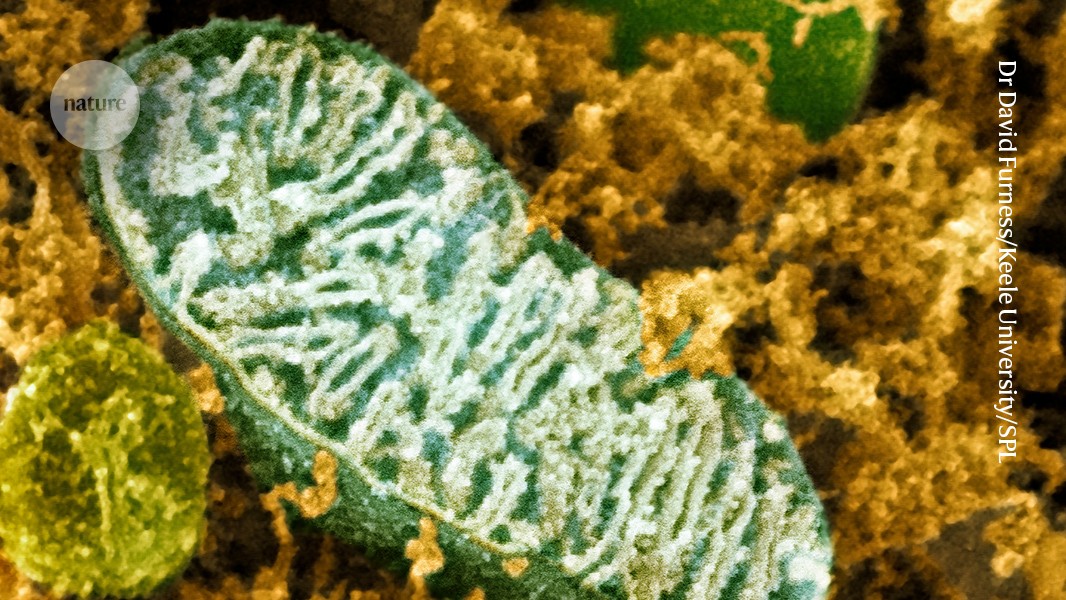
🔬
A new atlas maps mitochondria across the tree of life
Een nieuwe atlas brengt mitochondriën in kaart doorheen de levensboom
Un nouvel atlas cartographie les mitochondries à travers l’arbre du vivant
So, researchers have created an unprecedented catalogue of mitochondrial proteins from six organisms: five single-celled parasites and one plant. Combining these findings with data from humans and yeast produced a collection of 8,619 proteins, including 33 families found in disease-causing parasites but not in humans. Many proteins in the parasite Giardia remain mysterious, hinting at metabolic processes scientists have yet to uncover. And here’s the exciting part: parasite-specific proteins could point to precise new treatments for illnesses such as malaria and sleeping sickness.
Onderzoekers hebben een ongekende catalogus samengesteld van mitochondriale eiwitten uit zes organismen: vijf eencellige parasieten en één plant. Door deze bevindingen te combineren met gegevens over mensen en gist ontstond een verzameling van 8.619 eiwitten, waaronder 33 families die wel voorkomen bij ziekteverwekkende parasieten maar niet bij mensen. Veel eiwitten van de parasiet Giardia blijven een raadsel en wijzen mogelijk op stofwisselingsprocessen die wetenschappers nog niet kennen. En hier zit het spannende nieuws: eiwitten die specifiek zijn voor parasieten kunnen leiden tot gerichte nieuwe behandelingen tegen ziekten zoals malaria en slaapziekte.
Des chercheurs ont créé un catalogue inédit des protéines mitochondriales de six organismes : cinq parasites unicellulaires et une plante. En combinant ces résultats avec les données sur l’humain et la levure, ils ont constitué un ensemble de 8 619 protéines, dont 33 familles présentes chez des parasites responsables de maladies, mais absentes chez l’humain. De nombreuses protéines du parasite Giardia restent mystérieuses et pourraient révéler des processus métaboliques encore inconnus. Et voici ce qui est particulièrement prometteur : les protéines propres aux parasites pourraient ouvrir la voie à des traitements ciblés contre des maladies comme le paludisme et la maladie du sommeil.

👁️
This implant can restore sight for patients with macular degeneration
Dit implantaat kan het zicht herstellen bij patiënten met maculadegeneratie
Cet implant peut rendre la vue aux personnes atteintes de dégénérescence maculaire
So, here’s an exciting step for people with advanced age-related macular degeneration: the Prima system can help restore central vision. Camera-equipped glasses capture what the wearer is looking at, and a small processor turns the video into infrared light signals. A 378-pixel implant in the eye converts those signals into electrical activity that healthy retinal cells pass on to the brain, while also powering itself with light. After training, more than 80% of recipients could read, do crosswords, and use their phones; the system is approved in Europe and awaiting US clearance.
Dit is een veelbelovende stap voor mensen met vergevorderde leeftijdsgebonden maculadegeneratie: het Prima-systeem kan helpen het centrale zicht te herstellen. Een bril met camera legt vast waar de drager naar kijkt, waarna een kleine processor de beelden omzet in infraroodsignalen. Een implantaat met 378 pixels zet die signalen om in elektrische activiteit, die gezonde netvliescellen doorgeven aan de hersenen; licht voorziet het implantaat bovendien van stroom. Na een training kon meer dan 80% van de deelnemers lezen, kruiswoordraadsels maken en hun telefoon gebruiken; het systeem is goedgekeurd in Europa en wacht op toestemming in de VS.
Voici une avancée prometteuse pour les personnes atteintes de dégénérescence maculaire liée à l’âge à un stade avancé : le système Prima peut aider à restaurer la vision centrale. Des lunettes équipées d’une caméra filment ce que regarde la personne, puis un petit processeur transforme les images en signaux infrarouges. Un implant de 378 pixels convertit ces signaux en activité électrique, transmise au cerveau par les cellules rétiniennes encore fonctionnelles; la lumière alimente aussi l’implant. Après une période d’entraînement, plus de 80 % des participants ont pu lire, faire des mots croisés et utiliser leur téléphone; le système est autorisé en Europe et attend le feu vert aux États-Unis.
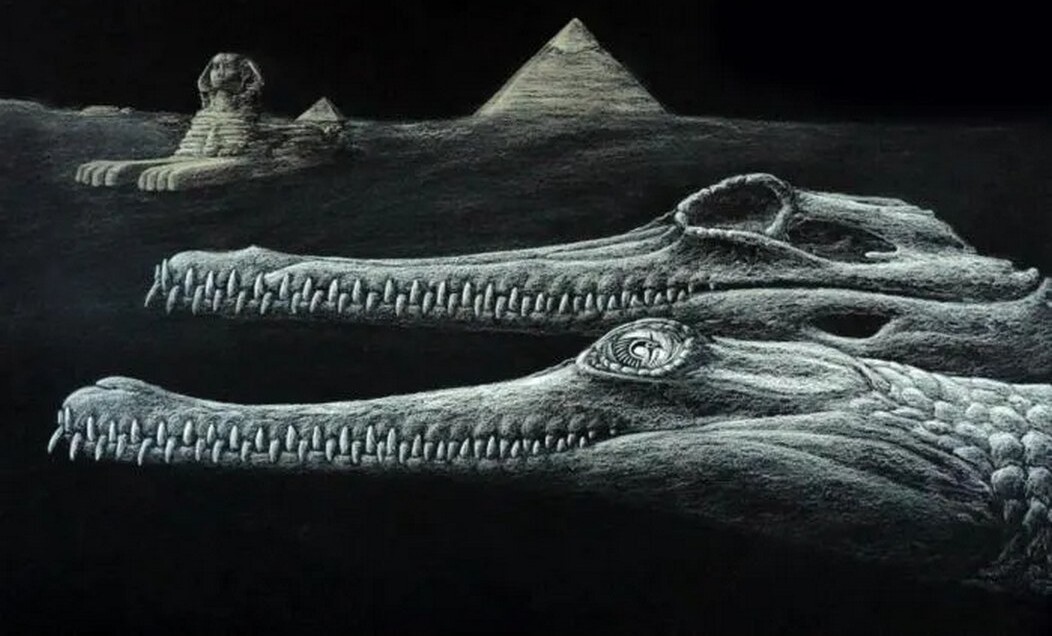
🐊
A new crocodilian fossil shares a curious link with the Sphinx
Een nieuw krokodillenfossiel deelt een bijzondere link met de Sfinx
Un nouveau fossile de crocodilien partage un lien étonnant avec le Sphinx
So: researchers have identified a new ancient crocodilian species from a 45-million-year-old rock layer in Egypt, the same formation quarried for stones used to build the Sphinx. CT scans revealed that its nearly complete skull did not belong to the gavial genus Tomistoma, as scientists had thought for more than a century. The newly named Herugavialis cairensis is also missing the tip of its snout, a striking coincidence with the Sphinx’s famously absent nose. Its discovery adds to evidence that gavials once lived across a much wider range of habitats, including the shallow seas of the ancient Mediterranean.
Onderzoekers hebben een nieuwe, eeuwenoude krokodillensoort ontdekt in een 45 miljoen jaar oude Egyptische gesteentelaag, waaruit ook stenen werden gewonnen voor de bouw van de Sfinx. CT-scans lieten zien dat de bijna complete schedel niet behoort tot het gavialengeslacht Tomistoma, zoals wetenschappers ruim een eeuw dachten. De soort kreeg de naam Herugavialis cairensis en mist ook het puntje van haar snuit - een opvallende overeenkomst met de beroemde ontbrekende neus van de Sfinx. De vondst ondersteunt het bewijs dat gavialen vroeger in veel meer leefgebieden voorkwamen, waaronder de ondiepe zeeën van het oude Middellandse Zeegebied.
Des chercheurs ont identifié une nouvelle espèce de crocodilien ancien dans une couche rocheuse égyptienne vieille de 45 millions d’années, dont les pierres ont aussi servi à construire le Sphinx. Des scanners ont révélé que son crâne presque complet n’appartenait pas au genre de gavial Tomistoma, contrairement à ce que les scientifiques pensaient depuis plus d’un siècle. Baptisée Herugavialis cairensis, l’espèce a elle aussi le bout du museau manquant - une coïncidence frappante avec le nez célèbre du Sphinx. Cette découverte renforce l’idée que les gavials vivaient autrefois dans une bien plus grande diversité d’habitats, notamment les mers peu profondes de l’ancienne Méditerranée.
🚐
More than half of new vans are electric
Meer dan de helft van nieuwe bestelwagens is elektrisch
Plus de la moitié des nouvelles camionnettes sont électriques
So, electric vans have passed a notable milestone in Denmark: more than half of newly registered vans now run on electricity. Mobility Denmark reports that 2,946 new electric vans were registered in the third quarter, an increase of more than 50 percent compared with the same period last year. Electric models made up 51.6 percent of all newly registered vans. Electric trucks are catching up more slowly, representing 14.9 percent of new truck registrations in the quarter.
Elektrische bestelwagens bereiken in Denemarken een mooie mijlpaal: inmiddels rijdt meer dan de helft van de nieuw ingeschreven bestelwagens op stroom. Volgens Mobility Denmark werden in het derde kwartaal 2.946 nieuwe elektrische bestelwagens geregistreerd, ruim 50 procent meer dan in dezelfde periode vorig jaar. Elektrische modellen waren goed voor 51,6 procent van alle nieuw ingeschreven bestelwagens. Bij vrachtwagens gaat de overstap minder snel: elektrische vrachtwagens vormden 14,9 procent van de nieuwe registraties in het kwartaal.
Au Danemark, les camionnettes électriques franchissent une belle étape : plus de la moitié des nouveaux véhicules immatriculés dans cette catégorie roulent désormais à l’électricité. Selon Mobility Denmark, 2 946 nouvelles camionnettes électriques ont été immatriculées au troisième trimestre, soit une hausse de plus de 50 % par rapport à la même période l’an dernier. Les modèles électriques représentaient 51,6 % des nouvelles immatriculations de camionnettes. La transition est plus lente pour les poids lourds, dont les modèles électriques comptaient pour 14,9 % des nouvelles immatriculations du trimestre.
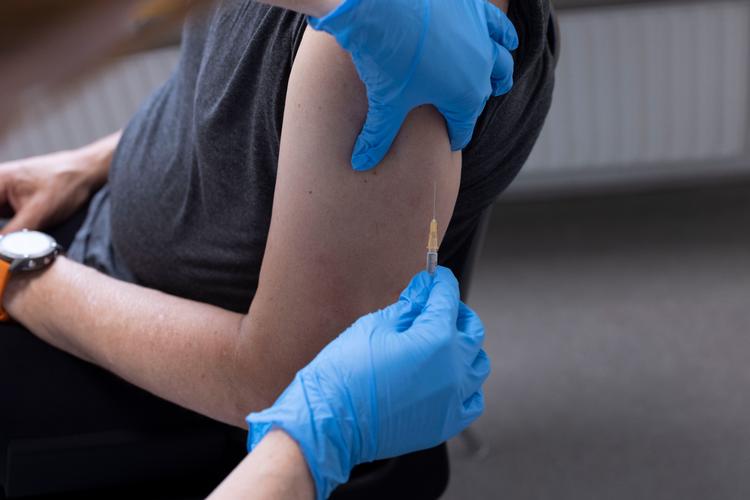
💉
A Dane is first in Europe to receive a new combined vaccine
Een Deen krijgt als eerste in Europa een nieuw combinatievaccin
Un Danois reçoit le premier en Europe un nouveau vaccin combiné
So: a 65-year-old Dane will be the first person in Europe to receive a new vaccine combining protection against influenza and covid-19. The trial will compare one combined shot with the two separate shots given today, to see whether it is just as effective or better at preventing hospitalisations. Around 165,000 Danes have already agreed to take part, and more than 300,000 are expected to join over the next two years. The findings could show whether one shot can make seasonal vaccination simpler while helping protect people at higher risk.
Een 65-jarige Deen krijgt als eerste persoon in Europa een nieuw vaccin dat bescherming tegen griep en covid-19 combineert. In de proef wordt één gecombineerd prikje vergeleken met de twee afzonderlijke prikken die nu worden gegeven, om te onderzoeken of het minstens even goed ziekenhuisopnames voorkomt. Ongeveer 165.000 Denen hebben al toegezegd mee te doen, en naar verwachting sluiten de komende twee jaar meer dan 300.000 mensen aan. Zo kan blijken of één prik de seizoensvaccinatie eenvoudiger maakt en mensen met een verhoogd risico helpt beschermen.
Un Danois de 65 ans sera la première personne en Europe à recevoir un nouveau vaccin combinant une protection contre la grippe et le covid-19. L’essai comparera cette injection unique aux deux injections actuellement proposées, afin de déterminer si elle prévient aussi bien, voire mieux, les hospitalisations. Environ 165 000 Danois ont déjà accepté de participer, et plus de 300 000 personnes devraient rejoindre l’étude au cours des deux prochaines années. Les résultats pourraient montrer si une seule injection permet de simplifier la vaccination saisonnière tout en protégeant les personnes les plus vulnérables.

🌱
How two friends use AI to help farmers earn from crop waste
Hoe twee vrienden boeren helpen geld te verdienen met oogstresten
Comment deux amis aident les agriculteurs à valoriser leurs résidus de culture
So, two friends are using AI to help more than 200 farmers in India turn leftover crop waste into a source of income. In Gujarat, farmer Hardik grows bananas, sugarcane and maize, whose stalks and leaves would otherwise need to be cleared. Through a carbon project, this biomass is heated with little oxygen and transformed into biochar, which can generate carbon credits instead of being burned or discarded. Added to soil, biochar can improve its structure, help retain moisture and make nutrients more available.
Twee vrienden zetten AI in om meer dan 200 boeren in India te helpen geld te verdienen met overgebleven oogstresten. In Gujarat teelt boer Hardik bananen, suikerriet en maïs, waarvan de stengels en bladeren anders moeten worden opgeruimd. Via een koolstofproject wordt dit biomassa met weinig zuurstof verhit en omgezet in biochar, waarmee koolstofkredieten kunnen worden gegenereerd in plaats van de resten te verbranden of weg te gooien. Biochar kan de bodemstructuur verbeteren, vocht vasthouden en voedingsstoffen beter beschikbaar maken.
Deux amis utilisent l’IA pour aider plus de 200 agriculteurs en Inde à tirer un revenu des résidus de culture. Au Gujarat, Hardik cultive des bananes, de la canne à sucre et du maïs, dont les tiges et les feuilles doivent être débarrassées après la récolte. Dans le cadre d’un projet carbone, cette biomasse est chauffée avec peu d’oxygène puis transformée en biochar, ce qui permet de générer des crédits carbone plutôt que de la brûler ou de la jeter. Incorporé au sol, le biochar peut en améliorer la structure, retenir l’humidité et rendre les nutriments plus accessibles.

🔬
Same-day test uncovers hidden infections in critically ill children
Test op dezelfde dag spoort verborgen infecties op bij ernstig zieke kinderen
Un test réalisé le jour même révèle des infections cachées chez des enfants gravement malades
At Great Ormond Street Hospital, a same-day metagenomic test is helping doctors uncover infections in critically ill children that routine tests can miss. In a study of 122 children, it identified around nine in 10 bacteria and viruses, all fungi, and 50 organisms standard diagnostics had not found. The findings changed prescribing in one in four cases, helping clinicians choose effective treatment and avoid unnecessary antibiotics. The test is now being introduced at intensive care units around the UK, with the potential to spot emerging infections early.
In het Great Ormond Street Hospital helpt een metagenomische test die dezelfde dag resultaten oplevert artsen om infecties op te sporen die standaardtests bij ernstig zieke kinderen kunnen missen. In een onderzoek bij 122 kinderen vond de test ongeveer negen op de tien bacteriën en virussen, alle schimmels en 50 organismen die met gewone diagnostiek niet waren ontdekt. De resultaten veranderden in een op de vier gevallen het voorschrijfbeleid, waardoor artsen een passende behandeling konden kiezen en onnodige antibiotica konden vermijden. De test wordt nu ingevoerd op intensivecareafdelingen in het Verenigd Koninkrijk en kan helpen nieuwe infecties vroegtijdig te ontdekken.
Au Great Ormond Street Hospital, un test métagénomique donnant des résultats le jour même aide les médecins à repérer des infections que les examens habituels peuvent manquer chez les enfants gravement malades. Mené auprès de 122 enfants, une étude a montré que le test détectait environ neuf bactéries et virus sur dix, tous les champignons, ainsi que 50 organismes non repérés par les méthodes classiques. Dans un cas sur quatre, les résultats ont modifié les prescriptions, aidant les médecins à choisir un traitement adapté et à éviter les antibiotiques inutiles. Le test est progressivement déployé dans les services de soins intensifs du Royaume-Uni et pourrait permettre de repérer rapidement de nouvelles infections.
🐦
Two 3D-printed beak prostheses help a southern ground hornbill dig again
Twee 3D-geprinte snavelprotheses helpen zuidelijke hoornraaf weer graven
Deux prothèses de bec imprimées en 3D aident un calao terrestre du Sud à creuser de nouveau
A southern ground hornbill can dig into the soil again thanks to two 3D-printed beak prostheses. The replacement beaks restore an important ability for this bird. And here's the thing: digging is part of how it explores and interacts with its surroundings. It is a hopeful example of technology helping wildlife.
Een zuidelijke hoornraaf kan dankzij twee 3D-geprinte snavelprotheses weer in de grond graven. De nieuwe snavels herstellen een belangrijke vaardigheid van de vogel. Graven helpt hem om zijn omgeving te verkennen en ermee om te gaan. Zo toont technologie hoe ze dieren in het wild kan helpen.
Un calao terrestre du Sud peut de nouveau fouiller le sol grâce à deux prothèses de bec imprimées en 3D. Ces nouveaux becs lui rendent une capacité importante. Creuser lui permet d’explorer son environnement et d’interagir avec lui. Voilà un bel exemple de technologie mise au service des animaux sauvages.

🦀
Fishermen remove ghost traps and save wildlife in Chesapeake Bay
Vissers verwijderen spookfuiken en redden dieren in de Chesapeakebaai
Des pêcheurs retirent des casiers fantômes et sauvent des animaux dans la baie de Chesapeake
So: a $225,000 grant is helping local watermen remove abandoned crab traps from two parts of Chesapeake Bay. These “ghost traps” can continue catching marine animals long after they’re lost, so clearing them helps protect wildlife and habitats. Over the past two years, Virginia’s TRAP program has recovered more than 24,000 abandoned traps, supported over 135 jobs, and documented nearly 36,000 trapped animals. Now, local fishing crews are bringing their knowledge of the bay to this hopeful cleanup effort.
Een subsidie van 225.000 dollar helpt lokale vissers om achtergelaten krabbenfuiken uit twee delen van de Chesapeakebaai te verwijderen. Deze ‘spookfuiken’ kunnen nog lang dieren vangen nadat ze verloren zijn geraakt, dus het opruimen ervan beschermt dieren en hun leefgebieden. In de afgelopen twee jaar heeft het TRAP-programma van Virginia meer dan 24.000 achtergelaten fuiken geborgen, ruim 135 banen ondersteund en bijna 36.000 gevangen dieren geregistreerd. Nu zetten lokale vissers hun kennis van de baai in voor deze hoopvolle opruimactie.
Une subvention de 225 000 dollars aide des pêcheurs locaux à retirer des casiers à crabes abandonnés dans deux secteurs de la baie de Chesapeake. Ces « casiers fantômes » peuvent continuer à piéger des animaux marins longtemps après avoir été perdus ; leur retrait contribue donc à protéger la faune et les habitats. Au cours des deux dernières années, le programme TRAP de Virginie a récupéré plus de 24 000 casiers abandonnés, soutenu plus de 135 emplois et recensé près de 36 000 animaux piégés. À présent, les pêcheurs locaux mettent leur connaissance de la baie au service de cette initiative de nettoyage porteuse d’espoir.
🚗
France and Germany agree on a plan to protect Europe’s car industry
Frankrijk en Duitsland bereiken akkoord om Europese auto-industrie te beschermen
La France et l’Allemagne s’accordent pour préserver l’industrie automobile européenne
So: France and Germany have reached a provisional deal aimed at protecting Europe’s car industry, pairing more flexibility on emissions with a stronger “Made in Europe” approach. Under the proposal, carmakers would need to cut CO2 emissions by 90% by 2035, with biofuels among the options cited for the remaining emissions. In return, Germany backs stricter European sourcing rules for companies receiving public funds, applying from 2028 and including close partners such as Britain, Norway and Switzerland. The agreement still needs approval from Germany’s Social Democrats, but it could help move the EU’s automotive plans forward.
Zo: Frankrijk en Duitsland hebben een voorlopig akkoord bereikt om de Europese auto-industrie te beschermen, met meer flexibiliteit voor uitstoot en een sterkere nadruk op ‘Made in Europe’. Volgens het voorstel moeten autofabrikanten hun CO2-uitstoot tegen 2035 met 90% verminderen; biobrandstoffen worden genoemd als een van de opties voor de resterende uitstoot. In ruil steunt Duitsland strengere Europese inkoopregels voor bedrijven die overheidssteun ontvangen, vanaf 2028 en met ruimte voor nauwe partners zoals Groot-Brittannië, Noorwegen en Zwitserland. Het akkoord moet nog worden goedgekeurd door de Duitse sociaaldemocraten, maar kan de Europese plannen voor de autosector vooruithelpen.
Alors : la France et l’Allemagne ont conclu un accord provisoire pour préserver l’industrie automobile européenne, en prévoyant davantage de souplesse sur les émissions et un « Made in Europe » renforcé. Selon la proposition, les constructeurs devront réduire leurs émissions de CO2 de 90 % d’ici à 2035, les biocarburants étant cités parmi les solutions pour les émissions restantes. En contrepartie, l’Allemagne soutient des règles plus strictes imposant aux entreprises bénéficiant de fonds publics de s’approvisionner en Europe, dès 2028, avec des partenaires proches comme le Royaume-Uni, la Norvège et la Suisse. L’accord doit encore être approuvé par les sociaux-démocrates allemands, mais il pourrait faire avancer les projets européens pour le secteur automobile.
⏱️
How an accelerating Earth led experts to adopt the leap hour
Hoe een versnellende aarde experts op het schrikkeluur bracht
Comment l’accélération de la Terre a conduit les experts à adopter l’heure intercalaire
Here’s a fascinating shift in how we keep the world’s clocks in step: timekeepers from 69 countries have voted to replace leap seconds with a leap hour, starting next year. The change responds to Earth’s irregular rotation, which has recently sped up enough to raise the possibility of a tricky negative leap second. By letting coordinated universal time drift by as much as an hour before adjusting it, experts aim to spare computer networks and critical infrastructure from disruptive one-second changes - and that adjustment is not expected for thousands of years. So, we keep the link between clock time and Earth’s rotation while making timekeeping much easier for the digital systems we rely on.
Wat een boeiende verandering in hoe we de klokken wereldwijd gelijk laten lopen: tijdwaarnemers uit 69 landen hebben gestemd om vanaf volgend jaar schrikkelseconden te vervangen door een schrikkeluur. De verandering speelt in op de onregelmatige draaiing van de aarde, die de laatste tijd is versneld en zo de kans op een lastige negatieve schrikkelseconde vergroot. Door de gecoördineerde wereldtijd tot wel een uur te laten afwijken voordat er wordt bijgestuurd, willen experts computer- en infrastructuursystemen beschermen tegen problemen door een correctie van één seconde - en die aanpassing wordt pas over duizenden jaren verwacht. Zo blijft de verbinding tussen kloktijd en de draaiing van de aarde behouden, terwijl tijdwaarneming een stuk eenvoudiger wordt voor de digitale systemen waarop we vertrouwen.
Quel changement fascinant dans la façon de synchroniser les horloges du monde entier : les spécialistes du temps de 69 pays ont voté pour remplacer les secondes intercalaires par une heure intercalaire dès l’année prochaine. Cette décision répond à la rotation irrégulière de la Terre, qui s’est récemment accélérée au point de faire craindre une délicate seconde intercalaire négative. En laissant le temps universel coordonné s’écarter jusqu’à une heure avant de le corriger, les experts veulent protéger les réseaux informatiques et les infrastructures essentielles des perturbations liées à un changement d’une seconde - une correction qui ne devrait pas être nécessaire avant des milliers d’années. Ainsi, le lien entre l’heure officielle et la rotation de la Terre est préservé, tout en simplifiant la gestion du temps pour les systèmes numériques dont nous dépendons.
🏺
A bonanza of new dates reshapes Inca history
Een schat aan nieuwe dateringen herschrijft de geschiedenis van de Inca’s
Une avalanche de nouvelles datations réécrit l’histoire des Incas
A wealth of new dates is prompting researchers to rethink the timeline of Inca history. The findings suggest that familiar accounts of when the Inca civilization developed may need a fresh look. By adding new chronological evidence, the work offers a clearer way to explore how this influential society took shape. And here's the thing: even long-held stories about the past can shift when new evidence comes to light.
Een schat aan nieuwe dateringen zet onderzoekers ertoe aan de tijdlijn van de Inca-geschiedenis opnieuw te bekijken. De bevindingen wijzen erop dat vertrouwde ideeën over wanneer de Inca-beschaving zich ontwikkelde, herzien moeten worden. Dankzij nieuw chronologisch bewijs kunnen onderzoekers beter bestuderen hoe deze invloedrijke samenleving vorm kreeg. En dat is precies wat geschiedenis zo boeiend maakt: nieuwe aanwijzingen kunnen ons beeld van het verleden veranderen.
Une abondance de nouvelles datations conduit les chercheurs à revoir la chronologie de l’histoire des Incas. Ces résultats suggèrent qu’il faut réexaminer les idées habituelles sur la période de développement de la civilisation inca. Ces nouveaux repères chronologiques permettent de mieux étudier la formation de cette société influente. Et c’est là que l’histoire devient passionnante : de nouvelles preuves peuvent transformer notre vision du passé.
🕰️
The leap second era ends in 2026
Het schrikkelseconde-tijdperk eindigt in 2026
L’ère de la seconde intercalaire s’achève en 2026
After more than five decades, the leap second era is officially drawing to a close in 2026. Introduced in 1972, leap seconds have helped keep atomic clocks aligned with Earth’s sometimes uneven rotation. Their departure means clocks will keep ticking without these occasional adjustments to match the planet’s spin. It’s a fascinating shift in how science and technology keep our global time in sync.
Na ruim vijf decennia loopt het tijdperk van de schrikkelseconde in 2026 officieel ten einde. Sinds de invoering in 1972 hielpen schrikkelseconden atoomklokken af te stemmen op de soms onregelmatige draaiing van de aarde. Voortaan tikken de klokken door zonder die occasionele aanpassingen aan de rotatie van onze planeet. Het is een boeiende verandering in de manier waarop wetenschap en technologie onze wereldwijde tijd gelijkzetten.
Après plus de cinq décennies, l’ère de la seconde intercalaire prendra officiellement fin en 2026. Introduites en 1972, ces secondes ont permis de synchroniser les horloges atomiques avec la rotation parfois irrégulière de la Terre. Les horloges continueront désormais de tourner sans ces ajustements occasionnels liés au mouvement de notre planète. C’est une évolution fascinante dans la façon dont les sciences et les technologies maintiennent l’heure mondiale.
🛡️
A revolution for phishing victims: banks must refund first and investigate later
Revolutie voor phishing-slachtoffers: banken moeten eerst terugbetalen en pas daarna de schuld onderzoeken
Une révolution pour les victimes du phishing : les banques doivent rembourser d’abord et enquêter ensuite
So, this proposed change would give phishing victims their money back straight away, instead of making them wait while responsibility is investigated. The order matters: people facing the consequences of fraud could receive immediate financial relief. Banks would still examine what happened and who was at fault, but only after the refund. It could mark a major shift in how victims are protected when digital fraud strikes.
Deze voorgestelde verandering zou slachtoffers van phishing meteen hun geld teruggeven, in plaats van hen te laten wachten tot de verantwoordelijkheid is onderzocht. Die volgorde maakt een verschil: mensen die met de gevolgen van fraude zitten, zouden direct financiële ademruimte krijgen. Banken zouden nog altijd uitzoeken wat er is gebeurd en wie verantwoordelijk is, maar pas nadat ze hebben terugbetaald. Dat kan een grote omslag betekenen in de bescherming van slachtoffers van digitale fraude.
Cette proposition permettrait aux victimes de phishing de récupérer immédiatement leur argent, au lieu d’attendre que les responsabilités soient établies. Et l’ordre des étapes compte : les personnes confrontées aux conséquences d’une fraude pourraient bénéficier d’un soulagement financier sans attendre. Les banques examineraient toujours les faits et les responsabilités, mais seulement après le remboursement. Ce changement pourrait transformer la protection des victimes de fraude numérique.
🛰️
Sentinel-3C shares its first stunning views of Italy and the Arctic
Sentinel-3C deelt zijn eerste prachtige beelden van Italië en het noordpoolgebied
Sentinel-3C dévoile ses premières images spectaculaires de l’Italie et de l’Arctique
So, just two weeks after launch, ESA’s Sentinel-3C satellite has sent back its first colorful views of Earth, including Italy, the Canadian Arctic and the Caribbean. Its instruments also measured the height of Greenland’s ice sheet and the sea surface. The satellite will help monitor oceans, ice, land and the atmosphere, supporting work on everything from marine heatwaves to wildfires and drought. Sentinel-3C is still being prepared for service, but these first images are already a promising start.
Kijk eens: amper twee weken na de lancering stuurde ESA’s Sentinel-3C-satelliet zijn eerste kleurrijke beelden van de aarde terug, met onder meer Italië, het Canadese noordpoolgebied en de Caraïben. De instrumenten maten ook de hoogte van de Groenlandse ijskap en het zeeoppervlak. De satelliet gaat oceanen, ijs, land en de atmosfeer helpen observeren, en levert zo gegevens over onder meer hittegolven op zee, bosbranden en droogte. Sentinel-3C wordt nog klaargemaakt voor gebruik, maar deze eerste beelden zijn alvast een veelbelovende start.
À peine deux semaines après son lancement, le satellite Sentinel-3C de l’ESA a déjà transmis ses premières images colorées de la Terre, notamment de l’Italie, de l’Arctique canadien et des Caraïbes. Ses instruments ont également mesuré l’altitude de la calotte glaciaire du Groenland et de la surface de la mer. Le satellite aidera à observer les océans, les glaces, les terres et l’atmosphère, en fournissant des données sur des phénomènes comme les vagues de chaleur marines, les incendies et la sécheresse. Sentinel-3C est encore en cours de préparation avant sa mise en service, mais ces premières images sont déjà très prometteuses.
🐟
Tribe one signature away from reclaiming 1,100 ancestral acres along undammed Elwha River
Stam nog één handtekening verwijderd van terugkeer van 1.100 voorouderlijke acres langs de vrij stromende Elwha
Une signature suffit pour rendre à une tribu 1 100 acres ancestrales le long de l’Elwha libérée de son barrage
A federal bill to return 1,100 acres along Washington’s Elwha River to the Lower Elwha Klallam Tribe has passed both chambers of Congress and is awaiting the president’s signature. The land was flooded for more than a century behind the Elwha Dam, which was removed to help restore the river. It holds sacred tribal sites and provides habitat for wildlife, including salmon, whose access to spawning grounds is returning. Tribal members have enjoyed their fishing rights along the river for four years in a row, and the land transfer could offer a meaningful homecoming for the Klallam people.
Een federaal wetsvoorstel om 1.100 acres langs de Elwha-rivier in de staat Washington terug te geven aan de Lower Elwha Klallam-stam is door beide kamers van het Congres aangenomen en wacht nu op de handtekening van de president. Het gebied lag meer dan een eeuw onder water achter de Elwha-dam, die werd verwijderd om de rivier te helpen herstellen. Er liggen heilige plekken van de stam en het gebied biedt leefruimte aan dieren, waaronder zalmen die weer toegang krijgen tot paaigronden. Stamleden hebben nu vier jaar op rij gebruik kunnen maken van hun visrechten langs de rivier, en de overdracht kan voor de Klallam een betekenisvolle thuiskomst worden.
Un projet de loi fédéral visant à rendre 1 100 acres le long de l’Elwha, dans l’État de Washington, à la tribu Lower Elwha Klallam a été adopté par les deux chambres du Congrès et attend la signature du président. La zone est restée submergée pendant plus d’un siècle derrière le barrage de l’Elwha, démantelé pour aider la rivière à se rétablir. Elle abrite des lieux sacrés pour la tribu et offre un habitat à la faune, notamment aux saumons qui retrouvent l’accès à leurs frayères. Les membres de la tribu ont pu exercer leurs droits de pêche sur la rivière quatre années de suite, et le transfert des terres pourrait représenter un retour au foyer profondément symbolique pour le peuple klallam.
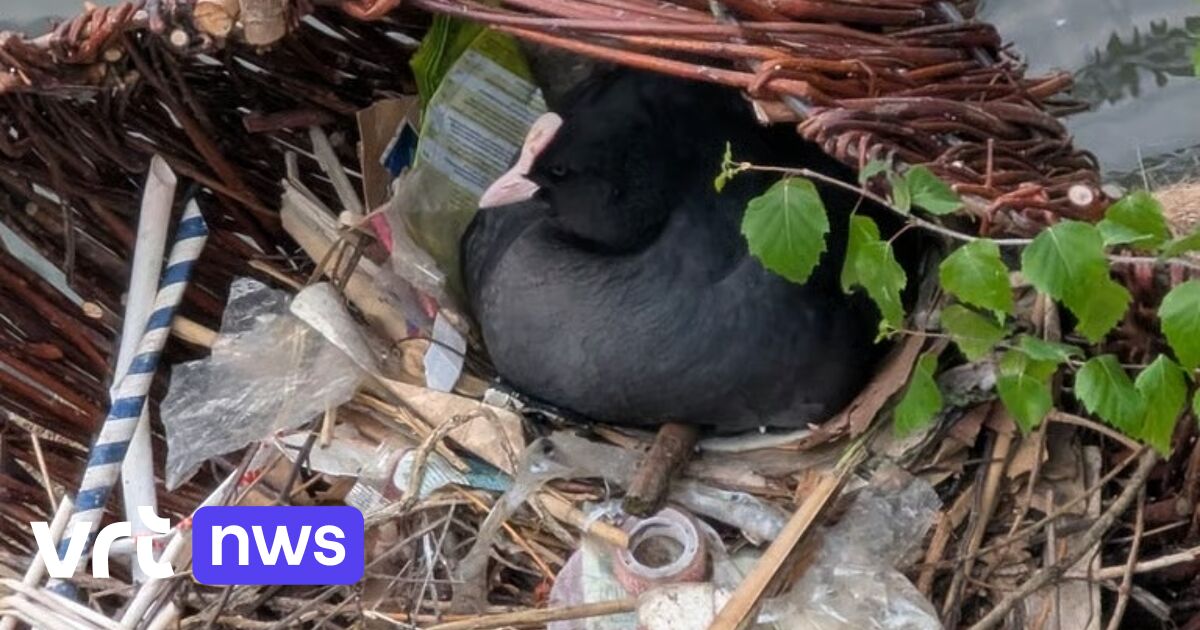
🐦
Ghent coot project wins European prize for cleaning waterways
Gents project met meerkoeten wint Europese prijs voor schonere waterwegen
Un projet gantois avec des foulques remporte un prix européen pour nettoyer les voies navigables
A Ghent project that uses coots to help remove litter from urban waterways has won a New European Bauhaus Prize. Floating platforms give the birds a safe place to nest, and during nest-building they collect rubbish from the water. After the breeding season, the nests are collected so the waste can be sorted and recycled. The project won in the Rising Stars category for circularity, sustainability and innovation, which comes with a €15,000 prize.
Een Gents project dat meerkoeten helpt om zwerfafval uit stedelijke waterwegen te halen, heeft een New European Bauhaus Prize gewonnen. Drijvende platforms bieden de vogels een veilige plek om te broeden, en tijdens de nestbouw verzamelen ze afval uit het water. Na het broedseizoen worden de nesten opgehaald, zodat het afval gesorteerd en gerecycleerd kan worden. Het project won in de categorie Rising Stars voor circulariteit, duurzaamheid en innovatie, goed voor een geldprijs van 15.000 euro.
Un projet gantois qui fait appel aux foulques pour retirer les déchets des voies navigables urbaines a remporté un prix du Nouveau Bauhaus européen. Des plateformes flottantes offrent aux oiseaux un lieu sûr pour nicher, et ceux-ci ramassent des déchets dans l’eau pendant la construction de leurs nids. Après la période de reproduction, les nids sont récupérés afin que les déchets puissent être triés et recyclés. Le projet a été récompensé dans la catégorie Rising Stars, consacrée à la circularité, à la durabilité et à l’innovation, qui offre un prix de 15 000 euros.
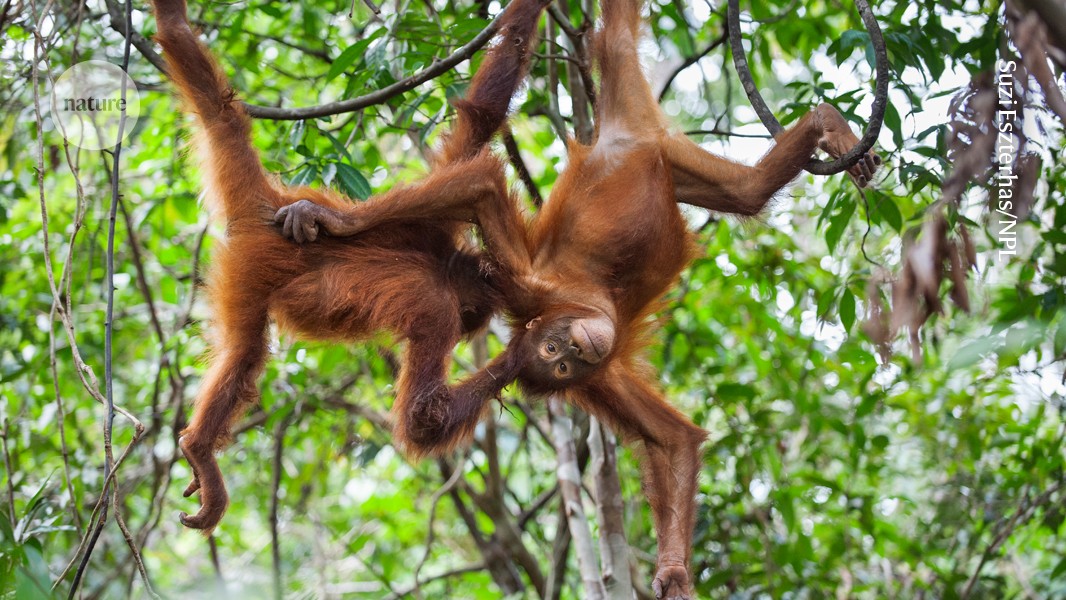
🦧
Orangutan mothers arrange play dates for their babies
Orang-oetanmoeders regelen speelafspraakjes voor hun jongen
Les mères orangs-outans organisent des rencontres de jeu pour leurs petits
Orangutans are famously solitary, and mothers usually spend most of their time with their infants. But a study of wild orangutans suggests that mothers make special efforts to bring their young together to play. That can mean spending time and energy travelling to forest patches where other orangutans gather. So: even among these independent apes, mothers may help their babies find chances to socialize.
Orang-oetans staan bekend als solitaire dieren, en moeders brengen doorgaans het grootste deel van hun tijd met hun jongen door. Maar onderzoek bij wilde orang-oetans wijst erop dat moeders moeite doen om hun jongen samen te laten spelen. Daarvoor reizen ze naar plekken in het bos waar andere orang-oetans samenkomen. Zo krijgen hun jongen ook bij deze zelfstandige mensapen de kans om contact met elkaar te maken.
Les orangs-outans sont réputés pour leur mode de vie solitaire, et les mères passent généralement l’essentiel de leur temps avec leurs petits. Pourtant, une étude menée sur des orangs-outans sauvages suggère qu’elles font des efforts particuliers pour réunir leurs jeunes afin qu’ils jouent ensemble. Elles peuvent pour cela consacrer du temps et de l’énergie à rejoindre des endroits de la forêt où d’autres orangs-outans se retrouvent. Même chez ces grands singes indépendants, les mères semblent donc aider leurs petits à nouer des contacts.
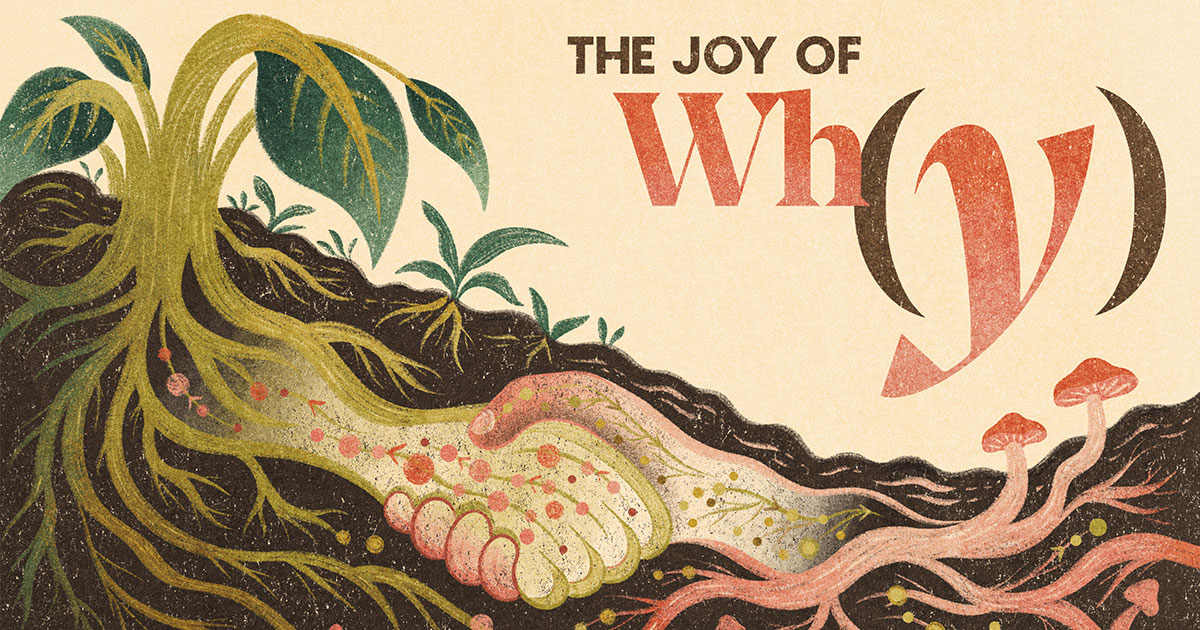
🍄
How fungi keep the planet healthy
Hoe schimmels de planeet gezond houden
Comment les champignons préservent la santé de la planète
So, beneath our feet, mycorrhizal fungi are quietly trading minerals with plant roots through vast underground networks. These partnerships enrich soil and capture about 13 billion tons of carbon dioxide each year, while connecting with roughly 80% of plant species on Earth. The fascinating twist is that fungi with no brains can still act strategically, shifting resources toward plants that offer a better deal. Evolutionary biologist Toby Kiers is uncovering how this hidden trade works and bringing researchers together to map and protect these vital networks.
Onder onze voeten ruilen mycorrhizaschimmels in stilte mineralen met plantenwortels via uitgestrekte ondergrondse netwerken. Die samenwerkingen verrijken de bodem en leggen jaarlijks ongeveer 13 miljard ton koolstofdioxide vast, en ze verbinden schimmels met zo’n 80% van alle plantensoorten op aarde. En dit is bijzonder: schimmels zonder hersenen kunnen toch strategisch handelen en hulpbronnen verplaatsen naar planten die er meer voor teruggeven. Evolutionair bioloog Toby Kiers onderzoekt hoe deze verborgen handel werkt en brengt onderzoekers samen om de belangrijke netwerken in kaart te brengen en te beschermen.
Sous nos pieds, les champignons mycorhiziens échangent discrètement des minéraux avec les racines des plantes au sein de vastes réseaux souterrains. Ces partenariats enrichissent les sols et captent chaque année environ 13 milliards de tonnes de dioxyde de carbone, tout en reliant les champignons à près de 80 % des espèces végétales de la planète. Et voici ce qui est fascinant : dépourvus de cerveau, ces champignons peuvent tout de même agir de façon stratégique et déplacer leurs ressources vers les plantes qui leur offrent davantage en retour. La biologiste de l’évolution Toby Kiers étudie le fonctionnement de ces échanges invisibles et rassemble des chercheurs pour cartographier et protéger ces réseaux essentiels.
🧠
Anesthesia reveals the brain’s hidden abilities
Narcose onthult verborgen talenten van het brein
L’anesthésie révèle les capacités cachées du cerveau
So, even under general anesthesia, the brain may be doing much more than we once thought. Researchers at Baylor College of Medicine recorded activity from hippocampal neurons and found responses to unexpected sounds that grew more distinct with experience. When patients listened to stories, their brain activity reflected word categories and even hinted at which words might come next. These findings challenge assumptions about consciousness and could help deepen our understanding of memory, language, and future communication technologies.
Zelfs onder volledige narcose doet het brein mogelijk veel meer dan we vroeger dachten. Onderzoekers van Baylor College of Medicine maten activiteit van neuronen in de hippocampus en ontdekten dat reacties op onverwachte geluiden door ervaring duidelijker werden. Toen patiënten naar verhalen luisterden, weerspiegelde hun hersenactiviteit verschillende woordsoorten en leek die zelfs te voorspellen welke woorden zouden volgen. Deze bevindingen zetten ideeën over bewustzijn op losse schroeven en kunnen ons inzicht in geheugen, taal en toekomstige communicatietechnologieën vergroten.
Même sous anesthésie générale, le cerveau pourrait faire bien plus que nous ne le pensions. Des chercheurs du Baylor College of Medicine ont mesuré l’activité de neurones de l’hippocampe et observé que leurs réponses aux sons inattendus devenaient plus distinctes avec l’expérience. Lorsque les patients écoutaient des récits, leur activité cérébrale reflétait différentes catégories de mots et semblait même anticiper les mots suivants. Ces résultats remettent en question les idées reçues sur la conscience et pourraient enrichir notre compréhension de la mémoire, du langage et des futures technologies de communication.

📚
The library is closed. Feel free to come in.
De bibliotheek is gesloten. Kom gerust binnen.
La bibliothèque est fermée. Entrez, n’hésitez pas.
So, in rural Minnesota, a library can be closed to staff and still welcome readers. The East Central Regional Library’s extended-access program lets registered members enter the Wyoming branch outside staffed hours to read, borrow books and use computers. After signing up in person and learning about safety features, members can visit when work, family schedules or the weather make regular hours inconvenient. It is a practical way to make the library a more flexible place to work, learn or find a little respite.
En kijk, op het platteland van Minnesota kan een bibliotheek gesloten zijn voor personeel en toch bezoekers ontvangen. Dankzij het programma voor verruimde toegang kunnen ingeschreven leden buiten de bemande openingsuren de vestiging in Wyoming bezoeken, boeken lenen en computers gebruiken. Na een inschrijving ter plaatse en uitleg over de veiligheidsvoorzieningen kunnen leden langskomen wanneer werk, gezinsverplichtingen of het weer de gewone openingsuren lastig maken. Zo wordt de bibliotheek een flexibelere plek om te werken, te leren of even op adem te komen.
Et voilà : dans le Minnesota rural, une bibliothèque peut être sans personnel tout en restant accessible aux lecteurs. Le programme d’accès élargi de la bibliothèque régionale East Central permet aux membres inscrits d’entrer dans la bibliothèque de Wyoming en dehors des heures de présence du personnel, pour lire, emprunter des livres ou utiliser les ordinateurs. Après une inscription sur place et une présentation des consignes de sécurité, les membres peuvent venir lorsque le travail, la vie de famille ou la météo rendent les horaires habituels peu pratiques. La bibliothèque devient ainsi un lieu plus souple pour travailler, apprendre ou simplement faire une pause.

🏡
Cancer survivors gain a right to be forgotten for mortgage insurance
Kankeroverlevers krijgen recht om vergeten te worden bij hypotheekverzekering
Les personnes guéries d’un cancer obtiennent un droit à l’oubli pour l’assurance hypothécaire
So: new laws mean insurers must disregard a cancer survivor’s medical history when they apply for mortgage protection insurance, once they have completed active treatment and been in complete remission for five years. The rules apply to insurance for a main home worth up to €650,000, giving survivors stronger protection when buying a home. They expand on a voluntary industry code, which used a seven-year waiting period and covered homes up to €500,000. It’s a welcome step that turns campaigners’ long-sought right to be forgotten into statutory protection.
Goed nieuws: dankzij nieuwe wetgeving moeten verzekeraars de medische geschiedenis rond kanker buiten beschouwing laten wanneer iemand een hypotheekverzekering aanvraagt, zodra de actieve behandeling is afgerond en er vijf jaar volledige remissie is geweest. De regels gelden voor een hoofdwoning met een waarde tot €650.000 en bieden overlevers meer bescherming bij het kopen van een huis. Ze bouwen voort op een vrijwillige gedragscode van de sector, die een wachttijd van zeven jaar hanteerde en woningen tot €500.000 dekte. Zo wordt het recht om vergeten te worden, waar campagnevoerders al lang voor pleiten, eindelijk wettelijk vastgelegd.
Bonne nouvelle : une nouvelle loi oblige les assureurs à ne pas tenir compte des antécédents médicaux liés au cancer lorsqu’une personne demande une assurance hypothécaire, après cinq ans depuis la fin du traitement actif et cinq ans de rémission complète. La mesure concerne l’assurance d’une résidence principale d’une valeur maximale de 650 000 €, et renforce la protection des personnes guéries lorsqu’elles achètent un logement. Elle élargit un code volontaire du secteur, qui prévoyait un délai de sept ans et couvrait les logements jusqu’à 500 000 €. Le droit à l’oubli réclamé depuis longtemps par les associations devient ainsi une protection inscrite dans la loi.

📺
A new kids’ platform aims to make streaming healthier
Een nieuw kinderplatform wil streaming gezonder maken
Une nouvelle plateforme jeunesse veut rendre le streaming plus sain
Here’s the thing: many videos aimed at children on YouTube can be hyperstimulating, hard to vet, and sometimes misleading. Maka, a new subscription streaming app for children aged 0 to 6, offers a curated alternative with no ads, autoplay, or endless scrolling. Child development experts assess every episode using a framework developed with researchers at the Yale Child Study Center. Its launch lineup includes 25 shows, such as Sesame Street and The Wiggles, chosen with children’s development and wellbeing in mind.
Veel video’s voor kinderen op YouTube zijn hyperstimulerend, moeilijk te beoordelen en soms misleidend. Maka is een nieuwe streamingdienst met abonnement voor kinderen van 0 tot 6 jaar, met een zorgvuldig samengesteld aanbod zonder advertenties, automatisch afspelen of eindeloos scrollen. Experts op het gebied van kindontwikkeling beoordelen elke aflevering met een methode die samen met onderzoekers van het Yale Child Study Center is ontwikkeld. Het aanbod bij de lancering telt 25 programma’s, waaronder Sesame Street en The Wiggles, geselecteerd met de ontwikkeling en het welzijn van kinderen voor ogen.
De nombreuses vidéos destinées aux enfants sur YouTube peuvent être hyperstimulantes, difficiles à évaluer et parfois trompeuses. Maka, une nouvelle plateforme de streaming par abonnement pour les enfants de 0 à 6 ans, propose une sélection soigneusement choisie sans publicité, lecture automatique ni défilement sans fin. Des spécialistes du développement de l’enfant évaluent chaque épisode à l’aide d’un cadre élaboré avec des chercheurs du Yale Child Study Center. Son catalogue de lancement compte 25 programmes, dont Sesame Street et The Wiggles, sélectionnés en tenant compte du développement et du bien-être des enfants.
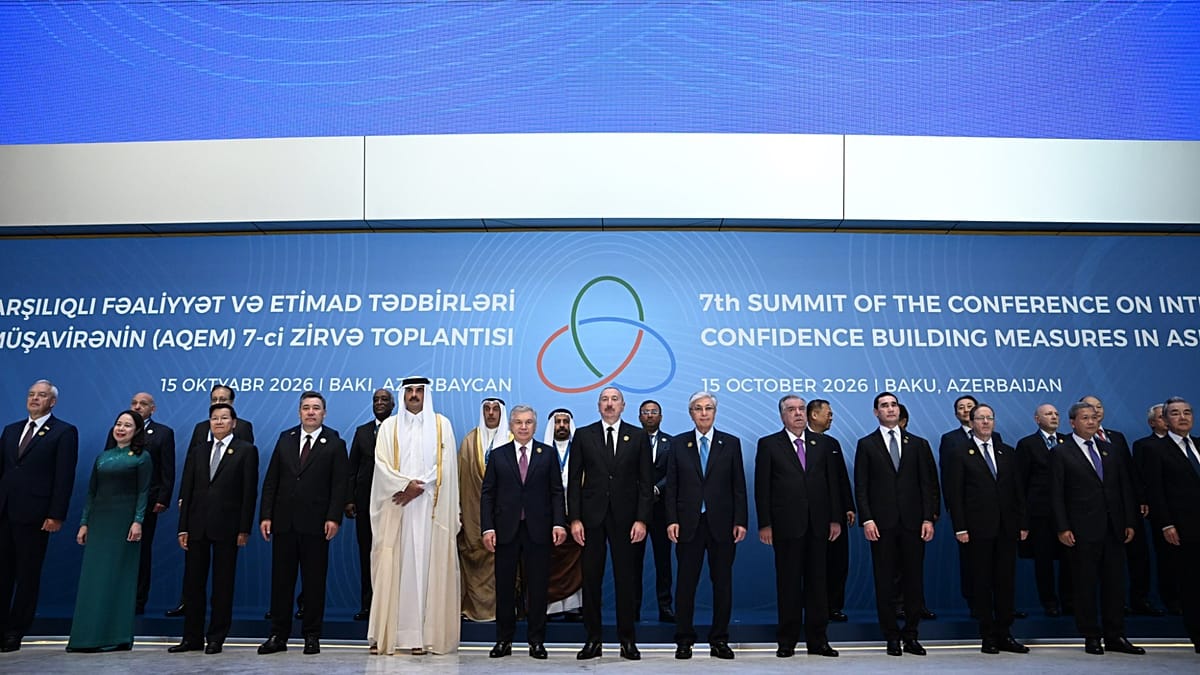
🤝
Azerbaijan brings regional rivals together at rare summit
Azerbeidzjan brengt regionale rivalen samen op bijzondere top
L’Azerbaïdjan réunit des rivaux régionaux lors d’un sommet inédit
For the first time since the Iran war began, senior leaders from countries facing regional conflicts met in Baku for the CICA summit, hosted by Azerbaijan. President Ilham Aliyev brought together Israeli President Isaac Herzog, Iranian deputy foreign minister Kazem Gharibabadi and other Middle Eastern and Asian representatives, including China’s Wang Yi. The forum aims to build dialogue and trust, with regional security, transport links, digital cooperation and sustainable growth on the agenda. Herzog also met Aliyev and Bahrain’s foreign minister, highlighting ties with Azerbaijan and Bahrain and the value of cooperation for regional stability.
Voor het eerst sinds het begin van de oorlog in Iran kwamen hooggeplaatste leiders uit landen die verwikkeld zijn in regionale conflicten bijeen in Bakoe voor de door Azerbeidzjan georganiseerde CICA-top. President Ilham Aliyev bracht de Israëlische president Isaac Herzog, de Iraanse vice-minister van Buitenlandse Zaken Kazem Gharibabadi en andere vertegenwoordigers uit het Midden-Oosten en Azië samen, onder wie de Chinese Wang Yi. Het forum wil de dialoog en het vertrouwen versterken, met regionale veiligheid, vervoersverbindingen, digitale samenwerking en duurzame groei op de agenda. Herzog sprak ook met Aliyev en de Bahreinse minister van Buitenlandse Zaken, waarbij de banden met Azerbeidzjan en Bahrein en het belang van samenwerking voor regionale stabiliteit centraal stonden.
Pour la première fois depuis le début de la guerre en Iran, des dirigeants de haut rang de pays touchés par des conflits régionaux se sont réunis à Bakou pour le sommet de la CICA, organisé par l’Azerbaïdjan. Le président Ilham Aliyev a rassemblé le président israélien Isaac Herzog, le vice-ministre iranien des Affaires étrangères Kazem Gharibabadi et d’autres représentants du Moyen-Orient et d’Asie, dont le Chinois Wang Yi. Le forum vise à renforcer le dialogue et la confiance, avec la sécurité régionale, les liaisons de transport, la coopération numérique et la croissance durable à l’ordre du jour. Herzog a également rencontré Aliyev et le ministre bahreïni des Affaires étrangères, soulignant les liens avec l’Azerbaïdjan et Bahreïn ainsi que l’importance de la coopération pour la stabilité régionale.

🧊
Pig kidneys frozen for a year have been brought back to life
Varkensnieren die een jaar bevroren waren, zijn weer tot leven gewekt
Des reins de porc congelés pendant un an ont repris vie
Imagine being able to store a donor organ for months, or even longer, until the right recipient is ready. Researchers have rewarmed pig kidneys cooled to -150 °C, including one stored for more than a year, and found that the organs regained their color and produced urine after testing and transplantation. Their technique uses iron oxide nanoparticles and an electromagnetic field to warm the kidneys evenly from within. Now, the kidneys are not yet perfect, and the preprint study has not been peer-reviewed or shown that the organs can sustain life long term. Still, this is a remarkable step toward organ banking that could one day give doctors and patients much more time.
Stel je voor dat donororganen maandenlang of zelfs langer bewaard kunnen worden, tot de juiste ontvanger klaar is. Onderzoekers hebben varkensnieren die tot -150 °C waren afgekoeld opnieuw opgewarmd, waaronder één nier die meer dan een jaar was opgeslagen, en zagen dat de organen na tests en transplantatie weer kleur kregen en urine produceerden. Hun techniek gebruikt ijzeroxidenanodeeltjes en een elektromagnetisch veld om de nieren van binnenuit gelijkmatig op te warmen. De nieren zijn nog niet perfect, en de preprintstudie is nog niet door vakgenoten beoordeeld of bewezen dat de organen op lange termijn het leven kunnen ondersteunen. Toch is dit een opmerkelijke stap richting orgaanbanken die artsen en patiënten ooit veel meer tijd kunnen geven.
Imaginez pouvoir conserver un organe de donneur pendant des mois, voire plus longtemps, jusqu’à ce que le bon receveur soit prêt. Des chercheurs ont réchauffé des reins de porc refroidis à -150 °C, dont un conservé pendant plus d’un an, et ont constaté qu’après des tests et une transplantation, les organes avaient retrouvé leur couleur et produisaient de l’urine. Leur méthode utilise des nanoparticules d’oxyde de fer et un champ électromagnétique pour réchauffer les reins uniformément de l’intérieur. Les reins ne sont pas encore parfaits, et cette étude publiée en prépublication n’a pas encore été évaluée par des pairs ni démontré que les organes peuvent assurer une survie à long terme. Cela reste une avancée remarquable vers la conservation des organes, qui pourrait un jour donner beaucoup plus de temps aux médecins et aux patients.

🛡️
Microsoft and Japan disrupt network behind over a billion scam messages
Microsoft en Japan leggen netwerk achter meer dan een miljard scamberichten plat
Microsoft et le Japon démantèlent un réseau à l’origine de plus d’un milliard de messages frauduleux
So, there’s some encouraging news for anyone tired of fake delivery and parking-ticket texts: Microsoft and Japan’s National Police Agency have helped dismantle a marketplace and phishing tools linked to more than a billion scam messages. Since January 2026, the YAM Store marketplace and the CoGUI and Iron Man kits have targeted over 75,000 organizations across more than 150 countries. Microsoft says scammers used them to obtain accounts and impersonate organizations, with Iron Man offering more than 2,300 ready-made templates. The company disabled over 20,000 connected accounts and blocked more than 100,000 fraudulent web domains, while partners seized and redirected domains powering the operation.
Er is hoopgevend nieuws voor iedereen die genoeg heeft van nepberichten over pakketjes en parkeerboetes: Microsoft en de Japanse Nationale Politie hebben geholpen een marktplaats en phishingtools op te doeken die verband houden met meer dan een miljard scamberichten. Sinds januari 2026 hebben YAM Store en de tools CoGUI en Iron Man meer dan 75.000 organisaties in ruim 150 landen als doelwit gehad. Volgens Microsoft gebruikten oplichters deze diensten om accounts te bemachtigen en organisaties na te bootsen; Iron Man bood daarvoor meer dan 2.300 kant-en-klare sjablonen. Microsoft schakelde ruim 20.000 betrokken accounts uit en blokkeerde meer dan 100.000 frauduleuze webdomeinen, terwijl partners de domeinen achter de operatie in beslag namen en omleidden.
Voici une nouvelle encourageante pour celles et ceux qui en ont assez des faux textos de livraison ou d’amendes de stationnement : Microsoft et l’Agence nationale de police japonaise ont contribué au démantèlement d’une place de marché et d’outils d’hameçonnage liés à plus d’un milliard de messages frauduleux. Depuis janvier 2026, YAM Store et les kits CoGUI et Iron Man ont visé plus de 75 000 organisations dans plus de 150 pays. Selon Microsoft, les escrocs s’en servaient pour obtenir des comptes et usurper l’identité d’organisations, tandis qu’Iron Man proposait plus de 2 300 modèles prêts à l’emploi. Microsoft a désactivé plus de 20 000 comptes associés et bloqué plus de 100 000 domaines web frauduleux, tandis que ses partenaires ont saisi et redirigé les domaines utilisés par l’opération.
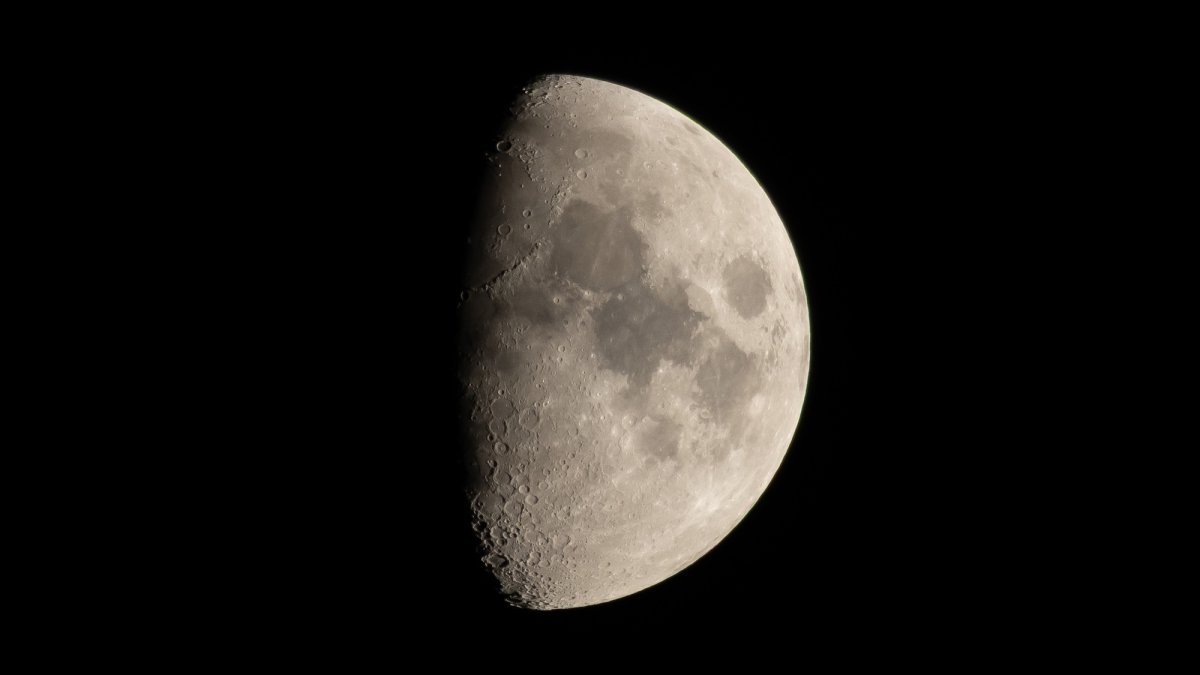
🌙
Astronomers measure the moon’s slow shrinkage
Astronomen meten hoe langzaam de maan krimpt
Les astronomes mesurent le lent rétrécissement de la Lune
So: the moon is shrinking as its interior cools, and new measurements put the change at about 2.4 to 4.3 inches per million years. Using more than 17 years of images from NASA’s Lunar Reconnaissance Orbiter, researchers also identified over 10,000 visible faults across the lunar surface. Because the moon has one shell-like tectonic plate, cooling can create faults and trigger moonquakes far from any plate boundary. These findings offer a clearer picture of lunar activity and could help NASA plan safer places for a lasting human presence on the moon.
Dus: de maan krimpt doordat haar binnenste afkoelt, en nieuwe metingen schatten die verandering op ongeveer 6 tot 11 centimeter per miljoen jaar. Met meer dan 17 jaar aan beelden van NASA’s Lunar Reconnaissance Orbiter vonden onderzoekers ook ruim 10.000 zichtbare breuken op het maanoppervlak. Omdat de maan één schaalachtige tektonische plaat heeft, kan afkoeling overal breuken veroorzaken en maanbevingen uitlokken. Die bevindingen geven een duidelijker beeld van de maanactiviteit en kunnen NASA helpen veilige plekken te kiezen voor een langdurige menselijke aanwezigheid op de maan.
Alors, la Lune rétrécit à mesure que son intérieur se refroidit, et de nouvelles mesures estiment ce changement à environ 6 à 11 centimètres par million d’années. En étudiant plus de 17 ans d’images de la sonde Lunar Reconnaissance Orbiter de la NASA, les chercheurs ont également repéré plus de 10 000 failles visibles à la surface lunaire. Comme la Lune est recouverte d’une seule plaque tectonique semblable à une coquille, son refroidissement peut créer des failles et déclencher des séismes loin de toute limite de plaques. Ces résultats éclairent l’activité lunaire et pourraient aider la NASA à choisir des lieux plus sûrs pour une présence humaine durable sur la Lune.
🧠
The third-person trick can help cool tough emotions
De derde persoon helpt heftige emoties af te koelen
La troisième personne aide à apaiser les émotions fortes
Here’s a surprisingly simple way to get some distance from a tough emotion: talk to yourself using your own name instead of “I.” If a colleague’s criticism has upset you, asking “Why is Alex upset?” may help you pause and think more clearly before responding. In studies, this approach reduced emotional brain activity within a second and also helped people reflect on painful memories with more distance. So, next time emotions run high, try looking at the moment as if it were happening to someone else.
Er is een verrassend eenvoudige manier om wat afstand te nemen van een heftige emotie: gebruik je eigen naam in plaats van ‘ik’ wanneer je tegen jezelf praat. Als kritiek van een collega je raakt, kan de vraag ‘Waarom is Alex van streek?’ je helpen even stil te staan en helderder te denken voordat je reageert. In onderzoeken verminderde deze aanpak binnen een seconde de emotionele hersenactiviteit en hielp ze mensen ook om met meer afstand terug te kijken op pijnlijke herinneringen. Dus probeer de volgende keer dat je emoties hoog oplopen het moment eens te bekijken alsof het iemand anders overkomt.
Voici une façon étonnamment simple de prendre du recul face à une émotion difficile : utilisez votre prénom au lieu de dire « je » lorsque vous vous parlez. Si une critique au travail vous a blessé, vous demander « Pourquoi Alex est-il contrarié ? » peut vous aider à faire une pause et à réfléchir plus clairement avant de répondre. Dans des études, cette méthode a réduit l’activité cérébrale liée aux émotions en moins d’une seconde et a aussi aidé les participants à évoquer des souvenirs douloureux avec davantage de distance. Alors, la prochaine fois que vos émotions seront à vif, essayez de voir la situation comme si elle arrivait à quelqu’un d’autre.
🏡
Gen X and boomer women are choosing a ‘Golden Girls’ retirement
Gen X- en boomervrouwen kiezen voor een pensioen in ‘Golden Girls’-stijl
Les femmes de la génération X et les baby-boomeuses choisissent une retraite façon « Golden Girls »
So, the “Golden Girls” idea is inspiring women to imagine retirement with friends rather than facing it alone. In New Mexico, women in their 50s to early 70s are joining retreats to explore the practical and emotional questions of shared living. Chip Conley’s Modern Elder Academy encourages people to see midlife and aging as opportunities for growth, purpose, and connection. Living together can offer companionship while preserving independence, though it takes honest communication, clear boundaries, and the right housemates.
Het idee van de ‘Golden Girls’ inspireert vrouwen om zich een pensioen met vriendinnen voor te stellen, in plaats van er alleen voor te staan. In New Mexico nemen vrouwen van in de vijftig tot begin zeventig deel aan retraites om de praktische en emotionele vragen rond samenwonen te verkennen. De Modern Elder Academy van Chip Conley moedigt mensen aan om de middelbare leeftijd en het ouder worden te zien als kansen voor groei, zingeving en verbondenheid. Samenwonen kan gezelschap bieden zonder de zelfstandigheid op te geven, al zijn open communicatie, duidelijke grenzen en geschikte huisgenoten belangrijk.
L’idée des « Golden Girls » inspire des femmes à imaginer leur retraite entourées d’amies plutôt que seules. Au Nouveau-Mexique, des femmes de la cinquantaine au début de la septantaine participent à des retraites pour examiner les questions pratiques et émotionnelles de la vie en communauté. La Modern Elder Academy de Chip Conley invite à voir la maturité et le vieillissement comme des occasions de grandir, de trouver du sens et de créer des liens. Vivre ensemble peut apporter de la compagnie tout en préservant l’autonomie, à condition de miser sur une communication honnête, des limites claires et des colocataires compatibles.

🚲
Paris invests €200 million more in cycling infrastructure
Parijs investeert nog eens 200 miljoen euro in fietsinfrastructuur
Paris investit 200 millions d’euros supplémentaires dans les infrastructures cyclables
Paris plans to invest €200 million in cycling infrastructure by 2032, adding hundreds of kilometres of routes and making dangerous junctions safer. The plan includes 140 kilometres of new cycle lanes, 220 kilometres of one-way streets adapted for cycling in both directions, and improvements to 420 junctions. Cycling in the city has grown by 47 percent since 2020, and one in ten residents now cycles to work. Paris will also step up traffic enforcement to better protect people cycling and walking.
Parijs wil tot 2032 200 miljoen euro investeren in fietsinfrastructuur, met honderden kilometers aan nieuwe routes en veiligere gevaarlijke kruispunten. Het plan omvat 140 kilometer aan nieuwe fietspaden, 220 kilometer aan eenrichtingsstraten waar fietsers in beide richtingen mogen rijden en aanpassingen aan 420 kruispunten. Het fietsgebruik in de stad is sinds 2020 met 47 procent gestegen en inmiddels fietst één op de tien inwoners naar het werk. Parijs gaat ook strenger toezien op het verkeer om fietsers en voetgangers beter te beschermen.
Paris prévoit d’investir 200 millions d’euros dans les infrastructures cyclables d’ici 2032, avec des centaines de kilomètres d’itinéraires supplémentaires et des carrefours dangereux plus sûrs. Le plan prévoit 140 kilomètres de nouvelles pistes cyclables, 220 kilomètres de rues à sens unique aménagées pour permettre aux vélos de circuler dans les deux sens, ainsi que des travaux sur 420 carrefours. La pratique du vélo a augmenté de 47 % dans la ville depuis 2020, et un habitant sur dix se rend désormais au travail à vélo. Paris renforcera aussi le contrôle de la circulation afin de mieux protéger les cyclistes et les piétons.
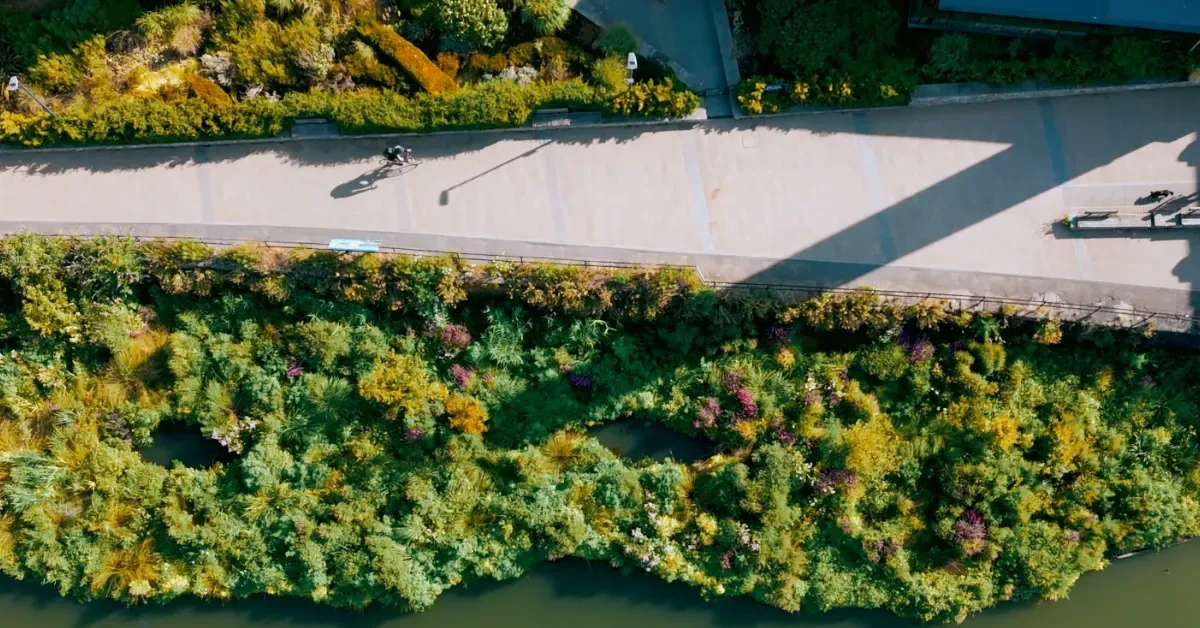
🌿
Floating gardens bring wildlife back to Bristol harbour
Drijvende tuinen brengen natuur terug naar de haven van Bristol
Des jardins flottants ramènent la nature dans le port de Bristol
So: climate activists and wetland charity WWT have installed floating gardens along Bristol Harbour, creating a wildlife corridor through the city. Built from recycled, recyclable, and biodegradable materials, the platforms are planted with more than 20 native species that offer shelter for birds and pollinators. Beneath the water, plant roots can provide refuge for marine life, help clean the water, and regulate its temperature. And here's the thing: a baby gull already used a ramp to climb to safety, showing how quickly these welcoming habitats can make a difference.
Klimaatactivisten en de natuurorganisatie WWT hebben drijvende tuinen aangelegd langs de haven van Bristol, en zo een natuurcorridor door de stad gecreëerd. De platforms zijn gemaakt van hergebruikte, recycleerbare en biologisch afbreekbare materialen en dragen meer dan twintig inheemse plantensoorten, die vogels en bestuivers beschutting bieden. Onder water kunnen de plantenwortels een schuilplaats vormen voor waterdieren, het water helpen zuiveren en de temperatuur ervan regelen. En kijk eens: een jonge meeuw gebruikte al een helling om veilig op het platform te klimmen, een mooi bewijs dat deze nieuwe leefgebieden meteen verschil maken.
Des militants pour le climat et l’association de protection des zones humides WWT ont installé des jardins flottants le long du port de Bristol, créant ainsi un corridor naturel à travers la ville. Fabriquées avec des matériaux réutilisés, recyclables et biodégradables, les plateformes accueillent plus de vingt espèces végétales locales qui offrent un abri aux oiseaux et aux pollinisateurs. Sous l’eau, les racines peuvent servir de refuge à la faune aquatique, contribuer à purifier l’eau et en réguler la température. Et voici une belle preuve de leur utilité immédiate : un jeune goéland a déjà emprunté une rampe pour grimper en sécurité sur l’une des plateformes.
🦈
Globally threatened rough shark spotted in the North Sea
Wereldwijd bedreigde ruwe haai duikt op in de Noordzee
Un requin râpeux menacé à l’échelle mondiale aperçu en mer du Nord
A rough shark, a species threatened worldwide, has appeared in the North Sea. It’s a striking reminder that vulnerable marine life can be found in these waters too. Anyone who catches one is required to return it to the sea alive. So, if you encounter this rare shark, letting it go is essential.
Een ruwe haai, een soort die wereldwijd bedreigd is, is opgedoken in de Noordzee. Dat is een opvallende herinnering dat ook in deze wateren kwetsbaar zeeleven voorkomt. Wie er eentje vangt, is verplicht het dier levend terug in zee te zetten. Kom je deze zeldzame haai tegen, dan is vrijlaten dus essentieel.
Un requin râpeux, une espèce menacée à l’échelle mondiale, a été aperçu en mer du Nord. C’est un rappel saisissant que des espèces marines vulnérables vivent aussi dans ces eaux. Toute personne qui en capture un doit le remettre à la mer vivant. Alors, si vous croisez ce requin rare, le relâcher est essentiel.
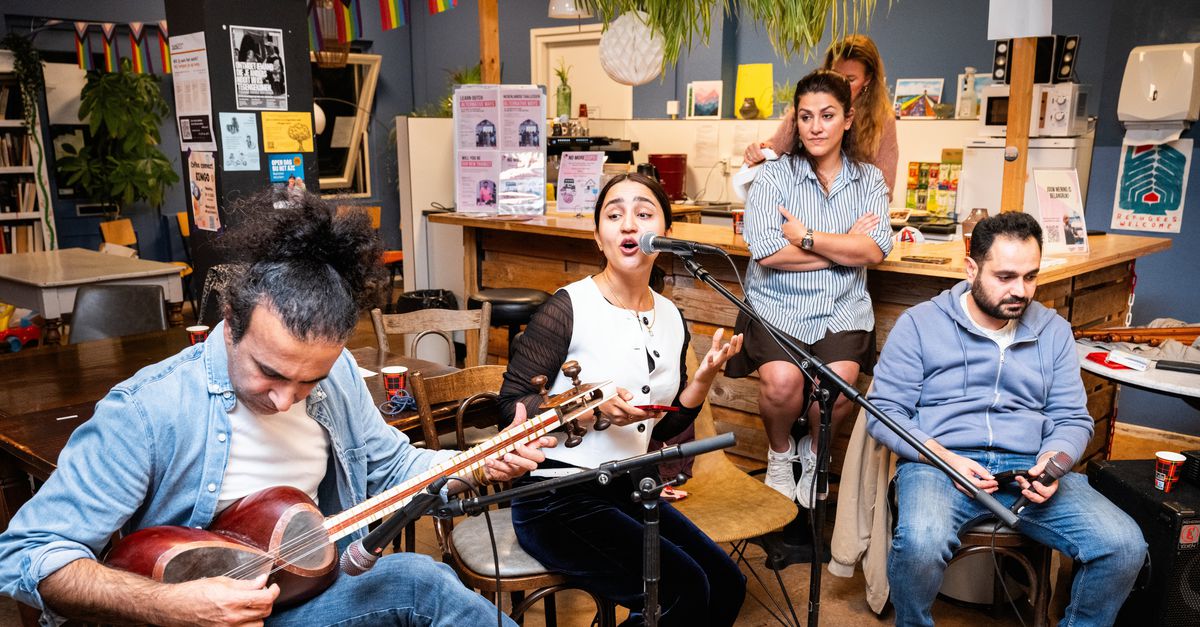
🎶
In asylum-center jam sessions, talent shines through
Tijdens jamsessies in azc’s spat het talent ervan af
Dans les jam sessions des centres d’accueil, le talent éclate
So: at jam sessions in Dutch asylum centers, musicians from different backgrounds turn their stories and sounds into something new. Venezuelan singer Balvina Muñoz says music gives her an essential outlet and helps her feel more confident and in control. The Arnhem band De Niemanders builds songs with refugee musicians, while Orchestre Partout brings players together across eight centers and performs on major stages. And here's the thing: these sessions are more than a social project - they create vibrant music where cultures meet.
In jamsessies in Nederlandse azc’s brengen muzikanten met uiteenlopende achtergronden hun verhalen en klanken samen. De Venezolaanse zangeres Balvina Muñoz noemt muziek een onmisbare uitlaatklep die haar zelfvertrouwen en regie geeft. De Arnhemse band De Niemanders maakt nieuwe nummers met gevluchte muzikanten, terwijl Orchestre Partout musici uit acht azc’s samenbrengt en op grote podia speelt. En precies daar ontstaat iets bijzonders: muziek waarin culturen elkaar ontmoeten.
Dans les jam sessions organisées dans des centres d’accueil néerlandais, des musiciens aux parcours variés mêlent leurs histoires et leurs sonorités. La chanteuse vénézuélienne Balvina Muñoz considère la musique comme une échappatoire essentielle, qui renforce sa confiance et lui redonne la maîtrise de son parcours. Le groupe arnhemois De Niemanders compose avec des musiciens réfugiés, tandis qu’Orchestre Partout rassemble des artistes dans huit centres et se produit sur de grandes scènes. Et c’est là que la magie opère: ces rencontres font naître une musique vivante, au croisement des cultures.
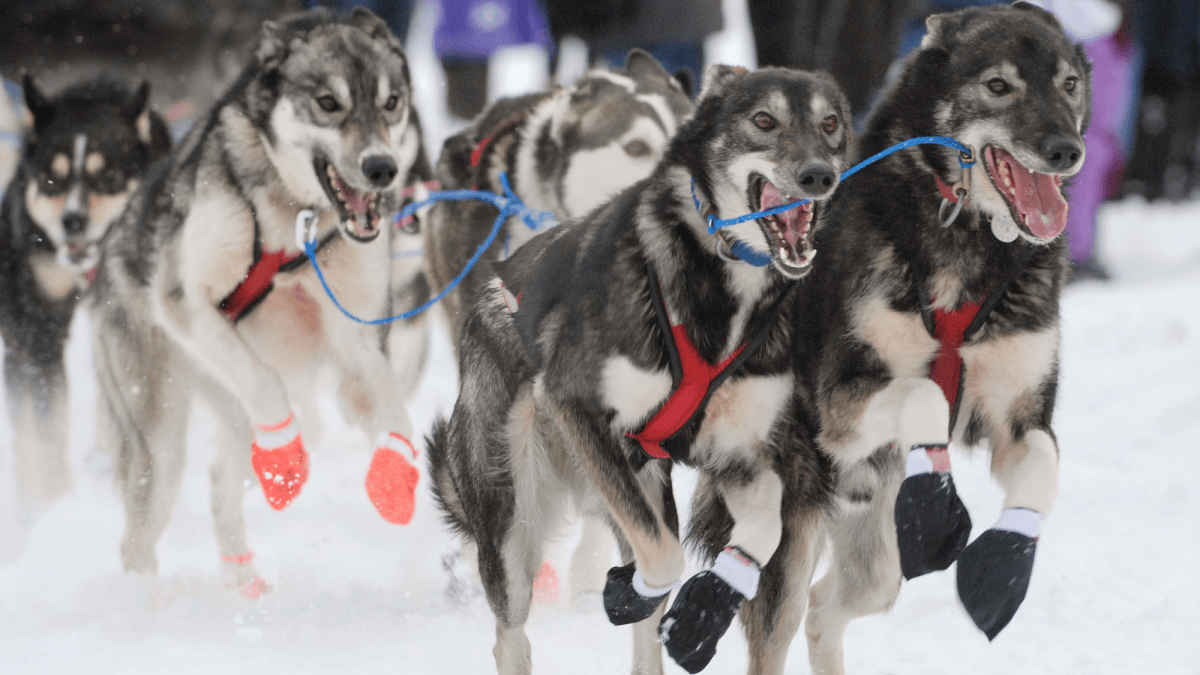
🐕
Sled dogs have shorter legs for a reason
Sledehonden hebben kortere poten met een reden
Les chiens de traîneau ont des pattes courtes pour une raison
Sled dogs are powerful athletes, and their demanding work may have shaped the way their bodies evolved. A new study found that modern sled dogs have leg bones about six percent shorter than those of similar dogs, a build that may lower their center of gravity and help them pull loads more effectively. Researchers also found that nearly 89 percent of the ancient dog bones they examined matched this shorter-legged pattern. So, these findings could help uncover how sled-dog transportation developed and spread across the Arctic.
Sledehonden zijn krachtige atleten, en hun zware werk heeft mogelijk hun lichaamsbouw door de evolutie heen beïnvloed. Een nieuwe studie vond dat moderne sledehonden ongeveer zes procent kortere pootbeenderen hebben dan vergelijkbare honden, wat hun zwaartepunt kan verlagen en hen kan helpen lasten efficiënter te trekken. Ook bleek dat bijna 89 procent van de onderzochte oude hondenbotten overeenkwam met dit patroon van kortere poten. Zo kunnen deze bevindingen helpen ontrafelen hoe hondensleeën zich in het Arctische gebied ontwikkelden en verspreidden.
Les chiens de traîneau sont de puissants athlètes, et leur travail exigeant a peut-être façonné leur évolution. Une nouvelle étude a constaté que leurs os des pattes sont environ six pour cent plus courts que ceux de chiens comparables, une morphologie qui pourrait abaisser leur centre de gravité et les aider à tirer des charges plus efficacement. Les chercheurs ont également découvert que près de 89 pour cent des os de chiens anciens examinés correspondaient à ce modèle de pattes plus courtes. Ces résultats pourraient donc éclairer l’apparition et la diffusion du transport en traîneau à chiens dans l’Arctique.
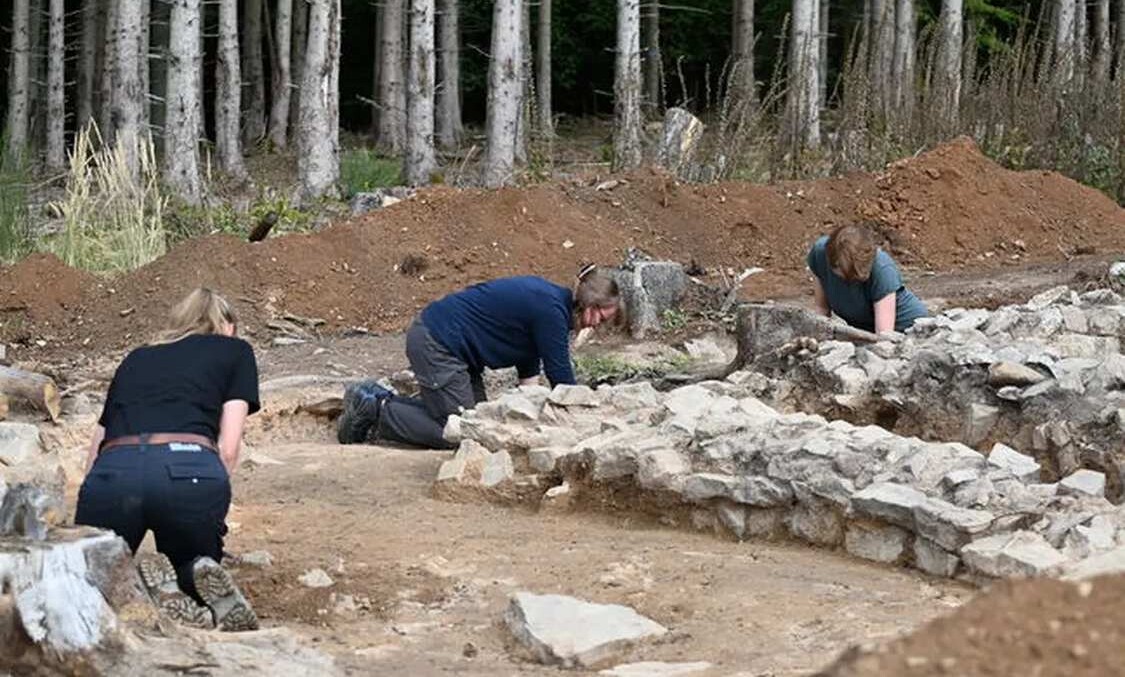
🏛️
Roman temple to Mars uncovered beneath a German forest
Romeinse tempel voor Mars ontdekt onder een Duits bos
Un temple romain dédié à Mars découvert sous une forêt allemande
So: just inches beneath a forest in Germany, archaeologists have uncovered a Roman temple, a military camp and traces of a lively craft community. The temple was likely dedicated to Mars, and fragments of a statue of Victoria, the goddess of victory, were found nearby. Remarkably preserved woodland layers are helping researchers piece together life at Kapersburg, a frontier fort that stood for around 150 years. And here's the thing: the discoveries also reveal how the settlement changed before it was abandoned in the third century.
Onder de bosgrond in Duitsland hebben archeologen een Romeinse tempel, een militair kamp en sporen van een levendige ambachtsgemeenschap ontdekt. De tempel was waarschijnlijk gewijd aan Mars, en in de buurt zijn fragmenten gevonden van een beeld van Victoria, de godin van de overwinning. Dankzij de uitzonderlijk goed bewaarde bodemlagen kunnen onderzoekers het leven reconstrueren bij Kapersburg, een grensfort dat ongeveer 150 jaar standhield. En daar komt nog bij: de vondsten tonen ook hoe de nederzetting veranderde voordat ze in de derde eeuw werd verlaten.
Sous le sol d’une forêt allemande, des archéologues ont découvert un temple romain, un camp militaire et les traces d’un centre artisanal animé. Le temple était probablement dédié à Mars, et des fragments d’une statue de Victoria, déesse de la victoire, ont été retrouvés à proximité. Les couches de sol remarquablement bien préservées aident les chercheurs à reconstituer la vie à Kapersburg, un fort frontière qui a existé pendant environ 150 ans. Et voici ce qui est passionnant : ces découvertes révèlent aussi l’évolution du village avant son abandon au IIIe siècle.

🌦️
Microsoft uses machine learning to improve long-range weather forecasts
Microsoft verbetert weersvoorspellingen op lange termijn met machine learning
Microsoft améliore les prévisions météo à long terme grâce à l’apprentissage automatique
So, Microsoft researchers have developed an open-source machine-learning tool designed to make weather forecasts two to six weeks ahead more accurate. Rather than building a new forecasting model, Probabilistic Bias Correction identifies and corrects systematic errors in existing models, and it can run on ordinary CPUs. In tests, it improved a leading European physics-based model on 98 percent of precipitation targets and 92 percent of temperature targets, while doubling the accuracy of a newer AI forecasting system. That lightweight approach could help farmers, emergency responders, and weather agencies with fewer resources plan further ahead.
Microsoft-onderzoekers ontwikkelden een opensourcetool met machine learning die weersvoorspellingen voor twee tot zes weken vooruit nauwkeuriger moet maken. Probabilistic Bias Correction bouwt geen nieuw voorspellingsmodel, maar spoort systematische fouten in bestaande modellen op en corrigeert ze, en werkt gewoon op cpu’s. In tests verbeterde de methode een toonaangevend Europees fysisch model voor 98 procent van de neerslagdoelen en 92 procent van de temperatuurdoelen, en verdubbelde ze de nauwkeurigheid van een nieuwer AI-voorspellingssysteem. Dankzij die lichte aanpak kunnen boeren, hulpdiensten en weerdiensten met minder middelen verder vooruit plannen.
Des chercheurs de Microsoft ont mis au point un outil open source d’apprentissage automatique destiné à rendre plus fiables les prévisions météo établies deux à six semaines à l’avance. Au lieu de créer un nouveau modèle de prévision, Probabilistic Bias Correction repère et corrige les erreurs systématiques des modèles existants, et peut fonctionner sur de simples processeurs. Lors des tests, la méthode a amélioré un modèle physique européen de référence pour 98 % des objectifs de précipitations et 92 % des objectifs de température, tout en doublant la précision d’un système de prévision par IA plus récent. Cette approche légère pourrait aider les agriculteurs, les services d’urgence et les organismes météo aux moyens limités à mieux anticiper.
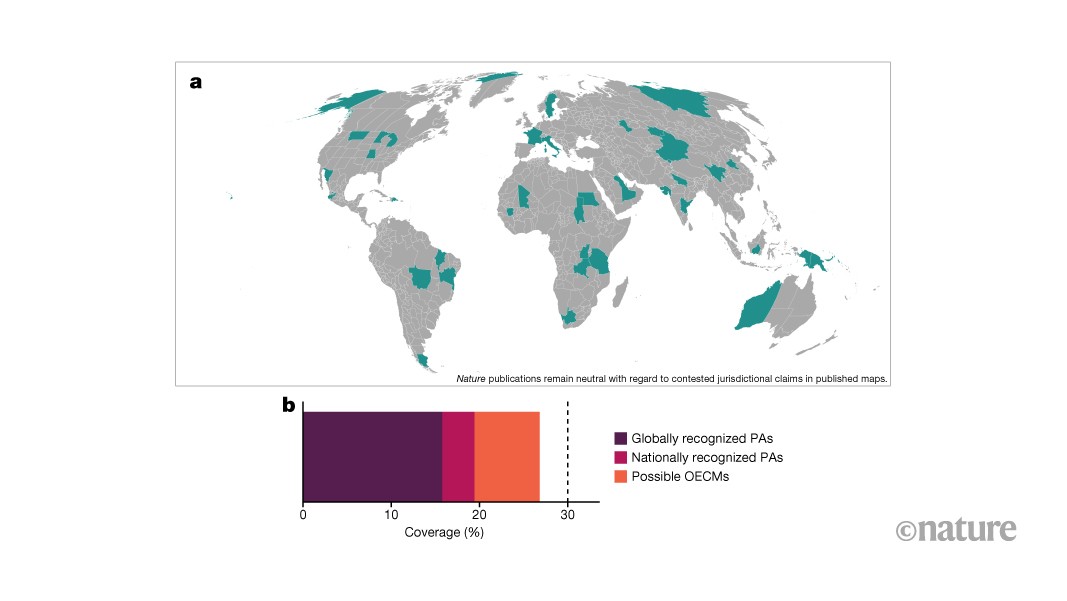
🌍
Land conservation covers more ground than official figures suggest
Landbescherming beslaat meer gebied dan officiële cijfers suggereren
La conservation des terres couvre davantage que ne l’indiquent les chiffres officiels
Governments have pledged to protect 30% of the world’s land by 2030, but official figures make progress look limited. A new combined global and national dataset suggests that conservation efforts may already cover up to 27% of land. That is a much bigger share than some official estimates indicate, which is encouraging news for the global target. And here's the thing: important gaps remain in how well protected areas represent different ecosystems.
Regeringen hebben beloofd om tegen 2030 30% van het landoppervlak ter wereld te beschermen, maar officiële cijfers laten beperkte vooruitgang zien. Een nieuwe gecombineerde dataset op mondiaal en nationaal niveau suggereert dat beschermingsmaatregelen mogelijk al tot 27% van het land beslaan. Dat is een veel groter aandeel dan sommige officiële schattingen aangeven, en dat is bemoedigend nieuws voor het wereldwijde doel. Toch blijven er belangrijke hiaten in de mate waarin beschermde gebieden verschillende ecosystemen vertegenwoordigen.
Les gouvernements se sont engagés à protéger 30 % des terres de la planète d’ici à 2030, mais les chiffres officiels donnent l’impression que les progrès sont limités. Un nouvel ensemble de données combinant des informations mondiales et nationales suggère que les mesures de conservation couvrent déjà jusqu’à 27 % des terres. Cette part est bien supérieure à certaines estimations officielles, une nouvelle encourageante pour l’objectif mondial. Mais voici le point essentiel : la représentation des différents écosystèmes dans les zones protégées reste inégale.
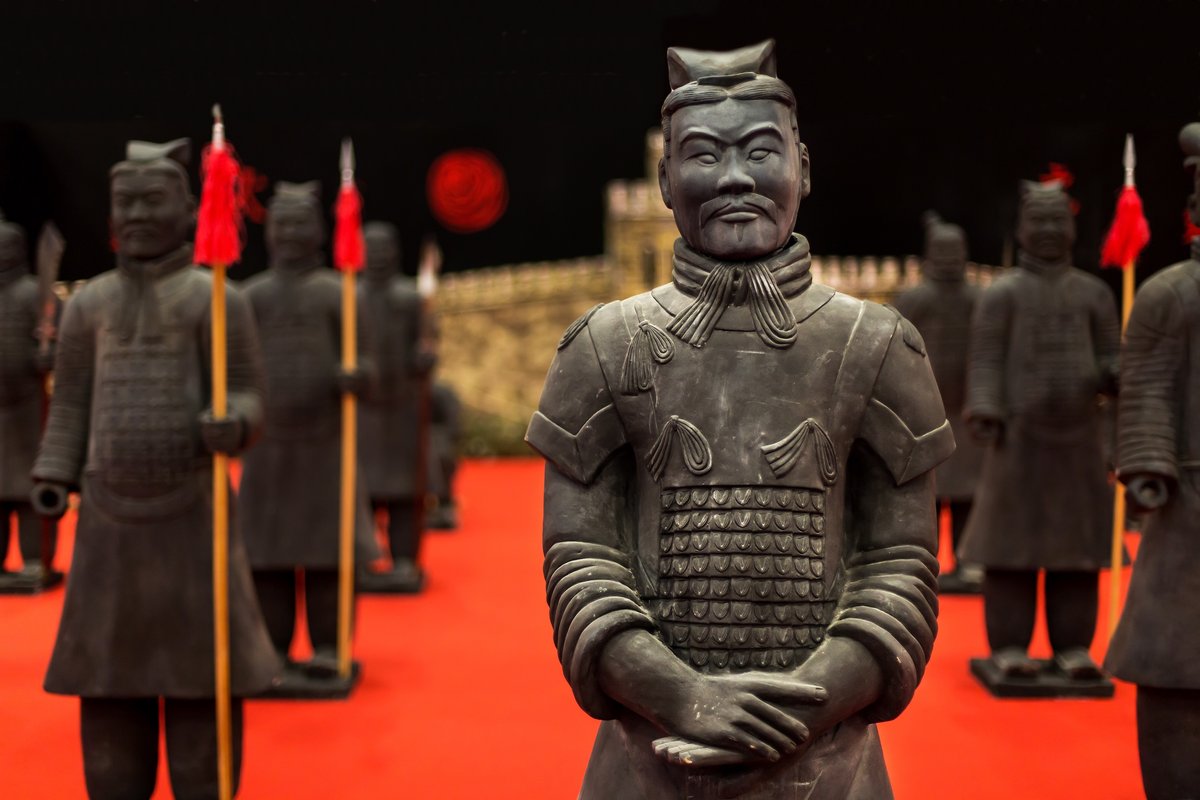
🧮
An ancient puzzle for winning races, cards and political maps
Een eeuwenoude puzzel over winnen bij races, kaartspellen en politieke kaartindeling
Un casse-tête ancien pour gagner aux courses, aux cartes et dans le découpage électoral
I love how this article starts with a simple question about coin tosses and opens the door to a much bigger mathematical puzzle. It connects the odds of getting different outcomes to the strategy of pairing players in a team contest. The ancient Chinese strategist Sun Bin famously advised a general to race his horses in an unexpected order, aiming to win two of three races. The article explores how this kind of tactical thinking can illuminate games of chance and even the drawing of political boundaries.
Wat ik zo boeiend vind, is hoe dit artikel begint met een eenvoudige vraag over muntjes opgooien en uitkomt bij een veel groter wiskundig raadsel. Het verbindt de kansen op verschillende uitkomsten met de tactiek waarmee spelers in een teamwedstrijd aan elkaar worden gekoppeld. De Chinese strateeg Sun Bin gaf volgens een beroemd verhaal een generaal het advies zijn paarden in een onverwachte volgorde te laten racen, met als doel twee van de drie races te winnen. Het artikel laat zien hoe zulke tactieken inzicht kunnen geven in kansspelen en zelfs in het trekken van politieke grenzen.
J’aime beaucoup la façon dont cet article part d’une simple question sur les lancers de pièces pour nous entraîner vers un problème mathématique bien plus vaste. Il relie les probabilités de différents résultats à la stratégie consistant à associer les joueurs dans une compétition par équipes. Selon un récit célèbre, le stratège chinois Sun Bin conseilla à un général de faire courir ses chevaux dans un ordre inattendu afin de gagner deux courses sur trois. L’article explore comment ce type de tactique peut éclairer les jeux de hasard et même le découpage des circonscriptions électorales.
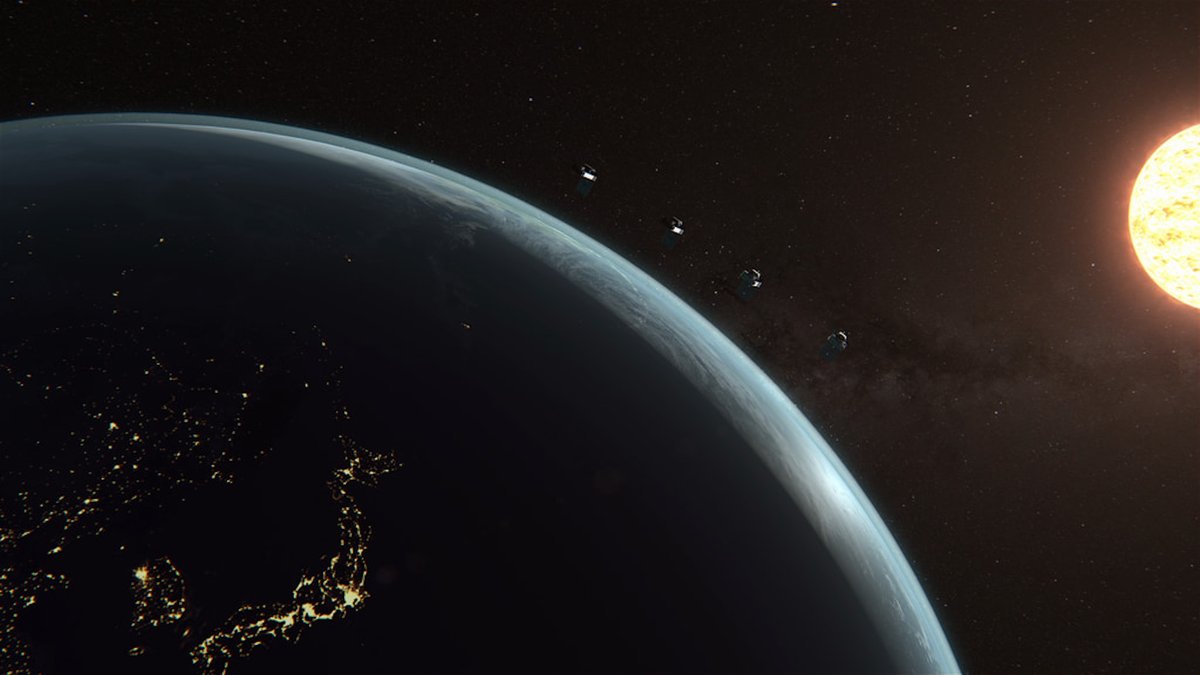
☀️
A year of the sun’s restless corona, captured in stunning video
Een jaar lang de woelige zonnecorona in beeld
Une année de danse de la couronne solaire en vidéo
So: NASA’s PUNCH mission has turned a year of observations into a remarkable video of the sun’s constantly shifting corona. Its four spacecraft use a coronagraph to block direct sunlight, revealing glowing particles tracing the sun’s magnetic fields and bursts of solar material. Clever image processing removed distracting light reflected from Earth, rescuing the delicate signal and making the year’s footage visible. The result offers a lively new view of our star, with passing planets, stars and even a comet sharing the scene.
NASA’s PUNCH-missie heeft een jaar aan waarnemingen omgezet in een bijzondere video van de voortdurend veranderende zonnecorona. De vier ruimtevaartuigen blokkeren het directe zonlicht met een coronagraaf, waardoor gloeiende deeltjes de magnetische velden van de zon en uitbarstingen van zonnemateriaal zichtbaar maken. Met slimme beeldverwerking verwijderde het team storend licht dat door de aarde werd weerkaatst, zodat het zwakke signaal alsnog te zien was. Zo krijgen we een levendig nieuw beeld van onze ster, met ook passerende planeten, sterren en zelfs een komeet in beeld.
La mission PUNCH de la NASA a transformé une année d’observations en une superbe vidéo de la couronne solaire, toujours en mouvement. Ses quatre engins spatiaux bloquent la lumière directe du Soleil grâce à un coronographe, révélant des particules lumineuses qui dessinent les champs magnétiques et les éruptions de matière solaire. Grâce à un traitement d’image ingénieux, l’équipe a supprimé la lumière parasite réfléchie par la Terre et récupéré ce signal délicat. Le résultat offre un nouveau regard animé sur notre étoile, tandis que des planètes, des étoiles et même une comète traversent le champ.

🥗
‘Try to eat really well, 80% of the time’: nutrition expert says healthy eating is easier than you think
‘Probeer 80% van de tijd echt goed te eten’: gezond eten is makkelijker dan je denkt, zegt voedingsexpert
« Essayez de très bien manger 80 % du temps » : une experte en nutrition rappelle que manger sainement est plus facile qu’on ne le pense
So, here's some welcome good news: nutrition expert Christopher Gardner says healthy eating is simpler than the noisy online debate makes it seem. Drawing on decades of research, he explains that scientists often agree on practical advice, even when every detail has not yet been studied. His new book, Food Sense, aims to help people make realistic, science-backed choices without fearmongering or miracle-food claims. And here's the thing - aiming to eat really well most of the time can be a more helpful approach than chasing perfection.
Eindelijk eens goed nieuws: voedingsexpert Christopher Gardner zegt dat gezond eten eenvoudiger is dan het online gekrakeel doet vermoeden. Op basis van tientallen jaren onderzoek legt hij uit dat wetenschappers het vaak eens zijn over praktisch advies, ook als nog niet elk detail is onderzocht. Met zijn nieuwe boek Food Sense wil hij mensen helpen realistische keuzes te maken die op wetenschap steunen, zonder bangmakerij of beloftes over wondervoeding. En dat is het mooie: meestal heel goed proberen te eten kan nuttiger zijn dan perfectie nastreven.
Enfin une bonne nouvelle : selon l’expert en nutrition Christopher Gardner, manger sainement est plus simple que ne le laisse croire le brouhaha en ligne. Fort de plusieurs décennies de recherche, il explique que les scientifiques s’accordent souvent sur des conseils pratiques, même si tous les détails n’ont pas encore été étudiés. Dans son nouveau livre, Food Sense, il aide chacun à faire des choix réalistes fondés sur la science, sans alarmisme ni aliments prétendument miraculeux. Et voilà l’idée encourageante : chercher à bien manger la plupart du temps peut être plus utile que viser la perfection.
🪸
Coral can heal rapidly from bleaching - if it touches a clone
Koraal kan snel herstellen van verbleking - als het een kloon raakt
Le corail peut vite se remettre du blanchissement - s’il touche un clone
Coral bleaching can leave reefs looking fragile, so this finding offers an encouraging glimpse of how recovery might happen. Corals may heal rapidly from bleaching when they touch another coral that is their genetic clone. The result points to a surprising role for contact between genetically identical corals, though it does not mean bleaching is harmless. And here's the hopeful part: understanding this relationship could help scientists learn more about coral resilience.
Koraalverbleking kan riffen kwetsbaar doen lijken, dus deze bevinding biedt een hoopvolle kijk op herstel. Koralen kunnen snel herstellen van verbleking wanneer ze een ander koraal aanraken dat genetisch hun kloon is. Dat wijst op een verrassende rol voor contact tussen genetisch identieke koralen, al betekent het niet dat verbleking onschadelijk is. En dat is hoopgevend: meer inzicht in dit verband kan wetenschappers helpen de veerkracht van koraal beter te begrijpen.
Le blanchissement peut fragiliser les récifs coralliens, et cette découverte donne un aperçu encourageant des possibilités de rétablissement. Les coraux peuvent se remettre rapidement du blanchissement lorsqu’ils touchent un autre corail qui est leur clone génétique. Cela suggère un rôle étonnant du contact entre coraux génétiquement identiques, sans pour autant rendre le blanchissement inoffensif. Et voici la note d’espoir : mieux comprendre ce phénomène pourrait aider les scientifiques à étudier la résilience des coraux.
🏔️
Mont Blanc grows by nearly two metres, reaching 4,807.47 metres
Mont Blanc is bijna twee meter gegroeid en meet nu 4.807,47 meter
Le mont Blanc a gagné près de deux mètres et culmine désormais à 4 807,47 mètres
So, the summit of Mont Blanc has been measured at 4,807.47 metres, nearly two metres higher than before. That keeps it in the lead as the highest mountain in Western Europe. It’s a striking update for one of the region’s best-known natural landmarks. And here’s the thing: even a small change in a mountain’s measured height can make for a fascinating discovery.
De top van de Mont Blanc is op 4.807,47 meter gemeten, bijna twee meter hoger dan voorheen. Daarmee blijft de berg de hoogste van West-Europa. Het is een opvallende nieuwe meting van een van de bekendste natuurmonumenten van de regio. En kijk, zelfs een kleine verandering in de gemeten hoogte kan een fascinerende ontdekking opleveren.
Le sommet du mont Blanc a été mesuré à 4 807,47 mètres, soit près de deux mètres de plus qu’auparavant. Il reste ainsi le plus haut sommet d’Europe occidentale. Cette nouvelle mesure concerne l’un des sites naturels les plus célèbres de la région. Et voilà qui rappelle qu’une petite variation de hauteur peut réserver une découverte fascinante.

🛸
Cat-like whiskers help tiny drones fly in the dark
Kattenachtige snorharen helpen piepkleine drones in het donker vliegen
Des moustaches de chat aident de minuscules drones à voler dans le noir
After disasters, tiny drones can squeeze into rubble to search for survivors, but smoke and darkness can leave their cameras and lidar useless. Now, researchers at Delft University of Technology have given a palm-sized drone lightweight, whisker-like wires that sense nearby obstacles through touch. An onboard microcontroller uses pressure sensors to interpret the wires’ bending, while a correction algorithm eliminated false detections in the reported tests. And here's the exciting part: the drone could follow a wall while keeping a small, steady distance from it, pointing to a new way for rescue drones to navigate when they cannot see.
Na rampen kunnen piepkleine drones zich door het puin wurmen om overlevenden te zoeken, maar rook en duisternis maken camera’s en lidar soms onbruikbaar. Onderzoekers van de Technische Universiteit Delft hebben nu een handpalmgrote drone voorzien van lichte, snorhaarachtige draden die obstakels in de buurt via aanraking waarnemen. Een ingebouwde microcontroller verwerkt de buiging van de draden met behulp van druksensoren, terwijl een correctiealgoritme de gemelde foutieve detecties in de tests terugbracht tot nul. En dit is het spannende: de drone kon een muur volgen en daarbij een kleine, constante afstand bewaren, wat een nieuwe manier biedt om reddingsdrones te laten navigeren wanneer ze niets kunnen zien.
Après une catastrophe, de minuscules drones peuvent se glisser dans les décombres à la recherche de survivants, mais la fumée et l’obscurité peuvent rendre leurs caméras et leur lidar inutiles. Des chercheurs de l’Université de technologie de Delft ont désormais équipé un drone de la taille d’une paume de fils légers, semblables à des moustaches, qui détectent les obstacles proches par le toucher. Un microcontrôleur embarqué interprète la flexion des fils grâce à des capteurs de pression, tandis qu’un algorithme de correction a éliminé les détections erronées lors des tests rapportés. Et voici ce qui est enthousiasmant : le drone a pu longer un mur en gardant une petite distance constante, ouvrant une nouvelle piste pour guider les drones de secours lorsqu’ils ne peuvent pas voir.
🔭
Simons Observatory takes a closer look at the infant universe
Het Simons-observatorium kijkt dichter naar het jonge heelal
L’observatoire Simons observe de plus près le jeune univers
The Simons Observatory in Chile is turning its instruments toward the oldest light in the cosmos: the cosmic microwave background, a faint afterglow from the Big Bang. By mapping tiny variations in that light, researchers hope to learn how the universe expanded and evolved in its earliest moments. Its sensitive telescopes are designed to reveal subtle signals that earlier observations could not resolve as clearly. And here's the thing: a sharper view of this ancient glow could bring scientists closer to answering some of cosmology's biggest questions.
Het Simons-observatorium in Chili richt zijn instrumenten op het oudste licht in de kosmos: de kosmische achtergrondstraling, een zwakke nagloed van de oerknal. Door kleine verschillen in dat licht in kaart te brengen, hopen onderzoekers te ontdekken hoe het heelal in zijn vroegste momenten uitdijde en veranderde. De gevoelige telescopen zijn ontworpen om subtiele signalen zichtbaar te maken die eerdere waarnemingen minder scherp konden vastleggen. En dat is bijzonder: een duidelijker beeld van deze oeroude gloed kan wetenschappers dichter bij antwoorden op enkele van de grootste vragen in de kosmologie brengen.
L’observatoire Simons, au Chili, tourne ses instruments vers la plus ancienne lumière du cosmos : le fond diffus cosmologique, faible rémanence du Big Bang. En cartographiant les minuscules variations de cette lumière, les chercheurs espèrent comprendre comment l’univers s’est développé et a évolué à ses débuts. Les télescopes sensibles de l’observatoire sont conçus pour révéler des signaux subtils que les observations précédentes distinguaient moins nettement. Et c’est là que les choses deviennent passionnantes : une image plus précise de cette lueur ancienne pourrait rapprocher les scientifiques des réponses à certaines des plus grandes questions de la cosmologie.
🎬
Three Danish films shortlisted for major awards
Drie Deense films op de shortlist voor grote prijzen
Trois films danois présélectionnés pour une grande cérémonie
So, three Danish films have made the shortlist for the European Film Awards, bringing them a step closer to a nomination. They are the feature films 'Kvinde ukendt' by May el-Touky and 'Gæsten' by Mads Mengel, plus Sine Plambech’s documentary 'Rescue'. 'Kvinde ukendt' follows Marie as she tries to hide her past relationship with a German soldier after the Second World War. The film was also chosen last month as Denmark’s Oscar submission, making this a lovely moment for Danish cinema.
Drie Deense films hebben de shortlist voor de European Film Awards gehaald en zijn daarmee een stap dichter bij een nominatie. Het gaat om de speelfilms 'Kvinde ukendt' van May el-Touky en 'Gæsten' van Mads Mengel, en om de documentaire 'Rescue' van Sine Plambech. 'Kvinde ukendt' volgt Marie, die na de Tweede Wereldoorlog haar vroegere relatie met een Duitse soldaat probeert te verbergen. De film werd vorige maand ook gekozen als Deense inzending voor de Oscars, een mooi moment voor de Deense cinema.
Trois films danois figurent sur la présélection des European Film Awards et se rapprochent ainsi d’une nomination. Il s’agit des longs métrages 'Kvinde ukendt' de May el-Touky et 'Gæsten' de Mads Mengel, ainsi que du documentaire 'Rescue' de Sine Plambech. 'Kvinde ukendt' suit Marie, qui tente de cacher son ancienne relation avec un soldat allemand après la Seconde Guerre mondiale. Le mois dernier, le film avait aussi été choisi pour représenter le Danemark aux Oscars, un beau moment pour le cinéma danois.
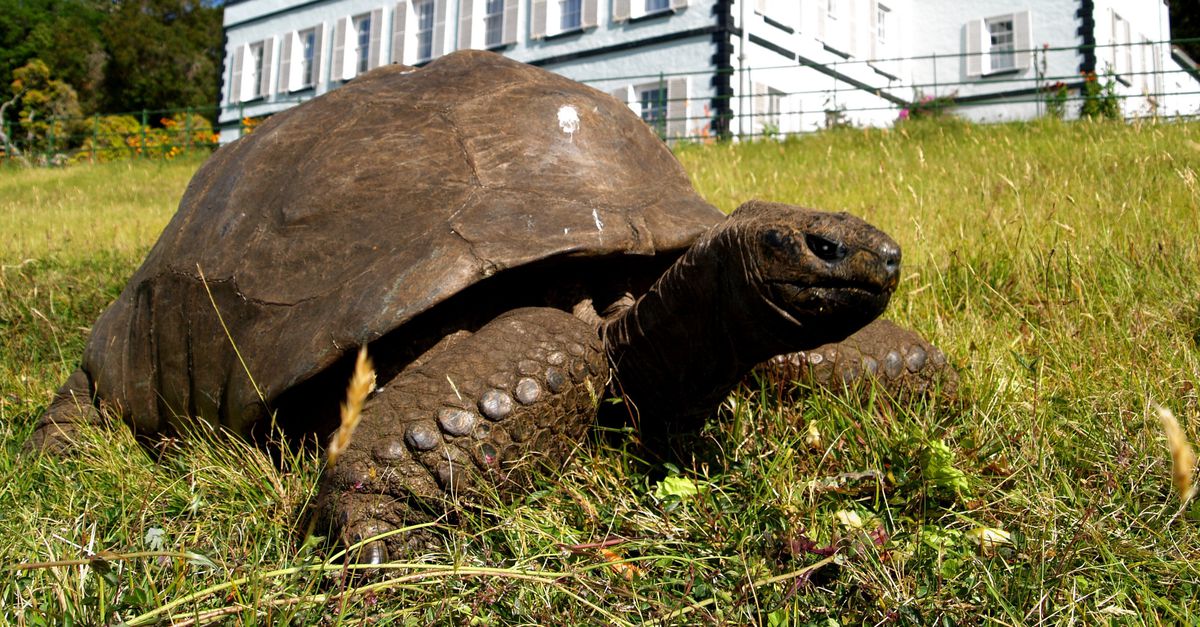
🐢
Jonathan's secret: the world's oldest tortoise has the energy metabolism of a teenager
Jonathans geheim: de oudste landschildpad ter wereld heeft de energiehuishouding van een puber
Le secret de Jonathan : la plus vieille tortue terrestre du monde a le métabolisme énergétique d’un adolescent
So, Jonathan the giant tortoise is at least 194 years old, and a new study may offer a clue to his extraordinary longevity. Researchers found that 277 of his genes retain epigenetic patterns resembling those of very young tortoises. Many of these genes help mitochondria produce energy, suggesting Jonathan’s cells may keep this vital system working remarkably well with age. The finding could offer insights into human ageing too, while Jonathan himself is still basking in the sun and enjoying ripe pears.
Jonathan, de reuzenschildpad, is minstens 194 jaar oud, en een nieuwe studie werpt mogelijk licht op zijn uitzonderlijke levensduur. Onderzoekers ontdekten dat 277 van zijn genen epigenetische patronen hebben die lijken op die van heel jonge schildpadden. Veel van die genen helpen mitochondriën energie produceren, wat erop wijst dat dit belangrijke systeem in Jonathans cellen opvallend goed blijft werken. De ontdekking kan ook inzichten bieden in menselijke veroudering, terwijl Jonathan zelf nog altijd in de zon ligt en van rijpe peren geniet.
Jonathan, la tortue géante, a au moins 194 ans, et une nouvelle étude pourrait éclairer sa longévité exceptionnelle. Les chercheurs ont découvert que 277 de ses gènes conservent des marques épigénétiques semblables à celles de très jeunes tortues. Beaucoup de ces gènes contribuent à la production d’énergie dans les mitochondries, ce qui laisse penser que ce système essentiel fonctionne remarquablement bien dans ses cellules malgré son âge. Cette découverte pourrait aussi éclairer le vieillissement humain, tandis que Jonathan continue de profiter du soleil et de poires mûres.

⚓
World's oldest shipwreck found off the coast of Turkey
’s Werelds oudste scheepswrak gevonden voor de kust van turkije
La plus ancienne épave du monde découverte au large de la turquie
Archaeologists have discovered a shipwreck off Turkey’s Kekova Island that they date to between 4,400 and 4,700 years ago, around the time the Great Pyramid was being built. Though its wooden structure has vanished, the seabed still holds more than 30 ceramic storage pots and three stone anchors. Some pots contain a surprising amount of residue, which researchers are studying to find out whether it was olive oil, wine, tree resin or something else. The cargo is also offering fresh clues about ancient Mediterranean trade, with the vessel thought to have been travelling towards Troy or Crete.
Archeologen hebben voor het Turkse eiland Kekova een scheepswrak ontdekt dat volgens hen 4.400 tot 4.700 jaar oud is, ongeveer uit de tijd waarin de Grote Piramide werd gebouwd. De houten constructie is verdwenen, maar op de zeebodem liggen nog meer dan 30 keramische voorraadpotten en drie stenen ankers. In sommige potten zit verrassend veel residu, dat onderzoekers bestuderen om te ontdekken of het om olijfolie, wijn, boomhars of iets anders gaat. De lading biedt ook nieuwe aanwijzingen over de handel in het oude Middellandse Zeegebied: het schip was vermoedelijk onderweg naar Troje of Kreta.
Des archéologues ont découvert au large de l’île turque de Kekova une épave qu’ils estiment vieille de 4 400 à 4 700 ans, soit à peu près de l’époque de la construction de la grande pyramide. La structure en bois a disparu, mais plus de 30 jarres en céramique et trois ancres en pierre reposent encore sur les fonds marins. Certaines jarres contiennent une quantité étonnante de résidus, que les chercheurs analysent pour déterminer s’il s’agit d’huile d’olive, de vin, de résine d’arbre ou d’autre chose. Cette cargaison apporte aussi de nouveaux indices sur le commerce dans l’ancienne Méditerranée, le navire ayant probablement fait route vers Troie ou la Crète.
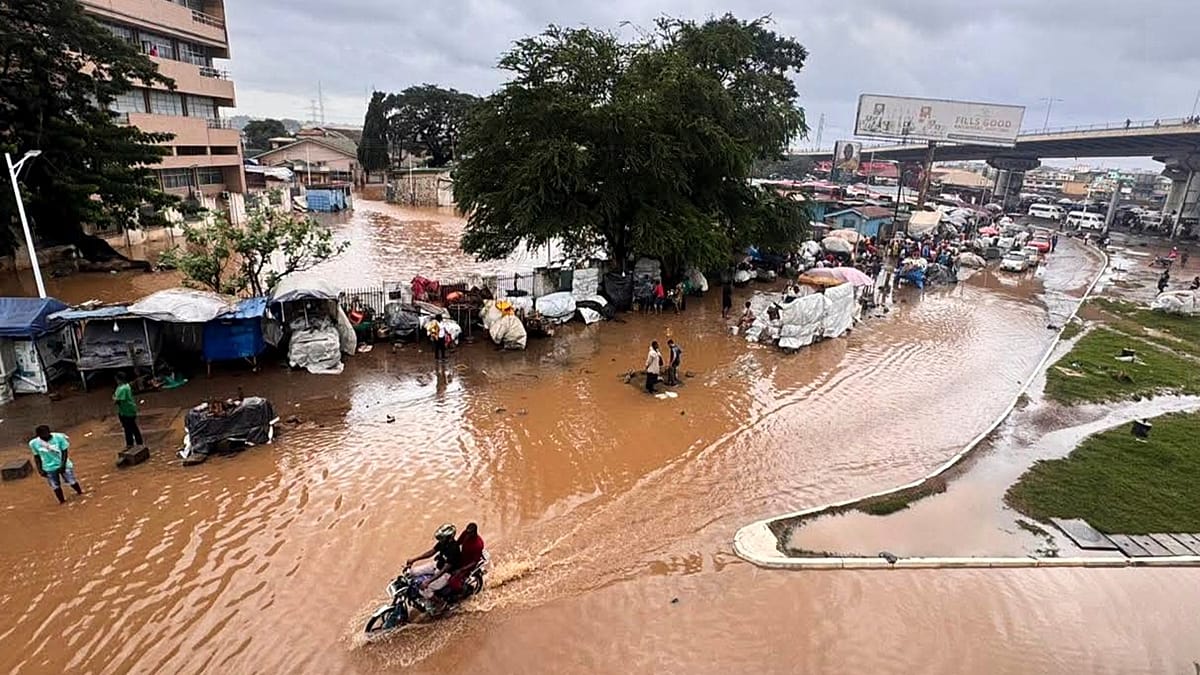
📱
Africa records fastest gains in disaster resilience
Afrika boekt wereldwijd de snelste vooruitgang in rampenbestendigheid
L’Afrique progresse le plus vite au monde en matière de résilience face aux catastrophes
Here’s the encouraging news: African regions have made the world’s fastest gains in disaster resilience since 2023, according to a new World Risk Poll study of more than 143,000 people in 140 countries and territories. North Africa improved by five points, while Southern Africa gained four, with internet access, household preparedness and stronger financial resilience helping drive progress. And here's the thing: these gains do not mean Africa is the most resilient continent, and serious gaps remain - only 47% of disaster-affected adults in Central and Western Africa said they received a warning. The study points to mobile phones and alerts delivered through several channels as practical ways to help more people prepare and act.
Mooi nieuws: Afrikaanse regio’s hebben sinds 2023 wereldwijd de snelste vooruitgang geboekt op het vlak van rampenbestendigheid, blijkt uit een nieuwe World Risk Poll onder meer dan 143.000 mensen in 140 landen en gebieden. Noord-Afrika won vijf punten en Zuidelijk Afrika vier, mede dankzij betere internettoegang, meer voorbereiding in huishoudens en sterkere financiële weerbaarheid. Tegelijk betekent die vooruitgang niet dat Afrika het meest weerbare continent is - in Centraal- en West-Afrika zei slechts 47% van de volwassenen die door rampen waren getroffen dat ze een waarschuwing hadden ontvangen. Mobiele telefoons en waarschuwingen via meerdere kanalen bieden volgens het onderzoek concrete kansen om meer mensen te bereiken en te helpen handelen.
Bonne nouvelle : les régions africaines ont enregistré depuis 2023 les progrès les plus rapides au monde en matière de résilience face aux catastrophes, selon une nouvelle étude du World Risk Poll menée auprès de plus de 143 000 personnes dans 140 pays et territoires. L’Afrique du Nord a gagné cinq points et l’Afrique australe quatre, grâce notamment à un meilleur accès à Internet, à une préparation accrue des ménages et à une résilience financière renforcée. Mais ces progrès ne signifient pas que l’Afrique est le continent le plus résilient, et d’importantes disparités subsistent : en Afrique centrale et occidentale, seuls 47 % des adultes touchés par une catastrophe ont déclaré avoir reçu une alerte. L’étude met en avant les téléphones mobiles et la diffusion des alertes par plusieurs canaux comme des moyens concrets d’aider davantage de personnes à se préparer et à agir.

📷
A historic photograph gets a memorial in paris
Historische foto krijgt een herdenkingsplek in parijs
Une photographie historique reçoit un mémorial à paris
So, a bronze plaque in Paris will mark the spot where Louis Daguerre took his 1838 photograph of Boulevard du Temple. Two blurry figures appear in the image, and they are believed to be the first people captured in a documentary photograph. Swedish filmmakers Maximilien Van Aertryck, Axel Danielson and Kalle Boman launched the initiative and used archival research and 3D scans to pinpoint the location. The memorial offers a lovely reminder of how photography changed the way we see and record the world.
In Parijs markeert een bronzen plaquette binnenkort de plek waar Louis Daguerre in 1838 zijn foto van de Boulevard du Temple maakte. Op de opname zijn twee vage figuren te zien, die vermoedelijk de eerste mensen zijn die op een documentairefoto werden vastgelegd. De Zweedse filmmakers Maximilien Van Aertryck, Axel Danielson en Kalle Boman namen het initiatief en gebruikten archiefonderzoek en 3D-scans om de locatie te bepalen. De herdenkingsplek herinnert mooi aan de manier waarop fotografie onze kijk op de wereld heeft veranderd.
À Paris, une plaque de bronze signalera bientôt l’endroit où Louis Daguerre a photographié le boulevard du Temple en 1838. Deux silhouettes floues apparaissent sur l’image et seraient les premières personnes immortalisées dans une photographie documentaire. Les cinéastes suédois Maximilien Van Aertryck, Axel Danielson et Kalle Boman ont lancé l’initiative et ont combiné recherches d’archives et scans 3D pour retrouver le lieu précis. Ce mémorial rappelle avec sensibilité combien la photographie a transformé notre manière de voir et de documenter le monde.

♻️
Teenagers worldwide are tackling the plastics crisis
Tieners wereldwijd pakken de plasticcrisis aan
Des adolescents du monde entier s’attaquent à la crise du plastique
Teenagers around the world are turning the plastic crisis into practical action, starting with problems they spot in their own schools and communities. In Singapore, students found their cafeteria used 72,000 pieces of disposable plastic each year and won the 2026 Unplastify Challenge with a campaign for reusable lunch boxes. The program has reached more than 3,000 students across 25 countries, whose projects range from biodegradable glitter to banana-leaf packaging and have helped avoid an estimated 72 tons of plastic. And here's the thing: by designing and carrying out their own solutions, young people gain project skills while making a real difference.
Jongeren over de hele wereld zetten de plasticcrisis om in praktische actie, te beginnen bij problemen die ze opmerken in hun eigen scholen en gemeenschappen. In Singapore ontdekten leerlingen dat hun schoolkantine jaarlijks 72.000 wegwerpproducten van plastic gebruikte; met een campagne voor herbruikbare lunchdozen wonnen ze de Unplastify Challenge van 2026. Het programma heeft meer dan 3.000 leerlingen in 25 landen bereikt, met projecten die variëren van biologisch afbreekbare glitter tot verpakkingen van bananenbladeren en die naar schatting 72 ton plastic hebben bespaard. En het mooie is: door zelf oplossingen te bedenken en uit te voeren, ontwikkelen jongeren projectvaardigheden én maken ze echt verschil.
Partout dans le monde, des adolescents passent à l’action face à la crise du plastique, en commençant par les problèmes qu’ils observent dans leurs écoles et leurs communautés. À Singapour, des élèves ont découvert que la cantine de leur établissement utilisait 72 000 articles en plastique jetables par an; leur campagne en faveur de boîtes-repas réutilisables leur a permis de remporter le défi Unplastify 2026. Le programme a accompagné plus de 3 000 élèves dans 25 pays, dont les projets vont des paillettes biodégradables aux emballages en feuilles de bananier et ont permis d’éviter environ 72 tonnes de plastique. Et voici ce qui est formidable : en imaginant et en réalisant leurs propres solutions, les jeunes acquièrent des compétences en gestion de projet tout en faisant une vraie différence.
🦕
A 210-million-year-old dinosaur discovery reveals a lost world in Africa
Een 210 miljoen jaar oude dinosaurus onthult een verloren wereld in Afrika
Un dinosaure vieux de 210 millions d’années révèle un monde disparu en Afrique
A newly described dinosaur from Zimbabwe is helping reveal a distinct prehistoric world in Africa. Named Musango matusadonaensis, it walked on two legs, grew to about 4.5 metres long and lived around 210 million years ago. Fossils gathered along the shore of Lake Kariba show that Zimbabwe’s ancient dinosaurs were not simply the same as those found in better-known South African sites. The researchers are now exploring whether differences in the environment helped shape this remarkable regional variety.
Een pas beschreven dinosaurus uit Zimbabwe helpt een bijzondere prehistorische wereld in Afrika bloot te leggen. Musango matusadonaensis liep op twee poten, werd ongeveer 4,5 meter lang en leefde zo’n 210 miljoen jaar geleden. Fossielen langs de oevers van het Karibameer laten zien dat de dinosaurussen van het oude Zimbabwe niet zomaar dezelfde waren als die uit de bekendere vindplaatsen in Zuid-Afrika. Onderzoekers bekijken nu of verschillen in de omgeving deze opmerkelijke regionale variatie hebben gevormd.
Un dinosaure récemment décrit au Zimbabwe contribue à révéler un monde préhistorique singulier en Afrique. Baptisé Musango matusadonaensis, il marchait sur deux pattes, mesurait environ 4,5 mètres de long et vivait il y a près de 210 millions d’années. Les fossiles recueillis sur les rives du lac Kariba montrent que les dinosaures du Zimbabwe ancien n’étaient pas simplement les mêmes que ceux des sites sud-africains plus connus. Les chercheurs étudient maintenant si les différences environnementales ont façonné cette remarquable diversité régionale.
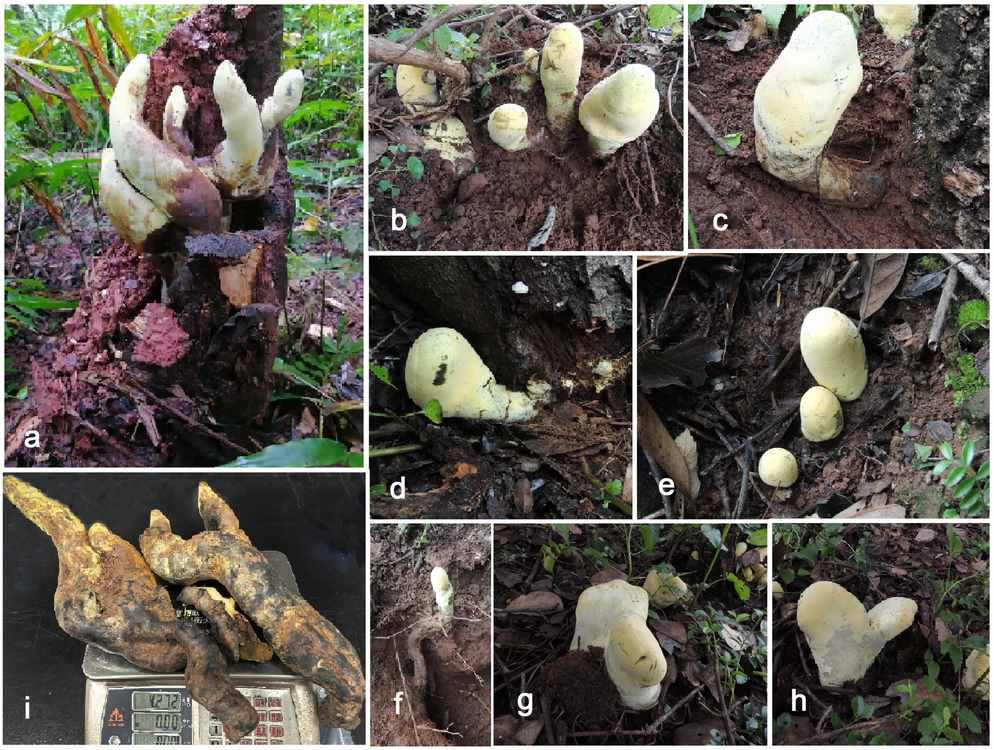
🍄
Meet D-rex, the giant fungus from China’s forests
Maak kennis met D-rex, de reuzenzwam uit de Chinese bossen
Découvrez D-rex, le champignon géant des forêts chinoises
Deep in the forests of China’s Yunnan province, researchers have found a remarkable giant fungus growing on the roots of cork oak trees. Named Dianjunus rex, or D-rex, it produces towering fruiting bodies that can reach 20 inches high and weigh up to five pounds. Genetic analysis suggests its newly identified fungal family arose around 65 million years ago, soon after the extinction that wiped out the dinosaurs. And here's the thing: this discovery offers a fascinating glimpse into how changing forests may have opened new opportunities for wood-decomposing fungi.
Diep in de bossen van de Chinese provincie Yunnan ontdekten onderzoekers een bijzondere reuzenzwam op de wortels van kurkeiken. De soort kreeg de naam Dianjunus rex, of D-rex, en vormt vruchtlichamen die wel 50 centimeter hoog kunnen worden en tot 2,3 kilo wegen. Genetisch onderzoek wijst erop dat deze nieuw ontdekte schimmelfamilie zo’n 65 miljoen jaar geleden ontstond, kort na de massa-extinctie waarbij de dinosauriërs verdwenen. En dat is bijzonder: de ontdekking geeft een boeiende blik op hoe veranderende bossen nieuwe kansen kunnen hebben geboden aan houtafbrekende schimmels.
Au cœur des forêts de la province chinoise du Yunnan, des chercheurs ont découvert un champignon géant remarquable, qui pousse sur les racines de chênes-lièges. Baptisé Dianjunus rex, ou D-rex, il produit des fructifications pouvant atteindre 50 centimètres de haut et peser jusqu’à 2,3 kilos. D’après les analyses génétiques, cette famille de champignons récemment identifiée serait apparue il y a environ 65 millions d’années, peu après l’extinction qui a emporté les dinosaures. Et voici ce qui rend cette découverte passionnante : elle nous éclaire sur la façon dont les changements forestiers ont pu offrir de nouvelles possibilités aux champignons décomposeurs du bois.

🌹
The mathematical secret behind curling rose petals
Het wiskundige geheim achter krullende rozenblaadjes
Le secret mathématique des pétales de rose qui s’enroulent
So, rose petals are more than just pretty: their curled, pointed shapes have a fascinating mathematical explanation. Different growth rates can make plant tissue want to curl, while the material’s limits create mechanical stresses that shape it. Physicist Eran Sharon’s team studied rose petals with mathematical models, computer simulations and experiments to understand what makes them different from other plants. Their work shows how geometry and growth come together in the distinctive form of a rose petal.
Rozenblaadjes zijn dus niet alleen mooi: hun gekrulde, spitse vormen hebben ook een boeiende wiskundige verklaring. Verschillen in groeisnelheid kunnen plantenweefsel laten krullen, terwijl de beperkingen van het materiaal mechanische spanningen veroorzaken die de vorm bepalen. Natuurkundige Eran Sharon en zijn team onderzochten rozenblaadjes met wiskundige modellen, computersimulaties en experimenten om te begrijpen waarom ze anders zijn dan andere planten. Hun onderzoek laat zien hoe geometrie en groei samen de kenmerkende vorm van een rozenblaadje creëren.
Les pétales de rose ne sont donc pas seulement jolis : leur forme recourbée et pointue s’explique aussi par des mathématiques fascinantes. Des différences de vitesse de croissance peuvent inciter les tissus végétaux à se courber, tandis que les limites du matériau créent des tensions mécaniques qui façonnent le pétale. Le physicien Eran Sharon et son équipe ont étudié les pétales à l’aide de modèles mathématiques, de simulations informatiques et d’expériences afin de comprendre ce qui les distingue des autres plantes. Leurs travaux montrent comment la géométrie et la croissance s’associent pour donner aux pétales de rose leur forme caractéristique.

🌲
Ontario protects a boreal forest area larger than Toronto from development
Ontario beschermt een boreaal bosgebied groter dan Toronto tegen ontwikkeling
L’Ontario protège de l’aménagement une forêt boréale plus vaste que Toronto
So, a huge stretch of northern Ontario’s boreal forest and peatlands is set to be protected from industrial development. The Nature Conservancy of Canada acquired 814 square kilometres south of Kapuskasing, with the project backed by $64 million from public and private donors, including $13 million from the federal government. Where the landscape is healthy and no vulnerable species are present, some day-use activities such as hiking and paddling may still be allowed under provincial rules. The announcement arrives ahead of a global biodiversity summit, as Canada works toward its conservation goals.
Een uitgestrekt deel van het boreale bos en de veengebieden in het noorden van Ontario wordt beschermd tegen industriële ontwikkeling. De Nature Conservancy of Canada heeft ten zuiden van Kapuskasing 814 vierkante kilometer aangekocht, met steun van 64 miljoen dollar aan publieke en private bijdragen, waaronder 13 miljoen dollar van de federale overheid. Waar het landschap gezond is en geen kwetsbare soorten voorkomen, blijven sommige dagactiviteiten, zoals wandelen en kanoën, mogelijk volgens de provinciale regels. De aankondiging komt vlak voor een internationale biodiversiteitstop, terwijl Canada aan zijn natuurbeschermingsdoelen werkt.
Une vaste étendue de forêt boréale et de tourbières du nord de l’Ontario sera protégée contre le développement industriel. La Nature Conservancy of Canada a acquis 814 kilomètres carrés au sud de Kapuskasing, grâce à un financement total de 64 millions de dollars provenant de sources publiques et privées, dont 13 millions du gouvernement fédéral. Là où le milieu naturel est en bon état et où aucune espèce vulnérable n’est présente, certaines activités de loisir à la journée, comme la randonnée et le canot, pourraient rester permises selon les règles provinciales. Cette annonce précède un sommet international sur la biodiversité, alors que le Canada poursuit ses objectifs de conservation.

🐟
Atlantic bluefin tuna spotted off the Belgian coast again
Rode tonijn opnieuw gezien voor de Belgische kust
Le thon rouge réapparaît au large de la côte belge
So: the Flemish Marine Institute has reported a remarkable sighting near the Belgian coast. Three or four Atlantic bluefin tuna, measuring around 1.5 to 2 metres, were seen hunting about 50 metres from the Thornton Bank. The species was last observed in Belgian waters in the 1960s, and the witnesses’ accounts were considered sufficient by the institute, although no images were recorded. Intensive fishing and declining herring numbers are thought to have contributed to the tuna’s disappearance.
Het Vlaams Instituut voor de Zee meldde een bijzondere waarneming voor de Belgische kust. Drie of vier Atlantische blauwvintonijnen van ongeveer 1,5 tot 2 meter werden jagend gezien, op zo’n 50 meter van de Thorntonbank. De soort werd voor het laatst in de Belgische wateren waargenomen in de jaren 60; hoewel er geen beelden zijn, vindt het instituut de getuigenissen voldoende. Intensieve visserij en de afname van het aantal haringen zouden hebben bijgedragen aan het verdwijnen van de tonijnen.
L’Institut flamand de la mer a signalé une observation remarquable au large de la côte belge. Trois ou quatre thons rouges de l’Atlantique, mesurant entre 1,5 et 2 mètres, ont été aperçus en pleine chasse à une cinquantaine de mètres du banc de Thornton. L’espèce n’avait plus été observée dans les eaux belges depuis les années 1960 ; aucune image n’a été enregistrée, mais l’institut estime les témoignages suffisants. La pêche intensive et la baisse du nombre de harengs auraient contribué à la disparition des thons.
🐦
Scientists use AI to teach birds a forgotten song
Wetenschappers leren vogels met AI een vergeten lied
Des scientifiques apprennent aux oiseaux un chant oublié grâce à l’IA
Researchers have used artificial intelligence to help teach birds to sing. In an unusual experiment, the birds learned a song that had been forgotten. The work brings technology and the natural world together in a remarkable way. And here's the thing: it offers a hopeful glimpse of how AI can help preserve animal songs.
Onderzoekers gebruikten kunstmatige intelligentie om vogels te helpen zingen. In een bijzonder experiment leerden de vogels een lied dat in de vergetelheid was geraakt. Het onderzoek brengt technologie en de natuur op een opmerkelijke manier samen. En dat is hoopgevend: het laat zien hoe AI kan helpen om dierengeluiden te bewaren.
Des chercheurs ont utilisé l’intelligence artificielle pour aider des oiseaux à chanter. Au cours d’une expérience étonnante, les oiseaux ont appris un chant tombé dans l’oubli. Cette recherche réunit la technologie et le monde naturel d’une manière remarquable. Et voici ce qui est encourageant : elle montre comment l’IA pourrait contribuer à préserver les chants des animaux.
🪰
Scientists accidentally find a remedy for the Asian fly troubling fruit growers
Wetenschappers vinden per ongeluk een oplossing voor de Aziatische vlieg die fruittelers dwarszit
Des scientifiques trouvent par hasard un remède contre la mouche asiatique qui menace les fruiticulteurs
A chance discovery by scientists could offer fruit growers a new way to tackle a troublesome Asian fly. The pest has been causing difficulties for people who grow fruit, making the finding especially welcome. The discovery points to a promising approach, though the headline does not reveal how it works or how it might be used. Now, researchers have an unexpected lead that could help protect fruit crops.
Een toevallige ontdekking van wetenschappers kan fruittelers een nieuwe manier bieden om een lastige Aziatische vlieg aan te pakken. De plaag bezorgt fruittelers problemen, waardoor de vondst bijzonder welkom is. De ontdekking wijst op een veelbelovende aanpak, al maakt de kop niet duidelijk hoe die werkt of kan worden toegepast. Zo hebben onderzoekers onverwacht een spoor gevonden dat fruitgewassen kan helpen beschermen.
Une découverte fortuite de scientifiques pourrait offrir aux fruiticulteurs un nouveau moyen de lutter contre une mouche asiatique particulièrement gênante. Ce ravageur leur cause des difficultés, ce qui rend cette trouvaille très encourageante. Elle ouvre la voie à une approche prometteuse, même si le titre ne précise pas son fonctionnement ni son application. Les chercheurs disposent ainsi d’une piste inattendue pour aider à protéger les cultures fruitières.

🏺
New analysis sheds light on ancient Egyptian burial practices
Nieuwe analyse werpt licht op oude Egyptische begrafenisrituelen
Une nouvelle analyse éclaire les rites funéraires de l’Égypte ancienne
So, new forensic research has brought fresh evidence to a long-running debate about hundreds of graves near the tombs of Egypt’s earliest kings at Abydos. Anthropologist Roselyn A. Campbell examined the recovered bones with modern methods and found signs that at least some members of the royal court were deliberately killed around 5,000 years ago. Her findings challenge the old theory that they were buried alive, while supporting the possibility that they were sacrificed to serve their rulers in the afterlife. It’s a fascinating new look at how careful study of ancient remains can reshape what we think we know about early Egyptian history.
Nieuwe forensische analyses leveren vers bewijs voor een langlopend debat over honderden graven bij de tombes van de vroegste Egyptische koningen in Abydos. Antropologe Roselyn A. Campbell onderzocht de opgegraven botten met moderne methoden en vond aanwijzingen dat minstens enkele leden van het hof zo’n 5000 jaar geleden opzettelijk zijn gedood. Haar bevindingen zetten de oude theorie op losse schroeven dat zij levend werden begraven, maar ondersteunen de mogelijkheid dat ze werden geofferd om hun heersers in het hiernamaals te dienen. Het is een boeiende nieuwe kijk op hoe zorgvuldig onderzoek van oude menselijke resten ons beeld van de vroege Egyptische geschiedenis kan bijstellen.
De nouvelles analyses médico-légales apportent des éléments inédits à un débat de longue date sur les centaines de tombes proches de celles des premiers rois d’Égypte, à Abydos. L’anthropologue Roselyn A. Campbell a étudié les ossements retrouvés à l’aide de méthodes modernes et découvert des indices montrant qu’au moins certains membres de la cour royale ont été tués intentionnellement il y a environ 5 000 ans. Ses résultats remettent en cause l’ancienne théorie selon laquelle ils auraient été enterrés vivants, tout en confortant l’hypothèse d’un sacrifice destiné à servir les souverains dans l’au-delà. Voilà une nouvelle démonstration passionnante de la manière dont l’étude attentive des vestiges humains peut renouveler notre compréhension des débuts de l’histoire égyptienne.

🌱
A thousand Swiss volunteers buried underwear to test soil health
Duizend Zwitserse vrijwilligers begroeven ondergoed om de bodemgezondheid te testen
Mille volontaires suisses ont enterré des sous-vêtements pour tester la santé des sols
So, here’s a wonderfully unusual way to learn about soil: bury cotton underwear, wait two months, then see what’s left. In Switzerland, 1,000 volunteers buried more than 2,000 pairs of undies and 12,000 tea bags at sites across the country for a citizen science project. Researchers found that underwear decomposed fastest in private gardens and slowest on lawns, showing how soil management can influence the life beneath our feet. And here’s the thing - participants also received personal tips for caring for their soil more sustainably.
Zo ontdek je op een heerlijk ongebruikelijke manier meer over de bodem: begraaf katoenen ondergoed, wacht twee maanden en kijk wat ervan overblijft. In Zwitserland begroeven 1.000 vrijwilligers meer dan 2.000 onderbroeken en 12.000 theezakjes op verschillende plekken in het land voor een burgerwetenschapsproject. Onderzoekers ontdekten dat het ondergoed het snelst verteerde in privétuinen en het langzaamst op gazons, wat laat zien hoe bodembeheer het leven onder onze voeten beïnvloedt. En mooi meegenomen: de deelnemers kregen ook persoonlijk advies om hun bodem duurzamer te verzorgen.
Voici une façon délicieusement insolite d’en apprendre davantage sur les sols : enterrer des sous-vêtements en coton, attendre deux mois, puis regarder ce qu’il en reste. En Suisse, 1 000 volontaires ont enfoui plus de 2 000 culottes et 12 000 sachets de thé dans différents lieux du pays dans le cadre d’un projet de science participative. Les chercheurs ont constaté que les sous-vêtements se décomposaient le plus vite dans les jardins privés et le plus lentement sur les pelouses, révélant l’influence de la gestion des sols sur la vie sous nos pieds. Et ce n’est pas tout : les participants ont aussi reçu des conseils personnalisés pour prendre soin de leurs sols de manière plus durable.
🚀
Perseverance rover sets a new Mars driving record
Perseverance-rover vestigt nieuw rijrecord op Mars
Le rover Perseverance établit un nouveau record de conduite sur Mars
NASA’s Perseverance rover has set a new driving record on Mars, marking an exciting milestone in planetary exploration. The achievement showcases the rover’s ability to travel across the challenging Martian landscape. Each journey helps the mission explore more of its surroundings and support scientific research. And here’s the thing: this kind of progress also helps prepare for future exploration of the Red Planet.
NASA’s Perseverance-rover heeft een nieuw rijrecord gevestigd op Mars, een spannende mijlpaal in de verkenning van andere planeten. De prestatie toont hoe de rover zich een weg kan banen door het uitdagende Marslandschap. Elke rit helpt de missie meer van de omgeving te verkennen en wetenschappelijk onderzoek te ondersteunen. En daar zit precies de kracht: zulke vooruitgang helpt ook toekomstige verkenningen van de rode planeet voor te bereiden.
Le rover Perseverance de la NASA a établi un nouveau record de conduite sur Mars, une étape marquante de l’exploration planétaire. Cette prouesse montre que le rover peut parcourir les terrains difficiles de la planète rouge. Chaque trajet aide la mission à explorer davantage les environs et à soutenir la recherche scientifique. Et voici l’essentiel : ces progrès contribuent aussi à préparer les futures explorations de Mars.
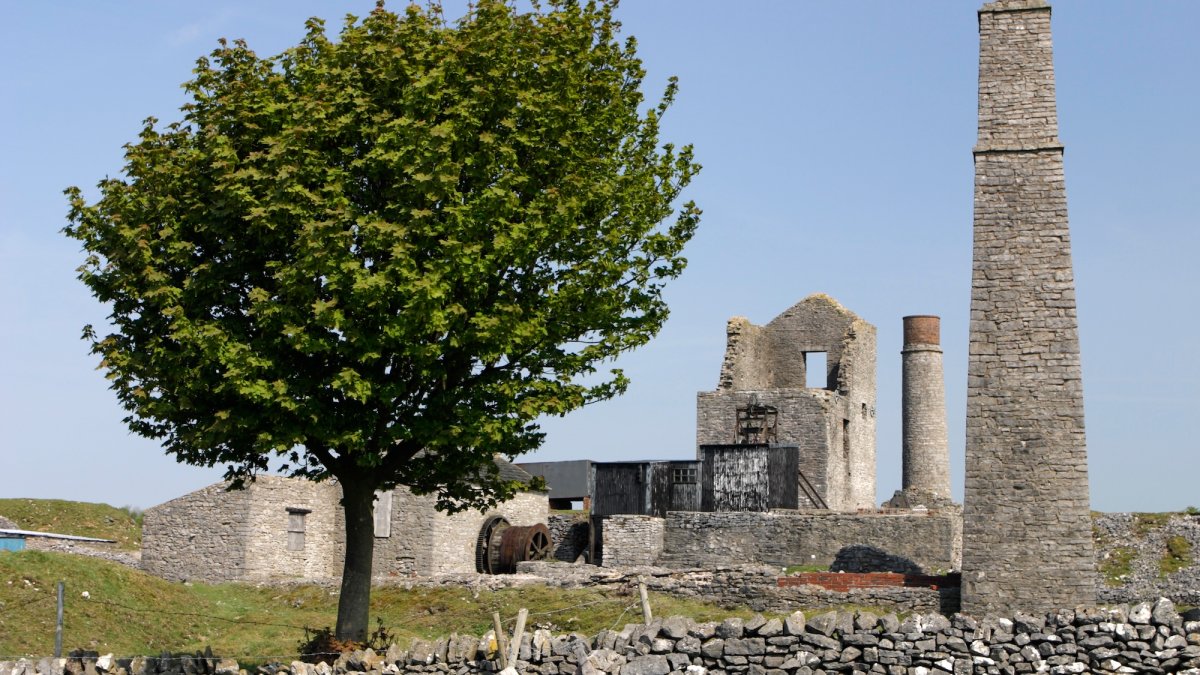
🦷
Medieval teeth reveal when lead began poisoning a town
Middeleeuwse tanden onthullen wanneer lood een stad begon te vergiftigen
Des dents médiévales révèlent quand le plomb a commencé à empoisonner une ville
So, medieval teeth have helped archaeologists date the renewed expansion of lead mining and smelting in England’s Peak District to the mid-7th century. By testing enamel from people buried between 650 and 1500 CE, researchers found that children were already carrying lead levels comparable to those recorded in industrial-era cities. Exposure rose across the region and peaked in the late 12th and early 13th centuries, but poorer residents and children from mining families appear to have faced greater risks than wealthier people. And here's the thing: especially high readings in several young women, alongside evidence that women often died younger, point to a strikingly unequal health toll.
Zo hebben middeleeuwse tanden archeologen geholpen vast te stellen dat de loodmijnbouw en -smelterijen in het Engelse Peak District vanaf het midden van de 7e eeuw opnieuw uitbreidden. Uit onderzoek van tandglazuur van mensen die tussen 650 en 1500 werden begraven, bleek dat kinderen al loodwaarden hadden die vergelijkbaar waren met die in steden uit het industriële tijdperk. De blootstelling nam in de regio toe en bereikte een hoogtepunt aan het einde van de 12e en het begin van de 13e eeuw, maar armere inwoners en kinderen uit mijnwerkersgezinnen liepen waarschijnlijk grotere risico’s dan welvarendere mensen. En dit is opvallend: bijzonder hoge waarden bij meerdere jonge vrouwen, samen met aanwijzingen dat vrouwen vaak jonger stierven, wijzen op een sterk ongelijke gezondheidsimpact.
Ainsi, des dents médiévales ont permis aux archéologues de dater la reprise de l’expansion des mines et fonderies de plomb dans le Peak District anglais au milieu du VIIe siècle. En analysant l’émail de personnes enterrées entre 650 et 1500, les chercheurs ont découvert que les enfants présentaient déjà des niveaux de plomb comparables à ceux relevés dans les villes de l’ère industrielle. L’exposition a augmenté dans la région et atteint son pic à la fin du XIIe et au début du XIIIe siècle, mais les habitants pauvres et les enfants de familles de mineurs semblent avoir été davantage exposés que les personnes aisées. Et voici ce qui frappe : des taux particulièrement élevés chez plusieurs jeunes femmes, ainsi que des indices montrant qu’elles mouraient souvent plus jeunes, révèlent un lourd impact sanitaire très inégal.

🥗
Any healthy diet can help slow biological aging
Elke gezonde eetwijze kan biologische veroudering vertragen
Toute alimentation saine peut ralentir le vieillissement biologique
So, here’s encouraging news: a study of 7,500 people links healthy eating with slower biological aging and a longer life. Researchers compared different ways of eating, and the surprising takeaway is that no single diet has to be the answer. What matters is choosing nourishing foods as part of a healthy overall pattern. That makes eating well feel refreshingly flexible.
Goed nieuws: een studie bij 7.500 mensen brengt gezond eten in verband met tragere biologische veroudering en een langer leven. De onderzoekers vergeleken verschillende eetpatronen, en de verrassende conclusie is dat er niet één dieet de beste keuze hoeft te zijn. Het draait vooral om voedzame producten en een gezond eetpatroon als geheel. Zo blijft gezond eten lekker flexibel.
Voilà une nouvelle encourageante : une étude menée auprès de 7 500 personnes associe une alimentation saine à un vieillissement biologique plus lent et à une vie plus longue. Les chercheurs ont comparé différentes façons de manger, et la conclusion surprenante est qu’un régime unique n’est pas forcément la solution. L’essentiel est de privilégier des aliments nourrissants dans le cadre d’une alimentation globalement équilibrée. De quoi rendre les bonnes habitudes alimentaires plus simples et plus souples.
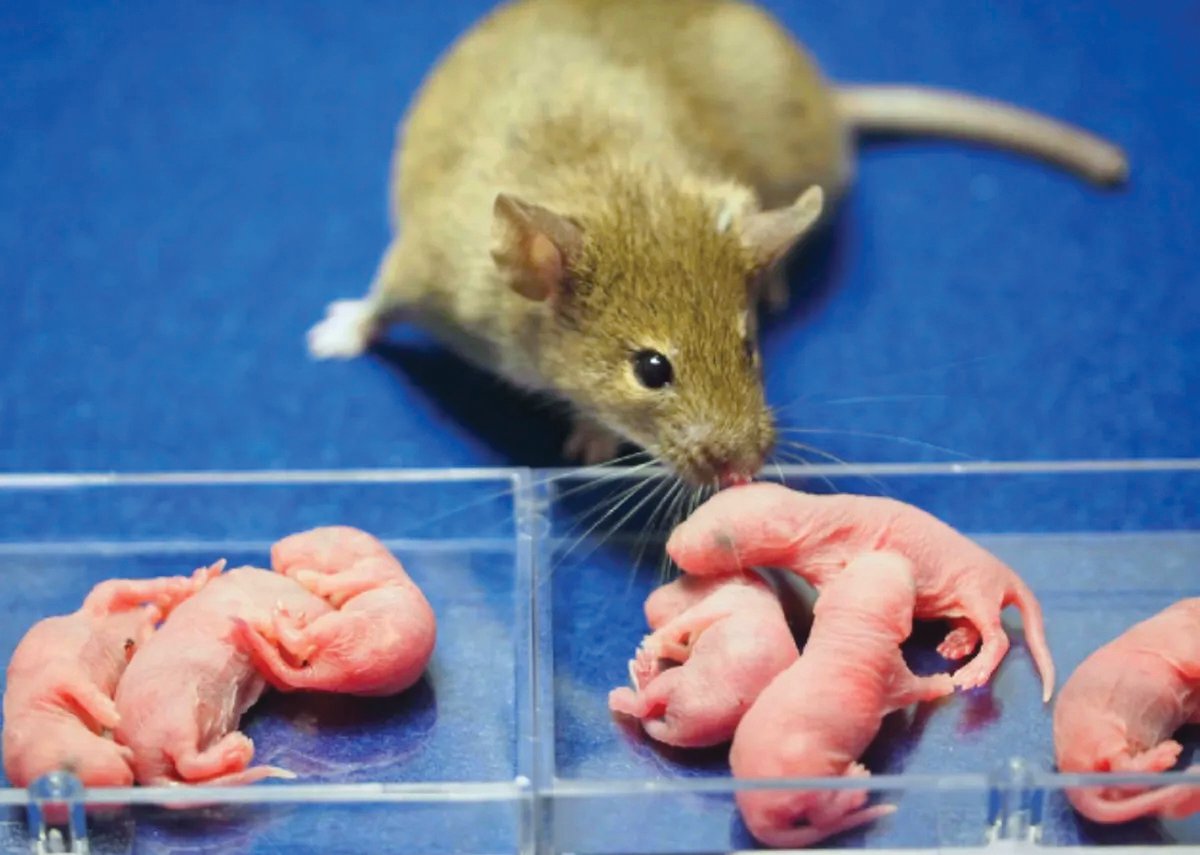
🐭
Sex-changing mouse clones may help save endangered species
Muisclonen van geslacht veranderen kan bedreigde diersoorten helpen redden
Des clones de souris dont le sexe change pourraient aider à sauver des espèces menacées
So, researchers have used a CRISPR-based method to remove the Y chromosome from cloned male mouse embryos, producing healthy, fertile female mice. This means a single male donor can give rise to both male and female clones, which then bred and produced offspring. The breakthrough could one day help conservationists create breeding pairs when only a few animals remain. There are important limits, though: many mammals cannot reproduce with just one X chromosome, so more work is needed before the method could help a wider range of species.
Onderzoekers hebben met een methode op basis van CRISPR het Y-chromosoom verwijderd uit gekloonde mannelijke muizenembryo's, waardoor gezonde, vruchtbare vrouwtjes ontstonden. Zo kan één mannelijke donor zowel mannelijke als vrouwelijke klonen voortbrengen, die samen jongen kregen. De doorbraak kan natuurbeschermers ooit helpen kweekparen te vormen wanneer er nog maar enkele dieren over zijn. Er zijn wel belangrijke beperkingen: veel zoogdieren kunnen zich niet voortplanten met slechts één X-chromosoom, dus er is meer onderzoek nodig voordat de methode voor meer soorten bruikbaar is.
Des chercheurs ont utilisé une méthode fondée sur CRISPR pour retirer le chromosome Y d’embryons clonés de souris mâles, donnant naissance à des femelles en bonne santé et fertiles. Un seul donneur mâle peut ainsi produire des clones mâles et femelles, qui se sont accouplés et ont eu des petits. Cette avancée pourrait un jour aider les défenseurs de la nature à créer des couples reproducteurs lorsqu’il ne reste que quelques individus d’une espèce. La méthode a toutefois ses limites : de nombreux mammifères ne peuvent pas se reproduire avec un seul chromosome X, et des recherches supplémentaires seront nécessaires pour l’adapter à d’autres espèces.
🦠
Your gut bacteria could change how many calories you absorb
Je darmbacteriën kunnen beïnvloeden hoeveel calorieën je opneemt
Vos bactéries intestinales pourraient modifier le nombre de calories que vous absorbez
So, the calories listed on food packaging don’t tell the whole story: gut microbes can help determine how much energy your body absorbs. Researchers at Arizona State University developed a model called DAMM to track digestion, nutrient absorption and the role of gut microbes. In a controlled diet study, a high-fiber eating plan was linked to 116 fewer calories absorbed per day than a typical Western-style plan. With further development, the model could help researchers understand metabolic health and support diets tailored to individuals.
Het aantal calorieën op een verpakking vertelt niet het hele verhaal: darmmicroben kunnen mee bepalen hoeveel energie je lichaam opneemt. Onderzoekers van de Arizona State University ontwikkelden DAMM, een model dat de spijsvertering, de opname van voedingsstoffen en de rol van darmmicroben in kaart brengt. In een gecontroleerd voedingsonderzoek hing een vezelrijk eetpatroon samen met 116 calorieën minder opname per dag dan een typisch westers eetpatroon. Met verdere ontwikkeling kan het model helpen om de stofwisseling beter te begrijpen en voedingsadvies op maat te ondersteunen.
Le nombre de calories indiqué sur un emballage ne raconte pas toute l’histoire : les microbes intestinaux peuvent contribuer à déterminer la quantité d’énergie absorbée par l’organisme. Des chercheurs de l’université d’État de l’Arizona ont créé DAMM, un modèle qui suit la digestion, l’absorption des nutriments et le rôle des microbes intestinaux. Dans une étude alimentaire contrôlée, un régime riche en fibres était associé à une absorption quotidienne inférieure de 116 calories par rapport à un régime occidental classique. À mesure qu’il sera développé, ce modèle pourrait aider à mieux comprendre la santé métabolique et à concevoir des régimes adaptés à chacun.
🔬
Light reveals a surprising way to spin through empty space
Licht ontwikkelt verrassend vanzelf een draaiing in lege ruimte
La lumière se met à tourner étonnamment dans le vide
So: researchers have found that carefully prepared light can develop spinning patterns as it travels through empty space, without special lenses, mirrors, or materials. The international team showed that a balanced beam can start with no spin, then develop distinct spinning regions as it moves forward. This reveals a hidden geometric feature of light and offers a fresh way to control its twists and turns. The discovery could eventually support more sensitive medical tests, faster and more secure communications, and new quantum technologies.
Onderzoekers ontdekten dat zorgvuldig voorbereide lichtbundels draaiende patronen kunnen ontwikkelen terwijl ze door lege ruimte reizen, zonder speciale lenzen, spiegels of materialen. Het internationale team toonde aan dat een gebalanceerde bundel zonder draaiing kan beginnen en onderweg toch verschillende draaiende gebieden kan vormen. Dat onthult een verborgen geometrische eigenschap van licht en biedt een nieuwe manier om de draaiing ervan te sturen. De ontdekking kan op termijn bijdragen aan gevoeligere medische tests, snellere en veiligere communicatie en nieuwe kwantumtechnologieën.
Des chercheurs ont découvert que la lumière préparée avec soin peut développer des motifs tournants en traversant le vide, sans lentilles, miroirs ni matériaux spéciaux. L’équipe internationale a montré qu’un faisceau équilibré peut commencer sans rotation, puis former différentes zones tournantes au fil de son parcours. Ce résultat révèle une structure géométrique cachée de la lumière et ouvre une nouvelle manière de contrôler ses torsions. Cette découverte pourrait à terme contribuer à des tests médicaux plus sensibles, à des communications plus rapides et plus sûres, ainsi qu’à de nouvelles technologies quantiques.
🧠
Scientists uncover 539 hidden chemical zones in the brain
Wetenschappers ontdekken 539 verborgen chemische zones in de hersenen
Des scientifiques découvrent 539 zones chimiques cachées dans le cerveau
Researchers at EPFL have created a detailed 3D map of lipids across the mouse brain, revealing 539 distinct chemical zones called lipizones. Using mass spectrometry imaging, they analyzed 172 lipids in 109 brain slices and combined around seven million measurements with machine learning. Some zones align with familiar brain structures, while others reveal hidden chemical boundaries and links between distant areas. And here's the thing: this lipid map can show aspects of brain organization that anatomy and gene activity alone may miss.
Onderzoekers van EPFL hebben een gedetailleerde 3D-kaart gemaakt van lipiden in de muizenhersenen en ontdekten 539 verschillende chemische zones, die ze lipizones noemen. Met beeldvorming via massaspectrometrie onderzochten ze 172 lipiden in 109 hersencoupes en combineerden ze ongeveer zeven miljoen metingen met machinelearning. Sommige zones komen overeen met bekende hersenstructuren, terwijl andere verborgen chemische grenzen en verbanden tussen ver uit elkaar liggende gebieden blootleggen. En dat is bijzonder: deze lipidenkaart laat aspecten van de hersenorganisatie zien die anatomie en genactiviteit alleen mogelijk missen.
Des chercheurs de l’EPFL ont créé une carte 3D détaillée des lipides dans le cerveau de souris et découvert 539 zones chimiques distinctes, qu’ils ont baptisées lipizones. Grâce à l’imagerie par spectrométrie de masse, ils ont analysé 172 lipides dans 109 coupes cérébrales et combiné environ sept millions de mesures à l’aide de l’apprentissage automatique. Certaines zones correspondent à des structures cérébrales connues, tandis que d’autres révèlent des frontières chimiques et des liens cachés entre des régions éloignées. Et voici ce qui est remarquable: cette carte lipidique met en évidence des aspects de l’organisation du cerveau que l’anatomie et l’activité génétique seules peuvent manquer.
🥩
Three Mol butcher’s products earn regional heritage status
Drie producten van Molse slager erkend als streekproduct
Trois produits d’un boucher de Mol reconnus comme spécialités régionales
So: three products made by Keurslagerij Van Hoof in Mol have received the official Flemish regional product label: Kempens smout, Kempense black pudding and beef fat. The family has been making them for three generations, meeting the label’s requirement of at least 25 years of tradition. The recognition celebrates local food heritage, from smout once used like butter to the black pudding’s finer texture. Owner Guido Van Hoof hopes it will introduce more people to these authentic products and help keep the butcher’s craft alive.
Drie producten van Keurslagerij Van Hoof in Mol kregen het officiële Vlaamse streekproductlabel: Kempens smout, Kempense zwarte pens en rundvet. De familie maakt ze al drie generaties lang en voldoet daarmee aan de voorwaarde van minstens 25 jaar traditie. De erkenning zet lokaal culinair erfgoed in de kijker, van smout dat vroeger als boter werd gebruikt tot de fijnere structuur van de zwarte pens. Zaakvoerder Guido Van Hoof hoopt dat meer mensen deze authentieke producten leren kennen en dat het ambacht van de beenhouwer zo levend blijft.
Trois produits de la boucherie Keurslagerij Van Hoof, à Mol, ont reçu le label officiel flamand de spécialité régionale : le smout de Campine, le boudin noir de Campine et la graisse de bœuf. La famille les fabrique depuis trois générations, répondant ainsi au critère d’une tradition d’au moins 25 ans. Cette distinction met à l’honneur le patrimoine culinaire local, du smout autrefois utilisé comme du beurre à la texture plus fine du boudin noir. Le gérant Guido Van Hoof espère faire découvrir ces produits authentiques à davantage de personnes et contribuer à préserver le métier de boucher.
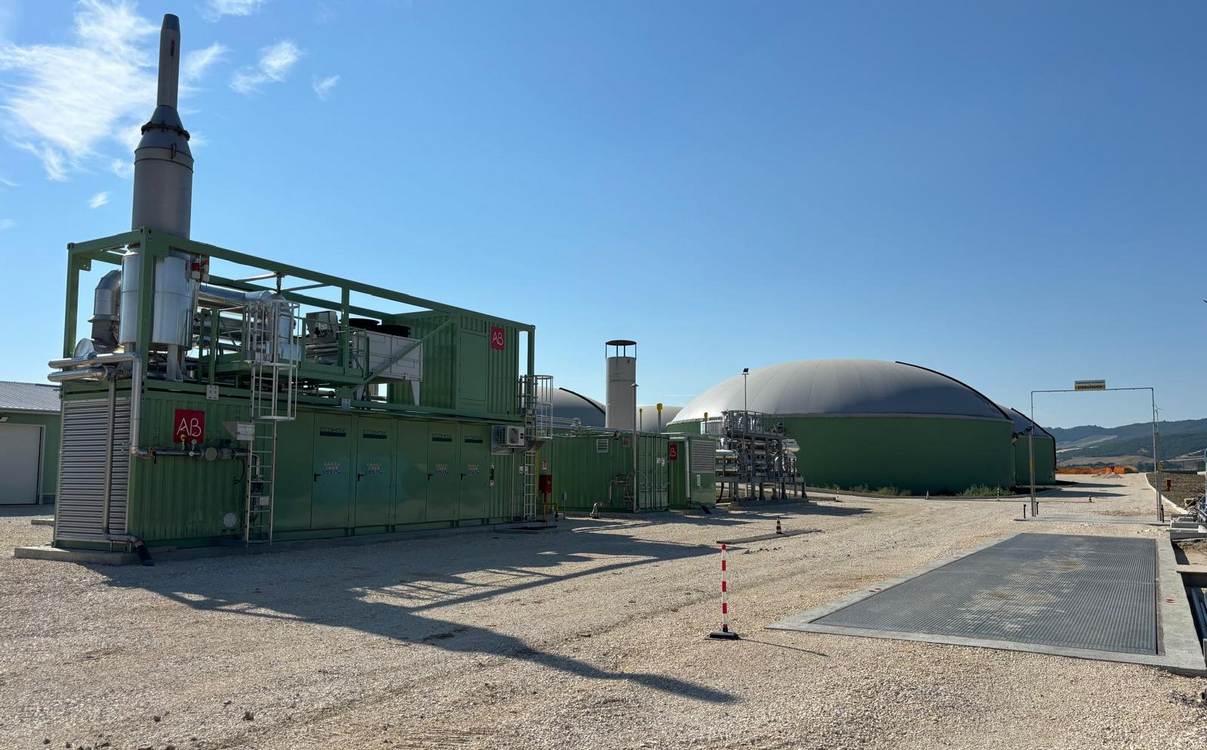
🌱
Italian biomethane plant brings renewable gas to thousands of homes
Italiaanse biomethaaninstallatie levert hernieuwbaar gas aan duizenden huishoudens
Une usine italienne de biométhane fournit du gaz renouvelable à des milliers de foyers
Now, a new biomethane plant in Grottole, southern Italy, is turning agricultural byproducts into renewable gas and fertilizer. Operated by Axpo, it is expected to reach annual output of 45 gigawatt-hours, enough to meet the average gas needs of about 3,200 homes. That could prevent around 9,000 tons of direct carbon dioxide emissions each year compared with natural gas, while making use of existing gas infrastructure. And here's the thing: the project also supports local farms, energy security, and Italy's growing biomethane industry.
Zo zet een nieuwe biomethaaninstallatie in Grottole, in Zuid-Italië, landbouwbijproducten om in hernieuwbaar gas en meststoffen. De installatie wordt beheerd door Axpo en zal naar verwachting jaarlijks 45 gigawattuur produceren, genoeg voor het gemiddelde gasverbruik van ongeveer 3.200 huishoudens. Daarmee kan jaarlijks zo'n 9.000 ton directe CO2-uitstoot worden vermeden in vergelijking met aardgas, terwijl de bestaande gasinfrastructuur wordt benut. En dit is mooi: het project ondersteunt ook lokale landbouwbedrijven, de energiezekerheid en de groeiende biomethaansector van Italië.
Une nouvelle usine de biométhane à Grottole, dans le sud de l’Italie, transforme des sous-produits agricoles en gaz renouvelable et en engrais. Exploitée par Axpo, elle devrait produire à terme 45 gigawattheures par an, soit l’équivalent des besoins moyens en gaz d’environ 3 200 foyers. Elle pourrait ainsi éviter près de 9 000 tonnes d’émissions directes de dioxyde de carbone par an par rapport au gaz naturel, tout en s’appuyant sur les infrastructures gazières existantes. Et voici ce qui est réjouissant : le projet soutient aussi les exploitations agricoles locales, la sécurité énergétique et le développement du biométhane en Italie.

🏘️
Social housing development offers residents access to electric cars
Nieuwbouw voor sociale huisvesting biedt bewoners elektrische auto’s
Un nouveau logement social met des voitures électriques à disposition des habitants
Here’s an encouraging idea from Glen Eden in Auckland: residents moving into Visionwest’s new 24-apartment social housing development will be able to book and use two electric cars, included with subsidised rent. The trial aims to ease transport costs while making low-emissions travel easier, with bus and train stations nearby. Visionwest hopes residents may eventually manage without owning a car, and they’ll also have access to practical, wraparound support. The development is the first stage of its Village of Hope and comes as more than 1,100 people wait for public housing in West Auckland.
Mooi nieuws uit Glen Eden in Auckland: bewoners van Visionwests nieuwe woonproject met 24 sociale huurappartementen kunnen twee elektrische auto’s reserveren en gebruiken, inbegrepen bij de gesubsidieerde huur. De proef moet de vervoerskosten verlagen en duurzaam reizen makkelijker maken, met bus- en treinstations in de buurt. Visionwest hoopt dat bewoners uiteindelijk geen eigen auto meer nodig hebben en biedt hun ook praktische, brede ondersteuning. Het project is de eerste fase van het Village of Hope, terwijl in West-Auckland meer dan 1.100 mensen op sociale huisvesting wachten.
Une belle initiative nous vient de Glen Eden, à Auckland : les habitants du nouveau projet de logements sociaux de Visionwest, qui compte 24 appartements, pourront réserver et utiliser deux voitures électriques, incluses dans le loyer subventionné. Cette expérimentation vise à réduire les frais de transport et à faciliter les déplacements à faibles émissions, avec des gares routière et ferroviaire à proximité. Visionwest espère qu’à terme, les habitants pourront se passer de voiture personnelle et bénéficieraient aussi d’un accompagnement complet et concret. Le projet constitue la première étape de son Village of Hope, alors que plus de 1 100 personnes attendent un logement social dans l’ouest d’Auckland.
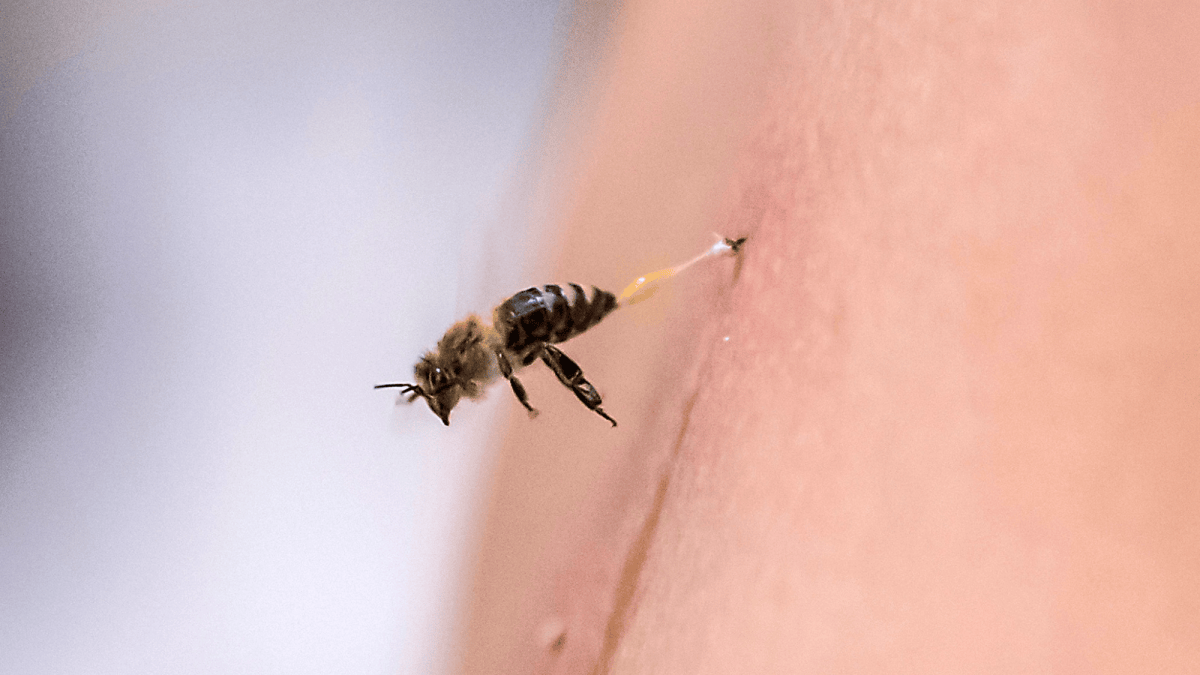
🐝
Bee stingers work like tiny saw-powered pumps
Bijensteken werken als kleine zaagpompen
Les dards d’abeille fonctionnent comme de minuscules pompes à scie
So, a honey bee’s detached stinger can keep pumping venom into a wound, and researchers have now filmed how this remarkable mechanism works. High-speed video showed that two saw-like lancets slide back and forth, helping the stinger move deeper while its valves pump venom continuously. The team used scans and a 3D-printed miniature model to confirm how the two pumping elements work together. Understanding this compact design could inspire gentler micropumps for delivering medicine.
Een afgeworpen honingbijendart kan gif in een wond blijven pompen, en onderzoekers hebben nu met hogesnelheidsbeelden ontdekt hoe dat bijzondere mechanisme werkt. Twee zaagachtige lancetten bewegen heen en weer, helpen de angel dieper door te dringen en laten de kleppen voortdurend gif pompen. Met scans en een 3D-geprint miniatuurmodel bevestigde het team hoe de twee pompelementen samenwerken. Dit compacte ontwerp kan inspiratie bieden voor micropompen die medicijnen op een minder ingrijpende manier toedienen.
Un dard d’abeille mellifère détaché peut continuer à injecter du venin dans une plaie, et des chercheurs ont désormais filmé le fonctionnement de ce mécanisme étonnant. Deux lancettes en forme de scie glissent d’avant en arrière, faisant pénétrer le dard plus profondément tandis que des valves pompent le venin sans interruption. L’équipe a confirmé le rôle coordonné de ces deux éléments grâce à des scans et à une maquette miniature imprimée en 3D. Cette conception compacte pourrait inspirer des micropompes capables d’administrer des médicaments de façon moins invasive.
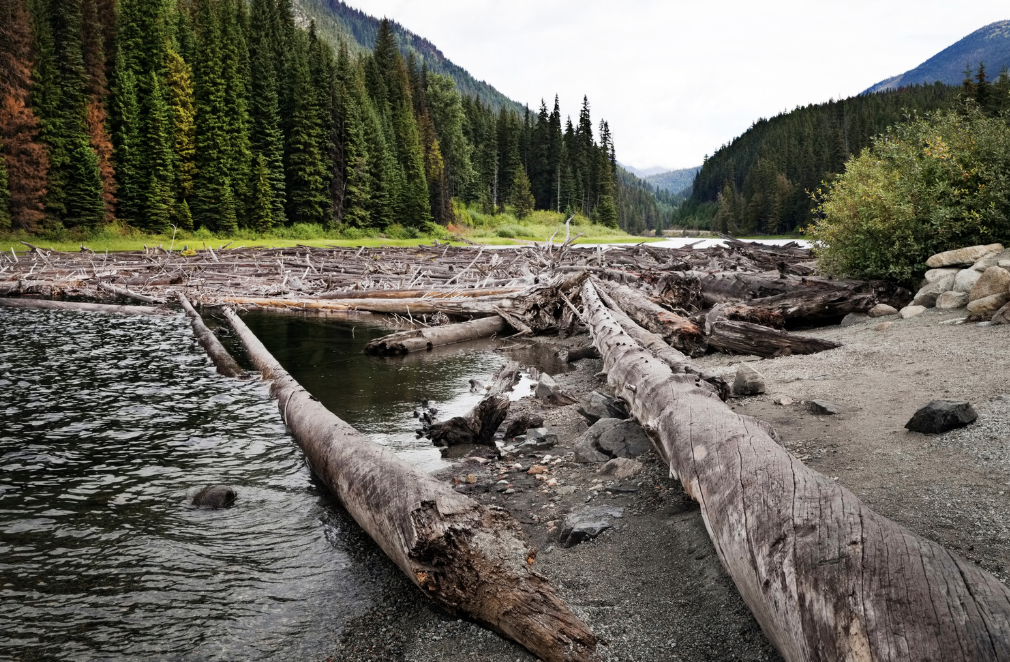
🌲
Helicopters return 6,000 logs to rivers to help them heal
Helikopters brengen 6.000 boomstammen terug naar rivieren
Des hélicoptères rapportent 6 000 troncs dans les rivières
So: in central Washington, helicopters are carrying more than 6,000 logs back to rivers and streams across about 24 miles of land. The Yakama Nation is restoring the wood that was once removed, because logs create sheltered habitat for salmon and bull trout, while slowing water and helping it replenish groundwater. Many waterways are too remote for road access, so the logs are carefully flown in from forest-thinning projects. Tribal leaders marked the work with a ceremony, bringing an important part of the land back and putting decades of new understanding into action.
In centraal Washington brengen helikopters meer dan 6.000 boomstammen terug naar rivieren en beken over een afstand van ongeveer 38 kilometer. De Yakama Nation herstelt het hout dat vroeger werd verwijderd, omdat boomstammen beschutte leefgebieden bieden aan zalm en stierforel, het water vertragen en helpen het grondwater aan te vullen. Veel waterlopen zijn niet via wegen bereikbaar, dus worden de boomstammen zorgvuldig ingevlogen vanuit projecten waarin bossen worden uitgedund. Stamhoofden markeerden het werk met een ceremonie: zo brengen ze een belangrijk onderdeel van het landschap terug en zetten ze nieuwe inzichten om in actie.
Dans le centre de l’État de Washington, des hélicoptères rapportent plus de 6 000 troncs dans des rivières et des ruisseaux sur environ 38 kilomètres. La nation Yakama restaure ainsi le bois autrefois retiré, car les troncs offrent des abris aux saumons et aux truites arc-en-ciel, ralentissent l’eau et contribuent à recharger les nappes souterraines. Comme de nombreux cours d’eau sont inaccessibles par la route, les troncs sont acheminés avec précision depuis des zones où la forêt a été éclaircie. Les responsables tribaux ont célébré ce travail lors d’une cérémonie, en ramenant une composante essentielle du territoire et en mettant à profit des décennies de nouvelles connaissances.
⏱️
Physicists race to measure time, and may redefine the second
Natuurkundigen racen om de tijd te meten en overwegen een nieuwe seconde
La course des physiciens pour mesurer le temps pourrait redéfinir la seconde
Physicists are pushing to measure time with ever greater precision. Their efforts have brought the very definition of the second into question. A redefinition is being considered, not presented as a settled decision. It’s a fascinating reminder that even our most familiar units can evolve as science advances.
Natuurkundigen proberen de tijd steeds nauwkeuriger te meten. Door hun inspanningen staat zelfs de definitie van de seconde ter discussie. Een nieuwe definitie wordt overwogen, maar is nog geen genomen besluit. Het is boeiend om te zien hoe zelfs vertrouwde eenheden kunnen veranderen wanneer de wetenschap vooruitgaat.
Les physiciens cherchent à mesurer le temps avec toujours plus de précision. Leurs efforts remettent en question jusqu’à la définition de la seconde. Une redéfinition est envisagée, sans être présentée comme une décision déjà prise. C’est fascinant de voir que même nos unités les plus familières peuvent évoluer avec les progrès de la science.
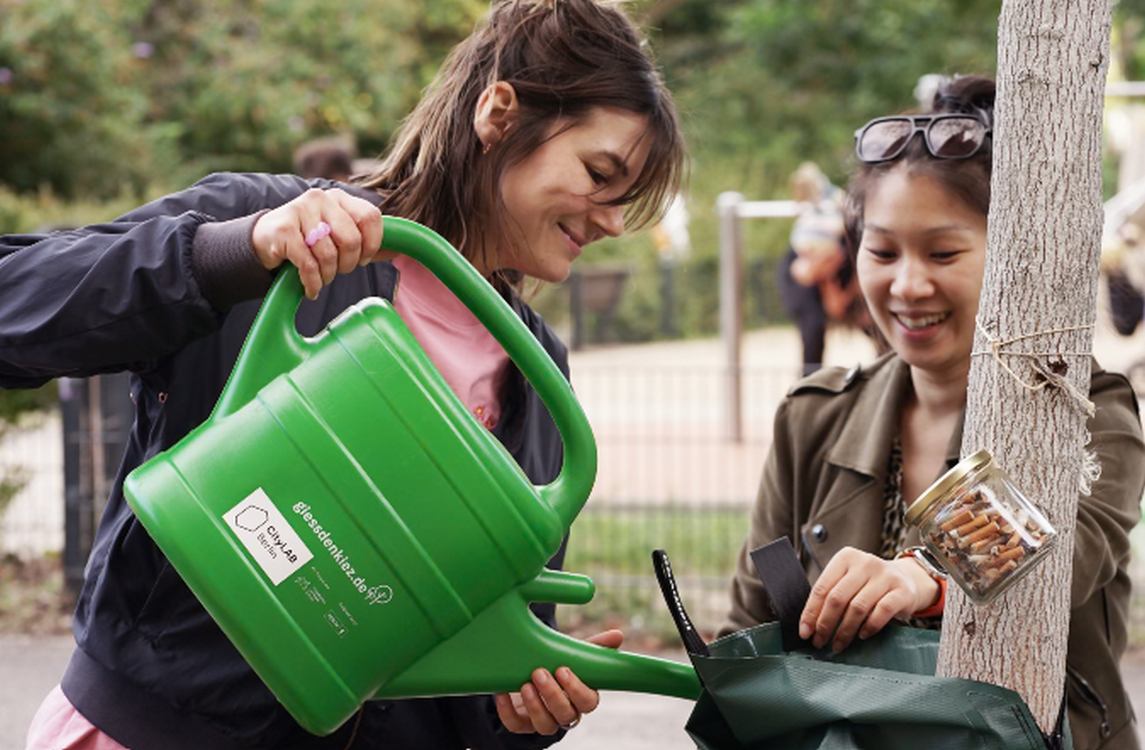
🌳
A clever app helps Berliners care for thirsty street trees
Met een handige app zorgen Berlijners voor dorstige straatbomen
Une appli ingénieuse aide les Berlinois à prendre soin des arbres assoiffés
Berlin’s open-source Gieß den Kiez app lets people adopt one of the city’s roughly 900,000 street trees and get watering advice tailored to its species, age, location, and the weather. So: when a tree needs water, it appears as an orange or red dot on the map, alongside nearby public taps and pumps. Thousands of residents have joined in, caring for trees like pets and helping them weather hotter summers. The idea is catching on too, with other cities using the app’s code to create their own versions.
Met de opensource-app Gieß den Kiez kunnen Berlijners een van de ongeveer 900.000 straatbomen adopteren en wateradvies krijgen op basis van de soort, leeftijd, locatie en het weer. Zo zie je op de kaart met oranje of rode stippen welke bomen water nodig hebben, plus waar openbare kranen en pompen te vinden zijn. Duizenden inwoners doen mee en verzorgen hun bomen bijna alsof het huisdieren zijn, zodat ze beter bestand zijn tegen warmere zomers. Ook andere steden raken enthousiast en gebruiken de code van de app voor hun eigen versie.
Grâce à l’application open source Gieß den Kiez, les Berlinois peuvent adopter l’un des quelque 900 000 arbres de rue de la ville et recevoir des conseils d’arrosage adaptés à son espèce, son âge, son emplacement et la météo. Sur la carte, des points orange ou rouges signalent les arbres qui ont besoin d’eau, et des icônes indiquent les robinets et pompes publics à proximité. Des milliers d’habitants participent et prennent soin des arbres presque comme de leurs animaux de compagnie, les aidant à affronter des étés plus chauds. L’idée séduit aussi d’autres villes, qui reprennent le code de l’application pour créer leur propre version.
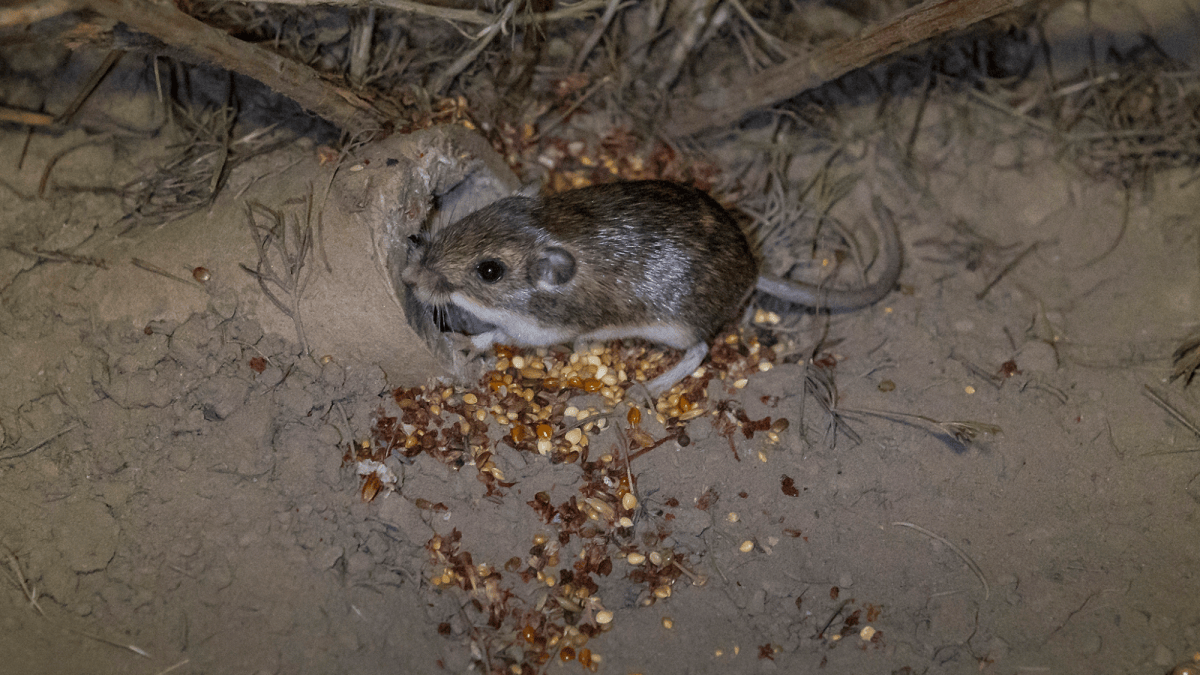
🐭
Tiny pocket mice make a hopeful return
Piepkleine wangzakmuizen keren hoopvol terug
Les minuscules souris à poches font un retour prometteur
Weighing about as much as three pennies, the endangered Pacific pocket mouse is North America’s smallest mammal. San Diego Zoo Wildlife Alliance and its partners have established a third reintroduced population at a Marine Corps training area in California, where the mice are already reproducing. Two other reintroduced populations are also doing well, and their burrowing helps improve soil and provides shelter for other wildlife. Protecting and restoring coastal habitat, while maintaining genetic diversity, will be key to helping these tiny mammals thrive.
De bedreigde Pacifische wangzakmuis weegt ongeveer evenveel als drie muntjes en is het kleinste zoogdier van Noord-Amerika. De San Diego Zoo Wildlife Alliance en haar partners hebben een derde uitgezette populatie gevestigd op een oefenterrein van het Amerikaanse Korps Mariniers in Californië, waar de muizen zich al voortplanten. Ook twee andere uitgezette populaties doen het goed, en hun gangen verbeteren de bodem en bieden onderdak aan andere dieren. Bescherming en herstel van leefgebieden aan de kust, samen met het behoud van genetische diversiteit, zijn belangrijk om deze piepkleine zoogdieren te laten floreren.
Pesant à peu près autant que trois pièces de monnaie, la souris à poches du Pacifique est le plus petit mammifère d’Amérique du Nord et une espèce menacée. La San Diego Zoo Wildlife Alliance et ses partenaires ont établi une troisième population réintroduite sur un terrain d’entraînement du corps des Marines en Californie, où les souris se reproduisent déjà. Deux autres populations réintroduites se portent également bien, et leurs terriers contribuent à améliorer les sols tout en abritant d’autres animaux. Protéger et restaurer les habitats côtiers, tout en préservant la diversité génétique, sera essentiel pour aider ces minuscules mammifères à prospérer.
🔍
Did an AI or a human write that paper? A new detector looks at its ideas
Schreef een AI of een mens dat artikel? Een nieuwe detector kijkt naar de ideeën
Une IA ou un humain a-t-il écrit cet article ? Un nouveau détecteur examine ses idées
So, here's an intriguing twist: a new detector tries to tell whether a research paper was written by AI or a human by examining its ideas. Instead of focusing only on how the text sounds, it looks at the substance of what the paper says. That shifts the spotlight toward the thinking and concepts behind the writing. It offers a fresh way to explore how AI-generated research might be recognised as these tools become more common.
Een boeiende invalshoek: een nieuwe detector probeert te bepalen of een onderzoeksartikel door AI of door een mens is geschreven door de ideeën erin te onderzoeken. In plaats van alleen te letten op de formulering, kijkt de methode naar de inhoud van het artikel. Zo verschuift de aandacht naar het denkwerk achter de tekst. Dat biedt een nieuwe manier om te onderzoeken hoe AI-geschreven onderzoek herkend kan worden nu zulke hulpmiddelen steeds gebruikelijker worden.
Voici une approche originale : un nouveau détecteur tente de déterminer si un article scientifique a été écrit par une IA ou par une personne en examinant les idées qu’il présente. Plutôt que de s’intéresser uniquement au style, la méthode se concentre sur le fond du texte. L’attention se porte ainsi sur le raisonnement et les concepts qui sous-tendent l’article. Cette piste ouvre une nouvelle façon d’étudier comment repérer les travaux générés par l’IA, alors que ces outils se diffusent.
🦉
Iconic children's show returns with a familiar owl greeting
Iconisch kinderprogramma keert terug met een bekende uilengroet
Un programme culte pour enfants revient avec son célèbre hibou
The beloved children's programme De Fabeltjeskrant is making a return. So, viewers can look forward to hearing the familiar greeting, “Hallo, meneer de Uil” again. The iconic show and its animal characters hold a special place in many viewers’ memories. Now, a new generation can discover its distinctive charm too.
Het geliefde kinderprogramma De Fabeltjeskrant keert terug. Zo kunnen kijkers opnieuw genieten van de vertrouwde begroeting: “Hallo, meneer de Uil”. Het iconische programma en zijn dierfiguren hebben een bijzondere plek in de herinneringen van veel kijkers. Nu kan ook een nieuwe generatie de unieke charme ervan ontdekken.
Le programme pour enfants très apprécié De Fabeltjeskrant fait son retour. Les téléspectateurs pourront ainsi entendre à nouveau la célèbre salutation « Hallo, meneer de Uil ». L’émission culte et ses personnages animaux occupent une place particulière dans les souvenirs de nombreux téléspectateurs. Une nouvelle génération pourra elle aussi découvrir tout son charme.

📱
How apple brings Indigenous languages to the iPhone keyboard
Hoe apple inheemse talen naar het iPhone-toetsenbord brengt
Comment apple intègre les langues autochtones au clavier de l’iPhone
So: Apple is adding support for more Indigenous languages on the iPhone keyboard, helping communities bring their languages into the everyday digital lives of young people. For the Cherokee Nation, which has around 1,500 active speakers left, accessible technology is one important way to support language revitalization. The work takes years and depends on Unicode, character and font support, writing conventions, and close collaboration with language communities. And here's the thing: making a language easier to type is not just a technical upgrade - it can help keep it alive for the next generation.
Apple voegt ondersteuning toe voor meer inheemse talen op het iPhone-toetsenbord, zodat gemeenschappen hun taal dichter bij het dagelijkse digitale leven van jongeren kunnen brengen. Voor de Cherokee Nation, waar nog ongeveer 1.500 actieve sprekers zijn, is toegankelijke technologie een belangrijke manier om de taal levend te houden. Dat werk duurt jaren en vraagt om Unicode, ondersteuning voor tekens en lettertypen, schrijfregels en nauwe samenwerking met taalgemeenschappen. En dit is precies waar het om draait: een taal makkelijker kunnen typen is niet zomaar een technische verbetering, maar kan helpen haar door te geven aan een nieuwe generatie.
Apple ajoute la prise en charge de langues autochtones au clavier de l’iPhone, afin que les communautés puissent faire une place à leurs langues dans le quotidien numérique des jeunes. Pour la nation cherokee, qui compte encore environ 1 500 locuteurs actifs, les outils numériques accessibles sont un moyen important de faire vivre la langue. Ce travail prend des années et nécessite Unicode, la prise en charge des caractères et des polices, des règles d’écriture ainsi qu’une étroite collaboration avec les communautés linguistiques. Et voilà l’essentiel : rendre une langue plus facile à saisir n’est pas qu’une amélioration technique, cela peut contribuer à la transmettre à la prochaine génération.

📄
Higher pay and longer leave: 900,000 applications reach Poland’s ZUS
Hoger loon en langer verlof: 900.000 aanvragen bij de Poolse ZUS
Salaire plus élevé et congés plus longs : 900 000 demandes déposées auprès de la ZUS polonaise
So: nearly 900,000 applications have reached Poland’s social insurance institution, ZUS, for certificates confirming earlier work periods. The certificates can help people who previously worked under service contracts or ran their own businesses qualify for seniority bonuses and up to 26 days of annual leave; work under a contract for specific work is not included. The changes took effect for public-sector workers on 1 January 2026 and for private-sector workers on 1 May, with employees given two years from the relevant date to submit proof to their employer. ZUS has issued more than 1.6 million certificates, and the improved entitlements apply going forward rather than bringing backdated payments.
Bijna 900.000 aanvragen voor attesten over eerdere arbeidsperiodes zijn dit jaar bij de Poolse sociale verzekeringsinstelling ZUS binnengekomen. Die attesten kunnen mensen die vroeger met opdrachtovereenkomsten werkten of een eigen zaak hadden, helpen om anciënniteitstoeslagen en tot 26 dagen jaarlijkse vakantie te krijgen; werk op basis van een overeenkomst voor een specifiek werk valt er niet onder. De regels gelden voor de publieke sector sinds 1 januari 2026 en voor de privésector sinds 1 mei, en werknemers hebben vanaf de toepasselijke datum twee jaar om het bewijs aan hun werkgever te bezorgen. ZUS heeft al meer dan 1,6 miljoen attesten afgegeven, en de extra rechten gelden voortaan zonder terugwerkende kracht.
Près de 900 000 demandes de certificats attestant des périodes de travail antérieures ont été déposées cette année auprès de la ZUS, l’organisme polonais d’assurance sociale. Ces documents peuvent permettre aux personnes qui ont auparavant travaillé sous contrat de prestation ou exercé une activité indépendante de bénéficier de primes d’ancienneté et de jusqu’à 26 jours de congés annuels ; les contrats portant sur la réalisation d’un ouvrage précis ne sont pas concernés. Les nouvelles règles s’appliquent au secteur public depuis le 1er janvier 2026 et au secteur privé depuis le 1er mai, avec un délai de deux ans à compter de la date correspondante pour remettre le justificatif à l’employeur. La ZUS a déjà délivré plus de 1,6 million de certificats, et ces droits supplémentaires valent pour l’avenir, sans versement rétroactif.
💤
Just 10 minutes of daily movement may support deeper sleep
Slechts 10 minuten beweging per dag kan diepere slaap bevorderen
Seulement 10 minutes d’activité quotidienne pourraient favoriser un sommeil plus profond
So, here's an encouraging idea: moving every day, even for just 10 minutes, may help you get more restorative deep sleep. Researchers at the University of Texas at Austin studied months of activity and sleep data from students wearing Fitbit devices, and found that exercise frequency seemed to matter. Regular walking and breaks from sitting were also linked to healthier sleep patterns, better mood and more energy the next day. The findings suggest that spreading movement throughout the week may be a simple way to support well-being.
Een bemoedigend idee: elke dag bewegen, zelfs maar 10 minuten, kan helpen om meer herstellende diepe slaap te krijgen. Onderzoekers van de University of Texas at Austin bestudeerden maanden aan activiteits- en slaapgegevens van studenten met Fitbit-apparaten en zagen dat de regelmaat van bewegen ertoe leek te doen. Ook regelmatig wandelen en pauzes nemen van het zitten hielden verband met gezondere slaappatronen, een beter humeur en meer energie de volgende dag. De resultaten wijzen erop dat beweging over de week spreiden een eenvoudige manier kan zijn om je welzijn te ondersteunen.
Voici une idée encourageante : bouger chaque jour, même seulement 10 minutes, pourrait aider à profiter d’un sommeil profond plus réparateur. Des chercheurs de l’Université du Texas à Austin ont étudié pendant plusieurs mois les données d’activité et de sommeil d’étudiants équipés de Fitbit, et ont constaté que la régularité de l’exercice semblait compter. Marcher régulièrement et faire des pauses pour se lever étaient également associés à un sommeil plus sain, à une meilleure humeur et à davantage d’énergie le lendemain. Ces résultats suggèrent que répartir l’activité physique dans la semaine pourrait être un moyen simple de favoriser le bien-être.

🌳
The ecologist uncovering the networks that help rainforests recover
De ecoloog die de netwerken blootlegt die regenwouden helpen herstellen
L’écologue qui révèle les réseaux aidant les forêts tropicales à renaître
At Panama’s Barro Colorado reserve, ecologist Daisy Dent follows forests as they regrow, using more than a century of records to understand why some patches thrive while others remain less diverse. Her research shows how animals such as monkeys, bats, parrots, and agoutis shape forests by spreading seeds. These intricate relationships could help guide a low-cost alternative to planting vast areas with a single tree species: letting forests regenerate naturally where conditions allow. And here’s the encouraging part: such recovery can rebuild rich ecosystems that store carbon and support wildlife and local communities.
In het Panamese natuurgebied Barro Colorado volgt ecoloog Daisy Dent hoe bossen teruggroeien, met behulp van meer dan een eeuw aan gegevens om te begrijpen waarom sommige plekken floreren en andere minder divers blijven. Haar onderzoek laat zien hoe dieren zoals apen, vleermuizen, papegaaien en agoeti’s bossen vormgeven door zaden te verspreiden. Die ingewikkelde relaties kunnen helpen bij een goedkoop alternatief voor het aanplanten van uitgestrekte gebieden met één boomsoort: bossen waar dat kan vanzelf laten herstellen. En het hoopvolle nieuws is dat zo’n herstel rijke ecosystemen kan voortbrengen die koolstof opslaan en dieren in het wild en lokale gemeenschappen ondersteunen.
Dans la réserve de Barro Colorado, au Panama, l’écologue Daisy Dent observe la régénération des forêts et s’appuie sur plus d’un siècle de données pour comprendre pourquoi certaines parcelles prospèrent tandis que d’autres restent moins diversifiées. Ses recherches montrent comment des animaux comme les singes, les chauves-souris, les perroquets et les agoutis façonnent les forêts en dispersant des graines. Ces relations complexes pourraient guider une solution peu coûteuse, plutôt que de planter de vastes surfaces avec une seule espèce d’arbre : laisser les forêts se régénérer naturellement lorsque les conditions le permettent. Et voici la bonne nouvelle : cette régénération peut recréer des écosystèmes riches, capables de stocker du carbone et de soutenir la faune ainsi que les communautés locales.
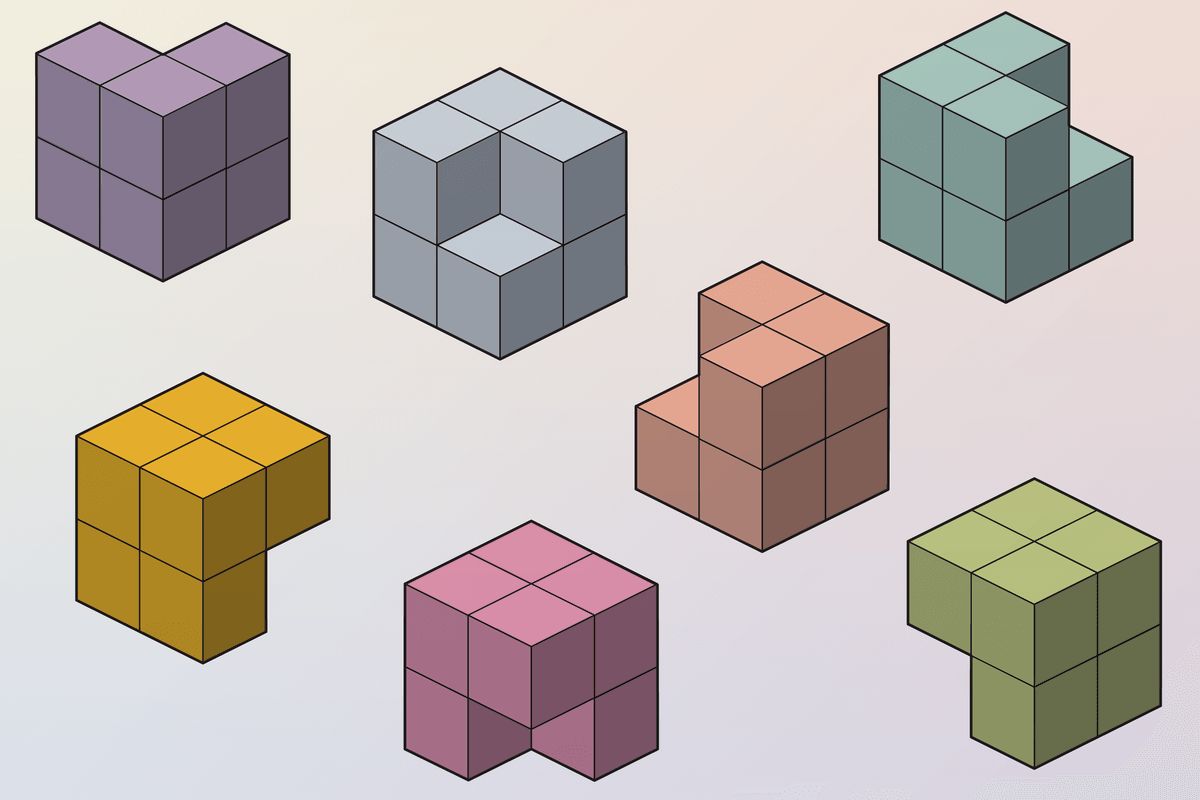
🧩
A unique 3d shape breaks new ground in tiling
Een unieke 3d-vorm zet nieuwe stappen in de tegelwiskunde
Une forme 3d ouvre de nouvelles perspectives en pavage
A seven-cube shape called Chair44 can fill three-dimensional space without gaps or overlaps, while never repeating its pattern. The discovery offers a strong 3D example of an “einstein” tile, a single shape that can tile space only in a nonrepeating arrangement. Its creator, Ioannis Tsiokos, says he used AI tools to help develop and check the result. And here's the fun part: larger chairs can be built recursively from smaller ones, creating an endlessly growing mathematical puzzle.
Een vorm van zeven kubussen, Chair44 genaamd, kan de driedimensionale ruimte vullen zonder gaten of overlappingen, terwijl het patroon nooit terugkeert. De ontdekking levert een sterk voorbeeld op van een 3D-einsteintegel: één enkele vorm die de ruimte alleen in een niet-herhalend patroon kan betegelen. De bedenker, Ioannis Tsiokos, zegt dat hij AI-tools gebruikte om de vorm te ontwikkelen en het resultaat te controleren. En het leuke is: grotere stoelen kunnen telkens opnieuw uit kleinere worden opgebouwd, als een wiskundige puzzel die eindeloos doorgaat.
Une forme composée de sept cubes, baptisée Chair44, peut remplir l’espace en trois dimensions sans trous ni chevauchements, tout en produisant un motif qui ne se répète jamais. Cette découverte apporte un exemple fort de « tuile einstein » en 3D : une forme unique qui ne peut paver l’espace qu’avec un agencement non périodique. Son créateur, Ioannis Tsiokos, explique avoir utilisé des outils d’IA pour concevoir la forme et vérifier le résultat. Et voici l’aspect amusant : on peut construire des chaises de plus en plus grandes à partir de modèles plus petits, dans un casse-tête mathématique sans fin.

🌱
Togo’s cotton farmers rebuild soils and cut pest treatments
Togolese katoenboeren herstellen de bodem en verminderen plaagbestrijding
Au Togo, les producteurs de coton régénèrent les sols et réduisent les traitements
In Togo, cotton farmers are restoring tired soils while getting more from their fields and using fewer pesticide treatments. After field-school training, Badakizi Yawa uses pheromone and sticky traps to monitor pests, cutting applications on her eight hectares from seven or eight to three or four. NSCT’s regenerative approach combines practices such as zero tillage, crop rotation, organic soil amendments and targeted pest control, with average yields reportedly rising from 570 kilograms per hectare to more than one tonne. Results vary and the contribution of these methods is not yet clear, but 40 farmer field schools are helping growers test techniques, share know-how and build more resilient farms.
In Togo herstellen katoenboeren hun uitgeputte bodems, terwijl ze meer uit hun akkers halen en minder bestrijdingsmiddelen gebruiken. Na een opleiding op een boerenpraktijkschool zet Badakizi Yawa feromoonvallen en kleefvallen in om insecten te volgen; op haar acht hectare daalde het aantal behandelingen van zeven of acht naar drie of vier. De regeneratieve aanpak van NSCT combineert onder meer niet-ploegen, vruchtwisseling, organische bodemverbeteraars en gerichte plaagbestrijding, terwijl de gemiddelde opbrengst volgens het bedrijf steeg van 570 kilo per hectare naar meer dan één ton. De resultaten verschillen en de precieze bijdrage van deze methoden is nog niet vastgesteld, maar 40 boerenscholen helpen telers technieken uitproberen, kennis delen en hun bedrijven veerkrachtiger maken.
Au Togo, les producteurs de coton régénèrent leurs sols, améliorent leurs récoltes et réduisent le recours aux pesticides. Après une formation dans une école pratique aux champs, Badakizi Yawa utilise des pièges à phéromones et des plaques engluées pour surveiller les insectes, réduisant sur ses huit hectares les traitements de sept ou huit à trois ou quatre. L’approche régénératrice de la NSCT associe notamment le semis sans labour, la rotation des cultures, les amendements organiques et la lutte ciblée contre les ravageurs; selon l’entreprise, les rendements moyens sont passés de 570 kilos par hectare à plus d’une tonne. Les résultats varient et l’effet précis de ces pratiques reste à établir, mais 40 écoles aux champs permettent aux agriculteurs d’expérimenter, d’échanger leurs savoir-faire et de renforcer la résilience de leurs exploitations.
🎨
In Canada’s Arctic, a new generation of Inuit creatives are using identity to fuel their art
In het Canadese noordpoolgebied laten jonge Inuit-kunstenaars zich inspireren door hun identiteit
Dans l’Arctique canadien, une nouvelle génération d’artistes inuits puise dans son identité
In Canada’s Arctic, a new generation of Inuit creatives is drawing inspiration from identity and heritage. Their art offers a vivid way to express Inuit perspectives and experiences. By bringing their cultural roots into contemporary creative work, these artists are helping keep traditions meaningful for a new generation. So, their work also invites audiences to see the Arctic through Inuit eyes.
In het Canadese noordpoolgebied halen jonge Inuit-creatievelingen inspiratie uit hun identiteit en erfgoed. Met hun kunst geven ze op levendige wijze uitdrukking aan Inuit-perspectieven en ervaringen. Door hun culturele wortels een plek te geven in eigentijds creatief werk, houden deze kunstenaars tradities betekenisvol voor een nieuwe generatie. Zo nodigt hun werk het publiek ook uit om het noordpoolgebied door Inuit-ogen te bekijken.
Dans l’Arctique canadien, une nouvelle génération de créateurs inuits puise son inspiration dans son identité et son héritage. Leur art exprime avec force des perspectives et des expériences inuites. En intégrant leurs racines culturelles à des créations contemporaines, ces artistes contribuent à faire vivre les traditions auprès d’une nouvelle génération. Leur travail invite aussi le public à découvrir l’Arctique à travers le regard des Inuits.
🔭
The mirrors for Chile’s future extremely large telescope are polished to atomic precision in Poitou
De spiegels voor Chili’s toekomstige extreem grote telescoop worden in Poitou tot op atomair niveau gepolijst
Les miroirs du futur télescope géant au Chili sont polis à l’échelle de l’atome dans le Poitou
A factory in Poitou is polishing mirrors for the future Extremely Large Telescope in Chile to extraordinary, atom-level precision. It’s a fascinating meeting of careful craftsmanship and ambitious astronomy. These mirrors will be part of a telescope designed to explore the universe from the ground. And here’s the thing: the journey to observing distant worlds begins with surfaces polished with remarkable exactness.
In een fabriek in Poitou worden spiegels voor de toekomstige Extremely Large Telescope in Chili met uitzonderlijke precisie gepolijst, tot op atomair niveau. Het is een boeiende combinatie van nauwgezet vakmanschap en ambitieuze sterrenkunde. De spiegels worden onderdeel van een telescoop die het heelal vanaf de aarde zal bestuderen. En daar begint het allemaal mee: oppervlakken die met opmerkelijke nauwkeurigheid zijn gepolijst.
Dans une usine du Poitou, des miroirs destinés au futur Extremely Large Telescope au Chili sont polis avec une précision exceptionnelle, à l’échelle de l’atome. Voilà une rencontre fascinante entre un savoir-faire minutieux et une ambition astronomique. Ces miroirs feront partie d’un télescope conçu pour explorer l’Univers depuis la Terre. Et voici l’essentiel : l’observation de mondes lointains commence par des surfaces polies avec une précision remarquable.
🪸
Sound therapy comes to the rescue of corals
Geluidstherapie schiet koralen te hulp
La thérapie sonore au secours des coraux
So: could sound help corals recover? This article explores how sound therapy is being considered as a way to support threatened coral reefs. It shines a curious light on the underwater soundscape and its potential role in reef restoration. It’s an encouraging reminder that fresh ideas can help protect these remarkable marine ecosystems.
Kan geluid koralen helpen herstellen? Dit artikel verkent hoe geluidstherapie kan bijdragen aan bedreigde koraalriffen. Het vestigt de aandacht op het onderwatergeluid en de mogelijke rol daarvan bij het herstel van riffen. Een hoopvolle herinnering dat nieuwe ideeën kunnen helpen deze bijzondere ecosystemen te beschermen.
Le son peut-il aider les coraux à se rétablir ? Cet article explore comment la thérapie sonore pourrait soutenir les récifs coralliens menacés. Il met en lumière les paysages sonores sous-marins et leur rôle potentiel dans la restauration des récifs. Voilà une piste encourageante pour mieux protéger ces écosystèmes marins remarquables.
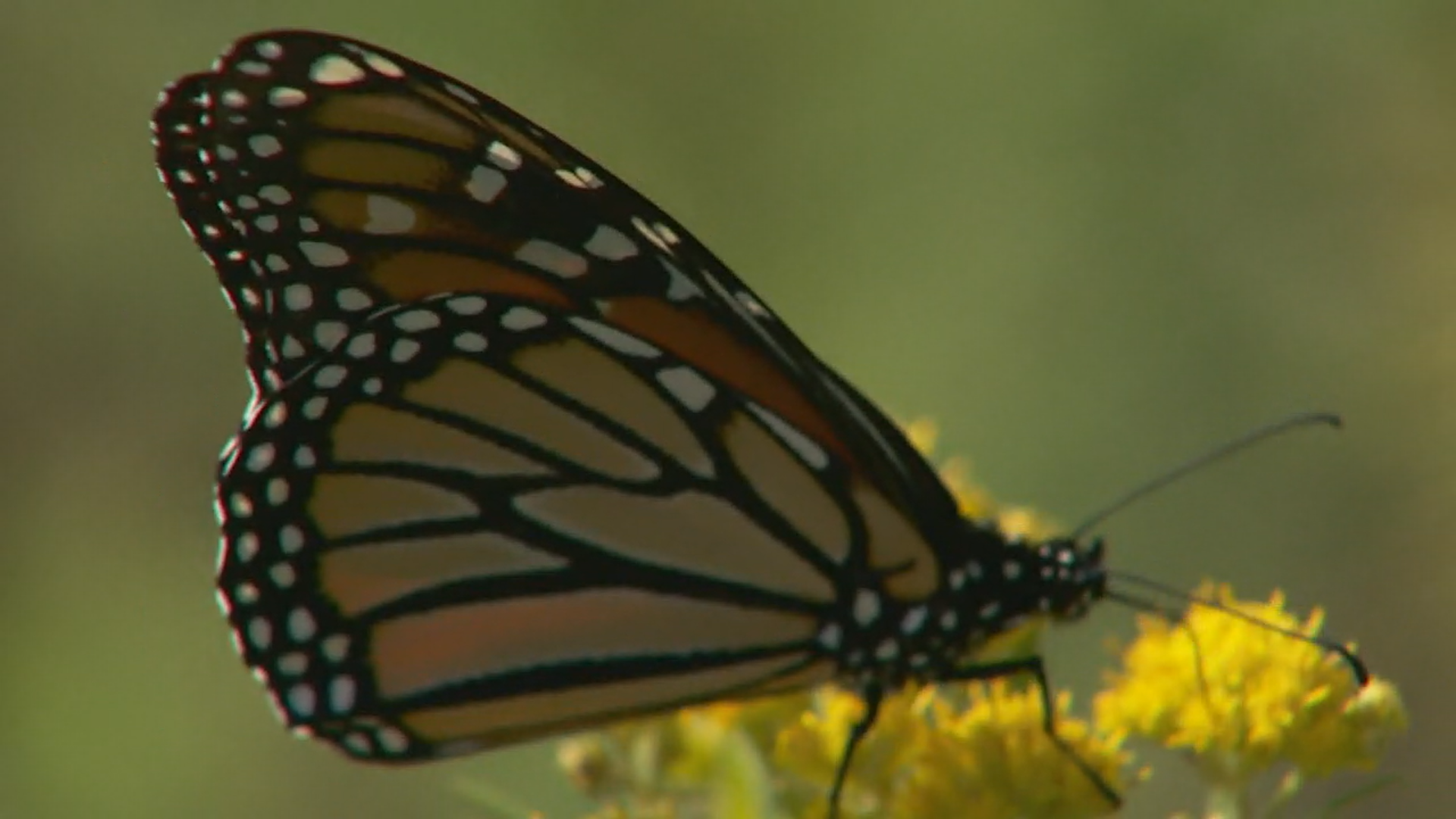
🦋
Winnipeg-tagged monarch reaches Mexico on its migration
In Winnipeg gemerkte monarchvlinder bereikt Mexico tijdens de trek
Un monarque marqué à Winnipeg atteint le Mexique pendant sa migration
What a remarkable journey: a monarch tagged by Winnipeg’s Assiniboine Park Zoo has reached Mexico after travelling about 2,300 kilometres in 40 days. The tiny solar-powered tag is part of a tracking project run with Environment and Climate Change Canada; the zoo tagged 29 butterflies, while more than 1,300 have been tagged across North America this fall. The butterfly is among just three tagged monarchs detected in Mexico so far this season and still has about 800 kilometres to go to its wintering site. Researchers hope the data will reveal migration bottlenecks and help direct conservation work where it can make the biggest difference.
Wat een indrukwekkende tocht: een monarchvlinder met een zendertje van de Assiniboine Park Zoo in Winnipeg is na ongeveer 2.300 kilometer en 40 dagen in Mexico aangekomen. Het kleine zendertje op zonne-energie maakt deel uit van een volgproject met Environment and Climate Change Canada; de dierentuin voorzag 29 vlinders van een zendertje en in heel Noord-Amerika zijn er dit najaar al meer dan 1.300 gemerkt. De vlinder is een van slechts drie gemerkte monarchvlinders die dit seizoen tot nu toe in Mexico zijn waargenomen en moet nog ongeveer 800 kilometer afleggen tot de overwinteringsplek. Onderzoekers hopen dat de gegevens knelpunten op de trekroute zichtbaar maken en helpen om natuurbescherming daar in te zetten waar die het meeste verschil maakt.
Quel voyage remarquable : un monarque muni d’une balise par le zoo Assiniboine Park de Winnipeg est arrivé au Mexique après avoir parcouru environ 2 300 kilomètres en 40 jours. Cette minuscule balise solaire fait partie d’un projet de suivi mené avec Environnement et Changement climatique Canada; le zoo a équipé 29 papillons, tandis que plus de 1 300 monarques ont été marqués en Amérique du Nord cet automne. Ce papillon fait partie des trois monarques marqués repérés au Mexique depuis le début de la saison et doit encore parcourir environ 800 kilomètres avant d’atteindre son site d’hivernage. Les chercheurs espèrent que ces données révéleront les passages difficiles de leur migration et aideront à cibler les efforts de conservation là où ils auront le plus d’impact.
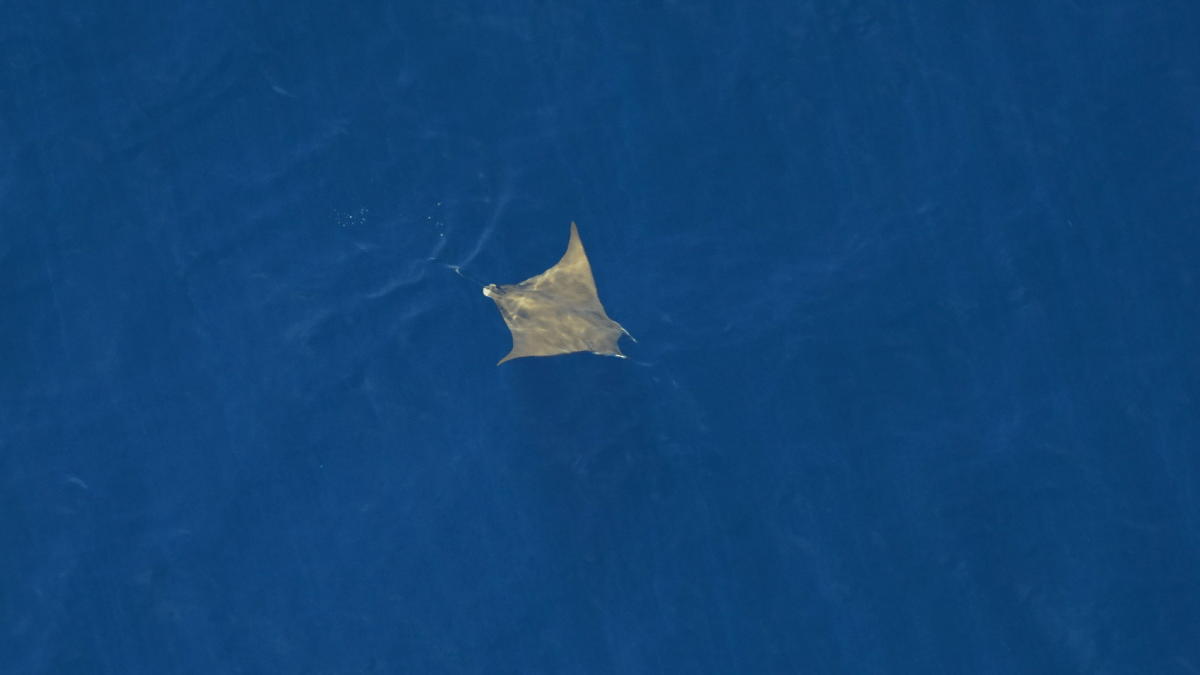
🐟
Rare devil rays make a remarkable appearance near Massachusetts
Zeldzame duivelsroggen duiken op bij Massachusetts
De rares raies diables apparaissent près du Massachusetts
Now, this is a lovely reminder of how much life thrives offshore: aerial surveyors from the New England Aquarium spotted more than 2,000 animals from 15 marine species in a protected area southeast of Cape Cod. Among them was a small group of Chilean devil rays, a rare sight that the aquarium calls one of the ocean’s best-kept secrets. These critically endangered rays are threatened by accidental capture and overfishing, and a group of them is charmingly known as a “fever.” And here's the thing: they can dive almost 6,000 feet deep, thanks to blood vessels that help keep their brains warm in chilly water.
Wat een mooie herinnering aan hoeveel leven er voor de kust te vinden is: luchtwaarnemers van het New England Aquarium zagen meer dan 2.000 dieren uit 15 zeedieren-soorten in een beschermd gebied ten zuidoosten van Cape Cod. Daartussen zwom een klein groepje Chileense duivelsroggen, een zeldzame waarneming die het aquarium een van de best bewaarde geheimen van de oceaan noemt. Deze ernstig bedreigde roggen hebben te lijden onder bijvangst en overbevissing, en een groepje ervan heet in het Engels een “fever”. En dit is bijzonder: ze kunnen bijna 1.800 meter diep duiken, dankzij bloedvaten die hun hersenen warm houden in het koude water.
Voilà un joli rappel de la richesse de la vie au large : des observateurs aériens du New England Aquarium ont repéré plus de 2 000 animaux appartenant à 15 espèces marines dans une zone protégée au sud-est de Cape Cod. Parmi eux se trouvait un petit groupe de raies diables du Chili, une observation rare que l’aquarium décrit comme l’un des secrets les mieux gardés de l’océan. Ces raies en danger critique d’extinction sont menacées par les captures accidentelles et la surpêche, et un groupe de raies porte en anglais le joli nom de « fever ». Et voici ce qui est fascinant : elles peuvent plonger à près de 1 800 mètres de profondeur, grâce à des vaisseaux sanguins qui gardent leur cerveau au chaud dans l’eau glaciale.

🛰️
Spaceflight: two billion stars and a supercomputer
Ruimtevaart: twee miljard sterren en een supercomputer
Espace : deux milliards d’étoiles et un superordinateur
So: the ESA has launched its first in-house supercomputer at its research centre in Frascati, Italy. The powerful machine is helping researchers process the enormous trove of data collected by Gaia, which mapped two billion stars during its ten-year mission. It also supports work across the agency and gives space businesses and start-ups access to computing power they could hardly afford on their own. That capacity is opening up exciting possibilities for projects ranging from satellite testing to climate data analysis.
De ESA heeft haar eerste eigen supercomputer in gebruik genomen bij het onderzoekscentrum in het Italiaanse Frascati. De krachtige machine helpt onderzoekers de enorme hoeveelheid gegevens te verwerken die Gaia tijdens zijn tienjarige missie over twee miljard sterren verzamelde. De computer ondersteunt ook werk binnen de ruimtevaartorganisatie en geeft bedrijven en start-ups toegang tot rekenkracht die ze zelf moeilijk kunnen betalen. Zo ontstaan nieuwe mogelijkheden voor projecten rond satelliettests en de analyse van klimaatdata.
L’ESA a mis en service son premier superordinateur maison dans son centre de recherche de Frascati, en Italie. Cette puissante machine aide les chercheurs à traiter l’immense quantité de données recueillies par Gaia, qui a cartographié deux milliards d’étoiles au cours de sa mission de dix ans. Elle soutient aussi les travaux de l’agence et permet aux entreprises du secteur spatial et aux start-ups d’accéder à une puissance de calcul qu’elles pourraient difficilement financer seules. Cette capacité ouvre de belles perspectives, des tests de satellites à l’analyse des données climatiques.
🌳
Vinderhoutse forests gain 12 hectares of nature
Vinderhoutse Bossen krijgen 12 hectare extra natuur
Les bois de Vinderhoutse gagnent 12 hectares de nature
So: the Vinderhoutse Bossen green zone near Lievegem and Ghent is expanding by 12 hectares, bringing more room for nature and water. Groene Velden park in Mariakerke now also has 15 kilometres of new or upgraded walking routes, including 7 kilometres that cyclists can use. The extra woodland will support biodiversity, store carbon, help cool the city and allow rainwater to seep gradually into the ground. And here's the thing: the wider green area now spans more than 600 hectares, while farmers can continue working their land until retirement as the transition happens gradually.
De groenpool Vinderhoutse Bossen bij Lievegem en Gent breidt uit met 12 hectare, met extra ruimte voor natuur en water. In park Groene Velden in Mariakerke ligt nu ook 15 kilometer aan nieuwe of vernieuwde wandelpaden, waarvan 7 kilometer ook voor fietsers geschikt is. De extra bossen versterken de biodiversiteit, slaan koolstof op, helpen de stad koeler te houden en laten regenwater geleidelijk in de bodem sijpelen. De aaneengesloten groene ruimte beslaat nu meer dan 600 hectare, terwijl landbouwers hun activiteiten kunnen voortzetten tot aan hun pensioen.
La zone verte des bois de Vinderhoutse, près de Lievegem et de Gand, s’agrandit de 12 hectares, offrant plus de place à la nature et à l’eau. Le parc Groene Velden, à Mariakerke, dispose aussi de 15 kilomètres de chemins de promenade nouveaux ou rénovés, dont 7 kilomètres accessibles aux cyclistes. Les bois supplémentaires renforceront la biodiversité, stockeront du carbone, contribueront à rafraîchir la ville et permettront à l’eau de pluie de s’infiltrer progressivement dans le sol. L’espace vert continu dépasse désormais 600 hectares, et les agriculteurs pourront poursuivre leurs activités jusqu’à leur retraite, le changement se faisant progressivement.
🌌
For 125 years, millions looked at this painting without truly seeing it
125 jaar lang keken miljoenen mensen naar dit schilderij zonder het echt te zien
Pendant 125 ans, des millions de personnes ont regardé ce tableau sans vraiment le voir
Vincent van Gogh never lived to see the fame his art would earn, but fresh research has revealed another remarkable side to his work. Inspired by an image from the Hubble Space Telescope, scientists examined his paintings and found that The Starry Night captures patterns of turbulence - the swirling flow of air and water. Even artists known for movement and vivid light did not portray this natural phenomenon in quite the same way. And here's the thing: Van Gogh painted these astonishing patterns about a century before scientists could study them with modern technology.
Vincent van Gogh maakte de roem van zijn kunst niet meer mee, maar nieuw onderzoek heeft een opmerkelijke extra dimensie van zijn werk blootgelegd. Geïnspireerd door een beeld van de Hubble-ruimtetelescoop onderzochten wetenschappers zijn schilderijen en ontdekten ze dat De sterrennacht patronen van turbulentie weergeeft - de wervelende beweging van lucht en water. Zelfs kunstenaars die bekendstaan om beweging en schitterend licht verbeeldden dit natuurverschijnsel niet op dezelfde manier. En dit is het bijzondere: Van Gogh schilderde deze fascinerende patronen ongeveer een eeuw voordat wetenschappers ze met moderne technologie konden bestuderen.
Vincent van Gogh n’a pas vécu assez longtemps pour connaître la célébrité de son œuvre, mais de nouvelles recherches en ont révélé une autre facette remarquable. Inspirés par une image du télescope spatial Hubble, des scientifiques ont étudié ses tableaux et découvert que La Nuit étoilée représente des motifs de turbulence - les tourbillons de l’air et de l’eau. Même des artistes réputés pour le mouvement et la lumière éclatante n’ont pas dépeint ce phénomène naturel de la même manière. Et voici ce qui est étonnant : Van Gogh a peint ces motifs fascinants environ un siècle avant que les scientifiques puissent les étudier grâce aux technologies modernes.

🚆
Lebanon’s first electric train hopes to revive railway system
Libanons eerste elektrische trein hoopt spoorweg nieuw leven in te blazen
Le premier train électrique du Liban espère relancer le réseau ferroviaire
A new solar-powered model train has returned to a section of Lebanon’s historic railway. The project hopes to bring new life to the country’s long-dormant rail network. It also aims to encourage tourism and renew public interest in the railway’s history. So, a small train is helping spark big hopes for the future of rail in Lebanon.
Een nieuw, op zonne-energie aangedreven modeltreintje is teruggekeerd op een deel van de historische spoorlijn van Libanon. Het project wil het lang stilgelegde spoorwegnet van het land nieuw leven inblazen. Ook hoopt het meer toeristen aan te trekken en de belangstelling voor de spoorweggeschiedenis aan te wakkeren. Zo helpt een klein treintje grote dromen voor de toekomst van het spoor in Libanon op gang te brengen.
Un nouveau train miniature alimenté à l’énergie solaire a repris du service sur une partie de la ligne ferroviaire historique du Liban. Le projet espère redonner vie au réseau ferroviaire du pays, longtemps resté à l’arrêt. Il vise aussi à attirer des touristes et à raviver l’intérêt pour l’histoire du rail. Ainsi, un petit train fait naître de grands espoirs pour l’avenir du ferroviaire au Liban.
🤖
Could a Swedish robot revolutionize science?
Kan de Zweedse robot de wetenschap revolutioneren?
Le robot suédois peut-il révolutionner la science ?
Could a Swedish robot change the way science is done? The question opens up an exciting look at how robotics might support research and help scientists explore new possibilities. If robots can take on more of the practical work, researchers may gain more time to focus on discovery. It is a promising glimpse of how technology could shape the future of science.
Kan een Zweedse robot veranderen hoe wetenschap wordt bedreven? Die vraag biedt een boeiende blik op de manier waarop robotica onderzoek kan ondersteunen en wetenschappers nieuwe mogelijkheden kan laten verkennen. Als robots meer praktisch werk kunnen overnemen, krijgen onderzoekers misschien meer tijd om zich op ontdekkingen te richten. Zo zien we hoe technologie de toekomst van de wetenschap zou kunnen vormgeven.
Un robot suédois pourrait-il changer la manière de faire de la science ? La question ouvre une perspective passionnante sur la façon dont la robotique pourrait soutenir la recherche et aider les scientifiques à explorer de nouvelles pistes. Si les robots prennent en charge davantage de tâches pratiques, les chercheurs pourraient consacrer plus de temps aux découvertes. Voilà un aperçu prometteur de la manière dont la technologie pourrait façonner l’avenir des sciences.

🎀
Kyiv café wins Europe’s most beautiful title with a rosy interior
Kyivse koffiebar uitgeroepen tot mooiste van Europa met roze interieur
Un café de Kyiv sacré le plus beau d’Europe avec son décor rose
So: Kyiv’s Namelaka has been named Europe’s most beautiful café at the Restaurant & Bar Design Awards 2026, winning in both the Café and Color categories. Its joyful interior, created by Nemov Studio, puts warm pink and five varieties of pink marble centre stage. Subtle ornament, elegant materials and a marble bar nod to historic Parisian pastry shops, while the designers say the space celebrates Ukrainian pastry culture in its own distinctive way. And here’s the thing - this café is designed to be remembered as a feeling as much as a place.
Mooi nieuws uit Kyiv: Namelaka is op de Restaurant & Bar Design Awards 2026 uitgeroepen tot mooiste koffiebar van Europa en won zowel in de categorieën Café als Kleur. Het vrolijke interieur van Nemov Studio draait om warmroze tinten en vijf soorten roze marmer. Verfijnde ornamenten en elegante materialen verwijzen naar historische Parijse patisserieën, maar volgens de ontwerpers geeft de zaak de Oekraïense patisseriecultuur een eigen stijlvol decor. En precies dat maakt Namelaka bijzonder: het interieur wil je niet alleen als plek, maar ook als gevoel bijblijven.
Belle nouvelle venue de Kyiv : Namelaka a été sacrée plus beau café d’Europe aux Restaurant & Bar Design Awards 2026, avec des victoires dans les catégories Café et Couleur. Imaginé par Nemov Studio, son intérieur joyeux met à l’honneur le rose chaleureux et cinq variétés de marbre rose. Les ornements délicats et les matériaux élégants évoquent les pâtisseries parisiennes historiques, mais les architectes expliquent que le lieu offre un écrin singulier à la culture pâtissière ukrainienne. Et c’est ce qui rend Namelaka si attachant : on doit s’en souvenir autant comme d’une émotion que comme d’un endroit.
🚶
A simple walking tweak may ease knee arthritis pain
Een kleine aanpassing van je loopstijl kan kniepijn door artrose verlichten
Un simple ajustement de la marche pourrait soulager l’arthrose du genou
So, what if a small change to the way you walk could ease knee arthritis pain? In a year-long, placebo-controlled trial, people who learned a personalized foot position reported significantly less pain than those who received the placebo treatment. Researchers also saw encouraging signs that the adjustment may slow cartilage deterioration by reducing pressure on vulnerable parts of the knee. The best foot angle differs from person to person, making personalized guidance key.
Stel je voor dat een kleine verandering in je manier van lopen kniepijn door artrose kan verlichten. In een placebogecontroleerde studie van een jaar rapporteerden deelnemers die een persoonlijke voetstand aanleerden aanzienlijk minder pijn dan deelnemers in de placebogroep. Onderzoekers zagen ook hoopvolle aanwijzingen dat de aanpassing de achteruitgang van kraakbeen kan vertragen door de druk op kwetsbare delen van de knie te verminderen. De ideale voetstand verschilt per persoon, dus begeleiding op maat is belangrijk.
Et si une petite modification de votre façon de marcher pouvait soulager les douleurs liées à l’arthrose du genou ? Dans un essai contrôlé par placebo mené sur un an, les personnes ayant appris à adopter une position des pieds personnalisée ont signalé nettement moins de douleur que celles du groupe placebo. Les chercheurs ont également observé des signes encourageants indiquant que cet ajustement pourrait ralentir la détérioration du cartilage en réduisant la pression sur les zones fragiles du genou. L’angle idéal des pieds varie d’une personne à l’autre, d’où l’importance d’un accompagnement personnalisé.

🥾
A 320-kilometre trail opens in Japan
Een nieuw wandelpad van 320 kilometer opent in Japan
Un nouveau sentier de 320 kilomètres ouvre au Japon
So, there’s a new reason to lace up your hiking boots: a 320-kilometre trail has opened in Japan. Along the way, walkers can take in mountains, rice fields, beaches and waterfalls. The route also passes through traditional villages, adding plenty of local character to the journey. It sounds like a wonderful way to discover Japan’s varied landscapes on foot.
Er is een nieuwe reden om je wandelschoenen aan te trekken: in Japan is een wandelpad van 320 kilometer geopend. Onderweg ontdekken wandelaars bergen, rijstvelden, stranden en watervallen. De route loopt ook door traditionele dorpen, die de tocht een bijzonder lokaal karakter geven. Het lijkt een prachtige manier om Japan te voet en in al zijn landschappelijke verscheidenheid te ontdekken.
Voilà une nouvelle raison de chausser ses chaussures de randonnée : un sentier de 320 kilomètres vient d’ouvrir au Japon. En chemin, les marcheurs découvrent des montagnes, des rizières, des plages et des cascades. Le parcours traverse aussi des villages traditionnels, qui donnent à la randonnée un joli caractère local. Une belle façon de découvrir à pied la diversité des paysages japonais.
🖼️
Germany’s surprising museum boom
De verrassende bloei van Duitse musea
L’étonnant essor des musées allemands
So: German museums are drawing impressive crowds again, with Berlin’s Neue Nationalgalerie welcoming 608,000 visitors in 2025 and the Museum Ludwig’s Yayoi Kusama show setting a record. These figures mark a welcome recovery from the pandemic slump, and they’re backed by real visitors, not wishful accounting. What stands out to me is the remarkable variety: Germany has more than 8,000 museums, from major public institutions and private collections to ambitious regional art halls. And here’s the thing - exhibitions from Monet to Pop Art are bringing people in across the country, while gifts and new photography shows are giving local museums fresh momentum.
Duitse musea trekken opnieuw indrukwekkend veel bezoekers: de Neue Nationalgalerie in Berlijn verwelkomde in 2025 608.000 mensen en de Yayoi Kusama-tentoonstelling in Museum Ludwig brak een bezoekersrecord. Die cijfers wijzen op een mooi herstel na de terugval tijdens de pandemie, en ze zijn gebaseerd op echte bezoekers. Wat mij vooral opvalt, is de enorme verscheidenheid: Duitsland telt meer dan 8.000 musea, van grote openbare instellingen en privécollecties tot ambitieuze regionale kunsthallen. En daar zit precies de kracht - tentoonstellingen over Monet en popart trekken overal publiek, terwijl schenkingen en nieuwe fototentoonstellingen musea extra vaart geven.
Les musées allemands attirent de nouveau des foules impressionnantes : en 2025, la Neue Nationalgalerie de Berlin a accueilli 608 000 visiteurs et l’exposition Yayoi Kusama du Museum Ludwig a battu un record. Ces chiffres témoignent d’un beau retour après la baisse liée à la pandémie, et ils correspondent à une fréquentation bien réelle. Ce qui me frappe surtout, c’est l’incroyable diversité du paysage muséal allemand, qui compte plus de 8 000 établissements, des grandes institutions publiques aux collections privées et aux salles d’art régionales. Et c’est là toute la force du phénomène : des expositions consacrées à Monet ou au pop art attirent le public dans tout le pays, tandis que des dons et de nouvelles expositions de photographie donnent un nouvel élan aux musées.
🌱
Antwerp shipping company launches the world’s first ammonia-powered ship
Antwerpse rederij laat ’s werelds eerste schip op ammoniak te water
Un armateur anversois met à l’eau le premier navire au monde propulsé à l’ammoniac
So, an Antwerp shipping company has launched what is described as the world’s first ship powered by ammonia. It marks an exciting step towards cleaner shipping, a sector looking for alternatives to conventional fuels. The company’s message is clear: making shipping greener is no longer a distant ambition. And here’s the thing - this launch puts ammonia-powered vessels firmly on the map.
Een Antwerpse rederij heeft het schip te water gelaten dat wordt omschreven als ’s werelds eerste vaartuig op ammoniak. Dat is een veelbelovende stap richting schonere scheepvaart, een sector die op zoek is naar alternatieven voor traditionele brandstoffen. De boodschap van de rederij is duidelijk: de scheepvaart vergroenen is niet langer een verre ambitie. En hier zit de vooruitgang - ammoniak krijgt zo een plek op de kaart als mogelijke brandstof voor schepen.
Un armateur anversois a mis à l’eau un navire présenté comme le premier au monde propulsé à l’ammoniac. C’est une avancée prometteuse vers une navigation plus propre, alors que le secteur recherche des alternatives aux carburants traditionnels. Le message de l’entreprise est clair : rendre le transport maritime plus vert n’est plus une ambition lointaine. Et voilà le progrès - les navires à l’ammoniac font désormais partie des pistes concrètes pour l’avenir.

🛡️
AI is getting really good at messing with cybercriminals
AI wordt steeds beter in het dwarszitten van cybercriminelen
L’IA déjoue de mieux en mieux les cybercriminels
So, AI is helping scammers - but it’s also giving defenders a clever way to fight back. Australian company Apate uses hundreds of thousands of AI bots to keep phone, text, and chat scammers busy while gathering intelligence about their schemes. The bots adopt different personas and can hold convincing conversations for hours, making them frustratingly hard for scammers to spot. They won’t stop every scam, but they could waste criminals’ time and help protect potential victims.
AI helpt oplichters, maar geeft verdedigers ook een slimme manier om terug te slaan. Het Australische bedrijf Apate zet honderdduizenden AI-bots in om oplichters via telefoongesprekken, sms’jes en chats bezig te houden en tegelijk informatie over hun praktijken te verzamelen. De bots nemen verschillende persoonlijkheden aan en kunnen urenlang geloofwaardige gesprekken voeren, waardoor ze voor oplichters lastig te herkennen zijn. Ze maken niet meteen een einde aan alle fraude, maar kunnen criminelen tijd kosten en mogelijke slachtoffers beschermen.
L’IA aide les escrocs, mais elle offre aussi aux défenseurs un moyen astucieux de riposter. L’entreprise australienne Apate déploie des centaines de milliers de robots conversationnels pour occuper les fraudeurs au téléphone, par SMS et dans les chats, tout en recueillant des renseignements sur leurs méthodes. Avec leurs personnalités variées, ces bots peuvent tenir des conversations convaincantes pendant des heures et sont donc difficiles à repérer. Ils ne feront pas disparaître toutes les escroqueries, mais peuvent faire perdre du temps aux criminels et protéger de potentielles victimes.
💉
Vaccines generated over US$30 billion in benefits for lower-income countries in 2025
Vaccins leverden lage-inkomenslanden in 2025 meer dan 30 miljard dollar aan voordelen op
Les vaccins ont généré plus de 30 milliards de dollars de retombées pour les pays à faible revenu en 2025
So: Gavi-supported vaccination programmes generated more than US$30 billion in economic benefits for lower-income countries in 2025, a record for the Alliance. Those gains came from preventing illness and deaths, reducing healthcare costs and helping children grow into healthier, more productive adults. Countries also contributed a record US$301 million towards vaccine costs, showing their growing commitment to immunisation. And here's the thing: these programmes vaccinated over 73 million children and helped prevent more than 2.2 million future deaths in 2025.
Zo: vaccinatieprogramma’s die door Gavi werden gesteund, leverden lage-inkomenslanden in 2025 meer dan 30 miljard dollar aan economische voordelen op, een record voor de alliantie. Die winst kwam door ziekte en sterfte te voorkomen, zorgkosten te verlagen en kinderen te helpen gezond en productief op te groeien. Landen droegen ook een recordbedrag van 301 miljoen dollar bij aan de vaccinkosten, wat hun groeiende inzet voor vaccinatie laat zien. En dit is bijzonder: de programma’s vaccineerden in 2025 meer dan 73 miljoen kinderen en hielpen ruim 2,2 miljoen toekomstige sterfgevallen voorkomen.
Alors: les programmes de vaccination soutenus par Gavi ont généré plus de 30 milliards de dollars de retombées économiques pour les pays à faible revenu en 2025, un record pour l’Alliance. Ces bénéfices sont liés à la prévention des maladies et des décès, à la baisse des dépenses de santé et à de meilleures perspectives pour les enfants, qui peuvent grandir en meilleure santé et être plus productifs. Les pays ont également contribué un montant record de 301 millions de dollars au coût des vaccins, signe de leur engagement croissant en faveur de la vaccination. Et voici ce qui est particulièrement encourageant: ces programmes ont vacciné plus de 73 millions d’enfants en 2025 et contribué à prévenir plus de 2,2 millions de décès futurs.
🗿
Lost marble model by Trevi Fountain artist found in salvage yard
Verloren marmeren beeldje van kunstenaar achter de Trevifontein gevonden op sloopwerf
Une maquette en marbre de l’artiste de la fontaine de Trevi retrouvée dans une casse
What a remarkable rediscovery: a marble model by Pietro Bracci, one of eighteenth-century Rome’s great sculptors, turned up among garden ornaments in a Wiltshire salvage yard. Bracci created the 68-centimetre figure of Pope Clement XII around the 1730s as a proposal for a giant bronze statue, which was later melted down for scrap. A builder spotted the model’s quality and bought it for just £300. Now, this rare survivor is heading to auction, with its value estimated at up to $13,300.
Wat een bijzondere ontdekking: een marmeren beeldje van Pietro Bracci, een van de grote beeldhouwers van het achttiende-eeuwse Rome, dook op tussen tuinversieringen op een sloopwerf in Wiltshire. Bracci maakte het 68 centimeter hoge beeld van paus Clemens XII rond de jaren 1730 als ontwerp voor een reusachtig bronzen standbeeld, dat later werd omgesmolten tot schroot. Een bouwvakker zag de kwaliteit ervan en kocht het voor slechts 300 pond. Nu gaat dit zeldzame kunstwerk onder de hamer, met een geschatte waarde tot 13.300 dollar.
Quelle redécouverte remarquable : une maquette en marbre de Pietro Bracci, l’un des grands sculpteurs romains du XVIIIe siècle, a refait surface parmi des ornements de jardin dans une casse du Wiltshire. Bracci avait réalisé cette figure de 68 centimètres du pape Clément XII vers les années 1730, comme modèle pour une immense statue en bronze, fondue plus tard pour en récupérer le métal. Un artisan a remarqué la qualité de la sculpture et l’a achetée pour seulement 300 livres sterling. Cette rare œuvre rescapée est désormais proposée aux enchères, avec une estimation pouvant atteindre 13 300 dollars.
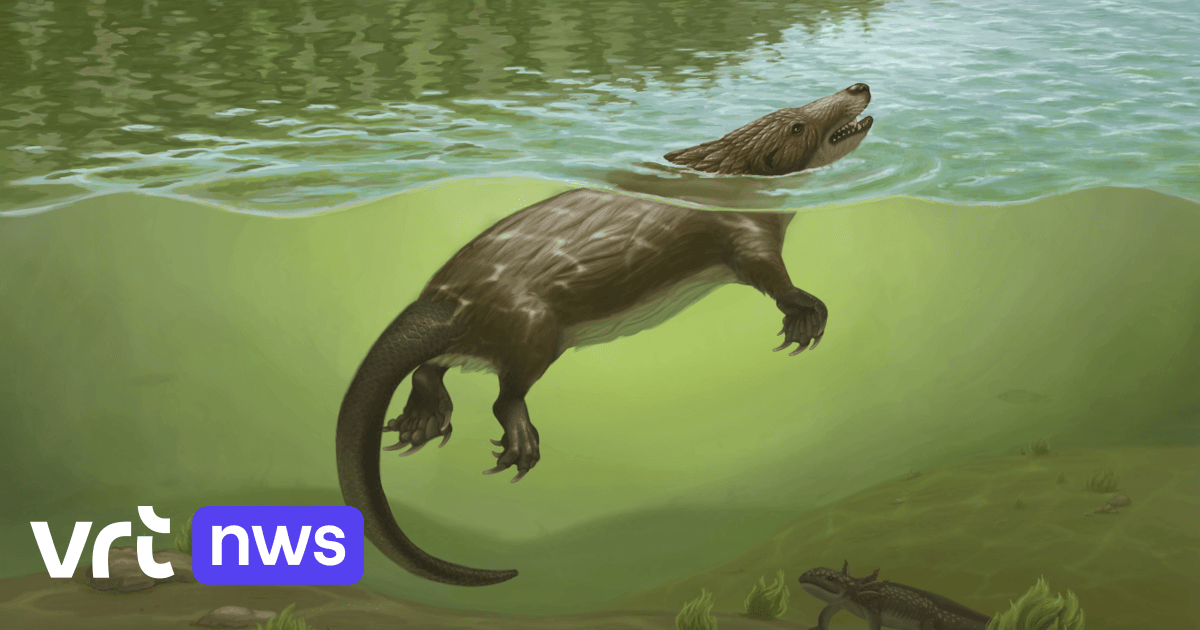
🦦
Meet the otter-like mammal that swam among dinosaurs
Maak kennis met het otterachtige zoogdier dat tussen de dinosauriërs zwom
À la rencontre du mammifère ressemblant à une loutre qui nageait parmi les dinosaures
Around 165 million years ago, Megacauda sungei swam through lakes and rivers in what is now China, hunting fish and salamanders. At about 50 centimetres long, this remarkable mammal had a beaver-like flat tail, otter-like hunting skills and teeth suited to gripping slippery prey. Exceptionally well-preserved fossils even show impressions of its fur and skin, helping researchers piece together what it looked like and how it lived. And here's the thing: studying Megacauda is also giving scientists fresh clues about the early evolution of mammals and how they chewed their food.
Zo’n 165 miljoen jaar geleden zwom Megacauda sungei door meren en rivieren in het huidige China, op jacht naar vissen en salamanders. Dit bijzondere zoogdier was ongeveer 50 centimeter lang en had een platte staart zoals een bever, jaagde als een otter en had tanden om glibberige prooien vast te houden. De uitzonderlijk goed bewaarde fossielen tonen zelfs afdrukken van zijn vacht en huid, waardoor onderzoekers beter kunnen reconstrueren hoe het dier eruitzag en leefde. En dit is het mooie: de ontdekking levert ook nieuwe aanwijzingen op over de vroege evolutie van zoogdieren en hoe ze hun voedsel kauwden.
Il y a environ 165 millions d’années, Megacauda sungei nageait dans les lacs et les rivières de l’actuelle Chine, où il chassait des poissons et des salamandres. Ce remarquable mammifère mesurait environ 50 centimètres et possédait une queue aplatie comme celle d’un castor, chassait comme une loutre et avait des dents adaptées pour retenir les proies glissantes. Des fossiles exceptionnellement bien conservés montrent même des empreintes de sa fourrure et de sa peau, aidant les chercheurs à reconstituer son apparence et son mode de vie. Et voici ce qui est passionnant : l’étude de Megacauda apporte aussi de nouveaux indices sur l’évolution précoce des mammifères et leur façon de mâcher.
⚡
Scientists create a lightsaber-like laser antenna
Wetenschappers maken een laserantenne die op een lichtzwaard lijkt
Des scientifiques créent une antenne laser semblable à un sabre laser
Researchers have demonstrated a radio antenna made from a laser-generated beam of plasma, rather than a conventional metal structure. A contactless feed transfers energy to the plasma, allowing it to transmit radio waves, and the team demonstrated transmission at 30 megahertz. Because the beam’s length can be adjusted, this approach could make antennas easier to adapt for different frequencies without complex mechanical parts. It’s an exciting concept with potential uses in wireless communications, radar, satellites, and space exploration.
Onderzoekers hebben een radioantenne gedemonstreerd die bestaat uit een laserstraal van plasma, in plaats van een traditionele metalen structuur. Een contactloze voeding brengt energie over op het plasma, zodat het radiogolven kan uitzenden; het team toonde transmissie aan op 30 megahertz. Omdat de lengte van de straal kan worden aangepast, kan deze aanpak antennes geschikt maken voor verschillende frequenties zonder ingewikkelde mechanische onderdelen. Het is een veelbelovend concept met mogelijke toepassingen in draadloze communicatie, radar, satellieten en ruimteverkenning.
Des chercheurs ont présenté une antenne radio constituée d’un faisceau de plasma créé par laser, plutôt que d’une structure métallique classique. Une alimentation sans contact transmet de l’énergie au plasma, qui peut ainsi émettre des ondes radio; l’équipe a démontré une transmission à 30 mégahertz. Comme la longueur du faisceau peut être ajustée, cette approche pourrait permettre d’adapter les antennes à différentes fréquences sans mécanismes complexes. Ce concept prometteur pourrait trouver des applications dans les communications sans fil, le radar, les satellites et l’exploration spatiale.
🌌
A star is slowly feeding on its brown dwarf companion
Een ster voedt zich langzaam met haar bruine dwerggenoot
Une étoile se nourrit lentement de sa compagne naine brune
So, MIT astronomers have spotted a remarkable system about 300 light-years away where a small star is gradually drawing material from a nearby brown dwarf. Rather than swallowing its companion all at once, the star appears to be feeding on it slowly - a process that could last hundreds of thousands of years, and perhaps even billions. The discovery is the first observed example of a low-mass star steadily taking material from another low-mass object. A puzzling triangular pattern in the system’s changing brightness helped lead researchers to this unusual cosmic relationship.
MIT-astronomen hebben een bijzonder stersysteem ontdekt op ongeveer 300 lichtjaar afstand, waar een kleine ster geleidelijk materiaal wegtrekt van een nabije bruine dwerg. In plaats van haar metgezel in één keer op te slokken, lijkt de ster zich er langzaam mee te voeden - een proces dat honderdduizenden jaren en misschien zelfs miljarden jaren kan duren. Dit is het eerste waargenomen voorbeeld van een lichte ster die gestaag materiaal onttrekt aan een ander object met een lage massa. Een raadselachtig driehoekig patroon in de veranderende helderheid van het systeem bracht de onderzoekers op het spoor van deze bijzondere kosmische relatie.
Des astronomes du MIT ont repéré un système remarquable situé à environ 300 années-lumière, où une petite étoile attire progressivement la matière d’une naine brune voisine. Au lieu d’engloutir sa compagne d’un seul coup, l’étoile semble s’en nourrir lentement - un processus qui pourrait durer des centaines de milliers d’années, voire des milliards. Il s’agit du premier exemple observé d’une étoile de faible masse prélevant continuellement de la matière sur un autre objet peu massif. Un motif triangulaire intrigant dans les variations de luminosité du système a mis les chercheurs sur la piste de cette relation cosmique inhabituelle.
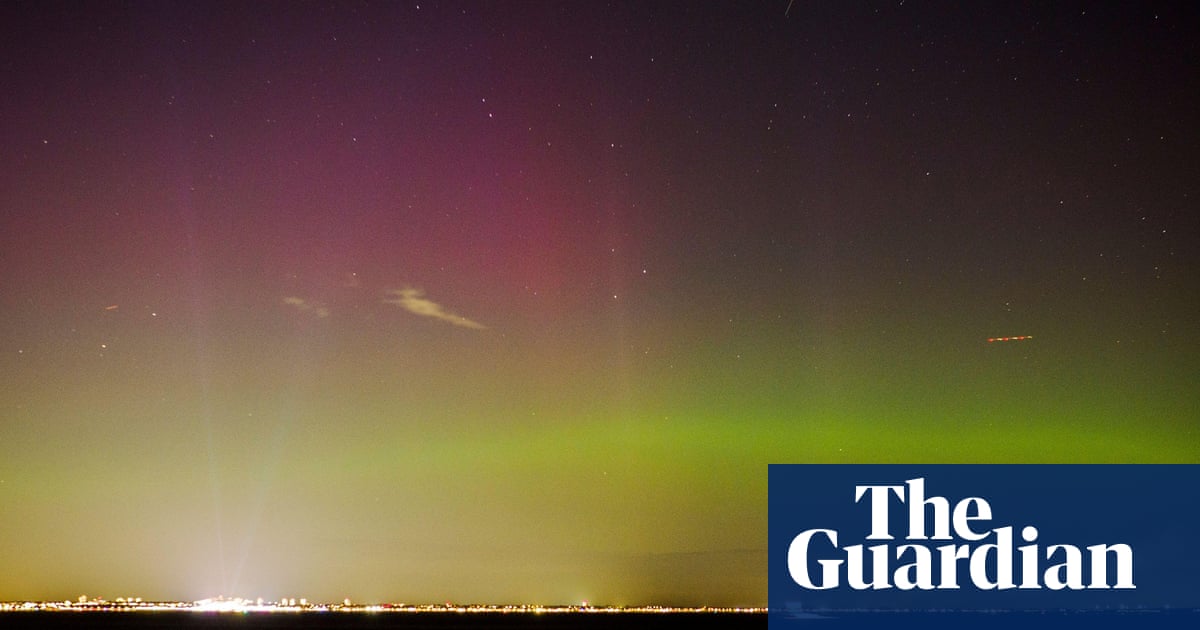
🌌
Northern lights brighten skies across the UK
Noorderlicht kleurt de hemel boven het Verenigd Koninkrijk
Les aurores boréales illuminent le ciel du Royaume-Uni
What a lovely sight: the northern lights lit up skies across the UK on Friday and Saturday evening. The aurora borealis was spotted as far south as Devon, Hampshire and Kent, well beyond its usual visibility near the Arctic Circle and northern Scotland. The Met Office says clear skies could bring more chances to see the display until Tuesday, particularly in Scotland and at similar geomagnetic latitudes. These colourful lights form when particles from the Sun collide with gases high in Earth’s atmosphere, and 2026 is shaping up to be a brilliant year for aurora-spotting as the Sun reaches a peak in its 11-year cycle.
Wat een prachtig schouwspel: het noorderlicht verlichtte vrijdag- en zaterdagavond de hemel boven het Verenigd Koninkrijk. De aurora borealis was zelfs te zien in Devon, Hampshire en Kent, ver ten zuiden van de gebieden waar ze gewoonlijk verschijnt, zoals de poolcirkel en het noorden van Schotland. Volgens het Met Office zijn er tot dinsdag nieuwe kansen om het lichtspektakel te zien als de hemel helder is, vooral in Schotland en op vergelijkbare geomagnetische breedtegraden. De kleurrijke lichten ontstaan wanneer deeltjes van de zon botsen met gassen hoog in de aardatmosfeer, en 2026 belooft een schitterend jaar voor noorderlichtjagers te worden nu de zon een piek bereikt in haar elfjarige cyclus.
Quel magnifique spectacle : les aurores boréales ont illuminé le ciel du Royaume-Uni vendredi et samedi soir. Elles ont été observées jusqu’au Devon, au Hampshire et au Kent, bien au sud des régions où elles sont habituellement visibles, près du cercle arctique et dans le nord de l’Écosse. Selon le Met Office, le ciel dégagé pourrait offrir de nouvelles occasions d’admirer ces lumières jusqu’à mardi, notamment en Écosse et à des latitudes géomagnétiques similaires. Ces couleurs apparaissent lorsque des particules solaires entrent en collision avec les gaz de la haute atmosphère terrestre, et 2026 s’annonce comme une année exceptionnelle pour les observer, alors que le Soleil atteint un pic de son cycle de onze ans.

🌿
A more balanced media diet helps readers breathe again
Een evenwichtiger nieuwsdieet helpt lezers weer ademhalen
Un régime médiatique plus équilibré aide les lecteurs à respirer à nouveau
For World Mental Health Day, Positive News invited readers to share how changing the stories they consume has affected their wellbeing. Many say that balancing distressing headlines with constructive journalism eases anxiety, restores perspective and helps them feel hopeful. Some describe Positive News as a daily source of comfort, while others share it with friends or use it to stay grounded for their families. And here's the thing: readers say that seeing solutions also helps turn hope into motivation to act.
Ter gelegenheid van Wereld 정신gezondheidsdag vroeg Positive News lezers te vertellen hoe het veranderen van de verhalen die ze volgen hun welzijn heeft beïnvloed. Veel lezers zeggen dat evenwicht tussen verontrustende krantenkoppen en constructieve journalistiek hun angst vermindert, perspectief biedt en hoop geeft. Sommigen noemen Positive News een dagelijkse bron van troost, terwijl anderen het delen met vrienden of er houvast uit putten voor hun gezin. En het mooie is: lezers zeggen dat oplossingen zien ook helpt om hoop om te zetten in motivatie om iets te doen.
À l’occasion de la Journée mondiale de la santé mentale, Positive News a invité ses lecteurs à raconter comment le changement des sujets qu’ils suivent a influé sur leur bien-être. Beaucoup disent qu’un équilibre entre les gros titres inquiétants et le journalisme constructif apaise leur anxiété, leur redonne des repères et nourrit leur espoir. Certains décrivent Positive News comme une source quotidienne de réconfort, tandis que d’autres le partagent avec leurs proches ou y trouvent un ancrage pour leur famille. Et voici l’essentiel : selon les lecteurs, découvrir des solutions aide aussi à transformer l’espoir en envie d’agir.
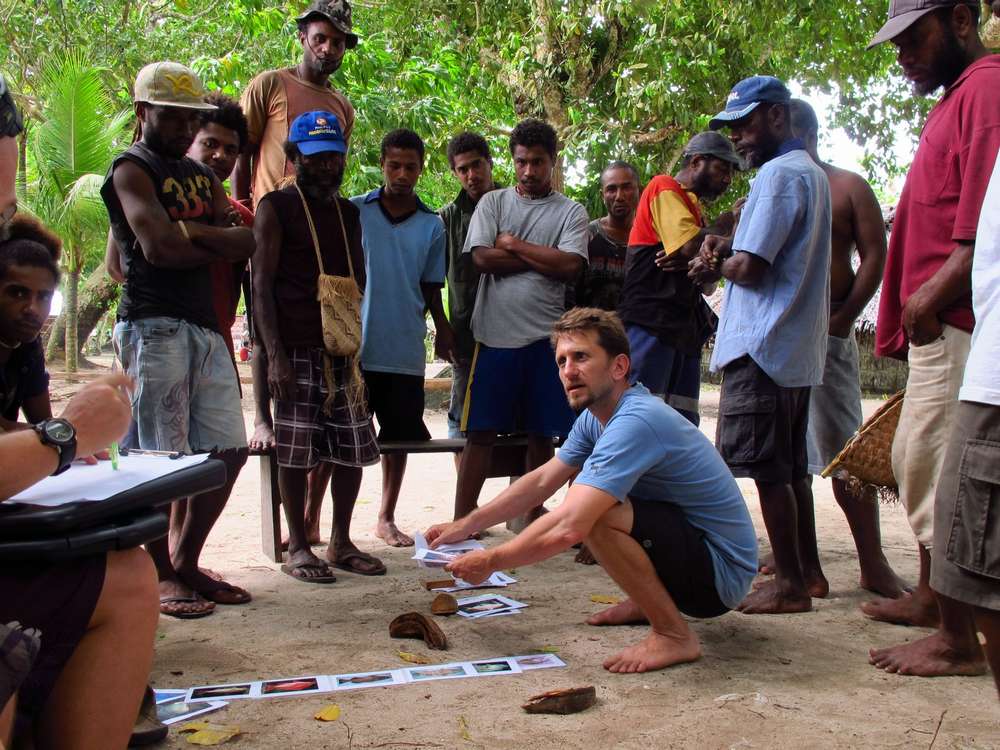
🌿
Local voices help conservation succeed around the world
Lokale stemmen helpen natuurbehoud wereldwijd slagen
Les voix locales favorisent la réussite de la conservation dans le monde
So: a University of Sydney review of more than 70 studies found that conservation success often depends less on funding than on the involvement of local communities. Across examples from Papua New Guinea to Canada, three factors stood out: valuing local knowledge alongside science, involving communities in decisions, and adapting management to local conditions. In Papua New Guinea, villages have sustained healthy coral reefs by periodically closing fishing areas, a practice rooted in community life and shared responsibility. These bright spots show that nature and people can thrive under pressure - and offer hopeful lessons for conservation elsewhere.
Een review van de Universiteit van Sydney van meer dan 70 studies laat zien dat succesvol natuurbehoud vaak minder afhangt van geld dan van betrokken lokale gemeenschappen. Van Papoea-Nieuw-Guinea tot Canada kwamen drie factoren steeds terug: lokale kennis waarderen naast wetenschap, gemeenschappen betrekken bij besluiten en beheer aanpassen aan plaatselijke omstandigheden. In Papoea-Nieuw-Guinea houden dorpen hun koraalriffen gezond door visgebieden geregeld tijdelijk te sluiten, een traditie die stevig in het gemeenschapsleven en gedeelde verantwoordelijkheid is verankerd. Deze lichtpunten tonen dat natuur en mensen ondanks druk kunnen floreren - en bieden hoopvolle lessen voor natuurbehoud elders.
Une analyse de plus de 70 études menée par l’Université de Sydney montre que la réussite de la conservation dépend souvent moins des financements que de la participation des communautés locales. De la Papouasie-Nouvelle-Guinée au Canada, trois facteurs se dégagent : valoriser les savoirs locaux aux côtés de la science, associer les communautés aux décisions et adapter la gestion aux conditions locales. En Papouasie-Nouvelle-Guinée, des villages préservent la santé des récifs coralliens en fermant périodiquement certaines zones à la pêche, une pratique ancrée dans la vie communautaire et la responsabilité partagée. Ces exemples encourageants montrent que la nature et les populations peuvent s’épanouir malgré les pressions - et inspirer les efforts de conservation ailleurs.
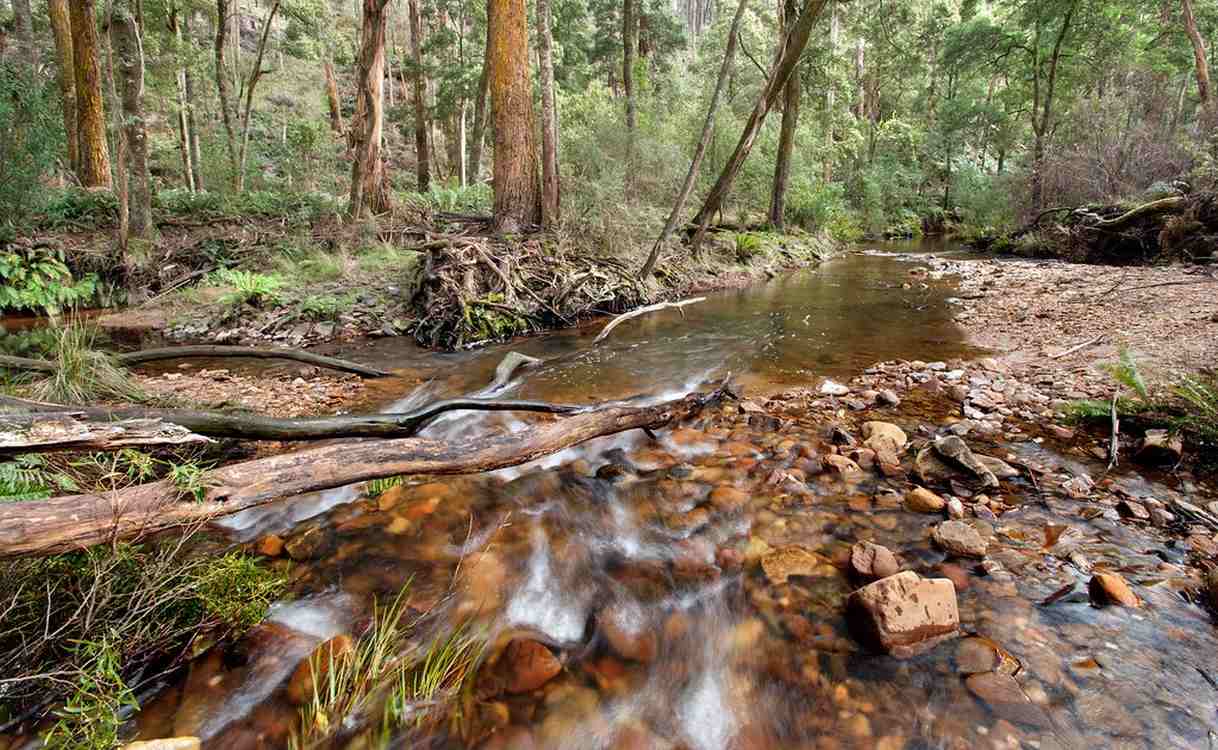
🌳
Australia creates three new national parks for wildlife
Australië richt drie nieuwe nationale parken op voor wilde dieren
L’Australie crée trois nouveaux parcs nationaux pour protéger la faune
More than 250 square miles of forest in central Victoria are now protected in three new national parks: Mount Buangor, Pyrenees, and Wombat-Lerderderg. Together, they safeguard hundreds of rare and threatened species, including platypuses, greater gliders, powerful owls, and rare plants. The parks are the region’s first substantial new national parks in 15 years, following years of campaigning and ecological research by local groups. Parks Victoria will work with Traditional Owners and communities on plans to care for these forests and their wildlife.
Meer dan 250 vierkante mijl bos in het centrum van Victoria is nu beschermd in drie nieuwe nationale parken: Mount Buangor, Pyrenees en Wombat-Lerderderg. Samen bieden de parken een veilige plek aan honderden zeldzame en bedreigde soorten, waaronder vogelbekdieren, grote pluimstaartbuidelratten, krachtige uilen en bijzondere planten. Het zijn de eerste nieuwe nationale parken van aanzienlijke omvang in de regio in vijftien jaar, na jaren van campagne voeren en ecologisch onderzoek door lokale groepen. Parks Victoria werkt met de traditionele landbezitters en gemeenschappen aan plannen om de bossen en hun dieren te beschermen.
Plus de 250 miles carrés de forêts du centre de l’État de Victoria sont désormais protégés dans trois nouveaux parcs nationaux : Mount Buangor, Pyrenees et Wombat-Lerderderg. Ensemble, ces parcs préservent des centaines d’espèces rares et menacées, dont des ornithorynques, des grands phalangers volants, des ninoxes puissantes et des plantes rares. Il s’agit des premiers nouveaux parcs nationaux d’envergure dans la région depuis quinze ans, après des années de mobilisation et de recherches écologiques menées par des groupes locaux. Parks Victoria collaborera avec les peuples propriétaires traditionnels et les communautés à des plans pour prendre soin de ces forêts et de leur faune.
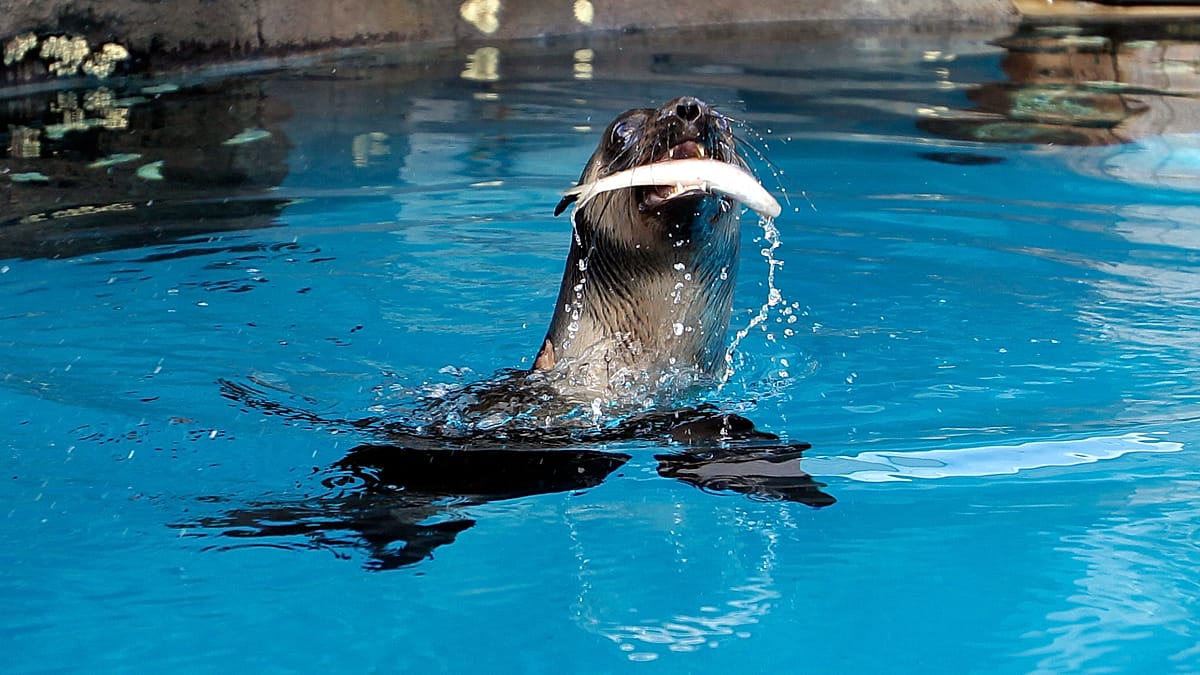
🦭
Seals and sea lions undergo hearing tests in Australian research
Pelsrobben en zeeleeuwen doen mee aan Australisch gehooronderzoek
Phoques et otaries participent à une étude auditive en Australie
At Sydney’s Taronga Zoo, two sea lions and two fur seals have learned to take hearing tests by pressing a paddle when they hear a tone - and earning fish for correct answers. I find it fascinating that researchers identified 3.2 kilohertz as the frequency they hear most sensitively. This gives scientists a useful starting point for understanding how noise from ships, aircraft and coastal construction may affect marine mammals, especially endangered Australian sea lions, whose population is estimated at just 12,000. Next, the team plans to study how underwater noise influences the animals’ hearing and behaviour, helping inform environmental assessments and noise controls.
In de Taronga Zoo in Sydney hebben twee zeeleeuwen en twee pelsrobben geleerd een peddel in te drukken zodra ze een toon horen - en krijgen ze vis als beloning voor een goed antwoord. Ik vind het bijzonder dat onderzoekers ontdekten dat de dieren het gevoeligst zijn voor geluiden rond 3,2 kilohertz. Dat biedt wetenschappers een waardevol vertrekpunt om te onderzoeken hoe lawaai van schepen, vliegtuigen en bouwwerkzaamheden aan de kust zeezoogdieren kan beïnvloeden, vooral de bedreigde Australische zeeleeuw, waarvan de populatie naar schatting slechts 12.000 dieren telt. Nu wil het team nagaan hoe onderwaterlawaai het gehoor en gedrag van de dieren beïnvloedt, zodat milieubeoordelingen en geluidsregels beter kunnen worden onderbouwd.
Au zoo Taronga de Sydney, deux otaries et deux phoques à fourrure ont appris à appuyer sur une palette lorsqu’ils entendent un son - et reçoivent du poisson quand leur réponse est correcte. Je trouve fascinant que les chercheurs aient établi que les animaux sont particulièrement sensibles aux sons autour de 3,2 kilohertz. Ces résultats offrent un point de départ précieux pour comprendre comment le bruit des navires, des avions et des chantiers côtiers peut affecter les mammifères marins, notamment l’otarie d’Australie, une espèce menacée dont la population est estimée à seulement 12 000 individus. L’équipe prévoit maintenant d’étudier les effets du bruit sous-marin sur leur audition et leur comportement, afin d’éclairer les évaluations environnementales et les mesures de réduction du bruit.

🐕
Top sheepdogs fetch bids of up to 370,000 kronor
Topherdershonden leveren biedingen tot 370.000 kronen op
Les chiens de berger d’élite atteignent 370 000 couronnes
So: sheepdog auctions in the English village of Skipton are drawing buyers from around the world, all looking for a talented partner to work their flocks. A record was set in 2021, when a one-year-old dog sold for the equivalent of 370,000 kronor, and online bidding is making it easier to buy dogs internationally. Buyers say drones cannot replace skilled dogs, which can cover rough ground quickly and keep sheep moving. For Samantha Furman, excitement got the better of her budget: she paid the equivalent of 320,000 kronor for a dog, with transport expected to bring the total to 400,000 kronor.
In het Engelse dorp Skipton trekken veilingen van herdershonden kopers uit de hele wereld aan, op zoek naar een getalenteerde partner voor hun kudde. In 2021 werd een record gevestigd toen een hond van één jaar werd verkocht voor omgerekend 370.000 kronen, en online bieden maakt internationale aankopen makkelijker. Kopers zeggen dat drones geen vervanging zijn voor vaardige honden, die snel over ruig terrein bewegen en schapen in beweging houden. Samantha Furman liet zich meeslepen door het bieden: ze betaalde omgerekend 320.000 kronen voor een hond, en met het vervoer komt de totale rekening naar verwachting uit op 400.000 kronen.
Dans le village anglais de Skipton, les ventes aux enchères de chiens de berger attirent des acheteurs du monde entier, à la recherche d’un compagnon talentueux pour garder leurs troupeaux. Un record a été établi en 2021, lorsqu’un chien d’un an a été vendu pour l’équivalent de 370 000 couronnes, et les enchères en ligne facilitent désormais les achats à l’international. Les acheteurs estiment que les drones ne remplacent pas les chiens expérimentés, capables de parcourir rapidement des terrains accidentés et de guider les moutons. Samantha Furman s’est laissé emporter par les enchères : elle a payé l’équivalent de 320 000 couronnes pour un chien, et le transport devrait porter la facture totale à 400 000 couronnes.
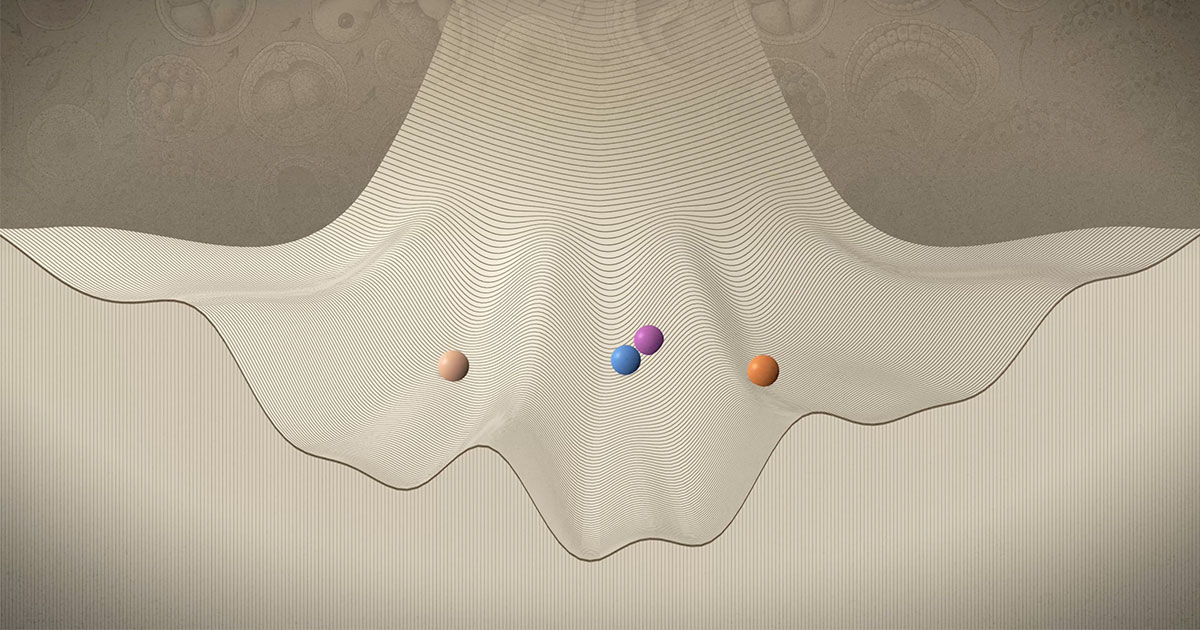
🧬
How life unfolds: a landscape metaphor comes into its own
Hoe leven zich ontvouwt: een landschapsmetafoor bewijst haar waarde
Comment la vie se déploie : une métaphore paysagère prend tout son sens
So, how do genes guide an embryo as it grows into a body made of many different cell types? Biologist C.H. Waddington imagined cells as a ball rolling through a landscape of branching valleys, with each path leading to a different cell fate. Now, researchers are using data from thousands of cells to map real cell-state landscapes, finding that development is more dynamic than a simple genetic readout. And here's the fascinating part: cells interact not only with one another, but also help shape the landscape that guides their journey.
Hoe sturen genen een embryo aan terwijl het uitgroeit tot een lichaam met allerlei verschillende celtypen? Bioloog C.H. Waddington stelde zich cellen voor als een bal die door een landschap van vertakkende valleien rolt, waarbij elke route naar een andere celbestemming leidt. Onderzoekers brengen nu met gegevens van duizenden cellen echte landschappen van celtoestanden in kaart en ontdekken dat ontwikkeling dynamischer is dan een eenvoudige aflezing van genetische instructies. En dit is het fascinerende eraan: cellen beïnvloeden elkaar én helpen het landschap vorm te geven dat hun ontwikkeling stuurt.
Comment les gènes guident-ils un embryon tandis qu’il se développe en un organisme composé de nombreux types de cellules ? Le biologiste C.H. Waddington imaginait les cellules comme une bille roulant dans un paysage de vallées ramifiées, chaque chemin menant à un destin cellulaire différent. Aujourd’hui, les chercheurs cartographient de véritables paysages d’états cellulaires à partir de données recueillies sur des milliers de cellules et découvrent que le développement est plus dynamique qu’une simple lecture des instructions génétiques. Et voici ce qui est fascinant : les cellules interagissent entre elles et contribuent aussi à façonner le paysage qui guide leur parcours.

🦤
India releases two captive-bred bustards into the wild
India laat twee in gevangenschap gefokte trappen vrij
L’Inde relâche deux outardes élevées en captivité
India has taken an encouraging step in its effort to bring the critically endangered Great Indian Bustard back to the wild. Two male birds, raised through a conservation-breeding programme in Rajasthan, were released at Desert National Park. Before their release, they spent time in a spacious rewilding aviary to build flight strength and prepare for life beyond captivity. This first major test of the programme’s rewilding approach follows years of work by scientists and conservation teams, with 97 birds now held at breeding facilities.
India heeft een bemoedigende stap gezet om de ernstig bedreigde grote Indische trap weer in het wild te laten leven. Twee mannelijke vogels, grootgebracht via een kweekprogramma voor natuurbehoud in Rajasthan, zijn vrijgelaten in Desert National Park. Voor hun vrijlating verbleven ze in een ruime volière voor verwildering, waar ze hun vliegspieren konden versterken en zich konden voorbereiden op het leven buiten gevangenschap. Deze eerste grote proef met de aanpak volgt op jaren werk van wetenschappers en natuurbeschermers; bij de kweekcentra verblijven nu 97 vogels.
L’Inde vient de franchir une étape encourageante dans ses efforts pour rétablir dans la nature la grande outarde indienne, une espèce en danger critique d’extinction. Deux mâles, élevés dans le cadre d’un programme de reproduction dédié à la conservation au Rajasthan, ont été relâchés dans le parc national du désert. Avant leur libération, ils ont séjourné dans une vaste volière de réensauvagement afin de renforcer leurs ailes et de se préparer à la vie hors captivité. Ce premier grand test de la stratégie de réensauvagement récompense des années de travail scientifique et de conservation, tandis que les centres d’élevage accueillent désormais 97 oiseaux.

🌕
NASA opens its Artemis II data archive to the public
NASA stelt het Artemis II-gegevensarchief open voor het publiek
La NASA ouvre au public les données d’Artemis II
NASA has made around 800 gigabytes of Artemis II science data available to everyone, including 11,000 images and videos, astronaut observations, notes, and transcripts. So: there’s plenty to explore, from astronaut-annotated lunar photos to three reports gathered in the agency’s public science resources. Early analysis has already spotted five small meteoroid impacts during a lunar eclipse, helping researchers improve estimates of risks to future missions. The observations also capture how lunar landscapes look in low sunlight, valuable knowledge as NASA prepares for future trips near the moon’s south pole.
NASA heeft ongeveer 800 gigabyte aan wetenschappelijke gegevens van Artemis II voor iedereen beschikbaar gemaakt, waaronder 11.000 foto’s en video’s, waarnemingen van astronauten, aantekeningen en transcripties. Er valt dus heel wat te ontdekken, van maanfoto’s die door astronauten zijn voorzien van commentaar tot drie rapporten op de openbare wetenschappelijke pagina van het ruimteagentschap. Een eerste analyse heeft al vijf kleine meteoroïde-inslagen tijdens een maansverduistering vastgesteld, wat onderzoekers helpt de risico’s voor toekomstige missies beter in te schatten. De waarnemingen laten ook zien hoe het maanlandschap eruitziet bij weinig zonlicht - waardevolle kennis voor toekomstige NASA-missies nabij de zuidpool van de maan.
La NASA a rendu accessibles à tous quelque 800 gigaoctets de données scientifiques d’Artemis II, dont 11 000 images et vidéos, des observations d’astronautes, des notes et des transcriptions. Il y a donc beaucoup à découvrir, des photos de la Lune annotées par les astronautes aux trois rapports disponibles sur les ressources scientifiques publiques de l’agence. Une première analyse a déjà repéré cinq petits impacts de météoroïdes pendant une éclipse lunaire, aidant les chercheurs à mieux évaluer les risques pour les futures missions. Les observations montrent aussi à quoi ressemble le relief lunaire sous une faible lumière solaire, un savoir précieux pour les prochains voyages de la NASA près du pôle sud de la Lune.

🦈
Endangered leopard shark filmed in Samoan waters for the first time
Bedreigde zebraleophaai voor het eerst gefilmd in Samoaanse wateren
Un requin-zèbre menacé filmé pour la première fois dans les eaux samoanes
A National Geographic team captured the first verified video of a leopard shark, also known as a zebra shark, in Samoan waters. The surprising sighting came during the first deployment in Samoa of a baited underwater camera that records marine life without divers. Leopard sharks are endangered worldwide and rarely documented in this part of the Pacific, making the footage a valuable clue about where the species lives. National Geographic Pristine Seas has helped establish 28 marine reserves and protect more than 2.5 million square miles of ocean.
Een team van National Geographic legde de eerste bevestigde beelden vast van een zebraleophaai in Samoaanse wateren. De verrassende waarneming kwam tijdens de eerste inzet in Samoa van een onderwatercamera met aas, die het zeeleven filmt zonder duikers. Zebraleophaaien worden wereldwijd met uitsterven bedreigd en zijn zeldzaam in dit deel van de Stille Oceaan, waardoor de beelden waardevolle informatie geven over hun verspreidingsgebied. National Geographic Pristine Seas hielp al bij de oprichting van 28 zeereservaten en de bescherming van meer dan 2,5 miljoen vierkante mijl oceaan.
Une équipe de National Geographic a filmé pour la première fois de manière vérifiable un requin-zèbre dans les eaux samoanes. Cette observation inattendue a eu lieu lors du premier déploiement aux Samoa d’une caméra sous-marine appâtée, qui filme la faune marine sans plongeurs. Menacés à l’échelle mondiale et rarement observés dans cette partie du Pacifique, les requins-zèbres sont au cœur d’une découverte qui aide à mieux connaître leur répartition. National Geographic Pristine Seas a contribué à la création de 28 réserves marines et à la protection de plus de 2,5 millions de miles carrés d’océan.

🌱
Grow pomegranates on your balcony this October
Kweek deze oktober granaatappels op je balkon
Cultivez des grenades sur votre balcon dès octobre
So, you don’t need an orchard to grow pomegranates - a sunny balcony or terrace and a suitable pot can be enough to get started. Gardening creator Anish Sinha recommends the Super Bhagwa variety and a container with good drainage, ideally around 16 inches or larger. He suggests a loose potting mix with garden soil, sand and cow dung manure, with additions such as neem cake, cocopeat or vermicompost. For a simpler start, choose a healthy nursery plant, give it plenty of sun and keep the soil moist without letting it become waterlogged.
Je hebt dus geen boomgaard nodig om granaatappels te kweken - een zonnig balkon of terras en een geschikte pot kunnen al volstaan. Tuinmaker Anish Sinha raadt de variëteit Super Bhagwa aan en een pot met goede drainage, bij voorkeur ongeveer 40 centimeter breed of groter. Hij stelt een luchtige potgrondmix voor met tuinaarde, zand en koemest, aangevuld met bijvoorbeeld neemkoek, kokosvezel of vermicompost. Begin eenvoudig met een gezonde plant uit een kwekerij, geef die veel zon en houd de grond vochtig zonder dat er water in blijft staan.
Alors, nul besoin d’un verger pour faire pousser des grenades - un balcon ou une terrasse ensoleillés et un pot adapté peuvent suffire pour commencer. Le créateur jardinier Anish Sinha conseille la variété Super Bhagwa et un contenant bien drainé, idéalement d’environ 40 centimètres de large ou davantage. Il recommande un mélange léger de terre de jardin, de sable et de fumier de vache, auquel on peut ajouter du tourteau de neem, de la fibre de coco ou du lombricompost. Pour débuter simplement, choisissez un plant sain en pépinière, offrez-lui beaucoup de soleil et gardez la terre humide sans la détremper.
🦦
New wildlife crossings aim to help otters thrive in Flanders
Nieuwe faunapassages moeten otters in Vlaanderen helpen groeien
De nouveaux passages pour la faune veulent favoriser les loutres en Flandre
New wildlife crossings are set to make it easier for otters to move through Flanders. The passages take account of a curious habit: otters often prefer to travel on dry ground. By offering a safer route alongside waterways, they can help otters move between habitats and avoid dangerous crossings. It is a practical boost for the region’s otter population and local biodiversity.
Nieuwe faunapassages moeten het voor otters makkelijker maken om zich door Vlaanderen te verplaatsen. Daarbij houden ze rekening met een opvallende gewoonte: otters kiezen vaak liever voor droge grond. Een veilig traject langs waterlopen kan hen helpen tussen leefgebieden te trekken en gevaarlijke oversteekplaatsen te vermijden. Zo krijgen de otterpopulatie en de lokale biodiversiteit een duwtje in de rug.
De nouveaux passages pour la faune devraient faciliter les déplacements des loutres en Flandre. Ils tiennent compte d’une habitude étonnante : les loutres préfèrent souvent se déplacer sur la terre ferme. En leur proposant un itinéraire plus sûr le long des cours d’eau, ces passages peuvent les aider à rejoindre différents habitats et à éviter des traversées dangereuses. Une initiative concrète pour soutenir la population de loutres et la biodiversité locale.

🩺
Gen Z is rescuing millions in medical supplies
Gen Z redt miljoenen aan medische hulpmiddelen
La génération Z sauve des millions de fournitures médicales
So: young people across the U.S. are rescuing usable medical supplies that hospitals might otherwise throw away and sending them to clinics that need them. In one recent example, 30,000 pounds of sealed N95 masks and hot-and-cold packs worth an estimated $250,000 were redirected from OhioHealth to an under-resourced clinic abroad. Sixteen-year-old Ben Kurian launched Project MedBridge to connect surplus supplies with organizations that can ship them where they are needed. Student-led groups around the country are pitching in too, sorting donations and volunteering between classes to reduce waste and help patients.
Jongeren in de Verenigde Staten redden bruikbare medische hulpmiddelen die ziekenhuizen anders zouden weggooien, en bezorgen ze bij klinieken die ze hard nodig hebben. Zo werd onlangs 30.000 pond aan verzegelde N95-maskers en warm- en koudkompressen, met een geschatte waarde van 250.000 dollar, vanuit OhioHealth doorgestuurd naar een kliniek met weinig middelen in het buitenland. De zestienjarige Ben Kurian richtte Project MedBridge op om overtollige voorraden te koppelen aan organisaties die ze naar de juiste plek kunnen vervoeren. Ook studentengroepen in het hele land helpen mee: ze sorteren donaties en steken tussen de lessen door de handen uit de mouwen om verspilling tegen te gaan en patiënten te helpen.
Aux États-Unis, des jeunes récupèrent du matériel médical encore utilisable que les hôpitaux auraient autrement jeté, puis l’envoient aux cliniques qui en ont besoin. Récemment, 30 000 livres de masques N95 emballés et de compresses chaudes et froides, d’une valeur estimée à 250 000 dollars, ont ainsi été réacheminées depuis OhioHealth vers une clinique aux ressources limitées à l’étranger. Ben Kurian, âgé de 16 ans, a créé Project MedBridge pour mettre ces surplus en relation avec des organisations capables de les acheminer là où ils sont nécessaires. D’autres groupes étudiants du pays participent aussi, en triant les dons et en donnant de leur temps entre les cours pour réduire le gaspillage et aider les patients.

🥔
Kerala farmer turns dry leaves into a five-foot potato tower
Boer uit Kerala kweekt aardappelen in een toren van vijf voet met droge bladeren
Au Kerala, un agriculteur cultive des pommes de terre dans une tour de cinq pieds faite de feuilles sèches
So: Kerala farmer C V Varghese gives dry leaves a second life by packing them into five-foot mesh towers to grow potatoes and other vegetables. He layers the leaves with hay, cow and goat dung, neem cake and organic soil mix, placing potato sprouts at different heights as the tower fills. A perforated pipe in the centre helps water reach the layers, and one tower can hold up to 20 potato sprouts. Varghese has also grown crops such as tomatoes and chillies in the same towers, making this a clever option for gardeners with limited space.
Zo geeft de Keralaanse boer C V Varghese droge bladeren een tweede leven: hij stopt ze in gaastorens van anderhalve meter hoog om aardappelen en andere groenten te kweken. Hij combineert de bladeren met hooi, koeien- en geitenmest, neemkoek en biologische potgrond, en plaatst aardappelscheuten op verschillende hoogtes. Een geperforeerde buis in het midden helpt het water door de lagen te verdelen, en in één toren passen tot twintig aardappelscheuten. Varghese kweekt in dezelfde torens ook gewassen zoals tomaten en pepers - een slimme oplossing voor tuiniers met weinig ruimte.
Au Kerala, l’agriculteur C V Varghese donne une seconde vie aux feuilles sèches en les tassant dans des tours grillagées d’un mètre cinquante pour cultiver des pommes de terre et d’autres légumes. Il alterne les feuilles avec du foin, du fumier de vache et de chèvre, du tourteau de neem et un mélange de terreau biologique, puis place les germes de pommes de terre à différentes hauteurs. Un tuyau perforé au centre aide à répartir l’eau dans les couches, et une tour peut accueillir jusqu’à vingt germes. Varghese y cultive aussi des tomates et des piments, une solution astucieuse pour les jardiniers qui manquent de place.

🕊️
South African jurist Navi Pillay wins Nobel Peace Prize
Zuid-Afrikaanse juriste Navi Pillay wint de Nobelprijs voor de Vrede
La juriste sud-africaine Navi Pillay reçoit le Nobel de la paix
South African jurist Navanethem “Navi” Pillay has won the Nobel Peace Prize for her efforts to promote peace and international law. The Nobel committee praised her courage and integrity, as well as her work to bring war crimes, crimes against humanity and genocide before the courts. Her career has taken her from defending anti-apartheid activists in South Africa to serving as a judge and UN High Commissioner for Human Rights. Pillay, 85, also drew laughs with a playful remark about sharing the prize with Donald Trump.
De Zuid-Afrikaanse juriste Navanethem ‘Navi’ Pillay heeft de Nobelprijs voor de Vrede gewonnen voor haar inzet voor vrede en internationaal recht. Het Nobelcomité prees haar moed en integriteit en haar werk om oorlogsmisdaden, misdaden tegen de menselijkheid en genocide voor de rechter te brengen. Haar loopbaan bracht haar van de verdediging van antiapartheidsactivisten in Zuid-Afrika tot functies als rechter en VN-Hoge Commissaris voor de Mensenrechten. Pillay, 85, zorgde ook voor gelach met een kwinkslag over het delen van de prijs met Donald Trump.
La juriste sud-africaine Navanethem « Navi » Pillay a reçu le prix Nobel de la paix pour son action en faveur de la paix et du droit international. Le comité Nobel a salué son courage et son intégrité, ainsi que son engagement pour que les crimes de guerre, les crimes contre l’humanité et le génocide soient jugés. Sa carrière l’a menée de la défense des militants anti-apartheid en Afrique du Sud aux fonctions de juge et de Haute-Commissaire des Nations unies aux droits de l’homme. À 85 ans, Pillay a aussi fait sourire en plaisantant sur un éventuel partage du prix avec Donald Trump.
🔬
Ghent start-up builds a 'supermicroscope' to speed up new cancer treatments
Gentse start-up bouwt 'supermicroscoop' om ontwikkeling van nieuwe kankerbehandelingen te versnellen
Une start-up gantoise crée un « supermicroscope » pour accélérer le développement de nouveaux traitements contre le cancer
A start-up in Ghent is building a “supermicroscope” to help speed up the development of new cancer treatments. The project brings advanced microscopy into the effort to find better ways to tackle the disease. So, researchers could gain a useful new tool as they study potential treatments. It’s an exciting example of technology supporting progress in cancer research.
Een Gentse start-up bouwt een ‘supermicroscoop’ om de ontwikkeling van nieuwe kankerbehandelingen te versnellen. Het project zet geavanceerde microscopie in bij de zoektocht naar betere manieren om de ziekte aan te pakken. Zo krijgen onderzoekers mogelijk een nieuw hulpmiddel bij het bestuderen van behandelingen. Het is een mooi voorbeeld van technologie die vooruitgang in kankeronderzoek ondersteunt.
Une start-up de Gand construit un « supermicroscope » afin d’accélérer le développement de nouveaux traitements contre le cancer. Le projet met la microscopie de pointe au service de la recherche de meilleures façons de combattre la maladie. Les chercheurs pourraient ainsi disposer d’un nouvel outil pour étudier des traitements potentiels. C’est un bel exemple de technologie au service des progrès de la recherche contre le cancer.
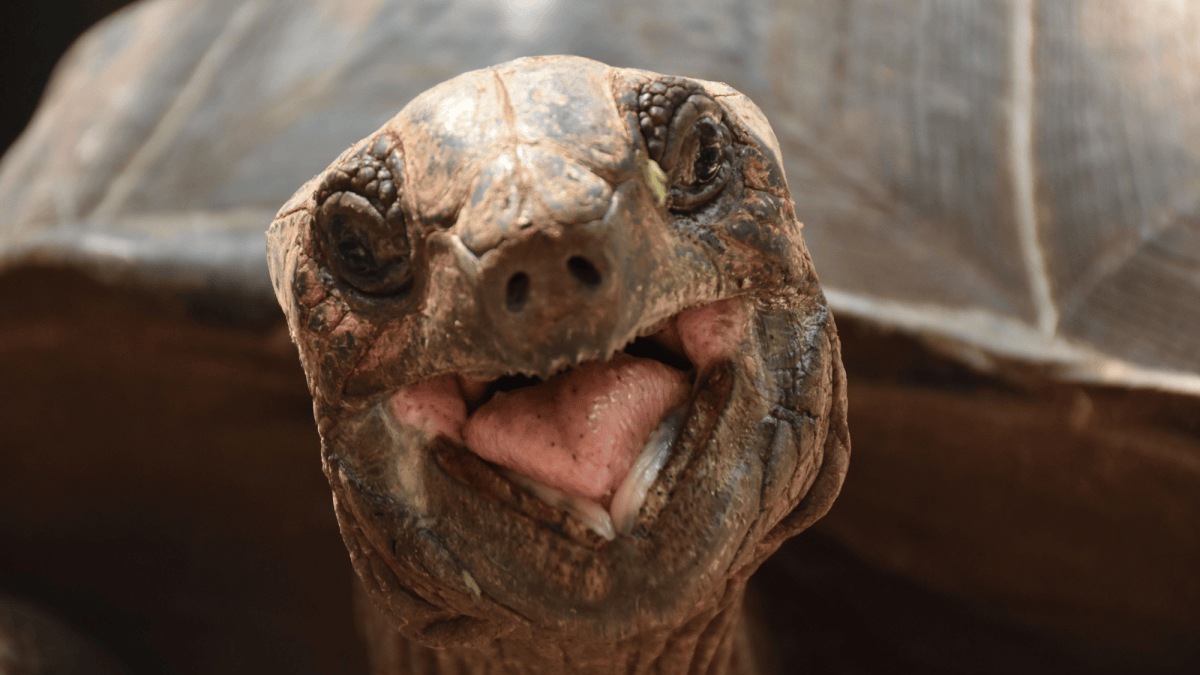
🐢
Giant tortoises now outnumber people in the Seychelles
Reuzenschildpadden zijn nu met meer dan de inwoners van de Seychellen
Les tortues géantes sont désormais plus nombreuses que les habitants des Seychelles
So: a new survey estimates that around 180,000 Aldabra giant tortoises live on the Seychelles’ Aldabra Atoll, more than the country’s human population. The population appears healthy and stable, a remarkable recovery from fewer than 1,000 tortoises after centuries of hunting and exploitation. Researchers used a more sophisticated method that accounts for animals hidden by dense vegetation, so the higher estimate does not mean the population has nearly doubled since the previous survey. Protection measures, including the atoll’s nature reserve status, show how long-term conservation can help a species thrive.
Een nieuwe telling schat dat er ongeveer 180.000 Aldabr reuzenschildpadden leven op het Aldabra-atol van de Seychellen, meer dan er mensen in het land wonen. De populatie lijkt gezond en stabiel - een opmerkelijk herstel nadat er door eeuwen van jacht en uitbuiting minder dan 1.000 schildpadden over waren. Onderzoekers gebruikten een geavanceerdere methode die rekening houdt met dieren die zich in dichte begroeiing verschuilen, dus de hogere schatting betekent niet dat de populatie sinds de vorige telling bijna is verdubbeld. Beschermingsmaatregelen, waaronder de status van natuurreservaat voor het atol, laten zien hoe langdurige natuurbescherming een soort kan laten floreren.
Une nouvelle étude estime qu’environ 180 000 tortues géantes d’Aldabra vivent sur l’atoll d’Aldabra, aux Seychelles - davantage que le nombre d’habitants du pays. La population semble en bonne santé et stable, après un rétablissement remarquable alors qu’il restait moins de 1 000 tortues à la suite de siècles de chasse et d’exploitation. Les chercheurs ont utilisé une méthode plus sophistiquée qui tient compte des animaux cachés dans la végétation dense : cette estimation plus élevée ne signifie donc pas que la population a presque doublé depuis le précédent recensement. Les mesures de protection, notamment le statut de réserve naturelle de l’atoll, montrent combien les efforts de conservation à long terme peuvent aider une espèce à prospérer.
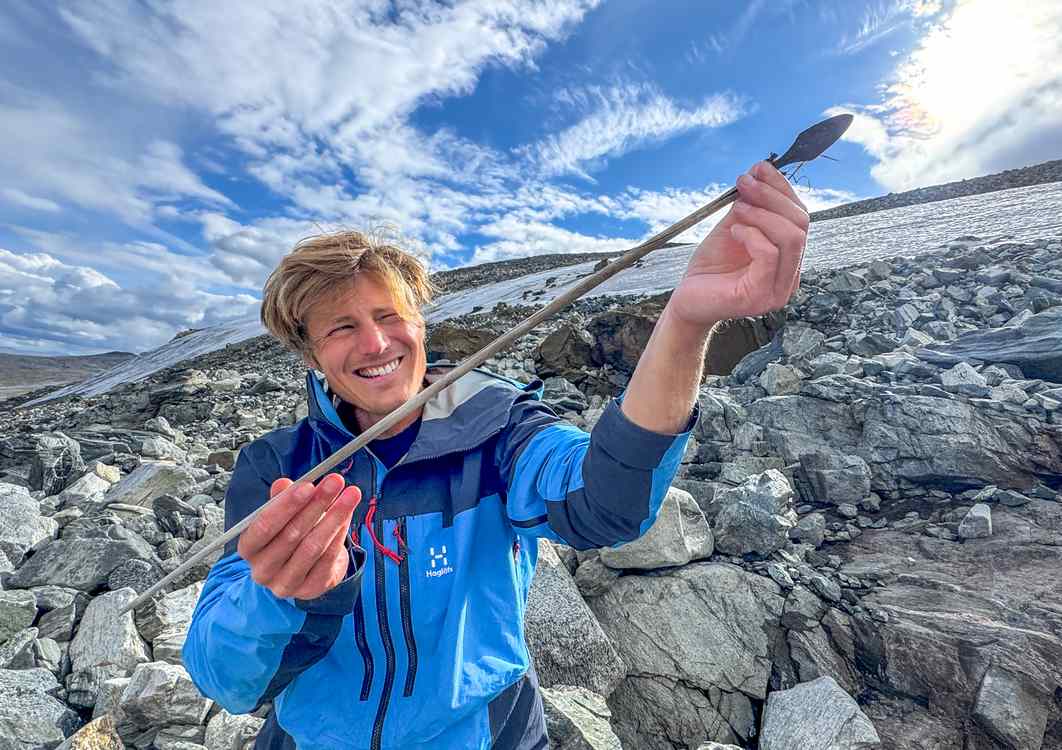
🏹
Norway’s glaciers reveal 48 ancient arrows
Noorse gletsjers onthullen 48 eeuwenoude pijlen
Les glaciers norvégiens révèlent 48 flèches anciennes
So, after two decades of exploring Norway’s glaciers, the Secrets of the Ice team has recovered 48 arrowheads and shafts from different periods. Some are thousands of years old, including a slate arrowhead that may date back 6,000 years and a mussel-shell arrowhead found with its wooden shaft. The project has uncovered more than 5,000 artifacts at 73 archaeological sites, including the world’s oldest known ski. Because ice can preserve wood and other materials remarkably well, these discoveries offer a remarkable glimpse into life in the distant past.
Na twintig jaar onderzoek op Noorse gletsjers heeft het team van Secrets of the Ice 48 pijlpunten en schachten uit verschillende tijdperken gevonden. Sommige zijn duizenden jaren oud, waaronder een leistenen pijlpunt die mogelijk 6.000 jaar oud is en een pijlpunt van een mosselschelp met de houten schacht er nog aan. Het project heeft op 73 archeologische vindplaatsen al meer dan 5.000 voorwerpen blootgelegd, waaronder de oudste bekende ski ter wereld. Het ijs heeft hout en andere materialen opmerkelijk goed bewaard, waardoor deze vondsten een bijzonder inkijkje geven in het verre verleden.
Après vingt ans d’exploration des glaciers norvégiens, l’équipe de Secrets of the Ice a retrouvé 48 pointes de flèches et hampes datant de différentes époques. Certaines ont plusieurs milliers d’années, dont une pointe en ardoise qui pourrait remonter à 6 000 ans et une pointe en coquille de moule découverte avec sa hampe en bois. Le projet a mis au jour plus de 5 000 objets sur 73 sites archéologiques, parmi lesquels le plus vieux ski connu au monde. La glace a remarquablement bien préservé le bois et d’autres matériaux, offrant un aperçu fascinant de la vie dans un passé lointain.
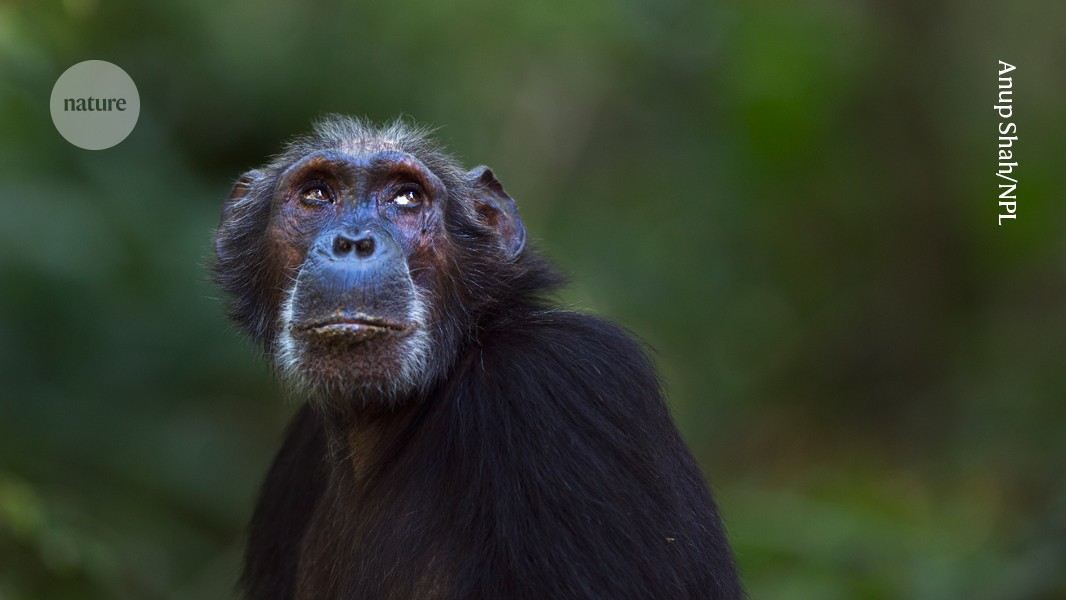
🧠
Chimp and gorilla brains may resist age-related weight loss
Chimpansees en gorilla’s lijken hun hersengewicht te behouden op latere leeftijd
Les cerveaux des chimpanzés et des gorilles résistent à la perte de poids liée à l’âge
So, here’s a striking difference: human brains tend to lose weight from around age 45 to 50, even without disease. An analysis of brain data from 601 great apes suggests that this decline may not happen in our closest living relatives. The research includes chimpanzees, gorillas, orangutans and bonobos, whose brains appear to maintain their mass into later life. Their relatively shorter lifespans could help explain this pattern, though the finding offers a fascinating new perspective on how ageing affects the brain.
Er is een opvallend verschil: menselijke hersenen verliezen vaak vanaf ongeveer 45 à 50 jaar gewicht, zelfs zonder ziekte. Een analyse van hersengegevens van 601 mensapen suggereert dat die afname bij onze nauwste levende verwanten mogelijk niet optreedt. Het onderzoek omvat chimpansees, gorilla’s, orang-oetans en bonobo’s, waarvan de hersenen hun massa op latere leeftijd lijken te behouden. Hun relatief kortere levensduur kan dit patroon helpen verklaren, en biedt een boeiend nieuw inzicht in de invloed van veroudering op de hersenen.
Voici une différence frappante : chez l’humain, le cerveau commence souvent à perdre du poids vers 45 ou 50 ans, même en l’absence de maladie. Une analyse des données cérébrales de 601 grands singes suggère que ce déclin pourrait ne pas se produire chez nos plus proches parents vivants. L’étude porte sur des chimpanzés, des gorilles, des orangs-outans et des bonobos, dont le cerveau semble conserver sa masse à un âge avancé. Leur espérance de vie relativement courte pourrait contribuer à expliquer cette tendance, qui éclaire d’un jour nouveau les effets du vieillissement sur le cerveau.
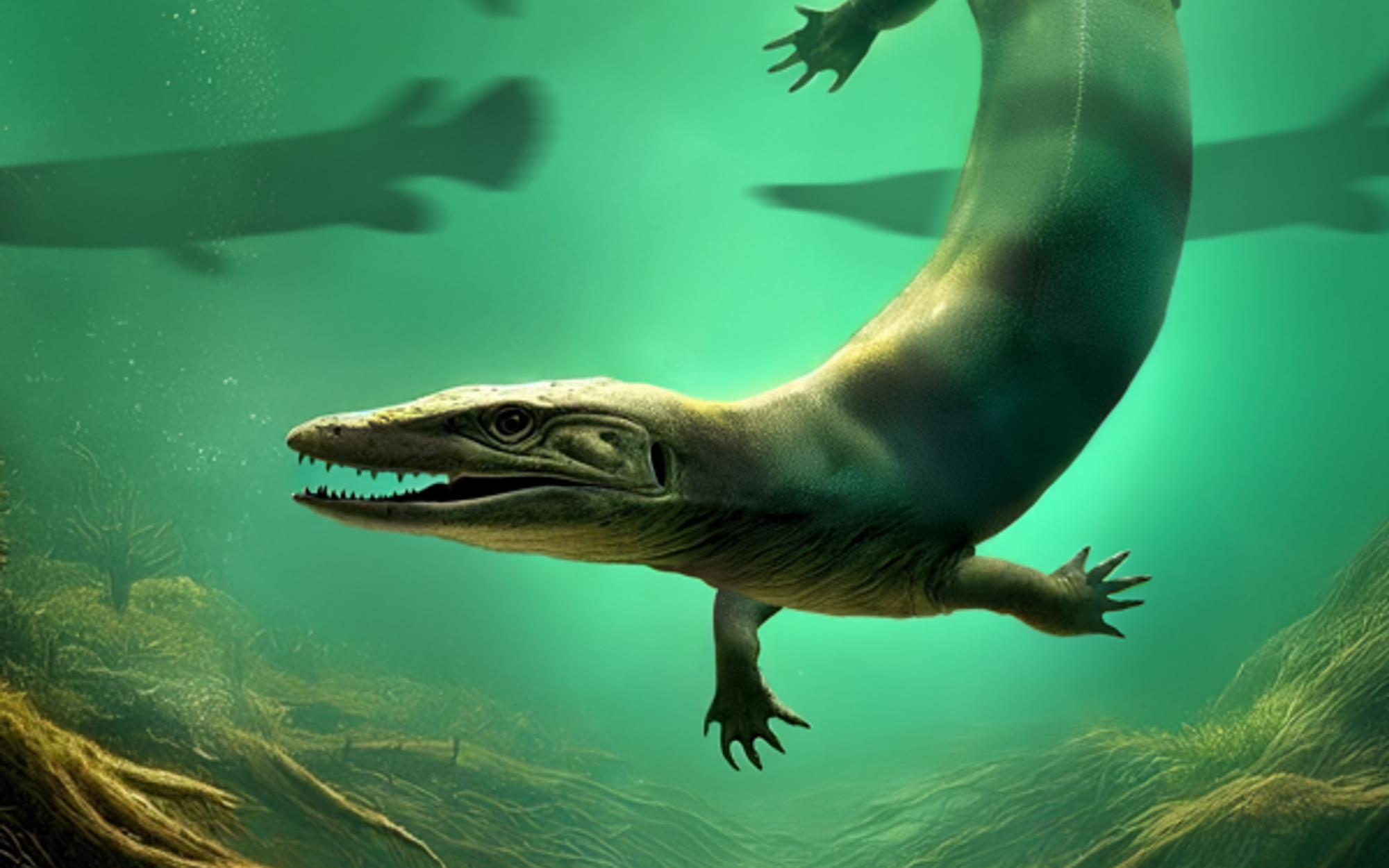
🦎
Scientists discover a freshwater predator that swam like an eel and had limbs
Wetenschappers ontdekken een zoetwaterrover die als een paling zwom en ledematen had
Des scientifiques découvrent un prédateur d’eau douce qui nageait comme une anguille et avait des membres
So, meet Garamaudo bauciensis, a 2.5-metre-long mosasaur that lived in what is now France around 84 million years ago. Unlike better-known mosasaurs, it had limbs suited to walking and a pelvis firmly connected to its spine, yet its long, narrow body likely rippled through the water like an eel. Fossils from a freshwater lake suggest it may have hunted small fish, reptiles or amphibians, perhaps striking from a shallow-water ambush. And here's the thing: this remarkable find offers a fresh glimpse of how diverse and adaptable mosasaurs could be.
Maak kennis met Garamaudo bauciensis, een mosasauriër van ongeveer 2,5 meter lang die zo’n 84 miljoen jaar geleden leefde in het huidige Frankrijk. Anders dan bekendere mosasauriërs had hij ledematen die geschikt leken om te lopen en een bekken dat stevig met de wervelkolom verbonden was, terwijl zijn lange, smalle lichaam waarschijnlijk als een paling door het water golfde. De fossielen uit een zoetwatermeer wijzen erop dat hij kleine vissen, reptielen of amfibieën bejaagde, mogelijk vanuit een hinderlaag in ondiep water. En dit is bijzonder: de vondst laat opnieuw zien hoe gevarieerd en aanpasbaar mosasauriërs waren.
Voici Garamaudo bauciensis, un mosasaure de 2,5 mètres qui vivait il y a environ 84 millions d’années dans l’actuelle France. Contrairement aux mosasaures les plus connus, il avait des membres qui semblaient adaptés à la marche et un bassin solidement relié à sa colonne vertébrale, tandis que son corps long et étroit ondulait probablement dans l’eau comme celui d’une anguille. Ses fossiles, découverts dans un ancien lac d’eau douce, suggèrent qu’il chassait de petits poissons, reptiles ou amphibiens, peut-être à l’affût dans les eaux peu profondes. Et c’est là toute l’importance de cette découverte: elle révèle encore davantage la diversité et la capacité d’adaptation des mosasaures.
🚀
NASA astronauts splash down after 100 million miles in space
NASA-astronauten landen na 100 miljoen mijl in de ruimte
Des astronautes de la NASA amerrissent après 100 millions de miles dans l’espace
After 237 days aboard the International Space Station, four Crew-12 astronauts have safely splashed down in the Pacific Ocean near Los Angeles. So, Jessica Meir, Jack Hathaway, Sophie Adenot, and Andrey Fedyaev return with more than 100 million miles traveled and thousands of Earth orbits behind them. Their research included producing stem cells and IV fluids in space, as well as studying how spaceflight affects health. These experiments could help keep crews safe on future journeys to the Moon and Mars, while also offering insights that benefit life on Earth.
Na 237 dagen aan boord van het internationale ruimtestation zijn vier astronauten van Crew-12 veilig neergekomen in de Stille Oceaan, bij Los Angeles. Jessica Meir, Jack Hathaway, Sophie Adenot en Andrey Fedyaev keren terug na ruim 100 miljoen mijl te hebben afgelegd en duizenden rondjes om de aarde te hebben gemaakt. Hun onderzoek omvatte onder meer de productie van stamcellen en infuusvloeistoffen in de ruimte, en de invloed van ruimtevluchten op de gezondheid. De experimenten kunnen helpen om bemanningen veilig te houden tijdens toekomstige reizen naar de maan en Mars, en leveren ook inzichten op die het leven op aarde ten goede kunnen komen.
Après 237 jours à bord de la Station spatiale internationale, les quatre astronautes de Crew-12 ont amerri sans encombre dans l’océan Pacifique, près de Los Angeles. Jessica Meir, Jack Hathaway, Sophie Adenot et Andrey Fedyaev rentrent après avoir parcouru plus de 100 millions de miles et effectué des milliers de tours de la Terre. Leurs recherches portaient notamment sur la production de cellules souches et de liquides de perfusion dans l’espace, ainsi que sur les effets des vols spatiaux sur la santé. Ces expériences pourraient contribuer à protéger les équipages lors de futurs voyages vers la Lune et Mars, tout en apportant des connaissances utiles sur Terre.
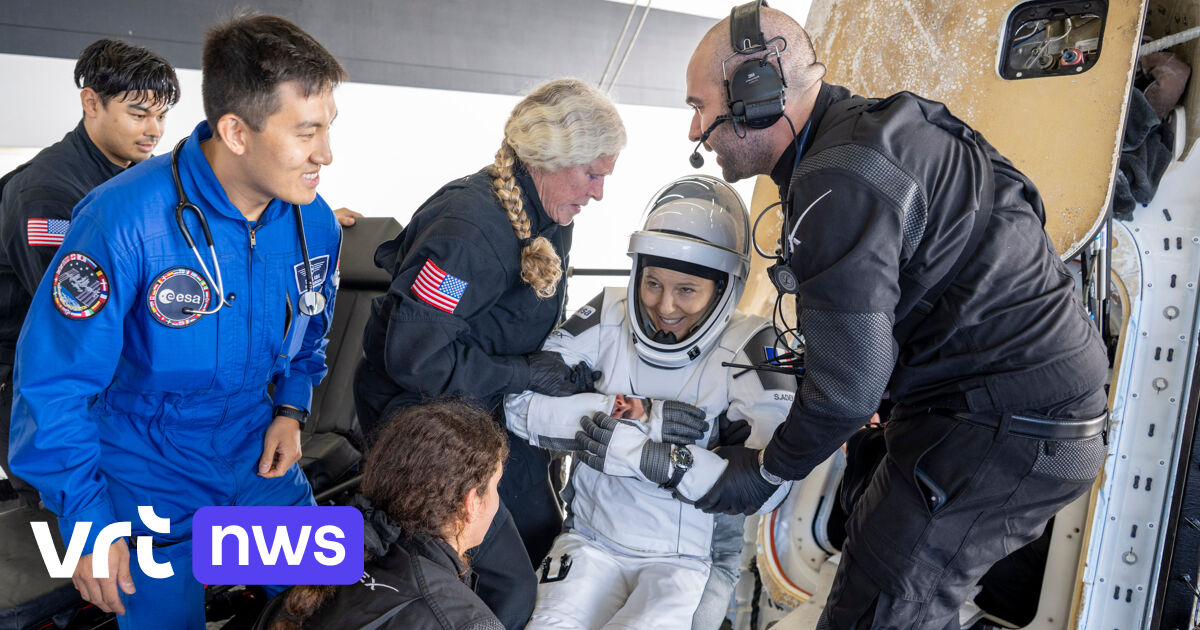
🚀
French astronaut sophie adenot returns after record 237-day stay in space
Franse astronaute sophie adenot terug na recordverblijf van 237 dagen in de ruimte
L’astronaute française sophie adenot revient après un séjour record de 237 jours dans l’espace
French astronaut Sophie Adenot is back on Earth after spending 237 days, 5 hours and 18 minutes in space. That makes her the European Space Agency astronaut with the longest single stay in space so far. Her capsule landed off the coast of California with three crewmates after a mission of nearly eight months aboard the International Space Station. During the mission, Adenot completed three spacewalks, and fellow ESA graduate Raphaël Liégeois is expected to head to space no earlier than 2027.
De Franse astronaute Sophie Adenot is terug op aarde na 237 dagen, 5 uur en 18 minuten in de ruimte. Daarmee heeft ze het record voor het langste aaneengesloten ruimteverblijf van een Europese astronaut op haar naam staan. Haar capsule landde voor de kust van Californië, samen met drie collega’s, na een missie van bijna acht maanden aan boord van het internationale ruimtestation ISS. Tijdens de missie maakte Adenot drie ruimtewandelingen; haar collega uit de ESA-opleiding, Raphaël Liégeois, vertrekt naar verwachting ten vroegste in 2027 naar de ruimte.
L’astronaute française Sophie Adenot est de retour sur Terre après avoir passé 237 jours, 5 heures et 18 minutes dans l’espace. Elle détient ainsi le record du plus long séjour ininterrompu dans l’espace pour un astronaute européen. Sa capsule a amerri au large de la Californie avec trois collègues, après une mission de près de huit mois à bord de la Station spatiale internationale. Adenot a effectué trois sorties dans l’espace, et Raphaël Liégeois, son collègue de promotion à l’ESA, devrait partir dans l’espace au plus tôt en 2027.
🔬
Two teams map development of mammal embryos, cell by cell
Twee teams brengen de ontwikkeling van zoogdierembryo’s cel voor cel in kaart
Deux équipes cartographient le développement des embryons de mammifères, cellule par cellule
Two research teams have traced mammalian embryo development at the level of individual cells. So, rather than seeing an embryo as one growing whole, their maps show how its cells change and take on distinct roles over time. This cell-by-cell view can help scientists understand how tissues and organs begin to form. And here's the thing: these maps could give future studies a clearer way to investigate normal development and what happens when it goes awry.
Twee onderzoeksteams hebben de ontwikkeling van zoogdierembryo’s gevolgd tot op het niveau van afzonderlijke cellen. Zo bekijken we een embryo niet langer alleen als één groeiend geheel: de kaarten laten zien hoe cellen in de loop van de tijd veranderen en verschillende taken krijgen. Dit beeld op celniveau kan wetenschappers helpen begrijpen hoe weefsels en organen beginnen te ontstaan. En daar zit precies de belofte: de kaarten kunnen toekomstig onderzoek helpen om normale ontwikkeling en afwijkingen daarin beter te bestuderen.
Deux équipes de recherche ont suivi le développement des embryons de mammifères jusqu’au niveau de chaque cellule. Au lieu de considérer l’embryon comme un tout en croissance, leurs cartes montrent comment ses cellules évoluent et se spécialisent au fil du temps. Cette vision cellule par cellule peut aider les scientifiques à comprendre comment les tissus et les organes commencent à se former. Et c’est là tout l’intérêt : ces cartes pourraient aider les futures recherches à mieux étudier le développement normal et ses perturbations.
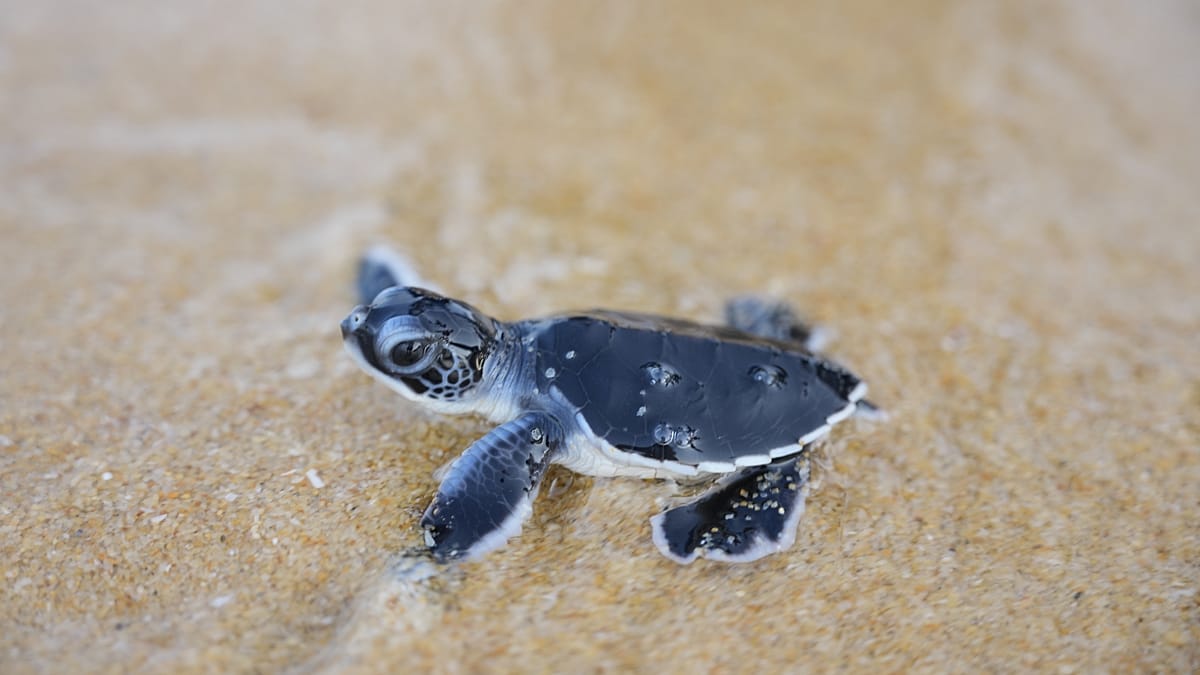
🐢
Tiny turtles take their first steps towards the sea
Kleine schildpadden zetten hun eerste stapjes richting zee
De minuscules tortues font leurs premiers pas vers la mer
On Malaysia’s Mataking Island, conservationists collect green turtle hatchlings and release them on the beach, where the tiny turtles make their way to the sea. It’s a lovely moment that’s part of decades of conservation work helping the species recover around the world. Since opening in 2006, the island’s hatchery has collected about 36,000 eggs. Working with WWF-Malaysia and the Sabah Wildlife Department, staff protect nests and help more hatchlings survive.
Op het Maleisische eiland Mataking verzamelen natuurbeschermers pas uitgekomen groene zeeschildpadden en laten ze los op het strand, waarna de kleintjes naar zee kruipen. Het is een prachtig moment, onderdeel van tientallen jaren natuurbeschermingswerk dat de soort wereldwijd heeft helpen herstellen. Sinds de opening in 2006 heeft de broederij op het eiland ongeveer 36.000 eieren verzameld. Samen met WWF-Malaysia en het Sabah Wildlife Department beschermen medewerkers nesten en vergroten ze de overlevingskansen van de jonge schildpadden.
Sur l’île malaisienne de Mataking, des défenseurs de la nature recueillent de jeunes tortues vertes et les relâchent sur la plage, d’où elles rejoignent la mer en rampant. C’est un moment plein d’espoir, rendu possible par des décennies d’efforts de conservation qui ont contribué au rétablissement de l’espèce dans le monde. Depuis son ouverture en 2006, la nurserie de l’île a recueilli environ 36 000 œufs. En collaboration avec WWF-Malaysia et le département de la faune de Sabah, les équipes protègent les nids et aident davantage de petites tortues à survivre.
🐕
Barking dog helps save 21-year-old after fall in Austrian mountains
Blaffende hond redt 21-jarige na val in Oostenrijkse bergen
Un chien aboyeur sauve un jeune homme de 21 ans après une chute dans les montagnes autrichiennes
A barking dog helped save a 21-year-old man after he fell in the Austrian mountains. The dog’s loud barking drew attention to the man and helped bring aid to him. It’s a striking reminder of how an animal’s instincts can make a real difference in an emergency. What a remarkable four-legged hero.
Een blaffende hond hielp een 21-jarige man te redden nadat hij in de Oostenrijkse bergen was gevallen. Het luide geblaf vestigde de aandacht op de man en hielp ervoor te zorgen dat hij hulp kreeg. Het is een bijzonder voorbeeld van hoe de instincten van een dier in een noodsituatie echt verschil kunnen maken. Wat een opmerkelijke viervoetige held.
Un chien qui aboyait a aidé à sauver un homme de 21 ans après sa chute dans les montagnes autrichiennes. Ses aboiements ont attiré l’attention sur le jeune homme et ont contribué à lui apporter de l’aide. Cette histoire montre à quel point l’instinct d’un animal peut faire la différence en cas d’urgence. Quel remarquable héros à quatre pattes.
🌍
WTO grows more optimistic about world trade in 2026 and 2027
WTO is positiever over de groei van de wereldhandel in 2026 en 2027
L’OMC est plus optimiste sur la croissance du commerce mondial en 2026 et 2027
So, the WTO has become more optimistic about the growth of world trade in 2026 and 2027. Its outlook points to continued expansion in global commerce over the coming years. That is encouraging news for economies and businesses connected through international trade. And here's the thing: a brighter trade outlook can help strengthen confidence across the global economy.
De WTO is dus positiever geworden over de groei van de wereldhandel in 2026 en 2027. Volgens haar vooruitzichten blijft de wereldhandel de komende jaren groeien. Dat is bemoedigend nieuws voor economieën en bedrijven die met internationale handel verbonden zijn. En dat is belangrijk: gunstigere vooruitzichten kunnen het vertrouwen in de wereldeconomie versterken.
L’OMC se montre donc plus optimiste quant à la croissance du commerce mondial en 2026 et 2027. Ses prévisions annoncent une poursuite de l’expansion des échanges internationaux dans les prochaines années. C’est une nouvelle encourageante pour les économies et les entreprises liées au commerce international. Et voici l’essentiel : des perspectives plus favorables peuvent renforcer la confiance dans l’économie mondiale.
🌊
Cherokee girls win legal rights for a sacred river
Cherokee-meisjes bezorgen een heilige rivier wettelijke rechten
Des jeunes Cherokee obtiennent des droits juridiques pour une rivière sacrée
It began when Cherokee girls spotted visitors disturbing river stones and learned that the eastern hellbender salamander’s habitat was at risk. Their campaign grew into a historic effort to protect the Oconaluftee River, known as the Longperson, and after a year and a half of community organizing, tribal council unanimously recognized five inherent rights for the river. Now, the river has the right to exist and regenerate, flow freely, shelter wildlife, and be protected from pollution and under Cherokee law. And here’s the thing: the girls are already pushing for a plan to remove a dam that blocks fish migration and help other Indigenous nations learn from their work.
Het begon toen Cherokee-meisjes zagen dat bezoekers stenen in de rivier verplaatsten en ontdekten dat daardoor het leefgebied van de oostelijke hellbender, een salamander, gevaar liep. Hun campagne groeide uit tot een historische actie voor de bescherming van de Oconaluftee, ook wel de Longperson genoemd, en na anderhalf jaar organiseren kende de stamraad de rivier unaniem vijf inherente rechten toe. De rivier heeft nu het recht om te bestaan en zich te herstellen, vrij te stromen, wilde dieren te beschermen en gevrijwaard te blijven van vervuiling, met bescherming onder Cherokee-wetgeving. En daar blijft het niet bij: de meisjes zetten zich al in voor de verwijdering van een dam die vissen tegenhoudt en delen hun aanpak met andere inheemse gemeenschappen.
Tout a commencé lorsque des jeunes Cherokee ont vu des visiteurs déplacer des pierres dans la rivière et ont compris que l’habitat de la salamandre hellbender de l’Est était menacé. Leur campagne est devenue une initiative historique pour protéger l’Oconaluftee, aussi appelée la Longperson, et, après un an et demi de mobilisation, le conseil tribal a reconnu à l’unanimité cinq droits fondamentaux à la rivière. Elle a désormais le droit d’exister et de se régénérer, de s’écouler librement, d’abriter la faune et d’être protégée contre la pollution et par le droit cherokee. Et ce n’est pas tout : les jeunes militantes réclament déjà le retrait d’un barrage qui bloque la migration des poissons et partagent leur démarche avec d’autres nations autochtones.

🔥
Indigenous cultural burning returns near Osoyoos
Inheemse culturele brandpraktijken keren terug bij Osoyoos
Les brûlages culturels autochtones renaissent près d’Osoyoos
So: near Osoyoos, the Lower Similkameen Indian Band is leading a carefully planned, 160-hectare cultural burn with partners including the B.C. Wildfire Service. The multi-day project brings Indigenous fire stewardship back to the land, joining traditional knowledge with modern wildfire management. It is also intended to clear overgrowth, encourage native grasses and improve wildlife habitat while lowering wildfire risks for nearby communities. And here's the thing: the work is rooted in ceremony and cooperation, with more areas across the region still needing treatment.
Bij Osoyoos leidt de Lower Similkameen Indian Band samen met partners, waaronder de B.C. Wildfire Service, een zorgvuldig geplande culturele brand van ongeveer 160 hectare. Het meerdaagse project brengt inheems brandbeheer terug en verbindt traditionele kennis met moderne aanpakken van natuurbranden. Ook moet het overtollige begroeiing verwijderen, inheemse grassen bevorderen en leefgebieden voor dieren verbeteren, terwijl het risico op natuurbranden voor nabijgelegen gemeenschappen afneemt. Het werk is bovendien geworteld in ceremonie en samenwerking, en in de regio zijn nog meer gebieden aan behandeling toe.
Près d’Osoyoos, la Lower Similkameen Indian Band mène un brûlage culturel soigneusement planifié sur environ 160 hectares, avec des partenaires dont le service des feux de forêt de la Colombie-Britannique. Ce projet de plusieurs jours remet en pratique la gestion autochtone du feu et associe les savoirs traditionnels aux méthodes modernes de prévention des incendies. Il vise aussi à éliminer la végétation envahissante, à favoriser les graminées indigènes et à améliorer l’habitat faunique, tout en réduisant les risques pour les communautés voisines. Ancré dans la cérémonie et la collaboration, ce travail n’est qu’une partie des interventions encore nécessaires dans la région.

🐇
More rabbits, fewer walkers: a path out of the nitrogen deadlock in Rotterdam’s port
Met meer konijnen en minder wandelaars uit het stikstofslot in de Rotterdamse haven
Plus de lapins, moins de promeneurs : sortir le port de Rotterdam du blocage de l’azote
So, there may be a way forward for development in Rotterdam’s port: a joint plan aims to restore nature in four nearby dune areas. Better water management, more rabbits and tackling invasive plants could help, while limiting recreation would ease pressure on the dunes. The Dutch government is setting aside 50 million euros, and permits for port projects could start moving again next year if the plan is put into practice. It’s encouraging progress, though areas with intensive livestock farming face a much more complicated challenge.
Er lijkt weer beweging te komen in de Rotterdamse haven: een gezamenlijk plan moet de natuur in vier nabijgelegen duingebieden herstellen. Beter waterbeheer, meer konijnen en de bestrijding van invasieve planten kunnen daarbij helpen, terwijl minder recreatiedruk de duinen ontlast. Het kabinet trekt 50 miljoen euro uit en als het plan wordt uitgevoerd, kan de vergunningverlening volgend jaar weer op gang komen. Dat is hoopgevend, al ligt de aanpak in gebieden met intensieve veehouderij een stuk ingewikkelder.
Une issue se dessine pour les projets du port de Rotterdam : un plan commun vise à restaurer la nature dans quatre zones dunaires voisines. Une meilleure gestion de l’eau, davantage de lapins et la lutte contre les plantes invasives pourraient y contribuer, tandis qu’une fréquentation moindre soulagerait les dunes. Le gouvernement néerlandais prévoit 50 millions d’euros et, si le plan est mis en œuvre, les demandes de permis pourraient reprendre l’année prochaine. C’est un progrès encourageant, même si la situation est bien plus complexe dans les régions d’élevage intensif.

🚲
Learning to ride as adults opens a new world
Als volwassenen leren fietsen opent een nieuwe wereld
Apprendre à faire du vélo à l’âge adulte ouvre un nouveau monde
In Biskopsgården, three women are learning to ride bicycles through a free course for adults run by Cykelfrämjandet. After six weeks of practising balance, braking and pedalling, they’re discovering how cycling can make everyday travel easier and more independent. Hina Naser was inspired by her six-year-old daughter, while Kamal Kaur is already imagining bike rides with her family. And here’s the thing: for the learners, a bicycle isn’t just transport - it’s a whole new sense of freedom.
In Biskopsgården leren drie vrouwen fietsen tijdens een gratis cursus voor volwassenen van Cykelfrämjandet. Na zes weken oefenen met evenwicht, remmen en trappen ontdekken ze hoe fietsen dagelijkse verplaatsingen makkelijker en zelfstandiger maakt. Hina Naser werd geïnspireerd door haar zesjarige dochter, terwijl Kamal Kaur al droomt van fietstochtjes met haar gezin. En dat is precies waar het om draait: voor de deelnemers is een fiets niet zomaar vervoer, maar een heel nieuw gevoel van vrijheid.
À Biskopsgården, trois femmes apprennent à faire du vélo grâce à un cours gratuit pour adultes proposé par Cykelfrämjandet. Après six semaines d’entraînement à l’équilibre, au freinage et au pédalage, elles découvrent combien le vélo peut faciliter leurs déplacements et leur donner plus d’autonomie. Hina Naser s’est lancée à l’idée de sa fille de six ans, tandis que Kamal Kaur imagine déjà des balades à vélo en famille. Et voilà l’essentiel : pour ces participantes, le vélo n’est pas seulement un moyen de transport, c’est une nouvelle liberté.
🦴
Homo erectus arrived in southern Africa 200,000 years earlier
Homo erectus leefde 200.000 jaar eerder in zuidelijk Afrika
Homo erectus vivait en Afrique australe 200 000 ans plus tôt
So, a newly described adult fossil from South Africa’s Drimolen site strengthens the evidence that Homo erectus lived in the region about 2 million years ago. That makes this evidence around 200,000 years older than adult fossils of the species found elsewhere. The same collection reveals that Paranthropus robustus gradually developed larger teeth and stronger chewing muscles as it adapted to changing conditions. And here’s the fascinating part: the fossils offer a rare glimpse of two human relatives evolving in different ways while sharing the same landscape.
Een nieuw beschreven volwassen fossiel uit de Zuid-Afrikaanse vindplaats Drimolen versterkt het bewijs dat Homo erectus ongeveer 2 miljoen jaar geleden in de regio leefde. Dat bewijs is zo’n 200.000 jaar ouder dan volwassen fossielen van de soort die elders zijn gevonden. Dezelfde verzameling laat zien dat Paranthropus robustus geleidelijk grotere tanden en krachtigere kauwspieren ontwikkelde, terwijl de soort zich aanpaste aan veranderende omstandigheden. En dit is het fascinerende: de fossielen geven een zeldzame blik op twee menselijke verwanten die zich op verschillende manieren ontwikkelden terwijl ze hetzelfde landschap deelden.
Un fossile adulte récemment décrit sur le site sud-africain de Drimolen renforce les preuves qu’Homo erectus vivait dans la région il y a environ 2 millions d’années. Ces indices sont donc quelque 200 000 ans plus anciens que les fossiles adultes de cette espèce découverts ailleurs. La même collection révèle que Paranthropus robustus a progressivement développé des dents plus grandes et des muscles masticateurs plus puissants, en s’adaptant aux changements de son environnement. Et voici ce qui est fascinant : ces fossiles offrent un aperçu rare de deux proches parents humains qui ont évolué différemment tout en partageant le même paysage.
🪸
A golden tree coral gets a family of its own
Een gouden boomkoraal krijgt een eigen familie
Un corail doré en forme d’arbre fonde sa propre famille
Researchers exploring Costa Rica’s underwater mountains have discovered a bright yellow, tree-shaped coral unlike any known coral family. Found 360 to 529 meters below the surface, it appeared among fields of brittle stars, inspiring its name Laurinque elenya, meaning “golden tree” and “of the stars” in Tolkien’s Quenya. By comparing hundreds of genes, scientists confirmed that the coral represents a distinct evolutionary lineage and created the new family Laurinqueidae. This discovery adds to the remarkable diversity found on Costa Rica’s seamounts and shows how much of the deep ocean is still waiting to be explored.
Onderzoekers ontdekten op onderzeese bergen voor de kust van Costa Rica een felgekleurd, boomvormig koraal dat niet bij een bekende koralenfamilie past. Het werd gevonden op 360 tot 529 meter diepte, tussen velden van slangsterren; die aanblik inspireerde de naam Laurinque elenya, die in Tolkiens Quenya ‘gouden boom’ en ‘van de sterren’ betekent. Door honderden genen te vergelijken, bevestigden wetenschappers dat het koraal een aparte evolutionaire tak vormt en stelden ze de nieuwe familie Laurinqueidae vast. De ontdekking verrijkt de bekende biodiversiteit van Costa Ricaanse onderzeese bergen en laat zien hoeveel er in de diepe oceaan nog te ontdekken valt.
En explorant les monts sous-marins au large du Costa Rica, des chercheurs ont découvert un corail jaune vif, en forme d’arbre, qui ne correspond à aucune famille connue. Il vit entre 360 et 529 mètres de profondeur, au milieu de champs d’ophiures; ce paysage a inspiré son nom, Laurinque elenya, qui signifie « arbre doré » et « des étoiles » en quenya, la langue de Tolkien. En comparant des centaines de gènes, les scientifiques ont confirmé que ce corail appartient à une lignée évolutive distincte et ont créé la nouvelle famille Laurinqueidae. Cette découverte enrichit la remarquable diversité connue des monts sous-marins du Costa Rica et rappelle que les profondeurs océaniques recèlent encore bien des surprises.
🧬
Scientists accidentally discover a genetic code that breaks the rules of life
Wetenschappers ontdekken per toeval een genetische code die de levensregels tart
Des scientifiques découvrent par hasard un code génétique qui bouleverse les règles de la vie
So: a routine test of DNA sequencing tools led researchers to an extraordinary discovery in a tiny freshwater protist. Two genetic signals that usually tell cells to stop building proteins had been reassigned to code for two different amino acids. The finding reveals just how flexible the genetic code can be, and later research has uncovered further variations in related microorganisms. And here's the thing: this mysterious microscopic world may still hold many more surprises.
Een gewone test van DNA-sequencing leidde onderzoekers naar een bijzondere ontdekking bij een piepklein protist uit zoet water. Twee genetische signalen die cellen normaal vertellen te stoppen met eiwitten maken, bleken opnieuw toegewezen aan twee verschillende aminozuren. Die vondst laat zien hoe flexibel de genetische code kan zijn, en later onderzoek bracht nog meer variaties aan het licht bij verwante micro-organismen. En daar zit precies de verrassing: deze mysterieuze microwereld heeft misschien nog veel meer geheimen in petto.
Une simple expérience de séquençage de l’ADN a conduit les chercheurs à une découverte remarquable chez un minuscule protiste d’eau douce. Deux signaux génétiques qui indiquent normalement aux cellules d’arrêter la fabrication des protéines avaient été réaffectés à deux acides aminés différents. Cette découverte révèle la grande souplesse du code génétique, et des recherches ultérieures ont mis au jour d’autres variantes chez des micro-organismes apparentés. Et c’est bien là toute la surprise : ce monde microscopique mystérieux pourrait encore nous réserver bien des découvertes.

🧊
How IceCube detects elusive cosmic neutrinos
Hoe IceCube ongrijpbare kosmische neutrino’s opspoort
Comment IceCube détecte les neutrinos cosmiques insaisissables
Here’s the fascinating thing: neutrinos pass through Earth almost without interacting, yet they can carry clues about some of the universe’s most energetic places. At the South Pole, IceCube uses 5,160 optical sensors buried in a cubic kilometer of clear ice to spot faint light from particles produced when neutrinos interact with ice. Researcher Juan Carlos Díaz Vélez explains how the observatory has traced high-energy neutrinos to cosmic sources, including a blazar powered by a supermassive black hole. His team’s work continues under Nobel laureate Francis Halzen, turning deep Antarctic ice into a remarkable window on the universe.
En dit is fascinerend: neutrino’s vliegen bijna zonder interactie door de aarde, maar kunnen toch aanwijzingen bevatten over de meest energierijke plekken in het heelal. Op de Zuidpool gebruikt IceCube 5.160 optische sensoren, diep in een kubieke kilometer helder ijs, om zwakke lichtflitsen op te vangen van deeltjes die ontstaan wanneer neutrino’s met ijs reageren. Onderzoeker Juan Carlos Díaz Vélez legt uit hoe het observatorium hoogenergetische neutrino’s heeft teruggeleid naar kosmische bronnen, waaronder een blazar met een superzwaar zwart gat. Zijn team werkt verder onder Nobelprijswinnaar Francis Halzen en maakt van het diepe Antarctische ijs een bijzonder venster op het heelal.
Voici ce qui est fascinant : les neutrinos traversent presque toute la Terre sans interagir, tout en pouvant révéler des indices sur les endroits les plus énergétiques de l’univers. Au pôle Sud, IceCube s’appuie sur 5 160 capteurs optiques enfouis dans un kilomètre cube de glace transparente pour repérer la faible lumière produite lorsque des neutrinos interagissent avec la glace. Le chercheur Juan Carlos Díaz Vélez explique comment l’observatoire a relié des neutrinos de haute énergie à des sources cosmiques, dont un blazar abritant un trou noir supermassif. Son équipe poursuit ses recherches avec le prix Nobel Francis Halzen, transformant la glace profonde de l’Antarctique en une remarquable fenêtre sur l’univers.
🧶
Mathematicians create a knitting stitch that stops mistakes from spreading
Wiskundigen bedenken een breisteek die voorkomt dat fouten zich verspreiden
Des mathématiciens inventent un point de tricot qui empêche les erreurs de se propager
Knitting may feel peaceful, but one dropped loop can send a whole column unraveling - so researchers asked whether a stitch could contain the damage. Daisuke Shimamoto and colleagues used knot theory to model how defects travel through knitted fabric, then designed a more resilient “robust knit.” Its sweeping loops limit the spread row by row, so a defect stops rather than unraveling endlessly; damage only expands when multiple stitches are missed in a row. It’s an elegant mathematical proof of concept, and I love that this work may one day inspire tougher fabrics for manufacturing.
Breien lijkt misschien rustgevend, maar één gevallen lus kan een hele kolom laten ontrafelen - dus vroegen onderzoekers zich af of een steek de schade kan begrenzen. Daisuke Shimamoto en zijn collega's gebruikten de knooptheorie om te modelleren hoe fouten zich door gebreide stof verspreiden, en ontwierpen daarna een sterkere ‘robuuste breisteek’. De brede lussen beperken de verspreiding rij na rij, zodat een fout niet eindeloos verdergaat; de schade breidt zich alleen uit wanneer er meerdere steken in één rij overslaan. Het is een elegante wiskundige proef van het concept, en ik vind het mooi dat dit ooit kan bijdragen aan sterkere stoffen voor de industrie.
Le tricot peut sembler apaisant, mais une seule maille échappée peut défaire toute une colonne - les chercheurs se sont donc demandé s’il était possible de contenir les dégâts. Daisuke Shimamoto et ses collègues ont utilisé la théorie des nœuds pour modéliser la propagation des défauts dans un tricot, puis ont conçu un point plus résistant, baptisé « tricot robuste ». Ses boucles amples freinent la propagation rang après rang, jusqu’à ce qu’elle s’arrête; les défauts ne s’étendent que si plusieurs mailles sont manquées sur un même rang. Cette preuve de concept mathématique est élégante, et j’aime beaucoup l’idée qu’elle puisse un jour inspirer des tissus plus solides pour l’industrie.

🚀
Margaret Hamilton, Apollo software pioneer, dies at 90
Margaret Hamilton, softwarepionier van Apollo, overleden op 90-jarige leeftijd
Margaret Hamilton, pionnière des logiciels Apollo, est morte à 90 ans
I’m struck by how Margaret Hamilton’s pioneering software helped guide Apollo 11 safely to the Moon. Just before the 1969 landing, an overloaded onboard computer raised an alarm, but her team’s priority-driven software kept the crucial landing tasks running. Hamilton led the MIT engineers who developed software for NASA’s Apollo missions and helped bring the term “software engineering” into use. Honoured with the Presidential Medal of Freedom in 2016, she leaves a remarkable legacy that continues to inspire.
Wat bijzonder hoe de vernieuwende software van Margaret Hamilton Apollo 11 veilig naar de maan hielp sturen. Vlak voor de landing in 1969 gaf een overbelaste boordcomputer alarm, maar dankzij de prioriteitssoftware van haar team konden de belangrijkste landingstaken doorgaan. Hamilton leidde de MIT-ingenieurs die software voor NASA’s Apollo-missies ontwikkelden en hielp de term ‘software engineering’ bekend te maken. In 2016 ontving ze de Presidential Medal of Freedom; haar indrukwekkende nalatenschap blijft nieuwe generaties inspireren.
Je trouve remarquable que les logiciels pionniers de Margaret Hamilton aient contribué à guider Apollo 11 jusqu’à la Lune en toute sécurité. Juste avant l’alunissage de 1969, un ordinateur de bord surchargé a déclenché une alarme, mais le logiciel de son équipe a donné la priorité aux tâches essentielles. À la tête des ingénieurs du MIT, Hamilton a développé les logiciels des missions Apollo de la NASA et contribué à populariser le terme « software engineering ». Récompensée par la Presidential Medal of Freedom en 2016, elle laisse un héritage exceptionnel qui continue d’inspirer.
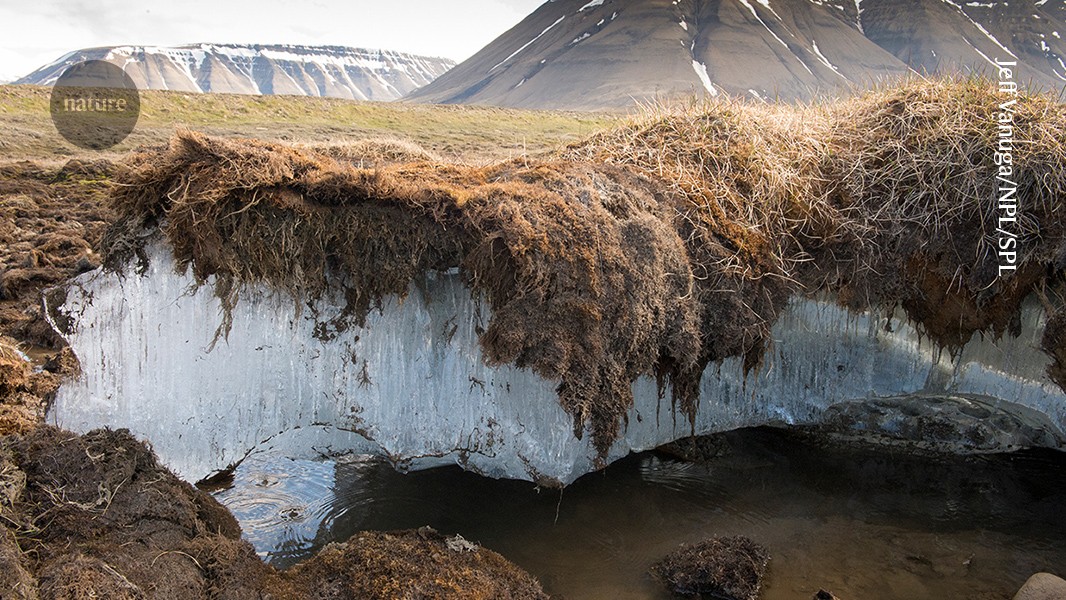
🌿
Woody blankets deployed on Arctic permafrost to reduce carbon emissions
Houten dekens ingezet op Arctische permafrost om CO₂-uitstoot te beperken
Des couvertures de bois déployées sur le pergélisol arctique pour réduire les émissions de carbone
A Canadian start-up is testing insulating blankets made from wood shavings, soil, native seeds and coconut husks to stabilize thawing Arctic permafrost. In its first trial at an eroding site in Canada’s Northwest Territories, the untreated edge retreated by five metres over the summer, while the covered area showed no measurable retreat. The early result is promising, though researchers caution that it comes from just one site and one season. The company estimates the approach could prevent substantial emissions if used widely, but both the carbon savings and the feasibility of treating thousands of sites need further study.
Een Canadese start-up test isolerende dekens van houtkrullen, aarde, inheemse zaden en kokosvezels om dooiende Arctische permafrost te stabiliseren. Bij de eerste proef op een eroderende plek in de Northwest Territories trok de onbehandelde rand zich in de zomer vijf meter terug, terwijl er onder de deken geen meetbare terugtrekking was. Dat eerste resultaat is hoopgevend, al waarschuwen onderzoekers dat het slechts om één plek en één seizoen gaat. Het bedrijf schat dat de aanpak bij brede toepassing veel uitstoot kan voorkomen, maar de daadwerkelijke besparing en de haalbaarheid van behandeling op duizenden plekken moeten nog verder worden onderzocht.
Une jeune entreprise canadienne teste des couvertures isolantes faites de copeaux de bois, de terre, de graines locales et de fibres de coco pour stabiliser le pergélisol arctique en cours de dégel. Lors de son premier essai dans une zone d’érosion des Territoires du Nord-Ouest, le bord non protégé a reculé de cinq mètres pendant l’été, tandis qu’aucun recul mesurable n’a été observé sous la couverture. Ce premier résultat est encourageant, même si les chercheurs soulignent qu’il ne concerne qu’un seul site et une seule saison. L’entreprise estime que cette méthode pourrait éviter d’importantes émissions si elle était largement déployée, mais les économies réelles et la possibilité de traiter des milliers de sites restent à étudier.

🍽️
How NYC students saved school lunch
Hoe scholieren in New York de schoollunch redden
Comment des élèves de New York ont sauvé la cantine scolaire
Here’s a lovely example of young people turning everyday frustrations into real change. At Brooklyn’s Midwood High, Leslie Gomez Rivera surveyed classmates about what they wanted to eat and why they avoided the cafeteria. She shared their feedback with school leaders, then helped get students back into the redesigned space by promoting its reopening and menu. Now, Youth Food Advocates students are also helping schools make cafeterias more welcoming, with ideas like food stations that offer more choice and shorter queues.
Wat een mooi voorbeeld van jongeren die alledaagse frustraties omzetten in echte verandering. Op Midwood High in Brooklyn vroeg Leslie Gomez Rivera haar medeleerlingen wat ze wilden eten en waarom ze de kantine meden. Ze deelde hun reacties met de schoolleiding en hielp daarna leerlingen terug te lokken naar de vernieuwde ruimte door de heropening en het menu onder de aandacht te brengen. Nu helpen jongeren van Youth Food Advocates scholen ook om kantines gastvrijer te maken, bijvoorbeeld met eetstations die meer keuze en kortere wachtrijen bieden.
Quel bel exemple de jeunes qui transforment des frustrations du quotidien en changements concrets ! À Midwood High, à Brooklyn, Leslie Gomez Rivera a interrogé ses camarades sur leurs plats préférés et les raisons pour lesquelles ils évitaient la cantine. Elle a transmis leurs réponses à la direction et a ensuite contribué à faire revenir les élèves dans l’espace rénové en annonçant sa réouverture et en présentant le menu. Aujourd’hui, les jeunes de Youth Food Advocates aident aussi les établissements à rendre leurs cantines plus accueillantes, notamment grâce à des stands proposant davantage de choix et des files d’attente plus courtes.

🌿
Bengaluru’s overlooked grassland is now a 5,678-acre conservation reserve
Het vergeten grasland van Bengaluru is nu een beschermd natuurgebied van 5.678 acres
La prairie méconnue de Bengaluru devient une réserve naturelle de 5 678 acres
So: what looked like empty land on Bengaluru’s outskirts is a thriving grassland and wetland ecosystem, now officially protected as the Greater Hesaraghatta Grassland Conservation Reserve. After nearly two decades of research, advocacy and legal efforts, Karnataka notified 5,678 acres in February 2025. The landscape supports more than 285 bird species, including migratory visitors and the critically endangered lesser florican, as well as butterflies, amphibians and other wildlife. And here's the thing: it also helps sustain Bengaluru’s water system as part of the Arkavathy River and Thippagondanahalli Reservoir catchments.
Wat vanaf de rand van Bengaluru op leeg land lijkt, is een levendig grasland- en wetlandecosysteem, dat nu officieel beschermd is als het Greater Hesaraghatta Grassland Conservation Reserve. Na bijna twintig jaar onderzoek, inzet en juridische procedures wees Karnataka in februari 2025 ruim 5.678 acres aan als natuurreservaat. Het landschap biedt leefruimte aan meer dan 285 vogelsoorten, waaronder trekvogels en de ernstig bedreigde kleine trap, naast vlinders, amfibieën en andere dieren. En daar komt nog bij: het gebied draagt bij aan de watervoorziening van Bengaluru, als onderdeel van de stroomgebieden van de Arkavathy en het Thippagondanahalli-reservoir.
À première vue, cette étendue aux abords de Bengaluru semble vide, mais c’est un écosystème vivant de prairies et de zones humides, désormais protégé sous le nom de Greater Hesaraghatta Grassland Conservation Reserve. Après près de vingt ans de recherches, de mobilisation et de démarches juridiques, le Karnataka a classé plus de 5 678 acres en février 2025. Le site abrite plus de 285 espèces d’oiseaux, dont des migrateurs et le florican du Bengale, en danger critique, ainsi que des papillons, des amphibiens et d’autres animaux. Et voici un autre atout majeur : il contribue à l’approvisionnement en eau de Bengaluru, car il fait partie des bassins versants de l’Arkavathy et du réservoir de Thippagondanahalli.
🐅
Tiger and tuna buck the trend of shrinking animal populations
Tijger en tonijn keren de trend van slinkende dierenpopulaties
Le tigre et le thon inversent la tendance au déclin des populations animales
Many animal populations are shrinking, but tigers and tuna are bucking that trend. Their numbers are moving in a more encouraging direction, offering a rare bright spot in a worrying picture. This contrast shows that declines are not inevitable. It is a hopeful reminder of the importance of protecting wildlife and its habitats.
Veel dierenpopulaties slinken, maar tijgers en tonijnen keren die trend. Hun aantallen ontwikkelen zich in een hoopvollere richting en vormen zo een lichtpunt in een zorgwekkend beeld. Dat verschil laat zien dat achteruitgang niet onvermijdelijk is. Het is een bemoedigende herinnering aan het belang van de bescherming van dieren en hun leefgebieden.
De nombreuses populations animales diminuent, mais le tigre et le thon vont à contre-courant. Leurs effectifs évoluent dans une direction plus encourageante et offrent ainsi une lueur d’espoir dans un tableau préoccupant. Ce contraste montre que le déclin n’est pas inévitable. C’est un rappel encourageant de l’importance de protéger les animaux et leurs habitats.

🧠
How light gives scientists precise control over neurons
Hoe licht wetenschappers precieze controle over neuronen geeft
Comment la lumière permet de contrôler précisément les neurones
I love how this story begins with a tiny alga and leads all the way to a powerful new way of studying the brain. Researchers discovered light-sensitive proteins in the alga that open ion channels, and showed these proteins could make even mammalian cells respond to light. That breakthrough helped create optogenetics, which lets scientists switch individual neurons on or off with remarkable precision. Now, the 2026 Nobel Prize in Medicine celebrates how microbiology and neuroscience came together to open exciting new possibilities for understanding the brain and neurological disorders.
Wat een bijzonder verhaal: het begint bij een piepkleine alg en leidt tot een krachtige nieuwe manier om de hersenen te bestuderen. Onderzoekers ontdekten lichtgevoelige eiwitten in de alg die ionkanalen openen, en toonden aan dat die eiwitten zelfs zoogdiercellen op licht kunnen laten reageren. Die doorbraak hielp optogenetica mogelijk maken, waarmee wetenschappers afzonderlijke neuronen heel precies aan of uit kunnen zetten. De Nobelprijs voor Geneeskunde van 2026 bekroont hoe microbiologie en neurowetenschap samen nieuwe mogelijkheden openen om de hersenen en neurologische aandoeningen beter te begrijpen.
Quelle belle histoire : tout commence avec une minuscule algue et mène à une nouvelle méthode puissante pour étudier le cerveau. Des chercheurs ont découvert chez cette algue des protéines photosensibles qui ouvrent des canaux ioniques, puis montré que ces protéines pouvaient faire réagir à la lumière même des cellules de mammifères. Cette avancée a contribué à la naissance de l’optogénétique, qui permet aux scientifiques d’activer ou de désactiver des neurones individuels avec une grande précision. Le prix Nobel de médecine 2026 célèbre ainsi la rencontre entre microbiologie et neurosciences, qui ouvre de nouvelles pistes pour comprendre le cerveau et les troubles neurologiques.
🧬
Teenager receives UK’s first testicular tissue transplant
Tiener krijgt eerste transplantatie van testikelweefsel in het VK
Un adolescent reçoit la première greffe de tissu testiculaire au Royaume-Uni
So: a 19-year-old in Edinburgh has become the first person in the UK to receive a transplant of his own testicular tissue, frozen before chemotherapy three years ago. The pioneering procedure aims to help the tissue produce sperm, but doctors will need several months to learn whether it has worked. It could open new fertility-preservation options for boys who are too young to freeze sperm before treatment. And here's the thing: although the outcome is not yet known, the patient says the procedure has given him genuine hope of having children in the future.
Een 19-jarige in Edinburgh heeft als eerste in het VK een transplantatie gekregen van zijn eigen testikelweefsel, dat drie jaar geleden vóór zijn chemotherapie werd ingevroren. Met de baanbrekende ingreep hopen artsen dat het weefsel zaadcellen gaat produceren, maar pas over enkele maanden wordt duidelijk of dat lukt. De behandeling kan nieuwe mogelijkheden bieden om de vruchtbaarheid te bewaren van jongens die te jong zijn om sperma in te vriezen. De uitkomst is nog onzeker, maar de patiënt zegt dat de ingreep hem oprecht hoop heeft gegeven om later kinderen te krijgen.
À Édimbourg, un jeune homme de 19 ans est devenu le premier patient au Royaume-Uni à recevoir une greffe de son propre tissu testiculaire, congelé avant sa chimiothérapie il y a trois ans. Cette intervention pionnière vise à permettre au tissu de produire des spermatozoïdes, mais les médecins devront attendre plusieurs mois pour en connaître le résultat. Elle pourrait ouvrir de nouvelles possibilités de préservation de la fertilité pour les garçons trop jeunes pour faire congeler leur sperme avant un traitement. Le succès n’est pas encore établi, mais le patient affirme que l’intervention lui a donné un véritable espoir d’avoir des enfants un jour.
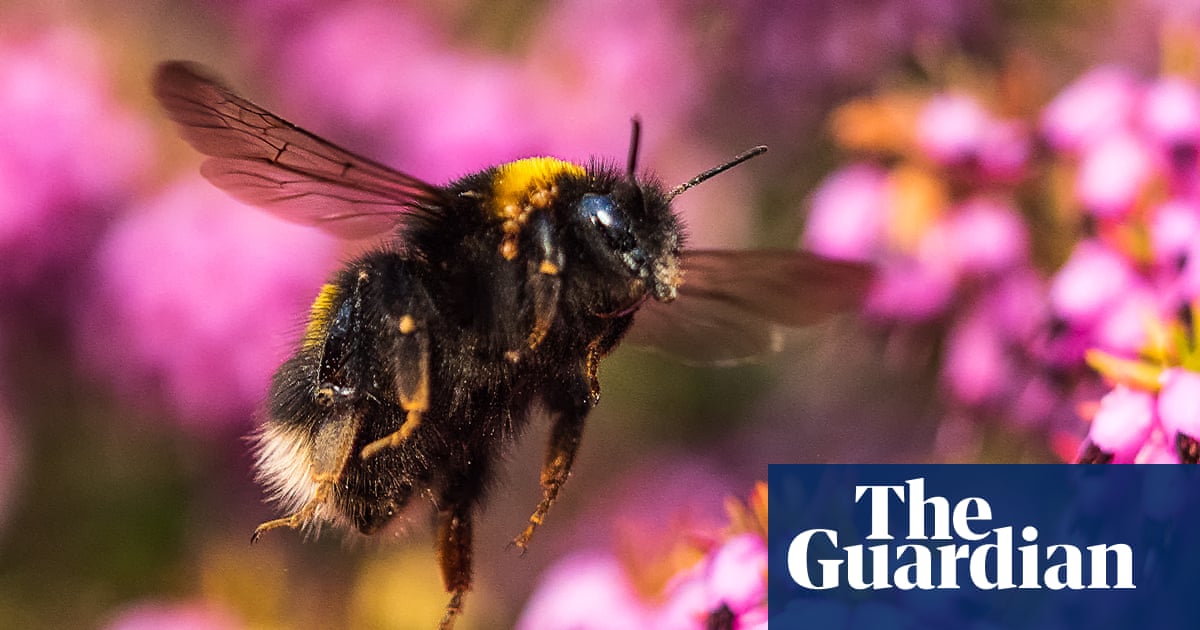
🦔
Next UK banknotes to feature barn owls, bumblebees, puffins and hedgehogs
Nieuwe Britse bankbiljetten tonen kerkuilen, hommels, papegaaiduikers en egels
Les prochains billets britanniques mettront à l’honneur chouettes, bourdons, macareux et hérissons
So: the Bank of England has chosen four much-loved wild animals for the next generation of UK banknotes - a buff-tailed bumblebee, a barn owl, a European hedgehog and an Atlantic puffin. Nearly half a million people took part in the consultation, which invited the public to vote for their favourite creatures. The animals will appear on the £5, £10, £20 and £50 notes, although their exact placement is still to be decided, and King Charles will remain on the other side. The new designs will take several years to develop, and the Bank says the wildlife imagery will also help strengthen banknote security.
De Bank of England heeft vier geliefde wilde dieren gekozen voor de volgende generatie Britse bankbiljetten: een aardhommel, een kerkuil, een Europese egel en een Atlantische papegaaiduiker. Bijna een half miljoen mensen namen deel aan de raadpleging, waarbij het publiek op zijn favoriete dieren kon stemmen. De dieren komen op de biljetten van 5, 10, 20 en 50 pond, al is nog niet beslist welk dier op welk biljet verschijnt; koning Charles blijft aan de andere kant staan. Het ontwerpen van de nieuwe biljetten zal enkele jaren duren, en volgens de bank kunnen de afbeeldingen van dieren ook helpen om de biljetten beter te beveiligen.
La Banque d’Angleterre a choisi quatre animaux sauvages très appréciés pour la prochaine génération de billets britanniques : un bourdon à queue fauve, une chouette hulotte, un hérisson d’Europe et un macareux moine. Près d’un demi-million de personnes ont participé à la consultation, au cours de laquelle le public a pu voter pour ses animaux favoris. Ces espèces figureront sur les billets de 5, 10, 20 et 50 livres, même si leur répartition n’a pas encore été décidée ; le roi Charles restera représenté au verso. La conception des nouveaux billets prendra plusieurs années, et la Banque indique que ces images animalières contribueront aussi à renforcer leur sécurité.

📜
AI helps restore gaps in ancient Greek texts
AI helpt hiaten in Oudgriekse teksten aan te vullen
L’IA aide à reconstituer les lacunes des textes grecs anciens
So, a new AI called Apollo Restore can help fill gaps in ancient Greek papyrus texts, including some larger gaps that human scholars often approach cautiously. Developed by papyrologist Anna Dolganov, computer scientist David Smith and AI partners, it uses training data whose origins are known. More than a million papyri remain largely unread, and fewer than 10 percent have been studied and published after around 150 years of research. The tool could help scholars make progress on this remarkable archive while supporting, rather than replacing, their expertise.
Een nieuwe AI, Apollo Restore, kan hiaten in Oudgriekse papyrusteksten helpen aanvullen, zelfs grotere lacunes die onderzoekers vaak voorzichtig benaderen. Papyrologe Anna Dolganov ontwikkelde het systeem samen met informaticus David Smith en AI-partners, met trainingsgegevens waarvan de herkomst bekend is. Er liggen nog meer dan een miljoen papyri grotendeels ongelezen, en na ongeveer 150 jaar onderzoek is minder dan 10 procent bestudeerd en gepubliceerd. Zo kan de technologie onderzoekers helpen deze bijzondere bronnenverzameling sneller te ontsluiten, zonder hun vakkennis te vervangen.
Une nouvelle IA, baptisée Apollo Restore, aide à combler les lacunes des papyrus grecs anciens, y compris les grandes parties manquantes que les spécialistes abordent souvent avec prudence. La papyrologue Anna Dolganov l’a développée avec l’informaticien David Smith et des partenaires de l’IA, à partir de données d’entraînement dont l’origine est connue. Plus d’un million de papyrus restent largement inédits, et moins de 10 % ont été étudiés et publiés après environ 150 ans de recherche. Cet outil pourrait aider les chercheurs à explorer plus rapidement ces archives exceptionnelles, tout en valorisant leur expertise.
🧀
Dairy trans fats may not pose the same health risk
Zuiveltransvetten lijken niet hetzelfde gezondheidsrisico te vormen
Les gras trans laitiers ne présenteraient pas le même risque pour la santé
So, here's some reassuring news for dairy lovers: a review of 22 studies found that naturally occurring trans fats in milk, butter and cheese were not linked to a higher risk of heart disease or type 2 diabetes. In ten controlled trials, these fats did not meaningfully change participants' blood lipid levels. Twelve long-term studies likewise found no increased risk of heart disease, stroke, cardiovascular death or type 2 diabetes. The findings suggest that natural dairy trans fats behave differently from industrial trans fats, which are strongly associated with heart disease.
Goed nieuws voor liefhebbers van zuivel: een overzicht van 22 onderzoeken vond geen verband tussen natuurlijke transvetten in melk, boter en kaas en een hoger risico op hartziekten of diabetes type 2. In tien gecontroleerde onderzoeken veranderden deze vetten de bloedvetwaarden van deelnemers niet betekenisvol. Ook twaalf langlopende studies vonden geen hoger risico op hartziekten, beroertes, sterfte door hart- en vaatziekten of diabetes type 2. De resultaten wijzen erop dat natuurlijke transvetten uit zuivel zich anders gedragen dan industriële transvetten, die sterk in verband worden gebracht met hartziekten.
Bonne nouvelle pour les amateurs de produits laitiers : une analyse de 22 études n’a trouvé aucun lien entre les gras trans naturellement présents dans le lait, le beurre et le fromage et un risque accru de maladie cardiaque ou de diabète de type 2. Dans dix essais contrôlés, ces gras n’ont pas modifié de façon notable les taux de lipides sanguins des participants. Douze études à long terme n’ont pas non plus révélé de risque accru de maladie cardiaque, d’accident vasculaire cérébral, de décès cardiovasculaire ou de diabète de type 2. Ces résultats suggèrent que les gras trans naturels des produits laitiers agissent différemment des gras trans industriels, fortement associés aux maladies cardiaques.
📈
Africa launches its first credit rating agency in Mauritius
Afrikaanse Unie lanceert eerste kredietbeoordelaar op Mauritius
L’Union africaine lance sa première agence de notation à Maurice
So, the African Union is launching the Africa Credit Rating Agency in Mauritius, bringing an assessment perspective rooted in African data and expertise. The independent agency will rate governments, financial institutions and businesses, with the aim of helping them access capital markets and giving investors more context on local economies. It arrives as debt-service costs rise, while 23 African economies still lack a rating from the three major global agencies. And here's the thing: the AU hopes broader coverage and greater market transparency will help build investor confidence across the continent.
De Afrikaanse Unie lanceert de Africa Credit Rating Agency op Mauritius, met beoordelingen die steunen op Afrikaanse gegevens en expertise. Het onafhankelijke agentschap zal overheden, financiële instellingen en bedrijven beoordelen, met als doel hun toegang tot kapitaalmarkten te verbeteren en investeerders meer lokale context te bieden. De lancering komt nu de schuldenlast stijgt en 23 Afrikaanse economieën nog geen rating hebben van de drie grote internationale agentschappen. Zo wil de AU met bredere dekking en meer transparantie het vertrouwen van investeerders op het hele continent versterken.
L’Union africaine lance l’Africa Credit Rating Agency à Maurice, avec une approche des évaluations fondée sur les données et l’expertise africaines. Cette agence indépendante notera les États, les institutions financières et les entreprises, afin de faciliter leur accès aux marchés des capitaux et d’offrir aux investisseurs un contexte local plus précis. Son lancement intervient alors que le coût du service de la dette augmente et que 23 économies africaines n’ont toujours pas de note attribuée par les trois grandes agences internationales. L’Union africaine espère ainsi que cette couverture élargie et une meilleure transparence renforceront la confiance des investisseurs sur le continent.
🍺
Flemish red-brown beer protected against imitations: sommelier explains how to spot the real thing
Vlaams roodbruin bier voortaan beschermd tegen imitaties: biersommelier legt uit hoe je een echte herkent
La bière rouge-brune flamande protégée contre les imitations : un sommelier explique comment reconnaître l’authentique
Flemish red-brown beer is now protected against imitations, giving this regional speciality a welcome boost. An HLN beer sommelier explains how consumers can recognise an authentic version. The protection highlights the beer’s distinctive character and the tradition behind it. So, beer lovers have another reason to raise a glass to Flemish craftsmanship.
Vlaams roodbruin bier is voortaan beschermd tegen imitaties, een mooie opsteker voor deze regionale specialiteit. Een biersommelier van HLN legt uit hoe consumenten een authentieke versie kunnen herkennen. De bescherming zet het eigen karakter van het bier en de traditie erachter extra in de kijker. Zo hebben bierliefhebbers nog een reden om te klinken op Vlaams vakmanschap.
La bière rouge-brune flamande est désormais protégée contre les imitations, une belle avancée pour cette spécialité régionale. Un sommelier en bière de HLN explique aux consommateurs comment reconnaître une version authentique. Cette protection met en valeur le caractère distinctif de la bière et la tradition qui l’accompagne. Les amateurs ont donc une raison de plus de trinquer au savoir-faire flamand.
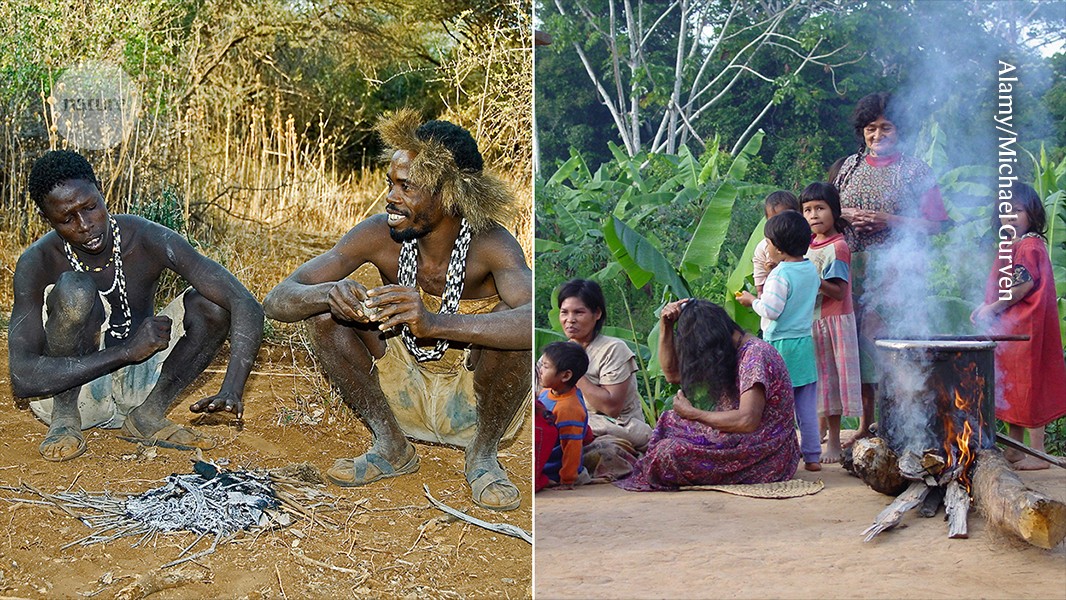
🦠
Gut microbes that trace ancient human journeys
Darmmicroben die oude menselijke reizen traceren
Les microbes intestinaux qui retracent les anciens voyages humains
Humans never travelled alone: as our ancestors spread from Africa, they carried gut microbes along with them. Researchers compared the gut microbiomes of the Indigenous Hadza people of Tanzania and the Tsimane people of Bolivia, whose populations diverged during prehistoric migrations. They found hundreds of microbial species shared by both groups, while genetic differences between their microbial strains broadly reflect the timing of those journeys. And here's the thing: many of these shared microbes are now rare or absent in industrialized populations, revealing a remarkable microbial legacy of human migration.
Mensen reisden nooit alleen: toen onze voorouders zich vanuit Afrika verspreidden, namen ze hun darmmicroben met zich mee. Onderzoekers vergeleken het darmmicrobioom van de inheemse Hadza in Tanzania met dat van de Tsimane in Bolivia, wier bevolkingsgroepen uiteengingen tijdens prehistorische migraties. Ze vonden honderden microbensoorten die beide groepen delen, terwijl genetische verschillen tussen hun microbiële stammen globaal overeenkomen met de tijdschaal van die reizen. En dit is bijzonder: veel van deze gedeelde microben zijn tegenwoordig zeldzaam of verdwenen in geïndustrialiseerde bevolkingsgroepen, en onthullen zo een opmerkelijk microbieel erfgoed van menselijke migratie.
Les humains n’ont jamais voyagé seuls : en se dispersant depuis l’Afrique, nos ancêtres ont emporté leurs microbes intestinaux. Des chercheurs ont comparé le microbiote intestinal des Hadza autochtones de Tanzanie à celui des Tsimane de Bolivie, deux populations séparées par des migrations préhistoriques. Ils ont trouvé des centaines d’espèces microbiennes communes aux deux groupes, tandis que les différences génétiques entre leurs souches correspondent globalement à la chronologie de ces migrations. Et voici ce qui est remarquable : nombre de ces microbes partagés sont aujourd’hui rares ou absents dans les populations industrialisées, révélant l’héritage microbien des migrations humaines.

🤖
Retrofitted LLM can count the letter ‘i’ in ‘artificial intelligence’
Een aangepaste LLM kan de letter ‘i’ tellen in ‘artificial intelligence’
Un LLM adapté peut compter la lettre « i » dans « artificial intelligence »
Most LLMs struggle to count letters because they process words as tokens rather than individual characters. A technique called byteification retrofits these existing models so they can work directly with the bytes that encode each character. The researchers show that byteified models can deliver competitive performance while gaining the ability to inspect text letter by letter. So, that familiar “how many i’s?” question could become a much fairer test of what an AI can actually read.
Veel grote taalmodellen hebben moeite met letters tellen, omdat ze woorden verwerken als tokens in plaats van als afzonderlijke tekens. Met een techniek die byteification heet, kunnen bestaande modellen worden aangepast zodat ze rechtstreeks werken met de bytes waarin elk teken is gecodeerd. De onderzoekers laten zien dat zulke modellen goed kunnen presteren en tegelijk tekst letter voor letter kunnen bekijken. Zo wordt de bekende vraag hoeveel keer een letter voorkomt een eerlijkere test van wat AI echt kan lezen.
Les grands modèles de langage ont souvent du mal à compter les lettres, car ils traitent les mots sous forme de jetons plutôt que de caractères individuels. Une technique appelée « byteification » adapte ces modèles pour qu’ils puissent travailler directement avec les octets qui encodent chaque caractère. Les chercheurs montrent que ces modèles adaptés peuvent rester performants tout en analysant le texte lettre par lettre. Voilà qui pourrait rendre la question familière « combien de i ? » bien plus juste pour évaluer ce qu’une IA sait réellement lire.
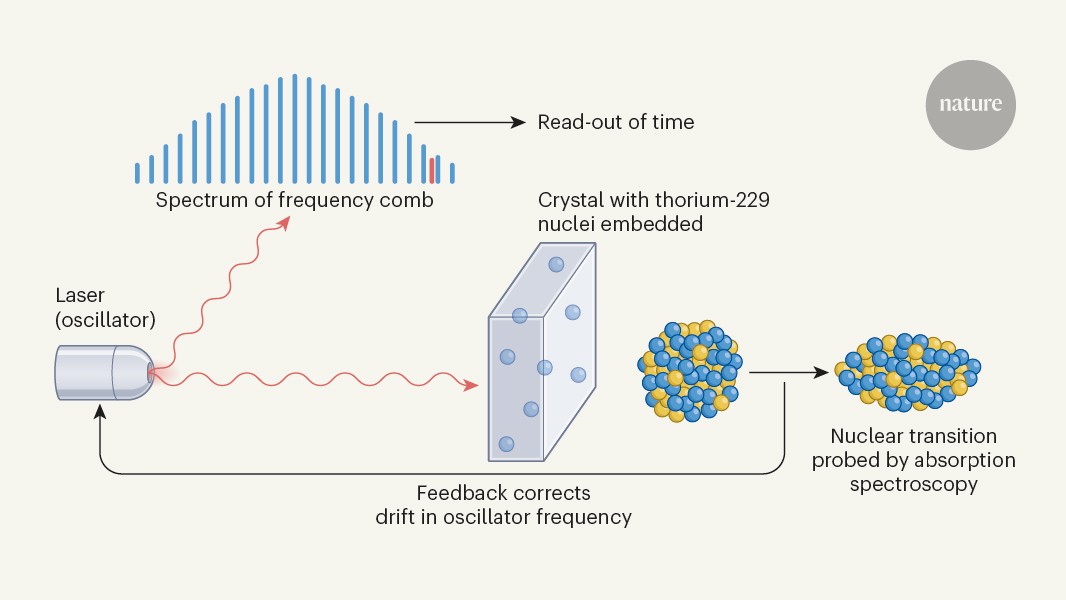
⏱️
Nuclear clocks tick for the first time
Kernklokken tikken voor het eerst
Les horloges nucléaires battent la mesure pour la première fois
Here’s a remarkable milestone: researchers have demonstrated the first nuclear clocks. Unlike today’s atomic clocks, which keep time using shifts in electrons, these new clocks rely on transitions inside atomic nuclei. Now, two research teams have shown that this approach could lead to an even more precise time standard. And here’s the exciting extra: one clock could also help scientists search for dark matter.
Wat een bijzondere mijlpaal: onderzoekers hebben de eerste kernklokken gedemonstreerd. De huidige atoomklokken meten de tijd met overgangen van elektronen, terwijl deze nieuwe klokken steunen op overgangen in atoomkernen. Twee onderzoeksteams laten zien dat deze aanpak kan leiden tot een nog nauwkeurigere tijdstandaard. En er is nog een spannend vooruitzicht: een van de klokken kan wetenschappers helpen zoeken naar donkere materie.
C’est une étape remarquable : des chercheurs ont démontré les premières horloges nucléaires. Les horloges atomiques actuelles mesurent le temps grâce aux transitions des électrons, tandis que ces nouveaux dispositifs s’appuient sur des transitions au sein des noyaux atomiques. Deux équipes montrent que cette approche pourrait ouvrir la voie à un étalon de temps encore plus précis. Et voici une autre perspective enthousiasmante : l’une de ces horloges pourrait aussi aider les scientifiques à rechercher la matière noire.
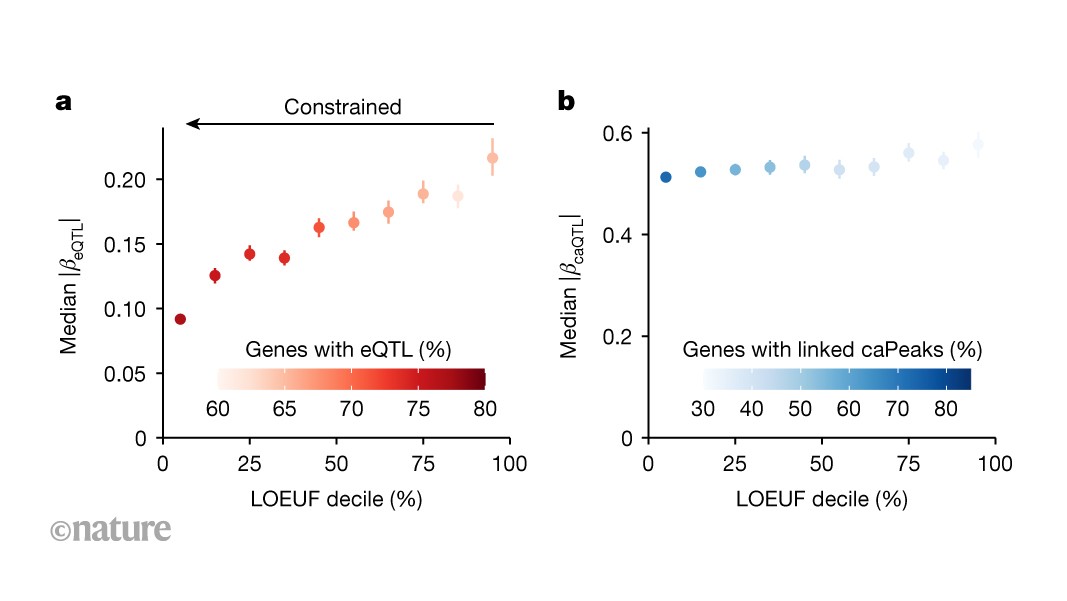
🧬
Genome accessibility reveals disease risks gene expression can miss
Toegankelijkheid van het genoom onthult ziekterisico’s die genexpressie mist
L’accessibilité du génome révèle des risques de maladie que l’expression des gènes ne détecte pas
Many genetic changes linked to disease affect how strongly genes are switched on, rather than changing the genes themselves. Researchers analysed gene activity and genome accessibility together in 10 million immune cells from 1,108 people. They connected disease-associated changes in accessibility with gene expression, revealing regulatory effects that gene activity alone can miss. So, this large-scale study offers a richer view of how genetic variation may influence disease.
Veel genetische veranderingen die met ziekten samenhangen, beïnvloeden hoe sterk genen actief zijn, in plaats van de genen zelf te veranderen. Onderzoekers analyseerden zowel genactiviteit als de toegankelijkheid van het genoom in 10 miljoen immuuncellen van 1.108 mensen. Ze brachten ziektegerelateerde veranderingen in toegankelijkheid in verband met genexpressie en ontdekten zo effecten op de genregulatie die genactiviteit alleen niet laat zien. Zo biedt deze grootschalige studie een rijker beeld van hoe genetische variatie ziekten kan beïnvloeden.
De nombreuses variations génétiques associées aux maladies influencent l’activité des gènes plutôt que de modifier les gènes eux-mêmes. Les chercheurs ont analysé simultanément l’activité des gènes et l’accessibilité du génome dans 10 millions de cellules immunitaires provenant de 1 108 personnes. Ils ont relié les changements d’accessibilité associés aux maladies à l’expression des gènes, révélant des effets régulateurs que l’activité des gènes seule ne permet pas de détecter. Cette étude à grande échelle offre ainsi une vision plus complète de la façon dont les variations génétiques peuvent influer sur les maladies.
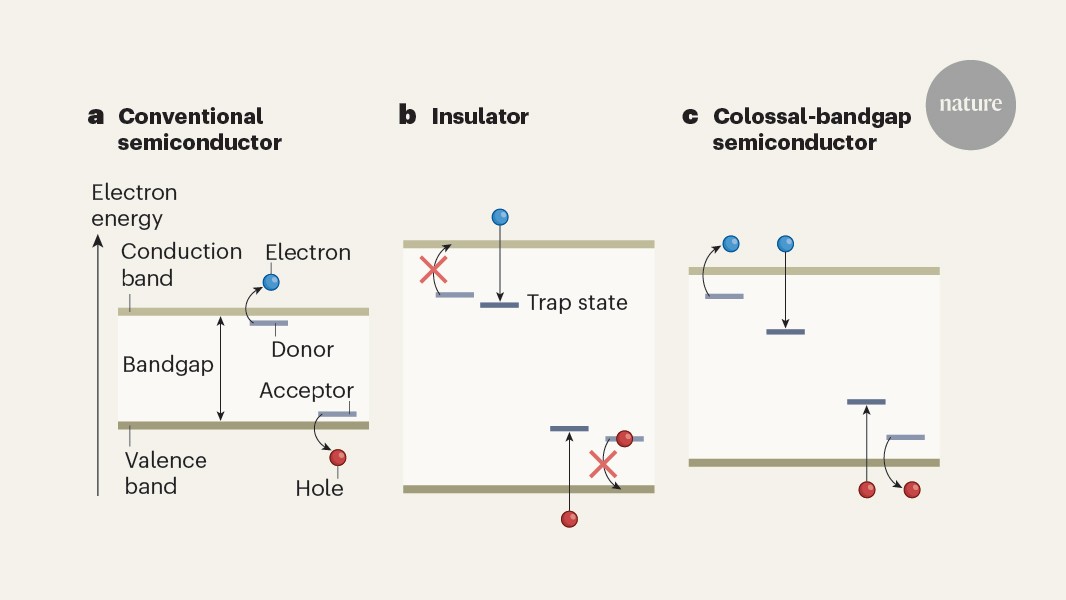
💡
Semiconductors enter insulator territory
Halfgeleiders betreden het terrein van isolatoren
Les semi-conducteurs entrent en territoire isolant
So, a material once thought to be an electrical insulator has now been shown to act as a semiconductor. Researchers report a bandgap greater than 7 electronvolts, the largest recorded for a semiconductor so far. That unusually wide bandgap could make the material useful in electronics that need to withstand high voltages or temperatures, as well as in optics. It is an intriguing shift into a region long considered the domain of insulators.
Een materiaal dat eerder als elektrische isolator werd beschouwd, blijkt nu als halfgeleider te kunnen werken. Onderzoekers melden een bandgap van meer dan 7 elektronvolt, de grootste die tot nu toe voor een halfgeleider is gemeten. Die uitzonderlijk brede bandgap kan het materiaal geschikt maken voor elektronica die hoge spanningen of temperaturen moet weerstaan, en mogelijk ook voor optische toepassingen. Zo begeeft het zich op een boeiend terrein dat lange tijd als het domein van isolatoren gold.
Un matériau jusque-là considéré comme un isolant électrique s’avère capable de fonctionner comme un semi-conducteur. Les chercheurs rapportent une bande interdite supérieure à 7 électronvolts, la plus grande jamais mesurée pour un semi-conducteur. Cette bande interdite exceptionnellement large pourrait rendre le matériau utile dans des dispositifs électroniques résistants aux fortes tensions ou aux températures élevées, ainsi que dans des applications optiques. Voilà une avancée fascinante dans un domaine longtemps réservé aux isolants.
🦴
Was this odd animal the world's first milk suckler?
Was dit vreemde dier de eerste melkzuiger ter wereld?
Cet étrange animal était-il le premier à téter du lait au monde ?
An unusual ancient animal may hold clues to one of evolution’s most important innovations: feeding young with milk. Scientists are asking whether it could have been the earliest known animal to suckle. The question offers a fascinating glimpse into how mammalian nursing may have begun. And here's the thing - even a strange-looking fossil can help reveal a remarkable chapter in the history of life.
Een ongewoon prehistorisch dier kan aanwijzingen bevatten over een van de belangrijkste vernieuwingen in de evolutie: jongen voeden met melk. Wetenschappers onderzoeken of dit dier mogelijk het vroegst bekende dier was dat melk zoog. Die vraag biedt een boeiende inkijk in het ontstaan van het zogen bij zoogdieren. En juist een vreemd fossiel kan een bijzonder hoofdstuk uit de geschiedenis van het leven helpen onthullen.
Un animal ancien et inhabituel pourrait apporter des indices sur l’une des grandes innovations de l’évolution : nourrir ses petits avec du lait. Les scientifiques se demandent s’il pourrait être le plus ancien animal connu à avoir tété. Cette question offre un aperçu fascinant des origines de l’allaitement chez les mammifères. Et voici le plus étonnant : même un fossile à l’allure étrange peut éclairer un chapitre remarquable de l’histoire de la vie.
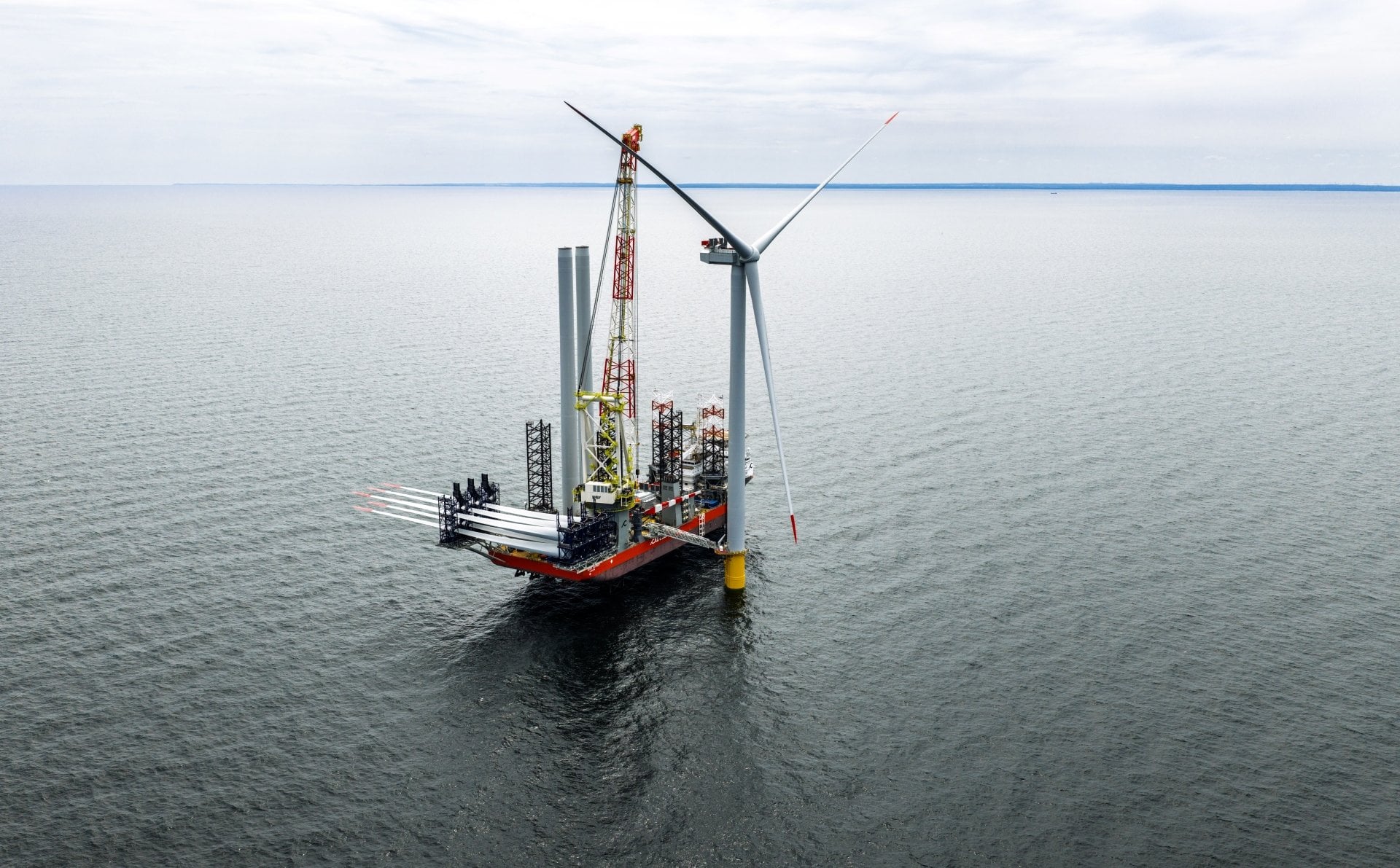
🌬️
Orlen’s Baltic project reaches the finish line as all 76 turbines are installed
Orlens Baltische project nadert de finish met alle 76 turbines geïnstalleerd
Le projet baltique d’Orlen touche au but avec ses 76 éoliennes installées
A big milestone for clean energy: Baltic Power has installed all 76 of its offshore wind turbines in the Baltic Sea. The project, owned by Orlen and Canada’s Northland Power, is now connecting the turbines to Poland’s electricity system one by one. I’m excited to see what comes next: the wind farm is expected to reach full capacity by the end of the year and produce up to 4 TWh annually. That would cover around 3% of Poland’s current electricity demand and help build a new sector for the country.
Een mooie mijlpaal voor schone energie: Baltic Power heeft alle 76 windturbines op zee in de Oostzee geïnstalleerd. Het project, eigendom van Orlen en het Canadese Northland Power, verbindt de turbines nu één voor één met het Poolse elektriciteitsnet. Ik ben benieuwd naar wat volgt: het windpark zal naar verwachting tegen het einde van het jaar zijn volledige vermogen bereiken en jaarlijks tot 4 TWh produceren. Daarmee kan het ongeveer 3% van de huidige Poolse elektriciteitsvraag dekken en een nieuwe sector in het land helpen opbouwen.
Une belle étape pour l’énergie propre : Baltic Power a installé les 76 éoliennes offshore en mer Baltique. Le projet, détenu par Orlen et le canadien Northland Power, raccorde maintenant les turbines au réseau électrique polonais, une par une. J’ai hâte de voir la suite : le parc devrait atteindre sa pleine puissance d’ici la fin de l’année et produire jusqu’à 4 TWh par an. Cela couvrirait environ 3 % de la demande actuelle d’électricité en Pologne et contribuerait à créer un nouveau secteur dans le pays.

🧠
As AI neared a landmark proof, researchers raced to publish
Toen AI een baanbrekend bewijs naderde, haastten onderzoekers zich om te publiceren
Alors que l’IA approchait d’une preuve majeure, des chercheurs se sont empressés de publier
So, when rumors spread that OpenAI had proved the famous unique games conjecture, MIT researcher Dor Minzer and his students hurried to share their own important result. Their 95-page paper explores a closely related question and marks a major step toward understanding why some approximate solutions to constraint problems are so difficult to find. Just three days after the rumors began, the team posted its mathematically complete draft, even though it was not yet polished. OpenAI later announced a proof of the conjecture among hundreds of other mathematical results, while researchers warmly praised Minzer’s work.
Toen het gerucht rondging dat OpenAI het beroemde vermoeden van unieke spelen had bewezen, haastten MIT-onderzoeker Dor Minzer en zijn studenten zich om hun eigen belangrijke resultaat te delen. Hun artikel van 95 pagina’s onderzoekt een nauw verwante vraag en vormt een grote stap in het begrijpen waarom sommige benaderende oplossingen voor beperkingsproblemen zo moeilijk te vinden zijn. Slechts drie dagen nadat de geruchten opdoken, plaatste het team een wiskundig volledig concept online, ook al was het nog niet helemaal afgewerkt. OpenAI maakte later een bewijs van het vermoeden bekend, samen met honderden andere wiskundige resultaten, terwijl onderzoekers Minzers werk enthousiast prezen.
Alors que la rumeur voulait qu’OpenAI ait démontré la célèbre conjecture des jeux uniques, le chercheur du MIT Dor Minzer et ses étudiants se sont empressés de partager leur propre résultat important. Leur article de 95 pages étudie une question étroitement liée et constitue une avancée majeure pour comprendre pourquoi certaines solutions approximatives aux problèmes de contraintes sont si difficiles à trouver. Trois jours seulement après l’apparition des rumeurs, l’équipe a publié une version mathématiquement complète de son travail, même si elle n’était pas encore peaufinée. OpenAI a ensuite annoncé une preuve de la conjecture parmi des centaines d’autres résultats mathématiques, tandis que les chercheurs ont salué avec enthousiasme le travail de Minzer.
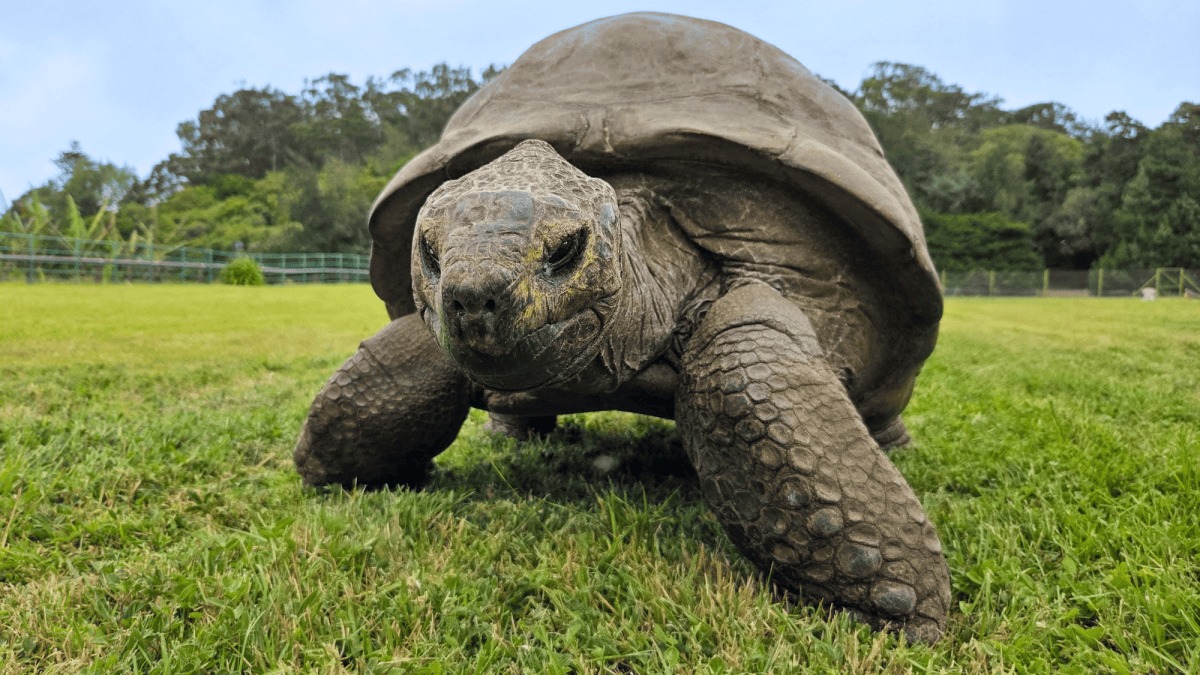
🐢
Jonathan the tortoise is 194 and thriving - his genes may help explain why
Schildpad Jonathan is 194 en floreert - zijn genen helpen misschien verklaren waarom
Jonathan la tortue a 194 ans et se porte à merveille - ses gènes pourraient l’expliquer
So, what can a tortoise who has lived for 194 years teach us about ageing? A new study identified 287 unusual gene variants in Jonathan that may help protect against DNA damage, inflammation and cancer, while supporting healthy insulin regulation. Researchers also found that switches controlling genes involved in DNA repair and energy production have stayed remarkably stable compared with those of younger tortoises. Genes alone do not explain his extraordinary longevity, but Jonathan’s biology offers a fascinating glimpse of how nature can help bodies stay resilient.
Wat kan een schildpad die al 194 jaar leeft ons leren over ouder worden? Een nieuwe studie vond 287 bijzondere genvarianten bij Jonathan die mogelijk beschermen tegen DNA-schade, ontstekingen en kanker, en bijdragen aan een gezonde insulinehuishouding. Onderzoekers ontdekten ook dat schakelaars die genen voor DNA-herstel en energieproductie regelen opvallend stabiel zijn gebleven, vergeleken met die van jongere schildpadden. Zijn uitzonderlijke levensduur komt niet alleen door zijn genen, maar Jonathans biologie laat prachtig zien hoe de natuur het lichaam veerkrachtig kan houden.
Que peut nous apprendre une tortue qui vit depuis 194 ans sur le vieillissement ? Une nouvelle étude a identifié chez Jonathan 287 variantes génétiques particulières qui pourraient contribuer à limiter les dommages à l’ADN, l’inflammation et le cancer, tout en favorisant une bonne régulation de l’insuline. Les chercheurs ont aussi constaté que les mécanismes qui contrôlent les gènes liés à la réparation de l’ADN et à la production d’énergie sont restés remarquablement stables par rapport à ceux de tortues plus jeunes. Ses gènes n’expliquent pas à eux seuls sa longévité exceptionnelle, mais sa biologie nous offre un aperçu fascinant de la résilience que la nature peut apporter au corps.

🐙
Meet the deep-sea’s pink ambassador
Maak kennis met de roze ambassadeur van de diepzee
Découvrez l’ambassadrice rose des grands fonds
So, meet Miss Abyss, a cheerful illustrated dumbo octopus on a mission to rally support for protecting the deep sea. Real dumbo octopuses live on the ocean floor, sometimes nearly 13,000 feet below the surface. The Center for American Progress is inviting people to share photos of Miss Abyss in places that represent their home, and to sign a petition opposing deep-sea mining. And here’s the thing: mining could harm poorly understood ocean ecosystems, while the campaign gives people a fun way to speak up for their protection.
Maak kennis met Miss Abyss, een vrolijk getekende dumbo-octopus die steun probeert te verzamelen voor de bescherming van de diepzee. Echte dumbo-octopussen leven op de oceaanbodem, soms bijna 4.000 meter onder het oppervlak. Het Center for American Progress nodigt mensen uit om foto’s van Miss Abyss te delen op plekken die hun thuis vertegenwoordigen en een petitie tegen diepzeemijnbouw te ondertekenen. En dat is belangrijk, want mijnbouw kan ecosystemen in de oceaan beschadigen waar we nog weinig van weten, terwijl de campagne mensen op een leuke manier aanspoort om ze te beschermen.
Découvrez Miss Abyss, une joyeuse pieuvre Dumbo dessinée qui cherche à mobiliser des soutiens pour protéger les grands fonds. Les véritables pieuvres Dumbo vivent sur le plancher océanique, parfois à près de 4 000 mètres de profondeur. Le Center for American Progress invite chacun à partager des photos de Miss Abyss dans des lieux qui représentent son chez-soi et à signer une pétition contre l’exploitation minière des fonds marins. Et c’est là tout l’enjeu : cette activité pourrait nuire à des écosystèmes océaniques encore mal connus, tandis que la campagne offre une façon amusante de prendre leur défense.
🪵
Neanderthals were skilled woodworkers, first-of-its-kind tool trove reveals
Neanderthalers waren bedreven houtbewerkers, blijkt uit unieke vondst van werktuigen
Les Néandertaliens étaient des artisans du bois, révèle une découverte inédite d’outils
So, Neanderthals were not just skilled makers of stone tools - a remarkable trove shows they also worked wood with impressive skill. Wooden objects rarely survive for thousands of years, which makes this first-of-its-kind collection especially revealing. It offers a fresh glimpse of the practical know-how Neanderthals brought to everyday life. And here's the thing: the find adds to a richer picture of their ingenuity and adaptability.
Neanderthalers waren niet alleen bedreven in het maken van stenen werktuigen - een bijzondere vondst laat zien dat ze ook heel vaardig hout bewerkten. Houten voorwerpen blijven zelden duizenden jaren bewaard, waardoor deze unieke verzameling bijzonder veel onthult. Ze biedt een nieuwe blik op de praktische kennis die Neanderthalers in het dagelijks leven gebruikten. En precies dat maakt de vondst zo boeiend: ze toont opnieuw hun vindingrijkheid en aanpassingsvermogen.
Les Néandertaliens ne fabriquaient pas seulement des outils en pierre - une découverte remarquable montre qu’ils travaillaient aussi le bois avec beaucoup d’habileté. Les objets en bois survivent rarement pendant des milliers d’années, ce qui rend cette collection inédite particulièrement révélatrice. Elle offre un nouvel aperçu du savoir-faire pratique des Néandertaliens dans leur vie quotidienne. Et c’est là tout l’intérêt : cette découverte souligne une fois de plus leur ingéniosité et leur capacité d’adaptation.
🧠
Nobel prizes 2026: brain switches, cosmic neutrinos and life’s chemistry
Nobelprijzen 2026: hersenschakelaars, kosmische neutrino’s en de chemie van het leven
Prix Nobel 2026 : interrupteurs cérébraux, neutrinos cosmiques et chimie du vivant
I love how this Nature podcast brings the 2026 science Nobel Prizes to life, from a light-controlled switch that steers neurons to the detection of cosmic neutrinos. It also explores how chemists solved the mystery of how handed organic molecules can emerge. Along the way, there are research highlights on young sports-video fans, black-hole jets and their far-reaching effects. And here's the thing: ancient gut microbes offer clues to the journeys of our human ancestors.
Mooi hoe deze Nature-podcast de wetenschappelijke Nobelprijzen van 2026 tot leven brengt, van een schakelaar die met licht neuronen stuurt tot de detectie van kosmische neutrino’s. Ook hoor je hoe chemici het raadsel oplosten van het ontstaan van organische moleculen met een verschillende ‘handigheid’. Tussendoor komen onderzoeksbijzonderheden aan bod over jonge fans van sportvideo’s en de verreikende invloed van zwartegatjets. En dit is extra boeiend: oeroude darmmicroben geven aanwijzingen over de reizen van onze menselijke voorouders.
J’aime beaucoup la façon dont ce podcast de Nature fait vivre les prix Nobel scientifiques de 2026, d’un interrupteur commandé par la lumière qui contrôle les neurones à la détection des neutrinos cosmiques. Il explique aussi comment des chimistes ont élucidé l’origine de molécules organiques aux formes « gauches » et « droites ». Au fil de l’épisode, des découvertes portent sur les jeunes amateurs de vidéos sportives et sur les effets étendus des jets de trous noirs. Et voici un détail passionnant : d’anciens microbes intestinaux révèlent des indices sur les voyages de nos ancêtres humains.
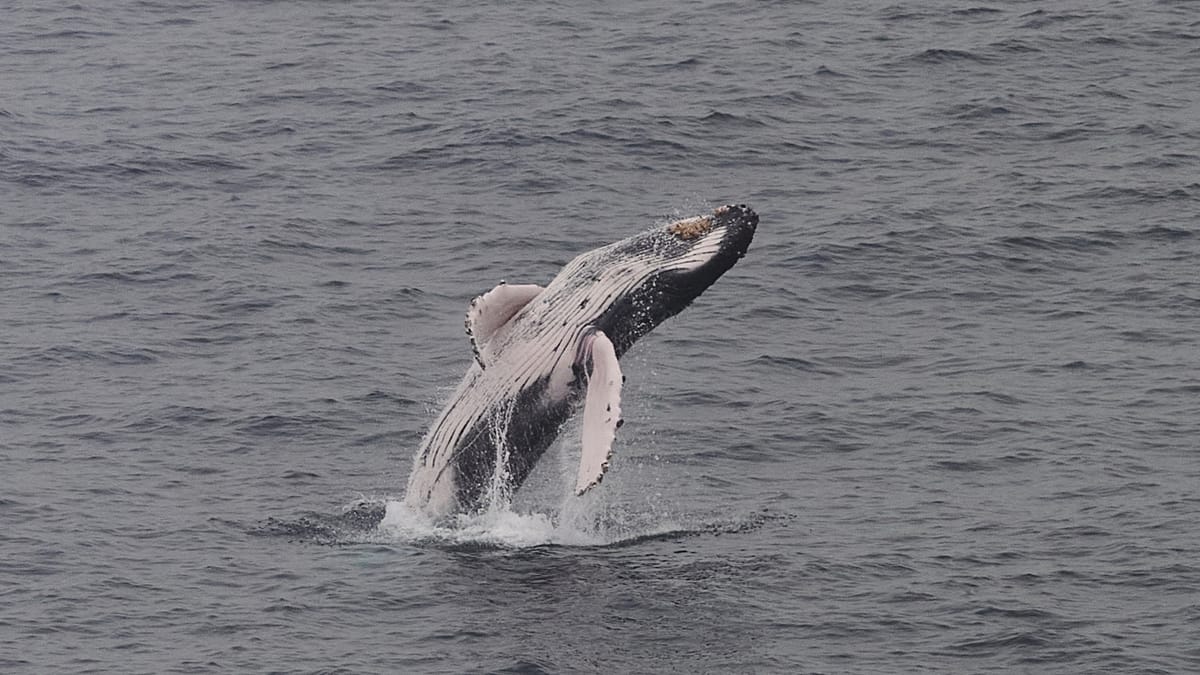
🐋
Southern right whales return to South Africa, drawing crowds to the coast
Zuidkapers keren terug naar Zuid-Afrika en lokken mensen naar de kust
Les baleines franches australes reviennent en Afrique du Sud et attirent les foules sur la côte
So, southern right whales are back in Walker Bay near Hermanus, and their arrival is drawing visitors to the cliffs and the annual whale festival. From shore and boats, people are watching mothers with newborn calves swimming close to the coast. Each year, the whales travel from Antarctica to South Africa’s warmer waters between June and November to give birth and raise their young. And here's the thing: a whale crier sounds a kelp horn along Hermanus’s 12-kilometre cliff path when one is spotted, while decades of protection have helped this once heavily hunted species return.
Zuidkapers zijn terug in Walker Bay bij Hermanus, en hun komst lokt bezoekers naar de kliffen en het jaarlijkse walvisfestival. Vanaf de kust en vanuit boten kijken mensen hoe moeders met pasgeboren kalfjes dicht bij de kust zwemmen. Elk jaar trekken de walvissen tussen juni en november van Antarctica naar de warmere wateren van Zuid-Afrika om hun jongen ter wereld te brengen en groot te brengen. En kijk: wanneer iemand een walvis spot, blaast een walvisomroeper op een kelphoorn langs het 12 kilometer lange klifpad van Hermanus, terwijl tientallen jaren bescherming deze ooit zwaar bejaagde soort hebben geholpen terug te keren.
Les baleines franches australes sont de retour dans la baie Walker, près d’Hermanus, et leur arrivée attire les visiteurs sur les falaises et au festival annuel des baleines. Depuis la côte et les bateaux, le public observe les mères et leurs nouveau-nés nager près du rivage. Chaque année, entre juin et novembre, les baleines quittent l’Antarctique pour rejoindre les eaux plus chaudes d’Afrique du Sud, où elles mettent bas et élèvent leurs petits. Et voici ce qui rend l’endroit unique : lorsqu’une baleine est repérée, un crieur souffle dans une corne en varech le long des 12 kilomètres de falaises d’Hermanus, tandis que des décennies de protection ont favorisé le retour de cette espèce autrefois décimée par la chasse.
🤖
Google opens free AI detector to everyone
Google stelt gratis AI-detector open voor iedereen
Google ouvre son détecteur d’IA gratuit à tout le monde
Google is making a free AI detector available to everyone. The tool is designed to help people assess whether content may have been created with artificial intelligence. So, it could offer a useful starting point for anyone curious about how a text was made. Its results are best treated as an indication rather than a definitive verdict.
Google stelt een gratis AI-detector beschikbaar voor iedereen. De tool moet mensen helpen inschatten of content mogelijk met artificiële intelligentie is gemaakt. Zo krijgen nieuwsgierigen een handig vertrekpunt om na te gaan hoe een tekst tot stand kwam. De resultaten beschouw je het best als een aanwijzing, niet als een sluitend oordeel.
Google met gratuitement un détecteur d’IA à la disposition de tout le monde. Cet outil est conçu pour aider chacun à évaluer si un contenu a pu être créé avec l’intelligence artificielle. Il pourrait ainsi offrir un point de départ pratique à celles et ceux qui veulent comprendre comment un texte a été rédigé. Mieux vaut toutefois considérer ses résultats comme des indications plutôt que comme une certitude.
💉
This pharmacy vaccine may cut serious heart risks during flu by 34 percent
Dit vaccin bij de apotheek verlaagt het risico op ernstige hartproblemen bij griep met 34 procent
Ce vaccin disponible en pharmacie réduit de 34 % le risque de problèmes cardiaques graves pendant la grippe
The so-called “heart attack vaccine” is available at the pharmacy: it is the flu vaccine. It is reported to lower the risk of serious heart problems during flu by 34 percent. That makes vaccination an especially interesting option for people concerned about flu-related complications. So: a familiar preventive measure may offer protection beyond the infection itself.
Het zogenaamde ‘hartaanvalvaccin’ is gewoon verkrijgbaar bij de apotheek: het gaat om de griepprik. Die zou het risico op ernstige hartproblemen bij griep met 34 procent verlagen. Daardoor is vaccinatie extra interessant voor mensen die zich zorgen maken over complicaties door griep. Een vertrouwde preventieve prik kan dus mogelijk meer bescherming bieden dan alleen tegen de infectie.
Le « vaccin contre la crise cardiaque » est disponible en pharmacie : il s’agit du vaccin contre la grippe. Il pourrait réduire de 34 % le risque de problèmes cardiaques graves pendant une grippe. La vaccination pourrait donc être particulièrement intéressante pour les personnes préoccupées par les complications de la grippe. Un geste préventif bien connu pourrait ainsi protéger au-delà de l’infection elle-même.

💉
Belgium recommends enhanced flu vaccines for over-65s for the first time
Voor het eerst adviseert België versterkte griepvaccins voor 65-plussers
La Belgique recommande pour la première fois un vaccin antigrippal renforcé aux plus de 65 ans
Belgium’s flu vaccination campaign starts on 15 October, and for the first time the Superior Health Council is recommending a high-dose vaccine for everyone over 65. Studies cited by virologist Marc Van Ranst suggest it improves the immune response to influenza by nearly 32%. Vaccination remains especially important because flu can lead to serious illness and heart or vascular complications, particularly among older people and other at-risk groups. Uptake is still below recommended levels, but allowing pharmacists to give vaccines is helping more people get protected.
De griepvaccinatiecampagne in België start op 15 oktober, en voor het eerst beveelt de Hoge Gezondheidsraad een hooggedoseerd vaccin aan voor iedereen ouder dan 65 jaar. Volgens studies die viroloog Marc Van Ranst aanhaalt, verbetert dit vaccin de immuunrespons tegen griep met bijna 32 procent. Vaccinatie is extra belangrijk omdat griep ernstige ziekte en hart- en vaatcomplicaties kan veroorzaken, vooral bij ouderen en andere risicogroepen. De vaccinatiegraad blijft onder de aanbevolen norm, maar doordat apothekers nu ook vaccins mogen toedienen, worden meer mensen bereikt.
La campagne de vaccination contre la grippe en Belgique débute le 15 octobre et, pour la première fois, le Conseil supérieur de la santé recommande un vaccin fortement dosé aux personnes de plus de 65 ans. Selon les études citées par le virologue Marc Van Ranst, ce vaccin améliore de près de 32 % la réponse immunitaire contre la grippe. La vaccination reste particulièrement importante, car la grippe peut provoquer des formes graves ainsi que des complications cardiovasculaires, surtout chez les personnes âgées et les autres groupes à risque. La couverture vaccinale reste inférieure aux objectifs, mais le fait que les pharmaciens puissent désormais vacciner aide à protéger davantage de personnes.
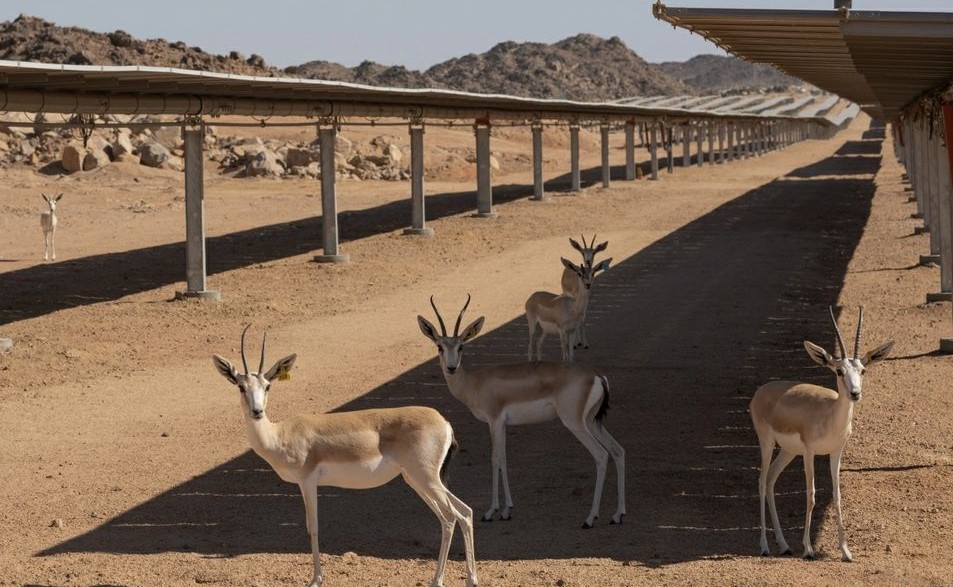
🦌
Saudi solar park becomes a haven for threatened gazelles
Saoedisch zonnepark wordt een veilige plek voor bedreigde gazellen
Un parc solaire saoudien devient un refuge pour des gazelles menacées
So: a 1,200-acre solar park in a vast Saudi nature reserve is giving vulnerable Arabian sand gazelles a safe place to feed, breed, and roam. Thirty-eight gazelles now live among the panels, where shade offers welcome relief from the desert heat and wildlife-proof fencing helps keep predators out. Conservationists hope the herd will grow to more than 500, helping restore a self-sustaining population across the reserve. It’s a bright example of how renewable energy sites can also support wildlife, alongside mountain gazelles and Arabian hares that have joined the park.
Een zonnepark van 1.200 hectare in een uitgestrekt Saoedisch natuurreservaat biedt bedreigde Arabische zandgazellen een veilige plek om te grazen, zich voort te planten en rond te trekken. Er leven nu 38 gazellen tussen de zonnepanelen, waar schaduw verkoeling biedt en wildbestendige omheiningen bescherming tegen roofdieren geven. Natuurbeschermers hopen dat de kudde groeit tot meer dan 500 dieren, zodat de soort zich weer duurzaam in het reservaat kan vestigen. Zo laat het park zien dat hernieuwbare energie en natuurbescherming hand in hand kunnen gaan; ook berggazellen en Arabische hazen hebben er een plek gevonden.
Dans une vaste réserve naturelle saoudienne, un parc solaire de 1 200 acres offre aux gazelles des sables d’Arabie, une espèce vulnérable, un lieu sûr pour se nourrir, se reproduire et se déplacer. Trente-huit gazelles vivent déjà parmi les panneaux, dont l’ombre apporte un peu de fraîcheur et les clôtures adaptées les protègent des prédateurs. Les défenseurs de la nature espèrent que le groupe dépassera les 500 animaux et permettra de rétablir une population autonome dans la réserve. Voilà une belle façon de faire cohabiter énergie renouvelable et protection de la faune, avec des gazelles des montagnes et des lièvres d’Arabie également accueillis sur le site.

🤧
A simple cold remedy: Saltwater spray may shorten sick days
Een eenvoudig middel tegen verkoudheid: zoutoplossing kan ziektedagen verkorten
Un remède simple contre le rhume : le spray salin pourrait réduire les jours de maladie
Here’s a simple tip for cold season: start using a saltwater nasal spray as soon as you notice the first symptoms. A large British study of around 14,000 people found that it reduced sick days by about 20 percent and antibiotic use by 25 to 30 percent. The solution may help wash virus particles from the nose and thin mucus, though researchers have not confirmed exactly how it works. Strama recommends using a spray or drops several times a day during the first few days, while noting that the study was conducted in adults.
Een eenvoudige tip voor het verkoudheidsseizoen: begin met een zoutwaterspray zodra je de eerste klachten merkt. Een groot Brits onderzoek onder ongeveer 14.000 mensen wees uit dat het aantal ziektedagen met zo’n 20 procent afnam en het antibioticagebruik met 25 tot 30 procent. De oplossing kan virusdeeltjes uit de neus spoelen en slijm verdunnen, al is nog niet precies vastgesteld hoe dat werkt. Strama raadt aan om de spray of druppels de eerste dagen meerdere keren per dag te gebruiken, met de kanttekening dat het onderzoek bij volwassenen is uitgevoerd.
Voici un conseil simple pour la saison des rhumes : commencez à utiliser un spray nasal salin dès les premiers symptômes. Une vaste étude britannique menée auprès d’environ 14 000 personnes a constaté une baisse d’environ 20 % des jours de maladie et de 25 à 30 % de l’usage des antibiotiques. La solution pourrait éliminer les particules virales du nez et fluidifier le mucus, même si son mécanisme exact n’a pas été confirmé. Strama conseille d’utiliser le spray ou des gouttes plusieurs fois par jour pendant les premiers jours, tout en précisant que l’étude portait sur des adultes.

🧪
How chemistry’s Nobel laureates retraced life’s twisted choice
Hoe de Nobelprijswinnaars voor chemie de gedraaide keuze van het leven reconstrueerden
Comment les Nobel de chimie ont reconstitué le choix chimique du vivant
So, the chemistry Nobel laureates Henri Kagan and Kenso Soai have developed ways to produce organic molecules in just one of two mirror-image forms. That chemical selectivity offers clues to a pivotal choice made when life emerged on Earth around four billion years ago. And here’s the thing: producing the right molecular form is also vital for safer medicines, since mirror-image molecules can have very different effects. The article also traces the field back to Louis Pasteur, whose 19th-century experiments with tartaric acid crystals revealed the phenomenon.
De Nobelprijswinnaars voor chemie, Henri Kagan en Kenso Soai, ontwikkelden methoden om organische moleculen in slechts één van twee spiegelbeeldvormen te maken. Die chemische selectiviteit biedt inzicht in een cruciale keuze die het leven ongeveer vier miljard jaar geleden op aarde maakte. En dat is belangrijk: de juiste molecuulvorm is ook essentieel voor veiligere medicijnen, omdat spiegelbeeldmoleculen heel verschillende effecten kunnen hebben. Het artikel voert de geschiedenis van dit onderzoeksveld terug naar Louis Pasteur, die in de negentiende eeuw het verschijnsel ontdekte met kristallen van wijnsteenzuur.
Les lauréats du Nobel de chimie, Henri Kagan et Kenso Soai, ont mis au point des méthodes permettant de produire des molécules organiques sous une seule de leurs deux formes en miroir. Cette sélectivité chimique éclaire un choix décisif qui aurait eu lieu lors de l’apparition de la vie sur Terre, il y a environ quatre milliards d’années. Et voici pourquoi cela compte aussi aujourd’hui : la bonne forme moléculaire est essentielle à la fabrication de médicaments plus sûrs, car deux molécules en miroir peuvent avoir des effets très différents. L’article revient également aux origines de ce domaine, avec Louis Pasteur, qui observa le phénomène au XIXᵉ siècle en étudiant des cristaux d’acide tartrique.
🧬
Scientists reprogram immune cells inside the body to fight cancer
Wetenschappers herprogrammeren immuuncellen in het lichaam om kanker te bestrijden
Des scientifiques reprogramment les cellules immunitaires dans le corps pour combattre le cancer
CAR-T therapy can be remarkably effective against some blood cancers, but making it is costly and can take weeks. Now, researchers have developed a way to deliver gene-editing tools and cancer-fighting instructions directly to T cells inside the body. In tests with mice carrying humanized immune systems, the approach showed promise against leukemia, multiple myeloma and a solid tumor. If it can be adapted for people, it could make these therapies quicker and easier to access, while potentially reducing the need for intensive preparatory treatment.
CAR-T-therapie kan bijzonder effectief zijn tegen sommige bloedkankers, maar de productie is duur en kan weken duren. Nu hebben onderzoekers een manier ontwikkeld om genetische bewerkingstools en instructies om kanker te bestrijden rechtstreeks in T-cellen in het lichaam af te leveren. In proeven met muizen met een gehumaniseerd immuunsysteem bleek de aanpak veelbelovend tegen leukemie, multipel myeloom en een solide tumor. Als de methode geschikt kan worden gemaakt voor mensen, kan ze deze behandelingen sneller en toegankelijker maken en mogelijk de noodzaak van intensieve voorbereidende therapie verminderen.
La thérapie CAR-T peut être remarquablement efficace contre certains cancers du sang, mais sa fabrication coûte cher et peut prendre des semaines. Des chercheurs ont mis au point une méthode qui apporte directement dans l’organisme des outils d’édition génétique et des instructions permettant aux lymphocytes T de combattre le cancer. Lors d’essais sur des souris dotées d’un système immunitaire humanisé, cette approche s’est révélée prometteuse contre la leucémie, le myélome multiple et une tumeur solide. Si elle peut être adaptée aux patients, elle pourrait rendre ces traitements plus rapides et plus accessibles, tout en réduisant peut-être le besoin d’une préparation intensive.
🦁
Zoo lions rediscover their wild feeding rhythm
Dierentuinleeuwen vinden hun wilde eetritme terug
Les lions de zoo retrouvent leur rythme alimentaire sauvage
So, an Australian study found that zoo lions behaved more like their wild counterparts when whole carcasses were added to a feast-and-fast feeding routine. Over three months, three adult male lions spent almost three times longer eating on carcass-feeding days, then rested more and gradually became more active as the fasting period continued. Their pattern of feasting, resting and renewed activity closely resembled the natural rhythm seen in wild lions. Pacing appeared more connected to familiar routines and keeper visits than to hunger, and researchers observed no rise in aggression.
Een Australische studie toont dat leeuwen in een dierentuin zich meer als hun wilde soortgenoten gedroegen toen hele karkassen deel werden van een eet- en vastenritme. Drie volwassen mannetjesleeuwen werden drie maanden gevolgd en besteedden op dagen met karkassen bijna drie keer zoveel tijd aan eten, waarna ze langer rustten en tijdens het vasten geleidelijk actiever werden. Dat patroon van uitgebreid eten, rusten en daarna weer actiever worden, leek sterk op het natuurlijke ritme van wilde leeuwen. Het ijsberen leek eerder samen te hangen met vertrouwde routines en de komst van verzorgers dan met honger, en de onderzoekers zagen geen toename van agressie.
Une étude australienne montre que des lions de zoo se comportaient davantage comme leurs congénères sauvages lorsqu’on leur proposait des carcasses entières selon un rythme alternant repas et jeûne. Suivis pendant trois mois, trois lions adultes ont passé presque trois fois plus de temps à manger les jours de distribution de carcasses, puis se sont reposés plus longtemps et sont progressivement redevenus plus actifs au fil du jeûne. Cette alternance entre festin, repos et regain d’activité ressemblait beaucoup au rythme naturel des lions sauvages. Le va-et-vient semblait davantage lié aux habitudes et aux visites des soigneurs qu’à la faim, et les chercheurs n’ont constaté aucune hausse de l’agressivité.
🔬
Physicists spot the 'ghost' of superconductivity
Natuurkundigen zien de ‘geest’ van supergeleiding
Des physiciens découvrent le « fantôme » de la supraconductivité
So: physicists have found direct evidence of a hidden pattern of electron pairs in uranium ditelluride, even after its superconductivity has disappeared. These pair density waves are like a lingering trace of the superconducting state, and scientists had predicted them nearly 20 years ago. Higher-quality samples let the team detect signatures that respond to temperature and magnetic fields as expected, and persist above the superconducting transition. This discovery offers a fresh clue to how unconventional superconductors behave.
Natuurkundigen hebben rechtstreeks bewijs gevonden voor een verborgen patroon van elektronenparen in uraniumditelluride, zelfs nadat de supergeleiding is verdwenen. Deze paar-dichtheidsgolven zijn als een spoor dat achterblijft na de supergeleidende toestand, en wetenschappers voorspelden ze bijna twintig jaar geleden. Dankzij monsters van hogere kwaliteit kon het team signalen meten die zoals verwacht reageren op temperatuur en magnetische velden, en aanhouden boven de overgangstemperatuur voor supergeleiding. Deze ontdekking biedt een nieuwe aanwijzing voor het gedrag van onconventionele supergeleiders.
Des physiciens ont trouvé une preuve directe d’un motif caché de paires d’électrons dans le ditellurure d’uranium, même après la disparition de sa supraconductivité. Ces ondes de densité de paires sont comme une trace persistante de l’état supraconducteur, et les scientifiques les avaient prédites il y a près de vingt ans. Grâce à des échantillons de meilleure qualité, l’équipe a détecté des signatures qui réagissent comme prévu à la température et aux champs magnétiques, et qui persistent au-dessus de la température de transition supraconductrice. Cette découverte apporte un nouvel indice sur le comportement des supraconducteurs non conventionnels.
🛰️
Earth’s center shifts with the seasons, and NASA measured it
Het massamiddelpunt van de aarde verschuift met de seizoenen
Le centre de masse de la Terre bouge au fil des saisons
Earth’s center of mass shifts by a few millimeters as seasonal changes move water, ice, and air around the planet. Researchers at NASA’s Jet Propulsion Laboratory developed a more precise way to measure this subtle motion, combining laser tracking with GPS and satellite-orbit data while accounting for movement of Earth’s crust. Their results suggest the yearly shift is about half the size estimated eight years ago, with less mass moving between hemispheres than previously thought. That refinement matters because the center of mass is a key reference for satellite navigation and precise measurements of Earth’s surface.
Het massamiddelpunt van de aarde verschuift enkele millimeters doordat seizoensveranderingen water, ijs en lucht over de planeet verplaatsen. Onderzoekers van NASA’s Jet Propulsion Laboratory ontwikkelden een nauwkeurigere manier om die subtiele beweging te meten, door lasertracking te combineren met gps- en satellietgegevens en ook rekening te houden met bewegingen van de aardkorst. Volgens hun resultaten is de jaarlijkse verschuiving ongeveer half zo groot als acht jaar geleden werd geschat, en verplaatst er minder massa tussen de halfronden dan eerder werd gedacht. Die nauwkeurigere meting is belangrijk, want het massamiddelpunt vormt een essentieel referentiepunt voor satellietnavigatie en precieze metingen van het aardoppervlak.
Le centre de masse de la Terre se déplace de quelques millimètres lorsque les saisons redistribuent l’eau, la glace et l’air autour de la planète. Des chercheurs du Jet Propulsion Laboratory de la NASA ont mis au point une méthode plus précise pour mesurer ce mouvement discret, en combinant le suivi laser, les données GPS et les trajectoires des satellites, tout en tenant compte des mouvements de la croûte terrestre. Leurs résultats indiquent que le déplacement annuel est environ deux fois moins important qu’on ne l’estimait il y a huit ans, et que moins de masse circule entre les deux hémisphères qu’on ne le pensait. Cette mesure affinée compte, car le centre de masse est un repère essentiel pour la navigation par satellite et les mesures précises de la surface terrestre.
🌋
Webb finds an atmosphere on a scorching lava world
Webb vindt een atmosfeer op een gloeiendhete lavawereld
Webb découvre une atmosphère sur un monde de lave brûlant
So, here’s a surprising find: astronomers have detected evidence of an atmosphere around HD 3167 b, a rocky super-Earth 154 light-years away that circles its star every day. Webb’s observations of the planet as it passed behind its star helped researchers estimate its temperature using mid-infrared light. The findings suggest an atmosphere may be moving heat from the planet’s scorching dayside to its nightside. Though far too hot for life, this lava world can help scientists understand how rocky planets gain and retain atmospheres - and may offer clues to Earth’s early history.
Dit is een verrassende ontdekking: astronomen hebben aanwijzingen gevonden voor een atmosfeer rond HD 3167 b, een rotsachtige superaarde op 154 lichtjaar afstand die elke dag een rondje om haar ster maakt. Met Webb observeerden onderzoekers hoe de planeet achter haar ster verdween, en gebruikten ze infrarood licht om haar temperatuur te schatten. De resultaten wijzen erop dat een atmosfeer warmte van de gloeiendhete dagzijde naar de nachtzijde kan verplaatsen. Hoewel deze lavawereld veel te heet is voor leven, helpt ze wetenschappers begrijpen hoe rotsplaneten een atmosfeer krijgen en behouden - en biedt ze misschien aanwijzingen over de vroege geschiedenis van de aarde.
Voici une découverte étonnante : des astronomes ont détecté des indices d’une atmosphère autour de HD 3167 b, une super-Terre rocheuse située à 154 années-lumière, qui fait le tour de son étoile en une journée. En observant avec Webb la planète passer derrière son étoile, les chercheurs ont estimé sa température grâce à la lumière infrarouge. Les résultats suggèrent qu’une atmosphère pourrait transporter la chaleur du côté jour brûlant vers le côté nuit. Bien trop chaude pour abriter la vie, cette planète de lave peut aider les scientifiques à comprendre comment les mondes rocheux acquièrent et conservent une atmosphère - et peut-être éclairer les débuts de l’histoire de la Terre.
🔬
Who is Francis Halzen, the second Belgian ever to win the Nobel Prize in Physics?
Wie is Francis Halzen, de tweede Belg ooit die de Nobelprijs voor Natuurkunde won?
Qui est Francis Halzen, le deuxième Belge à remporter le prix Nobel de physique ?
Francis Halzen has become only the second Belgian ever to receive the Nobel Prize in Physics, a remarkable milestone for Belgian science. The Belgian-born physicist is known for his work on neutrinos, elusive particles that can reveal distant cosmic events. He helped lead the creation of IceCube, a vast neutrino detector embedded in the Antarctic ice. His story shows how curiosity about the universe can lead to discoveries on an extraordinary scale.
Francis Halzen is de tweede Belg ooit die de Nobelprijs voor Natuurkunde ontvangt, een bijzondere mijlpaal voor de Belgische wetenschap. De in België geboren fysicus staat bekend om zijn onderzoek naar neutrino’s, ongrijpbare deeltjes die verre gebeurtenissen in het heelal kunnen blootleggen. Hij hielp mee aan de ontwikkeling van IceCube, een enorme neutrino-detector die in het Antarctische ijs is ingebouwd. Zijn verhaal toont hoe nieuwsgierigheid naar het universum tot buitengewone ontdekkingen kan leiden.
Francis Halzen est le deuxième Belge de l’histoire à recevoir le prix Nobel de physique, une étape remarquable pour la science belge. Ce physicien né en Belgique est connu pour ses travaux sur les neutrinos, des particules insaisissables capables de révéler des phénomènes cosmiques lointains. Il a contribué à la création d’IceCube, un immense détecteur de neutrinos enfoui dans la glace antarctique. Son parcours montre comment la curiosité pour l’univers peut mener à des découvertes extraordinaires.
🎂
At 114 and 113, the world’s oldest men exchange birthday wishes
Met 114 en 113 kaarsjes feliciteren de oudste mannen ter wereld elkaar
À 114 et 113 ans, les hommes les plus âgés du monde s’échangent leurs vœux
So, two of the world’s oldest men have found a lovely way to celebrate their remarkable ages: by sending each other a birthday card. One has turned 114, while the other is 113. It’s a small gesture that makes their extraordinary longevity feel wonderfully human. And here’s the thing - even at these ages, a thoughtful birthday wish can bring people together.
Twee van de oudste mannen ter wereld vieren hun bijzondere leeftijden op een hartverwarmende manier: met een verjaardagskaart voor elkaar. De ene is 114 geworden, terwijl de andere 113 kaarsjes uitblaast. Het is een klein gebaar dat hun uitzonderlijke levensduur meteen ook heel menselijk maakt. En zo zie je maar: een oprechte verjaardagswens brengt mensen samen, op elke leeftijd.
Deux des hommes les plus âgés du monde célèbrent leur âge exceptionnel d’une jolie façon : en s’envoyant une carte d’anniversaire. L’un a fêté ses 114 ans, tandis que l’autre en a 113. Ce petit geste rend leur incroyable longévité merveilleusement humaine. Et voilà : un vœu d’anniversaire attentionné peut rapprocher les gens à tout âge.

☀️
California joins the balcony solar revolution
Californië sluit zich aan bij de revolutie van balkonpanelen
La Californie rejoint la révolution du solaire sur balcon
So, California residents are one step closer to plugging small solar panels into ordinary outlets, after Governor Gavin Newsom signed a bill allowing balcony solar. These compact systems can turn homes and apartments into a network of tiny power plants, and other states may follow California’s lead. And here’s another bright idea: researchers are developing window panels that adjust their shading in response to sunlight. Simulations suggest one design could cut a building’s heating needs by 75 percent and its total energy use by 43 percent.
Californische inwoners kunnen binnenkort kleine zonnepanelen op hun balkon aansluiten op gewone stopcontacten, nu gouverneur Gavin Newsom een wet daarvoor heeft ondertekend. Zo kunnen woningen en appartementen samen een netwerk van kleine energiecentrales vormen, en mogelijk volgen andere staten het voorbeeld van Californië. En er is nog een slim idee: onderzoekers ontwikkelen raampanelen die hun zonwering aanpassen aan het zonlicht. Simulaties wijzen erop dat één ontwerp het verwarmingsverbruik met 75 procent en het totale energieverbruik met 43 procent kan verlagen.
En Californie, les habitants pourront bientôt brancher de petits panneaux solaires sur leur balcon à des prises ordinaires, grâce à une loi signée par le gouverneur Gavin Newsom. Ces installations peuvent transformer maisons et appartements en un réseau de petites centrales électriques, et d’autres États pourraient suivre l’exemple californien. Autre idée lumineuse : des chercheurs mettent au point des panneaux de fenêtre qui modifient leur ombrage en fonction du soleil. Les simulations indiquent qu’un modèle pourrait réduire de 75 % les besoins de chauffage d’un bâtiment et de 43 % sa consommation totale d’énergie.
📉
Nearly half a million fewer people owe the public sector
Bijna een half miljoen minder mensen hebben schulden bij de overheid
Près d’un demi-million de personnes en moins doivent de l’argent aux pouvoirs publics
The number of people in Denmark with public-sector debt has fallen by 454,000, from more than 1.1 million in 2023 to 687,000. The Danish Debt Collection Agency says people can pay through its online debt overview, while some small debts may be written off or collected through tax refunds or wage deductions. Since 2023, 690,000 people have become debt-free, though new debts mean the overall number has dropped by less. Living residents still owed around 108 billion Danish kroner in total, according to the agency’s June 2025 figures.
Het aantal mensen in Denemarken met schulden bij de overheid is met 454.000 gedaald: van ruim 1,1 miljoen in 2023 naar 687.000. Volgens de Deense Dienst voor Schuldinning kunnen mensen hun schuld betalen via een online overzicht, terwijl kleine schulden soms worden kwijtgescholden of via belastingteruggave of looninhouding worden geïnd. Sinds 2023 zijn 690.000 mensen schuldenvrij geworden, maar doordat anderen nieuwe schulden kregen, daalde het totale aantal minder sterk. De inwoners die nog schulden hebben, stonden samen voor ongeveer 108 miljard Deense kronen in het krijt, volgens cijfers van juni 2025.
Au Danemark, le nombre de personnes endettées auprès des pouvoirs publics a diminué de 454 000, passant de plus de 1,1 million en 2023 à 687 000. L’administration danoise du recouvrement indique que les personnes peuvent régler leur dette en ligne, tandis que certaines petites dettes peuvent être annulées ou recouvrées par le biais d’un remboursement d’impôt ou d’une retenue sur salaire. Depuis 2023, 690 000 personnes se sont libérées de leurs dettes, mais l’arrivée de nouvelles dettes a limité la baisse globale. Les résidents encore endettés devaient au total environ 108 milliards de couronnes danoises, selon les chiffres de juin 2025.
🔭
Astronomy’s ‘adrenaline junkies’: the thrill of neutrino physics
Astronomie en haar ‘adrenalinejunkies’: de spanning van de neutrinofysica
Les « accros à l’adrénaline » de l’astronomie : le frisson de la physique des neutrinos
I love how the 2026 Nobel Prize in Physics, awarded to Francis Halzen, celebrates the bold spirit behind IceCube, the huge neutrino observatory at the South Pole. The article explores the dream of multi-messenger astronomy, where scientists combine light, neutrinos, cosmic rays and gravitational waves to get a richer picture of the Universe. IceCube made history in 2017 by tracing a high-energy neutrino to a blazar, while astronomers also observed a neutron-star collision through gravitational waves. And here’s the thrilling bit: these different cosmic signals let researchers uncover events that no single kind of observatory could reveal on its own.
Ik vind het geweldig dat de Nobelprijs voor Natuurkunde van 2026, toegekend aan Francis Halzen, de gedurfde geest achter IceCube bekroont, het enorme neutrino-observatorium op de Zuidpool. Het artikel verkent de droom van multimessengerastronomie, waarbij wetenschappers licht, neutrino’s, kosmische straling en zwaartekrachtgolven combineren voor een vollediger beeld van het heelal. IceCube schreef in 2017 geschiedenis door een hoogenergetisch neutrino te herleiden tot een blazar, terwijl astronomen ook een botsing van neutronensterren via zwaartekrachtgolven waarnamen. En dát is zo spannend: met deze verschillende kosmische signalen kunnen onderzoekers gebeurtenissen ontdekken die geen enkel observatorium alleen kan onthullen.
J’adore que le prix Nobel de physique 2026, décerné à Francis Halzen, récompense l’audace qui a donné naissance à IceCube, l’immense observatoire de neutrinos installé au pôle Sud. L’article explore le rêve de l’astronomie multi-messagers, qui associe lumière, neutrinos, rayons cosmiques et ondes gravitationnelles pour dresser un portrait plus complet de l’Univers. En 2017, IceCube a marqué l’histoire en reliant un neutrino de haute énergie à un blazar, tandis que des astronomes observaient aussi la collision de deux étoiles à neutrons grâce aux ondes gravitationnelles. Et c’est là que réside le frisson : ces différents signaux cosmiques permettent de révéler des phénomènes qu’aucun observatoire ne pourrait découvrir à lui seul.
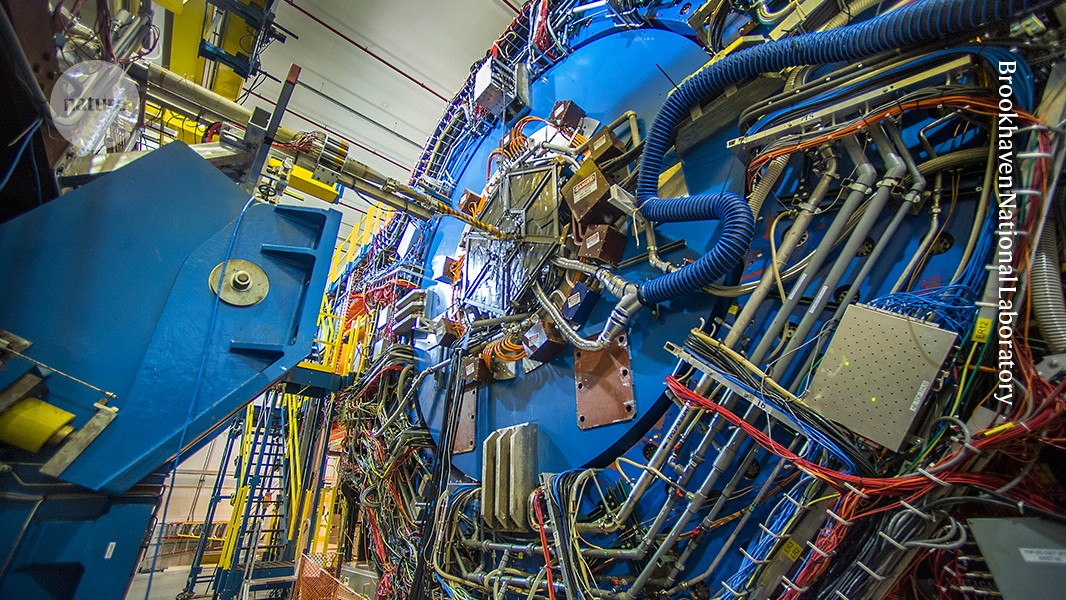
🔬
Strong evidence that baryon junctions give the proton its identity
Sterk bewijs dat baryonknopen het proton zijn identiteit geven
Des preuves solides que les jonctions baryoniques donnent son identité au proton
So, here’s a fascinating clue to why the visible Universe exists: protons and neutrons carry a conserved property called baryon number. The STAR Collaboration reports the strongest experimental evidence yet that this property is carried not by the quarks inside these particles, but by structures called baryon junctions that bind the quarks together. The result comes from nuclear collision experiments and gives fresh support to a long-standing idea about how the strong force holds baryons together. It brings scientists closer to understanding the basic ingredients of matter and the history of the early Universe.
Zo krijgen we een fascinerende aanwijzing over waarom het zichtbare heelal bestaat: protonen en neutronen hebben een behouden eigenschap die baryongetal heet. De STAR-samenwerking meldt het sterkste experimentele bewijs tot nu toe dat deze eigenschap niet wordt gedragen door de quarks in deze deeltjes, maar door structuren die baryonknopen heten en de quarks bijeenhouden. Het resultaat komt uit experimenten met kernbotsingen en ondersteunt een lang bestaand idee over hoe de sterke kernkracht baryonen bij elkaar houdt. Zo komen wetenschappers dichter bij het begrijpen van de bouwstenen van materie en de geschiedenis van het vroege heelal.
Voici un indice fascinant sur la raison d’être de l’Univers visible : les protons et les neutrons possèdent une propriété conservée appelée nombre baryonique. La collaboration STAR présente les preuves expérimentales les plus solides à ce jour montrant que cette propriété est portée non par les quarks qui composent ces particules, mais par des structures appelées jonctions baryoniques, qui relient les quarks. Ce résultat, obtenu lors d’expériences de collisions nucléaires, renforce une idée de longue date sur la façon dont l’interaction forte maintient les baryons ensemble. Il rapproche les scientifiques de la compréhension des constituants fondamentaux de la matière et de l’histoire de l’Univers primordial.
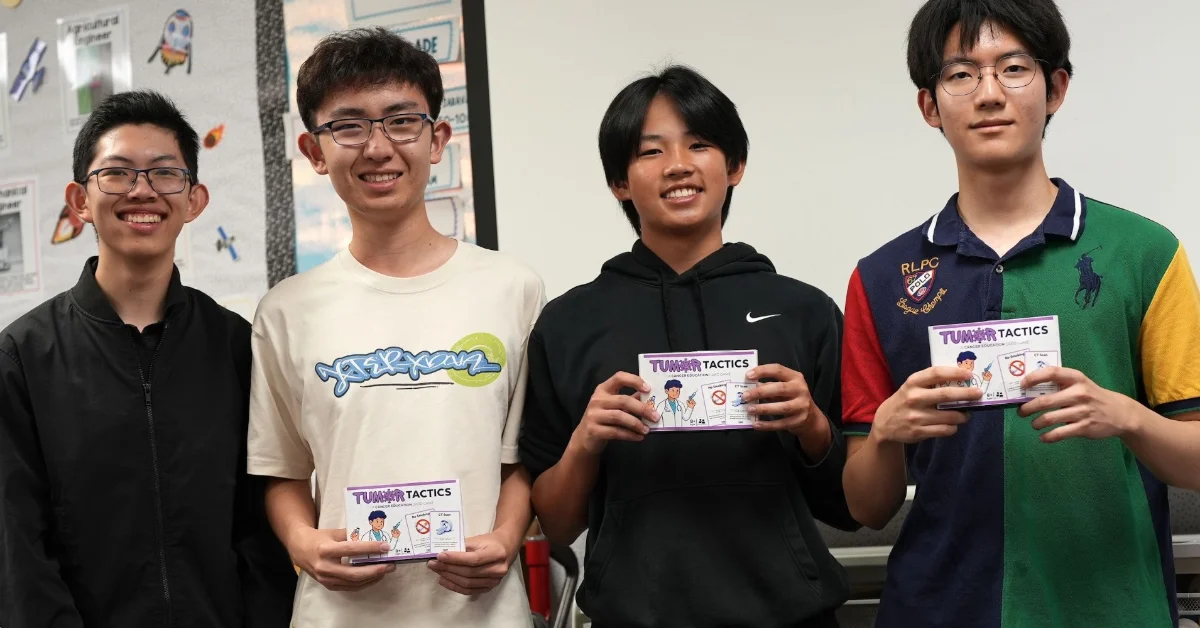
🃏
At 17, this student is helping children understand cancer through a Pokémon-inspired card game
Op zijn 17e helpt deze scholier kinderen kanker begrijpen met een Pokémon-geïnspireerd kaartspel
À 17 ans, cet élève aide les enfants à comprendre le cancer grâce à un jeu de cartes inspiré de Pokémon
After seeing cancer affect both his grandparents, Daniel Zhang wanted to help children make sense of the disease and its treatments. So, at 17, he and his classmate Zachary Tou created Tumor Tactics, a card game inspired by Pokémon and Yu-Gi-Oh! that lets players explore treatment choices, side effects, and how tumors can change. The pair now run a student-led nonprofit and lead workshops in San Diego schools, where students from kindergarten through eighth grade can learn together. And here's the thing: they’ve made scientific accuracy part of the fun, helping young players think about why different cancers may call for different treatments.
Nadat hij kanker van dichtbij meemaakte bij zijn grootouders, wilde Daniel Zhang kinderen helpen de ziekte en behandelingen beter te begrijpen. Daarom ontwikkelde hij op zijn zeventiende samen met klasgenoot Zachary Tou Tumor Tactics, een kaartspel geïnspireerd op Pokémon en Yu-Gi-Oh! waarin spelers behandelingen, bijwerkingen en de ontwikkeling van tumoren ontdekken. Inmiddels organiseren de twee met hun door scholieren geleide non-profit workshops op scholen in San Diego, voor leerlingen van de kleuterklas tot en met de tweede klas van de middelbare school. En dit is bijzonder: wetenschappelijke nauwkeurigheid maakt deel uit van het spel, zodat jonge spelers ontdekken waarom verschillende vormen van kanker om verschillende behandelingen kunnen vragen.
Après avoir vu ses deux grands-parents touchés par le cancer, Daniel Zhang a voulu aider les enfants à comprendre la maladie et ses traitements. À 17 ans, il a donc créé avec son camarade Zachary Tou Tumor Tactics, un jeu de cartes inspiré de Pokémon et de Yu-Gi-Oh! qui invite les joueurs à découvrir les traitements, leurs effets secondaires et l’évolution des tumeurs. Les deux adolescents animent désormais des ateliers dans les écoles de San Diego avec leur association à but non lucratif dirigée par des élèves, auprès d’enfants de la maternelle au collège. Et voici ce qui rend leur idée si enthousiasmante : le jeu reste scientifiquement rigoureux tout en aidant les jeunes à comprendre pourquoi chaque cancer peut nécessiter des traitements différents.

🥾
British adventurer returns after 28-year trek around the world
Britse avonturier terug na wereldreis van 28 jaar te voet
Un aventurier britannique rentre après 28 ans de marche autour du monde
After 28 years and a 50,000-kilometre journey on foot, Karl Bushby is back on British soil. He set out from Punta Arenas, Chile, in November 1988, with the goal of reaching Hull under his own power. Along the way, he even swam across the English Channel. Now, just one final leg remains in this remarkable round-the-world adventure.
Na 28 jaar en een tocht van 50.000 kilometer te voet is Karl Bushby terug op Britse bodem. In november 1988 vertrok hij uit Punta Arenas in Chili, met als doel Hull op eigen kracht te bereiken. Onderweg zwom hij zelfs het Kanaal over. Nu wacht hem nog één laatste etappe van dit bijzondere avontuur rond de wereld.
Après 28 ans et un périple de 50 000 kilomètres à pied, Karl Bushby est de retour sur le sol britannique. Il était parti de Punta Arenas, au Chili, en novembre 1988, avec pour objectif de rejoindre Hull par ses propres moyens. En chemin, il a même traversé la Manche à la nage. Il ne lui reste maintenant qu’une dernière étape pour achever cette extraordinaire aventure autour du monde.
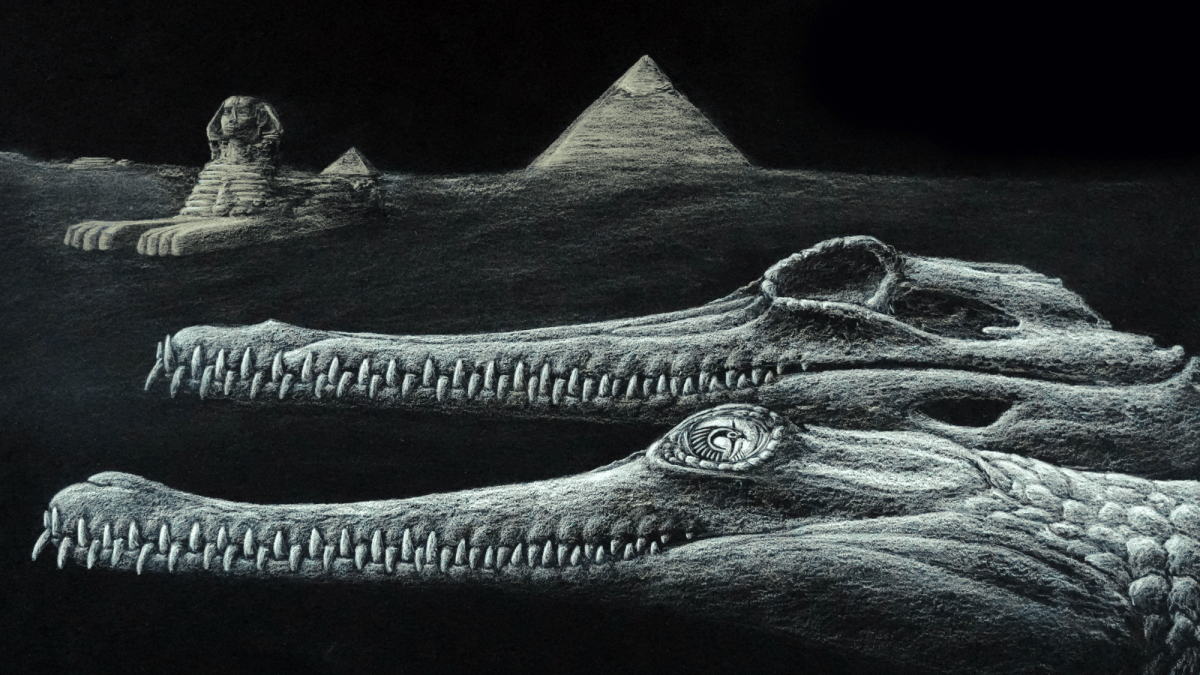
🐊
New crocodile species found in the rocks of Egypt’s great sphinx
Nieuwe krokodillensoort ontdekt in het gesteente van de grote sfinx van Egypte
Une nouvelle espèce de crocodile découverte dans la roche de la grande sphinx d’Égypte
So, the rocks beneath Egypt’s Great Sphinx have helped reveal a new extinct crocodile species, Herugavialis cairensis. Its fossil skull was found in rocks around 45 million years old and recovered nearly a century ago, but modern techniques helped researchers recognize it as a distinct species. And here's the curious coincidence: the crocodile is missing the tip of its snout, so the researchers named it after the Egyptian god Heru, possibly an inspiration for the Sphinx. The discovery adds to evidence that ancient gavial crocodiles once thrived around the Mediterranean, before the region dried out about six million years ago.
Zo hebben de rotsen onder de grote sfinx van Egypte geholpen bij de ontdekking van een nieuwe uitgestorven krokodillensoort: Herugavialis cairensis. De fossiele schedel werd gevonden in gesteente van ongeveer 45 miljoen jaar oud en bijna een eeuw geleden opgegraven, maar moderne technieken maakten het mogelijk de soort te herkennen. En dan is er nog een opmerkelijk toeval: het dier mist het puntje van zijn snuit, en daarom vernoemden de onderzoekers het naar de Egyptische god Heru, mogelijk een inspiratiebron voor de sfinx. De ontdekking versterkt het bewijs dat gaviaalachtige krokodillen ooit in groten getale rond de Middellandse Zee leefden, voordat het gebied zo’n zes miljoen jaar geleden uitdroogde.
Ainsi, les roches sous la grande sphinx d’Égypte ont contribué à révéler une nouvelle espèce de crocodile éteinte, Herugavialis cairensis. Son crâne fossile, découvert dans des roches vieilles d’environ 45 millions d’années, avait été mis au jour il y a près d’un siècle, mais des techniques modernes ont permis de reconnaître une espèce distincte. Et voici une coïncidence étonnante : l’animal n’a plus le bout du museau, alors les chercheurs l’ont nommé en l’honneur du dieu égyptien Heru, qui aurait peut-être inspiré la sphinx. Cette découverte renforce l’idée que des crocodiles proches des gavials ont autrefois prospéré autour de la Méditerranée, avant l’assèchement de la région il y a environ six millions d’années.
🌊
Physicists catch quarks making waves in the big bang’s primordial soup
Natuurkundigen zien quarks golven maken in de oersoep van de oerknal
Des physiciens voient les quarks créer des vagues dans la soupe primordiale du big bang
So, physicists at CERN have found clear evidence that fast-moving quarks leave wakes in quark-gluon plasma, the ultra-hot matter that filled the young universe. By recreating this primordial soup in heavy-ion collisions at the Large Hadron Collider, the team saw signs that it responds like a unified fluid, with ripples and swirling motion. It’s a fascinating clue that this matter was dense enough to slow quarks down, rather than letting them scatter independently. Studying these wakes could reveal more about the plasma’s properties and the universe’s first few moments.
Natuurkundigen bij CERN hebben duidelijk bewijs gevonden dat snel bewegende quarks een kielzog achterlaten in quark-gluonplasma, de gloeiend hete materie uit het jonge universum. Door deze oersoep na te maken in botsingen van zware ionen bij de Large Hadron Collider, zag het team aanwijzingen dat het plasma reageert als één vloeistof, met rimpelingen en kolkende bewegingen. Het is een fascinerende aanwijzing dat deze materie dicht genoeg was om quarks af te remmen, in plaats van ze onafhankelijk te laten rondstrooien. Door die kielzogbewegingen te bestuderen, kunnen onderzoekers meer ontdekken over de eigenschappen van het plasma en de eerste momenten van het universum.
Des physiciens du CERN ont découvert des preuves claires que les quarks lancés à grande vitesse laissent un sillage dans le plasma de quarks et de gluons, cette matière extrêmement chaude qui remplissait le jeune univers. En recréant cette soupe primordiale lors de collisions d’ions lourds au Grand Collisionneur de hadrons, l’équipe a observé des signes indiquant que le plasma réagit comme un fluide cohérent, avec des ondulations et des tourbillons. C’est un indice fascinant que cette matière était assez dense pour ralentir les quarks, au lieu de les laisser se disperser séparément. L’étude de ces sillages pourrait révéler davantage sur les propriétés du plasma et les premiers instants de l’univers.
🦺
Europe tightens workplace exposure rules to prevent occupational cancers
Europa verscherpt blootstellingsnormen om beroepskanker te voorkomen
L’Europe renforce les normes d’exposition pour prévenir les cancers professionnels
Europe is tightening its standards for exposure to substances linked to occupational cancers. The goal is simple and important: people should not become ill just by going to work. Stricter limits are intended to strengthen prevention and better protect workers’ health. Now, employers will need to pay even closer attention to the risks people face on the job.
Europa verscherpt de normen voor blootstelling aan stoffen die verband houden met beroepskanker. Het doel is eenvoudig en belangrijk: mensen mogen niet ziek worden doordat ze gewoon gaan werken. Strengere grenzen moeten de preventie verbeteren en de gezondheid van werknemers beter beschermen. Werkgevers zullen dus nog meer aandacht moeten besteden aan de risico’s op de werkvloer.
L’Europe renforce ses normes d’exposition aux substances associées aux cancers professionnels. L’objectif est simple et essentiel : personne ne devrait tomber malade en allant simplement travailler. Des limites plus strictes doivent améliorer la prévention et mieux protéger la santé des travailleurs. Les employeurs devront donc accorder encore plus d’attention aux risques présents sur le lieu de travail.
🍎
VentureFruit launches heat-ready apple varieties under ADORE
VentureFruit lanceert hittebestendige appelrassen onder ADORE
VentureFruit lance des variétés de pommes résistantes à la chaleur sous la marque ADORE
So: VentureFruit has launched ADORE, an umbrella brand for apple varieties bred to cope with hotter growing conditions. The first range includes HOT03A1 and a second variety that ripens four to six weeks earlier, giving growers options to suit their climate and harvest season. The apples are being tested for yield, quality and appeal to consumers, with trials in Europe and Asia and planting material also being tested for New Zealand. Around 120 hectares are already licensed in Catalonia, and HOT03A1 could reach European consumers in the next few years.
VentureFruit heeft ADORE gelanceerd, een overkoepelend merk voor appelrassen die zijn ontwikkeld voor warmere teeltomstandigheden. Het eerste aanbod omvat HOT03A1 en een tweede ras dat vier tot zes weken eerder rijpt, zodat telers kunnen kiezen wat past bij hun klimaat en oogstseizoen. De appels worden getest op opbrengst, kwaliteit en aantrekkingskracht bij consumenten, met proeven in Europa en Azië en testmateriaal voor aanplant in Nieuw-Zeeland. In Catalonië is al ongeveer 120 hectare aan licenties uitgegeven, en HOT03A1 kan de komende jaren in Europa verkrijgbaar worden.
VentureFruit a lancé ADORE, une marque ombrelle réunissant des variétés de pommes conçues pour supporter des conditions de culture plus chaudes. La première gamme comprend HOT03A1 et une seconde variété qui mûrit quatre à six semaines plus tôt, offrant aux producteurs des options adaptées à leur climat et à leur saison de récolte. Les pommes sont évaluées selon leur rendement, leur qualité et leur attrait auprès des consommateurs, avec des essais en Europe et en Asie ainsi que du matériel de plantation testé en Nouvelle-Zélande. Environ 120 hectares sont déjà sous licence en Catalogne, et HOT03A1 pourrait arriver auprès des consommateurs européens au cours des prochaines années.
🏅
Halzen is Belgium’s 12th Nobel laureate: the 11 others
Halzen is de 12de Belgische Nobelprijswinnaar: dit waren de 11 anderen
Halzen devient le 12e lauréat belge du Nobel : les 11 autres
Halzen has become Belgium’s 12th Nobel laureate, adding a new chapter to the country’s history of Nobel recognition. The milestone also offers a chance to look back at the 11 Belgians who received the honour before him. Together, their achievements reflect Belgium’s long-standing place in the world of Nobel Prize winners. It’s a joyful moment for Belgian science and a celebration of those who paved the way.
Halzen is de 12de Belgische Nobelprijswinnaar en schrijft daarmee een nieuw hoofdstuk in de geschiedenis van Belgische Nobelonderscheidingen. Die mijlpaal is ook een mooie gelegenheid om terug te blikken op de 11 Belgen die hem voorgingen. Hun prestaties tonen samen de blijvende plaats van België in de wereld van de Nobelprijzen. Het is een feestelijk moment voor de Belgische wetenschap en een ode aan wie de weg baande.
Halzen est devenu le 12e lauréat belge du prix Nobel, ajoutant un nouveau chapitre à l’histoire des distinctions Nobel en Belgique. Cette étape est aussi l’occasion de revenir sur les 11 Belges qui ont reçu cet honneur avant lui. Leurs réalisations témoignent ensemble de la place durable de la Belgique parmi les lauréats du Nobel. C’est un moment de joie pour la science belge et une célébration de celles et ceux qui ont ouvert la voie.

🐘
The women putting community at the heart of elephant conservation
De vrouwen die de gemeenschap centraal stellen in olifantenbescherming
Les femmes qui placent les communautés au cœur de la protection des éléphants
So, at Kenya’s Reteti sanctuary, keeper Dorothy Lowakutuk helped save a newborn elephant named Nemparwai by patiently earning her trust. Reteti is Africa’s first Indigenous-owned elephant sanctuary, showing how wildlife protection can thrive when local communities lead. Lowakutuk’s journey also challenges expectations for Samburu women: she chose a career of her own and now helps other women build independence and a stronger voice. And here’s the thing - caring for elephants and supporting the people who share their landscape can go hand in hand.
Bij het Keniaanse opvangcentrum Reteti redde verzorgster Dorothy Lowakutuk een pasgeboren olifantje, Nemparwai, door geduldig haar vertrouwen te winnen. Reteti is het eerste door inheemse gemeenschappen beheerde olifantenopvangcentrum van Afrika en laat zien hoe natuurbehoud kan floreren wanneer lokale gemeenschappen de leiding nemen. Lowakutuks verhaal doorbreekt ook verwachtingen rond Samburu-vrouwen: ze koos haar eigen loopbaan en helpt nu andere vrouwen aan meer zelfstandigheid en een sterkere stem. En juist daarin schuilt de kracht - zorgen voor olifanten kan samengaan met steun aan de mensen die hun leefgebied delen.
Au centre de soins de Reteti, au Kenya, la soigneuse Dorothy Lowakutuk a sauvé une éléphante nouveau-née, Nemparwai, en gagnant patiemment sa confiance. Reteti est le premier sanctuaire d’éléphants d’Afrique appartenant à une communauté autochtone, et montre que la protection de la faune peut s’épanouir lorsque les populations locales en prennent les rênes. Le parcours de Lowakutuk bouscule aussi les attentes envers les femmes samburu : elle a choisi sa propre carrière et aide aujourd’hui d’autres femmes à gagner en autonomie et à faire entendre leur voix. Et c’est là toute la force de cette approche : prendre soin des éléphants peut aller de pair avec le soutien aux personnes qui partagent leur territoire.
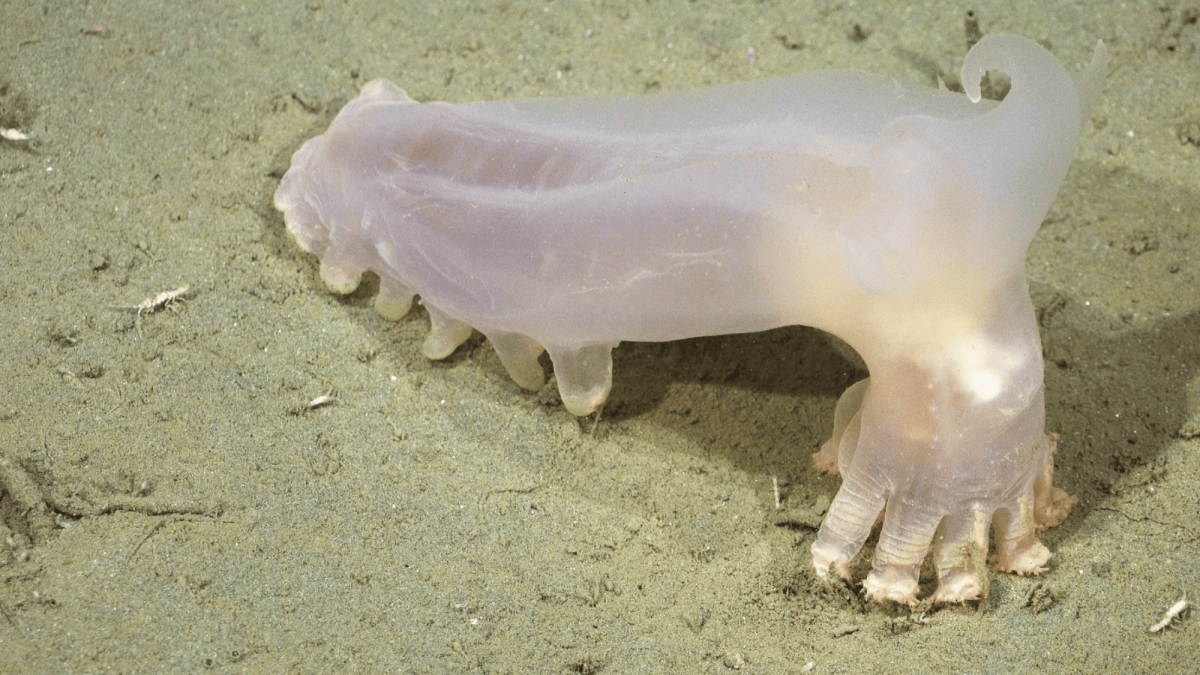
🪸
Deep-sea canyon near Argentina yields 57 new species
Onderwaterkloof bij Argentinië levert 57 nieuwe diersoorten op
Un canyon sous-marin près de l'Argentine révèle 57 nouvelles espèces
I always get thrilled by how much wonder is still hiding in our oceans! Scientists exploring the Mar del Plata Submarine Canyon off Argentina have uncovered a whopping 57 new species, including a sea cucumber playfully nicknamed Loki. Now, this canyon is twice as deep as the Grand Canyon, sitting right where warm and cold currents crash together into a biodiversity hotspot. And here's the thing - the team only examined a tiny fraction of their collected samples to find all these new creatures. Which brings me to the best part: international collaboration is speeding up how we map and protect these fascinating, mysterious deep-sea worlds.
Ik word altijd zo enthousiast als blijkt hoeveel moois er nog verborgen zit in onze oceanen! Wetenschappers die een diepe onderzeese kloof voor de kust van Argentinië verkenden, hebben maar liefst 57 nieuwe diersoorten ontdekt, waaronder een zeekomkommer met de bijnaam Loki. Deze kloof is twee keer zo diep als de Grand Canyon en vormt een waar kruispunt van warme en koude zeestromingen vol leven. En het straffe is dat het team nog maar een fractie van hun verzamelde monsters heeft onderzocht om al deze vondsten te doen. Dat toont maar weer hoe krachtig internationale samenwerking is om onze mysterieuze diepzeeën eindelijk beter in kaart te brengen.
Je suis toujours fasciné de voir à quel point nos océans regorgent encore de merveilles cachées ! Des scientifiques explorant un canyon sous-marin au large de l'Argentine viennent de découvrir pas moins de 57 nouvelles espèces, dont un concombre de mer surnommé Loki. Ce canyon plonge deux fois plus profondément que le Grand Canyon, là où des courants chauds et froids se rencontrent pour former un véritable carrefour de biodiversité. Et voici le plus beau : l'équipe n'a examiné qu'une petite fraction de ses échantillons pour révéler toutes ces créatures. Cela prouve à quel point la collaboration internationale peut accélérer notre compréhension de ces mondes abyssaux si précieux.

🪐
Astronomers discover the youngest exoplanet ever found
Astronomen ontdekken de jongste exoplaneet ooit gevonden
Des astronomes découvrent la plus jeune exoplanète jamais observée
I love stories that make us rethink how our universe actually works. Astronomers just confirmed the discovery of Elias 2-24b, a massive exoplanet that is less than one million years old - making it by far the youngest planet ever directly observed. It sits about 450 light-years away from Earth and is already up to four times the mass of Jupiter. Now, standard models say a giant planet this far out from its star should take way longer than a million years to form. So: it looks like planetary birth happens much faster than we ever imagined, and that is just super exciting.
Ik hou echt van ontdekkingen die ons dwingen om anders naar het universum te kijken. Astronomen hebben het bestaan bevestigd van Elias 2-24b, een reusachtige exoplaneet van minder dan een miljoen jaar oud - veruit de jongste die we ooit rechtstreeks hebben waargenomen. Hij bevindt zich op ongeveer 450 lichtjaar van de aarde en heeft nu al tot vier keer de massa van Jupiter. En hier is het boeiende: volgens onze gangbare theorieën zou het vormen van zo'n reus op die afstand veel langer moeten duren. Het lijkt er dus op dat planeten veel sneller kunnen ontstaan dan we dachten, en dat vind ik fantastisch nieuws.
J'adore ce genre de découverte qui remet complètement en question nos certitudes sur l'univers. Des astronomes viennent de confirmer l'existence d'Elias 2-24b, une exoplanète géante âgée de moins d'un million d'années - ce qui en fait de loin la plus jeune jamais observée directement. Elle se situe à environ 450 années-lumière de la Terre et affiche déjà jusqu'à quatre fois la masse de Jupiter. Or, selon nos modèles théoriques actuels, la formation d'une telle géante aussi loin de son étoile devrait prendre beaucoup plus de temps. Cela prouve donc que la naissance des planètes peut être bien plus rapide qu'on ne l'imaginait, et c'est absolument passionnant.
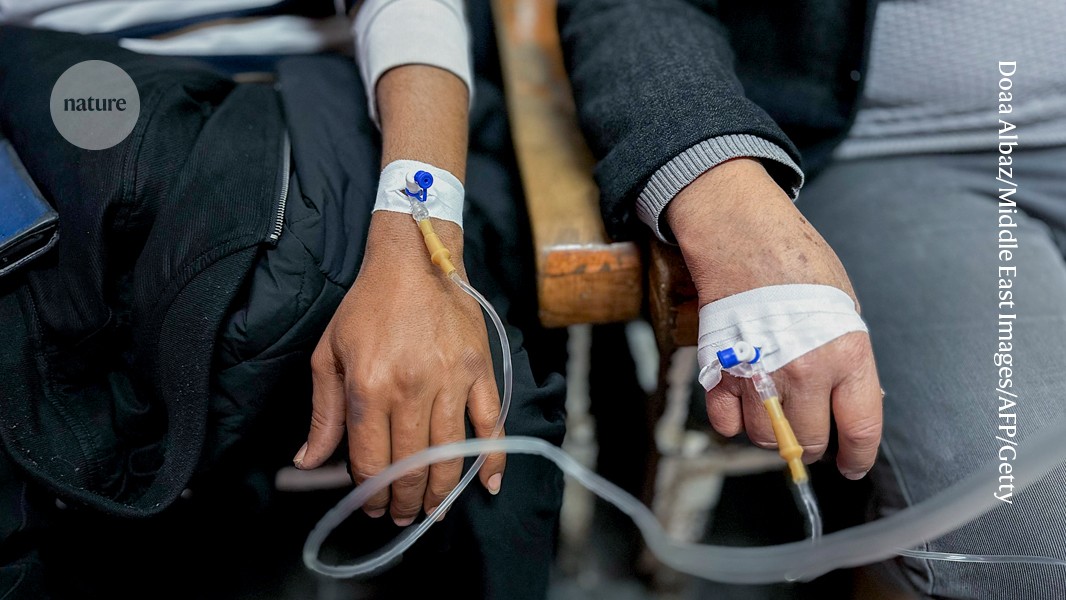
🔬
Fifty years of real progress against cancer
Vijftig jaar echte vooruitgang tegen kanker
Cinquante ans de vrais progrès contre le cancer
I was reading this fascinating report from the American Association for Cancer Research, and the long-term numbers are truly inspiring. Overall five-year cancer survival in the United States has jumped from 49% in the late 1970s to 71% today. Now, look at childhood lymphoid leukaemia, where survival rates climbed from 57% all the way to 90% simply by fine-tuning existing treatments. Even notoriously tough battles like lung cancer and liver cancer have seen their survival rates more than double thanks to better surgeries and smart immunotherapies. And here's the thing - this quiet, persistent scientific work is steadily turning once-deadly diagnoses into manageable conditions across the globe.
Ik zat net een fascinerend rapport te lezen van de American Association for Cancer Research, en de cijfers op lange termijn zijn werkelijk inspirerend. De algemene vijfjaarsoverleving voor kanker in de Verenigde Staten is gestegen van 49% eind jaren zeventig naar 71% vandaag. Kijk nu eens naar lymfoïde leukemie bij kinderen, waar de overlevingskansen van 57% naar maar liefst 90% klommen door bestaande behandelingen simpelweg te verfijnen. Zelfs bij bijzonder moeilijke vormen zoals longkanker en leverkanker zijn de overlevingskansen meer dan verdubbeld dankzij betere operaties en slimme immunotherapie. En hier zit de clou - dit rustige, volhardende wetenschappelijke werk verandert ooit dodelijke diagnoses wereldwijd steeds vaker in behandelbare aandoeningen.
Je lisais ce rapport fascinant de l'American Association for Cancer Research, et les chiffres sur le long terme sont vraiment réjouissants. Le taux global de survie à cinq ans après un diagnostic de cancer aux États-Unis est passé de 49 % à la fin des années 1970 à 71 % aujourd'hui. Regardez la leucémie lymphoïde chez l'enfant, où la survie a grimpé de 57 % à 90 % simplement en peaufinant des traitements existants. Même pour des cas particulièrement difficiles comme le cancer du poumon ou du foie, la survie a plus que doublé grâce à de meilleures chirurgies et à des immunothérapies ciblées. Et voici le point clé - ce travail scientifique rigoureux et persévérant transforme peu à peu des maladies autrefois mortelles en affections gérables partout dans le monde.
🪿
A buoy, a pole, and two silly eyes save thousands of birds
Een boei, een stok en twee gekke ogen redden duizenden vogels
Une bouée, un bâton et deux yeux rigolos sauvent des milliers d'oiseaux
I love it when the cleverest solutions turn out to be wonderfully simple. It looks like a bright buoy, a sturdy pole, and a pair of googly eyes are now teaming up to keep thousands of seabirds out of fishing gear. By floating near active nets, this quirky scarecrow setup warns diving birds away before they get entangled. And here's the thing - the early results show massive drops in accidental bycatch without disrupting the fishermen's daily haul. Which brings me to the best part: a bit of playful human ingenuity is quietly giving our marine wildlife a much safer ocean.
Ik vind het geweldig wanneer de slimste oplossingen heerlijk eenvoudig blijken te zijn. Het lijkt erop dat een felle boei, een stevige stok en een paar gekke ogen nu samen duizenden zeevogels uit visnetten houden. Door rond actieve netten te dobberen, schrikt deze eigenzinnige vogelverschrikker duikende vogels af voordat ze vastraken. En hier is het mooie - de eerste resultaten tonen een enorme daling in ongewenste bijvangst zonder dat vissers minder vangen. Dat brengt me bij de kern: een klein beetje speelse vindingrijkheid maakt de zee zomaar een heel stuk veiliger.
J'adore quand les solutions les plus brillantes s'avèrent être merveilleusement simples. Il semble qu'une bouée colorée, un simple piquet et deux yeux rigolos suffisent désormais à sauver des milliers d'oiseaux marins des filets de pêche. En flottant près des zones de capture, cet épouvantail flottant un brin farfelu dissuade les oiseaux de plonger au mauvais endroit. Et voici le point remarquable - les premiers résultats montrent une baisse spectaculaire des prises accidentelles sans gêner le travail des pêcheurs. C'est la preuve réjouissante qu'un zeste d'ingéniosité ludique peut faire de nos océans un foyer bien plus sûr pour la faune.
🧬
Setting the record straight on Rosalind Franklin
Eindelijk gerechtigheid voor Rosalind Franklin
Rendre justice à Rosalind Franklin
I have always been fascinated by the history of science, especially the stories that need a bit of dusting off. For decades, the narrative was that Rosalind Franklin somehow failed to grasp the double helix structure clearly shown in her famous Photo 51. Now, new historical insights show she understood the helical nature of DNA far better than history gave her credit for. And here's the thing - she was actually a true, equal partner in unlocking this secret of life, not just an unwitting photographer. That is a wonderful correction of the past that genuinely makes me smile.
Ik ben altijd gefascineerd geweest door de wetenschapsgeschiedenis, zeker door de verhalen die een rechtzetting verdienen. Jarenlang werd beweerd dat Rosalind Franklin de dubbele helixstructuur in haar beroemde Foto 51 niet goed begreep. Wel, nieuwe historische inzichten tonen nu aan dat ze de spiraalvormige structuur van DNA juist uitstekend doorhad. En dit is het mooie - ze was een volwaardige partner in het ontrafelen van dit levensgeheim, niet zomaar een toevallige fotograaf. Zo'n prachtige correctie van de geschiedenis doet me oprecht plezier.
J'ai toujours été passionné par l'histoire des sciences, surtout quand elle permet de réparer certaines injustices. Pendant des décennies, on a prétendu que Rosalind Franklin n'avait pas compris la double hélice révélée par sa célèbre Photo 51. Or, de nouvelles archives démontrent qu'elle avait parfaitement cerné la structure hélicoïdale de l'ADN dès le départ. Et voici le point clé - elle était en réalité une partenaire scientifique à part entière dans cette découverte majeure. C'est une formidable réhabilitation historique qui fait vraiment chaud au cœur.
🩺
More people are surviving cancer
Steeds meer mensen overleven kanker
De plus en plus de personnes survivent au cancer
I was reading through the latest Danish health data, and it really brought a smile to my face. Today, seven out of ten patients survive at least five years after a cancer diagnosis, compared to just six out of ten a decade ago. Now, while the rate of improvement has slowed slightly in recent years, the overall direction remains undeniably positive. And here's the thing - lung cancer survival rates have practically doubled over the past decade thanks to targeted efforts in healthcare. It just shows how steady medical dedication really turns the tide for thousands of families.
Ik zat net de nieuwste Deense gezondheidscijfers te bekijken, en daar word ik oprecht gelukkig van. Vandaag de dag overleven zeven op de tien mensen de eerste vijf jaar na een kankerdiagnose, tegenover zes op de tien zo'n tien jaar geleden. Nu, het tempo van de vooruitgang ligt de laatste jaren wat lager, maar de opwaartse trend blijft overduidelijk. En het mooiste van al - de overlevingskansen bij longkanker zijn de afgelopen tien jaar bijna verdubbeld dankzij gerichte medische zorg. Het bewijst maar weer hoe volgehouden toewijding in de gezondheidszorg levens redt.
En parcourant les dernières statistiques de santé au Danemark, j'ai trouvé une vraie raison de se réjouir. Aujourd'hui, sept personnes sur dix survivent au moins cinq ans après un diagnostic de cancer, contre six sur dix il y a dix ans. Alors, le rythme des progrès a certes un peu ralenti ces dernières années, mais la dynamique reste résolument positive. Et voici le point le plus impressionnant - le taux de survie pour le cancer du poumon a presque doublé en dix ans grâce aux efforts constants du système médical. Cela montre à quel point un travail ciblé et passionné finit toujours par porter ses fruits.
💡
How a tiny light-sensitive alga sparked a brain science revolution
Hoe een piepkleine lichtgevoelige alg leidde tot een revolutie in de hersenwetenschap
Comment une minuscule algue sensible à la lumière a révolutionné les neurosciences
I find it utterly fascinating how some of our biggest scientific breakthroughs start with the humblest little organisms. Three brilliant researchers have just been awarded the Nobel Prize for creating optogenetics - a mind-blowing technique that lets us switch individual brain cells on and off using pulses of light. Now, the trick all started by looking at a tiny single-celled alga that converts light into electrical signals twenty times faster than our own eyes do. And here's the thing: by borrowing this exact mechanism, scientists can now explore how memories, fear, and brain circuits really function in real time. It is such an uplifting reminder of how pure curiosity about nature can end up illuminating the deepest mysteries of the human brain.
Ik vind het werkelijk fascinerend hoe enkele van onze grootste wetenschappelijke doorbraken beginnen bij de allerkleinste organismen. Drie fantastische onderzoekers hebben zojuist de Nobelprijs gewonnen voor het ontwikkelen van optogenetica - een verbluffende techniek waarmee we individuele hersencellen kunnen aan- en uitzetten met lichtflitsen. Nu, die hele ontdekking begon ooit bij een piepklein eencellig algje dat licht wel twintig keer sneller in elektriciteit omzet dan onze eigen ogen. En hier zit de magie: door dat unieke mechanisme te kopiëren, kunnen wetenschappers nu live ontrafelen hoe herinneringen, emoties en hersenbanen echt werken. Het is zo'n heerlijk hoopvol bewijs van hoe pure nieuwsgierigheid naar de natuur uiteindelijk de diepste mysteries van ons brein kan verhelderen.
Je trouve absolument fascinant de voir comment nos plus grandes avancées scientifiques démarrent parfois grâce aux organismes les plus modestes. Trois chercheurs formidables viennent de recevoir le prix Nobel pour avoir inventé l'optogénétique - une technique bluffante qui permet d'activer ou d'éteindre des neurones précis grâce à des impulsions lumineuses. Or, toute l'aventure a commencé en étudiant une minuscule algue unicellulaire capable de transformer la lumière en électricité vingt fois plus vite que nos yeux. Et c'est là toute la beauté de la chose: en reprenant ce mécanisme, les scientifiques peuvent désormais décortiquer la mémoire, les émotions et le fonctionnement de nos circuits cérébraux en temps réel. C'est un merveilleux rappel que la simple curiosité envers la nature peut éclairer les plus grands mystères du cerveau humain.
🧠
Nobel prize in medicine celebrates the magic of optogenetics
Nobelprijs voor de geneeskunde viert de magie van optogenetica
Le prix Nobel de médecine célèbre la magie de l'optogénétique
I must admit, reading about optogenetics always makes me feel like we are living right inside a classic science fiction novel. This year's Nobel Prize in Medicine honours this groundbreaking technique that allows scientists to control specific brain cells using beams of light. Now, that sounds totally wild, but it has completely revolutionized neuroscience and how we understand the inner workings of our minds. Which brings me to the real beauty of it all: this technology opens up incredible, hopeful new pathways for treating neurological disorders. And here's the thing - seeing such visionary scientific curiosity get the highest recognition in the world just makes my day.
Ik moet toegeven dat optogenetica me altijd het gevoel geeft dat we midden in een klassieke sciencefictionroman leven. De Nobelprijs voor de Geneeskunde bekroont dit jaar deze baanbrekende techniek waarmee wetenschappers specifieke hersencellen kunnen besturen met behulp van lichtflitsen. Nu, dat klinkt misschien bizar, maar het heeft de neurowetenschap en onze kennis over het brein compleet veranderd. Which brings me to the real beauty of it all: deze technologie opent ongelooflijk hoopvolle wegen voor de behandeling van neurologische aandoeningen. En dat is net het mooie - zien hoe zulke visionaire wetenschappelijke nieuwsgierigheid de hoogste wereldwijde erkenning krijgt, maakt mijn dag helemaal goed.
Je dois avouer que lire des choses sur l'optogénétique me donne toujours l'impression de vivre en plein roman de science-fiction. Le prix Nobel de médecine récompense cette année cette technique révolutionnaire qui permet aux scientifiques de contrôler des cellules cérébrales spécifiques grâce à la lumière. Alors, cela semble totalement fou, mais cette avancée a complètement transformé les neurosciences et notre compréhension du cerveau. Ce qui m'amène au plus beau dans cette histoire: cette méthode ouvre des voies incroyablement prometteuses pour soigner les troubles neurologiques. Et voilà le truc - voir une telle curiosité scientifique récompensée au plus haut niveau mondial me met vraiment en joie.
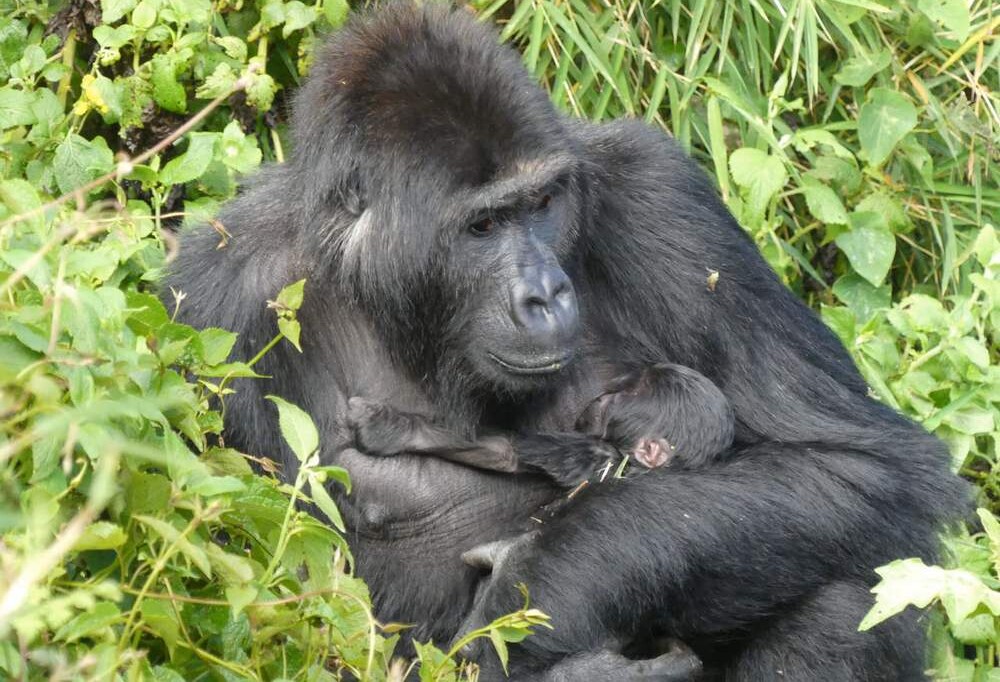
🦍
Rescued female gorilla gives birth in historic wild milestone
Geredde vrouwtjesgorilla bevalt in historisch natuurwonder
Une femelle gorille rescapée donne naissance dans un succès historique
I love hearing stories like this where dedicated conservation efforts truly pay off. A female eastern lowland gorilla named Lulingu, who was rescued from the illegal wildlife trade as a tiny baby, has just given birth in Virunga National Park. So: after years of rehabilitation at a sanctuary, she was returned to the wild and integrated with a local silverback's family. And here's the thing - this little infant isn't just an adorable newcomer, but a massive genetic boost for an isolated population. Which brings me to the best part, because both mother and baby are doing wonderfully well out in the wild.
Ik word echt ontzettend blij van verhalen waarin jarenlange natuurbescherming zo prachtig zijn vruchten afwerpt. Lulingu, een oostelijke laaglandgorilla die als piepjong weesje werd gered uit de illegale handel, is onlangs bevallen in het Virunga Nationaal Park. Nu, na een intensief revalidatietraject in een opvangcentrum keerde ze succesvol terug naar de wilde natuur. En hier is het mooie - deze geboorte is een enorme genetische opsteker voor een kleine, kwetsbare groep gorilla's. Dat brengt me bij het beste nieuws: zowel moeder als haar kersverse kleintje stellen het uitstekend in het wild.
J'adore ce genre d'histoire où la persévérance des protecteurs de la nature porte enfin ses fruits. Lulingu, une femelle gorille des plaines orientales sauvée du braconnage alors qu'elle n'était qu'un bébé, vient de donner naissance dans le parc national des Virunga. Alors voilà : après des années de réhabilitation dans un sanctuaire, elle a retrouvé la vie sauvage et s'est intégrée auprès d'un mâle à dos argenté. Et c'est là toute la beauté de la chose - ce petit nouveau représente un apport génétique vital pour cette population isolée. Ce qui m'amène au plus important : la maman et son petit se portent aujourd'hui à merveille.

🦅
How quiet weddings are bringing back India's vultures
Hoe stille bruiloften de gieren in India terugbrengen
Comment des mariages silencieux sauvent les vautours en Inde
I came across this wonderful story from Chirgaon in India, where the entire village decided to ban loud wedding DJs and firecrackers to protect nesting vultures. Now, vultures reproduce very slowly, and repeated human noise causes immense stress that drives parents away from their chicks. Thanks to these quiet celebrations, along with tree protection and local conservation efforts, the vulture population has surged from just 22 birds in 2002 to 347 in 2022. And here's the thing - it shows how a simple, thoughtful tweak to our daily human habits can create a safe haven for wildlife. It truly warms my heart to see community care translate into such a massive win for nature!
Ik kwam dit geweldige verhaal tegen uit Chirgaon in India, waar een heel dorp besloot om luide bruilofts-dj's en vuurwerk te verbieden om nestelende gieren te beschermen. Gieren planten zich namelijk bijzonder langzaam voort, en aanhoudend menselijk lawaai bezorgt de oudervogels zoveel stress dat ze hun kuikens verlaten. Dankzij deze stille feesten, samen met boombehoud en lokale beschermingsacties, groeide de populatie van slechts 22 vogels in 2002 naar maar liefst 347 in 2022. En hier zit de clou - het toont aan hoe een kleine, bedachtzame aanpassing in onze gewoonten een veilig toevluchtsoord voor wilde dieren kan creëren. Het doet me echt plezier om te zien hoe lokale zorgzaamheid leidt tot zo'n prachtige overwinning voor de natuur!
Je suis tombé sur cette histoire formidable venant de Chirgaon en Inde, où tout un village a décidé de bannir les DJ bruyants et les feux d'artifice lors des mariages pour protéger les vautours nicheurs. Les vautours se reproduisent très lentement, et le bruit humain incessant génère un stress intense qui pousse les parents à abandonner leurs petits. Grâce à ces célébrations paisibles, combinées à la protection des arbres et aux efforts locaux, leur population est passée de seulement 22 individus en 2002 à 347 en 2022. Et c'est là tout l'intérêt - cela prouve qu'un simple ajustement bienveillant de nos habitudes quotidiennes peut offrir un vrai havre de paix à la faune. Cela fait vraiment chaud au cœur de voir une communauté obtenir une si belle victoire pour la nature !

🌴
Turning fallen palm leaves into a million plates
Gevallen palmbladeren omtoveren tot een miljoen borden
Transformer les feuilles de palmier mortes en assiettes
I always love discovering how clever farmers can turn everyday agricultural waste into something brilliant. In India, researchers and local communities are taking fallen areca palm leaf sheaths and pressing them into fully biodegradable dining plates. And here's the thing - women's groups in Mizoram have already produced over 1.6 million of them, creating a fantastic new source of income. Even better, other parts of the palm are being used as nourishing livestock feed and protective tree shielding. It is just such a wonderfully practical cycle where absolutely nothing goes to waste.
Ik vind het altijd geweldig om te zien hoe slimme boeren alledaags landbouwafval omtoveren tot iets briljants. In India verzamelen onderzoekers en lokale gemeenschappen afgevallen bladschedes van de arecapalm om er biologisch afbreekbare borden van te persen. En hier komt het mooie - vrouwengroepen in Mizoram hebben er al meer dan 1,6 miljoen gemaakt, wat zorgt voor een fantastisch nieuw inkomen. Beter nog, andere delen van de palm worden gebruikt als voedzaam veevoer en als natuurlijke bescherming tegen felle zon. Het is werkelijk zo'n praktische kringloop waarbij werkelijk niets verloren gaat.
J'adore toujours découvrir comment des agriculteurs astucieux transforment des déchets ordinaires en quelque chose de tout à fait brillant. En Inde, des chercheurs et des communautés locales récupèrent les gaines foliaires tombées du palmier à bétel pour en faire des assiettes biodégradables. Et voici la bonne nouvelle - des groupes de femmes à Mizoram en ont déjà fabriqué plus de 1,6 million, créant ainsi une fantastique nouvelle source de revenus. Mieux encore, d'autres parties du palmier servent désormais de nourriture nutritive pour le bétail et de protection naturelle contre le soleil. C'est un cercle vertueux tellement inspirant où absolument rien n'est gaspillé.
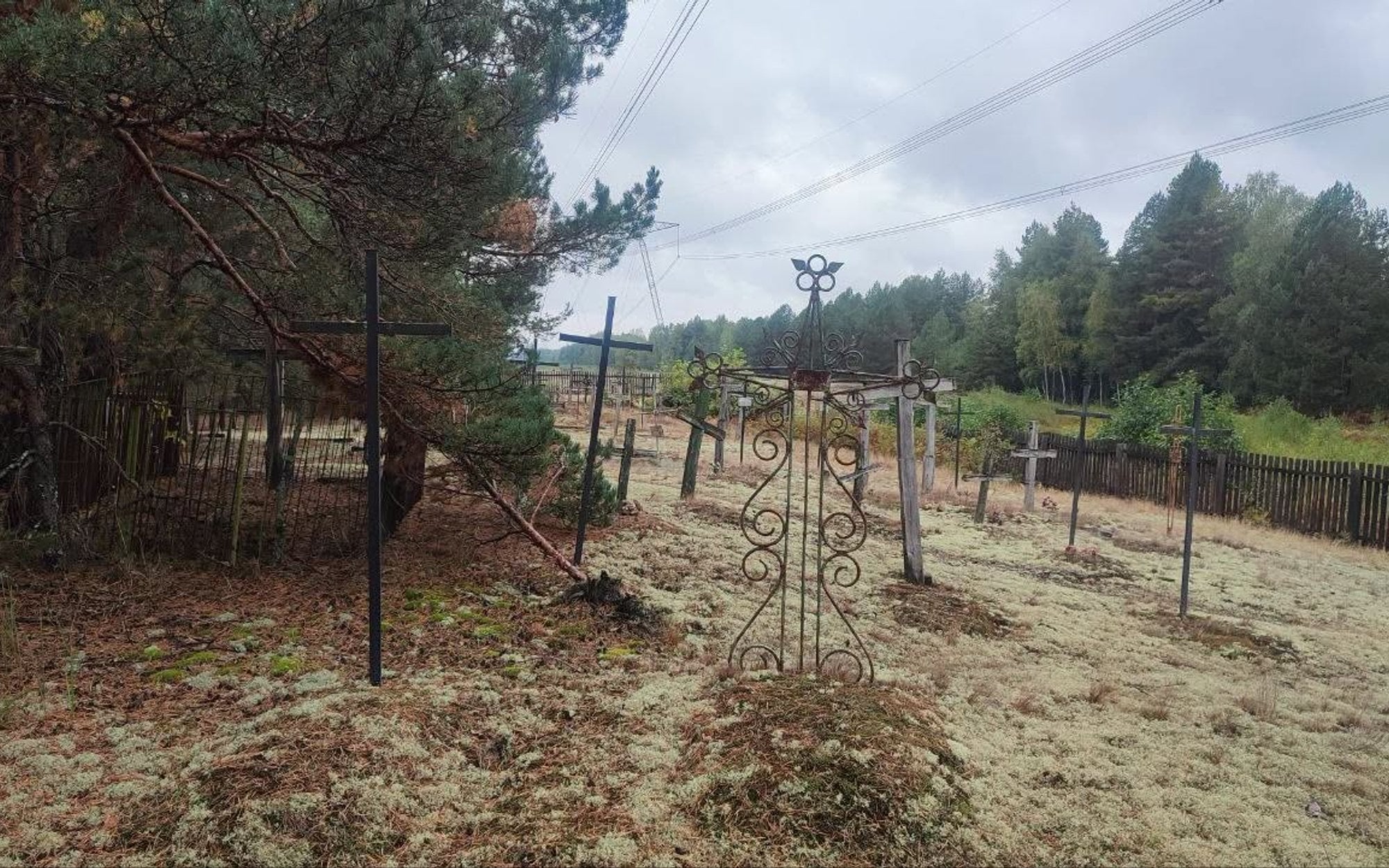
🌿
Chernobyl's abandoned cemeteries become havens for wild nature
Verlaten begraafplaatsen rond Tsjernobyl worden een toevluchtsoord voor de natuur
Les cimetières abandonnés de Tchernobyl deviennent des havres de nature sauvage
I came across this fascinating research from Ukraine, where scientists explored twenty-four abandoned cemeteries inside the Chernobyl exclusion zone. Because human activity abruptly ceased decades ago, these sacred sites have transformed into true sanctuaries of biodiversity. Researchers catalogued over four hundred vascular plant species, including remarkably rare specimens protected by international conventions. And here's the thing - they even discovered monumental old trees with massive trunks that have completely vanished from the surrounding commercial forests. It is a stunning reminder of just how resilient and creative nature can be when left undisturbed.
Ik kwam dit fascinerende onderzoek uit Oekraïne tegen, waar wetenschappers vierentwintig verlaten begraafplaatsen in de Tsjernobyl-zone hebben onderzocht. Omdat menselijke activiteit er plotseling stopte, zijn deze gewijde plekken veranderd in echte oases van biodiversiteit. De onderzoekers telden meer dan vierhonderd plantensoorten, waaronder uiterst zeldzame planten die strikt beschermd zijn. En hier is het bijzondere - ze ontdekten er zelfs gigantische oude bomen met enorme stamomtrekken die in de omringende bossen allang verdwenen zijn. Het toont nog maar eens aan hoe veerkrachtig en vindingrijk de natuur is wanneer we haar met rust laten.
Je suis tombé sur cette recherche fascinante venue d'Ukraine, où des scientifiques ont exploré vingt-quatre cimetières abandonnés dans la zone d'exclusion de Tchernobyl. Comme toute activité humaine s'y est arrêtée d'un coup, ces lieux sacrés sont devenus de véritables sanctuaires de biodiversité. Les chercheurs y ont recensé plus de quatre cents espèces végétales, dont certaines extrêmement rares et protégées au niveau international. Et voilà la belle surprise - ils y ont même découvert de vieux arbres monumentaux qui ont complètement disparu des forêts exploitées aux alentours. C'est une merveilleuse preuve de la résilience incroyable de la nature quand on lui laisse le champ libre.

🤫
The hospital that silenced the machines
Het ziekenhuis dat de machines stilkreeg
L'hôpital qui a fait taire les machines
Anyone who has ever spent time in a hospital knows the relentless soundtrack of beeping monitors, which is terrible for healing and completely exhausting for nurses. Now, a British hospital in Cornwall has taken a wonderfully clever approach by turning that noise into routed digital data instead of blaring acoustic alarms. Staff simply carry smart mobile devices that alert the right person directly, wiping out hundreds of pointless public buzzers every day. And here's the thing - patients finally get the quiet rest they need to actually recover, while medical teams avoid dangerous alarm fatigue. Which brings me to wonder why we didn't start doing this everywhere years ago!
Wie ooit in een ziekenhuis heeft gelegen, kent het eindeloze gepiep van al die monitors maar al te goed - doodvermoeiend voor patiënten én verpleegkundigen. Nu pakt een Brits ziekenhuis in Cornwall dit op een fantastisch slimme manier aan door al dat lawaai om te zetten in gerichte digitale data. Verpleegkundigen krijgen meldingen voortaan discreet op mobiele toestellen binnen, waardoor er dagelijks honderden storende belsignalen simpelweg verdwijnen. En hier zit de magie: patiënten krijgen eindelijk de nodige rust om te genezen en het personeel vermijdt gevaarlijke alarmmoeheid. Ik vind het echt een schitterend voorbeeld van technologie die zorg weer menselijker maakt!
Quiconque a déjà séjourné à l'hôpital connaît ce concert permanent de bips assourdissants, épuisant pour les patients comme pour les soignants. Un hôpital britannique des Cornouailles a trouvé une approche particulièrement brillante en transformant ce vacarme en données numériques ciblées. Au lieu d'alarmes hurlantes, les soignants reçoivent directement des alertes discrètes sur leurs appareils mobiles. Et voilà la bonne nouvelle: les patients profitent enfin du calme nécessaire pour guérir, tandis que le personnel évite une fatigue mentale considérable. C'est exactement le genre d'innovation technologique humaine et pragmatique que j'adore découvrir!
💊
New in Poland: the abortion pill from a vending machine
Nieuw in Polen: de abortuspil uit de abortomaat
Nouveau en Pologne: la pilule abortive dans un distributeur
I love seeing how creative people get when it comes to supporting each other. In Poland, advocates have introduced an innovative vending machine designed to provide safe access to abortion pills. Now, this bold move shows how practical grassroots solutions can really make a difference for healthcare and personal autonomy. And here's the thing - it opens up a compassionate, discreet pathway for people who truly need it most. It is always inspiring to see communities finding empowering ways forward.
Ik vind het geweldig om te zien hoe creatief mensen worden als het gaat om elkaar helpen. In Polen hebben activisten een innovatieve automaat geïntroduceerd om veilige toegang tot de abortuspil te bieden. Welnu, dit dappere initiatief laat zien hoe praktische oplossingen vanuit de gemeenschap echt een verschil maken voor gezondheidszorg en autonomie. En dat brengt me bij het belangrijkste punt - het zorgt voor een discrete en toegankelijke uitweg voor wie die nodig heeft. Het blijft inspirerend om te zien hoe solidariteit nieuwe wegen vindt.
J'adore voir à quel point les gens font preuve de créativité pour s'entraider. En Pologne, des militants ont mis en place un distributeur novateur permettant d'accéder facilement à la pilule abortive. Or, cette initiative audacieuse montre comment des solutions pratiques issues du terrain font une vraie différence pour la santé et l'autonomie. Et voici le point clé - cela ouvre une voie discrète et solidaire pour les personnes qui en ont le plus besoin. C'est toujours formidable de voir des solutions aussi émancipatrices émerger.

🐘
The elephant family gps that crosses borders
De familie-gps van olifanten over landsgrenzen heen
Le gps familial des éléphants qui traverse les frontières
I was completely fascinated reading about how elephant herds travel across the border between India and Nepal without any maps or technology. The oldest matriarch leads the way entirely by memory, guiding young calves through forests and across rushing rivers. And here's the thing - this is actual culture being passed down through generations, just like our grandmothers' unwritten recipes. Conservationists are working alongside local communities to keep these ancient forested corridors connected and safe. It really warms my heart to see such magnificent animals and humans finding thoughtful ways to share this living landscape together.
Ik vond het geweldig om te lezen hoe olifantenkuddes de grens tussen India en Nepal oversteken zonder enige kaarten of technologie. De oudste matriarch wijst de weg puur op geheugen en leidt jonge kalfjes door dichte bossen en over kolkende rivieren. En het mooie is: dit is echte cultuur die van generatie op generatie wordt doorgegeven, net zoals familierecepten bij ons. Lokale gemeenschappen en natuurbeschermers spannen zich nu samen in om deze oeroude corridors open en veilig te houden. Het stemt me ontzettend optimistisch om te zien hoe mens en dier hier harmonieus dezelfde leefruimte delen.
J'ai été absolument fasciné de découvrir comment des troupeaux d'éléphants traversent la frontière entre l'Inde et le Népal sans aucune technologie. La matriarche la plus âgée guide tout le groupe uniquement grâce à sa mémoire, apprenant aux petits à franchir forêts et rivières en toute sécurité. Et c'est là toute la beauté de la chose : il s'agit d'une véritable culture transmise de génération en génération. Les villageois et les défenseurs de la faune s'unissent pour préserver ces précieux couloirs de migration. Cela me rend tellement enthousiaste de voir des humains et des géants sauvages partager un tel espace de vie en harmonie.
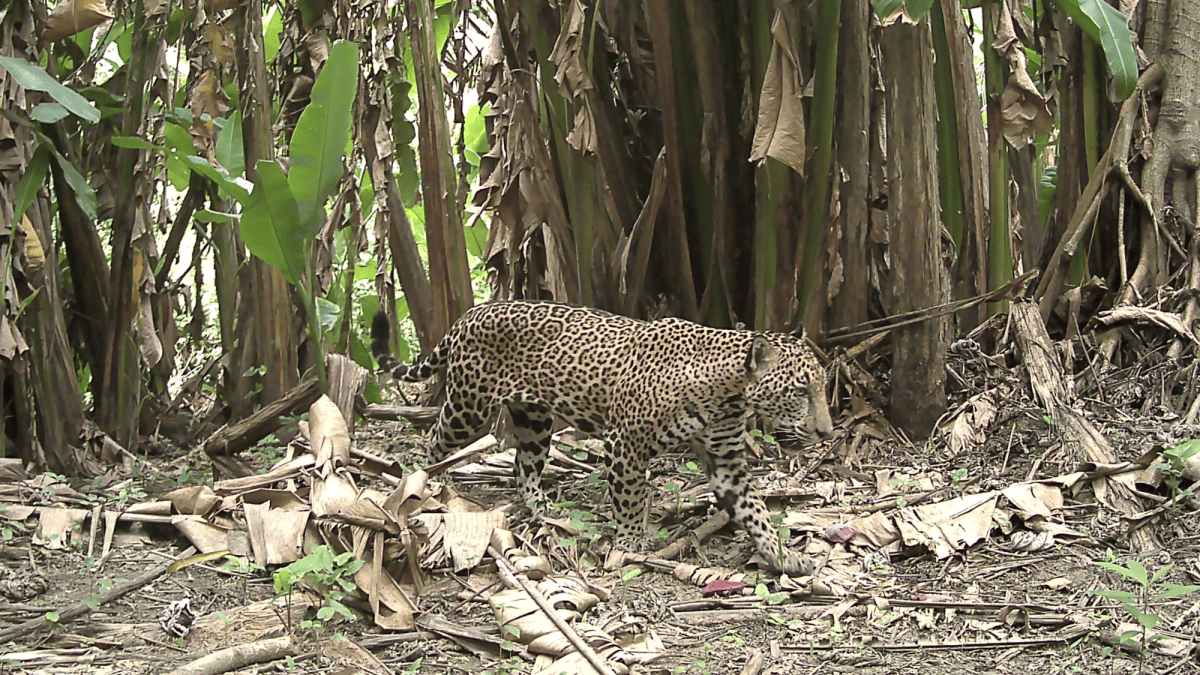
🐆
A rare jaguar sighting brings huge hope to guatemala
Een zeldzame jaguar brengt hoop in guatemala
Une rare photo de jaguar apporte un immense espoir au guatemala
I love it when nature gives us these little signs that conservation work truly makes a difference. A camera trap in Guatemala just captured an elusive male jaguar, a photo so rare that researchers say it only happens about once a decade! Now, the real magic here is that he was spotted in a crucial binational wildlife corridor connecting Guatemala and Honduras. This proves that these majestic big cats are still moving between populations despite growing human encroachment. And here's the thing - keeping these pathways open is not just vital for the jaguars, but it also protects precious water sources for hundreds of thousands of local people.
Ik vind het geweldig wanneer de natuur ons laat zien dat natuurbehoud echt werkt. Een cameraval in Guatemala heeft zojuist een zeldzame mannelijke jaguar vastgelegd, een beeld dat onderzoekers slechts eens in de tien jaar te zien krijgen! Het fantastische nieuws is dat hij rondliep in een speciale wildcorridor tussen Guatemala en Honduras. Dat bewijst zwart-op-wit dat deze prachtige dieren nog steeds migreren en genetisch verbonden blijven, ondanks toenemende menselijke druk. En weet je wat zo mooi is - deze beschermde zone bewaart niet alleen de leefomgeving van het dier, maar levert ook drinkwater aan meer dan 200.000 mensen.
J'adore quand la nature nous offre ces preuves tangibles que les efforts de conservation portent leurs fruits. Un piège photographique au Guatemala vient de capturer l'image d'un jaguar mâle, un cliché si exceptionnel qu'il n'arrive qu'une fois par décennie! Le point fascinant, c'est que l'animal empruntait un corridor écologique reliant le Guatemala et le Honduras. Cela prouve que ces magnifiques félins continuent de se déplacer et d'éviter l'isolement malgré la pression humaine. Et le plus beau dans tout ça - protéger ce passage vital permet aussi de préserver les réserves d'eau potable de plus de 200 000 habitants.

💊
Common headache pill could halve colon cancer recurrence
Gewone hoofdpijntablet kan risico op terugkeer darmkanker halveren
Un simple cachet contre les maux de tête pourrait réduire de moitié le risque de récidive du cancer du côlon
I am absolutely thrilled to share some incredible news from the medical world today. A major Nordic study has discovered that a simple, inexpensive aspirin can actually cut the risk of colon cancer recurrence in half for certain patients. It is just amazing how a common medication can be repurposed to save so many lives through precision medicine. Now, doctors are recommending genetic testing for tumors to identify exactly who can benefit from this treatment. And here is the thing - it really shows how sometimes the biggest breakthroughs come from the most unexpected places.
Ik ben ontzettend enthousiast om dit geweldige nieuws uit de medische wereld met jullie te delen. Een grote Scandinavische studie heeft ontdekt dat een simpel, goedkoop aspirientje het risico op terugkeer van darmkanker bij bepaalde patiënten echt kan halveren. Het is toch fantastisch hoe een alledaags medicijn via precisiegeneeskunde levens kan redden. Nu raden artsen genetische tests aan voor tumoren om precies te zien wie baat heeft bij deze behandeling. En weet je, dit laat maar weer eens zien dat de grootste doorbraken soms uit de meest onverwachte hoek komen.
Je suis absolument ravi de partager cette incroyable nouvelle venant du monde médical aujourd'hui. Une étude nordique majeure a découvert qu'une simple aspirine, peu coûteuse, peut réduire de moitié le risque de récidive du cancer du côlon chez certains patients. C'est tout simplement fascinant de voir comment un médicament courant peut être réutilisé pour sauver tant de vies grâce à la médecine de précision. Désormais, les médecins recommandent des tests génétiques sur les tumeurs pour identifier exactement qui peut bénéficier de ce traitement. Et voilà le point clé - cela montre vraiment que les plus grandes avancées viennent parfois des endroits les plus inattendus.
🐛
The fascinating life of the bagworm moth
Het fascinerende leven van de hoornzakdrager
La vie fascinante du psyché
I just stumbled upon the most incredible little creature called the bagworm moth, and I simply had to share it. It is absolutely brilliant how this tiny insect constructs its own protective home out of sand and silk. So: it spends its entire life inside this little pouch, carrying its house wherever it goes. Which brings me to the sheer ingenuity of nature - it is just mind-blowing what these small beings can achieve. And here's the thing, it really makes you appreciate the quiet, hidden wonders happening right under our noses.
Ik kwam net een ongelooflijk klein wezentje tegen, de hoornzakdrager, en ik moest dit gewoon met jullie delen. Het is werkelijk briljant hoe dit kleine insect zijn eigen beschermende huisje bouwt van zand en zijde. Dus: hij brengt zijn hele leven door in dit zakje en draagt zijn huis overal met zich mee. Wat me brengt bij de pure vindingrijkheid van de natuur - het is echt verbazingwekkend wat deze kleine beestjes kunnen bereiken. En weet je, het zorgt er echt voor dat je de stille, verborgen wonderen die zich vlak onder onze neus afspelen, meer gaat waarderen.
Je viens de tomber sur une petite créature absolument incroyable appelée le psyché, et je devais absolument partager cela avec vous. C'est vraiment brillant de voir comment ce minuscule insecte construit sa propre maison protectrice à partir de sable et de soie. Alors : il passe toute sa vie à l'intérieur de ce petit sac, transportant sa maison partout où il va. Ce qui m'amène à l'ingéniosité pure de la nature - c'est tout simplement époustouflant ce que ces petits êtres peuvent accomplir. Et voilà le truc, cela vous fait vraiment apprécier les merveilles silencieuses et cachées qui se produisent juste sous notre nez.

🌍
Elusive ‘geoneutrinos’ are building a new map of earth’s volatile interior
Ongrijpbare ‘geoneutrino’s’ bouwen aan een nieuwe kaart van het vluchtige binnenste van de aarde
Des ‘géoneutrinos’ insaisissables construisent une nouvelle carte de l’intérieur volatil de la terre
I find it absolutely fascinating how scientists are using these tiny, ghost-like particles called geoneutrinos to peek deep inside our planet. It is like having an X-ray machine for the Earth's core, helping us understand the radioactive heat that actually drives our tectonic plates. These researchers are working in incredibly deep underground labs, shielding their detectors from everything just to catch these rare signals. Which brings me to the JUNO experiment in China and SNO+ in Canada, which are really pushing the boundaries of what we know about our home. It is just brilliant to see how physics can reveal the secrets of the ground beneath our feet.
Ik vind het werkelijk fascinerend hoe wetenschappers deze piepkleine, spookachtige deeltjes genaamd geoneutrino's gebruiken om diep in onze planeet te kijken. Het is alsof we een röntgenapparaat hebben voor de kern van de aarde, wat ons helpt de radioactieve hitte te begrijpen die onze tektonische platen aandrijft. Deze onderzoekers werken in ongelooflijk diepe ondergrondse laboratoria en schermen hun detectoren volledig af om deze zeldzame signalen op te vangen. Dat brengt me bij het JUNO-experiment in China en SNO+ in Canada, die echt de grenzen verleggen van wat we weten over onze thuisplaneet. Het is gewoon briljant om te zien hoe natuurkunde de geheimen van de grond onder onze voeten kan onthullen.
Je trouve absolument fascinant la façon dont les scientifiques utilisent ces minuscules particules fantomatiques appelées géoneutrinos pour jeter un coup d'œil au plus profond de notre planète. C'est comme si nous avions une machine à rayons X pour le noyau terrestre, nous aidant à comprendre la chaleur radioactive qui anime réellement nos plaques tectoniques. Ces chercheurs travaillent dans des laboratoires souterrains incroyablement profonds, protégeant leurs détecteurs de tout juste pour capturer ces signaux rares. Ce qui m'amène à l'expérience JUNO en Chine et à SNO+ au Canada, qui repoussent vraiment les limites de ce que nous savons sur notre maison. C'est tout simplement brillant de voir comment la physique peut révéler les secrets du sol sous nos pieds.
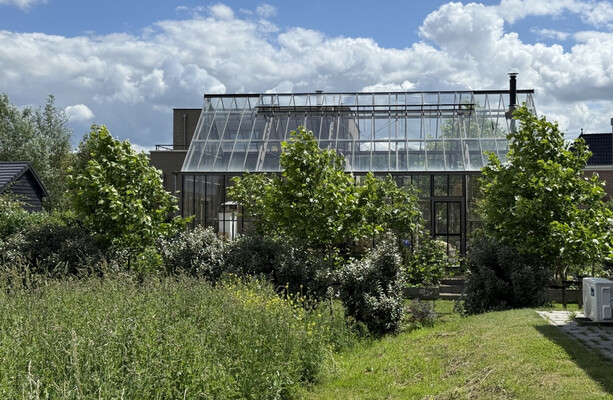
🥕
What if city living also meant you could grow your own food? one dutch community has it sussed
Wat als stadsleven ook betekende dat je je eigen voedsel kon verbouwen? een nederlandse gemeenschap heeft het begrepen
Et si la vie urbaine signifiait aussi pouvoir cultiver sa propre nourriture ? une communauté néerlandaise a trouvé la solution
I was reading about this fascinating experiment in the Netherlands called Oosterwold, and honestly, it just blew me away. Instead of the usual sprawl we see in Ireland, they have created a space where residents are actually required to grow food on half of their land. It is such a brilliant way to blend urban living with agriculture, creating these vibrant, connected communities. I love how it brings people together, whether they are passionate foodies or just looking for a more sustainable way to live. It really makes you think about how we could rethink our own planning back home.
Ik las over dit fascinerende experiment in Nederland genaamd Oosterwold, en eerlijk gezegd was ik er helemaal weg van. In plaats van de gebruikelijke wildgroei die we in Ierland zien, hebben ze een ruimte gecreëerd waar bewoners verplicht zijn om op de helft van hun grond voedsel te verbouwen. Het is zo'n briljante manier om stadsleven te combineren met landbouw, waardoor deze levendige, verbonden gemeenschappen ontstaan. Ik vind het geweldig hoe het mensen samenbrengt, of ze nu gepassioneerde fijnproevers zijn of gewoon op zoek zijn naar een duurzamere manier van leven. Het zet je echt aan het denken over hoe we onze eigen planning thuis zouden kunnen heroverwegen.
Je lisais des choses sur cette expérience fascinante aux Pays-Bas appelée Oosterwold, et honnêtement, j'ai été époustouflé. Au lieu de l'étalement urbain habituel que nous voyons en Irlande, ils ont créé un espace où les résidents sont en fait tenus de cultiver de la nourriture sur la moitié de leur terrain. C'est une façon tellement brillante de mélanger la vie urbaine et l'agriculture, en créant ces communautés dynamiques et connectées. J'adore la façon dont cela rassemble les gens, qu'ils soient des passionnés de gastronomie ou simplement à la recherche d'un mode de vie plus durable. Cela nous fait vraiment réfléchir à la façon dont nous pourrions repenser notre propre urbanisme chez nous.
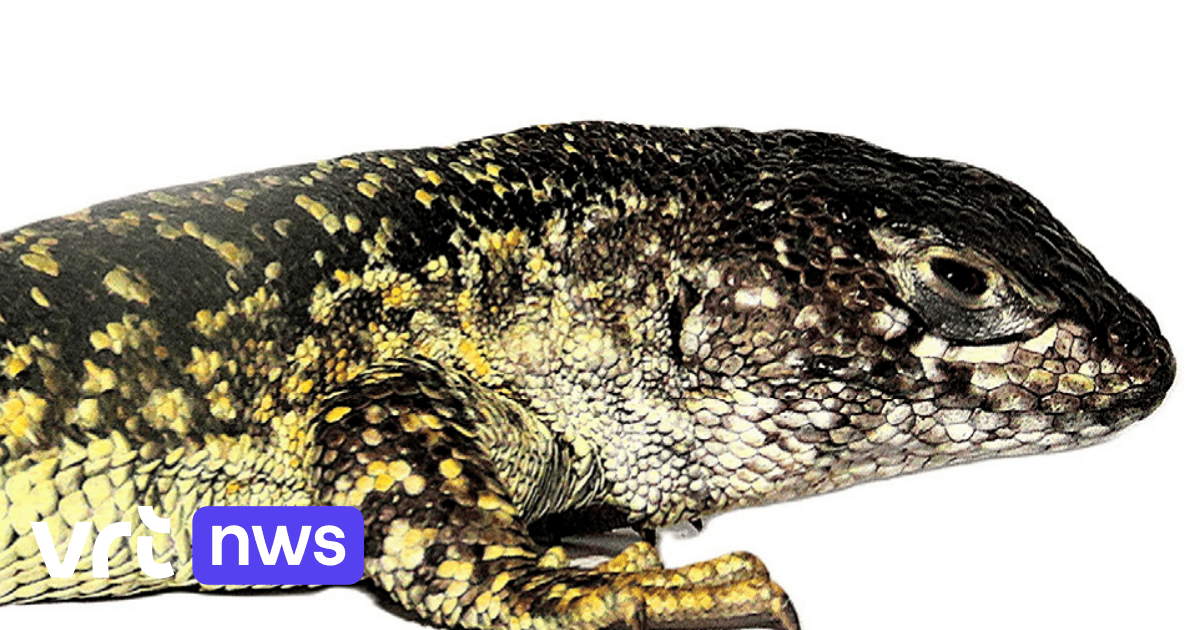
🦎
New lizard species discovered at extreme heights in the peruvian andes
Nieuwe hagedissensoort ontdekt op extreme hoogte in de peruaanse andes
Nouvelle espèce de lézard découverte à une altitude extrême dans les andes péruviennes
I just read about something truly fascinating happening high up in the Peruvian Andes. Scientists have managed to identify a brand new lizard species, Liolaemus arequipensis, which had been hiding in plain sight for quite a while. It turns out that these little creatures look so similar to their neighbors that it took some serious DNA work and scale counting to tell them apart. And here's the thing - they are perfectly adapted to survive in the extreme cold at altitudes of nearly 5,000 meters. It really makes you wonder what other hidden gems are waiting to be found in those mountains.
Ik las net iets ontzettend fascinerends over wat er zich hoog in de Peruaanse Andes afspeelt. Wetenschappers zijn erin geslaagd een gloednieuwe hagedissensoort te identificeren, de Liolaemus arequipensis, die al die tijd onopgemerkt bleef. Het blijkt dat deze beestjes zo hard op hun buren lijken dat er serieus DNA-onderzoek en schubbentellingen nodig waren om ze te onderscheiden. En hier komt het mooie - ze zijn perfect aangepast om te overleven in de extreme kou op hoogtes van bijna 5.000 meter. Het doet je echt afvragen welke andere verborgen schatten er nog in die bergen op ons wachten.
Je viens de lire quelque chose de vraiment fascinant qui se passe dans les Andes péruviennes. Des scientifiques ont réussi à identifier une toute nouvelle espèce de lézard, le Liolaemus arequipensis, qui était restée cachée sous nos yeux pendant un bon moment. Il s'avère que ces petites créatures ressemblent tellement à leurs voisines qu'il a fallu un sérieux travail d'analyse ADN et de comptage d'écailles pour les distinguer. Et voici le plus intéressant - ils sont parfaitement adaptés pour survivre dans le froid extrême à des altitudes de près de 5 000 mètres. Cela nous fait vraiment nous demander quels autres trésors cachés attendent d'être découverts dans ces montagnes.
⚛️
Scientists just made a superconductor stronger using empty space
Wetenschappers hebben een supergeleider sterker gemaakt met behulp van lege ruimte
Des scientifiques ont rendu un supraconducteur plus fort en utilisant le vide
So, I just read about this incredible breakthrough where researchers used quantum fluctuations to boost superconductivity. It turns out that empty space isn't actually empty, and by using a special cavity, these scientists managed to amplify those tiny fluctuations to improve material performance. Which brings me to the coolest part, they actually increased the critical temperature of the material significantly. And here's the thing, this opens up a whole new field called vacuumronics that could change how we control matter. I find it absolutely fascinating that we can harness the vacuum itself like this.
Ik las net over deze ongelooflijke doorbraak waarbij onderzoekers kwantumfluctuaties gebruikten om supergeleiding te versterken. Het blijkt dat lege ruimte helemaal niet leeg is, en door een speciale holte te gebruiken, slaagden deze wetenschappers erin die kleine fluctuaties te versterken om de prestaties van het materiaal te verbeteren. Dat brengt me bij het gaafste deel, ze hebben de kritieke temperatuur van het materiaal aanzienlijk verhoogd. En hier komt het, dit opent een heel nieuw veld genaamd vacuumronics dat zou kunnen veranderen hoe we materie controleren. Ik vind het absoluut fascinerend dat we het vacuüm zelf op deze manier kunnen benutten.
Alors, je viens de lire une nouvelle incroyable sur des chercheurs qui ont utilisé les fluctuations quantiques pour renforcer la supraconductivité. Il s'avère que le vide n'est pas vraiment vide, et en utilisant une cavité spéciale, ces scientifiques ont réussi à amplifier ces minuscules fluctuations pour améliorer les performances des matériaux. Ce qui m'amène à la partie la plus géniale, ils ont réussi à augmenter considérablement la température critique du matériau. Et voici le point important, cela ouvre un tout nouveau domaine appelé vacuumronics qui pourrait changer notre façon de contrôler la matière. Je trouve absolument fascinant que nous puissions exploiter le vide lui-même de cette manière.
🌑
Chang’e-6 lunar soil contains a surprising magnetic time capsule
Chang’e-6 maangrond bevat een verrassende magnetische tijdcapsule
Le sol lunaire de Chang’e-6 contient une surprenante capsule temporelle magnétique
So, I just read about this fascinating discovery from the Chang’e-6 mission, and it is honestly mind-blowing. Scientists found a rare form of iron hidden inside lunar impact glass that acts like a tiny magnetic time capsule. It seems these little particles can actually preserve magnetic information from the Moon's ancient past, which is just incredible. And here's the thing - this could completely change how we understand the magnetic history of our lunar neighbor. I am so excited to see what else these researchers uncover as they dig deeper into these samples.
Ik las net over deze fascinerende ontdekking van de Chang’e-6 missie, en het is werkelijk verbazingwekkend. Wetenschappers vonden een zeldzame vorm van ijzer verborgen in maanglas die fungeert als een kleine magnetische tijdcapsule. Het lijkt erop dat deze kleine deeltjes magnetische informatie uit het verre verleden van de maan kunnen bewaren, wat echt ongelooflijk is. En hier komt het - dit zou onze kijk op de magnetische geschiedenis van onze buurman in de ruimte volledig kunnen veranderen. Ik ben zo benieuwd wat deze onderzoekers nog meer zullen ontdekken terwijl ze deze monsters verder bestuderen.
Je viens de lire cette découverte fascinante concernant la mission Chang’e-6, et c'est vraiment époustouflant. Des scientifiques ont trouvé une forme rare de fer cachée dans du verre d'impact lunaire qui agit comme une minuscule capsule temporelle magnétique. Il semble que ces petites particules puissent réellement préserver des informations magnétiques sur le passé lointain de la Lune, ce qui est tout simplement incroyable. Et voici le point clé - cela pourrait complètement changer notre compréhension de l'histoire magnétique de notre voisine lunaire. J'ai tellement hâte de voir ce que ces chercheurs vont découvrir d'autre en étudiant ces échantillons.
🔭
Nasa's roman telescope just opened its planet-hunting eye
De roman-telescoop van nasa heeft zijn planeetjagersoog geopend
Le télescope roman de la nasa vient d'ouvrir son œil de chasseur de planètes
So, I was just reading about the Nancy Grace Roman Space Telescope, and it is absolutely incredible to see it in action. The engineers have successfully tested its fine-guidance system, which basically means this telescope can stay incredibly steady while looking at the stars. It is like trying to keep a laser focused on a tiny coin from hundreds of miles away, which is just mind-blowing to me. And here is the thing: this stability is going to let us see faint planets that were previously hidden by starlight. I am honestly so excited to see what kind of discoveries this new eye in the sky will bring us.
Ik zat net te lezen over de Nancy Grace Roman-ruimtetelescoop en het is werkelijk ongelooflijk om hem in actie te zien. De ingenieurs hebben het fijnregelsysteem succesvol getest, wat in feite betekent dat deze telescoop extreem stabiel kan blijven terwijl hij naar de sterren kijkt. Het is alsof je probeert een laser gericht te houden op een kleine munt van honderden kilometers afstand, wat ik echt verbazingwekkend vind. En hier komt het: deze stabiliteit zal ons in staat stellen zwakke planeten te zien die voorheen verborgen waren door sterrenlicht. Ik ben oprecht zo enthousiast om te zien wat voor ontdekkingen dit nieuwe oog in de lucht ons zal brengen.
Je viens de lire des choses sur le télescope spatial Nancy Grace Roman, et c'est absolument incroyable de le voir en action. Les ingénieurs ont testé avec succès son système de guidage précis, ce qui signifie en gros que ce télescope peut rester incroyablement stable en observant les étoiles. C'est comme essayer de garder un laser focalisé sur une toute petite pièce de monnaie à des centaines de kilomètres de distance, ce qui me laisse vraiment sans voix. Et voici le truc : cette stabilité va nous permettre de voir des planètes faibles qui étaient auparavant cachées par la lumière des étoiles. Je suis honnêtement tellement impatient de voir quel genre de découvertes ce nouvel œil dans le ciel va nous apporter.

🚀
Victor Glover looks beyond the Moon toward Mars
Victor Glover kijkt voorbij de maan, richting Mars
Victor Glover regarde au-delà de la Lune, vers Mars
So, after flying around the Moon as Artemis 2 pilot, Victor Glover says the bigger goal is getting humans to Mars, not simply beating China to the lunar finish line. The historic mission made him one of the people who have traveled farthest from Earth, and the first Black astronaut to journey to the Moon. Now retired from active astronaut duties, he plans to return to the California university where he studied and met his wife, while continuing to support NASA as an astronaut emeritus. He also reflects on the moving connection with his family during quarantine and will share his experiences at the Starmus Festival in La Palma.
Na zijn vlucht rond de maan als piloot van Artemis 2 zegt Victor Glover dat het grotere doel is om mensen naar Mars te brengen, en niet simpelweg China voor te zijn bij de maan. Dankzij de historische missie behoort hij tot de mensen die het verst van de aarde hebben gereisd, en werd hij de eerste zwarte astronaut die naar de maan reisde. Nu hij geen actieve astronaut meer is, wil hij terugkeren naar de Californische universiteit waar hij studeerde en zijn vrouw ontmoette, terwijl hij NASA blijft ondersteunen als astronaut-emeritus. Ook vertelt hij over de ontroerende band met zijn gezin tijdens de quarantaine en deelt hij zijn ervaringen op het Starmus Festival op La Palma.
Après avoir fait le tour de la Lune comme pilote d’Artemis 2, Victor Glover affirme que le grand objectif est d’envoyer des humains sur Mars, et non de simplement devancer la Chine dans la course lunaire. Cette mission historique l’a placé parmi les humains qui se sont le plus éloignés de la Terre et a fait de lui le premier astronaute noir à voyager jusqu’à la Lune. Désormais retraité du service actif, il compte retourner à l’université californienne où il a étudié et rencontré son épouse, tout en continuant à soutenir la NASA comme astronaute émérite. Il évoque aussi le lien émouvant avec sa famille pendant la quarantaine et partagera son expérience au festival Starmus, sur l’île de La Palma.
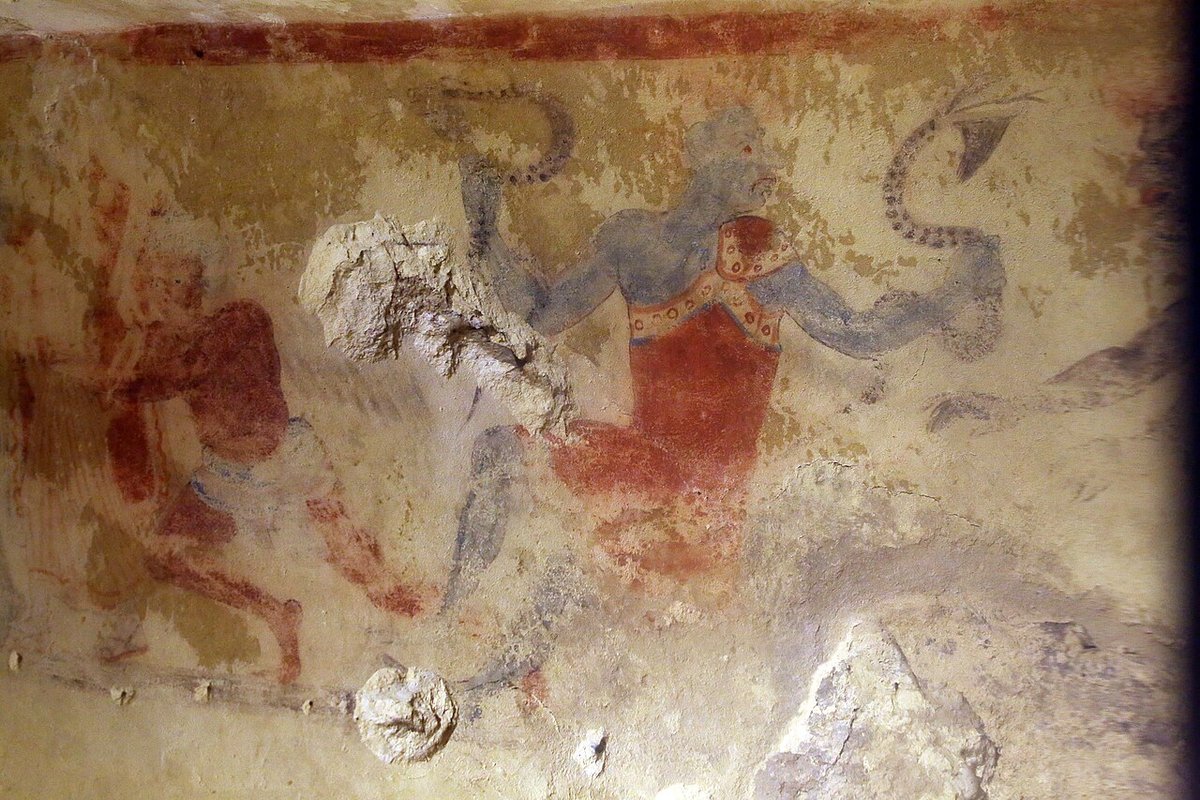
🏛️
How AI brings ancient Etruscan tombs back to life
Hoe AI oude Etruskische tombes tot leven wekt
Comment l’IA redonne vie aux tombes étrusques
I find it fascinating that ancient Etruscan tombs may have been designed as immersive experiences, not just places to bury the dead. Researchers combined AI, acoustic analysis and visual reconstructions to study two painted tombs from the fifth century BC. Their work suggests that echoing sounds, flickering torchlight and ritual scents shaped how visitors experienced the scenes around them. So these remarkable spaces may also have helped families honour their ancestors and sustain their legacy.
Ik vind het fascinerend dat oude Etruskische tombes mogelijk als meeslepende ervaringen zijn ontworpen, en niet alleen als rustplaats voor de doden. Onderzoekers combineerden AI, akoestische analyses en visuele reconstructies om twee beschilderde tombes uit de vijfde eeuw voor Christus te bestuderen. Hun onderzoek wijst erop dat echo’s, flakkerend fakkellicht en rituele geuren de beleving van bezoekers vormgaven. Zo hielpen deze bijzondere ruimtes families mogelijk ook om hun voorouders te eren en hun nalatenschap levend te houden.
Je trouve fascinant que les anciennes tombes étrusques aient peut-être été conçues comme des expériences immersives, et pas seulement comme des lieux où enterrer les morts. Des chercheurs ont combiné l’IA, l’analyse acoustique et des reconstitutions visuelles pour étudier deux tombes peintes du cinquième siècle avant notre ère. Leurs travaux suggèrent que les échos, la lumière vacillante des torches et les parfums rituels façonnaient l’expérience des visiteurs. Ces lieux remarquables aidaient peut-être aussi les familles à honorer leurs ancêtres et à faire perdurer leur héritage.

🩺
How AI is helping Mexico detect breast cancer earlier
Hoe AI Mexico helpt borstkanker eerder op te sporen
Comment l’IA aide le Mexique à détecter plus tôt le cancer du sein
Mexico is using AI to speed up breast cancer detection as long waits and a shortage of specialists make screening more difficult. At one hospital, the technology flags suspicious scans for specialists to review. They can assess the images remotely, helping more people access expert attention. It’s a promising way to bring potential cases to specialists sooner.
Mexico zet AI in om borstkanker sneller op te sporen, nu lange wachttijden en een tekort aan specialisten screenings bemoeilijken. In een ziekenhuis markeert de technologie verdachte scans voor beoordeling door specialisten. Zij kunnen de beelden op afstand bekijken, zodat meer mensen toegang krijgen tot deskundige zorg. Zo kunnen mogelijke gevallen eerder onder de aandacht van specialisten komen.
Le Mexique utilise l’IA pour accélérer le dépistage du cancer du sein, alors que les longues attentes et le manque de spécialistes compliquent les examens. Dans un hôpital, la technologie signale les images suspectes afin que des spécialistes les examinent. Ceux-ci peuvent analyser les clichés à distance, ce qui facilite l’accès à leur expertise. Cette approche prometteuse peut permettre de leur transmettre plus rapidement les cas possibles.

🦍
Mountain gorilla numbers rise to 1,063 as officials warn against illegal tracking
Aantal berggorilla’s stijgt tot 1.063 terwijl officials waarschuwen voor illegale tracking
La population de gorilles de montagne atteint 1 063 individus, malgré les alertes contre le suivi illégal
So, there’s encouraging news for mountain gorillas: their population in Uganda, Rwanda and the Democratic Republic of Congo has grown to 1,063, up from about 300 in 1990. Uganda is home to 459 of them in Bwindi Impenetrable National Park. Conservation officials credit habitat protection, regular monitoring, law enforcement and stronger community involvement for the increase. They also called for more support for local residents and warned that illegal tracking puts conservation and tourism at risk.
Er is goed nieuws voor de berggorilla’s: hun populatie in Oeganda, Rwanda en de Democratische Republiek Congo is gegroeid tot 1.063, tegenover ongeveer 300 in 1990. In het Bwindi Impenetrable National Park in Oeganda leven er 459. Natuurbeschermers schrijven de groei toe aan de bescherming van leefgebieden, regelmatige monitoring, wetshandhaving en meer betrokkenheid van lokale gemeenschappen. Tegelijk vragen ze om meer steun voor omwonenden en waarschuwen ze dat illegale tracking zowel natuurbehoud als toerisme schaadt.
Bonne nouvelle pour les gorilles de montagne : leur population en Ouganda, au Rwanda et en République démocratique du Congo atteint désormais 1 063 individus, contre environ 300 en 1990. Le parc national impénétrable de Bwindi, en Ouganda, en abrite 459. Les responsables de la conservation attribuent cette hausse à la protection des habitats, au suivi régulier, à l’application de la loi et à une participation accrue des communautés. Ils réclament aussi davantage de soutien pour les habitants et avertissent que le suivi illégal menace la conservation et le tourisme.
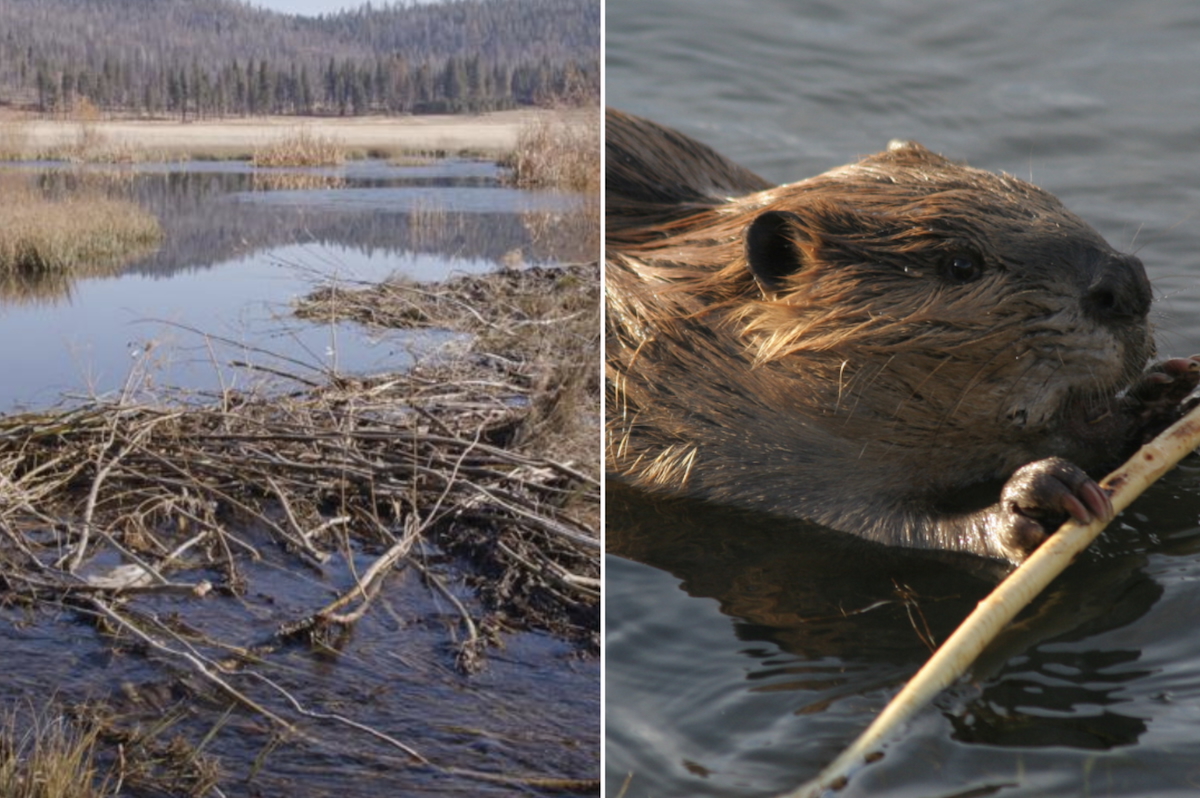
🦫
California brought back beavers after 70 years, with remarkable results
Californië haalde na 70 jaar bevers terug, met opmerkelijke resultaten
La Californie a réintroduit des castors après 70 ans, avec des résultats remarquables
So, a centuries-old beaver pictograph helped inspire the Tule River Tribe to rethink how it could respond to drought. Working with California wildlife officials and other tribal partners, the state began relocating beavers again in 2021, after nearly 75 years. Seven beavers were released in 2023, and by September 2024, 28 had made new homes across five sites. At Tásmam Koyóm, their 328-foot dam has helped create wetlands and increase water coverage by more than 22% - nature’s engineers are already making a splash.
Een eeuwenoude beverafbeelding gaf de Tule River-stam inspiratie om anders na te denken over de aanpak van droogte. Samen met Californische natuurbeschermers en andere stammen begon de staat in 2021 opnieuw bevers te verplaatsen, na bijna 75 jaar. In 2023 werden zeven bevers uitgezet; tegen september 2024 waren dat er 28, verspreid over vijf locaties. In Tásmam Koyóm hielp hun dam van 100 meter wetlands te creëren en het wateroppervlak met meer dan 22% te vergroten - deze natuurbouwers laten nu al zien wat ze kunnen.
Une ancienne représentation de castor a inspiré la tribu Tule River à repenser sa réponse à la sécheresse. En partenariat avec les services californiens de la faune et d’autres tribus, l’État a recommencé à déplacer des castors en 2021, après près de 75 ans d’interruption. Sept castors ont été relâchés en 2023 et, en septembre 2024, ils étaient 28 répartis sur cinq sites. À Tásmam Koyóm, leur barrage de 100 mètres a contribué à créer des zones humides et à accroître de plus de 22 % la surface couverte d’eau - les ingénieurs de la nature sont déjà à l’œuvre.

📚
How Estonia built Europe’s top-performing school system
Hoe Estland het best presterende schoolsysteem van Europa opbouwde
Comment l’Estonie a bâti le système scolaire le plus performant d’Europe
So, Estonia’s strong PISA results are rooted in a deep respect for education, which many see as vital both for personal opportunity and national security. In a Tallinn classroom, focused discussion and calm turn-taking offer a striking contrast with the disorder some Swedish schools face. Yet Estonian teachers and students say reading is getting harder, and teenagers are reading less than before. The challenge now is to nurture deeper reading and reflection in a world of fast-moving social media.
De sterke PISA-resultaten van Estland zijn geworteld in een groot respect voor onderwijs, dat velen belangrijk vinden voor persoonlijke kansen én de veiligheid van het land. In een klaslokaal in Tallinn zorgen aandachtige gesprekken en rustige beurtwisseling voor een opvallend contrast met de wanorde die sommige Zweedse scholen kennen. Toch zeggen Estse docenten en leerlingen dat lezen moeilijker wordt en tieners minder lezen dan vroeger. De uitdaging is nu om diepgaand lezen en nadenken te stimuleren in een wereld van snelle sociale media.
Les bons résultats de l’Estonie aux tests PISA reposent sur un profond respect pour l’éducation, que beaucoup jugent essentielle aux perspectives individuelles comme à la sécurité du pays. Dans une classe de Tallinn, les échanges attentifs et le calme dans la prise de parole contrastent fortement avec le désordre observé dans certaines écoles suédoises. Pourtant, enseignants et élèves estoniens constatent que la lecture devient plus difficile et que les adolescents lisent moins qu’avant. Le défi consiste désormais à encourager une lecture approfondie et la réflexion dans un monde dominé par les réseaux sociaux et leur flux rapide.
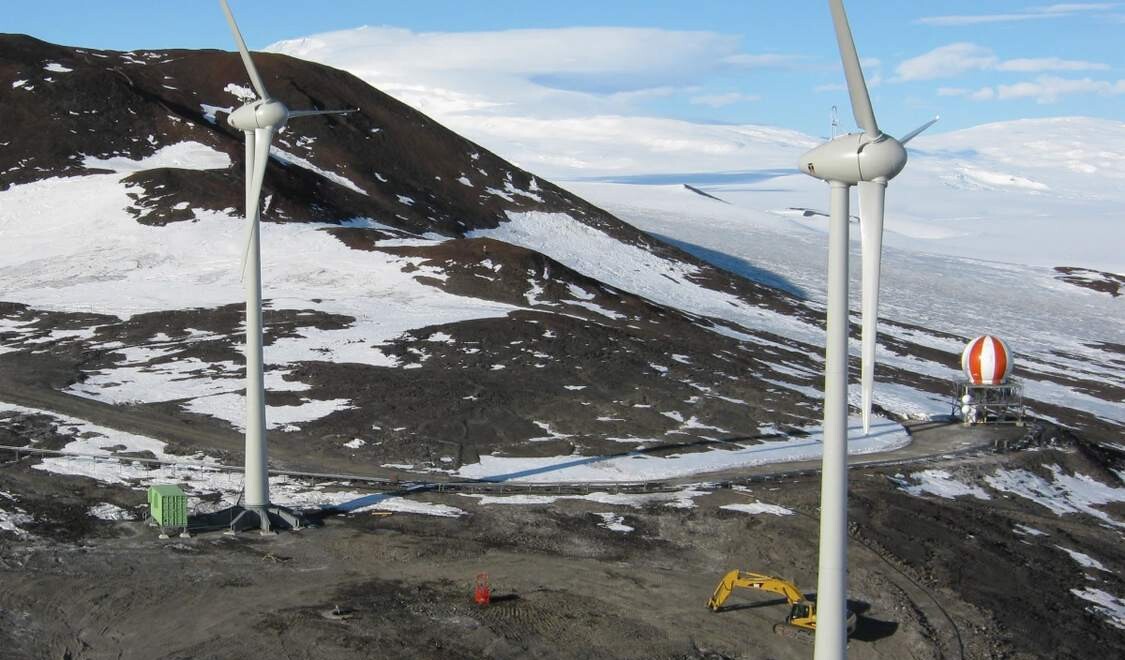
🌬️
Antarctica’s wind farm saves 122,000 gallons of diesel
Het windpark op Antarctica bespaart 122.000 gallons diesel
Le parc éolien antarctique économise 122 000 gallons de diesel
So: three sturdy wind turbines on Ross Island have helped power McMurdo Station and Scott Base for 15 years, saving an estimated 122,000 gallons of diesel. Built to withstand fierce winds and temperatures of -30°C, they’ve shown that renewable energy can thrive even in Antarctica’s extreme conditions. The wind farm has also helped cut operating costs and prevented an estimated 1,200 tons of carbon dioxide emissions. And here’s the next step: larger turbines and battery storage are planned to replace the originals when they reach the end of their working lives in 2030.
Drie stevige windturbines op Ross Island helpen al 15 jaar McMurdo Station en Scott Base van stroom te voorzien en hebben naar schatting 122.000 gallons diesel bespaard. Ze zijn gebouwd om zware stormwinden en temperaturen van -30 °C te doorstaan en bewijzen dat hernieuwbare energie zelfs in de extreme omstandigheden van Antarctica goed kan werken. Het windpark heeft ook de bedrijfskosten verlaagd en naar schatting 1.200 ton CO₂-uitstoot voorkomen. En er komt een volgende stap: wanneer de huidige turbines in 2030 aan het einde van hun levensduur zijn, worden ze vervangen door grotere turbines met batterijopslag.
Trois éoliennes robustes installées sur l’île de Ross contribuent depuis 15 ans à alimenter la station McMurdo et la base Scott, économisant ainsi environ 122 000 gallons de diesel. Conçues pour résister aux vents violents et à des températures de -30 °C, elles prouvent que les énergies renouvelables peuvent aussi fonctionner dans les conditions extrêmes de l’Antarctique. Le parc a également réduit les coûts d’exploitation et évité, selon les estimations, 1 200 tonnes d’émissions de CO₂. Et la suite se prépare déjà : à la fin de leur vie utile, en 2030, les turbines actuelles seront remplacées par des modèles plus puissants équipés de batteries.
🧪
Mobile Ebola lab speeds up diagnosis in Congo
Mobiel ebolalaboratorium versnelt diagnoses in Congo
Un laboratoire mobile accélère le diagnostic d’Ebola au Congo
So: healthcare workers in Butembo, eastern Democratic Republic of Congo, are using a mobile lab to test samples from suspected Ebola cases. Results that once took up to 72 hours can now arrive within 24 hours, and sometimes in as little as six. A negative-pressure system helps protect technicians and the surrounding environment while they work inside the trucks. Because the lab can be moved closer to affected communities, faster results help guide patients to care and get confirmed cases treated sooner.
In Butembo, in het oosten van de Democratische Republiek Congo, gebruiken zorgverleners een mobiel laboratorium om monsters van vermoedelijke ebolapatiënten te testen. Waar uitslagen vroeger tot 72 uur op zich konden laten wachten, zijn ze nu binnen 24 uur beschikbaar en soms al na zes uur. Een systeem met negatieve druk helpt de technici en hun omgeving te beschermen terwijl ze in de vrachtwagens werken. Doordat het laboratorium naar getroffen gemeenschappen kan worden verplaatst, helpen snellere uitslagen patiënten sneller de juiste zorg te geven en bevestigde gevallen eerder te behandelen.
À Butembo, dans l’est de la République démocratique du Congo, les soignants utilisent un laboratoire mobile pour analyser les prélèvements de personnes susceptibles d’avoir Ebola. Les résultats, qui pouvaient auparavant prendre jusqu’à 72 heures, sont désormais disponibles en moins de 24 heures et parfois en seulement six heures. Un système à pression négative contribue à protéger les techniciens et leur environnement lorsqu’ils travaillent dans les camions. Comme le laboratoire peut être déplacé près des communautés touchées, les résultats plus rapides aident à orienter les patients et à traiter plus tôt les cas confirmés.

💧
Two brothers build a machine to tackle arsenic in Bihar’s water
Twee broers bouwen een machine tegen arseen in het water van Bihar
Deux frères inventent une machine contre l’arsenic dans l’eau du Bihar
In Bihar’s Simri block, tests found arsenic levels reaching 704.4 ppb - more than 70 times the safe guideline. The contaminant is invisible, and hand pumps remain the only water source for some families, putting millions of rural residents at risk. So, brothers Arpit and Abhijeet turned a school project into a magnetic filtration technology that targets arsenic at the molecular level. Their approach uses magnetic separation rather than conventional consumables or chemicals, offering an encouraging new way to address a serious challenge.
In het blok Simri in Bihar werden arseengehaltes tot 704,4 ppb gemeten - ruim 70 keer de richtwaarde. De verontreiniging is onzichtbaar, en voor sommige gezinnen blijven handpompen de enige waterbron, waardoor miljoenen plattelandsbewoners risico lopen. Daarom maakten de broers Arpit en Abhijeet van een schoolproject een magnetische filtertechnologie die arseen op moleculair niveau aanpakt. Hun methode gebruikt magnetische scheiding in plaats van traditionele verbruiksmaterialen of chemicaliën en biedt zo een hoopgevende nieuwe aanpak voor dit ernstige probleem.
Dans le bloc de Simri, au Bihar, des analyses ont révélé des taux d’arsenic atteignant 704,4 ppb - soit plus de 70 fois la limite recommandée. Ce contaminant est invisible et, pour certaines familles, les pompes à main restent la seule source d’eau, exposant des millions d’habitants des zones rurales. C’est ainsi que les frères Arpit et Abhijeet ont transformé un projet scolaire en une technologie de filtration magnétique qui cible l’arsenic au niveau moléculaire. Leur méthode repose sur la séparation magnétique plutôt que sur des consommables ou des produits chimiques classiques, une piste encourageante face à ce problème grave.

🏔️
After a near-fatal fall on Everest, he built a team that has helped save 400 soldiers
Na een bijna fatale val op de Everest bouwde hij een team dat 400 soldaten hielp redden
Après une chute presque fatale sur l’Everest, il a créé une équipe qui a aidé à sauver 400 soldats
After a near-fatal fall into a crevasse on Everest, climber Hemant Sachdev was saved by a friend with the right rescue skills. That experience stayed with him, and in 2016 he founded Tiranga Mountain Rescue, India’s first professional mountain and avalanche rescue organisation. Its 16 specialist teams now work in harsh, avalanche-prone regions, mobilising within minutes to support soldiers and emergency agencies. And here’s the thing: their efforts have helped save around 400 Indian soldiers.
Toen klimmer Hemant Sachdev op de Everest bijna fataal in een gletsjerspleet viel, werd hij gered door een vriend met de juiste reddingsvaardigheden. Die ervaring bleef hem bij en in 2016 richtte hij Tiranga Mountain Rescue op, de eerste professionele berg- en lawinereddingsorganisatie van India. De 16 gespecialiseerde teams werken nu in ruige, lawinegevoelige gebieden en komen binnen enkele minuten in actie om soldaten en hulpdiensten te ondersteunen. En dat is bijzonder: hun werk heeft ongeveer 400 Indiase soldaten geholpen redden.
Après une chute dans une crevasse sur l’Everest qui aurait pu lui coûter la vie, l’alpiniste Hemant Sachdev a été sauvé par un ami doté des compétences nécessaires. Cette expérience l’a marqué et, en 2016, il a fondé Tiranga Mountain Rescue, la première organisation professionnelle de secours en montagne et en avalanche en Inde. Ses 16 équipes spécialisées interviennent désormais dans des régions difficiles et exposées aux avalanches, en quelques minutes, pour soutenir les soldats et les services d’urgence. Et voici ce qui est remarquable : leurs opérations ont contribué à sauver environ 400 soldats indiens.
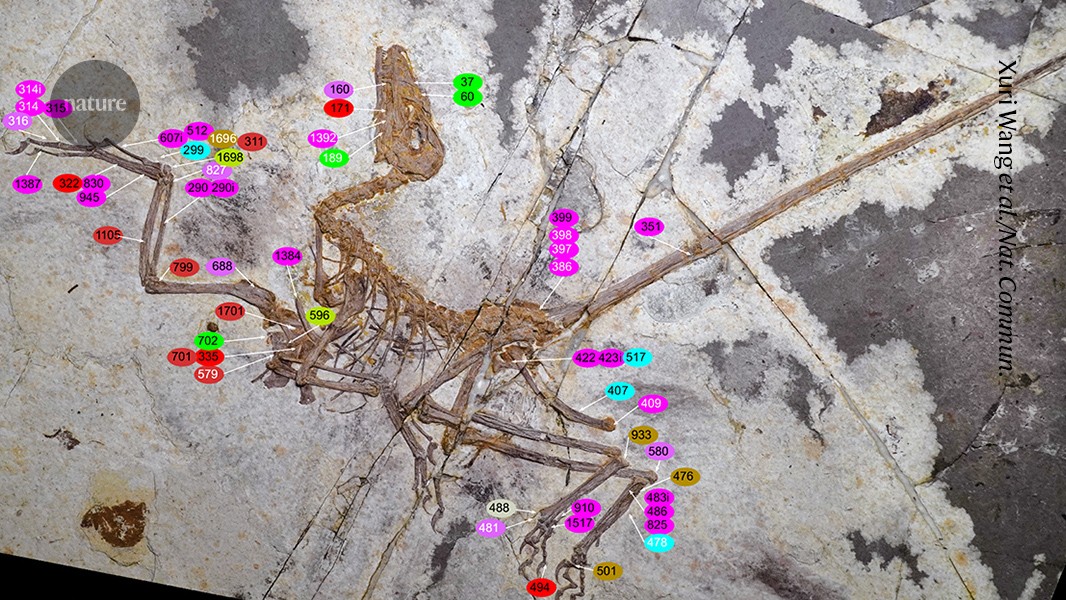
🦖
Stunning fossil reveals dinosaurs' distinctive path to flight
Prachtig fossiel toont de eigen route van dinosauriërs naar het vliegen
Un fossile spectaculaire révèle la voie singulière des dinosaures vers le vol
So: a remarkably well-preserved fossil has revealed Norellraptor barsboldi, a feathered dinosaur with traces of feathers on its forelimbs, hind limbs and tail. This small microraptorine lived in what is now China and offers fresh clues about how flight evolved. Researchers found that about 30% of its flight-related adaptations also appeared in birds, but the features developed in a different order. And here's the thing: that difference supports the idea that feathered dinosaurs evolved flight more than once.
Een uitzonderlijk goed bewaard fossiel heeft Norellraptor barsboldi aan het licht gebracht, een gevederde dinosaurus met sporen van veren aan de voorpoten, achterpoten en staart. Deze kleine microraptorine leefde in het huidige China en geeft nieuwe aanwijzingen over het ontstaan van vliegen. Onderzoekers ontdekten dat ongeveer 30% van de aan vliegen gerelateerde aanpassingen ook bij vogels voorkwam, al ontwikkelden die kenmerken zich in een andere volgorde. Dat verschil ondersteunt het idee dat gevederde dinosauriërs het vliegen meer dan eens ontwikkelden.
Un fossile remarquablement bien conservé a révélé Norellraptor barsboldi, un dinosaure à plumes dont les membres avant et arrière ainsi que la queue portent des traces de plumage. Cette petite microraptorine vivait dans l’actuelle Chine et apporte de nouveaux indices sur l’évolution du vol. Les chercheurs ont constaté qu’environ 30 % de ses adaptations liées au vol existaient aussi chez les oiseaux, mais que ces caractères étaient apparus dans un ordre différent. Cette différence renforce l’idée que les dinosaures à plumes ont développé le vol à plusieurs reprises.

🌱
The instrument that made plant growth visible
Het instrument dat plantengroei zichtbaar maakte
L’instrument qui a rendu visible la croissance des plantes
Here’s the thing: plants are always growing, but their movements were far too slow for the eye to catch. More than a century ago, Indian physicist Jagadish Chandra Bose created the crescograph, using sensitive mechanical and optical systems to magnify tiny movements up to 10,000 times, while later magnetic versions reportedly reached millions. The instrument let researchers record plant growth and study how plants responded to light, temperature, chemicals and touch. So, Bose turned an almost invisible process into something measurable, opening a fascinating new path for plant science.
Planten groeien voortdurend, maar hun bewegingen verlopen zo traag dat je ze niet met het blote oog kunt volgen. Meer dan een eeuw geleden bouwde de Indiase natuurkundige Jagadish Chandra Bose de crescograaf, een toestel dat minuscule bewegingen tot wel 10.000 keer vergrootte; latere magnetische versies zouden zelfs een vergroting van miljoenen keren hebben bereikt. Zo konden onderzoekers plantengroei vastleggen en nagaan hoe planten reageren op licht, temperatuur, chemicaliën en aanraking. Bose maakte een haast onzichtbaar proces meetbaar en opende daarmee een boeiende nieuwe weg voor de plantenwetenschap.
Les plantes poussent sans cesse, mais leurs mouvements sont trop lents pour être suivis à l’œil nu. Il y a plus d’un siècle, le physicien indien Jagadish Chandra Bose a conçu le crescographe, un instrument qui amplifiait ces infimes mouvements jusqu’à 10 000 fois, tandis que des versions magnétiques ultérieures auraient atteint une amplification de plusieurs millions. Les chercheurs pouvaient ainsi enregistrer la croissance des plantes et étudier leurs réactions à la lumière, à la température, aux substances chimiques et au toucher. Bose a rendu mesurable un phénomène presque invisible et ouvert une voie fascinante à la science des plantes.
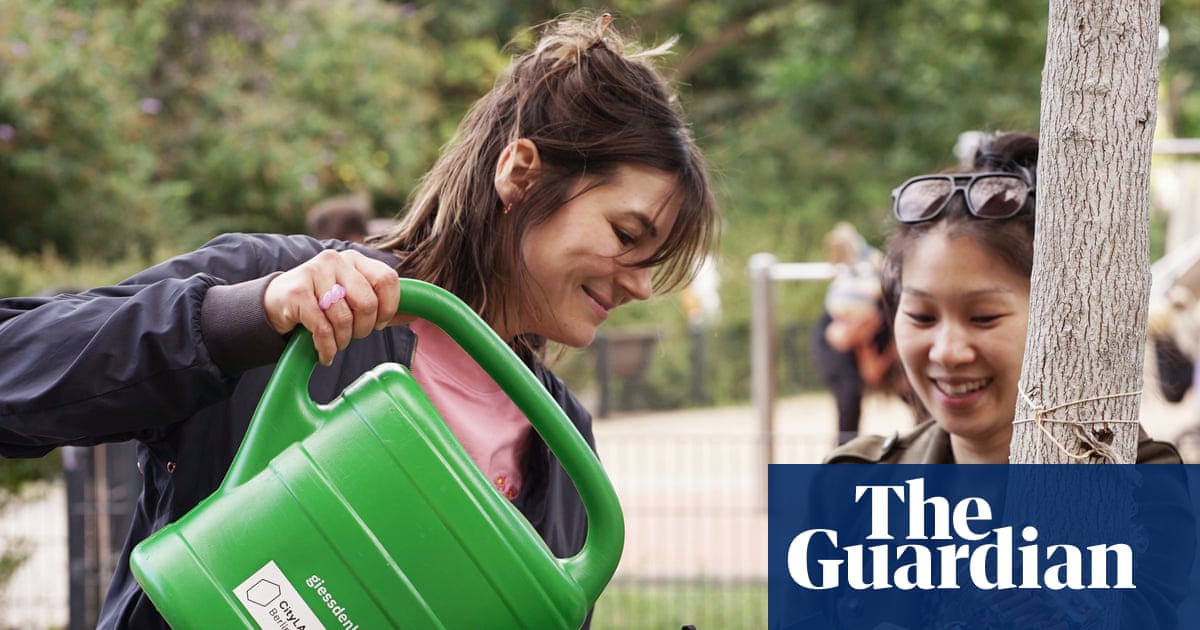
🌳
An open-source tree map inspires Berliners to water their urban forest
Een open-sourcemap inspireert Berlijners om hun stadsbos water te geven
Une carte open source incite les Berlinois à arroser leur forêt urbaine
Here’s a lovely idea taking root in Berlin: residents are adopting street trees and watering them through the hotter months. CityLAB Berlin’s Gieß den Kiez map tracks more than 900,000 trees, showing when each was last watered and which ones need help most. More than 12,000 volunteers use it to coordinate their efforts, adding a friendly, game-like nudge to caring for the city’s urban forest. And here's the thing: every watering helps trees cool neighbourhoods while bringing people outdoors and connecting them with their community.
In Berlijn groeit een prachtig idee: bewoners adopteren straatbomen en geven ze water tijdens de warmere maanden. De kaart Gieß den Kiez van CityLAB Berlin houdt meer dan 900.000 bomen bij en laat zien wanneer ze voor het laatst water kregen en welke bomen het dringendst hulp nodig hebben. Ruim 12.000 vrijwilligers gebruiken de kaart om hun inspanningen op elkaar af te stemmen, met een speels duwtje in de rug om voor het stadsbos te zorgen. En dit is mooi meegenomen: elke gietbeurt helpt de buurt af te koelen en brengt mensen naar buiten, dichter bij elkaar en hun omgeving.
À Berlin, une belle initiative prend racine : des habitants adoptent des arbres de rue et les arrosent pendant les mois les plus chauds. La carte Gieß den Kiez de CityLAB Berlin répertorie plus de 900 000 arbres et indique leur dernier arrosage ainsi que ceux qui ont le plus besoin d’aide. Plus de 12 000 bénévoles s’en servent pour coordonner leurs efforts, avec une touche ludique qui encourage chacun à prendre soin de la forêt urbaine. Et voilà le plus beau : chaque arrosage contribue à rafraîchir les quartiers et invite les habitants à sortir et à tisser des liens.

🔋
Community lighthouses keep neighbors connected when power fails
Gemeenschapsvuurtorens helpen buren wanneer de stroom uitvalt
Les phares communautaires soutiennent les voisins en cas de panne
After Hurricane Ida left parts of New Orleans without power for 12 days, local faith and community leaders came up with a practical idea: solar-powered neighborhood hubs. Today, 14 Community Lighthouses serve New Orleans and six more operate elsewhere in Louisiana, offering electricity for cooling, phone charging and medical devices during outages. They also bring neighbors, food providers and other local services together when people need support most. And here's the thing: organizers hope to build many more, helping communities prepare for future emergencies and everyday blackouts alike.
Nadat orkaan Ida delen van New Orleans twaalf dagen zonder stroom zette, bedachten lokale religieuze en maatschappelijke leiders een praktisch plan: wijkcentra op zonne-energie. Vandaag zijn er 14 Community Lighthouses in New Orleans en nog eens zes elders in Louisiana, waar mensen tijdens stroomuitval terechtkunnen voor verkoeling en stroom voor telefoons en medische apparaten. De centra brengen ook buurtbewoners, voedselhulp en andere lokale diensten samen wanneer steun het hardst nodig is. En het mooie is: de initiatiefnemers willen er nog veel meer bouwen, zodat gemeenschappen beter voorbereid zijn op noodsituaties en gewone stroomstoringen.
Après que l’ouragan Ida a privé certains quartiers de La Nouvelle-Orléans d’électricité pendant douze jours, des responsables religieux et associatifs locaux ont imaginé une solution concrète : des lieux de quartier alimentés à l’énergie solaire. Aujourd’hui, 14 Community Lighthouses sont ouverts à La Nouvelle-Orléans et six autres ailleurs en Louisiane, où les habitants peuvent trouver de la fraîcheur et recharger téléphones et appareils médicaux pendant les coupures. Ces lieux rassemblent aussi voisins, aide alimentaire et autres services locaux lorsque le besoin se fait le plus sentir. Et voici la bonne nouvelle : leurs organisateurs espèrent en créer beaucoup d’autres, pour mieux préparer les communautés aux urgences comme aux pannes du quotidien.

🐝
How a collective is reviving traditional beekeeping
Hoe een collectief de traditionele bijenteelt nieuw leven inblaast
Comment un collectif fait renaître l’apiculture traditionnelle
So, in Himachal Pradesh, Tenacious Bee Collective is bringing traditional beekeeping back to life while creating new opportunities for rural communities. Since 2018, the group has trained more than 250 farmers, most of them women, in bee-friendly practices that protect native species and their habitats. Its network includes over 45 beekeepers, and local women also make beeswax products such as lip balms and candles to sell across India. By leaving most of the honey for the bees and putting community knowledge at the heart of its work, the collective is showing how healthy ecosystems and rural livelihoods can thrive together.
In Himachal Pradesh blaast Tenacious Bee Collective de traditionele bijenteelt nieuw leven in en creëert het kansen voor plattelandsgemeenschappen. Sinds 2018 heeft de groep meer dan 250 boeren opgeleid, voornamelijk vrouwen, in bijvriendelijke praktijken die inheemse bijensoorten en hun leefgebieden beschermen. Het netwerk telt meer dan 45 imkers, en lokale vrouwen maken ook producten van bijenwas, zoals lippenbalsem en kaarsen, die in heel India worden verkocht. Door het grootste deel van de honing voor de bijen achter te laten en lokale kennis centraal te stellen, laat het collectief zien hoe gezonde ecosystemen en bestaansmiddelen op het platteland samen kunnen floreren.
Dans l’Himachal Pradesh, le collectif Tenacious Bee fait renaître l’apiculture traditionnelle tout en créant de nouvelles possibilités pour les communautés rurales. Depuis 2018, le groupe a formé plus de 250 agriculteurs, pour la plupart des femmes, aux pratiques respectueuses des abeilles qui protègent les espèces locales et leurs habitats. Son réseau rassemble plus de 45 apiculteurs, et des femmes du village fabriquent aussi des produits à base de cire d’abeille, comme des baumes à lèvres et des bougies, vendus dans toute l’Inde. En laissant la majeure partie du miel aux abeilles et en plaçant les savoirs locaux au cœur de son action, le collectif montre que des écosystèmes sains et les moyens de subsistance des populations rurales peuvent prospérer ensemble.
🚀
Four astronauts reach the ISS after record-fast journey aboard an American spacecraft
Vier ruimtevaarders bereiken ISS na recordsnelle reis met Amerikaans ruimtevaartuig
Quatre astronautes atteignent l’ISS après un trajet record à bord d’un vaisseau américain
Four astronauts have reached the International Space Station after the fastest journey ever made by an American spacecraft. What a remarkable milestone for spaceflight. Their swift arrival brings a new crew to the orbiting laboratory, where astronauts live and work in space. It’s another exciting reminder of how quickly human space travel is advancing.
Vier ruimtevaarders hebben het internationale ruimtestation bereikt na de snelste reis ooit met een Amerikaans ruimtevaartuig. Wat een opmerkelijke mijlpaal voor de ruimtevaart. Met hun snelle aankomst krijgt het rond de aarde draaiende laboratorium een nieuwe bemanning, die er in de ruimte woont en werkt. Het is opnieuw een boeiende herinnering aan hoe snel de bemande ruimtevaart vooruitgaat.
Quatre astronautes ont atteint la Station spatiale internationale après le trajet le plus rapide jamais effectué par un vaisseau américain. Quelle étape remarquable pour les voyages spatiaux ! Leur arrivée éclair apporte un nouvel équipage au laboratoire orbital, où les astronautes vivent et travaillent dans l’espace. C’est un nouveau rappel enthousiasmant des progrès rapides des vols spatiaux habités.
🍓
A textile cover more than triples strawberry yields
Een textielhoes verdrievoudigt de aardbeienopbrengst
Une couverture textile triple presque les récoltes de fraises
I love this clever twist: in tunnel field trials, a breathable textile cover helped strawberry plants produce up to 3.56 times more fruit than uncovered plants. Its layered, three-dimensional structure keeps insects away while letting sunlight, rain, and air reach the plants, with no harmful effects on plant health. The cover also provided steady warmth, helping plants reach the fruiting stage earlier without reducing their access to light. So, this research points to a promising way to boost strawberry harvests and potentially reduce pesticide use and water needs.
Wat een slimme vondst: in proeven in tunnels produceerden aardbeienplanten onder een ademende textielhoes tot 3,56 keer meer fruit dan onbedekte planten. De gelaagde, driedimensionale structuur houdt insecten tegen en laat tegelijk zonlicht, regen en lucht door, zonder de gezondheid van de planten te schaden. De hoes zorgde ook voor een gelijkmatige warmte, waardoor de planten eerder vrucht droegen zonder minder licht te krijgen. Zo biedt dit onderzoek een veelbelovende manier om de aardbeienoogst te verhogen en mogelijk minder pesticiden en water te gebruiken.
Quelle idée ingénieuse : lors d’essais sous tunnels, une couverture textile respirante a permis aux fraisiers de produire jusqu’à 3,56 fois plus de fruits que les plants non couverts. Sa structure tridimensionnelle en couches éloigne les insectes tout en laissant passer la lumière, la pluie et l’air, sans nuire à la santé des plants. La couverture a aussi maintenu une chaleur régulière, aidant les fraisiers à fructifier plus tôt sans réduire leur accès à la lumière. Cette recherche ouvre donc une piste prometteuse pour augmenter les récoltes et potentiellement réduire l’usage de pesticides et d’eau.
🦗
This giant stick insect fooled scientists for decades
Deze reuzenwandelende tak hield wetenschappers decennialang voor de gek
Ce phasme géant a trompé les scientifiques pendant des décennies
Here’s a delightful reminder that nature still has surprises up its sleeve: a University of Sydney team has uncovered two previously unrecognized Australian stick insect species and brought a third back into scientific recognition. What scientists had classified as two species turns out to be five, living from northern New South Wales up the Queensland coast and into tropical northern Australia. By combining DNA analysis with museum specimens, field surveys, citizen science records and captive-raised insects, the researchers untangled the insects’ identities. One of the newly recognized species even lays eggs with a distinctive lidlike structure, and the discovery shows how much biodiversity may still be hiding in plain sight.
Wat een mooie herinnering dat de natuur ons nog steeds kan verrassen: een team van de Universiteit van Sydney ontdekte twee niet eerder herkende Australische wandelende takken en bracht een derde soort opnieuw onder de aandacht van de wetenschap. Wat wetenschappers als twee soorten hadden ingedeeld, blijken er vijf te zijn, verspreid van het noorden van New South Wales langs de kust van Queensland tot in tropisch Noord-Australië. Met DNA-onderzoek, museumexemplaren, veldonderzoek, waarnemingen van burgerwetenschappers en in gevangenschap gekweekte insecten konden de onderzoekers de soorten uit elkaar houden. Een van de nieuw erkende soorten legt zelfs eieren met een opvallend dekseltje, en deze ontdekking laat zien hoeveel biodiversiteit nog onopgemerkt kan blijven.
Quelle belle preuve que la nature nous réserve encore des surprises : une équipe de l’Université de Sydney a découvert deux espèces australiennes de phasmes jusque-là inconnues et rétabli la reconnaissance scientifique d’une troisième. Ce que les scientifiques classaient comme deux espèces en représente en réalité cinq, présentes depuis le nord de la Nouvelle-Galles du Sud, le long de la côte du Queensland, jusqu’au nord tropical de l’Australie. En croisant analyses d’ADN, spécimens de musée, études de terrain, observations de citoyens et insectes élevés en captivité, les chercheurs ont pu distinguer ces espèces. L’une des espèces nouvellement reconnues pond même des œufs dotés d’un couvercle singulier, et cette découverte montre combien de biodiversité peut encore passer inaperçue.
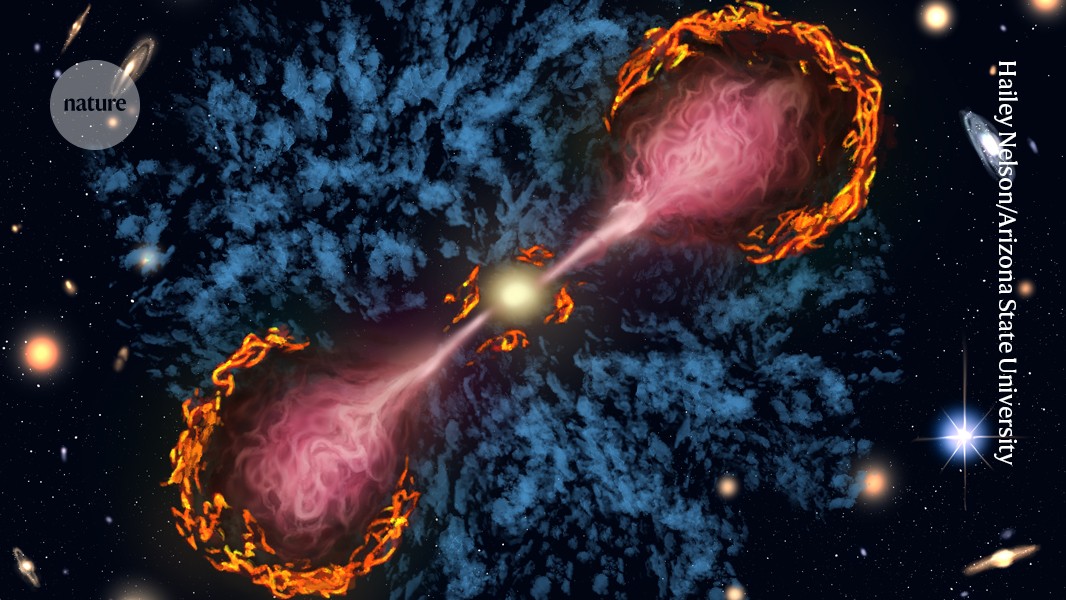
🌌
A black hole’s jets have a halo effect
De jets van een zwart gat hebben een halo-effect
Les jets d’un trou noir produisent un effet de halo
So, observations offer evidence that supermassive black holes help regulate star formation in their host galaxies. Their jets of plasma affect the gas cloud surrounding a galaxy, just as researchers expected. This influence can help slow the formation of new stars. It’s a fascinating glimpse of how activity at a galaxy’s centre can shape its wider surroundings.
Waarnemingen leveren bewijs dat superzware zwarte gaten de stervorming in hun sterrenstelsels helpen reguleren. Hun plasmastromen beïnvloeden de gaswolk rond een sterrenstelsel, precies zoals onderzoekers verwachtten. Die invloed kan de vorming van nieuwe sterren afremmen. Zo zien we hoe activiteit in het hart van een sterrenstelsel ook de wijde omgeving kan vormgeven.
Les observations apportent des indices montrant que les trous noirs supermassifs contribuent à réguler la formation d’étoiles dans leurs galaxies. Leurs jets de plasma influencent le nuage de gaz qui entoure une galaxie, comme les chercheurs s’y attendaient. Cette influence peut freiner la naissance de nouvelles étoiles. Voilà un aperçu fascinant de la façon dont l’activité au cœur d’une galaxie peut façonner son environnement.
👨👩👧👦
How generous paternity leave benefits families
Hoe royaal vaderschapsverlof gezinnen helpt
Les bienfaits d’un congé de paternité généreux
So, generous leave for new fathers can make a meaningful difference well beyond those first few weeks at home. Research links paternity leave with better maternal mental health, stronger father-child bonds, improved child health, and longer breastfeeding. It can also help share caregiving more fairly, easing the mental load on mothers and supporting a healthier family balance. And here's the thing: paid leave can benefit a family’s finances, too, while giving parents precious time to bond and find their feet.
Ruimhartig verlof voor kersverse vaders kan veel betekenen, ook lang nadat de eerste weken thuis voorbij zijn. Onderzoek brengt vaderschapsverlof in verband met een betere mentale gezondheid van moeders, een sterkere band tussen vader en kind, een betere gezondheid van kinderen en langer borstvoeding geven. Het kan de zorgtaken ook eerlijker verdelen, de mentale belasting van moeders verlichten en zorgen voor meer evenwicht in het gezin. En dit is belangrijk: betaald verlof kan ook de financiën van een gezin ondersteunen, terwijl ouders waardevolle tijd krijgen om een band op te bouwen en hun draai te vinden.
Un congé généreux pour les nouveaux pères peut avoir des effets positifs bien après les premières semaines à la maison. Des études associent le congé de paternité à une meilleure santé mentale des mères, à des liens père-enfant plus forts, à une meilleure santé des enfants et à un allaitement plus long. Il peut aussi permettre de mieux partager les soins, d’alléger la charge mentale des mères et de favoriser un meilleur équilibre familial. Et voici un point essentiel : un congé rémunéré peut aussi soutenir les finances de la famille, tout en offrant aux parents un temps précieux pour créer des liens et prendre leurs marques.
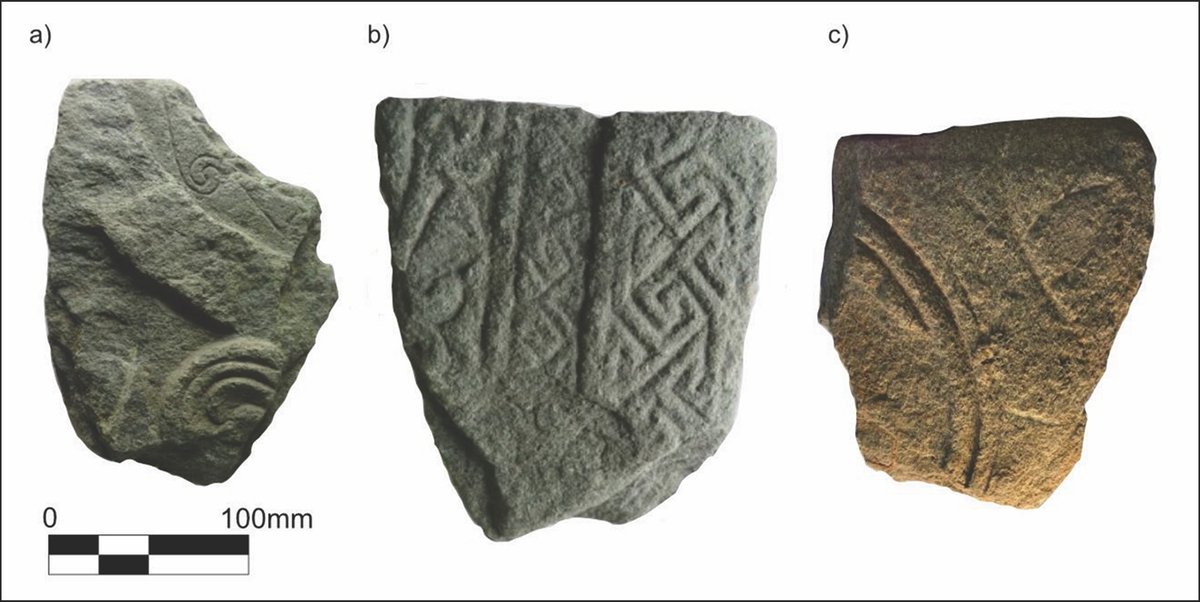
🏺
A major early Christian monastery emerges in Scotland
Een belangrijk vroegchristelijk klooster ontdekt in Schotland
Un important monastère chrétien ancien découvert en Écosse
So, archaeologists have uncovered a large early Christian monastery on Scotland’s island of Lismore, a site long linked to Saint Mo Luóc in the sixth century. Excavations revealed ancient graves, buildings, sculpture fragments and signs of workshops. Hundreds of molds and crucibles for working precious metals make the finds especially striking, and suggest the monastery was an important craft center. Researchers say Lismore may have played a bigger role in early Christianity than previously thought, and plan to keep exploring the site.
Op het Schotse eiland Lismore hebben archeologen een groot vroegchristelijk klooster blootgelegd, op een plek die al lang in verband wordt gebracht met Sint Mo Luóc uit de zesde eeuw. De opgravingen brachten oude graven, gebouwen, beeldhouwwerkfragmenten en sporen van werkplaatsen aan het licht. Honderden mallen en smeltkroezen voor het bewerken van edelmetalen maken de vondsten extra bijzonder en wijzen erop dat het klooster ook een belangrijk ambachtscentrum was. Volgens de onderzoekers speelde Lismore mogelijk een grotere rol in het vroege christendom dan eerder werd gedacht, en ze willen de plek verder onderzoeken.
Sur l’île écossaise de Lismore, des archéologues ont mis au jour un vaste monastère chrétien ancien, sur un site longtemps associé à saint Mo Luóc, au VIe siècle. Les fouilles ont révélé des sépultures anciennes, des bâtiments, des fragments de sculpture et des traces d’ateliers. La découverte de centaines de moules et de creusets destinés au travail des métaux précieux est particulièrement remarquable et laisse penser que le monastère était aussi un important centre artisanal. Selon les chercheurs, Lismore a peut-être joué un rôle plus important dans les débuts du christianisme qu’on ne le pensait, et les recherches sur le site vont se poursuivre.

☕
Swedes use ‘fika’ to find the perfect work-life balance. Here’s how it can help you avoid burnout.
Zweden gebruiken ‘fika’ om de perfecte werk-privébalans te vinden. Zo helpt het burn-out te voorkomen.
Les Suédois utilisent le ‘fika’ pour trouver l’équilibre parfait entre travail et vie privée. Voici comment cela peut vous aider à éviter l’épuisement.
I love how the Swedes have turned a simple coffee break into a powerful tool against burnout called fika. It’s not just about coffee but about pausing, connecting, and truly being present with others or yourself. This tradition dates back centuries and is deeply embedded in their work culture, encouraging genuine social interaction and a break from multitasking. So: if you want to refresh your focus and avoid burnout, maybe it’s time to fika!
Ik vind het geweldig hoe de Zweden van een simpele koffiepauze een krachtig middel tegen burn-out hebben gemaakt, genaamd fika. Het gaat niet alleen om koffie, maar om bewust pauzeren, verbinden en echt aanwezig zijn met anderen of jezelf. Deze traditie bestaat al eeuwen en zit diep verankerd in hun werkcultuur, waarbij echte sociale interactie en een pauze van multitasken worden gestimuleerd. Dus: als je je focus wilt vernieuwen en burn-out wilt voorkomen, is het misschien tijd om te fika’en!
J’adore la façon dont les Suédois ont transformé une simple pause café en un outil puissant contre l’épuisement, appelé fika. Ce n’est pas seulement une question de café, mais de faire une pause, de se connecter et d’être vraiment présent avec les autres ou soi-même. Cette tradition, vieille de plusieurs siècles, est profondément ancrée dans leur culture de travail, encourageant une vraie interaction sociale et une pause du multitâche. Alors: si vous voulez rafraîchir votre concentration et éviter l’épuisement, il est peut-être temps de fika!

🌍
A linguist observed people in 135 countries and discovered 3 distinct ‘human behavior types’
Een taalkundige observeerde mensen in 135 landen en ontdekte 3 verschillende ‘menselijke gedragstypen’
Un linguiste a observé des personnes dans 135 pays et a découvert 3 types distincts de « comportements humains »
I find it fascinating that Richard D. Lewis traveled to 135 countries and found three clear types of human behavior: linear-actives, multi-actives, and reactives. Each group approaches life and communication differently, from the organized and task-focused Germans to the lively and emotional Italians, and the calm, respectful Japanese. This model helps explain why cultural clashes happen and how understanding these differences can improve relationships and workplaces. And here's the thing - it’s not about stereotypes, but real behavioral science that can make our interactions smoother.
Ik vind het fascinerend dat Richard D. Lewis 135 landen bezocht en drie duidelijke typen menselijk gedrag ontdekte: lineair-actieven, multi-actieven en reactieven. Elke groep benadert het leven en communicatie anders, van de georganiseerde en taakgerichte Duitsers tot de levendige en emotionele Italianen, en de rustige, respectvolle Japanners. Dit model helpt verklaren waarom culturele botsingen ontstaan en hoe begrip van deze verschillen relaties en werkplekken kan verbeteren. En hier komt het op neer - het gaat niet om stereotypen, maar om echte gedragswetenschap die onze interacties soepeler kan maken.
Je trouve fascinant que Richard D. Lewis ait voyagé dans 135 pays et identifié trois types clairs de comportements humains : les linéaires-actifs, les multi-actifs et les réactifs. Chaque groupe aborde la vie et la communication différemment, des Allemands organisés et concentrés sur les tâches aux Italiens expressifs et émotionnels, en passant par les Japonais calmes et respectueux. Ce modèle aide à comprendre pourquoi les conflits culturels surviennent et comment la compréhension de ces différences peut améliorer les relations et les environnements de travail. Et voici le truc - ce n’est pas une question de stéréotypes, mais de vraie science comportementale qui peut rendre nos interactions plus fluides.
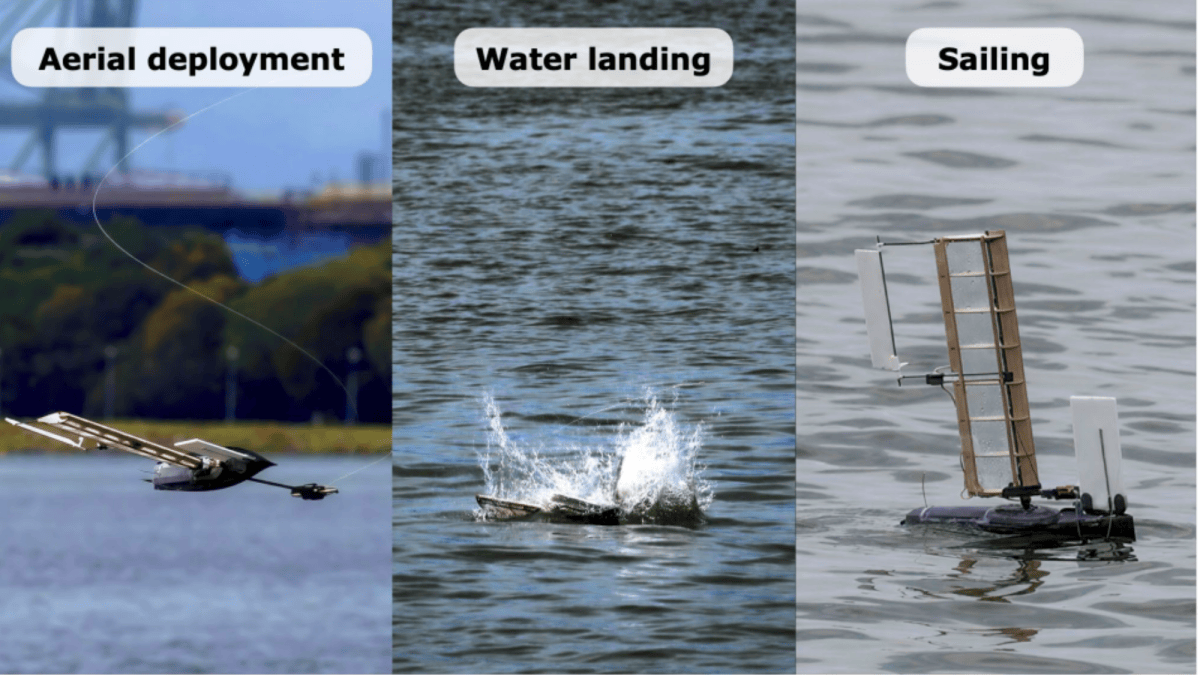
🤖
Transformative new robot that can fly, sail, and swim autonomously
Transformatieve nieuwe robot die autonoom kan vliegen, zeilen en zwemmen
Nouveau robot transformable capable de voler, naviguer et nager de manière autonome
I’m really excited about ALBATROSS, a robot inspired by nature but designed to do what no animal can. It can fly from the sky, slow its fall by spinning its wings, land on water, and then transform into a sailboat with a fish-like rudder to navigate autonomously. The clever part is how it uses the same parts for multiple functions, keeping it simple and efficient. This robot could revolutionize how we monitor oceans during emergencies, making data collection faster and safer.
Ik ben echt enthousiast over ALBATROSS, een robot geïnspireerd door de natuur maar ontworpen om dingen te doen die geen enkel dier kan. Hij kan uit de lucht vallen, zijn val vertragen door zijn vleugels te laten draaien, op het water landen en vervolgens veranderen in een zeilboot met een visachtige roer om autonoom te navigeren. Het slimme is dat hij dezelfde onderdelen voor meerdere functies gebruikt, waardoor hij eenvoudig en efficiënt blijft. Deze robot kan de manier waarop we oceanen tijdens noodsituaties monitoren helemaal veranderen en sneller en veiliger maken.
Je suis vraiment enthousiaste à propos d’ALBATROSS, un robot inspiré par la nature mais conçu pour accomplir ce qu’aucun animal ne peut faire. Il peut voler dans le ciel, ralentir sa chute en faisant tourner ses ailes, atterrir sur l’eau, puis se transformer en voilier avec un gouvernail semblable à une nageoire de poisson pour naviguer de manière autonome. Ce qui est ingénieux, c’est qu’il utilise les mêmes pièces pour plusieurs fonctions, ce qui le rend simple et efficace. Ce robot pourrait révolutionner la surveillance des océans en situation d’urgence, rendant la collecte de données plus rapide et plus sûre.
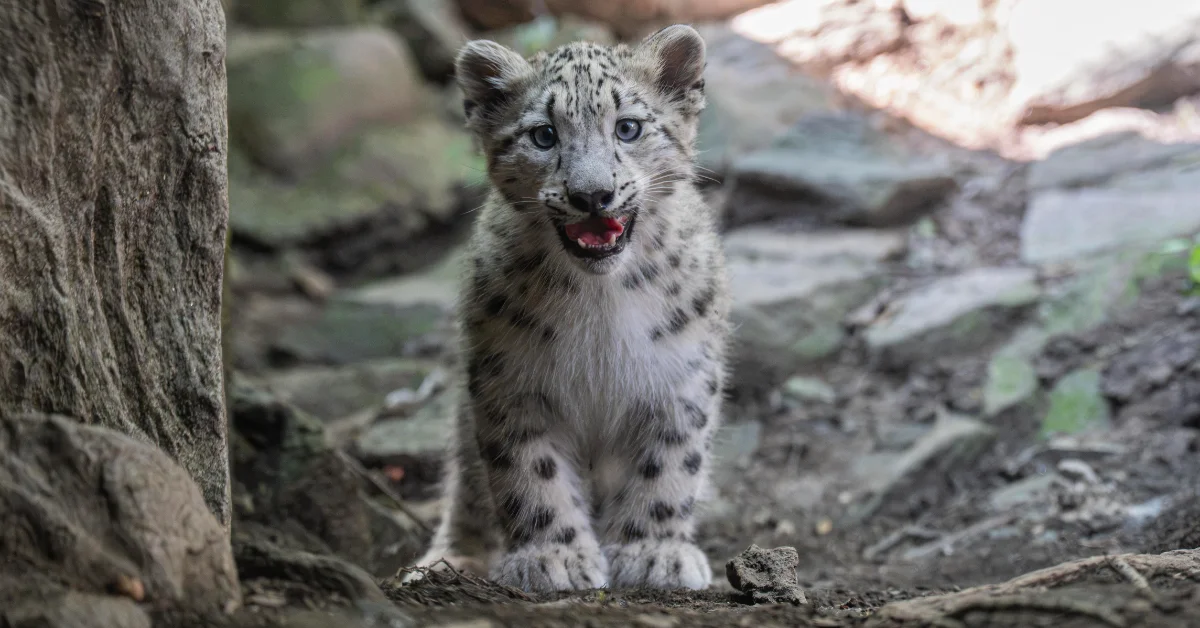
🐆
An adorable new snow leopard cub was just born at the Bronx Zoo: 'One of the world's most elusive big cats'
Een schattige nieuwe sneeuwluipaardwelp is net geboren in de Bronx Zoo: 'Een van de meest mysterieuze grote katten ter wereld'
Un adorable nouveau bébé léopard des neiges vient de naître au Bronx Zoo : « l'un des grands félins les plus insaisissables au monde »
So: a new snow leopard cub named Sarka has just been born at the Bronx Zoo, and she's already exploring her snowy habitat with her mother. These elusive big cats, often called 'ghosts of the mountains,' are truly special, and Sarka’s arrival is a big win for conservation. The Bronx Zoo has been a pioneer in protecting snow leopards for over a century, and this cub adds to their impressive legacy. Which brings me to the exciting fact that the zoo has now welcomed over 80 snow leopard births since 1903, helping secure the future of this vulnerable species.
Dus: er is een nieuwe sneeuwluipaardwelp genaamd Sarka geboren in de Bronx Zoo, en ze verkent al haar besneeuwde leefomgeving samen met haar moeder. Deze mysterieuze grote katten, vaak 'spoken van de bergen' genoemd, zijn echt bijzonder, en de komst van Sarka is een grote overwinning voor het behoud. De Bronx Zoo loopt al meer dan een eeuw voorop in het beschermen van sneeuwluipaarden, en deze welp voegt zich bij hun indrukwekkende nalatenschap. Wat me ook opvalt, is dat de dierentuin sinds 1903 al meer dan 80 sneeuwluipaardgeboorten heeft verwelkomd, wat bijdraagt aan de toekomst van deze kwetsbare soort.
Alors voilà : un nouveau bébé léopard des neiges nommé Sarka vient de naître au Bronx Zoo, et elle explore déjà son habitat enneigé avec sa mère. Ces grands félins insaisissables, souvent appelés « fantômes des montagnes », sont vraiment uniques, et l'arrivée de Sarka est une belle victoire pour la conservation. Le Bronx Zoo est un pionnier dans la protection des léopards des neiges depuis plus d’un siècle, et ce petit renforce leur héritage impressionnant. Ce qui est passionnant, c’est que le zoo a maintenant accueilli plus de 80 naissances de léopards des neiges depuis 1903, contribuant ainsi à assurer l’avenir de cette espèce vulnérable.
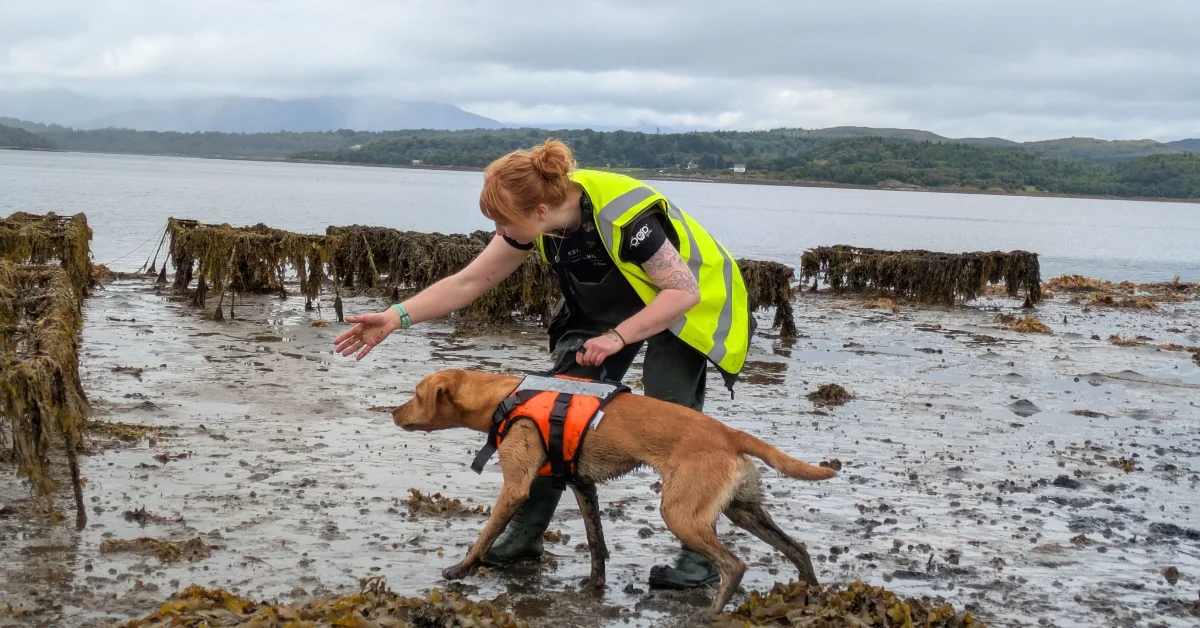
🐕
This dog is trained to sniff out invasive 'sea vomit' and protect oyster reefs: 'She has enough drive for 3 dogs'
Deze hond is getraind om invasieve 'zeekots' op te sporen en oesterbanken te beschermen: 'Ze heeft de energie van drie honden'
Ce chien est entraîné à détecter le « vomi de mer » invasif pour protéger les récifs d'huîtres : « Elle a l'énergie de trois chiens »
I find it fascinating how Uisge, a clever Labrador retriever in Scotland, uses her incredible nose to sniff out invasive sea squirts known as 'sea vomit.' These pesky creatures threaten native oyster reefs and marine biodiversity, but Uisge’s training helps protect these vital ecosystems. Her handler, Dr. Texa Sim, combines marine biology and dog training to make a real difference. And here’s the thing - Uisge is not just smart but driven, with enough energy for three dogs, making her a true hero of the coast.
Ik vind het geweldig hoe Uisge, een slimme Labrador in Schotland, haar ongelooflijke neus gebruikt om invasieve zeekwallen, ook wel 'zeekots' genoemd, op te sporen. Deze lastige wezens bedreigen de inheemse oesterbanken en de mariene biodiversiteit, maar dankzij Uisges training worden deze belangrijke ecosystemen beschermd. Haar begeleider, Dr. Texa Sim, combineert mariene biologie met hondentraining om echt verschil te maken. En hier komt het - Uisge is niet alleen slim maar ook ontzettend energiek, met genoeg kracht voor drie honden, een ware held van de kust.
Je trouve fascinant que Uisge, un Labrador intelligent en Écosse, utilise son incroyable flair pour détecter les ascidies invasives appelées « vomi de mer ». Ces créatures menacent les récifs d’huîtres et la biodiversité marine, mais la formation d’Uisge aide à protéger ces écosystèmes essentiels. Sa dresseuse, la Dr Texa Sim, allie biologie marine et dressage canin pour faire une vraie différence. Et voici le truc - Uisge n’est pas seulement intelligente mais aussi pleine d’énergie, avec la motivation de trois chiens, un vrai héros des côtes.
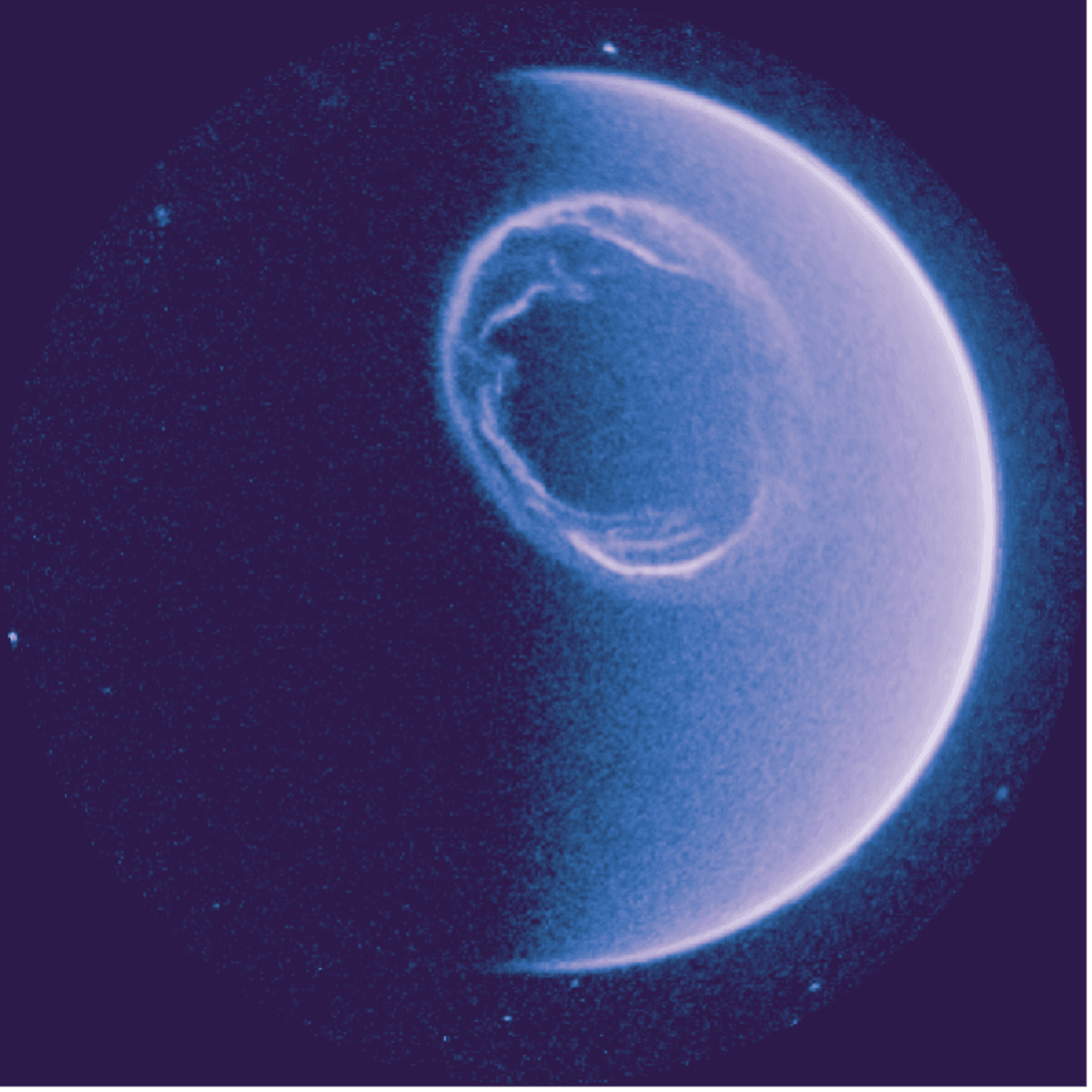
🌌
Satellite images reveal ethereal auroral storm raging above the North Pole
Satellietbeelden onthullen etherische aurora storm boven de noordpool
Images satellites révèlent une tempête aurorale éthérée au-dessus du pôle Nord
So: a satellite called Smile has captured stunning ultraviolet images of an auroral storm swirling above the North Pole. This is the first release from its UV camera, part of a joint European-Chinese mission launched to study space weather and geomagnetic storms. The images show a hurricane-like swirl caused by solar wind interacting with Earth's magnetic field, revealing details invisible in normal light. And here's the thing: Smile will keep recording these auroras for long stretches, helping us understand these beautiful and powerful natural phenomena better than ever.
Dus: een satelliet genaamd Smile heeft prachtige ultravioletbeelden vastgelegd van een aurora storm boven de Noordpool. Dit is de eerste release van zijn UV-camera, onderdeel van een gezamenlijke Europese-Chinese missie om ruimteweer en geomagnetische stormen te bestuderen. De beelden tonen een orkaanachtige werveling veroorzaakt door de interactie tussen zonnewind en het magnetisch veld van de aarde, met details die normaal onzichtbaar zijn. En hier komt het: Smile zal deze aurora's langdurig blijven vastleggen, wat ons helpt deze prachtige en krachtige natuurverschijnselen beter te begrijpen dan ooit.
Alors: un satellite nommé Smile a capturé de magnifiques images ultraviolettes d'une tempête aurorale tourbillonnant au-dessus du pôle Nord. C'est la première image publiée de sa caméra UV, issue d'une mission conjointe européenne-chinoise lancée pour étudier le climat spatial et les tempêtes géomagnétiques. Les images montrent un tourbillon semblable à un ouragan causé par l'interaction du vent solaire avec le champ magnétique terrestre, révélant des détails invisibles en lumière normale. Et voici la chose: Smile continuera à enregistrer ces aurores pendant de longues périodes, nous aidant à mieux comprendre ces phénomènes naturels magnifiques et puissants.
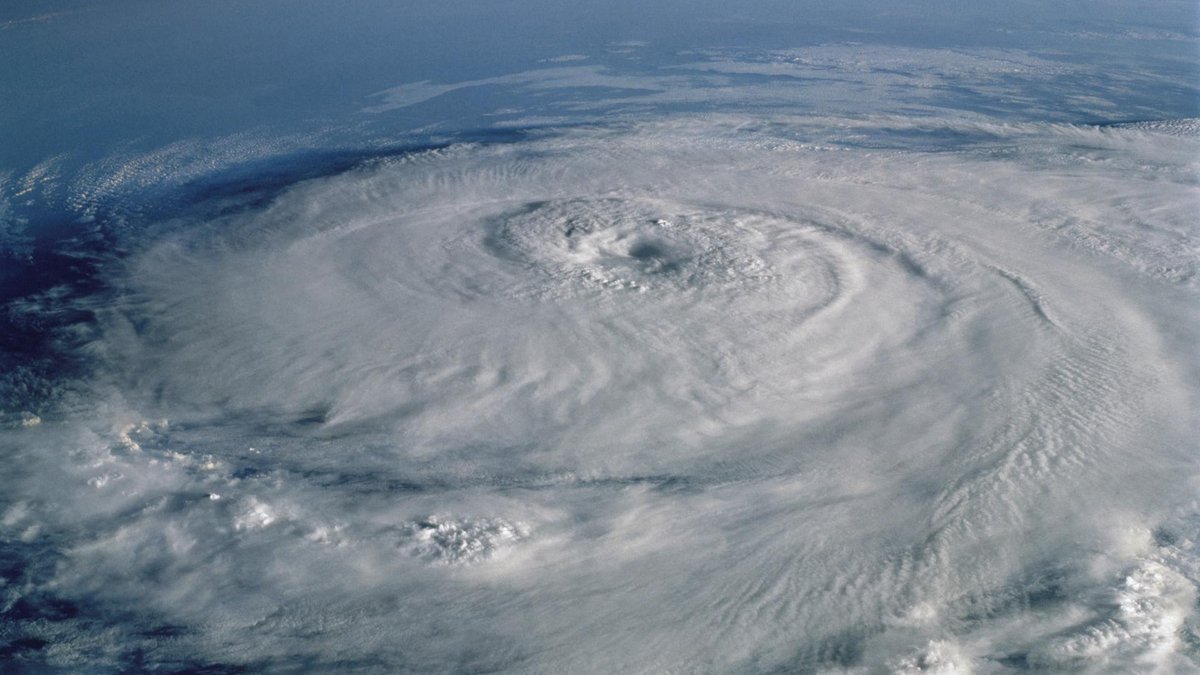
🌀
The Atlantic hurricane season has been so quiet it’s unprecedented
Het Atlantische orkaanseizoen is zo rustig dat het ongekend is
La saison des ouragans dans l’Atlantique est d’une tranquillité sans précédent
I find it fascinating that for the first time since records began, no hurricanes have formed in the Atlantic through the end of September. This quiet season is largely thanks to a powerful El Niño, which is suppressing hurricane activity in the Atlantic while boosting it in the eastern Pacific. Normally, September is peak hurricane time, but this year the usual wind patterns that help storms develop are stronger and keep things calm. It’s a relief for communities hit hard in recent years, and while a late-season hurricane is still possible, this season is already one for the history books.
Ik vind het fascinerend dat er sinds het begin van de betrouwbare registraties voor het eerst geen orkanen zijn gevormd in de Atlantische Oceaan tot eind september. Dit rustige seizoen is vooral te danken aan een krachtige El Niño, die de orkaanactiviteit in de Atlantische Oceaan onderdrukt terwijl hij die in de oostelijke Stille Oceaan juist versterkt. Normaal is september de piekperiode voor orkanen, maar dit jaar zijn de windpatronen die stormen helpen ontstaan sterker en houden ze alles rustig. Het is een opluchting voor gemeenschappen die de afgelopen jaren zwaar getroffen zijn, en hoewel een late orkaan nog mogelijk is, is dit seizoen nu al historisch.
Je trouve fascinant que, pour la première fois depuis le début des relevés fiables, aucun ouragan ne se soit formé dans l’Atlantique jusqu’à fin septembre. Cette saison calme est principalement due à un puissant El Niño qui freine l’activité des ouragans dans l’Atlantique tout en la stimulant dans le Pacifique est. Habituellement, septembre est la période de pointe des ouragans, mais cette année, les vents qui favorisent leur formation sont plus forts et maintiennent la tranquillité. C’est un soulagement pour les communautés durement touchées ces dernières années, et même si un ouragan tardif reste possible, cette saison est déjà historique.

⚖️
Inside the drug court aiming to rehabilitate - not incarcerate
Binnen de drug rechtbank die gericht is op rehabilitatie - niet opsluiting
À l'intérieur du tribunal de la drogue visant la réhabilitation - pas l'incarcération
So: in Auckland, there's a unique court called Te Whare Whakapiki Wairua that focuses on healing rather than punishment for drug-related crimes. Instead of the usual prison sentence, people like Shannan Hill get a chance to break the cycle of addiction and crime through support and treatment. The court opens with karakia and waiata, creating a respectful and hopeful atmosphere. Judge Lisa Tremewan highlights how this approach not only reduces reoffending but also improves family and community health. And here's the thing - despite its success, there are only three such courts in New Zealand, with no current plans to expand.
Dus: in Auckland is er een unieke rechtbank genaamd Te Whare Whakapiki Wairua die zich richt op genezing in plaats van straf voor drugsgerelateerde misdrijven. In plaats van een gevangenisstraf krijgen mensen zoals Shannan Hill de kans om de vicieuze cirkel van verslaving en misdaad te doorbreken met steun en behandeling. De rechtbank begint met karakia en waiata, wat zorgt voor een respectvolle en hoopvolle sfeer. Rechter Lisa Tremewan benadrukt dat deze aanpak niet alleen recidive vermindert, maar ook de gezondheid van gezinnen en gemeenschappen verbetert. En hier komt het op neer - ondanks het succes zijn er slechts drie van zulke rechtbanken in Nieuw-Zeeland, zonder plannen voor uitbreiding.
Alors: à Auckland, il existe un tribunal unique appelé Te Whare Whakapiki Wairua qui privilégie la guérison plutôt que la punition pour les délits liés à la drogue. Au lieu d'une peine de prison classique, des personnes comme Shannan Hill ont la chance de rompre le cycle de la dépendance et de la criminalité grâce à un soutien et un traitement adaptés. Le tribunal commence par des karakia et des waiata, créant une ambiance respectueuse et pleine d'espoir. La juge Lisa Tremewan souligne que cette approche réduit non seulement la récidive, mais améliore aussi la santé des familles et des communautés. Et voici le truc - malgré son succès, il n'existe que trois tribunaux de ce type en Nouvelle-Zélande, sans projet d'expansion pour l'instant.
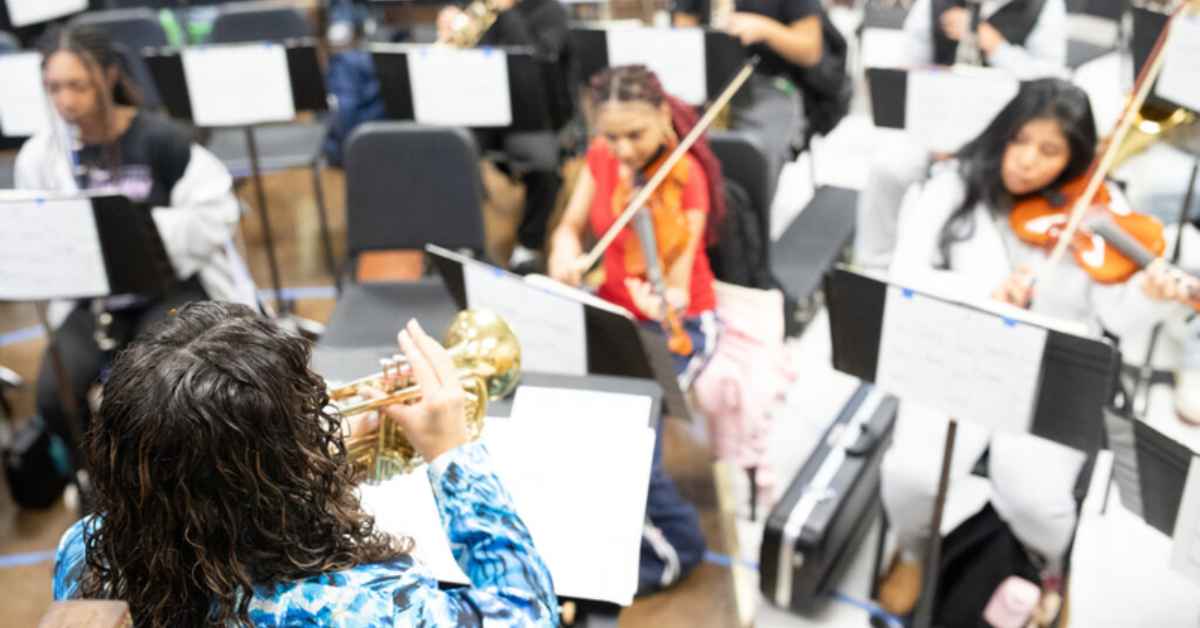
🎶
New study links sustained arts education to lower chronic absenteeism in schools
Nieuwe studie koppelt doorlopende kunsteducatie aan minder chronisch schoolverzuim
Nouvelle étude lie l'éducation artistique continue à une baisse de l'absentéisme chronique à l'école
I find it fascinating that students who stick with arts education, especially music, tend to show up more consistently at school. This new study from Rhode Island highlights a clear link between sustained arts participation and lower chronic absenteeism rates. Now, it’s not just about showing up but engaging actively, as Danielle Trial Lucini’s music class demonstrates with enthusiasm and dedication. And here’s the thing - while the study can’t prove arts classes cause better attendance, it shines a light on something educators have long believed: arts keep students connected and motivated.
Ik vind het geweldig om te zien dat leerlingen die kunstonderwijs volgen, vooral muziek, vaker naar school komen. Deze nieuwe studie uit Rhode Island laat een duidelijk verband zien tussen doorlopende deelname aan kunst en minder chronisch verzuim. Het gaat niet alleen om aanwezig zijn, maar ook om actieve betrokkenheid, zoals te zien is in de enthousiaste muzieklessen van Danielle Trial Lucini. En hier is het mooie: hoewel de studie niet kan bewijzen dat kunstlessen de reden zijn voor betere aanwezigheid, bevestigt het wel wat veel docenten al wisten - kunst houdt leerlingen betrokken en gemotiveerd.
Je trouve passionnant que les élèves qui suivent une éducation artistique continue, surtout en musique, aient tendance à être plus assidus à l'école. Cette nouvelle étude du Rhode Island montre un lien clair entre la participation prolongée aux arts et un taux d'absentéisme chronique plus faible. Ce n’est pas seulement une question de présence, mais aussi d’engagement actif, comme le montre la classe de musique enthousiaste de Danielle Trial Lucini. Et voici la chose - même si l’étude ne peut pas prouver que les cours d’arts causent une meilleure présence, elle confirme ce que les enseignants savent depuis longtemps : les arts maintiennent les élèves connectés et motivés.

⚛️
Calgary cyclotron to make radiopharmaceuticals for fighting cancer expected by 2029
Cyclotron in Calgary maakt radiopharmaca tegen kanker verwacht in 2029
Cyclotron de Calgary pour produire des radiopharmaceutiques contre le cancer attendu d'ici 2029
So: Calgary is gearing up to build its very first cyclotron, a device that speeds up particles to create radioactive materials used in cancer diagnosis and treatment. This new facility, set to open by 2029, will cut down the travel time for these short-lived medicines, making treatment faster and more reliable for patients in southern Alberta. The project is part of a $71 million investment, combining government and donor funds, to boost cancer care in the region. And here's the thing - with cancer treatments evolving rapidly, this cyclotron will support cutting-edge therapies like theranostics, which use radioactive tracers to track and treat cancer internally.
Dus: Calgary krijgt zijn allereerste cyclotron, een apparaat dat deeltjes versnelt om radioactieve stoffen te maken voor kankerdiagnose en behandeling. Deze nieuwe faciliteit, die in 2029 operationeel moet zijn, verkort de reistijd voor deze kortlevende medicijnen, waardoor de behandeling sneller en betrouwbaarder wordt voor patiënten in Zuid-Alberta. Het project maakt deel uit van een investering van 71 miljoen dollar, een combinatie van overheidsgeld en donaties, om de kankerzorg in de regio te verbeteren. En hier komt het op aan - met de snelle evolutie van kankerbehandelingen zal deze cyclotron geavanceerde therapieën zoals theranostiek ondersteunen, die radioactieve tracers gebruiken om kanker intern op te sporen en te behandelen.
Alors: Calgary s'apprête à construire son tout premier cyclotron, un appareil qui accélère les particules pour créer des matériaux radioactifs utilisés dans le diagnostic et le traitement du cancer. Cette nouvelle installation, prévue pour 2029, réduira le temps de transport de ces médicaments à courte durée de vie, rendant le traitement plus rapide et plus fiable pour les patients du sud de l'Alberta. Le projet fait partie d'un investissement de 71 millions de dollars, combinant fonds publics et dons, pour améliorer les soins contre le cancer dans la région. Et voilà le truc - avec l'évolution rapide des traitements contre le cancer, ce cyclotron soutiendra des thérapies de pointe comme la théranostique, qui utilise des traceurs radioactifs pour localiser et traiter le cancer de l'intérieur.
🎓
Solomon Islands pledges free universal education by 2027
Salomonseilanden beloven gratis universeel onderwijs tegen 2027
Les îles Salomon s'engagent à une éducation universelle gratuite d'ici 2027
The Solomon Islands have made an exciting promise to provide free universal education by 2027. This commitment was shared at the United Nations Human Rights Council, where the government also highlighted efforts to tackle transnational crime and improve human rights protections. I love how they’re focusing on making sure no child misses school due to fees, especially in rural areas. Plus, they’re working on raising the legal marriage age to 18, showing real care for young girls and women. It’s clear they’re serious but also realistic about needing international support to make it all happen.
De Salomonseilanden hebben een mooie belofte gedaan om tegen 2027 gratis universeel onderwijs te bieden. Dit werd gedeeld tijdens de Verenigde Naties Mensenrechtenraad, waar de regering ook sprak over het aanpakken van grensoverschrijdende misdaad en het verbeteren van mensenrechtenbescherming. Ik vind het geweldig dat ze ervoor zorgen dat geen enkel kind school mist vanwege kosten, vooral in landelijke gebieden. Daarnaast werken ze aan het verhogen van de wettelijke huwbare leeftijd naar 18 jaar, wat echt zorg toont voor jonge meisjes en vrouwen. Het is duidelijk dat ze serieus zijn, maar ook realistisch over de noodzaak van internationale steun.
Les îles Salomon ont fait une promesse enthousiasmante d'offrir une éducation universelle gratuite d'ici 2027. Ce geste a été présenté au Conseil des droits de l'homme des Nations Unies, où le gouvernement a également souligné ses efforts pour lutter contre la criminalité transnationale et renforcer la protection des droits humains. J’adore qu’ils veillent à ce qu’aucun enfant ne soit privé d’école à cause des frais, surtout dans les zones rurales. En plus, ils travaillent à relever l’âge légal du mariage à 18 ans, montrant un vrai souci pour les jeunes filles et les femmes. On sent qu’ils sont sérieux mais aussi réalistes quant au besoin d’un soutien international pour réussir.

💪
Displaced by war, young Sudanese turn to entrepeneurship to survive
Ontworteld door oorlog, jonge Soedanezen kiezen voor ondernemerschap om te overleven
Déplacés par la guerre, les jeunes soudanais se tournent vers l'entrepreneuriat pour survivre
Yousra Hussein’s life was turned upside down by Sudan’s civil war, forcing her to flee multiple times and start over. So: she turned to entrepreneurship, offering nail services and reviving her Golden Women initiative to empower displaced young women. The war has devastated jobs and the economy, pushing many young Sudanese into informal work and business despite huge challenges like lack of funding and skills. And here’s the thing - international programs are stepping in to help train and support these resilient entrepreneurs.
Yousra Hussein’s leven werd volledig ontwricht door de burgeroorlog in Soedan, waardoor ze meerdere keren moest vluchten en opnieuw moest beginnen. Dus: ze begon met ondernemerschap, bood nagelservices aan en herstartte haar Golden Women-initiatief om jonge ontheemde vrouwen te versterken. De oorlog heeft banen en economie zwaar getroffen, waardoor veel jonge Soedanezen in informeel werk en ondernemerschap terechtkomen ondanks grote uitdagingen zoals gebrek aan financiering en vaardigheden. En hier komt het op neer - internationale programma’s helpen deze veerkrachtige ondernemers met training en ondersteuning.
La vie de Yousra Hussein a été bouleversée par la guerre civile au Soudan, la forçant à fuir plusieurs fois et à tout recommencer. Donc : elle s’est lancée dans l’entrepreneuriat, proposant des services de manucure et relançant son initiative Golden Women pour soutenir les jeunes femmes déplacées. La guerre a dévasté l’emploi et l’économie, poussant de nombreux jeunes soudanais vers le travail informel et l’entrepreneuriat malgré de nombreux obstacles comme le manque de financement et de compétences. Et voici la chose - des programmes internationaux interviennent pour former et accompagner ces entrepreneurs résilients.

⛏️
60 years after first Limburg mine closure: art and business flourish on old Zwartberg mining site
60 jaar na sluiting eerste Limburgse mijn: kunst en bedrijven bloeien op oude mijnsite van Zwartberg
60 ans après la fermeture de la première mine du Limbourg : l'art et les entreprises prospèrent sur l'ancien site minier de Zwartberg
So: 60 years ago, the Zwartberg coal mine closed as the first of Limburg’s seven mines, marking the end of an era for thousands of miners. Now, the site looks almost unrecognizable, transformed into a vibrant hub of art, nature, and business with Labiomista as the shining star attracting 35,000 visitors annually. The transition from heavy industry to culture and commerce is a powerful story of resilience and renewal. And here's the thing - this place honors its rich mining heritage while embracing a bright, creative future.
Dus: 60 jaar geleden sloot de mijn van Zwartberg als eerste van de zeven Limburgse mijnen, een groot keerpunt voor duizenden mijnwerkers. Nu is de site nauwelijks nog te herkennen en bruist het van kunst, natuur en bedrijven, met Labiomista als blikvanger die jaarlijks 35.000 bezoekers trekt. De omschakeling van zware industrie naar cultuur en economie is een prachtig verhaal van veerkracht en vernieuwing. En het mooie is dat deze plek haar rijke mijnverleden eert terwijl ze vol vertrouwen naar de toekomst kijkt.
Alors voilà : il y a 60 ans, la mine de Zwartberg fermait ses portes en premier parmi les sept mines du Limbourg, marquant la fin d'une époque pour des milliers de mineurs. Aujourd'hui, le site est méconnaissable, transformé en un lieu dynamique d'art, de nature et d'entreprises, avec Labiomista comme joyau attirant 35 000 visiteurs chaque année. Cette reconversion de l'industrie lourde vers la culture et le commerce est une belle histoire de résilience et de renouveau. Et ce qui est génial, c’est que cet endroit honore son riche passé minier tout en embrassant un avenir créatif et prometteur.
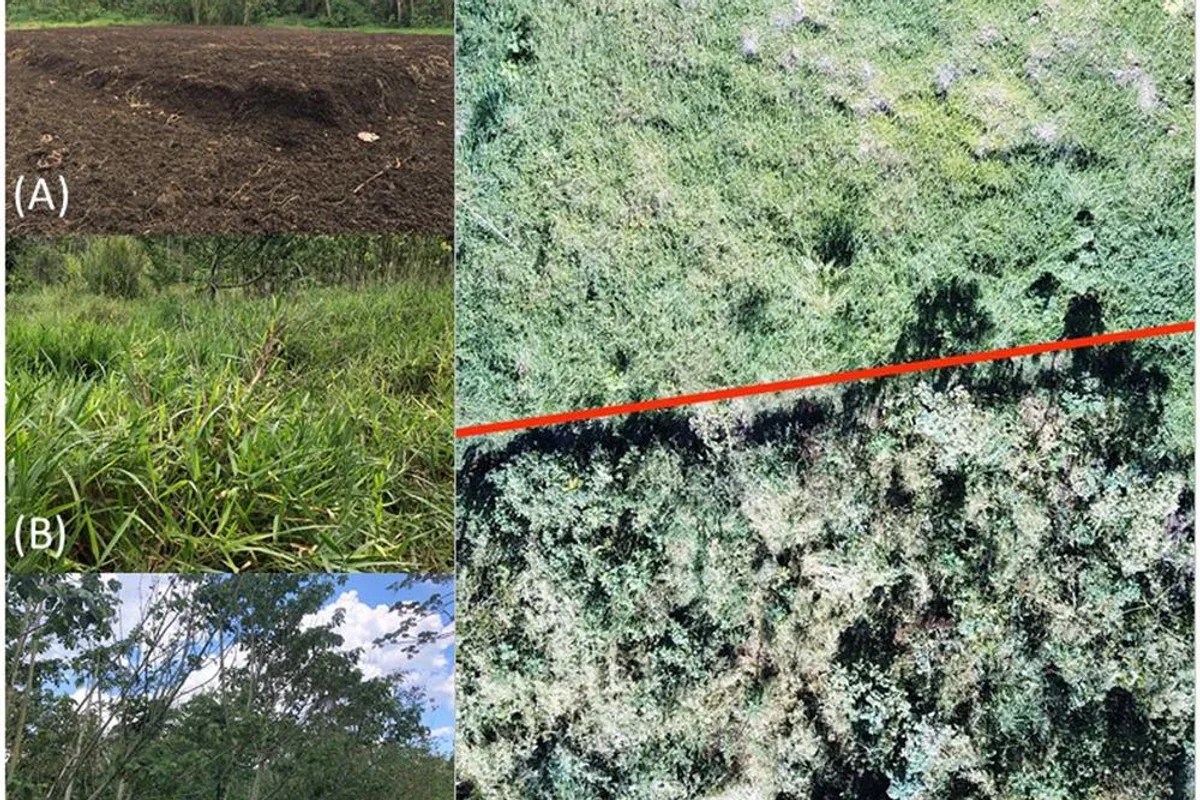
🌱
Researchers dumped coffee waste into a forest and couldn’t believe what it looked like 2 years later
Onderzoekers dumpten koffieresten in een bos en konden niet geloven hoe het er 2 jaar later uitzag
Des chercheurs ont déversé des déchets de café dans une forêt et n’en croyaient pas leurs yeux deux ans plus tard
So: researchers took a bold step and dumped a thick layer of coffee pulp over degraded land in Costa Rica. And here's the thing - after just two years, that area transformed into a thriving forest with 80% canopy cover, compared to only 20% in untreated land. The coffee waste suppressed invasive grasses and boosted soil nutrients, giving native plants a real chance to flourish. Now, this could be a game-changer for reforestation efforts worldwide, turning coffee waste from a problem into a powerful solution.
Dus: onderzoekers brachten een dikke laag koffieresten aan op gedegradeerde grond in Costa Rica. En weet je wat? Na slechts twee jaar veranderde dat stuk land in een bloeiend bos met 80% bladerdek, tegenover slechts 20% op de onbehandelde grond. De koffieresten onderdrukten invasieve grassen en verbeterden de bodemvoeding, waardoor inheemse planten konden gedijen. Dit zou wel eens een doorbraak kunnen zijn voor herbebossing wereldwijd, waarbij koffieresten van een probleem een krachtige oplossing worden.
Alors: des chercheurs ont étalé une épaisse couche de déchets de café sur un terrain dégradé au Costa Rica. Et voici la chose - en seulement deux ans, cette zone s’est transformée en une forêt prospère avec 80 % de couverture arborée, contre seulement 20 % sur la zone non traitée. Les déchets de café ont supprimé les herbes envahissantes et enrichi le sol, permettant aux plantes natives de s’épanouir. Cela pourrait bien révolutionner les efforts de reforestation dans le monde, transformant un déchet en une solution puissante.
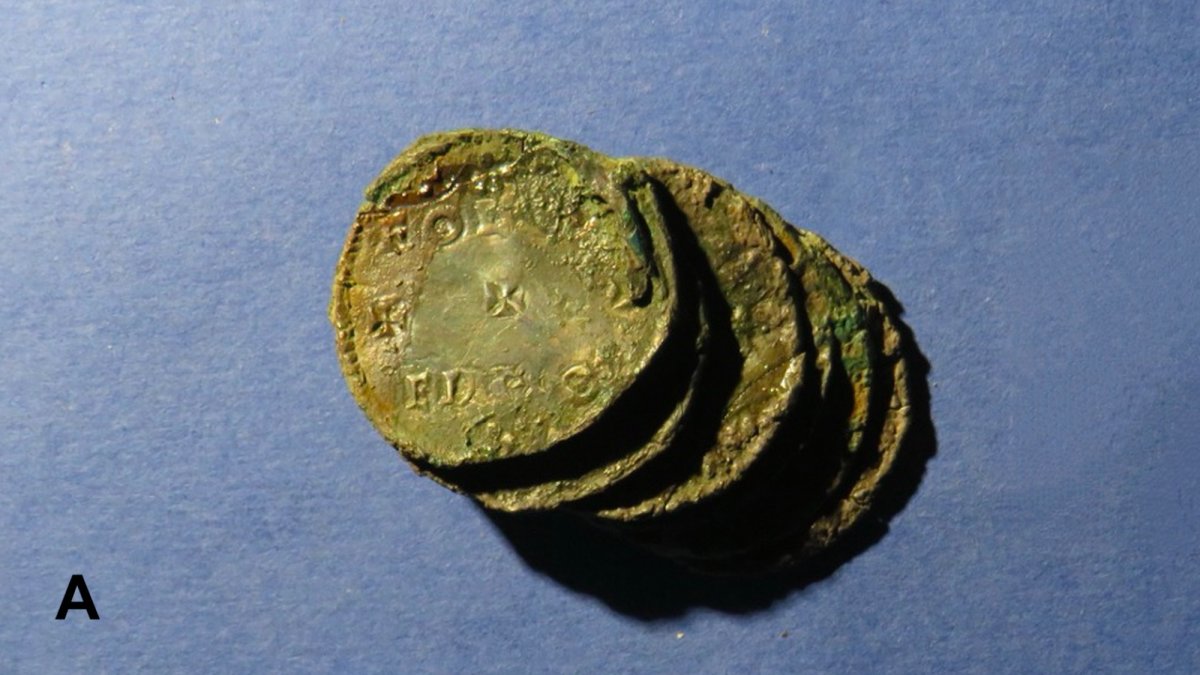
🪙
Medieval coins discovered in Rome are actually from England
Middeleeuwse munten ontdekt in Rome komen eigenlijk uit Engeland
Des pièces médiévales découvertes à Rome viennent en réalité d'Angleterre
I find it fascinating that archaeologists uncovered 20 Anglo-Saxon coins near Emperor Nero’s theater in Rome, dating back to the 10th century. This discovery highlights a vibrant English presence in medieval Rome, where a 'Little England' neighborhood once thrived. It’s amazing to see how English pilgrims and merchants used their own currency in a city that usually forbade foreign coins. Which brings me to the idea that England held a special status in Rome during the Middle Ages, shown by the fact that more Anglo-Saxon coins have been found there than papal ones. And here's the thing - these coins tell a story of cultural exchange and economic ties that lasted centuries!
Ik vind het geweldig dat archeologen 20 Angelsaksische munten hebben gevonden nabij het theater van keizer Nero in Rome, daterend uit de 10e eeuw. Deze vondst laat zien dat er een levendige Engelse aanwezigheid was in het middeleeuwse Rome, waar een 'Little England' buurt bestond. Het is bijzonder dat Engelse pelgrims en handelaren hun eigen munten gebruikten in een stad die meestal vreemde valuta verbood. Wat dit nog interessanter maakt, is dat er meer Angelsaksische munten zijn gevonden dan pauselijke, wat wijst op een speciale status van Engeland in Rome. En hier komt het mooie - deze munten vertellen een verhaal van culturele uitwisseling en economische banden die eeuwenlang duurden!
Je trouve fascinant que des archéologues aient découvert 20 pièces anglo-saxonnes près du théâtre de l'empereur Néron à Rome, datant du 10e siècle. Cette découverte met en lumière une présence anglaise dynamique dans la Rome médiévale, où un quartier surnommé « Little England » existait. C’est incroyable de voir comment les pèlerins et marchands anglais utilisaient leur propre monnaie dans une ville qui interdisait généralement les devises étrangères. Ce qui montre que l’Angleterre jouissait d’un statut spécial à Rome au Moyen Âge, d’autant plus que plus de pièces anglo-saxonnes ont été retrouvées que de pièces papales. Et voici le truc - ces pièces racontent une histoire d’échanges culturels et de liens économiques qui ont duré des siècles !
✈️
A ‘hero’ pilot, plumber and dentist among those who saved flydubai flight to Israel
Een ‘heldhaftige’ piloot, loodgieter en tandarts redden flydubai-vlucht naar Israël
Un pilote ‘héros’, un plombier et un dentiste parmi ceux qui ont sauvé le vol flydubai vers Israël
So: a flydubai flight from Dubai to Tel Aviv faced a terrifying attack when one pilot stabbed the other, trying to crash the plane. The injured pilot, Smit Machchhar, showed incredible courage by opening the cockpit door despite his wounds, allowing passengers and crew to overpower the attacker. Among the heroes were a plumber, a dentist, and off-duty pilots who helped stabilize and safely land the plane in Saudi Arabia. It’s amazing how teamwork and quick thinking saved 174 lives in such a dire moment!
Dus: een flydubai-vlucht van Dubai naar Tel Aviv kreeg te maken met een angstaanjagende aanval toen een piloot de andere neerstak in een poging het vliegtuig te laten neerstorten. De gewonde piloot, Smit Machchhar, toonde ongelooflijke moed door ondanks zijn verwondingen de cockpitdeur te openen, waardoor passagiers en bemanning de aanvaller konden overmeesteren. Onder de helden waren een loodgieter, een tandarts en piloten die buiten dienst waren en hielpen het vliegtuig veilig te landen in Saoedi-Arabië. Het is geweldig hoe teamwork en snel handelen 174 levens redden in zo’n noodsituatie!
Alors voilà: un vol flydubai de Dubaï à Tel Aviv a été confronté à une attaque terrifiante lorsqu’un pilote a poignardé l’autre, tentant de faire s’écraser l’avion. Le pilote blessé, Smit Machchhar, a fait preuve d’un courage incroyable en ouvrant la porte du cockpit malgré ses blessures, permettant aux passagers et à l’équipage de maîtriser l’assaillant. Parmi les héros, on compte un plombier, un dentiste et des pilotes hors service qui ont aidé à stabiliser et à poser l’avion en toute sécurité en Arabie Saoudite. C’est impressionnant de voir comment le travail d’équipe et la rapidité d’action ont sauvé 174 vies dans un moment aussi critique !

🍺
More would like the idea of Swedish hops – if they knew they existed
Meer mensen zouden het idee van Zweedse hop waarderen – als ze wisten dat het bestond
Plus de gens aimeraient l'idée du houblon suédois – s'ils savaient qu'il existait
Swedish hop growers face challenges, but the Jönsson family remains enthusiastic despite a tough season and low demand. Hampus Olofsson, a brewer, finds it exciting to brew with Swedish hops, praising their unique aroma and taste. The Jönsson family harvests three hop varieties, with cascade performing best despite heat and disease issues. Although Swedish hops are not yet widely used, their local origin and quality offer a fresh, authentic option for brewers eager to support small-scale producers.
Zweedse hoptelers hebben het moeilijk, maar de familie Jönsson blijft enthousiast ondanks een zware oogst en weinig vraag. Brouwer Hampus Olofsson vindt het bijzonder om met Zweedse hop te brouwen en prijst de unieke geur en smaak. De familie Jönsson oogst drie hopsoorten, waarbij cascade het beste presteert ondanks hitte en ziektes. Hoewel Zweedse hop nog niet veel wordt gebruikt, biedt de lokale herkomst en kwaliteit een frisse, authentieke optie voor brouwers die kleine producenten willen steunen.
Les cultivateurs de houblon suédois rencontrent des difficultés, mais la famille Jönsson reste enthousiaste malgré une saison difficile et une faible demande. Hampus Olofsson, brasseur, trouve excitant de brasser avec du houblon suédois, louant son arôme et son goût uniques. La famille Jönsson récolte trois variétés, la cascade étant la plus résistante malgré la chaleur et les maladies. Bien que le houblon suédois soit encore peu utilisé, son origine locale et sa qualité offrent une option fraîche et authentique aux brasseurs souhaitant soutenir les petits producteurs.

🎉
Iraq celebrates sovereignty day as US troops complete withdrawal
Irak viert soevereiniteitsdag nu Amerikaanse troepen zich terugtrekken
L'Irak célèbre la journée de la souveraineté après le retrait des troupes américaines
Iraq is buzzing with joy as it marks Sovereignty Day, celebrating the full withdrawal of US and international forces after more than ten years. The country kicked off a four-day holiday filled with nighttime celebrations, reflecting a new chapter of independence and hope. It’s a moment of pride and relief for many Iraqis who have lived through challenging times. And here’s the thing - this milestone feels like a fresh start, a chance to focus on rebuilding and moving forward with confidence.
Irak bruist van vreugde terwijl het soevereiniteitsdag viert, ter ere van de volledige terugtrekking van Amerikaanse en internationale troepen na meer dan tien jaar. Het land begon een vierdaagse feestperiode met nachtelijke vieringen, wat een nieuw hoofdstuk van onafhankelijkheid en hoop weerspiegelt. Het is een moment van trots en opluchting voor veel Irakezen die moeilijke tijden hebben meegemaakt. En hier komt het op neer - deze mijlpaal voelt als een frisse start, een kans om te focussen op wederopbouw en vooruitgang met vertrouwen.
L’Irak est en fête pour célébrer la journée de la souveraineté, marquant le retrait complet des troupes américaines et internationales après plus de dix ans. Le pays a lancé un congé de quatre jours avec des célébrations nocturnes, symbolisant un nouveau chapitre d’indépendance et d’espoir. C’est un moment de fierté et de soulagement pour de nombreux Irakiens ayant traversé des périodes difficiles. Et voici le truc - ce jalon représente un nouveau départ, une opportunité de se concentrer sur la reconstruction et d’avancer avec confiance.
🎗️
First ever declining trend in pleural cancer diagnoses
Voor het eerst dalende trend aantal diagnoses longvlieskanker
Pour la première fois, tendance à la baisse du nombre de diagnostics de cancer du plèvre
So: for the first time, there’s a declining trend in the number of pleural cancer diagnoses, which is quite encouraging! This type of cancer, often linked to asbestos exposure, has been a serious health concern for years. Now, the data suggests that prevention efforts and regulations might be paying off. And here’s the thing - it gives hope that continued awareness and safety measures can further reduce these cases in the future.
Dus: voor het eerst zien we een dalende trend in het aantal diagnoses van longvlieskanker, en dat is echt bemoedigend! Deze vorm van kanker, vaak gerelateerd aan blootstelling aan asbest, was jarenlang een groot gezondheidsprobleem. Nu blijkt uit de cijfers dat preventiemaatregelen en regelgeving hun vruchten afwerpen. En hier komt het: het geeft hoop dat verdere bewustwording en veiligheidsmaatregelen deze gevallen in de toekomst nog meer kunnen verminderen.
Alors: pour la première fois, on observe une tendance à la baisse du nombre de diagnostics de cancer du plèvre, ce qui est très encourageant ! Ce type de cancer, souvent lié à l’exposition à l’amiante, a longtemps été un problème de santé majeur. Maintenant, les données suggèrent que les efforts de prévention et les réglementations portent leurs fruits. Et voici le truc - cela donne de l’espoir que la sensibilisation continue et les mesures de sécurité réduiront encore plus ces cas à l’avenir.

⚡
Forecasting space weather risks on power grids
Ruimteweer risico's voorspellen voor elektriciteitsnetten
Prévoir les risques du climat spatial sur les réseaux électriques
I find it fascinating how Microsoft Research developed a machine learning system that forecasts space weather risks for nearly 67,000 substations across the US. So: it uses solar wind data combined with local geology and grid details to predict where geomagnetic storms might cause trouble. The system can warn operators 30 to 60 minutes ahead, which is a real game-changer for protecting our power grids. And here's the thing - it detected almost 80% of major space weather events during tests, showing impressive accuracy and promise.
Ik vind het geweldig hoe Microsoft Research een machine learning-systeem heeft ontwikkeld dat ruimteweer risico's voorspelt voor bijna 67.000 transformatorstations in de VS. Dus: het gebruikt gegevens over zonnewind gecombineerd met lokale geologie en netwerkinformatie om te voorspellen waar geomagnetische stormen problemen kunnen veroorzaken. Het systeem kan netbeheerders 30 tot 60 minuten van tevoren waarschuwen, wat echt een doorbraak is voor het beschermen van onze elektriciteitsnetten. En het mooie is dat het bijna 80% van de grote ruimteweerevenementen tijdens tests detecteerde, wat indrukwekkende nauwkeurigheid laat zien.
Je trouve fascinant que Microsoft Research ait développé un système d'apprentissage automatique qui prévoit les risques du climat spatial pour près de 67 000 postes électriques aux États-Unis. Donc : il combine les données du vent solaire avec la géologie locale et les caractéristiques du réseau pour prédire où les tempêtes géomagnétiques pourraient poser problème. Le système peut avertir les opérateurs 30 à 60 minutes à l'avance, ce qui change la donne pour protéger nos réseaux électriques. Et voici le truc - il a détecté près de 80 % des grands événements spatiaux lors des tests, montrant une précision impressionnante.
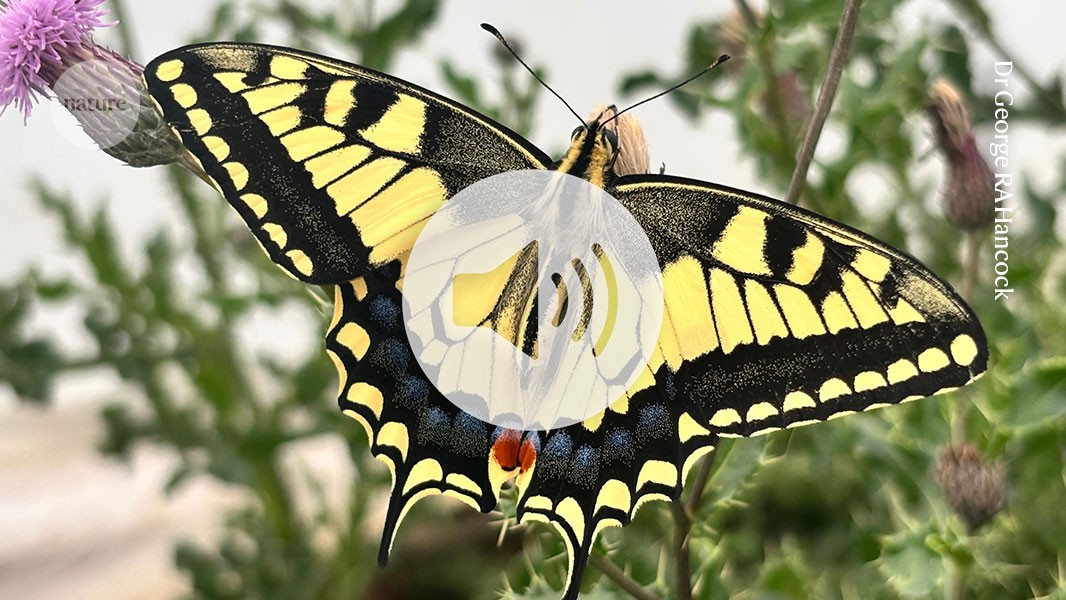
🦋
These optical illusions are why butterflies are so hard to catch
Deze optische illusies zijn waarom vlinders zo moeilijk te vangen zijn
Ces illusions d'optique expliquent pourquoi les papillons sont si difficiles à attraper
So: scientists have used high-speed footage to uncover why butterflies are such tricky targets for birds. It turns out their wing markings create optical illusions that confuse the eye during takeoff. This clever visual trickery makes it much harder for predators to predict their flight path. And here's the thing - it’s a brilliant example of nature’s subtle defenses in action. I find it fascinating how something as simple as wing patterns can have such a big impact!
Dus: wetenschappers hebben met behulp van slowmotionbeelden ontdekt waarom vlinders zo moeilijk te vangen zijn voor vogels. Het blijkt dat de tekening op hun vleugels optische illusies veroorzaakt die het oog verwarren bij het opstijgen. Deze slimme visuele truc maakt het veel lastiger voor roofdieren om hun vlucht te voorspellen. En hier komt het mooie - het is een prachtig voorbeeld van de subtiele verdedigingsmechanismen in de natuur. Ik vind het fascinerend hoe iets eenvoudigs als vleugelpatronen zo’n groot effect kan hebben!
Alors: des scientifiques ont utilisé des images à haute vitesse pour comprendre pourquoi les papillons sont si difficiles à attraper pour les oiseaux. Il s'avère que les motifs sur leurs ailes créent des illusions d'optique qui trompent l'œil au moment du décollage. Cette astuce visuelle ingénieuse rend beaucoup plus difficile pour les prédateurs de prévoir leur trajectoire de vol. Et voici le truc - c’est un exemple brillant des défenses subtiles de la nature en action. Je trouve fascinant qu’un simple motif d’ailes puisse avoir un impact aussi grand !
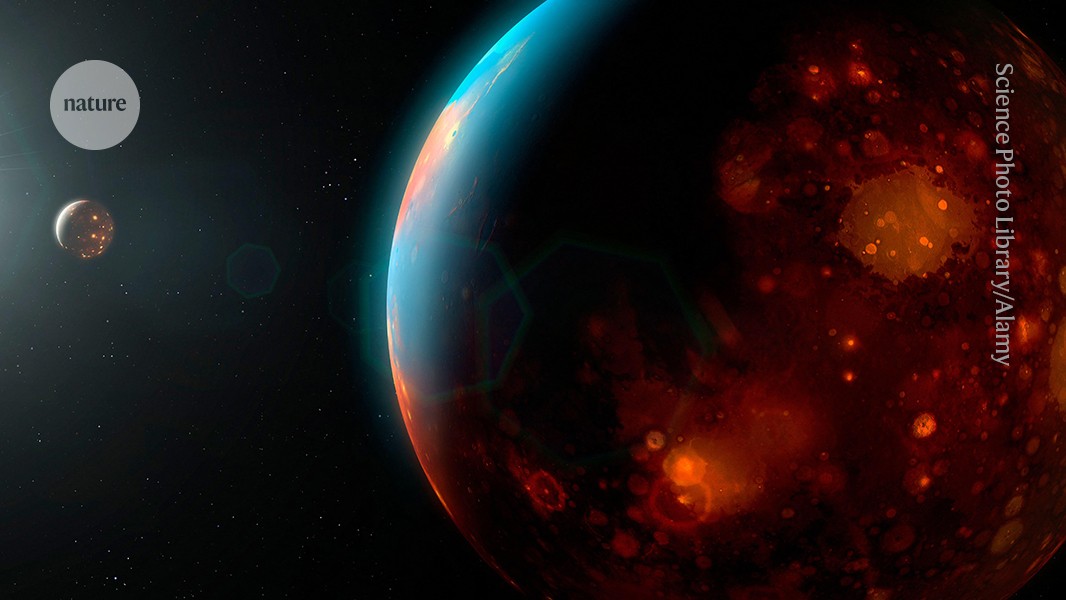
🌍
How did Earth get its water? inside the extreme machine seeking answers
Hoe kreeg de aarde haar water? binnenin de extreme machine die antwoorden zoekt
Comment la Terre a-t-elle obtenu son eau ? à l'intérieur de la machine extrême qui cherche des réponses
I find it fascinating that the Z machine, usually used for nuclear research, is now helping us understand Earth's watery origins. Alisha Clark used this powerful device to simulate conditions deep inside early Earth, suggesting our planet trapped water early on, rather than losing it all to space. So: Earth acted like a sponge, holding onto water in its molten interior and releasing it over time through volcanoes. This challenges the old idea that all water came from comets and asteroids after Earth cooled.
Ik vind het geweldig dat de Z-machine, normaal voor nucleair onderzoek, nu helpt om het waterverhaal van de aarde te ontrafelen. Alisha Clark gebruikte dit krachtige apparaat om de omstandigheden diep in de jonge aarde na te bootsen, en stelde voor dat onze planeet vroeg water vasthield in plaats van het te verliezen aan de ruimte. Dus: de aarde werkte als een spons, die water in haar gesmolten binnenkant vasthield en het later via vulkanen vrijgaf. Dit daagt het oude idee uit dat al het water pas na het afkoelen van de aarde door kometen en asteroïden kwam.
Je trouve passionnant que la machine Z, habituellement utilisée pour la recherche nucléaire, aide maintenant à comprendre l'origine de l'eau sur Terre. Alisha Clark a utilisé cet appareil puissant pour simuler les conditions profondes de la jeune Terre, suggérant que notre planète a retenu de l'eau dès le début, au lieu de tout perdre dans l'espace. Donc : la Terre a agi comme une éponge, gardant de l'eau dans son intérieur en fusion et la libérant au fil du temps par les volcans. Cela remet en question l'idée ancienne selon laquelle toute l'eau serait venue des comètes et astéroïdes après le refroidissement de la Terre.
🦋
Butterfly wing patterns give predators the old razzle-dazzle
Vlindervleugelpatronen geven roofdieren de oude razzle-dazzle
Les motifs des ailes de papillon donnent aux prédateurs le vieux razzle-dazzle
I love how nature keeps surprising us! Butterfly wings aren’t just pretty—they’re like a clever trick to confuse predators. These dazzling patterns create a kind of optical illusion that makes it harder for predators to focus or predict their moves. So: it’s not just beauty, but a smart survival strategy. And here’s the thing, this old razzle-dazzle is a fascinating example of evolution’s creativity in action.
Ik vind het geweldig hoe de natuur ons blijft verrassen! Vlindervleugels zijn niet alleen mooi - ze zijn als een slimme truc om roofdieren te verwarren. Deze schitterende patronen creëren een soort optische illusie die het voor roofdieren moeilijker maakt om te focussen of hun bewegingen te voorspellen. Dus: het is niet alleen schoonheid, maar ook een slimme overlevingsstrategie. En hier komt het op neer, deze oude razzle-dazzle is een fascinerend voorbeeld van de creativiteit van evolutie.
J’adore voir comment la nature nous étonne sans cesse ! Les ailes des papillons ne sont pas seulement jolies - elles jouent un rôle malin pour embrouiller les prédateurs. Ces motifs éblouissants créent une illusion d’optique qui rend plus difficile pour les prédateurs de se concentrer ou de prévoir leurs mouvements. Donc : ce n’est pas juste une question de beauté, mais une stratégie de survie intelligente. Et voilà le truc, ce vieux razzle-dazzle est un exemple fascinant de la créativité de l’évolution en action.
🧬
Method to ‘watermark’ AI-designed proteins could deter bioweapons, protect scientific credit
Methode om AI-ontworpen eiwitten te ‘watermerken’ kan biowapens ontmoedigen en wetenschappelijke eer beschermen
Méthode pour « watermarker » les protéines conçues par IA pourrait dissuader les armes biologiques et protéger le crédit scientifique
I find it fascinating how scientists are now able to ‘watermark’ proteins designed by AI, which is a clever way to mark their work and keep it safe from misuse. So: this method could really help deter the creation of bioweapons by making it easier to trace the origin of synthetic proteins. And here’s the thing, it also protects the credit of researchers who develop these proteins, which is super important in science. Now, this could open up new doors for safer biotech innovation while keeping the community honest and accountable.
Ik vind het geweldig hoe wetenschappers nu eiwitten die door AI zijn ontworpen kunnen ‘watermerken’, een slimme manier om hun werk te markeren en misbruik te voorkomen. Dus: deze methode kan echt helpen om de creatie van biowapens tegen te gaan door het makkelijker te maken om de oorsprong van synthetische eiwitten te traceren. En hier komt het op neer, het beschermt ook de eer van onderzoekers die deze eiwitten ontwikkelen, wat super belangrijk is in de wetenschap. Dit kan nieuwe mogelijkheden openen voor veiligere biotechnologische innovaties, terwijl de gemeenschap eerlijk en verantwoordelijk blijft.
Je trouve fascinant que les scientifiques puissent désormais « watermarker » les protéines conçues par IA, c’est une manière astucieuse de marquer leur travail et d’éviter les mauvais usages. Donc : cette méthode pourrait vraiment dissuader la création d’armes biologiques en facilitant la traçabilité des protéines synthétiques. Et voici la chose importante, elle protège aussi le crédit des chercheurs qui développent ces protéines, ce qui est crucial en science. Cela pourrait ouvrir de nouvelles voies pour une innovation biotechnologique plus sûre tout en maintenant la communauté honnête et responsable.

🔢
Strange things happen in four dimensions
Vreemde dingen gebeuren in vier dimensies
Des choses étranges se produisent en quatre dimensions
I find the world of four dimensions absolutely fascinating! Unlike the familiar one, two, or three dimensions, the fourth dimension introduces surprising complexities in topology, where shapes can transform in unexpected ways. Mathematicians have discovered that some theorems fail uniquely in four dimensions, making it a special case full of mysteries. It’s like a puzzle where smooth transformations sometimes require sharp corners, which is unheard of in lower dimensions. This really opens your mind to how much more there is beyond our everyday experience!
Ik vind de wereld van vier dimensies echt fascinerend! In tegenstelling tot de bekende één, twee of drie dimensies brengt de vierde dimensie verrassende complexiteiten in de topologie met zich mee, waarbij vormen op onverwachte manieren kunnen veranderen. Wiskundigen hebben ontdekt dat sommige stellingen uniek falen in vier dimensies, wat het een bijzondere en mysterieuze zaak maakt. Het is alsof een puzzel waarbij soepele transformaties soms scherpe hoeken vereisen, iets wat in lagere dimensies niet voorkomt. Dit opent echt je geest voor hoeveel meer er is dan onze dagelijkse ervaring!
Je trouve le monde des quatre dimensions absolument fascinant ! Contrairement aux dimensions familières une, deux ou trois, la quatrième dimension introduit des complexités surprenantes en topologie, où les formes peuvent se transformer de manière inattendue. Les mathématiciens ont découvert que certains théorèmes échouent uniquement en quatre dimensions, ce qui en fait un cas spécial plein de mystères. C’est comme un puzzle où les transformations douces nécessitent parfois des coins aigus, ce qui est inconnu dans les dimensions inférieures. Cela ouvre vraiment l’esprit à tout ce qui dépasse notre expérience quotidienne !

🧠
Surprisingly complex waves reveal the brain’s inner workings
Verrassend complexe golven onthullen het innerlijke functioneren van de hersenen
Des ondes étonnamment complexes révèlent le fonctionnement interne du cerveau
I find it fascinating how the brain uses electrical waves to process information so quickly and flexibly. Recent research shows these waves are not just simple signals but complex patterns like sources, sinks, and spirals that relate to different behaviors. This means the brain might be reorganizing itself in real time to keep up with what we do every second. And here's the thing - these discoveries are shifting how we understand brain activity from just noise to a major way the cortex processes information.
Ik vind het fascinerend hoe de hersenen elektrische golven gebruiken om informatie zo snel en flexibel te verwerken. Nieuw onderzoek laat zien dat deze golven niet zomaar simpele signalen zijn, maar complexe patronen zoals bronnen, zinkpunten en spiralen die verband houden met verschillend gedrag. Dit betekent dat de hersenen zichzelf mogelijk in real time reorganiseren om bij te blijven met wat we elke seconde doen. En hier komt het op neer - deze ontdekkingen veranderen onze kijk op hersenactiviteit van ruis naar een belangrijke manier waarop de cortex informatie verwerkt.
Je trouve fascinant que le cerveau utilise des ondes électriques pour traiter l'information aussi rapidement et avec autant de souplesse. Des recherches récentes montrent que ces ondes ne sont pas de simples signaux, mais des motifs complexes comme des sources, des puits et des spirales liés à différents comportements. Cela suggère que le cerveau pourrait se réorganiser en temps réel pour suivre nos actions à chaque seconde. Et voici le truc - ces découvertes changent notre compréhension de l’activité cérébrale, passant de simples bruits à un mode majeur de traitement de l’information par le cortex.