
🏺
Palestinian archaeologists race against time to save Gaza’s heritage
Palestijnse archeologen racen tegen de klok om Gaza’s erfgoed te redden
Des archéologues palestiniens luttent contre la montre pour sauver le patrimoine de Gaza
I find it incredible how Palestinian archaeologists are racing against time to save Gaza’s rich heritage amid devastating conflict. Since Israeli military operations began, over 160 cultural sites have been damaged, including ancient landmarks like the Great Omari Mosque. The Guardians of Heritage team has rescued more than 1,700 historical pieces despite facing huge challenges like military restrictions and dangerous conditions near the ‘Yellow Line’. Their dedication to preserving Gaza’s 5,000-year-old history is truly inspiring, showing how culture and human life remain deeply intertwined even in the darkest times.
Wat mij echt raakt, is hoe Palestijnse archeologen tegen de klok racen om het rijke erfgoed van Gaza te redden te midden van verwoestend conflict. Sinds het begin van de Israëlische militaire operaties zijn meer dan 160 culturele locaties beschadigd, waaronder oude monumenten zoals de Grote Omari-moskee. Het Guardians of Heritage-team heeft meer dan 1.700 historische stukken gered, ondanks enorme uitdagingen zoals militaire beperkingen en gevaarlijke omstandigheden nabij de ‘Yellow Line’. Hun toewijding aan het behoud van de 5.000 jaar oude geschiedenis van Gaza is echt inspirerend en laat zien hoe cultuur en mensenleven nauw verbonden blijven, zelfs in de donkerste tijden.
Je trouve incroyable que des archéologues palestiniens se battent contre la montre pour sauver le riche patrimoine de Gaza en pleine guerre dévastatrice. Depuis le début des opérations militaires israéliennes, plus de 160 sites culturels ont été endommagés, dont des monuments anciens comme la grande mosquée Omari. L’équipe des Gardiens du patrimoine a déjà sauvé plus de 1 700 pièces historiques malgré les énormes défis, notamment les restrictions militaires et les zones dangereuses près de la « ligne jaune ». Leur engagement à préserver les 5 000 ans d’histoire de Gaza est vraiment inspirant, montrant que la culture et la vie humaine restent profondément liées même dans les moments les plus sombres.
✨
A record-breaking X-ray flash may reveal the birth of a magnetar
Een recordbrekende röntgenflits onthult mogelijk de geboorte van een magnetaar
Un flash de rayons X record pourrait révéler la naissance d'un magnétar
So: astronomers have spotted the longest lasting X-ray flash ever from a neutron star merger, lasting nearly ten minutes! This exciting event, detected by the Einstein Probe satellite, suggests the birth of a magnetar - a super-magnetic, rapidly spinning neutron star. And here's the thing, these flashes could explain some mysterious cosmic signals we've struggled to understand. I love how this discovery opens a new window into the extreme forces shaping our universe.
Dus: astronomen hebben de langstdurende röntgenflits ooit van een samensmelting van neutronensterren waargenomen, bijna tien minuten lang! Dit spannende evenement, ontdekt door de Einstein Probe-satelliet, suggereert de geboorte van een magnetaar - een supermagnetische, snel draaiende neutronenster. En hier komt het: deze flitsen kunnen sommige mysterieuze kosmische signalen verklaren die we moeilijk konden begrijpen. Ik vind het geweldig hoe deze ontdekking een nieuw venster opent naar de extreme krachten die ons universum vormen.
Alors: les astronomes ont observé le flash de rayons X le plus long jamais enregistré lors de la fusion d’étoiles à neutrons, durant près de dix minutes ! Cet événement passionnant, détecté par le satellite Einstein Probe, suggère la naissance d’un magnétar - une étoile à neutrons très magnétique et en rotation rapide. Et voici le truc, ces flashs pourraient expliquer certains signaux cosmiques mystérieux que nous peinions à comprendre. J’adore comment cette découverte ouvre une nouvelle fenêtre sur les forces extrêmes qui façonnent notre univers.
🌀
Quantum teleportation breakthrough: scientists crack a 25-year entanglement challenge
Doorbraak in kwantumteleportatie: wetenschappers kraken 25 jaar oude verstrengelingsuitdaging
Percée en téléportation quantique : des scientifiques résolvent un défi d'intrication vieux de 25 ans
I just love how quantum physics keeps surprising us! Scientists at Kyoto and Hiroshima Universities have finally solved a 25-year puzzle by developing a new method to measure the elusive W state in multi-photon entanglement. They cleverly used a symmetry property and a quantum Fourier transform to build a device that distinguishes different W states with impressive reliability. This breakthrough opens exciting doors for quantum teleportation and other quantum technologies that rely on entanglement. And here's the thing - it’s a huge step forward in making quantum communication more efficient and practical.
Ik vind het geweldig hoe de kwantumfysica ons blijft verbazen! Wetenschappers van de universiteiten van Kyoto en Hiroshima hebben eindelijk een puzzel van 25 jaar opgelost door een nieuwe methode te ontwikkelen om de lastige W-toestand in multi-fotonverstrengeling te meten. Ze gebruikten slim een symmetrie-eigenschap en een kwantum-Fouriertransformatie om een apparaat te bouwen dat verschillende W-toestanden met indrukwekkende betrouwbaarheid kan onderscheiden. Deze doorbraak opent spannende mogelijkheden voor kwantumteleportatie en andere kwantumtechnologieën die afhankelijk zijn van verstrengeling. En hier komt het op neer - het is een grote stap vooruit om kwantumcommunicatie efficiënter en praktischer te maken.
J’adore la façon dont la physique quantique continue de nous surprendre ! Des chercheurs des universités de Kyoto et Hiroshima ont enfin résolu un casse-tête vieux de 25 ans en développant une nouvelle méthode pour mesurer l’état W dans l’intrication multi-photonique. Ils ont astucieusement utilisé une propriété de symétrie et une transformation de Fourier quantique pour construire un dispositif capable de distinguer différents états W avec une grande fiabilité. Cette avancée ouvre des perspectives passionnantes pour la téléportation quantique et d’autres technologies quantiques basées sur l’intrication. Et voici le truc - c’est un grand pas en avant pour rendre la communication quantique plus efficace et accessible.

♻️
This Tamil Nadu village turns food waste into energy
Dit dorp in Tamil Nadu zet voedselafval om in energie
Ce village du Tamil Nadu transforme les déchets alimentaires en énergie
I find it fascinating how the village of Kanjirangal in Tamil Nadu is turning food waste into something truly valuable. They convert biodegradable waste into biogas and electricity, which powers streetlights and battery-powered vehicles. And here's the thing - the leftover material becomes nutrient-rich manure, closing the loop beautifully. It’s a simple yet powerful example of how waste can have a second life, inspiring us to rethink our own cities’ waste.
Ik vind het geweldig hoe het dorp Kanjirangal in Tamil Nadu voedselafval omzet in iets waardevols. Ze zetten biologisch afbreekbaar afval om in biogas en elektriciteit, waarmee straatverlichting en elektrische voertuigen worden aangedreven. En het mooie is dat het overgebleven materiaal wordt omgezet in voedzame mest. Het is een eenvoudig maar krachtig voorbeeld van hoe afval een tweede leven kan krijgen en ons inspireert om anders naar afval in onze eigen steden te kijken.
Je trouve fascinant que le village de Kanjirangal au Tamil Nadu transforme les déchets alimentaires en une ressource précieuse. Ils convertissent les déchets biodégradables en biogaz et électricité, alimentant ainsi les lampadaires et les véhicules électriques. Et voici la chose intéressante - les résidus deviennent un engrais riche en nutriments, bouclant ainsi le cycle. C’est un exemple simple mais puissant de la façon dont les déchets peuvent avoir une seconde vie, nous invitant à repenser la gestion des déchets dans nos propres villes.
🌊
Ocean heatwaves are hiding months of extra warming
Oceanische hittegolven verbergen maanden van extra opwarming
Les vagues de chaleur océaniques cachent des mois de réchauffement supplémentaire
I find it fascinating that marine heatwaves have been studied as isolated events, but new research shows they are actually part of longer warming periods. This study reveals that the heat exposure before and after these heatwaves can be just as significant, sometimes even more so. By analyzing decades of data from U.S. estuaries, scientists found that total heat exposure has been underestimated by over 150%. So: we need to rethink how we measure marine heat stress to better protect ocean ecosystems.
Ik vind het boeiend dat oceaanische hittegolven altijd als aparte gebeurtenissen werden bestudeerd, terwijl nieuw onderzoek laat zien dat ze deel uitmaken van langere periodes van opwarming. Deze studie toont aan dat de warmte vóór en na deze hittegolven net zo belangrijk kan zijn, soms zelfs nog meer. Door tientallen jaren aan gegevens van Amerikaanse estuaria te analyseren, ontdekten wetenschappers dat de totale warmteblootstelling met meer dan 150% werd onderschat. Dus: we moeten onze manier van meten herzien om oceaanecosystemen beter te beschermen.
Je trouve fascinant que les vagues de chaleur marines aient été étudiées comme des événements isolés, alors que cette nouvelle recherche montre qu'elles font partie de périodes de réchauffement plus longues. L'étude révèle que l'exposition à la chaleur avant et après ces vagues peut être tout aussi importante, voire plus. En analysant des décennies de données provenant des estuaires américains, les scientifiques ont découvert que l'exposition totale à la chaleur était sous-estimée de plus de 150%. Donc: il faut repenser notre façon de mesurer le stress thermique marin pour mieux protéger les écosystèmes océaniques.
🦇
Bats may have first evolved in Europe 65 million years ago
Vleermuizen zijn mogelijk 65 miljoen jaar geleden voor het eerst in Europa geëvolueerd
Les chauves-souris auraient peut-être évolué pour la première fois en Europe il y a 65 millions d'années
So: new research is shaking up what we thought about bat origins. It turns out bats probably first evolved in Europe around 65 million years ago, not Africa or Asia as some suggested. An international team combined genome data from every bat family with fossil evidence to build a detailed family tree. And here's the thing - this work shows that powered flight and echolocation appeared early in bat evolution, helping them spread worldwide.
Dus: nieuw onderzoek verandert ons beeld van de oorsprong van vleermuizen. Het lijkt erop dat vleermuizen ongeveer 65 miljoen jaar geleden voor het eerst in Europa zijn geëvolueerd, en niet in Afrika of Azië zoals sommigen dachten. Een internationaal team combineerde genoomgegevens van alle vleermuisfamilies met fossiele vondsten om een gedetailleerde stamboom te maken. En het mooie is dat vliegen en echolocatie al vroeg in hun evolutie verschenen, wat hun wereldwijde verspreiding verklaart.
Alors: une nouvelle recherche bouleverse notre compréhension des origines des chauves-souris. Il semblerait qu'elles aient évolué pour la première fois en Europe il y a environ 65 millions d'années, et non en Afrique ou en Asie comme certains le pensaient. Une équipe internationale a combiné des données génomiques de toutes les familles de chauves-souris avec des fossiles pour reconstruire leur arbre généalogique. Et voici le truc - le vol battu et l’écholocation sont apparus très tôt, ce qui a aidé leur expansion mondiale.
🦈
Sharks can hear nearly 250 feet away and pinpoint the source
Haaien kunnen bijna 75 meter ver horen en de bron lokaliseren
Les requins peuvent entendre à près de 75 mètres et localiser la source
I find it fascinating that blacktip sharks can hear sounds from almost 250 feet away! Researchers used underwater speakers and drones to observe these sharks in their natural coastal habitat, discovering they not only detect distant noises but also quickly turn away from them. This shows sharks can pinpoint where a sound is coming from, which is a big deal because it reveals more about their sensory world. And here's the thing - they respond mostly to low-frequency sounds, which travel farther underwater, making their hearing even more impressive.
Ik vind het geweldig dat zwartpunthaaien geluiden kunnen horen van bijna 75 meter afstand! Onderzoekers gebruikten onderwaterspeakers en drones om deze haaien in hun natuurlijke kustomgeving te bestuderen en ontdekten dat ze niet alleen verre geluiden waarnemen, maar er ook snel van wegzwemmen. Dit laat zien dat haaien precies kunnen bepalen waar een geluid vandaan komt, wat veel vertelt over hun zintuiglijke wereld. En het bijzondere is dat ze vooral reageren op lage frequenties, die zich verder onder water verspreiden, wat hun gehoor nog indrukwekkender maakt.
Je trouve fascinant que les requins pointe-noire puissent entendre des sons à près de 75 mètres ! Les chercheurs ont utilisé des haut-parleurs sous-marins et des drones pour observer ces requins dans leur habitat côtier naturel, découvrant qu'ils détectent non seulement des bruits lointains mais tournent aussi rapidement à leur rencontre. Cela montre que les requins peuvent localiser la source d’un son, ce qui est une grande avancée pour comprendre leurs sens. Et voici la chose intéressante - ils réagissent surtout aux sons basse fréquence, qui voyagent plus loin sous l’eau, rendant leur audition encore plus impressionnante.
🐢
First ever recorded sea turtle nests on America’s west coast
Eerste ooit geregistreerde zeeschildpadeieren aan de westkust van Amerika
Premiers nids de tortues marines jamais enregistrés sur la côte ouest américaine
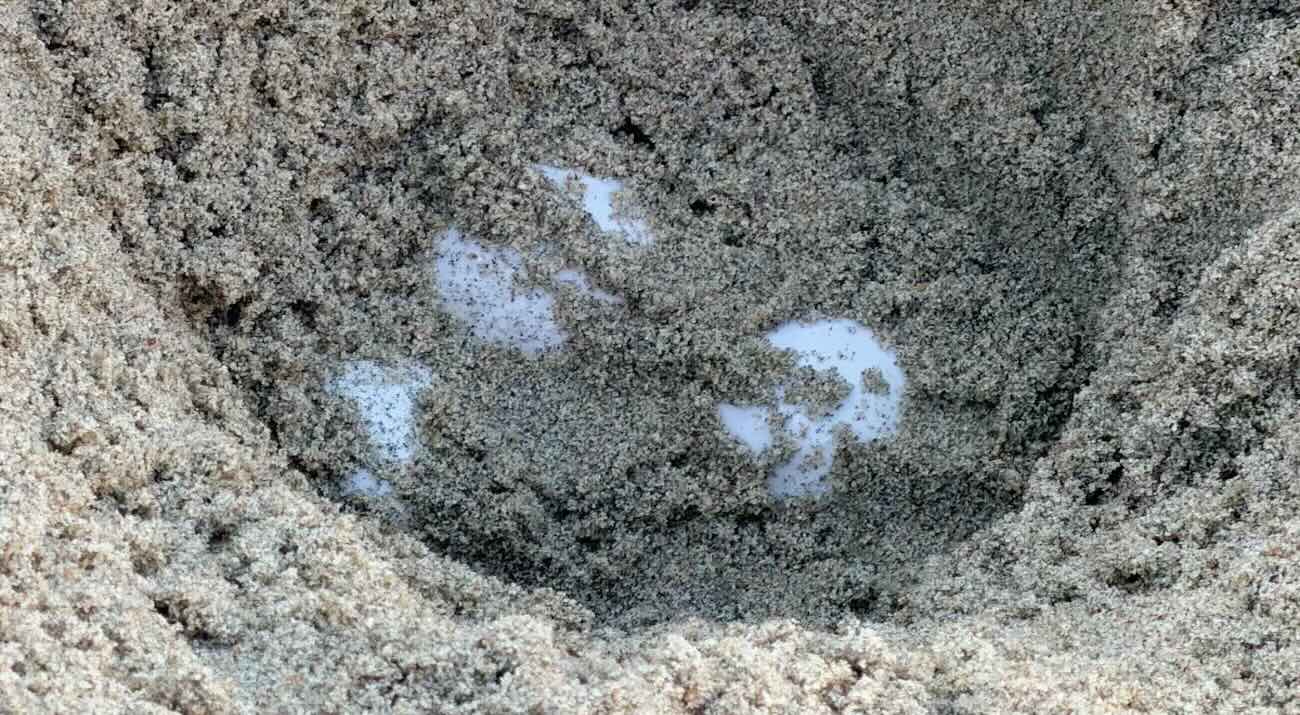
So: for the very first time, olive ridley sea turtles have laid eggs on Southern California beaches, a surprising and exciting event! These turtles usually nest far south in places like Costa Rica, but a couple of brave females made their nests right here on the West Coast. When storms threatened the nests, wildlife officials acted fast to rescue the eggs and move them to a safe place for incubation. It’s a hopeful sign that these adaptable creatures might be shifting their habits as the climate changes, showing resilience in the face of new challenges.
Dus: voor het eerst ooit hebben olijfkopschildpadden eieren gelegd op stranden in Zuid-Californië, wat echt verrassend en opwindend is! Deze schildpadden nestelen normaal gesproken veel zuidelijker, maar een paar dappere vrouwtjes maakten hier hun nesten aan de westkust. Toen stormen de nesten bedreigden, grepen natuurbeschermers snel in en brachten de eieren naar een veilige plek voor uitkomst. Het is een hoopvol teken dat deze aanpasbare dieren hun gedrag veranderen door het klimaat, wat veerkracht toont in nieuwe omstandigheden.
Alors: pour la toute première fois, des tortues olivâtres ont pondu des œufs sur les plages du sud de la Californie, un événement surprenant et enthousiasmant! Ces tortues nichent habituellement beaucoup plus au sud, mais quelques femelles courageuses ont choisi la côte ouest. Lorsque des tempêtes ont menacé les nids, les responsables de la faune sont intervenus rapidement pour sauver les œufs et les placer en incubation en lieu sûr. C’est un signe d’espoir que ces créatures adaptables modifient leurs habitudes face au changement climatique, montrant une belle résilience.
/s3/static.nrc.nl/wp-content/uploads/2026/09/30101652/300926BIN_2037087550_1.jpg)
🤝
Thank your donor personally? Soon possible for stem cell recipients, advises Health Council
Je donor persoonlijk bedanken? Binnenkort mogelijk voor stamceldonoren, adviseert Gezondheidsraad
Remercier personnellement son donneur ? Bientôt possible pour les receveurs de cellules souches, conseille le Conseil de santé
The Dutch Health Council recommends allowing stem cell recipients to personally contact their donors, a big step from the current anonymous message exchange. This contact would only be possible after two years and with informed consent from both parties to protect against pressure or obligations. It’s exciting because many donors and recipients feel the need to connect, and this change could also encourage more people to become donors. Plus, it opens the door to considering similar contact for kidney or liver tissue donors in the future.
De Gezondheidsraad adviseert dat ontvangers van stamcellen binnenkort persoonlijk contact mogen leggen met hun donor, in plaats van de huidige anonieme berichtenuitwisseling. Dit contact mag pas na twee jaar plaatsvinden en alleen met geïnformeerde toestemming van beide partijen, om druk en verplichtingen te voorkomen. Het is geweldig nieuws, want veel donoren en ontvangers willen graag contact maken. Bovendien kan dit helpen om meer donoren te werven en wordt ook gekeken naar mogelijkheden voor nier- en leverdonaties.
Le Conseil de santé néerlandais recommande que les receveurs de cellules souches puissent bientôt contacter personnellement leur donneur, au lieu de l’échange anonyme actuel. Ce contact ne serait possible qu’après deux ans et avec le consentement éclairé des deux parties, afin d’éviter toute pression ou obligation. C’est enthousiasmant car beaucoup de donneurs et receveurs souhaitent se connecter. Cette mesure pourrait aussi encourager davantage de dons et ouvrir la voie à un contact similaire pour les dons de rein ou de foie.
/s3/static.nrc.nl/wp-content/uploads/2026/06/17115911/Mooi-Werk-Ben-Tiggelaar-2025-09-1.jpg)
🌱
Five ways your work can feel meaningful
Vijf manieren waarop je werk zinvol kan voelen
Cinq façons dont votre travail peut avoir du sens
I find it fascinating how work can feel meaningful in so many different ways. It’s not just about self-growth or saving the world, but also about the simple joy of the task itself or the connection it brings with others. Work can help us develop ourselves, support our loved ones, and even contribute to a greater cause. And here’s the thing - some people even find a spiritual calling in their work, which adds a whole new layer of meaning.
Ik vind het bijzonder hoe werk op zoveel verschillende manieren zinvol kan zijn. Het gaat niet alleen om zelfontwikkeling of de wereld verbeteren, maar ook om het plezier van het werk zelf of het contact met anderen. Werk helpt ons om onszelf te ontwikkelen, voor dierbaren te zorgen en bij te dragen aan een groter doel. En hier komt het: sommige mensen ervaren hun werk zelfs als een spirituele roeping, wat een extra dimensie aan de betekenis geeft.
Je trouve fascinant que le travail puisse avoir du sens de tant de façons différentes. Ce n’est pas seulement une question de développement personnel ou d’amélioration du monde, mais aussi du plaisir simple de la tâche elle-même ou des liens qu’elle crée avec les autres. Le travail peut nous aider à nous développer, à soutenir nos proches et à contribuer à une cause plus grande. Et voici la chose - certaines personnes trouvent même un appel spirituel dans leur travail, ce qui ajoute une toute nouvelle dimension au sens.
🌊
‘Beyond priceless’: how a halt to dredging saved the seas of Scotland’s Summer Isles
‘Onbetaalbaar’: hoe een stop op baggeren de zeeën van de Summer Isles in Schotland redde
« Au-delà de toute valeur » : comment l’arrêt du dragage a sauvé les mers des Summer Isles en Écosse
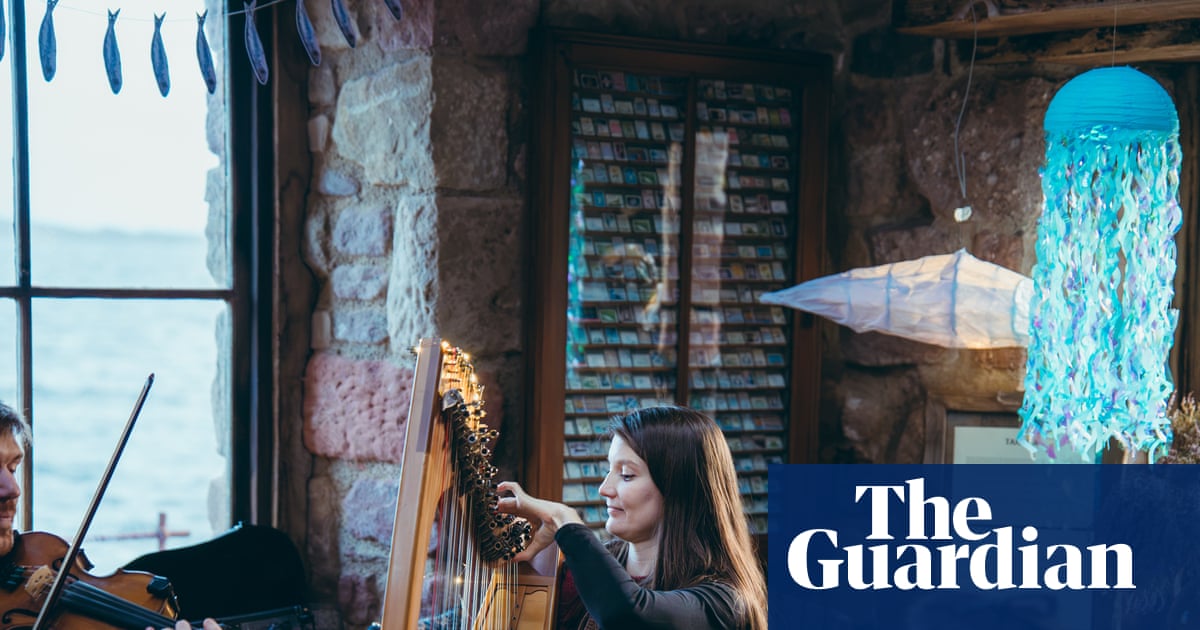
I love how this story shows the power of community and nature working together. After a decade-long ban on scallop dredging around Scotland’s Summer Isles, the marine life has bounced back spectacularly. The fragile maerl seaweed beds, vital nurseries for fish and scallops, are thriving again, and local fishermen are seeing more variety in their catches. It’s not just about the environment – the local economy benefits too, with sustainable fishing methods bringing fresh opportunities and peace between fishers.
Ik vind het geweldig hoe dit verhaal laat zien wat een gemeenschap en de natuur samen kunnen bereiken. Na tien jaar verbod op het baggeren van sint-jakobsschelpen rond de Summer Isles in Schotland, is het zeeleven prachtig hersteld. De kwetsbare maerl-zeewierbedden, belangrijke kraamkamers voor vissen en schelpen, bloeien weer op en lokale vissers vangen meer verschillende soorten. Het gaat niet alleen om het milieu – ook de lokale economie profiteert, met duurzame vismethoden die nieuwe kansen en rust tussen vissers brengen.
J’adore cette histoire qui montre la force d’une communauté et de la nature qui travaillent ensemble. Après une interdiction de dix ans du dragage des coquilles Saint-Jacques autour des Summer Isles en Écosse, la vie marine a remarquablement repris. Les lits fragiles d’algues maerl, essentiels comme nurseries pour poissons et coquilles, prospèrent à nouveau, et les pêcheurs locaux observent une plus grande variété dans leurs prises. Ce n’est pas qu’une victoire pour l’environnement – l’économie locale en profite aussi grâce à des méthodes de pêche durables qui apportent de nouvelles opportunités et apaisent les tensions entre pêcheurs.
🐄
More cows can avoid controversial feed additive
Meer koeien kunnen het omstreden voer vermijden
Plus de vaches peuvent éviter l'additif alimentaire controversé
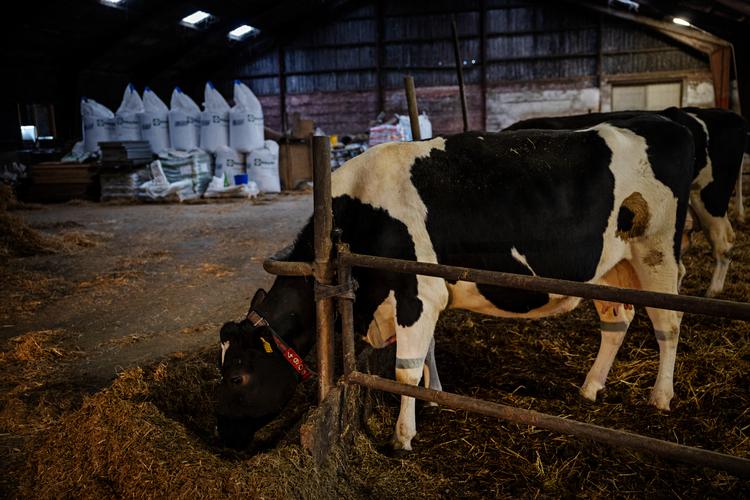
So, here's the scoop: Danish farmers using Bovaer, a feed additive that reduces methane emissions from cows, now have more flexibility to exclude cows that show adverse symptoms. The minister for nature and animal welfare, Christian Rabjerg Madsen, emphasizes that animal welfare comes first, which is great news for the cows. While Bovaer is a key tool in cutting agricultural emissions, some farmers reported health issues and reduced milk production in their cows. Now, with expanded exceptions and ongoing research from Aarhus University, the balance between climate goals and animal well-being is being carefully managed.
Dus, hier is het nieuws: Deense boeren die Bovaer gebruiken, een voeradditief dat methaanuitstoot van koeien vermindert, krijgen nu meer ruimte om koeien die last hebben van bijwerkingen uit te sluiten. Minister Christian Rabjerg Madsen benadrukt dat dierenwelzijn voorop staat, wat geweldig is voor de koeien. Hoewel Bovaer een belangrijk middel is om landbouwemissies te verminderen, meldden sommige boeren gezondheidsproblemen en minder melkproductie bij hun koeien. Met de uitgebreide uitzonderingen en lopend onderzoek van Aarhus Universiteit wordt de balans tussen klimaatdoelen en dierenwelzijn zorgvuldig bewaakt.
Alors, voilà l'essentiel : les agriculteurs danois utilisant Bovaer, un additif alimentaire qui réduit les émissions de méthane des vaches, disposent désormais de plus de flexibilité pour exclure les vaches présentant des symptômes négatifs. Le ministre de la nature et du bien-être animal, Christian Rabjerg Madsen, insiste sur le fait que le bien-être animal passe avant tout, ce qui est une excellente nouvelle pour les vaches. Bien que Bovaer soit un outil clé pour réduire les émissions agricoles, certains agriculteurs ont signalé des problèmes de santé et une baisse de la production laitière. Avec les exceptions élargies et la recherche en cours de l'Université d'Aarhus, l'équilibre entre les objectifs climatiques et le bien-être animal est bien pris en compte.

🚒
European Commission proposes interconnected network for emergency services: 'Our responders must communicate instantly'
Europese Commissie stelt verbonden netwerk voor hulpdiensten voor: 'Onze hulpverleners moeten onmiddellijk kunnen communiceren'
La Commission européenne propose un réseau interconnecté pour les services de secours : « Nos intervenants doivent pouvoir communiquer instantanément »
So: the European Commission wants to create a secure communication system that connects emergency services across Europe. This means police, firefighters, medical teams, and civil protection can share data, photos, and locations instantly, even across borders. Currently, their systems don’t talk to each other well and can fail at borders, which is a big problem in crises. The plan is to upgrade to high-speed tech like 5G and use satellites as backups, aiming for rollout starting in 2030. And here's the thing - it’s all about saving lives by making sure Europe’s first responders act as one.
De Europese Commissie wil een beveiligd communicatiesysteem opzetten dat hulpdiensten in heel Europa met elkaar verbindt. Politie, brandweer, medische teams en civiele bescherming kunnen zo direct data, foto’s en locaties delen, zelfs over grenzen heen. Nu werken hun systemen niet goed samen en vallen ze soms uit bij grensovergangen, wat in crisissituaties problematisch is. Het plan is om over te schakelen naar snelle technologieën zoals 5G en satellieten als back-up te gebruiken, met een start vanaf 2030. Het draait allemaal om levens redden door ervoor te zorgen dat de hulpverleners in Europa als één team samenwerken.
La Commission européenne propose un système de communication sécurisé pour connecter les services de secours à travers l’Europe. Police, pompiers, équipes médicales et protection civile pourront ainsi partager instantanément données, photos et géolocalisation, même au-delà des frontières. Actuellement, leurs systèmes ne sont pas interconnectés et peuvent tomber en panne lors des passages de frontières, ce qui pose problème en cas de crise. Le projet prévoit une montée en puissance vers des technologies rapides comme la 5G, avec des satellites en secours, à partir de 2030. L’objectif est clair : sauver des vies en permettant aux premiers intervenants européens d’agir ensemble.

✈️
A Bengaluru aerospace scientist built the made-in-India system that reads fog for pilots
Een aerospace-wetenschapper uit Bengaluru ontwikkelde het Indiase systeem dat mist voor piloten leest
Une scientifique aérospatiale de Bengaluru a créé le système indien qui lit le brouillard pour les pilotes
I find it fascinating that Dr Shubha Iyengar, an aerospace scientist from Bengaluru, developed Drishti, a homegrown system that measures runway visibility in fog and rain. This technology helps pilots and air traffic controllers by providing real-time data on how much of the runway can be seen, which is crucial during poor weather. Before Drishti, airports in India relied on costly imported systems, but this affordable and locally maintainable solution has now been installed at over 100 locations. And here's the thing - it’s not just about technology, but also about making flying safer for everyone in India.
Ik vind het geweldig dat Dr Shubha Iyengar, een aerospace-wetenschapper uit Bengaluru, Drishti heeft ontwikkeld, een Indiaas systeem dat de zichtbaarheid op start- en landingsbanen in mist en regen meet. Deze technologie helpt piloten en luchtverkeersleiders met realtime informatie over hoeveel van de baan zichtbaar is, wat cruciaal is bij slecht weer. Voor Drishti vertrouwden Indiase luchthavens op dure geïmporteerde systemen, maar deze betaalbare en lokaal onderhoudbare oplossing is nu op meer dan 100 locaties geïnstalleerd. En hier komt het op neer - het gaat niet alleen om technologie, maar om veiliger vliegen voor iedereen in India.
Je trouve fascinant que la Dr Shubha Iyengar, scientifique aérospatiale de Bengaluru, ait développé Drishti, un système indien qui mesure la visibilité sur les pistes en cas de brouillard et de pluie. Cette technologie fournit aux pilotes et aux contrôleurs aériens des données en temps réel sur la visibilité de la piste, ce qui est crucial par mauvais temps. Avant Drishti, les aéroports indiens utilisaient des systèmes importés coûteux, mais cette solution abordable et facile à entretenir localement est désormais installée dans plus de 100 sites. Et voici le truc - ce n’est pas seulement une question de technologie, mais de rendre le vol plus sûr pour tous en Inde.

♻️
Every Sunday, these Arunachal villages sort waste into 22 types before it ever leaves their homes
Elke zondag scheiden deze dorpen in Arunachal afval in 22 soorten voordat het hun huizen verlaat
Chaque dimanche, ces villages d'Arunachal trient les déchets en 22 catégories avant qu'ils ne quittent leurs maisons
I love how these Arunachal villages have turned waste sorting into a community ritual every Sunday! Families separate their trash into 22 different types right at home, making recycling way more effective. With around 6,000 people involved across 27 villages, they’ve recovered nearly 90 tonnes of waste so far. And here's the thing - this system isn’t just about cleaning up; it’s about everyone pitching in, even paying a small fee to keep things running smoothly.
Ik vind het geweldig hoe deze dorpen in Arunachal van afval scheiden een gemeenschapsritueel hebben gemaakt, elke zondag! Gezinnen scheiden hun afval in 22 verschillende soorten, al thuis, wat recycling veel effectiever maakt. Met ongeveer 6.000 mensen betrokken in 27 dorpen hebben ze tot nu toe bijna 90 ton afval teruggewonnen. En het mooie is dat dit systeem niet alleen gaat om schoonmaken, maar om iedereen die meedoet, zelfs met een kleine bijdrage om het draaiende te houden.
J’adore la façon dont ces villages d’Arunachal ont transformé le tri des déchets en un rituel communautaire chaque dimanche ! Les familles trient leurs déchets en 22 catégories différentes dès la maison, ce qui rend le recyclage beaucoup plus efficace. Avec environ 6 000 personnes impliquées dans 27 villages, ils ont déjà récupéré près de 90 tonnes de déchets. Et voici le truc - ce système ne consiste pas seulement à nettoyer, mais à ce que chacun participe, même en payant une petite contribution pour assurer le bon fonctionnement.
🕊️
The Iranian lawyer and activist who never gives up: Nasrin Sotoudeh wins human rights award
De Iraanse advocaat en activist die nooit opgeeft: Nasrin Sotoudeh wint mensenrechtenprijs
L’avocate et militante iranienne qui n’abandonne jamais : Nasrin Sotoudeh reçoit un prix des droits humains
Nasrin Sotoudeh is a remarkable Iranian lawyer and activist who has shown incredible courage in defending human rights despite immense challenges. She has been repeatedly imprisoned for her fearless work, yet she never loses hope or stops fighting. So: her recent win of a prestigious human rights award is a powerful recognition of her dedication and resilience. And here’s the thing - her story inspires many around the world to stand up for justice no matter the odds.
Nasrin Sotoudeh is een bijzondere Iraanse advocaat en activist die met enorme moed mensenrechten verdedigt, ondanks zware tegenslagen. Ze is herhaaldelijk gevangen gezet vanwege haar onvermoeibare inzet, maar ze verliest nooit de hoop of stopt met vechten. Dus: haar recente winst van een prestigieuze mensenrechtenprijs is een sterke erkenning van haar doorzettingsvermogen en toewijding. En hier komt het op neer - haar verhaal inspireert velen wereldwijd om op te komen voor gerechtigheid, ongeacht de moeilijkheden.
Nasrin Sotoudeh est une avocate et militante iranienne remarquable qui fait preuve d’un courage incroyable pour défendre les droits humains malgré d’énormes défis. Elle a été emprisonnée à plusieurs reprises pour son travail sans peur, mais elle ne perd jamais espoir ni ne cesse de se battre. Donc : son récent prix des droits humains est une reconnaissance puissante de sa détermination et de sa résilience. Et voici la chose - son histoire inspire beaucoup de gens dans le monde à défendre la justice, quoi qu’il arrive.
/s3/static.nrc.nl/wp-content/uploads/2026/09/28150823/300926WET_2037028694_2026_Crawling_under_SUPP1.jpg)
🦠
Two new species found of an amoeba that took a unique step in evolution
Twee nieuwe soorten gevonden van een amoebe die een unieke stap zette in de evolutie
Deux nouvelles espèces découvertes d'une amibe ayant franchi une étape unique dans l'évolution
So: scientists discovered two new species of the fascinating amoeba genus Paulinella along the coast of North Carolina. These amoebas are special because their ancestor independently captured a photosynthesizing bacterium about 100 million years ago, a rare evolutionary event only seen once before. Now, this process of primary endosymbiosis is still ongoing in Paulinella, offering a unique glimpse into evolution in action. And here's the thing - despite being hard to keep alive in labs, these amoebas are found worldwide if you know where to look.
Dus: wetenschappers hebben twee nieuwe soorten ontdekt van het bijzondere amoebegenus Paulinella aan de kust van North Carolina. Deze amoeben zijn speciaal omdat hun voorouder ongeveer 100 miljoen jaar geleden zelfstandig een fotosynthetiserende bacterie opslokte, iets wat in de evolutie maar één keer eerder gebeurde. Nu is dit proces van primaire endosymbiose nog steeds gaande bij Paulinella, wat ons een uniek inzicht geeft in evolutie in actie. En het bijzondere is dat, hoewel ze moeilijk in het lab te houden zijn, deze amoeben wereldwijd voorkomen als je maar goed zoekt.
Alors: des scientifiques ont découvert deux nouvelles espèces du genre d'amibes fascinant Paulinella au large de la Caroline du Nord. Ces amibes sont uniques car leur ancêtre a capturé de manière indépendante une bactérie capable de photosynthèse il y a environ 100 millions d'années, un événement évolutif rare survenu seulement une fois auparavant. Aujourd'hui, ce processus d'endosymbiose primaire est toujours en cours chez Paulinella, offrant un aperçu unique de l'évolution en action. Et voici le truc - bien qu'elles soient difficiles à maintenir en laboratoire, ces amibes se trouvent dans le monde entier si l'on sait où chercher.
💿
In the ’90s, the US sold millions of broken CDs to China, creating a huge underground music scene
In de jaren 90 verkocht de VS miljoenen kapotte cd's aan China, wat een enorme underground muziekscene creëerde
Dans les années 90, les États-Unis ont vendu des millions de CD cassés à la Chine, créant une vaste scène musicale underground
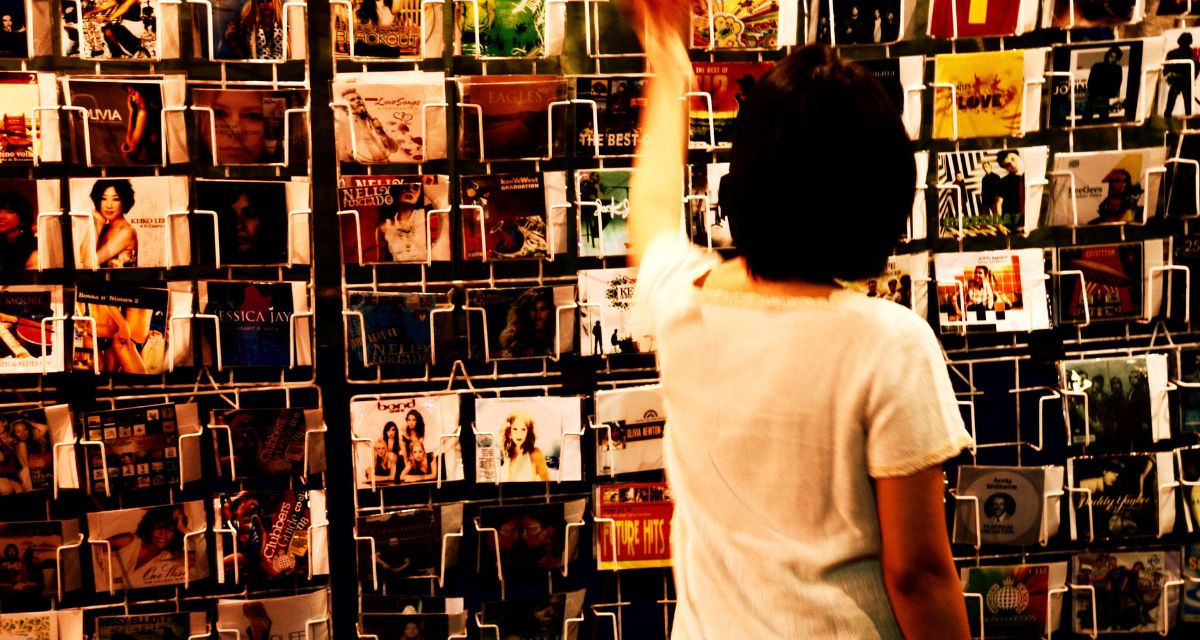
So: in the 1990s, damaged CDs from the US found their way into China, sparking a massive underground music movement called Dakou. These broken discs were sold cheaply and gave Chinese youth access to Western music that was otherwise banned or hard to find. And here's the thing - despite the damage, kids loved these CDs and built a vibrant black market around them. It’s amazing how what was once trash became a treasure that shaped a whole generation’s musical taste.
Dus: in de jaren 90 kwamen beschadigde cd’s uit de VS naar China en ontstond er een enorme underground muziekbeweging genaamd Dakou. Deze kapotte schijven werden goedkoop verkocht en gaven Chinese jongeren toegang tot westerse muziek die anders verboden of moeilijk te vinden was. En hier komt het: ondanks de beschadigingen hielden de kinderen van deze cd’s en ontstond er een levendige zwarte markt. Het is geweldig hoe wat eerst afval was, een schat werd die de muzikale smaak van een hele generatie vormgaf.
Alors: dans les années 90, des CD endommagés venus des États-Unis ont atterri en Chine, donnant naissance à un immense mouvement musical underground appelé Dakou. Ces disques cassés étaient vendus à bas prix et offraient aux jeunes Chinois un accès à la musique occidentale, souvent interdite ou difficile à trouver. Et voilà le truc - malgré les dommages, les jeunes adoraient ces CD et ont créé un marché noir très actif autour d’eux. C’est incroyable de voir comment ce qui était un déchet est devenu un trésor qui a façonné le goût musical d’une génération entière.
🐊
CT scans reveal how prehistoric crocodiles might have crossed the Atlantic Ocean
CT-scans tonen hoe prehistorische krokodillen mogelijk over Atlantische Oceaan trokken
Les scans CT montrent comment les crocodiles préhistoriques ont peut-être traversé l'océan Atlantique
I find it fascinating that CT scans are helping us understand how prehistoric crocodiles could have made the incredible journey across the Atlantic Ocean. These scans reveal details about their anatomy that suggest they were capable of long-distance travel, which is quite surprising! So: this challenges what we thought about their mobility and opens new doors for studying ancient animal behavior. And here's the thing - it makes me wonder what other secrets are hidden in fossils waiting to be uncovered.
Ik vind het geweldig dat CT-scans ons nu laten zien hoe prehistorische krokodillen mogelijk de enorme oversteek van de Atlantische Oceaan maakten. Die scans onthullen details over hun lichaam die erop wijzen dat ze lange afstanden konden afleggen, wat best verrassend is! Dus: dit zet onze ideeën over hun beweeglijkheid op zijn kop en opent nieuwe mogelijkheden om het gedrag van oude dieren te bestuderen. En het maakt me nieuwsgierig naar welke andere geheimen fossielen nog voor ons bewaren.
Je trouve passionnant que les scans CT nous aident à comprendre comment les crocodiles préhistoriques ont pu traverser l'océan Atlantique. Ces images révèlent des détails anatomiques suggérant qu'ils étaient capables de longs voyages, ce qui est assez étonnant ! Donc : cela remet en question nos idées sur leur mobilité et ouvre de nouvelles perspectives pour étudier le comportement animal ancien. Et voilà ce qui est fascinant - je me demande quels autres secrets les fossiles cachent encore.
💊
Patients reimbursed for ADHD medication quadruples in 10 years, says new research
Aantal patiënten dat ADHD-medicatie vergoed krijgt verviervoudigd in 10 jaar, zegt nieuw onderzoek
Le nombre de patients remboursés pour les médicaments contre le TDAH quadruple en 10 ans, selon une nouvelle recherche
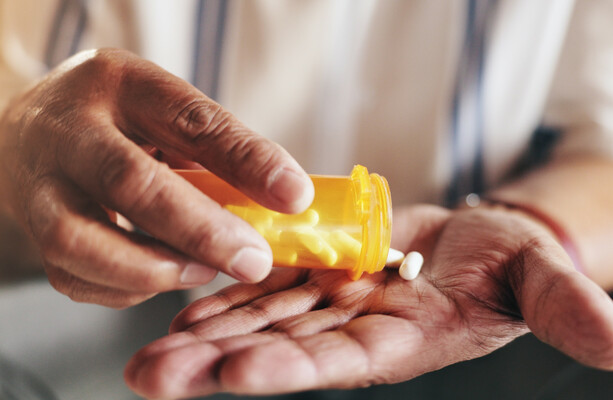
The number of people receiving ADHD medication in Ireland has shot up dramatically over the past decade, with prescriptions quadrupling from 2015 to 2024. The biggest increase is seen in those aged 16 to 34, and interestingly, female patients are catching up with males. This rise is linked to greater awareness that ADHD affects adults, not just children, and a new public service launched in 2021 has been overwhelmed by demand. So: while the data only covers public reimbursements, the real numbers might be even higher as private prescriptions are not included.
Het aantal mensen dat in Ierland ADHD-medicatie krijgt, is de afgelopen tien jaar enorm gestegen en verviervoudigd tussen 2015 en 2024. De grootste toename is te zien bij mensen van 16 tot 34 jaar, en opvallend is dat vrouwelijke patiënten bijna gelijk zijn getrokken met mannen. Deze stijging komt door meer bewustzijn dat ADHD ook volwassenen treft en een nieuwe publieke dienst die in 2021 startte, werd meteen overspoeld door aanvragen. Dus: hoewel de cijfers alleen publieke vergoedingen tonen, zijn de werkelijke aantallen waarschijnlijk nog hoger door privérecepten.
Le nombre de personnes recevant des médicaments pour le TDAH en Irlande a explosé ces dix dernières années, quadruplant entre 2015 et 2024. La plus forte augmentation concerne les 16-34 ans, et les femmes rattrapent presque les hommes en nombre de patients. Cette hausse s’explique par une meilleure reconnaissance que le TDAH touche aussi les adultes, et un service public lancé en 2021 a rapidement été débordé par la demande. Donc : même si les données concernent uniquement les remboursements publics, le nombre réel pourrait être encore plus élevé avec les prescriptions privées.
👁️
'It gives you that willpower to face the world' - the magic behind an eye prosthesis
'Het geeft je die wilskracht om de wereld tegemoet te treden' - de magie achter een kunstoog
'Ça vous donne la volonté d'affronter le monde' - la magie derrière une prothèse oculaire
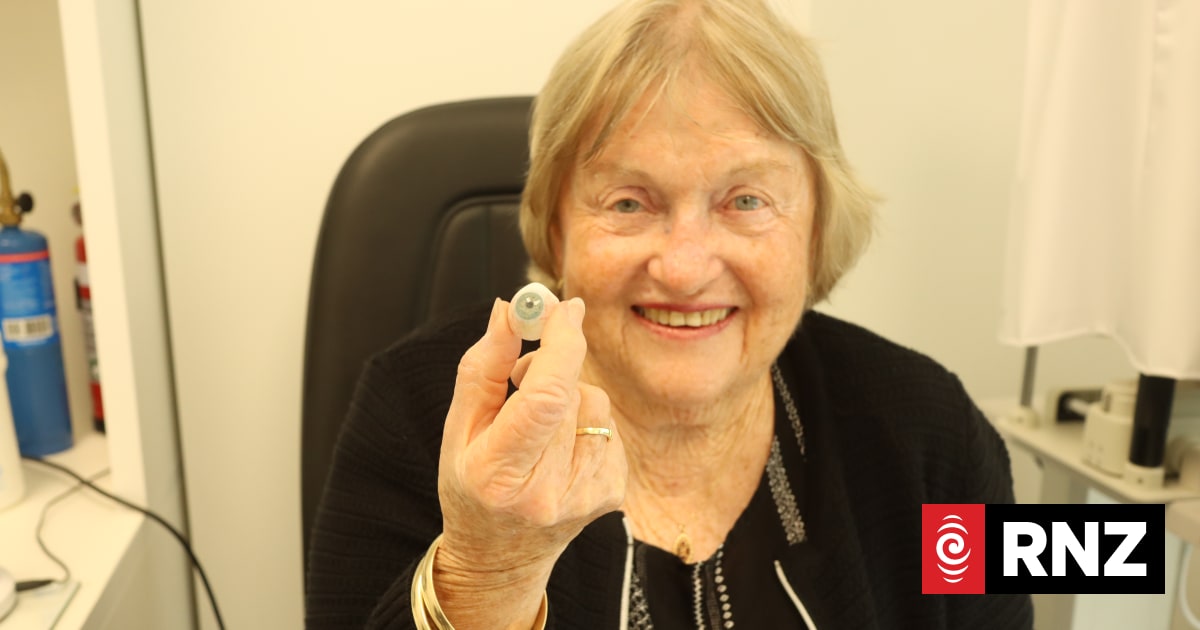
Leith Freeman recently received her fourth prosthetic eye after losing one to melanoma 14 years ago. The process of creating a prosthetic eye is detailed and artistic, involving careful painting to match the healthy eye perfectly. Dr Keith Pine explains that prosthetic eyes are more than aesthetics—they help people regain confidence and ease social interactions by reducing awkward stares. The journey includes support from medical professionals and loved ones, highlighting the emotional and psychological importance of these devices.
Leith Freeman kreeg onlangs haar vierde kunstoog nadat ze veertien jaar geleden een oog verloor door een melanoom. Het maken van een kunstoog is een nauwkeurig en artistiek proces waarbij het oog zorgvuldig wordt geschilderd om perfect bij het gezonde oog te passen. Dr Keith Pine legt uit dat kunstogen meer zijn dan alleen uiterlijk - ze helpen mensen hun zelfvertrouwen terug te krijgen en sociale interacties te vergemakkelijken door ongemakkelijke blikken te verminderen. De reis omvat ook steun van medische professionals en dierbaren, wat het emotionele en psychologische belang van deze hulpmiddelen benadrukt.
Leith Freeman a récemment reçu sa quatrième prothèse oculaire après avoir perdu un œil à cause d'un mélanome il y a 14 ans. La création d'une prothèse oculaire est un processus minutieux et artistique, impliquant une peinture soignée pour correspondre parfaitement à l'œil sain. Le Dr Keith Pine explique que les prothèses oculaires vont au-delà de l'esthétique - elles aident les personnes à retrouver confiance en elles et facilitent les interactions sociales en réduisant les regards gênants. Ce parcours inclut le soutien des professionnels de santé et des proches, soulignant l'importance émotionnelle et psychologique de ces dispositifs.
🐢
Rehabilitated green sea turtle Jurassic returns to Atlantic
Gerehabiliteerde groene zeeschildpad Jurassic keert terug naar Atlantische Oceaan
La tortue verte Jurassic réhabilitée retourne dans l'Atlantique
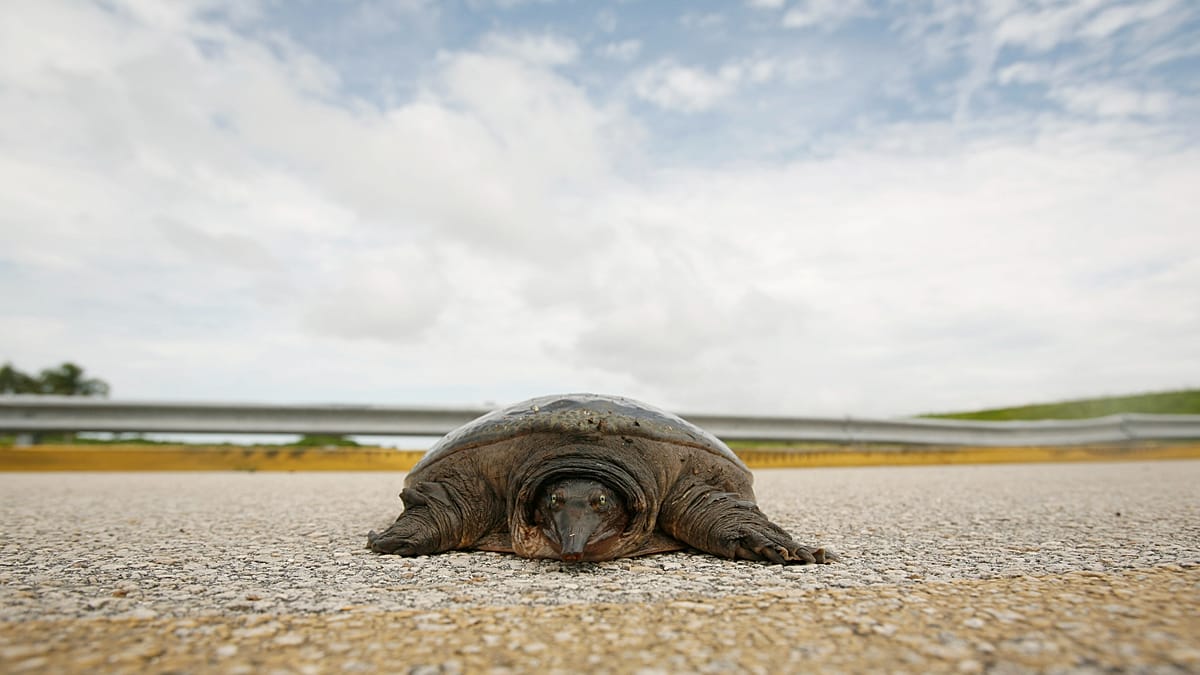
So: Jurassic, a hefty green sea turtle weighing 215 pounds, has made a triumphant return to the Atlantic Ocean after months of care in Florida. Found stranded and struggling with abnormal buoyancy, he was treated successfully at the Loggerhead Marinelife Center. And here's the thing - he was released with a satellite tracker so researchers can follow his ocean adventures. Dozens of people cheered as he was carried back to the sea, marking a hopeful new chapter for this remarkable turtle.
Dus: Jurassic, een forse groene zeeschildpad van 215 pond, is na maanden zorg in Florida weer terug in de Atlantische Oceaan. Hij werd gevonden terwijl hij vastzat en moeite had met drijven door gas in zijn maag-darmkanaal. Na een succesvolle behandeling in het Loggerhead Marinelife Center werd hij met een satelliettracker vrijgelaten, zodat onderzoekers zijn bewegingen kunnen volgen. Tientallen mensen juichten toen hij terug naar zee werd gedragen, een hoopvol nieuw begin voor deze bijzondere schildpad.
Alors: Jurassic, une grande tortue verte de 215 livres, est retournée triomphalement dans l'océan Atlantique après plusieurs mois de soins en Floride. Trouvée échouée et souffrant d'une flottabilité anormale due à des gaz dans son système digestif, elle a été soignée avec succès au Loggerhead Marinelife Center. Et voici la chose - elle a été relâchée avec un traceur satellite pour que les chercheurs puissent suivre ses déplacements. Des dizaines de spectateurs ont applaudi son retour à la mer, marquant un nouveau départ plein d'espoir pour cette tortue remarquable.

🐻
Gentle giant Backpack wins Alaska’s Fat Bear Week
Zachte reus Backpack wint Fat Bear Week in Alaska
Le doux géant Backpack remporte la Fat Bear Week en Alaska
So: Backpack, the gentle giant of Alaska’s Katmai National Park, has won the 12th annual Fat Bear Week! This contest celebrates the incredible brown bears that bulk up on salmon to survive winter, and Backpack took the crown with over 100,000 votes. What’s really cool is that he’s known for his calm nature, not aggression, which makes his win even more special. And here's the thing - he’s the son of a former champion, carrying on a proud family tradition in the wild.
Dus: Backpack, de zachte reus van Katmai National Park in Alaska, heeft de 12e editie van Fat Bear Week gewonnen! Deze wedstrijd viert de indrukwekkende bruine beren die zich volvreten met zalm om de winter te overleven, en Backpack kreeg meer dan 100.000 stemmen. Wat echt leuk is, is dat hij bekend staat om zijn rustige aard, niet agressief, wat zijn overwinning extra bijzonder maakt. En hier komt het: hij is de zoon van een voormalige kampioen en zet zo een trotse familietraditie voort in het wild.
Alors: Backpack, le doux géant du parc national de Katmai en Alaska, a remporté la 12e édition de la Fat Bear Week ! Ce concours célèbre les incroyables ours bruns qui s’engraissent de saumon pour survivre à l’hiver, et Backpack a gagné avec plus de 100 000 votes. Ce qui est vraiment chouette, c’est qu’il est connu pour son calme, pas pour son agressivité, ce qui rend sa victoire encore plus spéciale. Et voici la chose – c’est le fils d’un ancien champion, perpétuant une belle tradition familiale dans la nature.

✊
South African president orders action on femicide after killings
Zuid-Afrikaanse president beveelt actie tegen femicide na moorden
Le président sud-africain ordonne des mesures contre le féminicide après des meurtres
South Africa’s president Cyril Ramaphosa has stepped up with new measures to fight femicide and gender-based violence. Since July, at least 11 women’s bodies were found near Johannesburg, sparking a huge outcry across the country. So: this is a serious move to tackle a heartbreaking issue head-on. And here’s the thing - it shows the government is listening and ready to act. Now, the hope is these steps will bring real change.
De Zuid-Afrikaanse president Cyril Ramaphosa heeft nieuwe maatregelen aangekondigd om femicide en gendergerelateerd geweld aan te pakken. Sinds juli zijn er minstens 11 lichamen van vrouwen gevonden in de buurt van Johannesburg, wat een enorme verontwaardiging in het land veroorzaakte. Dus: dit is een serieuze poging om deze schrijnende kwestie direct aan te pakken. En hier is het punt - het laat zien dat de regering luistert en klaar is om te handelen. Nu hopen we dat deze stappen echt verschil maken.
Le président sud-africain Cyril Ramaphosa a annoncé de nouvelles mesures pour lutter contre le féminicide et la violence basée sur le genre. Depuis juillet, au moins 11 corps de femmes ont été découverts près de Johannesburg, provoquant une vive émotion dans tout le pays. Donc : c’est une initiative sérieuse pour s’attaquer directement à ce problème déchirant. Et voici le truc - cela montre que le gouvernement écoute et est prêt à agir. Maintenant, l’espoir est que ces mesures apportent un vrai changement.

🌳
A twig becomes a toothbrush, seeds become oil: the many uses of neem
Een takje wordt een tandenborstel, zaden worden olie: de vele toepassingen van neem
Un brindille devient une brosse à dents, les graines deviennent de l'huile : les multiples usages du neem
I love how the neem tree is truly a one-plant wonder with over 100 uses! From twigs that serve as natural toothbrushes to seeds pressed for oil used in soaps and pest control, neem is woven into daily life across India. Its leaves protect stored grains from insects, and even the leftover neem cake enriches the soil. And here's the thing - every part of the tree, including bark and flowers, has a special role, making neem a remarkable gift from nature.
Ik vind het geweldig hoe de neemboom echt een wonder is met meer dan 100 toepassingen! Van takjes die als natuurlijke tandenborstel dienen tot zaden die worden geperst voor olie gebruikt in zeep en ongediertebestrijding, neem is verweven met het dagelijks leven in India. De bladeren beschermen opgeslagen graan tegen insecten en zelfs het overgebleven neemkoekje verrijkt de bodem. En het bijzondere is dat elk deel van de boom, inclusief de schors en bloemen, een speciale rol speelt, wat neem tot een opmerkelijk geschenk van de natuur maakt.
J’adore comment l’arbre de neem est une véritable merveille avec plus de 100 usages ! Des brindilles qui servent de brosses à dents naturelles aux graines pressées pour produire de l’huile utilisée dans les savons et la lutte antiparasitaire, le neem fait partie intégrante de la vie quotidienne en Inde. Ses feuilles protègent les grains stockés des insectes, et même le résidu appelé « neem cake » enrichit le sol. Et voici le truc - chaque partie de l’arbre, y compris l’écorce et les fleurs, joue un rôle spécial, faisant du neem un cadeau remarquable de la nature.
🔺
Mathematician creates new shape with 8 sides, 26 edges, and 3 holes
Wiskundige creëert nieuwe vorm met 8 zijden, 26 randen en 3 gaten
Un mathématicien crée une nouvelle forme avec 8 côtés, 26 arêtes et 3 trous
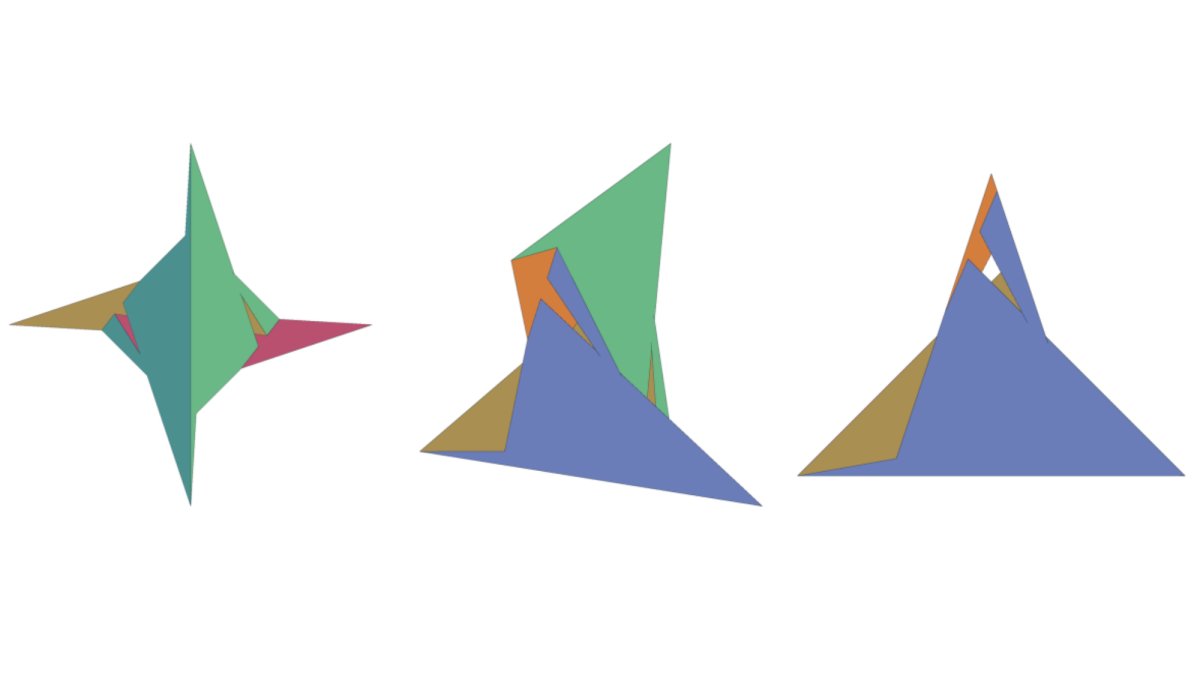
So: mathematicians are still discovering new shapes, and this one is quite the curiosity! Ruslan Mizhaev introduced the genus-3 polyhedron, a shape with eight faces, 26 edges, and three holes, which is pretty wild compared to your everyday cube. Every pair of faces shares at least one edge, and three faces meet at every vertex, making it a fascinating geometric puzzle. It’s a toroidal polytope, meaning it has holes like a doughnut, and while it might not exist in nature, it opens new doors in geometry and topology. I love how this shows math is still full of surprises!
Dus: wiskundigen ontdekken nog steeds nieuwe vormen, en deze is echt bijzonder! Ruslan Mizhaev introduceerde het genus-3 veelvlak, een vorm met acht zijden, 26 randen en drie gaten, wat behoorlijk vreemd is vergeleken met een gewone kubus. Elk paar zijden deelt minstens één rand en drie zijden komen samen bij elk hoekpunt, wat het een fascinerende geometrische puzzel maakt. Het is een toroidale polytoop, wat betekent dat het gaten heeft zoals een donut, en hoewel het misschien niet in de natuur voorkomt, opent het nieuwe mogelijkheden in de geometrie en topologie. Ik vind het geweldig hoe wiskunde nog steeds vol verrassingen zit!
Alors voilà: les mathématiciens découvrent encore de nouvelles formes, et celle-ci est vraiment fascinante ! Ruslan Mizhaev a présenté le polyèdre de genre 3, une forme avec huit faces, 26 arêtes et trois trous, bien plus étrange qu’un simple cube. Chaque paire de faces partage au moins une arête, et trois faces se rejoignent à chaque sommet, ce qui en fait un casse-tête géométrique passionnant. C’est un polytope toroidal, donc avec des trous comme un donut, et même si cette forme n’existe peut-être pas dans la nature, elle ouvre de nouvelles perspectives en géométrie et topologie. J’adore voir que les mathématiques réservent encore des surprises !
🧷
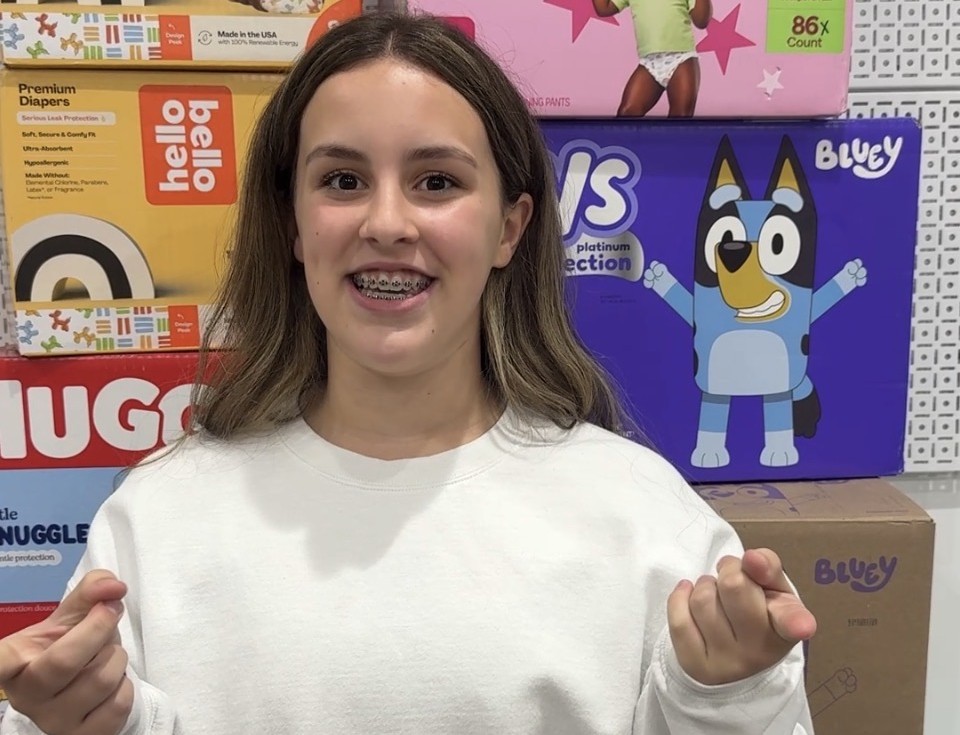
12-yo’s annual ‘diaper drive’ delivers 30,000 diapers off at Arizona food bank
12-jarige’s jaarlijkse ‘luieractie’ levert 30.000 luiers af bij voedselbank in Arizona
La collecte annuelle de couches d’une fillette de 12 ans remet 30 000 couches à une banque alimentaire en Arizona
I love this story about Sloan, a 12-year-old who’s been running her diaper drive since she was 7! This year, she aimed for 22,500 diapers but ended up collecting a whopping 30,000 to donate to Nourish Phoenix. She noticed the diaper shelves were always empty at the food bank where she volunteers, so she took action. It’s amazing how one young person’s big heart can make such a huge difference in her community.
Wat een prachtig verhaal over Sloan, een 12-jarige die haar luieractie al organiseert sinds ze 7 is! Dit jaar mikte ze op 22.500 luiers, maar verzamelde uiteindelijk maar liefst 30.000 voor Nourish Phoenix. Ze zag dat de luierrekken bij de voedselbank waar ze vrijwilligerswerk doet altijd leeg waren, dus besloot ze iets te doen. Het is geweldig hoe één jong persoon met een groot hart zo’n impact kan hebben op haar gemeenschap.
J’adore cette histoire de Sloan, une fillette de 12 ans qui organise sa collecte de couches depuis l’âge de 7 ans ! Cette année, elle visait 22 500 couches mais a finalement récolté 30 000 pour Nourish Phoenix. Elle a remarqué que les étagères à couches de la banque alimentaire où elle fait du bénévolat étaient toujours vides, alors elle a agi. C’est incroyable de voir comment une jeune personne au grand cœur peut faire une si grande différence dans sa communauté.
🐝
Afghan women: 'I told the Taliban I work under any government'
Afghaanse vrouwen: 'Ik zei tegen de Taliban dat ik onder elke regering werk'
Femmes afghanes : « J’ai dit aux talibans que je travaille sous n’importe quel gouvernement »
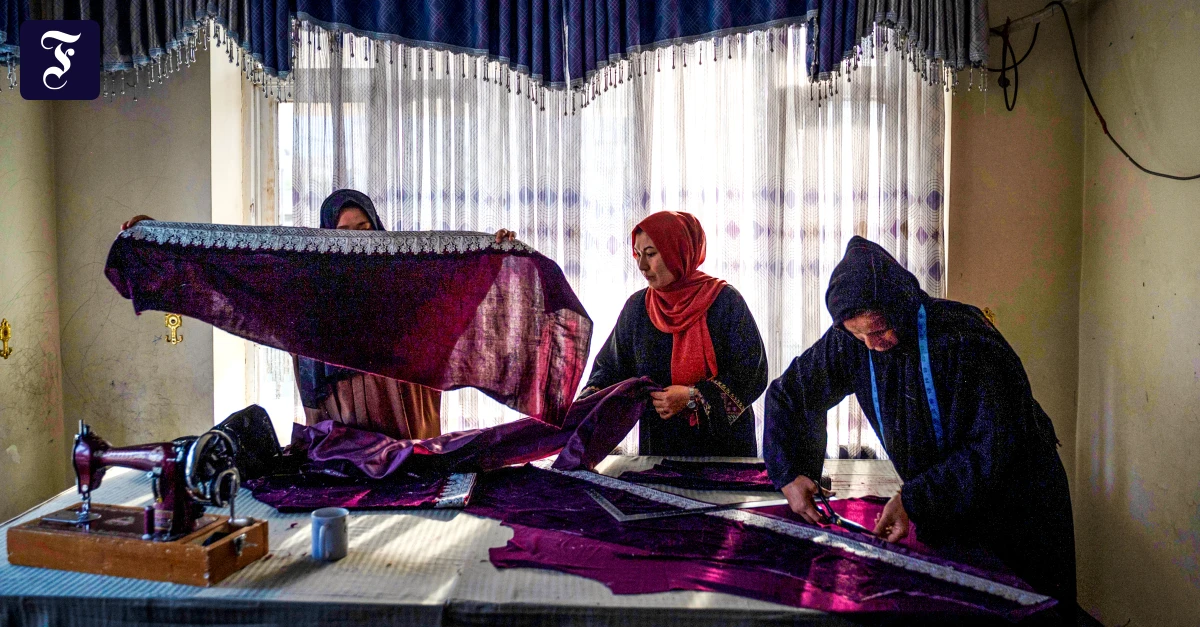
Fawzia Yawari, a young Afghan entrepreneur, defied Taliban restrictions by sneaking into an international agriculture fair in Kabul, showcasing her family's honey. Despite harsh limitations on women, many Afghan women are starting businesses to survive, with the number of licensed female entrepreneurs skyrocketing under Taliban rule. These women often work from home in traditional sectors or sell products online to avoid male intermediaries. Yet, they still face discrimination and conservative social attitudes, making their path challenging but inspiring. It’s a story of resilience and hope amid difficult circumstances.
Fawzia Yawari, een jonge Afghaanse onderneemster, trotseerde de beperkingen van de Taliban door zich stiekem toegang te verschaffen tot een internationale landbouwbeurs in Kabul, waar ze de honing van haar familie presenteerde. Ondanks strenge beperkingen starten veel Afghaanse vrouwen bedrijven om te overleven, waarbij het aantal vrouwelijke ondernemers onder de Taliban sterk is gestegen. Deze vrouwen werken vaak thuis in traditionele sectoren of verkopen hun producten online om mannelijke tussenpersonen te vermijden. Toch ondervinden ze nog steeds discriminatie en conservatieve sociale houdingen, wat hun weg uitdagend maar inspirerend maakt. Het is een verhaal van veerkracht en hoop in moeilijke omstandigheden.
Fawzia Yawari, une jeune entrepreneuse afghane, a bravé les restrictions des talibans en se faufilant à une foire agricole internationale à Kaboul pour présenter le miel de sa famille. Malgré les lourdes limitations imposées aux femmes, de nombreuses Afghanes créent des entreprises pour survivre, avec une forte augmentation des licences féminines sous le régime taliban. Ces femmes travaillent souvent à domicile dans des secteurs traditionnels ou vendent leurs produits en ligne pour éviter les intermédiaires masculins. Elles font face à la discrimination et à des attitudes sociales conservatrices, rendant leur parcours difficile mais inspirant. C’est une histoire de résilience et d’espoir dans un contexte compliqué.
🦻
No visible hearing aid needed anymore: UZ Antwerp presents the first fully hidden cochlear implant
Geen zichtbaar hoorapparaat meer nodig: UZ Antwerpen stelt het eerste volledig verborgen cochleair implantaat voor
Plus besoin d’appareil auditif visible : l’UZ Anvers présente le premier implant cochléaire entièrement caché
So: the future of hearing aids just got a sleek upgrade at UZ Antwerp! They’ve introduced the first fully hidden cochlear implant, which means no more visible devices cluttering your look. Now, people with hearing loss can enjoy a discreet solution that works seamlessly. And here’s the thing - this innovation not only boosts confidence but also brings cutting-edge tech closer to everyday life. I find it fascinating how technology keeps making life easier and more stylish!
Dus: de toekomst van hoorapparaten kreeg net een stijlvolle upgrade in UZ Antwerpen! Ze hebben het eerste volledig verborgen cochleair implantaat voorgesteld, wat betekent dat er geen zichtbare apparaten meer zijn die je uiterlijk verstoren. Mensen met gehoorverlies kunnen nu genieten van een discrete oplossing die naadloos werkt. En hier komt het: deze innovatie verhoogt niet alleen het zelfvertrouwen, maar brengt ook geavanceerde technologie dichter bij het dagelijks leven. Ik vind het geweldig hoe technologie het leven steeds makkelijker en stijlvoller maakt!
Alors voilà: l’avenir des aides auditives vient de faire un bond élégant à l’UZ Anvers ! Ils ont présenté le premier implant cochléaire entièrement caché, ce qui signifie plus aucun appareil visible qui gâche le look. Les personnes malentendantes peuvent désormais profiter d’une solution discrète et efficace. Et voici le truc - cette innovation booste la confiance en soi tout en rapprochant la technologie de pointe du quotidien. Je trouve fascinant de voir comment la technologie rend la vie plus simple et plus stylée !
🦡
Back from gone: badgers spotted again in Flemish Ardennes after 35 years
Terug van weggeweest: dassen na 35 jaar opnieuw waargenomen in Vlaamse Ardennen
De retour après 35 ans : des blaireaux observés à nouveau dans les Ardennes flamandes
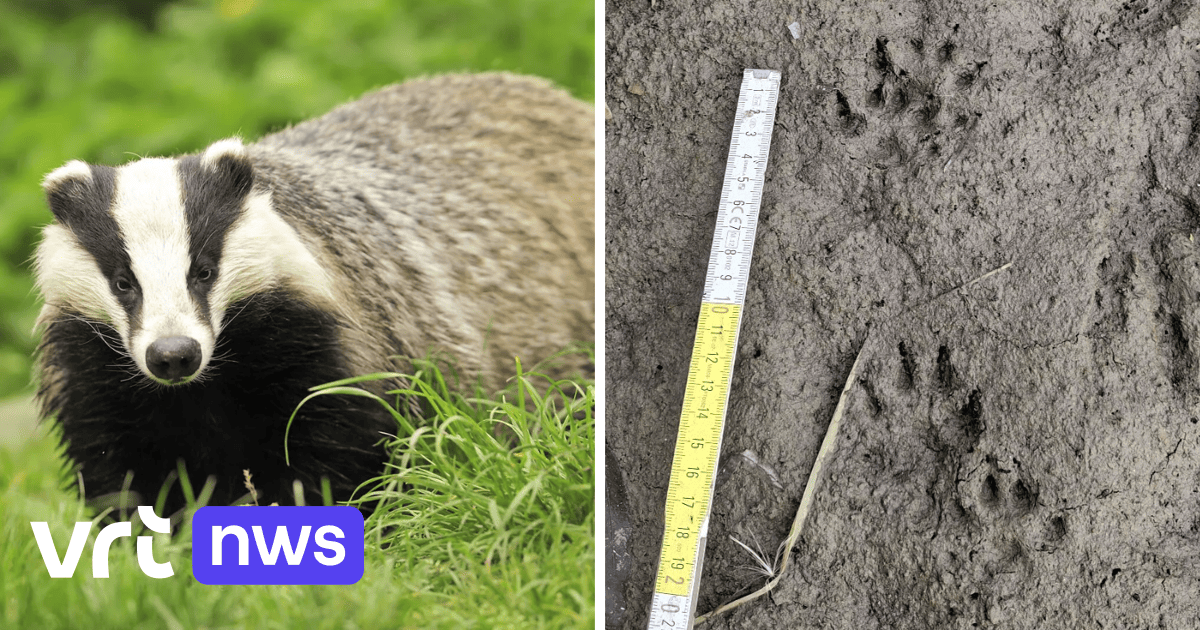
So: after more than 35 years, a badger sett has been found again in the Flemish Ardennes, which is super exciting! This means a family of badgers is living there, with young ones spotted for the first time, showing the population is making a comeback. The exact location is kept secret to protect these shy creatures from disturbance. And here's the thing - thanks to better nature management and less conflict with foxes, badgers are spreading beyond their usual areas in Flanders.
Dus: na meer dan 35 jaar is er opnieuw een dassenburcht gevonden in de Vlaamse Ardennen, wat echt fantastisch nieuws is! Dit betekent dat er een dassenfamilie leeft, met voor het eerst ook jongen, wat wijst op een heropleving van de populatie. De precieze locatie wordt geheim gehouden om deze schuwe dieren te beschermen tegen verstoring. En het mooie is dat door beter natuurbeheer en minder conflicten met vossen, dassen zich nu ook buiten hun traditionele gebieden in Vlaanderen verspreiden.
Alors: après plus de 35 ans, un terrier de blaireaux a été retrouvé dans les Ardennes flamandes, ce qui est vraiment enthousiasmant ! Cela signifie qu'une famille de blaireaux y vit, avec des petits observés pour la première fois, montrant que la population revient. L'emplacement exact est gardé secret pour protéger ces animaux timides des perturbations. Et voici la chose - grâce à une meilleure gestion de la nature et moins de conflits avec les renards, les blaireaux s'étendent au-delà de leurs zones habituelles en Flandre.
🌬️
365 meter: world's tallest wind turbine reaches top height
365 meter: hoogste windmolen ter wereld bereikt tophoogte
365 mètres : l'éolienne la plus haute du monde atteint sa hauteur maximale
So: the tallest wind turbine in the world has just hit its top height of 365 meters, and I find that absolutely fascinating! This giant is a real game changer for renewable energy, showing how far technology has come. Now, with turbines this tall, we can capture more wind and generate more clean power than ever before. And here's the thing - it’s not just about height, but about pushing the limits of what’s possible to help our planet.
Dus: de hoogste windmolen ter wereld heeft zojuist zijn tophoogte van 365 meter bereikt, en ik vind dat echt fascinerend! Deze reus is een echte game changer voor hernieuwbare energie en laat zien hoever de technologie is gevorderd. Nu we turbines van deze hoogte hebben, kunnen we meer wind opvangen en meer schone energie produceren dan ooit tevoren. En het gaat niet alleen om de hoogte, maar om het verleggen van de grenzen van wat mogelijk is om onze planeet te helpen.
Alors: l'éolienne la plus haute du monde vient d'atteindre sa hauteur maximale de 365 mètres, et je trouve ça absolument fascinant ! Ce géant est un véritable tournant pour les énergies renouvelables, montrant jusqu'où la technologie a progressé. Maintenant, avec des turbines aussi hautes, nous pouvons capter plus de vent et produire plus d'énergie propre que jamais. Et voici le truc - ce n'est pas seulement une question de hauteur, mais de repousser les limites du possible pour aider notre planète.
/s3/static.nrc.nl/wp-content/uploads/2026/09/29110027/290926WET_2037049340_PFAS.jpg)
🧪
PFAS levels in most Dutch people’s blood are decreasing: a ban seems to be working
De hoeveelheid PFAS in bloed neemt bij de meeste Nederlanders af: een verbod lijkt te werken
La quantité de PFAS dans le sang de la plupart des Néerlandais diminue : une interdiction semble efficace
So: the amount of PFAS chemicals in the blood of most Dutch people is going down, which is really encouraging news! The RIVM’s latest research shows a partial improvement since stricter regulations started, even though many still have levels above what’s considered safe. Now, here’s the twist - in Zeeuws-Vlaanderen, PFAS levels have actually risen, likely due to pollution from nearby Antwerp industry. And here’s the thing: this study focuses on ten key PFAS types, but doesn’t cover TFA, a smaller PFAS that’s harder to track in blood but might be increasing. Overall, it looks like the ban is making a difference, but some challenges remain.
Dus: de hoeveelheid PFAS-chemicaliën in het bloed van de meeste Nederlanders neemt af, wat echt bemoedigend is! Het nieuwste onderzoek van het RIVM laat een gedeeltelijke verbetering zien sinds strengere regels zijn ingevoerd, ook al hebben veel mensen nog steeds meer dan wat als veilig wordt beschouwd. Nu, hier is de twist - in Zeeuws-Vlaanderen zijn de PFAS-waarden juist gestegen, waarschijnlijk door vervuiling vanuit de Antwerpse industrie. En hier is het punt: dit onderzoek richt zich op tien belangrijke PFAS-soorten, maar niet op TFA, een kleinere PFAS die moeilijker te meten is in bloed maar mogelijk toeneemt. Over het geheel genomen lijkt het verbod effect te hebben, maar er zijn nog uitdagingen.
Alors: la quantité de PFAS dans le sang de la plupart des Néerlandais diminue, ce qui est vraiment une bonne nouvelle! La dernière étude du RIVM montre une amélioration partielle depuis l’instauration de règles plus strictes, même si beaucoup ont encore des niveaux supérieurs à la norme de sécurité. Maintenant, voici la surprise - en Zeeuws-Vlaanderen, les niveaux de PFAS ont augmenté, probablement à cause de la pollution provenant de l’industrie d’Anvers. Et voici le truc : cette étude se concentre sur dix types clés de PFAS, mais pas sur le TFA, un PFAS plus petit difficile à détecter dans le sang mais qui pourrait augmenter. Globalement, l’interdiction semble porter ses fruits, mais certains défis persistent.
🐦
The world’s loudest birds squawk as loud as a jackhammer
De luidste vogels ter wereld schreeuwen zo hard als een boorhamer
Les oiseaux les plus bruyants du monde crient aussi fort qu'un marteau-piqueur
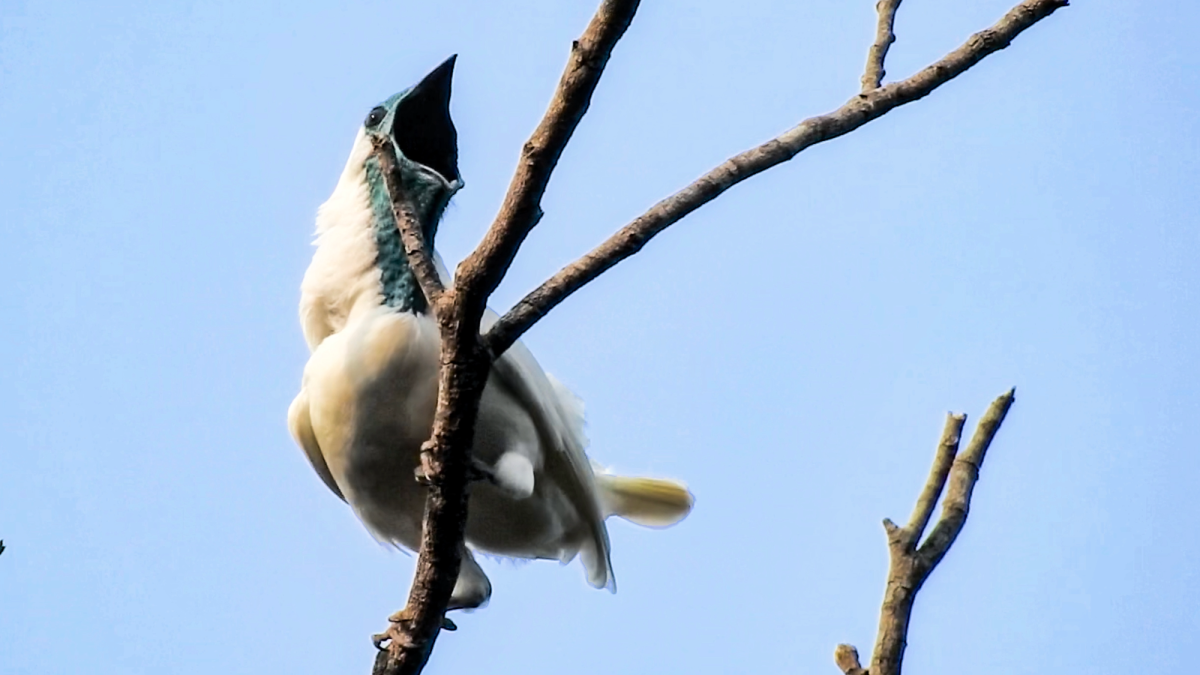
I find it fascinating that the bare-throated bellbird and red-legged seriema are now contenders for the loudest bird title, reaching volumes over 120 decibels—louder than a jackhammer! Using golf rangefinders, researchers measured calls from 123 species, most never studied before. Bigger birds with wider beaks tend to be louder, which makes sense if you think about how trumpets amplify sound. Yet, the real mystery remains why evolution favors such loud calls, as the expected ecological reasons didn’t fully match the data.
Ik vind het geweldig dat de naakte keelbelvogel en de roodbenige seriema nu meedingen naar de titel van luidste vogel, met geluiden van meer dan 120 decibel—luidruchtiger dan een boorhamer! Onderzoekers gebruikten golfafstandmeters om de roep van 123 vogelsoorten te meten, waarvan de meeste nog nooit waren bestudeerd. Grotere vogels met bredere snavels zijn meestal luider, wat logisch is als je bedenkt hoe trompetten geluid versterken. Toch blijft het mysterie waarom de evolutie zulke luide roepen kiest, want de verwachte ecologische redenen klopten niet helemaal.
Je trouve fascinant que le bellbird à gorge nue et la seriema à pattes rouges soient désormais candidats au titre d’oiseaux les plus bruyants, atteignant plus de 120 décibels—plus forts qu’un marteau-piqueur! Les chercheurs ont utilisé des télémètres de golf pour mesurer les appels de 123 espèces, dont la plupart n’avaient jamais été étudiées. Les oiseaux plus gros avec un bec plus large sont généralement plus bruyants, ce qui rappelle comment une trompette amplifie le son. Pourtant, le vrai mystère reste pourquoi l’évolution favorise ces appels si forts, car les raisons écologiques attendues ne correspondent pas totalement aux données.
🦆
Since 1934, the federal duck stamp has raised $1.3 billion for habitat conservation
Sinds 1934 heeft de federale eendenzegel 1,3 miljard dollar opgehaald voor natuurbehoud
Depuis 1934, le timbre fédéral pour canards a récolté 1,3 milliard de dollars pour la conservation des habitats
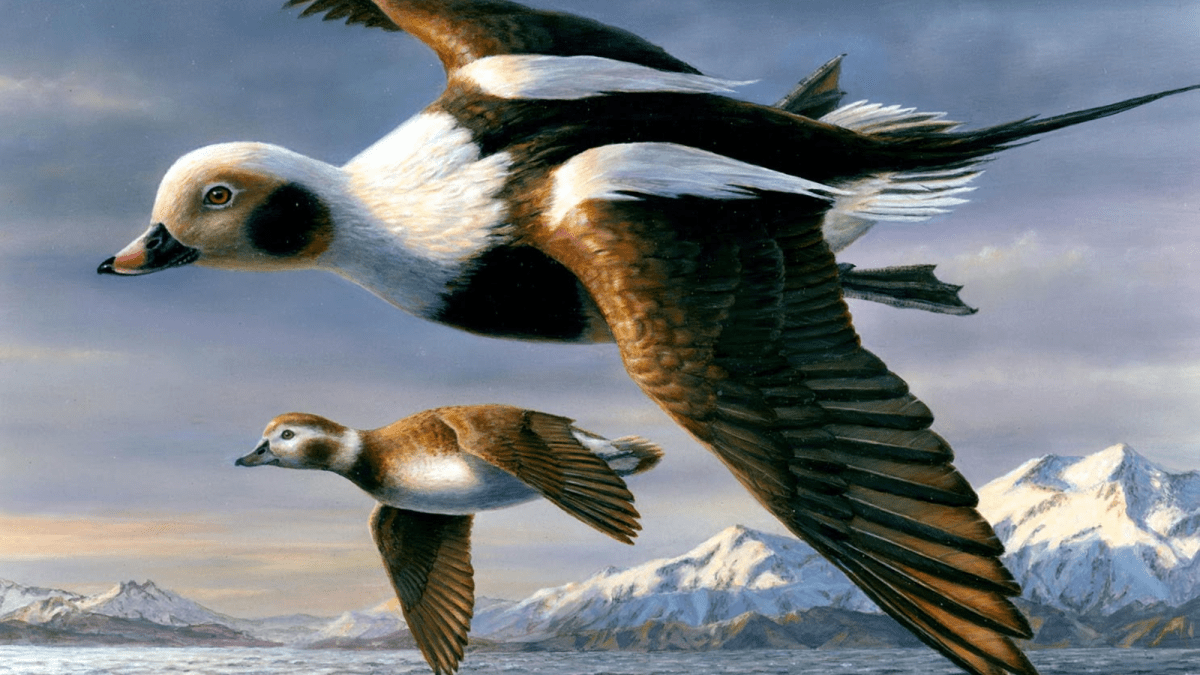
I’m really excited to share that Robert Hautman won the 2026 Federal Duck Stamp Art Contest again with his beautiful acrylic painting of long-tailed ducks. This stamp isn’t just art—it raises about $40 million a year to protect wetlands and wildlife habitats across the U.S. Since 1934, the program has generated over $1.3 billion, helping conserve more than 6 million acres for nature lovers and hunters alike. And here’s the thing: buying a stamp also grants free access to national wildlife refuges, connecting people directly with the great outdoors.
Ik ben echt enthousiast om te vertellen dat Robert Hautman opnieuw heeft gewonnen met zijn prachtige acrylschilderij van lange staart eenden. Deze zegel is niet zomaar kunst - hij brengt jaarlijks ongeveer 40 miljoen dollar op om wetlands en natuurgebieden in de VS te beschermen. Sinds 1934 heeft het programma meer dan 1,3 miljard dollar opgehaald en zo meer dan 6 miljoen hectare natuur behouden voor natuurliefhebbers en jagers. En het mooie is: met de zegel krijg je ook gratis toegang tot nationale wildreservaten, waardoor mensen dichter bij de natuur komen.
Je suis vraiment ravi de vous annoncer que Robert Hautman a de nouveau remporté le concours d’art du timbre fédéral pour canards 2026 avec sa magnifique peinture acrylique de canards à longue queue. Ce timbre n’est pas qu’une œuvre d’art – il génère environ 40 millions de dollars par an pour protéger les zones humides et les habitats sauvages aux États-Unis. Depuis 1934, ce programme a permis de collecter plus de 1,3 milliard de dollars, conservant ainsi plus de 6 millions d’acres pour les amoureux de la nature et les chasseurs. Et voici la chose : acheter ce timbre donne aussi un accès gratuit aux refuges nationaux pour la faune, rapprochant les gens de la nature.
📸
A strategy of cash-for-photos turns animal hunters into animal protectors in Indonesia
Een strategie van geld-voor-foto’s verandert dierenjagers in dierenbeschermers in Indonesië
Une stratégie d'argent contre photos transforme les chasseurs d'animaux en protecteurs en Indonésie
So: on the magical island of Borneo, a clever program called KehatiKu is paying villagers to snap photos and record sounds of wildlife instead of hunting them. This cash-for-photos idea has turned hunters into protectors, with locals earning money by capturing images of rare species like orangutans and flat-headed cats. It’s fascinating how a simple shift in incentives can lead to over 378,000 confirmed wildlife observations and a real boost in conservation efforts. And here's the thing, this program not only helps protect endangered animals but also supports local families with extra income.
Dus: op het magische eiland Borneo is er een slim programma genaamd KehatiKu dat dorpsbewoners betaalt om foto’s te maken en geluiden op te nemen van wilde dieren in plaats van ze te jagen. Deze geld-voor-foto’s aanpak heeft jagers veranderd in beschermers, waarbij locals geld verdienen door zeldzame soorten zoals orang-oetans en platkopkatten vast te leggen. Het is fascinerend hoe een simpele verandering in motivatie heeft geleid tot meer dan 378.000 bevestigde waarnemingen en een echte impuls voor natuurbehoud. En hier komt het: dit programma helpt niet alleen bedreigde dieren, maar ondersteunt ook lokale gezinnen met extra inkomen.
Alors: sur l’île magique de Bornéo, un programme ingénieux appelé KehatiKu paie les villageois pour prendre des photos et enregistrer les sons de la faune au lieu de la chasser. Cette idée d’argent contre photos a transformé les chasseurs en protecteurs, les habitants gagnant de l’argent en capturant des images d’espèces rares comme les orangs-outans et les chats à tête plate. C’est fascinant de voir comment un simple changement d’incitation a conduit à plus de 378 000 observations confirmées et à un véritable élan pour la conservation. Et voici le truc, ce programme aide non seulement à protéger les animaux en danger, mais soutient aussi les familles locales avec un revenu supplémentaire.
🏰
This stone wall seems to have finally settled debate about the town that became Paris
Deze stenen muur lijkt eindelijk het debat te hebben beslecht over de stad die Parijs werd
Ce mur de pierre semble avoir enfin tranché le débat sur la ville qui est devenue Paris
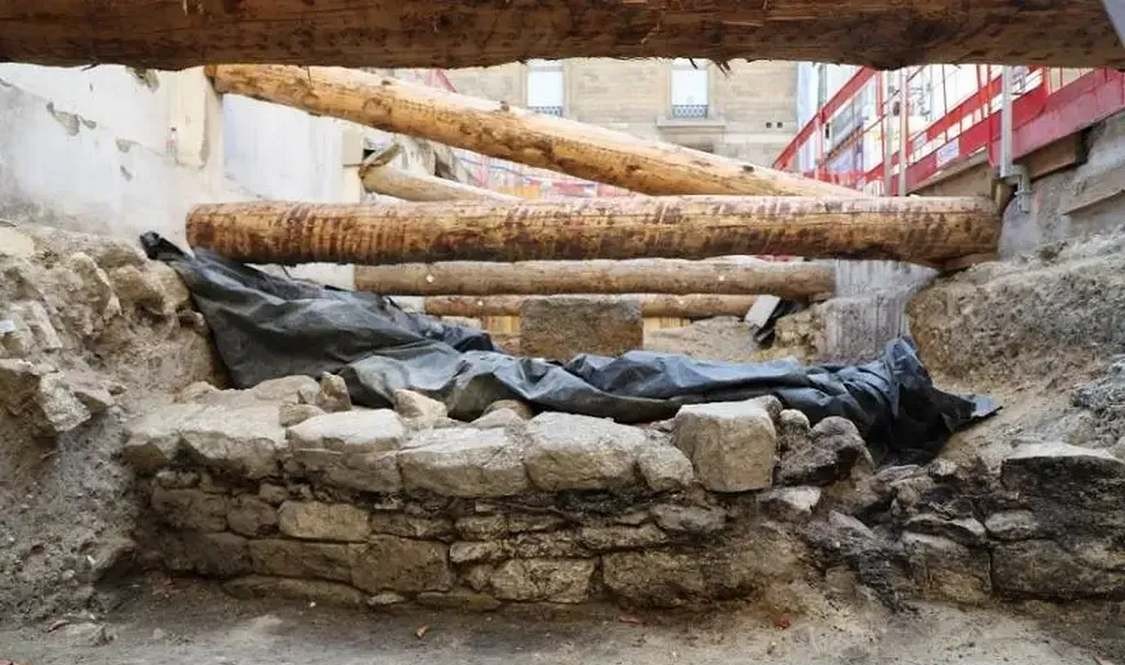
So: archaeologists in Paris have uncovered a stone wall that might just solve the mystery of the city’s origins. This wall, dating back to the time of Julius Caesar’s conquest, was found on the Île de la Cité, the historic heart of Paris. Alongside it, they discovered charred remains and artifacts pointing to the ancient Gallic settlement of Lutetia. The mayor of Paris called the find dizzying, as it connects the modern city directly to its deep past. And here's the thing - this discovery could finally confirm where Lutetia truly stood, settling centuries of debate.
Dus: archeologen in Parijs hebben een stenen muur ontdekt die misschien wel het mysterie van de oorsprong van de stad oplost. Deze muur, daterend uit de tijd van Julius Caesar’s verovering, werd gevonden op de Île de la Cité, het historische hart van Parijs. Daarbij vonden ze verkoolde resten en artefacten die wijzen op de oude Gallische nederzetting Lutetia. De burgemeester van Parijs noemde de vondst duizelingwekkend, omdat het de moderne stad direct verbindt met haar verre verleden. En hier komt het op neer - deze ontdekking kan eindelijk bevestigen waar Lutetia werkelijk lag, en zo eeuwenlang debat beslechten.
Alors: des archéologues à Paris ont découvert un mur de pierre qui pourrait bien résoudre le mystère des origines de la ville. Ce mur, datant de l’époque de la conquête de Jules César, a été trouvé sur l’Île de la Cité, le cœur historique de Paris. À côté, ils ont découvert des vestiges carbonisés et des artefacts liés à l’ancienne colonie gauloise de Lutèce. Le maire de Paris a qualifié cette découverte de vertigineuse, car elle relie la ville moderne à son passé profond. Et voilà le truc - cette découverte pourrait enfin confirmer l’emplacement exact de Lutèce, mettant fin à des siècles de débat.

🍕
Hank and John Green's 'Pizzamas' holiday turns mustaches and merch into maternal healthcare
Hank en John Greens 'Pizzamas' feest verandert snorren en merchandise in moederzorg
La fête 'Pizzamas' de Hank et John Green transforme moustaches et produits dérivés en soins maternels
So: Pizzamas started as a quirky fan celebration around John Green’s mustache and a fun piece of fan art called Pizza John. Over the years, it’s grown into a two-week internet holiday where Hank and John upload videos daily and sell limited-edition merch. And here's the thing - all profits from these sales go to support maternal healthcare through Partners in Health. It’s amazing how a simple meme turned into a joyful community event that raises over $100,000 annually!
Dus: Pizzamas begon als een grappige fanviering rond John Greens snor en een geliefd fankunstwerk genaamd Pizza John. Door de jaren heen is het uitgegroeid tot een twee weken durende internetvakantie waarin Hank en John dagelijks video's uploaden en exclusieve merchandise verkopen. En het mooie is dat alle opbrengsten van deze verkoop naar moederzorg via Partners in Health gaan. Het is geweldig hoe een simpele meme is veranderd in een vrolijk gemeenschapsevenement dat jaarlijks meer dan $100.000 ophaalt!
Alors: Pizzamas a commencé comme une célébration amusante des fans autour de la moustache de John Green et d’une œuvre d’art fan appelée Pizza John. Au fil des ans, c’est devenu une fête internet de deux semaines où Hank et John publient des vidéos chaque jour et vendent des produits en édition limitée. Et voici le truc - tous les bénéfices de ces ventes sont reversés aux soins maternels via Partners in Health. C’est incroyable de voir comment un simple mème est devenu un événement communautaire joyeux qui récolte plus de 100 000 $ chaque année !

🧦
'Socktober' celebrates 15 years of local kindness
'Socktober' viert 15 jaar lokale vriendelijkheid
'Socktober' célèbre 15 ans de gentillesse locale
So: Socktober started back in 2011 thanks to some middle school kids who wanted to help people experiencing homelessness. They found out socks were one of the most needed but least donated items at local shelters, especially as colder weather approached. What began as a small collection drive quickly grew into a nationwide movement with schools, businesses, and even big names joining in. And here's the thing - Socktober isn't just about socks anymore; it’s a gateway to discovering many ways to support neighbors in need. I love how it shows the power of community and kindness over the years!
Dus: Socktober begon in 2011 dankzij een paar middelbare scholieren die mensen zonder huis wilden helpen. Ze ontdekten dat sokken een van de meest benodigde maar minst gedoneerde items waren bij lokale opvangcentra, vooral met het koudere weer in aantocht. Wat begon als een kleine inzamelactie groeide snel uit tot een landelijke beweging met scholen, bedrijven en zelfs grote namen die meedoen. En hier komt het: Socktober gaat niet alleen meer over sokken; het is een opstapje om vele manieren te ontdekken om buren in nood te steunen. Ik vind het geweldig hoe het de kracht van gemeenschap en vriendelijkheid door de jaren heen laat zien!
Alors: Socktober a commencé en 2011 grâce à quelques collégiens qui voulaient aider les personnes sans abri. Ils ont découvert que les chaussettes étaient l’un des articles les plus nécessaires mais les moins donnés dans les refuges locaux, surtout avec l’arrivée du froid. Ce qui a commencé comme une petite collecte est rapidement devenu un mouvement national avec des écoles, des entreprises et même de grands noms qui participent. Et voici le truc - Socktober ne concerne plus seulement les chaussettes; c’est une porte d’entrée pour découvrir plein de façons d’aider ses voisins dans le besoin. J’adore voir comment cela montre le pouvoir de la communauté et de la gentillesse au fil des ans!
♻️
New Orleans was tossing bottles into landfills, so students upcycled 14 million lbs of glass into coastal sand
New Orleans gooide flessen op de stortplaats, dus studenten hergebruikten 14 miljoen pond glas tot kustzand
La Nouvelle-Orléans jetait des bouteilles en décharge, alors des étudiants ont recyclé 14 millions de livres de verre en sable côtier
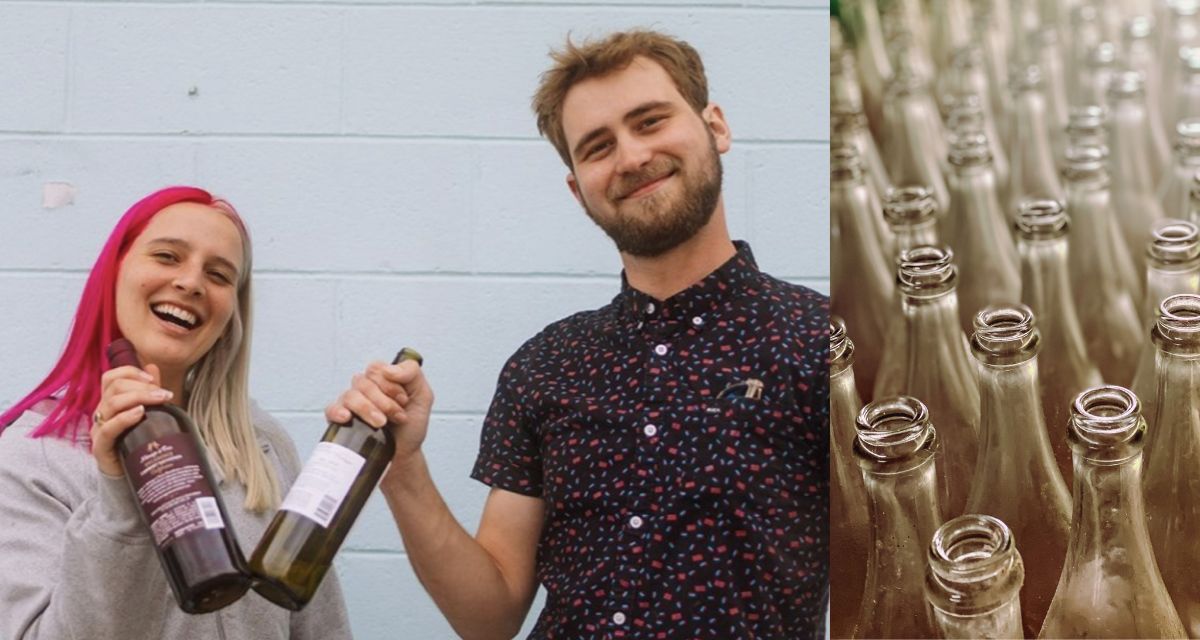
I love this story because it shows how two college students in New Orleans turned a city problem into a brilliant solution. They noticed that glass bottles were just ending up in landfills since there was no curbside recycling for glass. So, they founded Glass Half Full, a company that crushes glass into sand safe enough to help rebuild Louisiana’s disappearing wetlands. Which brings me to the bigger picture: their recycled glass sand now protects coastal ecosystems and supports wildlife, all while keeping millions of pounds of glass out of the trash.
Ik vind dit verhaal geweldig omdat twee studenten in New Orleans een stedelijk probleem omzetten in een slimme oplossing. Ze merkten dat glazen flessen gewoon op de stortplaats belandden omdat er geen glasrecycling aan huis was. Dus richtten ze Glass Half Full op, een bedrijf dat glas verpulvert tot zand dat veilig genoeg is om de verdwijnende wetlands van Louisiana te herstellen. En hier komt het mooiste: hun gerecyclede glaszand beschermt nu de kustecosystemen en ondersteunt het wildleven, terwijl het miljoenen ponden glas uit de afvalberg houdt.
J’adore cette histoire car deux étudiants de la Nouvelle-Orléans ont transformé un problème urbain en une solution brillante. Ils ont remarqué que les bouteilles en verre finissaient en décharge faute de recyclage en bord de rue. Alors, ils ont fondé Glass Half Full, une entreprise qui broie le verre en sable assez sûr pour aider à reconstruire les zones humides menacées de Louisiane. Ce sable recyclé protège désormais les écosystèmes côtiers et soutient la faune, tout en détournant des millions de livres de verre des déchets.
🌌
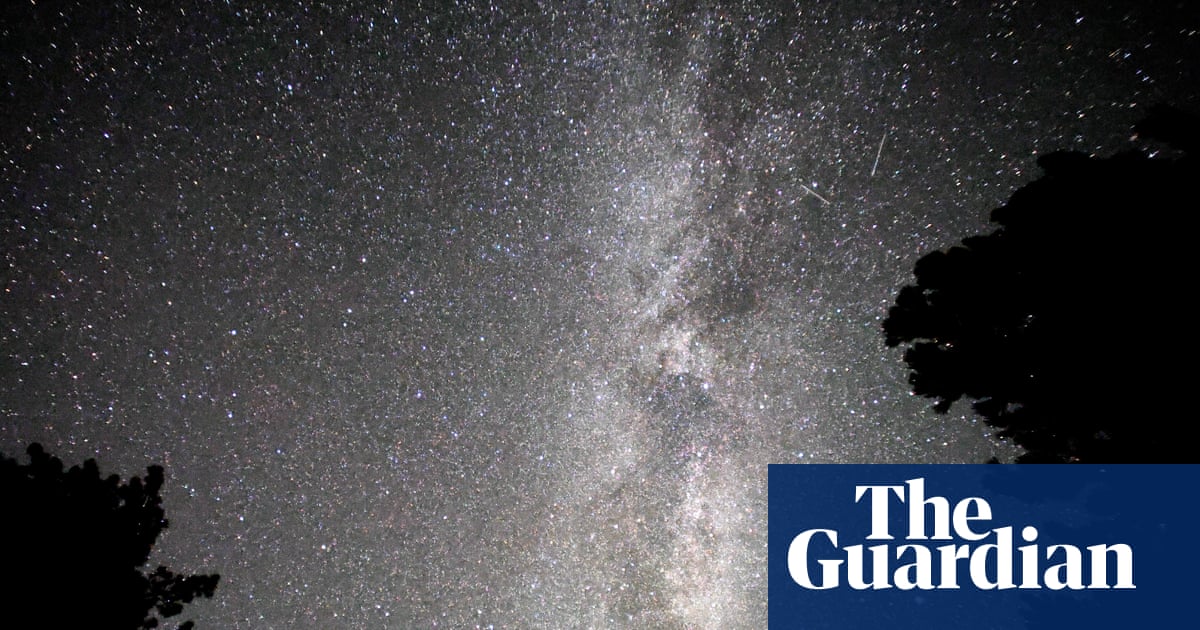
The night sky is getting 10% brighter every year. we’re forgetting what darkness feels like
De nachtelijke hemel wordt elk jaar 10% helderder. we vergeten hoe het is om duisternis te voelen
Le ciel nocturne devient 10% plus lumineux chaque année. nous oublions ce que ressent l’obscurité
I find it fascinating that the night sky is growing 10% brighter every year, making it harder for us to experience true darkness. Living in cities like Portland, I’ve realized how much artificial light invades our nights, and it takes a trip to places like Oregon’s dark sky reserves to remember what a real starry sky looks like. The article highlights how light pollution not only dims our view of the stars but also disrupts wildlife and human health. The good news is some places are already taking action with smart lighting rules, showing us that preserving darkness is possible and worth it.
Het is fascinerend dat de nachtelijke hemel elk jaar 10% helderder wordt, waardoor het moeilijker wordt om echte duisternis te ervaren. In steden zoals Portland merk ik hoeveel kunstlicht onze nachten binnendringt, en het vergt een reis naar donkere plekken zoals in Oregon om te herinneren hoe een echte sterrenhemel eruitziet. Het artikel benadrukt dat lichtvervuiling niet alleen ons zicht op de sterren vermindert, maar ook het leven van dieren en onze gezondheid verstoort. Gelukkig nemen sommige plekken al maatregelen met slimme verlichtingsregels, wat laat zien dat het behouden van duisternis mogelijk en waardevol is.
Je trouve fascinant que le ciel nocturne devienne 10% plus lumineux chaque année, rendant l’expérience de l’obscurité véritable de plus en plus rare. Vivre dans des villes comme Portland m’a fait réaliser à quel point la lumière artificielle envahit nos nuits, et il faut un voyage dans des réserves de ciel noir comme en Oregon pour retrouver la beauté d’un ciel étoilé authentique. L’article souligne que la pollution lumineuse affecte non seulement notre vue des étoiles, mais perturbe aussi la faune et la santé humaine. La bonne nouvelle, c’est que certains endroits adoptent déjà des règles d’éclairage intelligentes, prouvant qu’il est possible et important de préserver l’obscurité.
🐸
These frogs ‘see’ prey with their star-shaped toes
Deze kikkers ‘zien’ hun prooi met hun stervormige tenen
Ces grenouilles « voient » leurs proies avec leurs orteils en forme d’étoile
I find it absolutely fascinating that some frogs use their star-shaped toes to detect prey! It’s like they have a secret sensory superpower right at their feet. Now, this discovery opens up so many questions about how animals adapt in the most unexpected ways. And here’s the thing - it shows us just how creative nature can be when it comes to survival. So: these frogs aren’t just hopping around; they’re actively sensing the world in a way we never imagined.
Ik vind het echt fascinerend dat sommige kikkers hun stervormige tenen gebruiken om prooien te detecteren! Het is alsof ze een geheime zintuiglijke superkracht aan hun voeten hebben. Nu opent deze ontdekking zoveel vragen over hoe dieren zich op onverwachte manieren aanpassen. En hier komt het op neer - het laat zien hoe creatief de natuur kan zijn als het gaat om overleven. Dus: deze kikkers springen niet zomaar rond; ze voelen actief de wereld op een manier die we nooit hadden gedacht.
Je trouve absolument fascinant que certaines grenouilles utilisent leurs orteils en forme d’étoile pour détecter leurs proies ! C’est comme si elles avaient un superpouvoir sensoriel secret au bout des pieds. Cette découverte soulève plein de questions sur la façon dont les animaux s’adaptent de manière inattendue. Et voici le truc - cela montre à quel point la nature peut être créative pour survivre. Donc : ces grenouilles ne se contentent pas de sauter, elles perçoivent activement le monde d’une manière qu’on n’aurait jamais imaginée.

🐸
Decades ago, this frog species vanished from Yosemite. Now, 10,000 have been released back into the wild
Decennia geleden verdween deze kikker uit Yosemite. Nu zijn er 10.000 terug in het wild losgelaten
Il y a des décennies, cette espèce de grenouille a disparu de Yosemite. Aujourd’hui, 10 000 ont été relâchées dans la nature
About 50 years ago, red-legged frogs vanished from Yosemite National Park due to habitat loss and invasive species. Now, after years of dedicated conservation efforts, including habitat restoration and breeding programs, 10,000 frogs have been released back into the wild. The San Francisco Zoo plays a key role by raising frogs from eggs until they are ready to thrive in nature. It’s inspiring to see multiple generations of these frogs thriving again, proving that teamwork and persistence really pay off.
Ongeveer 50 jaar geleden verdwenen de roodbenige kikkers uit Yosemite National Park door verlies van leefgebied en invasieve soorten. Nu, na jaren van toegewijde natuurbescherming, waaronder herstel van leefgebieden en fokprogramma’s, zijn er 10.000 kikkers terug in het wild losgelaten. De San Francisco Zoo speelt een belangrijke rol door kikkers vanaf het ei op te kweken tot ze klaar zijn om in de natuur te overleven. Het is inspirerend om te zien dat meerdere generaties kikkers weer floreren, wat bewijst dat samenwerking en doorzettingsvermogen echt lonen.
Il y a environ 50 ans, les grenouilles à pattes rouges ont disparu du parc national de Yosemite à cause de la perte d’habitat et d’espèces invasives. Aujourd’hui, après des années d’efforts de conservation, incluant la restauration des habitats et des programmes d’élevage, 10 000 grenouilles ont été relâchées dans la nature. Le zoo de San Francisco joue un rôle clé en élevant les grenouilles depuis les œufs jusqu’à ce qu’elles soient prêtes à survivre dans la nature. C’est inspirant de voir plusieurs générations de ces grenouilles prospérer à nouveau, preuve que le travail d’équipe et la persévérance portent leurs fruits.
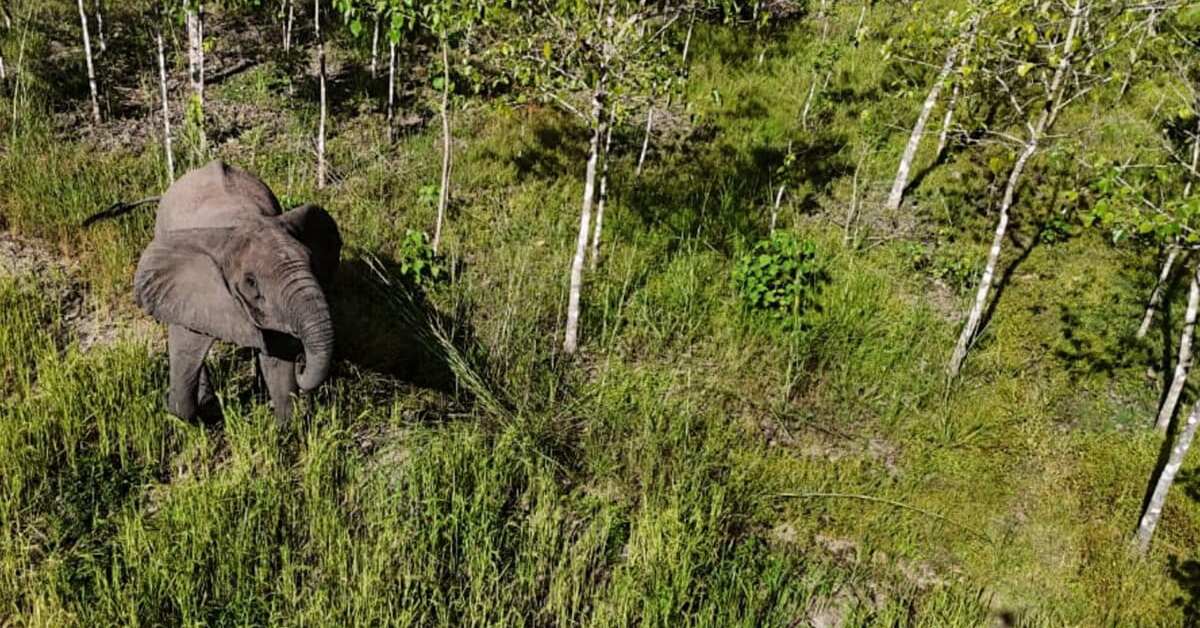
🐘
368 farmers gave up part of their land so elephants could cross the valley safely. Trail cameras show 529 already have
368 boeren gaven een deel van hun land op zodat olifanten veilig door de vallei kunnen trekken. Trailcamera’s tonen aan dat er al 529 zijn geweest
368 agriculteurs ont cédé une partie de leurs terres pour que les éléphants traversent la vallée en toute sécurité. Les caméras pièges montrent que 529 l'ont déjà fait
I find it truly inspiring that 368 farmers in Tanzania decided to give up part of their land to create a safe corridor for elephants migrating between two national parks. This corridor, the first officially protected in Tanzania, helps these incredible creatures avoid conflict with humans while moving through the Kilombero Valley. Trail cameras have already recorded 529 elephants using this path, showing the success of this collaboration between locals and conservationists. And here's the thing - it’s a beautiful example of how people and wildlife can coexist when we work together.
Ik vind het echt inspirerend dat 368 boeren in Tanzania een deel van hun land hebben afgestaan om een veilige corridor te creëren voor olifanten die migreren tussen twee nationale parken. Deze corridor, de eerste officieel beschermde in Tanzania, helpt deze indrukwekkende dieren om conflicten met mensen te vermijden tijdens hun tocht door de Kilombero-vallei. Trailcamera’s hebben al 529 olifanten vastgelegd die dit pad gebruiken, wat het succes van deze samenwerking tussen lokale bewoners en natuurbeschermers laat zien. En hier komt het op neer - het is een prachtig voorbeeld van hoe mensen en wilde dieren samen kunnen leven als we samenwerken.
Je trouve vraiment inspirant que 368 agriculteurs en Tanzanie aient cédé une partie de leurs terres pour créer un corridor sûr permettant aux éléphants de migrer entre deux parcs nationaux. Ce corridor, le premier officiellement protégé en Tanzanie, aide ces incroyables animaux à éviter les conflits avec les humains en traversant la vallée de Kilombero. Les caméras pièges ont déjà enregistré 529 éléphants empruntant ce passage, montrant le succès de cette collaboration entre les habitants et les conservateurs. Et voici le truc - c’est un bel exemple de coexistence possible entre l’homme et la faune quand on travaille ensemble.

🌲
This national park is home to the quietest spot in the continental US: 'Listen to a concert by the natural world'
Dit nationale park herbergt de stilste plek van het vasteland van de VS: 'Luister naar een concert van de natuur'
Ce parc national abrite l'endroit le plus silencieux des États-Unis continentaux : « Écoutez un concert du monde naturel »
I love this story about Olympic National Park, home to what might be the quietest spot in the continental US, called One Square Inch of Silence. Gordon Hempton, an acoustic ecologist, started this project to protect a tiny patch of pure quiet in the Hoh Rainforest. It’s fascinating how this small spot can have a big impact on preserving natural silence, even convincing airlines to avoid flying overhead. And here's the thing: although the project ended in 2018, Hempton’s work continues worldwide through Quiet Parks International, aiming to save quiet places everywhere.
Ik vind dit verhaal over Olympic National Park geweldig, waar zich misschien wel de stilste plek van het vasteland van de VS bevindt, genaamd One Square Inch of Silence. Gordon Hempton, een akoestisch ecoloog, begon dit project om een klein stukje pure stilte in het Hoh Regenwoud te beschermen. Het is fascinerend hoe zo’n klein plekje een grote impact kan hebben op het bewaren van natuurlijke stilte, zelfs luchtvaartmaatschappijen overtuigend om er niet overheen te vliegen. En hier komt het op neer: hoewel het project in 2018 eindigde, gaat Hemptons werk wereldwijd door via Quiet Parks International, met als doel stilte overal te behouden.
J’adore cette histoire sur le parc national Olympic, qui abrite peut-être l’endroit le plus silencieux des États-Unis continentaux, appelé One Square Inch of Silence. Gordon Hempton, un écologue acoustique, a lancé ce projet pour protéger un petit coin de silence pur dans la forêt pluviale de Hoh. C’est fascinant de voir comment ce petit endroit peut avoir un grand impact pour préserver le silence naturel, au point de convaincre des compagnies aériennes d’éviter de survoler la zone. Et voici le truc : même si le projet s’est terminé en 2018, le travail de Hempton continue dans le monde entier via Quiet Parks International, pour sauver les lieux de silence partout.

👩💼
‘Truly historic’: Morocco’s king appoints first woman prime minister
‘Echt historisch’: koning van Marokko benoemt eerste vrouwelijke premier
« Vraiment historique » : le roi du Maroc nomme la première femme première ministre
So: Morocco has just made history with King Mohammed VI appointing Fatima Ezzahra El Mansouri as the country’s first female prime minister. She’s not only the first in Morocco but the second woman ever in the Arab world to hold this position. El Mansouri, with her rich background as mayor of Marrakesh and urban planning minister, called her appointment a proud moment for all Moroccan women. Now, her big task is to form a coalition government after her party won the most seats but not a majority. And here’s the thing - this new government will play a key role in shaping investments ahead of the 2030 FIFA World Cup, which Morocco will co-host.
Dus: Marokko schrijft geschiedenis met de benoeming van Fatima Ezzahra El Mansouri als eerste vrouwelijke premier door koning Mohammed VI. Ze is niet alleen de eerste in Marokko, maar ook de tweede vrouw ooit in de Arabische wereld met deze functie. El Mansouri, met haar rijke ervaring als burgemeester van Marrakesh en minister van ruimtelijke ordening, noemde haar benoeming een trotse mijlpaal voor alle Marokkaanse vrouwen. Haar grote uitdaging is nu het vormen van een coalitieregering, want haar partij behaalde weliswaar de meeste zetels, maar geen meerderheid. En hier komt het op neer - deze nieuwe regering zal een belangrijke rol spelen bij investeringen richting het WK voetbal 2030, dat Marokko mede organiseert.
Alors voilà : le Maroc vient de faire un pas historique avec la nomination de Fatima Ezzahra El Mansouri comme première femme première ministre par le roi Mohammed VI. Elle est non seulement la première au Maroc, mais aussi la deuxième femme dans le monde arabe à occuper ce poste. Avec son expérience comme maire de Marrakech et ministre de l’urbanisme, El Mansouri a qualifié cette nomination de moment de fierté pour toutes les femmes marocaines. Sa mission principale est maintenant de former une coalition gouvernementale, car son parti a remporté le plus de sièges mais pas la majorité. Et voici le truc - ce gouvernement jouera un rôle clé dans les investissements en vue de la Coupe du Monde de la FIFA 2030, que le Maroc co-organisera.
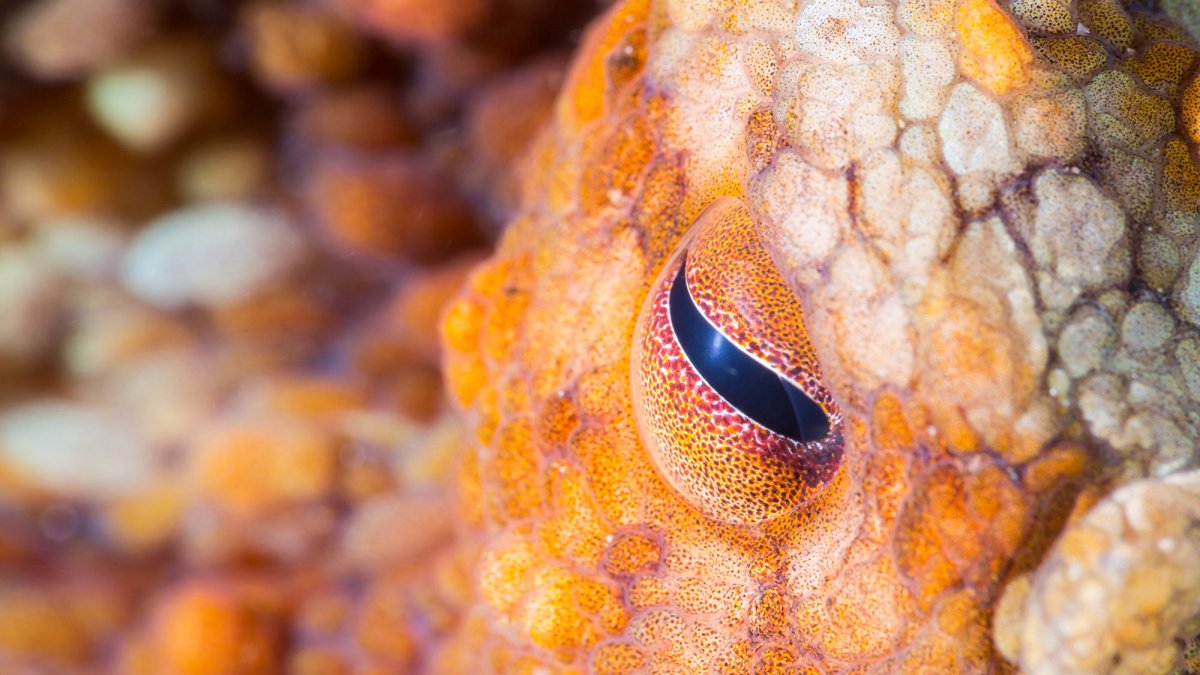
🐙
How smart are octopuses? Smart enough to use mirror
Hoe slim zijn octopussen? Slim genoeg om een spiegel te gebruiken
À quel point les pieuvres sont-elles intelligentes ? Assez pour utiliser un miroir
Octopuses are fascinating creatures with brains in their arms and skin that can see, making them seem almost alien. Recently, researchers discovered that California two-spot octopuses can use mirrors as tools, a behavior previously seen only in some vertebrates. This finding suggests that octopuses have developed this ability independently, a great example of convergent evolution. It’s incredible to think these invertebrates can interact with their reflections to solve problems, showing a surprising level of intelligence.
Octopussen zijn fascinerende dieren met hersenen in hun armen en huid die kan zien, wat ze bijna buitenaards doet lijken. Onlangs ontdekten onderzoekers dat de Californische twee-ogen octopussen spiegels als hulpmiddel kunnen gebruiken, een gedrag dat eerder alleen bij sommige gewervelde dieren werd gezien. Deze ontdekking suggereert dat octopussen deze vaardigheid onafhankelijk hebben ontwikkeld, een prachtig voorbeeld van convergente evolutie. Het is ongelooflijk om te bedenken dat deze ongewervelden met hun reflecties kunnen omgaan om problemen op te lossen, wat wijst op een verrassend niveau van intelligentie.
Les pieuvres sont des créatures fascinantes avec un cerveau dans leurs bras et une peau capable de voir, ce qui les rend presque extraterrestres. Récemment, des chercheurs ont découvert que la pieuvre à deux taches de Californie peut utiliser un miroir comme outil, un comportement auparavant observé uniquement chez certains vertébrés. Cette découverte suggère que les pieuvres ont développé cette capacité indépendamment, un bel exemple d’évolution convergente. C’est incroyable de penser que ces invertébrés peuvent interagir avec leur reflet pour résoudre des problèmes, montrant un niveau d’intelligence surprenant.
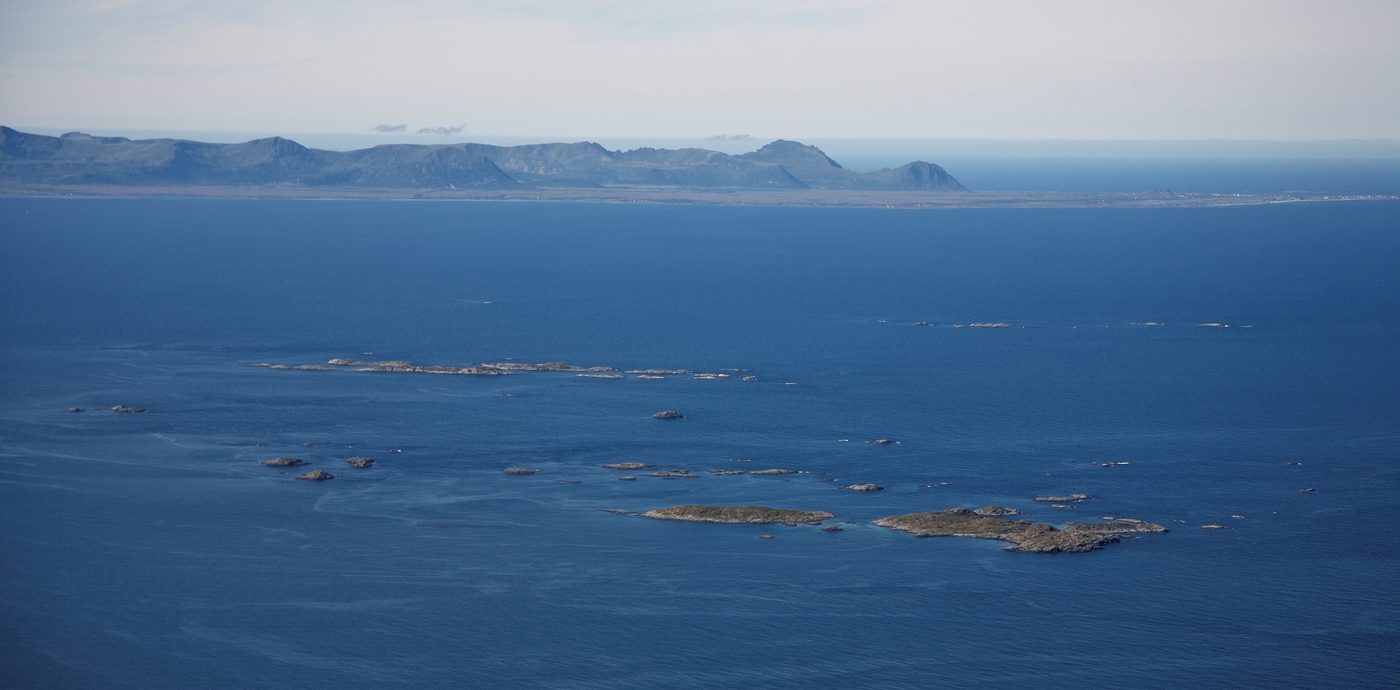
🐋
Norway’s newest marine protected area shelters rich marine habitat, whales, and seabirds
Noorwegens nieuwste mariene beschermd gebied beschermt rijke mariene habitat, walvissen en zeevogels
La nouvelle zone marine protégée de Norvège abrite un habitat marin riche, des baleines et des oiseaux marins
So: Norway has just created a huge new marine protected area called Andfjorden, covering nearly 260,000 football pitches! This spot is bursting with life, from coral reefs to kelp forests, and is home to many fish, whales, and seabirds. The government is serious about protecting this treasure while balancing fishing and other activities, thanks to great cooperation with local communities. And here's the thing - this new area boosts Norway’s marine protection from 4.8% to 6%, securing nature’s wonders for future generations.
Dus: Noorwegen heeft net een enorm nieuw marien beschermd gebied opgericht, Andfjorden, dat bijna 260.000 voetbalvelden beslaat! Deze plek zit vol leven, van koraalriffen tot kelpwouden, en herbergt veel vissen, walvissen en zeevogels. De overheid neemt de bescherming serieus en zorgt voor een goede balans tussen natuur en visserij, dankzij de fijne samenwerking met lokale gemeenschappen. En hier komt het op neer - dit nieuwe gebied verhoogt de mariene bescherming van Noorwegen van 4,8% naar 6%, zodat toekomstige generaties van deze natuur kunnen genieten.
Alors voilà: la Norvège vient de créer une vaste nouvelle zone marine protégée appelée Andfjorden, couvrant presque 260 000 terrains de football ! Cet endroit regorge de vie, des récifs coralliens aux forêts de varech, abritant de nombreux poissons, baleines et oiseaux marins. Le gouvernement protège sérieusement ce trésor tout en équilibrant la pêche et d'autres activités, grâce à une excellente coopération avec les communautés locales. Et voici le truc - cette nouvelle zone augmente la protection marine de la Norvège de 4,8 % à 6 %, garantissant ces merveilles naturelles pour les générations futures.
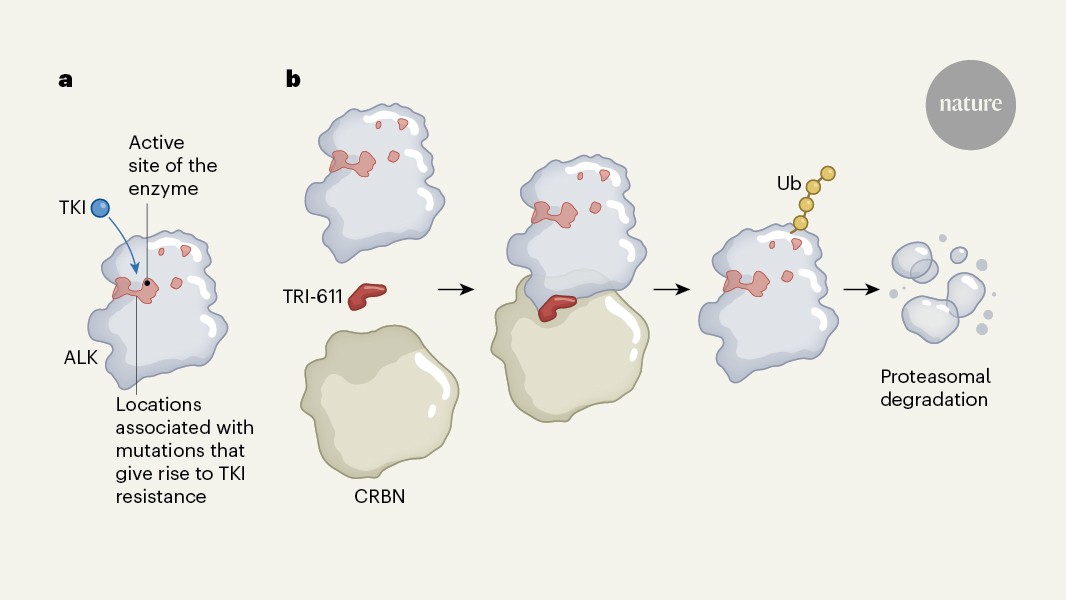
🧬
A new chapter in targeting kinase enzymes in cancer
Een nieuw hoofdstuk in het richten op kinase-enzymen bij kanker
Un nouveau chapitre dans le ciblage des enzymes kinase dans le cancer
Kinase inhibitors have revolutionized precision cancer treatment, especially for lung cancer, but resistance often develops as the enzymes mutate. Now, a fresh approach is emerging that doesn’t just inhibit these kinases but actually eliminates them entirely. This could be a game-changer for patients whose cancers have become resistant to current drugs. So: targeted protein degraders might open a new door to longer-lasting remissions and better outcomes. And here's the thing - this strategy could reshape how we think about treating cancer at a molecular level.
Kinase-remmers hebben de precisiekankerbehandeling, vooral bij longkanker, enorm veranderd, maar vaak ontstaat er resistentie doordat de enzymen muteren. Nu komt er een nieuwe aanpak die deze kinases niet alleen remt, maar ze helemaal elimineert. Dit kan een doorbraak betekenen voor patiënten van wie de kanker resistent is geworden tegen de huidige medicijnen. Dus: gerichte eiwitafbrekers kunnen een nieuwe weg openen naar langduriger remissies en betere resultaten. En hier komt het op neer - deze strategie kan onze kijk op kankerbehandeling op moleculair niveau veranderen.
Les inhibiteurs de kinase ont révolutionné le traitement ciblé du cancer, notamment du poumon, mais la résistance apparaît souvent à cause de mutations enzymatiques. Maintenant, une nouvelle approche émerge qui ne se contente pas d’inhiber ces kinases, mais les élimine complètement. Cela pourrait changer la donne pour les patients dont le cancer est devenu résistant aux traitements actuels. Donc : les dégradeurs de protéines ciblés pourraient ouvrir une nouvelle voie vers des rémissions plus durables et de meilleurs résultats. Et voici le truc - cette stratégie pourrait transformer notre manière d’aborder le traitement du cancer au niveau moléculaire.
🐢
Scientists expected these Galápagos sea turtles to wander. They stayed put
Wetenschappers verwachtten dat deze Galápagos-zeeschildpadden zouden zwerven. Ze bleven dichtbij
Les scientifiques s'attendaient à ce que ces tortues marines des Galápagos errent. Elles sont restées sur place
I find it fascinating that these yellow-morph green sea turtles in the Galápagos don’t roam far as expected but instead stay close to home. The study tracked nine turtles for over a year, revealing they prefer shallow coastal waters and rarely venture beyond the marine reserve. Some turtles moved between islands seasonally, but none left the Galápagos during the study period. This challenges what we thought about their migration and hints at unique behaviors in this special population.
Ik vind het fascinerend dat deze geelachtige groene zeeschildpadden op de Galápagos niet ver wegzwerven zoals verwacht, maar juist dichtbij blijven. De studie volgde negen schildpadden meer dan een jaar en liet zien dat ze de voorkeur geven aan ondiepe kustwateren en zelden buiten het mariene reservaat komen. Sommige schildpadden bewogen seizoensgebonden tussen eilanden, maar geen enkele verliet de Galápagos tijdens de studie. Dit daagt onze verwachtingen over hun migratie uit en wijst op unieke gedragingen in deze bijzondere populatie.
Je trouve fascinant que ces tortues vertes à morphologie jaune des Galápagos ne s'éloignent pas comme prévu, mais restent proches de leur habitat. L'étude a suivi neuf tortues pendant plus d'un an, montrant leur préférence pour les eaux côtières peu profondes et leur rare sortie de la réserve marine. Certaines tortues se déplacent entre les îles selon les saisons, mais aucune n'a quitté les Galápagos durant l'étude. Cela remet en question nos idées sur leur migration et révèle des comportements uniques dans cette population spéciale.
❄️
The ice blasting from Saturn's moon Enceladus is stranger than scientists realized
Het ijs dat van Saturnusmaan Enceladus wordt geblazen is vreemder dan wetenschappers dachten
Les jets de glace de la lune Encelade de Saturne sont plus étranges que prévu
So: Saturn's moon Enceladus is full of surprises beneath its icy shell. Scientists found that the tiny ice grains blasted into space vary wildly in their salt content, which was unexpected. Now, lab experiments show that this diversity comes from how ocean droplets freeze slowly inside the moon’s icy vents before breaking apart. And here's the thing - this slow freezing and breaking process creates the strange mix of ice grains Cassini detected, revealing new secrets about Enceladus' hidden ocean.
Dus: de maan Enceladus van Saturnus zit vol verrassingen onder zijn ijzige laag. Wetenschappers ontdekten dat de kleine ijsdeeltjes die de ruimte in worden geblazen sterk verschillen in zoutgehalte, wat onverwacht was. Nu laten laboratoriumexperimenten zien dat deze diversiteit ontstaat doordat oceaandruppels langzaam bevriezen in de ijzige kanalen van de maan voordat ze uiteenvallen. En hier komt het op neer - dit langzame vries- en breekproces creëert de vreemde mix van ijsdeeltjes die Cassini heeft waargenomen, en onthult nieuwe geheimen over de verborgen oceaan van Enceladus.
Alors: la lune Encelade de Saturne cache bien des surprises sous sa couche de glace. Les scientifiques ont découvert que les petits grains de glace projetés dans l’espace varient énormément en composition saline, ce qui était inattendu. Des expériences en laboratoire montrent maintenant que cette diversité provient du gel lent des gouttelettes océaniques dans les conduits glacés avant qu’elles ne se brisent. Et voici le truc - ce processus lent de congélation et de fragmentation crée le mélange étrange de grains de glace détecté par Cassini, révélant de nouveaux secrets sur l’océan caché d’Encelade.
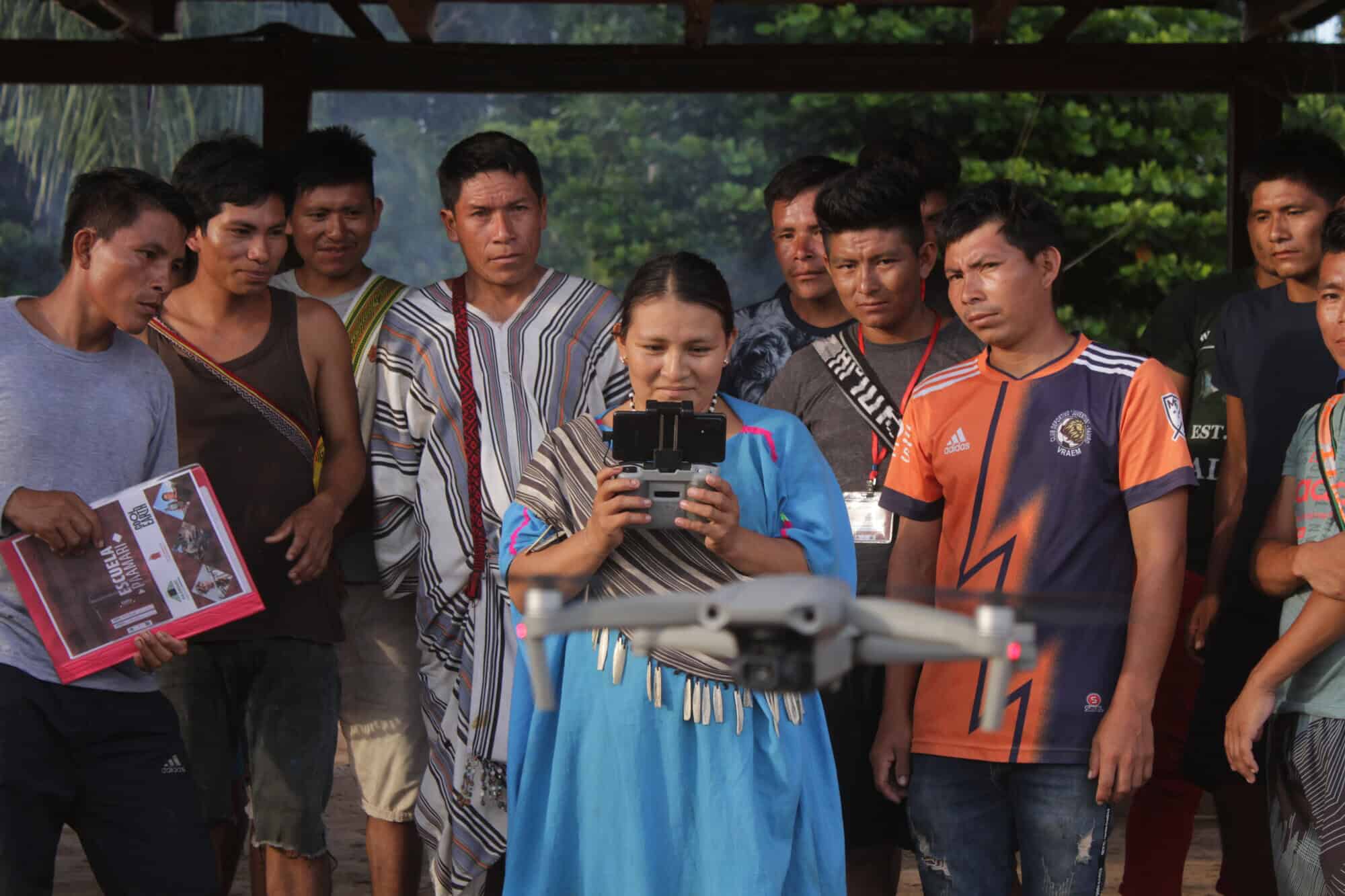
🌳
‘The forest is life’: how Indigenous communities in Peru are preventing wildfires
‘Het bos is leven’: hoe inheemse gemeenschappen in Peru bosbranden voorkomen
« La forêt, c’est la vie » : comment les communautés autochtones du Pérou préviennent les incendies de forêt
I find it fascinating how Indigenous communities in Peru are turning the tide on wildfires despite worsening climate conditions. Through the Paamari programme, they combine traditional knowledge with modern tech like drones and satellite imagery to spot and stop fires early. The results are impressive: an 81% reduction in burned areas and even zero wildfires in 2025. It’s a powerful reminder that respecting nature and culture can lead to real climate solutions.
Ik vind het geweldig hoe inheemse gemeenschappen in Peru de strijd tegen bosbranden winnen, ondanks de steeds zwaardere klimaatuitdagingen. Met het Paamari-programma combineren ze traditionele kennis met moderne technologieën zoals drones en satellietbeelden om branden vroegtijdig te ontdekken en te blussen. Het resultaat is indrukwekkend: een vermindering van 81% in verbrande gebieden en zelfs geen bosbranden in 2025. Het laat zien dat respect voor natuur en cultuur echte klimaatoplossingen kan brengen.
Je trouve fascinant que les communautés autochtones du Pérou renversent la tendance des incendies malgré le climat qui se dégrade. Grâce au programme Paamari, ils allient savoirs ancestraux et technologies modernes comme les drones et images satellites pour détecter et éteindre rapidement les feux. Les résultats sont impressionnants : une réduction de 81 % des zones brûlées et zéro incendie en 2025. C’est une belle preuve que le respect de la nature et des cultures offre de vraies solutions climatiques.
🎨
The white village was about to be deserted. Then art moved in
Het witte dorp stond op het punt te verdwijnen. Toen kwam de kunst
Le village blanc était sur le point d'être déserté. Puis l'art est arrivé
There’s a tiny white village in Andalusia with twice as many artworks as residents, which is pretty wild! So: a groundbreaking art project didn’t just save the village from fading away but turned it into a shining example of sustainable village preservation. Now, Genalguacil blends nature and art in a way that feels alive and inspiring. And here’s the thing - this creative spirit has breathed new life into the whole community, making it a must-see for anyone curious about culture and nature.
Er is een klein wit dorpje in Andalusië met twee keer zoveel kunstwerken als inwoners, wat best bijzonder is! Dus: een baanbrekend kunstproject heeft het dorp niet alleen gered van uitsterven, maar het ook omgetoverd tot een voorbeeld van duurzame dorpsbehoud. Nu combineert Genalguacil natuur en kunst op een levendige en inspirerende manier. En hier komt het - deze creatieve geest heeft nieuw leven ingeblazen in de hele gemeenschap, waardoor het een must-see is voor iedereen die nieuwsgierig is naar cultuur en natuur.
Il y a un petit village blanc en Andalousie qui compte deux fois plus d’œuvres d’art que d’habitants, c’est incroyable ! Alors : un projet artistique novateur n’a pas seulement sauvé le village de la désertification, il en a fait un modèle de préservation durable. Aujourd’hui, Genalguacil mêle nature et art de façon vivante et inspirante. Et voici le truc - cet esprit créatif a insufflé une nouvelle vie à toute la communauté, en faisant un lieu incontournable pour les curieux de culture et de nature.
📉
Wage gap between men and women decreases for the first time since 2022
Loonkloof tussen mannen en vrouwen neemt voor het eerst sinds 2022 af
L'écart salarial entre hommes et femmes diminue pour la première fois depuis 2022
So: the wage gap between men and women in Denmark shrank last year for the first time in three years, dropping from 12.9% to 12.3%. That’s great news, especially since wages directly affect pension savings, which means this change could lead to more economic equality for retirees. Experts like Mads Moberg Reumert and Helle Dalsgaard see this as a positive step, even if women still earn significantly less overall. And here’s the thing: with more women gaining higher education and men taking more parental leave, the outlook for closing the gap looks promising.
Dus: de loonkloof tussen mannen en vrouwen in Denemarken is vorig jaar voor het eerst in drie jaar kleiner geworden, van 12,9% naar 12,3%. Dat is geweldig nieuws, vooral omdat het loon direct invloed heeft op het pensioen, wat betekent dat deze verandering kan leiden tot meer economische gelijkheid voor gepensioneerden. Deskundigen zoals Mads Moberg Reumert en Helle Dalsgaard zien dit als een positieve stap, ook al verdienen vrouwen nog steeds aanzienlijk minder. En hier is het punt: met meer vrouwen die hoger onderwijs volgen en mannen die meer ouderschapsverlof nemen, ziet de toekomst er hoopvol uit om de kloof te dichten.
Alors: l'écart salarial entre hommes et femmes au Danemark a diminué l'année dernière pour la première fois en trois ans, passant de 12,9 % à 12,3 %. C’est une excellente nouvelle, surtout que les salaires influencent directement les pensions, ce qui pourrait favoriser une plus grande égalité économique chez les retraités. Des experts comme Mads Moberg Reumert et Helle Dalsgaard voient cela comme un pas positif, même si les femmes gagnent encore nettement moins. Et voici le truc: avec plus de femmes diplômées et des hommes prenant davantage de congé parental, les perspectives pour réduire cet écart sont encourageantes.
👵
Half of workers aged 45+ consider working beyond retirement age
De helft van de werknemers van 45+ overweegt door te werken na pensioengerechtigde leeftijd
La moitié des travailleurs de plus de 45 ans envisagent de travailler au-delà de l'âge de la retraite
I find it fascinating that half of Polish workers aged 45 and above are open to working beyond the official retirement age. The study reveals that health, not just legal age, is a key factor in deciding how long people want to stay active professionally. It’s also interesting how attitudes differ between public and private sectors, and between men and women. And here’s the thing - this willingness to keep working could be crucial for Poland’s economic stability as experienced workers stay in the labor market longer.
Ik vind het fascinerend dat de helft van de Poolse werknemers van 45 jaar en ouder openstaat voor doorwerken na de officiële pensioengerechtigde leeftijd. Uit het onderzoek blijkt dat gezondheid, en niet alleen de wettelijke leeftijd, een belangrijke rol speelt bij de beslissing hoe lang mensen actief willen blijven op de werkvloer. Het is ook interessant hoe de houding verschilt tussen de publieke en private sector, en tussen mannen en vrouwen. En hier komt het op neer - deze bereidheid om door te werken kan cruciaal zijn voor de economische stabiliteit van Polen, doordat ervaren werknemers langer actief blijven.
Je trouve fascinant que la moitié des travailleurs polonais âgés de 45 ans et plus envisagent de travailler au-delà de l'âge légal de la retraite. L’étude montre que la santé, et pas seulement l’âge légal, est un facteur clé dans la décision de rester actif professionnellement. Il est aussi intéressant de voir les différences d’attitudes entre le secteur public et privé, ainsi qu’entre hommes et femmes. Et voici la chose - cette volonté de continuer à travailler pourrait être essentielle pour la stabilité économique de la Pologne, en maintenant les travailleurs expérimentés sur le marché du travail plus longtemps.

🏠
A place to sleep for Denver’s homeless college students
Een plek om te slapen voor dakloze studenten in Denver
Un lieu pour dormir pour les étudiants sans-abri de Denver
So: Denver just opened its first student residence for homeless college students through Depaul USA’s Dax Program, and I find that incredibly inspiring. This program offers a safe place to live for up to two years, helping students focus on their studies without worrying about where to sleep. The building, a charming 1890s brick duplex, can house up to 15 students and partners with local universities to expand its reach. And here's the thing - the program also provides meals, workshops, and support services, showing real care for these students’ independence and success.
Dus: Denver heeft net zijn eerste studentenhuis geopend voor dakloze studenten via het Dax-programma van Depaul USA, en ik vind dat ontzettend inspirerend. Dit programma biedt een veilige plek om tot twee jaar te wonen, zodat studenten zich op hun studie kunnen concentreren zonder zich zorgen te maken over een slaapplek. Het gebouw, een charmante bakstenen duplex uit de jaren 1890, kan tot 15 studenten huisvesten en werkt samen met lokale universiteiten om het bereik te vergroten. En hier komt het op aan - het programma biedt ook maaltijden, workshops en ondersteunende diensten, wat echt zorg toont voor de zelfstandigheid en het succes van deze studenten.
Alors: Denver vient d’ouvrir sa première résidence étudiante pour les étudiants sans-abri grâce au programme Dax de Depaul USA, et je trouve cela vraiment inspirant. Ce programme offre un lieu sûr où vivre jusqu’à deux ans, permettant aux étudiants de se concentrer sur leurs études sans se soucier d’un endroit où dormir. Le bâtiment, une charmante maison en brique des années 1890, peut accueillir jusqu’à 15 étudiants et collabore avec des universités locales pour étendre son impact. Et voilà le truc - le programme propose aussi des repas, des ateliers et des services de soutien, montrant un vrai souci pour l’indépendance et la réussite de ces étudiants.
📚
Declining reading rates? Wilma Wonder remains popular with young readers: nearly 50,000 books sold
Dalende leescijfers? Wilma Wonder blijft populair bij jonge lezers: bijna 50.000 boeken verkocht
Baisse des chiffres de lecture ? Wilma Wonder reste populaire auprès des jeunes lecteurs : près de 50 000 livres vendus
So: even though reading rates are dropping overall, Wilma Wonder is still a shining star among young readers. Nearly 50,000 books have been sold, which is pretty impressive! It shows that a good story and relatable characters can keep kids hooked despite trends. And here's the thing - Wilma Wonder’s success proves that enthusiasm for reading can thrive when the right books come along.
Dus: hoewel de leescijfers over het algemeen dalen, blijft Wilma Wonder een grote favoriet bij jonge lezers. Er zijn bijna 50.000 boeken verkocht, wat best indrukwekkend is! Dit bewijst dat een goed verhaal en herkenbare personages kinderen kunnen blijven boeien, ondanks de trends. En hier komt het op neer - het succes van Wilma Wonder toont aan dat leesplezier kan blijven bestaan als het juiste boek verschijnt.
Alors: même si les chiffres de lecture diminuent globalement, Wilma Wonder reste une star auprès des jeunes lecteurs. Près de 50 000 livres ont été vendus, ce qui est vraiment impressionnant ! Cela montre qu’une bonne histoire avec des personnages attachants peut captiver les enfants malgré les tendances. Et voici le truc - le succès de Wilma Wonder prouve que l’enthousiasme pour la lecture peut perdurer quand les bons livres arrivent.
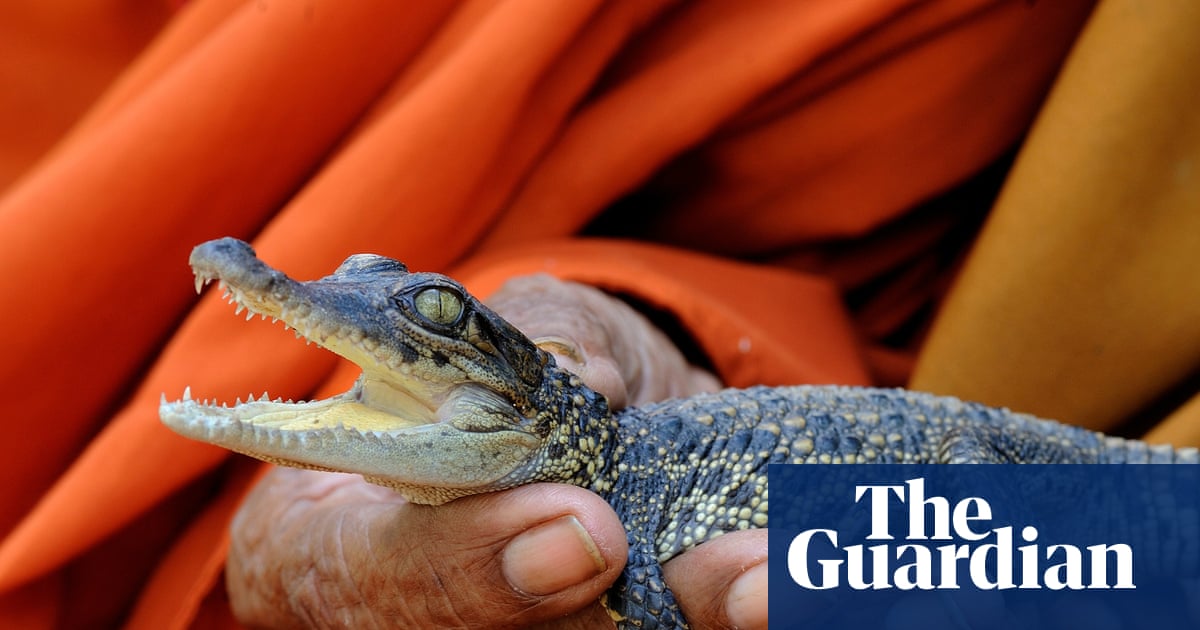
🐊
Saving the siamese crocodile: cambodia moves to protect one of the world’s last wild populations
De siamese krokodil redden: cambodja beschermt een van de laatste wilde populaties ter wereld
Sauver le crocodile du siam : le cambodge protège l'une des dernières populations sauvages au monde
I am absolutely thrilled to share this wonderful news from the Cardamom mountains in Cambodia. It turns out that the Indigenous Chorng communities have been the secret guardians of the Siamese crocodile all along, helping scientists rediscover this critically endangered species. Now, the government has officially declared a massive wetland area as a genetic conservation site to keep these incredible reptiles safe. It is just amazing to see how local knowledge and modern conservation can work together to bring a species back from the brink. And here is the thing - this 'genetic bank' could eventually help restore populations across all of south-east Asia!
Ik ben ontzettend enthousiast om dit prachtige nieuws uit het Cardamom-gebergte in Cambodja met jullie te delen. Het blijkt dat de inheemse Chorng-gemeenschappen al die tijd de geheime beschermers van de Siamese krokodil zijn geweest en wetenschappers hielpen deze ernstig bedreigde soort te herontdekken. Nu heeft de overheid officieel een enorm waterrijk aangewezen als genetisch beschermd gebied om deze ongelooflijke reptielen veilig te houden. Het is echt geweldig om te zien hoe lokale kennis en moderne natuurbescherming kunnen samenwerken om een soort van de rand van de afgrond te redden. En weet je wat het mooie is - deze 'genetische bank' zou uiteindelijk kunnen helpen om populaties in heel Zuidoost-Azië te herstellen!
Je suis absolument ravi de partager cette merveilleuse nouvelle venant des montagnes des Cardamomes au Cambodge. Il s'avère que les communautés indigènes Chorng ont été les gardiens secrets du crocodile du Siam depuis toujours, aidant les scientifiques à redécouvrir cette espèce en danger critique d'extinction. Désormais, le gouvernement a officiellement déclaré une vaste zone humide comme site de conservation génétique pour assurer la sécurité de ces incroyables reptiles. C'est tout simplement fantastique de voir comment les connaissances locales et la conservation moderne peuvent travailler ensemble pour ramener une espèce au bord du gouffre. Et voici le plus beau - cette 'banque génétique' pourrait éventuellement aider à restaurer les populations dans toute l'Asie du Sud-Est !

🦟
Rwanda sees a promising drop in malaria cases
Rwanda ziet een veelbelovende daling in malaria-gevallen
Le Rwanda observe une baisse prometteuse des cas de paludisme
I was just reading about the great news coming out of Rwanda, where they have managed to bring down malaria rates quite effectively. It is really fascinating to see how they are using data-driven strategies to target specific high-burden areas rather than just applying a blanket approach. By rotating treatments and using precise interventions like indoor spraying where it is needed most, they are making every resource count. And here is the thing - even with funding challenges, this smart, targeted work is clearly paying off. It is such an encouraging example of how focused public health efforts can really change the game.
Ik las net het geweldige nieuws uit Rwanda, waar ze erin geslaagd zijn om het aantal malaria-gevallen effectief terug te dringen. Het is echt fascinerend om te zien hoe ze datagestuurde strategieën gebruiken om specifieke zwaar getroffen gebieden aan te pakken in plaats van een algemene aanpak te hanteren. Door behandelingen af te wisselen en gerichte interventies zoals binnenhuisbesproeiing in te zetten waar dat het meest nodig is, laten ze elke hulpbron tellen. En hier komt het mooie - zelfs met uitdagingen op het gebied van financiering werpt dit slimme, gerichte werk duidelijk zijn vruchten af. Het is zo'n bemoedigend voorbeeld van hoe gerichte inspanningen voor de volksgezondheid echt het verschil kunnen maken.
Je viens de lire une excellente nouvelle en provenance du Rwanda, où ils ont réussi à réduire efficacement les taux de paludisme. C'est vraiment fascinant de voir comment ils utilisent des stratégies basées sur les données pour cibler des zones spécifiques fortement touchées plutôt que d'appliquer une approche globale. En alternant les traitements et en utilisant des interventions précises comme la pulvérisation intérieure là où c'est le plus nécessaire, ils optimisent chaque ressource. Et voici le point important - même avec des défis de financement, ce travail intelligent et ciblé porte clairement ses fruits. C'est un exemple tellement encourageant de la façon dont des efforts de santé publique bien ciblés peuvent vraiment changer la donne.
📈
Belgian employees are calling in sick less often
Belgische werknemers melden zich minder vaak ziek
Les employés belges sont moins souvent en arrêt maladie
I was really happy to read that Belgian employees are calling in sick less frequently these days. It seems like people are getting much better at finding the right support before things escalate into a full burnout. So: it is fantastic to see that proactive help is making such a tangible difference in our workplaces. And here's the thing - when we know where to turn for assistance, we all feel a bit more secure and supported. It is a really positive trend for everyone involved.
Ik werd echt vrolijk toen ik las dat Belgische werknemers zich tegenwoordig minder vaak ziek melden. Het lijkt erop dat mensen veel beter weten waar ze de juiste steun kunnen vinden voordat problemen uit de hand lopen. Dus: het is fantastisch om te zien dat proactieve hulp zo'n tastbaar verschil maakt op onze werkvloer. En weet je, als we weten waar we terechtkunnen voor hulp, voelen we ons allemaal een stuk veiliger en gesteund. Het is echt een positieve trend voor iedereen.
J'ai été vraiment ravi de lire que les employés belges se mettent moins souvent en arrêt maladie ces derniers temps. Il semble que les gens parviennent beaucoup mieux à trouver le soutien nécessaire avant que les problèmes ne s'aggravent. Alors : c'est fantastique de voir qu'une aide proactive fait une telle différence concrète sur nos lieux de travail. Et voici le point important - quand nous savons vers qui nous tourner pour obtenir de l'aide, nous nous sentons tous un peu plus en sécurité et soutenus. C'est vraiment une tendance positive pour tout le monde.
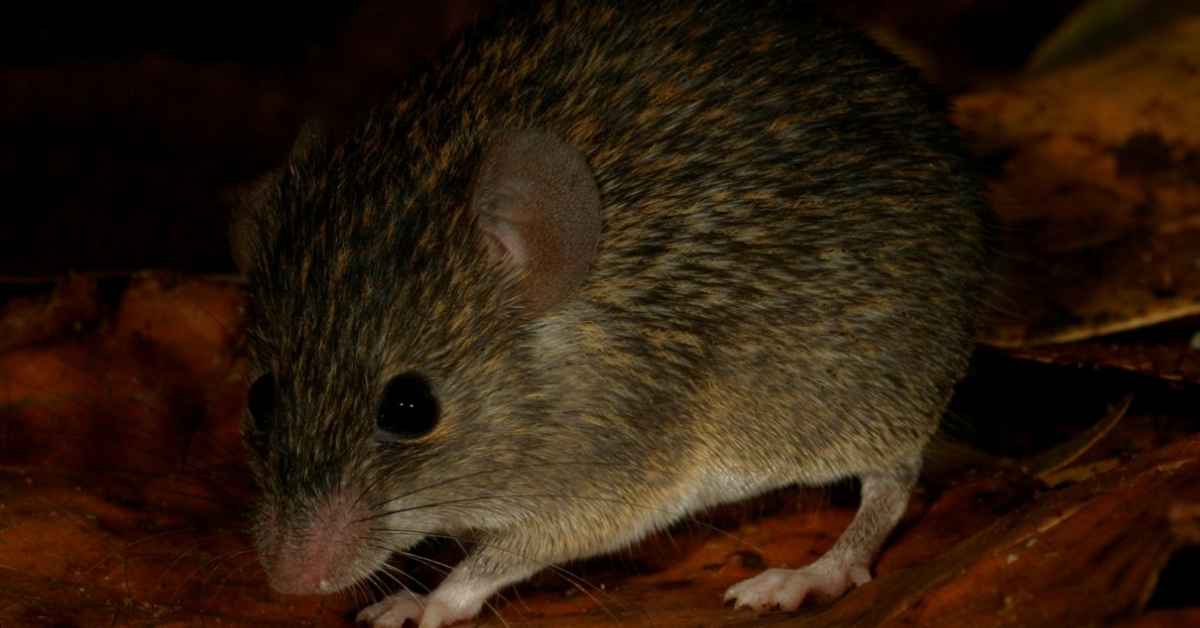
🐭
A surprising discovery in the mountains of sri lanka
Een verrassende ontdekking in de bergen van sri lanka
Une découverte surprenante dans les montagnes du sri lanka
So: researchers in Sri Lanka were trying to trap mice with peanut butter, but the little critters just weren't interested. They decided to get creative and used burnt coconut instead, which led to the incredible discovery of a brand new species called the Dumbara spiny mouse. It took over two decades of careful genetic analysis to confirm this tiny, elusive creature was actually unique to the Knuckles Mountain Range. And here's the thing - it really highlights just how much hidden biodiversity is still waiting for us to find. I find it absolutely fascinating that such a small animal can keep scientists guessing for so long!
Dus: onderzoekers in Sri Lanka probeerden muizen te vangen met pindakaas, maar de beestjes hadden er totaal geen interesse in. Ze besloten creatief te worden en gebruikten verbrande kokosnoot, wat leidde tot de geweldige ontdekking van een gloednieuwe soort genaamd de Dumbara-stekelmuis. Het kostte meer dan twintig jaar aan zorgvuldige genetische analyse om te bevestigen dat dit kleine, ongrijpbare wezentje echt uniek was voor het Knuckles-gebergte. En dit is het mooie - het laat echt zien hoeveel verborgen biodiversiteit er nog op ons wacht om ontdekt te worden. Ik vind het fascinerend dat zo'n klein diertje wetenschappers zo lang in spanning kan houden!
Alors: des chercheurs au Sri Lanka essayaient d'attraper des souris avec du beurre de cacahuète, mais les petites bêtes n'étaient tout simplement pas intéressées. Ils ont décidé de faire preuve de créativité et ont utilisé de la noix de coco brûlée, ce qui a conduit à l'incroyable découverte d'une toute nouvelle espèce appelée la souris épineuse de Dumbara. Il a fallu plus de deux décennies d'analyses génétiques minutieuses pour confirmer que cette créature minuscule et insaisissable était en fait unique à la chaîne de montagnes Knuckles. Et voici le point important - cela souligne vraiment à quel point il reste encore beaucoup de biodiversité cachée à découvrir. Je trouve absolument fascinant qu'un si petit animal puisse faire travailler les scientifiques pendant si longtemps!

📜
Researchers unearth a clay tablet inscribed with the world’s oldest peace treaty
Onderzoekers ontdekken kleitablet met het oudste vredesverdrag ter wereld
Des chercheurs découvrent une tablette d'argile portant le plus vieux traité de paix au monde
So, I just read about this incredible discovery in Turkiye where archaeologists found a fragment of the Peace of Kadesh. It is actually the world's oldest peace treaty, dating back to around 1,300 BCE after a massive chariot battle between the Egyptians and the Hittites. And here's the thing, the language on the tablet is just beautiful, pledging eternal friendship and non-aggression between these two ancient civilizations. It really makes you think about how long humans have been striving for peace, doesn't it? I find it absolutely fascinating that we are still uncovering these pieces of our shared history today.
Ik las net over deze ongelooflijke ontdekking in Turkije, waar archeologen een fragment van de Vrede van Kadesh hebben gevonden. Het is eigenlijk het oudste vredesverdrag ter wereld, dat teruggaat tot ongeveer 1300 v.Chr. na een enorme strijdwagenslag tussen de Egyptenaren en de Hethieten. En weet je, de taal op de tablet is prachtig en belooft eeuwige vriendschap en geweldloosheid tussen deze twee oude beschavingen. Het zet je echt aan het denken over hoe lang mensen al naar vrede streven, nietwaar? Ik vind het fascinerend dat we vandaag de dag nog steeds deze stukjes van onze gezamenlijke geschiedenis ontdekken.
Je viens de lire une nouvelle incroyable concernant une découverte en Turquie, où des archéologues ont mis au jour un fragment de la Paix de Kadesh. Il s'agit en fait du plus vieux traité de paix au monde, datant d'environ 1300 av. J.-C. après une immense bataille de chars entre les Égyptiens et les Hittites. Et voici le plus intéressant, le langage sur la tablette est tout simplement magnifique, promettant une amitié éternelle et la non-agression entre ces deux civilisations anciennes. Cela nous fait vraiment réfléchir à la durée pendant laquelle les humains ont aspiré à la paix, n'est-ce pas ? Je trouve absolument fascinant que nous continuions à découvrir ces morceaux de notre histoire commune aujourd'hui.
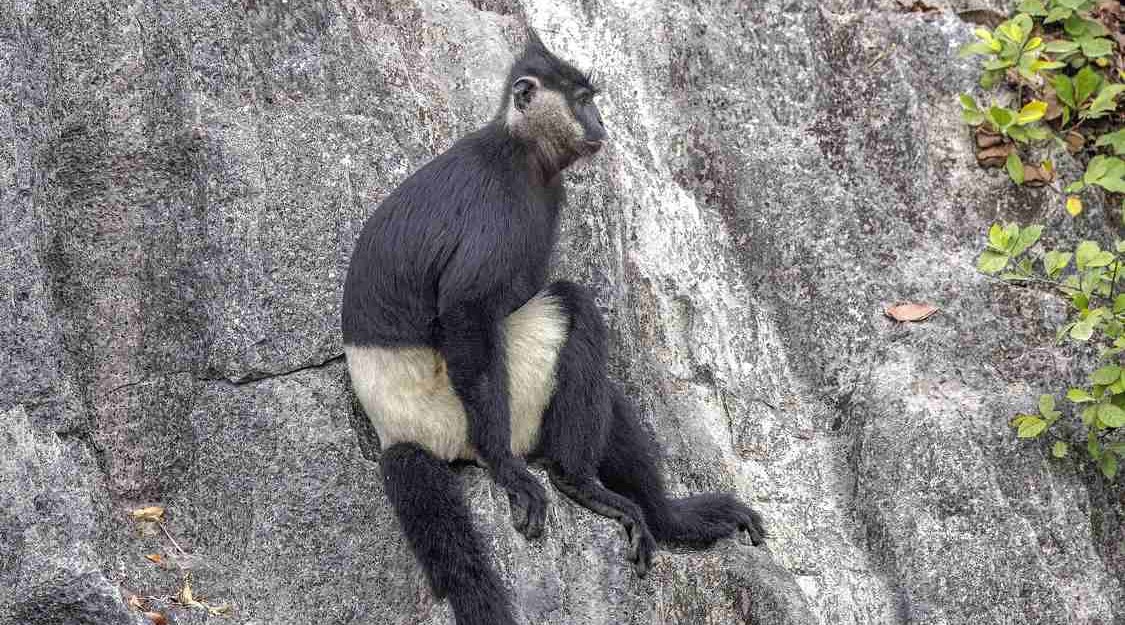
🐒
Vietnam protects the world's most endangered monkey
Vietnam beschermt 's werelds meest bedreigde aap
Le vietnam protège le singe le plus menacé au monde
I am absolutely thrilled to share some fantastic news coming out of Vietnam today. They have just established a massive new conservation area specifically to save the Delacour's langur, which is one of the rarest monkeys on our entire planet. With only about 250 of these beautiful creatures left, this move to protect over 7,500 acres of pristine forest is exactly the kind of action we need to see. And here's the thing - they are not just guarding the land, but also actively restoring the habitat to give these primates a real fighting chance. It makes me so happy to see such a dedicated effort to preserve our natural heritage for the future.
Ik ben ontzettend enthousiast om dit geweldige nieuws uit Vietnam met jullie te delen. Ze hebben zojuist een enorm nieuw natuurgebied opgericht om de Delacour-langoer te redden, een van de zeldzaamste apen op onze hele planeet. Met nog maar ongeveer 250 van deze prachtige dieren over, is deze stap om meer dan 7.500 hectare ongerept bos te beschermen precies de actie die we nodig hebben. En weet je wat het mooie is? Ze beschermen niet alleen het land, maar herstellen ook actief de leefomgeving om deze primaten een echte kans te geven. Het maakt me zo blij om zo'n toegewijde inspanning te zien om ons natuurlijk erfgoed te behouden voor de toekomst.
Je suis absolument ravi de partager cette excellente nouvelle en provenance du Vietnam aujourd'hui. Ils viennent tout juste d'établir une immense nouvelle zone de conservation spécifiquement pour sauver le langur de Delacour, qui est l'un des singes les plus rares de toute notre planète. Avec seulement environ 250 de ces magnifiques créatures restantes, cette décision de protéger plus de 7 500 acres de forêt vierge est exactement le genre d'action dont nous avons besoin. Et voici le point important - ils ne se contentent pas de garder la terre, mais restaurent aussi activement l'habitat pour donner à ces primates une vraie chance de survie. Cela me rend tellement heureux de voir un tel effort dédié à la préservation de notre patrimoine naturel pour l'avenir.

🦌
5 'trailblazing' caribou return to canada's wilderness
5 'baanbrekende' kariboes keren terug naar de canadese wildernis
5 caribous 'pionniers' retournent dans la nature sauvage canadienne
I am absolutely thrilled to share some wonderful news from Jasper National Park, where five special caribou have just been released back into the wild. This group, consisting of one bull and four calves, is the very first to successfully graduate from North America's first conservation breeding program. It is just so heartening to see them exploring the Tonquin Valley and even joining up with existing wild herds. And here's the thing - this milestone is a massive step forward for the recovery of this vulnerable species. I really cannot wait to see how these trailblazers continue to adapt to their natural home.
Ik ben ontzettend enthousiast om dit prachtige nieuws uit Jasper National Park te delen, waar vijf bijzondere kariboes zojuist zijn vrijgelaten in de natuur. Deze groep, bestaande uit één stier en vier kalveren, is de allereerste die met succes is afgestudeerd aan het eerste fokprogramma voor natuurbehoud in Noord-Amerika. Het is zo hartverwarmend om te zien hoe ze de Tonquin Valley verkennen en zich zelfs aansluiten bij bestaande kuddes in het wild. En weet je, deze mijlpaal is een enorme stap voorwaarts voor het herstel van deze kwetsbare soort. Ik kan echt niet wachten om te zien hoe deze pioniers zich verder aanpassen aan hun natuurlijke omgeving.
Je suis absolument ravi de partager cette merveilleuse nouvelle venant du parc national de Jasper, où cinq caribous spéciaux viennent d'être relâchés dans la nature. Ce groupe, composé d'un mâle et de quatre veaux, est le tout premier à réussir le premier programme d'élevage de conservation en Amérique du Nord. C'est tellement encourageant de les voir explorer la vallée de Tonquin et même rejoindre des troupeaux sauvages existants. Et voici le point important - cette étape est un progrès majeur pour le rétablissement de cette espèce vulnérable. J'ai vraiment hâte de voir comment ces pionniers continuent de s'adapter à leur habitat naturel.
🌡️
Heat pump sales soar across europe after states cut electricity taxes
Verkoop van warmtepompen stijgt in europa na belastingverlagingen op elektriciteit
Les ventes de pompes à chaleur s'envolent en europe après la baisse des taxes sur l'électricité
I am absolutely thrilled to see that heat pump sales are really taking off across Europe right now. It seems that when countries finally decide to lower electricity taxes, people are quick to make the switch away from fossil fuels. It makes perfect sense, doesn't it? By making electricity more affordable than gas, we are finally seeing the shift we have all been waiting for. And here is the thing - this isn't just about saving money, it is about building a cleaner, more sustainable future for all of us.
Ik ben ontzettend enthousiast om te zien dat de verkoop van warmtepompen in heel Europa nu echt een vlucht neemt. Het lijkt erop dat wanneer landen eindelijk besluiten de elektriciteitsbelasting te verlagen, mensen snel overstappen van fossiele brandstoffen. Dat is toch volkomen logisch? Door elektriciteit betaalbaarder te maken dan gas, zien we eindelijk de verandering waar we allemaal op hebben gewacht. En weet je, dit gaat niet alleen over geld besparen, het gaat over het bouwen aan een schonere en duurzamere toekomst voor ons allemaal.
Je suis vraiment ravi de voir que les ventes de pompes à chaleur décollent enfin partout en Europe. Il semble que lorsque les pays décident de réduire les taxes sur l'électricité, les gens sont très rapides à abandonner les combustibles fossiles. Cela semble tout à fait logique, n'est-ce pas ? En rendant l'électricité plus abordable que le gaz, nous assistons enfin au changement que nous attendions tous. Et voici le point important - il ne s'agit pas seulement d'économiser de l'argent, il s'agit de construire un avenir plus propre et plus durable pour nous tous.

🤹
Mathematicians harness randomness to crack a 55-year-old conjecture
Wiskundigen gebruiken willekeur om een 55 jaar oud raadsel op te lossen
Des mathématiciens utilisent le hasard pour résoudre une conjecture vieille de 55 ans
So: I just read about this fascinating breakthrough regarding a problem that the legendary Ronald Graham posed back in 1971. It turns out that this puzzle, which might have been inspired by his love for juggling, was finally solved by a group of brilliant young mathematicians. They used the power of randomness to prove that you can always arrange certain numbers in a specific way, even in the tricky world of clock arithmetic. And here's the thing - it took four papers and a lot of collaboration to get there. Which brings me to the beauty of how these probabilistic methods can unlock such long-standing mysteries.
Dus: ik las net over deze fascinerende doorbraak met betrekking tot een probleem dat de legendarische Ronald Graham al in 1971 opwierp. Het blijkt dat dit raadsel, dat wellicht geïnspireerd was door zijn liefde voor jongleren, eindelijk is opgelost door een groep briljante jonge wiskundigen. Ze gebruikten de kracht van willekeur om te bewijzen dat je bepaalde getallen altijd op een specifieke manier kunt rangschikken, zelfs in de lastige wereld van klokrekenen. En hier komt het mooie: het kostte vier papers en veel samenwerking om daar te komen. Dat brengt me bij de schoonheid van hoe deze probabilistische methoden zulke langlopende mysteries kunnen ontrafelen.
Alors: je viens de lire une percée fascinante concernant un problème posé par le légendaire Ronald Graham en 1971. Il s'avère que cette énigme, peut-être inspirée par son amour pour la jonglerie, a finalement été résolue par un groupe de brillants jeunes mathématiciens. Ils ont utilisé la puissance du hasard pour prouver que l'on peut toujours organiser certains nombres d'une manière spécifique, même dans le monde délicat de l'arithmétique modulaire. Et voici le point clé - il a fallu quatre articles et beaucoup de collaboration pour y parvenir. Ce qui m'amène à la beauté de la façon dont ces méthodes probabilistes peuvent débloquer des mystères aussi anciens.
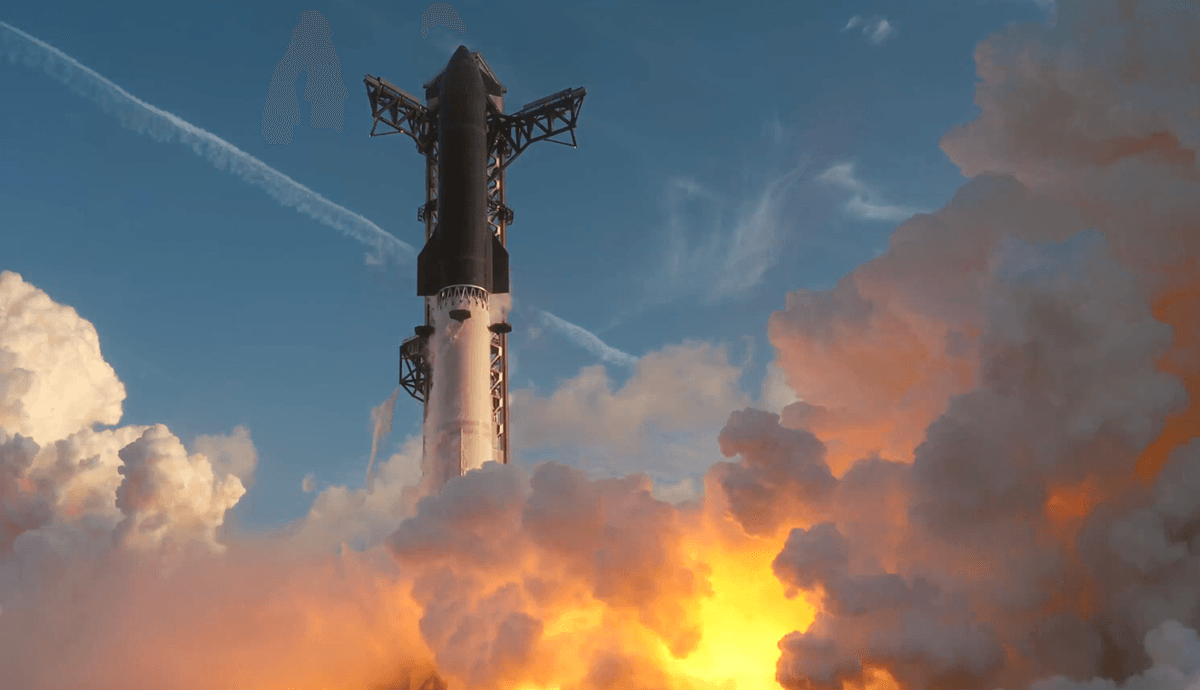
🚀
SpaceX’s starship reaches orbit in a massive test flight
SpaceX’s starship bereikt een baan om de aarde in een enorme testvlucht
Le starship de SpaceX atteint l'orbite lors d'un vol d'essai majeur
So, I was just reading about the latest Starship test flight, and it is honestly quite something to behold. This massive rocket finally managed to propel itself into orbit, which is a huge milestone for the team in Texas. And here's the thing - even though the mission was cut a bit short, they successfully deployed satellites and proved the vehicle can handle the journey. It really makes you wonder about the future of space travel, doesn't it? I am genuinely excited to see how they refine this technology for those ambitious trips to the moon and Mars.
Ik zat net te lezen over de nieuwste testvlucht van Starship, en het is eerlijk gezegd echt indrukwekkend om te zien. Deze enorme raket is er eindelijk in geslaagd om zichzelf in een baan om de aarde te brengen, wat een enorme mijlpaal is voor het team in Texas. En hier komt het - hoewel de missie iets korter duurde dan gepland, hebben ze met succes satellieten ingezet en bewezen dat het voertuig de reis aankan. Het doet je echt afvragen wat de toekomst van ruimtevaart ons gaat brengen, nietwaar? Ik ben oprecht enthousiast om te zien hoe ze deze technologie gaan verfijnen voor die ambitieuze reizen naar de maan en Mars.
Je viens de lire des choses sur le dernier vol d'essai du Starship, et c'est honnêtement assez impressionnant à voir. Cette fusée massive a enfin réussi à se propulser en orbite, ce qui constitue une étape importante pour l'équipe au Texas. Et voici le point clé - même si la mission a été un peu écourtée, ils ont réussi à déployer des satellites et à prouver que le véhicule peut gérer le voyage. Cela nous fait vraiment réfléchir à l'avenir des voyages spatiaux, n'est-ce pas ? Je suis sincèrement enthousiaste à l'idée de voir comment ils vont perfectionner cette technologie pour ces voyages ambitieux vers la Lune et Mars.
🦴
A fossil surprise from the gobi desert
Een fossiele verrassing uit de gobi-woestijn
Une surprise fossile du désert de gobi
So, I just read about this incredible fossil discovery in Mongolia that is completely shaking up what we thought we knew about ancient mammals. For nearly 40 years, scientists assumed these creatures called zhelestids were related to modern placental mammals, but this new, nearly complete skeleton tells a very different story. It turns out their teeth were misleading, and they actually belong to a totally separate group of small, shrew-like animals. Which brings me to the beauty of fieldwork - it really shows that you cannot rely on just one piece of the puzzle to understand the whole picture. And here's the thing, it is just so exciting to see how one discovery can rewrite history.
Ik las net over een ongelooflijke fossielvondst in Mongolië die onze kijk op oeroude zoogdieren volledig op zijn kop zet. Wetenschappers dachten bijna 40 jaar lang dat deze wezens, zhelestids genaamd, verwant waren aan moderne placentale zoogdieren, maar dit nieuwe, bijna volledige skelet vertelt een heel ander verhaal. Het blijkt dat hun tanden misleidend waren en dat ze eigenlijk tot een totaal andere groep van kleine, spitsmuisachtige dieren behoren. Dat brengt me bij de schoonheid van veldwerk - het laat echt zien dat je niet op slechts één stukje van de puzzel kunt vertrouwen om het hele plaatje te begrijpen. En het mooie is, het is zo opwindend om te zien hoe één ontdekking de geschiedenis kan herschrijven.
Je viens de lire une découverte fossile incroyable en Mongolie qui bouleverse complètement ce que nous pensions savoir sur les anciens mammifères. Pendant près de 40 ans, les scientifiques ont supposé que ces créatures, appelées zhelestids, étaient apparentées aux mammifères placentaires modernes, mais ce nouveau squelette presque complet raconte une tout autre histoire. Il s'avère que leurs dents étaient trompeuses et qu'ils appartiennent en réalité à un groupe totalement distinct de petits animaux ressemblant à des musaraignes. Ce qui m'amène à la beauté du travail sur le terrain - cela montre vraiment qu'on ne peut pas se fier à une seule pièce du puzzle pour comprendre l'ensemble. Et voilà le truc, c'est tellement enthousiasmant de voir comment une seule découverte peut réécrire l'histoire.

♟️
British chess prodigy, 11, becomes youngest woman grandmaster
Brits schaakwonder van 11 wordt jongste vrouwelijke grootmeester
Une prodige britannique des échecs de 11 ans devient la plus jeune grand maître féminine
I am absolutely blown away by this story about Bodhana Sivanandan, an 11-year-old from London who just became the youngest woman grandmaster in history. It is truly incredible to see such a young talent making waves at the Chess Olympiad in Uzbekistan. She taught herself to play during the lockdown, and now she is breaking records left and right - honestly, it makes me smile just thinking about her potential. And here's the thing: she is not stopping here, as she is already eyeing even higher titles. What a brilliant example of dedication and pure joy for the game.
Ik ben echt onder de indruk van dit verhaal over Bodhana Sivanandan, een 11-jarig meisje uit Londen dat zojuist de jongste vrouwelijke grootmeester in de geschiedenis is geworden. Het is werkelijk ongelooflijk om zo'n jong talent te zien schitteren tijdens de Schaakolympiade in Oezbekistan. Ze heeft zichzelf leren schaken tijdens de lockdown, en nu verbreekt ze record na record - eerlijk gezegd krijg ik een glimlach op mijn gezicht als ik denk aan haar potentieel. En weet je wat het mooie is: ze stopt hier niet, want ze heeft haar zinnen al gezet op nog hogere titels. Wat een schitterend voorbeeld van toewijding en puur plezier in het spel.
Je suis absolument époustouflé par cette histoire concernant Bodhana Sivanandan, une Londonienne de 11 ans qui vient de devenir la plus jeune grand maître féminine de l'histoire. C'est vraiment incroyable de voir un si jeune talent faire sensation lors de l'Olympiade d'échecs en Ouzbékistan. Elle a appris à jouer toute seule pendant le confinement, et maintenant elle bat des records à tour de bras - honnêtement, cela me fait sourire rien que d'imaginer son potentiel. Et voici le plus beau : elle ne compte pas s'arrêter là, car elle vise déjà des titres encore plus élevés. Quel brillant exemple de dévouement et de joie pure pour le jeu.
🌿
Antwerp's urban emissions are 38 percent lower than in 2005
Stedelijke uitstoot van antwerpen ligt 38 procent lager dan in 2005
Les émissions urbaines d'anvers sont inférieures de 38 pour cent à celles de 2005
I just read some fantastic news about Antwerp, and it really made me smile. It turns out that the city's urban emissions have dropped by an impressive 38 percent compared to 2005 levels. So: this is a huge step forward for our environment and shows that local efforts are truly paying off. Which brings me to the idea that change is possible when we really commit to it. And here's the thing - seeing these numbers makes me quite optimistic about our future.
Ik las net fantastisch nieuws over Antwerpen, en ik moet zeggen dat ik er echt vrolijk van word. Het blijkt dat de stedelijke uitstoot van de stad met maar liefst 38 procent is gedaald ten opzichte van 2005. Dus: dit is een enorme stap vooruit voor ons milieu en het bewijst dat lokale inspanningen echt hun vruchten afwerpen. Dat brengt me bij de gedachte dat verandering mogelijk is als we ons er echt voor inzetten. En hier is het punt - het zien van deze cijfers maakt me behoorlijk optimistisch over onze toekomst.
Je viens de lire une nouvelle fantastique concernant Anvers, et cela m'a vraiment fait sourire. Il s'avère que les émissions urbaines de la ville ont chuté de 38 pour cent par rapport aux niveaux de 2005. Donc: c'est un pas de géant pour notre environnement et cela montre que les efforts locaux portent vraiment leurs fruits. Ce qui m'amène à penser que le changement est possible lorsque nous nous y engageons vraiment. Et voici le point important - voir ces chiffres me rend assez optimiste pour notre avenir.
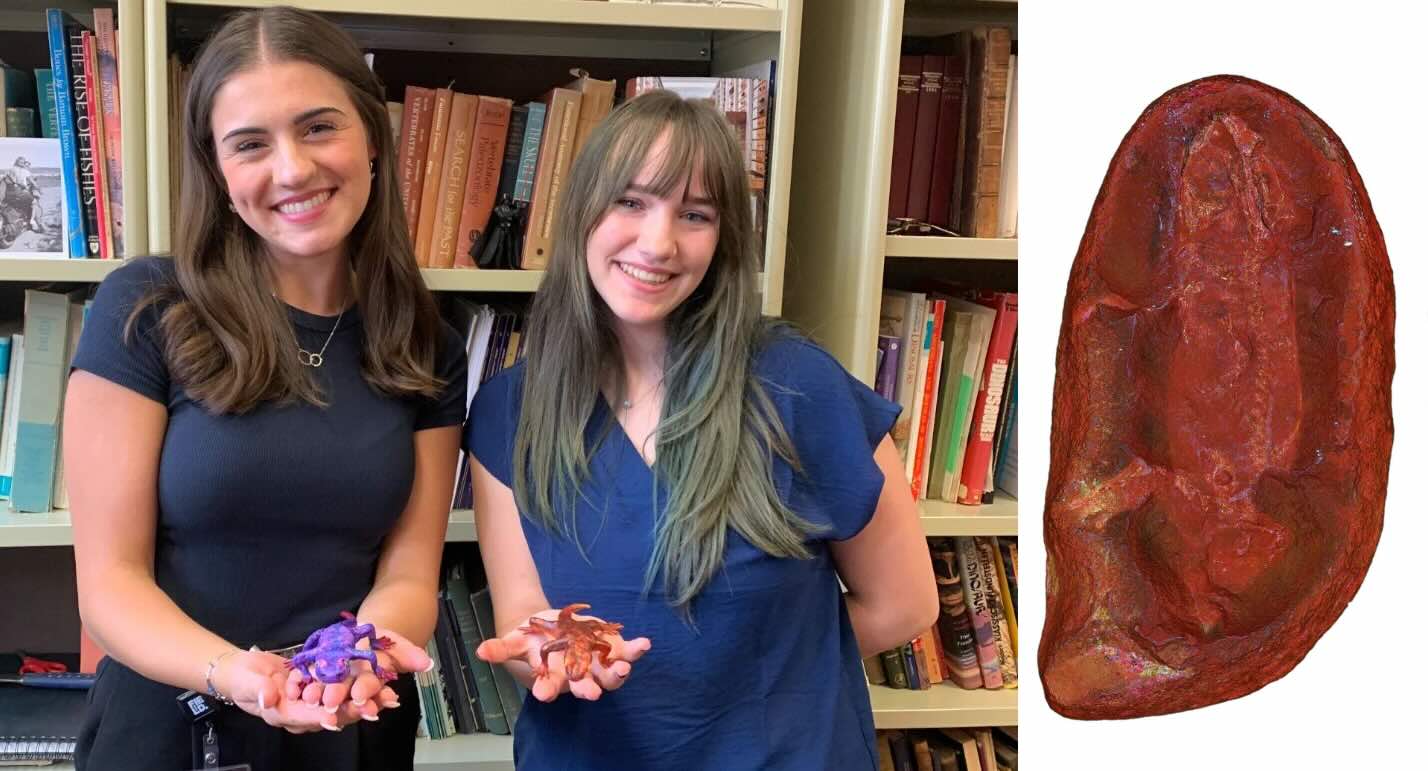
🐸
Student scientists name new fossil after their moms
Studenten vernoemen nieuw fossiel naar hun moeders
Des étudiants nomment un nouveau fossile en l'honneur de leurs mères
So, I just read this absolutely heartwarming story about two student scientists who discovered a new frog-like creature from 309 million years ago. They decided to name this ancient little guy Jeanerpeton mazonensis, which is a lovely tribute to both of their mothers who happen to be named Jean. And here's the thing - it was previously stuck in a 'waste bin' of misidentified fossils, but these brilliant interns proved it was actually a unique species all along. It is just so wonderful to see young researchers making such a big mark on paleontology while honouring their families. I find that kind of dedication and heart really inspiring, don't you?
Ik las net dit hartverwarmende verhaal over twee studenten die een nieuw, kikkerachtig wezen van 309 miljoen jaar oud hebben ontdekt. Ze besloten dit oude beestje Jeanerpeton mazonensis te noemen, een prachtig eerbetoon aan hun beide moeders die toevallig allebei Jean heten. En weet je, het fossiel zat voorheen in een soort 'afvalbak' van verkeerd geïdentificeerde vondsten, maar deze slimme stagiaires bewezen dat het eigenlijk een unieke soort was. Het is zo geweldig om te zien hoe jonge onderzoekers hun stempel drukken op de paleontologie terwijl ze hun familie eren. Ik vind die toewijding en passie echt inspirerend, jij niet?
Je viens de lire cette histoire absolument réconfortante à propos de deux étudiantes scientifiques qui ont découvert une créature ressemblant à une grenouille vieille de 309 millions d'années. Elles ont décidé de nommer ce petit ancêtre Jeanerpeton mazonensis, ce qui est un bel hommage à leurs deux mères qui s'appellent toutes les deux Jean. Et voilà le truc - il était auparavant coincé dans une sorte de 'poubelle' de fossiles mal identifiés, mais ces brillantes stagiaires ont prouvé qu'il s'agissait en fait d'une espèce unique. C'est tellement merveilleux de voir de jeunes chercheuses marquer ainsi la paléontologie tout en honorant leurs familles. Je trouve ce genre de dévouement et de cœur vraiment inspirant, pas vous ?
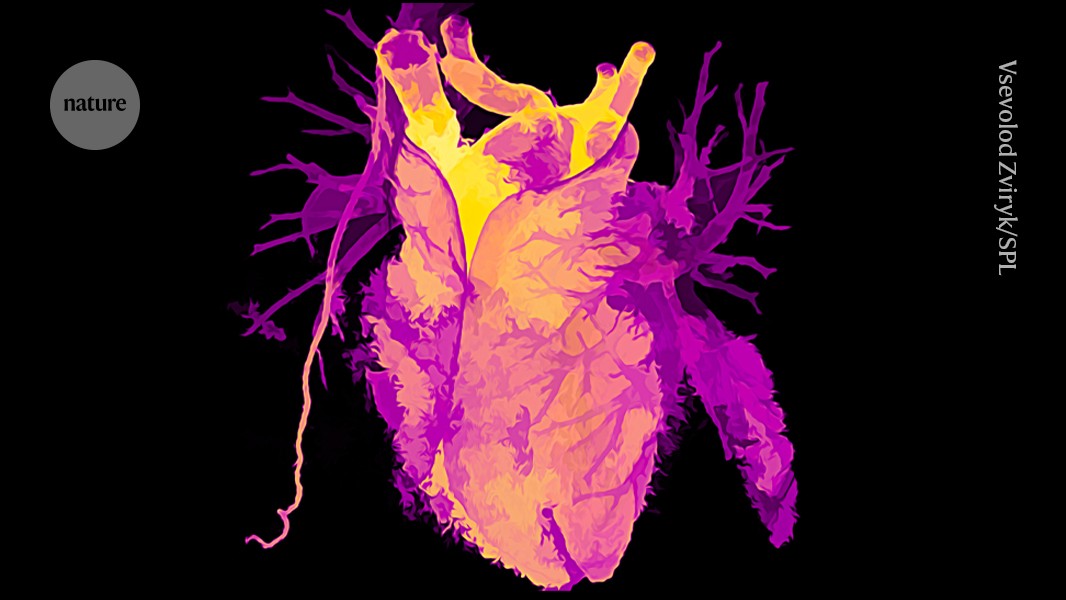
🫀
Transplanted hearts adjust their biological age to that of their host
Getransplanteerde harten passen hun biologische leeftijd aan die van de gastheer aan
Les cœurs transplantés ajustent leur âge biologique à celui de leur hôte
So, I just read this fascinating study about heart transplants, and it turns out that donor hearts actually adapt to the biological age of the person receiving them. It is quite incredible to think that a heart from an older donor can essentially get a refresh inside a younger body, while younger hearts might age a bit faster in an older host. This research, which looked at both mice and human patients, suggests that we might be able to use organs from older donors more effectively than we thought before. Which brings me to the potential impact here, as this could really help shorten those long waiting lists for transplants. And here's the thing - it shows just how much our environment and our own bodies influence the organs we carry, which is just mind-blowing to me.
Ik las net een fascinerend onderzoek over harttransplantaties, en het blijkt dat donorharten zich daadwerkelijk aanpassen aan de biologische leeftijd van de ontvanger. Het is echt ongelooflijk om te bedenken dat een hart van een oudere donor in een jonger lichaam een soort verjongingskuur krijgt, terwijl jongere harten in een ouder lichaam sneller verouderen. Dit onderzoek, uitgevoerd bij zowel muizen als mensen, suggereert dat we organen van oudere donoren misschien wel veel effectiever kunnen inzetten dan we voorheen dachten. Dat brengt me bij de mogelijke impact, want dit zou echt kunnen helpen om die lange wachtlijsten voor transplantaties in te korten. En het mooie is dat het laat zien hoeveel onze omgeving en ons eigen lichaam de organen die we dragen beïnvloeden, wat ik echt verbazingwekkend vind.
Je viens de lire une étude fascinante sur les greffes cardiaques, et il s'avère que les cœurs des donneurs s'adaptent en réalité à l'âge biologique de la personne qui les reçoit. C'est assez incroyable de penser qu'un cœur provenant d'un donneur plus âgé peut essentiellement se régénérer dans un corps plus jeune, tandis que les cœurs plus jeunes pourraient vieillir un peu plus vite chez un hôte plus âgé. Ces recherches, qui ont porté à la fois sur des souris et sur des patients humains, suggèrent que nous pourrions utiliser les organes de donneurs plus âgés plus efficacement que nous ne le pensions auparavant. Ce qui m'amène à l'impact potentiel ici, car cela pourrait vraiment aider à réduire ces longues listes d'attente pour les greffes. Et voici le point clé - cela montre à quel point notre environnement et notre propre corps influencent les organes que nous portons, ce qui est tout simplement époustouflant pour moi.

♻️
Forget recycling. what if we could compost or reuse everything?
Vergeet recyclage. wat als we alles konden composteren of hergebruiken?
Oubliez le recyclage. et si nous pouvions tout composter ou réutiliser ?
I find the Cradle to Cradle philosophy absolutely fascinating because it shifts our focus from just minimizing damage to actually designing systems that benefit the planet. Instead of just recycling, we are looking at a world where materials are either safely returned to nature or kept in an endless industrial loop. Just look at the C2C LAB in Berlin, where everything from the lamp shades to the office chairs is designed to be composted or dismantled. It is such a hopeful vision, showing us that buildings can act like trees by producing more energy than they consume. Which brings me to the best part: this is already happening with modular phones and sustainable construction projects that prove we can create value while restoring biodiversity.
Ik vind de Cradle to Cradle-filosofie absoluut fascinerend omdat het onze focus verlegt van enkel schade beperken naar het ontwerpen van systemen die de planeet echt ten goede komen. In plaats van alleen te recyclen, kijken we naar een wereld waarin materialen ofwel veilig terugkeren naar de natuur, ofwel in een eindeloze industriële lus blijven. Kijk maar naar het C2C LAB in Berlijn, waar alles, van de lampenkappen tot de bureaustoelen, is ontworpen om te worden gecomposteerd of uit elkaar gehaald. Het is zo'n hoopvolle visie die ons laat zien dat gebouwen als bomen kunnen fungeren door meer energie te produceren dan ze verbruiken. En hier is het mooie: dit gebeurt al met modulaire telefoons en duurzame bouwprojecten die bewijzen dat we waarde kunnen creëren terwijl we de biodiversiteit herstellen.
Je trouve la philosophie Cradle to Cradle absolument fascinante car elle déplace notre attention de la simple réduction des dommages vers la conception de systèmes qui profitent réellement à la planète. Au lieu de simplement recycler, nous envisageons un monde où les matériaux sont soit renvoyés en toute sécurité à la nature, soit maintenus dans une boucle industrielle infinie. Regardez le C2C LAB à Berlin, où tout, des abat-jours aux chaises de bureau, est conçu pour être composté ou démonté. C'est une vision tellement pleine d'espoir, nous montrant que les bâtiments peuvent agir comme des arbres en produisant plus d'énergie qu'ils n'en consomment. Et voici le meilleur : cela se produit déjà avec des téléphones modulaires et des projets de construction durables qui prouvent que nous pouvons créer de la valeur tout en restaurant la biodiversité.
🍷
Papy hours, when the bistro spirit breathes life into retirement homes
Papy hours, wanneer de bistrosfeer nieuw leven inblaast in rusthuizen
Papy hours, quand l'esprit bistrot souffle sur les maisons de retraite
I just stumbled upon this wonderful initiative called Papy Hours, and it really warmed my heart. It is all about bringing that cozy, lively bistro atmosphere directly into retirement homes to help residents connect. So: instead of just sitting around, seniors are enjoying social drinks and conversations that feel like a real night out. And here's the thing - it is such a simple idea, but it makes a massive difference in combating loneliness. I think we could all learn a thing or two from this kind of community spirit.
Ik kwam net dit geweldige initiatief genaamd Papy Hours tegen, en het verwarmde echt mijn hart. Het draait allemaal om die gezellige, levendige bistrosfeer rechtstreeks naar rusthuizen te brengen om bewoners met elkaar te verbinden. Dus: in plaats van alleen maar stil te zitten, genieten senioren van sociale drankjes en gesprekken die aanvoelen als een echt avondje uit. En dit is het mooie - het is zo'n simpel idee, maar het maakt een enorm verschil in het bestrijden van eenzaamheid. Ik denk dat we allemaal wel iets kunnen leren van dit soort gemeenschapszin.
Je suis tombé sur cette merveilleuse initiative appelée Papy Hours, et cela m'a vraiment réchauffé le cœur. Il s'agit d'apporter cette atmosphère de bistrot chaleureuse et vivante directement dans les maisons de retraite pour aider les résidents à se connecter. Donc : au lieu de rester assis, les seniors profitent de verres conviviaux et de conversations qui ressemblent à une vraie sortie. Et voici le truc - c'est une idée si simple, mais elle fait une différence énorme pour combattre la solitude. Je pense que nous pourrions tous apprendre une chose ou deux de cet esprit communautaire.
🧬
1.7-billion-year-old fossils reveal a crucial clue to the rise of complex life
1,7 miljard jaar oude fossielen onthullen een cruciale aanwijzing voor het ontstaan van complex leven
Des fossiles vieux de 1,7 milliard d'années révèlent un indice crucial sur l'émergence de la vie complexe
So, I was reading about these incredible fossils found in Australia, and it is just fascinating how they were hiding in plain sight within old drill cores. These tiny, ancient organisms date back 1.7 billion years, making them the oldest eukaryote fossils we have ever discovered. It is truly amazing to think that by studying these microscopic remnants, we are getting a clearer picture of how complex life first evolved on our planet. And here is the thing - the research suggests that these early life forms might have thrived in environments without much oxygen, which really challenges what we thought we knew. Which brings me to the point that our history is still full of these wonderful, hidden surprises waiting to be found.
Ik las laatst over deze ongelooflijke fossielen die in Australië zijn gevonden, en het is fascinerend hoe ze al die tijd verborgen zaten in oude boorkernen. Deze piepkleine, oeroude organismen zijn 1,7 miljard jaar oud, wat ze de oudste eukaryote fossielen maakt die we ooit hebben ontdekt. Het is echt geweldig om te bedenken dat we door het bestuderen van deze microscopische resten een duidelijker beeld krijgen van hoe complex leven op onze planeet is ontstaan. En hier komt het - het onderzoek suggereert dat deze vroege levensvormen misschien wel gedijden in omgevingen zonder veel zuurstof, wat echt uitdaagt wat we dachten te weten. Dat brengt me bij het punt dat onze geschiedenis nog steeds vol zit met deze prachtige, verborgen verrassingen die wachten om gevonden te worden.
Alors, je lisais des choses sur ces incroyables fossiles découverts en Australie, et c'est fascinant de voir comment ils étaient cachés à la vue de tous dans d'anciennes carottes de forage. Ces minuscules organismes anciens datent de 1,7 milliard d'années, ce qui en fait les plus vieux fossiles d'eucaryotes que nous ayons jamais découverts. C'est vraiment incroyable de penser qu'en étudiant ces restes microscopiques, nous obtenons une image plus claire de la façon dont la vie complexe est apparue sur notre planète. Et voici le point important - la recherche suggère que ces premières formes de vie auraient pu prospérer dans des environnements pauvres en oxygène, ce qui remet vraiment en question ce que nous pensions savoir. Ce qui m'amène à dire que notre histoire est encore pleine de ces merveilleuses surprises cachées qui attendent d'être trouvées.
❤️
New blood thinners show promise for intermediate-risk patients
Nieuwe bloedverdunners bieden hoop voor patiënten met een gemiddeld risico
De nouveaux anticoagulants prometteurs pour les patients à risque intermédiaire
So, I just read about this fascinating new trial called SINGLE-AF, and it is honestly such great news for people living with atrial fibrillation. For a long time, doctors were a bit unsure about using blood thinners for patients with an intermediate stroke risk, but this study changes everything. The researchers found that newer direct oral anticoagulants reduced serious cardiovascular events by a massive 69% compared to no treatment at all. And here's the thing - they saw these amazing results without any increase in major bleeding, which is just fantastic. It really feels like this could change how we approach heart health guidelines in the future.
Ik las net over dit fascinerende nieuwe onderzoek genaamd SINGLE-AF, en het is echt geweldig nieuws voor mensen met boezemfibrilleren. Lange tijd wisten artsen niet zeker of bloedverdunners wel zinvol waren voor patiënten met een gemiddeld risico op een beroerte, maar deze studie verandert alles. De onderzoekers ontdekten dat nieuwere directe orale anticoagulantia het risico op ernstige hart- en vaatziekten met maar liefst 69% verlaagden in vergelijking met geen behandeling. En weet je wat het mooiste is - ze zagen deze resultaten zonder een toename van ernstige bloedingen, wat echt fantastisch is. Het voelt alsof dit de manier waarop we in de toekomst naar hartgezondheid kijken, echt gaat veranderen.
Je viens de lire les résultats d'une étude fascinante appelée SINGLE-AF, et c'est vraiment une excellente nouvelle pour les personnes vivant avec une fibrillation auriculaire. Pendant longtemps, les médecins n'étaient pas certains de l'utilité des anticoagulants pour les patients présentant un risque intermédiaire d'AVC, mais cette étude change la donne. Les chercheurs ont découvert que les nouveaux anticoagulants oraux directs réduisaient les événements cardiovasculaires graves de 69 % par rapport à l'absence de traitement. Et voici le plus important - ils ont obtenu ces résultats incroyables sans aucune augmentation des saignements majeurs, ce qui est tout simplement fantastique. J'ai vraiment l'impression que cela va faire évoluer nos recommandations en matière de santé cardiaque à l'avenir.
🧬
Medieval graves reveal surprising family secrets
Middeleeuwse graven onthullen verrassende familiegeheimen
Les tombes médiévales révèlent des secrets de famille surprenants
So, I was just reading about this fascinating new study from Stockholm University, and it really changes how we look at history. It turns out that when archaeologists find adults and children buried together in medieval graves, they aren't always related by blood. DNA analysis shows that social or religious factors were often the real reason for these shared resting places. And here's the thing - it also reveals that children were treated with the same gender-based burial customs as adults, which is just incredible to think about. It really shows how science can open up a whole new window into the lives of people from the past.
Ik zat net te lezen over dit fascinerende nieuwe onderzoek van de Universiteit van Stockholm, en het verandert echt hoe we naar de geschiedenis kijken. Het blijkt dat wanneer archeologen volwassenen en kinderen samen in middeleeuwse graven vinden, ze niet altijd bloedverwanten zijn. DNA-analyse toont aan dat sociale of religieuze factoren vaak de echte reden waren voor deze gedeelde rustplaatsen. En hier komt het - het onthult ook dat kinderen volgens dezelfde gender-gebaseerde begrafenisgebruiken werden behandeld als volwassenen, wat echt ongelooflijk is om over na te denken. Het laat zien hoe wetenschap een compleet nieuw venster kan openen naar de levens van mensen uit het verleden.
Je viens de lire cette étude fascinante de l'Université de Stockholm, et cela change vraiment notre regard sur l'histoire. Il s'avère que lorsque les archéologues trouvent des adultes et des enfants enterrés ensemble dans des tombes médiévales, ils ne sont pas toujours liés par le sang. L'analyse ADN montre que des facteurs sociaux ou religieux étaient souvent la véritable raison de ces lieux de sépulture partagés. Et voici le point clé - cela révèle aussi que les enfants étaient traités selon les mêmes coutumes funéraires basées sur le genre que les adultes, ce qui est tout simplement incroyable à imaginer. Cela montre vraiment comment la science peut ouvrir une toute nouvelle fenêtre sur la vie des gens du passé.

🦖
Giant, feathered dinosaur with massive claws and tons of teeth found in china
Gigantische, gevederde dinosaurus met enorme klauwen en tanden ontdekt in china
Un dinosaure géant à plumes avec des griffes massives et plein de dents découvert en chine
So: have you ever heard of the therizinosaurus? These creatures are just fascinating, looking like a strange mix between an ostrich and a grizzly bear, but with claws that could reach over three feet long! Now, paleontologists have just discovered a new, even bigger species called Kayrasaurus changliensis in China. And here's the thing - this dinosaur was built for biting, sporting a unique jaw full of tightly packed teeth that sets it apart from its cousins. It is just incredible to think about these massive, feathered giants roaming the Earth millions of years ago.
Dus: heb je ooit gehoord van de therizinosaurus? Deze wezens zijn werkelijk fascinerend, ze zien eruit als een vreemde kruising tussen een struisvogel en een grizzlybeer, maar dan met klauwen die wel een meter lang konden worden! Nu hebben paleontologen in China een nieuwe, nog grotere soort ontdekt genaamd Kayrasaurus changliensis. En hier komt het mooie - deze dinosaurus was gebouwd om te bijten, met een unieke kaak vol dicht op elkaar staande tanden die hem onderscheidt van zijn neven. Het is gewoon ongelooflijk om na te denken over deze enorme, gevederde reuzen die miljoenen jaren geleden op aarde rondliepen.
Alors: avez-vous déjà entendu parler du therizinosaurus? Ces créatures sont tout simplement fascinantes, ressemblant à un mélange étrange entre une autruche et un grizzli, mais avec des griffes pouvant atteindre plus de 90 centimètres de long! Maintenant, des paléontologues viennent de découvrir une nouvelle espèce encore plus grande appelée Kayrasaurus changliensis en Chine. Et voici le truc - ce dinosaure était bâti pour mordre, arborant une mâchoire unique remplie de dents serrées qui le distingue de ses cousins. C'est tout simplement incroyable de penser à ces géants à plumes parcourant la Terre il y a des millions d'années.
🌱
Vanuatu empowers its youth in the fight against climate change
Vanuatu geeft jongeren een stem in de strijd tegen klimaatverandering
Vanuatu donne la parole aux jeunes dans la lutte contre le changement climatique
So, I just read some truly inspiring news coming out of the Pacific. Vanuatu has officially signed a major international declaration to ensure that children and young people have a real seat at the table when it comes to climate decision-making. It is fantastic to see them becoming the fifth Pacific nation to join this movement, especially since nearly half of their population is under eighteen. And here is the thing - this is not just about signing a piece of paper, but about genuinely empowering the next generation to protect their own future. I think it is a brilliant step forward for climate policy that actually puts the needs of the youth first.
Ik las net ontzettend inspirerend nieuws uit de Stille Oceaan. Vanuatu heeft officieel een belangrijke internationale verklaring ondertekend om ervoor te zorgen dat kinderen en jongeren echt meebeslissen over het klimaatbeleid. Het is fantastisch om te zien dat zij als vijfde Pacifische land bij deze beweging aansluiten, zeker omdat bijna de helft van hun bevolking onder de achttien is. En hier komt het punt - dit gaat niet alleen om het ondertekenen van een document, maar om het echt versterken van de volgende generatie om hun eigen toekomst te beschermen. Ik vind dit een briljante stap vooruit voor klimaatbeleid dat de behoeften van jongeren eindelijk centraal stelt.
Je viens de lire une nouvelle vraiment inspirante en provenance du Pacifique. Vanuatu a officiellement signé une déclaration internationale majeure pour garantir que les enfants et les jeunes aient une vraie place à la table des décisions climatiques. C'est fantastique de voir qu'ils deviennent le cinquième pays du Pacifique à rejoindre ce mouvement, surtout quand on sait que près de la moitié de leur population a moins de dix-huit ans. Et voici le point important - il ne s'agit pas juste de signer un papier, mais de donner aux jeunes les moyens de protéger leur propre avenir. Je pense que c'est un pas en avant brillant pour une politique climatique qui place enfin les besoins de la jeunesse au premier plan.

🌱
A century-long experiment with buried seeds
Een eeuwenoud experiment met begraven zaden
Une expérience séculaire avec des graines enterrées
I find it absolutely fascinating that a botanist named William James Beal started an experiment back in 1879 that is still running today. He buried bottles of seeds to see how long they could stay viable, and scientists are still digging them up every twenty years to test them. It is such a brilliant way to learn about nature, and it actually helps us understand how to protect our future food supply. And here is the thing - they even do the digging in the middle of the night to keep the seeds safe from sunlight. It really shows how much patience and dedication can teach us about the world.
Ik vind het werkelijk fascinerend dat een botanicus genaamd William James Beal in 1879 een experiment begon dat vandaag de dag nog steeds loopt. Hij begroef flessen met zaden om te zien hoe lang ze levensvatbaar zouden blijven, en wetenschappers graven ze nog steeds elke twintig jaar op om ze te testen. Het is zo een briljante manier om over de natuur te leren, en het helpt ons eigenlijk begrijpen hoe we onze toekomstige voedselvoorziening kunnen beschermen. En hier komt het mooie - ze graven ze zelfs midden in de nacht op om de zaden te beschermen tegen zonlicht. Het laat echt zien hoeveel geduld en toewijding ons over de wereld kunnen leren.
Je trouve absolument fascinant qu'un botaniste nommé William James Beal ait commencé une expérience en 1879 qui se poursuit encore aujourd'hui. Il a enterré des bouteilles de graines pour voir combien de temps elles pouvaient rester viables, et les scientifiques continuent de les déterrer tous les vingt ans pour les tester. C'est une façon tellement brillante d'en apprendre sur la nature, et cela nous aide en fait à comprendre comment protéger notre future chaîne alimentaire. Et voici le point important - ils effectuent même le déterrage en pleine nuit pour protéger les graines de la lumière du soleil. Cela montre vraiment à quel point la patience et le dévouement peuvent nous apprendre sur le monde.

🥕
Hot school lunches need a rethink. Could including cold options be the answer?
Warme schoolmaaltijden moeten worden herzien. Kunnen koude opties de oplossing zijn?
Les repas chauds à l'école doivent être repensés. Les options froides pourraient-elles être la solution ?
So: Ireland’s hot school meals scheme is under review because many kids aren’t finishing their meals and there are concerns about quality. Now, the idea of adding cold lunch options every day is gaining traction, which could boost fruit and vegetable intake among children. This change might also support local farmers by creating a steady demand for fresh produce. And here’s the thing: parents overwhelmingly want this choice, showing a real appetite for healthier, more varied school lunches.
Dus: het warme schoolmaaltijdprogramma in Ierland wordt herzien omdat veel kinderen hun maaltijden niet opeten en er zorgen zijn over de kwaliteit. Nu wint het idee om elke dag koude lunchopties aan te bieden aan populariteit, wat de consumptie van fruit en groenten bij kinderen kan verhogen. Deze verandering kan ook lokale boeren ondersteunen door een stabiele vraag naar verse producten te creëren. En hier komt het op neer: ouders willen deze keuze massaal, wat wijst op een echte behoefte aan gezondere en gevarieerdere schoolmaaltijden.
Alors: le programme de repas chauds à l’école en Irlande est en cours de révision car beaucoup d’enfants ne terminent pas leurs repas et la qualité est remise en question. Maintenant, l’idée d’inclure des options froides chaque jour gagne du terrain, ce qui pourrait augmenter la consommation de fruits et légumes chez les enfants. Ce changement pourrait aussi soutenir les agriculteurs locaux en créant une demande stable pour les produits frais. Et voici le truc : les parents veulent massivement ce choix, montrant un réel désir pour des repas scolaires plus sains et variés.
🤝
Central Africa: today in history - Uganda, DRC, Rwanda and Burundi sign 2003 peace accord
Centraal-Afrika: vandaag in de geschiedenis - Oeganda, DRC, Rwanda en Burundi ondertekenen vredesakkoord van 2003
Afrique centrale : aujourd'hui dans l'histoire - Ouganda, RDC, Rwanda et Burundi signent l'accord de paix de 2003
So: on September 25, 2003, four Central African countries - Uganda, DRC, Rwanda, and Burundi - signed a landmark peace accord at the UN in New York. This agreement aimed to end years of conflict and proxy wars in the Great Lakes region, with strong backing from the UN and regional leaders. They committed to respecting borders, stopping interference in each other's affairs, and boosting cooperation on security and trade. And here's the thing - this pact laid the groundwork for ongoing peace efforts and regional development, even if challenges remained.
Dus: op 25 september 2003 ondertekenden vier landen uit Centraal-Afrika - Oeganda, DRC, Rwanda en Burundi - een belangrijk vredesakkoord bij de VN in New York. Dit akkoord had als doel jaren van conflicten en proxy-oorlogen in de Grote Meren-regio te beëindigen, met sterke steun van de VN en regionale leiders. Ze beloofden elkaars grenzen te respecteren, niet meer in elkaars zaken te bemoeien en samen te werken op het gebied van veiligheid en handel. En hier komt het op neer - dit pact vormde de basis voor voortdurende vredesinspanningen en regionale ontwikkeling, ook al waren er nog uitdagingen.
Alors: le 25 septembre 2003, quatre pays d'Afrique centrale - Ouganda, RDC, Rwanda et Burundi - ont signé un accord de paix historique aux Nations Unies à New York. Cet accord visait à mettre fin à des années de conflits et de guerres par procuration dans la région des Grands Lacs, avec un fort soutien de l'ONU et des dirigeants régionaux. Ils se sont engagés à respecter les frontières, à ne plus s'ingérer dans les affaires des autres et à renforcer la coopération en matière de sécurité et de commerce. Et voici le truc - ce pacte a jeté les bases des efforts de paix et du développement régional, même si des défis subsistaient.

🤝
Azerbaijan marks its remembrance day looking forward to a future of peace
Azerbeidzjan herdenkt zijn herdenkingsdag met hoop op een toekomst van vrede
L'Azerbaïdjan célèbre sa journée du souvenir en regardant vers un avenir de paix
I find it fascinating how Azerbaijan honors its fallen soldiers from the 2020 conflict while embracing a hopeful future of peace with Armenia. The peace agreement has sparked new economic opportunities, including the reopening of rail freight routes and digital transit cooperation. This is not just about diplomacy but real, tangible progress on the ground, with goods and data flowing between the two countries. It’s like watching a fresh chapter unfold in a region long marked by conflict, and I’m genuinely excited about what’s next.
Ik vind het bijzonder hoe Azerbeidzjan zijn gevallen soldaten uit het conflict van 2020 eert en tegelijkertijd hoopvol naar een vredige toekomst met Armenië kijkt. Het vredesakkoord heeft nieuwe economische kansen geopend, zoals het heropenen van spoorvrachtlijnen en digitale samenwerking. Dit gaat niet alleen over diplomatie, maar over echte vooruitgang op de grond, met goederen en data die tussen de landen stromen. Het is alsof er een nieuw hoofdstuk begint in een regio die lang door conflict werd gekenmerkt, en ik ben oprecht benieuwd wat er nog komt.
Je trouve fascinant qu'en Azerbaïdjan, on rende hommage aux soldats tombés en 2020 tout en regardant avec espoir vers un avenir de paix avec l'Arménie. L'accord de paix a ouvert de nouvelles opportunités économiques, notamment la réouverture des lignes de fret ferroviaire et une coopération numérique. Ce n’est pas seulement de la diplomatie, mais un progrès concret sur le terrain, avec des échanges de marchandises et de données entre les deux pays. C’est comme si un nouveau chapitre s’ouvrait dans une région longtemps marquée par le conflit, et je suis vraiment enthousiaste pour la suite.

⚖️
Lawyer wins case against multinational firm behind day school settlement
Advocaat wint zaak tegen multinational achter regeling dagonderwijs
Avocate gagne son procès contre la firme multinationale derrière le règlement des écoles de jour
So: a First Nations lawyer, Joan Jack, finally won her legal battle against a big law firm that handled a historic $1.5 billion settlement for day school survivors. She originally launched the case in 2009, but Gowling WLG took over in 2016 and earned millions without paying her. Now, a Manitoba judge ruled Gowling had a duty to present her fees for approval and breached that duty. Joan feels vindicated after six tough years, highlighting the importance of recognizing Indigenous contributions. And here's the thing - the fight for justice continues, but this is a big win for fairness.
Dus: een First Nations-advocaat, Joan Jack, heeft eindelijk haar juridische strijd gewonnen tegen een groot advocatenkantoor dat een historische schikking van 1,5 miljard dollar voor overlevenden van dagonderwijs regelde. Zij startte de zaak in 2009, maar Gowling WLG nam het in 2016 over en verdiende miljoenen zonder haar te betalen. Nu heeft een rechter in Manitoba geoordeeld dat Gowling haar vergoeding had moeten voorleggen en dat ze hierin tekort zijn geschoten. Joan voelt zich gerechtvaardigd na zes zware jaren, wat het belang benadrukt van het erkennen van inheemse bijdragen. En hier komt het op neer - de strijd voor rechtvaardigheid gaat door, maar dit is een grote overwinning voor eerlijkheid.
Alors: une avocate des Premières Nations, Joan Jack, a enfin remporté son combat juridique contre un grand cabinet d’avocats qui a géré un règlement historique de 1,5 milliard de dollars pour les survivants des écoles de jour. Elle avait lancé l’affaire en 2009, mais Gowling WLG a pris le dossier en 2016 et a encaissé des millions sans la payer. Maintenant, un juge du Manitoba a statué que Gowling avait l’obligation de présenter ses honoraires pour approbation et a manqué à ce devoir. Joan se sent vindiquée après six années difficiles, soulignant l’importance de reconnaître les contributions autochtones. Et voici le truc - la lutte pour la justice continue, mais c’est une grande victoire pour l’équité.
⚡
UN launches global grids accelerator to boost clean energy in Africa and South-East Asia
VN lanceert global grids accelerator om schone energie in Afrika en Zuidoost-Azië te stimuleren
L’ONU lance un accélérateur mondial des réseaux pour dynamiser l’énergie propre en Afrique et en Asie du Sud-Est
I’m really excited about the new Global Grids Accelerator launched by UN Secretary-General António Guterres. So: it’s designed to speed up investments in electricity infrastructure across Africa and South-East Asia, helping governments turn plans into real projects. Now, the challenge is that renewable energy is growing fast, but the grids to carry that power aren’t keeping up. This initiative will bring together expertise, finance, and support to strengthen grids, expand access, and power growth in developing countries.
Ik ben echt enthousiast over de nieuwe Global Grids Accelerator die VN-secretaris-generaal António Guterres heeft gelanceerd. Dus: het is bedoeld om investeringen in elektriciteitsinfrastructuur in Afrika en Zuidoost-Azië te versnellen en regeringen te helpen plannen om te zetten in echte projecten. Nu is het probleem dat hernieuwbare energie snel groeit, maar de netwerken die die stroom vervoeren, blijven achter. Dit initiatief brengt expertise, financiering en ondersteuning samen om netwerken te versterken, toegang uit te breiden en groei in ontwikkelingslanden te stimuleren.
Je suis vraiment enthousiaste à propos du nouvel accélérateur mondial des réseaux lancé par le secrétaire général de l’ONU, António Guterres. Alors: il vise à accélérer les investissements dans les infrastructures électriques en Afrique et en Asie du Sud-Est, aidant les gouvernements à transformer leurs plans en projets concrets. Le défi est que les énergies renouvelables se développent rapidement, mais les réseaux pour transporter cette énergie ne suivent pas. Cette initiative réunira expertise, financement et soutien pour renforcer les réseaux, élargir l’accès et stimuler la croissance dans les pays en développement.
🩺
Young talent: Cato van Schyndel (27) wants to give citizens control over their health data
Jong talent: Cato van Schyndel (27) wil burgers zeggenschap geven over hun gezondheidsdata
Jeune talent : Cato van Schyndel (27 ans) veut donner aux citoyens le contrôle de leurs données de santé
I find it fascinating that Cato van Schyndel, at just 27, is pushing for citizens to have more say over their health data. So: she’s all about empowering people to control what happens with their personal information. Now, this is crucial because health data is sensitive and should be handled with care and respect. Which brings me to the bigger picture - giving people ownership can boost trust and innovation in healthcare. And here’s the thing, it’s not just about data, it’s about dignity and transparency.
Ik vind het geweldig dat Cato van Schyndel, pas 27 jaar, zich inzet om burgers meer zeggenschap te geven over hun gezondheidsdata. Dus: ze wil mensen de macht geven om te bepalen wat er met hun persoonlijke informatie gebeurt. Dit is zo belangrijk omdat gezondheidsdata gevoelig is en met respect behandeld moet worden. Wat mij betreft gaat het hier niet alleen om data, maar ook om waardigheid en transparantie. En dat kan het vertrouwen en de innovatie in de gezondheidszorg een flinke boost geven.
Je trouve passionnant que Cato van Schyndel, à seulement 27 ans, milite pour que les citoyens aient plus de contrôle sur leurs données de santé. Donc : elle veut donner aux gens le pouvoir de décider ce qu’il advient de leurs informations personnelles. C’est essentiel car les données de santé sont sensibles et doivent être traitées avec soin et respect. Ce qui m’amène à un point important - donner la propriété aux individus peut renforcer la confiance et l’innovation dans le secteur de la santé. Et voici le truc, ce n’est pas qu’une question de données, c’est aussi une question de dignité et de transparence.
🌱
Fuad Gaši, coordinator of the Svalbard Global Seed Vault: ‘We have more than 1.4 million samples and the door is only opened three times a year’
Fuad Gaši, coördinator van de Svalbard Global Seed Vault: ‘We hebben meer dan 1,4 miljoen monsters en de deur gaat maar drie keer per jaar open’
Fuad Gaši, coordinateur de la Svalbard Global Seed Vault : « Nous avons plus de 1,4 million d’échantillons et la porte ne s’ouvre que trois fois par an »
I find Fuad Gaši’s journey truly inspiring! From a refugee to leading the Svalbard Global Seed Vault, he now oversees a treasure trove of over 1.4 million seed samples stored deep in the Arctic. The vault, often called the 'Noah’s Ark of Seeds,' is only opened three times a year, which shows how precious and secure these samples are. Fuad’s passion for preserving crop diversity shines through as he highlights the vault’s role in protecting our food future against climate change. And here’s the thing: this seed bank is not just about storage, but about hope and resilience for generations to come.
Ik vind het verhaal van Fuad Gaši echt inspirerend! Van vluchteling tot leider van de Svalbard Global Seed Vault, hij beheert nu een schat aan meer dan 1,4 miljoen zaadmonsters diep in de Arctische regio. De kluis, vaak de 'Noach’s Ark van zaden' genoemd, wordt slechts drie keer per jaar geopend, wat laat zien hoe waardevol en veilig deze monsters zijn. Fuad’s passie voor het behoud van gewasdiversiteit straalt door terwijl hij de rol van de kluis benadrukt in het beschermen van onze voedseltoekomst tegen klimaatverandering. En hier komt het: deze zaadbank gaat niet alleen over opslag, maar over hoop en veerkracht voor toekomstige generaties.
Je trouve le parcours de Fuad Gaši vraiment inspirant ! De réfugié à coordinateur de la Svalbard Global Seed Vault, il supervise aujourd’hui un trésor de plus de 1,4 million d’échantillons de graines stockés dans l’Arctique. La voûte, souvent appelée « l’arche de Noé des graines », n’est ouverte que trois fois par an, ce qui montre à quel point ces échantillons sont précieux et sécurisés. La passion de Fuad pour la préservation de la diversité des cultures est évidente alors qu’il souligne le rôle de la voûte dans la protection de notre avenir alimentaire face au changement climatique. Et voici le truc : cette banque de graines n’est pas seulement un lieu de stockage, mais un symbole d’espoir et de résilience pour les générations futures.
🌵
The Sahrawi pharmaceutical lab battling against sand and shortages: ‘We are a rose in the desert’
Het Sahrawi farmaceutisch lab vecht tegen zand en tekorten: ‘Wij zijn een roos in de woestijn’
Le laboratoire pharmaceutique sahraoui lutte contre le sable et les pénuries : « Nous sommes une rose dans le désert »
I find it fascinating how the Mohamed Embarek Fakal·la Pharmaceutical Production Laboratory thrives in the harsh Sahrawi desert, producing essential medicines despite constant sand and shortages. For over 30 years, this small team of dedicated Sahrawi technicians has crafted painkillers, antibiotics, and more, supporting their refugee community in Tindouf. Now, here’s the thing: while they only cover about 5% of the medication needs, their work is a vital emergency reserve, especially when supplies from outside are delayed. And during the COVID-19 pandemic, they even stepped up to produce hand sanitizer, showing real resilience and innovation.
Ik vind het geweldig hoe het Mohamed Embarek Fakal·la farmaceutisch laboratorium floreert in de barre Sahrawi-woestijn, ondanks het constante zand en de tekorten. Al meer dan 30 jaar produceert dit kleine team toegewijde Sahrawi-technici essentiële medicijnen zoals pijnstillers en antibiotica voor hun vluchtelingengemeenschap in Tindouf. En hier komt het: hoewel ze slechts ongeveer 5% van de medicijnbehoefte dekken, zijn ze een belangrijke noodvoorraad, vooral wanneer de aanvoer van buitenaf vertraagd is. Tijdens de COVID-19-pandemie gingen ze zelfs aan de slag met het maken van handgel, wat echt veerkracht en innovatie toont.
Je trouve fascinant que le laboratoire pharmaceutique Mohamed Embarek Fakal·la prospère dans le désert sahraoui hostile, produisant des médicaments essentiels malgré le sable et les pénuries constantes. Depuis plus de 30 ans, cette petite équipe de techniciens sahraouis dévoués fabrique des analgésiques, des antibiotiques et plus encore, soutenant leur communauté de réfugiés à Tindouf. Et voici la chose : bien qu'ils ne couvrent qu'environ 5 % des besoins en médicaments, leur travail constitue une réserve d'urgence vitale, surtout lorsque les approvisionnements extérieurs sont retardés. Pendant la pandémie de COVID-19, ils ont même produit du gel hydroalcoolique, montrant une vraie résilience et innovation.

❤️
He walks every day. She eats healthy. What else should you know about your parents’ hearts?
Hij wandelt elke dag. Zij eet gezond. Wat moet je nog meer weten over het hart van je ouders?
Il marche tous les jours. Elle mange sainement. Que faut-il savoir d’autre sur le cœur de vos parents ?
So: many of us think a parent’s heart is fine if they walk regularly and eat well, but cardiologists say that’s only part of the story. Now, heart problems often show subtle signs like fatigue or breathlessness, not just chest pain, especially in older adults and women. Which brings me to this — heart issues are appearing earlier than before, so regular check-ups from age 30 or 40 are key, even if your parents seem healthy. And here’s the thing: staying active and eating well is great, but it doesn’t replace screening tests that catch hidden risks before symptoms appear.
Dus: veel mensen denken dat het hart van hun ouders in orde is als ze regelmatig wandelen en gezond eten, maar cardiologen zeggen dat dit slechts een deel van het verhaal is. Nu verschijnen hartproblemen vaak met subtiele signalen zoals vermoeidheid of kortademigheid, niet alleen met pijn op de borst, vooral bij ouderen en vrouwen. Wat ik daarmee wil zeggen: hartproblemen komen tegenwoordig eerder voor, dus regelmatige controles vanaf 30 of 40 jaar zijn belangrijk, ook als je ouders gezond lijken. En hier komt het: actief blijven en gezond eten is geweldig, maar het vervangt geen screenings die verborgen risico’s opsporen voordat er symptomen zijn.
Alors: beaucoup pensent que le cœur de leurs parents va bien s’ils marchent régulièrement et mangent sainement, mais les cardiologues expliquent que ce n’est qu’une partie de l’histoire. Aujourd’hui, les problèmes cardiaques se manifestent souvent par des signes subtils comme la fatigue ou l’essoufflement, pas seulement par des douleurs thoraciques, surtout chez les personnes âgées et les femmes. Ce qui m’amène à dire que les soucis cardiaques apparaissent plus tôt qu’avant, donc des bilans réguliers dès 30 ou 40 ans sont essentiels, même si vos parents semblent en forme. Et voici le truc: rester actif et bien manger c’est super, mais ça ne remplace pas les dépistages qui détectent les risques cachés avant les symptômes.
💧
Roeselare opens new water buffer area to prevent flooding: "Avoiding 2016's troubles"
Roeselare opent nieuw waterbuffergebied tegen wateroverlast: "Overlast zoals in 2016 voorkomen"
Roulers inaugure une nouvelle zone tampon d'eau pour éviter les inondations : « Éviter les problèmes de 2016 »
Roeselare has officially opened a new water buffer area in the De Ruiter neighborhood to better protect the city from flooding like the severe event in 2016. The project includes a controlled flood zone with a capacity of 21,500 cubic meters, helping to reduce pressure on the city center by managing water upstream. This buffer also stores around 16 million liters of water, which local farmers can use during dry periods, making it a smart dual-purpose solution. The province of West Flanders is investing in similar projects elsewhere, combining flood protection with water availability for agriculture.
Roeselare heeft officieel een nieuw waterbuffergebied geopend in de wijk De Ruiter om de stad beter te beschermen tegen wateroverlast zoals in 2016. Het project omvat een gecontroleerd overstromingsgebied met een capaciteit van 21.500 kubieke meter, waardoor de druk op het stadscentrum vermindert door water stroomopwaarts op te vangen. Dit bufferbekken slaat ook ongeveer 16 miljoen liter water op, dat lokale landbouwers kunnen gebruiken in droge periodes, een slimme dubbele functie dus. De provincie West-Vlaanderen investeert ook in soortgelijke projecten elders, die bescherming tegen overstromingen combineren met waterbeschikbaarheid voor de landbouw.
Roulers a officiellement inauguré une nouvelle zone tampon d'eau dans le quartier De Ruiter pour mieux protéger la ville contre les inondations, comme celles de 2016. Le projet comprend une zone d'inondation contrôlée d'une capacité de 21 500 mètres cubes, ce qui réduit la pression sur le centre-ville en gérant l'eau en amont. Ce bassin tampon stocke également environ 16 millions de litres d'eau, que les agriculteurs locaux peuvent utiliser en période de sécheresse, une solution ingénieuse à double usage. La province de Flandre occidentale investit dans des projets similaires ailleurs, alliant protection contre les inondations et disponibilité de l'eau pour l'agriculture.
💊
Rheumatoid arthritis pill can regrow hair in severe alopecia areata: “You see a clear difference after 24 weeks”
Reumapil kan haar opnieuw laten groeien bij ernstige alopecia areata: “Na 24 weken zie je al duidelijk verschil”
Pil contre la polyarthrite rhumatoïde peut faire repousser les cheveux en cas d'alopécie areata sévère : « Après 24 semaines, on voit déjà une nette différence »
I find it fascinating that a pill originally designed for rheumatoid arthritis can help regrow hair in people with severe alopecia areata. So: after just 24 weeks of treatment, patients already notice a clear improvement, which is really encouraging. Now, this breakthrough offers hope for many who have struggled with hair loss for a long time. And here’s the thing - it’s not just about hair, it’s about restoring confidence and joy in everyday life.
Ik vind het geweldig dat een pil die oorspronkelijk voor reumatoïde artritis is ontwikkeld, kan helpen om haar opnieuw te laten groeien bij mensen met ernstige alopecia areata. Dus: na slechts 24 weken behandeling zien patiënten al een duidelijk verschil, wat echt hoopgevend is. Nu biedt deze doorbraak hoop voor velen die lang met haarverlies hebben geworsteld. En hier komt het op neer - het gaat niet alleen om haar, maar om het terugwinnen van zelfvertrouwen en plezier in het dagelijks leven.
Je trouve fascinant qu’un médicament initialement conçu pour la polyarthrite rhumatoïde puisse faire repousser les cheveux chez les personnes atteintes d’alopécie areata sévère. Alors : après seulement 24 semaines de traitement, les patients constatent déjà une nette amélioration, ce qui est très encourageant. Cette avancée offre désormais de l’espoir à beaucoup qui ont longtemps souffert de perte de cheveux. Et voici le truc - ce n’est pas seulement une question de cheveux, mais de retrouver confiance et joie au quotidien.

🌿
No fees, walls, syllabus: every Sunday, 30 kids in Kashmir learn from the wetlands themselves
Zonder kosten, muren of lesprogramma: elke zondag leren 30 kinderen in Kasjmir rechtstreeks van de wetlands
Sans frais, murs ni programme : chaque dimanche, 30 enfants au Cachemire apprennent directement des zones humides
So: in Pampore, Kashmir, a unique Nature School is changing how kids learn by taking them outdoors every Sunday. There are no fees, no walls, and no fixed syllabus - just pure, hands-on experience with wetlands and nature. Over 30 children from different backgrounds come together to explore, discuss, and connect with the environment, guided by volunteers and experts. And here's the thing - this free initiative shows that learning about nature can be fun, inclusive, and deeply meaningful for all ages.
Dus: in Pampore, Kasjmir, verandert een bijzondere Natuurschool de manier waarop kinderen leren door ze elke zondag naar buiten te brengen. Er zijn geen kosten, geen muren en geen vast lesprogramma - alleen pure, praktische ervaring met wetlands en natuur. Meer dan 30 kinderen uit verschillende achtergronden komen samen om te ontdekken, te praten en contact te maken met de omgeving, begeleid door vrijwilligers en experts. En het mooie is dat deze gratis initiatief laat zien dat leren over de natuur leuk, inclusief en erg waardevol kan zijn voor alle leeftijden.
Alors: à Pampore, au Cachemire, une école de la nature unique change la façon dont les enfants apprennent en les emmenant dehors chaque dimanche. Il n’y a ni frais, ni murs, ni programme fixe - juste une expérience pratique avec les zones humides et la nature. Plus de 30 enfants de différents horizons se réunissent pour explorer, discuter et se connecter avec l’environnement, guidés par des bénévoles et des experts. Et voici le truc - cette initiative gratuite montre que l’apprentissage de la nature peut être amusant, inclusif et profondément enrichissant pour tous les âges.
🌿
These 10 plants survive the hot summer and wet Flemish winter: “Plant them now and save yourself a lot of watering”
Deze 10 planten overleven de hete zomer én de natte Vlaamse winter: “Plant ze nu en bespaar jezelf veel gietwerk”
Ces 10 plantes survivent à l'été chaud et à l'hiver humide flamand : « Plantez-les maintenant et économisez beaucoup d'arrosage »
So: gardening can be tricky with our unpredictable Flemish weather, right? Now, here’s the thing - these 10 plants are real champs, thriving through both scorching summers and soggy winters. Planting them now means you’ll spend way less time dragging the watering can around, which is a huge win. I love how this makes gardening easier and more enjoyable, especially for busy folks who want a beautiful garden without the hassle.
Dus: tuinieren kan best lastig zijn met ons onvoorspelbare Vlaamse weer, nietwaar? Nu, hier is het punt - deze 10 planten zijn echte kanjers, ze gedijen zowel in hete zomers als in natte winters. Ze nu planten betekent dat je veel minder tijd kwijt bent aan water geven, en dat is echt een pluspunt. Ik vind het geweldig hoe dit tuinieren makkelijker en leuker maakt, vooral voor drukke mensen die een mooie tuin willen zonder gedoe.
Alors: jardiner peut être compliqué avec notre météo flamande imprévisible, n’est-ce pas? Maintenant, voilà le truc - ces 10 plantes sont de vrais champions, elles survivent aussi bien aux étés brûlants qu’aux hivers humides. Les planter maintenant signifie que vous passerez beaucoup moins de temps à arroser, ce qui est un vrai avantage. J’adore comment cela rend le jardinage plus simple et plus agréable, surtout pour ceux qui veulent un beau jardin sans trop d’efforts.
❤️
All 12-year-olds in Zottegem get free CPR lessons at school, later also residents
Alle 12-jarigen in Zottegem krijgen gratis reanimatieles op school, later ook inwoners
Tous les enfants de 12 ans à Zottegem reçoivent des cours de réanimation gratuits à l'école, puis les habitants aussi
So: Zottegem is launching a fantastic project where every 12-year-old in the city will get free CPR lessons at school. This is part of the Hartveilig Zottegem initiative, aiming to teach both kids and adults how to save lives. The lessons start now with children, and by 2027, free courses will also be available for all residents. And here's the thing - quick CPR can dramatically increase survival chances during a cardiac arrest, so this is really important stuff!
Dus: Zottegem start een geweldig project waarbij alle 12-jarigen gratis reanimatieles krijgen op school. Dit hoort bij Hartveilig Zottegem, dat zowel kinderen als volwassenen wil leren levens redden. De lessen beginnen nu bij de kinderen en in 2027 kunnen ook alle inwoners gratis meedoen. En het mooie is: snelle reanimatie vergroot de overlevingskansen bij een hartstilstand enorm, dus dit is echt belangrijk!
Alors: Zottegem lance un super projet où tous les enfants de 12 ans recevront des cours de réanimation gratuits à l'école. Cela fait partie de l'initiative Hartveilig Zottegem, qui vise à apprendre à la fois aux enfants et aux adultes comment sauver des vies. Les cours commencent maintenant avec les enfants, et en 2027, des formations gratuites seront aussi proposées à tous les habitants. Et voici le truc - une réanimation rapide augmente énormément les chances de survie en cas d'arrêt cardiaque, c'est donc vraiment important!

🌍
A gravitational battle within the Earth is changing the length of days
Een zwaartekrachtsstrijd binnen de aarde verandert de lengte van de dagen
Une bataille gravitationnelle à l'intérieur de la Terre modifie la durée des jours
So: Earth's days aren't perfectly steady in length, and scientists have been tracking tiny shifts for decades. It turns out these small changes come from a fascinating tug-of-war deep inside our planet, between the inner core's gravity and the mantle's forces. The inner core spins at a different rate, causing gravity to try and realign it, which subtly affects Earth's rotation speed. This new study offers a fresh explanation for these gradual shifts, showing how Earth's inner layers play a quiet but powerful role in our daily rhythm.
Dus: de lengte van onze dagen is niet helemaal constant, en wetenschappers volgen al tientallen jaren kleine veranderingen. Deze kleine verschuivingen blijken te komen door een intrigerende strijd diep in de aarde, tussen de zwaartekracht van de binnenkern en de krachten van de mantel. De binnenkern draait in een ander tempo, waardoor de zwaartekracht probeert deze weer uit te lijnen, wat subtiel de rotatiesnelheid van de aarde beïnvloedt. Deze nieuwe studie biedt een frisse verklaring voor deze geleidelijke veranderingen en toont hoe de binnenste lagen van de aarde een stille maar krachtige rol spelen in ons dagelijkse ritme.
Alors: la durée des jours sur Terre n’est pas parfaitement constante, et les scientifiques observent de petites variations depuis des décennies. Ces changements minuscules viennent d’une lutte fascinante au cœur de notre planète, entre la gravité du noyau interne et les forces du manteau. Le noyau interne tourne à une vitesse différente, ce qui pousse la gravité à tenter de réaligner les couches, influençant ainsi subtilement la rotation de la Terre. Cette nouvelle étude apporte une explication originale à ces variations progressives, montrant comment les couches internes de la Terre jouent un rôle discret mais puissant dans notre rythme quotidien.
🗽
France gave the Statue of Liberty. China sends pandas. What do diplomatic gifts mean – and how do you choose one?
Frankrijk gaf het Vrijheidsbeeld. China stuurt panda’s. Wat betekenen diplomatieke geschenken – en hoe kies je er een?
La France a offert la statue de la liberté. La Chine envoie des pandas. Que signifient les cadeaux diplomatiques – et comment en choisir un ?
I find it fascinating how diplomatic gifts carry so much meaning beyond just the object itself. Take the Statue of Liberty, a grand gesture from France to the US symbolizing friendship and freedom, but also political hopes back home. Then there’s China’s famous panda diplomacy, which charmed the American public and softened relations. These gifts are carefully chosen to reflect culture, politics, and international ties – a mix of art, strategy, and goodwill that really makes you think about the power of giving.
Ik vind het fascinerend hoe diplomatieke geschenken zoveel meer betekenen dan alleen het voorwerp zelf. Neem het Vrijheidsbeeld, een groot gebaar van Frankrijk aan de VS dat vriendschap en vrijheid symboliseert, maar ook politieke hoop in eigen land. En dan is er China’s beroemde panda-diplomatie, die het Amerikaanse publiek betoverde en de relaties verzachtte. Deze geschenken worden zorgvuldig gekozen om cultuur, politiek en internationale banden te weerspiegelen – een mix van kunst, strategie en goede wil die je echt aan het denken zet over de kracht van geven.
Je trouve fascinant que les cadeaux diplomatiques portent bien plus de sens que l’objet lui-même. Prenez la statue de la liberté, un geste grandiose de la France aux États-Unis symbolisant l’amitié et la liberté, mais aussi des espoirs politiques internes. Puis il y a la célèbre diplomatie des pandas de la Chine, qui a charmé le public américain et adouci les relations. Ces cadeaux sont soigneusement choisis pour refléter la culture, la politique et les liens internationaux – un mélange d’art, de stratégie et de bonne volonté qui fait vraiment réfléchir au pouvoir du don.

☀️
Profits from iwi-led solar project tagged for families experiencing energy hardship
Winst van door iwi geleid zonne-energieproject bestemd voor gezinnen met energieproblemen
Les bénéfices du projet solaire dirigé par l’iwi destinés aux familles en difficulté énergétique
So: a floating solar project in Dannevirke has turned a wastewater pond into a clean energy source, with profits helping local families facing energy hardship. This clever partnership between Rangitāne o Tamaki nui-ā-Rua and the Tararua District Council uses 880 solar panels on a floating platform. The project supports 50 households by contributing to their electricity bills, showing how local collaboration can create real impact. And here's the thing - this model could inspire other councils across New Zealand to use similar innovative solutions. Plus, with new battery storage funding, even more solar energy will be saved for use beyond daylight hours.
Dus: een drijvend zonne-energieproject in Dannevirke heeft een afvalwaterbekken omgetoverd tot een bron van schone energie, waarbij de winst gezinnen in de gemeenschap helpt die moeite hebben met energiekosten. Deze slimme samenwerking tussen Rangitāne o Tamaki nui-ā-Rua en de Tararua District Council gebruikt 880 zonnepanelen op een drijvend platform. Het project ondersteunt 50 huishoudens door bij te dragen aan hun elektriciteitsrekeningen, wat laat zien hoe lokale samenwerking echt verschil kan maken. En hier komt het: dit model kan andere gemeenten in Nieuw-Zeeland inspireren om soortgelijke innovatieve oplossingen te gebruiken. Bovendien zorgt nieuwe financiering voor batterijopslag ervoor dat nog meer zonne-energie kan worden opgeslagen voor gebruik buiten de zonuren.
Alors: un projet solaire flottant à Dannevirke a transformé un bassin de traitement des eaux usées en source d’énergie propre, avec les bénéfices allant aux familles locales en difficulté énergétique. Ce partenariat ingénieux entre Rangitāne o Tamaki nui-ā-Rua et le conseil du district de Tararua utilise 880 panneaux solaires sur une structure flottante. Le projet aide 50 foyers en contribuant à leurs factures d’électricité, montrant ainsi comment la collaboration locale peut avoir un vrai impact. Et voici le truc - ce modèle pourrait inspirer d’autres conseils à travers la Nouvelle-Zélande à adopter des solutions innovantes similaires. En plus, grâce à un financement récent pour le stockage par batterie, encore plus d’énergie solaire sera conservée pour une utilisation au-delà des heures d’ensoleillement.
🌿
Call for Sams Creek to be included in Kahurangi National Park
Oproep om Sams Creek op te nemen in Kahurangi National Park
Appel à inclure Sams Creek dans le parc national de Kahurangi
So: there’s a strong push to include Sams Creek in Kahurangi National Park to protect it from mining threats. Labour and the Greens are backing this move, especially after a mining permit was recently declined. The area is precious, with stunning natural features and the famous Te Waikoropupū Springs nearby, known for some of the clearest water in the world. And here's the thing - locals and notable figures like Helen Clark are rallying behind a petition with over 11,000 signatures. It’s a perfect moment to close this long-standing gap in the park’s boundaries and keep Sams Creek safe for good.
Dus: er is een sterke oproep om Sams Creek op te nemen in het Kahurangi National Park om het te beschermen tegen mijnbouw. Labour en de Groenen steunen dit initiatief, vooral nadat een mijnbouwvergunning onlangs werd afgewezen. Het gebied is prachtig, met indrukwekkende natuurlijke kenmerken en de beroemde Te Waikoropupū-bronnen in de buurt, bekend om het helderste water ter wereld. En hier komt het - lokale bewoners en bekende figuren zoals Helen Clark steunen een petitie met meer dan 11.000 handtekeningen. Dit is het perfecte moment om deze lange bestaande lacune in de parkgrenzen te sluiten en Sams Creek voorgoed veilig te stellen.
Alors: il y a un fort appel pour inclure Sams Creek dans le parc national de Kahurangi afin de le protéger des menaces minières. Le Parti travailliste et les Verts soutiennent cette initiative, surtout après le refus récent d’un permis d’exploitation minière. La zone est précieuse, avec des paysages magnifiques et les célèbres sources Te Waikoropupū à proximité, réputées pour leur eau parmi les plus claires au monde. Et voici le truc - les habitants et des personnalités comme Helen Clark soutiennent une pétition comptant plus de 11 000 signatures. C’est le moment idéal pour combler cette lacune historique dans les limites du parc et protéger Sams Creek pour toujours.

♻️
‘Is this made from waste?’: Jharkhand artist turns old bikes, tins & fans into public art
‘Is dit gemaakt van afval?’: Jharkhand-kunstenaar verandert oude fietsen, blikken en ventilatoren in openbare kunst
« Est-ce fait à partir de déchets ? » : un artiste du Jharkhand transforme vélos, boîtes et ventilateurs en art public
I love how Amrit Prakash Sah from Jharkhand sees beauty where others see waste. He collects discarded materials like old bikes and tins and transforms them into stunning public art that makes us rethink what we throw away. His Waste to Wonder Park is a fantastic example, turning over 1,000 tonnes of scrap into sculptures that inspire curiosity and promote recycling. And here’s the thing – when a child asks if something so beautiful can really come from waste, you know the art is doing its magic.
Ik vind het geweldig hoe Amrit Prakash Sah uit Jharkhand schoonheid ziet waar anderen afval zien. Hij verzamelt weggegooide materialen zoals oude fietsen en blikken en verandert ze in prachtige openbare kunst die ons laat nadenken over wat we weggooien. Zijn Waste to Wonder Park is een fantastisch voorbeeld, waarbij meer dan 1.000 ton schroot wordt omgevormd tot sculpturen die nieuwsgierigheid opwekken en recycling stimuleren. En hier komt het op neer – wanneer een kind vraagt of iets zo moois echt van afval kan zijn, weet je dat de kunst haar magie doet.
J’adore la façon dont Amrit Prakash Sah du Jharkhand voit la beauté là où d’autres ne voient que des déchets. Il collecte des matériaux abandonnés comme de vieux vélos et boîtes pour les transformer en œuvres d’art publiques impressionnantes qui nous font repenser ce que nous jetons. Son parc Waste to Wonder est un exemple fantastique, utilisant plus de 1 000 tonnes de ferraille pour créer des sculptures qui suscitent la curiosité et encouragent le recyclage. Et voici le truc – quand un enfant demande si quelque chose d’aussi beau peut vraiment venir des déchets, on sait que l’art fait son effet.
🐒
Blind chimp in Louisiana regains sight after cataract surgery
Blinde chimpansee in Louisiana krijgt zicht terug na staaroperatie
Un chimpanzé aveugle en Louisiane retrouve la vue après une chirurgie de la cataracte
Pierre, a 54-year-old chimpanzee living at Chimp Haven in Louisiana, has regained his sight after a successful cataract surgery. The procedure took about an hour, but the preparation and recovery involved months of training to help Pierre accept eye care. His newfound vision has allowed him to move more confidently, enjoy activities, and reconnect with his chimpanzee friends sooner than expected. It’s heartwarming to see how this surgery has improved Pierre’s quality of life and social interactions.
Pierre, een 54-jarige chimpansee in Chimp Haven in Louisiana, heeft zijn gezichtsvermogen teruggekregen na een geslaagde staaroperatie. Hoewel de operatie zelf ongeveer een uur duurde, kostte de voorbereiding en het herstel maanden training om Pierre te laten wennen aan oogverzorging. Zijn herwonnen zicht stelt hem in staat om zelfverzekerder te bewegen, van activiteiten te genieten en sneller contact te maken met zijn chimpanseevrienden. Het is hartverwarmend om te zien hoe deze operatie Pierres levenskwaliteit en sociale interacties heeft verbeterd.
Pierre, un chimpanzé de 54 ans vivant à Chimp Haven en Louisiane, a retrouvé la vue après une opération réussie de la cataracte. L’intervention a duré environ une heure, mais la préparation et la récupération ont nécessité des mois d’entraînement pour habituer Pierre aux soins oculaires. Sa nouvelle vision lui permet de se déplacer avec plus d’assurance, de profiter des activités et de retrouver ses amis chimpanzés plus tôt que prévu. C’est vraiment touchant de voir comment cette chirurgie a amélioré la qualité de vie et les interactions sociales de Pierre.
🦎
Dirk Draulans’ beestenboel: the finned salamander can stay forever young
Dirk Draulans’ beestenboel: de vinpootsalamander kan eeuwig jong blijven
Dirk Draulans’ beestenboel : la salamandre à pattes palmées peut rester éternellement jeune
I just read about the finned salamander and its incredible ability to stay forever young. So: this little creature can avoid aging in a way that fascinates scientists. Now, that’s not just cool biology but also a window into how nature can surprise us with endless possibilities. Which brings me to the wonder of life itself, always evolving and full of secrets. And here’s the thing - understanding this salamander might even inspire breakthroughs in health and longevity!
Ik las net over de vinpootsalamander en zijn ongelooflijke vermogen om eeuwig jong te blijven. Dus: dit kleine beestje kan veroudering vermijden op een manier die wetenschappers fascineert. Nu, dat is niet alleen coole biologie maar ook een kijkje in hoe de natuur ons steeds weer kan verrassen met eindeloze mogelijkheden. Wat mij brengt bij de wonderen van het leven zelf, altijd in beweging en vol geheimen. En hier is het punt - het begrijpen van deze salamander kan zelfs doorbraken in gezondheid en levensduur inspireren!
Je viens de lire sur la salamandre à pattes palmées et sa capacité incroyable à rester éternellement jeune. Alors : cette petite créature peut éviter le vieillissement d’une manière qui fascine les scientifiques. Maintenant, ce n’est pas seulement une biologie fascinante mais aussi une fenêtre sur la façon dont la nature peut nous surprendre avec des possibilités infinies. Ce qui me mène à la merveille de la vie elle-même, toujours en évolution et pleine de secrets. Et voici le truc - comprendre cette salamandre pourrait même inspirer des avancées en santé et longévité !
👗
Italian female politicians protest with short skirts against minister's remarks: 'Time to leave the Middle Ages behind us'
Italiaanse politica’s protesteren met korte rokken tegen uitspraken van minister: 'Tijd om de middeleeuwen achter ons te laten'
Des femmes politiques italiennes protestent en jupes courtes contre les propos du ministre : « Il est temps de laisser le Moyen Âge derrière nous »
So: a group of Italian female politicians decided to make a bold statement by wearing short skirts in protest against outdated remarks from a government minister. They’re clearly saying it’s time to move beyond old-fashioned views and embrace modern values. Now, this act isn’t just about fashion but about demanding respect and equality in politics. And here’s the thing - it’s a powerful reminder that progress often needs a little flair and courage. I love how they’re turning a simple gesture into a strong message for change.
Dus: een groep Italiaanse politica’s koos ervoor om een krachtig statement te maken door korte rokken te dragen als protest tegen verouderde uitspraken van een minister. Ze geven duidelijk aan dat het tijd is om oude denkbeelden achter ons te laten en moderne waarden te omarmen. Dit gaat niet alleen over mode, maar over respect en gelijkheid in de politiek. En hier komt het op neer - vooruitgang vraagt soms om lef en een beetje flair. Ik vind het geweldig hoe ze een simpele daad omzetten in een sterk signaal voor verandering.
Alors voilà : un groupe de femmes politiques italiennes a choisi de faire une déclaration forte en portant des jupes courtes pour protester contre des propos dépassés d’un ministre. Elles affirment clairement qu’il est temps de dépasser les idées anciennes et d’adopter des valeurs modernes. Ce geste ne concerne pas seulement la mode, mais aussi le respect et l’égalité en politique. Et voici le truc - le progrès demande parfois un peu de courage et de style. J’adore la façon dont elles transforment un simple geste en un message puissant pour le changement.

❄️
Swiss researchers helped the US army build a fortress in Greenland during the Cold War
Zwitserse onderzoekers hielpen het Amerikaanse leger een vesting in Groenland te bouwen tijdens de Koude Oorlog
Des chercheurs suisses ont aidé l'armée américaine à construire une forteresse au Groenland pendant la guerre froide
So: in the icy wilderness of Greenland, Swiss engineers played a key role in helping the US army build Camp Century, a secret base beneath the ice during the Cold War. This 'city under the ice' was powered by the world’s first mobile nuclear reactor and designed to hide 600 nuclear missiles. And here's the thing - the Swiss-made snow milling machines were crucial for carving out tunnels in the thick ice sheet, showing how Swiss precision helped America’s strategic ambitions. It’s fascinating how a small Swiss company left a big mark on Cold War history in the Arctic!
Dus: in de ijzige wildernis van Groenland speelden Zwitserse ingenieurs een belangrijke rol bij het helpen van het Amerikaanse leger om Camp Century te bouwen, een geheime basis onder het ijs tijdens de Koude Oorlog. Deze 'stad onder het ijs' werd aangedreven door 's werelds eerste mobiele kernreactor en was bedoeld om 600 kernraketten te verbergen. En hier komt het: de Zwitserse sneeuwfrezen waren cruciaal om tunnels in de dikke ijslaag te graven, wat laat zien hoe Zwitserse precisie de Amerikaanse strategische ambities ondersteunde. Het is fascinerend hoe een klein Zwitsers bedrijf zo'n grote impact had op de geschiedenis van de Koude Oorlog in de Arctis!
Alors: dans le désert glacé du Groenland, des ingénieurs suisses ont joué un rôle clé en aidant l'armée américaine à construire Camp Century, une base secrète sous la glace pendant la guerre froide. Cette « ville sous la glace » était alimentée par le premier réacteur nucléaire mobile au monde et conçue pour cacher 600 missiles nucléaires. Et voici le truc - les fraises à neige fabriquées en Suisse étaient essentielles pour creuser des tunnels dans la couche de glace épaisse, montrant comment la précision suisse a soutenu les ambitions stratégiques américaines. C’est fascinant de voir comment une petite entreprise suisse a laissé une grande empreinte dans l’histoire de la guerre froide en Arctique !

🧠
How exercise literally moves the brain: 'I've never seen such a strong correlation'
Hoe sport letterlijk de hersenen in beweging zet: 'Ik heb nog nooit zo'n sterke correlatie gezien'
Comment le sport fait littéralement bouger le cerveau : 'Je n'avais jamais vu une corrélation aussi forte'
I find it fascinating that exercise does more than just benefit the body—it literally moves the brain! Researchers discovered that astrocytes, star-shaped brain cells, contract when we run, which is a surprising and strong link between physical activity and brain function. These contractions seem to help the brain create new neurons, especially in the hippocampus, a key area for memory and learning. So: exercise might protect our brains by activating these cells in a way we never fully understood before.
Ik vind het geweldig dat sport niet alleen het lichaam helpt, maar letterlijk de hersenen in beweging zet! Onderzoekers ontdekten dat astrocyten, stervormige hersencellen, samentrekken wanneer we rennen, wat een verrassende en sterke link is tussen lichamelijke activiteit en hersenfunctie. Deze samentrekkingen lijken de hersenen te helpen nieuwe neuronen aan te maken, vooral in de hippocampus, een belangrijk gebied voor geheugen en leren. Dus: sporten beschermt onze hersenen door deze cellen op een nieuwe manier te activeren die we nog niet kenden.
Je trouve fascinant que le sport ne profite pas seulement au corps, mais qu'il fasse littéralement bouger le cerveau ! Les chercheurs ont découvert que les astrocytes, ces cellules cérébrales en forme d’étoile, se contractent lorsque nous courons, révélant un lien fort et surprenant entre l’activité physique et le fonctionnement du cerveau. Ces contractions favorisent la formation de nouveaux neurones, notamment dans l’hippocampe, zone clé pour la mémoire et l’apprentissage. Donc : faire du sport pourrait protéger notre cerveau en activant ces cellules d’une manière que nous ne comprenions pas encore.
🐴
How a horse flu crisis fueled animals rights advocacy in the U.S.
Hoe een paardengriepcrisis dierenrechten in de VS aanwakkerde
Comment une crise de grippe équine a stimulé la défense des droits des animaux aux États-Unis
So: back in 1872, New York City faced a massive horse flu outbreak that left thousands of horses sick and struggling to work. This crisis spotlighted the harsh realities animals faced and stirred public concern about their treatment. Henry Bergh, founder of the ASPCA, stepped up big time to protect these vulnerable horses, inspired by his experiences abroad and a growing passion for animal welfare. And here's the thing - this outbreak helped fuel the early animal rights movement in America, showing how a health crisis can spark compassion and change.
Dus: in 1872 werd New York City getroffen door een grote uitbraak van paardengriep waarbij duizenden paarden ziek werden en moeite hadden om te werken. Deze crisis bracht de harde realiteit voor dieren onder de aandacht en zorgde voor publieke bezorgdheid over hun behandeling. Henry Bergh, oprichter van de ASPCA, kwam sterk in actie om deze kwetsbare paarden te beschermen, geïnspireerd door zijn ervaringen in het buitenland en zijn groeiende passie voor dierenwelzijn. En hier is het punt - deze uitbraak gaf een impuls aan de vroege dierenrechtenbeweging in Amerika, en liet zien hoe een gezondheidscrisis compassie en verandering kan aanwakkeren.
Alors: en 1872, New York a été frappée par une importante épidémie de grippe équine qui a rendu des milliers de chevaux malades et incapables de travailler. Cette crise a mis en lumière la dure réalité à laquelle les animaux étaient confrontés et a suscité une prise de conscience publique sur leur traitement. Henry Bergh, fondateur de l'ASPCA, est intervenu avec détermination pour protéger ces chevaux vulnérables, inspiré par ses expériences à l'étranger et sa passion grandissante pour le bien-être animal. Et voilà le truc - cette épidémie a contribué à dynamiser le mouvement des droits des animaux aux États-Unis, montrant comment une crise sanitaire peut déclencher compassion et changement.
🧠
REM sleep paradox: Dreaming may drain the brain’s energy even as fuel supply rises
REM-slaapparadox: dromen kunnen de energie van de hersenen uitputten terwijl de brandstoftoevoer toeneemt
Paradoxe du sommeil paradoxal: rêver peut épuiser l'énergie du cerveau même lorsque l'apport en carburant augmente
I find it fascinating that during REM sleep, when we dream, the brain's fuel supply actually goes up but the energy neurons use drops. So: the brain is super active, yet its energy molecule levels fall, which is quite the paradox! Researchers at Tohoku University watched mice brains in real time and discovered this unusual energy dance. It seems dreaming might be more tiring than we thought because the brain juggles energy in a complex way during this phase.
Ik vind het geweldig dat tijdens de REM-slaap, wanneer we dromen, de brandstoftoevoer naar de hersenen juist toeneemt terwijl het energiegebruik van neuronen daalt. Dus: de hersenen zijn heel actief, maar het energieniveau van neuronen zakt, wat een echte paradox is! Onderzoekers van de Tohoku Universiteit observeerden muizenhersenen in realtime en ontdekten deze bijzondere energiedynamiek. Het lijkt erop dat dromen vermoeiender is dan we dachten, omdat de hersenen energie op een complexe manier verdelen in deze fase.
Je trouve fascinant que pendant le sommeil paradoxal, quand on rêve, l'apport en énergie du cerveau augmente alors que l'énergie utilisée par les neurones diminue. Donc : le cerveau est très actif, mais le niveau d'ATP chute, ce qui est un vrai paradoxe ! Les chercheurs de l'université de Tohoku ont observé les cerveaux de souris en temps réel et découvert cette danse énergétique inhabituelle. Il semble que rêver soit plus fatigant qu'on ne le pensait, car le cerveau gère son énergie de manière complexe à ce stade.
🌿
Don’t toss cannabis leaves: they may contain rare compounds with medical potential
Gooi cannabisbladeren niet weg: ze kunnen zeldzame verbindingen met medisch potentieel bevatten
Ne jetez pas les feuilles de cannabis : elles pourraient contenir des composés rares au potentiel médical
I find it fascinating that cannabis leaves, often considered waste, actually hide a treasure trove of rare compounds called flavoalkaloids. Scientists at Stellenbosch University discovered 16 of these rare chemicals in just one of three cannabis strains they studied. This is exciting because flavoalkaloids are known for their potential health benefits, yet they were never before identified in cannabis. So: this discovery could open new doors for medical research and uses of cannabis leaves that were overlooked until now.
Ik vind het geweldig dat cannabisbladeren, die vaak als afval worden gezien, eigenlijk een schat aan zeldzame verbindingen bevatten die flavoalkaloïden heten. Wetenschappers van de Universiteit van Stellenbosch ontdekten 16 van deze zeldzame stoffen in slechts één van de drie onderzochte cannabisvariëteiten. Dit is spannend omdat flavoalkaloïden bekend staan om hun mogelijke gezondheidsvoordelen, maar nog nooit eerder in cannabis werden gevonden. Dus: deze ontdekking kan nieuwe mogelijkheden openen voor medisch onderzoek en het gebruik van cannabisbladeren die tot nu toe werden genegeerd.
Je trouve fascinant que les feuilles de cannabis, souvent considérées comme des déchets, renferment en réalité un trésor de composés rares appelés flavoalkaloïdes. Des scientifiques de l'université de Stellenbosch ont découvert 16 de ces composés rares dans une seule des trois variétés de cannabis étudiées. C’est passionnant car les flavoalkaloïdes sont connus pour leurs potentiels bienfaits médicaux, mais n’avaient jamais été identifiés dans le cannabis auparavant. Donc : cette découverte pourrait ouvrir de nouvelles voies pour la recherche médicale et l’utilisation des feuilles de cannabis jusqu’ici négligées.
🚀
Two astronauts who flew farther than anyone before are taking new NASA roles
Twee astronauten die verder vlogen dan ooit tevoren nemen nieuwe NASA-rollen op zich
Deux astronautes ayant volé plus loin que jamais prennent de nouveaux rôles à la NASA
NASA astronauts Victor Glover and Reid Wiseman are moving into emeritus roles after their historic Artemis II mission around the Moon. This new status lets them volunteer their expertise to train and mentor current NASA teams while pursuing other opportunities. Both bring invaluable experience from their spaceflights to help prepare for Artemis III and future missions. I find it inspiring that their journey with NASA continues, sharing knowledge and pushing boundaries in human spaceflight.
NASA-astronauten Victor Glover en Reid Wiseman stappen na hun historische Artemis II-missie rond de maan over naar emeritusrollen. Deze nieuwe status stelt hen in staat hun expertise vrijwillig in te zetten om huidige NASA-teams te trainen en te begeleiden, terwijl ze ook andere kansen nastreven. Beiden brengen waardevolle ervaring mee van hun ruimtevluchten om te helpen bij de voorbereidingen voor Artemis III en toekomstige missies. Ik vind het inspirerend dat hun reis bij NASA doorgaat, met het delen van kennis en het verleggen van grenzen in de bemande ruimtevaart.
Les astronautes de la NASA Victor Glover et Reid Wiseman passent à des rôles émérites après leur mission historique Artemis II autour de la Lune. Ce nouveau statut leur permet de partager bénévolement leur expertise pour former et encadrer les équipes actuelles de la NASA tout en explorant d'autres opportunités. Ils apportent une expérience précieuse de leurs vols spatiaux pour préparer Artemis III et les missions futures. Je trouve inspirant que leur aventure avec la NASA continue, en partageant leurs connaissances et en repoussant les limites du vol spatial habité.

🎭
In Washington DC, a Spanish-language theater offers a refuge from ICE
In Washington DC biedt een Spaans theater een toevluchtsoord tegen ICE
À Washington DC, un théâtre en espagnol offre un refuge contre ICE
The GALA Hispanic Theater in Washington, D.C. has long been a cultural beacon for the Latino community, especially during tough times under aggressive ICE raids. Founded in 1976 to promote Hispanic culture, it remains unique by presenting plays in Spanish with English subtitles, welcoming both Latino and non-Spanish-speaking audiences. The theater has become more than just a cultural space—it’s a refuge where resilience and hope are celebrated through art. This season, GALA will stage a play reflecting the community’s quiet resistance and strength in the face of adversity.
Het GALA Hispanic Theater in Washington D.C. is al lang een cultureel baken voor de Latino-gemeenschap, vooral tijdens moeilijke tijden door agressieve ICE-invallen. Opgericht in 1976 om de Hispanische cultuur te promoten, blijft het uniek door toneelstukken in het Spaans met Engelse ondertiteling te presenteren, voor zowel Latino- als niet-Spaanstalige bezoekers. Het theater is meer dan een culturele plek geworden – het is een toevluchtsoord waar veerkracht en hoop via kunst worden gevierd. Dit seizoen brengt GALA een stuk dat de stille weerstand en kracht van de gemeenschap weerspiegelt.
Le théâtre hispanique GALA à Washington D.C. est depuis longtemps un phare culturel pour la communauté latino, surtout lors des périodes difficiles marquées par les raids agressifs d’ICE. Fondé en 1976 pour promouvoir la culture hispanique, il reste unique en proposant des pièces en espagnol avec des sous-titres en anglais, accueillant ainsi un public varié. Le théâtre est devenu plus qu’un simple lieu culturel – c’est un refuge où la résilience et l’espoir sont célébrés à travers l’art. Cette saison, GALA présentera une pièce illustrant la résistance silencieuse et la force de la communauté face à l’adversité.

🐕
How to control rabies? Goa has a blueprint other cities can follow
Hoe rabiës te bestrijden? Goa heeft een blauwdruk die andere steden kunnen volgen
Comment contrôler la rage ? Goa a un plan que d'autres villes peuvent suivre
I find Goa's approach to ending rabies absolutely fascinating! They tackle the problem on three fronts: immediate response to bites, vaccinating at least 70% of free-roaming dogs, and educating kids in schools. The response system is simple but effective—a 24/7 hotline guiding bite victims and investigating the dog. And here's the thing: precise tracking of vaccination coverage makes all the difference, turning a one-time effort into a sustainable system. This blueprint is practical and ready for any state to adopt.
Ik vind de aanpak van Goa om rabiës te beëindigen echt fascinerend! Ze pakken het probleem op drie manieren aan: directe reactie op beten, het vaccineren van minstens 70% van de zwerfhonden, en het voorlichten van kinderen op scholen. Het respons-systeem is simpel maar doeltreffend - een 24/7 hulplijn die slachtoffers begeleidt en de hond onderzoekt. En het bijzondere is: nauwkeurige registratie van vaccinaties maakt het verschil, waardoor het een duurzaam systeem wordt. Deze blauwdruk is praktisch en klaar om door elke staat te worden overgenomen.
Je trouve l'approche de Goa pour éradiquer la rage absolument fascinante ! Ils s'attaquent au problème sur trois fronts : la réponse immédiate aux morsures, la vaccination d'au moins 70 % des chiens errants, et l'éducation des enfants à l'école. Le système de réponse est simple mais efficace : une hotline 24h/24 qui guide les victimes et enquête sur le chien. Et voici le truc : un suivi précis de la couverture vaccinale fait toute la différence, transformant un effort ponctuel en un système durable. Ce plan est pratique et prêt à être adopté par n'importe quel État.
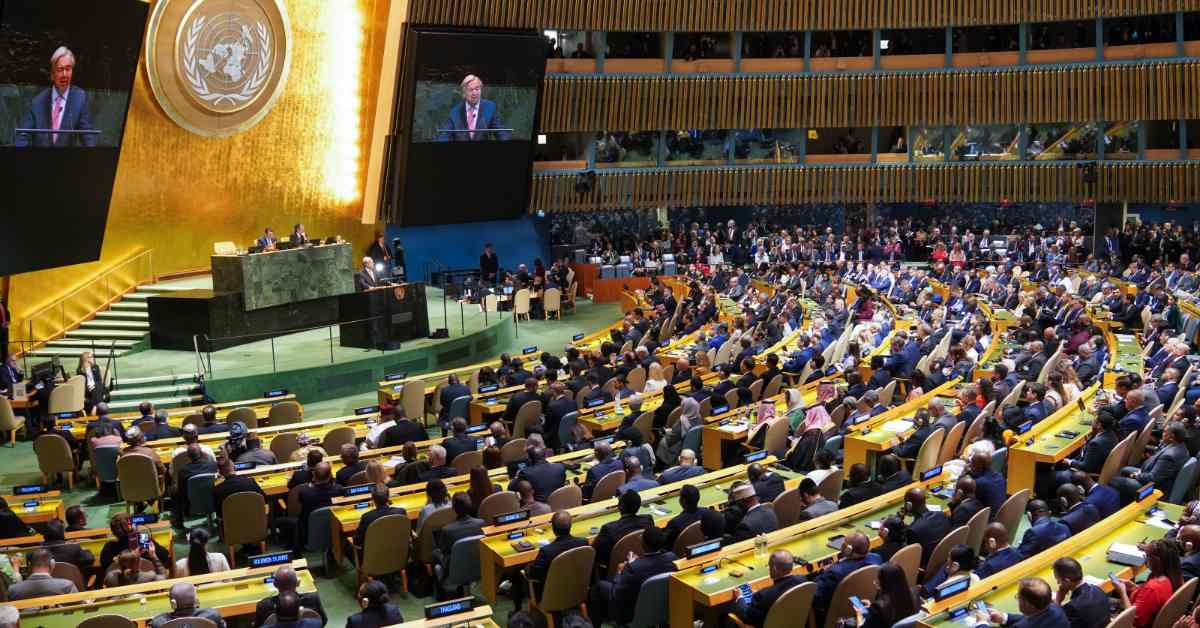
🌊
The UN just passed the first declaration on sea level rise, protecting island nations' sovereignty
De VN heeft zojuist de eerste verklaring over zeespiegelstijging aangenomen, die de soevereiniteit van eilandnaties beschermt
L'ONU vient d'adopter la première déclaration sur la montée du niveau de la mer, protégeant la souveraineté des nations insulaires
So: the United Nations just made a huge step by passing the first-ever declaration on sea level rise, and it’s a big win for island nations. These countries, like the Bahamas and Tuvalu, face losing their land to the ocean, but now they’ll keep their sovereignty and control over maritime zones even if their islands disappear. And here's the thing - the US didn’t block this resolution, which is rare these days! This agreement could really boost global efforts to support vulnerable island states and protect their rights in a warming world.
Dus: de Verenigde Naties hebben zojuist een enorme stap gezet door de allereerste verklaring over zeespiegelstijging aan te nemen, en dat is een grote overwinning voor eilandnaties. Landen zoals de Bahama’s en Tuvalu dreigen hun land aan de zee te verliezen, maar ze behouden nu hun soevereiniteit en controle over maritieme zones, zelfs als hun eilanden verdwijnen. En hier komt het: de VS hebben deze resolutie niet geblokkeerd, wat tegenwoordig zeldzaam is! Deze overeenkomst kan echt de wereldwijde inspanningen versterken om kwetsbare eilandstaten te ondersteunen en hun rechten te beschermen in een opwarmende wereld.
Alors: les Nations Unies viennent de franchir une étape majeure en adoptant la toute première déclaration sur la montée du niveau de la mer, une grande victoire pour les nations insulaires. Des pays comme les Bahamas et Tuvalu risquent de perdre leurs terres sous l’eau, mais ils conserveront leur souveraineté et le contrôle de leurs zones maritimes même si leurs îles disparaissent. Et voici le truc - les États-Unis n’ont pas bloqué cette résolution, ce qui est rare ces temps-ci ! Cet accord pourrait vraiment dynamiser les efforts mondiaux pour soutenir les États insulaires vulnérables et protéger leurs droits dans un monde qui se réchauffe.

🐦
'Lost' bird reappears in West Africa's forests after more than a decade
'Verdwenen' vogel duikt na meer dan tien jaar weer op in West-Afrikaanse bossen
Oiseau 'perdu' réapparaît dans les forêts d'Afrique de l'Ouest après plus d'une décennie
So: after 13 years without a confirmed sighting, the Ghana cuckooshrike has been spotted again in Côte d’Ivoire’s Taï National Park. This vibrant bird, with its striking orange body and colorful wings, was captured on camera thanks to the perfect teamwork of researchers Stephanie Bartlett and Paulo Ditzel. Now, this rediscovery highlights the importance of protecting West Africa’s fragmented rainforests, which face threats from logging, mining, and hunting. And here's the thing - it took close collaboration and deep knowledge to find this elusive bird, reminding us how valuable conservation efforts really are.
Dus: na 13 jaar zonder bevestigde waarneming is de Ghana cuckooshrike weer gezien in het Taï Nationaal Park in Ivoorkust. Deze levendige vogel met zijn opvallende oranje lichaam en kleurrijke vleugels werd vastgelegd dankzij het perfecte samenspel van onderzoekers Stephanie Bartlett en Paulo Ditzel. Deze herontdekking benadrukt hoe belangrijk het is om de gefragmenteerde regenwouden van West-Afrika te beschermen, die bedreigd worden door houtkap, mijnbouw en jacht. En hier komt het op neer - het vergde nauwe samenwerking en diepgaande kennis om deze schuwe vogel te vinden, wat ons herinnert aan de waarde van natuurbescherming.
Alors: après 13 ans sans observation confirmée, le coucou de Ghana a été aperçu à nouveau dans le parc national de Taï en Côte d’Ivoire. Cet oiseau vibrant, avec son corps orange éclatant et ses ailes colorées, a été photographié grâce à la parfaite coordination des chercheurs Stephanie Bartlett et Paulo Ditzel. Cette redécouverte souligne l’importance de protéger les forêts tropicales fragmentées d’Afrique de l’Ouest, menacées par l’exploitation forestière, l’exploitation minière et la chasse. Et voici le truc - il a fallu une collaboration étroite et une grande expertise pour retrouver cet oiseau insaisissable, ce qui nous rappelle à quel point les efforts de conservation sont précieux.
🏢
Africa will soon have a new tallest building – but probably not where you’d imagine
Afrika krijgt binnenkort het hoogste gebouw – maar waarschijnlijk niet waar je het verwacht
L'Afrique aura bientôt le plus haut bâtiment – mais probablement pas là où vous l'imaginez
So: Africa is about to welcome a new tallest building, and here’s the twist – it’s not going up in one of the usual big cities you’d expect. Instead, this architectural marvel is set to rise in a place that might surprise you, showing how development is spreading in exciting new directions. It’s a sign of growth and ambition that’s really energizing to see. And here’s the thing – this building isn’t just about height, it’s about putting a spotlight on emerging hubs across the continent.
Dus: Afrika krijgt binnenkort een nieuw hoogste gebouw, en hier komt de verrassing – het wordt niet gebouwd in een van de gebruikelijke grote steden die je zou verwachten. In plaats daarvan zal dit architectonische wonder verrijzen op een plek die je misschien zal verbazen, wat laat zien hoe de ontwikkeling zich op spannende nieuwe plekken verspreidt. Het is een teken van groei en ambitie dat echt energie geeft. En hier komt het: dit gebouw draait niet alleen om hoogte, maar ook om het in de schijnwerpers zetten van opkomende centra op het continent.
Alors: l'Afrique va bientôt accueillir le plus haut bâtiment, et voici la surprise – il ne sera pas construit dans l'une des grandes villes habituelles auxquelles on pourrait penser. Ce chef-d'œuvre architectural va s'élever dans un endroit qui pourrait vous étonner, montrant comment le développement s'étend vers de nouvelles directions passionnantes. C’est un signe de croissance et d’ambition qui donne vraiment de l’énergie. Et voici le truc – ce bâtiment ne se résume pas à sa hauteur, il met aussi en lumière des pôles émergents à travers le continent.
🔧
Nonprofit puts ex-cons to work with paid apprenticeships as machinists
Non-profit zet ex-gedetineerden aan het werk met betaalde leerbanen als machinist
Une association aide les ex-détenus à travailler grâce à des apprentissages rémunérés comme machinistes
So: Rise Up Industries is doing something truly inspiring in San Diego by helping men fresh out of prison learn machining skills through paid apprenticeships. These apprentices don’t just get training—they work on real contracts for aerospace, medical devices, and more. What’s amazing is that only 3% of their graduates re-offend, compared to a national average of 66%. And here’s the thing: former inmates like Komisi and Anthony find not only skills but also a sense of purpose and community in this program.
Dus: Rise Up Industries doet iets echt inspirerends in San Diego door mannen die net uit de gevangenis komen te helpen met het leren van machinistvaardigheden via betaalde leerbanen. Deze leerlingen krijgen niet alleen training, ze werken aan echte opdrachten voor de luchtvaart, medische apparaten en meer. Wat geweldig is, is dat slechts 3% van hun afgestudeerden opnieuw de fout ingaat, vergeleken met een nationaal gemiddelde van 66%. En hier is het punt: voormalige gevangenen zoals Komisi en Anthony vinden niet alleen vaardigheden, maar ook een gevoel van doel en gemeenschap in dit programma.
Alors: Rise Up Industries réalise quelque chose de vraiment inspirant à San Diego en aidant des hommes fraîchement sortis de prison à apprendre le métier de machiniste grâce à des apprentissages rémunérés. Ces apprentis ne reçoivent pas seulement une formation, ils travaillent sur de vrais contrats pour l’aérospatiale, les dispositifs médicaux et plus encore. Ce qui est incroyable, c’est que seulement 3 % de leurs diplômés récidivent, contre une moyenne nationale de 66 %. Et voici la chose: d’anciens détenus comme Komisi et Anthony trouvent non seulement des compétences, mais aussi un sens et une communauté dans ce programme.
🐕
Inside the school where dogs learn to sniff out bed bugs and other pests
Binnenin de school waar honden leren bedwantsen en andere plagen op te sporen
Dans l'école où les chiens apprennent à détecter les punaises de lit et autres nuisibles
I find it fascinating how dogs like Lucky, a German Shepherd, are trained to detect invasive pests such as spotted lanternfly eggs. At the Penn Vet Working Dog Center, pups start their training young, learning to associate specific scents with rewards. These dogs have been helping humans for decades, sniffing out termites, bed bugs, and now agricultural pests with impressive accuracy. And here's the thing - their incredible noses might soon help fight the return of the devastating New World screwworm. It’s amazing to see how canine skills are being used in such innovative ways!
Ik vind het geweldig hoe honden zoals Lucky, een Duitse herder, worden getraind om invasieve plagen zoals de eieren van de gevlekte lantaarnvlieg op te sporen. Bij het Penn Vet Working Dog Center beginnen de pups jong met trainen en leren ze geuren te koppelen aan beloningen. Deze honden helpen mensen al tientallen jaren door termieten, bedwantsen en nu ook landbouwplagen met indrukwekkende nauwkeurigheid te detecteren. En hier komt het: hun ongelooflijke neus kan binnenkort helpen bij het bestrijden van de terugkeer van de verwoestende New World screwworm. Het is fantastisch om te zien hoe honden op zulke innovatieve manieren worden ingezet!
Je trouve fascinant que des chiens comme Lucky, un berger allemand, soient formés pour détecter des nuisibles invasifs comme les œufs de la cicadelle tachetée. Au Penn Vet Working Dog Center, les chiots commencent leur entraînement très jeunes, apprenant à associer des odeurs spécifiques à des récompenses. Ces chiens aident les humains depuis des décennies, détectant termites, punaises de lit et maintenant des ravageurs agricoles avec une précision impressionnante. Et voici le truc - leur incroyable flair pourrait bientôt aider à lutter contre le retour du dévastateur ver du Nouveau Monde. C’est incroyable de voir comment les compétences canines sont utilisées de manière si innovante !
🕊️
After 20 years on death row for a crime he didn't commit, this man found freedom. Now, he's helping others like him
Na 20 jaar in de dodencel voor een misdaad die hij niet pleegde, vond deze man vrijheid. Nu helpt hij anderen zoals hij
Après 20 ans dans le couloir de la mort pour un crime qu'il n'a pas commis, cet homme a retrouvé la liberté. Aujourd'hui, il aide d'autres comme lui
Charles Fain spent nearly 20 years on death row in Idaho for a crime he didn’t commit, until DNA evidence set him free in 2001. Since then, he’s been a passionate advocate for others wrongfully convicted, joining forces with new organizations like The Innocence Center to continue this vital work. The Idaho Innocence Project may have closed, but the fight for justice is far from over, with dedicated experts and exonerees stepping up. It’s inspiring to see how one man’s freedom has sparked hope and action for many more.
Charles Fain zat bijna 20 jaar in de dodencel in Idaho voor een misdaad die hij niet had gepleegd, totdat DNA-bewijs hem in 2001 vrijsprak. Sindsdien zet hij zich vol enthousiasme in voor anderen die onterecht veroordeeld zijn, samenwerkend met nieuwe organisaties zoals The Innocence Center om dit belangrijke werk voort te zetten. Het Idaho Innocence Project is misschien gesloten, maar de strijd voor gerechtigheid gaat door dankzij toegewijde experts en vrijgesprokenen. Het is geweldig om te zien hoe de vrijheid van één man hoop en actie voor velen heeft aangewakkerd.
Charles Fain a passé près de 20 ans dans le couloir de la mort en Idaho pour un crime qu'il n'a pas commis, jusqu'à ce que des preuves ADN le libèrent en 2001. Depuis, il milite avec passion pour d'autres personnes condamnées à tort, en rejoignant des organisations comme The Innocence Center pour poursuivre ce travail essentiel. Le projet Innocence de l'Idaho a peut-être fermé, mais la lutte pour la justice continue grâce à des experts dévoués et des exonérés. C'est inspirant de voir comment la liberté d'un homme a suscité espoir et action pour beaucoup d'autres.
🌀
Quantum computing’s “dark horse” just proved it can go universal
De 'dark horse' van quantumcomputing bewijst nu universeel te kunnen zijn
Le « cheval noir » de l’informatique quantique vient de prouver son universalité
So: quantum computing just took a thrilling leap forward with non-Abelian anyons, these quirky quantum objects that behave like little universes. Researchers from top universities showed for the first time that these anyons can perform a full set of universal quantum operations, which is huge news for practical quantum machines. And here's the thing - this method might sidestep the costly error correction steps that usually slow down quantum computers. I find it fascinating how braiding these anyons can encode and protect information in ways ordinary qubits can't, opening new doors for reliable and flexible quantum computing.
Dus: quantumcomputing heeft een spannende sprong gemaakt dankzij non-Abelse anyonen, die bijzondere quantumdeeltjes die als kleine universa werken. Onderzoekers van topuniversiteiten toonden voor het eerst aan dat deze anyonen een volledige set universele quantumoperaties kunnen uitvoeren, wat geweldig nieuws is voor praktische quantumcomputers. En hier komt het: deze methode kan de dure foutcorrectiestappen omzeilen die quantumcomputers vaak vertragen. Ik vind het fascinerend hoe het vlechten van deze anyonen informatie kan coderen en beschermen op manieren die gewone qubits niet kunnen, wat nieuwe mogelijkheden opent voor betrouwbare en flexibele quantumcomputing.
Alors: l’informatique quantique fait un bond passionnant grâce aux anyons non-Abéliens, ces objets quantiques étranges qui fonctionnent comme de petits univers. Des chercheurs de grandes universités ont démontré pour la première fois que ces anyons peuvent réaliser un ensemble complet d’opérations quantiques universelles, ce qui est une excellente nouvelle pour les machines quantiques pratiques. Et voici le truc - cette méthode pourrait éviter les coûteuses étapes de correction d’erreurs qui ralentissent souvent les ordinateurs quantiques. Je trouve fascinant que le tressage de ces anyons puisse coder et protéger l’information d’une manière inaccessible aux qubits ordinaires, ouvrant ainsi de nouvelles voies pour une informatique quantique fiable et flexible.
🧬
CRISPR could help doctors attack blood cancer without destroying healthy cells
CRISPR kan artsen helpen bloedkanker aan te pakken zonder gezonde cellen te vernietigen
CRISPR pourrait aider les médecins à attaquer le cancer du sang sans détruire les cellules saines
So: researchers at Washington University have found a clever way to improve blood cancer treatment using CRISPR. By removing a protein called CD33 from donor stem cells, they make these cells invisible to targeted therapies, which can then attack cancer cells without harming healthy ones. This approach could overcome a big hurdle in CAR-T therapy for aggressive blood cancers like AML and MDS. And here's the thing: early trials show promising results, including a patient who went into complete remission after receiving this innovative treatment.
Dus: onderzoekers van de Washington University hebben een slimme manier gevonden om de behandeling van bloedkanker te verbeteren met CRISPR. Door het eiwit CD33 uit donor stamcellen te verwijderen, worden deze cellen onzichtbaar voor gerichte therapieën, die zo alleen de kankercellen aanvallen zonder gezonde cellen te beschadigen. Deze aanpak kan een grote uitdaging in CAR-T therapie voor agressieve bloedkankers zoals AML en MDS overwinnen. En het mooie is: vroege proeven laten veelbelovende resultaten zien, inclusief een patiënt die volledig in remissie ging na deze innovatieve behandeling.
Alors: des chercheurs de l'Université de Washington ont trouvé une méthode astucieuse pour améliorer le traitement du cancer du sang grâce à CRISPR. En supprimant une protéine appelée CD33 des cellules souches donneuses, ils rendent ces cellules invisibles aux thérapies ciblées, qui peuvent ainsi attaquer uniquement les cellules cancéreuses sans abîmer les saines. Cette approche pourrait surmonter un obstacle majeur dans la thérapie CAR-T pour les cancers du sang agressifs comme la LMA et le SMD. Et voici la chose: les premiers essais montrent des résultats prometteurs, y compris un patient en rémission complète après ce traitement innovant.
🌍
Earth is tearing apart beneath the Pacific Northwest
De aarde scheurt onder het noordwesten van de Stille Oceaan
La terre se déchire sous le nord-ouest du Pacifique
Scientists have captured a rare and detailed look at a subduction zone beneath the Pacific Northwest that is actively breaking apart. This tectonic process, which usually lasts millions of years, is now showing signs of ending as the oceanic plate tears into smaller pieces. Using seismic imaging, researchers observed large faults and fractures, revealing a slow 'train derailment' rather than a sudden stop. It’s fascinating to see this geological system in the act of dying, piece by piece, beneath Cascadia.
Wetenschappers hebben een zeldzaam en gedetailleerd beeld vastgelegd van een subductiezone onder het noordwesten van de Stille Oceaan die actief uit elkaar valt. Dit tektonische proces, dat normaal miljoenen jaren duurt, vertoont nu tekenen van het einde doordat de oceanische plaat in kleinere stukken scheurt. Met seismische beeldvorming zagen onderzoekers grote breuken en scheuren, wat meer lijkt op een langzaam ontsporen van een trein dan op een plotselinge stop. Het is fascinerend om dit geologische systeem stukje bij beetje te zien sterven onder Cascadia.
Les scientifiques ont capturé une vue rare et détaillée d’une zone de subduction sous le nord-ouest du Pacifique qui est en train de se déchirer activement. Ce processus tectonique, qui dure habituellement des millions d’années, montre maintenant des signes de fin alors que la plaque océanique se fracture en morceaux plus petits. Grâce à l’imagerie sismique, les chercheurs ont observé de grandes failles et fractures, révélant un lent « déraillement » plutôt qu’un arrêt brutal. C’est fascinant de voir ce système géologique mourir, morceau par morceau, sous Cascadia.
🔬
CERN begins disconnecting the large hadron collider
CERN begint met het loskoppelen van de large hadron collider
Le CERN commence à déconnecter le grand collisionneur de hadrons
So: CERN has started the big job of disconnecting parts of the Large Hadron Collider to prepare for a new era. They’re removing 28 superconducting magnets, including the crucial inner triplets that focus particle beams for collisions. These magnets will be replaced with much stronger ones using niobium-tin coils, boosting magnetic fields by about 40%. This upgrade will especially benefit the ATLAS and CMS experiments, increasing collision rates and giving scientists more data to explore. It’s a thrilling moment marking the handover from old to new technology after nearly two decades!
Dus: CERN is begonnen met het grote werk om delen van de Large Hadron Collider los te koppelen ter voorbereiding op een nieuw tijdperk. Ze verwijderen 28 supergeleidende magneten, waaronder de belangrijke inner triplets die de deeltjesbundels focussen voor botsingen. Deze magneten worden vervangen door veel sterkere exemplaren met niobium-tin spoelen, wat de magnetische velden met ongeveer 40% verhoogt. Deze upgrade zal vooral de ATLAS- en CMS-experimenten ten goede komen, met meer botsingen en dus meer data voor onderzoekers. Het is een spannend moment dat de overdracht van oude naar nieuwe technologie markeert na bijna twintig jaar!
Alors: le CERN a commencé le grand travail de déconnexion de parties du grand collisionneur de hadrons pour préparer une nouvelle ère. Ils retirent 28 aimants supraconducteurs, y compris les triplets internes essentiels qui focalisent les faisceaux de particules pour les collisions. Ces aimants seront remplacés par des versions beaucoup plus puissantes utilisant des bobines en niobium-étain, augmentant les champs magnétiques d’environ 40%. Cette mise à niveau profitera particulièrement aux expériences ATLAS et CMS, augmentant le taux de collisions et fournissant plus de données aux scientifiques. C’est un moment passionnant qui marque le passage de l’ancienne à la nouvelle technologie après près de vingt ans!
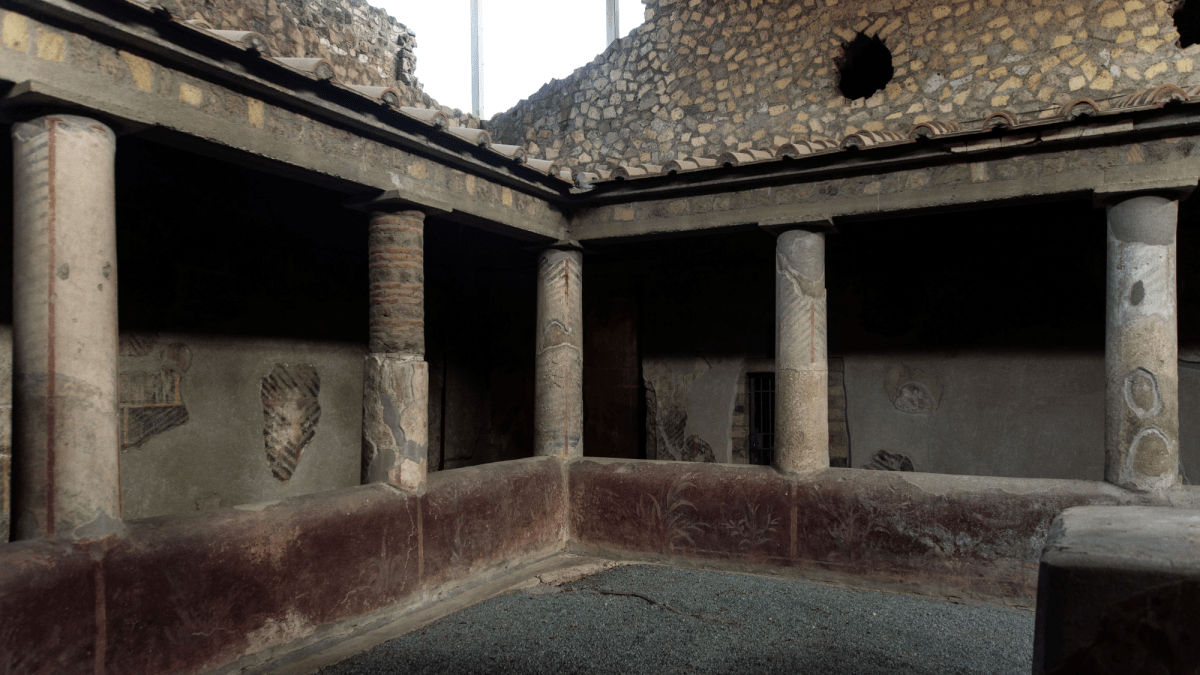
🌋
Rocks from Pompeii suburb tells a story of destruction—that could help us today
Stenen uit Pompeii-suburb vertellen een verhaal van vernietiging—dat ons vandaag kan helpen
Des roches d’une banlieue de Pompéi racontent une histoire de destruction—qui pourrait nous aider aujourd’hui
I find it fascinating how rocks from a Pompeii suburb are giving us fresh insights into the eruption of Mount Vesuvius in 79 CE. Thanks to improved argon-argon dating techniques, scientists can now date volcanic events with incredible precision and accuracy. This breakthrough not only refines our understanding of history but also helps us better predict future eruptions in dangerous volcanic areas. And here's the thing—these ancient pumice samples, collected decades ago, are finally revealing their secrets, connecting Pliny the Younger's writings with modern science.
Ik vind het geweldig hoe stenen uit een voorstad van Pompeii ons nieuwe inzichten geven over de uitbarsting van de Vesuvius in 79 na Christus. Dankzij verbeterde argon-argon dateringsmethoden kunnen wetenschappers vulkanische gebeurtenissen nu met enorme precisie en nauwkeurigheid dateren. Deze doorbraak verfijnt niet alleen ons begrip van de geschiedenis, maar helpt ons ook toekomstige uitbarstingen in gevaarlijke vulkanische gebieden beter te voorspellen. En hier komt het: die oude puimsteenmonsters, tientallen jaren geleden verzameld, onthullen eindelijk hun geheimen en verbinden de geschriften van Plinius de Jongere met de moderne wetenschap.
Je trouve fascinant que des roches d’une banlieue de Pompéi nous apportent de nouvelles informations sur l’éruption du Vésuve en 79 après J.-C. Grâce à des techniques améliorées de datation argon-argon, les scientifiques peuvent désormais dater les événements volcaniques avec une précision et une exactitude remarquables. Cette avancée affine non seulement notre compréhension de l’histoire, mais elle nous aide aussi à mieux prévoir les futures éruptions dans les zones volcaniques dangereuses. Et voici le truc—ces anciens échantillons de pierre ponce, collectés il y a des décennies, révèlent enfin leurs secrets, reliant les écrits de Pline le Jeune à la science moderne.
🔬
Laser-generated particles allow scientists to see through walls
Lasergegenereerde deeltjes laten wetenschappers door muren kijken
Des particules générées par laser permettent aux scientifiques de voir à travers les murs
So: scientists have found a way to use laser-generated particles to peer through walls, which is pretty mind-blowing! This technique could revolutionize how we explore hidden spaces without breaking anything. Now, the particles act like tiny messengers, carrying information from the other side of a barrier back to us. And here's the thing - this could open up new possibilities in security, rescue missions, and even archaeology. I’m genuinely excited to see where this goes next!
Dus: wetenschappers hebben een manier gevonden om met lasergegenereerde deeltjes door muren heen te kijken, wat echt verbluffend is! Deze techniek kan de manier waarop we verborgen ruimtes verkennen volledig veranderen zonder iets kapot te maken. Nu werken de deeltjes als kleine boodschappers die informatie van de andere kant van een barrière naar ons terugbrengen. En hier komt het op neer - dit kan nieuwe mogelijkheden openen in beveiliging, reddingsoperaties en zelfs archeologie. Ik ben echt benieuwd waar dit naartoe gaat!
Alors: des scientifiques ont découvert comment utiliser des particules générées par laser pour voir à travers les murs, c’est vraiment impressionnant! Cette technique pourrait révolutionner la manière dont nous explorons des espaces cachés sans rien casser. Maintenant, les particules agissent comme de petits messagers, transportant des informations de l’autre côté d’une barrière jusqu’à nous. Et voilà le truc - cela pourrait ouvrir de nouvelles possibilités en sécurité, missions de sauvetage, et même en archéologie. J’ai vraiment hâte de voir ce que l’avenir réserve!

🪐
Scientists just found a bizarre cosmic object ‘hiding in plain sight’
Wetenschappers ontdekten een vreemd kosmisch object ‘verborgen in het volle zicht’
Des scientifiques viennent de découvrir un objet cosmique bizarre « caché en pleine vue »
So: scientists have just spotted the Milky Way’s first microblazar, a tiny version of a blazar that shoots out superfast jets of plasma. This cosmic duo, a black hole and a star orbiting each other, was hiding behind dust and overlooked for decades. Now, with jets traveling at three quarters the speed of light aimed at Earth, astronomers are buzzing with excitement. And here's the thing - this discovery opens a new window to study how such systems evolve and interact with the galaxy around them.
Dus: wetenschappers hebben zojuist de allereerste microblazar van de Melkweg ontdekt, een kleine versie van een blazar die supersnelle plasmajets uitstoot. Dit kosmische duo, een zwart gat en een ster die om elkaar heen draaien, zat verborgen achter stof en werd decennialang over het hoofd gezien. Nu, met jets die met driekwart van de lichtsnelheid naar de aarde gericht zijn, zijn astronomen enthousiast. En hier komt het op neer - deze ontdekking opent een nieuw venster om te bestuderen hoe zulke systemen evolueren en omgaan met de melkweg om hen heen.
Alors: des scientifiques viennent de découvrir le premier microblazar de la Voie lactée, une petite version d’un blazar qui projette des jets de plasma ultra-rapides. Ce duo cosmique, un trou noir et une étoile en orbite l’un autour de l’autre, était caché derrière de la poussière et ignoré pendant des décennies. Maintenant, avec des jets se déplaçant à trois quarts de la vitesse de la lumière dirigés vers la Terre, les astronomes sont tout excités. Et voilà le truc - cette découverte ouvre une nouvelle fenêtre pour étudier comment ces systèmes évoluent et interagissent avec la galaxie qui les entoure.

🌬️
‘We wanted to prove we didn’t need air conditioning’: the airport cooled by natural ventilation
‘We wilden bewijzen dat we geen airconditioning nodig hadden’: het vliegveld gekoeld door natuurlijke ventilatie
« Nous voulions prouver que nous n’avions pas besoin de climatisation » : l’aéroport rafraîchi par ventilation naturelle
At Roland Garros airport on Réunion island, the arrivals terminal is cooled entirely by natural ventilation, defying tropical heat without air conditioning. This innovative design uses a unique roof structure and large ceiling fans to create a refreshing breeze that lowers the perceived temperature by several degrees. The project began in 2016 with the goal of reducing carbon emissions and has since saved the airport €150,000 annually in energy costs. It’s a brilliant example of blending traditional local knowledge with modern architecture to create sustainable comfort.
Op het vliegveld Roland Garros op het eiland Réunion wordt de aankomsthal volledig gekoeld door natuurlijke ventilatie, ondanks de tropische hitte zonder airconditioning. Het innovatieve ontwerp gebruikt een unieke dakconstructie en grote plafondventilatoren om een verfrissende bries te creëren die de waargenomen temperatuur met enkele graden verlaagt. Het project begon in 2016 met als doel de CO2-uitstoot te verminderen en bespaart het vliegveld inmiddels jaarlijks €150.000 aan energiekosten. Het is een prachtig voorbeeld van het combineren van traditionele lokale kennis met moderne architectuur voor duurzame comfort.
À l’aéroport Roland Garros sur l’île de La Réunion, le terminal des arrivées est entièrement rafraîchi par ventilation naturelle, défiant la chaleur tropicale sans climatisation. Ce design innovant utilise une structure de toit unique et de grands ventilateurs de plafond pour créer une brise rafraîchissante qui réduit la température perçue de plusieurs degrés. Le projet, lancé en 2016 pour réduire les émissions de carbone, a permis à l’aéroport d’économiser 150 000 € par an en coûts énergétiques. C’est un bel exemple d’alliance entre savoir-faire local traditionnel et architecture moderne pour un confort durable.

💊
Estrogen treatment through the skin safer than tablets
Oestrogeenbehandeling via de huid veiliger dan tabletten
Traitement à l'œstrogène par la peau plus sûr que les comprimés
I just read about this fascinating Danish study showing that estrogen treatments through patches, gels, or sprays are safer than tablets when it comes to blood clot risks. So: women using tablets have a higher chance of venous thrombosis, while the skin applications don’t show this risk. Now, high doses of tablets over a long time might also increase stroke and heart attack risks, which is important to know. And here's the thing - despite some shortages, gels are currently available, but patches and sprays remain limited, so chatting with your doctor is key to finding the best option.
Ik las net over een interessante Deense studie die laat zien dat oestrogeenbehandelingen via pleisters, gels of sprays veiliger zijn dan tabletten wat betreft het risico op bloedstolsels. Dus: vrouwen die tabletten gebruiken hebben een grotere kans op veneuze trombose, terwijl huidtoepassingen dit risico niet laten zien. Nu kan een hoge dosis tabletten gedurende lange tijd ook het risico op beroerte en hartaanval verhogen, wat belangrijk is om te weten. En hier komt het op neer - ondanks enkele tekorten zijn gels momenteel beschikbaar, maar pleisters en sprays blijven beperkt, dus overleg met je arts is essentieel om de beste optie te vinden.
Je viens de lire une étude danoise fascinante qui montre que les traitements à l'œstrogène par patchs, gels ou sprays sont plus sûrs que les comprimés en ce qui concerne le risque de caillots sanguins. Donc : les femmes prenant des comprimés ont un risque plus élevé de thrombose veineuse, tandis que les applications cutanées ne présentent pas ce risque. Maintenant, des doses élevées de comprimés sur une longue période peuvent aussi augmenter les risques d’AVC et d’infarctus, ce qui est important à savoir. Et voici le truc - malgré quelques pénuries, les gels sont actuellement disponibles, mais les patchs et sprays restent limités, donc discuter avec son médecin est essentiel pour choisir la meilleure option.
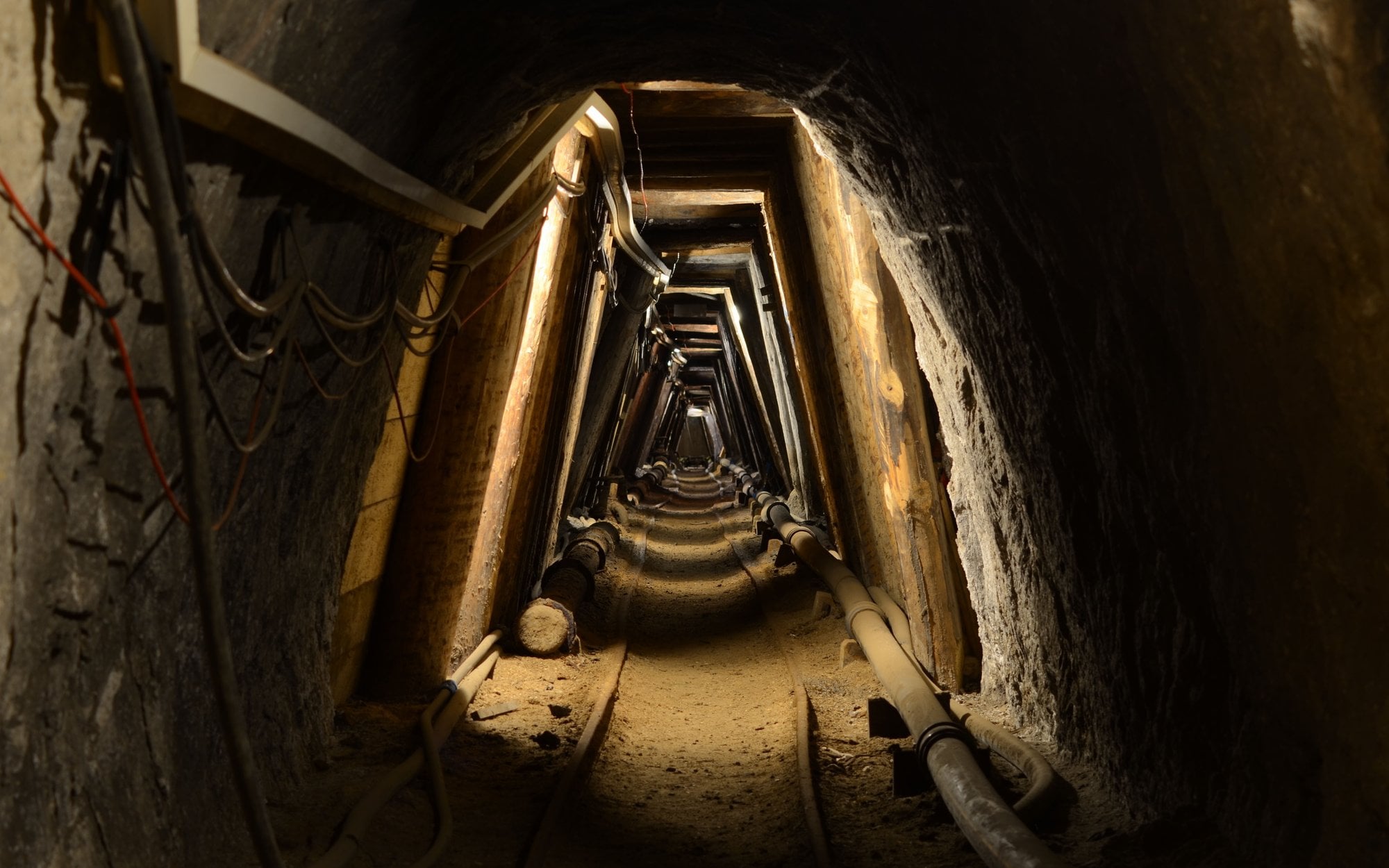
⛏️
Underground world dates back 7,300 years as archaeologists uncover 300 meters of tunnels
Ondergrondse wereld gaat 7.300 jaar terug: archeologen ontdekken 300 meter tunnels
Un monde souterrain vieux de 7 300 ans : des archéologues découvrent 300 mètres de tunnels
I just love how history surprises us! Near Hallstatt in Austria, archaeologists found a vast system of tunnels and chambers dating back 7,300 years. These ancient miners followed salt deposits deep underground, creating huge spaces up to 24 meters wide and 20 meters high. What’s fascinating is that even after landslides destroyed parts of the mine, the community quickly resumed salt extraction. And here’s the thing: they even found ancient tools and preserved artifacts thanks to the salt’s unique properties, giving us a vivid glimpse into prehistoric mining life.
Ik vind het geweldig hoe de geschiedenis ons blijft verrassen! In de buurt van Hallstatt in Oostenrijk ontdekten archeologen een uitgebreid systeem van tunnels en kamers die 7.300 jaar oud zijn. Deze oude mijnwerkers volgden zoutafzettingen diep onder de grond en creëerden enorme ruimtes tot wel 24 meter breed en 20 meter hoog. Wat bijzonder is, is dat de gemeenschap na aardverschuivingen snel het zout delven hervatte. En hier komt het: ze vonden ook oude gereedschappen en goed bewaarde voorwerpen dankzij de unieke eigenschappen van het zout, wat ons een levendig beeld geeft van het prehistorische mijnleven.
J’adore la façon dont l’histoire nous réserve des surprises ! Près de Hallstatt en Autriche, des archéologues ont découvert un vaste réseau de tunnels et de chambres datant de 7 300 ans. Ces anciens mineurs suivaient les gisements de sel profondément sous terre, créant des espaces immenses allant jusqu’à 24 mètres de large et 20 mètres de haut. Ce qui est fascinant, c’est que malgré des glissements de terrain, la communauté a rapidement repris l’extraction du sel. Et voici le truc : ils ont aussi trouvé des outils anciens et des artefacts bien conservés grâce aux propriétés du sel, nous offrant un aperçu vivant de la vie minière préhistorique.

📚
Nairobi is transforming neglected libraries into vibrant civic hubs
Nairobi transformeert verwaarloosde bibliotheken tot bruisende burgercentra
Nairobi transforme des bibliothèques négligées en centres civiques dynamiques
I love how Nairobi’s old libraries are getting a fresh start as lively civic hubs where people can work, learn, and connect. What used to be dusty, forgotten spaces like Eastlands Library are now buzzing with activity, offering free internet, meals, and community programs. Book Bunk, the nonprofit behind this, is not just fixing buildings but reshaping access to knowledge and culture for everyone. And here’s the thing: these libraries are becoming essential places for career building, creativity, and inclusion in Nairobi.
Ik vind het fantastisch hoe de oude bibliotheken in Nairobi een nieuwe rol krijgen als levendige burgercentra waar mensen kunnen werken, leren en samenkomen. Wat vroeger stoffige, vergeten plekken waren zoals de Eastlands-bibliotheek, bruist nu van activiteit met gratis internet, maaltijden en gemeenschapsprogramma’s. Book Bunk, de organisatie achter deze transformatie, richt zich niet alleen op het opknappen van gebouwen, maar ook op het herverdelen van kennis en cultuur voor iedereen. En hier komt het op neer: deze bibliotheken worden onmisbare plekken voor carrière, creativiteit en inclusie in Nairobi.
J’adore voir comment les anciennes bibliothèques de Nairobi se transforment en centres civiques dynamiques où les gens peuvent travailler, apprendre et se connecter. Ce qui était autrefois des espaces poussiéreux et oubliés comme la bibliothèque d’Eastlands est désormais animé, offrant internet gratuit, repas et programmes communautaires. Book Bunk, l’association à l’origine de ce projet, ne se contente pas de restaurer les bâtiments, elle réinvente l’accès au savoir et à la culture pour tous. Et voilà le truc : ces bibliothèques deviennent des lieux essentiels pour construire une carrière, la créativité et l’inclusion à Nairobi.
🧠
We must stop this flood towards psychiatry: government allocates one billion kroner to fight waiting times in child and youth psychiatry
We moeten deze vloedgolf naar de psychiatrie stoppen: regering reserveert een miljard kronen om wachttijden in kinder- en jeugdpsychiatrie te bestrijden
Il faut stopper cette vague vers la psychiatrie : le gouvernement alloue un milliard de couronnes pour lutter contre les délais d'attente en psychiatrie pour enfants et adolescents
So: the government is stepping up with a billion kroner to tackle the growing waiting times in child and youth psychiatry. For years, more young people have been seeking help, but the system has struggled to keep up, with only one in five getting assessed within the legal 30 days last year. Health Minister Ida Auken has made a deal with regions and municipalities to reduce these delays and hopes this will even lower the number of diagnoses needed. And here's the thing - this plan aims not just to manage the flood but to turn the tide for better mental health support.
Dus: de regering komt met een miljard kronen om de groeiende wachttijden in de kinder- en jeugdpsychiatrie aan te pakken. Al jaren zoeken steeds meer jongeren hulp, maar het systeem kan het niet bijbenen; vorig jaar werd slechts één op de vijf binnen de wettelijke 30 dagen onderzocht. Minister van Volksgezondheid Ida Auken sloot een akkoord met regio's en gemeenten om deze vertragingen te verminderen en hoopt dat dit zelfs het aantal diagnoses kan terugdringen. En hier komt het op neer - dit plan wil niet alleen de stroom beheersen, maar de situatie echt verbeteren voor betere geestelijke gezondheidszorg.
Alors voilà : le gouvernement investit un milliard de couronnes pour réduire les délais d'attente en psychiatrie pour enfants et adolescents. Depuis des années, de plus en plus de jeunes demandent de l’aide, mais le système peine à suivre, avec seulement un sur cinq évalué dans les 30 jours légaux l’an dernier. La ministre de la Santé, Ida Auken, a conclu un accord avec les régions et les communes pour diminuer ces délais et espère ainsi réduire le nombre de diagnostics nécessaires. Et voici le truc - ce plan vise non seulement à contenir le flux, mais à inverser la tendance pour un meilleur soutien en santé mentale.

🌊
These 5 rivers were nearly dead. Communities brought them back to life
Deze 5 rivieren waren bijna dood. Gemeenschappen brachten ze weer tot leven
Ces 5 rivières étaient presque mortes. Les communautés les ont ramenées à la vie
I find it fascinating how five rivers across India, once considered dead or dying, have been revived through community efforts. From Rajasthan to Kerala, locals used different methods like rainwater harvesting, sewage removal, and clearing silt to bring these rivers back. The Arvari river’s revival began with restoring groundwater, while the Kham river in Maharashtra needed a holistic approach tackling pollution and waste. It’s inspiring to see how collective action can restore nature’s flow and benefit entire communities.
Ik vind het geweldig hoe vijf rivieren in India, die bijna dood waren, weer tot leven zijn gebracht dankzij de inzet van gemeenschappen. Van Rajasthan tot Kerala gebruikten mensen verschillende methoden zoals regenwateropvang, het verwijderen van rioolwater en het schoonmaken van slib. De Arvari-rivier kwam weer tot leven door eerst het grondwater te herstellen, terwijl de Kham-rivier in Maharashtra een brede aanpak tegen vervuiling en afval nodig had. Het is inspirerend om te zien hoe gezamenlijke actie de natuur kan herstellen en hele gemeenschappen ten goede komt.
Je trouve fascinant que cinq rivières en Inde, autrefois considérées comme mortes ou mourantes, aient été revitalisées grâce aux efforts des communautés. Du Rajasthan au Kerala, les habitants ont utilisé différentes méthodes comme la collecte des eaux de pluie, l’élimination des eaux usées et le nettoyage des sédiments pour redonner vie à ces rivières. La rivière Arvari a été restaurée en commençant par la recharge des nappes phréatiques, tandis que la rivière Kham dans le Maharashtra a nécessité une approche globale contre la pollution et les déchets. C’est inspirant de voir comment l’action collective peut redonner vie à la nature et profiter à toute une communauté.

🧵
Africa's fashion value lies in the stories only Africans can tell
De waarde van Afrikaanse mode zit in verhalen die alleen Afrikanen kunnen vertellen
La valeur de la mode africaine réside dans les histoires que seuls les Africains peuvent raconter
I find it fascinating how South African designer Wanda Lephoto highlights that Africa’s true fashion value isn’t just in the materials or factories, but in the rich cultural stories woven into every piece. So: these garments carry histories from family photos to traditional objects, making them unique and impossible to replicate elsewhere. Lephoto sees design as a conversation with the past, blending memory and spirituality into fashion that lasts and can be inherited. And here’s the thing - this approach challenges fast fashion by emphasizing sustainability, craftsmanship, and cultural authorship that truly shapes Africa’s identity on the global stage.
Ik vind het geweldig hoe de Zuid-Afrikaanse ontwerper Wanda Lephoto benadrukt dat de echte waarde van Afrikaanse mode niet alleen in de materialen of fabrieken zit, maar in de rijke culturele verhalen die in elk stuk verweven zijn. Zo dragen deze kledingstukken geschiedenis uit familiefoto’s tot traditionele voorwerpen, waardoor ze uniek en niet te kopiëren zijn. Lephoto ziet design als een gesprek met het verleden, waarbij herinnering en spiritualiteit samenkomen in mode die duurzaam is en doorgegeven kan worden. En hier komt het op neer - deze aanpak daagt de snelle mode uit door duurzaamheid, vakmanschap en culturele auteurschap te benadrukken die Afrika’s identiteit wereldwijd vormgeven.
Je trouve passionnant que la créatrice sud-africaine Wanda Lephoto souligne que la vraie valeur de la mode africaine ne réside pas seulement dans les matériaux ou les usines, mais dans les riches histoires culturelles tissées dans chaque pièce. Ainsi, ces vêtements portent des histoires allant des photos de famille aux objets traditionnels, ce qui les rend uniques et impossibles à reproduire ailleurs. Lephoto considère le design comme une conversation avec le passé, mêlant mémoire et spiritualité dans une mode durable et transmissible. Et voici le truc - cette approche remet en question la mode rapide en mettant l’accent sur la durabilité, l’artisanat et l’auteur culturel qui façonnent véritablement l’identité africaine à l’échelle mondiale.

🚛
Nearly a decade later, the electric Tesla Semi is here
Bijna een decennium later is de elektrische Tesla Semi er
Près d'une décennie plus tard, le Tesla Semi électrique est là
So: after nearly ten years of anticipation, Tesla has officially launched the electric Semi truck, targeting large fleet managers who care about cost and performance. The long-range model offers about 500 miles per charge, which is impressive compared to competitors. And here's the thing - despite challenges like high upfront costs and limited charging infrastructure, Tesla is pushing hard with plans for more megawatt chargers and big orders from major companies like Microsoft and PepsiCo. It’s exciting to see electric trucks gaining real momentum, especially as diesel prices soar and climate concerns grow.
Dus: na bijna tien jaar wachten heeft Tesla eindelijk de elektrische Semi-truck gelanceerd, gericht op grote wagenparkbeheerders die letten op kosten en prestaties. Het model met lange afstand kan zo’n 500 mijl per lading rijden, wat indrukwekkend is vergeleken met concurrenten. En hier komt het: ondanks uitdagingen zoals hoge aanschafkosten en beperkte laadinfrastructuur, zet Tesla stevig door met plannen voor meer megawattladers en grote bestellingen van bedrijven als Microsoft en PepsiCo. Het is geweldig om te zien dat elektrische vrachtwagens echt aan kracht winnen, vooral nu dieselprijzen stijgen en klimaatvragen belangrijker worden.
Alors: après presque dix ans d’attente, Tesla a officiellement lancé son camion électrique Semi, ciblant les grands gestionnaires de flottes soucieux des coûts et des performances. Le modèle longue portée offre environ 500 miles par charge, ce qui est impressionnant face à la concurrence. Et voici le truc - malgré des défis comme le coût initial élevé et une infrastructure de recharge limitée, Tesla avance fort avec des projets d’extension des bornes de recharge et des commandes importantes de grandes entreprises comme Microsoft et PepsiCo. C’est enthousiasmant de voir les camions électriques gagner en popularité, surtout avec la hausse des prix du diesel et les préoccupations climatiques.

🚗
16 products from women designers you need to know
16 producten van vrouwelijke ontwerpers die je moet kennen
16 produits de créatrices à découvrir absolument
I love how this article shines a spotlight on women designers who are truly shaping the future with their innovative products. From Tisha Johnson’s award-winning electric pickup truck that’s both affordable and thoughtfully designed, to Jen Rubio and Steph Korey’s stylish and practical Away luggage, these creations are made to be loved. And here’s the thing: these products aren’t just about function, they’re about connection, sustainability, and performance tailored specifically for women. It’s inspiring to see how female perspectives are changing industries like automotive, sports, and tech in such meaningful ways.
Ik vind het geweldig hoe dit artikel vrouwelijke ontwerpers in de schijnwerpers zet die de toekomst vormgeven met hun innovatieve producten. Van Tisha Johnson’s bekroonde elektrische pickup die betaalbaar en doordacht is, tot de stijlvolle en praktische koffers van Jen Rubio en Steph Korey van Away, deze creaties zijn echt gemaakt om van te houden. En hier komt het: deze producten gaan niet alleen over functionaliteit, maar ook over verbinding, duurzaamheid en prestaties die speciaal op vrouwen zijn afgestemd. Het is inspirerend om te zien hoe vrouwelijke perspectieven industrieën zoals auto’s, sport en technologie zo betekenisvol veranderen.
J’adore la façon dont cet article met en lumière des créatrices qui façonnent l’avenir avec leurs produits innovants. De la camionnette électrique primée de Tisha Johnson, à la fois abordable et bien pensée, aux valises élégantes et pratiques de Jen Rubio et Steph Korey d’Away, ces créations sont faites pour être aimées. Et voici le truc : ces produits ne sont pas seulement fonctionnels, ils créent un lien, sont durables et offrent des performances adaptées aux femmes. C’est inspirant de voir comment les perspectives féminines transforment des secteurs comme l’automobile, le sport et la technologie de manière si significative.
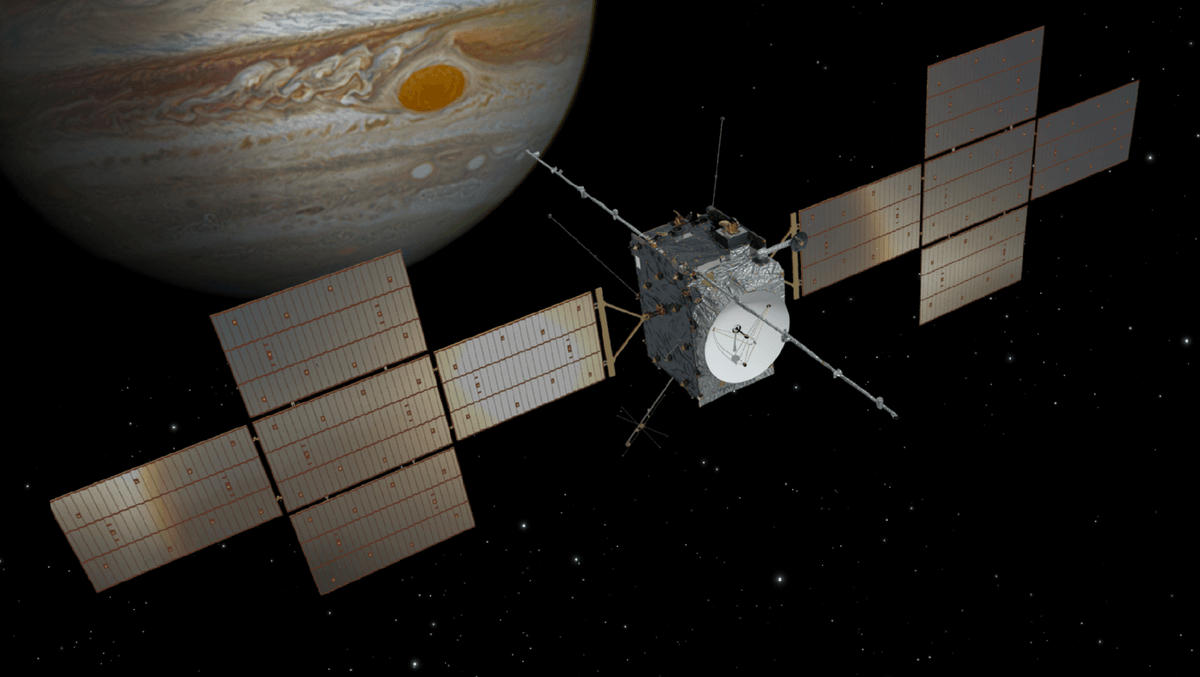
🚀
Jupiter-bound spacecraft Juice to fly by Earth Monday
Ruimtesonde Juice op weg naar Jupiter vliegt maandag langs de aarde
La sonde Juice en route vers Jupiter survole la Terre lundi
So: the European Space Agency’s Juice spacecraft is making a quick flyby of Earth this Monday, zooming just under 5,400 miles above us. Now, this isn’t just a casual visit—it’s using Earth’s gravity to slingshot itself further into the outer solar system on its way to Jupiter. Juice will reach Jupiter in 2031 and then explore its icy moons with 35 flybys, searching for hidden oceans and studying magnetic fields. And here’s the thing: while passing Earth at an impressive speed of about 24,600 miles per hour, Juice will also snap some cool pictures and gather data about our planet and its magnetic field. It’s a clever pit stop that keeps the mission on track and makes the most of the journey!
Dus: de Europese ruimtevaartorganisatie ESA’s ruimtesonde Juice maakt aanstaande maandag een snelle passage langs de aarde, op minder dan 8.700 kilometer hoogte. Dit is niet zomaar een bezoekje - Juice gebruikt de zwaartekracht van de aarde om zich verder het zonnestelsel in te slingeren richting Jupiter. In 2031 zal Juice aankomen bij Jupiter en daar 35 keer langs de ijzige manen vliegen om verborgen oceanen te onderzoeken en magnetische velden te bestuderen. En hier komt het: terwijl Juice met een snelheid van ongeveer 39.600 kilometer per uur langs de aarde raast, maakt het ook foto’s en verzamelt het data over onze planeet en haar magnetisch veld. Het is een slimme tussenstop die de missie op koers houdt en het meeste uit de reis haalt!
Alors: la sonde Juice de l’Agence spatiale européenne fera un survol rapide de la Terre ce lundi, à moins de 8 700 kilomètres au-dessus de nous. Ce n’est pas une simple visite - elle utilise la gravité terrestre pour se propulser plus loin dans le système solaire en direction de Jupiter. Juice arrivera en 2031 et effectuera 35 survols des lunes glacées de Jupiter pour explorer leurs océans cachés et étudier leurs champs magnétiques. Et voici la chose: en passant à environ 39 600 kilomètres par heure près de la Terre, Juice prendra aussi des photos et collectera des données sur notre planète et son champ magnétique. C’est une escale astucieuse qui maintient la mission sur la bonne voie et optimise le voyage !

💧
This Bengaluru well was treated like a dustbin until residents revived it to hold 43,000 litres of water
Deze put in Bengaluru werd als vuilnisbelt gebruikt tot bewoners hem herstelden en hij nu 43.000 liter water kan vasthouden
Ce puits de Bengaluru était traité comme une décharge jusqu'à ce que les habitants le restaurent pour contenir 43 000 litres d'eau
So: in Sampangiram Nagar, an old stone well was once just a dumping ground full of plastic and debris. Now, thanks to a tough cleanup led by SayTrees Environmental Trust and local support, it’s been restored to hold over 43,000 litres of water. The well, 40 feet deep, was cleared out with a mix of manual labor and machinery, turning it from forgotten to functional. And here's the thing - residents and civic authorities now maintain it, providing more than 1,000 litres daily for community use. It’s a brilliant example of how a neglected resource can be revived with care and teamwork!
Dus: in Sampangiram Nagar was een oude stenen put jarenlang een vuilnisbelt vol plastic en afval. Nu, dankzij een intensieve schoonmaakactie geleid door SayTrees Environmental Trust en lokale steun, is de put hersteld en kan hij meer dan 43.000 liter water vasthouden. De put, 40 voet diep, werd met handarbeid en machines schoongemaakt en veranderde van vergeten naar bruikbaar. En hier komt het: bewoners en gemeentelijke instanties onderhouden hem nu, waardoor dagelijks meer dan 1.000 liter water beschikbaar is voor de gemeenschap. Het is een prachtig voorbeeld van hoe een verwaarloosde bron met zorg en samenwerking nieuw leven kan krijgen!
Alors: à Sampangiram Nagar, un vieux puits en pierre était autrefois un dépotoir rempli de plastique et de débris. Aujourd'hui, grâce à un nettoyage difficile mené par SayTrees Environmental Trust avec le soutien local, il a été restauré pour contenir plus de 43 000 litres d'eau. Le puits, profond de 40 pieds, a été nettoyé à la fois manuellement et avec des machines, passant de l'oubli à l'utilité. Et voici le truc - les habitants et les autorités locales l'entretiennent désormais, fournissant plus de 1 000 litres d'eau par jour pour la communauté. C'est un bel exemple de la façon dont une ressource négligée peut être redynamisée avec soin et travail d'équipe !

🧢
Yellowstone rangers find and donate hundreds of discarded baseball caps from the park's hot springs
Rangers in Yellowstone vinden en doneren honderden achtergelaten petten uit de warmwaterbronnen van het park
Les gardes de Yellowstone trouvent et donnent des centaines de casquettes abandonnées dans les sources chaudes du parc
I love how Yellowstone rangers are not just protecting the park but also turning lost treasures into gifts! This year alone, they collected over 280 hats from the hot springs areas, including some really unique ones like a FIFA World Cup cap and a Roblox bucket hat. So: after cleaning, these hats get washed and donated to local groups, which is such a thoughtful way to give them a second life. And here's the thing - the rangers also find all sorts of odd items, from coins to AirPods, showing just how much care is needed to keep these natural wonders safe and beautiful.
Ik vind het geweldig hoe de rangers van Yellowstone niet alleen het park beschermen, maar ook verloren schatten een nieuw leven geven! Dit jaar verzamelden ze meer dan 280 petten uit de warmwaterbronnen, waaronder unieke exemplaren zoals een FIFA World Cup-pet en een Roblox-bucket hat. Dus: na het schoonmaken worden deze petten gewassen en gedoneerd aan lokale organisaties, wat echt een mooie manier is om ze een tweede kans te geven. En hier komt het op neer - de rangers vinden ook allerlei vreemde voorwerpen, van munten tot AirPods, wat laat zien hoeveel zorg er nodig is om deze natuurwonderen mooi en veilig te houden.
J’adore que les gardes de Yellowstone ne se contentent pas de protéger le parc, mais transforment aussi les trésors perdus en cadeaux ! Cette année, ils ont récupéré plus de 280 casquettes dans les sources chaudes, dont des modèles uniques comme une casquette de la Coupe du Monde FIFA et un bob Roblox. Donc : après nettoyage, ces casquettes sont lavées puis données à des associations locales, une belle façon de leur offrir une seconde vie. Et voici le truc - les gardes trouvent aussi toutes sortes d’objets insolites, des pièces de monnaie aux AirPods, ce qui montre à quel point il faut veiller à préserver ces merveilles naturelles.
/s3/static.nrc.nl/wp-content/uploads/2026/09/24134612/240926BIN_2036772611_deltaplan2.jpg)
🌍
Netherlands can learn a lot from African countries about extreme weather, say WWF and Red Cross
Nederland kan veel leren van Afrikaanse landen over extreem weer, zeggen WWF en Rode Kruis
Les Pays-Bas peuvent beaucoup apprendre des pays africains sur les phénomènes météorologiques extrêmes, selon WWF et Croix-Rouge
I find it fascinating that the Netherlands, facing more extreme weather like droughts and floods, can learn so much from countries in Africa and Asia. The WWF and Red Cross emphasize that natural solutions and community resilience are key, not just technical fixes like dikes. In places like the Philippines and Malaysia, people rely heavily on their natural environment, which teaches us a broader way to handle climate challenges. And here's the thing: during disasters, people depend on each other, so building collective resilience is just as important as individual preparedness.
Ik vind het bijzonder dat Nederland, dat vaker te maken krijgt met extreem weer zoals droogte en overstromingen, zoveel kan leren van landen in Afrika en Azië. WWF en het Rode Kruis benadrukken dat natuurlijke oplossingen en gemeenschapsweerbaarheid essentieel zijn, niet alleen technische maatregelen zoals dijken. In landen als de Filipijnen en Maleisië zijn mensen sterk afhankelijk van hun natuurlijke omgeving, wat ons een bredere kijk geeft op klimaatuitdagingen. En het mooie is: bij rampen ben je op elkaar aangewezen, dus samen weerbaar zijn is net zo belangrijk als individuele voorbereiding.
Je trouve passionnant que les Pays-Bas, confrontés à des phénomènes météorologiques extrêmes comme la sécheresse et les inondations, puissent apprendre beaucoup des pays d'Afrique et d'Asie. Le WWF et la Croix-Rouge soulignent que les solutions naturelles et la résilience communautaire sont essentielles, pas seulement les infrastructures techniques comme les digues. Dans des pays comme les Philippines et la Malaisie, les populations dépendent fortement de leur environnement naturel, ce qui nous offre une perspective plus large sur les défis climatiques. Et voici le point important : en cas de catastrophe, on dépend les uns des autres, donc renforcer la résilience collective est aussi crucial que la préparation individuelle.
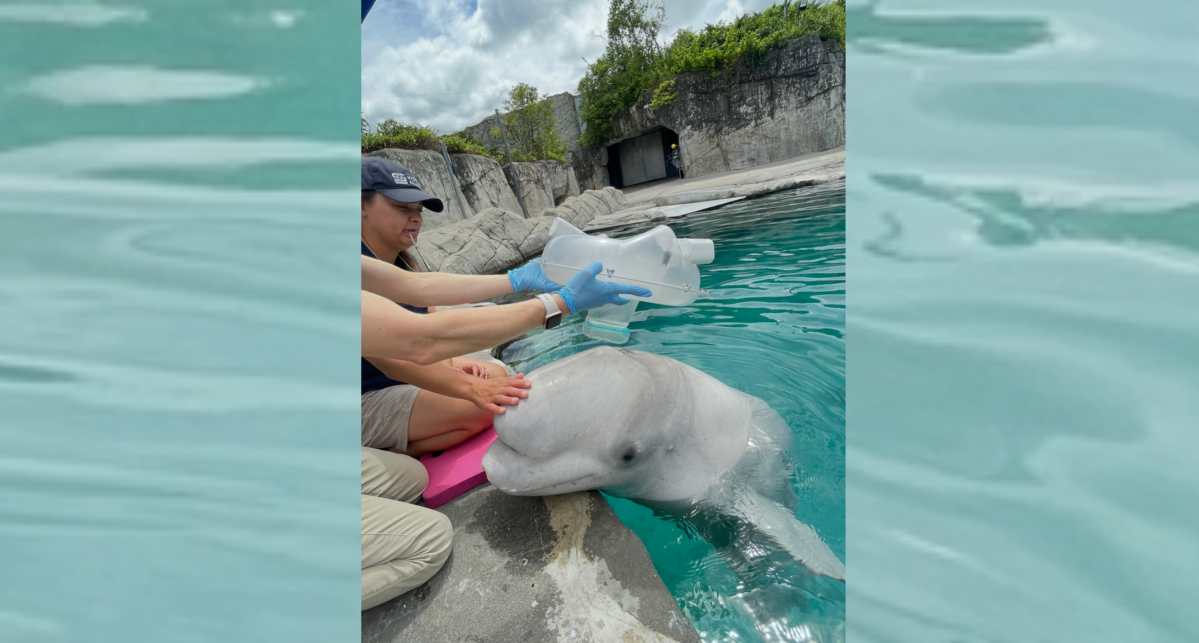
🐋
Blowhole nebulizer helps cure beluga whale’s pneumonia
Blowhole-nevelaar helpt bij genezing van longontsteking bij witte dolfijn
Nébuliseur pour évent aide à guérir la pneumonie d’une béluga
So: Jetta, an 11-year-old beluga whale, had a tough bout with pneumonia caused by drug-resistant bacteria. The vets at Mystic Aquarium and the University of Florida teamed up to try something new—bacteriophage therapy delivered through a specially designed blowhole nebulizer. Jetta was trained to breathe deeply through it, making the treatment both effective and stress-free. The best part? Since then, she’s been free of infection and side effects, showing great promise for similar treatments in humans too.
Dus: Jetta, een witte dolfijn van 11 jaar, had last van een hardnekkige longontsteking door medicijnresistente bacteriën. De dierenartsen van Mystic Aquarium en de Universiteit van Florida werkten samen aan een nieuwe aanpak: bacteriofaagtherapie via een speciaal gemaakte blowhole-nevelaar. Jetta werd getraind om diep te ademen door het apparaat, wat de behandeling effectief en stressvrij maakte. Het mooiste is dat ze sindsdien vrij is van infecties en bijwerkingen, wat veelbelovend is voor vergelijkbare behandelingen bij mensen.
Alors voilà: Jetta, une béluga de 11 ans, souffrait d’une pneumonie causée par des bactéries résistantes aux médicaments. Les vétérinaires de l’Aquarium Mystic et de l’Université de Floride ont collaboré pour utiliser une thérapie par bactériophages, administrée via un nébuliseur spécialement conçu pour son évent. Jetta a été entraînée à respirer profondément, rendant le traitement efficace et sans stress. Depuis, elle est guérie sans effets secondaires, ce qui ouvre des perspectives enthousiasmantes pour la médecine humaine aussi.
🧬
Little-known arm of immune system could be key to better vaccines, cancer therapies
Weinig bekend deel van het immuunsysteem kan sleutel zijn tot betere vaccins en kankertherapieën
Une branche méconnue du système immunitaire pourrait être la clé de meilleurs vaccins et thérapies contre le cancer
So: scientists are uncovering a lesser-known part of the immune system that might revolutionize how we approach vaccines and cancer treatments. This discovery could lead to more effective ways to train our bodies to fight diseases. Now, the exciting part is how this arm of immunity works differently from what we’ve focused on before. Which brings me to the potential for new therapies that are more targeted and powerful. And here’s the thing - this could change the game in medicine!
Dus: wetenschappers ontdekken een minder bekend deel van het immuunsysteem dat onze aanpak van vaccins en kankerbehandelingen kan veranderen. Deze ontdekking kan leiden tot effectievere manieren om ons lichaam te trainen om ziekten te bestrijden. Nu is het spannende dat dit deel van het immuunsysteem anders werkt dan wat we eerder onderzochten. Wat me brengt bij de mogelijkheid van nieuwe therapieën die gerichter en krachtiger zijn. En hier komt het op neer - dit kan de medische wereld echt veranderen!
Alors: les scientifiques découvrent une branche méconnue du système immunitaire qui pourrait révolutionner notre approche des vaccins et des traitements contre le cancer. Cette découverte pourrait permettre de mieux entraîner notre corps à combattre les maladies. Maintenant, ce qui est passionnant, c’est que cette partie du système immunitaire fonctionne différemment de ce que nous connaissions jusqu’à présent. Ce qui ouvre la voie à des thérapies nouvelles, plus ciblées et efficaces. Et voilà le truc - cela pourrait changer la donne en médecine !
👶
Celebration on North Ronaldsay: first baby born since 1992 on remote Scottish island
Feest op North Ronaldsay: voor het eerst sinds 1992 baby geboren op afgelegen Schots eiland
Fête à North Ronaldsay : premier bébé né depuis 1992 sur une île écossaise isolée
So: North Ronaldsay, a tiny and remote Scottish island, is buzzing with joy because a baby was born there for the first time since 1992. Imagine the excitement in such a close-knit community after so many years! It’s a wonderful reminder of life’s surprises and the special moments that bring people together. And here’s the thing - this birth is not just a personal milestone but a celebration for the whole island, sparking hope and happiness all around.
Dus: North Ronaldsay, een klein en afgelegen Schots eiland, bruist van vreugde omdat er voor het eerst sinds 1992 weer een baby is geboren. Stel je de opwinding voor in zo’n hechte gemeenschap na zoveel jaren! Het is een prachtig teken van de verrassingen van het leven en de bijzondere momenten die mensen samenbrengen. En hier komt het op neer - deze geboorte is niet alleen een persoonlijk hoogtepunt, maar een feest voor het hele eiland, vol hoop en blijdschap.
Alors: North Ronaldsay, une petite île écossaise isolée, est en fête car un bébé y est né pour la première fois depuis 1992. Imaginez l’excitation dans une communauté si soudée après tant d’années ! C’est un merveilleux rappel des surprises de la vie et des moments spéciaux qui rassemblent les gens. Et voici le truc - cette naissance est non seulement un jalon personnel mais aussi une célébration pour toute l’île, apportant espoir et bonheur partout.
⚡
New data centers in Oregon will be charged for all costs associated with growing energy need
Nieuwe datacenters in Oregon betalen voor alle kosten van groeiende energiebehoefte
Les nouveaux centres de données en Oregon paieront tous les coûts liés à la croissance des besoins énergétiques
So: Oregon’s Pacific Power utility has agreed to a groundbreaking deal that makes new data centers pay for all the energy projects and infrastructure they require. This means data centers will cover costs for new power plants, batteries, and even transmission lines that serve them, ensuring other customers aren’t subsidizing their massive energy use. It’s a big step forward under Oregon’s POWER Act, and the agreement is praised as the strongest yet from a for-profit utility. Now, the Public Utility Commission is expected to approve this, though the data center industry might appeal. And here’s the thing - this approach could set a new standard for fair energy cost distribution.
Dus: Pacific Power in Oregon heeft een baanbrekende overeenkomst gesloten waarbij nieuwe datacenters alle kosten betalen voor de energieprojecten en infrastructuur die ze nodig hebben. Dit betekent dat datacenters betalen voor nieuwe energiecentrales, batterijen en zelfs transmissielijnen die hen bedienen, zodat andere klanten niet opdraaien voor hun enorme energieverbruik. Het is een grote stap vooruit onder de POWER Act van Oregon, en de overeenkomst wordt geprezen als de sterkste tot nu toe van een commerciële energieleverancier. Nu wordt verwacht dat de Public Utility Commission dit goedkeurt, hoewel de datacenterindustrie mogelijk in beroep gaat. En hier is het mooie aan - deze aanpak kan een nieuwe standaard zetten voor eerlijke verdeling van energiekosten.
Alors: Pacific Power en Oregon a conclu un accord novateur qui oblige les nouveaux centres de données à payer tous les coûts des projets énergétiques et infrastructures dont ils ont besoin. Cela signifie que ces centres couvriront les frais des nouvelles centrales, batteries et lignes de transmission qui les desservent, évitant ainsi que les autres clients subventionnent leur énorme consommation d’énergie. C’est une avancée majeure sous la loi POWER de l’Oregon, et cet accord est salué comme le plus fort jamais obtenu d’une entreprise électrique à but lucratif. La Commission des services publics devrait approuver cela bientôt, même si l’industrie des centres de données pourrait faire appel. Et voici le truc - cette approche pourrait devenir un nouveau standard pour une répartition équitable des coûts énergétiques.
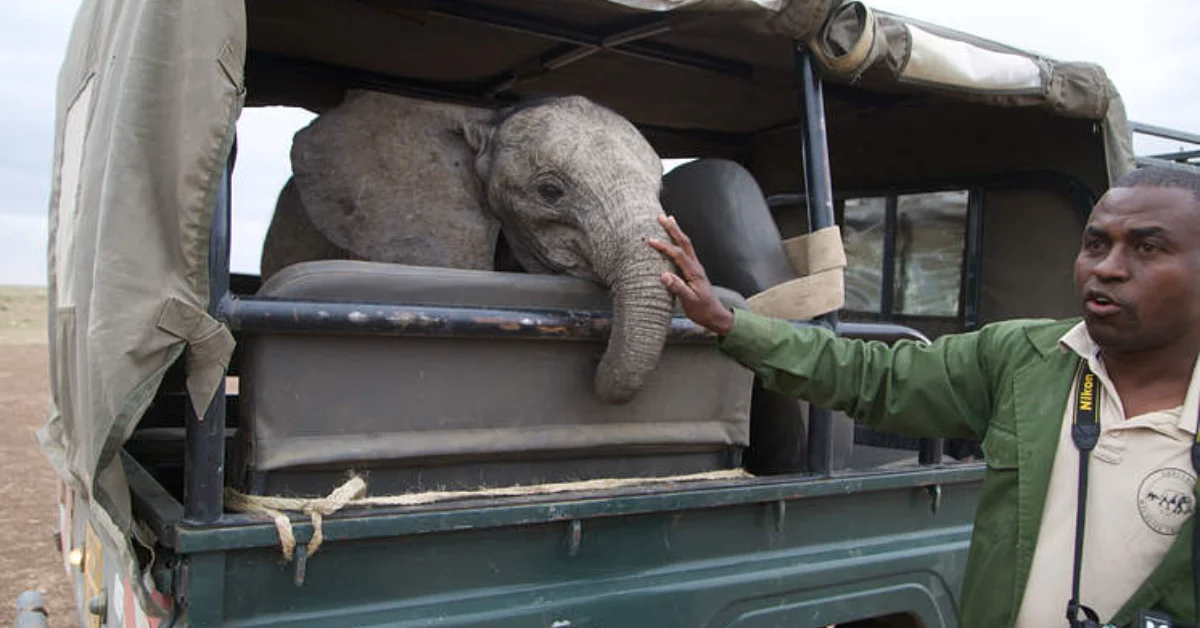
🐘
After an elephant was killed, Kenyan rangers searched for its baby for three weeks straight: 'He will never be alone again'
Na de dood van een olifant zochten Keniaanse boswachters drie weken lang naar haar baby: 'Hij zal nooit meer alleen zijn'
Après la mort d'une éléphante, les gardes kenyans ont cherché son bébé pendant trois semaines : « Il ne sera plus jamais seul »
So: a baby elephant was left alone after his mother was tragically killed in Kenya, and the rangers didn’t stop searching for him for three whole weeks. They finally found him trying to enter local farmers’ enclosures, weak but uninjured, and rushed him to a wildlife nursery where he quickly bonded with other orphaned elephants. What’s really heartwarming is how one female elephant, Ahmed, adopted him as her special baby, showing maternal love for the first time. Now, Pardamat is thriving and never has to face the world alone again.
Dus: een babyolifant bleef alleen achter nadat zijn moeder tragisch werd gedood in Kenia, en de boswachters stopten niet met zoeken gedurende drie volle weken. Ze vonden hem uiteindelijk terwijl hij probeerde de omheining van lokale boeren binnen te komen, zwak maar ongedeerd, en brachten hem snel naar een dierenopvang waar hij snel een band opbouwde met andere weesolifanten. Wat echt hartverwarmend is, is hoe een vrouwelijke olifant, Ahmed, hem adopteerde als haar speciale baby en voor het eerst moederlijke liefde toonde. Nu gedijt Pardamat en hoeft hij de wereld nooit meer alleen te trotseren.
Alors : un bébé éléphant s’est retrouvé seul après la mort tragique de sa mère au Kenya, et les gardes n’ont pas cessé de le chercher pendant trois semaines entières. Ils l’ont finalement trouvé essayant d’entrer dans les enclos des fermiers locaux, faible mais indemne, et l’ont rapidement emmené dans une nurserie où il s’est lié d’amitié avec d’autres éléphants orphelins. Ce qui est vraiment touchant, c’est qu’une éléphante nommée Ahmed l’a adopté comme son bébé spécial, montrant pour la première fois des instincts maternels. Maintenant, Pardamat s’épanouit et ne sera plus jamais seul.
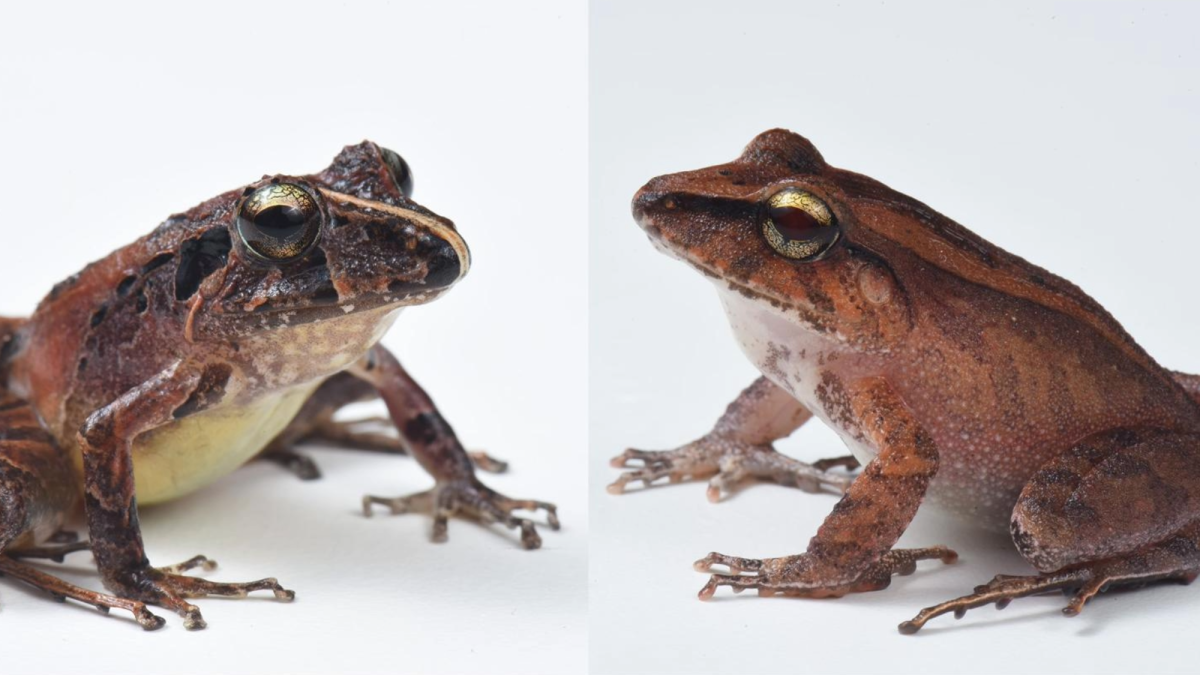
🐸
Frogs wear bacterial suits of armor to fight off deadly fungus
Kikkers dragen bacteriële pantserpakken om dodelijke schimmel te bestrijden
Les grenouilles portent des armures bactériennes pour lutter contre un champignon mortel
So: some tropical frogs have a clever way to protect their delicate skin from a deadly fungus using bacteria as a natural shield. A study showed that the skin microbiome of certain frog species can actually help them survive the chytrid fungus, which has wiped out many amphibians worldwide. The researchers tested two frog species in Brazil and found that one species’ bacterial community offered strong protection, while the other remained vulnerable. And here's the thing - it’s not just the number of bacteria that matters, but how well they defend against the disease.
Dus: sommige tropische kikkers hebben een slimme manier om hun kwetsbare huid te beschermen tegen een dodelijke schimmel met behulp van bacteriën als natuurlijk schild. Een studie toonde aan dat het huidmicrobioom van bepaalde kikker soorten hen kan helpen te overleven tegen de chytrid-schimmel, die veel amfibieën wereldwijd heeft uitgeroeid. De onderzoekers testten twee kikker soorten in Brazilië en ontdekten dat de bacteriële gemeenschap van de ene soort sterke bescherming bood, terwijl de andere kwetsbaar bleef. En hier is het punt - het gaat niet alleen om het aantal bacteriën, maar om hoe goed ze beschermen tegen de ziekte.
Alors: certaines grenouilles tropicales utilisent une astuce géniale pour protéger leur peau fragile d’un champignon mortel grâce à des bactéries comme bouclier naturel. Une étude a montré que le microbiome cutané de certaines espèces de grenouilles peut les aider à survivre au champignon chytride, responsable de nombreuses extinctions d’amphibiens dans le monde. Les chercheurs ont testé deux espèces au Brésil et ont découvert que la communauté bactérienne d’une espèce offrait une forte protection, tandis que l’autre restait vulnérable. Et voici la chose - ce n’est pas seulement la diversité bactérienne qui compte, mais leur capacité à défendre contre la maladie.
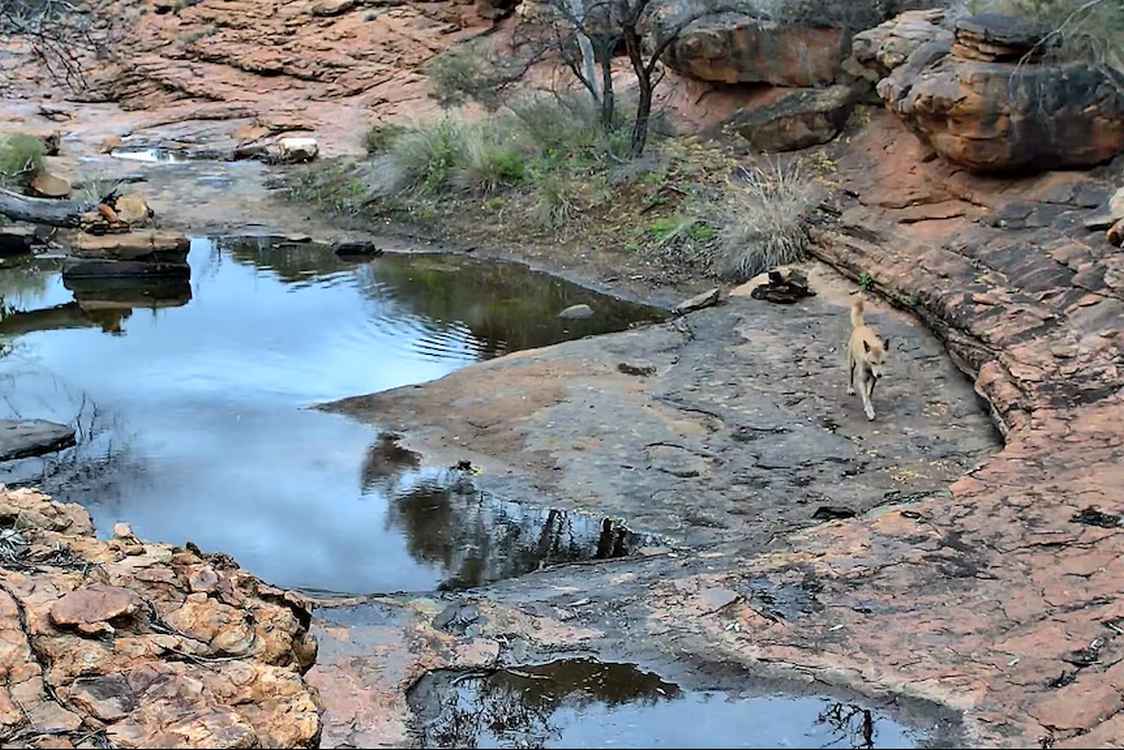
📹
Australian biologists livestream a remote desert waterhole and all its wild visitors
Australische biologen livestreamen een afgelegen woestijnwaterpoel en al haar wilde bezoekers
Des biologistes australiens diffusent en direct un point d'eau désertique isolé et tous ses visiteurs sauvages
So: deep in Watarrka National Park, a remote desert waterhole is being livestreamed by Australian biologists, and it’s fascinating! The camera captures dingoes, wallabies, frogs, and even a wedge-tailed eagle stopping by for a drink, all without disturbing them. This project, dreamed up by ecologist Jennifer Davis, uses solar power and satellite internet to keep watch 24/7. And here's the thing - it helps scientists observe how climate change might affect this precious water source and its visitors over time.
Dus: diep in Watarrka National Park wordt een afgelegen woestijnwaterpoel live gestreamd door Australische biologen, en het is fascinerend! De camera legt dingoes, wallaby’s, kikkers en zelfs een klauwere adelaar vast die langskomt voor een slokje, zonder ze te storen. Dit project, bedacht door ecologe Jennifer Davis, gebruikt zonne-energie en satellietinternet om 24/7 toezicht te houden. En het mooie is dat het wetenschappers helpt te zien hoe klimaatverandering deze waardevolle waterbron en haar bezoekers in de toekomst kan beïnvloeden.
Alors: au cœur du parc national de Watarrka, un point d'eau désertique isolé est diffusé en direct par des biologistes australiens, et c’est passionnant! La caméra capture des dingos, des wallabies, des grenouilles, et même un aigle à queue en coin qui viennent s’abreuver, sans les déranger. Ce projet, imaginé par l’écologiste Jennifer Davis, utilise l’énergie solaire et internet par satellite pour surveiller 24h/24. Et voici le truc - cela aide les scientifiques à observer comment le changement climatique pourrait affecter cette source d’eau précieuse et ses visiteurs au fil du temps.

❤️
Over $370K raised for 81-year-old delivery driver paying wife’s medical bills
Meer dan $370K opgehaald voor 81-jarige koerier die medische rekeningen van vrouw betaalt
Plus de 370 000 $ récoltés pour un livreur de 81 ans qui paie les factures médicales de sa femme
I just love how a simple doorbell camera caught an 81-year-old delivery driver named Don Johnson struggling with heavy luggage, sparking a huge wave of kindness. Erin Howell started a GoFundMe that has raised over $370,000 to help Don cover his wife’s cancer treatments and daily expenses. Don works tirelessly because it’s the only job that hires him, even though he’s exhausted and his car barely runs. And here’s the thing - this generosity is letting him finally rest and care for his wife, which is just beautiful to see.
Ik vind het geweldig hoe een deurbelcamera een 81-jarige koerier, Don Johnson, vastlegde terwijl hij worstelde met zware bagage, wat een enorme golf van vriendelijkheid op gang bracht. Erin Howell startte een GoFundMe die meer dan $370.000 heeft opgehaald om Don te helpen met de kankerbehandelingen en dagelijkse kosten van zijn vrouw. Don werkt onvermoeibaar omdat het de enige baan is die hem aanneemt, ondanks zijn vermoeidheid en een auto die bijna niet meer rijdt. En hier komt het op neer - deze vrijgevigheid stelt hem eindelijk in staat om te rusten en voor zijn vrouw te zorgen, wat prachtig is om te zien.
J’adore comment une simple caméra de sonnette a filmé Don Johnson, un livreur de 81 ans, peinant avec des bagages lourds, déclenchant une immense vague de générosité. Erin Howell a lancé une collecte sur GoFundMe qui a récolté plus de 370 000 $ pour aider Don à payer les traitements contre le cancer de sa femme et leurs dépenses quotidiennes. Don travaille sans relâche car c’est le seul emploi qui l’embauche, même s’il est épuisé et que sa voiture est en mauvais état. Et voici le truc - cette générosité lui permet enfin de se reposer et de s’occuper de sa femme, c’est vraiment magnifique à voir.

🧠
Brain tumour diagnosis cut from weeks to hours with rapid new test
Hersentumor diagnose verkort van weken naar uren met nieuwe snelle test
Diagnostic des tumeurs cérébrales réduit de semaines à heures grâce à un nouveau test rapide
So: the NHS has started using a brilliant new test that cuts brain tumour diagnosis time from up to eight weeks down to just two hours. This means patients like Steve Palmer can get their results while still in surgery, which is amazing because it removes weeks of anxiety and speeds up treatment decisions. The test works by analyzing the tumour’s genetic code quickly using a small sequencing machine, making it almost magical according to the surgeons. And here's the thing, faster diagnosis means patients can start the right treatment sooner and surgeons can tailor their approach during operations.
Dus: de NHS gebruikt nu een fantastische nieuwe test die de diagnose van hersentumoren verkort van maximaal acht weken naar slechts twee uur. Dit betekent dat patiënten zoals Steve Palmer hun uitslag al tijdens de operatie kunnen krijgen, wat geweldig is omdat het weken van onzekerheid wegneemt en de behandeling versnelt. De test analyseert snel de genetische code van de tumor met een klein sequentie-apparaat, bijna magisch volgens de chirurgen. En hier komt het op neer: een snellere diagnose betekent dat patiënten sneller de juiste behandeling kunnen starten en chirurgen hun aanpak tijdens de operatie kunnen aanpassen.
Alors: le NHS utilise un nouveau test incroyable qui réduit le diagnostic des tumeurs cérébrales de jusqu’à huit semaines à seulement deux heures. Cela permet à des patients comme Steve Palmer d’obtenir leurs résultats pendant l’opération, ce qui est fantastique car cela supprime des semaines d’angoisse et accélère les décisions de traitement. Le test analyse rapidement le code génétique de la tumeur grâce à une petite machine de séquençage, ce que les chirurgiens trouvent presque magique. Et voilà le truc: un diagnostic plus rapide signifie que les patients peuvent commencer le bon traitement plus tôt et que les chirurgiens peuvent adapter leur intervention en temps réel.
/s3/static.nrc.nl/wp-content/uploads/2026/09/18110548/250926WET_2036586225_browder.jpg)
📊
An American mathematician uses data to reveal injustice in the legal system
Een Amerikaanse wiskundige toont met data de onrechtvaardigheid van het rechtssysteem
Un mathématicien américain révèle l'injustice du système judiciaire grâce aux données
I find it fascinating how Chad Topaz, a mathematician from a small town in Massachusetts, used data to uncover deep issues in the local police system. He noticed a photo of Hitler in the police station and wondered if the police treated all citizens fairly. By analyzing phone call data and demographics, he found that white residents called the police far more often than minority groups, suggesting a lack of trust among marginalized communities. Topaz’s work is part of a bigger movement using data to challenge racial injustice in the American criminal legal system, and he openly embraces his role as an activist to push for fairness.
Ik vind het geweldig hoe Chad Topaz, een wiskundige uit een klein stadje in Massachusetts, data gebruikte om grote problemen binnen de lokale politie bloot te leggen. Hij zag een foto van Hitler op het politiebureau en vroeg zich af of de politie iedereen eerlijk behandelde. Door telefoongegevens en demografie te analyseren, ontdekte hij dat witte inwoners veel vaker de politie bellen dan minderheidsgroepen, wat wijst op een gebrek aan vertrouwen bij gemarginaliseerde burgers. Topaz’ werk maakt deel uit van een bredere beweging die met data raciale ongelijkheid in het Amerikaanse strafrecht aanpakt, en hij omarmt zijn rol als activist om rechtvaardigheid te bevorderen.
Je trouve fascinant que Chad Topaz, mathématicien dans une petite ville du Massachusetts, ait utilisé des données pour révéler des problèmes profonds dans la police locale. Il a remarqué une photo d’Hitler au commissariat et s’est demandé si la police traitait tous les citoyens équitablement. En analysant les appels téléphoniques et les données démographiques, il a découvert que les habitants blancs appelaient la police beaucoup plus souvent que les minorités, ce qui suggère un manque de confiance parmi les communautés marginalisées. Le travail de Topaz s’inscrit dans un mouvement plus large qui utilise les données pour dénoncer l’injustice raciale dans le système pénal américain, et il assume pleinement son rôle d’activiste pour promouvoir l’équité.

📚
How the Sears catalog thwarted Jim Crow laws and empowered the civil rights movement
Hoe de Sears-catalogus Jim Crow-wetten dwarsboomde en de burgerrechtenbeweging versterkte
Comment le catalogue Sears a contrecarré les lois Jim Crow et renforcé le mouvement des droits civiques
I find it fascinating how the Sears catalog, a simple mail-order book, quietly challenged Jim Crow laws by giving Black Americans a way to shop without facing discrimination. Before Sears, shopping meant humiliation and unfair treatment, but the catalog offered anonymity and fair prices, empowering Black communities economically. This shift helped teach a 'language of rights' that fueled the civil rights movement long before the famous sit-ins. Even when local businesses tried to fight back, Sears found clever ways to keep serving its customers, showing how business and social change can unexpectedly connect.
Ik vind het geweldig hoe de Sears-catalogus, een eenvoudig postorderboek, stilletjes de Jim Crow-wetten uitdaagde door zwarte Amerikanen een manier te geven om te winkelen zonder discriminatie. Voor Sears betekende winkelen vernedering en oneerlijke behandeling, maar de catalogus bood anonimiteit en eerlijke prijzen, waardoor zwarte gemeenschappen economisch werden versterkt. Deze verandering hielp een 'taal van rechten' te ontwikkelen die de burgerrechtenbeweging aanwakkerde, lang voordat de beroemde sit-ins plaatsvonden. Zelfs toen lokale winkels terugvochten, vond Sears slimme manieren om zijn klanten te blijven bedienen, wat laat zien hoe zaken en sociale verandering onverwacht samen kunnen gaan.
Je trouve fascinant que le catalogue Sears, un simple livre de commande par correspondance, ait discrètement défié les lois Jim Crow en offrant aux Afro-Américains un moyen de faire leurs achats sans discrimination. Avant Sears, faire du shopping signifiait humiliation et traitement injuste, mais le catalogue offrait anonymat et prix équitables, renforçant ainsi économiquement les communautés noires. Ce changement a aidé à enseigner un « langage des droits » qui a alimenté le mouvement des droits civiques bien avant les célèbres sit-in. Même lorsque les commerces locaux ont riposté, Sears a trouvé des moyens ingénieux de continuer à servir ses clients, montrant comment affaires et changement social peuvent se connecter de manière inattendue.

💪
‘I’m 100% natural’: how Japan’s 90-year-old bodybuilder is still winning titles
‘Ik ben 100% natuurlijk’: hoe Japan’s 90-jarige bodybuilder nog steeds titels wint
« Je suis 100 % naturel » : comment le bodybuilder japonais de 90 ans remporte encore des titres
Toshisuke Kanazawa, a 90-year-old Japanese bodybuilder, continues to defy age by winning national titles with his impressive natural physique. He trains six days a week, adapts his workouts to suit his body, and follows a strict, clean diet that excludes meat and alcohol. Kanazawa’s dedication started in his youth, overcoming family doubts and setbacks to become a multiple-time champion. His story is a powerful reminder that age is just a number when passion and discipline lead the way.
Toshisuke Kanazawa, een 90-jarige Japanse bodybuilder, trotseert de leeftijd door nog steeds nationale titels te winnen met zijn indrukwekkende natuurlijke lichaam. Hij traint zes dagen per week, past zijn oefeningen aan zijn lichaam aan en volgt een strikt, gezond dieet zonder vlees en alcohol. Kanazawa’s toewijding begon al op jonge leeftijd, waarbij hij twijfels van zijn familie en tegenslagen overwon om meerdere keren kampioen te worden. Zijn verhaal laat zien dat leeftijd slechts een getal is wanneer passie en discipline de boventoon voeren.
Toshisuke Kanazawa, bodybuilder japonais de 90 ans, défie le temps en remportant toujours des titres nationaux grâce à sa silhouette naturelle impressionnante. Il s’entraîne six jours par semaine, adapte ses exercices à son corps et suit un régime strict sans viande ni alcool. Sa détermination a commencé dès sa jeunesse, surmontant les doutes familiaux et les obstacles pour devenir multiple champion. Son histoire prouve que l’âge n’est qu’un chiffre quand la passion et la discipline sont au rendez-vous.
🏠
Berlin’s new political star offers Europe hope and housing
Berlijns politiek nieuw talent biedt Europa hoop en betaalbare woningen
La nouvelle étoile politique de Berlin offre espoir et logement à l’Europe
I find it fascinating how Berlin’s leftwing party Die Linke has captured the city’s heart by focusing on the housing crisis. Their lead candidate, Elif Eralp, promises lower rents and more public housing, which really speaks to people’s everyday struggles. This victory is a beacon of hope, especially as other parts of Germany see far-right gains. And here’s the thing - Eralp might become Berlin’s first mayor with a migration background, showing real progress. It’s a fresh, positive example of politics listening and acting on what truly matters.
Ik vind het geweldig hoe de linkse partij Die Linke in Berlijn de harten van de inwoners heeft gewonnen door zich te richten op de woningcrisis. Hun lijsttrekker, Elif Eralp, belooft lagere huren en meer sociale woningen, iets waar veel mensen echt mee worstelen. Deze overwinning is een lichtpuntje, vooral nu andere delen van Duitsland rechts-populistische partijen zien groeien. En hier komt het: Eralp kan de eerste burgemeester van Berlijn worden met een migratieachtergrond, wat echte vooruitgang betekent. Het is een fris en positief voorbeeld van politiek die luistert en handelt naar wat echt belangrijk is.
Je trouve fascinant que le parti de gauche Die Linke à Berlin ait conquis le cœur des habitants en se concentrant sur la crise du logement. Leur candidate principale, Elif Eralp, promet des loyers plus bas et plus de logements publics, ce qui répond vraiment aux difficultés quotidiennes des gens. Cette victoire est un signe d’espoir, surtout alors que d’autres régions d’Allemagne voient la montée de l’extrême droite. Et voici le truc - Eralp pourrait devenir la première maire de Berlin issue de l’immigration, un vrai progrès. C’est un exemple frais et positif d’une politique à l’écoute et agissant sur ce qui compte vraiment.

🔥
Okanagan communities plan prescribed burns to reduce wildfire risk
Okanagan-gemeenschappen plannen gecontroleerde branden om risico op bosbranden te verminderen
Les communautés de l'Okanagan planifient des brûlages dirigés pour réduire le risque d'incendies de forêt
After a tough wildfire season, Kelowna is stepping up with planned prescribed burns in places like Knox Mountain to lower wildfire risks. I love that residents are on board, seeing this proactive approach as a smart move. The fire department depends on perfect weather conditions to safely carry out these burns, which help reduce fuel for potential wildfires. And here's the thing - these burns also serve as training for firefighters across B.C., building skills for the future. It’s a thoughtful way to protect the community and prepare for what’s ahead.
Na een zware brandenseizoen neemt Kelowna het voortouw met geplande gecontroleerde branden op plekken zoals Knox Mountain om het risico op bosbranden te verkleinen. Ik vind het geweldig dat bewoners dit proactieve plan als een slimme zet zien. De brandweer is afhankelijk van het juiste weer om deze branden veilig uit te voeren, die helpen om brandstof voor mogelijke bosbranden te verminderen. En hier komt het - deze branden dienen ook als training voor brandweerlieden uit heel B.C., waardoor hun vaardigheden groeien. Het is een doordachte manier om de gemeenschap te beschermen en zich voor te bereiden op de toekomst.
Après une saison des incendies difficile, Kelowna prend les devants avec des brûlages dirigés prévus à des endroits comme Knox Mountain pour réduire les risques d’incendies. J’adore que les habitants soutiennent cette approche proactive, la trouvant très intelligente. Le service d’incendie attend les conditions météorologiques idéales pour réaliser ces brûlages en toute sécurité, qui réduisent le combustible pour les feux potentiels. Et voici le truc - ces brûlages servent aussi de formation pour les pompiers de toute la Colombie-Britannique, renforçant leurs compétences. C’est une belle façon de protéger la communauté et de se préparer pour l’avenir.

🦫
This Canadian national park is home to the world's largest beaver dam: 'The size of 1600 hockey rinks'
Dit Canadese nationale park herbergt de grootste beverdam ter wereld: 'De grootte van 1600 hockeyvelden'
Ce parc national canadien abrite le plus grand barrage de castors au monde : « La taille de 1600 patinoires de hockey »
Wood Buffalo National Park in Canada is not only vast but also home to the world’s largest beaver dam, which is so huge it can be seen from space! The dam stretches nearly half a mile and holds back water to protect the land from flooding. What really fascinates me is how beavers are such natural engineers, creating habitats that improve water quality and help the environment. It’s incredible that despite its size, almost no one has visited it on foot, making it a hidden marvel in this wild landscape.
Wood Buffalo National Park in Canada is niet alleen enorm, maar herbergt ook de grootste beverdam ter wereld, zo groot dat hij vanuit de ruimte zichtbaar is! De dam strekt zich bijna een halve mijl uit en houdt water tegen om het land te beschermen tegen overstromingen. Wat ik echt fascinerend vind, is hoe bevers zulke natuurlijke ingenieurs zijn die leefgebieden creëren die de waterkwaliteit verbeteren en het milieu helpen. Het is ongelooflijk dat ondanks de grootte bijna niemand de dam te voet heeft bezocht, waardoor het een verborgen wonder in dit wilde landschap is.
Le parc national Wood Buffalo au Canada est non seulement immense, mais il abrite aussi le plus grand barrage de castors au monde, visible depuis l’espace ! Le barrage s’étend sur près d’un demi-mile et retient l’eau pour protéger les terres des inondations. Ce qui m’émerveille, c’est la capacité des castors à être de véritables ingénieurs naturels, créant des habitats qui améliorent la qualité de l’eau et aident l’environnement. C’est incroyable que, malgré sa taille, presque personne ne l’ait visité à pied, ce qui en fait une merveille cachée dans ce paysage sauvage.
☄️
Ancient meteorites reveal a powerful force that helped build the solar system
Oude meteorieten onthullen een krachtige kracht die het zonnestelsel hielp vormen
D’anciens météorites révèlent une force puissante qui a aidé à construire le système solaire
About 4.6 billion years ago, our solar system began as a huge cloud of gas and dust that eventually formed the sun and planets. For a long time, gravity was thought to be the main player in this transformation. Now, new research from MIT shows magnetism also played a crucial role, with ancient magnetic fields found in some of the oldest meteorite grains. These findings suggest a strong magnetic field helped shape the early solar nebula, influencing how material moved as the sun was forming. It’s fascinating to see magnetism stepping into the spotlight alongside gravity in the story of our cosmic origins.
Ongeveer 4,6 miljard jaar geleden begon ons zonnestelsel als een enorme wolk van gas en stof die uiteindelijk de zon en planeten vormde. Lange tijd dacht men dat zwaartekracht de belangrijkste kracht was in dit proces. Nu toont nieuw onderzoek van MIT aan dat magnetisme ook een cruciale rol speelde, met oude magnetische velden gevonden in enkele van de oudste meteorietkorrels. Deze bevindingen suggereren dat een sterk magnetisch veld het vroege zonnestelsel vormgaf en beïnvloedde hoe materiaal bewoog terwijl de zon ontstond. Het is fascinerend om magnetisme naast zwaartekracht te zien schitteren in het verhaal van onze kosmische oorsprong.
Il y a environ 4,6 milliards d’années, notre système solaire a commencé comme un immense nuage de gaz et de poussière qui a fini par former le soleil et les planètes. Pendant longtemps, on a pensé que la gravité était la force principale de cette transformation. Aujourd’hui, une nouvelle recherche du MIT montre que le magnétisme a aussi joué un rôle clé, avec des champs magnétiques anciens découverts dans certains des plus vieux grains de météorites. Ces résultats suggèrent qu’un champ magnétique puissant a influencé la manière dont la matière s’est déplacée lors de la formation du soleil. C’est passionnant de voir le magnétisme prendre sa place aux côtés de la gravité dans l’histoire de nos origines cosmiques.

🐼
Two pandas heading to Atlanta zoo, Xi Jinping announces
Twee panda's gaan naar de dierentuin van Atlanta, kondigt Xi Jinping aan
Deux pandas en route vers le zoo d'Atlanta, annonce Xi Jinping
So: Chinese leader Xi Jinping just announced that two giant pandas will be sent to the Atlanta zoo very soon. This is a lovely gesture of goodwill between China and the United States, especially during a high-stakes summit with President Donald Trump. The Atlanta zoo has a history with pandas, having hosted them from 1999 to 2025, so this feels like a warm homecoming. And here's the thing - these furry ambassadors always bring a smile and a bit of magic wherever they go!
Dus: de Chinese leider Xi Jinping heeft zojuist aangekondigd dat er binnenkort twee reuzenpanda's naar de dierentuin van Atlanta komen. Dit is een mooie blijk van goede wil tussen China en de Verenigde Staten, vooral tijdens een belangrijke top met president Donald Trump. De dierentuin van Atlanta heeft al ervaring met panda's, want ze waren er van 1999 tot 2025 te zien, dus dit voelt als een warm welkom. En het leuke is: deze harige ambassadeurs zorgen altijd voor een glimlach en een beetje magie waar ze ook zijn!
Alors voilà: le dirigeant chinois Xi Jinping vient d'annoncer que deux pandas géants seront bientôt envoyés au zoo d'Atlanta. C'est un beau geste de bonne volonté entre la Chine et les États-Unis, surtout lors d'un sommet important avec le président Donald Trump. Le zoo d'Atlanta connaît bien les pandas, puisqu'il les a accueillis de 1999 à 2025, donc c'est un peu comme un retour chaleureux à la maison. Et le truc, c'est que ces ambassadeurs poilus apportent toujours un sourire et un peu de magie partout où ils vont!
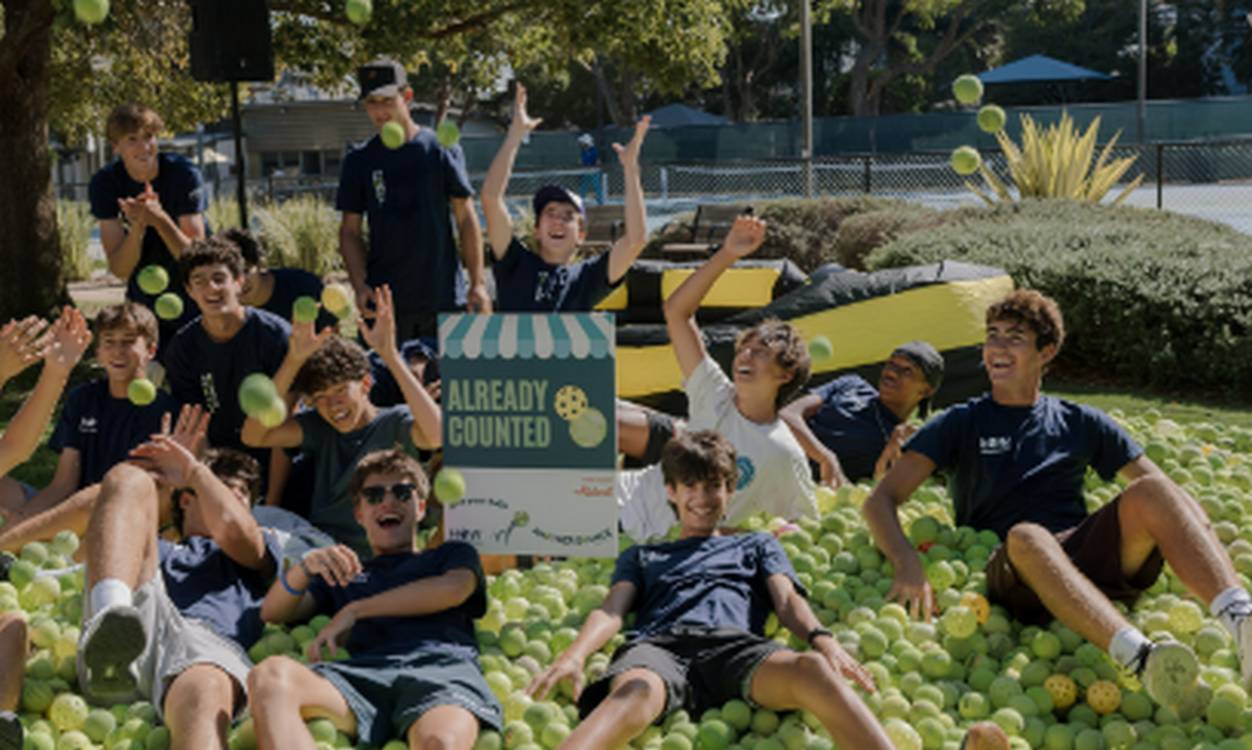
🎾
Teens set world record for most sports balls recycled in one day, diverting 2,675 pounds from landfills
Tieners vestigen wereldrecord voor meeste sportballen gerecycled in één dag, 1.214 kilo uit stortplaatsen gehouden
Des ados battent le record du monde de recyclage de balles de sport en une journée, détournant 1 214 kilos des décharges
I love this story about a group of California teens who set a Guinness World Record by recycling over 22,000 sports balls in just one day. They managed to divert 2,675 pounds of mostly tennis and pickleball balls from landfills, which is incredible! Another Bounce, their group, is not only collecting balls but also pushing for manufacturers to think about what happens to these products after use. And here's the thing - their effort is sparking real change, with local politicians even inviting them to draft legislation to support sustainable sports practices.
Wat een fantastisch verhaal over een groep tieners uit Californië die een Guinness-wereldrecord vestigden door meer dan 22.000 sportballen in één dag te recyclen. Ze hielden maar liefst 1.214 kilo aan tennis- en pickleballen uit de stortplaatsen, echt indrukwekkend! Hun organisatie Another Bounce verzamelt niet alleen ballen, maar zet ook aan tot nadenken bij fabrikanten over de levensduur van hun producten. En het mooiste is dat hun inzet echte veranderingen teweegbrengt, met lokale politici die hen uitnodigen om wetgeving voor duurzame sport te ontwikkelen.
J’adore cette histoire d’un groupe d’adolescents californiens qui ont battu un record du monde Guinness en recyclant plus de 22 000 balles de sport en une seule journée. Ils ont détourné 1 214 kilos de balles, principalement de tennis et de pickleball, des décharges, ce qui est incroyable ! Leur groupe, Another Bounce, collecte les balles mais pousse aussi les fabricants à réfléchir à la fin de vie de leurs produits. Et voici le truc – leur action suscite un vrai changement, avec des élus locaux qui les invitent même à rédiger des lois pour soutenir des pratiques sportives durables.
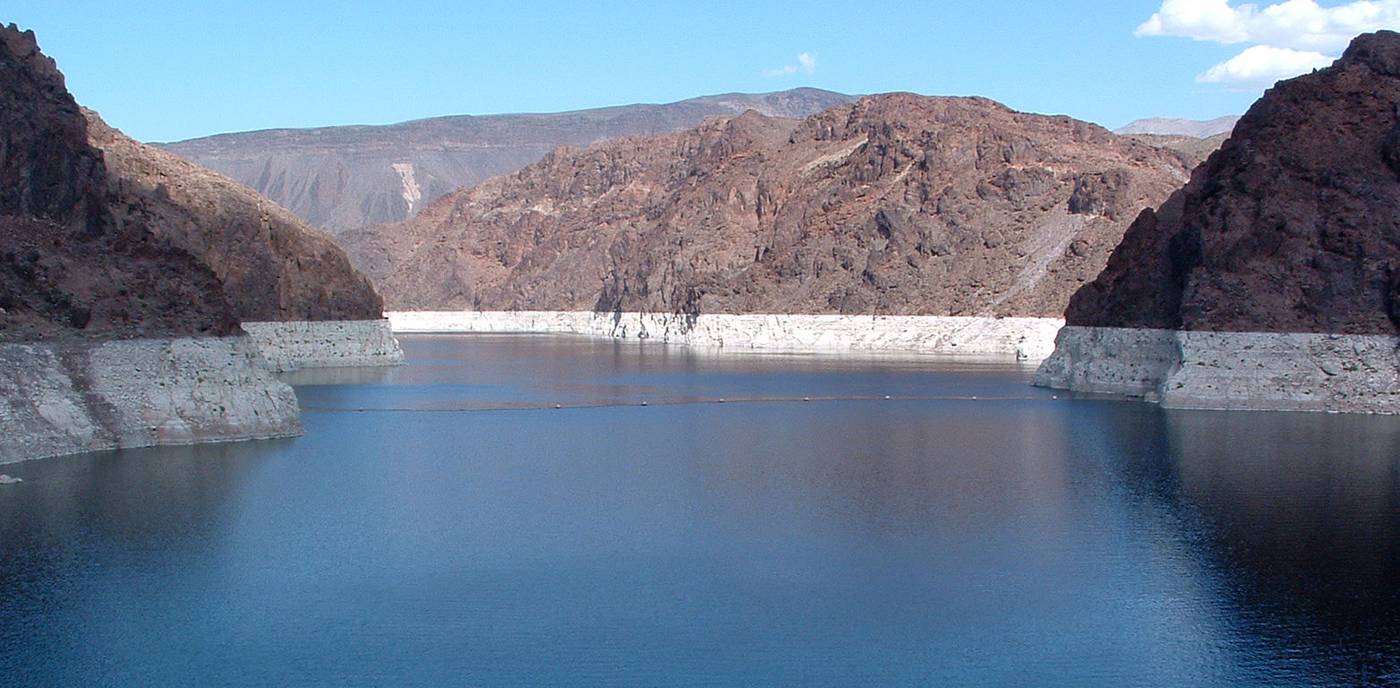
💧
Millions channeled to irrigation improvements, leak repairs along Colorado River by corporate coalition
Miljoenen geïnvesteerd in irrigatieverbeteringen en lekreparaties langs de Colorado-rivier door bedrijfscoalitie
Des millions investis dans l'amélioration de l'irrigation et la réparation des fuites le long du fleuve Colorado par une coalition d'entreprises
So: Amazon is leading a $20 million investment to help conserve water in the stressed Colorado River Basin, which supports millions of people and farmland. The new Colorado River Basin Collaborative aims to boost water conservation through projects like leak detection, irrigation efficiency, and canal lining. Amazon is already backing two projects, including leak repairs in Orange County and smart irrigation on tribal farmland using real-time sensors. And here's the thing - this corporate coalition has already raised over $33 million and hopes to reach $100 million to protect this vital water source.
Dus: Amazon leidt een investering van 20 miljoen dollar om water te besparen in het zwaar belaste stroomgebied van de Colorado-rivier, dat miljoenen mensen en landbouwgrond ondersteunt. De nieuwe Colorado River Basin Collaborative wil waterbesparing stimuleren via projecten zoals lekdetectie, irrigatie-efficiëntie en het bekleden van kanalen. Amazon ondersteunt al twee projecten, waaronder lekreparaties in Orange County en slimme irrigatie op tribale landbouwgrond met realtime sensoren. En hier komt het op neer - deze bedrijfscoalitie heeft al meer dan 33 miljoen dollar opgehaald en hoopt 100 miljoen te bereiken om deze vitale watervoorraad te beschermen.
Alors: Amazon mène un investissement de 20 millions de dollars pour conserver l'eau dans le bassin du fleuve Colorado, qui est sous pression et soutient des millions de personnes et des terres agricoles. La nouvelle Colorado River Basin Collaborative vise à renforcer la conservation de l'eau grâce à des projets comme la détection des fuites, l'efficacité de l'irrigation et le revêtement des canaux. Amazon soutient déjà deux projets, dont la réparation des fuites à Orange County et l'irrigation intelligente sur des terres tribales avec des capteurs en temps réel. Et voici la chose - cette coalition d'entreprises a déjà réuni plus de 33 millions de dollars et espère atteindre 100 millions pour protéger cette ressource vitale.

🐦
What kind of animal is Gonzo?
Wat voor dier is Gonzo?
Quel genre d’animal est Gonzo ?
So: Gonzo, the blue Muppet with the long nose, has puzzled fans and scientists alike for decades. Despite his fuzzy feathers and bird-like traits, experts say he’s not quite any known animal, landing somewhere back in dinosaur times. His origins trace back to a 1970 Christmas special where he was a different character called Snarl. And here's the thing: Gonzo’s species remains a mystery, perfectly fitting his quirky personality as a lovable 'whatever.'
Dus: Gonzo, de blauwe Muppet met de lange neus, heeft fans en wetenschappers al tientallen jaren in verwarring gebracht. Ondanks zijn donzige veren en vogelachtige kenmerken is hij volgens experts geen bekend dier, maar stamt hij af uit de tijd van de dinosauriërs. Zijn oorsprong ligt in een kerstspecial uit 1970, waar hij nog Snarl heette. En het mooie is: Gonzo’s soort blijft een mysterie, precies passend bij zijn eigenzinnige persoonlijkheid als een lieve ‘wat dan ook’.
Alors: Gonzo, le Muppet bleu au long nez, intrigue les fans et les scientifiques depuis des décennies. Malgré ses plumes duveteuses et ses traits d’oiseau, les experts disent qu’il ne correspond à aucun animal connu, remontant même à l’époque des dinosaures. Il est né dans un spécial de Noël en 1970 sous le nom de Snarl. Et voilà le truc: l’espèce de Gonzo reste un mystère, parfaitement en accord avec sa personnalité unique de « peu importe ».
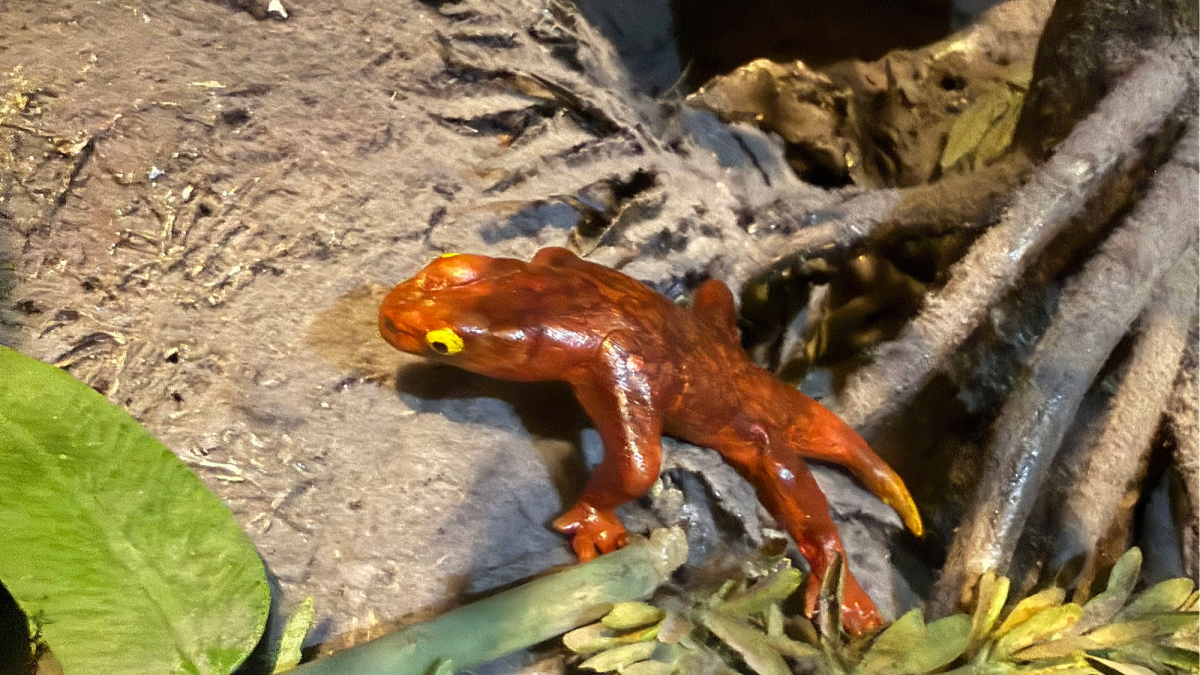
🦎
Two moms named Jean inspired the name of a 309-million-year-old fossil
Twee moeders genaamd Jean inspireerden de naam van een fossiel van 309 miljoen jaar oud
Deux mamans nommées Jean ont inspiré le nom d’un fossile vieux de 309 millions d’années
I love how personal science can get! Two moms named Jean inspired the name of a 309-million-year-old amphibian fossil called Jeanerpeton mazonensis. Found near Chicago in a fossil-rich swampy delta, this creature shows early traits of modern amphibians like frogs and salamanders. What’s amazing is the fossil’s detail—scales, tiny ribs, even eye impressions are visible, thanks to quick sediment deposits. And here’s the thing: this discovery pulls Jeanerpeton out of a confusing 'waste bin' category, proving it’s a unique species all on its own.
Ik vind het geweldig hoe persoonlijk wetenschap kan zijn! Twee moeders genaamd Jean inspireerden de naam van een 309 miljoen jaar oud amfibieënfossiel, Jeanerpeton mazonensis. Dit wezen, gevonden in een fossielrijke moerasdelta bij Chicago, toont vroege kenmerken van moderne amfibieën zoals kikkers en salamanders. Wat bijzonder is, zijn de details in het fossiel – schubben, kleine ribben en zelfs oogafdrukken zijn zichtbaar dankzij snelle sedimentafzetting. En hier komt het: deze ontdekking haalt Jeanerpeton uit een verwarrende ‘afvalbak’-categorie en bewijst dat het een unieke soort is.
J’adore voir à quel point la science peut être personnelle ! Deux mamans nommées Jean ont inspiré le nom d’un fossile d’amphibien vieux de 309 millions d’années appelé Jeanerpeton mazonensis. Trouvé près de Chicago dans un delta marécageux riche en fossiles, cet animal montre des traits précoces des amphibiens modernes comme les grenouilles et les salamandres. Ce qui est incroyable, c’est le niveau de détail du fossile – écailles, petites côtes et même les impressions des yeux sont visibles grâce à des dépôts rapides de sédiments. Et voici le truc : cette découverte sort Jeanerpeton d’une catégorie confuse dite « poubelle », prouvant que c’est une espèce unique.

🚗
Waymo’s driverless cars continue to crash less often than people
Waymo’s zelfrijdende auto's botsen nog minder dan mensen
Les voitures sans conducteur de Waymo continuent de moins avoir d'accidents que les humains
Waymo’s latest data shows its driverless cars crash far less often than human drivers, with significant reductions in injury-causing incidents across five cities. The company has logged 271 million driverless miles, which is like over 300 human lifetimes behind the wheel. Now, while this is impressive, it’s still just a tiny fraction compared to the trillions of miles humans drive annually. And here’s the thing: some experts caution that the data might not capture all traffic disruptions or edge cases, but overall, Waymo’s numbers are a strong argument for safer roads.
Waymo’s nieuwste gegevens tonen aan dat hun zelfrijdende auto's veel minder vaak betrokken zijn bij ongevallen dan menselijke bestuurders, met grote verminderingen van letselongevallen in vijf steden. Het bedrijf heeft 271 miljoen zelfrijdende mijlen afgelegd, wat overeenkomt met meer dan 300 menselijke levens achter het stuur. Nu, hoewel dit indrukwekkend is, is het nog steeds een klein deel vergeleken met de biljoenen mijlen die mensen jaarlijks rijden. En hier komt het op neer: sommige experts waarschuwen dat de data niet alle verkeersverstoring of uitzonderlijke situaties vangt, maar over het algemeen zijn Waymo’s cijfers een sterk argument voor veiligere wegen.
Les dernières données de Waymo montrent que ses voitures sans conducteur ont beaucoup moins d’accidents que les conducteurs humains, avec une forte réduction des accidents causant des blessures dans cinq villes. La société a parcouru 271 millions de miles sans conducteur, ce qui équivaut à plus de 300 vies humaines au volant. Maintenant, même si c’est impressionnant, cela reste une infime partie des milliards de miles parcourus chaque année par les humains. Et voici le truc : certains experts soulignent que les données ne capturent pas toutes les perturbations du trafic ou les cas limites, mais dans l’ensemble, les chiffres de Waymo plaident clairement pour des routes plus sûres.
🐾
Eva transformed her father's GP practice into a veterinary clinic: “Never thought I would come back”
Eva bouwde huisartsenpraktijk van haar vader om tot dierenartspraktijk: “Nooit gedacht dat ik terug zou keren”
Eva a transformé le cabinet médical de son père en clinique vétérinaire : « Je n’ai jamais pensé revenir »
Eva made a remarkable change by turning her father's old general practitioner practice into a veterinary clinic. She never imagined she would return to the place, but her passion for animals led her back. It’s inspiring to see how she combined family legacy with her own dreams. This new chapter shows how unexpected paths can bring great joy and purpose.
Eva maakte een bijzondere verandering door de huisartsenpraktijk van haar vader om te bouwen tot een dierenartspraktijk. Ze had nooit gedacht dat ze zou terugkeren, maar haar liefde voor dieren bracht haar terug. Het is inspirerend om te zien hoe ze de familietraditie combineert met haar eigen dromen. Dit nieuwe hoofdstuk laat zien dat onverwachte wegen veel vreugde en betekenis kunnen brengen.
Eva a réalisé un changement remarquable en transformant le cabinet médical de son père en clinique vétérinaire. Elle n’avait jamais pensé revenir, mais sa passion pour les animaux l’a ramenée sur place. C’est inspirant de voir comment elle a mêlé l’héritage familial à ses propres rêves. Ce nouveau chapitre montre que des chemins inattendus peuvent apporter beaucoup de joie et de sens.

🦠
AlphaFold goes viral: database adds protein complexes of common viruses
AlphaFold gaat viraal: database voegt eiwitcomplexen van veelvoorkomende virussen toe
AlphaFold devient viral : la base de données ajoute des complexes protéiques de virus courants
So: AlphaFold just got a big upgrade with over 8,000 virus protein pairs added to its database, including those from monkeypox and other human-infecting viruses. This is huge because viral proteins often work in pairs or complexes, and before this, viruses were a bit of a blind spot in the database. Researchers carefully identified accurate viral protein sequences, overcoming tricky challenges like polyproteins, to make these predictions possible. And here's the thing - this new data is a goldmine for scientists studying viral infections and could boost pandemic preparedness worldwide.
Dus: AlphaFold heeft een grote update gekregen met meer dan 8.000 virus-eiwitparen toegevoegd aan de database, waaronder die van het apenpokkenvirus en andere virussen die mensen infecteren. Dit is geweldig, want virale eiwitten werken vaak in paren of complexen, en virussen waren tot nu toe een blinde vlek in de database. Onderzoekers hebben nauwkeurig de juiste virale eiwitsequenties vastgesteld, ondanks lastige uitdagingen zoals polyproteïnen, om deze voorspellingen mogelijk te maken. En het mooie is dat deze nieuwe data een goudmijn is voor wetenschappers die virale infecties bestuderen en de paraatheid tegen pandemieën wereldwijd kan versterken.
Alors: AlphaFold vient de recevoir une mise à jour majeure avec plus de 8 000 paires de protéines virales ajoutées à sa base de données, incluant celles du virus de la variole du singe et d’autres virus infectant l’humain. C’est énorme car les protéines virales fonctionnent souvent en paires ou complexes, et jusqu’à présent, les virus étaient un point aveugle dans la base. Les chercheurs ont identifié avec précision les séquences virales, surmontant des défis comme les polyprotéines, pour rendre ces prédictions possibles. Et voilà le truc - ces nouvelles données sont une mine d’or pour les scientifiques étudiant les infections virales et pourraient renforcer la préparation aux pandémies dans le monde entier.

📚
Reading advocate Marlen Eskander: 'Children are smarter than us'
Leesbevorderaar Marlen Eskander: 'Kinderen zijn slimmer dan wij'
Promotrice de la lecture Marlen Eskander : « Les enfants sont plus intelligents que nous »
Marlen Eskander, founder of the Reading Promotion Institute, shares her passion for making literature accessible to children and young people. She believes children are smarter than adults but need practice and support to develop reading skills. Eskander’s approach includes interactive storytelling that invites children to shape the narrative, helping them interpret texts deeply. She highlights reading as a vital democratic skill and hopes future discussions will focus on the magic of storytelling, not just its utility.
Marlen Eskander, oprichter van het Leesbevorderingsinstituut, deelt haar passie om literatuur toegankelijk te maken voor kinderen en jongeren. Ze gelooft dat kinderen slimmer zijn dan volwassenen, maar oefening en ondersteuning nodig hebben om leesvaardigheden te ontwikkelen. Haar methode omvat interactief vertellen waarbij kinderen het verhaal mee vormgeven, wat hen helpt teksten beter te begrijpen. Ze benadrukt lezen als een belangrijke democratische vaardigheid en hoopt dat toekomstige gesprekken meer over de magie van verhalen gaan dan alleen over het nut ervan.
Marlen Eskander, fondatrice de l’Institut de promotion de la lecture, partage sa passion pour rendre la littérature accessible aux enfants et aux jeunes. Elle pense que les enfants sont plus intelligents que les adultes, mais qu’ils ont besoin de pratique et de soutien pour développer leurs compétences en lecture. Sa méthode inclut le récit interactif où les enfants peuvent influencer l’histoire, ce qui les aide à mieux interpréter les textes. Elle souligne la lecture comme une compétence démocratique essentielle et espère que les futurs débats porteront davantage sur la magie du récit que sur son utilité.

🎶
Calls for more singing in school: 'We need it more than ever'
Oproep tot meer zingen op school: 'We hebben het meer dan ooit nodig'
Exigences pour plus de chant à l'école : « Nous en avons plus que jamais besoin »
I find it fascinating how singing is slowly disappearing from schools, even though we need it now more than ever. Ulrika Lind from the Royal Academy of Music highlights how singing fosters community, inclusion, and participation among children and youth. So: a Nordic network for singing in schools has handed over a memorandum to the Nordic Council of Ministers to push for more singing in education. It’s such a positive step to bring back this joyful and unifying activity into classrooms!
Ik vind het bijzonder hoe zingen steeds minder ruimte krijgt op scholen, terwijl we het juist nu meer dan ooit nodig hebben. Ulrika Lind van de Koninklijke Muziekacademie benadrukt dat zingen zorgt voor saamhorigheid, inclusie en betrokkenheid bij kinderen en jongeren. Dus: een Noordelijk netwerk voor zingen op school heeft een memorandum aangeboden aan de Noordse ministerraad om meer zingen in het onderwijs te stimuleren. Het is zo’n mooie stap om deze vrolijke en verbindende activiteit terug te brengen in de klas!
Je trouve fascinant que le chant disparaisse peu à peu des écoles, alors que nous en avons plus que jamais besoin. Ulrika Lind de l’Académie royale de musique souligne que le chant favorise la communauté, l’inclusion et la participation chez les enfants et les jeunes. Donc : un réseau nordique pour le chant à l’école a remis un mémorandum au Conseil nordique des ministres pour promouvoir davantage le chant dans l’éducation. C’est une initiative très positive pour réintroduire cette activité joyeuse et fédératrice dans les classes !
🐌
Scientists find two tiny new snails with shells that close like doors
Wetenschappers ontdekken twee kleine nieuwe slakken met schelpen die als deuren sluiten
Des scientifiques découvrent deux petites nouvelles espèces d'escargots aux coquilles qui se ferment comme des portes
I find it fascinating that even in Europe, new species can still be discovered! Two tiny snails, Cochlostoma komarnica and Cochlostoma dobrido, were found in Montenegro's rugged mountains. These snails have unique features like eyes on the sides of their heads and shells that close like doors. The discovery highlights the rich biodiversity of the Balkans, but there's a real concern as Komarnica Canyon, home to one of these snails, faces threats from a proposed hydropower dam.
Ik vind het geweldig dat er zelfs in Europa nog nieuwe diersoorten ontdekt worden! Twee kleine slakken, Cochlostoma komarnica en Cochlostoma dobrido, werden gevonden in de ruige bergen van Montenegro. Deze slakken hebben unieke kenmerken zoals ogen aan de zijkant van hun kop en schelpen die als deuren sluiten. De ontdekking benadrukt de rijke biodiversiteit van de Balkan, maar er is zorg omdat de Komarnica-kloof, waar een van deze slakken leeft, bedreigd wordt door een gepland waterkrachtproject.
Je trouve incroyable que de nouvelles espèces puissent encore être découvertes en Europe ! Deux petites escargots, Cochlostoma komarnica et Cochlostoma dobrido, ont été trouvés dans les montagnes escarpées du Monténégro. Ces escargots ont des caractéristiques uniques, comme des yeux sur les côtés de la tête et des coquilles qui se ferment comme des portes. Cette découverte met en lumière la biodiversité riche des Balkans, mais Komarnica Canyon, habitat de l'une de ces espèces, est menacé par un projet de barrage hydroélectrique.
🧠
ADHD and autism diagnoses have surged. a massive study may help explain why
ADHD- en autisme-diagnoses zijn sterk gestegen. een grootschalige studie kan helpen verklaren waarom
Les diagnostics de TDAH et d'autisme ont explosé. une vaste étude pourrait expliquer pourquoi
So: ADHD and autism diagnoses have shot up in recent years, but this huge study from Denmark gives us a fresh perspective. It shows that kids diagnosed today look more like the general population than those diagnosed a decade ago. Which brings me to the idea that rising diagnosis numbers might partly reflect who is being identified, not just more cases. And here's the thing - this helps us understand the trend without jumping to conclusions about overdiagnosis or severity.
Dus: de diagnoses van ADHD en autisme zijn de laatste jaren flink gestegen, maar deze grote Deense studie geeft ons een nieuw inzicht. Het laat zien dat kinderen die nu gediagnosticeerd worden meer lijken op de algemene bevolking dan tien jaar geleden. Dit betekent dat de stijging deels te maken kan hebben met wie er wordt herkend, en niet alleen met meer gevallen. En het mooie is dat dit ons helpt de trend beter te begrijpen zonder meteen te denken aan overdiagnose of minder ernst.
Alors: les diagnostics de TDAH et d'autisme ont beaucoup augmenté ces dernières années, mais cette vaste étude danoise nous offre une nouvelle perspective. Elle montre que les enfants diagnostiqués aujourd'hui ressemblent davantage à la population générale qu'il y a dix ans. Ce qui suggère que cette hausse reflète en partie qui est identifié, pas seulement une augmentation des cas. Et voilà le truc - cela nous aide à comprendre cette tendance sans conclure trop vite à une surdiagnose ou à une moindre gravité.
💪
Aging muscles may be losing strength for a reason scientists missed
Oudere spieren verliezen misschien kracht om een reden die wetenschappers over het hoofd zagen
Les muscles vieillissants pourraient perdre de la force pour une raison que les scientifiques ont manquée
So: scientists at the University of Missouri discovered that aging muscles lose strength partly because the communication between nerves and muscles becomes less reliable. Now, this breakdown involves a protein called NaV1.4, which helps muscles respond to nerve signals. And here's the thing - they found a way to potentially reverse this failure by targeting another protein, ClC-1, improving muscle responsiveness in animal models. This exciting finding could lead to treatments helping older adults stay active and independent longer.
Dus: wetenschappers van de Universiteit van Missouri ontdekten dat oudere spieren kracht verliezen doordat de communicatie tussen zenuwen en spieren minder betrouwbaar wordt. Dit probleem hangt samen met een eiwit genaamd NaV1.4, dat spieren helpt reageren op zenuwsignalen. En hier komt het: ze vonden een manier om dit falen mogelijk om te keren door een ander eiwit, ClC-1, te beïnvloeden, wat de spierrespons verbeterde bij diermodellen. Deze spannende ontdekking kan leiden tot behandelingen die oudere volwassenen helpen langer actief en zelfstandig te blijven.
Alors: des chercheurs de l'Université du Missouri ont découvert que la perte de force des muscles vieillissants est en partie due à une communication moins fiable entre les nerfs et les muscles. Ce problème implique une protéine appelée NaV1.4, qui aide les muscles à répondre aux signaux nerveux. Et voici la chose - ils ont trouvé un moyen de potentiellement inverser cette défaillance en ciblant une autre protéine, ClC-1, améliorant ainsi la réactivité musculaire chez les modèles animaux. Cette découverte prometteuse pourrait mener à des traitements permettant aux personnes âgées de rester actives et indépendantes plus longtemps.
🧠
When what you see doesn’t make sense, your brain does something remarkable
Wanneer wat je ziet geen zin lijkt te hebben, doet je brein iets bijzonders
Quand ce que vous voyez n’a pas de sens, votre cerveau fait quelque chose de remarquable
I find it fascinating how our brain handles confusing visuals by letting different regions compare their views until they agree. Researchers studied two parts of the visual cortex and discovered that when these areas disagree, the conflicting signals vanish quickly, but matching activity sticks around. This process, called consensus building, might explain how our brain creates a unified perception from specialized regions. And here's the thing - this mechanism could apply beyond vision, maybe even helping AI systems decide which information to trust.
Ik vind het geweldig hoe ons brein omgaat met verwarrende beelden door verschillende hersengebieden hun interpretaties te laten vergelijken tot ze overeenkomen. Onderzoekers onderzochten twee delen van de visuele cortex en ontdekten dat conflicterende signalen snel verdwijnen, terwijl overeenkomende activiteit blijft bestaan. Dit proces, consensusvorming genoemd, kan verklaren hoe ons brein een eenduidige waarneming maakt van gespecialiseerde gebieden. En het mooie is dat dit mechanisme misschien ook buiten het zichtveld werkt, bijvoorbeeld om AI te helpen bepalen welke informatie betrouwbaar is.
Je trouve fascinant que notre cerveau gère les images confuses en laissant différentes régions comparer leurs interprétations jusqu’à accord. Les chercheurs ont étudié deux parties du cortex visuel et ont découvert que les signaux conflictuels disparaissent rapidement, tandis que les activités concordantes persistent. Ce processus, appelé construction de consensus, pourrait expliquer comment notre cerveau crée une perception unifiée à partir de régions spécialisées. Et voici la chose - ce mécanisme pourrait s’appliquer au-delà de la vision, aidant même les systèmes d’intelligence artificielle à choisir quelles informations privilégier.
🧬
Scientists thought they knew how this 70-year-old leukemia drug worked
Wetenschappers dachten te weten hoe dit 70 jaar oude leukemiemedicijn werkt
Les scientifiques pensaient comprendre le fonctionnement de ce médicament contre la leucémie vieux de 70 ans
For over 70 years, the leukemia drug 6-thioguanine (6-TG) has been used effectively, but scientists have now uncovered a surprising factor influencing its action: the protein NUDT5. Unlike what was expected, it’s not NUDT5’s enzymatic activity that matters, but the presence of the protein itself that affects how cells respond to the drug. Researchers developed new chemical degraders to remove NUDT5, revealing that cells without it resist 6-TG’s toxic effects. This discovery opens fresh perspectives on how leukemia treatments work and could lead to improved therapies.
Al meer dan 70 jaar wordt het leukemiemedicijn 6-thioguanine (6-TG) effectief gebruikt, maar wetenschappers hebben nu een verrassende factor ontdekt die de werking beïnvloedt: het eiwit NUDT5. In tegenstelling tot wat werd verwacht, is het niet de enzymatische activiteit van NUDT5 die telt, maar de aanwezigheid van het eiwit zelf die bepaalt hoe cellen reageren op het medicijn. Onderzoekers ontwikkelden nieuwe chemische afbrekers om NUDT5 te verwijderen, wat aantoonde dat cellen zonder dit eiwit beter bestand zijn tegen de toxische effecten van 6-TG. Deze ontdekking biedt nieuwe inzichten in de werking van leukemiebehandelingen en kan leiden tot verbeterde therapieën.
Depuis plus de 70 ans, le médicament contre la leucémie 6-thioguanine (6-TG) est utilisé avec succès, mais les scientifiques ont découvert un facteur surprenant qui influence son action : la protéine NUDT5. Contrairement aux attentes, ce n’est pas l’activité enzymatique de NUDT5 qui importe, mais la présence même de la protéine qui affecte la réponse des cellules au médicament. Les chercheurs ont développé de nouveaux dégradeurs chimiques pour éliminer NUDT5, révélant que les cellules sans cette protéine résistent mieux aux effets toxiques du 6-TG. Cette découverte ouvre de nouvelles perspectives pour améliorer les traitements de la leucémie.
⏳
Distant time crystals can somehow fall into the same rhythm
Verre tijdkristallen kunnen op de een of andere manier in hetzelfde ritme vallen
Des cristaux temporels éloignés peuvent d'une manière ou d'une autre s'accorder sur le même rythme
So: physicists at TU Dortmund have discovered something really cool about time crystals inside semiconductors. These crystals, which keep oscillating in a steady rhythm without any external push, can actually synchronize their spins even when they're far apart. Using lasers and a weak magnetic field, the team showed that separate regions of the material can lock their oscillations together, kind of like old pendulum clocks syncing up. And here's the thing - this synchronization happens over surprisingly large distances, opening doors for new spin-based tech networks.
Dus: natuurkundigen aan de TU Dortmund hebben iets heel bijzonders ontdekt over tijdkristallen in halfgeleiders. Deze kristallen, die in een constant ritme trillen zonder externe prikkel, kunnen hun spinnen op elkaar afstemmen, zelfs als ze ver uit elkaar liggen. Met lasers en een zwak magnetisch veld liet het team zien dat verschillende delen van het materiaal hun trillingen kunnen synchroniseren, net zoals oude slingerklokken dat deden. En het mooie is dat deze synchronisatie over verrassend grote afstanden plaatsvindt, wat nieuwe mogelijkheden biedt voor spin-gebaseerde technologieën.
Alors: des physiciens de l'université de TU Dortmund ont découvert quelque chose de fascinant concernant les cristaux temporels dans les semi-conducteurs. Ces cristaux, qui oscillent en rythme régulier sans stimulation extérieure, peuvent synchroniser leurs spins même à distance. Grâce à des lasers et un champ magnétique faible, l'équipe a montré que différentes régions du matériau peuvent verrouiller leurs oscillations ensemble, un peu comme des horloges à pendule anciennes qui s'accordent. Et voici le truc - cette synchronisation se produit sur des distances étonnamment grandes, ouvrant la voie à de nouvelles technologies basées sur les spins.

🗳️
You don't need to be an official to audit a voter list — Chennai expert explains
Je hoeft geen ambtenaar te zijn om een kiezerslijst te controleren — expert uit Chennai legt uit
Pas besoin d'être un officiel pour auditer une liste électorale — un expert de Chennai explique
I love how this article highlights that anyone can help audit voter lists, not just officials. In Chennai, activist M Radhakrishnan explains how ordinary citizens checking their own data can strengthen democracy. He points out the roles of local officers like BLOs and EROs, making the process clearer and more accessible. And here's the thing: using community meetings like gram sabhas to spot errors together is such a smart, practical idea. It’s all about citizens taking charge and making sure every vote counts!
Ik vind het geweldig dat dit artikel laat zien dat iedereen kiezerslijsten kan controleren, niet alleen ambtenaren. In Chennai legt activist M Radhakrishnan uit hoe gewone burgers hun eigen gegevens kunnen controleren om de democratie te versterken. Hij licht de rollen toe van lokale functionarissen zoals BLO's en ERO's, waardoor het proces duidelijker en toegankelijker wordt. En het slimme idee om gemeenschapsbijeenkomsten zoals gram sabhas te gebruiken om samen fouten op te sporen, vind ik fantastisch. Het draait allemaal om burgers die de regie nemen en zorgen dat elke stem telt!
J’adore que cet article montre que n’importe qui peut auditer les listes électorales, pas seulement les officiels. À Chennai, l’activiste M Radhakrishnan explique comment les citoyens ordinaires peuvent vérifier leurs propres données pour renforcer la démocratie. Il détaille les rôles des agents locaux comme les BLO et ERO, rendant le processus plus clair et accessible. Et voici la chose : utiliser les réunions communautaires comme les gram sabhas pour détecter ensemble les erreurs est une idée tellement pratique. C’est une invitation aux citoyens à prendre en main et à s’assurer que chaque vote compte !
🌌
These massive stars could explain Webb’s strangest galaxies
Deze enorme sterren kunnen Webb’s vreemdste sterrenstelsels verklaren
Ces étoiles massives pourraient expliquer les galaxies les plus étranges de Webb
I find it fascinating that astronomers are uncovering how the first galaxies don’t behave as expected, and it seems massive stars play a big role in this mystery. The TEMPOS survey uses Hubble’s ultraviolet capabilities to study massive stars in nearby dwarf galaxies that mimic early universe conditions. So: by understanding these stars better, we can improve models of young galaxies, which is crucial as the James Webb Space Telescope reveals even stranger galaxies. And here’s the thing – these massive stars burn hot and fast, shaping their galaxies in ways we’re only beginning to grasp.
Ik vind het geweldig dat astronomen ontdekken dat de eerste sterrenstelsels zich anders gedragen dan verwacht, en het lijkt erop dat enorme sterren hierin een grote rol spelen. De TEMPOS-survey gebruikt Hubble’s ultravioletstraling om massieve sterren in nabijgelegen dwergstelsels te bestuderen die lijken op de omstandigheden in het vroege heelal. Dus: door deze sterren beter te begrijpen, kunnen we modellen van jonge sterrenstelsels verbeteren, wat steeds belangrijker wordt nu de James Webb-ruimtetelescoop nog vreemdere sterrenstelsels onthult. En hier komt het op neer – deze massieve sterren branden heet en snel, en vormen hun sterrenstelsels op manieren die we pas net beginnen te begrijpen.
Je trouve passionnant que les astronomes découvrent que les premières galaxies ne se comportent pas comme prévu, et il semble que les étoiles massives jouent un rôle clé dans ce mystère. L’enquête TEMPOS utilise les capacités ultraviolettes de Hubble pour étudier des étoiles massives dans des galaxies naines proches qui ressemblent aux conditions de l’univers primitif. Donc : en comprenant mieux ces étoiles, on peut améliorer les modèles des jeunes galaxies, ce qui est crucial alors que le télescope spatial James Webb révèle des galaxies encore plus étranges. Et voilà le truc – ces étoiles massives brûlent vite et fort, façonnant leurs galaxies d’une manière que nous commençons tout juste à comprendre.

🏈
Colorful caps boost safety in american football
Kleurige mutsen verhogen de veiligheid in american football
Des bonnets colorés améliorent la sécurité au football américain
I find it fascinating how a simple idea like colorful caps over helmets can make american football safer for young players in Sweden. These caps mark players who shouldn’t tackle or be tackled, which helps balance the physical differences in youth leagues. Coaches and players quickly adapted to this new rule, proving it’s both practical and effective. It’s inspiring to see safety and fun go hand in hand, especially in a sport known for its toughness.
Ik vind het geweldig hoe een eenvoudig idee zoals kleurrijke mutsen over helmen de veiligheid in het amerikaanse voetbal voor jonge spelers in Zweden kan vergroten. Deze mutsen geven aan welke spelers niet mogen tackelen of getackeld mogen worden, wat helpt om de fysieke verschillen in jeugdteams te balanceren. Trainers en spelers pasten zich snel aan deze nieuwe regel aan, wat bewijst dat het zowel praktisch als effectief is. Het is inspirerend om te zien hoe veiligheid en plezier hand in hand gaan, vooral in een sport die bekend staat om zijn kracht.
Je trouve fascinant qu’une idée simple comme des bonnets colorés sur les casques puisse rendre le football américain plus sûr pour les jeunes joueurs en Suède. Ces bonnets indiquent quels joueurs ne doivent pas plaquer ni être plaqués, ce qui équilibre les différences physiques dans les équipes de jeunes. Entraîneurs et joueurs ont rapidement adopté cette nouvelle règle, prouvant son côté pratique et efficace. C’est inspirant de voir la sécurité et le plaisir aller de pair, surtout dans un sport réputé pour sa rudesse.
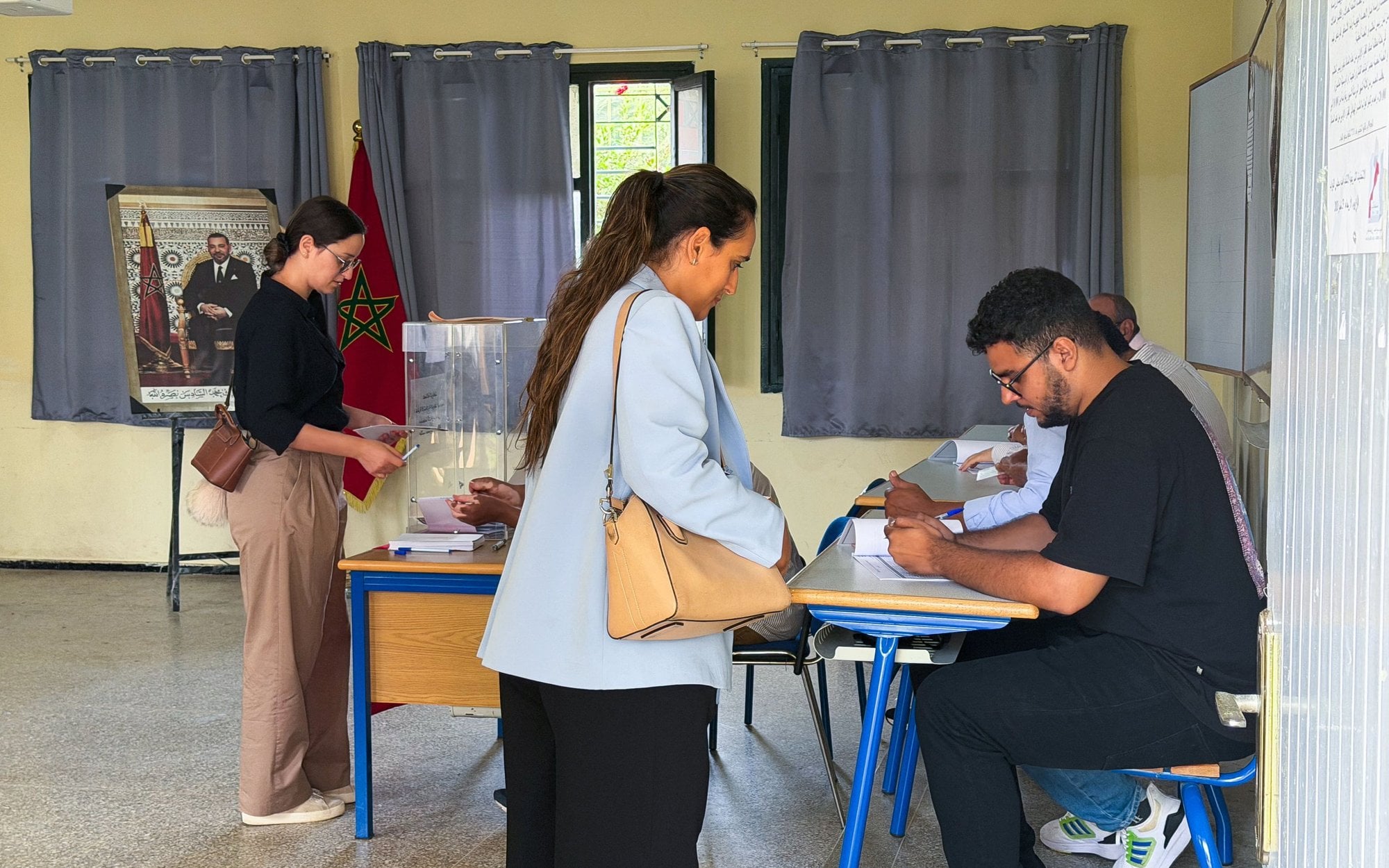
👩💼
Second woman in history may lead government in the Arab world
Tweede vrouw in de geschiedenis kan aan het hoofd van de regering in de Arabische wereld staan
Deuxième femme de l'histoire pourrait diriger un gouvernement dans le monde arabe
The liberal-centrist Authenticity and Modernity Party (PAM) won the parliamentary elections in Morocco, led by Fatima Ezzahra El Mansuri. She has the chance to become the second woman ever to lead a government in the Arab world, following Tunisia's Najla Bouden. PAM was founded in 2008 by an advisor to King Mohammed VI and promotes social modernization and a secular state. While the king retains significant powers, if he appoints El Mansuri as prime minister, it would be a historic moment for Morocco and the region.
De liberaal-centrumpartij Authenticity and Modernity Party (PAM) won de parlementsverkiezingen in Marokko, onder leiding van Fatima Ezzahra El Mansuri. Zij maakt kans om de tweede vrouw ooit te worden die een regering leidt in de Arabische wereld, na Najla Bouden uit Tunesië. PAM werd in 2008 opgericht door een adviseur van koning Mohammed VI en staat voor sociale modernisering en een seculiere staat. Hoewel de koning veel macht behoudt, zou de benoeming van El Mansuri tot premier een historisch moment zijn voor Marokko en de regio.
Le parti libéral-centre Authenticity and Modernity Party (PAM) a remporté les élections parlementaires au Maroc, dirigé par Fatima Ezzahra El Mansuri. Elle pourrait devenir la deuxième femme de l'histoire à diriger un gouvernement dans le monde arabe, après Najla Bouden de Tunisie. Le PAM, fondé en 2008 par un conseiller du roi Mohammed VI, prône la modernisation sociale et un État laïque. Bien que le roi conserve de larges pouvoirs, la nomination d'El Mansuri comme Premier ministre serait un moment historique pour le Maroc et la région.
🐺
New count: this many wolves live in Denmark
Nieuwe telling: zoveel wolven leven er in Denemarken
Nouveau décompte : autant de loups vivent au Danemark
So: Denmark now hosts 11 wolf packs, two pairs, and two lone males according to a fresh count after this year's breeding season. This update comes from Aarhus University and the Natural History Museum in Aarhus, showing a lively wolf population. And here's the thing - the number of pups is a minimum estimate, so we might see those numbers rise as more observations come in. It’s fascinating to see these majestic animals thriving and expanding their presence in Denmark!
Dus: Denemarken telt nu 11 wolvenroedels, twee paren en twee eenzame mannetjes na de recente voortplantingsperiode. Dit nieuwe overzicht komt van de Universiteit van Aarhus en het Natuurhistorisch Museum in Aarhus, wat een levendige wolvenpopulatie laat zien. En hier komt het: het aantal pups is een minimumschatting, dus het aantal kan nog stijgen naarmate er meer waarnemingen binnenkomen. Het is geweldig om te zien hoe deze prachtige dieren het goed doen en zich uitbreiden in Denemarken!
Alors: le Danemark compte désormais 11 meutes de loups, deux couples et deux mâles solitaires après la saison de reproduction de cette année. Cette mise à jour vient de l'Université d'Aarhus et du Musée d'histoire naturelle d'Aarhus, montrant une population de loups dynamique. Et voici le truc - le nombre de louveteaux est une estimation minimale, donc ce chiffre pourrait augmenter avec de nouvelles observations. C’est fascinant de voir ces animaux majestueux prospérer et étendre leur présence au Danemark!

🎶
How the architecture of sound is transforming cities
Hoe de architectuur van geluid steden transformeert
Comment l'architecture du son transforme les villes
I find it fascinating how sound can shape our experience of cities in ways we rarely notice. Chris Downey, who became blind, discovered that sounds like wind chimes can help define spaces just as much as physical structures. He’s now pioneering designs that use sound to make cities more accessible and enjoyable for everyone. And here’s the thing - this approach is opening new doors for inclusive design, blending architecture and sound to create richer urban experiences.
Ik vind het geweldig hoe geluid onze beleving van steden kan vormen op manieren die we vaak niet opmerken. Chris Downey, die blind werd, ontdekte dat geluiden zoals windgongen ruimtes net zo goed kunnen definiëren als fysieke structuren. Hij is nu bezig met ontwerpen die geluid gebruiken om steden toegankelijker en aangenamer te maken voor iedereen. En hier komt het op neer - deze aanpak opent nieuwe mogelijkheden voor inclusief ontwerp, waarbij architectuur en geluid samenkomen voor rijkere stedelijke ervaringen.
Je trouve fascinant que le son puisse façonner notre expérience des villes de manière souvent invisible. Chris Downey, devenu aveugle, a découvert que des sons comme les carillons peuvent définir les espaces autant que les structures physiques. Il innove aujourd’hui en créant des designs qui utilisent le son pour rendre les villes plus accessibles et agréables pour tous. Et voilà le truc - cette approche ouvre de nouvelles voies pour un design inclusif, mêlant architecture et son pour enrichir l’expérience urbaine.

🌱
Can you grow vegetables without soil? here’s the simple science behind hydroponics farming
Kun je groenten zonder aarde kweken? hier is de eenvoudige wetenschap achter hydrocultuur
Peut-on cultiver des légumes sans sol ? voici la science simple derrière l'hydroponie
I find hydroponics fascinating because it lets plants grow without soil by delivering nutrients directly through water. Instead of soil, materials like coco peat or clay pellets support the plants while a nutrient-rich solution feeds their roots. Farmers can control everything from pH to water levels, making growth more efficient and less dependent on weather. This method also uses water smartly, which is a big win for places facing water shortages. It’s amazing how technology like this is helping farmers in India grow fresh veggies in a smarter way!
Ik vind hydrocultuur fascinerend omdat het planten laat groeien zonder aarde door voedingsstoffen rechtstreeks via water te geven. In plaats van aarde ondersteunen materialen zoals kokosvezel of kleikorrels de planten terwijl een voedingsrijke oplossing hun wortels voedt. Boeren kunnen alles controleren, van pH tot waterniveaus, waardoor de groei efficiënter wordt en minder afhankelijk van het weer. Deze methode gebruikt ook water op een slimme manier, wat geweldig is voor gebieden met waterschaarste. Het is fantastisch hoe technologie zoals deze boeren in India helpt om verse groenten slimmer te verbouwen!
Je trouve l'hydroponie fascinante car elle permet aux plantes de pousser sans sol en leur fournissant directement les nutriments via l'eau. Au lieu du sol, des matériaux comme la fibre de coco ou les billes d'argile soutiennent les plantes tandis qu'une solution nutritive riche nourrit leurs racines. Les agriculteurs peuvent tout contrôler, du pH aux niveaux d'eau, rendant la croissance plus efficace et moins dépendante du climat. Cette méthode utilise aussi l'eau de manière intelligente, un vrai atout pour les régions en pénurie d'eau. C’est incroyable de voir comment cette technologie aide les agriculteurs en Inde à cultiver des légumes frais de façon plus intelligente !
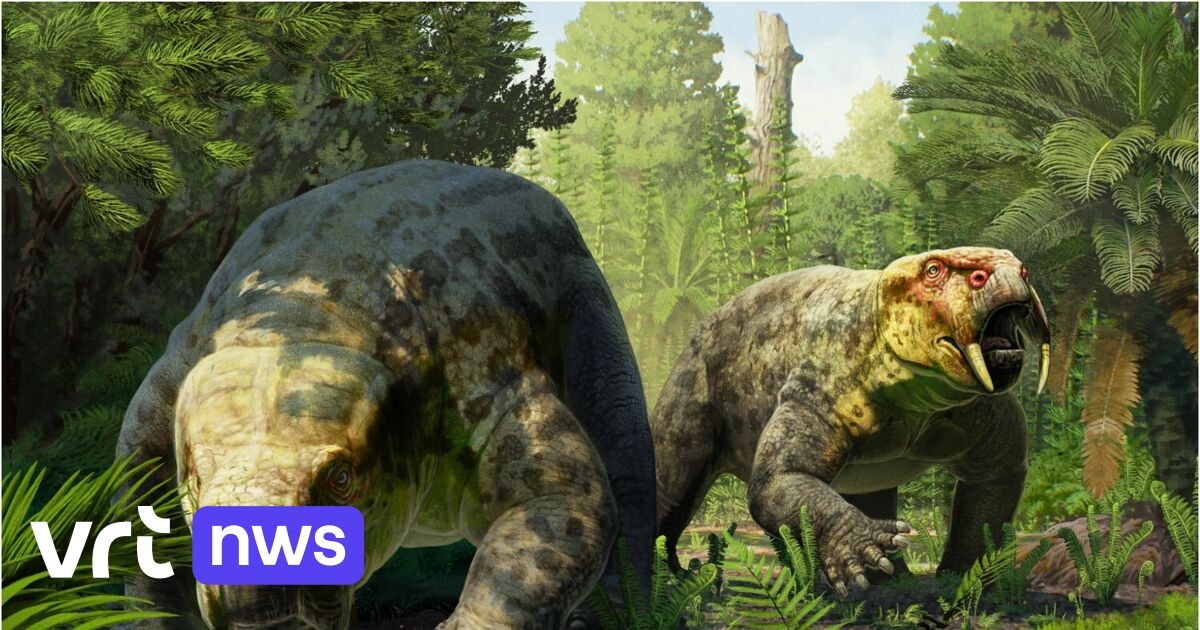
🦕
Fossil in Tanzania reveals new prehistoric species from 240 million years ago
Fossiel in Tanzania onthult nieuwe prehistorische diersoort van 240 miljoen jaar oud
Fossile en Tanzanie révèle une nouvelle espèce préhistorique vieille de 240 millions d'années
So: researchers have uncovered a fascinating new prehistoric species in Tanzania, a plant-eating creature with a beak, tusks, and claws that roamed about 240 million years ago. This animal, named Dinodontosaurus isiyavamanda, wasn’t a dinosaur but belonged to a group closer to mammals. The fossils were actually dug up in 1963 and only recently studied in detail, which is pretty amazing. And here's the thing: this discovery might even change how we understand the timeline of dinosaurs, linking African and South American fossil layers in a surprising way.
Dus: onderzoekers hebben in Tanzania een fascinerende nieuwe prehistorische diersoort ontdekt, een plantenetend dier met een snavel, slagtanden en klauwen dat ongeveer 240 miljoen jaar geleden leefde. Dit dier, Dinodontosaurus isiyavamanda genoemd, was geen dinosaurus maar behoorde tot een groep die nauwer verwant is aan zoogdieren. De fossielen werden al in 1963 opgegraven en pas recent grondig bestudeerd, wat best bijzonder is. En hier komt het: deze vondst kan onze kijk op de tijdlijn van dinosaurussen veranderen door Afrikaanse en Zuid-Amerikaanse fossielen op een verrassende manier te verbinden.
Alors: des chercheurs ont découvert en Tanzanie une nouvelle espèce préhistorique fascinante, un herbivore avec un bec, des défenses et des griffes qui vivait il y a environ 240 millions d'années. Cet animal, nommé Dinodontosaurus isiyavamanda, n'était pas un dinosaure mais appartenait à un groupe plus proche des mammifères. Les fossiles ont été découverts en 1963 et seulement récemment étudiés en détail, ce qui est assez incroyable. Et voilà le truc: cette découverte pourrait modifier notre compréhension de la chronologie des dinosaures en reliant de manière surprenante des couches fossiles africaines et sud-américaines.

🐘
Elephants use medicinal plants to treat themselves, researchers find
Olifanten gebruiken medicinale planten om zichzelf te genezen, ontdekken onderzoekers
Les éléphants utilisent des plantes médicinales pour se soigner, selon des chercheurs
So: scientists teamed up with local communities to uncover something fascinating about elephants. It turns out these majestic creatures pick specific plants when they feel unwell, even giving medicinal plant mixtures to their calves. They identified 35 plant species used by elephants, with 25 known locally for their healing properties. Now, researchers are eager to gather more evidence and analyze these plants, hoping to learn from the elephants’ natural pharmacy.
Dus: wetenschappers werkten samen met lokale gemeenschappen om iets fascinerends over olifanten te ontdekken. Het blijkt dat deze majestueuze dieren specifieke planten kiezen wanneer ze zich niet goed voelen, en zelfs medicinale plantmengsels aan hun kalveren geven. Ze vonden 35 plantensoorten die olifanten gebruiken, waarvan er 25 lokaal bekend staan om hun geneeskrachtige werking. Nu willen onderzoekers meer bewijs verzamelen en deze planten analyseren, in de hoop te leren van de natuurlijke apotheek van de olifanten.
Alors: des scientifiques ont collaboré avec des communautés locales pour découvrir quelque chose de fascinant sur les éléphants. Il s’avère que ces majestueux animaux choisissent des plantes spécifiques quand ils ne se sentent pas bien, allant jusqu’à donner des mélanges de plantes médicinales à leurs petits. Ils ont identifié 35 espèces de plantes utilisées par les éléphants, dont 25 sont reconnues localement pour leurs vertus curatives. Maintenant, les chercheurs veulent recueillir plus de preuves et analyser ces plantes, espérant apprendre de cette pharmacie naturelle des éléphants.
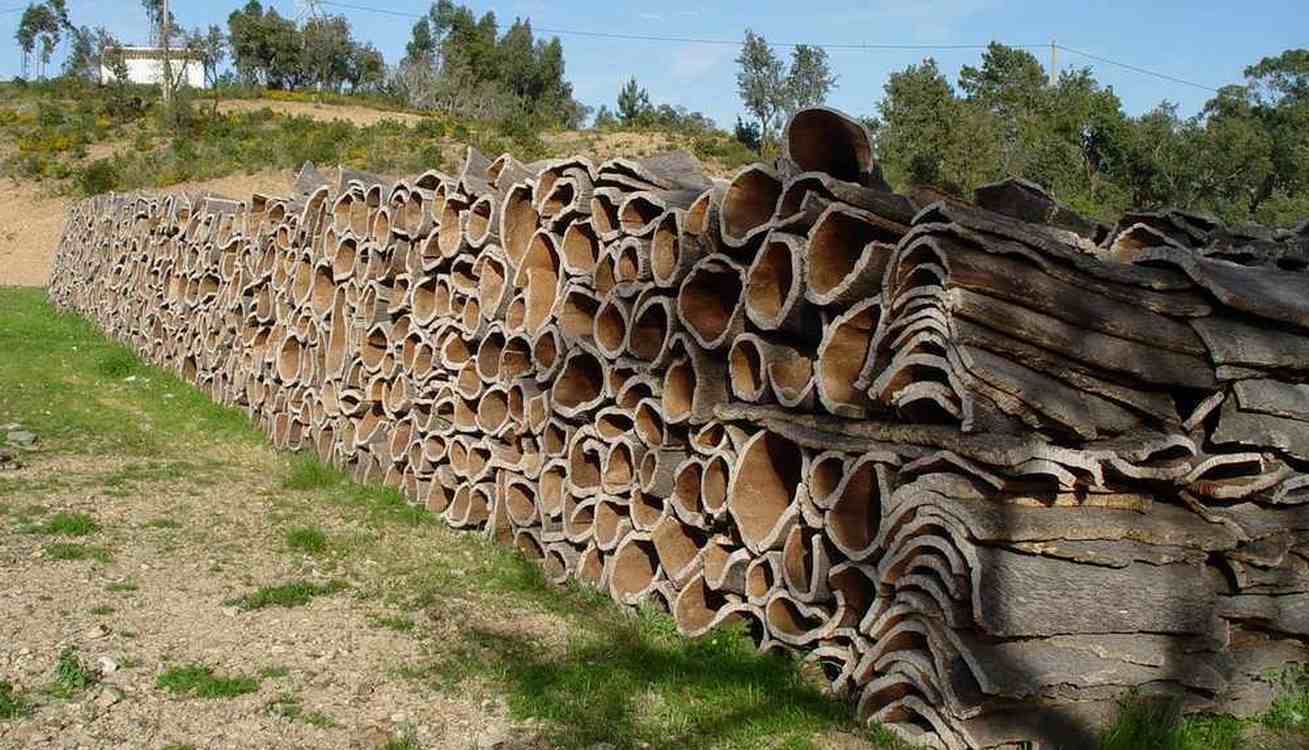
🌳
Portuguese company turns cork wood into limitless material, even to insulate spacecraft
Portugees bedrijf verandert kurkhout in grenzeloos materiaal, zelfs voor isolatie van ruimtevaartuigen
Entreprise portugaise transforme le liège en matériau illimité, même pour isoler les engins spatiaux
I love how Corticeira Amorim, a 150-year-old Portuguese cork company, is reinventing cork in the most exciting ways. So: they’ve turned this humble bark into a high-tech material that can deck cruise ships and even insulate spacecraft! Which brings me to the fact that cork is harvested sustainably from trees that live up to 200 years and can be harvested multiple times. And here's the thing, their cork even helps reduce injuries on sports fields and cleans up oil spills—talk about versatile!
Ik vind het geweldig hoe Corticeira Amorim, een Portugees kurkbedrijf van 150 jaar oud, kurk op de meest spannende manieren opnieuw uitvindt. Dus: ze hebben deze eenvoudige schors veranderd in een hightech materiaal dat cruiseboten kan bekleden en zelfs ruimtevaartuigen kan isoleren! Wat ik ook fascinerend vind, is dat kurk duurzaam wordt geoogst van bomen die tot 200 jaar oud kunnen worden en meerdere keren geoogst kunnen worden. En hier komt het: hun kurk helpt ook blessures op sportvelden te verminderen en maakt olieverschillen schoon – echt veelzijdig!
J’adore la façon dont Corticeira Amorim, une entreprise portugaise de liège vieille de 150 ans, réinvente le liège de manière passionnante. Alors : ils ont transformé cette écorce modeste en un matériau high-tech qui peut recouvrir des bateaux de croisière et même isoler des engins spatiaux ! Ce qui est fascinant, c’est que le liège est récolté durablement sur des arbres pouvant vivre jusqu’à 200 ans et être récoltés plusieurs fois. Et voici le truc : leur liège aide aussi à réduire les blessures sur les terrains de sport et à nettoyer les déversements de pétrole – quelle polyvalence !

📡
Scientists detect radio signals from an exoplanet for the first time in history
Wetenschappers detecteren voor het eerst in de geschiedenis radiosignalen van een exoplaneet
Des scientifiques détectent pour la première fois des signaux radio provenant d’une exoplanète
So: scientists have finally picked up radio signals from an exoplanet, which is a huge milestone! The signals come from Beta Pictoris b, a young gas giant about 63 light-years away, and were detected using the MeerKAT radio telescope in South Africa. These radio waves are caused by intense magnetic activity, kind of like the planet’s magnetosphere shouting into space. It’s fascinating because it confirms theories about magnetic fields around young massive planets and opens new ways to study worlds beyond our solar system.
Dus: wetenschappers hebben eindelijk radiosignalen van een exoplaneet opgevangen, en dat is echt een mijlpaal! De signalen komen van Beta Pictoris b, een jonge gasreus op ongeveer 63 lichtjaar afstand, en werden gedetecteerd met de MeerKAT-radiotelescoop in Zuid-Afrika. Deze radiogolven worden veroorzaakt door intense magnetische activiteit, alsof de magnetosfeer van de planeet naar de ruimte roept. Het is fascinerend omdat het theorieën bevestigt over magnetische velden rond jonge, zware planeten en nieuwe manieren opent om werelden buiten ons zonnestelsel te bestuderen.
Alors: des scientifiques ont enfin détecté des signaux radio provenant d’une exoplanète, ce qui est une étape majeure! Ces signaux viennent de Beta Pictoris b, une jeune géante gazeuse située à environ 63 années-lumière, et ont été captés grâce au radiotélescope MeerKAT en Afrique du Sud. Ces ondes radio sont dues à une intense activité magnétique, un peu comme si la magnétosphère de la planète criait dans l’espace. C’est passionnant car cela confirme les théories sur les champs magnétiques des jeunes planètes massives et ouvre de nouvelles voies pour étudier les mondes au-delà de notre système solaire.

🧬
The ovary is surprisingly active after menopause. scientists are trying to figure out why
De eierstok is verrassend actief na de menopauze. wetenschappers proberen te begrijpen waarom
L’ovaire reste étonnamment actif après la ménopause. les scientifiques tentent de comprendre pourquoi
I was really surprised to learn that ovaries don’t just shut down after menopause like we often think. Francesca Duncan’s research shows these organs keep changing at the molecular level well into older age. Now, scientists are excited to explore what this ongoing activity means for women’s health beyond fertility. It could reshape how we think about aging and hormone production long after the reproductive years have passed.
Ik was echt verrast om te ontdekken dat de eierstokken niet gewoon stoppen na de menopauze, zoals we vaak denken. Het onderzoek van Francesca Duncan laat zien dat deze organen op moleculair niveau blijven veranderen, zelfs op oudere leeftijd. Nu zijn wetenschappers enthousiast om te onderzoeken wat deze voortdurende activiteit betekent voor de gezondheid van vrouwen buiten de vruchtbaarheid. Dit kan onze kijk op veroudering en hormoonproductie lang na de vruchtbare jaren veranderen.
J’ai été vraiment surpris d’apprendre que les ovaires ne s’arrêtent pas simplement après la ménopause, comme on le croit souvent. Les recherches de Francesca Duncan montrent que ces organes continuent d’évoluer au niveau moléculaire même à un âge avancé. Maintenant, les scientifiques sont enthousiastes à l’idée d’explorer ce que cette activité continue signifie pour la santé des femmes au-delà de la fertilité. Cela pourrait changer notre façon de penser le vieillissement et la production hormonale bien après les années reproductives.
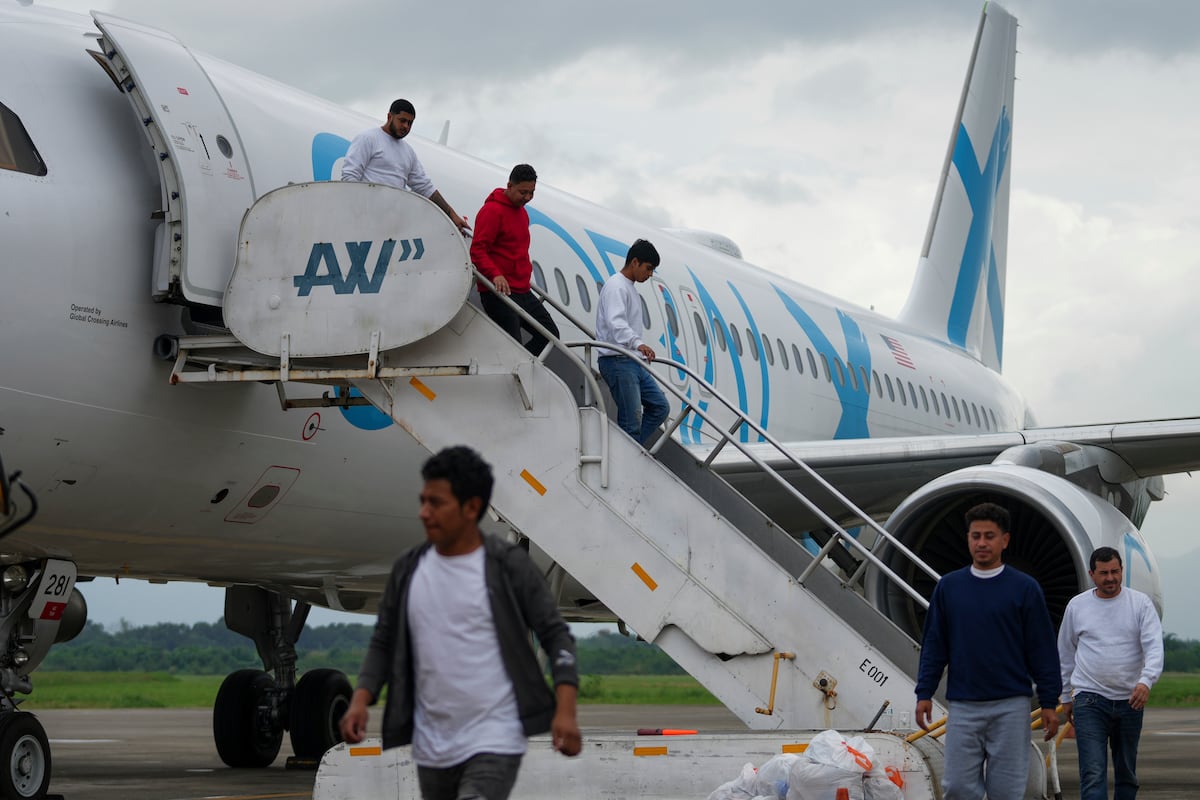
⚖️
For the first time, court orders US government to return migrant deported to Africa
Voor het eerst beveelt rechtbank Amerikaanse overheid migrant terug te halen die naar Afrika werd gedeporteerd
Pour la première fois, un tribunal ordonne au gouvernement américain de rapatrier un migrant déporté en Afrique
So: Bryan Omar Sánchez was deported to Africa without his consent, which is just wild. Now, a federal judge has stepped in and ordered the US government to bring him back, release him, and respect his rights. This is a huge deal because it challenges ICE’s policy of sending migrants to third countries without proper notice or due process. And here's the thing - Sánchez could become the first person returned after these controversial deportations to Africa. It’s a hopeful sign that justice can prevail even in tough immigration battles.
Dus: Bryan Omar Sánchez werd zonder zijn toestemming naar Afrika gedeporteerd, wat echt bizar is. Nu heeft een federale rechter de Amerikaanse overheid bevolen hem terug te halen, vrij te laten en zijn rechten te respecteren. Dit is een grote stap omdat het het beleid van ICE om migranten zonder goede kennisgeving naar derde landen te sturen, ter discussie stelt. En hier komt het op neer - Sánchez kan de eerste persoon worden die terugkeert na deze omstreden deportaties naar Afrika. Het is een hoopvol teken dat gerechtigheid kan zegevieren, zelfs bij moeilijke immigratiezaken.
Alors voilà: Bryan Omar Sánchez a été déporté en Afrique sans son consentement, ce qui est incroyable. Maintenant, un juge fédéral a ordonné au gouvernement américain de le ramener, de le libérer et de respecter ses droits. C’est un moment important car cela remet en cause la politique de l’ICE d’expulser des migrants vers des pays tiers sans préavis ni procédure régulière. Et voici le truc - Sánchez pourrait être la première personne à être rapatriée après ces déportations controversées vers l’Afrique. C’est un signe d’espoir que la justice peut l’emporter même dans les combats difficiles de l’immigration.

🚀
75 years after Tintin, a Belgian robot will roll on the moon with Jeff Bezos' help
75 jaar na Kuifje rijdt een Belgische robot op de maan met hulp van Jeff Bezos
75 ans après Tintin, un robot belge va rouler sur la Lune avec l'aide de Jeff Bezos
So: 75 years after Tintin landed on the Moon in Hergé's stories, a real Belgian rover named LUVMI-M will roll on the lunar surface in 2029. Built by Space Applications Services in Zaventem, this lightweight and reliable robot will explore the Moon's south pole, searching for water ice and helium-3, and mapping the lunar dust. And here's the thing - the mission is fully commercial, hitching a ride on Jeff Bezos' Blue Origin lander, making Belgium the first European company to offer lunar access as a service. This rover is a stepping stone for permanent human presence on the Moon and a future launchpad for Mars exploration.
Dus: 75 jaar na Kuifje die op de maan landde in de verhalen van Hergé, zal een echte Belgische rover genaamd LUVMI-M in 2029 over het maanoppervlak rijden. Gemaakt door Space Applications Services in Zaventem, is deze lichte en betrouwbare robot bedoeld om het zuidpoolgebied van de maan te verkennen, op zoek naar ijs en helium-3, en om het maanstof in kaart te brengen. En hier komt het: de missie is volledig commercieel en maakt gebruik van de lander van Jeff Bezos' Blue Origin, waardoor België het eerste Europese bedrijf is dat toegang tot de maan als dienst aanbiedt. Deze rover bereidt de weg voor een permanente menselijke aanwezigheid op de maan en een toekomstige lanceerbasis naar Mars.
Alors: 75 ans après que Tintin ait atterri sur la Lune dans les histoires d'Hergé, un rover belge nommé LUVMI-M roulera sur la surface lunaire en 2029. Construit par Space Applications Services à Zaventem, ce robot léger et fiable explorera le pôle Sud de la Lune, à la recherche de glace d'eau et d'hélium-3, tout en cartographiant la poussière lunaire. Et voici le truc - la mission est entièrement commerciale, embarquée sur le module d'atterrissage de Blue Origin de Jeff Bezos, faisant de la Belgique la première entreprise européenne à offrir un accès à la Lune comme service. Ce rover prépare le terrain pour une présence humaine permanente sur la Lune et une future rampe de lancement vers Mars.
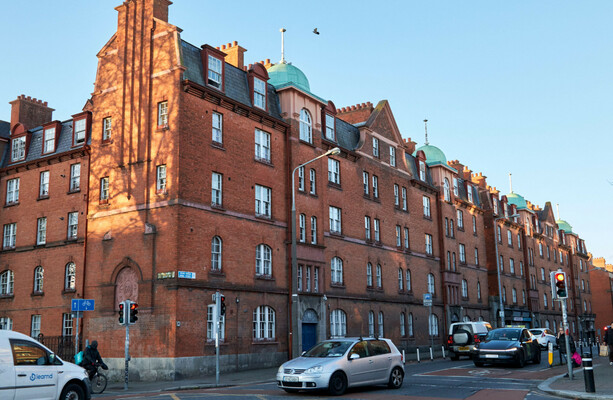
🏘️
10 reasons why housing plans work best when they're big
10 redenen waarom woningplannen beter groot zijn
10 raisons pour lesquelles les plans de logement fonctionnent mieux en grand
I find it fascinating how big housing plans can actually create beautiful, cohesive neighbourhoods rather than just scattered units. When developers think on a large scale, they can invest in nicer public spaces and better layouts, which lifts the whole community’s spirit. It’s like the best parts of Dublin, built by single landowners, show us that planning big really pays off. And here’s the thing - big plans help tackle the housing crisis by making homes more attractive and affordable, which benefits everyone.
Ik vind het fascinerend hoe grote woningplannen mooie, samenhangende buurten kunnen creëren in plaats van verspreide eenheden. Wanneer ontwikkelaars op grote schaal denken, kunnen ze investeren in betere openbare ruimtes en een betere indeling, wat de hele gemeenschap ten goede komt. De beste delen van Dublin, gebouwd door enkele landeigenaren, laten zien dat groot plannen echt loont. En hier komt het op neer - grote plannen helpen de woningcrisis aan te pakken door woningen aantrekkelijker en betaalbaarder te maken, wat iedereen ten goede komt.
Je trouve passionnant que les grands projets de logement puissent créer des quartiers beaux et cohérents plutôt que des unités dispersées. Quand les promoteurs pensent à grande échelle, ils peuvent investir dans de beaux espaces publics et de meilleures configurations, ce qui élève l’esprit de toute la communauté. Les plus beaux quartiers de Dublin, construits par des propriétaires fonciers uniques, montrent que planifier en grand rapporte vraiment. Et voici le truc - les grands projets aident à résoudre la crise du logement en rendant les maisons plus attrayantes et abordables, ce qui profite à tous.

🐄
Meet the AI helping farmers care for their cows
Ontmoet de AI die boeren helpt voor hun koeien te zorgen
Découvrez l'IA qui aide les agriculteurs à prendre soin de leurs vaches
I love how technology is stepping into the fields in such a warm way. Charmiben treats her cows like family, and now she has Sarlaben, an AI assistant that speaks her language and connects her to Amul’s deep dairy knowledge. So: when her cows aren’t feeling right, she gets tailored advice that’s just for them. It’s amazing to see AI helping farmers care better for their animals, making life easier and more personal.
Ik vind het geweldig hoe technologie zo warm het boerenleven binnenkomt. Charmiben ziet haar koeien als familie, en nu heeft ze Sarlaben, een AI-assistent die haar taal spreekt en haar verbindt met Amul’s uitgebreide kennis over zuivel. Dus: als haar koeien zich niet goed voelen, krijgt ze advies dat precies bij hen past. Het is fantastisch om te zien hoe AI boeren helpt beter voor hun dieren te zorgen en het leven persoonlijker maakt.
J’adore voir comment la technologie s’invite dans les fermes avec autant de chaleur. Charmiben considère ses vaches comme sa famille, et elle a maintenant Sarlaben, une assistante IA qui parle sa langue et la connecte aux riches connaissances laitières d’Amul. Donc, quand ses vaches ne vont pas bien, elle reçoit des conseils adaptés à chacune. C’est incroyable de voir l’IA aider les agriculteurs à mieux prendre soin de leurs animaux, rendant la vie plus simple et plus humaine.

🌧️
Zimbabwe turns to cloud seeding as drought threat looms
Zimbabwe zet in op wolkenzaaien nu droogte dreigt
Le Zimbabwe recourt à l'ensemencement des nuages face à la menace de sécheresse
Zimbabwe is gearing up for a tough 2026/27 agricultural season by using cloud seeding to boost rainfall amid forecasts of a strong El Niño. The government plans to deploy aircraft and drones from key cities to encourage rain, as part of a broader six-pillar drought mitigation strategy. This approach complements efforts like irrigation development, climate-smart farming, and early warning systems to protect food production. So: while cloud seeding can help, it’s one tool among many to support farmers facing unpredictable weather.
Zimbabwe bereidt zich voor op een moeilijke landbouwseizoen 2026/27 door wolkenzaaien in te zetten om de regenval te stimuleren, nu een sterke El Niño wordt voorspeld. De overheid wil vliegtuigen en drones inzetten vanuit belangrijke steden als onderdeel van een bredere strategie met zes pijlers tegen droogte. Deze aanpak vult inspanningen aan zoals irrigatieontwikkeling, klimaatvriendelijke landbouw en waarschuwingssystemen om voedselproductie te beschermen. Dus: wolkenzaaien is een hulpmiddel, maar het is slechts één onderdeel van de steun aan boeren bij onvoorspelbaar weer.
Le Zimbabwe se prépare à une saison agricole difficile en 2026/27 en utilisant l'ensemencement des nuages pour stimuler les précipitations face à un fort El Niño prévu. Le gouvernement prévoit de déployer des avions et des drones depuis plusieurs villes dans le cadre d'une stratégie globale à six piliers pour atténuer la sécheresse. Cette méthode complète des efforts comme le développement de l'irrigation, l'agriculture intelligente face au climat et les systèmes d'alerte précoce pour protéger la production alimentaire. Donc : l'ensemencement des nuages est un outil parmi d'autres pour aider les agriculteurs à gérer un climat incertain.

🧵
From cotton to uniforms, Burkina Faso boosts its textile industry
Van katoen tot uniformen, Burkina Faso stimuleert zijn textielindustrie
Du coton aux uniformes, le Burkina Faso dynamise son industrie textile
Burkina Faso is cleverly turning traditional fabrics into school, judicial, and military uniforms to create a strong market for locally processed cotton. This move supports spinning mills, women weavers, and garment workshops, helping keep more value within the country. I find it fascinating how the government’s policy is not just cultural but also economic, boosting demand for Faso Dan Fani and other fabrics. The challenge lies in meeting production volumes and quality, but local entrepreneurs are rising to the occasion with great enthusiasm.
Burkina Faso zet traditionele stoffen om in school-, gerechtelijke en militaire uniformen om zo een duurzame markt voor lokaal verwerkt katoen te creëren. Deze aanpak ondersteunt spinmolens, vrouwelijke wevers en kledingateliers en houdt meer waarde binnen het land. Het is boeiend hoe het beleid niet alleen cultureel, maar ook economisch is, met een groeiende vraag naar Faso Dan Fani en andere stoffen. De uitdaging is om aan de productie-eisen te voldoen, maar lokale ondernemers pakken dit met veel enthousiasme aan.
Le Burkina Faso transforme astucieusement les tissus traditionnels en uniformes scolaires, judiciaires et militaires pour créer un marché durable pour le coton localement transformé. Cette initiative soutient les filatures, les tisserandes et les ateliers de confection, tout en conservant plus de valeur dans le pays. Ce qui me plaît, c’est que la politique est à la fois culturelle et économique, stimulant la demande pour le Faso Dan Fani et d’autres tissus. Le défi est de répondre aux volumes et à la qualité, mais les entrepreneurs locaux relèvent le pari avec beaucoup d’enthousiasme.
/s3/static.nrc.nl/wp-content/uploads/2026/09/22214814/250926WET_2036056459_HansDeKroon01.jpg)
🌿
In the Ooijpolder you experience how good nature policy can make a difference, with hedges, ponds and farmer involvement
In de Ooijpolder erváár je waarin goed natuurbeleid het verschil kan maken, met hagen en poelen en betrokkenheid van boeren
Dans la Ooijpolder, on voit comment une bonne politique de la nature fait la différence, avec haies, étangs et implication des agriculteurs
Walking through the Ooijpolder with professor Hans de Kroon, you really see how effective nature policy can be when farmers are involved and landscapes are carefully restored. Over two decades, hedges, ponds, and flower strips have been created, boosting insect life and supporting species like the great crested newt. The key? Not just money, but genuine love and connection to the land from the farmers themselves. This collaboration, respect, and patience show how biodiversity can thrive in agricultural areas.
Wandelen door de Ooijpolder met hoogleraar Hans de Kroon laat je zien hoe effectief natuurbeleid kan zijn als boeren betrokken zijn en het landschap zorgvuldig wordt hersteld. In twee decennia zijn hagen, poelen en bloemstroken aangelegd die het insectenleven stimuleren en soorten zoals de kamsalamander ondersteunen. De sleutel? Niet alleen geld, maar echte liefde en verbondenheid van de boeren met het land. Deze samenwerking, respect en geduld laten zien hoe biodiversiteit kan floreren in landbouwgebieden.
Se promener dans la Ooijpolder avec le professeur Hans de Kroon montre à quel point une bonne politique de la nature peut réussir quand les agriculteurs sont impliqués et que le paysage est restauré avec soin. En deux décennies, des haies, des étangs et des bandes fleuries ont été créés, favorisant la vie des insectes et soutenant des espèces comme la salamandre tachetée. La clé ? Pas seulement l'argent, mais un véritable amour et un lien profond des agriculteurs avec leur terre. Cette collaboration, ce respect et cette patience démontrent comment la biodiversité peut prospérer en milieu agricole.
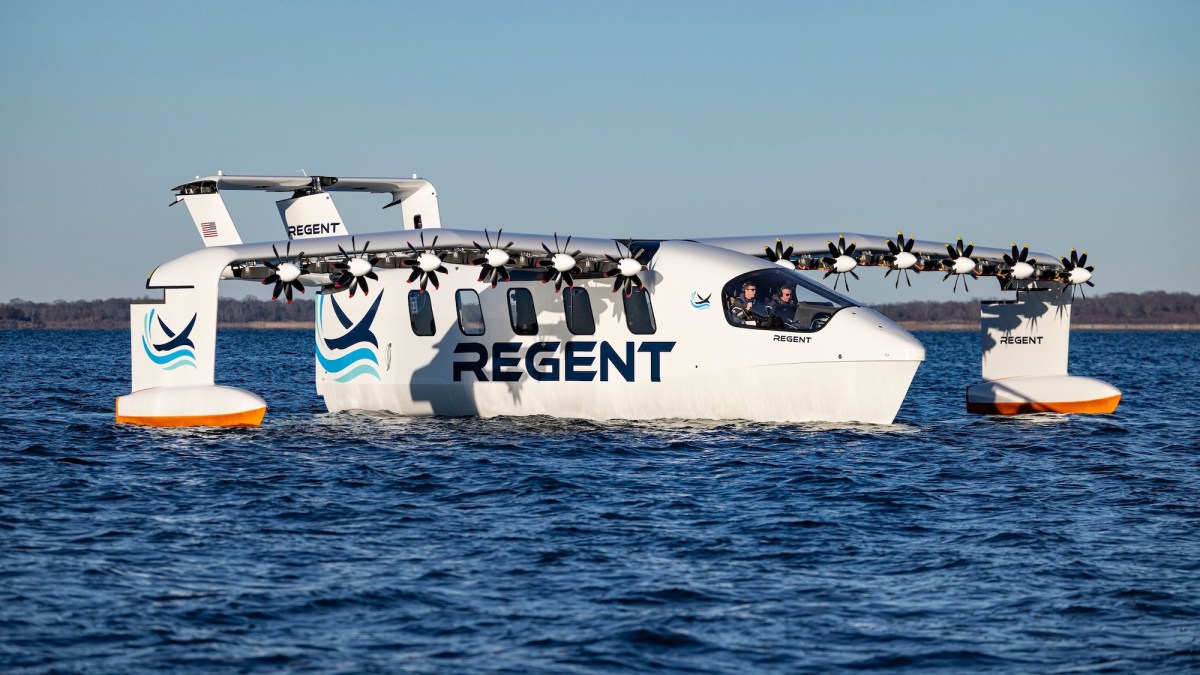
🛩️
Soviet ‘sea monster’ inspired this futuristic ‘flying boat’
Sovjet ‘zeemonster’ inspireerde deze futuristische ‘vliegende boot’
Le « monstre de la mer » soviétique a inspiré ce « bateau volant » futuriste
So: a strange boat with wings and a whale-like tail recently took flight over Rhode Island’s Narragansett Bay, marking the first crewed flight of the Viceroy Seaglider. This part-plane, part-boat craft by REGENT promises to combine boat convenience with aircraft speed, carrying 12 passengers at 180 mph or heavy cargo. Now, here’s the thing - it’s inspired by Soviet-era ekranoplans, those massive ground-effect vehicles nicknamed the “Sea Monster of the Caspian.” REGENT’s clever use of hydrofoils aims to fix past handling issues, making takeoffs smoother and faster, while the US military is already interested in its stealth and resupply potential.
Dus: een vreemde boot met vleugels en een walvisachtige staart vloog onlangs over de Narragansett Bay in Rhode Island, wat de eerste bemande vlucht markeerde van de Viceroy Seaglider. Dit deel-vliegtuig, deel-boot vaartuig van REGENT belooft het gemak van een boot te combineren met de snelheid van een vliegtuig, met plaats voor 12 passagiers aan 180 mph of zware lading. En hier is het mooie - het is geïnspireerd op Sovjet-era ekranoplans, die enorme grond-effect voertuigen die de bijnaam ‘Zeemonster van de Kaspische Zee’ kregen. REGENT gebruikt slimme hydrofoils om eerdere problemen met het besturen op te lossen, waardoor het opstijgen soepeler en sneller gaat, en het Amerikaanse leger toont al interesse voor stealth en bevoorrading.
Alors: un étrange bateau avec des ailes et une queue ressemblant à une baleine a récemment volé au-dessus de la baie de Narragansett à Rhode Island, marquant le premier vol habité du Viceroy Seaglider. Ce véhicule mi-avion, mi-bateau de REGENT promet de combiner la commodité d’un bateau avec la vitesse d’un avion, pouvant transporter 12 passagers à 180 mph ou une lourde cargaison. Et voici la chose - il est inspiré des ekranoplans soviétiques, ces énormes engins à effet de sol surnommés le « monstre de la mer Caspienne ». REGENT utilise des hydrofoils pour résoudre les problèmes de maniabilité passés, rendant les décollages plus doux et rapides, tandis que l’armée américaine s’intéresse déjà à son potentiel furtif et de ravitaillement.
🌿
Project will harness technology to track Amazon biodiversity in real time
Project gebruikt technologie om biodiversiteit in de Amazone realtime te volgen
Un projet utilisera la technologie pour suivre la biodiversité de l’Amazonie en temps réel
So: there’s this exciting new project aiming to monitor the Amazon’s incredible biodiversity as it happens, using cutting-edge technology. I love how they’re combining sensors, AI, and satellite data to get a live picture of what’s going on in one of the world’s richest ecosystems. This means scientists can react faster to changes and threats, which is super important for conservation. And here’s the thing - real-time data could change how we protect the Amazon forever, making it more dynamic and responsive.
Dus: er is een spannend nieuw project dat de ongelooflijke biodiversiteit van de Amazone realtime wil volgen met behulp van geavanceerde technologie. Ik vind het geweldig hoe ze sensoren, AI en satellietgegevens combineren om een live beeld te krijgen van wat er gebeurt in een van de rijkste ecosystemen ter wereld. Dit betekent dat wetenschappers sneller kunnen reageren op veranderingen en bedreigingen, wat superbelangrijk is voor natuurbehoud. En hier komt het op neer - realtime data kan de manier waarop we de Amazone beschermen voorgoed veranderen, door het dynamischer en responsiever te maken.
Alors: un projet passionnant vise à surveiller la biodiversité incroyable de l’Amazonie en temps réel grâce à une technologie de pointe. J’adore la manière dont ils combinent capteurs, intelligence artificielle et données satellites pour obtenir une image en direct de ce qui se passe dans l’un des écosystèmes les plus riches du monde. Cela permet aux scientifiques de réagir plus rapidement aux changements et aux menaces, ce qui est super important pour la conservation. Et voilà le truc - les données en temps réel pourraient transformer à jamais la façon dont nous protégeons l’Amazonie, la rendant plus dynamique et réactive.
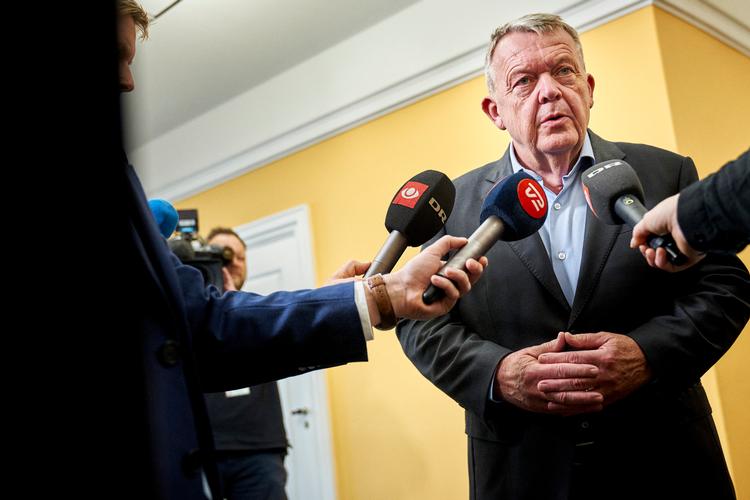
🎓
Denmark to support global education fund with billion kroner
Denemarken steunt wereldwijd onderwijsfonds met miljarden
Le Danemark soutiendra le fonds mondial pour l'éducation avec un milliard de couronnes
So: Denmark is stepping up to invest heavily in education for developing countries by pledging up to a billion kroner to the Global Partnership for Education by 2030. This commitment kicks off with 250 million kroner in 2027, showing real dedication to the cause. And here's the thing - education is seen as one of the best investments, benefiting both the children receiving support and Denmark itself. This move comes as the global fund faces financial pressure, making Denmark's support even more crucial.
Dus: Denemarken zet zich flink in voor onderwijs in ontwikkelingslanden door tot 2030 een miljard kronen toe te zeggen aan het Global Partnership for Education. Deze toezegging begint in 2027 met 250 miljoen kronen, wat echt laat zien dat ze het menen. En hier is het mooie aan - onderwijs wordt gezien als een van de beste investeringen, die zowel de kinderen als Denemarken zelf ten goede komt. Deze stap komt op een moment dat het wereldwijde fonds financiële druk voelt, waardoor de steun van Denemarken extra belangrijk is.
Alors: le Danemark s'engage à investir massivement dans l'éducation des pays en développement en promettant jusqu'à un milliard de couronnes au Partenariat mondial pour l'éducation d'ici 2030. Cet engagement commence avec 250 millions de couronnes en 2027, montrant une vraie détermination. Et voici le truc - l'éducation est considérée comme l'un des meilleurs investissements, profitant à la fois aux enfants aidés et au Danemark lui-même. Cette initiative arrive alors que le fonds mondial fait face à des pressions financières, rendant le soutien danois d'autant plus crucial.

🐂
From meat to the saddle: B.C. rancher trains yaks to carry riders
Van vlees naar het zadel: rancher in B.C. traint jakken om ruiters te dragen
De la viande à la selle : un éleveur de la Colombie-Britannique entraîne des yaks à porter des cavaliers
I find it fascinating that a rancher in British Columbia is giving yaks a new role beyond meat production. Jamie Kamps at Black Yak Cattle Co. is training Toro, a young yak, to carry riders and pull loads. These animals have a calm temperament and sturdy build, making them great candidates for riding and packing. It’s exciting to see such a unique approach that could offer yaks a life as pleasure animals instead of just livestock. This could open up new possibilities for how we appreciate and use these hardy creatures.
Ik vind het geweldig dat een rancher in British Columbia jakken een nieuwe rol geeft buiten het produceren van vlees. Jamie Kamps van Black Yak Cattle Co. traint Toro, een jonge jak, om ruiters te dragen en lasten te trekken. Deze dieren hebben een rustig karakter en een stevig lichaam, wat ze geschikt maakt voor rijden en beladen. Het is spannend om zo’n unieke aanpak te zien die jakken een leven als plezierdieren kan geven in plaats van alleen vee. Dit kan nieuwe mogelijkheden openen voor hoe we deze robuuste dieren waarderen en gebruiken.
Je trouve fascinant qu’un éleveur en Colombie-Britannique donne aux yaks un nouveau rôle au-delà de la production de viande. Jamie Kamps de Black Yak Cattle Co. entraîne Toro, un jeune yak, à porter des cavaliers et à tirer des charges. Ces animaux ont un tempérament calme et une constitution robuste, ce qui les rend parfaits pour la monte et le portage. C’est enthousiasmant de voir une approche aussi unique qui pourrait offrir aux yaks une vie de plaisir plutôt que d’être simplement du bétail. Cela pourrait ouvrir de nouvelles perspectives pour apprécier et utiliser ces créatures résistantes.
🌿
These tropical trees breathe at night to survive drought
Deze tropische bomen ademen 's nachts om droogte te overleven
Ces arbres tropicaux respirent la nuit pour survivre à la sécheresse
So: tropical trees from the genus Clusia have a fascinating trick to survive drought by breathing at night. Researchers discovered that ancient genome duplications and reshuffling helped these trees evolve a special type of photosynthesis called CAM, which lets them absorb CO2 at night instead of during the day. Each species uses CAM differently, showing a remarkable diversity in how they manage water and carbon. And here's the thing - this discovery not only solves a 200-year-old mystery but also highlights the incredible adaptability of plants in tough environments.
Dus: tropische bomen uit het geslacht Clusia hebben een fascinerende truc om droogte te overleven door 's nachts te ademen. Onderzoekers ontdekten dat oude genoomduplicaties en herschikkingen deze bomen hielpen een speciale vorm van fotosynthese te ontwikkelen, genaamd CAM, waarmee ze CO2 's nachts opnemen in plaats van overdag. Elke soort gebruikt CAM op een andere manier, wat een opmerkelijke diversiteit laat zien in hoe ze water en koolstof beheren. En hier komt het op aan - deze ontdekking lost niet alleen een 200 jaar oud mysterie op, maar benadrukt ook de ongelooflijke aanpassingsvermogen van planten in moeilijke omstandigheden.
Alors: les arbres tropicaux du genre Clusia ont une astuce fascinante pour survivre à la sécheresse en respirant la nuit. Les chercheurs ont découvert que des duplications et réorganisations anciennes du génome ont aidé ces arbres à évoluer vers une photosynthèse spéciale appelée CAM, qui leur permet d’absorber le CO2 la nuit plutôt que le jour. Chaque espèce utilise le CAM différemment, montrant une diversité remarquable dans leur gestion de l’eau et du carbone. Et voici le truc - cette découverte résout un mystère vieux de 200 ans et met en lumière l’incroyable adaptabilité des plantes dans des environnements difficiles.
🪨
Stonehenge’s 6-ton altar stone may have traveled from Scotland by glacier
De 6-tonnen altaarsteen van Stonehenge kwam mogelijk per gletsjer uit Schotland
La pierre d'autel de 6 tonnes de Stonehenge pourrait avoir voyagé d'Écosse par un glacier
I find it fascinating that the massive Altar Stone at Stonehenge might have started its journey all the way in northeast Scotland! Researchers combined mineral dating and ice sheet models to suggest glaciers could have carried it part of the way to Dogger Bank in the North Sea. Now, here’s the thing: people still had to move this six-tonne stone hundreds of kilometers to Salisbury Plain, which shows incredible Neolithic effort and cooperation. This discovery opens up exciting ideas about how ancient communities valued and transported such monumental stones.
Ik vind het geweldig dat de enorme altaarsteen van Stonehenge misschien helemaal uit het noordoosten van Schotland komt! Onderzoekers gebruikten mineraaldatering en modellen van ijskappen om te laten zien dat gletsjers de steen mogelijk tot aan Dogger Bank in de Noordzee hebben vervoerd. En hier komt het: mensen moesten de zes ton zware steen nog honderden kilometers naar Salisbury Plain verplaatsen, wat een enorme inspanning van de neolithische gemeenschappen laat zien. Deze ontdekking geeft een spannend nieuw inzicht in hoe oude mensen zulke indrukwekkende stenen waardeerden en verplaatsten.
Je trouve fascinant que la pierre d'autel massive de Stonehenge ait peut-être commencé son voyage dans le nord-est de l'Écosse ! Les chercheurs ont combiné la datation minérale et des modèles de calottes glaciaires pour suggérer que les glaciers ont pu la transporter jusqu'à Dogger Bank en mer du Nord. Et voici le truc : les humains ont ensuite dû déplacer cette pierre de six tonnes sur des centaines de kilomètres jusqu'à Salisbury Plain, ce qui montre un effort et une coopération néolithiques impressionnants. Cette découverte ouvre des perspectives passionnantes sur la manière dont les anciennes communautés valorisaient et transportaient ces pierres monumentales.
💊
Breakthrough drug reverses skin aging and dramatically speeds healing
Doorbraakmedicijn keert huidveroudering om en versnelt genezing aanzienlijk
Médicament révolutionnaire inverse le vieillissement de la peau et accélère la cicatrisation
So: researchers have found that a drug called ABT-263 can clear out aging, damaged cells from older skin, helping wounds heal much faster. They tested it on older mice and saw a big jump in healing rates after just five days of treatment. And here's the thing - the drug also triggered a helpful burst of inflammation that jumpstarts the skin’s repair process. This could one day mean better treatments for slow-healing wounds in older adults, though more research is needed before it’s used in people.
Dus: onderzoekers ontdekten dat het medicijn ABT-263 verouderde, beschadigde cellen uit oudere huid kan verwijderen, waardoor wonden veel sneller genezen. Ze testten het op oudere muizen en zagen na slechts vijf dagen behandeling een flinke verbetering in het genezingsproces. En hier komt het: het medicijn veroorzaakte ook een korte ontstekingsreactie die het herstel van de huid stimuleert. Dit kan in de toekomst zorgen voor betere behandelingen van langzaam genezende wonden bij ouderen, al is er nog meer onderzoek nodig voordat het bij mensen wordt toegepast.
Alors: des chercheurs ont découvert qu’un médicament appelé ABT-263 peut éliminer les cellules âgées et endommagées de la peau, aidant ainsi les plaies à guérir beaucoup plus rapidement. Ils l’ont testé sur des souris âgées et ont observé une nette amélioration de la cicatrisation après seulement cinq jours de traitement. Et voici le truc - le médicament a aussi déclenché une inflammation temporaire bénéfique qui active la réparation de la peau. Cela pourrait un jour offrir de meilleurs traitements pour les plaies qui guérissent lentement chez les personnes âgées, même si des recherches supplémentaires sont nécessaires avant une utilisation humaine.
🛌
More REM sleep linked to lower risk of 83 diseases
Meer REM-slaap gekoppeld aan lager risico op 83 ziekten
Plus de sommeil paradoxal lié à un risque réduit de 83 maladies
I find it fascinating that more REM sleep is connected to a lower risk of 83 diseases, including heart failure and dementia. The study tracked nearly 96,000 people over almost nine years using wrist devices to measure sleep stages, which is pretty cool technology. They also found that sleeping less than five hours ramps up disease risk significantly, while 6-8 hours seems to be the sweet spot. And here's the thing - deep sleep also protects against conditions like diabetes and depression, showing how important quality sleep really is.
Ik vind het geweldig dat meer REM-slaap gekoppeld is aan een lager risico op 83 ziekten, waaronder hartfalen en dementie. De studie volgde bijna 96.000 mensen bijna negen jaar lang met polsapparaten die slaappatronen meten - best indrukwekkend! Ze ontdekten ook dat minder dan vijf uur slaap het risico op ziekten flink verhoogt, terwijl 6-8 uur de ideale duur lijkt. En het mooie is dat diepe slaap ook beschermt tegen aandoeningen zoals diabetes en depressie, wat het belang van goede slaap benadrukt.
Je trouve fascinant que plus de sommeil paradoxal soit lié à un risque réduit de 83 maladies, y compris l’insuffisance cardiaque et la démence. L’étude a suivi près de 96 000 personnes pendant presque neuf ans grâce à des dispositifs portés au poignet pour mesurer les phases de sommeil, c’est vraiment impressionnant. Ils ont aussi découvert que dormir moins de cinq heures augmente fortement le risque de maladies, tandis que 6 à 8 heures semble être la durée idéale. Et voici le truc - le sommeil profond protège aussi contre des maladies comme le diabète et la dépression, soulignant l’importance d’un sommeil de qualité.
/s3/static.nrc.nl/wp-content/uploads/2026/09/16144133/210926WEE_2036379838_illustratie-hp-web-Leila-Hak.jpeg)
🧘
What are the effects of meditation? Should you make it a habit? Experts answer
Wat zijn de effecten van meditatie? Moet je er een gewoonte van maken? Experts geven antwoord
Quels sont les effets de la méditation ? Faut-il en faire une habitude ? Les experts répondent
Meditation is more than just a trendy practice - it helps you take control of your thoughts and feelings by training your mind to observe without judgment. Experts explain that mindfulness meditation can reduce stress, anxiety, and depression, with lasting benefits when practiced regularly. But here’s the thing: meditation isn’t always easy or suitable for everyone, especially those with a history of mental health issues, who should practice under guidance. So, if you’re curious, starting meditation thoughtfully can open a path to greater emotional balance and self-awareness.
Meditatie is meer dan een trend - het helpt je om meer controle te krijgen over je gedachten en gevoelens door je geest te trainen zonder oordeel te observeren. Experts leggen uit dat mindfulness-meditatie stress, angst en depressie kan verminderen, met blijvende voordelen bij regelmatige beoefening. Maar hier is het punt: meditatie is niet altijd makkelijk of geschikt voor iedereen, vooral niet voor mensen met een voorgeschiedenis van psychische klachten, die onder begeleiding moeten oefenen. Dus, als je nieuwsgierig bent, kan het bewust beginnen met meditatie je een weg naar meer emotionele balans en zelfbewustzijn bieden.
La méditation n’est pas qu’une mode - elle vous aide à mieux gérer vos pensées et émotions en entraînant l’esprit à observer sans jugement. Les experts expliquent que la méditation de pleine conscience peut réduire le stress, l’anxiété et la dépression, avec des effets durables lorsqu’elle est pratiquée régulièrement. Mais attention, la méditation n’est pas toujours facile ni adaptée à tous, notamment aux personnes ayant des antécédents psychiques, qui doivent la pratiquer sous supervision. Donc, si vous êtes curieux, commencer la méditation avec soin peut ouvrir la voie à un meilleur équilibre émotionnel et une plus grande conscience de soi.

💡
Data centers are black boxes, but California wants to change that
Datacenters zijn zwarte dozen, maar Californië wil dat veranderen
Les centres de données sont des boîtes noires, mais la Californie veut changer cela
So: California just took a big step to shine a light on data centers, those mysterious giants gobbling up electricity and water. Gov. Newsom signed several bills requiring these centers to disclose their energy and water use, which is fantastic for transparency. Now, communities and scientists can finally get a clearer picture of their impact on local resources and bills. And here's the thing - these laws also push for fairer power rates and more renewable energy use, aiming to keep costs down and the environment happier.
Dus: Californië zet een grote stap om licht te werpen op datacenters, die mysterieuze reuzen die veel elektriciteit en water verbruiken. Gouverneur Newsom ondertekende verschillende wetten die datacenters verplichten hun energie- en waterverbruik te rapporteren, wat geweldig is voor transparantie. Nu kunnen gemeenschappen en wetenschappers eindelijk een duidelijker beeld krijgen van hun impact op lokale bronnen en rekeningen. En het mooie is dat deze wetten ook zorgen voor eerlijkere stroomtarieven en meer gebruik van hernieuwbare energie, wat kosten drukt en het milieu ten goede komt.
Alors: la Californie vient de faire un grand pas pour éclairer les centres de données, ces géants mystérieux qui consomment beaucoup d’électricité et d’eau. Le gouverneur Newsom a signé plusieurs lois obligeant ces centres à divulguer leur consommation d’énergie et d’eau, ce qui est fantastique pour la transparence. Désormais, les communautés et les scientifiques peuvent enfin mieux comprendre leur impact sur les ressources locales et les factures. Et voici le truc - ces lois encouragent aussi des tarifs d’électricité plus justes et une utilisation accrue des énergies renouvelables, pour réduire les coûts et protéger l’environnement.
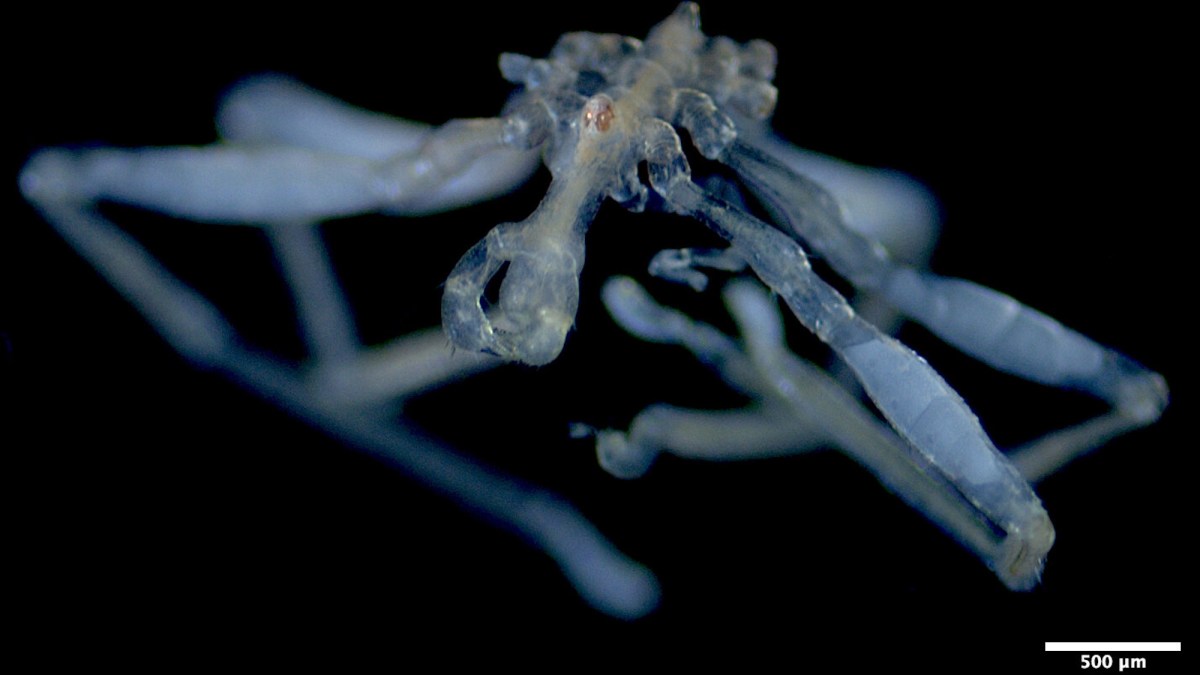
🦀
Sea spider with hairy feet, three lips, and red eyes found in Canada
Zeekreeft met harige voeten, drie lippen en rode ogen ontdekt in Canada
Araignée de mer aux pieds poilus, trois lèvres et yeux rouges découverte au Canada
So: marine biologists at the University of British Columbia have uncovered two fascinating new species of sea spiders in Canada’s Salish Sea. One sports hairy feet and striking red eyes, while the other struggles to groom itself, becoming a tiny ecosystem for parasites. These creatures are truly weird wonders, with traits like breathing through their skin and males caring for eggs on their legs. And here's the thing - these discoveries highlight how little we know about marine life in this area, especially as climate change threatens their fragile habitats.
Dus: mariene biologen van de Universiteit van British Columbia hebben twee fascinerende nieuwe soorten zeekreeften ontdekt in de Salish Sea in Canada. De ene heeft harige voeten en opvallende rode ogen, terwijl de andere zichzelf niet goed kan verzorgen en zo een klein ecosysteem voor parasieten wordt. Deze wezens zijn echt vreemde wonderen, met eigenschappen zoals ademhalen door de huid en mannetjes die voor de eieren op hun poten zorgen. En hier komt het op neer - deze ontdekkingen tonen aan hoe weinig we weten over het zeeleven in dit gebied, vooral nu klimaatverandering hun kwetsbare leefomgeving bedreigt.
Alors: des biologistes marins de l’Université de la Colombie-Britannique ont découvert deux nouvelles espèces fascinantes d’araignées de mer dans la mer de Salish au Canada. L’une possède des pieds poilus et des yeux rouges saisissants, tandis que l’autre a du mal à se nettoyer, devenant un véritable écosystème pour des parasites. Ces créatures sont de véritables merveilles étranges, avec des traits comme la respiration à travers la peau et les mâles qui prennent soin des œufs sur leurs pattes. Et voici le truc - ces découvertes montrent à quel point nous connaissons peu la vie marine dans cette région, surtout avec le changement climatique qui menace leurs habitats fragiles.

🚲
Bikes outnumbered cars on Scottish rush hour route for the first time ever
Fietsen overtroffen auto's tijdens spitsuur in Schotland voor het eerst ooit
Les vélos ont dépassé les voitures sur un trajet aux heures de pointe en Écosse pour la première fois
I find it fascinating that in Edinburgh, bikes have finally outnumbered cars during the morning rush hour on Leith Walk, a historic first! This surge is largely thanks to the popularity of e-bike rentals and new segregated bike lanes making cycling safer and more appealing. Glasgow is also seeing a big boost in bike journeys, with some roads recording record numbers. And here's the thing - people like Kirsty, a health visitor, are saving time and enjoying the calm of cycling instead of driving. It’s clear that Scotland’s investment in cycling infrastructure is really paying off.
Ik vind het geweldig dat er in Edinburgh voor het eerst tijdens het ochtendspitsuur meer fietsen dan auto’s waren op Leith Walk! Deze groei komt vooral door de populariteit van e-bike verhuur en nieuwe gescheiden fietspaden die fietsen veiliger en aantrekkelijker maken. Ook in Glasgow neemt het aantal fietstochten flink toe, met sommige wegen die recordaantallen laten zien. En weet je, mensen zoals Kirsty, een gezondheidsbezoeker, besparen tijd en genieten van de rust van fietsen in plaats van autorijden. Het is duidelijk dat de investeringen in fietsinfrastructuur in Schotland echt hun vruchten afwerpen.
Je trouve fascinant qu’à Édimbourg, les vélos aient enfin dépassé les voitures pendant l’heure de pointe du matin sur Leith Walk, une première historique ! Cette hausse est largement due à la popularité des vélos électriques en location et aux nouvelles pistes cyclables séparées qui rendent le vélo plus sûr et plus attrayant. Glasgow connaît aussi une forte augmentation des trajets à vélo, avec certaines routes enregistrant des chiffres record. Et voici le truc - des personnes comme Kirsty, visiteuse en santé, gagnent du temps et apprécient le calme du vélo plutôt que la voiture. Il est clair que les investissements de l’Écosse dans les infrastructures cyclables portent vraiment leurs fruits.
🦴
Bones link 10,000-year-old temple complex to a village, not a ‘skull cult’
Botten verbinden 10.000 jaar oud tempelcomplex met een dorp, niet met een ‘schedelcultus’
Des os relient un complexe de temples vieux de 10 000 ans à un village, pas à un « culte du crâne »
So: new research shows that the bones found at a 10,000-year-old temple complex actually connect it to a nearby village, rather than some mysterious skull cult. This is fascinating because it changes how we understand the social life of early humans in that area. Instead of a creepy ritual, it looks like a community with strong ties and shared practices. And here's the thing - it reminds me how much we can learn from bones about ancient human connections and daily life.
Dus: nieuw onderzoek toont aan dat de botten die gevonden zijn bij een 10.000 jaar oud tempelcomplex eigenlijk een verband leggen met een nabijgelegen dorp, en niet met een mysterieuze schedelcultus. Dit is fascinerend omdat het onze kijk op het sociale leven van vroege mensen in dat gebied verandert. In plaats van een enge ritueel, lijkt het op een gemeenschap met sterke banden en gedeelde gebruiken. En hier komt het op neer - botten kunnen ons zoveel leren over oude menselijke connecties en het dagelijks leven.
Alors: de nouvelles recherches montrent que les os découverts dans un complexe de temples vieux de 10 000 ans sont liés à un village voisin, et non à un mystérieux culte du crâne. C’est passionnant car cela change notre compréhension de la vie sociale des premiers humains dans cette région. Plutôt qu’un rituel inquiétant, il s’agit d’une communauté avec des liens forts et des pratiques partagées. Et voilà le truc - les os nous en disent beaucoup sur les connexions humaines anciennes et la vie quotidienne.

👮♀️
Syria's first women graduate from new police academy
De eerste Syrische vrouwen studeren af aan nieuwe politieacademie
Les premières femmes syriennes diplômées de la nouvelle académie de police
So: around 150 women have just graduated from Syria's brand-new police academy after six months of intense training. This is a big step for Syria as it rebuilds its security forces and boosts women's roles in policing. The graduates learned everything from military skills to law and fieldwork, which is pretty impressive. And here's the thing, one of them, May Aklajneh, has dreamed of this since she was a kid. Now, these women are set to join police units all over the country, which feels like a fresh, hopeful start.
Dus: ongeveer 150 vrouwen zijn net afgestudeerd aan Syrië's gloednieuwe politieacademie na zes maanden intensieve training. Dit is een grote stap voor Syrië terwijl het zijn veiligheidsdiensten heropbouwt en de rol van vrouwen in de politie versterkt. De afgestudeerden leerden alles van militaire vaardigheden tot wetgeving en veldwerk, wat behoorlijk indrukwekkend is. En hier komt het: een van hen, May Aklajneh, droomde hier al van sinds ze klein was. Nu gaan deze vrouwen zich aansluiten bij politieteams door het hele land, wat voelt als een frisse, hoopvolle start.
Alors: environ 150 femmes viennent de terminer leur formation à la toute nouvelle académie de police syrienne après six mois d'entraînement intensif. C'est un grand pas pour la Syrie qui reconstruit ses forces de sécurité et augmente la place des femmes dans la police. Les diplômées ont appris des compétences militaires, des procédures policières, le droit et le travail de terrain, ce qui est vraiment impressionnant. Et voici le truc, l'une d'elles, May Aklajneh, rêvait de cela depuis son enfance. Maintenant, ces femmes vont rejoindre les unités de police à travers le pays, ce qui donne un nouvel élan plein d'espoir.
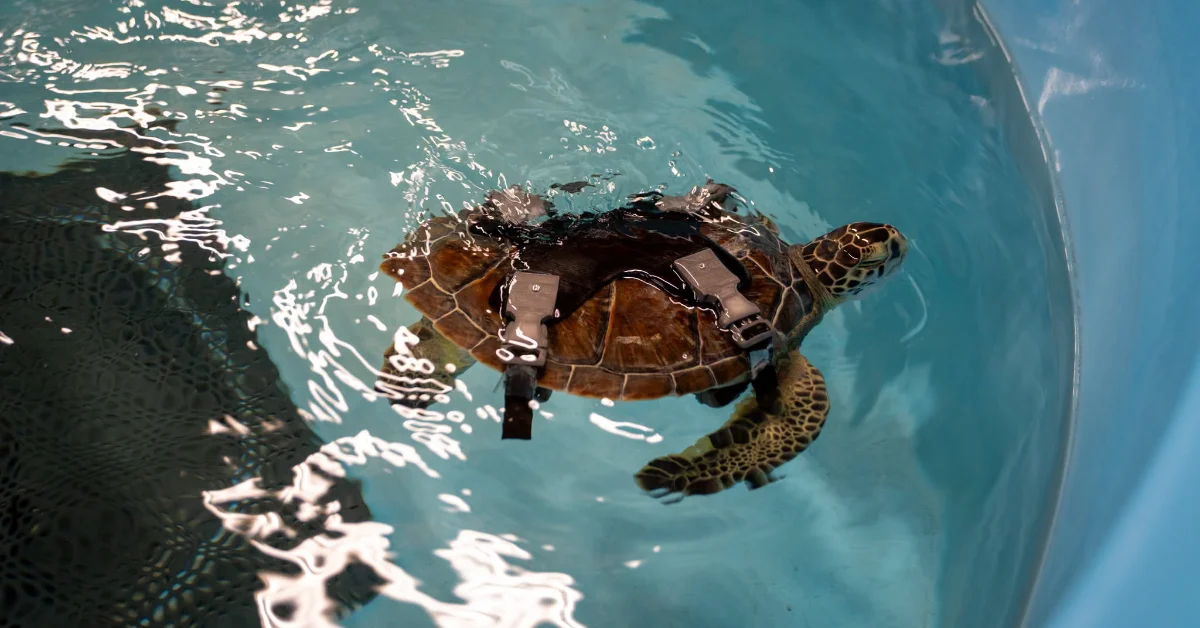
🐢
Rescuers made a sea turtle a custom 3D-printed harness after it was struck by a boat and could no longer swim
Hulpverleners maakten een op maat gemaakte 3D-geprinte harnas voor een zeeschildpad die door een boot werd geraakt en niet meer kon zwemmen
Les sauveteurs ont fabriqué un harnais personnalisé imprimé en 3D pour une tortue de mer heurtée par un bateau et incapable de nager
I love how creative the Georgia Sea Turtle Center got with Cebu, a young sea turtle injured by a boat. After severe spinal trauma left Cebu unable to swim properly, the team didn’t just give up—they crafted a custom 3D-printed harness to support Cebu during physical therapy. This clever device lets Cebu practice swimming movements independently while staying buoyant, which is a huge step forward. And here's the thing: the combination of acupuncture, stem cell therapy, and this innovative harness shows how much care and ingenuity goes into helping one little turtle heal.
Ik vind het geweldig hoe creatief het Georgia Sea Turtle Center was met Cebu, een jonge zeeschildpad die door een boot werd geraakt. Door ernstige ruggenmergschade kon Cebu niet goed meer zwemmen, maar het team gaf niet op - ze maakten een op maat gemaakte 3D-geprinte harnas om Cebu tijdens de fysiotherapie te ondersteunen. Dit slimme hulpmiddel zorgt ervoor dat Cebu zelfstandig zwembewegingen kan oefenen terwijl hij drijft, wat een grote stap vooruit is. En het mooie is: de combinatie van acupunctuur, stamceltherapie en dit innovatieve harnas laat zien hoeveel zorg en vindingrijkheid er in het herstel van deze kleine schildpad gaat zitten.
J’adore la créativité du Georgia Sea Turtle Center avec Cebu, une jeune tortue de mer blessée par un bateau. Après un traumatisme sévère de la moelle épinière qui l’empêchait de nager correctement, l’équipe n’a pas abandonné - ils ont créé un harnais personnalisé imprimé en 3D pour soutenir Cebu pendant sa rééducation. Ce dispositif ingénieux permet à Cebu de pratiquer ses mouvements de nage de façon autonome tout en restant flottante, ce qui est un grand pas en avant. Et voici le truc : la combinaison d’acupuncture, de thérapie par cellules souches et de ce harnais innovant montre tout le soin et l’ingéniosité dédiés à la guérison de cette petite tortue.
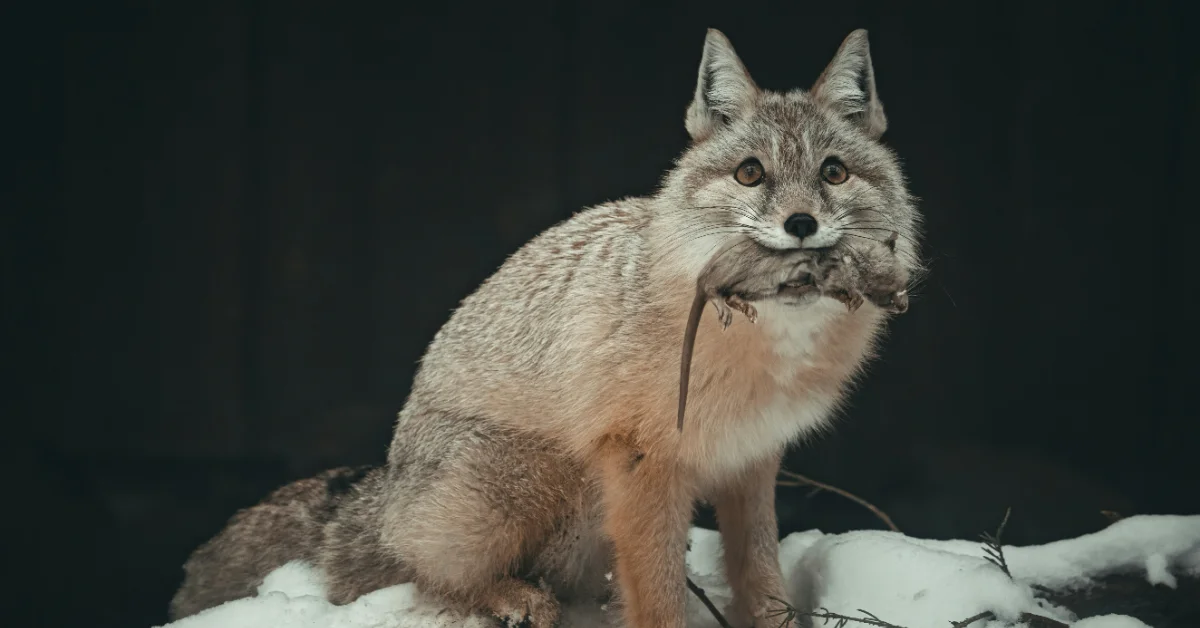
🦅
Scientists are crowd-sourcing photos of wildlife eating lunch. It helps them protect endangered species
Wetenschappers verzamelen foto’s van dieren die lunchen. Zo beschermen ze bedreigde soorten
Des scientifiques collectent des photos d’animaux sauvages en train de manger. Cela aide à protéger les espèces menacées
I find it fascinating that scientists are now crowd-sourcing photos of animals eating to understand complex food webs better. This project, called Who Eats Whom, uses the iNaturalist platform where people upload and tag wildlife photos from around the world. It’s not just about cool snapshots — this data helps track how ecosystems change, especially with climate shifts. And here’s the thing: it’s a powerful way to gather info that would take scientists ages to collect on their own. So: by watching who eats whom, we get a clearer picture of nature’s messy, beautiful connections.
Ik vind het geweldig dat wetenschappers nu foto’s verzamelen van dieren die eten om voedselwebben beter te begrijpen. Dit project, Who Eats Whom, gebruikt het iNaturalist-platform waar mensen wereldwijd foto’s van wilde dieren uploaden en taggen. Het gaat niet alleen om mooie plaatjes — deze data helpt veranderingen in ecosystemen te volgen, vooral door klimaatverandering. En hier komt het: het is een krachtige manier om informatie te verzamelen die wetenschappers anders jaren zou kosten. Zo krijgen we een duidelijker beeld van de ingewikkelde en prachtige connecties in de natuur.
Je trouve fascinant que des scientifiques collectent des photos d’animaux en train de manger pour mieux comprendre les réseaux alimentaires complexes. Ce projet, appelé Who Eats Whom, utilise la plateforme iNaturalist où les gens téléchargent et géolocalisent des photos d’animaux sauvages du monde entier. Ce n’est pas seulement pour les belles images — ces données aident à suivre les changements des écosystèmes, surtout avec le réchauffement climatique. Et voici le truc : c’est un moyen puissant de recueillir des informations qui prendraient des années aux scientifiques seuls. Donc, en observant qui mange qui, on comprend mieux les liens complexes et magnifiques de la nature.
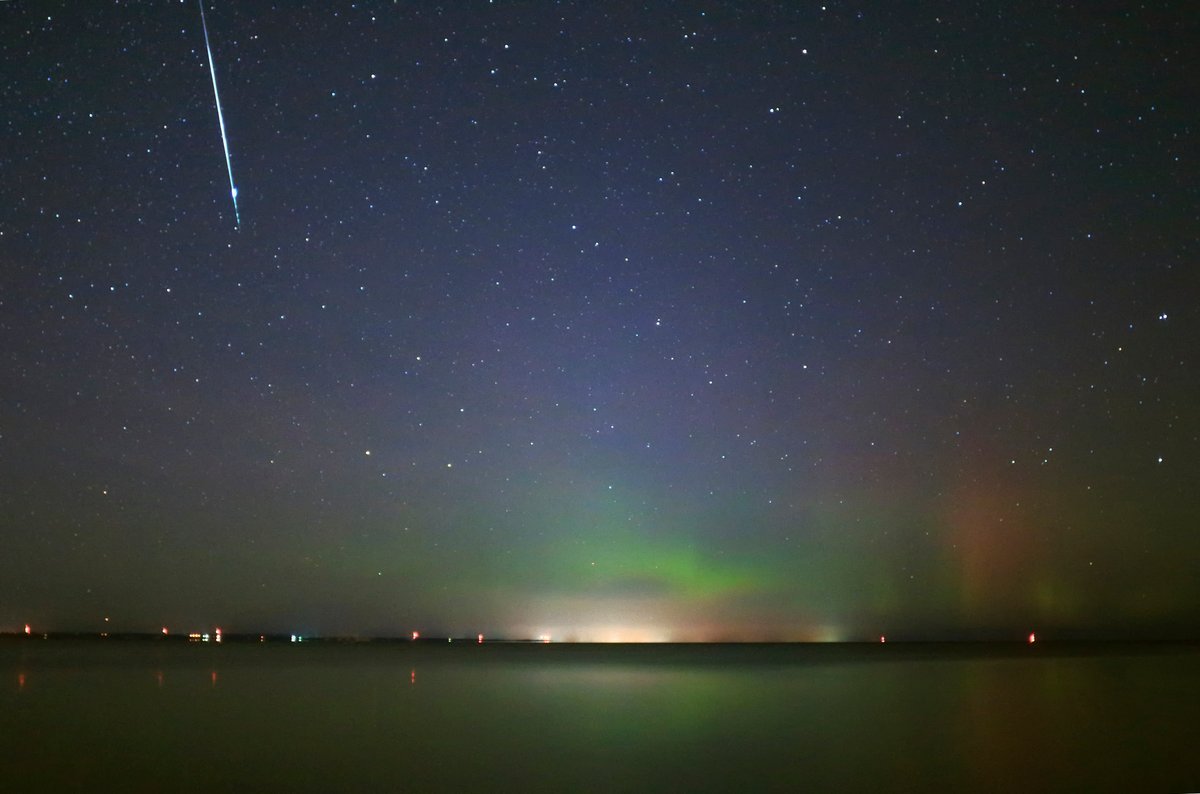
🌠
See the Taurids light up the fall sky with brilliant shooting stars
Bekijk de Tauriden die de herfsthemel verlichten met schitterende vallende sterren
Admirez les Taurides illuminer le ciel d'automne avec des étoiles filantes brillantes
I love this time of year because the Taurid meteor showers put on a spectacular show that lasts for months! Starting in mid-September and going until mid-December, these shooting stars come from debris left by Comet 2P/Encke. The Southern Taurids peak around November 4 to 5, just after Halloween, with a great chance to see bright fireballs lighting up the night. And here's the thing - you don’t need any fancy gear, just a dark spot and patience to enjoy this celestial party.
Ik vind deze tijd van het jaar fantastisch omdat de Tauriden een spectaculaire show geven die maanden duurt! Vanaf half september tot half december zie je vallende sterren afkomstig van het stof van komeet 2P/Encke. De zuidelijke Tauriden bereiken hun hoogtepunt rond 4 tot 5 november, net na Halloween, met een mooie kans om heldere vuurballen te zien. En het mooie is - je hebt geen speciale apparatuur nodig, alleen een donkere plek en wat geduld om van dit hemelse feest te genieten.
J’adore cette période de l’année car les pluies de météores Taurides offrent un spectacle spectaculaire qui dure plusieurs mois ! De la mi-septembre à la mi-décembre, ces étoiles filantes proviennent des débris de la comète 2P/Encke. Les Taurides du Sud culminent autour du 4 au 5 novembre, juste après Halloween, avec une belle chance d’apercevoir des boules de feu brillantes illuminer la nuit. Et voici le truc - pas besoin de matériel sophistiqué, juste un endroit sombre et un peu de patience pour profiter de cette fête céleste.
🆘
What to do when a child chokes seriously? Red Cross explains the right techniques
Wat doe je als een kind zich ernstig verslikt? Rode Kruis legt de juiste technieken uit
Que faire lorsqu'un enfant s'étouffe gravement ? La Croix-Rouge explique les bonnes techniques
So: choking is scary, especially when it’s a child. The Red Cross is stepping up to show us the right ways to help if a child seriously chokes. They explain simple but effective techniques that anyone can learn to save a life. And here’s the thing - knowing these steps can make all the difference in an emergency. It’s practical knowledge that feels empowering to have!
Dus: verslikken is eng, zeker bij een kind. Het Rode Kruis laat zien hoe je op de juiste manier kunt helpen als een kind zich ernstig verslikt. Ze leggen eenvoudige maar doeltreffende technieken uit die iedereen kan leren om een leven te redden. En hier komt het op neer - deze kennis kan het verschil maken in een noodsituatie. Het is praktische kennis die je echt kracht geeft!
Alors voilà: s’étouffer, c’est effrayant, surtout pour un enfant. La Croix-Rouge nous montre les bonnes techniques à utiliser si un enfant s’étouffe gravement. Ils expliquent des gestes simples mais efficaces que tout le monde peut apprendre pour sauver une vie. Et voici le truc - connaître ces étapes peut vraiment changer la donne en cas d’urgence. C’est un savoir pratique qui donne confiance !

🧫
In the fight against water pollution, IIT Guwahati turns to an unlikely solution to treat toxic textile waste: bacteria
In de strijd tegen watervervuiling zet IIT Guwahati in op een onverwachte oplossing voor het behandelen van giftig textielafval: bacteriën
Dans la lutte contre la pollution de l'eau, l'IIT Guwahati adopte une solution inattendue pour traiter les déchets textiles toxiques : les bactéries
IIT Guwahati researchers have discovered a bacterium, Brevundimonas sp. AJZ05, that can break down a stubborn synthetic dye used in textiles, called Direct Blue-6, by producing an enzyme named azoreductase. So: this tiny bacterium can degrade 98.5% of the dye under optimized conditions, turning harmful pollutants into non-toxic compounds. And here's the thing - they didn’t just stop at removing the color; they checked that the byproducts are safe for the environment. Now, the team is working on scaling this promising biological method to treat real industrial wastewater, which often contains a mix of contaminants.
Onderzoekers van IIT Guwahati hebben een bacterie ontdekt, Brevundimonas sp. AJZ05, die een hardnekkige synthetische kleurstof in textiel, Direct Blue-6, kan afbreken door een enzym genaamd azoreductase te produceren. Dus: deze kleine bacterie kan onder geoptimaliseerde omstandigheden 98,5% van de kleurstof afbreken en zo schadelijke stoffen omzetten in niet-toxische verbindingen. En hier komt het: ze stopten niet alleen bij het verwijderen van de kleur, maar controleerden ook of de afbraakproducten veilig zijn voor het milieu. Nu werkt het team aan het opschalen van deze veelbelovende biologische methode om echt industrieel afvalwater te behandelen, dat vaak uit een mix van verontreinigingen bestaat.
Les chercheurs de l'IIT Guwahati ont découvert une bactérie, Brevundimonas sp. AJZ05, capable de décomposer un colorant synthétique tenace utilisé dans le textile, le Direct Blue-6, grâce à une enzyme appelée azoréductase. Donc : cette petite bactérie peut dégrader 98,5 % du colorant dans des conditions optimisées, transformant ainsi des polluants nocifs en composés non toxiques. Et voilà le truc - ils ne se sont pas contentés d’éliminer la couleur, ils ont aussi vérifié que les sous-produits sont sûrs pour l’environnement. Maintenant, l’équipe travaille à l’adaptation de cette méthode biologique prometteuse pour traiter les eaux usées industrielles réelles, souvent composées d’un mélange de contaminants.

♻️
2 engineers turn college cleanup into a startup collecting, sorting & recycling waste in 36 cities
2 ingenieurs veranderen college schoonmaak in een startup die afval verzamelt, sorteert en recyclet in 36 steden
2 ingénieurs transforment le nettoyage universitaire en startup collectant, triant et recyclant les déchets dans 36 villes
I love how Abhishek and Abhinav turned a simple college cleanup into a full-fledged startup tackling waste management across 36 cities! They started by leading their campus cleanliness drive, which sparked their passion for solving urban waste problems. Using technology, their company WeVOIS Labs now supports thousands of sanitation workers and manages millions of tonnes of waste daily. It’s inspiring to see how a small idea grew into a solution that benefits both people and the environment.
Ik vind het geweldig hoe Abhishek en Abhinav van een simpele schoonmaakactie op hun college een startup maakten die afvalbeheer in 36 steden aanpakt! Ze begonnen met het leiden van hun campus schoonmaakactie, wat hun passie voor stedelijk afvalprobleem aanwakkerde. Met technologie ondersteunt hun bedrijf WeVOIS Labs nu duizenden schoonmaakwerkers en beheert dagelijks miljoenen tonnen afval. Het is inspirerend om te zien hoe een klein idee uitgroeide tot een oplossing die zowel mensen als het milieu helpt.
J’adore la façon dont Abhishek et Abhinav ont transformé un simple nettoyage universitaire en une startup qui gère les déchets dans 36 villes ! Ils ont commencé par diriger l’initiative de propreté de leur campus, ce qui a éveillé leur passion pour résoudre les problèmes de déchets urbains. Grâce à la technologie, leur entreprise WeVOIS Labs soutient des milliers de travailleurs de la propreté et gère des millions de tonnes de déchets chaque jour. C’est inspirant de voir comment une petite idée est devenue une solution bénéfique pour les gens et l’environnement.

🌍
Germany commits for first time to phasing out fossil fuels by 2045
Duitsland belooft voor het eerst fossiele brandstoffen uit te faseren tegen 2045
L'Allemagne s'engage pour la première fois à éliminer les combustibles fossiles d'ici 2045
Germany has made a bold new commitment to phase out fossil fuels by 2045, marking a clear shift from previous promises of just carbon neutrality. The government plans to boost renewable energy to 80% of electricity by 2030, with major expansions in wind and solar power. There’s also a renewed focus on cutting methane emissions and potentially ending coal use even earlier than planned. Now, the challenge is to accelerate electrification in transport and heating to truly make this roadmap a reality.
Duitsland heeft voor het eerst een duidelijke toezegging gedaan om fossiele brandstoffen tegen 2045 uit te faseren, wat een flinke stap is ten opzichte van eerdere beloftes over alleen koolstofneutraliteit. De overheid wil het aandeel hernieuwbare energie tegen 2030 verhogen tot 80%, met grote uitbreidingen in wind- en zonne-energie. Ook is er extra aandacht voor het verminderen van methaanuitstoot en mogelijk een eerdere stopzetting van kolen. Nu is de uitdaging om de elektrificatie van vervoer en verwarming flink te versnellen om dit plan echt waar te maken.
L'Allemagne s'engage pour la première fois à éliminer les combustibles fossiles d'ici 2045, marquant un tournant clair par rapport aux promesses précédentes de neutralité carbone. Le gouvernement prévoit d'augmenter la part des énergies renouvelables à 80 % de l'électricité d'ici 2030, avec un développement important de l'éolien et du solaire. La réduction des émissions de méthane et une sortie anticipée du charbon sont également au programme. Maintenant, il faut accélérer l'électrification des transports et du chauffage pour concrétiser cette feuille de route.
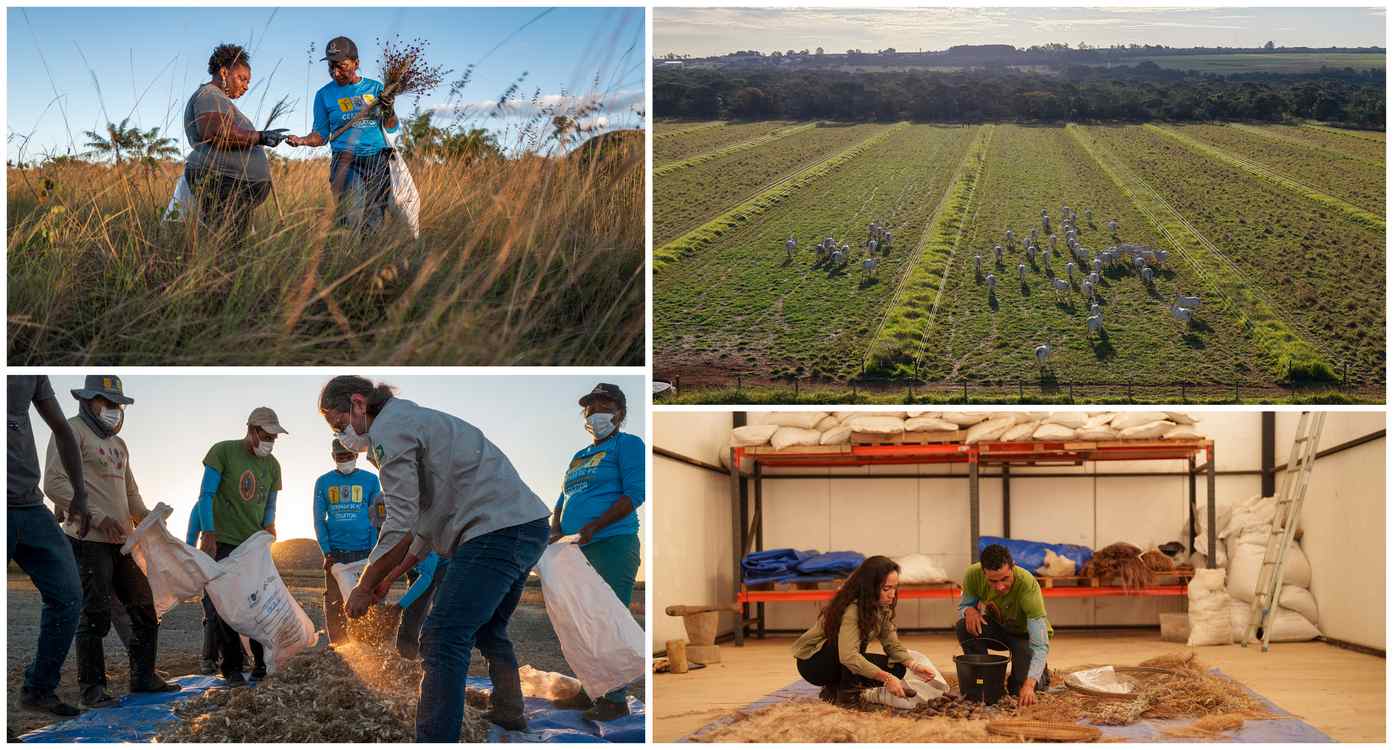
🌱
Flagship restoration project in brazil’s cerrado savannah working to restore 4.4 million acres
Toonaangevend herstelproject in de cerrado-savanne van brazilië werkt aan het herstel van 4,4 miljoen hectare
Un projet de restauration phare dans la savane du cerrado au brésil vise à restaurer 4,4 millions d'acres
I am absolutely thrilled to share some wonderful news about the Cerrado in Brazil, which is the most biologically rich savannah on our planet. It is easy to focus only on the Amazon, but this incredible Araticum Initiative is doing vital work to restore 4.4 million acres of degraded land. They are bringing together over 180 organizations and local communities to use natural regeneration and agroforestry to bring life back to these grasslands. And here is the thing - this project was just named a World Restoration Flagship by the UN, which is such a fantastic recognition of their hard work. It really shows what we can achieve when we all pull in the same direction.
Ik ben ontzettend enthousiast om dit prachtige nieuws over de Cerrado in Brazilië te delen, de meest biologisch diverse savanne op onze planeet. Het is makkelijk om alleen naar de Amazone te kijken, maar dit geweldige Araticum-initiatief doet essentieel werk door 4,4 miljoen hectare aangetast land te herstellen. Ze brengen meer dan 180 organisaties en lokale gemeenschappen samen om via natuurlijke regeneratie en boslandbouw het leven terug te brengen naar deze graslanden. En weet je wat zo mooi is - dit project is zojuist door de VN uitgeroepen tot World Restoration Flagship, een fantastische erkenning voor hun harde werk. Het laat echt zien wat we kunnen bereiken als we allemaal aan hetzelfde zeel trekken.
Je suis absolument ravi de partager cette merveilleuse nouvelle concernant le Cerrado au Brésil, qui est la savane la plus riche en biodiversité de notre planète. Il est facile de se concentrer uniquement sur l'Amazonie, mais cette incroyable initiative Araticum accomplit un travail vital pour restaurer 4,4 millions d'acres de terres dégradées. Ils rassemblent plus de 180 organisations et communautés locales pour utiliser la régénération naturelle et l'agroforesterie afin de redonner vie à ces prairies. Et voici le point important - ce projet vient d'être nommé phare mondial de la restauration par l'ONU, ce qui est une reconnaissance fantastique de leur travail acharné. Cela montre vraiment ce que nous pouvons accomplir lorsque nous tirons tous dans la même direction.
🏛️
A gaulish rampart discovered in paris
Een gallische wal ontdekt in parijs
Un rempart gaulois découvert à paris
I am absolutely thrilled to share some incredible news from the heart of Paris today. Archaeologists have just unearthed a massive Gaulish rampart right on the Île de la Cité, which is just mind-blowing. It is a major breakthrough that completely changes what we thought we knew about the origins of the French capital. So, it seems the city's history goes back much further than we ever imagined. And here's the thing - it really makes you wonder what other secrets are still buried beneath our feet.
Ik ben echt ontzettend enthousiast om dit geweldige nieuws uit het hart van Parijs met jullie te delen. Archeologen hebben zojuist een enorme Gallische verdedigingswal ontdekt op het Île de la Cité, en dat is werkelijk fascinerend. Het is een enorme doorbraak die ons begrip van de oorsprong van de Franse hoofdstad volledig verandert. Dus, het lijkt erop dat de geschiedenis van de stad veel verder teruggaat dan we ooit dachten. En weet je, het doet je echt afvragen welke andere geheimen er nog onder onze voeten verborgen liggen.
Je suis absolument ravi de partager avec vous cette nouvelle incroyable en provenance du cœur de Paris. Des archéologues viennent tout juste de mettre au jour un immense rempart gaulois sur l'île de la Cité, et c'est tout simplement fascinant. C'est une avancée majeure qui change complètement ce que nous pensions savoir sur les origines de la capitale française. Alors, il semble que l'histoire de la ville remonte bien plus loin que nous ne l'imaginions. Et voici le plus beau - cela nous pousse vraiment à nous demander quels autres secrets sont encore enfouis sous nos pieds.

🧩
Six-year-old girl breaks women's rubik's cube world record
Zesjarig meisje verbreekt wereldrecord rubik's cube voor vrouwen
Une fillette de six ans bat le record du monde féminin du rubik's cube
So, I just saw this incredible story about a six-year-old girl named Lian Yunzhi who is absolutely crushing it in the world of speedcubing. She managed to break the women's 3x3 Rubik's Cube world record twice in just three days, which is honestly mind-blowing. Watching her fingers move so fast is just pure magic - she even completed one solve in about 3.54 seconds! And here's the thing, she only started at age four and has already mastered over 1,300 formulas. It really makes you wonder what she will achieve next, doesn't it?
Ik zag net dit ongelooflijke verhaal over een zesjarig meisje genaamd Lian Yunzhi dat de wereld van het speedcubing volledig op zijn kop zet. Ze is erin geslaagd om in slechts drie dagen tijd twee keer het wereldrecord voor vrouwen op de 3x3 Rubik's Cube te verbreken, wat echt verbazingwekkend is. Het is pure magie om te zien hoe haar vingers zo snel bewegen - ze voltooide zelfs een keer een kubus in ongeveer 3,54 seconden! En weet je, ze begon pas op vierjarige leeftijd en heeft inmiddels al meer dan 1.300 formules onder de knie. Het doet je echt afvragen wat ze hierna allemaal nog gaat bereiken, nietwaar?
Je viens de voir cette histoire incroyable à propos d'une petite fille de six ans nommée Lian Yunzhi qui cartonne littéralement dans le monde du speedcubing. Elle a réussi à battre le record du monde féminin du Rubik's Cube 3x3 deux fois en seulement trois jours, ce qui est vraiment époustouflant. C'est de la pure magie de voir ses doigts bouger aussi vite - elle a même terminé une résolution en environ 3,54 secondes ! Et voici le truc, elle a commencé à seulement quatre ans et maîtrise déjà plus de 1 300 formules. Ça nous fait vraiment nous demander ce qu'elle va accomplir ensuite, n'est-ce pas ?
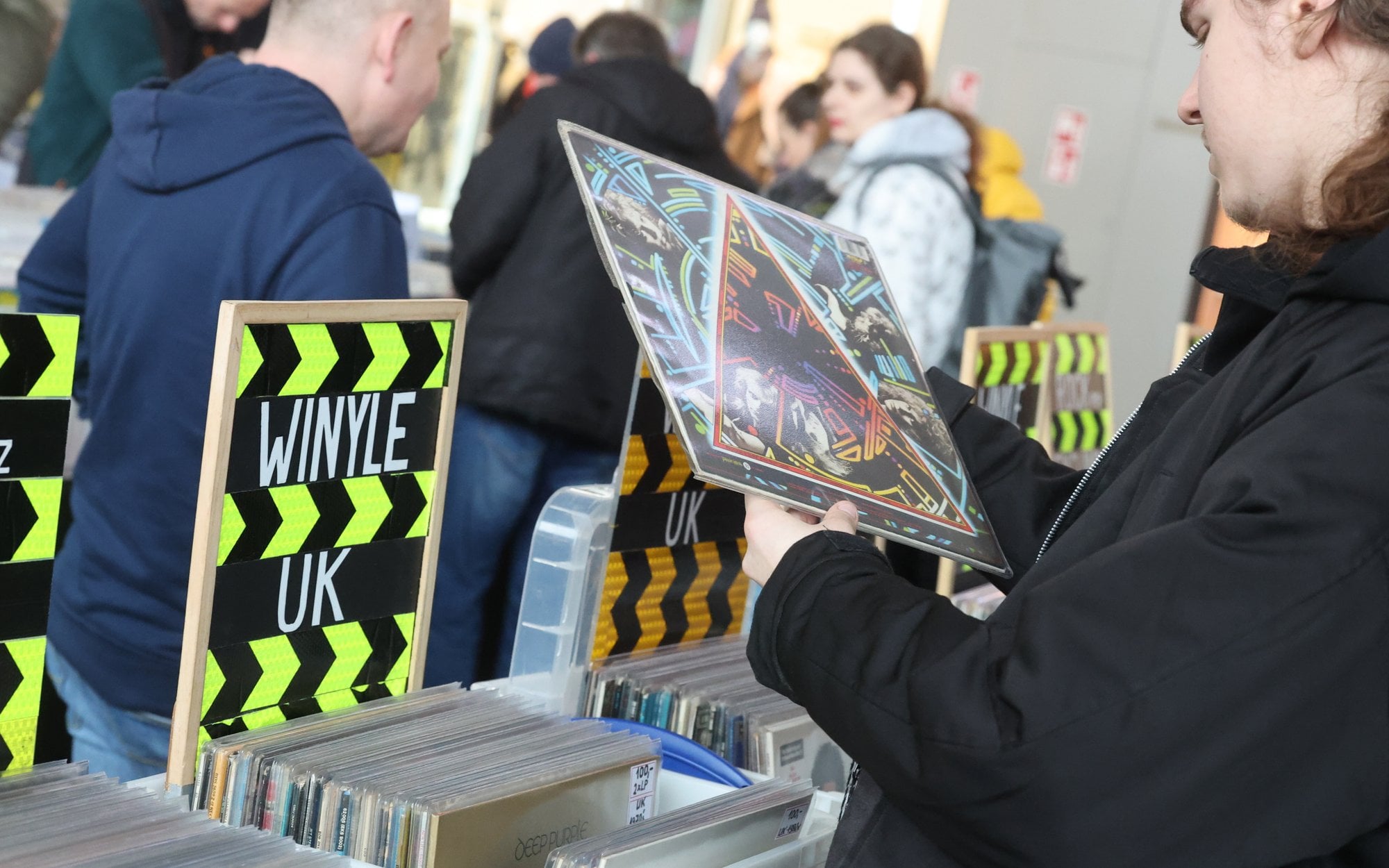
🎶
Vinyl records are making a massive comeback
Vinylplaten maken een enorme comeback
Les disques vinyles font un retour en force
I find it absolutely fascinating to see how vinyl records are making such a huge comeback, with sales in the US hitting over a billion dollars. It is not just a global trend either, because here in Poland, we are seeing a massive 46 percent jump in interest for these classic black discs. And here is the thing - even with prices climbing higher, people are just loving the tactile experience of owning music again. It really feels like we are moving into a more mature era for the music industry, where physical media is truly cherished. Which brings me to the best part: the production bottlenecks are finally clearing up, so more of us can get our hands on these gems.
Ik vind het echt fascinerend om te zien hoe vinylplaten zo'n enorme comeback maken, met een verkoop in de VS van meer dan een miljard dollar. Het is niet alleen een wereldwijde trend, want hier in Polen zien we een enorme stijging van 46 procent in de belangstelling voor deze klassieke zwarte schijven. En dit is het punt - zelfs met de stijgende prijzen houden mensen gewoon van de tastbare ervaring om weer muziek te bezitten. Het voelt echt alsof we een volwassener tijdperk ingaan voor de muziekindustrie, waarin fysieke media echt gekoesterd worden. Wat me bij het beste deel brengt: de knelpunten in de productie zijn eindelijk opgelost, dus meer van ons kunnen deze pareltjes in handen krijgen.
Je trouve absolument fascinant de voir à quel point les disques vinyles font un retour en force, avec des ventes aux États-Unis dépassant le milliard de dollars. Ce n'est pas seulement une tendance mondiale, car ici en Pologne, nous constatons une augmentation massive de 46 pour cent de l'intérêt pour ces disques noirs classiques. Et voici le point important - même avec la hausse des prix, les gens adorent tout simplement l'expérience tactile de posséder à nouveau de la musique. On a vraiment l'impression d'entrer dans une ère plus mature pour l'industrie musicale, où les supports physiques sont vraiment chéris. Ce qui m'amène à la meilleure partie : les goulots d'étranglement de la production se résorbent enfin, donc nous sommes plus nombreux à pouvoir mettre la main sur ces perles.
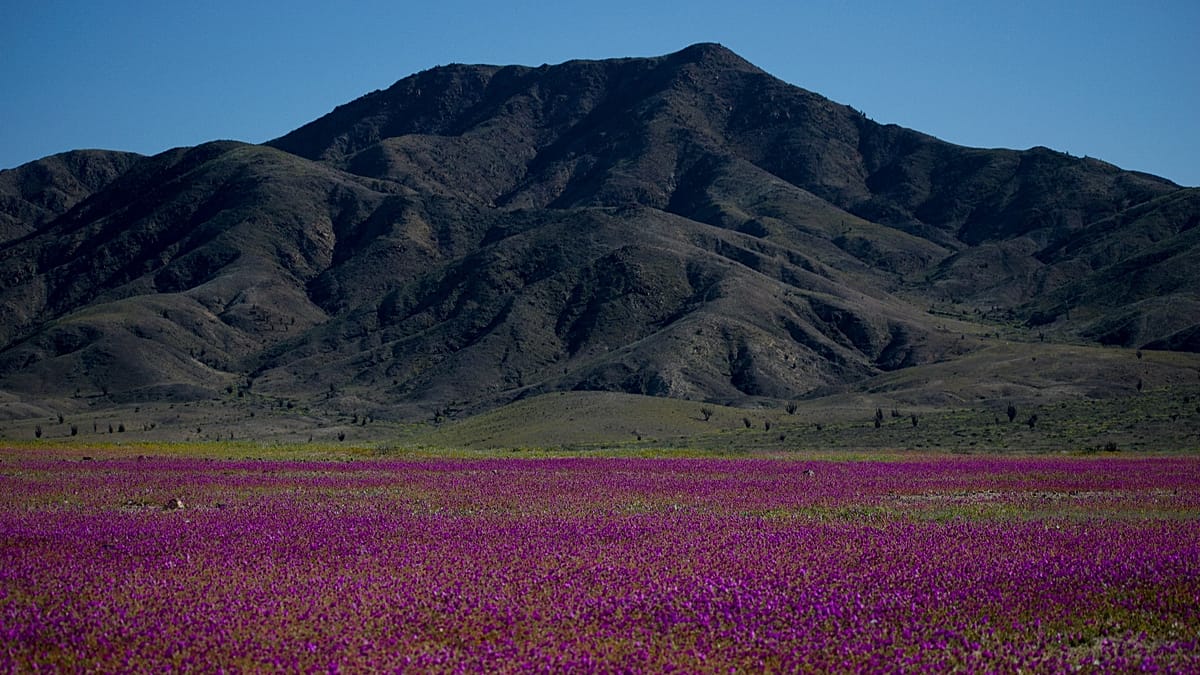
🌸
El niño transforms the atacama desert into a blooming paradise
El niño verandert de atacama-woestijn in een bloeiend paradijs
El niño transforme le désert d'atacama en un paradis fleuri
I am absolutely fascinated by the incredible transformation happening in the Atacama Desert right now. Because of heavy rains linked to El Niño, this normally parched landscape has burst into a stunning carpet of violet and white flowers. It is truly a rare natural spectacle, with thousands of hectares coming to life after seeds lay dormant for so long. And here is the thing - nature really does find a way to surprise us when the conditions are just right. I find it so heartwarming to see such beauty emerge from one of the driest places on our planet.
Ik ben echt gefascineerd door de ongelooflijke transformatie die momenteel plaatsvindt in de Atacama-woestijn. Door de zware regenval die gekoppeld is aan El Niño, is dit normaal gesproken kurkdroge landschap veranderd in een prachtig tapijt van paarse en witte bloemen. Het is werkelijk een zeldzaam natuurspektakel, waarbij duizenden hectaren tot leven komen nadat zaden zo lang in ruste lagen. En hier komt het mooie - de natuur vindt echt een manier om ons te verrassen wanneer de omstandigheden precies goed zijn. Ik vind het zo hartverwarmend om te zien hoe er zoveel schoonheid ontstaat op een van de droogste plekken op onze planeet.
Je suis absolument fasciné par l'incroyable transformation qui se produit actuellement dans le désert d'Atacama. Grâce aux fortes pluies liées à El Niño, ce paysage normalement aride s'est transformé en un magnifique tapis de fleurs violettes et blanches. C'est vraiment un spectacle naturel rare, avec des milliers d'hectares qui reprennent vie après que les graines soient restées en sommeil si longtemps. Et voici le point important - la nature trouve vraiment un moyen de nous surprendre lorsque les conditions sont réunies. Je trouve cela tellement réconfortant de voir une telle beauté émerger de l'un des endroits les plus secs de notre planète.
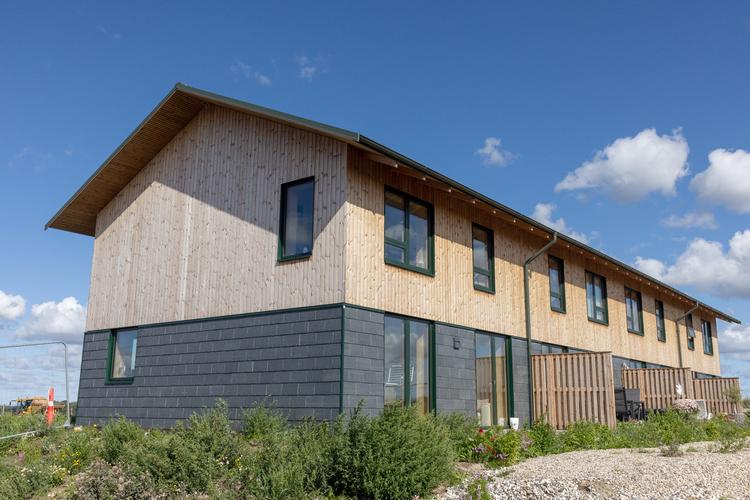
🏡
They look like standard units, but these four terraced houses are unlike any other new construction in denmark
Ze lijken op standaardwoningen, maar deze vier rijtjeshuizen zijn anders dan alle andere nieuwbouw in denemarken
Ils ressemblent à des maisons standard, mais ces quatre maisons en rangée ne ressemblent à aucune autre nouvelle construction au danemark
I just stumbled upon this fascinating project in Vinge, where four new terraced houses are changing the game. The best part is that they are built entirely from materials you can find at your local hardware store. So: it is actually replicable and scalable for everyone else. And here is the thing - they have set a record for sustainability in Denmark while looking completely unassuming. It really makes me wonder why we do not build like this everywhere.
Ik stuitte net op dit fascinerende project in Vinge, waar vier nieuwe rijtjeshuizen de boel echt opschudden. Het mooiste is dat ze volledig zijn gebouwd met materialen die je gewoon bij de lokale bouwmarkt kunt halen. Dus: het is eigenlijk kopieerbaar en schaalbaar voor iedereen. En hier komt het - ze hebben een duurzaamheidsrecord gevestigd in Denemarken, terwijl ze er heel bescheiden uitzien. Het doet me echt afvragen waarom we niet overal zo bouwen.
Je viens de tomber sur ce projet fascinant à Vinge, où quatre nouvelles maisons en rangée changent vraiment la donne. Le meilleur dans tout ça, c'est qu'elles sont construites entièrement avec des matériaux que l'on peut trouver dans n'importe quel magasin de bricolage local. Donc: c'est en fait reproductible et évolutif pour tout le monde. Et voici le point clé - elles ont établi un record de durabilité au Danemark tout en ayant l'air tout à fait ordinaires. Cela me fait vraiment me demander pourquoi nous ne construisons pas comme ça partout.
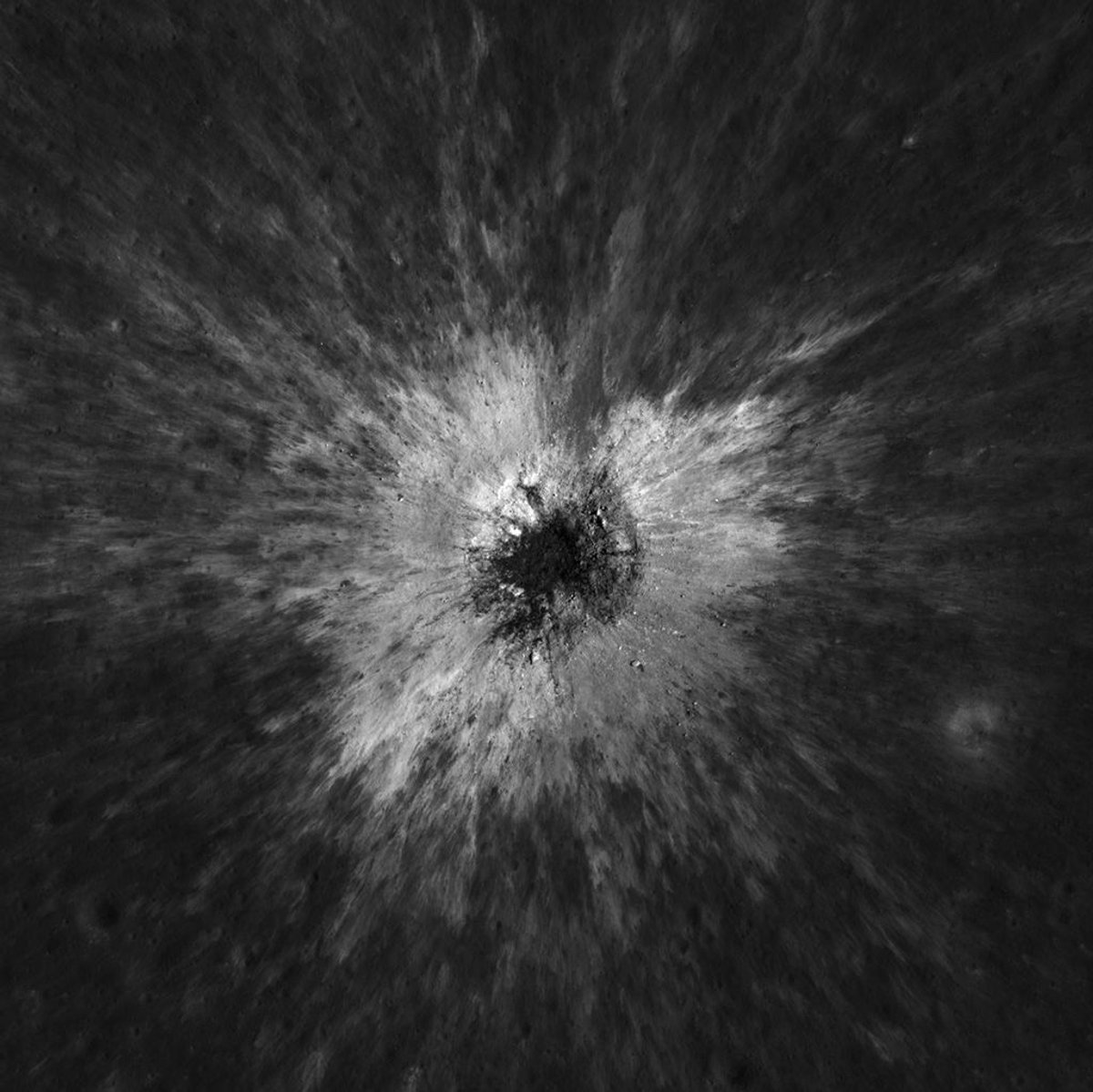
🌕
Scientists discover largest new impact crater in the solar system ever—on our moon
Wetenschappers ontdekken grootste nieuwe inslagkrater in het zonnestelsel ooit—op onze maan
Des scientifiques découvrent le plus grand nouveau cratère d'impact du système solaire—sur notre lune
So, I was absolutely thrilled to read about this massive new crater discovered on the moon by NASA's Lunar Reconnaissance Orbiter. It is quite rare to spot something like this, as an impact of this size only happens about once every 132 years. Which brings me to the fascinating part: this crater, named McGetchin, is actually the largest newly formed one we have ever found in our solar system. And here's the thing, studying these impacts helps us understand the lunar surface much better as we plan for future human missions. It is just incredible to see how our cosmic neighbor keeps changing right before our eyes.
Ik was echt ontzettend enthousiast toen ik las over deze enorme nieuwe krater die door de Lunar Reconnaissance Orbiter van NASA op de maan is ontdekt. Het is vrij zeldzaam om zoiets te zien, want een inslag van deze omvang gebeurt maar eens in de 132 jaar. Dat brengt me bij het fascinerende deel: deze krater, genaamd McGetchin, is eigenlijk de grootste nieuw gevormde krater die we ooit in ons zonnestelsel hebben gevonden. En weet je, het bestuderen van deze inslagen helpt ons het maanoppervlak veel beter te begrijpen terwijl we plannen maken voor toekomstige menselijke missies. Het is gewoon ongelooflijk om te zien hoe onze kosmische buurman voor onze ogen blijft veranderen.
J'ai été absolument ravi de lire cette nouvelle concernant cet immense cratère découvert sur la lune par l'orbiteur de reconnaissance lunaire de la NASA. C'est assez rare de repérer quelque chose comme ça, car un impact de cette taille ne se produit qu'environ une fois tous les 132 ans. Ce qui m'amène à la partie fascinante : ce cratère, nommé McGetchin, est en fait le plus grand cratère nouvellement formé que nous ayons jamais trouvé dans notre système solaire. Et voici le point important, l'étude de ces impacts nous aide à bien mieux comprendre la surface lunaire alors que nous planifions de futures missions humaines. C'est tout simplement incroyable de voir comment notre voisin cosmique continue de changer sous nos yeux.
🦕
Plesiosaurs vomited indigestible pellets like owls
Plesiosaurussen braakten onverteerbare ballen uit zoals uilen
Les plésiosaures recrachaient des pelotes indigestes comme les chouettes
So, I just stumbled upon this fascinating discovery about plesiosaurs, those incredible marine reptiles from the Jurassic period. It turns out they had a rather unique way of dealing with indigestible meals, much like modern owls do today. Paleontologists have found fossilized vomit pellets, which suggest these creatures would swim to shallow river deltas to regurgitate shells and other leftovers. And here is the thing, it really shows how much we can still learn about ancient life just by looking at what they left behind. It is truly amazing to think about these massive predators behaving in such a relatable way.
Ik kwam net een fascinerende ontdekking tegen over plesiosaurussen, die ongelooflijke zeereptielen uit het Jura-tijdperk. Het blijkt dat ze een vrij unieke manier hadden om met onverteerbare maaltijden om te gaan, net zoals uilen dat vandaag de dag doen. Paleontologen hebben gefossiliseerde braakballen gevonden, wat suggereert dat deze wezens naar ondiepe rivierdelta's zwommen om schelpen en andere restjes uit te braken. En hier komt het mooie: het laat echt zien hoeveel we nog kunnen leren over het oude leven door simpelweg te kijken naar wat ze hebben achtergelaten. Het is werkelijk verbazingwekkend om te bedenken dat deze enorme roofdieren zich op zo'n herkenbare manier gedroegen.
Je viens de tomber sur cette découverte fascinante concernant les plésiosaures, ces incroyables reptiles marins de la période jurassique. Il s'avère qu'ils avaient une façon assez unique de gérer les repas indigestes, tout comme les chouettes le font aujourd'hui. Les paléontologues ont trouvé des pelotes de vomi fossilisées, ce qui suggère que ces créatures nageaient vers des deltas de rivières peu profonds pour régurgiter des coquilles et d'autres restes. Et voici le point intéressant, cela montre vraiment tout ce que nous pouvons encore apprendre sur la vie ancienne simplement en observant ce qu'ils ont laissé derrière eux. C'est vraiment incroyable de penser que ces énormes prédateurs se comportaient de manière si familière.
🏝️
Officials thought this floating island was an ai hoax. then it moved 19 miles.
Ambtenaren dachten dat dit drijvende eiland een ai-grap was. toen verplaatste het zich 30 kilometer.
Les autorités pensaient que cette île flottante était un canular ia. puis elle s'est déplacée de 30 kilomètres.
So: imagine finding a literal forest floating in the middle of a massive reservoir! At first, the folks at BC Hydro were skeptical, thinking it was just some clever AI trickery, which I totally understand in this day and age. But then, thanks to some satellite imagery and a bit of help from a radio engineer in the UK, they tracked this massive, football-field-sized island down. It turns out the whole thing was just drifting along, having traveled 30 kilometers in just 15 days. And here's the thing - it likely formed from years of decomposing logs that finally broke free when water levels rose. Nature really does have a way of surprising us, doesn't it?
Nou: stel je voor dat je een echt bos ziet drijven midden in een enorm stuwmeer! In het begin waren de mensen van BC Hydro nogal sceptisch en dachten ze aan een slimme AI-grap, wat ik in deze tijd heel goed begrijp. Maar dankzij satellietbeelden en wat hulp van een radio-ingenieur uit het VK, konden ze dit enorme eiland, zo groot als twee voetbalvelden, eindelijk terugvinden. Het bleek dat het eiland gewoon rustig aan het ronddrijven was en in 15 dagen tijd wel 30 kilometer had afgelegd. En weet je wat het mooie is - het is waarschijnlijk ontstaan uit jarenlang rottend hout dat eindelijk loskwam toen het waterpeil steeg. De natuur blijft ons toch echt verbazen, nietwaar?
Alors: imaginez découvrir une véritable forêt flottant au milieu d'un immense réservoir! Au début, les responsables de BC Hydro étaient sceptiques, pensant qu'il s'agissait d'une astuce créée par une IA, ce que je comprends tout à fait de nos jours. Mais ensuite, grâce à des images satellites et à l'aide d'un ingénieur radio au Royaume-Uni, ils ont réussi à localiser cette île massive, grande comme deux terrains de football. Il s'avère que l'île dérivait simplement, ayant parcouru 30 kilomètres en seulement 15 jours. Et voici le plus intéressant - elle s'est probablement formée à partir d'années de bois en décomposition qui se sont finalement détachés lorsque le niveau de l'eau a monté. La nature a vraiment une façon de nous surprendre, n'est-ce pas?

🤝
Belgium and rwanda restore diplomatic ties
België en rwanda herstellen diplomatieke banden
La belgique et le rwanda rétablissent leurs relations diplomatiques
I am genuinely thrilled to see some positive movement on the international stage today. It looks like Belgium and Rwanda have officially decided to restore their diplomatic relations, which is just fantastic news for everyone involved. Our foreign minister, Mr. Prévot, mentioned that this is the result of some very honest and respectful discussions with his counterpart. And here is the thing - even though they still have some differences to work through, they have agreed to keep talking systematically. It really shows that open dialogue is the best way forward for us all.
Ik ben oprecht enthousiast om vandaag wat positieve vooruitgang op het internationale toneel te zien. Het lijkt erop dat België en Rwanda officieel hebben besloten hun diplomatieke betrekkingen te herstellen, wat gewoon fantastisch nieuws is voor alle betrokkenen. Onze minister van Buitenlandse Zaken, de heer Prévot, vertelde dat dit het resultaat is van zeer eerlijke en respectvolle gesprekken met zijn ambtgenoot. En hier komt het - ook al hebben ze nog wat meningsverschillen om uit te praten, ze hebben afgesproken om systematisch in gesprek te blijven. Het laat echt zien dat een open dialoog de beste weg vooruit is voor ons allemaal.
Je suis vraiment ravi de voir une telle avancée positive sur la scène internationale aujourd'hui. Il semble que la Belgique et le Rwanda aient officiellement décidé de rétablir leurs relations diplomatiques, ce qui est une excellente nouvelle pour tout le monde. Notre ministre des Affaires étrangères, M. Prévot, a expliqué que c'est l'aboutissement de discussions très franches et respectueuses avec son homologue. Et voici le point important - même s'ils ont encore des divergences à surmonter, ils ont convenu de continuer à dialoguer systématiquement. Cela prouve vraiment qu'un dialogue ouvert est la meilleure voie à suivre pour nous tous.
🧬
Exceptional detection rates of bladder cancer recorded in study of simple, yet state-of-the-art test
Uitzonderlijke detectiecijfers voor blaaskanker vastgesteld in onderzoek naar eenvoudige, maar geavanceerde test
Des taux de détection exceptionnels du cancer de la vessie enregistrés lors d'une étude sur un test simple et innovant
So, I just read about this incredible new genetic urine test for bladder cancer that is making waves in the UK. It is honestly such a game-changer because it replaces the invasive, expensive cystoscopy with a simple, non-invasive sample. The study showed it correctly identified cancer in 71 out of 77 patients, which is just fantastic news for early diagnosis. And here's the thing - it is so easy for patients that everyone involved in the trial was happy to participate. Which brings me to the best part: this could drastically reduce waiting times and stress for so many people.
Ik las net over een ongelooflijke nieuwe genetische urinetest voor blaaskanker die in het Verenigd Koninkrijk voor opschudding zorgt. Het is echt een doorbraak, want het vervangt de invasieve en dure cystoscopie door een eenvoudige, niet-invasieve urinemonster. De studie toonde aan dat de test bij 71 van de 77 patiënten de kanker correct identificeerde, wat fantastisch nieuws is voor een vroege diagnose. En weet je wat het mooie is? Het is zo makkelijk voor patiënten dat iedereen in de proef graag meedeed. Dat brengt me bij het beste punt: dit kan de wachttijden en de stress voor ontzettend veel mensen drastisch verminderen.
Je viens de lire des nouvelles incroyables sur un nouveau test génétique urinaire pour le cancer de la vessie qui fait sensation au Royaume-Uni. C'est vraiment une révolution, car il remplace la cystoscopie, qui est invasive et coûteuse, par un simple échantillon d'urine. L'étude a montré qu'il a correctement identifié le cancer chez 71 patients sur 77, ce qui est une nouvelle fantastique pour le diagnostic précoce. Et voici le point clé : c'est tellement simple pour les patients que tous ceux qui ont participé à l'essai étaient ravis de le faire. Ce qui m'amène au meilleur aspect : cela pourrait réduire considérablement les temps d'attente et le stress pour tant de personnes.
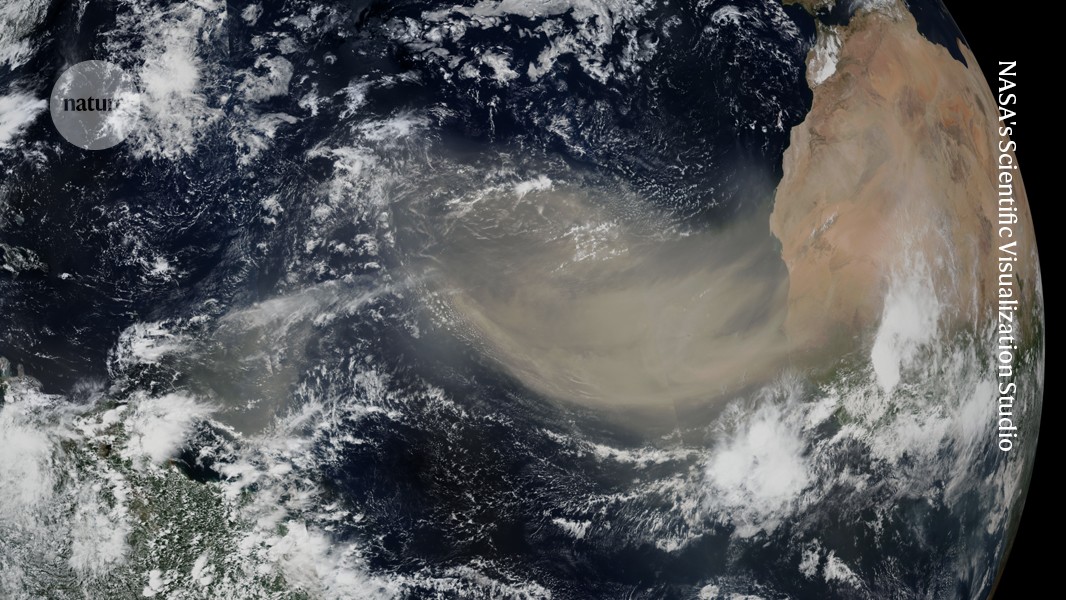
🌬️
Dust in the wind is on the decline
Stof in de wind neemt af
La poussière dans le vent est en déclin
So, I was reading about this fascinating trend in our atmosphere, and it turns out that global dust levels have actually been dropping since 2003. Now, you might think less dust is just a cleaner sky, but it is actually quite a big deal for our planet's temperature regulation. Which brings me to the core of the research: scientists are looking closely at how this shift impacts the climate. And here's the thing, it is a complex puzzle, but understanding these atmospheric changes is absolutely vital for our future. I find it incredible how even the smallest particles can have such a massive influence on the world around us.
Ik zat net te lezen over een fascinerende trend in onze atmosfeer, en het blijkt dat de wereldwijde stofconcentraties sinds 2003 daadwerkelijk aan het dalen zijn. Nu zou je kunnen denken dat minder stof gewoon een schonere lucht betekent, maar het is eigenlijk een behoorlijk belangrijk punt voor de temperatuurregulatie van onze planeet. Dat brengt me bij de kern van het onderzoek: wetenschappers kijken nauwgezet naar hoe deze verschuiving het klimaat beïnvloedt. En hier komt het: het is een complexe puzzel, maar het begrijpen van deze atmosferische veranderingen is absoluut cruciaal voor onze toekomst. Ik vind het ongelooflijk hoe zelfs de kleinste deeltjes zo'n enorme invloed kunnen hebben op de wereld om ons heen.
Je lisais justement une tendance fascinante concernant notre atmosphère, et il s'avère que les niveaux mondiaux de poussière sont en baisse depuis 2003. Maintenant, on pourrait penser que moins de poussière signifie simplement un ciel plus clair, mais c'est en fait un sujet très important pour la régulation de la température de notre planète. Ce qui m'amène au cœur de la recherche : les scientifiques examinent de près comment ce changement affecte le climat. Et voici le point clé : c'est un puzzle complexe, mais comprendre ces changements atmosphériques est absolument vital pour notre avenir. Je trouve incroyable de voir comment même les plus petites particules peuvent avoir une influence aussi massive sur le monde qui nous entoure.
/s3/static.nrc.nl/wp-content/uploads/2026/09/18130436/260926WET_2036775965_dolfijn1.jpg)
🐬
This dolphin has a very clever way of getting his dinner
Deze dolfijn heeft een wel heel slimme manier om aan zijn eten te komen
Ce dauphin a une façon très astucieuse d'obtenir son dîner
So, I just read about this fascinating dolphin named Bubbles who has developed a rather cheeky way to get his lunch. Instead of hunting normally, he actually bullies other fish until they cough up their own food - which is just wild to think about! It is the first time we have ever seen this kind of kleptoparasitism in whales or dolphins, and honestly, it shows just how incredibly smart these creatures are. And here is the thing: even though it is a bit naughty, you have to admire the sheer ingenuity of his strategy. Nature really never ceases to amaze me with these clever little survival tricks.
Nou, ik las net over deze fascinerende dolfijn genaamd Bubbles die een nogal brutale manier heeft ontwikkeld om aan zijn lunch te komen. In plaats van normaal te jagen, pest hij andere vissen totdat ze hun eigen eten uitbraken - wat echt bizar is om over na te denken! Het is de eerste keer dat we dit soort kleptoparasitisme bij walvissen of dolfijnen zien, en eerlijk gezegd laat het zien hoe ongelooflijk slim deze dieren zijn. En hier komt het: ook al is het een beetje ondeugend, je moet de pure vindingrijkheid van zijn strategie wel bewonderen. De natuur blijft me echt verbazen met dit soort slimme overlevingstrucjes.
Alors, je viens de lire l'histoire fascinante de ce dauphin nommé Bubbles qui a développé une façon plutôt effrontée d'obtenir son déjeuner. Au lieu de chasser normalement, il harcèle d'autres poissons jusqu'à ce qu'ils recrachent leur propre nourriture - c'est vraiment fou à imaginer ! C'est la première fois que nous observons ce genre de kleptoparasitisme chez les baleines ou les dauphins, et honnêtement, cela montre à quel point ces créatures sont incroyablement intelligentes. Et voici le truc : même si c'est un peu coquin, on ne peut qu'admirer l'ingéniosité pure de sa stratégie. La nature ne cesse jamais de m'étonner avec ces petites astuces de survie si intelligentes.
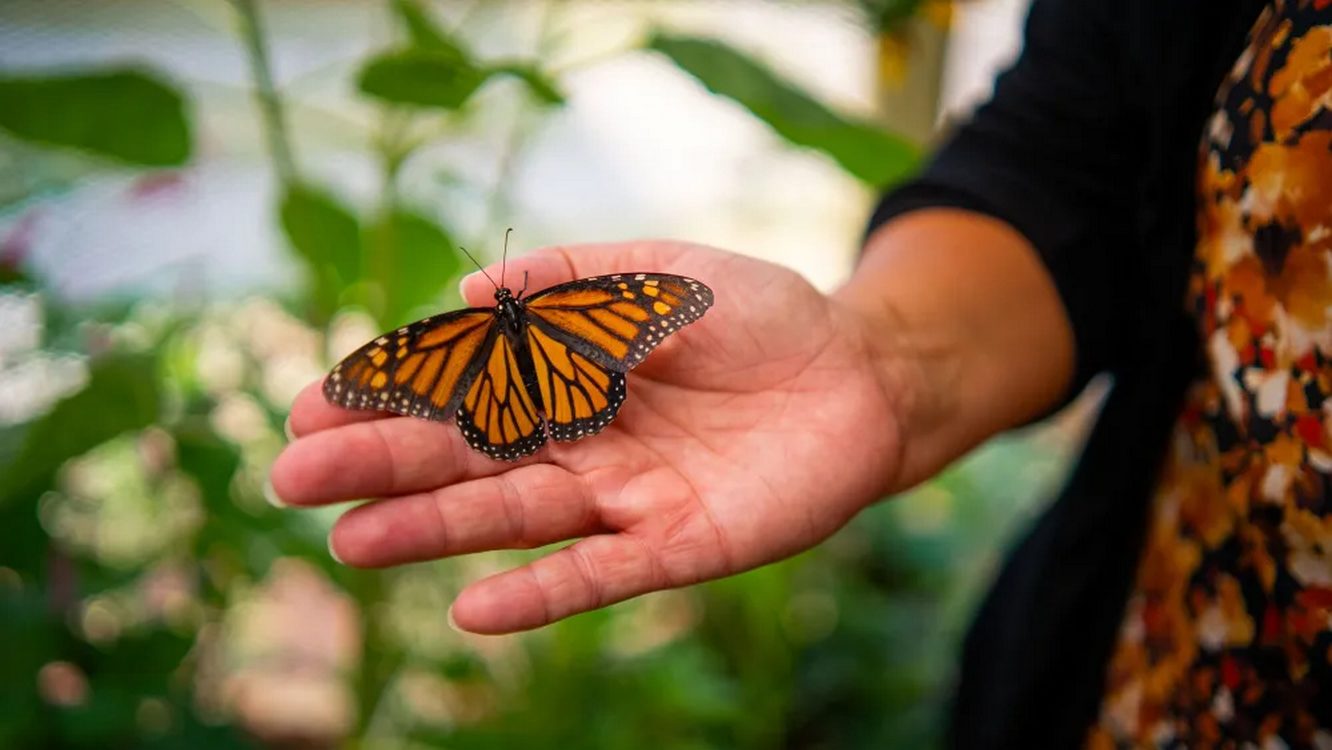
🦋
Prisoners prove unlikely heroes to monarch butterflies thanks to wisconsin correctional program
Gedetineerden blijken onverwachte helden voor monarchvlinders dankzij wisconsin gevangenisprogramma
Des prisonniers deviennent des héros inattendus pour les papillons monarques grâce à un programme correctionnel du wisconsin
I find it absolutely fascinating how inmates at the Redgranite Correctional Institute are finding a new sense of purpose by raising monarch butterflies. It is such a heartwarming story - they are nurturing these delicate creatures from caterpillars all the way to their migration journey. So, instead of just serving time, these men are actively contributing to conservation efforts by tagging butterflies and maintaining habitats. And here's the thing, the program has grown significantly in just its second year, showing how much the participants truly care. It is just wonderful to see such a positive impact coming from behind prison walls.
Ik vind het werkelijk fascinerend hoe gedetineerden in het Redgranite Correctional Institute een nieuw doel vinden door monarchvlinders te kweken. Het is zo'n hartverwarmend verhaal - ze verzorgen deze tere wezentjes van rups tot aan hun migratiereis. Dus, in plaats van alleen hun tijd uit te zitten, dragen deze mannen actief bij aan natuurbehoud door vlinders te labelen en habitats te onderhouden. En hier komt het mooie, het programma is in het tweede jaar al aanzienlijk gegroeid, wat laat zien hoeveel de deelnemers er echt om geven. Het is gewoon prachtig om zo'n positieve impact te zien vanuit de gevangenismuren.
Je trouve absolument fascinant la façon dont les détenus du Redgranite Correctional Institute trouvent un nouveau sens à leur vie en élevant des papillons monarques. C'est une histoire tellement réconfortante - ils prennent soin de ces créatures délicates, de l'état de chenille jusqu'à leur voyage migratoire. Donc, au lieu de simplement purger leur peine, ces hommes contribuent activement aux efforts de conservation en marquant les papillons et en entretenant les habitats. Et voici le point important, le programme a considérablement grandi dès sa deuxième année, montrant à quel point les participants s'investissent vraiment. C'est tout simplement merveilleux de voir un tel impact positif venir de derrière les murs de la prison.
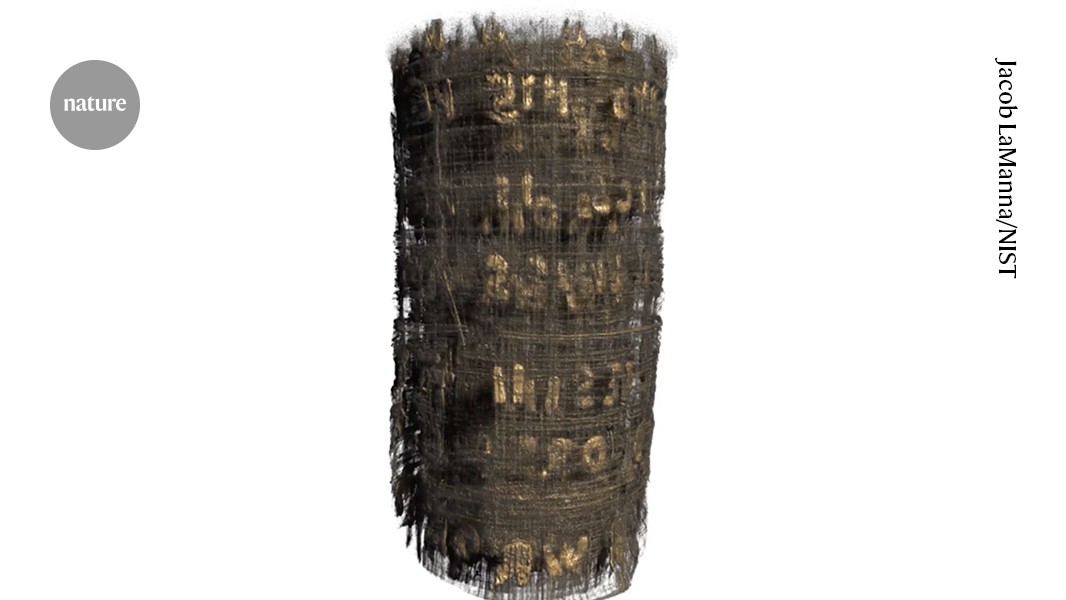
📜
Watch scientists decipher burnt scrolls without unrolling them
Kijk hoe wetenschappers verbrande rollen ontcijferen zonder ze uit te rollen
Regardez les scientifiques déchiffrer des rouleaux brûlés sans les dérouler
So, I just read about this incredible breakthrough regarding the ancient scrolls from Herculaneum. Researchers have figured out a clever way to read these fragile, carbonized papyri by detecting lead in the ink rather than relying on carbon-based scanning. They actually recreated the ancient scrolls themselves, burnt them in a furnace, and then used advanced tomography to see the text inside. And here's the thing - this method could finally unlock thousands of lost texts without risking damage to the originals. It is just fascinating to see how technology helps us peek into the past like this.
Ik las net over deze ongelooflijke doorbraak met betrekking tot de oude rollen uit Herculaneum. Onderzoekers hebben een slimme manier gevonden om deze kwetsbare, verkoolde papyri te lezen door lood in de inkt te detecteren in plaats van te vertrouwen op scans op basis van koolstof. Ze hebben de oude rollen zelf nagemaakt, ze in een oven verbrand en vervolgens geavanceerde tomografie gebruikt om de tekst binnenin te zien. En hier komt het - deze methode zou eindelijk duizenden verloren teksten kunnen ontsluiten zonder de originelen te beschadigen. Het is gewoon fascinerend om te zien hoe technologie ons helpt om zo in het verleden te kijken.
Je viens de lire une nouvelle incroyable concernant les anciens rouleaux d'Herculanum. Des chercheurs ont trouvé un moyen ingénieux de lire ces papyrus fragiles et carbonisés en détectant le plomb dans l'encre plutôt qu'en se fiant aux scans basés sur le carbone. Ils ont recréé eux-mêmes les anciens rouleaux, les ont brûlés dans un four, puis ont utilisé une tomographie avancée pour voir le texte à l'intérieur. Et voici le point clé - cette méthode pourrait enfin révéler des milliers de textes perdus sans risquer d'endommager les originaux. C'est tout simplement fascinant de voir comment la technologie nous aide à jeter un coup d'œil dans le passé comme ça.

🧮
Mathematicians use ai to find mysterious symmetries, solving decades-old problem
Wiskundigen gebruiken ai om mysterieuze symmetrieën te vinden en lossen decenniaoud probleem op
Des mathématiciens utilisent l'ia pour découvrir des symétries mystérieuses et résoudre un problème vieux de plusieurs décennies
So: I was reading about this incredible breakthrough where mathematicians teamed up with AI to tackle the inverse Galois problem. It turns out they were stuck on one specific, stubborn group called M23 for decades, and nobody could figure out if a polynomial even existed for it. By combining human intuition with the raw processing power of AI, this dream team finally cracked the code. And here's the thing - it really shows how technology can help us push past the limits of what we thought was possible in pure mathematics. Which brings me to the realization that we are entering a truly exciting era for scientific discovery.
Dus: ik las over deze ongelooflijke doorbraak waarbij wiskundigen samenwerkten met AI om het inverse Galois-probleem aan te pakken. Het bleek dat ze al decennia vastzaten aan één specifieke, hardnekkige groep genaamd M23, en niemand kon achterhalen of er überhaupt een polynoom voor bestond. Door menselijke intuïtie te combineren met de pure rekenkracht van AI, heeft dit droomteam eindelijk de code gekraakt. En hier komt het mooie - het laat echt zien hoe technologie ons kan helpen de grenzen te verleggen van wat we voor mogelijk hielden in de zuivere wiskunde. Dat brengt me bij het besef dat we een werkelijk opwindend tijdperk voor wetenschappelijke ontdekkingen ingaan.
Alors : je lisais des choses sur cette incroyable percée où des mathématiciens ont fait équipe avec l'IA pour s'attaquer au problème inverse de Galois. Il s'avère qu'ils étaient bloqués depuis des décennies sur un groupe spécifique et têtu appelé M23, et personne ne savait si un polynôme existait pour lui. En combinant l'intuition humaine avec la puissance de traitement brute de l'IA, cette équipe de rêve a finalement réussi à déchiffrer le code. Et voici le point important - cela montre vraiment comment la technologie peut nous aider à dépasser les limites de ce que nous pensions possible en mathématiques pures. Ce qui m'amène à réaliser que nous entrons dans une ère vraiment passionnante pour la découverte scientifique.

🎓
African universities push joint research, ai skills
Afrikaanse universiteiten stimuleren gezamenlijk onderzoek en ai-vaardigheden
Les universités africaines encouragent la recherche conjointe et les compétences en ia
So: I was reading about how universities across Africa are teaming up to tackle the future of work. It is really inspiring to see institutions from ten different countries joining forces through the Alliance for Africa Partnership. They are focusing heavily on artificial intelligence, which is just so crucial for everyone today. And here's the thing - they are not just talking about theory, but actually pushing for stronger links with industry to solve real-world problems. It makes me feel quite optimistic about how these graduates will be ready to drive change.
Nou: ik las net hoe universiteiten in heel Afrika de handen ineenslaan om de toekomst van werk aan te pakken. Het is echt inspirerend om te zien hoe instellingen uit tien verschillende landen samenwerken via het Alliance for Africa Partnership. Ze focussen zich enorm op kunstmatige intelligentie, wat tegenwoordig voor iedereen zo cruciaal is. En hier komt het punt - ze praten niet alleen over theorie, maar dringen echt aan op sterkere banden met het bedrijfsleven om problemen in de echte wereld op te lossen. Het stemt me erg optimistisch over hoe deze afgestudeerden klaar zullen zijn om verandering teweeg te brengen.
Alors: je lisais justement comment les universités à travers l'Afrique s'associent pour aborder l'avenir du travail. C'est vraiment inspirant de voir des institutions de dix pays différents unir leurs forces grâce à l'Alliance for Africa Partnership. Elles se concentrent énormément sur l'intelligence artificielle, ce qui est tellement crucial pour tout le monde aujourd'hui. Et voici le point important - elles ne se contentent pas de parler de théorie, mais poussent réellement pour des liens plus forts avec l'industrie afin de résoudre des problèmes concrets. Cela me rend assez optimiste quant à la capacité de ces diplômés à faire bouger les choses.

♻️
A walloon solution to recycle asbestos instead of burying it
Een waalse oplossing om asbest te recyclen in plaats van te begraven
Une solution wallonne pour valoriser l’amiante plutôt que de l’enfouir
I am absolutely thrilled to share some fantastic news coming out of Ghlin today. A local company called SBMI has developed a brilliant process that neutralizes the dangers of asbestos while turning it into a useful raw material for cement production. So: instead of just burying this hazardous waste, we are now looking at a circular economy solution that actually helps the environment. It is truly inspiring to see such innovation right here in our own backyard. And here's the thing - this kind of breakthrough gives me so much hope for a cleaner future.
Ik ben ontzettend enthousiast om dit geweldige nieuws uit Ghlin met jullie te delen. Een lokaal bedrijf genaamd SBMI heeft een briljant proces ontwikkeld dat de gevaren van asbest neutraliseert en het tegelijkertijd omzet in een nuttige grondstof voor de cementproductie. Dus: in plaats van dit gevaarlijke afval simpelweg te begraven, kijken we nu naar een circulaire economische oplossing die het milieu echt helpt. Het is werkelijk inspirerend om zulke innovatie hier in onze eigen achtertuin te zien gebeuren. En weet je - dit soort doorbraken geeft me zoveel hoop voor een schonere toekomst.
Je suis absolument ravi de partager cette nouvelle fantastique qui nous vient de Ghlin aujourd'hui. Une entreprise locale appelée SBMI a mis au point un procédé brillant qui neutralise les dangers de l'amiante tout en le transformant en une matière première utile pour la production de ciment. Donc: au lieu de simplement enterrer ces déchets dangereux, nous envisageons maintenant une solution d'économie circulaire qui aide réellement l'environnement. C'est vraiment inspirant de voir une telle innovation ici même, dans notre propre région. Et voici le point important - ce genre de percée me donne tellement d'espoir pour un avenir plus propre.
/s3/static.nrc.nl/wp-content/uploads/2026/09/21122338/220926WET_2036835506_1.jpg)
🌡️
This californian amoeba thrives at a record temperature of 63 degrees celsius
Deze californische amoebe gedijt nog bij een recordtemperatuur van 63 graden celsius
Cette amibe californienne prospère encore à une température record de 63 degrés celsius
I am absolutely fascinated by this discovery from a volcanic park in California! Scientists have found a new amoeba, the Incendiamoeba cascadensis, which can actually divide and feed at a staggering 63 degrees Celsius. It is quite a big deal because complex organisms with cell nuclei usually give up long before hitting such heat. And here is the thing - this little survivor could be a goldmine for biotechnologists looking for heat-stable proteins. It just goes to show that nature always has a few surprises up its sleeve.
Ik ben echt gefascineerd door deze ontdekking in een vulkanisch park in Californië! Wetenschappers hebben een nieuwe amoebe gevonden, de Incendiamoeba cascadensis, die zich kan delen en voeden bij een verbazingwekkende 63 graden Celsius. Dat is best een grote zaak, want complexe organismen met celkernen geven het meestal al veel eerder op bij zulke hitte. En hier komt het - deze kleine overlever zou een goudmijn kunnen zijn voor biotechnologen die op zoek zijn naar hittebestendige eiwitten. Het laat maar weer zien dat de natuur altijd verrassingen voor ons in petto heeft.
Je suis absolument fasciné par cette découverte faite dans un parc volcanique en Californie ! Des scientifiques ont trouvé une nouvelle amibe, l'Incendiamoeba cascadensis, qui peut réellement se diviser et se nourrir à une température stupéfiante de 63 degrés Celsius. C'est un événement majeur car les organismes complexes dotés de noyaux cellulaires abandonnent généralement bien avant d'atteindre une telle chaleur. Et voici le point important - ce petit survivant pourrait être une mine d'or pour les biotechnologues à la recherche de protéines thermostables. Cela prouve simplement que la nature a toujours quelques surprises dans sa manche.

🚲
A courageous ride to freedom and silver
Een moedige rit naar vrijheid en zilver
Une course courageuse vers la liberté et l'argent
I am absolutely blown away by the story of Fariba Hashimi, an Afghan cyclist who literally had to disguise herself as a man just to escape the Taliban's regime. Now, she has managed to secure a silver medal at the Asian Games in Japan, which is just such an incredible triumph of the human spirit. It is heart-wrenching to hear about the dangers she faced, including being stoned while training, but she has turned that pain into pure athletic power. And here is the thing - she is not stopping here, as she is already looking ahead to the 2028 games in Los Angeles. It really makes me smile to see such resilience and hope shining through.
Ik ben echt onder de indruk van het verhaal van Fariba Hashimi, een Afghaanse wielrenster die zich letterlijk als man moest verkleden om te ontsnappen aan het regime van de Taliban. Nu is ze erin geslaagd om een zilveren medaille te winnen op de Aziatische Spelen in Japan, wat echt een ongelooflijke triomf van de menselijke geest is. Het is hartverscheurend om te horen over de gevaren die ze trotseerde, inclusief het bekogeld worden met stenen tijdens het trainen, maar ze heeft die pijn omgezet in pure sportieve kracht. En het mooie is - ze stopt hier niet, want ze kijkt al uit naar de Spelen van 2028 in Los Angeles. Het tovert echt een glimlach op mijn gezicht om zoveel veerkracht en hoop te zien schitteren.
Je suis absolument époustouflé par l'histoire de Fariba Hashimi, une cycliste afghane qui a dû littéralement se déguiser en homme pour échapper au régime des talibans. Aujourd'hui, elle a réussi à décrocher une médaille d'argent aux Jeux asiatiques au Japon, ce qui est un triomphe incroyable de l'esprit humain. Il est déchirant d'entendre parler des dangers auxquels elle a été confrontée, notamment le fait d'être lapidée pendant ses entraînements, mais elle a transformé cette douleur en une pure puissance athlétique. Et voici le plus beau - elle ne s'arrête pas là, car elle se projette déjà vers les Jeux de 2028 à Los Angeles. Cela me fait vraiment sourire de voir une telle résilience et un tel espoir briller.
🔊
Watching sound jump between quantum states
Geluid zien springen tussen kwantumtoestanden
Observer le son sauter entre des états quantiques
So, I just read about this incredible breakthrough from Stanford where researchers have actually watched sound jump between quantum states for the first time. It is fascinating because while we have seen this with light and ions before, sound has always been a bit trickier to pin down. They used a tiny mechanical resonator that acts like a microscopic tuning fork, allowing them to track individual phonons in real time. And here is the thing - this could be a massive step forward for building better quantum computers and sensors. I am honestly so excited to see where this technology goes next.
Ik las net over deze ongelooflijke doorbraak van Stanford, waar onderzoekers voor het eerst geluid hebben zien springen tussen kwantumtoestanden. Het is fascinerend, want hoewel we dit al eerder bij licht en ionen hebben gezien, was geluid altijd een stuk lastiger te vangen. Ze gebruikten een kleine mechanische resonator die werkt als een microscopische stemvork, waardoor ze individuele fononen in realtime konden volgen. En dit is het punt - dit zou een enorme stap vooruit kunnen zijn voor het bouwen van betere kwantumcomputers en sensoren. Ik ben oprecht zo benieuwd waar deze technologie ons naartoe zal leiden.
Je viens de lire une nouvelle incroyable en provenance de Stanford, où des chercheurs ont réussi pour la première fois à observer le son sauter entre des états quantiques. C'est fascinant, car même si nous avions déjà observé ce phénomène avec la lumière et les ions, le son a toujours été beaucoup plus difficile à saisir. Ils ont utilisé un minuscule résonateur mécanique qui agit comme un diapason microscopique, leur permettant de suivre des phonons individuels en temps réel. Et voici le point clé - cela pourrait être une avancée majeure pour la création de meilleurs ordinateurs quantiques et capteurs. Je suis vraiment enthousiaste à l'idée de voir où cette technologie va nous mener.
☄️
A strange circle on satellite maps turned out to be a 390-million-year-old impact crater
Een vreemde cirkel op satellietkaarten bleek een 390 miljoen jaar oude inslagkrater te zijn
Un cercle étrange sur des cartes satellites s'est avéré être un cratère d'impact vieux de 390 millions d'années
So, here is a fascinating story about how a simple camping trip planning session led to a massive scientific discovery. An amateur astronomer was checking satellite maps of Quebec when he spotted a mysterious circular feature near Lake Marsal. It turns out this wasn't just a random shape, but a 390-million-year-old impact crater that had been hiding in plain sight. I find it absolutely incredible that even today, with all our technology, we can still stumble upon such huge geological secrets in the wilderness. And here is the thing - the team had to trek through some seriously gnarly terrain just to confirm it, which makes the find even more impressive.
Nou, dit is een fascinerend verhaal over hoe het plannen van een simpel kampeertripje leidde tot een enorme wetenschappelijke ontdekking. Een amateur-astronoom bekeek satellietkaarten van Quebec toen hij een mysterieuze cirkelvormige structuur bij het Marsal-meer opmerkte. Het bleek geen willekeurige vorm te zijn, maar een 390 miljoen jaar oude inslagkrater die al die tijd verborgen was gebleven. Ik vind het werkelijk ongelooflijk dat we, zelfs met al onze moderne technologie, nog steeds zulke enorme geologische geheimen in de wildernis kunnen tegenkomen. En hier komt het - het team moest door behoorlijk ruig terrein trekken om het te bevestigen, wat de vondst alleen maar indrukwekkender maakt.
Alors, voici une histoire fascinante sur la façon dont la simple planification d'un voyage de camping a mené à une découverte scientifique majeure. Un astronome amateur consultait des cartes satellites du Québec lorsqu'il a repéré une mystérieuse forme circulaire près du lac Marsal. Il s'avère que ce n'était pas juste une forme aléatoire, mais un cratère d'impact vieux de 390 millions d'années qui était resté caché à la vue de tous. Je trouve absolument incroyable qu'aujourd'hui encore, avec toute notre technologie, nous puissions encore tomber sur de tels secrets géologiques dans la nature sauvage. Et voici le détail - l'équipe a dû traverser un terrain vraiment difficile juste pour le confirmer, ce qui rend cette découverte encore plus impressionnante.
🏗️
This new concrete is stronger and pulls co2 from the air
Dit nieuwe beton is sterker en haalt co2 uit de lucht
Ce nouveau béton est plus résistant et absorbe le co2 de l'air
I just came across this fascinating development where engineers have created a new type of concrete that actually helps the planet. By mixing in zeolite and bamboo biochar, they have managed to make the material stronger than standard concrete while also capturing carbon dioxide from the air. It is such a brilliant dual-benefit approach, turning something as mundane as building materials into an active tool for environmental cleanup. And here is the thing, this could really change how we think about urban infrastructure in the future. I am genuinely excited to see where this proof of concept leads us next.
Ik stuitte zojuist op deze fascinerende ontwikkeling waarbij ingenieurs een nieuw soort beton hebben gecreëerd dat de planeet echt helpt. Door zeoliet en bamboe-biochar toe te voegen, zijn ze erin geslaagd het materiaal sterker te maken dan standaardbeton, terwijl het tegelijkertijd koolstofdioxide uit de lucht opneemt. Het is zo'n briljante aanpak met dubbel voordeel, waarbij alledaagse bouwmaterialen worden omgezet in een actief hulpmiddel voor milieusanering. En hier komt het mooie: dit zou de manier waarop we in de toekomst over stedelijke infrastructuur denken echt kunnen veranderen. Ik ben oprecht enthousiast om te zien waar dit concept ons naartoe leidt.
Je viens de tomber sur cette découverte fascinante où des ingénieurs ont créé un nouveau type de béton qui aide réellement la planète. En y ajoutant de la zéolithe et du biochar de bambou, ils ont réussi à rendre le matériau plus résistant que le béton standard tout en capturant le dioxyde de carbone de l'air. C'est une approche vraiment brillante à double avantage, transformant des matériaux de construction banals en un outil actif pour le nettoyage environnemental. Et voici le point clé, cela pourrait vraiment changer notre façon de concevoir les infrastructures urbaines à l'avenir. Je suis sincèrement enthousiaste à l'idée de voir où ce concept nous mènera.
🔬
Nigerian scientist wins prestigious impact prize
Nigeriaanse wetenschapper wint prestigieuze impactprijs
Une scientifique nigériane remporte un prix d'impact prestigieux
I am so thrilled to share that Edu Inam, a brilliant chemistry professor from Nigeria, has just won the inaugural Schlumberger Foundation Impact Prize. She created a fantastic platform called LabEquipment.ng to help researchers find functional scientific gear across the country, which is just such a smart solution to a real problem. It is basically a searchable database that connects students and scientists with the tools they need, saving everyone a lot of frustration. And here's the thing - this prize is going to help her expand the platform even further, making the whole research ecosystem in Nigeria much more connected. I love seeing innovation like this that makes science more accessible for everyone.
Ik ben zo enthousiast om te delen dat Edu Inam, een briljante scheikundeprofessor uit Nigeria, zojuist de inaugurele Schlumberger Foundation Impact Prize heeft gewonnen. Ze heeft een fantastisch platform genaamd LabEquipment.ng opgezet om onderzoekers te helpen functionele wetenschappelijke apparatuur in het hele land te vinden, wat echt een slimme oplossing is voor een reëel probleem. Het is in feite een doorzoekbare database die studenten en wetenschappers verbindt met de tools die ze nodig hebben, wat iedereen veel frustratie bespaart. En hier komt het mooie - deze prijs gaat haar helpen het platform nog verder uit te breiden, waardoor het hele onderzoeks-ecosysteem in Nigeria veel beter verbonden raakt. Ik vind het geweldig om innovatie zoals deze te zien die wetenschap toegankelijker maakt voor iedereen.
Je suis tellement ravi de partager qu'Edu Inam, une brillante professeure de chimie nigériane, vient de remporter le prix inaugural Schlumberger Foundation Impact Prize. Elle a créé une plateforme fantastique appelée LabEquipment.ng pour aider les chercheurs à trouver des équipements scientifiques fonctionnels à travers le pays, ce qui est une solution tellement intelligente à un vrai problème. C'est essentiellement une base de données consultable qui connecte les étudiants et les scientifiques aux outils dont ils ont besoin, ce qui évite à tout le monde beaucoup de frustration. Et voici le point important - ce prix va l'aider à développer la plateforme encore davantage, rendant tout l'écosystème de recherche au Nigeria beaucoup plus connecté. J'adore voir des innovations comme celle-ci qui rendent la science plus accessible pour tout le monde.
⛵
This giant cargo ship, with space for 400 cars, lets the wind do the work: “80 percent less fuel needed”
Dit gigantische vrachtschip, met plaats voor 400 auto’s, laat de wind het werk doen: “80 procent minder brandstof nodig”
Ce cargo géant, pouvant transporter 400 voitures, laisse le vent faire le travail : « 80 pour cent de carburant en moins nécessaire »
I am absolutely thrilled to see innovation like this hitting the seas! This massive cargo ship is essentially bringing back the power of wind, but with a modern, high-tech twist. It has space for 400 cars, which is impressive enough, but the real kicker is that it cuts fuel consumption by a staggering 80 percent. So: we are looking at a future where shipping could be significantly greener just by using nature's own energy. And here's the thing - it really makes you wonder why we didn't start doing this on a larger scale much sooner.
Ik ben echt ontzettend enthousiast om te zien hoe innovaties zoals deze de zeeën veroveren! Dit gigantische vrachtschip brengt in feite de kracht van de wind terug, maar dan met een moderne, technologische twist. Er is ruimte voor 400 auto's, wat al indrukwekkend is, maar het echte nieuws is dat het brandstofverbruik met maar liefst 80 procent daalt. Dus: we kijken naar een toekomst waarin de scheepvaart een stuk groener kan worden door simpelweg de energie van de natuur te gebruiken. En hier komt het - het doet je echt afvragen waarom we hier niet veel eerder op grote schaal mee zijn begonnen.
Je suis absolument ravi de voir des innovations comme celle-ci arriver sur nos mers ! Ce cargo massif remet essentiellement au goût du jour la force du vent, mais avec une touche moderne et technologique. Il a de la place pour 400 voitures, ce qui est déjà impressionnant, mais le plus important est qu'il réduit la consommation de carburant de 80 pour cent. Alors : nous envisageons un avenir où le transport maritime pourrait être nettement plus écologique simplement en utilisant l'énergie de la nature. Et voici le point clé - cela nous fait vraiment nous demander pourquoi nous n'avons pas commencé à faire cela à plus grande échelle beaucoup plus tôt.
🏥
Martha’s rule to be expanded to every a&e in england
Martha’s rule wordt uitgebreid naar elke spoedeisende hulp in engeland
La règle de martha sera étendue à toutes les urgences en angleterre
So, I have some truly heartening news to share about the expansion of Martha’s rule across England. This vital initiative, which allows patients and their families to request a second medical opinion if they feel their care isn't quite right, is now heading to every emergency department. It is named after young Martha Mills, and honestly, seeing how her legacy is actively saving hundreds of lives is just incredible. Now, anyone in an A&E waiting room will have that extra safety net to ensure their voice is heard when it matters most. And here's the thing - it is such a powerful reminder of how advocacy can drive real, positive change in our healthcare systems.
Ik heb echt fantastisch nieuws om met jullie te delen over de uitbreiding van Martha’s rule in Engeland. Dit essentiële initiatief, waarmee patiënten en hun naasten een second opinion kunnen aanvragen als ze zich zorgen maken over de zorg, wordt nu uitgerold naar elke spoedeisende hulp. Het is vernoemd naar de jonge Martha Mills, en eerlijk gezegd is het ongelooflijk om te zien hoe haar nalatenschap honderden levens redt. Vanaf nu heeft iedereen in de wachtkamer van de spoedeisende hulp dat extra vangnet om ervoor te zorgen dat hun stem gehoord wordt. En weet je, het is zo'n krachtige herinnering aan hoe opkomen voor elkaar echt positieve verandering in de zorg teweegbrengt.
J'ai des nouvelles vraiment réconfortantes à partager concernant l'extension de la règle de Martha à travers l'Angleterre. Cette initiative vitale, qui permet aux patients et à leurs familles de demander un second avis médical s'ils sentent que leurs soins ne sont pas adaptés, arrive maintenant dans tous les services d'urgence. Elle porte le nom de la jeune Martha Mills, et honnêtement, voir comment son héritage sauve activement des centaines de vies est tout simplement incroyable. Désormais, toute personne dans une salle d'attente des urgences disposera de ce filet de sécurité supplémentaire pour garantir que sa voix soit entendue au moment crucial. Et voici le point essentiel : c'est un rappel puissant de la façon dont le plaidoyer peut entraîner de réels changements positifs dans nos systèmes de santé.
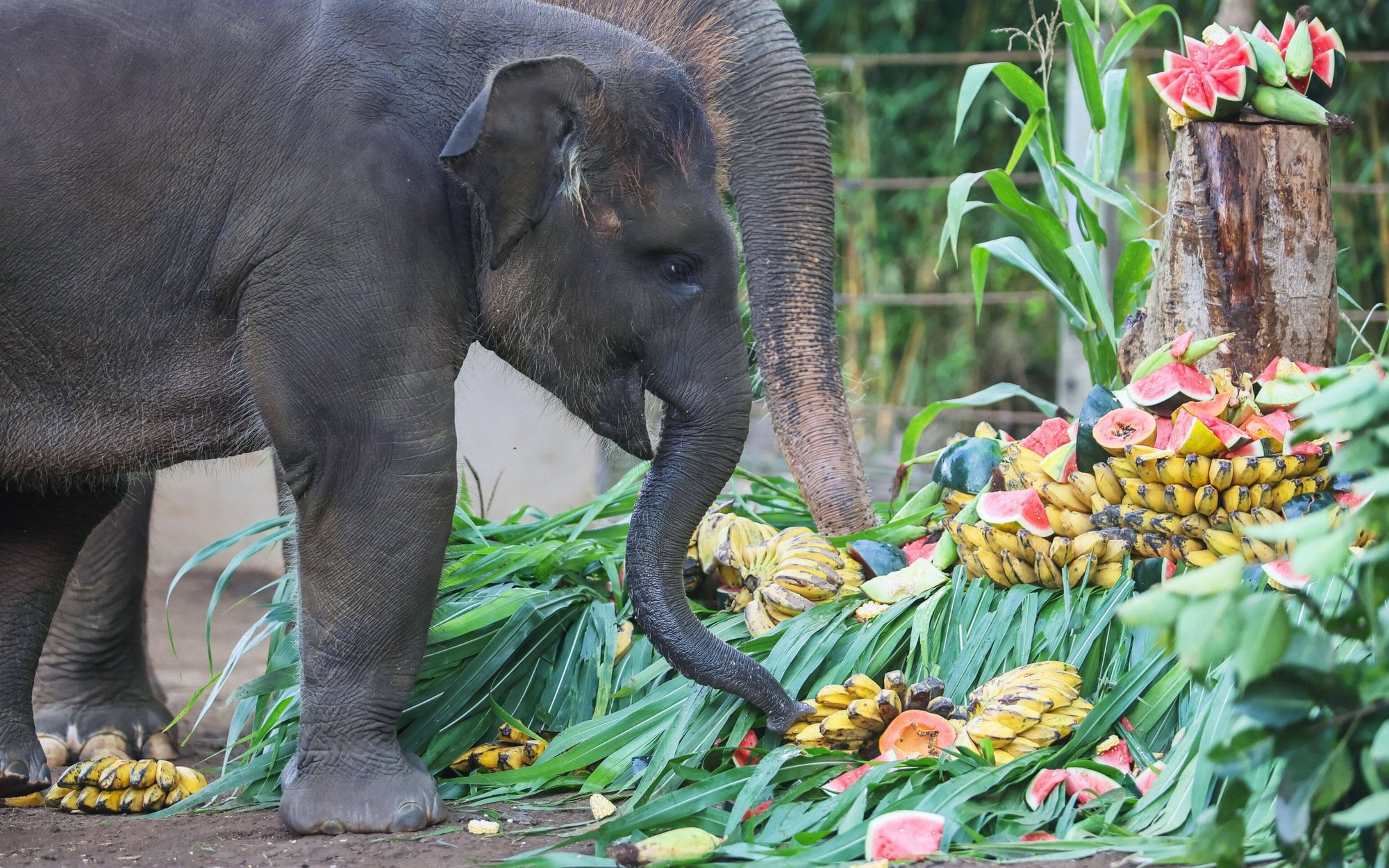
🐘
A big step for elephant welfare in indonesia
Een grote stap voor het welzijn van olifanten in indonesië
Un grand pas pour le bien-être des éléphants en indonésie
So, I have some truly wonderful news coming out of Indonesia today. The government has officially decided to end elephant rides across the country, which is just such a massive win for animal welfare. It is really heartening to see these majestic creatures finally being allowed to just be themselves, socialize, and roam freely instead of carrying tourists. And here's the thing, this shift towards responsible tourism is exactly what we need more of in our travels. I am honestly so thrilled to see the industry moving towards observation rather than exploitation.
Ik heb echt fantastisch nieuws uit Indonesië voor jullie. De overheid heeft officieel besloten om olifantenritten in het hele land te verbieden, en dat is een enorme overwinning voor het welzijn van deze dieren. Het is zo fijn om te zien dat deze prachtige wezens eindelijk de ruimte krijgen om gewoon olifant te zijn, te socialiseren en vrij rond te lopen in plaats van toeristen te dragen. En weet je, deze verschuiving naar verantwoord toerisme is precies wat we nodig hebben tijdens onze reizen. Ik ben echt ontzettend enthousiast om te zien dat de sector kiest voor observatie in plaats van uitbuiting.
J'ai vraiment de très bonnes nouvelles à partager avec vous en provenance d'Indonésie. Le gouvernement a officiellement décidé de mettre fin aux promenades à dos d'éléphant dans tout le pays, ce qui est une victoire immense pour le bien-être animal. C'est tellement réconfortant de voir ces créatures majestueuses enfin autorisées à être elles-mêmes, à socialiser et à se déplacer librement au lieu de porter des touristes. Et voilà le point important, ce virage vers un tourisme responsable est exactement ce dont nous avons besoin lors de nos voyages. Je suis sincèrement ravi de voir l'industrie s'orienter vers l'observation plutôt que vers l'exploitation.
🐧
Scientists discover first new penguin species in more than 100 years
Wetenschappers ontdekken eerste nieuwe pinguïnsoort in meer dan 100 jaar
Des scientifiques découvrent la première nouvelle espèce de manchot depuis plus de 100 ans
I am absolutely thrilled to share some wonderful news from the world of biology today. It turns out that what we thought was just one type of gentoo penguin is actually four distinct species, with one being completely new to science. These clever little birds have been hiding in plain sight on remote islands, and it took some serious genetic detective work to finally recognize them. It is just fascinating to think that even after all this time, nature still has surprises tucked away in the most isolated corners of our planet. Now, the real work begins to make sure we protect these unique populations for the future.
Ik ben ontzettend enthousiast om vandaag prachtig nieuws uit de biologie met jullie te delen. Het blijkt dat wat we voorheen als één soort ezelspinguïn zagen, eigenlijk vier verschillende soorten zijn, waarvan er zelfs één volledig nieuw is voor de wetenschap. Deze slimme vogels hielden zich schuil op afgelegen eilanden, en het vereiste serieus genetisch speurwerk om ze eindelijk te herkennen. Het is fascinerend om te bedenken dat de natuur, zelfs na al die tijd, nog steeds verrassingen verborgen houdt in de meest afgelegen hoeken van onze planeet. Nu begint het echte werk om ervoor te zorgen dat we deze unieke populaties beschermen voor de toekomst.
Je suis absolument ravi de partager avec vous une merveilleuse nouvelle venant du monde de la biologie aujourd'hui. Il s'avère que ce que nous pensions être un seul type de manchot papou est en réalité composé de quatre espèces distinctes, dont une totalement nouvelle pour la science. Ces petits oiseaux intelligents se cachaient sous nos yeux sur des îles isolées, et il a fallu un sérieux travail de détective génétique pour enfin les identifier. C'est fascinant de penser qu'après tout ce temps, la nature nous réserve encore des surprises dans les coins les plus reculés de notre planète. Maintenant, le vrai travail commence pour s'assurer que nous protégeons ces populations uniques pour l'avenir.
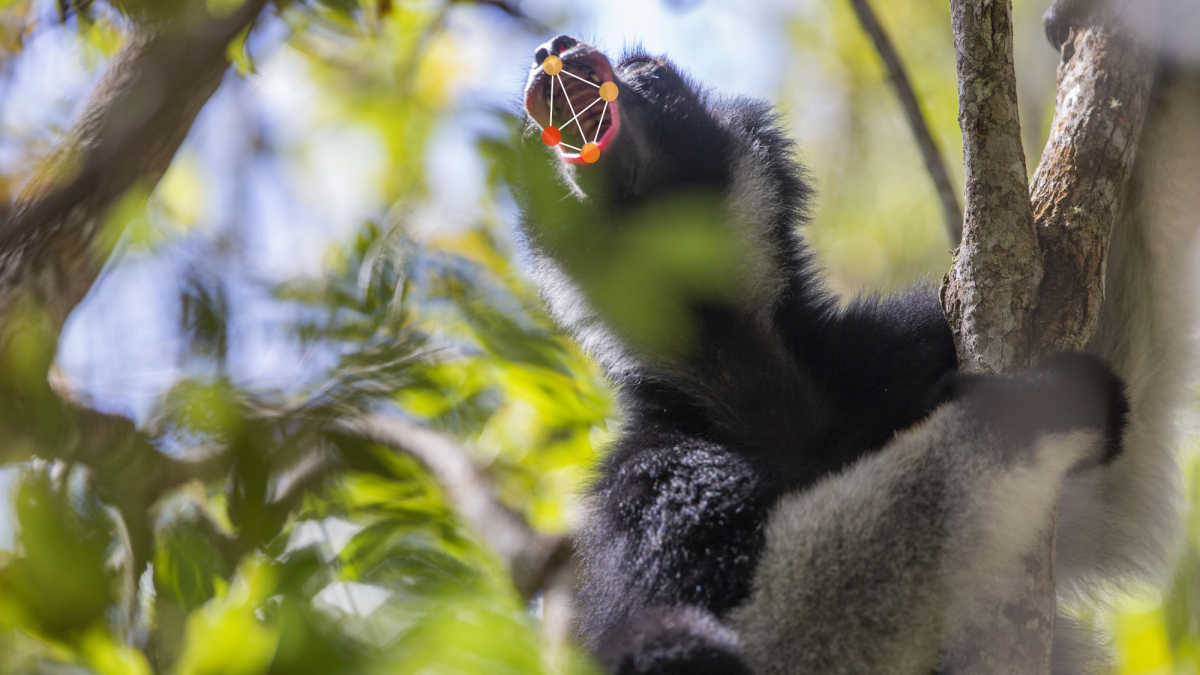
🎶
Opera singers and shrieking lemurs share vocalization strategies
Operazangers en krijsende maki's delen zangtechnieken
Les chanteurs d'opéra et les lémuriens hurleurs partagent des techniques vocales
I was absolutely fascinated to learn that the indri, a lemur from Madagascar, actually sings just like an opera star! It turns out these primates adjust their mouth shape to hit high notes, which is a technique we usually only associate with trained human vocalists. And here's the thing - they do this to make their calls travel further through the dense rainforest. It is such a brilliant example of convergent evolution, showing how nature finds similar solutions across millions of years. I just love seeing these unexpected connections between us and our animal cousins.
Ik was werkelijk gefascineerd om te ontdekken dat de indri, een maki uit Madagaskar, eigenlijk zingt als een operaster! Het blijkt dat deze primaten hun mondvorm aanpassen om hoge noten te halen, een techniek die we normaal gesproken alleen associëren met getrainde menselijke zangers. En weet je wat het mooie is - ze doen dit om hun roep verder te laten dragen door het dichte regenwoud. Het is zo'n briljant voorbeeld van convergente evolutie, dat laat zien hoe de natuur over miljoenen jaren heen vergelijkbare oplossingen vindt. Ik vind het geweldig om deze onverwachte verbanden tussen ons en onze dierlijke neven te zien.
J'ai été absolument fasciné d'apprendre que l'indri, un lémurien de Madagascar, chante exactement comme une star d'opéra ! Il s'avère que ces primates ajustent la forme de leur bouche pour atteindre les notes aiguës, une technique que nous associons habituellement uniquement aux chanteurs humains entraînés. Et voici le point intéressant - ils font cela pour que leurs appels portent plus loin à travers la forêt tropicale dense. C'est un exemple tellement brillant d'évolution convergente, montrant comment la nature trouve des solutions similaires à travers des millions d'années. J'adore voir ces liens inattendus entre nous et nos cousins animaux.
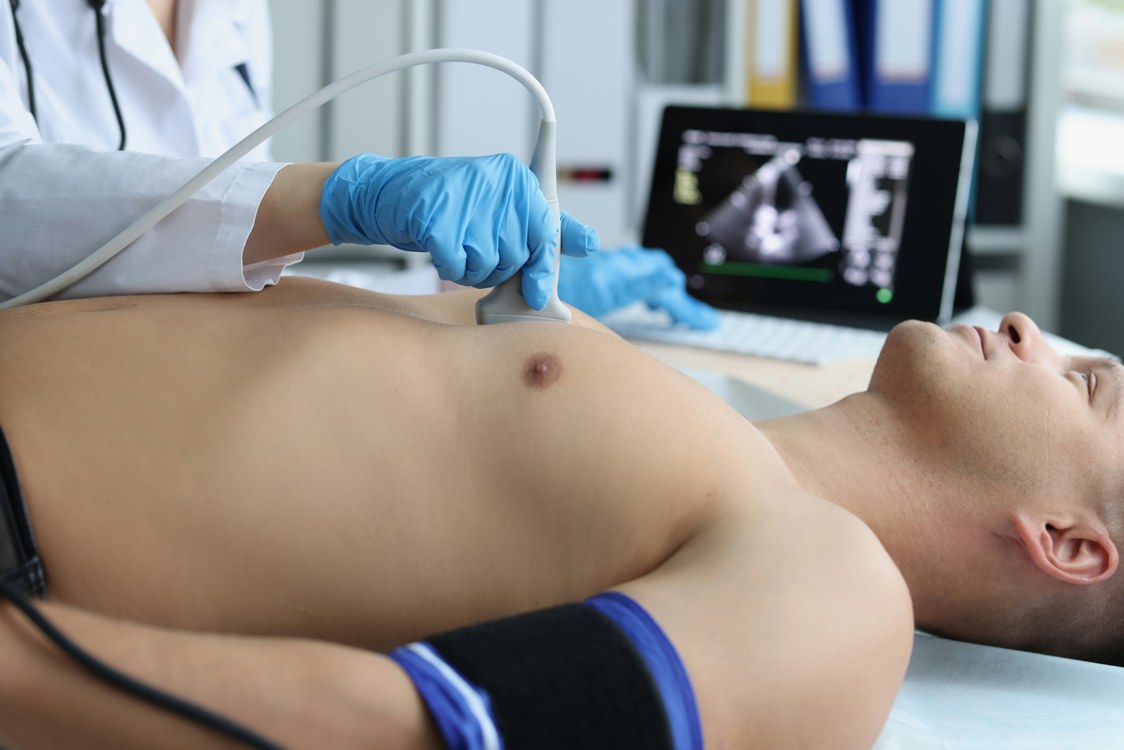
🫀
New ai model can detect heart disease markers in simple electrocardiogram readings
Nieuw ai-model kan hartziektemarkers detecteren in eenvoudige hartfilmpjes
Un nouveau modèle d'ia peut détecter des marqueurs de maladies cardiaques dans des électrocardiogrammes simples
So, I just read about this incredible breakthrough from the UK where researchers have developed an AI tool that can spot heart disease markers in standard ECG readings. It is absolutely brilliant because, while ECGs are common, they usually cannot detect heart disease on their own. Now, this clever model can identify signs of heart failure and valve disease in seconds, which is a total game-changer for early diagnosis. And here's the thing - it helps doctors prioritize the patients who need urgent care, potentially saving so many lives. I find it truly inspiring to see technology being used to make such a tangible difference in healthcare.
Ik las net over een geweldige doorbraak uit het VK, waar onderzoekers een AI-tool hebben ontwikkeld die hartziektemarkers kan herkennen in standaard hartfilmpjes. Het is echt briljant, want hoewel ECG's heel gebruikelijk zijn, kunnen ze normaal gesproken geen hartziekten detecteren. Nu kan dit slimme model in enkele seconden tekenen van hartfalen en klepziekten opsporen, wat een enorme verandering betekent voor vroege diagnoses. En weet je wat zo mooi is? Het helpt artsen om prioriteit te geven aan patiënten die dringende zorg nodig hebben, wat levens kan redden. Ik vind het echt inspirerend om te zien hoe technologie op zo'n tastbare manier het verschil maakt in de gezondheidszorg.
Je viens de lire une nouvelle incroyable en provenance du Royaume-Uni, où des chercheurs ont mis au point un outil d'IA capable de repérer des marqueurs de maladies cardiaques dans des électrocardiogrammes classiques. C'est absolument génial, car bien que les ECG soient courants, ils ne permettent généralement pas de détecter les maladies cardiaques par eux-mêmes. Désormais, ce modèle intelligent peut identifier des signes d'insuffisance cardiaque et de valvulopathie en quelques secondes, ce qui change complètement la donne pour le diagnostic précoce. Et voici le plus important : cela aide les médecins à donner la priorité aux patients qui ont besoin de soins urgents, ce qui pourrait sauver tant de vies. Je trouve vraiment inspirant de voir la technologie utilisée pour faire une différence aussi concrète dans le domaine de la santé.

👶
Michigan gives moms a fresh start with direct cash
Michigan geeft moeders een frisse start met direct contant geld
Le michigan offre aux mamans un nouveau départ avec de l'argent liquide
I am absolutely thrilled to see how Michigan is tackling poverty head-on with their new Rx Kids program. It is such a brilliant idea to provide expectant mothers with direct cash, no strings attached, to help them focus on their health rather than just survival. So: they are essentially treating poverty like a medical condition that needs support, which is just genius. And here is the thing, it is already making a massive difference for thousands of families across the state. It really shows what we can achieve when we lead with trust and dignity.
Ik ben ontzettend enthousiast om te zien hoe Michigan armoede aanpakt met hun nieuwe Rx Kids-programma. Het is zo'n briljant idee om aanstaande moeders direct contant geld te geven, zonder voorwaarden, zodat ze zich op hun gezondheid kunnen richten in plaats van alleen op overleven. Dus: ze behandelen armoede in feite als een medische aandoening die ondersteuning nodig heeft, wat echt geniaal is. En hier komt het mooie: het maakt nu al een enorm verschil voor duizenden gezinnen in de hele staat. Het laat echt zien wat we kunnen bereiken als we vertrouwen en waardigheid voorop stellen.
Je suis absolument ravi de voir comment le Michigan s'attaque de front à la pauvreté avec son nouveau programme Rx Kids. C'est une idée tellement brillante de fournir aux futures mamans de l'argent liquide, sans aucune condition, pour les aider à se concentrer sur leur santé plutôt que sur leur simple survie. Donc : ils traitent essentiellement la pauvreté comme une condition médicale nécessitant un soutien, ce qui est tout simplement génial. Et voici le point important, cela fait déjà une différence énorme pour des milliers de familles à travers l'État. Cela montre vraiment ce que nous pouvons accomplir lorsque nous privilégions la confiance et la dignité.

🐎
Wild horses are back in kazakhstan after two centuries
Wilde paarden zijn terug in kazachstan na twee eeuwen
Les chevaux sauvages sont de retour au kazakhstan après deux siècles
I am absolutely thrilled to share some wonderful news from the steppes of Kazakhstan! For the first time in over 200 years, two Przewalski’s horse foals have been born on Kazakh soil, marking a massive milestone for conservation efforts. It is just incredible to see these majestic animals adapting so well to their ancestral home after being wiped out by human expansion so long ago. And here is the thing: these little ones are proof that rewilding projects can actually work when we put our minds to it. I cannot wait to see how this herd grows and thrives in the wild.
Ik ben ontzettend enthousiast om dit prachtige nieuws uit de steppen van Kazachstan met jullie te delen! Voor het eerst in meer dan 200 jaar zijn er twee veulens van het Przewalskipaard geboren op Kazachse bodem, wat een enorme mijlpaal is voor natuurbehoud. Het is werkelijk ongelooflijk om te zien hoe deze majestueuze dieren zich zo goed aanpassen aan hun oorspronkelijke leefgebied nadat ze zo lang geleden door menselijk ingrijpen waren verdwenen. En weet je wat het mooie is: deze kleintjes zijn het levende bewijs dat herwilderingsprojecten echt kunnen slagen als we ons ervoor inzetten. Ik kan niet wachten om te zien hoe deze kudde groeit en bloeit in het wild.
Je suis absolument ravi de partager cette merveilleuse nouvelle venant des steppes du Kazakhstan ! Pour la première fois en plus de 200 ans, deux poulains de chevaux de Przewalski sont nés sur le sol kazakh, ce qui marque une étape majeure pour les efforts de conservation. C'est tout simplement incroyable de voir ces animaux majestueux s'adapter si bien à leur terre ancestrale après avoir été décimés par l'expansion humaine il y a si longtemps. Et voici le point essentiel : ces petits sont la preuve que les projets de réensauvagement peuvent réellement fonctionner quand on s'y met sérieusement. J'ai hâte de voir comment ce troupeau va grandir et s'épanouir en liberté.
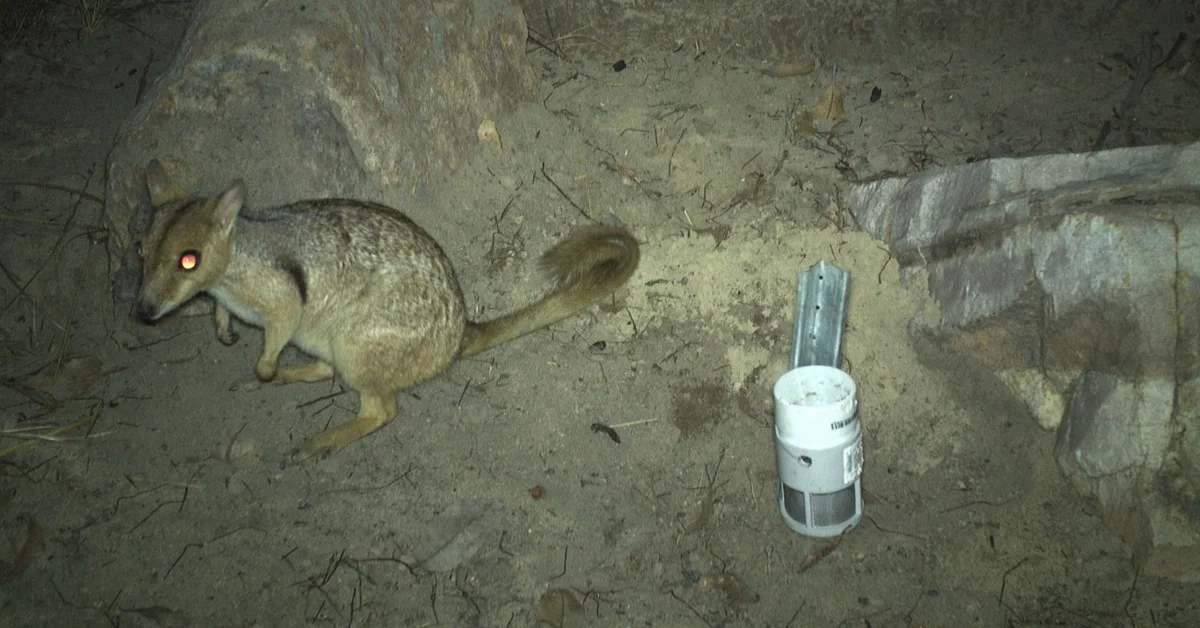
🦘
Tiny wallaby spotted on australia trail cameras for the first time in 50 years
Kleine wallaby voor het eerst in 50 jaar gespot op wildcamera's in australië
Un minuscule wallaby repéré par des caméras de surveillance en australie pour la première fois en 50 ans
I am absolutely thrilled to share some wonderful news from the Australian Wildlife Conservancy today. They have managed to capture footage of the elusive Nabarlek wallaby, a tiny creature that had not been seen on the mainland for over 50 years. It is just incredible to think that these little guys, about the size of a loaf of bread, are still out there thriving in the Kimberley region. This discovery gives us such a massive boost of hope for the conservation of this endangered species. And here is the thing - it shows us that with the right technology and collaboration, we can still find these hidden wonders of nature.
Ik ben ontzettend enthousiast om dit geweldige nieuws van de Australian Wildlife Conservancy met jullie te delen. Ze zijn erin geslaagd om beelden vast te leggen van de ongrijpbare Nabarlek-wallaby, een piepklein diertje dat al meer dan 50 jaar niet meer op het vasteland was gezien. Het is werkelijk ongelooflijk om te bedenken dat deze kleine rakkers, ongeveer zo groot als een brood, nog steeds rondhuppelen in de Kimberley-regio. Deze ontdekking geeft ons een enorme hoop voor het behoud van deze bedreigde diersoort. En weet je, het laat zien dat we met de juiste technologie en samenwerking nog steeds deze verborgen wonderen van de natuur kunnen vinden.
Je suis absolument ravi de partager avec vous cette merveilleuse nouvelle de l'Australian Wildlife Conservancy aujourd'hui. Ils ont réussi à filmer le très discret wallaby Nabarlek, une minuscule créature qui n'avait pas été aperçue sur le continent depuis plus de 50 ans. C'est tout simplement incroyable de penser que ces petits êtres, à peu près de la taille d'une miche de pain, sont toujours là, en pleine forme dans la région de Kimberley. Cette découverte nous donne un immense espoir pour la conservation de cette espèce menacée. Et voilà le point important : cela nous montre qu'avec la bonne technologie et une bonne collaboration, nous pouvons encore trouver ces merveilles cachées de la nature.

🤖
Gent researchers help care homes embrace ai for dementia support
Gentse onderzoekers helpen woonzorgcentra om ai beter in te zetten in dementiezorg
Des chercheurs gantois aident les maisons de repos à utiliser l'ia pour les soins aux personnes atteintes de démence
So, I just read about some brilliant researchers at Artevelde University of Applied Sciences in Ghent who are doing something truly special. They are helping care homes figure out how to actually use artificial intelligence to support people with dementia. And here is the thing - it is not just about fancy tech, but about freeing up time for caregivers by automating admin tasks like voice-controlled reporting. Which brings me to the best part: this also means residents can rest better because sensors can monitor them without constant interruptions. I find it so inspiring to see technology being used to make life more human and compassionate.
Ik las net over een fantastisch initiatief van onderzoekers aan de Arteveldehogeschool in Gent, en ik ben echt enthousiast. Ze helpen woonzorgcentra om artificiële intelligentie op een slimme manier in te zetten voor de zorg aan mensen met dementie. En hier komt het mooie: het gaat niet alleen om techniek, maar vooral om het verlichten van de werkdruk voor zorgverleners door administratieve taken te automatiseren. Dat brengt me bij het beste punt, want het betekent ook dat bewoners minder vaak gestoord worden tijdens hun rust dankzij slimme sensoren. Ik vind het geweldig om te zien hoe technologie hier echt bijdraagt aan meer menselijkheid in de zorg.
Je viens de lire quelque chose de vraiment inspirant concernant des chercheurs de l'Arteveldehogeschool à Gand. Ils aident les maisons de repos à intégrer l'intelligence artificielle pour mieux accompagner les personnes atteintes de démence. Et voici le point clé : il ne s'agit pas seulement de technologie, mais surtout de libérer du temps pour les soignants en automatisant les tâches administratives comme les rapports vocaux. Ce qui m'amène à la meilleure partie, c'est que cela permet aussi aux résidents de mieux se reposer, car les capteurs évitent les interruptions constantes. Je trouve cela formidable de voir comment la technologie peut rendre les soins plus humains et attentionnés.
/s3/static.nrc.nl/wp-content/uploads/2026/09/09154832/160926BIN_2035411689_buitengebied07.jpg)
🌱
How citizens protect the countryside: everyone can help balance agriculture and nature
Hoe burgers het buitengebied beschermen: iedereen kan helpen om landbouw en natuur in balans te brengen
Comment les citoyens protègent la campagne : tout le monde peut aider à équilibrer l'agriculture et la nature
So, I was reading this inspiring piece about how ordinary citizens are stepping up to protect our beautiful countryside. Instead of just watching the usual clashes between farmers and nature groups, these folks are actually rolling up their sleeves to bridge the gap. They are forming cooperatives, crowdfunding land, and sitting down with everyone involved to find common ground. It is just fantastic to see how local passion can turn into real, tangible improvements for biodiversity and sustainable farming. And here is the thing - it shows that we all have a role to play in keeping our landscapes healthy for the future.
Ik las laatst een ontzettend inspirerend verhaal over hoe gewone burgers zich inzetten om ons prachtige buitengebied te beschermen. In plaats van alleen maar toe te kijken naar de gebruikelijke botsingen tussen boeren en natuurclubs, steken deze mensen zelf de handen uit de mouwen om de kloof te dichten. Ze vormen coöperaties, kopen grond via crowdfunding en gaan met alle partijen aan tafel zitten om tot oplossingen te komen. Het is echt fantastisch om te zien hoe lokale passie kan leiden tot tastbare verbeteringen voor de biodiversiteit en duurzame landbouw. En weet je, het laat zien dat we allemaal een rol kunnen spelen in het gezond houden van onze omgeving.
Je viens de lire un article vraiment inspirant sur la façon dont des citoyens ordinaires se mobilisent pour protéger nos magnifiques paysages ruraux. Au lieu de simplement observer les conflits habituels entre les agriculteurs et les groupes de défense de la nature, ces personnes mettent la main à la pâte pour combler le fossé. Ils forment des coopératives, achètent des terres grâce au financement participatif et s'assoient avec toutes les parties prenantes pour trouver un terrain d'entente. C'est tout simplement fantastique de voir comment la passion locale peut se transformer en améliorations concrètes pour la biodiversité et l'agriculture durable. Et voilà le point essentiel : cela prouve que nous avons tous un rôle à jouer pour préserver la santé de nos paysages.
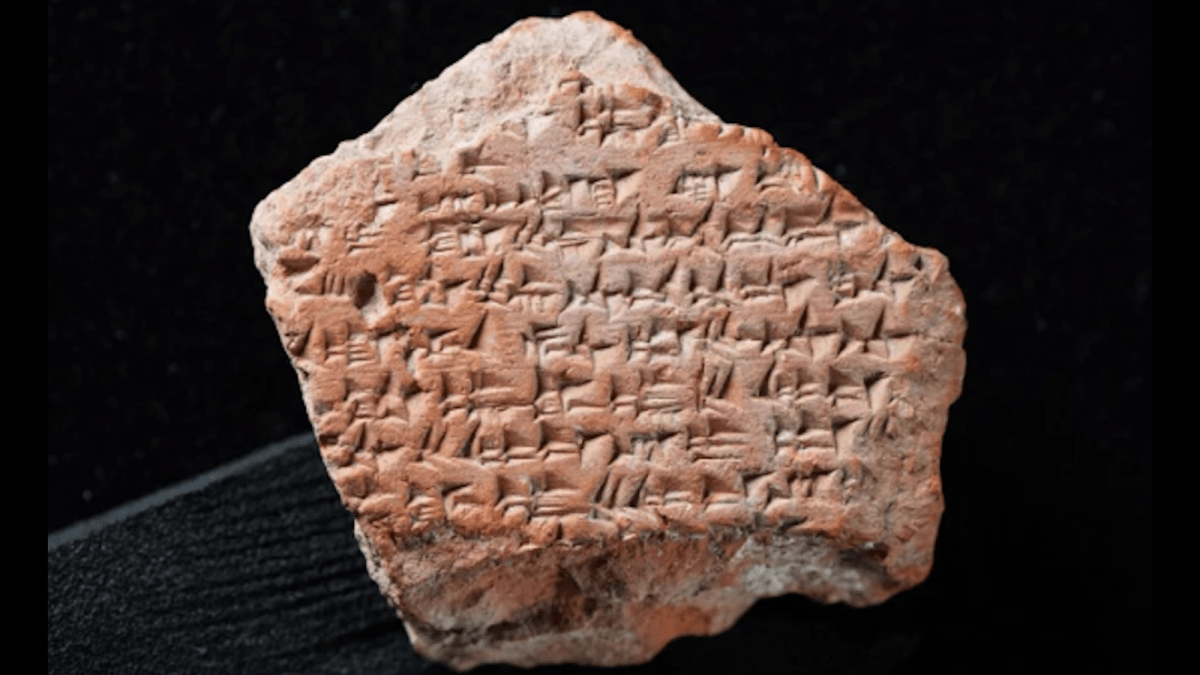
📜
Fragment of oldest known peace treaty discovered in turkey
Fragment van oudst bekende vredesverdrag ontdekt in turkije
Fragment du plus ancien traité de paix connu découvert en turquie
So: I was absolutely fascinated to read about this new discovery in Turkey. Archaeologists have found a fresh fragment of the Kadesh Peace Treaty, which dates all the way back to 1259 BCE. It is just incredible to think that this ancient clay tablet details how kingdoms handled refugees over 3,000 years ago. And here's the thing - it really shows that even in those distant times, leaders were trying to find common ground. Which brings me to the beautiful reminder that protecting human dignity is a responsibility we have carried for millennia.
Zo: ik was absoluut gefascineerd toen ik las over deze nieuwe ontdekking in Turkije. Archeologen hebben een nieuw fragment gevonden van het vredesverdrag van Kadesh, dat helemaal teruggaat tot 1259 v.Chr. Het is gewoon ongelooflijk om te bedenken dat dit oude kleitablet beschrijft hoe koninkrijken meer dan 3000 jaar geleden met vluchtelingen omgingen. En hier komt het punt - het laat echt zien dat leiders zelfs in die verre tijden probeerden om een gemeenschappelijke basis te vinden. Wat me brengt bij de prachtige herinnering dat het beschermen van de menselijke waardigheid een verantwoordelijkheid is die we al millennia dragen.
Alors: j'ai été absolument fasciné de lire cette nouvelle découverte en Turquie. Des archéologues ont trouvé un nouveau fragment du traité de paix de Kadesh, qui remonte jusqu'en 1259 av. J.-C. C'est tout simplement incroyable de penser que cette ancienne tablette d'argile détaille la façon dont les royaumes géraient les réfugiés il y a plus de 3 000 ans. Et voici le point important - cela montre vraiment que même à ces époques lointaines, les dirigeants essayaient de trouver un terrain d'entente. Ce qui m'amène au beau rappel que la protection de la dignité humaine est une responsabilité que nous portons depuis des millénaires.
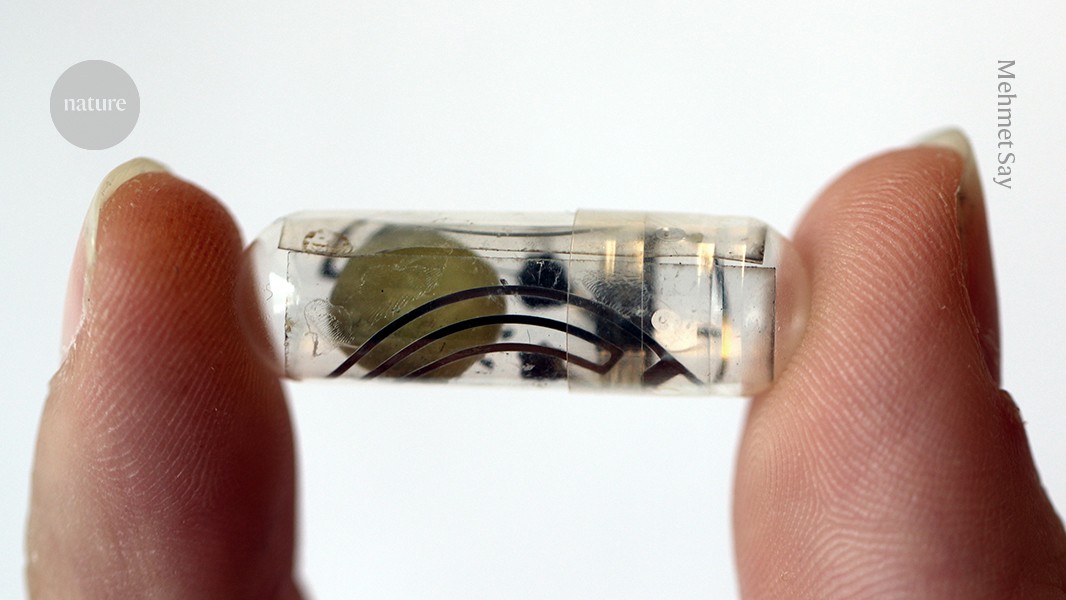
🔋
Edible batteries inspired by rice paper power medical devices in the body
Eetbare batterijen geïnspireerd door rijstpapier voeden medische apparaten in het lichaam
Des batteries comestibles inspirées du papier de riz alimentent des dispositifs médicaux dans le corps
So, I just read about this fascinating breakthrough where researchers have created batteries made from edible materials like rice paper. It is honestly brilliant because these tiny power sources can safely dissolve inside the body after powering ingestible medical devices. They tested this in pigs, using the battery to run an RFID tag and even stimulate hunger hormones, which is just incredible. And here is the thing - by using micronutrients like magnesium, they avoid all the toxic risks of conventional batteries. Which brings me to the future of medicine, where we might soon have non-invasive, swallowable tech to treat all sorts of conditions.
Ik las net over een fascinerende doorbraak waarbij onderzoekers batterijen hebben gemaakt van eetbare materialen zoals rijstpapier. Het is werkelijk briljant, want deze kleine energiebronnen kunnen veilig oplossen in het lichaam nadat ze medische apparaten hebben aangedreven. Ze hebben dit getest bij varkens, waarbij de batterij een RFID-tag voedde en zelfs hongerhormonen stimuleerde, wat echt ongelooflijk is. En hier komt het punt - door gebruik te maken van micronutriënten zoals magnesium, vermijden ze alle giftige risico's van conventionele batterijen. Dat brengt me bij de toekomst van de geneeskunde, waarin we misschien binnenkort niet-invasieve, inslikbare technologie hebben om allerlei aandoeningen te behandelen.
Je viens de lire une avancée fascinante où des chercheurs ont créé des batteries à partir de matériaux comestibles comme le papier de riz. C'est honnêtement brillant car ces minuscules sources d'énergie peuvent se dissoudre en toute sécurité dans le corps après avoir alimenté des dispositifs médicaux ingérables. Ils ont testé cela sur des porcs, en utilisant la batterie pour faire fonctionner une étiquette RFID et même stimuler les hormones de la faim, ce qui est tout simplement incroyable. Et voici le point clé - en utilisant des micronutriments comme le magnésium, ils évitent tous les risques toxiques des batteries conventionnelles. Ce qui m'amène à l'avenir de la médecine, où nous pourrions bientôt disposer de technologies non invasives et avalables pour traiter toutes sortes d'affections.

🔥
Why great plains ranchers are setting fire to their own land
Waarom veehouders in de great plains hun eigen land in brand steken
Pourquoi les éleveurs des great plains mettent le feu à leurs propres terres
I find it absolutely fascinating how ranchers in the Great Plains are using fire as a tool to protect their land. Instead of fearing wildfires, families like the Coffeys are conducting controlled burns to revitalize their grasslands and remove invasive trees. It is such a clever way to manage risk - by burning early, they remove the fuel that would otherwise feed a catastrophic blaze later in the season. And here is the thing: this practice actually helps the cattle by encouraging healthier plant growth. It is a brilliant example of working with nature rather than against it.
Ik vind het werkelijk fascinerend hoe veehouders in de Great Plains vuur gebruiken als instrument om hun land te beschermen. In plaats van bosbranden te vrezen, voeren families zoals de Coffeys gecontroleerde branden uit om hun graslanden te revitaliseren en invasieve bomen te verwijderen. Het is zo'n slimme manier om risico's te beheersen - door vroeg te branden, verwijderen ze de brandstof die anders later in het seizoen een catastrofale brand zou voeden. En hier komt het: deze praktijk helpt het vee ook door gezondere plantengroei te stimuleren. Het is een briljant voorbeeld van samenwerken met de natuur in plaats van ertegenin te gaan.
Je trouve absolument fascinant la façon dont les éleveurs des Great Plains utilisent le feu comme un outil pour protéger leurs terres. Au lieu de craindre les incendies, des familles comme les Coffey effectuent des brûlages dirigés pour revitaliser leurs prairies et éliminer les arbres envahissants. C'est une façon si intelligente de gérer les risques - en brûlant tôt, ils éliminent le combustible qui alimenterait autrement un incendie catastrophique plus tard dans la saison. Et voici le point important : cette pratique aide en fait le bétail en encourageant une croissance végétale plus saine. C'est un brillant exemple de travail avec la nature plutôt que contre elle.

🧬
How virus-like jumping genes became our partners in evolution
Hoe virusachtige springende genen onze partners in evolutie werden
Comment les gènes sauteurs semblables à des virus sont devenus nos partenaires dans l'évolution
I find it absolutely fascinating that nearly half of our genome is made up of these wild, mobile DNA sequences called transposons. For a long time, we thought they were just junk or parasites, but it turns out they are actually key players in our evolutionary toolkit. Barbara McClintock first discovered these jumping genes decades ago, and now we know they help drive everything from new adaptations to complex biological processes. It is a brilliant example of coevolution, where these little genetic acrobats have become essential partners in our own biology. So: our genome is far more dynamic and collaborative than we ever imagined.
Ik vind het werkelijk fascinerend dat bijna de helft van ons genoom bestaat uit deze wilde, mobiele DNA-sequenties die transposons worden genoemd. Lange tijd dachten we dat het slechts rommel of parasieten waren, maar het blijkt dat ze eigenlijk een sleutelrol spelen in onze evolutionaire gereedschapskist. Barbara McClintock ontdekte deze springende genen tientallen jaren geleden, en nu weten we dat ze helpen bij het aansturen van alles, van nieuwe aanpassingen tot complexe biologische processen. Het is een briljant voorbeeld van co-evolutie, waarbij deze kleine genetische acrobaten essentiële partners in onze eigen biologie zijn geworden. Dus: ons genoom is veel dynamischer en collaboratiever dan we ooit hadden gedacht.
Je trouve absolument fascinant que près de la moitié de notre génome soit constituée de ces séquences d'ADN sauvages et mobiles appelées transposons. Pendant longtemps, nous avons pensé qu'il s'agissait simplement de déchets ou de parasites, mais il s'avère qu'ils sont en réalité des acteurs clés de notre boîte à outils évolutive. Barbara McClintock a découvert ces gènes sauteurs il y a des décennies, et nous savons maintenant qu'ils contribuent à tout, des nouvelles adaptations aux processus biologiques complexes. C'est un brillant exemple de coévolution, où ces petits acrobates génétiques sont devenus des partenaires essentiels de notre propre biologie. Donc : notre génome est bien plus dynamique et collaboratif que nous ne l'avions jamais imaginé.
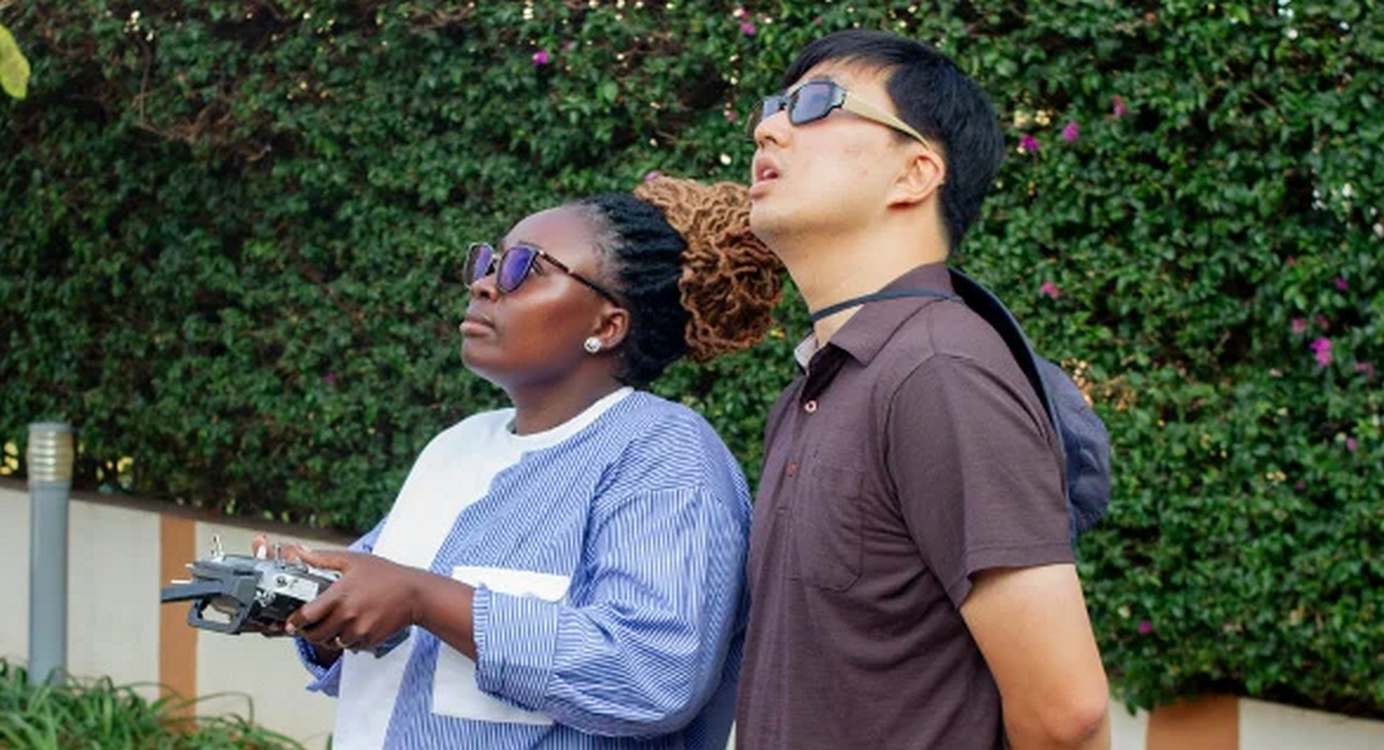
🚁
Korean drone rescue program helps mozambique achieve zero fatalities during worst flood in decades
Koreaans drone-reddingsprogramma helpt mozambique bij het bereiken van nul slachtoffers tijdens ergste overstroming in decennia
Un programme de sauvetage par drone coréen aide le mozambique à atteindre zéro décès lors de la pire inondation depuis des décennies
So, I just read this incredible story about how technology is literally saving lives in Mozambique. When the Incomáti River burst its banks, a group of newly trained drone pilots stepped up to help with rescue efforts. They used their new skills to map flooded areas and guide rescue teams through dangerous waters in real time. And here's the thing - because of their quick thinking and these drones, not a single life was lost during the worst flood in decades. It is just so inspiring to see how training and innovation can make such a massive difference on the ground.
Ik las net dit ongelooflijke verhaal over hoe technologie letterlijk levens redt in Mozambique. Toen de Incomáti-rivier buiten haar oevers trad, sprong een groep pas opgeleide dronepiloten bij om te helpen met de reddingsoperaties. Ze gebruikten hun nieuwe vaardigheden om overstroomde gebieden in kaart te brengen en reddingsteams in real-time door gevaarlijk water te loodsen. En weet je wat het mooie is? Dankzij hun snelle handelen en deze drones is er tijdens de ergste overstroming in decennia geen enkel leven verloren gegaan. Het is zo inspirerend om te zien hoe training en innovatie zo'n enorm verschil kunnen maken in de praktijk.
Je viens de lire cette histoire incroyable sur la façon dont la technologie sauve littéralement des vies au Mozambique. Lorsque la rivière Incomáti est sortie de son lit, un groupe de pilotes de drones fraîchement formés est intervenu pour aider aux efforts de sauvetage. Ils ont utilisé leurs nouvelles compétences pour cartographier les zones inondées et guider les équipes de secours à travers des eaux dangereuses en temps réel. Et voici le plus beau : grâce à leur rapidité d'esprit et à ces drones, pas une seule vie n'a été perdue lors de la pire inondation depuis des décennies. C'est tellement inspirant de voir comment la formation et l'innovation peuvent faire une telle différence sur le terrain.
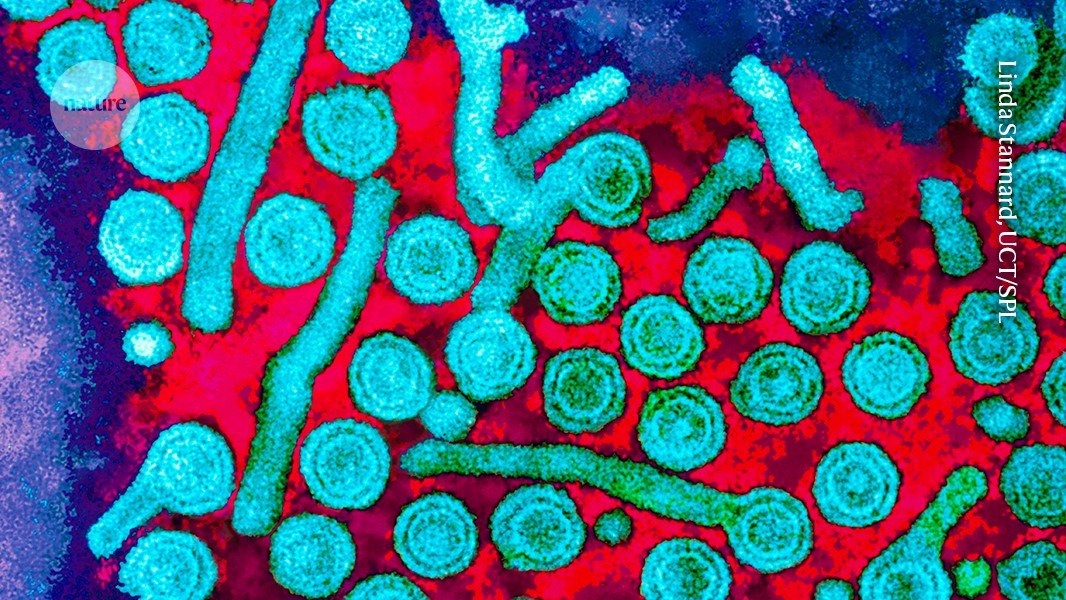
🧬
Epigenetic editing is here: gene-tagging technique banishes hepatitis b virus
Epigenetische bewerking is hier: gen-tagging techniek verdrijft hepatitis b virus
L'édition épigénétique est arrivée : une technique de marquage génétique bannit le virus de l'hépatite b
So: I am absolutely buzzing about this new breakthrough in treating hepatitis B. Instead of cutting DNA, which can be risky, scientists are using clever epigenetic editing to simply tag the virus and shut it down. It is like putting a padlock on the viral genome without breaking the DNA strands themselves. And here is the thing - early results in mice and monkeys look incredibly promising, with human trials already underway. This could be the game-changer we have been waiting for to finally tackle this global health challenge.
Nou: ik ben echt enthousiast over deze nieuwe doorbraak in de behandeling van hepatitis B. In plaats van DNA door te knippen, wat riskant kan zijn, gebruiken wetenschappers slimme epigenetische bewerking om het virus simpelweg te labelen en uit te schakelen. Het is alsof je een hangslot op het virale genoom plaatst zonder de DNA-strengen zelf te beschadigen. En dit is het mooie - vroege resultaten bij muizen en apen zien er ongelooflijk veelbelovend uit, en er zijn al menselijke proeven aan de gang. Dit zou de doorbraak kunnen zijn waar we op hebben gewacht om deze wereldwijde gezondheidsuitdaging eindelijk aan te pakken.
Alors : je suis absolument enthousiaste à propos de cette nouvelle percée dans le traitement de l'hépatite B. Au lieu de couper l'ADN, ce qui peut être risqué, les scientifiques utilisent une édition épigénétique intelligente pour simplement marquer le virus et le désactiver. C'est comme mettre un cadenas sur le génome viral sans briser les brins d'ADN eux-mêmes. Et voici le point important - les premiers résultats chez les souris et les singes semblent incroyablement prometteurs, et des essais sur l'homme sont déjà en cours. Cela pourrait être le changement radical que nous attendions pour enfin relever ce défi de santé mondiale.
🔭
Nasa just powered up roman’s massive 300-megapixel camera
Nasa heeft de enorme 300-megapixelcamera van roman ingeschakeld
La nasa vient d'activer l'énorme caméra de 300 mégapixels de roman
So, I have some absolutely thrilling news from space today! NASA has successfully powered up the Wide Field Instrument on the Roman Space Telescope, which is a massive 300-megapixel infrared camera. It is just incredible to think about how they managed to cool these detectors down to such extreme temperatures while traveling a million miles away. And here is the thing - this instrument is going to capture such sharp, wide views of the universe that it will help us unlock secrets about dark energy and distant planets. I am genuinely excited to see the groundbreaking science that will come from this mission in the very near future.
Ik heb vandaag absoluut fantastisch nieuws uit de ruimte! NASA heeft met succes het Wide Field Instrument op de Roman Space Telescope ingeschakeld, wat een enorme infraroodcamera van 300 megapixel is. Het is werkelijk ongelooflijk om te bedenken hoe ze deze detectoren tot zulke extreme temperaturen hebben weten af te koelen terwijl ze op een miljoen mijl afstand reizen. En hier komt het mooie - dit instrument gaat zulke scherpe, brede beelden van het universum vastleggen dat het ons zal helpen geheimen over donkere energie en verre planeten te ontrafelen. Ik ben oprecht enthousiast om de baanbrekende wetenschap te zien die in de nabije toekomst uit deze missie zal voortkomen.
J'ai des nouvelles absolument passionnantes de l'espace aujourd'hui ! La NASA a réussi à activer le Wide Field Instrument du télescope spatial Roman, une énorme caméra infrarouge de 300 mégapixels. C'est tout simplement incroyable de penser à la façon dont ils ont réussi à refroidir ces détecteurs à des températures aussi extrêmes tout en voyageant à un million de kilomètres. Et voici le point important - cet instrument va capturer des vues si nettes et si larges de l'univers qu'il nous aidera à percer les secrets de l'énergie noire et des planètes lointaines. Je suis sincèrement impatient de voir les découvertes scientifiques révolutionnaires qui découleront de cette mission dans un avenir très proche.
🧠
Stanford scientists discover the human brain may actually be two separate organs
Stanford wetenschappers ontdekken dat het menselijk brein eigenlijk uit twee aparte organen kan bestaan
Des scientifiques de stanford découvrent que le cerveau humain pourrait être composé de deux organes distincts
I find this absolutely fascinating - researchers at Stanford have just challenged everything we thought we knew about brain development. It turns out that the brain might not be a single organ, but rather two distinct systems that evolved separately over millions of years. One system handles our basic survival functions like breathing, while the other manages complex tasks like language and abstract thought. And here's the thing - this discovery could finally help scientists grow specific brain cells in the lab to better understand diseases like ALS. It is such a promising step forward for medical research.
Ik vind dit echt fascinerend - onderzoekers van Stanford hebben zojuist alles wat we dachten te weten over de ontwikkeling van de hersenen op zijn kop gezet. Het blijkt dat het brein misschien geen enkel orgaan is, maar eerder twee afzonderlijke systemen die zich miljoenen jaren lang apart hebben ontwikkeld. Het ene systeem regelt onze basisfuncties zoals ademhaling, terwijl het andere complexe taken zoals taal en abstract denken beheert. En hier komt het mooie - deze ontdekking zou wetenschappers eindelijk kunnen helpen om specifieke hersencellen in het lab te kweken om ziektes zoals ALS beter te begrijpen. Het is echt een veelbelovende stap vooruit voor medisch onderzoek.
Je trouve cela absolument fascinant - des chercheurs de Stanford viennent de remettre en question tout ce que nous pensions savoir sur le développement du cerveau. Il s'avère que le cerveau n'est peut-être pas un organe unique, mais plutôt deux systèmes distincts qui ont évolué séparément au fil des millions d'années. L'un gère nos fonctions de survie de base comme la respiration, tandis que l'autre s'occupe des tâches complexes comme le langage et la pensée abstraite. Et voici le point clé - cette découverte pourrait enfin aider les scientifiques à cultiver des cellules cérébrales spécifiques en laboratoire pour mieux comprendre des maladies comme la SLA. C'est un pas en avant tellement prometteur pour la recherche médicale.
🌳
Protecting existing forests is key for the amazon
Bestaande bossen beschermen is cruciaal voor de amazone
Protéger les forêts existantes est essentiel pour l'amazonie
So: I have been reading about some fascinating new research on the Amazon, and it really makes you think about how we approach conservation. The study shows that while restoring land is important, preventing damage to the forests we already have - like stopping wildfires and selective logging - is actually incredibly effective. And here's the thing, it is often more cost-effective than just focusing on restoration alone. Which brings me to the main takeaway: we need a mix of strategies to really make a difference for biodiversity and carbon storage. It is such a vital reminder that keeping our standing forests healthy is a top priority.
Dus: ik heb net gelezen over fascinerend nieuw onderzoek naar de Amazone, en het zet je echt aan het denken over hoe we natuurbehoud aanpakken. De studie toont aan dat hoewel het herstellen van land belangrijk is, het voorkomen van schade aan bestaande bossen - zoals het stoppen van bosbranden en selectieve houtkap - eigenlijk ongelooflijk effectief is. En dit is het punt: het is vaak kostenefficiënter dan alleen focussen op herstel. Wat me bij de belangrijkste conclusie brengt: we hebben een mix van strategieën nodig om echt een verschil te maken voor biodiversiteit en koolstofopslag. Het is zo'n belangrijke herinnering dat het gezond houden van onze bestaande bossen een topprioriteit moet zijn.
Alors: je viens de lire des recherches fascinantes sur l'Amazonie, et cela nous fait vraiment réfléchir à notre façon d'aborder la conservation. L'étude montre que si la restauration des terres est importante, prévenir les dommages aux forêts existantes - comme arrêter les incendies de forêt et l'exploitation forestière sélective - est en fait incroyablement efficace. Et voici le point clé: c'est souvent plus rentable que de se concentrer uniquement sur la restauration. Ce qui m'amène à la conclusion principale: nous avons besoin d'un mélange de stratégies pour faire une réelle différence pour la biodiversité et le stockage du carbone. C'est un rappel vital que garder nos forêts debout en bonne santé doit être une priorité absolue.
🌌
Black holes of every size follow the same surprising rule
Zwarte gaten van elk formaat volgen dezelfde verrassende regel
Les trous noirs de toutes tailles suivent la même règle surprenante
So, I was reading about this fascinating discovery where astronomers found a universal rule for how black holes launch their powerful jets. It turns out that whether a black hole is small or absolutely massive, they all seem to trigger these jets at the exact same critical stage of their feeding cycle. Which brings me to the coolest part, they used tidal disruption events—basically watching a black hole shred a star—to track this process in real time. And here's the thing, this breakthrough helps us understand how these cosmic giants behave much faster than we ever thought possible. It is just incredible to see how the universe follows such elegant, consistent patterns.
Ik las net over deze fascinerende ontdekking waarbij astronomen een universele regel vonden voor hoe zwarte gaten hun krachtige stralen lanceren. Het blijkt dat, of een zwart gat nu klein of gigantisch is, ze allemaal deze stralen lijken te activeren op precies hetzelfde kritieke punt in hun voedingscyclus. Wat me bij het leukste deel brengt: ze gebruikten getijdenverstoringen, waarbij ze in feite zagen hoe een zwart gat een ster verscheurde, om dit proces in realtime te volgen. En hier komt het mooie, deze doorbraak helpt ons begrijpen hoe deze kosmische reuzen zich gedragen, veel sneller dan we ooit voor mogelijk hielden. Het is gewoon ongelooflijk om te zien hoe het universum zulke elegante en consistente patronen volgt.
Je lisais justement cette découverte fascinante où des astronomes ont trouvé une règle universelle sur la façon dont les trous noirs lancent leurs puissants jets. Il s'avère que, qu'un trou noir soit petit ou absolument massif, ils semblent tous déclencher ces jets au même stade critique de leur cycle d'alimentation. Ce qui m'amène à la partie la plus géniale, c'est qu'ils ont utilisé des événements de rupture par effet de marée, en observant essentiellement un trou noir déchiqueter une étoile, pour suivre ce processus en temps réel. Et voici le truc, cette avancée nous aide à comprendre comment ces géants cosmiques se comportent beaucoup plus rapidement que nous ne l'aurions jamais cru possible. C'est tout simplement incroyable de voir comment l'univers suit des modèles aussi élégants et cohérents.

🚀
After 8 years in space, ‘bepicolombo’ is finally approaching mercury
Na 8 jaar in de ruimte nadert ‘bepicolombo’ eindelijk mercurius
Après 8 ans dans l'espace, ‘bepicolombo’ approche enfin de mercure
So, I have been following the BepiColombo mission for quite some time now, and it is finally reaching its destination. After a long, winding journey of eight years and multiple gravity assists, this incredible probe is starting its descent into orbit around Mercury. And here is the thing - it is actually two spacecraft in one, designed to study the planet's surface and magnetic field simultaneously. I find it absolutely fascinating that this mission will help us understand how rocky planets like our own Earth formed. It is a massive achievement for both the European and Japanese space agencies.
Ik volg de BepiColombo-missie al een hele tijd, en eindelijk bereikt hij zijn bestemming. Na een lange, kronkelige reis van acht jaar en meerdere zwaartekrachtmanoeuvres, begint deze ongelooflijke sonde aan zijn afdaling in een baan om Mercurius. En hier komt het mooie - het zijn eigenlijk twee ruimtevaartuigen in één, ontworpen om het oppervlak en het magnetisch veld van de planeet tegelijkertijd te bestuderen. Ik vind het fascinerend dat deze missie ons zal helpen begrijpen hoe rotsachtige planeten zoals onze eigen aarde zijn gevormd. Het is echt een enorme prestatie voor zowel de Europese als de Japanse ruimtevaartorganisaties.
Je suis la mission BepiColombo depuis un bon moment maintenant, et elle atteint enfin sa destination. Après un long voyage sinueux de huit ans et de multiples assistances gravitationnelles, cette incroyable sonde commence sa descente en orbite autour de Mercure. Et voici le plus intéressant - il s'agit en fait de deux vaisseaux spatiaux en un, conçus pour étudier la surface et le champ magnétique de la planète simultanément. Je trouve absolument fascinant que cette mission nous aide à comprendre comment les planètes rocheuses comme notre propre Terre se sont formées. C'est une réussite majeure pour les agences spatiales européenne et japonaise.
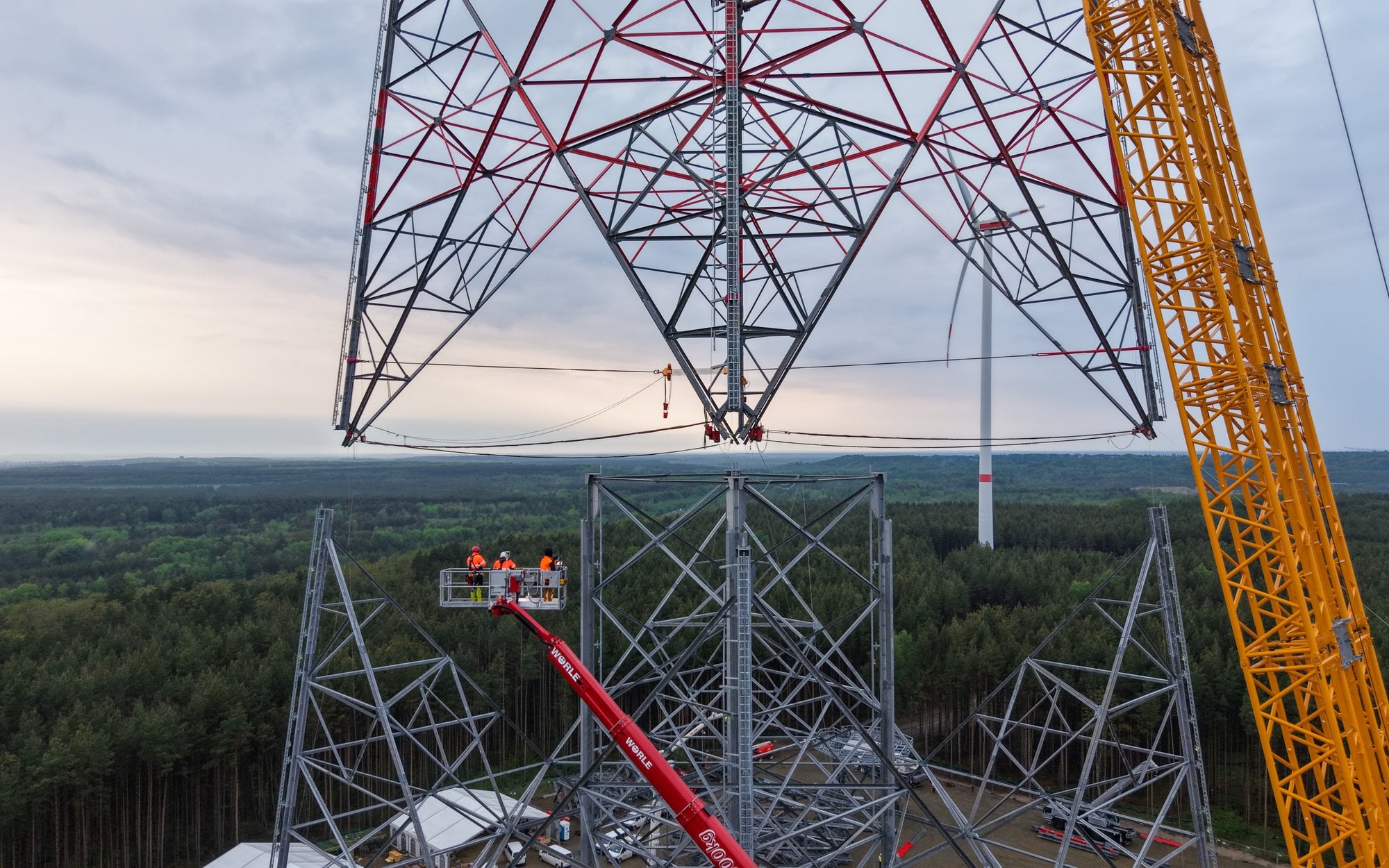
🌬️
A record-breaking wind tower in germany
Een recordbrekende windturbine in duitsland
Une tour éolienne record en allemagne
I am absolutely thrilled to see this new development in Schipkau, Germany, where a record-breaking wind tower is currently under construction. It is a telescopic lattice tower that reaches incredible heights, allowing it to capture much stronger and more stable winds than ever before. And here's the thing - this design is a total game changer because it can deliver more than double the energy of a conventional turbine. It is so exciting to see a former coal region transforming into a hub for such cutting-edge renewable technology. Which brings me to the best part: this project is part of a hybrid system that will help stabilize our energy supply for the future.
Ik ben echt enthousiast over deze nieuwe ontwikkeling in Schipkau, Duitsland, waar momenteel een recordbrekende windturbine wordt gebouwd. Het is een telescopische vakwerktoren die ongelooflijke hoogtes bereikt, waardoor deze veel sterkere en stabielere winden kan vangen dan ooit tevoren. En hier komt het mooie - dit ontwerp is een echte doorbraak omdat het meer dan twee keer zoveel energie kan leveren als een conventionele turbine. Het is zo inspirerend om te zien hoe een voormalige kolenregio verandert in een knooppunt voor zulke geavanceerde duurzame technologie. Wat me bij het beste deel brengt: dit project maakt deel uit van een hybride systeem dat onze energievoorziening voor de toekomst zal helpen stabiliseren.
Je suis absolument ravi de voir ce nouveau développement à Schipkau, en Allemagne, où une tour éolienne record est actuellement en construction. Il s'agit d'une tour en treillis télescopique qui atteint des hauteurs incroyables, lui permettant de capter des vents beaucoup plus forts et plus stables qu'auparavant. Et voici le point important - cette conception change totalement la donne car elle peut fournir plus du double de l'énergie d'une turbine conventionnelle. C'est tellement enthousiasmant de voir une ancienne région charbonnière se transformer en un centre pour une technologie renouvelable aussi innovante. Ce qui m'amène au meilleur aspect : ce projet fait partie d'un système hybride qui aidera à stabiliser notre approvisionnement énergétique pour l'avenir.

🐆
India's cheetah count reaches 56 as kgp12 gives birth to 4 cubs at kuno
Aantal cheeta's in india bereikt 56 nu kgp12 vier welpen heeft gekregen in kuno
Le nombre de guépards en inde atteint 56 alors que kgp12 donne naissance à 4 petits à kuno
I am absolutely thrilled to share some wonderful news from Kuno National Park! The cheetah KGP12, who was born in India herself, has just welcomed four healthy cubs into the world. It is such a resilient story because she sadly lost her first litter earlier this year, but now she is a mother once again. This brings the total cheetah population in India to 56, which is a massive milestone for the conservation programme. And here is the thing - seeing this new generation thrive really shows that the project is moving in the right direction.
Ik ben ontzettend enthousiast om dit prachtige nieuws uit Kuno National Park met jullie te delen! De cheeta KGP12, die zelf in India is geboren, heeft zojuist vier gezonde welpen ter wereld gebracht. Het is zo'n veerkrachtig verhaal, want ze verloor eerder dit jaar helaas haar eerste nestje, maar nu is ze opnieuw moeder geworden. Dit brengt de totale cheetapopulatie in India op 56, wat een enorme mijlpaal is voor het natuurbehoud. En het mooie is - deze nieuwe generatie zien opgroeien laat echt zien dat het project de goede kant op gaat.
Je suis absolument ravi de partager cette merveilleuse nouvelle en provenance du parc national de Kuno ! La guéparde KGP12, née elle-même en Inde, vient de donner naissance à quatre petits en bonne santé. C'est une histoire tellement résiliente car elle a malheureusement perdu sa première portée plus tôt cette année, mais elle est maintenant à nouveau maman. Cela porte la population totale de guépards en Inde à 56, ce qui représente une étape majeure pour le programme de conservation. Et voici le point important - voir cette nouvelle génération grandir montre vraiment que le projet va dans la bonne direction.

🚜
Farmers building their own machines
Boeren bouwen hun eigen machines
Des agriculteurs fabriquent leurs propres machines
I am always so inspired when I see people taking matters into their own hands! In India, when faced with high costs and labour shortages, some clever farmers decided to stop waiting for solutions and started building their own machinery. It is truly brilliant to see how they turned everyday farming struggles into practical, low-cost innovations like custom reapers. Which brings me to the core of the story: these folks are proving that necessity really is the mother of invention. And here is the thing, their ingenuity is not just saving them money, but also changing the way farming works in their communities.
Ik word altijd zo enthousiast als ik zie hoe mensen het heft in eigen handen nemen! In India besloten enkele slimme boeren, geconfronteerd met hoge kosten en een tekort aan arbeidskrachten, om niet langer op oplossingen te wachten en zelf hun machines te bouwen. Het is werkelijk briljant om te zien hoe ze alledaagse landbouwproblemen omzetten in praktische, goedkope innovaties zoals op maat gemaakte maaimachines. Dat brengt me bij de kern van het verhaal: deze mensen bewijzen dat noodzaak echt de moeder van de uitvinding is. En het mooie is dat hun vindingrijkheid hen niet alleen geld bespaart, maar ook de manier van boeren in hun gemeenschappen verandert.
Je suis toujours tellement inspiré quand je vois des gens prendre les choses en main ! En Inde, confrontés à des coûts élevés et à une pénurie de main-d'œuvre, des agriculteurs ingénieux ont décidé d'arrêter d'attendre des solutions et ont commencé à construire leurs propres machines. C'est vraiment brillant de voir comment ils ont transformé les problèmes agricoles quotidiens en innovations pratiques et peu coûteuses, comme des moissonneuses personnalisées. Ce qui m'amène au cœur de l'histoire : ces personnes prouvent que la nécessité est vraiment la mère de l'invention. Et voici le point important, leur ingéniosité ne leur permet pas seulement d'économiser de l'argent, mais elle change aussi la façon dont l'agriculture fonctionne dans leurs communautés.

🤝
How to win against Trump while letting him save face
Hoe tegen Trump winnen zonder hem zijn gezicht te laten verliezen
Comment vaincre Trump sans le laisser perdre
The United States and Denmark have struck a deal on Greenland after Donald Trump threatened to seize control of the strategic Arctic island. Washington now has an expanded role in Arctic security while Danish and Greenlandic sovereignty remains intact - a diplomatic solution that gives both sides something to claim as a win. The agreement comes just days after Trump's ultimatum, following his aggressive moves in Venezuela, which had alarmed Europe about the stability of transatlantic alliances. So here's the thing - this deal shows how careful diplomacy can defuse even the most provocative territorial threats without completely backing down either party.
De Verenigde Staten en Denemarken hebben een akkoord bereikt over Groenland na de dreiging van Donald Trump om controle over het strategische arctische eiland over te nemen. Washington krijgt een uitgebreide rol in de arctische veiligheid terwijl de Deense en Groenlandse soevereiniteit intact blijft - een diplomatieke oplossing die beide partijen iets geeft om als overwinning op te eisen. Het akkoord komt slechts dagen na Trumps ultimatum, na zijn agressieve bewegingen in Venezuela, wat Europa alarmeerde over de stabiliteit van transatlantische allianties. En hier is het punt - deze deal toont aan hoe voorzichtige diplomatie zelfs de meest provocatieve territoriale dreigingen kan deescaleren zonder dat een van beide partijen volledig hoeft in te binden.
Les États-Unis et le Danemark ont conclu un accord sur le Groenland après la menace de Donald Trump de prendre le contrôle de l'île stratégique arctique. Washington obtient un rôle renforcé dans la sécurité arctique tandis que la souveraineté danoise et groenlandaise reste intacte - une solution diplomatique qui donne aux deux parties quelque chose à revendiquer comme une victoire. L'accord intervient quelques jours seulement après l'ultimatum de Trump, suite à ses mouvements agressifs au Venezuela, qui avaient alarmé l'Europe sur la stabilité des alliances transatlantiques. Et voilà le truc - cet accord montre comment une diplomatie prudente peut désamorcer même les menaces territoriales les plus provocatrices sans que l'une ou l'autre partie doive complètement reculer.
💪
Midwife fights back against unrealistic vulva ideals on social media
Vroedvrouw bestrijdt onrealistische vulva-idealen op sociale media
Une sage-femme combat les idéaux irréalistes de la vulve sur les réseaux sociaux
A midwife is speaking out against the harmful beauty standards that social media perpetuates around women's bodies, particularly vulva ideals that bear little resemblance to reality. She's pushing back on the pressure women feel to conform to narrow, unrealistic expectations - which can cause real distress and body image issues. So here's the thing: by normalizing the natural diversity of women's bodies, we can help people feel more confident and comfortable in their own skin. Her message is simple but powerful - there's no single 'ideal' body, and that's perfectly healthy and beautiful.
Een vroedvrouw spreekt zich uit tegen de schadelijke schoonheidsstandaarden die sociale media rond vrouwenlichamen in stand houdt, vooral idealen over vulva's die weinig met de werkelijkheid gemeen hebben. Ze verzet zich tegen de druk die vrouwen voelen om aan strikte, onrealistische verwachtingen te voldoen - wat kan leiden tot echte onzekerheid en lichaamsbeeldproblemen. Nu, het belangrijkste is dit: door de natuurlijke diversiteit van vrouwenlichamen te normaliseren, kunnen we mensen helpen zich zelfverzekerder en comfortabeler in hun eigen huid te voelen. Haar boodschap is simpel maar krachtig - er is geen enkel 'ideaal' lichaam, en dat is volkomen gezond en mooi.
Une sage-femme dénonce les normes de beauté nuisibles que les réseaux sociaux perpétuent autour des corps de femmes, en particulier les idéaux de vulve qui ont peu de rapport avec la réalité. Elle s'oppose à la pression que ressentent les femmes pour se conformer à des attentes étroites et irréalistes - ce qui peut causer une véritable détresse et des problèmes d'image corporelle. Et voilà le truc : en normalisant la diversité naturelle des corps féminins, nous pouvons aider les gens à se sentir plus confiants et à l'aise dans leur propre peau. Son message est simple mais puissant - il n'existe pas un seul corps 'idéal', et c'est parfaitement sain et beau.

🧹
In Odisha's Babojola village, residents sweep streets three times daily and fine anyone who litters
In het dorp Babojola in Odisha vegen bewoners drie keer per dag de straten schoon en beboeten iedereen die afval achterlaat
Dans le village de Babojola en Odisha, les habitants balaient les rues trois fois par jour et amendent quiconque jette des déchets
In Babojola, a tribal village in Odisha's Mayurbhanj district, cleanliness isn't something that happens once a year - it's woven into daily life. For over 15 years, residents have swept the streets three times daily, banned plastic, and enforced rules against littering for both locals and visitors alike. The whole movement started with one dedicated school teacher, Madhusudan Marandi, who inspired the community to take ownership of their surroundings and formalize their efforts through a village club. What's remarkable is how these practices have transformed from a campaign into an everyday norm, showing that real change happens when infrastructure meets genuine community commitment.
In Babojola, een tribal dorp in het district Mayurbhanj in Odisha, is schoonheid niet iets dat eenmaal per jaar gebeurt - het is verweven in het dagelijks leven. Meer dan 15 jaar lang vegen de inwoners drie keer per dag de straten schoon, hebben plastic verboden en handhaven regels tegen zwerfvuil voor zowel lokale bewoners als bezoekers. De hele beweging begon met één toegewijde schoolleraar, Madhusudan Marandi, die de gemeenschap inspireerde om verantwoordelijkheid voor hun omgeving te nemen. Wat opmerkelijk is, is hoe deze praktijken zijn getransformeerd van een campagne naar een alledaagse norm, wat aantoont dat echte verandering gebeurt wanneer infrastructuur samenkomt met echt maatschappelijk engagement.
À Babojola, un village tribal du district de Mayurbhanj en Odisha, la propreté n'est pas quelque chose qui se produit une fois par an - elle est tissée dans la vie quotidienne. Depuis plus de 15 ans, les résidents balaient les rues trois fois par jour, ont interdit le plastique et appliquent des règles contre les déchets jetés pour les habitants et les visiteurs. Le mouvement entier a commencé avec un seul professeur d'école dévoué, Madhusudan Marandi, qui a inspiré la communauté à prendre la responsabilité de son environnement. Ce qui est remarquable, c'est comment ces pratiques se sont transformées d'une campagne en une norme quotidienne, montrant que le vrai changement se produit quand l'infrastructure rencontre l'engagement communautaire authentique.

👶
What Punjab taught Zamfara about safer childbirth
Wat Punjab Zamfara leerde over veiliger bevallen
Ce que le Punjab a enseigné à Zamfara sur l'accouchement plus sûr
Nigeria faces a severe maternal health crisis, with maternal mortality among the highest globally - and Zamfara State in the northwest was hit particularly hard. Rather than starting with new budgets or construction, the state took a smart approach: they first assessed what was actually happening on the ground through independent evaluation of their primary healthcare facilities. What they found was shocking - labour wards so degraded they couldn't continue, missing equipment, and chronic medicine shortages despite having skilled birth attendants. The state then mobilized political will and resources, establishing 23 safe delivery centers and strengthening their drug supply system, leading to drastic improvements in essential medicine availability and safer deliveries.
Nigeria worstelt met een ernstige crisis in moedergezondheidszorg, met sterftecijfers bij bevalling tot de hoogste ter wereld - en Zamfara State in het noordwesten was bijzonder hard getroffen. In plaats van meteen met nieuwe budgetten of bouwprojecten te beginnen, nam de staat een slimme aanpak: eerst onderzoeken wat er werkelijk op de grond gebeurde door onafhankelijke evaluatie van hun primaire gezondheidsfaciliteiten. Wat ze vonden was schokkerend - verloskamers in zo'n slechte staat dat ze niet verder konden gaan, ontbrekende apparatuur en chronische geneesmiddelenschaarste ondanks geschoolde vroedvrouwen. De staat mobiliseerde vervolgens politieke wil en middelen, richtte 23 veilige bevalingscentra op en verstevigde hun geneesmiddelensysteem, wat leidde tot drastische verbeteringen in beschikbaarheid van essentiële medicijnen en veiliger bevallingen.
Le Nigeria fait face à une crise grave de la santé maternelle, avec un taux de mortalité à l'accouchement parmi les plus élevés au monde - et l'État de Zamfara au nord-ouest en a été particulièrement touché. Plutôt que de commencer par de nouveaux budgets ou constructions, l'État a adopté une approche intelligente : d'abord évaluer ce qui se passait réellement sur le terrain grâce à une évaluation indépendante de ses établissements de soins de santé primaires. Ce qu'ils ont découvert était choquant - des salles d'accouchement dans un état si dégradé qu'ils ne pouvaient pas continuer, des équipements manquants et une pénurie chronique de médicaments malgré la présence de sages-femmes qualifiées. L'État a ensuite mobilisé la volonté politique et les ressources, établissant 23 centres d'accouchement sûrs et renforçant son système d'approvisionnement en médicaments, ce qui a conduit à des améliorations drastiques dans la disponibilité des médicaments essentiels et des accouchements plus sûrs.
🤝
U.S. and China discuss system to warn of A.I. national security issues
VS en China bespreken systeem voor waarschuwingen bij veiligheidskwesties rond kunstmatige intelligentie
Les États-Unis et la Chine discutent d'un système d'alerte pour les questions de sécurité nationale liées à l'IA
So here's something genuinely encouraging - the U.S. and China are actually talking about creating a collaborative warning system to flag A.I. developments that could pose national security risks. Now, I know these two superpowers don't always see eye to eye, but this kind of dialogue shows a real willingness to find common ground on artificial intelligence safety. And here's the thing - both countries recognize that A.I. is moving so fast that they need some kind of mechanism to communicate when red flags appear. Which brings me to why this matters: it's a pragmatic step toward ensuring that the competition between nations doesn't completely override the shared need for responsible A.I. development.
Dit is echt iets hoopgevends - de VS en China werken aan een gezamenlijk waarschuwingssysteem om ontwikkelingen op het gebied van kunstmatige intelligentie op te sporen die beveiligingsrisico's kunnen vormen. Nu weet ik dat deze twee supermachten niet altijd dezelfde mening hebben, maar deze dialoog toont een echte bereidheid om gemeenschappelijke grond te vinden op het gebied van A.I.-veiligheid. En hier is het belangrijkste punt - beide landen erkennen dat A.I. zo snel evolueert dat zij een mechanisme nodig hebben om te communiceren wanneer rode vlaggen verschijnen. Dit is van belang omdat het een pragmatische stap is naar het waarborgen dat de concurrentie tussen landen niet volledig voorbijgaat aan de gedeelde behoefte aan verantwoorde A.I.-ontwikkeling.
Voilà quelque chose de vraiment encourageant - les États-Unis et la Chine travaillent sur un système d'alerte conjoint pour signaler les développements en intelligence artificielle qui pourraient poser des risques de sécurité nationale. Je sais que ces deux superpuissances ne sont pas toujours d'accord, mais ce dialogue montre une volonté réelle de trouver un terrain d'entente sur la sécurité de l'IA. Et voici le point essentiel - les deux pays reconnaissent que l'IA évolue si rapidement qu'ils ont besoin d'un mécanisme pour communiquer lorsque des signaux d'alerte apparaissent. C'est important car c'est une étape pragmatique pour assurer que la concurrence entre nations ne prime pas complètement sur le besoin partagé d'un développement responsable de l'IA.
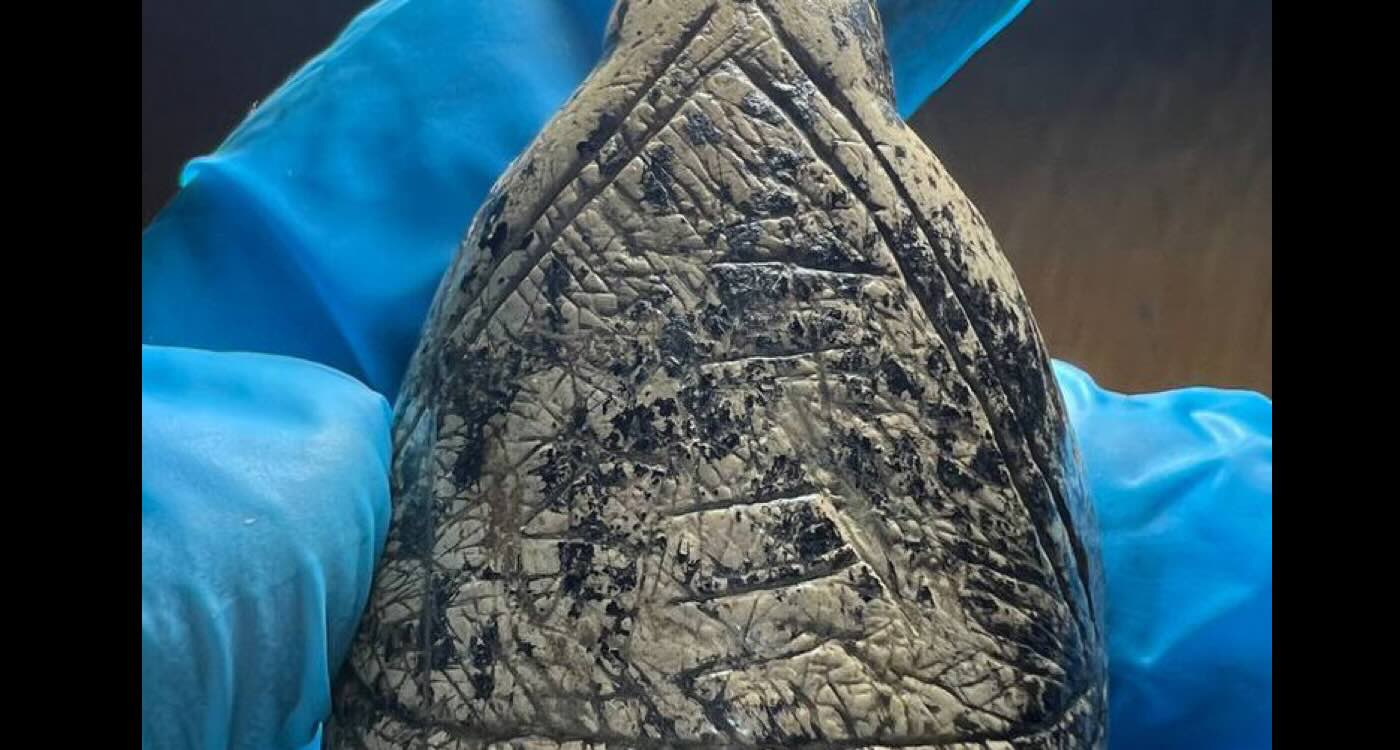
🦣
Ice Age artists deliberately incorporated mammoth tusk patterns into their figurines
Kunstenaars uit het ijstijdperk integreerden opzettelijk mammoettuskpatronen in hun beeldjes
Les artistes de l'âge de glace ont délibérément intégré les motifs des défenses de mammouths dans leurs figurines
So here's what's fascinating - researchers analyzing 18,000-year-old Venus figurines from Ukraine have discovered that Ice Age craftspeople were far more sophisticated than we thought. Using advanced microscopic analysis and 3D digital modeling, scientists found that these ancient artists deliberately incorporated the natural growth rings found in mammoth tusks - called Schreger and Owen lines - directly into their artistic designs. And here's the thing: this level of intentionality completely changes how we understand prehistoric art, showing that Eastern European artists weren't just copying trends but creating their own distinct artistic traditions. The findings were made possible partly through digital preservation efforts, which became essential due to the ongoing war in Ukraine threatening these irreplaceable artifacts.
Hier is wat echt fascinerend is - onderzoekers die 18.000 jaar oude Venusbeeldjes uit Oekraïne analyseerden, hebben ontdekt dat ambachtslieden uit het ijstijdperk veel geavanceerder waren dan we dachten. Met geavanceerde microscopische analyse en 3D-digitale modellering vonden wetenschappers dat deze oude kunstenaars opzettelijk de natuurlijke groeringen van mammoettanden - Schreger- en Owen-lijnen genoemd - rechtstreeks in hun kunstontwerpen verwerkten. En hier is het belangrijkste: dit niveau van bewuste keuze verandert volledig hoe we prehistorische kunst begrijpen, en toont dat kunstenaars in Oost-Europa hun eigen distinctieve artistieke tradities creëerden. De ontdekkingen werden mogelijk gemaakt door digitale conserveringsinspanningen, die essentieel werden vanwege de lopende oorlog in Oekraïne die deze onvervangbare artefacten bedreigt.
Voici ce qui est vraiment fascinant - les chercheurs qui ont analysé des figurines Vénus vieilles de 18 000 ans en Ukraine ont découvert que les artisans de l'âge de glace étaient beaucoup plus sophistiqués que nous ne le pensions. En utilisant l'analyse microscopique avancée et la modélisation numérique 3D, les scientifiques ont trouvé que ces anciens artistes ont délibérément incorporé les anneaux de croissance naturels trouvés dans les défenses de mammouths - appelées lignes de Schreger et Owen - directement dans leurs conceptions artistiques. Et voici le point important : ce niveau d'intentionnalité change complètement notre compréhension de l'art préhistorique, montrant que les artistes d'Europe de l'Est n'imitaient pas simplement les tendances mais créaient leurs propres traditions artistiques distinctes. Ces découvertes ont été rendues possibles en partie par des efforts de préservation numérique, devenus essentiels face à la menace que la guerre en cours en Ukraine pose à ces artefacts irremplaçables.
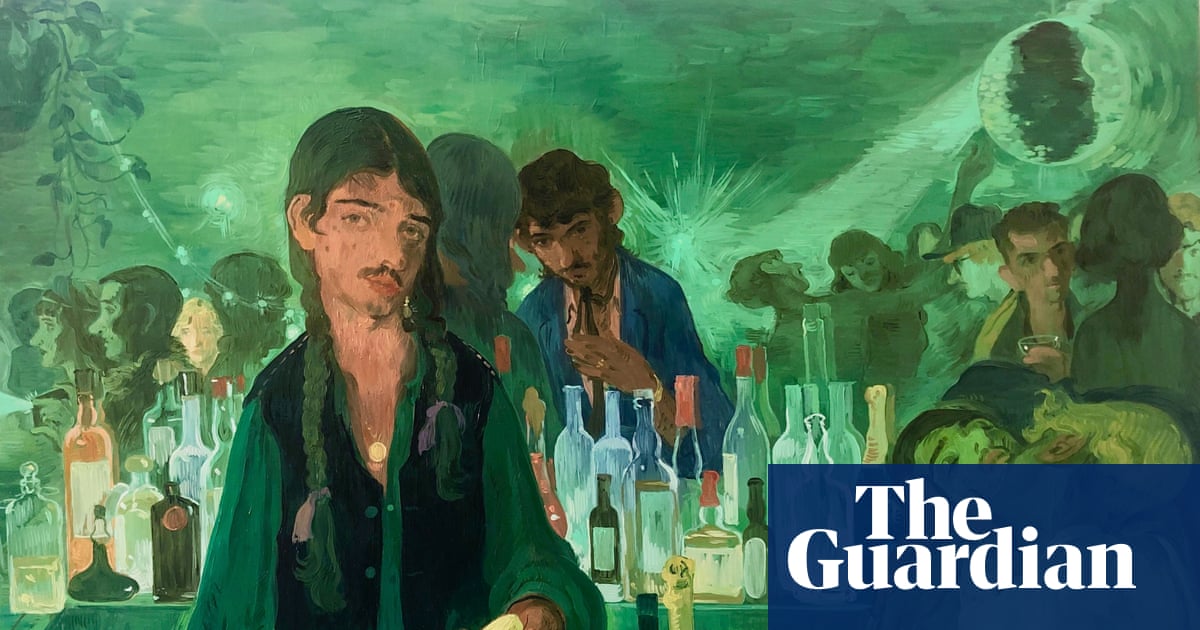
🎨
Brown men are fearless, funny and sexy: Salman Toor on clubbing, queerness and New York's Muslim moment
Bruine mannen zijn moedig, grappig en sexy: Salman Toor over clubcultuur, queerness en New Yorks Islamitisch moment
Les hommes bruns sont courageux, drôles et sexy : Salman Toor parle de la culture clubbing, de la queerness et du moment musulman de New York
Salman Toor, the 43-year-old Pakistani American artist, is completely rewriting how we see queer south Asian men - placing them front and centre in his richly painted worlds instead of pushing them to the margins. His vibrant oil paintings capture brown protagonists hanging out in bars, dancing at parties, and living their full lives, drawing inspiration from European old masters and Indian Mughal miniatures in ways that feel totally fresh. Now his work is gaining massive international recognition, with museum shows everywhere and a 1.2 million dollar sale under his belt - and he's bringing a career-spanning exhibition called Someone Like You to London's Courtauld Gallery next month. What excites Toor most is that he's finally making the stories of brown queerness the main narrative, not some side story, and honestly, that's a pretty beautiful thing to witness.
Salman Toor, de 43-jarige Pakistaans-Amerikaanse kunstenaar, schrijft compleet opnieuw hoe we queer zuid-Aziatische mannen zien - door hen centraal te stellen in zijn rijke, geschilderde werelden in plaats van hen aan de marge te duwen. Zijn levendige olieverfschilderijen vangen bruine protagonisten in elkaar tegengestelde situaties - ze hangen uit in bars, dansen op feestjes en leven hun volle leven, terwijl hij inspiratie haalt uit Europese oude meesters en Indische Mughal-miniaturen op totaal nieuwe manieren. Nu krijgt zijn werk enorme internationale erkenning, met museumshows overal ter wereld en een verkoop van 1,2 miljoen dollar - en hij brengt een tentoonstelling getiteld Someone Like You naar de Courtauld Gallery in Londen volgende maand. Wat Toor het meest opwindt is dat hij eindelijk de verhalen van bruine queerness tot het hoofdverhaal maakt, niet slechts een zijverhaal, en eerlijk gezegd is dat heel mooi om te zien.
Salman Toor, artiste pakistanais-américain de 43 ans, réécrit complètement la façon dont nous voyons les hommes queer d'Asie du Sud - en les plaçant au centre de ses mondes peints richement plutôt que de les repousser aux marges. Ses peintures à l'huile vibrantes capturent des protagonistes bruns dans leurs activités - traînent dans les bars, dansent lors de fêtes et vivent pleinement leur vie, s'inspirant des anciens maîtres européens et des miniatures Mughal indiennes d'une manière totalement nouvelle. Maintenant, son travail gagne une reconnaissance internationale massive, avec des expositions muséales partout dans le monde et une vente d'un million deux cent mille dollars - et il apporte une exposition couvrant sa carrière intitulée Someone Like You à la Courtauld Gallery de Londres le mois prochain. Ce qui enthousiasme le plus Toor, c'est qu'il fait enfin des histoires de queerness brune le récit principal, pas un simple sous-scénario.

🌱
How a mobile sustainability exhibition sparked lasting change in 2,000+ students
Hoe een mobiele duurzaamheidstentoonstelling blijvende verandering teweegbracht bij meer dan 2.000 studenten
Comment une exposition itinérante sur la durabilité a suscité un changement durable chez plus de 2 000 étudiants
When 'Shashwat Bharat Setu', a mobile sustainability initiative by The Eco Factory Foundation, visited EuroSchool Kharadi in Pune, something remarkable happened - over 2,000 students and parents experienced environmental concepts firsthand through interactive demonstrations and displays. The real magic, though, wasn't what happened during the exhibition itself, but what came after: students went home with burning questions, started composting projects, pushed for plastic reduction, and continued thinking deeply about sustainability long after the exhibits were packed away. Principal Afreen Kazi Sheikh realized that the key difference was moving beyond classroom lectures - children needed to see experts, ask direct questions, and feel the concepts with their own hands to truly grasp how these big ideas fit into their everyday lives. What started as a single Saturday event became a catalyst for genuine behavioral change, proving that experiential learning can transform how young people engage with the world around them.
Toen 'Shashwat Bharat Setu', een mobiel duurzaamheidsinitiatiefvan The Eco Factory Foundation, EuroSchool Kharadi in Pune bezocht, gebeurde er iets opmerkelijks - meer dan 2.000 studenten en ouders ervoeren milieuconcepaten rechtstreeks door interactieve demonstraties en tentoonstellingen. De echte magie speelde zich echter af na afloop: studenten gingen naar huis met brandende vragen, startten compostagprojecten, drongen aan op plasticreductie en bleven lang nadenken over duurzaamheid nadat de tentoonstellingen waren opgeruimd. Directeur Afreen Kazi Sheikh realiseerde zich dat het cruciale verschil was dat je voorbij klassikale lessen moet gaan - kinderen moeten experts ontmoeten, rechtstreekse vragen stellen en concepten zelf voelen om echt te begrijpen hoe deze grote ideeën in hun dagelijks leven passen. Wat begon als een enkel zaterdag-evenement werd een katalysator voor werkelijke gedragsverandering en toont aan dat ervaringsleren kan transformeren hoe jonge mensen zich verhouden tot de wereld om hen heen.
Quand 'Shashwat Bharat Setu', une initiative itinérante sur la durabilité de The Eco Factory Foundation, a visité l'école EuroSchool Kharadi à Pune, quelque chose de remarquable s'est produit - plus de 2 000 étudiants et parents ont découvert les concepts environnementaux directement grâce à des démonstrations et des expositions interactives. La véritable magie s'est cependant déroulée après l'événement : les étudiants sont rentrés chez eux avec des questions pressantes, ont lancé des projets de compostage, ont poussé à la réduction du plastique et ont continué à réfléchir profondément à la durabilité longtemps après le démontage des expositions. La directrice Afreen Kazi Sheikh s'est rendu compte que la différence cruciale était d'aller au-delà des cours en classe - les enfants avaient besoin de rencontrer des experts, de poser des questions directes et de ressentir les concepts eux-mêmes pour vraiment comprendre comment ces grandes idées s'intègrent dans leur vie quotidienne. Ce qui a commencé comme un seul événement du samedi est devenu un catalyseur de véritable changement de comportement, prouvant que l'apprentissage expérientiel peut transformer la façon dont les jeunes s'engagent envers le monde qui les entoure.
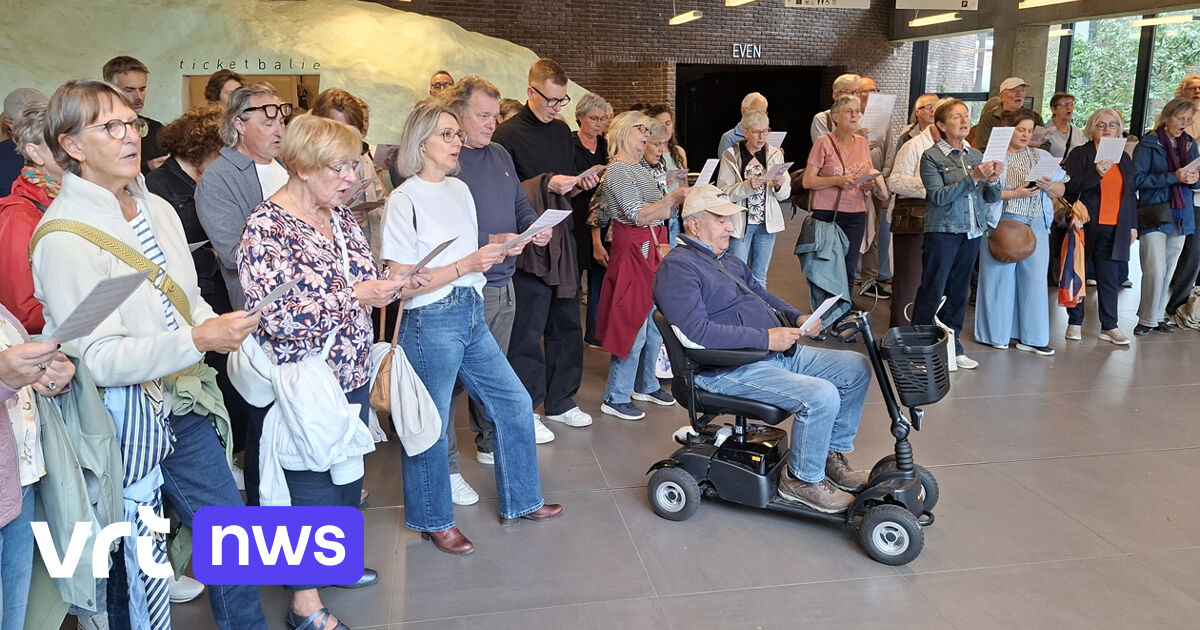
🕊️
Two hundred Turnhout residents sing together for peace: 'Start by being more tolerant yourself'
Tweehonderd Turnhoutenaars zingen samen voor de vrede: 'Begin met jezelf verdraagzamer te zijn'
Deux cents habitants de Turnhout chantent ensemble pour la paix: 'Commencez par être plus tolérant envers vous-même'
In Turnhout, around 200 residents gathered at cultural venue de Warande to sing 'What a Wonderful World' together, joining a global movement for Peace Day. They also unveiled a powerful artwork made from approximately 6,000 hand-folded paper cranes - inspired by a Japanese legend about making wishes for health and peace. Mayor Hannes Anaf emphasized that peace starts with kindness toward your neighbors and tolerance for different opinions, even challenging the harsh tone often found on social media. Now the crane artwork will be distributed symbolically throughout the city, with pieces going to community centers, local organizations, and to all the residents who participated, spreading the message of peace in a beautiful, tangible way.
In Turnhout kwamen ongeveer 200 inwoners samen in cultuurhuis de Warande om 'What a Wonderful World' te zingen, als onderdeel van een wereldwijd vredesbewegement. Zij onthulden ook een indrukwekkend kunstwerk gemaakt van zo'n 6.000 handgevouwen papieren kraanvogels - geïnspireerd door een Japanse legende over wensen doen voor gezondheid en vrede. Burgemeester Hannes Anaf benadrukkte dat vrede begint met vriendelijkheid naar je buren en verdraagzaamheid voor verschillende meningen, en sprak ook kritiek uit op de harde toon op sociale media. Het kraanvogel-kunstwerk zal nu symbolisch over de stad verspreid worden, met onderdelen naar buurthuizen, lokale organisaties en alle deelnemers, wat de vredesboodschap op een mooie, tastbare manier verspreidt.
À Turnhout, environ 200 habitants se sont réunis au centre culturel de Warande pour chanter ensemble 'What a Wonderful World', participant à un mouvement mondial pour la Journée de la Paix. Ils ont également dévoilé une œuvre d'art impressionnante fabriquée à partir d'environ 6 000 grues en papier plié à la main - inspirée par une légende japonaise sur la formulation de vœux pour la santé et la paix. Le maire Hannes Anaf a souligné que la paix commence par la gentillesse envers vos voisins et la tolérance envers les opinions différentes, critiquant aussi le ton dur souvent trouvé sur les réseaux sociaux. L'œuvre d'art en papier grue sera maintenant distribuée symboliquement dans toute la ville, avec des pièces allant aux maisons communautaires, aux organisations locales et à tous les résidents participants, propageant le message de paix d'une manière belle et tangible.
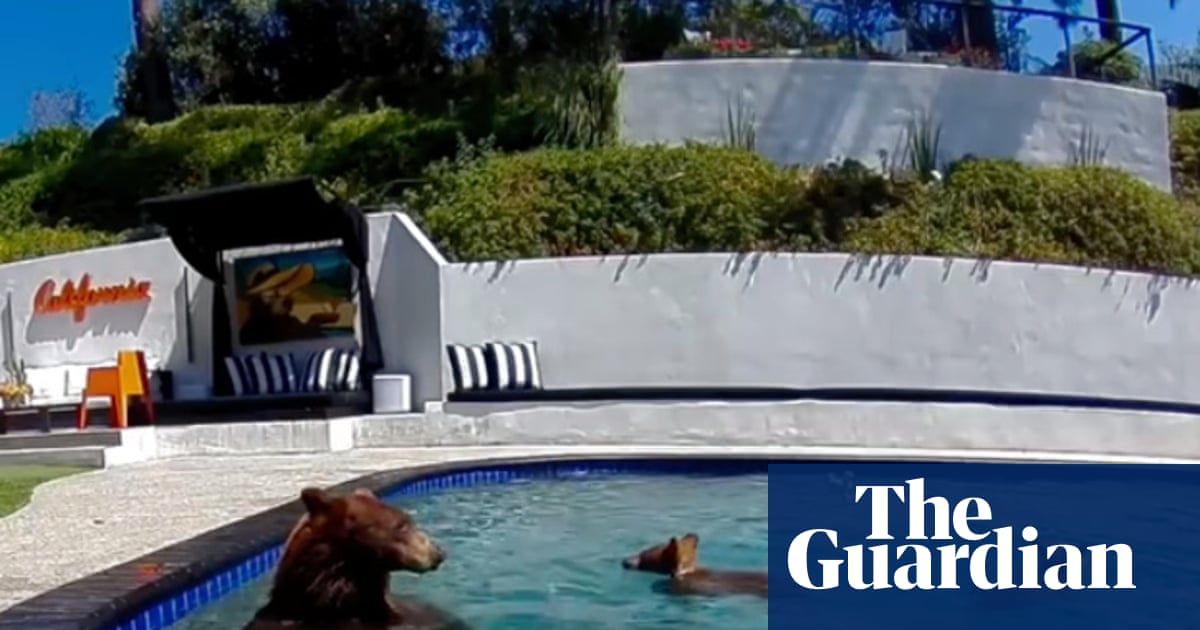
🐻
Bear-y good neighbors: humans and animals are learning to live together in an expanding LA
Berenbuurtgenoten: mensen en dieren leren samen te leven in een groeiend LA
De bons voisins ours: les humains et les animaux apprennent à vivre ensemble dans un LA en expansion
As Los Angeles sprawls outward, black bears are increasingly moving into suburban neighborhoods, drawn by the easy calories found in trash, pools, and fruit trees. What's fascinating is that residents like Brian Gordon and his partner in Monrovia are discovering that coexistence is absolutely possible - they even share their pool with a bear family and document it on Instagram. The key, according to researchers, is making neighborhoods unattractive to bears by securing food sources and giving them space to pass through. Climate change and recent wildfires are forcing bears to expand their ranges in search of food, making this human-wildlife balance more important than ever.
Terwijl Los Angeles uitbreidt, trekken zwarte beren steeds vaker naar buurten in de vorsteden, aangetrokken door de gemakkelijke calorieën in afval, zwembaden en fruitbomen. Wat fascinerend is, is dat bewoners zoals Brian Gordon en zijn partner in Monrovia ontdekken dat samenleven absoluut mogelijk is - ze delen zelfs hun zwembad met een berenfamilie en documenteren dit op Instagram. Volgens onderzoekers is het sleutel om buurten voor beren onattractief te maken door voedselbronnen veilig te stellen en hun ruimte te geven om erdoorheen te gaan. Klimaatverandering en recente bosbranden dwingen beren hun leefgebied uit te breiden op zoek naar voedsel, wat dit evenwicht tussen mens en wild steeds belangrijker maakt.
Alors que Los Angeles s'étend vers l'extérieur, les ours noirs s'installent de plus en plus dans les banlieues, attirés par les calories faciles trouvées dans les ordures, les piscines et les vergers. Ce qui est fascinant, c'est que des résidents comme Brian Gordon et son partenaire à Monrovia découvrent que la coexistence est absolument possible - ils partagent même leur piscine avec une famille d'ours et la documentent sur Instagram. Selon les chercheurs, la clé est de rendre les quartiers peu attrayants pour les ours en sécurisant les sources alimentaires et en leur donnant l'espace pour passer. Le changement climatique et les récents incendies de forêt forcent les ours à étendre leurs territoires à la recherche de nourriture, rendant cet équilibre entre humains et faune sauvage de plus en plus important.

🚗
Small, cheap and electric - the EU's new vehicle vision
Klein, goedkoop en elektrisch - EU's nieuwe voertuigvisie
Petit, bon marché et électrique - la nouvelle vision automobile de l'UE
So, the EU is working on something really interesting - a whole new category of vehicles that are smaller, cheaper, and electric. Manufacturers across Europe are already developing different proposals to meet these new requirements and expectations for what cars will look like on our roads in the future. And here's the thing - it's not just about making cars more affordable, it's about reimagining what urban mobility could be. This shift could genuinely change how Europeans think about getting around their cities and towns.
De EU werkt aan iets echt interessants - een volledig nieuwe categorie voertuigen die kleiner, goedkoper en elektrisch zijn. Fabrikanten in heel Europa ontwikkelen al verschillende voorstellen om aan deze nieuwe vereisten en verwachtingen te voldoen voor hoe auto's er in de toekomst uit zullen zien. En dit is belangrijk - het gaat niet alleen om auto's betaalbaarder te maken, het gaat om mobiliteit opnieuw uit te vinden. Deze verschuiving zou Europeanen echt kunnen veranderen hoe zij over vervoer in hun steden en dorpen denken.
L'UE travaille sur quelque chose de vraiment intéressant - une toute nouvelle catégorie de véhicules qui sont plus petits, moins chers et électriques. Les fabricants à travers l'Europe développent déjà différentes propositions pour répondre à ces nouvelles exigences et attentes concernant ce que les voitures devraient ressembler à l'avenir. Et voilà le point important - il ne s'agit pas seulement de rendre les voitures plus abordables, il s'agit de réimaginer ce que la mobilité urbaine pourrait être. Ce changement pourrait vraiment transformer la façon dont les Européens pensent à se déplacer dans leurs villes et leurs villages.

🔊
The new urban smog is noise - and it's killing 66,000 Europeans every year
De nieuwe stadsmog heet lawaai - en het doodt jaarlijks 66.000 Europeanen
Le nouveau smog urbain s'appelle bruit - et il tue 66 000 Européens chaque année
So here's the thing - noise pollution is quietly becoming Europe's biggest public health crisis, and most of us don't even realise it. The numbers are genuinely staggering: 66,000 premature deaths annually, 17 million people suffering chronic irritation, and the economic cost hitting 95 billion euros a year. Road traffic is the main culprit, affecting 92 million Europeans, not airplanes like you'd think - and the scary part is that WHO warns damage happens at noise levels lower than current legal limits. The good news is that cities like Paris are fighting back with smart solutions: lower speed limits, quieter road surfaces, better public transport, and electric vehicles that make a real difference at street level.
Dus hier zit het probleem - geluidsoverlast wordt stilletjes Europas grootste volksgezondheidscrisis, en de meesten van ons beseffen het niet eens. De cijfers zijn werkelijk schrikbarend: 66.000 voortijdige sterfgevallen per jaar, 17 miljoen mensen met chronische irritatie, en de economische kosten bedragen 95 miljard euro jaarlijks. Wegverkeer is de grootste boosdoener en treft 92 miljoen Europeanen - niet vliegverkeer zoals je zou verwachten - en het akelige is dat de WHO waarschuwt dat schade ontstaat bij geluidsniveaus onder de huidige wettelijke grenzen. Het goede nieuws is dat steden als Parijs terugslaan met slimme oplossingen: lagere snelheidslimieten, stillere wegdekken, beter openbaar vervoer en elektrische voertuigen die op straatniveau echt verschil maken.
Voilà le problème - la pollution sonore devient tranquillement la plus grande crise sanitaire de l'Europe, et la plupart d'entre nous ne le réalisent même pas. Les chiffres sont vraiment terrifiant : 66 000 décès prématurés par an, 17 millions de personnes souffrant d'irritation chronique, et le coût économique atteint 95 milliards d'euros annuellement. Le trafic routier est le principal coupable, affectant 92 millions d'Européens - pas l'aviation comme on pourrait le penser - et le plus inquiétant est que l'OMS avertit que les dommages commencent à des niveaux sonores inférieurs aux limites légales actuelles. La bonne nouvelle, c'est que des villes comme Paris contre-attaquent avec des solutions intelligentes : vitesses limitées, revêtements routiers plus silencieux, meilleurs transports publics et véhicules électriques qui font vraiment la différence au niveau des rues.
⚛️
Einstein's spooky action survives physics' most extreme test
Einsteins spookachtige actie overleven natuurkundes meest extreme test
L'action spookachtige d'Einstein survit au test le plus extrême de la physique
So here's something really exciting - physicists at Oxford and CERN have just shown that quantum entanglement, that weird phenomenon Einstein called "spooky action at a distance," can actually survive in some of the heaviest and shortest-lived particles ever created. They studied Z bosons produced in the violent collisions at the Large Hadron Collider, particles that exist for just a fraction of a second before falling apart. By measuring the electrons and muons left behind, they could reconstruct the Z bosons' spins and confirm they showed the strange quantum correlations we'd expect from entanglement. This is huge because it shows that this fundamental quantum effect isn't delicate at all - it's robust enough to survive even in the most extreme conditions nature can throw at it, which gives us real confidence that the same rules powering tomorrow's quantum computers are woven into the fabric of reality itself.
Dus hier is iets echt opwindends - natuurkundigen van Oxford en CERN hebben zojuist aangetoond dat quantumverstrengeling, dat vreemde fenomeen dat Einstein "spookachtige actie op afstand" noemde, daadwerkelijk kan overleven in enkele van de zwaarste en kortlevende deeltjes ooit gemaakt. Ze bestudeerden Z-bosonen die ontstaan uit gewelddadige botsingen in de Large Hadron Collider, deeltjes die slechts een fractie van een seconde bestaan voordat ze uit elkaar vallen. Door elektronen en muonen te meten die achterbleven, konden ze de spins van de oorspronkelijke Z-bosonen reconstrueren en bevestigen dat ze de vreemde quantumcorrelaties vertoonden die we van verstrengeling verwachten. Dit is enorm omdat het aantoont dat dit fundamentele quantumeffect helemaal niet kwetsbaar is - het is robuust genoeg om zelfs onder de meest extreme omstandigheden te overleven, wat ons echt vertrouwen geeft dat dezelfde regels die morgen's quantumcomputers aansturen in de stof van de werkelijkheid zelf zijn ingeweven.
Voilà quelque chose de vraiment excitant - des physiciens d'Oxford et du CERN viennent de montrer que l'intrication quantique, ce phénomène bizarre qu'Einstein appelait l'"action spookachtige à distance", peut en fait persister dans certaines des particules les plus lourdes et les plus éphémères jamais créées. Ils ont étudié les bosons Z produits dans les collisions violentes du Grand collisionneur de hadrons, des particules qui n'existent que pendant une fraction de seconde avant de se désintégrer. En mesurant les électrons et muons restants, ils ont pu reconstruire les spins des bosons Z d'origine et confirmer qu'ils présentaient les étranges corrélations quantiques attendues de l'intrication. C'est énorme parce que cela montre que cet effet quantique fondamental n'est pas fragile du tout - il est suffisamment robuste pour survivre même dans les conditions les plus extrêmes, ce qui nous donne vraiment confiance que les mêmes règles alimentant les futurs ordinateurs quantiques sont tissées dans la trame même de la réalité.
🧬
Ancient DNA reveals how plague kept returning for 400 years after the Black Death
Oude DNA onthult hoe de pest meer dan 400 jaar na de Zwarte Dood bleef terugkeren
L'ADN ancien révèle comment la peste a continué à réapparaître 400 ans après la Mort noire
So here's something fascinating - the Black Death didn't just vanish after that catastrophic wave between 1347 and 1353. Researchers at the University of Tartu have reconstructed 26 genomes of the plague bacterium from archaeological remains across Europe, showing that the disease kept coming back for over four centuries. What's really striking is that plague didn't spread from a single source each time - instead, it resurfaced in different regions and created new reservoirs, with a major expansion happening around 1450-1500 when the bacterium split into three important branches. Climate factors like the Great Renaissance Drought may have played a role in these waves, and the team even developed new methods to pinpoint exactly when ancient infections occurred, which is a game-changer for understanding historical pandemics.
Dus hier is iets fascinerends - de Zwarte Dood verdween niet zomaar na die catastrofale golf tussen 1347 en 1353. Onderzoekers van de Universiteit van Tartu hebben 26 genomen van de pestbacterie gereconstrueerd uit archeologische resten in heel Europa, wat aantoont dat de ziekte meer dan vier eeuwen lang steeds terugkeerde. Wat echt opmerkelijk is, is dat de pest niet elke keer van één bron uit zich verspreidde - in plaats daarvan dook het virus op in verschillende regio's en creëerde het nieuwe reservoirs, met een grote uitbreiding rond 1450-1500 toen de bacterie in drie belangrijke takken uiteenviel. Klimaatfactoren zoals de Grote Renaissancdroogte kunnen een rol hebben gespeeld in deze golven, en het team ontwikkelde zelfs nieuwe methoden om nauwkeurig vast te stellen wanneer oude infecties plaatsvonden, wat een game-changer is voor het begrijpen van historische pandemieën.
Voilà quelque chose de fascinant - la Mort noire n'a pas simplement disparu après cette vague catastrophique entre 1347 et 1353. Des chercheurs de l'Université de Tartu ont reconstitué 26 génomes de la bactérie de la peste à partir de restes archéologiques dans toute l'Europe, montrant que la maladie est revenue maintes fois pendant plus de quatre siècles. Ce qui est vraiment frappant, c'est que la peste ne s'est pas propagée depuis une seule source à chaque fois - au lieu de cela, elle a resurgi dans différentes régions et a créé de nouveaux réservoirs, avec une expansion majeure autour de 1450-1500 quand la bactérie s'est divisée en trois branches importantes. Les facteurs climatiques comme la Grande Sécheresse de la Renaissance ont peut-être joué un rôle dans ces vagues, et l'équipe a même développé de nouvelles méthodes pour identifier précisément quand les infections anciennes se sont produites, ce qui change la donne pour comprendre les pandémies historiques.
🔬
After 10 years of experiments, physicists finally open the sealed envelope on gravity's biggest mystery
Na 10 jaar experimenten openen natuurkundigen eindelijk de verzegelde envelop over het grootste raadsel van de zwaartekracht
Après 10 ans d'expériences, les physiciens ouvrent enfin l'enveloppe scellée sur le plus grand mystère de la gravité
So here's the thing - physicist Stephan Schlamminger at NIST has spent a decade trying to measure big G, the universal gravitational constant that determines how strong gravity really is throughout the universe. The frustrating part is that gravity remains far less precisely known than other fundamental forces of nature, and measurements keep disagreeing with each other in ways scientists can't quite explain. Now, to eliminate the risk of accidentally influencing his own results, Schlamminger had a colleague secretly scramble part of the experimental data and seal the key number in an envelope - which he's finally about to open after years of painstaking analysis. This whole effort might solve one of science's most stubborn puzzles or reveal something completely unexpected about how gravity actually works.
Dus hier is het ding - natuurkundige Stephan Schlamminger van NIST besteedt al een decennium aan het meten van big G, de universele gravitatieconstante die bepaalt hoe sterk de zwaartekracht echt is. Het frustrerende deel is dat zwaartekracht veel minder nauwkeurig bekend is dan andere fundamentele natuurkrachten, en metingen geven steeds verschillende antwoorden die wetenschappers niet kunnen verklaren. Om te voorkomen dat hij zijn eigen resultaten per ongeluk zou beïnvloeden, liet Schlamminger een collega stiekem deel van de experimentele gegevens vermengen en het geheime getal in een envelop verzegelen - die hij eindelijk opent na jaren nauwgezet onderzoek. Deze hele inspanning kan een van de meest hardnekkige raadsels van de wetenschap oplossen of iets volledig onverwachts over hoe zwaartekracht echt werkt onthullen.
Voilà le truc - le physicien Stephan Schlamminger du NIST consacre une décennie à mesurer la constante de gravitation universelle, appelée big G, qui détermine la véritable force de la gravité dans tout l'univers. La partie frustrante est que la gravité reste bien moins précisément connue que les autres forces fondamentales de la nature, et les mesures ne cessent de donner des réponses différentes que les scientifiques ne peuvent pas expliquer. Pour éviter d'influencer accidentellement ses propres résultats, Schlamminger a demandé à un collègue de brouiller secrètement une partie des données expérimentales et de sceller le numéro secret dans une enveloppe - qu'il ouvre enfin après des années d'analyse minutieuse. Cet effort entier pourrait résoudre l'une des énigmes les plus tenaces de la science ou révéler quelque chose de complètement inattendu sur le fonctionnement réel de la gravité.
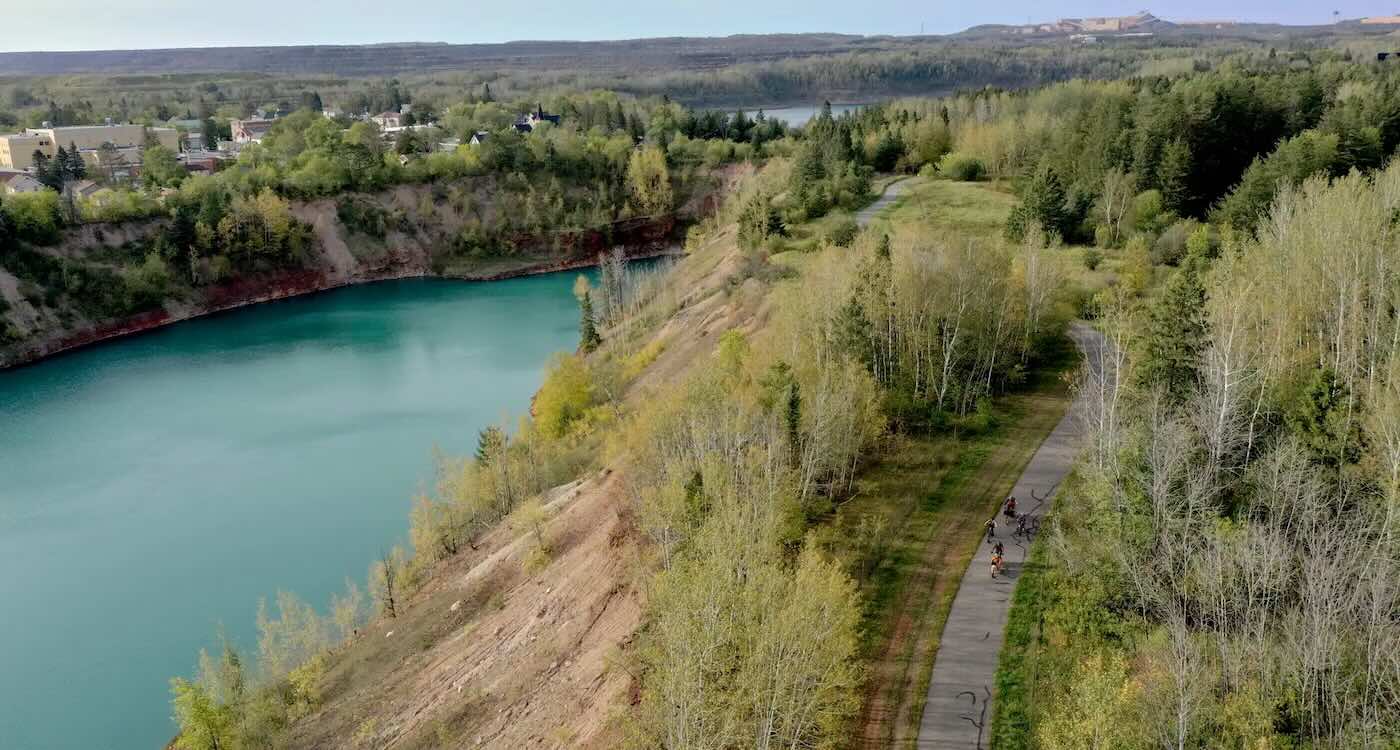
🚴
165-mile bike trail through Minnesota finally completed after 30 years
165 kilometer lange fietsroute in Minnesota eindelijk voltooid na 30 jaar
La piste cyclable de 265 kilomètres au Minnesota est enfin terminée après 30 ans
After three decades of planning, building, and fundraising, Minnesota has completed one of America's longest paved cycling trails - a stunning 165-mile route that winds through historic mining country from the Mississippi River to the Boundary Waters. The Mesabi Trail connects 28 communities and takes you through some truly beautiful terrain, with hills and forests that actually grew back on old mine heaps, plus fascinating historic buildings and mining artifacts along the way. What's really cool is how this wasn't the work of just one organization - it took genuine partnership and persistence from dozens of groups, with the state's unique Department of Iron Range Resources & Rehabilitation helping lead the charge. Now tens of thousands of people are already using it every year for cycling, hiking, inline skating in summer, or cross-country skiing and snowshoeing when winter rolls around.
Na drie decennia van planning, bouw en fondsenwerving heeft Minnesota eindelijk een van Amerika's langste geasfalteerde fietsroutes voltooid - een indrukwekkende 165 kilometer lange route die door historisch mijnbouwland slingert van de Mississippi tot de Boundary Waters. De Mesabi Trail verbindt 28 gemeenten en leidt je door prachtig landschap met heuvels en bossen die groeien op oude mijnafval, plus fascinierende historische gebouwen en mijnbouwartefacten onderweg. Wat echt geweldig is, is dat dit niet het werk van één organisatie was - het vereiste echte partnerschap en doorzettingsvermogen van tientallen groepen, waarbij de unieke afdeling Iron Range Resources & Rehabilitation van de staat het voortouw nam. Nu gebruiken al tienduizenden mensen het elk jaar voor fietsen, wandelen, inline skaten in de zomer, of langlaufen en sneeuwschoenwandelen als de winter aanbreekt.
Après trois décennies de planification, de construction et de collecte de fonds, le Minnesota a finalement achevé l'une des plus longues pistes cyclables pavées d'Amérique - un parcours spectaculaire de 265 kilomètres qui serpente à travers les anciennes terres minières entre le fleuve Mississippi et les Boundary Waters. La piste Mesabi relie 28 communautés et vous conduit à travers un paysage magnifique avec des collines et des forêts qui ont repoussé sur d'anciens tas de mines, plus de fascinants bâtiments historiques et des artefacts miniers en chemin. Ce qui est vraiment remarquable, c'est que ce projet n'était pas le travail d'une seule organisation - il a fallu un véritable partenariat et une persévérance de la part de dizaines de groupes, avec le département unique Iron Range Resources & Rehabilitation de l'État jouant un rôle clé. Maintenant, des dizaines de milliers de personnes l'utilisent déjà chaque année pour faire du vélo, de la randonnée, du patinage à roues alignées en été, ou du ski de fond et de la raquette quand l'hiver arrive.
💤
Getting paid to sleep more actually works - and boosts college grades
Betaald krijgen voor meer slaap werkt echt - en verbetert schoolcijfers
Être payé pour dormir plus fonctionne vraiment - et améliore les notes
So here's something fascinating - researchers at the University of Pittsburgh paid over 1,100 college students about $5 a night to hit that seven-hour sleep target, and it actually worked. The students who got the incentive slept an extra 19 minutes per night and hit their seven-hour goal 26% more often than those without payment. And this is the really cool part - their GPAs rose by about 0.08 points that semester, which is a meaningful jump. Even after the payments stopped, these students kept sleeping a bit longer, showing that the habit actually stuck around for weeks.
Dus hier is iets fascineerends - onderzoekers aan de Universiteit van Pittsburgh betaalden meer dan 1.100 universiteitsstudenten ongeveer 5 dollar per nacht om hun zevenuursdoel te bereiken, en het werkte echt. De studenten die de stimulans kregen sliepen extra 19 minuten per nacht en bereikten hun zesuursdoel 26% vaker dan degenen zonder betaling. En dit is het echt coole gedeelte - hun gemiddeld cijfer steeg met ongeveer 0,08 punten dat semester, wat een betekenisvolle sprong is. Zelfs nadat de betalingen stopten, bleven deze studenten iets langer slapen, wat aantoont dat de gewoonte weken daarna nog bleef hangen.
Voilà quelque chose de fascinant - des chercheurs de l'Université de Pittsburgh ont payé plus de 1 100 étudiants environ 5 dollars par nuit pour atteindre leur objectif de sept heures de sommeil, et ça a vraiment fonctionné. Les étudiants qui ont reçu l'incitation ont dormi 19 minutes supplémentaires par nuit et ont atteint leur objectif de sept heures 26% plus souvent que ceux sans paiement. Et voici la partie vraiment cool - leurs moyennes ont augmenté d'environ 0,08 points ce semestre, ce qui est un saut significatif. Même après l'arrêt des paiements, ces étudiants ont continué à dormir un peu plus longtemps, montrant que l'habitude a vraiment persisté pendant des semaines.

🌿
Scientist unveils a hidden biodiversity treasure at Versailles
Wetenschapper ontdekt verborgen biodiversiteit in Versailles
Une scientifique révèle la richesse cachée de la biodiversité à Versailles
Marie-Lorraine Du Laurens, an agronomist with a passion for environmental education, has taken on an exciting new role as biodiversity officer at the Palace of Versailles, bringing together decades of scattered ecological data into one comprehensive observatory. Working with a team of four specialist ecologists, she's conducting a full inventory of the estate's fauna and flora across its 800 hectares - four years after the last botanical survey and seven years since wildlife was last studied. So here's what's remarkable: the Grand Canal alone hosts protected bat species like the Daubenton's bat, while nearby Marly boasts an exceptionally diverse wildlife population worth preserving. The domain's nearly 350,000 trees represent living links to history, some dating back centuries to Louis XIV's era, and each replanting or restoration project offers new opportunities to study and understand the soil's richness.
Marie-Lorraine Du Laurens, een agronome met passie voor natuurwetenschappen en onderwijs, is recent aangesteld als biodiversiteitsbeheerder van het Paleis van Versailles en brengt daar decennia lang verzamelde ecologische gegevens samen in één observatorium. Samen met een team van vier gespecialiseerde ecologen voert ze een volledige inventaris uit van de fauna en flora op het 800 hectare grote domein - vier jaar nadat de laatste botanische studie werd gedaan en zeven jaar sinds het laatste faunaonderzoek. Het Grand Canal herbergt bijvoorbeeld beschermde vleermuissoorten zoals de Daubenton's vleermuis, terwijl het nabijgelegen Marly een uitzonderlijk rijke dierenpopulatie heeft die behouden moet blijven. Het domein's bijna 350.000 bomen vormen levende verbindingen met de geschiedenis, waarvan sommige teruggaan tot de tijd van Lodewijk XIV, en elk herbeplantings- of restauratieproject biedt nieuwe kansen om de bodemrijkdom te bestuderen.
Marie-Lorraine Du Laurens, une agronome passionnée par les sciences du vivant et l'enseignement, occupe depuis peu le poste de responsable biodiversité au Palais de Versailles, où elle rassemble des données écologiques éparpillées depuis des décennies au sein d'un seul observatoire. Travaillant avec une équipe de quatre écologues spécialisés, elle mène un inventaire complet de la faune et la flore sur les 800 hectares du domaine - quatre ans après la dernière étude botanique et sept ans depuis la dernière enquête faunistique. Le Grand Canal abrite notamment des espèces de chauves-souris protégées comme le Murin de Daubenton, tandis que Marly possède une population animalière d'une richesse exceptionnelle à préserver. Les quelque 350.000 arbres du domaine représentent des liens vivants avec l'histoire, dont certains remontent à l'époque de Louis XIV, et chaque projet de replantation offre de nouvelles occasions d'étudier et de comprendre la richesse des sols.

🔥
Why human language may be intertwined with fire
Waarom menselijke taal mogelijk verweven is met vuur
Pourquoi le langage humain pourrait être intrinsèquement lié au feu
So here's a fascinating idea - what if our greatest innovations, language and fire, are actually deeply connected? Researchers suggest that our ancestors likely started with gestural communication, much like other apes do today, but something crucial shifted us toward spoken language. The theory goes that around a campfire, when light became too dim for complex hand gestures, we needed to develop vocal communication to tell intricate stories and bond socially. And here's the thing - the flickering firelight actually synchronizes our neurons in ways that deepen social connection and empathy, making those fireside stories the birthplace of human language as we know it.
Hier is een fascinerende gedachte - wat als onze grootste innovaties, taal en vuur, eigenlijk diep met elkaar verbonden zijn? Onderzoekers stellen voor dat onze voorouders waarschijnlijk begonnen met gebarentaal, net zoals andere apen dat vandaag doen, maar iets cruciaals verschoof ons richting gesproken taal. De theorie zegt dat rond een kampvuur, toen het licht te zwak werd voor complexe handgebaren, we vocale communicatie moesten ontwikkelen om ingewikkelde verhalen te vertellen en sociaal te verbinden. En hier zit het interessante - het flakkerend vuurlicht synchroniseert onze neuronen op manieren die sociale verbondenheid en empathie verdiepen, waardoor die verhalen rond het kampvuur de geboorteplaats van menselijke taal worden.
Voici une idée fascinante - et si nos plus grandes innovations, le langage et le feu, étaient en réalité profondément liés? Les chercheurs suggèrent que nos ancêtres ont probablement commencé par la communication gestuelle, comme le font aujourd'hui les autres singes, mais quelque chose de crucial nous a poussés vers le langage parlé. La théorie suggère qu'autour d'un feu de camp, quand la lumière est devenue trop faible pour les gestes complexes, nous avions besoin de développer la communication vocale pour raconter des histoires complexes et créer des liens sociaux. Et voici l'essentiel - la lumière du feu scintillante synchronise en fait nos neurones d'une manière qui approfondit la connexion sociale et l'empathie, faisant de ces histoires autour du feu le berceau du langage humain tel que nous le connaissons.

🏊
At just 13 years old, Yu Zidi wins gold at the Asian Games
Op slechts 13 jaar wint Yu Zidi goud op de Aziatische Spelen
À seulement 13 ans, Yu Zidi remporte l'or aux Jeux Asiatiques
So here's something truly special - Chinese swimmer Yu Zidi just claimed gold in the 200m butterfly at the Asian Games in Japan at just 13 years old, and she did it in style with a time of 2:05.08. Now, what makes this even more impressive is that she absolutely crushed the competition, beating her closest rival by over three seconds. And here's the thing - she's already showing the kind of dominance that hints at an extraordinary future for world swimming. With the Los Angeles Olympics just two years away, Yu is clearly one to watch as she continues to develop her talent at such a young age.
Dus hier hebben we iets echt bijzonders - de Chinese zwemster Yu Zidi heeft net goud veroverd op de 200m vlindersslag op de Aziatische Spelen in Japan, op slechts 13 jaar oud, en ze deed het in stijl met een tijd van 2:05.08. Nu, wat dit nog indrukwekkender maakt, is dat ze de competitie absoluut domineerde en haar dichtstbijzijnde rivaal met meer dan drie seconden versloeg. En hier is het ding - ze toont al het soort dominantie dat duidt op een buitengewone toekomst voor het wereldzwemmen. Met de Olympische Spelen in Los Angeles nog maar twee jaar weg, is Yu duidelijk iemand om in de gaten te houden naarmate ze haar talent op zo jonge leeftijd blijft ontwikkelen.
Voilà quelque chose de vraiment spécial - la nageuse chinoise Yu Zidi vient de remporter l'or au 200m papillon aux Jeux asiatiques au Japon à seulement 13 ans, et elle l'a fait en grande forme avec un temps de 2:05.08. Maintenant, ce qui rend cela encore plus impressionnant, c'est qu'elle a complètement dominé la compétition, battant sa plus proche rivale de plus de trois secondes. Et voilà le truc - elle montre déjà le type de domination qui laisse présager un avenir extraordinaire pour la natation mondiale. Avec les Jeux olympiques de Los Angeles à seulement deux ans, Yu est clairement quelqu'un à surveiller de près alors qu'elle continue à développer son talent à un si jeune âge.
🐺
The 42,000 euro question: what is nature really worth to us?
De 42.000 euro vraag: wat is natuur echt voor ons waard?
La question des 42.000 euros: qu'est-ce que la nature vaut vraiment pour nous?
So here's something that really makes you think - researchers have calculated that a single dead wolf represents roughly 42,000 euros in ecological value lost. Now, that might sound abstract, but it's actually a fascinating way to put a concrete number on why nature conservation matters. The study shows how wolves play such a crucial role in their ecosystems that their presence - or absence - has measurable economic consequences. And here's the thing: when we start understanding nature's value in terms we can all grasp, maybe we'll finally prioritize protecting it the way we should.
Dus hier is iets dat je echt aan het denken zet - onderzoekers hebben berekend dat een enkele dode wolf ongeveer 42.000 euro aan verloren ecologische waarde vertegenwoordigt. Nu, dat klinkt misschien abstract, maar het is eigenlijk een fascinerend manier om een concreet getal op natuurbehoud te plakken. De studie laat zien hoe wolven zo'n cruciale rol spelen in hun ecosystemen dat hun aanwezigheid - of afwezigheid - meetbare economische gevolgen heeft. En hier is het punt: wanneer we de waarde van natuur beginnen te begrijpen in termen die we allemaal kunnen vatten, gaan we het misschien eindelijk beschermen zoals we zouden moeten.
Donc voilà quelque chose qui donne vraiment à réfléchir - les chercheurs ont calculé qu'un seul loup mort représente environ 42.000 euros de valeur écologique perdue. Maintenant, cela peut sembler abstrait, mais c'est en fait une façon fascinante de mettre un chiffre concret sur l'importance de la conservation de la nature. L'étude montre comment les loups jouent un rôle si crucial dans leurs écosystèmes que leur présence - ou leur absence - a des conséquences économiques mesurables. Et voici le point: quand nous commençons à comprendre la valeur de la nature en termes que nous pouvons tous saisir, peut-être que nous allons enfin la protéger comme nous le devrions.
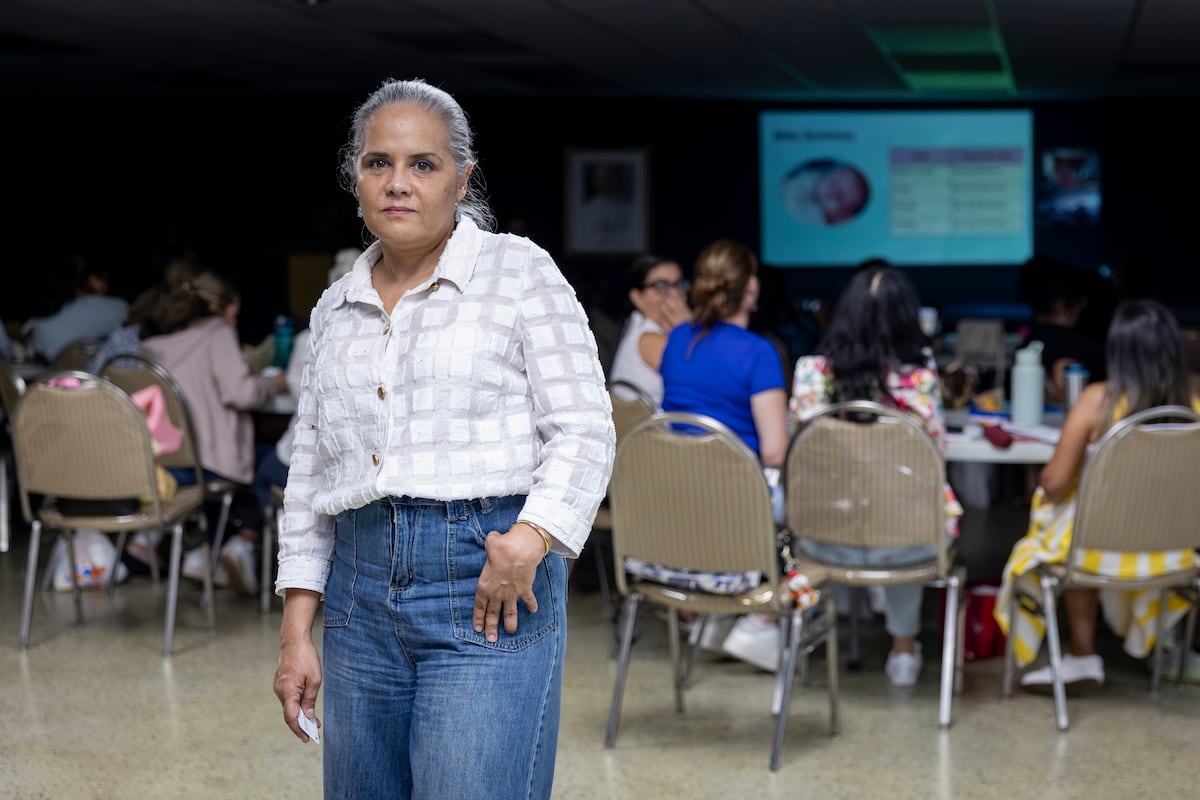
🧚
Miami's fairy godmother for undocumented domestic workers
Miami's feeënmoeder voor ongedocumenteerde huishoudelijke werkers
La fée marraine de Miami pour les travailleurs domestiques sans papiers
Karla De Anda has become a lifeline for undocumented domestic workers in Miami, earning the nickname 'fairy godmother' for her tireless rescue efforts - though the title sits uncomfortably with her because no one was there to save her when she needed it. Working from her personal phone with no formal organization behind her, she responds to desperate calls at any hour, helping women escape exploitation, abuse, and wage theft that often goes unreported out of fear of deportation. Her activism grew from her own experience as a nanny working 15 hours a day for $5 an hour, and today she founded The Right to Freedom Network, made up largely of survivors of labor trafficking who understand what these women face. She guides vulnerable women through an unfamiliar legal system, connecting them with lawyers, helping file complaints, and interpreting the abuse they've suffered - often in languages they barely speak and in a country whose laws remain a mystery to them. Now more than ever, as immigration enforcement has tightened, Karla stands as quite possibly the only door these women can knock on when their employers have bought them one-way tickets home and their situation becomes unbearable.
Karla De Anda is uitgegroeid tot een reddingslijn voor ongedocumenteerde huishoudelijke werkers in Miami, verdienende de bijnaam 'feeënmoeder' voor haar onvermoeibare reddingsinspanningen - hoewel de titel haar ongemakkelijk zit omdat niemand haar redde toen zij het nodig had. Werkend vanuit haar persoonlijke telefoonnummer zonder formele organisatie achter haar, reageert ze op wanhopige gesprekken op elk moment, helpt ze vrouwen ontsnappen aan uitbuiting, misbruik en loonslaafschap die vaak ongemeld blijft uit angst voor deportatie. Haar activisme groeide uit haar eigen ervaring als kindermeisje dat 15 uur per dag voor $5 per uur werkte, en vandaag stichtte ze The Right to Freedom Network, bestaande grotendeels uit overlevenden van arbeidsmensenhandel die begrijpen wat deze vrouwen meemaken. Ze leidt kwetsbare vrouwen door een onbekend juridisch systeem, verbindt hen met advocaten, helpt klachten in te dienen en interpreteert het misbruik dat ze hebben ondergaan - vaak in talen die ze nauwelijks spreken en in een land waarvan de wetten een raadsel voor hen blijven. Nu meer dan ooit, nu immigratiehandhaving is aangescherpt, staat Karla als waarschijnlijk de enige deur waar deze vrouwen op kunnen kloppen wanneer hun werkgevers hen een eenrichtingskaartje naar huis hebben gekocht.
Karla De Anda est devenue un sauvetage vital pour les travailleurs domestiques sans papiers à Miami, gagnant le surnom de 'fée marraine' pour ses efforts de sauvetage infatigables - bien que ce titre la mette mal à l'aise car personne n'était là pour la sauver quand elle en avait besoin. Travaillant à partir de son téléphone personnel sans organisation formelle derrière elle, elle répond à des appels désespérés à toute heure, aidant les femmes à s'échapper de l'exploitation, des abus et du vol de salaire qui restent souvent non signalés par crainte de déportation. Son activisme a grandi à partir de sa propre expérience en tant que nourrice travaillant 15 heures par jour pour $5 de l'heure, et elle a fondé The Right to Freedom Network, composé en grande partie de survivantes de la traite des êtres humains à des fins de travail qui comprennent ce que ces femmes vivent. Elle guide les femmes vulnérables à travers un système juridique inconnu, les met en contact avec des avocats, l'aide à déposer des plaintes et interprète les abus qu'elles ont subis - souvent dans des langues qu'elles parlent à peine et dans un pays dont les lois restent un mystère pour elles. Maintenant plus que jamais, alors que l'application de l'immigration s'est durcie, Karla se tient comme probablement la seule porte à laquelle ces femmes peuvent frapper quand leurs employeurs leur ont acheté un billet aller simple vers leur pays.

🌍
Earth's center of mass shifts every year with rainfall and snowmelt
Het zwaartepunt van de aarde verschuift elk jaar door regen en sneeuwsmelt
Le centre de masse de la Terre se déplace chaque année avec les pluies et la fonte des neiges
So here's something fascinating - NASA scientists have discovered that Earth's center of mass actually shifts by a few millimeters every single year, all because of seasonal water and air movements. The shifts happen thanks to snowmelt, rainfall, atmospheric pressure changes, and ocean variations, and while we can't feel it, it turns out this tiny movement matters quite a lot for satellite navigation. What's really interesting is that researchers at NASA's Jet Propulsion Laboratory developed a much more precise way to measure these shifts using ultra-precise satellite tracking and GPS data, which gives us a clearer picture than we had before. Their findings suggest that the annual shifts are about twice smaller than scientists thought back in 2017, meaning less water and air actually moves between hemispheres than previously assumed.
Nou, NASA-wetenschappers hebben iets fascinerends ontdekt - het zwaartepunt van de aarde verschuift elk jaar met een paar millimeter, allemaal vanwege seizoensgebonden verschuivingen van water en lucht. Deze verschuivingen gebeuren dankzij sneeuwsmelt, regenval, veranderingen in luchtdruk en oceaanvariaties, en hoewel we dit niet voelen, blijkt dit minuscule verschuiving erg belangrijk voor de satellietnavigatie. Wat echt interessant is, is dat onderzoekers van NASA's Jet Propulsion Laboratory een veel nauwkeurigere manier ontwikkelden om deze verschuivingen te meten met ultraprecies satellietvolgen en GPS-gegevens, wat ons een helderder beeld geeft dan we eerder hadden. Hun bevindingen suggereren dat de jaarlijkse verschuivingen ongeveer twee keer kleiner zijn dan wetenschappers in 2017 dachten, wat betekent dat minder water en lucht daadwerkelijk tussen halfronden beweegt dan eerder werd aangenomen.
Voilà quelque chose de vraiment fascinant - les scientifiques de la NASA ont découvert que le centre de masse de la Terre se déplace réellement de quelques millimètres chaque année, tout cela à cause des mouvements saisonniers de l'eau et de l'air. Ces déplacements se produisent grâce à la fonte des neiges, aux précipitations, aux changements de pression atmosphérique et aux variations océaniques, et bien que nous ne puissions pas les sentir, il s'avère que ce minuscule mouvement est très important pour la navigation par satellite. Ce qui est vraiment intéressant, c'est que les chercheurs du Jet Propulsion Laboratory de la NASA ont développé une méthode beaucoup plus précise pour mesurer ces déplacements en utilisant le suivi ultra-précis des satellites et les données GPS, ce qui nous donne une image bien plus claire qu'auparavant. Leurs conclusions suggèrent que les déplacements annuels sont environ deux fois plus petits que ce que les scientifiques pensaient en 2017, ce qui signifie que moins d'eau et d'air se déplacent réellement entre les hémisphères qu'on ne l'avait supposé.
🌀
Hurricane hunters discover 4 warning signs that reveal when storms are about to intensify
Orkaan-jagers ontdekken 4 waarschuwingstekenen die tonen wanneer stormen gaan intensiveren
Les chasseurs d'ouragan découvrent 4 signes d'alerte qui révèlent quand les tempêtes vont s'intensifier
So here's something really interesting - researchers at the University of Miami have analyzed nearly three decades of hurricane data and figured out four key signs that show when a tropical cyclone is about to get much stronger. The big insight is that storms need to become vertically organized - meaning their rotating centers at different atmospheric levels need to line up - before they can really intensify. They found that a compact surface circulation, favorable wind shear positioning, vigorous thunderstorms near the lower center, and warm ocean conditions all work together to help storms straighten up. And here's the thing - if forecasters can spot these warning signs earlier, coastal communities might get precious extra time to prepare for evacuations and other emergency responses.
Onderzoekers van de Universiteit van Miami hebben bijna drie decennia aan orkaan-data geanalyseerd en hebben vier belangrijke tekenen gevonden die aangeven wanneer een tropische cycloon veel sterker gaat worden. Het belangrijkste inzicht is dat stormen verticaal georganiseerd moeten worden - dus hun rotatiecentra op verschillende atmospherische niveaus moeten op één lijn liggen - voordat ze echt kunnen intensiveren. Ze ontdekten dat een compacte oppervlaktecirculatie, gunstige positie van windafschuiving, krachtige onweders nabij het laagste centrum en warme oceaanomstandigheden allemaal samenwerken om stormen recht te zetten. En hier is het interessante - als weersvoorspellers deze waarschuwingstekenen eerder kunnen herkennen, krijgen kustgemeenten kostbare extra tijd om zich voor te bereiden op evacuaties en andere noodmaatregelen.
Des chercheurs de l'Université de Miami ont analysé près de trois décennies de données sur les ouragan et ont identifié quatre signes clés qui montrent quand un cyclone tropical va devenir beaucoup plus puissant. L'insight majeur est que les tempêtes doivent d'abord être organisées verticalement - ce qui signifie que leurs centres de rotation aux différents niveaux atmosphériques doivent s'aligner - avant de pouvoir vraiment s'intensifier. Ils ont découvert qu'une circulation de surface compacte, un positionnement favorable du cisaillement des vents, des orages vigoureux près du centre inférieur et des conditions océaniques chaudes travaillent tous ensemble pour aider les tempêtes à se redresser. Et voici le point intéressant - si les prévisionnistes peuvent repérer ces signes d'alerte plus tôt, les communautés côtières pourraient bénéficier d'un temps précieux supplémentaire pour se préparer aux évacuations et autres interventions d'urgence.
🌙
A giant crater may reveal the origin of Mars' doomed moon
Een gigantische krater kan het ontstaan van Mars' vervloekte maan onthullen
Un cratère géant pourrait révéler l'origine de la lune condamnée de Mars
Scientists are diving deep into one of planetary science's biggest mysteries - where did Phobos, Mars' strange little moon, actually come from? The key might be hidden in Stickney Crater, an enormous impact scar that could tell us whether Phobos formed from debris blasted into orbit by a giant collision with Mars, or whether it was captured as a wandering asteroid billions of years ago. Researchers are now studying Phobos' gravity and internal structure to figure out how dense it really is and whether it contains water ice - clues that could settle this debate once and for all. What's fascinating is that Phobos survived such a massive impact at all, suggesting it might have an unusually spongy, low-density interior that absorbed the blow like a cosmic cushion.
Wetenschappers duiken diep in een van de grootste mysteries van de planetaire wetenschap - waar komt Phobos, de vreemde kleine maan van Mars, eigenlijk vandaan? Het antwoord zou verborgen kunnen zijn in de Stickney-krater, een enorm inslagkrater dat kan onthullen of Phobos is ontstaan uit puin dat in een baan rond Mars is geslingerd door een gigantische botsing, of dat het werd ingevangen als een zwervende asteroïde miljarden jaren geleden. Onderzoekers bestuderen nu de zwaartekracht en interne structuur van Phobos om erachter te komen hoe dicht het echt is en of het water-ijs bevat - aanwijzingen die dit debat eens en voor altijd kunnen beslechten. Wat fascinerend is dat Phobos zo'n enorme inslag überhaupt heeft overleefd, wat suggereert dat het een ongewoon sponsachtig, laagdicht-interieur heeft dat de klap als een kosmisch kussen heeft opgenomen.
Les scientifiques plongent dans l'un des plus grands mystères de la science planétaire - d'où vient vraiment Phobos, l'étrange petite lune de Mars? La clé pourrait se cacher dans le cratère Stickney, une énorme cicatrice d'impact qui pourrait révéler si Phobos s'est formé à partir de débris projetés en orbite par une collision géante avec Mars, ou s'il a été capturé comme un astéroïde errant il y a des milliards d'années. Les chercheurs étudient maintenant la gravité et la structure interne de Phobos pour découvrir sa véritable densité et si elle contient de la glace d'eau - des indices qui pourraient trancher ce débat une fois pour toutes. Ce qui est fascinant, c'est que Phobos ait survécu à un impact aussi massif, ce qui suggère qu'elle possède un intérieur inhabituellement poreux et peu dense qui a absorbé le choc comme un coussin cosmique.
⚡
Perfect systems may be surprisingly fragile, scientists discover
Perfecte systemen kunnen verrassend kwetsbaar zijn, ontdekken wetenschappers
Les systèmes parfaits peuvent être étonnamment fragiles, découvrent les scientifiques
Here's something that really challenges conventional thinking - Northwestern physicists have found that uniformity isn't always the secret to stability in complex systems like power grids and ecosystems. So what they've discovered is that differences between components, or what scientists call disorder, can actually make networks more resilient and better at recovering from disruptions. The team developed a mathematical framework that explains when and why these variations strengthen a system instead of weakening it - which is fascinating because it mirrors what we see in nature all the time, from neurons to ecological networks. This finding opens up real possibilities for engineers to deliberately design more robust power grids and materials by carefully introducing differences rather than chasing perfection.
Hier is iets dat echt tegen de gangbare wijsheid ingaat - natuurkundigen van Northwestern hebben ontdekt dat uniformiteit niet altijd het geheim is voor stabiliteit in complexe systemen zoals elektriciteitsnetwerken en ecosystemen. Dus wat zij hebben aangetoond is dat verschillen tussen componenten, wat wetenschappers ook onregelmatigheid noemen, netwerken eigenlijk veerkrachtiger kunnen maken en beter kunnen herstellen van verstoringen. Het team ontwikkelde een wiskundig raamwerk dat verklaart wanneer en waarom deze variaties een systeem versterken in plaats van verzwakken - wat fascinerend is omdat het weerspiegelt wat we voortdurend in de natuur zien, van neuronen tot ecologische netwerken. Deze bevinding opent echte mogelijkheden voor ingenieurs om opzettelijk robuustere elektriciteitsnetwerken en materialen te ontwerpen door voorzichtig verschillen in te voeren in plaats van na perfectie te streven.
Voilà quelque chose qui remet vraiment en question la sagesse conventionnelle - les physiciens de Northwestern ont découvert que l'uniformité n'est pas toujours le secret de la stabilité dans les systèmes complexes comme les réseaux électriques et les écosystèmes. Ce qu'ils ont donc démontré, c'est que les différences entre les composants, ce que les scientifiques appellent aussi l'hétérogénéité, peuvent en réalité rendre les réseaux plus résilients et mieux capables de se rétablir après des perturbations. L'équipe a développé un cadre mathématique qui explique quand et pourquoi ces variations renforcent un système au lieu de l'affaiblir - ce qui est fascinant parce que cela reflète ce que nous voyons constamment dans la nature, des neurones aux réseaux écologiques. Cette découverte ouvre de véritables possibilités aux ingénieurs de concevoir délibérément des réseaux électriques et des matériaux plus robustes en introduisant soigneusement des différences plutôt que de poursuivre la perfection.
🩸
Scientists solve a 50-year mystery and discover a new human blood group
Wetenschappers lossen een mysterie van 50 jaar op en ontdekken een nieuw menselijk bloedgroepsysteem
Les scientifiques résolvent une énigme vieille de 50 ans et découvrent un nouveau groupe sanguin humain
Researchers at NHS Blood and Transplant in Bristol have finally solved a puzzle that's been hanging around since 1972 - they've traced the mysterious AnWj antigen marker on red blood cells back to its genetic source. What they found was that the MAL gene produces a protein called Mal that's responsible for the AnWj antigen, and they proved it by testing in laboratory conditions. This breakthrough means MAL is now officially recognized as a human blood group system, making it ISBT 047. So here's the thing - while over 99.9% of people have this antigen, the tiny minority who don't can face serious transfusion reactions if they receive AnWj positive blood, and now doctors have a clear way to identify and protect these exceptionally rare patients.
Onderzoekers van NHS Blood and Transplant in Bristol hebben eindelijk een raadsel opgelost dat sinds 1972 speelde - zij hebben de mysterieuze AnWj antigenmarkering op rode bloedcellen teruggevoerd tot zijn genetische bron. Wat zij ontdekten was dat het MAL-gen een eiwit genaamd Mal produceert dat verantwoordelijk is voor het AnWj-antigeen, en zij hebben dit bewezen door laboratoriumtesten. Deze doorbraak betekent dat MAL nu officieel erkend wordt als een menselijk bloedgroepsysteem, dus ISBT 047. En hier is het interessante - hoewel meer dan 99,9% van de mensen dit antigeen hebben, kan de kleine minderheid die het niet heeft ernstige transfusiereacties ondervinden wanneer zij AnWj positief bloed ontvangen, en nu kunnen artsen deze extreem zeldzame patiënten duidelijk identificeren en beschermen.
Les chercheurs du NHS Blood and Transplant à Bristol ont enfin résolu une énigme qui traîne depuis 1972 - ils ont retracé le marqueur d'antigène AnWj mystérieux sur les globules rouges jusqu'à sa source génétique. Ce qu'ils ont découvert, c'est que le gène MAL produit une protéine appelée Mal responsable de l'antigène AnWj, et ils l'ont prouvé par des tests en laboratoire. Cette percée signifie que MAL est maintenant officiellement reconnu comme un système de groupe sanguin humain, ce qui en fait ISBT 047. Et voilà la chose intéressante - bien que plus de 99,9% des gens aient cet antigène, la minuscule minorité qui ne l'a pas peut subir des réactions transfusionnelles graves s'ils reçoivent du sang AnWj positif, et maintenant les médecins ont un moyen clair d'identifier et protéger ces patients extrêmement rares.
🦟
New chemical wipes out 95% of termites without harming humans
Nieuw chemisch middel elimineert 95% van termiten zonder mensen te schaden
Un nouveau produit chimique élimine 95% des termites sans nuire aux humains
So researchers at UC Riverside have discovered something really clever - they found a biological weakness in drywood termites that these hidden pests simply cannot escape. The chemical bistrifluron works by interfering with chitin production, which means termites can't build new exoskeletons when they molt, and that's something they have to do about seven times in their lives. In lab tests, this treatment achieved 95.7 percent mortality when termites could choose between treated and untreated wood, and nearly 99 percent when they were continuously exposed to it. And here's what makes me excited - it's way more environmentally friendly than traditional treatments and completely harmless to humans because it targets a biological system insects have but mammals don't.
Onderzoekers van de UC Riverside hebben iets echt slims ontdekt - ze vonden een biologische zwakheid in driehouttermiten die deze verborgen plaagdieren simpelweg niet kunnen ontsnappen. Het chemische middel bistrifluron werkt door de chitineproductie te verstoren, waardoor termiten geen nieuwe exoskeletjes kunnen maken wanneer ze vervellen, wat ze ongeveer zeven keer in hun leven moeten doen. In laboratoriumtesten bereikte deze behandeling 95,7 procent mortaliteit wanneer termiten konden kiezen tussen behandeld en onbehandeld hout, en bijna 99 procent wanneer ze voortdurend eraan werden blootgesteld. En wat mij enthousiast maakt - het is veel milieuvriendelijker dan traditionele behandelingen en volledig onschadelijk voor mensen omdat het zich richt op een biologisch systeem dat alleen insecten hebben.
Des chercheurs de l'UC Riverside ont découvert quelque chose de vraiment ingénieux - ils ont trouvé une faiblesse biologique chez les termites du bois sec que ces parasites cachés ne peuvent simplement pas éviter. Le produit chimique bistrifluron fonctionne en interférant avec la production de chitine, ce qui signifie que les termites ne peuvent pas construire de nouveaux exosquelettes quand ils muent, et c'est quelque chose qu'ils doivent faire environ sept fois dans leur vie. Dans les tests de laboratoire, ce traitement a atteint 95,7 pour cent de mortalité lorsque les termites pouvaient choisir entre du bois traité et non traité, et près de 99 pour cent lorsqu'ils y étaient continuellement exposés. Et ce qui m'enthousiasme - c'est beaucoup plus respectueux de l'environnement que les traitements traditionnels et complètement inoffensif pour les humains car il cible un système biologique que seuls les insectes possèdent.

🌳
New York City transforms Park Avenue with trees, greenery, and protected bike lanes
New York City transformeert Park Avenue met bomen, groen en beschermde fietsstroken
New York transforme Park Avenue avec des arbres, de la verdure et des pistes cyclables protégées
New York City has unveiled an exciting plan to restore Park Avenue to its original character from before the 1920s by adding trees, benches, and a protected two-way bike lane across 11 blocks. Mayor Mamdani and the Department of Transportation listened to New Yorkers who wanted more green space and safer conditions for cyclists, transforming the wide avenue into a more people-centered corridor. The redesign converts underused median space into vibrant public areas with expanded seating, plantings, and public art while removing one travel lane in each direction. This major infrastructure upgrade is perfectly timed with the MTA's rehabilitation of the historic Grand Central Terminal train shed below, creating a wonderful opportunity to modernize the iconic thoroughfare while prioritizing pedestrians and cyclists.
New York City heeft een opwindend plan onthuld om Park Avenue terug te brengen naar zijn oorspronkelijke karakter van vóór de jaren 1920 door bomen, zitbanken en een beschermde tweerichtingsfietsstrook toe te voegen over 11 blokken. Burgemeester Mamdani en het Vervoersdepartement luisterden naar New Yorkers die meer groen en veiligere omstandigheden voor fietsers wilden, en transformeerden de brede laan tot een meer mensgerichte corridor. Het nieuwe ontwerp zet ongebruikt middenbereik ruimte om in levendige openbare ruimte met uitgebreid zitwerk, beplanting en openbare kunst terwijl één rijstrook in elke richting wordt verwijderd. Deze grote infrastructuurupgrade valt perfect samen met de rehabilitatie door de MTA van het historische Grand Central Terminal spoorschuurtje eronder, wat een prachtige kans creëert om de iconische doorgangsweg te moderniseren met prioriteit voor voetgangers en fietsers.
New York City a dévoilé un plan passionnant pour restaurer Park Avenue à son caractère d'origine d'avant les années 1920 en ajoutant des arbres, des bancs et une piste cyclable protégée bidirectionnelle sur 11 pâtés de maisons. Le maire Mamdani et le département des transports ont écouté les New-Yorkais qui voulaient plus d'espaces verts et des conditions plus sûres pour les cyclistes, transformant la large avenue en un corridor plus centré sur les gens. Le redesign convertit l'espace inutilisé de la médiane en zones publiques dynamiques avec des places assises agrandies, de la plantation et de l'art public tout en supprimant une voie de circulation dans chaque direction. Cette importante mise à niveau des infrastructures coïncide parfaitement avec la réhabilitation par la MTA de la remise historique de la gare Grand Central en dessous, créant une excellente occasion de moderniser cette avenue emblématique en donnant la priorité aux piétons et aux cyclistes.
🚶
Car-free Sunday reaches record number of cities and municipalities across the country
Autoloze Zondag bereikt recordaantal steden en gemeenten in het hele land
Dimanche sans voiture atteint un nombre record de villes et communes dans tout le pays
So, car-free Sunday is getting bigger and better - more cities and municipalities than ever before are joining in across Belgium. I find this really encouraging because it shows people are actually embracing the idea of a day without cars, which is brilliant for the environment and our communities. And here's the thing - when you get this kind of participation at scale, it really demonstrates that there's genuine momentum behind sustainable urban living. This kind of initiative makes me optimistic about how we can reshape our relationship with cars and cities.
Autoloze Zondag groeit verder uit - meer steden en gemeenten dan ooit doen mee in heel België. Ik vind dit echt bemoedigend omdat het aantoont dat mensen het idee van een autovrije dag echt omarmen, wat fantastisch is voor het milieu en onze samenlevingen. En dit is het belangwekkende eraan - met deze schaal van deelname zie je dat er werkelijk momentum achter duurzaam stedelijk leven zit. Dit soort initiatief maakt me optimistisch over hoe we onze relatie met auto's en steden kunnen hervormen.
Le dimanche sans voiture prend de l'ampleur - plus de villes et communes que jamais participent aux Pays-Bas. Je trouve cela vraiment encourageant car cela montre que les gens embrassent vraiment l'idée d'une journée sans voiture, ce qui est fantastique pour l'environnement et nos communautés. Et voici le point important - avec cette ampleur de participation, vous voyez qu'il y a un véritable élan derrière une vie urbaine durable. Ce genre d'initiative me rend optimiste quant à la façon dont nous pouvons redéfinir notre relation avec les voitures et les villes.

💉
DR Congo rolls out Ebola vaccine for health workers as outbreak accelerates
DR Congo start met Ebola-vaccinatie voor gezondheidswerkers terwijl uitbraak versnelt
La RDC déploie le vaccin contre Ebola pour les travailleurs de la santé alors que l'épidémie s'accélère
Health workers in the Democratic Republic of the Congo have started receiving the Ervebo vaccine in what many see as a crucial step against the world's fastest-growing Ebola outbreak. Some 50,000 frontline staff will receive the jab, which was originally developed for a different Ebola strain, with 20,000 enrolled in a one-year clinical trial to monitor its effectiveness. The rollout began in Bunia, the epicentre of this devastating outbreak in Ituri province, and will expand to North Kivu where cases are rising sharply. So here's the thing - while early data suggests the vaccine could offer some protection against the current Bundibugyo strain, there's still uncertainty, and health officials acknowledge we don't yet know how effective it will be.
Gezondheidswerkers in de Democratische Republiek Congo zijn begonnen met het ontvangen van het Ervebo-vaccin in wat veel mensen zien als een cruciale stap tegen de snelst groeiende Ebola-uitbraak ter wereld. Ongeveer 50.000 frontlinewerkers zullen het vaccin krijgen, dat oorspronkelijk voor een ander Ebola-stam werd ontwikkeld, met 20.000 deelnemers in een klinische proef van een jaar om de effectiviteit ervan te volgen. De uitrol begon in Bunia, het epicentrum van deze verwoestende uitbraak in de Ituri-provincie, en zal zich uitbreiden naar Noord-Kivu waar de gevallen scherp stijgen. En hier komt het belangrijke punt - hoewel vroege gegevens suggereren dat het vaccin enige bescherming kan bieden tegen de huidige Bundibugyo-stam, is er nog steeds onzekerheid, en gezondheidsambtenaren geven toe dat we nog niet weten hoe effectief het zal zijn.
Les travailleurs de la santé en République démocratique du Congo ont commencé à recevoir le vaccin Ervebo dans ce que beaucoup considèrent comme une étape cruciale contre l'épidémie d'Ebola qui se propage le plus rapidement au monde. Environ 50 000 travailleurs de première ligne recevront le vaccin, qui a été initialement développé pour une autre souche d'Ebola, avec 20 000 participants à un essai clinique d'un an pour surveiller son efficacité. Le déploiement a commencé à Bunia, l'épicentre de cette épidémie dévastatrice dans la province de l'Ituri, et s'étendra à Nord-Kivu où les cas augmentent considérablement. Et voilà la question importante - bien que les données précoces suggèrent que le vaccin pourrait offrir une certaine protection contre la souche Bundibugyo actuelle, il existe encore une incertitude, et les responsables de la santé admettent que nous ne savons pas encore à quel point il sera efficace.
🔬
The supplier audit trail: how research laboratories reconstruct where a reagent came from
Het leveranciersaudit trail: hoe onderzoekslaboratoria traceren waar een reagens vandaan komt
La traçabilité des fournisseurs: comment les laboratoires de recherche retracent l'origine d'un réactif
So here's the thing - when you're running a research lab, knowing exactly where your reagents come from is actually pretty crucial for maintaining quality and reproducibility. This piece explores how laboratories build and maintain detailed supplier audit trails, essentially creating a complete backstory for every chemical or biological component they use. And it's not just about keeping records neat - it's about being able to trust your results and prove to other researchers that your work is solid. The ability to reconstruct this supply chain becomes especially important when something goes wrong or when you need to verify the authenticity of materials in competitive research environments.
Luister, als je een onderzoekslaboratorium runt, is het eigenlijk heel cruciaal om precies te weten waar je reagentia vandaan komen voor kwaliteit en reproduceerbaarheid. Dit artikel licht toe hoe laboratoria gedetailleerde leveranciersaudit trails opbouwen en onderhouden - eigenlijk een compleet verhaal creëren voor elk chemisch of biologisch component dat ze gebruiken. En het gaat niet alleen om netjes administratie bijhouden - het gaat erom je resultaten te kunnen vertrouwen en aan andere onderzoekers te bewijzen dat je werk solide is. Het vermogen om deze toeleveringsketen te reconstrueren wordt vooral belangrijk wanneer iets misgaat of wanneer je de authenticiteit van materialen in competitieve onderzoeksomgevingen moet verifiëren.
Voilà - quand on gère un laboratoire de recherche, savoir exactement d'où proviennent vos réactifs est vraiment crucial pour maintenir la qualité et la reproductibilité. Cet article explore comment les laboratoires construisent et maintiennent des pistes d'audit détaillées des fournisseurs, créant essentiellement une histoire complète pour chaque composant chimique ou biologique qu'ils utilisent. Et ce n'est pas seulement une question de tenir les dossiers en ordre - c'est pouvoir faire confiance à vos résultats et prouver aux autres chercheurs que votre travail est solide. La capacité à reconstruire cette chaîne d'approvisionnement devient particulièrement importante quand quelque chose ne va pas ou quand vous devez vérifier l'authenticité des matériaux dans des environnements de recherche concurrentiels.
🕊️
Significant shift among Jehovah's Witnesses: blood donation and transfusion rules relaxed
Opvallende versoepeling bij Jehova's Getuigen: bloeddonatie en transfusie niet langer helemaal verboden
Changement remarquable chez les Témoins de Jéhovah: les règles sur le don et la transfusion de sang assouplies
Jehovah's Witnesses have made a surprising update to their long-standing rules around blood donation and transfusion, moving away from their historically strict prohibition. This marks a genuine shift in the religious organization's approach to medical treatment and personal conscience. So what's interesting here is that this change reflects how even firmly established religious traditions can evolve and adapt to modern perspectives. It's a development that could have real implications for members' healthcare decisions and their relationship with medical professionals.
Jehova's Getuigen hebben een verrassende wijziging doorgevoerd in hun lange vastgestelde regels rond bloeddonatie en transfusie, weg van hun historisch strikte verbod. Dit markeert een echte verschuiving in de benadering van de religieuze organisatie ten opzichte van medische behandeling en persoonlijk geweten. Wat hier interessant is, is dat deze verandering laat zien hoe zelfs diepgewortelde religieuze tradities kunnen evolueren en zich aan moderne perspectieven aanpassen. Het is een ontwikkeling die reële gevolgen kan hebben voor de medische beslissingen van leden en hun relatie met medische professionals.
Les Témoins de Jéhovah ont apporté une mise à jour surprenante à leurs règles de longue date concernant le don et la transfusion de sang, s'éloignant de leur interdiction historiquement stricte. Cela marque un véritable changement dans l'approche de l'organisation religieuse envers le traitement médical et la conscience personnelle. Ce qui est intéressant ici, c'est que ce changement montre comment même les traditions religieuses les plus ancrées peuvent évoluer et s'adapter aux perspectives modernes. C'est un développement qui pourrait avoir des implications réelles pour les décisions médicales des membres et leur relation avec les professionnels de santé.
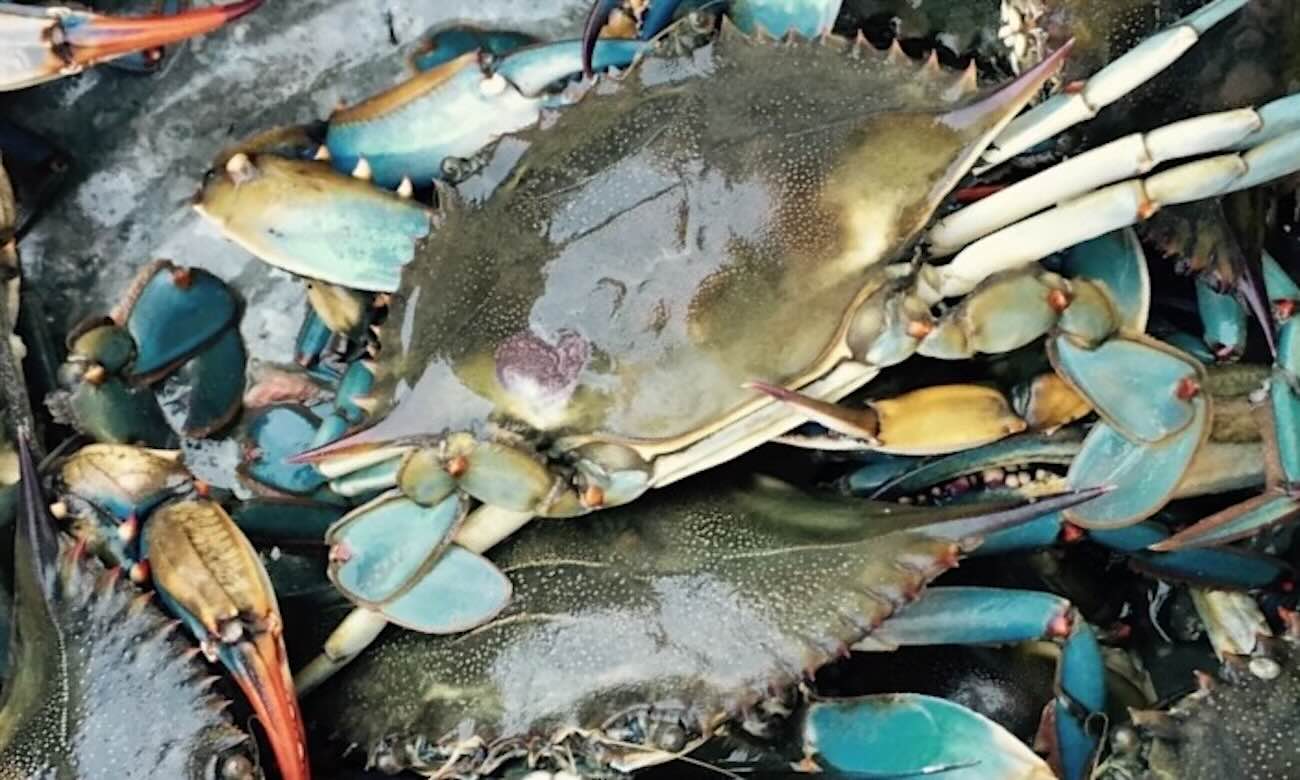
🦀
Chesapeake bay blue crabs making a remarkable comeback
Blauwe krabben in de Chesapeake Bay maken een opmerkelijke comeback
Les crabes bleus de la baie de Chesapeake font un retour remarquable
After years of troubling decline, blue crab numbers in the Chesapeake Bay are bouncing back in an encouraging way - the latest winter survey shows 349 million crabs, a 46% jump from last year and the highest count since 2019. So what's driving this turnaround? Well, strict catch limits from Maryland and Virginia have stopped overfishing, and conservation efforts are really making a difference across this massive 200-mile estuary. The juvenile crab population also hit its highest level in six years, which is genuinely exciting news for the future. And here's the thing - these improvements are happening alongside other victories in the bay, like a 13% expansion of seagrass coverage in just one year, which is critical for the whole ecosystem's health.
Na jaren van zorgwekkende achteruitgang maken blauwe krabben in de Chesapeake Bay een hoopvolle opmars - de laatste winterpeiling toont 349 miljoen krabben, een stijging van 46% ten opzichte van vorig jaar en het hoogste aantal sinds 2019. Wat veroorzaakt deze terugkeer? Strikte vangstlimieten van Maryland en Virginia hebben overbeving gestopt, en inspanningen voor natuurbehoud maken echt verschil in deze enorme 200 kilometer lange baai. De populatie jonge krabben bereikte ook het hoogste niveau in zes jaar, wat oprecht geweldig nieuws is voor de toekomst. En hier is het belangrijkste - deze verbeteringen gebeuren naast andere overwinningen in de baai, zoals een uitbreiding van zeegras met 13% in slechts één jaar, wat cruciaal is voor de gezondheid van het hele ecosysteem.
Après des années de déclin préoccupant, les populations de crabes bleus de la baie de Chesapeake connaissent une remontée encourageante - le dernier relevé hivernal montre 349 millions de crabes, une augmentation de 46% par rapport à l'année précédente et le nombre le plus élevé depuis 2019. Qu'est-ce qui provoque ce retournement? Eh bien, les limites de capture strictes du Maryland et de la Virginie ont arrêté la surpêche, et les efforts de conservation font vraiment la différence dans cet immense estuaire de 200 kilomètres. La population de crabes juvéniles a également atteint son niveau le plus élevé en six ans, ce qui est une excellente nouvelle pour l'avenir. Et voici le plus important - ces améliorations se produisent aux côtés d'autres victoires dans la baie, comme une expansion de 13% de la couverture d'herbiers marins en seulement un an, ce qui est crucial pour la santé de tout l'écosystème.
🦌
My home, this countryside hospital for wild animals
Mijn huis, dit plattelandsziekenhuis voor wilde dieren
Ma maison, cet hôpital de campagne pour animaux sauvages
So, imagine opening your home to become a sanctuary for injured and orphaned wildlife - that's exactly what some dedicated people are doing across the countryside. These passionate individuals have transformed their properties into makeshift rehabilitation centers where they nurse everything from birds and hedgehogs to deer back to health. And here's the thing - it's not just about the animals, it's about creating a genuine connection between humans and nature that we're losing. These rural hospitals represent something really beautiful: ordinary people stepping up to care for creatures in need, proving that compassion can flourish anywhere.
Stel je voor dat je je huis openstelt als heiligdom voor gewonde en wezen dieren - dat is precies wat toegewijde mensen op het platteland doen. Deze gepassioneerde individuen hebben hun eigendommen omgevormd tot improviseerde revalidatiecentra waar ze alles verzorgen, van vogels en egels tot herten. En hier is het belangrijkste - het gaat niet alleen om de dieren, maar om het creëren van een echte verbinding tussen mens en natuur die we aan het verliezen zijn. Deze landelijke ziekenhuizen vertegenwoordigen iets heel moois: gewone mensen die opstand nemen voor dieren in nood.
Imaginez transformer votre maison en sanctuaire pour la faune blessée et orpheline - c'est exactement ce que font des personnes dévouées à la campagne. Ces individus passionnés ont métamorphosé leurs propriétés en centres de réadaptation improvisés où ils soignent tout, des oiseaux et hérissons aux cerfs. Et voilà le point essentiel - il ne s'agit pas seulement des animaux, mais de créer une véritable connexion entre l'humain et la nature que nous perdons. Ces hôpitaux ruraux représentent quelque chose de magnifique : des gens ordinaires qui prennent soin des créatures dans le besoin.

🔥
The untold story of Rash Behari Bose: India's forgotten revolutionary
Het onbekende verhaal van Rash Behari Bose: Indië's vergeten revolutionair
L'histoire méconnue de Rash Behari Bose : le révolutionnaire oublié de l'Inde
So, here's the thing - Rash Behari Bose was absolutely fearless, a revolutionary who challenged British rule long before Subhas Chandra Bose became famous, and yet most of us have never heard of him. The British put a massive bounty on his head and chased him across 17 different hideouts, but this guy was clever - he once disguised himself as an Odia priest and walked right past police searching for him. Beyond his daring escapes and his involvement in the 1912 attack on Viceroy Lord Hardinge, Bose played a crucial role in the Ghadar movement and helped establish the Indian Independence League and Indian National Army. And here's what really gets me - he eventually handed leadership of the INA to Subhas Chandra Bose himself, showing the kind of selfless dedication these freedom fighters had for India's independence.
Dus, hier is het ding - Rash Behari Bose was absoluut onverschrokken, een revolutionair die jaren voor Subhas Chandra Bose bekend werd al tegen het Britse gezag vecht, en toch hebben de meesten van ons nog nooit van hem gehoord. De Britten zetten een enorm bedrag op zijn hoofd en achtervolgden hem in 17 verschillende schuilplaatsen, maar deze man was slim - hij vermomdde zich eens als een Odia-priester en liep recht langs politieagenten die naar hem zochten. Naast zijn gewaagde ontsnappingen en zijn betrokkenheid bij de aanval in 1912 op onderkoning Lord Hardinge, speelde Bose een cruciale rol in de Ghadar-beweging en hielp hij de Indische Onafhankeligheidsliga en het Indische Nationaal Leger op te richten. En hier is wat me echt raakt - hij gaf uiteindelijk het leiderschap van het INA aan Subhas Chandra Bose zelf, wat de soort zelfloze toewijding van deze vrijheidsstrijders voor Indië's onafhankelijkheid toont.
Voilà - Rash Behari Bose était absolument courageux, un révolutionnaire qui a défié le pouvoir britannique bien avant que Subhas Chandra Bose ne devienne célèbre, et pourtant la plupart d'entre nous n'ont jamais entendu parler de lui. Les Britanniques ont mis une énorme prime sur sa tête et l'ont poursuivi dans 17 cachettes différentes, mais ce type était malin - il s'est une fois déguisé en prêtre odia et a marché droit devant les policiers qui le cherchaient. Au-delà de ses évasions audacieuses et son implication dans l'attaque de 1912 contre le vice-roi Lord Hardinge, Bose a joué un rôle crucial dans le mouvement Ghadar et a aidé à établir la Ligue de l'indépendance indienne et l'Armée nationale indienne. Et ce qui me fascine vraiment - il a finalement remis le leadership de l'ANI à Subhas Chandra Bose lui-même, montrant le dévouement désintéressé de ces combattants de la liberté pour l'indépendance de l'Inde.
🏘️
When friends become good neighbours: how Melbourne families transformed one home into three
Als vrienden goede buren worden: hoe Melbournefamilies één huis in drie transformeerden
Quand les amis deviennent de bons voisins: comment des familles de Melbourne ont transformé une maison en trois
In Melbourne's inner suburbs, groups of friends and colleagues are pooling resources to buy single properties and redevelop them into multiple dwellings - solving the housing crisis one lot at a time. The Davison Collaborative and Northcote Townhouses are two stunning examples where architect Chris Gilbert, property developer Liam Wallis, and their partners have managed to triple residential density while keeping costs down and building genuine community. What's remarkable isn't just the smart urban design or the financial innovation - it's how these neighbours have recreated that lost neighbourly spirit, sharing eggs, brownies, and real friendships across carefully designed shared spaces. The projects prove that when you combine professional expertise with genuine friendship and a willingness to think differently about housing, you can create homes that feel both private and connected.
In de binnenwijken van Melbourne werken groepen vrienden en collega's samen om single properties op te kopen en om te bouwen tot meerdere woningen - zo los je de woningcrisis één perceel tegelijk op. The Davison Collaborative en Northcote Townhouses zijn twee geweldige voorbeelden waar architect Chris Gilbert, vastgoedontwikkelaar Liam Wallis en hun partners erin slaagden de residentiële dichtheid te verdriedubbelen terwijl ze kosten laag hielden en echte gemeenschap opbouwden. Wat echt opmerkelijk is, is niet alleen het slimme stedelijk ontwerp of de financiële innovatie - het is hoe deze buren die verloren gegane buurtgeest hebben herontdekt, en eieren, brownies en echte vriendschappen delen over zorgvuldig ontworpen gedeelde ruimtes. Deze projecten bewijzen dat wanneer je professionele expertise combineert met echte vriendschap en bereidheid om anders over wonen te denken, je huizen kunt creëren die zowel privé als verbonden aanvoelen.
Dans les quartiers intérieurs de Melbourne, des groupes d'amis et de collègues mettent leurs ressources en commun pour acheter des propriétés uniques et les transformer en plusieurs logements - résolvant la crise du logement un terrain à la fois. The Davison Collaborative et Northcote Townhouses sont deux exemples remarquables où l'architecte Chris Gilbert, le promoteur immobilier Liam Wallis et leurs partenaires ont réussi à tripler la densité résidentielle tout en réduisant les coûts et en construisant une véritable communauté. Ce qui est vraiment remarquable, ce n'est pas seulement le design urbain intelligent ou l'innovation financière - c'est comment ces voisins ont recréé cet esprit de voisinage perdu, partageant des œufs, des brownies et de vraies amitiés dans des espaces communs soigneusement conçus. Ces projets prouvent que lorsque vous combinez l'expertise professionnelle avec une véritable amitié et une volonté de repenser le logement différemment, vous pouvez créer des maisons qui se sentent à la fois privées et connectées.

🚴
The account to follow: Pierre, a 23-year-old Belgian cycling from Brussels to Tokyo
Het account om te volgen: Pierre, een 23-jarige Belg die van Brussel naar Tokio fietst
Le compte à suivre : Pierre, un jeune Belge de 23 ans qui fait Bruxelles-Tokyo à vélo
So here's the thing - Pierre Lewy, just 23 years old, decided to do something absolutely mad: cycle all the way from Brussels to Tokyo. He's been documenting this incredible journey on his Instagram account Pierrotcyclo, which has already attracted 21,000 followers who can't get enough of his adventure. Now, six months into this epic challenge, he's currently pedalling through South Korea and sharing the real stories behind this fantastic expedition. What I find really inspiring is how he's bringing people along for the ride - it's not just about the destination, it's about connecting with others through this shared adventure.
Dus hier is het verhaal - Pierre Lewy, slechts 23 jaar oud, besloot iets compleet geks te doen: helemaal van Brussel naar Tokio fietsen. Hij documenterrt deze ongelooflijke reis op zijn Instagram-account Pierrotcyclo, wat al 21.000 volgers heeft aangetrokken die niet genoeg kunnen krijgen van zijn avontuur. Nu, zes maanden verder in deze epische uitdaging, fietst hij momenteel door Zuid-Korea en deelt hij de echte verhalen achter deze fantastische expeditie. Wat ik echt inspirerend vind, is hoe hij mensen meeneemt op deze reis - het gaat niet alleen om de bestemming, maar ook om verbinding maken met anderen door dit gezamenlijke avontuur.
Voilà l'histoire - Pierre Lewy, seulement 23 ans, a décidé de faire quelque chose d'absolument fou : faire du vélo de Bruxelles jusqu'à Tokyo. Il documente ce voyage incroyable sur son compte Instagram Pierrotcyclo, qui a déjà attiré 21.000 abonnés qui ne peuvent pas en avoir assez de son aventure. Maintenant, six mois dans ce défi épique, il pédale actuellement à travers la Corée du Sud et partage les vraies histoires derrière cette fantastique expédition. Ce que je trouve vraiment inspirant, c'est comment il amène les gens à participer à cette aventure - ce n'est pas seulement aboutir à la destination, c'est créer des connexions avec d'autres à travers ce voyage partagé.
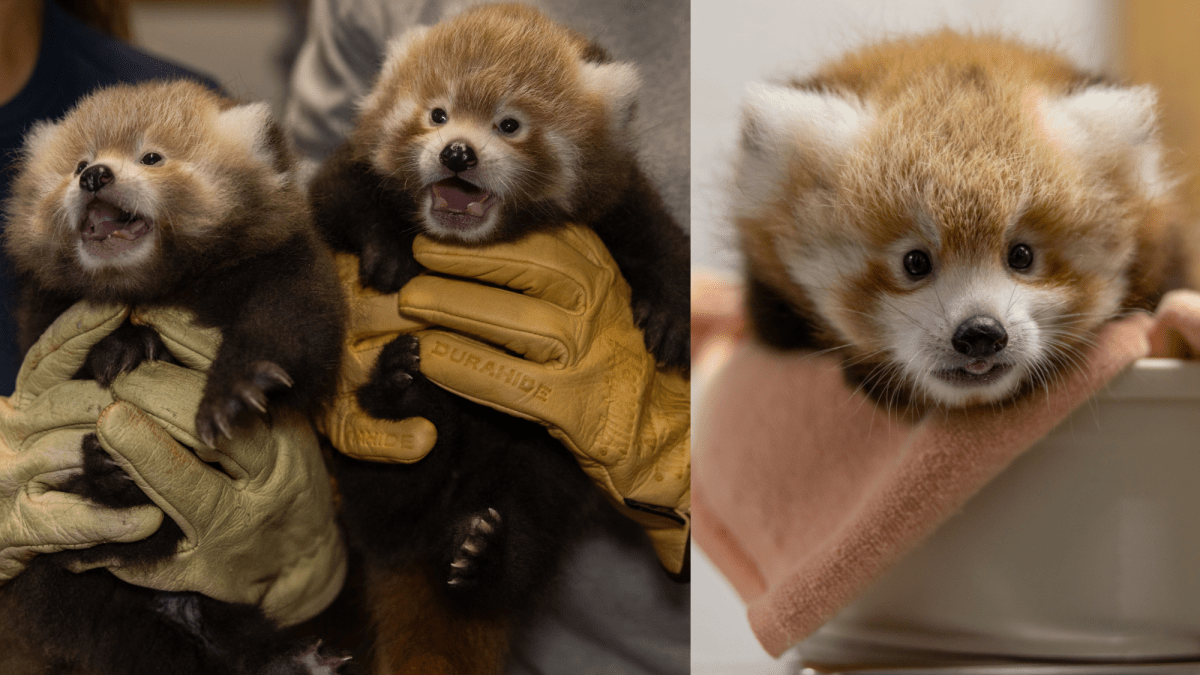
🐼
Why international red panda day is a big deal at the national zoo this year
Waarom internationale rode pandadag dit jaar een groot feest is in de nationale dierentuin
Pourquoi la journée internationale du panda roux est une grande célébration au zoo national cette année
So the Smithsonian's National Zoo in Washington D.C. has some brilliant news - three adorable red panda cubs were born this summer at their Front Royal conservation campus, and the team is absolutely thrilled. Two cubs arrived on May 29 from parents Sequoia and Mow Mow, while a third cub was born on June 11 to Keahi and Rocket. These little arrivals are crucial for conserving the species, since fewer than 10,000 red pandas remain in the wild and habitat loss continues to threaten their survival. The cubs are already showing their individual personalities - one feisty singleton that's more adventurous, and the twins who are quieter and love cuddling with each other.
De Smithsonian's National Zoo in Washington D.C. heeft geweldig nieuws - drie schattige rode pandajongen zijn deze zomer geboren op hun conservatieplaats in Front Royal, en het team is absoluut in hun nopjes. Twee welpen kwamen op 29 mei ter wereld van ouders Sequoia en Mow Mow, terwijl een derde welpje op 11 juni werd geboren van Keahi en Rocket. Deze kleine aankomsten zijn cruciaal voor het behoud van de soort, aangezien minder dan 10.000 rode panda's in het wild overblijven en habitatverlies blijft hun voortbestaan bedreigen. De jongen tonen al hun individuele persoonlijkheden - één stoere singleton die avontuurlijker is, en de tweeling die stiller is en ervan houdt elkaar te knuffelen.
Le zoo national de la Smithsonian à Washington D.C. a une merveilleuse nouvelle - trois adorables petits pandas roux sont nés cet été dans leur campus de conservation à Front Royal, et l'équipe est absolument ravie. Deux bébés sont nés le 29 mai de parents Sequoia et Mow Mow, tandis qu'un troisième a vu le jour le 11 juin d'une mère Keahi et d'un père Rocket. Ces petites naissances sont cruciales pour la conservation de l'espèce, car moins de 10 000 pandas roux subsistent à l'état sauvage et la perte d'habitat continue de menacer leur survie. Les jeunes affichent déjà leurs personnalités individuelles - un petit intrépide et audacieux, et les jumeaux qui sont plus calmes et adorent se câliner mutuellement.

💚
California's new law offers cash reparations to communities harmed by oil drilling
Californië biedt geldelijke schadevergoeding aan gemeenschappen die door olieboring zijn getroffen
La Californie offre des réparations financières aux communautés endommagées par le forage pétrolier
California has passed groundbreaking legislation that would provide up to $5,000 in direct cash assistance to 1,000 households near the Inglewood Oil Field who've suffered respiratory and reproductive health impacts from decades of oil drilling. For over a century, Black communities in Los Angeles have been disproportionately exposed to pollution from oil wells, leading to serious health complications, birth defects, and shortened lifespans. The new law channels $5 million from penalties on oil companies into this community repair fund, marking what supporters are calling environmental reparations. Assemblymember Isaac Bryan, who represents these affected communities, sees this as a model that could be replicated nationally to hold industrial companies accountable for the damage they've caused.
Californië heeft baanbrekende wetgeving aangenomen die tot $5.000 rechtstreekse geldelijke steun zou bieden aan 1.000 huishoudens in de buurt van het Inglewood Oil Field die hebben geleden onder ademhalings- en voortplantingsgezondheidseffecten van decennialang olieboren. Meer dan een eeuw lang zijn Black-gemeenschappen in Los Angeles onevenredig blootgesteld aan vervuiling door oliebronnen, wat leidt tot ernstige gezondheidscomplicaties, geboorteafwijkingen en verkort leven. De nieuwe wet kanaliseer $5 miljoen van boetes op oliebedrijven naar dit communautair herstelvoorstel, wat aanhangers milieuschadevergoeding noemen. Congreslid Isaac Bryan, die deze getroffen gemeenschappen vertegenwoordigt, ziet dit als een model dat op nationaal niveau kan worden gerepliceerd om industriebedrijven verantwoordelijk te houden voor de schade die zij hebben veroorzaakt.
La Californie a adopté une législation novatrice qui fournirait une aide financière directe jusqu'à 5 000 dollars à 1 000 ménages près du champ pétrolifère d'Inglewood qui ont souffert des effets sur la santé respiratoire et reproductive des décennies de forage pétrolier. Pendant plus d'un siècle, les communautés noires de Los Angeles ont été disproportionnément exposées à la pollution causée par les puits de pétrole, entraînant de graves complications de santé, des malformations à la naissance et une durée de vie raccourcie. La nouvelle loi canalise 5 millions de dollars en pénalités des sociétés pétrolières dans ce fonds de réparation communautaire, ce que les partisans appellent des réparations environnementales. Le représentant Isaac Bryan, qui représente ces communautés affectées, considère ceci comme un modèle qui pourrait être reproduit à l'échelle nationale pour tenir les entreprises industrielles responsables des dommages qu'elles ont causés.

🥔
The tropical sweet potato is taking root in Sweden
De tropische zoete aardappel slaat aan in Zweden
La patate douce tropicale s'enracine en Suède
So here's what's exciting - sweet potatoes, originally from the tropics, are being tested across Sweden right now, with trials running from Skåne all the way up to Norrbotten. Researchers at Sweden's agricultural university are working with international partners to develop Swedish-adapted varieties that can thrive even in cooler climates. What makes this really interesting is that sweet potatoes are incredibly tough and resource-efficient plants - they handle drought well and need very few nutrients compared to regular potatoes. And this is the best part: within three to four years, Swedish farmers could be offering us a much wider range than what we find in stores today - orange, yellow, white varieties with different textures and flavors instead of the same Egyptian import we always see.
Dus wat is hier spannend - zoete aardappelen, oorspronkelijk uit de tropen, worden nu in heel Zweden getest, met proeven van Skåne tot aan Norrbotten. Onderzoekers van Zweden's landbouwuniversiteit werken samen met internationale partners om Zweeds aangepaste variëteiten te ontwikkelen die ook in kouder klimaten kunnen groeien. Wat dit echt interessant maakt is dat zoete aardappelen ongelooflijk taai en voedzaam efficiënt zijn - ze verdragen droogte goed en hebben veel minder voeding nodig dan gewone aardappelen. En dit is het beste gedeelte: binnen drie tot vier jaar zouden Zweedse boeren ons een veel breder aanbod kunnen geven dan wat we in winkels zien - oranje, gele, witte variëteiten met verschillende texturen en smaken in plaats van altijd dezelfde Egyptische import.
Voici ce qui est passionnant - les patates douces, originaires des tropiques, sont maintenant testées dans toute la Suède, avec des essais allant de Skåne jusqu'au Norrbotten. Les chercheurs de l'université agricole suédoise travaillent avec des partenaires internationaux pour développer des variétés adaptées à la Suède qui peuvent s'épanouir même dans les climats plus froids. Ce qui rend cela vraiment intéressant, c'est que les patates douces sont des plantes incroyablement robustes et efficaces - elles tolèrent bien la sécheresse et ont besoin de beaucoup moins de nutriments que les pommes de terre ordinaires. Et voici la meilleure partie : dans trois à quatre ans, les agriculteurs suédois pourraient nous offrir une gamme beaucoup plus large que ce que nous trouvons en magasins aujourd'hui - des variétés orange, jaunes, blanches avec différentes textures et saveurs au lieu de la même importation égyptienne habituelle.

🧠
From paralysis to innovation: how a teen's accident sparked AI tools for recovery
Van verlamming naar innovatie: hoe het ongeluk van een tiener AI-tools voor herstel inspireerde
De la paralysie à l'innovation : comment l'accident d'un adolescent a inspiré des outils d'IA pour la récupération
At 17, Arnav Maharshi is building AI-powered rehabilitation tools after a life-changing accident left him paralysed at 14. Following a coma and critical injuries, he spent months in intensive physiotherapy and occupational therapy, gradually rebuilding his independence and confidence. During his recovery journey, he noticed that progress measurements relied too much on subjective feedback rather than concrete data. So he decided to create technology that could track rehabilitation improvements precisely - turning his personal struggle into a tool to help countless others facing similar challenges.
Op zijn 17e bouwt Arnav Maharshi AI-gestuurde revalidatietools nadat een ernstig ongeluk hem op 14-jarige leeftijd verlamde. Na een coma en kritieke verwondingen doorliep hij maanden intensieve fysiotherapie en ergotherapie, waarbij hij geleidelijk zijn onafhankelijkheid en zelfvertrouwen herbouwde. Tijdens zijn herstellingsproces merkte hij op dat vooruitgangsmeting te veel op subjectief feedback leunde in plaats van concrete gegevens. Daarom besloot hij technologie te creëren die revalidatieverbeteringen nauwkeurig kan volgen - zijn persoonlijke strijd omzettend in een tool om talloze anderen met vergelijkbare uitdagingen te helpen.
À 17 ans, Arnav Maharshi développe des outils de réadaptation alimentés par l'IA après qu'un accident grave l'ait paralysé à 14 ans. Après un coma et des blessures critiques, il a suivi des mois de physiothérapie et d'ergothérapie intensives, reconstruisant graduellement son indépendance et sa confiance. Durant son parcours de récupération, il a remarqué que la mesure des progrès reposait trop sur des commentaires subjectifs plutôt que sur des données concrètes. Il a donc décidé de créer une technologie capable de suivre précisément les améliorations de réadaptation - transformant sa lutte personnelle en un outil pour aider d'innombrables autres personnes confrontées à des défis similaires.
🚀
Patrick Michel on asteroids: we're living through a golden age of discovery
Patrick Michel over asteroïden: we beleven een gouden tijdperk van ontdekkingen
Patrick Michel sur les astéroïdes : nous vivons un âge d'or des découvertes
So, Patrick Michel - a leading astrophysicist - is genuinely excited about what's happening in asteroid science right now, and honestly, his enthusiasm is contagious. We're in what he calls a golden age where every new image and observation brings surprises that challenge what we thought we knew. The missions and technology we have today are revealing asteroids in incredible detail, showing us these space rocks are far more complex and fascinating than we ever imagined. And here's the thing - this isn't just academic curiosity, it's fundamentally changing how we understand our solar system and our place in it.
Patrick Michel - een toonaangevend astrofysicus - is werkelijk enthousiast over wat er nu gebeurt in de asteroïdewetenschappen, en eerlijk gezegd is zijn enthousiasme aanstekelijk. We bevinden ons in wat hij een gouden tijdperk noemt, waarin elke nieuwe afbeelding en waarneming verrassingen oplevert die onze aannames ter discussie stellen. De missies en technologie die we vandaag hebben, onthullen asteroïden in ongelooflijke detail en laten zien dat deze ruimtestenen veel complexer en fascinerender zijn dan we ooit dachten. En hier is het belangrijkste - dit is niet alleen academische nieuwsgierigheid, het verandert fundamenteel hoe we ons zonnestelsel en onze plaats daarin begrijpen.
Patrick Michel - un astrophysicien de premier plan - est véritablement enthousiaste par ce qui se passe actuellement dans la science des astéroïdes, et franchement, son enthousiasme est contagieux. Nous vivons ce qu'il appelle un âge d'or où chaque nouvelle image et observation apporte des surprises qui remettent en question nos présomptions. Les missions et la technologie dont nous disposons aujourd'hui révèlent les astéroïdes dans des détails incroyables, montrant que ces roches spatiales sont bien plus complexes et fascinantes que nous ne l'avions jamais imaginé. Et voilà la chose importante - ce n'est pas seulement de la curiosité académique, cela change fondamentalement notre compréhension du système solaire et de notre place dans celui-ci.

☀️
How Maharashtra is leading India's shift to solar-powered farming
Hoe Maharashtra India's overstap naar zonne-energie in de landbouw leidt
Comment le Maharashtra mène la transition vers l'agriculture alimentée à l'énergie solaire en Inde
Maharashtra has become India's solar pump leader, with over 747,000 installations already in place and a target of 1.045 million - even setting a Guinness World Record by installing nearly 46,000 pumps in just 30 days. What makes this transformation so remarkable is that farmers like those in Dawwa village can now irrigate their fields during daylight hours, powered entirely by the sun, without the stress of erratic electricity grids or rising diesel costs. Government schemes like PM-KUSUM and Maharashtra's own MTSKPY have made solar irrigation affordable for ordinary smallholders through subsidies and reduced pump prices, turning what was once a luxury into something within reach. Across India, states like Kerala, Chhattisgarh, and Assam are following similar paths, proving that solar-powered agriculture isn't just environmentally smart - it's economically practical for farmers with thin margins.
Maharashtra is Indias leider in zonnepompen, met meer dan 747.000 installaties al in plaats en een doel van 1.045 miljoen - en vestigde zelfs een Guinness World Record door bijna 46.000 pompen in slechts 30 dagen te installeren. Wat deze transformatie zo opmerkelijk maakt, is dat boeren zoals die in het dorp Dawwa hun velden nu overdag kunnen irrigeren, volledig aangedreven door de zon, zonder de stress van onbetrouwbare elektriciteitsnetwerken of stijgende dieselkosten. Overheidsregelingen zoals PM-KUSUM en Maharashtra's eigen MTSKPY hebben zonne-irrigatie betaalbaar gemaakt voor gewone kleine landeigenaren door subsidies en lagere pompenprijzen, waardoor iets wat ooit een luxe was, nu bereikbaar is. Over heel India volgen staten zoals Kerala, Chhattisgarh en Assam vergelijkbare wegen, wat bewijst dat zonne-aangedreven landbouw niet alleen milieuvriendelijk is - het is economisch praktisch voor boeren met dunne marges.
Le Maharashtra est devenu le leader indien en matière de pompes solaires, avec plus de 747 000 installations déjà en place et un objectif d'1,045 million - établissant même un record Guinness en installant près de 46 000 pompes en seulement 30 jours. Ce qui rend cette transformation si remarquable, c'est que les agriculteurs comme ceux du village de Dawwa peuvent désormais irriguer leurs champs pendant la journée, alimentés entièrement par le soleil, sans le stress des réseaux électriques instables ou des coûts croissants du diesel. Les programmes gouvernementaux comme PM-KUSUM et le propre MTSKPY du Maharashtra ont rendu l'irrigation solaire abordable pour les petits propriétaires ordinaires grâce aux subventions et à la réduction des prix des pompes, transformant ce qui était autrefois un luxe en quelque chose d'accessible. À travers l'Inde, des États comme le Kerala, le Chhattisgarh et l'Assam suivent des voies similaires, prouvant que l'agriculture alimentée à l'énergie solaire n'est pas seulement écologiquement judicieuse - elle est économiquement pratique pour les agriculteurs aux marges minces.
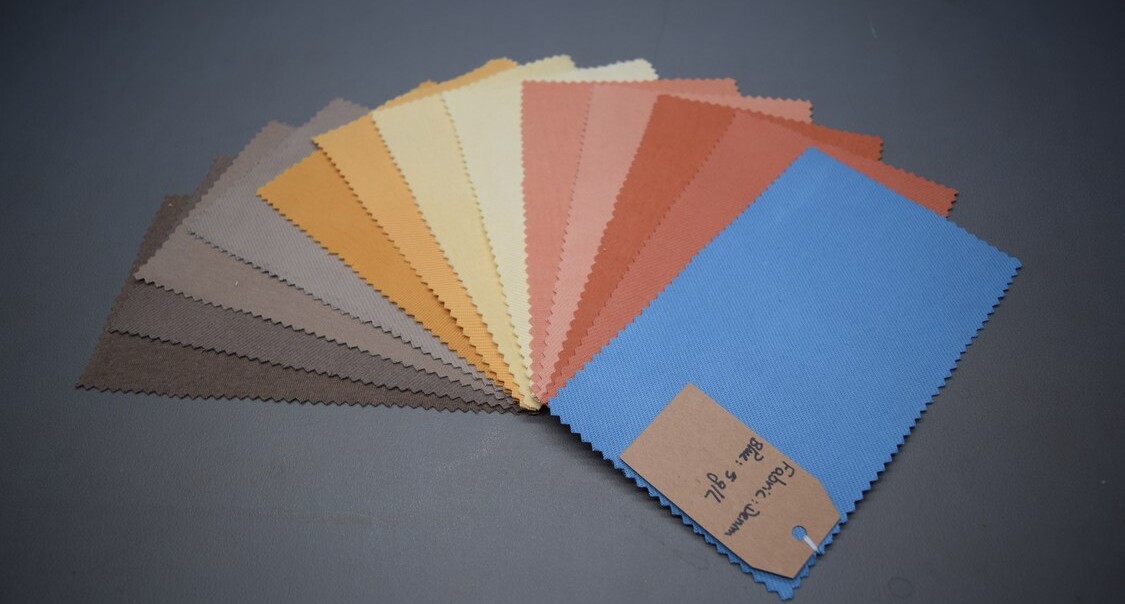
✨
French startup's magnetic dyes slash fashion's water use and pollution
Frans bedrijf ontwikkelt magnetische verfstof die water- en milieubelasting van mode drastisch reduceert
Startup française crée des colorants magnétiques qui réduisent considérablement l'eau et la pollution de la mode
So here's something genuinely exciting - a French startup called EverDye has cracked a major problem in textile dyeing by using electrostatic technology instead of boiling water and chemicals. Their non-toxic, mineral-based dyes stick to fabrics at room temperature through static electricity, cutting energy costs by 800% and water use by 40% compared to traditional methods. And this is the beautiful part - the dyes are just as durable and vibrant as conventional ones, but with absolutely zero toxic additives or petrochemicals involved. Best of all, factories can integrate this process with minimal hardware changes, which means this solution could actually scale up quickly and meaningfully reduce the 20% of global industrial water pollution that textile dyeing currently causes.
Een Frans bedrijf genaamd EverDye heeft een briljante oplossing gevonden voor het vervuilende textielverfsproces door magnetische technologie te gebruiken in plaats van kokend water en chemicaliën. Hun niet-giftige, op mineralen gebaseerde verfstof hechten zich bij kamertemperatuur aan stoffen door middel van elektrostatische aantrekking, wat energiekosten met 80% en watergebruik met 40% reduceert. Het mooiste ervan is dat deze verfstof net zo duurzaam en levendig is als traditionele verfstof, maar zonder giftige additieven of aardoliechemicaliën. Fabrieken kunnen dit proces integreren met minimale aanpassingen, wat betekent dat deze oplossing snel kan worden uitgerold en daadwerkelijk de 20% wereldwijde industriële watervervuiling door textielverven kan verminderen.
Une startup française appelée EverDye a trouvé une solution brillante au problème polluant de la teinture textile en utilisant la technologie magnétique au lieu de l'eau bouillante et des produits chimiques. Leurs colorants non toxiques à base de minéraux s'attachent aux tissus à température ambiante par attraction électrostatique, réduisant les coûts énergétiques de 80% et l'utilisation d'eau de 40% par rapport aux méthodes traditionnelles. Ce qui est vraiment magnifique, c'est que ces colorants sont tout aussi durables et vibrants que les colorants conventionnels, mais sans aucun additif toxique ni produits chimiques pétroliers. Les usines peuvent intégrer ce procédé avec des modifications minimales, ce qui signifie que cette solution pourrait rapidement se généraliser et réduire considérablement les 20% de la pollution industrielle mondiale de l'eau causée par la teinture textile.
🛰️
Satellite reveals a world of 'weird rivers' shaped by humans
Satelliet onthult een wereld van 'vreemde rivieren' gevormd door mensen
Le satellite révèle un monde de « rivières étranges » façonnées par l'homme
So, satellites are showing us something pretty fascinating - rivers across the planet aren't quite what they used to be, shaped in unexpected ways by human activity. Which brings me to this - what these 'weird rivers' reveal is how much our presence has altered natural water systems, from dams and diversions to agricultural runoff changing the very flow of these vital arteries. Now, this isn't just environmental drama - it's a window into understanding how landscapes evolve when humans are part of the equation. And here's the thing: these satellite observations give us powerful tools to monitor and maybe even rethink how we manage our relationship with these crucial waterways.
Dus, satellieten laten ons iets behoorlijk fascinerends zien - rivieren over de hele planeet zijn niet meer wat ze eens waren, gevormd op onverwachte manieren door menselijke activiteit. Dit brengt me tot het volgende - wat deze 'vreemde rivieren' onthullen is hoeveel onze aanwezigheid natuurlijke watersystemen heeft veranderd, van dammen en afleidingen tot landbouwafval dat de stroom van deze vitale aders verandert. Nu, dit is niet alleen milieudrama - het is een venster om te begrijpen hoe landschappen evolueren wanneer mensen deel uitmaken van de vergelijking. En hier is het belangrijkste: deze satellietwaarnemingen geven ons krachtige gereedschappen om onze relatie met deze cruciale wateraderen te monitoren en misschien zelfs opnieuw te overdenken.
Alors, les satellites nous montrent quelque chose de vraiment fascinant - les fleuves de la planète ne sont plus ce qu'ils étaient autrefois, transformés de façons inattendues par l'activité humaine. Voici ce qui m'intéresse - ce que ces « rivières étranges » nous révèlent, c'est combien notre présence a modifié les systèmes hydriques naturels, des barrages et détournements au ruissellement agricole qui change le flux même de ces artères vitales. Maintenant, ce n'est pas seulement un drame environnemental - c'est une fenêtre pour comprendre comment les paysages évoluent quand les humains font partie de l'équation. Et voici l'essentiel : ces observations par satellite nous donnent des outils puissants pour surveiller et peut-être même repenser notre relation avec ces cours d'eau cruciaux.

📚
Reading clearly reduces dementia risk - but there's one important condition
Lezen vermindert dementierisico aanzienlijk - maar er is één belangrijke voorwaarde
La lecture réduit clairement le risque de démence - mais il y a une condition importante
New research from Cambridge University confirms what many book lovers suspect - reading for pleasure genuinely benefits our brains, regardless of whether you're diving into classics or modern comics. Scientists analyzed data from thirteen major studies involving tens of thousands of people and discovered that reading strengthens gray matter volume and communication between different brain regions, essentially building cognitive reserve that helps protect against age-related mental decline. The key ingredient here is consistency: reading at least 12 hours per week showed the most dramatic effects on concentration, memory, and mental health, particularly in young readers. And here's the encouraging part - when reading material connects to kids' actual interests, whether that's books tied to their favorite films or hobbies, they're far more likely to stick with it and reap these protective benefits.
Nieuw onderzoek van de Universiteit van Cambridge bevestigt wat veel boekenliefhebbers al vermoedden - lezen voor plezier is echt goed voor ons brein, ongeacht of je klassieken of moderne strips leest. Wetenschappers analyseerden gegevens uit dertien grote studies met tienduizenden deelnemers en ontdekten dat lezen grijze stof versterkt en de communicatie tussen verschillende hersengebieden verbetert, wat eigenlijk cognitieve reserve opbouwt die tegen ouderdomsgerelateerde mentale achteruitgang beschermt. Het sleutelingredient hier is regelmatigheid: minstens 12 uur per week lezen liet de meest dramatische effecten zien op concentratie, geheugen en mentale gezondheid, vooral bij jonge lezers. En het bemoedigende deel - wanneer leesstof aansluit op de werkelijke interesses van kinderen, of dat nu boeken zijn gekoppeld aan hun favoriete films of hobby's, dan blijven ze er veel eerder mee doorgaan en oogsten ze deze beschermende voordelen.
Une nouvelle recherche de l'Université de Cambridge confirme ce que beaucoup d'amateurs de livres soupçonnaient - lire pour le plaisir est réellement bénéfique pour nos cerveaux, que vous plongiez dans des classiques ou des bandes dessinées modernes. Les scientifiques ont analysé les données de treize grandes études impliquant des dizaines de milliers de personnes et ont découvert que la lecture renforce le volume de matière grise et la communication entre différentes régions du cerveau, construisant essentiellement une réserve cognitive qui aide à protéger contre le déclin mental lié à l'âge. L'ingrédient clé ici est la régularité : lire au moins 12 heures par semaine a montré les effets les plus dramatiques sur la concentration, la mémoire et la santé mentale, particulièrement chez les jeunes lecteurs. Et voici la partie encourageante - lorsque le matériel de lecture correspond aux véritables intérêts des enfants, que ce soit des livres liés à leurs films ou loisirs préférés, ils sont beaucoup plus susceptibles de persévérer et de récolter ces avantages protecteurs.

🏳️🌈
Hungary loosens Orbán's anti-LGBTQ laws under new leadership
Hongarije verzwakt Orbáns anti-hbtq-wetten onder nieuw leiderschap
La Hongrie assouplit les lois anti-LGBTQ d'Orbán sous la nouvelle direction
Hungary's new Prime Minister Péter Magyar is dismantling Viktor Orbán's strict anti-LGBTQ legislation as part of his sweeping "Operation cleansing fire" to undo the former leader's authoritarian policies. The government has introduced a bill to repeal several discriminatory provisions that Orbán implemented, including restrictions on same-sex adoption - a move that reflects what most Hungarians actually want, with polls showing over half support repealing these laws. While Human Rights Watch welcomes these changes, the organization emphasizes that much more work remains, including removing discriminatory clauses from the constitution itself. So far, the reforms have allowed a record number of people to participate in Budapest's Pride parade and given hope to couples like Bence Lakatos and Jozsef Vanyovszki, who finally succeeded in their adoption application after years of bureaucratic barriers.
Hongarije's nieuwe premier Péter Magyar ontmantelt de strikte anti-hbtq-wetgeving van Viktor Orbán als onderdeel van zijn omvangrijke "Operatie zuiverend vuur" om het beleid van de voormalige leider ongedaan te maken. De regering heeft een wetsvoorstel ingediend om verschillende discriminatoire bepalingen op te heffen die Orbán invoerde, onder meer beperkingen op adoptie door samengesloten paren - een stap die aansluit bij wat de meeste Hongaren willen, aangezien peilingen aantonen dat meer dan de helft deze wetten wil intrekken. Hoewel Human Rights Watch deze veranderingen welkom heet, benadrukt de organisatie dat er nog veel meer werk overblijft, inclusief het verwijderen van discriminatoire bepalingen uit de grondwet zelf. Tot nu toe hebben de hervormingen ervoor gezorgd dat recordaantallen mensen deelnamen aan de Prideparade in Boedapest en hebben paren zoals Bence Lakatos en Jozsef Vanyovszki hoop gegeven, die eindelijk slaagden in hun adoptieaanvraag na jaren van bureaucratische obstakels.
La Hongrie désactive la législation stricte anti-LGBTQ de Viktor Orbán sous la nouvelle direction du premier ministre Péter Magyar, dans le cadre de son vaste "Opération feu purificateur" visant à annuler les politiques autoritaires de l'ancien leader. Le gouvernement a présenté un projet de loi pour abroger plusieurs dispositions discriminatoires qu'Orbán a mises en place, notamment les restrictions sur l'adoption par des couples du même sexe - une mesure qui reflète ce que la plupart des Hongrois souhaitent réellement, puisque les sondages montrent que plus de la moitié soutient l'abrogation de ces lois. Bien que Human Rights Watch accueille favorablement ces changements, l'organisation souligne qu'il reste encore beaucoup à faire, notamment l'élimination des clauses discriminatoires de la constitution elle-même. Jusqu'à présent, les réformes ont permis à un nombre record de personnes de participer à la marche des fiertés de Budapest et ont redonné espoir aux couples comme Bence Lakatos et Jozsef Vanyovszki, qui ont enfin réussi leur demande d'adoption après des années d'obstacles bureaucratiques.
🌍
From wanting to be seen as white to finding his way back to te reo Māori
Van willen gezien worden als wit tot terugkeer naar te reo Māori
Du désir d'être perçu comme blanc au retour vers te reo Māori
Nathan Grey grew up Māori but felt pressured to assimilate, even calling himself 'the Dalmatian' in high school because he was proud people saw him as white rather than brown. His brother's journey into te reo Māori inspired him to reclaim his own ancestral language at Te Wānanga Takiura, a decision that cracked open years of suppressed pain and shame he'd buried deep. Now a kaiako (teacher) of te reo Māori, Grey helps students from all backgrounds - including fifth-generation Pākehā and learners from Argentina - connect with the language respectfully and without fear. He believes that the more people who speak te reo Māori, the better understanding we'll all have of Māori culture, and that what's good for Māori is good for everyone.
Nathan Grey groeide op als Māori maar voelde druk om zich aan te passen, en was zelfs trots dat mensen hem in de middelbare school als wit zagen in plaats van bruin. De reis van zijn broer naar te reo Māori inspireerde hem om zijn eigen voorouderlijke taal te herontdekken aan Te Wānanga Takiura, een besluit dat jaren onderdrukkte pijn en schaamte aan het licht bracht. Nu als kaiako (leraar) van te reo Māori helpt Grey studenten uit alle achtergronden - inclusief vijfde-generatie Pākehā en leerlingen uit Argentinië - respectvol en zonder angst verbinding met de taal te maken. Hij gelooft dat hoe meer mensen te reo Māori spreken, hoe beter we allemaal de Māori-cultuur zullen begrijpen, en dat wat goed is voor Māori goed is voor iedereen.
Nathan Grey a grandi en tant que Māori mais s'est senti poussé à s'assimiler, même fier que les gens le voient comme blanc plutôt que brun au lycée. Le parcours de son frère dans te reo Māori l'a inspiré à récupérer sa propre langue ancestrale à Te Wānanga Takiura, une décision qui a libéré des années de douleur et de honte refoulées. Maintenant kaiako (enseignant) de te reo Māori, Grey aide des étudiants de tous horizons - y compris des Pākehā de cinquième génération et des apprenants d'Argentine - à se connecter à la langue avec respect et sans crainte. Il croit que plus de gens parleront te reo Māori, mieux nous comprendrons tous la culture māori, et que ce qui est bon pour les Māori est bon pour tout le monde.
✈️
Autonomous airplane completes first cross-country flight across the US
Autonoom vliegtuig voltooit eerste transcontinentale vlucht over de VS
Un avion autonome complète son premier vol transcontinental aux États-Unis
So here's the thing - a retrofitted Cessna Caravan just flew itself across the entire United States, covering 3,199 miles from California to North Carolina without any help from its human safety pilot. What's really impressive is that the autonomous system, developed by Joby Aviation, handled every single stage of the journey - taxiing, takeoffs, landings, and everything in between. The plane even had to navigate some seriously tricky situations in real-time, like flying through busy airspace above Phoenix and dodging thunderstorms along the way. And because this is aviation history we're talking about, Joby had the Cessna do a symbolic low pass over the First Flight Monument in Kitty Hawk, North Carolina, paying homage to the Wright Brothers' 1903 achievement.
Hier is het interessante deel - een aangepaste Cessna Caravan heeft zichzelf zojuist over de hele Verenigde Staten gevlogen, met een afstand van 3.199 mijl van Californië naar North Carolina, zonder enige hulp van de menselijke veiligheidspiloot aan boord. Wat echt indrukwekkend is, is dat het autonome systeem van Joby Aviation elke fase van de reis aanstuurde - taxiën, starts, landingen en alles daartussenin. Het vliegtuig moest zelfs enkele serieuze real-time situaties navigeren, zoals het vliegen door druk luchtruim boven Phoenix en het ontwijken van onweersstormen onderweg. En omdat we het hier over luchtvaartgeschiedenis hebben, liet Joby de Cessna een symbolische laagvlucht uitvoeren over het First Flight Monument in Kitty Hawk, North Carolina, ter ere van de prestatie van de gebroeders Wright in 1903.
Voilà le plus intéressant - un Cessna Caravan transformé vient de se piloter lui-même sur toute la côte des États-Unis, couvrant 3.199 miles de la Californie à la Caroline du Nord sans aucune aide du pilote de sécurité humain à bord. Ce qui est vraiment impressionnant, c'est que le système autonome développé par Joby Aviation a géré chaque étape du voyage - le roulage, les décollages, les atterrissages et tout ce qui s'ensuit. L'avion a même dû naviguer en temps réel dans des situations sérieuses, comme voler dans l'espace aérien très fréquenté au-dessus de Phoenix et éviter les orages en chemin. Et comme nous parlons d'histoire de l'aviation, Joby a fait faire au Cessna un survol symbolique du First Flight Monument à Kitty Hawk, en Caroline du Nord, rendant hommage à la réussite des frères Wright en 1903.
🧮
AI solved a million-dollar math puzzle. Here's why physicists are staying cautious
AI loste een miljoen-dollar wiskundepuzzel op. Hier is waarom natuurkundigen voorzichtig blijven
L'IA a résolu une énigme mathématique d'un million de dollars. Voici pourquoi les physiciens restent prudents
OpenAI made waves last week by claiming its AI had solved one of the Millennium Prize Problems - proving that the famous Navier-Stokes equations can produce physically impossible results under certain extreme conditions. The breakthrough is genuinely impressive, but here's the thing: the equations break down at a scale so tiny - around 70 nanometres - that treating fluid as molecules rather than a continuous substance makes way more sense anyway. So while this is a beautiful mathematical achievement, it doesn't necessarily reshape how we actually model real-world fluid flow in engineering or physics. The takeaway is that AI's mathematical prowess is remarkable, but the practical limits of these ancient equations were already pretty well understood by researchers working on the ground.
OpenAI zorgde vorige week voor opwinding door te claimen dat zijn AI een van de Millennium Prize Problems heeft opgelost - en aantoonde dat de beroemde Navier-Stokes-vergelijkingen onder bepaalde extreem extreme omstandigheden fysiek onmogelijke resultaten kunnen opleveren. De doorbraak is echt indrukwekkend, maar hier is het punt: de vergelijkingen breken af op een schaal die zo klein is - ongeveer 70 nanometer - dat het veel logischer is om vloeistof als moleculen in plaats van een continu stof te behandelen. Dit is dus een mooie wiskundige prestatie, maar het verandert niet noodzakelijk hoe we vloeistofstroming in engineering of natuurkunde in de praktijk modelleren. De kernboodschap is dat de wiskundige kracht van AI opmerkelijk is, maar de praktische grenzen van deze eeuwenoude vergelijkingen waren onderzoekers op het terrein al goed bekend.
OpenAI a fait sensation la semaine dernière en affirmant que son IA avait résolu l'un des problèmes du millénaire - prouvant que les célèbres équations de Navier-Stokes peuvent produire des résultats physiquement impossibles dans certaines conditions extrêmes. La percée est véritablement impressionnante, mais voilà le truc : les équations s'effondrent à une échelle tellement minuscule - environ 70 nanomètres - qu'il est bien plus judicieux de traiter le fluide comme des molécules plutôt que comme une substance continue. C'est donc une belle réussite mathématique, mais elle ne remodèle pas nécessairement la façon dont nous modélisons réellement l'écoulement des fluides dans l'ingénierie ou la physique. L'essentiel est que la puissance mathématique de l'IA est remarquable, mais les limites pratiques de ces équations anciennes étaient déjà bien comprises par les chercheurs qui travaillent sur le terrain.
🧠
How to make a brain: new experiments challenge existing picture
Hoe maak je een hersenen: nieuwe experimenten stellen bestaand beeld ter discussie
Comment fabriquer un cerveau : de nouvelles expériences remettent en question la théorie actuelle
Scientists have long assumed that a single type of starter cell builds the entire brain, but exciting new research suggests it actually takes two different types of precursor cells to create this complex organ. One type of cell forms the hindbrain - responsible for vital functions like heartbeat and breathing - while another generates both the forebrain and midbrain, which handle higher-order thinking. The study, published in Nature Neuroscience, challenges our fundamental understanding of brain development and reveals how these two cell populations are strictly committed to their designated regions. Beyond the theory itself, the researchers have discovered an efficient way to coax stem cells into becoming hindbrain motor neurons, which could accelerate research into devastating diseases like ALS.
Wetenschappers hebben lang aangenomen dat een enkel type startcel het hele brein opbouwt, maar spannend nieuw onderzoek suggereert dat er eigenlijk twee verschillende soorten voorlopercellen nodig zijn om dit complexe orgaan te creëren. Het ene type cel vormt de achterhersenen - verantwoordelijk voor vitale functies zoals hartslag en ademhaling - terwijl het andere zowel de voorkant als het middendeel van het brein genereert, die gaan over hoger orde denken. De studie, gepubliceerd in Nature Neuroscience, stelt onze fundamentele begrip van hersenontwikkeling ter discussie en toont hoe deze twee celpopulaties strikt vastgelegd zijn op hun aangewezen regio's. Naast de theorie zelf hebben de onderzoekers een efficiënte manier ontdekt om stamcellen om te zetten in achterhersenen motorneuronen, wat onderzoek naar verwoestende ziekten zoals ALS kan versnellen.
Les scientifiques ont longtemps supposé qu'un seul type de cellule de départ construit l'ensemble du cerveau, mais une recherche nouvelle et passionnante suggère qu'il faut en réalité deux types différents de cellules précurseurs pour créer cet organe complexe. Un type de cellule forme le cerveau postérieur - responsable de fonctions vitales comme le battement cardiaque et la respiration - tandis qu'un autre génère à la fois le cerveau antérieur et le mésencéphale, qui gèrent la pensée d'ordre supérieur. L'étude, publiée dans Nature Neuroscience, remet en question notre compréhension fondamentale du développement cérébral et montre comment ces deux populations cellulaires sont strictement engagées dans leurs régions désignées. Au-delà de la théorie elle-même, les chercheurs ont découvert un moyen efficace de transformer les cellules souches en motoneurones du cerveau postérieur, ce qui pourrait accélérer la recherche sur des maladies dévastatrices comme la SLA.
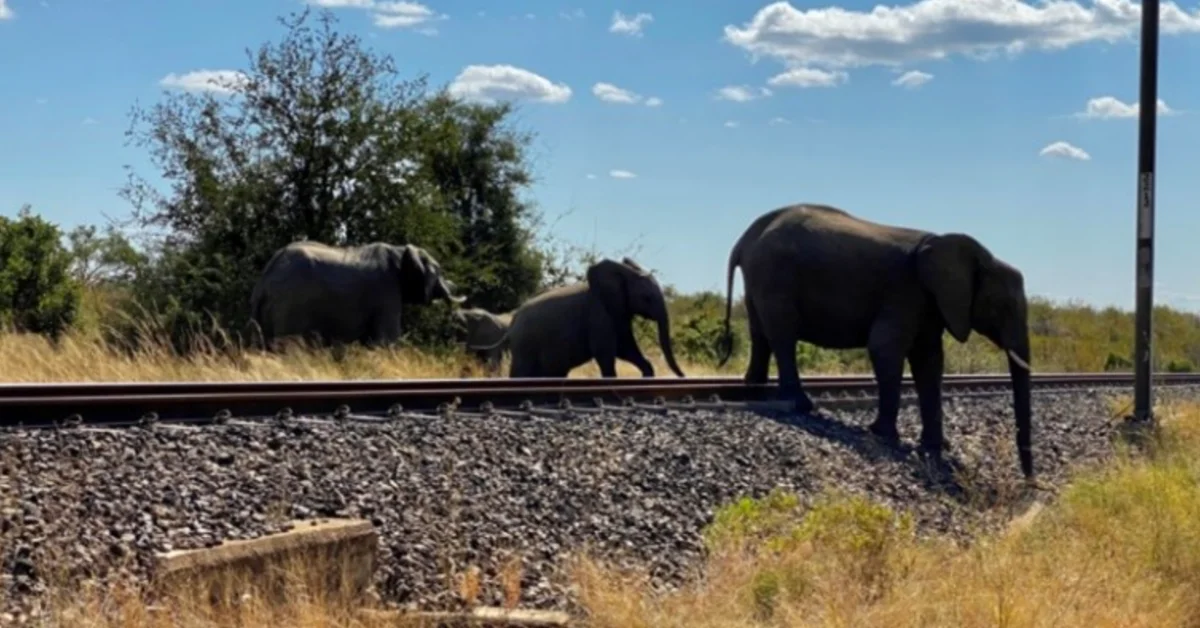
🐘
Smart radar sensors are protecting migrating elephants from deadly train collisions in Sri Lanka
Slimme radarsensoren beschermen migrerende olifanten tegen dodelijke treinbotsingen in Sri Lanka
Des capteurs radar intelligents protègent les éléphants migrateurs des collisions mortelles avec les trains au Sri Lanka
Sri Lanka has been losing wild elephants to train collisions at an alarming rate - 21 deaths in 2025 alone - so engineers are deploying a clever new technology to save them. Instead of mounting cameras on trains that can't see around curves, they're installing AI-powered sensors along the railway tracks that detect ground vibrations and animal sounds to identify approaching elephants. When an elephant is detected, the system sends alerts to train drivers with enough warning to slow down and prevent a collision. This radar solution is just one piece of a bigger plan that also includes clearing vegetation along tracks, restoring water sources, and replanting forests so elephants stay in their natural habitats rather than crossing railway lines.
Sri Lanka verliest wild olifanten aan treinbotsingen in een alarmerend tempo - 21 sterfgevallen in 2025 alleen al - dus ingenieurs zetten een slimme nieuwe technologie in om hen te redden. In plaats van camera's op treinen te plaatsen die niet om bochten kunnen kijken, installeren ze AI-gestuurde sensoren langs de spoorlijn die grondtrillingen en diergeluiden opvangen om naderende olifanten te identificeren. Wanneer een olifant wordt gedetecteerd, stuurt het systeem waarschuwingen naar treinbestuurders met voldoende waarschuwingstijd om vaart te minderen en een botsing te voorkomen. Deze radaroplossing is slechts één onderdeel van een groter plan dat ook het verwijderen van begroeiing langs sporen, het herstellen van waterbronnen en het herbebossen van bossen omvat, zodat olifanten in hun natuurlijke leefgebied blijven in plaats van spoorlijnen over te steken.
Le Sri Lanka perd des éléphants sauvages dans des collisions avec des trains à un rythme alarmant - 21 décès en 2025 seulement - donc les ingénieurs déploient une nouvelle technologie intelligente pour les sauver. Au lieu de monter des caméras sur les trains qui ne peuvent pas voir autour des courbes, ils installent des capteurs alimentés par l'IA le long des voies ferrées qui détectent les vibrations du sol et les sons des animaux pour identifier les éléphants qui s'approchent. Lorsqu'un éléphant est détecté, le système envoie des alertes aux conducteurs de trains avec suffisamment d'avertissement pour ralentir et prévenir une collision. Cette solution radar n'est qu'une partie d'un plan plus large qui comprend également le dégagement de la végétation le long des voies, la restauration des sources d'eau et le reboisement des forêts pour que les éléphants restent dans leurs habitats naturels plutôt que de traverser les voies ferrées.
🛣️
A 6-kilometer stone road from Charlemagne's era emerges from scorched earth
Een 6 kilometer lange steenweg uit de tijd van Karel de Grote verschijnt tussen verschroeide aarde
Une route en pierre de 6 kilomètres de l'époque de Charlemagne réapparaît entre les terres brûlées
So here's something quite remarkable - archaeologists have uncovered a 6-kilometer ancient road dating back to Charlemagne's time, revealed through scorched earth patterns. The discovery is fascinating because these kinds of buried routes don't usually become visible unless conditions are just right, and in this case a dry summer seems to have done the trick. Now, what makes this particularly interesting is what it tells us about medieval infrastructure and how people moved through the landscape over a thousand years ago. And here's the thing - finding these hidden pathways helps us piece together the bigger picture of how ancient Europe was actually organized and connected.
Hier hebben we iets bijzonder voor je - archeologen hebben een 6 kilometer lange antieke weg uit de tijd van Karel de Grote ontdekt, zichtbaar gemaakt door patronen in verschroeide aarde. De ontdekking is fasinerend omdat zulke ondergrondse routes normaal niet zichtbaar worden, tenzij de omstandigheden precies goed zijn, en in dit geval lijkt een droge zomer het kunstje klaar te hebben gespeeld. Nu, wat dit bijzonder interessant maakt is wat het ons vertelt over middeleeuwse infrastructuur en hoe mensen meer dan duizend jaar geleden door het landschap reisden. En hier is het interessante - door deze verborgen wegen te vinden helpen we een groter beeld te schetsen van hoe het oude Europa eigenlijk was georganiseerd en verbonden.
Voilà quelque chose de tout à fait remarquable - les archéologues ont découvert une route antique de 6 kilomètres datant de l'époque de Charlemagne, révélée par les motifs de la terre brûlée. La découverte est fascinante car ces routes enfouies ne deviennent généralement visibles que si les conditions sont justes, et en l'occurrence un été sec semble avoir fait l'affaire. Ce qui rend cela particulièrement intéressant, c'est ce que cela nous dit sur les infrastructures médiévales et la façon dont les gens se déplaçaient dans le paysage il y a plus de mille ans. Et voici la chose - en trouvant ces chemins cachés, nous nous aidons à reconstituer le tableau plus large de la façon dont l'Europe antique était réellement organisée et connectée.
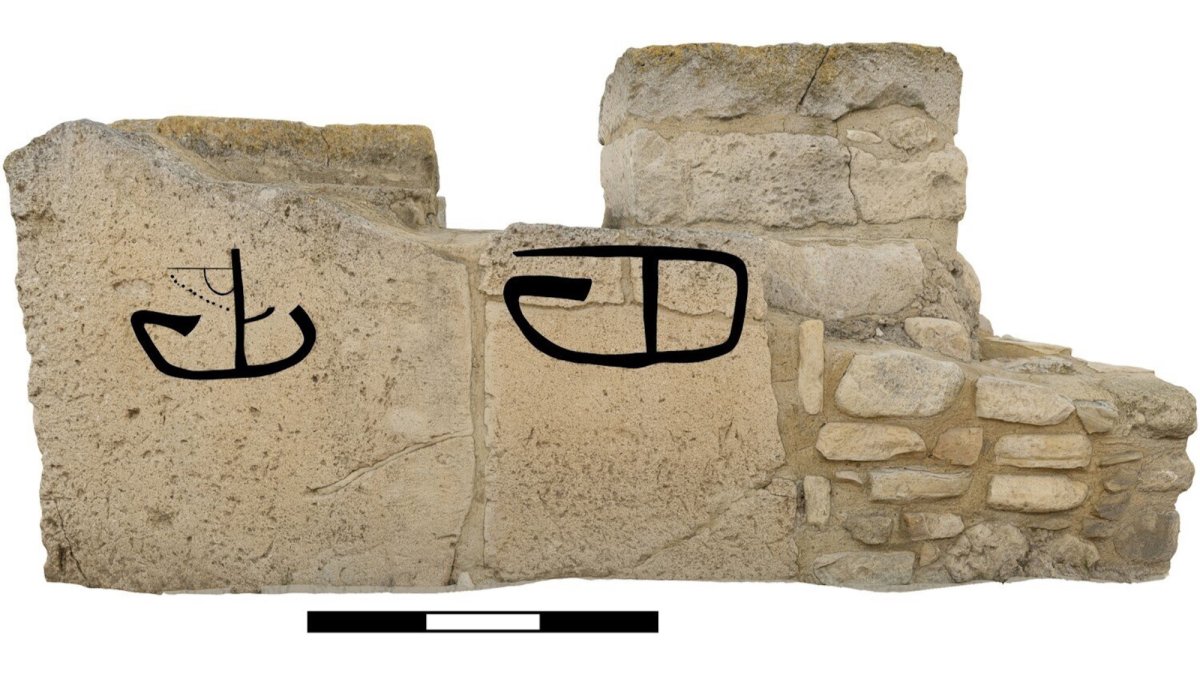
⛵
Ancient hidden graffiti discovered in Bronze Age temple
Verborgen antieke graffiti ontdekt in Bronstijdtempel
Des graffitis anciens cachés découverts dans un temple de l'âge du bronze
So here's what's fascinating - archaeologists using high-resolution laser scans have uncovered over 40 ship images hidden in plain sight at a Bronze Age temple in Cyprus for more than 40 years. The vessels, etched into the walls of Kition Kathari, were practically invisible to the naked eye, which explains why they went unnoticed even during earlier excavations in the 1980s. What really gets me excited is that these weren't created by a single artist - contextual evidence shows the ships were carved over a 300-year span, suggesting continuous maritime culture through major historical changes. The research reveals six distinct categories of ship designs, including Levantine, Minoan, and hybrid galleys from various Mediterranean regions, which challenges old assumptions about the Bronze Age collapse and cultural continuity.
Dus wat hier fascinerend is - archeologen hebben met behulp van hoogwaardige laserscans meer dan 40 scheepsafbeeldingen ontdekt die meer dan 40 jaar lang verborgen waren in een Bronstijdtempel op Cyprus. De schepen, in de muren van Kition Kathari gegraveerd, waren vrijwel onzichtbaar voor het blote oog, wat verklaart waarom ze zelfs tijdens eerdere opgravingen in de jaren tachtig over het hoofd werden gezien. Wat me echt enthousiasmast is dat deze niet door één kunstenaar werden gemaakt - contextafhankelijk bewijs toont aan dat de schepen over een periode van 300 jaar werden uitgehouwen, wat suggereert dat er sprake was van een continue maritieme cultuur door belangrijke historische veranderingen heen. Het onderzoek onthult zes verschillende categorieën scheepsontwerpen, inclusief Levantijnse, Minoïsche en hybride galeien uit verschillende Middellandse Zeegebieden, wat oude aannames over de instorting van het Bronstijdperk en culturele continuïteit ter discussie stelt.
Voilà ce qui est fascinant - les archéologues utilisant des scans laser haute résolution ont découvert plus de 40 images de navires restées cachées à la vue de tous pendant plus de 40 ans dans un temple de l'âge du bronze à Chypre. Les navires gravés dans les murs du temple de Kition Kathari étaient pratiquement invisibles à l'œil nu, ce qui explique pourquoi ils ont été négligés même lors des fouilles antérieures dans les années 1980. Ce qui m'enthousiasme vraiment, c'est que ces dessins n'ont pas été créés par un seul artiste - les preuves contextuelles montrent que les navires ont été gravés sur une période de 300 ans, suggérant une culture maritime continue à travers des changements historiques majeurs. La recherche révèle six catégories distinctes de conceptions de navires, incluant des galères du Levant, minoennes et hybrides provenant de diverses régions méditerranéennes, ce qui remet en question les anciennes hypothèses sur l'effondrement de l'âge du bronze et la continuité culturelle.
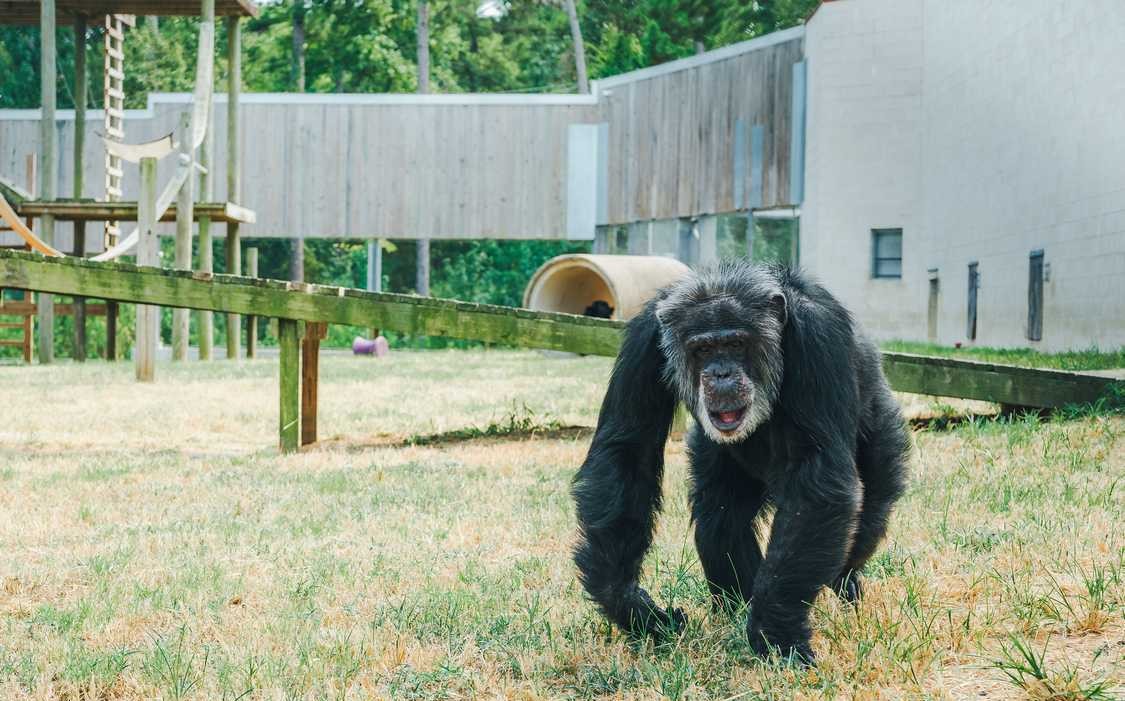
👀
Cataract surgery restores sight for 54-year-old chimpanzee in groundbreaking procedure
Staaroperatie geeft 54-jarige chimpansee zijn gezicht terug in baanbrekende ingreep
Une opération de la cataracte redonne la vue à un chimpanzé de 54 ans dans une intervention révolutionnaire
Pierre, a 54-year-old chimpanzee at Chimp Haven sanctuary, has regained his sight after becoming completely blind from cataracts - and here's the thing, this was the first cataract surgery ever performed at the facility. The team spent months preparing him through positive reinforcement training, teaching him to voluntarily present his eyes for care, which made the whole process possible without compromising his comfort. Within hours of the surgery performed by Dr. Kenneth Pierce, Pierre was responding visually to his longtime caregiver, and within days he was reuniting with his closest chimpanzee companion Jill. So what makes this really special is that Pierre got to return to his social group earlier than expected, showing how individualized care and preparation can transform an aging chimp's quality of life.
Pierre, een 54-jarige chimpansee in het Chimp Haven-heiligdom, heeft zijn gezicht teruggekreggen nadat hij volledig blind werd door staar - en hier zit het interessante: dit was de eerste staaroperatie ooit uitgevoerd in het centrum. Het team besteedde maanden aan voorbereiding door middel van positieve versterkingstraining, waardoor Pierre leerde zijn ogen vrijwillig voor verzorging aan te bieden, wat het hele proces mogelijk maakte zonder zijn comfort in gevaar te brengen. Binnen uren na de operatie, uitgevoerd door Dr. Kenneth Pierce, reageerde Pierre visueel op zijn langjarige verzorger, en binnen enkele dagen herenigd hij zich met zijn naaste chimpansee-metgezel Jill. Wat dit echt bijzonder maakt, is dat Pierre eerder dan verwacht naar zijn sociale groep kon terugkeren, wat aantoont hoe individuele zorg en voorbereiding de levenskwaliteit van een verouderende chimpansee kunnen transformeren.
Pierre, un chimpanzé de 54 ans du sanctuaire Chimp Haven, a retrouvé la vue après être devenu complètement aveugle à cause de la cataracte - et voilà l'intéressant : c'était la première opération de la cataracte jamais réalisée dans le centre. L'équipe a passé des mois à le préparer par un entraînement de renforcement positif, apprenant à Pierre à présenter volontairement ses yeux pour les soins, ce qui a rendu l'ensemble du processus possible sans compromettre son bien-être. Quelques heures après l'intervention réalisée par le Dr Kenneth Pierce, Pierre réagissait visuellement à son soigneur de longue date, et quelques jours plus tard, il se réunissait avec son plus proche compagnon chimpanzé Jill. Ce qui rend cela vraiment remarquable, c'est que Pierre a pu retourner à son groupe social plus tôt que prévu, montrant comment les soins individualisés et la préparation peuvent transformer la qualité de vie d'un chimpanzé vieillissant.
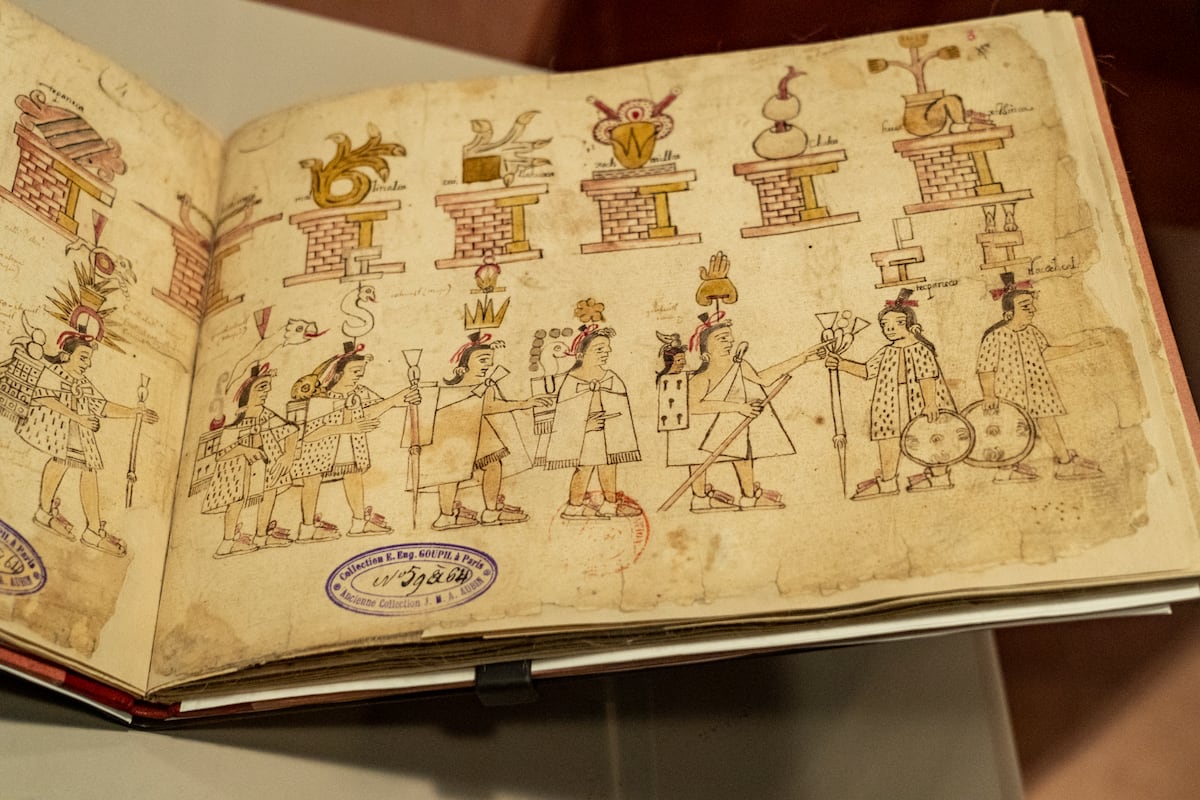
📜
The Azcatitlan Codex returns to Mexico from Europe after nearly two centuries
De Azcatitlan Codex keert na bijna twee eeuwen uit Europa naar Mexico terug
Le Codex Azcatitlan revient au Mexique en provenance d'Europe après près de deux siècles
So here's this remarkable moment - the Azcatitlan Codex, a 50-folio treasure documenting Aztec history, has finally come home to Mexico after nearly 180 years away in France. The manuscript left Mexico back in 1840 and now it's on loan at the National Museum of Anthropology in Mexico City for three months, thanks to an agreement between French president Macron and Mexican president Sheinbaum celebrating 200 years of diplomatic ties. This late 17th-century document tells the story of pre-Hispanic peoples' journey from Aztlán to founding Tenochtitlan, right up through the Spanish conquest - and I find it fascinating that it was drawn on European paper in color, mixing Indigenous knowledge with European techniques. What really gets me is how this codex has travelled through history, passing through scholars' hands, Jesuit libraries, and eventually to a French collector before ending up in the Bibliothèque Nationale de France - and now, finally, Mexicans can see their own heritage up close again.
Dit is echt een bijzonder moment - de Azcatitlan Codex, een schatkist van 50 folios met de geschiedenis van het Azteekse rijk, is na bijna 180 jaar eindelijk teruggekeerd naar Mexico vanuit Frankrijk. Het manuscript vertrok in 1840 uit Mexico en is nu in bruikleen bij het Nationaal Museum voor Antropologie in Mexico-Stad voor drie maanden, dankzij een akkoord tussen de Franse president Macron en de Mexicaanse president Sheinbaum ter viering van 200 jaar diplomatieke betrekkingen. Dit document uit de late 17e eeuw vertelt het verhaal van de tocht van pre-Hispanische volken vanuit Aztlán naar het stichten van Tenochtitlan, tot en met de Spaanse verovering - en ik vind het fascinerend hoe het op Europees papier in kleur is getekend met een mix van inheemse en Europese technieken. Wat me echt raakt is hoe deze codex door de geschiedenis heeft gereisd, via handen van geleerden, Jezuïetenbibliotheken en uiteindelijk een Franse verzamelaar naar de Bibliothèque Nationale de France - en nu kunnen Mexicanen eindelijk hun eigen erfgoed van dichtbij zien.
Voilà un moment vraiment remarquable - le Codex Azcatitlan, un trésor de 50 feuillets documentant l'histoire aztèque, est enfin revenu au Mexique après près de 180 ans en France. Le manuscrit a quitté le Mexique en 1840 et se trouve maintenant en prêt au Musée national d'anthropologie de Mexico pendant trois mois, grâce à un accord entre le président français Macron et la présidente mexicaine Sheinbaum célébrant 200 ans de relations diplomatiques. Ce document du 17e siècle tardif raconte l'histoire du voyage des peuples préhispaniques d'Aztlán jusqu'à la fondation de Tenochtitlan, jusqu'à la conquête espagnole - et je trouve fascinant qu'il soit dessiné sur du papier européen en couleur, mêlant les techniques indigènes et européennes. Ce qui me touche vraiment, c'est le voyage de ce codex à travers l'histoire, passant par les mains de savants, les bibliothèques jésuites et finalement un collectionneur français avant d'arriver à la Bibliothèque Nationale de France - et maintenant, enfin, les Mexicains peuvent voir leur propre patrimoine de près.

🤖
Japan tests mobile robotic rubbish bins at Shinjuku Station
Japan test mobiele robotische afvalbakken op station Shinjuku
Le Japon teste des poubelles robotiques mobiles à la gare de Shinjuku
So here's what's happening - three automated robotic bins are being trialled at Tokyo's Shinjuku Station, one of the world's busiest rail hubs where over 2.7 million passengers pass through daily. These clever little machines stand just over a metre tall and move at a careful 20 centimetres per second, navigating pre-programmed routes between ticket gates to collect general waste and plastic bottles. The trial runs until November on weekdays, and the robots are designed to help human workers rather than replace them - East Japan Railway is carefully studying how commuters interact with them and whether they can safely navigate the crowded underground spaces. What's charming is that tourists have been drawn to the machines' personality - they've got large googly eyes and livery featuring the station's mascot, Shinjukuma, which gives them real character.
Dus wat hier gebeurt - drie geautomatiseerde robotische afvalbakken worden getest op Tokyos drukste station Shinjuku, waar dagelijks meer dan 2,7 miljoen passagiers passeren. Deze slimme apparaten zijn net over de meter hoog en bewegen voorzichtig op twintig centimeter per seconde, rijdend langs vooraf ingestelde routes tussen kaartautomaten om algemeen afval en plastic flessen in te zamelen. De proef loopt tot november op weekdagen, en de robots zijn ontworpen om menselijke werknemers te helpen in plaats van hen te vervangen - East Japan Railway bestudeert zorgvuldig hoe reizigers ermee omgaan en of ze veilig door de drukke ondergrondse ruimtes kunnen navigeren. Wat echt charmant is, dat toeristen aangetrokken worden tot de persoonlijkheid van de machines - ze hebben grote ogen en een design met het stationsmascottes Shinjukuma.
Voilà ce qui se passe - trois poubelles robotiques automatisées sont testées à la gare de Shinjuku à Tokyo, l'une des gares les plus fréquentées du monde avec plus de 2,7 millions de passagers qui la traversent quotidiennement. Ces petites machines intelligentes mesurent un peu plus d'un mètre de haut et se déplacent prudemment à vingt centimètres par seconde, suivant des trajets préprogrammés entre les portiques de contrôle pour collecter les déchets généraux et les bouteilles en plastique. L'essai se poursuit jusqu'en novembre en semaine, et les robots sont conçus pour aider les travailleurs humains plutôt que de les remplacer - East Japan Railway étudie attentivement comment les passagers interagissent avec eux et s'ils peuvent naviguer en toute sécurité dans les espaces souterrains bondés. Ce qui est vraiment charmant, c'est que les touristes sont attirés par la personnalité des machines - elles ont de grands yeux expressifs et une décoration à l'effigie de la mascotte de la gare, Shinjukuma.
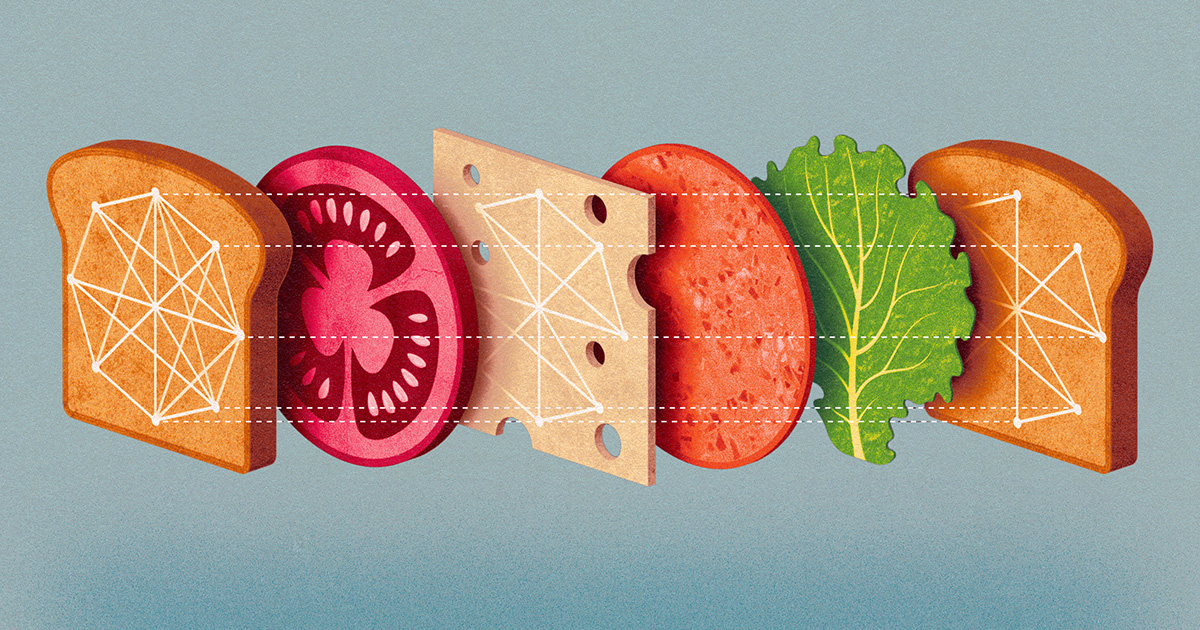
🥪
Mathematicians finally solve the long-awaited graph sandwich puzzle
Wiskundigen lossen eindelijk het lang verwachte grafiek-sandwich raadsel op
Les mathématiciens résolvent enfin l'énigme du sandwich graphique attendue depuis longtemps
So here's the thing - back in 2004, two mathematicians came up with this beautiful idea: what if you could sandwich a complicated graph between two simpler ones to understand its properties? The trick is that graphs are everywhere - they model everything from social networks to the internet to our brains - but some types are really hard to analyze. For over two decades, researchers made progress on proving this "sandwich conjecture" but couldn't quite seal the deal, until three mathematicians in 2025 finally pushed the field's techniques far enough to complete the proof. What makes this so elegant is that proving properties about the simpler graph automatically proves them for the harder one too.
Dus hier zit het spannende van in - in 2004 bedachten twee wiskundigen dit prachtige idee: wat als je een ingewikkelde graaf tussen twee eenvoudigere grafen kon sandwichen om de eigenschappen ervan te begrijpen? Het tricky gedeelte is dat grafen overal voorkomen - ze modelleren alles van sociale netwerken tot het internet tot onze hersenen - maar sommige soorten zijn echt moeilijk te analyseren. Meer dan twee decennia lang maakten onderzoekers vooruitgang bij het bewijzen van dit "sandwich-vermoeden", maar ze konden het niet helemaal afmaken tot drie wiskundigen in 2025 eindelijk de technieken van het vakgebied ver genoeg hebben gepusht om het bewijs te voltooien. Wat dit zo elegant maakt is dat het bewijzen van eigenschappen over de eenvoudere graaf automatisch ook voor de moeilijkere geldt.
Voilà la chose fascinante - en 2004, deux mathématiciens ont eu cette belle idée : et si vous pouviez coincer un graphe compliqué entre deux plus simples pour comprendre ses propriétés ? Le truc c'est que les graphes sont partout - ils modélisent tout, des réseaux sociaux à Internet en passant par nos cerveaux - mais certains types sont vraiment difficiles à analyser. Pendant plus de deux décennies, les chercheurs ont progressé sur la preuve de cette « conjecture du sandwich » mais ne pouvaient pas vraiment la finaliser, jusqu'à ce que trois mathématiciens en 2025 poussent enfin les techniques du domaine assez loin pour compléter la preuve. Ce qui rend cela si élégant c'est que prouver des propriétés sur le graphe plus simple prouve automatiquement aussi qu'elles valent pour le plus complexe.

🐚
That seashell you picked up? Scientists say it's part of something much bigger
Die schelp die je oppakte? Wetenschappers zeggen dat het deel uitmaakt van iets veel groters
Ce coquillage que tu as ramassé? Les scientifiques disent qu'il fait partie de quelque chose de beaucoup plus grand
So here's the thing - we tend to think of seashells as harmless beach souvenirs, but scientists studying coastlines in India and beyond have discovered they actually play a meaningful role in coastal ecosystems. Research from Portugal showed that where tourism increased by 2.74 times, shell abundance dropped by 2.62 times, suggesting that large-scale shell removal can genuinely affect beach sediment dynamics and erosion patterns. And it gets more interesting - India's 110+ species of hermit crabs depend on these shells for survival since they don't have hard abdomens of their own. While taking one shell won't cause measurable damage, the cumulative effect of thousands of visitors removing shells from beaches really does matter to the health of these delicate ecosystems.
Nu, hier is het ding - we denken meestal dat schelpen onschuldige strandsovenirs zijn, maar wetenschappers die kusten in India en daarbuiten bestuderen hebben ontdekt dat ze eigenlijk een betekenisvolle rol spelen in kusteosystemen. Onderzoek uit Portugal toonde aan dat waar toerisme met 2,74 keer toenam, nam de schelpenabundantie met 2,62 keer af, wat suggereert dat grootschalige schelpenverwijdering werkelijk de strandsedimentdynamica en erosiepatronen kan beïnvloeden. En het wordt interessanter - Indias 110+ soorten kluizenaarkrabben zijn afhankelijk van deze schelpen voor hun overleven omdat ze geen harde buiken hebben. Hoewel het nemen van één schelp geen meetbare schade zal veroorzaken, heeft het cumulatieve effect van duizenden bezoekers die schelpen van stranden verwijderen echt invloed op de gezondheid van deze kwetsbare ecosystemen.
Voilà la chose - nous avons tendance à penser que les coquillages sont des souvenirs inoffensifs de plage, mais les scientifiques qui étudient les côtes en Inde et ailleurs ont découvert qu'ils jouent en réalité un rôle significatif dans les écosystèmes côtiers. Des recherches du Portugal ont montré que là où le tourisme a augmenté de 2,74 fois, l'abondance des coquilles a diminué de 2,62 fois, ce qui suggère que l'enlèvement à grande échelle de coquilles peut vraiment affecter la dynamique des sédiments de plage et les modèles d'érosion. Et c'est devenu plus intéressant - les 110+ espèces de bernard-l'hermite de l'Inde dépendent de ces coquilles pour survivre puisqu'elles n'ont pas d'abdomen dur. Bien que prendre un seul coquillage ne causera pas de dommage mesurable, l'effet cumulatif de milliers de visiteurs enlevant des coquilles des plages affecte vraiment la santé de ces écosystèmes délicats.

☀️
A farmer's son turned solar entrepreneur is helping 50,000 farmers earn from the sun
Een zoonboer die zonnepanelen-ondernemer werd helpt 50.000 boeren verdienen met de zon
Un fils de fermier devenu entrepreneur solaire aide 50 000 agriculteurs à gagner de l'argent avec le soleil
Bhavesh Patidar grew up watching his father struggle to earn a stable income from farming, a memory that stayed with him through his IIT education and tech career. When he discovered India's PM-KUSUM scheme, he tested the idea of converting underused farmland into solar power plants on his own family's land - and the income proved far more predictable than traditional farming. His success inspired neighbours to ask how they could do the same, which sparked the founding of Solarsure in November 2024. Now, just months in, his company has already reached over 50,000 farmers across six Indian states, commissioned 300 MW of solar capacity, and helped farmers increase their income by more than 30 percent.
Bhavesh Patidar groeide op terwijl hij zag hoe zijn vader moeite had om een stabiel inkomen uit het boerenbedrijf te verdienen - een herinnering die hem bijbleef tijdens zijn IIT-opleiding en technologiecarrière. Toen hij Indiaën's PM-KUSUM-regeling ontdekte, testte hij het idee om ongebruikt landbouwgrond om te zetten in zonnepanelen-centrales op het land van zijn eigen familie - en het inkomen bleek veel voorspelbaarder dan traditioneel boerenbedrijf. Zijn succes inspireerde buren om te vragen hoe zij hetzelfde konden doen, wat leidde tot de oprichting van Solarsure in november 2024. Nu, slechts enkele maanden later, heeft zijn bedrijf al meer dan 50.000 boeren bereikt in zes Indiase staten, 300 MW aan zonnecapaciteit in bedrijf genomen en boeren geholpen hun inkomen met meer dan 30 procent te verhogen.
Bhavesh Patidar a grandi en voyant son père lutter pour obtenir un revenu stable de l'agriculture - un souvenir qui l'a suivi pendant ses études au IIT et sa carrière technologique. Quand il a découvert le programme PM-KUSUM de l'Inde, il a testé l'idée de convertir les terres agricoles inutilisées en centrales solaires sur les terres de sa propre famille - et le revenu s'est avéré beaucoup plus prévisible que l'agriculture traditionnelle. Son succès a inspiré les voisins à demander comment ils pouvaient faire la même chose, ce qui a déclenché la fondation de Solarsure en novembre 2024. Maintenant, seulement quelques mois plus tard, son entreprise a déjà atteint plus de 50 000 agriculteurs dans six États indiens, mis en service 300 MW de capacité solaire et aidé les agriculteurs à augmenter leurs revenus de plus de 30 pour cent.

🌱
In remote Alaska, one brewery is growing fresh lettuce in the sky
In afgelegen Alaska groeit één brouwerij vers sla in de lucht
En Alaska reculée, une brasserie fait pousser de la laitue fraîche dans le ciel
So here's the thing - while the vertical farming industry is struggling with failed investments, a small brewery in Skagway, Alaska has found a genuinely clever solution to a real local problem. The Skagway Brewing Company built an aeroponic farm on its top floor that produces 250 pounds of lettuce weekly, solving the town's biggest challenge: getting fresh greens when winter weather cuts off supply barges from the mainland. The closed-loop system uses mist and CO2 from the brewing process to grow vegetables without soil or pesticides, and any surplus gets donated to the school and community. It's a beautiful example of how the right technology, in the right place, solving the right problem, can actually work - and maybe even inspire other isolated communities facing similar food insecurity.
Dus hier is het ding - terwijl de verticale landbouwindustrie worstelt met mislukte investeringen, heeft een kleine brouwerij in Skagway, Alaska een werkelijk handige oplossing gevonden voor een echt lokaal probleem. De Skagway Brewing Company bouwde een aeroponische boerderij op zijn bovenverdieping die wekelijks 250 pond sla produceert, wat het grootste probleem van de stad oplost: verse groenten krijgen wanneer winterweer voorraadboten vanaf het vasteland afsnijdt. Het gesloten systeem gebruikt mist en CO2 uit het brouwproces om groenten te telen zonder grond of pesticiden, en elk overschot wordt gedoneerd aan school en gemeenschap. Het is een mooi voorbeeld van hoe de juiste technologie, op de juiste plaats, voor het juiste probleem, werkelijk kan werken - en misschien zelfs andere geïsoleerde gemeenschappen inspireren die gelijke voedselveiligheid problemen hebben.
Voilà le truc - tandis que l'industrie de l'agriculture verticale lutte contre des investissements échoués, une petite brasserie à Skagway, en Alaska, a trouvé une solution vraiment ingénieuse à un vrai problème local. La Skagway Brewing Company a construit une ferme aéroponique à son dernier étage qui produit 250 livres de laitue chaque semaine, résolvant le plus grand défi de la ville : obtenir des légumes frais lorsque les tempêtes hivernales coupent les barges d'approvisionnement du continent. Le système en boucle fermée utilise du brouillard et du CO2 du processus de brassage pour cultiver des légumes sans sol ni pesticides, et tout surplus est donné à l'école et à la communauté. C'est un bel exemple de comment la bonne technologie, au bon endroit, résolvant le bon problème, peut vraiment fonctionner - et peut-être même inspirer d'autres communautés isolées confrontées à des défis similaires de sécurité alimentaire.

🌸
Sacred flowers find new life as incense and biomaterials
Heilige bloemen krijgen nieuw leven als wierook en biomaterialen
Les fleurs sacrées trouvent une nouvelle vie sous forme d'encens et de biomatériaux
So here's what I find really beautiful - across India, entrepreneurs are looking at temple flowers not as waste, but as a genuine resource. Startups like Phool, HolyWaste, Aaruhi Enterprise and Yuvan are collecting discarded flowers from temples and transforming them into incense, soaps, compost and innovative biomaterials like Fleather, a leather alternative. What makes this even better is that these ventures aren't just solving an environmental problem - they're creating livelihoods, especially for women involved in sorting and processing. And which brings me to the real insight here: when you treat something sacred with respect, you unlock possibilities that benefit both the planet and the people working to protect it.
Dit vind ik echt mooi - overal in India kijken ondernemers naar tempelbloemen niet als afval, maar als een echt middel. Startups als Phool, HolyWaste, Aaruhi Enterprise en Yuvan verzamelen weggegoide bloemen uit tempels en transformeren deze in wierook, zeep, compost en innovatieve biomaterialen zoals Fleather, een leatheralternatief. Wat dit nog beter maakt is dat deze ondernemingen niet alleen een milieuprobleem oplossen - ze creëren ook werkgelegenheid, vooral voor vrouwen die betrokken zijn bij het sorteren en verwerken van bloemen. En hier komt het echte inzicht: wanneer je iets heiligs met respect behandelt, ontsluit je mogelijkheden die zowel de planeet als de mensen die deze beschermen, voordeel bieden.
Voilà ce que je trouve vraiment beau - partout en Inde, des entrepreneurs considèrent les fleurs de temple non pas comme des déchets, mais comme une véritable ressource. Des startups comme Phool, HolyWaste, Aaruhi Enterprise et Yuvan collectent les fleurs abandonnées dans les temples et les transforment en encens, savons, compost et biomatériaux innovants comme Fleather, une alternative au cuir. Ce qui rend cela encore meilleur, c'est que ces entreprises ne résolvent pas seulement un problème environnemental - elles créent également des moyens de subsistance, notamment pour les femmes impliquées dans le tri et la transformation des fleurs. Et voilà l'insight réel : quand vous traitez quelque chose de sacré avec respect, vous débloquez des possibilités qui bénéficient à la fois à la planète et aux gens qui travaillent pour la protéger.

⚠️
Flash floods strike fast - new satellite technology could give us precious warning time
Plotselinge overstromingen slaan snel toe - nieuwe satellittechnologie kan ons kostbare waarschuwingstijd geven
Les crues soudaines frappent vite - une nouvelle technologie par satellite pourrait nous donner un précieux délai d'alerte
So here's the thing - flash floods are terrifyingly fast and often catch people completely off guard, as Laura Lin discovered when her Indiana home flooded in just hours. Now, scientists and weather forecasters are developing TACLS, a clever software system that combines satellite data with machine learning to spot flooding risks earlier than ever before. What makes this exciting is that those extra minutes or hours of warning could literally be the difference between life and death - as one weather official puts it, with TACLS you can actually save lives instead of issuing alerts too late. The technology works alongside existing tools like rain gauges and weather radars, but it's smart enough to learn patterns and predict dangerous conditions faster than humans alone can manage.
Dus hier zit het probleem - plotselinge overstromingen zijn angstaanjagend snel en verrassen mensen voortdurend, zoals Laura Lin ondervond toen haar huis in Indiana in een paar uur onderliep. Nu ontwikkelen wetenschappers en weersvoorspellers TACLS, een slim softwaresysteem dat satellietgegevens combineert met machine learning om overstromingsrisico's eerder dan ooit op te sporen. Wat dit spannend maakt is dat die extra minuten of uren waarschuwing letterlijk het verschil tussen leven en dood kunnen zijn - zoals een weersamtenaar zegt: met TACLS kun je daadwerkelijk levens redden in plaats van veel te laat waarschuwingen uit te geven. De technologie werkt naast bestaande instrumenten zoals regenmeters en weersradars, maar het is slim genoeg om patronen te leren herkennen en gevaarlijke omstandigheden sneller te voorspellen dan mensen alleen kunnen doen.
Voilà le problème - les crues soudaines sont terriblement rapides et surprennent continuellement les gens, comme l'a découvert Laura Lin quand sa maison en Indiana a été inondée en quelques heures. Maintenant, les scientifiques et les prévisionnistes météorologiques développent TACLS, un système logiciel intelligent qui combine les données satellites avec l'apprentissage automatique pour détecter les risques d'inondation plus tôt que jamais. Ce qui rend cela passionnant, c'est que ces quelques minutes ou heures d'avertissement supplémentaires pourraient littéralement faire la différence entre la vie et la mort - comme le dit un responsable météorologique : avec TACLS, vous pouvez réellement sauver des vies au lieu d'émettre des alertes beaucoup trop tard. La technologie fonctionne aux côtés des outils existants comme les pluviomètres et les radars météorologiques, mais elle est suffisamment intelligente pour apprendre à reconnaître les modèles et prévoir les conditions dangereuses plus rapidement que les humains seuls ne peuvent le faire.
🧬
First RNA therapy patient with rare motor neuron disease shows improvement
Eerste patiënt met zeldzame motorische aandoening toont verbetering na RNA-therapie
Le premier patient atteint d'une rare maladie motrice montre une amélioration après une thérapie à base d'ARN
So, here's something really exciting - a man with a rare form of motor neuron disease (ALS) caused by a CHCHD10 gene mutation became the first person to receive a targeted RNA therapy and showed measurable improvements a year later. Unlike traditional gene therapy, this antisense oligonucleotide treatment works by targeting the RNA produced by the faulty gene to reduce harmful protein buildup, and crucially, he experienced no serious side effects while continuing his work as a physician. The patient's biomarkers improved significantly - his neurofilament light chain proteins returned to normal levels, which suggests the treatment is actually preserving his neurons. And here's the thing: researchers developed this drug in just three years rather than the typical decade, opening doors for similar treatments targeting both rare and common genetic mutations that cause ALS.
Hier is iets echt opwindends - een man met een zeldzame vorm van motorische neuronziekte (ALS) veroorzaakt door een CHCHD10-genmutatie werd de eerste persoon die een gerichte RNA-therapie kreeg en liet na een jaar meetbare verbeteringen zien. Anders dan traditionele gentherapie werkt deze antisense oligonucleotide-behandeling door zich op het RNA van het foutieve gen te richten om schadelijke eiwitophoping te verminderen, en van belang is dat hij geen ernstige bijwerkingen ervoer terwijl hij doorgaat als arts. De biomarkers van de patiënt verbeterden aanzienlijk - zijn neurofilament light chain-eiwitten keerden terug naar normale waarden, wat suggereert dat de behandeling zijn neuronen daadwerkelijk bewaart. En hier is het punt: onderzoekers ontwikkelden dit medicijn in slechts drie jaar in plaats van het typische decennium, wat deuren opent voor soortgelijke behandelingen gericht op zowel zeldzame als veel voorkomende genetische mutaties die ALS veroorzaken.
Voilà quelque chose de vraiment passionnant - un homme atteint d'une forme rare de maladie motrice (SLA) causée par une mutation du gène CHCHD10 est devenu la première personne à recevoir une thérapie à base d'ARN ciblée et a montré des améliorations mesurables un an plus tard. Contrairement à la thérapie génique traditionnelle, ce traitement par oligonucléotide antisens fonctionne en ciblant l'ARN produit par le gène défectueux pour réduire l'accumulation de protéines nuisibles, et de façon cruciale, il n'a connu aucun effet secondaire grave tout en continuant à exercer son métier de médecin. Les biomarqueurs du patient se sont considérablement améliorés - ses protéines légères de chaîne de neurofilament sont revenues à des niveaux normaux, ce qui suggère que le traitement préserve réellement ses neurones. Et voici le point : les chercheurs ont développé ce médicament en seulement trois ans au lieu de la décennie typique, ouvrant des portes pour des traitements similaires ciblant à la fois les mutations génétiques rares et courantes qui causent la SLA.
🌱
Voorkempen grows more biodiverse thanks to #ByeByeGazon: every square meter counts
Voorkempen wordt steeds biodiverder dankzij #ByeByeGazon: elke vierkante meter telt
La Voorkempen devient de plus en plus biodiversifiée grâce à #ByeByeGazon : chaque mètre carré compte
The Voorkempen region is experiencing a real biodiversity boost thanks to the #ByeByeGazon initiative, which encourages people to replace their traditional lawns with more natural, wildlife-friendly spaces. I find it wonderful how this grassroots movement shows that even small individual actions - transforming just a few square meters of garden - can add up to create meaningful environmental change. What makes this approach so clever is that it's not preachy or complicated; people are simply choosing to let their gardens become havens for insects, plants, and other creatures. The cumulative effect across the entire region is genuinely impressive, proving that biodiversity doesn't need grand gestures - it just needs every single square meter to do its part.
De regio Voorkempen ondervindt een echte biodiversiteitsboost dankzij het #ByeByeGazon-initiatief, dat mensen aanmoedigt om hun traditionele gazons te vervangen door meer natuurlijke, voor dieren vriendelijke ruimtes. Ik vind het prachtig hoe deze grassroots-beweging laat zien dat zelfs kleine individuele acties - het transformeren van slechts enkele vierkante meters tuin - kunnen optellen tot zinvolle milieuverandering. Wat dit initiatief zo slim maakt, is dat het niet moralistisch of ingewikkeld is; mensen kiezen er gewoon voor om hun tuinen haven voor insecten, planten en ander dieren te laten worden. Het cumulatieve effect over de hele regio is werkelijk indrukwekkend, wat bewijst dat biodiversiteit geen grootse gebaren nodig heeft - het heeft alleen nodig dat elke vierkante meter zijn steentje bijdraagt.
La région de la Voorkempen connaît une véritable augmentation de la biodiversité grâce à l'initiative #ByeByeGazon, qui encourage les gens à remplacer leurs pelouses traditionnelles par des espaces plus naturels et accueillants pour la faune. Je trouve magnifique la façon dont ce mouvement montrant que même de petites actions individuelles - transformer quelques mètres carrés de jardin - peuvent s'accumuler pour créer un changement environnemental significatif. Ce qui rend cette approche si intelligente, c'est qu'elle n'est pas moralisatrice ou compliquée ; les gens choisissent simplement de laisser leurs jardins devenir des havres pour les insectes, les plantes et autres créatures. L'effet cumulatif sur toute la région est vraiment impressionnant, prouvant que la biodiversité ne nécessite pas de grands gestes - elle a seulement besoin que chaque mètre carré fasse sa part.
♻️
Someone had to be first: EU's first large-scale CO2 storage opens in Denmark
Iemand moest de eerste zijn: EU's eerste grootschalige CO2-opslag opent in Denemarken
Quelqu'un devait être le premier: le premier stockage de CO2 à grande échelle de l'UE s'ouvre au Danemark
Denmark is launching Europe's first large-scale CO2 storage facility in Esbjerg, where a specially designed ship will transport 400,000 tons of CO2 annually to an old oil field in the North Sea for underground storage. The project represents a crucial step in helping European industries reduce emissions while staying competitive, with Denmark investing 16 billion kroner to support this carbon capture and storage technology. Rather than closing factories, this approach allows companies to keep producing while permanently locking away greenhouse gases that would otherwise reach the atmosphere. The British oil company Ineos is leading the initiative, initially capturing CO2 from Danish biogas plants and eventually expanding to capture emissions directly from factory smokestacks once facilities are installed.
Denemarken opent Europas eerste grootschalige CO2-opslagfaciliteit in Esbjerg, waar een speciaal ontworpen schip jaarlijks 400.000 ton CO2 naar een oud olievel in de Noordzee vervoert voor ondergrondse opslag. Het project vertegenwoordigt een cruciale stap om Europese industrieën te helpen emissies te verminderen terwijl ze competitief blijven, met Denemarken dat 16 miljard kronen investeert ter ondersteuning van deze koolstofafvangs- en opslagtechnologie. In plaats van fabrieken te sluiten, stelt deze aanpak bedrijven in staat door te gaan met produceren terwijl broeikasgas permanent wordt opgeslagen dat anders in de atmosfeer zou belanden. Het Britse oliebedrijf Ineos leidt het initiatief, vangt aanvankelijk CO2 van Deense biogasinstallaties en breidt later uit om emissies rechtstreeks van fabrieksschoorstenen af te vangen.
Le Danemark inaugure la première installation de stockage de CO2 à grande échelle d'Europe à Esbjerg, où un navire spécialement conçu transportera 400.000 tonnes de CO2 par an vers un ancien champ pétrolier en mer du Nord pour un stockage souterrain. Le projet représente une étape cruciale pour aider les industries européennes à réduire les émissions tout en restant compétitives, le Danemark investissant 16 milliards de couronnes pour soutenir cette technologie de capture et stockage du carbone. Plutôt que de fermer des usines, cette approche permet aux entreprises de continuer à produire tout en enfermant définitivement les gaz à effet de serre qui autrement atteindraient l'atmosphère. La compagnie pétrolière britannique Ineos dirige l'initiative, captant d'abord le CO2 des installations de biogaz danoises et s'étendant ensuite pour capturer les émissions directement des cheminées d'usine une fois les installations installées.
🧊
Why Arctic sea ice moves in mysterious ways - scientists found the answer
Waarom arctisch zeëis op mysterieuze manieren beweegt - wetenschappers vonden het antwoord
Pourquoi la glace de mer arctique se déplace de manière mystérieuse - les scientifiques ont trouvé la réponse
So here's the thing - Arctic sea ice doesn't always behave the way wind alone would suggest it should, and researchers from UC Riverside just figured out why. Individual pieces of ice, called floes, are constantly bumping into each other, and these collisions explain patterns that have puzzled scientists for years. The team created a computer model treating the ice floes like grains in a silo, and it successfully matched real observations from the Fram Strait between Greenland and Svalbard. This discovery could eventually help climate scientists improve their forecasts of how sea ice moves as the Arctic continues to warm.
Dus hier is het ding - arctisch zeëis gedraagt zich niet altijd zoals alleen wind zou suggereren, en onderzoekers van UC Riverside hebben net ontdekt waarom. Individuele ijsstukken, floes genoemd, botsen voortdurend tegen elkaar aan, en deze botsingen verklaren patronen die wetenschappers jarenlang hebben verward. Het team creëerde een computermodel dat de ijsfloes behandelt als korrels in een silo, en het slaagde erin echte waarnemingen van de Framstraat tussen Groenland en Svalbard na te bootsen. Deze ontdekking zou klimaatwetenschappers uiteindelijk kunnen helpen hun voorspellingen over hoe zeëis beweegt beter te maken naarmate de Arctische regio warmer wordt.
Voilà donc - la glace de mer arctique ne se comporte pas toujours comme le vent seul le suggérerait, et des chercheurs de l'UC Riverside viennent de découvrir pourquoi. Les morceaux individuels de glace, appelés floes, se heurtent constamment les uns aux autres, et ces collisions expliquent des modèles qui ont dérouté les scientifiques pendant des années. L'équipe a créé un modèle informatique traitant les floes de glace comme des grains dans un silo, et il a réussi à reproduire les observations réelles du détroit de Fram entre le Groenland et le Svalbard. Cette découverte pourrait finalement aider les climatologues à améliorer leurs prévisions sur la façon dont la glace de mer se déplace alors que l'Arctique continue de se réchauffer.

💧
This simple method helps Gujarat farmers store excess rain underground for summer months
Deze eenvoudige methode helpt boeren in Gujarat overtollig regenwater onder de grond op te slaan voor de zomermaanden
Cette méthode simple aide les agriculteurs du Gujarat à stocker l'excès de pluie sous terre pour les mois d'été
So, here's the thing - Gujarat farmers face a real paradox: too much water during monsoon season that floods their crops, then months of drought when they desperately need irrigation. Biplab Ketan Paul saw this problem and developed Bhungroo, a clever underground water storage system that captures excess rainwater and stores it in deep aquifer layers. The system works by filtering heavy rain into a cemented pit, then directing it through pipes deep underground where it stays until the dry season arrives. What I find brilliant is that each Bhungroo is custom-designed for that specific farm's soil, rainfall patterns and underground conditions - and local women farmers are actually central to making it work, even managing shared systems within community groups.
Dus hier zit het probleem - boeren in Gujarat hebben een echte paradox: teveel water tijdens het moesonseizoen dat hun gewassen overstroomt, gevolgd door maanden droogte als zij water nodig hebben voor irrigatie. Biplab Ketan Paul zag dit probleem en ontwikkelde Bhungroo, een slim ondergronds waterslagsysteem dat overtollig regenwater opvangt en opslaat in diepe grondwaterzones. Het systeem werkt door hevige regen in een cementput te filteren en die vervolgens door buizen diep onder de grond te leiden, waar het blijft tot het droge seizoen aanbreekt. Wat ik briljant vind, is dat elk Bhungroo speciaal wordt ontworpen voor de specifieke bodem, regenval en ondergrondse omstandigheden van die bepaalde boerderij - en lokale vrouwelijke boeren spelen eigenlijk een centrale rol bij hoe het werkt.
Voilà le problème - les agriculteurs du Gujarat font face à un vrai paradoxe : trop d'eau pendant la mousson qui inonde leurs cultures, puis des mois de sécheresse quand l'eau d'irrigation leur est indispensable. Biplab Ketan Paul a vu ce problème et a développé Bhungroo, un système intelligent de stockage d'eau souterraine qui capture l'excès de pluie et le stocke dans les couches aquifères profondes. Le système fonctionne en filtrant les fortes pluies dans un puisard cimenté, puis en les dirigeant par des tuyaux profondément sous terre, où l'eau reste jusqu'à l'arrivée de la saison sèche. Ce que je trouve brillant, c'est que chaque Bhungroo est conçu sur mesure pour les conditions spécifiques de cette ferme - son sol, ses motifs de pluie et ses conditions souterraines - et les femmes paysannes locales jouent un rôle vraiment central.
💪
Jozef Lazou (84) extends his weightlifting world title: "I'm fitter than someone who gives me their seat on the bus"
Jozef Lazou (84) verlengt zijn wereldtitel gewichtheffen: "Ik ben fitter dan iemand die op de bus zijn plaats aan mij afstaat"
Jozef Lazou (84) prolonge son titre mondial d'haltérophilie: "Je suis en meilleure forme que quelqu'un qui me cède sa place dans le bus"
At 84 years old, Jozef Lazou from Waregem has just extended his world title in weightlifting - an absolutely remarkable achievement. What I find most striking is his attitude about it - he's clearly proud of his fitness level and compares himself favorably to much younger people. So here's the thing: this isn't just about lifting weights, it's about staying active, engaged, and defying the expectations people have about aging. His comment about the bus seat says everything - he's proving that age is just a number when you've got the determination to keep moving.
Op zijn 84ste heeft Jozef Lazou uit Waregem zojuist zijn wereldtitel in gewichtheffen verlengd - een absoluut opmerkelijke prestatie. Wat mij het meest indruk maakt, is zijn houding ertegenover - hij is duidelijk trots op zijn fitnessniveau en vergelijkt zichzelf gunstig met veel jongere mensen. En hier is het interessante: dit gaat niet alleen over gewichten tillen, het gaat erom actief te blijven en de verwachtingen over veroudering te trotseren. Zijn opmerking over de busplaats zegt alles - hij bewijst dat leeftijd slechts een getal is als je de vastberadenheid hebt om in beweging te blijven.
À 84 ans, Jozef Lazou de Waregem vient de prolonger son titre mondial en haltérophilie - un accomplissement absolument remarquable. Ce qui m'impressionne le plus, c'est son attitude à ce sujet - il est clairement fier de son niveau de forme physique et se compare favorablement à des personnes beaucoup plus jeunes. Voilà le truc: il ne s'agit pas seulement de soulever des poids, c'est de rester actif et de défier les attentes liées au vieillissement. Son commentaire sur la place dans le bus dit tout - il prouve que l'âge n'est qu'un chiffre quand on a la détermination de continuer à bouger.

☕
Just smelling coffee can calm your brain - no sip needed
Je hoeft koffie niet eens te drinken - je brein reageert al op de geur
Vous n'avez même pas besoin de boire du café - votre cerveau réagit déjà à son arôme
Japanese researchers from Showa Pharmaceutical University discovered something fascinating - just sitting near freshly brewed coffee for five minutes can noticeably improve your mood, without you even taking a sip. Twenty young adults showed reduced negative emotions, less fatigue, tension and anxiety when exposed to coffee aroma, with measurable changes in their brain activity too. So, the smell triggers something real in how we feel, likely because our sense of smell connects directly to emotional brain areas and pulls up familiar associations - maybe memories of morning breaks or that cozy coffee ritual. The scientists are cautious though, noting that while the effect was real on a group level, the physical changes were subtle, and different people responded in different ways.
Onderzoekers van de Showa Pharmaceutical University in Japan ontdekten iets fascinerends - je hoeft maar vijf minuten naast vers gezette koffie te zitten om je stemming aanzienlijk te verbeteren, zonder zelfs maar een slokje te nemen. Twintig jonge volwassenen lieten verminderde negatieve emoties zien, minder vermoeidheid, spanning en angst wanneer ze werden blootgesteld aan koffiearoma, met meetbare veranderingen in hun hersenactiviteit. De geur triggert dus echt iets in hoe we ons voelen, waarschijnlijk omdat onze reukvermogen direct verbonden is met emotionele hersengebieden en vertrouwde associaties oproept - misschien herinneringen aan ochtendpauzes of dat gezellige koffieritueel. De wetenschappers zijn voorzichtig, omdat hoewel het effect op groepsniveau echt was, de fysieke veranderingen subtiel waren en verschillende mensen op verschillende manieren reageerden.
Des chercheurs de l'université pharmaceutique Showa au Japon ont découvert quelque chose de fascinant - il suffit de rester cinq minutes près d'un café fraîchement préparé pour améliorer notablement votre humeur, sans même en prendre une gorgée. Vingt jeunes adultes ont montré des émotions négatives réduites, moins de fatigue, de tension et d'anxiété lorsqu'ils étaient exposés à l'arôme du café, avec des changements mesurables dans leur activité cérébrale. L'odeur déclenche donc quelque chose de réel dans nos sentiments, probablement parce que notre odorat est directement connecté aux zones émotionnelles du cerveau et active des associations familières - peut-être des souvenirs de pauses matinales ou ce rituel douillet du café. Les scientifiques restent prudents, car bien que l'effet soit réel au niveau du groupe, les changements physiques étaient subtils et différentes personnes ont réagi de différentes façons.
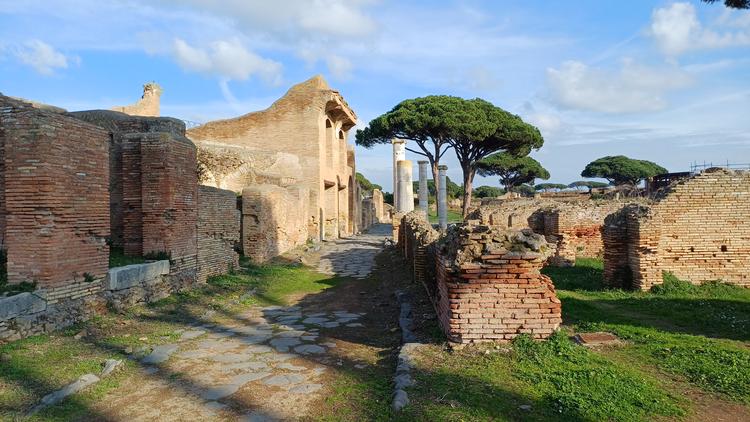
🛣️
Not all roads lead to Rome after all, new study shows
Niet alle wegen leiden naar Rome, toont nieuw onderzoek aan
Toutes les routes ne mènent pas à Rome, révèle une nouvelle étude
So here's the thing - researchers mapping out the Roman Empire's road network have discovered something fascinating that challenges a centuries-old saying. The famous proverb 'all roads lead to Rome' doesn't quite hold up when you zoom out and look at the bigger picture of how that ancient transport network actually functioned. The Roman road system was indeed the world's first major transport network, spanning huge parts of Europe, the Middle East, and North Africa, but it turns out Rome wasn't quite the inevitable hub everyone assumed it to be. This new study reveals that the reality of Roman infrastructure was more complex and less Rome-centric than the old saying suggests.
Onderzoekers die het wegennetwerk van het Romeinse Rijk in kaart brengen hebben iets fascinerends ontdekt dat het eeuwenoude gezegde 'alle wegen leiden naar Rome' ter discussie stelt. De beroemde spreuk klopt niet helemaal wanneer je inzoomt op de grotere afbeelding van hoe dat antieke transportnetwerk werkelijk functioneerde. Het Romeinse wegennetwerk was inderdaad 's werelds eerste grote transportnetwerk, dat grote delen van Europa, het Midden-Oosten en Noord-Afrika omvatte, maar uit dit onderzoek blijkt dat Rome niet helemaal de onvermijdelijke hub was die iedereen aannam. Deze nieuwe studie laat zien dat de werkelijkheid van Romeinse infrastructuur complexer en minder Rome-centrisch was dan het oude gezegde suggereert.
Des chercheurs cartographiant le réseau routier de l'Empire romain ont découvert quelque chose de fascinant qui remet en question le vieux dicton 'tous les chemins mènent à Rome'. Le célèbre proverbe ne tient pas tout à fait quand on examine le contexte plus large du fonctionnement réel de ce réseau de transport antique. Le système routier romain était effectivement le premier grand réseau de transport du monde, s'étendant sur d'énormes parties de l'Europe, du Moyen-Orient et de l'Afrique du Nord, mais il s'avère que Rome n'était pas tout à fait le centre inévitable que tout le monde supposait. Cette nouvelle étude révèle que la réalité de l'infrastructure romaine était plus complexe et moins centrée sur Rome que ne le suggère le vieil adage.
/s3/static.nrc.nl/wp-content/uploads/2026/09/10154859/180926WET_2036351078_leer.jpg)
👢
Roman soldiers walked through Dutch mud in leather shoes with support soles
Romeinse soldaten liepen door Nederlandse modder in leren schoenen met steunzolen
Les soldats romains marchaient dans la boue néerlandaise avec des chaussures en cuir et semelles de soutien
Dutch archaeologists have uncovered one of the largest collections of Roman leather artifacts ever found, preserved for nearly two thousand years in the Netherlands' wet soil. The Rijksmuseum van Oudheden in Leiden has now carefully restored hundreds of fragmented leather pieces - from military sandals and saddles to shield covers and tent components - revealing fascinating details about Roman camp life. What's particularly striking is how standardized Roman military equipment still bore personal touches, like decorative stitching on tent entrances that added character to otherwise uniform gear. By cataloging these finds, researchers discovered that the camp at Vechten had far more civilian shoes than expected, suggesting it functioned not just as a military base but as an important administrative center.
Nederlandse archeologen hebben een van de grootste verzamelingen Romeinse leerartifacten ooit gevonden, bewaard gebleven in de natte Nederlandse bodem van bijna tweeduizend jaar geleden. Het Rijksmuseum van Oudheden in Leiden heeft nu voorzichtig honderden gefragmenteerde leersstukken gerestaureerd - van militaire sandalen en zadels tot schildhoezen en tentonderdelen - die fascinerende details onthullen over het leven in Romeinse legerkampen. Opvallend is hoe gestandaardiseerde Romeinse militaire uitrusting nog steeds persoonlijke toetsen droeg, zoals decoratieve stikwerk op tentingangen dat karakter gaf aan anderszins uniforme uitrusting. Door deze vondsten in kaart te brengen, ontdekten onderzoekers dat het kamp in Vechten veel meer burgerschoenen had dan verwacht, wat suggereert dat het niet alleen een militaire basis was maar ook een belangrijk administratief centrum.
Les archéologues néerlandais ont découvert l'une des plus grandes collections d'artefacts en cuir romain jamais trouvées, préservés pendant près de deux mille ans dans le sol humide des Pays-Bas. Le Rijksmuseum van Oudheden à Leyde a maintenant restauré avec soin des centaines de fragments de cuir - des sandales militaires et des selles aux housses de bouclier et aux composants de tentes - révélant des détails fascinants sur la vie dans les camps romains. Ce qui frappe particulièrement, c'est comment l'équipement militaire romain standardisé portait encore des touches personnelles, comme les piqûres décoratives aux entrées des tentes qui donnaient du caractère à l'équipement autrement uniforme. En cataloguant ces découvertes, les chercheurs ont découvert que le camp de Vechten contenait beaucoup plus de chaussures civiles que prévu, suggérant qu'il fonctionnait non seulement comme une base militaire mais aussi comme un important centre administratif.
💪
A simple 30-second test could predict how long you'll live
Een eenvoudige 30-secondentest zou kunnen voorspellen hoe lang je leeft
Un simple test de 30 secondes pourrait prédire votre longévité
So here's the thing - researchers in Taiwan tracked over 13,000 adults aged 65 and older for seven years, and they found something genuinely hopeful: people who could stand on one leg for 30 seconds had a 61% lower risk of dying in that timeframe. The study involved simple, low-tech fitness tests that measured balance, strength, endurance, and flexibility - nothing fancy required, just functional movement. And what's really encouraging is that many of these people had existing health conditions like high blood pressure, yet still saw dramatic improvements in life expectancy by staying physically active. Dr. Bob Baravarian explains it perfectly: good balance and muscle strength lead to better cardiovascular and cognitive health, which means you can keep walking and living independently for longer.
Dus hier zit het belangrijkste - onderzoekers in Taiwan volgden meer dan 13.000 volwassenen van 65 jaar en ouder gedurende zeven jaar, en ze ontdekten iets werkelijk hoopvol: mensen die een voet 30 seconden konden balanceren, hadden een 61% lager sterftecijfer in die periode. Het onderzoek gebruikte eenvoudige, low-tech fitnesstests die balans, kracht, uithoudingsvermogen en flexibiliteit maten - niets ingewikkelds nodig, gewoon functionele beweging. En wat echt bemoedigend is: veel van deze mensen hadden bestaande aandoeningen zoals hoge bloeddruk, maar zagen toch dramatische verbeteringen in levensverwachting door fysiek actief te blijven. Dr. Bob Baravarian zegt het perfect: goede balans en spierkracht leiden tot beter hart- en hersengesondheid, wat betekent dat je langer onafhankelijk kunt blijven lopen en leven.
Voici la chose essentielle - des chercheurs à Taiwan ont suivi plus de 13 000 adultes âgés de 65 ans et plus pendant sept ans, et ils ont découvert quelque chose véritablement encourageant : les personnes qui pouvaient se tenir sur une jambe pendant 30 secondes avaient un risque de mortalité 61% inférieur. L'étude a utilisé des tests de forme physique simples et peu technologiques mesurant l'équilibre, la force, l'endurance et la flexibilité - rien de compliqué nécessaire, juste du mouvement fonctionnel. Et ce qui est vraiment motivant, c'est que beaucoup de ces personnes avaient des conditions préexistantes comme l'hypertension artérielle, mais ont quand même vu des améliorations spectaculaires de l'espérance de vie en restant physiquement actives. Le Dr Bob Baravarian l'explique parfaitement : un bon équilibre et une bonne force musculaire mènent à une meilleure santé cardiovasculaire et cognitive, ce qui signifie que tu peux rester actif et indépendant plus longtemps.
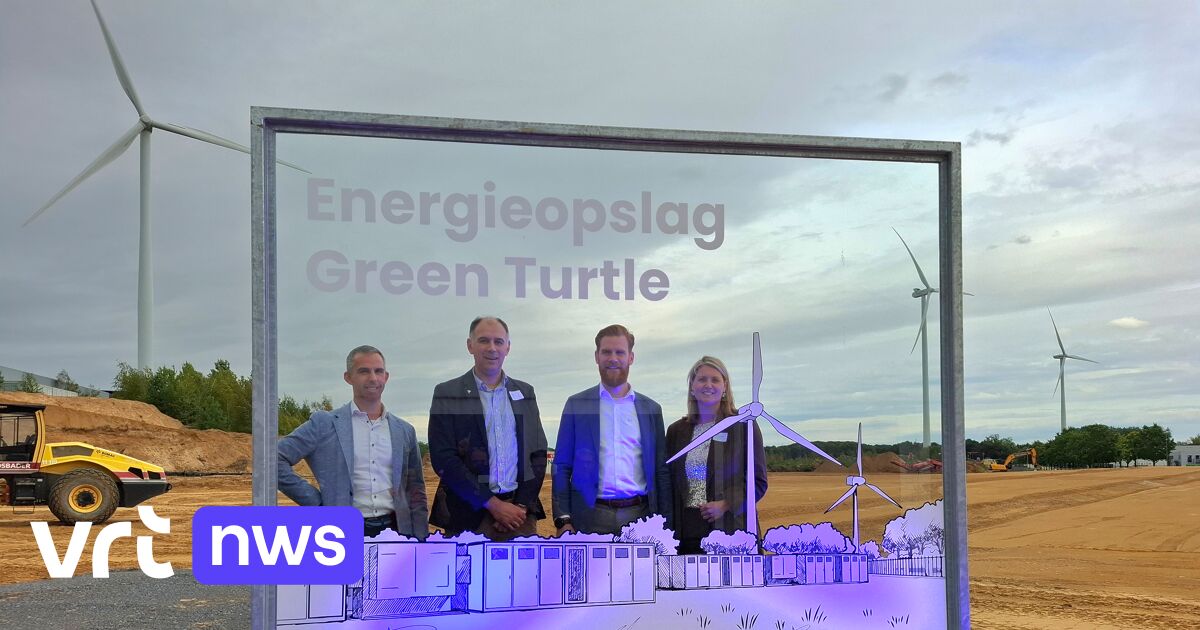
🔋
Belgium's largest battery storage facility begins construction in Dilsen-Stokkem
Belgisch grootste batterijopslagfaciliteit begint met bouw in Dilsen-Stokkem
La plus grande installation de stockage par batterie de Belgique commence sa construction à Dilsen-Stokkem
Construction has started on Green Turtle, a massive battery storage facility in Dilsen-Stokkem that will become Belgium's largest. The project, developed by GIGA Storage in collaboration with Tesla, will feature 640 Tesla Megapack 3 batteries with a capacity to power 385,000 households - roughly equivalent to the entire Limburg province. The 700 million euro investment will store renewable energy during periods of excess production and release it during peak demand, helping to stabilize electricity prices across the grid. The facility is expected to be fully operational by mid-2028, transforming a former industrial site while compensating for its carbon footprint within just six months.
De bouw is begonnen aan Green Turtle, een enorme batterijopslagfaciliteit in Dilsen-Stokkem die het grootste batterijpark van België wordt. Het project, ontwikkeld door GIGA Storage in samenwerking met Tesla, beschikt over 640 Tesla Megapack 3-batterijen met een capaciteit om 385.000 huishoudens van stroom te voorzien - gelijk aan de hele provincie Limburg. De investeringen van 700 miljoen euro zullen hernieuwbare energie opslaan tijdens perioden met overschot en deze vrijgeven tijdens piekuren, wat helpt de elektriciteitsprijzen te stabiliseren. De faciliteit zal midden 2028 operationeel zijn en transformeert een voormalige industriële locatie terwijl de koolstofvoetafdruk binnen zes maanden al gecompenseerd is.
La construction a commencé sur Green Turtle, une immense installation de stockage par batterie à Dilsen-Stokkem qui deviendra le plus grand parc de batteries de Belgique. Le projet, développé par GIGA Storage en collaboration avec Tesla, comprend 640 batteries Tesla Megapack 3 avec une capacité alimentant 385 000 ménages - l'équivalent de toute la province du Limbourg. L'investissement de 700 millions d'euros stockera l'énergie renouvelable pendant les périodes de surproduction et la restituera pendant les pics de demande, aidant à stabiliser les prix de l'électricité. L'installation sera pleinement opérationnelle à la mi-2028, transformant un ancien site industriel tout en compensant son empreinte carbone dans les six mois.
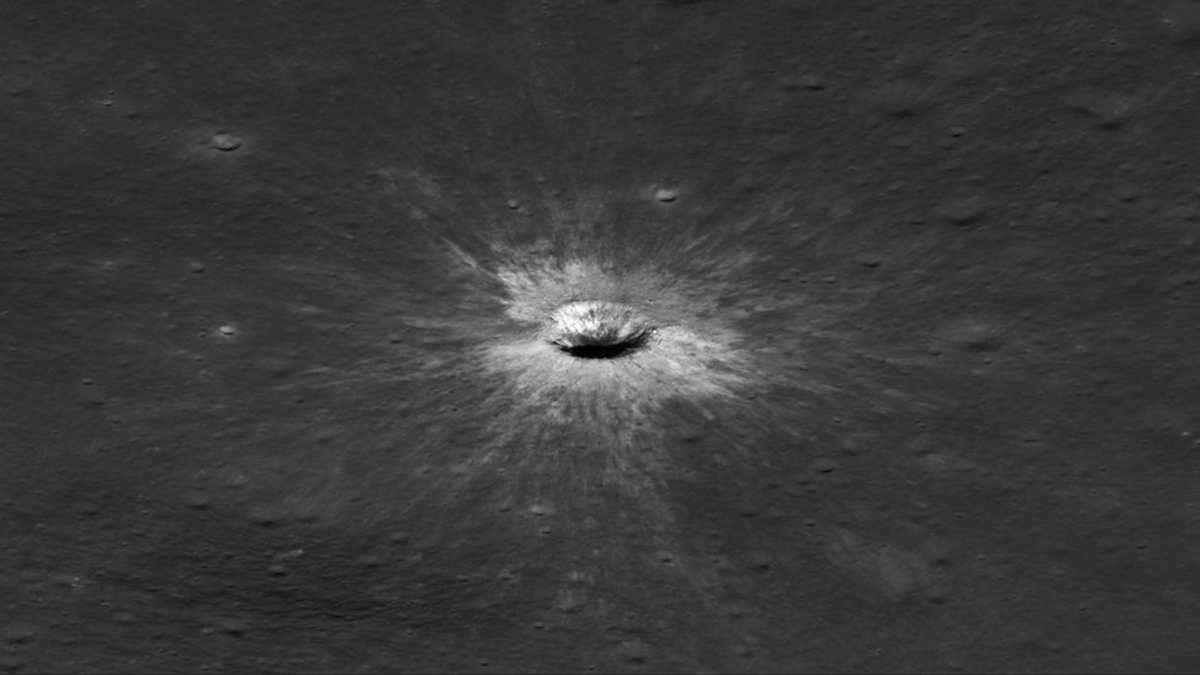
🌙
The moon just got a massive new crater, and scientists are thrilled
De maan heeft zojuist een enorme nieuwe krater gekregen, en wetenschappers zijn enthousiast
La lune vient de recevoir un énorme nouveau cratère, et les scientifiques sont ravis
So, here's the thing - NASA's Lunar Reconnaissance Orbiter spotted something extraordinary on the moon's eastern edge back in October 2025: a brand-new crater 728 feet wide and 141 feet deep. An image-processing specialist named Robert Wagner was reviewing routine data when he noticed this massive bright circle surrounded by a darker halo - and immediately knew it was unlike anything he'd seen before. The crater, named McGetchin after a renowned lunar scientist, was created by an asteroid or comet roughly the size of a three-story building, making it the largest newly formed crater ever spotted in our solar system. What makes this discovery so special is that it gives astronomers a genuine once-in-a-century opportunity to study the immediate aftermath of such a massive impact and understand how space rocks shape our moon.
Dus hier gebeurde iets bijzonders - NASA's Lunar Reconnaissance Orbiter ontdekte in oktober 2025 iets uitzonderlijks aan de oostkant van de maan: een gloednieuwe krater van 728 voet breed en 141 voet diep. Een beeldverwerkingsspecialist genaamd Robert Wagner keek routinematig naar gegevens toen hij deze enorme heldere cirkel opmerkte omgeven door een donkerder halo - en wist onmiddellijk dat het iets was wat hij nog nooit eerder had gezien. De krater, genoemd McGetchin naar een beroemde maanwetenschapper, werd veroorzaakt door een asteroïde of komeet ongeveer zo groot als een gebouw van drie verdiepingen, waardoor het de grootste pas gevormde krater in ons zonnestelsel is. Wat deze ontdekking zo bijzonder maakt, is dat het astronomers een zeldzame kans in een eeuw geeft om de onmiddellijke gevolgen van zo'n massieve botsing te bestuderen en beter te begrijpen hoe ruimtestenen onze maan vormgeven.
Voilà quelque chose d'extraordinaire - l'Orbiteur de reconnaissance lunaire de la NASA a repéré un phénomène remarquable sur le bord est de la lune en octobre 2025 : un tout nouveau cratère de 728 pieds de large et 141 pieds de profondeur. Un spécialiste du traitement d'images nommé Robert Wagner examinait des données de routine lorsqu'il a remarqué ce cercle énorme et lumineux entouré d'une auréole plus sombre - et a immédiatement su que c'était sans précédent. Le cratère, baptisé McGetchin d'après un célèbre scientifique lunaire, a été créé par un astéroïde ou une comète de la taille d'un bâtiment de trois étages, ce qui en fait le plus grand cratère nouvellement formé jamais observé dans notre système solaire. Ce qui rend cette découverte si spéciale, c'est qu'elle offre aux astronomes une occasion extraordinaire, survenant une fois par siècle, d'étudier les conséquences immédiates d'un si massif impact et de mieux comprendre comment les roches spatiales façonnent notre lune.
🌱
As forests burn, can we replant trees ready for a warmer world?
Terwijl bossen branden, kunnen we bomen planten die bestand zijn tegen een warmere wereld?
Alors que les forêts brûlent, pouvons-nous replanter des arbres adaptés à un monde plus chaud?
So here's the thing - as climate change intensifies wildfires and threatens our forests, scientists are asking a crucial question about how we replant. The challenge is picking tree species that won't just survive today's climate, but will thrive in the warmer conditions we're heading toward. Now, this isn't just about grabbing any seedling and hoping for the best - it requires careful thinking about which trees have the resilience to adapt. And that's where the real opportunity lies: by selecting the right species now, we can rebuild forests that are genuinely prepared for the future.
Dus hier is het punt - terwijl klimaatverandering bosbranden intensiveert en onze bossen bedreigt, stellen wetenschappers een cruciale vraag over hoe we herbeplanten. De uitdaging is om boomsoorten te kiezen die niet alleen vandaag kunnen overleven, maar ook zullen groeien in de warmere omstandigheden die voor ons liggen. Nu, dit gaat niet alleen om willekeurig een zaailing te pakken en hoop te hebben - het vereist voorzichtig nadenken over welke bomen de veerkracht hebben om zich aan te passen. En dat is waar de echte kans ligt: door nu de juiste soorten te selecteren, kunnen we bossen herbouwen die echt voorbereid zijn op de toekomst.
Voilà le point important - alors que le changement climatique intensifie les incendies de forêt et menace nos bois, les scientifiques posent une question cruciale sur la manière de replanter. Le défi consiste à choisir des espèces d'arbres qui non seulement survivront au climat d'aujourd'hui, mais prospéreront dans les conditions plus chaudes qui nous attendent. Maintenant, ce n'est pas simplement une question de prendre un plant au hasard et d'espérer le mieux - cela nécessite une réflexion attentive sur les arbres qui ont la résilience nécessaire pour s'adapter. Et c'est là que réside la véritable opportunité: en sélectionnant les bonnes espèces dès maintenant, nous pouvons reconstruire des forêts véritablement préparées à l'avenir.
🤝
Amazing community: how people are making new friends and connections as adults
Geweldige gemeenschap: hoe volwassenen nieuwe vrienden en contacten maken
Communauté formidable: comment les adultes se font de nouveaux amis et des connexions
With loneliness on the rise - research shows the number of young people with no close friends has jumped fivefold since 2014 - some adults are taking deliberate action to build meaningful connections. People like Rhiannon, who found her local knitting group became a 'lifeline' after a move, and Ria, who launched a coffee club that grew to 70 members, show how hobby-based communities and shared interests can transform isolation into genuine friendship. Others are discovering that exercise classes, theatre groups, and local Facebook communities offer that informal social interaction we're all craving - the kind of everyday banter and support that doesn't happen when you're working from home or feeling disconnected. So here's the thing: it takes courage to show up as a beginner or introvert, but when you do, you often find that people genuinely want to help each other and share in something together.
Met eenzaamheid op de stijging - onderzoek toont aan dat het aantal junge mensen zonder nauwe vrienden sinds 2014 vijfvoudig is gestegen - nemen volwassenen doelbewust maatregelen om betekenisvolle contacten op te bouwen. Mensen zoals Rhiannon, die haar lokale breigroep een 'reddingslijn' vond na een verhuizing, en Ria, die een koffieclub oprichtte die tot 70 leden groeide, tonen hoe hobbygebaseerde gemeenschappen en gedeelde interesses isolatie kunnen veranderen in echte vriendschap. Anderen ontdekken dat trainingslessen, theatergroepen en lokale Facebook-gemeenschappen die informele sociale interactie bieden waar we allemaal naar verlangen - de soort alledaagse conversatie en steun die niet gebeurt als je thuis werkt. Het punt is: het vergt moed om als beginner of introvert op te dagen, maar als je dat doet, ontdek je vaak dat mensen elkaar echt willen helpen en iets samen willen delen.
Avec la solitude en hausse - la recherche montre que le nombre de jeunes sans amis proches a décuplé depuis 2014 - certains adultes prennent délibérément des mesures pour créer des connexions significatives. Des personnes comme Rhiannon, qui a trouvé que son groupe de tricot local était devenu une 'bouée de sauvetage' après un déménagement, et Ria, qui a lancé un club de café qui a grandi jusqu'à 70 membres, montrent comment les communautés basées sur les loisirs et les intérêts partagés peuvent transformer l'isolement en amitié véritable. D'autres découvrent que les cours d'exercice, les groupes de théâtre et les communautés Facebook locales offrent cette interaction sociale informelle que nous recherchons tous - le type de conversation quotidienne et de soutien qui ne se produit pas quand vous travaillez à domicile. Voici la chose: cela demande du courage de se présenter en tant que débutant ou introverti, mais quand vous le faites, vous découvrez souvent que les gens veulent vraiment s'entraider et partager quelque chose ensemble.
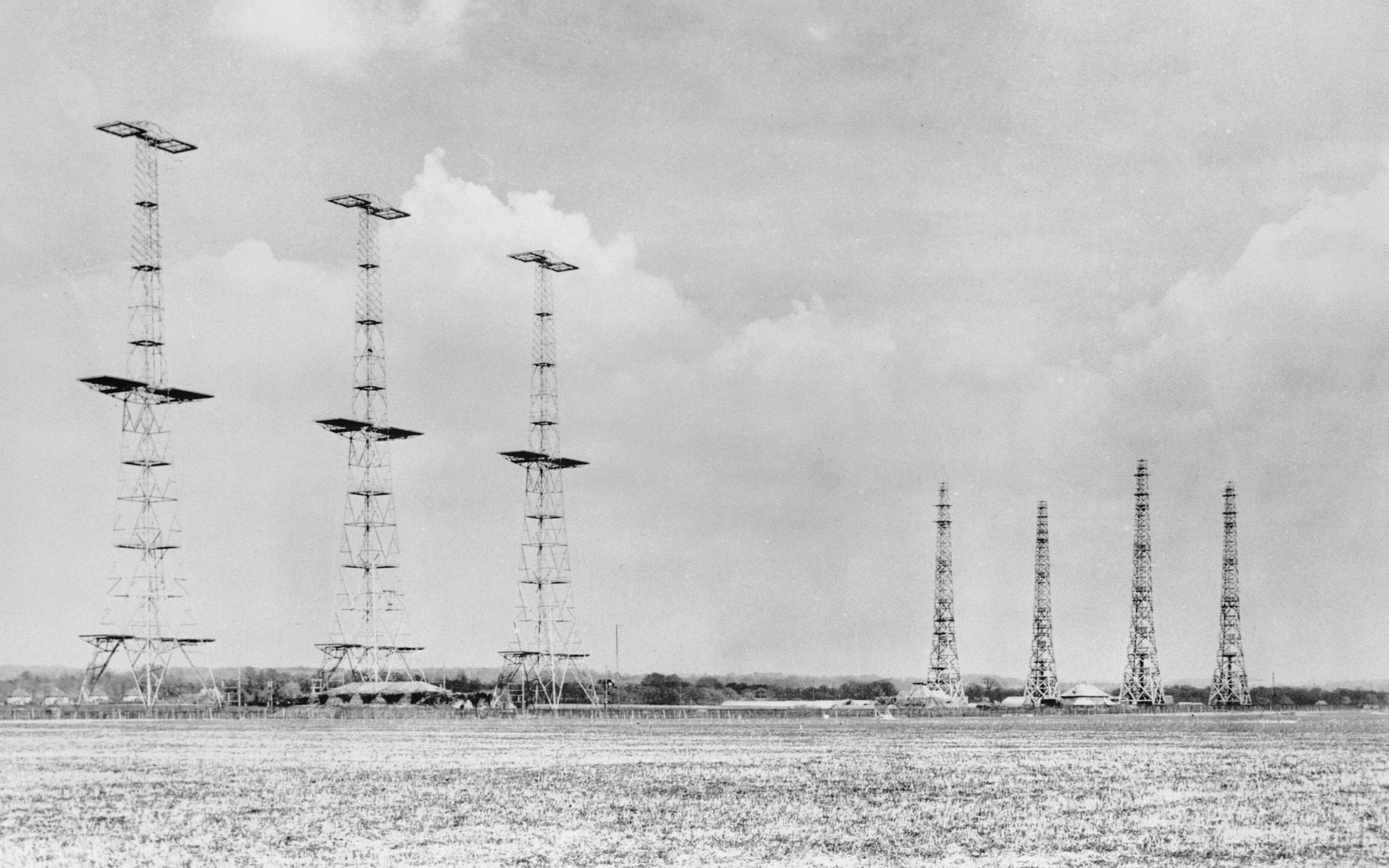
📡
Seeing the invisible: the fascinating history of radar invention
Het onzichtbare zien: de fascinerende geschiedenis van radaruitvinding
Voir l'invisible : la fascinante histoire de l'invention du radar
So here's the thing - radar has quite a journey behind it, and it's fascinating how many brilliant minds almost stumbled onto it without realizing what they'd found. Heinrich Hertz discovered that radio waves could bounce off objects back in 1886, but he never took it further, and neither did Aleksandr Popow when he noticed interference between ships on the Baltic. It wasn't until Christian Hülsmeyer, a German inventor, actually used radio waves on purpose to detect a ship in thick fog in 1904 that someone truly grasped the potential - and of course, the military rejected his telemobiloscope. What really changed everything was Albert Hull's invention of the magnetron in 1921, a powerful transmitter that finally gave radio waves enough energy to create echoes strong enough to detect distant objects.
En hier is het interessante - radar heeft best een lange weg achter zich, en het is fascinerend hoeveel briljante geesten er bijna per ongeluk op stuiten zonder dat ze begrepen wat ze hadden gevonden. Heinrich Hertz ontdekte al in 1886 dat radiogolven van objecten konden terugkaatsen, maar hij ging er niet mee aan de slag, net als Aleksandr Popow niet toen hij storing opmerkte tussen schepen op de Baltische Zee. Pas Christian Hülsmeyer, een Duitse uitvinder, gebruikte radiogolven in 1904 expres om een schip in dichte mist op te sporen - en uiteraard wees het leger zijn telemobiloscoop af. Wat echt alles veranderde was Albert Hulls uitvinding van de magnetron in 1921, een krachtige zender die radiogolven eindelijk genoeg energie gaf om sterke eches op te wekken waarmee verre objecten konden worden gedetecteerd.
Voilà ce qui est fascinant - le radar a derrière lui tout un parcours, et c'est incroyable de voir combien d'esprits brillants y ont presque découvert par hasard sans réaliser ce qu'ils tenaient. Heinrich Hertz a découvert dès 1886 que les ondes radio pouvaient rebondir sur les objets, mais il n'a pas poursuivi, tout comme Aleksandr Popow ne l'a pas fait quand il a remarqué des interférences entre les navires de la mer Baltique. Ce n'est que lorsque Christian Hülsmeyer, un inventeur allemand, a délibérément utilisé les ondes radio en 1904 pour détecter un navire dans un brouillard dense que quelqu'un a vraiment saisi le potentiel - et bien sûr, l'armée a rejeté son télémosiloscope. Ce qui a vraiment tout changé, c'est l'invention du magnétron par Albert Hull en 1921, un émetteur puissant qui a enfin donné aux ondes radio assez d'énergie pour créer des échos suffisamment forts pour détecter les objets lointains.

🏠
These 3D-printed homes are built using 'ink' made of sawmill waste
Deze 3D-geprinte huizen worden gebouwd met 'inkt' gemaakt van zaagmeulenafval
Ces maisons imprimées en 3D sont construites avec de l'« encre » fabriquée à partir de déchets de scierie
Researchers at the University of Maine are scaling up their groundbreaking BioHome3D technology - homes that are completely 3D-printed using bio-based materials made from sawmill waste. Now they're partnering with a housing nonprofit to build nine of these homes across the Greater Bangor area, with a $4 million investment to test how to manufacture them faster and more efficiently. So here's what's exciting: the original prototype has already survived three Maine winters and was built and installed in just half a day, and their new printer can now deposit material at 500 to 1,000 pounds per hour - five to ten times faster than before. The team is working toward what they call a "Ford factory of homes," where the entire building process becomes automated and scalable, tackling housing shortages, labor problems, and supply chain issues all at once.
Onderzoekers van de University of Maine schalen hun baanbrekende BioHome3D-technologie op - huizen die volledig in 3D worden geprint met biologische materialen gemaakt van zaagmeulenafval. Nu werken ze samen met een woningbouworganisatie om negen van deze huizen in de regio Greater Bangor te bouwen, met een investering van $4 miljoen om te testen hoe ze sneller en efficiënter kunnen worden geproduceerd. En dat is nou precies wat fascinerend is: het originele prototype heeft al drie Maine-winters doorstaan en werd in slechts een halve dag gebouwd en geplaatst, en hun nieuwe printer kan nu 500 tot 1.000 pond per uur afzetten - vijf tot tien keer sneller dan voorheen. Het team werkt naar wat zij een "Ford-fabriek van huizen" noemen, waar het volledige bouwproces wordt geautomatiseerd en opschaalbaar, wat woningtekorten, arbeidsproblemen en toeleveringskettenproblemen allemaal tegelijk aanpakt.
Les chercheurs de l'Université du Maine intensifient leur technologie révolutionnaire BioHome3D - des maisons entièrement imprimées en 3D à partir de matériaux biologiques fabriqués à partir de déchets de scierie. Ils s'associent maintenant à un organisme d'aide au logement pour construire neuf de ces maisons dans la région de Greater Bangor, avec un investissement de 4 millions de dollars pour tester comment les fabriquer plus rapidement et plus efficacement. Et voilà ce qui est vraiment passionnant : le prototype original a déjà résisté à trois hivers du Maine et a été construit et installé en seulement une demi-journée, et leur nouvelle imprimante peut désormais déposer du matériau à 500 à 1 000 livres par heure - cinq à dix fois plus vite qu'avant. L'équipe travaille vers ce qu'ils appellent une "usine Ford de maisons", où l'ensemble du processus de construction devient automatisé et évolutif, s'attaquant à la fois aux pénuries de logements, aux problèmes de main-d'œuvre et aux problèmes de chaîne d'approvisionnement.
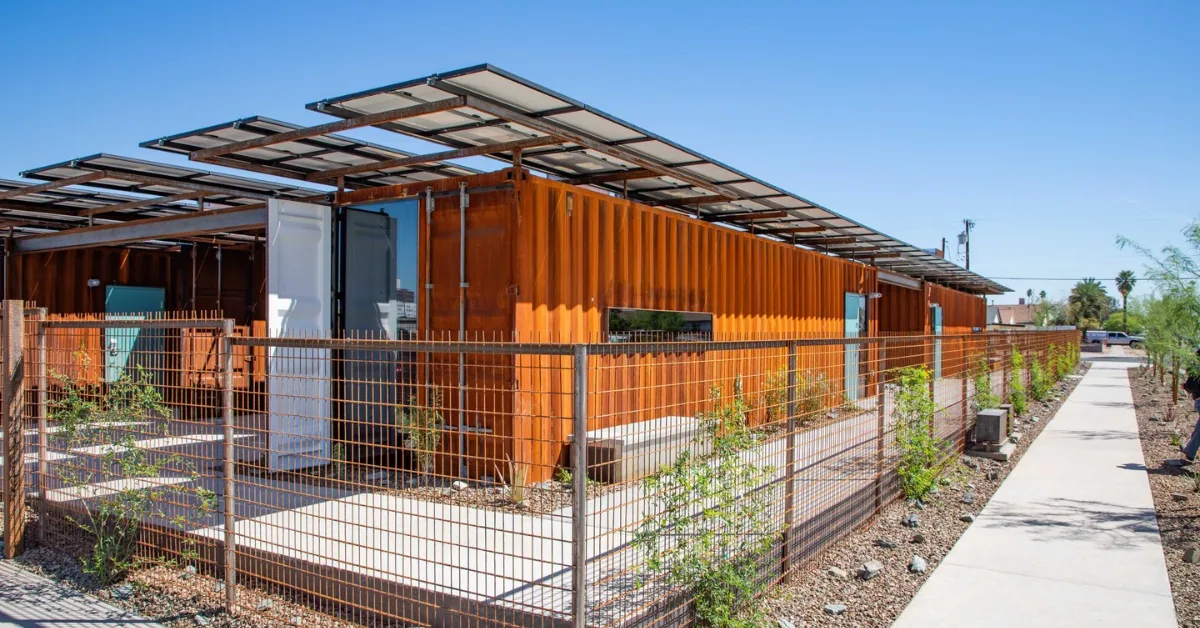
🏠
First shipping container village opens for homeless seniors in Phoenix
Eerste zeecontainer dorp opent voor dakloze ouderen in Phoenix
Premier village de conteneurs d'expédition ouvre ses portes aux aînés sans abri à Phoenix
Phoenix is tackling a growing crisis - seniors make up about 40% of emergency shelter residents in the area, yet housing solutions have been sparse. Now Senior Bridge has opened with 40 studio units built from repurposed shipping containers, powered entirely by solar panels and batteries to keep costs down. Each resident gets paired with a case manager to help them access healthcare and permanent housing within about 90 days, with an additional 54 supportive apartments coming by end of 2026. What I find brilliant here is how the program brings everything together - housing, social services, and community support all in one place, because as the CEO says, you can't solve homelessness in isolation.
Phoenix pakt een groeiende crisis aan - ouderen maken ongeveer 40% uit van de bewoners van noodopvangplaatsen in het gebied, maar huisvestingsoplossingen waren schaars. Nu is Senior Bridge geopend met 40 studio's gebouwd uit hergebruikte zeecontainers, volledig aangedreven door zonnepanelen en batterijen om kosten laag te houden. Elke bewoner krijgt een casemanager toegewezen die hen helpt bij toegang tot gezondheidszorg en permanente huisvesting binnen ongeveer 90 dagen, met nog eens 54 ondersteunende appartementen tegen eind 2026. Wat ik hier briljant vind, is hoe het programma alles samenbrengt - huisvesting, sociale diensten en gemeenschapsondersteuning allemaal op één plek, want zoals de CEO zegt, je kunt dakloosheid niet in isolatie aanpakken.
Phoenix s'attaque à une crise croissante - les aînés représentent environ 40% des résidents des refuges d'urgence dans la région, mais les solutions de logement ont été rares. Senior Bridge a maintenant ouvert avec 40 studios construits à partir de conteneurs d'expédition réutilisés, alimentés entièrement par des panneaux solaires et des batteries pour maintenir les coûts bas. Chaque résident est jumelé à un gestionnaire de cas qui l'aide à accéder aux soins de santé et au logement permanent dans environ 90 jours, avec 54 appartements de soutien supplémentaires prévus d'ici fin 2026. Ce que je trouve brillant ici, c'est comment le programme réunit tout - le logement, les services sociaux et le soutien communautaire au même endroit, car comme le dit le PDG, on ne peut pas résoudre le sans-abrisme en isolation.

💚
Life-extending breast cancer drug now available on NHS in England
Levensverlengend borstkankermedikament nu beschikbaar via NHS in Engeland
Un médicament anticancéreux qui prolonge la vie est maintenant disponible sur le NHS en Angleterre
Patients in England with HER2-low metastatic breast cancer can now access Enhertu on the NHS, a drug that can extend life by almost seven months on average. Scotland has had access since 2023, and the medication is already available in 26 other European countries. Kate Wills, 51, who has stage four cancer that has spread to her bones and lungs, was moved to tears when she learned the news - it gives her renewed hope during a difficult journey. Wales is expected to follow England's lead shortly, though Northern Ireland hasn't automatically received the same guidance yet.
Patiënten in Engeland met HER2-laag metastatisch borstkanker kunnen nu Enhertu via de NHS krijgen, een medicijn dat het leven gemiddeld met bijna zeven maanden kan verlengen. Schotland heeft hier sinds 2023 toegang toe, en het middel is al in 26 andere Europese landen beschikbaar. Kate Wills, 51 jaar oud, met stadium vier kanker dat is uitgezaaid naar haar botten en longen, barstte in tranen uit toen ze het nieuws hoorde - het geeft haar hernieuwde hoop tijdens een moeilijke periode. Wales zal waarschijnlijk snel volgen, hoewel Noord-Ierland niet automatisch dezelfde richtlijnen heeft ontvangen.
Les patients en Angleterre atteints d'un cancer du sein métastatique HER2-faible peuvent désormais accéder à Enhertu sur le NHS, un médicament qui peut prolonger la vie en moyenne de près de sept mois. L'Écosse y a accès depuis 2023, et le médicament est déjà disponible dans 26 autres pays européens. Kate Wills, 51 ans, atteinte d'un cancer de stade quatre qui s'est propagé à ses os et ses poumons, a fondu en larmes en apprenant la nouvelle - cela lui donne un nouvel espoir pendant un parcours difficile. Le Pays de Galles devrait suivre rapidement, bien que l'Irlande du Nord n'ait pas automatiquement reçu les mêmes directives.
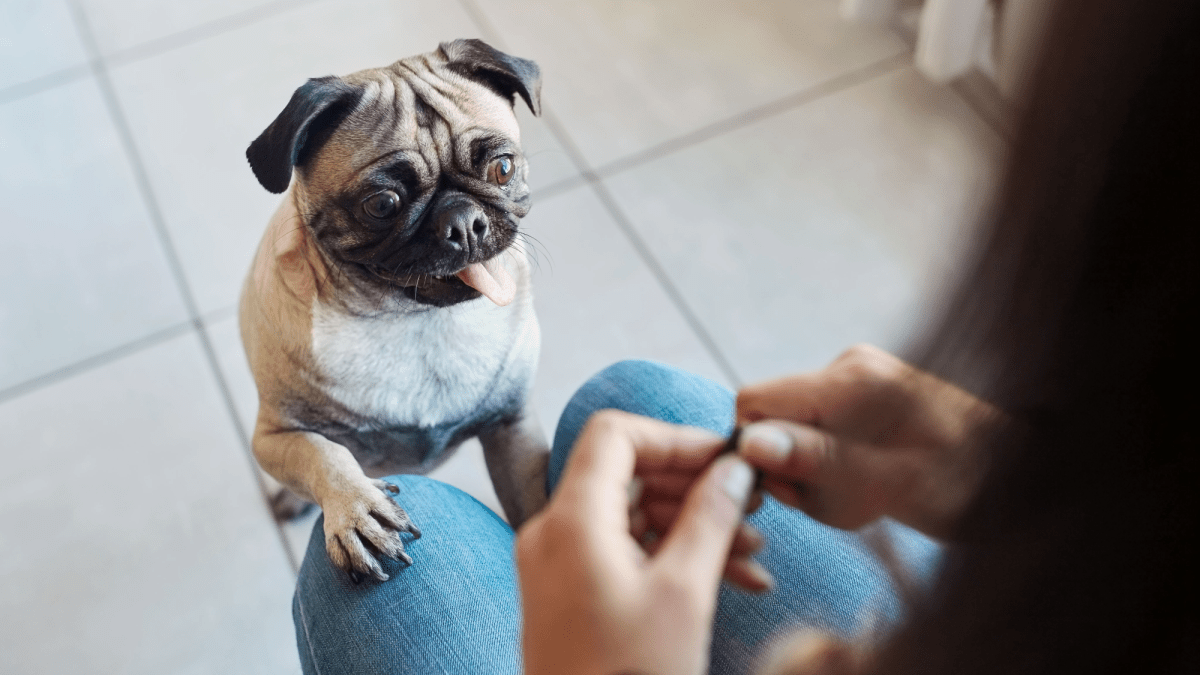
🧠
Dog brains show surprisingly human patterns when learning to say no
Hondenherenen vertonen verrassend menselijke patronen bij gehoorzaamheid
Les cerveaux de chiens montrent des schémas étonnamment humains face à l'obéissance
When dogs hear the word 'no' and restrain their behavior, their brains light up in ways that look remarkably like human self-control - a discovery that fascinates scientists studying animal cognition. Researchers used non-invasive EEG scans on 14 dogs to measure brain activity during commands, finding that the same theta waves associated with human willpower appear in dogs' frontal lobes. This pattern suggests that dogs engage in conscious self-control similar to humans, not just automatic reflexes. The findings could help scientists better understand human conditions like ADHD and obesity by studying how dogs' brains handle impulse control.
Wanneer honden het woord 'nee' horen en hun gedrag beheersen, lichtten hun herenen op op een manier die opvallend lijkt op menselijke zelfbeheersing - een ontdekking die wetenschappers fascineren. Onderzoekers gebruikten niet-invasieve EEG-scans bij 14 honden om hersenactiviteit tijdens commando's te meten en vonden dezelfde theta-golven die verband houden met menselijke wilskracht in de voorlobus van honden. Dit patroon suggereert dat honden zich bewust beheersen, net als mensen, en niet alleen automatische reflexen hebben. De bevindingen zouden wetenschappers kunnen helpen menselijke aandoeningen zoals ADHD en obesitas beter te begrijpen door te bestuderen hoe hondenherenen impulscontrole aanpakken.
Lorsque les chiens entendent le mot 'non' et retiennent leur comportement, leurs cerveaux s'activent d'une manière qui ressemble remarquablement à l'autocontrôle humain - une découverte qui fascine les scientifiques étudiant la cognition animale. Les chercheurs ont utilisé des scanners EEG non invasifs sur 14 chiens pour mesurer l'activité cérébrale lors de commandes, découvrant que les mêmes ondes thêta associées à la volonté humaine apparaissent dans les lobes frontaux des chiens. Ce schéma suggère que les chiens exercent un autocontrôle conscient similaire aux humains, et non seulement des réflexes automatiques. Ces résultats pourraient aider les scientifiques à mieux comprendre les conditions humaines comme le TDAH et l'obésité en étudiant comment les cerveaux de chiens gèrent le contrôle impulsif.
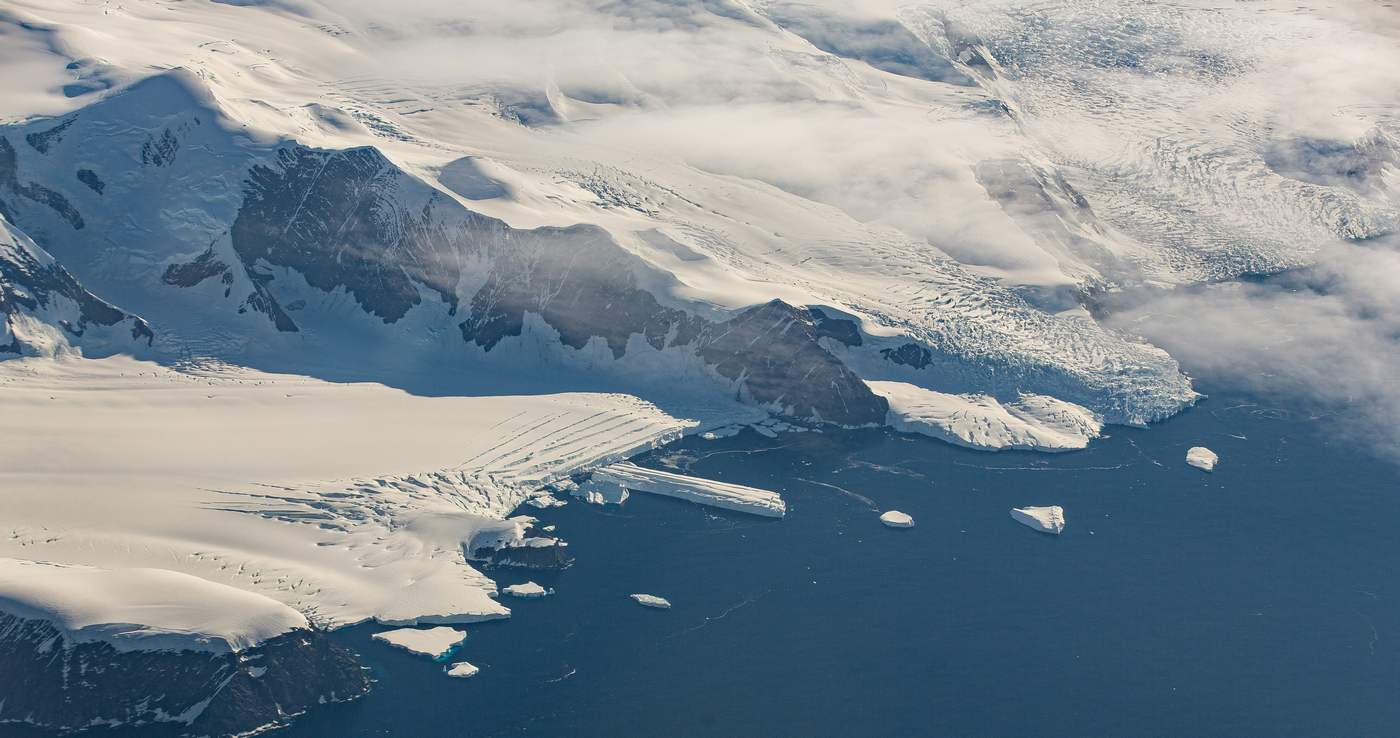
❄️
Scientists solve mystery behind massive snowfall that added 695 billion tons of ice to Antarctica
Wetenschappers onthullen oorzaak van massale sneeuwval die 695 miljard ton ijs aan Antarctica toevoegde
Les scientifiques résolvent l'énigme des chutes de neige massives qui ont ajouté 695 milliards de tonnes de glace en Antarctique
Scientists have discovered that a warming tropical ocean pool triggered enormous snowstorms over East Antarctica between 2021 and 2023, resulting in a net ice gain of 695 billion tons - the largest recorded by satellite monitoring. The mechanism works through something called a Rossby wave train, which reorganized moisture transport and created atmospheric rivers carrying vast amounts of water vapor toward the frozen continent. What's really fascinating is that this ice-mass gain event wasn't primarily driven by human-caused global warming - only about 9% of the snowfall anomaly came from CO2-influenced atmospheric moistening. The research suggests these tropical warm pool events occur roughly once per decade, and we might see another similar event around 2031-33, making it crucial to keep monitoring since Antarctica's ice sheet is one of the biggest wild cards in predicting future sea-level rise.
Wetenschappers hebben ontdekt dat een verwarmde tropische oceaanpoel enorme sneeuwstormen over Oost-Antarctica veroorzaakte tussen 2021 en 2023, resulterend in een netto ijstoename van 695 miljard ton - het grootste ooit gemeten door satellietbewaking. Het mechanisme werkt via een zogenaamde Rossby-golftrein, die vochtvervoer reorganiseerde en atmosferische rivieren creëerde die enorme hoeveelheden waterdamp naar het bevroren continent vervoerden. Wat echt fascinerend is, is dat deze ijsmassatoename niet primair werd veroorzaakt door door mensen veroorzaakte mondiale opwarming - slechts ongeveer 9% van de sneeuwanomalieën kwamen voort uit CO2-beïnvloede atmosferische vochtiger wordende. Het onderzoek suggereert dat deze tropische warmwaterpoelevents ruwweg eens per tien jaar voorkomen, en we zouden een soortgelijk gebeuren rond 2031-33 kunnen zien, wat het cruciaal maakt om te blijven monitoren gezien Antarctica's ijskap een van de grootste onzekerheden voor toekomstige zeespiegelstijging is.
Des scientifiques ont découvert qu'une masse d'eau océanique tropicale en réchauffement a déclenché d'énormes tempêtes de neige sur l'Antarctique oriental entre 2021 et 2023, entraînant un gain net de glace de 695 milliards de tonnes - le plus important jamais enregistré par la surveillance par satellite. Le mécanisme fonctionne par l'intermédiaire d'un train d'ondes de Rossby, qui a réorganisé le transport d'humidité et créé des rivières atmosphériques transportant d'énormes quantités de vapeur d'eau vers le continent gelé. Ce qui est vraiment fascinant, c'est que cette augmentation de masse glaciaire n'a pas été principalement causée par le réchauffement climatique d'origine humaine - seulement environ 9% de l'anomalie de neige provient de l'humidification atmosphérique influencée par le CO2. La recherche suggère que ces événements de bassins chauds tropicaux se produisent approximativement une fois par décennie, et nous pourrions voir un événement similaire autour de 2031-33, ce qui rend crucial de continuer à surveiller car la calotte glaciaire de l'Antarctique est l'une des plus grandes inconnues dans la prévision de la montée future du niveau des mers.
🚨
FBI agent reveals 3 red flags that protect you from modern scams
FBI-agent onthult 3 waarschuwingstekens die je beschermen tegen moderne oplichting
Un agent du FBI révèle 3 signaux d'alerte qui te protègent contre les escroqueries modernes
So here's what fascinates me - scammers have become way more sophisticated than those obvious phishing emails we all laugh about. Rebecca Keithley from the FBI's Financial Crimes Section explains that modern fraud relies on three psychological tricks: fear that hijacks your brain, manufactured urgency that forces snap decisions, and demands for secrecy that cut you off from help. The good news is that once you recognize these red flags - like threats of arrest, pressure to act immediately, or requests to use gift cards and crypto - you can stop the scam in its tracks. And this matters because in 2025 alone, over one million people reported suspected online scams, losing more than $20 billion combined.
Wat me fascineert is hoe oplichters veel sluwer zijn geworden dan die voor de hand liggende phishing-e-mails waar we allemaal om lachen. Rebecca Keithley van de FBI's Financial Crimes Section legt uit dat moderne fraude op drie psychologische trucs berust: angst die je hersenen kapot maakt, kunstmatige urgentie die snelle beslissingen forceert, en eisen tot geheimhouding die je van hulp afsnijden. Het goede nieuws is dat je de oplichting kunt stoppen zodra je deze waarschuwingstekens herkent - zoals dreigingen met arrestatie, druk om onmiddellijk te handelen, of verzoeken om cadeaubonnen en crypto te gebruiken. Dit is belangrijk omdat in 2025 alleen al meer dan een miljoen mensen verdachte online oplichting rapporteerden, met een gezamenlijk verlies van meer dan $20 miljard.
Ce qui me fascine, c'est que les arnaqueurs sont devenus beaucoup plus sophistiqués que ces e-mails d'hameçonnage évidents dont nous rions tous. Rebecca Keithley de la section des crimes financiers du FBI explique que la fraude moderne repose sur trois astuces psychologiques : la peur qui détourne ton cerveau, l'urgence artificielle qui force des décisions rapides, et les demandes de secret qui te coupent de l'aide. La bonne nouvelle, c'est qu'une fois que tu reconnaîs ces signaux d'alerte - comme les menaces d'arrestation, la pression pour agir immédiatement, ou les demandes d'utiliser des cartes-cadeaux et des cryptomonnaies - tu peux arrêter l'arnaque net. Et c'est important car en 2025 seul, plus d'un million de personnes ont signalé des arnaques en ligne suspectes, pour une perte combinée de plus de $20 milliards.
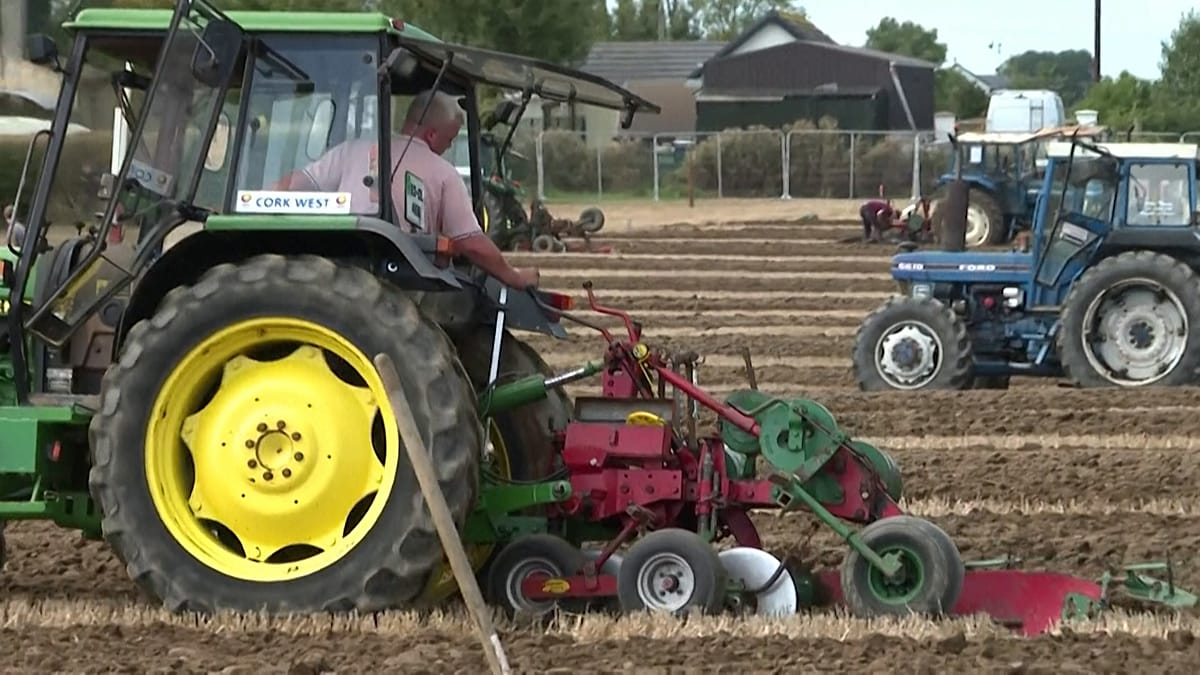
🚜
From horse-drawn ploughs to autonomous tractors at Ireland's ploughing show
Van paardenploegen tot autonome tractoren op Ierse ploegwedstrijd
Des charrues tirées par des chevaux aux tracteurs autonomes au salon du labour irlandais
Ireland's 95th Ploughing Championships brought together over 350 competitors and tens of thousands of visitors at Screggan in County Offaly, showcasing the fascinating journey from traditional horse-drawn ploughs to cutting-edge autonomous machinery. The event brilliantly mixed heritage with innovation - you could see veteran farmers demonstrating the ancient Irish loy digging technique right alongside drones, robots, and precision agriculture systems. Manitou's battery-powered telehandler won Machine of the Year honours, proving that modern electric technology can match the performance of traditional diesel alternatives. And here's the thing - this massive three-day gathering, often called Europe's largest outdoor event, perfectly captures the challenge facing Irish and European farmers today: how to blend time-tested skills with new technology while managing rising costs.
Het 95e Iers Kampioenschap Ploegen trok meer dan 350 deelnemers en tienduizenden bezoekers naar Screggan in County Offaly, en liet zien hoe landbouw zich ontwikkeld heeft van traditionele paardenploegen tot geavanceerde autonome machines. Het evenement mengde op indrukwekkende wijze erfgoed met innovatie - je kon veteraanboeren zien die de eeuwenoude Ierse loy-graaftechniek demonstreerden, vlak naast drones, robots en precisie-landbouwsystemen. De batterij-aangedreven telehandler van Manitou won de titel Machine van het Jaar, wat bewijst dat moderne elektrische technologie kan wedijveren met traditionele dieselmodellen. Nu, dit enorme driedaagse evenement, vaak beschouwd als het grootste buitenevenement van Europa, illustreert perfect de uitdaging waar Ierse en Europese boeren voor staan: hoe je eeuwenoude vaardigheden kunt combineren met nieuwe technologie terwijl je omgaat met stijgende kosten.
Le 95e Championnat irlandais du labour a attiré plus de 350 participants et des dizaines de milliers de visiteurs à Screggan dans le comté d'Offaly, mettant en lumière l'évolution remarquable de l'agriculture des charrues tirées par des chevaux aux machines autonomes de pointe. L'événement a magistralement mélangé le patrimoine et l'innovation - vous pouviez voir des fermiers vétérans démontrer la technique ancienne irlandaise du bêchage à la loy, juste à côté des drones, des robots et des systèmes d'agriculture de précision. Le télémanipulateur alimenté par batterie de Manitou a remporté le titre de Machine de l'année, prouvant que la technologie électrique moderne peut rivaliser avec les modèles diesel traditionnels. Et voilà - ce gigantesque événement de trois jours, souvent considéré comme le plus grand événement en plein air d'Europe, illustre parfaitement le défi auquel font face les agriculteurs irlandais et européens : comment allier des compétences ancestrales avec les nouvelles technologies tout en gérant la hausse des coûts.
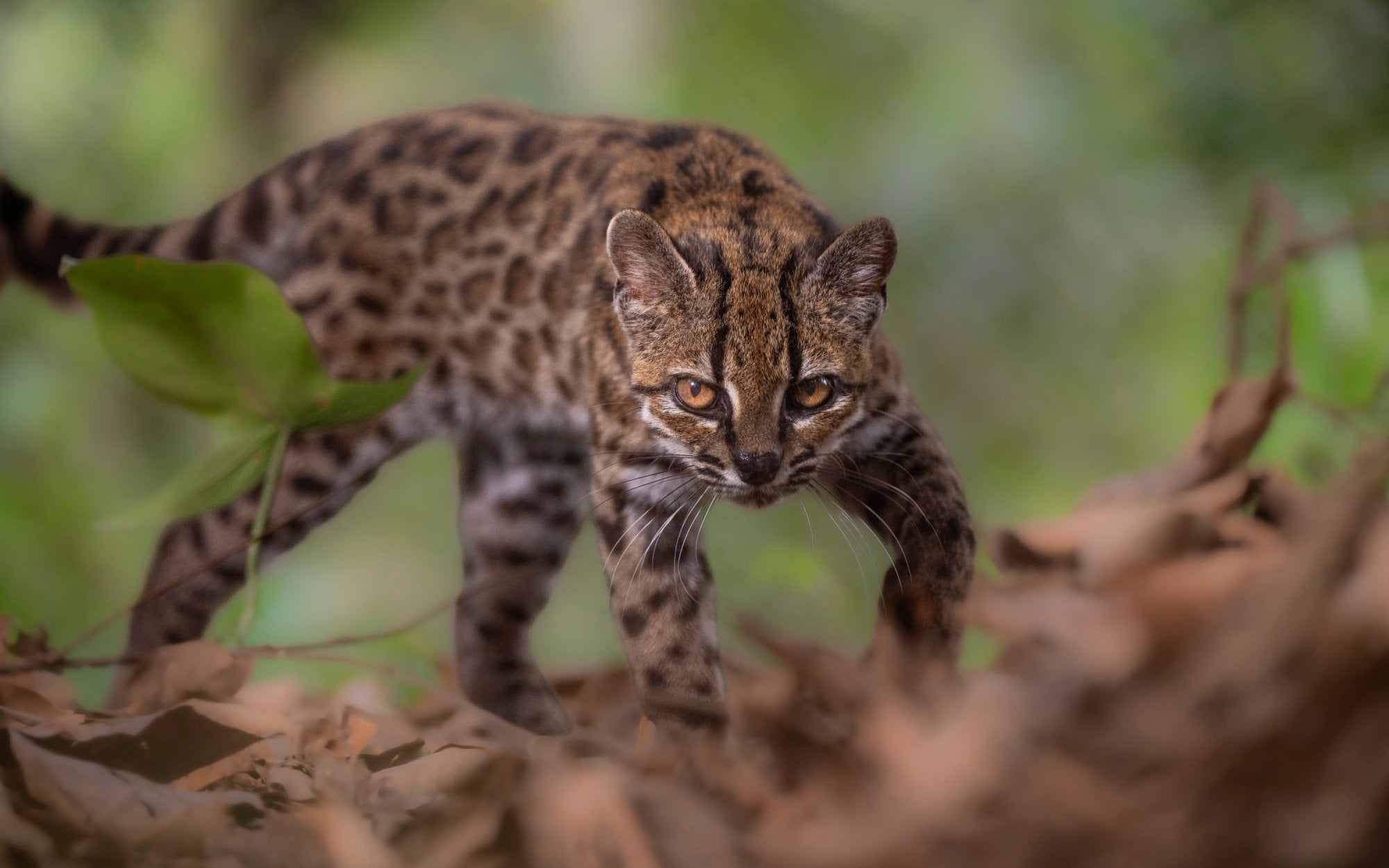
🐱
A brand new cat species discovered in Bolivia - first time in over a century
Nieuw kattensoort ontdekt in Bolivia - eerste keer in meer dan een eeuw
Une toute nouvelle espèce de chat découverte en Bolivie - première fois en plus d'un siècle
Scientists have confirmed the discovery of an entirely new cat species in Bolivia's misty Yungas region, calling it Tilcayo - the first such discovery in over 100 years. The tiny wildcat, weighing just 1.4 kg, was identified through genetic analysis after researchers studied DNA from 38 cats across South America and realized what were thought to be one unified species actually comprise five distinct species. What's fascinating is that this evolutionary line separated from its closest relatives about 1.4 million years ago, yet the animal had gone completely unrecognized by science until now. The discovery matters because these cats are threatened by deforestation and mining in their habitat, so understanding them as separate species helps conservationists protect them more effectively.
Wetenschappers hebben de ontdekking van een geheel nieuw kattensoort in Bolivia's mistige Yungas-regio bevestigd, genaamd Tilcayo - de eerste ontdekking in meer dan 100 jaar. Het kleine wilde katje, wegende slechts 1,4 kg, werd geïdentificeerd door genetische analyse nadat onderzoekers DNA van 38 katten uit Zuid-Amerika bestudeerden en ontdekten dat wat men dacht één soort te zijn, eigenlijk vijf verschillende soorten zijn. Wat fascinerend is, is dat deze evolutionaire lijn zich ongeveer 1,4 miljoen jaar geleden van verwante soorten afscheidde, maar het dier was tot nu toe volledig onbekend bij de wetenschap. De ontdekking is belangrijk omdat deze katten worden bedreigd door ontbossing en mijnbouw in hun habitat, dus het begrijpen van ze als aparte soorten helpt natuurbeschermers ze effectiever te beschermen.
Les scientifiques ont confirmé la découverte d'une toute nouvelle espèce de chat dans la région brumense des Yungas en Bolivie, appelée Tilcayo - la première découverte en plus de 100 ans. Le petit félin sauvage, pesant seulement 1,4 kg, a été identifié par analyse génétique après que des chercheurs aient étudié l'ADN de 38 chats à travers l'Amérique du Sud et réalisé que ce qu'on croyait être une seule espèce comprend en réalité cinq espèces distinctes. Ce qui est fascinant, c'est que cette lignée évolutive s'est séparée de ses plus proches parents il y a environ 1,4 million d'années, mais l'animal était resté complètement inconnu de la science jusqu'à présent. La découverte est importante car ces chats sont menacés par la déforestation et l'exploitation minière dans leur habitat, donc les comprendre comme des espèces distinctes aide les conservationnistes à les protéger plus efficacement.

⚛️
Where does the quantum world end and ours begin?
Waar eindigt de kwantumwereld en waar begint de onze?
Où se termine le monde quantique et où commence le nôtre?
So here's the thing - quantum mechanics is tested to an incredible precision, yet we still don't have one clear interpretation of what it actually means for reality. In this fascinating podcast conversation, Jonathan Halliwell from Imperial College London explains how decoherence - this process where quantum systems lose their fragile wave-like behavior through interactions with the environment - is the key bridge between the quantum and classical worlds. He tackles some of the field's deepest paradoxes, including whether we really need a conscious observer for quantum collapse and whether Einstein was right about the moon existing when nobody's looking. And here's what I find beautiful - Halliwell uses yoga and meditation to make peace with the mystery of competing scientific perspectives, showing us that sometimes sitting with uncertainty is part of the journey.
Dus hier is het ding - de kwantummechanica wordt getest met ongelooflijke precisie, maar we hebben nog steeds geen duidelijke interpretatie van wat het werkelijk voor de realiteit betekent. In dit fascinerende podcastgesprek legt Jonathan Halliwell van Imperial College London uit hoe decoherence - het proces waarbij kwantumsystemen hun fragiele golfachtige gedrag verliezen door interactie met de omgeving - de sleutel is tussen de kwantum- en klassieke werelden. Hij pakt enkele van de diepste paradoxen van het veld aan, inclusief of we echt een bewust waarnemer nodig hebben voor kwantumcollaps en of Einstein gelijk had over de maan die bestaat wanneer niemand kijkt. En wat ik prachtig vind - Halliwell gebruikt yoga en meditatie om vrede te maken met het mysterie van concurrerende wetenschappelijke perspectieven, wat laat zien dat soms omgaan met onzekerheid onderdeel van de reis is.
Voilà la chose - la mécanique quantique est testée avec une précision incroyable, et pourtant nous n'avons toujours pas une interprétation claire de ce qu'elle signifie réellement pour la réalité. Dans cette conversation de podcast captivante, Jonathan Halliwell de l'Imperial College London explique comment la décohérence - ce processus par lequel les systèmes quantiques perdent leur comportement ondulatoire fragile par interaction avec l'environnement - est le pont clé entre les mondes quantique et classique. Il aborde certains des paradoxes les plus profonds du domaine, notamment la question de savoir si nous avons vraiment besoin d'un observateur conscient pour l'effondrement quantique et si Einstein avait raison sur la lune qui existe quand personne ne la regarde. Et ce que je trouve magnifique - Halliwell utilise le yoga et la méditation pour faire la paix avec le mystère des perspectives scientifiques concurrentes, nous montrant que parfois vivre avec l'incertitude fait partie du voyage.

🔊
The world is getting noisier - but we can change that
De wereld wordt steeds lawaaieriger - maar we kunnen dit veranderen
Le monde devient de plus en plus bruyant - mais nous pouvons changer cela
So here's the thing - noise isn't just about how loud something is. I've spent years studying this invisible pollutant, from Mumbai's chaotic rush hours to Detroit's thundering trucks, and I've learned that defining noise properly is surprisingly tricky. Yes, decibels matter for measuring acoustic energy, but our actual response to sound is anchored in memory and emotion - nature sounds soothe us while traffic at the same volume stresses us out. What's more, it's not always the loudest sounds that drive us crazy; constant low hums from data centers or repeated aircraft can become unbearable even below legal noise thresholds. Understanding noise in all its complexity - loudness, duration, pitch, context - is the first step toward creating soundscapes where we can truly thrive.
Dus hier is het ding - lawaai gaat niet alleen over hoe luid iets is. Ik heb jaren besteed aan het bestuderen van deze onzichtbare vervuiler, van het chaotische spitsuur in Mumbai tot de donderende vrachtwagens in Detroit, en ik heb geleerd dat het correct definiëren van lawaai verrassend lastig is. Ja, decibels zijn belangrijk voor het meten van akoestische energie, maar onze werkelijke reactie op geluid is verankerd in herinnering en emotie - natuurgeluiden kalmeren ons terwijl verkeer op hetzelfde volume ons stressvol maakt. Bovendien zijn het niet altijd de luidste geluiden die ons gek maken; constant zoemende data centers of herhaalde vliegtuigen kunnen ondraaglijk worden, zelfs onder wettelijke drempels. Het begrijpen van lawaai in al zijn complexiteit - luidheid, duur, toonhoogte, context - is de eerste stap naar het creëren van geluidslandschappen waar we echt kunnen floreren.
Donc voilà - le bruit ne se limite pas à la question du volume. J'ai passé des années à étudier ce polluant invisible, des heures de pointe chaotiques de Mumbai aux camions tonnants de Detroit, et j'ai appris que définir correctement le bruit est surprenamment compliqué. Oui, les décibels importent pour mesurer l'énergie acoustique, mais notre réaction réelle au son est ancrée dans la mémoire et l'émotion - les sons naturels nous apaisent tandis que le trafic au même volume nous stresse. De plus, ce ne sont pas toujours les sons les plus forts qui nous rendent fous; le bourdonnement constant des centres de données ou les avions répétés peuvent devenir insupportables, même en dessous des seuils légaux. Comprendre le bruit dans toute sa complexité - intensité, durée, tonalité, contexte - est la première étape pour créer des paysages sonores où nous pouvons vraiment prospérer.

♻️
New Brunswick utility secures wood pellet supply to transition away from coal power
Energiebedrijf New Brunswick verzekert zich van houtpelletvoorraad voor overstap van steenkool
Le service public du Nouveau-Brunswick sécurise l'approvisionnement en granulés de bois pour la transition loin du charbon
So here's what's exciting - New Brunswick's NB Power has just signed supply agreements with Canadian companies to provide sustainably sourced wood and hemp pellets, which is a huge step for the Belledune Generating Station. And here's the thing: this deal essentially secures the majority of the biomass fuel the plant will need once it stops burning coal. Now that these supply agreements are locked in, the utility can finally move ahead with equipment upgrades and prepare the station for long-term renewable operation. This transition has been nine years in the making, with the goal to phase out coal by 2030, and executives say they're moving from planning straight into action.
Wat ik hier echt interessant vind - NB Power heeft zojuist leveringscontracten getekend met Canadese bedrijven voor duurzaam geproduceerde hout- en henneppellets, een enorme stap voorwaarts voor het Belledune Generating Station. En hier is het belangrijkste: deze overeenkomst verzekert de meerderheid van de biomassabrandstof die de centrale nodig heeft zodra het stopt met kolenbrand. Nu deze leveringscontracten zijn vastgelegd, kan het energiebedrijf eindelijk doorgaan met apparatuuropgraderingen en de centrale voorbereiden op duurzame werking op lange termijn. Deze transitie heeft negen jaar in voorbereiding gestaan, met als doel kolenstop in 2030, en managers zeggen dat ze van planning direct naar uitvoering gaan.
Ce qui me fascine ici - NB Power vient de signer des accords d'approvisionnement avec des entreprises canadiennes pour fournir des granulés de bois et de chanvre produits de manière durable, une énorme avancée pour la centrale de Belledune. Et voici le point clé: cet accord sécurise la majorité du combustible de biomasse dont l'usine aura besoin une fois qu'elle cessera de brûler du charbon. Maintenant que ces contrats d'approvisionnement sont conclus, le service public peut enfin procéder aux mises à niveau des équipements et préparer la centrale pour un fonctionnement renouvelable à long terme. Cette transition s'est préparée pendant neuf ans, avec pour objectif l'élimination du charbon d'ici 2030, et les dirigeants affirment qu'ils passent directement de la planification à l'exécution.
🐸
Scientists discover a mysterious new frog hiding in the Amazon
Wetenschappers ontdekken een mystiekeuze nieuwe kikker in het Amazonegebied
Les scientifiques découvrent une mystérieuse nouvelle grenouille cachée en Amazonie
So here's what fascinates me - researchers have just identified a brand new frog species called Adenomera varcena living in the seasonally flooded forests of western Acre in the Amazon. Now, this discovery is particularly interesting because it shows how much hidden biodiversity we still don't know about - the frog looks nearly identical to related species, but DNA analysis and its distinctive mating call revealed it was actually something completely new. What makes this even more compelling is that this frog prefers flooded forest ecosystems, whereas its relatives typically stick to dryland forests, which expands what we thought we knew about the entire genus. The research team warns that climate change could alter the seasonal flooding patterns this species depends on, highlighting why documenting these species now is so critical before we lose them forever.
Wat me echt fascineerd - onderzoekers hebben zojuist een gloednieuw kikkersoort ontdekt genaamd Adenomera varcena in de seizoenaal overstroomde bossen van West-Acre in het Amazonegebied. Dit ontdekking is bijzonder interessant omdat het aantoont hoeveel verborgen biodiversiteit we nog steeds niet kennen - de kikker lijkt bijna identiek aan verwante soorten, maar DNA-analyse en zijn karakteristieke voortplantingsroep toonden aan dat het eigenlijk iets totaal nieuws was. Wat dit nog intrigerender maakt is dat deze kikker seizoenaal natte bossen prefereert, terwijl zijn verwanten meestal aan droge bossen gebonden zijn, wat ons begrip van het hele geslacht uitbreidt. Het onderzoeksteam waarschuwt dat klimaatverandering de seizoenale overstromingspatronen waarvan deze soort afhangt zou kunnen veranderen, wat onderstreept waarom het nu kritiek is om deze soorten te documenteren voordat we ze verliezen.
Ce qui me fascine vraiment - les chercheurs viennent de découvrir une toute nouvelle espèce de grenouille appelée Adenomera varcena dans les forêts inondées saisonnièrement d'Acre occidental en Amazonie. Cette découverte est particulièrement intéressante car elle montre combien de biodiversité cachée nous ne connaissons toujours pas - la grenouille ressemble presque à s'y méprendre aux espèces apparentées, mais l'analyse ADN et son cri d'accouplement distinctif ont révélé qu'il s'agissait en fait de quelque chose de totalement nouveau. Ce qui rend cela encore plus captivant, c'est que cette grenouille préfère les écosystèmes forestiers inondés, tandis que ses proches sont généralement liés aux forêts sèches, ce qui élargit notre compréhension de tout le genre. L'équipe de recherche avertit que le changement climatique pourrait modifier les régimes d'inondation saisonnière dont cette espèce dépend, soulignant pourquoi documenter ces espèces maintenant est si crucial avant de les perdre.
🪐
Astronomers discover the youngest known planet ever found
Sterrenkundigen ontdekken de jongste planeet ooit gevonden
Les astronomes découvrent la plus jeune planète jamais trouvée
So here's what got me excited - astronomers have just confirmed a planet called Elias 2-24 b that's less than 1 million years old, which is absolutely mind-blowing. This world is still surrounded by the gas and dust from which it formed, giving scientists a rare window into planet formation happening in real time. The discovery challenges our current planet-formation models because we thought the previous youngest planets were around 5 million years old, and now this newcomer is five times younger. What makes this even more special is that it was found using archived NASA observations with the Keck Observatory's coronagraph in Hawaii - a technique that blocks the star's bright light to reveal faint objects hiding in dusty disks. This discovery helps us understand what our own solar system may have looked like billions of years ago.
Wat mij echt fascineert - astronomen hebben zojuist een planeet genaamd Elias 2-24 b bevestigd die minder dan 1 miljoen jaar oud is, wat werkelijk opmerkelijk is. Deze wereld is nog steeds omgeven door het gas en stof waaruit zij is gevormd, wat wetenschappers een zeldzaam kijkje geeft in planetaire vorming die in real time plaatsvindt. De ontdekking stelt onze huidige modellen van planetaire vorming ter discussie, omdat we dachten dat de vorige jongste planeten ongeveer 5 miljoen jaar oud waren, en nu is deze nieuwkomer vijf keer jonger. Wat dit nog bijzonderder maakt, is dat het werd gevonden met behulp van gearchiveerde NASA-waarnemingen met de coronograaf van de Keck Observatory op Hawaii - een techniek die het felle licht van de ster blokkeert om zwakke objecten in stofrijke schijven zichtbaar te maken. Deze ontdekking helpt ons begrijpen hoe ons eigen zonnestelsel miljarden jaren geleden eruitzag.
Voilà ce qui m'a vraiment fasciné - les astronomes viennent de confirmer une planète appelée Elias 2-24 b qui a moins de 1 million d'années, ce qui est absolument remarquable. Ce monde est toujours entouré du gaz et de la poussière dont il est formé, offrant aux scientifiques une fenêtre rare sur la formation planétaire se déroulant en temps réel. La découverte remet en question nos modèles actuels de formation planétaire car nous pensions que les planètes précédemment les plus jeunes avaient environ 5 millions d'années, et maintenant ce nouveau venu en est cinq fois plus jeune. Ce qui rend cela encore plus spécial, c'est qu'il a été trouvé en utilisant des observations archivées de la NASA avec le coronographe de l'observatoire Keck à Hawaii - une technique qui bloque la lumière brillante de l'étoile pour révéler les objets faibles cachés dans les disques poussiéreux. Cette découverte nous aide à comprendre ce que notre propre système solaire aurait pu ressembler il y a des milliards d'années.
🛸
A $100 detector can see invisible particles raining down from space
Een detector van 100 dollar kan onzichtbare deeltjes uit de ruimte zien
Un détecteur de 100 dollars peut voir les particules invisibles qui pleuvent de l'espace
So, tiny cosmic particles are constantly passing through Earth, and now we can actually detect them - which is pretty cool when you think about it. A physicist named Spencer Axani developed CosmicWatch, a device roughly the size of a box of animal crackers that costs just around $100 to build, and it flashes whenever a muon - a secondary particle created when cosmic rays hit our atmosphere - passes through it. What's really exciting is that this technology has gone from being an educational tool for high school students to being used by professional researchers studying everything from supernovae to the Great Pyramid of Giza. And here's the thing: by making muon detection affordable and portable, Axani has opened the door to experiments and outreach opportunities that were simply too expensive before.
Dus, kleine kosmische deeltjes passeren voortdurend door de aarde, en nu kunnen we ze eigenlijk detecteren - wat eigenlijk best cool is als je erover nadenkt. Een natuurkundige genaamd Spencer Axani ontwikkelde CosmicWatch, een apparaat ongeveer zo groot als een doos dierenkoekjes dat slechts ongeveer 100 dollar kost om te bouwen, en het flitst wanneer een muon - een secundair deeltje dat ontstaat wanneer kosmische stralen onze atmosfeer raken - er doorheen gaat. Wat echt spannend is, is dat deze technologie van een onderwijsmiddel voor middelbare scholieren tot professionele onderzoekers is gegroeid die van alles bestuderen, van supernovae tot de grote piramide van Giza. En hier is het belangrijkste: door muon-detectie betaalbaar en draagbaar te maken, heeft Axani de deur geopend naar experimenten en outreach-mogelijkheden die voorheen gewoon te duur waren.
Donc, de minuscules particules cosmiques traversent constamment la Terre, et maintenant nous pouvons réellement les détecter - ce qui est plutôt sympa quand on y pense. Un physicien nommé Spencer Axani a développé CosmicWatch, un appareil à peu près de la taille d'une boîte de biscuits pour animaux qui coûte environ 100 dollars à construire, et il clignote chaque fois qu'un muon - une particule secondaire créée quand les rayons cosmiques frappent notre atmosphère - le traverse. Ce qui est vraiment passionnant, c'est que cette technologie est passée d'un outil éducatif pour les lycéens à être utilisée par des chercheurs professionnels étudiant tout, des supernovae à la Grande Pyramide de Giza. Et voilà l'essentiel : en rendant la détection des muons abordable et portable, Axani a ouvert la porte à des expériences et des opportunités de sensibilisation qui étaient tout simplement trop chères auparavant.
♻️
Electric car batteries: a goldmine for recyclers
Batterijen van elektrische wagens: een goudmijn voor slopers
Les batteries de voitures électriques: une mine d'or pour les recycleurs
So here's the thing - as electric vehicles become more common, the recycling industry is waking up to a massive opportunity hidden inside those batteries. The valuable materials locked away in EV batteries, from lithium to cobalt to nickel, represent genuine economic potential for scrapping companies willing to invest in the right technology. And this isn't just about profit - recovering these materials means we need fewer new mining operations and can reduce the environmental footprint of the entire EV supply chain. It's a win-win situation where business interests and sustainability goals actually align for once.
Dus: nu elektrische voertuigen steeds vaker voorkomen, ontdekt de recyclingindustrie een enorme kans in die batterijen. De waardevolle materialen in EV-batterijen - lithium, kobalt, nikkel - bieden echte economische potentie voor slopers die in de juiste technologie investeren. En dit gaat niet alleen om winst - door deze materialen terug te winnen hebben we minder nieuwe mijnbouw nodig en verminderen we de ecologische voetafdruk van de hele EV-toeleveringsketen. Het is een win-win-situatie waarbij zakelijke belangen en duurzaamheidsdoelen voor eens echt samenvallen.
Voilà le truc - au fur et à mesure que les véhicules électriques deviennent plus courants, l'industrie du recyclage découvre une occasion énorme cachée dans ces batteries. Les matériaux précieux enfermés dans les batteries VE - lithium, cobalt, nickel - représentent un potentiel économique réel pour les entreprises de démontage disposées à investir dans la bonne technologie. Et ce n'est pas seulement une question de profit - récupérer ces matériaux signifie que nous avons besoin de moins de nouvelles opérations minières et que nous pouvons réduire l'empreinte environnementale de toute la chaîne d'approvisionnement VE. C'est une situation gagnant-gagnant où les intérêts commerciaux et les objectifs de durabilité s'alignent enfin.
🏥
Harvard students win James Dyson Award for concussion screening headset
Harvard-studenten winnen James Dyson Award voor hoofdtelefoon die hersenschudding opsporen
Des étudiants de Harvard remportent le prix James Dyson pour un casque de dépistage des commotions cérébrales
Three Harvard students - Radhika Saran, Cleo Pontone, and Sophia DeVito - have invented Rumble Rims, a low-cost eye-tracking headset that screens young athletes for concussions in just 2-3 minutes. The device uses infrared light to track eye movements and translates the data into real-time guidance for coaches on the sidelines, filling a critical gap between expensive clinical systems and subjective checks. Their innovation won the 2026 James Dyson Award for the United States, recognizing how it brings objective, accessible concussion screening directly to where athletes actually get injured. The team's sideline-first design was shaped by working closely with coaches, athletes, and medical professionals to ensure the tool is practical and reliable under pressure.
Drie Harvard-studenten - Radhika Saran, Cleo Pontone en Sophia DeVito - hebben Rumble Rims uitgevonden, een goedkope oogvolgingsheadset die jonge atleten in slechts 2-3 minuten screent op hersenschuddingen. Het apparaat gebruikt infraroodlicht om oogbewegingen te volgen en zet de gegevens in real-time om in begeleiding voor coaches aan de kant van het veld, wat een kritieke kloof opvult tussen dure klinische systemen en subjectieve controles. Hun uitvinding won de James Dyson Award 2026 voor de Verenigde Staten, omdat het objectief en toegankelijk hersenschuddingonderzoek direct naar de plaats brengt waar atleten werkelijk gewond raken. Het team's ontwerp gericht op het speelveld werd gevormd door nauw samen te werken met coaches, atleten en medische professionals om ervoor te zorgen dat het gereedschap praktisch en betrouwbaar onder druk is.
Trois étudiants de Harvard - Radhika Saran, Cleo Pontone et Sophia DeVito - ont inventé Rumble Rims, un casque de suivi oculaire peu coûteux qui dépiste les commotions cérébrales chez les jeunes athlètes en seulement 2-3 minutes. L'appareil utilise la lumière infrarouge pour suivre les mouvements oculaires et traduit les données en guidance en temps réel pour les entraîneurs en bordure du terrain, comblant un fossé critique entre les systèmes cliniques coûteux et les vérifications subjectives. Leur innovation a remporté le prix James Dyson 2026 pour les États-Unis, reconnaissant comment elle apporte un dépistage objectif et accessible des commotions directement là où les athlètes se blessent réellement. L'approche centrée sur le terrain de l'équipe a été façonnée par une collaboration étroite avec les entraîneurs, les athlètes et les professionnels médicaux pour garantir que l'outil soit pratique et fiable sous pression.

✊
People are fed up and fighting back for the right to own what they buy
Mensen zijn het beu en vechten voor het recht om te bezitten wat ze kopen
Les gens en ont assez et se battent pour le droit de posséder ce qu'ils achètent
Louis Rossmann and his nonprofit Fulu are touring the US with the "Own Your Shit" movement, rallying people against digital locks and subscription services that companies use to control devices after purchase. The campaign targets Section 1201 of the Digital Millennium Copyright Act, legislation that prevents people from bypassing manufacturer restrictions - even on products they own outright. Speakers highlighted how companies like Amazon, Apple, and Sony are removing features, deleting digital libraries, and charging subscriptions for access to devices people already paid for. So here's the thing - this grassroots energy reflects a real frustration as consumers grow tired of expensive products that they can't repair, control, or even keep long-term. With right-to-repair legislation gaining traction in the EU and growing support worldwide, this movement shows people are finally pushing back against corporate control.
Louis Rossmann en zijn organisatie Fulu organiseren een landelijke tour met de "Own Your Shit" beweging om mensen op te roepen tegen digitale sloten en abonnementsdiensten die bedrijven gebruiken om apparaten na aankoop te controleren. De campagne richt zich op paragraaf 1201 van de Digital Millennium Copyright Act, wetgeving die mensen belemmert om fabrikantsbeperkingen op te heffen - zelfs op producten die ze volledig bezitten. Sprekers wezen erop hoe bedrijven als Amazon, Apple en Sony functies verwijderen, digitale bibliotheken wissen en abonnementen aanrekenen voor toegang tot apparaten waarvoor mensen al hebben betaald. En hier is het belangrijkste - deze grassroots-energie weerspiegelt echte frustratie omdat consumenten het beu zijn van dure producten die ze niet kunnen repareren, controleren of zelfs op lange termijn behouden. Met recht-op-herstelling-wetgeving die terrein wint in de EU en groeiende steun wereldwijd, laat deze beweging zien dat mensen eindelijk terugvechten tegen bedrijfscontrole.
Louis Rossmann et son organisation Fulu organisent une tournée nationale avec le mouvement "Own Your Shit" pour rallier les gens contre les verrous numériques et les services par abonnement que les entreprises utilisent pour contrôler les appareils après l'achat. La campagne cible la section 1201 de la Digital Millennium Copyright Act, une législation qui empêche les gens de contourner les restrictions des fabricants - même sur les produits qu'ils possèdent complètement. Les orateurs ont souligné comment des entreprises comme Amazon, Apple et Sony suppriment des fonctionnalités, effacent les bibliothèques numériques et facturent des abonnements pour accéder aux appareils pour lesquels les gens ont déjà payé. Et voilà le truc - cette énergie populaire reflète une véritable frustration alors que les consommateurs en ont assez des produits coûteux qu'ils ne peuvent ni réparer, ni contrôler, ni même conserver à long terme. Avec la législation sur le droit à la réparation qui gagne du terrain dans l'UE et un soutien croissant dans le monde, ce mouvement montre que les gens rippliquent enfin contre le contrôle des entreprises.
🏰
Heritage foundation launches annual pass to visit castles, abbeys and historic monuments
Erfgoedstichting lanceert jaarlijkse pas voor bezoeken aan kastelen, kloosters en historische monumenten
La Fondation du patrimoine lance un passe annuel pour visiter châteaux, abbayes et autres monuments historiques
So here's something really exciting - the Heritage Foundation is rolling out an annual pass that gives you unlimited access to explore castles, abbeys and all sorts of historic monuments across the country. I think this is brilliant because it opens up cultural treasures to more people without them having to worry about entry fees adding up. What makes it even better is that this kind of initiative encourages repeat visits and deeper connections with our architectural heritage. It's a genuine step toward making history accessible to everyone who's curious about it.
Dus hier is iets echt opwindends - de Erfgoedstichting brengt een jaarlijkse pas uit die je onbeperkte toegang geeft tot kastelen, kloosters en allerlei historische monumenten in het hele land. Ik vind dit briljant omdat het culturele schatten voor meer mensen openbreekt zonder dat ze zich zorgen hoeven te maken over oplopende toegangsprijzen. Wat het nog beter maakt is dat dit soort initiatief herhaalde bezoeken en diepere verbindingen met ons architectonische erfgoed aanmoedigt. Het is een echt stap naar het toegankelijker maken van geschiedenis voor iedereen die nieuwsgierig is.
Donc voilà quelque chose de vraiment excitant - la Fondation du patrimoine lance un passe annuel qui vous donne un accès illimité pour explorer châteaux, abbayes et toutes sortes de monuments historiques à travers le pays. Je trouve cela brillant car cela ouvre les trésors culturels à plus de gens sans qu'ils aient à s'inquiéter des frais d'entrée qui s'accumulent. Ce qui le rend encore mieux, c'est que ce genre d'initiative encourage les visites répétées et des connexions plus profondes avec notre patrimoine architectural. C'est une véritable étape vers le rendre l'histoire accessible à tous ceux qui sont curieux.

🧠
What eyewitness accounts tell us about the science of memory
Wat ooggetuigenverklaringen ons leren over de wetenschap van geheugen
Ce que les témoignages oculaires nous enseignent sur la science de la mémoire
So here's the thing - human memory is far more unreliable than we'd like to believe, and that's a serious problem when it comes to criminal justice. Over 70 percent of wrongful convictions based on DNA evidence involved mistaken eyewitness identification, which shows just how malleable our memories really are. But new research is bringing nuance to this picture, suggesting that eyewitness testimony isn't completely useless - it just needs to be handled carefully, like any other forensic evidence. Police lineups, leading questions, and even small details like the wording investigators use can all contaminate a witness's memory without them even realizing it's happened.
Dus hier komt het op neer - menselijk geheugen is veel onbetrouwbaarder dan we graag zouden willen geloven, en dat is een ernstig probleem als het gaat om strafrechtspleging. Meer dan 70 procent van de onterechte veroordelingen op basis van DNA-bewijs betroffen foutieve getuigenidentificatie, wat aantoont hoe vervormbaar ons geheugen werkelijk is. Maar nieuw onderzoek brengt nuance in dit plaatje, stellende dat getuigenverklaringen niet volledig nutteloos zijn - ze moeten alleen voorzichtig worden behandeld, net als elk ander forensisch bewijs. Politielineups, suggestieve vragen en zelfs kleine details zoals de bewoording die onderzoekers gebruiken, kunnen allemaal het geheugen van een getuige besmetten zonder dat zij zich daar bewust van zijn.
Voilà le truc - la mémoire humaine est bien plus peu fiable que nous ne l'aimerions, et c'est un problème sérieux en matière de justice pénale. Plus de 70 pour cent des condamnations injustifiées basées sur des preuves ADN ont impliqué une mauvaise identification du témoin oculaire, ce qui montre à quel point notre mémoire est vraiment malléable. Mais les nouvelles recherches apportent de la nuance à ce tableau, suggérant que les témoignages oculaires ne sont pas complètement inutiles - ils doivent simplement être traités avec soin, comme toute autre preuve médico-légale. Les présentations de suspects par la police, les questions suggestives et même de petits détails comme la formulation utilisée par les enquêteurs peuvent tous contaminer la mémoire d'un témoin sans qu'il en soit conscient.

🏡
Built using a 200-year-old technique, Shimla homestay stays safe in Himachal's earthquakes
Gebouwd met een 200 jaar oude techniek, Shimla-pension blijft veilig bij aardbevingen in Himachal
Construit avec une technique vieille de 200 ans, le gîte de Shimla reste sûr lors des tremblements de terre de l'Himachal
In earthquake-prone Himachal Pradesh, a Delhi-born woman named Madhavi Bhatia has revived an ancient building technique called dhajji dewari at her ancestral home turned homestay, Sunnymead. This 200-year-old architectural style, which uses a quilt-like patchwork of wood and stone, allows buildings to tilt safely during earthquakes rather than collapse like modern structures often do. After inheriting the neglected property in 2010, Madhavi left her corporate job to restore it as a sustainable venture while honoring her family heritage and childhood memories. The result is a beautiful, earthquake-resistant homestay that proves ancient wisdom sometimes outperforms modern construction methods when it comes to surviving nature's most violent forces.
In aardbevingsgevaarlijke Himachal Pradesh heeft een Delhiase vrouw genaamd Madhavi Bhatia een oude bouwtechniek genaamd dhajji dewari nieuw leven ingeblazen in haar voorouderlijk huis, nu een pension genaamd Sunnymead. Deze 200 jaar oude bouwstijl, die gebruikmaakt van een lappendekenachtig patroon van hout en steen, stelt gebouwen in staat om veilig te kanelen tijdens aardbevingen in plaats van in te storten zoals moderne constructies vaak doen. Nadat Madhavi het verwaarloosde pand in 2010 erfde, gaf zij haar kantoorbaan op om het als duurzaam onderneming te restaureren en tegelijk haar familieerfenis en kinderherinneringen te eren. Het resultaat is een mooi, aardbevingsbestendig pension dat bewijst dat oude wijsheid soms beter werkt dan moderne bouwmethoden wanneer het gaat om het overleven van de meest gewelddadige natuurkrachten.
Dans le Himachal Pradesh exposé aux tremblements de terre, une femme originaire de Delhi nommée Madhavi Bhatia a ressuscité une ancienne technique de construction appelée dhajji dewari dans sa demeure ancestrale transformée en gîte, Sunnymead. Ce style architectural vieux de 200 ans, qui utilise un motif de patchwork de bois et de pierre, permet aux bâtiments de s'incliner en toute sécurité pendant les tremblements de terre plutôt que de s'effondrer comme le font souvent les structures modernes. Après avoir hérité de la propriété négligée en 2010, Madhavi a quitté son emploi de bureau pour la restaurer comme entreprise durable tout en honorant son héritage familial et ses souvenirs d'enfance. Le résultat est un beau gîte parasismique qui prouve que la sagesse ancienne surpasse parfois les méthodes de construction modernes lorsqu'il s'agit de survivre aux forces naturelles les plus violentes.
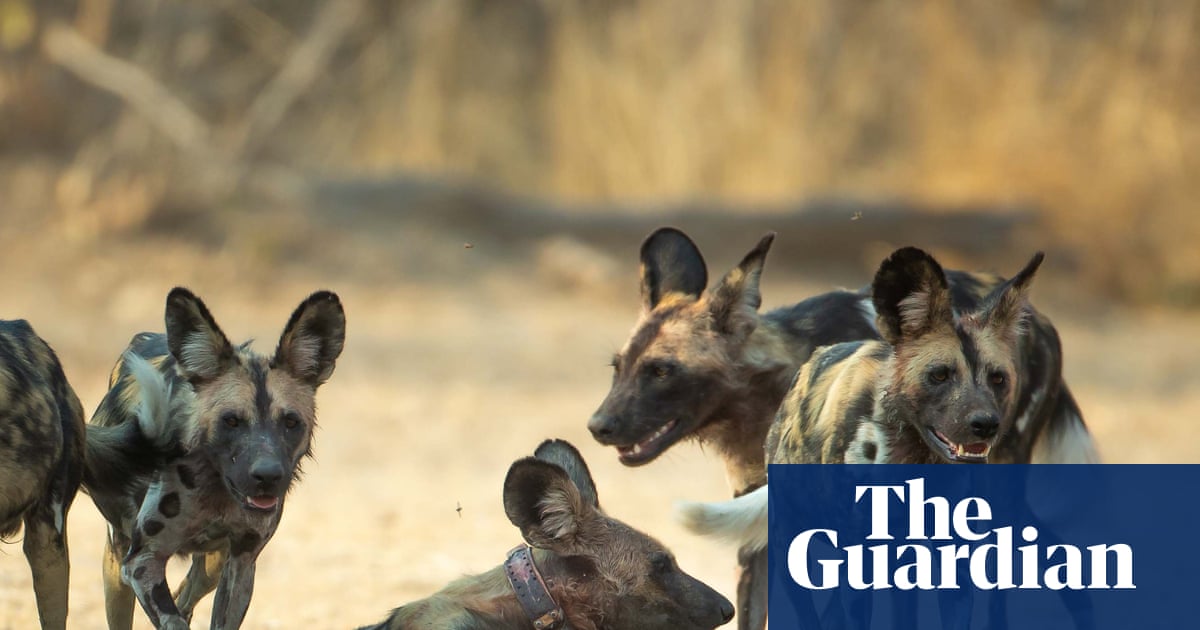
🐕
Like a Disney movie: three wild dog brothers make Africa's longest journey
Als een Disney-film: drie wilde hondenbroers maken Afrika's langste reis
Comme un film Disney : trois frères lycaons entreprennent le plus long voyage d'Afrique
Three endangered African wild dog brothers just made history by travelling over 2,500 miles across Zambia in eight months - the longest recorded journey of any mammal on the continent. Starting from Kafue national park in the west and ending in the Luangwa valley in the east, these young males were dispersing to find new territory and mates, navigating through mines, hunters' snares, and human-dominated landscapes to survive. Their incredible journey - farther than the famous Serengeti migration - shows that natural connections between Africa's wildlife areas still exist, even though they've become increasingly dangerous. Researchers say this discovery reinforces how vital it is to protect connected landscapes rather than relying only on fenced protected areas, giving hope to a species where only about 6,600 adults remain across 39 populations.
Drie bedreigde Afrikaanse wilde hondenbroers hebben geschiedenis geschreven door in acht maanden meer dan 4.100 kilometer door Zambia af te leggen - de langste geregistreerde reis van elk zoogdier op het continent. De jonge mannetjes begonnen hun dispersie vanuit Kafue national park in het westen en bereikten uiteindelijk de Luangwa-vallei in het oosten, waarbij zij zich een weg baanden door mijnen, strikken van stropers en door mensen gedomineerde landschappen. Hun buitengewone tocht - verder dan de beroemde Serengeti-migratie - toont aan dat natuurlijke verbindingen tussen Afrikaanse wildgebieden nog steeds bestaan, hoewel deze steeds gevaarlijker zijn geworden. Onderzoekers zeggen dat deze ontdekking aantoont hoe vitaal het is om verbonden landschappen te beschermen in plaats van alleen op omheinde beschermde gebieden te vertrouwen, wat hoop geeft aan een soort waar slechts ongeveer 6.600 volwassenen over 39 populaties overblijven.
Trois frères lycaons africains en danger ont écrit l'histoire en parcourant plus de 4.100 kilomètres à travers la Zambie en huit mois - le plus long voyage jamais enregistré pour n'importe quel mammifère du continent. Ces jeunes mâles ont commencé leur dispersion depuis le parc national de Kafue à l'ouest et ont atteint la vallée de la Luangwa à l'est, se frayer un chemin à travers les mines, les pièges des braconniers et les paysages dominés par l'homme. Leur voyage extraordinaire - plus loin que la célèbre migration du Serengeti - montre que les connexions naturelles entre les espaces sauvages africains existent toujours, bien qu'elles soient devenues de plus en plus dangereuses. Les chercheurs affirment que cette découverte démontre combien il est vital de protéger les paysages connectés plutôt que de compter uniquement sur des aires protégées clôturées, ce qui apporte de l'espoir à une espèce dont il ne reste qu'environ 6.600 adultes répartis sur 39 populations.

📚
Young people skip school more when parents are harsh or routines are missing
Jongeren spijbelen vaker wanneer ouders streng zijn of routines ontbreken
Les jeunes sèchent plus souvent l'école quand les parents sont sévères ou que les routines manquent
An ESRI report working with Tusla Education Support Service has found that young people are significantly more likely to miss school when their parents use harsh discipline or when there's a lack of routine around bedtimes and breakfast. The research, which tracked children from age 9 to 13, shows that maternal characteristics play a much stronger role than paternal factors in predicting school absence. Beyond parenting style, the study reveals that major life events like bereavement, illness and addiction drive absence, as do negative attitudes toward school itself - which interestingly has become a stronger predictor of absence than it was a decade ago. The report also found higher absence rates in disadvantaged communities, among children with disabilities, and in families experiencing financial strain or living in rented accommodation.
Een ESRI-rapport in samenwerking met Tusla Education Support Service toont aan dat jongeren aanzienlijk vaker school missen wanneer hun ouders strenge discipline hanteren of wanneer er geen routine bestaat rond bedtijden en ontbijt. Het onderzoek, dat kinderen van 9 tot 13 jaar volgde, laat zien dat eigenschappen van de moeder een veel sterkere rol spelen dan vaderfactoren bij het voorspellen van schoolverzuim. Naast opvoedingsstijl laat de studie zien dat grote levensgebeurtenissen zoals rouw, ziekte en verslaving verzuim veroorzaken, evenals negatieve attitudes tegenover school zelf - wat opvallend genoeg een sterkere voorspeller van verzuim is geworden dan tien jaar geleden. Het rapport toont ook hogere verzuimpercentages in achtergestelde gemeenschappen, onder kinderen met een beperking, en in gezinnen die financiële problemen hebben of in huurwoningen wonen.
Un rapport de l'ESRI en partenariat avec le Tusla Education Support Service montre que les jeunes manquent beaucoup plus souvent l'école quand leurs parents utilisent la discipline sévère ou quand il n'y a pas de routine autour des heures de coucher et du petit-déjeuner. L'étude, qui a suivi des enfants de 9 à 13 ans, révèle que les caractéristiques maternelles jouent un rôle bien plus important que les facteurs paternels pour prédire l'absentéisme scolaire. Au-delà du style parental, l'étude montre que les grands événements de la vie comme le deuil, la maladie et la dépendance provoquent l'absentéisme, tout comme les attitudes négatives envers l'école elle-même - ce qui est remarquablement devenu un prédicteur plus fort de l'absentéisme qu'il y a une décennie. Le rapport montre également des taux d'absentéisme plus élevés dans les communautés défavorisées, parmi les enfants handicapés, et dans les familles confrontées à des difficultés financières ou vivant dans des logements locatifs.
🔬
New mesothelioma drug turns cancer's own defenses against it
Nieuw mesothelioomgeneesmiddel keert verdedigingsmechanisme van kanker tegen zichzelf
Un nouveau traitement du mésothéliome retourne les défenses du cancer contre lui-même
Researchers at the University of Vermont have discovered a clever strategy to fight mesothelioma - a rare, aggressive cancer linked to asbestos exposure that kills about 30,000 people worldwide each year. Instead of trying to reduce the damaging molecules that cancer cells produce, they're doing the opposite: blocking an enzyme called PRX3 that protects tumor cells from these toxic molecules. In a phase one clinical trial, an experimental drug using thiostrepton - a naturally occurring antibiotic - blocked this protective enzyme and controlled disease progression in 67% of patients, with some tumors actually shrinking. Because cancer cells already produce far more of these damaging molecules than normal cells and rely more heavily on PRX3 to survive, this approach appears to target tumors while leaving healthy tissue relatively unharmed.
Onderzoekers van de Universiteit van Vermont hebben een slimme strategie ontdekt om mesothelioom - een zeldzame, agressieve kanker die verband houdt met asbestblootstelling en jaarlijks ongeveer 30.000 mensen wereldwijd doodt - te bestrijden. In plaats van de schadelijke moleculen die kankercellen produceren te verminderen, doen zij het tegenovergestelde: zij blokkeren een enzym genaamd PRX3 dat tumorcellen beschermt tegen deze giftige moleculen. In een eerste klinische proef blokkeerde een experimenteel geneesmiddel dat thiostrepton gebruikt - een natuurlijk voorkomend antibioticum - dit beschermende enzym en controleerde de ziekteprogressie bij 67% van de patiënten, met in enkele gevallen krimp van tumoren. Omdat kankercellen veel meer van deze schadelijke moleculen produceren dan normale cellen en sterker afhankelijk zijn van PRX3 om te overleven, lijkt deze benadering tumoren doelgericht aan te pakken terwijl gezond weefsel relatief ongeschonden blijft.
Des chercheurs de l'Université du Vermont ont découvert une stratégie ingénieuse pour combattre le mésothéliome - un cancer rare et agressif lié à l'exposition à l'amiante qui tue environ 30 000 personnes chaque année dans le monde. Au lieu de réduire les molécules nuisibles que les cellules cancéreuses produisent, ils font l'inverse : bloquer une enzyme appelée PRX3 qui protège les cellules tumorales de ces molécules toxiques. Lors d'un essai clinique de phase 1, un médicament expérimental utilisant la thiostreptone - un antibiotique naturel - a bloqué cette enzyme protectrice et a contrôlé la progression de la maladie chez 67 % des patients, avec une réduction des tumeurs dans certains cas. Puisque les cellules cancéreuses produisent bien plus de ces molécules nuisibles que les cellules normales et dépendent davantage de PRX3 pour survivre, cette approche semble cibler les tumeurs tout en épargner les tissus sains.
🍚
Black and green rice hide surprising health benefits that white rice doesn't have
Zwarte en groene rijst verbergen verrassende gezondheidsvoordelen die witte rijst niet heeft
Le riz noir et vert cache des avantages sanitaires surprenants que le riz blanc n'a pas
Scientists at Hokkaido University have discovered something really exciting - black and green rice varieties contain special fats that white rice simply doesn't have. Using advanced techniques like mass spectrometry, the researchers identified 196 different lipid molecules in japonica rice, with pigmented varieties showing notably higher levels of beneficial compounds called FAHMFAs and LNAPEs. These fats have been linked to anti-inflammatory activity and better metabolic health, which is pretty remarkable when you think about how often rice is overlooked nutritionally. What really caught my attention is that black and green rice also produced slower blood sugar rises than white rice, suggesting they could help manage type 2 diabetes risk and support heart health.
Wetenschappers van de Hokkaido-universiteit hebben iets echt spannends ontdekt - zwarte en groene rijstvariëteiten bevatten speciale vetten die witte rijst simpelweg niet heeft. Met geavanceerde technieken zoals massaspectrometrie identificeerden onderzoekers 196 verschillende lipidenmoleculen in japonica-rijst, waarbij gekleurde variëteiten aanzienlijk hogere niveaus van nuttige stoffen als FAHMFAs en LNAPEs vertoonden. Deze vetten zijn eerder gelinkt aan anti-inflammatoire effecten en betere metabolische gezondheid, wat behoorlijk opmerkelijk is gezien hoe vaak rijst voedingskundig over het hoofd wordt gezien. Wat mij echt fascineerde is dat zwarte en groene rijst ook langzamere bloedsuikerpieken veroorzaakten dan witte rijst, wat suggereert dat ze type 2 diabetes-risico kunnen helpen beheersen en hartgezondheid kunnen ondersteunen.
Des scientifiques de l'université de Hokkaido ont découvert quelque chose de vraiment passionnant - les variétés de riz noir et vert contiennent des graisses spéciales que le riz blanc n'a tout simplement pas. Grâce à des techniques avancées comme la spectrométrie de masse, les chercheurs ont identifié 196 molécules lipidiques différentes dans le riz japonica, les variétés pigmentées montrant des niveaux notablement plus élevés de composés bénéfiques appelés FAHMFAs et LNAPEs. Ces graisses ont été associées à une activité anti-inflammatoire et à une meilleure santé métabolique, ce qui est assez remarquable quand on pense à la fréquence avec laquelle le riz est négligé sur le plan nutritionnel. Ce qui m'a vraiment frappé, c'est que le riz noir et vert ont également produit des augmentations de glycémie plus lentes que le riz blanc, suggérant qu'ils pourraient aider à gérer le risque de diabète de type 2 et soutenir la santé cardiaque.
🧊
NASA's New Horizons discovers liquid nitrogen flowing on Pluto's surface
NASA's New Horizons ontdekt vloeibare stikstof die over Pluto's oppervlak stroomt
Le New Horizons de la NASA découvre de l'azote liquide qui s'écoule à la surface de Pluton
So here's the thing - NASA's New Horizons spacecraft has spotted something remarkable on Pluto: evidence that liquid nitrogen may be flowing on the dwarf planet's surface near Sputnik Planitia, that enormous heart-shaped glacier. What makes this so exciting is that it's the first indication liquids have actually moved on Pluto in relatively recent times, not just way back in the ancient past. The research team compared images from Pluto with NASA's Landsat 9 observations of Earth's glaciers, and the patterns looked strikingly similar - those dark markings that appear when water interacts with ice. Computer models suggest that nitrogen ice deep beneath the surface can melt and rise through channels toward the top, traveling like liquid in underground tubes, which would explain how these features formed in the last million years or so.
Dus hier is het interessante - NASA's New Horizons-ruimtevaartuig heeft iets opvallends ontdekt op Pluto: aanwijzingen dat vloeibare stikstof op het oppervlak van de dwergplaneet stroomt in de buurt van Sputnik Planitia, die enorme hartvorming gletsjer. Wat dit zo spannend maakt is dat het de eerste aanwijzing is dat vloeistoffen in recent tijd daadwerkelijk over Pluto hebben bewogen, niet alleen in het verre verleden. Het onderzoeksteam vergeleek afbeeldingen van Pluto met NASA's Landsat 9-waarnemingen van gletsjers op aarde, en de patronen leken opvallend gelijk - die donkere markeringen die verschijnen wanneer water met ijs in contact komt. Computermodellen suggereren dat stikstofijs diep onder het oppervlak kan smelten en door kanalen omhoog kan stijgen, bewegend als vloeistof in ondergrondse buizen, wat zou verklaren hoe deze kenmerken in het afgelopen miljoen jaar zijn ontstaan.
Donc voilà la chose intéressante - le vaisseau spatial New Horizons de la NASA a repéré quelque chose de remarquable sur Pluton : des preuves que l'azote liquide pourrait s'écouler à la surface de la planète naine près de Sputnik Planitia, ce glacier géant en forme de cœur. Ce qui rend cela si passionnant, c'est que c'est la première indication que des liquides ont réellement circulé sur Pluton à l'époque récente, et pas seulement dans le passé lointain. L'équipe de recherche a comparé les images de Pluton avec les observations Landsat 9 de la NASA des glaciers terrestres, et les modèles ressemblaient frappantement - ces marques sombres qui apparaissent quand l'eau interagit avec la glace. Les modèles informatiques suggèrent que la glace d'azote profondément sous la surface peut fondre et remonter par des canaux vers le haut, se déplaçant comme du liquide dans des tubes souterrains, ce qui expliquerait comment ces caractéristiques se sont formées au cours du dernier million d'années environ.

🧡
This type of compassion brings us the most benefit, study shows
Dit type mededogen brengt ons de meeste voordelen, onderzoek toont aan
Ce type de compassion nous apporte le plus d'avantages, selon une étude
So here's something I find really fascinating - we've always known that helping others makes us feel happier, and that includes caring for animals too. But a new study about compassion reveals something quite striking: one type of compassion matters more than we might expect. And it turns out that how we care about and treat ourselves has a much bigger impact on our mental health than we realized. Which brings me to this insight - self-compassion isn't selfish at all, it's actually foundational to our wellbeing.
Hier is iets wat ik echt fascinering vind - we weten al lang dat anderen helpen ons gelukkiger maakt, en dat geldt ook voor het zorgen voor dieren. Maar een nieuw onderzoek over mededogen onthult iets opvallend: één type mededogen is veel belangrijker dan we misschien dachten. En het blijkt dat hoe we voor onszelf zorgen en onszelf behandelen een veel groter effect op onze mentale gezondheid heeft dan we beseffen. Dit inzicht brengt me tot de conclusie dat eigenliefde en zelfmededogen helemaal niet egoïstisch zijn, maar juist fundamenteel voor ons welzijn.
Voici quelque chose que je trouve vraiment fascinant - on sait depuis longtemps que aider les autres nous rend plus heureux, et cela inclut aussi prendre soin des animaux. Mais une nouvelle étude sur la compassion révèle quelque chose de frappant: un type de compassion est beaucoup plus important que nous le pensions. Et il s'avère que la façon dont nous prenons soin de nous-mêmes et nous nous traitons a un impact bien plus grand sur notre santé mentale que nous le réalisions. Ce qui m'amène à cette conclusion - l'auto-compassion n'est pas du tout égoïste, elle est en réalité fondamentale à notre bien-être.

🌪️
The surprising reason there have been no Atlantic hurricanes this year
De verrassende reden waarom er dit jaar geen orkanen in de Atlantische Oceaan zijn geweest
La raison surprenante pour laquelle il n'y a pas eu d'ouragan dans l'Atlantique cette année
So here's what's fascinating - we're looking at something genuinely rare happening in the Atlantic right now, with zero hurricanes recorded so far this year. In the last 175 years of records, this has only occurred twice before, back in 1907 and 1914. Now, El Niño tends to get all the attention when we talk about hurricane suppression, but it turns out there's another force at play here that's contributing to fewer storms and pushing the season peak later than usual. And here's the thing - we're even seeing intensified drought conditions across the Caribbean islands partly because of this lack of tropical storms.
Dus wat is hier fascinerend - we zien iets werkelijk zeldzaams gebeuren in de Atlantische Oceaan op dit moment, met nul orkanen tot nu toe dit jaar. In de afgelopen 175 jaar van records is dit slechts twee keer eerder voorgekomen, in 1907 en 1914. Nu krijgt El Niño meestal alle aandacht wanneer we het hebben over orkaan-onderdrukking, maar het blijkt dat er nog een ander krachtige factor aan het spel is die bijdraagt aan minder stormen en het seizoenspieken later doet verschuiven dan normaal. En hier is het interessante - we zien zelfs intens droog weer zich verspreiden over de Caribische eilanden, mede vanwege deze gebrek aan tropische stormen.
Voici ce qui est fascinant - nous assistons à quelque chose de véritablement rare dans l'Atlantique en ce moment, sans aucun ouragan enregistré jusqu'à présent cette année. Au cours des 175 dernières années de registres, cela n'est survenu que deux fois auparavant, en 1907 et 1914. Maintenant, El Niño tend à retenir toute l'attention lorsqu'on parle de suppression des ouragans, mais il s'avère qu'une autre force est à l'œuvre ici qui contribue à moins de tempêtes et repousse le pic de la saison plus tard que d'habitude. Et voici la chose intéressante - nous voyons même des conditions de sécheresse intensifiée s'étendre sur les îles des Caraïbes, en partie à cause de ce manque de tempêtes tropicales.

🎼
The secret of Mozart's genius unlocked - has a teenager succeeded where generations of musicologists have failed?
Het geheim van Mozart's genie ontcijferd - is een tiener geslaagd waar generaties musicologen faalden?
Le secret du génie de Mozart enfin déverrouillé - un adolescent a-t-il réussi là où des générations de musicologues ont échoué?
So here's what's fascinating: an 18-year-old student from Philadelphia has actually cracked something that's stumped musicologists for centuries - what makes Mozart's music so distinctively brilliant. Linus Chen-Plotkin analysed 600 movements from Mozart, Haydn, Beethoven and Schubert using statistical software and Markov chains, and discovered that Mozart's melodies have a shorter "memory" - meaning they're more surprising and unpredictable moment-to-moment. His work shows that Mozart sets up patterns of expectation in his music and then confounds them, which is exactly what gives those pieces their dizzying richness and magic. What I find really encouraging is that Chen-Plotkin isn't arguing maths replaces musicology - he's simply showing how data can reveal the patterns underlying human creativity, and his work is just getting started.
Hier is het fascinerende deel: een 18-jarige student uit Philadelphia heeft eindelijk iets opgelost dat musicologen eeuwenlang intrigeert - wat maakt Mozart's muziek zo onderscheidend briljant? Linus Chen-Plotkin analyseerde 600 delen van Mozart, Haydn, Beethoven en Schubert met statistische software en Markov-ketens, en ontdekte dat Mozart's melodieën een korter "geheugen" hebben - wat betekent dat ze moment voor moment verrassender en onvoorspelbaarder zijn. Zijn onderzoek toont aan dat Mozart patronen van verwachting creëert in zijn muziek en die dan doorbreekt, wat precies die duizelingwekkende rijkdom en magie geeft aan die stukken. Wat ik echt bemoedigend vind is dat Chen-Plotkin niet stelt dat wiskunde musicologie vervangt - hij toont simpelweg hoe data de patronen achter menselijke creativiteit kan onthullen, en zijn werk is net begonnen.
Voilà ce qui est fascinant: un étudiant de 18 ans de Philadelphie a finalement résolu quelque chose qui intrigue les musicologues depuis des siècles - qu'est-ce qui rend la musique de Mozart si brillante et distinctive? Linus Chen-Plotkin a analysé 600 mouvements de Mozart, Haydn, Beethoven et Schubert en utilisant des logiciels statistiques et des chaînes de Markov, et découvert que les mélodies de Mozart ont une «mémoire» plus courte - ce qui signifie qu'elles sont plus surprenantes et imprévisibles moment après moment. Son travail montre que Mozart crée des modèles d'attente dans sa musique et les subvertit ensuite, ce qui donne précisément cette richesse et cette magie vertigineuses à ces pièces. Ce que je trouve vraiment encourageant, c'est que Chen-Plotkin ne prétend pas que les mathématiques remplacent la musicologie - il montre simplement comment les données peuvent révéler les motifs sous-jacents à la créativité humaine, et son travail ne fait que commencer.

🐘
Baby elephants are learning to 'play doctor' and it's changing how zoos care for them
Babyolifanten leren 'doktertje spelen' en het verandert hoe dierentuinen voor hen zorgen
Les bébés éléphants apprennent à 'jouer au docteur' et cela change la façon dont les zoos en prennent soin
The Smithsonian's National Zoo just welcomed Linh Mai, their first elephant calf born in nearly 25 years - a real breakthrough for Asian elephant conservation since fewer than 50,000 remain in the wild. When Linh Mai's mother initially rejected her, the care team stepped in with round-the-clock bottle feeding and help from her "auntie" Swarna, who eventually accepted the calf as her own. Now here's the thing - even as a tiny calf, Linh Mai is learning something pretty remarkable: how to participate voluntarily in her own medical care through positive reinforcement training. Zoos have been using this approach since the mid-1990s, teaching elephants at a young age to present their feet for nail trimming, open their mouths for dental checks, and eventually stand still for X-rays and blood draws without risky anesthesia. It's a beautiful example of how understanding and respect for these intelligent animals actually improves their welfare and the care they receive.
De Smithsonian National Zoo verwelkomde net Linh Mai, hun eerste olifantenkalf in bijna 25 jaar - een echte doorbraak voor de bescherming van Aziatische olifanten nu er nog maar minder dan 50.000 in het wild leven. Toen Linh Mai's moeder haar aanvankelijk afwees, sprong het verzorgingsteam in met voeding om de twee uur en hulp van haar 'tante' Swarna, die het kalf uiteindelijk als haar eigen aannam. En hier gebeurt iets opmerkelijks - zelfs als klein kalf leert Linh Mai al hoe ze vrijwillig kan deelnemen aan haar eigen medische zorg door positieve versterkingstraining. Dierentuinen gebruiken deze aanpak sinds de jaren 90 om olifanten op jonge leeftijd te leren hun poten te presenteren voor nagelverzorging, hun mond open te doen voor tandcontrole, en uiteindelijk stil te staan voor röntgenfoto's en bloedafnames zonder riskante anesthesie. Het is een mooi voorbeeld van hoe begrip en respect voor deze intelligente dieren hun welzijn en de zorg die ze ontvangen daadwerkelijk verbeteren.
Le zoo national du Smithsonian a accueilli Linh Mai, son premier éléphanteau né en près de 25 ans - une véritable percée pour la conservation des éléphants d'Asie puisqu'il en reste moins de 50 000 à l'état sauvage. Quand la mère de Linh Mai l'a initialement rejetée, l'équipe soignante a pris le relais avec un allaitement toutes les deux heures et l'aide de sa 'tante' Swarna, qui a finalement accepté le petit comme le sien. Or, voici la partie remarquable - même en tant que petit éléphanteau, Linh Mai apprend déjà comment participer volontairement à ses propres soins médicaux grâce à un entraînement par renforcement positif. Les zoos utilisent cette approche depuis les années 1990 pour enseigner aux éléphants à un jeune âge à présenter leurs pattes pour le soin des ongles, ouvrir leur bouche pour les contrôles dentaires, et finalement rester immobiles pour les radiographies et les prises de sang sans anesthésie risquée. C'est un bel exemple de la façon dont la compréhension et le respect envers ces animaux intelligents améliorent vraiment leur bien-être et les soins qu'ils reçoivent.

🚗
The engineer who turned road rage into road safety lessons
De ingenieur die verkeersagressie omzette in veiligheidsles
L'ingénieur qui a transformé la rage routière en leçons de sécurité
So here's what I find really inspiring - Lokendra Singh, a software engineer from Hyderabad, decided to do something different when faced with India's road rage problem. Instead of getting frustrated like everyone else, he started standing at traffic signals on his days off, teaching drivers about helmets, seatbelts, lane discipline and basic safety. What began after witnessing a fatal accident has grown into something called Empowering Road Scholars, which has already reached over 10,000 people with practical driving lessons. And here's the thing - his simple goal is spot on: fewer accidents, safer roads, and more people getting home to their families safely.
Dit vind ik echt inspirerend - Lokendra Singh, een software-ingenieur uit Hyderabad, koos ervoor iets anders te doen toen hij geconfronteerd werd met het verkeerswoede-probleem in India. In plaats van gefrustreerd te worden zoals iedereen, begon hij op zijn vrije dagen bij verkeerslichten drivers les te geven over helmen, veiligheidsgordels, rijbaandiscipline en basale veiligheid. Wat begon na het getuigen van een dodelijk ongeluk is uitgegroeid tot Empowering Road Scholars, dat al meer dan 10.000 mensen heeft bereikt met praktische rijlessen. En hier is het belangrijkste - zijn eenvoudige doel is heel treffend: minder ongelukken, veiliger wegen en meer mensen die veilig thuiskomen bij hun families.
Voici ce qui m'inspire vraiment - Lokendra Singh, un ingénieur logiciel de Hyderabad, a décidé de faire quelque chose de différent face au problème de la rage routière en Inde. Au lieu de se frustrer comme tout le monde, il a commencé à se tenir aux feux de circulation pendant ses jours de congé, enseignant aux conducteurs l'importance des casques, des ceintures de sécurité, de la discipline de voie et des règles de sécurité de base. Ce qui a commencé après avoir assisté à un accident mortel a grandi pour devenir Empowering Road Scholars, qui a déjà sensibilisé plus de 10 000 personnes grâce à des leçons de conduite pratiques. Et voici l'essentiel - son objectif simple est vraiment pertinent : moins d'accidents, des routes plus sûres et davantage de gens rentrant sains et saufs chez leur famille.
🦖
After 15 years of research, scientists finally crack the body temperature of Tyrannosaurus rex
Na 15 jaar onderzoek ontrafelen wetenschappers eindelijk de lichaamstemperatuur van Tyrannosaurus rex
Après 15 ans de recherche, les scientifiques découvrent enfin la température corporelle du Tyrannosaurus rex
So here's the thing - researchers have spent a decade and a half piecing together one of prehistory's biggest mysteries: just how warm did a T. rex actually run? Now they've got an answer, and it's fascinating because it turns out these creatures maintained a pretty high body temperature, which actually explains a lot about why they dominated the food chain so completely. And here's what's really striking - this metabolic intensity gave them the energy and hunting prowess to be apex predators unlike anything else in their ecosystem. Which brings me to the bigger picture: understanding the T. rex's internal workings helps us see dinosaurs not as cold, sluggish reptiles, but as active, powerful animals perfectly adapted to rule their world.
Dus hier is het ding - onderzoekers hebben anderhalf decennium besteed aan het ontrafelen van een van de grootste mysteries van de prehistorie: hoe warm was een T. rex eigenlijk? Nu hebben ze een antwoord, en het is fascinerend omdat deze dieren blijkbaar een behoorlijk hoge lichaamstemperatuur hadden, wat veel verklaart over hun dominante positie in de voedselketen. En dat is echt opvallend - deze metabole intensiteit gaf hen de energie en jachtkracht om ongekende toproofdieren te zijn in hun ecosysteem. Wat me naar het grotere plaatje brengt: het begrijpen van de inwendige werking van de T. rex helpt ons dinosaurussen niet als luie, koude reptiliën te zien, maar als actieve, krachtige dieren die perfect waren aangepast om hun wereld te beheersen.
Voilà le truc - les chercheurs ont passé une décennie et demie à démêler l'un des plus grands mystères de la préhistoire: à quelle température corporelle vivait un T. rex? Maintenant ils ont une réponse, et c'est fascinant car ces créatures maintenaient apparemment une température corporelle assez élevée, ce qui explique beaucoup leur domination totale de la chaîne alimentaire. Et c'est vraiment frappant - cette intensité métabolique leur donnait l'énergie et les capacités de chasse pour être des prédateurs apex sans équivalent dans leur écosystème. Ce qui m'amène au tableau plus large: comprendre le fonctionnement interne du T. rex nous aide à voir les dinosaures non pas comme des reptiles froids et léthargiques, mais comme des animaux actifs et puissants parfaitement adaptés pour dominer leur monde.

☀️
Why most stars don't have outbursts like our Sun's
Waarom de meeste sterren niet zoals onze Zon uitbarsten
Pourquoi la plupart des étoiles n'ont pas d'éruptions comme celle du Soleil
So here's something fascinating - the Sun occasionally throws these spectacular tantrums called coronal mass ejections, where massive fountains of matter erupt from its surface. But when astronomers look at similar stars out there, they rarely see these kinds of outbursts happening. Now, new research is revealing why - and it comes down to magnetic fields. Those intense magnetic fields that surround many stars actually disrupt and prevent the conditions needed for these dramatic eruptions to occur. This discovery helps us understand not just our own Sun better, but also what makes stellar activity so different across the universe.
Dus hier is iets fascinerends - de Zon heeft af en toe deze spectaculaire uitbarstingen die coronale massa-ejecties worden genoemd, waarbij enorme fontijnen van materie van het oppervlak losbarsten. Maar wanneer astronomen naar vergelijkbare sterren kijken, zien ze deze soort uitbarstingen zelden gebeuren. Nu onthult nieuw onderzoek waarom - en het komt neer op magnetische velden. Die intense magnetische velden rond veel sterren verstoren en voorkomen eigenlijk de voorwaarden die nodig zijn voor deze dramatische uitbarstingen. Deze ontdekking helpt ons niet alleen onze eigen Zon beter te begrijpen, maar ook wat stellaire activiteit zo verschillend maakt in het heelal.
Voilà quelque chose de fascinant - le Soleil a occasionnellement ces spectaculaires éruptions appelées éjections de masse coronale, où d'énormes fontaines de matière jaillissent de sa surface. Mais quand les astronomes regardent des étoiles similaires ailleurs, ils voient rarement ce type d'éruption se produire. Maintenant, de nouvelles recherches révèlent pourquoi - et cela revient aux champs magnétiques. Ces champs magnétiques intenses qui entourent de nombreuses étoiles perturbent et empêchent en réalité les conditions nécessaires à ces spectaculaires éruptions. Cette découverte nous aide non seulement à mieux comprendre notre propre Soleil, mais aussi à comprendre ce qui rend l'activité stellaire si différente dans l'univers.

😄
It turns out at least 65 animal species actually laugh
Het blijkt dat minstens 65 diersoorten werkelijk lachen
Il s'avère que au moins 65 espèces animales rient réellement
A major UCLA study has identified at least 65 species of animals that produce what researchers call "play vocalizations" - essentially, laughter. Beyond the well-known examples like apes and rats, the list includes some surprising creatures: domestic cows and dogs, foxes, seals, mongooses, and even three bird species all express joy through their own forms of giggles. The research shows that laughter isn't uniquely human at all - it's actually an evolutionary signal that's millions of years old, shared across species separated by tens of millions of years of evolution. When animals laugh, they're communicating the same thing we do: "this is fun, and you're safe with me."
Een groot UCLA-onderzoek heeft aangetoond dat minstens 65 diersoorten zogenaamde "speelvocalisaties" produceren - eigenlijk lachen. Naast bekende voorbeelden als apen en ratten bevat de lijst verrassende dieren: huiskoeien en honden, vossen, zeehonden, mangoesten en zelfs drie vogelsoorten drukken plezier uit door hun eigen vorm van giechels. Het onderzoek toont aan dat lachen helemaal niet uniek menselijk is - het is eigenlijk een evolutionair signaal dat miljoenen jaren oud is en wordt gedeeld door soorten die tientallen miljoenen jaren uit elkaar liggen. Wanneer dieren lachen, communiceren zij hetzelfde als wij: "dit is leuk, en je bent veilig bij mij."
Une grande étude de l'UCLA a identifié au moins 65 espèces animales qui produisent ce que les chercheurs appellent des "vocalisations de jeu" - essentiellement, du rire. Au-delà des exemples bien connus comme les singes et les rats, la liste comprend des créatures surprenantes : les vaches et les chiens domestiques, les renards, les phoques, les mangoutes et même trois espèces d'oiseaux expriment la joie par leurs propres formes de gloussements. La recherche montre que le rire n'est pas du tout particulier aux humains - c'est en réalité un signal évolutif vieux de millions d'années, partagé par des espèces séparées par des dizaines de millions d'années d'évolution. Quand les animaux rient, ils communiquent la même chose que nous : "c'est amusant, et tu es en sécurité avec moi."

💙
New hope for breast cancer patients as life-extending drug now on NHS in England
Nieuw hoop voor borstkankerpatiënten nu geneesmiddel beschikbaar via NHS in Engeland
Nouvel espoir pour les patientes atteintes d'un cancer du sein avec un médicament qui prolonge la vie désormais disponible sur le NHS en Angleterre
After a two-year campaign by patients and charities, the NHS in England is finally making Enhertu available - a drug that can give people with HER2-low breast cancer almost seven extra months of life on average. So here's the thing - NICE rejected it back in 2024 saying it wasn't value for money, but changes to how the NHS values medications, plus a US trade deal, flipped the decision around. This opens doors for about 1,000 women a year, though charities point out that thousands have already missed out during the delay. Scotland's had access since 2023, and Wales is expected to follow soon, making this a bittersweet victory for everyone who fought so hard.
Na twee jaar kampagnes van patiënten en goede doelen stelt de NHS in Engeland Enhertu eindelijk beschikbaar - een medicijn dat mensen met HER2-laag borstkanker gemiddeld bijna zeven maanden extra leven kan geven. Nu is het interessant - NICE wees het in 2024 af omdat het geen goed geld-voor-waarde was, maar veranderingen in hoe de NHS medicijnen waardeert, plus een handelsakkoord met de VS, draaide de beslissing om. Dit opent deuren voor ongeveer 1.000 vrouwen per jaar, hoewel goede doelen opmerken dat duizenden al zijn misgelopen tijdens de vertraging. Schotland heeft sinds 2023 toegang, en Wales zal naar verwachting snel volgen, wat dit een bitterzoete overwinning maakt voor iedereen die zo hard heeft gevochten.
Après deux ans de campagnes menées par des patients et des organisations caritatives, le NHS en Angleterre rend enfin Enhertu disponible - un médicament qui peut donner aux personnes atteintes d'un cancer du sein HER2-faible environ sept mois de vie supplémentaires en moyenne. Et voilà - le NICE l'a rejeté en 2024 en disant que ce n'était pas rentable, mais les changements dans la façon dont le NHS valorise les médicaments, plus un accord commercial avec les États-Unis, ont inversé la décision. Cela ouvre des portes à environ 1 000 femmes par an, bien que les organismes caritatifs soulignent que des milliers ont déjà manqué cette opportunité pendant le délai. L'Écosse y a accès depuis 2023, et le Pays de Galles devrait suivre bientôt, ce qui rend cette victoire amère-douce pour tous ceux qui ont lutté si dur.
/s3/static.nrc.nl/wp-content/uploads/2026/09/16103129/web-170926WET_2035924474_Jong-Geleerd-Montage.jpg)
📊
Land ownership bloomed when the Dutch Golden Age sparked an economic explosion
Landbezit bloeide op toen de Gouden Eeuw voor economische expansie zorgde
La propriété foncière s'est épanouie quand le Siècle d'or néerlandais a provoqué une explosion économique
So here's what fascinated me about this research - historian Bram Hilkens spent seven years digging into whether economic growth automatically means more inequality, using seventeenth-century Holland as his laboratory. He discovered something really interesting through old land registers called morgenboeken: as the Dutch economy boomed during the Golden Age, more and more ordinary people could actually afford to buy little plots of land. Now, Hilkens is careful to put "Golden Age" in quotes - he doesn't ignore how colonial exploitation was the dark side of that prosperity - but his data shows something nuanced about how wealth spread during this period. What strikes me is how he moved from studying Kendrick Lamar's music to analyzing centuries-old property records, proving that curiosity about inequality knows no era.
Wat me echt fascineerde aan dit onderzoek is dat historicus Bram Hilkens zeven jaar besteedde aan de vraag of economische groei automatisch tot meer ongelijkheid leidt, gebruikmakend van zeventiende-eeuws Holland als zijn laboratorium. Via oude landregisters, de zogenaamde morgenboeken, ontdekte hij iets interessants: naarmate de Nederlandse economie groeide in de Gouden Eeuw, konden steeds meer gewone mensen zich een lapje grond veroorloven. Hilkens zet "Gouden Eeuw" bewust tussen aanhalingstekens - hij sluit niet uit hoe koloniale uitbuiting de schaduwzijde van die welvaart was - maar zijn data tonen iets genuanceerds over hoe welvaart verspreid werd in deze periode. Wat me raakt is hoe hij van studies over Kendrick Lamar's muziek naar analyse van eeuwenoude eigendomsregisters ging, wat bewijst dat nieuwsgierigheid naar ongelijkheid geen era kent.
Ce qui m'a vraiment fasciné dans cette recherche, c'est que l'historien Bram Hilkens a passé sept ans à explorer la question de savoir si la croissance économique entraîne automatiquement plus d'inégalité, en utilisant la Hollande du dix-septième siècle comme laboratoire. Grâce aux anciens registres fonciers appelés morgenboeken, il a découvert quelque chose d'intéressant : à mesure que l'économie néerlandaise s'est développée au Siècle d'or, de plus en plus de gens ordinaires pouvaient se permettre d'acheter des terres. Hilkens met délibérément le "Siècle d'or" entre guillemets - il ne ferme pas les yeux sur la façon dont l'exploitation coloniale était l'aspect obscur de cette prospérité - mais ses données montrent quelque chose de nuancé sur la façon dont la richesse s'est diffusée pendant cette période. Ce qui m'émeut, c'est comment il a évolué des études sur la musique de Kendrick Lamar vers l'analyse d'anciens registres de propriété, prouvant que la curiosité sur l'inégalité ne connaît pas d'époque.
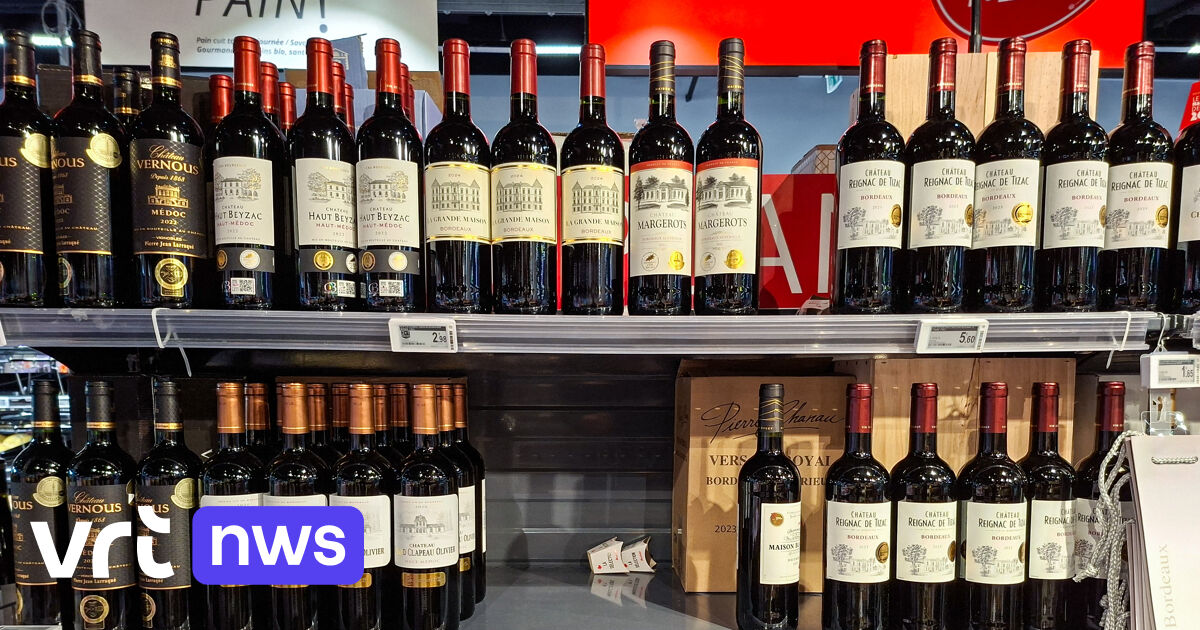
🍷
New research debunks the myth: cork-sealed wine isn't necessarily better than screw-cap wine
Nieuw onderzoek ontkracht mythe: wijn met kurk is niet per se beter dan wijn met schroefdop
Une nouvelle étude démystifie le mythe: le vin avec bouchon en liège n'est pas nécessairement meilleur que celui avec capsule à vis
A groundbreaking study from the Université de Bourgogne has finally mapped out exactly what happens when cork meets wine and how oxygen penetrates a bottle - a process that can take months or even years. Here's the thing: for young, fruity wines that you're planning to drink quickly, a screw cap makes virtually no difference because the external oxygen effect hasn't even kicked in yet. The research reveals that cork actually releases its own oxygen initially, then later absorbs it, and it's only after considerable time that outside air slowly enters through the bottle neck. So the bottom line is simple - since 80-90% of wine sold is meant to be consumed within a year, most supermarket wines are perfectly fine under a screw cap.
Een baanbrekende studie van de Université de Bourgogne heeft eindelijk in kaart gebracht wat er gebeurt wanneer kurk wijn ontmoet en hoe zuurstof in een fles doordringt - een proces dat maanden tot jaren kan duren. Het gaat zo: voor jonge, fruitige wijnen die je snel gaat drinken, maakt een schroefdop vrijwel geen verschil omdat het effect van externe zuurstof nog helemaal niet is begonnen. Het onderzoek toont aan dat kurk eerst zijn eigen zuurstof vrijgeeft, daarna deze juist opneemt, en pas na aanzienlijke tijd langzaam buitenlucht door de flessenhals naar binnen komt. De conclusie is simpel - omdat 80 tot 90 procent van de verkochte wijn binnen een jaar moet worden gedronken, zijn de meeste supermarktwijn prima onder een schroefdop.
Une étude révolutionnaire de l'Université de Bourgogne a enfin cartographié ce qui se passe lorsque le liège rencontre le vin et comment l'oxygène pénètre une bouteille - un processus qui peut prendre des mois, voire des années. Voici la chose importante: pour les jeunes vins fruités que vous prévoyez de boire rapidement, une capsule à vis ne fait pratiquement aucune différence car l'effet de l'oxygène externe n'a même pas encore commencé. La recherche révèle que le liège libère d'abord son propre oxygène, puis l'absorbe, et c'est seulement après un temps considérable que l'air extérieur pénètre lentement par le col de la bouteille. La conclusion est simple - puisque 80 à 90% du vin vendu doit être consommé dans un an, la plupart des vins de supermarché se conservent parfaitement bien avec une capsule à vis.
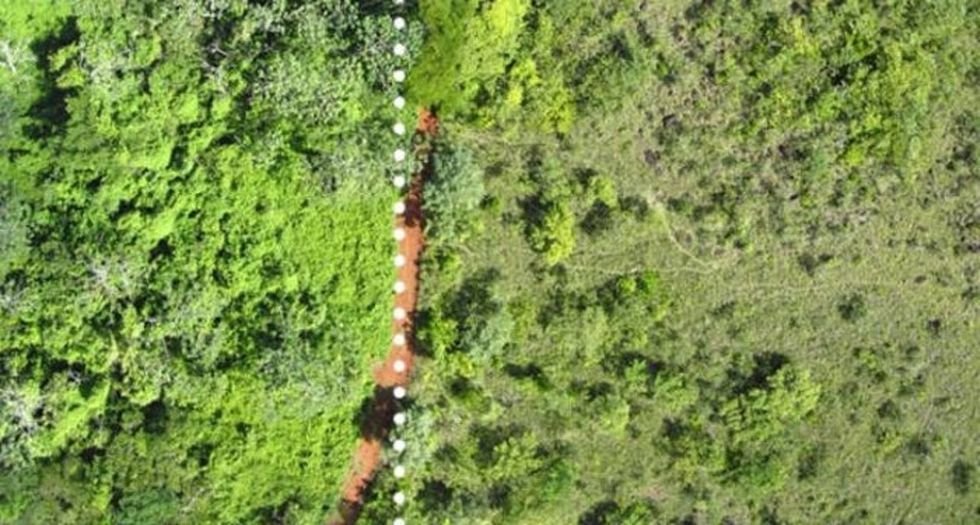
🌱
Orange peels saved a barren forest - and here's what happened next
Sinaasappelschillen redden een kaal bos - en dit gebeurde daarna
Des écorces d'orange ont sauvé une forêt stérile - voici ce qui s'est passé
Back in 1997, Costa Rican ecologists had a wild idea - what if an orange juice company dumped its waste in a degraded patch of land inside a national park? So Del Oro offloaded over 12,000 metric tons of orange peels and pulp onto the worn-out plot, and the results were frankly mind-blowing. When researchers returned decades later, they found the site had exploded with life - a 176 percent increase in tree biomass, 24 different plant species thriving where there'd been almost nothing, plus wildlife like tayras and a massive fig tree. Now, this discovery is reshaping how scientists think about using agricultural waste to restore tropical forests and fight climate change.
Terug in 1997 hadden Costa Ricaanse ecologen een wild idee - wat als een sinaasappelsapbedrijf zijn afval zou dumpen op een verwaarlosd stuk land in een nationaal park? Del Oro kieperde dus meer dan 12.000 ton sinaasappelschillen en pulp op het uitgeputte terrein, en de resultaten waren werkelijk verbluffend. Toen onderzoekers tientallen jaren later terugkeerden, ontdekten ze dat de locatie was ontploft van leven - een toename van 176 procent in houtbiomassa, 24 verschillende plantensoorten die floreerden waar bijna niets groeide, plus dieren zoals tayra's en een enorme vijgeboom. Dit onderzoek hervormt nu hoe wetenschappers denken over het gebruik van landbouwafval om tropische bossen te herstellen en klimaatverandering te bestrijden.
En 1997, des écologues costariciens avaient une idée farfelue - et si une entreprise de jus d'orange déversait ses déchets sur un terrain dégradé à l'intérieur d'un parc national? Del Oro a donc déchargé plus de 12 000 tonnes d'écorces et de pulpe d'orange sur la parcelle épuisée, et les résultats ont été vraiment époustouflants. Quand les chercheurs sont revenus des décennies plus tard, ils ont découvert que le site avait explosé de vie - une augmentation de 176 pour cent de la biomasse ligneuse, 24 espèces végétales différentes prospérant là où il n'y avait presque rien, plus la faune comme les tayras et un énorme figuier. Cette découverte remodèle maintenant la façon dont les scientifiques envisagent l'utilisation des déchets agricoles pour restaurer les forêts tropicales et combattre le changement climatique.
♻️
Steel from waste? A breakthrough from China brings it closer
Staal uit afval? Een doorbraak uit China brengt het dichterbij
De l'acier à partir de déchets ? Une percée chinoise nous en rapproche
So here's something really exciting - Chinese researchers have apparently cracked a method to produce steel from waste materials, which could be a game-changer for both industry and the environment. Now, this isn't just theoretical stuff; this breakthrough actually brings us significantly closer to making sustainable steel production a realistic commercial reality. Which brings me to why this matters - steel manufacturing is traditionally one of the heaviest polluters, so finding a way to recycle waste into usable steel could slash emissions and reduce our dependence on raw ore extraction. And here's the thing: if this technology can be scaled up from the lab to actual production facilities, it could reshape how the global steel industry operates for decades to come.
Dus hier is iets echt spannends - Chinese onderzoekers hebben kennelijk een methode ontdekt om staal uit afvalmateriaal te produceren, wat een gamechanger zou kunnen zijn voor zowel de industrie als het milieu. Nu gaat het hier niet alleen om theoretische ideeën; deze doorbraak brengt ons werkelijk veel dichterbij het maken van duurzame staalproductie in commerciële schaal. Wat maakt dit belangrijk - staalproductie is traditioneel een van de zwaarste vervuilers, dus een manier vinden om afval in bruikbaar staal om te zetten zou emissies drastisch kunnen verminderen en onze afhankelijkheid van ruwe ertswinnning verlagen. En het grappige is: als deze technologie van het lab naar echte productie-installaties kan worden opgeschaald, zou het kunnen veranderen hoe de wereldwijde staalindustrie voor decennia functioneert.
Voilà quelque chose de vraiment passionnant - des chercheurs chinois ont apparemment mis au point une méthode pour produire de l'acier à partir de matériaux de déchet, ce qui pourrait être un tournant majeur pour l'industrie et l'environnement. Maintenant, il ne s'agit pas seulement de théorie; cette percée nous rapproche véritablement de la réalisation d'une production d'acier durable à l'échelle commerciale. Ce qui rend cela important - la fabrication d'acier est traditionnellement l'un des plus gros pollueurs, donc trouver un moyen de recycler les déchets en acier utilisable pourrait réduire drastiquement les émissions et diminuer notre dépendance à l'extraction de minerai brut. Et voici la chose: si cette technologie peut être adaptée du laboratoire aux installations de production réelles, elle pourrait transformer le fonctionnement de l'industrie mondiale de l'acier pendant des décennies.
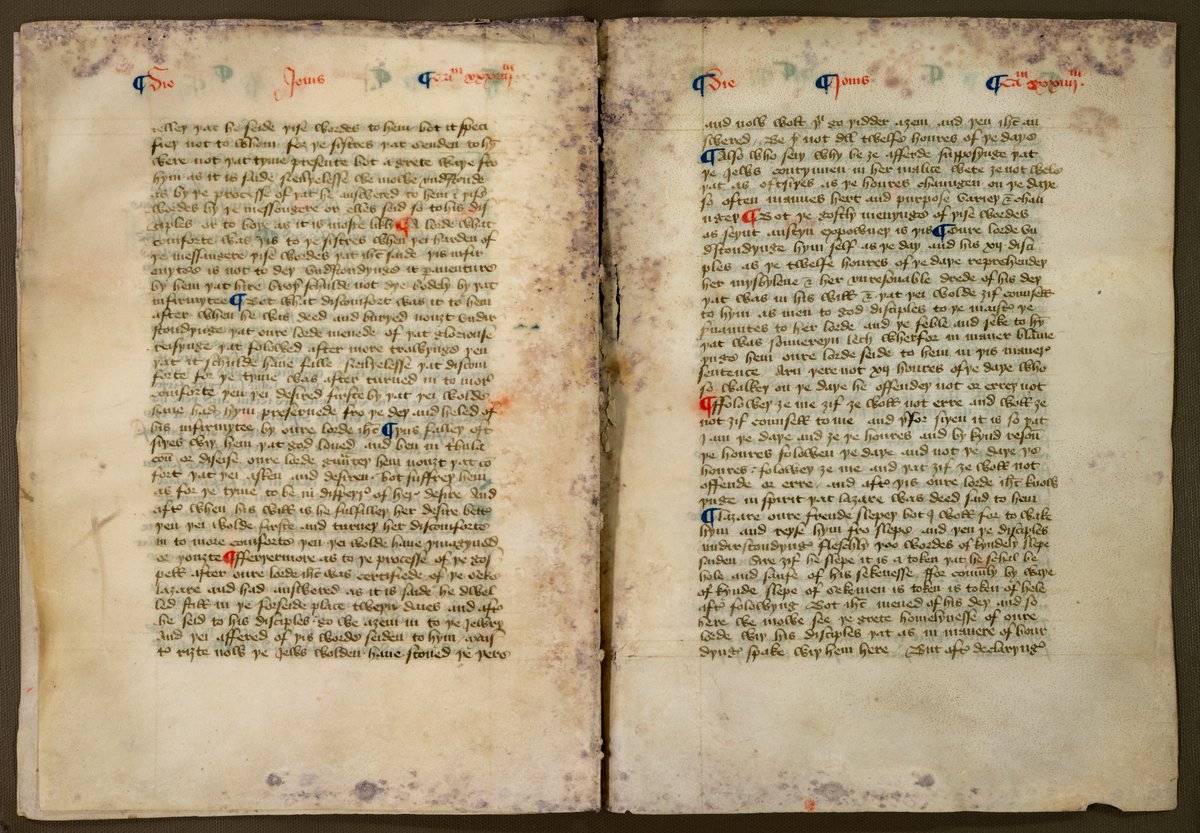
📜
Lost pages of a priceless Henry VIII manuscript have finally surfaced
Verloren pagina's van een waardevol manuscript uit het tijdperk van Hendrik VIII zijn eindelijk opgedoken
Les pages perdues d'un précieux manuscrit de l'époque d'Henri VIII ont finalement été retrouvées
After 600 years, six missing pages from a rare copy of Nicholas Love's Mirror of the Blessed Life of Jesus Christ have been discovered, completing a crucial piece of Tudor history. The manuscript once belonged to John Gage, a powerful enforcer in Henry VIII's court who oversaw the dissolution of monasteries, yet kept this religious text rather than destroying it - a telling sign of the religious tensions tearing through the Tudor period. The lost pages, which describe Jesus raising Lazarus from the dead, got separated when the book's binding came loose during a past repair, and they ended up hiding in plain sight within a collection of estate records. Researchers James Wade and Katie Walter realized the loose leaves matched the incomplete manuscript at Yale's Beinecke Library by comparing dimensions, annotations, and handwriting styles, revealing a fascinating window into one man's conflicted faith during England's most turbulent religious transformation.
Na 600 jaar zijn zes vermiste pagina's uit een zeldzaam exemplaar van Nicholas Loves Mirror of the Blessed Life of Jesus Christ eindelijk gevonden, wat een cruciaal stuk Tudorgeschiedenis compleet maakt. Het manuscript behoorde toe aan John Gage, een machtige handhaver aan het hof van Hendrik VIII die toezicht hield op de ontbinding van kloosters, maar hij behield deze religieuze tekst in plaats van deze te vernietigen - een veelzeggend teken van de religieuze spanningen in de Tudorperiode. De verloren pagina's, die beschrijven hoe Jezus Lazarus uit de doden opwekt, raakten gescheiden toen de binnenwerk van het boek losraakte tijdens een eerdere reparatie, en ze verdwenen in een verzameling familiedocumenten. Onderzoeker James Wade en Katie Walter realiseerden zich dat de losse pagina's pasten bij het onvolledige manuscript in Yales Beinecke Library door afmetingen, aantekeningen en handschriftstijlen te vergelijken, waardoor een fascinerend venster ontstaat op het verdeelde geloof van één man tijdens Englands meest turbulente religieuze transformatie.
Après 600 ans, six pages manquantes d'une rare copie du Mirror of the Blessed Life of Jesus Christ de Nicholas Love ont finalement été découvertes, complétant une pièce cruciale de l'histoire Tudor. Le manuscrit appartenait autrefois à John Gage, un puissant exécuteur à la cour d'Henri VIII qui supervisait la dissolution des monastères, mais il a conservé ce texte religieux au lieu de le détruire - un signe révélateur des tensions religieuses qui déchiraient la période Tudor. Les pages perdues, qui décrivent Jésus ressuscitant Lazare des morts, se sont séparées lorsque la reliure du livre s'est détachée lors d'une réparation antérieure, et elles ont disparu à la vue dans une collection de documents patrimoniaux. Les chercheurs James Wade et Katie Walter ont réalisé que les pages détachées correspondaient au manuscrit incomplet de la bibliothèque Beinecke de Yale en comparant les dimensions, les annotations et les styles d'écriture, révélant une fenêtre fascinante sur la foi divisée d'un homme pendant la transformation religieuse la plus tumultueuse de l'Angleterre.

🤝
Israel and Morocco to open embassies as diplomatic ties deepen
Israël en Marokko openen ambassades terwijl diplomatieke banden versterken
Israël et le Maroc ouvrent des ambassades alors que les liens diplomatiques se renforcent
Israel and Morocco are taking their diplomatic relationship to a new level by upgrading their respective liaison offices to full embassies, with ambassadors to be appointed soon. The announcement came from a meeting in New York between Israeli Foreign Minister Gidéon Saar and his Moroccan counterpart Nasser Bourita, with US support. Beyond the embassy upgrades, the two countries are planning economic agreements and expanded direct flights before the end of 2026. The move builds on their 2020 normalization under the Abraham Accords, though it faces some domestic pressure in Morocco following the Gaza conflict.
Israël en Marokko brengen hun diplomatieke relatie naar een nieuw niveau door hun respectievelijke verbindingskantoren uit te breiden tot volwaardige ambassades, met ambassadeurs die binnenkort benoemd zullen worden. De aankondiging kwam voort uit een bijeenkomst in New York tussen Israëlische minister van Buitenlandse Zaken Gidéon Saar en zijn Marokkaanse collega Nasser Bourita, met Amerikaanse steun. Naast de upgrading van de ambassades plannen de twee landen economische akkoorden en uitgebreide directe vluchten vóór het einde van 2026. De stap bouwt voort op hun normalisering in 2020 onder de Abraham Akkoorden, hoewel deze enige binnenlandse druk in Marokko ondervindt na het conflict in Gaza.
Israël et le Maroc portent leur relation diplomatique à un nouveau niveau en élevant leurs respectifs bureaux de liaison au statut d'ambassades complètes, avec des ambassadeurs qui seront bientôt nommés. L'annonce est venue d'une réunion à New York entre le ministre israélien des Affaires étrangères Gidéon Saar et son homologue marocain Nasser Bourita, avec le soutien américain. Au-delà de la promotion des ambassades, les deux pays prévoient des accords économiques et des vols directs élargis avant la fin de 2026. Cette démarche s'appuie sur leur normalisation en 2020 selon les Accords d'Abraham, bien qu'elle fasse face à une certaine pression intérieure au Maroc suite au conflit à Gaza.

🚗
How self-driving cars might change crash testing forever
Hoe zelfrijdende auto's het crashtesten voorgoed kunnen veranderen
Comment les voitures autonomes pourraient transformer les tests de collision à jamais
So here's the thing - Tesla's new Cybercab doesn't have a steering wheel, which means passengers can recline, eat, work, or even sleep during the ride. But safety researchers are raising a really important point: when people sit in non-standard positions during a crash, they're much more likely to get injured, even with seatbelts on. Which brings me to what's fascinating - this shift toward autonomous vehicles is finally pushing governments like NHTSA to revisit decades-old safety standards that assumed everyone sits upright. And here's the positive part: modernizing these rules for self-driving cars could lead to better safety standards across all vehicles, not just robotaxis.
Dus hier komt het interessante deel - Tesla's nieuwe Cybercab heeft geen stuurwiel, wat betekent dat passagiers kunnen achteroverbogen zitten, eten, werken of zelfs slapen tijdens de rit. Maar veiligheidsonderzoekers brengen een echt belangrijk punt naar voren: wanneer mensen in niet-standaard posities zitten tijdens een ongeluk, lopen zij veel meer risico op letsel, zelfs met een veiligheidsgordel om. Wat me fascineren doet, is dat deze verschuiving naar zelfrijdende voertuigen regeringen zoals NHTSA eindelijk dwingt om decennia oude veiligheidsnormen opnieuw te bekijken die uitgingen van rechtop zittende mensen. En hier zit het positieve deel: het moderniseren van deze regels voor zelfrijdende auto's zou kunnen leiden tot betere veiligheidsnormen voor alle voertuigen, niet alleen robotaxi's.
Donc voilà la chose intéressante - la nouvelle Cybercab de Tesla n'a pas de volant, ce qui signifie que les passagers peuvent s'incliner vers l'arrière, manger, travailler ou même dormir pendant le trajet. Mais les chercheurs en sécurité soulèvent un point vraiment important : quand les gens sont assis dans des positions non-standard lors d'un accident, ils risquent beaucoup plus de blessures, même avec une ceinture de sécurité. Ce qui me fascine, c'est que ce passage aux véhicules autonomes pousse enfin des gouvernements comme la NHTSA à réexaminer des normes de sécurité vieilles de plusieurs décennies qui supposaient que tout le monde s'assied droit. Et voici la partie positive : moderniser ces règles pour les voitures autonomes pourrait mener à de meilleures normes de sécurité pour tous les véhicules, pas seulement les robotaxis.

🦈
Why great white sharks seem to be taking over Maine's beaches
Waarom grote witte haaien de stranden van Maine lijken over te nemen
Pourquoi les grands requins blancs semblent envahir les plages du Maine
Maine experienced an unusual surge of great white shark sightings this summer, with a dozen reported near Pine Point Beach in just two days and multiple beach closures following encounters. Now, here's the thing - while warming ocean waters get blamed for everything these days, experts say the real story is more nuanced and actually quite encouraging. A successful conservation effort from the 1990s that protected both great whites and their seal prey is finally bearing fruit, with sharks now reaching breeding age after decades of protection. Add to that the fact that people are bringing better detection technology to beaches, and you've got a clearer picture of why these apex predators are showing up more frequently along the coast.
Maine beleefde deze zomer een ongebruikelijke toename van grote witte haaienwaarnemingen, met een dozijn gemeld in slechts twee dagen in de buurt van Pine Point Beach en meerdere strandsluitingen. Nu, en hier zit het interessante aan - hoewel opwarmende oceaanwaters tegenwoordig voor alles worden verantwoordelijk gesteld, zeggen experts dat het werkelijke verhaal veel genuanceerder en eigenlijk behoorlijk positief is. Een succesvolle beschermingsactie uit de jaren negentig die zowel grote witte haaien als hun sealbuit beschermde, begint nu eindelijk vruchten af te werpen, met haaien die nu voortplantingsleeftijd bereiken na decennia van bescherming. Voeg daar nog aan toe dat mensen betere detectietechnologie naar stranden meenemen, en je krijgt een helderder beeld van waarom deze topjagers vaker langs de kust verschijnen.
Le Maine a connu une augmentation inhabituelle des observations de grands requins blancs cet été, avec une douzaine signalées en seulement deux jours près de Pine Point Beach et plusieurs fermetures de plages suite à des rencontres. Or, voici la chose intéressante - bien que les eaux océaniques qui se réchauffent soient blâmées pour tout de nos jours, les experts disent que la vraie histoire est bien plus nuancée et en réalité plutôt encourageante. Un effort de conservation réussi des années quatre-vingt-dix qui protégeait à la fois les grands requins blancs et leurs proies en phoques commence enfin à porter ses fruits, les requins atteignant maintenant l'âge de reproduction après des décennies de protection. Ajoutez à cela le fait que les gens apportent une meilleure technologie de détection aux plages, et vous obtenez une image plus claire de pourquoi ces prédateurs apex apparaissent plus fréquemment le long de la côte.
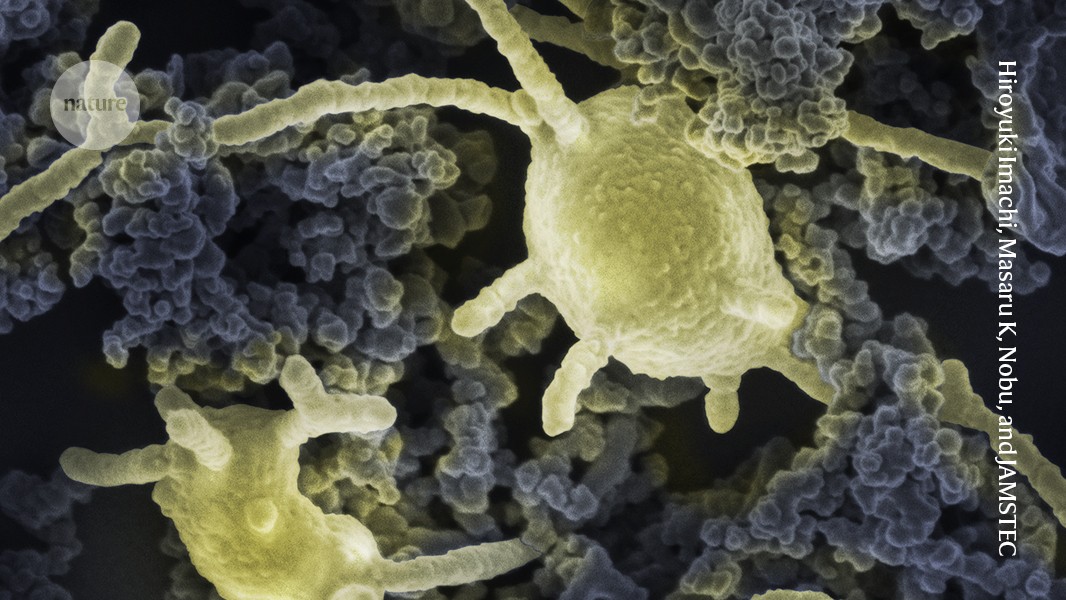
🦠
These bizarre microbes are revealing the origins of complex life
Deze bizarre microben onthullen de oorsprong van complex leven
Ces microbes bizarres révèlent les origines de la vie complexe
Scientists are getting their hands on Asgard archaea - these mysterious single-celled organisms that were discovered in 2015 and completely changed how we think about evolution. So here's the thing: these microbes appear to be the ancestral ancestors of all eukaryotes, meaning complex life like plants, animals, and fungi actually branch off from archaea, not the other way around. Researchers have spent years coaxing these finicky, slow-growing cells into stable cultures - a task so painstaking that one scientist drove 2,500 kilometres across America with a precious sample in her mother's SUV. Now that they can finally study Asgard archaea directly under microscopes, they're discovering surprising shapes and behaviours that are revealing what made the leap to complex life possible.
Wetenschappers krijgen eindelijk Asgard archaea in handen - deze mysterieuze eencellige organismen die in 2015 werden ontdekt en onze kijk op evolutie volledig veranderden. En hier is het interessante: deze microben blijken de voorouders van alle eukaryoten te zijn, wat betekent dat complex leven zoals planten, dieren en schimmels eigenlijk afstammen van archaea. Onderzoekers hebben jaren besteed aan het kweken van deze lastige, langzaam groeiende cellen in stabiele culturen - een taak zo arbeidsintensief dat één wetenschapper 2.500 kilometer door Amerika reed met een kostbaar monster in de auto van haar moeder. Nu ze Asgard archaea eindelijk rechtstreeks onder microscopen kunnen bestuderen, ontdekken ze verrassende vormen en gedragingen die onthullen wat de sprong naar complex leven mogelijk maakte.
Les scientifiques mettent enfin la main sur les archées Asgard - ces organismes unicellulaires mystérieux découverts en 2015 qui ont complètement changé notre vision de l'évolution. Voilà la chose remarquable: ces microbes semblent être les ancêtres de tous les eucaryotes, ce qui signifie que la vie complexe comme les plantes, les animaux et les champignons descend en fait des archées. Les chercheurs ont passé des années à cultiver ces cellules capricieuses et à croissance lente dans des cultures stables - une tâche tellement laborieuse qu'une scientifique a parcouru 2.500 kilomètres à travers l'Amérique avec un précieux échantillon dans le SUV de sa mère. Maintenant qu'ils peuvent enfin étudier directement les archées Asgard sous les microscopes, ils découvrent des formes et des comportements surprenants qui révèlent ce qui a rendu possible le saut vers la vie complexe.
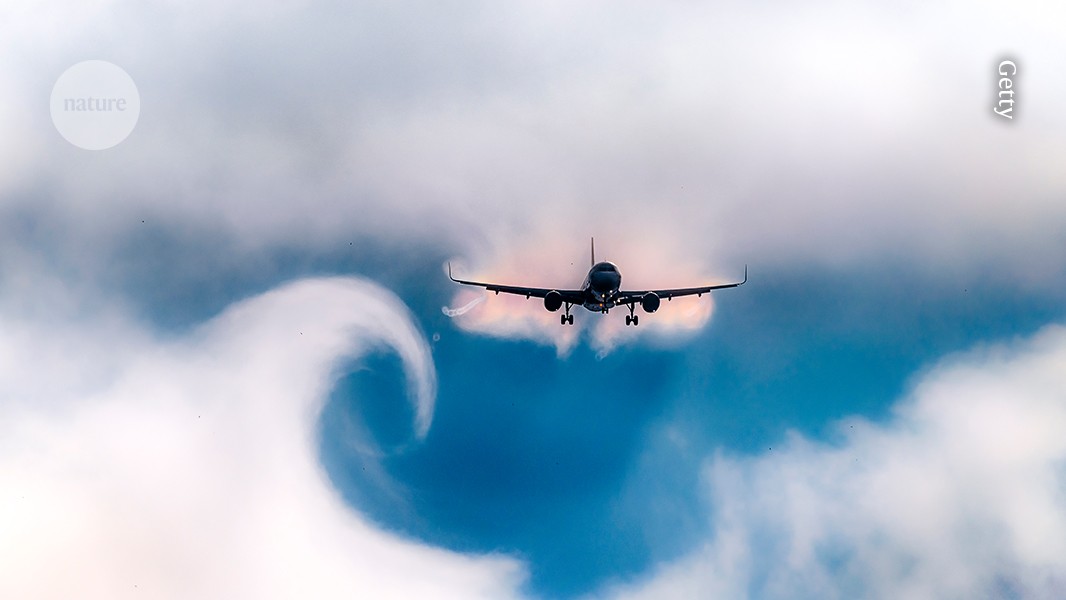
🤝
AI companies must collaborate with researchers to ensure proper credit
AI-bedrijven moeten samenwerken met onderzoekers voor passende erkenning
Les entreprises d'IA doivent collaborer avec les chercheurs pour assurer le crédit approprié
When OpenAI announced it had solved one of mathematics' most famous unsolved problems - the Navier-Stokes equations - it sparked celebration but also serious questions about attribution and transparency. Just hours before, mathematicians at New York University had posted about their own partial solution, suggesting that interactions with OpenAI's tools may have contributed to the breakthrough, though the company denies this. The real issue here is that AI systems are like black boxes - they absorb vast amounts of human knowledge but don't track where ideas actually came from or how they were used, making it nearly impossible to properly credit the original sources. So tech companies need to be more transparent about data collection, switch from opt-out to opt-in data sharing, and academic institutions should carefully review their agreements to protect the scientific process itself.
Toen OpenAI aankondigde dat het een van de beroemdste onopgeloste wiskundeproblemen - de Navier-Stokes-vergelijkingen - had opgelost, volgde er feest maar ook serieuze vragen over erkenning en transparantie. Slechts uren eerder hadden wiskundigen van de New York University gepost over hun eigen deeloplossing, wat suggereert dat interacties met OpenAI's tools cruciaal waren, hoewel het bedrijf dit ontkent. Het echte probleem is dat AI-systemen als zwarte dozen functioneren - ze absorberen enorme hoeveelheden menselijke kennis maar volgen niet waar ideeën werkelijk vandaan komen of hoe ze werden gebruikt, waardoor het bijna onmogelijk is originele bronnen correct te erkennen. Technologiebedrijven moeten dus transparanter zijn over gegevensverzameling, overstappen van opt-out naar opt-in datadeling, en academische instellingen moeten hun overeenkomsten zorgvuldig controleren om het wetenschappelijke proces zelf te beschermen.
Lorsque OpenAI a annoncé qu'elle avait résolu l'un des problèmes mathématiques non résolus les plus célèbres - les équations de Navier-Stokes - cela a suscité des célébrations mais aussi des questions sérieuses sur l'attribution et la transparence. Quelques heures avant, des mathématiciens de l'Université de New York avaient publié leur propre solution partielle, suggérant que les interactions avec les outils d'OpenAI auraient pu être cruciales, bien que l'entreprise le nie. Le vrai problème est que les systèmes d'IA fonctionnent comme des boîtes noires - ils absorbent d'énormes quantités de connaissances humaines mais ne suivent pas d'où viennent vraiment les idées ou comment elles ont été utilisées, ce qui rend presque impossible de créditer correctement les sources originales. Ainsi, les entreprises technologiques doivent être plus transparentes concernant la collecte de données, passer d'un système opt-out à opt-in pour le partage de données, et les institutions académiques doivent examiner attentivement leurs accords pour protéger le processus scientifique lui-même.
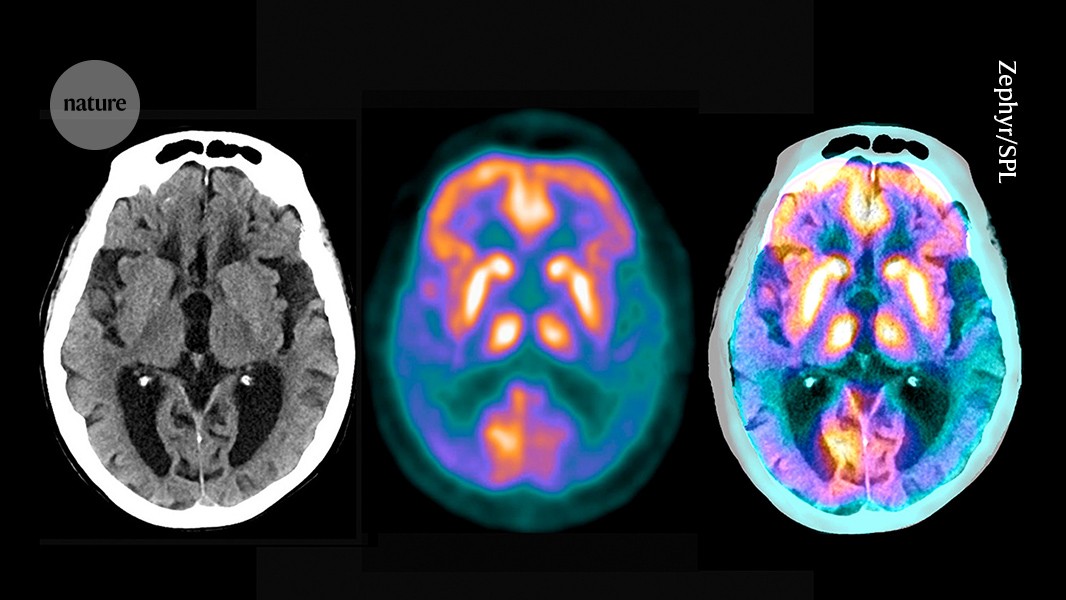
🧠
Map of brain 'microproteins' could offer new clues to Alzheimer's disease
Kaart van hersenen-'microproteïnen' kan nieuwe aanwijzingen voor Alzheimer geven
Une carte des 'microprotéines' du cerveau pourrait offrir de nouveaux indices sur la maladie d'Alzheimer
Researchers have discovered over 1,000 previously overlooked microproteins in human brain tissue - the tiniest molecules that standard detection methods usually miss entirely. What makes this exciting is that dozens of these hidden proteins showed altered expression in people with Alzheimer's disease, suggesting they could unlock new understanding of how neurodegeneration happens. The team combined advanced techniques like mass spectrometry, RNA sequencing, and ribosomal profiling to create the largest atlas of microproteins in Alzheimer's to date, identifying 4,321 in total. By making this data publicly available, scientists can now design experiments to validate these proteins and potentially discover entirely new mechanisms of aging and disease.
Onderzoekers hebben meer dan duizend tot nu toe over het hoofd geziene microproteïnen in menselijk hersenweefsel ontdekt - de allerkleinste moleculen die standaard detectiemethoden normaal helemaal missen. Wat dit fascinerend maakt, is dat tientallen van deze verborgen proteïnen een veranderde expressie vertoonden bij mensen met Alzheimer, wat suggereert dat ze nieuw inzicht in neurodegeneratie kunnen opleveren. Het team combineerde geavanceerde technieken zoals massaspectrometrie, RNA-sequencing en ribosomale profilering om het grootste atlas van microproteïnen bij Alzheimer tot nu toe te creëren. Door deze gegevens openbaar beschikbaar te stellen, kunnen wetenschappers nu experimenten ontwerpen om deze proteïnen te valideren en mogelijk geheel nieuwe mechanismen van veroudering en ziekte ontdekken.
Les chercheurs ont découvert plus de mille microprotéines jusqu'alors négligées dans le tissu cérébral humain - les plus minuscules molécules que les méthodes de détection standard manquent habituellement complètement. Ce qui rend cela passionnant, c'est que des dizaines de ces protéines cachées ont montré une expression altérée chez les personnes atteintes de la maladie d'Alzheimer, ce qui suggère qu'elles pourraient révéler de nouveaux mécanismes de la neurodégénérescence. L'équipe a combiné des techniques avancées comme la spectrométrie de masse, le séquençage de l'ARN et le profilage ribosomique pour créer le plus grand atlas de microprotéines dans l'Alzheimer à ce jour. En mettant ces données à disposition du public, les scientifiques peuvent désormais concevoir des expériences pour valider ces protéines et découvrir potentiellement de tout nouveaux mécanismes du vieillissement et de la maladie.

🏳️🌈
We weren't shy. We were queers in leather! Sunil Gupta on his momentous photographs of gay life
We waren niet verlegen. We waren queers in leer! Sunil Gupta over zijn baanbrekende fotografieën van het queer leven
Nous n'avions pas peur. Nous étions des queers en cuir ! Sunil Gupta parle de ses photographies historiques de la vie queer
Sunil Gupta has spent five decades documenting queer lives through photography, bringing a fearless and loving eye to intimate moments and public spaces alike. Born in India, raised in Canada, and based in the UK since 1978, he's explored how we love and relate to one another against the backdrop of shifting politics and society. His work hasn't been without risk - exhibitions have been shut down by governments, and early on, curators would physically shrink away from him and fellow photographer Tessa Boffin, who recall being "two queers in leather" that some found too confrontational. Now, ahead of his retrospective at Kettle's Yard in Cambridge, Gupta shares landmark images from his career that trace his journey from Christopher Street in New York to intimate portraits in Delhi, revealing how he quietly found new ways of seeing through photography.
Sunil Gupta documenteert al vijf decennia lang het queer leven door middel van fotografie, met een onverschrokken en liefdevolle blik op intieme momenten en openbare ruimten. Geboren in India, opgegroeid in Canada en sinds 1978 gevestigd in het Verenigd Koninkrijk, onderzoekt hij hoe we van elkaar houden en met elkaar omgaan tegen de achtergrond van verschuivende politiek en maatschappij. Zijn werk is niet zonder risico - tentoonstellingen zijn door regeringen gesloten en in het begin trokken conservators zich letterlijk terug van hem en medefotografe Tessa Boffin, die zich herinneren "twee queers in leer" te zijn geweest die sommigen te confronterend vonden. Voor zijn retrospectief in Kettle's Yard in Cambridge deelt Gupta nu belangrijke beelden uit zijn carrière die zijn reis volgen van Christopher Street in New York tot intieme portretten in Delhi.
Sunil Gupta documente la vie queer depuis cinq décennies par la photographie, avec un regard sans peur et plein d'amour sur les moments intimes et les espaces publics. Né en Inde, élevé au Canada et établi au Royaume-Uni depuis 1978, il explore comment nous nous aimons et nous relions les uns aux autres sur fond de politique et de société en mutation. Son travail n'a pas été sans risques - des expositions ont été fermées par des gouvernements et autrefois, les conservateurs se rétractaient littéralement face à lui et à sa confrère photographe Tessa Boffin, qui se souviennent d'être « deux queers en cuir » que certains trouvaient trop confrontants. À l'approche de sa rétrospective à Kettle's Yard à Cambridge, Gupta partage des images phares de sa carrière qui retracent son parcours de Christopher Street à New York aux portraits intimes à Delhi.
🤝
Canada becomes first EU associate member in historic new alliance
Canada wordt eerste EU-lid met nieuwe associatieve status
Le Canada devient le premier membre associé de l'UE dans une nouvelle alliance historique
So here's the thing - Ursula von der Leyen just announced something pretty remarkable: Canada is invited to become the EU's first-ever "associate member". The Canadian Prime Minister Mark Carney was right there in Strasbourg when she made the announcement, and honestly, it signals a real shift in how Europe is thinking about alliances in uncertain times. This new status sits somewhere between full membership and the kind of deals Norway and Switzerland have - it's still being worked out, but Canada could gain access to EU programmes like Erasmus+ and Horizon Europe while both sides deepen cooperation on defence, tech, and energy. And here's what's fascinating - this could reshape the entire EU's approach to partnerships beyond Europe's borders.
Dus dit is interessant - Ursula von der Leyen kondigde zojuist iets bijzonders aan: Canada is uitgenodigd om het eerste "associatief lid" van de EU te worden. De Canadese premier Mark Carney zat recht daar in Straatsburg toen ze de aankondiging deed, en eerlijk gezegd signaleert dit een echte verschuiving in hoe Europa over allianties nadenkt in onzekere tijden. Deze nieuwe status zit ergens tussen volwaardig lidmaatschap en het soort akkoorden dat Noorwegen en Zwitserland hebben - het wordt nog uitgewerkt, maar Canada zou toegang kunnen krijgen tot EU-programma's zoals Erasmus+ en Horizon Europe terwijl beide partijen de samenwerking op defensie, technologie en energie verdiepen. En hier is wat fascinerend - dit zou de hele benadering van de EU van partnerschappen buiten Europese grenzen kunnen hervormen.
Voilà qui est intéressant - Ursula von der Leyen vient d'annoncer quelque chose de remarquable : le Canada est invité à devenir le premier "membre associé" de l'UE. Le premier ministre canadien Mark Carney était présent à Strasbourg lors de cette annonce, et honnêtement, cela signale un vrai changement dans la manière dont l'Europe envisage les alliances en ces temps incertains. Ce nouveau statut se situe quelque part entre l'adhésion complète et le type d'accords que la Norvège et la Suisse ont - les détails se mettent encore en place, mais le Canada pourrait accéder à des programmes de l'UE comme Erasmus+ et Horizon Europe tandis que les deux parties approfondissent leur coopération sur la défense, la technologie et l'énergie. Et voici ce qui est fascinant - cela pourrait transformer l'approche globale de l'UE concernant les partenariats au-delà des frontières européennes.
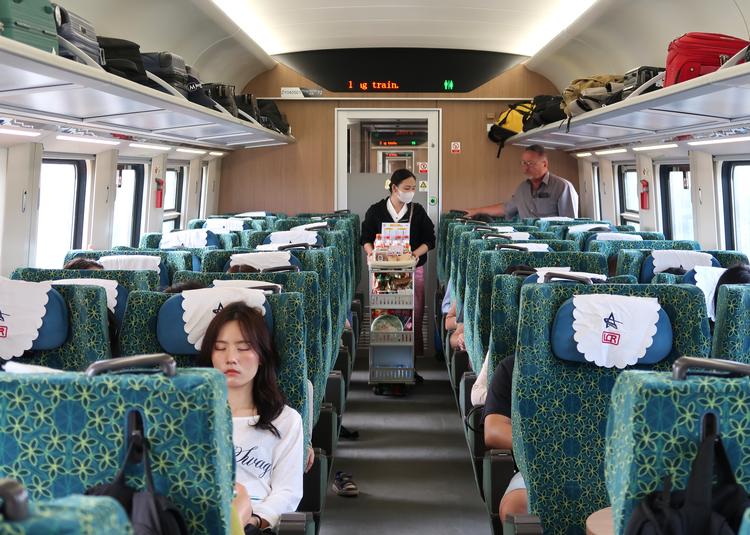
🚄
Along the tracks, Thai cuisine meets Khmer culture and the dream of high-speed rail
Langs de sporen ontmoeten Thaise gerechten Khmer-cultuur en de droom van hogesnelheidstreinen
Le long des voies, la cuisine thaïe rencontre la culture khmère et le rêve du train à grande vitesse
Thailand's railway network is transforming dramatically as a new high-speed rail corridor emerges along the route toward Laos, marking another chapter in China's ambitious vision for a direct rail connection stretching all the way to Singapore. The journey showcases a fascinating blend of Thai gastronomy and Khmer cultural heritage as this infrastructure reshapes the region. Bangkok's stunning new Krung Thep Aphiwat Central Station - the largest in Southeast Asia - opened in 2023 as a modern replacement for the old Bang Sue Grand Station, and it's absolutely breathtaking with its 600-meter length, 26 platforms, and design that spans the equivalent of more than 38 football fields. For now, the rumbling express trains remain Thailand's fastest option, but this emerging high-speed network promises to revolutionize travel across Southeast Asia in the coming years.
Thailand's spoorwegennetwerk ondergaat een dramatische transformatie nu een nieuw hogesnelheidsspoortraject ontstaat langs de route naar Laos, wat een nieuw hoofdstuk markeert in Chines's ambitieuze visie op een rechtstreekse spoorverbinding tot Singapore. De reis toont een fascinerende mengeling van Thaise gastronomie en Khmer-erfgoed terwijl deze infrastructuur de regio omvormt. Bangkoks prachtige nieuwe Krung Thep Aphiwat Centralstation - de grootste in Zuidoost-Azië - opende in 2023 als modern vervanger van het oude Bang Sue Grand Station, en het is werkelijk indrukwekkend met zijn 600 meter lengte, 26 perrons en een ontwerp dat equivalent is aan meer dan 38 voetbalvelden. Voorlopig blijven de rollende expresstreinen Thaïlands snelste optie, maar dit opkomende hogesnelheidsnetwerk belooft reizen in Zuidoost-Azië in de komende jaren te revolutioneren.
Le réseau ferroviaire thaïlandais subit une transformation spectaculaire avec l'émergence d'un nouveau corridor ferroviaire à grande vitesse le long de la route vers le Laos, marquant un nouveau chapitre dans la vision ambitieuse de la Chine pour une connexion ferroviaire directe jusqu'à Singapour. Ce voyage met en lumière un mélange fascinant de gastronomie thaïe et d'héritage culturel khmer tandis que cette infrastructure redessine la région. La magnifique nouvelle gare centrale Krung Thep Aphiwat de Bangkok - la plus grande d'Asie du Sud-Est - a ouvert en 2023 en remplacement de l'ancienne gare de Bang Sue, et elle est absolument remarquable avec ses 600 mètres de longueur, ses 26 quais et son design équivalent à plus de 38 terrains de football. Pour l'instant, les trains express toujours bruyants restent l'option la plus rapide de Thaïlande, mais ce nouveau réseau à grande vitesse promet de révolutionner les voyages en Asie du Sud-Est dans les années à venir.

🤝
Three entrepreneurs empower 50,000 deaf Indians with job skills and exam access
Drie ondernemers geven 50.000 dove Indiërs toegang tot baanvaardigheden en examens
Trois entrepreneurs autonomisent 50 000 Indiens sourds avec des compétences professionnelles et l'accès aux examens
Nita Gopalakrishnan, raised by deaf parents and now a special educator, founded Yunikee in 2020 with her husband Chaithanya and colleague Rahul Jain - both inspired by witnessing the systemic barriers deaf Indians face. The trio created this Hyderabad-based platform during the pandemic after realizing that hearing-disabled students were denied online learning opportunities that others enjoyed, sparking their vision for equal access to jobs and skills training. Through campaigns like 'Sign Medium', Yunikee has already reached over 50,000 deaf persons across India, with more than 10,000 young people learning Indian Sign Language and gaining crucial employment readiness. What makes this initiative so powerful is that it gives voice and visibility to a community often ignored - the name Yunikee itself means 'I exist. Don't ignore me' in Telugu - while breaking cycles of dependency and opening real pathways to independence.
Nita Gopalakrishnan, opgegroeid bij dove ouders en nu speciale pedagoge, richtte in 2020 Yunikee op samen met haar man Chaithanya en collega Rahul Jain - beiden geïnspireerd door de systematische barrières die dove Indiërs ondervinden. Het trio creëerde dit platform op basis in Hyderabad tijdens de pandemie nadat zij inzagen dat leerlingen met gehoorbeperking werden ontzegd van online onderwijsmogelijkheden die anderen wel hadden, wat hun visie ontstoken voor gelijke toegang tot banen en vaardigheidstraining. Via campagnes zoals 'Sign Medium' bereikt Yunikee al meer dan 50.000 dove personen in heel India, met meer dan 10.000 jongeren die Indische Gebarentaal leren en cruciale werkvoorbereiding krijgen. Wat dit initiatief zo krachtig maakt, is dat het stem en zichtbaarheid geeft aan een vaak genegeerde gemeenschap - de naam Yunikee betekent 'Ik besta. Negeer me niet' in het Telugu - terwijl het cycli van afhankelijkheid doorbreekt en echte paden naar onafhankelijkheid opent.
Nita Gopalakrishnan, élevée par des parents sourds et maintenant éducatrice spécialisée, a fondé Yunikee en 2020 avec son mari Chaithanya et son collègue Rahul Jain - tous deux inspirés par les barrières systémiques que rencontrent les Indiens sourds. Le trio a créé cette plateforme basée à Hyderabad pendant la pandémie après avoir réalisé que les élèves malentendants se voyaient refuser les opportunités d'apprentissage en ligne dont jouissaient les autres, ce qui a déclenché leur vision d'un accès égal aux emplois et à la formation professionnelle. À travers des campagnes comme 'Sign Medium', Yunikee a déjà atteint plus de 50 000 personnes sourdes dans toute l'Inde, plus de 10 000 jeunes apprenant la langue des signes indienne et acquérant une préparation cruciale à l'emploi. Ce qui rend cette initiative si puissante, c'est qu'elle donne une voix et une visibilité à une communauté souvent ignorée - le nom Yunikee signifie 'J'existe. Ne m'ignore pas' en télougou - tout en brisant les cycles de dépendance et en ouvrant des voies réelles vers l'indépendance.

🛣️
A Bengaluru engineer turned potholes into purpose - and built an app in just one day
Een ingenieur uit Bengaluru maakte van gaten in de weg een missie - en bouwde in één dag een app
Un ingénieur de Bengaluru a transformé les nids-de-poule en mission - et a construit une application en un jour
When his pregnant wife had to navigate Bengaluru's notoriously damaged roads for doctor visits, engineer Gaurav Sen decided to turn frustration into action. He built Pothole Reporter, a clever app that doesn't just spot potholes using a phone's camera and GPS - it actually identifies which contractor is responsible for fixing that specific stretch of road. Built in just one day without funding and at only 4 MB in size, this bootstrapped innovation transforms a decades-old problem into something accountable and actionable. The app is now heading for a Google Play launch, and the Bengaluru Development Authority is already interested in integrating it into their systems.
Toen zijn zwangere vrouw voor doktersbezoeken de beruchte beschadigde wegen van Bengaluru moest navigeren, besloot ingenieur Gaurav Sen frustratie in actie om te zetten. Hij bouwde Pothole Reporter, een slimme app die niet alleen gaten in de weg opsporen met de camera en GPS van je telefoon - hij identificeert ook welke aannemer verantwoordelijk is voor dat specifieke weggedeelte. Gebouwd in slechts één dag zonder financiering en slechts 4 MB groot, transformeert deze zelf gefinancierde innovatie een probleem van decennia oud in iets aanspreekbaars en actiebaar. De app staat op het punt om op Google Play gelanceerd te worden, en de Bengaluru Development Authority toont al interesse in integratie met hun systemen.
Quand sa femme enceinte a dû naviguer sur les routes notoires endommagées de Bengaluru pour des visites médicales, l'ingénieur Gaurav Sen a décidé de transformer la frustration en action. Il a créé Pothole Reporter, une application intelligente qui non seulement détecte les nids-de-poule en utilisant la caméra et le GPS d'un téléphone - elle identifie également quel entrepreneur est responsable de la réparation de ce tronçon routier spécifique. Construite en un seul jour sans financement et ne pesant que 4 MB, cette innovation autofinancée transforme un problème vieux de décennies en quelque chose de responsable et actif. L'application est sur le point d'être lancée sur Google Play, et l'Autorité de développement de Bengaluru montre déjà de l'intérêt pour l'intégrer à ses systèmes.

🕊️
One man's quest to end female genital mutilation in Mali
Een man strijdt tegen vrouwelijke genitale verminking in Mali
Un homme lutte contre les mutilations génitales féminines au Mali
Sidi Haidara used to believe that female genital mutilation was simply part of Mali's cultural traditions - but after participating in UN Women training sessions supported by Germany, his perspective completely shifted. Now he walks from village to village with a powerful new message: no tradition should ever come at the expense of a girl's health, rights, or future. Rather than imposing change from the outside, Haidara organizes community dialogues with families, religious leaders, and young people, encouraging conversations that challenge long-held beliefs. His work is showing real results - more parents are asking questions, families are abandoning the practice, and discussions about protecting girls have become increasingly open across Mali's Mopti and Gao regions.
Sidi Haidara geloofde ooit dat vrouwelijke genitale verminking gewoon deel uitmaakte van Mali's culturele tradities - maar na trainingen van UN Women met steun van Duitsland veranderde zijn kijk volledig. Nu loopt hij van dorp tot dorp met een krachtige boodschap: geen traditie mag ten koste gaan van de gezondheid, rechten of toekomst van een meisje. In plaats van verandering van buitenaf af te dwingen, organiseert Haidara gemeenschapsdialogen met families, religieuze leiders en jongeren die oude overtuigingen ter discussie stellen. Zijn werk toont echte resultaten - meer ouders stellen vragen, families geven de praktijk op, en gesprekken over het beschermen van meisjes worden steeds meer openbaar in de regio's Mopti en Gao.
Sidi Haidara croyait autrefois que les mutilations génitales féminines faisaient simplement partie des traditions culturelles du Mali - mais après avoir participé à des formations de l'ONU Femmes avec le soutien de l'Allemagne, sa perspective a complètement changé. Aujourd'hui, il parcourt les villages avec un message puissant : aucune tradition ne devrait jamais se faire au détriment de la santé, des droits ou de l'avenir d'une fille. Au lieu d'imposer le changement de l'extérieur, Haidara organise des dialogues communautaires avec les familles, les chefs religieux et les jeunes pour remettre en question les anciennes croyances. Son travail produit des résultats concrets - davantage de parents posent des questions, les familles abandonnent la pratique, et les discussions sur la protection des filles deviennent de plus en plus ouvertes dans les régions de Mopti et Gao.

⚛️
Rwanda taps nuclear technology to boost agriculture and food security
Ruanda zet kernenergie in voor verbetering van landbouw en voedselzekerheid
Le Rwanda exploite la technologie nucléaire pour améliorer l'agriculture et la sécurité alimentaire
Rwanda is diving into nuclear and isotopic techniques to strengthen agricultural productivity, food safety and climate resilience - which I think is a really smart move for a country serious about long-term food security. The government has formally expressed interest in joining the Atoms4Food initiative, backed by the IAEA and UN's Food and Agriculture Organization, which supports countries in using nuclear technology to boost crop yields, manage resources and reduce food losses. This fits into Rwanda's broader nuclear programme that already includes plans for nuclear power and a research reactor, with the country having hosted multiple IAEA missions to assess its readiness. What's particularly impressive is how Rwanda is building the human and institutional capacity needed to sustain this work through training, education and international partnerships - they're clearly thinking long-term.
Ruanda zet kernenergie en isotooptechnieken in om de landbouwproductiviteit, voedselzekerheid en klimaatbestendigheid te versterken - wat volgens mij een erg slimme zet is voor een land dat serieus werkt aan duurzame voedselvoorziening. De regering heeft formeel interesse uitgesproken in deelname aan het Atoms4Food-initiatief, ondersteund door het IAEA en de VN-organisatie voor voeding en landbouw, dat landen helpt kernenergie in te zetten voor betere oogsten, hulpbronnen en voedselafval. Dit sluit aan bij Ruanda's bredere kernenergieprogramma met plannen voor kernenergie en een onderzoeksreactor, waarbij het land al meerdere IAEA-missies heeft ontvangen. Wat echt indrukwekkend is, is hoe Ruanda de menselijke en institutionele capaciteit opbouwt via training, onderwijs en internationale samenwerkingen - ze denken duidelijk op lange termijn.
Le Rwanda s'engage dans les techniques nucléaires et isotopiques pour renforcer la productivité agricole, la sécurité alimentaire et la résilience climatique - je trouve que c'est une décision très intelligente pour un pays déterminé à assurer une sécurité alimentaire durable. Le gouvernement a officiellement exprimé son intérêt pour participer à l'initiative Atoms4Food, soutenue par l'AIEA et l'Organisation des Nations unies pour l'alimentation et l'agriculture, qui aide les pays à utiliser la technologie nucléaire pour augmenter les rendements et réduire le gaspillage alimentaire. Cela s'inscrit dans le programme nucléaire plus large du Rwanda qui comprend déjà des plans pour l'énergie nucléaire et un réacteur de recherche, le pays ayant accueilli plusieurs missions de l'AIEA. Ce qui est particulièrement impressionnant, c'est la manière dont le Rwanda renforce ses capacités humaines et institutionnelles par la formation, l'éducation et les partenariats internationaux - ils pensent clairement à long terme.
/s3/static.nrc.nl/wp-content/uploads/2026/09/16101640/160926WET_2036724137_1.jpg)
📜
Crumpled parchment fragment in Utrecht library turns out to be a piece of Homer's Odyssey from the third century
Verfrommeld perkamentfragment in Utrechtse bibliotheek blijkt onderdeel van Homerus' Odyssee uit de derde eeuw
Un fragment de parchemin froissé dans une bibliothèque d'Utrecht s'avère être un morceau de l'Odyssée d'Homère du troisième siècle
For decades, a small, crumpled piece of parchment has been sitting unnoticed in Utrecht University Library's collection - until researcher Mark de Kreij recognized it as a genuine fragment of Homer's Odyssey from the third or fourth century. The discovery is remarkable because only about thirty parchment fragments of the Odyssey from that era are known to exist worldwide, making this one of an incredibly rare group. What makes it even more interesting is that this particular fragment contains a unique textual variant - it describes how Odysseus' crew ate Helios' sacred cattle rather than Odysseus himself being blamed. So here's the thing: this fragment had been hiding in plain sight among Schmidt's collection, which arrived at the university in the 1950s, but nobody had properly examined it until now.
Decennialang lag een klein, vies perkamentfragment onopgemerkt in de collectie van de Universiteitsbibliotheek Utrecht - totdat onderzoeker Mark de Kreij het herkende als een authentiek stuk van Homerus' Odyssee uit de derde of vierde eeuw. Deze ontdekking is bijzonder omdat slechts ongeveer dertig perkamentfragmenten van de Odyssee uit die periode wereldwijd bekend zijn. Nog interessanter is dat dit fragment een unieke tekstuele variant bevat - het beschrijft hoe de bemanning van Odysseus het heilige vee van Helios opat in plaats van Odysseus zelf. En hier is het ding: dit fragment verborg zich al die jaren onder de ogen van iedereen in de verzameling van Schmidt, die in de jaren vijftig aan de universiteit kwam, totdat men het nu eindelijk goed onderzocht.
Pendant des décennies, un petit morceau de parchemin froissé se trouvait inaperçu dans la collection de la Bibliothèque universitaire d'Utrecht - jusqu'à ce que le chercheur Mark de Kreij le reconnaisse comme un authentique fragment de l'Odyssée d'Homère datant du troisième ou quatrième siècle. Cette découverte est remarquable car seuls environ trente fragments de parchemin de l'Odyssée de cette époque sont connus à travers le monde. Ce qui la rend encore plus intéressante, c'est que ce fragment particulier contient une variante textuelle unique - il décrit comment l'équipage d'Ulysse a mangé le bétail sacré d'Hélios plutôt qu'Ulysse lui-même soit blâmé. Voilà le truc : ce fragment s'était caché à la vue de tous dans la collection de Schmidt, qui est arrivée à l'université dans les années 1950, mais personne ne l'avait convenablement examiné jusqu'à présent.

🦬
Mexico brings bison back to desert ecosystem after 200 years
Mexico brengt bizons terug naar woestijnecosysteem na 200 jaar
Le Mexique réintroduit les bisons dans son écosystème désertique après 200 ans
After two centuries away, bison have returned to Mexico's Chihuahua Desert - and it's a game-changer for the landscape. Forty-eight of these magnificent animals were brought to El Santuario Wildlife Reserve in Cuatrociénegas last year, where they're already working their ecological magic on the sensitive arid grasslands. So here's the thing: bison are basically nature's landscape managers - their hooves break up soil, their coats spread seeds, their dung fertilizes, and they shape the terrain just by being themselves. This reintroduction isn't just about bringing back an iconic species; it's about restoring balance and memory to an ecosystem that's been without them for far too long, giving real hope for sustainable land management.
Na twee eeuwen afwezigheid zijn bizons teruggekeerd naar de woestijn van Chihuahua in Mexico - en dat is een gamechanger voor het landschap. Afgelopen jaar werden achtenveertig van deze prachtige dieren naar het El Santuario Wildlife Reserve in Cuatrociénegas gebracht, waar ze al hun ecologische magie uitoefenen op de gevoelige aride graslanden. En hier is het belangrijk: bizons zijn eigenlijk natuurlijke landschapsbeheerders - hun hoeven breken de grond op, hun vacht verspreidt zaden, hun mest vruchtbaart de grond, en ze vormen het terrein gewoon door er te zijn. Deze herintroductie gaat niet alleen over het terugbrengen van een iconisch dier; het gaat om het herstellen van balans en geheugen in een ecosysteem dat er twee eeuwen lang zonder was.
Après deux siècles d'absence, les bisons sont revenus au désert de Chihuahua au Mexique - et c'est un véritable tournant pour le paysage. L'année dernière, quarante-huit de ces magnifiques animaux ont été amenés à la réserve faunique El Santuario à Cuatrociénegas, où ils exercent déjà leur magie écologique sur les prairies arides sensibles. Et voilà l'essentiel: les bisons sont essentiellement des gestionnaires naturels du paysage - leurs sabots ameublissent le sol, leur pelage propage les graines, leur fumier fertilise, et ils façonnent simplement le terrain par leur présence. Cette réintroduction ne consiste pas seulement à ramener une espèce emblématique; il s'agit de restaurer l'équilibre et la mémoire dans un écosystème qui en a été privé pendant bien trop longtemps.
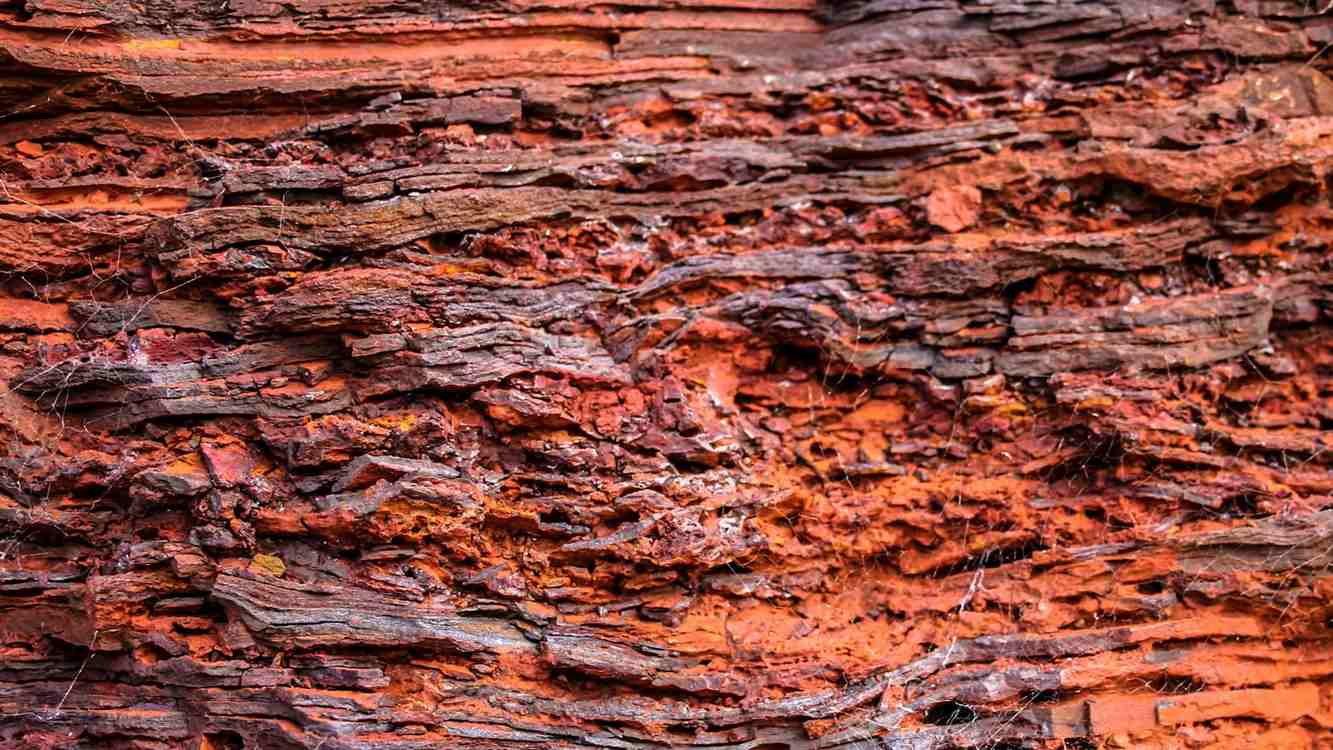
⚡
Australia's red deserts could power a hydrogen energy revolution
Australische rode woestijnen zouden een waterstofrevolutie kunnen aansturen
Les déserts rouges de l'Australie pourraient alimenter une révolution de l'énergie hydrogène
Scientists at Edith Cowan University have discovered that magnetite - a mineral found beneath Australia's Pilbara region - can generate hydrogen gas when it reacts with hot water deep underground. This is genuinely exciting because hydrogen is one of the few proven green energies that can power heavy machinery like jets, ships, and trains without relying on fossil fuels. The research team found that by injecting a solution into banded iron formations, they can significantly stimulate hydrogen production at scale - and here's the thing, Australia could potentially become a major exporter of clean energy to the world. The breakthrough moves us closer to unlocking what could be an enormous, untapped energy reserve that could benefit Australia for generations to come.
Wetenschappers van de Edith Cowan University hebben ontdekt dat magnetiet - een mineraal onder de Pilbara-regio in Australië - waterstofgas kan opwekken wanneer het onder de grond met heet water reageert. Dit is werkelijk opwindend omdat waterstof een van de weinige bewezen groene energiebronnen is die zware machines zoals vliegtuigen, schepen en treinen kan aandrijven zonder fossiele brandstoffen. Het onderzoeksteam ontdekte dat door een oplossing in gebandeerde ijzerformaties in te spuiten, zij waterstofproductie op grote schaal kunnen stimuleren - en hier is het interessante: Australië zou mogelijk een grote exporteur van schone energie voor de wereld kunnen worden. Deze doorbraak brengt ons dichter bij het ontgrendelen van wat een enorm, ongebruikt energiereservoir zou kunnen zijn dat generaties lang voordeel kan opleveren.
Des scientifiques de l'Université Edith Cowan ont découvert que la magnétite - un minéral situé sous la région du Pilbara en Australie - peut générer du gaz hydrogène lorsqu'il réagit avec de l'eau chaude profondément sous terre. C'est véritablement passionnant car l'hydrogène est l'une des rares énergies vertes avérées qui peuvent alimenter des machines lourdes comme les avions, les navires et les trains sans dépendre des combustibles fossiles. L'équipe de recherche a découvert qu'en injectant une solution dans des formations de fer rubané, elle peut stimuler significativement la production d'hydrogène à grande échelle - et voilà l'intéressant : l'Australie pourrait potentiellement devenir un grand exportateur d'énergie propre pour le monde. Cette percée nous rapproche du déverrouillage de ce qui pourrait être une énorme réserve d'énergie inexploitée qui pourrait bénéficier à l'Australie pendant des générations.
⚒️
Vast workshop of Gallic coins discovered in Puy-de-Dôme
Enorme werkplaats van Gallische munten ontdekt in Puy-de-Dôme
Découverte d'un vaste atelier de monnaies gauloises dans le Puy-de-Dôme
Archaeologists have uncovered an impressive ancient workshop in the Puy-de-Dôme region that once produced Gallic coins on a significant scale. This discovery gives us fascinating insights into how Celtic communities organized their metalworking and economic systems centuries ago. So, what makes this find particularly exciting is the sheer size and well-preserved state of the workshop - it reveals production techniques and the sophistication of Iron Age manufacturing. And here's the thing: discoveries like this help us understand not just the technical skills of ancient Gauls, but also their trade networks and cultural development.
Archeologen hebben een indrukwekkende antieke werkplaats ontdekt in de regio Puy-de-Dôme die ooit Gallische munten in grote aantallen produceerde. Deze vondst geeft ons fascinerende inzichten in hoe Keltische gemeenschappen hun metaalbewerkings- en economische systemen organiseerden enkele eeuwen geleden. Wat deze ontdekking bijzonder spannend maakt, is de enorme omvang en goed bewaarde staat van de werkplaats - hij onthult productietechnieken en de verfijning van vervaardiging uit de Ijzertijd. En het belangrijkste is: ontdekkingen als deze helpen ons niet alleen de technische vaardigheden van oude Galliërs te begrijpen, maar ook hun handelsnetwerken en culturele ontwikkeling.
Des archéologues ont découvert un atelier antique impressionnant dans la région du Puy-de-Dôme qui produisait autrefois des monnaies gauloises à grande échelle. Cette découverte nous donne des aperçus fascinants sur la façon dont les communautés celtiques organisaient leurs systèmes de travail du métal et économiques il y a des siècles. Ce qui rend cette trouvaille particulièrement excitante, c'est l'immense taille et l'état bien conservé de l'atelier - il révèle les techniques de production et la sophistication de la fabrication de l'Âge du fer. Et voilà : les découvertes comme celle-ci nous aident à comprendre non seulement les compétences techniques des anciens Gaulois, mais aussi leurs réseaux commerciaux et leur développement culturel.

🐕
Sniffing out trouble: customs dogs remain vital in the age of AI
Speurhonden blijven cruciaal voor douane ondanks kunstmatige intelligentie
À la recherche des contrebandes: les chiens des douanes restent essentiels à l'ère de l'IA
So here's the thing - while AI and advanced scanning systems are transforming border controls, trained customs dogs are proving they're absolutely irreplaceable. Officials from over 50 countries gathered at the World Customs Organisation's forum in Tashkent to discuss how dogs possess detection abilities that artificial intelligence simply cannot substitute. The key insight is that these two tools work beautifully together: technology narrows down which shipments need closer inspection, while dogs provide that crucial scent-detection capability that machines just don't have. Now, as synthetic drug markets evolve, canine units are adapting too, training dogs to recognize new narcotic scents that cameras and algorithms would miss entirely.
Dus ondanks dat kunstmatige intelligentie en geavanceerde scansystemen grensbewaking transformeren, blijken getrainde speurhonden absoluut onmisbaar te zijn. Ambtenaren uit meer dan 50 landen verzamelden zich op het forum van de Wereld Douaneorganisatie in Tasjkent om te bespreken hoe honden detectiemogelijkheden hebben die kunstmatige intelligentie gewoon niet kan vervangen. Het inzicht is dat deze twee gereedschappen prachtig samenwerken: technologie beperkt welke zendingen nauwer moeten worden onderzocht, terwijl honden die cruciale geurvermogen bieden die machines niet hebben. Nu, naarmate synthetische drugmarkten evolueren, passen canine eenheden zich ook aan en trainen ze honden om nieuwe narcotische geuren te herkennen die camera's en algoritmen zouden missen.
Donc, malgré le fait que l'intelligence artificielle et les systèmes de balayage avancés transforment le contrôle aux frontières, les chiens spécialisés des douanes s'avèrent absolument irremplaçables. Des responsables de plus de 50 pays se sont réunis au forum de l'Organisation mondiale des douanes à Tachkent pour discuter de la façon dont les chiens possèdent des capacités de détection que l'intelligence artificielle ne peut tout simplement pas remplacer. L'enjeu clé est que ces deux outils fonctionnent merveilleusement ensemble: la technologie restreint les envois qui nécessitent un examen plus approfondi, tandis que les chiens fournissent cette capacité cruciale de détection d'odeurs que les machines ne possèdent pas. À présent, à mesure que les marchés des drogues synthétiques évoluent, les unités canines s'adaptent aussi, en entraînant les chiens à reconnaître de nouvelles odeurs narcotiques que les caméras et les algorithmes ne détecteraient jamais.

🧠
Meet a mouse whose brain cortex is made up of human cells
Kennismaking met een muis waarvan de hersenschors uit menselijke cellen bestaat
Rencontre avec une souris dont le cortex cérébral est composé de cellules humaines
Neuroscientist Sergiu Pașca at Stanford has done something remarkable - he's created mice with human brain cells where their own cortex would normally be. By genetically engineering mice to lack most of their cortex and hippocampus, he created space for human neural tissue to grow and integrate with the rodent nervous system. The really fascinating part? These mice with human brain cells actually performed better on memory tests than mice with missing brain tissue alone, suggesting the human cells were genuinely contributing to their cognition. Now Pașca and his team are exploring how this xenocortical mouse could help us understand brain injuries and test treatments, while also being very careful about the ethical implications - he's drawing a clear line against trying this on primates.
Neurowetenschapper Sergiu Pașca van Stanford heeft iets opmerkelijks bereikt - hij heeft muizen gecreëerd met menselijke hersencellen op de plek waar normaal gesproken hun eigen hersenschors zou zitten. Door muizen genetisch zodanig aan te passen dat zij het grootste deel van hun hersenschors en hippocampus missen, creëerde hij ruimte voor menselijk zenuwweefsel om te groeien en zich te integreren met het zenuwstelsel van het knaagdier. Het echt fascinerende gedeelte? Deze muizen met menselijke hersencellen presteerden eigenlijk beter op geheugenproeven dan muizen met ontbrekend hersenweefsel alleen, wat suggereert dat het menselijke weefsel echt bijdroeg aan hun cognitie. Nu onderzoeken Pașca en zijn team hoe deze xenocorticale muis ons kan helpen hersenletsels begrijpen en behandelingen testen, terwijl zij zeer voorzichtig zijn met de ethische implicaties - hij trekt een duidelijke grens tegen pogingen dit bij primaten toe te passen.
Le neuroscientifique Sergiu Pașca de Stanford a réalisé quelque chose de remarquable - il a créé des souris avec des cellules cérébrales humaines à la place de leur cortex normal. En modifiant génétiquement des souris pour qu'elles manquent de la plupart de leur cortex et hippocampe, il a créé de l'espace pour que le tissu neural humain se développe et s'intègre avec le système nerveux du rongeur. La partie vraiment fascinante? Ces souris avec des cellules cérébrales humaines ont en fait obtenu de meilleurs résultats aux tests de mémoire que les souris ayant un tissu cérébral manquant, ce qui suggère que le tissu humain contribuait réellement à leur cognition. Maintenant, Pașca et son équipe explorent comment cette souris xénocorticale pourrait nous aider à comprendre les lésions cérébrales et tester les traitements, tout en étant très prudents quant aux implications éthiques - il trace une ligne claire contre toute tentative chez les primates.
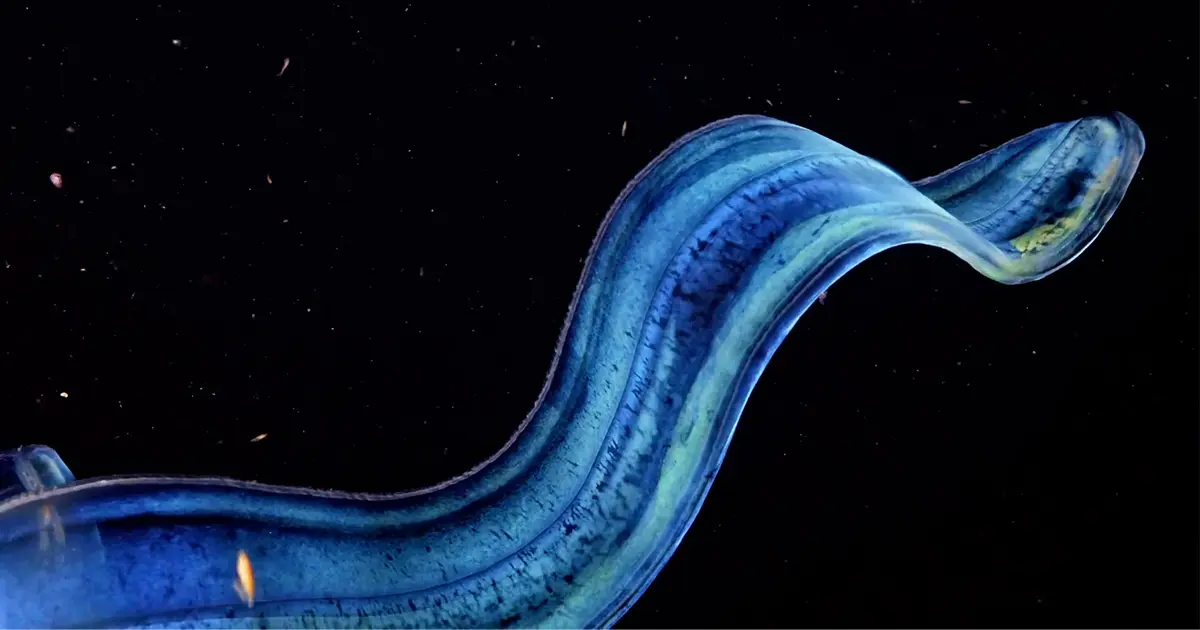
✨
Ctenophores aren't just beautiful - they're biological wonders
Kamkwallen zijn niet alleen mooi - ze zijn biologische wonderen
Les cténophores ne sont pas seulement beaux - ce sont des merveilles biologiques
So here's the thing - comb jellies, or ctenophores, are these glowing gelatinous creatures that split off from other animals around 700 million years ago, and they're helping us answer some of the biggest questions in biology. Scientists have discovered that these organisms, not sponges as previously thought, may represent the earliest branching animal lineage, which completely reshapes what we assumed about how the first animals looked and evolved. What fascinates me most is that ctenophores have muscles and a simple nervous system, meaning early animal life was more complex than anyone expected - they're revealing the origins of everything from bioluminescence to how brains first developed. Different species live in wildly different environments, from deep ocean pressure zones to warm coastal waters, giving researchers a natural laboratory to study how nervous systems, light-sensing genes, and other traits evolved over millions of years.
Dus hier is het interessante - kamkwallen, of ctenophoren, zijn deze gloeiende gelachtige wezens die zich ongeveer 700 miljoen jaar geleden van andere dieren afscheidde, en ze helpen ons bij het beantwoorden van enkele van de grootste vragen in de biologie. Wetenschappers hebben ontdekt dat deze organismen, niet sponsen zoals eerder gedacht, mogelijk de eerste takking in de dierenslang vertegenwoordigen, wat volledig verandert wat we aannamen over hoe de eerste dieren eruitzagen en evolueerden. Wat me het meest fascineert is dat ctenophoren spieren en een eenvoudig zenuwstelsel hebben, wat betekent dat het vroege leven op aarde complexer was dan iedereen verwachtte - ze onthullen de oorsprong van alles, van bioluminescentie tot hoe hersenen zich eerst ontwikkelden. Verschillende soorten leven in wildvreemde omgevingen, van diepe oceaandrukzones tot warme kustwateren, wat onderzoekers een natuurlijk laboratorium geeft om te bestuderen hoe zenuwen, lichtgevoelige genen en andere kenmerken miljoen jaar lang evolueerden.
Voilà la chose intéressante - les cténophores, ou les peignes gélatineux, sont ces créatures brillantes qui se sont séparées d'autres animaux il y a environ 700 millions d'années, et ils nous aident à répondre à certaines des plus grandes questions de la biologie. Les scientifiques ont découvert que ces organismes, et non les éponges comme on le pensait autrefois, pourraient représenter la première ramification de la lignée animale, ce qui change complètement nos hypothèses sur l'apparence et l'évolution des premiers animaux. Ce qui me fascine le plus, c'est que les cténophores ont des muscles et un système nerveux simple, ce qui signifie que la vie animale primitive était plus complexe que quiconque ne l'aurait imaginé - ils révèlent les origines de tout, de la bioluminescence à la façon dont les cerveaux se sont développés pour la première fois. Différentes espèces vivent dans des environnements extrêmement variés, des zones de pression océanique profonde aux eaux côtières chaudes, donnant aux chercheurs un laboratoire naturel pour étudier comment les systèmes nerveux, les gènes sensibles à la lumière et d'autres traits ont évolué au cours de millions d'années.
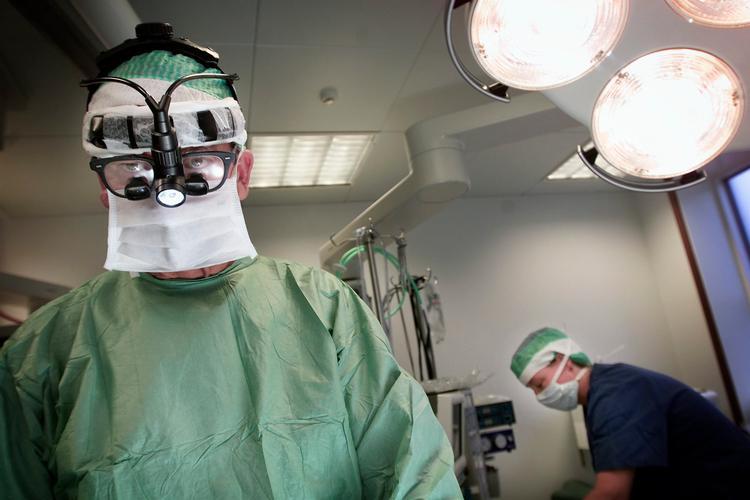
🤖
Surgeon in Denmark operates on patient 1000 kilometers away using robot
Chirurg in Denemarken opereert patiënt 1000 kilometer verderop met behulp van robot
Un chirurgien au Danemark opère un patient à 1000 kilomètres de distance grâce à un robot
A surgeon in Aabenraa has just pulled off something truly remarkable - sitting at his desk, he operated on a patient in the Faroe Islands using remote robot-assisted surgery, marking the first time this technology has been used for an actual operation in Denmark. The hernia surgery went exceptionally well, and the whole thing was carefully set up with a full surgical team standing by in Tórshavn, ready to step in if anything went wrong. So what's really exciting here is that this opens up new possibilities for patients living far away from major medical centers - they might finally get access to top-tier surgical expertise without having to travel. This is just the beginning of an ambitious project exploring how remote surgery can transform healthcare across the Nordic region.
Een chirurg in Aabenraa heeft net iets werkelijk opmerkelijks voor elkaar gekregen - zittend aan zijn bureau opereerde hij een patiënt op de Faeröer met behulp van robotgestuurde chirurgie op afstand, wat voor het eerst in Denemarken gebeurde voor een echte operatie. De breukcorrectie verliep uitzonderlijk goed, en het hele proces was zorgvuldig voorbereid met een volledig chirurgisch team ter plaatse in Tórshavn, klaar om in te grijpen als iets fout zou gaan. Wat echt opwindend is, is dat dit nieuwe mogelijkheden opent voor patiënten die ver weg van grote medische centra wonen - zij kunnen nu eindelijk toegang krijgen tot topklinische expertise zonder ver te hoeven reizen. Dit is slechts het begin van een ambitieus project dat onderzoekt hoe chirurgie op afstand de gezondheidszorg in de Noordse regio kan transformeren.
Un chirurgien à Aabenraa vient de réaliser quelque chose de vraiment remarquable - assis à son bureau, il a opéré un patient aux îles Féroé en utilisant la chirurgie robotique à distance, marquant la première fois que cette technologie est utilisée pour une opération réelle au Danemark. La chirurgie de hernie s'est déroulée exceptionnellement bien, et l'ensemble du processus a été soigneusement mis en place avec une équipe chirurgicale complète sur place à Tórshavn, prête à intervenir si quelque chose s'était mal passé. Ce qui est vraiment passionnant, c'est que cela ouvre de nouvelles possibilités pour les patients vivant loin des grands centres médicaux - ils pourraient enfin accéder à une expertise chirurgicale de haut niveau sans avoir à voyager. Ce n'est que le début d'un projet ambitieux explorant comment la chirurgie à distance peut transformer les soins de santé dans la région nordique.
🧬
Novo teams up with Anthropic to speed up new medicine development
Novo gaat samenwerken met Anthropic om nieuwe geneesmiddelen sneller op de markt te brengen
Novo s'associe avec Anthropic pour accélérer le développement de nouveaux médicaments
Novo, the Danish pharmaceutical giant, is joining forces with American tech company Anthropic to harness AI for faster drug discovery and development. The collaboration will focus on using Anthropic's Claude Science language model to tackle key challenges in pharmaceutical research. CEO Mike Doustdar sees this partnership as proof of Novo's ambition to become the world's most AI-driven healthcare company, complementing their existing work with OpenAI and Amazon. The company plans to test Claude Science in specific workflows within their research and development operations, aiming to significantly reduce the time it takes to bring new medicines to market.
Novo, het Deense farmaceutische reusgigant, slaat de handen ineen met het Amerikaanse technologiebedrijf Anthropic om AI in te zetten voor snellere geneesmiddelenontdekking en -ontwikkeling. De samenwerking richt zich vooral op het gebruik van Anthropic's Claude Science-taalmodel om grote uitdagingen in farmaceutisch onderzoek aan te pakken. CEO Mike Doustdar ziet deze partnerschip als bewijs van Novo's ambities om het meest AI-gedreven gezondheidsbedrijf ter wereld te worden, aanvullend op hun bestaande werk met OpenAI en Amazon. Het bedrijf is van plan Claude Science in specifieke werkprocessen binnen hun onderzoeks- en ontwikkelingsteam uit te testen, met als doel de tijd voor het op de markt brengen van nieuwe medicijnen aanzienlijk in te korten.
Novo, le géant pharmaceutique danois, s'associe avec l'entreprise technologique américaine Anthropic pour exploiter l'IA dans la découverte et le développement plus rapides de médicaments. La collaboration se concentrera sur l'utilisation du modèle de langage Claude Science d'Anthropic pour relever les défis clés de la recherche pharmaceutique. Le PDG Mike Doustdar considère ce partenariat comme la preuve de l'ambition de Novo de devenir l'entreprise de santé la plus pilotée par l'IA au monde, complétant leurs travaux existants avec OpenAI et Amazon. L'entreprise prévoit de tester Claude Science dans des processus spécifiques au sein de ses opérations de recherche et développement, visant à réduire considérablement le temps nécessaire pour commercialiser de nouveaux médicaments.
🪨
Scientists astonished by discovery that rewrites Earth's origin story
Wetenschappers verbaasd door ontdekking die het ontstaan van de Aarde herziet
Les scientifiques stupéfaits par une découverte qui réécrit l'histoire de la formation de la Terre
Researchers from ETH Zurich have turned planetary science on its head by showing that Earth formed entirely from material in the inner Solar System - not from a mix of inner and outer regions as previously thought. Using a fresh statistical approach to analyze isotope ratios from ten different meteorite systems, Paolo Sossi and Dan Bower found that less than two percent of Earth's building material came from beyond Jupiter, if any at all. This challenges decades of assumptions about how water and other volatile substances arrived on our planet. The discovery suggests Jupiter acted as an incredibly effective barrier early in the Solar System's history, completely separating two distinct material reservoirs - and it means Earth grew in a surprisingly stable, isolated environment.
Onderzoekers van ETH Zurich hebben de planetaire wetenschap op zijn kop gezet door aan te tonen dat de Aarde volledig uit materiaal van het binnenste zonnestelsel is gevormd - en niet uit een mengsel van binnenste en buitenste regio's zoals eerder werd gedacht. Met behulp van een gloednieuwe statistische aanpak om isotopenverhoudingen van tien verschillende meteoritensystemen te analyseren, ontdekten Paolo Sossi en Dan Bower dat minder dan twee procent van het bouwmateriaal van de Aarde afkomstig is van voorbij Jupiter, zo niet helemaal niets. Dit betwist decennia van aannames over hoe water en andere vluchtige stoffen op onze planeet terechtkwamen. De ontdekking suggereert dat Jupiter in de vroege geschiedenis van het zonnestelsel als een ongelooflijk effectieve barrière werkte, die twee verschillende materiaalreservoirs volledig scheidde - en het betekent dat de Aarde in een verrassend stabiele, geïsoleerde omgeving is gegroeid.
Des chercheurs de l'ETH Zurich ont révolutionné la science planétaire en montrant que la Terre s'est formée entièrement à partir de matériaux du système solaire interne - et non d'un mélange des régions internes et externes comme on l'avait précédemment supposé. Grâce à une nouvelle approche statistique pour analyser les rapports d'isotopes de dix systèmes de météorites différents, Paolo Sossi et Dan Bower ont découvert que moins de deux pour cent du matériel de construction de la Terre provient de l'au-delà de Jupiter, voire rien du tout. Cette découverte remet en question des décennies d'hypothèses sur la façon dont l'eau et d'autres substances volatiles sont arrivées sur notre planète. La découverte suggère que Jupiter a agi comme une barrière incroyablement efficace au début de l'histoire du système solaire, séparant complètement deux réservoirs de matériaux distincts - et cela signifie que la Terre s'est formée dans un environnement étonnamment stable et isolé.
💧
Scientists turn seawater into fresh water without harmful brine
Wetenschappers zetten zeewater om in zoetwater zonder schadelijk zoutwater
Les scientifiques transforment l'eau de mer en eau douce sans saumure nocive
Here's something that genuinely excites me - researchers at the University of Rochester have cracked a major problem with desalination. They've developed a solar-powered system that turns seawater into fresh water without producing that nasty concentrated brine that harms marine life when it's dumped back into the ocean. The key is laser-treated black metal panels that absorb sunlight incredibly well and have special properties that let water spread across them rapidly, while cleverly directing salt buildup away from the active zones. What I find brilliant is that this approach works with real seawater - not the simplified lab versions - because it handles all those tricky minerals like magnesium and calcium that usually clog up other systems.
Dit is echt iets waar ik enthousiast over word - onderzoekers van de Universiteit van Rochester hebben een groot probleem met ontzilting opgelost. Ze hebben een zonnegestuwde systeem ontwikkeld dat zeewater in zoetwater omzet zonder dat schadelijk geconcentreerd zoutwater ontstaat dat de zeeleven beschadigt. Het geheim zit in laserbewerkelde zwartmetalen panelen die zonlicht ongelooflijk goed absorberen en speciale eigenschappen hebben waardoor water snel over het oppervlak verspreidt. Wat ik briljant vind is dat dit systeem echt zeewater aankan - niet de vereenvoudigde laboratoriumversies - omdat het al die lastige mineralen zoals magnesium en calcium aanpakt die andere systemen normaal verstopten.
Voilà quelque chose qui m'enthousiasme vraiment - des chercheurs de l'Université de Rochester ont résolu un problème majeur du dessalement. Ils ont développé un système alimenté par l'énergie solaire qui transforme l'eau de mer en eau douce sans produire cette saumure concentrée dommageable qui nuit à la vie marine. Le secret réside dans des panneaux de métal noir traités au laser qui absorbent incroyablement bien la lumière solaire et possèdent des propriétés spéciales qui permettent à l'eau de s'étendre rapidement sur la surface. Ce que je trouve brillant, c'est que ce système fonctionne avec la véritable eau de mer - pas les versions simplifiées de laboratoire - parce qu'il gère tous ces minéraux délicats comme le magnésium et le calcium qui obstruent normalement les autres systèmes.
🌾
Irrigation's climate benefit could equal 363 years of its own emissions
Het klimaatvoordeel van irrigatie zou gelijk kunnen staan aan 363 jaar eigen emissies
L'avantage climatique de l'irrigation pourrait égaler 363 ans de ses propres émissions
New research from Colorado State University reveals something really encouraging - irrigating U.S. crops actually delivers a surprising climate win by letting farmers grow more food without clearing additional natural land. The key insight is that if we suddenly stopped irrigating, we'd need to convert vast new areas into farmland to replace lost production, and those emissions would be massive - 363 times larger than what irrigation currently produces. So when you do the math, the greenhouse gases we avoid by not converting that extra land amounts to 363 years' worth of today's irrigation emissions. And here's the thing - we can make this even better by switching irrigation pumps from fossil fuels to electric power as our energy grid gets cleaner.
Nieuw onderzoek van Colorado State University onthult iets heel bemoedigends - irrigatie van Amerikaanse gewassen levert eigenlijk een verrassend klimaatvoordeel op door boeren meer voedsel te laten produceren zonder extra natuurlijk land vrij te maken. Het cruciale inzicht is dat we, als we irrigatie plotseling zouden stopzetten, enorm veel nieuw land moeten omzetten in landbouw om de verloren productie te compenseren, en die emissies zouden veel groter zijn - 363 keer groter dan wat irrigatie momenteel produceert. Als je de wiskunde uitwerkt, betekent dit dat de broeikasgassen die we besparen door die extra grond niet om te zetten gelijk staat aan 363 jaar huidige irrigatie-emissies. En hier is het interessante - we kunnen dit nog beter maken door irrigatiepompen van fossiele brandstoffen naar elektrische energie over te schakelen naarmate ons energienet schoner wordt.
De nouvelles recherches de l'Université d'État du Colorado révèlent quelque chose de vraiment encourageant - l'irrigation des cultures américaines offre en réalité un avantage climatique surprenant en permettant aux agriculteurs de produire plus de nourriture sans défricher de nouvelles terres naturelles. L'idée clé est que si nous arrêtions soudainement l'irrigation, nous devrions convertir d'énormes nouvelles zones en terres agricoles pour compenser la production perdue, et ces émissions seraient massives - 363 fois plus grandes que ce que l'irrigation produit actuellement. Donc quand on fait les calculs, les gaz à effet de serre que nous évitions en ne convertissant pas cette terre supplémentaire équivalent à 363 ans des émissions d'irrigation actuelles. Et voici l'intéressant - nous pouvons faire encore mieux en passant les pompes d'irrigation des combustibles fossiles à l'énergie électrique à mesure que notre réseau énergétique devient plus propre.
🌑
Venus may have swallowed its own moon
Venus zou zijn eigen maan kunnen hebben opgeslikt
Vénus aurait peut-être avalé sa propre lune
So here's a fascinating puzzle that's been bugging scientists for years - Venus is basically Earth's twin in size and structure, yet it has no moon. New research from UC Riverside suggests something wild: Venus might actually have had a moon once, but its own gravity and incredibly slow rotation pulled it back down to crash into the planet. The key difference is that Earth's moon drifts away from us at about four centimeters per year because our planet spins quickly enough to transfer energy outward. But Venus takes 243 days just to rotate once, which means any moon would gradually spiral inward instead. Computer simulations testing this theory were remarkably consistent - across nearly every scenario, the hypothetical moon eventually collided with Venus, with larger moons crashing in even faster.
Hier is een fascinerende raadsel die wetenschappers al jaren bezighoudt - Venus is eigenlijk een tweelingzus van de Aarde in grootte en structuur, maar heeft geen maan. Nieuw onderzoek van UC Riverside suggereert iets wilds: Venus zou ooit een maan kunnen hebben gehad, maar de eigen zwaartekracht en ongelooflijk langzame rotatie trokken deze terug naar een botsing met de planeet. Het belangrijkste verschil is dat de maan van de Aarde van ons af drijft met ongeveer vier centimeter per jaar omdat onze planeet snel genoeg draait om energie naar buiten over te dragen. Maar Venus doet er 243 dagen over om eenmaal te draaien, wat betekent dat elke maan langzaam naar binnen zou spiralen. Computersimulaties die deze theorie testten, waren opmerkelijk consistent - in vrijwel elk scenario botste de hypothetische maan uiteindelijk met Venus, waarbij grotere manen nog sneller crashten.
Voici une énigme fascinante qui occupe les scientifiques depuis des années - Vénus est pratiquement la jumelle de la Terre en taille et en structure, mais elle n'a pas de lune. Une nouvelle recherche de l'UC Riverside suggère quelque chose de spectaculaire : Vénus aurait peut-être eu une lune autrefois, mais sa propre gravité et sa rotation incroyablement lente l'ont tirée vers une collision avec la planète. La différence clé est que la Lune de la Terre s'éloigne de nous à environ quatre centimètres par an parce que notre planète tourne assez rapidement pour transférer l'énergie vers l'extérieur. Mais Vénus prend 243 jours pour faire une seule rotation, ce qui signifie que toute lune spiralerait lentement vers l'intérieur. Les simulations informatiques testant cette théorie ont été remarquablement cohérentes - dans presque tous les scénarios, la lune hypothétique a finalement heurté Vénus, les plus grandes lunes s'écrasant encore plus rapidement.
🪐
James Webb reveals Chariklo's mysterious rings are changing faster than expected
James Webb ontdekt dat de ringen van Chariklo sneller veranderen dan verwacht
Le télescope James Webb révèle que les anneaux mystérieux de Chariklo changent plus vite que prévu
So here's something really exciting - the James Webb Space Telescope has caught Chariklo's rings doing something scientists didn't expect. This tiny object, only about 250 kilometers across and orbiting between Saturn and Uranus, was discovered to have rings back in 2013, but we always thought they were pretty stable. Now JWST observations from 2022 compared with earlier data show that these rings are actually changing quite dramatically - the inner ring is getting denser while the outer ring is getting less dense. What this tells us is that these ring systems around small bodies are way more dynamic and complex than we previously assumed, and they can evolve on surprisingly short timescales.
Hier is iets heel spannends - de James Webb Space Telescope heeft de ringen van Chariklo betrapt bij iets wat wetenschappers niet verwachtten. Dit piepkleine object, slechts ongeveer 250 kilometer groot en draaiend tussen Saturnus en Uranus, werd in 2013 ontdekt met ringen, maar we dachten altijd dat ze vrij stabiel waren. Nu tonen JWST-waarnemingen uit 2022 vergeleken met eerdere gegevens aan dat deze ringen eigenlijk behoorlijk dramatisch veranderen - de binnenring wordt dichter terwijl de buitenring minder dicht wordt. Dit vertelt ons dat deze ringsystemen rond kleine lichamen veel dynamischer en complexer zijn dan we eerder aannahmen, en ze kunnen veranderen op verrassend korte tijdschalen.
Voilà quelque chose de vraiment excitant - le télescope James Webb a surpris les anneaux de Chariklo en train de faire quelque chose que les scientifiques n'attendaient pas. Ce minuscule objet, seulement environ 250 kilomètres de diamètre et orbitant entre Saturne et Uranus, a été découvert avec des anneaux en 2013, mais nous pensions toujours qu'ils étaient assez stables. Maintenant, les observations de JWST de 2022 comparées avec les données antérieures montrent que ces anneaux changent en fait de façon assez dramatique - l'anneau intérieur devient plus dense tandis que l'anneau extérieur devient moins dense. Cela nous dit que ces systèmes d'anneaux autour de petits corps sont bien plus dynamiques et complexes que nous l'avions supposé, et ils peuvent évoluer sur des échelles de temps étonnamment courtes.
🌾
The whole grain sweet spot for better heart health
Het perfecte aantal granen voor een gezonder hart
Le nombre idéal de céréales complètes pour un cœur en meilleure santé
So here's what really caught my attention - scientists have figured out the magic amount of whole grains we should be eating, and it's surprisingly manageable. A massive analysis of 87 clinical trials involving over 6,500 people found that eating four to six servings of whole grains daily - that's about 60 to 100 grams - brings real improvements in body weight, blood pressure, cholesterol, and blood sugar levels. Now, the cool part is that these benefits seem to come from multiple small improvements working together rather than one big dramatic change. And here's the thing - this doesn't require some fancy expensive diet, just simple accessible foods like oatmeal, whole grain bread, and brown rice can get you there.
Wat mij echt fascineert is dat wetenschappers nu precies hebben uitgezocht hoeveel volkorenmeel we dagelijks moeten eten, en het is verrassend haalbaar. Een enorme analyse van 87 klinische onderzoeken met meer dan 6.500 deelnemers toonde aan dat vier tot zes porties volkorenmeel per dag - ongeveer 60 tot 100 gram - echte verbeteringen oplevert in lichaamsgewicht, bloeddruk, cholesterol en bloedsuikerspiegel. Nu is het interessante dat deze voordelen afkomstig zijn van meerdere kleine verbeteringen die samen werken in plaats van één groot dramatisch verschil. En hier zit het mooie van - dit vereist geen duur dieet, maar gewone bereikbare voedingsmiddelen zoals havermout, volkorenbrood en bruine rijst kunnen je daar brengen.
Ce qui m'a vraiment intéressé, c'est que les scientifiques ont découvert la quantité idéale de céréales complètes à consommer quotidiennement, et c'est étonnamment réalisable. Une analyse massive de 87 essais cliniques impliquant plus de 6.500 personnes a montré que manger quatre à six portions de céréales complètes par jour - environ 60 à 100 grammes - apporte de véritables améliorations du poids corporel, de la tension artérielle, du cholestérol et du taux de sucre dans le sang. Ce qui est fascinant, c'est que ces bénéfices semblent résulter de plusieurs petites améliorations qui travaillent ensemble plutôt que d'un seul grand changement spectaculaire. Et voilà le meilleur - cela ne nécessite pas un régime coûteux et fantaisiste, car des aliments simples et accessibles comme l'avoine, le pain complet et le riz brun peuvent vous y amener.
📚
Daily reading sessions pay off: Singapore rewards citizens with money for hitting their literary goals
Dagelijkse leessessies worden beloond: Singapore betaalt inwoners voor het halen van leesdoelstellingen
Les séances de lecture quotidiennes sont récompensées: Singapour paie les citoyens pour atteindre leurs objectifs de lecture
So Singapore has come up with a pretty clever idea - they're actually paying people to read more. After completing 50 daily reading sessions, citizens get rewarded with 1 Singaporese dollar, which might not sound like much but the real prize is building a reading habit. I think what makes this so interesting is that it tackles two birds with one stone: encouraging literacy while making it genuinely engaging for people of all ages. And here's the thing - it shows how creative incentives can shift behavior in positive ways, turning something as simple as picking up a book into a shared community achievement.
Singapore heeft een heel slim idee bedacht - ze betalen mensen echt om meer te lezen. Na het voltooien van 50 dagelijkse leessessies krijgen burgers 1 Singaporese dollar als beloning, wat misschien niet veel lijkt maar het echte doel is het opbouwen van een leesgewoonte. Wat dit interessant maakt is dat het twee vliegen in één klap slaat: het stimuleren van leesvaardigheid terwijl het voor mensen van alle leeftijden aantrekkelijk blijft. En het toont hoe creatieve prikkels gedrag positief kunnen veranderen en van iets eenvoudigs als een boek pakken een gedeelde gemeenschapsachieving maken.
Singapour a trouvé une idée vraiment ingénieuse - ils payent réellement les gens pour lire davantage. Après avoir complété 50 séances de lecture quotidiennes, les citoyens reçoivent 1 dollar singapourien en récompense, ce qui peut ne pas sembler grand-chose mais l'vrai prix est de construire une habitude de lecture. Ce qui rend cela intéressant c'est que cela fait d'une pierre deux coups: encourager l'alphabétisation tout en restant engageant pour les personnes de tous âges. Et voilà - cela montre comment les incitations créatives peuvent changer le comportement positivement, transformant quelque chose d'aussi simple que de prendre un livre en une réussite communautaire partagée.
📉
Fewer Belgians starting online gambling
Minder Belgen beginnen met online gokken
Moins de Belges commencent à jouer en ligne
It's genuinely encouraging to see that fewer Belgians are taking their first steps into online gambling - this suggests that awareness and prevention efforts might actually be working. The trend shows a shift in how people approach betting habits, which is a positive sign for public health and responsible gaming initiatives. So what's driving this change? It could be better regulation, improved information campaigns, or simply people becoming more conscious about the risks involved. Either way, fewer new gamblers entering the market means fewer potential struggles with addiction and financial difficulties down the line.
Het is werkelijk bemoedigend om te zien dat minder Belgen hun eerste stappen in online gokken zetten - dit suggereert dat bewustmaking en preventie-inspanningen misschien wel werken. De trend toont een verschuiving in hoe mensen omgaan met gokgewoonten, wat een positief teken is voor volksgezondheid en verantwoord gamen. Dus wat veroorzaakt deze verandering? Het zou betere regelgeving, verbeterde informatiecampagnes of gewoon mensen die bewuster worden van de risico's kunnen zijn. In ieder geval betekent minder nieuwe gokkers op de markt minder potentiële worsteling met verslaving en financiële moeilijkheden.
C'est vraiment encourageant de voir que moins de Belges font leurs premiers pas dans les jeux d'argent en ligne - cela suggère que la sensibilisation et les efforts de prévention pourraient fonctionner. La tendance montre un changement dans la façon dont les gens abordent les habitudes de jeu, ce qui est un signe positif pour la santé publique et les initiatives de jeu responsable. Alors qu'est-ce qui provoque ce changement? Cela pourrait être une meilleure réglementation, des campagnes d'information améliorées, ou simplement des gens qui deviennent plus conscients des risques impliqués. Quoi qu'il en soit, moins de nouveaux joueurs sur le marché signifie moins de luttes potentielles contre la dépendance et les difficultés financières.
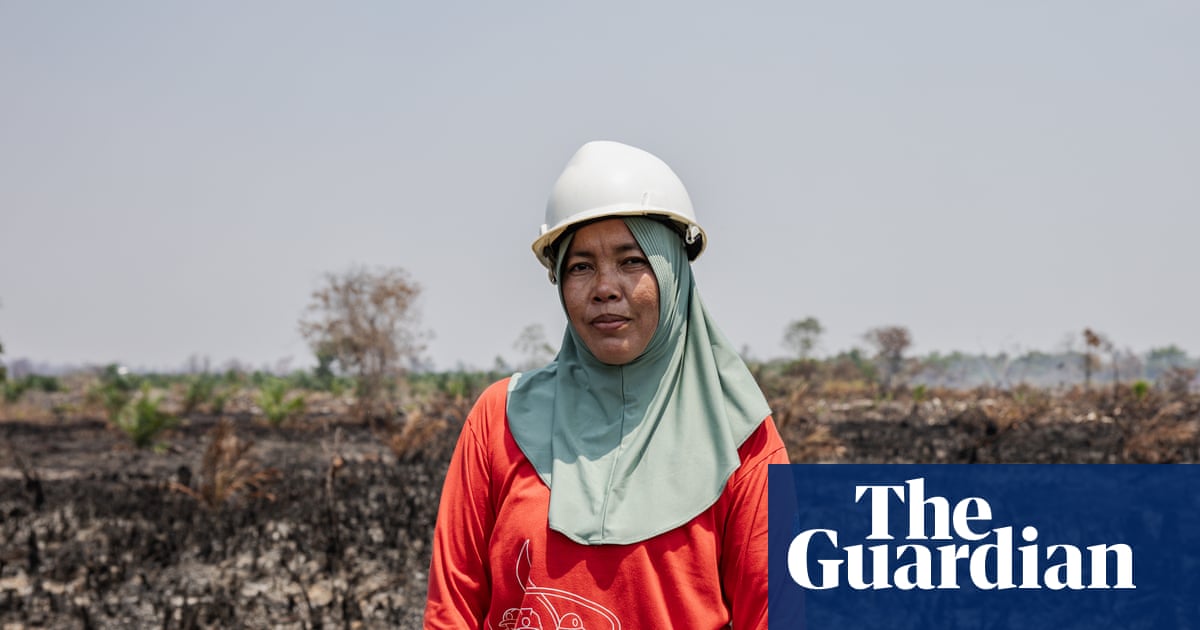
🔥
The women saving Borneo: Indonesia's first all-female firefighting team battles flames and tradition
De vrouwen die Borneo redden: Indonesië's eerste all-female brandweerteam bestrijdt vlammen en tradities
Les femmes qui sauvent Bornéo: la première équipe de pompiers composée exclusivement de femmes d'Indonésie affronte les flammes et les traditions
So, I find this story absolutely inspiring - the Power of Mama is Indonesia's first all-female firefighting team, made up of 146 women from West Kalimantan who patrol high-risk peatland areas on Borneo to prevent and detect forest fires. These women face double pressure, really - not only battling the intense physical challenge of fighting fires in toxic smoke and difficult terrain, but also overcoming deep-rooted village patriarchy that initially dismissed their efforts. Which brings me to what's remarkable: they've actually won over their communities through patient education, explaining how uncontrolled burning harms families while helping farmers understand safer ways to clear land. This year the challenge is particularly acute with a "super" El Niño expected to exacerbate conditions, and thousands of hotspots already burning through peatland that can smoulder underground for weeks.
Dit verhaal vind ik echt inspirerend - de Power of Mama is Indonesië's eerste brandweerteam dat volledig uit vrouwen bestaat, met 146 leden uit West-Kalimantan die gevaarlijke veengebieden op Borneo patrouilleren om branden te voorkomen en op te sporen. Deze vrouwen staan onder dubbele druk - ze bestrijden niet alleen de intense fysieke uitdaging van bosbranden in giftige rook en moeilijk terrein, maar overwinnen ook diep gewortelde patriarchale tradities in hun dorpen. En hier ligt het bijzondere: ze hebben hun gemeenschappen gewonnen door patiënt uit te leggen hoe ongecontroleerde verbranding gezinnen schaadt, terwijl ze boeren helpen begrijpen hoe ze veiliger land kunnen ontginnen. Dit jaar is de uitdaging extra groot met een verwachte "super" El Niño, terwijl duizenden brandhaarden al tienduizenden hectares veenland verbranden.
Cette histoire m'inspire vraiment - le Power of Mama est la première équipe de pompiers composée entièrement de femmes en Indonésie, avec 146 membres du Kalimantan occidental qui patrouillent les zones tourbeuses dangereuses de Bornéo pour prévenir et détecter les incendies de forêt. Ces femmes font face à une double pression - non seulement elles affrontent le défi physique intense de combattre les feux dans une fumée toxique et un terrain difficile, mais elles surmontent aussi le patriarcat profondément enraciné qui a d'abord rejeté leurs efforts. Et voilà ce qui est remarquable: elles ont en fait gagné le cœur de leurs communautés par l'éducation patiente, expliquant comment les brûlis incontrôlés nuisent aux familles tout en aidant les agriculteurs à comprendre des façons plus sûres de défricher les terres. Cette année, le défi est particulièrement intense avec un "super" El Niño attendu, tandis que des milliers de foyers brûlent déjà les tourbières.
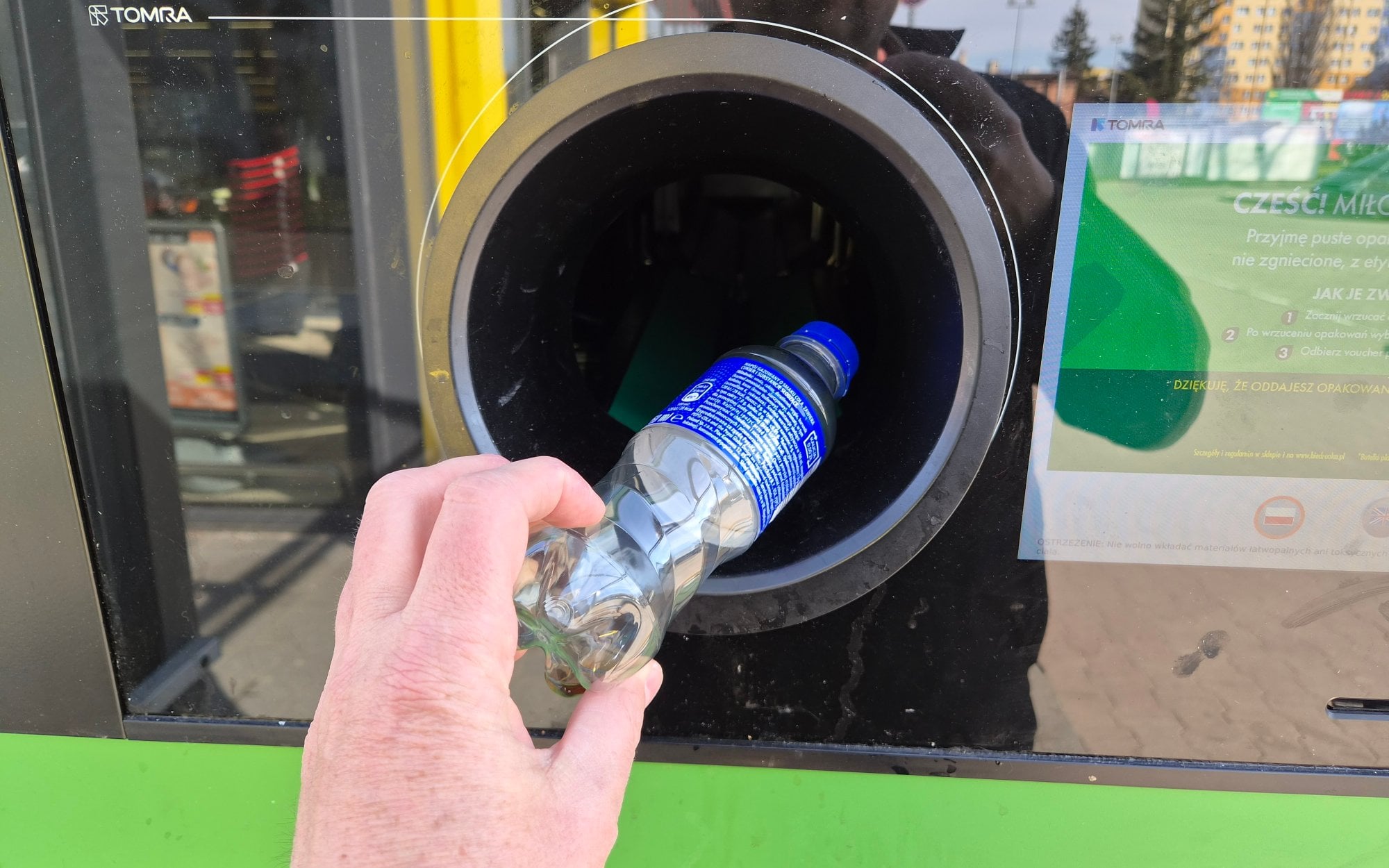
♻️
Bottle returns are about to get easier with new machines in shops
Flessenretour wordt binnenkort eenvoudiger met nieuwe automaten in winkels
Les retours de bouteilles vont bientôt être plus faciles avec de nouvelles machines dans les magasins
Poland's deposit system is getting a major accessibility boost - small shop owners will soon be able to install bottle collection machines without paying for the equipment, installation, or maintenance. So here's the thing: OK Operator Kaucyjny is offering these automats completely free, which means even tiny shops in smaller towns can finally participate in the system. The machines can be tailored to each shop's needs, and owners get paid for the bottles they collect - plus they might attract new customers who'll do their shopping after returning their empties. And here's the really exciting part: since the system launched on October 1st, 2025, Poland has already collected 3.2 billion bottles and cans, with 900 million returned in July alone.
Polens inlevingssysteem krijgt een grote boost in toegankelijkheid - eigenaren van kleine winkels kunnen binnenkort flessenautomaten installeren zonder betaling voor apparatuur, installatie of onderhoud. Nu is het volgende belangrijk: OK Operator Kaucyjny biedt deze automaten volledig gratis aan, wat betekent dat zelfs kleine winkels in kleinere plaatsen eindelijk kunnen deelnemen aan het systeem. De machines kunnen op maat worden gemaakt voor elke winkel, en eigenaren krijgen betaald voor de flessen die ze inzamelen - plus ze kunnen nieuwe klanten aantrekken die na het inleveren van hun lege verpakkingen gaan winkelen. En hier is het werkelijk spannende gedeelte: sinds het systeem op 1 oktober 2025 van start ging, heeft Polen al 3,2 miljard flessen en blikjes ingezameld, met 900 miljoen stuks die in juli alleen al zijn ingeleverd.
Le système de consigne polonais reçoit un énorme coup de pouce en accessibilité - les petits commerçants pourront bientôt installer des machines de collecte de bouteilles sans payer l'équipement, l'installation ou l'entretien. Voici le point clé: OK Operator Kaucyjny propose ces automates complètement gratuitement, ce qui signifie que même les petits magasins des petites villes peuvent enfin participer au système. Les machines peuvent être adaptées aux besoins de chaque boutique, et les propriétaires sont rémunérés pour les bouteilles qu'ils collectent - en plus, ils pourraient attirer de nouveaux clients qui feront leurs courses après avoir restitué leurs emballages vides. Et voici la partie vraiment excitante: depuis le lancement du système le 1er octobre 2025, la Pologne a déjà collecté 3,2 milliards de bouteilles et de canettes, avec 900 millions d'unités restituées en juillet seulement.
🚗
More cars on the road, but they pollute far less
Meer auto's op de weg, maar ze vervuilen veel minder
Plus de voitures sur la route, mais elles polluent beaucoup moins
Denmark's car fleet has transformed over the past decade, with nearly 700,000 electric vehicles making a real environmental difference. So here's the thing - even though we have more private cars on the roads than ever before, the overall pollution they produce has dropped dramatically compared to ten years ago. According to professor and traffic researcher Jeppe Rich from DTU Transport, this is genuinely good news for the country. The shift toward cleaner vehicles shows that we can grow our mobility without sacrificing our environment.
Denemarken's wagenpark is de afgelopen tien jaar totaal veranderd, met bijna 700.000 elektrische voertuigen die een echt verschil maken voor het milieu. En hier is het interessante - hoewel we meer privéauto's op de wegen hebben dan ooit tevoren, is de totale vervuiling die ze produceren dramatisch gedaald in vergelijking met tien jaar geleden. Volgens professor en verkeersonderzoeker Jeppe Rich van DTU Transport is dit echt goed nieuws voor het land. De verschuiving naar schonere voertuigen laat zien dat we onze mobiliteit kunnen laten groeien zonder ons milieu op te offeren.
Le parc automobile danois s'est transformé au cours de la dernière décennie, avec près de 700 000 véhicules électriques faisant une réelle différence environnementale. Et voilà l'intéressant - même si nous avons plus de voitures particulières sur les routes que jamais auparavant, la pollution globale qu'elles produisent a diminué de façon spectaculaire par rapport à il y a dix ans. Selon le professeur et chercheur en transports Jeppe Rich de DTU Transport, c'est vraiment une bonne nouvelle pour le pays. Le passage vers des véhicules plus propres montre que nous pouvons développer notre mobilité sans sacrifier notre environnement.

🐟
What we're reading: 20,000 salmon return to the Klamath River
Wat we lezen: 20.000 zalmen keren terug naar de Klamath River
Ce que nous lisons : 20 000 saumons reviennent à la rivière Klamath
Here's something that genuinely got our team excited this week - 20,000 chinook salmon have migrated back up the Klamath River in just two years since four dams were removed, and the speed of this recovery has surprised even the experts. Now, I find this remarkable because it shows nature's incredible resilience when we actually give it a chance - researchers were expecting progress, sure, but not this fast. Of course, challenges remain with water allotments and the river's two remaining dams still in place, but this is unmistakable proof that dam removal works. We're also buzzing about how family planning services in Nigeria are getting smarter by involving men in conversations, recognizing that reproductive health decisions need everyone at the table.
Hier is iets wat ons team deze week echt enthousiast maakte - 20.000 chinook-zalmen zijn in slechts twee jaar na de verwijdering van vier dammen teruggekeerd naar de Klamath River, en het tempo van dit herstel heeft zelfs de experts verrast. Ik vind dit opmerkenswaardig omdat het de ongelooflijke veerkracht van de natuur laat zien als we haar werkelijk een kans geven - onderzoekers verwachtten vooruitgang, zeker, maar niet zo snel. Natuurlijk blijven er uitdagingen met watertoedelingen en de twee resterende dammen van de rivier, maar dit is onmiskenbaar bewijs dat damverwijdering werkt. We zijn ook enthousiast over hoe familieplanningsdiensten in Nigeria slimmer worden door mannen in gesprekken te betrekken en erkennen dat reproductieve gezondheidsbeslissingen iedereen aan tafel nodig hebben.
Voici quelque chose qui a vraiment enthousiasmé notre équipe cette semaine - 20 000 saumons chinook sont revenus en amont de la rivière Klamath en seulement deux ans depuis le retrait de quatre barrages, et la vitesse de ce rétablissement a surpris même les experts. Je trouve cela remarquable car cela montre la résilience incroyable de la nature quand nous lui donnons vraiment une chance - les chercheurs s'attendaient à des progrès, bien sûr, mais pas si rapidement. Bien sûr, des défis demeurent en matière d'allocations d'eau et les deux barrages restants de la rivière persistent, mais c'est une preuve incontestable que le retrait des barrages fonctionne. Nous sommes également enthousiastes à propos de la façon dont les services de planification familiale au Nigéria deviennent plus intelligents en impliquant les hommes dans les conversations, reconnaissant que les décisions en matière de santé reproductive nécessitent tout le monde à la table.

🎋
How Assam's artisans turn one bamboo plant into hundreds of everyday essentials
Hoe ambachtslieden uit Assam één bamboe plant in honderden dagelijkse essentiële dingen omzetten
Comment les artisans d'Assam transforment une plante de bambou en des centaines d'objets du quotidien
So here's what fascinates me - India has 136 bamboo species, with 125 being indigenous, making it the world's second richest country in bamboo diversity, yet for centuries people walked past these plants barely noticing them. In Jorhat, Assam, craftsperson Prabhat Saikia shows us what's possible when you really look closer - turning a humble bamboo pole into furniture, homes, food containers, musical instruments and even textiles. What makes this work isn't just the plant's natural versatility, but the skills and proper treatment techniques Saikia learned from working with the Rainforest Research Institute. And here's the thing - his workshop now employs around 20 young artisans who've found dignified livelihoods without leaving their villages, proving that sustainable materials paired with knowledge can transform both lives and communities.
Wat me echt fascineert is dit - India heeft 136 bamboesoorten, waarvan 125 inheems, waardoor het het op één na rijkste land ter wereld is in bamboe-diversiteit, en toch liepen mensen eeuwenlang voorbij aan deze planten zonder ze echt op te merken. In Jorhat, Assam, laat ambachtsman Prabhat Saikia ons zien wat mogelijk is als je echt goed kijkt - hij transformeert een eenvoudige bamboe paal in meubels, huizen, voedselcontainers, muziekinstrumenten en zelfs textiel. Wat dit werk doet slagen is niet alleen de natuurlijke veelzijdigheid van de plant, maar ook de vaardigheden en juiste behandelingstechnieken die Saikia leerde van het Rainforest Research Institute. En hier is het belangrijke punt - zijn werkplaats werkt nu met ongeveer 20 jonge ambachtslieden die fatsoenlijke inkomens hebben gevonden zonder hun dorpen te verlaten, wat bewijst dat duurzame materialen gecombineerd met kennis zowel levens als gemeenschappen kunnen transformeren.
Ce qui me fascine vraiment, c'est ceci - l'Inde possède 136 espèces de bambou, dont 125 sont indigènes, ce qui en fait le deuxième pays au monde le plus riche en diversité de bambou, et pourtant pendant des siècles les gens passaient à côté de ces plantes sans les remarquer. À Jorhat, en Assam, l'artisan Prabhat Saikia nous montre ce qui est possible quand on regarde vraiment de près - il transforme une simple tige de bambou en meubles, maisons, contenants alimentaires, instruments de musique et même textiles. Ce qui rend ce travail possible, ce n'est pas seulement la polyvalence naturelle de la plante, mais aussi les compétences et les techniques de traitement appropriées que Saikia a apprises en travaillant avec l'Institut de recherche sur la forêt tropicale. Et voici le point important - son atelier emploie maintenant environ 20 jeunes artisans qui ont trouvé des moyens de subsistance dignes sans quitter leurs villages, ce qui prouve que les matériaux durables associés à la connaissance peuvent transformer à la fois les vies et les communautés.
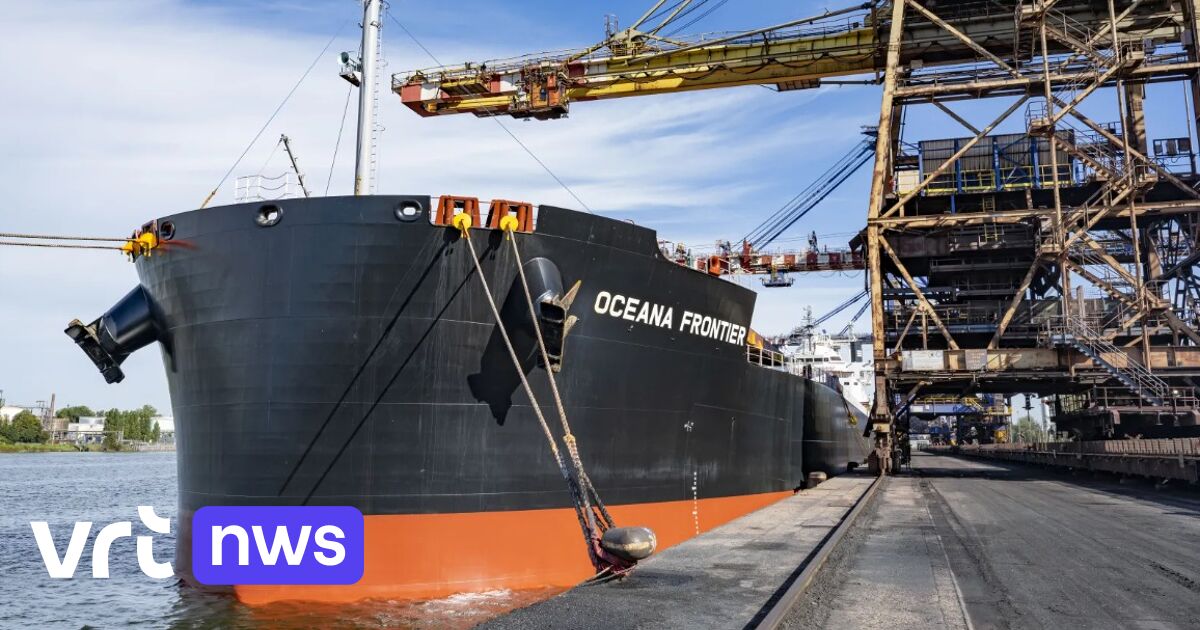
🚢
World's first LNG-powered bulk carrier arrives at ArcelorMittal in Ghent
Wereldwijd eerste LNG-aangedreven bulkschip aangemeerd in Gent bij ArcelorMittal
Le premier vraquier propulsé au GNL au monde arrive chez ArcelorMittal à Gand
So here's the thing - the Oceana Frontier just pulled into ArcelorMittal Belgium in Ghent, and it's genuinely historic. This is the world's first LNG-powered bulk carrier, bringing iron ore all the way from Canada, which is a major milestone for both the steel company and North Sea Port. What really gets me excited is the environmental impact - using LNG as fuel cuts CO2 emissions by around 23 percent compared to traditional shipping fuel, meaning roughly 500 tons of CO2 savings per voyage on this route alone. And it's not just a one-off either - the Oceana Frontier is one of five ships in ArcelorMittal's global fleet that can run on LNG, with ports now testing procedures for safely receiving and unloading these greener vessels.
Dit is echt een bijzonder moment - het schip Oceana Frontier is maandag aangemeerd bij ArcelorMittal in Gent, en het is wereldwijd het eerste LNG-aangedreven bulkschip. Het bracht ijzererts uit Canada naar de Gentse staalfabriek, wat een primeur is voor zowel het staalbedrijf als North Sea Port. Wat me echt enthousiast maakt is dat LNG als brandstof de CO2-uitstoot met ongeveer 23 procent kan verminderen vergeleken met traditionele scheepsbrandstoffen - dat scheelt zo'n 500 ton CO2 per reis. Het is niet zomaar een experiment - dit schip is een van vijf in ArcelorMittals mondiale vloot die op LNG kunnen varen, en nu doet de haven ervaring op met het veilig ontvangen en lossen van deze milieuvriendelijkere schepen.
Voilà un moment vraiment historique - l'Oceana Frontier vient d'accoster chez ArcelorMittal en Gand, et c'est le premier vraquier propulsé au GNL au monde. Ce navire a apporté du minerai de fer depuis le Canada jusqu'à l'aciérie gantoise, ce qui est une première pour l'entreprise sidérurgique et le port de la Mer du Nord. Ce qui me fascine particulièrement, c'est l'impact environnemental - utiliser le GNL comme carburant réduit les émissions de CO2 d'environ 23 pour cent par rapport aux combustibles navals traditionnels, soit quelque 500 tonnes de CO2 économisées par trajet. Ce n'est pas qu'une simple expérience - ce navire fait partie de cinq bâtiments dans la flotte mondiale d'ArcelorMittal qui peuvent fonctionner au GNL, et le port teste maintenant les procédures pour recevoir et décharger en toute sécurité ces navires plus écologiques.
🚐
Limburg parents organize their own school shuttle to special education: "No child should spend four hours a day on the bus"
Limburgse ouders organiseren zelf de schoolrit naar het bijzonder onderwijs: "Geen kind zou vier uur per dag op de bus mogen zitten"
Des parents limbourgeois organisent eux-mêmes le transport scolaire vers l'enseignement spécialisé: "Aucun enfant ne devrait passer quatre heures par jour dans le bus"
A group of parents in Limburg has taken matters into their own hands by organizing a carpool system for their children attending special education schools. The initiative came about because many kids were spending far too much time commuting - sometimes up to four hours daily on school buses - which left them exhausted and struggling to focus on their learning. What started as a practical solution has become a real community effort, showing how parents can work together when existing transport systems fall short. So it's a heartwarming example of people stepping up to improve their children's school experience.
Een groep ouders in Limburg heeft het zelf in handen genomen en organiseert een carpoolsysteem voor hun kinderen die naar het bijzonder onderwijs gaan. Het initiatief ontstond omdat veel kinderen veel te veel tijd kwijt waren aan het woon-werkverkeer - soms tot vier uur per dag in de schoolbus - wat hen uitgeput maakte en hun schoolprestaties beïnvloedde. Wat begon als een praktische oplossing is uitgegroeid tot een echt gemeenschappelijke inspanning die laat zien hoe ouders samen kunnen werken wanneer bestaande vervoersystemen tekortkomen. Het is dus een aanstekelijk voorbeeld van mensen die stap voor stap hun kinderen een beter schoolervaring willen geven.
Un groupe de parents en Limbourg a décidé de prendre les choses en main en mettant en place un système de covoiturage pour leurs enfants qui fréquentent l'enseignement spécialisé. Cette initiative est née du fait que de nombreux enfants passaient bien trop de temps à se déplacer - parfois jusqu'à quatre heures par jour dans le bus scolaire - ce qui les épuisait et affectait leur concentration à l'école. Ce qui a commencé comme une simple solution pratique est devenu un véritable effort collectif, montrant comment les parents peuvent s'unir lorsque les systèmes de transport existants ne suffisent pas. C'est un bel exemple de mobilisation communautaire pour améliorer l'expérience scolaire de leurs enfants.
🎨
Artists spark imagination in people with dementia: 'Touch is where every dance begins'
Kunstenaars wekken verbeelding op bij mensen met dementie: 'Aanraking is het begin van elke dans'
Les artistes stimulent l'imagination chez les personnes atteintes de démence: 'Le toucher est le début de chaque danse'
So here's the thing - artists are discovering something really beautiful about connecting with people living with dementia through creative practice. Touch, movement, and imagination become a language that transcends the communication challenges these individuals face, creating moments of genuine connection and joy. The approach shows that even when memory fades, the capacity to engage with art, music, and physical expression remains remarkably alive. It's a reminder that creativity isn't just about making something - it's about reaching people in the most human ways possible.
Kunstenaars ontdekken iets werkelijk moois: creatieve praktijken kunnen mensen met dementie op diepgaande manieren bereiken. Aanraking, beweging en verbeelding worden een taal die communicatieve barrières overbrugt, wat momenten van echte verbinding en vreugde creëert. Het blijkt dat zelfs wanneer het geheugen vervaagt, het vermogen om met kunst, muziek en fysieke expressie in contact te treden opmerkelijk intact blijft. Dit herinnert ons eraan dat creativiteit niet alleen gaat over iets maken - het gaat erom mensen op de meest menselijke manier te bereiken.
Les artistes découvrent quelque chose de vraiment beau: les pratiques créatives peuvent toucher les personnes atteintes de démence de manière profonde. Le toucher, le mouvement et l'imagination deviennent un langage qui dépasse les obstacles communicationnels, créant des moments de connexion authentique et de joie. Il s'avère que même lorsque la mémoire s'estompe, la capacité à s'engager avec l'art, la musique et l'expression physique reste remarquablement intacte. Cela nous rappelle que la créativité ne consiste pas seulement à créer quelque chose - c'est une question de toucher les gens de la manière la plus humaine possible.
/s3/static.nrc.nl/wp-content/uploads/2026/09/04201228/190926WET_2035351820_4.jpg)
🤖
How AI agents reveal the mechanics of radicalization
Hoe AI-agents het proces van radicalisering blootleggen
Comment les agents d'IA révèlent les mécanismes de la radicalisation
Inspired by the devastating Sri Lanka Easter bombings of 2019, Dutch police researcher Mijke van den Hurk set out to understand how ordinary people become radicalized - not by looking at single factors like poverty, but by examining how multiple mechanisms interact within their environment. She developed an innovative agent-based AI simulation model, similar to the video game The Sims, where hundreds of virtual agents react to each other on individual, social, and ideological levels. The agents in her model seek recognition, belonging, and group identity, showing how radicalization can emerge from the complex interplay of needs and social dynamics. This groundbreaking research approach offers new insights into extremism without relying on tired stereotypes about what a terrorist looks like.
Geïnspireerd door de verwoestende aanslag op Paaszondag 2019 in Sri Lanka, begon Nederlandse politieonderzoeker Mijke van den Hurk te onderzoeken hoe gewone mensen radicaliseren - niet door naar één factor te kijken, maar door te analyseren hoe meerdere mechanismen in hun omgeving met elkaar samenwerken. Ze ontwikkelde een innovatief simulatiemodel op basis van AI-agents, vergelijkbaar met het computerspel The Sims, waarin honderden virtuele agenten op elkaar reageren op persoonlijk, sociaal en ideologisch niveau. De agents in haar model zoeken erkenning, willen ergens bij horen en vormen groepsidentiteiten, wat laat zien hoe radicalisering kan ontstaan uit de complexe wisselwerking van behoeften en sociale dynamica. Dit baanbrekende onderzoek biedt nieuwe inzichten in extremisme zonder te vertrouwen op versleten stereotypen over hoe een terrorist eruitziet.
Inspirée par les attaques dévasttrices du dimanche de Pâques 2019 au Sri Lanka, la chercheuse de la police néerlandaise Mijke van den Hurk a voulu comprendre comment les gens ordinaires se radicalisent - non pas en examinant un seul facteur, mais en analysant comment plusieurs mécanismes interagissent dans leur environnement. Elle a développé un modèle de simulation innovant basé sur des agents d'IA, similaire au jeu vidéo The Sims, où des centaines d'agents virtuels réagissent les uns aux autres à des niveaux individuels, sociaux et idéologiques. Les agents de son modèle recherchent la reconnaissance, veulent appartenir à un groupe et forment des identités collectives, montrant comment la radicalisation peut émerger de l'interaction complexe des besoins et des dynamiques sociales. Cette recherche novatrice offre de nouvelles perspectives sur l'extrémisme sans s'appuyer sur des stéréotypes usés concernant l'apparence d'un terroriste.
🏡
Christian Bale spent 18 years building a foster-care village - and it finally opened
Christian Bale werkte 18 jaar aan een pleeggezinsdorp - en het is eindelijk geopend
Christian Bale a travaillé 18 ans pour construire un village d'accueil - et il vient enfin d'ouvrir
So here's something really moving - Christian Bale and his wife Sibi have finally realized their dream of opening 'Together California,' a foster-care village they've been working on for nearly two decades. The nonprofit just opened 12 new homes in Palmdale that can care for up to 72 kids at a time, with the core mission of keeping siblings together rather than separating them in the system. Bale explains that his vision was sparked by love for his own children, and he believes this model could become the norm if done right. With over 30,000 children in foster care across Los Angeles alone, this village represents real, tangible hope - offering kids not just homes, but stability, support, and the message that people care about their future.
Dus hier gebeurt iets echt indrukwekkends - Christian Bale en zijn vrouw Sibi hebben eindelijk hun droom verwezenlijkt met de opening van 'Together California,' een pleeggezinsdorp waaraan ze bijna twee decennia hebben gewerkt. De non-profitorganisatie heeft net 12 nieuwe huizen in Palmdale geopend die tegelijk voor maximaal 72 kinderen kunnen zorgen, met als kernmissie dat broers en zussen bij elkaar blijven in plaats van gescheiden te worden. Bale verklaart dat zijn visie werd geboren uit liefde voor zijn eigen kinderen, en hij gelooft dat dit model de standaard zou kunnen worden als het goed wordt uitgevoerd. Met meer dan 30.000 kinderen in de pleegzorg alleen al in Los Angeles, vertegenwoordigt dit dorp echte, tastbare hoop - het geeft kinderen niet alleen huizen, maar ook stabiliteit, ondersteuning en het besef dat mensen om hun toekomst geven.
Donc voilà quelque chose de vraiment émouvant - Christian Bale et sa femme Sibi ont enfin réalisé leur rêve en ouvrant 'Together California,' un village d'accueil auquel ils travaillent depuis près de deux décennies. L'organisation à but non lucratif vient d'ouvrir 12 nouvelles maisons à Palmdale qui peuvent accueillir jusqu'à 72 enfants à la fois, avec pour mission centrale de maintenir les fratries ensemble au lieu de les séparer dans le système. Bale explique que sa vision est née de l'amour qu'il porte à ses propres enfants, et il croit que ce modèle pourrait devenir la norme s'il est bien exécuté. Avec plus de 30.000 enfants en accueil à travers Los Angeles seul, ce village représente un vrai, un vrai espoir tangible - offrant aux enfants non seulement des maisons, mais aussi la stabilité, le soutien et le message que les gens se soucient de leur avenir.
🚁
Drones could take on a bigger role in future wildfire firefighting
Drones kunnen een grotere rol spelen in toekomstige wildfireblussingoperaties
Les drones pourraient jouer un rôle plus important dans la lutte contre les feux de forêt
Kelowna is positioning itself as a Western Canadian hub for aerospace innovation through a new partnership between the city, FireSwarm Solutions, and Okanagan College - announced at the BC Municipalities convention. The collaboration focuses on developing autonomous drone-swarm technology designed to suppress wildfires in dangerous conditions where crewed helicopters can't safely operate. FireSwarm is working on ultra-heavy-lift drones capable of carrying 350 kilograms of water autonomously, with larger versions approaching the market soon. The partnership also includes a crucial education component, with Okanagan College building a new training facility and developing the country's first curriculum for aircraft maintenance engineers specializing in ultra-heavy-lift drone technology.
Kelowna positioneert zich als een hub voor ruimtevaart innovatie in West-Canada via een nieuw partnerschap tussen de stad, FireSwarm Solutions en Okanagan College - aangekondigd op de BC Municipalities conventie. De samenwerking richt zich op het ontwikkelen van autonome drone-swarm technologie die bosbranden kan bestrijden in gevaarlijke omstandigheden waar bemande helikopters niet veilig kunnen opereren. FireSwarm werkt aan zware cargo-drones die autonoom 350 kilogram water kunnen vervoeren, met grotere versies die binnenkort op de markt komen. Het partnerschap omvat ook een cruciaal onderwijscomponent, waarbij Okanagan College een nieuwe trainingshal bouwt en het eerste curriculum in het land ontwikkelt voor vliegtuigonderhoudstechnici gespecialiseerd in zware cargo-drones.
Kelowna se positionne comme centre d'innovation aérospatiale en Colombie-Britannique occidentale via un nouveau partenariat entre la ville, FireSwarm Solutions et Okanagan College - annoncé à la convention des Municipalités de la Colombie-Britannique. La collaboration se concentre sur le développement de la technologie autonome de drones en essaim conçue pour combattre les feux de forêt dans des conditions dangereuses où les hélicoptères pilotés ne peuvent pas opérer en sécurité. FireSwarm travaille sur des drones super-lourds capables de transporter 350 kilogrammes d'eau de manière autonome, avec des versions plus grandes arrivant bientôt sur le marché. Le partenariat comprend également un volet éducatif crucial, Okanagan College construisant une nouvelle installation d'entraînement et développant le premier programme au pays pour les techniciens d'entretien d'aéronefs spécialisés dans la technologie des drones super-lourds.
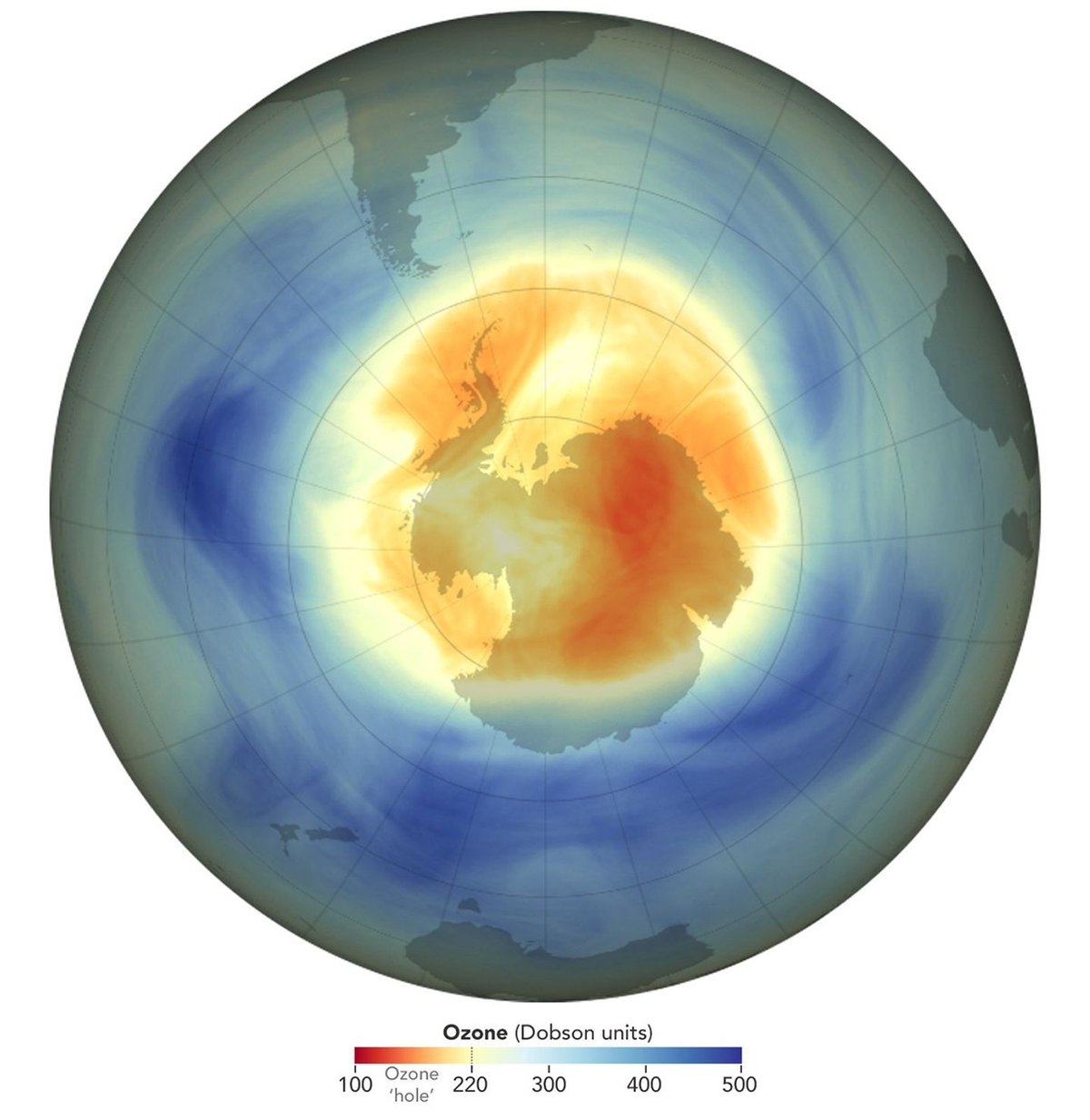
🌍
The ozone hole is healing, but extreme weather may be slowing recovery
Het ozongatgeneest, maar extreem weer kan het herstel vertragen
Le trou de la couche d'ozone se referme, mais les conditions météorologiques extrêmes pourraient ralentir sa guérison
So here's the thing - the ozone hole is genuinely smaller than it's been in decades, which is fantastic news showing our Montreal Protocol treaty actually works. But and this is important - scientists are noticing it's healing slower than they predicted, with seasonal fluctuations making it tricky to spot real progress year to year. Now, what's really worrying researchers like UCLA's Suzanne Paulson is that extreme weather events, driven by climate change, are throwing spanners in the works and could keep creating new anomalies. The report shows ozone levels dipped unusually low in September 2025 instead of October, which they're linking to a fierce Arctic winter vortex - exactly the kind of chaos we'll see more of as global warming intensifies.
Dus het goeie nieuws - het ozongat is aanzienlijk kleiner dan in recente decennia, wat laat zien dat ons Montreal Protocol verdrag echt werkt. Maar en dit is belangrijk - wetenschappers merken op dat het langzamer geneest dan verwacht, en seizoensschommelingen maken het moeilijk om echte vooruitgang jaar na jaar op te sporen. Nu is wat onderzoekers zoals Suzanne Paulson van UCLA echt zorgen baart, dat extreem weer veroorzaakt door klimaatverandering roet in het eten gooit en nieuwe anomalieën kan blijven creëren. Het rapport laat zien dat ozonniveaus onverwacht laag daalden in september 2025 in plaats van oktober, wat ze koppelen aan een felle arctische winterwervel - precies het soort chaos dat we vaker zullen zien naarmate de aardverwarming intensiveert.
Alors voilà la bonne nouvelle - le trou de la couche d'ozone est considérablement plus petit qu'au cours des dernières décennies, ce qui prouve que notre traité du Protocole de Montréal fonctionne vraiment. Mais et c'est important - les scientifiques remarquent qu'il se referme plus lentement que prévu, et les fluctuations saisonnières rendent difficile de repérer les vrais progrès d'année en année. Maintenant, ce qui inquiète vraiment les chercheurs comme Suzanne Paulson de l'UCLA, c'est que les phénomènes météorologiques extrêmes, provoqués par le changement climatique, mettent des bâtons dans les roues et pourraient continuer à créer de nouvelles anomalies. Le rapport montre que les niveaux d'ozone ont baissé anormalement bas en septembre 2025 au lieu d'octobre, qu'ils associent à un fort vortex polaire arctique - exactement le genre de chaos que nous verrons davantage à mesure que le réchauffement climatique s'intensifie.

✈️
A father's dream becomes a gift for hundreds of seniors discovering the joy of travel
Een vaders droom wordt een cadeau voor honderden ouderen die de vreugde van reizen ontdekken
Le rêve d'un père devient un cadeau pour des centaines de personnes âgées découvrant la joie du voyage
Saakshi Maheshwari lost her father in 2023 and realized that waiting for the right time to travel and chase dreams is a luxury we don't always have. Inspired by his passion for both helping others and exploring the world, she launched The Original Travel Company with her husband Rajat to take senior citizens on journeys across India and beyond. Since June 2023, they've travelled with approximately 350 seniors on over 40 domestic and international trips, proving that retirement is the perfect time to start living those postponed adventures. Her father's unfulfilled dreams have transformed into a beautiful mission - turning what could have been her greatest loss into a gift that's changing how hundreds of older people see their own futures.
Saakshi Maheshwari verloor haar vader in 2023 en realiseerde zich dat wachten op het juiste moment om te reizen en dromen na te streven een luxe is die we niet altijd hebben. Geïnspireerd door zijn passie voor zowel het helpen van anderen als het verkennen van de wereld, lanceerde ze samen met haar man Rajat The Original Travel Company om senioren op reizen door India en daarbuiten mee te nemen. Sinds juni 2023 hebben ze met ongeveer 350 ouderen meer dan 40 binnenlandse en internationale reizen gemaakt, wat bewijst dat pensioen het perfecte moment is om die uitgestelde avonturen te beginnen. De onvervulde dromen van haar vader zijn omgezet in een mooie missie - wat haar grootste verlies had kunnen zijn, is nu een cadeau dat honderden ouderen helpt hun eigen toekomst anders te zien.
Saakshi Maheshwari a perdu son père en 2023 et a réalisé qu'attendre le bon moment pour voyager et réaliser ses rêves est un luxe que nous n'avons pas toujours. Inspirée par sa passion pour aider les autres et explorer le monde, elle a lancé The Original Travel Company avec son mari Rajat pour emmener les personnes âgées en voyages à travers l'Inde et au-delà. Depuis juin 2023, ils ont voyagé avec environ 350 seniors lors de plus de 40 voyages nationaux et internationaux, prouvant que la retraite est le moment idéal pour vivre ces aventures si longtemps repoussées. Les rêves inachevés de son père se sont transformés en une belle mission - ce qui aurait pu être sa plus grande perte est devenu un cadeau qui change la façon dont des centaines de personnes âgées voient leur propre avenir.
✨
Just four weeks of dietary changes can reverse aging markers in older adults
Slechts vier weken dieetverandering kan verouderingsindicatoren bij ouderen omkeren
Quatre semaines de changements alimentaires peuvent inverser les marqueurs du vieillissement chez les adultes âgés
So here's something really exciting - researchers at the University of Sydney found that older adults aged 65 to 75 can actually shift their biological age in just four weeks by changing what they eat. The study showed that reducing dietary fat or animal-based protein led to measurable improvements in health biomarkers like cholesterol, insulin, and inflammation levels. Now, biological age is different from how many years you've lived - it's really about how your body is actually functioning, and the researchers measured this using 20 different health markers combined together. The strongest results came from people who switched to a diet higher in carbohydrates and lower in fat, suggesting that our food choices might influence aging much faster than we ever thought possible.
Hier is iets echt opwindends - onderzoekers van de Universiteit van Sydney ontdekten dat ouderen van 65 tot 75 jaar hun biologische leeftijd in slechts vier weken kunnen veranderen door hun voeding aan te passen. De studie toonde aan dat het verminderen van voedingsvet of dierlijke eiwitten leidt tot meetbare verbeteringen in gezondheidsmarkers zoals cholesterol, insuline en ontstekingsniveaus. Biologische leeftijd is anders dan het aantal jaren dat je hebt geleefd - het gaat echt om hoe je lichaam eigenlijk functioneert, en onderzoekers maten dit met behulp van twintig verschillende gezondheidsmarkers samen. De sterkste resultaten kwamen van mensen die overgingen op een dieet met meer koolhydraten en minder vet, wat suggereert dat onze voedingskeuzes veel sneller kunnen beïnvloeden hoe we verouderen.
Voici quelque chose de vraiment passionnant - des chercheurs de l'Université de Sydney ont découvert que les adultes âgés de 65 à 75 ans peuvent en fait modifier leur âge biologique en seulement quatre semaines en changeant ce qu'ils mangent. L'étude a montré que la réduction des graisses alimentaires ou des protéines d'origine animale a conduit à des améliorations mesurables des biomarqueurs de santé comme le cholestérol, l'insuline et les niveaux d'inflammation. L'âge biologique est différent du nombre d'années que vous avez vécu - il s'agit vraiment de la façon dont votre corps fonctionne réellement, et les chercheurs l'ont mesuré en utilisant vingt marqueurs de santé différents combinés ensemble. Les résultats les plus forts provenaient de personnes qui ont adopté un régime plus riche en glucides et moins gras, ce qui suggère que nos choix alimentaires pourraient influencer notre vieillissement beaucoup plus rapidement que nous ne l'avions jamais pensé.
⚖️
France launches special courts and hundreds of investigators to combat sexual violence and protect children
Frankrijk zet speciale rechtbanken en honderden onderzoekers in tegen seksueel geweld en voor kinderbescherming
La France met en place des tribunaux spécialisés et des centaines d'enquêteurs pour lutter contre les violences sexuelles et protéger les enfants
So, France is taking a really significant step here - the government is rolling out dedicated courts and deploying hundreds of investigators specifically focused on sexual violence and child protection. And here's the thing, this kind of targeted approach shows they're serious about tackling these crimes with the resources and expertise they deserve. I think this matters because specialized courts mean faster justice and better handling of these sensitive cases. It's a positive move that puts vulnerable people at the center of the system.
De Franse regering neemt een belangrijk initiatief door speciale rechtbanken op te richten en honderden onderzoekers in te zetten voor de bestrijding van seksueel geweld en kinderbescherming. Dit gespecialiseerde aanpak laat zien dat zij deze misdrijven serieus nemen en hen de juiste middelen geven. Wat mij betreft is dit cruciaal omdat gespecialiseerde rechtbanken sneller recht garanderen en gevoelige zaken beter kunnen behandelen. Dit is een positieve stap die kwetsbare mensen centraal stelt in het rechtsstelsel.
Le gouvernement français prend une initiative importante en créant des tribunaux spécialisés et en déployant des centaines d'enquêteurs pour combattre les violences sexuelles et protéger les enfants. Cette approche ciblée montre qu'ils prennent ces crimes au sérieux et leur accordent les ressources appropriées. Je pense que c'est crucial car les tribunaux spécialisés garantissent une justice plus rapide et une meilleure prise en charge des affaires sensibles. C'est une mesure positive qui place les personnes vulnérables au cœur du système judiciaire.
/s3/static.nrc.nl/wp-content/uploads/2026/09/15122841/150926BIN_2036702199_gordelroos.jpg)
💉
Shingles vaccination campaign offers older adults better protection and potentially guards against dementia
Inhaalcampagne gordelroosvaccinatie biedt ouderen betere bescherming en mogelijk preventie tegen dementie
La campagne de rattrapage du vaccin contre le zona offre aux personnes âgées une meilleure protection et une prévention potentielle de la démence
The Dutch government is launching a catch-up campaign to vaccinate people aged 61-69 against shingles, with an additional 400 million euros budgeted to protect all sixty-year-olds starting in 2027. So this is a significant shift - for years the vaccine was considered too expensive at around 400 euros per person, but now it's being offered for free nationwide, bringing the Netherlands in line with countries like Germany. The shingles vaccine is highly effective, preventing nine out of ten cases, and protects for at least twenty years after vaccination. And here's the thing - this move also addresses long-term complications like nerve pain that affects about a third of the 95,000 people who develop shingles each year.
De Nederlandse regering voert een inhaalcampagne uit om mensen van 61 tot 69 jaar gratis tegen gordelroos in te enten, met een extra budget van 400 miljoen euro ook voor alle zestigers vanaf 2027. Dit is een belangrijk beleidsshift - jarenlang werd het vaccin te duur geacht tegen ongeveer 400 euro per persoon, maar nu wordt het landelijk gratis aangeboden, net als in landen zoals Duitsland. Het gordelroosvaccin is zeer doeltreffend en voorkomt negen van de tien gevallen, met bescherming die minstens twintig jaar aanhoudt. En het belangrijkste is dat deze stap ook langdurige complicaties zoals zenuwpijn aanpakt, waarvan ongeveer een derde van de jaarlijks 95.000 gordelroospatiënten last heeft.
Le gouvernement néerlandais lance une campagne de rattrapage pour vacciner gratuitement les personnes de 61 à 69 ans contre le zona, avec un budget supplémentaire de 400 millions d'euros pour protéger également tous les soixantenaires à partir de 2027. C'est un changement politique significatif - pendant des années, le vaccin était considéré comme trop cher à environ 400 euros par personne, mais il est désormais offert gratuitement à l'échelle nationale, alignant les Pays-Bas sur des pays comme l'Allemagne. Le vaccin contre le zona est très efficace et prévient neuf cas sur dix, avec une protection qui dure au moins vingt ans après la vaccination. Et voici l'essentiel - cette mesure aborde aussi les complications à long terme comme la douleur nerveuse, dont environ un tiers des 95 000 patients atteints du zona chaque année souffrent.
♻️
Two years after COP29, Azerbaijan turns climate commitments into investment
Twee jaar na COP29 zet Azerbeidzjan klimaatafspraken om in investeringen
Deux ans après la COP29, l'Azerbaïdjan transforme ses engagements climatiques en investissements
Azerbaijan is putting real money where its mouth is - committing up to 540 million euros to climate-resilient irrigation infrastructure through 2030, which represents nearly 40% of the state agricultural budget earmarked for climate adaptation. The country has also launched an innovative AI-based farmer scoring system in partnership with the UN Food and Agriculture Organisation, which distributes advance subsidies to smallholder farmers based on their adoption of modern practices, economic viability, and ecological impact. This is particularly important because farmers in the South Caucasus face accelerating water shortages, shifting growing seasons and soil degradation - challenges that can wipe out yields with even minor climate shifts. Beyond agriculture, Azerbaijan and regional partners are pushing forward with ambitious renewable energy projects like subsea cables to carry electricity from Central Asia to European markets, keeping the momentum going as Turkey prepares to host COP31 in Antalya.
Azerbeidzjan zet nu echt geld in om zijn klimaatbeloften waar te maken - het land reserveert tot 540 miljoen euro voor klimaatbestendige irrigatieinfrastructuur tot 2030, wat bijna 40% van de staatsagrarische begroting vertegenwoordigt. Het land heeft ook een innovatief AI-systeem gelanceerd om boeren te scoren op basis van hun gebruik van moderne landbouwtechnieken, economische waarde en ecologische impact, waarbij subsidies worden verdeeld onder kleine boeren met vijf tot honderd hectare. Dit is essentieel omdat boeren in de Zuid-Kaukasus te kampen hebben met groeiende watertekorten, verschuivende groeiseizoenen en bodemvergiftiging - problemen die oogsten kunnen verwoesten. Daarnaast werkt Azerbeidzjan samen met regionale partners aan ambitieuze hernieuwbare energieprojecten, zoals onderzeese kabels om elektriciteit uit Centraal-Azië naar Europese markten te transporteren.
L'Azerbaïdjan met réellement son argent au cœur de ses engagements climatiques en s'engageant à investir jusqu'à 540 millions d'euros dans une infrastructure d'irrigation climatiquement résiliente jusqu'en 2030, ce qui représente près de 40% du budget agricole d'État dédié à l'adaptation climatique. Le pays a également lancé un système innovant basé sur l'IA pour évaluer les agriculteurs selon leur adoption de pratiques modernes, leur viabilité économique et leur impact écologique, avec des subventions distribuées aux petits agriculteurs. C'est particulièrement important car les agriculteurs du Caucase du Sud font face à des pénuries d'eau croissantes, des saisons de croissance décalées et une dégradation des sols - des défis qui peuvent détruire les récoltes. Au-delà de l'agriculture, l'Azerbaïdjan et ses partenaires régionaux avancent sur des projets ambitieux d'énergies renouvelables, comme des câbles sous-marins pour acheminer l'électricité d'Asie centrale vers les marchés européens.
🗳️
Disadvantaged areas break the trend - voter turnout has increased significantly
Kansarme gebieden gaan tegen de trend in - stemmers doen meer mee
Les quartiers défavorisés déjouent les attentes - la participation électorale a fortement augmenté
So, here's something really encouraging - disadvantaged areas across Sweden are actually bucking the national trend when it comes to voter participation. Typically we'd expect lower turnout in these communities, but the data shows a genuine increase in people heading to the polls. This is fascinating because it suggests that despite economic and social challenges, civic engagement is growing in places where it matters most. It's a reminder that communities often surprise us with their resilience and commitment to having their voices heard.
En wat ik heel interessant vind: kansarme wijken in Zweden gaan tegen de nationale trend in als het gaat om stemmersdeelname. Normaal zou je verwachten dat de opkomst in deze gebieden lager is, maar de cijfers tonen een echt stijging in het aantal kiezers. Dit is opwindend omdat het aangeeft dat ondanks economische en sociale uitdagingen, burgerparticipatie groeit op plaatsen waar het het meest telt. Het herinnert ons eraan dat gemeenschappen ons vaak verrassen met hun veerkracht en engagement om gehoord te worden.
Voilà quelque chose de vraiment encourageant - les quartiers défavorisés en Suède cassent la tendance nationale en matière de participation électorale. Normalement, on s'attendrait à une participation plus faible dans ces communautés, mais les données montrent une augmentation authentique du nombre de personnes se rendant aux urnes. C'est fascinant parce que cela suggère que malgré les défis économiques et sociaux, l'engagement civique grandit aux endroits où il compte le plus. C'est un rappel que les communautés nous surprennent souvent par leur résilience et leur engagement à faire entendre leurs voix.
🌋
Volcano's giant cloud unexpectedly destroys methane pollution
Reuzeachtige vulkaanwolk vernietigt onverwacht methaan
Le nuage géant du volcan détruit inopinément la pollution au méthane
So here's what amazed scientists - when Hunga Tonga erupted beneath the South Pacific in January 2022, its enormous volcanic plume didn't just cause destruction, it actually helped clean up methane pollution in the atmosphere. Researchers detected unusually high levels of formaldehyde in the cloud, which acts as a chemical fingerprint showing that methane was being destroyed continuously for over a week - removing about 900 megagrams per day, equivalent to emissions from two million cows. The mechanism involves volcanic ash mixing with seawater and sunlight, creating iron salt aerosols that release reactive chlorine atoms capable of breaking apart methane molecules. This discovery could have major implications for climate science, potentially helping researchers develop new strategies to reduce methane faster and slow near-term warming in ways nature itself is already demonstrating.
Wetenschappers waren verbaasd toen de reuzeachtige pluim van de Hunga Tonga-uitbarsting niet alleen vernietiging veroorzaakte, maar ook methaan uit de atmosfeer verwijderde. Ze detecteerden ongewoon hoge concentraties formaldehyde in de wolk, wat aantoonde dat methaan gedurende meer dan een week continu werd afgebroken - ongeveer 900 megagram per dag, wat overeenkomt met de emissies van twee miljoen koeien. Het mechanisme betreft vulkanische as die zich met zeewater en zonlicht mengt, waardoor ijzerzoutaggregaten ontstaan die reactieve chlooratomen vrijstellen die methaan kunnen afbreken. Deze ontdekking zou belangrijke gevolgen kunnen hebben voor klimaatwetenschap en helpt onderzoekers misschien wel nieuwe strategieën ontwikkelen om methaan sneller af te breken.
Les scientifiques ont été surpris de découvrir que l'énorme panache du volcan Hunga Tonga n'a pas seulement causé de la destruction, mais a aussi aidé à éliminer la pollution au méthane de l'atmosphère. Ils ont détecté des niveaux inhabituellement élevés de formaldéhyde dans le nuage, ce qui indiquait que le méthane était détruit continuellement pendant plus d'une semaine - environ 900 mégagrammes par jour, équivalent aux émissions de deux millions de vaches. Le mécanisme implique les cendres volcaniques se mélangeant à l'eau de mer et à la lumière du soleil, créant des aérosols de sel de fer qui libèrent des atomes de chlore réactifs capables de décomposer les molécules de méthane. Cette découverte pourrait avoir des implications majeures pour la science climatique et aider les chercheurs à développer de nouvelles stratégies pour réduire le méthane plus rapidement.
💪
Nearly 10,000 patients reveal what works best for knee arthritis pain relief
Bijna 10.000 patiënten onthullen wat het beste werkt tegen knieartrose pijn
Près de 10 000 patients révèlent les meilleurs traitements contre la douleur de l'arthrose du genou
So I find this really encouraging - a massive analysis of nearly 10,000 patients across 139 clinical trials shows that simple, drug-free treatments can be incredibly effective for knee osteoarthritis pain. Knee braces, water-based therapy, and regular exercise came out on top, which means people don't have to rely on medications that can carry cardiovascular and stomach risks. Now here's the thing - high-tech solutions like ultrasound actually ranked near the bottom, suggesting that sometimes the most straightforward approaches are genuinely the best. The researchers are clear that these accessible, affordable options could reshape how we treat this condition and give patients real alternatives.
Dit vind ik echt bemoedigend - een enorme analyse van bijna 10.000 patiënten over 139 klinische onderzoeken toont aan dat eenvoudige, medicijnvrije behandelingen ongelooflijk effectief kunnen zijn voor knieartrosepijn. Kniesteunen, watertherapie en regelmatige beweging bleken het beste uit te komen, wat betekent dat mensen niet afhankelijk hoeven te zijn van medicijnen met cardiovasculaire en maagrisico's. Nu hier is het interessante - geavanceerde oplossingen zoals ultrasoon scoorden eigenlijk onderaan, wat suggereert dat soms de meest directe aanpak echt het beste is. De onderzoekers zijn duidelijk dat deze toegankelijke, betaalbare opties kunnen veranderen hoe we deze aandoening behandelen en patiënten echte alternatieven bieden.
Je trouve cela vraiment encourageant - une analyse massive de près de 10 000 patients sur 139 essais cliniques montre que les traitements simples, sans médicaments, peuvent être incroyablement efficaces contre la douleur de l'arthrose du genou. Les genouillères, la thérapie aquatique et l'exercice régulier se sont avérés être les meilleurs, ce qui signifie que les gens n'ont pas besoin de compter sur les médicaments qui comportent des risques cardiovasculaires et gastro-intestinaux. Et voilà le plus intéressant - les solutions high-tech comme les ultrasons se sont classées près du bas, suggérant que parfois les approches les plus directes sont vraiment les meilleures. Les chercheurs sont clairs que ces options accessibles et abordables pourraient transformer notre façon de traiter cette condition et offrir aux patients de véritables alternatives.
⚫
Supermassive black hole winds are 100 times more powerful than scientists thought
Winden van superzware zwarte gaten zijn 100 keer krachtiger dan wetenschappers dachten
Les vents des trous noirs supermassifs sont 100 fois plus puissants que les scientifiques ne le pensaient
So here's something that really shifts our understanding - supermassive black holes have way more influence on the cosmos than we realized. Using the XRISM X-ray satellite to study the quasar H1821+643, researchers discovered that winds driven by these cosmic giants carry energy across roughly 300,000 light-years, reaching far beyond their host galaxies. And here's the thing - the energy packed into these winds is about 100 times greater than earlier estimates, which is comparable to several billion supernova explosions. This means black holes aren't just cosmic vacuum cleaners - they're actually key drivers shaping the broader cosmic environment through incredibly powerful shock waves.
Dit verandert echt ons begrip van het heelal - superzware zwarte gaten hebben veel meer invloed op de kosmos dan we dachten. Met behulp van de XRISM röntgensat onderzochten onderzoekers de quasar H1821+643 en ontdekten dat winden veroorzaakt door deze reusachtige objecten energie verspreiden over ongeveer 300.000 lichtjaar, ver buiten hun gastheersteelstelsels. En hier is het interessante - de energie in deze winden is ongeveer 100 keer groter dan eerdere schattingen, wat vergelijkbaar is met miljarden supernovaexplosies. Dit betekent dat zwarte gaten niet alleen kosmische stofzuigers zijn - ze zijn eigenlijk sleutelkrachten die de bredere kosmische omgeving vormgeven door ongelooflijk krachtige schokgolven.
Voilà qui change vraiment notre compréhension de l'univers - les trous noirs supermassifs ont beaucoup plus d'influence sur le cosmos que nous le pensions. En utilisant le satellite à rayons X XRISM pour étudier le quasar H1821+643, les chercheurs ont découvert que les vents générés par ces géants cosmiques transportent l'énergie sur environ 300 000 années-lumière, bien au-delà de leurs galaxies hôtes. Et voici le plus intéressant - l'énergie contenue dans ces vents est environ 100 fois plus grande que les estimations précédentes, ce qui équivaut à plusieurs milliards d'explosions de supernovæ. Cela signifie que les trous noirs ne sont pas seulement des aspirateurs cosmiques - ce sont en réalité des forces essentielles qui façonnent l'environnement cosmique plus large par des ondes de choc incroyablement puissantes.
✨
The shape behind the Einstein problem just revealed strange new physics
De vorm achter het Einstein-probleem onthult vreemde nieuwe fysica
La forme derrière le problème d'Einstein révèle une physique étrange et nouvelle
So here's what's fascinating - researchers have taken the Smith hat, that incredible monotile shape that solved a decades-old mathematical puzzle in 2023, and they've discovered it does something completely unexpected in the physical world. When they built nanoscale optical structures based on this pattern and hit them with laser light, the diffraction patterns formed these beautiful pinwheel-like shapes that revealed the chiral properties of the structure. What really gets me is that the light itself started displaying chiral behavior - meaning it responded differently depending on the direction and polarization of the incoming light, which is fundamentally different from what we see in conventional quasicrystals. This opens up a whole new direction for research where abstract mathematics meets real optical physics, and could eventually lead to new technologies for manipulating and controlling light.
Dus hier is wat fascinerend - onderzoekers hebben de Smith-hat, die ongelooflijke monotielvorm die in 2023 een wiskundig raadsel van decennia oploste, en ze hebben ontdekt dat het iets totaal onverwachts in de fysieke wereld doet. Toen ze nanoschaal optische structuren op basis van dit patroon bouwden en ze met laserlich belichtten, vormden de diffractiepatronen deze prachtige spiraalvormige vormen die de chirale eigenschappen van de structuur onthulden. Wat me echt fascineert is dat het licht zelf chirale gedrag begon te vertonen - wat betekent dat het anders reageerde afhankelijk van de richting en polarisatie van het inkomende licht, wat fundamenteel verschilt van wat we in conventionele quasikristallen zien. Dit opent een geheel nieuwe onderzoeksrichting waar abstracte wiskunde de echte optische fysica ontmoet, en zou uiteindelijk kunnen leiden tot nieuwe technologieën voor het manipuleren en controleren van licht.
Donc voilà ce qui est fascinant - les chercheurs ont pris le chapeau de Smith, cette forme montuile incroyable qui a résolu une énigme mathématique vieille de décennies en 2023, et ils ont découvert qu'elle fait quelque chose de complètement inattendu dans le monde physique. Quand ils ont construit des structures optiques à l'échelle nanométrique basées sur ce motif et les ont illuminées avec de la lumière laser, les motifs de diffraction ont formé ces belles formes en spirale qui ont révélé les propriétés chirales de la structure. Ce qui me fascine vraiment, c'est que la lumière elle-même a commencé à afficher un comportement chiral - ce qui signifie qu'elle réagissait différemment selon la direction et la polarisation de la lumière entrante, ce qui est fondamentalement différent de ce que nous voyons dans les quasicristaux conventionnels. Cela ouvre une toute nouvelle direction de recherche où les mathématiques abstraites rencontrent la physique optique réelle, et pourrait éventuellement conduire à de nouvelles technologies de manipulation et de contrôle de la lumière.
🦎
UV light reveals possible camouflage on a 125-million-year-old crocodile
UV-licht onthult mogelijke camouflage op een 125 miljoen jaar oude krokodil
La lumière ultraviolette révèle un possible camouflage sur un crocodile vieux de 125 millions d'années
So here's what's fascinating - researchers examining a beautifully preserved fossil from Spain under ultraviolet light have uncovered hidden details about a tiny ancient crocodile that lived 125 million years ago. The UV technique revealed soft tissues, skin patterns, and sensory structures that had been invisible to the naked eye since the fossil was discovered over a century ago. What I find really compelling is that this creature, Montsecosuchus depereti, was only about 50 centimeters long but already possessed an advanced respiratory system adapted for semi-aquatic life. The team also discovered evidence suggesting early sensory organs in its skin - structures that may have evolved in specific areas before spreading more widely across later crocodylomorph species.
Wat een doorbraak - onderzoekers hebben een prachtig bewaarde fossiel uit Spanje onder ultraviolet licht bekeken en verborgen details ontdekt van een piepkleine oude krokodil van 125 miljoen jaar geleden. De UV-techniek maakte zachte weefsels, huidpatronen en sensorische structuren zichtbaar die sinds de ontdekking meer dan een eeuw geleden onzichtbaar waren gebleven. Wat mij echt fascineert is dat dit dier, Montsecosuchus depereti, slechts ongeveer 50 centimeter lang was maar al een geavanceerd ademhalingssysteem bezat dat aangepast was aan semi-aquatisch leven. Het team vond ook aanwijzingen voor vroege sensorische organen in de huid - structuren die mogelijk eerst in bepaalde gebieden zijn ontstaan voordat ze zich verspreidden bij latere krokodylomorfen-soorten.
Voilà une découverte remarquable - des chercheurs ont examiné un fossile magnifiquement préservé d'Espagne sous lumière ultraviolette et ont révélé des détails cachés d'un minuscule crocodile ancien datant de 125 millions d'années. La technique UV a rendu visible les tissus mous, les motifs de peau et les structures sensorielles qui étaient restés invisibles à l'œil nu depuis la découverte du fossile il y a plus d'un siècle. Ce qui me fascine vraiment, c'est que cette créature, Montsecosuchus depereti, ne mesurait qu'environ 50 centimètres de long mais possédait déjà un système respiratoire avancé adapté à la vie semi-aquatique. L'équipe a également trouvé des preuves d'organes sensoriels primitifs dans la peau - des structures qui auraient peut-être d'abord évolué dans des zones spécifiques avant de se propager chez les espèces de crocodylomorphes ultérieures.
🧠
Scientists discover a major brain shift between ages 50 and 75
Wetenschappers ontdekken grote veranderingen in het brein tussen 50 en 75 jaar
Les scientifiques découvrent des changements majeurs du cerveau entre 50 et 75 ans
So here's something really fascinating - researchers have found that our brains undergo significant changes in how they regulate genes starting around midlife, which could help explain why age is such a strong risk factor for Alzheimer's and other neurodegenerative diseases. What caught my attention is that microglia, the brain's immune cells, actually get replaced between ages 50 and 75 - challenging the old assumption that these cells stay with us our whole lives. These replacement cells show stronger inflammatory signatures and the protective blood-brain barrier also declines, which could contribute to chronic inflammation in aging brains. Beyond immune cells, the researchers found that the three-dimensional structure of DNA in brain cells becomes less organized with age, suggesting this deterioration might be fundamental to how our brains age. The really encouraging part is that aging appears to involve coordinated changes across multiple systems rather than just a steady decline - opening doors to new therapeutic targets.
Hier is iets echt fascineerends - onderzoekers hebben ontdekt dat onze hersenen vanaf het middelbare leeftijd aanzienlijke veranderingen ondergaan in hoe zij genen reguleren, wat kan verklaren waarom leeftijd zo'n sterke risicofactor is voor Alzheimer en andere neurodegeneratieve ziekten. Wat mij opviel is dat microglia, de immuuncellen van het brein, eigenlijk tussen 50 en 75 jaar worden vervangen - wat de oude aanname tegenspreekt dat deze cellen ons hele leven bij ons blijven. Deze vervangingscellen vertonen sterkere ontstekingssignalen en ook de beschermende bloed-hersenbarrière neemt af, wat kan bijdragen aan chronische ontsteking in verouderende hersenen. Buiten immuuncellen ontdekten onderzoekers dat de driedimensionale structuur van DNA in hersencellen met leeftijd minder georganiseerd wordt, wat suggereert dat deze verslechtering fundamenteel kan zijn voor hoe onze hersenen verouderen. Het echt bemoedigende gedeelte is dat veroudering lijkt te bestaan uit gecoördineerde veranderingen in meerdere systemen in plaats van alleen een gestage afname - wat deuren opent naar nieuwe therapeutische doelen.
Voici quelque chose de vraiment fascinant - les chercheurs ont découvert que nos cerveaux subissent des changements importants dans la façon dont ils régulent les gènes à partir de l'âge moyen, ce qui pourrait expliquer pourquoi l'âge est un facteur de risque si puissant pour la maladie d'Alzheimer et autres maladies neurodégénératives. Ce qui m'a frappé, c'est que la microglie, les cellules immunitaires du cerveau, est en réalité remplacée entre 50 et 75 ans - remettant en question l'ancienne hypothèse selon laquelle ces cellules restent avec nous toute la vie. Ces cellules de remplacement présentent des signatures inflammatoires plus fortes et la barrière hémato-encéphalique protectrice diminue également, ce qui pourrait contribuer à une inflammation chronique dans les cerveaux vieillissants. Au-delà des cellules immunitaires, les chercheurs ont découvert que la structure tridimensionnelle de l'ADN dans les cellules cérébrales devient moins organisée avec l'âge, suggérant que cette détérioration pourrait être fondamentale pour le vieillissement de nos cerveaux. La partie vraiment encourageante est que le vieillissement semble impliquer des changements coordonnés dans plusieurs systèmes plutôt qu'un simple déclin régulier - ouvrant des portes à de nouvelles cibles thérapeutiques.
🪨
A cave in Australia reveals 25,000 years of Aboriginal ritual practices
Een grot in Australië onthult 25.000 jaar aan Aborigines rituelen
Une grotte australienne révèle 25 000 ans de rituels autochtones
Researchers have uncovered compelling evidence that Cloggs Cave, a sacred site for the GunaiKurnai people, was used for spiritual rituals and ceremonies for roughly 25,000 years. By studying microscopic silica structures called phytoliths from burnt plant remains, scientists discovered that ancestors deliberately carried specific grasses into the cave and burned them in carefully layered ash deposits. The upper sections contained 73 distinct ash layers created between 4,400 and 1,600 years ago, and researchers even found a standing stone intentionally placed inside the cave around 2,000 years ago for ritual purposes. This discovery, made in close collaboration with GunaiKurnai representatives throughout the research process, offers a fascinating window into how Aboriginal communities practiced healing, magic, and spiritual ceremonies across millennia.
Onderzoekers hebben overtuigend bewijs gevonden dat Cloggs Cave, een heilige plaats voor het GunaiKurnai-volk, gedurende ongeveer 25.000 jaar voor spirituele rituelen en ceremonies werd gebruikt. Door microscopisch kleine silicastructuren, phytolieten genaamd, van verbrande plantenresten te bestuderen, ontdekten wetenschappers dat voorouders opzettelijk specifieke grassen in de grot hebben gebracht en ze in zorgvuldig gelaagde asdeposito's hebben verbrand. De bovenste secties bevatten 73 verschillende aslagen die tussen 4.400 en 1.600 jaar geleden werden aangebracht, en onderzoekers vonden zelfs een staande steen die rond 2.000 jaar geleden opzettelijk in de grot is geplaatst voor rituele doeleinden. Deze ontdekking, gedaan in nauwe samenwerking met vertegenwoordigers van de GunaiKurnai tijdens het gehele onderzoeksproces, biedt een fascinerend inzicht in hoe Aboriginale gemeenschappen gedurende millennia genezing, magie en spirituele ceremonies hebben beoefend.
Des chercheurs ont découvert des preuves convaincantes que la grotte de Cloggs, un site sacré pour le peuple GunaiKurnai, a été utilisée pour des rituels et cérémonies spirituels pendant environ 25 000 ans. En étudiant des structures microscopiques de silice appelées phytolithes provenant de restes de plantes brûlées, les scientifiques ont découvert que les ancêtres ont volontairement apporté des graminées spécifiques dans la grotte et les ont brûlées dans des dépôts de cendres soigneusement stratifiés. Les sections supérieures contenaient 73 couches de cendres distinctes créées entre 4 400 et 1 600 ans avant aujourd'hui, et les chercheurs ont même trouvé une pierre dressée intentionnellement placée dans la grotte il y a environ 2 000 ans à des fins rituelles. Cette découverte, réalisée en étroite collaboration avec des représentants du GunaiKurnai tout au long du processus de recherche, offre une fenêtre fascinante sur la façon dont les communautés autochtones ont pratiqué la guérison, la magie et les cérémonies spirituelles pendant des millénaires.

🛒
Supermarkets sue to block Mamdani's plan for cheaper city-run groceries
Supermarkten dagvaarden om goedkoper stadsplan tegen te houden
Les supermarchés attaquent en justice pour bloquer le plan de Mamdani
So here's what's happening - New York City mayor Zohran Mamdani wants to create five city-run grocery stores offering 30% discounts on essentials like meat, dairy, and fresh produce by 2029, which is a bold move to tackle the cost of living crisis. Now, supermarket chains and business groups are fighting back in court, claiming they can't possibly compete with subsidized stores that don't pay rent or electricity bills. The National Supermarket Association and the Multicultural Business Coalition have both filed lawsuits arguing that Mamdani either lacks the legal authority or failed to properly analyze the impact on local businesses. And here's the thing - Mamdani isn't backing down, pointing out that similar subsidized stores in Manhattan and Brooklyn haven't actually harmed neighboring grocery stores or bodegas. He's framing this as a necessary response to grocery prices that have jumped 30% over recent years in a city of 8.5 million people.
Dus wat gebeurt er - burgemeester Zohran Mamdani wil vijf gemeentelijke supermarkten openen die vanaf 2029 30% korting bieden op essentiële goederen zoals vlees, zuivel en vers fruit en groenten, wat een gedurfd initiatief is tegen de stijgende levenskosten. Nu vechten supermarktketens en bedrijfsgroepen terug via de rechtbank, stellende dat zij niet kunnen concurreren met gesubsidieerde winkels die geen huur of elektriciteit hoeven betalen. De National Supermarket Association en de Multicultural Business Coalition hebben beide rechtszaken ingediend, stellende dat Mamdani geen wettelijke bevoegdheid heeft of geen grondige analyse van gevolgen voor lokale bedrijven heeft gedaan. En hier komt het interessante - Mamdani geeft niet toe, en wijst erop dat soortgelijke gesubsidieerde winkels in Manhattan en Brooklyn geen schade hebben aangericht aan buurtsupermarkten of bodegas. Hij stelt dit voor als een noodzakelijk antwoord op goederen waarvan de prijzen in enkele jaren met 30% zijn gestegen in een stad met 8,5 miljoen inwoners.
Voilà ce qui se passe - le maire de New York Zohran Mamdani souhaite créer cinq épiceries municipales offrant 30% de réduction sur les produits essentiels comme la viande, les produits laitiers et les fruits et légumes frais d'ici 2029, ce qui est une initiative audacieuse pour lutter contre la crise du coût de la vie. Maintenant, les chaînes de supermarchés et les groupes commerciaux contre-attaquent devant les tribunaux, affirmant qu'ils ne peuvent pas concurrencer les magasins subventionnés qui ne paient pas de loyer ni d'électricité. La National Supermarket Association et la Multicultural Business Coalition ont toutes deux déposé des procès, arguant que Mamdani manque soit d'autorité légale, soit n'a pas mené d'analyse approfondie de l'impact sur les entreprises locales. Et voici la chose intéressante - Mamdani ne recule pas et souligne que des magasins subventionnés similaires à Manhattan et Brooklyn n'ont pas réellement endommagé les épiceries ou les bodegas du quartier. Il présente cela comme une réponse nécessaire aux prix des produits qui ont augmenté de 30% en quelques années dans une ville de 8,5 millions d'habitants.
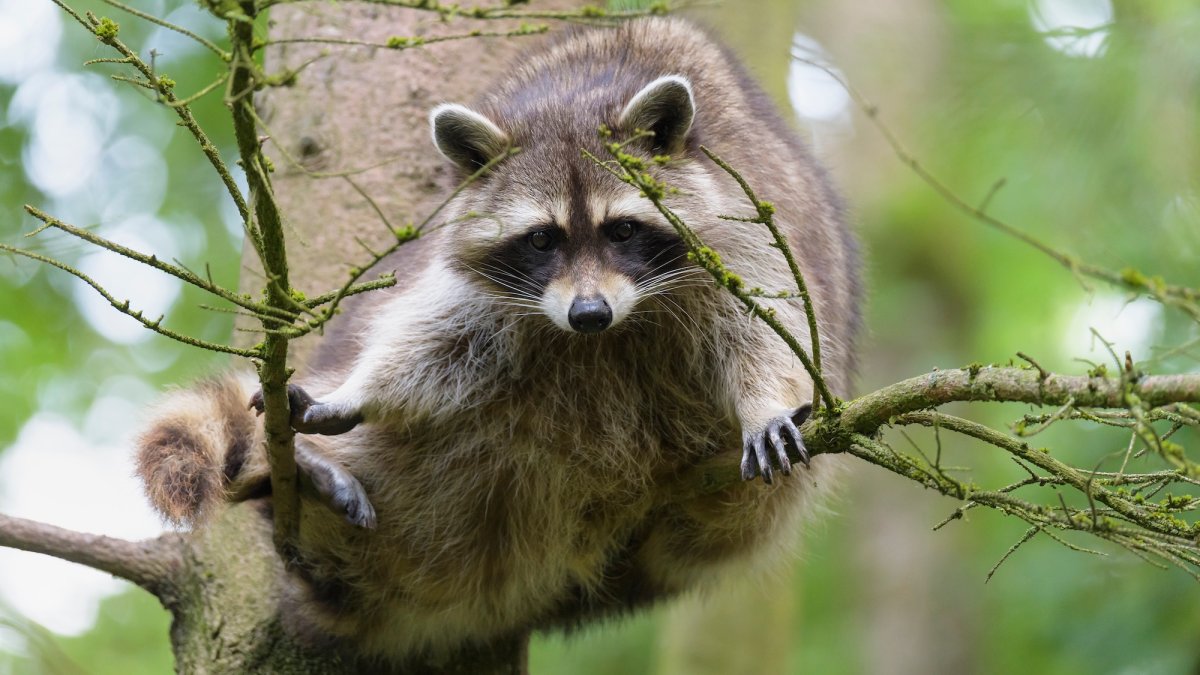
💉
It's almost time to airdrop rabies vaccines again
Het wordt bijna tijd om rabiësvaccins opnieuw uit te werpen
Il est bientôt temps de larguer à nouveau les vaccins antirabiques
So here's the thing - rabies is still a major public health threat, killing around 59,000 people globally each year, and it's gotten trickier since it spread from dogs to wildlife like raccoons, foxes, and skunks. The USDA's been working since 1995 on a smart solution: they airdrop millions of fishmeal-coated vaccine packets across strategic areas to create a protective barrier against the disease. Next month, planes will be dropping these tiny vaccine baits across five southeastern states - Virginia, North Carolina, Tennessee, Georgia, and Alabama - targeting the most common rabies variants. And here's what's really encouraging - the vaccine inside is safe for over 60 animal species, so if you happen to find one in your yard, you can handle it safely with gloves.
Dus hier is het ding - rabiës is nog steeds een groot volksgezondheidsrisico dat jaarlijks ongeveer 59.000 mensen wereldwijd doodt, en het is veel ingewikkelder geworden nu het van honden naar wilde dieren zoals wasberen, vossen en stinkdieren is overgegaan. De USDA werkt sinds 1995 aan een slimme oplossing: zij werpen miljoenen vismeelcoate vaccinpakketten uit over strategische gebieden om een beschermende barrière tegen de ziekte te creëren. Volgende maand zullen vliegtuigen deze kleine vaccinbrokjes verspreiden over vijf zuidoostelijke staten - Virginia, North Carolina, Tennessee, Georgia en Alabama - gericht op de meest voorkomende rabiësvarianten. En hier is wat echt bemoedigend is - het vaccin erin is veilig voor meer dan 60 diersoorten, dus als je toevallig één in je tuin vindt, kun je het veilig met handschoenen hanteren.
Voilà la chose - la rage reste une menace majeure pour la santé publique, tuant environ 59 000 personnes par an dans le monde, et c'est devenu plus compliqué depuis qu'elle s'est propagée des chiens aux animaux sauvages comme les ratons laveurs, les renards et les mouffettes. L'USDA travaille depuis 1995 sur une solution intelligente : ils larguent des millions de paquets de vaccin enrobés de farine de poisson dans des zones stratégiques pour créer une barrière protectrice contre la maladie. Le mois prochain, des avions vont disperser ces petits appâts vaccinés dans cinq États du sud-est - la Virginie, la Caroline du Nord, le Tennessee, la Géorgie et l'Alabama - ciblant les variantes les plus courantes de la rage. Et voici ce qui est vraiment encourageant - le vaccin à l'intérieur est sans danger pour plus de 60 espèces animales, donc si vous trouvez un paquet dans votre jardin, vous pouvez le manipuler en toute sécurité avec des gants.
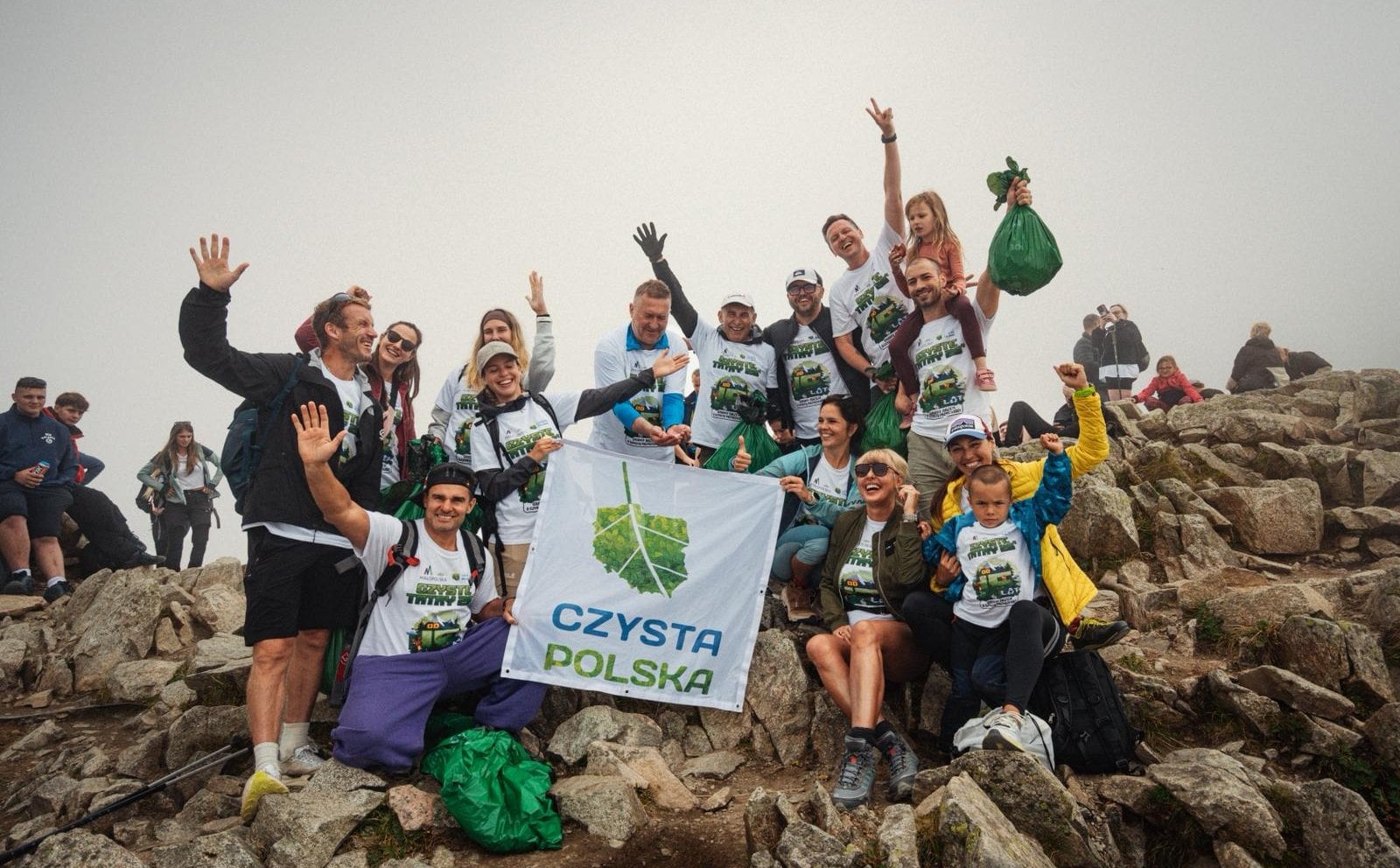
🏔️
The Tatras are clean again: 1,000 volunteers cleared the national park trails
De Tatra's zijn weer schoon: 1.000 vrijwilligers hebben de parknationalepaden opgeruimd
Les Tatras sont à nouveau propres : 1.000 bénévoles ont nettoyé les sentiers du parc national
In a remarkable milestone, the Clean Poland Association celebrated 15 years of the Czyste Tatry initiative by bringing exactly 1,000 volunteers to restore the iconic mountain trails - the same number that launched the project back in 2012. Over the past 14 editions, nearly 43,400 volunteers have removed an impressive 7,800 kilograms of trash, with data showing a stunning sevenfold decrease in litter left on the trails. What started as a response to embarrassment about how Poland treated this national treasure has evolved into something far more powerful - the focus has shifted from cleanup alone to long-term environmental education and inspiring young people to take responsibility for the planet. The movement brought together Olympic athletes, celebrities, and countless passionate individuals who proved that caring for nature is a marathon of shared values, respect, and collective action.
De Stowarzyszenie Czysta Polska vierde 15 jaar van het Czyste Tatry-initiatief met exact 1.000 vrijwilligers op de bergpaden - dezelfde aantallen als bij de lancering in 2012. In veertien edities hebben bijna 43.400 vrijwilligers indrukwekkende 7.800 kilogram afval verzameld, met gegevens die een zevendubbele afname van rommel op de paden aantonen. Wat begon als reactie op schaamte over hoe Polen deze nationale schat behandelde, is uitgegroeid tot iets veel krachtiger - de nadruk is verschoven van schoonmaken alleen naar blijvende milieuvoorlichting en het inspireren van jongeren. Het initiatief bracht Olympische atleten, beroemdheden en talloze gepassioneerde individuen samen die bewijzen dat zorg voor de natuur een marathon van gedeelde waarden, respect en gezamenlijke actie is.
L'Association Pologne Propre a célébré 15 ans de l'initiative Czyste Tatry en rassemblant exactement 1.000 bénévoles pour restaurer les sentiers emblématiques - le même nombre qu'au lancement du projet en 2012. Au cours de 14 éditions précédentes, près de 43.400 bénévoles ont collecté un impressionnant 7.800 kilogrammes de déchets, les données montrant une diminution spectaculaire des sept fois des ordures laissées sur les sentiers. Ce qui a commencé comme une réaction à la honte de la façon dont la Pologne traitait ce trésor national s'est transformé en quelque chose de bien plus puissant - l'accent s'est déplacé du nettoyage seul vers l'éducation environnementale à long terme et l'inspiration des jeunes. Le mouvement a réuni des athlètes olympiques, des célébrités et d'innombrables individus passionnés qui prouvent que prendre soin de la nature est un marathon de valeurs partagées, de respect et d'action collective.

🍎
Do universal free lunch programs affect students' academic performance?
Beïnvloeden universele gratis lunch programma's de schoolprestaties van leerlingen?
Les programmes de repas gratuits universels affectent-ils les performances scolaires des élèves?
So, Seattle just joined thousands of school districts offering free meals to every student regardless of income - and it's become a real national trend since 2016. Here's the thing: when researchers looked at the data, they found these programs actually do boost test scores, with math and English improvements ranging from small to moderate depending on which students we're talking about. Now, not everyone agrees on the impact - some studies suggest the benefits are pretty minimal - but experts like Amy Ellen Schwartz from the University of Delaware call it "the best thing since sliced bread" because it's surprisingly cost-effective compared to other school interventions. And which brings me to the broader picture: these programs help with food insecurity and attendance too, making them a win across multiple fronts even if the academic gains are sometimes subtle.
Zo, Seattle sluit zich aan bij duizenden schooldistricten die gratis maaltijden aanbieden aan alle leerlingen ongeacht hun inkomsten - en dit is sinds 2016 een echte nationale trend geworden. En hier is het interessante: toen onderzoekers naar de gegevens keken, ontdekten zij dat deze programma's daadwerkelijk testscores verhogen, met verbeteringen in wiskunde en Engels die variëren van klein tot matig, afhankelijk van welke leerlingen we bekijken. Nu, niet iedereen is het eens over de impact - sommige onderzoeken suggereren dat de voordelen vrij minimaal zijn - maar experts zoals Amy Ellen Schwartz van de University of Delaware noemen het "het beste sinds gesneden brood" omdat het opmerkelijk rendabel is vergeleken met andere schoolinterventies. En wat voegt zich daarbij: deze programma's helpen ook met voedselonzekerheid en aanwezigheid, wat ze tot een overwinning maakt op meerdere fronten, zelfs als de academische winsten soms subtiel zijn.
Donc, Seattle a rejoint des milliers de districts scolaires qui offrent des repas gratuits à chaque élève, quel que soit son revenu - et c'est devenu une véritable tendance nationale depuis 2016. Et voilà l'intéressant : quand les chercheurs ont examiné les données, ils ont découvert que ces programmes augmentent effectivement les résultats aux tests, avec des améliorations en mathématiques et en anglais qui varient de petites à modérées selon les élèves considérés. Maintenant, tout le monde ne s'accorde pas sur l'impact - certaines études suggèrent que les avantages sont plutôt minimes - mais des experts comme Amy Ellen Schwartz de l'Université du Delaware l'appellent "la meilleure chose depuis le pain tranché" parce que c'est surprenamment rentable par rapport à d'autres interventions scolaires. Et ce qui s'ajoute à cela : ces programmes aident aussi à lutter contre l'insécurité alimentaire et l'absentéisme, ce qui en fait une victoire sur plusieurs fronts, même si les gains académiques sont parfois subtils.
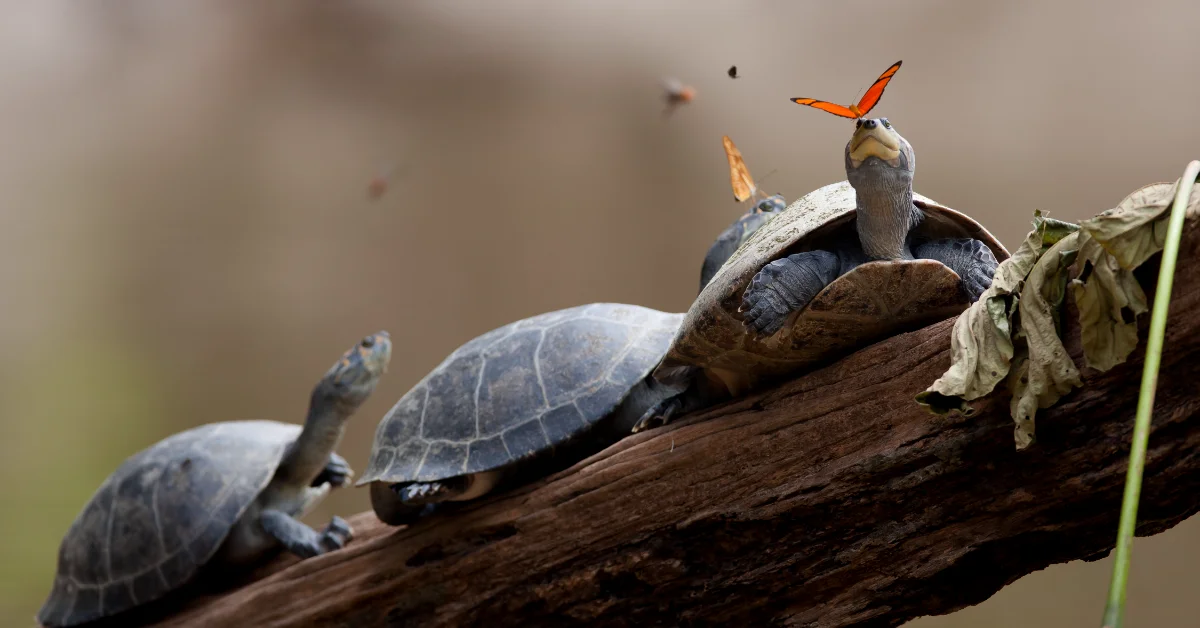
🐢
Indigenous turtle women combine tradition and technology to save endangered Amazon river turtles
Inheemse schildpadvrouwen combineren traditie en technologie om bedreigde Amazone-riviersschildpadden te redden
Les femmes tortues autochtones combinent tradition et technologie pour sauver les tortues fluviales menacées de l'Amazonie
In Ecuador's Amazon, a remarkable group of seven Siekopai women called Tari Nomiowa'i - or "turtle women" - are working to protect endangered charapa turtles by patrolling riverbanks and carefully collecting eggs from nests. They combine ancestral knowledge passed down through generations with modern technology like the Epicollect5 app to document and monitor every nest they find. The women then care for the eggs in protected incubation facilities and nurture the hatchlings for a month before releasing them back into the Aguarico River. Their dedication paid off spectacularly this year when they successfully hatched and released 208 baby turtles, while also inspiring their local community and schoolchildren to join in protecting these creatures that their culture views as sacred links between the physical and spiritual worlds.
In Ecuador's Amazone werken zeven inheemse Siekopai-vrouwen, die zichzelf Tari Nomiowa'i - of "schildpadvrouwen" - noemen, aan de bescherming van bedreigde charapa-schildpadden door oevers te patrouilleren en voorzichtig eieren uit nesten te verzamelen. Ze combineren vooroudelijke kennis die door generaties heen is doorgegeven met moderne technologie zoals de Epicollect5-app om elke gevonden nest te documenteren en te monitoren. De vrouwen verzorgen de eieren vervolgens in beschermde broedvoorzieningen en zorgen een maand lang voor de uitgekomen schildpadjes voordat ze ze terugzetten in de Aguarico-rivier. Hun toewijding pakte dit jaar spectaculair uit toen ze 208 jonge schildpadjes succesvol uitbroedden en uitzetten, terwijl ze hun lokale gemeenschap en schoolkinderen ook inspireerden om deze dieren te beschermen die hun cultuur ziet als heilige verbindingen tussen de fysieke en spirituele wereld.
En Amazonie équatorienne, un groupe remarquable de sept femmes Siekopai appelées Tari Nomiowa'i - ou "femmes tortues" - travaille à la protection des tortues charapa menacées en patrouillant les rives et en collectant soigneusement les œufs des nids. Elles combinent les connaissances ancestrales transmises à travers les générations avec la technologie moderne comme l'application Epicollect5 pour documenter et surveiller chaque nid qu'elles trouvent. Les femmes soignent ensuite les œufs dans des installations d'incubation protégées et nourrissent les petites tortues pendant un mois avant de les relâcher dans le fleuve Aguarico. Leur dévouement a porté ses fruits de manière spectaculaire cette année quand elles ont réussi à faire éclore et à relâcher 208 bébés tortues, tout en inspirant leur communauté locale et les écoliers à rejoindre la protection de ces créatures que leur culture considère comme des liens sacrés entre les mondes physique et spirituel.
🐟
California to spend billions on 'visionary' plan to boost fish habitat
Californië investeert miljarden in 'visionnair' plan voor vishabitats
La Californie investit des milliards dans un plan 'visionnaire' pour améliorer l'habitat des poissons
California is committing substantial funding to an ambitious initiative designed to restore and expand fish habitats across the state. So here's the thing - this visionary plan represents a major effort to address declining fish populations and ecosystem health in one of America's most ecologically important regions. The investment demonstrates California's commitment to environmental restoration and protecting aquatic biodiversity for future generations. And what's encouraging is that this kind of large-scale, forward-thinking approach shows how policy and funding can work together to tackle serious environmental challenges.
Californië investeert aanzienlijke middelen in een ambitieus initiatief gericht op het herstel en de uitbreiding van vishabitats in de staat. Dit visionaire plan is een belangrijk initiatief om de afnemende vispopulaties en de gezondheid van het ecosysteem in een van Amerika's ecologisch meest belangrijke regio's aan te pakken. De investering toont Californië's inzet voor milieurestauratie en de bescherming van aquatische biodiversiteit voor toekomstige generaties. En wat aanmoedigend is, is dat dit soort grootschalige, vooruitstrevende aanpak laat zien hoe beleid en financiering samen kunnen werken om ernstige milieuuitdagingen het hoofd te bieden.
La Californie s'engage à investir des fonds importants dans une initiative ambitieuse visant à restaurer et à étendre les habitats des poissons dans tout l'État. Ce plan visionnaire représente un effort majeur pour remédier au déclin des populations de poissons et à la santé des écosystèmes dans l'une des régions écologiquement les plus importantes d'Amérique. L'investissement démontre l'engagement de la Californie envers la restauration de l'environnement et la protection de la biodiversité aquatique pour les générations futures. Et ce qui est encourageant, c'est que ce type d'approche à grande échelle et avant-gardiste montre comment la politique et le financement peuvent travailler ensemble pour relever les défis environnementaux graves.

🤔
What if social media isn't actually the problem for kids?
Wat als social media helemaal niet het probleem voor kinderen is?
Et si les réseaux sociaux n'étaient pas vraiment le problème pour les enfants?
Psychology researcher Peter Gray is challenging Jonathan Haidt's hugely influential theory that social media is destroying teen mental health - and it's a fascinating counterpoint to a narrative that's already shaped policy worldwide. Gray argues that decades of reduced childhood autonomy, combined with rigid schooling methods and the Common Core curriculum, are the real culprits behind rising anxiety in teens. He actually points out that internet adoption in the 1990s and 2000s initially improved teen wellbeing by restoring freedom and connection, and that studies consistently show kids identify school pressure - not social media - as their top source of stress. So here's the thing: Gray worries that social media bans might become a new harm themselves, distracting from solutions that could actually make a difference.
Psycholoog Peter Gray bestrijdt de enorm invloedrijke theorie van Jonathan Haidt dat sociale media de mentale gezondheid van tieners vernietigt - en dat is een fascinerend tegengeluid voor een verhaal dat al beleid wereldwijd heeft vormgegeven. Gray stelt dat decennia van verminderde autonomie in de kindertijd, gecombineerd met rigide onderwijsmethoden en het Common Core-curriculum, de echte schuldigen zijn achter stijgende angststoornissen bij tieners. Hij wijst er eigenlijk op dat internetadoptie in de jaren negentig en tweeduizend de welzijn van tieners aanvankelijk verbeterde door vrijheid en verbinding te herstellen, en dat onderzoeken consistent aantonen dat kinderen schooldruk - niet sociale media - als hun belangrijkste stressbron identificeren. En hier is het ding: Gray vreest dat verboden op sociale media niet alleen een afleidingsmanoeuvre zijn van echte oplossingen, maar zelf een nieuw schadelijk effect kunnen worden.
Le psychologue Peter Gray conteste la théorie extrêmement influente de Jonathan Haidt selon laquelle les réseaux sociaux détruisent la santé mentale des adolescents - et c'est une contre-voix fascinante face à un récit qui a déjà façonné les politiques dans le monde entier. Gray soutient que des décennies d'autonomie réduite dans l'enfance, combinées à des méthodes d'enseignement rigides et au curriculum Common Core, sont les vrais coupables derrière l'anxiété croissante chez les adolescents. Il souligne en fait que l'adoption d'Internet dans les années quatre-vingt-dix et deux mille a d'abord amélioré le bien-être des adolescents en restaurant la liberté et la connexion, et que les études montrent régulièrement que les enfants identifient la pression scolaire - et non les réseaux sociaux - comme leur principale source de stress. Voilà le truc : Gray craint que les interdictions de réseaux sociaux ne deviennent elles-mêmes un nouveau dommage, détournant l'attention des solutions qui pourraient vraiment faire la différence.
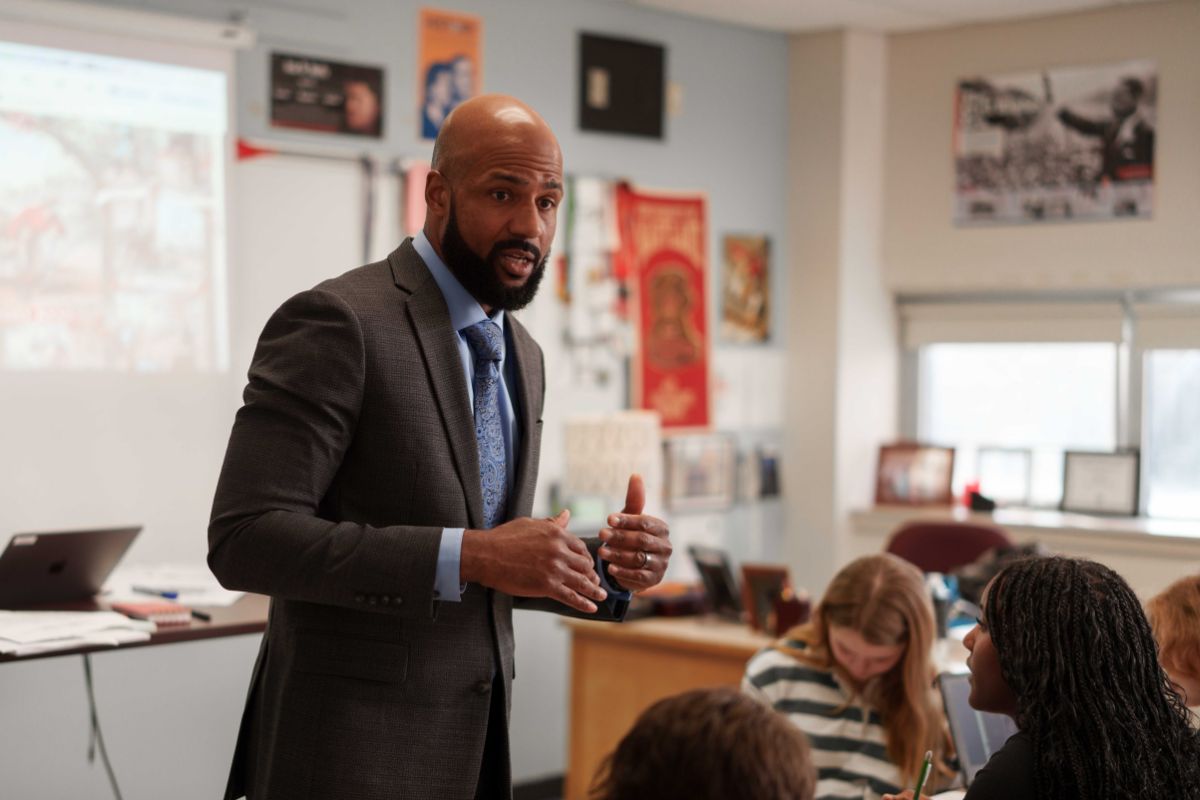
🍎
National Teacher of the Year has a simple but brilliant idea to recruit more young teachers
Leraar van het Jaar heeft een eenvoudig maar briljant idee om meer jonge leerkrachten aan te trekken
Le professeur de l'année a une idée simple mais brillante pour recruter plus de jeunes enseignants
Leon Smith, the 2026 National Teacher of the Year, has spent 25 years at the same Pennsylvania high school and noticed something alarming - applications to education programs dropped 70% over a decade. His brilliant solution? Simply ask young people if they've ever thought about teaching, a question most teenagers rarely hear. He's also working to bring more diversity into the profession and giving students real experience mentoring younger kids, because most young people only hear negative things about teaching in the media. Smith believes that when young people, especially students of color, see themselves reflected in educators, it opens up a whole new world of possibility.
Leon Smith, de leraar van het jaar 2026, heeft 25 jaar lang op dezelfde school in Pennsylvania gewerkt en merkte iets alarmerends op - aanmeldingen voor onderwijsprogramma's daalden over een decennium met 70%. Zijn briljante oplossing? Gewoon aan jongeren vragen of zij wel eens hebben nagedacht over lesgeven, een vraag die de meeste tieners zelden horen. Hij werkt ook aan meer diversiteit in het beroep en geeft leerlingen echte ervaring met het begeleiden van jongere kinderen, omdat jongeren vooral negatieve berichten over lesgeven in de media horen. Smith gelooft dat wanneer jongeren, vooral gekleurde leerlingen, zich weerspiegeld zien in onderwijzers, dit een heel nieuwe wereld van mogelijkheden opent.
Leon Smith, professeur de l'année 2026, a passé 25 ans dans le même lycée en Pennsylvanie et a remarqué quelque chose d'alarmant - les candidatures aux programmes d'éducation ont chuté de 70% en une décennie. Sa solution brillante? Simplement demander aux jeunes s'ils ont déjà pensé à enseigner, une question que la plupart des adolescents entendent rarement. Il travaille également à apporter plus de diversité dans la profession et offre aux élèves une véritable expérience en mentorant les plus jeunes, car les jeunes n'entendent que des choses négatives sur l'enseignement dans les médias. Smith croit que lorsque les jeunes, en particulier les étudiants de couleur, se voient reflétés dans les éducateurs, cela ouvre un tout nouveau monde de possibilités.

🚀
SpaceX prepares for historic first orbital flight of Starship megarodcket
SpaceX bereidt zich voor op historische eerste orbitale vlucht van Starship megarat
SpaceX se prépare pour le premier vol orbital historique de sa mégafusée Starship
SpaceX is gearing up for a major milestone - the first orbital flight of its Starship megarodcket, which could launch within days from Texas. This 14th test flight marks a crucial shift from previous suborbital attempts, and the company will also deploy 26 new-generation Starlink satellites during the mission. Unlike competitors, SpaceX embraces rapid prototyping with multiple test vehicles, even accepting spectacular explosions as part of the learning process. The path ahead still requires mastering orbital refueling in space and spacecraft catch techniques before this fully reusable rocket can handle commercial missions or journeys to the Moon and Mars.
SpaceX bereidt zich voor op een groot moment - de eerste orbitale vlucht van zijn gigantische Starship-raket, die in de komende dagen vanuit Texas zou kunnen opstijgen. Deze 14de testvlucht markeert een cruciaal verschil met eerdere suborbitalepogingen, en het bedrijf zal ook 26 satellietstelletjes van nieuwe generatie Starlink implementeren tijdens de missie. In tegenstelling tot concurrenten omhelst SpaceX snelle prototyping met meerdere testvoetuigen, waarbij spectaculaire explosies als leermoment worden aanvaard. Het pad naar voren vereist nog steeds het beheersen van orbitale brandstofbevoorrading in de ruimte en technieken voor het opvangen van ruimtevaartuigen voordat deze volledig herbruikbare raket commerciële missies of reizen naar de Maan en Mars kan uitvoeren.
SpaceX se prépare pour un moment historique - le premier vol orbital de sa mégafusée Starship, qui pourrait décoller dans les prochains jours depuis le Texas. Ce 14e vol d'essai marque un tournant crucial par rapport aux tentatives suborbitalés précédentes, et l'entreprise déploiera également 26 satellites Starlink de nouvelle génération lors de la mission. Contrairement à ses concurrents, SpaceX privilégie le prototypage rapide avec plusieurs véhicules d'essai, acceptant même les explosions spectaculaires comme partie intégrante du processus d'apprentissage. La route à suivre nécessite encore la maîtrise du ravitaillement en carburant en orbite et des techniques de capture de vaisseau spatial avant que cette fusée entièrement réutilisable ne puisse assurer des missions commerciales ou des voyages vers la Lune et Mars.
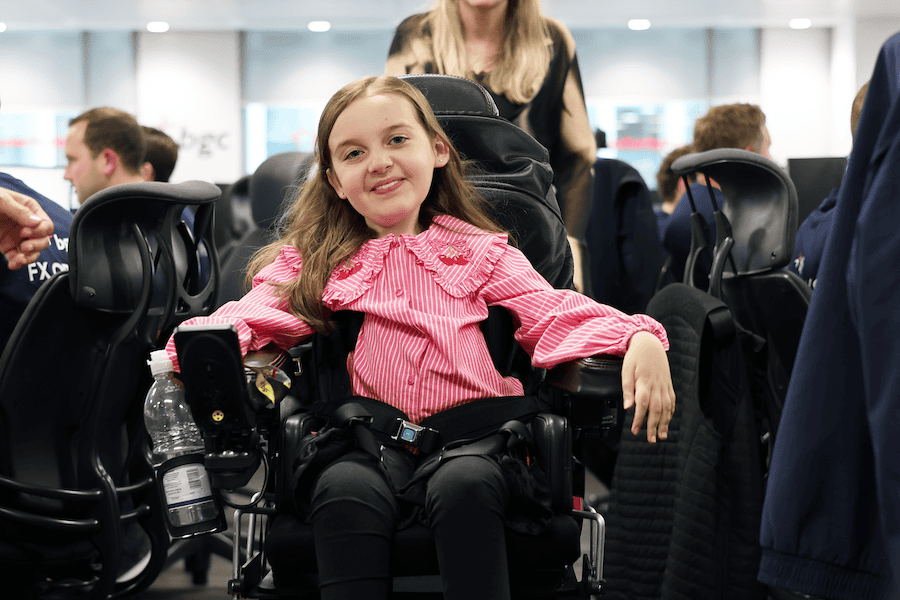
💰
What if giving away a day's revenue was the best day of your year?
En als je een hele dag inkomsten weggaf, zou dat je beste dag van het jaar zijn?
Et si donner une journée de revenus était votre meilleur jour de l'année?
BGC Group turns the tragedy of 9/11 into something meaningful each year through their Charity Day, where celebrities help close trades knowing that 100% of commission revenue goes to charities worldwide. This year alone, they raised a staggering US$16 million, and since 2005 they've donated a total of US$250 million globally - money that fundamentally transforms lives for organisations supporting everything from arts programmes to rare disease research. For charities like HvH Arts, BGC's annual donation makes up a third of their entire budget, allowing them to triple the children they help since 2019. So here's the thing: watching young people like 12-year-old Carmela, who lives with muscular dystrophy, benefit directly from this generosity shows how one day of radical commitment to giving can ripple out and change everything.
BGC Group transformeert de tragedie van 9/11 elk jaar in iets betekenisvols via hun Charity Day, waar beroemdheden deals helpen sluiten wetende dat 100% van de commissieomzet naar liefdadigheidsinstellingen wereldwijd gaat. Alleen dit jaar hebben ze een indrukwekkend US$16 miljoen ingezameld, en sinds 2005 hebben ze in totaal US$250 miljoen wereldwijd gedoneerd - geld dat het leven fundamenteel verandert voor organisaties die van kunstprogramma's tot onderzoek naar zeldzame ziekten ondersteunen. Voor organisaties als HvH Arts maakt de jaarlijkse donatie van BGC een derde van hun gehele begroting uit, waardoor zij het aantal kinderen dat zij helpen sinds 2019 kunnen verdrievoudigen. En hier is het punt: kijken hoe jongeren als de 12-jarige Carmela, die leeft met spierdystrofie, rechtstreeks voordeel hebben uit deze vrijgevigheid, toont hoe één dag radicale toewijding aan geven zich kan uitbreiden en alles kan veranderen.
BGC Group transforme la tragédie du 11 septembre en quelque chose de significatif chaque année grâce à leur Charity Day, où les célébrités aident à conclure des transactions en sachant que 100% des revenus de commissions vont à des organisations caritatives dans le monde entier. Cette année seulement, ils ont collecté un montant impressionnant de 16 millions de dollars américains, et depuis 2005, ils ont donné un total de 250 millions de dollars américains à l'échelle mondiale - des fonds qui transforment fondamentalement la vie des organisations soutenant tout, des programmes artistiques à la recherche sur les maladies rares. Pour des associations comme HvH Arts, la donation annuelle de BGC représente un tiers de leur budget entier, leur permettant de tripler le nombre d'enfants qu'elles aident depuis 2019. Et voici le point clé: voir comment des jeunes comme Carmela, 12 ans, qui vit avec une dystrophie musculaire, bénéficient directement de cette générosité montre comment une journée d'engagement radical envers le don peut se propager et tout changer.
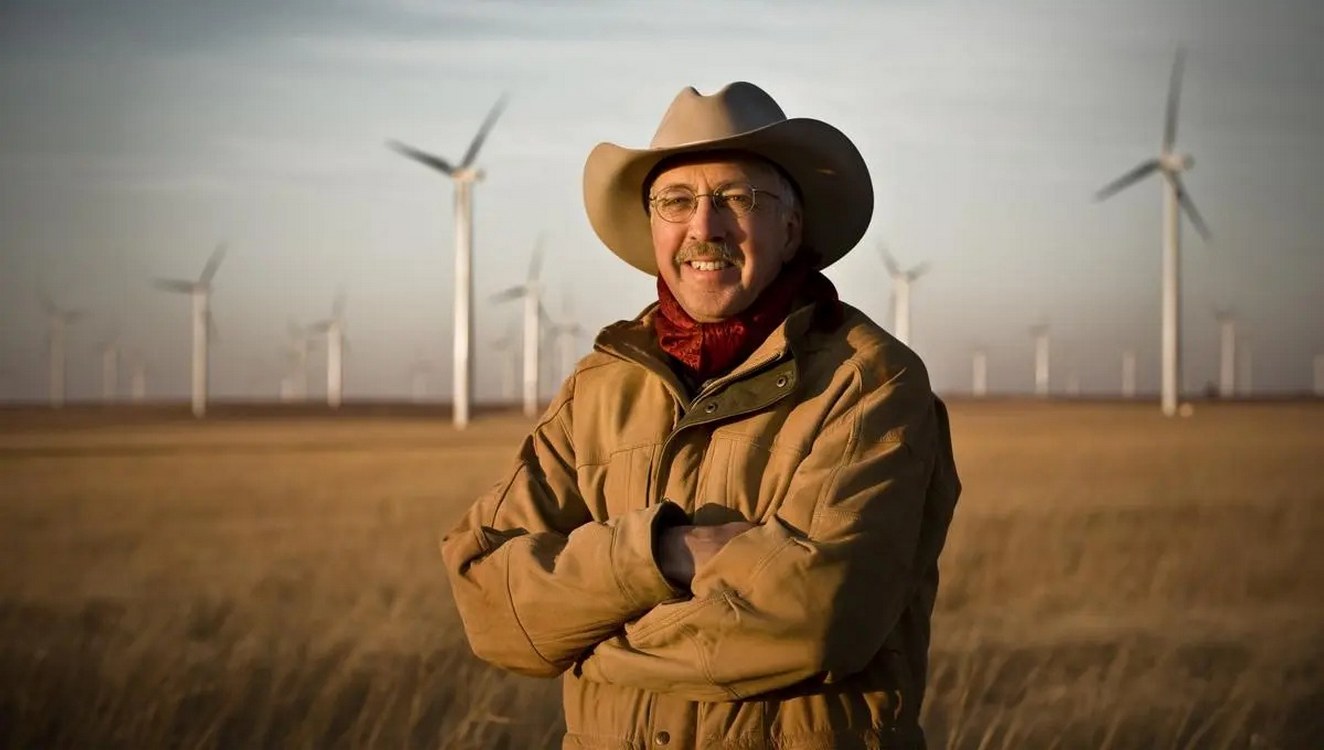
⚡
Wind turbines have made up half this rancher's income since his fateful choice
Windturbines vormen al twintig jaar de helft van het inkomen van deze boer
Les éoliennes représentent la moitié des revenus de cet éleveur depuis sa décision audacieuse
Back in 2006, Kansas rancher Peter Ferrell took a bold leap of faith by allowing 50 wind turbines on his 7,000-acre tallgrass prairie - and it's completely transformed his family's future. The Elk River Wind Power project has generated enough royalties to provide half his income ever since, giving him the financial security to pass the farm down to his children and grandchildren without burden. Now twenty years later, his cattle still graze peacefully, the prairie chickens still nest, and the turbines quietly turn - proving that conservation and renewable energy can work beautifully together. So impressed are other ranchers by his success that Ferrell now spends time helping them navigate the same decision he made, showing just how powerful one person's courage can be.
In 2006 nam boer Peter Ferrell uit Kansas een gedurfd besluit door 50 windturbines op zijn 7.000 hectare große graslanden toe te staan - en het heeft zijn familie's toekomst volledig veranderd. Het Elk River Wind Power project heeft hem sinds dien genoeg inkomsten gegeven om niet alleen financieel stabiel te zijn, maar ook de boerderij zonder schulden door te geven aan zijn kinderen en kleinkinderen. Nu, twintig jaar later, grazen zijn runderen nog steeds vredig, broeden de prairiehoenderen nog steeds, en draaien de turbines stille - wat bewijst dat duurzaamheid en schone energie perfect samen kunnen werken. Zozeer zijn andere boeren onder de indruk van zijn succes dat Ferrell nu andere boeren helpt dezelfde moedige keuze te maken.
En 2006, l'éleveur du Kansas Peter Ferrell a pris la décision audacieuse d'autoriser 50 éoliennes sur ses 7 000 hectares de prairie - ce qui a complètement transformé l'avenir de sa famille. Le projet d'énergie éolienne d'Elk River lui a depuis généré suffisamment de revenus pour assurer la stabilité financière et transmettre la ferme à ses enfants et petits-enfants sans dettes. Vingt ans plus tard, ses bovins paissent toujours paisiblement, les poules des prairies nichent encore, et les turbines tournent silencieusement - prouvant que la conservation et l'énergie renouvelable peuvent fonctionner magnifiquement ensemble. Tellement impressionnés par son succès, d'autres éleveurs lui demandent maintenant de les aider à prendre cette même décision courageuse.
🌾
CRISPR crops are coming to Europe - why bolder would be better
CRISPR-gewassen komen naar Europa - waarom ambitieuser beter zou zijn
Les cultures CRISPR arrivent en Europe - pourquoi être plus ambitieux serait mieux
The European Union recently overturned its strict regulations on gene-edited crops, marking a significant shift from treating all gene-edited plants as heavily regulated GMOs. This change comes at a critical moment, as climate pressures and food security concerns demand more resilient crop varieties that can handle drought, heat, and disease while using resources efficiently. I'm genuinely excited about the potential - gene editing could unlock traits instantly and save EU farmers billions in annual losses - but I worry the new rules have arbitrary limitations that might actually hold us back. The EU has created two categories (NGT-1 and NGT-2) with strict constraints on how many edits are allowed, even though nature itself doesn't impose such limits, and this could prevent farmers from growing crops with multiple improved traits. What Europe really needs now is the flexibility that countries like the US already have - focusing on whether crops are safe, rather than obsessing over exactly how they were created.
De Europese Unie heeft onlangs haar strikte regelgeving voor genetisch bewerkte gewassen herzien, wat een enorme verschuiving betekent van het behandelen van alle gen-bewerkte planten als zwaar gereglementeerde GMO's. Deze verandering komt op een cruciaal moment, omdat klimaatdruk en voedselveiligheidskwesties meer weerstandsvaardig gewassen vereisen die droogte, hitte en ziekten kunnen weerstaan en efficiënter resources gebruiken. Ik ben echt enthousiast over de mogelijkheden - gen-bewerking kan eigenschappen onmiddellijk vrijmaken en EU-boeren miljarden aan jaarlijkse verliezen besparen - maar ik maak me zorgen dat de nieuwe regels willekeurige beperkingen hebben die ons juist kunnen tegenhouden. De EU heeft twee categorieën (NGT-1 en NGT-2) gemaakt met strikte beperkingen op het aantal edits dat is toegestaan, hoewel de natuur zelf geen dergelijke limieten oplegt, en dit kan voorkomen dat boeren gewassen verbouwen met meerdere verbeterde eigenschappen. Wat Europa echt nodig heeft, is de flexibiliteit die landen zoals de VS al hebben - zich concentreren op of gewassen veilig zijn, in plaats van obsessief te zijn over hoe precies ze werden gemaakt.
L'Union européenne a récemment révoqué sa réglementation stricte sur les cultures génétiquement modifiées, marquant un tournant majeur par rapport au traitement de toutes les plantes génétiquement modifiées comme des OGM strictement réglementés. Ce changement intervient à un moment critique, car les pressions climatiques et les préoccupations en matière de sécurité alimentaire exigent des variétés de cultures plus résilientes capables de supporter la sécheresse, la chaleur et les maladies tout en utilisant les ressources de manière efficace. Je suis vraiment enthousiaste à propos du potentiel - l'édition génique pourrait débloquer les traits instantanément et économiser des milliards en pertes annuelles aux agriculteurs européens - mais je crains que les nouvelles règles ne contiennent des limitations arbitraires qui pourraient réellement nous freiner. L'UE a créé deux catégories (NGT-1 et NGT-2) avec des restrictions strictes sur le nombre de modifications autorisées, même si la nature elle-même n'impose pas de telles limites, ce qui pourrait empêcher les agriculteurs de cultiver des plantes présentant plusieurs traits améliorés. Ce que l'Europe a vraiment besoin, c'est la flexibilité que des pays comme les États-Unis ont déjà - se concentrer sur la sécurité des cultures plutôt que de s'obsèder sur la façon exacte dont elles ont été créées.
🔍
Make AI traceable before it shapes global climate assessments
Maak AI traceerbaar voordat het mondiale klimaatbeoordelingen bepaalt
Rendez l'IA traçable avant qu'elle ne façonne les évaluations climatiques mondiales
So here's the thing - when the IPCC starts using AI tools for literature reviews and processing feedback, we need to understand exactly how those systems influence what evidence scientists actually see. I find this genuinely important because AI doesn't just help write reports - it can actually change which studies get noticed, how findings get grouped together, and what signals reach the researchers' attention in the first place. Now, that's not necessarily bad, but it does mean we need transparency and traceability built in from the very beginning of the process. The challenge is that without proper disclosure of how AI shaped the upstream work, we risk having global climate assessments that look solid but might be subtly shaped by tools nobody fully understands.
Dus hier is het punt - wanneer het IPCC AI-tools gaat gebruiken voor literatuuronderzoeken en het verwerken van feedback, moeten we precies begrijpen hoe die systemen beïnvloeden welk bewijs wetenschappers werkelijk zien. Ik vind dit werkelijk belangrijk omdat AI niet alleen helpt bij het schrijven van rapporten - het kan werkelijk veranderen welke studies opgemerkt worden, hoe bevindingen worden gegroepeerd, en welke signalen de aandacht van onderzoekers bereiken. Dat hoeft niet slecht te zijn, maar het betekent wel dat we transparantie en traceerbaarheid vanaf het allereerste begin ingebouwd moeten hebben. De uitdaging is dat zonder goede openbaarmaking van hoe AI het eerdere werk vormgaf, we het risico lopen dat mondiale klimaatbeoordelingen er solide uitzien maar subtiel vormgegeven zijn door gereedschappen die niemand volledig begrijpt.
Alors voilà le truc - quand le GIEC commence à utiliser des outils d'IA pour les revues de littérature et le traitement des commentaires, nous devons comprendre exactement comment ces systèmes influencent les preuves que les scientifiques voient réellement. Je trouve cela vraiment important parce que l'IA ne se contente pas d'aider à rédiger des rapports - elle peut réellement changer quelles études sont remarquées, comment les résultats sont regroupés, et quels signaux parviennent à l'attention des chercheurs en premier lieu. Maintenant, ce n'est pas nécessairement mauvais, mais cela signifie que nous avons besoin de transparence et de traçabilité dès le tout début du processus. Le défi est que sans divulgation appropriée de la façon dont l'IA a façonné le travail en amont, nous risquons d'avoir des évaluations climatiques mondiales qui paraissent solides mais pourraient être subtilement façonnées par des outils que personne ne comprend pleinement.
🌍
A wake-up call: diversify global research funding
Een waarschuwing: diversifieer mondiale onderzoeksfinanciering
Un signal d'alarme : diversifier le financement mondial de la recherche
The US National Science Foundation is facing a historic crunch - issuing its lowest number of new grants in four decades after withholding roughly $1 billion and withdrawing funding recommendations for over 150 peer-reviewed proposals. Meanwhile, other nations are stepping up: China's National Natural Science Foundation is boosting prestigious early-career grants by 50% this year, signalling a major shift in global research power dynamics. So here's the thing - as US policy uncertainty drives talented researchers and international collaborators away, the global research community faces a critical moment to build alternative research hubs and funding ecosystems. This divergence could reshape where science happens and who gets to participate in shaping our future.
De Amerikaanse National Science Foundation staat voor een historische crisis - met het laagste aantal nieuwe subsidies in vier decennia nadat ongeveer $1 miljard werd ingehouden en aanbevelingen voor meer dan 150 peer-reviewed projecten werden ingetrokken. Intussen vergroten andere landen hun inspanningen: de Chinese National Natural Science Foundation verhoogt prestigieuze beurzen voor jonge onderzoekers dit jaar met 50%, wat een grote verschuiving in mondiale onderzoeksdynamica signaleert. En hier is het belangrijk punt - nu Amerikaanse beleidsvolatiliteit talentvolle onderzoekers en internationale samenwerkingen verdrijft, staat de mondiale onderzoeksgemeenschap voor een kritiek moment om alternatieve onderzoekscentra en financieringsecosystemen op te bouwen. Deze uiteenlopende trends kunnen fundamenteel veranderen waar wetenschap plaatsvindt en wie daaraan kan deelnemen.
La National Science Foundation américaine fait face à une crise historique - elle émet le nombre le plus bas de nouvelles subventions en quatre décennies après avoir retenu environ 1 milliard de dollars et retiré les recommandations de financement pour plus de 150 projets évalués par les pairs. Pendant ce temps, d'autres nations renforcent leurs efforts : la National Natural Science Foundation chinoise augmente ses bourses prestigieuses pour jeunes chercheurs de 50% cette année, signalant un changement majeur dans la dynamique mondiale de la recherche. Et voici le point crucial - alors que l'instabilité politique américaine repousse les chercheurs talentueux et les collaborations internationales, la communauté mondiale de recherche se trouve face à un moment critique pour construire des pôles de recherche alternatifs et des écosystèmes de financement nouveaux. Cette divergence pourrait redessiner fondamentalement où se fait la science et qui peut y participer.
.jpg)
🧠
A new headset for depression is now available in the US
Een nieuw apparaat tegen depressie is nu beschikbaar in de VS
Un nouveau casque pour traiter la dépression est désormais disponible aux États-Unis
So, Flow Neuroscience - a Swedish company - has just gotten FDA approval to sell a wearable headset that treats depression right from home. The device stimulates the left frontal lobe of your brain for 30 minutes a day using gentle electrical pulses, targeting the same area that traditional magnetic treatments work on but without needing clinic visits. In trials, 45 percent of users saw their depression symptoms disappear after 10 weeks, compared to just 22 percent in a placebo group - and it works whether you're on antidepressants or not. The catch? It costs $2,200 for 10 weeks upfront, then $325 monthly, though the company is pushing insurers to cover it, and over 65,000 people have already used it successfully across Europe since 2019.
Flow Neuroscience, een Zweeds bedrijf, heeft zojuist FDA-goedkeuring gekregen om een draagbaar hoofdtelefoon-apparaat te verkopen dat depressie vanuit huis behandelt. Het apparaat stimuleert gedurende 30 minuten per dag uw linker voorhoofdshersengebied met zachte elektrische pulsen, gericht op hetzelfde gebied als traditionele magnetische behandelingen maar zonder kliniekbezoeken. In onderzoeken zag 45 procent van de gebruikers hun depressiesymptomen verdwijnen na tien weken, vergeleken met slechts 22 procent in een placebogroep - en het werkt of u nu antidepressiva gebruikt of niet. Het minpunt? Het kost $2.200 voor tien weken vooruitbetaald, daarna $325 per maand, hoewel het bedrijf verzekeraars probeert te overtuigen het te vergoeden, en meer dan 65.000 mensen gebruiken het al met succes in Europa sinds 2019.
Flow Neuroscience, une entreprise suédoise, vient d'obtenir l'approbation de la FDA pour vendre un casque portable qui traite la dépression à domicile. L'appareil stimule votre lobe frontal gauche pendant 30 minutes par jour à l'aide de légers impulsions électriques, ciblant la même zone que les traitements magnétiques traditionnels mais sans avoir besoin de visites à la clinique. Lors d'essais cliniques, 45 pour cent des utilisateurs ont vu leurs symptômes de dépression disparaître après dix semaines, comparé à seulement 22 pour cent dans un groupe placebo - et cela fonctionne que vous preniez des antidépresseurs ou non. Le hic? Cela coûte 2 200 dollars pour dix semaines à l'avance, puis 325 dollars par mois, bien que l'entreprise incite les assureurs à le couvrir, et plus de 65 000 personnes l'utilisent déjà avec succès en Europe depuis 2019.
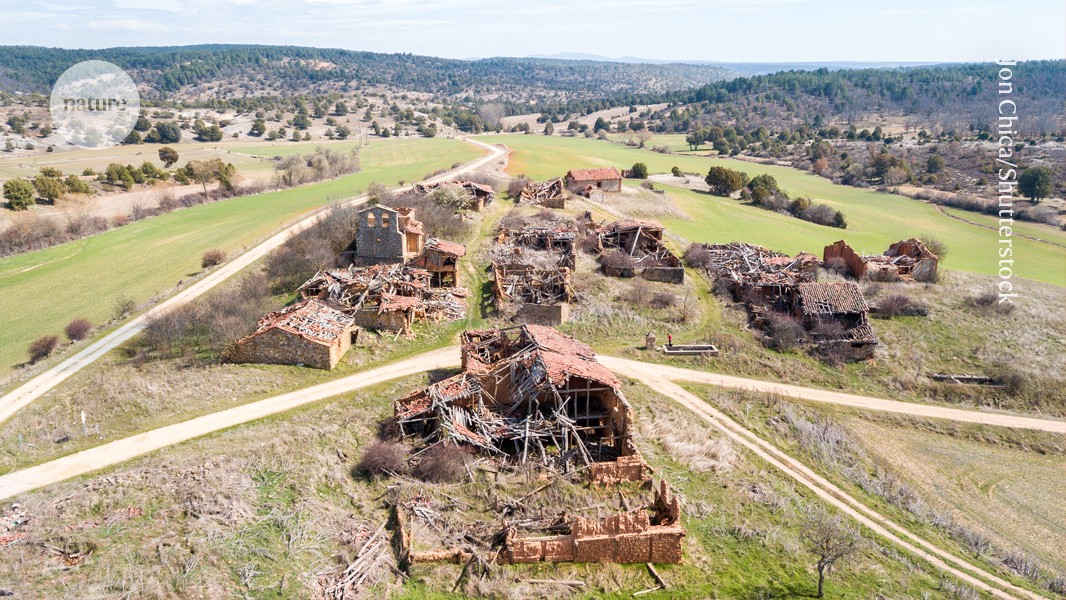
🌍
Cities and countryside are intimately linked - green initiatives must recognize that
Stad en platteland zijn nauw verbonden - groene initiatieven moeten dat erkennen
Les villes et les campagnes sont intimement liées - les initiatives vertes doivent le reconnaître
I find this really eye-opening - cities are drawing massive resources from rural areas, yet we treat these regions as disposable hinterlands. The problem is that while urbanization brings 67% of the world's population to cities by 2050, the countryside is being hollowed out, with abandoned lands, degraded rangelands, and vanishing communities left behind. What strikes me most is that urban green spaces alone won't fix this - we need to see cities and their rural surroundings as one interconnected system. So the answer is combining geospatial monitoring, landscape engineering, and watershed planning to ensure both urban and rural areas can thrive together.
Dit vind ik echt inzichtelijk - steden trekken massale hoeveelheden hulpbronnen uit plattelandsgebieden, terwijl we deze regio's als wegwerpgebieden behandelen. Het probleem is dat terwijl verstedelijking 67% van de wereldbevolking tegen 2050 naar steden brengt, het platteland wordt uitgehold, met verlaten landen, verslechterde weidegronden en verdwijnende gemeenschappen. Wat me het meest opvalt is dat groene stadsruimte alleen dit niet oplost - we moeten steden en hun plattelandsomgeving als één onderling verbonden systeem zien. De oplossing is dus het combineren van georuimtelijke monitoring, landschapskunst en waterbeheersplanning zodat zowel steden als plattelandsgebieden kunnen gedijen.
Je trouve cela vraiment révélateur - les villes puisent d'énormes ressources dans les zones rurales, alors que nous traitons ces régions comme des arrière-pays jetables. Le problème est que si l'urbanisation amène 67% de la population mondiale dans les villes d'ici 2050, les campagnes se vident, avec des terres abandonnées, des terres de pâturage dégradées et des communautés disparues. Ce qui me frappe le plus, c'est que les espaces verts urbains seuls ne règleront pas ce problème - nous devons voir les villes et leurs zones rurales comme un seul système interconnecté. La solution consiste donc à combiner la surveillance géospatiale, l'ingénierie du paysage et la planification des bassins versants pour que zones urbaines et rurales prospèrent ensemble.
⚡
Underground hydrogen could spur a green-energy revolution — if companies can find it
Ondergrondse waterstof zou een groene energierevolutie kunnen ontketenen — als bedrijven het kunnen vinden
L'hydrogène souterrain pourrait déclencher une révolution de l'énergie verte — si les entreprises peuvent le trouver
Energy prospectors in nearly 30 countries are now hunting for geological hydrogen deposits - gas trapped deep underground that could revolutionize our fight against climate change. When burned, hydrogen produces only water vapour with zero carbon emissions, and a 2024 analysis suggests Earth's subsurface contains tens of trillions of tonnes of it. If even a small fraction can be extracted profitably, geological hydrogen could meet clean energy needs for 200 years, potentially at or below fossil fuel costs - which is why venture capitalists have already invested nearly $500 million since 2023. So here's the thing: nobody actually knows yet if there are deposits large enough to match the hype, which is why companies are racing to drill in geological formations across Canada, Africa, and Australia, with key findings expected within months.
Energieprospectoren in bijna 30 landen zoeken nu naar geologische waterstofvoorraden - gas dat diep onder de grond is opgeslagen en onze strijd tegen klimaatverandering zou kunnen revolutioneren. Wanneer waterstof wordt verbrand, produceert het alleen waterdamp zonder koolstofemissies, en een analyse uit 2024 suggereert dat de aardkorst tientallen biljoen ton ervan bevat. Als zelfs een klein deel winstgevend kan worden gewonnen, zou geologische waterstof 200 jaar lang aan schone energiebehoeften kunnen voldoen - mogelijk tegen de kosten van fossiele brandstoffen. En hier is het interessante: niemand weet nog echt of de voorraden groot genoeg zijn om aan de verwachtingen te voldoen, daarom racen bedrijven om te boren in geologische formaties in Canada, Afrika en Australië, met belangrijke resultaten die binnen enkele maanden verwacht worden.
Des prospecteurs énergétiques dans près de 30 pays recherchent maintenant des gisements d'hydrogène géologique - du gaz piégé profondément sous terre qui pourrait révolutionner notre lutte contre le changement climatique. Lorsque l'hydrogène est brûlé, il ne produit que de la vapeur d'eau sans aucune émission de carbone, et une analyse de 2024 suggère que le sous-sol terrestre contient des dizaines de trillions de tonnes. Si même une petite fraction peut être extraite de manière rentable, l'hydrogène géologique pourrait répondre aux besoins énergétiques propres pendant 200 ans - ce qui explique pourquoi les capitalistes-risqueurs ont déjà investi près de 500 millions de dollars depuis 2023. Voici la vraie question : personne ne sait encore s'il existe des gisements assez importants pour correspondre au battage médiatique, ce qui explique pourquoi les entreprises se précipitent pour forer dans les formations géologiques au Canada, en Afrique et en Australie, avec des résultats clés attendus dans les mois à venir.
🤖
Robot valet parking at Gatwick Airport promises safer, easier long-stay car storage
Robotische valet parking op Gatwick Airport belooft veiliger en gemakkelijker langparkeren
Le stationnement valet robotisé à l'aéroport de Gatwick promet un rangement plus sûr et plus facile
So here's what's happening at Gatwick - they've got these French-made robots from Stanley Robotics that can park your car with incredible precision, right down to the centimetre. The system can handle about 95% of vehicles, though there are some size and weight restrictions to keep in mind. Beyond just being clever tech, passengers really appreciate the security aspect - the whole area's got fencing, floodlighting, and 24-hour patrols, plus number plate recognition tracking everything. The service costs a bit more than standard parking, somewhere between £5 to £10 extra, and Gatwick's already working on relaxing those initial restrictions around minimum stays and operating hours.
Bij Gatwick Airport gebruiken ze nu Franse robots van Stanley Robotics die auto's met centimeterprecisie kunnen parkeren. Het systeem kan ongeveer 95% van de voertuigen aan, hoewel er wel beperkingen zijn wat betreft grootte en gewicht. Reizigers waarderen niet alleen de technologie, maar vooral de veiligheid - de parkeerplaats heeft hekwerk, schijnwerpers en 24-uursbewaking, plus automatische nummerplaatherkenning. De service kost iets meer dan normaal parkeren, tussen de 5 tot 10 pond extra, en Gatwick werkt al aan het versoepelen van de initiële beperkingen.
À l'aéroport de Gatwick, des robots français de Stanley Robotics peuvent désormais garer votre voiture avec une précision impressionnante, jusqu'au centimètre près. Le système peut accueillir environ 95% des véhicules, bien qu'il y ait des restrictions concernant la taille et le poids. Au-delà de la technologie ingénieuse, les passagers apprécient vraiment l'aspect sécuritaire - l'ensemble de la zone est équipée de clôtures, d'éclairage puissant et de patrouilles 24 heures sur 24, plus la reconnaissance automatique des plaques d'immatriculation. Le service coûte un peu plus cher que le stationnement standard, entre 5 et 10 livres supplémentaires, et Gatwick travaille déjà à l'assouplissement des restrictions initiales.
🚂
Poland and Germany offer 30,000 free train tickets to young people
Polen en Duitsland bieden 30.000 gratis treinkaartjes aan jongeren
La Pologne et l'Allemagne offrent 30.000 billets de train gratuits aux jeunes
So here's something really exciting - Poland and Germany have launched the Polish-German Friendship Ticket, making 30,000 free train passes available to young people aged 18 to 27. To snag one, you'll need to take part in a knowledge quiz about Poland, Germany, and railways between September 15 and 22, with winners selected based on their scores. The ticket is special because it lets you travel throughout your neighbouring country plus get from home to the border and back - and it's valid for one month between November 2026 and October 2027. Which brings me to the clever part: this initiative is designed to boost youth mobility, encourage cultural exchange, and strengthen direct connections between people in both countries.
Dus hier is iets echt geweldigs - Polen en Duitsland hebben het Pools-Duits Vriendschapskaartje gelanceerd, met 30.000 gratis treinpassen beschikbaar voor jongeren van 18 tot 27 jaar. Om er een te winnen, moet je deelnemen aan een kennisquiz over Polen, Duitsland en spoorwegen tussen 15 en 22 september, waarbij winnaars worden geselecteerd op basis van hun scores. Het kaartje is speciaal omdat je ermee door het buurland kunt reizen en van huis naar de grens en terug - en het is geldig voor één maand tussen november 2026 en oktober 2027. En hier is het slimme gedeelte: dit initiatief is ontworpen om de mobiliteit van jongeren te stimuleren, culturele uitwisseling aan te moedigen en directe contacten tussen mensen in beide landen te versterken.
Voilà quelque chose de vraiment passionnant - la Pologne et l'Allemagne ont lancé le Billet d'Amitié Polono-Allemand, mettant à disposition 30.000 passes de train gratuits pour les jeunes de 18 à 27 ans. Pour en remporter un, il faut participer à un quiz de connaissances sur la Pologne, l'Allemagne et les chemins de fer entre le 15 et le 22 septembre, les gagnants étant sélectionnés selon leurs scores. Le billet est spécial car il te permet de voyager dans le pays voisin et de te déplacer de chez toi jusqu'à la frontière et retour - et il est valable pendant un mois entre novembre 2026 et octobre 2027. Et voici la partie astucieuse : cette initiative est conçue pour stimuler la mobilité des jeunes, encourager les échanges culturels et renforcer les contacts directs entre les peuples des deux pays.
🍎
How apple detectives solved the mystery of an ancient tree and rewrote the history of fruit
Hoe appelonderzoekers het raadsel van een oude boom oplossen en de geschiedenis van fruit herschreven
Comment les détectives des pommes ont résolu le mystère d'un ancien arbre et réécrit l'histoire des fruits
Cameron Peace, a tree-fruit geneticist at Washington State University, made an extraordinary discovery when analyzing DNA from an apple tree found on an abandoned Maine farm - it turned out to be a lost progenitor that had been influencing American apple varieties for hundreds of years. So this wasn't just any old tree; this was essentially a missing link in the genetic family tree of North American apples, discovered through collaboration between Peace's laboratory and the Maine Organic Farmers and Gardeners Association. Now, here's the thing - this matters enormously because most American apples come from just 15 commercial varieties, which makes the entire crop vulnerable to diseases like fire blight and powdery mildew. By recovering the genes from this ancient tree, scientists can breed back traits that our ancestors may have lost - characteristics that could protect modern apple crops against emerging threats.
Cameron Peace, een geneticus van fruitbomen aan Washington State University, deed een buitengewone ontdekking bij het analyseren van DNA van een appelboom gevonden op een verlaten boerderij in Maine - het bleek een verloren stamouder te zijn die eeuwenlang Amerikaanse appelrassen beïnvloed had. Dit was dus niet zomaar een oude boom; dit was eigenlijk een ontbrekende schakel in de genetische stamboom van Noord-Amerikaanse appels, ontdekt door samenwerking tussen Peaces laboratorium en de Maine Organic Farmers and Gardeners Association. En dit is het interessante - dit is enorm belangrijk omdat de meeste Amerikaanse appels uit slechts 15 commerciële rassen komen, waardoor de gehele oogst kwetsbaar is voor ziekten zoals vuurgebrand en echte meeldauw. Door de genen van deze oude boom terug te winnen, kunnen wetenschappers eigenschappen terugbrengen die onze voorouders misschien verloren hadden - karakteristieken die moderne appelteelten tegen opkomende bedreigingen kunnen beschermen.
Cameron Peace, un généticien des arbres fruitiers à l'université d'État de Washington, a fait une découverte extraordinaire en analysant l'ADN d'un pommier trouvé dans une ancienne ferme du Maine - il s'agissait d'un ancêtre perdu qui avait influencé les variétés de pommes américaines pendant des centaines d'années. Il ne s'agissait donc pas d'un simple vieux arbre; c'était essentiellement un chaînon manquant dans l'arbre généalogique génétique des pommes nord-américaines, découvert grâce à la collaboration entre le laboratoire de Peace et l'association Maine Organic Farmers and Gardeners. Et voilà le truc - c'est énormément important car la plupart des pommes américaines proviennent de seulement 15 variétés commerciales, ce qui rend l'ensemble de la culture vulnérable à des maladies comme le feu bactérien et l'oïdium. En récupérant les gènes de cet arbre ancien, les scientifiques peuvent réintroduire les traits que nos ancêtres ont peut-être perdus - des caractéristiques qui pourraient protéger les cultures de pommes modernes contre les menaces émergentes.

🧠
What if 'consciousness' isn't real?
Wat als 'bewustzijn' niet echt bestaat?
Et si la 'conscience' n'était pas réelle?
So here's the thing - consciousness researchers gathering in Santiago are asking some of the toughest questions in science: when does consciousness emerge, which animals have it, and could machines? The problem is, we've never really agreed on what 'consciousness' even means - in some fields it means sentience, in others awareness or experience, which makes the whole conversation pretty muddy. Now, we often try to explain it by pointing to moments that 'feel like something' - tasting a strawberry, feeling sand between your toes - but this concept hasn't always been central to how humans think about the mind. And here's what fascinates me: different languages and cultures describe mentality in completely different ways - the Mapudungun language, for instance, includes ideas about interdependence with others and nature that English 'consciousness' simply doesn't capture.
Dus hier is het ding - onderzoekers van bewustzijn die in Santiago bijeenkomen, stellen enkele van de moeilijkste vragen in de wetenschap: wanneer ontstaat bewustzijn, welke dieren hebben het, en zouden machines het kunnen hebben? Het probleem is dat we nooit echt hebben afgesproken wat 'bewustzijn' eigenlijk betekent - in sommige vakgebieden betekent het gevoeligheid, in anderen bewustzijn of ervaring, wat het hele gesprek behoorlijk troebel maakt. Nu proberen we het vaak uit te leggen door te wijzen naar momenten die 'iets voelen' - het proeven van een aardbei, het voelen van zand tussen je tenen - maar dit concept is niet altijd centraal geweest in hoe mensen over de geest denken. En hier is wat mij fascineert: verschillende talen en culturen beschrijven mentaliteit op volledig verschillende manieren - de taal Mapudungun, bijvoorbeeld, bevat ideeën over onderlinge afhankelijkheid en verbinding met de natuur die het Engelse 'bewustzijn' gewoon niet omvat.
Voilà le truc - les chercheurs en conscience qui se réunissent à Santiago se posent quelques-unes des questions les plus difficiles de la science : quand la conscience émerge-t-elle, quels animaux la possèdent, et les machines pourraient-elles l'avoir ? Le problème, c'est que nous n'avons jamais vraiment convenu de ce que 'conscience' signifie réellement - dans certains domaines, cela signifie sensibilité, dans d'autres conscience ou expérience, ce qui rend toute la conversation plutôt trouble. Maintenant, nous essayons souvent de l'expliquer en pointant des moments qui 'ressentent quelque chose' - goûter une fraise, sentir le sable entre ses orteils - mais ce concept n'a pas toujours été au cœur de la façon dont les humains pensent l'esprit. Et voici ce qui me fascine : différentes langues et cultures décrivent la mentalité de façons complètement différentes - la langue Mapudungun, par exemple, inclut des idées d'interdépendance avec les autres et la nature que la 'conscience' anglaise ne capture tout simplement pas.

⚛️
What are the smallest pieces of the universe?
Wat zijn de kleinste stukjes van het universum?
Quels sont les plus petits éléments de l'univers?
So, back in 2012, physicists at CERN made this incredible discovery - they found the Higgs boson, that elusive particle that completed the Standard Model and brought us to 17 known elementary particles. Now, here's the thing: these particles are supposed to be the smallest building blocks of nature, but scientists are asking themselves whether we've really reached the bottom. And this is where it gets fascinating - physicists wonder if particles might actually be something completely different, like tiny vibrating strings, or if there are even smaller pieces hiding inside what we think we already know. The search continues with more advanced tools, because the question of what truly is the most fundamental piece of reality is almost as much philosophical as it is scientific.
In 2012 maakten natuurkundigen bij CERN een ongelooflijke ontdekking - ze vonden het Higgs-boson, dat ongrijpbare deeltje dat het Standaardmodel voltooide en ons tot 17 bekende elementaire deeltjes bracht. Nu komt het interessante gedeelte: deze deeltjes zouden de kleinste bouwstenen van de natuur zijn, maar wetenschappers stellen zich af of we echt tot het einde zijn doorgedrongen. En hier wordt het echt fascinerend - natuurkundigen vragen zich af of deeltjes eigenlijk iets heel anders kunnen zijn, zoals kleine trillende snaren, of dat er nog kleinere stukjes verborgen zitten in wat we al kennen. Het onderzoek gaat door met meer geavanceerde hulpmiddelen, omdat de vraag wat werkelijk het meest fundamentele stukje werkelijkheid is vrijwel net zo filosofisch is als wetenschappelijk.
En 2012, les physiciens du CERN ont fait une découverte incroyable - ils ont trouvé le boson de Higgs, cette particule insaisissable qui complétait le Modèle standard et nous a menés à 17 particules élémentaires connues. Maintenant, voilà le truc intéressant : ces particules sont supposées être les plus petits éléments constitutifs de la nature, mais les scientifiques se demandent si nous avons vraiment atteint le fond. Et c'est là que cela devient fascinant - les physiciens se posent la question de savoir si les particules pourraient en réalité être quelque chose de complètement différent, comme de minuscules cordes vibrantes, ou s'il y a des éléments encore plus petits cachés dans ce que nous croyons déjà connaître. La recherche continue avec des outils plus avancés, car la question de ce qui est vraiment le morceau le plus fondamental de la réalité est presque aussi philosophique que scientifique.
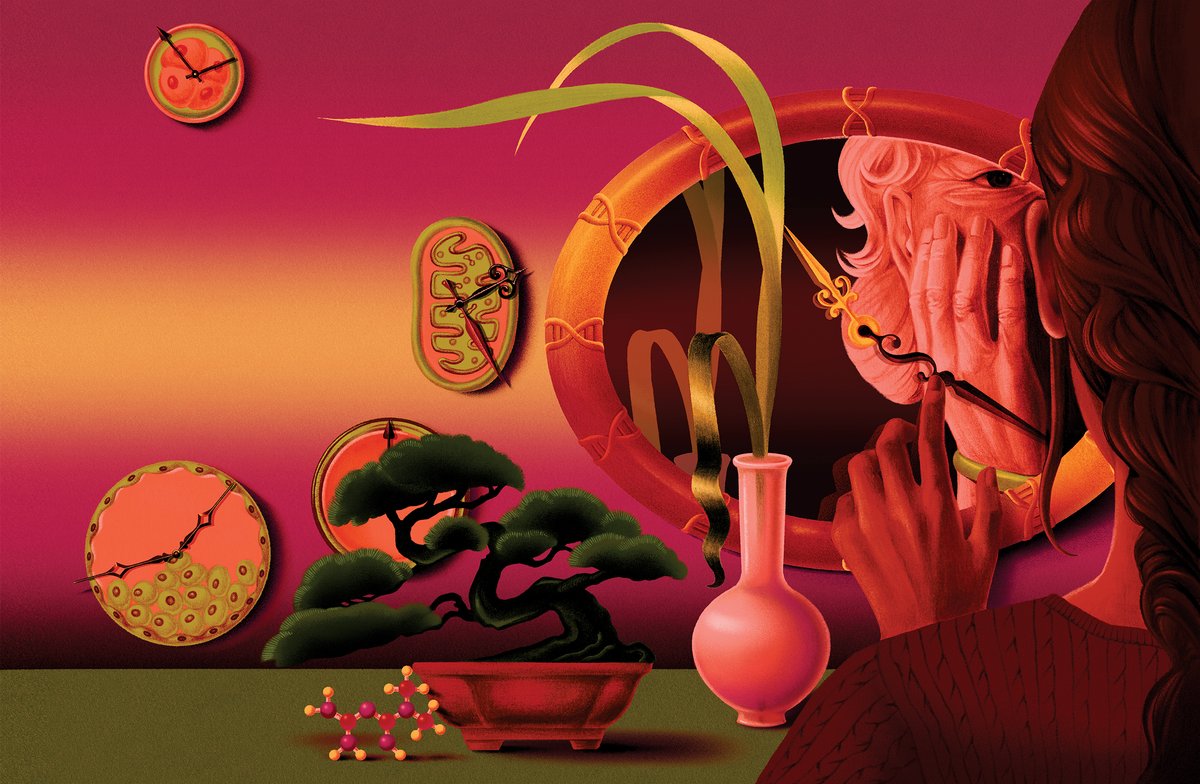
⏳
Can humans live forever?
Kunnen mensen voor altijd leven?
Les humains peuvent-ils vivre éternellement?
So here's the thing - humans are probably unique in knowing we'll die someday, and that awareness has shaped everything from our religions to our philosophies. We've made incredible progress against mortality through medicine and better living conditions, but now we're facing an aging society where fewer young people support more elderly ones. Tech billionaires are now funding ambitious research not just to slow aging, but to defeat it entirely - which raises a fascinating question: is death biologically inevitable, or could we theoretically live forever? The diversity of lifespans in nature suggests aging isn't fixed in stone; mayflies live days while Greenland sharks live centuries, hinting that our lifespans might be more malleable than we think.
Dus hier is het ding - mensen zijn waarschijnlijk uniek omdat we weten dat we ooit zullen sterven, en dat besef heeft alles vormgegeven van onze religies tot onze filosofieën. We hebben ongelooflijke vooruitgang geboekt tegen sterfte door geneeskunde en betere leefomstandigheden, maar nu worden we geconfronteerd met een vergrijzende samenleving waar steeds minder jongeren meer ouderen ondersteunen. Tech-miljardairs financieren nu ambitieus onderzoek niet alleen om veroudering te vertragen, maar om het helemaal te overwinnen - wat een fascinerende vraag opwerpt: is dood biologisch onvermijdelijk, of zouden we theoretisch voor altijd kunnen leven? De diversiteit van levensduren in de natuur suggereert dat veroudering niet in steen gebeiteld is; eendagsvliegen leven maar enkele dagen terwijl Groenlandse haaien eeuwen leven, wat aangeeft dat onze levensduren flexibeler kunnen zijn dan we denken.
Donc voilà le truc - les humains sont probablement uniques en sachant que nous mourrons un jour, et cette conscience a façonné tout, de nos religions à nos philosophies. Nous avons fait des progrès incroyables contre la mortalité grâce à la médecine et aux meilleures conditions de vie, mais maintenant nous sommes confrontés à une société vieillissante où moins de jeunes soutiennent plus de personnes âgées. Les milliardaires de la technologie financent maintenant des recherches ambitieuses non seulement pour ralentir le vieillissement, mais pour le vaincre entièrement - ce qui soulève une question fascinante : la mort est-elle biologiquement inévitable, ou pourrions-nous théoriquement vivre éternellement? La diversité des durées de vie dans la nature suggère que le vieillissement n'est pas figé dans le marbre; les éphémères vivent quelques jours tandis que les requins du Groenland vivent des siècles, ce qui indique que nos durées de vie pourraient être plus flexibles que nous ne le pensons.

🔬
Will we ever know how life began?
Zullen we ooit weten hoe het leven ontstaan is?
Saurons-nous jamais comment la vie a commencé?
Inside a laboratory at McMaster University sits a fascinating machine called the Planet Simulator - basically a small world in a chamber where scientists can recreate different environments and watch what chemical reactions might spark life's building blocks. Maikel Rheinstädter and his team program this device to mimic everything from frozen temperatures to boiling heat, changing atmospheric conditions and lighting to see if life itself might spontaneously emerge from the right mix of ingredients. Now, here's the thing - even with increasingly sophisticated labs and experiments, scientists still face a fundamental challenge: the original natural experiment that created life on Earth is unrepeatable, which means we might only ever find plausible possibilities rather than definitive proof. This question sits at the heart of some of humanity's deepest mysteries - where did we come from, what is life itself, and how did biology emerge from pure chemistry and physics? So while the Planet Simulator and similar research are genuinely exciting and revealing, the ultimate answer to life's origins may forever remain partly wrapped in philosophical and scientific mystery.
In een laboratorium aan de McMaster University staat een fascinerend apparaat genaamd de Planet Simulator - eigenlijk een kleine wereld in een kamer waar wetenschappers verschillende omgevingen kunnen nabootsen en kijken welke chemische reacties de bouwstenen van leven kunnen ontsteken. Maikel Rheinstädter en zijn team programmeren dit apparaat om alles na te bootsen, van bevroren temperaturen tot kokend heet, terwijl zij atmosferische omstandigheden en belichting veranderen om te zien of het leven zelf spontaan kan ontstaan uit de juiste mix van ingrediënten. Nu, hier is het ding - zelfs met steeds geavanceerdere laboratoria en experimenten, staan wetenschappers voor een fundamentele uitdaging: het originele natuurlijke experiment dat leven op Aarde heeft gecreëerd, kan niet herhaald worden, wat betekent dat we misschien alleen maar waarschijnlijke mogelijkheden kunnen vinden in plaats van definitief bewijs. Deze vraag staat in het hart van sommige van de diepste mysteries van de mensheid - waar komen we vandaan, wat is leven zelf, en hoe ontstond biologie uit pure chemie en fysica? Dus hoewel de Planet Simulator en soortgelijk onderzoek echt opwindend en openbaringsvol zijn, kan het uiteindelijke antwoord op het ontstaan van leven voor altijd gedeeltelijk in filosofisch en wetenschappelijk mysterie blijven.
Dans un laboratoire de l'Université McMaster se trouve une machine fascinante appelée le Planet Simulator - essentiellement un petit monde dans une chambre où les scientifiques peuvent recréer différents environnements et observer quelles réactions chimiques pourraient faire naître les éléments constitutifs de la vie. Maikel Rheinstädter et son équipe programment cet appareil pour imiter tout, des températures glaciales à la chaleur bouillante, en modifiant les conditions atmosphériques et l'éclairage pour voir si la vie elle-même pourrait émerger spontanément du bon mélange d'ingrédients. Maintenant, voilà le truc - même avec des laboratoires et des expériences de plus en plus sophistiqués, les scientifiques font face à un défi fondamental: l'expérience naturelle originelle qui a créé la vie sur Terre n'est pas reproductible, ce qui signifie que nous ne pourrions jamais trouver que des possibilités plausibles plutôt qu'une preuve définitive. Cette question se trouve au cœur de certains des plus grands mystères de l'humanité - d'où venons-nous, qu'est-ce que la vie elle-même, et comment la biologie a-t-elle émergé de la pure chimie et de la physique? Donc, bien que le Planet Simulator et la recherche similaire soient vraiment passionnants et révélateurs, la réponse ultime aux origines de la vie pourrait à jamais rester partiellement enveloppée dans le mystère philosophique et scientifique.

📱
How your phone can give India's small artisans a marketplace beyond their towns
Hoe je telefoon Indische ambachtslieden kan helpen hun producten ver buiten hun dorp te verkopen
Comment votre téléphone peut donner aux petits artisans indiens un marché au-delà de leurs villes
So here's the thing - technology has completely transformed how Indian artisans reach customers, stretching the traditional bazaar far beyond physical town limits. Take Pabiben Rabari from Kutch, who took a traditional embroidery technique and turned it into the Pabi Bag, launching an online platform in 2015 that now supports over 300 women artisans. And it's not just individual stories - entire towns like Khurja, famous for pottery for 600 years, have discovered that customers no longer need to travel there to buy their ceramics and tableware. What's beautiful about this shift is that the artisan no longer waits for customers to arrive - instead, someone thousands of kilometres away can discover their work online, pay digitally, and have it delivered home.
En hier is het interessante - technologie heeft volledig veranderd hoe Indische ambachtslieden klanten bereiken, waardoor de traditionele bazaar ver buiten de stadsgrenzen reikt. Neem Pabiben Rabari uit Kutch, die een traditionele bordeurstechniek transformeerde tot de Pabi Bag en in 2015 een online platform lanceerde dat nu meer dan 300 vrouwen ambachtslieden ondersteunt. En het is niet alleen een individuaal verhaal - hele steden zoals Khurja, beroemd om zijn aardewerk gedurende 600 jaar, hebben ontdekt dat klanten niet meer hoeven te reizen om hun keramiek en tafelgerei te kopen. Wat mooi is aan deze verschuiving is dat de ambachtsman niet meer wacht tot klanten arriveren - in plaats daarvan kan iemand duizenden kilometer verderop hun werk online ontdekken, digitaal betalen en het thuis laten bezorgen.
Voilà ce qui est intéressant - la technologie a complètement transformé la façon dont les artisans indiens rejoignent les clients, étendant le bazar traditionnel bien au-delà des limites des villes. Prenez Pabiben Rabari de Kutch, qui a transformé une technique de broderie traditionnelle en le Pabi Bag et a lancé une plateforme en ligne en 2015 qui soutient maintenant plus de 300 artisanes. Et ce n'est pas seulement une histoire individuelle - des villes entières comme Khurja, célèbre pour sa poterie depuis 600 ans, ont découvert que les clients n'ont plus besoin de s'y rendre pour acheter leur céramique et leur vaisselle. Ce qui est magnifique dans ce changement, c'est que l'artisan n'attend plus l'arrivée des clients - au lieu de cela, quelqu'un à des milliers de kilomètres peut découvrir son travail en ligne, payer numériquement et le faire livrer à domicile.

💉
New tuberculosis vaccines could save 7.3 million lives by 2050
Nieuwe tuberculose-vaccins kunnen tot 2050 7,3 miljoen levens redden
Les nouveaux vaccins contre la tuberculose pourraient sauver 7,3 millions de vies d'ici 2050
So, here's something really exciting - new TB vaccines expected around 2029 could save an estimated 7.3 million lives by 2050, which is frankly remarkable. Beyond the human impact, we're looking at up to US$ 135 billion in economic benefits for low- and middle-income countries, which matters enormously for those regions carrying 77% of the disease burden. Now, the current BCG vaccine is over 100 years old and loses its protective power in adolescents and adults - these new vaccines are specifically designed to fill that gap. And here's the thing: Gavi is already working with partners to ensure countries with the highest disease burden can actually access sufficient, affordable doses when they arrive.
Dit is echt spannend - nieuwe TB-vaccins die rond 2029 beschikbaar zullen zijn, kunnen naar schatting 7,3 miljoen levens tegen 2050 redden, wat eigenlijk opmerkelijk is. Naast de menselijke impact kijken we naar tot 135 miljard dollar economische voordelen voor lage- en middelinkomenslanden, wat enorm belangrijk is voor regio's die 77% van de ziektelast dragen. Het huidige BCG-vaccin is meer dan 100 jaar oud en verliest zijn beschermende werking bij adolescenten en volwassenen - deze nieuwe vaccins zijn specifiek ontworpen om dat gat op te vullen. En hier is het belangrijkste: Gavi werkt nu al met partners samen om ervoor te zorgen dat landen met de hoogste ziektelast voldoende, betaalbare doses kunnen krijgen wanneer deze beschikbaar zijn.
Voilà quelque chose de vraiment passionnant - les nouveaux vaccins contre la TB attendus autour de 2029 pourraient sauver environ 7,3 millions de vies d'ici 2050, ce qui est franchement remarquable. Au-delà de l'impact humain, nous regardons jusqu'à 135 milliards de dollars de bénéfices économiques pour les pays à revenu faible et intermédiaire, ce qui compte énormément pour les régions supportant 77% de la charge de la maladie. Le vaccin BCG actuel a plus de 100 ans et perd sa puissance protectrice chez les adolescents et les adultes - ces nouveaux vaccins sont spécifiquement conçus pour combler cette lacune. Et voici l'essentiel: Gavi travaille déjà avec des partenaires pour s'assurer que les pays ayant le fardeau le plus élevé de la maladie puissent réellement accéder à des doses suffisantes et abordables quand elles seront disponibles.
🎉
Japan reaches historic milestone with over 100,000 centenarians
Japan bereikt historisch mijlpaal met meer dan 100.000 honderdjarigen
Le Japon atteint un cap historique avec plus de 100.000 centenaires
Japan has just crossed a remarkable threshold - for the first time ever, more than 100,000 Japanese citizens have reached the age of 100 or beyond. This incredible milestone speaks volumes about the country's healthcare system, lifestyle, and general quality of life. So what's driving this? Well, it's a combination of excellent medical care, cultural emphasis on staying active, and strong family and community bonds that keep people engaged throughout their lives. It's genuinely fascinating to see how a society can age so gracefully and healthily.
Japan heeft zojuist een opmerkelijke grens overschreden - voor het eerst ooit hebben meer dan 100.000 Japanners de leeftijd van 100 jaar of ouder bereikt. Deze ongelooflijke mijlpaal zegt veel over het gezondheidssysteem van het land, de levensstijl en de algemene kwaliteit van leven. Wat veroorzaakt dit? Nou, het is een combinatie van uitstekende medische zorg, culturele nadruk op actief blijven, en sterke familie- en gemeenschapsbanden die mensen hun hele leven betrokken houden. Het is werkelijk fascinerend om te zien hoe een samenleving zo gracieus en gezond kan verouderen.
Le Japon vient de franchir un cap remarquable - pour la première fois de son histoire, plus de 100.000 Japonais ont atteint l'âge de 100 ans ou plus. Ce jalon extraordinaire en dit long sur le système de santé du pays, le mode de vie et la qualité de vie générale. Qu'est-ce qui provoque cela? Eh bien, c'est une combinaison de soins médicaux excellents, d'une emphase culturelle sur le maintien d'une vie active, et de liens familiaux et communautaires forts qui gardent les gens engagés tout au long de leur vie. C'est vraiment fascinant de voir comment une société peut vieillir de manière aussi gracieuse et saine.
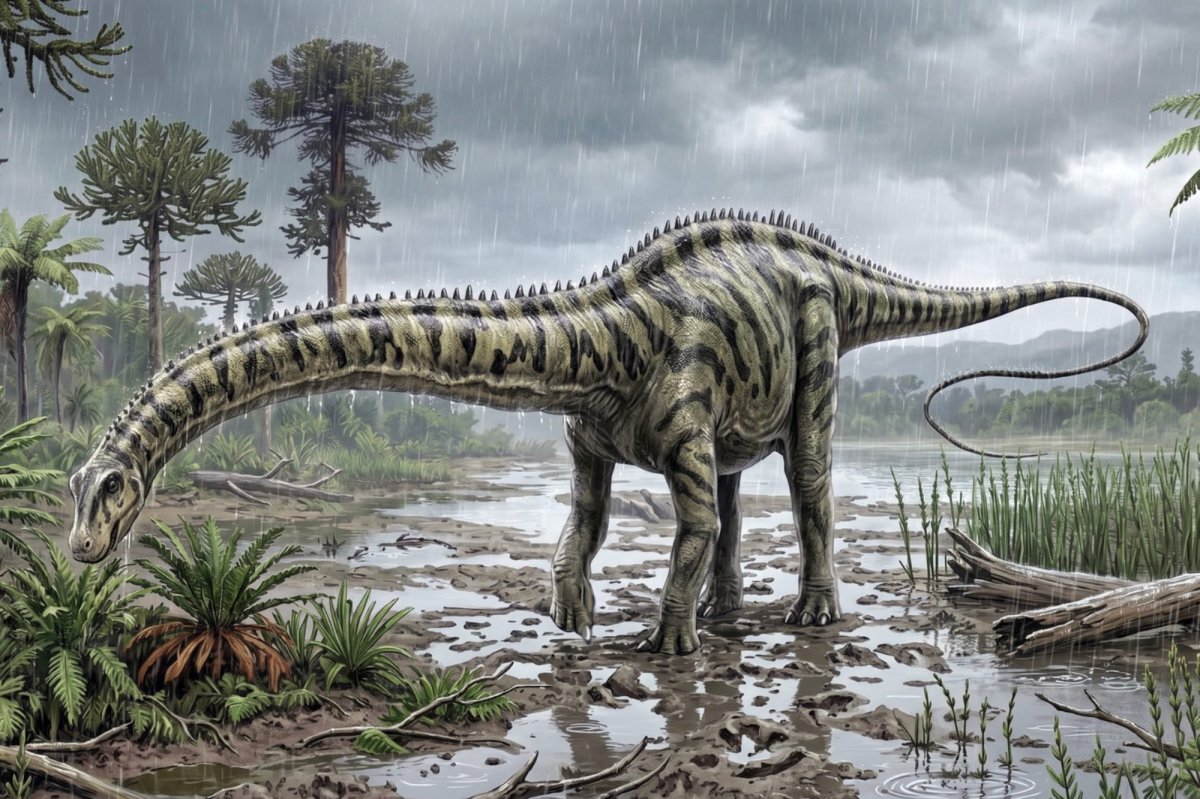
🦕
First diplodocus fossils discovered outside the United States
Eerste diplodocus fossielen gevonden buiten de Verenigde Staten
Les premiers fossiles de diplodocus découverts en dehors des États-Unis
So here's something genuinely exciting - paleontologists have just found Diplodocus remains in Spain, which is a first for this iconic long-necked dinosaur genus that's been exclusively North American until now. The discovery in El Castellar, near Teruel, includes 14 beautifully preserved tail vertebrae and bone structures that researchers confidently identified through detailed anatomical comparisons and evolutionary analysis. This 150-million-year-old individual was roughly 82 feet long, making it just as impressive as its American cousins, and it tells us something fascinating about how these giants could migrate between North America and Europe via temporary land bridges across the proto-Atlantic. The finding really opens up our understanding of Late Jurassic ecosystems and suggests that sauropod diversity in Europe was far richer than we previously thought.
Nu hebben paleontologen iets werkelijk opwindends ontdekt - Diplodocus-resten in Spanje, wat een primeur is voor deze beroemde langhalzige dinosaurusgeslacht die tot nu toe alleen in Noord-Amerika voorkwam. De vondst in El Castellar, bij Teruel, bevat 14 prachtig bewaarde staartwervelartikulaties en botstructuren die onderzoekers zeker hebben geïdentificeerd door gedetailleerde anatomische vergelijking en evolutionaire analyse. Dit 150 miljoen jaar oude dier was ongeveer 25 meter lang, wat even indrukwekkend is als zijn Amerikaanse neven, en het vertelt ons iets fascinerends over hoe deze reuzen tussen Noord-Amerika en Europa konden migreren via tijdelijke landbruggen over de proto-Atlantische Oceaan. De ontdekking opent echt ons begrip van ecosystemen uit het Laat-Jura en suggereert dat de sauropodendiversiteit in Europa veel rijker was dan we dachten.
Et voilà quelque chose de vraiment passionnant - des paléontologues viennent de découvrir des restes de Diplodocus en Espagne, ce qui est une première pour ce genre de dinosaure au long cou que nous connaissions jusqu'à présent exclusivement en Amérique du Nord. La découverte à El Castellar, près de Teruel, comprend 14 vertèbres caudales magnifiquement conservées et des structures osseuses que les chercheurs ont identifiées avec certitude par comparaison anatomique détaillée et analyse évolutive. Cet individu de 150 millions d'années était d'environ 25 mètres de long, ce qui le rend tout aussi impressionnant que ses cousins américains, et cela nous raconte quelque chose de fascinant sur la manière dont ces géants pouvaient migrer entre l'Amérique du Nord et l'Europe via des ponts terrestres temporaires à travers le proto-Atlantique. Cette découverte élargit vraiment notre compréhension des écosystèmes du Jurassique tardif et suggère que la diversité des sauropodes en Europe était bien plus riche que nous l'avions pensé.
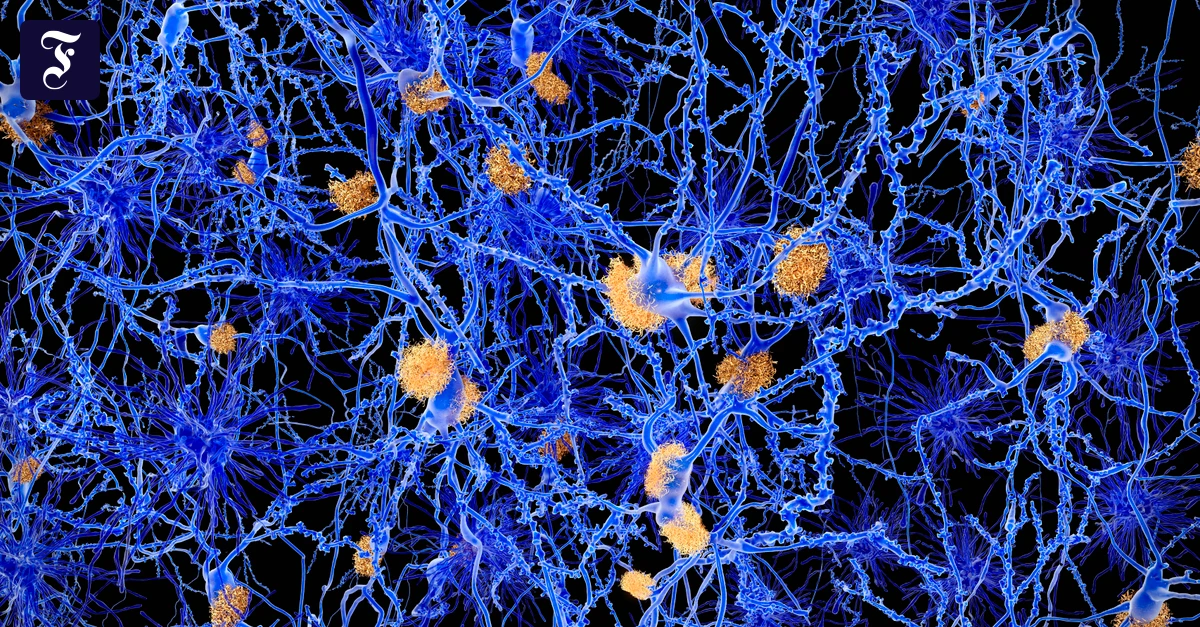
🧠
A new narcolepsy drug offers hope for brain research and neurology
Een nieuw narcolepsie-medicijn biedt hoop voor hersenonderzoek en neurologie
Un nouveau médicament contre la narcolepsie offre de l'espoir pour la recherche cérébrale
Narcolepsy is a fascinating and challenging condition where people suddenly fall into deep sleep during the day, sometimes losing muscle control in what's called cataplexy - often triggered by emotional moments. Now, exciting progress is happening in narcolepsy treatment, and here's the thing - the mechanism behind this new medication could open doors for treating other serious brain diseases too. Scientists are exploring whether the same approach might even help with conditions like Alzheimer's, which would be genuinely transformative for neurology. So this breakthrough isn't just about helping narcolepsy patients sleep better - it's potentially reshaping how we understand and treat neurological diseases more broadly.
Narcolepsie is een fascinerende aandoening waarbij mensen plotseling overdag in diepe slaap vallen, soms met spierverlammingen die kataplexie worden genoemd - vaak veroorzaakt door emotionele momenten. Nu maakt narcolepsie-behandeling echt vooruitgang, en hier is het interessante deel - het werkingsmechanisme van dit nieuwe medicijn zou deuren kunnen openen voor behandeling van andere ernstige hersenziekten. Wetenschappers onderzoeken of dezelfde aanpak wellicht kan helpen bij aandoeningen zoals Alzheimer, wat werkelijk transformatief zou zijn voor de neurologie. Dit doorbraak gaat dus niet alleen over het helpen van narcolepsie-patiënten beter te slapen - het hervormt mogelijk hoe we neurologische ziekten breder begrijpen en behandelen.
La narcolepsie est une affection fascinante où les gens s'endorment soudainement profondément pendant la journée, parfois avec une perte de contrôle musculaire appelée cataplexie - souvent déclenchée par des moments émotionnels. Maintenant, nous voyons des progrès réels dans le traitement de la narcolepsie, et voici la partie intéressante - le mécanisme d'action de ce nouveau médicament pourrait ouvrir des portes pour traiter d'autres maladies cérébrales graves. Les scientifiques explorent si la même approche pourrait même aider avec des conditions comme Alzheimer, ce qui serait véritablement transformateur pour la neurologie. Cette percée ne concerne donc pas seulement aider les patients narcoleptiques à mieux dormir - elle pourrait redéfinir notre compréhension et notre traitement des maladies neurologiques de manière plus large.
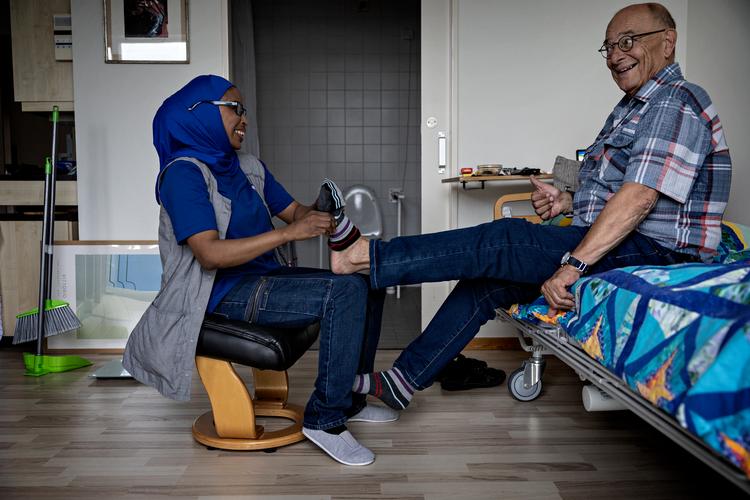
👩⚕️
One in four care workers now come from non-Western countries
Een op de vier zorgverleners komt nu uit niet-westerse landen
Un soignant sur quatre provient désormais de pays non occidentaux
So, here's what's happening in Danish elderly care - a new report from KL shows that 25 percent of sosu workers now have non-Western backgrounds, and this number has doubled since 2016. And here's the thing: without these dedicated professionals, the system would simply collapse, as one expert puts it so bluntly. Which brings me to the real challenge - better language training during their education is crucial if we want to support these workers properly. Now, with Denmark facing a shortage of over 23,000 care workers by 2035, these international professionals aren't just helpful, they're absolutely essential to keeping elderly care alive.
Dus, wat er nu gebeurt in de Deense ouderenzorg - een nieuw rapport van KL laat zien dat 25 procent van de sosu-medewerkers nu een niet-westerse achtergrond heeft, en dit aantal is verdubbeld sinds 2016. En hier komt het belangrijkste: zonder deze toegewijde professionals zou het systeem gewoon instorten, zegt een expert zo duidelijk. Wat mij naar de echte uitdaging brengt - betere taaltraining tijdens hun opleiding is essentieel als we deze werknemers goed willen ondersteunen. Nu, met Denemarken geconfronteerd met een tekort van meer dan 23.000 zorgverleners in 2035, zijn deze internationale professionals niet alleen behulpzaam, ze zijn absoluut onmisbaar voor het behoud van ouderenzorg.
Voilà, ce qui se passe maintenant dans les soins aux personnes âgées au Danemark - un nouveau rapport de KL montre que 25 pour cent des travailleurs sosu ont désormais des origines non occidentales, et ce chiffre a doublé depuis 2016. Et voici l'essentiel : sans ces professionnels dévoués, le système s'effondrerait simplement, comme l'explique clairement un expert. Ce qui m'amène au vrai défi - une meilleure formation linguistique pendant leur formation est cruciale si nous voulons soutenir correctement ces travailleurs. Maintenant, face à une pénurie de plus de 23 000 soignants d'ici 2035, ces professionnels internationaux ne sont pas seulement utiles, ils sont absolument indispensables pour maintenir les soins aux personnes âgées.

🚗
How a 53-hour traffic jam in Los Angeles made Waze a global phenomenon
Hoe een 53-urige file in Los Angeles Waze wereldwijd deed doorbreken
Comment un embouteillage de 53 heures à Los Angeles a propulsé Waze dans le monde entier
Waze has become the go-to navigation app for millions of drivers worldwide, but its story starts with an Israeli entrepreneur named Uri Levine who got the idea in 2006 - inspired by comparing travel times with friends during a holiday celebration. The app really took off when Apple launched the App Store in 2008, suddenly making it possible to download and continuously update applications. Early adoption was slow and disappointing, with most users trying the app and abandoning it, except in a few markets like Ecuador and Slovakia. But everything changed in 2011 when the I-405 highway in Los Angeles was closed for construction - this massive traffic jam became the turning point that introduced Waze to American drivers and ultimately to the rest of the world.
Waze is inmiddels de favoriete navigatie-app van miljoenen automobilisten over de hele wereld, maar het verhaal begint bij de Israëlische ondernemer Uri Levine, die in 2006 op het idee kwam - geïnspireerd door de reistijden van vrienden during een vakantieviering te vergelijken. De app maakte echt een doorbraak toen Apple in 2008 de App Store lanceerde, wat het plotseling mogelijk maakte om applicaties te downloaden en voortdurend bij te werken. De vroege adoptie verliep traag en teleurstellend, met de meeste gebruikers die de app probeerden en vervolgens stopten - behalve in enkele markten zoals Ecuador en Slowakije. Maar alles veranderde in 2011 toen snelweg I-405 in Los Angeles werd gesloten voor werkzaamheden - deze massale file werd het omslagpunt dat Waze introduceerde aan Amerikaanse chauffeurs en uiteindelijk aan de rest van de wereld.
Waze est devenue l'application de navigation préférée de millions d'automobilistes dans le monde entier, mais son histoire commence avec l'entrepreneur israélien Uri Levine qui a eu l'idée en 2006 - inspiré par la comparaison des temps de trajet avec ses amis lors d'une célébration des vacances. L'application a vraiment décollé lorsqu'Apple a lancé l'App Store en 2008, rendant soudainement possible le téléchargement et la mise à jour continue des applications. L'adoption précoce a été lente et décevante, la plupart des utilisateurs essayant l'application avant l'abandonner, sauf sur quelques marchés comme l'Équateur et la Slovaquie. Mais tout a changé en 2011 lorsque l'autoroute I-405 à Los Angeles a été fermée pour des travaux de construction - cet énorme embouteillage est devenu le moment charnière qui a présenté Waze aux automobilistes américains et finalement au reste du monde.
🤝
Afghan women rebuild reproductive health care in remote villages
Afghaanse vrouwen herbouwen gezondheidszorg voor moederschap in afgelegen dorpen
Les femmes afghanes reconstruisent les soins de santé reproductive dans les villages isolés
In Afghanistan, one of the world's most dangerous places to give birth, over 450 family health houses are quietly transforming maternal care for women in remote communities. So here's the thing - these small clinics, staffed by trained local midwives and supported by the UN Population Fund since 2009, are becoming lifelines for mothers like Ram Bibi and Manawara, who can now access prenatal care and emergency assistance that simply didn't exist before. When Manawara's baby was in breech position, the nearby family health house had the equipment and expertise to help her deliver safely - a situation that would have been catastrophic just years ago. And the impact speaks for itself: these clinics serve between 1,500 to 4,000 people each, providing the only accessible reproductive and newborn health services to women in areas at least a three-hour walk from the nearest hospital.
In Afghanistan, een van de gevaarlijkste plaatsen ter wereld om een kind ter wereld te brengen, veranderen meer dan 450 gezondheidshuizen stille revolutionair de prenatale zorg voor vrouwen in afgelegen gemeenschappen. Nu, het gaat hierom - deze kleine klinieken, bemand door geschoolde lokale vroedvrouwen en ondersteund door het VN-Bevolkingsfonds sinds 2009, worden reddingslijnen voor moeders zoals Ram Bibi en Manawara, die nu toegang hebben tot prenatale zorg en noodassistentie die vroeger eenvoudigweg niet bestond. Toen Manawara's baby in zitligging lag, had het nabijgelegen gezondsheidshuis de apparatuur en expertise om haar veilig te helpen bevallen - een situatie die jaren geleden catastrofaal zou zijn geweest. En de impact spreekt voor zich: deze klinieken bedienen elk tussen 1.500 tot 4.000 mensen en bieden de enige toegankelijke reproductieve en pasgeboren gezondheidsdiensten aan vrouwen in gebieden die minstens drie uur lopen van het dichtstbijzijnde ziekenhuis verwijderd zijn.
En Afghanistan, l'un des endroits les plus dangereux au monde pour accoucher, plus de 450 maisons de santé transforment discrètement les soins maternels pour les femmes dans les communautés éloignées. Et voilà le truc - ces petites cliniques, dirigées par des sages-femmes locales formées et soutenues par le Fonds des Nations unies pour la population depuis 2009, deviennent des bouées de sauvetage pour les mères comme Ram Bibi et Manawara, qui peuvent maintenant accéder aux soins prénatals et à l'assistance d'urgence qui n'existaient tout simplement pas avant. Quand le bébé de Manawara s'est présenté en siège, la maison de santé voisine avait l'équipement et l'expertise pour l'aider à accoucher en toute sécurité - une situation qui aurait été catastrophique il y a seulement quelques années. Et l'impact parle de lui-même: ces cliniques desservent chacune entre 1 500 et 4 000 personnes, fournissant les seuls services de santé reproductive et néonatale accessibles aux femmes dans les zones situées à au moins trois heures de marche de l'hôpital le plus proche.

🦏
The forest officer who saved Kaziranga's rhinos from poachers
De boswachter die de neushoorns van Kaziranga redde van stropers
Le forestier qui a sauvé les rhinocéros de Kaziranga des braconniers
So here's a fascinating story about Mahi Chandra Miri, a tribal forest officer from Assam who became one of the first people from his community selected for the Imperial Forest Service back in 1929. When he was posted to Kaziranga in the 1930s, he found a landscape under siege - poachers were hunting rhinos and elephants relentlessly, and the sanctuary needed serious protection. Miri set up camp on a hill overlooking the forest and used binoculars to spot poachers, then rode into the wilderness on elephant-back to pursue them and defend the wildlife. His dedication and innovative approach to organizing patrols helped transform Kaziranga into one of India's most protected sanctuaries, and his legacy shows us how one passionate person can make an enormous difference in conservation.
Dit is een fascinerend verhaal over Mahi Chandra Miri, een bosbeambte uit de Mising-gemeenschap van Assam die in 1929 één van de eerste uit zijn gemeenschap werd die werd geselecteerd voor de Keizerlijke Bosbouwdienst. Toen hij in de jaren 1930 naar Kaziranga werd geplaatst, vond hij een landschap onder beleg - stropers jaagden relentloos op neushoorns en olifanten, en het natuurreservaat had ernstige bescherming nodig. Miri richtte een kamp op een heuvel uit boven het bos en gebruikte verrekijkers om stropers op te sporen, waarna hij op oerug van olifanten het wild in ging om hen te achtervolgen en de dieren te verdedigen. Zijn toewijding en innovatieve aanpak van patrouilleorganisatie hielpen Kaziranga transformeren tot één van Indias meest beschermde sanctuaria.
Voici une histoire fascinante sur Mahi Chandra Miri, un agent forestier de la communauté Mising d'Assam qui devint en 1929 l'une des premières personnes de sa communauté sélectionnées pour le Service forestier impérial. Lorsqu'il a été affecté à Kaziranga dans les années 1930, il a trouvé un paysage assiégé - les braconniers chassaient impitoyablement les rhinocéros et les éléphants, et le sanctuaire avait besoin d'une protection sérieuse. Miri établit un camp sur une colline surplombant la forêt et utilisa des jumelles pour repérer les braconniers, puis chevaucha des éléphants dans la nature sauvage pour les poursuivre et défendre la faune. Son dévouement et son approche innovante de l'organisation des patrouilles ont aidé à transformer Kaziranga en l'un des sanctuaires les plus protégés de l'Inde, montrant comment une seule personne passionnée peut faire une énorme différence.
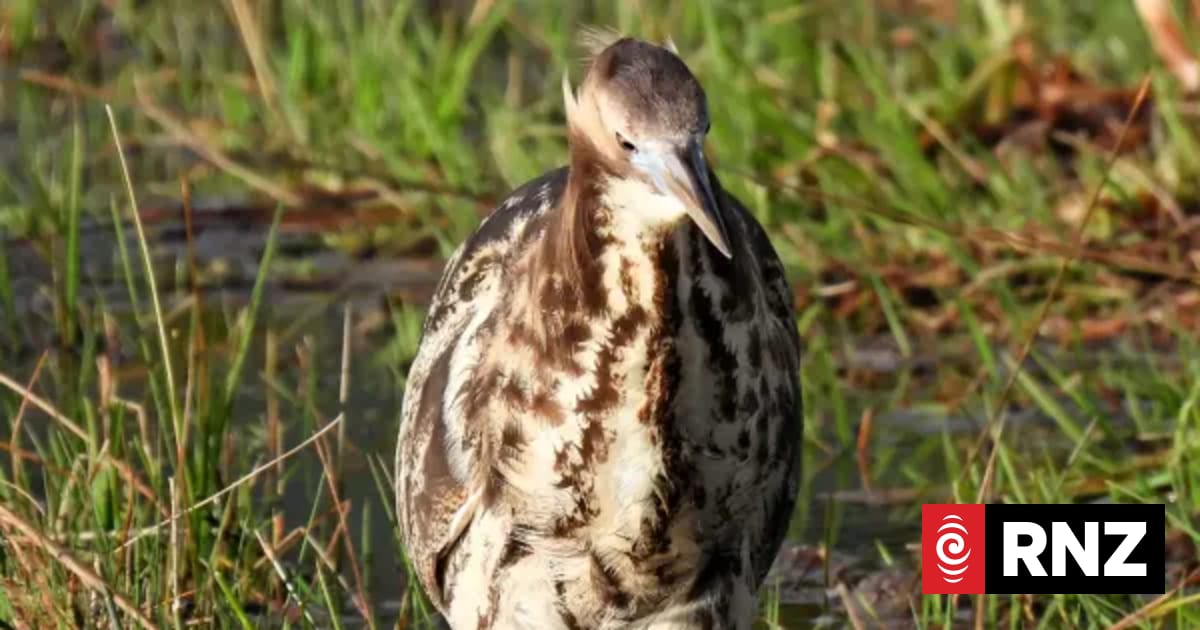
🐦
Bird-watchers unite to save New Zealand's rarest bittern
Vogelspotters verenigen zich om zeldzame bittern van Nieuw-Zeeland te redden
Les ornithologues amateurs se mobilisent pour sauver le rare butor de Nouvelle-Zélande
New Zealand's great bittern - known as Matuku-hūrepo - is one of the country's most endangered birds, with fewer than a thousand left in the wild. Amateur bird-watchers are being called upon to help track the species during breeding season, when the male birds' distinctive booming calls can be heard up to five kilometres away across wetlands. The Love Bittern project coordinates this annual count to avoid double-counting, and founder Wendy Ambury is hoping to recruit 1,200 volunteers this season - double the usual 400 to 500 participants. The challenge is urgent because over 90 percent of New Zealand's wetlands have already disappeared, destroying the habitat these shy birds desperately need to survive.
De Matuku-hūrepo - de grote roerdomp van Nieuw-Zeeland - is een van de meest bedreigde vogelsoorten van het land, met minder dan duizend exemplaren in het wild. Amateurbirdwatchers worden opgeroepen om de soort te helpen volgen tijdens het broedseizoen, wanneer de boema's van mannelijke vogels tot vijf kilometer ver over de moerasgebieden kunnen worden gehoord. Het Love Bittern-project coördineert deze jaarlijkse telling om dubbeltelling te voorkomen, en oprichter Wendy Ambury hoopt dit seizoen 1.200 vrijwilligers in te schakelen - het dubbele van de gebruikelijke 400 tot 500 deelnemers. De zaak is urgent omdat meer dan 90 procent van Nieuw-Zeelands moerasgebieden al verdwenen is, waardoor de habitat die deze schuwboden nodig hebben wordt vernietigd.
Le Matuku-hūrepo - le butor blongios de Nouvelle-Zélande - est l'une des espèces d'oiseaux les plus menacées du pays, avec moins de mille individus restants à l'état sauvage. Les ornithologues amateurs sont appelés à aider à suivre l'espèce pendant la saison de reproduction, quand les cris sonores distinctifs des mâles peuvent s'entendre jusqu'à cinq kilomètres de distance à travers les zones humides. Le projet Love Bittern coordonne ce comptage annuel pour éviter les doubles comptages, et la fondatrice Wendy Ambury espère recruter 1 200 bénévoles cette saison - le double des 400 à 500 participants habituels. L'enjeu est urgent car plus de 90 pour cent des zones humides de Nouvelle-Zélande ont déjà disparu, détruisant l'habitat dont ces oiseaux discrets ont désespérément besoin pour survivre.
🕊️
The Netherlands removes locks from dementia wards: 'Freedom is for everyone, no nonsense'
Nederland haalt slot van dementie-afdelingen: 'Vrijheid is voor iedereen, geen flauwekul'
Les Pays-Bas enlèvent les verrous des unités de démence: 'La liberté est pour tout le monde, pas de blagues'
So here's something really encouraging - the Netherlands is taking a bold step by removing locks from dementia wards, treating residents with dignity rather than restriction. This shift reflects a growing understanding that people living with dementia deserve autonomy and respect, not confinement. The approach prioritizes freedom and personal agency even when cognitive abilities are changing, which is quite a powerful statement about how we should care for our most vulnerable. It's not about being reckless - it's about recognizing that freedom matters for everyone, and that includes people dealing with dementia.
Hier is iets echt bemoedigends - Nederland zet een grote stap door sloten van dementie-afdelingen te verwijderen, waarbij bewoners met waardigheid worden behandeld in plaats van opsluiting. Deze verschuiving weerspiegelt een groeiend inzicht dat mensen met dementie recht hebben op autonomie en respect, niet op opsluiting. De aanpak geeft voorrang aan vrijheid en persoonlijke keuze, zelfs wanneer cognitieve vaardigheden veranderen, wat een krachtig statement is over hoe we voor onze meest kwetsbaren moeten zorgen. Het gaat niet om roekeloos gedrag - het gaat om het erkennen dat vrijheid voor iedereen belangrijk is, inclusief mensen met dementie.
Voilà quelque chose de vraiment encourageant - les Pays-Bas font un pas audacieux en supprimant les verrous des unités de démence, traitant les résidents avec dignité plutôt que restriction. Ce changement reflète une compréhension croissante que les personnes atteintes de démence méritent l'autonomie et le respect, pas l'enfermement. L'approche privilégie la liberté et l'autonomie personnelle même lorsque les capacités cognitives changent, ce qui est une déclaration très puissante sur la façon dont nous devrions prendre soin de nos plus vulnérables. Ce n'est pas une question de témérité - c'est reconnaître que la liberté compte pour tout le monde, y compris les personnes atteintes de démence.

🌳
Athens is turning its old airport into one of Europe's largest parks
Athene transformeert zijn oude luchthaven in een van Europa's grootste parken
Athènes transforme son ancien aéroport en l'un des plus grands parcs d'Europe
Athens is reclaiming a former airport site to create the Ellinikon Park - Europe's second-largest city park spanning 400 acres along the coast. The ambitious project is specifically designed to combat the city's brutal summer heat, with every tree, plant, and pathway carefully positioned to keep temperatures up to 7.2°F cooler than surrounding concrete areas. So here's the thing - they're planting 30,000 trees and 3 million smaller plants across more than 520 species, with smart irrigation systems and water features to maintain moisture and cool air year-round. Given that Athens once held Europe's highest temperature record at 48°C, this green refuge couldn't come at a better time for residents of one of the continent's hottest cities.
Athene hergebruikt een voormalige luchthaventerrein om het Ellinikon Park te creëren - Europa's tweede grootste stadspark met een oppervlakte van 400 hectare langs de kust. Het ambitieuze project is speciaal ontworpen om de verschroeiende zomers van de stad tegen te gaan, waarbij elke boom, plant en pad zorgvuldig is geplaatst om temperaturen tot 7,2°F lager te houden dan de omringende betonoppervlakken. En hier is het interessante - ze planten 30.000 bomen en 3 miljoen kleinere planten over meer dan 520 soorten, met slim irrigatiesystemen en waterkenmerken die vocht en koele lucht behouden. Gezien het feit dat Athene ooit het record van Europa's hoogste temperatuur had met 48°C, kan deze groene toevlucht niet op een beter moment voor bewoners komen.
Athènes transforme un ancien site aéroportuaire pour créer le Parc Ellinikon - le deuxième plus grand parc urbain d'Europe s'étendant sur 400 acres le long de la côte. Le projet ambitieux est spécifiquement conçu pour combattre les étés brutaux de la ville, avec chaque arbre, plante et chemin soigneusement positionnés pour maintenir les températures jusqu'à 7,2°F plus frais que les zones de béton environnantes. Voilà - ils plantent 30 000 arbres et 3 millions de petites plantes sur plus de 520 espèces, avec des systèmes d'irrigation intelligents et des éléments aquatiques pour maintenir l'humidité et l'air frais toute l'année. Étant donné qu'Athènes a autrefois établi le record européen de la température la plus élevée à 48°C, ce refuge vert ne pourrait pas arriver à un meilleur moment pour les résidents de l'une des villes les plus chaudes du continent.
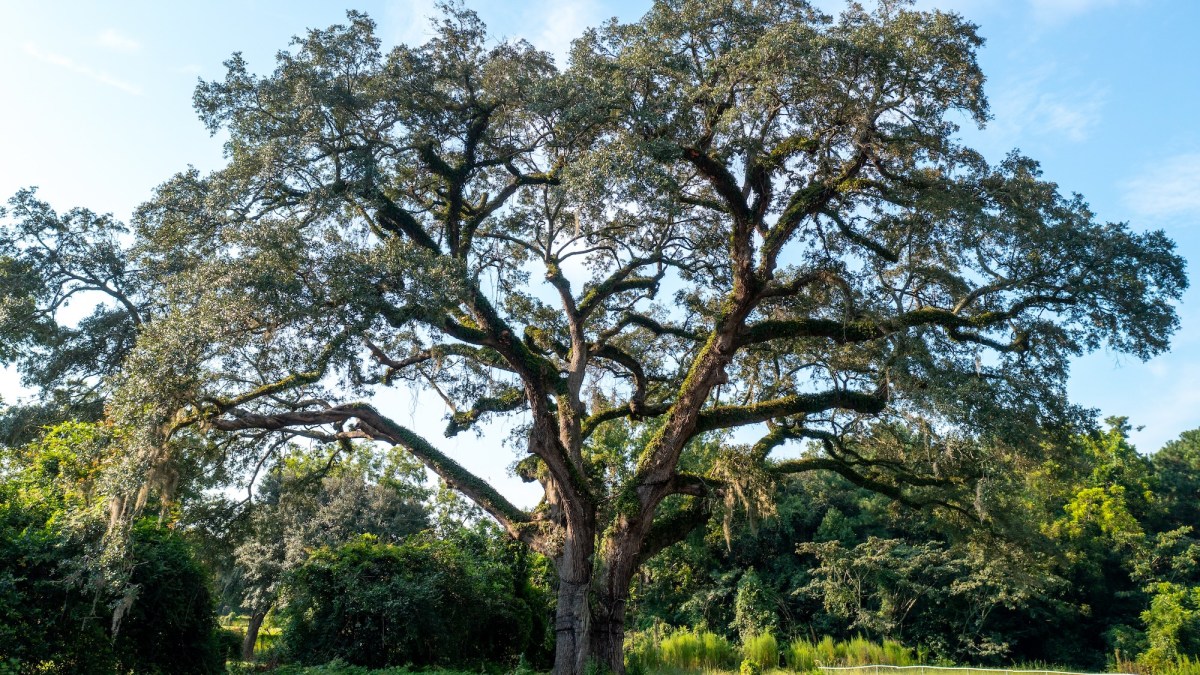
🌳
Supersonic air and copper cables save a 300-year-old oak that witnessed the American Revolution
Supersonische lucht en koperkabels redden een 300 jaar oude eik die de Amerikaanse Revolutie meemaakte
L'air supersonique et les câbles en cuivre sauvent un chêne de 300 ans qui a été témoin de la Révolution américaine
A historic live oak in South Carolina that survived both the Revolutionary War and a lightning strike 50 years ago is getting a high-tech rescue mission. The problem? Steel chains installed decades ago to save the tree are now slowly strangling it as the oak continues to grow and the metal cuts into its bark. Arborists are using supersonic air technology to loosen the compacted soil around the roots and adding nutrient-rich kelp to revive the tree's health. They're also installing lightning rods with copper cables to prevent future strikes, and will replace the old choking chains with flexible reinforcement cables that allow the tree to move naturally in the wind.
Een historische live oak in South Carolina die zowel de Amerikaanse Revolutie als een blikseminslag 50 jaar geleden heeft overleefd, krijgt nu een high-tech redding. Het probleem? Stalen ketens die decennia geleden zijn aangebracht om de boom te redden, verstikken hem nu langzaam terwijl de eik blijft groeien en het metaal in zijn schors snijdt. Boomverzorgers gebruiken supersonische lucht om de verdichte bodem rond de wortels los te maken en voegen voedingsrijk zeewier toe om de gezondheid van de boom te herstellen. Ze installeren ook bliksemafleiders met koperkabels om toekomstige inslagen te voorkomen, en vervangen de oude verstikkende ketens door flexibele versterkingskabels die de boom in de wind natuurlijk kunnen bewegen.
Un chêne live oak historique en Caroline du Sud qui a survécu à la fois à la Révolution américaine et à un coup de foudre il y a 50 ans reçoit maintenant une mission de sauvetage high-tech. Le problème? Les chaînes en acier installées il y a des décennies pour sauver l'arbre l'étouffent maintenant lentement tandis que le chêne continue de croître et que le métal s'enfonce dans son écorce. Les arboriculteurs utilisent la technologie de l'air supersonique pour desserrer le sol compacté autour des racines et ajoutent du varech riche en nutriments pour revitaliser la santé de l'arbre. Ils installent également des paratonnerres avec des câbles en cuivre pour prévenir les futurs coups de foudre, et remplacent les anciennes chaînes étouffantes par des câbles de renforcement flexibles qui permettent à l'arbre de se déplacer naturellement dans le vent.

🔬
Private funding is reshaping Brazil's science landscape
Particuliere financiering verandert het wetenschapslandschap van Brazilië
Le financement privé redéfinit le paysage scientifique du Brésil
So, here's what's fascinating - Brazil is experiencing a real shift in how science gets funded, with wealthy philanthropies stepping up in ways they never really did before. Organizations like the Serrapilheira Institute have distributed over US$25 million to early-career researchers, offering the kind of flexibility that government funding often can't provide - like one researcher using it to connect a crucial growth chamber to the electrical grid when his public grant didn't cover that. This movement matters especially now, with political uncertainty ahead and a history of funding cuts that showed how vulnerable science can be when it relies on government support alone. And here's the thing - while Brazil has traditionally looked down on private science funding, a new generation of philanthropists is proving that this model can work even within the country's regulatory challenges, potentially providing a crucial safety net for research.
Dit is echt fasinerend - Brazilië meemaakt een echte verschuiving in hoe wetenschappen wordt gefinancierd, met rijke filantropen die op manieren stappen die ze nooit eerder deden. Organisaties zoals het Serrapilheira Instituut hebben meer dan 25 miljoen dollar uitgedeeld aan onderzoekers in het begin van hun carrière, wat flexibiliteit biedt die overheidsfinanciering vaak niet kan geven - zoals één onderzoeker die het gebruikte om een cruciaal groeikamernetwerk op het stroomnet aan te sluiten toen zijn publieke subsidie dat niet dekte. Deze beweging is nu extra belangrijk, gezien de politieke onzekerheid die eraan komt en een geschiedenis van bezuinigingen die aantoonden hoe kwetsbaar wetenschappen kan zijn als het alleen op overheidsondersteuning vertrouwt. En hier is het interessante - hoewel Brazilië traditioneel kritisch was op privéwetenschapsfinanciering, bewijst een nieuwe generatie filantropen dat dit model kan werken zelfs binnen de regelgeving van het land, en biedt mogelijk een cruciaal vangnet voor onderzoek.
Voilà qui est vraiment fascinant - le Brésil connaît un vrai changement dans la façon dont la science est financée, avec des philanthropes fortunés s'impliquant d'une manière qu'ils n'ont jamais vraiment fait auparavant. Des organisations comme l'Institut Serrapilheira ont distribué plus de 25 millions de dollars à des chercheurs en début de carrière, offrant une flexibilité que le financement gouvernemental ne peut souvent pas fournir - comme un chercheur qui l'a utilisé pour connecter une chambre de croissance essentielle au réseau électrique alors que sa subvention publique ne couvrait pas cela. Ce mouvement est particulièrement important maintenant, avec l'incertitude politique qui approche et un historique de réductions de budget qui ont montré combien la science peut être vulnérable lorsqu'elle dépend du soutien gouvernemental seul. Et voici la chose intéressante - bien que le Brésil ait traditionnellement froncé les sourcils sur le financement privé de la science, une nouvelle génération de philanthropes prouve que ce modèle peut fonctionner même dans le contexte réglementaire du pays, offrant potentiellement un filet de sécurité crucial pour la recherche.
🧬
Encoded and non-genetic protein variants expand human functional proteome
Gecodeerde en niet-genetische eiwitvarianten vergroten het functionele humane proteoom
Les variantes protéiques codées et non génétiques élargissent le protéome fonctionnel humain
So here's something that really caught my attention - researchers have discovered over 13,000 protein variants coexisting in human tissues that weren't fully understood before. What's fascinating is that these variants come from multiple sources: genetic mutations, yes, but also translational errors and other non-genetic mechanisms that actually create functional protein diversity. The team found that mistranslated proteins appear at frequencies matching human population genetics, and even more intriguingly, these non-genetic variations seem to explore protein sequence space in ways the genetic code alone couldn't achieve. This opens up a whole new understanding of human protein complexity and suggests we have way more functional diversity in our proteomes than we previously realized.
Dit is echt een bevinding die me intrigeert - onderzoekers hebben meer dan 13.000 eiwitvarianten ontdekt die tegelijk in menselijke weefsels voorkomen en tot nu toe niet volledig begrepen waren. Wat bijzonder fascinerend is, dat deze varianten uit meerdere bronnen komen: genetische mutaties natuurlijk, maar ook vertaalfouten en andere niet-genetische mechanismen die eigenlijk functionele eiwit-diversiteit creëren. Het team ontdekte dat verkeertd vertaalde eiwitten voorkomen met frequenties die overeenkomen met menselijke populatiegenetica, en nog intrigerender is dat deze niet-genetische variaties de eiwitreeksruimte verkennen op manieren die de genetische code alleen niet zou kunnen bereiken. Dit opent een volledig nieuw inzicht in menselijke eiwit-complexiteit en suggereert dat we veel meer functionele diversiteit in onze proteomen hebben dan we voorheen dachten.
C'est vraiment une découverte qui m'intéresse - les chercheurs ont découvert plus de 13 000 variantes protéiques coexistant dans les tissus humains et qui n'étaient pas totalement comprises jusqu'à présent. Ce qui est fascinant, c'est que ces variantes proviennent de multiples sources : les mutations génétiques bien sûr, mais aussi les erreurs de traduction et d'autres mécanismes non génétiques qui créent réellement une diversité fonctionnelle des protéines. L'équipe a découvert que les protéines mal traduites apparaissent avec des fréquences correspondant à la génétique des populations humaines, et plus intrigant encore, ces variations non génétiques semblent explorer l'espace des séquences protéiques de manière que le code génétique seul ne pourrait pas réaliser. Cela ouvre une compréhension entièrement nouvelle de la complexité des protéines humaines et suggère que nous avons beaucoup plus de diversité fonctionnelle dans nos protéomes que nous ne l'avions réalisé auparavant.

🛡️
New York takes down a dozen deepfake porn websites in historic enforcement action
New York sluit een dozijn deepfake-pornosites in historische handhavingsactie
New York ferme une douzaine de sites pornographiques deepfake dans une action historique
So here's something really significant - New York officials have seized more than a dozen websites that were hosting nonconsensual deepfake pornography, marking what's likely the largest takedown of its kind to date. Around 1,200 people - overwhelmingly women including celebrities, politicians, and activists - had their faces manipulated into explicit sexual videos without consent. The Manhattan District Attorney's Office says these violations cause immense emotional and mental harm to victims, and now they're calling on affected people to come forward. What's encouraging here is that this shows meaningful enforcement is actually possible, even as AI technology keeps improving and making these deepfakes more realistic and harder to spot.
Dus dit is echt significant - autoriteiten in New York hebben meer dan een dozijn websites gesloten die niet-consentiële deepfake-porno hosttten, waarschijnlijk de grootste actie tot nu toe. Ongeveer 1.200 mensen - overwegend vrouwen, waaronder beroemdheden, politici en activisten - hadden hun gezichten zonder toestemming in expliciete seksuele video's gemanipuleerd. Het Openbaar Ministerie van Manhattan zegt dat deze schendingen immense emotionele en mentale schade veroorzaken, en roept nu slachtoffers op zich aan te melden. Wat bemoedigend is, is dat dit aantoont dat effectieve handhaving echt mogelijk is, ook terwijl AI-technologie blijft verbeteren en deze deepfakes realistischer en moeilijker te detecteren maakt.
Donc c'est vraiment significatif - les autorités de New York ont fermé plus d'une douzaine de sites hébergeant de la pornographie deepfake non consentie, ce qui marque probablement la plus grande action d'application de ce type à ce jour. Environ 1.200 personnes - en grande majorité des femmes, dont des célébrités, des politiciens et des activistes - ont eu leurs visages manipulés dans des vidéos sexuelles explicites sans consentement. Le Bureau du procureur du district de Manhattan affirme que ces violations causent des dommages émotionnels et mentaux immenses, et appelle maintenant les victimes à se manifester. Ce qui est encourageant, c'est que cela montre qu'une application efficace de la loi est vraiment possible, même si la technologie IA s'améliore constamment et rend ces deepfakes plus réalistes et plus difficiles à détecter.
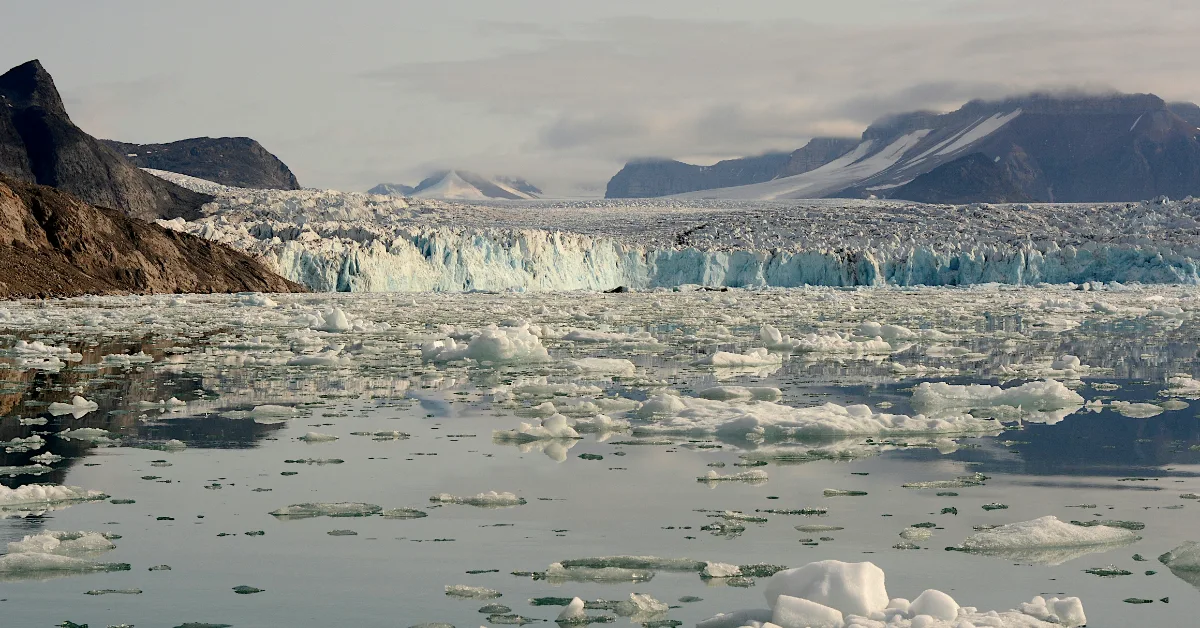
🗺️
Scientists map the Arctic's melting permafrost in real time
Wetenschappers brengen smeltend permafrost in het Arctisch gebied real-time in kaart
Les scientifiques cartographient en temps réel le dégel du permafrost arctique
Here's the thing - as Arctic temperatures rise at two to three times the global average, Alaska's permafrost is thawing and causing serious problems like collapsing buildings and sinking roads. Scientists can't dig down to measure permafrost directly, but they've spotted something clever - when the ice-rich ground melts, it creates thermokarst ponds and lakes that are easy to spot from satellite imagery. Using artificial intelligence to analyze these satellite images, an international team has now mapped over 4 million lakes and 70 million thermokarst ponds across the Arctic, tracking changes in near-real time. So now, Arctic communities can finally prepare for what's coming by knowing exactly where the most dangerous permafrost thawing is happening.
Dus hier zit het probleem - terwijl de temperaturen in het Arctisch gebied twee tot drie keer sneller stijgen dan gemiddeld wereldwijd, ontdooit het permafrost in Alaska en veroorzaakt dit ernstige problemen zoals ingestorte gebouwen en verzakkende wegen. Wetenschappers kunnen het permafrost niet rechtstreeks opgraven om te meten, maar ze hebben iets slims ontdekt - wanneer de ijsrijke grond smelt, ontstaan er thermokarstmeren die gemakkelijk vanuit satellietbeelden op te spotten zijn. Met behulp van kunstmatige intelligentie om deze satellietbeelden te analyseren, heeft een internationaal team nu meer dan 4 miljoen meren en 70 miljoen thermokarstmeren in het Arctisch gebied in kaart gebracht en volgt de veranderingen in bijna real-time. Dus nu kunnen Arctische gemeenschappen zich eindelijk voorbereiden door exact te weten waar de meest gevaarlijke ontdooiing van permafrost plaatsvindt.
Voilà le problème - tandis que les températures arctiques augmentent deux à trois fois plus vite que la moyenne mondiale, le permafrost en Alaska dégèle et cause de graves problèmes comme l'effondrement de bâtiments et l'affaissement des routes. Les scientifiques ne peuvent pas creuser le permafrost directement pour le mesurer, mais ils ont découvert quelque chose d'ingénieux - quand la terre riche en glace fond, elle crée des lacs thermokarstiques faciles à détecter sur les images satellites. En utilisant l'intelligence artificielle pour analyser ces images satellites, une équipe internationale a désormais cartographié plus de 4 millions de lacs et 70 millions de mares thermokarstiques dans l'Arctique, suivant les changements en temps quasi-réel. Maintenant, les communautés arctiques peuvent enfin se préparer en sachant exactement où le dégel du permafrost le plus dangereux se produit.

⛪
Desperate times call for desperate measures: Bishop Johan Bonny pushes Rome on ordaining married men
Wanhoop drijft tot maatregelen: bisschop Johan Bonny zet Rome onder druk voor wijding van gehuwde mannen
Le désespoir pousse aux mesures extrêmes : l'évêque Johan Bonny fait pression sur Rome pour ordonner des hommes mariés
The Diocese of Antwerp is facing a critical priest shortage that's reshaping Catholic pastoral life across Flanders - with only 70 priests under 70 years old remaining, many traveling between parishes and no clergy left in hospitals, schools, or most prisons. Bishop Johan Bonny has decided to take an unprecedented step: he's pushing Rome to allow him to ordain married men in his diocese, framing it as a practical necessity rather than an ideological stance. He's already met with two cardinals in Rome to present the situation with hard numbers, making clear that relying on foreign priests who don't speak Dutch simply isn't sustainable. Now the Vatican holds the key - Pope Francis and his advisors will decide whether this historic shift for the Belgian Church can move forward, with Bonny banking on pragmatism winning the day.
Het bisdom Antwerpen kampt met een kritiek priestertekort dat het pastorale leven van de Kerk in Vlaanderen fundamenteel verandert - slechts 70 priesters onder de 70 jaar zijn nog over, velen reizen tussen parochies heen en weer, en in ziekenhuizen, scholen en meeste gevangenissen ontbreekt het geestelijk leiderschap volledig. Bisschop Johan Bonny heeft een ongekende stap genomen: hij duwt Rome om hem toe te staan gehuwde mannen in zijn diocees in te wijden, stellende dat dit een praktische noodzaak is in plaats van ideologisch gekleurd. Hij heeft al twee kardinalen in Rome ontmoet om de situatie met harde cijfers uit te leggen, duidelijk makend dat afhankelijkheid van buitenlandse priesters die geen Nederlands spreken gewoon niet volhoudbaar is. Nu ligt de bal bij het Vaticaan - paus Franciscus en zijn adviseurs zullen bepalen of deze historische verschuiving voor de Belgische Kerk werkelijkheid kan worden, met Bonny hopend dat pragmatisme de dag wint.
Le diocèse d'Anvers fait face à une pénurie critique de prêtres qui redéfinit la vie pastorale de l'Église en Flandre - seuls 70 prêtres de moins de 70 ans subsistent, beaucoup voyageant entre les paroisses, et aucun clergé ne reste dans les hôpitaux, les écoles ou la plupart des prisons. L'évêque Johan Bonny a pris une mesure sans précédent : il pousse Rome à lui permettre d'ordonner des hommes mariés dans son diocèse, présentant cela comme une nécessité pratique plutôt qu'une prise de position idéologique. Il a déjà rencontré deux cardinaux à Rome pour présenter la situation avec des chiffres concrets, montrant clairement que dépendre de prêtres étrangers ne parlant pas le néerlandais n'est tout simplement pas viable. Maintenant, le Vatican détient la clé - le pape François et ses conseillers décideront si ce changement historique pour l'Église belge peut avancer, Bonny comptant sur le pragmatisme pour emporter le jour.

🤝
India steps up to help Nepal with emergency electricity after devastating floods
India helpt Nepal met noodstroom na verwoestende overstromingen
L'Inde vient en aide au Népal avec de l'électricité d'urgence après les inondations dévastatrices
India has approved the rapid export of 654 megawatts of electricity daily to Nepal for the next four and a half months to help the country recover from catastrophic glacial floods that destroyed much of its hydropower infrastructure. The devastating flooding, triggered by a glacial mountain collapse in late August, killed over 1,400 people and damaged at least 12 hydropower projects that normally supplied almost all of Nepal's energy needs. This generous support from India represents a crucial lifeline for Nepal during an incredibly difficult period, and it shows how regional cooperation can make a real difference when disaster strikes. The two countries will review the electricity supply in December to determine what happens from January onwards, as Nepal begins its long rebuilding process.
India heeft de snelle export van 654 megawatt elektriciteit per dag naar Nepal goedgekeurd voor de komende vier en een half maand om het land te helpen herstellen van catastrofale gletsjersoverstromingen die veel van zijn waterkrachtinfrastructuur hebben verwoest. De verwoestende overstromingen, veroorzaakt door een gletsjerverglijding eind augustus, doodden meer dan 1.400 mensen en beschadigden minstens 12 waterkrachtcentrales die normaal bijna alle energiebehoefte van Nepal voorzagen. Deze genereuze steun van India is een cruciaal levensreddend middel voor Nepal in deze ongelooflijk moeilijke periode, en toont hoe regionale samenwerking echt het verschil kan maken als rampen toeslaan. De twee landen zullen in december de elektriciteitsleverantie herzien om te bepalen wat vanaf januari gebeurt, terwijl Nepal zijn lang herstellingsproces begint.
L'Inde a approuvé l'exportation rapide de 654 mégawatts d'électricité par jour vers le Népal pendant les quatre mois et demi à venir pour aider le pays à se rétablir des inondations glaciaires catastrophiques qui ont détruit une grande partie de ses infrastructures hydroélectriques. Les inondations dévastatrices, déclenchées par l'effondrement d'un glacier à la fin août, ont tué plus de 1.400 personnes et endommagé au moins 12 centrales hydroélectriques qui fournissaient normalement presque tous les besoins énergétiques du Népal. Ce soutien généreux de l'Inde représente une bouée de sauvetage cruciale pour le Népal pendant cette période incroyablement difficile, et montre comment la coopération régionale peut vraiment faire la différence lorsque les catastrophes frappent. Les deux pays examineront l'approvisionnement en électricité en décembre pour déterminer ce qui se passera à partir de janvier, alors que le Népal commence son long processus de reconstruction.
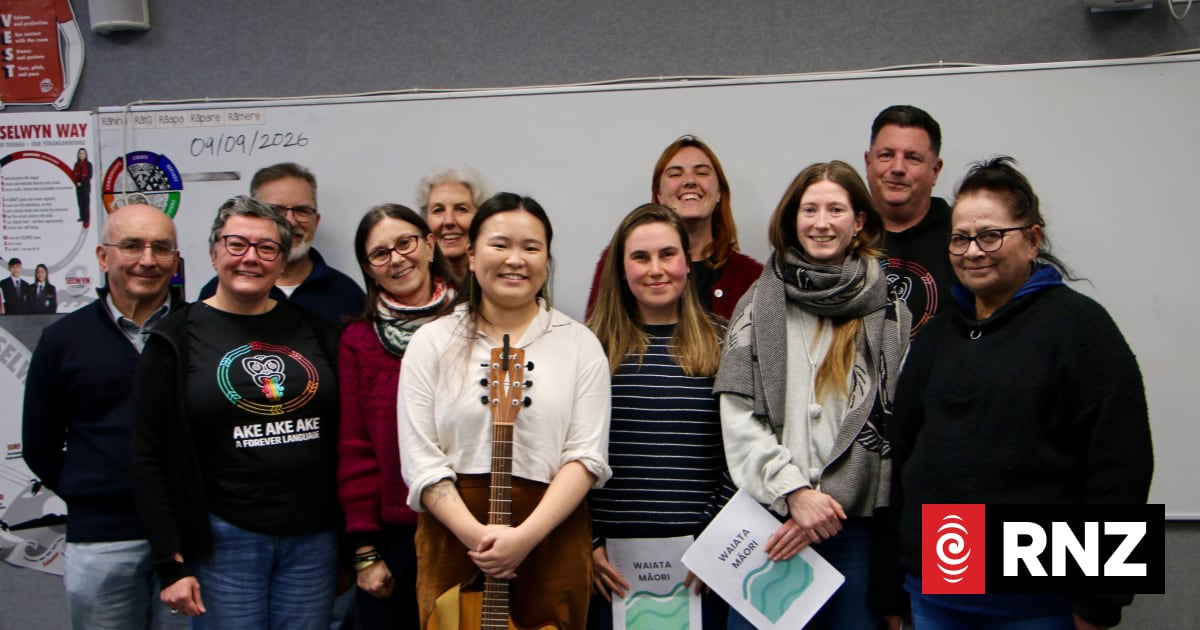
🎵
The aroha in this room: learning te reo Māori through waiata creates connection
De aroha in deze kamer: te reo Māori leren door waiata schept verbinding
L'aroha dans cette pièce: apprendre le te reo Māori par les waiata crée une connexion
Every weeknight in Auckland, a diverse group of people - Pākehā, migrants, and Māori reconnecting with their heritage - gather to learn te reo Māori through waiata, the traditional songs that carry language, culture, and local stories. For learner Cameron Grant, the class has become a sanctuary where he feels peace and aroha, while also giving him confidence to share the beauty of Māori culture with others. Teacher Eda Tang, a New Zealand-born Chinese educator, brings her own experience of language loss and cultural connection to the class, viewing te reo Māori revitalisation as a vital kaupapa that honors Te Tiriti and the mana of Aotearoa. The waiata class works because it's never been about perfection or performance - it's about people genuinely connecting with te reo and te ao Māori, whether they're Italian immigrants or locals seeking deeper roots in the place they call home.
Elke weekavond in Auckland komen mensen uit verschillende achtergronden - Pākehā, migranten en Māori die hun erfgoed herontdekken - samen om te reo Māori te leren door waiata, de traditionele liederen die taal, cultuur en lokale verhalen dragen. Voor leerling Cameron Grant is de klas een toevluchtsoord geworden waar hij vrede voelt en aroha, terwijl hij ook het vertrouwen krijgt om de schoonheid van de Māori-cultuur met anderen te delen. Lerares Eda Tang, een in Nieuw-Zeeland geboren Chinese onderwijzeres, brengt haar eigen ervaring met tailverlies en culturele verbinding in de klas, en ziet de revitalisering van te reo Māori als een vitaal kaupapa dat Te Tiriti eert en de mana van Aotearoa respecteert. De waiata-klas werkt omdat het nooit om perfectie of prestatie ging - het gaat om mensen die echt verbinding maken met te reo en te ao Māori, of ze nu Italiaanse immigranten zijn of lokale mensen die diepere wortels zoeken in het land waar ze thuis zijn.
Chaque soir de semaine à Auckland, des personnes d'horizons différents - Pākehā, migrants et Māori qui redécouvrent leur héritage - se réunissent pour apprendre le te reo Māori à travers les waiata, les chansons traditionnelles qui portent la langue, la culture et les histoires locales. Pour l'étudiant Cameron Grant, la classe est devenue un sanctuaire où il ressent la paix et l'aroha, tout en lui donnant la confiance de partager la beauté de la culture māori avec les autres. L'enseignante Eda Tang, une éducatrice d'origine chinoise née en Nouvelle-Zélande, apporte sa propre expérience de perte linguistique et de connexion culturelle à la classe, voyant la revitalisation du te reo Māori comme un kaupapa vital qui honore Te Tiriti et la mana d'Aotearoa. La classe de waiata fonctionne parce qu'il ne s'agissait jamais de perfection ou de performance - il s'agit de personnes qui se connectent vraiment avec te reo et te ao Māori, qu'elles soient des immigrants italiens ou des personnes locales cherchant des racines plus profondes dans le pays qu'elles appellent maison.
🛡️
EU pushes to severely limit social media access for children under 15, targeting online games and AI chatbots too
EU wil toegang tot sociale media voor kinderen onder 15 jaar sterk beperken: ook onlinegames en AI-chatbots geviseerd
L'UE veut restreindre sévèrement l'accès aux réseaux sociaux pour les enfants de moins de 15 ans, visant aussi les jeux en ligne et les chatbots IA
So the EU is taking a serious stance on protecting younger kids from the digital world - and I find this genuinely important. They're not just talking about social media platforms anymore, but also looking at online games and AI chatbots that could be problematic for children under 15. This move shows how regulators are finally catching up to what parents have been worried about for years. And here's the thing - it's a comprehensive approach that recognises how interconnected these digital services really are.
De EU neemt een serieus standpunt in over de bescherming van jongere kinderen in de digitale wereld - en ik vind dit echt belangrijk. Ze praten niet alleen over sociale mediaplatformen, maar kijken ook naar onlinegames en AI-chatbots die problematisch kunnen zijn voor kinderen onder de 15 jaar. Deze stap laat zien hoe regelgevers eindelijk inspelen op wat ouders al jaren zorgen maken. En hier is het ding - het is een omvattende aanpak die erkent hoe onderling verbonden deze digitale diensten echt zijn.
Donc l'UE adopte une position sérieuse pour protéger les plus jeunes enfants du monde numérique - et je trouve cela vraiment important. Ils ne parlent pas seulement des plateformes de réseaux sociaux, mais regardent aussi les jeux en ligne et les chatbots IA qui pourraient être problématiques pour les enfants de moins de 15 ans. Cette démarche montre comment les régulateurs rattrapent enfin ce dont les parents se préoccupent depuis des années. Et voilà le truc - c'est une approche complète qui reconnaît à quel point ces services numériques sont vraiment interconnectés.
/s3/static.nrc.nl/wp-content/uploads/2026/09/14173720/140926BUI_2036376849_1.jpg)
🧊
Europe wakes up to Arctic reality: every northern threat ripples across the continent
Europa ontwaakt voor arctische realiteit: elke dreiging in het noorden heeft gevolgen voor heel Europa
L'Europe se réveille face à la réalité arctique : chaque menace du nord a des conséquences pour tout le continent
European leaders gathered in Finnish Rovaniemi to tackle a hard truth - the Arctic is now a geopolitical hotspot that affects all of Europe, and they need to stop talking and start investing. The immediate trigger was a Russian drone attack near Poland over the weekend, but the deeper issue is clear: Arctic security means everything from icebreakers to satellites to managing new shipping routes as climate change opens the north. Leaders like Latvia's premier stressed they're in 'borrowed time' and must act smarter than simply reacting to Russian provocations. The EU is already committing serious money - €200 million for Greenland alone - with plans to present a comprehensive Arctic investment strategy to the European Commission in October.
Europese leiders kwamen in het Finse Rovaniemi bijeen om een harde waarheid onder ogen te zien - het Arctische gebied is nu een geopolitieke brandpunt dat heel Europa raakt, en ze moeten stoppen met praten en beginnen investeren. De directe aanleiding was een Russische droneaanval bij Polen afgelopen weekend, maar het diepere probleem is duidelijk: Arctische veiligheid betekent alles van ijsbrekers tot satellieten tot het beheer van nieuwe scheepsroutes nu klimaatverandering het noorden opent. Leiders als de premier van Letland benadrukten dat ze in 'geleende tijd' zitten en slimmer moeten handelen dan alleen op Russische provocaties reageren. De EU investeert al serieus geld - €200 miljoen voor Groenland alleen - met plannen om een uitgebreid Arctisch investeringsplan aan de Europese Commissie in oktober voor te leggen.
Les dirigeants européens se sont réunis à Rovaniemi en Finlande pour affronter une vérité difficile - l'Arctique est désormais un point chaud géopolitique qui affecte toute l'Europe, et ils doivent arrêter de parler pour commencer à investir. Le déclencheur immédiat a été une attaque de drone russe près de la Pologne le week-end dernier, mais le problème profond est clair : la sécurité arctique signifie tout, des brise-glace aux satellites en passant par la gestion des nouvelles routes de navigation alors que le changement climatique ouvre le nord. Des dirigeants comme le premier ministre de la Lettonie ont souligné qu'ils disposent d'un temps 'emprunté' et doivent agir plus intelligemment que de simplement réagir aux provocations russes. L'UE engage déjà des sommes importantes - 200 millions d'euros pour le Groenland seul - avec des plans pour présenter une stratégie d'investissement arctique complète à la Commission européenne en octobre.
🏳️🌈
Hungary moves to reform LGBT+ legislation from the Orban era
Hongarije wil LGBT+-wetgeving uit de Orban-tijd hervormen
La Hongrie souhaite réformer la législation LGBT+ de l'époque Orban
Hungary is taking steps to revise its LGBT+ laws that were enacted during the Orban government's tenure - which brings me to say this is a significant moment for LGBTQ+ rights in the country. The government appears ready to reconsider some of the more restrictive policies that had been put in place over the years. So this shift suggests a growing recognition that these laws may need updating to better reflect contemporary values and protect vulnerable communities. It's encouraging to see a nation working toward more inclusive legislation.
Hongarije neemt stappen om zijn LGBT+-wetten die tijdens de Orban-regering werden ingevoerd, herzien - wat aangeeft dat dit een belangrijk moment is voor LGBTQ+-rechten in het land. De regering lijkt bereid om enkele van de meer restrictieve regelgeving die door de jaren heen was ingevoerd, opnieuw te overwegen. Dit suggereert dus een groeiend besef dat deze wetten moeten worden aangepast om beter aan te sluiten bij hedendaagse waarden en kwetsbare groepen te beschermen. Het is bemoedigend om te zien dat een land werkt aan meer inclusieve wetgeving.
La Hongrie prend des mesures pour réviser ses lois LGBT+ qui ont été promulguées pendant le gouvernement Orban - ce qui indique que c'est un moment important pour les droits LGBTQ+ dans le pays. Le gouvernement semble prêt à reconsidérer certaines politiques plus restrictives qui avaient été mises en place au fil des ans. Cela suggère donc une reconnaissance croissante que ces lois doivent être mises à jour pour mieux refléter les valeurs contemporaines et protéger les communautés vulnérables. C'est encourageant de voir une nation qui œuvre pour une législation plus inclusive.
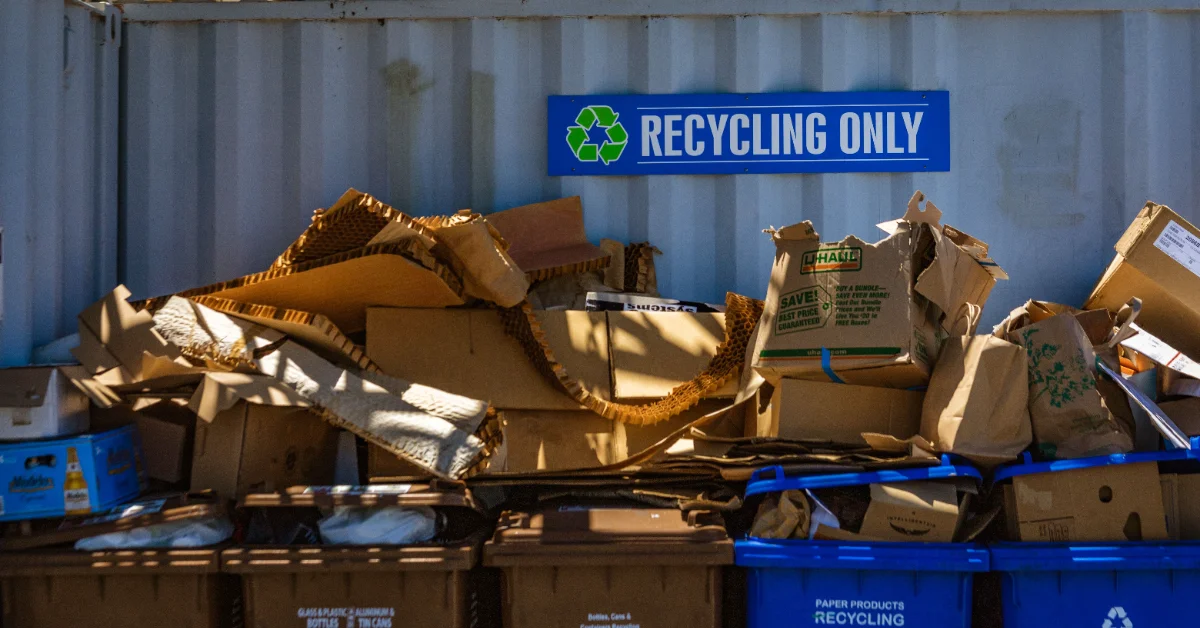
♻️
Collecting garbage less often actually helps people recycle more
Afval minder vaak ophalen helpt mensen juist meer te recyclen
Collecter les ordures moins souvent aide les gens à mieux recycler
So here's what caught my attention - researchers in Canada discovered something counterintuitive about waste management: collecting garbage less frequently actually encourages people to recycle and compost more. The study, which looked at collection programs in England and Wales, found that when garbage pickup happened every three weeks or longer, residents stepped up their recycling efforts - probably because holding onto smelly trash pushed them toward better habits. The research also showed that weekly food waste collection and free yard waste composting services significantly boosted diversion rates away from landfills. These insights could help Canada catch up to European recycling champions like Wales, which has already surpassed 70% diversion rates while Canada lingers around 27%.
Dus wat mij fascineerde - onderzoekers in Canada ontdekten iets tegenintuïtiefs over afvalbeheer: afval minder frequent ophalen moedigt mensen juist aan om meer te recyclen en te composteren. De studie, die inzamelprogramma's in Engeland en Wales onderzocht, toonde aan dat wanneer afvalophaaldiensten elke drie weken of langer plaatsvonden, bewoners meer moeite deden voor recycling - waarschijnlijk omdat ze stinkend afval langer thuis moeten houden. Het onderzoek toonde ook aan dat wekelijkse ophaling van voedselafval en gratis ophaling van tuinafval voor compostering aanzienlijk hogere afvoercijfers naar recycling opleveren. Deze inzichten kunnen Canada helpen om in te halen op Europese recyclingkampioenen zoals Wales, dat al meer dan 70% afvoering bereikt terwijl Canada rond de 27% blijft hangen.
Voilà ce qui m'a vraiment intrigué - des chercheurs au Canada ont découvert quelque chose de contre-intuitif sur la gestion des déchets : collecter les ordures moins fréquemment encourage en réalité les gens à recycler et composter davantage. L'étude, qui a examiné les programmes de collecte en Angleterre et au Pays de Galles, a montré que lorsque les enlèvements d'ordures se faisaient toutes les trois semaines ou plus, les résidents intensifiaient leurs efforts de recyclage - probablement parce que garder des poubelles malodorantes à la maison les pousse vers de meilleures habitudes. La recherche a également montré que la collecte hebdomadaire des déchets alimentaires et les services gratuits de compostage des déchets de jardins augmentent considérablement les taux de détournement vers le recyclage. Ces découvertes pourraient aider le Canada à rattraper les champions du recyclage européens comme le Pays de Galles, qui a déjà dépassé 70% de taux de détournement tandis que le Canada stagne autour de 27%.
🤝
As A.I. fears rise, experts suggest focusing on the humans in charge
Terwijl angst voor A.I. toeneemt, experts raden aan om de mens in control centraal te stellen
Alors que la peur de l'I.A. augmente, les experts conseillent de se concentrer sur les humains aux commandes
So here's what's interesting - as A.I. continues to develop at breakneck speed, a lot of the anxiety seems to center on the technology itself, but experts are pushing back on that perspective. They're saying we should really be focusing on the people making decisions about how A.I. gets built and deployed - because ultimately, that's where the real responsibility lies. And here's the thing: the humans in charge have far more agency in shaping outcomes than we often give them credit for. Which brings me to the broader point - understanding who controls these systems and holding them accountable might just be more productive than fearing the A.I. itself.
Wat interessant is - terwijl A.I. zich in razendsnel tempo ontwikkelt, lijkt veel van de angst gericht op de technologie zelf, maar experts stellen daar kritische vragen bij. Zij zeggen dat we echt moeten focussen op de mensen die besluiten nemen over hoe A.I. wordt gebouwd en ingezet - want uiteindelijk ligt daar de echte verantwoordelijkheid. En hier is het belangrijk: de mensen die de touwtjes in handen hebben, hebben veel meer invloed op de uitkomsten dan we meestal denken. Dit leidt tot een breder inzicht - het begrijpen wie deze systemen controleert en hen verantwoordelijk houden, kan uiteindelijk veel productiever zijn dan bang zijn voor de A.I. zelf.
Voilà ce qui est intéressant - alors que l'I.A. se développe à une vitesse vertigineuse, une grande partie de l'anxiété semble concentrée sur la technologie elle-même, mais les experts remettent cette perspective en question. Ils disent que nous devrions vraiment nous concentrer sur les personnes qui prennent des décisions sur la façon dont l'I.A. est construite et déployée - car finalement, c'est là que se situe la véritable responsabilité. Et voici l'essentiel: les humains aux commandes ont beaucoup plus d'influence sur les résultats qu'on ne le pense généralement. Cela m'amène à un point plus large - comprendre qui contrôle ces systèmes et les tenir responsables pourrait s'avérer bien plus productif que de craindre l'I.A. elle-même.
🚀
Vega-C rocket launches from Kourou with two European satellites
Vega-C raket vertrekt vanuit Kourou met twee Europese satellieten
La fusée Vega-C s'envole de Kourou avec deux satellites européens
So, Europe's Vega-C rocket has successfully lifted off from the Kourou space center in French Guiana, carrying two important European satellites into orbit. This is a really significant moment for European space capabilities - it shows we're maintaining our independent access to space, which matters more than ever these days. The mission demonstrates the reliability and strength of the Vega-C program as a key launcher for medium-sized payloads. And here's the thing - these kinds of successful launches keep Europe competitive in the growing commercial space sector.
De Europese Vega-C raket is succesvol opgestegen vanuit het ruimtevaartcentrum van Kourou in Frans-Guyana en draagt twee belangrijke Europese satellieten naar een baan rond de aarde. Dit is een echt belangrijk moment voor de Europese ruimtecapaciteiten - het laat zien dat we onze onafhankelijke toegang tot de ruimte behouden, wat tegenwoordig cruciaal is. De missie toont de betrouwbaarheid en sterkte van het Vega-C programma als een belangrijk lanceervoertuig voor lasten van gemiddelde grootte. En dit is essentieel - dergelijke succesvolle lanceringen houden Europa competitief in de groeiende commerciële ruimtesector.
La fusée européenne Vega-C s'est envolée avec succès depuis le centre spatial de Kourou en Guyane française, emportant deux importants satellites européens en orbite. C'est un moment vraiment significatif pour les capacités spatiales européennes - cela montre que nous maintenons notre accès indépendant à l'espace, ce qui est plus important que jamais. La mission démontre la fiabilité et la force du programme Vega-C en tant que lanceur clé pour les charges utiles de taille moyenne. Et voilà l'essentiel - ces lancements réussis maintiennent l'Europe compétitive dans le secteur spatial commercial en pleine expansion.
🌍
Air pollution appears to widen school inequality gaps
Luchtvervuiling lijkt onderwijsongevenheden te vergroten
La pollution de l'air semble aggraver les inégalités scolaires
New research suggests that air pollution isn't just an environmental issue - it's actively affecting how well students perform in school, particularly in disadvantaged areas. So here's what's striking: kids breathing worse air show measurable declines in academic achievement, which means pollution is deepening existing educational divides rather than affecting everyone equally. The study reveals that students from lower-income families already facing educational challenges are now dealing with the added burden of polluted air impacting their concentration and cognitive development. And here's the thing - this finding highlights how environmental justice and educational equality are deeply connected, demanding urgent action on both fronts.
Nieuw onderzoek suggereert dat luchtvervuiling niet alleen een milieuprobleem is - het beïnvloedt ook meetbaar hoe goed leerlingen op school presteren, vooral in achtergestelde gebieden. Dus wat opvallend is: kinderen die slechtere lucht inademen, vertonen waarneembare dalingen in schoolprestaties, wat betekent dat vervuiling bestaande onderwijsongelijkheden verdiept in plaats van iedereen gelijk te treffen. Het onderzoek onthult dat leerlingen uit gezinnen met lagere inkomens, die al educatieve uitdagingen hebben, nu ook te maken krijgen met vervuilde lucht die hun concentratie en cognitieve ontwikkeling aantast. En hier is het interessante: deze bevinding laat zien hoe milieurechtvaardigheid en onderwijsgelijkheid diep met elkaar verbonden zijn, wat urgent optreden op beide fronten vereist.
De nouvelles recherches suggèrent que la pollution de l'air n'est pas seulement une question environnementale - elle affecte activement la façon dont les élèves réussissent à l'école, en particulier dans les zones défavorisées. Voilà ce qui est frappant : les enfants respirant un air plus pollué montrent des déclins mesurables dans les résultats scolaires, ce qui signifie que la pollution approfondit les inégalités éducatives existantes plutôt que d'affecter tout le monde équitablement. L'étude révèle que les élèves issus de familles aux revenus plus modestes, déjà confrontés à des défis éducatifs, font maintenant face au fardeau supplémentaire de la pollution de l'air impactant leur concentration et leur développement cognitif. Et voici l'essentiel : cette découverte montre comment la justice environnementale et l'égalité éducative sont profondément interconnectées, exigeant une action urgente sur les deux fronts.
🐕
Three wild dogs have traveled farther than any African mammal
Drie wilde honden hebben verder gereisd dan welk ander Afrikaans zoogdier ook
Trois chiens sauvages ont voyagé plus loin que n'importe quel autre mammifère africain
So here's something really remarkable - three wild dogs have just set a record by traveling farther than any other African mammal we've tracked before. I find this fascinating because it shows us just how resilient and determined these animals are, covering incredible distances in search of resources and survival. The journey these dogs undertook tells us something important about how they adapt to changing landscapes and environmental challenges. And honestly, it's a powerful reminder of why protecting these amazing creatures and their habitats matters so much for the future.
Dit is echt opmerkelijk - drie wilde honden hebben zojuist een record gevestigd door verder te reizen dan welk ander Afrikaans zoogdier ook dat we hebben gevolgd. Ik vind dit fascinerend omdat het aantoont hoe veerkrachtig en vastberaden deze dieren zijn, en hoe zij ongelooflijke afstanden afleggen op zoek naar voedsel en overleven. De reis die deze honden hebben ondernomen vertelt ons iets belangrijks over hoe zij zich aanpassen aan veranderende landschappen en milieuuitdagingen. En eerlijk gezegd is het een krachtige herinnering waarom het beschermen van deze geweldige dieren en hun habitat zo belangrijk is voor de toekomst.
C'est vraiment remarquable - trois chiens sauvages viennent d'établir un record en voyageant plus loin que n'importe quel autre mammifère africain que nous ayons suivi auparavant. Je trouve cela fascinant car cela démontre la résilience et la détermination exceptionnelles de ces animaux, parcourant des distances incroyables à la recherche de ressources et de survie. Le voyage entrepris par ces chiens nous dit quelque chose d'important sur leur capacité à s'adapter aux paysages changeants et aux défis environnementaux. Et honnêtement, c'est un rappel puissant de l'importance de protéger ces créatures extraordinaires et leurs habitats pour l'avenir.

🏡
Growing old together - but you don't have to be best friends
Samen ouder worden - maar je hoeft geen beste vriendinnen te zijn
Vieillir ensemble - mais vous n'avez pas besoin d'être meilleures amies
Five women in Romanshorn are proving that shared living can be a powerful way to age on your own terms - and they're doing it without pretending to be lifelong friends. What fascinates me about this project is how honestly they've tackled the big questions: how do you want to live as you get older, who do you want around you, and what really matters with the time you have left? They've even created a folder documenting each person's wishes for end-of-life care, turning conversations about death into something natural and even curious rather than taboo. So instead of the isolation that affects so many older people living alone, these five have built something practical and deeply human - a genuine community where being housemates is the starting point, and maybe friendship grows from there.
Vijf vrouwen in Romanshorn bewijzen dat samen wonen een krachtige manier kan zijn om op je eigen voorwaarden ouder te worden - en ze doen het zonder te doen alsof ze levenslange vriendinnen zijn. Wat me fascineert aan dit project is hoe eerlijk ze de grote vragen hebben aangepakt: hoe wil je leven als je ouder wordt, met wie wil je dat delen, en wat is echt belangrijk met de tijd die je nog hebt? Ze hebben zelfs een map gemaakt waarin iedereen vastlegt wat ze willen voor hun levenseinde, wat gesprekken over de dood iets natuurlijks maakt in plaats van iets taboes. In plaats van de eenzaamheid die zoveel ouderen alleen thuis ervaren, hebben deze vijf iets praktisch en diep menselijks opgebouwd - een echte gemeenschap waar huisgenoten het startpunt is, en misschien groeit daar vriendschap uit voort.
Cinq femmes à Romanshorn prouvent que la vie commune peut être un moyen puissant de vieillir selon ses propres conditions - et elles le font sans prétendre être des amies de toute une vie. Ce qui me fascine dans ce projet, c'est l'honnêteté avec laquelle elles ont abordé les grandes questions : comment veux-tu vivre en vieillissant, avec qui veux-tu le partager, et qu'est-ce qui compte vraiment avec le temps qu'il te reste? Elles ont même créé un classeur documentant les souhaits de chacun concernant les soins de fin de vie, transformant les conversations sur la mort en quelque chose de naturel et même de curieux plutôt que tabou. Ainsi, au lieu de l'isolement qui affecte tant de personnes âgées vivant seules, ces cinq femmes ont construit quelque chose de pratique et profondément humain - une véritable communauté où être colocataires est le point de départ, et peut-être que l'amitié en découle.

🛰️
The Belgian-backed satellite that reads the future in leaves
De Belgische satellite die de toekomst in bladeren leest
Le satellite à l'accent belge qui lit l'avenir dans les feuilles
A groundbreaking satellite with significant Belgian backing has just launched into orbit, carrying technology developed by the University of Liège that will measure plant photosynthesis directly from space for the very first time. The Flex mission works by detecting the faint red fluorescence emitted by chlorophyll in leaves - a signal invisible to our eyes but perfectly readable by its sensitive instruments. What makes this revolutionary is that it can spot plant stress from drought and heat long before the leaves change color, meaning we can predict crop failures rather than simply observe them after the fact. This early warning system will help scientists and farmers across Europe better understand how our crops, forests and ecosystems respond to climate challenges, and the Belgian research community will play a key role in validating and analyzing the satellite's data.
Een baanbrekende satelliet met aanzienlijke Belgische ondersteuning is zojuist in een baan rond de aarde gelanceerd, voorzien van technologie die door de Universiteit van Luik werd ontwikkeld om voor het eerst direct vanaf de ruimte de fotosynthese van planten te meten. De Flex-missie werkt door de zwakke rode fluorescentie op te sporen die door chlorofyl in bladeren wordt uitgestraald - een signaal onzichtbaar voor ons oog maar perfect leesbaar voor de gevoelige instrumenten. Wat dit revolutionair maakt is dat het stress in planten door droogte en hitte kan opsporen lang voordat de bladeren van kleur veranderen, zodat we misoogsten kunnen voorspellen in plaats van ze alleen achteraf waar te nemen. Dit vroegwaarschuwingssysteem zal wetenschappers en boeren in heel Europa helpen beter te begrijpen hoe onze gewassen, bossen en ecosystemen reageren op klimaatuitdagingen, en de Belgische onderzoeksgemeenschap zal een sleutelrol spelen bij het valideren en analyseren van de gegevens van de satelliet.
Un satellite révolutionnaire soutenu de manière significative par la Belgique vient d'être lancé en orbite, équipé de technologie développée par l'Université de Liège qui mesurera pour la première fois la photosynthèse des plantes directement depuis l'espace. La mission Flex fonctionne en détectant la faible fluorescence rouge émise par la chlorophylle dans les feuilles - un signal invisible à notre œil mais parfaitement lisible par ses instruments sensibles. Ce qui le rend révolutionnaire, c'est qu'il peut détecter le stress des plantes causé par la sécheresse et la chaleur bien avant que les feuilles ne changent de couleur, ce qui nous permet de prédire les mauvaises récoltes plutôt que de simplement les constater après coup. Ce système d'alerte précoce aidera les scientifiques et les agriculteurs à travers l'Europe à mieux comprendre comment nos cultures, forêts et écosystèmes réagissent aux défis climatiques, et la communauté de recherche belge jouera un rôle clé dans la validation et l'analyse des données satellitaires.
🪸
A coral reef thought dead for 60 years is teeming with life
Een koraalrif dat 60 jaar dood werd geacht blijkt vol leven te zitten
Un récif corallien que l'on croyait mort depuis 60 ans fourmille de vie
Scientists in Benin have made a stunning discovery - a deep-water coral reef off the coast that was declared dead back in the 1960s is actually alive and thriving. Using modern sonar and underwater cameras, researchers found a healthy mesophotic coral ecosystem with eight different coral species and eight fish species living on the seafloor patches more than 50 meters below the surface. What makes this find so exciting is that it challenges our assumptions about what we think we know about West African coastal regions - if this reef was hiding in plain sight for six decades, how many other undocumented coral systems are out there waiting to be rediscovered? The team is cautious though, noting that each discovery needs to be confirmed through field work rather than assumptions.
Wetenschappers in Benin hebben een verbazingwekkende ontdekking gedaan - een diepzeekraalrif voor de kust dat in de jaren zestig voor dood werd verklaard, blijkt eigenlijk levendig en gezond te zijn. Met behulp van moderne sonar en onderwatercamera's vonden onderzoekers een gezond mesofotisch koraalecosysteem met acht verschillende koraalsoorten en acht vissoorten die leven op de zeebodemplekken meer dan 50 meter onder het oppervlak. Wat deze vondst zo spannend maakt, is dat het onze aannames over wat we dachten te weten over kustregio's in West-Afrika ter discussie stelt - als dit rif 60 jaar lang verborgen kon blijven, hoeveel ander ongedocumenteerde koraalstelsels wachten daar nog om herontdekt te worden? Het team is echter voorzichtig en stelt vast dat elke ontdekking door veldwerk moet worden bevestigd in plaats van op aannames.
Des scientifiques au Bénin ont fait une découverte stupéfiante - un récif corallien en eaux profondes au large de la côte qui avait été déclaré mort dans les années 1960 s'avère en fait vivant et prospère. À l'aide du sonar moderne et des caméras sous-marines, les chercheurs ont découvert un écosystème corallien mésophotique sain avec huit espèces de coraux différentes et huit espèces de poissons vivant sur les parcelles des fonds marins à plus de 50 mètres sous la surface. Ce qui rend cette découverte si passionnante, c'est qu'elle remet en question nos hypothèses sur ce que nous pensions connaître des régions côtières d'Afrique de l'Ouest - si ce récif a pu rester caché pendant soixante ans, combien d'autres systèmes coralliens non documentés attendent encore d'être redécouverts? L'équipe reste cependant prudente, notant que chaque découverte doit être confirmée par le travail sur le terrain plutôt que par des suppositions.
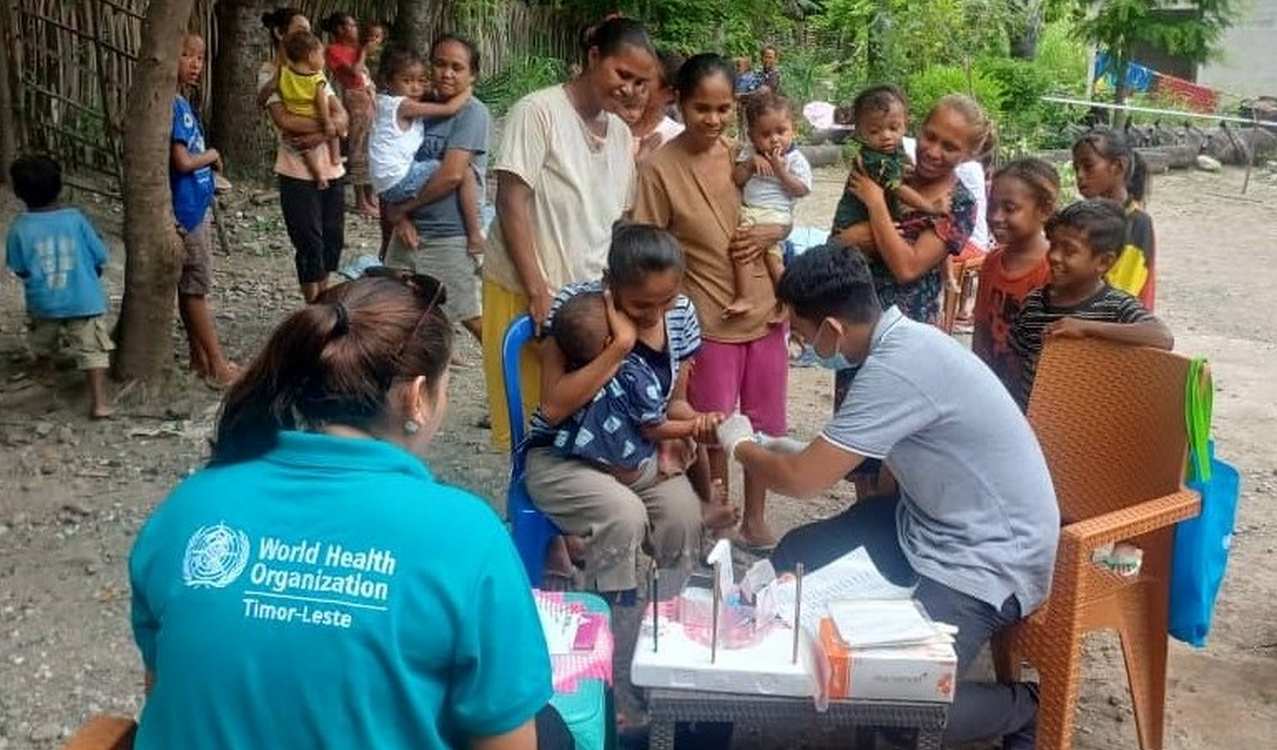
👁️
Southeast Asia celebrates historic victory as entire region eliminates trachoma
Zuidoost-Azië viert historische overwinning nu hele regio trachoom heeft uitgebannen
L'Asie du Sud-Est célèbre une victoire historique alors que toute la région élimine le trachome
So here's the thing - the World Health Organization just certified that Timor-Leste has eliminated trachoma, which means the entire Southeast Asian region is now free from this leading infectious cause of blindness. This achievement is genuinely remarkable because it protects over 2 billion people who now live with minimal risk of the disease and have access to medical services that can detect and treat any cases that might occur. Trachoma, caused by the bacterium Chlamydia trachomatis, has historically been linked to poverty and poor access to water, sanitation, and hygiene - so this victory really represents improved health equity across the whole region. The WHO's validation followed rigorous testing between 2015 and 2025, including examinations of children and house-to-house searches that found no trace of the disease, and this brings the world closer to the global target of eliminating trachoma entirely by 2030.
Dus hier is het ding - de Wereldgezondheidsorganisatie heeft zojuist gecertificeerd dat Oost-Timor trachoom heeft uitgebannen, wat betekent dat de hele regio Zuidoost-Azië nu vrij is van deze belangrijkste infectieuze oorzaak van blindheid. Deze prestatie is werkelijk opmerkelijk omdat het meer dan 2 miljard mensen beschermt die nu met minimaal risico op de ziekte kunnen leven en toegang hebben tot medische diensten die eventuele gevallen kunnen opsporen en behandelen. Trachoom, veroorzaakt door de bacterie Chlamydia trachomatis, is historisch gezien gekoppeld aan armoede en slecht toegang tot water, sanitatie en hygiëneproducten - dus deze overwinning vertegenwoordigt echt verbeterde gezondheidsrechtvaardigheid in de hele regio. De validatie van de WHO volgde rigoureus testen tussen 2015 en 2025, inclusief onderzoeken van kinderen en huiszoekingen die geen spoor van de ziekte vonden, en dit brengt de wereld dichterbij het werelddoel om trachoom volledig uit te bannen tegen 2030.
Voilà - l'Organisation mondiale de la santé vient de certifier que Timor-Leste a éliminé le trachome, ce qui signifie que toute la région d'Asie du Sud-Est est désormais exempte de cette principale cause infectieuse de cécité. Cette réussite est véritablement remarquable car elle protège plus de 2 milliards de personnes qui vivent désormais avec un risque minimal de contracter la maladie et qui ont accès à des services médicaux capables de détecter et traiter tout cas qui pourrait survenir. Le trachome, causé par la bactérie Chlamydia trachomatis, a historiquement été lié à la pauvreté et à un accès insuffisant à l'eau, l'assainissement et l'hygiène - cette victoire représente donc une amélioration réelle de l'équité sanitaire dans toute la région. La validation de l'OMS a suivi des tests rigoureux menés entre 2015 et 2025, incluant des examens d'enfants et des fouilles systématiques qui n'ont trouvé aucune trace de la maladie, rapprochant le monde de l'objectif mondial d'éliminer complètement le trachome d'ici 2030.

🚗
The legal gray zone when driverless cars break the law
De juridische grijze zone wanneer zelfrijdende auto's de wet overtreden
La zone grise juridique quand les voitures autonomes enfreignent la loi
Driverless cars are becoming more common on city streets, but they're also racking up traffic violations - and nobody quite knows how to handle it. From Waymo robotaxis hitting fireworks in San Francisco to blocking emergency crews in Austin, these autonomous vehicles are getting tickets, but enforcement remains surprisingly inconsistent across the country. The problem is that most cities and states still lack clear legal mechanisms for holding driverless vehicles accountable when they break the rules, which is different from citing a human driver. Even legal experts studying this issue admit the path forward remains unclear, even as companies accumulate thousands in fines with minimal consequences.
Zelfrijdende auto's worden steeds vaker op stadsstraten gezien, maar zij stapelen ook verkeersboetes op - en niemand weet goed hoe daar mee om te gaan. Van Waymo-robotaxi's die vuurwerk raken in San Francisco tot het blokkeren van noodhulpdiensten in Austin, deze autonome voertuigen krijgen bekeuringen, maar de handhaving blijft opmerkelijk inconsistent in het hele land. Het probleem is dat de meeste steden en staten nog steeds geen duidelijke juridische mechanismen hebben om zelfrijdende voertuigen aansprakelijk te stellen wanneer zij de regels overtreden, wat anders is dan het bekeuren van een menselijke chauffeur. Zelfs juridische deskundigen die zich bezighouden met dit onderwerp geven toe dat de weg vooruit onduidelijk blijft, terwijl bedrijven duizenden aan boetes verzamelen met minimale gevolgen.
Les voitures autonomes deviennent plus courantes dans les rues des villes, mais elles accumulent aussi les contraventions - et personne ne sait vraiment comment les gérer. Des robotaxis Waymo qui heurtent des feux d'artifice à San Francisco au blocage des services d'urgence à Austin, ces véhicules autonomes reçoivent des amendes, mais l'application reste remarquablement incohérente dans tout le pays. Le problème est que la plupart des villes et des États n'ont toujours pas de mécanismes juridiques clairs pour tenir les véhicules autonomes responsables lorsqu'ils enfreignent les règles, ce qui est différent de la contravention d'un conducteur humain. Même les experts juridiques qui étudient cette question admettent que le chemin à suivre reste flou, tandis que les entreprises accumulent des milliers d'amendes avec des conséquences minimes.
🧠
Single brain implant lets paralyzed people both talk and gesture via an avatar
Één hersenbewaking stelt verlamde mensen in staat om via een avatar te spreken en te gebaren
Un seul implant cérébral permet aux personnes paralysées de parler et de faire des gestes via un avatar
So here's what fascinates me about this - researchers have developed a single brain implant that's enabling paralyzed individuals to control both speech and gestures through an avatar at the same time. This is genuinely groundbreaking because previous approaches required separate implants or could only handle one function. Now, think about what this means for communication and connection - people who've lost the ability to move and speak are regaining a way to express themselves fully, not just in words but with the natural body language we all use. It's one of those moments where technology really does seem to restore something precious to people's lives.
Wat me hier echt fascineert is dit - onderzoekers hebben een enkele hersenbewaking ontwikkeld waarmee verlamde mensen zowel spraak als gebaren via een avatar kunnen besturen. Dit is werkelijk doorbraken omdat eerdere benaderingen aparte bewakingen nodig hadden of slechts één functie konden afhandelen. Bedenk wat dit betekent voor communicatie en verbinding - mensen die het vermogen om te bewegen en spreken hebben verloren, krijgen een manier terug om zich volledig uit te drukken, niet alleen met woorden maar met de natuurlijke lichaamstaal die we allemaal gebruiken. Het is een van die momenten waarop technologie echt iets kostbaars in mensen's leven lijkt terug te geven.
Ce qui me fascine vraiment ici, c'est ceci - les chercheurs ont développé un seul implant cérébral qui permet aux personnes paralysées de contrôler à la fois la parole et les gestes via un avatar. C'est vraiment révolutionnaire car les approches précédentes nécessitaient des implants séparés ou ne pouvaient gérer qu'une seule fonction. Pensez à ce que cela signifie pour la communication et la connexion - les personnes qui ont perdu la capacité de bouger et de parler retrouvent un moyen de s'exprimer pleinement, pas seulement par des paroles mais avec le langage corporel naturel que nous utilisons tous. C'est un de ces moments où la technologie semble vraiment redonner quelque chose de précieux à la vie des gens.

🫀
Donated livers can be made biologically younger
Gedoneerde levers kunnen biologisch jonger worden
Les foies donnés peuvent être rajeunis biologiquement
Scientists at Mass General Brigham have discovered something remarkable - when donated livers are kept on perfusion machines instead of just packed in ice, they actually become biologically younger at the molecular level. The team used sophisticated 'aging clocks' to measure the epigenetic patterns in liver samples, finding that machine-perfused organs showed biological ages roughly 30% lower than their chronological age would suggest. This discovery helps explain why organs from younger donors have better transplant success rates, and why perfused organs are less likely to fail after transplantation. The research opens exciting possibilities for better assessing organ health and potentially saving organs that might otherwise be discarded.
Onderzoekers van Mass General Brigham hebben iets opmerkelijks ontdekt - wanneer gedoneerde levers op perfusiemachines worden bewaard in plaats van alleen op ijs te worden gelegd, worden zij biologisch jonger op het molecuulniveau. Het team gebruikte geavanceerde 'aging clocks' om epigenetische patronen in levermonsters te meten en vond dat met machine geperfundeerde organen biologische leeftijden hadden die ongeveer 30% lager waren dan hun chronologische leeftijd zou suggereren. Deze ontdekking verklaart waarom organen van jongere donoren betere transplantatie-succespercentages hebben en waarom geperfundeerde organen na transplantatie minder snel falen. Het onderzoek opent spannende mogelijkheden voor betere beoordeling van organengezondheid en mogelijk reddende organen die anders zouden worden verworpen.
Des chercheurs du Mass General Brigham ont découvert quelque chose de remarquable - lorsque les foies donnés sont conservés sur des machines de perfusion au lieu d'être simplement mis sous glace, ils deviennent en réalité biologiquement plus jeunes au niveau moléculaire. L'équipe a utilisé des 'horloges biologiques' sophistiquées pour mesurer les modèles épigénétiques dans les échantillons de foie, constatant que les organes perfusés par machine affichaient des âges biologiques environ 30% plus bas que leur âge chronologique ne le suggérerait. Cette découverte explique pourquoi les organes de donneurs plus jeunes ont de meilleurs taux de succès de transplantation et pourquoi les organes perfusés sont moins susceptibles d'échouer après la transplantation. La recherche ouvre des possibilités passionnantes pour mieux évaluer la santé des organes et potentiellement sauver les organes qui seraient autrement rejetés.
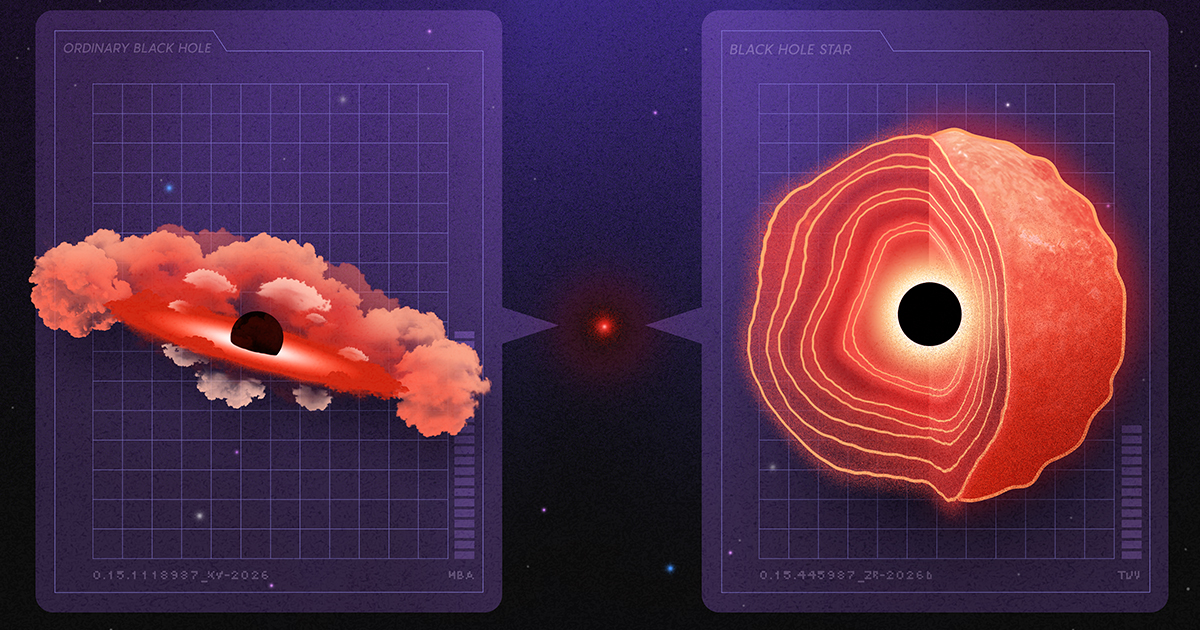
🔴
Black holes or black hole stars? astronomers spar over webb telescope's mysterious discoveries
Zwarte gaten of zwarte-gatsterren? astronomen debatteren over webbs mysterieuze ontdekkingen
Des trous noirs ou des étoiles à trous noirs? les astronomes débattent sur les mystérieuses découvertes de webb
The James Webb Space Telescope has spotted mysterious objects called 'little red dots' scattered throughout the early universe, and astronomers are locked in heated debate about what they actually are. Initially, researchers thought these blindingly bright, tiny points of red light were distant galaxies, but that didn't fit with how quickly they would have had to grow. Now two teams have proposed something entirely new - that Webb is witnessing the births of supermassive black holes hidden inside colossal stars, which they're calling 'black hole stars.' The discovery has sparked a flurry of follow-up research and polarized the field, with some astronomers enthusiastically embracing this bold interpretation while others remain skeptical about whether these objects truly represent a fundamentally new phenomenon.
De James Webb Space Telescope heeft mysterieuze objecten ontdekt die 'kleine rode stippen' worden genoemd, verspreid door het vroege universum, en astronomen debatteren heftig over wat ze werkelijk zijn. Onderzoekers dachten eerst dat deze verbindend heldere, kleine puntjes rood licht verre sterrenstelsels waren, maar dat paste niet bij hoe snel ze hadden moeten groeien. Nu stellen twee teams iets geheel nieuws voor - dat Webb de geboorte van superzware zwarte gaten waarneemt die verborgen zitten in kolossale sterren, die zij 'zwarte-gatsterren' noemen. De ontdekking heeft geleid tot veel vervolgonderzoek en het veld is verdeeld, waarbij sommige astronomen deze gedurfde interpretatie enthousiast ondersteunen terwijl anderen sceptisch blijven over deze fundamenteel nieuwe verschijnsel.
Le télescope spatial James Webb a découvert des objets mystérieux appelés 'petits points rouges' dispersés dans l'univers primordial, et les astronomes débattent avec véhémence sur leur nature réelle. Les chercheurs pensaient d'abord que ces minuscules points de lumière rouge extrêmement brillants étaient des galaxies lointaines, mais cela ne correspondait pas à la vitesse avec laquelle elles auraient dû se former. Maintenant, deux équipes proposent quelque chose de totalement nouveau - que Webb assiste à la naissance de trous noirs supermassifs cachés dans des étoiles colossales, qu'ils appellent des 'étoiles à trous noirs'. Cette découverte a déclenché une vague de recherches ultérieures et a divisé le domaine, certains astronomes embrassant avec enthousiasme cette interprétation audacieuse tandis que d'autres restent skeptiques quant à l'existence de ce phénomène fondamentalement nouveau.
⌚
Hidden cause of high blood pressure finally revealed with wearable technology
Verborgen oorzaak van hoge bloeddruk ontdekt dankzij draagbare technologie
La cause cachée de l'hypertension artérielle enfin révélée grâce à la technologie portable
So here's the thing - scientists have discovered that primary aldosteronism, a hormone disorder affecting up to one in five people with high blood pressure, is being missed by routine tests because the hormone surges happen at night when we're sleeping. Researchers from universities across the UK, Norway, and beyond used a clever wearable device called U-RHYTHM that continuously tracks hormone levels throughout the day and night, capturing those hidden patterns that standard blood tests would never catch. The device is about the size of a mobile phone and attaches at the waist, measuring hormones every 20 minutes while people go about their normal lives at home. And here's what's really exciting - this breakthrough could help doctors identify millions of people who might be at risk of heart disease, stroke, and diabetes, potentially revolutionizing how we diagnose and treat high blood pressure.
Dus het blijkt dat primaire aldosteronisme, een hormoonziekte die tot één op de vijf mensen met hoge bloeddruk kan treffen, wordt gemist door routinetests omdat de hormoonpieken 's nachts optreden terwijl we slapen. Onderzoekers van universiteiten in het Verenigd Koninkrijk, Noorwegen en daarbuiten gebruikten een slimme draagbare apparaat genaamd U-RHYTHM die voortdurend hormoonwaarden gedurende de dag en nacht bijhoudt en verborgen patronen vastlegt die standaard bloedtesten nooit zouden opvangen. Het apparaat ter grootte van een mobiele telefoon wordt aan de taille bevestigd en meet elke 20 minuten hormonale niveaus terwijl mensen thuis hun normale leven leiden. En wat echt opwindend is - dit doorbraak zou artsen kunnen helpen miljoenen mensen te identificeren die risico lopen op hartziekte, beroerte en diabetes, wat mogelijk een revolutie in hoe we hoge bloeddruk diagnosticeren en behandelen teweegbrengt.
Donc voilà - les scientifiques ont découvert que l'aldostéronisme primaire, un trouble hormonal affectant jusqu'à une personne sur cinq souffrant d'hypertension artérielle, est ignoré par les tests de routine parce que les pics hormonaux se produisent la nuit quand nous dormons. Des chercheurs d'universités à travers le Royaume-Uni, la Norvège et au-delà ont utilisé un appareil portable astucieux appelé U-RHYTHM qui suit continuellement les niveaux d'hormones jour et nuit, capturant ces schémas cachés que les tests sanguins standard ne détecteraient jamais. L'appareil, de la taille d'un téléphone portable, s'attache à la taille et mesure les hormones toutes les 20 minutes tandis que les gens vivent leur vie normale à la maison. Et voilà ce qui est vraiment passionnant - cette percée pourrait aider les médecins à identifier des millions de personnes qui pourraient être à risque de maladie cardiaque, d'accident vasculaire cérébral et de diabète, révolutionnant potentiellement notre façon de diagnostiquer et de traiter l'hypertension artérielle.
🧠
Hidden brain wiring may help keep the mind sharp as gray matter shrinks
Verborgen hersenverbindingen kunnen helpen om het brein scherp te houden als grijze stof krimpt
Le câblage cérébral caché pourrait aider à maintenir l'esprit vif malgré la contraction de la matière grise
Scientists at USC have discovered that two types of brain tissue work together to protect our thinking abilities as we age - which is genuinely fascinating stuff. They studied nearly 460 older adults in India using advanced brain imaging, finding that the quality of white matter connections beneath the brain's outer layer may cushion the effects of gray matter loss. So here's the thing: while gray matter shrinkage is still the strongest predictor of cognitive decline, healthy local brain wiring seems to act like a safety net, explaining why some people with similar brain changes experience very different levels of mental sharpness. The strongest connection appeared in language abilities, suggesting that the brain's local communication pathways play a crucial role in maintaining our cognitive resilience.
Wetenschappers van de USC hebben ontdekt dat twee soorten hersenweefsel samenwerken om onze denkvermogens beschermd te houden naarmate we ouder worden - dit is echt fascinerend. Ze bestudeerden bijna 460 oudere volwassenen in India met geavanceerde hersenbeeldvorming en vonden dat de kwaliteit van witte stofverbindingen onder de buitenlaag van de hersenen het verlies van grijze stof kan dempen. Dus hier is het interessante: hoewel krimp van grijze stof nog steeds de sterkste voorspeller van cognitieve achteruitgang is, lijken gezonde lokale hersenverbindingen als een veiligheidsnet te werken, wat verklaart waarom sommige mensen met vergelijkbare hersenveranderingen heel verschillende niveaus van mentale scherpte ervaren. De sterkste verbinding verscheen in taalvermogen, wat suggereert dat de lokale communicatiepaden van het brein een cruciale rol spelen bij het behoud van onze cognitieve veerkracht.
Des scientifiques de l'USC ont découvert que deux types de tissus cérébraux travaillent ensemble pour protéger nos capacités de réflexion en vieillissant - c'est vraiment fascinant. Ils ont étudié près de 460 adultes âgés en Inde en utilisant l'imagerie cérébrale avancée et ont découvert que la qualité des connexions de matière blanche sous la couche externe du cerveau pourrait amortir les effets de la perte de matière grise. Voici l'essentiel : bien que la contraction de la matière grise reste le prédicteur le plus fort du déclin cognitif, les connexions locales saines du cerveau semblent agir comme un filet de sécurité, expliquant pourquoi certaines personnes ayant des changements cérébraux similaires connaissent des niveaux très différents d'acuité mentale. La connexion la plus forte est apparue dans les capacités linguistiques, suggérant que les voies de communication locales du cerveau jouent un rôle crucial dans le maintien de notre résilience cognitive.
🧪
Chemistry textbooks have been teaching the inductive effect wrong for nearly a century
Chemieboeken onderwijzen het inductieve effect al bijna een eeuw onjuist
Les manuels de chimie enseignent l'effet inductif de manière incorrecte depuis près d'un siècle
So here's something fascinating - researchers from Cardiff University and the University of Newcastle have discovered that chemistry textbooks have been explaining the inductive effect incorrectly for almost 100 years. The inductive effect is a foundational concept in organic chemistry that describes how atoms influence electron distribution in molecules, and it's taught to virtually every chemistry student beyond GCSE level. The traditional explanation says this influence travels through three or four bonds and gradually weakens, but the new evidence shows it actually stops after just one bond in neutral molecules. This correction is already having real impact - two A-level exam boards have announced reviews of their teaching materials and directly cited this research. While this might seem like a small adjustment, it could reshape how chemists understand molecular structure and reactivity across countless applications from medicines to advanced materials.
Wat een geweldig ontdekking - onderzoekers van de Universiteit van Cardiff en de Universiteit van Newcastle hebben vastgesteld dat chemieboeken het inductieve effect al bijna 100 jaar verkeerd uitleggen. Het inductieve effect is een fundamenteel concept in organische chemie dat beschrijft hoe atomen de elektronenverdeling in moleculen beïnvloeden, en het wordt onderwezen aan praktisch elke scheikundestudent voorbij GCSE-niveau. De traditionele uitleg zegt dat deze invloed door drie tot vier bindingen reist en geleidelijk zwakker wordt, maar het nieuwe bewijs toont aan dat het eigenlijk na slechts één binding in neutrale moleculen stopt. Deze correctie heeft al werkelijk impact - twee A-level examencommissies hebben aangekondigd hun leermaterialen te herzien en verwijzen rechtstreeks naar dit onderzoek. Hoewel dit misschien een kleine aanpassing lijkt, kan het veranderen hoe chemici moleculaire structuur en reactiviteit begrijpen in ontelbare toepassingen van geneesmiddelen tot geavanceerde materialen.
Voilà quelque chose de fascinant - des chercheurs de l'Université de Cardiff et de l'Université de Newcastle ont découvert que les manuels de chimie expliquent l'effet inductif de manière incorrecte depuis près de 100 ans. L'effet inductif est un concept fondamental en chimie organique qui décrit comment les atomes influencent la distribution des électrons dans les molécules, et il est enseigné à pratiquement tous les étudiants en chimie au-delà du niveau GCSE. L'explication traditionnelle dit que cette influence se propage à travers trois ou quatre liaisons et s'affaiblit progressivement, mais les nouvelles preuves montrent qu'elle s'arrête en fait après une seule liaison dans les molécules neutres. Cette correction a déjà un véritable impact - deux organismes d'examen A-level ont annoncé des examens de leurs matériels pédagogiques et citent directement cette recherche. Bien que cela puisse sembler un petit ajustement, cela pourrait transformer la manière dont les chimistes comprennent la structure moléculaire et la réactivité dans d'innombrables applications allant des médicaments aux matériaux avancés.
🧬
Cancer in younger adults may be linked to faster biological aging
Kanker bij jongere volwassenen kan worden gelinkt aan sneller biologisch verouderen
Le cancer chez les jeunes adultes pourrait être lié à un vieillissement biologique plus rapide
Researchers at Washington University have discovered something intriguing - younger generations appear to be aging faster on a biological level than older generations did at the same age, and this accelerated aging seems connected to rising cancer rates in young adults. The study, which examined data from over 154,000 people in the UK Biobank, found that cancer risk increased when there was a larger gap between someone's biological age and their actual chronological age. What's particularly interesting is that faster aging in different parts of the body was linked to specific cancers - for example, an older-appearing immune system connected to early-onset lung cancer, while older-looking fat tissue linked to early-onset colorectal cancer. These findings suggest that modern environmental factors may be embedding themselves into our biology in ways that drive cancer risk earlier in life, opening the door to personalized prevention strategies tailored to individual biology.
Onderzoekers van Washington University hebben iets fascinerends ontdekt - jongere generaties lijken biologisch sneller te verouderen dan oudere generaties op dezelfde leeftijd deden, en deze versnelde veroudering lijkt verbonden te zijn met stijgende kankerpercentages bij jonge volwassenen. De studie, waarbij gegevens van meer dan 154.000 mensen uit de UK Biobank werden onderzocht, toonde aan dat het kankerrisico toenam wanneer het verschil tussen iemands biologische leeftijd en werkelijke leeftijd groter was. Wat bijzonder interessant is, dat sneller verouderen in verschillende delen van het lichaam was gelinkt aan specifieke kankersoorten - bijvoorbeeld een ouder lijkend immuunsysteem verbonden aan longkanker bij jonge volwassenen, terwijl ouder ogende vetweefsel gelinkt was aan dikkedarmkanker bij jonge volwassenen. Deze bevindingen suggereren dat moderne milieuomstandigheden zich in onze biologie inbedden op manieren die kankerrisico eerder in het leven aansturen, wat de deur opent voor gepersonaliseerde preventiestrategie ën afgestemd op individuele biologie.
Des chercheurs de l'Université Washington ont découvert quelque chose de fascinant - les générations plus jeunes semblent vieillir biologiquement plus rapidement que les générations plus anciennes ne l'ont fait au même âge, et ce vieillissement accéléré semble être lié à l'augmentation des taux de cancer chez les jeunes adultes. L'étude, qui a examiné les données de plus de 154 000 personnes de la UK Biobank, a révélé que le risque de cancer augmentait lorsque l'écart entre l'âge biologique et l'âge chronologique réel était plus important. Ce qui est particulièrement intéressant, c'est qu'un vieillissement plus rapide dans différentes parties du corps était lié à des cancers spécifiques - par exemple, un système immunitaire qui paraît plus vieux était lié au cancer du poumon d'apparition précoce, tandis que le tissu adipeux qui paraît plus vieux était lié au cancer colorectal d'apparition précoce. Ces résultats suggèrent que les facteurs environnementaux modernes s'inscrivent dans notre biologie d'une manière qui augmente le risque de cancer plus tôt dans la vie, ouvrant la porte à des stratégies de prévention personnalisées adaptées à la biologie individuelle.
💊
Low vitamin D linked to more pain after breast cancer surgery
Laag vitamine D-gehalte gekoppeld aan meer pijn na borstkankeroperatie
Un faible taux de vitamine D lié à plus de douleur après une chirurgie du cancer du sein
So here's something really interesting - researchers have discovered that breast cancer patients with low vitamin D levels experience significantly more pain after surgery and need more opioid painkillers to manage it. In a study of 184 patients in Egypt, those with vitamin D deficiency were three times more likely to report moderate to severe pain in the first 24 hours after a mastectomy compared to patients with adequate levels. The deficient group also used substantially more tramadol - a powerful painkiller - and experienced more nausea as a side effect. This finding suggests that vitamin D might play an important role in how our bodies process pain, possibly through its effects on inflammation and the immune system, which could mean pre-surgery supplementation might really help these patients.
Dit is echt fasciniserend - onderzoekers hebben ontdekt dat borstkankerpatiënten met lage vitamine D-niveaus significant meer pijn na de operatie ervaren en meer opiaten nodig hebben om deze pijn te beheren. In een onderzoek met 184 patiënten in Egypte was het aantal patiënten met vitamine D-gebrek drie keer zo waarschijnlijk dat zij matig tot ernstige pijn in de eerste 24 uur na een mastectomie rapporteerden vergeleken met patiënten met voldoende niveaus. De groep met deficiëntie gebruikte ook aanzienlijk meer tramadol - een krachtige pijnstiller - en ervoer meer misselijkheid als bijwerking. Deze bevinding suggereert dat vitamine D wellicht een belangrijke rol speelt in hoe ons lichaam pijn verwerkt, mogelijk door de effecten op ontstekingen en het immuunsysteem, wat zou kunnen betekenen dat pre-operatieve supplementatie deze patiënten echt kan helpen.
C'est vraiment fascinant - les chercheurs ont découvert que les patientes atteintes d'un cancer du sein ayant de faibles niveaux de vitamine D éprouvent beaucoup plus de douleur après la chirurgie et ont besoin de plus d'analgésiques opioïdes pour la gérer. Dans une étude portant sur 184 patientes en Égypte, celles présentant une carence en vitamine D étaient trois fois plus susceptibles de signaler une douleur modérée à sévère au cours des 24 premières heures suivant une mastectomie par rapport aux patientes ayant des niveaux adéquats. Le groupe déficitaire a également utilisé beaucoup plus de tramadol - un analgésique puissant - et a éprouvé plus de nausées comme effet secondaire. Cette découverte suggère que la vitamine D pourrait jouer un rôle important dans la façon dont notre corps traite la douleur, possiblement par ses effets sur l'inflammation et le système immunitaire, ce qui pourrait signifier que la supplémentation pré-chirurgicale pourrait vraiment aider ces patientes.
🌋
One Mount Etna eruption took weeks. Another happened in hours
Een uitbarsting van de Etna duurde weken. Een ander gebeurde in uren
Une éruption de l'Etna a duré des semaines. Une autre s'est produite en quelques heures
So here's what fascinates me - the same volcano can behave in completely different ways, and a Cornell-led team has just shown us how dramatically magma pathways can vary at Mount Etna. By studying crystals and microscopic gas bubbles trapped inside them using Raman spectroscopy, they reconstructed two ancient eruptions and found that one magma batch rose from 22 km deep but then stalled for weeks at shallower depths, while another eruption happened in just hours. Now, this matters because understanding these different volcanic processes - how magma moves, how gases separate, and what triggers explosions - helps scientists improve their models for predicting future eruption risks. And here's the thing: the team's breakthrough shows that carbon dioxide, not just water, can drive explosive volcanic activity, which is a relatively new insight that's changing how we think about volcanoes altogether.
Wat me fascineert is dat dezelfde vulkaan zich op totaal verschillende manieren kan gedragen, en een team van Cornell heeft net aangetoond hoe dramatisch magmapaden bij de Etna kunnen verschillen. Door kristallen en microscopische gasbellen erin te bestuderen met behulp van Raman-spectroscopie, hebben zij twee oude uitbarstingen gereconstrueerd en ontdekt dat één magmamassa van 22 km diep opsteeg maar vervolgens weken vastzat op ondieperere diepten, terwijl een andere uitbarsting slechts uren duurde. Dit is belangrijk omdat het begrijpen van deze verschillende vulkanische processen - hoe magma beweegt, hoe gassen scheiden, en wat explosies veroorzaakt - wetenschappers helpt hun voorspellingsmodellen voor toekomstige eruptierisico's te verbeteren. En hier is het belangrijkste: het onderzoek van het team toont aan dat koolstofdioxide, niet alleen water, explosieve vulkanische activiteit kan veroorzaken, wat een relatief nieuw inzicht is dat verandert hoe we vulkanen zien.
Ce qui me fascine, c'est que le même volcan peut se comporter de façons totalement différentes, et une équipe de Cornell vient de montrer à quel point les chemins du magma peuvent varier à l'Etna. En étudiant des cristaux et des bulles de gaz microscopiques emprisonnées à l'intérieur à l'aide de la spectroscopie Raman, ils ont reconstitué deux anciennes éruptions et découvert qu'une masse de magma s'élevait de 22 km de profondeur mais s'arrêtait ensuite pendant des semaines à des profondeurs plus faibles, tandis qu'une autre éruption ne prenait que quelques heures. C'est important car comprendre ces différents processus volcaniques - comment le magma se déplace, comment les gaz se séparent, et ce qui déclenche les explosions - aide les scientifiques à améliorer leurs modèles de prévision des risques d'éruption futurs. Et voici le plus intéressant : la découverte de l'équipe montre que le dioxyde de carbone, pas seulement l'eau, peut déclencher une activité volcanique explosive, ce qui est une révélation relativement nouvelle qui change notre façon de penser aux volcans.
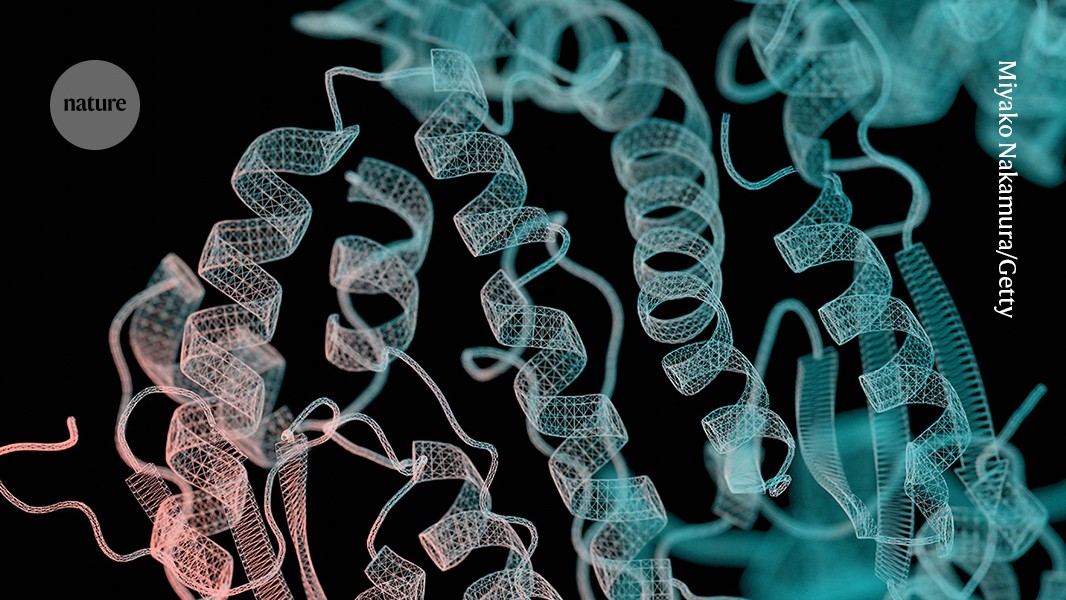
🧬
Drug firms' secret data supercharge AI protein models
Geheime data van farmabedrijven versterken AI-eiwitmodellen
Les données secrètes des laboratoires pharmaceutiques dopent les modèles d'IA pour les protéines
Here's something really exciting - pharmaceutical companies are sitting on thousands of protein structures that could transform AI tools like AlphaFold. A consortium of drug firms just trained an improved model on over 20,000 proprietary protein structures, and the results are genuinely impressive compared to models trained only on public data. The thing is, these companies keep this data locked away because it's connected to their drug-development efforts, but now they're realizing that sharing it could help everyone build better AI tools. And that's opening the door to a whole new approach - generating publicly available datasets, like the OpenBind project, that could supercharge protein-folding AI for the entire research community.
Dit is echt spannend - farmaceutische bedrijven hebben duizenden eiwitstructuren in hun kluizen die AI-tools zoals AlphaFold kunnen transformeren. Een consortium van geneesmiddelenbedrijven heeft zojuist een verbeterd model getraind met meer dan 20.000 eigendomsgegevens van eiwitstructuren, en de resultaten zijn werkelijk indrukwekkend in vergelijking met modellen die alleen op openbare data zijn getraind. Het probleem is dat deze bedrijven deze gegevens graag voor zich houden omdat ze gerelateerd zijn aan hun medicijnonderzoeksinspanningen, maar nu beseffen ze dat delen ervan iedereen kan helpen betere AI-tools te bouwen. En dat opent de deur naar een heel nieuwe aanpak - het genereren van openbaar beschikbare datasets, zoals het OpenBind-project, die protein-folding-AI voor de hele onderzoeksgemeenschap kunnen versterken.
C'est vraiment passionnant - les entreprises pharmaceutiques ont des milliers de structures protéiques enfermées dans leurs coffres qui pourraient transformer les outils d'IA comme AlphaFold. Un consortium de fabricants de médicaments vient d'entraîner un modèle amélioré sur plus de 20 000 structures protéiques propriétaires, et les résultats sont vraiment impressionnants par rapport aux modèles formés uniquement sur des données publiques. Le problème est que ces entreprises gardent généralement ces données secrètes parce qu'elles sont liées à leurs efforts de développement de médicaments, mais maintenant elles réalisent que les partager pourrait aider tout le monde à construire de meilleurs outils d'IA. Et cela ouvre la porte à une approche entièrement nouvelle - générer des ensembles de données accessibles au public, comme le projet OpenBind, qui pourraient surcharger l'IA du repliement des protéines pour toute la communauté scientifique.
💰
Obesity has sent us the bill - we can't afford to treat the complications
Obesitas heeft de rekening gepresenteerd - we kunnen de complicaties niet behandelen
L'obésité nous a présenté l'addition - nous ne pouvons pas nous permettre de traiter les complications
Poland is facing a serious public health crisis as obesity rates soar, with one in three children aged 8-9 already overweight or obese - and Polish children are gaining weight faster than their peers across the EU. The economic impact is staggering: indirect and direct costs related to obesity complications reach approximately 36 billion zloty annually, nearly a quarter of the entire National Health Fund budget. Beyond the financial burden, the system treats consequences rather than causes, with sick leave absences due to obesity rising 21% and medical retirement claims jumping 25% yearly among working adults. Experts emphasize that effective action requires combining prevention with treatment, specialist care at all levels, and a fundamental shift in how the healthcare system addresses this disease - because untreated obesity costs society far more than early intervention ever could.
Polen kampt met een ernstige volksgezondheiscrisis terwijl de obesitascijfers stijgen, met één op de drie kinderen tussen 8 en 9 jaar die al overgewicht of obesitas hebben - en Poolse kinderen groeien sneller aan dan hun leeftijdsgenoten in de rest van de EU. De economische impact is enorm: indirecte en directe kosten met betrekking tot complicaties van obesitas bereiken jaarlijks ongeveer 36 miljard zloty, bijna een kwart van het volledige nationale gezondheidsfondsbegrotting. Naast de financiële belasting behandelt het systeem gevolgen in plaats van oorzaken, met ziekteverzuim door obesitas stijgend met 21% en medische vervroegde pensioenen die jaarlijks met 25% toenemen onder werkende volwassenen. Experts benadrukken dat effectieve actie preventie combineren met behandeling, gespecialiseerde zorg op alle niveaus en een fundamentele verschuiving in hoe het gezondheidssysteem deze ziekte aanpakt - omdat onbehandelde obesitas de samenleving veel meer kost dan vroege interventie ooit zou doen.
La Pologne fait face à une grave crise de santé publique alors que les taux d'obésité montent en flèche, un enfant sur trois âgé de 8 à 9 ans étant déjà en surpoids ou obèse - et les enfants polonais prennent du poids plus rapidement que leurs pairs dans le reste de l'UE. L'impact économique est considérable : les coûts directs et indirects liés aux complications de l'obésité atteignent environ 36 milliards de zloty par an, près d'un quart du budget total du Fonds national de santé. Au-delà du fardeau financier, le système traite les conséquences plutôt que les causes, les arrêts maladie dus à l'obésité augmentant de 21% et les demandes de retraite médicale grimpant de 25% annuellement chez les adultes actifs. Les experts soulignent qu'une action efficace exige de combiner prévention et traitement, des soins spécialisés à tous les niveaux et un changement fondamental dans la façon dont le système de santé aborde cette maladie - car l'obésité non traitée coûte à la société bien plus que l'intervention précoce ne le ferait jamais.

☀️
Zero electricity bills: how a 74-year-old built his dream sustainable home
Nul elektriciteitsrekening: hoe een 74-jarige zijn droomhuis duurzaam bouwde
Facture d'électricité zéro: comment un septuagénaire a construit sa maison durable
So this retired gentleman in Bengaluru decided he wanted to live completely off-grid - and he actually did it. His home runs entirely on solar power, harvests its own rainwater, and he's even growing his own food with fruit trees like papaya and pomegranate alongside vegetables like spinach, beans, and carrots. Now here's the thing - his electricity bill has dropped to zero, which means he's not just living sustainably, he's living smarter. It's the kind of retirement project that shows you don't need to compromise between comfort and environmental responsibility.
Dus deze gepensioneerde heer in Bengaluru besloot helemaal zelfvoorzienend te willen leven - en dat is hem gelukt. Zijn huis draait volledig op zonne-energie, vangt zijn eigen regenwater op en hij verbouwt zelfs zijn eigen voedsel met fruitbomen zoals papaja en granaatappel naast groenten zoals spinazie, bonen en wortels. En hier is het ding - zijn elektriciteitsrekening is naar nul gedaald, wat betekent dat hij niet alleen duurzaam leeft, maar ook slimmer. Dit is het soort pensioensproject dat laat zien dat je niet hoeft in te leveren op comfort als je milieuvriendelijk wilt zijn.
Donc ce monsieur retraité à Bengaluru a décidé de vouloir vivre complètement en autarcie - et il l'a vraiment fait. Sa maison fonctionne entièrement à l'énergie solaire, récupère sa propre eau de pluie, et il cultive même sa propre nourriture avec des arbres fruitiers comme la papaye et la grenade aux côtés de légumes comme les épinards, les haricots et les carottes. Et voilà le truc - sa facture d'électricité est tombée à zéro, ce qui signifie qu'il ne vit pas seulement de façon durable, il vit plus intelligemment. C'est le genre de projet de retraite qui montre qu'on n'a pas besoin de faire de compromis entre le confort et la responsabilité environnementale.

🏠
Housing first is helping people leave rough sleeping behind
Huisvesting eerst helpt mensen van straat af
Le logement d'abord aide les gens à quitter la rue
A transformative approach called Housing First is changing how England tackles homelessness - and it's working. Instead of asking people to solve their problems before getting stable housing, this model provides a permanent home first, then wraps support around them. Michael's story shows how powerful this is: after years on the streets, he got a flat through Solo Homes, found a supportive caseworker, and finally felt secure enough to work on his mental health and build a real life. Now England's government has committed £442m to expanding this approach, expecting to provide over 1,000 settled homes in the next three years, proving that sometimes the simplest solution - giving people a home - unlocks everything else.
Een baanbrekende aanpak genaamd Housing First verandert hoe Engeland dakloosheid aanpakt - en het werkt. In plaats van mensen te vragen hun problemen op te lossen voordat ze stabiel onderdak krijgen, voorziet dit model eerst in een permanent huis en bouwt dan ondersteuning eromheen. Het verhaal van Michael laat zien hoe krachtig dit is: na jaren op straat kreeg hij een appartement via Solo Homes, vond hij een ondersteunende maatschappelijk werker, en voelde hij zich eindelijk veilig genoeg om aan zijn mentale gezondheid te werken. De Engelse regering heeft nu £442 miljoen toegezegd om deze aanpak uit te breiden, met de verwachting dat er in de komende drie jaar meer dan 1.000 permanente woningen beschikbaar zijn - wat bewijst dat soms de eenvoudigste oplossing het beste werkt.
Une approche révolutionnaire appelée Housing First transforme la façon dont l'Angleterre aborde le sans-abrisme - et cela fonctionne. Au lieu de demander aux gens de résoudre leurs problèmes avant d'obtenir un logement stable, ce modèle fournit d'abord une maison permanente, puis enroule le soutien autour d'eux. L'histoire de Michael montre la puissance de cette approche: après des années à la rue, il a obtenu un appartement via Solo Homes, trouvé un travailleur social bienveillant, et s'est enfin senti assez en sécurité pour travailler sur sa santé mentale. Le gouvernement anglais s'est maintenant engagé à investir £442 millions pour étendre cette approche, s'attendant à fournir plus de 1 000 logements permanents au cours des trois prochaines années.

🐦
Former industrial dump transforms into thriving wetland hosting nearly two-thirds of UK's black-necked grebes
Voormalige industriële stortplaats transformeert tot bloeiend wetland met bijna twee derde van de zwartnekkige futen van het VK
Un ancien dépotoir industriel se transforme en zone humide florissante accueillant près des deux tiers des grèbes à cou noir du Royaume-Uni
What started as a dumping ground for canal dredging material has become something truly remarkable - a nature reserve that now hosts 64% of all UK breeding black-necked grebes. The Woolston Eyes Nature Reserve near Manchester was shaped over decades by material from the Manchester Ship Canal construction, and in 1979 a conservation group took over its management to nurture the developing wetland ecosystems. Since 2021, extensive restoration work has created the perfect habitat for these beautiful waterfowl, with nesting numbers skyrocketing from just 4 pairs in 2023 to 35 pairs by 2025. Beyond the grebes, the reserve has become a sanctuary for numerous other vulnerable species, proving that when we give nature a real chance to thrive, the results can be genuinely extraordinary.
Wat begon als een stortplaats voor uitgegraven materiaal uit kanaalwerken is uitgegroeid tot iets werkelijk opmerkelijks - een natuurreservaat dat nu 64% van alle broedende zwartnekkige futen van het VK herbergt. Het Woolston Eyes Nature Reserve bij Manchester ontstond gedurende decennia door materiaal van de Manchester Ship Canal aanleg, en in 1979 nam een natuurbeschermingsgroep het beheer over om de zich ontwikkelende wetland ecosystemen te verzorgen. Sinds 2021 hebben uitgebreide herstelwerkzaamheden een perfecte habitat gecreëerd voor deze prachtige watervogels, waarbij het aantal broedparen explosief groeide van slechts 4 paren in 2023 naar 35 paren in 2025. Naast de futen is het reservaat een toevluchtsoord geworden voor talrijke andere kwetsbare soorten, wat bewijst dat wanneer we de natuur echt een kans geven om te floreren, de resultaten werkelijk buitengewoon kunnen zijn.
Ce qui a commencé comme une décharge pour les matériaux de dragage des canaux s'est transformé en quelque chose de véritablement remarquable - une réserve naturelle qui accueille maintenant 64% de tous les grèbes à cou noir reproducteurs du Royaume-Uni. La réserve naturelle de Woolston Eyes près de Manchester s'est développée au cours des décennies grâce aux matériaux excavés lors de la construction du Manchester Ship Canal, et en 1979, un groupe de conservation en a pris la gestion pour cultiver les écosystèmes de zones humides en développement. Depuis 2021, les travaux de restauration extensive ont créé un habitat parfait pour ces magnifiques oiseaux aquatiques, avec les chiffres de nidification explosant de seulement 4 couples en 2023 à 35 couples en 2025. Au-delà des grèbes, la réserve est devenue un sanctuaire pour de nombreuses autres espèces vulnérables, prouvant que lorsque nous donnons vraiment à la nature une chance de s'épanouir, les résultats peuvent être extraordinaires.
🦆
From industrial dump to wildlife haven - former canal dredging site now hosts 64% of UK's black-necked grebes
Van industriële stortplaats tot natuurparadijs - voormalige kanaaluitgravingslocatie is nu thuis voor 64% van Groot-Britannië's zwarthalsfuuten
D'une décharge industrielle à un paradis pour la faune - l'ancien site de dragage de canal accueille maintenant 64% des grèbes à cou noir du Royaume-Uni
What was once a dumping ground for material dredged from the Manchester Ship Canal has been transformed into Woolston Eyes Nature Reserve, a thriving wetland habitat that now hosts nearly two-thirds of all breeding black-necked grebes in the UK. Since intensive conservation work began in 2021, the reserve has seen remarkable growth - from just 4 nesting pairs in 2023 to 35 pairs by 2025, with most settling on newly restored islands designed specifically for them. These elegant waterfowl with their distinctive ruby-red eyes and golden feathers nest strategically near black-headed gulls for protection, creating a beautiful example of how different species can benefit from the same habitat. The reserve has become a sanctuary not just for grebes but for numerous other species of concern in the UK, including willow tits, grasshopper warblers, and pochards, showing how nature thrives when we give it a real chance.
Wat ooit een stortplaats was voor uitgegraven materiaal van het Manchester Ship Canal, is omgevormd tot Woolston Eyes Nature Reserve - een bloeiend vogelparadijs dat nu bijna tweederde van alle broedende zwarthalsfuuten in het Verenigd Koninkrijk herbergt. Sinds intensief natuurbehoud in 2021 begon, heeft het reservaat opmerkelijke groei laten zien - van slechts 4 broedende paren in 2023 tot 35 paren in 2025, waarvan de meesten op nieuw aangelegde eilanden zijn gaan nestelen. Deze elegante watervogels met hun opvallende robijnrode ogen en gouden veren nestelen strategisch dicht bij zilvermeeuwwen voor bescherming, wat een prachtig voorbeeld is van hoe verschillende soorten baat hebben bij dezelfde habitat. Het reservaat is een toevluchtsoord geworden voor niet alleen fuuten, maar ook voor talrijke andere bedreigde soorten in het Verenigd Koninkrijk, zoals grijze fluiten, sprinkhaanzangers en tafeleenden, wat aantoont hoe natuur floreert wanneer we haar een echte kans geven.
Ce qui n'était autrefois qu'une décharge pour les matériaux dragués du canal de Manchester s'est transformé en Woolston Eyes Nature Reserve - un refuge prospère pour la faune qui accueille maintenant près des deux tiers de tous les grèbes à cou noir reproducteurs du Royaume-Uni. Depuis le début des travaux intensifs de conservation en 2021, la réserve a connu une croissance remarquable - passant de seulement 4 couples nicheurs en 2023 à 35 couples en 2025, dont la plupart se sont installés sur des îles nouvellement restaurées. Ces élégants oiseaux aquatiques aux yeux rubis caractéristiques et aux plumes dorées font stratégiquement leurs nids près des goélands à tête noire pour se protéger, créant un bel exemple de la façon dont différentes espèces peuvent bénéficier du même habitat. La réserve est devenue un sanctuaire non seulement pour les grèbes, mais aussi pour de nombreuses autres espèces menacées au Royaume-Uni, y compris les mésanges des saules, les locustelles tachetées et les fuligules milouins, montrant comment la nature prospère quand nous lui en donnons vraiment la chance.
📚
What Estonia's schools can teach us about reading and high expectations
Wat Estlandse scholen ons kunnen leren over lezen en hoge verwachtingen
Ce que les écoles estoniennes peuvent nous enseigner sur la lecture et les attentes élevées
A German teacher and journalist explores why Estonia has become Europe's PISA champion while Finland has declined, despite both being considered education leaders. The key difference lies in how they approach struggling students - Estonia maintains high academic standards for all learners while providing targeted support, whereas Finland and Germany tend to lower expectations when students struggle. In Estonia, there's a cultural emphasis on reading challenging books monthly and offering weekly tutoring sessions to close learning gaps rather than simplifying coursework. This approach of combining rigorous expectations with robust support systems appears to be the secret behind Estonia's sustained educational success.
Een Duitse leraar en journalist onderzoekt waarom Estland Europees PISA-kampioen is geworden terwijl Finland is achteruitgegaan, ondanks dat beide landen als onderwijsleiders werden beschouwd. Het belangrijkste verschil zit in hoe zij zwakkere leerlingen benaderen - Estland stelt hoge academische normen voor alle leerlingen en biedt tegelijkertijd gerichte ondersteuning, terwijl Finland en Duitsland de verwachtingen eerder verlagen. In Estland ligt de nadruk op het maandelijks lezen van uitdagende boeken en het bieden van wekelijkse tutorsessies om leemtes te sluiten in plaats van taken te vereenvoudigen. Deze aanpak van het combineren van sterke verwachtingen met robuuste ondersteuning lijkt het geheim achter Estlands aanhoudende onderwijssucces te zijn.
Un enseignant et journaliste allemand explore pourquoi l'Estonie est devenue championne PISA de l'Europe tandis que la Finlande a décliné, malgré que les deux pays aient été considérés comme des leaders en éducation. La différence clé réside dans la façon dont ils abordent les élèves en difficulté - l'Estonie maintient des normes académiques élevées pour tous les apprenants tout en fournissant un soutien ciblé, tandis que la Finlande et l'Allemagne tendent à abaisser les attentes. En Estonie, il y a un accent culturel sur la lecture mensuelle de livres difficiles et l'offre de sessions de tutorat hebdomadaires pour combler les lacunes plutôt que de simplifier les tâches. Cette approche de combinaison d'attentes rigoureuses avec des systèmes de soutien robustes semble être le secret du succès éducatif soutenu de l'Estonie.

😴
Breakthrough finding: popular psychotherapy slows aging in seniors
Doorbraakonderzoek: populaire psychotherapie vertraagt veroudering bij ouderen
Découverte révolutionnaire : une psychothérapie populaire ralentit le vieillissement chez les personnes âgées
Scientists at UCLA have made a fascinating discovery - cognitive behavioral therapy for insomnia doesn't just help people sleep better, it actually slows down biological aging in older adults. The research, published in The Lancet Healthy Longevity, measured this through epigenetic changes in DNA, which control how genes switch on and off. So here's the thing: insomnia in seniors is often dismissed as just a quality-of-life issue, but it turns out poor sleep can accelerate aging and increase risks of heart disease and diabetes. The study shows that structured cognitive behavioral therapy outperforms simple sleep education in combating both insomnia and the aging process itself - making it a powerful tool for healthy longevity.
Wetenschappers van de UCLA hebben een fascinerende ontdekking gedaan - cognitieve gedragstherapie voor slapeloosheid helpt niet alleen mensen beter te slapen, maar vertraagt ook de biologische veroudering bij ouderen. Het onderzoek, gepubliceerd in The Lancet Healthy Longevity, meet dit door epigenetische veranderingen in DNA, die bepalen hoe genen aan- en uitschakelen. En hier is het interessante: slapeloosheid bij ouderen wordt vaak afgedaan als alleen een kwaliteit-van-leven-probleem, maar het blijkt dat slechte slaap de veroudering kan versnellen en risico's op hartziekten en diabetes verhoogt. De studie toont aan dat gestructureerde cognitieve gedragstherapie zowel slapeloosheid als het verouderingsproces beter bestrijdt dan alleen slaapvoorlichting - wat het een krachtig instrument voor gezonde langlevigheid maakt.
Les scientifiques de l'UCLA ont fait une découverte fascinante - la thérapie cognitivo-comportementale pour l'insomnie ne aide pas seulement les gens à mieux dormir, elle ralentit également le vieillissement biologique chez les personnes âgées. La recherche, publiée dans The Lancet Healthy Longevity, mesure cela par des changements épigénétiques de l'ADN, qui contrôlent l'activation et la désactivation des gènes. Et voilà le point intéressant : l'insomnie chez les personnes âgées est souvent considérée comme un simple problème de qualité de vie, mais il s'avère que le manque de sommeil peut accélérer le vieillissement et augmenter les risques de maladies cardiaques et de diabète. L'étude montre que la thérapie cognitivo-comportementale structurée surpasse la simple éducation au sommeil dans la lutte contre l'insomnie et le processus de vieillissement - ce qui en fait un outil puissant pour une longévité saine.

🐟
From flooded fields to thriving fish farms
Van overstroomde velden naar florerende visserijen
Des champs inondés aux fermes de poisson prospères
Nazrul Haque grew up watching his family's paddy fields disappear under monsoon floods every year in Assam, with no income to fall back on. Instead of fighting the inevitable water, he had a brilliant idea - why not farm fish in those flooded areas instead? Starting small in 2000 with just five to seven quintals per hectare, he reinvested his earnings and secured bank loans to expand and adopt scientific methods like water quality management and organic feed. Today, he produces 60 to 70 kilograms of fish per hectare annually - more than ten times what traditional flood-season fishing yielded - and has created a sustainable livelihood model for 300 families in his fishery village.
Nazrul Haque groeide op terwijl hij elk jaar zag hoe de rijstvelden van zijn familie onder de moesson verdwenen, zonder enig inkomensalternatief. In plaats van tegen het onvermijdelijke water te vechten, had hij een briljant idee - waarom niet in plaats daarvan vis kweken in die overstroomde gebieden? Met klein beginnen in 2000 met slechts vijf tot zeven kwintal per hectare, herinvesteerde hij zijn inkomsten en verzekerde zich van bankleningen om uit te breiden en wetenschappelijke methoden toe te passen. Vandaag produceert hij 60 tot 70 kilogram vis per hectare per jaar - meer dan tien keer wat traditioneel vissen in overstromingsseizoen opleverde - en heeft hij een duurzaam inkomstenmodel voor 300 families in zijn visdorp gecreëerd.
Nazrul Haque a grandi en regardant les champs de riz de sa famille disparaître sous les moussons chaque année en Assam, sans aucune source de revenu alternative. Au lieu de combattre l'eau inévitable, il a eu une idée brillante - pourquoi ne pas élever du poisson dans ces zones inondées à la place? En commençant petit en 2000 avec seulement cinq à sept quintaux par hectare, il a réinvesti ses revenus et s'est assuré des prêts bancaires pour se développer et adopter des méthodes scientifiques. Aujourd'hui, il produit 60 à 70 kilogrammes de poisson par hectare chaque année - plus de dix fois ce que la pêche traditionnelle en saison d'inondation rendait - et a créé un modèle de subsistance durable pour 300 familles dans son village halieutique.

🛣️
India's pothole problem gets a Danish fix as Andhra Pradesh tests fibre-reinforced roads
Indië's gatenprobleem krijgt een Deense oplossing terwijl Andhra Pradesh versterkte wegen test
Le problème des nids-de-poule en Inde reçoit une solution danoise alors qu'Andhra Pradesh teste des routes renforcées
Andhra Pradesh has launched a pilot project using Danish Asphalt Reinforcing Fibre Technology on a heavily trafficked stretch between Mudigedu and Sanjamala - the same innovation already protecting runways at Heathrow and motorways across Europe. The technology weaves aramid and polyolefin fibres into hot bitumen to distribute stress evenly across the road surface, reducing rut depth by over 50% and resisting cracking even at temperatures far colder than anything the region experiences. Officials expect the reinforced roads to last up to 50% longer than conventional surfaces, dramatically cutting repair costs and maintenance headaches that have plagued India's network for years. So here's the thing - rather than patching potholes after they form, this approach actually prevents the cracks from starting in the first place, which makes it a genuinely different strategy from the home-grown fixes we've seen across India already.
Andhra Pradesh is begonnen met een pilotproject met Deense Asphalt Reinforcing Fibre Technology op een zwaar belaste weg tussen Mudigedu en Sanjamala - dezelfde innovatie die al landingsbanen op Heathrow en snelwegen in heel Europa beschermt. De technologie weeft aramide- en polyoleïnevezels in heet bitumen om spanning gelijkmatig over het wegoppervlak te verdelen, wat rutdiepte met meer dan 50% vermindert en scheuren weerstaat zelfs bij temperaturen veel kouder dan in deze regio. Ambtenaren verwachten dat versterkte wegen tot 50% langer meegaan dan normale wegen, wat reparatiekosten en onderhoudsproblemen die jaren India's netwerk hebben geteisterd drastisch vermindert. En hier is het belangrijk - in plaats van gaten te repareren nadat ze ontstaan, voorkomt deze aanpak eigenlijk dat scheuren überhaupt ontstaan, wat een echt ander strategisch voordeel biedt dan de zelfgemaakte oplossingen die we in India hebben gezien.
L'Andhra Pradesh a lancé un projet pilote utilisant la technologie danoise de renforcement du bitume par fibres sur un tronçon de route très fréquenté entre Mudigedu et Sanjamala - la même innovation qui protège déjà les pistes de Heathrow et les autoroutes à travers l'Europe. La technologie tisse des fibres d'aramide et de polyoléfine dans le bitume chaud pour distribuer les contraintes uniformément sur la surface de la route, réduisant la profondeur des ornières de plus de 50% et résistant aux fissures même à des températures bien plus froides que celles que connaît la région. Les autorités s'attendent à ce que les routes renforcées durent jusqu'à 50% plus longtemps que les surfaces conventionnelles, réduisant considérablement les coûts de réparation et les problèmes d'entretien qui ont tourmenté le réseau indien pendant des années. Et voici la chose importante - plutôt que de réparer les nids-de-poule après leur formation, cette approche prévient en réalité la formation des fissures dès le départ, ce qui constitue une stratégie véritablement différente des solutions maison que nous avons vues en Inde.

♻️
6,000 people, 27 villages & one zero-waste mission
6.000 mensen, 27 dorpen en één nulafvalmissie
6 000 personnes, 27 villages et une mission zéro déchet
In the remote Himalayan village of Zemithang, Arunachal Pradesh, something really beautiful is happening - 6,000 people across 27 villages have united around a zero-waste mission that's simply stunning. Every Sunday, residents gather to wash, sort and segregate their waste into 22 categories, with each household contributing just ₹50 to keep things running. Women riders then collect all the sorted materials and deliver them to recycling centres, turning everyday rubbish into recovered resources. Since Merwyn Coutinho started the Himalayan Fringes Project in 2020, it's already impacted over 20,000 people and recovered nearly 90 tonnes of waste - no fancy tech required, just genuine community spirit and shared responsibility.
In het afgelegen Himalaya-dorp Zemithang in Arunachal Pradesh gebeurt iets werkelijk prachtig - 6.000 mensen verspreid over 27 dorpen hebben zich verenigd rond een nulafvalmissie die werkelijk indrukwekkend is. Elke zondag komen bewoners samen om hun afval te wassen, sorteren en scheiden in 22 categorieën, met elke huishouding die slechts ₹50 bijdraagt om dingen draaiende te houden. Vrouwelijke fietsers verzamelen vervolgens al het gesorteerde materiaal en brengen het naar recyclagcentra, waardoor alledaagse rommel wordt omgezet in teruggewonnen hulpbronnen. Sinds Merwyn Coutinho het Himalayan Fringes Project in 2020 startte, heeft het al meer dan 20.000 mensen beïnvloed en bijna 90 ton afval teruggewonnen - geen ingewikkelde technologie nodig, alleen echte gemeenschapszin en gedeelde verantwoordelijkheid.
Dans le village reculé de Zemithang en Arunachal Pradesh, quelque chose de vraiment magnifique se déroule - 6 000 personnes réparties sur 27 villages se sont unies autour d'une mission zéro déchet absolument remarquable. Chaque dimanche, les habitants se réunissent pour laver, trier et séparer leurs déchets en 22 catégories, chaque ménage contribuant seulement ₹50 pour maintenir le projet en marche. Des collectrices à vélo rassemblent ensuite l'ensemble des matériaux triés et les livrent à des centres de recyclage, transformant les ordures quotidiennes en ressources récupérées. Depuis que Merwyn Coutinho a lancé le Himalayan Fringes Project en 2020, il a déjà influencé plus de 20 000 personnes et récupéré près de 90 tonnes de déchets - aucune technologie sophistiquée requise, seulement un véritable esprit communautaire et une responsabilité partagée.

👩🌾
Women are not afraid of change - why Africa's food security depends on who bears the risk
Vrouwen zijn niet bang voor verandering - waarom Africas voedselzekerheid afhangt van wie het risico draagt
Les femmes n'ont pas peur du changement - pourquoi la sécurité alimentaire de l'Afrique dépend de qui porte le risque
Women make up nearly half of Africa's agricultural workforce, yet they face far greater obstacles than men when it comes to adopting climate-resilient farming practices. Dr Eileen Nchanji argues that women farmers aren't avoiding innovation out of fear - they simply can't afford the risks when investments fail, given their limited access to land, finance, technology and markets. Building truly resilient food systems means creating supportive structures around women that address these inequality gaps: secure land rights, affordable credit, appropriate tools, reliable information and genuine decision-making power. When women have control over their income and resources, they reinvest directly into nutrition, education and healthcare for their families, making gender equality not just fair but essential for Africa's food security.
Vrouwen vormen bijna de helft van Africas landbouwbevolking, maar zij staan voor veel grotere obstakels dan mannen wanneer het gaat om het aannemen van klimaatbestendige landbouwpraktijken. Dr. Eileen Nchanji betoogt dat vrouwelijke boeren innovatie niet vermijden uit angst - zij kunnen zich eenvoudig niet het risico veroorloven als investeringen mislukken, gezien hun beperkte toegang tot land, financiering, technologie en markten. Het bouwen van werkelijk veerkrachtige voedselsystemen betekent het creëren van ondersteunende structuren rond vrouwen die deze ongelijkheidskluwen aanpakken: veilige landrechten, betaalbare kredieten, passende gereedschappen, betrouwbare informatie en echte inspraak. Wanneer vrouwen controle hebben over hun inkomsten en middelen, herinvesteren zij dit rechtstreeks in voeding, onderwijs en gezondheidszorg voor hun gezinnen, waardoor gendergelijkheid niet alleen eerlijk is maar essentieel voor Africas voedselzekerheid.
Les femmes représentent près de la moitié de la main-d'œuvre agricole africaine, pourtant elles font face à des obstacles bien plus importants que les hommes pour adopter des pratiques agricoles résilientes au climat. Le Dr Eileen Nchanji soutient que les femmes agricultrices n'évitent pas l'innovation par peur - elles ne peuvent simplement pas se permettre les risques si les investissements échouent, étant donné leur accès limité aux terres, au financement, à la technologie et aux marchés. Construire des systèmes alimentaires véritablement résilients signifie créer des structures de soutien autour des femmes qui abordent ces lacunes d'inégalité : des droits fonciers sécurisés, du crédit abordable, des outils appropriés, des informations fiables et un véritable pouvoir décisionnel. Lorsque les femmes contrôlent leurs revenus et leurs ressources, elles réinvestissent directement dans la nutrition, l'éducation et les soins de santé de leurs familles, rendant l'égalité des genres non seulement juste mais essentielle pour la sécurité alimentaire de l'Afrique.

📱
Just a photo, a problem & a solution: how this free AI is helping India's farmers identify crop diseases early
Gewoon een foto, een probleem & een oplossing: hoe deze gratis AI Indische boeren helpt ziekten vroeg op te sporen
Une simple photo, un problème & une solution: comment cette IA gratuite aide les agriculteurs indiens à détecter rapidement les maladies des cultures
When Shiv Kumar Yadav's mango saplings started showing signs of disease, he turned to his smartphone instead of guessing which pesticide might work - and got instant answers. Digital Green India's new FarmerChat app, launched in October 2024, uses artificial intelligence to diagnose crop diseases from photos and provide farmers with actionable solutions in real time. So far the free application has reached nearly a million users across India, helping smallholder farmers make faster, smarter decisions when problems strike. It's a brilliant example of how technology can bridge the gap between the vast agricultural knowledge that exists in India and the farmers who desperately need it in their pockets.
Toen Shiv Kumar Yadav's mangoplantsoen zieke verschijnselen vertoonde, pakte hij zijn smartphone in plaats van naar gokwerk toe te grijpen - en kreeg direct antwoorden. De nieuwe FarmerChat-app van Digital Green India, gelanceerd in oktober 2024, gebruikt kunstmatige intelligentie om gewasziekten van foto's op te sporen en biedt boeren real-time oplossingen die direct bruikbaar zijn. Tot nu toe heeft de gratis applicatie bijna een miljoen gebruikers in India bereikt en helpt het kleinschalige boeren sneller en slimmer beslissingen te nemen wanneer problemen ontstaan. Het is een briljant voorbeeld van hoe technologie de kloof kan overbruggen tussen de enorme landbouwkennis die in India bestaat en de boeren die deze wanhopig in hun zak nodig hebben.
Quand les jeunes plants de mangue de Shiv Kumar Yadav ont montré des signes de maladie, il a sorti son téléphone au lieu de deviner quel pesticide pourrait fonctionner - et a reçu des réponses instantanées. La nouvelle application FarmerChat de Digital Green India, lancée en octobre 2024, utilise l'intelligence artificielle pour diagnostiquer les maladies des cultures à partir de photos et fournir aux agriculteurs des solutions concrètes en temps réel. Jusqu'à présent, l'application gratuite a atteint près d'un million d'utilisateurs en Inde, aidant les petits agriculteurs à prendre des décisions plus rapides et plus intelligentes lorsque des problèmes surgissent. C'est un exemple brillant de la manière dont la technologie peut combler le fossé entre les vastes connaissances agricoles qui existent en Inde et les agriculteurs qui en ont désespérément besoin dans leur poche.
🤔
One simple question might be all it takes to change someone's mind
Een simpele vraag kan genoeg zijn om iemands gedachten te veranderen
Une simple question pourrait suffire pour changer l'avis de quelqu'un
Stanford researchers have discovered something genuinely fascinating - when we ask people genuine, curious questions about their beliefs instead of bombarding them with facts, something shifts. Asking someone "Why do you think that?" or "Could you tell me more about that?" actually makes them view us more positively and become more open-minded, not more entrenched. And here's the thing - the person asking the questions benefits too, developing more favorable attitudes toward the opposing viewpoint. This works because curiosity creates common ground; intellectual humility and genuine interest in understanding build bridges where arguments and statistics fail.
Onderzoekers van Stanford hebben iets fascinerends ontdekt - als we mensen echte, nieuwsgierige vragen stellen over hun overtuigingen in plaats van hen te bombarderen met feiten, gebeurt er iets bijzonders. Iemand vragen "Waarom denk je dat?" of "Kun je me daar meer over vertellen?" maakt hen juist positiever tegenover ons en opener voor andere gedachten. En hier is het interessante - ook degene die vragen stelt profiteert, door gunstiger tegen het tegenovergestelde standpunt aan te kijken. Dit werkt omdat nieuwsgierigheid gemeenschappelijke grond schept; intellectuele bescheidenheid en echt interesse in het begrijpen van ander bouwen bruggen waar argumenten en statistieken falen.
Des chercheurs de Stanford ont découvert quelque chose de fascinant - quand nous posons à quelqu'un des questions sincères et curieuses sur ses croyances plutôt que de le bombarder de faits, quelque chose change. Demander à quelqu'un "Pourquoi penses-tu cela ?" ou "Peux-tu m'en dire plus à ce sujet ?" le rend en réalité plus positif envers nous et plus ouvert d'esprit, pas plus campé sur ses positions. Et voilà le plus intéressant - la personne qui pose les questions en bénéficie aussi, en développant des attitudes plus favorables envers le point de vue opposé. Cela fonctionne parce que la curiosité crée un terrain d'entente; l'humilité intellectuelle et l'intérêt authentique pour la compréhension construisent des ponts là où les arguments et les statistiques échouent.
🚲
Cars are losing ground in Paris, New York and Tokyo as metros, walking and bikes take over
Auto's verliezen terrein in Parijs, New York en Tokio terwijl metros, wandelen en fietsen het overnemen
Les voitures reculent à Paris, New York et Tokyo au profit des métros, de la marche et du vélo
Major cities around the world are experiencing a significant shift away from car dependency toward more sustainable and efficient forms of transportation. So Paris, New York, and Tokyo - three global powerhouses - are all seeing dramatic increases in metro usage, cycling, and walking as primary modes of getting around. And here's the thing: this transformation reflects both changing urban priorities and a growing recognition that cities work better when they're designed for people, not just vehicles. The trend shows how cities can dramatically improve quality of life, reduce congestion, and cut emissions all at the same time.
Grote steden over de hele wereld zien een aanzienlijke verschuiving weg van autafhankelijkheid naar duurzamere en efficiëntere vervoersvormen. Dus Parijs, New York en Tokio - drie wereldmachtcentra - ervaren allemaal dramatische toenames in metrogebruik, fietsen en wandelen als primaire vervoermiddelen. En hier komt het interessante: deze transformatie weerspiegelt zowel veranderende stedelijke prioriteiten als een groeiende erkenning dat steden beter functioneren wanneer ze voor mensen zijn ontworpen, niet alleen voor voertuigen. De trend toont aan hoe steden tegelijkertijd de levenskwaliteit dramatisch kunnen verbeteren, congestie kunnen verminderen en emissies kunnen reduceren.
Les grandes villes du monde entier connaissent un changement significatif loin de la dépendance automobile vers des modes de transport plus durables et efficaces. Ainsi, Paris, New York et Tokyo - trois puissances mondiales - voient tous des augmentations spectaculaires de l'utilisation du métro, du vélo et de la marche comme modes de transport principal. Et voilà le plus intéressant: cette transformation reflète à la fois l'évolution des priorités urbaines et une reconnaissance croissante que les villes fonctionnent mieux quand elles sont conçues pour les gens, pas seulement pour les voitures. La tendance montre comment les villes peuvent considérablement améliorer la qualité de vie, réduire la congestion et diminuer les émissions simultanément.
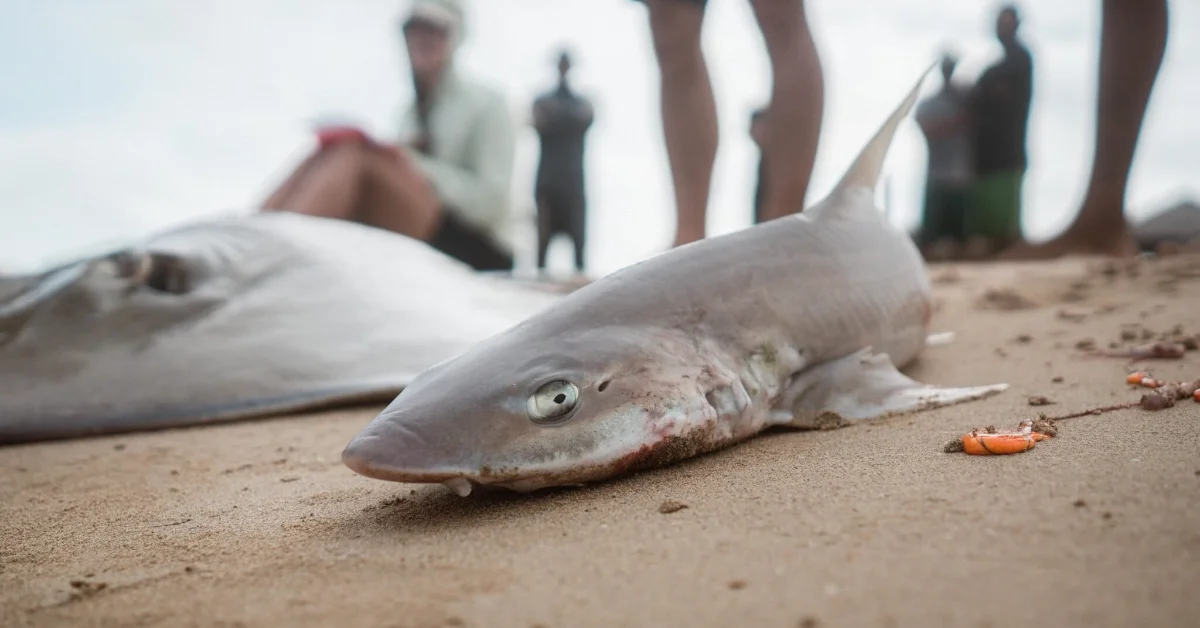
🦈
From hunter to protector: Indigenous fishers transform shark conservation in Colombia
Van jager tot beschermer: inheemse vissers transformeren haaienbescherming in Colombia
Du chasseur au protecteur: les pêcheurs autochtones transforment la conservation des requins en Colombie
In the remote Colombian region of La Guajira, Indigenous Wayuu fishers are partnering with marine biologists to document and protect shark populations - a remarkable shift from hunting to conservation. Wilfrido Arends, a local fisher known as "Caracas," now leads research efforts with Proyecto Puyuii, carefully recording data on endangered species like blacknose sharks while implementing sustainable practices such as larger-mesh nets and safe release techniques. Despite a 2021 Colombian law banning targeted shark fishing, the meat remains a vital protein source in this food-insecure region, so the project focuses on making sharks worth more alive than dead through sustainable tourism alternatives. The collaboration shows how traditional communities and scientists can work together to protect marine life while respecting cultural practices and addressing real economic needs on the ground.
In de afgelegen Colombiaanse regio La Guajira werken inheemse Wayuu-vissers samen met marinebiologen aan het documenteren en beschermen van haaienpopulaties - een opmerkelijke verschuiving van jacht naar bescherming. Wilfrido Arends, een lokale visser bekend als "Caracas," leidt nu onderzoeksinitiatieven van Proyecto Puyuii, waarbij hij zorgvuldig gegevens verzamelt over bedreigde soorten zoals zwartneushaai terwijl hij duurzame praktijken implementeert zoals grotere mazen en veilige vrijlatingstechnieken. Ondanks een Colombiaanse wet van 2021 die gerichte haaienvangst verbiedt, blijft het vlees een vitale eiwitbron in deze voedselonatvankelijke regio, dus het project richt zich op het maken van haaien die meer waard zijn levend dan dood door duurzame toerismeAlternatieven. De samenwerking laat zien hoe traditionele gemeenschappen en wetenschappers samen kunnen werken aan het beschermen van marien leven, terwijl zij culturele praktijken respecteren en echte economische behoeften ter plaatse aanpakken.
Dans la région colombienne reculée de La Guajira, les pêcheurs indigènes Wayuu s'associent à des biologistes marins pour documenter et protéger les populations de requins - un changement remarquable allant de la chasse à la conservation. Wilfrido Arends, un pêcheur local connu sous le nom de "Caracas", dirige maintenant les efforts de recherche de Proyecto Puyuii, enregistrant soigneusement des données sur les espèces menacées comme le requin nez-noir tout en mettant en œuvre des pratiques durables telles que les filets à plus grandes mailles et les techniques de libération sécurisée. Malgré une loi colombienne de 2021 interdisant la pêche ciblée aux requins, la viande reste une source de protéines vitale dans cette région en situation d'insécurité alimentaire, donc le projet se concentre sur la valorisation des requins vivants plutôt que morts grâce aux alternatives du tourisme durable. La collaboration montre comment les communautés traditionnelles et les scientifiques peuvent travailler ensemble pour protéger la vie marine tout en respectant les pratiques culturelles et en répondant aux besoins économiques réels sur le terrain.
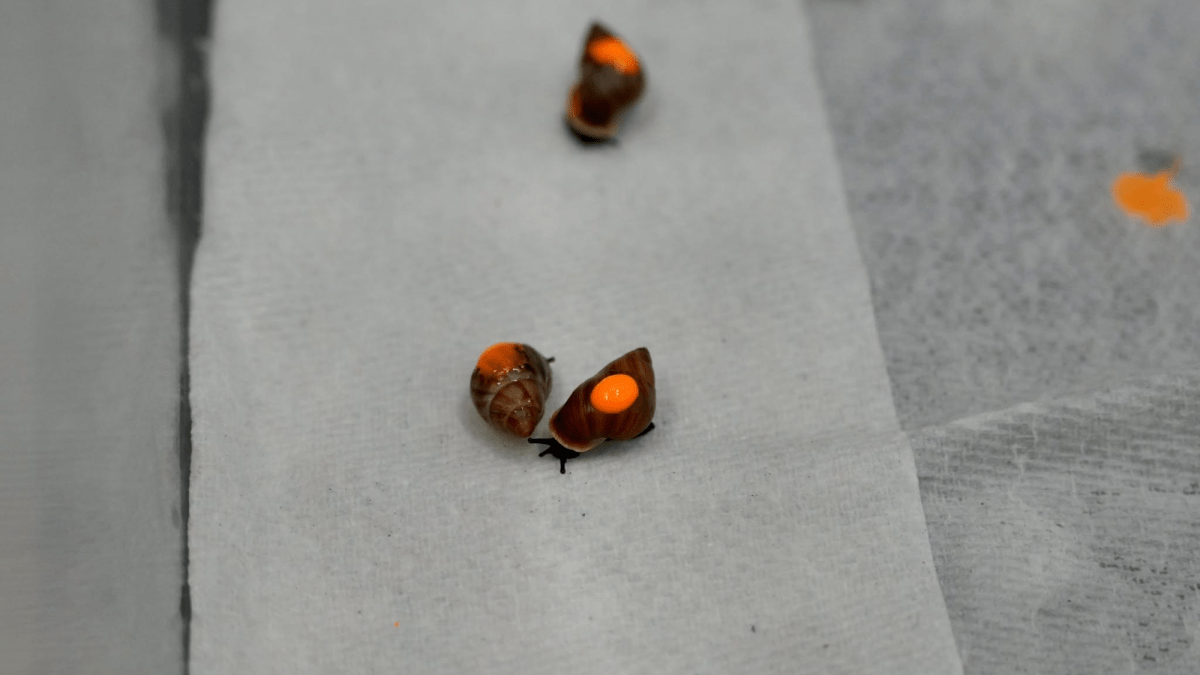
🐚
500 endangered snails mailed to Tahiti in ambitious conservation effort
500 bedreigde slakken per post naar Tahiti in ambitieus conserveringsproject
500 escargots menacés envoyés par courrier à Tahiti dans un ambitieux programme de conservation
The Detroit Zoo has bred and shipped 500 Partula snails overnight to Tahiti, where they'll be released into the wild to restore native populations that nearly vanished due to an introduced predatory snail species. Each snail sports an orange UV-glowing dot that identifies them as part of the 2026 release cohort, allowing conservationists to track their progress in their natural habitat. This effort is part of a larger international recovery program that has already returned over 17,000 individual snails of 11 different Partula species to French Polynesia, with some species even producing wild-born offspring. What makes this project genuinely exciting is that it shows how zoos can work together across continents - the snails stop over at St. Louis Zoo for special dietary prep before their final journey - to bring species back from the brink of extinction.
De Detroit Zoo heeft 500 Partula-slakken per nacht naar Tahiti verzonden, waar zij in het wild zullen worden uitgezet om de inheemse populaties te herstellen die bijna verdwenen waren door een ingevoerde roofdier-slakkensoort. Elke slak heeft een oranje, UV-gloeiende stip die aangeeft dat het exemplaar deel uitmaakt van de 2026-vrijlatingsgroep, wat onderzoekers in staat stelt hun voortgang in hun natuurlijke habitat te volgen. Dit initiatief maakt deel uit van een groter internationaal herstelprogram dat al meer dan 17.000 individuele slakken van 11 verschillende Partula-soorten naar Frans-Polynesië heeft teruggebracht, met enkele soorten die zelfs al in het wild geboren nakomelingen voortbrengen. Wat dit project bijzonder inspirerend maakt is dat het laat zien hoe dierentuinen samen kunnen werken over continenten heen - de slakken maken tussenstop in de St. Louis Zoo voor speciale voedingsvoorbereiding - om soorten van de rand van uitsterven terug te brengen.
Le zoo de Détroit a envoyé par courrier express 500 escargots Partula à Tahiti, où ils seront relâchés dans la nature pour restaurer les populations indigènes qui avaient presque disparu en raison d'une espèce d'escargot prédateur introduite. Chaque escargot porte un point orange qui brille sous la lumière ultraviolette, identifiant les individus comme faisant partie de la cohorte de libération 2026, ce qui permet aux conservationnistes de suivre leur progression dans leur habitat naturel. Cet effort fait partie d'un programme de rétablissement international plus vaste qui a déjà ramené plus de 17 000 escargots individuels de 11 espèces Partula différentes en Polynésie française, certaines espèces produisant même des descendants nés à l'état sauvage. Ce qui rend ce projet véritablement inspirant, c'est qu'il montre comment les zoos peuvent travailler ensemble à travers les continents - les escargots font un arrêt au zoo de St. Louis pour une préparation alimentaire spéciale - afin de ramener des espèces du bord de l'extinction.
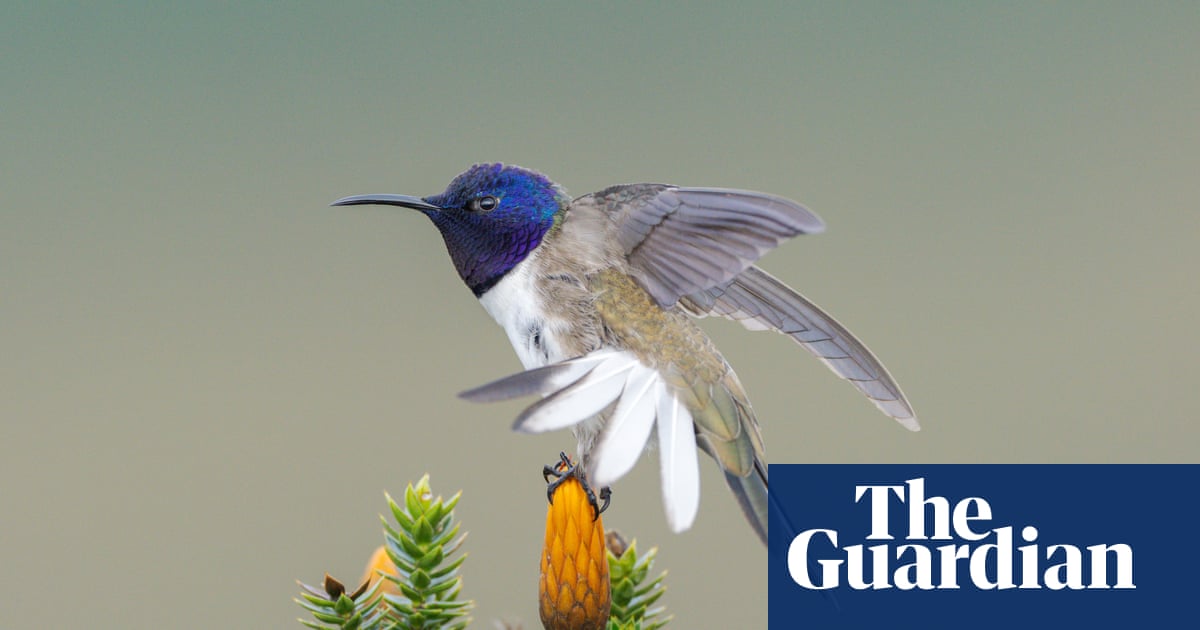
🐦
The bird that changed Ecuador: how one discovery sparked a conservation revolution
De vogel die Ecuador veranderde: hoe één ontdekking een conservatierevolutie startte
L'oiseau qui a changé l'Équateur : comment une découverte a déclenché une révolution conservationniste
In 1997, ornithologist Robert Ridgely discovered an entirely new bird species in the Ecuadorian Andes - the jocotoco antpitta - a breakthrough so significant that it sparked a conservation movement. What makes this story special is how this single discovery led to the creation of the Jocotoco Foundation, which now protects 19 reserves across Ecuador covering about 50,000 hectares. Today these protected lands are home to more than 1,350 bird species - that's 80% of Ecuador's birds and one in eight of all bird species on the planet. The foundation also employs local rangers and supports communities through wildlife tourism, turning conservation into a vehicle for both nature protection and human wellbeing.
In 1997 ontdekte ornitholoog Robert Ridgely een volledig nieuwe vogelsoort in de Ecuadoraanse Andes - de jocotoco antpitta - een doorbraak zo significant dat het een conservatiebeweging startte. Wat dit verhaal bijzonder maakt is hoe deze enkele ontdekking leidde tot de oprichting van de Jocotoco Foundation, die nu 19 reservaten in Ecuador beschermt met ongeveer 50.000 hectare. Vandaag herbergen deze beschermde gebieden meer dan 1.350 vogelsoorten - dat is 80% van Ecuadors vogels en één op acht van alle vogelsoorten ter wereld. De stichting geeft ook werk aan lokale rangers en steunt gemeenschappen door wildliftoerisme, waardoor natuurbescherming een voertuig wordt voor zowel natuurbescherming als menselijk welzijn.
En 1997, l'ornithologue Robert Ridgely a découvert une espèce d'oiseau entièrement nouvelle dans les Andes équatoriennes - l'antpitta du Jocotoco - une percée si importante qu'elle a déclenché un mouvement de conservation. Ce qui rend cette histoire spéciale, c'est comment cette découverte unique a mené à la création de la Fondation Jocotoco, qui protège maintenant 19 réserves à travers l'Équateur couvrant environ 50 000 hectares. Aujourd'hui, ces terres protégées abritent plus de 1 350 espèces d'oiseaux - soit 80% des oiseaux de l'Équateur et un huitième de toutes les espèces d'oiseaux de la planète. La fondation emploie également des gardes forestiers locaux et soutient les communautés par l'écotourisme, transformant la conservation en un véhicule pour la protection de la nature et le bien-être humain.
🔬
AI discovers overlooked Ozempic side effects by analyzing hundreds of thousands of Reddit posts
AI ontdekt genegeerde Ozempic-bijwerkingen door analyse van honderdduizenden Reddit-berichten
L'IA découvre des effets secondaires d'Ozempic ignorés en analysant des centaines de milliers de messages Reddit
Researchers at the University of Pennsylvania used artificial intelligence to analyze over 400,000 Reddit posts from nearly 70,000 users, uncovering side effects of popular GLP-1 drugs like semaglutide and tirzepatide that may not show up clearly in traditional clinical trials. Two areas stood out as deserving closer attention - reproductive symptoms like menstrual irregularities and temperature-related issues such as chills and hot flashes. While the study doesn't prove these drugs caused the symptoms, it demonstrates how real patient conversations online can reveal signals worth investigating further. This approach complements traditional clinical research by capturing experiences patients discuss with each other but rarely report to doctors or regulators.
Onderzoekers van de University of Pennsylvania gebruikten kunstmatige intelligentie om meer dan 400.000 Reddit-berichten van bijna 70.000 gebruikers te analyseren en bijwerkingen van populaire GLP-1-geneesmiddelen als semaglutide en tirzepatide bloot te leggen die mogelijk niet duidelijk naar voren komen in traditionele klinische proeven. Twee gebieden vielen op als waardig voor nader onderzoek - reproductieve symptomen zoals menstruatieafwijkingen en temperatuurgerelateerde problemen zoals rillingen en hittegolven. Hoewel de studie niet bewijst dat deze geneesmiddelen de symptomen hebben veroorzaakt, toont het aan hoe echte patiëntgesprekken online signalen kunnen onthullen die nader onderzoek verdienen. Deze aanpak vult traditioneel klinisch onderzoek aan door ervaringen vast te leggen die patiënten met elkaar bespreken maar zelden aan artsen of regelgevende instanties rapporteren.
Des chercheurs de l'Université de Pennsylvanie ont utilisé l'intelligence artificielle pour analyser plus de 400.000 messages Reddit provenant de près de 70.000 utilisateurs, mettant au jour des effets secondaires des médicaments GLP-1 populaires comme la sémaglutide et la tirzépatide qui pourraient ne pas être clairement détectés dans les essais cliniques traditionnels. Deux domaines se sont démarqués comme méritant un examen plus approfondi - les symptômes reproductifs comme les irrégularités menstruelles et les problèmes liés à la température comme les frissons et les bouffées de chaleur. Bien que l'étude ne prouve pas que ces médicaments ont causé les symptômes, elle démontre comment les véritables conversations entre patients en ligne peuvent révéler des signaux dignes d'investigation. Cette approche complète la recherche clinique traditionnelle en capturant les expériences que les patients discutent entre eux mais signalent rarement aux médecins ou aux régulateurs.
🧬
Scientists find a new layer of Alzheimer's hidden in the genome
Wetenschappers ontdekken een verborgen laag van Alzheimer in het genoom
Des scientifiques découvrent une nouvelle couche d'Alzheimer cachée dans le génome
Researchers from Carnegie Mellon, University of Pittsburgh, and University of Washington have discovered something fascinating - the three-dimensional structure of DNA in brain cells is actually different in people with Alzheimer's disease. So they combined cutting-edge single-cell technology, spatial brain mapping, and artificial intelligence to show how these changes in genome folding connect to shifts in gene activity. Now here's the thing: this goes beyond the usual story we tell about amyloid plaques and tau tangles. By understanding how the physical organization of DNA influences what genes turn on and off, scientists have found a whole new dimension of the disease that could open up entirely new treatment possibilities.
Onderzoekers van Carnegie Mellon, de Universiteit van Pittsburgh en de Universiteit van Washington hebben iets fascinerends ontdekt - de driedimensionale structuur van DNA in hersencellen is eigenlijk anders bij mensen met Alzheimer. Ze hebben geavanceerde single-cell-technologie, ruimtelijke hersenkaartering en kunstmatige intelligentie gecombineerd om aan te tonen hoe deze veranderingen in genoomvouwing verbonden zijn met verschuivingen in genactiviteit. En hier komt het interessante: dit gaat verder dan het gebruikelijke verhaal over amyloïde plaques en tau-tangels. Door te begrijpen hoe de fysieke organisatie van DNA beïnvloedt welke genen aan- en uitschakelen, hebben wetenschappers een geheel nieuwe dimensie van de ziekte gevonden die volledig nieuwe behandelmogelijkheden kan openen.
Des chercheurs de Carnegie Mellon, de l'Université de Pittsburgh et de l'Université de Washington ont découvert quelque chose de fascinant - la structure tridimensionnelle de l'ADN dans les cellules cérébrales est en fait différente chez les personnes atteintes de la maladie d'Alzheimer. Ils ont combiné une technologie monocellulaire de pointe, une cartographie spatiale du cerveau et l'intelligence artificielle pour montrer comment ces changements dans le repliement du génome se connectent aux changements dans l'activité génique. Voici ce qui est intéressant : cela va au-delà de l'histoire habituelle que nous racontons sur les plaques amyloïdes et les enchevêtrements tau. En comprenant comment l'organisation physique de l'ADN influence l'activation et la désactivation des gènes, les scientifiques ont découvert une dimension entièrement nouvelle de la maladie qui pourrait ouvrir des possibilités thérapeutiques totalement nouvelles.
🔬
Scientists are building a microscope powered by a quantum computer
Wetenschappers bouwen een microscoop aangedreven door een kwantumcomputer
Les scientifiques construisent un microscope alimenté par un ordinateur quantique
So here's what's fascinating - researchers in Austria have figured out that conventional electron microscopes are actually wasting valuable information that electrons carry with them. The team at TU Wien, working with colleagues from Vienna, Linz, and Innsbruck, is now connecting an electron microscope to a quantum computer to capture this unused quantum data. By creating quantum entanglement between electrons and trapped ions, they can combine information from multiple electrons and extract clearer images while exposing delicate samples to far fewer electrons. This is especially exciting for biological materials like individual proteins that get damaged easily - now scientists could get better images without harming their samples.
Hier is wat echt fascinerend is - onderzoekers in Oostenrijk hebben ontdekt dat conventionele elektronenmicroscopen eigenlijk waardevolle informatie verspillen die elektronen met zich meenemen. Het team aan de TU Wien werkt samen met collega's uit Wenen, Linz en Innsbruck en verbindt nu een elektronenmicroscoop met een kwantumcomputer om deze ongebruikte kwantumgegevens vast te leggen. Door kwantumverstrengeling tussen elektronen en opgesloten ionen te creëren, kunnen ze informatie van meerdere elektronen combineren en duidelijkere afbeeldingen extraheren terwijl ze kwetsbare monsters blootstellen aan veel minder elektronen. Dit is vooral opwindend voor biologische materialen zoals individuele eiwitten die gemakkelijk beschadigd worden - nu kunnen wetenschappers betere beelden krijgen zonder hun monsters te beschadigen.
Voici ce qui est vraiment fascinant - des chercheurs en Autriche ont découvert que les microscopes électroniques conventionnels gaspillent en réalité des informations précieuses que les électrons transportent avec eux. L'équipe de la TU Wien collabore avec des collègues de Vienne, Linz et Innsbruck et connecte maintenant un microscope électronique à un ordinateur quantique pour capturer ces données quantiques inutilisées. En créant un enchevêtrement quantique entre les électrons et les ions piégés, ils peuvent combiner les informations de plusieurs électrons et extraire des images plus claires tout en exposant les échantillons délicats à beaucoup moins d'électrons. C'est particulièrement passionnant pour les matériaux biologiques comme les protéines individuelles qui sont facilement endommagés - maintenant les scientifiques pourraient obtenir de meilleures images sans endommager leurs échantillons.
♻️
NASA-backed scientists turn plastic waste into edible cookies
NASA-ondersteunde wetenschappers maken eetbare koekjes van plastic afval
Des scientifiques soutenus par la NASA transforment les déchets plastiques en biscuits comestibles
Researchers at Southern Illinois University have cracked something really clever - they've engineered yeast to transform plastic waste and agricultural leftovers into actual food ingredients like proteins, vitamins, and flavorings. So here's the thing: they start by breaking down PET plastic (think soda bottles) and biomass using a special heat and pressure technique, then feed these smaller molecules to their genetically programmed yeast, which does the heavy lifting of conversion. The team then combines these yeast-derived ingredients with fiber, starch, and sweetener, pushing the mixture through a 3D printer to create protein-packed cookies they call µBites. This approach could be a game-changer both for tackling plastic pollution and food insecurity - with potential uses ranging from disaster zones to deep space missions where regular food supplies just aren't an option.
Onderzoekers aan de Southern Illinois University hebben iets echt slims ontdekt - zij hebben gist genetisch aangepast om plastic afval en landbouwresten om te zetten in echte voedselingrediënten zoals eiwitten, vitamines en smaakstoffen. Nu, het interessante deel: zij breken eerst PET-plastic (denk aan frisdrankflessen) en biomassa af met een speciale techniek met warmte en druk, en voeren deze kleinere moleculen vervolgens aan hun genetisch geprogrammeerde gist toe, die het zware werk van conversie doet. Het team mengt deze gist-afgeleide ingrediënten dan met vezels, zetmeel en zoetmiddel, en perst het mengsel door een 3D-printer om eiwitrijke koekjes te maken die zij µBites noemen. Deze aanpak zou een gamechanger kunnen zijn voor zowel het aanpakken van plasticvervuiling als voedselonzekerheid - met mogelijke toepassingen variërend van rampzones tot diepruimtemissies waar normale voedselvoorraden simpelweg niet beschikbaar zijn.
Des chercheurs de l'Université du sud de l'Illinois ont découvert quelque chose de vraiment ingénieux - ils ont modifié génétiquement de la levure pour transformer les déchets plastiques et les résidus agricoles en véritables ingrédients alimentaires comme les protéines, les vitamines et les arômes. Voici le point intéressant : ils commencent par décomposer le plastique PET (pensez aux bouteilles de soda) et la biomasse à l'aide d'une technique spéciale combinant chaleur et pression, puis nourrissent ces molécules plus petites à leur levure programmée génétiquement, qui effectue le travail lourd de conversion. L'équipe mélange ensuite ces ingrédients dérivés de la levure avec des fibres, de l'amidon et un édulcorant, puis pousse le mélange à travers une imprimante 3D pour créer des biscuits riches en protéines qu'ils appellent µBites. Cette approche pourrait changer la donne à la fois pour lutter contre la pollution plastique et l'insécurité alimentaire - avec des applications potentielles allant des zones sinistrées à des missions d'exploration spatiale où les approvisionnements alimentaires ordinaires ne sont tout simplement pas disponibles.

⚡
The £150bn grid upgrade that could shield Britain from energy shocks
De £150 miljard netwerkupgrade die Groot-Brittannië kan beschermen tegen energieschokken
La modernisation du réseau de 150 milliards de livres qui pourrait protéger la Grande-Bretagne des chocs énergétiques
Britain is undertaking one of its largest electricity grid overhauls ever - a massive project that will see five times more infrastructure built by 2030 than in the previous three decades. The £150bn investment in new pylons, subsea cables, and converter stations is designed to connect growing renewable energy sources and protect UK households from the volatile energy prices that have surged since global shocks like Russia's Ukraine invasion. While these upgrades will eventually reduce costs by cutting reliance on expensive gas, the transition is being paid for through household energy bills that are already rising sharply. The scale of the project - requiring over 4,000 miles of new power lines by 2041 - has sparked protests from rural communities concerned about the infrastructure's visual impact, even as energy experts warn that failing to invest now would leave Britain even more vulnerable to future price shocks.
Groot-Brittannië voert een van zijn grootste moderniseringen van het elektriciteitsnet ooit uit - een gigantisch project waarin tegen 2030 vijf keer meer infrastructuur wordt gebouwd dan in de voorgaande drie decennia. De investering van £150 miljard in nieuwe hoogspanningsmasten, onderzeeese kabels en omvormerstations is bedoeld om groeiende hernieuwbare energiebronnen aan te sluiten en huishoudens te beschermen tegen de volatiele energieprijzen die zijn gestegen sinds wereldschokkende gebeurtenissen zoals de Russische invasie in Oekraïne. Hoewel deze upgrades uiteindelijk de kosten zullen verlagen door minder afhankelijkheid van dure gasenergie, wordt de overgang betaald via energierekeningen van huishoudens die al sterk stijgen. De omvang van het project - meer dan 4.000 mijl nieuwe elektriceitsleidingen tegen 2041 - heeft protesten veroorzaakt van plattelandsgemeenschappen die zich zorgen maken over de visuele impact van de infrastructuur, terwijl energieexperts waarschuwen dat het niet investeren nu Groot-Brittannië nog kwetsbaarder zou maken voor toekomstige prijsschokken.
La Grande-Bretagne entreprend l'une de ses plus importantes modernisations du réseau électrique jamais réalisées - un projet colossal qui verra cinq fois plus d'infrastructures construites d'ici 2030 que dans les trois décennies précédentes. L'investissement de 150 milliards de livres dans de nouveaux pylônes, câbles sous-marins et postes de conversion est destiné à connecter les sources d'énergie renouvelable croissantes et à protéger les ménages britanniques contre les prix énergétiques volatiles qui ont augmenté depuis les chocs mondiaux comme l'invasion russe de l'Ukraine. Bien que ces améliorations réduiront finalement les coûts en réduisant la dépendance à l'égard de l'énergie gazeuse coûteuse, la transition est financée par les factures énergétiques des ménages qui augmentent déjà fortement. L'ampleur du projet - exigeant plus de 4.000 miles de nouvelles lignes électriques d'ici 2041 - a provoqué des protestations de communautés rurales préoccupées par l'impact visuel de l'infrastructure, tandis que les experts énergétiques avertissent que l'absence d'investissement maintenant laisserait la Grande-Bretagne encore plus vulnérable aux futurs chocs de prix.
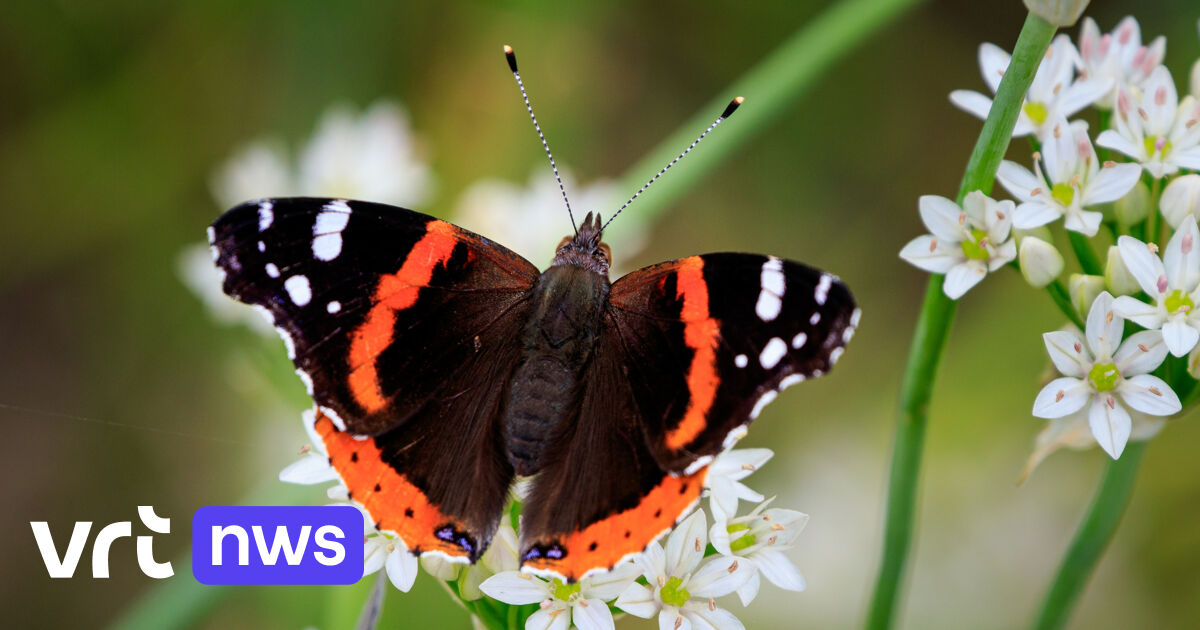
🦋
Dry summer brings good news for migrant butterflies (and bad news for Asian hornets)
Droge zomer goed nieuws voor trekvlinders (en slecht nieuws voor Aziatische hoornaars)
Un été sec apporte de bonnes nouvelles pour les papillons migrateurs (et de mauvaises nouvelles pour les frelons asiatiques)
This summer's exceptionally dry and hot weather shook up Belgium's insect rankings in a big way - and I find it really fascinating how nature responds to these shifts. The Insect Summer Challenge tracked some 40,000 observations between July and August, revealing that migrant butterflies from southern Europe thrived, with the red admiral (atalanta) claiming the top spot for the first time. The bad news? The Asian hornet, which dominated last year's rankings, plummeted to 18th place - though that's actually positive for our region since this invasive species is spreading more slowly than expected. Meanwhile, wasps, ladybugs, and hoverflies all struggled with the unusual conditions, highlighting how sensitive many native insects are to changes in temperature and rainfall patterns.
De uitzonderlijk droge en hete zomer van dit jaar heeft de ranglijst van Belgische insecten behoorlijk door elkaar geschud - en ik vind het echt boeiend hoe de natuur op zulke veranderingen reageert. De Insectenzomerchallenge registreerde ruim 40.000 waarnemingen tussen juli en augustus, waaruit bleek dat trekvlinders uit Zuid-Europa floreerden, met de atalanta of admiraalvlinder voor het eerst op de eerste plaats. Het goede nieuws is dat de Aziatische hoornaar, vorig jaar nog onbetwist kampioen, naar plaats 18 is gezakt - wat eigenlijk positief is omdat deze invasieve soort traag verspreidt. Tegelijkertijd hadden wespen, lieveheersbeestjes en zweefvliegen het zwaar met de uitzonderlijke omstandigheden, wat aantoont hoe gevoelig veel inheemse insecten zijn voor temperatuur- en neerslag veranderingen.
L'été exceptionnellement sec et chaud a considérablement bouleversé le classement des insectes en Belgique - et je trouve vraiment fascinant la façon dont la nature réagit à ces changements. Le Défi de l'été des insectes a enregistré plus de 40.000 observations entre juillet et août, révélant que les papillons migrateurs d'Europe du Sud ont prospéré, avec la Vanesse des chardons arrivant pour la première fois à la première place. La bonne nouvelle est que le frelon asiatique, champion incontesté l'année dernière, a dégringolé à la 18e place - ce qui est en fait positif puisque cette espèce invasive se propage lentement. Pendant ce temps, les guêpes, les coccinelles et les syrphes ont eu du mal avec les conditions exceptionnelles, ce qui montre à quel point de nombreux insectes indigènes sont sensibles aux variations de température et de précipitations.
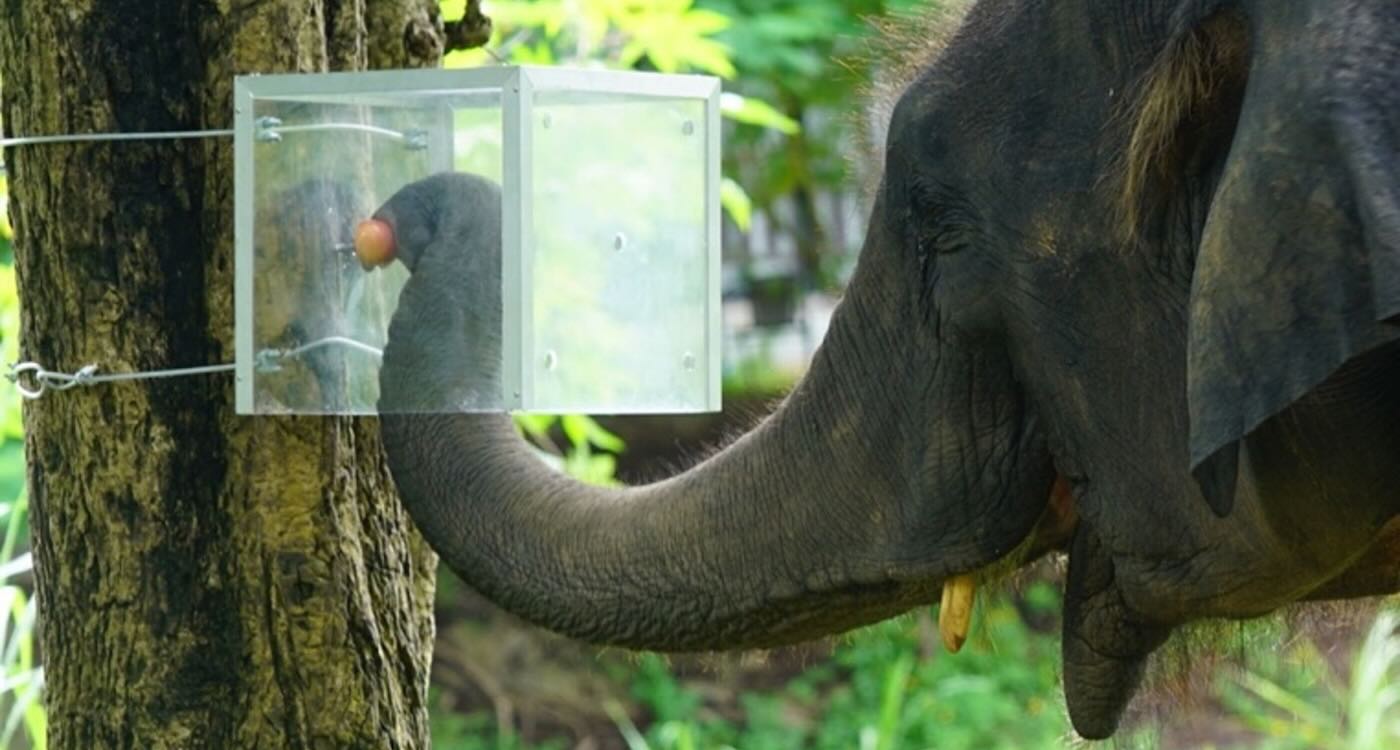
🧠
Elephants can think before they act and resist impulsive behavior, shows study
Olifanten kunnen nadenken voordat ze handelen en impulsief gedrag weerstaan, toont onderzoek
Les éléphants peuvent réfléchir avant d'agir et résister aux comportements impulsifs, selon une étude
So here's what fascinates me - researchers at the National Elephant Institute in Thailand have discovered that Asian elephants can actually think before they act and resist their impulses to solve problems. They tested this using transparent boxes with food inside, and the elephants consistently chose the correct opening rather than attempting the obvious but ineffective path. Now, what's really interesting is that when the box was rotated, the elephants initially went for the old position but quickly corrected themselves - though older elephants took a bit longer to adjust. This inhibitory control, as scientists call it, appears to be a key part of elephants' remarkable problem-solving abilities and could help us design better strategies for human-elephant coexistence.
Wat me echt fascineert - onderzoekers aan het National Elephant Institute in Thailand hebben ontdekt dat Aziatische olifanten echt kunnen nadenken voordat ze handelen en hun impulsen kunnen weerstaan om problemen op te lossen. Ze testten dit met doorzichtige dozen vol voedsel, en de olifanten kozen consequent de juiste opening in plaats van de voor de hand liggende maar ineffectieve route. Nu is het echt interessant - toen de doos werd gedraaid, grepen de olifanten eerst naar de oude positie maar corrigeerden zichzelf snel, hoewel oudere olifanten daar wat langer over deden. Deze remming - zoals wetenschappers het noemen - blijkt een belangrijk onderdeel van de opmerkelijke probleemoplossende vaardigheden van olifanten en kan ons helpen betere strategieën voor menselijke-olifantsamenliving te ontwerpen.
Ce qui me fascine vraiment - des chercheurs de l'Institut national des éléphants en Thaïlande ont découvert que les éléphants asiatiques peuvent vraiment réfléchir avant d'agir et résister à leurs impulsions pour résoudre des problèmes. Ils ont testé cela avec des boîtes transparentes remplies de nourriture, et les éléphants ont systématiquement choisi la bonne ouverture plutôt que le chemin évident mais inefficace. Maintenant, ce qui est vraiment intéressant - quand la boîte a été tournée, les éléphants ont d'abord visé l'ancienne position mais se sont rapidement corrigés, bien que les éléphants plus âgés aient mis un peu plus de temps à s'adapter. Ce contrôle inhibiteur - comme l'appellent les scientifiques - semble être une partie clé des remarquables capacités de résolution de problèmes des éléphants et pourrait nous aider à concevoir de meilleures stratégies pour la coexistence homme-éléphant.

🌋
With better physics, we could predict volcanic eruptions like the weather
Met betere natuurkunde zouden we vulkaanuitbarstingen kunnen voorspellen zoals het weer
Avec une meilleure compréhension de la physique, nous pourrions prédire les éruptions volcaniques comme la météo
So here's what fascinates me - scientists are getting genuinely close to predicting volcanic eruptions with real precision, similar to how we forecast weather. The 1991 Pinatubo eruption in the Philippines killed over 800 people, but rapid detection and quick thinking saved countless lives by evacuating a quarter million people. Since then, volcanology has leaped forward with better instruments, machine learning, and a much deeper grasp of underground magmatic systems. And get this - experts like Diana Roman at Carnegie Science believe we're heading toward forecasts like "80 percent chance of eruption in a particular way next week" - which would be genuinely transformative for the millions of people living near active volcanoes.
Wat me fascineert is dat wetenschappers echt dicht bij het voorspellen van vulkaanuitbarstingen met echte precisie komen, vergelijkbaar met hoe we het weer voorspellen. De uitbarsting van Pinatubo in de Filippijnen in 1991 doodde meer dan 800 mensen, maar snelle detectie en snel handelen redden talloze levens door een kwart miljoen mensen te evacueren. Sinds die tijd heeft volcanologie enorme sprongen gemaakt met betere instrumenten, machine learning en veel dieper inzicht in ondergrondse magmatische systemen. En let op dit - experts als Diana Roman van Carnegie Science geloven dat we richting forecasts gaan als "80 procent kans op uitbarsting volgende week" - wat echt transformatief zou zijn voor de miljoenen mensen die dicht bij actieve vulkanen wonen.
Voici ce qui me fascine - les scientifiques se rapprochent vraiment de la prédiction des éruptions volcaniques avec une véritable précision, similaire à la façon dont nous prévoyons la météo. L'éruption du Pinatubo aux Philippines en 1991 a tué plus de 800 personnes, mais la détection rapide et l'action rapide ont sauvé d'innombrables vies en évacuant un quart de million de personnes. Depuis, la volcanologie a fait d'énormes progrès avec de meilleurs instruments, l'apprentissage automatique et une compréhension bien plus profonde des systèmes magmatiques souterrains. Et voilà - des experts comme Diana Roman de Carnegie Science croient que nous nous dirigeons vers des prévisions comme "80 pour cent de chances d'éruption la semaine prochaine" - ce qui serait véritablement transformateur pour les millions de personnes vivant près de volcans actifs.

⚡
World energy chief: oil's era is ending - 'the vase is broken, it cannot be glued back together'
Wereldenergiechef: het olie-tijdperk loopt ten einde - 'de vaas is stuk, die kan niet meer gelijmd worden'
Le chef énergétique mondial: l'ère du pétrole se termine - 'le vase est cassé, on ne peut pas le recoller'
Fatih Birol, director of the International Energy Agency and advisor to world leaders on energy policy, believes we're witnessing a historic turning point in global energy. He's confident that within just a few years, half of all cars sold globally will be electric - a fundamental shift that signals the beginning of the end for oil's dominance. So here's the thing: this transition isn't just about technology or economics, it's about a deeper reset in how the world thinks about energy. And according to Birol, there's no going back - the old era is truly broken.
Fatih Birol, directeur van het Internationaal Energieagentschap en adviseur van wereldleiders over energiebeleid, gelooft dat we een historisch keerpunt in de wereldwijde energievoorziening meemaken. Hij is ervan overtuigd dat binnen enkele jaren de helft van alle verkochte auto's elektrisch zal zijn - een fundamentele verschuiving die het begin van het einde van de oliedominantie aangeeft. Dus hier is het ding: deze overgang gaat niet alleen over technologie of economie, het gaat om een dieper reset in hoe de wereld over energie denkt. En volgens Birol is er geen weg terug - het oude tijdperk is echt voorbij.
Fatih Birol, directeur de l'Agence internationale de l'énergie et conseiller des leaders mondiaux en matière de politique énergétique, croit que nous vivons un tournant historique dans l'approvisionnement énergétique mondial. Il est convaincu que dans quelques années à peine, la moitié de toutes les voitures vendues seront électriques - un changement fondamental qui signale le début de la fin de la domination du pétrole. Voilà le point clé: cette transition ne concerne pas seulement la technologie ou l'économie, il s'agit d'une réinitialisation plus profonde de la façon dont le monde pense l'énergie. Et selon Birol, il n'y a pas de retour en arrière possible - l'ancien ordre énergétique est vraiment révolu.
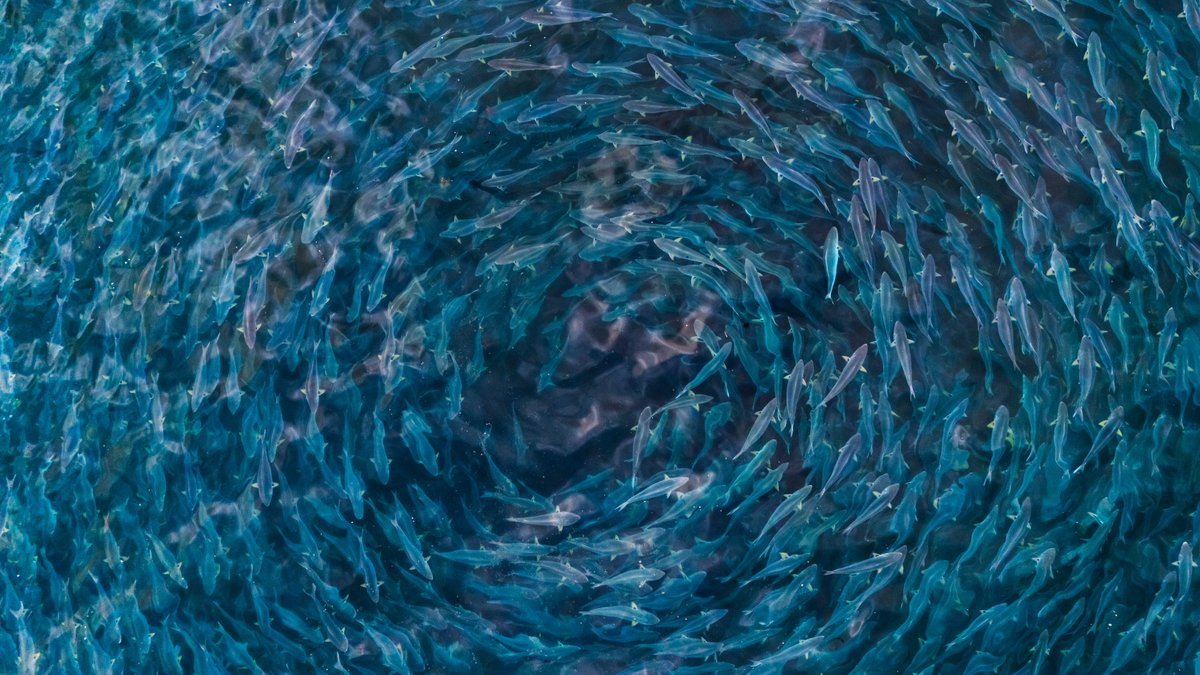
🧠
How our sense of beauty takes shape in the brain
Hoe ons gevoel voor schoonheid vorm krijgt in onze hersenen
Comment notre sens de la beauté se forme dans le cerveau
So here's something fascinating - when you stand in front of a beautiful painting, your brain isn't experiencing beauty as one unified thing. Instead, researchers using MRI scans and Netflix-style algorithms discovered that your brain splits aesthetic experience into two completely separate systems: one that processes what the image actually shows you (landscape, figure, object), and another that handles the pleasure you feel from it. The first system uses your regular visual pathways, while the pleasure part taps into the same reward circuits that light up when you eat good food or get money. What's really striking is that despite working together to create your overall sense of beauty, these two brain systems operate independently - which helps explain why we can all feel moved by the Mona Lisa even though beauty feels so deeply personal.
Hier is iets fascinerends - wanneer je voor een mooi schilderij staat, ervaart je hersenen schoonheid niet als één unified ding. Onderzoekers gebruikten MRI-scans en algoritmes naar het voorbeeld van Netflix en ontdekten dat je hersenen aesthetische ervaring in twee volledig aparte systemen splitsen: één die verwerkt wat het beeld je werkelijk toont (landschap, figuur, object), en een ander dat het plezier dat je voelt verwerkt. Het eerste systeem gebruikt je normale visuele paden, terwijl het pleziergedeelte dezelfde beloningscircuits gebruikt die oplichten wanneer je lekker eten krijgt of geld. Wat echt opvallend is: hoewel deze twee hersensystemen samen werken om je totale schoonheidsgevoel te creëren, werken ze onafhankelijk - wat verklaart waarom we allemaal geraakt kunnen worden door de Mona Lisa, zelfs al voelt schoonheid zo diep persoonlijk.
Voilà quelque chose de fascinant - quand tu te tiens devant un beau tableau, ton cerveau ne vit pas la beauté comme une seule et même chose. Les chercheurs, utilisant des scans IRM et des algorithmes inspirés par Netflix, ont découvert que ton cerveau divise l'expérience esthétique en deux systèmes complètement séparés: l'un qui traite ce que l'image te montre réellement (paysage, figure, objet), et un autre qui gère le plaisir que tu en ressens. Le premier système utilise tes chemins visuels ordinaires, tandis que la partie plaisir puise dans les mêmes circuits de récompense qui s'allument quand tu manges de la bonne nourriture ou reçois de l'argent. Ce qui est vraiment frappant, c'est que malgré la collaboration de ces deux systèmes pour créer ton sens global de la beauté, ils fonctionnent indépendamment - ce qui explique pourquoi nous pouvons tous être émus par la Joconde, même si la beauté semble si profondément personnelle.

📚
From nail cutters to notebooks: how one teacher transformed a tribal hamlet with Saturday school
Van nagels knippen tot notitieboeken: hoe één lerares een tribal dorp transformeerde met zaterdag school
Des coupe-ongles aux cahiers: comment une enseignante a transformé un hameau tribal avec l'école du samedi
An 82-year-old educator named Padmini brought something revolutionary to a remote tribal settlement in Tamil Nadu - not fancy textbooks, but a belief that every child deserves quality education. What started as a Saturday school in the Kombai-Perungadu hamlet has grown into a thriving learning community where over 50 first-generation tribal children now attend school regularly, discovering joy in learning instead of being pulled toward farm work. Padmini's integrated approach weaves geography, history, and science into every lesson, making education feel alive and connected to real life. Today, children like 5-year-old Karnika dream of becoming police officers and can't wait to see their teacher - a stark transformation from years of dropping in and out of uninspiring classrooms.
Een 82-jarige onderwijzeres genaamd Padmini bracht iets revolutionairs naar een afgelegen tribal nederzetting in Tamil Nadu - niet ingewikkelde schoolboeken, maar het geloof dat elk kind recht heeft op kwaliteitsonderwijs. Wat begon als zaterdagschool in het dorp Kombai-Perungadu is gegroeid tot een bloeiende leerlingencommunity waar meer dan 50 kinderen van de eerste generatie nu regelmatig naar school gaan en plezier ontdekken in leren in plaats van naar het land te worden getrokken. Padmini's geïntegreerde aanpak weeft aardrijkskunde, geschiedenis en wetenschap in elk lesje, waardoor onderwijs levendig en met het echte leven verbonden voelt. Vandaag dromen kinderen als de 5-jarige Karnika ervan politieagent te worden en kunnen niet wachten om hun juf te zien - een enorme verandering ten opzichte van jaren waarin ze in- en uitvallen.
Une éducatrice de 82 ans nommée Padmini a apporté quelque chose de révolutionnaire dans un petit hameau tribal du Tamil Nadu - non pas des manuels sophistiqués, mais la conviction que chaque enfant mérite une éducation de qualité. Ce qui a commencé comme une école du samedi dans le hameau de Kombai-Perungadu s'est transformé en une communauté d'apprentissage florissante où plus de 50 enfants de première génération assistent régulièrement à l'école et découvrent la joie d'apprendre au lieu d'être attirés vers les champs. L'approche intégrée de Padmini tisse la géographie, l'histoire et les sciences dans chaque leçon, rendant l'éducation vivante et connectée à la vie réelle. Aujourd'hui, des enfants comme la petite Karnika, 5 ans, rêvent de devenir officier de police et ne peuvent pas attendre de voir leur maîtresse - une transformation radicale par rapport à des années d'abandon scolaire.
❤️
Who really needs a heart calcium scan?
Wie heeft echt een hartcalciumscan nodig?
Qui a vraiment besoin d'un scan de calcium cardiaque?
Coronary artery calcium scans are gaining popularity for assessing heart disease risk, but new research suggests they may not be necessary for everyone. A study followed over 6,000 adults and found that the scans mainly benefit those in borderline risk categories. For these patients, the calcium score provides clearer insights into their actual risk of cardiovascular events. However, using the scans on low-risk individuals could lead to unnecessary costs and radiation exposure.
Hartcalciumscans worden steeds populairder voor het inschatten van het risico op hartziekten, maar nieuw onderzoek suggereert dat ze niet voor iedereen nodig zijn. Een studie volgde meer dan 6.000 volwassenen en ontdekte dat de scans vooral nuttig zijn voor mensen in de borderline risicocategorie. Voor deze patiënten biedt de calciumscore duidelijkere inzichten in hun werkelijke risico op cardiovasculaire gebeurtenissen. Het gebruik van de scans bij mensen met een laag risico kan echter leiden tot onnodige kosten en blootstelling aan straling.
Les scans de calcium coronarien gagnent en popularité pour évaluer le risque de maladies cardiaques, mais de nouvelles recherches suggèrent qu'ils ne sont pas nécessaires pour tout le monde. Une étude a suivi plus de 6 000 adultes et a découvert que les scans bénéficient principalement à ceux qui se trouvent dans des catégories de risque intermédiaire. Pour ces patients, le score de calcium fournit des indications plus claires sur leur risque réel d'événements cardiovasculaires. Cependant, l'utilisation des scans chez les personnes à faible risque pourrait entraîner des coûts inutiles et une exposition aux radiations.
🌟
Scientists find Ozempic may slow aging itself
Wetenschappers ontdekken dat Ozempic mogelijk het verouderingsproces vertraagt
Des scientifiques découvrent qu'Ozempic pourrait ralentir le vieillissement lui-même
A fascinating study has revealed that semaglutide, found in Ozempic, may do more than just help with weight loss and blood sugar. Researchers discovered it could actually reduce aging effects and extend lifespan in older mice. This opens up the exciting possibility that GLP-1 drugs might influence the aging process itself, which could lead to a range of health benefits. However, more research is needed to see if these effects translate to humans, but the potential is certainly thrilling!
Een fascinerende studie heeft aangetoond dat semaglutide, dat in Ozempic zit, misschien meer doet dan alleen helpen bij gewichtsverlies en bloedsuiker. Onderzoekers ontdekten dat het daadwerkelijk de verouderingseffecten kan verminderen en de levensduur van oudere muizen kan verlengen. Dit opent de spannende mogelijkheid dat GLP-1-geneesmiddelen het verouderingsproces zelf kunnen beïnvloeden, wat kan leiden tot een reeks gezondheidsvoordelen. Er is echter meer onderzoek nodig om te zien of deze effecten ook bij mensen optreden, maar het potentieel is zeker opwindend!
Une étude fascinante a révélé que le sémaglutide, présent dans l'Ozempic, pourrait faire plus que simplement aider à la perte de poids et à la régulation de la glycémie. Les chercheurs ont découvert qu'il pourrait en fait réduire les effets du vieillissement et prolonger la durée de vie des souris âgées. Cela ouvre la possibilité passionnante que les médicaments GLP-1 pourraient influencer le processus de vieillissement lui-même, ce qui pourrait entraîner une gamme de bénéfices pour la santé. Cependant, des recherches supplémentaires sont nécessaires pour voir si ces effets se traduisent chez les humains, mais le potentiel est certainement enthousiasmant !
🔊
Tiny sound waves could help solve a major quantum computing problem
Kleine geluidsgolven kunnen helpen een groot probleem in de quantumcomputing op te lossen
De minuscules ondes sonores pourraient aider à résoudre un grand problème de l'informatique quantique
Researchers at Harvard have found a fascinating way to protect delicate quantum information using tiny sound waves, or mechanical vibrations. This breakthrough could pave the way for compact quantum networks on chips and hybrid systems that combine different types of qubits. By using phonons, they’ve developed a method to enhance coherence time, which is crucial for storing and processing information. It's exciting to think about how this dual role of phonons could revolutionize quantum technology!
Onderzoekers aan Harvard hebben een fascinerende manier gevonden om delicate quantuminformatie te beschermen met behulp van kleine geluidsgolven, of mechanische trillingen. Deze doorbraak zou de weg kunnen vrijmaken voor compacte quantumnetwerken op chips en hybride systemen die verschillende soorten qubits combineren. Door phonons te gebruiken, hebben ze een methode ontwikkeld om de coherentie tijd te verlengen, wat cruciaal is voor het opslaan en verwerken van informatie. Het is opwindend om te bedenken hoe deze dubbele rol van phonons de quantumtechnologie zou kunnen revolutioneren!
Des chercheurs de Harvard ont découvert une manière fascinante de protéger des informations quantiques délicates à l'aide de minuscules ondes sonores, ou vibrations mécaniques. Cette avancée pourrait ouvrir la voie à des réseaux quantiques compacts sur des puces et à des systèmes hybrides combinant différents types de qubits. En utilisant des phonons, ils ont développé une méthode pour améliorer le temps de cohérence, essentiel pour le stockage et le traitement des informations. C'est excitant de penser à la façon dont ce double rôle des phonons pourrait révolutionner la technologie quantique !
🌟
Scientists find a way to break pancreatic cancer’s protective shield
Wetenschappers vinden een manier om de beschermende schild van alvleesklierkanker te doorbreken
Des scientifiques trouvent un moyen de briser le bouclier protecteur du cancer du pancréas
Researchers have discovered a promising method to weaken pancreatic cancer's defenses by targeting IL1RAP, a key receptor in inflammatory signaling. This innovative approach is set to be tested in a groundbreaking clinical trial that combines IL1RAP therapy with chemoimmunotherapy for operable pancreatic cancer patients. The study highlights how disrupting the tumor's supportive environment can enhance the effectiveness of existing treatments. It's an exciting step forward in the fight against one of the most challenging cancers to treat.
Onderzoekers hebben een veelbelovende methode ontdekt om de verdediging van alvleesklierkanker te verzwakken door IL1RAP, een belangrijke receptor in de ontstekingssignaleringsprocessen, aan te pakken. Deze innovatieve aanpak zal worden getest in een baanbrekende klinische proef die IL1RAP-therapie combineert met chemo-immunotherapie voor patiënten met operabele alvleesklierkanker. De studie benadrukt hoe het verstoren van de ondersteunende omgeving van de tumor de effectiviteit van bestaande behandelingen kan vergroten. Het is een spannende stap voorwaarts in de strijd tegen een van de meest uitdagende kankers om te behandelen.
Les chercheurs ont découvert une méthode prometteuse pour affaiblir les défenses du cancer du pancréas en ciblant IL1RAP, un récepteur clé dans la signalisation inflammatoire. Cette approche innovante sera testée dans un essai clinique révolutionnaire qui combine la thérapie ciblée IL1RAP avec la chimiothérapie immunitaire pour les patients atteints de cancer du pancréas opérable. L'étude souligne comment perturber l'environnement de soutien de la tumeur peut améliorer l'efficacité des traitements existants. C'est une avancée passionnante dans la lutte contre l'un des cancers les plus difficiles à traiter.
🌟
Scientists discover a hidden switch that shuts down inflammation
Wetenschappers ontdekken een verborgen schakelaar die ontsteking uitschakelt
Des scientifiques découvrent un interrupteur caché qui stoppe l'inflammation
Researchers at University College London have uncovered a biological mechanism that helps the body end inflammation, which could pave the way for new treatments for chronic inflammatory diseases. Inflammation is crucial for fighting infections, but when it lingers, it can harm healthy tissue. The study highlights small fat-derived molecules called epoxy-oxylipins that act like natural brakes on the immune system. By blocking an enzyme, scientists found that these molecules can help resolve pain more quickly and reduce harmful immune cells, offering hope for safer treatments.
Onderzoekers van University College London hebben een biologisch mechanisme ontdekt dat het lichaam helpt om ontsteking te beëindigen, wat nieuwe behandelingen voor chronische ontstekingsziekten zou kunnen mogelijk maken. Ontsteking is cruciaal voor het bestrijden van infecties, maar als het aanhoudt, kan het gezonde weefsels beschadigen. De studie benadrukt kleine vetafgeleide moleculen genaamd epoxy-oxylipinen die fungeren als natuurlijke remmen op het immuunsysteem. Door een enzym te blokkeren, ontdekten wetenschappers dat deze moleculen pijn sneller kunnen verlichten en schadelijke immuuncellen kunnen verminderen, wat hoop biedt voor veiligere behandelingen.
Des chercheurs de l'University College London ont découvert un mécanisme biologique qui aide le corps à mettre fin à l'inflammation, ce qui pourrait ouvrir la voie à de nouveaux traitements pour les maladies inflammatoires chroniques. L'inflammation est essentielle pour lutter contre les infections, mais lorsqu'elle persiste, elle peut endommager les tissus sains. L'étude met en lumière de petites molécules dérivées des graisses appelées epoxy-oxylipines qui agissent comme des freins naturels sur le système immunitaire. En bloquant une enzyme, les scientifiques ont constaté que ces molécules peuvent aider à résoudre la douleur plus rapidement et à réduire les cellules immunitaires nuisibles, offrant ainsi de l'espoir pour des traitements plus sûrs.
🌌
Venus’s pale yellow clouds may hide something surprisingly dark
De bleekgele wolken van Venus kunnen iets verrassend duisters verbergen
Les nuages jaunes pâles de Vénus pourraient cacher quelque chose de surprenant et de sombre
So, it turns out that Venus's clouds, which look pale yellow to us, might actually be hiding something much darker! Researchers have been trying to figure out the mysterious 'unknown absorber' in these clouds for ages. By using advanced modeling and observations, they’ve estimated how this material interacts with light, revealing that it could be surprisingly effective at absorbing ultraviolet light. This discovery opens up exciting possibilities about the chemical makeup of Venus's atmosphere and what it might mean for our understanding of the planet.
Het blijkt dat de wolken van Venus, die ons bleekgeel lijken, eigenlijk iets veel duisterders kunnen verbergen! Onderzoekers proberen al lange tijd het mysterieuze 'onbekende absorber' in deze wolken te achterhalen. Door geavanceerde modellering en observaties te gebruiken, hebben ze geschat hoe dit materiaal met licht omgaat, en onthuld dat het verrassend effectief kan zijn in het absorberen van ultraviolet licht. Deze ontdekking opent spannende mogelijkheden over de chemische samenstelling van de atmosfeer van Venus en wat dit kan betekenen voor ons begrip van de planeet.
Il s'avère que les nuages de Vénus, qui nous semblent jaunes pâles, pourraient en réalité cacher quelque chose de beaucoup plus sombre ! Les chercheurs tentent depuis longtemps de comprendre l'« absorbeur inconnu » dans ces nuages. En utilisant des modélisations avancées et des observations, ils ont estimé comment ce matériau interagit avec la lumière, révélant qu'il pourrait être étonnamment efficace pour absorber la lumière ultraviolette. Cette découverte ouvre des possibilités passionnantes sur la composition chimique de l'atmosphère de Vénus et ce que cela pourrait signifier pour notre compréhension de la planète.
🌊
Scientists find water was fueling volcanoes 3 billion years ago
Wetenschappers ontdekken dat water 3 miljard jaar geleden vulkanen aandreef
Des scientifiques découvrent que l'eau alimentait des volcans il y a 3 milliards d'années
It's fascinating to think that water was influencing volcanic activity on Earth more than three billion years ago! A team of geologists led by Dr. Eric Vandenburg found evidence in ancient rocks from Western Australia that suggests water traveled deep beneath the surface, contributing to magma formation. This discovery hints that the young Earth was more dynamic than we previously thought, with processes like 'dripduction' moving water into the mantle. These findings could reshape our understanding of how Earth's continents developed and how vital resources like water were recycled early on.
Het is fascinerend om te bedenken dat water meer dan drie miljard jaar geleden de vulkanische activiteit op aarde beïnvloedde! Een team van geologen onder leiding van Dr. Eric Vandenburg vond bewijs in oude rotsen uit West-Australië dat suggereert dat water diep onder het oppervlak reisde en bijdroeg aan de vorming van magma. Deze ontdekking wijst erop dat de jonge aarde dynamischer was dan we eerder dachten, met processen zoals 'dripduction' die water in de mantel verplaatsten. Deze bevindingen kunnen ons begrip van de ontwikkeling van de continenten en de recycling van essentiële hulpbronnen zoals water in de vroege aarde herzien.
Il est fascinant de penser que l'eau influençait l'activité volcanique sur Terre il y a plus de trois milliards d'années ! Une équipe de géologues dirigée par le Dr Eric Vandenburg a trouvé des preuves dans des roches anciennes d'Australie-Occidentale suggérant que l'eau a voyagé profondément sous la surface, contribuant à la formation de magma. Cette découverte laisse entendre que la jeune Terre était plus dynamique que nous ne le pensions, avec des processus comme la 'dripduction' déplaçant l'eau dans le manteau. Ces résultats pourraient redéfinir notre compréhension du développement des continents et du recyclage des ressources vitales comme l'eau à cette époque.

👖
Girls given legal right to wear trousers in schools in Northern Ireland
Meisjes krijgen wettelijk recht om broeken te dragen op scholen in Noord-Ierland
Les filles obtiennent le droit légal de porter des pantalons à l'école en Irlande du Nord
This is such an exciting development for girls in Northern Ireland! They now have the legal right to wear trousers in schools, which is especially helpful during those chilly winter months. The change is part of a broader effort to ensure comfort and dignity for students, and it’s great to see young campaigners being recognized for their hard work. Schools will need to adapt their uniform policies by the next academic year, making this a significant step forward for equality in education.
Dit is een spannende ontwikkeling voor meisjes in Noord-Ierland! Ze hebben nu het wettelijk recht om broeken te dragen op scholen, wat vooral handig is tijdens de koude wintermaanden. De verandering maakt deel uit van een bredere inspanning om comfort en waardigheid voor studenten te waarborgen, en het is geweldig om te zien dat jonge campagnevoerders worden erkend voor hun harde werk. Scholen moeten hun uniformbeleid aanpassen voor het volgende schooljaar, wat een belangrijke stap voorwaarts is voor gelijkheid in het onderwijs.
C'est un développement passionnant pour les filles en Irlande du Nord ! Elles ont désormais le droit légal de porter des pantalons à l'école, ce qui est particulièrement utile pendant les mois d'hiver froids. Ce changement fait partie d'un effort plus large pour garantir le confort et la dignité des élèves, et c'est formidable de voir les jeunes militants reconnus pour leur travail acharné. Les écoles devront adapter leurs politiques de uniformes d'ici l'année scolaire prochaine, ce qui constitue un pas important vers l'égalité dans l'éducation.

🚢
In 1959, the first nuclear-powered merchant ship set sail before the world was ready
In 1959 voer het eerste nucleaire vrachtschip uit voordat de wereld er klaar voor was
En 1959, le premier navire marchand à propulsion nucléaire a pris la mer avant que le monde ne soit prêt
So, back in 1959, the world was introduced to the NS Savannah, the first nuclear-powered merchant ship, and it was quite a bold move! Designed by Jack Heaney, this ship aimed to showcase the peaceful uses of nuclear technology amidst fears from the atomic age. Unfortunately, despite its innovative design, no other nuclear merchant ships have followed in its wake due to economic concerns and public mistrust. But with the rising costs of oil and environmental concerns, the idea of nuclear-powered ships might just be making a comeback!
In 1959 werd de wereld kennisgemaakt met de NS Savannah, het eerste nucleaire vrachtschip, en dat was een gedurfde zet! Ontworpen door Jack Heaney, had dit schip als doel de vreedzame toepassingen van nucleaire technologie te tonen te midden van de angsten uit het atoomtijdperk. Helaas, ondanks het innovatieve ontwerp, zijn er geen andere nucleaire vrachtschepen gevolgd vanwege economische zorgen en het wantrouwen van het publiek. Maar met de stijgende olieprijzen en milieuproblemen zou het idee van nucleaire vrachtschepen misschien weer in de belangstelling komen!
En 1959, le monde a découvert le NS Savannah, le premier navire marchand à propulsion nucléaire, et c'était un mouvement audacieux ! Conçu par Jack Heaney, ce navire visait à démontrer les utilisations pacifiques de la technologie nucléaire au milieu des craintes de l'ère atomique. Malheureusement, malgré son design innovant, aucun autre navire marchand nucléaire n'a suivi en raison de préoccupations économiques et de la méfiance du public. Mais avec la hausse des coûts du pétrole et les préoccupations environnementales, l'idée des navires marchands nucléaires pourrait bien faire son retour !
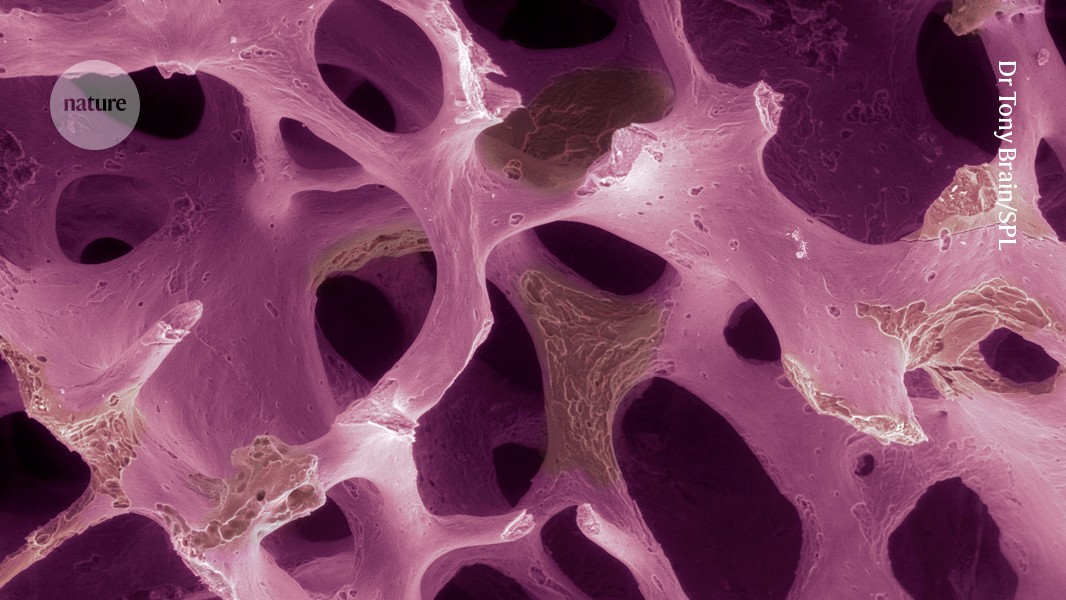
🌟
Osteoporosis affects millions: could modified cells rebuild their bones?
Osteoporose treft miljoenen: kunnen gemodificeerde cellen hun botten herbouwen?
L'ostéoporose touche des millions : des cellules modifiées pourraient-elles reconstruire leurs os ?
Osteoporosis is a serious condition that leads to fragile bones, but a new study offers hope with a cell therapy that might rebuild them. In a small trial, older women who received their own modified bone-marrow cells saw a dramatic decrease in fractures. This one-time treatment could potentially change the lives of millions suffering from osteoporosis. While the results are promising, more research is needed to fully understand the therapy's effects and track the cells in the body.
Osteoporose is een ernstige aandoening die leidt tot broze botten, maar een nieuwe studie biedt hoop met een celtherapie die ze mogelijk kan herbouwen. In een kleine proef zagen oudere vrouwen die hun eigen gemodificeerde beenmergcellen ontvingen een dramatische afname van botbreuken. Deze eenmalige behandeling zou het leven van miljoenen die aan osteoporose lijden, kunnen veranderen. Hoewel de resultaten veelbelovend zijn, is meer onderzoek nodig om de effecten van de therapie volledig te begrijpen en de cellen in het lichaam te volgen.
L'ostéoporose est une condition grave qui entraîne des os fragiles, mais une nouvelle étude offre de l'espoir avec une thérapie cellulaire qui pourrait les reconstruire. Dans un petit essai, des femmes âgées ayant reçu leurs propres cellules de moelle osseuse modifiées ont constaté une diminution spectaculaire des fractures. Ce traitement unique pourrait potentiellement changer la vie de millions de personnes souffrant d'ostéoporose. Bien que les résultats soient prometteurs, des recherches supplémentaires sont nécessaires pour comprendre pleinement les effets de la thérapie et suivre les cellules dans le corps.
🔥
The Bunsen burner myth that turns out to be just hot air
De mythe van de Bunsenbrander die slechts lucht blijkt te zijn
Le mythe du brûleur Bunsen qui s'avère être juste de l'air chaud
So, there's this fascinating discussion happening in the latest Nature podcast about the Bunsen burner and its supposed sterilization powers. It turns out that the reputation of this classic lab tool might be more about tradition than actual effectiveness. Plus, there's an exciting AI tool from DeepMind that can analyze the impact of a whopping 9 billion mutations! It's amazing how technology is pushing the boundaries of our understanding in genetics and microbiology.
Dus, er is een fascinerende discussie gaande in de nieuwste Nature-podcast over de Bunsenbrander en zijn vermeende sterilisatiekracht. Het blijkt dat de reputatie van dit klassieke laboratoriuminstrument meer te maken heeft met traditie dan met daadwerkelijke effectiviteit. Bovendien is er een opwindend AI-hulpmiddel van DeepMind dat de impact van maar liefst 9 miljard mutaties kan analyseren! Het is geweldig hoe technologie de grenzen van ons begrip in genetica en microbiologie verlegt.
Alors, il y a cette discussion fascinante dans le dernier podcast de Nature sur le brûleur Bunsen et ses prétendues capacités de stérilisation. Il s'avère que la réputation de cet outil classique de laboratoire pourrait être davantage liée à la tradition qu'à une réelle efficacité. De plus, il y a un outil d'IA passionnant de DeepMind qui peut analyser l'impact de pas moins de 9 milliards de mutations ! C'est incroyable de voir comment la technologie repousse les limites de notre compréhension en génétique et en microbiologie.

🦞
Giant armored crustaceans survive thanks to a gene stolen from bacteria
Giant gepantserde kreeftachtigen overleven dankzij een gen gestolen van bacteriën
Des crustacés géants blindés survivent grâce à un gène volé aux bactéries
Isn't it fascinating how deep-sea isopods can survive for years without food? Researchers discovered that these incredible creatures likely acquired a gene from bacteria millions of years ago, which helps them slow their metabolism and endure long periods of starvation. This gene, found in their stomachs, is surprisingly similar to bacterial genes and plays a crucial role in their survival in the ocean depths. It's a remarkable example of evolution and adaptation that opens new doors for understanding deep-sea ecosystems!
Het is toch fascinerend hoe diepzeekreeftachtigen jaren zonder voedsel kunnen overleven? Onderzoekers ontdekten dat deze ongelooflijke wezens miljoenen jaren geleden een gen van bacteriën hebben verworven, wat hen helpt hun stofwisseling te vertragen en lange perioden van honger te doorstaan. Dit gen, dat in hun magen wordt aangetroffen, lijkt verrassend veel op bacteriële genen en speelt een cruciale rol in hun overleving in de oceaan. Het is een opmerkelijk voorbeeld van evolutie en aanpassing dat nieuwe deuren opent voor het begrijpen van diepzeecosystemen!
N'est-ce pas fascinant de voir comment les isopodes des profondeurs marines peuvent survivre pendant des années sans nourriture ? Les chercheurs ont découvert que ces créatures incroyables avaient probablement acquis un gène de bactéries il y a des millions d'années, ce qui les aide à ralentir leur métabolisme et à endurer de longues périodes de famine. Ce gène, trouvé dans leur estomac, est étonnamment similaire aux gènes bactériens et joue un rôle crucial dans leur survie dans les profondeurs océaniques. C'est un exemple remarquable d'évolution et d'adaptation qui ouvre de nouvelles perspectives pour comprendre les écosystèmes profonds !

🔄
Why do these fossil shells flip their spirals every few millennia?
Waarom draaien deze fossiele schelpen elke paar millennia hun spiralen om?
Pourquoi ces coquilles fossiles inversent-elles leurs spirales tous les quelques millénaires ?
There's a fascinating mystery surrounding foraminifera, tiny marine organisms that build spiral shells. These shells can flip their coiling direction simultaneously across the globe, which has puzzled scientists for decades. Recent research suggests that this phenomenon might not be an adaptive response but rather a marker of significant evolutionary events. By connecting modern genetic insights with ancient fossil data, researchers are shedding light on this intriguing process.
Er is een fascinerend mysterie rond foraminifera, kleine mariene organismen die spiraalschelpen bouwen. Deze schelpen kunnen hun draaiing wereldwijd gelijktijdig omdraaien, wat wetenschappers al tientallen jaren in verwarring brengt. Recent onderzoek suggereert dat dit fenomeen misschien geen adaptieve reactie is, maar eerder een marker van belangrijke evolutionaire gebeurtenissen. Door moderne genetische inzichten te verbinden met oude fossiele gegevens, werpen onderzoekers licht op dit intrigerende proces.
Il existe un mystère fascinant autour des foraminifères, de petits organismes marins qui construisent des coquilles spiralées. Ces coquilles peuvent inverser leur direction de spirale simultanément à travers le monde, ce qui a intrigué les scientifiques pendant des décennies. Des recherches récentes suggèrent que ce phénomène pourrait ne pas être une réponse adaptative, mais plutôt un marqueur d'événements évolutifs significatifs. En reliant des aperçus génétiques modernes à des données fossiles anciennes, les chercheurs éclairent ce processus intrigant.

🎨
Giotto's stories of saint francis return to former glory at santa croce in florence
Giotto's verhalen van franciscus hersteld in de santa croce in florence
Les histoires de saint francis de Giotto retrouvent leur gloire à santa croce à florence
So, after four years of dedicated work, Giotto's stunning frescoes depicting the Stories of Saint Francis have been beautifully restored at Santa Croce in Florence. This project not only revitalizes the artwork but also enhances our understanding of Giotto's innovative techniques and expressive style. It’s fascinating to see how the restoration clarifies the differences among the various painters who contributed under Giotto's guidance. And here's the thing: this restoration coincides with the 800th anniversary of Saint Francis's death, making it a truly special moment for art lovers and history enthusiasts alike.
Na vier jaar van toegewijd werk zijn de prachtige fresco's van Giotto die de verhalen van franciscus uitbeelden, prachtig hersteld in de santa croce in florence. Dit project revitaliseert niet alleen het kunstwerk, maar verbetert ook ons begrip van Giotto's innovatieve technieken en expressieve stijl. Het is fascinerend om te zien hoe het herstel de verschillen verduidelijkt tussen de verschillende schilders die onder Giotto's leiding hebben bijgedragen. En dat is het mooie: dit herstel valt samen met de 800ste verjaardag van de dood van franciscus, wat het een echt bijzonder moment maakt voor kunstliefhebbers en geschiedenisliefhebbers.
Après quatre ans de travail acharné, les magnifiques fresques de Giotto représentant les histoires de saint francis ont été magnifiquement restaurées à santa croce à florence. Ce projet revitalise non seulement l'œuvre d'art, mais améliore également notre compréhension des techniques innovantes et du style expressif de Giotto. Il est fascinant de voir comment la restauration clarifie les différences entre les différents peintres qui ont contribué sous la direction de Giotto. Et voici le truc : cette restauration coïncide avec le 800e anniversaire de la mort de saint francis, ce qui en fait un moment vraiment spécial pour les amateurs d'art et d'histoire.
💡
Tiny nanolaser could cut computer energy use in half
Kleine nanolaser kan energieverbruik van computers halveren
Une petite nanolaser pourrait réduire de moitié la consommation d'énergie des ordinateurs
I find it fascinating that researchers at DTU have developed a tiny nanolaser that could revolutionize how our computers and smartphones work. This breakthrough allows devices to communicate using light instead of electricity, which could cut energy consumption by up to half! Imagine thousands of these lasers working together on a single microchip, making our devices faster and more efficient. It's an exciting step towards a future where technology is not only powerful but also environmentally friendly.
Ik vind het fascinerend dat onderzoekers aan de DTU een kleine nanolaser hebben ontwikkeld die de manier waarop onze computers en smartphones werken kan revolutioneren. Deze doorbraak stelt apparaten in staat om met licht in plaats van elektriciteit te communiceren, wat het energieverbruik met wel de helft kan verminderen! Stel je voor dat duizenden van deze lasers samenwerken op een enkele microchip, waardoor onze apparaten sneller en efficiënter worden. Het is een spannende stap naar een toekomst waarin technologie niet alleen krachtig, maar ook milieuvriendelijk is.
Je trouve fascinant que des chercheurs de DTU aient développé une petite nanolaser qui pourrait révolutionner le fonctionnement de nos ordinateurs et smartphones. Cette avancée permet aux appareils de communiquer par la lumière plutôt que par l'électricité, ce qui pourrait réduire la consommation d'énergie de moitié ! Imaginez des milliers de ces lasers travaillant ensemble sur une seule micro-puce, rendant nos appareils plus rapides et plus efficaces. C'est une étape passionnante vers un avenir où la technologie est non seulement puissante, mais aussi respectueuse de l'environnement.
🌟
Scientists just made quantum computer operations 1,000 times faster
Wetenschappers hebben kwantumcomputeroperaties 1.000 keer sneller gemaakt
Des scientifiques viennent de rendre les opérations des ordinateurs quantiques 1 000 fois plus rapides
Wow, this is exciting! Researchers at Chalmers University in Sweden have developed a method that speeds up quantum operations by over a thousand times, tackling a major hurdle in quantum computing. This breakthrough could lead to more reliable quantum computers, which are essential for advancements in fields like drug discovery and artificial intelligence. By using innovative bosonic quantum codes, they’ve found a way to protect quantum information better and reduce errors. It’s a significant step towards making quantum computing fault-tolerant!
Wauw, dit is opwindend! Onderzoekers aan de Chalmers Universiteit in Zweden hebben een methode ontwikkeld die kwantumoperaties meer dan duizend keer versnelt, en daarmee een belangrijke hindernis in de kwantumcomputing aanpakt. Deze doorbraak kan leiden tot betrouwbaardere kwantumcomputers, die essentieel zijn voor vooruitgang in gebieden zoals medicijnontdekking en kunstmatige intelligentie. Door innovatieve bosonische kwantumcodes te gebruiken, hebben ze een manier gevonden om kwantuminformatie beter te beschermen en fouten te verminderen. Het is een belangrijke stap richting het maken van kwantumcomputing fouttolerant!
Wow, c'est excitant ! Des chercheurs de l'Université Chalmers en Suède ont développé une méthode qui accélère les opérations quantiques de plus de mille fois, surmontant ainsi un obstacle majeur dans l'informatique quantique. Cette avancée pourrait conduire à des ordinateurs quantiques plus fiables, essentiels pour les progrès dans des domaines comme la découverte de médicaments et l'intelligence artificielle. En utilisant des codes quantiques bosoniques innovants, ils ont trouvé un moyen de mieux protéger l'information quantique et de réduire les erreurs. C'est une étape significative vers la création d'ordinateurs quantiques tolérants aux fautes !
💊
Your next prescription could be treating a side effect from the last one
Je volgende recept kan een bijwerking van het vorige behandelen
Votre prochaine prescription pourrait traiter un effet secondaire de la précédente
A fascinating study from Ontario reveals how common medications can sometimes lead to a cascade of additional prescriptions for older adults. This happens when a side effect from one drug is misinterpreted as a new health issue, resulting in unnecessary treatments. Dr. Paula Rochon and her team identified 24 potentially inappropriate prescribing cascades that highlight the importance of communication between healthcare providers and patients. It's a reminder to stay informed about our medications and their effects!
Een fascinerende studie uit Ontario onthult hoe veelgebruikte medicijnen soms leiden tot een keten van extra recepten voor oudere volwassenen. Dit gebeurt wanneer een bijwerking van een medicijn verkeerd wordt geïnterpreteerd als een nieuw gezondheidsprobleem, wat resulteert in onnodige behandelingen. Dr. Paula Rochon en haar team identificeerden 24 potentieel ongeschikte voorschrijf cascades die het belang van communicatie tussen zorgverleners en patiënten benadrukken. Het is een herinnering om goed geïnformeerd te blijven over onze medicijnen en hun effecten!
Une étude fascinante de l'Ontario révèle comment des médicaments courants peuvent parfois entraîner une cascade de prescriptions supplémentaires pour les personnes âgées. Cela se produit lorsqu'un effet secondaire d'un médicament est mal interprété comme un nouveau problème de santé, entraînant des traitements inutiles. Le Dr Paula Rochon et son équipe ont identifié 24 cascades de prescriptions potentiellement inappropriées qui soulignent l'importance de la communication entre les prestataires de soins de santé et les patients. C'est un rappel de rester informé sur nos médicaments et leurs effets !
🌟
Scientists find signs of extreme aging and youth in the same 117-year-old
Wetenschappers vinden tekenen van extreme veroudering en jeugd in dezelfde 117-jarige
Des scientifiques trouvent des signes de vieillissement extrême et de jeunesse chez une même personne de 117 ans
This fascinating study dives into the biology of Maria Branyas, a remarkable woman who lived to be 117. Researchers discovered a duality in her biology, showing both signs of extreme aging and traits that promote healthy longevity. It's intriguing to think that aging might not just be about avoiding diseases but understanding the aging process itself. The insights gained could even help in understanding blood cancers and age-related diseases, which is just mind-blowing!
Deze fascinerende studie duikt in de biologie van Maria Branyas, een opmerkelijke vrouw die 117 jaar oud werd. Onderzoekers ontdekten een dualiteit in haar biologie, met zowel tekenen van extreme veroudering als eigenschappen die een gezonde levensduur bevorderen. Het is intrigerend om te denken dat veroudering niet alleen gaat om het vermijden van ziekten, maar om het begrijpen van het verouderingsproces zelf. De verkregen inzichten kunnen zelfs helpen bij het begrijpen van bloedkankers en leeftijdsgerelateerde ziekten, wat gewoon verbazingwekkend is!
Cette étude fascinante plonge dans la biologie de Maria Branyas, une femme remarquable qui a vécu jusqu'à 117 ans. Les chercheurs ont découvert une dualité dans sa biologie, montrant à la fois des signes de vieillissement extrême et des traits qui favorisent une longévité saine. Il est intrigant de penser que le vieillissement pourrait ne pas seulement consister à éviter les maladies, mais à comprendre le processus de vieillissement lui-même. Les informations obtenues pourraient même aider à comprendre les cancers du sang et les maladies liées à l'âge, ce qui est tout simplement incroyable !
❤️
Scientists discover the human heart can regrow muscle after a heart attack
Wetenschappers ontdekken dat het menselijke hart spierweefsel kan regenereren na een hartaanval
Des scientifiques découvrent que le cœur humain peut régénérer des muscles après une crise cardiaque
Isn't it amazing? Researchers have found that the human heart can actually produce new muscle cells after a heart attack, which changes everything we thought we knew! This discovery could lead to new treatments for cardiovascular diseases, which is super exciting. While the heart's ability to regenerate isn't strong enough to replace all the damaged muscle yet, understanding this process opens up new possibilities for future therapies. It's a big step forward in the fight against heart disease, which remains a leading cause of death worldwide.
Is het niet geweldig? Onderzoekers hebben ontdekt dat het menselijke hart daadwerkelijk nieuwe spiercellen kan produceren na een hartaanval, wat alles verandert wat we dachten te weten! Deze ontdekking kan leiden tot nieuwe behandelingen voor hart- en vaatziekten, wat super spannend is. Hoewel de regeneratiecapaciteit van het hart nog niet sterk genoeg is om alle beschadigde spierweefsel te vervangen, opent het begrijpen van dit proces nieuwe mogelijkheden voor toekomstige therapieën. Het is een grote stap vooruit in de strijd tegen hartziekten, die wereldwijd een belangrijke doodsoorzaak blijft.
N'est-ce pas incroyable ? Des chercheurs ont découvert que le cœur humain peut en fait produire de nouvelles cellules musculaires après une crise cardiaque, ce qui change tout ce que nous pensions savoir ! Cette découverte pourrait conduire à de nouveaux traitements pour les maladies cardiovasculaires, ce qui est super excitant. Bien que la capacité de régénération du cœur ne soit pas encore suffisante pour remplacer tout le muscle endommagé, comprendre ce processus ouvre de nouvelles possibilités pour les thérapies futures. C'est un grand pas en avant dans la lutte contre les maladies cardiaques, qui restent une cause de décès majeure dans le monde.

🌊
First permit to clean up old mine waste issued for WA state under 2024 ‘Good Samaritan Act’
Eerste vergunning voor het opruimen van oude mijnafval uitgegeven voor WA-staat onder de ‘Good Samaritan Act’ van 2024
Premier permis pour nettoyer les déchets miniers anciens délivré pour l'État de WA sous la 'Good Samaritan Act' de 2024
I'm really excited to share that the US Environmental Protection Agency has issued its first permit under the new 'Good Samaritan' law! This permit, granted to Trout Unlimited, will help clean up the Bodie Mine in Washington state, which has been polluting Toroda Creek with toxic metals. It's a fantastic step forward after years of advocacy, and it shows how collaboration can lead to real change. With this initiative, we can look forward to healthier rivers and a cleaner environment for everyone.
Ik ben echt enthousiast om te delen dat de Amerikaanse Environmental Protection Agency zijn eerste vergunning heeft verleend onder de nieuwe 'Good Samaritan'-wet! Deze vergunning, verleend aan Trout Unlimited, zal helpen bij het opruimen van de Bodie-mijn in de staat Washington, die Toroda Creek vervuilt met giftige metalen. Het is een geweldige stap vooruit na jaren van pleiten, en het toont aan hoe samenwerking kan leiden tot echte verandering. Met dit initiatief kunnen we uitkijken naar gezondere rivieren en een schoner milieu voor iedereen.
Je suis vraiment ravi de partager que l'Agence de protection de l'environnement des États-Unis a délivré son premier permis en vertu de la nouvelle loi 'Good Samaritan' ! Ce permis, accordé à Trout Unlimited, aidera à nettoyer la mine Bodie dans l'État de Washington, qui pollue Toroda Creek avec des métaux toxiques. C'est une étape fantastique après des années de plaidoyer, et cela montre comment la collaboration peut mener à un changement réel. Avec cette initiative, nous pouvons espérer des rivières plus saines et un environnement plus propre pour tous.
🌟
Department of Energy bets on ‘open’ AI models for science
Ministerie van Energie wedt op 'open' AI-modellen voor wetenschap
Le département de l'énergie parie sur des modèles d'IA 'ouverts' pour la science
The Department of Energy is making an exciting move by investing in open AI models to enhance scientific research. This initiative aims to democratize access to powerful AI tools, fostering innovation and collaboration across various scientific fields. By embracing openness, the department hopes to accelerate discoveries and improve problem-solving capabilities. It's a thrilling time for science as these advancements could lead to groundbreaking findings.
Het Ministerie van Energie doet een spannende zet door te investeren in open AI-modellen om wetenschappelijk onderzoek te verbeteren. Dit initiatief heeft als doel de toegang tot krachtige AI-tools te democratiseren, wat innovatie en samenwerking in verschillende wetenschappelijke gebieden bevordert. Door openheid te omarmen, hoopt het ministerie ontdekkingen te versnellen en de probleemoplossende capaciteiten te verbeteren. Het is een opwindende tijd voor de wetenschap, aangezien deze vooruitgangen kunnen leiden tot baanbrekende ontdekkingen.
Le département de l'énergie fait un mouvement passionnant en investissant dans des modèles d'IA ouverts pour améliorer la recherche scientifique. Cette initiative vise à démocratiser l'accès à des outils d'IA puissants, favorisant l'innovation et la collaboration dans divers domaines scientifiques. En adoptant l'ouverture, le département espère accélérer les découvertes et améliorer les capacités de résolution de problèmes. C'est un moment passionnant pour la science, car ces avancées pourraient conduire à des découvertes révolutionnaires.

🌱
Farmers pivot to planting crops under solar panels: 'It's growing well for the first time'
Boeren schakelen over op het planten van gewassen onder zonnepanelen: 'Het groeit voor het eerst goed'
Les agriculteurs passent à la culture de plantes sous des panneaux solaires : 'Ça pousse bien pour la première fois'
It's fascinating to see how Egyptian farmers are adapting to climate challenges by using solar panels to create shade for their crops. This innovative technique, known as agrivoltaics, not only generates clean energy but also helps reduce water loss and heat stress on plants. Early results from pilot projects are promising, with crops like watermelon thriving under the panels. It's a wonderful example of how ancient agricultural wisdom is being combined with modern technology to create a more resilient future.
Het is fascinerend om te zien hoe Egyptische boeren zich aanpassen aan klimaatuitdagingen door zonnepanelen te gebruiken om schaduw voor hun gewassen te creëren. Deze innovatieve techniek, bekend als agrivoltaics, genereert niet alleen schone energie, maar helpt ook om waterverlies en hitte-stress op planten te verminderen. Vroege resultaten van proefprojecten zijn veelbelovend, met gewassen zoals watermeloen die gedijen onder de panelen. Het is een prachtig voorbeeld van hoe oude landbouwwijsheid wordt gecombineerd met moderne technologie voor een veerkrachtigere toekomst.
Il est fascinant de voir comment les agriculteurs égyptiens s'adaptent aux défis climatiques en utilisant des panneaux solaires pour créer de l'ombre pour leurs cultures. Cette technique innovante, connue sous le nom d'agrivoltaïsme, génère non seulement de l'énergie propre, mais aide également à réduire la perte d'eau et le stress thermique sur les plantes. Les premiers résultats des projets pilotes sont prometteurs, avec des cultures comme la pastèque prospérant sous les panneaux. C'est un bel exemple de la façon dont la sagesse agricole ancienne est combinée avec la technologie moderne pour créer un avenir plus résilient.

🪨
Yosemite National Park highlights Indigenous arrowhead crafting
Yosemite National Park benadrukt de ambacht van inheemse pijlpunten
Le parc national de Yosemite met en avant l'artisanat des pointes de flèche indigènes
It's fascinating to see how Indigenous arrowhead crafting has stood the test of time, remaining largely unchanged for thousands of years. The process, known as knapping, involves selecting the right stones like obsidian, which has a rich history of trade among tribes. These artisans skillfully shape the stones into various tools, adapting their designs over time for better efficiency. Yosemite National Park even celebrates this ancient tradition with its annual Knap-In event, showcasing the artistry and cultural significance behind these remarkable tools.
Het is fascinerend om te zien hoe de ambacht van inheemse pijlpunten de tand des tijds heeft doorstaan en al duizenden jaren grotendeels onveranderd is gebleven. Het proces, bekend als knappen, omvat het selecteren van de juiste stenen zoals obsidiaan, die een rijke handelsgeschiedenis heeft tussen stammen. Deze ambachtslieden vormen de stenen vakkundig tot verschillende gereedschappen en passen hun ontwerpen in de loop der tijd aan voor betere efficiëntie. Het Yosemite National Park viert deze oude traditie zelfs met zijn jaarlijkse Knap-In evenement, dat de kunst en culturele betekenis achter deze opmerkelijke tools toont.
Il est fascinant de voir comment l'artisanat des pointes de flèche indigènes a résisté à l'épreuve du temps, restant largement inchangé depuis des milliers d'années. Le processus, connu sous le nom de taille, implique la sélection des bonnes pierres comme l'obsidienne, qui a une riche histoire d'échanges entre les tribus. Ces artisans façonnent habilement les pierres en divers outils, adaptant leurs conceptions au fil du temps pour une meilleure efficacité. Le parc national de Yosemite célèbre même cette ancienne tradition avec son événement annuel Knap-In, mettant en valeur l'art et la signification culturelle derrière ces outils remarquables.
🧬
Old mice became slim and agile. Scientists found a way to reverse aging
Oude muizen werden slank en lenig. Wetenschappers vonden een manier om veroudering om te keren
Des souris âgées sont devenues minces et agiles. Les scientifiques ont trouvé un moyen d'inverser le vieillissement
Researchers at Stanford Medicine have discovered a mechanism that could impact aging across the entire body. They focused on macrophages, immune cells that help clear out old and damaged cells. By blocking a specific receptor, EP2, in older mice, they found these animals became leaner and more agile, showing improvements in inflammation and overall health. While the results are promising, it's still uncertain if similar effects could be achieved in humans.
Onderzoekers van Stanford Medicine hebben een mechanisme ontdekt dat invloed kan hebben op de veroudering van het hele lichaam. Ze concentreerden zich op macrofagen, immuuncellen die helpen bij het opruimen van oude en beschadigde cellen. Door een specifieke receptor, EP2, te blokkeren bij oudere muizen, bleek dat deze dieren slanker en leniger werden, met verbeteringen in ontsteking en algehele gezondheid. Hoewel de resultaten veelbelovend zijn, is het nog onzeker of vergelijkbare effecten bij mensen kunnen worden bereikt.
Des chercheurs de Stanford Medicine ont découvert un mécanisme qui pourrait influencer le vieillissement de tout le corps. Ils se sont concentrés sur les macrophages, des cellules immunitaires qui aident à éliminer les cellules anciennes et endommagées. En bloquant un récepteur spécifique, EP2, chez des souris âgées, ils ont constaté que ces animaux devenaient plus minces et agiles, montrant des améliorations dans l'inflammation et la santé globale. Bien que les résultats soient prometteurs, il reste incertain si des effets similaires pourraient être obtenus chez les humains.

🌟
I never got to experience my baby's scan but blind parents like me can now feel them
Ik heb nooit de scan van mijn baby kunnen ervaren, maar blinde ouders zoals ik kunnen ze nu voelen
Je n'ai jamais pu vivre l'échographie de mon bébé, mais les parents aveugles comme moi peuvent maintenant les sentir
It's amazing to see how technology is changing the experience for blind parents during pregnancy. With tactile 3D models of ultrasound scans, parents like Reece Finnegan-Knight can finally feel connected to their unborn babies in a way that wasn't possible before. This innovation not only enhances their experience but also empowers them to engage fully without relying on others' descriptions. It's a heartwarming reminder of how advancements can make a real difference in people's lives.
Het is geweldig om te zien hoe technologie de ervaring voor blinde ouders tijdens de zwangerschap verandert. Met tactiele 3D-modellen van echografieën kunnen ouders zoals Reece Finnegan-Knight eindelijk verbonden zijn met hun ongeboren baby's op een manier die voorheen niet mogelijk was. Deze innovatie versterkt niet alleen hun ervaring, maar stelt hen ook in staat om volledig betrokken te zijn zonder afhankelijk te zijn van de beschrijvingen van anderen. Het is een hartverwarmende herinnering aan hoe vooruitgang een echt verschil kan maken in het leven van mensen.
C'est incroyable de voir comment la technologie change l'expérience des parents aveugles pendant la grossesse. Avec des modèles 3D tactiles des échographies, des parents comme Reece Finnegan-Knight peuvent enfin se sentir connectés à leurs bébés à naître d'une manière qui n'était pas possible auparavant. Cette innovation non seulement améliore leur expérience, mais leur permet également de s'engager pleinement sans dépendre des descriptions des autres. C'est un rappel réconfortant de la façon dont les avancées peuvent faire une réelle différence dans la vie des gens.

🧠
Why doing nothing is good for your brain
Waarom nietsdoen goed is voor je brein
Pourquoi ne rien faire est bon pour votre cerveau
So, it turns out that doing nothing can actually be beneficial for your brain! When we learn something new, our memories need time to solidify, and quiet rest helps with that process. Research shows that taking a break after learning, instead of jumping into another task, can lead to better memory retention. It's fascinating how our brains work, and finding those moments of stillness can really pay off in the long run.
Dus, het blijkt dat nietsdoen eigenlijk voordelig kan zijn voor je brein! Wanneer we iets nieuws leren, heeft ons geheugen tijd nodig om te consolideren, en rustige rust helpt daarbij. Onderzoek toont aan dat een pauze na het leren, in plaats van meteen met een andere taak te beginnen, kan leiden tot betere geheugenretentie. Het is fascinerend hoe onze hersenen werken, en die momenten van stilte vinden kan echt lonend zijn op de lange termijn.
Alors, il s'avère que ne rien faire peut en fait être bénéfique pour votre cerveau ! Lorsque nous apprenons quelque chose de nouveau, nos souvenirs ont besoin de temps pour se solidifier, et le repos calme aide dans ce processus. La recherche montre qu'une pause après l'apprentissage, au lieu de se lancer dans une autre tâche, peut conduire à une meilleure rétention de la mémoire. C'est fascinant de voir comment notre cerveau fonctionne, et trouver ces moments de calme peut vraiment porter ses fruits à long terme.
🌟
How AI can help with early schizophrenia diagnosis
Hoe AI kan helpen bij vroege diagnose van schizofrenie
Comment l'IA peut aider au diagnostic précoce de la schizophrénie
Diagnosing schizophrenia can be quite challenging due to the subtle and varied symptoms patients exhibit. Researchers are exploring how artificial intelligence might improve this process by analyzing speech patterns that clinicians might miss. This innovative approach could lead to earlier and more accurate diagnoses, which is crucial for effective treatment. The potential of AI in psychiatry is exciting, as it promises to enhance our understanding and management of mental health disorders.
Het diagnosticeren van schizofrenie kan behoorlijk uitdagend zijn vanwege de subtiele en gevarieerde symptomen die patiënten vertonen. Onderzoekers verkennen hoe kunstmatige intelligentie dit proces kan verbeteren door spraakpatronen te analyseren die clinici misschien missen. Deze innovatieve benadering kan leiden tot vroegere en nauwkeurigere diagnoses, wat cruciaal is voor effectieve behandeling. Het potentieel van AI in de psychiatrie is opwindend, omdat het belooft ons begrip en beheer van geestelijke gezondheidsstoornissen te verbeteren.
Diagnostiquer la schizophrénie peut être assez difficile en raison des symptômes subtils et variés que présentent les patients. Les chercheurs explorent comment l'intelligence artificielle pourrait améliorer ce processus en analysant des schémas de discours que les cliniciens pourraient manquer. Cette approche innovante pourrait conduire à des diagnostics plus précoces et plus précis, ce qui est crucial pour un traitement efficace. Le potentiel de l'IA en psychiatrie est passionnant, car il promet d'améliorer notre compréhension et notre gestion des troubles de la santé mentale.

🌟
Engineer builds wearable that helps people with Parkinson’s walk when their feet freeze
Ingenieur bouwt draagbare technologie die mensen met Parkinson helpt lopen wanneer hun voeten bevriezen
Un ingénieur construit un dispositif portable qui aide les personnes atteintes de Parkinson à marcher lorsque leurs pieds se figent
Amey Desai, an electrical engineer, has created a wearable device called 'WALK' to assist people with Parkinson’s disease who experience freezing of gait. His journey began with a fascination for neuroscience and human movement, which deepened when he witnessed his grandfather's struggles with mobility. Through Lifespark Technologies, Amey aims to enhance everyday movement for those with neurological conditions. This innovative device not only addresses physical movement but also restores independence and confidence to its users.
Amey Desai, een elektrotechnisch ingenieur, heeft een draagbaar apparaat genaamd 'WALK' ontwikkeld om mensen met de ziekte van Parkinson te helpen die last hebben van bevroren gang. Zijn reis begon met een fascinatie voor neurowetenschappen en menselijke beweging, die dieper werd toen hij de worstelingen van zijn grootvader met mobiliteit zag. Via Lifespark Technologies wil Amey de dagelijkse beweging voor mensen met neurologische aandoeningen verbeteren. Dit innovatieve apparaat pakt niet alleen fysieke beweging aan, maar herstelt ook de onafhankelijkheid en het vertrouwen van de gebruikers.
Amey Desai, un ingénieur en électrotechnique, a créé un dispositif portable appelé 'WALK' pour aider les personnes atteintes de la maladie de Parkinson qui souffrent de gel de la marche. Son parcours a commencé par une fascination pour les neurosciences et le mouvement humain, qui s'est approfondie lorsqu'il a été témoin des difficultés de son grand-père en matière de mobilité. Grâce à Lifespark Technologies, Amey vise à améliorer le mouvement quotidien des personnes atteintes de troubles neurologiques. Cet appareil innovant aborde non seulement le mouvement physique, mais restaure également l'indépendance et la confiance de ses utilisateurs.

🌟
Kenyan startup makes robotic hands that translate teacher’s voice into signs for deaf students
Kenyaans startup maakt robotische handen die de stem van de leraar vertalen naar gebaren voor dove studenten
Une startup kenyane crée des mains robotiques qui traduisent la voix des enseignants en signes pour les élèves sourds
In an inspiring move, a Kenyan entrepreneur has developed robotic hands that convert a teacher’s voice into sign language for deaf students. With around 300,000 children in Kenya facing hearing challenges, this innovation opens up new educational avenues for those who might otherwise miss out. Founded by 22-year-old Norah Kimathi, ZeroBionic has already sold 78 units, each made from recycled plastic and boasting impressive accuracy. This is just the beginning, as they plan to enhance their technology further to support African sign language.
In een inspirerende zet heeft een Keniaanse ondernemer robotische handen ontwikkeld die de stem van een leraar vertalen naar gebaren voor dove studenten. Met ongeveer 300.000 kinderen in Kenia met gehoorproblemen opent deze innovatie nieuwe onderwijsmogelijkheden voor degenen die anders misschien zouden missen. Opgericht door de 22-jarige Norah Kimathi heeft ZeroBionic al 78 eenheden verkocht, elk gemaakt van gerecycled plastic en met indrukwekkende nauwkeurigheid. Dit is nog maar het begin, want ze zijn van plan hun technologie verder te verbeteren om de Afrikaanse gebarentaal te ondersteunen.
Dans un mouvement inspirant, une entrepreneuse kenyane a développé des mains robotiques qui convertissent la voix d'un enseignant en langue des signes pour les élèves sourds. Avec environ 300 000 enfants au Kenya confrontés à des problèmes d'audition, cette innovation ouvre de nouvelles voies éducatives pour ceux qui pourraient autrement passer à côté. Fondée par Norah Kimathi, 22 ans, ZeroBionic a déjà vendu 78 unités, chacune fabriquée à partir de plastique recyclé et affichant une précision impressionnante. Ce n'est que le début, car ils prévoient d'améliorer encore leur technologie pour soutenir la langue des signes africaine.

🌍
El Niño goes viral — and scientists learn what makes people care about the climate
El Niño gaat viraal — en wetenschappers leren wat mensen om het klimaat geeft
El Niño devient viral — et les scientifiques apprennent ce qui pousse les gens à se soucier du climat
So, this fascinating study reveals that emotional communication is key to motivating climate action. It turns out that facts alone don't cut it; people respond better to messages that evoke feelings like awe and love for nature. The researchers analyzed a ton of data and found that storytelling is way more effective than just throwing numbers at folks. It's all about connecting emotionally — that’s what really drives people to take action for our planet.
Dus, deze fascinerende studie onthult dat emotionele communicatie essentieel is om klimaatactie te motiveren. Het blijkt dat feiten alleen niet genoeg zijn; mensen reageren beter op berichten die gevoelens oproepen zoals ontzag en liefde voor de natuur. De onderzoekers analyseerden een hoop gegevens en ontdekten dat verhalen veel effectiever zijn dan alleen maar cijfers. Het draait allemaal om emotionele verbinding — dat is wat mensen echt aanzet tot actie voor onze planeet.
Alors, cette étude fascinante révèle que la communication émotionnelle est essentielle pour motiver l'action climatique. Il s'avère que les faits à eux seuls ne suffisent pas ; les gens réagissent mieux aux messages qui évoquent des sentiments comme l'émerveillement et l'amour de la nature. Les chercheurs ont analysé une tonne de données et ont découvert que le récit est beaucoup plus efficace que de simplement balancer des chiffres. Tout tourne autour de la connexion émotionnelle — c'est ce qui pousse vraiment les gens à agir pour notre planète.

🥗
Fresh from the roof: the supermarket growing salad a few metres above the tills
Vers van het dak: de supermarkt die sla groeit op enkele meters boven de kassa's
Frais du toit : le supermarché cultivant de la salade à quelques mètres des caisses
Walking into the REWE supermarket in Berlin, customers are greeted by a unique sight – salad grown just above their heads! This innovative rooftop farm not only provides fresh greens but also reduces transportation emissions. It's fascinating how the store was designed with the farm in mind, creating a synergy that benefits both the environment and the community. Plus, the quick growing process means that greens are harvested and sold within weeks, making local produce more accessible than ever.
Bij binnenkomst in de REWE-supermarkt in Berlijn worden klanten begroet door een uniek gezicht – sla die net boven hun hoofden wordt gekweekt! Deze innovatieve daktuin biedt niet alleen verse groenten, maar vermindert ook de transportemissies. Het is fascinerend hoe de winkel is ontworpen met de boerderij in gedachten, waardoor er synergie ontstaat die zowel het milieu als de gemeenschap ten goede komt. Bovendien betekent het snelle groeiproces dat de groenten binnen enkele weken worden geoogst en verkocht, waardoor lokale producten toegankelijker worden dan ooit.
En entrant dans le supermarché REWE à Berlin, les clients sont accueillis par une vue unique – de la salade cultivée juste au-dessus de leurs têtes ! Cette ferme sur le toit innovante fournit non seulement des légumes frais, mais réduit également les émissions de transport. C'est fascinant de voir comment le magasin a été conçu avec la ferme à l'esprit, créant une synergie qui profite à la fois à l'environnement et à la communauté. De plus, le processus de croissance rapide signifie que les légumes sont récoltés et vendus en quelques semaines, rendant les produits locaux plus accessibles que jamais.

🌌
Odd couple black holes can find each other in space
Bijzondere koppels zwarte gaten kunnen elkaar in de ruimte vinden
Des couples étranges de trous noirs peuvent se trouver dans l'espace
Isn't it fascinating that black holes can form these odd couples in space? Researchers have discovered that many of these pairs are actually the result of hierarchical mergers, where one black hole finds another after a previous merger. This new understanding helps us learn more about how galaxies evolve and the physics of supernovae. It's like a cosmic love story unfolding in the universe, and it’s exciting to think about what else we might uncover!
Het is fascinerend dat zwarte gaten deze bijzondere koppels in de ruimte kunnen vormen! Onderzoekers hebben ontdekt dat veel van deze paren eigenlijk het resultaat zijn van hiërarchische fusies, waarbij het ene zwarte gat het andere vindt na een eerdere fusie. Dit nieuwe inzicht helpt ons meer te leren over hoe sterrenstelsels evolueren en de fysica van supernova's. Het is als een kosmisch liefdesverhaal dat zich in het universum ontvouwt, en het is spannend om te bedenken wat we nog meer kunnen ontdekken!
C'est fascinant que les trous noirs puissent former ces couples étranges dans l'espace ! Les chercheurs ont découvert que beaucoup de ces paires résultent en réalité de fusions hiérarchiques, où un trou noir trouve un autre après une fusion précédente. Cette nouvelle compréhension nous aide à en apprendre davantage sur l'évolution des galaxies et la physique des supernovae. C'est comme une histoire d'amour cosmique qui se déroule dans l'univers, et c'est excitant de penser à ce que nous pourrions encore découvrir !

🌟
Why the Swift telescope was so special
Waarom de Swift-telescoop zo speciaal was
Pourquoi le télescope Swift était si spécial
The Neil Gehrels Swift Observatory has been a game-changer in astrophysics for nearly 22 years, detecting gamma-ray bursts that signal the birth of black holes. Its innovative design allowed it to quickly locate these fleeting explosions, revolutionizing our understanding of the universe. Swift detected its first burst just weeks after launch, and since then, it has provided crucial data that has deepened our knowledge of these powerful cosmic events. As it approaches its end, we celebrate the incredible legacy of Swift and its contributions to science.
De Neil Gehrels Swift Observatory is bijna 22 jaar een game-changer in de astrofysica geweest, door gammaflitsen te detecteren die de geboorte van zwarte gaten signaleren. Het innovatieve ontwerp stelde het in staat om deze vluchtige explosies snel te lokaliseren, wat onze kennis van het universum heeft revolutionair. Swift detecteerde zijn eerste flits slechts enkele weken na de lancering, en sindsdien heeft het cruciale gegevens geleverd die onze kennis van deze krachtige kosmische gebeurtenissen hebben verdiept. Terwijl het zijn einde nadert, vieren we de ongelooflijke erfenis van Swift en zijn bijdragen aan de wetenschap.
Le télescope Neil Gehrels Swift a été un véritable changement de jeu en astrophysique pendant près de 22 ans, détectant des sursauts gamma qui signalent la naissance de trous noirs. Son design innovant lui a permis de localiser rapidement ces explosions fugaces, révolutionnant notre compréhension de l'univers. Swift a détecté son premier sursaut quelques semaines après son lancement, et depuis lors, il a fourni des données cruciales qui ont approfondi notre connaissance de ces événements cosmiques puissants. Alors qu'il approche de sa fin, nous célébrons l'incroyable héritage de Swift et ses contributions à la science.

🌟
Meet the under-35s shaping the future of biotech
Ontmoet de onder-35-jarigen die de toekomst van biotech vormgeven
Rencontrez les moins de 35 ans qui façonnent l'avenir de la biotechnologie
Every year, MIT Technology Review highlights young innovators who are making waves in science and technology. This year, nine remarkable individuals are transforming biotech with their groundbreaking work. From devices that prevent maternal deaths to AI-designed viruses, their contributions are not just impressive—they're lifesaving! It's exciting to see how these under-35s are pushing the boundaries of what's possible in the field.
Elk jaar benadrukt MIT Technology Review jonge vernieuwers die golven maken in wetenschap en technologie. Dit jaar transformeren negen opmerkelijke individuen de biotech met hun baanbrekende werk. Van apparaten die moedersterfte voorkomen tot door AI ontworpen virussen, hun bijdragen zijn niet alleen indrukwekkend - ze redden levens! Het is opwindend om te zien hoe deze onder-35-jarigen de grenzen van het mogelijke in het veld verleggen.
Chaque année, MIT Technology Review met en avant de jeunes innovateurs qui font des vagues dans la science et la technologie. Cette année, neuf individus remarquables transforment la biotechnologie avec leur travail révolutionnaire. Des dispositifs qui préviennent les décès maternels aux virus conçus par IA, leurs contributions ne sont pas seulement impressionnantes - elles sauvent des vies ! C'est excitant de voir comment ces moins de 35 ans repoussent les limites de ce qui est possible dans ce domaine.

🌱
A farmer’s phone camera can help spot crop disease from just a leaf photo. How does it work?
De camera van de telefoon van een boer kan ziektes op gewassen opsporen met alleen een foto van een blad. Hoe werkt het?
La caméra de téléphone d'un agriculteur peut détecter les maladies des cultures à partir d'une simple photo de feuille. Comment ça marche?
Isn't it amazing how technology can help farmers? With just a smartphone camera, they can snap a photo of a leaf and use AI to identify potential diseases. This process involves computer vision analyzing patterns in the image, which can lead to early detection and intervention. It’s a game changer for agriculture, allowing farmers to act quickly and protect their crops!
Het is toch geweldig hoe technologie boeren kan helpen? Met alleen een smartphonecamera kunnen ze een foto van een blad maken en AI gebruiken om mogelijke ziektes te identificeren. Dit proces omvat computer vision die patronen in de afbeelding analyseert, wat kan leiden tot vroege detectie en interventie. Het is een echte game changer voor de landbouw, waardoor boeren snel kunnen handelen en hun gewassen kunnen beschermen!
N'est-ce pas incroyable de voir comment la technologie peut aider les agriculteurs ? Avec simplement une caméra de smartphone, ils peuvent prendre une photo d'une feuille et utiliser l'IA pour identifier d'éventuelles maladies. Ce processus implique l'analyse de modèles dans l'image par la vision par ordinateur, ce qui peut conduire à une détection précoce et à une intervention rapide. C'est un véritable changement de jeu pour l'agriculture, permettant aux agriculteurs d'agir rapidement et de protéger leurs cultures !

🌟
Ghana: a garment hub puts northern Ghana to work
Ghana: een kledinghub zet Noord-Ghana aan het werk
Ghana : un pôle textile met le nord du Ghana au travail
Northshore Apparel is making waves in Savelugu by creating formal jobs and connecting local farmers to the garment industry. Kausara Alhassan, a recent graduate, finally found work after years of searching, and she's thrilled about the skills and income she's gaining. With over 2,300 employees, mostly women, Northshore is set to expand significantly, aiming for 10,000 jobs in the future. This initiative could transform the job landscape in northern Ghana, keeping young people in their communities and boosting the local economy.
Northshore Apparel maakt indruk in Savelugu door formele banen te creëren en lokale boeren te verbinden met de kledingindustrie. Kausara Alhassan, een recente afgestudeerde, vond eindelijk werk na jaren van zoeken en ze is enthousiast over de vaardigheden en het inkomen die ze verwerft. Met meer dan 2.300 werknemers, voornamelijk vrouwen, is Northshore van plan aanzienlijk uit te breiden, met als doel 10.000 banen in de toekomst. Dit initiatief kan het banenlandschap in Noord-Ghana transformeren, jongeren in hun gemeenschappen houden en de lokale economie stimuleren.
Northshore Apparel fait sensation à Savelugu en créant des emplois formels et en connectant les agriculteurs locaux à l'industrie du vêtement. Kausara Alhassan, une jeune diplômée, a enfin trouvé un emploi après des années de recherche et elle est ravie des compétences et des revenus qu'elle acquiert. Avec plus de 2 300 employés, principalement des femmes, Northshore prévoit une expansion significative, visant 10 000 emplois à l'avenir. Cette initiative pourrait transformer le paysage de l'emploi dans le nord du Ghana, en gardant les jeunes dans leurs communautés et en stimulant l'économie locale.

🐋
Iceland to submit bill that could ban whaling in its waters
IJsland dient wetsvoorstel in dat commerciële walvisjacht kan verbieden
L'Islande soumettra un projet de loi qui pourrait interdire la chasse à la baleine dans ses eaux
Iceland is gearing up to submit a bill in February 2027 that could put a permanent end to whaling in its waters, which is fantastic news! This comes after a report highlighted the suffering of harpooned whales, leading to a temporary suspension of the hunt. With strong public and political support, this bill is seen as a significant step towards animal welfare and conservation. It’s exciting to think that if this passes, Iceland could join the ranks of countries that prioritize marine life over outdated practices.
IJsland is van plan om in februari 2027 een wetsvoorstel in te dienen dat een permanent einde kan maken aan de walvisjacht in zijn wateren, wat fantastisch nieuws is! Dit komt nadat een rapport de lijdensweg van gevangen walvissen benadrukte, wat leidde tot een tijdelijke opschorting van de jacht. Met sterke publieke en politieke steun wordt dit wetsvoorstel gezien als een belangrijke stap richting dierenwelzijn en behoud. Het is opwindend om te denken dat als dit wordt aangenomen, IJsland zich kan aansluiten bij landen die het zeeleven boven verouderde praktijken stellen.
L'Islande se prépare à soumettre un projet de loi en février 2027 qui pourrait mettre fin à la chasse à la baleine dans ses eaux, ce qui est une excellente nouvelle ! Cela fait suite à un rapport soulignant la souffrance des baleines harponnées, ce qui a conduit à une suspension temporaire de la chasse. Avec un fort soutien public et politique, ce projet de loi est considéré comme une étape significative vers le bien-être animal et la conservation. C'est excitant de penser que si cela passe, l'Islande pourrait rejoindre les pays qui privilégient la vie marine plutôt que des pratiques obsolètes.

🐟
Pretty cool fish with see-through head discovered in Fiordland
Best coole vis met doorzichtige kop ontdekt in Fiordland
Poisson 'très cool' avec une tête transparente découvert à Fiordland
So, a researcher from the University of Otago has made an exciting discovery in New Zealand's lakes! They lured a fish that might be a new species using Marmite, and it's got a see-through head and huge eyes. This find opens up a whole new world of possibilities about the ecosystem down there, which is just fascinating. Dr. Roe Stuart is thrilled and even has a fun name in mind if it's confirmed as a new species!
Een onderzoeker van de Universiteit van Otago heeft een spannende ontdekking gedaan in de meren van Nieuw-Zeeland! Ze hebben een vis gelokt die mogelijk een nieuwe soort is met behulp van Marmite, en het heeft een doorzichtige kop en enorme ogen. Deze vondst opent een hele nieuwe wereld van mogelijkheden over het ecosysteem daar beneden, wat gewoon fascinerend is. Dr. Roe Stuart is enthousiast en heeft zelfs een leuke naam in gedachten als het wordt bevestigd als een nieuwe soort!
Un chercheur de l'Université d'Otago a fait une découverte passionnante dans les lacs de Nouvelle-Zélande ! Ils ont attiré un poisson qui pourrait être une nouvelle espèce en utilisant du Marmite, et il a une tête transparente et de grands yeux. Cette découverte ouvre un tout nouveau monde de possibilités concernant l'écosystème là-bas, ce qui est tout simplement fascinant. Dr. Roe Stuart est ravi et a même un nom amusant en tête si cela est confirmé comme une nouvelle espèce !

🌿
PhD student transforms balcony at Kerala Uni into stunning, ‘healing’ vertical garden
PhD-student transformeert balkon aan de Kerala Universiteit in een prachtige, 'genezende' verticale tuin
Un doctorant transforme un balcon à l'université du Kerala en un magnifique jardin vertical 'curatif'
A PhD student at Kerala University has turned a 50-square-foot balcony into a vibrant healing garden filled with plants and soothing elements. Reshma PR, who studies indoor air-purifying plants, designed this green space to combat indoor pollutants like formaldehyde. Guided by her professor, she chose plants based on a NASA study, ensuring they are both effective and eco-friendly. This delightful garden not only beautifies the space but also promotes relaxation and rejuvenation for anyone who visits.
Een PhD-student aan de Kerala Universiteit heeft een balkon van 50 vierkante voet omgetoverd tot een levendige genezende tuin vol planten en rustgevende elementen. Reshma PR, die indoor luchtzuiverende planten bestudeert, ontwierp deze groene ruimte om binnenvervuilingen zoals formaldehyde te bestrijden. Onder begeleiding van haar professor koos ze planten op basis van een NASA-studie, waarbij ze ervoor zorgde dat ze zowel effectief als milieuvriendelijk zijn. Deze heerlijke tuin verfraait niet alleen de ruimte, maar bevordert ook ontspanning en verjonging voor iedereen die het bezoekt.
Un doctorant de l'université du Kerala a transformé un balcon de 50 pieds carrés en un jardin curatif vibrant rempli de plantes et d'éléments apaisants. Reshma PR, qui étudie les plantes purificatrices d'air intérieur, a conçu cet espace vert pour lutter contre les polluants intérieurs tels que le formaldéhyde. Sous la direction de son professeur, elle a choisi des plantes en fonction d'une étude de la NASA, veillant à ce qu'elles soient à la fois efficaces et écologiques. Ce jardin délicieux embellit non seulement l'espace, mais favorise également la détente et le rajeunissement de tous ceux qui le visitent.

🌟
Shampoo, pyjamas, loot: 10 everyday English words with fascinating Hindi origins
Shampoo, pyjama's, buit: 10 alledaagse Engelse woorden met fascinerende Hindi-oorsprong
Shampooing, pyjamas, butin : 10 mots anglais courants d'origine hindi fascinante
Isn't it amazing how many words we use every day come from Hindi? Take 'shampoo' for instance, which traces back to 'champi' meaning head massage. As we celebrate Hindi Diwas, it's a great reminder of the rich linguistic exchange between India and the English-speaking world. From 'bungalow' to 'loot', these words tell stories of culture, trade, and history that connect us all.
Is het niet verbazingwekkend hoeveel woorden we elke dag gebruiken die uit het Hindi komen? Neem 'shampoo' bijvoorbeeld, dat terug te voeren is op 'champi', wat hoofdmassage betekent. Terwijl we Hindi Diwas vieren, is het een geweldige herinnering aan de rijke taalkundige uitwisseling tussen India en de Engelstalige wereld. Van 'bungalow' tot 'buit', deze woorden vertellen verhalen van cultuur, handel en geschiedenis die ons allemaal met elkaar verbinden.
N'est-ce pas incroyable combien de mots que nous utilisons chaque jour viennent de l'hindi ? Prenez 'shampooing' par exemple, qui remonte à 'champi' signifiant massage de la tête. Alors que nous célébrons Hindi Diwas, c'est un excellent rappel de l'échange linguistique riche entre l'Inde et le monde anglophone. De 'bungalow' à 'butin', ces mots racontent des histoires de culture, de commerce et d'histoire qui nous relient tous.

✍️
When zero is the lie
Wanneer nul de leugen is
Quand zéro est le mensonge
I recently explored how some charts can mislead by cutting off the bottom of the axis, which can distort the truth. The PISA article in De Standaard caught my attention, especially its alarming portrayal of Flanders' educational performance. It turns out that while some charts were accurate, others manipulated perceptions by not starting at zero. This raises important questions about how we interpret data and the responsibility of media to present it honestly.
Onlangs heb ik onderzocht hoe sommige grafieken kunnen misleiden door de onderkant van de as af te snijden, wat de waarheid kan verdraaien. Het PISA-artikel in De Standaard trok mijn aandacht, vooral de alarmerende weergave van de onderwijsprestaties in Vlaanderen. Het blijkt dat hoewel sommige grafieken nauwkeurig waren, andere de perceptie manipuleerden door niet bij nul te beginnen. Dit roept belangrijke vragen op over hoe we gegevens interpreteren en de verantwoordelijkheid van de media om deze eerlijk te presenteren.
Récemment, j'ai exploré comment certains graphiques peuvent induire en erreur en coupant le bas de l'axe, ce qui peut déformer la vérité. L'article PISA dans De Standaard a attiré mon attention, notamment sa représentation alarmante des performances éducatives en Flandre. Il s'avère que, bien que certains graphiques soient précis, d'autres manipulent les perceptions en ne commençant pas à zéro. Cela soulève des questions importantes sur la façon dont nous interprétons les données et la responsabilité des médias de les présenter honnêtement.
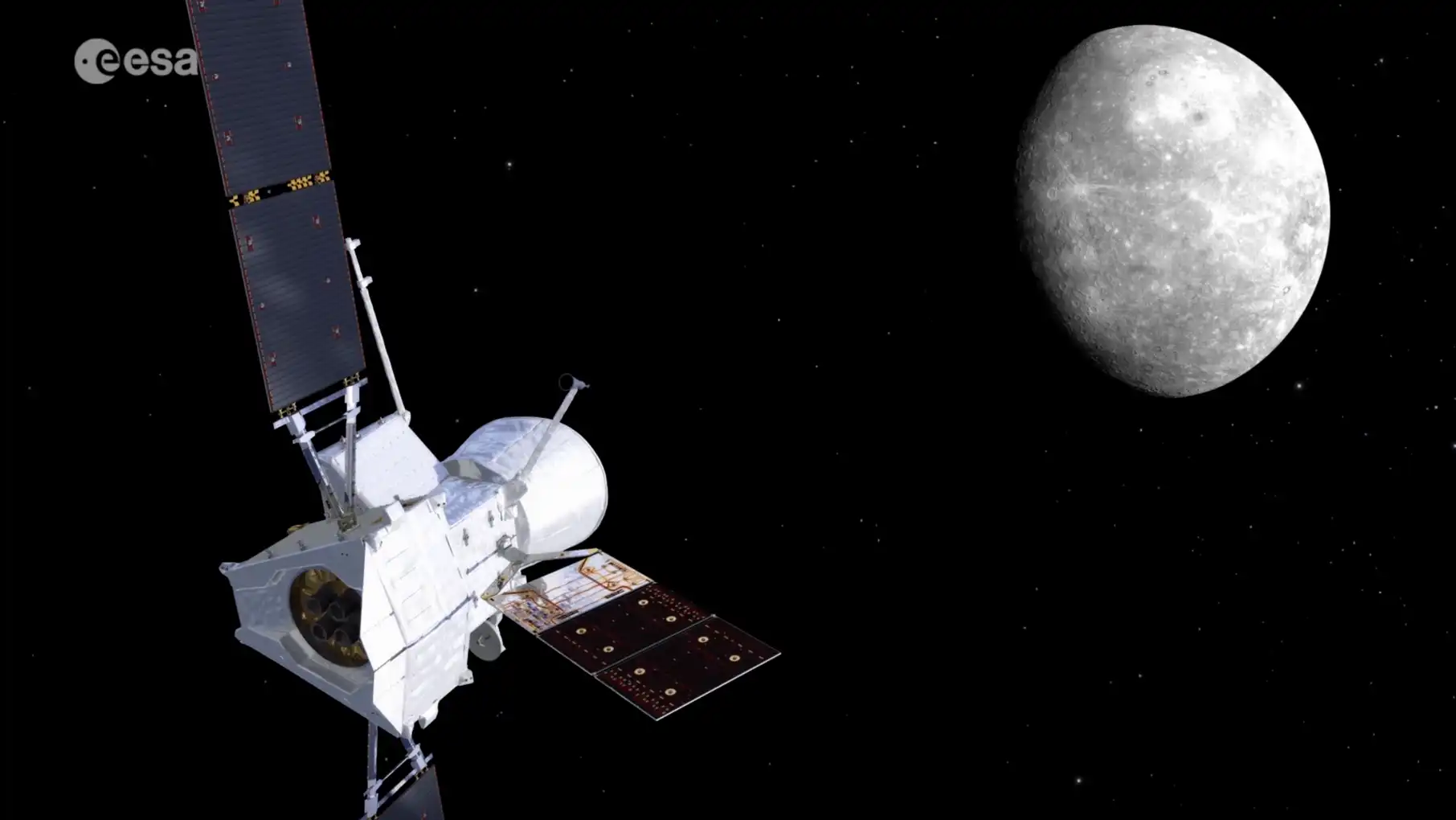
🚀
Humanity’s 3rd visit to Mercury kicks off with the successful arrival of BepiColombo mission
De 3e bezoek van de mensheid aan Mercurius begint met de succesvolle aankomst van de BepiColombo-missie
La 3e visite de l'humanité à Mercure commence avec l'arrivée réussie de la mission BepiColombo
On September 3rd, the European Space Agency celebrated the successful arrival of its BepiColombo mission to Mercury, marking a historic milestone as the third spacecraft to visit this intriguing planet. It took over 8 years to reach Mercury, navigating through complex gravitational forces with the help of nine flybys of other planets. The mission's first phase was completed with cheers from mission control in Germany, as the Mercury Transfer Module successfully separated from the spacecraft. This achievement sets the stage for groundbreaking studies of Mercury's surface and environment, with full science operations beginning in April 2027.
Op 3 september vierde de Europese Ruimtevaartorganisatie de succesvolle aankomst van de BepiColombo-missie op Mercurius, een historische mijlpaal als het derde ruimtevaartuig dat deze intrigerende planeet bezoekt. Het duurde meer dan 8 jaar om Mercurius te bereiken, waarbij het complexe zwaartekrachtskrachten navigeerde met behulp van negen flybys van andere planeten. De eerste fase van de missie werd met gejuich van de missiecontrole in Duitsland voltooid, toen de Mercury Transfer Module met succes van het ruimtevaartuig scheidde. Deze prestatie legt de basis voor baanbrekende studies van het oppervlak en de omgeving van Mercurius, met volledige wetenschappelijke operaties die in april 2027 beginnen.
Le 3 septembre, l'Agence spatiale européenne a célébré l'arrivée réussie de sa mission BepiColombo sur Mercure, marquant une étape historique en tant que troisième vaisseau spatial à visiter cette planète intrigante. Il a fallu plus de 8 ans pour atteindre Mercure, naviguant à travers des forces gravitationnelles complexes grâce à neuf survols d'autres planètes. La première phase de la mission a été complétée sous les acclamations du contrôle de mission en Allemagne, lorsque le module de transfert de Mercure s'est séparé avec succès du vaisseau spatial. Cet accomplissement prépare le terrain pour des études révolutionnaires de la surface et de l'environnement de Mercure, avec le début des opérations scientifiques complètes en avril 2027.
🌟
Mind-altering drugs played key role in rise of Andean civilization
Psychoactieve drugs speelden een sleutelrol in de opkomst van de Andese beschaving
Les drogues altérant l'esprit ont joué un rôle clé dans l'essor de la civilisation andine
So, it turns out that mind-altering substances were crucial in shaping the Andean civilization. These substances likely influenced social structures and cultural practices, helping to unite communities. Which brings me to the fascinating idea that these ancient people used these drugs not just for recreation but as a means to connect spiritually. It's amazing how something so seemingly simple could have such a profound impact on history!
Dus, het blijkt dat psychoactieve stoffen cruciaal waren voor het vormgeven van de Andese beschaving. Deze stoffen beïnvloedden waarschijnlijk sociale structuren en culturele praktijken, en hielpen gemeenschappen te verenigen. Dit brengt me bij het fascinerende idee dat deze oude mensen deze drugs niet alleen voor recreatie gebruikten, maar ook als een middel om spiritueel te verbinden. Het is verbazingwekkend hoe iets zo schijnbaar eenvoudigs zo'n diepgaande impact op de geschiedenis kan hebben!
Alors, il s'avère que les substances altérant l'esprit ont été cruciales dans la formation de la civilisation andine. Ces substances ont probablement influencé les structures sociales et les pratiques culturelles, aidant à unir les communautés. Cela m'amène à l'idée fascinante que ces anciens peuples utilisaient ces drogues non seulement pour le plaisir, mais aussi comme moyen de connexion spirituelle. C'est incroyable de voir comment quelque chose de si apparemment simple a pu avoir un impact si profond sur l'histoire !

🌍
New Mexico bans uranium mining on 13 million acres of state land
New Mexico verbiedt uraniumwinning op 13 miljoen acres staatsgrond
Le Nouveau-Mexique interdit l'exploitation de l'uranium sur 13 millions d'acres de terres publiques
Wow, this is big news! New Mexico has just banned all new uranium mining projects on over 13 million acres of state land. Commissioner Stephanie Garcia Richard made this decision to protect the environment and public health, emphasizing that the risks of contamination far outweigh any financial benefits. It's a bold move, especially with the recent push for uranium extraction in the state, and it shows a commitment to cleaning up abandoned sites instead. I really hope this sets a precedent for other states to follow!
Wauw, dit is groot nieuws! New Mexico heeft net alle nieuwe uraniumwinning op meer dan 13 miljoen acres staatsgrond verboden. Commissaris Stephanie Garcia Richard nam deze beslissing om het milieu en de volksgezondheid te beschermen, waarbij ze benadrukte dat de risico's van besmetting veel zwaarder wegen dan de financiële voordelen. Het is een gedurfde stap, vooral met de recente druk voor uraniumwinning in de staat, en het toont een toewijding aan het opruimen van verlaten locaties. Ik hoop echt dat dit een precedent schept voor andere staten om te volgen!
Wow, c'est une grande nouvelle ! Le Nouveau-Mexique vient d'interdire tous les nouveaux projets d'exploitation de l'uranium sur plus de 13 millions d'acres de terres publiques. La commissaire Stephanie Garcia Richard a pris cette décision pour protéger l'environnement et la santé publique, soulignant que les risques de contamination l'emportent largement sur les avantages financiers. C'est un geste audacieux, surtout avec la récente pression pour l'extraction de l'uranium dans l'État, et cela montre un engagement à nettoyer les sites abandonnés. J'espère vraiment que cela établira un précédent pour d'autres États à suivre !
🦷
Thanks to 25,000 year old teeth: archaeologists find oldest evidence of regular drug use in Indonesia
Dankzij 25.000 jaar oude tanden: archeologen vinden oudste bewijs van regelmatig drugsgebruik in Indonesië
Grâce à des dents vieilles de 25 000 ans : des archéologues trouvent la plus ancienne preuve d'une consommation régulière de drogues en Indonésie
Isn't it fascinating how ancient artifacts can tell us so much about human behavior? Archaeologists have discovered teeth that are 25,000 years old, providing the oldest evidence of regular drug use in Indonesia. This finding opens up a whole new chapter in understanding the cultural practices of our ancestors. It’s incredible to think about how these early humans interacted with substances and what that means for us today.
Is het niet fascinerend hoe oude artefacten ons zoveel kunnen vertellen over menselijk gedrag? Archeologen hebben tanden ontdekt die 25.000 jaar oud zijn, wat het oudste bewijs van regelmatig drugsgebruik in Indonesië oplevert. Deze ontdekking opent een geheel nieuw hoofdstuk in het begrijpen van de culturele praktijken van onze voorouders. Het is ongelooflijk om na te denken over hoe deze vroege mensen omgingen met stoffen en wat dat voor ons vandaag de dag betekent.
N'est-ce pas fascinant de voir comment les artefacts anciens peuvent nous en apprendre tant sur le comportement humain ? Des archéologues ont découvert des dents vieilles de 25 000 ans, fournissant la plus ancienne preuve d'une consommation régulière de drogues en Indonésie. Cette découverte ouvre un tout nouveau chapitre dans la compréhension des pratiques culturelles de nos ancêtres. C'est incroyable de penser à la façon dont ces premiers humains interagissaient avec des substances et ce que cela signifie pour nous aujourd'hui.

🦑
Squid butt fossil belongs to one of the chunkiest cephalopods ever discovered
Fossiel van 'squid butt' behoort tot een van de dikste cephalopoden ooit ontdekt
Le fossile de 'squid butt' appartient à l'un des céphalopodes les plus dodus jamais découverts
Paleontologists have uncovered a fascinating 160-million-year-old cousin of octopuses, thanks to its remarkably chunky features. The fossil, known as W. linsterorum, was stored for nearly three decades before being analyzed, revealing it belonged to a family thought to have gone extinct long ago. This belemnite's impressive size likely gave it an edge in hunting smaller relatives, much like modern squid today. It's a thrilling reminder that new species are still being discovered, and fossil collectors play a vital role in advancing science.
Paleontologen hebben een fascinerende 160 miljoen jaar oude neef van octopussen ontdekt, dankzij zijn opmerkelijke dikke kenmerken. Het fossiel, bekend als W. linsterorum, werd bijna drie decennia opgeslagen voordat het werd geanalyseerd, en onthulde dat het behoorde tot een familie waarvan men dacht dat deze lang geleden was uitgestorven. De indrukwekkende grootte van deze belemniet gaf het waarschijnlijk een voordeel bij het jagen op kleinere verwanten, net zoals moderne inktvissen vandaag de dag. Het is een opwindende herinnering dat er nog steeds nieuwe soorten worden ontdekt, en fossielverzamelaars een belangrijke rol spelen in de vooruitgang van de wetenschap.
Les paléontologues ont découvert un fascinant cousin des pieuvres vieux de 160 millions d'années, grâce à ses caractéristiques remarquablement dodues. Le fossile, connu sous le nom de W. linsterorum, a été conservé pendant près de trois décennies avant d'être analysé, révélant qu'il appartenait à une famille que l'on pensait éteinte depuis longtemps. La taille impressionnante de ce bélemnite lui a probablement donné un avantage dans la chasse aux plus petits parents, tout comme les calmars modernes aujourd'hui. C'est un rappel passionnant que de nouvelles espèces continuent d'être découvertes, et que les collectionneurs de fossiles jouent un rôle essentiel dans l'avancement de la science.
/s3/static.nrc.nl/wp-content/uploads/2026/09/04202003/110926WET_2036338890_Lithium1.jpg)
💧
Can we extract essential lithium with less water?
Kan het essentiële lithium met minder water worden gewonnen?
Peut-on extraire le lithium essentiel avec moins d'eau?
It's quite astonishing how much water is needed to extract lithium, especially in already dry regions like Chile. Jasper Zuidervaart from Ioniqs is on a mission to reduce this water usage with innovative techniques that purify wastewater and boost lithium yield. This is crucial as lithium is essential for sustainable energy, powering everything from electric cars to smartphones. With the demand for lithium expected to double in the next five years, finding sustainable extraction methods is more important than ever.
Het is verbazingwekkend hoeveel water nodig is om lithium te winnen, vooral in al droge gebieden zoals Chili. Jasper Zuidervaart van Ioniqs heeft als missie om dit waterverbruik te verminderen met innovatieve technieken die afvalwater zuiveren en de lithiumopbrengst verhogen. Dit is cruciaal omdat lithium essentieel is voor duurzame energie, en alles aandrijft van elektrische auto’s tot smartphones. Met de verwachte verdubbeling van de vraag naar lithium in de komende vijf jaar is het vinden van duurzame winningstechnieken belangrijker dan ooit.
Il est assez étonnant de voir combien d'eau est nécessaire pour extraire le lithium, surtout dans des régions déjà sèches comme le Chili. Jasper Zuidervaart de Ioniqs a pour mission de réduire cette consommation d'eau grâce à des techniques innovantes qui purifient les eaux usées et augmentent le rendement du lithium. C'est crucial car le lithium est essentiel pour l'énergie durable, alimentant tout, des voitures électriques aux smartphones. Avec la demande de lithium qui devrait doubler au cours des cinq prochaines années, trouver des méthodes d'extraction durables est plus important que jamais.
🔬
Physicists detect the tiny atomic collisions that give a gas its pressure
Fysici detecteren de kleine atomische botsingen die een gas zijn druk geven
Des physiciens détectent les minuscules collisions atomiques qui donnent à un gaz sa pression
So, physicists have made an exciting breakthrough by detecting the tiny atomic collisions that are responsible for gas pressure. This discovery sheds light on the fundamental behaviors of gases, which is super fascinating! It opens up new avenues for research and could lead to advancements in various scientific fields. And here's the thing - understanding these collisions better could even enhance technologies we use every day.
Dus, fysici hebben een spannende doorbraak bereikt door de kleine atomische botsingen te detecteren die verantwoordelijk zijn voor de gasdruk. Deze ontdekking werpt licht op het fundamentele gedrag van gassen, wat super fascinerend is! Het opent nieuwe wegen voor onderzoek en kan leiden tot vooruitgangen in verschillende wetenschappelijke gebieden. En dat is het punt - een beter begrip van deze botsingen kan zelfs de technologieën die we elke dag gebruiken verbeteren.
Alors, les physiciens ont réalisé une avancée passionnante en détectant les minuscules collisions atomiques responsables de la pression des gaz. Cette découverte éclaire les comportements fondamentaux des gaz, ce qui est super fascinant ! Elle ouvre de nouvelles avenues de recherche et pourrait mener à des avancées dans divers domaines scientifiques. Et voici le truc - mieux comprendre ces collisions pourrait même améliorer les technologies que nous utilisons au quotidien.
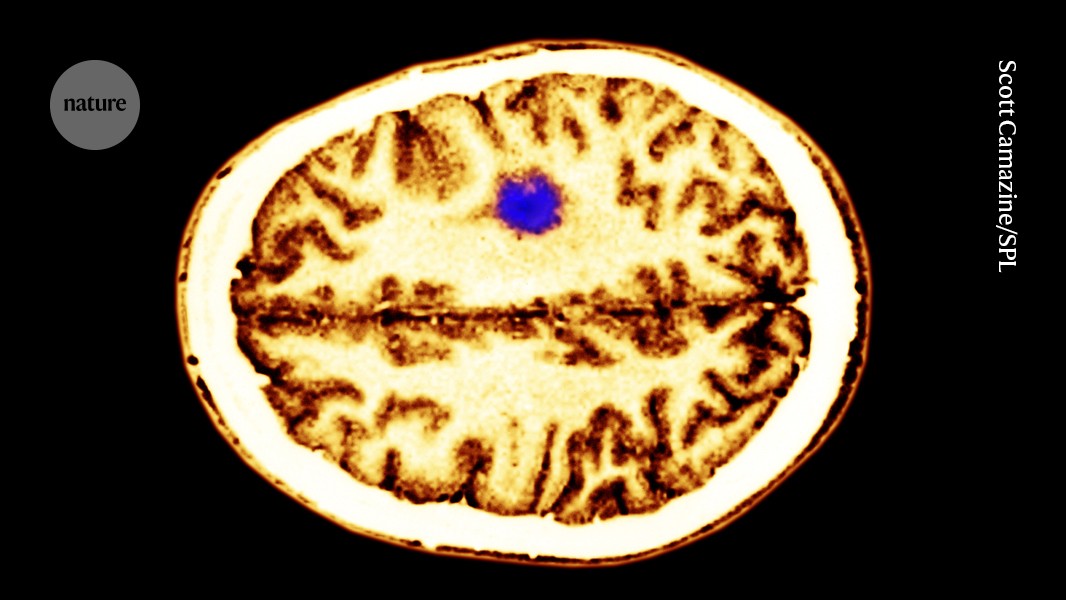
🧠
The neurons that can put a brake on a nervous-system cancer
De neuronen die een rem kunnen zetten op een kanker van het zenuwstelsel
Les neurones qui peuvent freiner un cancer du système nerveux
So, researchers have made an exciting discovery about gliomas, which are tough tumors in the central nervous system. They've found that drugs mimicking GABAergic neurons can actually slow down these aggressive tumors in mice. Isn't that fascinating? This could open up new avenues for treatment and give hope to those affected by this challenging condition.
Dus, onderzoekers hebben een spannende ontdekking gedaan over gliomen, dat zijn moeilijke tumoren in het centrale zenuwstelsel. Ze hebben ontdekt dat medicijnen die de werking van GABAerge neuronen nabootsen, deze agressieve tumoren bij muizen daadwerkelijk kunnen vertragen. Is dat niet fascinerend? Dit kan nieuwe wegen openen voor behandeling en hoop geven aan degenen die door deze uitdagende aandoening zijn getroffen.
Alors, les chercheurs ont fait une découverte passionnante concernant les gliomes, qui sont des tumeurs difficiles dans le système nerveux central. Ils ont trouvé que des médicaments imitant les neurones GABAergiques peuvent en réalité ralentir ces tumeurs agressives chez les souris. N'est-ce pas fascinant ? Cela pourrait ouvrir de nouvelles voies pour le traitement et donner de l'espoir à ceux qui sont touchés par cette condition difficile.
🌟
What science problem should AI tackle next? A new ‘challenge atlas’ offers answers
Welk wetenschappelijk probleem moet AI als volgende aanpakken? Een nieuwe 'uitdaging atlas' biedt antwoorden
Quel problème scientifique l'IA devrait-elle aborder ensuite ? Un nouvel 'atlas des défis' offre des réponses
So, there's this exciting new development in the world of AI! A 'challenge atlas' has been introduced to help pinpoint which scientific problems AI should tackle next. This tool is designed to guide researchers and innovators in prioritizing their efforts, making the process more efficient and impactful. It's a fantastic step forward in harnessing AI's potential for solving real-world issues, and I can't wait to see what comes next!
Dus, er is een spannende nieuwe ontwikkeling in de wereld van AI! Een 'uitdaging atlas' is geïntroduceerd om te helpen bepalen welke wetenschappelijke problemen AI als volgende moet aanpakken. Dit hulpmiddel is ontworpen om onderzoekers en innovators te begeleiden bij het prioriteren van hun inspanningen, waardoor het proces efficiënter en impactvoller wordt. Het is een fantastische stap voorwaarts in het benutten van het potentieel van AI om echte wereldproblemen op te lossen, en ik kan niet wachten om te zien wat er hierna komt!
Alors, il y a ce développement passionnant dans le monde de l'IA ! Un 'atlas des défis' a été introduit pour aider à identifier quels problèmes scientifiques l'IA devrait aborder ensuite. Cet outil est conçu pour guider les chercheurs et les innovateurs dans la priorisation de leurs efforts, rendant le processus plus efficace et impactant. C'est une étape fantastique vers l'exploitation du potentiel de l'IA pour résoudre des problèmes concrets, et j'ai hâte de voir ce qui va suivre !
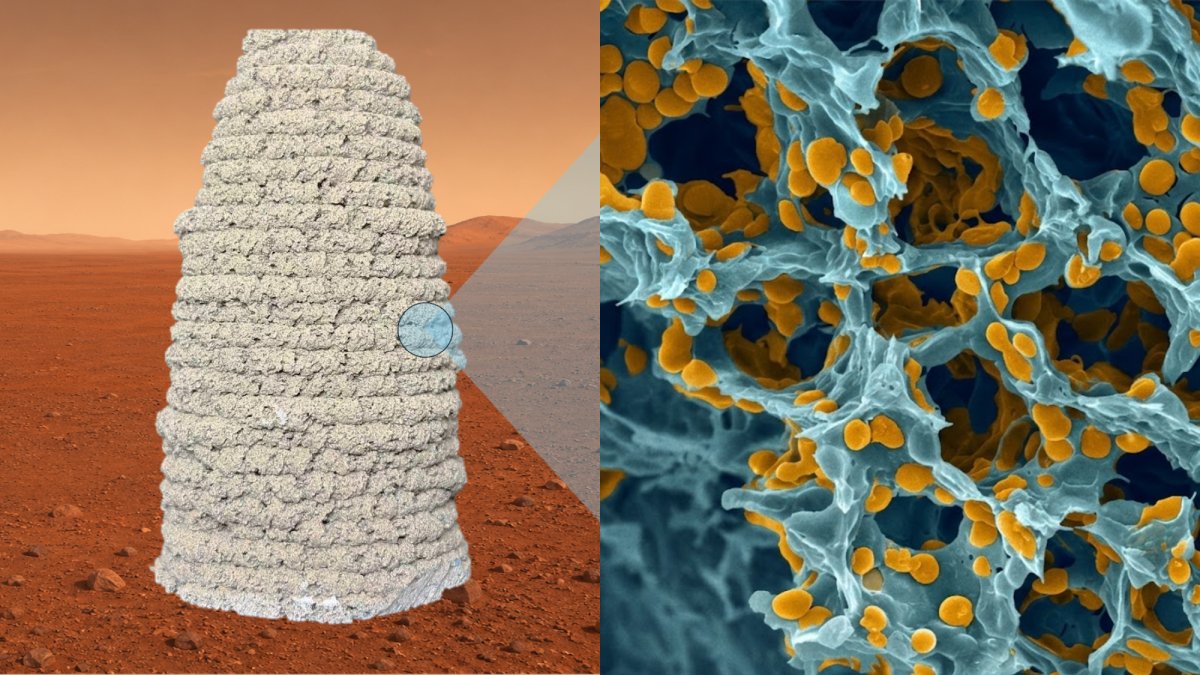
🌟
Mars astronauts could live in houses 3D-printed from freeze-dried yeast
Mars-astronauten kunnen wonen in huizen die zijn 3D-geprint van vriesgedroogde gist
Les astronautes de Mars pourraient vivre dans des maisons imprimées en 3D à partir de levure lyophilisée
Imagine this: astronauts on Mars living in houses made from freeze-dried yeast! Researchers have discovered a way to 3D print a building material that can withstand the harsh Martian conditions, using simple ingredients like gelatin and yeast. This innovative approach not only promises sturdy structures but also requires less energy compared to traditional methods. It's a fascinating step towards creating livable habitats on the Red Planet, and who knows, maybe we'll be growing our homes just like we grow our food!
Stel je voor: astronauten op Mars die wonen in huizen gemaakt van vriesgedroogde gist! Onderzoekers hebben een manier ontdekt om een bouwmateriaal te 3D-printen dat de zware omstandigheden op Mars kan weerstaan, met eenvoudige ingrediënten zoals gelatine en gist. Deze innovatieve aanpak belooft niet alleen stevige structuren, maar vereist ook minder energie in vergelijking met traditionele methoden. Het is een fascinerende stap naar het creëren van leefbare habitats op de Rode Planeet, en wie weet, misschien groeien we onze huizen net zoals we ons voedsel verbouwen!
Imaginez ceci : des astronautes sur Mars vivant dans des maisons faites de levure lyophilisée ! Des chercheurs ont découvert un moyen d'imprimer en 3D un matériau de construction capable de résister aux conditions difficiles de Mars, en utilisant des ingrédients simples comme de la gélatine et de la levure. Cette approche innovante promet non seulement des structures solides, mais nécessite également moins d'énergie par rapport aux méthodes traditionnelles. C'est une étape fascinante vers la création d'habitats vivables sur la planète rouge, et qui sait, peut-être que nous ferons pousser nos maisons comme nous faisons pousser notre nourriture !
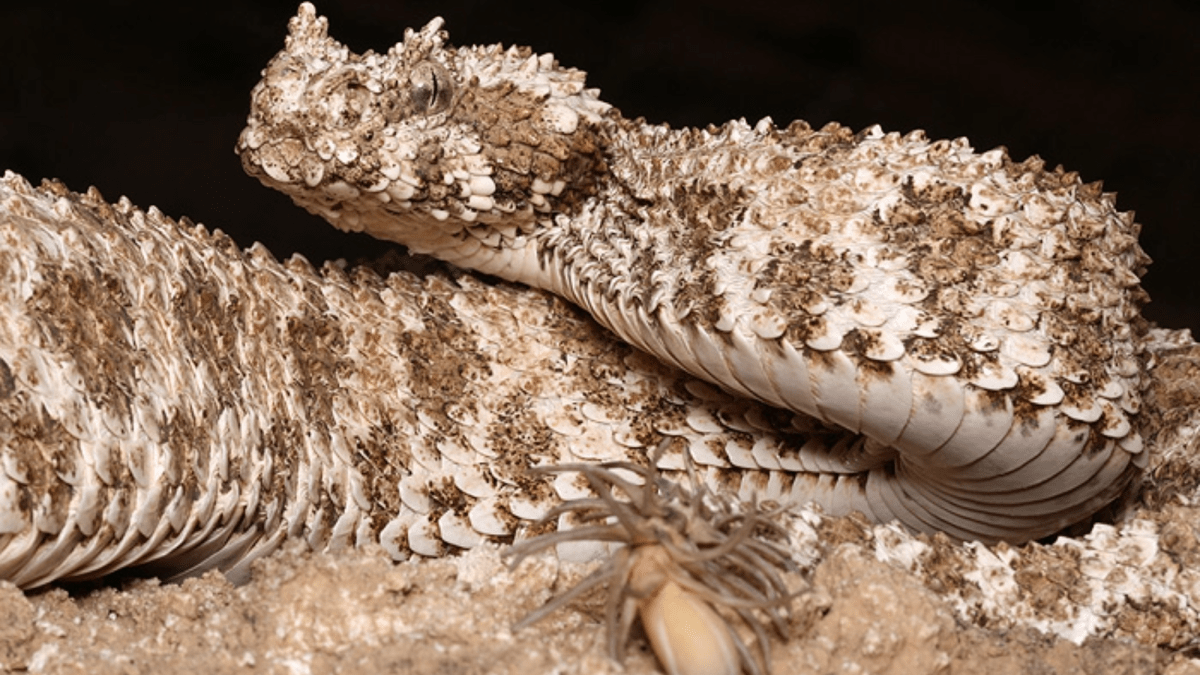
🐍
Snake that hunts with fake spider on its tail shocks scientists
Slang die jaagt met nepspin aan zijn staart verrast wetenschappers
Un serpent qui chasse avec une fausse araignée à sa queue choque les scientifiques
The spider-tailed horned viper from Iran has a fascinating hunting strategy that involves using its tail, which resembles a spider, to attract birds. When a bird approaches, thinking it's found an easy meal, the snake strikes! This unique species was only recognized in 2006, and its tail has puzzled scientists for decades. Recent studies using advanced imaging techniques have revealed more about this remarkable mimicry, showcasing the incredible adaptations of nature.
De spinstaartige hoornadder uit Iran heeft een fascinerende jachtstrategie waarbij hij zijn staart, die op een spin lijkt, gebruikt om vogels aan te trekken. Wanneer een vogel dichterbij komt, denkend dat hij een gemakkelijke maaltijd heeft gevonden, slaat de slang toe! Deze unieke soort werd pas in 2006 erkend en zijn staart heeft wetenschappers tientallen jaren in verwarring gebracht. Recente studies met geavanceerde beeldtechnieken hebben meer onthuld over deze opmerkelijke mimicry en tonen de ongelooflijke aanpassingen van de natuur aan.
La vipère à cornes à queue d'araignée d'Iran a une stratégie de chasse fascinante qui consiste à utiliser sa queue, ressemblant à une araignée, pour attirer les oiseaux. Lorsqu'un oiseau s'approche, pensant avoir trouvé un repas facile, le serpent frappe ! Cette espèce unique n'a été reconnue qu'en 2006, et sa queue a dérouté les scientifiques pendant des décennies. Des études récentes utilisant des techniques d'imagerie avancées ont révélé davantage sur cette imitation remarquable, mettant en lumière les incroyables adaptations de la nature.

✈️
Electric air taxis get the green light for test flights in Texas
Elektrische luchttaxi's krijgen groen licht voor testvluchten in Texas
Les taxis aériens électriques obtiennent le feu vert pour des vols d'essai au Texas
So, exciting news from Texas as electric air taxis are set to take to the skies! The Federal Aviation Administration has launched a program to test these innovative aircraft, with companies like Joby, Beta, and Wisk leading the charge. Over the next week, they'll be conducting test flights to showcase future routes, which is a big step towards making air travel more accessible. This pilot program is a fantastic opportunity for these companies to gather data and prove their technology ahead of certification, paving the way for a new era in aviation!
Dus, spannend nieuws uit Texas, want elektrische luchttaxi's gaan de lucht in! De Federal Aviation Administration heeft een programma gelanceerd om deze innovatieve vliegtuigen te testen, met bedrijven zoals Joby, Beta en Wisk aan het roer. De komende week zullen ze testvluchten uitvoeren om toekomstige routes te demonstreren, wat een grote stap is naar toegankelijker luchtvervoer. Dit pilotprogramma is een geweldige kans voor deze bedrijven om gegevens te verzamelen en hun technologie te bewijzen vóór de certificering, wat de weg vrijmaakt voor een nieuw tijdperk in de luchtvaart!
Alors, des nouvelles passionnantes du Texas, car les taxis aériens électriques s'apprêtent à prendre leur envol ! La Federal Aviation Administration a lancé un programme pour tester ces avions innovants, avec des entreprises comme Joby, Beta et Wisk en tête. Au cours de la semaine prochaine, elles réaliseront des vols d'essai pour montrer les futures routes, ce qui est une grande étape vers un transport aérien plus accessible. Ce programme pilote est une occasion fantastique pour ces entreprises de collecter des données et de prouver leur technologie avant la certification, ouvrant la voie à une nouvelle ère dans l'aviation !

🐛
Scientists are studying how caterpillars hear without ears
Wetenschappers bestuderen hoe rupsen horen zonder oren
Les scientifiques étudient comment les chenilles entendent sans oreilles
In a fascinating twist of nature, scientists are uncovering how caterpillars can hear without traditional ears. These remarkable creatures, like the tobacco hornworm, use tiny, sensitive hairs on their bodies to detect vibrations and sounds. By studying them in an anechoic chamber, researchers are learning about their unique sensory mechanisms, which could inspire new, cost-effective hearing aid technologies for humans. This research not only sheds light on the caterpillar's world but also opens up exciting possibilities for advancements in sound technology.
In een fascinerende wending van de natuur ontdekken wetenschappers hoe rupsen kunnen horen zonder traditionele oren. Deze opmerkelijke wezens, zoals de tabaksruppel, gebruiken kleine, gevoelige haartjes op hun lichaam om trillingen en geluiden waar te nemen. Door ze in een anechoïsche kamer te bestuderen, leren onderzoekers over hun unieke zintuiglijke mechanismen, wat nieuwe, kosteneffectieve gehoorapparaattechnologieën voor mensen kan inspireren. Dit onderzoek werpt niet alleen licht op de wereld van de rups, maar opent ook spannende mogelijkheden voor vooruitgang in geluidstechnologie.
Dans un tournant fascinant de la nature, les scientifiques découvrent comment les chenilles peuvent entendre sans oreilles traditionnelles. Ces créatures remarquables, comme la chenille du tabac, utilisent de minuscules poils sensibles sur leur corps pour détecter les vibrations et les sons. En les étudiant dans une chambre anéchoïque, les chercheurs apprennent sur leurs mécanismes sensoriels uniques, ce qui pourrait inspirer de nouvelles technologies d'appareils auditifs rentables pour les humains. Cette recherche éclaire non seulement le monde des chenilles, mais ouvre également des possibilités passionnantes pour les avancées technologiques en matière de son.
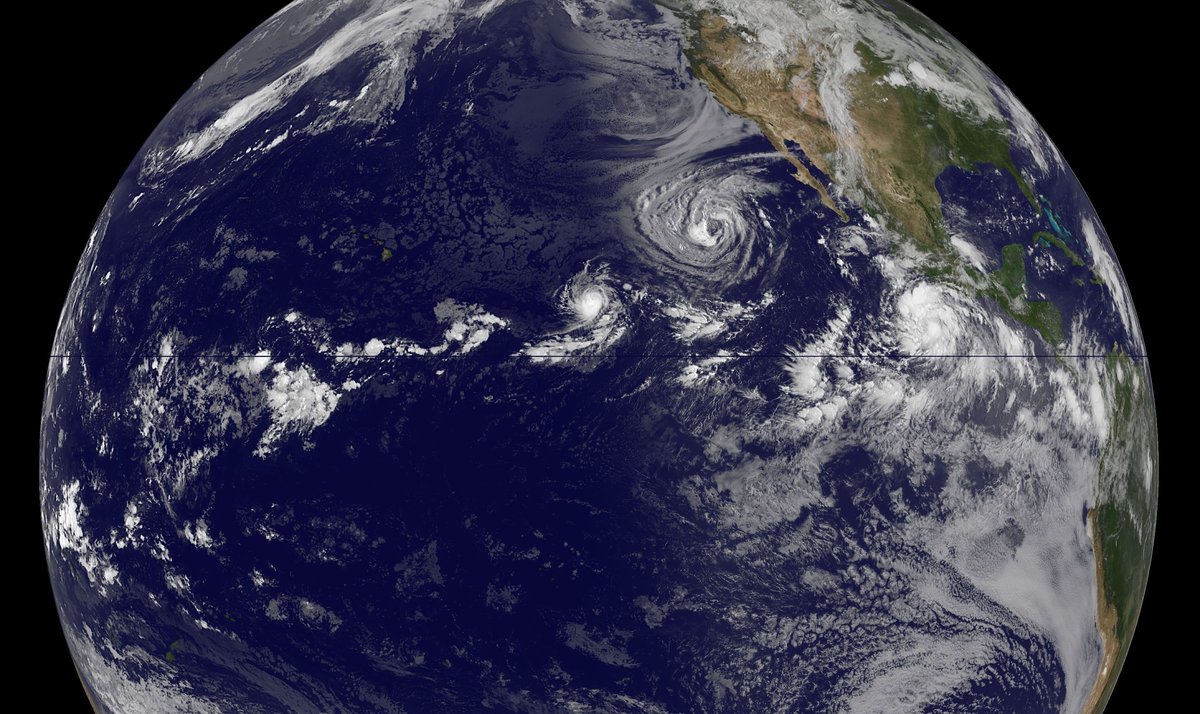
🌪️
The Pacific is being beset by hurricane after hurricane—why is the Atlantic so quiet?
De Stille Oceaan wordt geteisterd door orkaan na orkaan - waarom is de Atlantische Oceaan zo stil?
Le Pacifique est assailli par ouragan après ouragan - pourquoi l'Atlantique est-il si calme ?
It's fascinating to see how the Pacific is experiencing a flurry of hurricanes while the Atlantic is unusually calm this season. Experts attribute this to a powerful El Niño, which creates warmer waters in the Pacific and less favorable conditions for hurricanes in the Atlantic. Interestingly, Hawaii has had more storms than usual, with several hurricanes making their presence felt. This stark contrast in hurricane activity is a reminder of how dynamic our climate can be.
Het is fascinerend om te zien hoe de Stille Oceaan een stortvloed aan orkanen ervaart, terwijl de Atlantische Oceaan deze seizoen ongewoon kalm is. Deskundigen wijzen dit toe aan een krachtige El Niño, die warmere wateren in de Stille Oceaan creëert en minder gunstige omstandigheden voor orkanen in de Atlantische Oceaan. Interessant is dat Hawaii meer stormen heeft gehad dan normaal, met verschillende orkanen die hun aanwezigheid hebben gevoeld. Dit scherpe contrast in orkaanactiviteit herinnert ons eraan hoe dynamisch ons klimaat kan zijn.
Il est fascinant de voir comment le Pacifique connaît une multitude d'ouragans tandis que l'Atlantique est exceptionnellement calme cette saison. Les experts attribuent cela à un puissant El Niño, qui crée des eaux plus chaudes dans le Pacifique et des conditions moins favorables pour les ouragans dans l'Atlantique. Fait intéressant, Hawaï a eu plus de tempêtes que d'habitude, avec plusieurs ouragans se faisant sentir. Ce contraste marqué dans l'activité des ouragans nous rappelle à quel point notre climat peut être dynamique.
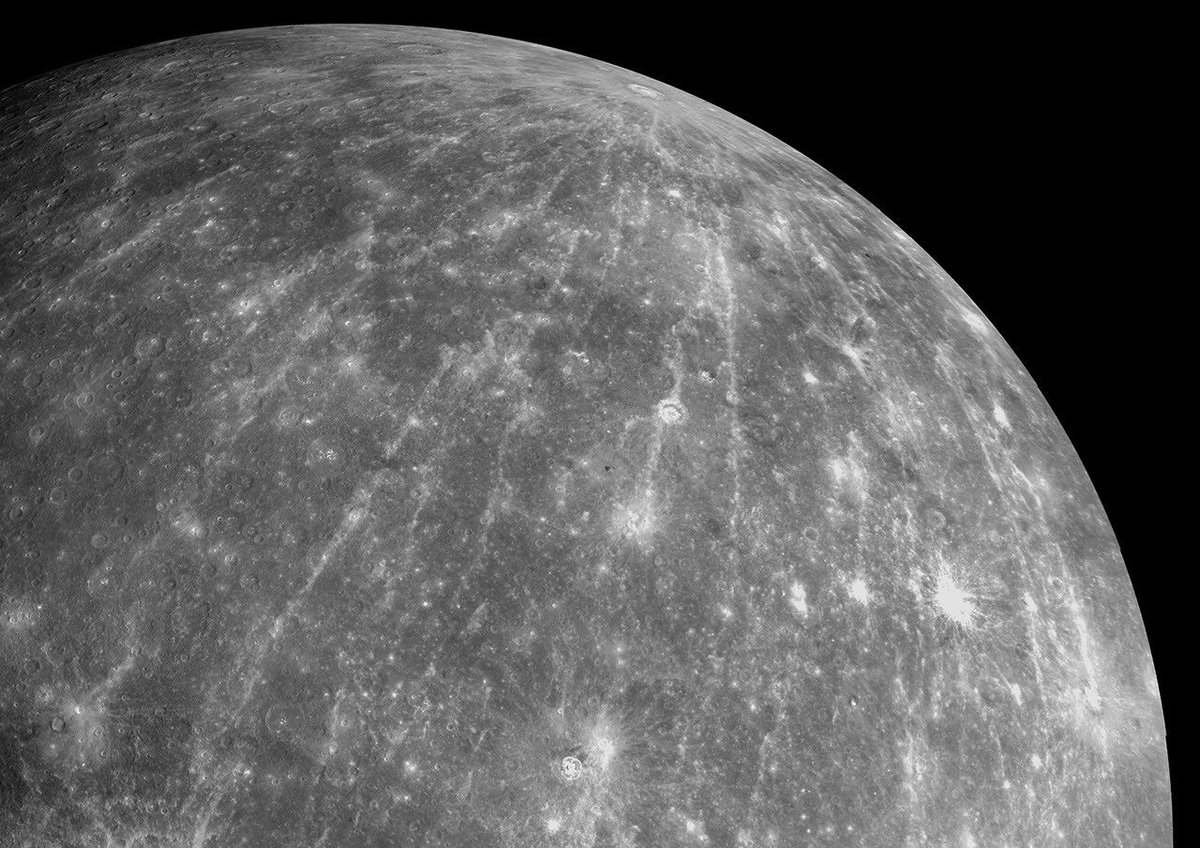
🌌
The planet Mercury is shrinking far faster than we thought
De planeet Mercurius krimpt veel sneller dan we dachten
La planète Mercure rétrécit beaucoup plus vite que nous ne le pensions
So, it turns out that Mercury is shrinking more than scientists previously thought! New research reveals that the planet's surface has more 'wrinkles' than we realized, which are actually signs of its contraction over billions of years. These findings give us a fresh perspective on Mercury's geological history and evolution. It's fascinating to think that understanding Mercury could even shed light on other celestial bodies like the Moon and Mars!
Het blijkt dat Mercurius sneller krimpt dan wetenschappers eerder dachten! Nieuw onderzoek onthult dat het oppervlak van de planeet meer 'rimpels' heeft dan we ons realiseerden, wat eigenlijk tekenen zijn van zijn krimping over miljarden jaren. Deze bevindingen geven ons een nieuw perspectief op de geologische geschiedenis en evolutie van Mercurius. Het is fascinerend om te bedenken dat het begrijpen van Mercurius zelfs licht kan werpen op andere hemellichamen zoals de Maan en Mars!
Il s'avère que Mercure rétrécit plus que ce que les scientifiques pensaient auparavant ! De nouvelles recherches révèlent que la surface de la planète présente plus de 'rides' que nous ne l'avions réalisé, qui sont en fait des signes de sa contraction au fil des milliards d'années. Ces découvertes nous donnent une nouvelle perspective sur l'histoire géologique et l'évolution de Mercure. C'est fascinant de penser que comprendre Mercure pourrait même éclairer d'autres corps célestes comme la Lune et Mars !
🌟
The four-color theorem gets a rare new proof
De vierkleurenstelling krijgt een zeldzaam nieuw bewijs
Le théorème des quatre couleurs obtient une nouvelle preuve rare
The four-color theorem, a classic problem in mathematics, has received a fresh proof that sheds new light on graph theory. Initially solved with controversial computer methods, this theorem continues to intrigue mathematicians who seek simpler explanations. A team of researchers has now produced another computer-assisted proof that not only confirms the theorem but also reveals more efficient ways to color maps. This breakthrough opens doors to understanding important mathematical structures, making it an exciting time for the field.
De vierkleurenstelling, een klassiek probleem in de wiskunde, heeft een nieuw bewijs gekregen dat nieuw licht werpt op de grafentheorie. Aanvankelijk opgelost met controversiële computermethoden, blijft deze stelling wiskundigen intrigeren die eenvoudigere verklaringen zoeken. Een team van onderzoekers heeft nu een ander computerondersteund bewijs geproduceerd dat niet alleen de stelling bevestigt, maar ook efficiëntere manieren onthult om kaarten te kleuren. Deze doorbraak opent de deur naar het begrijpen van belangrijke wiskundige structuren, wat het een spannende tijd maakt voor het vakgebied.
Le théorème des quatre couleurs, un problème classique en mathématiques, a reçu une nouvelle preuve qui éclaire la théorie des graphes. Initialement résolu par des méthodes informatiques controversées, ce théorème continue d'intriguer les mathématiciens à la recherche d'explications plus simples. Une équipe de chercheurs a maintenant produit une autre preuve assistée par ordinateur qui non seulement confirme le théorème, mais révèle également des moyens plus efficaces de colorier des cartes. Cette avancée ouvre des portes à la compréhension de structures mathématiques importantes, rendant le domaine particulièrement passionnant.

🌱
Ganesh Chaturthi: 9 fun ways to teach children about sustainability
Ganesh Chaturthi: 9 leuke manieren om kinderen over duurzaamheid te leren
Ganesh Chaturthi : 9 façons amusantes d'enseigner la durabilité aux enfants
Ganesh Chaturthi is such an exciting festival for kids, and this year, it can also be a fantastic opportunity to teach them about sustainability! By involving children in making their own Ganpati idols and decorations from recycled materials, they learn that celebrations can be eco-friendly. It's all about giving them small responsibilities that show how their choices can protect nature. Plus, these activities turn into fun crafts that spark their creativity while caring for the environment.
Ganesh Chaturthi is een opwindend festival voor kinderen, en dit jaar kan het ook een geweldige kans zijn om ze over duurzaamheid te leren! Door kinderen te betrekken bij het maken van hun eigen Ganpati-idolen en decoraties van gerecycled materiaal, leren ze dat vieringen milieuvriendelijk kunnen zijn. Het draait allemaal om het geven van kleine verantwoordelijkheden die laten zien hoe hun keuzes de natuur kunnen beschermen. Bovendien worden deze activiteiten leuke knutselprojecten die hun creativiteit aanwakkeren terwijl ze voor het milieu zorgen.
Ganesh Chaturthi est un festival passionnant pour les enfants, et cette année, il peut également être une excellente occasion de leur enseigner la durabilité ! En impliquant les enfants dans la fabrication de leurs propres idoles de Ganpati et de décorations à partir de matériaux recyclés, ils apprennent que les célébrations peuvent être respectueuses de l'environnement. Il s'agit de leur donner de petites responsabilités qui montrent comment leurs choix peuvent protéger la nature. De plus, ces activités se transforment en loisirs créatifs amusants qui stimulent leur créativité tout en prenant soin de l'environnement.

💧
Sangat: A collective action to restore Ruparail river basin
Sangat: Een collectieve actie om het Ruparail-rivierbekken te herstellen
Sangat : Une action collective pour restaurer le bassin fluvial de Ruparail
For years, families in the Ruparail river basin faced severe water shortages, but their hope never dried up. Communities, local administrations, NGOs, and CSR initiatives came together to create a powerful solution: they built check dams to capture rainwater. Revived ponds now store water for the dry months, and thousands of trees have been planted to help retain moisture in the landscape. This positive cycle not only supports farming and daily needs but also ensures that the river basin thrives, benefiting everyone who lives there.
Jarenlang hadden gezinnen in het Ruparail-rivierbekken te maken met ernstige waterschaarste, maar hun hoop is nooit opgedroogd. Gemeenschappen, lokale overheden, NGO's en CSR-initiatieven kwamen samen om een krachtige oplossing te creëren: ze bouwden keerwanden om regenwater op te vangen. Herstelde vijvers slaan nu water op voor de droge maanden, en duizenden bomen zijn geplant om de vochtigheid in het landschap te behouden. Deze positieve cyclus ondersteunt niet alleen de landbouw en dagelijkse behoeften, maar zorgt er ook voor dat het rivierbekken bloeit, wat iedereen ten goede komt die daar woont.
Pendant des années, les familles du bassin fluvial de Ruparail ont été confrontées à de graves pénuries d'eau, mais leur espoir n'a jamais tari. Les communautés, les administrations locales, les ONG et les initiatives de RSE se sont réunies pour créer une solution puissante : elles ont construit des barrages pour capturer les eaux de pluie. Des étangs restaurés stockent désormais de l'eau pour les mois secs, et des milliers d'arbres ont été plantés pour aider à retenir l'humidité dans le paysage. Ce cycle positif soutient non seulement l'agriculture et les besoins quotidiens, mais garantit également que le bassin fluvial prospère, au bénéfice de tous ceux qui y vivent.
🌱
Do these plants in nature reserve remove PFAS from the water?: “First results in spring 2027”
Halen deze planten in natuurgebied PFAS uit het water?: “Eerste resultaten in voorjaar 2027”
Ces plantes dans la réserve naturelle éliminent-elles les PFAS de l'eau ?: “Premiers résultats au printemps 2027”
So, researchers are exploring whether certain plants can help remove PFAS from water in a local nature reserve. This is such an exciting initiative, as it could lead to cleaner water and a healthier ecosystem. The first results are expected in spring 2027, which feels like just around the corner! I can't wait to see how this project unfolds and what it means for our environment.
Dus, onderzoekers onderzoeken of bepaalde planten kunnen helpen PFAS uit het water in een lokaal natuurgebied te verwijderen. Dit is zo'n opwindend initiatief, omdat het kan leiden tot schoner water en een gezonder ecosysteem. De eerste resultaten worden verwacht in het voorjaar van 2027, wat voelt als een kwestie van tijd! Ik kan niet wachten om te zien hoe dit project zich ontwikkelt en wat het betekent voor ons milieu.
Alors, les chercheurs explorent si certaines plantes peuvent aider à éliminer les PFAS de l'eau dans une réserve naturelle locale. C'est une initiative tellement passionnante, car elle pourrait conduire à une eau plus propre et à un écosystème plus sain. Les premiers résultats sont attendus au printemps 2027, ce qui semble si proche ! J'ai hâte de voir comment ce projet évolue et ce que cela signifie pour notre environnement.

🌌
A satellite falling out of orbit embarks on its final mission
Een satelliet die uit de baan valt, begint aan zijn laatste missie
Un satellite tombant hors de l'orbite entreprend sa mission finale
NASA's latest mission to rescue the Neil Gehrels Swift Observatory has faced a setback, as the probe designed to save it has been canceled due to technical issues. This satellite, launched in 2004, has been crucial for observing cosmic events like supernovas and black holes. Now, as it continues to descend, the Swift team is determined to maximize its observations before it reenters the atmosphere, possibly by the end of this year. It's a bittersweet moment, but there's still excitement about what data it might collect in its final days.
NASA's laatste missie om de Neil Gehrels Swift Observatory te redden heeft een tegenslag ondervonden, omdat de probe die ontworpen was om het te redden, is geannuleerd vanwege technische problemen. Deze satelliet, gelanceerd in 2004, is cruciaal geweest voor het observeren van kosmische gebeurtenissen zoals supernova's en zwarte gaten. Nu, terwijl het blijft dalen, is het Swift-team vastbesloten om zoveel mogelijk waarnemingen te maximaliseren voordat het de atmosfeer weer binnenkomt, mogelijk tegen het einde van dit jaar. Het is een bittersweet moment, maar er is nog steeds opwinding over welke gegevens het in zijn laatste dagen kan verzamelen.
La dernière mission de la NASA pour sauver l'observatoire Neil Gehrels Swift a rencontré un revers, car la sonde conçue pour le sauver a été annulée en raison de problèmes techniques. Ce satellite, lancé en 2004, a été crucial pour observer des événements cosmiques tels que des supernovae et des trous noirs. Maintenant, alors qu'il continue de descendre, l'équipe Swift est déterminée à maximiser ses observations avant qu'il ne réintègre l'atmosphère, possiblement d'ici la fin de cette année. C'est un moment doux-amer, mais il y a encore de l'excitation quant aux données qu'il pourrait collecter dans ses derniers jours.

🌞
This road map could help us decide whether to deploy solar geoengineering
Deze routekaart kan ons helpen beslissen of we zonnegeo-engineering moeten inzetten
Cette feuille de route pourrait nous aider à décider si nous devons déployer la géo-ingénierie solaire
A nonprofit in San Francisco has unveiled a detailed road map for solar geoengineering that could help us tackle climate change. This initiative, led by Reflective, aims to fill the gaps in our understanding of stratospheric aerosol injection, a method that mimics volcanic cooling effects. With a decade-long plan costing around $370 million, the hope is to responsibly accelerate research and guide funding. However, the conversation around who controls such powerful technology remains a critical and controversial topic.
Een nonprofit in San Francisco heeft een gedetailleerde routekaart voor zonnegeo-engineering onthuld die ons kan helpen de klimaatverandering aan te pakken. Deze initiatief, geleid door Reflective, heeft als doel de hiaten in ons begrip van stratosferische aerosolinjectie, een methode die de koelende effecten van vulkanen nabootst, te vullen. Met een plan van tien jaar dat ongeveer $370 miljoen kost, is de hoop om onderzoek verantwoord te versnellen en financiering te begeleiden. De discussie over wie deze krachtige technologie controleert, blijft echter een cruciaal en controversieel onderwerp.
Une organisation à but non lucratif de San Francisco a dévoilé une feuille de route détaillée pour la géo-ingénierie solaire qui pourrait nous aider à lutter contre le changement climatique. Cette initiative, dirigée par Reflective, vise à combler les lacunes dans notre compréhension de l'injection d'aérosols stratosphériques, une méthode qui imite les effets de refroidissement des volcans. Avec un plan de dix ans coûtant environ 370 millions de dollars, l'espoir est d'accélérer la recherche de manière responsable et de guider le financement. Cependant, la question de qui contrôle une telle technologie puissante reste un sujet critique et controversé.
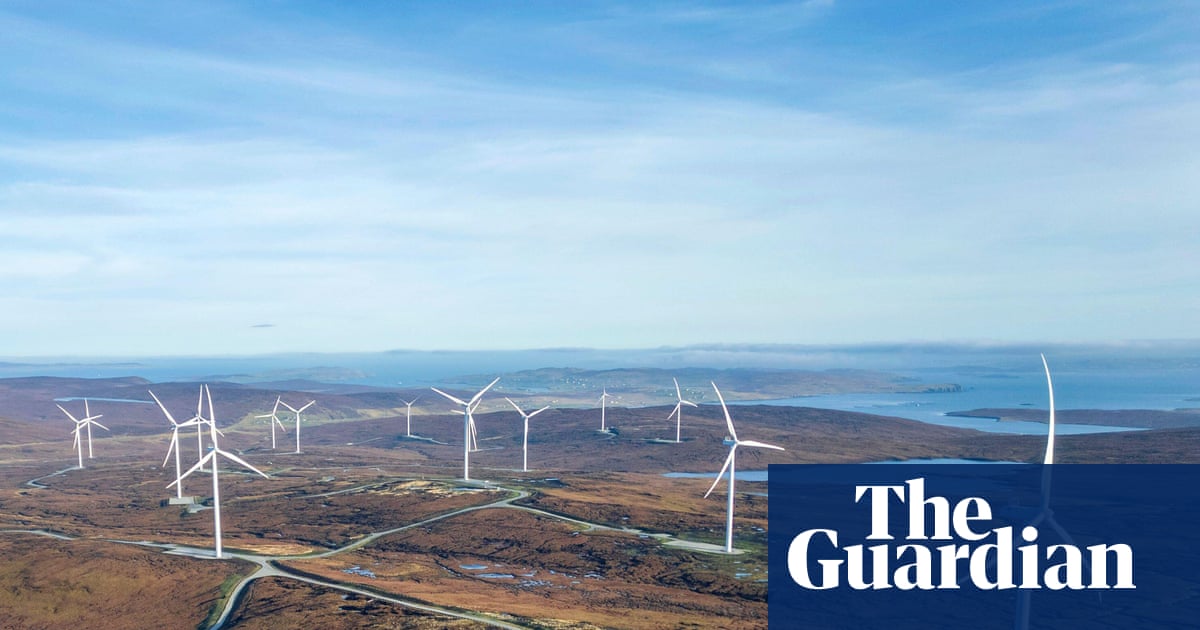
🌍
Climate solutions most likely to reach ‘positive tipping points’ revealed by scientists
Klimaatoplossingen die waarschijnlijk ‘positieve kantelpunten’ bereiken, onthuld door wetenschappers
Les solutions climatiques les plus susceptibles d'atteindre des 'points de basculement positifs' révélées par des scientifiques
A new report highlights how a swift transition to clean electricity could spark a wave of positive changes in addressing the climate crisis. It identifies clean power as the key driver, making technologies like electric vehicles and heat pumps more affordable and popular. The report emphasizes that positive tipping points can lead to beneficial changes, much like the dangerous thresholds we worry about. However, it also points out that investment and policy alignment are crucial to overcoming current barriers.
Een nieuw rapport benadrukt hoe een snelle overgang naar schone elektriciteit een golf van positieve veranderingen kan teweegbrengen in de aanpak van de klimaatcrisis. Het identificeert schone energie als de belangrijkste motor, waardoor technologieën zoals elektrische voertuigen en warmtepompen betaalbaarder en populairder worden. Het rapport benadrukt dat positieve kantelpunten kunnen leiden tot gunstige veranderingen, net zoals de gevaarlijke drempels waar we ons zorgen over maken. Het wijst echter ook op het belang van investeringen en beleidsafstemming om huidige barrières te overwinnen.
Un nouveau rapport souligne comment une transition rapide vers l'électricité propre pourrait déclencher une vague de changements positifs dans la lutte contre la crise climatique. Il identifie l'énergie propre comme le moteur clé, rendant des technologies comme les véhicules électriques et les pompes à chaleur plus abordables et populaires. Le rapport souligne que des points de basculement positifs peuvent conduire à des changements bénéfiques, tout comme les seuils dangereux qui nous préoccupent. Cependant, il souligne également que l'investissement et l'alignement des politiques sont cruciaux pour surmonter les obstacles actuels.
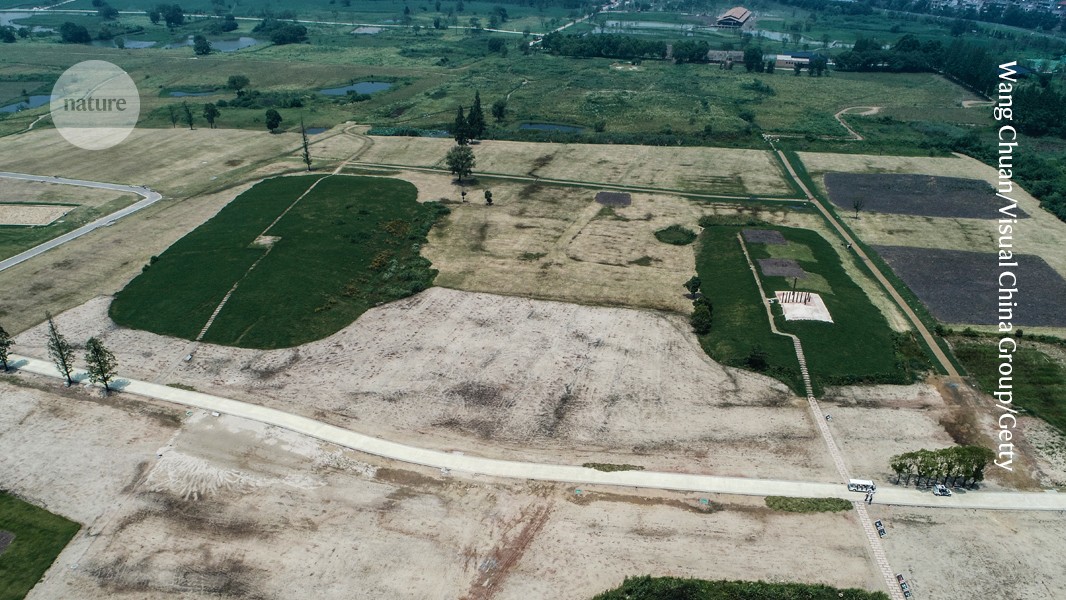
🏗️
Ruins of ancient Asian city show engineering prowess and organization
Overblijfselen van oude Aziatische stad tonen ingenieurskunst en organisatie
Les ruines d'une ancienne ville asiatique montrent le savoir-faire et l'organisation en ingénierie
So, researchers have uncovered the incredible engineering skills of the ancient city of Liangzhu, which dates back around 5,000 years. This fascinating site in eastern China features mounds, dams, and city walls, all built on a challenging waterlogged landscape. It's amazing how these early inhabitants managed to reshape their environment to create a stable living area. Which brings me to the idea that this discovery highlights not just their ingenuity but also the organization required to build such a complex city.
Dus, onderzoekers hebben de ongelooflijke ingenieursvaardigheden van de oude stad Liangzhu ontdekt, die ongeveer 5.000 jaar geleden dateert. Deze fascinerende site in het oosten van China heeft heuvels, dammen en stadsmuren, allemaal gebouwd op een uitdagend, waterrijk landschap. Het is verbazingwekkend hoe deze vroege bewoners hun omgeving hebben weten te herstructureren om een stabiel woongebied te creëren. Dit benadrukt niet alleen hun vindingrijkheid, maar ook de organisatie die nodig was om zo'n complexe stad te bouwen.
Alors, les chercheurs ont découvert les incroyables compétences en ingénierie de l'ancienne ville de Liangzhu, qui remonte à environ 5 000 ans. Ce site fascinant dans l'est de la Chine présente des monticules, des barrages et des murs de ville, tous construits sur un paysage marécageux difficile. C'est incroyable de voir comment ces premiers habitants ont réussi à remodeler leur environnement pour créer une zone de vie stable. Cela souligne non seulement leur ingéniosité, mais aussi l'organisation nécessaire pour construire une ville aussi complexe.

🌿
The ‘national park’ that stretches from coast to coast
Het 'nationale park' dat van kust tot kust strekt
Le 'parc national' qui s'étend d'une côte à l'autre
Doug Tallamy, an enthusiastic entomologist, believes that we can tackle the biodiversity crisis right in our own backyards. He transformed his property in Pennsylvania by replacing invasive plants with native species, leading to a flourishing ecosystem. This idea has sparked the creation of Homegrown National Park, encouraging homeowners to cultivate native habitats. With over 52,000 participants already involved, Tallamy emphasizes that these local efforts can create a habitat larger than 10 Yellowstones, connecting wildlife across private lands.
Doug Tallamy, een enthousiaste entomoloog, gelooft dat we de biodiversiteitscrisis kunnen aanpakken in onze eigen tuinen. Hij transformeerde zijn eigendom in Pennsylvania door invasieve planten te vervangen door inheemse soorten, wat leidde tot een bloeiende ecosysteem. Dit idee leidde tot de oprichting van Homegrown National Park, dat huiseigenaren aanmoedigt om inheemse habitats te cultiveren. Met meer dan 52.000 deelnemers benadrukt Tallamy dat deze lokale inspanningen een habitat kunnen creëren dat groter is dan 10 Yellowstone-parken en zo de natuur op privéterreinen met elkaar verbindt.
Doug Tallamy, un entomologiste enthousiaste, pense que nous pouvons aborder la crise de la biodiversité dans nos propres jardins. Il a transformé sa propriété en Pennsylvanie en remplaçant les plantes envahissantes par des espèces indigènes, ce qui a conduit à un écosystème florissant. Cette idée a conduit à la création de Homegrown National Park, encourageant les propriétaires à cultiver des habitats indigènes. Avec plus de 52 000 participants déjà impliqués, Tallamy souligne que ces efforts locaux peuvent créer un habitat plus grand que 10 parcs Yellowstone, reliant la faune à travers les terres privées.
🚓
Italian police use Lamborghini for medical emergency rides
Italiaanse politie zet Lamborghini in voor medische spoedritten
La police italienne utilise une Lamborghini pour des trajets médicaux d'urgence
So, can you imagine a Lamborghini racing through the streets for medical emergencies? That's exactly what the Italian police are doing! They’ve repurposed this luxury car to ensure that patients get the urgent care they need, and it’s just brilliant. This initiative not only showcases their commitment to public health but also adds a touch of excitement to emergency services.
Stel je voor dat een Lamborghini door de straten racet voor medische noodgevallen. Dat is precies wat de Italiaanse politie doet! Ze hebben deze luxe auto omgebouwd om ervoor te zorgen dat patiënten de dringende zorg krijgen die ze nodig hebben, en dat is gewoon geweldig. Dit initiatief toont niet alleen hun toewijding aan de volksgezondheid, maar voegt ook een vleugje opwinding toe aan de noodhulp.
Imaginez une Lamborghini filant dans les rues pour des urgences médicales. C'est exactement ce que fait la police italienne ! Ils ont réaffecté cette voiture de luxe pour s'assurer que les patients reçoivent les soins urgents dont ils ont besoin, et c'est tout simplement génial. Cette initiative montre non seulement leur engagement envers la santé publique, mais ajoute également une touche d'excitation aux services d'urgence.
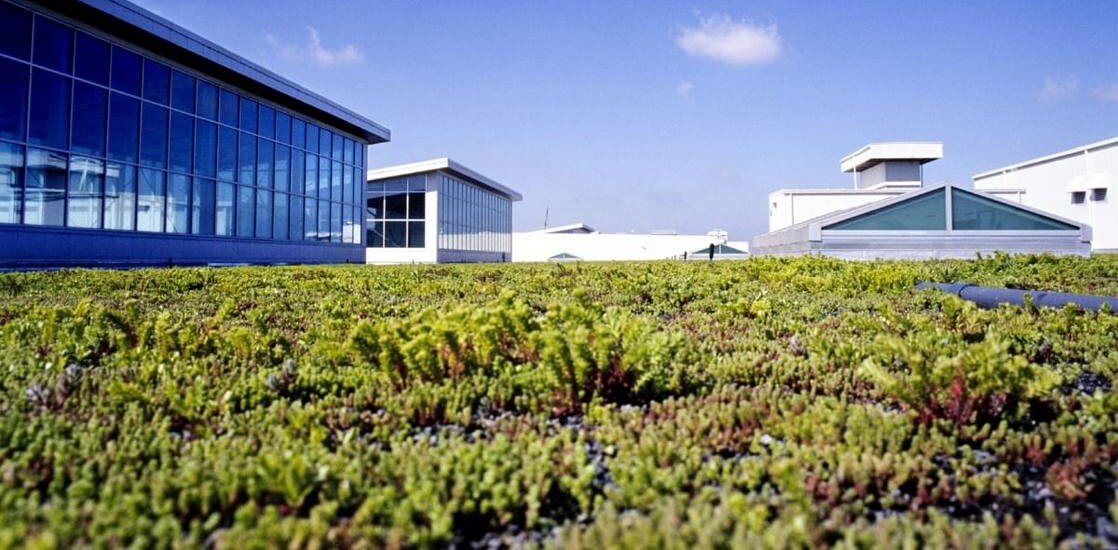
🌿
A ‘living roof’ is growing atop Ford’s largest factory–saving energy and boosting birds
Een ‘levend dak’ groeit boven de grootste fabriek van Ford–bespaart energie en bevordert vogels
Un ‘toit vivant’ pousse au-dessus de la plus grande usine de Ford–économisant de l'énergie et favorisant les oiseaux
How cool is this? Ford has installed a massive 454,000-square-foot living roof on its Rogue Factory in Michigan, which not only saves energy but also boosts local biodiversity. This green space is home to wild plants and even 20,000 honeybees, making it a haven for birds and insects alike. It keeps the building comfortable year-round and helps manage rainwater, solving past flooding issues. It’s a fantastic example of how industry can harmonize with nature!
Hoe gaaf is dit? Ford heeft een enorme 454.000 vierkante voet groot levend dak geïnstalleerd op zijn Rogue-fabriek in Michigan, dat niet alleen energie bespaart, maar ook de lokale biodiversiteit bevordert. Deze groene ruimte herbergt wilde planten en zelfs 20.000 honingbijen, waardoor het een toevluchtsoord is voor vogels en insecten. Het houdt het gebouw het hele jaar door comfortabel en helpt bij het beheren van regenwater, waardoor eerdere overstromingsproblemen worden opgelost. Het is een fantastisch voorbeeld van hoe de industrie in harmonie met de natuur kan zijn!
C'est génial, non ? Ford a installé un immense toit vivant de 454 000 pieds carrés sur sa fabrique de Rogue dans le Michigan, qui non seulement économise de l'énergie mais favorise également la biodiversité locale. Cet espace vert abrite des plantes sauvages et même 20 000 abeilles, en faisant un refuge pour les oiseaux et les insectes. Il maintient le bâtiment confortable toute l'année et aide à gérer les eaux pluviales, résolvant ainsi les problèmes d'inondation passés. C'est un exemple fantastique de la façon dont l'industrie peut s'harmoniser avec la nature !
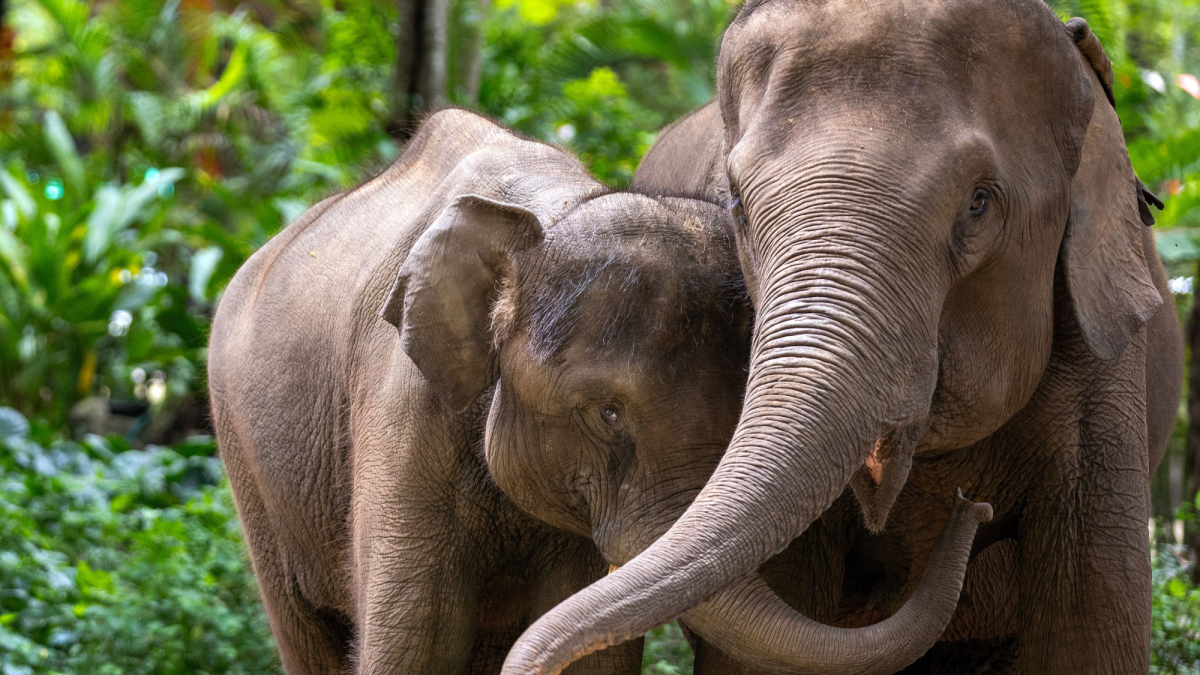
🐘
Smart elephants can look before they leap
Slimme olifanten kunnen kijken voordat ze springen
Des éléphants intelligents peuvent réfléchir avant de sauter
In a fascinating study, scientists in Thailand found that Asian elephants can think before they act, showcasing their impressive cognitive abilities. The elephants successfully participated in a detour test, demonstrating their capacity for inhibitory control by choosing a more effective strategy to access food. This research not only sheds light on elephant intelligence but also offers insights into how such cognitive traits may have evolved across species, including humans. It's exciting to see how understanding these behaviors can help us protect and care for these magnificent creatures in changing environments.
In een fascinerende studie ontdekten wetenschappers in Thailand dat Aziatische olifanten kunnen nadenken voordat ze handelen, wat hun indrukwekkende cognitieve vermogens aantoont. De olifanten namen succesvol deel aan een omleidingsproef, waarbij ze hun vermogen tot inhibitoire controle demonstreerden door een effectievere strategie te kiezen om voedsel te bereiken. Dit onderzoek werpt niet alleen licht op de intelligentie van olifanten, maar biedt ook inzicht in hoe dergelijke cognitieve eigenschappen zich mogelijk hebben ontwikkeld bij verschillende soorten, waaronder mensen. Het is opwindend om te zien hoe het begrijpen van deze gedragingen ons kan helpen deze prachtige wezens te beschermen en te verzorgen in veranderende omgevingen.
Dans une étude fascinante, des scientifiques en Thaïlande ont découvert que les éléphants asiatiques peuvent réfléchir avant d'agir, montrant ainsi leurs impressionnantes capacités cognitives. Les éléphants ont participé avec succès à un test de détour, démontrant leur capacité de contrôle inhibiteur en choisissant une stratégie plus efficace pour accéder à la nourriture. Cette recherche éclaire non seulement l'intelligence des éléphants, mais offre également des perspectives sur l'évolution de ces traits cognitifs chez d'autres espèces, y compris les humains. Il est passionnant de voir comment la compréhension de ces comportements peut nous aider à protéger et à prendre soin de ces créatures magnifiques dans des environnements en mutation.
🌍
Pangaea’s ‘little brother’ may finally qualify as a supercontinent
Pangaea's 'kleine broertje' kan eindelijk als supercontinent worden gekwalificeerd
Le 'petit frère' de la Pangée pourrait enfin être qualifié de supercontinent
So, scientists are buzzing with excitement over a geological discovery that could change our understanding of supercontinents. This 'little brother' of Pangaea might just meet the criteria to be classified as a supercontinent itself. It's fascinating to think about how these massive landmasses shape our planet's history and environment. Which brings me to the idea that every new finding adds another piece to the puzzle of Earth's geological past!
Wetenschappers zijn enthousiast over een geologische ontdekking die onze kijk op supercontinenten kan veranderen. Dit 'kleine broertje' van Pangaea zou wel eens aan de criteria kunnen voldoen om als supercontinent te worden geclassificeerd. Het is fascinerend om na te denken over hoe deze enorme landmassa's de geschiedenis en het milieu van onze planeet vormgeven. Dit brengt me bij het idee dat elke nieuwe ontdekking een extra stuk aan de puzzel van het geologische verleden van de aarde toevoegt!
Les scientifiques sont enthousiasmés par une découverte géologique qui pourrait changer notre compréhension des supercontinents. Ce 'petit frère' de la Pangée pourrait bien répondre aux critères pour être classé comme un supercontinent. Il est fascinant de penser à la façon dont ces immenses masses terrestres façonnent l'histoire et l'environnement de notre planète. Cela me rappelle que chaque nouvelle découverte ajoute une pièce au puzzle du passé géologique de la Terre !
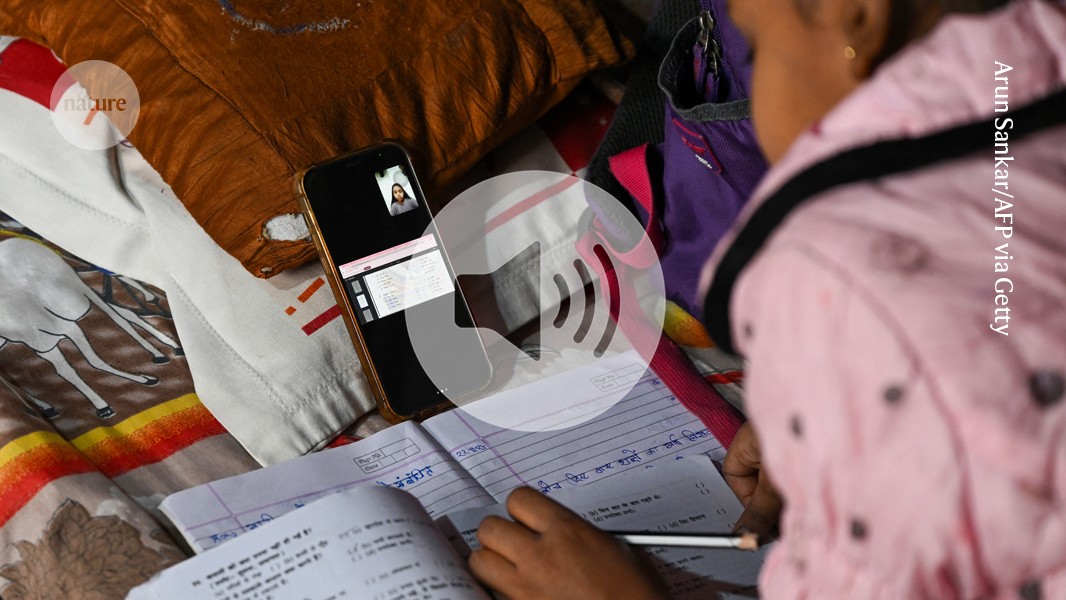
📞
Phone tutoring boosts math scores when schools are forced to close
Telefoontutoring verhoogt wiskundescores wanneer scholen gedwongen sluiten
Le tutorat par téléphone améliore les résultats en mathématiques lorsque les écoles sont contraintes de fermer
So, it turns out that regular phone calls with tutors can really help kids keep learning during school closures. This new evidence shows that students can actually boost their math scores when they have that extra support. Which brings me to the idea that education can adapt in surprising ways, even when faced with challenges. It's a fantastic reminder of how important it is to stay connected and keep learning, no matter the circumstances.
Dus, het blijkt dat regelmatige telefoongesprekken met tutors kinderen echt kunnen helpen om te blijven leren tijdens schoolsluitingen. Dit nieuwe bewijs toont aan dat studenten hun wiskundescores kunnen verhogen wanneer ze die extra ondersteuning hebben. Dit brengt me op het idee dat onderwijs zich op verrassende manieren kan aanpassen, zelfs wanneer het wordt geconfronteerd met uitdagingen. Het is een fantastische herinnering aan hoe belangrijk het is om verbonden te blijven en te blijven leren, ongeacht de omstandigheden.
Alors, il s'avère que des appels réguliers avec des tuteurs peuvent vraiment aider les enfants à continuer à apprendre pendant les fermetures d'écoles. Cette nouvelle preuve montre que les élèves peuvent en fait améliorer leurs résultats en mathématiques lorsqu'ils bénéficient de ce soutien supplémentaire. Ce qui m'amène à l'idée que l'éducation peut s'adapter de manière surprenante, même face à des défis. C'est un rappel fantastique de l'importance de rester connecté et de continuer à apprendre, quelles que soient les circonstances.
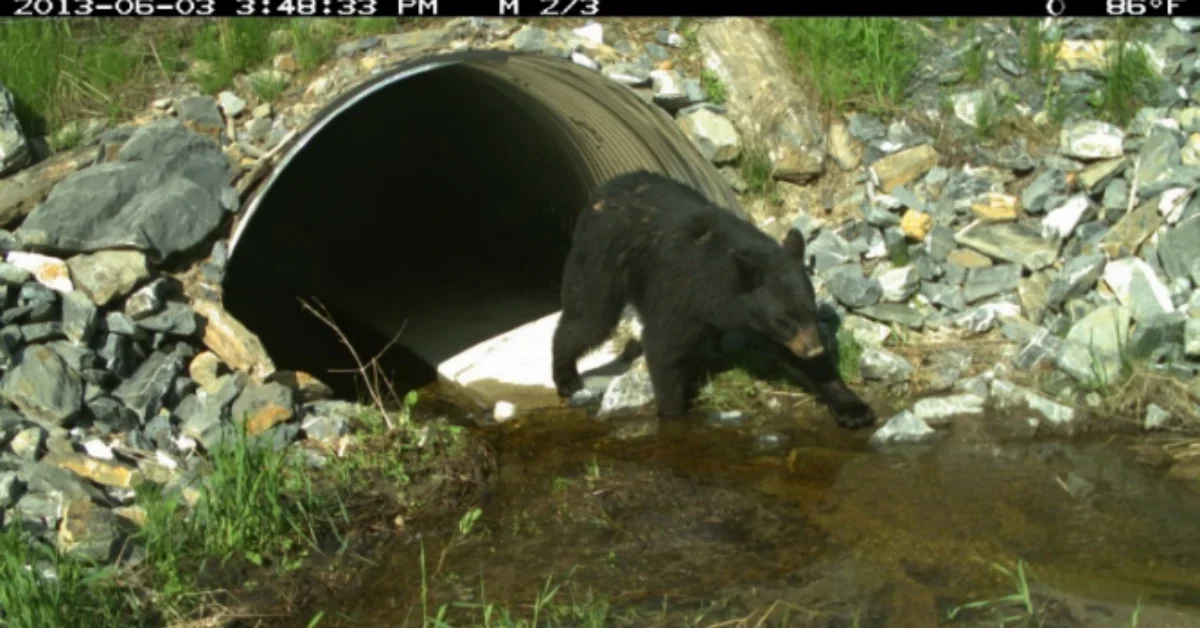
🐻
Secret tunnels in Maine help wildlife cross the road safely. Now, they're expanding for bears and moose to fit, too
Geheime tunnels in Maine helpen wilde dieren veilig de weg over te steken. Nu worden ze ook uitgebreid voor beren en elanden.
Des tunnels secrets dans le Maine aident la faune à traverser la route en toute sécurité. Maintenant, ils s'agrandissent aussi pour les ours et les élan.
In Maine, over 500 moose and 3,000 deer meet unfortunate fates on the roads each year, which is why wildlife tunnels are getting a much-needed upgrade. The state is expanding existing culverts to accommodate larger animals like moose and bears, thanks to a $9.3 million grant. This project not only aims to reduce collisions but also reconnects aquatic habitats for fish. Local leaders are excited about the positive changes, as these tunnels will help keep wildlife safe and make life easier for residents.
In Maine komen elk jaar meer dan 500 elanden en 3.000 herten om bij verkeersongelukken, waardoor de wildtunnels een broodnodige upgrade krijgen. De staat breidt bestaande culverts uit om grotere dieren zoals elanden en beren te huisvesten, dankzij een subsidie van 9,3 miljoen dollar. Dit project heeft niet alleen als doel het verminderen van aanrijdingen, maar herstelt ook aquatische habitats voor vissen. Lokale leiders zijn enthousiast over de positieve veranderingen, omdat deze tunnels zullen helpen om de dieren veilig te houden en het leven voor de inwoners gemakkelijker te maken.
Dans le Maine, plus de 500 élans et 3 000 cerfs perdent la vie sur les routes chaque année, ce qui explique pourquoi les tunnels pour la faune reçoivent une mise à niveau tant attendue. L'État élargit les tunnels existants pour accueillir des animaux plus grands comme les élans et les ours, grâce à une subvention de 9,3 millions de dollars. Ce projet vise non seulement à réduire les collisions, mais aussi à reconnecter les habitats aquatiques pour les poissons. Les dirigeants locaux sont ravis des changements positifs, car ces tunnels aideront à garder la faune en sécurité et à faciliter la vie des résidents.
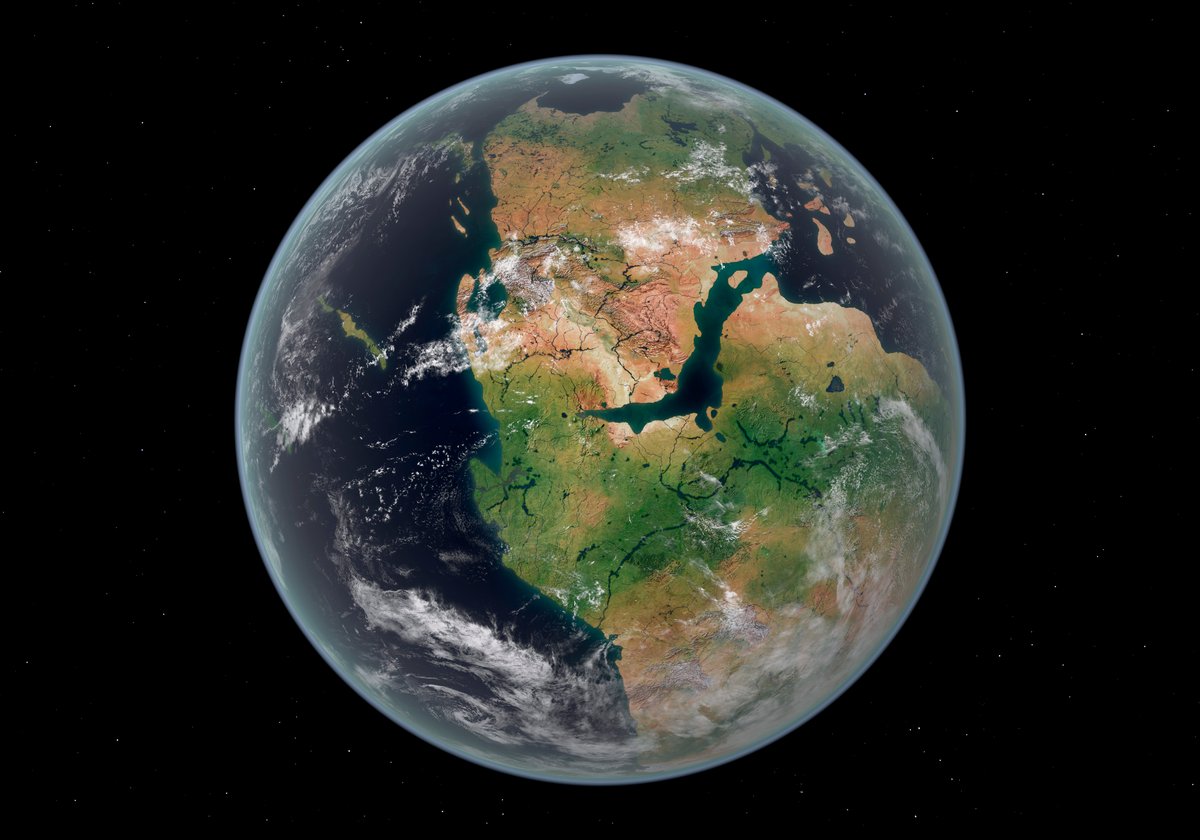
🌍
New maps reveal hidden landscapes inside a prehistoric supercontinent
Nieuwe kaarten onthullen verborgen landschappen binnen een prehistorisch supercontinent
De nouvelles cartes révèlent des paysages cachés à l'intérieur d'un supercontinent préhistorique
So, researchers have uncovered some fascinating insights about Gondwana, a supercontinent that was much larger than we previously thought. By analyzing over 25,000 volcanic rocks, they found that Gondwana might have covered around 80 percent of the Earth's land area 500 million years ago! This new understanding suggests that Gondwana played a significant role in the Cambrian explosion of life. It's exciting to think about what other hidden parts of our planet's history might still be waiting to be discovered.
Dus, onderzoekers hebben enkele fascinerende inzichten onthuld over Gondwana, een supercontinent dat veel groter was dan we eerder dachten. Door meer dan 25.000 vulkanische rotsen te analyseren, ontdekten ze dat Gondwana mogelijk ongeveer 80 procent van het landoppervlak van de aarde 500 miljoen jaar geleden bedekte! Dit nieuwe inzicht suggereert dat Gondwana een belangrijke rol speelde in de Cambrium-explosie van leven. Het is opwindend om te bedenken welke andere verborgen delen van de geschiedenis van onze planeet nog ontdekt moeten worden.
Alors, les chercheurs ont découvert des informations fascinantes sur Gondwana, un supercontinent qui était beaucoup plus grand que ce que nous pensions auparavant. En analysant plus de 25 000 roches volcaniques, ils ont trouvé que Gondwana pourrait avoir couvert environ 80 % de la surface terrestre de la Terre il y a 500 millions d'années ! Cette nouvelle compréhension suggère que Gondwana a joué un rôle significatif dans l'explosion cambrienne de la vie. C'est excitant de penser à d'autres parties cachées de l'histoire de notre planète qui pourraient encore attendre d'être découvertes.

🌟
Astronomers reveal a new type of celestial object that has been hiding in plain sight for decades
Astronomen onthullen een nieuw type hemellichaam dat al tientallen jaren in het zicht verborgen is
Les astronomes révèlent un nouveau type d'objet céleste qui se cache à la vue depuis des décennies
Isn't it fascinating that strange celestial objects have been lurking in our universe for decades without anyone noticing? Thanks to NASA's Chandra X-ray Observatory, researchers have finally identified these low-energy emitters, dubbed 'hypersoft x-ray sources.' While their exact nature remains a mystery, they could be remnants of stars like black holes or neutron stars. This discovery opens up exciting possibilities for understanding the life cycles of galaxies and hints at many more hidden treasures waiting to be found in the cosmos.
Is het niet fascinerend dat vreemde hemellichamen al tientallen jaren in ons universum rondzwerven zonder dat iemand het opmerkt? Dankzij de Chandra X-ray Observatory van NASA hebben onderzoekers eindelijk deze laag-energie stralers geïdentificeerd, die 'hypersoft x-ray sources' worden genoemd. Hoewel hun exacte aard een mysterie blijft, kunnen het resten van sterren zijn zoals zwarte gaten of neutronensterren. Deze ontdekking opent spannende mogelijkheden voor het begrijpen van de levenscycli van sterrenstelsels en suggereert dat er nog veel meer verborgen schatten in de kosmos wachten om ontdekt te worden.
N'est-ce pas fascinant que des objets célestes étranges se cachent dans notre univers depuis des décennies sans que personne ne s'en aperçoive ? Grâce à l'observatoire à rayons X Chandra de la NASA, les chercheurs ont enfin identifié ces émetteurs à faible énergie, appelés 'sources hypersoft à rayons X'. Bien que leur nature exacte reste un mystère, ils pourraient être des restes d'étoiles comme des trous noirs ou des étoiles à neutrons. Cette découverte ouvre des possibilités passionnantes pour comprendre les cycles de vie des galaxies et suggère qu'il y a encore de nombreux trésors cachés à découvrir dans le cosmos.
/s3/static.nrc.nl/wp-content/uploads/2026/09/04112530/100926OPI_2036443210_Economist-The-quality-for-your-children.jpg)
🌟
The quality you should most wish for your children
De kwaliteit die je het meest voor je kinderen zou wensen
La qualité que vous devriez le plus souhaiter pour vos enfants
Have you ever thought about what quality you'd want for your kids? Deborah Cobb-Clark suggests that an internal locus of control is the key. This means believing they can shape their own lives rather than leaving it to fate. Studies show that this mindset not only boosts their motivation but also positively impacts their parenting. It's fascinating how this sense of agency can ripple through generations!
Heb je ooit nagedacht over welke kwaliteit je voor je kinderen zou willen? Deborah Cobb-Clark stelt dat een interne locus van controle de sleutel is. Dit betekent geloven dat ze hun eigen leven kunnen vormgeven in plaats van het aan het lot over te laten. Studies tonen aan dat deze mindset niet alleen hun motivatie verhoogt, maar ook een positieve impact heeft op hun ouderschap. Het is fascinerend hoe dit gevoel van eigen controle door generaties heen kan doorwerken!
Avez-vous déjà réfléchi à la qualité que vous souhaiteriez pour vos enfants ? Deborah Cobb-Clark suggère qu'une locus de contrôle interne est la clé. Cela signifie croire qu'ils peuvent façonner leur propre vie plutôt que de laisser cela au destin. Des études montrent que cet état d'esprit augmente non seulement leur motivation, mais a également un impact positif sur leur façon de devenir parents. C'est fascinant de voir comment ce sentiment d'agence peut se transmettre à travers les générations !
/s3/static.nrc.nl/wp-content/uploads/2026/09/04135018/110926WET_2034999584_zaden.jpg)
🌱
The restoration of Dutch ecosystems starts at a seed nursery in Friesland
Het herstel van de Nederlandse ecosystemen begint bij een natuurzadenkwekerij in Friesland
La restauration des écosystèmes néerlandais commence dans une pépinière de semences en Frise
So, there's this amazing seed nursery in Friesland called Cruydt-Hoeck that's on a mission to restore Dutch biodiversity. They grow native plants and produce flower seeds, which are essential for local ecosystems. Jasper Helmantel, one of the owners, emphasizes the importance of sharing knowledge and experiences to boost biodiversity together. It's really inspiring to see how they connect with various partners to make a positive impact on nature.
Er is een geweldige natuurzadenkwekerij in Friesland, genaamd Cruydt-Hoeck, die zich inzet voor het herstel van de Nederlandse biodiversiteit. Ze kweken inheemse planten en produceren bloemenzaden, die essentieel zijn voor lokale ecosystemen. Jasper Helmantel, een van de eigenaren, benadrukt het belang van het delen van kennis en ervaringen om samen de biodiversiteit een boost te geven. Het is echt inspirerend om te zien hoe ze samenwerken met verschillende partners om een positieve impact op de natuur te maken.
Il y a une incroyable pépinière de semences en Frise, appelée Cruydt-Hoeck, qui s'engage à restaurer la biodiversité néerlandaise. Ils cultivent des plantes indigènes et produisent des semences de fleurs, essentielles pour les écosystèmes locaux. Jasper Helmantel, l'un des propriétaires, souligne l'importance de partager des connaissances et des expériences pour donner un coup de pouce à la biodiversité ensemble. C'est vraiment inspirant de voir comment ils se connectent avec divers partenaires pour avoir un impact positif sur la nature.

🌟
She taught seniors WhatsApp. Six years later, 10000 of them are learning AI, DigiYatra & more
Ze leerde senioren WhatsApp. Zes jaar later leren 10000 van hen AI, DigiYatra en meer
Elle a appris aux seniors à utiliser WhatsApp. Six ans plus tard, 10000 d'entre eux apprennent l'IA, DigiYatra et plus
Maya Maker, an 80-year-old, discovered the power of technology through an online class and transformed her life. After struggling with digital tasks, she embraced learning and now helps others navigate the digital world. Thanks to Mahima Bhalotia's initiative, The Social Paathshala, thousands of seniors are now mastering everything from WhatsApp to AI. It's a beautiful reminder that age is no barrier to learning and growth.
Maya Maker, een 80-jarige, ontdekte de kracht van technologie via een online cursus en transformeerde haar leven. Na te hebben geworsteld met digitale taken, omarmde ze het leren en helpt nu anderen om de digitale wereld te navigeren. Dankzij Mahima Bhalotia's initiatief, The Social Paathshala, leren duizenden senioren nu alles van WhatsApp tot AI. Het is een mooie herinnering dat leeftijd geen belemmering is voor leren en groei.
Maya Maker, une octogénaire, a découvert le pouvoir de la technologie grâce à un cours en ligne et a transformé sa vie. Après avoir lutté avec des tâches numériques, elle a embrassé l'apprentissage et aide maintenant les autres à naviguer dans le monde numérique. Grâce à l'initiative de Mahima Bhalotia, The Social Paathshala, des milliers de seniors maîtrisent désormais tout, de WhatsApp à l'IA. C'est un beau rappel que l'âge n'est pas un obstacle à l'apprentissage et à la croissance.
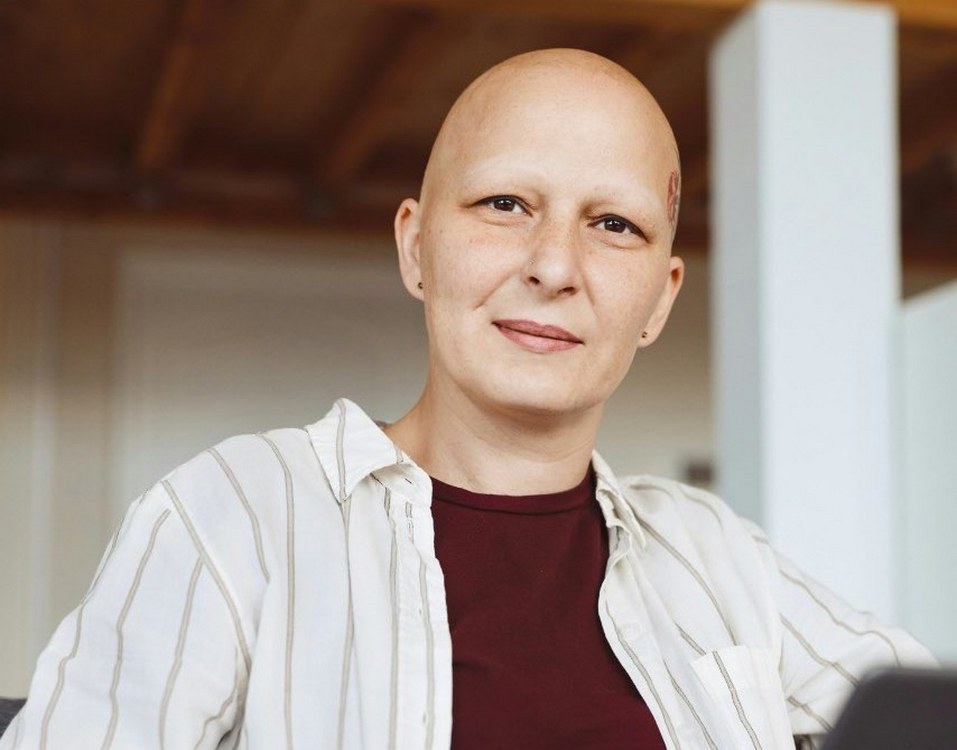
🌟
Arthritis drug demonstrates substantial hair regrowth in 1,400 alopecia patients
Artritis medicijn toont aanzienlijke haargroei bij 1.400 alopecia-patiënten
Un médicament contre l'arthrite montre une régénération capillaire substantielle chez 1 400 patients atteints d'alopécie
So, here's the exciting news! An arthritis drug called upadacitinib has shown remarkable results in restoring hair for patients suffering from severe alopecia. In a study involving nearly 1,400 participants, many experienced significant hair regrowth, with some even regaining up to 100% of their hair. This could be a game-changer for those who have faced the emotional challenges of hair loss. While more research is needed, the initial results are incredibly promising!
Dus, hier is het spannende nieuws! Een artritis medicijn genaamd upadacitinib heeft opmerkelijke resultaten laten zien bij het herstellen van haar voor patiënten die lijden aan ernstige alopecia. In een studie met bijna 1.400 deelnemers ervoeren velen aanzienlijke haargroei, waarbij sommigen zelfs tot 100% van hun haar terugkregen. Dit zou een doorbraak kunnen zijn voor degenen die de emotionele uitdagingen van haarverlies hebben ervaren. Hoewel er meer onderzoek nodig is, zijn de eerste resultaten ongelooflijk veelbelovend!
Alors, voici la nouvelle passionnante ! Un médicament contre l'arthrite appelé upadacitinib a montré des résultats remarquables dans la restauration des cheveux pour les patients souffrant d'alopécie sévère. Dans une étude impliquant près de 1 400 participants, beaucoup ont connu une repousse capillaire significative, certains retrouvant même jusqu'à 100 % de leurs cheveux. Cela pourrait être un changement de donne pour ceux qui ont fait face aux défis émotionnels de la perte de cheveux. Bien que des recherches supplémentaires soient nécessaires, les résultats initiaux sont incroyablement prometteurs !
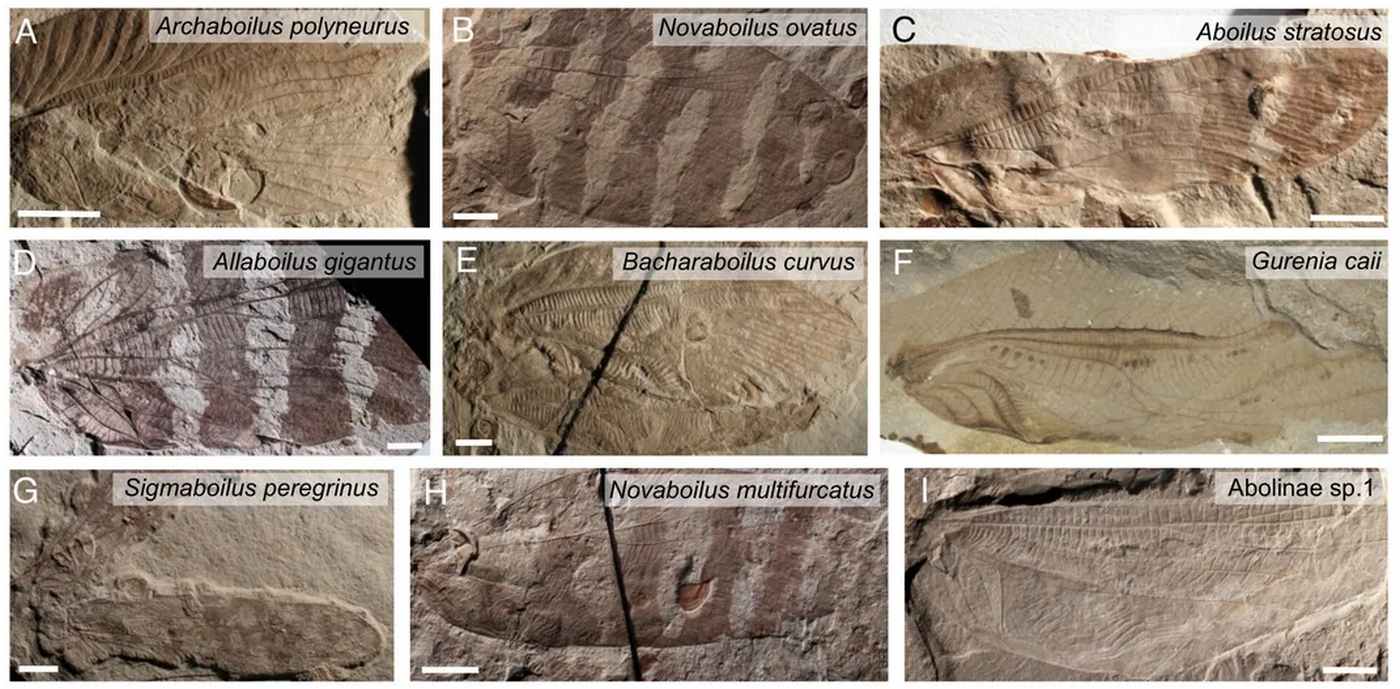
🦗
Scientists recreated chirps of jurassic insects, simulating a 165 million-yo soundscape
Wetenschappers hebben het gekwetter van jurassic-insecten gereconstrueerd, en een 165 miljoen jaar oud geluidslandschap gesimuleerd
Des scientifiques ont recréé les chants d'insectes jurassiques, simulant un paysage sonore vieux de 165 millions d'années
How amazing is it that scientists have managed to recreate the sounds of insects from the Jurassic period? Thanks to the work of Thorin Jonsson and his team, we can now listen to the chirps of crickets and grasshoppers that lived 165 million years ago. They analyzed well-preserved fossils to uncover the pitches and rhythms of these ancient calls, revealing a rich soundscape that was previously unimaginable. This discovery not only showcases the diversity of life back then but also opens up new questions about the evolution of sound in the animal kingdom.
Hoe geweldig is het dat wetenschappers erin zijn geslaagd om de geluiden van insecten uit de Jura-periode te reconstrueren? Dankzij het werk van Thorin Jonsson en zijn team kunnen we nu luisteren naar het gekwetter van krekels en sprinkhanen die 165 miljoen jaar geleden leefden. Ze analyseerden goed bewaarde fossielen om de tonen en ritmes van deze oude roepen te onthullen, wat een rijk geluidslandschap onthult dat voorheen ondenkbaar was. Deze ontdekking toont niet alleen de diversiteit van het leven toen aan, maar opent ook nieuwe vragen over de evolutie van geluid in het dierenrijk.
Quelle merveille que des scientifiques aient réussi à recréer les sons d'insectes de la période jurassique ! Grâce au travail de Thorin Jonsson et de son équipe, nous pouvons maintenant écouter les chants de criquets et de sauterelles qui vivaient il y a 165 millions d'années. Ils ont analysé des fossiles bien préservés pour découvrir les hauteurs et les rythmes de ces anciens appels, révélant un paysage sonore riche qui était auparavant inimaginable. Cette découverte met non seulement en lumière la diversité de la vie à cette époque, mais soulève également de nouvelles questions sur l'évolution du son dans le règne animal.
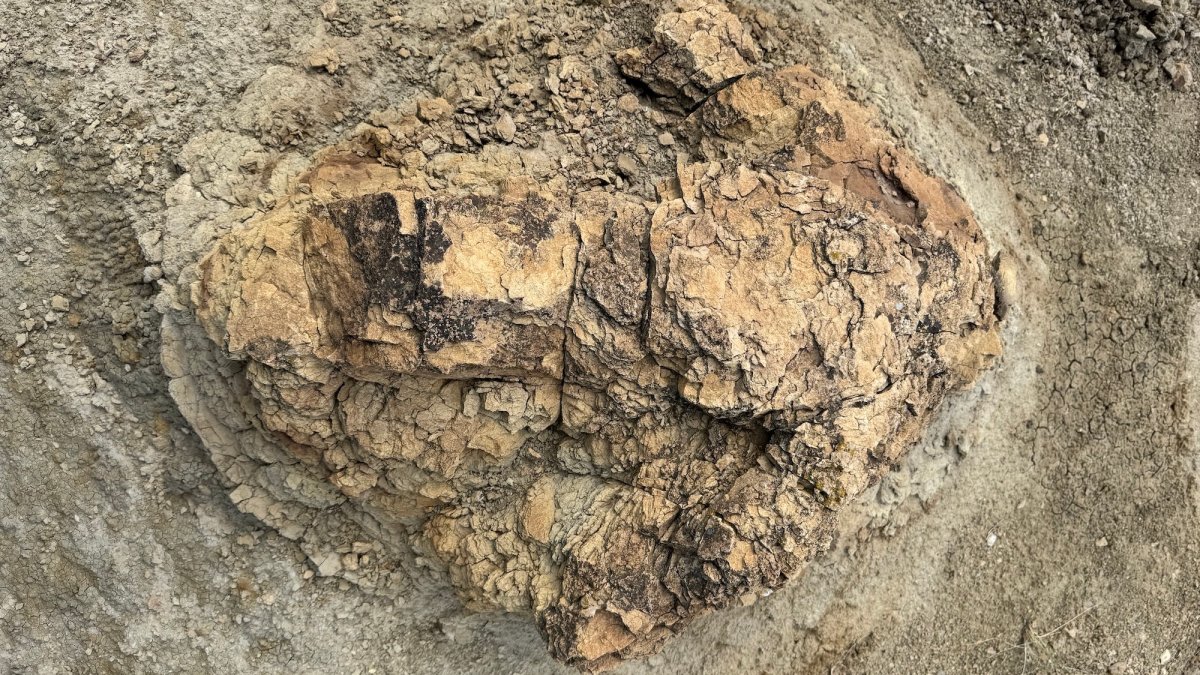
🦖
Paleontologists discover first adult ‘T. rex’ footpath
Paleontologen ontdekken eerste volwassen ‘T. rex’ voetspoor
Les paléontologues découvrent le premier chemin de pied d'un adulte ‘T. rex’
This is such an exciting discovery! Paleontologists have found the first known trackway made by an adult T. rex in North Dakota, consisting of four footprints over a 23-foot-long path. Each footprint is about three feet long, showcasing the massive size of this apex predator. What's fascinating is that the dinosaur was likely strolling at a leisurely pace, similar to a human power-walking. This find not only adds to our understanding of T. rex behavior but also highlights the rarity of such fossilized tracks.
Dit is zo'n opwindende ontdekking! Paleontologen hebben het eerste bekende voetspoor van een volwassen T. rex gevonden in North Dakota, bestaande uit vier voetafdrukken over een pad van 7 meter lang. Elke voetafdruk is ongeveer een meter lang en toont de enorme grootte van deze apexpredator. Wat fascinerend is, is dat de dinosaurus waarschijnlijk op een ontspannen tempo liep, vergelijkbaar met een menselijke power-walker. Deze vondst voegt niet alleen iets toe aan ons begrip van het gedrag van de T. rex, maar benadrukt ook de zeldzaamheid van dergelijke gefossiliseerde sporen.
C'est une découverte tellement excitante ! Des paléontologues ont trouvé le premier chemin de pied connu d'un adulte T. rex dans le Dakota du Nord, composé de quatre empreintes sur un chemin de 7 mètres de long. Chaque empreinte mesure environ un mètre de long, montrant la taille massive de ce prédateur apical. Ce qui est fascinant, c'est que le dinosaure marchait probablement à un rythme tranquille, similaire à celui d'un humain en marche rapide. Cette découverte ajoute non seulement à notre compréhension du comportement du T. rex, mais souligne également la rareté de telles empreintes fossilisées.

🦠
Bacteria recruited to treat cancer
Bacteriën ingeschakeld om kanker te behandelen
Des bactéries recrutées pour traiter le cancer
So, here's an exciting development in cancer treatment! Scientists are exploring how modified bacteria could not only produce anticancer drugs but also deliver them directly to tumors. This innovative approach could revolutionize the way we think about drug delivery, making it more efficient and targeted. It's fascinating to see how nature can be harnessed in such a powerful way to fight cancer.
Dus, hier is een spannende ontwikkeling in de kankerbehandeling! Wetenschappers onderzoeken hoe gemodificeerde bacteriën niet alleen anticancer medicijnen kunnen produceren, maar deze ook rechtstreeks naar tumoren kunnen afleveren. Deze innovatieve benadering zou de manier waarop we over medicijnafgifte denken, kunnen revolutioneren, waardoor het efficiënter en gerichter wordt. Het is fascinerend om te zien hoe de natuur op zo'n krachtige manier kan worden benut om kanker te bestrijden.
Alors, voici un développement passionnant dans le traitement du cancer ! Les scientifiques explorent comment des bactéries modifiées pourraient non seulement produire des médicaments anticancéreux, mais aussi les délivrer directement aux tumeurs. Cette approche innovante pourrait révolutionner notre façon de penser la délivrance des médicaments, la rendant plus efficace et ciblée. C'est fascinant de voir comment la nature peut être exploitée de manière si puissante pour lutter contre le cancer.
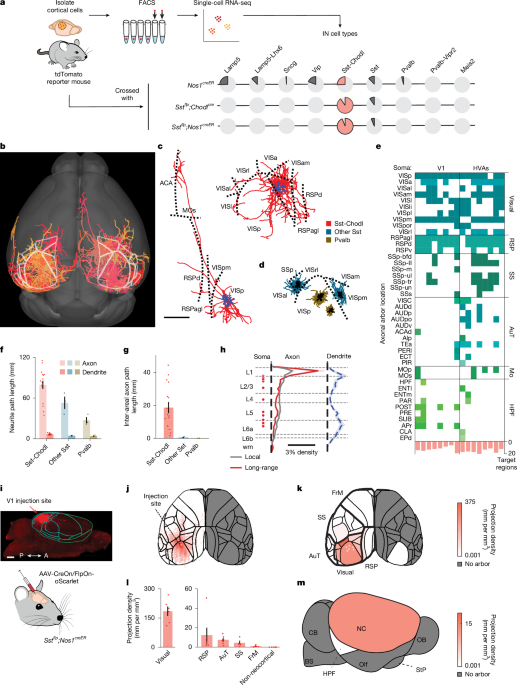
🧠
Neocortical long-range inhibition promotes cortical synchrony and sleep
Neocorticale langafstandsinhibitie bevordert corticale synchronie en slaap
L'inhibition à longue portée néocorticale favorise la synchronie corticale et le sommeil
This fascinating study dives into the role of specific inhibitory neurons in the brain that help regulate sleep and cortical synchrony. Researchers focused on a unique type of GABAergic neuron known as Sst-Chodl cells, which are surprisingly rare yet crucial for promoting synchronized brain states during sleep. By using innovative genetic techniques, they discovered that these cells form extensive connections and are particularly active during quiet wakefulness and slow-wave sleep. This research sheds light on how these neurons could be key players in managing our sleep cycles and overall brain function.
Deze fascinerende studie duikt in de rol van specifieke inhibitoire neuronen in de hersenen die helpen bij het reguleren van slaap en corticale synchronie. Onderzoekers richtten zich op een uniek type GABA-erge neuron, bekend als Sst-Chodl-cellen, die verrassend zeldzaam zijn maar cruciaal voor het bevorderen van gesynchroniseerde hersenstaten tijdens de slaap. Door innovatieve genetische technieken te gebruiken, ontdekten ze dat deze cellen uitgebreide verbindingen vormen en bijzonder actief zijn tijdens rustige waakzaamheid en langzame golf-slaap. Dit onderzoek werpt licht op hoe deze neuronen sleutelspelers kunnen zijn in het beheren van onze slaapcycli en de algehele hersenfunctie.
Cette étude fascinante explore le rôle de neurones inhibiteurs spécifiques dans le cerveau qui aident à réguler le sommeil et la synchronie corticale. Les chercheurs se sont concentrés sur un type unique de neurone GABAergique connu sous le nom de cellules Sst-Chodl, qui sont étonnamment rares mais cruciales pour promouvoir des états cérébraux synchronisés pendant le sommeil. En utilisant des techniques génétiques innovantes, ils ont découvert que ces cellules forment des connexions étendues et sont particulièrement actives pendant l'éveil calme et le sommeil à ondes lentes. Cette recherche éclaire comment ces neurones pourraient être des acteurs clés dans la gestion de nos cycles de sommeil et de la fonction cérébrale globale.

🌍
Advancing conflict research and response through satellite-derived data
Vooruitgang in conflictonderzoek en -respons door satellietgegevens
Avancer la recherche et la réponse aux conflits grâce aux données dérivées des satellites
We're at a crucial point in understanding armed conflicts, especially with the rise in civilian attacks. This article highlights the need to integrate satellite-derived data with traditional conflict event datasets to get a fuller picture of violence. By combining these data sources, researchers can uncover insights that go beyond just fatalities, revealing the complex dynamics of conflict. It's an exciting time for conflict research, as this integration could lead to more effective strategies for reducing violence.
We staan op een cruciaal punt in het begrijpen van gewapende conflicten, vooral met de stijging van aanvallen op burgers. Dit artikel benadrukt de noodzaak om satellietgegevens te integreren met traditionele datasets over conflicten om een vollediger beeld van geweld te krijgen. Door deze gegevensbronnen te combineren, kunnen onderzoekers inzichten onthullen die verder gaan dan alleen sterfgevallen, en de complexe dynamiek van conflicten blootleggen. Het is een spannende tijd voor conflictonderzoek, aangezien deze integratie kan leiden tot effectievere strategieën voor het verminderen van geweld.
Nous sommes à un moment crucial pour comprendre les conflits armés, surtout avec l'augmentation des attaques contre les civils. Cet article souligne la nécessité d'intégrer les données dérivées des satellites avec les ensembles de données traditionnels sur les conflits pour obtenir une image plus complète de la violence. En combinant ces sources de données, les chercheurs peuvent découvrir des insights qui vont au-delà des seuls décès, révélant les dynamiques complexes des conflits. C'est un moment passionnant pour la recherche sur les conflits, car cette intégration pourrait conduire à des stratégies plus efficaces pour réduire la violence.
🦴
Mysterious human relatives were strong and agile, fossil elbow and primitive tools suggest
Mysterieuze menselijke verwanten waren sterk en behendig, fossiele elleboog en primitieve gereedschappen suggereren
Des parents humains mystérieux étaient forts et agiles, une coude fossile et des outils primitifs suggèrent
So, researchers have uncovered fascinating evidence about our ancient relatives that paints a picture of strength and agility. The discovery of a fossilized elbow and primitive tools hints at their impressive physical capabilities. It's amazing to think about how these early humans adapted to their environment with such skill. This research not only sheds light on our evolutionary history but also sparks curiosity about how they lived and thrived.
Dus, onderzoekers hebben fascinerend bewijs ontdekt over onze oude verwanten dat een beeld schetst van kracht en behendigheid. De ontdekking van een gefossiliseerde elleboog en primitieve gereedschappen wijst op hun indrukwekkende fysieke mogelijkheden. Het is geweldig om te bedenken hoe deze vroege mensen zich met zoveel vaardigheid aanpasten aan hun omgeving. Dit onderzoek werpt niet alleen licht op onze evolutionaire geschiedenis, maar wekt ook nieuwsgierigheid over hoe ze leefden en gedijden.
Alors, les chercheurs ont découvert des preuves fascinantes sur nos ancêtres anciens qui dessinent un tableau de force et d'agilité. La découverte d'un coude fossile et d'outils primitifs suggère leurs capacités physiques impressionnantes. C'est incroyable de penser à la façon dont ces premiers humains se sont adaptés à leur environnement avec tant de compétence. Cette recherche éclaire non seulement notre histoire évolutive, mais suscite également la curiosité sur la façon dont ils ont vécu et prospéré.

🌟
A stealth startup thinks it just hacked the memory shortage
Een stealth startup denkt dat het de geheugen tekort heeft gekraakt
Une startup discrète pense avoir résolu la pénurie de mémoire
Kepler Computing, a startup based in San Jose, has emerged from stealth mode with an innovative approach to tackle the global memory chip shortage. They've developed a new architecture for high-bandwidth memory that avoids the costly extreme ultraviolet lithography process. With significant backing from major investors, including Bill Gates, Kepler is poised to make a real impact in the semiconductor industry. Their technology could not have come at a better time, as the demand for memory continues to surge in our AI-driven world.
Kepler Computing, een startup uit San Jose, is uit de stealth-modus gekomen met een innovatieve aanpak om het wereldwijde geheugen tekort aan te pakken. Ze hebben een nieuwe architectuur voor high-bandwidth geheugen ontwikkeld die het dure extreme ultraviolet lithografieproces vermijdt. Met aanzienlijke steun van grote investeerders, waaronder Bill Gates, staat Kepler op het punt een echte impact te maken in de halfgeleiderindustrie. Hun technologie kon niet op een beter moment komen, aangezien de vraag naar geheugen blijft stijgen in onze door AI aangedreven wereld.
Kepler Computing, une startup basée à San Jose, est sortie de sa période de discrétion avec une approche innovante pour lutter contre la pénurie mondiale de puces mémoire. Ils ont développé une nouvelle architecture pour la mémoire à large bande qui évite le coûteux processus de lithographie ultraviolette extrême. Avec un soutien significatif de grands investisseurs, dont Bill Gates, Kepler est prêt à avoir un impact réel dans l'industrie des semi-conducteurs. Leur technologie ne pouvait pas arriver à un meilleur moment, alors que la demande de mémoire continue d'exploser dans notre monde axé sur l'IA.
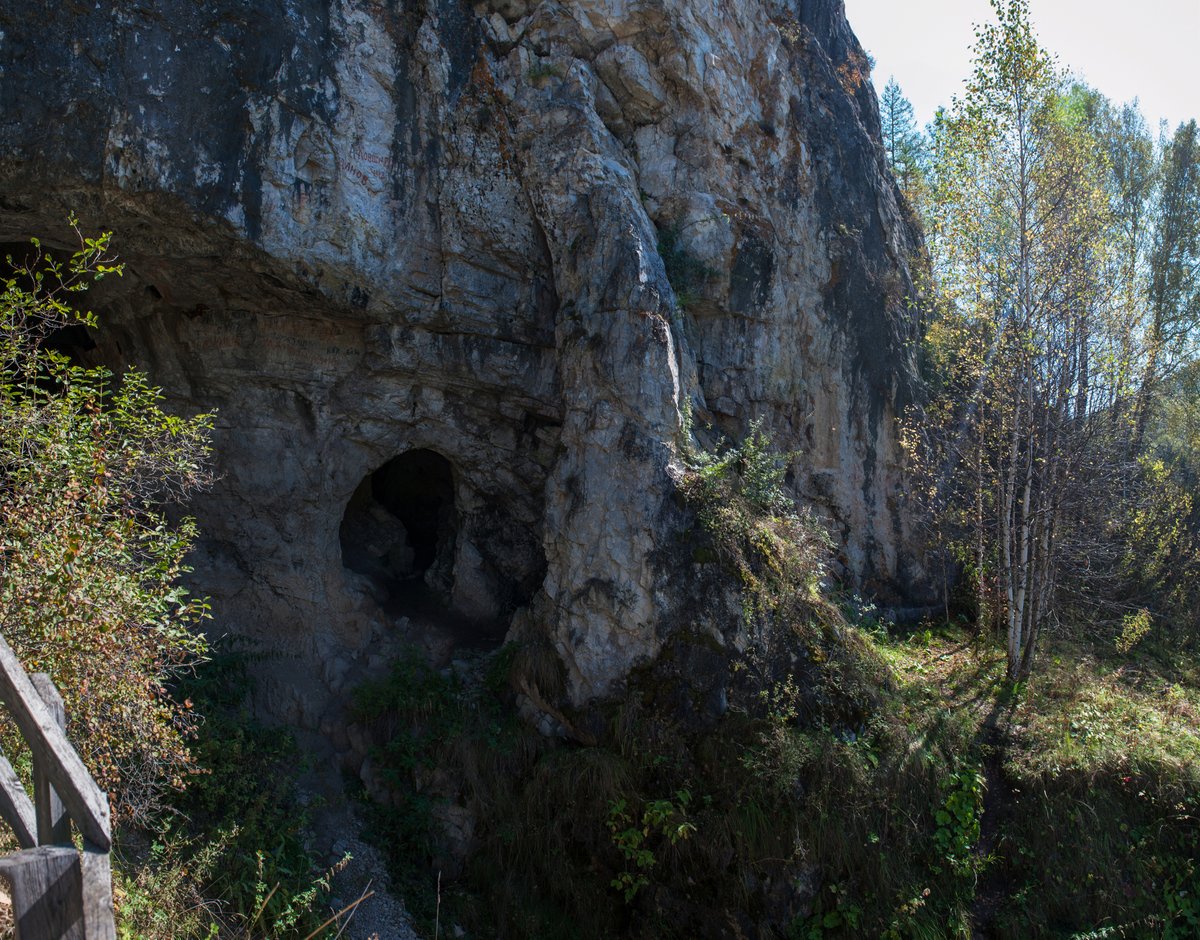
🦴
Scientists unlock new clues to what Denisovans, a mysterious ancient human ancestor, looked like
Wetenschappers onthullen nieuwe aanwijzingen over hoe Denisovans, een mysterieuze oude menselijke voorouder, eruitzagen
Les scientifiques débloquent de nouvelles pistes sur l'apparence des Denisoviens, un ancêtre humain ancien mystérieux
So, researchers have made exciting discoveries about Denisovans, our ancient relatives, by analyzing bones found in a cave in China. These findings reveal not only what they looked like but also how they thrived over 130,000 years ago. It turns out that Denisovans might have resembled modern humans more than Neanderthals, which is fascinating! This research opens up new avenues for understanding our shared history with these ancient hominins.
Dus, onderzoekers hebben spannende ontdekkingen gedaan over Denisovans, onze oude verwanten, door botten te analyseren die in een grot in China zijn gevonden. Deze bevindingen onthullen niet alleen hoe ze eruitzagen, maar ook hoe ze meer dan 130.000 jaar geleden overleefden. Het blijkt dat Denisovans misschien meer op moderne mensen leken dan op Neanderthalers, wat fascinerend is! Dit onderzoek opent nieuwe wegen om onze gedeelde geschiedenis met deze oude homininen te begrijpen.
Alors, les chercheurs ont fait des découvertes passionnantes sur les Denisoviens, nos ancêtres anciens, en analysant des os trouvés dans une grotte en Chine. Ces découvertes révèlent non seulement à quoi ils ressemblaient, mais aussi comment ils ont prospéré il y a plus de 130 000 ans. Il s'avère que les Denisoviens pourraient ressembler davantage aux humains modernes qu'aux Néandertaliens, ce qui est fascinant ! Cette recherche ouvre de nouvelles voies pour comprendre notre histoire partagée avec ces anciens hominidés.
💪
Scientists find a bone-building switch that could fight osteoporosis
Wetenschappers vinden een botopbouwschakelaar die osteoporose kan bestrijden
Des scientifiques découvrent un interrupteur de construction osseuse qui pourrait lutter contre l'ostéoporose
Osteoporosis is a serious condition affecting millions, but researchers at Leipzig University have identified a promising target: the GPR133 receptor. This receptor plays a crucial role in maintaining bone strength, and stimulating it with a substance called AP503 has shown to significantly increase bone density in mice. What's exciting is that this could lead to new treatments for osteoporosis, especially in postmenopausal women. Plus, it might even strengthen muscles, making it a double win for older adults!
Osteoporose is een ernstige aandoening die miljoenen mensen treft, maar onderzoekers aan de Universiteit van Leipzig hebben een veelbelovende doelwit geïdentificeerd: de GPR133-receptor. Deze receptor speelt een cruciale rol bij het behouden van de botsterkte, en het stimuleren ervan met een stof genaamd AP503 heeft aangetoond dat het de botdichtheid bij muizen aanzienlijk verhoogt. Wat spannend is, is dat dit kan leiden tot nieuwe behandelingen voor osteoporose, vooral bij postmenopauzale vrouwen. Bovendien kan het zelfs de spieren versterken, wat het een dubbele overwinning maakt voor oudere volwassenen!
L'ostéoporose est une condition grave qui touche des millions de personnes, mais des chercheurs de l'Université de Leipzig ont identifié une cible prometteuse : le récepteur GPR133. Ce récepteur joue un rôle crucial dans le maintien de la force osseuse, et sa stimulation avec une substance appelée AP503 a montré qu'elle augmentait considérablement la densité osseuse chez les souris. Ce qui est excitant, c'est que cela pourrait conduire à de nouveaux traitements pour l'ostéoporose, en particulier chez les femmes ménopausées. De plus, cela pourrait même renforcer les muscles, ce qui est une double victoire pour les personnes âgées !
🏺
Devil’s arrows: ancient builders hauled 55,000-pound stones 11 miles for Britain’s tallest stone row
Duivelse pijlen: oude bouwers sleepten 25-ton stenen 18 kilometer voor de hoogste stenen rij van Groot-Brittannië
Flèches du diable : des bâtisseurs anciens ont transporté des pierres de 25 tonnes sur 18 kilomètres pour la plus haute rangée de pierres de Grande-Bretagne
Isn't it fascinating that ancient builders moved massive 25-ton stones over 11 miles to create Britain's tallest stone row? This new research reveals that these stones came from Brimham Rocks, not the closer Plumpton Rocks as previously thought. It shows that prehistoric people made deliberate choices about their materials, emphasizing the cultural significance of the landscape. The study not only changes our understanding of monument construction but also highlights the incredible effort involved in such an endeavor.
Het is toch fascinerend dat oude bouwers enorme stenen van 25 ton over 18 kilometer hebben verplaatst om de hoogste stenen rij van Groot-Brittannië te creëren? Dit nieuwe onderzoek onthult dat deze stenen afkomstig zijn van Brimham Rocks, en niet van het dichterbij gelegen Plumpton Rocks zoals eerder werd gedacht. Het toont aan dat prehistorische mensen opzettelijke keuzes maakten over hun materialen, waarbij de culturele betekenis van het landschap werd benadrukt. De studie verandert niet alleen ons begrip van monumentbouw, maar benadrukt ook de ongelooflijke inspanning die met zo'n onderneming gepaard gaat.
N'est-il pas fascinant que des bâtisseurs anciens aient déplacé d'énormes pierres de 25 tonnes sur 18 kilomètres pour créer la plus haute rangée de pierres de Grande-Bretagne ? Cette nouvelle recherche révèle que ces pierres proviennent de Brimham Rocks, et non des Plumpton Rocks plus proches comme on le pensait auparavant. Cela montre que les peuples préhistoriques faisaient des choix délibérés concernant leurs matériaux, soulignant l'importance culturelle du paysage. L'étude ne change pas seulement notre compréhension de la construction de monuments, mais met également en lumière l'incroyable effort impliqué dans une telle entreprise.
🔍
Chinese scientists find a hidden atomic structure that unlocks methane
Chinese wetenschappers ontdekken een verborgen atomair structuur die methaan ontgrendelt
Des scientifiques chinois découvrent une structure atomique cachée qui déverrouille le méthane
So, researchers from China have made a fascinating discovery about methane conversion! They found that a hidden atomic structure forms during the partial oxidation of methane, which is crucial for producing syngas. This new insight challenges the long-held belief that metallic nickel is the main player in this reaction. Instead, it turns out that a specific atomic arrangement is what really drives the catalytic activity, making this a game-changer for industrial applications.
Dus, onderzoekers uit China hebben een fascinerende ontdekking gedaan over de conversie van methaan! Ze ontdekten dat er een verborgen atomair structuur ontstaat tijdens de partiële oxidatie van methaan, wat cruciaal is voor de productie van syngas. Deze nieuwe inzichten dagen de lang gekoesterde overtuiging uit dat metalen nikkel de belangrijkste speler is in deze reactie. In plaats daarvan blijkt dat een specifieke atomaire rangschikking echt de katalytische activiteit aandrijft, wat dit tot een game-changer maakt voor industriële toepassingen.
Alors, des chercheurs chinois ont fait une découverte fascinante sur la conversion du méthane ! Ils ont découvert qu'une structure atomique cachée se forme lors de l'oxydation partielle du méthane, ce qui est crucial pour produire du syngas. Cette nouvelle compréhension remet en question la croyance bien établie selon laquelle le nickel métallique est le principal acteur de cette réaction. Au lieu de cela, il s'avère qu'un agencement atomique spécifique est ce qui stimule réellement l'activité catalytique, ce qui en fait un changement de donne pour les applications industrielles.

🐶
IIT Bombay put QR collars on campus dogs. Now BMC is taking the idea across Mumbai
IIT Bombay plaatst QR-halsbanden bij campus honden. Nu neemt BMC het idee mee door Mumbai
IIT Bombay met des colliers QR sur les chiens de campus. Maintenant, la BMC étend l'idée à Mumbai
IIT Bombay has come up with a fantastic solution for its campus dogs by fitting them with QR collars that provide vital information about their health and history. This innovative idea not only helps identify and care for the dogs but also ensures their safety in a bustling environment. Following this success, the Brihanmumbai Municipal Corporation is now implementing the same system across Mumbai, which is just brilliant! It’s a wonderful example of how technology can enhance animal welfare and community responsibility.
IIT Bombay heeft een fantastische oplossing bedacht voor zijn campus honden door ze te voorzien van QR-halsbanden die belangrijke informatie over hun gezondheid en geschiedenis geven. Dit innovatieve idee helpt niet alleen bij de identificatie en zorg voor de honden, maar zorgt ook voor hun veiligheid in een drukke omgeving. Na dit succes implementeert de Brihanmumbai Municipal Corporation nu hetzelfde systeem in heel Mumbai, wat gewoon geweldig is! Het is een prachtig voorbeeld van hoe technologie het welzijn van dieren en gemeenschapsverantwoordelijkheid kan verbeteren.
IIT Bombay a trouvé une solution fantastique pour ses chiens de campus en leur mettant des colliers QR qui fournissent des informations vitales sur leur santé et leur histoire. Cette idée innovante aide non seulement à identifier et à prendre soin des chiens, mais garantit également leur sécurité dans un environnement animé. Suite à ce succès, la Brihanmumbai Municipal Corporation met maintenant en œuvre le même système à travers Mumbai, ce qui est tout simplement brillant ! C'est un merveilleux exemple de la façon dont la technologie peut améliorer le bien-être animal et la responsabilité communautaire.

💧
Using rainwater & AC water, this Mumbai man brought his old borewell back to life
Met regenwater en AC-water bracht deze man uit Mumbai zijn oude boorgat weer tot leven
En utilisant l'eau de pluie et l'eau de climatisation, cet homme de Mumbai a redonné vie à son ancien puits
Chetan Soorenji from Mumbai faced a water scarcity issue as his borewell went deeper and the water quality declined. He had a brilliant idea to harvest rainwater and redirect it into his borewell, along with creating a percolation pit. To top it off, he even connected his air conditioner to contribute more water during the hot summer months. This innovative approach not only improved his water supply but also inspired his neighbors to consider similar solutions.
Chetan Soorenji uit Mumbai had te maken met waterschaarste omdat zijn boorgat dieper ging en de waterkwaliteit achteruitging. Hij had een briljant idee om regenwater te oogsten en het in zijn boorgat te leiden, samen met het creëren van een percolatieput. Bovendien verbond hij zijn airconditioner om in de hete zomermaanden meer water bij te dragen. Deze innovatieve aanpak verbeterde niet alleen zijn watervoorziening, maar inspireerde ook zijn buren om soortgelijke oplossingen te overwegen.
Chetan Soorenji de Mumbai a été confronté à un problème de pénurie d'eau lorsque son puits est devenu plus profond et que la qualité de l'eau a diminué. Il a eu une idée brillante pour récolter l'eau de pluie et la rediriger vers son puits, tout en créant un puits de percolation. De plus, il a même connecté son climatiseur pour contribuer davantage d'eau pendant les chauds mois d'été. Cette approche innovante a non seulement amélioré son approvisionnement en eau, mais a également inspiré ses voisins à envisager des solutions similaires.
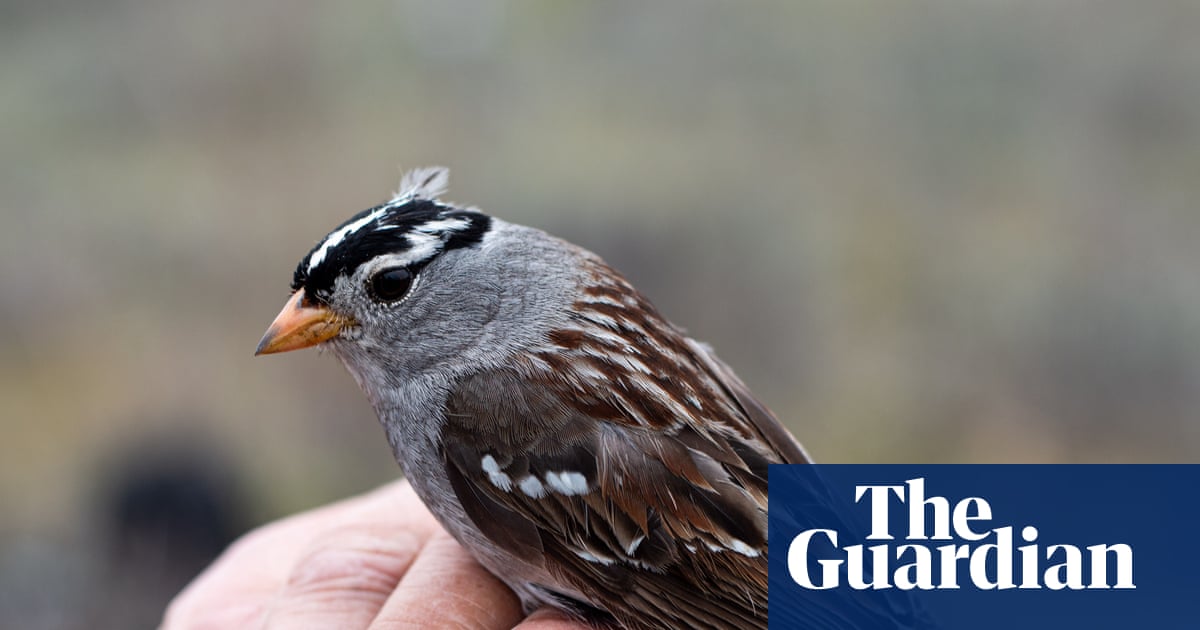
🌍
Can an entire Arctic ecosystem evolve to adapt to the climate crisis?
Kan een heel Arctisch ecosysteem evolueren om zich aan te passen aan de klimaatcrisis?
Un écosystème arctique entier peut-il évoluer pour s'adapter à la crise climatique?
Scientists in Alaska are exploring how an entire Arctic ecosystem might adapt to the climate crisis. They're studying the interactions between species like white-crowned sparrows and Arctic grayling, hoping to understand how these relationships can help them survive. The project aims to show that evolution isn't just about individual species but also about how they can thrive together. It's a fascinating approach that could change our understanding of ecosystems worldwide.
Wetenschappers in Alaska onderzoeken hoe een heel Arctisch ecosysteem zich kan aanpassen aan de klimaatcrisis. Ze bestuderen de interacties tussen soorten zoals de witkruinspreeuw en de Arctische graying, in de hoop te begrijpen hoe deze relaties hen kunnen helpen overleven. Het project heeft als doel te laten zien dat evolutie niet alleen over individuele soorten gaat, maar ook over hoe ze samen kunnen gedijen. Het is een fascinerende benadering die onze kijk op ecosystemen wereldwijd zou kunnen veranderen.
Des scientifiques en Alaska explorent comment un écosystème arctique entier pourrait s'adapter à la crise climatique. Ils étudient les interactions entre des espèces comme les bruants à couronne blanche et les graylings arctiques, espérant comprendre comment ces relations peuvent les aider à survivre. Le projet vise à montrer que l'évolution ne concerne pas seulement les espèces individuelles, mais aussi la manière dont elles peuvent prospérer ensemble. C'est une approche fascinante qui pourrait changer notre compréhension des écosystèmes à l'échelle mondiale.
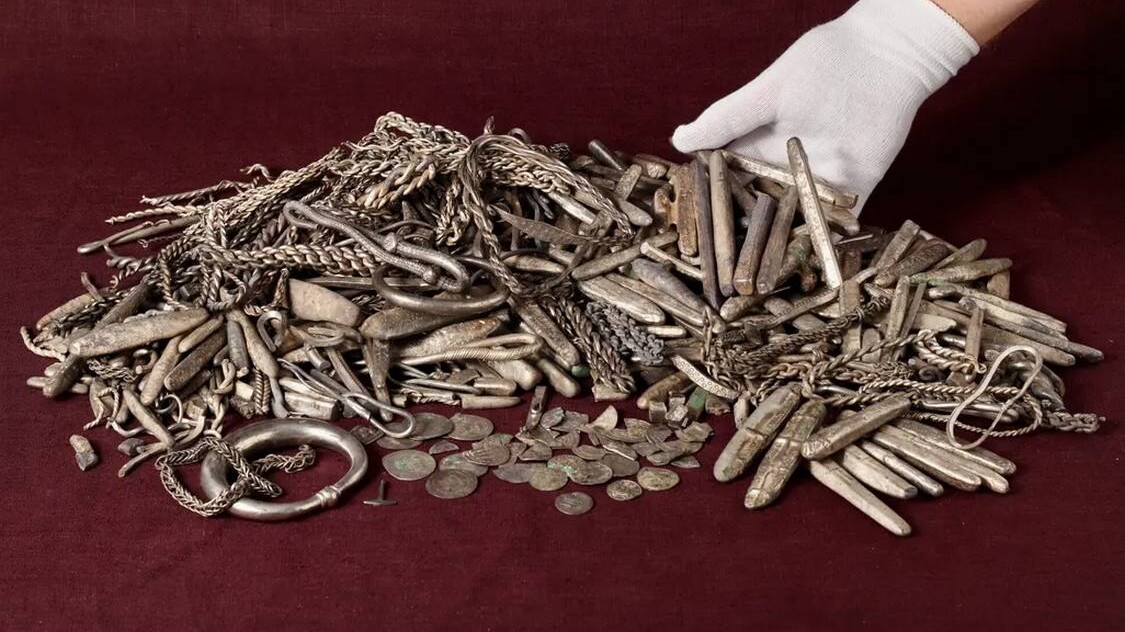
🏺
Yard work reveals largest trove of Viking silver ever discovered in Denmark
Tuinwerk onthult grootste schat aan Vikingzilver ooit ontdekt in Denemarken
Des travaux de jardinage révèlent le plus grand trésor d'argent viking jamais découvert au Danemark
So, imagine this—a man in Denmark was just trying to improve his backyard when he stumbled upon a treasure trove of Viking silver! In just half an hour of digging, he uncovered over 700 objects, including bracelets, coins, and even an amulet shaped like Thor’s hammer. This hoard is nearly three times larger than the previous record in Denmark, showcasing the importance of silver in the Viking Age economy. It’s a fascinating glimpse into history that tells us so much about trade and daily life back then.
Stel je voor—een man in Denemarken was gewoon bezig zijn achtertuin te verbeteren toen hij op een schat aan Vikingzilver stuitte! In slechts een half uur graven ontdekte hij meer dan 700 objecten, waaronder armbanden, munten en zelfs een amulet in de vorm van Thor's hamer. Deze schat is bijna drie keer groter dan het vorige record in Denemarken en toont het belang van zilver in de economie van het Vikingtijdperk. Het is een fascinerende blik op de geschiedenis die ons veel vertelt over handel en het dagelijks leven van toen.
Imaginez cela—un homme au Danemark essayait simplement d'améliorer son jardin lorsqu'il est tombé sur un trésor d'argent viking ! En seulement une demi-heure de creusage, il a découvert plus de 700 objets, y compris des bracelets, des pièces de monnaie et même un amulette en forme de marteau de Thor. Ce trésor est presque trois fois plus grand que le précédent record au Danemark, mettant en lumière l'importance de l'argent dans l'économie de l'époque viking. C'est un aperçu fascinant de l'histoire qui nous en dit beaucoup sur le commerce et la vie quotidienne à cette époque.

⚡
Batteries just broke another record in the US
Batterijen hebben opnieuw een record gebroken in de VS
Les batteries viennent de battre un nouveau record aux États-Unis
Wow, the US battery market is really booming! In the second quarter of 2026, installations hit a whopping 20.2 gigawatt-hours, enough to power around 700,000 homes daily. This surge is largely due to cheaper batteries and the growing need for energy storage as renewables take off. While utility-scale systems are leading the charge, behind-the-meter batteries are also making strides, especially in data centers. It's an exciting time for energy storage, and the shift towards US-made technology is something to watch closely!
Wauw, de batterijmarkt in de VS groeit echt als kool! In het tweede kwartaal van 2026 bereikten de installaties maar liefst 20,2 gigawattuur, genoeg om dagelijks ongeveer 700.000 huizen van stroom te voorzien. Deze stijging is grotendeels te danken aan goedkopere batterijen en de groeiende behoefte aan energieopslag nu hernieuwbare energiebronnen in opkomst zijn. Terwijl grootschalige systemen de leiding nemen, maken achter-de-meterbatterijen ook vooruitgang, vooral in datacenters. Het is een spannende tijd voor energieopslag, en de verschuiving naar in de VS gemaakte technologie is iets om goed in de gaten te houden!
Wow, le marché des batteries aux États-Unis est en plein essor ! Au deuxième trimestre de 2026, les installations ont atteint un impressionnant 20,2 gigawattheures, suffisant pour alimenter environ 700 000 foyers par jour. Cette augmentation est largement due à la baisse des prix des batteries et à la nécessité croissante de stockage d'énergie alors que les énergies renouvelables se développent. Bien que les systèmes à grande échelle soient en tête, les batteries derrière le compteur progressent également, notamment dans les centres de données. C'est un moment passionnant pour le stockage d'énergie, et le passage à une technologie fabriquée aux États-Unis est quelque chose à surveiller de près !

🤝
The science of friendship and loneliness
De wetenschap van vriendschap en eenzaamheid
La science de l'amitié et de la solitude
So, have you ever thought about how many friends you really need? It turns out, anthropologist Robin Dunbar suggests around five close friends and about 150 less intimate connections. But here's the thing—friendship is tricky to measure, and many people struggle to form these bonds. Recent research highlights the significant benefits of friendships, like faster healing after surgeries, and reveals that loneliness can negatively impact us just like smoking. It's fascinating to explore how different people approach friendship and what that means for their well-being!
Dus, heb je ooit nagedacht over hoeveel vrienden je echt nodig hebt? Het blijkt dat antropoloog Robin Dunbar rond de vijf hechte vrienden en ongeveer 150 minder intieme connecties voorstelt. Maar hier is het ding: vriendschap is moeilijk te meten en veel mensen hebben moeite om deze banden te vormen. Recent onderzoek benadrukt de aanzienlijke voordelen van vriendschappen, zoals sneller herstel na operaties, en onthult dat eenzaamheid ons net zo negatief kan beïnvloeden als roken. Het is fascinerend om te onderzoeken hoe verschillende mensen vriendschap benaderen en wat dat betekent voor hun welzijn!
Alors, avez-vous déjà pensé à combien d'amis vous avez vraiment besoin ? Il s'avère que l'anthropologue Robin Dunbar suggère environ cinq amis proches et environ 150 connexions moins intimes. Mais voici le truc : l'amitié est difficile à mesurer et beaucoup de gens ont du mal à former ces liens. Des recherches récentes soulignent les avantages significatifs des amitiés, comme une guérison plus rapide après des opérations, et révèlent que la solitude peut nous affecter négativement tout comme le tabagisme. C'est fascinant d'explorer comment différentes personnes abordent l'amitié et ce que cela signifie pour leur bien-être !

🌫️
Fog may be hiding secret ecosystems
Mist kan verborgen ecosystemen verbergen
Le brouillard pourrait cacher des écosystèmes secrets
Fog is not just a mystical phenomenon; it might actually be a thriving habitat for microbes! Scientists are discovering that fog can support microbial life, with bacteria found to be metabolizing compounds like formaldehyde. This research opens up a whole new field of fog microbiology, showing that these tiny droplets create unique microhabitats. It's fascinating to think about how something as common as fog can play such a crucial role in our ecosystem.
Mist is niet alleen een mystiek fenomeen; het kan eigenlijk een bloeiend habitat zijn voor microben! Wetenschappers ontdekken dat mist microbieel leven kan ondersteunen, met bacteriën die verbindingen zoals formaldehyde metaboliserend. Dit onderzoek opent een geheel nieuw veld van mistmicrobiologie en toont aan dat deze kleine druppels unieke microhabitats creëren. Het is fascinerend om na te denken over hoe iets zo gewoons als mist zo'n cruciale rol in ons ecosysteem kan spelen.
Le brouillard n'est pas seulement un phénomène mystique ; il pourrait en fait être un habitat florissant pour les microbes ! Les scientifiques découvrent que le brouillard peut soutenir la vie microbienne, avec des bactéries qui métabolisent des composés comme le formaldéhyde. Cette recherche ouvre un tout nouveau domaine de la microbiologie du brouillard, montrant que ces minuscules gouttelettes créent des microhabitats uniques. C'est fascinant de penser à la façon dont quelque chose d'aussi commun que le brouillard peut jouer un rôle si crucial dans notre écosystème.
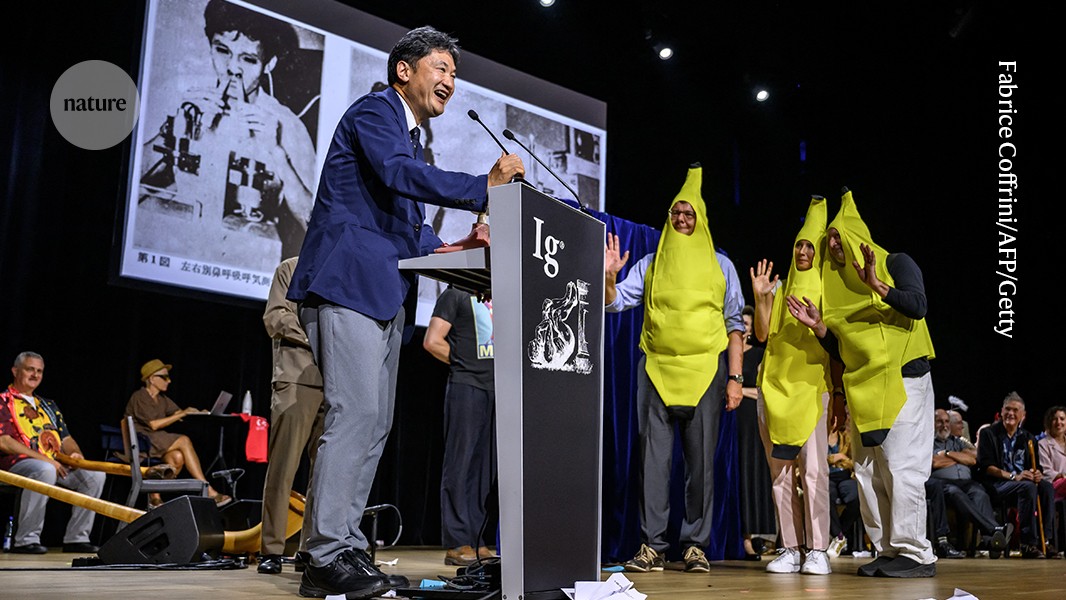
🎉
Why the super-fun Ig Nobel prizes bring serious value to science
Waarom de superleuke Ig Nobelprijzen serieuze waarde voor de wetenschap hebben
Pourquoi les super-fun prix Ig Nobel apportent une valeur sérieuse à la science
The Ig Nobel prizes are a delightful twist on traditional science awards, blending humor with genuine research recognition. This year's ceremony, themed around fungi, showcased quirky awards like the one for a study on nose-blowing aerodynamics. It's fascinating to see how these playful accolades encourage scientists to think outside the box and embrace creativity. Plus, the event's move to Europe, with Antwerp as the next host, adds an exciting new chapter to its legacy.
De Ig Nobelprijzen zijn een heerlijke draai aan traditionele wetenschapsprijzen, waarbij humor wordt gecombineerd met echte erkenning van onderzoek. De ceremonie van dit jaar, met als thema schimmels, toonde eigenaardige prijzen zoals die voor een studie over de aerodynamica van neusblazen. Het is fascinerend om te zien hoe deze speelse onderscheidingen wetenschappers aanmoedigen om buiten de gebaande paden te denken en creativiteit te omarmen. Bovendien voegt de verhuizing van het evenement naar Europa, met Antwerpen als volgende gaststad, een spannend nieuw hoofdstuk toe aan de erfenis.
Les prix Ig Nobel sont une délicieuse variation des prix scientifiques traditionnels, alliant humour et reconnaissance de la recherche authentique. La cérémonie de cette année, sur le thème des champignons, a présenté des récompenses originales, comme celle pour une étude sur l'aérodynamique du souffle nasal. C'est fascinant de voir comment ces distinctions ludiques encouragent les scientifiques à penser différemment et à embrasser la créativité. De plus, le déménagement de l'événement en Europe, avec Anvers comme prochaine ville hôte, ajoute un nouveau chapitre passionnant à son héritage.
🌟
The Einstein test: what happens when AI tries to rediscover relativity?
De Einstein-test: wat gebeurt er als AI probeert relativiteit te herontdekken?
Le test d'Einstein : que se passe-t-il lorsque l'IA essaie de redécouvrir la relativité ?
Imagine this: AI trying to replicate Einstein's groundbreaking theory of relativity! At a recent summit, experts discussed training language models on historical data to see if they could make such a monumental discovery. While the idea is thrilling, current AI models seem to struggle with the creative leaps needed for such breakthroughs. It's a fascinating challenge that could reshape our understanding of both AI and physics.
Stel je voor: AI die probeert de baanbrekende relativiteitstheorie van Einstein te repliceren! Tijdens een recente top bespraken experts het trainen van taalmodellen op historische gegevens om te zien of ze zo'n monumentale ontdekking konden doen. Hoewel het idee opwindend is, lijken huidige AI-modellen moeite te hebben met de creatieve sprongen die nodig zijn voor dergelijke doorbraken. Het is een fascinerende uitdaging die ons begrip van zowel AI als de natuurkunde zou kunnen hervormen.
Imaginez ceci : l'IA essayant de reproduire la théorie révolutionnaire de la relativité d'Einstein ! Lors d'un récent sommet, des experts ont discuté de la formation de modèles linguistiques sur des données historiques pour voir s'ils pouvaient faire une telle découverte monumentale. Bien que l'idée soit passionnante, les modèles d'IA actuels semblent avoir du mal avec les sauts créatifs nécessaires à de telles percées. C'est un défi fascinant qui pourrait redéfinir notre compréhension de l'IA et de la physique.
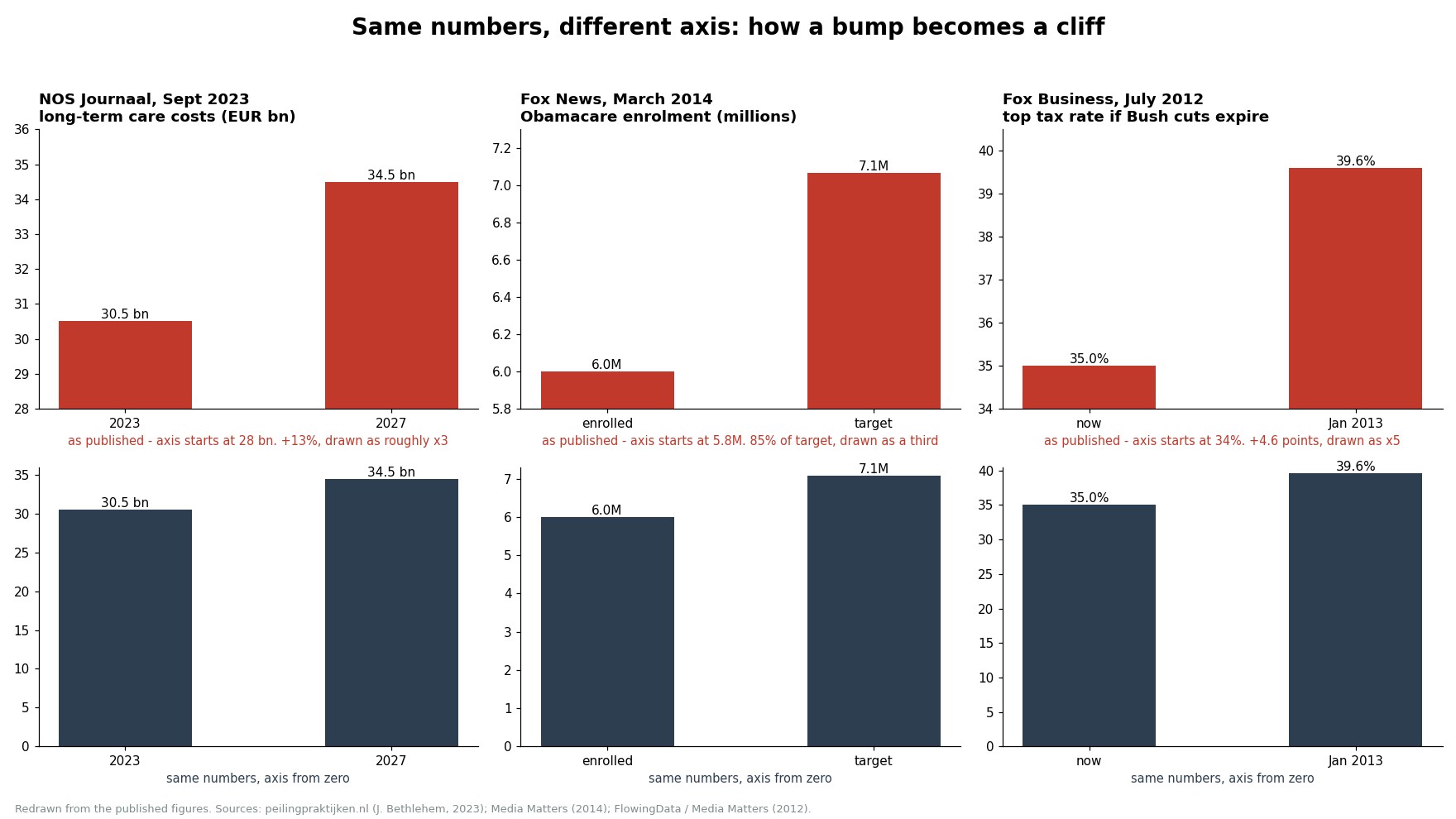
✍️
The axis that lies
De as die liegt
L'axe qui ment
Last week, I stumbled upon a PISA article that highlighted the reading skills of Flemish 15-year-olds, and I noticed something curious about the charts. The vertical axis didn't start at zero, which made the data look far worse than it actually is. This trick of manipulating the axis is everywhere, and it’s time we shed light on it. It’s fascinating how a simple change can skew our perception of the truth.
Vorige week stuitte ik op een PISA-artikel dat de leesvaardigheid van Vlaamse 15-jarigen belichtte, en ik merkte iets curios op aan de grafieken. De verticale as begon niet bij nul, waardoor de gegevens veel erger leken dan ze in werkelijkheid zijn. Deze truc van het manipuleren van de as is overal, en het is tijd om hier licht op te werpen. Het is fascinerend hoe een simpele verandering onze perceptie van de waarheid kan vertekenen.
La semaine dernière, je suis tombé sur un article PISA qui mettait en avant les compétences en lecture des jeunes Flamands de 15 ans, et j'ai remarqué quelque chose de curieux dans les graphiques. L'axe vertical ne commençait pas à zéro, ce qui rendait les données beaucoup plus négatives qu'elles ne le sont réellement. Cette astuce de manipulation de l'axe est partout, et il est temps d'en parler. C'est fascinant de voir comment un simple changement peut fausser notre perception de la vérité.

🌱
Spot these tiny insect-eating plants on Maharashtra’s plateaus before monsoon ends
Spot deze kleine insectenetende planten op de plateaus van Maharashtra voordat de moesson eindigt
Repérez ces petites plantes insectivores sur les plateaux du Maharashtra avant la fin de la mousson
During the monsoon, Maharashtra's plateaus come alive with tiny carnivorous plants like sundews and bladderworts. These fascinating plants have adapted to thrive in nutrient-poor, rocky soils by trapping insects for nourishment. It's amazing to see how the landscape transforms from barren rock to a vibrant ecosystem filled with seasonal flowers. If you're in the area, make sure to look closely before the monsoon wraps up and these unique plants disappear again!
Tijdens de moesson komen de plateaus van Maharashtra tot leven met kleine insectenetende planten zoals zonnedauw en blaasjeskruid. Deze fascinerende planten hebben zich aangepast om te gedijen in voedingsarme, rotsachtige bodems door insecten te vangen voor voeding. Het is verbazingwekkend om te zien hoe het landschap verandert van kale rots naar een levendig ecosysteem vol seizoensgebonden bloemen. Als je in de buurt bent, zorg er dan voor dat je goed kijkt voordat de moesson eindigt en deze unieke planten weer verdwijnen!
Pendant la mousson, les plateaux du Maharashtra s'animent avec de petites plantes insectivores comme les droséras et les utriculaires. Ces plantes fascinantes se sont adaptées pour prospérer dans des sols rocheux et pauvres en nutriments en piégeant des insectes pour se nourrir. C'est incroyable de voir comment le paysage se transforme de la roche nue en un écosystème vibrant rempli de fleurs saisonnières. Si vous êtes dans la région, assurez-vous de regarder de près avant que la mousson ne se termine et que ces plantes uniques ne disparaissent à nouveau !

🌟
OpenAI says it cracked a maths puzzle that has eluded humans for decades in about 88 hours
OpenAI zegt dat het een wiskundepuzzel heeft gekraakt die decennia lang mensen heeft ontglipt in ongeveer 88 uur
OpenAI dit avoir résolu un problème mathématique qui a échappé aux humains pendant des décennies en environ 88 heures
Wow, this is exciting! OpenAI has announced that it cracked the Navier-Stokes problem, a notorious maths puzzle that has baffled experts for nearly 90 years, in just about 88 hours. This breakthrough, achieved with a new AI model, could change how we understand fluid dynamics, which is crucial for everything from weather forecasting to aircraft design. Mark Chen from OpenAI believes this milestone could pave the way for solving even more complex questions in the future. It's a thrilling time for AI and mathematics!
Wauw, dit is spannend! OpenAI heeft aangekondigd dat het het Navier-Stokes probleem heeft gekraakt, een beruchte wiskundepuzzel die experts bijna 90 jaar heeft gefrustreerd, in slechts ongeveer 88 uur. Deze doorbraak, bereikt met een nieuw AI-model, zou onze manier van begrijpen van vloeistofdynamica kunnen veranderen, wat cruciaal is voor alles, van weersvoorspellingen tot vliegtuigontwerp. Mark Chen van OpenAI gelooft dat deze mijlpaal de weg kan vrijmaken voor het oplossen van nog complexere vragen in de toekomst. Het is een opwindende tijd voor AI en wiskunde!
Wow, c'est excitant ! OpenAI a annoncé avoir résolu le problème de Navier-Stokes, une énigme mathématique notoire qui a déconcerté les experts pendant près de 90 ans, en seulement environ 88 heures. Cette percée, réalisée avec un nouveau modèle d'IA, pourrait changer notre compréhension de la dynamique des fluides, essentielle pour tout, de la prévision météorologique à la conception d'avions. Mark Chen d'OpenAI pense que cette étape pourrait ouvrir la voie à la résolution de questions encore plus complexes à l'avenir. C'est un moment passionnant pour l'IA et les mathématiques !

🌌
Wimps once considered the hottest candidate for dark matter are making a comeback
Wimps werden ooit beschouwd als de heetste kandidaat voor donkere materie, maar maken nu een comeback
Les Wimps, autrefois considérés comme le candidat le plus prometteur pour la matière noire, font un retour
So, it turns out that Wimps, which were once the leading candidates for dark matter, are back in the spotlight! A recent publication from particle physicists highlights a single event that might just indicate the presence of these elusive particles. While the scientific community has been cautious, this discovery could signal a groundbreaking moment in our understanding of the universe. It's fascinating to think about how these particles, if they exist, could be flying through us unnoticed, and now there's renewed hope in the search for them.
Dus, het blijkt dat Wimps, die ooit de belangrijkste kandidaten voor donkere materie waren, weer in de schijnwerpers staan! Een recente publicatie van de deeltjesfysici benadrukt een enkel evenement dat mogelijk de aanwezigheid van deze ongrijpbare deeltjes aangeeft. Hoewel de wetenschappelijke gemeenschap voorzichtig is, zou deze ontdekking een baanbrekend moment in ons begrip van het universum kunnen signaleren. Het is fascinerend om te bedenken hoe deze deeltjes, als ze bestaan, ongemerkt door ons heen kunnen vliegen, en nu is er hernieuwde hoop in de zoektocht naar hen.
Alors, il s'avère que les Wimps, qui étaient autrefois les principaux candidats pour la matière noire, sont de retour sous les projecteurs ! Une récente publication de physiciens des particules met en lumière un seul événement qui pourrait indiquer la présence de ces particules insaisissables. Bien que la communauté scientifique soit prudente, cette découverte pourrait signaler un moment révolutionnaire dans notre compréhension de l'univers. Il est fascinant de penser à la façon dont ces particules, si elles existent, pourraient passer inaperçues à travers nous, et maintenant, il y a un nouvel espoir dans la recherche de celles-ci.

🌳
Reclaiming the streets: the architects clawing back Europe’s car-centric spaces
De straten terugwinnen: de architecten die Europa's autogerichte ruimtes heroveren
Reprendre les rues : les architectes qui récupèrent les espaces centrés sur la voiture en Europe
It's exciting to see how architects are transforming car-centric spaces into vibrant public areas! The European Prize for Urban Public Space showcases innovative projects that tackle the climate crisis by turning parking lots into gardens and roundabouts into splash pools. One standout is Leopold Banchini’s Round About Baths in Logroño, which cleverly repurposed a neglected space. These initiatives highlight the potential for cities to evolve beyond their automotive past and embrace greener, more accessible environments.
Het is opwindend om te zien hoe architecten autogerichte ruimtes transformeren in levendige openbare gebieden! De Europese Prijs voor Stedelijke Openbare Ruimte toont innovatieve projecten die de klimaatcrisis aanpakken door parkeerplaatsen om te toveren tot tuinen en rotondes in spetterbaden. Een opvallend project is Leopold Banchini's Round About Baths in Logroño, dat slim een verwaarloosde ruimte hergebruikte. Deze initiatieven benadrukken het potentieel voor steden om verder te evolueren dan hun autoverleden en groenere, toegankelijkere omgevingen te omarmen.
C'est passionnant de voir comment les architectes transforment les espaces centrés sur la voiture en zones publiques vibrantes ! Le Prix Européen de l'Espace Public Urbain met en avant des projets innovants qui s'attaquent à la crise climatique en transformant des parkings en jardins et des ronds-points en bassins de baignade. Un projet remarquable est les Round About Baths de Leopold Banchini à Logroño, qui a habilement réutilisé un espace négligé. Ces initiatives soulignent le potentiel des villes à évoluer au-delà de leur passé automobile et à adopter des environnements plus verts et accessibles.

🐶
Extremely rare woolly dog pelt back in B.C. after more than 160 years
Extreem zeldzame wolhondenvacht terug in B.C. na meer dan 160 jaar
Pelage de chien laineux extrêmement rare de retour en C.-B. après plus de 160 ans
I am absolutely thrilled to share that a rare indigenous artifact, the only known pelt of the extinct woolly dog, has returned to B.C. after 160 years! This incredible piece of history, once raised by the Coast Salish and Makah peoples, is now on display at the UBC Museum of Anthropology. Curator Jordan Wilson, a member of the Musqueam nation, expressed the privilege of hosting this pelt and sharing its emotional story. It’s a wonderful opportunity for local communities to connect with their heritage and reflect on the past.
Ik ben absoluut enthousiast om te delen dat een zeldzaam inheems artefact, de enige bekende vacht van de uitgestorven wolhond, na 160 jaar terug is in B.C.! Dit ongelooflijke stuk geschiedenis, ooit gefokt door de Coast Salish en Makah-volken, is nu te zien in het UBC Museum of Anthropology. Conservator Jordan Wilson, lid van de Musqueam-natie, sprak over het voorrecht om deze vacht te huisvesten en het emotionele verhaal ervan te delen. Het is een geweldige kans voor lokale gemeenschappen om verbinding te maken met hun erfgoed en na te denken over het verleden.
Je suis absolument ravi de partager qu'un artefact autochtone rare, le seul pelage connu du chien laineux éteint, est de retour en C.-B. après 160 ans ! Ce morceau incroyable d'histoire, autrefois élevé par les peuples Coast Salish et Makah, est maintenant exposé au Musée d'anthropologie de l'UBC. Le conservateur Jordan Wilson, membre de la nation Musqueam, a exprimé le privilège d'accueillir ce pelage et de partager son histoire émotive. C'est une merveilleuse occasion pour les communautés locales de se connecter à leur patrimoine et de réfléchir au passé.
🌟
The brain remains remarkably stable during menopause
Het brein blijft opmerkelijk stabiel tijdens de menopauze
Le cerveau reste remarquablement stable pendant la ménopause
It's fascinating to learn that the brain shows remarkable stability during menopause. This period, often associated with various changes, doesn't seem to disrupt cognitive functions as much as one might expect. Researchers are uncovering that many women experience a consistent mental state, which is quite encouraging. This insight could change how we approach menopause and support women through this transition.
Het is fascinerend om te leren dat het brein opmerkelijke stabiliteit vertoont tijdens de menopauze. Deze periode, die vaak wordt geassocieerd met verschillende veranderingen, lijkt de cognitieve functies niet zozeer te verstoren als men zou verwachten. Onderzoekers ontdekken dat veel vrouwen een consistente mentale toestand ervaren, wat behoorlijk bemoedigend is. Dit inzicht zou kunnen veranderen hoe we de menopauze benaderen en vrouwen ondersteunen tijdens deze overgang.
Il est fascinant d'apprendre que le cerveau montre une stabilité remarquable pendant la ménopause. Cette période, souvent associée à divers changements, ne semble pas perturber les fonctions cognitives autant qu'on pourrait s'y attendre. Les chercheurs découvrent que de nombreuses femmes vivent un état mental constant, ce qui est plutôt encourageant. Cette compréhension pourrait changer notre approche de la ménopause et aider à soutenir les femmes durant cette transition.

🏺
Archeologists discover ancient tomb in Peru
Archeologen ontdekken oude tombe in Peru
Des archéologues découvrent une ancienne tombe au Pérou
So, archeologists in Peru have made an incredible discovery – an ancient tomb that has been untouched for 600 years! They found the remains of at least 38 people along with fascinating relics, including metal weapons from the pre-Incan Chimu civilization. It's amazing to think that this site remained intact, especially since many previous finds were looted. This discovery really sheds light on a culture that thrived between 900 and 1470 AD.
Dus, archeologen in Peru hebben een ongelooflijke ontdekking gedaan - een oude tombe die al 600 jaar onaangeroerd is! Ze vonden de resten van minstens 38 mensen, samen met fascinerende relikwieën, waaronder metalen wapens van de pre-Inca Chimu-beschaving. Het is verbazingwekkend om te bedenken dat deze site intact is gebleven, vooral omdat veel eerdere vondsten zijn geplunderd. Deze ontdekking werpt echt een nieuw licht op een cultuur die floreerde tussen 900 en 1470 na Christus.
Alors, des archéologues au Pérou ont fait une découverte incroyable - une ancienne tombe qui est restée intacte pendant 600 ans ! Ils ont trouvé les restes d'au moins 38 personnes ainsi que des reliques fascinantes, y compris des armes en métal de la civilisation pré-inca Chimu. C'est incroyable de penser que ce site est resté intact, surtout que de nombreuses découvertes précédentes ont été pillées. Cette découverte éclaire vraiment une culture qui a prospéré entre 900 et 1470 après J.-C.
🌟
FDA immediately approves drug that’s doubling lifespan for late pancreatic cancer patients
FDA keurt onmiddellijk medicijn goed dat levensduur van patiënten met gevorderde alvleesklierkanker verdubbelt
La FDA approuve immédiatement un médicament qui double la durée de vie des patients atteints d'un cancer du pancréas avancé
This is incredible news for pancreatic cancer patients! A new drug called daraxonrasib has just been approved by the FDA, and it’s showing remarkable results by doubling the lifespan of patients who have already undergone chemotherapy. In clinical trials, patients went from living an average of 7 months to over 13 months. This breakthrough not only offers hope to those battling pancreatic cancer but also opens doors for research into other cancers that rely on the same protein.
Dit is geweldig nieuws voor patiënten met alvleesklierkanker! Een nieuw medicijn genaamd daraxonrasib is zojuist goedgekeurd door de FDA en toont opmerkelijke resultaten door de levensduur van patiënten die al chemotherapie hebben ondergaan te verdubbelen. In klinische proeven gingen patiënten van gemiddeld 7 maanden naar meer dan 13 maanden leven. Deze doorbraak biedt niet alleen hoop aan degenen die vechten tegen alvleesklierkanker, maar opent ook deuren voor onderzoek naar andere kankers die afhankelijk zijn van hetzelfde eiwit.
C'est une nouvelle incroyable pour les patients atteints de cancer du pancréas ! Un nouveau médicament appelé daraxonrasib vient d'être approuvé par la FDA et montre des résultats remarquables en doublant la durée de vie des patients ayant déjà subi une chimiothérapie. Dans les essais cliniques, les patients sont passés d'une moyenne de 7 mois à plus de 13 mois de vie. Cette avancée offre non seulement de l'espoir à ceux qui luttent contre le cancer du pancréas, mais ouvre également des portes à la recherche sur d'autres cancers qui dépendent de la même protéine.

🌟
Drama swirls around OpenAI’s legendary mathematical milestone
Drama rond de legendarische wiskundige mijlpaal van OpenAI
Le drame entoure le jalon mathématique légendaire d'OpenAI
OpenAI has announced a groundbreaking solution to the Navier-Stokes problem, a major mathematical challenge that has stumped experts for nearly 90 years. This achievement, powered by an advanced AI model and thousands of agents, has sparked both excitement and controversy. Just a day prior, a professor raised concerns about whether OpenAI accessed their research data to reach this solution. OpenAI insists that no specific user data was used, but the debate continues, making this a fascinating moment in the world of mathematics.
OpenAI heeft een baanbrekende oplossing aangekondigd voor het Navier-Stokes probleem, een grote wiskundige uitdaging die experts al bijna 90 jaar bezig houdt. Deze prestatie, aangedreven door een geavanceerd AI-model en duizenden agenten, heeft zowel opwinding als controverse veroorzaakt. Slechts een dag eerder uitte een professor zijn bezorgdheid over de vraag of OpenAI toegang had tot hun onderzoeksgegevens om deze oplossing te bereiken. OpenAI volhardt dat er geen specifieke gebruikersgegevens zijn gebruikt, maar de discussie gaat door, wat dit tot een fascinerend moment in de wiskunde maakt.
OpenAI a annoncé une solution révolutionnaire au problème de Navier-Stokes, un grand défi mathématique qui a défié les experts pendant près de 90 ans. Cette réalisation, propulsée par un modèle d'IA avancé et des milliers d'agents, a suscité à la fois de l'excitation et de la controverse. Juste un jour auparavant, un professeur a soulevé des inquiétudes quant à savoir si OpenAI avait accédé à leurs données de recherche pour parvenir à cette solution. OpenAI insiste sur le fait qu'aucune donnée utilisateur spécifique n'a été utilisée, mais le débat se poursuit, faisant de ce moment un moment fascinant dans le monde des mathématiques.
🌍
With billion-dollar project, China maps scars of its geological past
Met miljardproject kaart China de littekens van zijn geologische verleden
Avec un projet de milliard de dollars, la Chine cartographie les cicatrices de son passé géologique
So, China is embarking on this incredible billion-dollar project to map its geological history, which is just fascinating! This initiative aims to uncover the scars left by past geological events, helping scientists understand the country's natural evolution. And here's the thing: this could lead to better predictions of natural disasters in the future. It's a huge step forward for both science and safety in the region!
China begint aan een ongelooflijk miljardproject om zijn geologische geschiedenis in kaart te brengen, wat gewoon fascinerend is! Dit initiatief heeft als doel de littekens van eerdere geologische gebeurtenissen te onthullen, waardoor wetenschappers de natuurlijke evolutie van het land beter kunnen begrijpen. En dat is het punt: dit kan leiden tot betere voorspellingen van natuurrampen in de toekomst. Het is een enorme stap voorwaarts voor zowel de wetenschap als de veiligheid in de regio!
La Chine se lance dans un incroyable projet de milliard de dollars pour cartographier son histoire géologique, ce qui est tout simplement fascinant ! Cette initiative vise à révéler les cicatrices laissées par des événements géologiques passés, aidant les scientifiques à comprendre l'évolution naturelle du pays. Et voici le truc : cela pourrait conduire à de meilleures prévisions des catastrophes naturelles à l'avenir. C'est un grand pas en avant pour la science et la sécurité dans la région !

😂
Cockroach milk, how to blow your nose, and mosquito printers: the ig nobels of 2026
Kakkerlakmelk, hoe je je neus moet snuiten en muggenprinters: de ig nobels van 2026
Lait de cafard, comment se moucher et imprimantes à moustiques : les ig nobels de 2026
The Ig Nobel Prizes celebrate the quirky side of science, showcasing research that makes us laugh and think. This year's ceremony in Zurich recognized ten unique studies, including one that scientifically defines a kiss and another that suggests wealth might lead to unethical behavior. One standout study revealed that cockroach milk is surprisingly nutritious, while another provided the best technique for blowing your nose. These projects remind us that science can be both amusing and insightful, sparking curiosity about the world around us.
De Ig Nobelprijzen vieren de eigenzinnige kant van de wetenschap en tonen onderzoek dat ons laat lachen en nadenken. De ceremonie van dit jaar in Zürich erkende tien unieke studies, waaronder een die een wetenschappelijke definitie van een kus geeft en een andere die suggereert dat rijkdom kan leiden tot onethisch gedrag. Een opvallende studie onthulde dat kakkerlakmelk verrassend voedzaam is, terwijl een andere de beste techniek voor het snuiten van je neus gaf. Deze projecten herinneren ons eraan dat wetenschap zowel vermakelijk als inzichtelijk kan zijn, en nieuwsgierigheid over de wereld om ons heen opwekt.
Les prix Ig Nobel célèbrent le côté original de la science, mettant en avant des recherches qui nous font rire et réfléchir. La cérémonie de cette année à Zurich a reconnu dix études uniques, dont une qui définit scientifiquement un baiser et une autre qui suggère que la richesse pourrait mener à un comportement non éthique. Une étude remarquable a révélé que le lait de cafard est étonnamment nutritif, tandis qu'une autre a fourni la meilleure technique pour se moucher. Ces projets nous rappellent que la science peut être à la fois amusante et instructive, éveillant la curiosité sur le monde qui nous entoure.
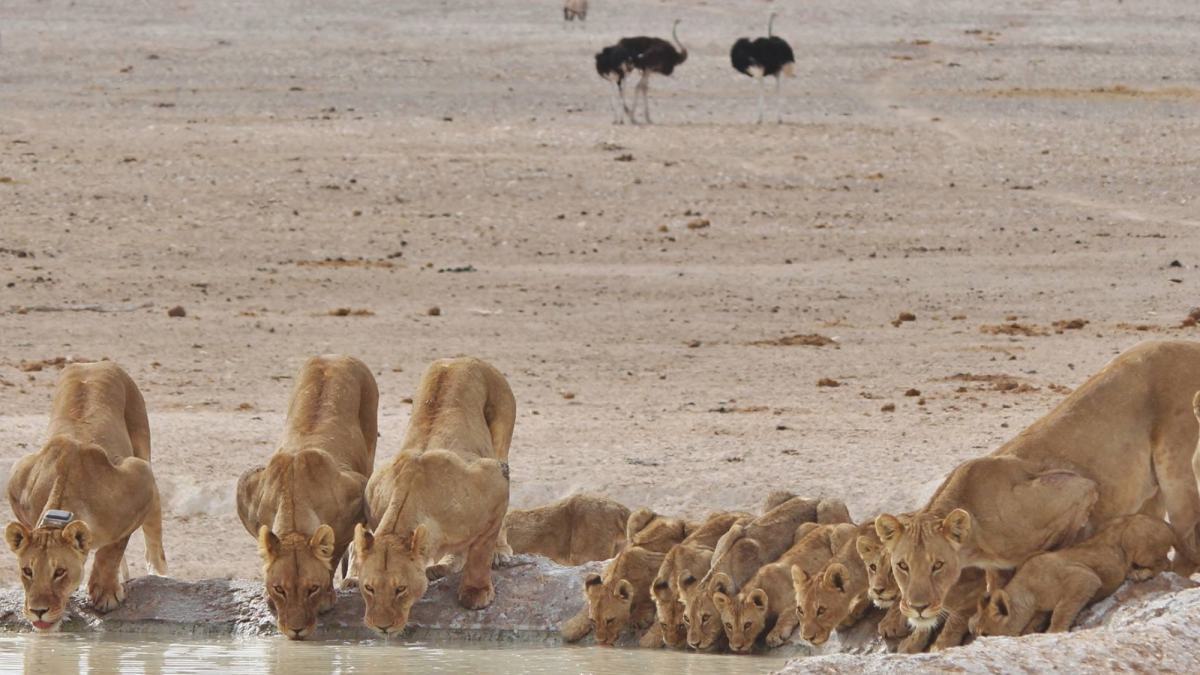
🦁
New data flips the narrative on how lions and hyenas interact in the wild
Nieuwe gegevens veranderen het verhaal over hoe leeuwen en hyena's in het wild interactie hebben
De nouvelles données renversent le récit sur la façon dont les lions et les hyènes interagissent dans la nature
So, it turns out that the relationship between lions and hyenas is a bit more complex than we thought! A recent study shows that male lions are actually the ones tracking hyenas, not the other way around. This flips the long-held belief that hyenas follow lions for food scraps. With GPS collars and extensive observations, researchers like Dr. Nancy Barker have uncovered fascinating movement patterns that reveal how these two species interact in the wild.
Dus, het blijkt dat de relatie tussen leeuwen en hyena's iets complexer is dan we dachten! Een recente studie toont aan dat mannelijke leeuwen eigenlijk de hyena's volgen, en niet andersom. Dit verandert het lang gekoesterde geloof dat hyena's leeuwen volgen voor voedselresten. Met GPS-halsbanden en uitgebreide observaties hebben onderzoekers zoals Dr. Nancy Barker fascinerende bewegingspatronen ontdekt die onthullen hoe deze twee soorten in het wild met elkaar omgaan.
Alors, il s'avère que la relation entre les lions et les hyènes est un peu plus complexe que nous le pensions ! Une étude récente montre que les lions mâles traquent en fait les hyènes, et non l'inverse. Cela renverse la croyance bien établie selon laquelle les hyènes suivent les lions pour des restes de nourriture. Grâce à des colliers GPS et à des observations approfondies, des chercheurs comme Dr. Nancy Barker ont découvert des motifs de mouvement fascinants qui révèlent comment ces deux espèces interagissent dans la nature.

💪
In the 1910s, laws were enacted to ‘protect’ women from working night shifts. Then women spoke up.
In de jaren 1910 werden wetten aangenomen om vrouwen te ‘beschermen’ tegen nachtdiensten. Toen spraken vrouwen zich uit.
Dans les années 1910, des lois ont été adoptées pour ‘protéger’ les femmes du travail de nuit. Puis les femmes se sont exprimées.
In the early 1900s, laws aimed at 'protecting' women from night shifts ended up costing them their jobs. Women like Ella M. Sherwin and Mary A. Murray found themselves out of work due to these regulations, which were based on outdated notions of what women needed. They banded together to form the Women’s Equal Opportunity League, advocating for industrial equality and the right to work night shifts if the conditions were safe. Their efforts eventually led to the repeal of these restrictive laws, highlighting that progress is an ongoing conversation shaped by those directly affected.
In het begin van de 1900s kostten wetten die bedoeld waren om vrouwen te ‘beschermen’ tegen nachtdiensten hen uiteindelijk hun banen. Vrouwen zoals Ella M. Sherwin en Mary A. Murray kwamen door deze regels zonder werk te zitten, die gebaseerd waren op verouderde opvattingen over wat vrouwen nodig hadden. Ze verenigden zich om de Women's Equal Opportunity League op te richten, die pleitte voor industriële gelijkheid en het recht om nachtdiensten te werken als de omstandigheden veilig waren. Hun inspanningen leidden uiteindelijk tot de intrekking van deze beperkende wetten, wat benadrukt dat vooruitgang een voortdurende conversatie is die wordt gevormd door degenen die er direct door worden beïnvloed.
Au début des années 1900, des lois visant à ‘protéger’ les femmes des horaires de nuit leur ont finalement coûté leur emploi. Des femmes comme Ella M. Sherwin et Mary A. Murray se sont retrouvées sans travail à cause de ces réglementations, basées sur des notions dépassées de ce dont les femmes avaient besoin. Elles se sont unies pour former la Women's Equal Opportunity League, plaidant pour l'égalité industrielle et le droit de travailler de nuit si les conditions étaient sûres. Leurs efforts ont finalement conduit à l'abrogation de ces lois restrictives, soulignant que le progrès est une conversation continue façonnée par ceux qui en sont directement affectés.

🌟
Ancient tomb discovered in Egypt dating back 4,300 years
Oude tombe ontdekt in Egypte, 4.300 jaar oud
Une tombe ancienne découverte en Égypte datant de 4.300 ans
So, a remarkable discovery has been made near Cairo! Archaeologists have uncovered a tomb that dates back 4,300 years, attributed to a royal judge from the Fifth Dynasty. This exciting find was part of a long-term project involving Spanish and Egyptian teams, highlighting the rich history of the Saqqarah necropolis. It's fascinating to think about the stories this tomb could tell about life during the reign of King Djedkarê Isési.
Dus, er is een opmerkelijke ontdekking gedaan nabij Caïro! Archeologen hebben een tombe ontdekt die 4.300 jaar oud is, toegeschreven aan een koninklijke rechter uit de Vijfde Dynastie. Deze spannende vondst maakte deel uit van een langdurig project met Spaanse en Egyptische teams, wat de rijke geschiedenis van de necropolis van Saqqarah benadrukt. Het is fascinerend om na te denken over de verhalen die deze tombe zou kunnen vertellen over het leven tijdens de heerschappij van koning Djedkarê Isési.
Alors, une découverte remarquable a été faite près du Caire ! Des archéologues ont mis au jour une tombe datant de 4.300 ans, attribuée à un juge royal de la Cinquième Dynastie. Cette trouvaille passionnante faisait partie d'un projet à long terme impliquant des équipes espagnoles et égyptiennes, mettant en lumière la riche histoire de la nécropole de Saqqarah. C'est fascinant de penser aux histoires que cette tombe pourrait raconter sur la vie sous le règne du roi Djedkarê Isési.

🌟
OpenAI claims to have solved a crucial math problem in just days
OpenAI zegt een cruciaal wiskundeprobleem in slechts enkele dagen te hebben opgelost
OpenAI affirme avoir résolu un problème mathématique crucial en quelques jours seulement
OpenAI has made a remarkable announcement, stating that its AI model has solved a century-old math problem known as the Navier-Stokes equation. This equation is vital for predicting fluid dynamics and has real-world applications like weather modeling and aircraft design. The solution was achieved in just 88 hours using over 10,000 AI agents, generating a staggering 130 billion tokens. This breakthrough not only showcases the power of AI but also opens doors to tackling other complex questions in the future.
OpenAI heeft een opmerkelijke aankondiging gedaan, waarin wordt gesteld dat zijn AI-model een eeuwenoud wiskundeprobleem, bekend als de Navier-Stokes-vergelijking, heeft opgelost. Deze vergelijking is van vitaal belang voor het voorspellen van de dynamiek van vloeistoffen en heeft toepassingen in de echte wereld, zoals weersmodellen en vliegtuigontwerp. De oplossing werd in slechts 88 uur bereikt met behulp van meer dan 10.000 AI-agenten, die samen maar liefst 130 miljard tokens genereerden. Deze doorbraak toont niet alleen de kracht van AI aan, maar opent ook de deur naar het aanpakken van andere complexe vragen in de toekomst.
OpenAI a fait une annonce remarquable, affirmant que son modèle d'IA a résolu un problème mathématique vieux d'un siècle connu sous le nom d'équation de Navier-Stokes. Cette équation est essentielle pour prédire la dynamique des fluides et a des applications concrètes comme la modélisation météorologique et la conception d'avions. La solution a été trouvée en seulement 88 heures grâce à plus de 10 000 agents IA, générant un impressionnant 130 milliards de tokens. Cette avancée met en lumière la puissance de l'IA et ouvre la voie à la résolution d'autres questions complexes à l'avenir.
🏺
4,300 years hidden: archaeologists discover tomb from the time of the pharaohs near Cairo
4.300 jaar verborgen: archeologen ontdekken graf uit tijd van de farao’s nabij Caïro
4 300 ans cachés : des archéologues découvrent une tombe de l'époque des pharaons près du Caire
Can you believe it? Archaeologists have stumbled upon a tomb that dates back an incredible 4,300 years, right near Cairo! This discovery is a real treasure trove of history, shedding light on the lives of ancient Egyptians during the time of the pharaohs. It's amazing to think about the stories that these artifacts could tell us. I can't wait to see what else they uncover in this fascinating site!
Kun je het geloven? Archeologen zijn gestuit op een graf dat maar liefst 4.300 jaar oud is, vlakbij Caïro! Deze ontdekking is een echte schat aan geschiedenis en werpt licht op het leven van de oude Egyptenaren in de tijd van de farao’s. Het is geweldig om te bedenken welke verhalen deze artefacten ons zouden kunnen vertellen. Ik kan niet wachten om te zien wat ze nog meer ontdekken op deze fascinerende plek!
Peux-tu le croire ? Des archéologues ont découvert une tombe vieille de 4 300 ans, près du Caire ! Cette découverte est un véritable trésor d'histoire, éclairant la vie des anciens Égyptiens à l'époque des pharaons. C'est incroyable de penser aux histoires que ces artefacts pourraient nous raconter. J'ai hâte de voir ce qu'ils vont encore déterrer sur ce site fascinant !

📚
English professor explains why happy, successful people have one thing in common: true literacy
Engelse professor legt uit waarom gelukkige, succesvolle mensen één ding gemeen hebben: echte geletterdheid
Un professeur d'anglais explique pourquoi les personnes heureuses et réussies ont une chose en commun : la véritable littératie
Literacy is more than just the ability to read; it's about understanding and interpreting information. Dr. Shanté Holley highlights the gap between basic reading skills and true literacy, which can significantly impact our lives. Poor literacy is linked to negative mental health outcomes, while strong literacy skills boost self-confidence and critical thinking. It's fascinating to see how the elite prioritize true knowledge over superficial content, and this insight is a powerful reminder of the importance of literacy in achieving happiness and success.
Geletterdheid is meer dan alleen kunnen lezen; het gaat om het begrijpen en interpreteren van informatie. Dr. Shanté Holley benadrukt de kloof tussen basis leesvaardigheden en echte geletterdheid, wat een grote impact op ons leven kan hebben. Slechte geletterdheid wordt in verband gebracht met negatieve mentale gezondheidseffecten, terwijl sterke geletterdheid het zelfvertrouwen en kritisch denken vergroot. Het is fascinerend om te zien hoe de elite echte kennis boven oppervlakkige inhoud prioriteert, en dit inzicht is een krachtige herinnering aan het belang van geletterdheid voor het bereiken van geluk en succes.
La littératie est plus que la capacité de lire ; il s'agit de comprendre et d'interpréter l'information. Dr. Shanté Holley souligne l'écart entre les compétences de lecture de base et la véritable littératie, qui peut avoir un impact significatif sur nos vies. Une mauvaise littératie est liée à des résultats négatifs en matière de santé mentale, tandis que de solides compétences en littératie augmentent la confiance en soi et la pensée critique. Il est fascinant de voir comment l'élite privilégie la véritable connaissance plutôt que le contenu superficiel, et cette idée est un puissant rappel de l'importance de la littératie pour atteindre le bonheur et le succès.
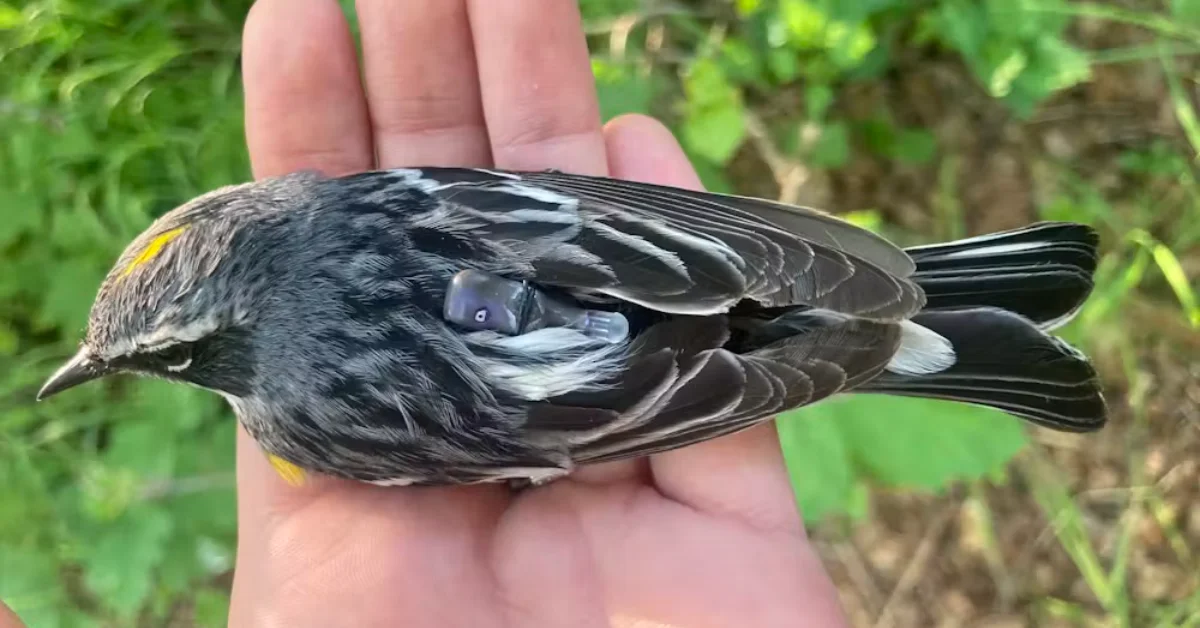
🐦
Researchers give warblers tiny backpacks to learn more about bird migration
Onderzoekers geven warblers kleine rugzakken om meer te leren over vogelmigratie
Les chercheurs donnent des petits sacs à dos aux parulines pour en savoir plus sur la migration des oiseaux
So, researchers have come up with a brilliant way to study bird migration by giving yellow-rumped warblers tiny geolocator backpacks! These little devices help track their long journeys from Alaska to their winter homes, gathering valuable data along the way. I find it fascinating how technology can help us understand the natural world in such innovative ways. Plus, it’s amazing to think about the adventures these tiny birds embark on every year!
Dus, onderzoekers hebben een briljante manier gevonden om vogelmigratie te bestuderen door gele-rug warblers kleine geolocator rugzakken te geven! Deze kleine apparaten helpen om hun lange reizen van Alaska naar hun winterhuizen te volgen en verzamelen onderweg waardevolle gegevens. Ik vind het fascinerend hoe technologie ons kan helpen om de natuurlijke wereld op zulke innovatieve manieren te begrijpen. Bovendien is het geweldig om te denken aan de avonturen die deze kleine vogels elk jaar ondernemen!
Alors, les chercheurs ont trouvé une manière brillante d'étudier la migration des oiseaux en donnant aux parulines à croupion jaune de petits sacs à dos géolocateurs ! Ces petits dispositifs aident à suivre leurs longs voyages de l'Alaska vers leurs foyers d'hiver, recueillant des données précieuses en cours de route. Je trouve fascinant de voir comment la technologie peut nous aider à comprendre le monde naturel de manière si innovante. De plus, c'est incroyable de penser aux aventures que ces petits oiseaux entreprennent chaque année !
🌍
New European satellites aim to enhance knowledge about plants and oceans: 'US too unpredictable'
Nieuwe Europese satellieten moeten de kennis over planten en oceanen vergroten: ‘VS te onvoorspelbaar’
De nouveaux satellites européens visent à améliorer les connaissances sur les plantes et les océans : 'Les États-Unis sont trop imprévisibles'
So, there's exciting news about new European satellites that are set to boost our understanding of plants and oceans! These satellites will help gather crucial data, especially as the unpredictability of the US complicates global efforts. It's fascinating to think about how this technology can enhance our environmental knowledge. And here's the thing: this initiative could lead to better conservation strategies and a healthier planet for all of us!
Er is spannend nieuws over nieuwe Europese satellieten die onze kennis over planten en oceanen gaan vergroten! Deze satellieten zullen helpen bij het verzamelen van cruciale gegevens, vooral omdat de onvoorspelbaarheid van de VS wereldwijde inspanningen compliceert. Het is fascinerend om te bedenken hoe deze technologie onze milieukennis kan verbeteren. En dat is het mooie: dit initiatief kan leiden tot betere conserveringsstrategieën en een gezondere planeet voor ons allemaal!
Il y a des nouvelles passionnantes concernant de nouveaux satellites européens qui visent à améliorer notre compréhension des plantes et des océans ! Ces satellites aideront à collecter des données cruciales, surtout alors que l'imprévisibilité des États-Unis complique les efforts mondiaux. C'est fascinant de penser à la façon dont cette technologie peut enrichir nos connaissances environnementales. Et voici le point : cette initiative pourrait conduire à de meilleures stratégies de conservation et à une planète plus saine pour nous tous !
🌟
What Is Navier-Stokes, the ‘Millennium’ Math Problem OpenAI Claims to Have Solved?
Wat is Navier-Stokes, het ‘Millennium’ wiskundeprobleem dat OpenAI beweert opgelost te hebben?
Qu'est-ce que Navier-Stokes, le problème mathématique du 'Millénaire' que OpenAI prétend avoir résolu ?
So, the Navier-Stokes equations have puzzled mathematicians for ages, and now OpenAI claims to have cracked this complex problem! It's all about understanding fluid dynamics, which is crucial for everything from weather forecasting to engineering. This breakthrough could have massive implications for science and technology, making it an exciting time for researchers. Which brings me to the fact that the world is buzzing with curiosity about how this solution might change our understanding of the universe.
Dus, de Navier-Stokes-vergelijkingen hebben wiskundigen al eeuwenlang in de greep, en nu beweert OpenAI dit complexe probleem opgelost te hebben! Het gaat allemaal om het begrijpen van vloeistofdynamica, wat cruciaal is voor alles, van weersvoorspellingen tot engineering. Deze doorbraak kan enorme implicaties hebben voor wetenschap en technologie, wat het een spannende tijd maakt voor onderzoekers. Dit brengt me bij de opwinding in de wereld over hoe deze oplossing ons begrip van het universum zou kunnen veranderen.
Alors, les équations de Navier-Stokes ont longtemps intrigué les mathématiciens, et maintenant OpenAI prétend avoir résolu ce problème complexe ! Tout tourne autour de la compréhension de la dynamique des fluides, qui est cruciale pour tout, des prévisions météorologiques à l'ingénierie. Cette avancée pourrait avoir d'énormes implications pour la science et la technologie, rendant ce moment passionnant pour les chercheurs. Ce qui m'amène à dire que le monde est en émoi, curieux de savoir comment cette solution pourrait changer notre compréhension de l'univers.
🌟
OpenAI says it has cracked one of math’s ‘millennium problems’
OpenAI zegt dat het een van de 'millenniumproblemen' van de wiskunde heeft opgelost
OpenAI dit qu'il a résolu l'un des 'problèmes du millénaire' des mathématiques
So, here's the exciting news! OpenAI has announced that it believes it has solved one of the long-standing millennium problems in mathematics, which is a huge deal in the math community. This particular problem has stumped mathematicians for years, and the implications of a solution could be groundbreaking. It's fascinating to think about how advancements in AI are pushing the boundaries of human knowledge and understanding. I can't wait to see how this unfolds and what it means for the future of mathematics!
Dus, hier is het spannende nieuws! OpenAI heeft aangekondigd dat het gelooft een van de langlopende millenniumproblemen in de wiskunde te hebben opgelost, wat een grote zaak is in de wiskundige gemeenschap. Dit specifieke probleem heeft wiskundigen jarenlang in zijn greep gehouden, en de implicaties van een oplossing kunnen baanbrekend zijn. Het is fascinerend om na te denken over hoe de vooruitgang in AI de grenzen van menselijke kennis en begrip verlegt.
Alors, voici la nouvelle excitante ! OpenAI a annoncé qu'il croyait avoir résolu l'un des problèmes du millénaire en mathématiques, ce qui est une grande affaire dans la communauté mathématique. Ce problème particulier a défié les mathématiciens pendant des années, et les implications d'une solution pourraient être révolutionnaires. C'est fascinant de penser à la façon dont les avancées en IA repoussent les limites de la connaissance et de la compréhension humaines.
🤰
Why are human births so difficult? Male babies—not just upright walking—may be to blame
Waarom zijn menselijke geboorten zo moeilijk? Mannelijke baby's - niet alleen rechtop lopen - kunnen de schuld zijn
Pourquoi les naissances humaines sont-elles si difficiles ? Les bébés mâles - pas seulement la marche debout - pourraient en être la cause
So, have you ever wondered why human births are such a challenge? It turns out that male babies might be a significant factor, and it’s not just about our upright walking. Researchers are diving into the complexities of human evolution and how it affects childbirth. This exploration reveals fascinating insights into our biology and the unique challenges that come with bringing new life into the world.
Dus, heb je je ooit afgevraagd waarom menselijke geboorten zo'n uitdaging zijn? Het blijkt dat mannelijke baby's een belangrijke factor kunnen zijn, en het gaat niet alleen om ons rechtop lopen. Onderzoekers duiken in de complexiteit van de menselijke evolutie en hoe dit de bevalling beïnvloedt. Deze verkenning onthult fascinerende inzichten in onze biologie en de unieke uitdagingen die komen kijken bij het nieuw leven in de wereld brengen.
Alors, vous êtes-vous déjà demandé pourquoi les naissances humaines sont si difficiles ? Il s'avère que les bébés mâles pourraient être un facteur significatif, et ce n'est pas seulement à cause de notre marche debout. Les chercheurs plongent dans les complexités de l'évolution humaine et comment cela affecte l'accouchement. Cette exploration révèle des aperçus fascinants sur notre biologie et les défis uniques liés à la naissance de nouvelles vies.

🌟
There are just five perfect shapes in math—here's why
Er zijn slechts vijf perfecte vormen in wiskunde - hier is waarom
Il n'y a que cinq formes parfaites en mathématiques - voici pourquoi
Isn't it fascinating that in a world where perfection is rare, mathematics offers us five perfect shapes? These are the Platonic solids, each boasting incredible symmetry and unique properties. From ancient Greece to modern times, scholars have marveled at these shapes, which include the tetrahedron and the cube. Thanks to Euler's formula, we can mathematically prove that only five of these solids exist, making them a delightful topic for anyone curious about the wonders of math.
Het is toch fascinerend dat in een wereld waar perfectie zeldzaam is, de wiskunde ons vijf perfecte vormen biedt? Dit zijn de Platonische lichamen, die elk ongelooflijke symmetrie en unieke eigenschappen hebben. Van het oude Griekenland tot de moderne tijd hebben geleerden zich verwonderd over deze vormen, waaronder de tetraëder en de kubus. Dankzij de formule van Euler kunnen we wiskundig bewijzen dat er slechts vijf van deze lichamen bestaan, wat ze een heerlijk onderwerp maakt voor iedereen die nieuwsgierig is naar de wonderen van de wiskunde.
N'est-ce pas fascinant que dans un monde où la perfection est rare, les mathématiques nous offrent cinq formes parfaites ? Ce sont les solides de Platon, chacun possédant une incroyable symétrie et des propriétés uniques. Depuis la Grèce antique jusqu'à nos jours, les érudits ont admiré ces formes, qui incluent le tétraèdre et le cube. Grâce à la formule d'Euler, nous pouvons prouver mathématiquement que seuls cinq de ces solides existent, ce qui en fait un sujet délicieux pour quiconque est curieux des merveilles des mathématiques.
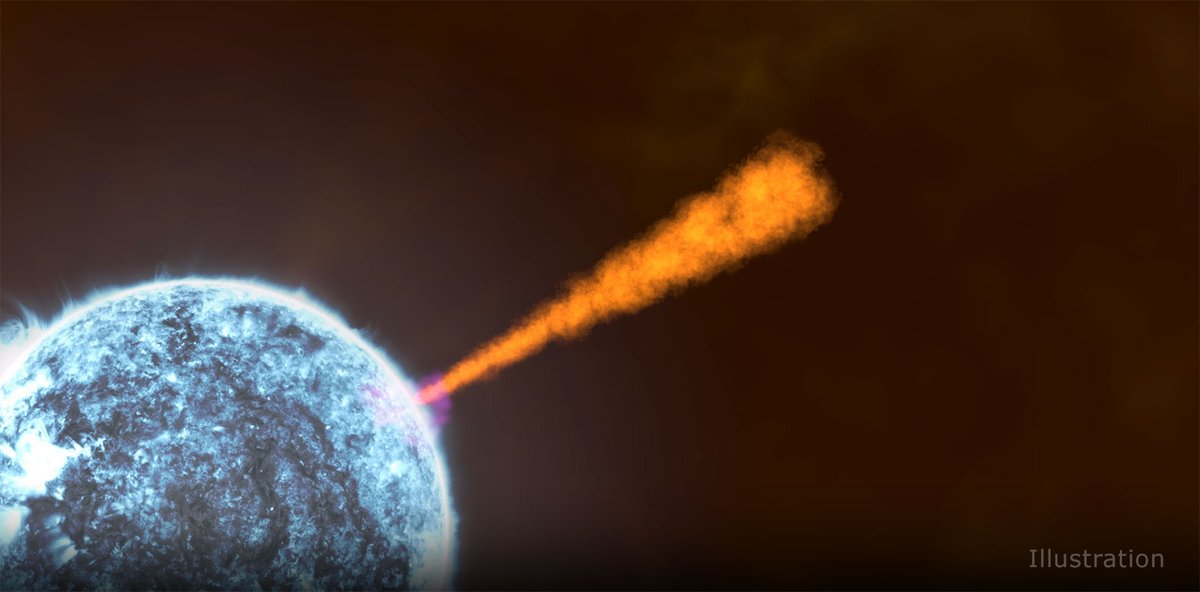
🌟
This cosmic particle was never meant to reach Earth
Dit kosmische deeltje was nooit bedoeld om de aarde te bereiken
Cette particule cosmique n'était jamais censée atteindre la Terre
So, researchers have stumbled upon a cosmic mystery that’s as intriguing as it is mind-boggling! A photon from a gamma-ray burst, which originated two billion light-years away, somehow made it to Earth despite the odds. This photon, dubbed 'BOAT', carried an astonishing amount of energy, and scientists are now proposing that it might have dodged destruction thanks to some hypothetical particles. If this theory holds up, it could open up new avenues for understanding quantum gravity in ways we’ve never imagined!
Dus, onderzoekers hebben een kosmisch mysterie ontdekt dat net zo intrigerend als verbijsterend is! Een foton van een gammaflits, dat twee miljard lichtjaar van de aarde vandaan kwam, heeft op de een of andere manier de aarde bereikt ondanks de kansen. Dit foton, 'BOAT' genoemd, droeg een verbazingwekkende hoeveelheid energie, en wetenschappers stellen nu voor dat het mogelijk vernietiging heeft ontweken dankzij enkele hypothetische deeltjes. Als deze theorie standhoudt, kan dit nieuwe wegen openen voor het begrijpen van kwantumzwaartekracht op manieren die we ons nooit hadden kunnen voorstellen!
Alors, les chercheurs ont découvert un mystère cosmique qui est aussi intrigant que déroutant ! Un photon provenant d'une explosion gamma, qui a son origine à deux milliards d'années-lumière de la Terre, a réussi à atteindre notre planète malgré les probabilités. Ce photon, surnommé 'BOAT', transportait une quantité d'énergie incroyable, et les scientifiques proposent maintenant qu'il ait pu échapper à la destruction grâce à des particules hypothétiques. Si cette théorie se confirme, cela pourrait ouvrir de nouvelles voies pour comprendre la gravité quantique de manière que nous n'avons jamais imaginée !

🐺
MP has India’s highest wolf population. Here’s why its open landscapes matter
MP heeft de hoogste wolvenpopulatie van India. Dit is waarom zijn open landschappen belangrijk zijn
MP a la plus haute population de loups d'Inde. Voici pourquoi ses paysages ouverts sont importants
Madhya Pradesh is not just about big cats; it’s home to 772 Indian peninsular wolves, the highest number in India! This fascinating species thrives in the state's open landscapes, which provide the perfect habitat for them. Interestingly, these wolves coexist with tigers in some areas, creating a unique dynamic in wildlife conservation. Researchers are actively studying how these two apex predators share their space, which is a thrilling development for wildlife enthusiasts.
Madhya Pradesh draait niet alleen om grote katten; het is de thuisbasis van 772 Indische schapewolven, het hoogste aantal in India! Deze fascinerende soort gedijt in de open landschappen van de staat, die de perfecte habitat voor hen bieden. Interessant is dat deze wolven in sommige gebieden samenleven met tijgers, wat een unieke dynamiek in het natuurbehoud creëert. Onderzoekers bestuderen actief hoe deze twee apexpredatoren hun ruimte delen, wat een opwindende ontwikkeling is voor natuurliefhebbers.
Madhya Pradesh ne concerne pas seulement les grands félins ; c'est la maison de 772 loups péninsulaires indiens, le plus grand nombre en Inde ! Cette espèce fascinante prospère dans les paysages ouverts de l'État, qui offrent l'habitat parfait pour elle. Fait intéressant, ces loups coexistent avec des tigres dans certaines zones, créant une dynamique unique dans la conservation de la faune. Les chercheurs étudient activement comment ces deux prédateurs apicaux partagent leur espace, ce qui est un développement passionnant pour les passionnés de la nature.

🌟
From leaking roofs to bright learning walls: how a crumbling govt school became a space kids love
Van lekkende daken tot heldere leerwanden: hoe een vervallen overheidsschool een plek werd waar kinderen van houden
Des toits qui fuient aux murs d'apprentissage lumineux : comment une école publique en ruine est devenue un espace que les enfants adorent
It's amazing to see how Gardiner High School in Nagpur transformed from a place of leaking roofs to a vibrant learning environment! The students, Aastha and Yogeshwari, now enjoy bright classrooms adorned with colorful illustrations that make learning so much more engaging. Thanks to the efforts of Zero Gravity, the school has not only repaired its infrastructure but also created a space where students feel proud and confident. This initiative shows how a thoughtful approach to school design can truly enhance the educational experience for children.
Het is geweldig om te zien hoe Gardiner High School in Nagpur is getransformeerd van een plek met lekkende daken naar een levendige leeromgeving! De leerlingen, Aastha en Yogeshwari, genieten nu van heldere klaslokalen versierd met kleurrijke illustraties die leren veel boeiender maken. Dankzij de inspanningen van Zero Gravity heeft de school niet alleen haar infrastructuur hersteld, maar ook een ruimte gecreëerd waar leerlingen zich trots en zelfverzekerd voelen. Dit initiatief laat zien hoe een doordachte aanpak van schoolontwerp de leerervaring voor kinderen echt kan verbeteren.
C'est incroyable de voir comment l'école Gardiner à Nagpur s'est transformée d'un endroit avec des toits qui fuient en un environnement d'apprentissage vibrant ! Les élèves, Aastha et Yogeshwari, apprécient maintenant des salles de classe lumineuses ornées d'illustrations colorées qui rendent l'apprentissage beaucoup plus engageant. Grâce aux efforts de Zero Gravity, l'école a non seulement réparé son infrastructure, mais a également créé un espace où les élèves se sentent fiers et confiants. Cette initiative montre comment une approche réfléchie de la conception scolaire peut vraiment améliorer l'expérience éducative des enfants.
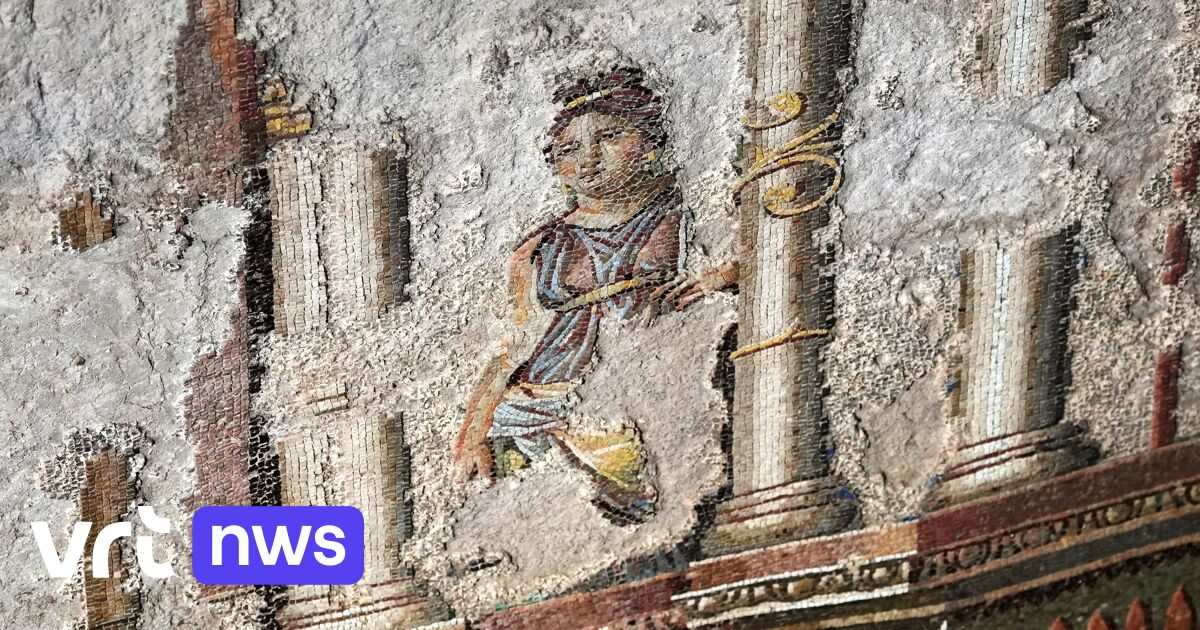
🏛️
Roman ancient artworks showcased for the first time
Romeinse antieke kunstwerken voor het eerst getoond
Œuvres d'art antiques romaines présentées pour la première fois
So, Rome has a brand new museum near the Colosseum, and it's showcasing some spectacular ancient artworks! After a long restoration, a stunning fresco and a well-preserved mosaic are finally being revealed to the public. The fresco, called 'The Painted City', offers a bird's-eye view of a walled harbor city, and it's the largest of its kind from ancient Rome. Visitors can currently see these treasures in small groups, making it a unique experience for art lovers.
Rome heeft een gloednieuw museum vlakbij het Colosseum, dat enkele spectaculaire antieke kunstwerken tentoonstelt! Na een lange restauratie worden een prachtig fresco en een goed bewaard mozaïek eindelijk aan het publiek getoond. Het fresco, genaamd 'De geschilderde stad', biedt een vogelperspectief op een ommuurde havenstad en is de grootste in zijn soort uit het oude Rome. Bezoekers kunnen deze schatten momenteel in kleine groepen bekijken, wat het een unieke ervaring maakt voor kunstliefhebbers.
Rome a un tout nouveau musée près du Colisée, qui expose des œuvres d'art antiques spectaculaires ! Après une longue restauration, une fresque magnifique et un mosaïque bien conservée sont enfin révélées au public. La fresque, appelée 'La ville peinte', offre une vue d'ensemble d'une ville portuaire fortifiée et est la plus grande de son genre de la Rome antique. Les visiteurs peuvent actuellement voir ces trésors en petits groupes, ce qui en fait une expérience unique pour les amateurs d'art.
/s3/static.nrc.nl/wp-content/uploads/2026/09/08150342/080926ECO_2036488013_verspil1.jpg)
🥒
In the crooked supermarket of the Netherlands, vegetables and fruit are saved from waste
In de kromste supermarkt van Nederland worden groenten en fruit gered van verspilling
Dans le supermarché le plus tordu des Pays-Bas, des légumes et des fruits sont sauvés du gaspillage
Isn't it fascinating how crooked cucumbers can find a home? In the Kromste Supermarkt, a pop-up initiative, they rescue perfectly good produce that doesn't meet supermarket standards. This week, they aim to save 100,000 kilos of food that would otherwise go to waste. Customers are excited about the surprise boxes filled with these 'wonky' fruits and veggies, and it’s a great reminder of how we can all reduce food waste together.
Is het niet fascinerend hoe kromme komkommers een thuis kunnen vinden? In de Kromste Supermarkt, een pop-upinitiatief, redden ze perfect goede producten die niet aan de supermarktstandaarden voldoen. Deze week is het doel om 100.000 kilo voedsel te redden dat anders verspild zou worden. Klanten zijn enthousiast over de verrassingsdozen vol met deze 'wonky' groenten en fruit, en het is een geweldige herinnering aan hoe we samen voedselverspilling kunnen verminderen.
N'est-ce pas fascinant de voir comment des concombres tordus peuvent trouver un foyer ? Dans le Kromste Supermarkt, une initiative éphémère, ils sauvent des produits parfaitement bons qui ne répondent pas aux normes des supermarchés. Cette semaine, ils visent à sauver 100 000 kilos de nourriture qui iraient autrement au gaspillage. Les clients sont ravis des boîtes surprises remplies de ces fruits et légumes 'bizarres', et c'est un excellent rappel de la manière dont nous pouvons tous réduire le gaspillage alimentaire ensemble.
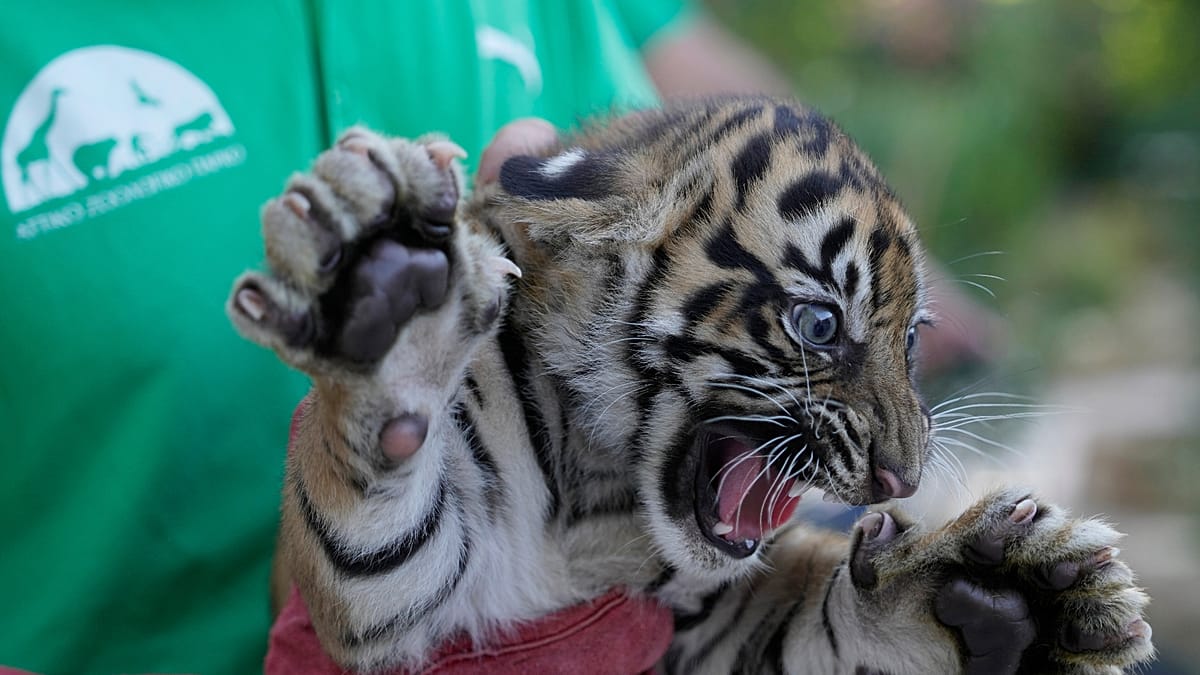
🐅
Sumatran tiger cubs receive first health checks at Greek zoo
Sumatraanse tijgerwelpen krijgen eerste gezondheidscontroles in Griekse zoo
Des tigres de Sumatra reçoivent leurs premiers examens de santé dans un zoo grec
How exciting is this? Three adorable Sumatran tiger cubs have just had their first health checks at a zoo near Athens! They received vaccinations and microchips to help with their identification, which is super important for conservation efforts. These little ones are critically endangered, and every step counts in ensuring their survival. I can't wait to see what names they get from Homer's 'The Odyssey'!
Hoe spannend is dit? Drie schattige Sumatraanse tijgerwelpen hebben net hun eerste gezondheidscontroles gehad in een zoo nabij Athene! Ze kregen vaccinaties en microchips voor identificatie, wat super belangrijk is voor de inspanningen voor behoud. Deze kleintjes zijn kritiek bedreigd, en elke stap telt om hun overleving te waarborgen. Ik kan niet wachten om te zien welke namen ze krijgen uit Homer's 'De Odyssee'!
À quel point c'est excitant ? Trois adorables tigres de Sumatra viennent de subir leurs premiers examens de santé dans un zoo près d'Athènes ! Ils ont reçu des vaccinations et des micropuces pour les identifier, ce qui est très important pour les efforts de conservation. Ces petits sont en danger critique, et chaque étape compte pour assurer leur survie. J'ai hâte de découvrir les noms qu'ils recevront des personnages de 'L'Odyssée' d'Homère !

🧬
Google’s atlas of the human genome could pave the way for new treatments
Google's atlas van het menselijk genoom kan de weg effenen voor nieuwe behandelingen
L'atlas du génome humain de Google pourrait ouvrir la voie à de nouveaux traitements
Google DeepMind has just launched an exciting new AI tool called AlphaGenome Atlas, which aims to decode the complexities of the human genome. This platform provides a predictive map of every possible DNA letter change, helping researchers understand how these changes can impact health and disease. With around nine billion potential variants to explore, this tool is a game-changer in genetic research. It's all about making it easier for scientists to focus on the mutations that really matter, paving the way for innovative treatments in the future.
Google DeepMind heeft zojuist een spannend nieuw AI-hulpmiddel gelanceerd, genaamd AlphaGenome Atlas, dat de complexiteit van het menselijk genoom wil ontrafelen. Dit platform biedt een voorspellende kaart van elke mogelijke DNA-letterverandering, waardoor onderzoekers beter begrijpen hoe deze veranderingen de gezondheid en ziekten kunnen beïnvloeden. Met ongeveer negen miljard potentiële varianten om te verkennen, is dit hulpmiddel een game-changer in het genetisch onderzoek. Het draait allemaal om het gemakkelijker maken voor wetenschappers om zich te concentreren op de mutaties die er echt toe doen, wat de weg effent voor innovatieve behandelingen in de toekomst.
Google DeepMind vient de lancer un nouvel outil d'IA passionnant appelé AlphaGenome Atlas, qui vise à déchiffrer les complexités du génome humain. Cette plateforme fournit une carte prédictive de chaque changement possible de lettre d'ADN, aidant les chercheurs à comprendre comment ces changements peuvent affecter la santé et les maladies. Avec environ neuf milliards de variantes potentielles à explorer, cet outil est révolutionnaire dans la recherche génétique. Il s'agit de faciliter le travail des scientifiques pour se concentrer sur les mutations qui comptent vraiment, ouvrant la voie à des traitements innovants à l'avenir.

🌟
The World Bank is right to prioritize reproducibility
De Wereldbank doet er goed aan reproduceerbaarheid prioriteit te geven
La Banque mondiale a raison de donner la priorité à la reproductibilité
The World Bank is making significant strides in enhancing the reproducibility of its research, which is crucial for the social and behavioral sciences. Since 2023, they've introduced reproducibility packages that document how conclusions are drawn from data, ensuring transparency and trust. With over 500 packages released, they aim to speed up this process even further. This initiative not only benefits the bank but sets a standard for other international organizations to follow.
De Wereldbank maakt aanzienlijke vorderingen in het verbeteren van de reproduceerbaarheid van haar onderzoek, wat cruciaal is voor de sociale en gedragswetenschappen. Sinds 2023 hebben ze reproduceerbaarheidspakketten geïntroduceerd die documenteren hoe conclusies uit gegevens worden getrokken, wat zorgt voor transparantie en vertrouwen. Met meer dan 500 gepubliceerde pakketten willen ze dit proces nog verder versnellen. Dit initiatief komt niet alleen de bank ten goede, maar stelt ook een standaard voor andere internationale organisaties om te volgen.
La Banque mondiale fait des progrès significatifs dans l'amélioration de la reproductibilité de ses recherches, ce qui est crucial pour les sciences sociales et comportementales. Depuis 2023, elle a introduit des paquets de reproductibilité qui documentent comment les conclusions sont tirées des données, garantissant transparence et confiance. Avec plus de 500 paquets publiés, elle vise à accélérer encore ce processus. Cette initiative bénéficie non seulement à la banque, mais établit également une norme pour d'autres organisations internationales à suivre.
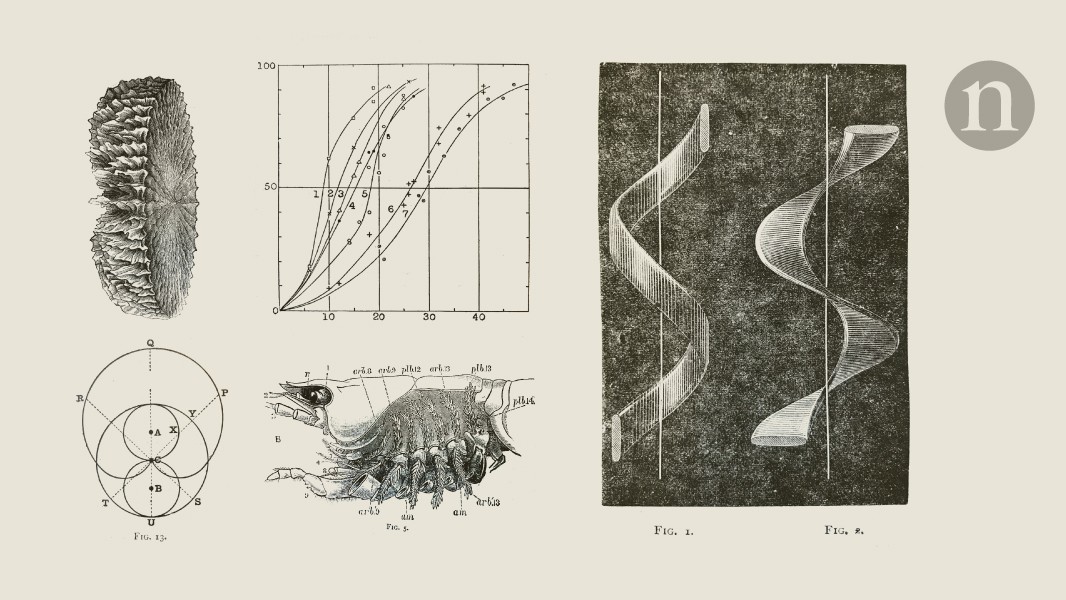
🌟
The Kelvin scale’s creator William Thomson made many scientific advances
De maker van de Kelvin-schaal William Thomson deed veel wetenschappelijke vooruitgangen
Le créateur de l'échelle Kelvin, William Thomson, a réalisé de nombreuses avancées scientifiques
William Thomson, a true pioneer in physics, revolutionized how we understand temperature with the Kelvin scale. His contributions didn't stop there, as he also emphasized the importance of studying fossilized tracks, which is fascinating! This article from Nature's archive highlights his remarkable legacy and the impact of his work on modern science. It's a wonderful reminder of how one person's curiosity can lead to groundbreaking discoveries.
William Thomson, een echte pionier in de fysica, heeft onze manier van begrijpen van temperatuur revolutionair veranderd met de Kelvin-schaal. Zijn bijdragen stopten daar niet, want hij benadrukte ook het belang van het bestuderen van gefossiliseerde sporen, wat fascinerend is! Dit artikel uit het archief van Nature benadrukt zijn opmerkelijke nalatenschap en de impact van zijn werk op de moderne wetenschap. Het is een prachtige herinnering aan hoe de nieuwsgierigheid van één persoon kan leiden tot baanbrekende ontdekkingen.
William Thomson, un véritable pionnier de la physique, a révolutionné notre compréhension de la température avec l'échelle Kelvin. Ses contributions ne se sont pas arrêtées là, car il a également souligné l'importance d'étudier les traces fossilisées, ce qui est fascinant ! Cet article des archives de Nature met en lumière son héritage remarquable et l'impact de son travail sur la science moderne. C'est un merveilleux rappel de la façon dont la curiosité d'une personne peut conduire à des découvertes révolutionnaires.
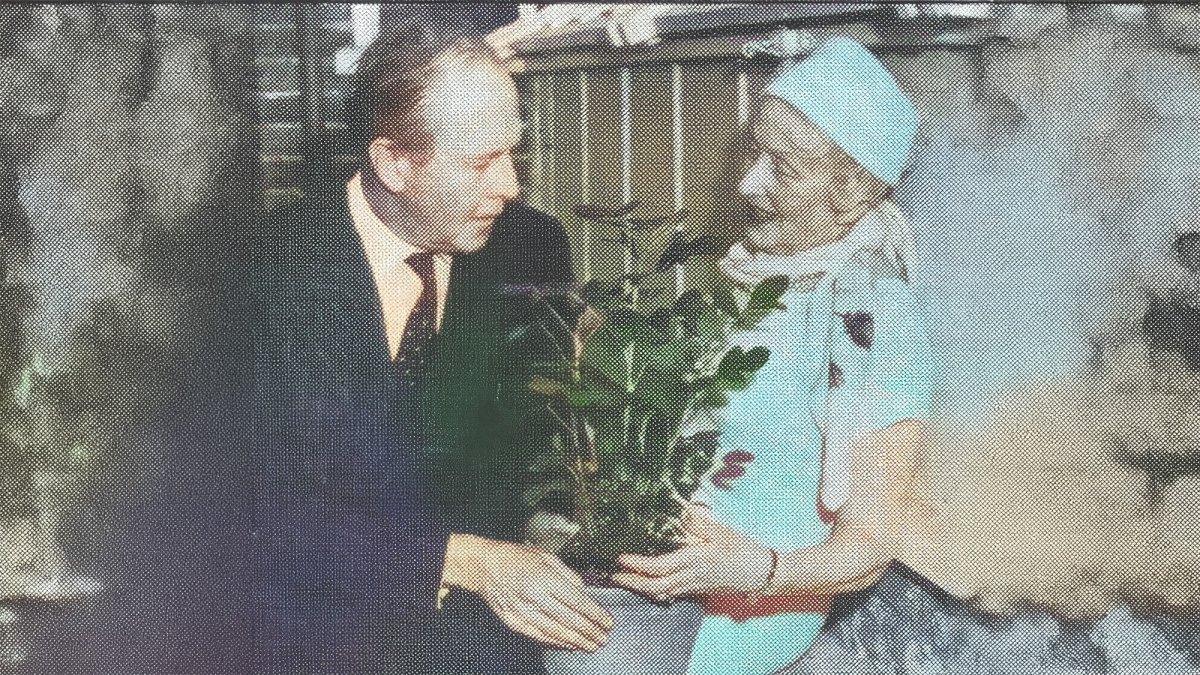
🌱
The British author who harvested mutant, jumbo peanuts from her atomic garden
De Britse auteur die gemuteerde, jumbo pinda's uit haar atoomtuin oogstte
L'auteure britannique qui a récolté des cacahuètes géantes et mutantes dans son jardin atomique
Muriel Howorth's journey began with a letter in 1948 that led her to become an advocate for atomic science. She passionately promoted the friendly side of nuclear energy, even writing children's books featuring atomic characters. One of her most fascinating contributions was founding the Atomic Gardening Association, where she encouraged people to grow irradiated plants. This innovative approach aimed to create higher-yielding crops and combat food scarcity, leading to the cultivation of mutant jumbo peanuts and other unique plants.
Muriel Howorth's reis begon met een brief in 1948 die haar leidde om een pleitbezorger voor atoomwetenschap te worden. Ze promootte gepassioneerd de vriendelijke kant van nucleaire energie en schreef zelfs kinderboeken met atoomfiguren. Een van haar meest fascinerende bijdragen was het oprichten van de Atomic Gardening Association, waar ze mensen aanmoedigde om bestraalde planten te kweken. Deze innovatieve aanpak was bedoeld om hogere opbrengsten te creëren en voedseltekorten te bestrijden, wat leidde tot de teelt van gemuteerde jumbo pinda's en andere unieke planten.
Le parcours de Muriel Howorth a commencé par une lettre en 1948 qui l'a amenée à devenir une défenseure de la science atomique. Elle a passionnément promu le côté amical de l'énergie nucléaire, écrivant même des livres pour enfants mettant en scène des personnages atomiques. L'une de ses contributions les plus fascinantes a été la création de l'Atomic Gardening Association, où elle a encouragé les gens à cultiver des plantes irradiées. Cette approche innovante visait à créer des cultures à plus haut rendement et à lutter contre la pénurie alimentaire, menant à la culture de cacahuètes géantes et mutantes et d'autres plantes uniques.

🧠
Something unique seems to be happening to the brain in menopause
Er lijkt iets unieks te gebeuren met de hersenen tijdens de menopauze
Il semble qu'il se passe quelque chose d'unique dans le cerveau pendant la ménopause
So, researchers have discovered that the brain undergoes unique changes during menopause, which is quite different from what happens during puberty and pregnancy. Unlike those earlier hormonal shifts, menopause doesn’t seem to lead to a decrease in gray matter volume. This finding is fascinating because it suggests that the female brain responds differently to hormonal changes throughout life. It’s a significant step in understanding the complexities of the female brain, and there's so much more to explore!
Onderzoekers hebben ontdekt dat de hersenen unieke veranderingen ondergaan tijdens de menopauze, wat heel anders is dan wat er gebeurt tijdens de puberteit en zwangerschap. In tegenstelling tot die eerdere hormonale verschuivingen lijkt de menopauze niet te leiden tot een afname van het volume van de grijze stof. Deze bevinding is fascinerend omdat het suggereert dat de vrouwelijke hersenen anders reageren op hormonale veranderingen gedurende het leven. Het is een belangrijke stap in het begrijpen van de complexiteit van de vrouwelijke hersenen, en er is nog zoveel meer te verkennen!
Des chercheurs ont découvert que le cerveau subit des changements uniques pendant la ménopause, ce qui est très différent de ce qui se passe pendant la puberté et la grossesse. Contrairement à ces changements hormonaux antérieurs, la ménopause ne semble pas entraîner une diminution du volume de la matière grise. Cette découverte est fascinante car elle suggère que le cerveau féminin réagit différemment aux changements hormonaux tout au long de la vie. C'est une étape importante pour comprendre les complexités du cerveau féminin, et il y a encore tant à explorer !

🥚
How the lowly egg could help protect future spacecraft
Hoe het bescheiden ei toekomstige ruimtevaartuigen kan beschermen
Comment l'œuf modeste pourrait aider à protéger les futurs vaisseaux spatiaux
Isn't it fascinating how something as simple as an egg can inspire advanced technology? Researchers are exploring egg-shaped designs filled with water to create effective shields against space debris. These innovative structures can absorb impacts better than traditional materials, potentially keeping astronauts safe. With the growing threat of space junk, this egg-inspired solution could be a game changer for future space missions.
Is het niet fascinerend hoe iets zo eenvoudigs als een ei geavanceerde technologie kan inspireren? Onderzoekers verkennen ei-vormige ontwerpen gevuld met water om effectieve schilden tegen ruimteafval te creëren. Deze innovatieve structuren kunnen impact beter absorberen dan traditionele materialen, wat astronauten veilig kan houden. Met de groeiende dreiging van ruimtepuin zou deze ei-geïnspireerde oplossing wel eens een doorbraak kunnen zijn voor toekomstige ruimtemissies.
N'est-ce pas fascinant de voir comment quelque chose d'aussi simple qu'un œuf peut inspirer une technologie avancée ? Des chercheurs explorent des conceptions en forme d'œuf remplies d'eau pour créer des boucliers efficaces contre les débris spatiaux. Ces structures innovantes peuvent absorber les impacts mieux que les matériaux traditionnels, ce qui pourrait garder les astronautes en sécurité. Avec la menace croissante des déchets spatiaux, cette solution inspirée de l'œuf pourrait être une révolution pour les futures missions spatiales.
🧬
Your personality may be more genetic than scientists realized
Je persoonlijkheid kan genetischer zijn dan wetenschappers dachten
Votre personnalité pourrait être plus génétique que les scientifiques ne l'avaient réalisé
An exciting new study has uncovered over 1,200 genetic variants linked to the Big Five personality traits, which is quite a revelation! This research shows that while no single gene determines personality, the combined effects of many variants can significantly influence how we think and behave. Interestingly, these genetic patterns also connect to various life outcomes, from health to career choices. It’s a fascinating reminder of how both our genes and environment shape who we are.
Een spannende nieuwe studie heeft meer dan 1.200 genetische varianten onthuld die verband houden met de Big Five persoonlijkheidstrekken, wat een geweldige onthulling is! Dit onderzoek toont aan dat hoewel geen enkel gen de persoonlijkheid bepaalt, de gecombineerde effecten van veel varianten een aanzienlijke invloed kunnen hebben op hoe we denken en ons gedragen. Interessant is dat deze genetische patronen ook verband houden met verschillende levensuitkomsten, van gezondheid tot carrièrekeuzes. Het is een fascinerende herinnering aan hoe zowel onze genen als onze omgeving vormen wie we zijn.
Une nouvelle étude passionnante a révélé plus de 1 200 variantes génétiques liées aux cinq grands traits de personnalité, ce qui est une véritable révélation ! Cette recherche montre que, bien qu'aucun gène unique ne détermine la personnalité, les effets combinés de nombreuses variantes peuvent influencer de manière significative notre façon de penser et de nous comporter. Fait intéressant, ces schémas génétiques sont également liés à divers résultats de vie, de la santé aux choix de carrière. C'est un rappel fascinant de la manière dont nos gènes et notre environnement façonnent qui nous sommes.
🐆
The American “cheetah” wasn’t a cheetah at all
De Amerikaanse 'cheetah' was helemaal geen cheetah
Le 'guépard' américain n'était pas un guépard du tout
New research reveals that the so-called American cheetah, Miracinonyx trumani, was actually a close relative of the puma, not a cheetah at all. This fascinating study shows how these animals adapted to diverse environments, including Arctic regions where they relied on fish for survival. The findings also extend their known range significantly, highlighting their role as versatile predators in various habitats. It's amazing to think how evolution can lead to similar traits in unrelated species due to environmental pressures.
Nieuw onderzoek onthult dat de zogenaamde Amerikaanse cheetah, Miracinonyx trumani, eigenlijk een nauwe verwant van de poema was en geen cheetah. Deze fascinerende studie toont aan hoe deze dieren zich aanpasten aan verschillende omgevingen, waaronder Arctische gebieden waar ze op vis vertrouwden voor hun overleving. De bevindingen breiden ook hun bekende verspreiding aanzienlijk uit, wat hun rol als veelzijdige roofdieren in verschillende habitats benadrukt. Het is geweldig om te bedenken hoe evolutie kan leiden tot vergelijkbare kenmerken in niet-verwante soorten door omgevingsdruk.
De nouvelles recherches révèlent que le soi-disant guépard américain, Miracinonyx trumani, était en réalité un proche parent du puma et non un guépard. Cette étude fascinante montre comment ces animaux se sont adaptés à des environnements divers, y compris les régions arctiques où ils dépendaient des poissons pour survivre. Les résultats étendent également leur aire de répartition connue, soulignant leur rôle en tant que prédateurs polyvalents dans divers habitats. C'est incroyable de penser comment l'évolution peut conduire à des traits similaires chez des espèces non apparentées en raison de pressions environnementales.
🌟
Ozempic and Wegovy may have an unexpected mental health benefit
Ozempic en Wegovy kunnen een onverwachte mentale gezondheidsvoordeel hebben
Ozempic et Wegovy pourraient avoir un bénéfice inattendu pour la santé mentale
So, it turns out that GLP-1 medications like Ozempic and Wegovy might do more than just help with diabetes and weight loss—they could also benefit mental health, especially for those with bipolar disorder. Researchers from Griffith University found that people taking semaglutide had significantly lower rates of psychiatric hospitalization. This is quite exciting, as it suggests that these medications could help stabilize mood and reduce relapse risks. However, not all GLP-1 drugs showed the same promise, so further research is definitely needed.
Het blijkt dat GLP-1-medicijnen zoals Ozempic en Wegovy misschien meer doen dan alleen helpen bij diabetes en gewichtsverlies - ze kunnen ook de mentale gezondheid ten goede komen, vooral voor mensen met een bipolaire stoornis. Onderzoekers van de Griffith Universiteit ontdekten dat mensen die semaglutide gebruikten aanzienlijk lagere percentages van psychiatrische ziekenhuisopnames hadden. Dit is behoorlijk spannend, aangezien het suggereert dat deze medicijnen kunnen helpen bij het stabiliseren van de stemming en het verminderen van het risico op terugval. Niet alle GLP-1-medicijnen toonden echter dezelfde belofte, dus verder onderzoek is zeker nodig.
Il s'avère que les médicaments GLP-1 comme Ozempic et Wegovy pourraient faire plus que simplement aider au diabète et à la perte de poids - ils pourraient également bénéficier à la santé mentale, en particulier pour ceux qui souffrent de troubles bipolaires. Des chercheurs de l'Université Griffith ont découvert que les personnes prenant du sémaglutide avaient des taux d'hospitalisation psychiatrique significativement plus bas. C'est assez excitant, car cela suggère que ces médicaments pourraient aider à stabiliser l'humeur et à réduire les risques de rechute. Cependant, tous les médicaments GLP-1 n'ont pas montré la même promesse, donc des recherches supplémentaires sont certainement nécessaires.
🦕
Giant new dinosaur discovered beneath construction site in Brazil
Giant nieuwe dinosaurus ontdekt onder bouwplaats in Brazilië
Géante nouvelle dinosaure découverte sous un chantier au Brésil
A fascinating new dinosaur species, Dasosaurus tocantinensis, has been unearthed during construction in northeastern Brazil, shedding light on how giant dinosaurs roamed ancient continents. Measuring about 20 meters long and dating back 120 million years, this discovery is particularly exciting because of its evolutionary ties to Europe. Researchers believe its ancestors traveled from North Africa to South America when the continents were still connected. With a remarkably complete fossil, this find opens up new avenues for understanding the diversity of Cretaceous dinosaurs.
Een fascinerende nieuwe dinosaurussoort, Dasosaurus tocantinensis, is ontdekt tijdens de bouw in het noordoosten van Brazilië, wat inzicht biedt in hoe reuzen-dinosaurussen over oude continenten zwierven. Met een lengte van ongeveer 20 meter en een leeftijd van 120 miljoen jaar, is deze ontdekking bijzonder spannend vanwege de evolutionaire banden met Europa. Onderzoekers geloven dat de voorouders vanuit Noord-Afrika naar Zuid-Amerika reisden toen de continenten nog verbonden waren. Met een opmerkelijk compleet fossiel opent deze vondst nieuwe wegen voor het begrijpen van de diversiteit van Cretaceous-dinosaurussen.
Une fascinante nouvelle espèce de dinosaure, Dasosaurus tocantinensis, a été découverte lors de travaux de construction dans le nord-est du Brésil, éclairant la façon dont les dinosaures géants parcouraient les anciens continents. Mesurant environ 20 mètres de long et datant de 120 millions d'années, cette découverte est particulièrement excitante en raison de ses liens évolutifs avec l'Europe. Les chercheurs pensent que ses ancêtres ont voyagé de l'Afrique du Nord vers l'Amérique du Sud lorsque les continents étaient encore connectés. Avec un fossile remarquablement complet, cette découverte ouvre de nouvelles avenues pour comprendre la diversité des dinosaures du Crétacé.
🌟
AI may have just solved a million-dollar math problem
AI heeft misschien net een wiskundeprobleem van een miljoen dollar opgelost
L'IA vient peut-être de résoudre un problème mathématique d'un million de dollars
Today marks a monumental day in mathematics as AI has reportedly cracked one of the six open 'million-dollar' problems. This breakthrough reveals that the Navier-Stokes equations, which describe fluid motion, might be fundamentally flawed. Mathematician Tristan Buckmaster likens this moment to the famous Deep Blue victory over Garry Kasparov in chess, suggesting a significant shift in our understanding of machine intelligence. It's fascinating to think about how this could reshape the future of math and science as we know it.
Vandaag markeert een monumentale dag in de wiskunde, aangezien AI naar verluidt een van de zes open 'miljoen dollar'-problemen heeft opgelost. Deze doorbraak onthult dat de Navier-Stokes-vergelijkingen, die de beweging van vloeistoffen beschrijven, fundamenteel gebrekkig kunnen zijn. Wiskundige Tristan Buckmaster vergelijkt dit moment met de beroemde overwinning van Deep Blue op Garry Kasparov in schaken, wat suggereert dat er een significante verschuiving in ons begrip van machine-intelligentie plaatsvindt. Het is fascinerend om na te denken over hoe dit de toekomst van wiskunde en wetenschap zoals we die kennen kan hervormen.
Aujourd'hui marque un jour monumental en mathématiques, car l'IA aurait résolu l'un des six problèmes 'd'un million de dollars' encore ouverts. Cette percée révèle que les équations de Navier-Stokes, qui décrivent le mouvement des fluides, pourraient être fondamentalement défectueuses. Le mathématicien Tristan Buckmaster compare ce moment à la célèbre victoire de Deep Blue sur Garry Kasparov aux échecs, suggérant un changement significatif dans notre compréhension de l'intelligence machine. Il est fascinant de penser à la façon dont cela pourrait redéfinir l'avenir des mathématiques et de la science tel que nous les connaissons.
🧬
New Google DeepMind atlas could transform our understanding of genetic diseases
Nieuwe Google DeepMind-atlas kan ons begrip van genetische ziekten transformeren
Nouvel atlas de Google DeepMind pourrait transformer notre compréhension des maladies génétiques
I’m really excited about the new AlphaGenome Atlas from Google DeepMind! It predicts the effects of nine billion single DNA variants, which could revolutionize genetics research. Researchers can now easily access a comprehensive map of the human genome with just a browser. This tool could significantly speed up the discovery of genetic links to diseases, making it a game-changer for scientists everywhere.
Ik ben echt enthousiast over de nieuwe AlphaGenome Atlas van Google DeepMind! Het voorspelt de effecten van negen miljard enkele DNA-varianten, wat de genetica-onderzoeken kan revolutioneren. Onderzoekers kunnen nu eenvoudig toegang krijgen tot een uitgebreide kaart van het menselijk genoom met slechts een browser. Dit hulpmiddel kan de ontdekking van genetische verbanden met ziekten aanzienlijk versnellen, waardoor het een echte game-changer is voor wetenschappers overal.
Je suis vraiment enthousiaste à propos du nouvel Atlas AlphaGenome de Google DeepMind ! Il prédit les effets de neuf milliards de variantes d'ADN uniques, ce qui pourrait révolutionner la recherche en génétique. Les chercheurs peuvent désormais accéder facilement à une carte complète du génome humain avec simplement un navigateur. Cet outil pourrait considérablement accélérer la découverte des liens génétiques avec les maladies, en faisant un véritable changement de jeu pour les scientifiques du monde entier.
🌟
Doctors saved this rare monkey from amputation. Months later, she gave birth
Dokters redden deze zeldzame aap van amputatie. Maanden later beviel ze
Des médecins ont sauvé ce singe rare d'une amputation. Des mois plus tard, elle a donné naissance
What a heartwarming story! A critically endangered roloway monkey named Masaya underwent a complex surgery to save her foot from amputation, and just months later, she gave birth to a healthy daughter named Lagertha. This operation was groundbreaking, as it was the first of its kind for her species, and it allowed Masaya to care for her baby without any limitations. The success of the surgery is not just a win for Masaya but also a significant boost for the conservation of her species, which is facing serious threats in the wild.
Wat een hartverwarmend verhaal! Een kritiek bedreigde roloway-aap genaamd Masaya onderging een complexe operatie om haar voet te redden van amputatie, en slechts enkele maanden later beviel ze van een gezonde dochter genaamd Lagertha. Deze operatie was baanbrekend, omdat het de eerste van zijn soort voor haar soort was, en het stelde Masaya in staat om zonder beperkingen voor haar baby te zorgen. Het succes van de operatie is niet alleen een overwinning voor Masaya, maar ook een belangrijke boost voor de bescherming van haar soort, die in het wild ernstige bedreigingen ondervindt.
Quelle histoire réconfortante ! Un singe roloway en danger critique nommé Masaya a subi une opération complexe pour sauver son pied d'une amputation, et seulement quelques mois plus tard, elle a donné naissance à une fille en bonne santé nommée Lagertha. Cette opération était révolutionnaire, car c'était la première de ce type pour son espèce, et elle a permis à Masaya de s'occuper de son bébé sans aucune limitation. Le succès de l'opération n'est pas seulement une victoire pour Masaya, mais aussi un coup de pouce significatif pour la conservation de son espèce, qui fait face à de graves menaces dans la nature.
🌟
Scientists observe Einstein’s gravity in the quantum world for the first time
Wetenschappers observeren Einsteins zwaartekracht in de quantumwereld voor het eerst
Des scientifiques observent la gravité d'Einstein dans le monde quantique pour la première fois
This is such an exciting breakthrough! An international team, including Nobel laureate Sir Roger Penrose, has directly observed a gravitational effect in a falling quantum object, confirming a key aspect of Einstein's theory. They used a clever device called the Quantum Galileo Interferometer to split atomic waves and measure their behavior under gravity. The results show that Einstein's equivalence principle holds true even at the quantum level, bridging a gap between quantum mechanics and gravity. This could be a significant step towards a unified theory of physics!
Dit is zo'n opwindende doorbraak! Een internationaal team, waaronder Nobelprijswinnaar Sir Roger Penrose, heeft voor het eerst een zwaartekrachteffect waargenomen in een vallend quantumobject, wat een belangrijk aspect van Einsteins theorie bevestigt. Ze gebruikten een slim apparaat genaamd de Quantum Galileo Interferometer om atomische golven te splitsen en hun gedrag onder zwaartekracht te meten. De resultaten tonen aan dat het equivalentieprincipe van Einstein ook op kwantumniveau waar is, wat een brug slaat tussen de kwantummechanica en de zwaartekracht. Dit zou een belangrijke stap kunnen zijn naar een verenigde theorie van de natuurkunde!
C'est une avancée tellement passionnante ! Une équipe internationale, comprenant le lauréat du prix Nobel Sir Roger Penrose, a directement observé un effet gravitationnel dans un objet quantique en chute, confirmant un aspect clé de la théorie d'Einstein. Ils ont utilisé un dispositif astucieux appelé l'interféromètre quantique de Galilée pour diviser les ondes atomiques et mesurer leur comportement sous l'effet de la gravité. Les résultats montrent que le principe d'équivalence d'Einstein est valable même au niveau quantique, établissant un lien entre la mécanique quantique et la gravité. Cela pourrait être une étape significative vers une théorie unifiée de la physique !
🧬
Scientists discover a powerful new antivenom hidden in rattlesnake blood
Wetenschappers ontdekken een krachtige nieuwe antivenijn verborgen in de bloed van ratelslangen
Des scientifiques découvrent un puissant nouvel antivenin caché dans le sang des serpents à sonnette
Researchers at the University of Maryland have made an exciting breakthrough in treating snakebites by utilizing the natural defenses of rattlesnakes. They've identified specific proteins in rattlesnake blood that can effectively block venom from various snake species. This innovative approach could lead to the development of more effective antivenoms, addressing a major health issue worldwide. It's fascinating how nature has already provided a solution to a problem we've struggled with for so long!
Onderzoekers van de Universiteit van Maryland hebben een spannende doorbraak bereikt in de behandeling van slangenbeten door gebruik te maken van de natuurlijke verdedigingen van ratelslangen. Ze hebben specifieke eiwitten in het bloed van ratelslangen geïdentificeerd die effectief gif van verschillende slangensoorten kunnen blokkeren. Deze innovatieve benadering zou kunnen leiden tot de ontwikkeling van effectievere antivenijnen, wat een groot gezondheidsprobleem wereldwijd aanpakt. Het is fascinerend hoe de natuur al een oplossing heeft geboden voor een probleem waar we zo lang mee hebben geworsteld!
Des chercheurs de l'Université du Maryland ont réalisé une avancée passionnante dans le traitement des morsures de serpent en utilisant les défenses naturelles des serpents à sonnette. Ils ont identifié des protéines spécifiques dans le sang des serpents à sonnette qui peuvent bloquer efficacement le venin de diverses espèces de serpents. Cette approche innovante pourrait conduire au développement d'antivenins plus efficaces, répondant à un problème de santé majeur dans le monde entier. C'est fascinant de voir comment la nature a déjà fourni une solution à un problème que nous avons tant de mal à résoudre !
🚗
1 in 3 cars sold worldwide is fully electric due to high fuel prices
1 op de 3 wereldwijd verkochte wagens is volledig elektrisch door hoge brandstofprijzen
1 voiture sur 3 vendue dans le monde est entièrement électrique en raison des prix élevés des carburants
It's fascinating to see that one in three cars sold globally is now fully electric! This shift is largely driven by soaring fuel prices, which are pushing consumers towards more sustainable options. I mean, who wouldn't want to save on fuel costs while helping the environment? It's a win-win situation that reflects a growing trend in the automotive market.
Het is fascinerend om te zien dat 1 op de 3 wereldwijd verkochte wagens nu volledig elektrisch is! Deze verschuiving wordt grotendeels aangedreven door de stijgende brandstofprijzen, die consumenten aanmoedigen om meer duurzame opties te overwegen. Ik bedoel, wie wil er nu niet besparen op brandstofkosten en tegelijkertijd het milieu helpen? Het is een win-winsituatie die een groeiende trend in de automarkt weerspiegelt.
C'est fascinant de voir qu'une voiture sur trois vendue dans le monde est désormais entièrement électrique ! Ce changement est largement motivé par la hausse des prix des carburants, qui pousse les consommateurs vers des options plus durables. Je veux dire, qui ne voudrait pas économiser sur les coûts de carburant tout en aidant l'environnement ? C'est une situation gagnant-gagnant qui reflète une tendance croissante sur le marché automobile.

🌱
Two outputs, one land: the tech model transforming Indian farming for thousands
Twee uitgangen, één land: het techmodel dat de Indiase landbouw voor duizenden transformeert
Deux productions, une terre : le modèle technologique transformant l'agriculture indienne pour des milliers
I find it fascinating how Project Chittoor is revolutionizing farming by generating clean energy alongside crops. Each block produces around 300 kilowatts, which adds up to a whopping 6 megawatts across 600 acres! This innovative approach not only supports India's clean energy goals but also ensures that farming continues to thrive. It's a brilliant example of how technology can harmonize with agriculture to feed a growing population.
Ik vind het fascinerend hoe Project Chittoor de landbouw revolutioneert door schone energie te genereren naast gewassen. Elke blok produceert ongeveer 300 kilowatt, wat optelt tot maar liefst 6 megawatt over 600 acres! Deze innovatieve benadering ondersteunt niet alleen de schone energie-doelen van India, maar zorgt er ook voor dat de landbouw blijft bloeien. Het is een briljant voorbeeld van hoe technologie kan harmoniseren met de landbouw om een groeiende bevolking te voeden.
Je trouve fascinant comment le projet Chittoor révolutionne l'agriculture en générant de l'énergie propre aux côtés des cultures. Chaque bloc produit environ 300 kilowatts, ce qui représente un impressionnant total de 6 mégawatts sur 600 acres ! Cette approche innovante soutient non seulement les objectifs d'énergie propre de l'Inde, mais garantit également que l'agriculture continue de prospérer. C'est un exemple brillant de la façon dont la technologie peut s'harmoniser avec l'agriculture pour nourrir une population croissante.

🌱
They’re resilient, low-effort and beautiful: how to plant a rubble garden
Ze zijn veerkrachtig, weinig inspanning en mooi: hoe een puin tuin te planten
Ils sont résilients, peu exigeants et beaux : comment planter un jardin de gravats
So, did you know you can create a garden without traditional soil? Innovative gardeners are turning to leftover building materials like concrete and gravel to cultivate stunning, drought-resistant gardens. This approach not only beautifies spaces but also supports biodiversity, which is crucial as our climate changes. It’s exciting to see how this trend is gaining traction, with experts like Errol Reuben Fernandes leading the way at places like the Horniman Museum.
Dus, wist je dat je een tuin kunt creëren zonder traditionele aarde? Innovatieve tuiniers gebruiken restmaterialen zoals beton en grind om prachtige, droogtebestendige tuinen te kweken. Deze aanpak verfraait niet alleen ruimtes, maar ondersteunt ook de biodiversiteit, wat cruciaal is nu ons klimaat verandert. Het is opwindend om te zien hoe deze trend aan populariteit wint, met experts zoals Errol Reuben Fernandes die de weg leiden op plaatsen zoals het Horniman Museum.
Alors, saviez-vous que vous pouvez créer un jardin sans sol traditionnel ? Des jardiniers innovants se tournent vers des matériaux de construction restants comme le béton et le gravier pour cultiver de magnifiques jardins résistants à la sécheresse. Cette approche embellit non seulement les espaces, mais soutient également la biodiversité, ce qui est crucial alors que notre climat change. C'est passionnant de voir comment cette tendance prend de l'ampleur, avec des experts comme Errol Reuben Fernandes à la tête de projets comme celui du musée Horniman.

👁️
This geneticist’s age-reversal tech could help restore sight
De leeftijdsverlagende technologie van deze geneticus kan het zicht herstellen
La technologie de rajeunissement de ce généticien pourrait aider à restaurer la vue
Yuancheng (Ryan) Lu is on a fascinating journey to tackle aging and vision loss. His groundbreaking work in gene therapy has shown promising results in restoring sight in mice, and now it's moving into human trials. The excitement around his treatment, known as ER-100, is palpable, with many believing it could change the future of medicine. Lu's innovative approach to reprogramming genes is not just about reversing age—it's about giving hope to those facing vision loss.
Yuancheng (Ryan) Lu is op een fascinerende reis om veroudering en gezichtsverlies aan te pakken. Zijn baanbrekende werk in gentherapie heeft veelbelovende resultaten laten zien bij het herstellen van het zicht bij muizen, en nu gaat het naar menselijke proeven. De opwinding rond zijn behandeling, bekend als ER-100, is voelbaar, met velen die geloven dat het de toekomst van de geneeskunde kan veranderen. Lu's innovatieve benadering van het herprogrammeren van genen gaat niet alleen over het omkeren van de leeftijd - het gaat over het geven van hoop aan degenen die met gezichtsverlies te maken hebben.
Yuancheng (Ryan) Lu est en train de mener un voyage fascinant pour lutter contre le vieillissement et la perte de vision. Son travail révolutionnaire en thérapie génique a montré des résultats prometteurs pour restaurer la vue chez les souris, et maintenant il passe aux essais cliniques chez l'homme. L'excitation autour de son traitement, connu sous le nom d'ER-100, est palpable, beaucoup croyant qu'il pourrait changer l'avenir de la médecine. L'approche innovante de Lu pour reprogrammer les gènes ne concerne pas seulement le rajeunissement - elle vise à donner de l'espoir à ceux qui font face à la perte de vision.

🌟
This founder is making cheaper, cleaner steel
Deze oprichter maakt goedkopere, schonere staal
Cette fondatrice fabrique de l'acier moins cher et plus propre
Laureen Meroueh is shaking up the steel industry with her innovative furnace that cuts emissions by at least half and reduces costs by 25%. This new method simplifies the steelmaking process by using natural gas instead of coal, which is a huge win for the environment. With plans to expand production significantly by 2030, Hertha Metals could be a game changer in making steel production more sustainable. Meroueh's journey from a young engineering enthusiast to a startup founder is truly inspiring and shows how passion can lead to impactful change.
Laureen Meroueh verandert de staalindustrie met haar innovatieve oven die de uitstoot met minstens de helft vermindert en de kosten met 25% verlaagt. Deze nieuwe methode vereenvoudigt het staalproductieproces door aardgas in plaats van kolen te gebruiken, wat een enorme winst is voor het milieu. Met plannen om de productie tegen 2030 aanzienlijk uit te breiden, zou Hertha Metals een game changer kunnen zijn in het duurzamer maken van de staalproductie. Meroueh's reis van een jonge techniekenthousiasteling naar een startup-oprichter is echt inspirerend en toont aan hoe passie kan leiden tot impactvolle verandering.
Laureen Meroueh révolutionne l'industrie de l'acier avec son four innovant qui réduit les émissions d'au moins la moitié et diminue les coûts de 25 %. Cette nouvelle méthode simplifie le processus de fabrication de l'acier en utilisant du gaz naturel au lieu du charbon, ce qui est une énorme victoire pour l'environnement. Avec des projets d'expansion significatifs d'ici 2030, Hertha Metals pourrait transformer la production d'acier en la rendant plus durable. Le parcours de Meroueh, d'une jeune passionnée d'ingénierie à fondatrice de startup, est vraiment inspirant et montre comment la passion peut conduire à un changement significatif.
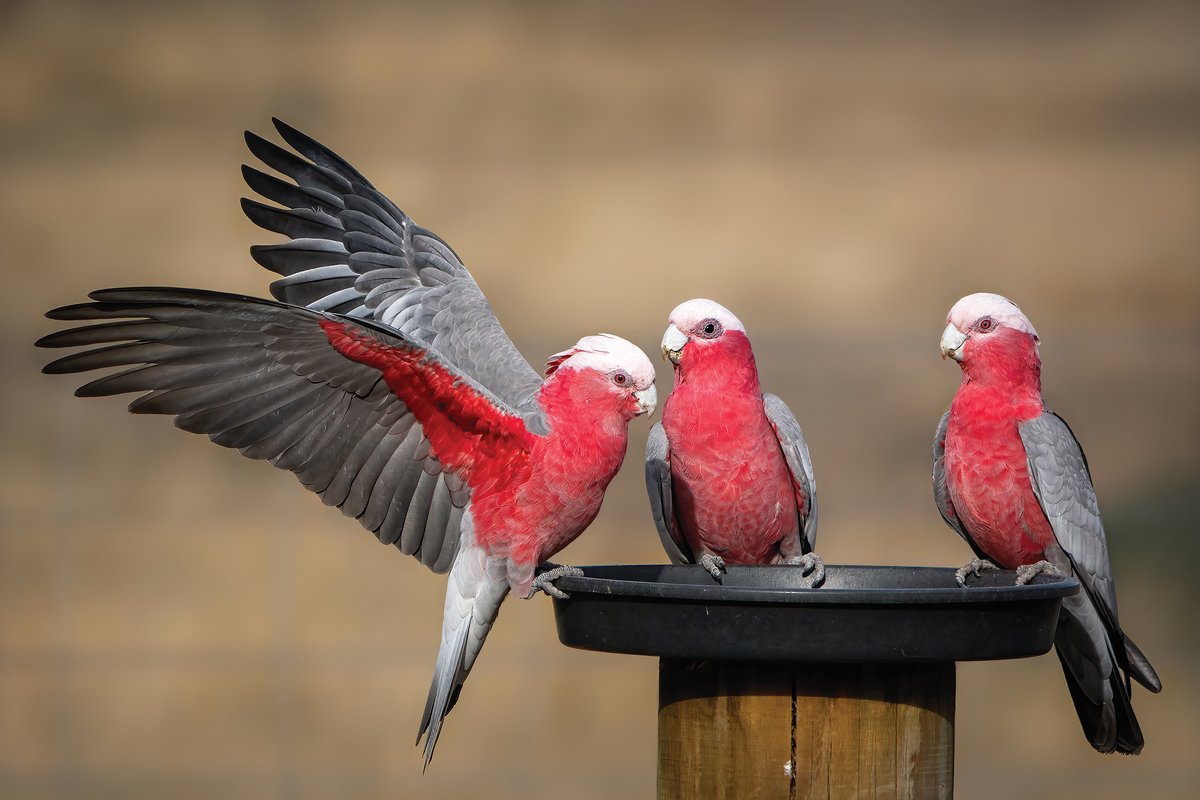
🕊️
Do birds enjoy flying? Scientists asked cockatoos
Genieten vogels van vliegen? Wetenschappers vroegen kaketoes
Les oiseaux aiment-ils voler ? Des scientifiques ont interrogé des cacatoès
So, a fascinating study by Jorg Massen and his team has shown that Galah Cockatoos seem to really enjoy flying! They had the freedom to choose whether to fly or stay put, and guess what? Most of them chose to soar through the sky! This suggests that flight might be rewarding for them, and their behavior after flying showed signs of excitement. It’s a delightful glimpse into the minds of these birds and how they express their natural instincts.
Dus, een fascinerende studie van Jorg Massen en zijn team heeft aangetoond dat Galah-kaketoes echt lijken te genieten van vliegen! Ze hadden de vrijheid om te kiezen of ze wilden vliegen of blijven zitten, en raad eens? De meeste kozen ervoor om door de lucht te zweven! Dit suggereert dat vliegen voor hen belonend kan zijn, en hun gedrag na het vliegen toonde tekenen van opwinding. Het is een heerlijke blik in de geest van deze vogels en hoe ze hun natuurlijke instincten uiten.
Alors, une étude fascinante menée par Jorg Massen et son équipe a montré que les cacatoès Galah semblent vraiment apprécier le vol ! Ils avaient la liberté de choisir entre voler ou rester sur place, et devinez quoi ? La plupart d'entre eux ont choisi de s'envoler dans le ciel ! Cela suggère que le vol pourrait être gratifiant pour eux, et leur comportement après le vol montrait des signes d'excitation. C'est un aperçu délicieux des esprits de ces oiseaux et de la façon dont ils expriment leurs instincts naturels.

🔍
How NASA testing changed US food inspection forever
Hoe NASA-testen de Amerikaanse voedselinspectie voor altijd veranderden
Comment les tests de la NASA ont changé à jamais l'inspection alimentaire aux États-Unis
So, it's fascinating how NASA's food safety innovations have reshaped US food inspection! Back in the early 1900s, the government reacted to shocking meatpacking conditions by establishing the Food Safety and Inspection Service. But as the demand for beef skyrocketed, the old methods just couldn't keep up, especially with the rise of E. coli outbreaks. NASA's approach to food safety, particularly the HACCP system, has been a game changer, focusing on preventing issues before they start rather than just testing after the fact.
Het is fascinerend hoe de innovaties op het gebied van voedselveiligheid van NASA de Amerikaanse voedselinspectie hebben hervormd! Begin 1900 reageerde de overheid op schokkende omstandigheden in de vleesverwerking door de Food Safety and Inspection Service op te richten. Maar naarmate de vraag naar rundvlees steeg, konden de oude methoden gewoon niet meer bijbenen, vooral met de opkomst van E. coli-uitbraken. De aanpak van NASA op het gebied van voedselveiligheid, met name het HACCP-systeem, is een echte game changer, die zich richt op het voorkomen van problemen voordat ze ontstaan in plaats van alleen achteraf te testen.
C'est fascinant de voir comment les innovations de la NASA en matière de sécurité alimentaire ont remodelé l'inspection alimentaire aux États-Unis ! Au début des années 1900, le gouvernement a réagi à des conditions choquantes dans les usines de transformation de la viande en établissant le Food Safety and Inspection Service. Mais à mesure que la demande de viande de boeuf a explosé, les anciennes méthodes n'ont tout simplement pas pu suivre, surtout avec l'augmentation des épidémies d'E. coli. L'approche de la NASA en matière de sécurité alimentaire, en particulier le système HACCP, a été un véritable changement de jeu, se concentrant sur la prévention des problèmes avant qu'ils ne commencent plutôt que de simplement tester après coup.

♻️
This founder is teaching chips how to recycle (their energy)
Deze oprichter leert chips hoe ze (hun energie) kunnen recyclen
Cette fondatrice apprend aux puces à recycler (leur énergie)
Hannah Earley is revolutionizing the way we think about computer chips by teaching them to recycle energy that would otherwise be wasted as heat. Her startup, Vaire Computing, is developing chips that use a concept called reversible computing, which could significantly boost energy efficiency in data centers and personal devices. By retaining information during calculations, these chips can recover energy, much like keeping momentum in a race. It's an exciting time for this technology, as Earley's innovative approach has already shown promising results, proving that the idea can indeed come to life.
Hannah Earley revolutioneert de manier waarop we over computerchips denken door ze te leren energie te recyclen die anders als warmte verloren zou gaan. Haar startup, Vaire Computing, ontwikkelt chips die gebruikmaken van een concept genaamd omkeerbare computing, wat de energie-efficiëntie in datacenters en persoonlijke apparaten aanzienlijk kan verhogen. Door informatie tijdens berekeningen te behouden, kunnen deze chips energie terugwinnen, net als het behouden van momentum in een race. Het is een spannende tijd voor deze technologie, aangezien Earley's innovatieve aanpak al veelbelovende resultaten heeft laten zien, wat bewijst dat het idee daadwerkelijk tot leven kan komen.
Hannah Earley révolutionne notre façon de penser les puces informatiques en leur apprenant à recycler l'énergie qui serait autrement gaspillée sous forme de chaleur. Sa startup, Vaire Computing, développe des puces utilisant un concept appelé calcul réversible, ce qui pourrait considérablement améliorer l'efficacité énergétique dans les centres de données et les appareils personnels. En conservant les informations pendant les calculs, ces puces peuvent récupérer de l'énergie, un peu comme garder l'élan dans une course. C'est un moment passionnant pour cette technologie, car l'approche innovante d'Earley a déjà montré des résultats prometteurs, prouvant que l'idée peut effectivement prendre vie.
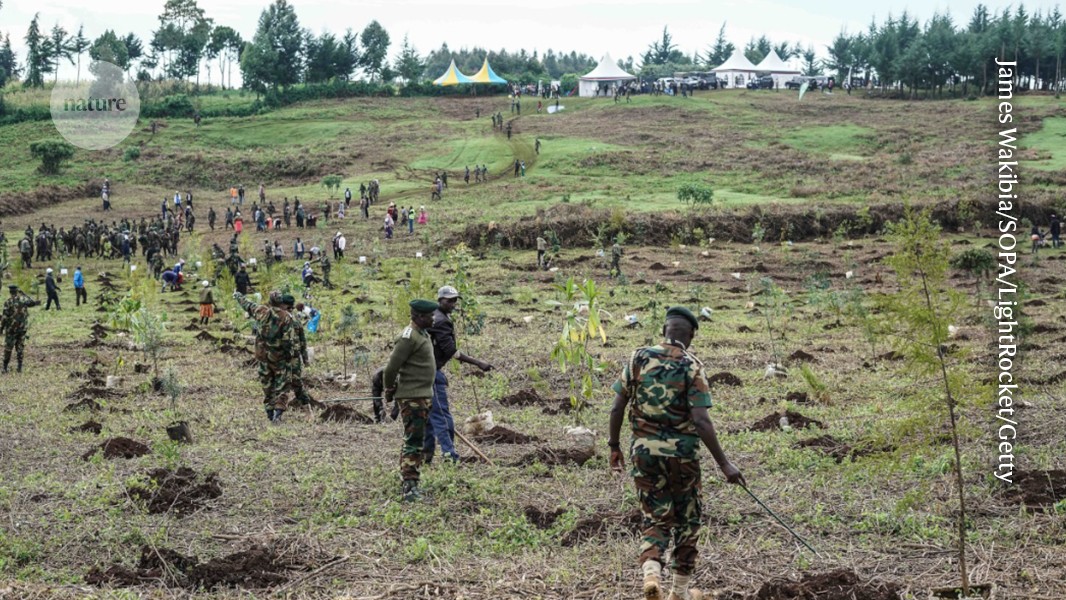
🌍
How countries can grow without impoverishing future generations
Hoe landen kunnen groeien zonder toekomstige generaties te verarmen
Comment les pays peuvent croître sans appauvrir les générations futures
There's a fascinating debate happening about whether nations should prioritize economic growth or focus on sustainability for future generations. Recent reports emphasize the need for wealth rebalancing and managing economies with a broader set of indicators beyond just GDP. It's all about ensuring that today's actions don't compromise the well-being of tomorrow's citizens. This perspective on intergenerational justice is crucial, as it challenges us to think about what we owe to the future.
Er is een fascinerend debat gaande over de vraag of landen economische groei moeten prioriteren of zich moeten richten op duurzaamheid voor toekomstige generaties. Recent gepubliceerde rapporten benadrukken de noodzaak van herverdeling van rijkdom en het beheren van economieën met een breder scala aan indicatoren dan alleen het BBP. Het draait allemaal om ervoor te zorgen dat de acties van vandaag het welzijn van de burgers van morgen niet in gevaar brengen. Dit perspectief op intergenerationele rechtvaardigheid is cruciaal, omdat het ons uitdaagt na te denken over wat we de toekomst verschuldigd zijn.
Un débat fascinant se déroule sur la question de savoir si les nations doivent privilégier la croissance économique ou se concentrer sur la durabilité pour les générations futures. Des rapports récents soulignent la nécessité d'une redistribution de la richesse et de la gestion des économies avec un ensemble d'indicateurs plus large que le PIB. Tout cela vise à garantir que les actions d'aujourd'hui ne compromettent pas le bien-être des citoyens de demain. Cette perspective sur la justice intergénérationnelle est cruciale, car elle nous pousse à réfléchir à ce que nous devons à l'avenir.
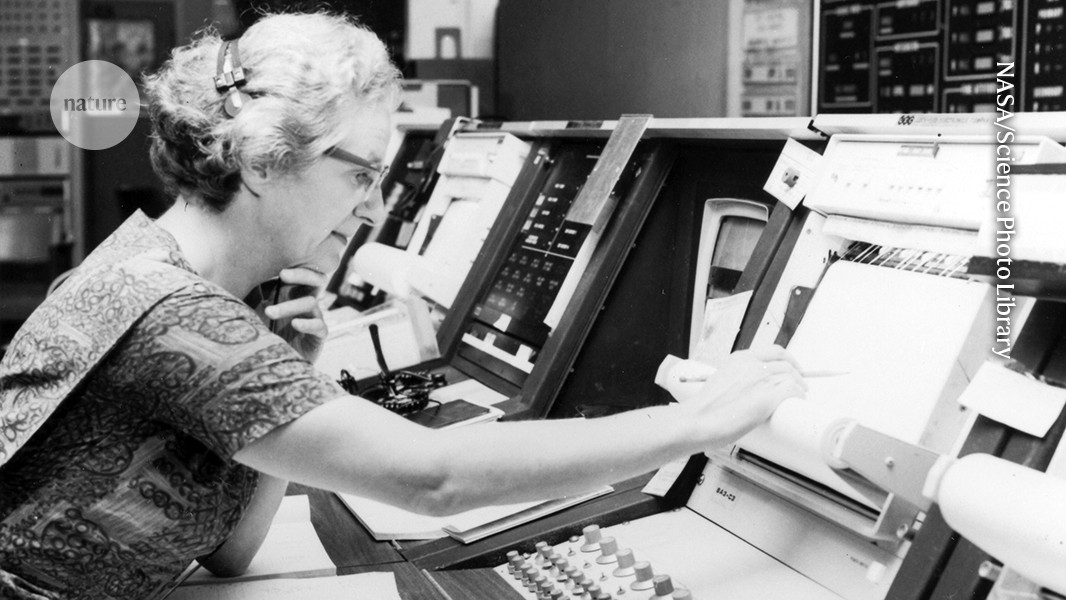
🌌
Mother of Hubble: how Nancy Grace Roman ushered in a new era of astronomy
Moeder van Hubble: hoe Nancy Grace Roman een nieuw tijdperk in de astronomie inluidde
Mère de Hubble : comment Nancy Grace Roman a ouvert une nouvelle ère de l'astronomie
Nancy Grace Roman, known as the mother of the Hubble Space Telescope, has made a remarkable impact on astronomy. The newly launched Nancy Grace Roman Space Telescope is the first space telescope named after a woman and aims to explore dark matter, dark energy, and exoplanets. Despite facing budget cuts, Roman's legacy ensures that this groundbreaking project continues. Her efforts in promoting space astronomy have paved the way for future discoveries and inspired countless scientists.
Nancy Grace Roman, bekend als de moeder van de Hubble Ruimtetelescoop, heeft een opmerkelijke impact op de astronomie gehad. De onlangs gelanceerde Nancy Grace Roman Ruimtetelescoop is de eerste ruimtetelescoop die naar een vrouw is vernoemd en heeft als doel donkere materie, donkere energie en exoplaneten te verkennen. Ondanks begrotingssnijdingen zorgt Romans nalatenschap ervoor dat dit baanbrekende project doorgaat. Haar inspanningen om ruimte-astronomie te bevorderen hebben de weg vrijgemaakt voor toekomstige ontdekkingen en talloze wetenschappers geïnspireerd.
Nancy Grace Roman, connue comme la mère du télescope spatial Hubble, a eu un impact remarquable sur l'astronomie. Le nouveau télescope spatial Nancy Grace Roman, lancé récemment, est le premier télescope spatial nommé d'après une femme et vise à explorer la matière noire, l'énergie noire et les exoplanètes. Malgré des coupes budgétaires, l'héritage de Roman garantit que ce projet révolutionnaire se poursuit. Ses efforts pour promouvoir l'astronomie spatiale ont ouvert la voie à de futures découvertes et inspiré d'innombrables scientifiques.
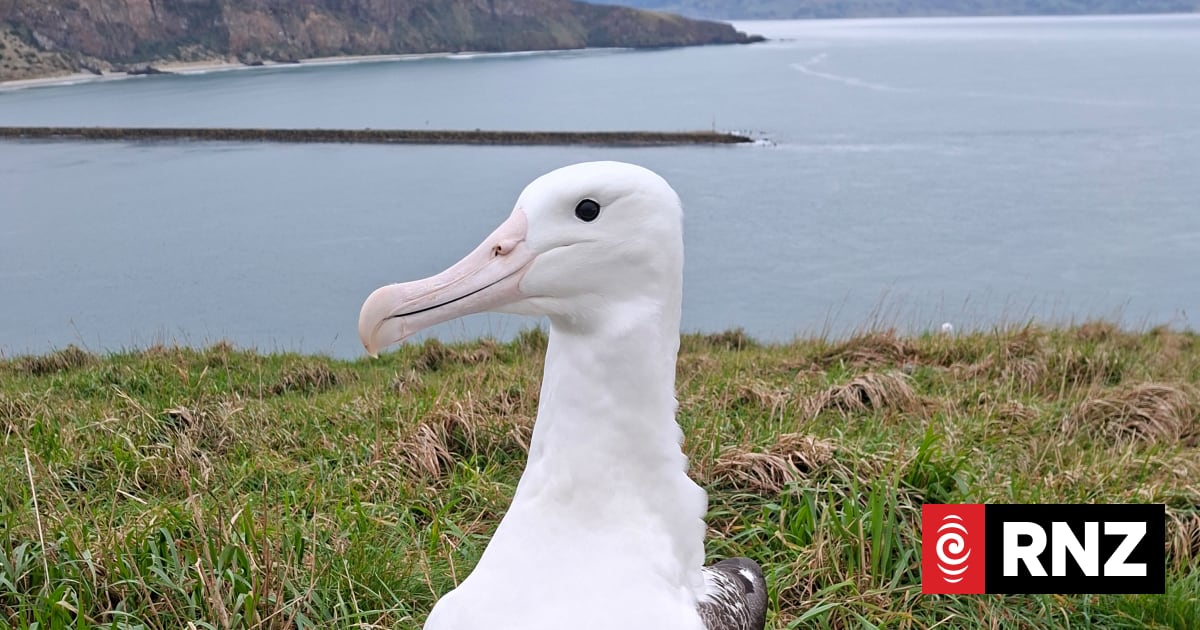
🕊️
First albatross chicks fly from Pukekura/Tairaoa Head
Eerste albatrosskuikens vliegen van Pukekura/Tairaoa Head
Premiers poussins d'albatros s'envolent de Pukekura/Tairaoa Head
It's such an exciting time at Pukekura/Tairaoa Head as the first royal albatross chicks, like Āwheo, take to the skies! These magnificent seabirds are among the largest in the world, and watching them practice their flying skills is truly a sight to behold. The dedicated rangers hope this season will match last year's record of 38 fledglings, and it's heartwarming to see their hard work pay off. Once they leave the nest, these young birds will embark on incredible journeys across the Pacific Ocean, adapting to life at sea for the next five years.
Het is zo'n spannende tijd op Pukekura/Tairaoa Head nu de eerste royal albatrosskuikens, zoals Āwheo, de lucht in gaan! Deze magnifieke zeevogels behoren tot de grootste ter wereld, en het is werkelijk een genot om ze hun vliegvaardigheden te zien oefenen. De toegewijde rangers hopen dat dit seizoen het record van vorig jaar van 38 uitgevlogen kuikens zal evenaren, en het is hartverwarmend om te zien dat hun harde werk zijn vruchten afwerpt. Zodra ze het nest verlaten, beginnen deze jonge vogels aan ongelooflijke reizen over de Stille Oceaan en passen ze zich de komende vijf jaar aan het leven op zee aan.
C'est une période tellement excitante à Pukekura/Tairaoa Head alors que les premiers poussins d'albatros royaux, comme Āwheo, prennent leur envol ! Ces magnifiques oiseaux marins sont parmi les plus grands du monde, et les voir pratiquer leurs compétences de vol est vraiment un spectacle à admirer. Les rangers dévoués espèrent que cette saison égalera le record de l'année dernière de 38 poussins, et c'est réconfortant de voir leurs efforts récompensés. Une fois qu'ils quittent le nid, ces jeunes oiseaux entreprendront des voyages incroyables à travers l'océan Pacifique, s'adaptant à la vie en mer pendant les cinq prochaines années.
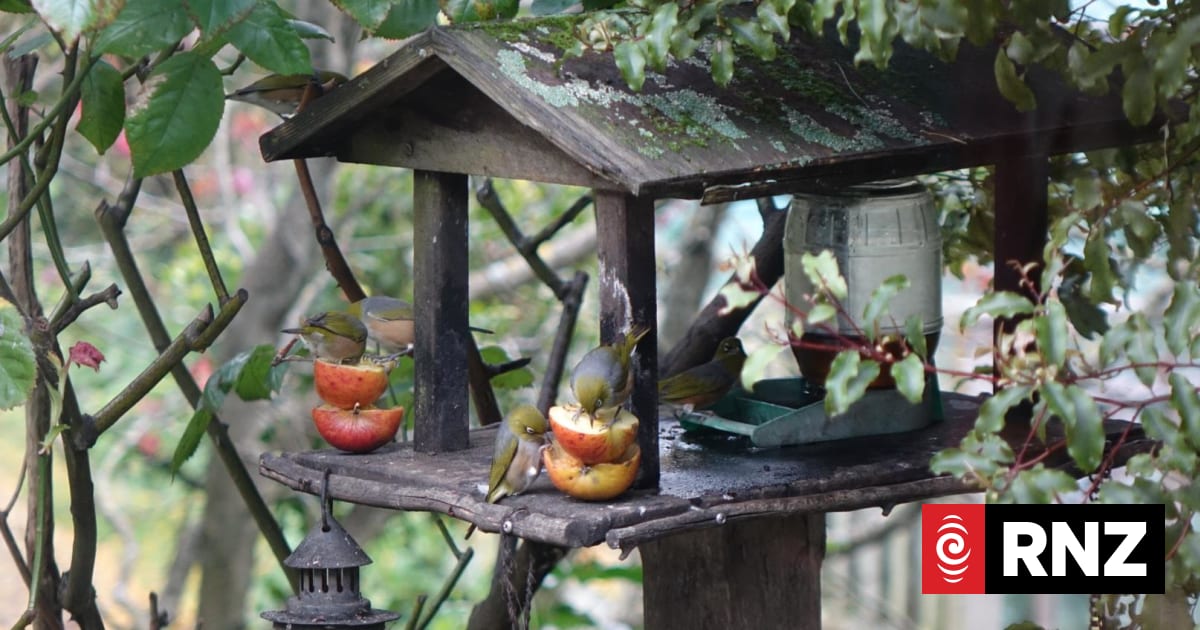
🌟
Birds flocking back after possums eliminated from Otago Peninsula
Vogels keren terug na eliminatie van possums op het Otago-schiereiland
Les oiseaux reviennent après l'élimination des possums de la péninsule d'Otago
The Otago Peninsula is becoming a paradise for birdwatchers after being declared possum-free. This achievement is the result of over 15 years of hard work by the community, and the positive changes are already visible. Dunedin's mayor, Sophie Barker, recalls the pesky possums from her childhood, but now she's thrilled to see more birds returning, including the beautiful tui. It's a fantastic example of how collaboration can restore biodiversity and bring joy to the local environment.
Het Otago-schiereiland wordt een paradijs voor vogelliefhebbers nu het officieel possumvrij is. Deze prestatie is het resultaat van meer dan 15 jaar hard werken door de gemeenschap, en de positieve veranderingen zijn al zichtbaar. De burgemeester van Dunedin, Sophie Barker, herinnert zich de lastige possums uit haar kindertijd, maar nu is ze blij om te zien dat er meer vogels terugkeren, waaronder de prachtige tui. Het is een fantastisch voorbeeld van hoe samenwerking de biodiversiteit kan herstellen en vreugde kan brengen in de lokale omgeving.
La péninsule d'Otago devient un paradis pour les ornithologues après avoir été déclarée exempte de possums. Cette réalisation est le fruit de plus de 15 ans de travail acharné de la communauté, et les changements positifs sont déjà visibles. La maire de Dunedin, Sophie Barker, se souvient des possums gênants de son enfance, mais maintenant elle est ravie de voir revenir plus d'oiseaux, y compris le magnifique tui. C'est un excellent exemple de la façon dont la collaboration peut restaurer la biodiversité et apporter de la joie à l'environnement local.

📚
Irish teenagers top of the class in EU for reading and third for science
Ierse tieners zijn de beste van de EU in lezen en derde in wetenschap
Les adolescents irlandais en tête de la classe de l'UE en lecture et troisième en science
So, it turns out Irish teenagers are absolutely smashing it when it comes to reading, ranking first in the EU and seventh globally! They also scored third in science and fourth in maths according to the latest PISA study. This is such a fantastic achievement, especially considering the increasing number of countries participating in this assessment. The Minister for Education is thrilled, highlighting the importance of fostering a love for reading and maintaining strong educational standards.
Dus, het blijkt dat Ierse tieners het geweldig doen als het gaat om lezen, met de eerste plaats in de EU en de zevende plaats wereldwijd! Ze staan ook derde in wetenschap en vierde in wiskunde volgens de laatste PISA-studie. Dit is een fantastische prestatie, vooral gezien het toenemende aantal deelnemende landen aan deze beoordeling. De minister van Onderwijs is enthousiast en benadrukt het belang van het bevorderen van een liefde voor lezen en het handhaven van sterke onderwijsnormen.
Alors, il s'avère que les adolescents irlandais excellent en lecture, se classant premiers de l'UE et septièmes au niveau mondial ! Ils ont également obtenu la troisième place en science et la quatrième en mathématiques selon la dernière étude PISA. C'est une réalisation fantastique, surtout compte tenu du nombre croissant de pays participant à cette évaluation. La ministre de l'Éducation est ravie et souligne l'importance de promouvoir l'amour de la lecture et de maintenir des normes éducatives solides.

♻️
Japan recycles 85% of its waste | What can we learn?
Japan recyclet 85% van zijn afval | Wat kunnen we leren?
Le Japon recycle 85% de ses déchets | Que pouvons-nous apprendre?
Japan has turned waste segregation into a daily routine, with specific rules for burnable, non-burnable, and recyclable items. It's fascinating how even large items have their own collection system, and if you miss your day, you simply wait for the next one. Now, India is facing its own waste management challenges, but there's been significant progress, with urban waste processing jumping from 16% in 2014 to over 81% today. This shows that building better waste segregation habits at home could be the key to success.
Japan heeft afvalscheiding tot een dagelijkse routine gemaakt, met specifieke regels voor brandbaar, niet-brandbaar en recyclebaar afval. Het is fascinerend hoe zelfs grote voorwerpen hun eigen inzamelsysteem hebben, en als je je dag mist, wacht je gewoon op de volgende. Nu staat India voor zijn eigen afvalbeheeruitdagingen, maar er is aanzienlijke vooruitgang geboekt, met een stijging van de stedelijke afvalverwerking van 16% in 2014 tot meer dan 81% vandaag. Dit toont aan dat het opbouwen van betere afvalscheidingsgewoonten thuis de sleutel tot succes kan zijn.
Le Japon a transformé la séparation des déchets en une routine quotidienne, avec des règles spécifiques pour les déchets brûlables, non brûlables et recyclables. C'est fascinant de voir que même les gros objets ont leur propre système de collecte, et si vous manquez votre jour, vous attendez simplement le suivant. Maintenant, l'Inde fait face à ses propres défis en matière de gestion des déchets, mais des progrès significatifs ont été réalisés, le traitement des déchets urbains passant de 16% en 2014 à plus de 81% aujourd'hui. Cela montre que développer de meilleures habitudes de séparation des déchets à la maison pourrait être la clé du succès.

🌩️
How does your phone know a storm is coming? The technology behind India’s weather alerts
Hoe weet je telefoon dat er een storm aankomt? De technologie achter de weerswaarschuwingen in India
Comment votre téléphone sait-il qu'une tempête arrive ? La technologie derrière les alertes météorologiques en Inde
Isn't it fascinating how your phone can alert you about a storm before you even see the clouds? It all starts with an impressive network of weather radars, satellites, and sensors that gather atmospheric data from across India. Supercomputers then process this information, using advanced AI to make localized predictions about weather events. This technology not only keeps us informed but also helps us prepare for what’s coming, making our lives a little easier and safer.
Is het niet fascinerend hoe je telefoon je kan waarschuwen voor een storm voordat je zelfs maar de wolken ziet? Het begint allemaal met een indrukwekkend netwerk van weersradars, satellieten en sensoren die atmosferische gegevens uit heel India verzamelen. Supercomputers verwerken deze informatie en gebruiken geavanceerde AI om lokaal gerichte voorspellingen te maken over weersomstandigheden. Deze technologie houdt ons niet alleen geïnformeerd, maar helpt ons ook om ons voor te bereiden op wat komen gaat, waardoor ons leven een beetje gemakkelijker en veiliger wordt.
N'est-ce pas fascinant que votre téléphone puisse vous alerter d'une tempête avant même que vous ne voyiez les nuages ? Tout commence par un impressionnant réseau de radars météorologiques, de satellites et de capteurs qui collectent des données atmosphériques à travers l'Inde. Des superordinateurs traitent ensuite ces informations, utilisant une IA avancée pour faire des prévisions localisées sur les événements météorologiques. Cette technologie ne nous informe pas seulement, mais nous aide aussi à nous préparer à ce qui s'en vient, rendant nos vies un peu plus faciles et sûres.

🌟
New method could make Europe's ore mining more profitable
Nieuwe methode zou Europese mijnbouw winstgevender kunnen maken
Une nouvelle méthode pourrait rendre l'exploitation minière en Europe plus rentable
So, there's this exciting development from Outokumpu, a Finnish steel company, that's shaking things up in the mining world! They've created a method called selective sulfidization, which allows for extracting valuable metals from low-grade ores and even waste materials. This process is not only energy-efficient but could also lead to the establishment of a new factory in Europe by 2030. Imagine boosting the chromium content in ferrochrome from 53 to 65 percent, all while contributing to climate goals—how cool is that?
Dus, er is een spannende ontwikkeling van Outokumpu, een Fins staalbedrijf, die de mijnbouwwereld opschudt! Ze hebben een methode ontwikkeld genaamd selectieve sulfidatie, waarmee waardevolle metalen uit laagwaardige ertsen en zelfs afvalmaterialen kunnen worden gewonnen. Dit proces is niet alleen energie-efficiënt, maar kan ook leiden tot de oprichting van een nieuwe fabriek in Europa tegen 2030. Stel je voor dat het chroomgehalte in ferrochroom van 53 naar 65 procent wordt verhoogd, terwijl je ook bijdraagt aan klimaatdoelen - hoe gaaf is dat?
Alors, il y a ce développement passionnant d'Outokumpu, une entreprise sidérurgique finlandaise, qui bouleverse le monde de l'exploitation minière ! Ils ont créé une méthode appelée sulfidation sélective, qui permet d'extraire des métaux précieux à partir de minerais de faible qualité et même de matériaux de déchets. Ce processus est non seulement économe en énergie, mais pourrait également conduire à l'établissement d'une nouvelle usine en Europe d'ici 2030. Imaginez augmenter la teneur en chrome du ferrochrome de 53 à 65 % tout en contribuant aux objectifs climatiques - c'est génial, non ?

🌟
6 made-in-india technologies tackling waste, pollution, mobility & more
6 in-india gemaakte technologieën die afval, vervuiling, mobiliteit en meer aanpakken
6 technologies fabriquées en inde qui s'attaquent aux déchets, à la pollution, à la mobilité et plus encore
So, this article highlights six incredible innovations from India that tackle everyday challenges with creativity and sustainability. From the Jaipur Foot, a prosthetic designed for Indian lifestyles, to the Chakr Shield that transforms pollution into useful ink, these inventions are truly inspiring. Each innovation showcases the power of local ingenuity in addressing issues like waste and mobility. It's amazing to see how these solutions not only improve lives but also contribute to a healthier planet.
Dit artikel belicht zes ongelooflijke innovaties uit India die dagelijkse uitdagingen aanpakken met creativiteit en duurzaamheid. Van de Jaipur Foot, een prothese ontworpen voor de Indiase levensstijl, tot de Chakr Shield die vervuiling omzet in nuttige inkt, deze uitvindingen zijn echt inspirerend. Elke innovatie toont de kracht van lokale vindingrijkheid in het aanpakken van problemen zoals afval en mobiliteit. Het is geweldig om te zien hoe deze oplossingen niet alleen levens verbeteren, maar ook bijdragen aan een gezondere planeet.
Cet article met en lumière six innovations incroyables en provenance d'Inde qui relèvent les défis quotidiens avec créativité et durabilité. De la Jaipur Foot, une prothèse conçue pour les modes de vie indiens, au Chakr Shield qui transforme la pollution en encre utile, ces inventions sont vraiment inspirantes. Chaque innovation démontre la puissance de l'ingéniosité locale pour résoudre des problèmes tels que les déchets et la mobilité. C'est incroyable de voir comment ces solutions améliorent non seulement des vies, mais contribuent également à une planète plus saine.

🌟
She started nursing 53 years ago. At 80, this Lakshadweep nurse is a global top 10 finalist
Ze begon 53 jaar geleden met verpleegkunde. Op 80-jarige leeftijd is deze verpleegster uit Lakshadweep een wereldwijde top 10-finalist
Elle a commencé à soigner il y a 53 ans. À 80 ans, cette infirmière de Lakshadweep est finaliste mondiale du top 10
Hindumbi Kaurom Kakkada is an incredible 80-year-old nurse who has dedicated over 53 years to healthcare in Lakshadweep. Despite retiring two decades ago, she continues to work and has now been recognized as one of the top 10 finalists for the Aster Guardians Global Nursing Award. Her journey is remarkable, having transported patients by fishing boat and handled emergencies in challenging conditions. Hindumbi's commitment to her community and her impact on over 20,000 lives truly exemplify the spirit of nursing.
Hindumbi Kaurom Kakkada is een ongelooflijke 80-jarige verpleegster die meer dan 53 jaar aan de gezondheidszorg in Lakshadweep heeft gewijd. Ondanks dat ze twee decennia geleden met pensioen ging, blijft ze werken en is ze nu erkend als een van de top 10-finalisten voor de Aster Guardians Global Nursing Award. Haar reis is opmerkelijk, aangezien ze patiënten met een vissersboot heeft vervoerd en noodsituaties in uitdagende omstandigheden heeft behandeld. Hindumbi's toewijding aan haar gemeenschap en haar impact op meer dan 20.000 levens belichamen echt de geest van verpleegkunde.
Hindumbi Kaurom Kakkada est une infirmière incroyable de 80 ans qui a consacré plus de 53 ans aux soins de santé à Lakshadweep. Bien qu'elle soit à la retraite depuis deux décennies, elle continue de travailler et a maintenant été reconnue comme l'une des 10 finalistes pour le prix Aster Guardians Global Nursing Award. Son parcours est remarquable, ayant transporté des patients en bateau de pêche et géré des urgences dans des conditions difficiles. L'engagement de Hindumbi envers sa communauté et son impact sur plus de 20 000 vies illustrent vraiment l'esprit des soins infirmiers.
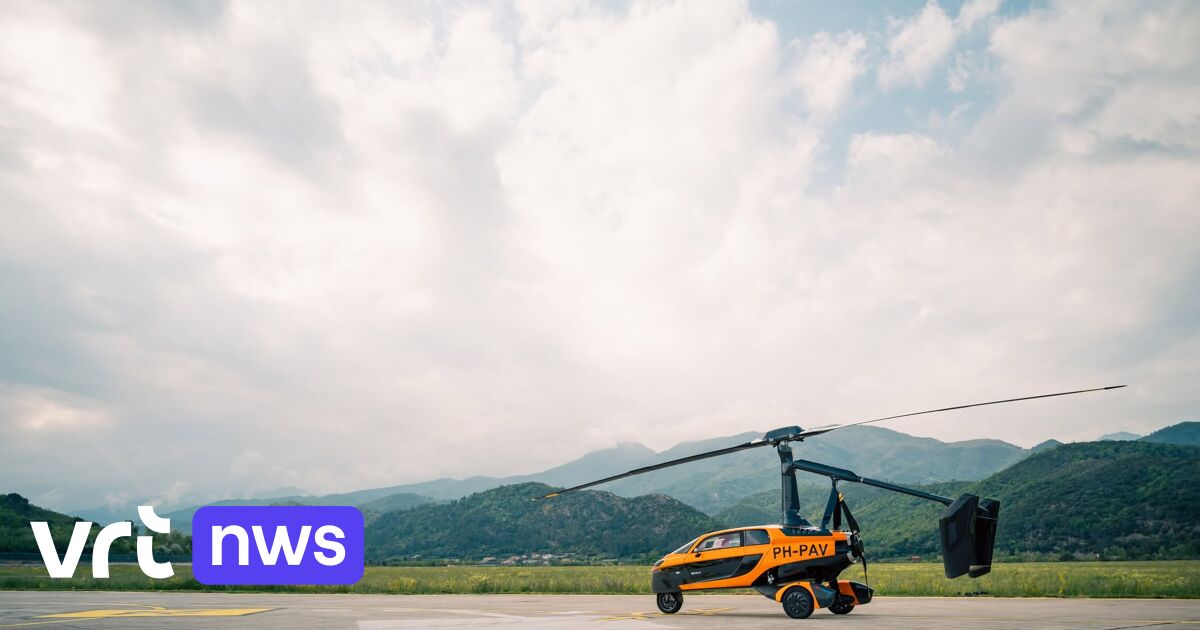
🚗
Dutch flying car gets green light: first models could take to the skies in 2028
Nederlandse vliegende auto krijgt groen licht: eerste exemplaren zouden in 2028 de lucht in kunnen
Voiture volante néerlandaise obtient le feu vert : les premiers modèles pourraient prendre leur envol en 2028
How exciting is this? The Dutch company Pal-V has received the green light from the European aviation authority EASA to produce flying cars! With three wheels and foldable rotor blades, this vehicle is like a mini helicopter. After a year and a half of testing, we could see the first flying cars in the air by 2028. Imagine transforming your vehicle into a flying machine in just two minutes!
Hoe spannend is dit? Het Nederlandse bedrijf Pal-V heeft groen licht gekregen van de Europese luchtvaartautoriteit EASA om vliegende auto's te produceren! Met drie wielen en inklapbare rotorbladen lijkt dit voertuig op een minihelikopter. Na anderhalf jaar testen zouden we in 2028 de eerste vliegende auto's in de lucht kunnen zien. Stel je voor dat je je voertuig in slechts twee minuten in een vliegend apparaat verandert!
Quelle excitation ! L'entreprise néerlandaise Pal-V a reçu le feu vert de l'autorité européenne de l'aviation EASA pour produire des voitures volantes ! Avec trois roues et des pales de rotor repliables, ce véhicule ressemble à un mini-hélicoptère. Après un an et demi de tests, nous pourrions voir les premières voitures volantes dans les airs d'ici 2028. Imaginez transformer votre véhicule en machine volante en seulement deux minutes !
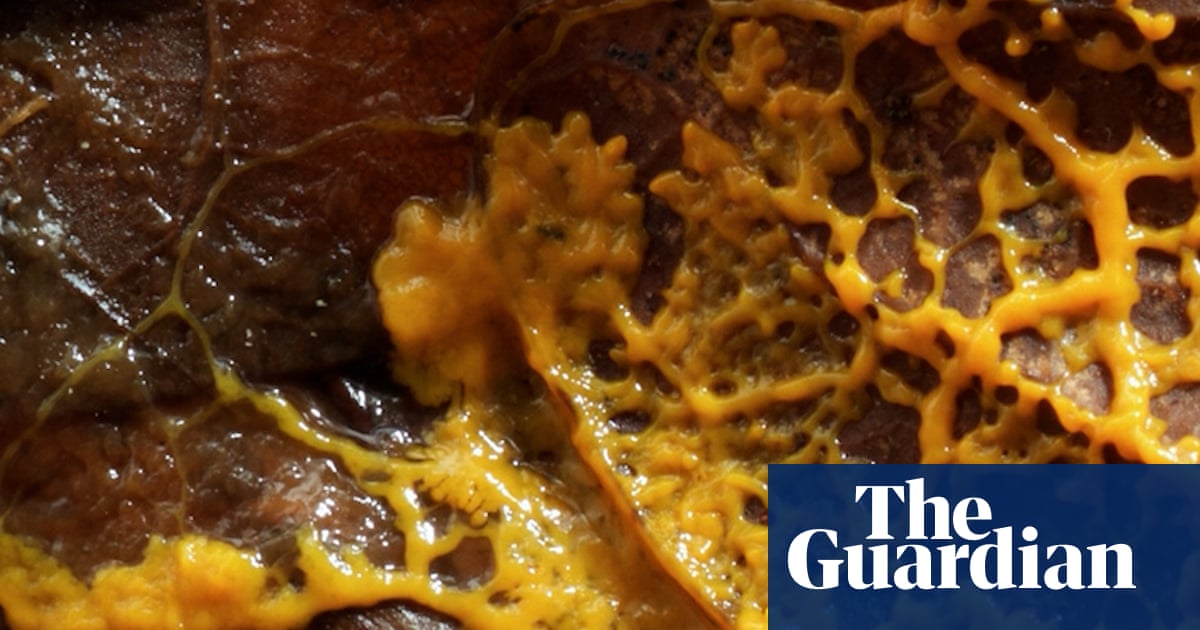
🧪
This is dangerous: slime moulds and the bitter debate over the nature of intelligence
Dit is gevaarlijk: slijmzwammen en het bittere debat over de aard van intelligentie
C'est dangereux : les moisissures et le débat amer sur la nature de l'intelligence
Isn't it fascinating how something as simple as a slime mould can spark such deep discussions about intelligence? Toshiyuki Nakagaki's journey from a curious student to a leading researcher reveals the surprising capabilities of Physarum polycephalum. This organism, often dismissed as simple, has shown it can solve mazes and even optimize transport routes, challenging our definitions of intelligence. It makes you wonder what else we might be underestimating in the natural world!
Is het niet fascinerend hoe iets zo eenvoudigs als een slijmzwam zulke diepe discussies over intelligentie kan oproepen? Toshiyuki Nakagaki's reis van een nieuwsgierige student naar een vooraanstaande onderzoeker onthult de verrassende capaciteiten van Physarum polycephalum. Dit organisme, vaak afgedaan als eenvoudig, heeft aangetoond dat het doolhoven kan oplossen en zelfs transportroutes kan optimaliseren, wat onze definities van intelligentie uitdaagt. Het doet je afvragen wat we nog meer in de natuur misschien onderschatten!
N'est-ce pas fascinant de voir comment quelque chose d'aussi simple qu'une moisissure peut susciter de si profonds débats sur l'intelligence ? Le parcours de Toshiyuki Nakagaki, d'étudiant curieux à chercheur de premier plan, révèle les capacités surprenantes de Physarum polycephalum. Cet organisme, souvent considéré comme simple, a montré qu'il pouvait résoudre des labyrinthes et même optimiser des itinéraires de transport, remettant en question nos définitions de l'intelligence. Cela nous amène à nous demander ce que nous sous-estimons encore dans le monde naturel !
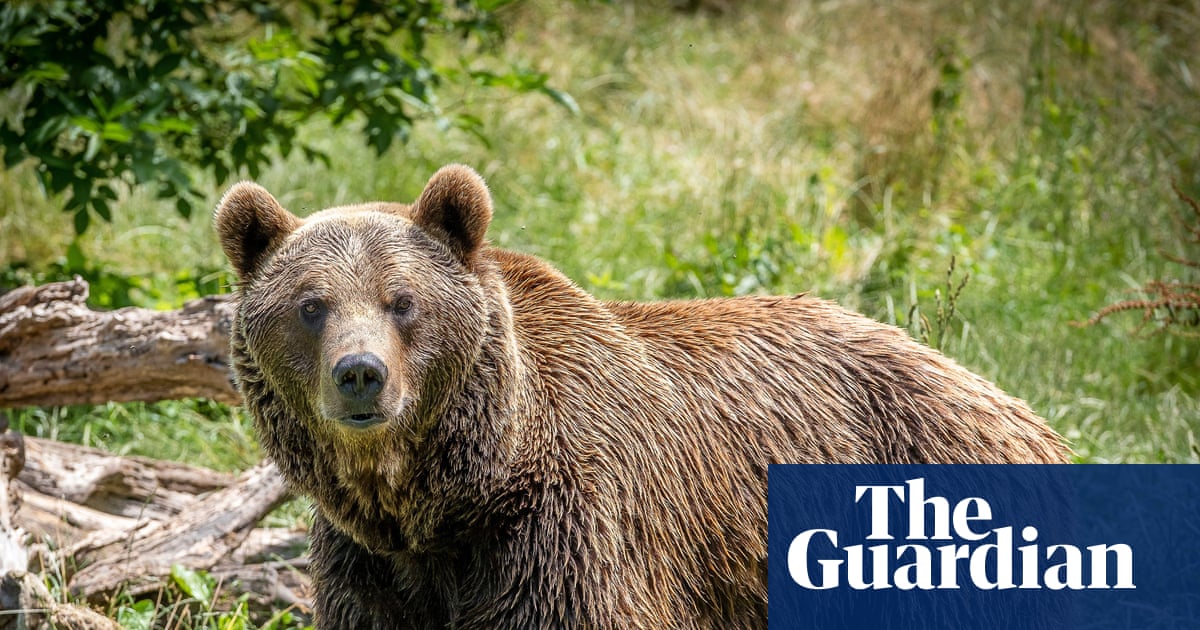
🐻
So big and so close: going on a bear hunt in northern Spain
Zo groot en zo dichtbij: op berenjacht in Noord-Spanje
Si grand et si proche : à la recherche d'ours dans le nord de l'Espagne
In the stunning Somiedo natural park, the Cantabrian brown bears are making a remarkable comeback from the brink of extinction. Once dwindling to just 60 bears, their population has now surged to around 500, thanks to dedicated conservation efforts. Nature guide Luis Frechilla shares the thrill of spotting these magnificent creatures, even if it’s just a distant glimpse. As the sun sets over the mountains, the experience is enriched by the local cuisine, making it a perfect blend of nature and culture.
In het prachtige Somiedo natuurpark maken de Cantabrische bruine beren een opmerkelijke comeback van de rand van uitsterven. Waar ze ooit tot slechts 60 beren waren teruggebracht, is hun populatie nu gestegen naar ongeveer 500, dankzij toegewijde inspanningen voor behoud. Natuurgids Luis Frechilla deelt de opwinding van het spotten van deze majestueuze wezens, ook al is het maar een verre glimp. Terwijl de zon ondergaat achter de bergen, wordt de ervaring verrijkt door de lokale keuken, wat het een perfecte mix van natuur en cultuur maakt.
Dans le magnifique parc naturel de Somiedo, les ours bruns cantabriques font un retour remarquable de l brink de l'extinction. Autrefois réduite à seulement 60 ours, leur population a maintenant augmenté à environ 500, grâce à des efforts de conservation dédiés. Le guide nature Luis Frechilla partage l'excitation d'apercevoir ces créatures majestueuses, même si ce n'est qu'un aperçu lointain. Alors que le soleil se couche sur les montagnes, l'expérience est enrichie par la cuisine locale, faisant de cela un mélange parfait de nature et de culture.
🔥
Language originated according to these researchers by the campfire, not during the hunt
Taal ontstond volgens deze onderzoekers bij het kampvuur, en niet tijdens de jacht
La langue est née selon ces chercheurs au coin du feu, et non pendant la chasse
So, researchers are suggesting that language actually developed around the campfire rather than during hunting activities. This idea is fascinating because it highlights the social and communal aspects of language formation. It makes you think about how storytelling and sharing experiences could have played a crucial role in our communication evolution. And here's the thing: this perspective opens up new avenues for understanding human interaction in prehistoric times.
Dus, onderzoekers suggereren dat taal eigenlijk is ontstaan rond het kampvuur in plaats van tijdens jachtactiviteiten. Dit idee is fascinerend omdat het de sociale en gemeenschappelijke aspecten van taalvorming benadrukt. Het laat je nadenken over hoe verhalen vertellen en ervaringen delen een cruciale rol hebben gespeeld in onze communicatie-evolutie. En dat is het mooie: dit perspectief opent nieuwe wegen voor het begrijpen van menselijke interactie in de prehistorie.
Alors, des chercheurs suggèrent que la langue s'est en fait développée autour du feu de camp plutôt que pendant les activités de chasse. Cette idée est fascinante car elle met en lumière les aspects sociaux et communautaires de la formation du langage. Cela vous fait réfléchir à la façon dont le récit et le partage d'expériences ont pu jouer un rôle crucial dans notre évolution de la communication. Et voici le truc : cette perspective ouvre de nouvelles avenues pour comprendre l'interaction humaine à l'époque préhistorique.
/s3/static.nrc.nl/wp-content/uploads/2026/09/07121923/070926ECO_2036490263_1.jpg)
🌟
Against gloomy expectations, Gen Z and millennials are doing better than previous generations
Tegen de sombere verwachtingen in doen GenZ en de millennials het beter dan de generaties voor hen
Contre les attentes sombres, la génération Z et les milléniaux s'en sortent mieux que les générations précédentes
It's fascinating to see how Gen Z and millennials are actually faring better financially than older generations, despite the common stereotypes. The statistics show that their purchasing power and wealth are higher at the same age compared to baby boomers. However, experts emphasize the importance of distinguishing between objective data and subjective experiences. Mental health remains a significant concern for young people, highlighting the need for a balanced view of their financial success.
Het is fascinerend om te zien hoe Gen Z en millennials financieel beter presteren dan oudere generaties, ondanks de gangbare stereotypen. De statistieken tonen aan dat hun koopkracht en vermogen op dezelfde leeftijd hoger zijn dan die van babyboomers. Experts benadrukken echter het belang van het onderscheid tussen objectieve gegevens en subjectieve ervaringen. De mentale gezondheid blijft een belangrijk aandachtspunt voor jongeren, wat de noodzaak van een evenwichtige kijk op hun financiële succes onderstreept.
Il est fascinant de voir comment la génération Z et les milléniaux s'en sortent en réalité mieux financièrement que les générations plus âgées, malgré les stéréotypes courants. Les statistiques montrent que leur pouvoir d'achat et leur richesse sont plus élevés à leur âge par rapport aux baby-boomers. Cependant, les experts soulignent l'importance de faire la distinction entre les données objectives et les expériences subjectives. La santé mentale reste une préoccupation majeure pour les jeunes, soulignant la nécessité d'une vision équilibrée de leur succès financier.
🌍
Largest European installation to capture CO2 inaugurated in the Netherlands
Grootste Europese installatie om CO2 uit de lucht te halen ingehuldigd in Nederland
La plus grande installation européenne pour capturer le CO2 inaugurée aux Pays-Bas
So, in Sluiskil, the largest CO2 capture installation in Europe has just been inaugurated by the Norwegian company Yara. This facility is set to capture about 800,000 tons of CO2 annually, which is roughly 0.5 percent of the Netherlands' total emissions. The captured CO2 will be transported by boat to Norway for storage, marking a significant step in carbon capture and storage technology. It's exciting to see how innovation and cross-border collaboration can lead to real climate solutions!
In Sluiskil is de grootste CO2-afvanginstallatie van Europa ingehuldigd door het Noorse bedrijf Yara. Deze installatie zal jaarlijks ongeveer 800.000 ton CO2 opvangen, wat ongeveer 0,5 procent van de totale uitstoot van Nederland is. De opgevangen CO2 zal per boot naar Noorwegen worden vervoerd voor opslag, wat een belangrijke stap is in de technologie voor koolstofafvang en -opslag. Het is spannend om te zien hoe innovatie en grensoverschrijdende samenwerking kunnen leiden tot echte klimaatoplossingen!
À Sluiskil, la plus grande installation de capture de CO2 d'Europe a été inaugurée par l'entreprise norvégienne Yara. Cette installation devrait capturer environ 800 000 tonnes de CO2 par an, ce qui représente environ 0,5 % des émissions totales des Pays-Bas. Le CO2 capturé sera transporté par bateau vers la Norvège pour stockage, marquant une étape importante dans la technologie de capture et de stockage du carbone. C'est passionnant de voir comment l'innovation et la coopération transfrontalière peuvent mener à de réelles solutions climatiques !
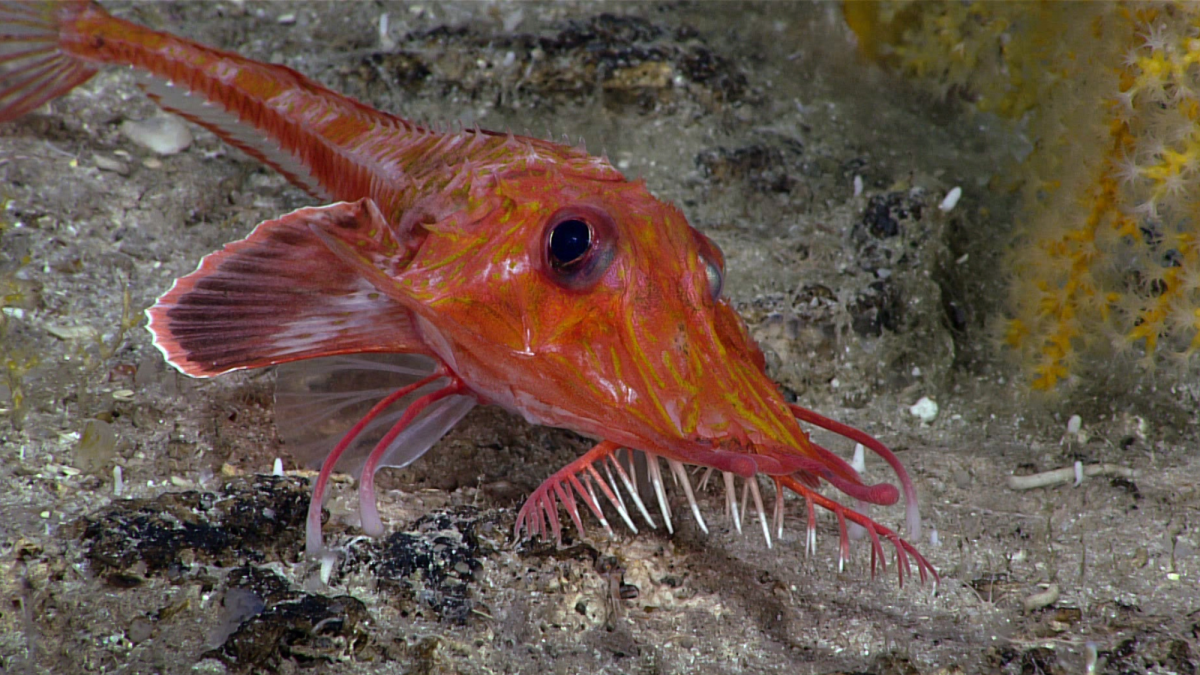
🐟
Backwards-walking fish caught on video in the South China Sea
Achterwaarts lopende vis gevangen op video in de Zuid-Chinese Zee
Poisson marchant à reculons filmé dans la mer de Chine méridionale
How cool is this? Scientists have captured video of a fish, the Scalicus engyceros, walking backwards along the seafloor in the South China Sea! This armored searobin uses its unique fins to stroll, which is a first for fish locomotion. The study reveals not just this quirky behavior but also highlights the fish's adaptations for hunting in the deep sea. It’s amazing how technology is helping us uncover the secrets of our oceans!
Hoe gaaf is dit? Wetenschappers hebben video vastgelegd van een vis, de Scalicus engyceros, die achterwaarts over de zeebodem in de Zuid-Chinese Zee loopt! Deze gewapende zeebonken gebruikt zijn unieke vinnen om te wandelen, wat een primeur is voor vislocomotie. De studie onthult niet alleen dit eigenaardige gedrag, maar benadrukt ook de aanpassingen van de vis voor het jagen in de diepe zee. Het is verbazingwekkend hoe technologie ons helpt de geheimen van onze oceanen te onthullen!
C'est incroyable ! Des scientifiques ont capturé une vidéo d'un poisson, le Scalicus engyceros, marchant à reculons sur le fond marin de la mer de Chine méridionale ! Ce poisson armé utilise ses nageoires uniques pour se déplacer, ce qui est une première pour la locomotion des poissons. L'étude révèle non seulement ce comportement étrange, mais met également en lumière les adaptations du poisson pour chasser dans les profondeurs marines. C'est fascinant de voir comment la technologie nous aide à découvrir les secrets de nos océans !
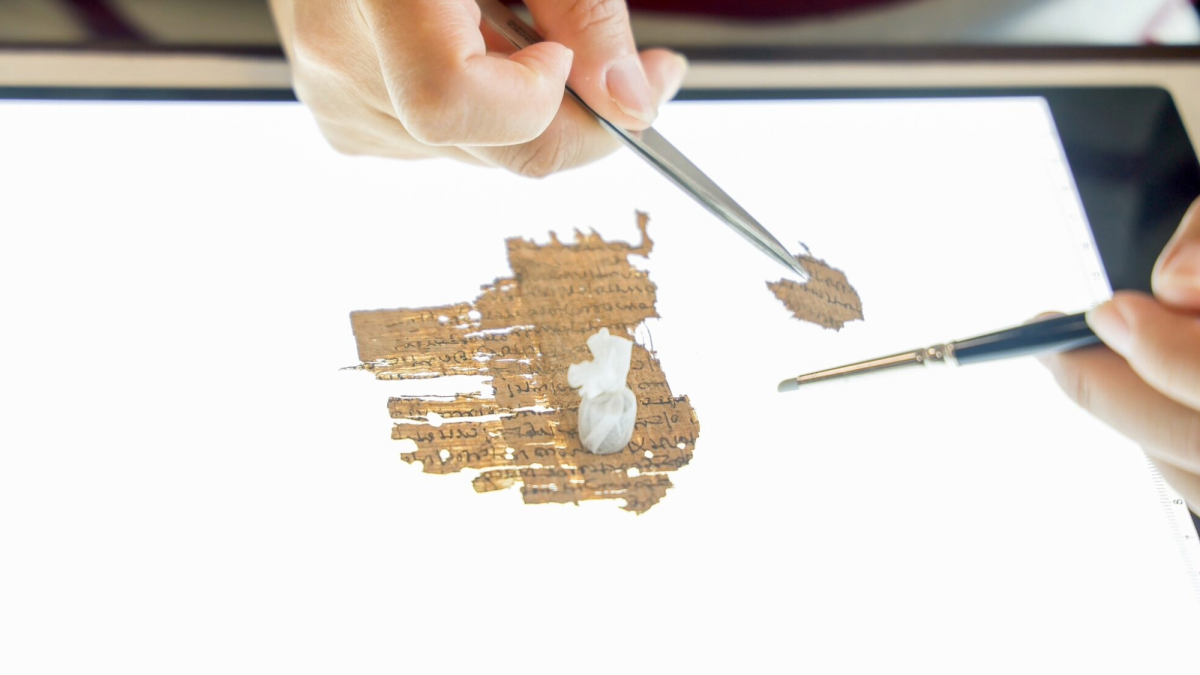
📜
How ‘cornflakes’ can help decode ancient writing
Hoe 'cornflakes' kunnen helpen oude teksten te ontcijferen
Comment les 'cornflakes' peuvent aider à déchiffrer l'écriture ancienne
So, it turns out that these little scraps of papyrus, affectionately dubbed 'cornflakes', are treasure troves of ancient knowledge! This summer, a group of researchers at the University of Michigan dove into the world of papyrus conservation, preserving over 150 fragments in just two weeks. It's fascinating how they combined their skills, with conservators and papyrologists working hand in hand to unlock the mysteries of these texts. The collaboration not only enhances preservation but also enriches the understanding of the ancient writings they handle.
Dus, het blijkt dat deze kleine stukjes papyrus, liefkozend 'cornflakes' genoemd, schatkamers zijn van oude kennis! Deze zomer dook een groep onderzoekers aan de Universiteit van Michigan in de wereld van papyrusconservering en bewaarde meer dan 150 fragmenten in slechts twee weken. Het is fascinerend hoe ze hun vaardigheden combineerden, met conservatoren en papyrologen die samenwerkten om de mysteries van deze teksten te ontrafelen. De samenwerking verbetert niet alleen de conservering, maar verrijkt ook het begrip van de oude geschriften waarmee ze werken.
Alors, il s'avère que ces petits morceaux de papyrus, affectueusement appelés 'cornflakes', sont des trésors de connaissances anciennes ! Cet été, un groupe de chercheurs à l'Université du Michigan s'est plongé dans le monde de la conservation du papyrus, préservant plus de 150 fragments en seulement deux semaines. C'est fascinant de voir comment ils ont combiné leurs compétences, avec des conservateurs et des papyrologues travaillant main dans la main pour déchiffrer les mystères de ces textes. La collaboration améliore non seulement la conservation, mais enrichit également la compréhension des écrits anciens qu'ils manipulent.
🎶
Why music is a powerful tool to quiet stress in the brain
Waarom muziek een krachtig hulpmiddel is om stress in de hersenen te verminderen
Pourquoi la musique est un outil puissant pour apaiser le stress dans le cerveau
Music has an incredible ability to alleviate stress, and recent research shows it goes beyond just lifting our spirits. It actively changes our brain's neural pathways and helps regulate our physiological responses to stress. Unlike nature sounds, music takes us on a structured emotional journey, building tension and eventually resolving it. This study highlights how music can effectively calm our heart rates and lower cortisol levels, making it a unique tool for stress relief.
Muziek heeft een ongelooflijk vermogen om stress te verlichten, en recent onderzoek toont aan dat het verder gaat dan alleen onze gemoedstoestand verbeteren. Het verandert actief de neurale paden in onze hersenen en helpt onze fysiologische reacties op stress te reguleren. In tegenstelling tot natuurgeluiden neemt muziek ons mee op een gestructureerde emotionele reis, waarbij spanning wordt opgebouwd en uiteindelijk wordt opgelost. Deze studie benadrukt hoe muziek effectief onze hartslag kan kalmeren en cortisolniveaus kan verlagen, waardoor het een uniek hulpmiddel voor stressverlichting is.
La musique a un incroyable pouvoir pour soulager le stress, et des recherches récentes montrent qu'elle va au-delà de l'amélioration de notre humeur. Elle modifie activement les voies neuronales de notre cerveau et aide à réguler nos réponses physiologiques au stress. Contrairement aux sons de la nature, la musique nous emmène dans un voyage émotionnel structuré, construisant la tension et la résolvant finalement. Cette étude souligne comment la musique peut efficacement calmer notre rythme cardiaque et abaisser les niveaux de cortisol, en faisant un outil unique pour le soulagement du stress.
/s3/static.nrc.nl/wp-content/uploads/2026/09/04124818/080926OPI_2036442857_home.jpg)
🌟
In many countries, the biggest barrier to prosperity is in the home
In veel landen is de grootste belemmering voor welvaart thuis
Dans de nombreux pays, le plus grand obstacle à la prospérité est à la maison
It's fascinating to see how women's participation in the workforce can transform entire societies. In many regions, outdated beliefs about female roles still hold sway, preventing women from pursuing jobs even when opportunities are available. The World Bank estimates that breaking down these barriers could significantly boost national incomes. Plus, when women earn, they gain more power at home, leading to fairer family dynamics.
Het is fascinerend om te zien hoe de deelname van vrouwen aan de arbeidsmarkt hele samenlevingen kan transformeren. In veel regio's houden verouderde opvattingen over vrouwelijke rollen nog steeds stand, waardoor vrouwen worden tegengehouden in het nastreven van banen, zelfs wanneer kansen beschikbaar zijn. De Wereldbank schat dat het doorbreken van deze barrières de nationale inkomens aanzienlijk zou kunnen verhogen. Bovendien, wanneer vrouwen verdienen, krijgen ze meer macht thuis, wat leidt tot eerlijkere gezinsdynamiek.
Il est fascinant de voir comment la participation des femmes au marché du travail peut transformer des sociétés entières. Dans de nombreuses régions, des croyances dépassées sur les rôles féminins continuent d'exercer une influence, empêchant les femmes de poursuivre des emplois même lorsque des opportunités sont disponibles. La Banque mondiale estime que briser ces barrières pourrait considérablement augmenter les revenus nationaux. De plus, lorsque les femmes gagnent de l'argent, elles acquièrent plus de pouvoir à la maison, ce qui conduit à des dynamiques familiales plus équitables.
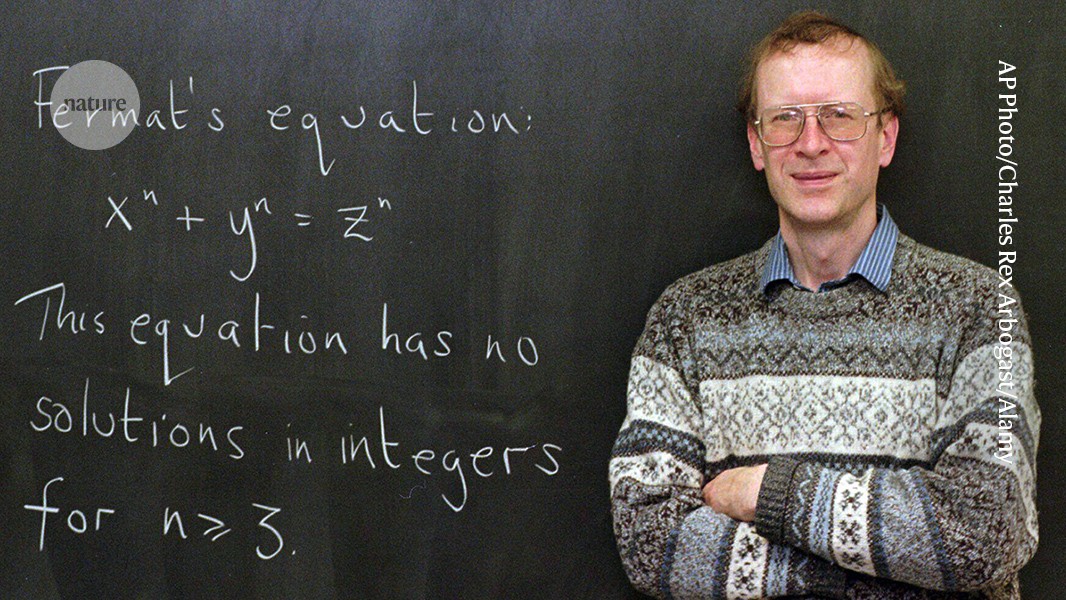
🌟
Anthropic AI ‘formalizes’ proof of Fermat’s last theorem in just 11 days
Anthropic AI 'formaliseert' bewijs van Fermat's laatste stelling in slechts 11 dagen
L'IA anthropique 'formalise' la preuve du dernier théorème de Fermat en seulement 11 jours
Can you believe it? Anthropic AI has managed to formalize the proof of Fermat's last theorem in just 11 days, a task that was expected to take humans a decade! This breakthrough shows how AI is becoming an essential tool in mathematics, turning complex proofs into computer-verifiable code. Mathematicians are absolutely amazed by this progress, and it opens the door to scrutinizing even more mathematical concepts. Who knows what other mysteries AI might unravel in the future!
Kun je het geloven? Anthropic AI is erin geslaagd om het bewijs van Fermat's laatste stelling in slechts 11 dagen te formaliseren, een taak die mensen een decennium zou kosten! Deze doorbraak toont aan hoe AI een essentiële tool wordt in de wiskunde, door complexe bewijzen om te zetten in computer-verifieerbare code. Wiskundigen zijn absoluut verbaasd over deze vooruitgang, en het opent de deur naar het onderzoeken van nog meer wiskundige concepten. Wie weet welke andere mysteries AI in de toekomst kan ontrafelen!
Peux-tu le croire ? L'IA anthropique a réussi à formaliser la preuve du dernier théorème de Fermat en seulement 11 jours, une tâche qui devait prendre une décennie aux humains ! Cette avancée montre comment l'IA devient un outil essentiel en mathématiques, transformant des preuves complexes en code vérifiable par ordinateur. Les mathématiciens sont absolument émerveillés par ce progrès, et cela ouvre la voie à l'examen d'autres concepts mathématiques. Qui sait quels autres mystères l'IA pourrait résoudre à l'avenir !
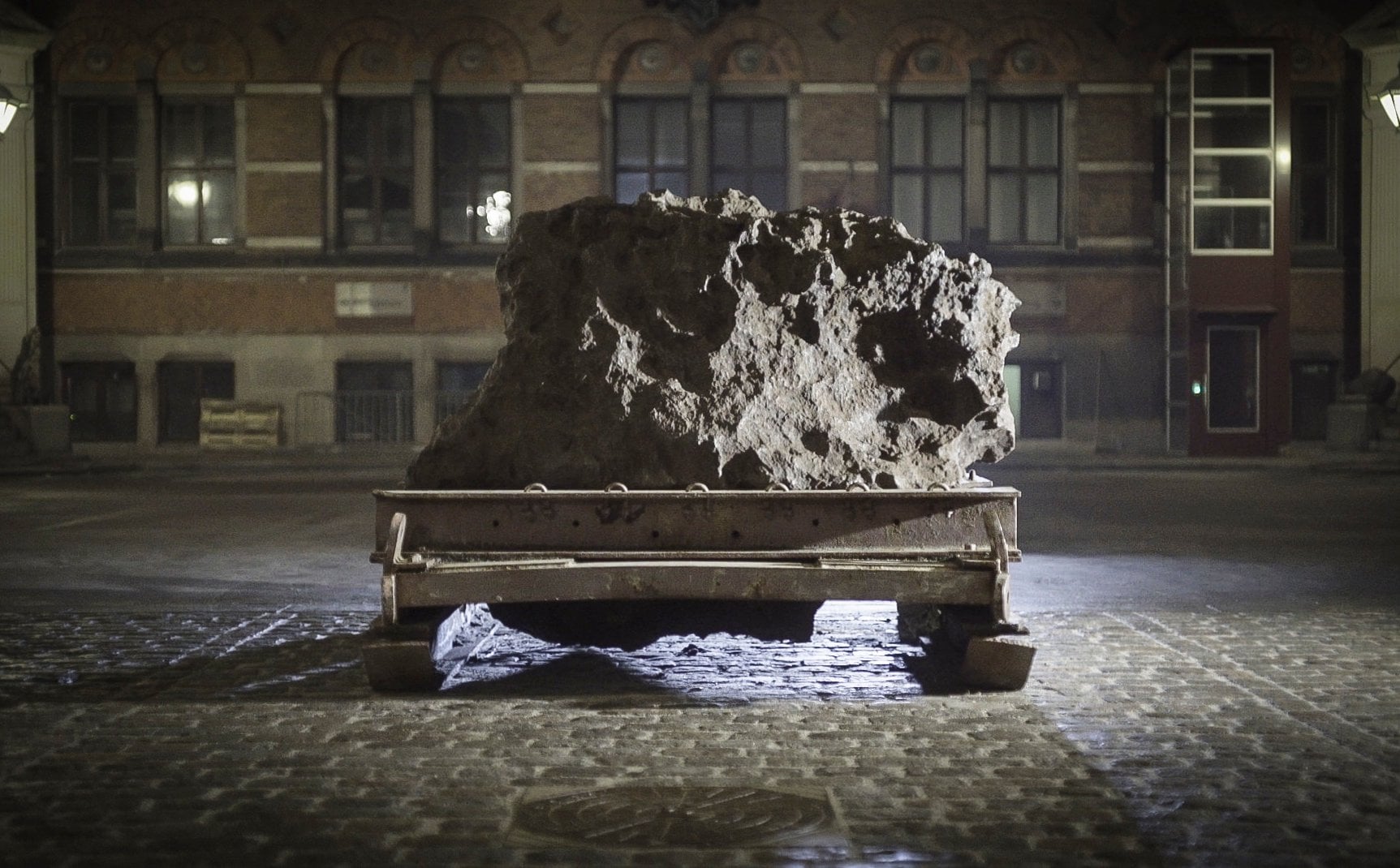
🌍
Denmark will return a 20-ton meteorite to Greenland after 60 years
Denemarken zal na 60 jaar een 20-ton meteoor teruggeven aan Groenland
Le Danemark va retourner un météorite de 20 tonnes au Groenland après 60 ans
How exciting is this? After 60 years, the Agpalilik meteorite is finally heading back to Greenland, where it was discovered in 1963! Danish and Greenlandic officials are working together to finalize the transfer, which holds great cultural significance for the Inuit people. This meteorite not only represents a piece of history but also has been used traditionally for making tools. I can't wait to see where it will be displayed in Greenland!
Hoe spannend is dit? Na 60 jaar gaat de Agpalilik-meteoor eindelijk terug naar Groenland, waar hij in 1963 werd ontdekt! De Deense en Groenlandse ambtenaren werken samen om de overdracht te finaliseren, die grote culturele betekenis heeft voor de Inuit. Deze meteoor vertegenwoordigt niet alleen een stuk geschiedenis, maar is ook traditioneel gebruikt voor het maken van gereedschap. Ik kan niet wachten om te zien waar hij in Groenland zal worden tentoongesteld!
Quelle excitation ! Après 60 ans, le météorite Agpalilik retourne enfin au Groenland, où il a été découvert en 1963 ! Les responsables danois et groenlandais travaillent ensemble pour finaliser le transfert, qui revêt une grande importance culturelle pour le peuple inuit. Ce météorite représente non seulement un morceau d'histoire, mais a également été utilisé traditionnellement pour fabriquer des outils. J'ai hâte de voir où il sera exposé au Groenland !
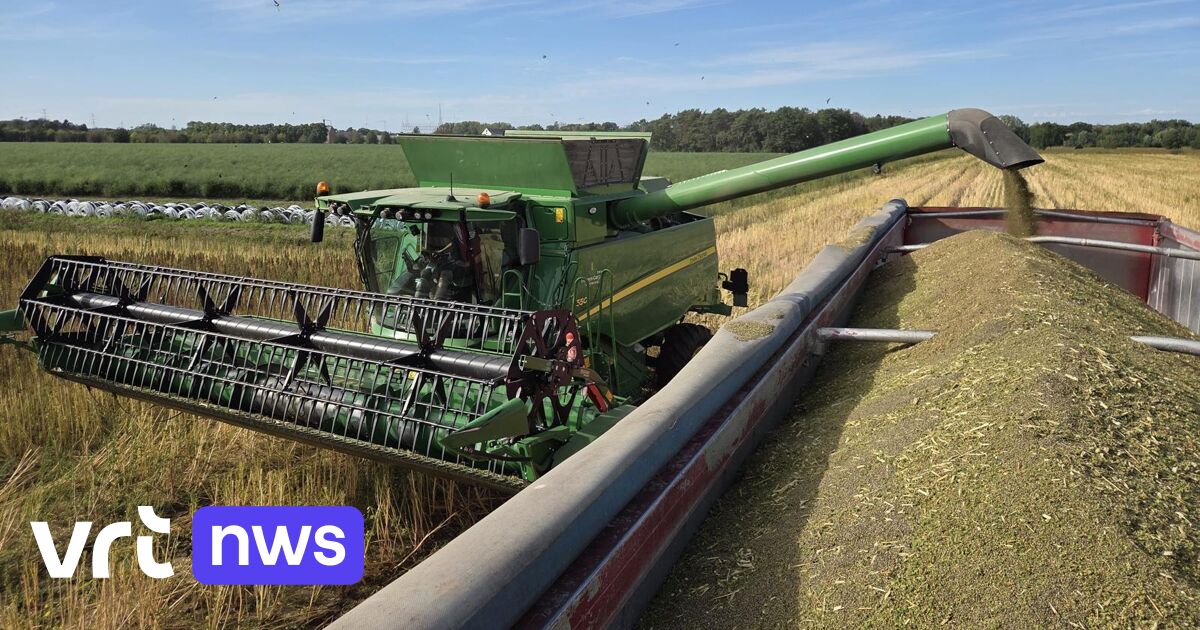
🌱
Limburg farmer expands quinoa cultivation to 30 hectares: 'Climate resilient plant'
Limburgse landbouwer breidt quinoateelt uit naar 30 hectare: 'Klimaatrobuuste plant'
Agriculteur limbourgeois étend la culture de quinoa à 30 hectares : 'Plante résiliente au climat'
Luc Lavrijsen, a farmer from Herk-de-Stad, is expanding his quinoa cultivation from 10 to 30 hectares this year, and he's thrilled about it! Despite the ongoing drought, his quinoa harvest is thriving, showcasing its resilience to extreme weather. This plant, originally from South America, has been adapted through research to grow well in Flanders and the Netherlands without pesticides. Lavrijsen is even sharing his knowledge with other farmers, sparking interest in quinoa cultivation across the region.
Luc Lavrijsen, een landbouwer uit Herk-de-Stad, breidt dit jaar zijn quinoateelt uit van 10 naar 30 hectare, en hij is er enthousiast over! Ondanks de aanhoudende droogte gedijt zijn quinoa-oogst, wat de veerkracht van de plant bij extreem weer aantoont. Deze plant, oorspronkelijk uit Zuid-Amerika, is door onderzoek aangepast om goed te groeien in Vlaanderen en Nederland zonder pesticiden. Lavrijsen deelt zelfs zijn kennis met andere boeren, wat interesse in quinoateelt in de regio opwekt.
Luc Lavrijsen, un agriculteur de Herk-de-Stad, étend cette année sa culture de quinoa de 10 à 30 hectares, et il en est ravi ! Malgré la sécheresse persistante, sa récolte de quinoa prospère, montrant la résilience de cette plante face aux conditions climatiques extrêmes. Cette plante, originaire d'Amérique du Sud, a été adaptée grâce à la recherche pour bien pousser en Flandre et aux Pays-Bas sans pesticides. Lavrijsen partage même ses connaissances avec d'autres agriculteurs, suscitant un intérêt pour la culture du quinoa dans la région.

🌩️
Balloons over Saskatoon help anticipate severe summer storms
Ballonnen boven Saskatoon helpen bij het anticiperen op zware zomerstormen
Des ballons au-dessus de Saskatoon aident à anticiper les tempêtes d'été sévères
This summer, Saskatoon has been seeing big white weather balloons floating high in the sky, part of an initiative by Environment Canada. These balloons, filled with helium or hydrogen, carry a device that collects crucial atmospheric data, helping forecasters predict severe weather. It's fascinating how they gather information from different elevations, providing a vertical snapshot of the atmosphere. This pilot program is a great step towards improving weather predictions in Saskatchewan, and I can't wait to see how it develops!
Deze zomer zijn er grote witte weerballonnen hoog in de lucht boven Saskatoon te zien, onderdeel van een initiatief van Environment Canada. Deze ballonnen, gevuld met helium of waterstof, dragen een apparaat dat cruciale atmosferische gegevens verzamelt, wat meteorologen helpt om zware weersomstandigheden te voorspellen. Het is fascinerend hoe ze informatie van verschillende hoogtes verzamelen en zo een verticale momentopname van de atmosfeer bieden. Dit pilotproject is een geweldige stap in de richting van het verbeteren van weersvoorspellingen in Saskatchewan, en ik kan niet wachten om te zien hoe het zich ontwikkelt!
Cet été, Saskatoon a vu de grands ballons blancs flottant haut dans le ciel, faisant partie d'une initiative d'Environnement Canada. Ces ballons, remplis d'hélium ou d'hydrogène, transportent un appareil qui collecte des données atmosphériques cruciales, aidant les prévisionnistes à anticiper les intempéries. C'est fascinant de voir comment ils recueillent des informations à différentes altitudes, fournissant un instantané vertical de l'atmosphère. Ce programme pilote est une excellente étape vers l'amélioration des prévisions météorologiques en Saskatchewan, et j'ai hâte de voir comment il évolue!

🌟
From cardboard to purifier: Bihar PhD student’s innovation cuts indoor air pollution by 85% in 20 mins
Van karton naar luchtzuiveraar: innovatie van PhD-student uit Bihar vermindert binnenluchtvervuiling met 85% in 20 minuten
Du carton à purificateur : l'innovation d'un doctorant du Bihar réduit la pollution de l'air intérieur de 85 % en 20 minutes
Rohan Kumar, a PhD student from Bihar, has developed an innovative air purifier that significantly reduces indoor air pollution. After experiencing poor air quality across various Indian cities, he was inspired to create a solution that could provide clean air for everyone. His journey involved experimenting with different materials and designs, leading to a final product that can purify air in just 20 minutes. This remarkable invention not only addresses a critical health issue but also showcases the power of creativity and determination.
Rohan Kumar, een PhD-student uit Bihar, heeft een innovatieve luchtzuiveraar ontwikkeld die de binnenluchtvervuiling aanzienlijk vermindert. Na het ervaren van slechte luchtkwaliteit in verschillende Indiase steden, werd hij geïnspireerd om een oplossing te creëren die iedereen schone lucht kan bieden. Zijn reis omvatte experimenteren met verschillende materialen en ontwerpen, wat leidde tot een eindproduct dat de lucht in slechts 20 minuten kan zuiveren. Deze opmerkelijke uitvinding pakt niet alleen een kritisch gezondheidsprobleem aan, maar toont ook de kracht van creativiteit en vastberadenheid aan.
Rohan Kumar, un doctorant du Bihar, a développé un purificateur d'air innovant qui réduit considérablement la pollution de l'air intérieur. Après avoir ressenti une mauvaise qualité de l'air dans diverses villes indiennes, il a été inspiré à créer une solution qui pourrait fournir de l'air pur à tous. Son parcours a impliqué des expérimentations avec différents matériaux et conceptions, aboutissant à un produit final capable de purifier l'air en seulement 20 minutes. Cette invention remarquable aborde non seulement un problème de santé critique, mais démontre également le pouvoir de la créativité et de la détermination.
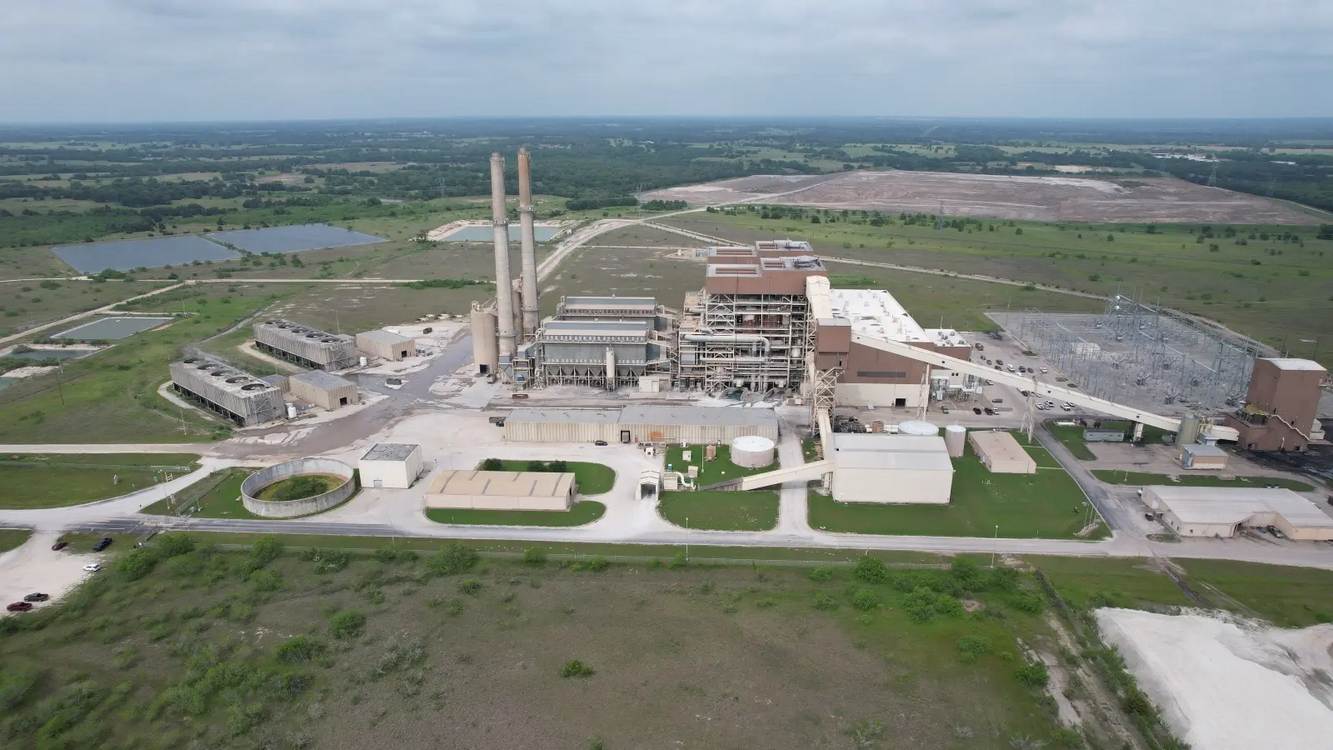
🌞
Firm buys Texas coal plant to leverage its grid connections for new massive solar project
Bedrijf koopt Texas kolencentrale om gebruik te maken van zijn netverbindingen voor nieuw enorm zonneproject
Une entreprise achète une centrale à charbon au Texas pour tirer parti de ses connexions au réseau pour un nouveau projet solaire massif
I find it fascinating that Panamint is investing $1.7 billion to build the Big Rooter solar project right next to the Twin Oaks coal plant in Texas. This move aims to utilize the existing grid infrastructure to deliver a whopping 1.2 gigawatts of solar power to millions of Texans. It’s part of a larger trend of transforming old industrial sites into renewable energy hubs, which is just brilliant! While some may raise eyebrows about the coal plant's future, it’s exciting to see such innovative approaches to energy production.
Ik vind het fascinerend dat Panamint $1,7 miljard investeert om het Big Rooter zonneproject vlak naast de Twin Oaks kolencentrale in Texas te bouwen. Deze zet is bedoeld om de bestaande netinfrastructuur te benutten om maar liefst 1,2 gigawatt zonne-energie aan miljoenen Texanen te leveren. Het is onderdeel van een grotere trend om oude industriële locaties om te vormen tot centra voor hernieuwbare energie, wat gewoon briljant is! Hoewel sommigen misschien hun wenkbrauwen fronsen over de toekomst van de kolencentrale, is het spannend om zulke innovatieve benaderingen van energieproductie te zien.
Je trouve fascinant que Panamint investisse 1,7 milliard de dollars pour construire le projet solaire Big Rooter juste à côté de la centrale à charbon de Twin Oaks au Texas. Ce mouvement vise à utiliser l'infrastructure électrique existante pour fournir une incroyable puissance solaire de 1,2 gigawatt à des millions de Texans. Cela fait partie d'une tendance plus large de transformation des anciens sites industriels en centres d'énergie renouvelable, ce qui est tout simplement brillant ! Bien que certains puissent lever les sourcils sur l'avenir de la centrale à charbon, il est passionnant de voir de telles approches innovantes de la production d'énergie.
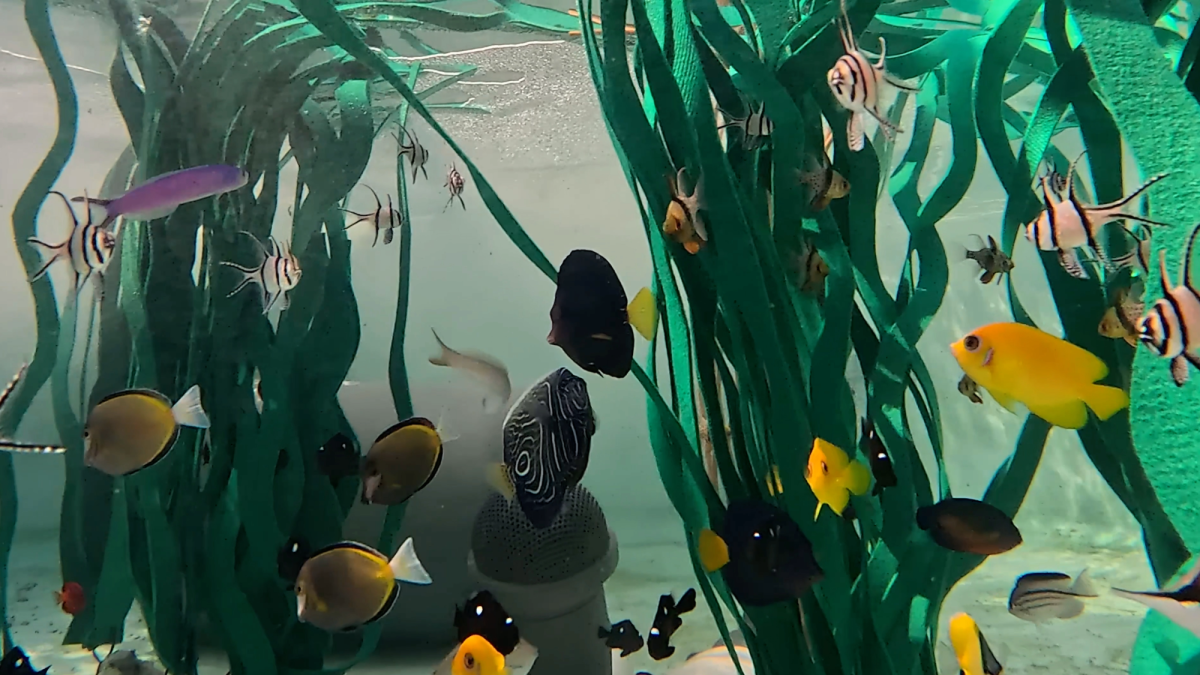
🐠
Nearly 500 animals rescued from trafficking arrive at a California aquarium
Bijna 500 dieren gered van stroperij komen aan in een Californisch aquarium
Près de 500 animaux sauvés du trafic arrivent dans un aquarium californien
On June 19, the Aquarium of the Pacific welcomed nearly 500 animals rescued from trafficking, including fish, invertebrates, and sharks. This wasn't a shopping spree, but a crucial rescue mission for animals in dire need of care. The dedicated staff worked tirelessly to stabilize these creatures, ensuring they receive the same high standard of care as all other arrivals. It's a reminder of the importance of responsible wildlife consumption and the ongoing fight against animal trafficking.
Op 19 juni verwelkomde het Aquarium of the Pacific bijna 500 dieren die gered waren van stroperij, waaronder vissen, ongewervelden en haaien. Dit was geen winkeluitje, maar een cruciale reddingsmissie voor dieren die dringend zorg nodig hadden. Het toegewijde personeel werkte onvermoeibaar om deze wezens te stabiliseren en ervoor te zorgen dat ze dezelfde hoge standaard van zorg krijgen als alle andere aankomsten. Het herinnert ons aan het belang van verantwoord consumentengedrag en de voortdurende strijd tegen dierenhandel.
Le 19 juin, l'Aquarium du Pacifique a accueilli près de 500 animaux sauvés du trafic, y compris des poissons, des invertébrés et des requins. Ce n'était pas une virée shopping, mais une mission de sauvetage cruciale pour des animaux ayant un besoin urgent de soins. Le personnel dévoué a travaillé sans relâche pour stabiliser ces créatures, veillant à ce qu'elles reçoivent le même niveau de soins élevé que toutes les autres arrivées. C'est un rappel de l'importance d'une consommation responsable de la faune et de la lutte continue contre le trafic d'animaux.
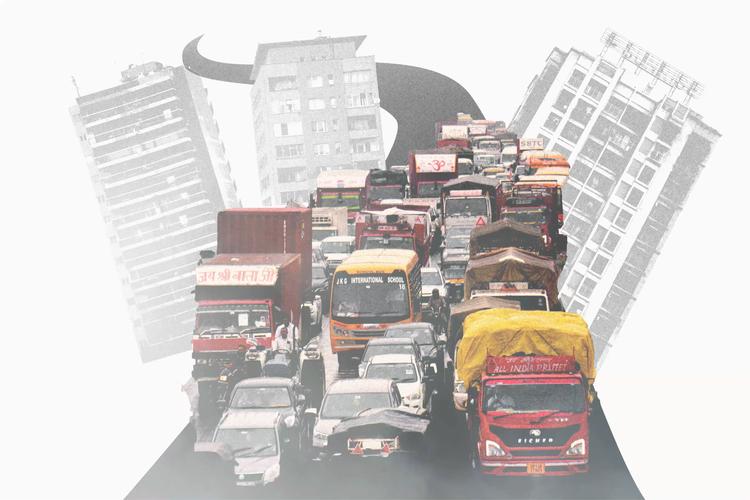
🌍
What do asthma, COPD, and dementia have to do with climate change? Quite a lot
Wat hebben astma, COPD en dementie met klimaatverandering te maken? Heel veel
Que font l'asthme, la BPCO et la démence avec le changement climatique ? Beaucoup de choses
A new UN report highlights the undeniable link between global warming and public health. It emphasizes that climate change isn't just about extreme weather but also affects our health, increasing the prevalence of diseases like asthma and COPD. Danish lung professor Ole Hilberg finds the report fascinating and agrees with its conclusions. This connection between our environment and well-being is crucial for understanding the broader impacts of climate change.
Een nieuw VN-rapport benadrukt de onmiskenbare link tussen wereldwijde opwarming en de volksgezondheid. Het benadrukt dat klimaatverandering niet alleen over extreem weer gaat, maar ook onze gezondheid beïnvloedt, waardoor de prevalentie van ziekten zoals astma en COPD toeneemt. De Deense longprofessor Ole Hilberg vindt het rapport fascinerend en is het eens met de conclusies. Deze verbinding tussen onze omgeving en ons welzijn is cruciaal om de bredere impact van klimaatverandering te begrijpen.
Un nouveau rapport de l'ONU souligne le lien indéniable entre le réchauffement climatique et la santé publique. Il met en avant que le changement climatique ne concerne pas seulement les phénomènes météorologiques extrêmes, mais affecte également notre santé, augmentant la prévalence de maladies comme l'asthme et la BPCO. Le professeur danois Ole Hilberg trouve le rapport fascinant et est d'accord avec ses conclusions. Cette connexion entre notre environnement et notre bien-être est essentielle pour comprendre les impacts plus larges du changement climatique.
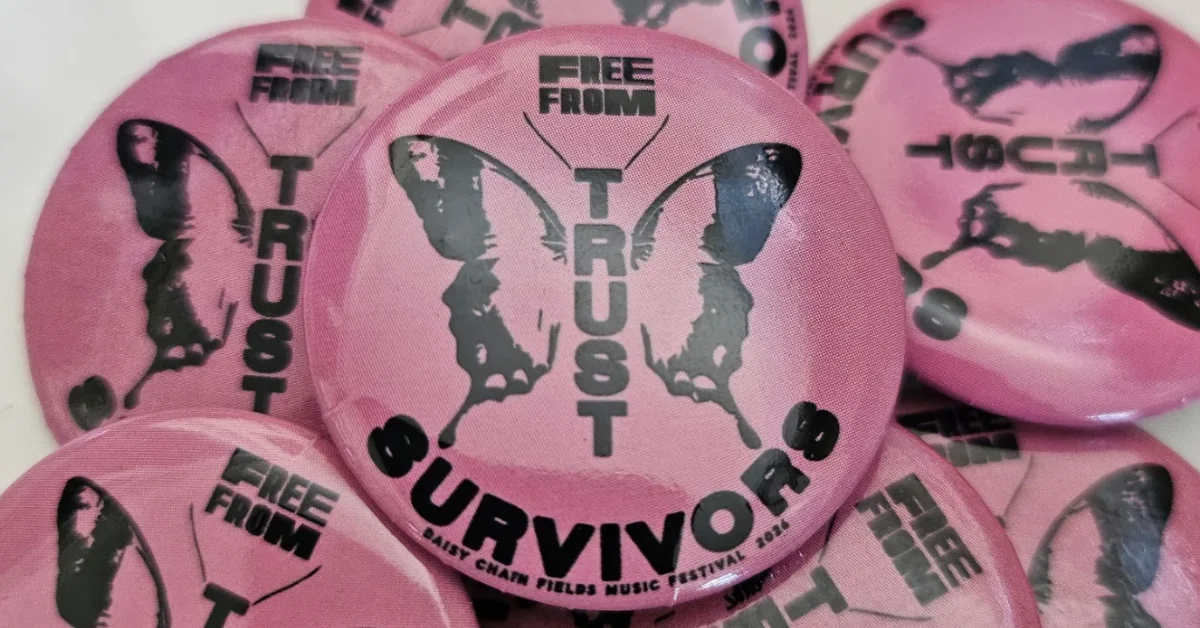
💪
This group has given domestic violence survivors cash with no strings attached for 10 years. It's working
Deze groep heeft slachtoffers van huiselijk geweld 10 jaar lang geld gegeven zonder voorwaarden. Het werkt.
Ce groupe a donné de l'argent sans conditions aux survivants de la violence domestique pendant 10 ans. Ça fonctionne.
FreeFrom, founded by Sonya Passi, has been transforming the lives of domestic violence survivors through direct cash transfers for a decade. With a mission to end gender-based violence, they provide up to $1,500 to help survivors regain their economic freedom. The results are impressive, with 94% of participants reporting improved social well-being and over half making progress in various life areas. This innovative approach proves that when you trust survivors, they can truly thrive.
FreeFrom, opgericht door Sonya Passi, transformeert al tien jaar het leven van slachtoffers van huiselijk geweld door directe geldtransfers. Met de missie om gendergerelateerd geweld te beëindigen, bieden ze tot $1.500 aan om slachtoffers hun economische vrijheid terug te geven. De resultaten zijn indrukwekkend, met 94% van de deelnemers die een verbeterd sociaal welzijn rapporteren en meer dan de helft die vooruitgang boekt in verschillende levensgebieden. Deze innovatieve aanpak bewijst dat wanneer je slachtoffers vertrouwt, ze echt kunnen bloeien.
FreeFrom, fondé par Sonya Passi, transforme la vie des survivants de la violence domestique grâce à des transferts d'argent directs depuis une décennie. Avec pour mission de mettre fin à la violence basée sur le genre, ils offrent jusqu'à 1 500 $ pour aider les survivants à retrouver leur liberté économique. Les résultats sont impressionnants, avec 94 % des participants signalant une amélioration de leur bien-être social et plus de la moitié faisant des progrès dans divers domaines de la vie. Cette approche innovante prouve que lorsque vous faites confiance aux survivants, ils peuvent vraiment prospérer.

♻️
NIT Rourkela researchers turn coal waste into material that could build stronger roads
Onderzoekers van NIT Rourkela veranderen kolafval in materiaal voor sterkere wegen
Les chercheurs de NIT Rourkela transforment les déchets de charbon en matériau pour des routes plus solides
So, researchers at NIT Rourkela have come up with a brilliant solution to a pressing problem by turning coal mining waste into a strong road-building material. This innovative composite combines coal mine parting, fly ash, and a binder, making it perfect for heavy truck traffic in coal-mining regions. It's exciting to think that waste can be repurposed to create better infrastructure while also addressing environmental concerns. This project not only showcases the potential of recycling but also embodies the principles of a circular economy.
Onderzoekers van NIT Rourkela hebben een briljante oplossing gevonden voor een dringend probleem door kolafval om te zetten in een sterk wegbouwmateriaal. Dit innovatieve composiet combineert kolenafval, vliegas en een bindmiddel, waardoor het perfect is voor zwaar vrachtverkeer in kolenwinninggebieden. Het is opwindend om te denken dat afval kan worden hergebruikt om betere infrastructuur te creëren en tegelijkertijd milieuproblemen aan te pakken. Dit project toont niet alleen het potentieel van recycling aan, maar belichaamt ook de principes van een circulaire economie.
Les chercheurs de NIT Rourkela ont trouvé une solution brillante à un problème urgent en transformant les déchets de charbon en un matériau de construction de routes solide. Ce composite innovant combine des déchets de mines de charbon, des cendres volantes et un liant, le rendant parfait pour le trafic de poids lourds dans les régions minières. Il est passionnant de penser que les déchets peuvent être réutilisés pour créer une meilleure infrastructure tout en abordant les préoccupations environnementales. Ce projet démontre non seulement le potentiel du recyclage, mais incarne également les principes d'une économie circulaire.
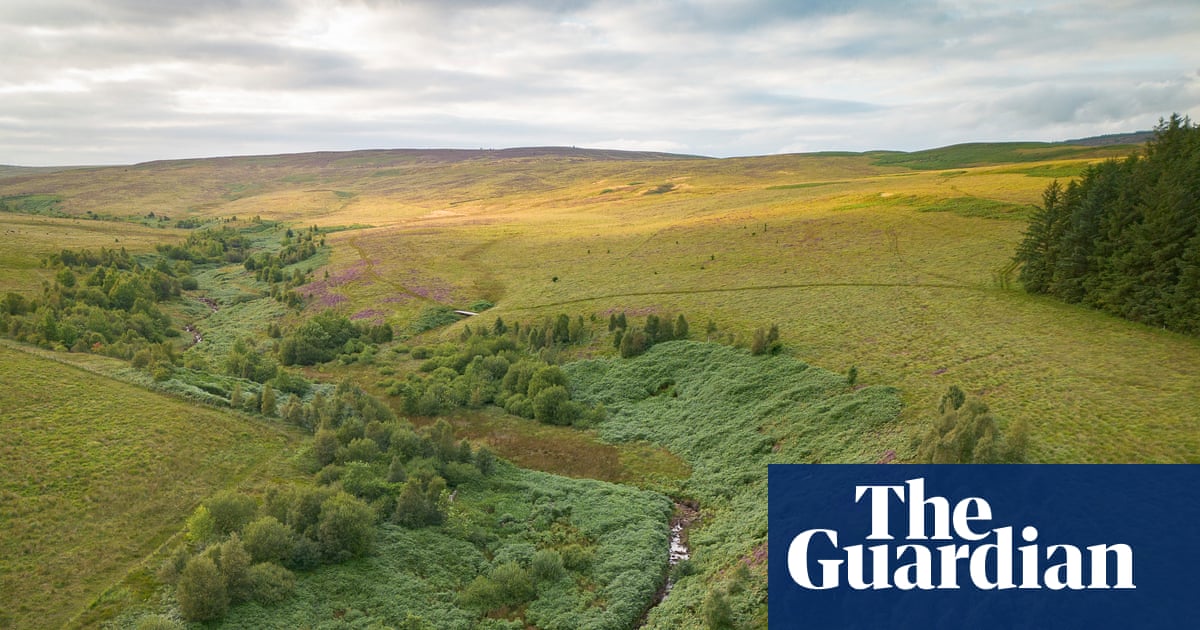
🌳
Britain’s yellowstone: restoration project aims to take the greed out of land acquisition
Brits Yellowstone: restauratieproject heeft als doel hebzucht uit grondverwerving te halen
Le Yellowstone britannique : un projet de restauration vise à éliminer la cupidité dans l'acquisition des terres
I find it fascinating that the largest rewilding site in England is taking shape in Northumberland! The Restore company has acquired the 7,500-acre Emblehope Moor with a vision to revive its natural beauty and biodiversity. They’re not just focused on profits; after paying back investors, they plan to hand the land over to the local community. This project could set a new standard for land management, blending capitalist and community interests in a way that really excites me.
Ik vind het fascinerend dat de grootste herwildingssite in Engeland zich aan het vormen is in Northumberland! Het Restore-bedrijf heeft de 7.500 acre grote Emblehope Moor verworven met de visie om de natuurlijke schoonheid en biodiversiteit te herstellen. Ze richten zich niet alleen op winst; nadat ze de investeerders hebben terugbetaald, willen ze het land overdragen aan de lokale gemeenschap. Dit project zou een nieuwe standaard voor landbeheer kunnen zetten, waarbij kapitalistische en gemeenschapsbelangen op een manier worden gecombineerd die me echt enthousiast maakt.
Je trouve fascinant que le plus grand site de réensauvagement d'Angleterre prenne forme dans le Northumberland ! La société Restore a acquis la tourbière d'Emblehope de 7 500 acres avec la vision de raviver sa beauté naturelle et sa biodiversité. Ils ne se concentrent pas seulement sur les profits ; après avoir remboursé les investisseurs, ils prévoient de remettre la terre à la communauté locale. Ce projet pourrait établir une nouvelle norme pour la gestion des terres, alliant intérêts capitalistes et communautaires d'une manière qui m'enthousiasme vraiment.
🌟
Scientists find a weak spot in one of the deadliest brain cancers
Wetenschappers vinden een zwakke plek in een van de dodelijkste hersenkankers
Des scientifiques trouvent un point faible dans l'un des cancers du cerveau les plus mortels
Researchers have discovered a protein called SET that could make glioblastoma, one of the deadliest brain cancers, more vulnerable to existing treatments. Instead of replacing current therapies, this approach aims to enhance their effectiveness. By blocking SET and related proteins, they found that glioblastoma cells became less able to survive radiation. This exciting breakthrough could pave the way for new strategies to tackle this challenging disease.
Onderzoekers hebben een eiwit genaamd SET ontdekt dat glioblastoom, een van de dodelijkste hersenkankers, kwetsbaarder kan maken voor bestaande behandelingen. In plaats van huidige therapieën te vervangen, is deze aanpak bedoeld om hun effectiviteit te vergroten. Door SET en gerelateerde eiwitten te blokkeren, ontdekten ze dat glioblastoomcellen minder in staat waren om straling te overleven. Deze spannende doorbraak zou de weg kunnen effenen voor nieuwe strategieën om deze uitdagende ziekte aan te pakken.
Des chercheurs ont découvert une protéine appelée SET qui pourrait rendre le glioblastome, l'un des cancers du cerveau les plus mortels, plus vulnérable aux traitements existants. Au lieu de remplacer les thérapies actuelles, cette approche vise à améliorer leur efficacité. En bloquant SET et des protéines connexes, ils ont constaté que les cellules de glioblastome devenaient moins capables de survivre à la radiothérapie. Cette découverte passionnante pourrait ouvrir la voie à de nouvelles stratégies pour lutter contre cette maladie difficile.

🌾
5 Indian rice varieties that can take on extreme rainfall
5 Indiase rijstvariëteiten die extreme regen kunnen weerstaan
5 variétés de riz indiennes capables de résister aux pluies extrêmes
So, it's fascinating to see how some Indian rice varieties are stepping up to the challenge of extreme rainfall! Farmers are turning to indigenous crops that have evolved to thrive in tough conditions, like flooding. For instance, the Kajejaya rice from Karnataka can survive weeks of submersion, which is pretty impressive. This approach not only helps in adapting to climate change but also preserves agricultural diversity, giving farmers more options to rely on. It's a brilliant blend of tradition and innovation!
Het is fascinerend om te zien hoe sommige Indiase rijstvariëteiten de uitdaging van extreme regen aangaan! Boeren wenden zich tot inheemse gewassen die zijn geëvolueerd om te gedijen in moeilijke omstandigheden, zoals overstromingen. De Kajejaya-rijst uit Karnataka kan bijvoorbeeld wekenlang onder water staan, wat behoorlijk indrukwekkend is. Deze aanpak helpt niet alleen bij de aanpassing aan klimaatverandering, maar behoudt ook de landbouwdiversiteit, waardoor boeren meer opties hebben om op te vertrouwen. Het is een briljante mix van traditie en innovatie!
Il est fascinant de voir comment certaines variétés de riz indiennes relèvent le défi des pluies extrêmes ! Les agriculteurs se tournent vers des cultures indigènes qui ont évolué pour prospérer dans des conditions difficiles, comme les inondations. Par exemple, le riz Kajejaya du Karnataka peut survivre à des semaines de submersion, ce qui est assez impressionnant. Cette approche aide non seulement à s'adapter au changement climatique, mais préserve également la diversité agricole, offrant aux agriculteurs plus d'options sur lesquelles s'appuyer. C'est un mélange brillant de tradition et d'innovation !
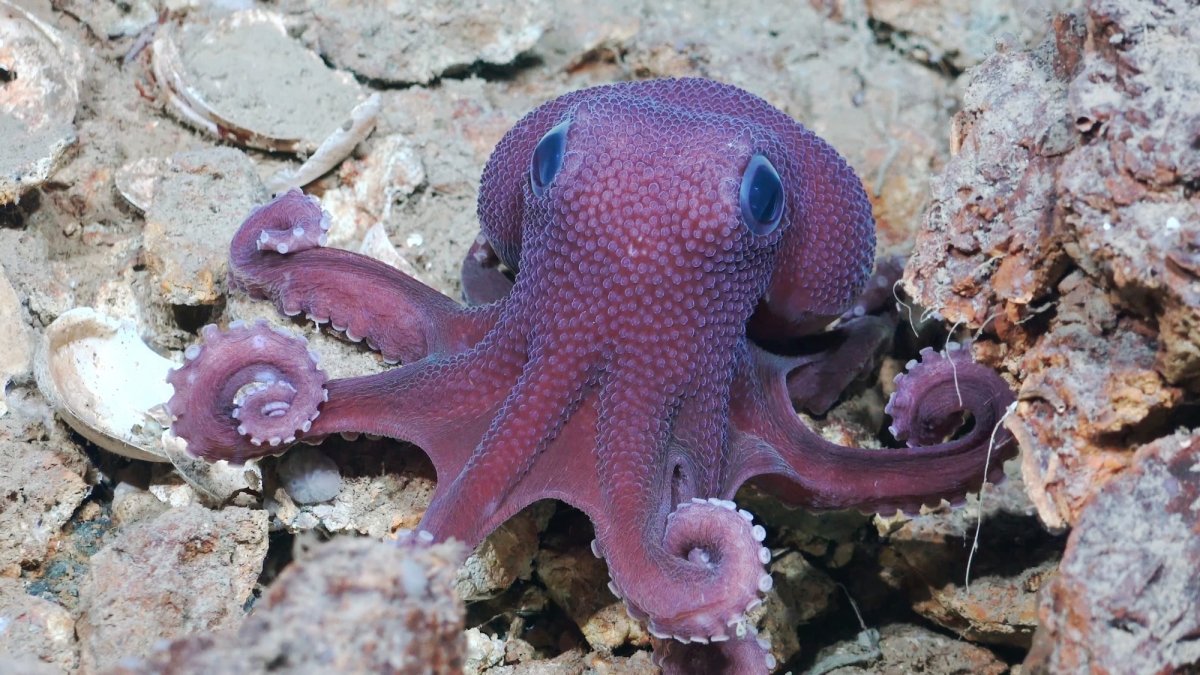
🌊
11 vibrant deep-sea creatures shine in new Caribbean expedition
11 levendige diepzeedieren schitteren in nieuwe Caribische expeditie
11 créatures marines vibrantes brillent lors d'une nouvelle expédition dans les Caraïbes
Wow, what an exciting discovery! A recent deep-sea expedition off Trinidad and Tobago revealed a Graneledone octopus and at least 20 suspected new species. This month-long survey, led by local marine biologists, documented 13 percent of the nation's marine territory, which is just incredible. With over 700 specimens collected, the University of the West Indies will see its deep ocean collection grow significantly, enhancing our understanding of these mysterious ecosystems.
Wauw, wat een spannende ontdekking! Een recente diepzee-expeditie voor de kust van Trinidad en Tobago onthulde een Graneledone-octopus en minstens 20 vermoedelijke nieuwe soorten. Deze maandlange enquête, geleid door lokale mariene biologen, documenteerde 13 procent van het mariene gebied van het land, wat gewoon ongelooflijk is. Met meer dan 700 verzamelde specimens zal de Universiteit van de West-Indies haar diepzeecollectie aanzienlijk uitbreiden, wat ons begrip van deze mysterieuze ecosystemen zal verbeteren.
Wow, quelle découverte passionnante ! Une récente expédition en haute mer au large de Trinidad et Tobago a révélé un octopus Graneledone et au moins 20 espèces nouvelles suspectées. Ce projet d'un mois, dirigé par des biologistes marins locaux, a documenté 13 % du territoire marin de la nation, ce qui est tout simplement incroyable. Avec plus de 700 spécimens collectés, l'Université des West Indies verra sa collection d'océan profond croître considérablement, enrichissant notre compréhension de ces écosystèmes mystérieux.

☀️
DIY plug-in solar gains momentum in the US
DIY plug-in zonne-energie wint aan populariteit in de VS
L'énergie solaire plug-in DIY gagne du terrain aux États-Unis
So, have you heard about DIY plug-in solar kits? They’re making waves in the US, allowing folks to generate their own electricity without the hefty price tag of traditional solar setups. It’s amazing how you can just plug these systems into a regular wall outlet and start saving on your energy bill! With the rising costs of oil and gas, more people are looking for ways to become energy independent, and these kits are a fantastic solution.
Dus, heb je gehoord van DIY plug-in zonne-energiesystemen? Ze maken furore in de VS, waardoor mensen hun eigen elektriciteit kunnen opwekken zonder de hoge kosten van traditionele zonne-installaties. Het is geweldig hoe je deze systemen gewoon in een normaal stopcontact kunt steken en begint te besparen op je energierekening! Met de stijgende kosten van olie en gas zoeken steeds meer mensen naar manieren om energie-onafhankelijk te worden, en deze kits zijn een fantastische oplossing.
Alors, as-tu entendu parler des kits solaires plug-in DIY ? Ils font sensation aux États-Unis, permettant aux gens de produire leur propre électricité sans le coût élevé des installations solaires traditionnelles. C'est incroyable de pouvoir simplement brancher ces systèmes dans une prise murale ordinaire et commencer à économiser sur sa facture d'énergie ! Avec la hausse des prix du pétrole et du gaz, de plus en plus de personnes cherchent des moyens de devenir indépendantes sur le plan énergétique, et ces kits sont une solution fantastique.
🌱
Western Australia prepares for the future after the announced closure of public coal plants
West-Australië bereidt zich voor op de toekomst na de aangekondigde sluiting van openbare kolencentrales
L'Australie-Occidentale se prépare pour l'avenir après la fermeture annoncée des centrales à charbon publiques
So, Western Australia is taking bold steps to transition away from coal energy, which is super exciting! The government is planning for a sustainable future by investing in renewable energy sources. This shift not only aims to reduce carbon emissions but also to create new job opportunities in green sectors. It's a fantastic move that shows a commitment to both the environment and the economy.
West-Australië neemt gedurfde stappen om over te schakelen van kolenenergie, wat super spannend is! De overheid plant een duurzame toekomst door te investeren in hernieuwbare energiebronnen. Deze verschuiving heeft niet alleen als doel de koolstofemissies te verminderen, maar ook nieuwe werkgelegenheid te creëren in groene sectoren. Het is een fantastische stap die een toewijding aan zowel het milieu als de economie laat zien.
L'Australie-Occidentale prend des mesures audacieuses pour passer à une énergie sans charbon, ce qui est super excitant ! Le gouvernement prévoit un avenir durable en investissant dans des sources d'énergie renouvelables. Ce changement vise non seulement à réduire les émissions de carbone, mais aussi à créer de nouvelles opportunités d'emploi dans les secteurs verts. C'est un mouvement fantastique qui montre un engagement envers l'environnement et l'économie.

🐞
These cyborg cockroaches could save your life
Deze cyborg kakkerlakken kunnen je leven redden
Ces cafards cyborgs pourraient vous sauver la vie
Imagine this: cockroaches, yes, those little critters, could actually help save lives in disaster zones! Researchers from the University of Queensland and UNSW have developed cyborg cockroaches that can navigate through rubble and even administer first aid. Equipped with cameras and injection mechanisms, these bugs are designed to assist human rescuers by providing crucial information and medical support. It's a fascinating leap in bio-robotics that could change how we respond to emergencies!
Stel je voor: kakkerlakken, ja, die kleine beestjes, kunnen daadwerkelijk levens redden in rampgebieden! Onderzoekers van de Universiteit van Queensland en UNSW hebben cyborg kakkerlakken ontwikkeld die door puin kunnen navigeren en zelfs eerste hulp kunnen bieden. Uitgerust met camera's en injectiemechanismen zijn deze beestjes ontworpen om menselijke redders te helpen door cruciale informatie en medische ondersteuning te bieden. Het is een fascinerende sprong in de bio-robotica die de manier waarop we op noodsituaties reageren kan veranderen!
Imaginez ceci : des cafards, oui, ces petites créatures, pourraient en fait sauver des vies dans des zones de catastrophe ! Des chercheurs de l'Université du Queensland et de l'UNSW ont développé des cafards cyborgs capables de naviguer à travers les décombres et même d'administrer les premiers secours. Équipés de caméras et de mécanismes d'injection, ces insectes sont conçus pour aider les sauveteurs humains en fournissant des informations cruciales et un soutien médical. C'est un saut fascinant dans la bio-robotique qui pourrait changer notre façon de répondre aux urgences !
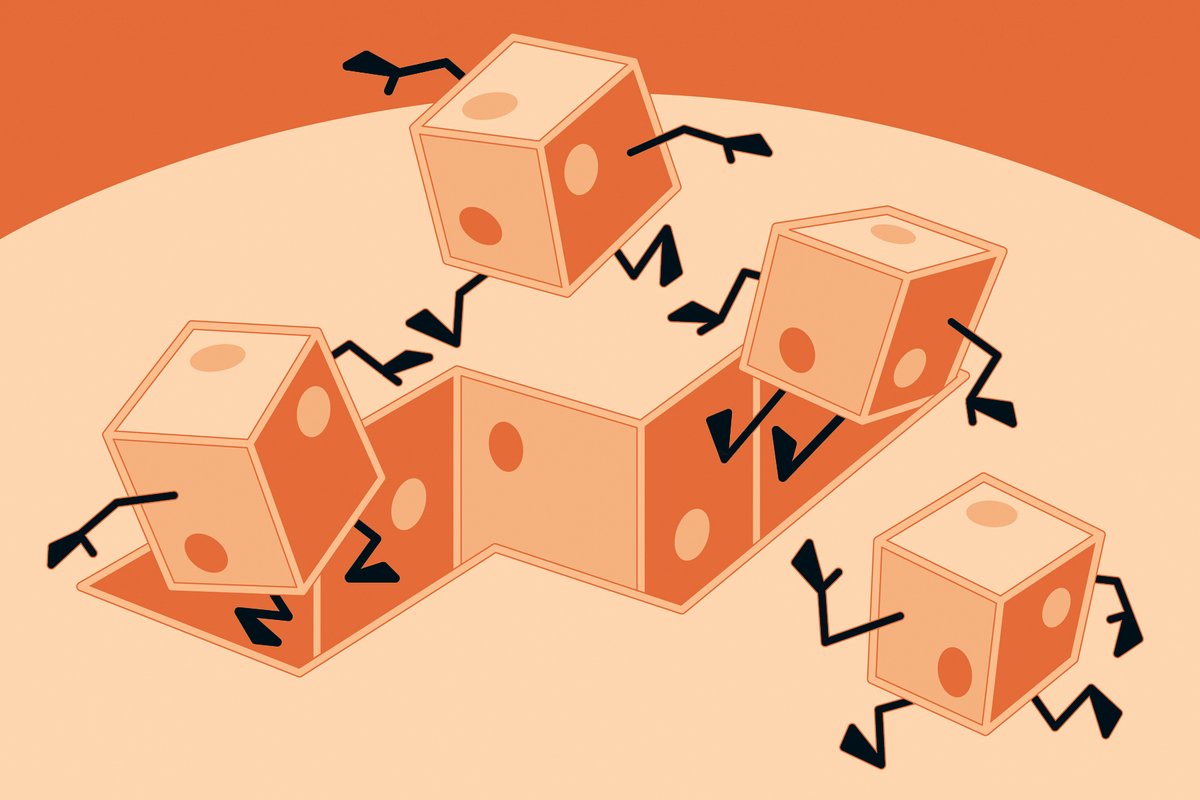
🤖
These smart bricks know what object they make up
Deze slimme stenen weten welk object ze vormen
Ces briques intelligentes savent quel objet elles forment
Isn't it fascinating how cells, without brains, manage to organize themselves into complex forms? This new research shows that smart bricks, equipped with their own neural networks, can identify what object they belong to by communicating with each other. They achieved an impressive accuracy of 85 to 100 percent in recognizing shapes, even when some bricks were missing! Imagine a future where machines can build and repair themselves—it's not just a dream anymore.
Is het niet fascinerend hoe cellen, zonder hersenen, zichzelf kunnen organiseren in complexe vormen? Dit nieuw onderzoek toont aan dat slimme stenen, uitgerust met hun eigen neurale netwerken, kunnen identificeren tot welk object ze behoren door met elkaar te communiceren. Ze behaalden een indrukwekkende nauwkeurigheid van 85 tot 100 procent in het herkennen van vormen, zelfs wanneer sommige stenen ontbraken! Stel je een toekomst voor waarin machines zichzelf kunnen bouwen en repareren—het is niet langer alleen een droom.
N'est-il pas fascinant de voir comment les cellules, sans cerveau, parviennent à s'organiser en formes complexes ? Cette nouvelle recherche montre que des briques intelligentes, équipées de leurs propres réseaux neuronaux, peuvent identifier à quel objet elles appartiennent en communiquant entre elles. Elles ont atteint une précision impressionnante de 85 à 100 % dans la reconnaissance des formes, même lorsque certaines briques étaient manquantes ! Imaginez un avenir où les machines peuvent se construire et se réparer elles-mêmes—ce n'est plus un rêve.

🌟
Fruits can have pesticides even after washing. This scientist spent 5 years on a 2-minute fix
Fruit kan pesticiden bevatten, zelfs na het wassen. Deze wetenschapper besteedde 5 jaar aan een oplossing van 2 minuten
Les fruits peuvent contenir des pesticides même après lavage. Cette scientifique a passé 5 ans à trouver une solution de 2 minutes
So, here's the scoop! Dr. Asmita Prabhune from Pune has developed an amazing organic produce-wash called Sophab that can remove up to 99% of pesticide residues in just two minutes. After five years of hard work, she created a simple solution that people can easily incorporate into their routine. This innovation not only addresses food safety but also empowers consumers to make informed choices. It's a fantastic example of how science can enhance our everyday lives!
Dus, hier is het verhaal! Dr. Asmita Prabhune uit Pune heeft een geweldige biologische groente-was ontwikkeld, genaamd Sophab, die tot 99% van de pesticidenresten in slechts twee minuten kan verwijderen. Na vijf jaar hard werken heeft ze een eenvoudige oplossing gecreëerd die mensen gemakkelijk in hun routine kunnen opnemen. Deze innovatie pakt niet alleen voedselveiligheid aan, maar stelt consumenten ook in staat om weloverwogen keuzes te maken. Het is een fantastisch voorbeeld van hoe wetenschap ons dagelijks leven kan verbeteren!
Alors, voici l'histoire ! La Dr Asmita Prabhune de Pune a développé un incroyable nettoyant pour produits biologiques appelé Sophab qui peut éliminer jusqu'à 99 % des résidus de pesticides en seulement deux minutes. Après cinq ans de travail acharné, elle a créé une solution simple que les gens peuvent facilement intégrer dans leur routine. Cette innovation aborde non seulement la sécurité alimentaire, mais permet également aux consommateurs de faire des choix éclairés. C'est un exemple fantastique de la façon dont la science peut améliorer notre vie quotidienne !
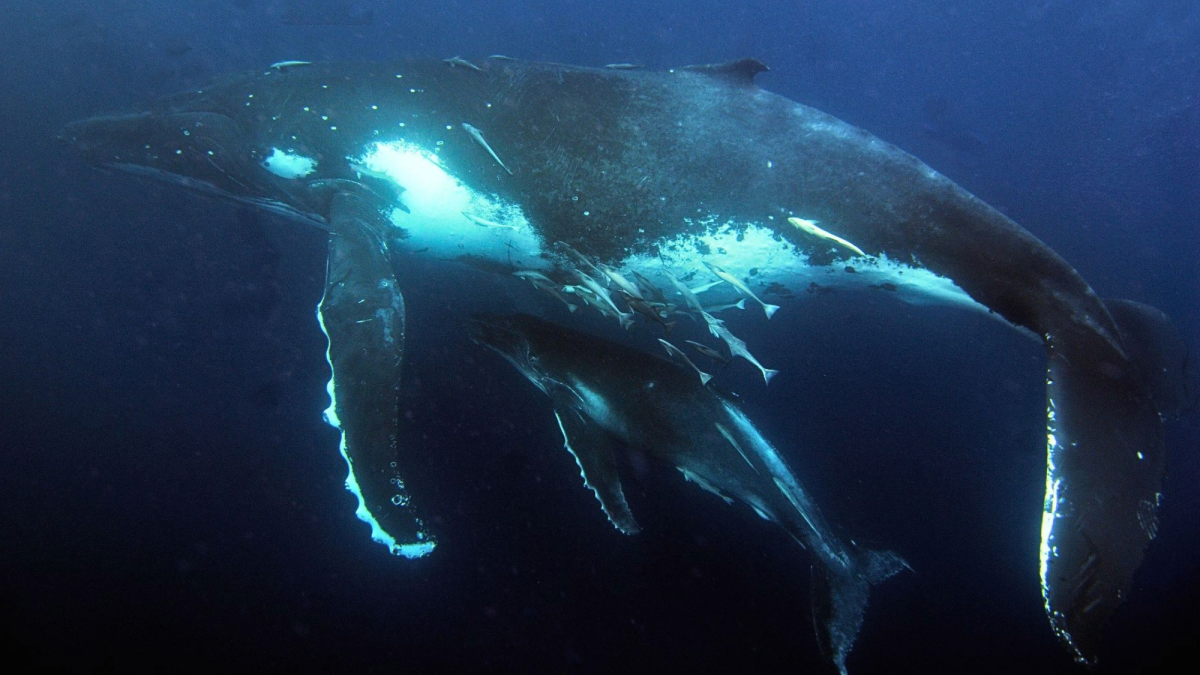
🐋
Australia’s humpback whales were acting weird. What happened next surprised scientists.
De bultruggen van Australië gedroegen zich vreemd. Wat er daarna gebeurde verraste wetenschappers.
Les baleines à bosse d'Australie agissaient bizarrement. Ce qui s'est passé ensuite a surpris les scientifiques.
So, in 2009, tourism operators in Australia noticed humpback whales behaving unusually by 'fluking'—floating upside down with their tails in the air. This sparked a fascinating research effort that revealed the Whitsundays as a crucial calving ground for these majestic creatures. The collaboration between citizen scientists and researchers uncovered that this fluking was actually a breeding behavior. It's amazing how a little curiosity led to the discovery of a whale maternity ward in the Great Barrier Reef!
In 2009 merkten toerisme-operators in Australië dat bultruggen zich ongewoon gedroegen door te 'fluken' - met hun staarten in de lucht ondersteboven te drijven. Dit leidde tot een fascinerende onderzoeksinspanning die de Whitsundays onthulde als een cruciaal geboortegebied voor deze majestueuze wezens. De samenwerking tussen burgerwetenschappers en onderzoekers ontdekte dat deze fluking eigenlijk een voortplantingsgedrag was. Het is geweldig hoe een beetje nieuwsgierigheid leidde tot de ontdekking van een kraamkamer voor walvissen in het Groot Barrièrerif!
En 2009, des opérateurs touristiques en Australie ont remarqué que les baleines à bosse se comportaient de manière inhabituelle en 'flukant' - flottant à l'envers avec leurs queues en l'air. Cela a déclenché un effort de recherche fascinant qui a révélé que les Whitsundays étaient une zone de mise bas cruciale pour ces créatures majestueuses. La collaboration entre les citoyens scientifiques et les chercheurs a découvert que ce fluking était en réalité un comportement de reproduction. C'est incroyable de voir comment un peu de curiosité a conduit à la découverte d'une maternité de baleines dans la Grande Barrière de Corail!
🏢
Old office buildings in Basel get new life as housing
Oude kantoorgebouwen in Basel krijgen nieuw leven als woningen
Anciens bureaux à Bâle retrouvent une nouvelle vie en tant que logements
It's exciting to see how old office buildings in Basel are being transformed into vibrant housing spaces. This initiative not only breathes new life into these structures but also addresses the growing demand for residential areas in the city. The blend of modern living with historical architecture creates a unique charm that residents will surely appreciate. I can't help but think about the positive impact this will have on the community and the environment.
Het is spannend om te zien hoe oude kantoorgebouwen in Basel worden omgevormd tot levendige woonruimtes. Dit initiatief geeft niet alleen nieuw leven aan deze structuren, maar speelt ook in op de groeiende vraag naar woongebieden in de stad. De mix van modern wonen met historische architectuur creëert een unieke charme die bewoners zeker zullen waarderen. Ik kan niet anders dan denken aan de positieve impact die dit zal hebben op de gemeenschap en het milieu.
C'est passionnant de voir comment d'anciens bureaux à Bâle sont transformés en espaces de logement vibrants. Cette initiative redonne non seulement vie à ces structures, mais répond également à la demande croissante de zones résidentielles dans la ville. Le mélange de vie moderne et d'architecture historique crée un charme unique que les résidents apprécieront sûrement. Je ne peux m'empêcher de penser à l'impact positif que cela aura sur la communauté et l'environnement.
🎶
Music was just saved from a copyright apocalypse by a American judge
Muziek is net gered van een copyright-apocalyps door een Amerikaanse rechter
La musique vient d'être sauvée d'une apocalypse du droit d'auteur par un juge américain
So, a recent ruling has saved the music world from a potential copyright disaster! An American judge ruled against the idea that a specific rhythm could be copyrighted, which would have led to chaos in the music industry. Imagine all those songs using that beat suddenly being illegal! This decision is a huge relief for artists everywhere, allowing them to create freely without the fear of legal battles over common rhythms.
Dus, een recente uitspraak heeft de muziekwereld gered van een potentiële copyright-ramp! Een Amerikaanse rechter oordeelde tegen het idee dat een specifiek ritme auteursrechtelijk beschermd kon worden, wat zou leiden tot chaos in de muziekindustrie. Stel je voor dat al die nummers die dat ritme gebruiken plotseling illegaal zouden zijn! Deze beslissing is een enorme opluchting voor artiesten overal, waardoor ze vrij kunnen creëren zonder de angst voor juridische strijd over gangbare ritmes.
Alors, une décision récente a sauvé le monde de la musique d'une catastrophe potentielle en matière de droits d'auteur ! Un juge américain a statué contre l'idée qu'un rythme spécifique puisse être protégé par des droits d'auteur, ce qui aurait conduit à un chaos dans l'industrie musicale. Imaginez que toutes ces chansons utilisant ce rythme deviennent soudainement illégales ! Cette décision est un immense soulagement pour les artistes du monde entier, leur permettant de créer librement sans craindre des batailles juridiques sur des rythmes communs.
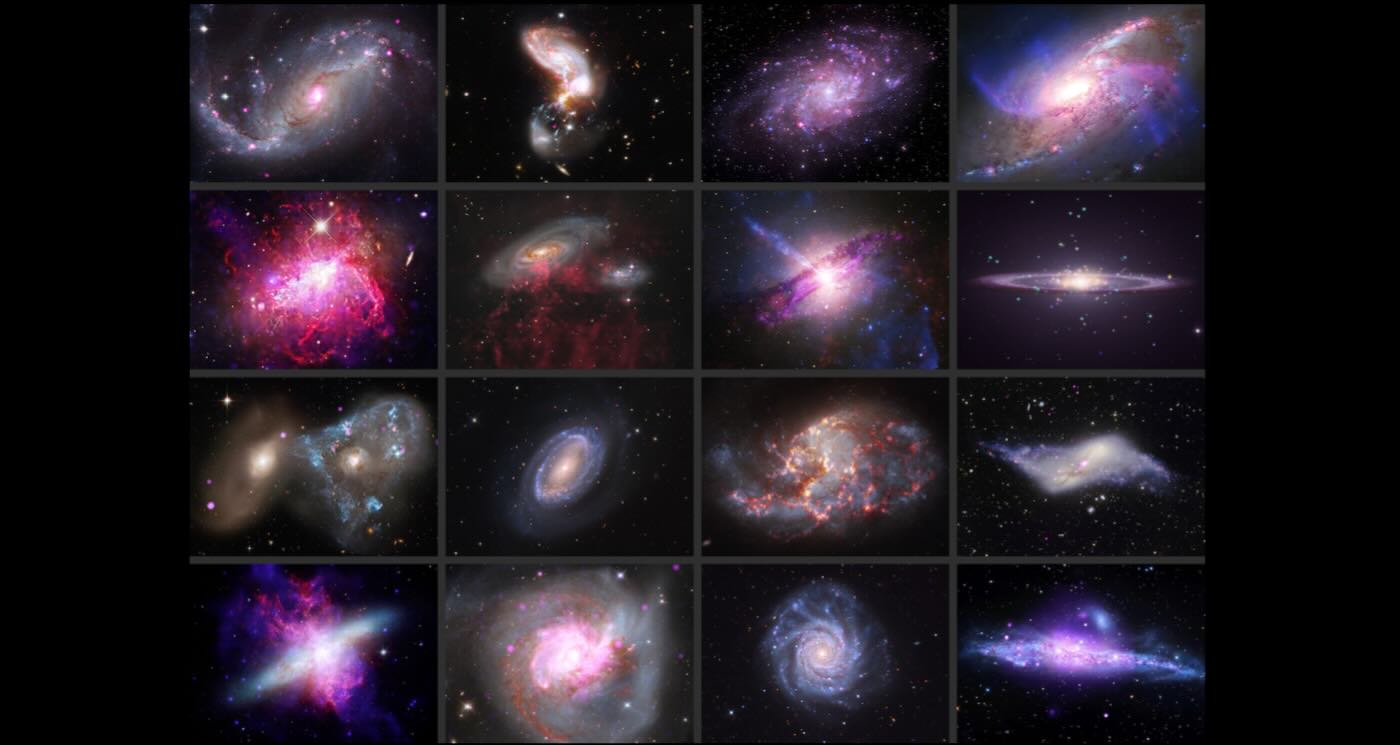
🌌
Astronomers create gallery of 16 ‘cosmic gems’ to show variety of shapes a galaxy can be
Astronomen creëren galerij van 16 'cosmische juwelen' om variëteit aan vormen van een sterrenstelsel te tonen
Les astronomes créent une galerie de 16 'gemmes cosmiques' pour montrer la variété des formes d'une galaxie
How exciting is this? Astronomers have compiled a stunning gallery of 16 cosmic gems that highlight the incredible variety of galaxies out there! They’ve categorized these galaxies into spirals, ellipticals, and irregulars, each with its own unique features. Using data from NASA’s Chandra Observatory and other telescopes, they’ve created a beautiful collection that helps us understand our own Milky Way better. It’s like peering into the universe’s treasure chest and discovering how each galaxy tells a story about our cosmic home.
Hoe spannend is dit? Astronomen hebben een verbluffende galerij samengesteld van 16 cosmische juwelen die de ongelooflijke variëteit aan sterrenstelsels laten zien! Ze hebben deze sterrenstelsels gecategoriseerd in spiralen, elliptische en onregelmatige, elk met zijn eigen unieke kenmerken. Met gegevens van NASA's Chandra Observatory en andere telescopen hebben ze een prachtige collectie gecreëerd die ons helpt om onze eigen Melkweg beter te begrijpen. Het is alsof je in de schatkist van het universum kijkt en ontdekt hoe elk sterrenstelsel een verhaal vertelt over ons kosmische thuis.
À quel point c'est excitant ? Les astronomes ont compilé une galerie époustouflante de 16 gemmes cosmiques qui mettent en lumière l'incroyable variété de galaxies qui existent ! Ils ont classé ces galaxies en spirales, elliptiques et irrégulières, chacune avec ses propres caractéristiques uniques. En utilisant des données du télescope spatial Chandra de la NASA et d'autres télescopes, ils ont créé une belle collection qui nous aide à mieux comprendre notre propre Voie lactée. C'est comme plonger dans le coffre au trésor de l'univers et découvrir comment chaque galaxie raconte une histoire sur notre foyer cosmique.

🚀
Europe has its first commercial orbital rocket
Europa heeft zijn eerste commerciële orbital rocket
L'Europe a son premier fusée orbitale commerciale
Isar Aerospace has just made a huge leap for Europe by successfully launching its first fully commercial orbital rocket, the Spectrum. After a previous attempt ended in disaster, this launch from a Norwegian spaceport marks a new era for European space access. CEO Daniel Metzler emphasized that this achievement provides a true alternative for customers, allowing Europe to have its own sovereign access to space. This is particularly significant given the current global political climate, making 'buy European' more relevant than ever.
Isar Aerospace heeft net een enorme sprong voor Europa gemaakt door zijn eerste volledig commerciële orbital rocket, de Spectrum, succesvol te lanceren. Na een eerdere poging die eindigde in een ramp, markeert deze lancering vanuit een Noorse ruimtehaven een nieuw tijdperk voor de toegang tot de ruimte in Europa. CEO Daniel Metzler benadrukte dat deze prestatie een echte alternatieve biedt voor klanten, waardoor Europa zijn eigen soevereine toegang tot de ruimte heeft. Dit is bijzonder belangrijk gezien het huidige wereldpolitieke klimaat, waardoor 'koop Europees' relevanter is dan ooit.
Isar Aerospace vient de réaliser un grand bond pour l'Europe en lançant avec succès sa première fusée orbitale commerciale, le Spectrum. Après une tentative précédente qui s'est soldée par un désastre, ce lancement depuis un site spatial norvégien marque une nouvelle ère pour l'accès à l'espace en Europe. Le PDG Daniel Metzler a souligné que cette réalisation offre une véritable alternative pour les clients, permettant à l'Europe d'avoir son propre accès souverain à l'espace. Cela est particulièrement significatif compte tenu du climat politique mondial actuel, rendant 'acheter européen' plus pertinent que jamais.
🧠
Let your mind wander, don’t retire and stop worrying: surprising ways to help save your brain from the cognitive cliff
Laat je geest dwalen, ga niet met pensioen en stop met zorgen: verrassende manieren om je hersenen te helpen de cognitieve afgrond te vermijden
Laissez votre esprit vagabonder, ne prenez pas votre retraite et arrêtez de vous inquiéter : des façons surprenantes d'aider votre cerveau à éviter le précipice cognitif
Dr. Norman Swan shares fascinating insights on how to protect our brains from cognitive decline. Instead of fearing deterioration, he encourages us to embrace cognitive change, highlighting that our brains can improve with age. He emphasizes the importance of building neural scaffolding and suggests that activities like exercise and a healthy diet can support this process. Plus, he reminds us that it’s never too late to start taking care of our cognitive health.
Dr. Norman Swan deelt fascinerende inzichten over hoe we onze hersenen kunnen beschermen tegen cognitieve achteruitgang. In plaats van te vrezen voor achteruitgang, moedigt hij ons aan om cognitieve verandering te omarmen, waarbij hij benadrukt dat onze hersenen kunnen verbeteren met de leeftijd. Hij legt de nadruk op het belang van het opbouwen van neurale steigers en suggereert dat activiteiten zoals lichaamsbeweging en een gezond dieet dit proces kunnen ondersteunen. Bovendien herinnert hij ons eraan dat het nooit te laat is om voor onze cognitieve gezondheid te zorgen.
Le Dr Norman Swan partage des idées fascinantes sur la façon de protéger notre cerveau contre le déclin cognitif. Au lieu de craindre la détérioration, il nous encourage à embrasser le changement cognitif, soulignant que notre cerveau peut s'améliorer avec l'âge. Il insiste sur l'importance de construire des échafaudages neuronaux et suggère que des activités comme l'exercice et une alimentation saine peuvent soutenir ce processus. De plus, il nous rappelle qu'il n'est jamais trop tard pour prendre soin de notre santé cognitive.

🌍
500+ tonnes of waste removed: how these volunteers clean Himachal’s Himalayan trails
500+ ton afval verwijderd: hoe deze vrijwilligers de Himalaya-paden in Himachal schoonmaken
Plus de 500 tonnes de déchets enlevés : comment ces bénévoles nettoient les sentiers himalayens du Himachal
Every year, the beauty of Himachal Pradesh's high-altitude trails is overshadowed by the waste left behind by pilgrims and trekkers. The Himalayn Tribe Foundation, founded by RP Negi Yullam, is tackling this issue head-on by involving the very people who travel these sacred routes in cleanup efforts. Their grassroots approach not only removes waste but also fosters a personal connection to conservation among participants. It's inspiring to see how awareness and responsibility can grow when travelers take an active role in preserving the environment.
Elk jaar wordt de schoonheid van de hoge paden in Himachal Pradesh overschaduwd door het afval dat achterblijft door pelgrims en wandelaars. De Himalayn Tribe Foundation, opgericht door RP Negi Yullam, pakt dit probleem direct aan door de mensen die deze heilige routes bereizen te betrekken bij opruimacties. Hun grassroots-aanpak verwijdert niet alleen afval, maar bevordert ook een persoonlijke verbinding met natuurbehoud onder de deelnemers. Het is inspirerend om te zien hoe bewustzijn en verantwoordelijkheid kunnen groeien wanneer reizigers een actieve rol spelen in het behoud van het milieu.
Chaque année, la beauté des sentiers de haute altitude du Himachal Pradesh est éclipsée par les déchets laissés par les pèlerins et les randonneurs. La Himalayn Tribe Foundation, fondée par RP Negi Yullam, s'attaque à ce problème en impliquant les personnes qui parcourent ces routes sacrées dans des efforts de nettoyage. Leur approche communautaire ne se contente pas d'éliminer les déchets, mais favorise également un lien personnel avec la conservation parmi les participants. Il est inspirant de voir comment la sensibilisation et la responsabilité peuvent croître lorsque les voyageurs jouent un rôle actif dans la préservation de l'environnement.
🚀
TAS in Charleroi makes the ‘electric heart’ of satellites and belongs to the world top: “Musk has turned space travel upside down”
TAS in Charleroi maakt het ‘elektrische hart’ van satellieten en behoort tot de wereldtop: “Musk heeft de ruimtevaart op haar kop gezet”
TAS à Charleroi fabrique le ‘cœur électrique’ des satellites et fait partie des meilleurs mondiaux : “Musk a bouleversé le secteur spatial”
Isn't it fascinating how Charleroi is becoming a hub for cutting-edge technology? TAS is at the forefront, creating the ‘electric heart’ for satellites, which is just incredible! With the influence of innovators like Musk, the landscape of space travel is changing rapidly. This local company is not just participating; it's leading the way in a global industry that’s full of potential.
Het is toch fascinerend hoe Charleroi een centrum wordt voor geavanceerde technologie? TAS staat aan de top en maakt het ‘elektrische hart’ voor satellieten, wat gewoon ongelooflijk is! Met de invloed van vernieuwers zoals Musk verandert het landschap van de ruimtevaart razendsnel. Dit lokale bedrijf doet niet alleen mee; het leidt de weg in een wereldwijde industrie die vol potentieel zit.
C'est fascinant de voir comment Charleroi devient un centre de technologie de pointe ! TAS est à l'avant-garde, créant le ‘cœur électrique’ des satellites, ce qui est tout simplement incroyable ! Avec l'influence d'innovateurs comme Musk, le paysage de l'exploration spatiale évolue rapidement. Cette entreprise locale ne se contente pas de participer ; elle ouvre la voie dans une industrie mondiale pleine de potentiel.
🌍
Tackling climate change and air pollution together pays off fifteenfold
Klimaatverandering en luchtvervuiling samen aanpakken, betaalt zich in vijftienvoud terug
Lutter contre le changement climatique et la pollution de l'air ensemble rapporte quinze fois plus
It's fascinating to see how addressing climate change and air pollution simultaneously can lead to incredible benefits. Studies suggest that the investment in these areas can yield returns up to fifteen times the initial costs. This approach not only improves public health but also boosts the economy in ways we might not expect. So, it's a win-win situation that we should all get behind!
Het is fascinerend om te zien hoe het gelijktijdig aanpakken van klimaatverandering en luchtvervuiling ongelooflijke voordelen kan opleveren. Studies suggereren dat de investering in deze gebieden tot vijftien keer de initiële kosten kan opleveren. Deze aanpak verbetert niet alleen de volksgezondheid, maar stimuleert ook de economie op manieren die we misschien niet verwachten. Dus, het is een win-winsituatie waar we allemaal achter moeten staan!
Il est fascinant de voir comment s'attaquer simultanément au changement climatique et à la pollution de l'air peut entraîner des avantages incroyables. Des études suggèrent que l'investissement dans ces domaines peut rapporter jusqu'à quinze fois les coûts initiaux. Cette approche améliore non seulement la santé publique, mais stimule également l'économie de manière inattendue. Donc, c'est une situation gagnant-gagnant à laquelle nous devrions tous adhérer !
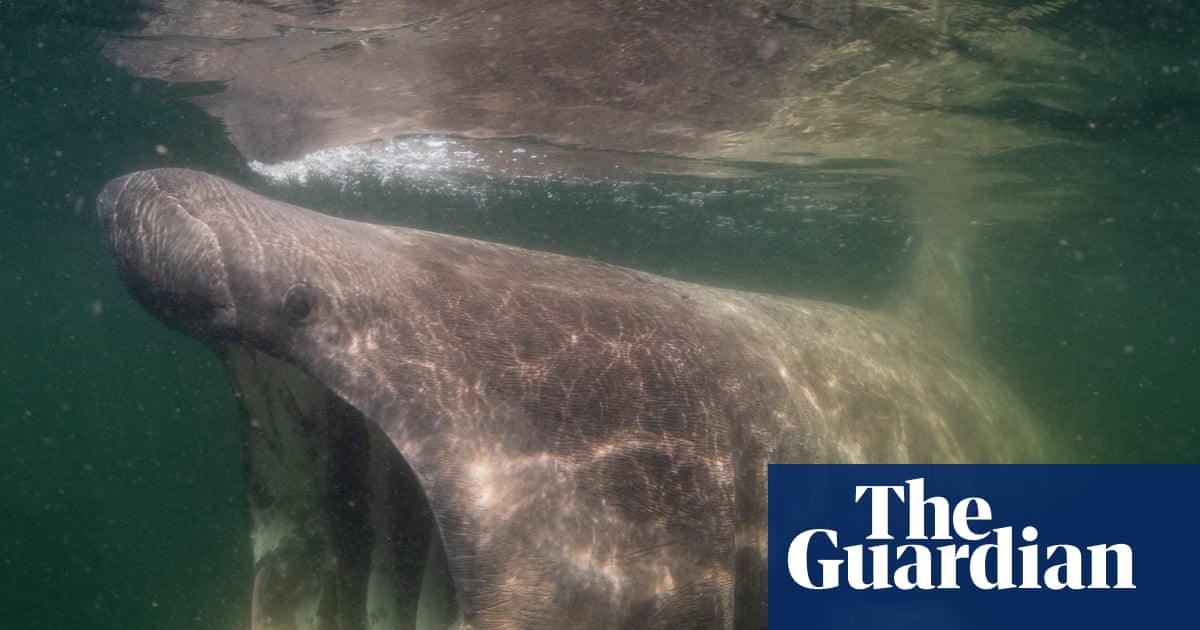
🐋
Sharks are my film stars: how the Jacques Cousteau of the North Sea finally unlocked its beauty
Haaien zijn mijn filmsterren: hoe de Jacques Cousteau van de Noordzee eindelijk de schoonheid onthulde
Les requins sont mes stars de cinéma : comment le Jacques Cousteau de la mer du Nord a enfin révélé sa beauté
The North Sea might look grey and dull, but Peter van Rodijnen's dedication to diving has uncovered its vibrant marine life. Inspired by Jacques Cousteau, he and director Mark Verkerk have created a documentary that showcases the hidden wonders of this often-misunderstood ecosystem. Despite challenges like poor visibility and rough seas, their film reveals a world teeming with colorful creatures and complex interactions. It's a celebration of the North Sea's beauty and the importance of sustainable practices in preserving it.
De Noordzee lijkt misschien grijs en saai, maar Peter van Rodijnen's toewijding aan duiken heeft de levendige onderwaterwereld onthuld. Geïnspireerd door Jacques Cousteau hebben hij en regisseur Mark Verkerk een documentaire gemaakt die de verborgen wonderen van dit vaak verkeerd begrepen ecosysteem laat zien. Ondanks uitdagingen zoals slechte zichtbaarheid en ruwe zeeën, onthult hun film een wereld vol kleurrijke wezens en complexe interacties. Het is een viering van de schoonheid van de Noordzee en het belang van duurzame praktijken voor het behoud ervan.
La mer du Nord peut sembler grise et ennuyeuse, mais la passion de Peter van Rodijnen pour la plongée a révélé sa vie marine vibrante. Inspirés par Jacques Cousteau, lui et le réalisateur Mark Verkerk ont créé un documentaire qui met en lumière les merveilles cachées de cet écosystème souvent mal compris. Malgré des défis tels que la mauvaise visibilité et les mers agitées, leur film révèle un monde grouillant de créatures colorées et d'interactions complexes. C'est une célébration de la beauté de la mer du Nord et de l'importance des pratiques durables pour sa préservation.

🌟
Beavers are having a moment
Beveren hebben een moment
Les castors ont leur moment
So, beavers are finally getting the recognition they deserve! Once seen as pests, these furry little engineers are now being celebrated for their vital role in restoring ecosystems, especially in Oregon. With salmon populations dwindling, researchers discovered that beaver ponds significantly boost salmon productivity. It’s amazing how nature can help heal itself when we give it a chance, and beavers are leading the charge!
Dus, bevers krijgen eindelijk de erkenning die ze verdienen! Eens gezien als ongedierte, worden deze harige kleine ingenieurs nu gevierd om hun vitale rol in het herstellen van ecosystemen, vooral in Oregon. Met de afname van de zalmpopulaties ontdekten onderzoekers dat beverpoelen de zalmproductiviteit aanzienlijk verhogen. Het is geweldig hoe de natuur zichzelf kan helpen genezen als we het een kans geven, en bevers zijn de voortrekkers!
Alors, les castors obtiennent enfin la reconnaissance qu'ils méritent ! Autrefois considérés comme des nuisibles, ces petits ingénieurs poilus sont maintenant célébrés pour leur rôle vital dans la restauration des écosystèmes, en particulier en Oregon. Avec la diminution des populations de saumons, les chercheurs ont découvert que les étangs de castors augmentent considérablement la productivité des saumons. C'est incroyable de voir comment la nature peut se réparer elle-même si on lui en donne l'occasion, et les castors sont à l'avant-garde !

🍋
Mumbai moms use lemon & orange peels to make cleaning liquid now used by 200 families
Mumbai-moeders gebruiken citroen- en sinaasappelschillen om schoonmaakmiddel te maken dat nu door 200 gezinnen wordt gebruikt
Des mères de Mumbai utilisent des écorces de citron et d'orange pour fabriquer un liquide de nettoyage désormais utilisé par 200 familles
So, two Mumbai moms turned kitchen waste into a sustainable cleaning solution! They started experimenting with lemon and orange peels, and their home project blossomed into Urthy, which now serves over 200 families. It's amazing how they transformed a simple idea into a product that promotes greener living. This initiative not only reduces waste but also encourages others to think creatively about sustainability.
Dus, twee moeders uit Mumbai hebben keukenafval omgevormd tot een duurzame schoonmaakoplossing! Ze begonnen te experimenteren met citroen- en sinaasappelschillen, en hun thuisproject groeide uit tot Urthy, dat nu meer dan 200 gezinnen bedient. Het is geweldig hoe ze een eenvoudig idee hebben omgevormd tot een product dat groener leven bevordert. Dit initiatief vermindert niet alleen afval, maar moedigt ook anderen aan om creatief na te denken over duurzaamheid.
Alors, deux mères de Mumbai ont transformé les déchets de cuisine en une solution de nettoyage durable ! Elles ont commencé à expérimenter avec des écorces de citron et d'orange, et leur projet à domicile s'est épanoui en Urthy, qui sert maintenant plus de 200 familles. C'est incroyable comment elles ont transformé une idée simple en un produit qui promeut un mode de vie plus écologique. Cette initiative réduit non seulement les déchets, mais encourage également les autres à réfléchir de manière créative à la durabilité.

☀️
Why are solar panels always tilted? The simple science behind the angle
Waarom zijn zonnepanelen altijd gekanteld? De eenvoudige wetenschap achter de hoek
Pourquoi les panneaux solaires sont-ils toujours inclinés ? La science simple derrière l'angle
So, have you ever noticed how solar panels are tilted? That little angle is actually super important for capturing sunlight effectively! It turns out that the position of the Sun changes throughout the day and year, and tilting the panels helps them catch more of that precious solar energy. Engineers take into account various factors like location and seasons to find the best tilt angle, making solar energy even more efficient.
Heb je ooit opgemerkt hoe zonnepanelen zijn gekanteld? Die kleine hoek is eigenlijk heel belangrijk voor het effectief opvangen van zonlicht! Het blijkt dat de positie van de zon gedurende de dag en het jaar verandert, en het kantelen van de panelen helpt hen meer van die kostbare zonne-energie te vangen. Ingenieurs houden rekening met verschillende factoren zoals locatie en seizoenen om de beste kantelhoek te vinden, waardoor zonne-energie nog efficiënter wordt.
Avez-vous déjà remarqué comment les panneaux solaires sont inclinés ? Cet angle est en fait très important pour capter efficacement la lumière du soleil ! Il s'avère que la position du soleil change tout au long de la journée et de l'année, et incliner les panneaux les aide à capter plus de cette précieuse énergie solaire. Les ingénieurs prennent en compte divers facteurs tels que l'emplacement et les saisons pour trouver le meilleur angle d'inclinaison, rendant l'énergie solaire encore plus efficace.
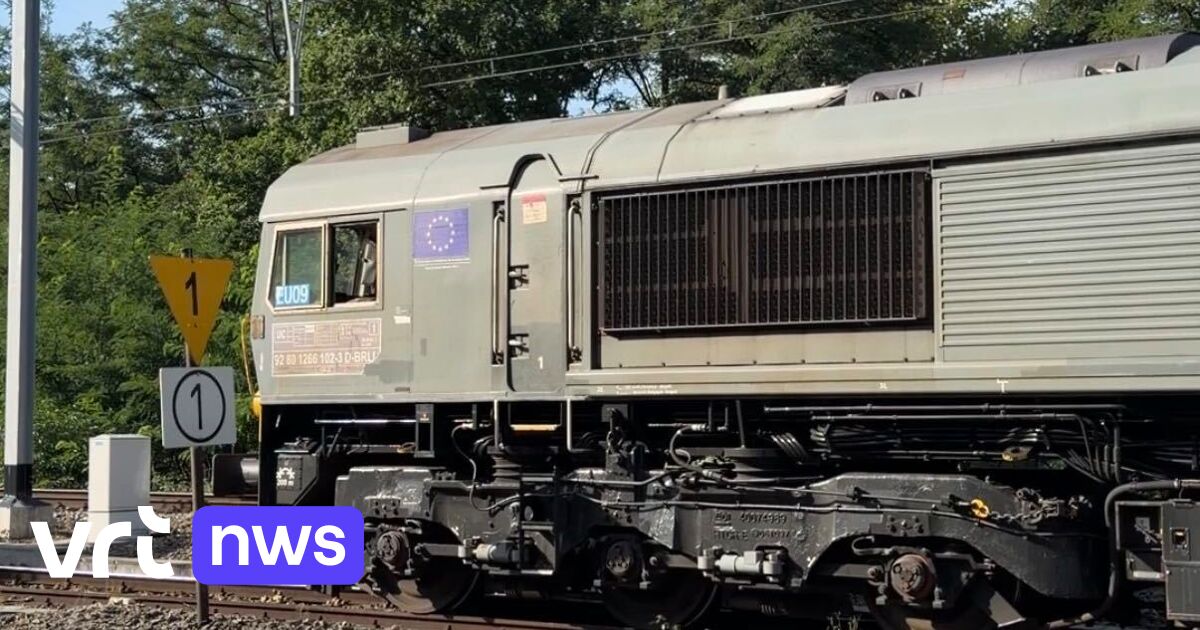
⚡
Genk cargo connect electrifies rail access to port by 2028 as the first in Belgium
Genk Cargo Connect elektrificeert spoortoegang haven tegen 2028 als eerste in België
Genk Cargo Connect électrifie l'accès ferroviaire au port d'ici 2028 en tant que premier en Belgique
Genk Cargo Connect is set to electrify its rail access to the port terminals by 2028, making it the first inland terminal in Belgium to offer a direct electric connection. This exciting investment of 1.4 million euros, largely supported by European funds, will enhance Belgium's integration into the European freight rail network. General manager Heidi Ulburghs emphasizes that this move will eliminate the need for freight trains to switch to diesel locomotives, saving both time and money. With this electrification, Genk is not only becoming greener but also more attractive for businesses in the region.
Genk Cargo Connect is van plan om tegen 2028 de spoortoegang tot de haventerminals te elektrificeren, waardoor het de eerste binnenlandse terminal in België wordt met een directe elektrische aansluiting. Deze spannende investering van 1,4 miljoen euro, grotendeels ondersteund door Europese fondsen, zal de integratie van België in het Europese goederenvervoernetwerk verbeteren. General manager Heidi Ulburghs benadrukt dat deze stap de noodzaak voor goederentreinen om over te schakelen naar diesellocomotieven zal elimineren, wat zowel tijd als geld bespaart. Met deze elektrificatie wordt Genk niet alleen groener, maar ook aantrekkelijker voor bedrijven in de regio.
Genk Cargo Connect prévoit d'électrifier son accès ferroviaire aux terminaux portuaires d'ici 2028, devenant ainsi le premier terminal intérieur en Belgique à offrir une connexion électrique directe. Cet investissement passionnant de 1,4 million d'euros, largement soutenu par des fonds européens, améliorera l'intégration de la Belgique dans le réseau ferroviaire européen de fret. La directrice générale Heidi Ulburghs souligne que cette mesure éliminera la nécessité pour les trains de fret de passer à des locomotives diesel, économisant ainsi du temps et de l'argent. Avec cette électrification, Genk devient non seulement plus écologique, mais aussi plus attrayant pour les entreprises de la région.

🌌
Two of the universe's great mysteries may have their own dimension
Twee van de grote mysteries van het universum hebben misschien hun eigen dimensie
Deux des grands mystères de l'univers pourraient avoir leur propre dimension
So, scientists are diving into the intriguing idea that dark energy and dark matter might actually be connected in a 'dark dimension.' Recent findings suggest that dark energy isn't as constant as we thought, and it might even be changing over time. This has led researchers to explore how these two elusive forces could influence each other. It's a fascinating concept that could reshape our understanding of the universe!
Dus, wetenschappers duiken in het intrigerende idee dat donkere energie en donkere materie misschien verbonden zijn in een 'donkere dimensie.' Recente bevindingen suggereren dat donkere energie niet zo constant is als we dachten, en het zou zelfs in de loop van de tijd kunnen veranderen. Dit heeft onderzoekers ertoe aangezet te verkennen hoe deze twee ongrijpbare krachten elkaar zouden kunnen beïnvloeden. Het is een fascinerend concept dat ons begrip van het universum zou kunnen hervormen!
Alors, les scientifiques explorent l'idée intrigante que l'énergie noire et la matière noire pourraient en fait être connectées dans une 'dimension sombre.' Des découvertes récentes suggèrent que l'énergie noire n'est pas aussi constante que nous le pensions, et qu'elle pourrait même changer au fil du temps. Cela a conduit les chercheurs à examiner comment ces deux forces insaisissables pourraient s'influencer mutuellement. C'est un concept fascinant qui pourrait redéfinir notre compréhension de l'univers !

🌌
Astronomers have completed the largest map of space. Yes, you can play with it.
Astronomen hebben de grootste kaart van de ruimte voltooid. Ja, je kunt ermee spelen.
Les astronomes ont terminé la plus grande carte de l'espace. Oui, vous pouvez y jouer.
So, here's the exciting news! Astronomers have just completed the largest three-dimensional map of the universe, thanks to the Dark Energy Spectroscopic Instrument in Arizona. This incredible map features a staggering 5.6 trillion pixels and showcases around 4 billion celestial objects. And the best part? You can explore this cosmic treasure trove online and dive into the mysteries of dark energy yourself!
Dus, hier is het spannende nieuws! Astronomen hebben net de grootste driedimensionale kaart van het universum voltooid, dankzij het Dark Energy Spectroscopic Instrument in Arizona. Deze ongelooflijke kaart bevat maar liefst 5,6 biljoen pixels en toont ongeveer 4 miljard hemellichamen. En het beste van alles? Je kunt deze kosmische schat online verkennen en zelf de mysteries van donkere energie ontdekken!
Alors, voici la nouvelle excitante ! Les astronomes viennent de terminer la plus grande carte tridimensionnelle de l'univers, grâce à l'instrument de spectroscopie de l'énergie noire en Arizona. Cette carte incroyable contient un impressionnant 5,6 trillions de pixels et présente environ 4 milliards d'objets célestes. Et le meilleur dans tout ça ? Vous pouvez explorer ce trésor cosmique en ligne et plonger vous-même dans les mystères de l'énergie noire !
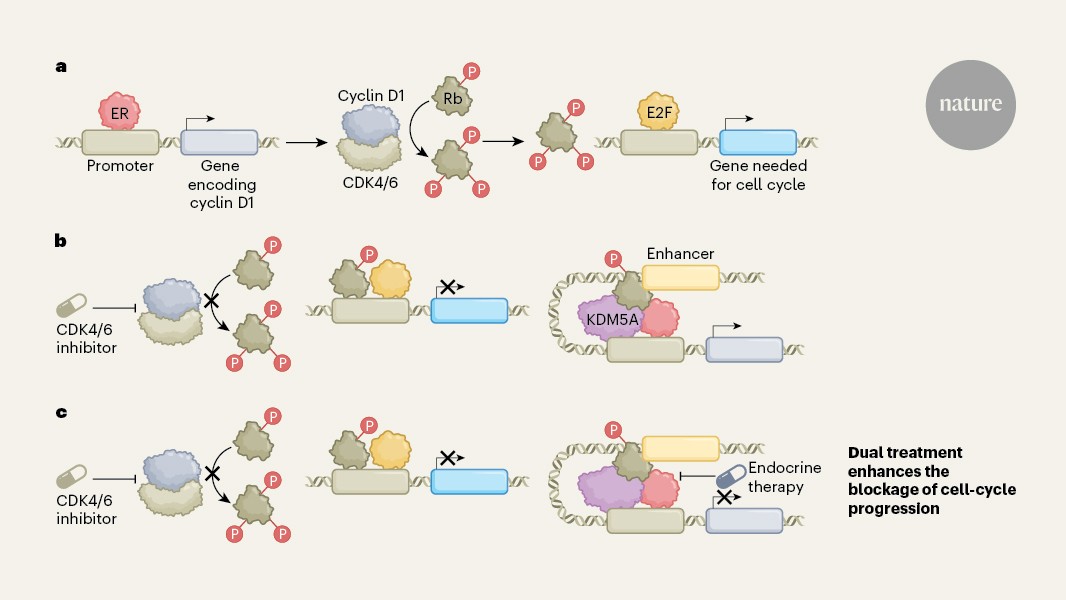
🌟
The secret life of a cell-cycle gatekeeper of breast cancer
Het geheime leven van een celcycluspoortwachter van borstkanker
La vie secrète d'un gardien du cycle cellulaire du cancer du sein
This fascinating article reveals a newly discovered role for the protein Rb in breast cancer. It turns out that inhibiting cell division can actually enhance the signaling of the estrogen receptor, which is a key player in driving this type of cancer. By understanding how Rb influences gene expression and therapy responses, researchers are hopeful for new treatment avenues. It's an exciting step forward in cancer research that could lead to better outcomes for patients.
Dit fascinerende artikel onthult een nieuw ontdekte rol voor het eiwit Rb bij borstkanker. Het blijkt dat het remmen van celdeling de signalering van de oestrogeenreceptor, een belangrijke speler in deze soort kanker, kan versterken. Door te begrijpen hoe Rb de genexpressie en therapierespons beïnvloedt, hebben onderzoekers hoop op nieuwe behandelmethoden. Het is een spannende stap voorwaarts in het kankeronderzoek die kan leiden tot betere resultaten voor patiënten.
Cet article fascinant révèle un nouveau rôle découvert pour la protéine Rb dans le cancer du sein. Il s'avère que l'inhibition de la division cellulaire peut en fait renforcer la signalisation du récepteur des œstrogènes, qui est un acteur clé dans la conduite de ce type de cancer. En comprenant comment Rb influence l'expression des gènes et les réponses aux thérapies, les chercheurs espèrent de nouvelles voies de traitement. C'est une étape passionnante dans la recherche sur le cancer qui pourrait conduire à de meilleurs résultats pour les patients.
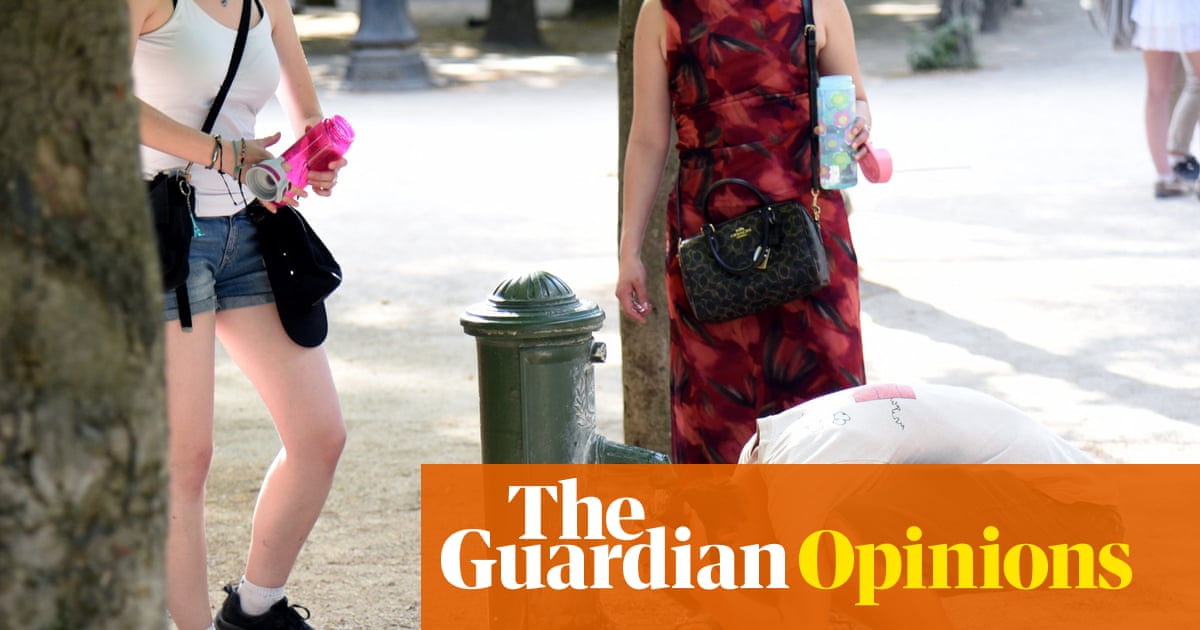
🌞
We’re the mayors of Paris, Milan and Phoenix. The heat crisis has us all facing the same question
Wij zijn de burgemeesters van Parijs, Milaan en Phoenix. De hittecrisis stelt ons allemaal dezelfde vraag
Nous sommes les maires de Paris, Milan et Phoenix. La crise de la chaleur nous pose tous la même question
This summer, mayors from Paris, Milan, and Phoenix gathered to tackle the pressing issue of extreme heat. With record-breaking temperatures affecting their cities, they shared strategies on protecting vulnerable residents and redesigning urban spaces. Phoenix has long been a leader in heat response, implementing innovative cooling solutions and support systems. Meanwhile, Paris and Milan are adapting their historic infrastructures to meet these new climate challenges, showing that collaboration is key in the fight against rising temperatures.
Deze zomer kwamen de burgemeesters van Parijs, Milaan en Phoenix samen om de dringende kwestie van extreme hitte aan te pakken. Met recordtemperaturen die hun steden beïnvloeden, deelden ze strategieën om kwetsbare bewoners te beschermen en stedelijke ruimtes opnieuw in te richten. Phoenix is al lange tijd een leider in hittebestrijding en heeft innovatieve koeloplossingen en ondersteuningssystemen geïmplementeerd. Ondertussen passen Parijs en Milaan hun historische infrastructuren aan om deze nieuwe klimaatuitdagingen het hoofd te bieden, wat aantoont dat samenwerking essentieel is in de strijd tegen stijgende temperaturen.
Cet été, les maires de Paris, Milan et Phoenix se sont réunis pour aborder la question pressante de la chaleur extrême. Avec des températures record affectant leurs villes, ils ont partagé des stratégies pour protéger les résidents vulnérables et réaménager les espaces urbains. Phoenix est depuis longtemps un leader en matière de réponse à la chaleur, mettant en œuvre des solutions de refroidissement innovantes et des systèmes de soutien. Pendant ce temps, Paris et Milan adaptent leurs infrastructures historiques pour faire face à ces nouveaux défis climatiques, montrant que la collaboration est essentielle dans la lutte contre la montée des températures.
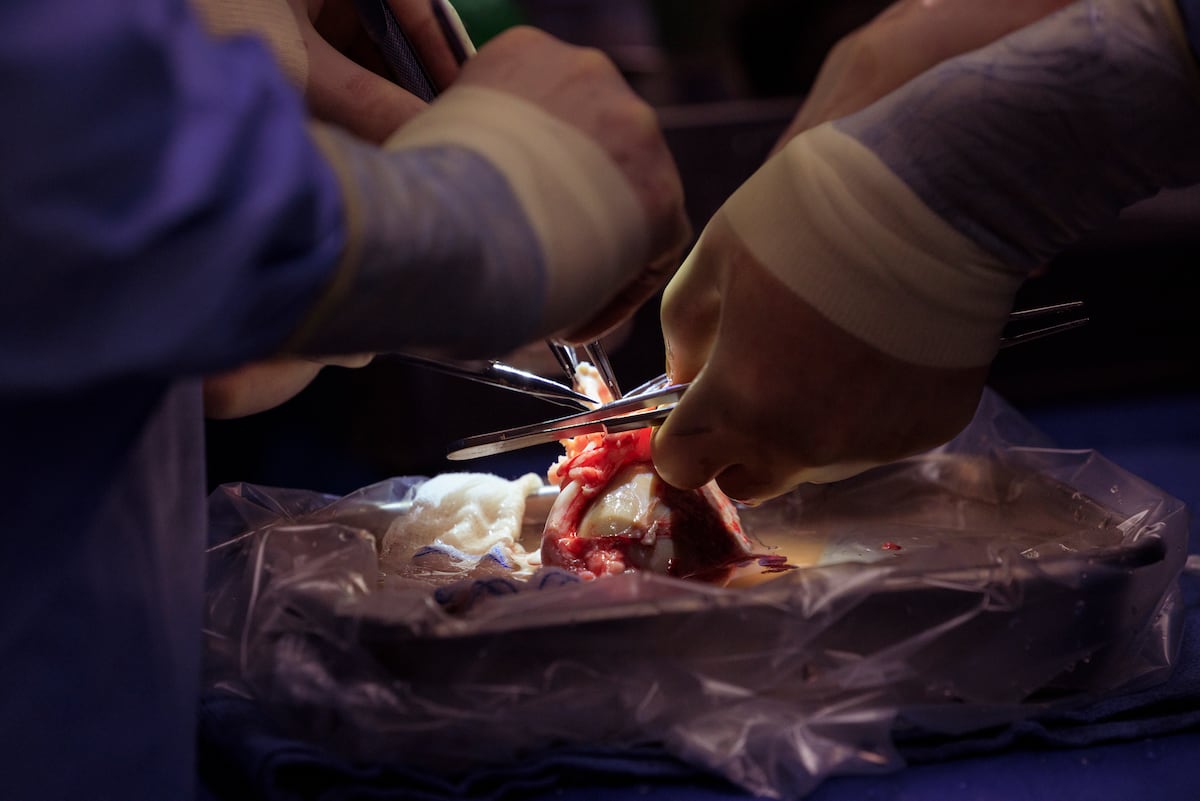
🌟
Science, pigs and money: the race between the US and China to make animal-to-human transplants viable
Wetenschap, varkens en geld: de race tussen de VS en China om dier-naar-mens transplantaties levensvatbaar te maken
Science, cochons et argent : la course entre les États-Unis et la Chine pour rendre les transplantations animal-humain viables
It's fascinating to see how the race for animal-to-human transplants is heating up between the US and China! With advances in gene-editing technology like CRISPR, the potential for using genetically modified pigs as organ donors is becoming more viable. This could revolutionize the transplant landscape, addressing the dire shortage of human organs available for transplant. Imagine a future where organ rejection is minimized and more lives can be saved—it's truly exciting!
Het is fascinerend om te zien hoe de race voor dier-naar-mens transplantaties tussen de VS en China opwarmt! Met de vooruitgang in genbewerkingstechnologie zoals CRISPR, wordt het potentieel voor het gebruik van genetisch gemodificeerde varkens als orgaandonoren steeds levensvatbaarder. Dit zou het transplantatielandschap kunnen revolutioneren en het ernstige tekort aan beschikbare menselijke organen voor transplantatie aanpakken. Stel je een toekomst voor waarin orgaanafstoting wordt geminimaliseerd en meer levens kunnen worden gered—het is echt opwindend!
C'est fascinant de voir comment la course aux transplantations animal-humain s'intensifie entre les États-Unis et la Chine ! Avec les avancées de la technologie d'édition génétique comme CRISPR, le potentiel d'utiliser des cochons génétiquement modifiés comme donneurs d'organes devient de plus en plus viable. Cela pourrait révolutionner le paysage des transplantations, en répondant à la grave pénurie d'organes humains disponibles pour la transplantation. Imaginez un avenir où le rejet d'organe est minimisé et où plus de vies peuvent être sauvées—c'est vraiment excitant !
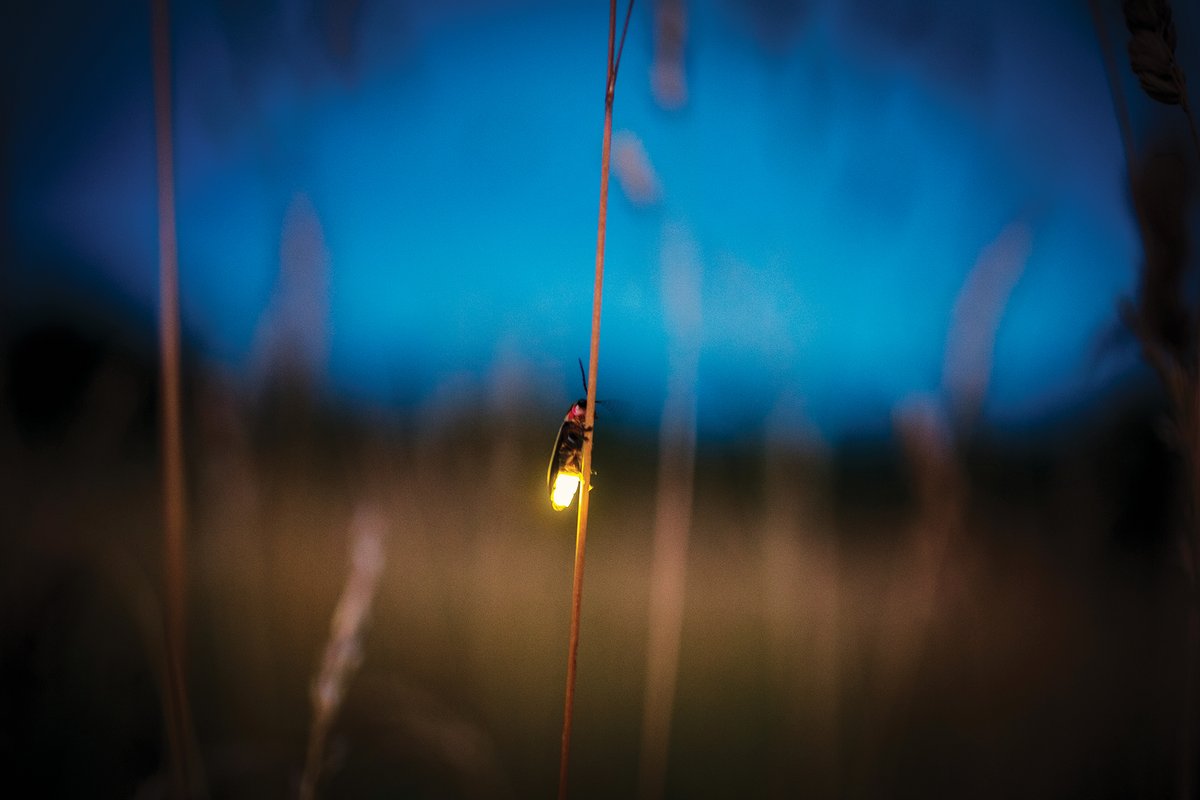
🌟
Nature may have a preferred tempo
De natuur heeft misschien een voorkeurs-tempo
La nature pourrait avoir un tempo préféré
While studying fireflies in Thailand, researchers discovered that crickets seemed to chirp in sync with the fireflies' flashing. This fascinating observation led to the realization that both species produced signals at a similar tempo of about 2.4 hertz. Interestingly, a broader survey revealed that many animals, from fish to birds, also communicate within a similar tempo range. This raises intriguing questions about why certain tempos are preferred across such diverse species.
Tijdens het bestuderen van vuurvliegjes in Thailand ontdekten onderzoekers dat krekels leken te tjirpen in sync met het flitsen van de vuurvliegjes. Deze fascinerende observatie leidde tot de ontdekking dat beide soorten signalen produceerden met een vergelijkbaar tempo van ongeveer 2,4 hertz. Interessant is dat een bredere enquête onthulde dat veel dieren, van vissen tot vogels, ook binnen een vergelijkbaar tempo bereik communiceren. Dit roept intrigerende vragen op over waarom bepaalde tempo's worden geprefereerd over zulke diverse soorten.
En étudiant des lucioles en Thaïlande, des chercheurs ont découvert que des grillons semblaient chanter en synchronisation avec les clignotements des lucioles. Cette observation fascinante a conduit à la réalisation que les deux espèces produisaient des signaux à un tempo similaire d'environ 2,4 hertz. Fait intéressant, une enquête plus large a révélé que de nombreux animaux, des poissons aux oiseaux, communiquent également dans une plage de tempo similaire. Cela soulève des questions intrigantes sur les raisons pour lesquelles certains tempos sont préférés à travers des espèces si diverses.

🌱
This Bengaluru VC left investing to help 27000 farmers earn from restoring their land
Deze VC uit Bengaluru verliet de investeringen om 27000 boeren te helpen verdienen aan het herstellen van hun land
Ce VC de Bengaluru a quitté l'investissement pour aider 27000 agriculteurs à gagner de l'argent en restaurant leurs terres
So, there's this amazing initiative in India where a former venture capitalist is helping farmers restore their land and earn from it! By converting crop residue into biochar, these farmers are not only improving soil health but also tackling carbon emissions. It's incredible to see how 27,000 farmers are getting involved and changing their practices for the better. This approach not only boosts their livelihoods but also contributes to a larger carbon market, making a real impact on climate change.
Dus, er is dit geweldige initiatief in India waarbij een voormalige durfkapitalist boeren helpt hun land te herstellen en er geld mee te verdienen! Door oogstresten om te zetten in biochar, verbeteren deze boeren niet alleen de bodemgezondheid, maar pakken ze ook de koolstofuitstoot aan. Het is ongelooflijk om te zien hoe 27.000 boeren betrokken raken en hun praktijken ten goede veranderen. Deze aanpak verhoogt niet alleen hun levensonderhoud, maar draagt ook bij aan een grotere koolstofmarkt, waardoor een echte impact op klimaatverandering wordt gemaakt.
Alors, il y a cette initiative incroyable en Inde où un ancien capital-risqueur aide les agriculteurs à restaurer leurs terres et à en tirer profit ! En convertissant les résidus de culture en biochar, ces agriculteurs améliorent non seulement la santé du sol, mais s'attaquent également aux émissions de carbone. C'est incroyable de voir comment 27 000 agriculteurs s'impliquent et changent leurs pratiques pour le mieux. Cette approche non seulement améliore leurs moyens de subsistance, mais contribue également à un marché du carbone plus large, ayant un impact réel sur le changement climatique.

🌍
Ladakh’s geothermal energy: 5 ways India could put underground heat to work
Geothermische energie in Ladakh: 5 manieren waarop India ondergrondse warmte kan benutten
L'énergie géothermique du Ladakh : 5 façons dont l'Inde pourrait exploiter la chaleur souterraine
At an impressive altitude, Puga Valley in Ladakh is setting the stage for India's first geothermal power project. This initiative, featuring two deep wells, aims to harness the earth's heat for sustainable energy solutions. Beyond just generating electricity, geothermal energy could revolutionize heating homes and greenhouses, especially in cold regions. It’s exciting to think about how this natural resource can also help reduce food waste and support local industries.
Op een indrukwekkende hoogte is de Puga-vallei in Ladakh het toneel voor India's eerste geothermische energieproject. Dit initiatief, met twee diepe putten, heeft als doel de warmte van de aarde te benutten voor duurzame energieoplossingen. Naast het opwekken van elektriciteit kan geothermische energie de verwarming van huizen en kassen revolutioneren, vooral in koude gebieden. Het is spannend om te bedenken hoe deze natuurlijke hulpbron ook kan helpen voedselverspilling te verminderen en lokale industrieën te ondersteunen.
À une altitude impressionnante, la vallée de Puga au Ladakh prépare le terrain pour le premier projet de géothermie de l'Inde. Cette initiative, comprenant deux puits profonds, vise à exploiter la chaleur de la terre pour des solutions énergétiques durables. Au-delà de la production d'électricité, l'énergie géothermique pourrait révolutionner le chauffage des maisons et des serres, surtout dans les régions froides. C'est passionnant de penser à la façon dont cette ressource naturelle peut également aider à réduire le gaspillage alimentaire et soutenir les industries locales.
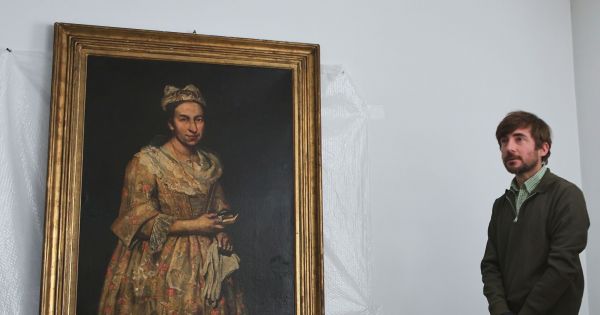
🎨
An Argentine court returns an 18th-century work to the heirs of a Jewish art dealer
Een Argentijnse rechtbank geeft een 18e-eeuws werk terug aan de erfgenamen van een Joodse kunsthandelaar
Un tribunal argentin restitue une œuvre du XVIIIe siècle aux héritiers d'un marchand d'art juif
So, here's a fascinating twist in art restitution! An Argentine court has ordered the return of the painting 'Portrait of a Lady' to the heirs of Jacques Goudstikker, a Jewish art dealer whose collection was looted by the Nazis nearly 90 years ago. The painting was discovered in Mar del Plata, and the couple who had it accepted a deal to return it, which included a donation to a children's hospital. This ruling is seen as a significant step towards historical reparation for the victims of such atrocities. It’s heartwarming to see art returning to its rightful owners after so many years!
Dus, hier is een fascinerende wending in de teruggave van kunst! Een Argentijnse rechtbank heeft bevolen dat het schilderij 'Portret van een Dame' teruggegeven moet worden aan de erfgenamen van Jacques Goudstikker, een Joodse kunsthandelaar wiens collectie bijna 90 jaar geleden door de nazi's werd geroofd. Het schilderij werd ontdekt in Mar del Plata, en het paar dat het had, accepteerde een deal om het terug te geven, inclusief een donatie aan een kinderziekenhuis. Deze uitspraak wordt gezien als een belangrijke stap naar historische schadevergoeding voor de slachtoffers van dergelijke wreedheden. Het is hartverwarmend om te zien dat kunst na zoveel jaren terugkeert naar de rechtmatige eigenaren!
Alors, voici un tournant fascinant dans la restitution d'art ! Un tribunal argentin a ordonné le retour du tableau 'Portrait d'une dame' aux héritiers de Jacques Goudstikker, un marchand d'art juif dont la collection a été pillée par les nazis il y a près de 90 ans. Le tableau a été découvert à Mar del Plata, et le couple qui le possédait a accepté un accord pour le restituer, comprenant un don à un hôpital pour enfants. Cette décision est considérée comme un pas significatif vers la réparation historique pour les victimes de telles atrocités. C'est réconfortant de voir l'art revenir à ses propriétaires légitimes après tant d'années !
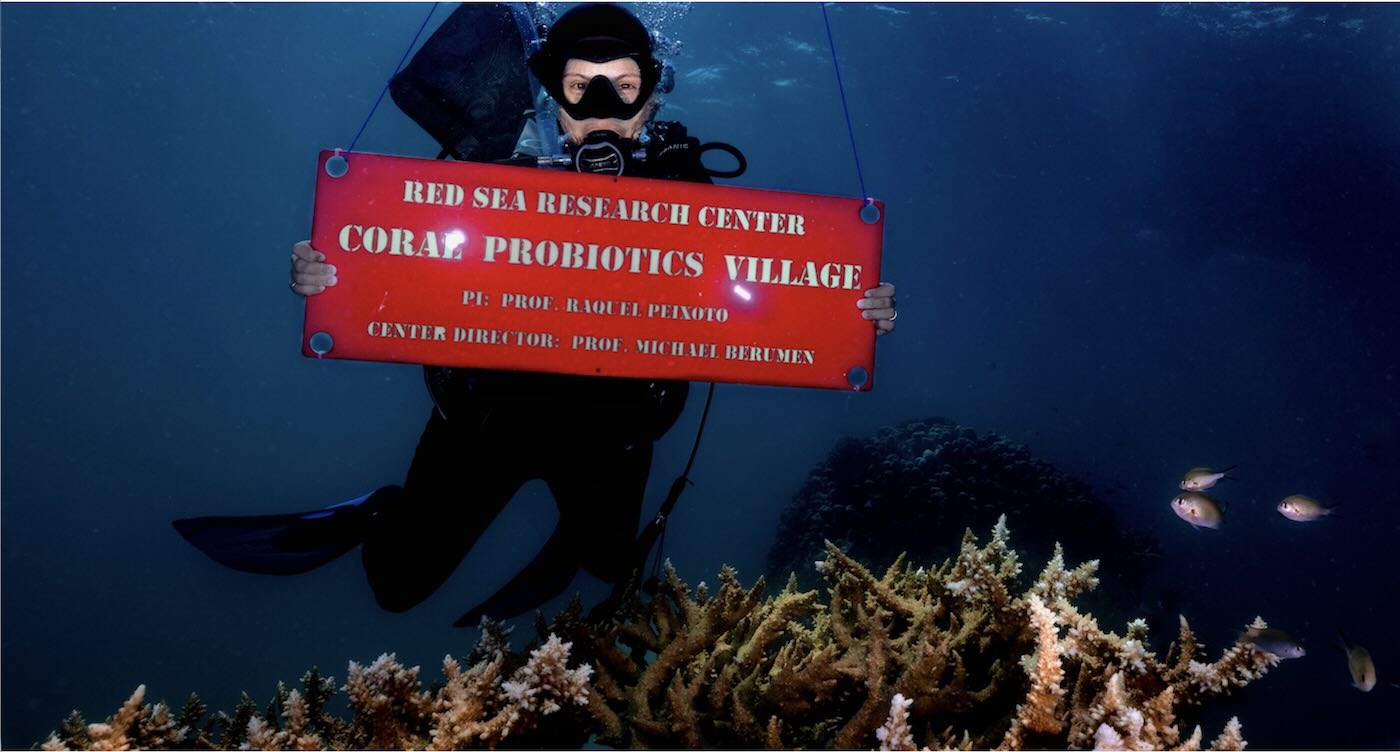
🌊
Red sea coral dying from heat stress is being revived with probiotics
Koraal in de rode zee dat sterft door hitte-stress wordt hersteld met probiotica
Le corail de la mer Rouge mourant de stress thermique est revitalisé avec des probiotiques
It's fantastic to hear that scientists have successfully revived Red Sea coral suffering from heat stress using probiotics for the first time in open waters! This innovative approach not only helps the corals themselves but also restores their vital microbiomes. The results showed significant improvements in coral health, even during a natural marine heatwave. This research opens exciting new possibilities for coral conservation and highlights the importance of understanding how to enhance coral resilience.
Het is geweldig om te horen dat wetenschappers met succes koraal in de Rode Zee dat lijdt aan hitte-stress hebben hersteld met probiotica, voor het eerst in open water! Deze innovatieve aanpak helpt niet alleen de koralen zelf, maar herstelt ook hun vitale microbiomen. De resultaten toonden aanzienlijke verbeteringen in de gezondheid van het koraal, zelfs tijdens een natuurlijke mariene hittegolf. Dit onderzoek opent spannende nieuwe mogelijkheden voor koraalbehoud en benadrukt het belang van het begrijpen van hoe we de veerkracht van koralen kunnen vergroten.
C'est fantastique d'apprendre que des scientifiques ont réussi à revitaliser le corail de la mer Rouge souffrant de stress thermique en utilisant des probiotiques pour la première fois en eaux ouvertes ! Cette approche innovante aide non seulement les coraux eux-mêmes, mais restaure également leurs microbiomes vitaux. Les résultats ont montré des améliorations significatives de la santé des coraux, même pendant une vague de chaleur marine naturelle. Cette recherche ouvre de nouvelles possibilités passionnantes pour la conservation des coraux et souligne l'importance de comprendre comment renforcer la résilience des coraux.

🌟
One simple word makes children 30 percent more likely to cooperate. It works on adults, too.
Één eenvoudig woord maakt kinderen 30 procent waarschijnlijker om samen te werken. Het werkt ook bij volwassenen.
Un simple mot rend les enfants 30 % plus susceptibles de coopérer. Cela fonctionne aussi sur les adultes.
So, Jonah Berger has this fascinating insight into human psychology that shows how a single word can make a huge difference in getting people to cooperate. By framing requests in a way that appeals to people's identities, like calling someone a 'helper' instead of just asking for help, you can boost compliance by 30%! It's all about how we see ourselves and how we want others to see us, which is pretty powerful. This technique can even help us change our own self-perception, making it a handy tool for anyone looking to improve their communication skills.
Dus, Jonah Berger heeft deze fascinerende inzicht in de menselijke psychologie dat laat zien hoe één enkel woord een groot verschil kan maken in het krijgen van mensen om samen te werken. Door verzoeken te formuleren op een manier die inspeelt op iemands identiteit, zoals iemand een 'helper' noemen in plaats van gewoon om hulp te vragen, kun je de medewerking met 30% verhogen! Het draait allemaal om hoe we onszelf zien en hoe we willen dat anderen ons zien, wat behoorlijk krachtig is. Deze techniek kan ons zelfs helpen om onze eigen zelfperceptie te veranderen, waardoor het een handige tool is voor iedereen die zijn communicatieve vaardigheden wil verbeteren.
Donc, Jonah Berger a cette perspective fascinante sur la psychologie humaine qui montre comment un seul mot peut faire une énorme différence pour amener les gens à coopérer. En formulant des demandes d'une manière qui fait appel à l'identité des gens, comme appeler quelqu'un un 'aide' au lieu de simplement demander de l'aide, vous pouvez augmenter la conformité de 30 % ! Tout tourne autour de la façon dont nous nous voyons et de la manière dont nous voulons que les autres nous voient, ce qui est assez puissant. Cette technique peut même nous aider à changer notre propre perception de soi, ce qui en fait un outil pratique pour quiconque cherche à améliorer ses compétences en communication.
📏
BMI can be misleading. Doctors point to a simple measurement that says much more
BMI kan misleidend zijn. Artsen wijzen op een eenvoudige meting die veel meer zegt
L'IMC peut être trompeur. Les médecins soulignent une mesure simple qui en dit beaucoup plus
So, it turns out that BMI might not be the best way to assess obesity. Researchers found that a simple waist measurement can provide more accurate information about body fat and health risks. In fact, relying solely on BMI detected only about half of those with excess fat. This suggests that measuring waist circumference could be a much more effective tool for identifying obesity and its associated health risks.
Het blijkt dat BMI misschien niet de beste manier is om obesitas te beoordelen. Onderzoekers ontdekten dat een eenvoudige taillemeting nauwkeurigere informatie kan geven over lichaamsvet en gezondheidsrisico's. Het vertrouwen op alleen BMI detecteerde slechts ongeveer de helft van de mensen met overtollig vet. Dit suggereert dat het meten van de tailleomtrek een veel effectievere tool kan zijn voor het identificeren van obesitas en de bijbehorende gezondheidsrisico's.
Il s'avère que l'IMC n'est peut-être pas la meilleure façon d'évaluer l'obésité. Les chercheurs ont découvert qu'une simple mesure de la taille peut fournir des informations plus précises sur la graisse corporelle et les risques pour la santé. En fait, se fier uniquement à l'IMC n'a détecté qu'environ la moitié des personnes ayant un excès de graisse. Cela suggère que mesurer la circonférence de la taille pourrait être un outil beaucoup plus efficace pour identifier l'obésité et ses risques pour la santé associés.
🔍
A mysterious signal around Earth could be dark matter
Een mysterieuze signaal rond de aarde zou donkere materie kunnen zijn
Un signal mystérieux autour de la Terre pourrait être de la matière noire
So, dark matter is one of those big puzzles in physics, right? Researchers from Japan have come up with a fascinating idea to use Earth's magnetic environment as a giant detector for ultralight particles like axions and dark photons. They found that the region between the Earth's surface and the ionosphere can amplify signals, allowing them to explore frequencies that were previously ignored. What's even more exciting is that they identified several intriguing signal candidates that might hint at dark matter, although the source remains a mystery!
Dus, donkere materie is zo'n groot mysterie in de natuurkunde, nietwaar? Onderzoekers uit Japan hebben een fascinerend idee bedacht om de magnetische omgeving van de aarde te gebruiken als een gigantische detector voor ultralichte deeltjes zoals axionen en donkere fotonen. Ze ontdekten dat het gebied tussen het aardoppervlak en de ionosfeer signalen kan versterken, waardoor ze frequenties konden verkennen die eerder genegeerd waren. Wat nog spannender is, is dat ze verschillende intrigerende signaalkandidaten hebben geïdentificeerd die mogelijk op donkere materie wijzen, hoewel de bron een mysterie blijft!
Alors, la matière noire est l'un de ces grands mystères en physique, n'est-ce pas ? Des chercheurs japonais ont eu une idée fascinante : utiliser l'environnement magnétique de la Terre comme un gigantesque détecteur pour des particules ultralégères comme les axions et les photons sombres. Ils ont découvert que la région entre la surface de la Terre et l'ionosphère peut amplifier les signaux, leur permettant d'explorer des fréquences qui étaient auparavant ignorées. Ce qui est encore plus excitant, c'est qu'ils ont identifié plusieurs candidats de signaux intrigants qui pourraient indiquer la présence de matière noire, bien que la source reste un mystère !
🌟
80,000-year-old “arrowheads” rewrite human history
80.000 jaar oude 'pijlen' herschrijven de menselijke geschiedenis
Des 'flèches' vieilles de 80 000 ans réécrivent l'histoire humaine
So, researchers have discovered ancient triangular projectile points in Uzbekistan that date back 80,000 years! These tiny arrowheads are similar to those made by Homo sapiens later on, suggesting a much earlier presence in Europe than we thought. This exciting find challenges long-held beliefs about human migration and settlement patterns. It’s fascinating to think about how these discoveries can reshape our understanding of our ancestors' journeys.
Dus, onderzoekers hebben oude driehoekige projectielen ontdekt in Oezbekistan die dateren van 80.000 jaar geleden! Deze kleine pijlen zijn vergelijkbaar met die van Homo sapiens later, wat suggereert dat er veel eerder een aanwezigheid in Europa was dan we dachten. Deze opwindende ontdekking daagt lang gekoesterde overtuigingen over menselijke migratie en vestigingspatronen uit. Het is fascinerend om na te denken over hoe deze ontdekkingen ons begrip van de reizen van onze voorouders kunnen hervormen.
Alors, des chercheurs ont découvert d'anciens points de projectile triangulaires en Ouzbékistan datant de 80 000 ans ! Ces petites flèches sont similaires à celles fabriquées par Homo sapiens plus tard, suggérant une présence en Europe beaucoup plus précoce que ce que nous pensions. Cette découverte passionnante remet en question des croyances bien ancrées sur les migrations humaines et les schémas d'établissement. C'est fascinant de penser à la façon dont ces découvertes peuvent redéfinir notre compréhension des voyages de nos ancêtres.
🫐
Compound in blueberries may help muscle cells burn excess fat
Verbinding in blauwe bessen kan spiercellen helpen overtollig vet te verbranden
Un composé dans les myrtilles pourrait aider les cellules musculaires à brûler l'excès de graisse
So, researchers have discovered that pterostilbene, a compound found in blueberries, can help muscle cells burn excess fat. This is exciting because excess fat in muscle can lead to metabolic issues and insulin resistance. The study showed that pterostilbene stabilizes a key protein called PPARδ, which plays a crucial role in fat metabolism. By increasing the levels of this protein, pterostilbene encourages muscle cells to break down stored fats for energy, potentially paving the way for new dietary interventions.
Onderzoekers hebben ontdekt dat pterostilbeen, een verbinding die in blauwe bessen voorkomt, spiercellen kan helpen overtollig vet te verbranden. Dit is spannend omdat overtollig vet in spieren kan leiden tot metabolische problemen en insulineresistentie. De studie toonde aan dat pterostilbeen een belangrijk eiwit genaamd PPARδ stabiliseert, dat een cruciale rol speelt in vetmetabolisme. Door de niveaus van dit eiwit te verhogen, moedigt pterostilbeen spiercellen aan om opgeslagen vetten af te breken voor energie, wat mogelijk de weg vrijmaakt voor nieuwe dieetinterventies.
Les chercheurs ont découvert que le pterostilbène, un composé présent dans les myrtilles, peut aider les cellules musculaires à brûler l'excès de graisse. C'est passionnant car l'excès de graisse dans les muscles peut entraîner des problèmes métaboliques et une résistance à l'insuline. L'étude a montré que le pterostilbène stabilise une protéine clé appelée PPARδ, qui joue un rôle crucial dans le métabolisme des graisses. En augmentant les niveaux de cette protéine, le pterostilbène encourage les cellules musculaires à décomposer les graisses stockées pour produire de l'énergie, ouvrant ainsi la voie à de nouvelles interventions diététiques.

🚀
German company launches rocket as Europe enters satellite race
Duits bedrijf lanceert raket terwijl Europa de satellietenrace ingaat
Une entreprise allemande lance une fusée alors que l'Europe entre dans la course aux satellites
Isar Aerospace has made a significant leap by launching its Spectrum rocket from Norway, marking a pivotal moment for Europe in the satellite race. This 28-metre-long rocket successfully deployed five satellites into orbit, showcasing Europe's growing capabilities in space technology. It's exciting to see a privately developed rocket reach space from Europe for the first time! With plans to manufacture up to 40 launch vehicles annually, Isar Aerospace is positioning itself as a key player in the future of satellite launches.
Isar Aerospace heeft een belangrijke sprong gemaakt door zijn Spectrum-raket vanuit Noorwegen te lanceren, wat een cruciaal moment voor Europa in de satellietenrace markeert. Deze 28 meter lange raket heeft met succes vijf satellieten in een baan om de aarde gebracht, wat de groeiende capaciteiten van Europa in de ruimte-technologie laat zien. Het is spannend om te zien dat een particulier ontwikkelde raket voor het eerst de ruimte vanuit Europa heeft bereikt! Met plannen om jaarlijks tot 40 lanceervoertuigen te produceren, positioneert Isar Aerospace zich als een belangrijke speler in de toekomst van satellietlanceringen.
Isar Aerospace a fait un bond significatif en lançant sa fusée Spectrum depuis la Norvège, marquant un moment clé pour l'Europe dans la course aux satellites. Cette fusée de 28 mètres a déployé avec succès cinq satellites en orbite, montrant ainsi les capacités croissantes de l'Europe en matière de technologie spatiale. C'est passionnant de voir une fusée développée par le secteur privé atteindre l'espace pour la première fois depuis l'Europe ! Avec des projets de fabrication de jusqu'à 40 véhicules de lancement par an, Isar Aerospace se positionne comme un acteur clé de l'avenir des lancements de satellites.

🗺️
The centuries-old problem of mapping the world
Het eeuwenoude probleem van het in kaart brengen van de wereld
Le problème séculaire de la cartographie du monde
So, the Mercator map, created in 1569 by Gerardus Mercator, has been a game changer for navigation. It brilliantly allows sailors to follow a straight compass bearing, but here's the catch - it distorts the size of countries, making those near the poles look much larger than they are. This has significant implications, especially for how we perceive Africa's resources and opportunities. Critics argue that maps do more than guide us; they shape our understanding of political and economic importance.
Dus, de Mercator-kaart, gemaakt in 1569 door Gerardus Mercator, is een belangrijke verandering geweest voor de navigatie. Het stelt zeilers in staat om een rechte kompasrichting te volgen, maar hier is het probleem - het vervormt de grootte van landen, waardoor die nabij de polen veel groter lijken dan ze zijn. Dit heeft belangrijke gevolgen, vooral voor hoe we de middelen en kansen van Afrika waarnemen. Critici beweren dat kaarten meer doen dan ons begeleiden; ze vormen ons begrip van politieke en economische belangrijkheid.
Alors, la carte de Mercator, créée en 1569 par Gerardus Mercator, a été un changement majeur pour la navigation. Elle permet brillamment aux marins de suivre une direction de compas droite, mais voici le problème - elle déforme la taille des pays, rendant ceux proches des pôles beaucoup plus grands qu'ils ne le sont. Cela a des implications significatives, notamment pour notre perception des ressources et des opportunités de l'Afrique. Les critiques soutiennent que les cartes font plus que nous guider ; elles façonnent notre compréhension de l'importance politique et économique.

🌳
Mobilizing walloon forest owners against climate change
Walloon bosbezitters mobiliseren tegen klimaatverandering
Mobiliser les propriétaires forestiers wallons contre le changement climatique
So, the article emphasizes the crucial role of nearly 80,000 private forest owners in Wallonia as we face the growing threat of climate change. These dedicated individuals actively manage over half of the region's forests, making them key players in fire prevention and resilience. Now, the author argues for better support and simplified regulations to empower these owners in their efforts. It's all about balancing forest management with the need for protection, ensuring that our natural spaces can thrive despite the challenges ahead.
Het artikel benadrukt de cruciale rol van bijna 80.000 particuliere bosbezitters in Wallonië nu we de groeiende dreiging van klimaatverandering onder ogen zien. Deze toegewijde individuen beheren actief meer dan de helft van de bossen in de regio, waardoor ze belangrijke spelers zijn in brandpreventie en veerkracht. Nu pleit de auteur voor betere ondersteuning en vereenvoudigde regelgeving om deze eigenaren te versterken in hun inspanningen. Het draait allemaal om het in balans brengen van bosbeheer met de noodzaak van bescherming, zodat onze natuurlijke ruimtes kunnen gedijen ondanks de uitdagingen die voor ons liggen.
L'article souligne le rôle crucial de près de 80 000 propriétaires forestiers privés en Wallonie face à la menace croissante du changement climatique. Ces individus dévoués gèrent activement plus de la moitié des forêts de la région, ce qui en fait des acteurs clés dans la prévention des incendies et la résilience. Maintenant, l'auteur plaide pour un meilleur soutien et une réglementation simplifiée afin d'autonomiser ces propriétaires dans leurs efforts. Il s'agit de trouver un équilibre entre la gestion forestière et la nécessité de protection, garantissant que nos espaces naturels puissent prospérer malgré les défis à venir.

🌟
Future of the economy: good news that no one sees
Toekomst van de economie: goed nieuws dat niemand ziet
Avenir de l'économie : de bonnes nouvelles que personne ne voit
You know, it turns out that the news about Germany's economy isn't as grim as it seems at first glance. Sure, Volkswagen is cutting 50,000 jobs, and there have been a few more insolvencies, but the growth numbers for the second quarter have been revised up to 0.3 percent! This little bump has led to optimistic forecasts for the year, with growth expectations rising to between 1.2 and 1.4 percent. And here's the thing: amidst all the doom and gloom, there are positive signs like increased exports and a boost in investments that suggest Germany is navigating its structural changes better than many anticipated.
Je weet, het blijkt dat het nieuws over de Duitse economie niet zo somber is als het op het eerste gezicht lijkt. Natuurlijk snijdt Volkswagen 50.000 banen, en er zijn een paar meer faillissementen geweest, maar de groeicijfers voor het tweede kwartaal zijn bijgesteld naar 0,3 procent! Deze kleine stijging heeft geleid tot optimistische voorspellingen voor het jaar, met groei verwachtingen die zijn gestegen naar tussen de 1,2 en 1,4 procent. En hier is het punt: temidden van al het sombere nieuws zijn er positieve signalen zoals verhoogde export en een boost in investeringen die suggereren dat Duitsland zijn structurele veranderingen beter navigeert dan velen hadden verwacht.
Vous savez, il s'avère que les nouvelles sur l'économie allemande ne sont pas aussi sombres qu'elles en ont l'air au premier abord. Certes, Volkswagen supprime 50 000 emplois et il y a eu quelques faillites supplémentaires, mais les chiffres de croissance pour le deuxième trimestre ont été révisés à 0,3 % ! Ce petit bond a conduit à des prévisions optimistes pour l'année, avec des attentes de croissance passant entre 1,2 et 1,4 %. Et voici le truc : au milieu de tous les scénarios apocalyptiques, il y a des signes positifs comme l'augmentation des exportations et un coup de pouce aux investissements qui suggèrent que l'Allemagne navigue mieux dans ses changements structurels que beaucoup ne l'avaient anticipé.

⛽
Fuel costs for gasoline cars now three times higher than electric charging
Brandstofkosten voor benzineauto's nu drie keer hoger dan elektrische oplading
Les coûts de carburant pour les voitures à essence désormais trois fois plus élevés que la recharge électrique
So, it turns out that the monthly fuel budget for gasoline cars has skyrocketed recently! With a jump of 25 euros, drivers are now spending around 137 euros a month, which is nearly three times what electric car owners pay for charging. This is largely due to rising oil prices linked to geopolitical tensions. Meanwhile, electric vehicle costs have remained stable at about 46 euros, making them a much more economical choice these days.
Dus, het blijkt dat het maandelijkse brandstofbudget voor benzineauto's recentelijk is gestegen! Met een stijging van 25 euro geven bestuurders nu ongeveer 137 euro per maand uit, wat bijna drie keer zoveel is als wat eigenaren van elektrische auto's betalen voor opladen. Dit komt grotendeels door de stijgende olieprijzen die verband houden met geopolitieke spanningen. Ondertussen zijn de kosten voor elektrische voertuigen stabiel gebleven op ongeveer 46 euro, waardoor ze tegenwoordig een veel economischere keuze zijn.
Alors, il s'avère que le budget mensuel de carburant pour les voitures à essence a récemment explosé ! Avec une augmentation de 25 euros, les conducteurs dépensent désormais environ 137 euros par mois, ce qui est presque trois fois plus que ce que paient les propriétaires de voitures électriques pour la recharge. Cela est principalement dû à la hausse des prix du pétrole liée aux tensions géopolitiques. Pendant ce temps, les coûts des véhicules électriques sont restés stables à environ 46 euros, ce qui en fait un choix beaucoup plus économique de nos jours.

📚
Humanities, elitist and useless? They are, however, a formidable asset in facing the world
Humanities, elitair en nutteloos? Ze zijn echter een formidabele troef in de wereld
Humanités, élitistes et inutiles? Elles sont pourtant un formidable atout face au monde
So, the article dives into the importance of humanities in education, arguing that they are far from elitist or useless. Instead, they cultivate critical thinking and creativity, preparing students to be free citizens. The author emphasizes that the value of humanities lies in their ability to teach what is truly important, rather than just what is useful. In a world that often prioritizes practicality, the humanities remain a vital asset for future generations.
Dus, het artikel duikt in het belang van de humaniora in het onderwijs en stelt dat ze verre van elitair of nutteloos zijn. In plaats daarvan cultiveren ze kritisch denken en creativiteit, waardoor studenten worden voorbereid om vrije burgers te zijn. De auteur benadrukt dat de waarde van de humaniora ligt in hun vermogen om te onderwijzen wat echt belangrijk is, in plaats van alleen wat nuttig is. In een wereld die vaak praktisch nut prioriteert, blijven de humaniora een vitale troef voor toekomstige generaties.
Alors, l'article plonge dans l'importance des humanités dans l'éducation, soutenant qu'elles ne sont pas du tout élitistes ou inutiles. Au contraire, elles cultivent la pensée critique et la créativité, préparant les étudiants à être des citoyens libres. L'auteur souligne que la valeur des humanités réside dans leur capacité à enseigner ce qui est vraiment important, plutôt que simplement ce qui est utile. Dans un monde qui privilégie souvent le pragmatisme, les humanités demeurent un atout vital pour les générations futures.

🌳
Karnataka vet spends life savings to build a 600-tree gene bank for rare mangoes
Karnataka dierenarts besteedt zijn levenssparen aan de bouw van een genenbank met 600 bomen voor zeldzame mango's
Un vétérinaire du Karnataka dépense ses économies pour construire une banque de gènes de 600 arbres pour des mangues rares
In Karnataka, Dr. P Manohara Upadhya has dedicated his life savings to create a 600-tree gene bank for wild mangoes, preserving the unique flavors and stories of local varieties. These mangoes are not just fruits; they represent a cultural heritage that is fading due to modern agricultural practices. His project, Maavu Mantapa, aims to collect and grow these varieties before they vanish completely. With the help of a dedicated team, he is ensuring that each tree carries a name and a story, keeping Karnataka's mango legacy alive.
In Karnataka heeft Dr. P Manohara Upadhya zijn levenssparen gewijd aan het creëren van een genenbank met 600 bomen voor wilde mango's, waarmee hij de unieke smaken en verhalen van lokale variëteiten behoudt. Deze mango's zijn niet zomaar vruchten; ze vertegenwoordigen een cultureel erfgoed dat vervaagt door moderne landbouwpraktijken. Zijn project, Maavu Mantapa, heeft als doel deze variëteiten te verzamelen en te laten groeien voordat ze volledig verdwijnen. Met de hulp van een toegewijd team zorgt hij ervoor dat elke boom een naam en een verhaal draagt, waardoor de mango-erfenis van Karnataka levend blijft.
Au Karnataka, le Dr P Manohara Upadhya a consacré ses économies à la création d'une banque de gènes de 600 arbres pour des mangues sauvages, préservant les saveurs et les histoires uniques des variétés locales. Ces mangues ne sont pas seulement des fruits ; elles représentent un patrimoine culturel qui s'efface en raison des pratiques agricoles modernes. Son projet, Maavu Mantapa, vise à collecter et à cultiver ces variétés avant qu'elles ne disparaissent complètement. Avec l'aide d'une équipe dévouée, il s'assure que chaque arbre porte un nom et une histoire, maintenant ainsi vivante l'héritage des mangues du Karnataka.
🔬
Life uses 4 DNA letters. Scientists just made 8 work
Leven gebruikt 4 DNA-letters. Wetenschappers hebben net 8 laten werken
La vie utilise 4 lettres d'ADN. Les scientifiques viennent de faire fonctionner 8
Isn't it fascinating? Researchers at UC San Diego have discovered that an essential enzyme can read an expanded genetic alphabet of eight letters instead of just four. This breakthrough suggests that our cells can adapt to synthetic genetic information, paving the way for exciting advancements in synthetic biology. Imagine the possibilities for engineering biological systems that can perform new functions or create compounds that don’t exist in nature! This research could lead to innovative diagnostic tools and therapies that could change the game in health and technology.
Is het niet fascinerend? Onderzoekers van UC San Diego hebben ontdekt dat een essentieel enzym een uitgebreid genetisch alfabet van acht letters kan lezen in plaats van slechts vier. Deze doorbraak suggereert dat onze cellen zich kunnen aanpassen aan synthetische genetische informatie, wat de weg vrijmaakt voor spannende vooruitgangen in de synthetische biologie. Stel je de mogelijkheden voor om biologische systemen te creëren die nieuwe functies kunnen uitvoeren of verbindingen kunnen maken die niet in de natuur bestaan! Dit onderzoek kan leiden tot innovatieve diagnostische hulpmiddelen en therapieën die de wereld kunnen veranderen op het gebied van gezondheid en technologie.
N'est-ce pas fascinant ? Des chercheurs de l'UC San Diego ont découvert qu'une enzyme essentielle peut lire un alphabet génétique élargi de huit lettres au lieu de seulement quatre. Cette avancée suggère que nos cellules peuvent s'adapter à des informations génétiques synthétiques, ouvrant la voie à des avancées passionnantes dans la biologie synthétique. Imaginez les possibilités de concevoir des systèmes biologiques capables d'exécuter de nouvelles fonctions ou de créer des composés qui n'existent pas dans la nature ! Cette recherche pourrait mener à des outils de diagnostic et des thérapies innovants qui pourraient changer la donne dans la santé et la technologie.

🦋
Scientists put caterpillars in an ultraquiet chamber to learn how they hear without ears
Wetenschappers plaatsen rupsjes in een ultra-stille kamer om te leren hoe ze zonder oren horen
Des scientifiques mettent des chenilles dans une chambre ultra-silencieuse pour comprendre comment elles entendent sans oreilles
So, here's the fascinating scoop: tobacco hornworm caterpillars can sense danger without having ears! Researchers are diving deep into how these little creatures hear using sensitive hairs on their bodies. They even studied them in an anechoic chamber, the quietest place on Earth, to understand their reactions to vibrations and sounds. This could not only unravel a mystery of nature but also inspire new microphone technology. Isn’t it amazing how much we can learn from these tiny beings?
Dus, hier is het fascinerende nieuws: tabaksrupsjes kunnen gevaar waarnemen zonder oren te hebben! Onderzoekers duiken diep in hoe deze kleine wezens horen met behulp van gevoelige haartjes op hun lichaam. Ze hebben ze zelfs bestudeerd in een anechoïsche kamer, de stilste plek op aarde, om hun reacties op trillingen en geluiden te begrijpen. Dit kan niet alleen een mysterie van de natuur onthullen, maar ook nieuwe microfoontechnologie inspireren. Is het niet geweldig hoeveel we van deze kleine wezens kunnen leren?
Alors, voici la nouvelle fascinante : les chenilles de tabac peuvent détecter le danger sans avoir d'oreilles ! Les chercheurs plongent dans la façon dont ces petites créatures entendent grâce à des poils sensibles sur leur corps. Ils les ont même étudiées dans une chambre anéchoïque, l'endroit le plus silencieux de la Terre, pour comprendre leurs réactions aux vibrations et aux sons. Cela pourrait non seulement résoudre un mystère de la nature, mais aussi inspirer de nouvelles technologies de microphones. N'est-ce pas incroyable combien nous pouvons apprendre de ces petits êtres ?

🌟
Alzheimer’s trial to test drug on people without symptoms to see if it can be prevented
Proef met Alzheimer om medicijn te testen bij mensen zonder symptomen om te zien of het kan worden voorkomen
Essai sur Alzheimer pour tester un médicament sur des personnes sans symptômes afin de voir s'il peut être prévenu
This exciting new trial is set to explore whether an experimental Alzheimer’s drug can prevent the onset of dementia in people who currently show no symptoms. Healthy middle-aged individuals at higher risk will be screened, and those with a specific biomarker will have the chance to participate. The PrevenTRON study aims to shift the focus from treating Alzheimer’s to preventing it altogether, which is a game changer! With the potential to help millions, this research could redefine how we approach this condition.
Deze spannende nieuwe proef gaat onderzoeken of een experimenteel medicijn voor Alzheimer de ontwikkeling van dementie kan voorkomen bij mensen die momenteel geen symptomen vertonen. Gezonde middelbare leeftijdsgenoten met een hoger risico worden gescreend, en degenen met een specifieke biomarker krijgen de kans om deel te nemen. De PrevenTRON-studie heeft als doel de focus te verschuiven van het behandelen van Alzheimer naar het voorkomen ervan, wat een grote verandering is! Met het potentieel om miljoenen te helpen, zou dit onderzoek onze benadering van deze aandoening kunnen herdefiniëren.
Cet essai passionnant vise à explorer si un médicament expérimental contre Alzheimer peut prévenir l'apparition de la démence chez des personnes qui ne présentent actuellement aucun symptôme. Des individus en bonne santé d'âge moyen à risque plus élevé seront dépistés, et ceux ayant un biomarqueur spécifique auront la chance de participer. L'étude PrevenTRON vise à déplacer l'accent du traitement d'Alzheimer vers sa prévention, ce qui est révolutionnaire ! Avec le potentiel d'aider des millions de personnes, cette recherche pourrait redéfinir notre approche de cette maladie.

🧠
New brain scan tool could help treat Huntington’s disease
Nieuwe hersenscan-tool kan helpen bij de behandeling van de ziekte van Huntington
Nouvel outil d'IRM cérébrale pourrait aider à traiter la maladie de Huntington
I'm really excited about this new MRI technique that could change the game for Huntington's disease! It helps researchers estimate cellular damage in living patients, which is crucial for tracking treatment effectiveness. The study showed clear differences in brain structure between those with Huntington's and healthy individuals, which is fascinating. This could lead to better understanding and new therapies for a condition that currently has no cure.
Ik ben echt enthousiast over deze nieuwe MRI-techniek die de situatie voor de ziekte van Huntington kan veranderen! Het helpt onderzoekers om cellulaire schade bij levende patiënten te schatten, wat cruciaal is voor het volgen van de effectiviteit van behandelingen. De studie toonde duidelijke verschillen in de hersenstructuur tussen mensen met Huntington en gezonde individuen, wat fascinerend is. Dit kan leiden tot een beter begrip en nieuwe therapieën voor een aandoening waarvoor momenteel geen genezing bestaat.
Je suis vraiment enthousiaste à propos de cette nouvelle technique d'IRM qui pourrait changer la donne pour la maladie de Huntington ! Elle aide les chercheurs à estimer les dommages cellulaires chez les patients vivants, ce qui est crucial pour suivre l'efficacité des traitements. L'étude a montré des différences claires dans la structure cérébrale entre ceux atteints de Huntington et les individus en bonne santé, ce qui est fascinant. Cela pourrait conduire à une meilleure compréhension et à de nouvelles thérapies pour une condition qui n'a actuellement pas de cure.
🎨
Mathematicians discover the worst way to hang a painting
Wiskundigen ontdekken de slechtste manier om een schilderij op te hangen
Des mathématiciens découvrent la pire façon de suspendre un tableau
So, it turns out there's a really fascinating math problem about hanging paintings! Mathematicians have figured out how to hang a painting in such a way that removing any nail will make it fall. This quirky challenge has led to some surprising discoveries in group theory and knot theory. And here's the thing: even though it sounds silly, it’s all about learning through play and exploring complex ideas.
Dus, het blijkt dat er een fascinerend wiskundeprobleem is over het ophangen van schilderijen! Wiskundigen hebben ontdekt hoe je een schilderij zo kunt ophangen dat het valt als je een spijker verwijdert. Deze eigenaardige uitdaging heeft geleid tot verrassende ontdekkingen in de groepstheorie en knooptheorie. En hier is het punt: hoewel het belachelijk klinkt, draait het allemaal om leren door te spelen en complexe ideeën te verkennen.
Alors, il s'avère qu'il existe un problème mathématique vraiment fascinant sur la façon de suspendre des tableaux ! Des mathématiciens ont découvert comment accrocher un tableau de telle sorte que retirer un clou le fasse tomber. Ce défi original a conduit à des découvertes surprenantes en théorie des groupes et en théorie des nœuds. Et voici le truc : même si cela semble absurde, il s'agit avant tout d'apprendre en jouant et d'explorer des idées complexes.
/s3/static.nrc.nl/wp-content/uploads/2026/09/04141539/040926BUI_2036448388_thuis-2015.jpg)
🌟
As a symbol of feminism, Gloria Steinem changed America
Als boegbeeld van het feminisme veranderde Gloria Steinem Amerika
En tant que symbole du féminisme, Gloria Steinem a changé l'Amérique
Gloria Steinem, a pivotal figure in the feminist movement, dedicated her life to fighting for women's rights until her passing at 92. Despite her significant contributions, recent events in the U.S. have cast a shadow on her legacy, with many hard-won rights now under threat. Steinem's journey from a challenging childhood to becoming a leading voice for equality is truly inspiring. Her undercover work at the Playboy Mansion and her fierce advocacy for women's issues have left an indelible mark on American culture.
Gloria Steinem, een belangrijke figuur in de feministische beweging, wijdde haar leven aan de strijd voor vrouwenrechten tot haar overlijden op 92-jarige leeftijd. Ondanks haar aanzienlijke bijdragen werpen recente gebeurtenissen in de VS een schaduw over haar nalatenschap, met veel verworven rechten die nu onder druk staan. Steinem's reis van een moeilijke kindertijd naar een leidende stem voor gelijkheid is werkelijk inspirerend. Haar undercoverwerk in de Playboy Mansion en haar felle pleidooi voor vrouwenkwesties hebben een onuitwisbare indruk achtergelaten op de Amerikaanse cultuur.
Gloria Steinem, figure emblématique du mouvement féministe, a consacré sa vie à la lutte pour les droits des femmes jusqu'à son décès à 92 ans. Malgré ses contributions significatives, les événements récents aux États-Unis jettent une ombre sur son héritage, avec de nombreux droits acquis désormais menacés. Le parcours de Steinem, d'une enfance difficile à une voix de premier plan pour l'égalité, est véritablement inspirant. Son travail d'infiltration au Playboy Mansion et son plaidoyer ardent pour les questions féminines ont laissé une empreinte indélébile sur la culture américaine.
🐟
Endangered salmon return to california rivers in incredible numbers: ‘everybody’s just ecstatic’
Bedreigde zalm keert in ongelooflijke aantallen terug naar de rivieren van californië: ‘iedereen is gewoon ecstatisch’
Le saumon en danger revient en nombre incroyable dans les rivières de Californie : ‘tout le monde est juste extatique’
Wow, can you believe it? A record 30,000 coho salmon have returned to central California rivers, which is ten times the average from the last decade! Scientists are absolutely thrilled, as they thought they’d never witness such a comeback. This incredible surge is a testament to the successful restoration efforts by NOAA and local partners, showing that with the right management, recovery is possible. It’s heartwarming to see these fish thriving again in rivers where they were once just a memory.
Wauw, kun je het geloven? Een record van 30.000 coho-zalmen is teruggekeerd naar de rivieren in centraal Californië, wat tien keer het gemiddelde van het afgelopen decennium is! Wetenschappers zijn absoluut enthousiast, omdat ze dachten dat ze zo'n comeback nooit zouden meemaken. Deze ongelooflijke toename is een bewijs van de succesvolle herstelinspanningen van NOAA en lokale partners, die laten zien dat herstel mogelijk is met het juiste beheer. Het is hartverwarmend om te zien dat deze vissen weer gedijen in rivieren waar ze ooit slechts een herinnering waren.
Wow, pouvez-vous le croire ? Un nombre record de 30 000 saumons coho est revenu dans les rivières de Californie centrale, soit dix fois la moyenne de la dernière décennie ! Les scientifiques sont absolument ravis, car ils pensaient ne jamais être témoins d'un tel retour. Cette incroyable augmentation témoigne des efforts de restauration réussis de la NOAA et des partenaires locaux, montrant qu'avec la bonne gestion, la récupération est possible. C'est réconfortant de voir ces poissons prospérer à nouveau dans des rivières où ils n'étaient autrefois qu'un souvenir.
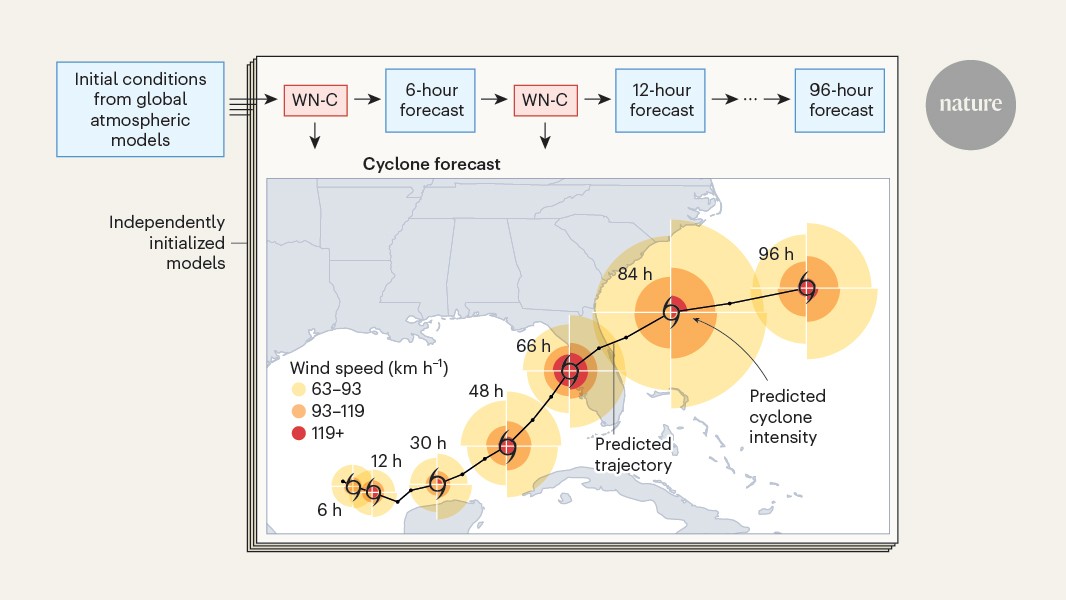
🌪️
Tropical cyclones could be predicted with an extra day’s warning, thanks to an AI model
Tropische cyclonen kunnen worden voorspeld met een extra dag waarschuwing, dankzij een AI-model
Les cyclones tropicaux pourraient être prévus avec un jour d'avertissement supplémentaire, grâce à un modèle d'IA
So, here's the exciting news! An AI model called WeatherNext Cyclones can predict tropical cyclones with remarkable accuracy, potentially giving us an extra day to prepare. This could save lives and minimize damage, which is absolutely crucial. The model works by analyzing various factors that influence these powerful storms, making forecasting much more reliable. It's a fantastic step forward in using technology to tackle natural disasters!
Dus, hier is het spannende nieuws! Een AI-model genaamd WeatherNext Cyclones kan tropische cyclonen met opmerkelijke nauwkeurigheid voorspellen, wat ons mogelijk een extra dag geeft om ons voor te bereiden. Dit kan levens redden en schade minimaliseren, wat absoluut cruciaal is. Het model analyseert verschillende factoren die deze krachtige stormen beïnvloeden, waardoor de voorspellingen veel betrouwbaarder worden. Het is een geweldige stap vooruit in het gebruik van technologie om natuurrampen aan te pakken!
Alors, voici la nouvelle passionnante ! Un modèle d'IA appelé WeatherNext Cyclones peut prédire les cyclones tropicaux avec une précision remarquable, nous donnant potentiellement un jour supplémentaire pour nous préparer. Cela pourrait sauver des vies et minimiser les dégâts, ce qui est absolument crucial. Le modèle fonctionne en analysant divers facteurs qui influencent ces tempêtes puissantes, rendant les prévisions beaucoup plus fiables. C'est un pas en avant fantastique dans l'utilisation de la technologie pour lutter contre les catastrophes naturelles !
🐋
Are these killer whales out for revenge on humans—or just trying to play?
Zijn deze orka's uit op wraak op mensen of proberen ze gewoon te spelen?
Ces orques sont-elles en quête de vengeance contre les humains ou essaient-elles simplement de jouer ?
So, there's this fascinating debate about killer whales and their interactions with humans. Some folks think these magnificent creatures might be seeking revenge, while others believe they're just being playful. It's incredible to consider the intelligence and social dynamics of these animals. Which brings me to the idea that understanding their behavior could really change how we view our relationship with nature.
Dus, er is een fascinerend debat over orka's en hun interacties met mensen. Sommige mensen denken dat deze prachtige wezens wraak willen nemen, terwijl anderen geloven dat ze gewoon speels zijn. Het is ongelooflijk om de intelligentie en sociale dynamiek van deze dieren te overwegen. Wat me brengt bij het idee dat het begrijpen van hun gedrag echt kan veranderen hoe we onze relatie met de natuur zien.
Alors, il y a ce débat fascinant sur les orques et leurs interactions avec les humains. Certaines personnes pensent que ces magnifiques créatures pourraient chercher à se venger, tandis que d'autres croient qu'elles sont simplement en train de jouer. C'est incroyable de considérer l'intelligence et la dynamique sociale de ces animaux. Ce qui m'amène à l'idée que comprendre leur comportement pourrait vraiment changer notre vision de notre relation avec la nature.
⚡
7 billion zł for a groundbreaking project. Poland will gain a huge 'water battery'
7 miljard zł voor een baanbrekend project. Polen krijgt een enorme 'waterbatterij'
7 milliards de zł pour un projet révolutionnaire. La Pologne va gagner une énorme 'batterie d'eau'
Poland is set to build its largest pumped-storage power plant near Lake Rożnowskie, with a staggering budget of around 7 billion zł. This facility, expected to be operational by 2033, will feature a massive upper reservoir that can hold at least 7.7 million cubic meters of water. It will act like a giant battery, storing excess energy and providing power during peak demand. This project not only promises to stabilize the national energy system but also aims to create hundreds of jobs and enhance flood protection in the region.
Polen staat op het punt zijn grootste pompen-accumulatiecentrale te bouwen nabij het Rożnowskie-meer, met een verbazingwekkend budget van ongeveer 7 miljard zł. Deze faciliteit, die naar verwachting in 2033 operationeel zal zijn, zal een enorme bovenreservoir bevatten dat minstens 7,7 miljoen kubieke meter water kan bevatten. Het zal fungeren als een enorme batterij, die overtollige energie opslaat en stroom levert tijdens piekverbruik. Dit project belooft niet alleen het nationale energiesysteem te stabiliseren, maar ook honderden banen te creëren en de overstromingsbescherming in de regio te verbeteren.
La Pologne s'apprête à construire sa plus grande centrale de pompage-turbinage près du lac Rożnowskie, avec un budget impressionnant d'environ 7 milliards de zł. Cette installation, qui devrait être opérationnelle d'ici 2033, disposera d'un immense réservoir supérieur pouvant contenir au moins 7,7 millions de mètres cubes d'eau. Elle agira comme une gigantesque batterie, stockant l'énergie excédentaire et fournissant de l'électricité en période de forte demande. Ce projet promet non seulement de stabiliser le système énergétique national, mais aussi de créer des centaines d'emplois et d'améliorer la protection contre les inondations dans la région.
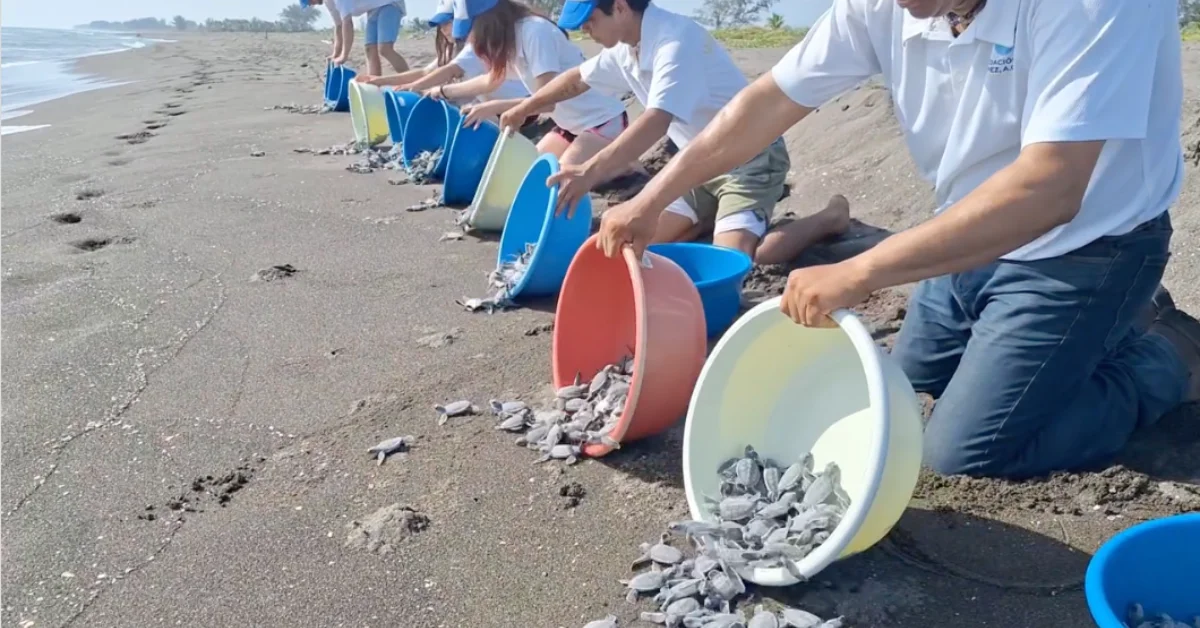
🐢
Tourists put these sea turtle nests at risk. Local Mexicans intervened, and now 3,200 hatchlings are swimming free
Toeristen brengen deze zeeschildpadden-nesten in gevaar. Lokale Mexicanen grepen in en nu zwemmen 3.200 jonge schildpadden vrij
Les touristes mettent en danger ces nids de tortues de mer. Des Mexicains locaux sont intervenus et maintenant 3 200 nouveau-nés nagent librement
On August 30, a Mexican nonprofit released around 3,200 baby sea turtles into the Gulf of Mexico, thanks to the dedicated efforts of Tortugas Fundación Yepez A.C. This organization, founded by Don Marcelino Yepez and his wife, has been working tirelessly for 59 years to protect these endangered creatures. After tourists endangered nesting turtles, patrols increased, and nests were moved to safer locations. It's heartwarming to see the community come together to ensure these little turtles can swim free and thrive.
Op 30 augustus heeft een Mexicaanse non-profitorganisatie ongeveer 3.200 jonge zeeschildpadden in de Golf van Mexico vrijgelaten, dankzij de toegewijde inspanningen van Tortugas Fundación Yepez A.C. Deze organisatie, opgericht door Don Marcelino Yepez en zijn vrouw, werkt al 59 jaar onvermoeibaar aan de bescherming van deze bedreigde dieren. Nadat toeristen de nestelende schildpadden in gevaar brachten, werden de patrouilles opgevoerd en werden de nesten naar veiligere locaties verplaatst. Het is hartverwarmend om te zien hoe de gemeenschap samenkomt om ervoor te zorgen dat deze kleine schildpadden vrij kunnen zwemmen en gedijen.
Le 30 août, une organisation à but non lucratif mexicaine a libéré environ 3 200 bébés tortues de mer dans le Golfe du Mexique, grâce aux efforts dévoués de Tortugas Fundación Yepez A.C. Cette organisation, fondée par Don Marcelino Yepez et sa femme, travaille sans relâche depuis 59 ans pour protéger ces créatures menacées. Après que des touristes aient mis en danger les tortues en nidification, les patrouilles ont été renforcées et les nids ont été déplacés vers des endroits plus sûrs. C'est réconfortant de voir la communauté se rassembler pour garantir que ces petites tortues puissent nager librement et prospérer.

🌟
Loza Maléombho is building an industry from African stories
Loza Maléombho bouwt een industrie op basis van Afrikaanse verhalen
Loza Maléombho construit une industrie à partir des histoires africaines
Ivorian designer Loza Maléombho is expanding her creative vision beyond fashion with her project Pokou, which blends local craftsmanship and artificial intelligence. Inspired by the legendary Queen Abla Pokou, she's creating a universe that includes clothing, film, art, and architecture. This initiative aims to transform African stories into valuable intellectual property while addressing the challenges faced by local fashion businesses. It's an exciting evolution that showcases the richness of African culture and creativity.
De Ivoriaanse ontwerpster Loza Maléombho breidt haar creatieve visie uit voorbij mode met haar project Pokou, dat lokale ambacht en kunstmatige intelligentie combineert. Geïnspireerd door de legendarische koningin Abla Pokou creëert ze een universum dat kleding, film, kunst en architectuur omvat. Dit initiatief heeft als doel Afrikaanse verhalen om te zetten in waardevolle intellectuele eigendom, terwijl het de uitdagingen aanpakt waarmee lokale modebedrijven worden geconfronteerd. Het is een spannende evolutie die de rijkdom van de Afrikaanse cultuur en creativiteit laat zien.
La designer ivoirienne Loza Maléombho élargit sa vision créative au-delà de la mode avec son projet Pokou, qui mélange artisanat local et intelligence artificielle. Inspirée par la légendaire reine Abla Pokou, elle crée un univers qui inclut vêtements, films, art et architecture. Cette initiative vise à transformer les histoires africaines en propriété intellectuelle précieuse tout en abordant les défis auxquels sont confrontées les entreprises de mode locales. C'est une évolution passionnante qui met en valeur la richesse de la culture et de la créativité africaines.
🌟
33-year-old former child prodigy is working on problems Hawking and Einstein never cracked
33-jarige voormalige kindprodigy werkt aan problemen die Hawking en Einstein nooit hebben opgelost
Une ancienne enfant prodige de 33 ans travaille sur des problèmes que Hawking et Einstein n'ont jamais résolus
Sabrina Gonzalez Pasterski is a remarkable theoretical physicist who was once dubbed the 'Next Einstein' for her incredible achievements at a young age. She soloed a plane she built herself at just 16 and graduated from MIT with a perfect GPA. Now, at 33, she's tackling the monumental challenge of unifying quantum mechanics and general relativity, a problem that has stumped the greatest minds. Her groundbreaking work on gravitational waves has already caught the attention of legends like Stephen Hawking, and she continues to push the boundaries of physics.
Sabrina Gonzalez Pasterski is een opmerkelijke theoretische fysica die ooit de 'Volgende Einstein' werd genoemd vanwege haar ongelooflijke prestaties op jonge leeftijd. Ze vloog op 16-jarige leeftijd solo in een door haarzelf gebouwd vliegtuig en studeerde af aan MIT met een perfect GPA. Nu, op 33-jarige leeftijd, pakt ze de monumentale uitdaging aan om de kwantummechanica en de algemene relativiteitstheorie te verenigen, een probleem dat de grootste geesten heeft gefrustreerd. Haar baanbrekende werk over zwaaigolven heeft al de aandacht getrokken van legendes zoals Stephen Hawking, en ze blijft de grenzen van de fysica verleggen.
Sabrina Gonzalez Pasterski est une physicienne théorique remarquable qui a été surnommée la 'Prochaine Einstein' pour ses incroyables réalisations à un jeune âge. Elle a piloté seule un avion qu'elle a construit elle-même à seulement 16 ans et a obtenu son diplôme du MIT avec une moyenne parfaite. Maintenant, à 33 ans, elle s'attaque au défi monumental d'unifier la mécanique quantique et la relativité générale, un problème qui a déconcerté les plus grands esprits. Son travail révolutionnaire sur les ondes gravitationnelles a déjà attiré l'attention de légendes comme Stephen Hawking, et elle continue de repousser les limites de la physique.

🌱
Former bird hunters work to rebuild a songbird haven: 'We hope it's not too late'
Voormalige vogeljagers werken aan de wederopbouw van een zangvogelsparadijs: 'We hopen dat het niet te laat is'
Anciens chasseurs d'oiseaux travaillent à reconstruire un havre pour les oiseaux chanteurs : 'Nous espérons qu'il n'est pas trop tard'
It's truly inspiring to see former bird hunters in Java shift their focus from capturing songbirds to becoming conservation advocates. The Menoreh Hills, once a hotspot for hunting, is now a UNESCO Biosphere Reserve, and these locals are working hard to restore the habitat for endangered species like the Javan blue flycatcher. With community efforts like tree planting and habitat mapping, they're making a real difference. It's a powerful reminder that change is possible, and every little action counts in protecting our wildlife.
Het is werkelijk inspirerend om te zien hoe voormalige vogeljagers in Java hun focus hebben verlegd van het vangen van zangvogels naar het worden van pleitbezorgers voor natuurbehoud. De Menoreh Hills, ooit een hotspot voor de jacht, is nu een UNESCO-biosfeerreservaat en deze lokale bewoners werken hard om de habitat voor bedreigde soorten zoals de Javan blue flycatcher te herstellen. Met gemeenschappelijke inspanningen zoals het planten van bomen en het in kaart brengen van habitats maken ze echt een verschil. Het is een krachtige herinnering dat verandering mogelijk is en elke kleine actie telt in de bescherming van onze wilde dieren.
C'est vraiment inspirant de voir d'anciens chasseurs d'oiseaux à Java changer leur focus de la capture des oiseaux chanteurs à devenir des défenseurs de la conservation. Les collines de Menoreh, autrefois un point chaud pour la chasse, sont maintenant une réserve de biosphère de l'UNESCO, et ces habitants travaillent dur pour restaurer l'habitat des espèces menacées comme le gobemouche bleu de Java. Grâce à des efforts communautaires tels que la plantation d'arbres et la cartographie des habitats, ils font une réelle différence. C'est un puissant rappel que le changement est possible et que chaque petite action compte pour protéger notre faune.
🌍
UN votes for a fairer world map that accurately represents Africa
VN stemt voor een eerlijker wereldkaart dat Afrika nauwkeurig weergeeft
L'ONU vote pour une carte du monde plus juste qui représente fidèlement l'Afrique
So, the United Nations has just made a significant move by voting for a new world map that aims to represent countries more accurately. This new Equal Earth map, which was introduced in 2018, shows Africa in its true size, unlike the traditional Mercator projection that makes it look much smaller. A whopping 164 countries supported this resolution, highlighting a growing recognition of the importance of accurate representations. While the resolution isn't binding, experts believe that many institutions will quickly adopt this new approach, which is a fantastic step towards fairness in cartography.
Dus, de Verenigde Naties hebben net een belangrijke stap gezet door te stemmen voor een nieuwe wereldkaart die landen nauwkeuriger weergeeft. Deze nieuwe Equal Earth-kaart, die in 2018 werd geïntroduceerd, toont Afrika in zijn ware grootte, in tegenstelling tot de traditionele Mercatorprojectie die het veel kleiner laat lijken. Maar liefst 164 landen steunden deze resolutie, wat de groeiende erkenning van het belang van nauwkeurige weergaven benadrukt. Hoewel de resolutie niet bindend is, geloven experts dat veel instellingen snel deze nieuwe aanpak zullen overnemen, wat een fantastische stap is naar eerlijkheid in de cartografie.
Alors, les Nations Unies viennent de faire un pas significatif en votant pour une nouvelle carte du monde qui vise à représenter les pays de manière plus précise. Cette nouvelle carte Equal Earth, introduite en 2018, montre l'Afrique dans sa véritable taille, contrairement à la projection Mercator traditionnelle qui la fait paraître beaucoup plus petite. Pas moins de 164 pays ont soutenu cette résolution, soulignant une reconnaissance croissante de l'importance des représentations précises. Bien que la résolution ne soit pas contraignante, les experts estiment que de nombreuses institutions adopteront rapidement cette nouvelle approche, ce qui est une étape fantastique vers l'équité en cartographie.
🌿
Massive herbarium merger rescues century-old plant collection
Massale herbariumfusie redt honderd jaar oude plantenverzameling
Fusion massive d'herbiers sauve une collection de plantes centenaire
I find it fascinating that a massive merger of herbaria has taken place, saving a century-old collection of plants! This collaboration not only preserves invaluable botanical specimens but also enhances research opportunities for scientists. It's amazing to think about how these plants can contribute to our understanding of biodiversity and conservation. And here's the thing: this merger is a perfect example of how teamwork can lead to incredible outcomes in the scientific community.
Ik vind het fascinerend dat er een massale fusie van herbaria heeft plaatsgevonden, waardoor een honderd jaar oude plantenverzameling is gered! Deze samenwerking behoudt niet alleen onschatbare botanische specimens, maar vergroot ook de onderzoeks mogelijkheden voor wetenschappers. Het is geweldig om te bedenken hoe deze planten kunnen bijdragen aan ons begrip van biodiversiteit en conservatie. En dat is het mooie: deze fusie is een perfect voorbeeld van hoe teamwork kan leiden tot ongelooflijke resultaten in de wetenschappelijke gemeenschap.
Je trouve fascinant qu'une fusion massive d'herbiers ait eu lieu, sauvant une collection de plantes centenaire ! Cette collaboration préserve non seulement des spécimens botaniques inestimables, mais elle améliore également les opportunités de recherche pour les scientifiques. C'est incroyable de penser à la façon dont ces plantes peuvent contribuer à notre compréhension de la biodiversité et de la conservation. Et voici le truc : cette fusion est un parfait exemple de la façon dont le travail d'équipe peut conduire à des résultats incroyables dans la communauté scientifique.
🌱
Space-loving botanist wondered if Martian soil is fertile, so he recreated it and planted seeds
Ruimte-liefhebbende botanicus vroeg zich af of Marsgrond vruchtbaar is, dus hij recreëerde het en plantte zaden
Un botaniste passionné par l'espace s'est demandé si le sol martien était fertile, alors il l'a recréé et a planté des graines
How exciting is this? A botanist named Wieger Wamelink decided to see if Martian soil could actually support plant life, so he created his own version in a lab! He planted over 4,200 seeds and was thrilled to find that most of them germinated. While the plants struggled to thrive due to the soil's harsh conditions, Wamelink's experiments led to some surprising successes, including growing kale better than on Earth. This journey into astroagriculture is a fascinating step towards understanding life beyond our planet!
Hoe spannend is dit? Een botanicus genaamd Wieger Wamelink besloot te onderzoeken of Marsgrond daadwerkelijk plantengroei kon ondersteunen, dus creëerde hij zijn eigen versie in een lab! Hij plantte meer dan 4.200 zaden en was verheugd te ontdekken dat de meeste ontkiemden. Hoewel de planten moeite hadden om te gedijen door de barre omstandigheden van de grond, leidde Wamelinks experimenten tot enkele verrassende successen, waaronder het beter laten groeien van boerenkool dan op aarde. Deze reis naar astro-agricultuur is een fascinerende stap in de richting van het begrijpen van leven buiten onze planeet!
À quel point c'est excitant ? Un botaniste nommé Wieger Wamelink a décidé de voir si le sol martien pouvait réellement soutenir la vie végétale, alors il a créé sa propre version dans un laboratoire ! Il a planté plus de 4 200 graines et a été ravi de constater que la plupart d'entre elles ont germé. Bien que les plantes aient eu du mal à prospérer en raison des conditions difficiles du sol, les expériences de Wamelink ont conduit à des succès surprenants, y compris la culture de chou frisé mieux que sur Terre. Ce voyage dans l'astro-agriculture est une étape fascinante vers la compréhension de la vie au-delà de notre planète !
🌊
From nearly dead river to hopes for a seahorse: following the researchers investigating how much life is in the Scheldt
Van bijna dode rivier tot hopen op een zeepaardje: in het spoor van de onderzoekers die nagaan hoeveel leven er in de Schelde zit
D'une rivière presque morte à l'espoir d'un hippocampe : à la suite des chercheurs qui examinent combien de vie il y a dans l'Escaut
It's amazing to see how the Scheldt River is bouncing back from the brink of death! Researchers are diving deep into the waters to uncover the vibrant life that’s returning, including the possibility of spotting seahorses. This revival is not just about the fish; it’s a whole ecosystem coming back to life, which is so exciting! I can’t wait to see what they discover next as they continue their important work.
Het is geweldig om te zien hoe de Schelde-rivier terugkomt van de rand van de dood! Onderzoekers duiken diep in het water om het bruisende leven te onthullen dat terugkeert, inclusief de mogelijkheid om zeepaardjes te spotten. Deze wederopbouw gaat niet alleen over de vissen; het is een heel ecosysteem dat weer tot leven komt, wat zo opwindend is! Ik kan niet wachten om te zien wat ze de volgende keer ontdekken terwijl ze hun belangrijke werk voortzetten.
C'est incroyable de voir comment la rivière Escaut renaît de ses cendres ! Les chercheurs plongent dans les eaux pour découvrir la vie vibrante qui revient, y compris la possibilité d'apercevoir des hippocampes. Cette renaissance ne concerne pas seulement les poissons ; c'est tout un écosystème qui reprend vie, ce qui est tellement excitant ! J'ai hâte de voir ce qu'ils découvriront ensuite alors qu'ils poursuivent leur travail important.
🧠
Scientists on the brink of creating a digital twin of the human brain
Wetenschappers op de rand van het creëren van een digitale tweeling van de menselijke hersenen
Des scientifiques au bord de la création d'un jumeau numérique du cerveau humain
Researchers from the University of Warwick are exploring the creation of a synthetic copy of the human brain, which could offer tremendous benefits across various fields. This digital twin could facilitate ethical neuroscience experiments and help in personalizing medical treatments for patients. Additionally, it could enhance AI systems by improving their perception and adaptability. However, the challenge lies in accurately mapping the complex connections of the human brain, which far exceeds simpler models like that of the C. elegans worm.
Onderzoekers van de Universiteit van Warwick verkennen de creatie van een synthetische kopie van de menselijke hersenen, wat enorme voordelen kan bieden in verschillende gebieden. Deze digitale tweeling zou ethische neurowetenschappelijke experimenten kunnen vergemakkelijken en helpen bij het personaliseren van medische behandelingen voor patiënten. Bovendien zou het AI-systemen kunnen verbeteren door hun waarneming en aanpassingsvermogen te vergroten. De uitdaging ligt echter in het nauwkeurig in kaart brengen van de complexe verbindingen van de menselijke hersenen, wat ver boven eenvoudigere modellen zoals dat van de C. elegans-worm uitstijgt.
Des chercheurs de l'Université de Warwick explorent la création d'une copie synthétique du cerveau humain, qui pourrait offrir d'énormes avantages dans divers domaines. Ce jumeau numérique pourrait faciliter des expériences en neurosciences éthiques et aider à personnaliser les traitements médicaux pour les patients. De plus, il pourrait améliorer les systèmes d'IA en renforçant leur perception et leur capacité d'adaptation. Cependant, le défi réside dans la cartographie précise des connexions complexes du cerveau humain, qui dépasse de loin des modèles plus simples comme celui du ver C. elegans.
🦈
Scientists overturn a theory about this shark’s strange head
Wetenschappers weerleggen een theorie over het vreemde hoofd van deze haai
Les scientifiques renversent une théorie sur la tête étrange de ce requin
A fascinating new study is shaking up our understanding of bonnethead sharks! Researchers found that both male and female sharks develop rounder heads as they age, contradicting earlier beliefs that males only get their pointed snouts upon reaching maturity. This research, conducted in Florida, also revealed that diet differences don't explain the distinct head shapes between the sexes. It's exciting to see how science continues to uncover the mysteries of these unique creatures!
Een fascinerende nieuwe studie verandert onze kijk op bonnethead-haaien! Onderzoekers ontdekten dat zowel mannelijke als vrouwelijke haaien rondere koppen ontwikkelen naarmate ze ouder worden, wat eerdere overtuigingen weerlegt dat mannelijke haaien alleen hun puntige snuiten krijgen bij het bereiken van de volwassenheid. Dit onderzoek, uitgevoerd in Florida, toonde ook aan dat dieetverschillen de verschillende hoofdvormen tussen de geslachten niet verklaren. Het is opwindend om te zien hoe de wetenschap blijft ontdekken wat deze unieke wezens zo bijzonder maakt!
Une nouvelle étude fascinante remet en question notre compréhension des requins bonnethead ! Les chercheurs ont découvert que les requins mâles et femelles développent des têtes plus rondes en vieillissant, contredisant les croyances antérieures selon lesquelles les mâles n'obtiennent leurs museaux pointus qu'à l'âge adulte. Cette recherche, menée en Floride, a également révélé que les différences alimentaires n'expliquent pas les formes de tête distinctes entre les sexes. C'est passionnant de voir comment la science continue de percer les mystères de ces créatures uniques !

🐷
From 6 to 194: How Assam Is Bringing the World’s Smallest Pig Back to the Wild
Van 6 naar 194: Hoe Assam de kleinste varkens ter wereld terugbrengt naar de natuur
De 6 à 194 : Comment l'Assam ramène le plus petit cochon du monde dans la nature
It's incredible to see how conservation efforts have transformed the fate of the pygmy hog in Assam! Nearly 30 years after six of these tiny creatures were taken from their grassland home to prevent extinction, their descendants are finally being released back into the wild. This June, fifteen captive-bred pygmy hogs were set free in the Kuribeel grasslands, marking a significant milestone in the Pygmy Hog Conservation Programme. With 194 pygmy hogs now reintroduced across Assam, there's a real hope for the survival of this unique species and the fragile ecosystems they inhabit.
Het is ongelooflijk om te zien hoe de inspanningen voor natuurbehoud het lot van het pygmee-varken in Assam hebben veranderd! Bijna 30 jaar nadat zes van deze kleine wezens uit hun graslandhuis zijn gehaald om uitsterven te voorkomen, worden hun nakomelingen eindelijk weer in het wild vrijgelaten. In juni werden vijftien in gevangenschap gefokte pygmee-varkens vrijgelaten in de Kuribeel-graslanden, wat een belangrijke mijlpaal markeert in het Pygmee-varken Conservatieprogramma. Met 194 pygmee-varkens die nu opnieuw zijn geïntroduceerd in Assam, is er echte hoop voor het voortbestaan van deze unieke soort en de kwetsbare ecosystemen waarin ze leven.
C'est incroyable de voir comment les efforts de conservation ont transformé le destin du cochon pygmée en Assam ! Près de 30 ans après que six de ces petites créatures ont été retirées de leur habitat de prairie pour éviter l'extinction, leurs descendants sont enfin relâchés dans la nature. En juin, quinze cochons pygmées élevés en captivité ont été libérés dans les prairies de Kuribeel, marquant une étape importante dans le Programme de conservation du cochon pygmée. Avec 194 cochons pygmées maintenant réintroduits à travers l'Assam, il y a un véritable espoir pour la survie de cette espèce unique et des écosystèmes fragiles qu'ils habitent.
🌟
African Development Bank and Axian launch digital finance programme to support 34,000 women-led businesses in Africa
Afrikaanse Ontwikkelingsbank en Axian lanceren digitaal financieringsprogramma ter ondersteuning van 34.000 door vrouwen geleide bedrijven in Afrika
Banque africaine de développement et Axian lancent un programme de finance numérique pour soutenir 34 000 entreprises dirigées par des femmes en Afrique
I'm really excited to share that the African Development Bank and AXIAN Group have teamed up to launch a groundbreaking programme aimed at empowering over 34,000 women-led businesses across Africa! This initiative tackles the critical issue of limited access to finance that so many women entrepreneurs face. By leveraging digital platforms like Mixx and Mvola, they're providing tailored financial products and essential training to help these businesses thrive. It's a fantastic step towards unlocking the immense potential of women entrepreneurs in Africa!
Ik ben echt enthousiast om te delen dat de Afrikaanse Ontwikkelingsbank en AXIAN Group de handen ineen hebben geslagen om een baanbrekend programma te lanceren dat gericht is op het versterken van meer dan 34.000 door vrouwen geleide bedrijven in Afrika! Dit initiatief pakt het belangrijke probleem aan van de beperkte toegang tot financiering waar zoveel vrouwelijke ondernemers mee te maken hebben. Door gebruik te maken van digitale platforms zoals Mixx en Mvola, bieden ze op maat gemaakte financiële producten en essentiële training om deze bedrijven te laten bloeien. Het is een fantastische stap om het enorme potentieel van vrouwelijke ondernemers in Afrika te ontsluiten!
Je suis vraiment ravi de partager que la Banque africaine de développement et le groupe AXIAN se sont associés pour lancer un programme révolutionnaire visant à autonomiser plus de 34 000 entreprises dirigées par des femmes à travers l'Afrique ! Cette initiative s'attaque à la question cruciale de l'accès limité au financement auquel font face tant d'entrepreneuses. En s'appuyant sur des plateformes numériques comme Mixx et Mvola, elles fournissent des produits financiers sur mesure et une formation essentielle pour aider ces entreprises à prospérer. C'est une étape fantastique vers le déblocage du potentiel immense des femmes entrepreneuses en Afrique !
🌟
World first in UZ Leuven: surgeons repair severe injuries without lifelong medication afterwards
Wereldprimeur in UZ Leuven: chirurgen herstellen zware letsels zónder levenslange medicatie achteraf
Première mondiale à l'UZ Leuven : des chirurgiens réparent des blessures graves sans médication à vie après
This groundbreaking achievement at UZ Leuven is truly exciting! Surgeons have managed to repair severe injuries without the need for lifelong medication, which is a huge leap forward in medical science. Imagine the relief for patients who can now recover without the burden of ongoing treatments. This innovation not only enhances recovery but also improves quality of life, and I can't wait to see how it evolves!
Deze baanbrekende prestatie in UZ Leuven is echt opwindend! Chirurgen zijn erin geslaagd om zware letsels te herstellen zonder de noodzaak van levenslange medicatie, wat een enorme sprong voorwaarts is in de geneeskunde. Stel je de opluchting voor van patiënten die nu kunnen herstellen zonder de last van voortdurende behandelingen. Deze innovatie verbetert niet alleen het herstel, maar ook de levenskwaliteit, en ik kan niet wachten om te zien hoe dit zich verder ontwikkelt!
Cette réalisation révolutionnaire à l'UZ Leuven est vraiment passionnante ! Les chirurgiens ont réussi à réparer des blessures graves sans avoir besoin de médication à vie, ce qui représente un énorme progrès dans la science médicale. Imaginez le soulagement pour les patients qui peuvent maintenant se rétablir sans le fardeau de traitements continus. Cette innovation améliore non seulement la récupération, mais aussi la qualité de vie, et j'ai hâte de voir comment cela va évoluer !

🌳
How a wondrous forest has survived in the heart of Latin America’s largest city
Hoe een wonderlijk bos heeft overleefd in het hart van de grootste stad van Latijns-Amerika
Comment une forêt merveilleuse a survécu au cœur de la plus grande ville d'Amérique latine
Isn't it fascinating how a forest has managed to thrive right in the middle of a bustling city? The Guarani people, with a rich history dating back to the 1500s, have faced numerous challenges in their fight for recognition and territory. Recently, the Lula administration has taken steps to revive their ancestral rights, but political hurdles still loom large. It's a story of resilience and hope, showing that nature and culture can endure even in the most unexpected places.
Is het niet fascinerend hoe een bos midden in een bruisende stad heeft weten te overleven? Het Guarani-volk, met een rijke geschiedenis die teruggaat tot de 16e eeuw, heeft talloze uitdagingen ondervonden in hun strijd voor erkenning en grondgebied. Onlangs heeft de regering van Lula stappen ondernomen om hun voorouderlijke rechten nieuw leven in te blazen, maar politieke obstakels blijven groot. Het is een verhaal van veerkracht en hoop, dat laat zien dat natuur en cultuur zelfs op de meest onverwachte plaatsen kunnen voortbestaan.
N'est-ce pas fascinant de voir comment une forêt a réussi à prospérer au cœur d'une ville animée ? Le peuple Guarani, avec une histoire riche remontant aux années 1500, a rencontré de nombreux défis dans sa lutte pour la reconnaissance et le territoire. Récemment, l'administration Lula a pris des mesures pour raviver leurs droits ancestraux, mais des obstacles politiques demeurent. C'est une histoire de résilience et d'espoir, montrant que la nature et la culture peuvent perdurer même dans les endroits les plus inattendus.
🌟
4 Flemish breast clinics test AI system that predicts which cancer treatment is most suitable for which patient
4 Vlaamse borstklinieken testen AI-systeem dat voorspelt welke kankerbehandeling het meest geschikt is voor welke patiënt
4 cliniques de sein flamandes testent un système d'IA qui prédit quel traitement du cancer est le plus adapté à chaque patient
Four breast clinics in Flanders are testing a new AI system that helps doctors determine the best treatment for breast cancer patients. This innovative approach could lead to more targeted therapies and avoid unnecessary surgeries. The AI predicts how well a patient will respond to chemotherapy and assesses the likelihood of cancer spreading. If successful, this system could be implemented in practice within a year, enhancing patient care across Europe.
Vier borstklinieken in Vlaanderen testen een nieuw AI-systeem dat dokters helpt om de beste behandeling voor borstkankerpatiënten te bepalen. Deze innovatieve aanpak kan leiden tot gerichtere therapieën en onnodige operaties vermijden. De AI voorspelt hoe goed een patiënt zal reageren op chemotherapie en beoordeelt de kans op uitzaaiingen. Bij succes kan dit systeem binnen een jaar in de praktijk worden toegepast, wat de patiëntenzorg in heel Europa kan verbeteren.
Quatre cliniques de sein en Flandre testent un nouveau système d'IA qui aide les médecins à déterminer le meilleur traitement pour les patientes atteintes de cancer du sein. Cette approche innovante pourrait conduire à des thérapies plus ciblées et éviter des interventions chirurgicales inutiles. L'IA prédit la réaction d'une patiente à la chimiothérapie et évalue la probabilité de propagation du cancer. Si cela réussit, ce système pourrait être mis en œuvre dans la pratique dans un an, améliorant ainsi les soins aux patients à travers l'Europe.
🚆
After 30 years of estranged trains, Sweden and Finland re-connect their railway lines
Na 30 jaar van gescheiden treinen, Zweden en Finland herverbinden hun spoorlijnen
Après 30 ans de trains séparés, la Suède et la Finlande reconnectent leurs lignes ferroviaires
What an exciting development for train lovers! After three decades, Sweden and Finland have reconnected their railway lines, allowing passengers to travel across the border by train once again. This new service, running twice daily from Oulu to Haparanda, is set to boost tourism and business in these beautiful northern regions. It's a fantastic opportunity for people to explore, work, and connect with one another, all while enjoying the stunning Arctic landscapes.
Wat een spannende ontwikkeling voor treinliefhebbers! Na drie decennia hebben Zweden en Finland hun spoorlijnen herverbonden, waardoor passagiers weer per trein over de grens kunnen reizen. Deze nieuwe dienst, die twee keer per dag van Oulu naar Haparanda rijdt, zal het toerisme en het bedrijfsleven in deze prachtige noordelijke regio's stimuleren. Het is een geweldige kans voor mensen om te verkennen, te werken en met elkaar in contact te komen, terwijl ze genieten van de prachtige Arctische landschappen.
Quelle évolution passionnante pour les amateurs de trains ! Après trois décennies, la Suède et la Finlande ont reconnecté leurs lignes ferroviaires, permettant aux passagers de voyager à nouveau à travers la frontière en train. Ce nouveau service, fonctionnant deux fois par jour d'Oulu à Haparanda, devrait stimuler le tourisme et les affaires dans ces magnifiques régions nordiques. C'est une occasion fantastique pour les gens d'explorer, de travailler et de se connecter les uns aux autres, tout en profitant des superbes paysages arctiques.
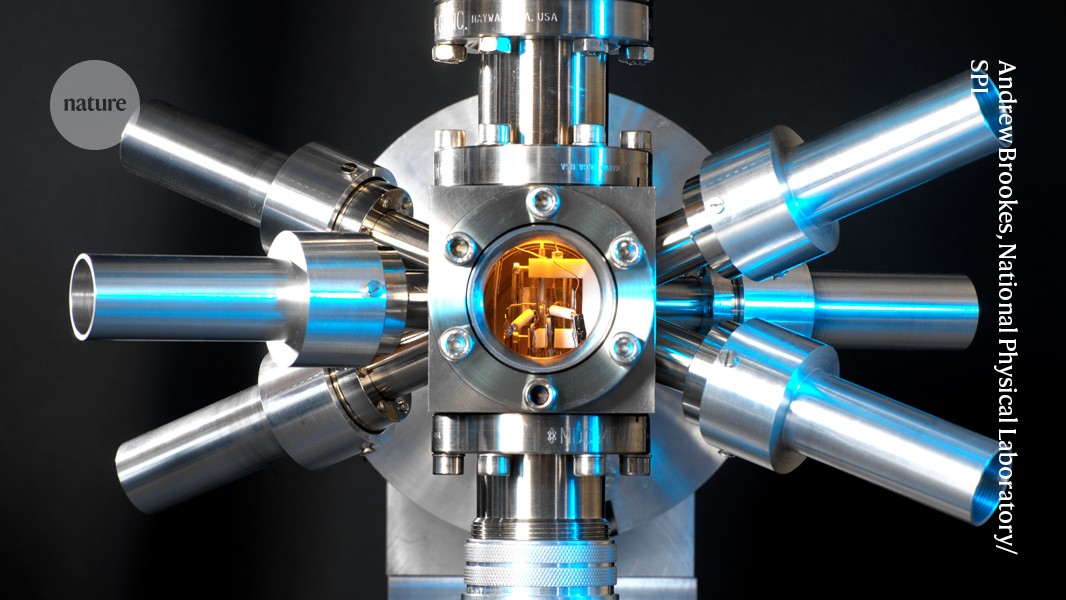
⏱️
Super-precise optical clocks in four nations tick in harmony
Superprecisie optische klokken in vier landen tikken in harmonie
Des horloges optiques super précises dans quatre pays fonctionnent en harmonie
Isn't it fascinating? A recent study has shown that seven advanced optical clocks across four European nations are synchronizing their ticks with remarkable precision. This breakthrough could redefine how we measure a second, which is just mind-blowing! The comparison was made using signals sent over fiber-optic cables, ensuring accuracy like never before. It's an exciting step forward for metrology and our understanding of time.
Is het niet fascinerend? Een recente studie heeft aangetoond dat zeven geavanceerde optische klokken in vier Europese landen hun tikken met opmerkelijke precisie synchroniseren. Deze doorbraak zou kunnen herdefiniëren hoe we een seconde meten, wat gewoon verbazingwekkend is! De vergelijking werd gemaakt met signalen die via glasvezelkabels werden verzonden, wat een ongekende nauwkeurigheid garandeert. Het is een spannende stap voorwaarts voor de metrologie en ons begrip van tijd.
N'est-ce pas fascinant ? Une étude récente a montré que sept horloges optiques avancées dans quatre pays européens synchronisent leurs battements avec une précision remarquable. Cette avancée pourrait redéfinir notre mesure de la seconde, ce qui est tout simplement incroyable ! La comparaison a été réalisée à l'aide de signaux envoyés par câble à fibre optique, garantissant une précision sans précédent. C'est une étape passionnante pour la métrologie et notre compréhension du temps.

🦧
How a secret orangutan breeding program is creating a baby boom
Hoe een geheim orang-oetan fokprogramma een babyboom creëert
Comment un programme de reproduction secret d'orangs-outans crée un baby-boom
It's amazing to hear about the recent baby boom of orangutans in US zoos, with eight adorable babies born since early 2025! This success comes from a carefully planned breeding program that has been in place for decades, aiming to ensure a healthy population of these critically endangered primates. The dedication of the staff, who even use human prenatal care techniques, really highlights the bond between humans and orangutans. Each birth is a remarkable achievement, showcasing the hard work and commitment to conservation efforts.
Het is geweldig om te horen over de recente babyboom van orang-oetans in Amerikaanse dierenparken, met acht schattige baby's die sinds begin 2025 zijn geboren! Dit succes komt voort uit een zorgvuldig gepland fokprogramma dat al tientallen jaren bestaat, met als doel een gezonde populatie van deze kritiek bedreigde primaten te waarborgen. De toewijding van het personeel, dat zelfs menselijke prenatale zorgtechnieken gebruikt, benadrukt echt de band tussen mensen en orang-oetans. Elke geboorte is een opmerkelijke prestatie en toont de harde werk en inzet voor conserveringsinspanningen.
C'est incroyable d'entendre parler de la récente vague de naissances d'orangs-outans dans les zoos américains, avec huit adorables bébés nés depuis début 2025 ! Ce succès découle d'un programme de reproduction soigneusement planifié qui existe depuis des décennies, visant à garantir une population saine de ces primates en danger critique. Le dévouement du personnel, qui utilise même des techniques de soins prénatals humaines, met vraiment en lumière le lien entre les humains et les orangs-outans. Chaque naissance est une réalisation remarquable, témoignant du travail acharné et de l'engagement envers les efforts de conservation.

🚀
Japan is launching a probe to collect the first-ever samples from a Martian moon
Japan lanceert een sonde om de eerste monsters van een Marsmaan te verzamelen
Le Japon lance une sonde pour collecter les premiers échantillons d'une lune martienne
So, Japan's space agency JAXA is gearing up for an exciting mission called MMX, aiming to collect samples from Phobos, one of Mars' moons. This will be the first time we bring back rocks from a Martian moon, which is just mind-blowing! The probe will take about a year to reach Mars, followed by three years of operations, and if all goes well, we could have those samples back on Earth by 2031. One of the big questions this mission hopes to answer is how Mars' moons formed, which could change our understanding of the solar system.
Dus, de Japanse ruimtevaartorganisatie JAXA bereidt zich voor op een spannende missie genaamd MMX, die gericht is op het verzamelen van monsters van Phobos, een van de manen van Mars. Dit zal de eerste keer zijn dat we stenen van een Marsmaan terugbrengen, wat gewoon verbazingwekkend is! De sonde heeft ongeveer een jaar nodig om Mars te bereiken, gevolgd door drie jaar operaties, en als alles goed gaat, kunnen we die monsters in 2031 op aarde hebben. Een van de grote vragen die deze missie hoopt te beantwoorden, is hoe de manen van Mars zijn gevormd, wat onze kennis van het zonnestelsel kan veranderen.
Alors, l'agence spatiale japonaise JAXA se prépare pour une mission passionnante appelée MMX, visant à collecter des échantillons de Phobos, l'une des lunes de Mars. Ce sera la première fois que nous ramenons des roches d'une lune martienne, ce qui est tout simplement incroyable ! La sonde mettra environ un an à atteindre Mars, suivie de trois ans d'opérations, et si tout se passe bien, nous pourrions avoir ces échantillons sur Terre d'ici 2031. L'une des grandes questions que cette mission espère résoudre est celle de la formation des lunes de Mars, ce qui pourrait changer notre compréhension du système solaire.

🌌
What the heck? Another perfect geometric shape has been detected on Saturn
Wat is dit? Weer een perfecte geometrische vorm ontdekt op Saturnus
Que se passe-t-il ? Une autre forme géométrique parfaite détectée sur Saturne
So, astronomers have spotted a fascinating new decagon shape on Saturn, right near its south pole! This 10-sided figure joins the already famous hexagon at the north pole, which has intrigued scientists for decades. The images captured by the Hubble Space Telescope reveal a dynamic atmosphere where clouds form these unusual patterns. It's amazing to think that each side of this decagon is longer than Earth's diameter, and yet the pattern shifts at a snail's pace compared to the roaring jet streams nearby.
Dus, astronomen hebben een fascinerende nieuwe decagon-vorm ontdekt op Saturnus, vlakbij de zuidpool! Deze 10-zijdige figuur voegt zich bij de al beroemde hexagon op de noordpool, die wetenschappers al tientallen jaren intrigeert. De beelden die zijn vastgelegd door de Hubble Space Telescope onthullen een dynamische atmosfeer waarin wolken deze ongebruikelijke patronen vormen. Het is verbazingwekkend om te bedenken dat elke zijde van deze decagon langer is dan de diameter van de aarde, en toch verschuift het patroon met een slakkengang in vergelijking met de razende straalstromen in de buurt.
Alors, des astronomes ont repéré une fascinante nouvelle forme de décagone sur Saturne, juste près de son pôle sud ! Cette figure à 10 côtés rejoint l'hexagone déjà célèbre au pôle nord, qui intrigue les scientifiques depuis des décennies. Les images capturées par le télescope spatial Hubble révèlent une atmosphère dynamique où les nuages forment ces motifs inhabituels. C'est incroyable de penser que chaque côté de ce décagone est plus long que le diamètre de la Terre, et pourtant le motif se déplace à une vitesse d'escargot par rapport aux courants-jets rugissants à proximité.

🌌
This star has the strangest sky in the galaxy
Deze ster heeft de vreemdste lucht in de melkweg
Cette étoile a le ciel le plus étrange de la galaxie
So, there's this star called S301 that orbits the supermassive black hole at the center of our Milky Way, and its sky is just wild! From S301, you can see the black hole's shadow and a swirling ring of material that’s way bigger than our moon. It’s fascinating how this star, which is pretty normal in other parts of the universe, becomes extraordinary just because of its location. But here's the catch—it's also a dangerous place, with lethal radiation from the black hole, making it unlikely for any planets to survive there.
Dus, er is deze ster genaamd S301 die om het superzware zwarte gat in het midden van onze Melkweg draait, en zijn lucht is gewoon waanzinnig! Vanuit S301 kun je de schaduw van het zwarte gat en een draaiende ring van materiaal zien die veel groter is dan onze maan. Het is fascinerend hoe deze ster, die op andere plekken in het universum vrij normaal is, buitengewoon wordt alleen vanwege zijn locatie. Maar hier is de catch: het is ook een gevaarlijke plek, met dodelijke straling van het zwarte gat, waardoor het onwaarschijnlijk is dat er planeten kunnen overleven.
Alors, il y a cette étoile appelée S301 qui orbite autour du trou noir supermassif au centre de notre Voie lactée, et son ciel est tout simplement incroyable ! Depuis S301, vous pouvez voir l'ombre du trou noir et un anneau de matière tourbillonnant qui est beaucoup plus grand que notre lune. C'est fascinant de voir comment cette étoile, qui est assez normale dans d'autres parties de l'univers, devient extraordinaire simplement à cause de son emplacement. Mais voici le hic : c'est aussi un endroit dangereux, avec des radiations mortelles provenant du trou noir, ce qui rend peu probable la survie de planètes là-bas.

🌿
A boat ride through a forest? The new ways locals are earning while protecting India’s mangroves
Een boottocht door een bos? De nieuwe manieren waarop locals verdienen terwijl ze de mangroven van India beschermen
Une balade en bateau à travers une forêt ? Les nouvelles façons dont les locaux gagnent tout en protégeant les mangroves de l'Inde
Imagine kayaking through narrow mangrove creeks in India, where the beauty of nature meets the potential for local livelihoods. As tourism grows around these unique ecosystems, locals are finding ways to earn while protecting their environment. This innovative approach not only supports conservation efforts but also helps communities thrive economically. It's a win-win situation that shows how nature and tourism can work hand in hand!
Stel je voor dat je door smalle mangrovekreken in India kajakt, waar de schoonheid van de natuur samenkomt met de mogelijkheden voor lokale levensonderhoud. Terwijl het toerisme rond deze unieke ecosystemen groeit, vinden de locals manieren om te verdienen terwijl ze hun omgeving beschermen. Deze innovatieve aanpak ondersteunt niet alleen de inspanningen voor behoud, maar helpt ook gemeenschappen economisch te bloeien. Het is een win-winsituatie die laat zien hoe natuur en toerisme hand in hand kunnen gaan!
Imaginez faire du kayak à travers des criques étroites de mangroves en Inde, où la beauté de la nature rencontre le potentiel des moyens de subsistance locaux. Alors que le tourisme se développe autour de ces écosystèmes uniques, les habitants trouvent des moyens de gagner leur vie tout en protégeant leur environnement. Cette approche innovante soutient non seulement les efforts de conservation, mais aide également les communautés à prospérer économiquement. C'est une situation gagnant-gagnant qui montre comment la nature et le tourisme peuvent travailler main dans la main !
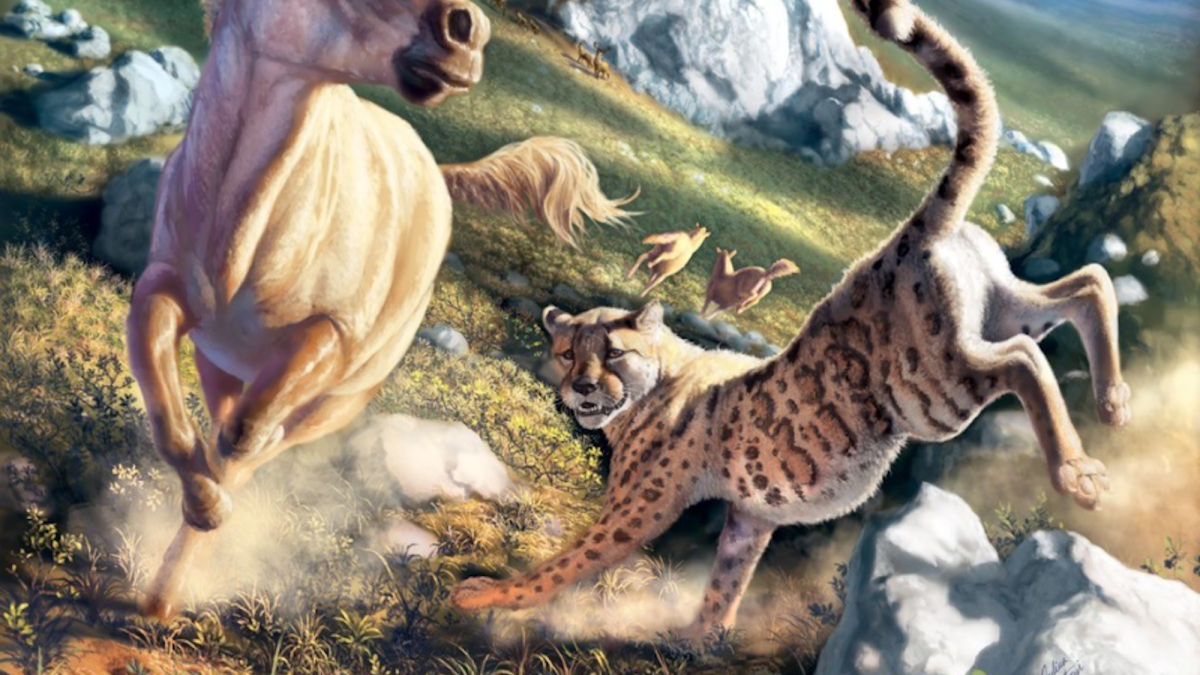
🐆
Ancient American cheetahs were not exactly cheetah-like
Oude Amerikaanse cheeta's leken niet echt op cheeta's
Les anciens guépards américains n'étaient pas vraiment semblables aux guépards
So, the ancient American cheetah, known as M. trumani, turns out to be quite different from the cheetahs we know today! New DNA evidence shows that these big cats were more closely related to pumas than to modern cheetahs. They roamed much farther north than previously thought, adapting to their environment and diet, which included a surprising amount of fish. This discovery really highlights the complexity of these prehistoric predators and their unique evolutionary journey.
Dus, de oude Amerikaanse cheeta, bekend als M. trumani, blijkt heel anders te zijn dan de cheeta's die we vandaag de dag kennen! Nieuwe DNA-evidentie toont aan dat deze grote katten nauwer verwant waren aan poema's dan aan moderne cheeta's. Ze zwierven veel verder naar het noorden dan eerder werd gedacht, en pasten zich aan hun omgeving en dieet aan, dat verrassend veel vis omvatte. Deze ontdekking benadrukt echt de complexiteit van deze prehistorische roofdieren en hun unieke evolutionaire reis.
Alors, le guépard américain ancien, connu sous le nom de M. trumani, s'avère très différent des guépards que nous connaissons aujourd'hui ! De nouvelles preuves ADN montrent que ces grands félins étaient plus étroitement liés aux pumas qu'aux guépards modernes. Ils parcouraient des territoires beaucoup plus au nord que ce que l'on pensait auparavant, s'adaptant à leur environnement et à leur régime alimentaire, qui comprenait une quantité surprenante de poissons. Cette découverte met vraiment en lumière la complexité de ces prédateurs préhistoriques et leur parcours évolutif unique.

🐶
Why dogs tilt their heads, according to science
Waarom honden hun hoofd kantelen, volgens de wetenschap
Pourquoi les chiens penchent la tête, selon la science
So, have you ever noticed how dogs tilt their heads when you talk to them? It's not just for cuteness—there's some intriguing science behind it! Researchers suggest that this adorable behavior might help dogs hear and process our words better. Some dogs even tilt their heads more when they recognize certain words, which is just fascinating. This episode of Ask Us Anything dives into all these theories and more!
Heb je ooit opgemerkt hoe honden hun hoofd kantelen als je met ze praat? Het is niet alleen schattig—er zit interessante wetenschap achter! Onderzoekers suggereren dat dit schattige gedrag honden helpt om onze woorden beter te horen en te verwerken. Sommige honden kantelen hun hoofd zelfs meer wanneer ze bepaalde woorden herkennen, wat gewoon fascinerend is. Deze aflevering van Ask Us Anything duikt in al deze theorieën en meer!
Avez-vous déjà remarqué comment les chiens penchent la tête quand vous leur parlez ? Ce n'est pas seulement pour être mignon—il y a une science fascinante derrière cela ! Les chercheurs suggèrent que ce comportement adorable pourrait aider les chiens à mieux entendre et traiter nos mots. Certains chiens penchent même la tête davantage lorsqu'ils reconnaissent certains mots, ce qui est tout simplement fascinant. Cet épisode de Ask Us Anything explore toutes ces théories et plus encore !
🐭
Daily briefing: GLP-1 obesity drugs slow signs of ageing in mice
Dagelijkse briefing: GLP-1-obesitasmedicijnen vertragen tekenen van veroudering bij muizen
Briefing quotidienne : les médicaments GLP-1 contre l'obésité ralentissent les signes de vieillissement chez les souris
So, it turns out that GLP-1 medications, like semaglutide, might do more than just help with weight loss. A recent study showed that older female mice on this drug lived longer and showed fewer signs of ageing, such as inflammation. And here's the thing – these mice also performed better on cognitive tasks compared to those on a calorie-restricted diet. This suggests that the benefits of GLP-1 drugs go beyond just cutting calories, which is pretty exciting!
Dus, het blijkt dat GLP-1-medicijnen, zoals semaglutide, misschien meer doen dan alleen helpen bij gewichtsverlies. Een recente studie toonde aan dat oudere vrouwelijke muizen op dit medicijn langer leefden en minder tekenen van veroudering vertoonden, zoals ontsteking. En hier is het ding - deze muizen presteerden ook beter op cognitieve taken in vergelijking met muizen op een caloriebeperkt dieet. Dit suggereert dat de voordelen van GLP-1-medicijnen verder gaan dan alleen calorieën verminderen, wat best spannend is!
Alors, il s'avère que les médicaments GLP-1, comme le sémaglutide, pourraient faire plus que simplement aider à perdre du poids. Une étude récente a montré que des souris femelles plus âgées sous ce médicament vivaient plus longtemps et présentaient moins de signes de vieillissement, comme l'inflammation. Et voici le truc : ces souris ont également mieux réussi aux tests cognitifs par rapport à celles soumises à un régime hypocalorique. Cela suggère que les avantages des médicaments GLP-1 vont au-delà de la simple réduction des calories, ce qui est plutôt excitant !
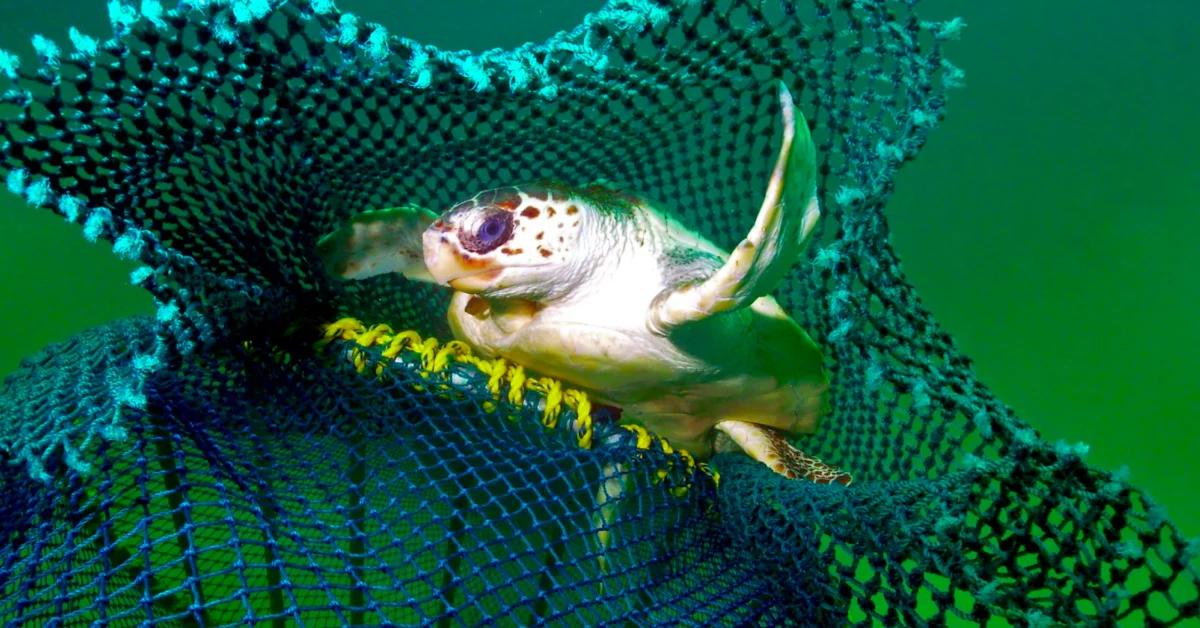
🐢
Turtle-safe nets prevent countless sea turtles from drowning. An appeals court just upheld a rule requiring shrimpers to use them
Schildpadveilige netten voorkomen dat talloze zeeschildpadden verdrinken. Een hof van beroep heeft zojuist een regel bevestigd die vereist dat garnalenvissers ze gebruiken
Des filets sûrs pour les tortues empêchent d'innombrables tortues de mer de se noyer. Une cour d'appel vient de confirmer une règle exigeant que les crevettiers les utilisent
So, this is fantastic news for sea turtles! The 5th U.S. Circuit Court of Appeals just upheld a rule that requires shrimp trawlers to use turtle exclusionary devices, or TEDs, which allow these gentle creatures to escape while still catching shrimp. Conservationists have been advocating for this change, as tow-time restrictions just weren't cutting it. It's a real win for both the turtles and the fishermen, ensuring a safer coexistence in our waters.
Dus, dit is fantastisch nieuws voor zeeschildpadden! Het 5e Hof van Beroep van de VS heeft zojuist een regel bevestigd die vereist dat garnalenvissers schildpaduitzonderingsapparaten, of TED's, gebruiken, waarmee deze vriendelijke wezens kunnen ontsnappen terwijl ze nog steeds garnalen vangen. Natuurbeschermers hebben zich voor deze verandering ingezet, omdat tijdslimieten voor het slepen gewoon niet voldoende waren. Het is een echte overwinning voor zowel de schildpadden als de vissers, die zorgen voor een veiligere co-existentie in onze wateren.
Alors, c'est une excellente nouvelle pour les tortues de mer ! La 5e Cour d'appel des États-Unis vient de confirmer une règle exigeant que les chalutiers utilisent des dispositifs d'exclusion pour les tortues, ou TED, qui permettent à ces créatures douces de s'échapper tout en attrapant des crevettes. Les défenseurs de l'environnement plaidaient pour ce changement, car les restrictions de temps de remorquage n'étaient tout simplement pas efficaces. C'est une véritable victoire pour les tortues et les pêcheurs, garantissant une coexistence plus sûre dans nos eaux.
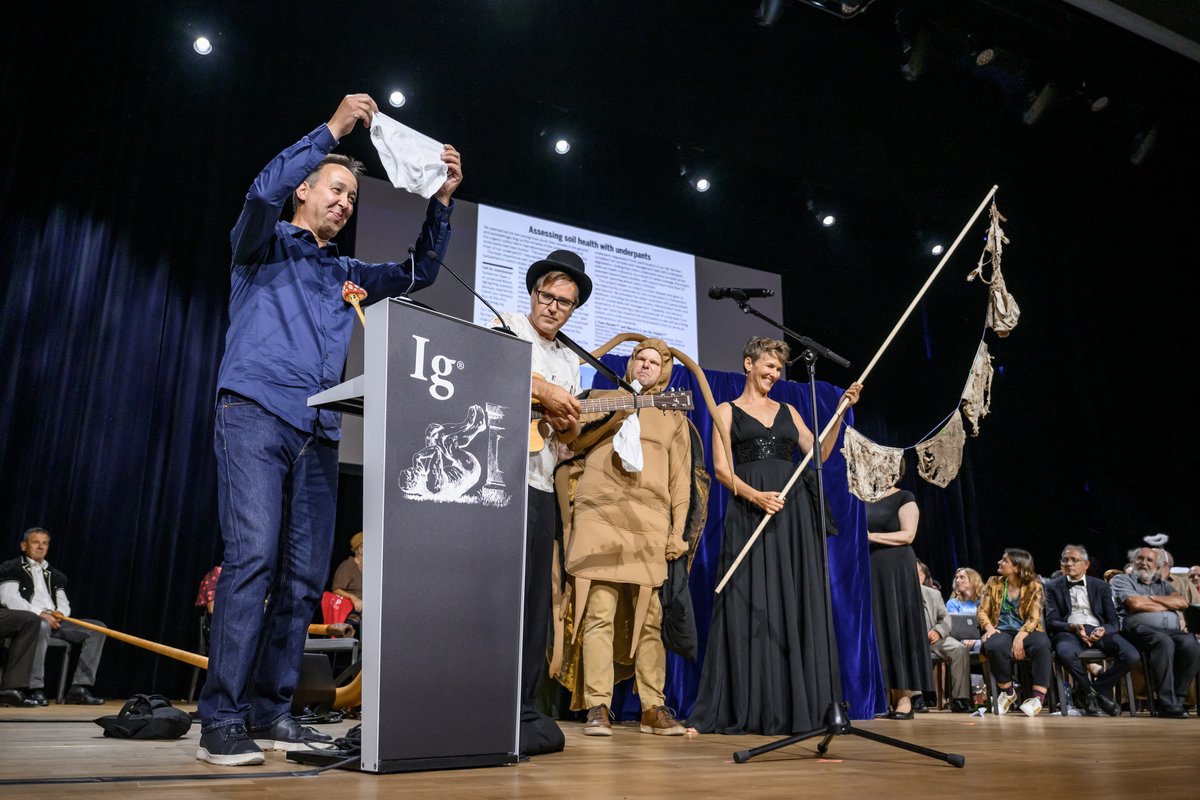
😂
2026 Ig Nobels honor cockroach milk, interspecies kissing, taunting venomous snakes and more
2026 Ig Nobels eren kakkerlakkenmelk, interspecies kussen, het tarten van giftige slangen en meer
Les Ig Nobels 2026 honorent le lait de cafard, les baisers interespèces, les serpents venimeux taquins et plus encore
The 2026 Ig Nobel Prizes have been awarded, celebrating the quirkiest and most amusing research out there! One standout winner studied cockroach milk, revealing it's over three times as energy-dense as regular dairy. Other fun awards went to scientists defining 'kissing' and a team that bravely provoked venomous snakes to understand their behavior. It's a reminder that even the silliest science can lead to meaningful insights, making us laugh and think at the same time.
De Ig Nobelprijzen van 2026 zijn uitgereikt en vieren het meest eigenaardige en vermakelijke onderzoek! Een opvallende winnaar bestudeerde kakkerlakkenmelk en ontdekte dat het meer dan drie keer zo energierijk is als gewone zuivel. Andere leuke prijzen gingen naar wetenschappers die 'kussen' definieerden en een team dat dapper giftige slangen uitdaagde om hun gedrag te begrijpen. Het herinnert ons eraan dat zelfs het meest absurde onderzoek kan leiden tot betekenisvolle inzichten, waardoor we lachen en nadenken tegelijk.
Les Ig Nobels 2026 ont été décernés, célébrant les recherches les plus étranges et amusantes ! Un lauréat a étudié le lait de cafard, révélant qu'il est plus de trois fois plus riche en énergie que le lait ordinaire. D'autres prix amusants ont été attribués à des scientifiques qui ont défini le 'baiser' et à une équipe qui a bravement provoqué des serpents venimeux pour comprendre leur comportement. Cela nous rappelle que même la science la plus absurde peut mener à des idées significatives, nous faisant rire et réfléchir en même temps.

🔐
What’s the tech behind the record-breaking RSA-260 crack?
Wat is de technologie achter de recordbrekende RSA-260 krak?
Quelle est la technologie derrière la rupture record de RSA-260?
Early Thursday, Eric Lu made waves in the tech world by posting a 130-digit sequence that divides RSA-260. This achievement is significant because RSA numbers are crucial for encryption, and cracking one is no small feat. Interestingly, Lu claims he used nothing but 'good old paper and pencil' to find the prime factors, which is quite a bold statement! This breakthrough is the largest RSA number ever factored, sparking excitement and curiosity about the future of cryptography.
Vroeg op donderdag zorgde Eric Lu voor opschudding in de techwereld door een 130-cijferige reeks te plaatsen die RSA-260 deelt. Deze prestatie is belangrijk omdat RSA-nummers cruciaal zijn voor encryptie en het kraken van een ervan geen kleine opgave is. Interessant genoeg beweert Lu dat hij niets meer dan 'gewone papier en potlood' heeft gebruikt om de priemfactoren te vinden, wat een gedurfde uitspraak is! Deze doorbraak is het grootste RSA-nummer dat ooit is gefactoreerd, wat enthousiasme en nieuwsgierigheid oproept over de toekomst van cryptografie.
Tôt jeudi, Eric Lu a fait sensation dans le monde de la technologie en publiant une séquence de 130 chiffres qui divise RSA-260. Cette réalisation est significative car les nombres RSA sont cruciaux pour le cryptage, et en craquer un n'est pas une mince affaire. Fait intéressant, Lu affirme qu'il a utilisé rien de plus que 'du bon vieux papier et un crayon' pour trouver les facteurs premiers, ce qui est une déclaration audacieuse ! Cette avancée est le plus grand nombre RSA jamais factorisé, suscitant enthousiasme et curiosité sur l'avenir de la cryptographie.
🌬️
A longer exhale may push your brain toward bolder decisions
Een langere uitademing kan je brein naar dapperdere beslissingen duwen
Une expiration plus longue peut pousser votre cerveau vers des décisions plus audacieuses
So, a fascinating new study reveals that changing your breathing rhythm can actually influence your decision-making! Researchers found that longer exhalations increased heart rate variability and made the brain more responsive to rewards, leading to bolder choices. This is quite a shift from the traditional view that decision-making is solely a brain process. It turns out our bodily state plays a crucial role, and by simply breathing differently, we can enhance our ability to take risks.
Een fascinerende nieuwe studie onthult dat het veranderen van je ademhalingsritme daadwerkelijk invloed kan hebben op je besluitvorming! Onderzoekers ontdekten dat langere uitademingen de hartslagvariabiliteit verhoogden en het brein gevoeliger maakten voor beloningen, wat leidde tot dapperdere keuzes. Dit is een behoorlijke verschuiving van de traditionele opvatting dat besluitvorming uitsluitend een hersenproces is. Het blijkt dat onze lichamelijke toestand een cruciale rol speelt, en door simpelweg anders te ademen, kunnen we ons vermogen om risico's te nemen verbeteren.
Une nouvelle étude fascinante révèle que changer le rythme de votre respiration peut en fait influencer votre prise de décision ! Les chercheurs ont découvert que des expirations plus longues augmentaient la variabilité de la fréquence cardiaque et rendaient le cerveau plus réceptif aux récompenses, ce qui conduisait à des choix plus audacieux. C'est un changement considérable par rapport à la vision traditionnelle selon laquelle la prise de décision est uniquement un processus cérébral. Il s'avère que notre état corporel joue un rôle crucial, et en respirant simplement différemment, nous pouvons améliorer notre capacité à prendre des risques.
🧠
Scientists reveal the hidden instructions that build the human brain
Wetenschappers onthullen de verborgen instructies die de menselijke hersenen opbouwen
Des scientifiques révèlent les instructions cachées qui construisent le cerveau humain
Before we’re even born, our brains are being built through a fascinating process involving radial glia, these incredible stem cells that play a crucial role in forming our cerebral cortex. Recent studies have shown that these cells not only respond to nutrients but also to signals from other brain regions, shaping how they decide which types of cells to produce. It turns out that metabolism is a key player in this decision-making process, influencing brain development in surprising ways. This research opens up exciting possibilities for understanding brain disorders and how our environment impacts brain health.
Voordat we zelfs geboren worden, worden onze hersenen opgebouwd via een fascinerend proces met behulp van radiale glia, deze ongelooflijke stamcellen die een cruciale rol spelen bij het vormen van onze hersenschors. Recente studies hebben aangetoond dat deze cellen niet alleen reageren op voedingsstoffen, maar ook op signalen uit andere hersengebieden, wat vormgeeft aan hoe ze beslissen welke soorten cellen te produceren. Het blijkt dat metabolisme een sleutelrol speelt in dit besluitvormingsproces en op verrassende manieren de hersenontwikkeling beïnvloedt. Dit onderzoek opent spannende mogelijkheden voor het begrijpen van hersenaandoeningen en hoe onze omgeving de hersengezondheid beïnvloedt.
Avant même notre naissance, notre cerveau se construit à travers un processus fascinant impliquant des glies radiales, ces incroyables cellules souches qui jouent un rôle crucial dans la formation de notre cortex cérébral. Des études récentes ont montré que ces cellules réagissent non seulement aux nutriments, mais aussi aux signaux d'autres régions du cerveau, influençant ainsi leur décision sur les types de cellules à produire. Il s'avère que le métabolisme est un acteur clé dans ce processus décisionnel, influençant le développement du cerveau de manière surprenante. Cette recherche ouvre des possibilités passionnantes pour comprendre les troubles cérébraux et comment notre environnement affecte la santé cérébrale.
🌺
Scientists discover a bizarre “devil flower” hidden in Thailand
Wetenschappers ontdekken een bizarre 'duivelsbloem' verborgen in Thailand
Des scientifiques découvrent une bizarre 'fleur du diable' cachée en Thaïlande
I find it absolutely fascinating that scientists have discovered a new species of flowering plant called Thismia daemona in Thailand! This unique plant, known as the 'devil flower,' lacks chlorophyll and gets its nutrients from underground fungi. It was found in a surprising high-altitude environment, which is quite unusual for its genus. With fewer than 50 known individuals, this species is critically endangered, making its conservation crucial for the future.
Ik vind het absoluut fascinerend dat wetenschappers een nieuwe soort bloeiende plant hebben ontdekt, genaamd Thismia daemona, in Thailand! Deze unieke plant, bekend als de 'duivelsbloem', mist chlorofyl en haalt zijn voedingsstoffen uit ondergrondse schimmels. Het werd gevonden in een verrassend hooggelegen omgeving, wat vrij ongebruikelijk is voor zijn geslacht. Met minder dan 50 bekende individuen is deze soort kritiek bedreigd, waardoor het behoud ervan cruciaal is voor de toekomst.
Je trouve absolument fascinant que des scientifiques aient découvert une nouvelle espèce de plante à fleurs appelée Thismia daemona en Thaïlande ! Cette plante unique, connue sous le nom de 'fleur du diable', ne contient pas de chlorophylle et obtient ses nutriments grâce à des champignons souterrains. Elle a été trouvée dans un environnement en altitude surprenant, ce qui est assez inhabituel pour son genre. Avec moins de 50 individus connus, cette espèce est en danger critique, ce qui rend sa conservation cruciale pour l'avenir.
🌟
Stanford scientists discover a seafood that can reverse signs of aging
Stanford wetenschappers ontdekken een zeevrucht die tekenen van veroudering kan omkeren
Des scientifiques de Stanford découvrent un fruit de mer qui peut inverser les signes du vieillissement
Aging is something we all experience, but what if we could actually reverse some of its signs? A fascinating study involving sea squirts has shown that dietary supplements containing plasmalogens can improve memory and even restore hair color in aged mice. Researchers found that these compounds not only helped the mice learn better but also enhanced their brain connections. This groundbreaking work opens up exciting possibilities for combating cognitive decline as we age.
Veroudering is iets wat we allemaal ervaren, maar wat als we sommige tekenen ervan daadwerkelijk konden omkeren? Een fascinerende studie met zakpijpen heeft aangetoond dat voedingssupplementen met plasmalogenen het geheugen kunnen verbeteren en zelfs de haarkleur van oudere muizen kunnen herstellen. Onderzoekers ontdekten dat deze verbindingen de muizen niet alleen hielpen beter te leren, maar ook hun hersenverbindingen verbeterden. Dit baanbrekende werk opent spannende mogelijkheden voor het bestrijden van cognitieve achteruitgang naarmate we ouder worden.
Le vieillissement est quelque chose que nous vivons tous, mais que se passerait-il si nous pouvions réellement inverser certains de ses signes ? Une étude fascinante impliquant des ascidies a montré que des suppléments alimentaires contenant des plasmalogènes peuvent améliorer la mémoire et même restaurer la couleur des cheveux chez des souris âgées. Les chercheurs ont découvert que ces composés aidaient non seulement les souris à mieux apprendre, mais amélioraient également leurs connexions cérébrales. Ce travail révolutionnaire ouvre des possibilités passionnantes pour lutter contre le déclin cognitif à mesure que nous vieillissons.

🌱
Ethiopia connects climate solutions from field to factory
Ethiopië verbindt klimaatoplossingen van veld naar fabriek
L'Éthiopie relie les solutions climatiques du champ à l'usine
In Ethiopia, researchers are tackling unpredictable rainfall by developing improved seeds and efficient irrigation methods. This initiative aims to protect farmers' harvests while supplying the textile industry with locally grown fiber. The focus is on moving these solutions from research to the fields, ensuring farmers can adapt to climate changes. It's an exciting step towards a more resilient agricultural future!
In Ethiopië pakken onderzoekers onvoorspelbare regenval aan door verbeterde zaden en efficiënte irrigatiemethoden te ontwikkelen. Dit initiatief heeft als doel de oogsten van boeren te beschermen en de textielindustrie van lokaal geteeld vezelmateriaal te voorzien. De focus ligt op het overbrengen van deze oplossingen van onderzoek naar de velden, zodat boeren zich kunnen aanpassen aan klimaatveranderingen. Het is een spannende stap naar een veerkrachtigere landbouwtoekomst!
En Éthiopie, les chercheurs s'attaquent à la pluie imprévisible en développant des semences améliorées et des méthodes d'irrigation efficaces. Cette initiative vise à protéger les récoltes des agriculteurs tout en fournissant à l'industrie textile des fibres cultivées localement. L'accent est mis sur le transfert de ces solutions de la recherche aux champs, permettant aux agriculteurs de s'adapter aux changements climatiques. C'est une étape passionnante vers un avenir agricole plus résilient !

🌍
Reducing fossil fuel subsidies: good for the climate, good for the budget
Subsidies voor fossiele brandstoffen verlagen: goed voor het klimaat, goed voor de begroting
Réduire les subventions aux énergies fossiles : bon pour le climat, bon pour le budget
So, it turns out that Belgium spends nearly 14 billion euros each year on fossil fuel subsidies, which really hinders our climate transition. Experts are suggesting reforms that could save the country over six billion euros by 2030. This is exciting news because it means we can tackle climate change while also improving our budget! And here's the thing: these changes could lead to a healthier environment and a more sustainable future for everyone.
Het blijkt dat België elk jaar bijna 14 miljard euro uitgeeft aan subsidies voor fossiele brandstoffen, wat onze klimaattransitie echt belemmert. Experts stellen hervormingen voor die het land tegen 2030 meer dan zes miljard euro kunnen besparen. Dit is opwindend nieuws, want het betekent dat we klimaatverandering kunnen aanpakken terwijl we ook onze begroting verbeteren! En dat is het punt: deze veranderingen kunnen leiden tot een gezonder milieu en een duurzamere toekomst voor iedereen.
Il s'avère que la Belgique dépense près de 14 milliards d'euros chaque année en subventions aux énergies fossiles, ce qui entrave vraiment notre transition climatique. Des experts proposent des réformes qui pourraient faire économiser au pays plus de six milliards d'euros d'ici 2030. C'est une nouvelle enthousiasmante, car cela signifie que nous pouvons lutter contre le changement climatique tout en améliorant notre budget ! Et voici le truc : ces changements pourraient conduire à un environnement plus sain et à un avenir plus durable pour tous.
🌟
Novo Nordisk Foundation aims to build a quantum factory in Copenhagen
Novo Nordisk Fonden wil een kvantefabriek bouwen in Kopenhagen
La Fondation Novo Nordisk vise à construire une usine quantique à Copenhague
The Novo Nordisk Foundation is set to establish a new production facility for quantum chips in Copenhagen, which is super exciting! Their specialized tech company, Quantum Foundry Copenhagen, is leading the charge, and they believe quantum technology will be a game-changer this century. With an investment of 400 million kroner for this factory, they aim to create a world-class quantum ecosystem in Denmark and Europe. This technology could revolutionize medicine development, sustainable materials, and even cybersecurity, which is just mind-blowing!
De Novo Nordisk Fonden is van plan een nieuwe productiefaciliteit voor kvantechips in Kopenhagen op te richten, wat super spannend is! Hun gespecialiseerde technologiebedrijf, Quantum Foundry Copenhagen, leidt de charge en ze geloven dat kvantumtechnologie een game-changer zal zijn in deze eeuw. Met een investering van 400 miljoen kronen voor deze fabriek willen ze een wereldklasse kvantecosysteem in Denemarken en Europa creëren. Deze technologie zou de ontwikkeling van medicijnen, duurzame materialen en zelfs cybersicherheit kunnen revolutioneren, wat gewoon verbazingwekkend is!
La Fondation Novo Nordisk prévoit d'établir une nouvelle installation de production de puces quantiques à Copenhague, ce qui est super excitant ! Leur entreprise technologique spécialisée, Quantum Foundry Copenhagen, est à la tête de ce projet et ils croient que la technologie quantique sera un véritable changement de jeu au cours de ce siècle. Avec un investissement de 400 millions de couronnes pour cette usine, ils visent à créer un écosystème quantique de classe mondiale au Danemark et en Europe. Cette technologie pourrait révolutionner le développement de médicaments, des matériaux durables et même la cybersécurité, ce qui est tout simplement incroyable !
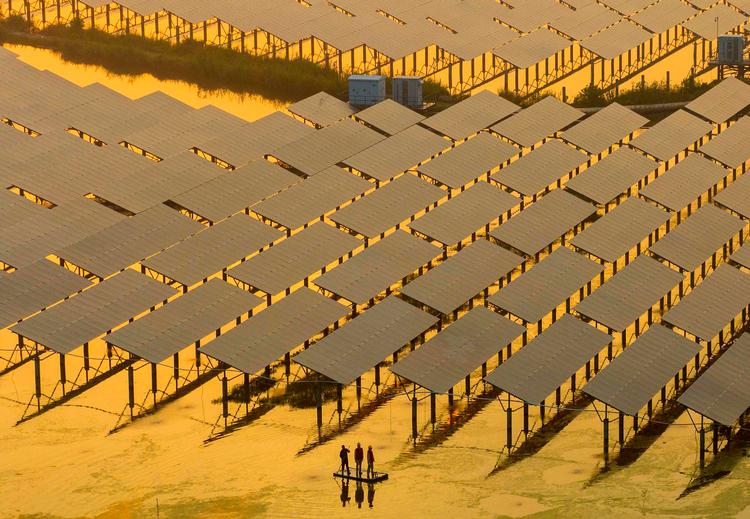
🌍
Significant developments in China
Significante ontwikkelingen in China
Développements significatifs en Chine
So, here's the exciting news: China's CO2 emissions have dropped by one percent in the second quarter of 2026! This decline is quite remarkable, especially considering the backdrop of geopolitical tensions and the ongoing situation in Iran. The data comes from China's national statistics bureau, analyzed by the British climate magazine Carbon Brief. It's a positive sign that shows how changes in oil consumption can impact the environment.
Dus, hier is het spannende nieuws: de CO2-uitstoot van China is in het tweede kwartaal van 2026 met één procent gedaald! Deze daling is behoorlijk opmerkelijk, vooral gezien de geopolitieke spanningen en de huidige situatie in Iran. De gegevens komen van het nationale statistiekbureau van China en zijn geanalyseerd door het Britse klimaatmagazine Carbon Brief. Het is een positief teken dat laat zien hoe veranderingen in het olieverbruik de omgeving kunnen beïnvloeden.
Alors, voici la nouvelle excitante : les émissions de CO2 de la Chine ont diminué de un pour cent au deuxième trimestre de 2026 ! Cette baisse est assez remarquable, surtout compte tenu du contexte des tensions géopolitiques et de la situation actuelle en Iran. Les données proviennent de l'office national des statistiques de Chine, analysées par le magazine britannique Carbon Brief. C'est un signe positif qui montre comment les changements dans la consommation de pétrole peuvent avoir un impact sur l'environnement.

💙
Indigo was once forced on Indian farmers. Here is how it changed the course of India’s freedom struggle
Indigo werd ooit opgelegd aan Indiase boeren. Hier is hoe het de loop van de Indiase vrijheidsstrijd veranderde
L'indigo a été autrefois imposé aux agriculteurs indiens. Voici comment cela a changé le cours de la lutte pour la liberté en Inde
For centuries, indigo was a prized commodity in India, but it came at a terrible cost to farmers. The East India Company's coercive practices forced peasants into debt and exploitation under the tinkathia system. However, in 1859, a wave of resistance emerged, culminating in the Champaran Satyagraha led by Gandhi in 1917. This pivotal moment transformed indigo from a symbol of oppression into a powerful catalyst for India's freedom movement.
Gedurende eeuwen was indigo een waardevol goed in India, maar het had een vreselijke prijs voor boeren. De dwangpraktijken van de East India Company dwongen boeren in de schulden en uitbuiting onder het tinkathia-systeem. In 1859 ontstond er echter een golf van verzet, die culmineerde in de Champaran Satyagraha onder leiding van Gandhi in 1917. Dit cruciale moment transformeerde indigo van een symbool van onderdrukking in een krachtige katalysator voor de vrijheidsbeweging van India.
Pendant des siècles, l'indigo a été une marchandise prisée en Inde, mais cela a eu un terrible coût pour les agriculteurs. Les pratiques coercitives de la East India Company ont contraint les paysans à la dette et à l'exploitation sous le système tinkathia. Cependant, en 1859, une vague de résistance a émergé, culminant avec le Champaran Satyagraha dirigé par Gandhi en 1917. Ce moment clé a transformé l'indigo d'un symbole d'oppression en un puissant catalyseur pour le mouvement de liberté de l'Inde.

🌱
This Mumbai boy has been composting since he was 2, and learning how nature works
Deze jongen uit Mumbai composteert sinds zijn 2e en leert hoe de natuur werkt
Ce garçon de Mumbai composte depuis l'âge de 2 ans et apprend comment fonctionne la nature
Sonika Bhasin believes that sustainability should be a part of everyday life for her children, not just something they read about in books. Her son has been composting since he was two, learning about nature through hands-on experience. Instead of fearing creatures like maggots, he understands their role in the ecosystem. This natural learning process shows how children can grasp complex ideas about nature simply by being involved.
Sonika Bhasin gelooft dat duurzaamheid een onderdeel van het dagelijks leven van haar kinderen moet zijn, en niet alleen iets dat ze in boeken lezen. Haar zoon composteert sinds zijn tweede en leert over de natuur door praktische ervaringen. In plaats van bang te zijn voor wezens zoals maden, begrijpt hij hun rol in het ecosysteem. Dit natuurlijke leerproces laat zien hoe kinderen complexe ideeën over de natuur kunnen begrijpen door simpelweg betrokken te zijn.
Sonika Bhasin croit que la durabilité doit faire partie de la vie quotidienne de ses enfants, et non être seulement quelque chose qu'ils lisent dans des livres. Son fils compose depuis l'âge de deux ans et apprend sur la nature à travers des expériences pratiques. Au lieu de craindre des créatures comme les asticots, il comprend leur rôle dans l'écosystème. Ce processus d'apprentissage naturel montre comment les enfants peuvent saisir des idées complexes sur la nature simplement en étant impliqués.
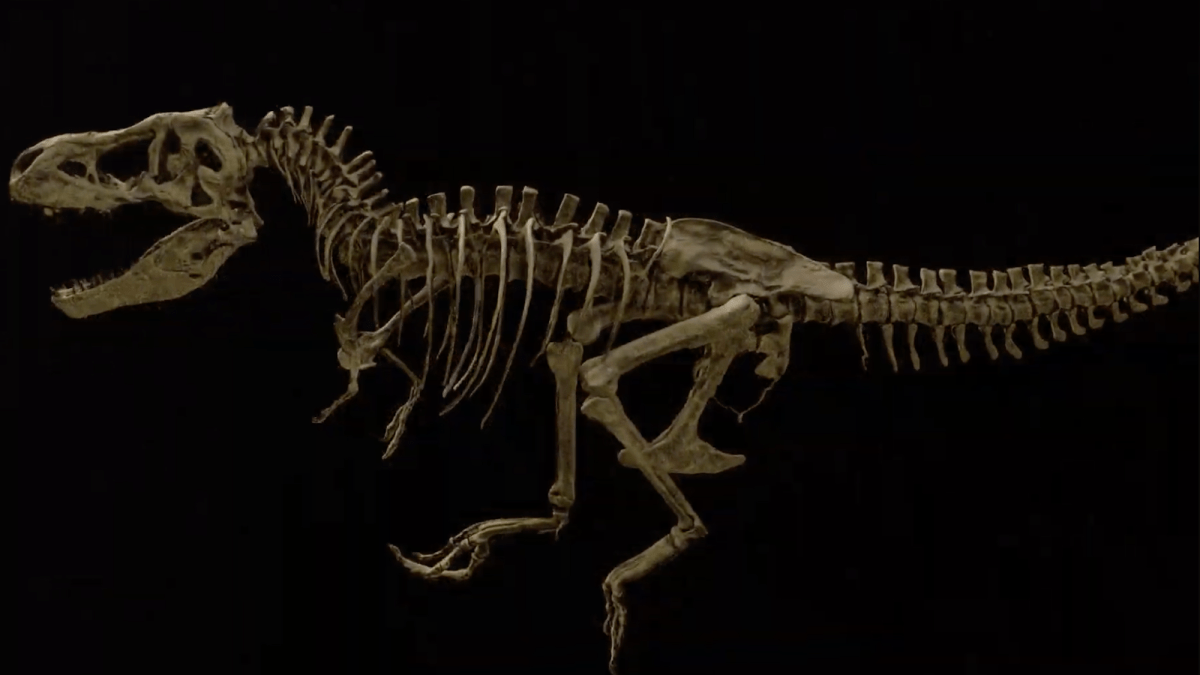
🦖
Fossilized tissue reveals largest known T. rex died from broken rib
Fossiel weefsel onthult dat de grootste bekende T. rex stierf aan een gebroken rib
Des tissus fossilisés révèlent que le plus grand T. rex connu est mort d'une côte cassée
So, the largest T. rex ever discovered, named Scotty, has revealed some fascinating secrets! This 66-million-year-old giant not only stands tall at 13 feet but also has preserved soft tissue in one of its bones, which is super rare in paleontology. Researchers used advanced imaging techniques to explore Scotty's rib, uncovering a network of mineralized blood vessels that provide clues about its death. It seems Scotty suffered a broken rib during a fierce battle, and while it tried to heal, it ultimately succumbed to its injuries in a salty marsh.
Dus, de grootste T. rex die ooit is ontdekt, genaamd Scotty, heeft enkele fascinerende geheimen onthuld! Deze 66 miljoen jaar oude reus staat niet alleen 4 meter hoog, maar heeft ook bewaard gebleven zacht weefsel in een van zijn botten, wat super zeldzaam is in de paleontologie. Onderzoekers gebruikten geavanceerde beeldvormingstechnieken om de rib van Scotty te verkennen en ontdekten een netwerk van gemineraliseerde bloedvaten die aanwijzingen geven over zijn dood. Het lijkt erop dat Scotty een gebroken rib opliep tijdens een heftige strijd, en terwijl het probeerde te genezen, bezweek het uiteindelijk aan zijn verwondingen in een zoute moeras.
Alors, le plus grand T. rex jamais découvert, nommé Scotty, a révélé des secrets fascinants ! Ce géant vieux de 66 millions d'années mesure non seulement 4 mètres de haut, mais possède également des tissus mous préservés dans l'un de ses os, ce qui est très rare en paléontologie. Les chercheurs ont utilisé des techniques d'imagerie avancées pour explorer la côte de Scotty, découvrant un réseau de vaisseaux sanguins minéralisés qui fournissent des indices sur sa mort. Il semble que Scotty ait subi une côte cassée lors d'une bataille féroce, et bien qu'il ait essayé de guérir, il a finalement succombé à ses blessures dans un marais salé.
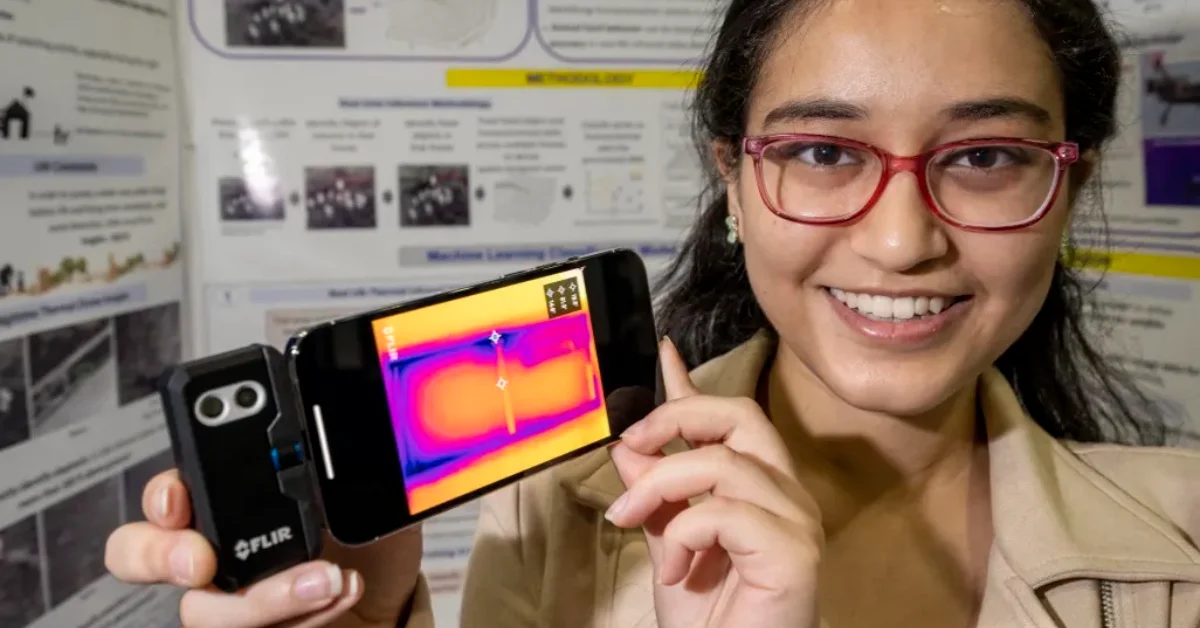
🌍
Teen invents award-winning device that can catch elephant poachers in real time
Tiener uitvinder wint prijs met apparaat dat olifantenstropers in real-time kan vangen
Une adolescente invente un dispositif primé capable de capturer des braconniers d'éléphants en temps réel
Anika Puri, a recent MIT graduate, created an innovative device called EISa to combat elephant poaching. Inspired by her childhood trips to India, she noticed the unique movement patterns of elephants compared to humans, leading her to develop a low-cost AI tool that uses thermal imaging to detect poachers. This remarkable invention achieved over 90% accuracy in identifying humans during field tests. Winning the Peggy Scripps Award at the ISEF 2022, Puri's passion for technology and social good shines through her work.
Anika Puri, een recente MIT-afgestudeerde, heeft een innovatief apparaat genaamd EISa ontwikkeld om olifantenstropen te bestrijden. Geïnspireerd door haar kindertijd in India merkte ze de unieke bewegingspatronen van olifanten op in vergelijking met mensen, wat leidde tot de ontwikkeling van een goedkope AI-tool die thermische beelden gebruikt om stropers te detecteren. Dit opmerkelijke apparaat behaalde tijdens veldtesten meer dan 90% nauwkeurigheid bij het identificeren van mensen. Puri's passie voor technologie en sociale impact komt tot uiting in haar werk, dat haar de Peggy Scripps Award op de ISEF 2022 opleverde.
Anika Puri, une récente diplômée du MIT, a créé un dispositif innovant appelé EISa pour lutter contre le braconnage des éléphants. Inspirée par ses voyages d'enfance en Inde, elle a remarqué les mouvements uniques des éléphants par rapport aux humains, ce qui l'a amenée à développer un outil d'IA à faible coût utilisant l'imagerie thermique pour détecter les braconniers. Cette invention remarquable a atteint plus de 90 % de précision dans l'identification des humains lors des tests sur le terrain. La passion de Puri pour la technologie et le bien social transparaît dans son travail, qui lui a valu le prix Peggy Scripps lors de l'ISEF 2022.
🌍
Climate scientists swap American universities for Belgium: “It’s almost impossible to hire researchers there”
Klimaatwetenschappers ruilen Amerikaanse universiteiten in voor België: “Het is bijna onmogelijk om daar nog onderzoekers aan te nemen”
Les climatologues échangent les universités américaines contre la Belgique : « Il est presque impossible d'y recruter des chercheurs »
It’s fascinating to see climate scientists choosing Belgium over American universities, isn’t it? The article highlights the challenges faced in the U.S. job market for researchers, making Belgium a more attractive option. This shift could really boost local research efforts and innovation in climate science. I mean, who wouldn’t want to contribute to such an important field in a vibrant environment like Belgium?
Het is fascinerend om te zien dat klimaatwetenschappers België verkiezen boven Amerikaanse universiteiten, nietwaar? Het artikel benadrukt de uitdagingen op de Amerikaanse arbeidsmarkt voor onderzoekers, waardoor België een aantrekkelijkere optie wordt. Deze verschuiving kan de lokale onderzoeksinspanningen en innovatie in de klimaatwetenschap echt een boost geven. Ik bedoel, wie wil er nu niet bijdragen aan zo'n belangrijk vakgebied in een levendige omgeving zoals België?
C'est fascinant de voir des climatologues choisir la Belgique plutôt que les universités américaines, n'est-ce pas ? L'article met en lumière les défis rencontrés sur le marché de l'emploi américain pour les chercheurs, rendant la Belgique une option plus attrayante. Ce changement pourrait vraiment stimuler les efforts de recherche locaux et l'innovation en science climatique. Je veux dire, qui ne voudrait pas contribuer à un domaine aussi important dans un environnement dynamique comme la Belgique ?
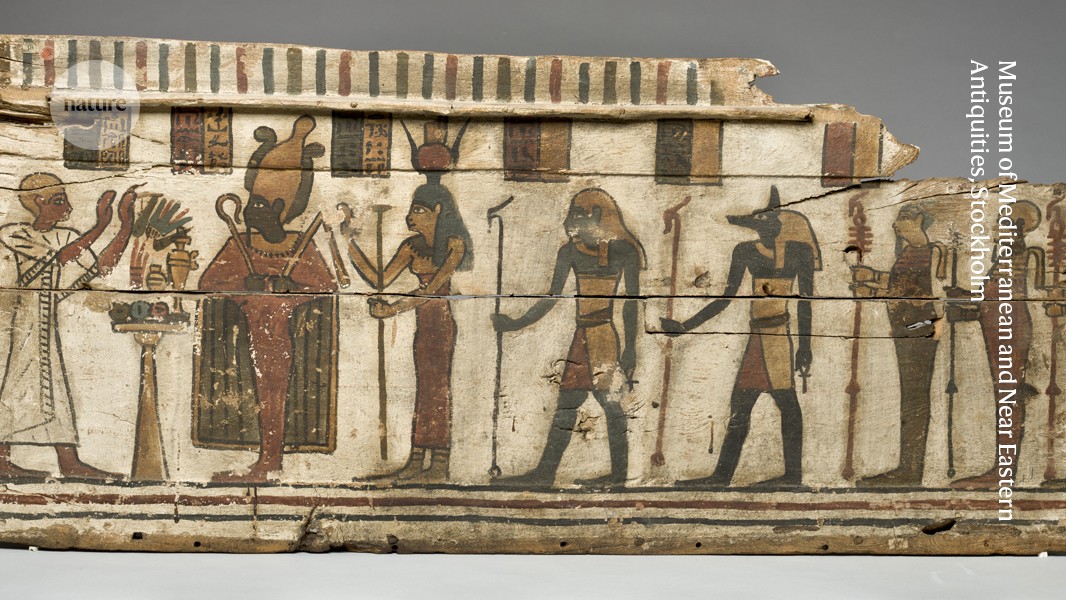
🎨
Body parts used for ancient Egyptian artworks traced to surprising source
Lichaamsdelen gebruikt voor oude Egyptische kunstwerken teruggevonden bij verrassende bron
Des parties du corps utilisées pour des œuvres d'art égyptiennes anciennes retracées à une source surprenante
So, it turns out that ancient Egyptians were quite resourceful when it came to creating their artworks! They used body parts from a variety of animals, including donkeys and antelopes, along with plant materials. This research highlights that the ingredients for their art came from a broader range of species than we ever imagined. It's fascinating to think about the creativity and resourcefulness of these ancient artists!
Het blijkt dat oude Egyptenaren behoorlijk vindingrijk waren als het ging om het maken van hun kunstwerken! Ze gebruikten lichaamsdelen van verschillende dieren, waaronder ezels en antilopen, samen met plantaardig materiaal. Dit onderzoek benadrukt dat de ingrediënten voor hun kunst afkomstig waren van een breder scala aan soorten dan we ooit hadden gedacht. Het is fascinerend om na te denken over de creativiteit en vindingrijkheid van deze oude kunstenaars!
Il s'avère que les anciens Égyptiens étaient très ingénieux lorsqu'il s'agissait de créer leurs œuvres d'art ! Ils utilisaient des parties du corps d'une variété d'animaux, y compris des ânes et des antilopes, ainsi que des matériaux végétaux. Cette recherche met en lumière que les ingrédients de leur art provenaient d'un éventail plus large d'espèces que nous ne l'avions jamais imaginé. C'est fascinant de penser à la créativité et à l'ingéniosité de ces anciens artistes !

🌟
Transplanted pig kidney still working after a record-setting 9 months in a patient
Getransplanteerde varkensnier werkt nog steeds na een record van 9 maanden bij een patiënt
Rein transplanté de porc fonctionne toujours après un record de 9 mois chez un patient
So, here's the exciting news! A woman has been living with a pig kidney for over nine months without needing dialysis, which is a remarkable achievement. This breakthrough happened at Massachusetts General Hospital, and it’s all thanks to innovative gene editing by eGenesis. With pig kidneys being a potential solution to the organ shortage crisis, this could change the lives of many waiting for transplants. It's a fascinating development in the world of medical science!
Dus, hier is het spannende nieuws! Een vrouw leeft al meer dan negen maanden met een varkensnier zonder dialyse nodig te hebben, wat een opmerkelijke prestatie is. Deze doorbraak vond plaats in het Massachusetts General Hospital en is te danken aan innovatieve genbewerking door eGenesis. Met varkensnieren als een potentiële oplossing voor de orgaantekortcrisis, kan dit het leven van velen die wachten op transplantaties veranderen. Het is een fascinerende ontwikkeling in de wereld van de medische wetenschap!
Alors, voici la nouvelle passionnante ! Une femme vit avec un rein de porc depuis plus de neuf mois sans avoir besoin de dialyse, ce qui est une réalisation remarquable. Cette avancée a eu lieu au Massachusetts General Hospital, et c'est grâce à l'édition génétique innovante de eGenesis. Avec les reins de porc comme solution potentielle à la crise de pénurie d'organes, cela pourrait changer la vie de nombreux patients en attente de transplantations. C'est un développement fascinant dans le monde de la science médicale !

🌍
UN to vote on adopting new world map that shows Africa’s true scale
VN stemt over het aannemen van een nieuwe wereldkaart die de ware omvang van Afrika toont
L'ONU votera sur l'adoption d'une nouvelle carte du monde montrant la véritable taille de l'Afrique
The UN is gearing up for a significant vote on a resolution that could replace the traditional Mercator map with one that accurately represents Africa's size. Togo's foreign affairs minister highlighted the scientific basis for this change, supported by the African Union and other nations. This shift could reshape educational materials and technology, challenging long-held biases in global perceptions. If successful, it would mark a step towards decolonizing how we view the world, especially Africa's vital role.
De VN staat op het punt om te stemmen over een belangrijke resolutie die de traditionele Mercator-kaart zou vervangen door een kaart die de ware omvang van Afrika nauwkeurig weergeeft. De minister van Buitenlandse Zaken van Togo benadrukte de wetenschappelijke basis voor deze verandering, gesteund door de Afrikaanse Unie en andere landen. Deze verschuiving zou educatieve materialen en technologie kunnen hervormen en lang gekoesterde vooroordelen in wereldpercepties uitdagen. Bij succes zou dit een stap zijn naar het dekoloniseren van hoe we de wereld bekijken, vooral de vitale rol van Afrika.
L'ONU se prépare à un vote significatif sur une résolution qui pourrait remplacer la carte traditionnelle de Mercator par une carte qui représente fidèlement la taille de l'Afrique. Le ministre des Affaires étrangères du Togo a souligné la base scientifique de ce changement, soutenu par l'Union africaine et d'autres nations. Ce changement pourrait remodeler les matériaux éducatifs et la technologie, remettant en question des préjugés longtemps ancrés dans les perceptions mondiales. En cas de succès, cela marquerait une étape vers la décolonisation de notre vision du monde, en particulier le rôle vital de l'Afrique.

🦅
In photos: An air force doctor turned wildlife photographer’s journey to capture India’s rarest vultures
In foto's: De reis van een luchtmachtarts die wildlife fotograaf werd om India's zeldzaamste gieren vast te leggen
En photos : Le parcours d'un médecin de l'armée de l'air devenu photographe animalier pour capturer les vautours les plus rares d'Inde
Ishan Pathak's journey from air force doctor to wildlife photographer is nothing short of inspiring. He captures the beauty and importance of vultures, which are often misunderstood and feared. With a keen eye, he documents these incredible birds across India, showcasing their role in maintaining ecological balance. His work challenges perceptions and highlights the vital role vultures play in our environment.
De reis van Ishan Pathak van luchtmachtarts naar wildlife fotograaf is niets minder dan inspirerend. Hij legt de schoonheid en het belang van gieren vast, die vaak verkeerd begrepen en gevreesd worden. Met een scherp oog documenteert hij deze ongelooflijke vogels door heel India en toont hij hun rol in het behoud van ecologische balans. Zijn werk daagt percepties uit en benadrukt de vitale rol die gieren spelen in onze omgeving.
Le parcours d'Ishan Pathak, passant de médecin de l'armée de l'air à photographe animalier, est tout simplement inspirant. Il capture la beauté et l'importance des vautours, souvent mal compris et redoutés. Avec un œil attentif, il documente ces incroyables oiseaux à travers l'Inde, mettant en lumière leur rôle dans le maintien de l'équilibre écologique. Son travail remet en question les perceptions et souligne le rôle vital que jouent les vautours dans notre environnement.

🌌
Is it even possible to understand quantum mechanics?
Is het zelfs mogelijk om kwantummechanica te begrijpen?
Est-il même possible de comprendre la mécanique quantique?
Understanding quantum mechanics is like trying to grasp an alternate universe. It's fascinating how subatomic particles behave both like particles and waves, which can be mind-boggling! The famous double-slit experiment shows us that even when electrons are shot one at a time, they still create an interference pattern. This means they somehow interfere with themselves, which is just wild! So, while we can predict quantum outcomes, the deeper understanding remains elusive.
Het begrijpen van kwantummechanica is als het proberen te begrijpen van een alternatieve universum. Het is fascinerend hoe subatomaire deeltjes zich zowel als deeltjes als golven gedragen, wat verwarrend kan zijn! Het beroemde dubbel-spleetexperiment laat zien dat zelfs wanneer elektronen één voor één worden geschoten, ze nog steeds een interferentiepatroon creëren. Dit betekent dat ze op de een of andere manier met zichzelf interfereren, wat gewoon gek is! Dus, hoewel we kwantumuitkomsten kunnen voorspellen, blijft het diepere begrip ongrijpbaar.
Comprendre la mécanique quantique, c'est comme essayer de saisir un univers alternatif. C'est fascinant de voir comment les particules subatomiques se comportent à la fois comme des particules et des ondes, ce qui peut être déroutant ! Le célèbre expérience de la double fente montre que même lorsque les électrons sont tirés un par un, ils créent toujours un motif d'interférence. Cela signifie qu'ils interfèrent d'une certaine manière avec eux-mêmes, ce qui est tout simplement incroyable ! Donc, bien que nous puissions prédire les résultats quantiques, la compréhension plus profonde reste insaisissable.
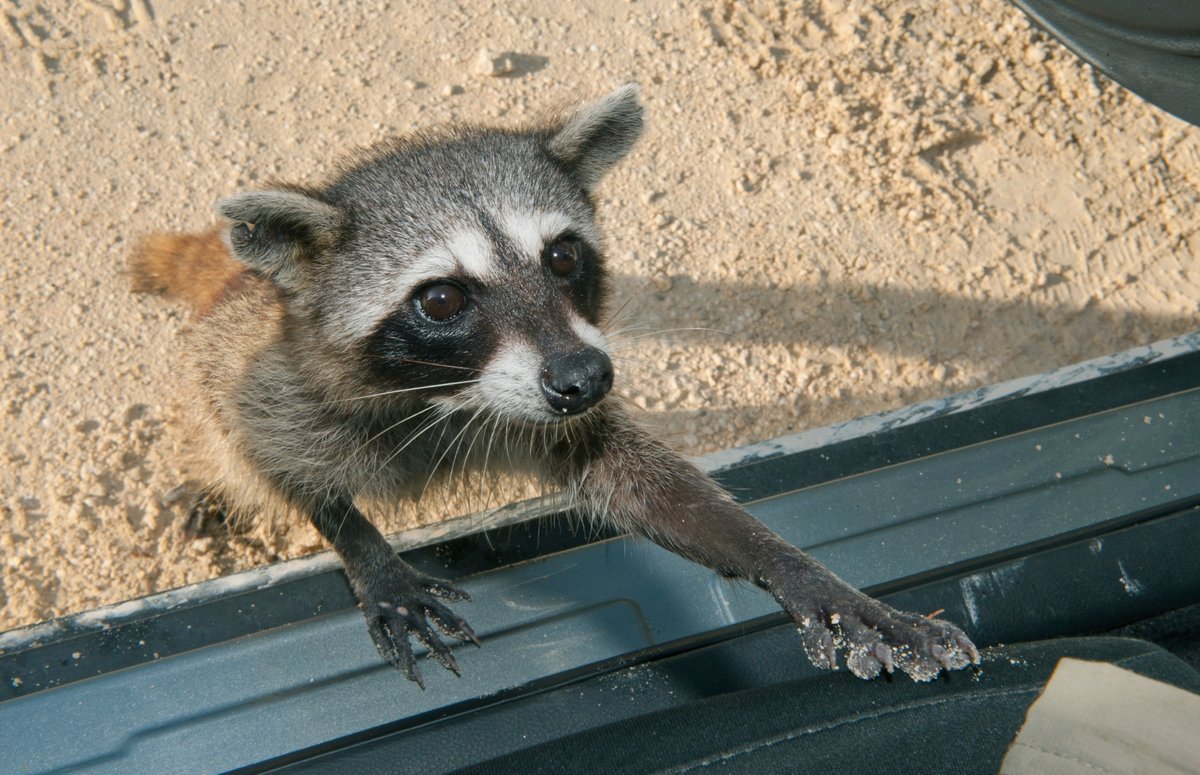
🦝
An endangered pygmy raccoon turned trash into toys—and taught her family how, too
Een bedreigde pygmee-raccoon maakte speelgoed van afval - en leerde haar familie ook hoe
Un raton laveur pygmée en danger a transformé des déchets en jouets - et a appris à sa famille comment faire aussi
So, here's a fascinating story about a pygmy raccoon on Cozumel Island that turned trash into toys! A graduate student observed this little creature using a receipt to create a ball, and even taught her family to join in the fun. This behavior is a first for raccoons, showing they can pass on skills like other intelligent animals. It's a reminder of how playful and socially aware these creatures are, even in the face of environmental challenges.
Dus, hier is een fascinerend verhaal over een pygmee-raccoon op Cozumel Island die afval in speelgoed veranderde! Een afgestudeerde student observeerde dit kleine diertje dat een bon gebruikte om een bal te maken, en zelfs haar familie leerde om mee te doen. Dit gedrag is een primeur voor raccoons, wat laat zien dat ze vaardigheden kunnen doorgeven zoals andere intelligente dieren. Het herinnert ons eraan hoe speels en sociaal bewust deze wezens zijn, zelfs in het licht van milieuproblemen.
Alors, voici une histoire fascinante sur un raton laveur pygmée sur l'île de Cozumel qui a transformé des déchets en jouets ! Une étudiante a observé cette petite créature utiliser un reçu pour créer une balle et a même appris à sa famille à participer au plaisir. Ce comportement est une première pour les ratons laveurs, montrant qu'ils peuvent transmettre des compétences comme d'autres animaux intelligents. C'est un rappel de la façon dont ces créatures sont ludiques et socialement conscientes, même face à des défis environnementaux.

🌟
What makes a city safe for women? 6 lessons from India’s safest cities
Wat maakt een stad veilig voor vrouwen? 6 lessen uit de veiligste steden van India
Qu'est-ce qui rend une ville sûre pour les femmes ? 6 leçons des villes les plus sûres d'Inde
So, what really makes a city safe for women? The NARI 2025 index reveals that community trust and active policing can create a safer environment, as seen in cities like Kohima and Aizawl. It's fascinating how social connections often outperform physical infrastructure in ensuring safety. Plus, the Northeast showcases a model worth emulating, where women's voices are integral to local governance. This is a hopeful reminder that safety is not just about laws but about people looking out for each other.
Dus, wat maakt een stad echt veilig voor vrouwen? De NARI 2025-index onthult dat gemeenschapsvertrouwen en actieve politie een veiligere omgeving kunnen creëren, zoals te zien is in steden als Kohima en Aizawl. Het is fascinerend hoe sociale verbindingen vaak beter presteren dan fysieke infrastructuur als het gaat om veiligheid. Bovendien toont het noordoosten een model dat het waard is om na te volgen, waar de stemmen van vrouwen een integraal onderdeel zijn van het lokaal bestuur. Dit is een hoopvolle herinnering dat veiligheid niet alleen om wetten gaat, maar om mensen die voor elkaar zorgen.
Alors, qu'est-ce qui rend vraiment une ville sûre pour les femmes ? L'indice NARI 2025 révèle que la confiance communautaire et une police active peuvent créer un environnement plus sûr, comme on le voit dans des villes comme Kohima et Aizawl. C'est fascinant de constater que les connexions sociales surpassent souvent l'infrastructure physique en matière de sécurité. De plus, le Nord-Est présente un modèle à imiter, où les voix des femmes sont intégrées à la gouvernance locale. C'est un rappel encourageant que la sécurité ne concerne pas seulement les lois, mais aussi les gens qui veillent les uns sur les autres.

🐾
Can animals sense disasters before we do? What science says about an old Indian belief
Kunnen dieren rampen voelen voordat wij dat doen? Wat de wetenschap zegt over een oude Indiase overtuiging
Les animaux peuvent-ils sentir les catastrophes avant nous ? Ce que la science dit d'une ancienne croyance indienne
It's fascinating to think that animals might sense disasters before we do! In India, people have observed ants moving their eggs to higher ground before heavy rains, and this behavior is part of a rich folklore. But science reveals that animals are picking up on physical signals like vibrations and changes in pressure, rather than predicting events. This intriguing connection between animal behavior and environmental changes opens up a whole new perspective on how we understand nature.
Het is fascinerend om te denken dat dieren rampen misschien eerder voelen dan wij! In India hebben mensen gezien dat mieren hun eieren naar hoger gelegen grond verplaatsen voordat er zware regen valt, en dit gedrag maakt deel uit van een rijke folklore. Maar de wetenschap onthult dat dieren fysieke signalen zoals trillingen en drukveranderingen oppikken, in plaats van gebeurtenissen te voorspellen. Deze intrigerende verbinding tussen dieren gedrag en milieuwijzigingen biedt een geheel nieuw perspectief op hoe we de natuur begrijpen.
Il est fascinant de penser que les animaux pourraient sentir les catastrophes avant nous ! En Inde, les gens ont observé des fourmis déplacer leurs œufs vers des terrains plus élevés avant de fortes pluies, et ce comportement fait partie d'un riche folklore. Mais la science révèle que les animaux détectent des signaux physiques comme des vibrations et des changements de pression, plutôt que de prédire des événements. Cette connexion intrigante entre le comportement animal et les changements environnementaux ouvre une toute nouvelle perspective sur notre compréhension de la nature.
/s3/static.nrc.nl/wp-content/uploads/2026/09/03153909/030926ECO_2036410765_AfvalverbranderAEB.jpg)
🌍
Cabinet allocates 1.3 billion for crucial CO2 storage project Aramis
Kabinet trekt in nieuwe begroting 1,3 miljard uit voor cruciaal CO2-opslagproject Aramis
Le cabinet alloue 1,3 milliard pour le projet crucial de stockage de CO2 Aramis
So, the Belgian government is setting aside 1.3 billion euros for the Aramis CO2 storage project, which could be one of Europe's largest decarbonization initiatives. Now, this project has faced some challenges, especially with rising costs and uncertainty from industrial partners. The aim is to transport CO2 from major factories to empty gas fields in the North Sea, potentially storing over 400 megatons of CO2. With this funding, the government hopes to lower transport costs and encourage more industries to participate.
Het kabinet zet 1,3 miljard euro opzij voor het CO2-opslagproject Aramis, dat een van de grootste decarbonisatie-initiatieven van Europa kan worden. Dit project heeft echter te maken met uitdagingen, vooral door stijgende kosten en onzekerheid van industriële partners. Het doel is om CO2 van grote fabrieken naar lege gasvelden in de Noordzee te transporteren, met de mogelijkheid om meer dan 400 megaton CO2 op te slaan. Met deze financiering hoopt de overheid de transportkosten te verlagen en meer industrieën aan te moedigen deel te nemen.
Le gouvernement met de côté 1,3 milliard d'euros pour le projet de stockage de CO2 Aramis, qui pourrait devenir l'une des plus grandes initiatives de décarbonisation en Europe. Cependant, ce projet fait face à des défis, notamment l'augmentation des coûts et l'incertitude des partenaires industriels. L'objectif est de transporter le CO2 des grandes usines vers des champs de gaz vides en mer du Nord, avec la possibilité de stocker plus de 400 mégatonnes de CO2. Avec ce financement, le gouvernement espère réduire les coûts de transport et encourager davantage d'industries à participer.
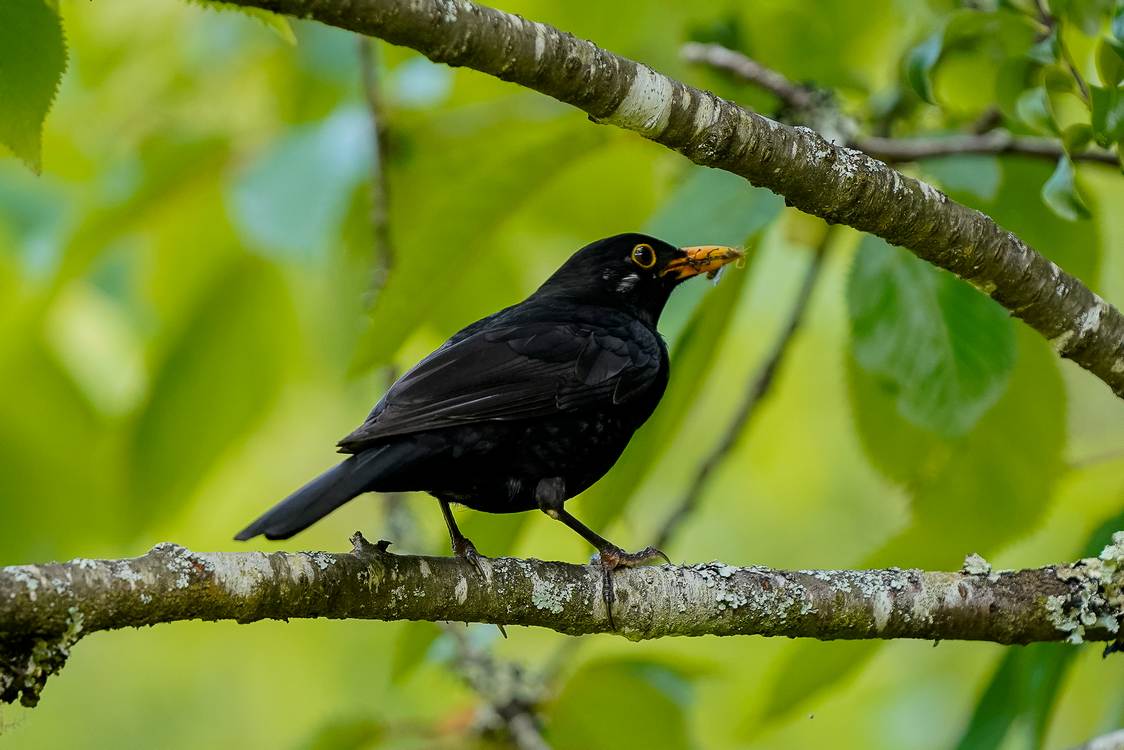
🎶
Survey finds blackbirds to have the most beautiful songs in the avian world–science explains why
Enquête vindt dat merels de mooiste liedjes in de vogelwereld hebben - wetenschap legt uit waarom
Une enquête révèle que les merles ont les plus belles chansons du monde aviaire - la science explique pourquoi
Isn't it fascinating that blackbirds have been crowned the champions of beautiful songs? A recent study from the University of Tübingen found that these birds scored an impressive 4.52 out of 5 in pleasantness, surpassing others like the willow warbler. Researchers discovered that varied, higher-pitched, and moderate-volume songs are what make these melodies so delightful. It's amazing how something as simple as a bird's song can enhance our connection to nature and contribute to our well-being.
Het is toch fascinerend dat merels zijn gekroond tot de kampioenen van mooie liedjes? Een recente studie van de Universiteit van Tübingen ontdekte dat deze vogels een indrukwekkende 4,52 op 5 scoorden in aangenaamheid, hoger dan andere zoals de wilgenuil. Onderzoekers ontdekten dat gevarieerde, hogere en gematigde volume liedjes maken deze melodieën zo heerlijk. Het is verbazingwekkend hoe iets zo eenvoudigs als het gezang van een vogel onze verbinding met de natuur kan versterken en bijdraagt aan ons welzijn.
N'est-ce pas fascinant que les merles aient été couronnés champions des belles chansons? Une étude récente de l'Université de Tübingen a révélé que ces oiseaux ont obtenu un impressionnant 4,52 sur 5 en agréabilité, surpassant d'autres comme le pouillot fitis. Les chercheurs ont découvert que des chants variés, aigus et à volume modéré sont ce qui rend ces mélodies si délicieuses. C'est incroyable de voir comment quelque chose d'aussi simple qu'un chant d'oiseau peut renforcer notre connexion à la nature et contribuer à notre bien-être.
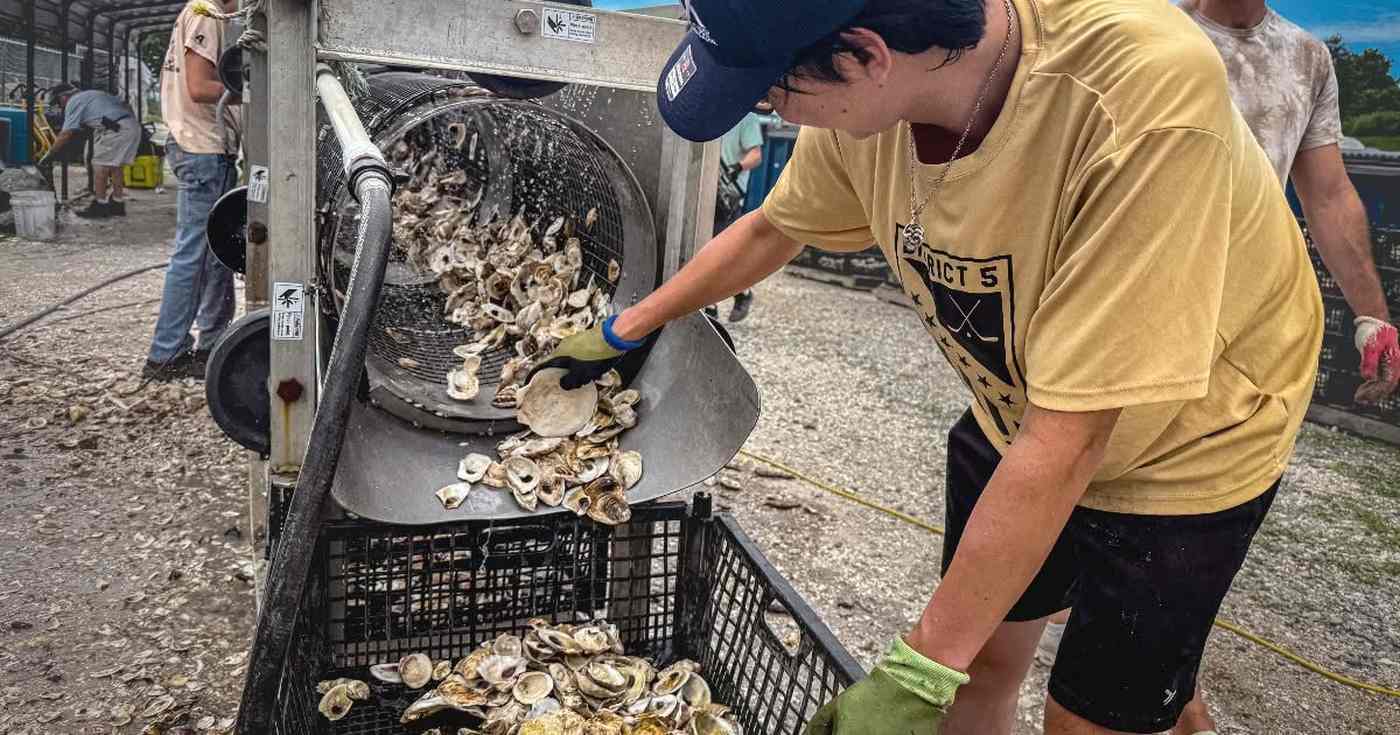
🌊
3 million oysters eaten by New Yorkers are rebuilding the city’s reefs
3 miljoen oesters gegeten door New Yorkers herstellen de riffen van de stad
3 millions d'huîtres mangées par les New-Yorkais reconstruisent les récifs de la ville
So, there's this amazing project in New York called the Billion Oyster Project that's turning discarded oyster shells into new reefs! These reefs are not just pretty; they filter pollutants from the harbor and help protect the city from flooding. They've already raised 200 million oysters, filtering trillions of gallons of water. It's a win-win for the environment and the local restaurant scene, as they’re using shells from over 75 eateries. How cool is that?
Er is een geweldig project in New York genaamd het Billion Oyster Project dat weggegooide oesterschelpen omzet in nieuwe riffen! Deze riffen zijn niet alleen mooi; ze filteren verontreinigingen uit de haven en helpen de stad te beschermen tegen overstromingen. Ze hebben al 200 miljoen oesters gekweekt, die triljoenen gallons water filteren. Het is een win-win voor het milieu en de lokale restaurantsector, omdat ze schelpen gebruiken van meer dan 75 eetgelegenheden. Hoe gaaf is dat?
Il existe un projet incroyable à New York appelé le Billion Oyster Project qui transforme les coquilles d'huîtres jetées en nouveaux récifs ! Ces récifs ne sont pas seulement jolis ; ils filtrent les polluants du port et aident à protéger la ville des inondations. Ils ont déjà élevé 200 millions d'huîtres, filtrant des trillions de gallons d'eau. C'est un double avantage pour l'environnement et la scène des restaurants locaux, car ils utilisent des coquilles de plus de 75 établissements. C'est génial, non ?

🌌
High school students spot two spiral galaxies colliding in Hawaiian constellation
Hogeschoolstudenten spotten twee spiraalgalaxies die botsen in Hawaïaanse constellatie
Des lycéens repèrent deux galaxies spirales en collision dans une constellation hawaïenne
How exciting is it that high school students in Hawaii have captured an image of two spiral galaxies colliding? Known as NGC 7253, these galaxies are over 200 million light-years away and are part of both Pegasus and a Hawaiian constellation. The students, participating in Project Hōkūlani, chose this object for its cultural significance and the fascinating cosmic dance of merging galaxies. Their work not only highlights the beauty of the universe but also connects deeply with Hawaiian heritage.
Hoe spannend is het dat middelbare scholieren in Hawaï een afbeelding hebben vastgelegd van twee spiraalgalaxies die botsen? Bekend als NGC 7253, bevinden deze galaxies zich meer dan 200 miljoen lichtjaar van de aarde en maken ze deel uit van zowel Pegasus als een Hawaïaanse constellatie. De studenten, die deelnemen aan Project Hōkūlani, kozen dit object vanwege de culturele betekenis en de fascinerende kosmische dans van samensmeltende galaxies. Hun werk benadrukt niet alleen de schoonheid van het universum, maar verbindt ook diep met de Hawaïaanse erfgoed.
Quelle excitation de savoir que des lycéens à Hawaï ont capturé une image de deux galaxies spirales en collision ! Connues sous le nom de NGC 7253, ces galaxies se trouvent à plus de 200 millions d'années-lumière et font partie à la fois de Pégase et d'une constellation hawaïenne. Les étudiants, participant au projet Hōkūlani, ont choisi cet objet pour sa signification culturelle et la fascinante danse cosmique des galaxies en fusion. Leur travail met en lumière non seulement la beauté de l'univers, mais se connecte également profondément à l'héritage hawaïen.
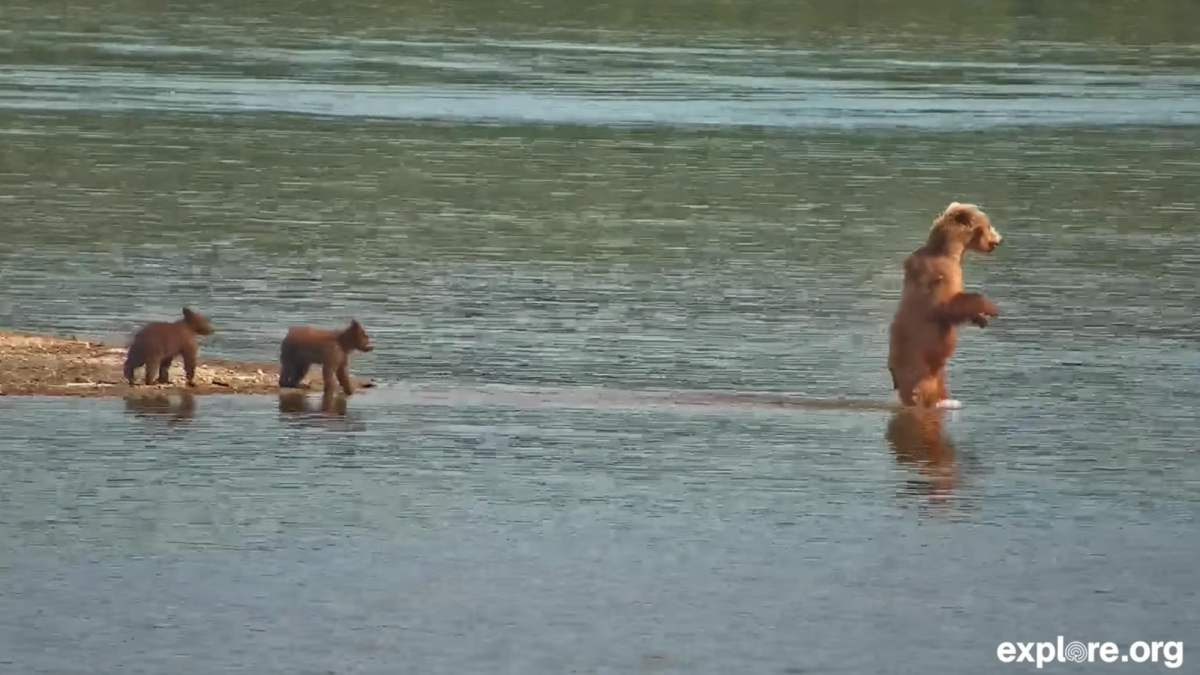
🐻
Katmai brown bear cubs learning how to ‘walk on water’ to nab salmon
Katmai bruine berenwelpen leren ‘op water te lopen’ om zalm te vangen
Des oursons bruns de Katmai apprennent à ‘marcher sur l'eau’ pour attraper du saumon
In the stunning Katmai National Park, brown bear #284, known as Electra, is teaching her adorable cubs how to fish for salmon. This unique skill is part of a bear culture where knowledge is passed down from mother to cub, much like in human families. Electra learned her fishing techniques from her own mother, showcasing the importance of tradition in the bear community. With Fat Bear Week around the corner, these cubs are getting ready to show off their newfound skills!
In het prachtige Katmai National Park leert bruine beer #284, bekend als Electra, haar schattige welpen hoe ze zalm kunnen vangen. Deze unieke vaardigheid maakt deel uit van een beren cultuur waarin kennis van moeder op jong wordt doorgegeven, net als in menselijke families. Electra heeft haar vistechnieken van haar eigen moeder geleerd, wat het belang van traditie in de beren gemeenschap laat zien. Met de naderende Fat Bear Week zijn deze welpen klaar om hun nieuwe vaardigheden te tonen!
Dans le magnifique parc national de Katmai, l'ours brun #284, connu sous le nom d'Electra, apprend à ses adorables oursons comment pêcher le saumon. Cette compétence unique fait partie d'une culture d'ours où le savoir est transmis de mère à petit, tout comme dans les familles humaines. Electra a appris ses techniques de pêche de sa propre mère, montrant ainsi l'importance de la tradition dans la communauté des ours. Avec la Fat Bear Week qui approche, ces oursons se préparent à montrer leurs nouvelles compétences !
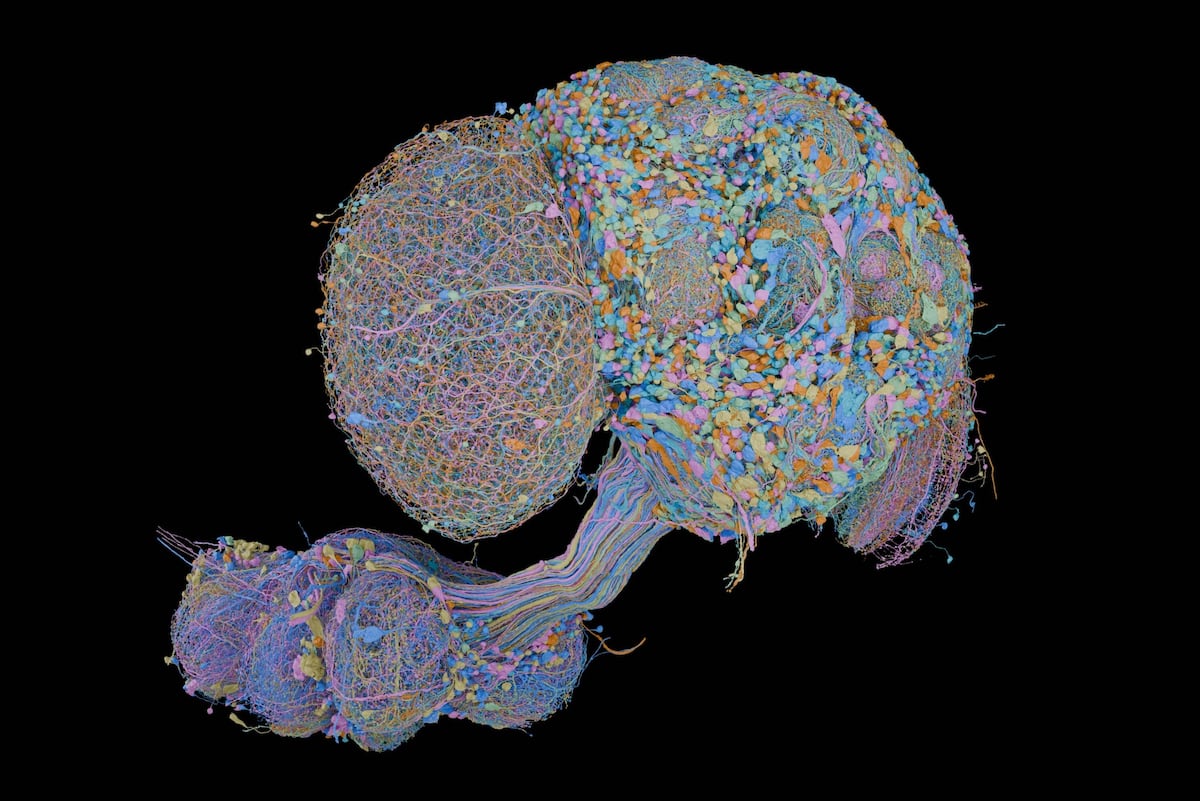
🧠
The most detailed brain wiring diagram yet: How 166,000 neurons govern the fruit fly’s behavior
De meest gedetailleerde hersenbedrading tot nu toe: Hoe 166.000 neuronen het gedrag van de fruitvlieg beheersen
Le diagramme de câblage cérébral le plus détaillé à ce jour : Comment 166 000 neurones gouvernent le comportement de la drosophile
Isn't it fascinating how much we've learned about the brain, even in tiny creatures like fruit flies? Researchers have just completed a groundbreaking map of the entire neural network of the fruit fly, revealing how 166,000 neurons control its behavior. This detailed connectome will help scientists understand everything from walking to flying, and even how these little insects 'sing.' It's a huge leap forward in neuroscience, showing just how interconnected and complex even the simplest brains can be!
Is het niet fascinerend hoeveel we hebben geleerd over de hersenen, zelfs in kleine wezens zoals fruitvliegen? Onderzoekers hebben net een baanbrekende kaart van het volledige neurale netwerk van de fruitvlieg voltooid, die onthult hoe 166.000 neuronen hun gedrag beheersen. Dit gedetailleerde connectoom zal wetenschappers helpen om alles te begrijpen, van lopen tot vliegen, en zelfs hoe deze kleine insecten 'zingen'. Het is een enorme sprong voorwaarts in de neurowetenschap, die laat zien hoe onderling verbonden en complex zelfs de eenvoudigste hersenen kunnen zijn!
N'est-il pas fascinant de voir combien nous avons appris sur le cerveau, même chez de petites créatures comme les drosophiles ? Les chercheurs viennent de terminer une carte révolutionnaire de l'ensemble du réseau neuronal de la drosophile, révélant comment 166 000 neurones contrôlent son comportement. Ce connectome détaillé aidera les scientifiques à comprendre tout, de la marche au vol, et même comment ces petits insectes 'chantent'. C'est un énorme pas en avant dans les neurosciences, montrant à quel point même les cerveaux les plus simples peuvent être interconnectés et complexes !
🧠
Brain can heal itself. Polymer nano-gel reverses dementia symptoms
De hersenen kunnen zichzelf genezen. Polymeer nano-gel keert symptomen van dementie om
Le cerveau peut se guérir. Un nano-gel polymère inverse les symptômes de la démence
This exciting research from the University of South Carolina reveals a groundbreaking polymer nano-gel called Nano-ERASER that stimulates the brain to regenerate itself. Instead of focusing on removing harmful protein deposits, this method encourages astrocytes to transform into functional neurons, which is a game changer for treating Alzheimer's. The results in lab mice were astonishing, showing improved learning and memory after just a couple of injections. It's a hopeful step forward in neurobiology that could lead to safer and more effective treatments for dementia.
Dit spannende onderzoek van de Universiteit van South Carolina onthult een baanbrekende polymeer nano-gel genaamd Nano-ERASER die de hersenen stimuleert om zichzelf te regenereren. In plaats van zich te concentreren op het verwijderen van schadelijke eiwitafzettingen, moedigt deze methode astrocyten aan om zich om te vormen tot functionele neuronen, wat een game changer is voor de behandeling van Alzheimer. De resultaten bij laboratoriummuizen waren verbazingwekkend, met verbeterd leren en geheugen na slechts een paar injecties. Het is een hoopvolle stap voorwaarts in de neurobiologie die kan leiden tot veiligere en effectievere behandelingen voor dementie.
Cette recherche passionnante de l'Université de Caroline du Sud révèle un nano-gel polymère révolutionnaire appelé Nano-ERASER qui stimule la régénération du cerveau. Au lieu de se concentrer sur l'élimination des dépôts protéiques nuisibles, cette méthode encourage les astrocytes à se transformer en neurones fonctionnels, ce qui change la donne pour le traitement de la maladie d'Alzheimer. Les résultats chez les souris de laboratoire ont été étonnants, montrant une amélioration de l'apprentissage et de la mémoire après seulement quelques injections. C'est une étape prometteuse en neurobiologie qui pourrait conduire à des traitements plus sûrs et plus efficaces pour la démence.
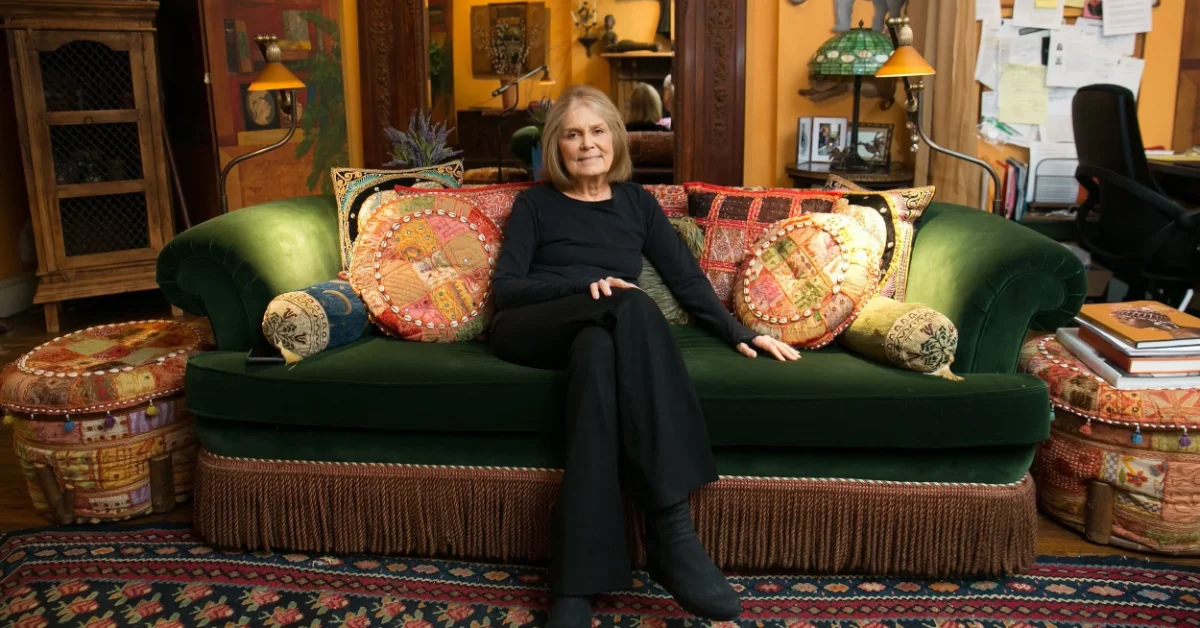
🌟
How Gloria Steinem helped shape feminism and gender equality
Hoe Gloria Steinem het feminisme en gendergelijkheid heeft gevormd
Comment Gloria Steinem a contribué à façonner le féminisme et l'égalité des genres
Gloria Steinem, a towering figure in second-wave feminism, has passed away at 92, leaving behind a legacy that reshaped gender equality. Her journey began in a time when women's rights were just starting to gain traction, and she became a powerful voice advocating for women's issues through journalism and activism. From founding Ms. magazine to championing reproductive rights, Steinem was relentless in her pursuit of equity for all women. Her experiences, including her own abortion story, fueled her passion and commitment to the feminist movement, inspiring generations to come.
Gloria Steinem, een belangrijke figuur in de tweede golf van het feminisme, is op 92-jarige leeftijd overleden, maar laat een blijvende erfenis achter die de gendergelijkheid heeft hervormd. Haar reis begon in een tijd waarin vrouwenrechten net begonnen op te komen, en ze werd een krachtige stem die zich inzette voor vrouwenkwesties via journalistiek en activisme. Van het oprichten van Ms. magazine tot het bevorderen van reproductieve rechten, Steinem was onvermoeibaar in haar streven naar gelijkheid voor alle vrouwen. Haar ervaringen, waaronder haar eigen abortusverhaal, voedden haar passie en toewijding aan de feministische beweging, en inspireerden generaties die zouden volgen.
Gloria Steinem, une figure emblématique du féminisme de deuxième vague, est décédée à 92 ans, laissant derrière elle un héritage qui a redéfini l'égalité des genres. Son parcours a commencé à une époque où les droits des femmes commençaient à peine à prendre de l'ampleur, et elle est devenue une voix puissante plaidant pour les questions féminines à travers le journalisme et l'activisme. De la fondation de Ms. magazine à la défense des droits reproductifs, Steinem a été inflexible dans sa quête d'équité pour toutes les femmes. Ses expériences, y compris son propre récit d'avortement, ont alimenté sa passion et son engagement envers le mouvement féministe, inspirant des générations à venir.
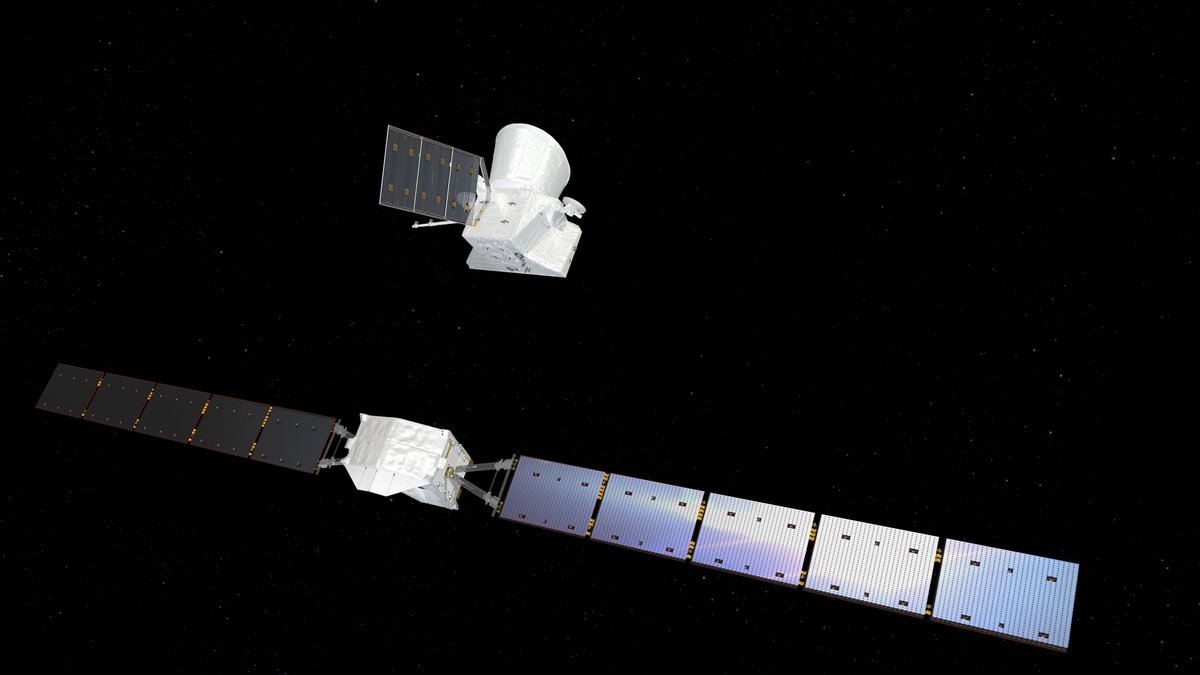
🚀
The spacecraft BepiColombo is finally nearing Mercury after 8 years in space
Het ruimtevaartuig BepiColombo nadert eindelijk Mercurius na 8 jaar in de ruimte
La sonde BepiColombo approche enfin de Mercure après 8 ans dans l'espace
Wow, what an exciting time for space exploration! After an incredible eight-year journey, the BepiColombo spacecraft is getting ready to study Mercury, the closest planet to the sun. It successfully deployed its two science orbiters, which will work together to uncover new details about Mercury's surface and magnetic field. This mission, a collaboration between the European Space Agency and Japan's JAXA, is set to begin full science operations next April, and I can't wait to see what they discover!
Wauw, wat een spannende tijd voor de ruimteverkenning! Na een ongelooflijke reis van acht jaar is het ruimtevaartuig BepiColombo klaar om Mercurius, de dichtstbijzijnde planeet bij de zon, te bestuderen. Het heeft met succes zijn twee wetenschappelijke orbiters gelanceerd, die samen nieuwe details over het oppervlak en het magnetische veld van Mercurius zullen onthullen. Deze missie, een samenwerking tussen de Europese Ruimtevaartorganisatie en het Japanse JAXA, zal in april volgend jaar beginnen met volledige wetenschappelijke operaties, en ik kan niet wachten om te zien wat ze ontdekken!
Wow, quel moment excitant pour l'exploration spatiale ! Après un incroyable voyage de huit ans, la sonde BepiColombo se prépare à étudier Mercure, la planète la plus proche du soleil. Elle a réussi à déployer ses deux orbiteurs scientifiques, qui travailleront ensemble pour révéler de nouveaux détails sur la surface et le champ magnétique de Mercure. Cette mission, une collaboration entre l'Agence spatiale européenne et le JAXA japonais, doit commencer ses opérations scientifiques complètes en avril prochain, et j'ai hâte de voir ce qu'ils vont découvrir !

🌴
Tamil Nadu's 70-YO palmyra tree climbers find new income through a professor's tourism trails
De 70-jarige palmyra-boomklimmers van Tamil Nadu vinden nieuw inkomen via de toeristische trails van een professor
Les grimpeurs de palmiers de 70 ans du Tamil Nadu trouvent un nouveau revenu grâce aux sentiers touristiques d'un professeur
In Tamil Nadu, the palmyra tree is not just a tree; it's a lifeline for many communities. Dr. Preethi Hari Babu has created tourism trails that connect visitors with the climbers, who have been harvesting from these trees for generations. This initiative not only educates people about the tree's importance but also helps sustain the livelihoods of the climbers. It's amazing to see how tourism can foster community engagement and environmental conservation at the same time!
In Tamil Nadu is de palmyra-boom niet zomaar een boom; het is een levenslijn voor veel gemeenschappen. Dr. Preethi Hari Babu heeft toeristische routes gecreëerd die bezoekers verbinden met de klimmers, die al generaties lang van deze bomen oogsten. Dit initiatief informeert mensen niet alleen over het belang van de boom, maar helpt ook de levensonderhoud van de klimmers te behouden. Het is geweldig om te zien hoe toerisme gemeenschapsbetrokkenheid en milieubehoud tegelijkertijd kan bevorderen!
Dans le Tamil Nadu, le palmier n'est pas qu'un arbre ; c'est une bouée de sauvetage pour de nombreuses communautés. Le Dr Preethi Hari Babu a créé des sentiers touristiques qui relient les visiteurs aux grimpeurs, qui récoltent ces arbres depuis des générations. Cette initiative non seulement éduque les gens sur l'importance de l'arbre, mais aide également à soutenir les moyens de subsistance des grimpeurs. C'est incroyable de voir comment le tourisme peut favoriser l'engagement communautaire et la conservation de l'environnement en même temps !
/s3/static.nrc.nl/wp-content/uploads/2026/09/02144922/030926WET_2036159668_kus2.jpg)
😂
The science behind baby smell and buried underwear: these are the funniest winners of the satirical sister of the Nobel Prize
De wetenschap achter babygeur en begraven onderbroeken: dit zijn de leukste winnaars van het satirische zusje van de Nobelprijs
La science derrière l'odeur de bébé et les sous-vêtements enterrés : voici les gagnants les plus drôles du prix Nobel satirique
This year, the Ig Nobel Prizes have made their debut in Europe, moving from the US due to safety concerns. The event, organized by the Annals of Improbable Research, awarded ten research teams with a quirky prize and a shower of paper airplanes. Among the winners, Brazilian biologists studied snake bites in a rather unusual way, while Swiss researchers buried underwear to assess soil health. It's a fun reminder of how science can be both serious and delightfully silly!
Dit jaar hebben de Ig Nobelprijzen hun debuut in Europa gemaakt, verplaatst vanuit de VS vanwege veiligheidszorgen. Het evenement, georganiseerd door de Annals of Improbable Research, heeft tien onderzoeksteams bekroond met een eigenaardige prijs en een regen van papieren vliegtuigjes. Onder de winnaars bestudeerden Braziliaanse biologen slangenbeten op een nogal ongebruikelijke manier, terwijl Zwitserse onderzoekers onderbroeken begroeven om de gezondheid van de bodem te beoordelen. Het is een leuke herinnering aan hoe wetenschap zowel serieus als heerlijk gek kan zijn!
Cette année, les prix Ig Nobel ont fait leurs débuts en Europe, se déplaçant des États-Unis en raison de préoccupations de sécurité. L'événement, organisé par les Annals of Improbable Research, a récompensé dix équipes de recherche avec un prix original et une pluie d'avions en papier. Parmi les lauréats, des biologistes brésiliens ont étudié les morsures de serpent de manière plutôt inhabituelle, tandis que des chercheurs suisses ont enterré des sous-vêtements pour évaluer la santé du sol. C'est un rappel amusant de la façon dont la science peut être à la fois sérieuse et délicieusement absurde!
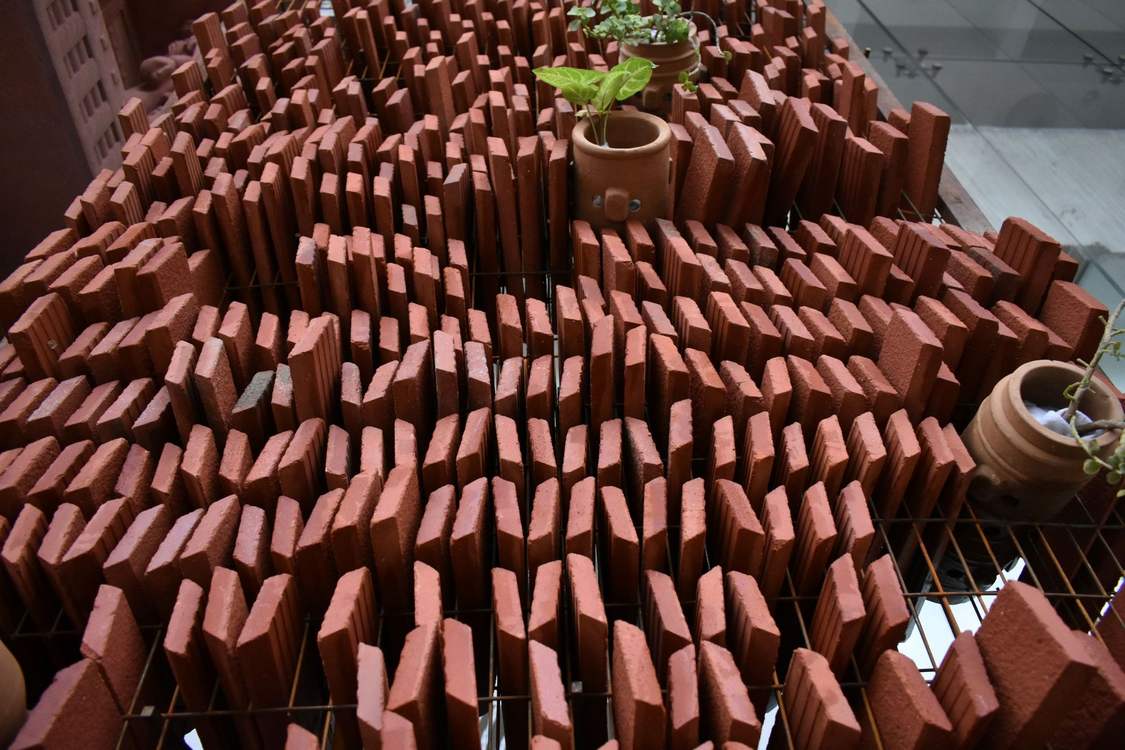
🏡
Indian home stays cool without A/C through clever clay architecture
Indiaans huis blijft koel zonder A/C door slimme klei-architectuur
Une maison indienne reste fraîche sans climatisation grâce à une architecture en argile astucieuse
In the sweltering heat of Kerala, Elemental Architects have designed a family home that stays cool without air conditioning. Using clever features like terracotta roofs and perforated walls, the house harnesses natural airflow to create a comfortable living space. The unique materials, including local laterite, help regulate temperature and moisture, making it an eco-friendly solution. It's amazing to see how traditional techniques are being revived to tackle modern challenges!
In de verzengende hitte van Kerala heeft Elemental Architects een gezinswoning ontworpen die koel blijft zonder airconditioning. Met slimme elementen zoals terracotta daken en geperforeerde muren maakt het huis gebruik van natuurlijke luchtstromen om een comfortabele leefruimte te creëren. De unieke materialen, waaronder lokale lateriet, helpen de temperatuur en vochtigheid te reguleren, wat het een milieuvriendelijke oplossing maakt. Het is geweldig om te zien hoe traditionele technieken worden herleefd om moderne uitdagingen aan te pakken!
Dans la chaleur écrasante du Kerala, Elemental Architects a conçu une maison familiale qui reste fraîche sans climatisation. Avec des caractéristiques astucieuses comme des toits en terre cuite et des murs perforés, la maison exploite le flux d'air naturel pour créer un espace de vie confortable. Les matériaux uniques, y compris le latérite local, aident à réguler la température et l'humidité, en faisant une solution écologique. C'est incroyable de voir comment des techniques traditionnelles sont ravivées pour relever des défis modernes !
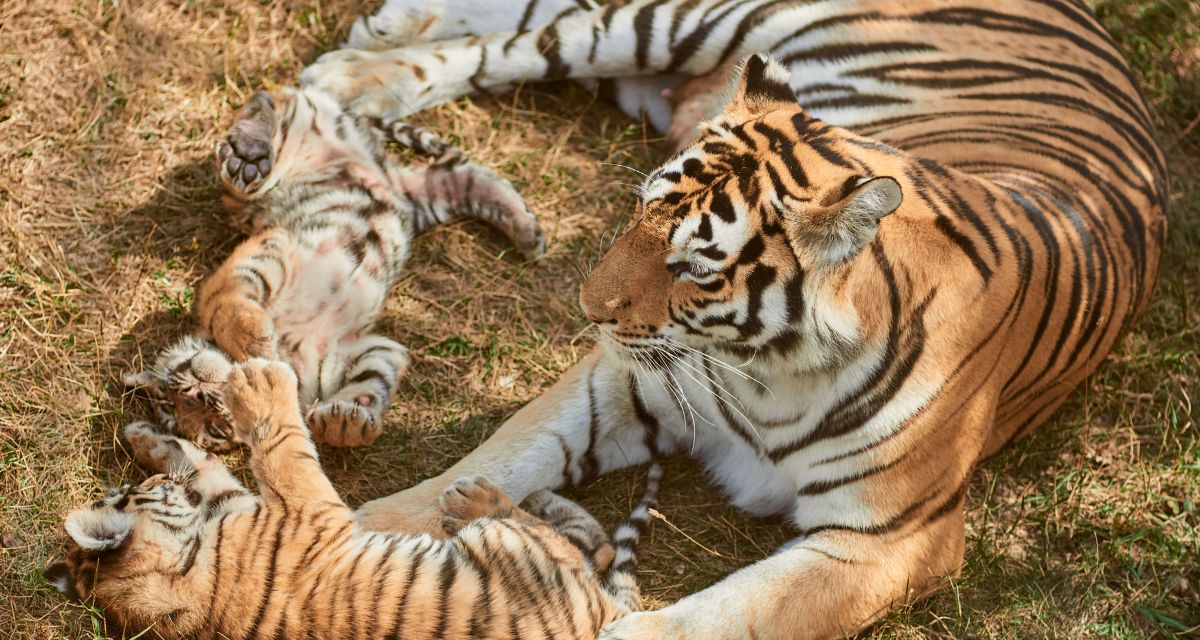
🐅
Wildlife researchers discover tigers doing something we previously thought went against their very nature
Wildlife-onderzoekers ontdekken dat tijgers iets doen dat we eerder dachten dat tegen hun natuur inging
Des chercheurs sur la faune découvrent que les tigres font quelque chose que nous pensions auparavant contraire à leur nature
So, it turns out that tigers, those fiercely solitary creatures we’ve always known, can actually team up! Researchers filming in Nepal captured two tiger mothers, Goma and Jugini, taking care of each other's cubs in a heartwarming display of cooperation. This adorable behavior challenges everything we thought we knew about tiger parenting. It’s a reminder that even apex predators can show vulnerability and collaboration, which is just fascinating!
Dus, het blijkt dat tijgers, die fel solitair zijn, eigenlijk kunnen samenwerken! Onderzoekers die in Nepal filmden, legden twee tijgermoeders, Goma en Jugini, vast terwijl ze elkaars welpen verzorgden in een hartverwarmende samenwerking. Dit schattige gedrag daagt alles uit wat we dachten te weten over het ouderschap van tijgers. Het herinnert ons eraan dat zelfs apexpredatoren kwetsbaarheid en samenwerking kunnen tonen, wat gewoon fascinerend is!
Alors, il s'avère que les tigres, ces créatures farouchement solitaires que nous connaissons depuis toujours, peuvent en fait faire équipe ! Des chercheurs filmant au Népal ont capturé deux mères tigres, Goma et Jugini, s'occupant des petits l'une de l'autre dans une démonstration touchante de coopération. Ce comportement adorable remet en question tout ce que nous pensions savoir sur la parentalité des tigres. C'est un rappel que même les prédateurs au sommet peuvent montrer de la vulnérabilité et de la collaboration, ce qui est tout simplement fascinant !
🤖
Can AI help solve the peer-review crisis? Here are its promises and pitfalls
Kan AI helpen de peer-reviewcrisis op te lossen? Hier zijn de beloften en valkuilen
L'IA peut-elle aider à résoudre la crise de l'évaluation par les pairs ? Voici ses promesses et ses pièges
So, the article dives into the fascinating world of AI and its potential to tackle the peer-review crisis in academia. It highlights both the exciting promises AI brings, like speeding up the review process and improving accuracy, and the pitfalls we need to be cautious about, such as bias and transparency issues. Now, it's really intriguing to think about how technology could reshape such a fundamental part of research. Which brings me to the idea that while AI can be a powerful tool, we must carefully consider how we implement it.
Dus, het artikel duikt in de fascinerende wereld van AI en het potentieel om de peer-reviewcrisis in de academische wereld aan te pakken. Het benadrukt zowel de spannende beloften die AI met zich meebrengt, zoals het versnellen van het beoordelingsproces en het verbeteren van de nauwkeurigheid, als de valkuilen waar we voorzichtig mee moeten zijn, zoals vooringenomenheid en transparantieproblemen. Nu is het echt intrigerend om na te denken over hoe technologie zo'n fundamenteel onderdeel van onderzoek kan hervormen. Wat me brengt bij het idee dat, hoewel AI een krachtig hulpmiddel kan zijn, we zorgvuldig moeten overwegen hoe we het implementeren.
Donc, l'article plonge dans le monde fascinant de l'IA et son potentiel pour résoudre la crise de l'évaluation par les pairs dans le milieu académique. Il met en lumière à la fois les promesses passionnantes que l'IA offre, comme l'accélération du processus d'évaluation et l'amélioration de la précision, ainsi que les pièges dont nous devons être prudents, tels que les biais et les problèmes de transparence. Maintenant, il est vraiment intrigant de penser à la façon dont la technologie pourrait redéfinir une partie si fondamentale de la recherche. Ce qui m'amène à l'idée que, bien que l'IA puisse être un outil puissant, nous devons réfléchir attentivement à la manière de l'implémenter.
🌟
Can cells genetically engineered in the body fight autoimmune diseases?
Kunnen genetisch gemodificeerde cellen in het lichaam auto-immuunziekten bestrijden?
Les cellules génétiquement modifiées dans le corps peuvent-elles lutter contre les maladies auto-immunes?
This fascinating exploration dives into the potential of genetically engineered cells to combat autoimmune diseases. Researchers are investigating how these modified cells could be harnessed to restore balance in the immune system. Imagine a future where our own cells are programmed to fight back against these conditions! It's an exciting frontier in medicine that could change lives for many people.
Deze fascinerende verkenning duikt in het potentieel van genetisch gemodificeerde cellen om auto-immuunziekten te bestrijden. Onderzoekers onderzoeken hoe deze gemodificeerde cellen kunnen worden ingezet om de balans in het immuunsysteem te herstellen. Stel je een toekomst voor waarin onze eigen cellen zijn geprogrammeerd om terug te vechten tegen deze aandoeningen! Het is een opwindende grens in de geneeskunde die levens van veel mensen kan veranderen.
Cette exploration fascinante plonge dans le potentiel des cellules génétiquement modifiées pour lutter contre les maladies auto-immunes. Les chercheurs étudient comment ces cellules modifiées pourraient être utilisées pour rétablir l'équilibre du système immunitaire. Imaginez un avenir où nos propres cellules sont programmées pour lutter contre ces conditions ! C'est une frontière passionnante en médecine qui pourrait changer la vie de nombreuses personnes.

🌟
They are 80 years old with a 50-year-old brain: the surprising commonality of 'super-agers'
Ze zijn 80 jaar oud met een brein van 50: de verrassende gemeenschappelijkheid van 'super-agers'
Ils ont 80 ans et un cerveau de 50 : le surprenant point commun des 'super-agers'
So, there's this fascinating concept called 'super-agers'—people over 80 who have the memory capabilities of someone 20 to 30 years younger! A recent study from Northwestern University reveals that these individuals thrive thanks to their strong social connections. It's not just about diet or exercise; it's their extroverted nature and how they value relationships that seem to protect their cognitive health. Plus, they have more von Economo neurons, which are linked to social behavior, making them even more resilient against cognitive decline.
Dus, er is dit fascinerende concept genaamd 'super-agers' - mensen boven de 80 die de geheugenvaardigheden hebben van iemand 20 tot 30 jaar jonger! Een recente studie van de Northwestern University onthult dat deze individuen gedijen dankzij hun sterke sociale connecties. Het gaat niet alleen om dieet of lichaamsbeweging; het is hun extraverte aard en hoe ze relaties waarderen die hen lijkt te beschermen tegen cognitieve achteruitgang. Bovendien hebben ze meer von Economo-neuronen, die verband houden met sociaal gedrag, waardoor ze nog veerkrachtiger zijn tegen cognitieve achteruitgang.
Alors, il y a ce concept fascinant appelé 'super-agers' - des personnes de plus de 80 ans qui ont les capacités de mémoire de quelqu'un de 20 à 30 ans plus jeune ! Une étude récente de l'Université Northwestern révèle que ces individus prospèrent grâce à leurs fortes connexions sociales. Ce n'est pas seulement une question de régime alimentaire ou d'exercice ; c'est leur nature extravertie et la façon dont ils valorisent les relations qui semblent protéger leur santé cognitive. De plus, ils ont plus de neurones de von Economo, qui sont liés au comportement social, ce qui les rend encore plus résilients face au déclin cognitif.
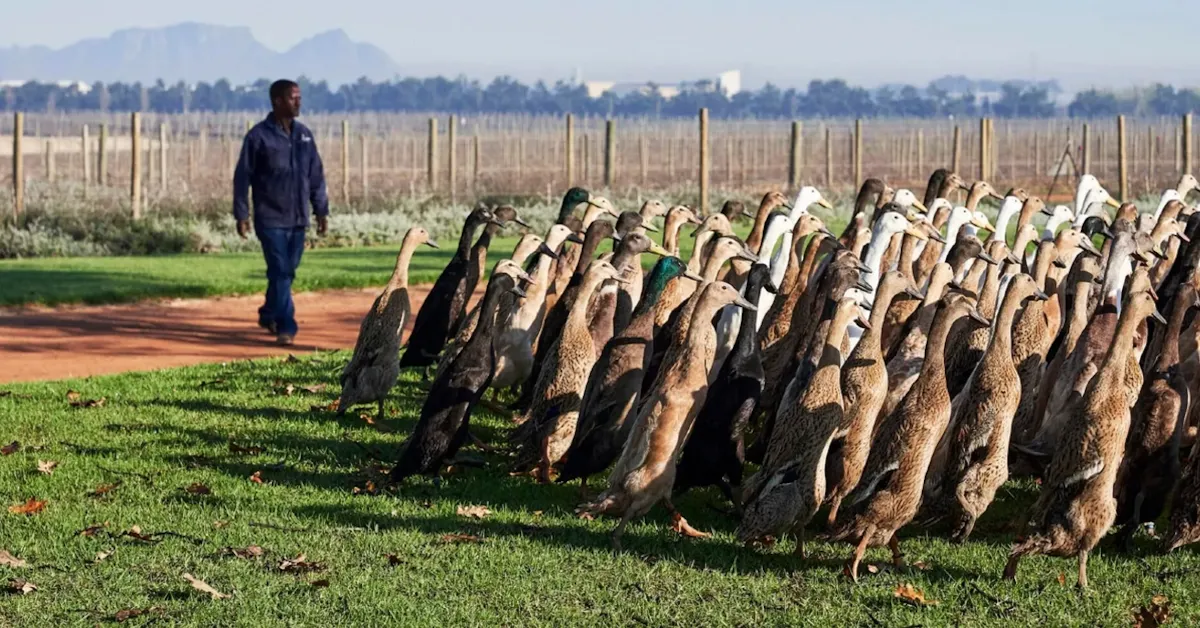
🦆
This vineyard adopted a clever alternative to using pesticides: Let 1,000 ducks roam free instead
Deze wijngaard heeft een slimme alternatieve methode voor pesticiden: Laat 1.000 eenden vrij rondlopen
Ce vignoble a adopté une alternative astucieuse à l'utilisation de pesticides : laisser 1 000 canards se promener librement
So, here's a fascinating story from South Africa! The Vergenoegd Löw Wine Estate has swapped out harmful pesticides for a fleet of 1,000 Indian Runner ducks, which not only munch on pests but also enrich the soil with their droppings. This eco-friendly approach not only protects beneficial insects but also leads to better wine quality. It's amazing to see how nature can inspire sustainable farming practices that benefit both the environment and the farmers.
Dus, hier is een fascinerend verhaal uit Zuid-Afrika! Het Vergenoegd Löw Wine Estate heeft schadelijke pesticiden vervangen door een vloot van 1.000 Indische Looppatrijzen, die niet alleen ongedierte opeten, maar ook de bodem verrijken met hun uitwerpselen. Deze milieuvriendelijke aanpak beschermt niet alleen nuttige insecten, maar leidt ook tot een betere wijnkwaliteit. Het is geweldig om te zien hoe de natuur duurzame landbouwpraktijken kan inspireren die zowel het milieu als de boeren ten goede komen.
Alors, voici une histoire fascinante d'Afrique du Sud ! Le Vergenoegd Löw Wine Estate a échangé les pesticides nocifs contre une flotte de 1 000 canards Indiens coureurs, qui non seulement se nourrissent des nuisibles, mais enrichissent également le sol avec leurs déjections. Cette approche écologique protège non seulement les insectes bénéfiques, mais conduit également à une meilleure qualité de vin. C'est incroyable de voir comment la nature peut inspirer des pratiques agricoles durables qui profitent à la fois à l'environnement et aux agriculteurs.
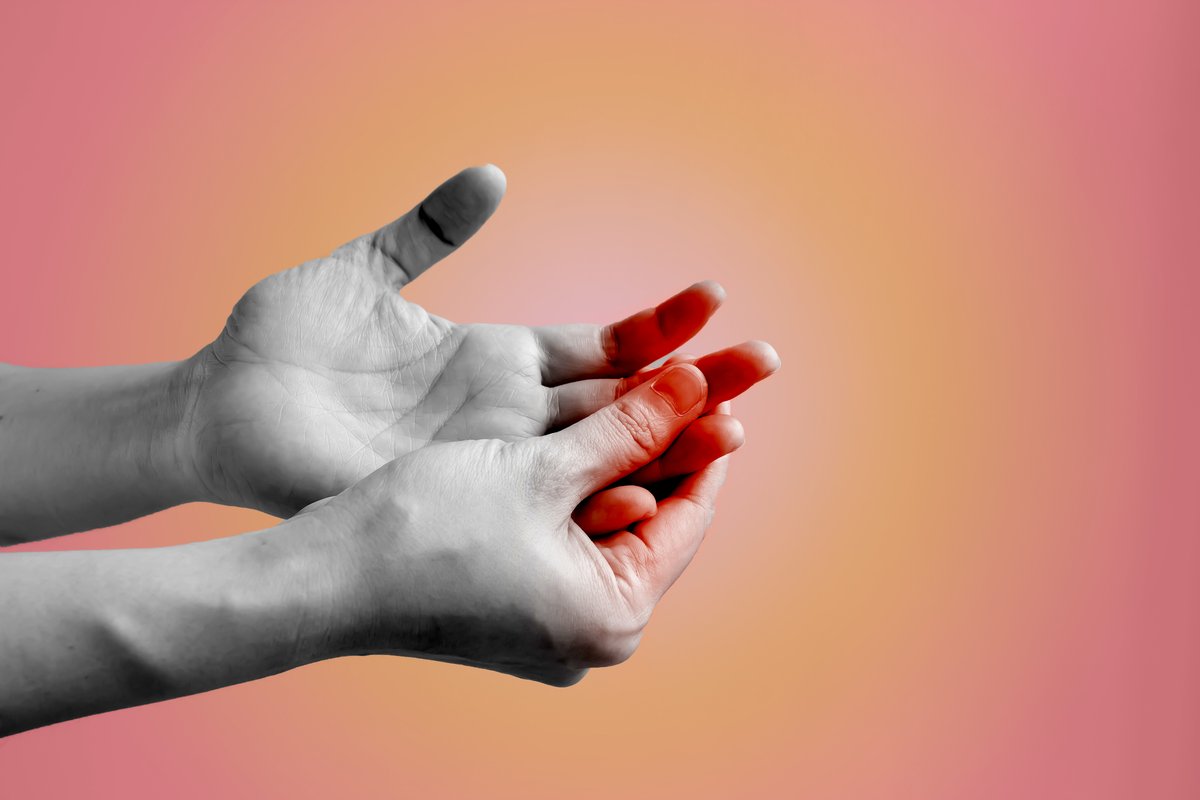
🌟
Study finds psilocybin protects against nerve damage from chemotherapy
Studie vindt dat psilocybine beschermt tegen zenuwschade door chemotherapie
Une étude révèle que la psilocybine protège contre les lésions nerveuses causées par la chimiothérapie
So, this groundbreaking study has found that psilocybin, the active compound in magic mushrooms, may actually protect against nerve damage caused by chemotherapy. Researchers tested this on mice and discovered that those given psilocybin experienced significantly less nerve pain after treatment. This is a huge deal because nerve damage is a common and painful side effect of chemotherapy that often lasts long after treatment ends. The team is now excited to explore how this could translate to human patients, which could change the game for many undergoing cancer treatment.
Dus, deze baanbrekende studie heeft aangetoond dat psilocybine, de actieve stof in paddo's, mogelijk beschermt tegen zenuwschade veroorzaakt door chemotherapie. Onderzoekers testten dit op muizen en ontdekten dat degenen die psilocybine kregen aanzienlijk minder zenuwpijn ervoeren na de behandeling. Dit is een grote stap, omdat zenuwschade een veelvoorkomende en pijnlijke bijwerking van chemotherapie is die vaak lang na de behandeling aanhoudt. Het team is nu enthousiast om te onderzoeken hoe dit kan worden toegepast op menselijke patiënten, wat een grote verandering kan betekenen voor velen die kankerbehandeling ondergaan.
Alors, cette étude révolutionnaire a découvert que la psilocybine, le composé actif des champignons magiques, pourrait en fait protéger contre les lésions nerveuses causées par la chimiothérapie. Les chercheurs ont testé cela sur des souris et ont découvert que celles ayant reçu de la psilocybine ressentaient beaucoup moins de douleur nerveuse après le traitement. C'est un gros problème car les lésions nerveuses sont un effet secondaire courant et douloureux de la chimiothérapie qui dure souvent longtemps après la fin du traitement. L'équipe est maintenant impatiente d'explorer comment cela pourrait se traduire chez les patients humains, ce qui pourrait changer la donne pour de nombreux patients en cours de traitement contre le cancer.

🌱
Kenya's cotton leftovers are finding new value
De restanten van de Keniaanse katoen vinden nieuwe waarde
Les restes de coton du Kenya trouvent une nouvelle valeur
In Kenya, businesses and community groups are transforming discarded cotton stalks and textile offcuts into valuable products like briquettes and household textiles. This innovative approach not only reduces waste but also creates new income opportunities for farmers and women-led enterprises. Farmers like Peterson Mwadau are now selling their cotton residue instead of burning it, which is a fantastic way to boost household income. It's exciting to see how these sustainable practices can positively impact both the economy and the environment!
In Kenia transformeren bedrijven en gemeenschapsgroepen weggegooide katoenstelen en textielresten in waardevolle producten zoals briketten en huishoudtextiel. Deze innovatieve aanpak vermindert niet alleen afval, maar creëert ook nieuwe inkomstenkansen voor boeren en door vrouwen geleide ondernemingen. Boeren zoals Peterson Mwadau verkopen nu hun katoenresten in plaats van ze te verbranden, wat een geweldige manier is om het gezinsinkomen te verhogen. Het is opwindend om te zien hoe deze duurzame praktijken zowel de economie als het milieu positief kunnen beïnvloeden!
Au Kenya, des entreprises et des groupes communautaires transforment les tiges de coton et les chutes de textile jetées en produits précieux comme des briquettes et des textiles pour la maison. Cette approche innovante réduit non seulement les déchets, mais crée également de nouvelles opportunités de revenus pour les agriculteurs et les entreprises dirigées par des femmes. Des agriculteurs comme Peterson Mwadau vendent désormais leurs résidus de coton au lieu de les brûler, ce qui est une façon fantastique d'augmenter le revenu des ménages. C'est passionnant de voir comment ces pratiques durables peuvent avoir un impact positif à la fois sur l'économie et l'environnement !

🌳
Former poachers are protecting one of Nigeria’s last rainforests
Voormalige stropers beschermen een van Nigeria's laatste regenwouden
Anciens braconniers protègent l'une des dernières forêts tropicales du Nigeria
It's incredible to see how former poachers like Sunday Abiodun are now protecting the very forests they once hunted in. After realizing the impact of his actions on wildlife, he joined the Nigerian Conservation Foundation as a ranger. This unique approach of employing ex-hunters is not just innovative but also effective, as they have a deep understanding of the forest. By transforming their mindset, these individuals are becoming vital protectors of Nigeria's precious ecosystems.
Het is ongelooflijk om te zien hoe voormalige stropers zoals Sunday Abiodun nu de bossen beschermen waar ze ooit in jaagden. Nadat hij zich bewust werd van de impact van zijn acties op de wilde dieren, sloot hij zich aan bij de Nigeriaanse Conservatiefondatie als ranger. Deze unieke benadering van het in dienst nemen van ex-jagers is niet alleen innovatief, maar ook effectief, omdat zij een diepgaand begrip van het bos hebben. Door hun denkwijze te veranderen, worden deze individuen essentiële beschermers van Nigeria's kostbare ecosystemen.
C'est incroyable de voir comment d'anciens braconniers comme Sunday Abiodun protègent désormais les forêts mêmes dans lesquelles ils chassaient autrefois. Après avoir réalisé l'impact de ses actions sur la faune, il a rejoint la Fondation nigériane pour la conservation en tant que garde forestier. Cette approche unique d'employer d'anciens chasseurs n'est pas seulement innovante, mais aussi efficace, car ils ont une compréhension approfondie de la forêt. En transformant leur mentalité, ces individus deviennent des protecteurs essentiels des précieux écosystèmes du Nigeria.
🌟
The universe has plenty of hydrogen. So why is star formation collapsing?
Het universum heeft veel waterstof. Waarom stort de stervorming in?
L'univers a beaucoup d'hydrogène. Pourquoi la formation d'étoiles s'effondre-t-elle?
So, it turns out that while the universe is brimming with hydrogen, the formation of new stars is plummeting! Over the last 4.5 billion years, the rate of star formation has dropped to less than half, yet the amount of neutral atomic hydrogen has barely changed. This fascinating research from an international team, led by scientists from the Chinese Academy of Sciences, reveals a puzzling disconnect. Instead of running out of gas, the universe seems to be facing a new mystery about why star formation is becoming so challenging.
Het blijkt dat, hoewel het universum vol waterstof zit, de vorming van nieuwe sterren inzakt! In de afgelopen 4,5 miljard jaar is de stervorming met meer dan de helft gedaald, terwijl de hoeveelheid neutrale atomaire waterstof nauwelijks is veranderd. Dit fascinerende onderzoek van een internationaal team, geleid door wetenschappers van de Chinese Academie van Wetenschappen, onthult een verwarrende disconnectie. In plaats van zonder gas te komen zitten, lijkt het universum te worden geconfronteerd met een nieuw mysterie over waarom stervorming zo uitdagend wordt.
Il s'avère que, bien que l'univers regorge d'hydrogène, la formation de nouvelles étoiles est en chute libre ! Au cours des 4,5 milliards d'années passées, le taux de formation d'étoiles a chuté à moins de la moitié, alors que la quantité d'hydrogène atomique neutre a à peine changé. Cette recherche fascinante d'une équipe internationale, dirigée par des scientifiques de l'Académie chinoise des sciences, révèle une déconnexion déroutante. Au lieu de manquer de gaz, l'univers semble faire face à un nouveau mystère sur les raisons pour lesquelles la formation d'étoiles devient si difficile.
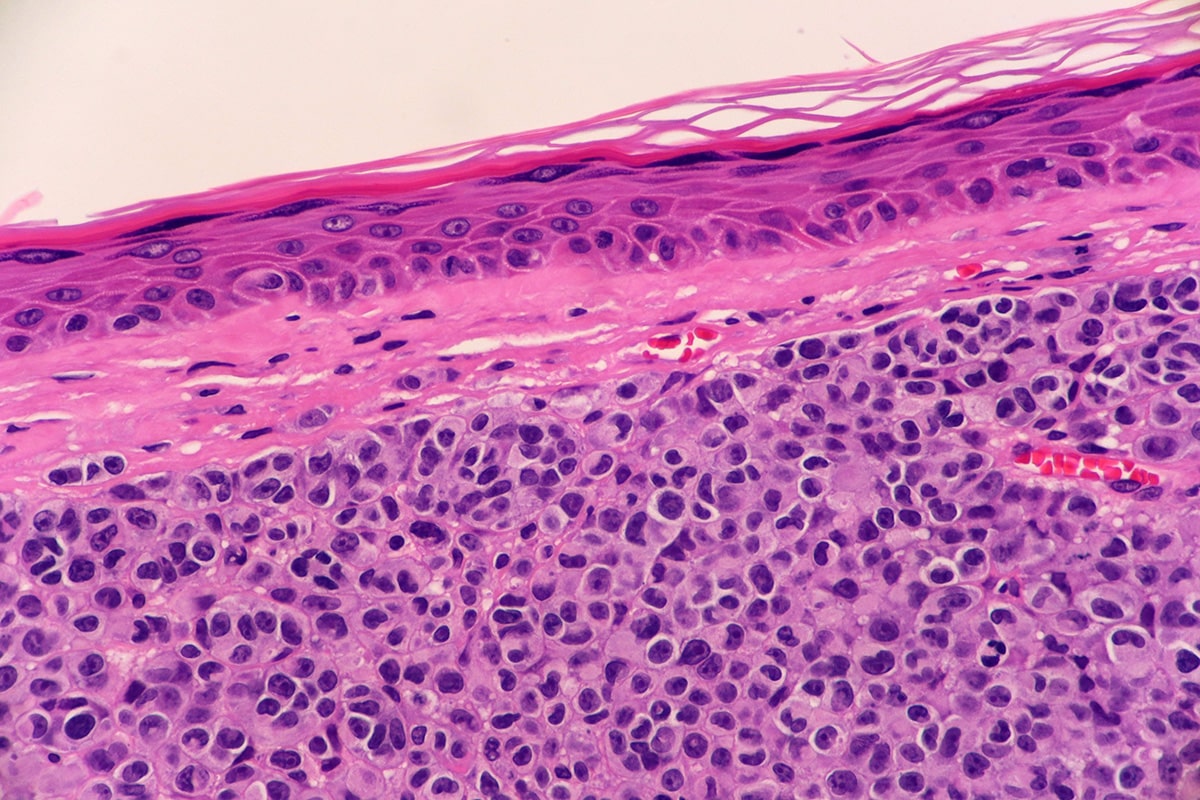
🌟
What could go right? The made-to-order cancer vaccine
Wat kan goed gaan? Het op maat gemaakte kankervaccin
Que pourrait-il se passer de bien ? Le vaccin contre le cancer sur mesure
Imagine a world where cancer treatment is personalized just for you! That's exactly what the new cancer vaccine, intismeran, is aiming for. Developed by Moderna and Merck, this innovative vaccine uses an algorithm to create a unique treatment based on your cancer's specific mutations. Early trials show it can significantly reduce the risk of melanoma recurrence, which is just amazing news for patients. This could be a game-changer in how we approach cancer therapy, making it more targeted and effective!
Stel je een wereld voor waarin de behandeling van kanker speciaal voor jou is gepersonaliseerd! Dat is precies wat het nieuwe kankervaccin, intismeran, probeert te bereiken. Ontwikkeld door Moderna en Merck, gebruikt dit innovatieve vaccin een algoritme om een unieke behandeling te creëren op basis van de specifieke mutaties van jouw kanker. Vroegere proeven tonen aan dat het het risico op terugkeer van melanoom aanzienlijk kan verminderen, wat geweldig nieuws is voor patiënten. Dit zou een keerpunt kunnen zijn in de manier waarop we kankertherapie benaderen, waardoor het gerichter en effectiever wordt!
Imaginez un monde où le traitement du cancer est personnalisé juste pour vous ! C'est exactement ce que vise le nouveau vaccin contre le cancer, intismeran. Développé par Moderna et Merck, ce vaccin innovant utilise un algorithme pour créer un traitement unique basé sur les mutations spécifiques de votre cancer. Les premiers essais montrent qu'il peut réduire considérablement le risque de récurrence du mélanome, ce qui est une nouvelle incroyable pour les patients. Cela pourrait changer la donne dans notre approche de la thérapie contre le cancer, la rendant plus ciblée et efficace !

💧
IIT Guwahati finds a new way to remove harmful toxins from water
IIT Guwahati vindt een nieuwe manier om schadelijke toxines uit water te verwijderen
IIT Guwahati trouve une nouvelle façon d'éliminer les toxines nocives de l'eau
It's amazing how a clear glass of water can still hide harmful substances like arsenic and fluoride. Researchers at IIT Guwahati have developed a rotating-anode electrocoagulation reactor that can remove up to 98.2% of arsenate and 91.8% of fluoride in just minutes. This innovative approach not only makes the process more efficient but also keeps costs low, making clean water more accessible. It's a fantastic step forward in tackling a serious health issue for millions in India!
Het is verbazingwekkend hoe een helder glas water nog steeds schadelijke stoffen zoals arseen en fluoride kan verbergen. Onderzoekers van IIT Guwahati hebben een reactor voor elektrocoagulatie met roterende anode ontwikkeld die tot 98,2% van arseenaat en 91,8% van fluoride in slechts enkele minuten kan verwijderen. Deze innovatieve benadering maakt het proces niet alleen efficiënter, maar houdt ook de kosten laag, waardoor schoon water toegankelijker wordt. Het is een fantastische stap voorwaarts in het aanpakken van een ernstig gezondheidsprobleem voor miljoenen in India!
C'est incroyable de voir comment un verre d'eau clair peut encore cacher des substances nocives comme l'arsenic et le fluorure. Des chercheurs de l'IIT Guwahati ont développé un réacteur d'électrocoagulation à anode rotative capable d'éliminer jusqu'à 98,2 % d'arsénate et 91,8 % de fluorure en quelques minutes seulement. Cette approche innovante rend le processus plus efficace tout en maintenant les coûts bas, rendant ainsi l'eau propre plus accessible. C'est une avancée fantastique dans la lutte contre un problème de santé grave pour des millions de personnes en Inde !

💉
Global initiative launched to improve access to mpox vaccines
Wereldwijde initiatief gelanceerd om toegang tot mpox-vaccins te verbeteren
Initiative mondiale lancée pour améliorer l'accès aux vaccins mpox
A fantastic new global initiative was launched to create a stockpile of mpox vaccines, ensuring countries can access them during outbreaks. This initiative, approved by Gavi, the Vaccine Alliance, will start operations soon and is funded by Gavi and coordinated by the International Coordinating Group. It's all about making sure that everyone, especially those in need, can get timely access to these vital vaccines. This is a huge step forward in the fight against mpox, which continues to affect many around the world.
Een fantastisch nieuw wereldwijd initiatief is gelanceerd om een voorraad mpox-vaccins te creëren, zodat landen deze kunnen verkrijgen tijdens uitbraken. Dit initiatief, goedgekeurd door Gavi, de Vaccinalliantie, begint binnenkort met operaties en wordt gefinancierd door Gavi en gecoördineerd door de Internationale Coördinatiegroep. Het draait allemaal om ervoor te zorgen dat iedereen, vooral degenen die het nodig hebben, tijdige toegang krijgt tot deze vitale vaccins. Dit is een enorme stap voorwaarts in de strijd tegen mpox, dat nog steeds veel mensen over de hele wereld treft.
Une nouvelle initiative mondiale a été lancée pour créer un stock de vaccins mpox, garantissant que les pays puissent y accéder lors des épidémies. Cette initiative, approuvée par Gavi, l'Alliance du Vaccin, commencera bientôt ses opérations et est financée par Gavi et coordonnée par le Groupe de Coordination Internationale. Il s'agit de s'assurer que tout le monde, en particulier ceux qui en ont besoin, puisse avoir un accès rapide à ces vaccins vitaux. C'est un grand pas en avant dans la lutte contre le mpox, qui continue d'affecter de nombreuses personnes dans le monde.
🦠
Ancient sheep virus found hiding in medieval parchment
Oude schapenvirus gevonden in middeleeuws perkament
Ancien virus des moutons trouvé caché dans un parchemin médiéval
So, researchers have made a fascinating discovery by uncovering an ancient sheep virus lurking in medieval parchment. This find not only sheds light on historical animal diseases but also opens up new avenues for understanding how viruses evolve over time. It's incredible to think that these remnants can tell us stories from centuries ago! Which brings me to the idea that science continues to surprise us with its ability to connect the past with the present.
Dus, onderzoekers hebben een fascinerende ontdekking gedaan door een oud schapenvirus te onthullen dat zich in middeleeuws perkament verstopt. Deze vondst werpt niet alleen licht op historische dierenziekten, maar opent ook nieuwe wegen om te begrijpen hoe virussen in de loop van de tijd evolueren. Het is ongelooflijk om te bedenken dat deze resten ons verhalen uit eeuwen geleden kunnen vertellen! Dit brengt me bij het idee dat de wetenschap ons blijft verrassen met haar vermogen om het verleden met het heden te verbinden.
Alors, les chercheurs ont fait une découverte fascinante en mettant au jour un ancien virus des moutons caché dans un parchemin médiéval. Cette découverte éclaire non seulement les maladies animales historiques, mais ouvre également de nouvelles voies pour comprendre comment les virus évoluent au fil du temps. C'est incroyable de penser que ces vestiges peuvent nous raconter des histoires d'il y a des siècles ! Ce qui me conduit à l'idée que la science continue de nous surprendre par sa capacité à relier le passé au présent.
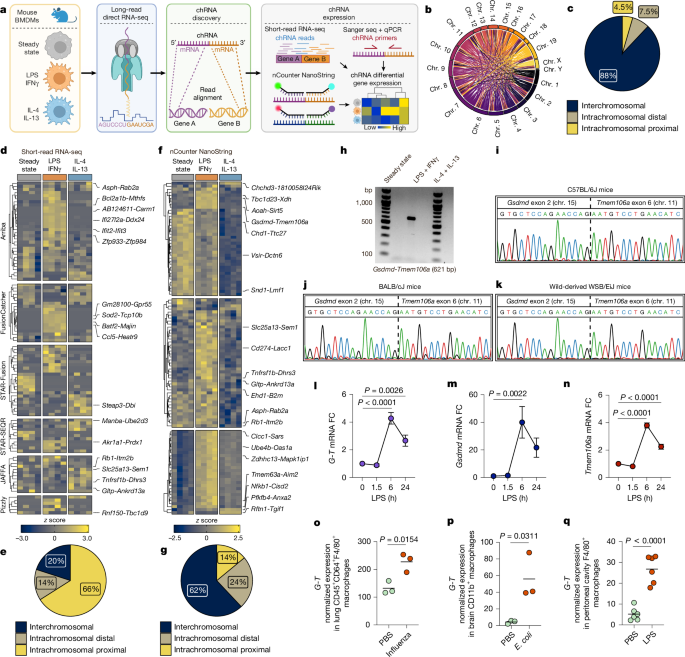
🧬
Functional chimeric mRNAs encode proteins in mammalian immunity
Functionele chimerische mRNA's coderen voor eiwitten in de zoogdierimmuniteit
Les ARN chimériques fonctionnels codent des protéines dans l'immunité des mammifères
This fascinating study dives into the world of chimeric mRNAs and their role in mammalian immunity. It explores how these unique RNA structures could potentially expand our understanding of protein diversity beyond traditional gene splicing. The researchers used advanced RNA sequencing techniques to uncover these chimeras in healthy tissues, revealing a whole new layer of complexity in gene expression. It's an exciting step forward that could reshape our knowledge of cellular functions and immune responses!
Deze fascinerende studie duikt in de wereld van chimerische mRNA's en hun rol in de zoogdierimmuniteit. Het verkent hoe deze unieke RNA-structuren onze kennis van eiwitdiversiteit verder kunnen uitbreiden dan traditionele gen-splicing. De onderzoekers gebruikten geavanceerde RNA-sequencingtechnieken om deze chimeras in gezonde weefsels te onthullen, wat een geheel nieuwe laag van complexiteit in genexpressie onthult. Het is een spannende vooruitgang die onze kennis van cellulaire functies en immuunresponsen kan herdefiniëren!
Cette étude fascinante explore le monde des ARN chimériques et leur rôle dans l'immunité des mammifères. Elle examine comment ces structures ARN uniques pourraient potentiellement élargir notre compréhension de la diversité des protéines au-delà de l'épissage génique traditionnel. Les chercheurs ont utilisé des techniques avancées de séquençage d'ARN pour découvrir ces chimères dans des tissus sains, révélant une toute nouvelle couche de complexité dans l'expression génique. C'est une avancée passionnante qui pourrait redéfinir notre connaissance des fonctions cellulaires et des réponses immunitaires !
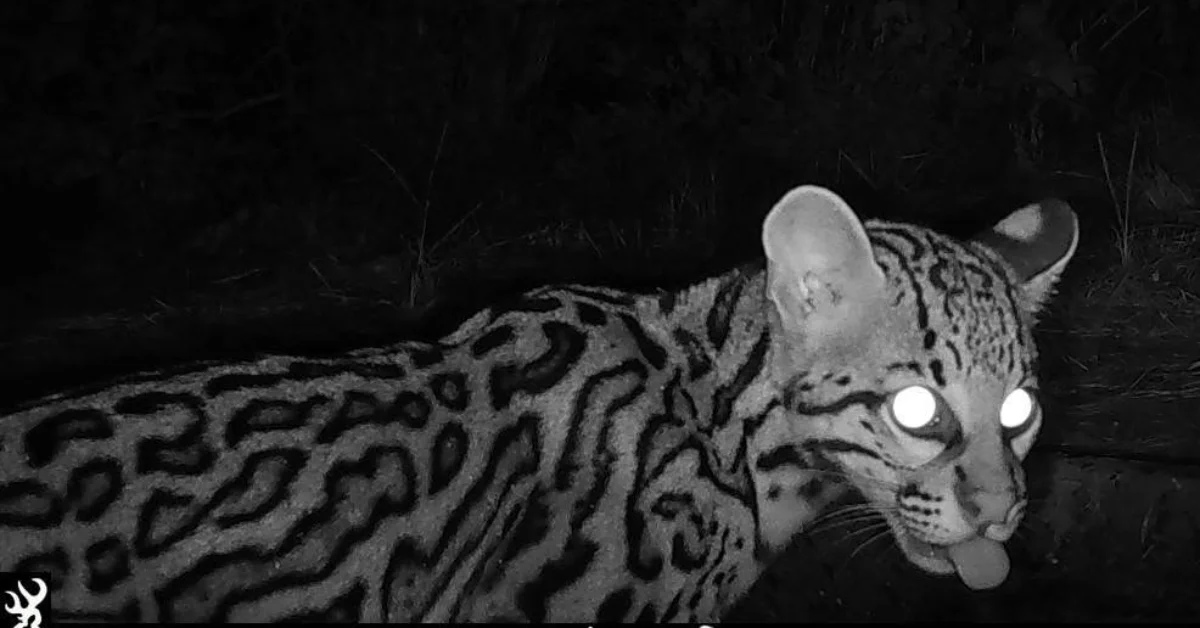
🌟
Trail cameras catch elusive, endangered ocelots using wildlife crossing in Texas
Trailcamera's vangen ongrijpbare, bedreigde ocelots die wildlife crossing in Texas gebruiken
Des caméras de surveillance capturent des ocelots rares et menacés utilisant un passage pour la faune au Texas
It's such exciting news that ocelots, those beautiful and elusive wild cats, are using wildlife crossings in Texas! After years of habitat loss, these crossings are a vital lifeline for their dwindling population. The first sighting of an ocelot using the underpass was a huge win for conservation efforts. With more funding now available, Texas is set to build even more crossings, which is fantastic for both the ocelots and the environment.
Het is geweldig nieuws dat ocelots, die prachtige en ongrijpbare wilde katten, wildlife crossings in Texas gebruiken! Na jaren van habitatverlies zijn deze oversteekplaatsen een levenslijn voor hun afnemende populatie. De eerste waarneming van een ocelot die de onderdoorgang gebruikte, was een grote overwinning voor de inspanningen voor natuurbehoud. Met meer beschikbare financiering is Texas van plan nog meer oversteekplaatsen te bouwen, wat fantastisch is voor zowel de ocelots als het milieu.
C'est une nouvelle passionnante que des ocelots, ces magnifiques et insaisissables chats sauvages, utilisent des passages pour la faune au Texas ! Après des années de perte d'habitat, ces passages sont une bouée de sauvetage vitale pour leur population en déclin. La première observation d'un ocelot utilisant le passage souterrain a été une grande victoire pour les efforts de conservation. Avec davantage de financements désormais disponibles, le Texas est prêt à construire encore plus de passages, ce qui est fantastique pour les ocelots et l'environnement.
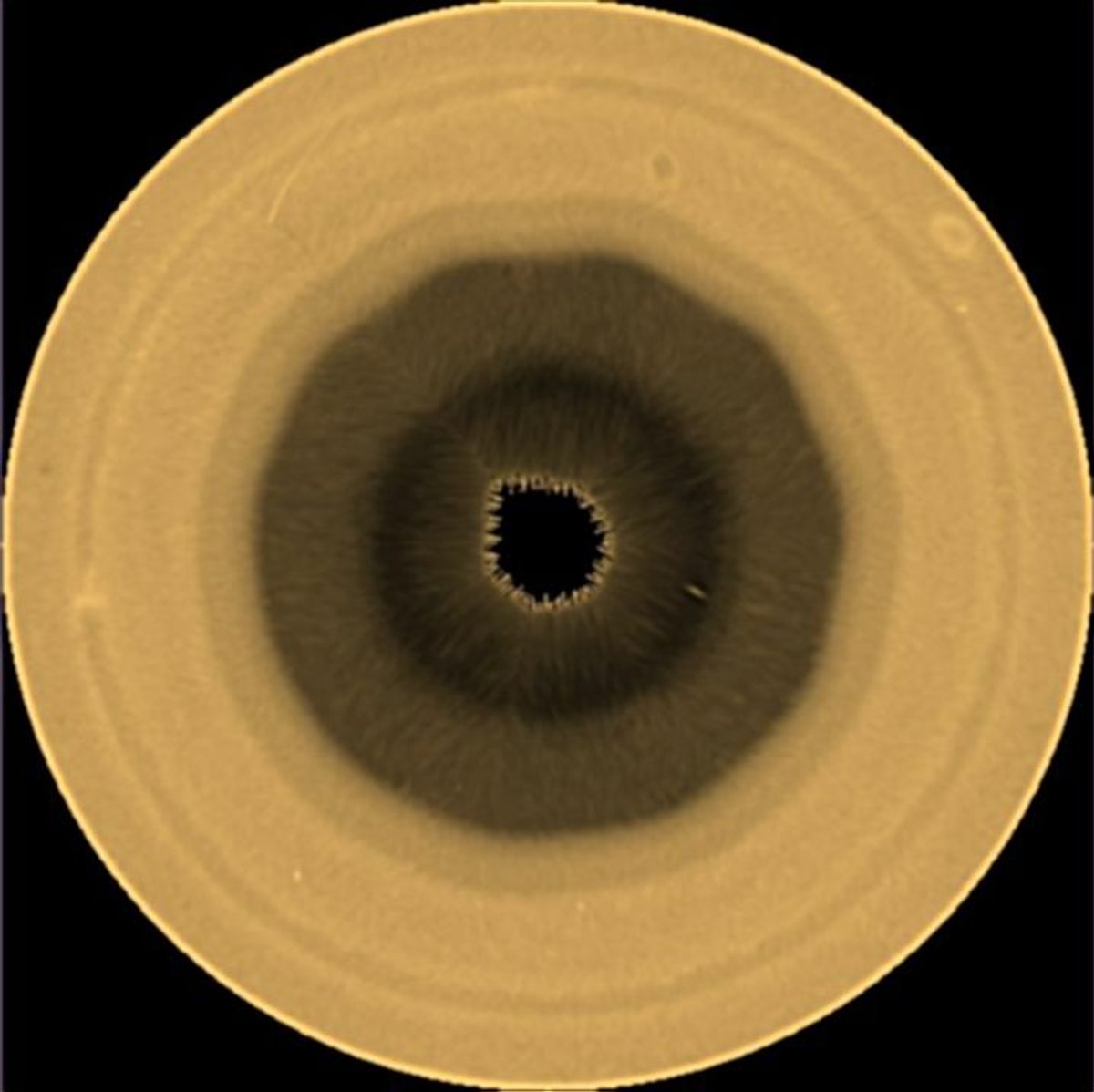
🌌
Scientists discover a mysterious wave shaped like a decagon in Saturn's atmosphere
Wetenschappers ontdekken een mysterieuze golf in de vorm van een decagon in de atmosfeer van Saturnus
Des scientifiques découvrent une vague mystérieuse en forme de décagone dans l'atmosphère de Saturne
So, scientists have stumbled upon a fascinating decagon-shaped wave in Saturn's atmosphere, and it's got everyone scratching their heads! This unique 10-sided wave seems to have popped up recently over the planet's south pole, but the reasons behind its formation are still a mystery. It's unlike anything we've seen in Earth's atmosphere, and researchers are eager to figure out how it relates to gas flows and nearby storms. As this wave evolves, it could reveal even more about Saturn's atmospheric dynamics in the years to come.
Dus, wetenschappers hebben een fascinerende golf in de vorm van een decagon ontdekt in de atmosfeer van Saturnus, en iedereen krabt zich achter de oren! Deze unieke 10-zijdige golf lijkt recent te zijn verschenen boven de zuidpool van de planeet, maar de redenen achter de vorming zijn nog steeds een mysterie. Het is iets wat we nog nooit in de atmosfeer van de aarde hebben gezien, en onderzoekers staan te popelen om te ontdekken hoe het verband houdt met gasstromen en nabijgelegen stormen. Terwijl deze golf evolueert, kan het nog meer onthullen over de dynamiek van Saturnus' atmosfeer in de komende jaren.
Alors, les scientifiques ont découvert une fascinante vague en forme de décagone dans l'atmosphère de Saturne, et cela intrigue tout le monde ! Cette vague unique à 10 côtés semble être apparue récemment au-dessus du pôle sud de la planète, mais les raisons de sa formation restent un mystère. C'est quelque chose que nous n'avons jamais vu dans l'atmosphère terrestre, et les chercheurs sont impatients de comprendre comment cela se rapporte aux flux de gaz et aux tempêtes voisines. À mesure que cette vague évolue, elle pourrait révéler encore plus sur la dynamique atmosphérique de Saturne dans les années à venir.
🔥
Scientists measured campfire light and discovered its incredible role in shaping human language
Wetenschappers maten het kampvuurlicht en ontdekten de ongelooflijke rol ervan in het vormen van menselijke taal
Des scientifiques ont mesuré la lumière du feu de camp et découvert son rôle incroyable dans la formation du langage humain
Isn't it fascinating how fire and language are intertwined? Researchers suggest that the flickering light of a campfire may have pushed humans toward developing spoken language instead of relying solely on gestures. This light not only made hand signals hard to follow but also created a cozy atmosphere for storytelling, enhancing social connections. The idea that our ancestors gathered around fires to share tales is such a beautiful thought, reminding us of the importance of connection in our lives today.
Is het niet fascinerend hoe vuur en taal met elkaar verbonden zijn? Onderzoekers suggereren dat het flikkerende licht van een kampvuur mensen mogelijk heeft aangemoedigd om gesproken taal te ontwikkelen in plaats van alleen op gebaren te vertrouwen. Dit licht maakte niet alleen handgebaren moeilijk te volgen, maar creëerde ook een gezellige sfeer voor het vertellen van verhalen, waardoor sociale verbindingen werden versterkt. Het idee dat onze voorouders rond het vuur samenkwamen om verhalen te delen, is zo'n mooie gedachte, die ons herinnert aan het belang van verbinding in ons leven vandaag.
N'est-ce pas fascinant de voir comment le feu et le langage sont entrelacés ? Des chercheurs suggèrent que la lumière vacillante d'un feu de camp aurait pu inciter les humains à développer un langage parlé au lieu de se fier uniquement aux gestes. Cette lumière rendait non seulement les signaux manuels difficiles à suivre, mais créait aussi une atmosphère chaleureuse pour raconter des histoires, renforçant ainsi les liens sociaux. L'idée que nos ancêtres se rassemblaient autour des feux pour partager des contes est une pensée si belle, nous rappelant l'importance de la connexion dans nos vies aujourd'hui.
🍏
46 years ago, Carl Sagan beautifully explained the fourth dimension using a sliced apple
46 jaar geleden legde Carl Sagan prachtig de vierde dimensie uit met een gesneden appel
Il y a 46 ans, Carl Sagan a magnifiquement expliqué la quatrième dimension en utilisant une pomme tranchée
Isn't it fascinating how Carl Sagan used a simple apple to explain the fourth dimension? He took a complex idea and made it relatable, showing how a 2-D being would perceive a 3-D object. By using an apple and a tesseract, he helped us grasp concepts that are otherwise mind-boggling. It's a reminder of how great teachers can illuminate even the most challenging subjects!
Is het niet fascinerend hoe Carl Sagan een simpele appel gebruikte om de vierde dimensie uit te leggen? Hij maakte een complex idee begrijpelijk door te laten zien hoe een 2-D wezen een 3-D object zou waarnemen. Door een appel en een tesseract te gebruiken, hielp hij ons concepten te begrijpen die anders ongrijpbaar zouden zijn. Het herinnert ons eraan hoe geweldige docenten zelfs de meest uitdagende onderwerpen kunnen verhelderen!
N'est-ce pas fascinant de voir comment Carl Sagan a utilisé une simple pomme pour expliquer la quatrième dimension ? Il a rendu une idée complexe accessible en montrant comment un être en 2D percevrait un objet en 3D. En utilisant une pomme et un tesseract, il nous a aidés à comprendre des concepts qui sont autrement déroutants. Cela nous rappelle à quel point de grands enseignants peuvent éclairer même les sujets les plus difficiles !
🌱
These Antwerp rooftops prove that the most beautiful piece of green is sometimes above our heads
Deze Antwerpse daktuinen bewijzen dat het mooiste stukje groen soms boven ons hoofd ligt
Ces toits antverpiens prouvent que le plus beau coin de verdure se trouve parfois au-dessus de nos têtes
I absolutely love the idea of urban gardens, and Antwerp is showcasing some stunning examples! These rooftop gardens not only beautify the city but also provide a much-needed green space for residents. It's fascinating how these green oases can transform the skyline and improve air quality. And here's the thing: they also create a sense of community among the people who tend to them.
Ik hou echt van het idee van stedelijke tuinen, en Antwerpen toont enkele prachtige voorbeelden! Deze daktuinen verfraaien niet alleen de stad, maar bieden ook een broodnodige groene ruimte voor de bewoners. Het is fascinerend hoe deze groene oases de skyline kunnen transformeren en de luchtkwaliteit verbeteren. En dat is het mooie: ze creëren ook een gevoel van gemeenschap onder de mensen die ze onderhouden.
J'adore vraiment l'idée des jardins urbains, et Anvers présente de superbes exemples ! Ces jardins sur les toits embellissent non seulement la ville, mais offrent également un espace vert indispensable aux habitants. C'est fascinant de voir comment ces oasis vertes peuvent transformer la ligne d'horizon et améliorer la qualité de l'air. Et voici le truc : ils créent aussi un sentiment de communauté parmi les personnes qui s'en occupent.

🦠
When do infections lead to long COVID? Scientists close in on triggers and treatments for post-viral syndromes
Wanneer leiden infecties tot long COVID? Wetenschappers komen dichterbij triggers en behandelingen voor post-virale syndromen
Quand les infections mènent-elles à long COVID ? Les scientifiques se rapprochent des déclencheurs et des traitements pour les syndromes post-viraux
This article dives into the complex world of long COVID and its triggers, highlighting the journey of Amy Proal, who turned her personal health struggles into a mission for understanding post-viral syndromes. With millions affected globally, the urgency for research has never been greater, especially as funding increases to tackle these chronic conditions. Researchers are making strides in identifying the biological mechanisms behind long COVID, although many questions remain unanswered. The pandemic has undeniably spotlighted these issues, pushing the scientific community to find effective treatments and support for those suffering.
Dit artikel duikt in de complexe wereld van long COVID en de triggers ervan, met de nadruk op de reis van Amy Proal, die haar persoonlijke gezondheidsproblemen omzette in een missie om post-virale syndromen te begrijpen. Met miljoenen mensen wereldwijd die getroffen zijn, is de urgentie voor onderzoek nog nooit zo groot geweest, vooral nu de financiering toeneemt om deze chronische aandoeningen aan te pakken. Onderzoekers maken vorderingen in het identificeren van de biologische mechanismen achter long COVID, hoewel veel vragen onbeantwoord blijven. De pandemie heeft deze kwesties onmiskenbaar in de schijnwerpers gezet en dringt de wetenschappelijke gemeenschap aan om effectieve behandelingen en ondersteuning te vinden voor degenen die lijden.
Cet article explore le monde complexe du long COVID et de ses déclencheurs, mettant en lumière le parcours d'Amy Proal, qui a transformé ses luttes personnelles en une mission pour comprendre les syndromes post-viraux. Avec des millions de personnes touchées dans le monde, l'urgence de la recherche n'a jamais été aussi grande, surtout avec l'augmentation des financements pour s'attaquer à ces maladies chroniques. Les chercheurs progressent dans l'identification des mécanismes biologiques derrière le long COVID, bien que de nombreuses questions restent sans réponse. La pandémie a indéniablement mis ces problèmes en lumière, poussant la communauté scientifique à trouver des traitements efficaces et un soutien pour ceux qui souffrent.
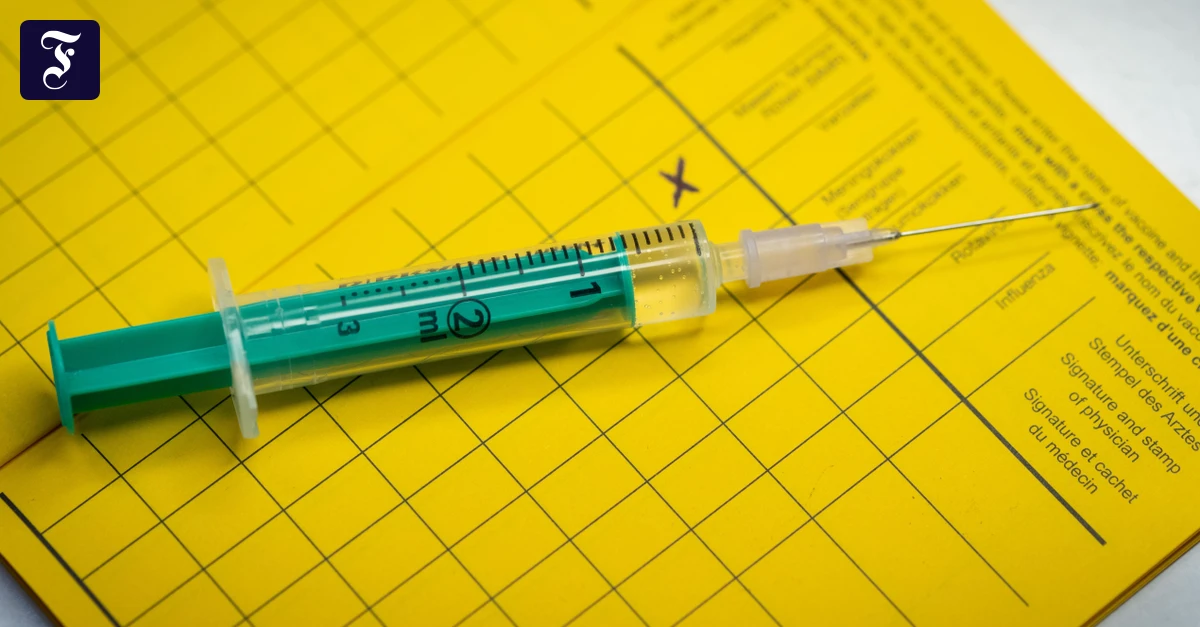
💉
Shingles vaccine protects against heart failure and dementia
Gordelroosvaccin beschermt tegen hartfalen en dementie
Le vaccin contre le zona protège contre l'insuffisance cardiaque et la démence
So, it turns out that the shingles vaccine, Shingrix, does more than just prevent shingles! Research shows it can significantly lower the risk of developing dementia and heart diseases. This is especially exciting because vaccinated individuals have a 20% lower chance of dementia and a 25% reduced risk of cardiovascular issues compared to those who are unvaccinated. It's fascinating to think about how a vaccine can have such far-reaching benefits for our overall health.
Het blijkt dat het gordelroosvaccin, Shingrix, meer doet dan alleen gordelroos voorkomen! Onderzoek toont aan dat het de kans op het ontwikkelen van dementie en hartziekten aanzienlijk kan verlagen. Dit is vooral spannend omdat gevaccineerde personen 20% minder kans hebben op dementie en 25% minder risico op hart- en vaatproblemen in vergelijking met ongevaccineerden. Het is fascinerend om te bedenken hoe een vaccin zulke vergaande voordelen voor onze algehele gezondheid kan hebben.
Il s'avère que le vaccin contre le zona, Shingrix, fait plus que simplement prévenir le zona ! Des recherches montrent qu'il peut réduire considérablement le risque de développer une démence et des maladies cardiaques. C'est particulièrement excitant car les personnes vaccinées ont 20 % de chances en moins de développer une démence et 25 % de risque réduit de problèmes cardiovasculaires par rapport à celles qui ne sont pas vaccinées. C'est fascinant de penser qu'un vaccin puisse avoir de tels avantages pour notre santé globale.

🌉
Italians to build a bridge the world has never seen. It will break the global length record
Italianen bouwen een brug zoals de wereld nog nooit heeft gezien. Het zal het wereldrecord lengte breken
Les Italiens vont construire un pont que le monde n'a jamais vu. Il battra le record mondial de longueur
So, the Italians are gearing up for an incredible infrastructure project that will connect Sicily to mainland Italy with a record-breaking bridge! This massive hanging bridge will stretch an astonishing 3,666 meters and is set to cost around 13.43 billion euros. Now, it’s not just about the length; this bridge will also handle thousands of vehicles and trains daily. And here's the thing - it’s designed to withstand significant seismic activity, making it a marvel of engineering!
Dus, de Italianen bereiden zich voor op een ongelooflijk infrastructuurproject dat Sicilië met het vasteland van Italië zal verbinden met een recordbrekende brug! Deze enorme hangbrug zal een verbazingwekkende lengte van 3.666 meter hebben en kost ongeveer 13,43 miljard euro. Nu, het gaat niet alleen om de lengte; deze brug zal ook duizenden voertuigen en treinen per dag kunnen verwerken. En hier is het ding - het is ontworpen om aanzienlijke seismische activiteit te weerstaan, wat het een wonder van techniek maakt!
Alors, les Italiens se préparent à un projet d'infrastructure incroyable qui reliera la Sicile au continent italien avec un pont record ! Ce gigantesque pont suspendu s'étendra sur une longueur impressionnante de 3 666 mètres et coûtera environ 13,43 milliards d'euros. Maintenant, ce n'est pas seulement une question de longueur ; ce pont pourra également gérer des milliers de véhicules et de trains chaque jour. Et voici le truc - il est conçu pour résister à une activité sismique importante, ce qui en fait une merveille d'ingénierie !
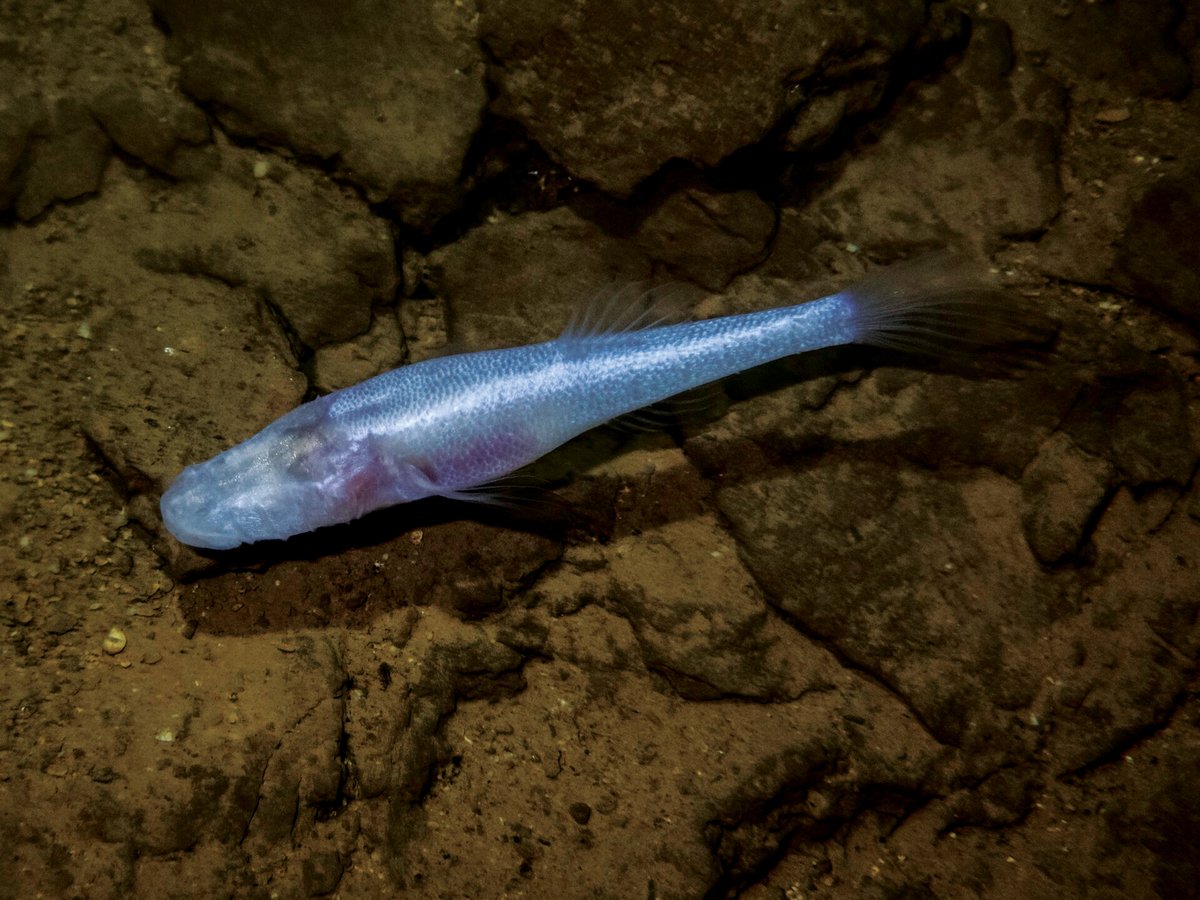
🐟
Newly discovered ‘demon cave fish’ hid out in Alabama military installation for 40 years
Nieuw ontdekte ‘demon grotvis’ verstopte zich 40 jaar in militaire installatie in Alabama
Nouveau poisson de grotte 'démon' découvert caché dans une installation militaire en Alabama pendant 40 ans
So, scientists have stumbled upon a fascinating new species called the demon cave fish in a hidden cave in Alabama. This eyeless creature was found completely by chance during a routine survey, which is just mind-blowing! It turns out that this fish and another known species have been cohabiting the same cave system for millions of years, yet they are not closely related. This discovery highlights how much biodiversity is still out there waiting to be uncovered, even in well-explored areas.
Wetenschappers hebben per toeval een fascinerende nieuwe soort ontdekt, de demon grotvis, in een verborgen grot in Alabama. Dit oogloze wezen werd volledig toevallig gevonden tijdens een routinematige inspectie, wat gewoon verbazingwekkend is! Het blijkt dat deze vis en een andere bekende soort al miljoenen jaren in hetzelfde grotsysteem samenleven, maar niet nauw verwant zijn. Deze ontdekking benadrukt hoeveel biodiversiteit er nog te ontdekken valt, zelfs in goed onderzochte gebieden.
Des scientifiques ont découvert par hasard une nouvelle espèce appelée le poisson de grotte 'démon' dans une grotte cachée en Alabama. Cette créature sans yeux a été trouvée complètement par chance lors d'une enquête de routine, ce qui est tout simplement incroyable ! Il s'avère que ce poisson et une autre espèce connue cohabitent le même système de grottes depuis des millions d'années, mais ne sont pas étroitement liés. Cette découverte souligne combien de biodiversité reste à découvrir, même dans des zones bien explorées.

💧
The hackers protecting America’s water supply
De hackers die de watervoorziening van Amerika beschermen
Les hackers protégeant l'approvisionnement en eau des États-Unis
So, it turns out that America's water supply is quite vulnerable to cyberattacks, and that's a big concern! Many water utilities are small and lack the resources to defend against these threats. But here's the exciting part: volunteer hackers are stepping up to help protect our access to clean water. They're working hard to identify vulnerabilities and strengthen security, making a real difference in this critical infrastructure.
Het blijkt dat de watervoorziening van Amerika behoorlijk kwetsbaar is voor cyberaanvallen, en dat is een groot probleem! Veel waterbedrijven zijn klein en hebben niet de middelen om zich tegen deze bedreigingen te verdedigen. Maar hier komt het spannende deel: vrijwilligers-hackers komen in actie om onze toegang tot schoon water te beschermen. Ze werken hard om kwetsbaarheden te identificeren en de beveiliging te versterken, wat een echt verschil maakt in deze kritieke infrastructuur.
Il s'avère que l'approvisionnement en eau des États-Unis est assez vulnérable aux cyberattaques, et c'est un grand problème ! De nombreuses entreprises de distribution d'eau sont petites et manquent de ressources pour se défendre contre ces menaces. Mais voici la partie excitante : des hackers bénévoles se mobilisent pour aider à protéger notre accès à l'eau potable. Ils travaillent dur pour identifier les vulnérabilités et renforcer la sécurité, ce qui fait une réelle différence dans cette infrastructure critique.

🌟
How a hiking trail in Germany became a place to speak Sanskrit
Hoe een wandelpad in Duitsland een plek werd om Sanskriet te spreken
Comment un sentier de randonnée en Allemagne est devenu un lieu pour parler le sanskrit
A group of international Sanskrit learners took to the Elbe Sandstone Mountains in Germany, transforming their hike into a lively conversation in Sanskrit. As they navigated the trails, they described the scenery and shared experiences, making the ancient language come alive in a modern context. This informal setting allowed them to practice vocabulary in real-time, turning the hike into a unique language-learning opportunity. It’s a beautiful reminder that languages thrive when used in everyday life, not just in classrooms.
Een groep internationale Sanskriet-leerlingen trok de Elbe Sandsteenbergen in Duitsland in en transformeerde hun wandeling in een levendig gesprek in het Sanskriet. Terwijl ze de paden navigeerden, beschreven ze het landschap en deelden ze ervaringen, waardoor de oude taal tot leven kwam in een moderne context. Deze informele setting stelde hen in staat om vocabulaire in real-time te oefenen, waardoor de wandeling een unieke kans voor taalleren werd. Het is een mooie herinnering dat talen gedijen wanneer ze in het dagelijks leven worden gebruikt, niet alleen in klaslokalen.
Un groupe d'apprenants internationaux du sanskrit a parcouru les montagnes de grès d'Elbe en Allemagne, transformant leur randonnée en une conversation vivante en sanskrit. En naviguant sur les sentiers, ils ont décrit le paysage et partagé des expériences, faisant ainsi revivre cette langue ancienne dans un contexte moderne. Ce cadre informel leur a permis de pratiquer le vocabulaire en temps réel, transformant la randonnée en une opportunité unique d'apprentissage linguistique. C'est un beau rappel que les langues prospèrent lorsqu'elles sont utilisées dans la vie quotidienne, et pas seulement dans les salles de classe.

🌟
Designing physics experiments with artificial intelligence
Fysica-experimenten ontwerpen met kunstmatige intelligentie
Conception d'expériences physiques avec l'intelligence artificielle
This article dives into the exciting world of using artificial intelligence to design physics experiments. It introduces innovative frameworks like Melvin and PyTheus, which have already led to the realization of diverse quantum experiments in labs. The potential of AI in optimizing experimental setups is truly fascinating and opens up new avenues for research. It’s amazing to think how technology can enhance our understanding of the quantum realm!
Dit artikel duikt in de opwindende wereld van het gebruik van kunstmatige intelligentie voor het ontwerpen van fysica-experimenten. Het introduceert innovatieve frameworks zoals Melvin en PyTheus, die al hebben geleid tot de realisatie van diverse kwantumexperimenten in laboratoria. Het potentieel van AI om experimentele opstellingen te optimaliseren is werkelijk fascinerend en opent nieuwe wegen voor onderzoek. Het is geweldig om te bedenken hoe technologie ons begrip van het kwantumgebied kan verbeteren!
Cet article explore le monde passionnant de l'utilisation de l'intelligence artificielle pour concevoir des expériences physiques. Il présente des cadres innovants comme Melvin et PyTheus, qui ont déjà conduit à la réalisation d'expériences quantiques diverses dans des laboratoires. Le potentiel de l'IA pour optimiser les configurations expérimentales est vraiment fascinant et ouvre de nouvelles avenues de recherche. C'est incroyable de penser comment la technologie peut améliorer notre compréhension du domaine quantique !
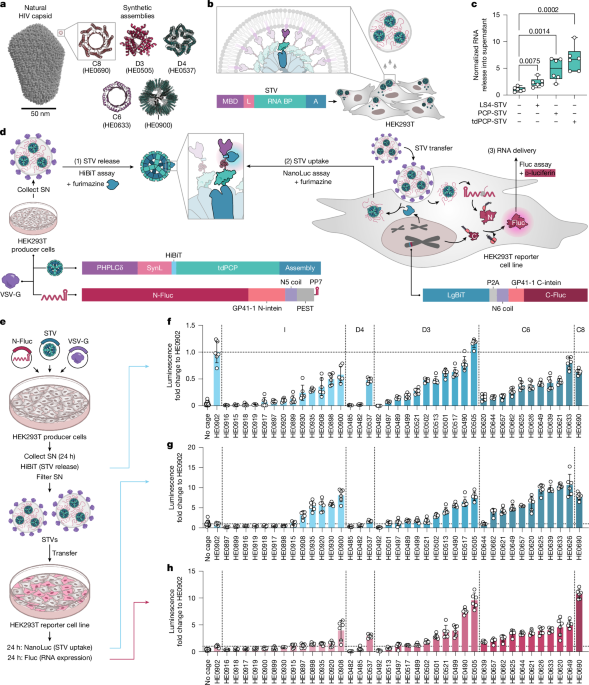
🌟
Creating bottom-up RNA transfer vehicles from synthetic protein assemblies
Creëren van bottom-up RNA transportvoertuigen uit synthetische proteïneassemblages
Création de véhicules de transfert d'ARN de bas en haut à partir d'assemblages protéiques synthétiques
This fascinating study explores the creation of synthetic RNA transfer vehicles using artificial intelligence to design unique protein assemblies. These synthetic transfer vehicles, or STVs, outperform natural RNA carriers in efficiency, showcasing their potential for gene delivery. The researchers developed a multidimensional screening system to identify the most effective design, STV-C8, which has impressive capabilities for RNA delivery across various cell types. This innovative approach could revolutionize gene therapy, especially for conditions like Duchenne muscular dystrophy.
Deze fascinerende studie verkent de creatie van synthetische RNA transportvoertuigen met behulp van kunstmatige intelligentie om unieke proteïneassemblages te ontwerpen. Deze synthetische transfer voertuigen, of STV's, overtreffen natuurlijke RNA-dragers in efficiëntie en tonen hun potentieel voor genafgifte aan. De onderzoekers ontwikkelden een multidimensionaal screeningsysteem om het meest effectieve ontwerp, STV-C8, te identificeren, dat indrukwekkende mogelijkheden heeft voor RNA-afgifte in verschillende celtypes. Deze innovatieve benadering zou de gentherapie kunnen revolutioneren, vooral voor aandoeningen zoals de ziekte van Duchenne.
Cette étude fascinante explore la création de véhicules de transfert d'ARN synthétiques en utilisant l'intelligence artificielle pour concevoir des assemblages protéiques uniques. Ces véhicules de transfert synthétiques, ou STV, surpassent les transporteurs d'ARN naturels en efficacité, montrant leur potentiel pour la livraison de gènes. Les chercheurs ont développé un système de dépistage multidimensionnel pour identifier le design le plus efficace, STV-C8, qui possède des capacités impressionnantes pour la livraison d'ARN à travers divers types cellulaires. Cette approche innovante pourrait révolutionner la thérapie génique, notamment pour des conditions comme la dystrophie musculaire de Duchenne.
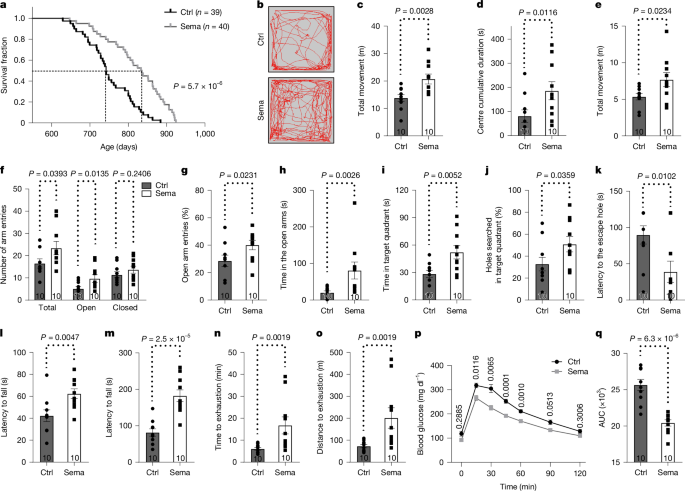
🌟
Late-life semaglutide treatment slows ageing and extends lifespan in female mice
Late-life semaglutide behandeling vertraagt veroudering en verlengt de levensduur van vrouwelijke muizen
Le traitement par sémaglutide tardif ralentit le vieillissement et prolonge la durée de vie des souris femelles
So, researchers have found that treating older female mice with semaglutide, a GLP-1 receptor agonist, can actually slow down the ageing process and extend their lifespan. This is exciting because it suggests that this treatment could mimic the benefits of calorie restriction without the need for strict dieting. The semaglutide-treated mice lived significantly longer than those who didn't receive the treatment, showing a median lifespan increase. It's fascinating to think about how this could translate to potential health benefits for humans as well!
Onderzoekers hebben ontdekt dat het behandelen van oudere vrouwelijke muizen met sémaglutide, een GLP-1 receptoragonist, daadwerkelijk het verouderingsproces kan vertragen en hun levensduur kan verlengen. Dit is spannend omdat het suggereert dat deze behandeling de voordelen van caloriebeperking kan nabootsen zonder de noodzaak van strikte diëten. De muizen die sémaglutide kregen, leefden aanzienlijk langer dan degenen die de behandeling niet kregen, met een mediane levensduurverlenging. Het is fascinerend om na te denken over hoe dit ook potentiële gezondheidsvoordelen voor mensen zou kunnen betekenen!
Les chercheurs ont découvert que le traitement des souris femelles âgées avec du sémaglutide, un agoniste du récepteur GLP-1, peut en fait ralentir le processus de vieillissement et prolonger leur durée de vie. C'est passionnant car cela suggère que ce traitement pourrait imiter les avantages de la restriction calorique sans avoir besoin de régimes stricts. Les souris traitées au sémaglutide ont vécu significativement plus longtemps que celles qui n'ont pas reçu le traitement, montrant une augmentation de la durée de vie médiane. Il est fascinant de penser à la façon dont cela pourrait se traduire par des avantages pour la santé chez les humains également !
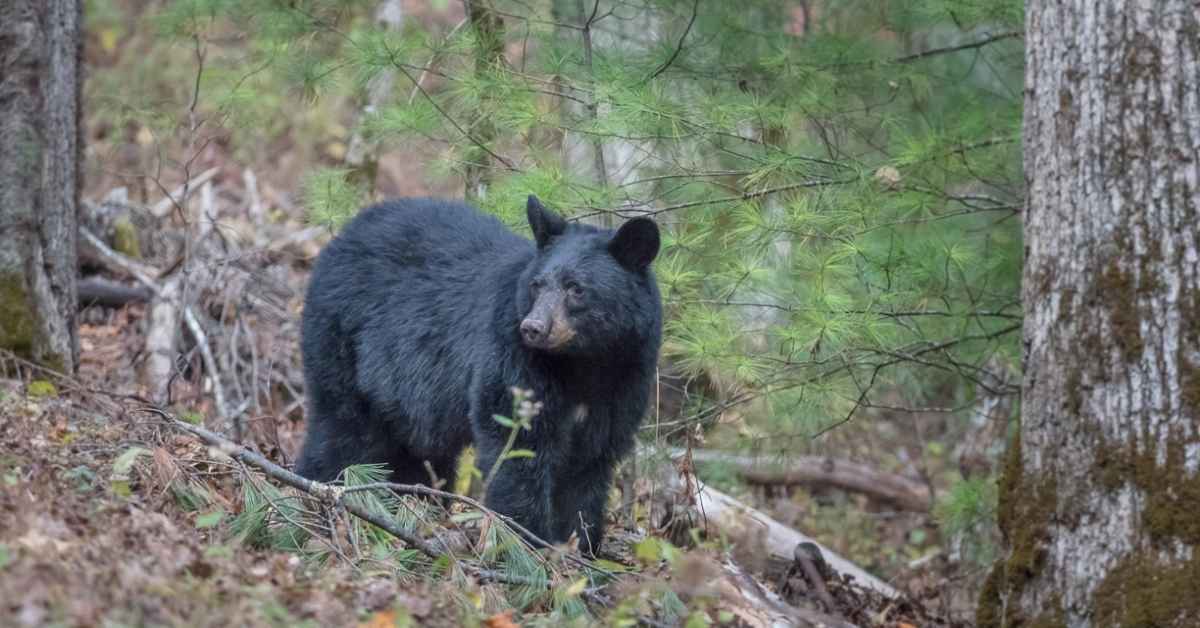
🐻
Black bears were nearly hunted to extinction in the US South. Decades later, they're finally rebounding
Zwarte beren waren bijna uitgestorven in het zuiden van de VS. Decennia later komen ze eindelijk terug
Les ours noirs ont failli être chassés à l'extinction dans le sud des États-Unis. Des décennies plus tard, ils sont enfin en train de revenir
It's amazing to see black bears making a comeback in the US South after being nearly wiped out! Recently, there have been numerous sightings in unexpected places like West Tennessee, which has wildlife experts buzzing with excitement. Dan Gibbs from the Tennessee Wildlife Resources Agency believes these bears are reclaiming their historical range, and it's just the beginning. With the right habitats, these resilient creatures are proving they can thrive in various ecosystems, and that's something to celebrate!
Het is geweldig om te zien dat zwarte beren een comeback maken in het zuiden van de VS, nadat ze bijna waren uitgeroeid! Recent zijn er talloze waarnemingen geweest op onverwachte plaatsen zoals West-Tennessee, wat de wildexperts enthousiast maakt. Dan Gibbs van de Tennessee Wildlife Resources Agency gelooft dat deze beren hun historische bereik terugwinnen, en dit is nog maar het begin. Met de juiste habitats bewijzen deze veerkrachtige wezens dat ze in verschillende ecosystemen kunnen gedijen, en dat is iets om te vieren!
C'est incroyable de voir les ours noirs revenir dans le sud des États-Unis après avoir failli disparaître ! Récemment, il y a eu de nombreuses observations dans des endroits inattendus comme l'ouest du Tennessee, ce qui excite les experts en faune. Dan Gibbs de l'Agence des ressources fauniques du Tennessee pense que ces ours reprennent leur territoire historique, et ce n'est que le début. Avec les bons habitats, ces créatures résilientes prouvent qu'elles peuvent prospérer dans divers écosystèmes, et c'est quelque chose à célébrer !
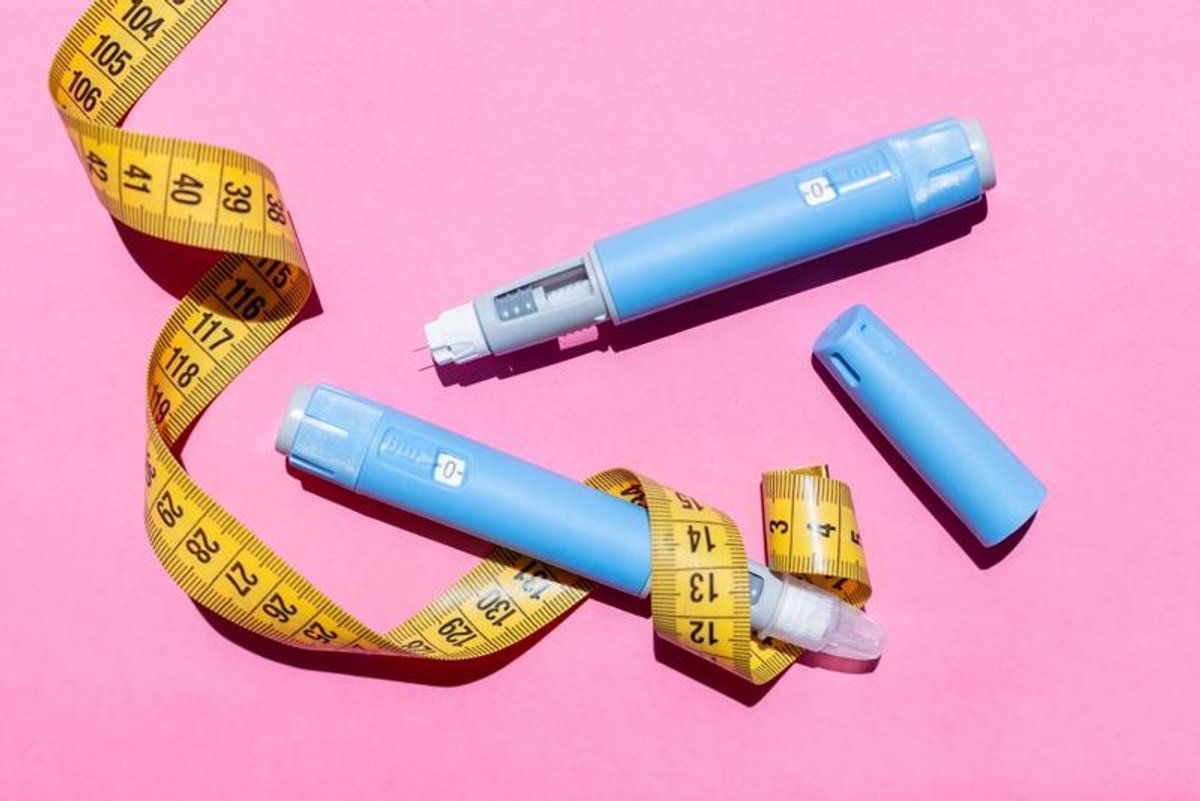
🌟
GLP-1 weight-loss medication could slow aging and extend lifespan
GLP-1 gewichtsverliesmedicatie kan veroudering vertragen en levensduur verlengen
Le médicament de perte de poids GLP-1 pourrait ralentir le vieillissement et prolonger la durée de vie
So, researchers have found that GLP-1 weight-loss drugs like semaglutide can actually extend lifespan in older mice by about 12 percent! This is super exciting because it not only helps with weight loss but also improves memory and blood sugar control. The study suggests that this medication mimics the effects of calorie restriction without the struggle of dieting. It's fascinating to think that a single drug could have such a wide range of benefits, potentially changing how we approach aging and health.
Onderzoekers hebben ontdekt dat GLP-1 gewichtsverliesmedicijnen zoals semaglutide de levensduur van oudere muizen met ongeveer 12 procent kunnen verlengen! Dit is super spannend omdat het niet alleen helpt bij gewichtsverlies, maar ook het geheugen en de bloedsuikercontrole verbetert. De studie suggereert dat dit medicijn de effecten van caloriebeperking nabootst zonder de strijd van diëten. Het is fascinerend om te denken dat één enkel medicijn zoveel voordelen kan hebben, wat mogelijk onze benadering van veroudering en gezondheid verandert.
Les chercheurs ont découvert que les médicaments de perte de poids GLP-1 comme le sémaglutide peuvent en fait prolonger la durée de vie des souris âgées d'environ 12 % ! C'est super excitant car cela aide non seulement à perdre du poids, mais améliore également la mémoire et le contrôle de la glycémie. L'étude suggère que ce médicament imite les effets de la restriction calorique sans la lutte du régime. Il est fascinant de penser qu'un seul médicament pourrait avoir autant d'avantages, changeant potentiellement notre approche du vieillissement et de la santé.
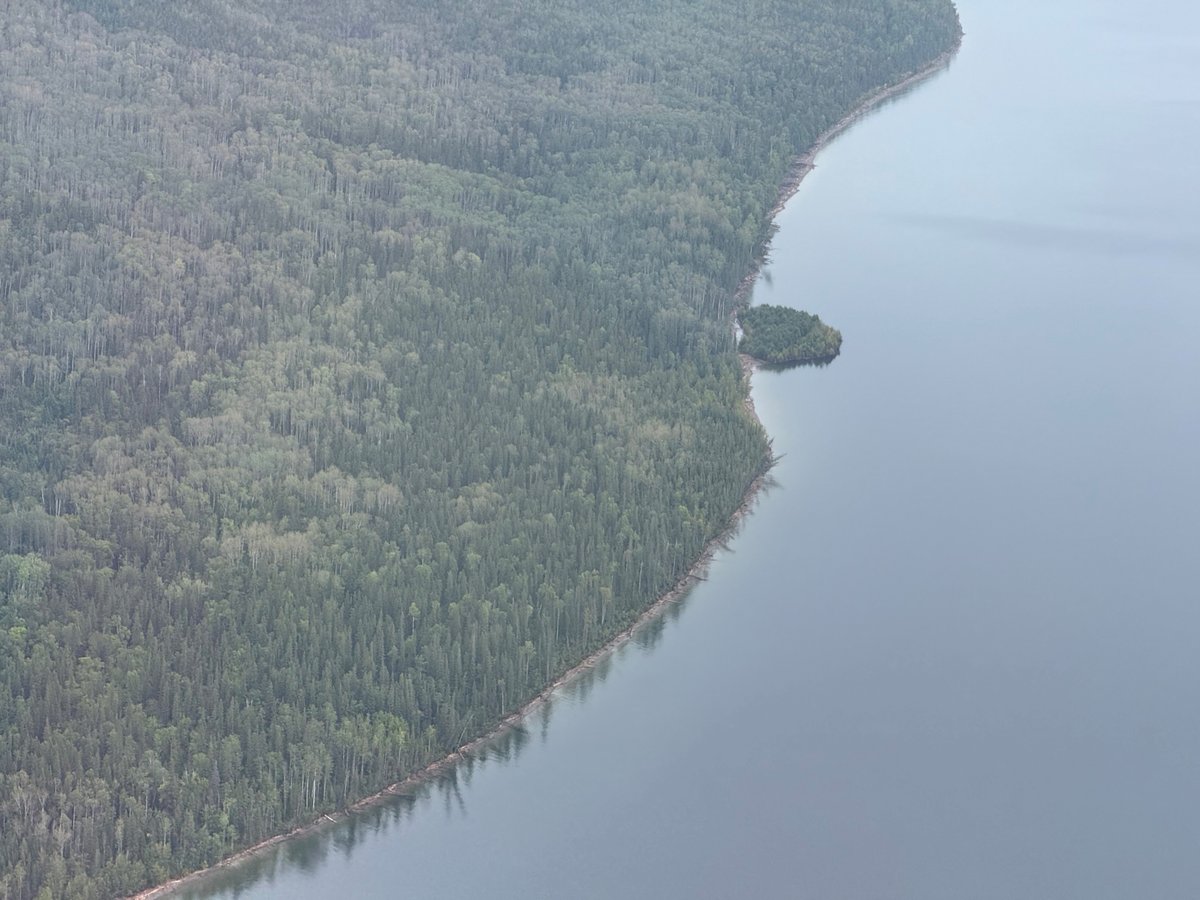
🌊
Why this Canadian island appeared to disappear
Waarom dit Canadese eiland leek te verdwijnen
Pourquoi cette île canadienne semblait disparaître
This summer, a mysterious island in Canada's Williston Lake made quite the splash by appearing, disappearing, and then reappearing over 30 kilometers away! Initially thought to be an illusion, satellite images confirmed its existence, covering an area as large as two football fields. The island likely broke off due to record-high water levels and strong winds, creating a fascinating ecological phenomenon. It's a reminder of nature's surprises and how floating islands can form in large reservoirs like this one.
Deze zomer maakte een mysterieus eiland in het Williston Lake in Canada veel indruk door te verschijnen, te verdwijnen en vervolgens meer dan 30 kilometer verderop weer te verschijnen! Aanvankelijk werd gedacht dat het een illusie was, maar satellietbeelden bevestigden het bestaan ervan, met een oppervlakte zo groot als twee voetbalvelden. Het eiland is waarschijnlijk losgekomen door recordhoge waterstanden en sterke winden, wat een fascinerend ecologisch fenomeen creëert. Het herinnert ons aan de verrassingen van de natuur en hoe drijvende eilanden kunnen ontstaan in grote reservoirs zoals deze.
Cet été, une île mystérieuse dans le lac Williston au Canada a fait sensation en apparaissant, disparaissant, puis réapparaissant à plus de 30 kilomètres de là ! Initialement considérée comme une illusion, des images satellites ont confirmé son existence, couvrant une superficie équivalente à celle de deux terrains de football. L'île s'est probablement détachée en raison de niveaux d'eau record et de vents forts, créant un phénomène écologique fascinant. C'est un rappel des surprises de la nature et de la façon dont des îles flottantes peuvent se former dans de grands réservoirs comme celui-ci.
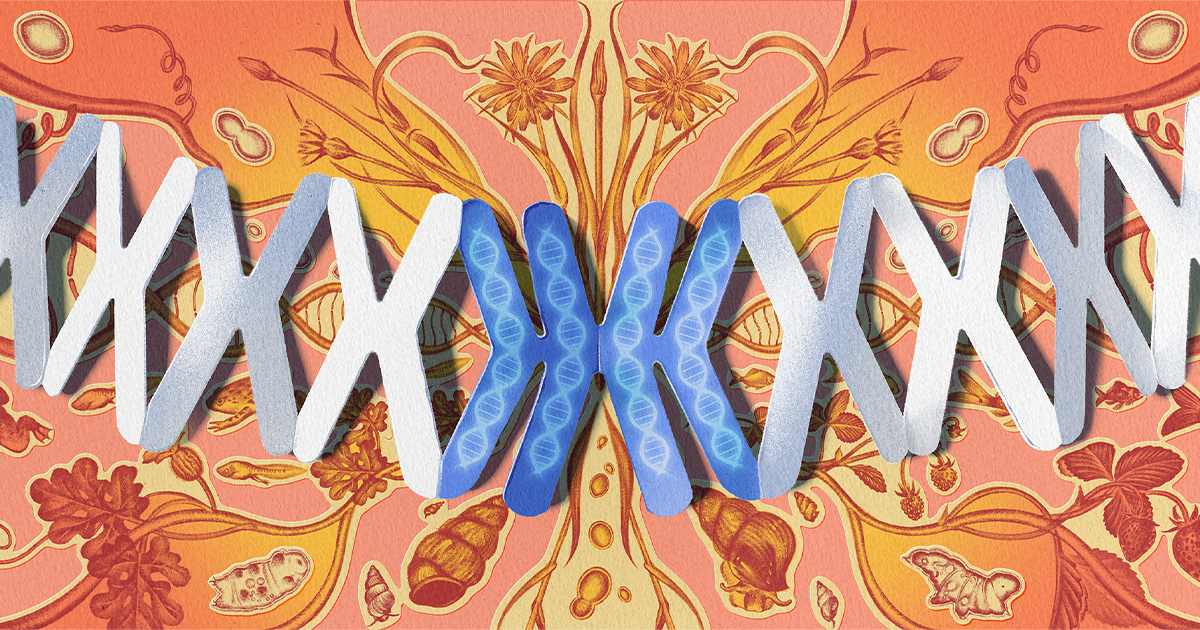
🌟
Genome duplication is a radical evolutionary gamble
Genoomduplicatie is een radicale evolutionaire gok
La duplication du génome est un pari évolutif radical
So, it turns out that doubling an organism's genome can lead to some wild evolutionary changes! Take the tiny snail Potamopyrgus antipodarum, for example — it now has three or four sets of chromosomes instead of the usual two. This phenomenon, known as polyploidy, can be a risky gamble, but when it works, it opens the door to incredible genetic diversity and innovation. Researchers are diving into how these duplications happen and how species adapt, revealing a fascinating story of evolution in action.
Dus, het blijkt dat het verdubbelen van het genoom van een organisme kan leiden tot enkele wilde evolutionaire veranderingen! Neem bijvoorbeeld de kleine slak Potamopyrgus antipodarum — deze heeft nu drie of vier sets chromosomen in plaats van de gebruikelijke twee. Dit fenomeen, bekend als polyploïdie, kan een riskante gok zijn, maar wanneer het werkt, opent het de deur naar ongelooflijke genetische diversiteit en innovatie. Onderzoekers duiken in hoe deze duplicaties plaatsvinden en hoe soorten zich aanpassen, wat een fascinerend verhaal van evolutie in actie onthult.
Alors, il s'avère que doubler le génome d'un organisme peut entraîner des changements évolutifs incroyables ! Prenez la petite escargot Potamopyrgus antipodarum, par exemple — il a maintenant trois ou quatre ensembles de chromosomes au lieu des deux habituels. Ce phénomène, connu sous le nom de polyploïdie, peut être un pari risqué, mais quand ça fonctionne, cela ouvre la porte à une incroyable diversité génétique et à l'innovation. Les chercheurs explorent comment ces duplications se produisent et comment les espèces s'adaptent, révélant une histoire fascinante de l'évolution en action.
🌟
Endangered and heaviest parrot species on the road to revival: over 300 kakapos
Ernstig bedreigde en zwaarste papegaaisoort bezig aan revival: meer dan 300 kakapo’s
Espèce de perroquet en danger et la plus lourde en voie de rétablissement : plus de 300 kakapos
It's fantastic to hear that the kakapo, an endangered parrot species, is making a remarkable comeback! With over 300 individuals now counted, conservation efforts are truly paying off. These unique birds, known for their charming personalities and heavy build, are a symbol of hope for wildlife preservation. This revival not only highlights the importance of dedicated conservation work but also inspires us to continue protecting our planet's incredible biodiversity.
Het is fantastisch om te horen dat de kakapo, een ernstig bedreigde papegaaisoort, een opmerkelijke comeback maakt! Met meer dan 300 getelde individuen, zijn de inspanningen voor behoud echt vruchten aan het afwerpen. Deze unieke vogels, bekend om hun charmante persoonlijkheden en zware bouw, zijn een symbool van hoop voor natuurbehoud. Deze revival benadrukt niet alleen het belang van toegewijde inspanningen voor behoud, maar inspireert ons ook om onze planeet en haar ongelooflijke biodiversiteit te blijven beschermen.
C'est fantastique d'apprendre que le kakapo, une espèce de perroquet en danger, est en train de faire un retour remarquable ! Avec plus de 300 individus désormais comptés, les efforts de conservation portent vraiment leurs fruits. Ces oiseaux uniques, connus pour leurs personnalités charmantes et leur corpulence, sont un symbole d'espoir pour la préservation de la faune. Ce rétablissement souligne non seulement l'importance d'un travail de conservation dédié, mais nous inspire également à continuer à protéger la biodiversité incroyable de notre planète.
🌊
Better than soap and chamois: sea sponges can clean polluted harbors
Beter dan zeep en zeemvel: zeesponzen kunnen vervuilde havens opkuisen
Mieux que du savon et du chamois : les éponges marines peuvent nettoyer les ports pollués
Isn't it fascinating how nature has its own solutions? Sea sponges are stepping up as eco-friendly heroes, proving to be more effective than traditional cleaning methods for polluted harbors. They filter water and absorb harmful substances, making them a natural choice for environmental cleanup. This innovative approach not only helps restore marine ecosystems but also showcases the incredible potential of our oceans.
Is het niet fascinerend hoe de natuur haar eigen oplossingen heeft? Zeesponzen treden op als milieuvriendelijke helden en blijken effectiever te zijn dan traditionele schoonmaakmethoden voor vervuilde havens. Ze filteren water en absorberen schadelijke stoffen, waardoor ze een natuurlijke keuze zijn voor milieureiniging. Deze innovatieve aanpak helpt niet alleen om mariene ecosystemen te herstellen, maar toont ook de ongelooflijke potentie van onze oceanen aan.
N'est-ce pas fascinant de voir comment la nature a ses propres solutions ? Les éponges marines se présentent comme des héroïnes écologiques, prouvant qu'elles sont plus efficaces que les méthodes de nettoyage traditionnelles pour les ports pollués. Elles filtrent l'eau et absorbent les substances nocives, ce qui en fait un choix naturel pour le nettoyage de l'environnement. Cette approche innovante aide non seulement à restaurer les écosystèmes marins, mais met également en valeur le potentiel incroyable de nos océans.
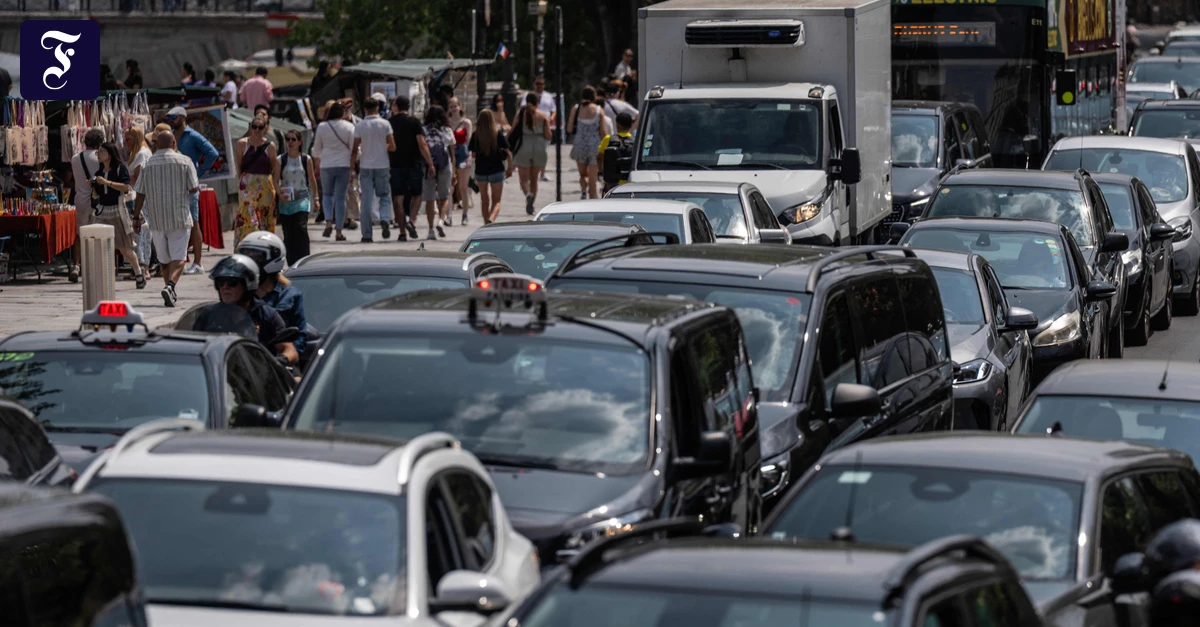
🚗
France leads with nearly 40 percent electric cars
Frankrijk leidt met bijna 40 procent elektrische auto's
La France en tête avec près de 40 % de voitures électriques
It's exciting to see that nearly 40 percent of new cars in France are now electric! This surge is driven by rising fuel prices and strong government incentives that make electric vehicles more accessible. Interestingly, while Germany is also seeing growth, France is pulling ahead with a record share of fully electric cars. The focus on smaller, affordable electric models aligns perfectly with the offerings of French manufacturers like Renault and Stellantis.
Het is spannend om te zien dat bijna 40 procent van de nieuwe auto's in Frankrijk nu elektrisch is! Deze stijging wordt aangedreven door de stijgende brandstofprijzen en sterke overheidsincentives die elektrische voertuigen toegankelijker maken. Interessant is dat, terwijl Duitsland ook groei ziet, Frankrijk vooroploopt met een recordaandeel volledig elektrische auto's. De focus op kleinere, betaalbare elektrische modellen sluit perfect aan bij het aanbod van Franse fabrikanten zoals Renault en Stellantis.
C'est passionnant de voir qu'environ 40 % des nouvelles voitures en France sont désormais électriques ! Cette augmentation est stimulée par la hausse des prix des carburants et de fortes incitations gouvernementales qui rendent les véhicules électriques plus accessibles. Fait intéressant, alors que l'Allemagne connaît également une croissance, la France prend de l'avance avec une part record de voitures entièrement électriques. L'accent mis sur les modèles électriques plus petits et abordables correspond parfaitement à l'offre des fabricants français comme Renault et Stellantis.

🐋
A breathtaking new museum dedicated to whales is shaped like a breaching humpback. It will open next year in Norway
Een adembenemend nieuw museum gewijd aan walvissen is gevormd als een springende bultrug. Het opent volgend jaar in Noorwegen
Un nouveau musée dédié aux baleines, en forme de baleine à bosse, ouvrira l'année prochaine en Norvège
I am so excited about The Whale, a new museum opening in Norway on June 4, 2027! It’s designed to feel like you’re inside a massive whale, using immersive art and storytelling to explore everything about these magnificent creatures. Located in Andenes, a prime spot for whale watching, the museum will feature life-size sculptures and an incredible soundscape room where you can hear whale calls. Plus, it will highlight the important relationship between humans and whales, making it a must-visit for nature lovers!
Ik ben zo enthousiast over The Whale, een nieuw museum dat op 4 juni 2027 in Noorwegen opent! Het is ontworpen om te voelen alsof je binnenin een enorme walvis bent, met behulp van meeslepende kunst en verhalen om alles over deze prachtige wezens te verkennen. Gelegen in Andenes, een uitstekende plek voor walvisobservatie, zal het museum levensgrote sculpturen en een ongelooflijke geluidsruimte bevatten waar je walvisgezangen kunt horen. Bovendien zal het de belangrijke relatie tussen mensen en walvissen benadrukken, waardoor het een must-visit is voor natuurliefhebbers!
Je suis tellement enthousiaste à propos de The Whale, un nouveau musée qui ouvrira en Norvège le 4 juin 2027 ! Il est conçu pour donner l'impression que vous êtes à l'intérieur d'une énorme baleine, utilisant l'art immersif et la narration pour explorer tout sur ces créatures magnifiques. Situé à Andenes, un endroit idéal pour observer les baleines, le musée présentera des sculptures de taille réelle et une incroyable salle sonore où vous pourrez entendre les chants des baleines. De plus, il mettra en avant la relation importante entre les humains et les baleines, ce qui en fait un incontournable pour les amoureux de la nature !

🌀
Mathematician discovers how to fold the smallest origami doughnut
Wiskundige ontdekt hoe je de kleinste origami-donut vouwt
Un mathématicien découvre comment plier le plus petit donut en origami
So, how do you create a doughnut shape from a flat piece of paper? Mathematician Richard Schwartz has found that it takes at least 24 folds to achieve this, resulting in a fascinating structure made of triangles. He even consulted AI during his research, which led to some surprising discoveries! This work not only builds on past mathematical findings but also opens up new avenues for origami enthusiasts and mathematicians alike.
Dus, hoe maak je een donutvorm van een plat stuk papier? Wiskundige Richard Schwartz heeft ontdekt dat het minstens 24 vouwen kost om dit te bereiken, wat resulteert in een fascinerende structuur van driehoeken. Hij heeft zelfs AI geraadpleegd tijdens zijn onderzoek, wat leidde tot enkele verrassende ontdekkingen! Dit werk bouwt niet alleen voort op eerdere wiskundige bevindingen, maar opent ook nieuwe wegen voor origami-liefhebbers en wiskundigen.
Alors, comment créer une forme de donut à partir d'une feuille de papier plate ? Le mathématicien Richard Schwartz a découvert qu'il faut au moins 24 plis pour y parvenir, ce qui donne une structure fascinante composée de triangles. Il a même consulté l'IA pendant ses recherches, ce qui a conduit à des découvertes surprenantes ! Ce travail ne s'appuie pas seulement sur des découvertes mathématiques passées, mais ouvre également de nouvelles voies pour les passionnés d'origami et les mathématiciens.

🌟
How AI plotted an interstellar journey to Alpha Centauri
Hoe AI een interstellaire reis naar Alpha Centauri heeft gepland
Comment l'IA a planifié un voyage interstellaire vers Alpha Centauri
A nonprofit called the Fermi Explorer Mission is gearing up to launch a spacecraft to Alpha Centauri by 2029, which is super exciting! This mission is unique because it will use a trajectory discovered by an AI system, making it a groundbreaking approach. The spacecraft aims to carry a kilogram of cargo, including messages and a copy of the Golden Record, just like the Voyager probes did. It's a massive challenge, but the team is determined to make it happen, even if it takes 80,000 years to reach our nearest star!
Een non-profitorganisatie genaamd de Fermi Explorer Mission is van plan om tegen 2029 een ruimtevaartuig naar Alpha Centauri te lanceren, wat super spannend is! Deze missie is uniek omdat het een traject zal gebruiken dat door een AI-systeem is ontdekt, wat het een baanbrekende aanpak maakt. Het ruimtevaartuig is van plan om een kilogram vracht te vervoeren, waaronder berichten en een kopie van de Golden Record, net als de Voyager-probes. Het is een enorme uitdaging, maar het team is vastbesloten om het te laten slagen, zelfs als het 80.000 jaar duurt om onze dichtstbijzijnde ster te bereiken!
Une organisation à but non lucratif appelée Fermi Explorer Mission prévoit de lancer un vaisseau spatial vers Alpha Centauri d'ici 2029, ce qui est très excitant ! Cette mission est unique car elle utilisera une trajectoire découverte par un système d'IA, ce qui en fait une approche révolutionnaire. Le vaisseau spatial vise à transporter un kilogramme de cargaison, y compris des messages et une copie du Golden Record, tout comme les sondes Voyager. C'est un énorme défi, mais l'équipe est déterminée à y parvenir, même si cela prend 80 000 ans pour atteindre notre étoile la plus proche !

🌟
Port of Churchill resumes grain shipments for 1st time in 6 years
Haven van Churchill hervat graanverzendingen voor het eerst in 6 jaar
Le port de Churchill reprend les expéditions de céréales pour la première fois en 6 ans
Wow, what exciting news! The Port of Churchill is back in action, resuming grain shipments for the first time in six years. A ship is currently being loaded with 30,000 tonnes of wheat durum, headed for Europe. This marks a significant moment for Churchill, which is being recognized again as a vital Arctic gateway. Plus, there are plans for year-round shipping, which could really transform the region!
Wauw, wat een spannend nieuws! De haven van Churchill is weer in actie en hervat graanverzendingen voor het eerst in zes jaar. Een schip wordt momenteel geladen met 30.000 ton durumtarwe, bestemd voor Europa. Dit markeert een belangrijk moment voor Churchill, dat weer wordt erkend als een vitale Arctische toegangspoort. Bovendien zijn er plannen voor het hele jaar door verzending, wat de regio echt zou kunnen transformeren!
Wow, quelle nouvelle excitante ! Le port de Churchill est de nouveau opérationnel, reprenant les expéditions de céréales pour la première fois en six ans. Un navire est actuellement chargé de 30 000 tonnes de blé dur, à destination de l'Europe. Cela marque un moment significatif pour Churchill, qui est à nouveau reconnu comme une porte d'entrée arctique vitale. De plus, des projets pour des expéditions toute l'année pourraient vraiment transformer la région !
🌍
Turkmenistan tackles major methane leaks at last
Turkmenistan pakt eindelijk grote methaanlekken aan
Turkménistan s'attaque enfin aux grandes fuites de méthane
So, it's exciting to hear that Turkmenistan is finally addressing those significant methane leaks! This move is crucial not just for the environment but also for the country's energy strategy. By tackling these leaks, Turkmenistan is taking a big step towards reducing greenhouse gas emissions. And here's the thing: this could set a positive example for other nations dealing with similar issues.
Het is opwindend om te horen dat Turkmenistan eindelijk die grote methaanlekken aanpakt! Deze stap is cruciaal, niet alleen voor het milieu, maar ook voor de energie strategie van het land. Door deze lekken aan te pakken, zet Turkmenistan een grote stap in de richting van het verminderen van broeikasgasemissies. En dat is het mooie: dit kan een positief voorbeeld zijn voor andere landen die met soortgelijke problemen te maken hebben.
C'est excitant d'apprendre que le Turkménistan s'attaque enfin à ces importantes fuites de méthane ! Cette initiative est cruciale non seulement pour l'environnement, mais aussi pour la stratégie énergétique du pays. En s'attaquant à ces fuites, le Turkménistan fait un grand pas vers la réduction des émissions de gaz à effet de serre. Et voici le truc : cela pourrait servir d'exemple positif pour d'autres nations confrontées à des problèmes similaires.

🧪
Urine test can spot more than nine in 10 bladder cancers
Urinetest kan meer dan negen op de tien blaaskankers opsporen
Un test d'urine peut détecter plus de neuf cancers de la vessie sur dix
So, there's some exciting news in the world of bladder cancer detection! A new urine test, developed by the University of Birmingham, can identify 92% of bladder cancer cases, which is a huge leap forward. While it won't replace cystoscopies, it helps prioritize patients who need urgent attention. This could really change the game for early detection and treatment, saving lives in the process!
Dus, er is spannend nieuws in de wereld van de blaaskankerdetectie! Een nieuwe urinetest, ontwikkeld door de Universiteit van Birmingham, kan 92% van de blaaskankergevallen identificeren, wat een enorme stap voorwaarts is. Hoewel het cystoscopieën niet zal vervangen, helpt het om patiënten te prioriteren die dringende aandacht nodig hebben. Dit kan echt het spel veranderen voor vroege detectie en behandeling, wat levens kan redden!
Alors, il y a des nouvelles passionnantes dans le domaine de la détection du cancer de la vessie ! Un nouveau test d'urine, développé par l'Université de Birmingham, peut identifier 92 % des cas de cancer de la vessie, ce qui représente un énorme progrès. Bien qu'il ne remplace pas les cystoscopies, il aide à prioriser les patients qui ont besoin d'une attention urgente. Cela pourrait vraiment changer la donne pour la détection précoce et le traitement, sauvant des vies au passage !
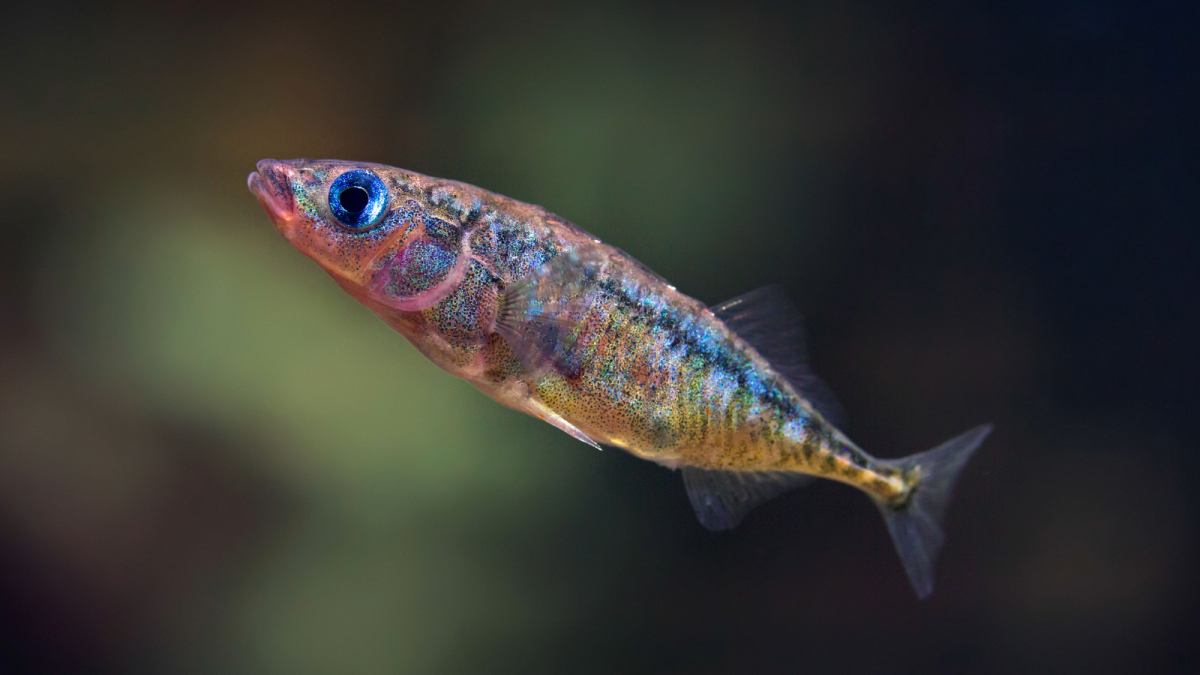
🐟
These fish rely on teamwork to find food in murky water
Deze vissen vertrouwen op teamwork om voedsel te vinden in troebel water
Ces poissons comptent sur le travail d'équipe pour trouver de la nourriture dans l'eau trouble
Three-spined sticklebacks are fascinating little fish that adapt their swimming behavior to find food in murky waters. When the water gets cloudy, they take longer to reach their meals, but those in larger groups respond more quickly overall. It's incredible to see how these fish increase their cooperation and coordination when visibility is low. This study highlights their ability to thrive even in challenging conditions, which is just a testament to the wonders of nature.
Drie stekelige grondels zijn fascinerende kleine vissen die hun zwemgedrag aanpassen om voedsel te vinden in troebel water. Wanneer het water troebel wordt, duurt het langer voordat ze hun maaltijden bereiken, maar die in grotere groepen reageren sneller. Het is ongelooflijk om te zien hoe deze vissen hun samenwerking en coördinatie vergroten wanneer de zichtbaarheid laag is. Deze studie benadrukt hun vermogen om te gedijen, zelfs onder uitdagende omstandigheden, wat gewoon een bewijs is van de wonderen van de natuur.
Les épinoches à trois épines sont des poissons fascinants qui adaptent leur comportement de nage pour trouver de la nourriture dans des eaux troubles. Lorsque l'eau devient trouble, il leur faut plus de temps pour atteindre leurs repas, mais ceux qui se trouvent en plus grand nombre réagissent plus rapidement. Il est incroyable de voir comment ces poissons augmentent leur coopération et leur coordination lorsque la visibilité est faible. Cette étude met en lumière leur capacité à prospérer même dans des conditions difficiles, ce qui témoigne des merveilles de la nature.
🌟
Brain stimulation takes aim at improving women’s health
Hersensimulatie richt zich op het verbeteren van de gezondheid van vrouwen
La stimulation cérébrale vise à améliorer la santé des femmes
It's exciting to see how brain stimulation techniques are being explored to enhance women's health! Researchers are diving into innovative methods that could lead to significant improvements in various health issues. This approach not only highlights the importance of gender-specific research but also opens doors for new treatments. I can't wait to see how these advancements will impact women's lives in the near future!
Het is opwindend om te zien hoe hersensimulatie technieken worden onderzocht om de gezondheid van vrouwen te verbeteren! Onderzoekers duiken in innovatieve methoden die kunnen leiden tot aanzienlijke verbeteringen bij verschillende gezondheidsproblemen. Deze aanpak benadrukt niet alleen het belang van geslachtsspecifiek onderzoek, maar opent ook de deur naar nieuwe behandelingen. Ik kan niet wachten om te zien hoe deze vooruitgangen het leven van vrouwen in de nabije toekomst zullen beïnvloeden!
C'est passionnant de voir comment les techniques de stimulation cérébrale sont explorées pour améliorer la santé des femmes ! Les chercheurs se penchent sur des méthodes innovantes qui pourraient entraîner des améliorations significatives dans divers problèmes de santé. Cette approche souligne non seulement l'importance de la recherche spécifique au genre, mais ouvre également la voie à de nouveaux traitements. J'ai hâte de voir comment ces avancées auront un impact sur la vie des femmes dans un avenir proche !

🦅
Vultures are ecological sanitizers: why India is building ‘restaurants’ for a vanishing bird
Valken zijn ecologische sanitizers: waarom India 'restaurants' bouwt voor een verdwijnende vogel
Les vautours sont des désinfectants écologiques : pourquoi l'Inde construit des 'restaurants' pour un oiseau en voie de disparition
In Assam, India is launching its first 'vulture restaurant' to help critically endangered vultures find safe food. These feeding stations are crucial as natural food sources diminish due to various threats like poisoning and habitat loss. Dr. Sachin P Ranade explains that while diclofenac was banned, vultures still face many challenges today. This initiative aims to support their recovery and ensure these vital scavengers can thrive once more.
In Assam, India wordt het eerste 'vulture restaurant' geopend om ernstig bedreigde gieren te helpen veilig voedsel te vinden. Deze voederstations zijn cruciaal omdat natuurlijke voedselbronnen afnemen door verschillende bedreigingen zoals vergiftiging en verlies van habitat. Dr. Sachin P Ranade legt uit dat hoewel diclofenac is verboden, gieren vandaag de dag nog steeds met veel uitdagingen worden geconfronteerd. Dit initiatief is bedoeld om hun herstel te ondersteunen en ervoor te zorgen dat deze vitale aaseters weer kunnen gedijen.
En Assam, l'Inde lance son premier 'restaurant à vautours' pour aider les vautours en danger critique à trouver de la nourriture sûre. Ces stations d'alimentation sont cruciales alors que les sources de nourriture naturelles diminuent en raison de diverses menaces telles que le empoisonnement et la perte d'habitat. Le Dr Sachin P Ranade explique que bien que le diclofénac ait été interdit, les vautours font encore face à de nombreux défis aujourd'hui. Cette initiative vise à soutenir leur rétablissement et à garantir que ces nécrophages vitaux puissent à nouveau prospérer.

🌟
What Brazil’s supercentenarians can teach us about living to 120
Wat de Braziliaanse supercentenarians ons kunnen leren over 120 jaar leven
Ce que les supercentenaires brésiliens peuvent nous apprendre sur la vie jusqu'à 120 ans
In Brazil, there's a fascinating trend of supercentenarians living to extraordinary ages, and it’s not what you might expect. While billionaires in Silicon Valley chase longevity through extreme measures, Brazilian centenarians thrive on a simpler lifestyle. Research shows that around 70% of these remarkable individuals are women, often with smaller physiques, which may contribute to their longevity. This rich genetic diversity in Brazil, stemming from a mix of cultures, could hold the key to understanding their incredible lifespan.
In Brazilië is er een fascinerende trend van supercentenarians die tot buitengewone leeftijden leven, en het is niet wat je zou verwachten. Terwijl miljardairs in Silicon Valley de lengte van het leven nastreven door extreme maatregelen, gedijen Braziliaanse centenarians op een eenvoudigere levensstijl. Onderzoek toont aan dat ongeveer 70% van deze opmerkelijke individuen vrouwen zijn, vaak met kleinere lichamen, wat kan bijdragen aan hun levensduur. Deze rijke genetische diversiteit in Brazilië, voortkomend uit een mix van culturen, zou de sleutel kunnen zijn tot het begrijpen van hun ongelooflijke levensduur.
Au Brésil, il existe une tendance fascinante des supercentenaires vivant jusqu'à des âges extraordinaires, et ce n'est pas ce à quoi on pourrait s'attendre. Alors que les milliardaires de la Silicon Valley poursuivent la longévité par des mesures extrêmes, les centenaires brésiliens prospèrent grâce à un mode de vie plus simple. Des recherches montrent qu'environ 70 % de ces individus remarquables sont des femmes, souvent avec des physiques plus petits, ce qui pourrait contribuer à leur longévité. Cette riche diversité génétique au Brésil, résultant d'un mélange de cultures, pourrait détenir la clé pour comprendre leur incroyable durée de vie.

🌊
Say hello to the next generation of lobsters — August’s best science images
Zeg hallo tegen de volgende generatie kreeften — De beste wetenschappelijke afbeeldingen van augustus
Dites bonjour à la prochaine génération de homards — Les meilleures images scientifiques d'août
Wow, the latest science images are absolutely stunning! One of my favorites features juvenile European lobsters being carefully pipetted into hatchery pods to keep them safe. It's all about giving them a fighting chance before they head back to the wild. Plus, there are incredible shots of marine life and even a total solar eclipse that took place recently. Nature never ceases to amaze me!
Wauw, de nieuwste wetenschappelijke afbeeldingen zijn absoluut verbluffend! Een van mijn favorieten toont jonge Europese kreeften die voorzichtig in broedpods worden gepipetteerd om ze veilig te houden. Het draait allemaal om het geven van een kans voordat ze terug naar de natuur gaan. Bovendien zijn er ongelooflijke foto's van het zeeleven en zelfs een totale zonsverduistering die onlangs heeft plaatsgevonden. De natuur blijft me verbazen!
Wow, les dernières images scientifiques sont absolument époustouflantes ! L'une de mes préférées montre des homards européens juvéniles soigneusement pipettés dans des pods d'élevage pour les garder en sécurité. Tout cela vise à leur donner une chance avant de retourner dans la nature. De plus, il y a des photos incroyables de la vie marine et même une éclipse solaire totale qui a eu lieu récemment. La nature ne cesse de m'émerveiller !
🌱
Ireland's nature heroes: Meet the farmers turning corners of their land into wildlife havens
Ierlands natuurhelden: Maak kennis met de boeren die hoeken van hun land in wilde natuurparken veranderen
Les héros de la nature en Irlande : Rencontrez les agriculteurs transformant des coins de leurs terres en refuges pour la faune
I’ve been really inspired by the farmers in Ireland who are stepping up to create wildlife havens on their land. The ReFarm project in Wicklow is a fantastic example, helping farmers implement biodiversity actions without the hassle of paperwork. With a focus on creating wildlife ponds, they’re not just enhancing the landscape but also supporting local ecosystems. It’s amazing to see how quickly and effectively these initiatives can take shape, proving that farmers are indeed key players in restoring our natural environment.
Ik ben echt geïnspireerd door de boeren in Ierland die zich inzetten om wilde natuurparken op hun land te creëren. Het ReFarm-project in Wicklow is een fantastisch voorbeeld, dat boeren helpt bij het uitvoeren van biodiversiteitsacties zonder de rompslomp van papierwerk. Met de focus op het creëren van vijvers voor de natuur verbeteren ze niet alleen het landschap, maar ondersteunen ze ook lokale ecosystemen. Het is geweldig om te zien hoe snel en effectief deze initiatieven kunnen vorm krijgen, wat bewijst dat boeren inderdaad sleutelspelers zijn in het herstellen van onze natuurlijke omgeving.
Je suis vraiment inspiré par les agriculteurs en Irlande qui s'engagent à créer des refuges pour la faune sur leurs terres. Le projet ReFarm à Wicklow est un exemple fantastique, aidant les agriculteurs à mettre en œuvre des actions de biodiversité sans les tracas de la paperasse. En se concentrant sur la création d'étangs pour la faune, ils améliorent non seulement le paysage, mais soutiennent également les écosystèmes locaux. C'est incroyable de voir à quelle vitesse et efficacité ces initiatives peuvent se mettre en place, prouvant que les agriculteurs sont en effet des acteurs clés dans la restauration de notre environnement naturel.
🌞
Earth may have lost the Sun’s protective shield millions of years ago
De aarde heeft mogelijk miljoenen jaren geleden de beschermende schild van de zon verloren
La Terre a peut-être perdu le bouclier protecteur du Soleil il y a des millions d'années
So, it turns out the Sun has played a much bigger role in Earth's climate than we thought! Two recent NASA studies suggest that the heliosphere, the Sun's protective bubble, may have shrunk at times, exposing our planet to harsh interstellar conditions. This could explain some ancient climate shifts and even how the young Earth stayed warm enough for life. Isn't it fascinating to think about how our cosmic environment shapes us?
Dus, het blijkt dat de zon een veel grotere rol heeft gespeeld in het klimaat van de aarde dan we dachten! Twee recente NASA-studies suggereren dat de heliosfeer, de beschermende bubbel van de zon, soms is gekrompen, waardoor onze planeet werd blootgesteld aan harde interstellaire omstandigheden. Dit zou enkele oude klimaatschommelingen kunnen verklaren en zelfs hoe de jonge aarde warm genoeg bleef voor leven. Is het niet fascinerend om te denken dat onze kosmische omgeving ons vormt?
Alors, il s'avère que le Soleil a joué un rôle beaucoup plus important dans le climat de la Terre que nous ne le pensions ! Deux études récentes de la NASA suggèrent que l'héliosphère, la bulle protectrice du Soleil, a pu se rétrécir par moments, exposant notre planète à des conditions interstellaires difficiles. Cela pourrait expliquer certains changements climatiques anciens et même comment la jeune Terre est restée suffisamment chaude pour la vie. N'est-ce pas fascinant de penser que notre environnement cosmique nous façonne ?

🌟
Farmers were losing 30% to middlemen; these 2 friends help them sell directly to customers
Boeren verloren 30% aan tussenpersonen; deze 2 vrienden helpen hen rechtstreeks aan klanten te verkopen
Les agriculteurs perdaient 30 % à cause des intermédiaires ; ces 2 amis les aident à vendre directement aux clients
So, here's a fantastic story about two friends, Aniket and Jay, who are changing the game for farmers! They launched IFE Store to help farmers sell directly to consumers, cutting out those pesky middlemen who took a huge 30% commission. This initiative not only boosts farmers' profits but also empowers them with better information on where to sell their organic products. It's a win-win situation that brings hope and sustainability to the farming community!
Dus, hier is een fantastisch verhaal over twee vrienden, Aniket en Jay, die het spel voor boeren veranderen! Ze lanceerden IFE Store om boeren rechtstreeks aan consumenten te laten verkopen, waardoor die vervelende tussenpersonen die maar liefst 30% commissie vroegen, worden uitgesloten. Deze initiatief verhoogt niet alleen de winst van boeren, maar geeft hen ook betere informatie over waar ze hun biologische producten kunnen verkopen. Het is een win-winsituatie die hoop en duurzaamheid brengt voor de landbouwgemeenschap!
Alors, voici une histoire fantastique sur deux amis, Aniket et Jay, qui changent la donne pour les agriculteurs ! Ils ont lancé IFE Store pour aider les agriculteurs à vendre directement aux consommateurs, éliminant ces intermédiaires ennuyeux qui prenaient une énorme commission de 30 %. Cette initiative non seulement augmente les profits des agriculteurs, mais leur donne également de meilleures informations sur où vendre leurs produits biologiques. C'est une situation gagnant-gagnant qui apporte espoir et durabilité à la communauté agricole !
🌟
Scientists identify early signal of dangerous pregnancy complications
Wetenschappers identificeren vroeg signaal van gevaarlijke zwangerschapscomplicaties
Des scientifiques identifient un signal précoce de complications dangereuses pendant la grossesse
This exciting research reveals a potential early warning sign for serious pregnancy complications, which could help save lives. By identifying these signals early, healthcare providers can take proactive measures to ensure the safety of both mother and child. It's fascinating to think about how this discovery could change prenatal care for the better. This could be a game-changer in maternal health, and I can't wait to see how it unfolds!
Dit spannende onderzoek onthult een mogelijk vroeg waarschuwingssignaal voor ernstige zwangerschapscomplicaties, wat levens kan redden. Door deze signalen vroeg te identificeren, kunnen zorgverleners proactieve maatregelen nemen om de veiligheid van zowel moeder als kind te waarborgen. Het is fascinerend om te bedenken hoe deze ontdekking de prenatale zorg kan verbeteren. Dit zou wel eens een keerpunt kunnen zijn in de maternale gezondheid, en ik kan niet wachten om te zien hoe het zich ontwikkelt!
Cette recherche passionnante révèle un potentiel signal d'alerte précoce pour des complications graves de la grossesse, ce qui pourrait sauver des vies. En identifiant ces signaux tôt, les prestataires de soins de santé peuvent prendre des mesures proactives pour assurer la sécurité de la mère et de l'enfant. C'est fascinant de penser à la façon dont cette découverte pourrait améliorer les soins prénatals. Cela pourrait être un tournant dans la santé maternelle, et j'ai hâte de voir comment cela évolue !
🧬
China’s regulatory innovation for new biomedical technologies
Chine’s regelgevende innovatie voor nieuwe biomedische technologieën
Innovation réglementaire de la Chine pour les nouvelles technologies biomédicales
So, there's been a significant shift in China's approach to regulating biomedical technologies, especially after a tragic incident involving a young girl and gene-editing therapy. This new framework, which took effect in May, aims to address the complexities of biomedical regulation in a rapidly evolving field. It's fascinating to see how these regulations are being shaped to ensure safety while promoting innovation. Which brings me to the importance of ongoing discussions about the ethical implications of such technologies.
Er is een belangrijke verschuiving in de aanpak van China voor het reguleren van biomedische technologieën, vooral na een tragisch voorval met een jong meisje en genbewerkingstherapie. Dit nieuwe kader, dat in mei van kracht werd, is bedoeld om de complexiteit van biomedische regelgeving in een snel evoluerend veld aan te pakken. Het is fascinerend om te zien hoe deze regels worden vormgegeven om veiligheid te waarborgen en tegelijkertijd innovatie te bevorderen. Dit brengt me bij het belang van voortdurende discussies over de ethische implicaties van dergelijke technologieën.
Il y a eu un changement significatif dans l'approche de la Chine en matière de réglementation des technologies biomédicales, surtout après un incident tragique impliquant une jeune fille et une thérapie génique. Ce nouveau cadre, entré en vigueur en mai, vise à traiter les complexités de la réglementation biomédicale dans un domaine en évolution rapide. C'est fascinant de voir comment ces réglementations sont façonnées pour garantir la sécurité tout en favorisant l'innovation. Cela me conduit à l'importance des discussions continues sur les implications éthiques de ces technologies.
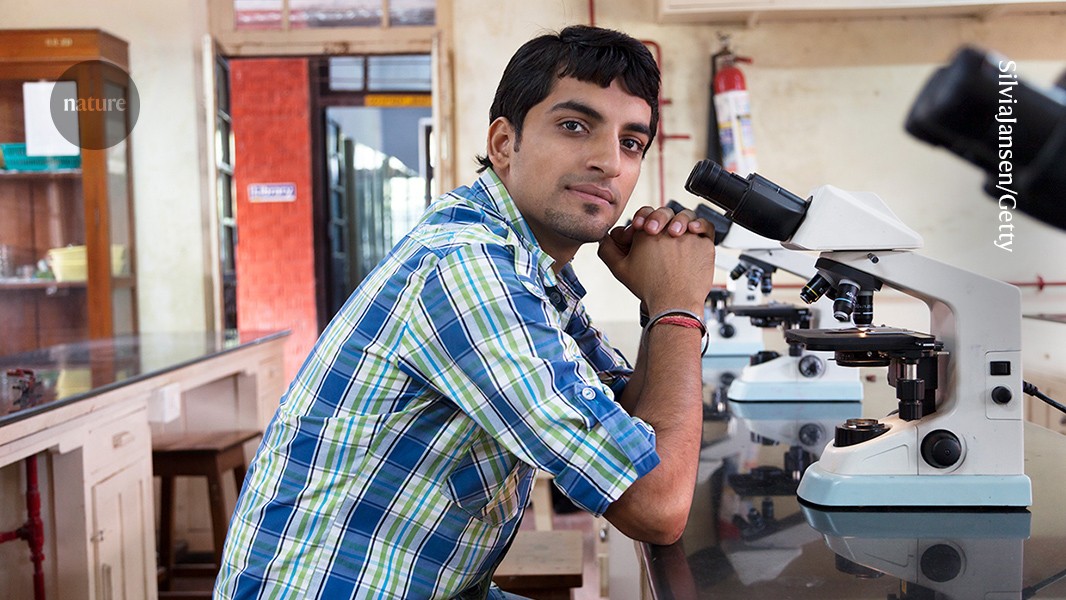
🌟
India has an ambitious plan to lure scientists back — will its plan work?
India heeft een ambitieus plan om wetenschappers terug te lokken — zal het plan werken?
L'Inde a un plan ambitieux pour attirer les scientifiques — son plan fonctionnera-t-il?
India is making a bold move to bring back researchers who have settled abroad, aiming to reverse the brain drain. With generous fellowships and funding, the Prime Minister Research Chair Scheme is set to support 120 overseas researchers in strategic fields. However, some experts worry that these initiatives might not tackle the root causes of migration, like insufficient research infrastructure. Interestingly, as opportunities in India grow and US immigration becomes trickier, more researchers are considering returning home.
India doet een gedurfde poging om onderzoekers die in het buitenland zijn gaan wonen, terug te halen om de brain drain om te keren. Met genereuze beurzen en financiering ondersteunt het Prime Minister Research Chair Scheme 120 buitenlandse onderzoekers in strategische vakgebieden. Sommige experts maken zich echter zorgen dat deze initiatieven mogelijk niet de oorzaken van migratie aanpakken, zoals onvoldoende onderzoeksinfrastructuur. Interessant is dat, naarmate de kansen in India toenemen en de immigratie naar de VS moeilijker wordt, meer onderzoekers overwegen om terug te keren.
L'Inde fait un pas audacieux pour ramener les chercheurs qui se sont installés à l'étranger, dans le but d'inverser l'exode des cerveaux. Avec des bourses et un financement généreux, le programme Prime Minister Research Chair soutiendra 120 chercheurs étrangers dans des domaines stratégiques. Cependant, certains experts craignent que ces initiatives ne s'attaquent pas aux causes profondes de la migration, comme l'insuffisance de l'infrastructure de recherche. Fait intéressant, alors que les opportunités en Inde augmentent et que l'immigration aux États-Unis devient plus difficile, de plus en plus de chercheurs envisagent de rentrer chez eux.

🌱
How engineered microbes could help feed the world’s crops
Hoe gemodificeerde microben de gewassen van de wereld kunnen voeden
Comment des microbes génétiquement modifiés pourraient aider à nourrir les cultures du monde
Fertilizer is essential for feeding the world, but its production is energy-intensive and emits a lot of greenhouse gases. This is where engineered microbes come into play, potentially reducing the need for chemical fertilizers by providing nitrogen directly to plants. A startup called Switch Bioworks is exploring a novel approach that allows these microbes to thrive before they switch to nitrogen production mode. Early trials show promise, with treated corn plants appearing healthier, which could be a game-changer for farmers facing rising costs.
Fertilisers zijn essentieel voor het voeden van de wereld, maar de productie ervan is energie-intensief en stoot veel broeikasgassen uit. Dit is waar gemodificeerde microben in beeld komen, die mogelijk de behoefte aan chemische meststoffen kunnen verminderen door stikstof rechtstreeks aan planten te leveren. Een startup genaamd Switch Bioworks verkent een nieuwe aanpak die deze microben laat gedijen voordat ze overschakelen naar de stikstofproductiemodus. Vroege proeven tonen veelbelovende resultaten, met behandelde maïsplanten die gezonder lijken, wat een doorbraak zou kunnen zijn voor boeren die met stijgende kosten te maken hebben.
Les engrais sont essentiels pour nourrir le monde, mais leur production consomme beaucoup d'énergie et émet de nombreux gaz à effet de serre. C'est là que les microbes génétiquement modifiés entrent en jeu, réduisant potentiellement le besoin d'engrais chimiques en fournissant de l'azote directement aux plantes. Une startup appelée Switch Bioworks explore une approche novatrice qui permet à ces microbes de prospérer avant de passer en mode de production d'azote. Les premiers essais montrent des résultats prometteurs, avec des plants de maïs traités apparaissant plus sains, ce qui pourrait être une révolution pour les agriculteurs confrontés à la hausse des coûts.

🥥
How coconuts cross oceans: the natural design that lets them travel thousands of kilometres
Hoe kokosnoten oceanen oversteken: het natuurlijke ontwerp dat hen duizenden kilometers laat reizen
Comment les noix de coco traversent les océans : le design naturel qui leur permet de parcourir des milliers de kilomètres
Isn't it fascinating how a coconut can float across oceans for thousands of kilometres? It’s all thanks to its thick husk and buoyant structure that protect the seed inside. This amazing fruit can stay viable at sea for up to 110 days, allowing it to travel far before reaching land. Once it washes ashore, it has everything it needs to start growing, making it a true marvel of nature.
Is het niet fascinerend hoe een kokosnoot duizenden kilometers over de oceanen kan drijven? Dit komt allemaal door de dikke schil en de drijvende structuur die het zaadje binnenin beschermt. Deze geweldige vrucht kan tot 110 dagen levensvatbaar blijven op zee, waardoor hij ver kan reizen voordat hij aan land komt. Zodra hij op het strand aanspoelt, heeft hij alles wat hij nodig heeft om te beginnen met groeien, wat het een waar wonder van de natuur maakt.
N'est-ce pas fascinant de voir comment une noix de coco peut flotter à travers les océans sur des milliers de kilomètres ? Tout cela grâce à sa coque épaisse et à sa structure flottante qui protègent la graine à l'intérieur. Ce fruit incroyable peut rester viable en mer jusqu'à 110 jours, lui permettant de voyager loin avant d'atteindre la terre. Une fois échouée sur la plage, elle a tout ce qu'il lui faut pour commencer à pousser, ce qui en fait un véritable miracle de la nature.

🌟
How a girl inspired by the moon landing became ISRO’s first woman satellite project director
Hoe een meisje geïnspireerd door de maanlanding ISRO's eerste vrouwelijke satellietprojectdirecteur werd
Comment une fille inspirée par l'atterrissage sur la lune est devenue la première femme directrice de projet de satellite de l'ISRO
What an inspiring journey! T K Anuradha, who was captivated by the moon landing as a child, became ISRO’s first woman satellite project director. Her innovative approach to controlling satellites has made a significant impact in the field of space technology. Leading an all-women team, she successfully manoeuvred GSAT-12 into its final orbit, showcasing the power of quiet innovations in space. This story not only highlights her achievements but also the importance of following one's dreams.
Wat een inspirerende reis! T K Anuradha, die als kind gefascineerd raakte door de maanlanding, werd ISRO's eerste vrouwelijke satellietprojectdirecteur. Haar innovatieve benadering van het besturen van satellieten heeft een aanzienlijke impact gehad op het gebied van ruimte-technologie. Als leidinggevende van een vrouwenteam manoeuvreerde ze GSAT-12 succesvol in zijn uiteindelijke baan, wat de kracht van stille innovaties in de ruimte aantoont. Dit verhaal benadrukt niet alleen haar prestaties, maar ook het belang van het volgen van je dromen.
Quel parcours inspirant ! T K Anuradha, qui a été captivée par l'atterrissage sur la lune dans son enfance, est devenue la première femme directrice de projet de satellite de l'ISRO. Son approche innovante du contrôle des satellites a eu un impact significatif dans le domaine de la technologie spatiale. En dirigeant une équipe entièrement féminine, elle a réussi à manœuvrer GSAT-12 dans son orbite finale, montrant ainsi la puissance des innovations discrètes dans l'espace. Cette histoire met en lumière ses réalisations et l'importance de poursuivre ses rêves.
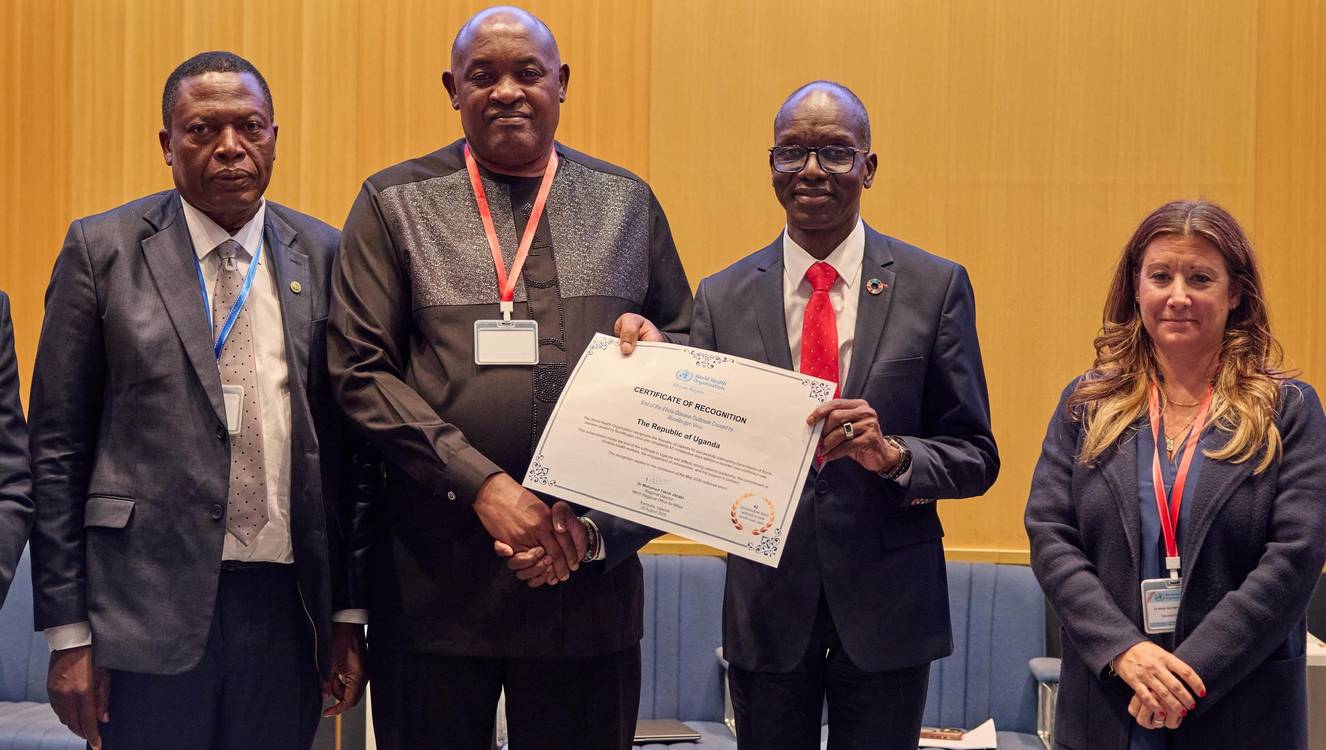
🌟
WHO declares Uganda Ebola-free after 42 days without new cases
WHO verklaart Oeganda ebolavrij na 42 dagen zonder nieuwe gevallen
L'OMS déclare l'Ouganda libre d'Ebola après 42 jours sans nouveaux cas
What fantastic news from Uganda! The World Health Organization has officially declared the country Ebola-free after an impressive 42 days without any new cases. This achievement highlights the hard work of Ugandan authorities, health workers, and communities who came together to combat the outbreak. It's a reminder of the importance of vigilance, especially as neighboring regions still face challenges with the virus. Let's celebrate this triumph and the collaborative spirit that helped make it possible!
Wat fantastisch nieuws uit Oeganda! De Wereldgezondheidsorganisatie heeft het land officieel ebolavrij verklaard na maar liefst 42 dagen zonder nieuwe gevallen. Deze prestatie benadrukt de inspanningen van de Oegandese autoriteiten, zorgverleners en gemeenschappen die samenkwamen om de uitbraak te bestrijden. Het herinnert ons aan het belang van waakzaamheid, vooral omdat buurlanden nog steeds met het virus te maken hebben. Laten we deze triomf en de samenwerkingsgeest die het mogelijk maakte vieren!
Quelle nouvelle fantastique en provenance d'Ouganda ! L'Organisation mondiale de la santé a officiellement déclaré le pays libre d'Ebola après 42 jours impressionnants sans nouveaux cas. Cette réalisation met en lumière le travail acharné des autorités ougandaises, des travailleurs de la santé et des communautés qui se sont unies pour lutter contre l'épidémie. C'est un rappel de l'importance de la vigilance, surtout alors que les régions voisines font encore face à des défis avec le virus. Célébrons ce triomphe et l'esprit de collaboration qui a permis de le réaliser !
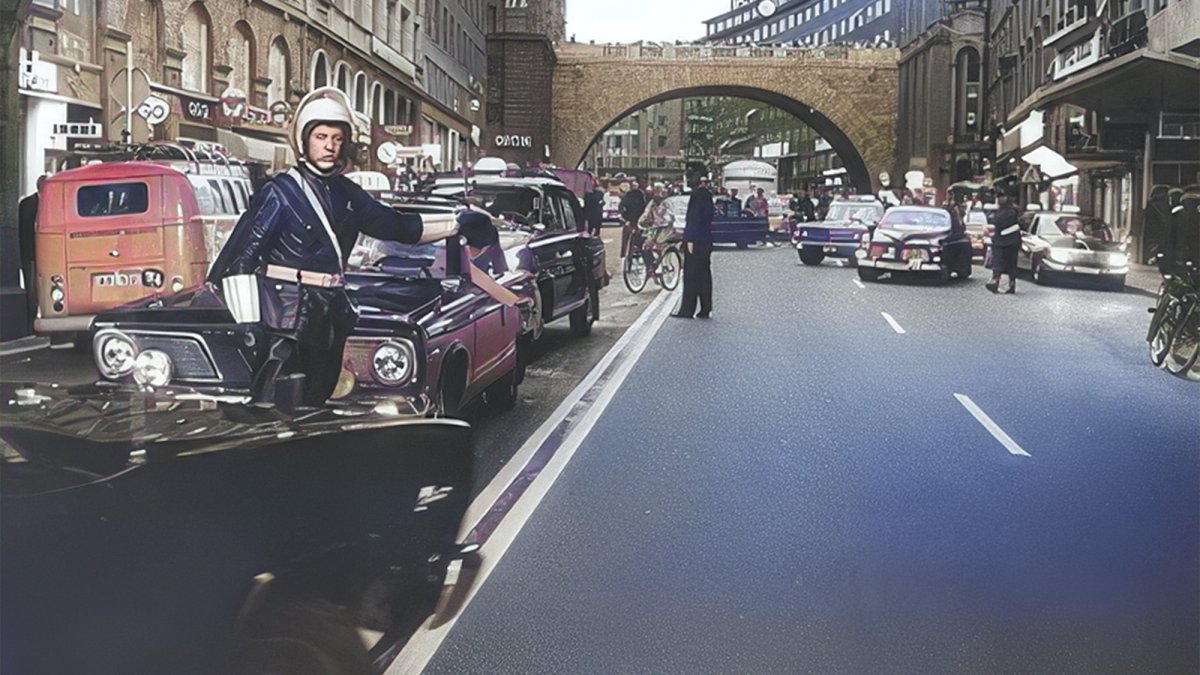
🚗
In 1967, 2 million Swedes started driving on the other side of the road
In 1967 begonnen 2 miljoen Zweden aan de andere kant van de weg te rijden
En 1967, 2 millions de Suédois ont commencé à conduire de l'autre côté de la route
So, on September 3, 1967, Sweden made a monumental switch from left to right-hand driving, a change that involved 2 million drivers! This event, known as Dagen H, was not just a logistical feat but also a fascinating study in human behavior and resistance to change. Despite initial fears and a previous referendum against the switch, the Swedish parliament pushed ahead, leading to a well-planned transition. With catchy songs and widespread advertising, the country embraced this new direction, proving that change, while daunting, can be achieved with creativity and community spirit.
Op 3 september 1967 maakte Zweden een monumentale overstap van links- naar rechtsrijden, een verandering die 2 miljoen bestuurders betrof! Dit evenement, bekend als Dagen H, was niet alleen een logistieke prestatie, maar ook een fascinerende studie in menselijk gedrag en weerstand tegen verandering. Ondanks aanvankelijke angsten en een eerdere referendum tegen de overstap, ging het Zweedse parlement verder, wat leidde tot een goed geplande overgang. Met pakkende liedjes en uitgebreide reclame omarmde het land deze nieuwe richting, wat bewijst dat verandering, hoewel ontmoedigend, kan worden bereikt met creativiteit en gemeenschapsgeest.
Le 3 septembre 1967, la Suède a effectué un changement monumental du conduite à gauche à droite, impliquant 2 millions de conducteurs ! Cet événement, connu sous le nom de Dagen H, n'était pas seulement un exploit logistique, mais aussi une étude fascinante du comportement humain et de la résistance au changement. Malgré les craintes initiales et un référendum précédent contre le changement, le parlement suédois a avancé, menant à une transition bien planifiée. Avec des chansons accrocheuses et une publicité répandue, le pays a adopté cette nouvelle direction, prouvant que le changement, bien que décourageant, peut être réalisé avec créativité et esprit communautaire.

🧬
Mutating every DNA letter of a genome shows surprising effects — and the limits of AI
Het muteren van elke DNA-letter van een genoom toont verrassende effecten — en de grenzen van AI
Muter chaque lettre d'ADN d'un génome montre des effets surprenants — et les limites de l'IA
So, researchers have taken a deep dive into the genome of the phage ΦX174, and wow, the results are fascinating! By systematically mutating nearly every nucleotide, they discovered that many mutations were harmful, but the reasons behind some of them remain a mystery. Even advanced AI struggled to predict these effects, highlighting the need for more experimental data. This study not only challenges our understanding of a well-studied virus but also pushes the boundaries of what we know about AI in biology.
Dus, onderzoekers hebben een diepgaande duik genomen in het genoom van de phage ΦX174, en wauw, de resultaten zijn fascinerend! Door bijna elke nucleotide systematisch te muteren, ontdekten ze dat veel mutaties schadelijk waren, maar de redenen achter sommige blijven een mysterie. Zelfs geavanceerde AI had moeite om deze effecten te voorspellen, wat de noodzaak van meer experimentele gegevens benadrukt. Deze studie daagt niet alleen ons begrip van een goed bestudeerd virus uit, maar duwt ook de grenzen van wat we weten over AI in de biologie.
Alors, les chercheurs ont plongé profondément dans le génome du phage ΦX174, et wow, les résultats sont fascinants ! En mutant systématiquement presque chaque nucléotide, ils ont découvert que de nombreuses mutations étaient nuisibles, mais les raisons de certaines d'entre elles restent un mystère. Même l'IA avancée a eu du mal à prédire ces effets, soulignant le besoin de plus de données expérimentales. Cette étude remet non seulement en question notre compréhension d'un virus bien étudié, mais repousse également les limites de ce que nous savons sur l'IA en biologie.
🚖
Flying taxis enter an industrial truth phase after ten years of extravagant promises
Vliegende taxi's komen in een fase van industriële waarheid na tien jaar extravagante beloften
Les taxis volants entrent dans une phase de vérité industrielle après dix ans de promesses extravagantes
So, flying taxis are finally moving from dreams to reality! After a decade of high hopes and bold claims, the industry is now entering a crucial phase where we might actually see these vehicles in action. It's exciting to think about how this could change urban transport and reduce congestion. And here's the thing: the technology is evolving rapidly, and it feels like we're on the brink of something truly transformative.
Dus, vliegende taxi's gaan eindelijk van dromen naar werkelijkheid! Na een decennium van hoge verwachtingen en gedurfde claims, komt de industrie nu in een cruciale fase waarin we deze voertuigen misschien daadwerkelijk in actie zien. Het is opwindend om te bedenken hoe dit het stedelijk vervoer zou kunnen veranderen en congestie zou kunnen verminderen. En hier is het punt: de technologie evolueert snel, en het voelt alsof we op de rand staan van iets echt transformatiefs.
Alors, les taxis volants passent enfin des rêves à la réalité ! Après une décennie de grandes attentes et de promesses audacieuses, l'industrie entre maintenant dans une phase cruciale où nous pourrions réellement voir ces véhicules en action. C'est excitant de penser à la façon dont cela pourrait changer le transport urbain et réduire la congestion. Et voici le truc : la technologie évolue rapidement, et on a l'impression que nous sommes au bord de quelque chose de vraiment transformateur.
🐋
Could humans ever communicate with whales?
Kunnen mensen ooit communiceren met walvissen?
Les humains peuvent-ils un jour communiquer avec les baleines?
So, researchers have been fascinated by whale communication since the first recordings of their songs back in 1949. With advancements in technology, scientists are now starting to decode the unique sounds made by different whale species. Emma Bryce, a journalist, shares her insights on how understanding these vocalizations can help us protect whales from human threats. It's an exciting journey into the world of marine communication that could change how we interact with these magnificent creatures.
Dus, onderzoekers zijn gefascineerd door de communicatie van walvissen sinds de eerste opnames van hun liederen in 1949. Met de vooruitgang in technologie beginnen wetenschappers nu de unieke geluiden van verschillende walvissoorten te ontcijferen. Emma Bryce, een journaliste, deelt haar inzichten over hoe het begrijpen van deze vocalisaties ons kan helpen walvissen te beschermen tegen menselijke bedreigingen. Het is een spannende reis in de wereld van mariene communicatie die onze interactie met deze prachtige wezens kan veranderen.
Alors, les chercheurs sont fascinés par la communication des baleines depuis les premières enregistrements de leurs chants en 1949. Avec les avancées technologiques, les scientifiques commencent maintenant à décoder les sons uniques produits par différentes espèces de baleines. Emma Bryce, une journaliste, partage ses réflexions sur la façon dont comprendre ces vocalisations peut nous aider à protéger les baleines des menaces humaines. C'est un voyage passionnant dans le monde de la communication marine qui pourrait changer notre interaction avec ces créatures magnifiques.
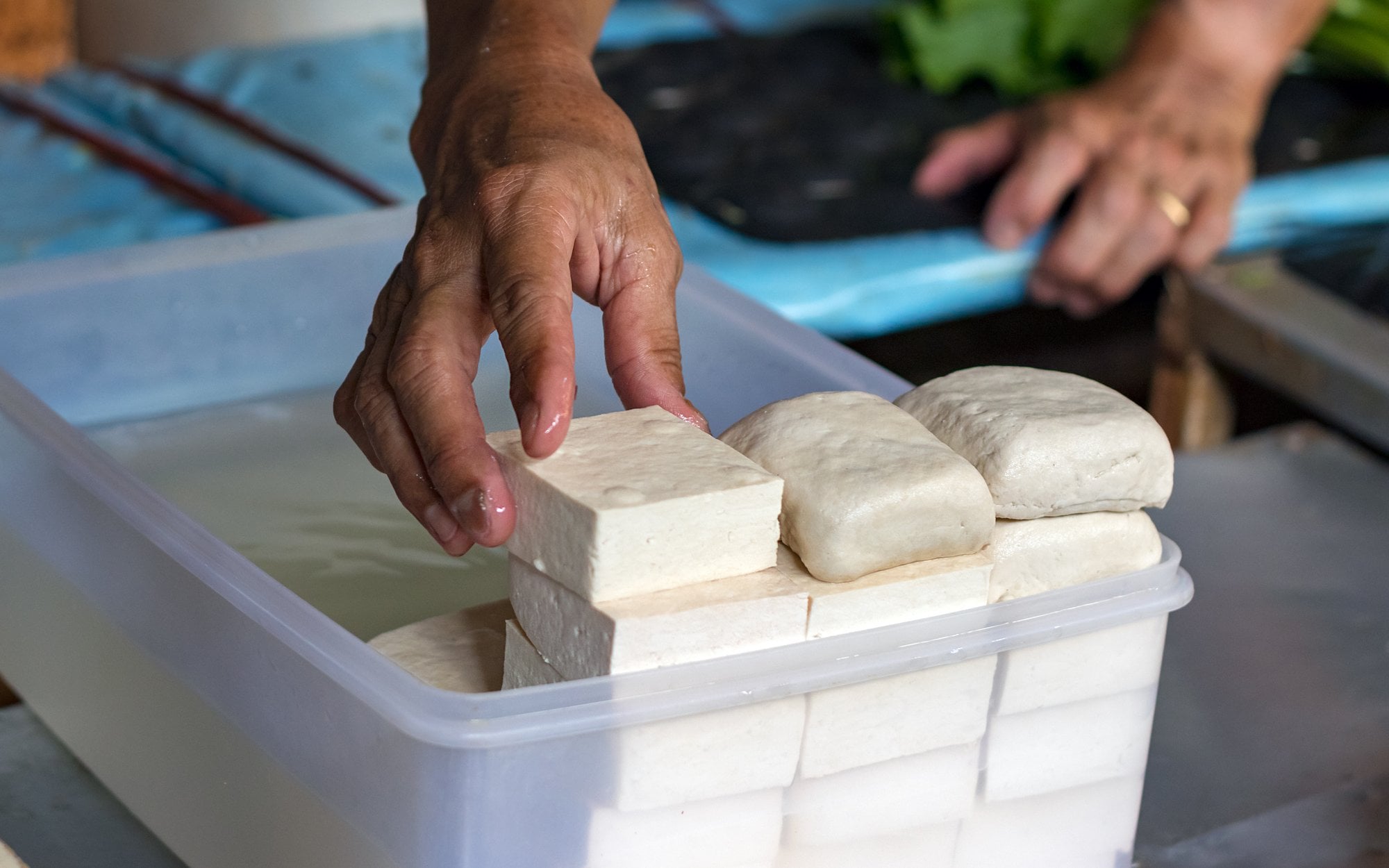
🌱
Tofu tops the list, cheddar at the bottom: new ranking of 20 protein sources
Tofu aan de top, cheddar onderaan: nieuwe ranking van 20 eiwitbronnen
Tofu en tête, cheddar en bas : nouveau classement de 20 sources de protéines
A recent ranking published in 'Frontiers in Sustainable Food Systems' compares 20 popular protein sources based on nutritional value, price, and environmental impact. Tofu emerged as the clear winner with 36 points, while animal products like cheddar and beef scored significantly lower. This ranking aims to help consumers make more informed choices about their protein sources. It's fascinating to see how plant-based options can be both healthier and more sustainable!
Een recente ranking gepubliceerd in 'Frontiers in Sustainable Food Systems' vergelijkt 20 populaire eiwitbronnen op basis van voedingswaarde, prijs en milieueffect. Tofu kwam als duidelijke winnaar naar voren met 36 punten, terwijl dierlijke producten zoals cheddar en rundvlees veel lager scoorden. Deze ranking is bedoeld om consumenten te helpen meer geïnformeerde keuzes te maken over hun eiwitbronnen. Het is fascinerend om te zien hoe plantaardige opties zowel gezonder als duurzamer kunnen zijn!
Un récent classement publié dans 'Frontiers in Sustainable Food Systems' compare 20 sources de protéines populaires en fonction de leur valeur nutritionnelle, de leur prix et de leur impact environnemental. Le tofu s'est imposé comme le grand gagnant avec 36 points, tandis que les produits d'origine animale comme le cheddar et le bœuf ont obtenu des scores beaucoup plus bas. Ce classement vise à aider les consommateurs à faire des choix plus éclairés concernant leurs sources de protéines. C'est fascinant de voir comment les options végétales peuvent être à la fois plus saines et plus durables !
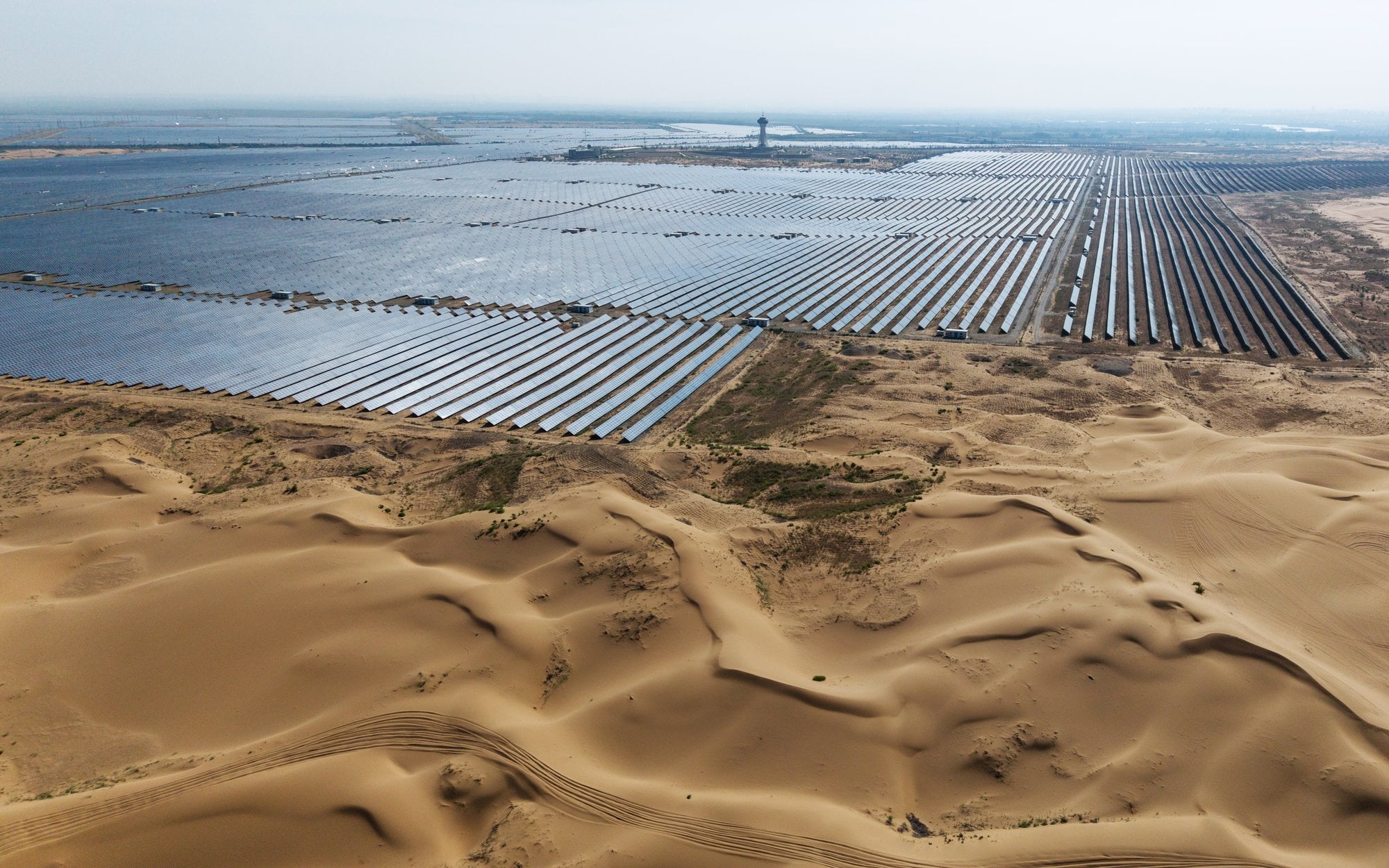
🌞
China has more solar power than coal
China heeft meer zonne-energie dan kolen
La Chine a plus d'énergie solaire que de charbon
Wow, this is exciting! For the first time, China's installed solar power capacity has surpassed that of coal-fired plants. While coal still accounts for a significant portion of electricity production, its share has dropped below 50%. This shift is driven by government support for renewable energy and the impacts of climate change, which are creating more sunny days and stronger winds. It's a clear sign that China is rapidly moving towards a greener energy future!
Wauw, dit is spannend! Voor het eerst heeft de geïnstalleerde zonne-energiecapaciteit in China die van kolencentrales overtroffen. Hoewel kolen nog steeds een aanzienlijk deel van de elektriciteitsproductie uitmaken, is het aandeel onder de 50% gedaald. Deze verschuiving wordt aangedreven door overheidssteun voor hernieuwbare energie en de gevolgen van klimaatverandering, die zorgen voor meer zonnige dagen en sterkere winden. Het is een duidelijk teken dat China snel naar een groenere energie toekomst beweegt!
Wow, c'est excitant ! Pour la première fois, la capacité installée d'énergie solaire de la Chine a dépassé celle des centrales à charbon. Bien que le charbon représente encore une part importante de la production d'électricité, sa part est tombée en dessous de 50 %. Ce changement est motivé par le soutien du gouvernement aux énergies renouvelables et les impacts du changement climatique, qui créent plus de jours ensoleillés et des vents plus forts. C'est un signe clair que la Chine se dirige rapidement vers un avenir énergétique plus vert !
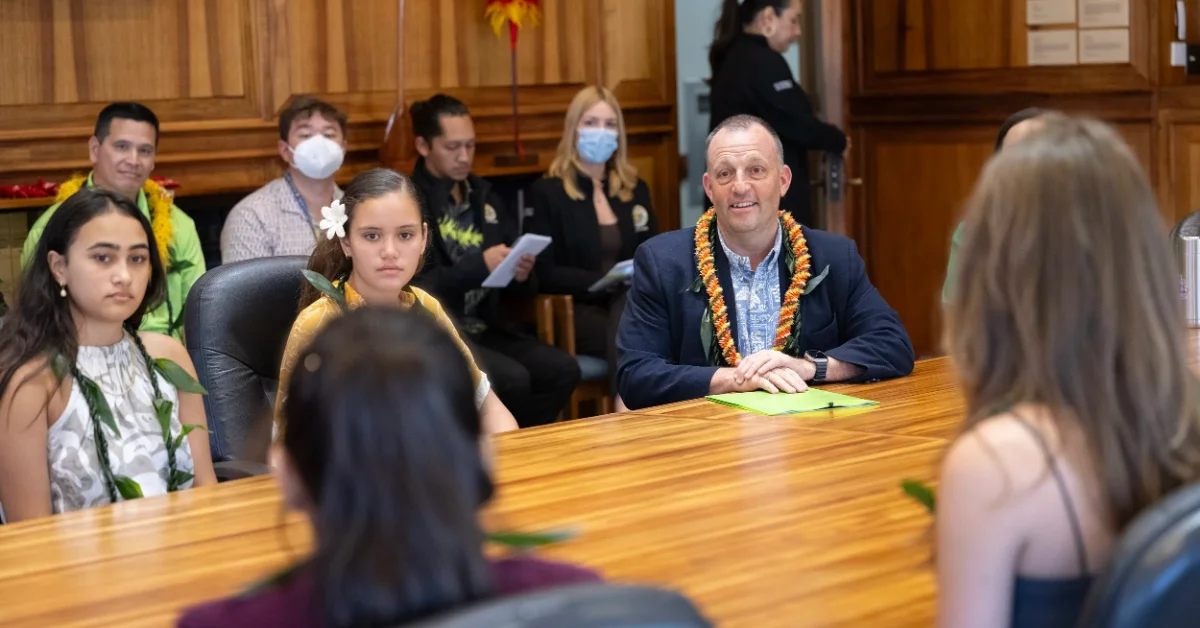
🌍
13 young people sued Hawaii over climate change. Here's what happened next
13 jongeren hebben Hawaii aangeklaagd over klimaatverandering. Dit is wat er daarna gebeurde
13 jeunes ont poursuivi Hawaï pour changement climatique. Voici ce qui s'est passé ensuite
So, a group of 13 young people in Hawaii took a bold step by suing the state’s Department of Transportation over climate change issues. This lawsuit led to the creation of the Hawai‘i Youth Transportation Council, where these passionate youths now share their ideas on public transit and bike lanes. The settlement requires the DOT to decarbonize transportation by 2045, which is a huge win for the environment! It’s inspiring to see young voices making a real difference in their community.
Dus, een groep van 13 jongeren in Hawaii heeft een gedurfde stap gezet door de staat's Department of Transportation aan te klagen over klimaatverandering. Deze rechtszaak leidde tot de oprichting van de Hawai‘i Youth Transportation Council, waar deze gepassioneerde jongeren nu hun ideeën delen over openbaar vervoer en fietspaden. De schikking vereist dat het DOT het transport tegen 2045 koolstofvrij maakt, wat een enorme overwinning is voor het milieu! Het is inspirerend om te zien hoe jonge stemmen een echt verschil maken in hun gemeenschap.
Alors, un groupe de 13 jeunes à Hawaï a pris une mesure audacieuse en poursuivant le Département des Transports de l'État pour des problèmes liés au changement climatique. Ce procès a conduit à la création du Conseil des Transports des Jeunes d'Hawaï, où ces jeunes passionnés partagent désormais leurs idées sur les transports publics et les pistes cyclables. Le règlement exige que le DOT décarbone le transport d'ici 2045, ce qui est une énorme victoire pour l'environnement ! C'est inspirant de voir de jeunes voix faire une réelle différence dans leur communauté.
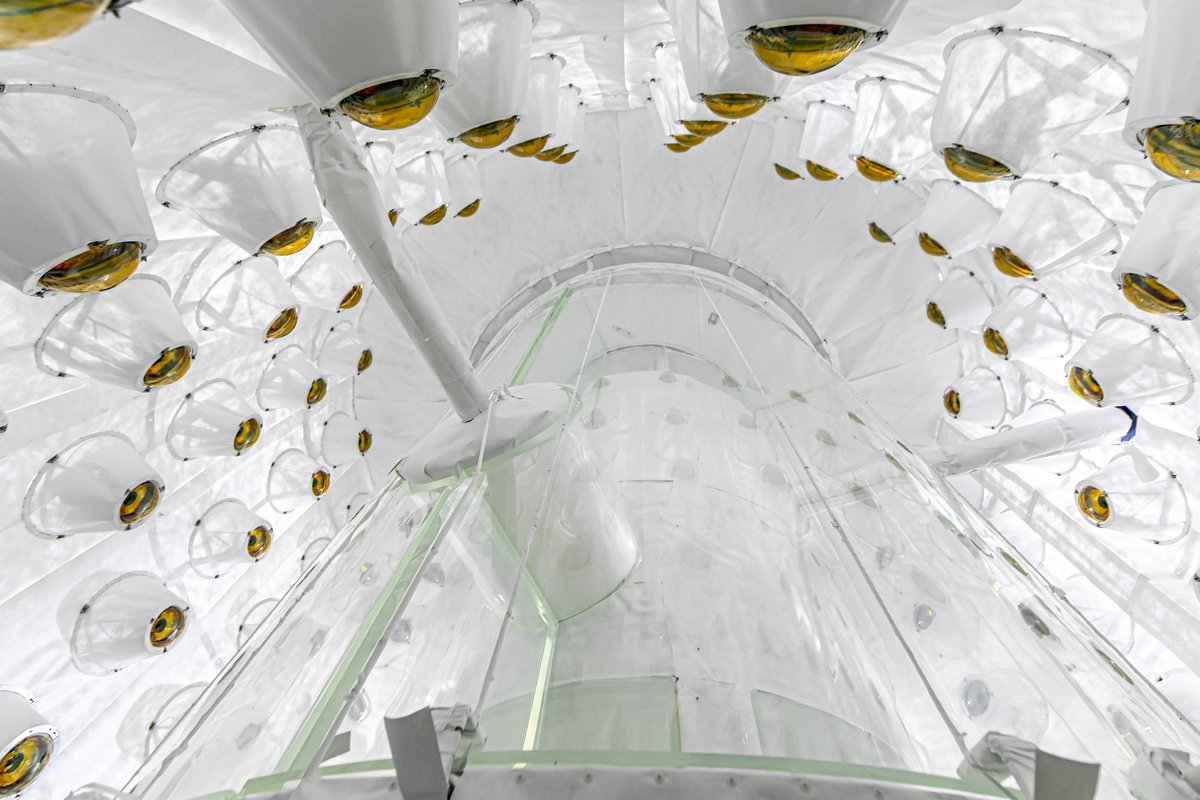
🌟
Have we finally found dark matter?
Hebben we eindelijk donkere materie gevonden?
Avons-nous enfin trouvé la matière noire?
So, there's this exciting development from the LUX-ZEPLIN experiment in South Dakota where a mysterious flash of light was detected, hinting at a possible interaction with dark matter. After 40 years of searching, scientists are buzzing with excitement over this unexplained event that could change our understanding of the universe. The flash suggests a collision between an unknown particle and an atom, which is a thrilling twist in the dark matter hunt. While it's still a mystery, the statistical significance of this event is making waves in the scientific community!
Dus, er is een spannende ontwikkeling van het LUX-ZEPLIN-experiment in South Dakota waar een mysterieuze flits van licht werd gedetecteerd, wat wijst op een mogelijke interactie met donkere materie. Na 40 jaar zoeken zijn wetenschappers enthousiast over dit onverklaarde evenement dat onze kijk op het universum zou kunnen veranderen. De flits suggereert een botsing tussen een onbekend deeltje en een atoom, wat een opwindende wending is in de zoektocht naar donkere materie. Hoewel het nog steeds een mysterie is, zorgt de statistische significantie van dit evenement voor opschudding in de wetenschappelijke gemeenschap!
Alors, il y a ce développement passionnant de l'expérience LUX-ZEPLIN dans le Dakota du Sud où un mystérieux éclat de lumière a été détecté, suggérant une possible interaction avec la matière noire. Après 40 ans de recherche, les scientifiques sont en émoi face à cet événement inexpliqué qui pourrait changer notre compréhension de l'univers. L'éclat suggère une collision entre une particule inconnue et un atome, ce qui constitue un tournant palpitant dans la chasse à la matière noire. Bien que cela reste un mystère, la signification statistique de cet événement fait des vagues dans la communauté scientifique !
💖
Mindfulness may lower blood pressure in just 8 weeks
Mindfulness kan de bloeddruk binnen 8 weken verlagen
La pleine conscience peut réduire la pression artérielle en seulement 8 semaines
So, it turns out that simple practices like mindfulness can really make a difference in our cardiovascular health! A recent study showed that engaging in positive psychology interventions for just eight weeks can lower blood pressure and inflammation. Participants who practiced mindfulness also adopted healthier habits, which is fantastic news for heart health. This research highlights how incorporating these techniques into our daily lives can lead to lasting benefits.
Het blijkt dat eenvoudige praktijken zoals mindfulness echt een verschil kunnen maken voor onze cardiovasculaire gezondheid! Een recente studie toonde aan dat deelname aan interventies in de positieve psychologie gedurende slechts acht weken de bloeddruk en ontstekingen kan verlagen. Deelnemers die mindfulness beoefenden, namen ook gezondere gewoonten aan, wat fantastisch nieuws is voor de hartgezondheid. Dit onderzoek benadrukt hoe het opnemen van deze technieken in ons dagelijks leven kan leiden tot blijvende voordelen.
Il s'avère que des pratiques simples comme la pleine conscience peuvent vraiment faire une différence pour notre santé cardiovasculaire ! Une étude récente a montré que participer à des interventions de psychologie positive pendant seulement huit semaines peut réduire la pression artérielle et l'inflammation. Les participants qui pratiquaient la pleine conscience adoptaient également des habitudes plus saines, ce qui est une excellente nouvelle pour la santé cardiaque. Cette recherche souligne comment l'intégration de ces techniques dans notre vie quotidienne peut conduire à des avantages durables.
🌍
A massive plume deep beneath Africa is pulling the continent apart
Een enorme plume diep onder Afrika trekt het continent uit elkaar
Une immense cheminée sous l'Afrique tire le continent à part
So, scientists are diving deep into the mysteries of the East African Rift System, and guess what? They found that a massive upwelling of hot mantle material, known as the African Superplume, is causing some unexpected movements in the Earth's crust. This is not just your typical continental rifting; there's a fascinating twist with deformation happening parallel to the rift itself! It's like watching Silly Putty stretch and crack in different ways depending on how you pull it. How cool is that?
Wetenschappers duiken diep in de mysteries van het Oost-Afrikaanse Rift-systeem, en raad eens? Ze ontdekten dat een enorme opwelling van heet mantelmateriaal, bekend als de Afrikaanse Superplume, onverwachte bewegingen in de aardkorst veroorzaakt. Dit is niet zomaar een typisch continentale rifting; er is een fascinerende wending met vervorming die parallel aan de scheur zelf plaatsvindt! Het is alsof je Silly Putty op verschillende manieren ziet rekken en breken, afhankelijk van hoe je het trekt. Hoe gaaf is dat?
Les scientifiques explorent les mystères du système de rift est-africain, et devinez quoi ? Ils ont découvert qu'une immense remontée de matériau chaud du manteau, connue sous le nom de Superplume africaine, provoque des mouvements inattendus dans la croûte terrestre. Ce n'est pas un simple rifting continental ; il y a un aspect fascinant avec une déformation se produisant parallèlement à la fissure elle-même ! C'est comme regarder de la pâte à modeler s'étirer et se fissurer de différentes manières selon la façon dont on tire. C'est incroyable, non ?
🌟
Goodbye CPAP? New sleep apnea pill cuts breathing events by 44%
Vaarwel CPAP? Nieuwe slaapapneu-pil vermindert ademhalingsproblemen met 44%
Au revoir CPAP? Une nouvelle pilule contre l'apnée du sommeil réduit les événements respiratoires de 44%
A new oral medication called AD109 has shown promising results in treating obstructive sleep apnea, reducing breathing interruptions by 44% in a recent clinical trial. This once-nightly pill targets the neuromuscular issues that cause airway collapse during sleep, offering hope for those who struggle with CPAP. With over 40% of participants moving to a less severe category, it’s clear this could be a game changer. The FDA is already reviewing AD109, which could soon provide a much-needed alternative for patients.
Een nieuwe orale medicatie genaamd AD109 heeft veelbelovende resultaten laten zien bij de behandeling van obstructieve slaapapneu, met een vermindering van ademhalingsonderbrekingen met 44% in een recente klinische proef. Deze eenmaal daags in te nemen pil richt zich op de neuromusculaire problemen die de luchtweg tijdens de slaap doen instorten, wat hoop biedt voor degenen die moeite hebben met CPAP. Met meer dan 40% van de deelnemers die naar een minder ernstige categorie zijn overgestapt, is het duidelijk dat dit een game changer kan zijn. De FDA beoordeelt AD109 al, wat binnenkort een broodnodige alternatieve behandeling voor patiënten kan bieden.
Un nouveau médicament oral appelé AD109 a montré des résultats prometteurs dans le traitement de l'apnée obstructive du sommeil, réduisant les interruptions respiratoires de 44 % lors d'un récent essai clinique. Cette pilule à prendre une fois par nuit cible les problèmes neuromusculaires qui provoquent l'effondrement des voies respiratoires pendant le sommeil, offrant de l'espoir à ceux qui ont des difficultés avec le CPAP. Avec plus de 40 % des participants passant à une catégorie moins sévère, il est clair que cela pourrait changer la donne. La FDA examine déjà AD109, qui pourrait bientôt fournir une alternative très nécessaire pour les patients.
🧠
Scientists find a human-only gene that may help explain our brainpower
Wetenschappers vinden een mens-specifiek gen dat onze hersenkracht kan verklaren
Des scientifiques découvrent un gène spécifique à l'homme qui pourrait expliquer notre puissance cérébrale
Researchers have discovered that human microglia mature much more slowly than those in other animals, which could be key to our cognitive abilities. This slow development is linked to a human-specific gene called SRGAP2, which is more abundant in microglia than in neurons. Microglia play a crucial role in shaping brain circuits during development, influencing which synapses are kept or eliminated. The findings suggest that this gene helps coordinate the slow maturation of brain cells, contributing to what makes human cognition unique.
Onderzoekers hebben ontdekt dat menselijke microglia veel langzamer rijpen dan die in andere dieren, wat cruciaal kan zijn voor onze cognitieve vermogens. Deze langzame ontwikkeling is gekoppeld aan een mens-specifiek gen genaamd SRGAP2, dat overvloediger is in microglia dan in neuronen. Microglia spelen een cruciale rol in het vormgeven van hersencircuits tijdens de ontwikkeling, waarbij ze beïnvloeden welke synapsen behouden of geëlimineerd worden. De bevindingen suggereren dat dit gen helpt bij het coördineren van de langzame rijping van hersencellen, wat bijdraagt aan wat menselijke cognitie uniek maakt.
Les chercheurs ont découvert que les microglies humaines mûrissent beaucoup plus lentement que celles d'autres animaux, ce qui pourrait être essentiel pour nos capacités cognitives. Ce développement lent est lié à un gène spécifique à l'homme appelé SRGAP2, qui est plus abondant dans les microglies que dans les neurones. Les microglies jouent un rôle crucial dans la formation des circuits cérébraux pendant le développement, influençant quelles synapses sont conservées ou éliminées. Les résultats suggèrent que ce gène aide à coordonner la maturation lente des cellules cérébrales, contribuant à ce qui rend la cognition humaine unique.
🌱
The download: engineered microbes for crops, and OpenAI’s culture problem
De download: gemodificeerde microben voor gewassen en het cultuurprobleem van OpenAI
Le téléchargement : microbes génétiquement modifiés pour les cultures et le problème culturel d'OpenAI
So, there's some exciting news about how engineered microbes could revolutionize agriculture! These little helpers might reduce our reliance on chemical fertilizers by providing essential nitrogen to crops. A startup called Switch Bioworks is testing a new method that could potentially replace up to 50% of synthetic fertilizers. Meanwhile, there's a serious discussion happening about OpenAI's culture after a recent security incident, highlighting the importance of a strong safety culture in tech companies.
Dus, er is spannend nieuws over hoe gemodificeerde microben de landbouw kunnen revolutioneren! Deze kleine helpers kunnen onze afhankelijkheid van chemische meststoffen verminderen door essentiële stikstof aan gewassen te leveren. Een startup genaamd Switch Bioworks test een nieuwe methode die mogelijk tot 50% van de synthetische meststoffen kan vervangen. Ondertussen is er een serieuze discussie gaande over de cultuur van OpenAI na een recente beveiligingsincident, wat het belang van een sterke veiligheidscultuur in technologiebedrijven benadrukt.
Alors, il y a des nouvelles passionnantes sur la façon dont des microbes génétiquement modifiés pourraient révolutionner l'agriculture ! Ces petits assistants pourraient réduire notre dépendance aux engrais chimiques en fournissant de l'azote essentiel aux cultures. Une startup appelée Switch Bioworks teste une nouvelle méthode qui pourrait potentiellement remplacer jusqu'à 50 % des engrais synthétiques. Pendant ce temps, une discussion sérieuse a lieu sur la culture d'OpenAI après un incident de sécurité récent, soulignant l'importance d'une forte culture de sécurité dans les entreprises technologiques.

🌱
The drylands dividend - the smart investment for powering a water-scarce world
De droogte-dividend - de slimme investering voor het aandrijven van een waterschaarste wereld
Le dividende des terres arides - l'investissement intelligent pour alimenter un monde en pénurie d'eau
Drylands, covering 44% of the planet, are often overlooked but hold immense potential for sustainable practices and investments. With the world facing increasing drought, we can learn valuable lessons from dryland communities that have thrived under scarcity for generations. Their knowledge of diverse cropping and livestock management can guide us in adapting to changing climates. By investing in these regions, we can unlock their hidden value and create a more resilient future.
Droogtegebieden, die 44% van de planeet beslaan, worden vaak over het hoofd gezien, maar houden immense potentieel voor duurzame praktijken en investeringen. Nu de wereld steeds meer te maken krijgt met droogte, kunnen we waardevolle lessen leren van droogtegemeenschappen die al generaties lang gedijen onder schaarste. Hun kennis van diverse teelt en veehouderij kan ons helpen ons aan te passen aan de veranderende klimaten. Door te investeren in deze regio's kunnen we hun verborgen waarde ontsluiten en een veerkrachtigere toekomst creëren.
Les terres arides, qui couvrent 44 % de la planète, sont souvent négligées mais recèlent un immense potentiel pour des pratiques et des investissements durables. Alors que le monde fait face à une sécheresse croissante, nous pouvons tirer des leçons précieuses des communautés des terres arides qui ont prospéré sous la rareté pendant des générations. Leur connaissance de la culture diversifiée et de la gestion du bétail peut nous guider dans notre adaptation aux climats changeants. En investissant dans ces régions, nous pouvons débloquer leur valeur cachée et créer un avenir plus résilient.
🐋
Sperm whales create bubbles while sleeping to float safely from waves
Cachalots maken bubbels tijdens hun slaap om veilig van golven te drijven
Les cachalots font des bulles pendant leur sommeil pour flotter à l'abri des vagues
Isn't it fascinating how sperm whales have this unique way of sleeping? They create bubbles that help them float and stay safe from the waves. This behavior shows just how clever and adapted these magnificent creatures are to their environment. It's like they have their own little safety net while they rest, which is just amazing!
Het is fascinerend hoe cachalots op deze unieke manier slapen. Ze maken bubbels die hen helpen te drijven en veilig te blijven van de golven. Dit gedrag toont aan hoe slim en aangepast deze prachtige wezens zijn aan hun omgeving. Het is alsof ze hun eigen veiligheidsnet hebben terwijl ze rusten, wat gewoon geweldig is!
C'est fascinant de voir comment les cachalots ont cette façon unique de dormir. Ils créent des bulles qui les aident à flotter et à rester en sécurité des vagues. Ce comportement montre à quel point ces magnifiques créatures sont intelligentes et adaptées à leur environnement. C'est comme s'ils avaient leur propre filet de sécurité pendant qu'ils se reposent, ce qui est tout simplement incroyable !
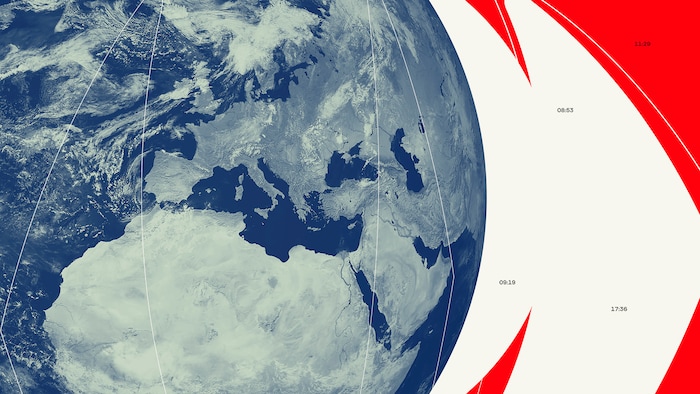
🚗
Nine out of ten new cars run on electricity
Negen op de tien nieuwe auto's rijden op elektriciteit
Neuf voitures neuves sur dix fonctionnent à l'électricité
It's fantastic to see that nine out of ten new cars registered in Denmark are electric! Mads Rørvig from Mobility Denmark highlights this exciting trend, especially with 85.9 percent of the 16,165 new cars being electric. However, there's a concern about the upcoming increase in registration fees for electric vehicles, which he believes could dampen this success. Politicians are urged to reconsider this move, as making electric cars more expensive would be counterproductive to their popularity.
Het is fantastisch om te zien dat negen op de tien nieuwe auto's die in Denemarken zijn geregistreerd, elektrisch zijn! Mads Rørvig van Mobility Denmark benadrukt deze spannende trend, vooral omdat 85,9 procent van de 16.165 nieuwe auto's elektrisch is. Er is echter bezorgdheid over de komende stijging van de registratiekosten voor elektrische voertuigen, wat volgens hem deze succes zou kunnen verminderen. Politici worden aangespoord om deze stap te heroverwegen, aangezien het duurder maken van elektrische auto's contraproductief zou zijn voor hun populariteit.
C'est fantastique de voir que neuf voitures neuves sur dix enregistrées au Danemark sont électriques ! Mads Rørvig de Mobility Denmark souligne cette tendance passionnante, surtout avec 85,9 % des 16 165 nouvelles voitures étant électriques. Cependant, il y a une préoccupation concernant l'augmentation prochaine des frais d'enregistrement pour les véhicules électriques, ce qui, selon lui, pourrait freiner ce succès. Les politiciens sont invités à reconsidérer cette décision, car rendre les voitures électriques plus chères serait contre-productif pour leur popularité.

🌊
Could plastic-eating robots clean up our oceans?
Kunnen plastic-etende robots onze oceanen opruimen?
Des robots mangeurs de plastique peuvent-ils nettoyer nos océans?
So, there's this exciting initiative where autonomous plastic-eating robots are being deployed in cities around the world to tackle ocean pollution. The Ocean Cleanup, a Dutch nonprofit, aims to remove 90 percent of floating plastic by 2040, and they're making great strides with innovative technology. These robots are not just sci-fi fantasies; they're actively cleaning our waterways, monitored by drones and GPS. It's a huge step forward in addressing one of our planet's most pressing environmental issues!
Dus, er is dit spannende initiatief waarbij autonome plastic-etende robots worden ingezet in steden over de hele wereld om oceaanvervuiling aan te pakken. The Ocean Cleanup, een Nederlandse non-profitorganisatie, heeft als doel om 90 procent van het drijvende plastic tegen 2040 te verwijderen, en ze maken grote vorderingen met innovatieve technologie. Deze robots zijn geen sciencefictionfantasieën; ze zijn actief bezig met het schoonmaken van onze waterwegen, gemonitord door drones en GPS. Het is een enorme stap vooruit in het aanpakken van een van de meest urgente milieuproblemen van onze planeet!
Alors, il y a cette initiative passionnante où des robots autonomes mangeurs de plastique sont déployés dans des villes du monde entier pour lutter contre la pollution des océans. The Ocean Cleanup, une organisation à but non lucratif néerlandaise, vise à éliminer 90 % du plastique flottant d'ici 2040, et elle fait de grands progrès grâce à une technologie innovante. Ces robots ne sont pas de simples fantasmes de science-fiction ; ils nettoient activement nos voies navigables, surveillés par des drones et des GPS. C'est un grand pas en avant pour résoudre l'un des problèmes environnementaux les plus pressants de notre planète !

🐅
Once it was pugmarks. Now it’s AI: how technology is helping protect India’s tigers
Eens waren het pootafdrukken. Nu is het AI: hoe technologie helpt om de tijgers van India te beschermen
Autrefois, c'étaient des empreintes. Maintenant, c'est l'IA : comment la technologie aide à protéger les tigres d'Inde
It's fascinating to see how technology has transformed tiger conservation in India! Once, forest guards relied on pugmarks and their keen observations to track these majestic animals. Now, with GPS, camera traps, and AI, they can monitor tiger populations more accurately and respond to threats in real-time. This shift not only enhances protection efforts but also allows for a deeper understanding of these incredible creatures and their habitats.
Het is fascinerend om te zien hoe technologie de tijgerbescherming in India heeft getransformeerd! Eens vertrouwden boswachters op pootafdrukken en hun scherpe observaties om deze majestueuze dieren te volgen. Nu, met GPS, camera's en AI, kunnen ze tijgerpopulaties nauwkeuriger volgen en in real-time reageren op bedreigingen. Deze verschuiving verbetert niet alleen de beschermingsinspanningen, maar biedt ook een dieper inzicht in deze ongelooflijke wezens en hun habitats.
Il est fascinant de voir comment la technologie a transformé la conservation des tigres en Inde ! Autrefois, les gardes forestiers s'appuyaient sur des empreintes et leurs observations pour suivre ces animaux majestueux. Maintenant, avec le GPS, les pièges photographiques et l'IA, ils peuvent surveiller les populations de tigres plus précisément et réagir aux menaces en temps réel. Ce changement améliore non seulement les efforts de protection, mais permet également une compréhension plus approfondie de ces créatures incroyables et de leurs habitats.

🌟
Homesick silicon valley techies rebuilt a flood-wrecked karnataka school — and 150+ others
Verlangen naar huis: techneuten uit Silicon Valley herbouwden een door overstromingen verwoeste school in Karnataka — en 150+ andere
Des techniciens de la Silicon Valley, nostalgiques, ont reconstruit une école détruite par les inondations au Karnataka — et plus de 150 autres
It's incredible how a group of homesick engineers from Silicon Valley turned their longing for home into a mission to rebuild schools in India. After witnessing the devastation of a school in Karnataka, they founded One School At A Time, which has now rebuilt over 150 schools! Their dedication to providing quality education for rural children is truly inspiring. Just imagine the joy of students returning to a safe and dignified classroom after such hardship!
Het is ongelooflijk hoe een groep heimwee-ingenieurs uit Silicon Valley hun verlangen naar huis omzette in een missie om scholen in India te herbouwen. Na het zien van de verwoesting van een school in Karnataka, richtten ze One School At A Time op, dat nu meer dan 150 scholen heeft herbouwd! Hun toewijding aan het bieden van kwaliteitsonderwijs voor plattelandskinderen is echt inspirerend. Stel je voor hoe blij de leerlingen zijn om na zoveel ontberingen terug te keren naar een veilige en waardige klas!
C'est incroyable de voir comment un groupe d'ingénieurs nostalgiques de la Silicon Valley a transformé son désir de retour en une mission de reconstruction d'écoles en Inde. Après avoir été témoin de la destruction d'une école au Karnataka, ils ont fondé One School At A Time, qui a maintenant reconstruit plus de 150 écoles ! Leur dévouement à offrir une éducation de qualité aux enfants des zones rurales est vraiment inspirant. Imaginez la joie des élèves de retrouver une salle de classe sûre et digne après tant de difficultés !
🌟
Steps to combat dementia could free up thousands of aged care beds in future - report
Stappen om dementie te bestrijden kunnen duizenden ouderenzorgbedden in de toekomst vrijmaken - rapport
Des mesures pour lutter contre la démence pourraient libérer des milliers de lits en maison de retraite à l'avenir - rapport
So, here's the exciting news: tackling dementia now could really make a difference in the future by freeing up thousands of aged care beds! A recent report highlights the urgent need for reform in the aged care system, especially as the population ages. The author, Dr. Etu Ma'u, emphasizes that nearly half of the residential beds are occupied by people with dementia, which is a significant driver of demand. By focusing on prevention and healthier living, we could see a substantial reduction in dementia cases and, in turn, alleviate pressure on the aged care sector.
Dus, hier is het spannende nieuws: het bestrijden van dementie nu kan echt een verschil maken in de toekomst door duizenden ouderenzorgbedden vrij te maken! Een recent rapport benadrukt de dringende noodzaak van hervorming in het ouderenzorgsysteem, vooral nu de bevolking veroudert. De auteur, Dr. Etu Ma'u, benadrukt dat bijna de helft van de residentiële bedden bezet is door mensen met dementie, wat een belangrijke factor is in de vraag. Door ons te concentreren op preventie en gezonder leven, kunnen we een aanzienlijke vermindering van het aantal dementiegevallen zien en daarmee de druk op de ouderenzorgsector verlichten.
Alors, voici la nouvelle excitante : lutter contre la démence maintenant pourrait vraiment faire une différence à l'avenir en libérant des milliers de lits en maison de retraite ! Un rapport récent souligne l'urgence de réformer le système de soins aux personnes âgées, surtout avec le vieillissement de la population. L'auteur, Dr. Etu Ma'u, souligne que près de la moitié des lits résidentiels sont occupés par des personnes atteintes de démence, ce qui est un moteur important de la demande. En se concentrant sur la prévention et un mode de vie plus sain, nous pourrions voir une réduction substantielle des cas de démence et, par conséquent, alléger la pression sur le secteur des soins aux personnes âgées.
🔋
Research shows: EV batteries wear out less quickly than feared
Onderzoek wijst uit: EV-batterijen slijten minder snel dan gevreesd
Une étude montre : les batteries EV s'usent moins vite que prévu
So, here's some great news for electric vehicle enthusiasts! A recent study reveals that EV batteries actually degrade at a slower rate than many had anticipated. This is such a relief, as it means longer-lasting performance and less frequent replacements. It really highlights the advancements in battery technology, making electric cars even more appealing.
Dus, hier is geweldig nieuws voor liefhebbers van elektrische voertuigen! Een recent onderzoek toont aan dat EV-batterijen daadwerkelijk langzamer slijten dan velen hadden verwacht. Dit is een enorme opluchting, want het betekent een langere levensduur en minder vaak vervangingen. Het benadrukt echt de vooruitgang in batterijtechnologie, waardoor elektrische auto's nog aantrekkelijker worden.
Alors, voici une excellente nouvelle pour les passionnés de véhicules électriques ! Une étude récente révèle que les batteries EV se dégradent en fait à un rythme plus lent que prévu. C'est un grand soulagement, car cela signifie des performances durables et moins de remplacements fréquents. Cela met vraiment en avant les avancées de la technologie des batteries, rendant les voitures électriques encore plus attrayantes.
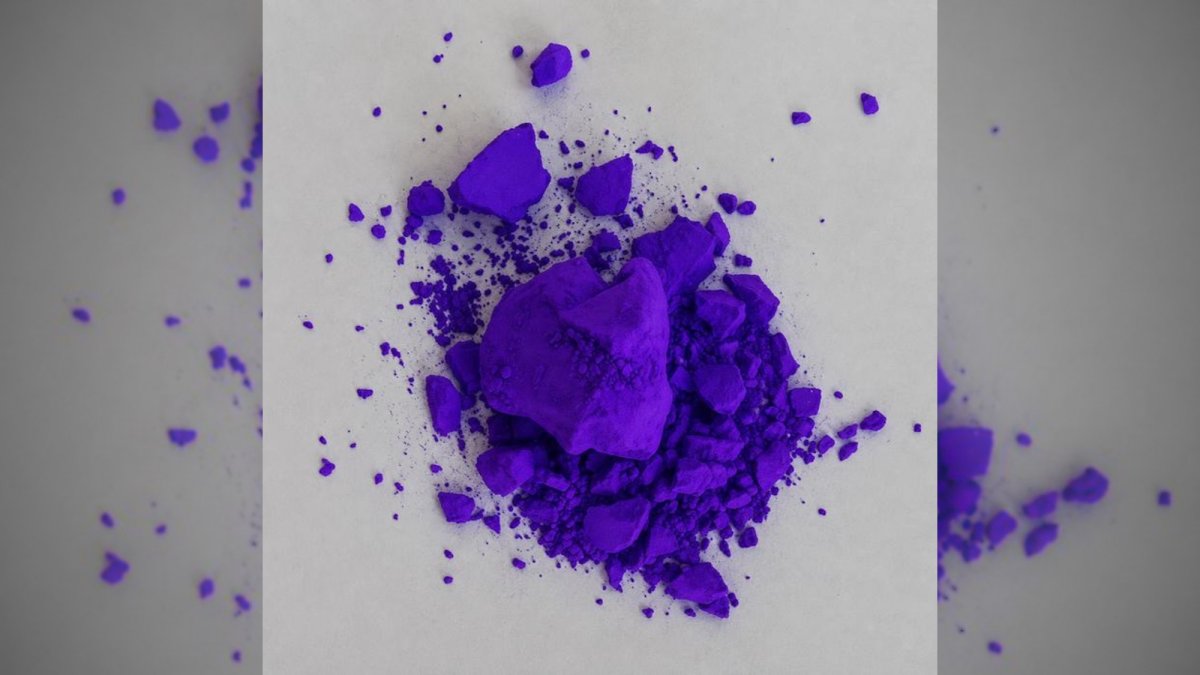
💜
New fabric stays cooler than white cotton—and it’s purple
Nieuwe stof blijft koeler dan witte katoen - en het is paars
Nouveau tissu reste plus frais que le coton blanc - et il est violet
I’m really excited about this new purple fabric that stays cooler than white cotton! Researchers from China and Australia have developed a material that not only looks great but also reflects nearly 88 percent of sunlight. This means it can keep you up to 11 degrees Fahrenheit cooler than regular purple cotton. It’s a fantastic breakthrough for those hot summer days, especially for outdoor workers who need relief from the heat.
Ik ben echt enthousiast over deze nieuwe paarse stof die koeler blijft dan witte katoen! Onderzoekers uit China en Australië hebben een materiaal ontwikkeld dat er niet alleen geweldig uitziet, maar ook bijna 88 procent van het zonlicht reflecteert. Dit betekent dat het je tot 11 graden Fahrenheit koeler kan houden dan gewone paarse katoen. Het is een fantastische doorbraak voor die hete zomerdagen, vooral voor buitenshuis werkende mensen die verlichting van de hitte nodig hebben.
Je suis vraiment enthousiaste à propos de ce nouveau tissu violet qui reste plus frais que le coton blanc ! Des chercheurs de Chine et d'Australie ont développé un matériau qui non seulement a fière allure, mais qui reflète également près de 88 % de la lumière du soleil. Cela signifie qu'il peut vous garder jusqu'à 11 degrés Fahrenheit plus frais que le coton violet ordinaire. C'est une fantastique avancée pour ces chaudes journées d'été, surtout pour les travailleurs en extérieur qui ont besoin de soulagement face à la chaleur.
🤖
How AI is bringing virtual patients and digital twins into clinical trials
Hoe AI virtuele patiënten en digitale tweelingen in klinische proeven brengt
Comment l'IA intègre les patients virtuels et les jumeaux numériques dans les essais cliniques
It's fascinating to see how artificial intelligence is revolutionizing clinical trials! Virtual patients and digital twins are becoming essential tools for researchers, allowing for more accurate predictions and personalized treatments. This innovative approach not only enhances the efficiency of trials but also significantly reduces costs and risks for real patients. I'm really excited about the potential this technology holds for the future of healthcare!
Het is fascinerend om te zien hoe kunstmatige intelligentie klinische proeven revolutioneert! Virtuele patiënten en digitale tweelingen worden essentiële hulpmiddelen voor onderzoekers, waardoor nauwkeurigere voorspellingen en gepersonaliseerde behandelingen mogelijk zijn. Deze innovatieve benadering verhoogt niet alleen de efficiëntie van proeven, maar vermindert ook aanzienlijk de kosten en risico's voor echte patiënten. Ik ben echt enthousiast over het potentieel dat deze technologie heeft voor de toekomst van de gezondheidszorg!
C'est fascinant de voir comment l'intelligence artificielle révolutionne les essais cliniques ! Les patients virtuels et les jumeaux numériques deviennent des outils essentiels pour les chercheurs, permettant des prédictions plus précises et des traitements personnalisés. Cette approche innovante améliore non seulement l'efficacité des essais, mais réduit également considérablement les coûts et les risques pour les vrais patients. Je suis vraiment enthousiaste à l'idée du potentiel que cette technologie a pour l'avenir des soins de santé !

💉
Most in support of publicly-funded RSV vaccination - survey
Meeste voorstander van publiek gefinancierde RSV-vaccinatie - enquête
La plupart en faveur de la vaccination RSV financée par l'État - enquête
A recent survey revealed that a significant majority of New Zealanders support publicly funded vaccinations for RSV, especially for infants and during pregnancy. RSV can lead to serious respiratory issues in young children, making this initiative crucial. Interestingly, support was notably higher among older respondents and those with higher education levels. Experts like Dr. Jutta Van den Boom emphasize the importance of such vaccinations to protect vulnerable children and reduce hospital admissions.
Een recente enquête toonde aan dat een aanzienlijk merendeel van de Nieuw-Zeelanders voorstander is van publiek gefinancierde vaccinaties voor RSV, vooral voor zuigelingen en tijdens de zwangerschap. RSV kan leiden tot ernstige ademhalingsproblemen bij jonge kinderen, wat deze initiatief cruciaal maakt. Interessant is dat de steun aanzienlijk hoger was onder oudere respondenten en degenen met een hoger opleidingsniveau. Experts zoals Dr. Jutta Van den Boom benadrukken het belang van dergelijke vaccinaties om kwetsbare kinderen te beschermen en ziekenhuisopnames te verminderen.
Une récente enquête a révélé qu'une majorité significative de Néo-Zélandais soutient les vaccinations financées par l'État contre le RSV, en particulier pour les nourrissons et pendant la grossesse. Le RSV peut entraîner de graves problèmes respiratoires chez les jeunes enfants, ce qui rend cette initiative cruciale. Fait intéressant, le soutien était nettement plus élevé parmi les répondants plus âgés et ceux ayant un niveau d'éducation plus élevé. Des experts comme Dr. Jutta Van den Boom soulignent l'importance de ces vaccinations pour protéger les enfants vulnérables et réduire les admissions à l'hôpital.
🌱
Europe on record course for building new wind turbines
Europa op recordkoers voor bouw nieuwe windmolens
Europe sur une trajectoire record pour la construction de nouvelles éoliennes
It's exciting to see Europe making such significant strides in renewable energy! The construction of new wind turbines is reaching record levels, which is fantastic news for sustainability efforts. This surge not only helps combat climate change but also boosts local economies and creates jobs. It's a win-win situation that showcases Europe's commitment to a greener future.
Het is opwindend om te zien hoe Europa zulke belangrijke stappen zet in hernieuwbare energie! De bouw van nieuwe windmolens bereikt recordhoogtes, wat fantastisch nieuws is voor de duurzaamheidsinspanningen. Deze toename helpt niet alleen de klimaatverandering te bestrijden, maar stimuleert ook de lokale economieën en creëert banen. Het is een win-winsituatie die de toewijding van Europa aan een groenere toekomst laat zien.
C'est excitant de voir l'Europe faire des progrès significatifs dans les énergies renouvelables ! La construction de nouvelles éoliennes atteint des niveaux record, ce qui est une excellente nouvelle pour les efforts de durabilité. Cette augmentation aide non seulement à lutter contre le changement climatique, mais stimule également les économies locales et crée des emplois. C'est une situation gagnant-gagnant qui montre l'engagement de l'Europe envers un avenir plus vert.

🏺
Record-sized viking treasure found in danish garden
Recordgrote vikingenschat gevonden in Deens tuin
Trésor viking de taille record trouvé dans un jardin danois
So, imagine this – a home renovation in Denmark leads to the discovery of the largest known Viking silver treasure in the country! The person who found it described it as the biggest surprise of their life, which is just fantastic. It's amazing how history can pop up in the most unexpected places, right? This treasure is not just a find; it’s a glimpse into the rich past of the Vikings and their incredible craftsmanship.
Stel je voor – een verbouwing in Denemarken leidt tot de ontdekking van de grootste bekende Viking zilverschatz in het land! De persoon die het vond, beschreef het als de grootste verrassing van zijn leven, wat gewoon fantastisch is. Het is geweldig hoe geschiedenis op de meest onverwachte plaatsen kan opduiken, toch? Deze schat is niet alleen een vondst; het is een blik op het rijke verleden van de Vikingen en hun ongelooflijke ambacht.
Alors, imaginez cela – une rénovation domiciliaire au Danemark conduit à la découverte du plus grand trésor d'argent viking connu dans le pays ! La personne qui l'a trouvé a décrit cela comme la plus grande surprise de sa vie, ce qui est tout simplement fantastique. C'est incroyable de voir comment l'histoire peut surgir aux endroits les plus inattendus, n'est-ce pas ? Ce trésor n'est pas seulement une découverte ; c'est un aperçu du riche passé des Vikings et de leur incroyable savoir-faire.
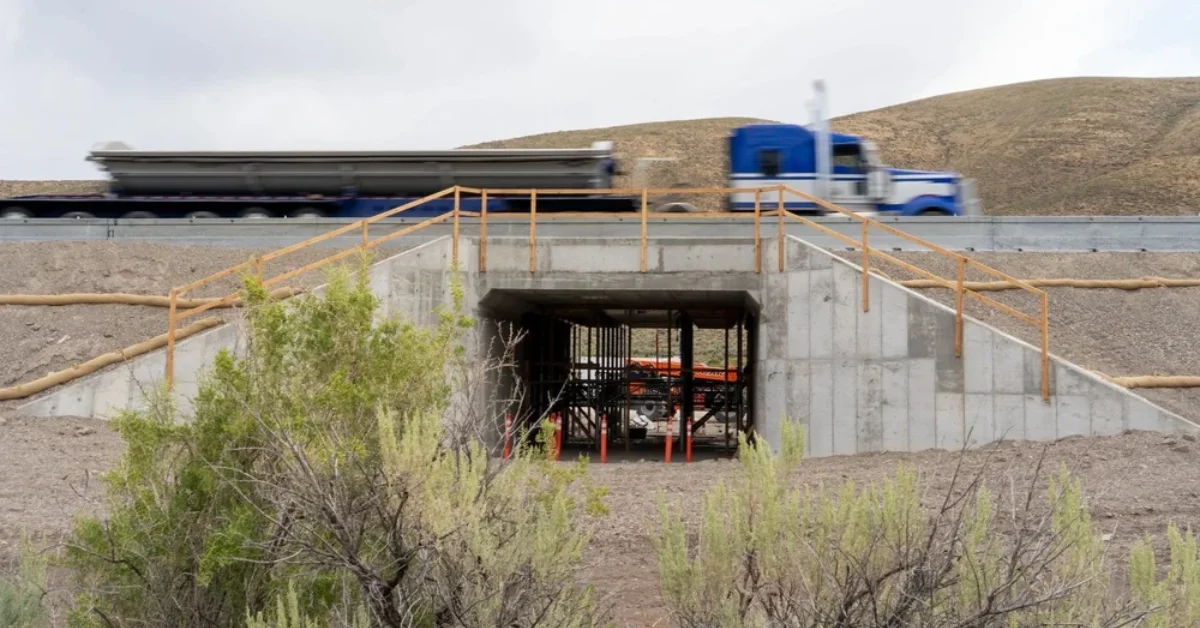
🦌
When this Idaho wildlife crossing is complete, migrating deer will be able to walk under a busy highway
Wanneer deze Idaho wildlife-oversteekplaats klaar is, kunnen migrerende herten onder een drukke snelweg lopen
Lorsque ce passage pour la faune dans l'Idaho sera terminé, les cerfs migrateurs pourront passer sous une route très fréquentée
I'm really excited about the new Rocky Point Wildlife Underpass in Idaho, which is almost finished! This project is a fantastic collaboration between various agencies and conservation groups to protect both wildlife and drivers. With three underpasses and fencing to guide deer safely, it's a big step towards reducing accidents and preserving nature. Plus, it's great to see federal support making this possible, showing what can happen when communities come together for a common goal.
Ik ben echt enthousiast over de nieuwe Rocky Point Wildlife-oversteekplaats in Idaho, die bijna klaar is! Dit project is een fantastische samenwerking tussen verschillende instanties en natuurbeschermingsgroepen om zowel de dieren als de bestuurders te beschermen. Met drie onderdoorgangen en omheiningen om herten veilig te geleiden, is het een grote stap in de richting van het verminderen van ongevallen en het behouden van de natuur. Bovendien is het geweldig om te zien dat er federale steun is om dit mogelijk te maken, wat laat zien wat er kan gebeuren wanneer gemeenschappen samenkomen voor een gemeenschappelijk doel.
Je suis vraiment enthousiaste à propos du nouveau passage pour la faune de Rocky Point dans l'Idaho, qui est presque terminé ! Ce projet est une collaboration fantastique entre diverses agences et groupes de conservation pour protéger à la fois la faune et les conducteurs. Avec trois passages souterrains et des clôtures pour guider les cerfs en toute sécurité, c'est un grand pas vers la réduction des accidents et la préservation de la nature. De plus, c'est formidable de voir le soutien fédéral rendre cela possible, montrant ce qui peut se passer lorsque les communautés se rassemblent pour un objectif commun.
💧
Water hero of India shares practical tips for Bengaluru homes to harvest rainwater
Waterheld van India deelt praktische tips voor Bengaluru-huizen om regenwater te oogsten
Héros de l'eau en Inde partage des conseils pratiques pour récolter l'eau de pluie dans les maisons de Bengaluru
Bengaluru, known for its beautiful monsoons, faces a water crisis due to poor rainwater management. Subhajit Mukherjee, the Water Hero of India, emphasizes the importance of harvesting rainwater at home. By channeling rainwater into storage tanks or recharge pits, households can significantly reduce their reliance on treated water. His initiative, 'Mera Chhat, Mera Pani,' encourages everyone to make their rooftops a source of water, helping to replenish the city's groundwater and combat urbanization challenges.
Bengaluru, bekend om zijn prachtige moessons, kampt met een watercrisis door slecht beheer van regenwater. Subhajit Mukherjee, de Waterheld van India, benadrukt het belang van het oogsten van regenwater thuis. Door regenwater naar opslagtanks of infiltratieputten te leiden, kunnen huishoudens hun afhankelijkheid van behandeld water aanzienlijk verminderen. Zijn initiatief 'Mera Chhat, Mera Pani' moedigt iedereen aan om hun daken tot een waterbron te maken, wat helpt om het grondwater van de stad aan te vullen en de uitdagingen van verstedelijking aan te pakken.
Bengaluru, connu pour ses magnifiques moussons, fait face à une crise de l'eau en raison d'une mauvaise gestion des eaux de pluie. Subhajit Mukherjee, le héros de l'eau en Inde, souligne l'importance de récolter l'eau de pluie à domicile. En canalisant l'eau de pluie vers des réservoirs ou des puits de recharge, les ménages peuvent réduire considérablement leur dépendance à l'eau traitée. Son initiative 'Mera Chhat, Mera Pani' encourage chacun à faire de leurs toits une source d'eau, contribuant ainsi à recharger les nappes phréatiques de la ville et à lutter contre les défis de l'urbanisation.
/s3/static.nrc.nl/wp-content/uploads/2026/08/31142116/310826WET_2036221779_HP.jpg)
🦗
Jurassic soundscape: insect sounds from 165 million years ago reconstructed
Jurassic geluidslandschap: insectengeluiden van 165 miljoen jaar geleden gereconstrueerd
Paysage sonore jurassique : sons d'insectes de 165 millions d'années reconstruits
Imagine a rich chorus of crickets and grasshoppers echoing through ancient forests 165 million years ago! A team of biologists has reconstructed these sounds based on the wing structures of nine extinct insect species. Their findings reveal a surprising variety of sounds, including ultrasonic calls from one species, challenging previous beliefs about insect sound production. This research not only sheds light on the past but also enhances our understanding of the evolution of communication in the animal kingdom.
Stel je een rijk koor van krekels en sprinkhanen voor dat 165 miljoen jaar geleden door oude bossen weerklonk! Een team biologen heeft deze geluiden gereconstrueerd op basis van de vleugelstructuren van negen uitgestorven insectensoorten. Hun bevindingen onthullen een verrassende variëteit aan geluiden, waaronder ultrasone roepen van één soort, wat eerdere opvattingen over de geluidsproductie bij insecten uitdaagt. Dit onderzoek werpt niet alleen licht op het verleden, maar vergroot ook ons begrip van de evolutie van communicatie in het dierenrijk.
Imaginez un riche chœur de grillons et de sauterelles résonnant à travers d'anciennes forêts il y a 165 millions d'années ! Une équipe de biologistes a reconstruit ces sons en se basant sur les structures des ailes de neuf espèces d'insectes éteintes. Leurs découvertes révèlent une surprenante variété de sons, y compris des appels ultrasoniques d'une espèce, remettant en question les croyances antérieures sur la production de sons chez les insectes. Cette recherche éclaire non seulement le passé, mais enrichit également notre compréhension de l'évolution de la communication dans le règne animal.
🌟
In London, children’s lungs grow faster as traffic pollution falls
In Londen groeien de longen van kinderen sneller naarmate de verkeersvervuiling afneemt
À Londres, les poumons des enfants se développent plus vite alors que la pollution routière diminue
It's fantastic news that a recent study shows children's lungs in London are developing faster thanks to reduced traffic pollution! The research compared kids living in the ultra low-emissions zone with those in nearby Luton, revealing a significant improvement in lung capacity. As nitrogen dioxide levels dropped, London children saw an increase of 233 milliliters of air breathed out per year, bridging the gap with their suburban peers. This is a hopeful sign for future health, as fewer children are experiencing impaired lung function.
Het is fantastisch nieuws dat een recente studie laat zien dat de longen van kinderen in Londen sneller ontwikkelen dankzij verminderde verkeersvervuiling! Het onderzoek vergeleek kinderen die in de ultra lage-emissiezones woonden met die in het nabijgelegen Luton, en onthulde een aanzienlijke verbetering in de longcapaciteit. Terwijl de niveaus van stikstofdioxide daalden, zagen Londen-kinderen een toename van 233 milliliter lucht die per jaar werd uitgeblazen, waardoor de kloof met hun stadsgenoten werd gedicht. Dit is een hoopvol teken voor de toekomstige gezondheid, aangezien minder kinderen last hebben van verminderde longfunctie.
C'est une excellente nouvelle qu'une étude récente montre que les poumons des enfants à Londres se développent plus rapidement grâce à la réduction de la pollution routière ! La recherche a comparé les enfants vivant dans la zone à faibles émissions avec ceux de Luton, révélant une amélioration significative de la capacité pulmonaire. Alors que les niveaux de dioxyde d'azote diminuaient, les enfants londoniens ont vu une augmentation de 233 millilitres d'air expiré par an, comblant ainsi l'écart avec leurs pairs de la banlieue. C'est un signe encourageant pour la santé future, car moins d'enfants souffrent de fonction pulmonaire altérée.